US6596508B2 - CRE-inducible expression system - Google Patents
CRE-inducible expression system Download PDFInfo
- Publication number
- US6596508B2 US6596508B2 US09/272,343 US27234399A US6596508B2 US 6596508 B2 US6596508 B2 US 6596508B2 US 27234399 A US27234399 A US 27234399A US 6596508 B2 US6596508 B2 US 6596508B2
- Authority
- US
- United States
- Prior art keywords
- promoter
- expression
- seap
- dna
- gene
- Prior art date
- Legal status (The legal status is an assumption and is not a legal conclusion. Google has not performed a legal analysis and makes no representation as to the accuracy of the status listed.)
- Expired - Fee Related
Links
- 230000014509 gene expression Effects 0.000 title claims abstract description 45
- 108090000623 proteins and genes Proteins 0.000 claims abstract description 68
- IVOMOUWHDPKRLL-KQYNXXCUSA-N Cyclic adenosine monophosphate Chemical compound C([C@H]1O2)OP(O)(=O)O[C@H]1[C@@H](O)[C@@H]2N1C(N=CN=C2N)=C2N=C1 IVOMOUWHDPKRLL-KQYNXXCUSA-N 0.000 claims abstract description 26
- IVOMOUWHDPKRLL-UHFFFAOYSA-N UNPD107823 Natural products O1C2COP(O)(=O)OC2C(O)C1N1C(N=CN=C2N)=C2N=C1 IVOMOUWHDPKRLL-UHFFFAOYSA-N 0.000 claims abstract description 14
- 229940095074 cyclic amp Drugs 0.000 claims abstract description 14
- 108091026890 Coding region Proteins 0.000 claims abstract description 10
- 108091028043 Nucleic acid sequence Proteins 0.000 claims abstract description 9
- 230000000694 effects Effects 0.000 claims description 35
- 230000001939 inductive effect Effects 0.000 claims description 28
- 102000004169 proteins and genes Human genes 0.000 claims description 28
- 108020004414 DNA Proteins 0.000 claims description 19
- 238000000034 method Methods 0.000 claims description 15
- 238000004519 manufacturing process Methods 0.000 claims description 14
- 108010003205 Vasoactive Intestinal Peptide Proteins 0.000 claims description 13
- 102000055135 Vasoactive Intestinal Peptide Human genes 0.000 claims description 11
- 102100024321 Alkaline phosphatase, placental type Human genes 0.000 claims description 5
- 239000012634 fragment Substances 0.000 claims description 5
- 108010031345 placental alkaline phosphatase Proteins 0.000 claims description 5
- 238000012258 culturing Methods 0.000 claims description 4
- 108091027981 Response element Proteins 0.000 claims 4
- 210000003734 kidney Anatomy 0.000 claims 2
- 238000000338 in vitro Methods 0.000 claims 1
- 210000004027 cell Anatomy 0.000 description 44
- OHCQJHSOBUTRHG-KGGHGJDLSA-N FORSKOLIN Chemical compound O=C([C@@]12O)C[C@](C)(C=C)O[C@]1(C)[C@@H](OC(=O)C)[C@@H](O)[C@@H]1[C@]2(C)[C@@H](O)CCC1(C)C OHCQJHSOBUTRHG-KGGHGJDLSA-N 0.000 description 26
- 102000005962 receptors Human genes 0.000 description 26
- 108020003175 receptors Proteins 0.000 description 26
- SUZLHDUTVMZSEV-UHFFFAOYSA-N Deoxycoleonol Natural products C12C(=O)CC(C)(C=C)OC2(C)C(OC(=O)C)C(O)C2C1(C)C(O)CCC2(C)C SUZLHDUTVMZSEV-UHFFFAOYSA-N 0.000 description 13
- OHCQJHSOBUTRHG-UHFFFAOYSA-N colforsin Natural products OC12C(=O)CC(C)(C=C)OC1(C)C(OC(=O)C)C(O)C1C2(C)C(O)CCC1(C)C OHCQJHSOBUTRHG-UHFFFAOYSA-N 0.000 description 13
- ZFXYFBGIUFBOJW-UHFFFAOYSA-N theophylline Chemical compound O=C1N(C)C(=O)N(C)C2=C1NC=N2 ZFXYFBGIUFBOJW-UHFFFAOYSA-N 0.000 description 12
- 102000007056 Recombinant Fusion Proteins Human genes 0.000 description 9
- 108010008281 Recombinant Fusion Proteins Proteins 0.000 description 9
- 230000014616 translation Effects 0.000 description 9
- 239000013604 expression vector Substances 0.000 description 8
- 241000700605 Viruses Species 0.000 description 7
- 239000002299 complementary DNA Substances 0.000 description 7
- XEYBRNLFEZDVAW-ARSRFYASSA-N dinoprostone Chemical compound CCCCC[C@H](O)\C=C\[C@H]1[C@H](O)CC(=O)[C@@H]1C\C=C/CCCC(O)=O XEYBRNLFEZDVAW-ARSRFYASSA-N 0.000 description 7
- 230000006698 induction Effects 0.000 description 6
- 239000002571 phosphodiesterase inhibitor Substances 0.000 description 6
- 230000000087 stabilizing effect Effects 0.000 description 6
- 229960000278 theophylline Drugs 0.000 description 6
- 230000035897 transcription Effects 0.000 description 6
- 238000013518 transcription Methods 0.000 description 6
- 102000008130 Cyclic AMP-Dependent Protein Kinases Human genes 0.000 description 5
- 108010063738 Interleukins Proteins 0.000 description 5
- 102000015696 Interleukins Human genes 0.000 description 5
- 108700020796 Oncogene Proteins 0.000 description 5
- 241000251539 Vertebrata <Metazoa> Species 0.000 description 5
- 230000004913 activation Effects 0.000 description 5
- 238000003556 assay Methods 0.000 description 5
- 230000000144 pharmacologic effect Effects 0.000 description 5
- 239000013612 plasmid Substances 0.000 description 5
- 230000002103 transcriptional effect Effects 0.000 description 5
- 238000013519 translation Methods 0.000 description 5
- 108091032973 (ribonucleotides)n+m Proteins 0.000 description 4
- 102000004190 Enzymes Human genes 0.000 description 4
- 108090000790 Enzymes Proteins 0.000 description 4
- 102000004861 Phosphoric Diester Hydrolases Human genes 0.000 description 4
- 108090001050 Phosphoric Diester Hydrolases Proteins 0.000 description 4
- 239000000122 growth hormone Substances 0.000 description 4
- 239000003446 ligand Substances 0.000 description 4
- 210000004962 mammalian cell Anatomy 0.000 description 4
- 108020004999 messenger RNA Proteins 0.000 description 4
- 238000001890 transfection Methods 0.000 description 4
- 238000011144 upstream manufacturing Methods 0.000 description 4
- 102000003951 Erythropoietin Human genes 0.000 description 3
- 108090000394 Erythropoietin Proteins 0.000 description 3
- 102000003688 G-Protein-Coupled Receptors Human genes 0.000 description 3
- 108090000045 G-Protein-Coupled Receptors Proteins 0.000 description 3
- 229940099471 Phosphodiesterase inhibitor Drugs 0.000 description 3
- 102000004887 Transforming Growth Factor beta Human genes 0.000 description 3
- 108090001012 Transforming Growth Factor beta Proteins 0.000 description 3
- 108700005077 Viral Genes Proteins 0.000 description 3
- 102000030621 adenylate cyclase Human genes 0.000 description 3
- 108060000200 adenylate cyclase Proteins 0.000 description 3
- 239000000556 agonist Substances 0.000 description 3
- 239000005557 antagonist Substances 0.000 description 3
- 229940082638 cardiac stimulant phosphodiesterase inhibitors Drugs 0.000 description 3
- 150000001875 compounds Chemical class 0.000 description 3
- 229940105423 erythropoietin Drugs 0.000 description 3
- 238000013537 high throughput screening Methods 0.000 description 3
- 230000003834 intracellular effect Effects 0.000 description 3
- 230000001575 pathological effect Effects 0.000 description 3
- 230000001766 physiological effect Effects 0.000 description 3
- OXCMYAYHXIHQOA-UHFFFAOYSA-N potassium;[2-butyl-5-chloro-3-[[4-[2-(1,2,4-triaza-3-azanidacyclopenta-1,4-dien-5-yl)phenyl]phenyl]methyl]imidazol-4-yl]methanol Chemical compound [K+].CCCCC1=NC(Cl)=C(CO)N1CC1=CC=C(C=2C(=CC=CC=2)C2=N[N-]N=N2)C=C1 OXCMYAYHXIHQOA-UHFFFAOYSA-N 0.000 description 3
- BHMBVRSPMRCCGG-OUTUXVNYSA-N prostaglandin D2 Chemical compound CCCCC[C@H](O)\C=C\[C@@H]1[C@@H](C\C=C/CCCC(O)=O)[C@@H](O)CC1=O BHMBVRSPMRCCGG-OUTUXVNYSA-N 0.000 description 3
- 108700042226 ras Genes Proteins 0.000 description 3
- 230000001105 regulatory effect Effects 0.000 description 3
- 230000004044 response Effects 0.000 description 3
- ZRKFYGHZFMAOKI-QMGMOQQFSA-N tgfbeta Chemical compound C([C@H](NC(=O)[C@H](C(C)C)NC(=O)CNC(=O)[C@H](CCC(O)=O)NC(=O)[C@H](CCCNC(N)=N)NC(=O)[C@H](CC(N)=O)NC(=O)[C@H](CC(C)C)NC(=O)[C@H]([C@@H](C)O)NC(=O)[C@H](CCC(O)=O)NC(=O)[C@H]([C@@H](C)O)NC(=O)[C@H](CC(C)C)NC(=O)CNC(=O)[C@H](C)NC(=O)[C@H](CO)NC(=O)[C@H](CCC(N)=O)NC(=O)[C@@H](NC(=O)[C@H](C)NC(=O)[C@H](C)NC(=O)[C@@H](NC(=O)[C@H](CC(C)C)NC(=O)[C@@H](N)CCSC)C(C)C)[C@@H](C)CC)C(=O)N[C@@H]([C@@H](C)O)C(=O)N[C@@H](C(C)C)C(=O)N[C@@H](CC=1C=CC=CC=1)C(=O)N[C@@H](C)C(=O)N1[C@@H](CCC1)C(=O)N[C@@H]([C@@H](C)O)C(=O)N[C@@H](CC(N)=O)C(=O)N[C@@H](CCC(O)=O)C(=O)N[C@@H](C)C(=O)N[C@@H](CC=1C=CC=CC=1)C(=O)N[C@@H](CCCNC(N)=N)C(=O)N[C@@H](C)C(=O)N[C@@H](CC(C)C)C(=O)N1[C@@H](CCC1)C(=O)N1[C@@H](CCC1)C(=O)N[C@@H](CCCNC(N)=N)C(=O)N[C@@H](CCC(O)=O)C(=O)N[C@@H](CCCNC(N)=N)C(=O)N[C@@H](CO)C(=O)N[C@@H](CCCNC(N)=N)C(=O)N[C@@H](CC(C)C)C(=O)N[C@@H](CC(C)C)C(O)=O)C1=CC=C(O)C=C1 ZRKFYGHZFMAOKI-QMGMOQQFSA-N 0.000 description 3
- 239000013598 vector Substances 0.000 description 3
- 102000002260 Alkaline Phosphatase Human genes 0.000 description 2
- 108020004774 Alkaline Phosphatase Proteins 0.000 description 2
- 108010049894 Cyclic AMP-Dependent Protein Kinases Proteins 0.000 description 2
- 241000701022 Cytomegalovirus Species 0.000 description 2
- 108010017080 Granulocyte Colony-Stimulating Factor Proteins 0.000 description 2
- 102000004269 Granulocyte Colony-Stimulating Factor Human genes 0.000 description 2
- 108010017213 Granulocyte-Macrophage Colony-Stimulating Factor Proteins 0.000 description 2
- 102000004457 Granulocyte-Macrophage Colony-Stimulating Factor Human genes 0.000 description 2
- 241000714260 Human T-lymphotropic virus 1 Species 0.000 description 2
- 241000714259 Human T-lymphotropic virus 2 Species 0.000 description 2
- 102000007330 LDL Lipoproteins Human genes 0.000 description 2
- 108010007622 LDL Lipoproteins Proteins 0.000 description 2
- 108010046938 Macrophage Colony-Stimulating Factor Proteins 0.000 description 2
- 102000007651 Macrophage Colony-Stimulating Factor Human genes 0.000 description 2
- 241001465754 Metazoa Species 0.000 description 2
- 241001631646 Papillomaviridae Species 0.000 description 2
- 108700001094 Plant Genes Proteins 0.000 description 2
- 108700008625 Reporter Genes Proteins 0.000 description 2
- 241000580858 Simian-Human immunodeficiency virus Species 0.000 description 2
- 108700009124 Transcription Initiation Site Proteins 0.000 description 2
- 238000002835 absorbance Methods 0.000 description 2
- 239000012190 activator Substances 0.000 description 2
- 102000001307 androgen receptors Human genes 0.000 description 2
- 108010080146 androgen receptors Proteins 0.000 description 2
- 230000033228 biological regulation Effects 0.000 description 2
- 230000015556 catabolic process Effects 0.000 description 2
- 238000000423 cell based assay Methods 0.000 description 2
- 238000006731 degradation reaction Methods 0.000 description 2
- 102000015694 estrogen receptors Human genes 0.000 description 2
- 108010038795 estrogen receptors Proteins 0.000 description 2
- 230000004927 fusion Effects 0.000 description 2
- 239000001963 growth medium Substances 0.000 description 2
- 230000003394 haemopoietic effect Effects 0.000 description 2
- 208000006454 hepatitis Diseases 0.000 description 2
- 231100000283 hepatitis Toxicity 0.000 description 2
- 210000005260 human cell Anatomy 0.000 description 2
- 229960002240 iloprost Drugs 0.000 description 2
- HIFJCPQKFCZDDL-ACWOEMLNSA-N iloprost Chemical compound C1\C(=C/CCCC(O)=O)C[C@@H]2[C@@H](/C=C/[C@@H](O)C(C)CC#CC)[C@H](O)C[C@@H]21 HIFJCPQKFCZDDL-ACWOEMLNSA-N 0.000 description 2
- 238000011534 incubation Methods 0.000 description 2
- 238000003780 insertion Methods 0.000 description 2
- 230000037431 insertion Effects 0.000 description 2
- 210000003292 kidney cell Anatomy 0.000 description 2
- 230000004048 modification Effects 0.000 description 2
- 238000012986 modification Methods 0.000 description 2
- 239000002773 nucleotide Substances 0.000 description 2
- 125000003729 nucleotide group Chemical group 0.000 description 2
- 230000037361 pathway Effects 0.000 description 2
- 230000003169 placental effect Effects 0.000 description 2
- 229940127293 prostanoid Drugs 0.000 description 2
- 102000017953 prostanoid receptors Human genes 0.000 description 2
- 108050007059 prostanoid receptors Proteins 0.000 description 2
- 150000003814 prostanoids Chemical class 0.000 description 2
- 230000001177 retroviral effect Effects 0.000 description 2
- 230000011664 signaling Effects 0.000 description 2
- 239000006228 supernatant Substances 0.000 description 2
- 231100000331 toxic Toxicity 0.000 description 2
- 230000002588 toxic effect Effects 0.000 description 2
- 230000009495 transient activation Effects 0.000 description 2
- 230000010474 transient expression Effects 0.000 description 2
- 241001529453 unidentified herpesvirus Species 0.000 description 2
- JWZZKOKVBUJMES-UHFFFAOYSA-N (+-)-Isoprenaline Chemical compound CC(C)NCC(O)C1=CC=C(O)C(O)=C1 JWZZKOKVBUJMES-UHFFFAOYSA-N 0.000 description 1
- 102000005869 Activating Transcription Factors Human genes 0.000 description 1
- 108010005254 Activating Transcription Factors Proteins 0.000 description 1
- 241000271566 Aves Species 0.000 description 1
- 241000223836 Babesia Species 0.000 description 1
- 241000283690 Bos taurus Species 0.000 description 1
- 102000007644 Colony-Stimulating Factors Human genes 0.000 description 1
- 108010071942 Colony-Stimulating Factors Proteins 0.000 description 1
- 208000008953 Cryptosporidiosis Diseases 0.000 description 1
- 206010011502 Cryptosporidiosis infection Diseases 0.000 description 1
- 102000004127 Cytokines Human genes 0.000 description 1
- 108090000695 Cytokines Proteins 0.000 description 1
- 241000224431 Entamoeba Species 0.000 description 1
- 241000709661 Enterovirus Species 0.000 description 1
- 241000283073 Equus caballus Species 0.000 description 1
- 102100039788 GTPase NRas Human genes 0.000 description 1
- 108700007698 Genetic Terminator Regions Proteins 0.000 description 1
- 241000224466 Giardia Species 0.000 description 1
- 108010051696 Growth Hormone Proteins 0.000 description 1
- 239000000095 Growth Hormone-Releasing Hormone Substances 0.000 description 1
- 108700001807 Helminth Genes Proteins 0.000 description 1
- 108010002352 Interleukin-1 Proteins 0.000 description 1
- 108010002350 Interleukin-2 Proteins 0.000 description 1
- 108010002386 Interleukin-3 Proteins 0.000 description 1
- 108090000978 Interleukin-4 Proteins 0.000 description 1
- 108010002616 Interleukin-5 Proteins 0.000 description 1
- 108090001005 Interleukin-6 Proteins 0.000 description 1
- 108010002586 Interleukin-7 Proteins 0.000 description 1
- 108090001007 Interleukin-8 Proteins 0.000 description 1
- 241000222722 Leishmania <genus> Species 0.000 description 1
- 241000124008 Mammalia Species 0.000 description 1
- 108010052285 Membrane Proteins Proteins 0.000 description 1
- 102000018697 Membrane Proteins Human genes 0.000 description 1
- 108090000157 Metallothionein Proteins 0.000 description 1
- 208000010359 Newcastle Disease Diseases 0.000 description 1
- 101710163270 Nuclease Proteins 0.000 description 1
- 102000043276 Oncogene Human genes 0.000 description 1
- 108091081548 Palindromic sequence Proteins 0.000 description 1
- 102000035195 Peptidases Human genes 0.000 description 1
- 108091005804 Peptidases Proteins 0.000 description 1
- 101100329394 Phytophthora infestans (strain T30-4) CRE5 gene Proteins 0.000 description 1
- 241000224016 Plasmodium Species 0.000 description 1
- 239000004365 Protease Substances 0.000 description 1
- 108700001531 Protozoan Genes Proteins 0.000 description 1
- 108020004511 Recombinant DNA Proteins 0.000 description 1
- 102100022831 Somatoliberin Human genes 0.000 description 1
- 101710142969 Somatoliberin Proteins 0.000 description 1
- 102100038803 Somatotropin Human genes 0.000 description 1
- 241000223996 Toxoplasma Species 0.000 description 1
- 102000046299 Transforming Growth Factor beta1 Human genes 0.000 description 1
- 102000011117 Transforming Growth Factor beta2 Human genes 0.000 description 1
- 101800002279 Transforming growth factor beta-1 Proteins 0.000 description 1
- 101800000304 Transforming growth factor beta-2 Proteins 0.000 description 1
- 102000056172 Transforming growth factor beta-3 Human genes 0.000 description 1
- 108090000097 Transforming growth factor beta-3 Proteins 0.000 description 1
- 241000223104 Trypanosoma Species 0.000 description 1
- 230000001594 aberrant effect Effects 0.000 description 1
- 230000006978 adaptation Effects 0.000 description 1
- 201000008680 babesiosis Diseases 0.000 description 1
- 230000006037 cell lysis Effects 0.000 description 1
- 239000003153 chemical reaction reagent Substances 0.000 description 1
- 229940047120 colony stimulating factors Drugs 0.000 description 1
- 230000007423 decrease Effects 0.000 description 1
- 238000001514 detection method Methods 0.000 description 1
- 238000003745 diagnosis Methods 0.000 description 1
- 238000002474 experimental method Methods 0.000 description 1
- 230000004345 fruit ripening Effects 0.000 description 1
- 230000000855 fungicidal effect Effects 0.000 description 1
- 239000000417 fungicide Substances 0.000 description 1
- 230000035784 germination Effects 0.000 description 1
- 230000002607 hemopoietic effect Effects 0.000 description 1
- 230000002363 herbicidal effect Effects 0.000 description 1
- 239000004009 herbicide Substances 0.000 description 1
- 230000015784 hyperosmotic salinity response Effects 0.000 description 1
- 208000015181 infectious disease Diseases 0.000 description 1
- 230000002401 inhibitory effect Effects 0.000 description 1
- 230000005764 inhibitory process Effects 0.000 description 1
- 229940039009 isoproterenol Drugs 0.000 description 1
- 230000002018 overexpression Effects 0.000 description 1
- 239000000575 pesticide Substances 0.000 description 1
- 230000008488 polyadenylation Effects 0.000 description 1
- 229920001184 polypeptide Polymers 0.000 description 1
- 108090000765 processed proteins & peptides Proteins 0.000 description 1
- 102000004196 processed proteins & peptides Human genes 0.000 description 1
- 208000009305 pseudorabies Diseases 0.000 description 1
- 238000011160 research Methods 0.000 description 1
- 230000019491 signal transduction Effects 0.000 description 1
- DMRMZQATXPQOTP-GWTDSMLYSA-M sodium;(4ar,6r,7r,7as)-6-(6-amino-8-bromopurin-9-yl)-2-oxido-2-oxo-4a,6,7,7a-tetrahydro-4h-furo[3,2-d][1,3,2]dioxaphosphinin-7-ol Chemical compound [Na+].C([C@H]1O2)OP([O-])(=O)O[C@H]1[C@@H](O)[C@@H]2N1C(N=CN=C2N)=C2N=C1Br DMRMZQATXPQOTP-GWTDSMLYSA-M 0.000 description 1
- 108700026239 src Genes Proteins 0.000 description 1
- 239000003270 steroid hormone Substances 0.000 description 1
- 238000002560 therapeutic procedure Methods 0.000 description 1
- 231100000419 toxicity Toxicity 0.000 description 1
- 230000001988 toxicity Effects 0.000 description 1
- 239000003053 toxin Substances 0.000 description 1
- 231100000765 toxin Toxicity 0.000 description 1
- 108700012359 toxins Proteins 0.000 description 1
- 238000003146 transient transfection Methods 0.000 description 1
- 230000017260 vegetative to reproductive phase transition of meristem Effects 0.000 description 1
Images




Classifications
-
- C—CHEMISTRY; METALLURGY
- C07—ORGANIC CHEMISTRY
- C07K—PEPTIDES
- C07K14/00—Peptides having more than 20 amino acids; Gastrins; Somatostatins; Melanotropins; Derivatives thereof
- C07K14/435—Peptides having more than 20 amino acids; Gastrins; Somatostatins; Melanotropins; Derivatives thereof from animals; from humans
- C07K14/575—Hormones
- C07K14/57563—Vasoactive intestinal peptide [VIP]; Related peptides
-
- C—CHEMISTRY; METALLURGY
- C12—BIOCHEMISTRY; BEER; SPIRITS; WINE; VINEGAR; MICROBIOLOGY; ENZYMOLOGY; MUTATION OR GENETIC ENGINEERING
- C12N—MICROORGANISMS OR ENZYMES; COMPOSITIONS THEREOF; PROPAGATING, PRESERVING, OR MAINTAINING MICROORGANISMS; MUTATION OR GENETIC ENGINEERING; CULTURE MEDIA
- C12N15/00—Mutation or genetic engineering; DNA or RNA concerning genetic engineering, vectors, e.g. plasmids, or their isolation, preparation or purification; Use of hosts therefor
- C12N15/09—Recombinant DNA-technology
- C12N15/63—Introduction of foreign genetic material using vectors; Vectors; Use of hosts therefor; Regulation of expression
- C12N15/79—Vectors or expression systems specially adapted for eukaryotic hosts
- C12N15/85—Vectors or expression systems specially adapted for eukaryotic hosts for animal cells
-
- C—CHEMISTRY; METALLURGY
- C12—BIOCHEMISTRY; BEER; SPIRITS; WINE; VINEGAR; MICROBIOLOGY; ENZYMOLOGY; MUTATION OR GENETIC ENGINEERING
- C12N—MICROORGANISMS OR ENZYMES; COMPOSITIONS THEREOF; PROPAGATING, PRESERVING, OR MAINTAINING MICROORGANISMS; MUTATION OR GENETIC ENGINEERING; CULTURE MEDIA
- C12N2830/00—Vector systems having a special element relevant for transcription
-
- C—CHEMISTRY; METALLURGY
- C12—BIOCHEMISTRY; BEER; SPIRITS; WINE; VINEGAR; MICROBIOLOGY; ENZYMOLOGY; MUTATION OR GENETIC ENGINEERING
- C12N—MICROORGANISMS OR ENZYMES; COMPOSITIONS THEREOF; PROPAGATING, PRESERVING, OR MAINTAINING MICROORGANISMS; MUTATION OR GENETIC ENGINEERING; CULTURE MEDIA
- C12N2830/00—Vector systems having a special element relevant for transcription
- C12N2830/15—Vector systems having a special element relevant for transcription chimeric enhancer/promoter combination
-
- C—CHEMISTRY; METALLURGY
- C12—BIOCHEMISTRY; BEER; SPIRITS; WINE; VINEGAR; MICROBIOLOGY; ENZYMOLOGY; MUTATION OR GENETIC ENGINEERING
- C12N—MICROORGANISMS OR ENZYMES; COMPOSITIONS THEREOF; PROPAGATING, PRESERVING, OR MAINTAINING MICROORGANISMS; MUTATION OR GENETIC ENGINEERING; CULTURE MEDIA
- C12N2830/00—Vector systems having a special element relevant for transcription
- C12N2830/30—Vector systems having a special element relevant for transcription being an enhancer not forming part of the promoter region
Definitions
- the invention relates to inducible production of recombinant protein in eucaryotic cells. More specifically, it concerns an expression system that has a low-basal level and a high-induced level.
- the invention also relates to a method of identifying ligands (agonists or antagonists) which binds to endogenous or overexpressed G protein-coupled receptors. In particular, the method relates to ligands which binds to Gs- Gq- or Gi-coupled receptors.
- the invention also relates to a method of identifying phosphodiesterase inhibitors or PKA activators.
- the present invention relates to a plasmid having the reporter gene encoding for the human placental secreted alkaline phosphatase (SEAP) which expression is under the control of a cyclic-AMP (cAMP) inducible promoter.
- SEAP human placental secreted alkaline phosphatase
- cAMP cyclic-AMP
- a problem in recombinant protein production is the toxicity of some foreign proteins to the recombinant host.
- Foreign proteins overexpression are inherently aberrant in the host and therefore are often unhealthy for the cells at high concentration levels, even if they are not toxins in the conventional sense. Consequently, stable clones overexpressing recombinant proteins are often difficult to obtain or show poor growth characteristics.
- inducible promoter systems have been employed to overcome these problems.
- certain inducible systems will have high-basal transcriptional activity which results in recombinant protein production even though the cells have not been induced.
- Another problem is that inducible system with low-basal level often tend to have a low-induced level.
- the second messenger cyclic adenosine monophosphate can induce transcription by activating transcription factors acting through cAMP-responsive elements (CREs) found in various gene promoters.
- CRE cAMP-responsive elements
- CRE can be activated by other signalling pathways still to be fully characterized (Montminy, M., Annu. Rev. Biochem., 1997, 66: 807-822).
- Promoters containing one or multiple CREs can thus be used to control the expression of a recombinant protein or, when driving the expression of a reporter gene such as the secreted placental alkaline phosphatase (SEAP), to monitor G protein-coupled receptors activation since many of them modulate intracellular cAMP levels.
- SEAP secreted placental alkaline phosphatase
- the cAMP inducible promoter consist of multiple CREs upstream of a fragment of the vasointestinal peptide (VIP) promoter containing one endogenous CRE.
- VIP vasointestinal peptide
- This fusion promoter shows little basal transcriptional activity in its uninduced state. When induced, this fusion promoter drives the expression of the human placental secreted alkaline phosphatase (in the case of the cell-based assay application) or any other cDNA coding for a protein to be expressed.
- the CRE sequence used in this study derive from the vasointestinal peptide (VIP) promoter and have been described in detail by Tsukada et al ( J. Biol.
- the CRE consensus site is constituted by two 5 bp palindromic sequences CGTCA separated by five nucleotides, TACTG (Tsukada, T. et al, DNA, 1985, 4:293).
- a DNA construct for the expression of a desired gene which comprises a cyclic AMP sensitive promoter operably linked to a DNA sequence comprising the coding region of the desired gene.
- the invention is directed to host expression vectors which contain the foregoing control elements but, rather than the desired gene, contain a polylinker sequence containing restriction sites to permit the insertion of the DNA encoding any other desired protein in reading frame.
- the invention is directed to cell transfected with the expression vector and to methods to produce desired proteins by culturing the transfected cells under conditions wherein transcriptional and translation expression are induced.
- a DNA construct for the expression of a desired gene which construct comprises a cyclic AMP sensitive promoter operably linked to a DNA sequence comprising the coding region of the desired gene, having a low basal level and a high induced level.
- the cyclic AMP inducible promoter is CRE. More preferably, the cyclic AMP inducible promoter comprises between 1 and 9 CREs.
- the construct of the present invention includes a cDNA which is encoding for secreted human placental alkaline phosphatase (SEAP).
- SEAP secreted human placental alkaline phosphatase
- a mammalian expression vector for inducible expression of a protein of interest which comprises a synthetic promoter containing between 1 and 9 CREs operably linked to a cDNA encoding for a protein of interest, wherein said promoter allows for tight regulation of expression.
- a recombinant host vertebrate cell transfected with a construct as described herein there is provided a recombinant host vertebrate cell transfected with a construct as described herein.
- the preferred cell used is a mammalian cell.
- a method to express a gene encoding a desired protein comprises culturing the cells described herein under conditions wherein said coding sequence is expressed to produce a desired protein, and recovering the desired protein from the culture.
- the method further includes inducing the transcriptional promoter.
- a preferred cell line used in accordance with the present invention is a mammal cell line, or a human cell line, most preferably a human embryonic kidney cell line.
- a preferred serum-free human embryonic kidney cell line used in accordance with the present invention which allows for the expression of recombinant adenoviral vectors, referred to as 293SF-3F6, has been deposited at the American Type Culture Collection (ATCC, 10801 University Boulevard, Manassas, Va. 20110-2209 USA) on Sep. 25, 1998 under deposit number ATCC CRL-12585.
- ATCC American Type Culture Collection
- This deposit is available to be public upon the grant of a patent to the assignee, National Research Council Canada, disclosing same.
- the deposit is also available as required by Foreign Patent laws in countries wherein counterpart applications are filed.
- low basal level an expression level which is below 0.001 unit of absorbance at 405 nm formed per minute using SEAP as a reporter enzyme.
- high induced level is meant an expression level which is at least 100-fold the basal level if the latter is measurable or an expression level leading to a SEAP activity over 0.030 unit of absorbance at 405 nm using the protocol described on top.
- FIG. 1 illustrates induction of SEAP production by endogenously expressed Gs-coupled receptors in HEK cells
- FIGS. 2A-B illustrates effect of cell number per well on the pharmacological profiles of the Gq-coupled EP 1 and Gs-coupled DP prostanoid receptors
- FIGS. 3A-B illustrates effect of the duration of exposure to ligands on SEAP induction
- FIG. 4 illustrates transient expression and activation of the EP 2 receptor in the HEK293-pCRE5/SEAP transfectoma
- FIG. 5 illustrates Effect of the phosphodiesterase inhibitor IBMX on the EP 2 receptors response to PGE 2 ;
- FIG. 6 illustrates comparison of the inducible production of SEAP to that obtained with a constitutive CMV promoter
- FIGS. 7A-B illustrates effect of the non-specific phosphodiesterase inhibitors IBMX and theophylline on forskolin-induced SEAP production
- FIG. 8 illustrates effect of CRE repeats number on inducibility and overall activity of the promoter
- FIG. 9 illustrates effect of cAMP analogues on the inducible pCRE5 promoter
- FIG. 10 illustrates a schematic representation of the pCRE/SEAP reporter system for high throughput screening
- FIG. 11 illustrates a schematic representation of the CRE-VIP inducible expression system.
- a DNA construct for the expression of a desired gene which construct comprises a cyclic AMP sensitive promoter operably linked to a DNA sequence comprising the coding region of the desired gene wherein said construct having a low basal level and a high induced level.
- the cyclic AMP inducible promoter is CRE.
- the cyclic AMP inducible promoter is 9xCRE-VIP inducible promoter having the following sequence:
- a mammalian expression vector containing a synthetic promoter containing up to 9 CREs has been used for the inducible expression of recombinant proteins (FIG. 11 ).
- this promoter allows tight regulation of its expression.
- a cDNA encoding for the secreted human placental alkaline phosphatase SEAP (Berger et al., 1988, Gene, 66:1-1010) has been operably linked to such a promoter (FIG. 10 ).
- This reporter plasmid (pCRE/SEAP) has then been inserted in various mammalian expression vectors and stable HEK293 transfectoma isolated based on the inducibility of SEAP production by forskolin, an activator of adenylate cyclase.
- clones can be further transfected with expression vectors containing cDNA for various receptors and used for high throughput screening for agonists or antagonists, or for compounds modulating signalling enzymes involved in the pathway leading to promoter activation (adenylate cyclase, phosphodiesterases, protein kinase A, etc.).
- the desired gene is any cDNA coding for a protein of interest.
- the desired gene or gene of interest whose expression is associated with a defined physiological or pathalogical effect within a multicellular organism, may be a human gene.
- the desired gene may encode a hematopoietic protein, which may include, without limitation, colony stimulating factors (GM-CSF, G-CSF and M-CSF) and erythropoietin (EPO).
- GM-CSF colony stimulating factors
- G-CSF and M-CSF erythropoietin
- the gene of interest of the invention may encode an interleukin (IL) or a cytokine, or a growth modulating factor.
- IL interleukin
- a growth modulating factor would be a member of the transforming growth factor-beta (TGF-beta) family i.e. TGF-beta1 or TGF-beta2 or TGF-beta3.
- TGF-beta transforming growth factor-beta
- a gene of interest may also encode a receptor for a steroid hormone, such as the testosterone receptor or the estrogen receptor or for a TGF-beta.
- the gene of interest may also encode a growth hormone.
- growth hormones include, but are not limited to, human, bovine, porcine, avian, ovine, piscine, and equine growth hormones.
- the gene of interest may also encode polypeptide analogs of the above-identified growth hormones. Additionally, the gene of interest could encode a growth hormone releasing factor.
- the present invention also provides a viral gene as the gene of interest.
- the viral gene may be a retroviral gene.
- Retroviral genes of the invention may be from the HIV, HTLV-1, or HTLV-2 virus.
- the viral gene may be a gene from a hepatitis virus, a herpes virus, a papilloma virus, a cytomegalovirus, or an animal virus.
- Animal viruses of the invention may include, but are not limited to, pseudorabies, Marek's, Newcastle's Disease, and IBR viruses.
- the gene of interest whose expression is associated with a defined physiological or pathological effect within a multicellular organism, may also be a plant gene.
- the plant gene may encode an agronomically important trait. Examples of agronomically important traits may include, but are not limited to, germination, sprouting, flowering, fruit ripening, salt tolerance, herbicide resistance, pesticide resistance, fungicide resistance, temperature resistance, and growth.
- the gene of interest may be a protozoan gene.
- protozoans may include, but are not limited to, a selection from the group consisting of Trypanosoma, Plasmodium, Leishmania, Giardia, Entamoeba, Toxoplasma, Babesia, and Cryptosporidiosis.
- the gene of interest whose expression is associated with a defined physiological or pathological effect within a multicellular organism may be a helminth gene.
- the gene of interest may also be an oncogene.
- oncogenes may include, but are not limited to, the phl-abl oncogene, the neu oncogene, or the src oncogene. Additionally, the oncogene may be selected from the group consisting of H-ras, N-ras, and K-ras oncogenes.
- the present invention additionally provides that the gene of interest, whose expression is associated with a defined physiological or pathological effect within a multicellular organism, may encode a naturally occurring receptor.
- the naturally occurring receptor may be the human low density lipoprotein (LDL) receptor.
- the receptor may be the receptor for a hemopoietic protein. Examples of hematopoietic proteins may include, but are not limited to, a selection from the group consisting of M-CSF, G-CSF, GM-CSF, and EPO.
- the naturally occurring receptor encoded by the gene of interest may also be the receptor for an interleukin (IL).
- IL interleukin
- Examples of an IL may include, but are not limited to, a selection from the group consisting of IL-1, IL-2, IL-3, IL-4, IL-5, IL-6, IL-7 and IL-8.
- the naturally occurring receptor may be a cell surface protein, which mediates infection of the cell by a virus.
- viruses may include, but are not limited to, HIV, HTLV-1, HTLV-2, a hepatitis virus, a herpes virus, a papilloma virus, a cytomegalovirus and a rhinovirus.
- the receptor which naturally occurs in the cell is a testosterone receptor. In another example of the invention, the receptor which naturally occurs in the cell is an estrogen receptor.
- the host vertebrate cell is a mammalian cell.
- the elements of the expression system are constructed using standard recombinant DNA techniques.
- the transcriptional promoter is upstream of and operably linked to the DNA sequence, which is reverse transcripts of the inducible translation regulator and the RNA stabilizing sequence, respectively.
- operably linked is meant that the elements are ligated in such a fashion that their intended functions may be fulfilled.
- the promoter “operably linked” to the DNA sequence is ligated in such a position and manner as to be capable of effecting the transcription of these DNAs into mRNA.
- the inducible translation regulator is positioned in the 5′-untranslated sequence of the mRNA and is thus upstream of the RNA stabilizing element. It functions most effectively when close (approximately 28 nucleotides) to the 5′ cap. Accordingly, the DNA which represents its reverse transcript is ligated just downstream of the transcription initiation site (indeed, the transcription initiation site is conveniently introduced as part of the DNA) and upstream of the RNA stabilizing element.
- Typical polylinker sequences for gene insertion can be constructed synthetically and will include a variety of restriction sites.
- a useful polylinker region is that described by Lawson, T. G., et al., J. Virol. (1989( 63:5013-5022, cited above.
- This polylinker contains BssHII, SalI, EcoRV, ApaI and XhoI, in tow orientations.
- the coding sequence can be directly engineered by ligation to the second DNA sequence that represents the reverse transcript of the stabilizing element using a restriction site internal to the stabilizing element reverse transcript DNA. Techniques for modifying the termini to assure reading frame ligation are well-known in the art.
- the expression vectors constructed according to the method of the invention are transfected or transformed into suitable recombinant host cells which are then cultured under conditions which permit the regulated production of the desired protein.
- the choice of host will depend on the nature of the transcription and translation-regulating elements selected for the expression system.
- the transfected cells are cultured under conditions where expression is not induced until a high density of cells is achieved. Then conditions appropriate for the induction of expression are superimposed on the culture and protein production is commenced.
- the protein produced is then recovered either from the supernatant or by cell lysis and purified using conventional means.
- a wide variety of proteins can be produced in this manner and recovered for use in therapy, diagnosis, industrial processes, and the like.
- the pCRE5/SEAP reporter system of the present invention may be used for high throughput screening for agonists or antagonists, or for compounds modulating signalling enzymes involved in the pathway leading to promoter activation (adenylate cyclase, phosphodiesterases, protein kinase A, etc.).
- Stable HEK293-pCRE5/SEAP tranfectoma (40 ⁇ 10 3 cells/well) was challenged with PGE 2 (circles) or isoproterenol (sqares) in the presence (closed symbols) or absence (empty symbols) of 100 ⁇ M IBMX for 6 hours (FIG. 1 ).
- PGE 2 circles
- isoproterenol sqares
- the level of SEAP activity obtained with 10 ⁇ M forskolin and 100 ⁇ M IBMX was 0.05 unit/min.
- Stable EP i - (upper panel) or DP-expressing (lower panel) pCRE5/SEAP transfectants were seeded at 40 ⁇ 10 3 cells/well in 96 well plates and challenged with PGE 2 (circles), iloprost (EP 1 ) or PGD 2 (DP) (squares) or forskolin (triangles) for 6 h (empty symbols) or 18 hours (closed symbols) (FIG. 3 ).
- SEAP activity is expressed as the percentage of the maximum activity obtained in each case. This result shows that the assay can be performed with an overnight incubation period without any effect on the observed pharmacological profile as compared to a 6 hours incubation period. This contrast with other assays using intracellular reporting enzymes where maximal activity occurs between 4 and 8 hours and then decline.
- SEAP is secreted and therefore not exposed to degradation by intracellular proteases could explain this difference which is highly advantageous.
- the HEK293-pCRE5/SEAP transfectoma was challenged with PGE 2 for 6 hours (FIG. 4 ).
- the estimated EC 50 was below 1 nM of PGE 2 .
- this result shows that pharmacological profiles for various GPCRs can be obtained in a very fast way using this transitory expression assay.
- a HEK293-pCRE5/SEAP transfectoma was stably transfected with the prostanoid EP 2 receptor and challenged with PGE 2 in the absence (empty circles) or presence (closed circles) of 100 ⁇ M IBMX for 6 h and SEAP activity determined (FIG. 5 ). In this case, EC 50 was shifted 10-fold to the left. This shows that by inhibiting endogenous phosphodiesterases, IBMX significantly enhances the response of Gs-coupled receptors.
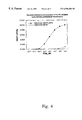
- HEK293 EBNA cells were seeded at 40 ⁇ 10 3 cells/well in a 96 well plate and transiently transfected with pCMV/SEAP or pCRE5/SEAP using the Lipofectamine (Gibco) reagent (0.5 ⁇ l Lipofectamine and 50 ng of DNA per well) (FIG. 6 ). 24 hours after start of transfection, cells were induced with vehicle alone (control) or 20 ⁇ M of forkolin and 200 ⁇ M theophylline (induced) for 50 hours. SEAP activity was then measured on a 50 ⁇ l aliquot of the culture medium. This result shows that the induced CRE5 promoter is as active as the CMV promoter, the strongest promoter known for mammalian cells.
Landscapes
- Health & Medical Sciences (AREA)
- Genetics & Genomics (AREA)
- Life Sciences & Earth Sciences (AREA)
- Chemical & Material Sciences (AREA)
- Organic Chemistry (AREA)
- Zoology (AREA)
- Engineering & Computer Science (AREA)
- Biophysics (AREA)
- Biochemistry (AREA)
- Molecular Biology (AREA)
- General Health & Medical Sciences (AREA)
- Bioinformatics & Cheminformatics (AREA)
- General Engineering & Computer Science (AREA)
- Wood Science & Technology (AREA)
- Biotechnology (AREA)
- Biomedical Technology (AREA)
- Microbiology (AREA)
- Plant Pathology (AREA)
- Physics & Mathematics (AREA)
- Vascular Medicine (AREA)
- Endocrinology (AREA)
- Toxicology (AREA)
- Gastroenterology & Hepatology (AREA)
- Medicinal Chemistry (AREA)
- Proteomics, Peptides & Aminoacids (AREA)
- Micro-Organisms Or Cultivation Processes Thereof (AREA)
Abstract
The present invention relates to an expression system for the expression of desired gene. The expression system of the present invention comprises a cyclic AMP sensitive promoter operably linked to a DNA sequence comprising the coding region of the desired gene. The expression system of the present invention has the advantage of having a low basal level and an high induced level.
Description
(a) Field of the Invention
The invention relates to inducible production of recombinant protein in eucaryotic cells. More specifically, it concerns an expression system that has a low-basal level and a high-induced level. The invention also relates to a method of identifying ligands (agonists or antagonists) which binds to endogenous or overexpressed G protein-coupled receptors. In particular, the method relates to ligands which binds to Gs- Gq- or Gi-coupled receptors. The invention also relates to a method of identifying phosphodiesterase inhibitors or PKA activators. Finally, the present invention relates to a plasmid having the reporter gene encoding for the human placental secreted alkaline phosphatase (SEAP) which expression is under the control of a cyclic-AMP (cAMP) inducible promoter.
(b) Description of Prior Art
A problem in recombinant protein production is the toxicity of some foreign proteins to the recombinant host. Foreign proteins overexpression are inherently aberrant in the host and therefore are often unhealthy for the cells at high concentration levels, even if they are not toxins in the conventional sense. Consequently, stable clones overexpressing recombinant proteins are often difficult to obtain or show poor growth characteristics. In the last several years, inducible promoter systems have been employed to overcome these problems. However, there are several problems with the commonly used inducible promoter systems. For example, certain inducible systems will have high-basal transcriptional activity which results in recombinant protein production even though the cells have not been induced. Another problem is that inducible system with low-basal level often tend to have a low-induced level.
The second messenger cyclic adenosine monophosphate (cAMP) can induce transcription by activating transcription factors acting through cAMP-responsive elements (CREs) found in various gene promoters. In addition to cAMP, CRE can be activated by other signalling pathways still to be fully characterized (Montminy, M., Annu. Rev. Biochem., 1997, 66: 807-822). Promoters containing one or multiple CREs can thus be used to control the expression of a recombinant protein or, when driving the expression of a reporter gene such as the secreted placental alkaline phosphatase (SEAP), to monitor G protein-coupled receptors activation since many of them modulate intracellular cAMP levels.
In this application, the cAMP inducible promoter consist of multiple CREs upstream of a fragment of the vasointestinal peptide (VIP) promoter containing one endogenous CRE. This fusion promoter shows little basal transcriptional activity in its uninduced state. When induced, this fusion promoter drives the expression of the human placental secreted alkaline phosphatase (in the case of the cell-based assay application) or any other cDNA coding for a protein to be expressed. The CRE sequence used in this study derive from the vasointestinal peptide (VIP) promoter and have been described in detail by Tsukada et al (J. Biol. Chem., 1987, 262:8743) and Fink et al (Proc. Natl. Acad. Sci. USA, 1988, 85:6662). In this promoter, the CRE consensus site is constituted by two 5 bp palindromic sequences CGTCA separated by five nucleotides, TACTG (Tsukada, T. et al, DNA, 1985, 4:293). To a 239 bp fragment (−94 to +145) of this VIP promoter (Fink et al, PNAS, 1988, 85:6662) containing one endogenous CRE (CGTCATACTGTGACG; SEQ ID NO:1), a synthetic DNA fragment containing four CREs (5′-CGTCACAGTATGACG-3′; SEQ ID NO:2) was created and ligated to its 5′ end (Chen, W. et al, Anal. Biochem., 1995, 226:349). This resulted in a promoter (4CRE/VIP) containing a total of 5 CREs. The 4CRE/VIP promoter construct was removed from the pCRE/á-Gal vector (kindly provided by Dr Roger D. Cone, Anal. Biochem., 1995, 226:349) and used such as, or following specific modifications.
It would therefore be desirable to be provided with an expression system that has an high-inducible level and a low-basal level.
It would also be desirable to be provided with an expression system that can be used to produce proteins in large quantities. It would also be desirable to be provided with an expression system that is useful for producing toxic proteins.
It is an aim of the present invention to provide an expression system that a has low-basal level and an high-induced level.
It is another aim of the present invention to provide an expression system that allows the production of a recombinant protein in large quantities.
It is another aim of the present invention to provide an expression system that allows the production of recombinant toxic proteins.
In accordance with the present invention, there is provided a DNA construct for the expression of a desired gene which comprises a cyclic AMP sensitive promoter operably linked to a DNA sequence comprising the coding region of the desired gene.
In another aspect, the invention is directed to host expression vectors which contain the foregoing control elements but, rather than the desired gene, contain a polylinker sequence containing restriction sites to permit the insertion of the DNA encoding any other desired protein in reading frame.
In another aspect, the invention is directed to cell transfected with the expression vector and to methods to produce desired proteins by culturing the transfected cells under conditions wherein transcriptional and translation expression are induced.
In accordance with the present invention, there is provided a DNA construct for the expression of a desired gene, which construct comprises a cyclic AMP sensitive promoter operably linked to a DNA sequence comprising the coding region of the desired gene, having a low basal level and a high induced level.
In accordance with a preferred embodiment of the present invention, the cyclic AMP inducible promoter is CRE. More preferably, the cyclic AMP inducible promoter comprises between 1 and 9 CREs.
More preferably, the construct of the present invention includes a cDNA which is encoding for secreted human placental alkaline phosphatase (SEAP).
In accordance with another embodiment of the present invention, there is provided a mammalian expression vector for inducible expression of a protein of interest, which comprises a synthetic promoter containing between 1 and 9 CREs operably linked to a cDNA encoding for a protein of interest, wherein said promoter allows for tight regulation of expression.
In accordance with another embodiment of the present invention, there is provided a recombinant host vertebrate cell transfected with a construct as described herein. The preferred cell used is a mammalian cell.
In accordance with another embodiment of the present invention, there is provided a method to express a gene encoding a desired protein which method comprises culturing the cells described herein under conditions wherein said coding sequence is expressed to produce a desired protein, and recovering the desired protein from the culture.
The method further includes inducing the transcriptional promoter.
A preferred cell line used in accordance with the present invention is a mammal cell line, or a human cell line, most preferably a human embryonic kidney cell line.
A preferred serum-free human embryonic kidney cell line used in accordance with the present invention, which allows for the expression of recombinant adenoviral vectors, referred to as 293SF-3F6, has been deposited at the American Type Culture Collection (ATCC, 10801 University Boulevard, Manassas, Va. 20110-2209 USA) on Sep. 25, 1998 under deposit number ATCC CRL-12585. This deposit is available to be public upon the grant of a patent to the assignee, National Research Council Canada, disclosing same. The deposit is also available as required by Foreign Patent laws in countries wherein counterpart applications are filed.
Prior to setting forth this invention, it may be helpful to first define certain terms that will be used herein.
By the term “low basal level” is meant an expression level which is below 0.001 unit of absorbance at 405 nm formed per minute using SEAP as a reporter enzyme.
By the term “high induced level” is meant an expression level which is at least 100-fold the basal level if the latter is measurable or an expression level leading to a SEAP activity over 0.030 unit of absorbance at 405 nm using the protocol described on top.
FIG. 1 illustrates induction of SEAP production by endogenously expressed Gs-coupled receptors in HEK cells;
FIGS. 2A-B illustrates effect of cell number per well on the pharmacological profiles of the Gq-coupled EP1 and Gs-coupled DP prostanoid receptors;
FIGS. 3A-B illustrates effect of the duration of exposure to ligands on SEAP induction;
FIG. 4 illustrates transient expression and activation of the EP2 receptor in the HEK293-pCRE5/SEAP transfectoma;
FIG. 5 illustrates Effect of the phosphodiesterase inhibitor IBMX on the EP2 receptors response to PGE2;
FIG. 6 illustrates comparison of the inducible production of SEAP to that obtained with a constitutive CMV promoter;
FIGS. 7A-B illustrates effect of the non-specific phosphodiesterase inhibitors IBMX and theophylline on forskolin-induced SEAP production;
FIG. 8 illustrates effect of CRE repeats number on inducibility and overall activity of the promoter;
FIG. 9 illustrates effect of cAMP analogues on the inducible pCRE5 promoter;
FIG. 10 illustrates a schematic representation of the pCRE/SEAP reporter system for high throughput screening; and
FIG. 11 illustrates a schematic representation of the CRE-VIP inducible expression system.
In accordance with the present invention there is provided a DNA construct for the expression of a desired gene, which construct comprises a cyclic AMP sensitive promoter operably linked to a DNA sequence comprising the coding region of the desired gene wherein said construct having a low basal level and a high induced level.
Preferably, in the construct of the present invention the cyclic AMP inducible promoter is CRE.
More preferably, in the construct of the present invention the cyclic AMP inducible promoter is 9xCRE-VIP inducible promoter having the following sequence: 
In accordance with the present invention, a mammalian expression vector containing a synthetic promoter containing up to 9 CREs has been used for the inducible expression of recombinant proteins (FIG. 11). When operably linked to a cDNA encoding for a protein of interest, this promoter allows tight regulation of its expression.
In accordance with the present invention, a cDNA encoding for the secreted human placental alkaline phosphatase SEAP (Berger et al., 1988, Gene, 66:1-10) has been operably linked to such a promoter (FIG. 10). This reporter plasmid (pCRE/SEAP) has then been inserted in various mammalian expression vectors and stable HEK293 transfectoma isolated based on the inducibility of SEAP production by forskolin, an activator of adenylate cyclase. These clones can be further transfected with expression vectors containing cDNA for various receptors and used for high throughput screening for agonists or antagonists, or for compounds modulating signalling enzymes involved in the pathway leading to promoter activation (adenylate cyclase, phosphodiesterases, protein kinase A, etc.).
In accordance with the present invention the desired gene is any cDNA coding for a protein of interest. The desired gene or gene of interest, whose expression is associated with a defined physiological or pathalogical effect within a multicellular organism, may be a human gene. The desired gene may encode a hematopoietic protein, which may include, without limitation, colony stimulating factors (GM-CSF, G-CSF and M-CSF) and erythropoietin (EPO).
Further, the gene of interest of the invention may encode an interleukin (IL) or a cytokine, or a growth modulating factor. One example of such a growth modulating factor would be a member of the transforming growth factor-beta (TGF-beta) family i.e. TGF-beta1 or TGF-beta2 or TGF-beta3. A gene of interest may also encode a receptor for a steroid hormone, such as the testosterone receptor or the estrogen receptor or for a TGF-beta.
The gene of interest may also encode a growth hormone. Examples of growth hormones include, but are not limited to, human, bovine, porcine, avian, ovine, piscine, and equine growth hormones. Additionally, the gene of interest may also encode polypeptide analogs of the above-identified growth hormones. Additionally, the gene of interest could encode a growth hormone releasing factor.
The present invention also provides a viral gene as the gene of interest. The viral gene may be a retroviral gene. Retroviral genes of the invention may be from the HIV, HTLV-1, or HTLV-2 virus.
In the practice of the invention, the viral gene may be a gene from a hepatitis virus, a herpes virus, a papilloma virus, a cytomegalovirus, or an animal virus.
Animal viruses of the invention may include, but are not limited to, pseudorabies, Marek's, Newcastle's Disease, and IBR viruses.
The gene of interest, whose expression is associated with a defined physiological or pathological effect within a multicellular organism, may also be a plant gene. The plant gene may encode an agronomically important trait. Examples of agronomically important traits may include, but are not limited to, germination, sprouting, flowering, fruit ripening, salt tolerance, herbicide resistance, pesticide resistance, fungicide resistance, temperature resistance, and growth.
Additionally, in the practice of the invention the gene of interest may be a protozoan gene. Examples of protozoans may include, but are not limited to, a selection from the group consisting of Trypanosoma, Plasmodium, Leishmania, Giardia, Entamoeba, Toxoplasma, Babesia, and Cryptosporidiosis.
Moreover, the gene of interest whose expression is associated with a defined physiological or pathological effect within a multicellular organism, may be a helminth gene.
Further, the gene of interest may also be an oncogene. Examples of oncogenes may include, but are not limited to, the phl-abl oncogene, the neu oncogene, or the src oncogene. Additionally, the oncogene may be selected from the group consisting of H-ras, N-ras, and K-ras oncogenes.
The present invention additionally provides that the gene of interest, whose expression is associated with a defined physiological or pathological effect within a multicellular organism, may encode a naturally occurring receptor. The naturally occurring receptor may be the human low density lipoprotein (LDL) receptor. Further, the receptor may be the receptor for a hemopoietic protein. Examples of hematopoietic proteins may include, but are not limited to, a selection from the group consisting of M-CSF, G-CSF, GM-CSF, and EPO.
The naturally occurring receptor encoded by the gene of interest may also be the receptor for an interleukin (IL). Examples of an IL may include, but are not limited to, a selection from the group consisting of IL-1, IL-2, IL-3, IL-4, IL-5, IL-6, IL-7 and IL-8.
Additionally, in the practice of the invention, the naturally occurring receptor may be a cell surface protein, which mediates infection of the cell by a virus. Examples of viruses may include, but are not limited to, HIV, HTLV-1, HTLV-2, a hepatitis virus, a herpes virus, a papilloma virus, a cytomegalovirus and a rhinovirus.
In one example of the invention, the receptor which naturally occurs in the cell is a testosterone receptor. In another example of the invention, the receptor which naturally occurs in the cell is an estrogen receptor.
In accordance with the present invention there is also provided a recombinant host vertebrate cell transfected with the construct the present invention.
Preferably the host vertebrate cell is a mammalian cell.
More preferably the host vertebrate cell is the human cell line HEK293 or any other cAMP responsive cell line.
In a further embodiment of the present invention, there is provided a method to express a gene encoding a desired protein which method comprises culturing the cells comprising the construct of the present invention under conditions wherein said coding sequence is expressed to produce a desired protein, and recovering the desired protein from the culture.
The eucaryotic host cells appropriate for use in the invention include, preferably, vertebrate cells and, more preferably, mammalian cells.
The elements of the expression system are constructed using standard recombinant DNA techniques. The transcriptional promoter is upstream of and operably linked to the DNA sequence, which is reverse transcripts of the inducible translation regulator and the RNA stabilizing sequence, respectively. By “operably linked” is meant that the elements are ligated in such a fashion that their intended functions may be fulfilled. Thus, the promoter “operably linked” to the DNA sequence is ligated in such a position and manner as to be capable of effecting the transcription of these DNAs into mRNA. The inducible translation regulator is positioned in the 5′-untranslated sequence of the mRNA and is thus upstream of the RNA stabilizing element. It functions most effectively when close (approximately 28 nucleotides) to the 5′ cap. Accordingly, the DNA which represents its reverse transcript is ligated just downstream of the transcription initiation site (indeed, the transcription initiation site is conveniently introduced as part of the DNA) and upstream of the RNA stabilizing element.
Typically a host expression vector is constructed which includes the transcription promoter operably linked to the DNA which is reverse transcript of the translation regulating RNA (i.e., the inducible translation regulator and the stabilizing element) followed by termination control sequences such as polyadenylation sites and transcription terminator sequences. These termination controls can be supplied from appropriate host sources such as those that control the termination of transcription of eucaryotic mRNAs such as SV40 mRNAs. Care must be taken in the choice of such termination controls as some controls are known to contain sites for nuclease degradation, such as in the metallothionein gene itself.
Typical polylinker sequences for gene insertion can be constructed synthetically and will include a variety of restriction sites. A useful polylinker region is that described by Lawson, T. G., et al., J. Virol. (1989( 63:5013-5022, cited above. This polylinker contains BssHII, SalI, EcoRV, ApaI and XhoI, in tow orientations. Alternatively, the coding sequence can be directly engineered by ligation to the second DNA sequence that represents the reverse transcript of the stabilizing element using a restriction site internal to the stabilizing element reverse transcript DNA. Techniques for modifying the termini to assure reading frame ligation are well-known in the art.
The expression vectors constructed according to the method of the invention are transfected or transformed into suitable recombinant host cells which are then cultured under conditions which permit the regulated production of the desired protein. The choice of host will depend on the nature of the transcription and translation-regulating elements selected for the expression system. Typically, the transfected cells are cultured under conditions where expression is not induced until a high density of cells is achieved. Then conditions appropriate for the induction of expression are superimposed on the culture and protein production is commenced. The protein produced is then recovered either from the supernatant or by cell lysis and purified using conventional means. A wide variety of proteins can be produced in this manner and recovered for use in therapy, diagnosis, industrial processes, and the like.
The present invention will be more readily understood by referring to the following examples which are given to illustrate the invention rather than to limit its scope.
The pCRE5/SEAP reporter system of the present invention may be used for high throughput screening for agonists or antagonists, or for compounds modulating signalling enzymes involved in the pathway leading to promoter activation (adenylate cyclase, phosphodiesterases, protein kinase A, etc.).
Stable HEK293-pCRE5/SEAP tranfectoma (40×103 cells/well) was challenged with PGE2 (circles) or isoproterenol (sqares) in the presence (closed symbols) or absence (empty symbols) of 100 μM IBMX for 6 hours (FIG. 1). For comparison, the level of SEAP activity obtained with 10 μM forskolin and 100 μM IBMX was 0.05 unit/min. This results shows that inhibition of phosphodiesterases by IBMX is required to evidence activation of endogenous receptors which are expressed at very low levels 9(e.g.: β2-adrenergic receptor expression in HEK293 cell is estimated to be in the 5-20 fmol/mg range).
Stable EP1 (upper panel) or DP (lower panel) HEK293-pCRE5/SEAP transfectants were seeded in 96 well plates at the following cell densities: empty circle, 25×103 cells; closed circles, 50×103 cells; empty squares, 10×104 cells; closed squares, 20×104 cells (FIG. 2). SEAP activity was measured 24 hours after iloprost or 6 hours after PGD2 addition. Activity is expressed as the percent of maximum activity obtained for each cell density. This result first shows that the pCRE5/SEAP inducible promoter can be activated by the Gq-coupled EP1 receptor, and that for both receptors, varying the cell number per assay do not affect their pharmacological profiles.
Stable EPi- (upper panel) or DP-expressing (lower panel) pCRE5/SEAP transfectants were seeded at 40×103 cells/well in 96 well plates and challenged with PGE2 (circles), iloprost (EP1) or PGD2 (DP) (squares) or forskolin (triangles) for 6 h (empty symbols) or 18 hours (closed symbols) (FIG. 3). SEAP activity is expressed as the percentage of the maximum activity obtained in each case. This result shows that the assay can be performed with an overnight incubation period without any effect on the observed pharmacological profile as compared to a 6 hours incubation period. This contrast with other assays using intracellular reporting enzymes where maximal activity occurs between 4 and 8 hours and then decline. The fact that SEAP is secreted and therefore not exposed to degradation by intracellular proteases could explain this difference which is highly advantageous.
Twenty four hours after transfection with a plasmid containing the prostanoid EP2 receptor (closed symbol) or the empty vector (open symbol), the HEK293-pCRE5/SEAP transfectoma was challenged with PGE2 for 6 hours (FIG. 4). The estimated EC50 was below 1 nM of PGE2. As the transfection was performed directly in the 96-well plate, this result shows that pharmacological profiles for various GPCRs can be obtained in a very fast way using this transitory expression assay.
A HEK293-pCRE5/SEAP transfectoma was stably transfected with the prostanoid EP2 receptor and challenged with PGE2 in the absence (empty circles) or presence (closed circles) of 100 μM IBMX for 6 h and SEAP activity determined (FIG. 5). In this case, EC50 was shifted 10-fold to the left. This shows that by inhibiting endogenous phosphodiesterases, IBMX significantly enhances the response of Gs-coupled receptors.
The CRE expression system of the present invention may be used for high-inducible expression of recombinant proteins in transiently or stably-transfected cells. This example shows the production of SEAP as a model recombinant secreted protein.
HEK293 EBNA cells were seeded at 40×103 cells/well in a 96 well plate and transiently transfected with pCMV/SEAP or pCRE5/SEAP using the Lipofectamine (Gibco) reagent (0.5 μl Lipofectamine and 50 ng of DNA per well) (FIG. 6). 24 hours after start of transfection, cells were induced with vehicle alone (control) or 20 μM of forkolin and 200 μM theophylline (induced) for 50 hours. SEAP activity was then measured on a 50 μl aliquot of the culture medium. This result shows that the induced CRE5 promoter is as active as the CMV promoter, the strongest promoter known for mammalian cells.
Upper Panel A: Stable HEK293-pCRE5/SEAP transfectoma was stimulated with 20 μM forskolin with or without 100 μM IBMX or 200 μM theophylline for 50 h and SEAP activity was then measured on an aliquot of the supernatant (FIG. 7). The effect of IBMX or theophylline alone is also shown. The fold-induction are: forskolin, 128; forskolin+IBMX, 238; forskolin+theophylline, 218. This result shows that maximal production is reached when the induced forskolin is added together with a phosphodiesterase inhibitor. Lower Panel B: An independant experiment was performed as described in A. In this case, fold-induction were: forskolin, 198; forskolin+IBMX, 98. Variability observed in the induction factors arise from the very low level of basal SEAP activity which is under the threshold detection level of the colorimetric SEAP assay.
HEK293 cells were transiently transfected with pCRE/SEAP constructs containing various number of CREs (FIG. 8). 24 hours after transfection, cells were induced with vehicle alone (control) or 20 μM forkolin and 100 μM IBMX (induced) for 6 hours. SEAP activity was then measured on a 50 μl aliquot of the culture medium. Calculated fold-inductions were: 5xCREs, 72; 6xCREs, 87; 8xCREs, 145 and 9xCREs, 140. This example also shows that increasing the number from 5 to 8 or 9 doubled the overall induced activity of the promoter.
The HEK293-pCRE5/SEAP transfectoma was treated with forskolin or with the cAMP analogues 8-bromo-cAMP or Sp-cAMP and SEAP activity measured 6 h later (FIG. 9). This result clearly shows that the HEK293-pCRE5/SEAP transfectoma can be used to screen for cAMP analogues or similarly for compounds that would bound PKA regulatory subunits leading to PKA activation.
While the invention has been described in connection with specific embodiments thereof, it will be understood that it is capable of further modifications and this application is intended to cover any variations, uses, or adaptations of the invention following, in general, the principles of the invention and including such departures from the present disclosure as come within known or customary practice within the art to which the invention pertains and as may be applied to the essential features hereinbefore set forth, and as follows in the scope of the appended claims.
Claims (7)
1. A recombinant human embryonic kidney 293 cell (HEK293) transfected with a DNA construct for the expression of a desired gene, wherein said construct comprises a vasointestinal peptide promoter (VIP) fragment consisting of residue 230 to 521 of SEQ ID NO:3 and at least 6 additional cyclic AMP response elements (CREs), said promoter being operably linked to a DNA sequence comprising the coding region of the desired gene, and wherein said expression of the desired gene is inducible to a level of activity of at least 50% of that obtained by a control CMV promoter.
2. The recombinant HEK293 cell of claim 1 , wherein said HEK293 cell line is 293SF-3F6 having ATCC accession number ATCC CRL-12585.
3. A method for in vitro inducible production of proteins, which comprises the steps of:
a) transfecting a human embryonic kidney 293 cell (HEK293) with a DNA construct for the expression of a desired gene, wherein said construct comprises a vasointestinal peptide promoter (VIP) fragment consisting of residue 230 to 521 of SEQ ID NO:3 and at least 6 additional cyclic AMP response elements (CREs), said promoter being operably linked to a DNA sequence comprising a coding region of a desired gene, and wherein said expression of the desired gene is inducible to a level of activity of at least 50% of that obtained by a control CMV promoter;
b) culturing the transfected HEK293 cells under conditions wherein said coding sequence is expressed to produce a desired protein; and
c) recovering the desired protein from the culture.
4. The recombinant HEK293 cell of claim 1 , wherein said construct comprises 7 additional cyclic AMP response elements (CREs).
5. The recombinant HEK293 cell of claim 1 , wherein said DNA is encoding for secreted human placental alkaline phosphatase (SEAP).
6. The method of claim 3 , wherein said construct comprises 7 additional cyclic AMP response elements (OREs).
7. The method of claim 3 , wherein said DNA is encoding for secreted human placental alkaline phosphatase (SEAP).
Priority Applications (2)
| Application Number | Priority Date | Filing Date | Title |
|---|---|---|---|
| US09/272,343 US6596508B2 (en) | 1999-03-19 | 1999-03-19 | CRE-inducible expression system |
| CA002300475A CA2300475A1 (en) | 1999-03-19 | 2000-03-13 | Cre-inducible expression system |
Applications Claiming Priority (1)
| Application Number | Priority Date | Filing Date | Title |
|---|---|---|---|
| US09/272,343 US6596508B2 (en) | 1999-03-19 | 1999-03-19 | CRE-inducible expression system |
Publications (2)
| Publication Number | Publication Date |
|---|---|
| US20020106720A1 US20020106720A1 (en) | 2002-08-08 |
| US6596508B2 true US6596508B2 (en) | 2003-07-22 |
Family
ID=23039387
Family Applications (1)
| Application Number | Title | Priority Date | Filing Date |
|---|---|---|---|
| US09/272,343 Expired - Fee Related US6596508B2 (en) | 1999-03-19 | 1999-03-19 | CRE-inducible expression system |
Country Status (2)
| Country | Link |
|---|---|
| US (1) | US6596508B2 (en) |
| CA (1) | CA2300475A1 (en) |
Families Citing this family (2)
| Publication number | Priority date | Publication date | Assignee | Title |
|---|---|---|---|---|
| CA2498604A1 (en) * | 2002-09-20 | 2004-04-01 | Akzo Nobel N.V. | Live antenuated parasite vaccine |
| CN113999873B (en) * | 2021-12-31 | 2022-05-20 | 北京市疾病预防控制中心 | Construction method and application of genetically modified non-human animal |
Citations (1)
| Publication number | Priority date | Publication date | Assignee | Title |
|---|---|---|---|---|
| US5981207A (en) * | 1998-12-18 | 1999-11-09 | Pharmacopeia, Inc. | Caged enzyme substrates as probes for reporter enzyme activity |
-
1999
- 1999-03-19 US US09/272,343 patent/US6596508B2/en not_active Expired - Fee Related
-
2000
- 2000-03-13 CA CA002300475A patent/CA2300475A1/en not_active Abandoned
Patent Citations (1)
| Publication number | Priority date | Publication date | Assignee | Title |
|---|---|---|---|---|
| US5981207A (en) * | 1998-12-18 | 1999-11-09 | Pharmacopeia, Inc. | Caged enzyme substrates as probes for reporter enzyme activity |
Non-Patent Citations (8)
| Title |
|---|
| Chen et al. (1995) Anal Biochem 226:349-354. * |
| Cote et al. "Serum-free production of recombinant proteins and adenoviral vectors by 293SF-3F6 cells", (1998) Biotechnol Bioeng 59:567-575.* * |
| De Wet et al., Mol Cell Biol 7(2):725-37, (1987).* * |
| Fink et al. Proc Natl Acad Sci USA (1988) 85(18):6662-6.* * |
| Heimo et al. "Human placental alkaline phosphatase: expression in Pichia pastoris, purification and characterization of the enzyme", (1998) Protein Expr Purif 12:85-92.* * |
| Jones et al. "Mammalian cell lines engineered to identify inhibitors of specific signal transduction pathways", (1991) Oncogene 6:745-751.* * |
| Suzuki et al., Hum Gene Ther 7(15):1883-93, (1996).* * |
| Zhang et al., CLONTECHniques, Apr. 1996.* * |
Also Published As
| Publication number | Publication date |
|---|---|
| CA2300475A1 (en) | 2000-09-19 |
| US20020106720A1 (en) | 2002-08-08 |
Similar Documents
| Publication | Publication Date | Title |
|---|---|---|
| Superti-Furga et al. | Hormone-dependent transcriptional regulation and cellular transformation by Fos-steroid receptor fusion proteins. | |
| Green et al. | Oestradiol induction of a glucocorticoid-responsive gene by a chimaeric receptor | |
| US6713270B1 (en) | Method for identifying ligand of estrogen receptor beta | |
| EP2164972B1 (en) | Promoter | |
| US5298429A (en) | Bioassay for identifying ligands for steroid hormone receptors | |
| US5776502A (en) | Methods of transcriptionally modulating gene expression | |
| CA2386180C (en) | Vectors and methods for recombinant protein expression | |
| EP1029915A2 (en) | Expression of G protein coupled receptors in yeast | |
| Lewis et al. | Control of adenovirus late promoter expression in two human cell lines | |
| EP0483249A1 (en) | Method of transcriptionally modulating gene expression and of discovering chemicals capable of functioning as gene expression modulators | |
| US6596508B2 (en) | CRE-inducible expression system | |
| Akhurst et al. | Intracellular localisation and expression of mammalian CDC2 protein during myogenic differentiation | |
| CA2194361A1 (en) | Method for identifying nucleic acids encoding c-fos promoter activating proteins | |
| Aftring et al. | Structure of the murine macrophage scavenger receptor gene and evaluation of sequences that regulate expression in the macrophage cell line, P388D. | |
| Milhon et al. | Genetic analysis of the N-terminal end of the glucocorticoid receptor hormone binding domain | |
| Cruz et al. | Drosophila ecdysone receptor functions as a constitutive activator in yeast | |
| Parker et al. | Use of gene transfer to study expression of steroid-responsive genes | |
| JP4474694B2 (en) | Cells for measuring the ability of chemicals to regulate androgen receptor activity | |
| EP1045035B1 (en) | Cell for measuring the ability to control the activity of a ligand-responsive transcription control factor | |
| Camacho-Vanegas et al. | Construction of Xenopus (B3. 2) and human (HeLa) cell lines expressing the tetracycline-controlled transactivator (tTA) | |
| AU8021600B2 (en) | ||
| JP2000253889A (en) | Cells for measuring transcription promoting ability | |
| WO2000049161A1 (en) | REPORTER CONSTRUCTS TO MONITOR cAMP LEVELS | |
| Helmer | Transcriptional regulation by thyroid hormone receptor | |
| US20040038315A1 (en) | Novel method |
Legal Events
| Date | Code | Title | Description |
|---|---|---|---|
| AS | Assignment |
Owner name: NATIONAL RESEARCH COUNCIL OF CANADA, CANADA Free format text: ASSIGNMENT OF ASSIGNORS INTEREST;ASSIGNOR:DUROCHER, YVES;REEL/FRAME:009852/0906 Effective date: 19990316 |
|
| REMI | Maintenance fee reminder mailed | ||
| LAPS | Lapse for failure to pay maintenance fees | ||
| STCH | Information on status: patent discontinuation |
Free format text: PATENT EXPIRED DUE TO NONPAYMENT OF MAINTENANCE FEES UNDER 37 CFR 1.362 |
|
| FP | Lapsed due to failure to pay maintenance fee |
Effective date: 20070722 |