US6462194B1 - Endothelin antagonists - Google Patents
Endothelin antagonists Download PDFInfo
- Publication number
- US6462194B1 US6462194B1 US09/572,493 US57249300A US6462194B1 US 6462194 B1 US6462194 B1 US 6462194B1 US 57249300 A US57249300 A US 57249300A US 6462194 B1 US6462194 B1 US 6462194B1
- Authority
- US
- United States
- Prior art keywords
- trans
- pyrrolidine
- benzodioxol
- carboxylic acid
- ethyl
- Prior art date
- Legal status (The legal status is an assumption and is not a legal conclusion. Google has not performed a legal analysis and makes no representation as to the accuracy of the status listed.)
- Expired - Lifetime
Links
- 108050009340 Endothelin Proteins 0.000 title abstract description 25
- 102000002045 Endothelin Human genes 0.000 title abstract description 25
- ZUBDGKVDJUIMQQ-UBFCDGJISA-N endothelin-1 Chemical compound C([C@@H](C(=O)N[C@@H](CC(C)C)C(=O)N[C@@H](CC(O)=O)C(=O)N[C@@H]([C@@H](C)CC)C(=O)N[C@@H]([C@@H](C)CC)C(=O)N[C@@H](CC=1C2=CC=CC=C2NC=1)C(O)=O)NC(=O)[C@H]1NC(=O)[C@H](CC=2C=CC=CC=2)NC(=O)[C@@H](CC=2C=CC(O)=CC=2)NC(=O)[C@H](C(C)C)NC(=O)[C@H]2CSSC[C@@H](C(N[C@H](CO)C(=O)N[C@@H](CO)C(=O)N[C@H](CC(C)C)C(=O)N[C@@H](CCSC)C(=O)N[C@H](CC(O)=O)C(=O)N[C@@H](CCCCN)C(=O)N[C@@H](CCC(O)=O)C(=O)N2)=O)NC(=O)[C@@H](CO)NC(=O)[C@H](N)CSSC1)C1=CNC=N1 ZUBDGKVDJUIMQQ-UBFCDGJISA-N 0.000 title abstract description 23
- 239000005557 antagonist Substances 0.000 title description 8
- 150000001875 compounds Chemical class 0.000 claims abstract description 457
- 238000000034 method Methods 0.000 claims abstract description 278
- 150000003839 salts Chemical class 0.000 claims abstract description 20
- 230000008569 process Effects 0.000 claims abstract description 17
- 238000002360 preparation method Methods 0.000 claims abstract description 15
- -1 1,3-benzodioxol-5-yl Chemical group 0.000 claims description 359
- 239000000203 mixture Substances 0.000 claims description 146
- 229910052739 hydrogen Inorganic materials 0.000 claims description 80
- 239000001257 hydrogen Substances 0.000 claims description 78
- 125000002947 alkylene group Chemical group 0.000 claims description 73
- 125000000623 heterocyclic group Chemical group 0.000 claims description 73
- 125000003118 aryl group Chemical group 0.000 claims description 65
- QTBSBXVTEAMEQO-UHFFFAOYSA-N Acetic acid Chemical compound CC(O)=O QTBSBXVTEAMEQO-UHFFFAOYSA-N 0.000 claims description 64
- 125000001188 haloalkyl group Chemical group 0.000 claims description 59
- 125000003545 alkoxy group Chemical group 0.000 claims description 56
- 125000003710 aryl alkyl group Chemical group 0.000 claims description 56
- UFHFLCQGNIYNRP-UHFFFAOYSA-N Hydrogen Chemical compound [H][H] UFHFLCQGNIYNRP-UHFFFAOYSA-N 0.000 claims description 50
- 125000000217 alkyl group Chemical group 0.000 claims description 42
- DTQVDTLACAAQTR-UHFFFAOYSA-N Trifluoroacetic acid Chemical compound OC(=O)C(F)(F)F DTQVDTLACAAQTR-UHFFFAOYSA-N 0.000 claims description 40
- 125000004183 alkoxy alkyl group Chemical group 0.000 claims description 39
- 125000003342 alkenyl group Chemical group 0.000 claims description 36
- 125000004103 aminoalkyl group Chemical group 0.000 claims description 35
- 125000004172 4-methoxyphenyl group Chemical group [H]C1=C([H])C(OC([H])([H])[H])=C([H])C([H])=C1* 0.000 claims description 30
- 125000000753 cycloalkyl group Chemical group 0.000 claims description 30
- 125000004994 halo alkoxy alkyl group Chemical group 0.000 claims description 27
- 125000005160 aryl oxy alkyl group Chemical group 0.000 claims description 26
- 239000003054 catalyst Substances 0.000 claims description 21
- 125000001316 cycloalkyl alkyl group Chemical group 0.000 claims description 21
- 125000002768 hydroxyalkyl group Chemical group 0.000 claims description 21
- 239000002253 acid Substances 0.000 claims description 16
- 125000005081 alkoxyalkoxyalkyl group Chemical group 0.000 claims description 14
- 125000000304 alkynyl group Chemical group 0.000 claims description 14
- 125000005078 alkoxycarbonylalkyl group Chemical group 0.000 claims description 12
- 229910052736 halogen Inorganic materials 0.000 claims description 12
- 229910000564 Raney nickel Inorganic materials 0.000 claims description 11
- NPXOKRUENSOPAO-UHFFFAOYSA-N Raney nickel Chemical compound [Al].[Ni] NPXOKRUENSOPAO-UHFFFAOYSA-N 0.000 claims description 11
- 239000007868 Raney catalyst Substances 0.000 claims description 10
- 125000004689 alkyl amino carbonyl alkyl group Chemical group 0.000 claims description 10
- 125000005097 aminocarbonylalkyl group Chemical group 0.000 claims description 10
- 125000005127 aryl alkoxy alkyl group Chemical group 0.000 claims description 10
- BASFCYQUMIYNBI-UHFFFAOYSA-N platinum Chemical compound [Pt] BASFCYQUMIYNBI-UHFFFAOYSA-N 0.000 claims description 10
- 238000005984 hydrogenation reaction Methods 0.000 claims description 7
- 125000005843 halogen group Chemical group 0.000 claims description 6
- BDHFUVZGWQCTTF-UHFFFAOYSA-M sulfonate Chemical group [O-]S(=O)=O BDHFUVZGWQCTTF-UHFFFAOYSA-M 0.000 claims description 5
- 229910052697 platinum Inorganic materials 0.000 claims description 4
- IWYDHOAUDWTVEP-ZETCQYMHSA-N (S)-mandelic acid Chemical group OC(=O)[C@@H](O)C1=CC=CC=C1 IWYDHOAUDWTVEP-ZETCQYMHSA-N 0.000 claims description 3
- HBAQYPYDRFILMT-UHFFFAOYSA-N 8-[3-(1-cyclopropylpyrazol-4-yl)-1H-pyrazolo[4,3-d]pyrimidin-5-yl]-3-methyl-3,8-diazabicyclo[3.2.1]octan-2-one Chemical class C1(CC1)N1N=CC(=C1)C1=NNC2=C1N=C(N=C2)N1C2C(N(CC1CC2)C)=O HBAQYPYDRFILMT-UHFFFAOYSA-N 0.000 claims description 2
- 150000007513 acids Chemical class 0.000 claims 2
- IWYDHOAUDWTVEP-UHFFFAOYSA-M mandelate Chemical class [O-]C(=O)C(O)C1=CC=CC=C1 IWYDHOAUDWTVEP-UHFFFAOYSA-M 0.000 claims 1
- 230000003287 optical effect Effects 0.000 claims 1
- 239000000543 intermediate Substances 0.000 abstract description 25
- 230000003042 antagnostic effect Effects 0.000 abstract description 4
- HEDRZPFGACZZDS-MICDWDOJSA-N Trichloro(2H)methane Chemical compound [2H]C(Cl)(Cl)Cl HEDRZPFGACZZDS-MICDWDOJSA-N 0.000 description 327
- 238000005160 1H NMR spectroscopy Methods 0.000 description 199
- 239000000243 solution Substances 0.000 description 174
- LFQSCWFLJHTTHZ-UHFFFAOYSA-N Ethanol Chemical compound CCO LFQSCWFLJHTTHZ-UHFFFAOYSA-N 0.000 description 166
- QGZKDVFQNNGYKY-UHFFFAOYSA-N Ammonia Chemical compound N QGZKDVFQNNGYKY-UHFFFAOYSA-N 0.000 description 161
- XEKOWRVHYACXOJ-UHFFFAOYSA-N Ethyl acetate Chemical compound CCOC(C)=O XEKOWRVHYACXOJ-UHFFFAOYSA-N 0.000 description 158
- 229910000069 nitrogen hydride Inorganic materials 0.000 description 149
- XLYOFNOQVPJJNP-UHFFFAOYSA-N water Chemical compound O XLYOFNOQVPJJNP-UHFFFAOYSA-N 0.000 description 144
- 229910001868 water Inorganic materials 0.000 description 125
- HEMHJVSKTPXQMS-UHFFFAOYSA-M Sodium hydroxide Chemical compound [OH-].[Na+] HEMHJVSKTPXQMS-UHFFFAOYSA-M 0.000 description 116
- RTZKZFJDLAIYFH-UHFFFAOYSA-N Diethyl ether Chemical compound CCOCC RTZKZFJDLAIYFH-UHFFFAOYSA-N 0.000 description 113
- YMWUJEATGCHHMB-UHFFFAOYSA-N Dichloromethane Chemical compound ClCCl YMWUJEATGCHHMB-UHFFFAOYSA-N 0.000 description 109
- YXFVVABEGXRONW-UHFFFAOYSA-N Toluene Chemical compound CC1=CC=CC=C1 YXFVVABEGXRONW-UHFFFAOYSA-N 0.000 description 105
- 239000007787 solid Substances 0.000 description 105
- WYURNTSHIVDZCO-UHFFFAOYSA-N Tetrahydrofuran Chemical compound C1CCOC1 WYURNTSHIVDZCO-UHFFFAOYSA-N 0.000 description 98
- WEVYAHXRMPXWCK-UHFFFAOYSA-N Acetonitrile Chemical compound CC#N WEVYAHXRMPXWCK-UHFFFAOYSA-N 0.000 description 96
- JAEIBKXSIXOLOL-UHFFFAOYSA-N pyrrolidin-1-ium-3-carboxylate Chemical compound OC(=O)C1CCNC1 JAEIBKXSIXOLOL-UHFFFAOYSA-N 0.000 description 88
- 125000001495 ethyl group Chemical group [H]C([H])([H])C([H])([H])* 0.000 description 81
- OKKJLVBELUTLKV-MZCSYVLQSA-N Deuterated methanol Chemical compound [2H]OC([2H])([2H])[2H] OKKJLVBELUTLKV-MZCSYVLQSA-N 0.000 description 74
- VLKZOEOYAKHREP-UHFFFAOYSA-N n-Hexane Chemical compound CCCCCC VLKZOEOYAKHREP-UHFFFAOYSA-N 0.000 description 66
- 235000019439 ethyl acetate Nutrition 0.000 description 62
- 239000000047 product Substances 0.000 description 62
- SATCULPHIDQDRE-UHFFFAOYSA-N piperonal Chemical compound O=CC1=CC=C2OCOC2=C1 SATCULPHIDQDRE-UHFFFAOYSA-N 0.000 description 60
- 125000003178 carboxy group Chemical group [H]OC(*)=O 0.000 description 58
- OKKJLVBELUTLKV-UHFFFAOYSA-N Methanol Chemical compound OC OKKJLVBELUTLKV-UHFFFAOYSA-N 0.000 description 56
- JGFZNNIVVJXRND-UHFFFAOYSA-N N,N-Diisopropylethylamine (DIPEA) Chemical compound CCN(C(C)C)C(C)C JGFZNNIVVJXRND-UHFFFAOYSA-N 0.000 description 56
- ZMANZCXQSJIPKH-UHFFFAOYSA-N Triethylamine Chemical compound CCN(CC)CC ZMANZCXQSJIPKH-UHFFFAOYSA-N 0.000 description 46
- 230000002829 reductive effect Effects 0.000 description 45
- 150000002148 esters Chemical class 0.000 description 44
- RWRDLPDLKQPQOW-UHFFFAOYSA-N Pyrrolidine Chemical compound C1CCNC1 RWRDLPDLKQPQOW-UHFFFAOYSA-N 0.000 description 43
- BAVYZALUXZFZLV-UHFFFAOYSA-N Methylamine Chemical compound NC BAVYZALUXZFZLV-UHFFFAOYSA-N 0.000 description 42
- VYPSYNLAJGMNEJ-UHFFFAOYSA-N Silicium dioxide Chemical compound O=[Si]=O VYPSYNLAJGMNEJ-UHFFFAOYSA-N 0.000 description 41
- WMFOQBRAJBCJND-UHFFFAOYSA-M lithium hydroxide Inorganic materials [Li+].[OH-] WMFOQBRAJBCJND-UHFFFAOYSA-M 0.000 description 41
- 239000000741 silica gel Substances 0.000 description 38
- 229910002027 silica gel Inorganic materials 0.000 description 38
- 238000005481 NMR spectroscopy Methods 0.000 description 35
- ZMXDDKWLCZADIW-UHFFFAOYSA-N N,N-Dimethylformamide Chemical compound CN(C)C=O ZMXDDKWLCZADIW-UHFFFAOYSA-N 0.000 description 34
- GQHTUMJGOHRCHB-UHFFFAOYSA-N 2,3,4,6,7,8,9,10-octahydropyrimido[1,2-a]azepine Chemical compound C1CCCCN2CCCN=C21 GQHTUMJGOHRCHB-UHFFFAOYSA-N 0.000 description 33
- 239000012267 brine Substances 0.000 description 32
- 239000012043 crude product Substances 0.000 description 32
- HPALAKNZSZLMCH-UHFFFAOYSA-M sodium;chloride;hydrate Chemical compound O.[Na+].[Cl-] HPALAKNZSZLMCH-UHFFFAOYSA-M 0.000 description 32
- 125000001424 substituent group Chemical group 0.000 description 32
- VEXZGXHMUGYJMC-UHFFFAOYSA-N Hydrochloric acid Chemical compound Cl VEXZGXHMUGYJMC-UHFFFAOYSA-N 0.000 description 31
- 238000006243 chemical reaction Methods 0.000 description 30
- KRKNYBCHXYNGOX-UHFFFAOYSA-N citric acid Chemical compound OC(=O)CC(O)(C(O)=O)CC(O)=O KRKNYBCHXYNGOX-UHFFFAOYSA-N 0.000 description 30
- 125000004435 hydrogen atom Chemical group [H]* 0.000 description 30
- 229940081310 piperonal Drugs 0.000 description 30
- 239000011541 reaction mixture Substances 0.000 description 29
- 239000002904 solvent Substances 0.000 description 29
- 125000005871 1,3-benzodioxolyl group Chemical group 0.000 description 27
- OAYLNYINCPYISS-UHFFFAOYSA-N ethyl acetate;hexane Chemical compound CCCCCC.CCOC(C)=O OAYLNYINCPYISS-UHFFFAOYSA-N 0.000 description 27
- 125000005877 1,4-benzodioxanyl group Chemical group 0.000 description 26
- 125000000723 dihydrobenzofuranyl group Chemical group O1C(CC2=C1C=CC=C2)* 0.000 description 25
- CSNNHWWHGAXBCP-UHFFFAOYSA-L Magnesium sulfate Chemical compound [Mg+2].[O-][S+2]([O-])([O-])[O-] CSNNHWWHGAXBCP-UHFFFAOYSA-L 0.000 description 24
- FVAUCKIRQBBSSJ-UHFFFAOYSA-M sodium iodide Chemical compound [Na+].[I-] FVAUCKIRQBBSSJ-UHFFFAOYSA-M 0.000 description 24
- UIIMBOGNXHQVGW-UHFFFAOYSA-M Sodium bicarbonate Chemical compound [Na+].OC([O-])=O UIIMBOGNXHQVGW-UHFFFAOYSA-M 0.000 description 23
- CDBYLPFSWZWCQE-UHFFFAOYSA-L Sodium Carbonate Chemical compound [Na+].[Na+].[O-]C([O-])=O CDBYLPFSWZWCQE-UHFFFAOYSA-L 0.000 description 22
- WGYKZJWCGVVSQN-UHFFFAOYSA-N propylamine Chemical compound CCCN WGYKZJWCGVVSQN-UHFFFAOYSA-N 0.000 description 22
- DGMOBVGABMBZSB-UHFFFAOYSA-N 2-methylpropanoyl chloride Chemical compound CC(C)C(Cl)=O DGMOBVGABMBZSB-UHFFFAOYSA-N 0.000 description 21
- 238000003818 flash chromatography Methods 0.000 description 21
- 239000003921 oil Substances 0.000 description 21
- 235000019198 oils Nutrition 0.000 description 21
- 125000001997 phenyl group Chemical group [H]C1=C([H])C([H])=C(*)C([H])=C1[H] 0.000 description 21
- IJGRMHOSHXDMSA-UHFFFAOYSA-N Atomic nitrogen Chemical group N#N IJGRMHOSHXDMSA-UHFFFAOYSA-N 0.000 description 20
- 239000010410 layer Substances 0.000 description 20
- PMZURENOXWZQFD-UHFFFAOYSA-L Sodium Sulfate Chemical compound [Na+].[Na+].[O-]S([O-])(=O)=O PMZURENOXWZQFD-UHFFFAOYSA-L 0.000 description 19
- 125000005083 alkoxyalkoxy group Chemical group 0.000 description 19
- 239000012074 organic phase Substances 0.000 description 19
- 125000003831 tetrazolyl group Chemical group 0.000 description 19
- HEDRZPFGACZZDS-UHFFFAOYSA-N Chloroform Chemical compound ClC(Cl)Cl HEDRZPFGACZZDS-UHFFFAOYSA-N 0.000 description 18
- 125000004494 ethyl ester group Chemical group 0.000 description 18
- 238000003756 stirring Methods 0.000 description 18
- 229960000583 acetic acid Drugs 0.000 description 17
- 125000004663 dialkyl amino group Chemical group 0.000 description 17
- 239000000706 filtrate Substances 0.000 description 17
- 229910052938 sodium sulfate Inorganic materials 0.000 description 17
- 235000011152 sodium sulphate Nutrition 0.000 description 17
- 239000002585 base Substances 0.000 description 16
- 125000006308 propyl amino group Chemical group 0.000 description 16
- MALIONKMKPITBV-UHFFFAOYSA-N 2-(3-chloro-4-hydroxyphenyl)-n-[2-(4-sulfamoylphenyl)ethyl]acetamide Chemical compound C1=CC(S(=O)(=O)N)=CC=C1CCNC(=O)CC1=CC=C(O)C(Cl)=C1 MALIONKMKPITBV-UHFFFAOYSA-N 0.000 description 15
- 125000005111 carboxyalkoxy group Chemical group 0.000 description 15
- GSNUFIFRDBKVIE-UHFFFAOYSA-N DMF Natural products CC1=CC=C(C)O1 GSNUFIFRDBKVIE-UHFFFAOYSA-N 0.000 description 14
- IAZDPXIOMUYVGZ-WFGJKAKNSA-N Dimethyl sulfoxide Chemical compound [2H]C([2H])([2H])S(=O)C([2H])([2H])[2H] IAZDPXIOMUYVGZ-WFGJKAKNSA-N 0.000 description 14
- 125000002252 acyl group Chemical group 0.000 description 14
- 125000004212 difluorophenyl group Chemical group 0.000 description 14
- 125000005805 dimethoxy phenyl group Chemical group 0.000 description 14
- 125000001207 fluorophenyl group Chemical group 0.000 description 14
- 239000006260 foam Substances 0.000 description 14
- 150000002367 halogens Chemical class 0.000 description 14
- 229910000104 sodium hydride Inorganic materials 0.000 description 14
- 150000001732 carboxylic acid derivatives Chemical class 0.000 description 13
- ZKQFHRVKCYFVCN-UHFFFAOYSA-N ethoxyethane;hexane Chemical compound CCOCC.CCCCCC ZKQFHRVKCYFVCN-UHFFFAOYSA-N 0.000 description 13
- 239000000284 extract Substances 0.000 description 13
- 230000007062 hydrolysis Effects 0.000 description 13
- 238000006460 hydrolysis reaction Methods 0.000 description 13
- 238000000746 purification Methods 0.000 description 13
- 150000003254 radicals Chemical class 0.000 description 13
- 238000006467 substitution reaction Methods 0.000 description 13
- UHOVQNZJYSORNB-UHFFFAOYSA-N Benzene Chemical compound C1=CC=CC=C1 UHOVQNZJYSORNB-UHFFFAOYSA-N 0.000 description 12
- KDLHZDBZIXYQEI-UHFFFAOYSA-N Palladium Chemical compound [Pd] KDLHZDBZIXYQEI-UHFFFAOYSA-N 0.000 description 12
- NBIIXXVUZAFLBC-UHFFFAOYSA-N Phosphoric acid Chemical compound OP(O)(O)=O NBIIXXVUZAFLBC-UHFFFAOYSA-N 0.000 description 12
- FAPWRFPIFSIZLT-UHFFFAOYSA-M Sodium chloride Chemical compound [Na+].[Cl-] FAPWRFPIFSIZLT-UHFFFAOYSA-M 0.000 description 12
- 125000003282 alkyl amino group Chemical group 0.000 description 12
- 239000012230 colorless oil Substances 0.000 description 12
- 125000004356 hydroxy functional group Chemical group O* 0.000 description 12
- 229910052943 magnesium sulfate Inorganic materials 0.000 description 12
- 239000012299 nitrogen atmosphere Substances 0.000 description 12
- 235000015497 potassium bicarbonate Nutrition 0.000 description 12
- 229910000028 potassium bicarbonate Inorganic materials 0.000 description 12
- 239000011736 potassium bicarbonate Substances 0.000 description 12
- TYJJADVDDVDEDZ-UHFFFAOYSA-M potassium hydrogencarbonate Chemical compound [K+].OC([O-])=O TYJJADVDDVDEDZ-UHFFFAOYSA-M 0.000 description 12
- 125000002924 primary amino group Chemical group [H]N([H])* 0.000 description 12
- 150000003235 pyrrolidines Chemical class 0.000 description 12
- 125000004198 2-fluorophenyl group Chemical group [H]C1=C([H])C(F)=C(*)C([H])=C1[H] 0.000 description 11
- 125000004453 alkoxycarbonyl group Chemical group 0.000 description 11
- 125000004457 alkyl amino carbonyl group Chemical group 0.000 description 11
- 238000001914 filtration Methods 0.000 description 11
- 239000000843 powder Substances 0.000 description 11
- 229910000029 sodium carbonate Inorganic materials 0.000 description 11
- 239000007858 starting material Substances 0.000 description 11
- 238000001665 trituration Methods 0.000 description 11
- YNGGRNROMJXLCP-UHFFFAOYSA-N 2,3-dihydro-1h-indene-5-carbaldehyde Chemical compound O=CC1=CC=C2CCCC2=C1 YNGGRNROMJXLCP-UHFFFAOYSA-N 0.000 description 10
- SJRJJKPEHAURKC-UHFFFAOYSA-N N-Methylmorpholine Chemical compound CN1CCOCC1 SJRJJKPEHAURKC-UHFFFAOYSA-N 0.000 description 10
- JUJWROOIHBZHMG-UHFFFAOYSA-N Pyridine Chemical compound C1=CC=NC=C1 JUJWROOIHBZHMG-UHFFFAOYSA-N 0.000 description 10
- 238000007792 addition Methods 0.000 description 10
- 150000001412 amines Chemical class 0.000 description 10
- 239000008346 aqueous phase Substances 0.000 description 10
- 125000004473 dialkylaminocarbonyl group Chemical group 0.000 description 10
- JQVDAXLFBXTEQA-UHFFFAOYSA-N dibutylamine Chemical compound CCCCNCCCC JQVDAXLFBXTEQA-UHFFFAOYSA-N 0.000 description 10
- KRAHENMBSVAAHD-UHFFFAOYSA-N ethyl 3-(4-methoxyphenyl)-3-oxopropanoate Chemical compound CCOC(=O)CC(=O)C1=CC=C(OC)C=C1 KRAHENMBSVAAHD-UHFFFAOYSA-N 0.000 description 10
- IXCSERBJSXMMFS-UHFFFAOYSA-N hydrogen chloride Substances Cl.Cl IXCSERBJSXMMFS-UHFFFAOYSA-N 0.000 description 10
- 229910000041 hydrogen chloride Inorganic materials 0.000 description 10
- 125000002496 methyl group Chemical group [H]C([H])([H])* 0.000 description 10
- 229910052757 nitrogen Inorganic materials 0.000 description 10
- 238000002953 preparative HPLC Methods 0.000 description 10
- 125000006239 protecting group Chemical group 0.000 description 10
- BEOOHQFXGBMRKU-UHFFFAOYSA-N sodium cyanoborohydride Chemical compound [Na+].[B-]C#N BEOOHQFXGBMRKU-UHFFFAOYSA-N 0.000 description 10
- QDRKDTQENPPHOJ-UHFFFAOYSA-N sodium ethoxide Chemical compound [Na+].CC[O-] QDRKDTQENPPHOJ-UHFFFAOYSA-N 0.000 description 10
- DYHSDKLCOJIUFX-UHFFFAOYSA-N tert-butoxycarbonyl anhydride Chemical compound CC(C)(C)OC(=O)OC(=O)OC(C)(C)C DYHSDKLCOJIUFX-UHFFFAOYSA-N 0.000 description 10
- 238000004809 thin layer chromatography Methods 0.000 description 10
- RYHBNJHYFVUHQT-UHFFFAOYSA-N 1,4-Dioxane Chemical compound C1COCCO1 RYHBNJHYFVUHQT-UHFFFAOYSA-N 0.000 description 9
- 125000004180 3-fluorophenyl group Chemical group [H]C1=C([H])C(*)=C([H])C(F)=C1[H] 0.000 description 9
- KEAYESYHFKHZAL-UHFFFAOYSA-N Sodium Chemical compound [Na] KEAYESYHFKHZAL-UHFFFAOYSA-N 0.000 description 9
- 125000004450 alkenylene group Chemical group 0.000 description 9
- HLSNQZQSNWFXET-UHFFFAOYSA-N benzofuran-6-carboxaldehyde Natural products O=CC1=CC=C2C=COC2=C1 HLSNQZQSNWFXET-UHFFFAOYSA-N 0.000 description 9
- 238000009903 catalytic hydrogenation reaction Methods 0.000 description 9
- 239000013078 crystal Substances 0.000 description 9
- 238000010438 heat treatment Methods 0.000 description 9
- 239000012442 inert solvent Substances 0.000 description 9
- YLQBMQCUIZJEEH-UHFFFAOYSA-N tetrahydrofuran Natural products C=1C=COC=1 YLQBMQCUIZJEEH-UHFFFAOYSA-N 0.000 description 9
- 125000004860 4-ethylphenyl group Chemical group [H]C1=C([H])C(=C([H])C([H])=C1*)C([H])([H])C([H])([H])[H] 0.000 description 8
- 125000001255 4-fluorophenyl group Chemical group [H]C1=C([H])C(*)=C([H])C([H])=C1F 0.000 description 8
- 125000004203 4-hydroxyphenyl group Chemical group [H]OC1=C([H])C([H])=C(*)C([H])=C1[H] 0.000 description 8
- 125000004199 4-trifluoromethylphenyl group Chemical group [H]C1=C([H])C(=C([H])C([H])=C1*)C(F)(F)F 0.000 description 8
- IMNFDUFMRHMDMM-UHFFFAOYSA-N N-Heptane Chemical compound CCCCCCC IMNFDUFMRHMDMM-UHFFFAOYSA-N 0.000 description 8
- 125000004432 carbon atom Chemical group C* 0.000 description 8
- WSFSSNUMVMOOMR-UHFFFAOYSA-N formaldehyde Natural products O=C WSFSSNUMVMOOMR-UHFFFAOYSA-N 0.000 description 8
- 150000004820 halides Chemical class 0.000 description 8
- 125000005020 hydroxyalkenyl group Chemical group 0.000 description 8
- SYSQUGFVNFXIIT-UHFFFAOYSA-N n-[4-(1,3-benzoxazol-2-yl)phenyl]-4-nitrobenzenesulfonamide Chemical class C1=CC([N+](=O)[O-])=CC=C1S(=O)(=O)NC1=CC=C(C=2OC3=CC=CC=C3N=2)C=C1 SYSQUGFVNFXIIT-UHFFFAOYSA-N 0.000 description 8
- 125000001037 p-tolyl group Chemical group [H]C1=C([H])C(=C([H])C([H])=C1*)C([H])([H])[H] 0.000 description 8
- 239000011369 resultant mixture Substances 0.000 description 8
- 239000012312 sodium hydride Substances 0.000 description 8
- 235000009518 sodium iodide Nutrition 0.000 description 8
- WEBVDBDZSOJGPB-UHFFFAOYSA-N 2,3-dihydro-1-benzofuran-5-carbaldehyde Chemical compound O=CC1=CC=C2OCCC2=C1 WEBVDBDZSOJGPB-UHFFFAOYSA-N 0.000 description 7
- KFLWBZPSJQPRDD-ONEGZZNKSA-N 5-[(e)-2-nitroethenyl]-1,3-benzodioxole Chemical compound [O-][N+](=O)\C=C\C1=CC=C2OCOC2=C1 KFLWBZPSJQPRDD-ONEGZZNKSA-N 0.000 description 7
- XFXPMWWXUTWYJX-UHFFFAOYSA-N Cyanide Chemical compound N#[C-] XFXPMWWXUTWYJX-UHFFFAOYSA-N 0.000 description 7
- KFZMGEQAYNKOFK-UHFFFAOYSA-N Isopropanol Chemical compound CC(C)O KFZMGEQAYNKOFK-UHFFFAOYSA-N 0.000 description 7
- 229910018828 PO3H2 Inorganic materials 0.000 description 7
- DZJXKISLUDYJSV-UHFFFAOYSA-N [N].C1CCNC1 Chemical compound [N].C1CCNC1 DZJXKISLUDYJSV-UHFFFAOYSA-N 0.000 description 7
- PFKFTWBEEFSNDU-UHFFFAOYSA-N carbonyldiimidazole Chemical compound C1=CN=CN1C(=O)N1C=CN=C1 PFKFTWBEEFSNDU-UHFFFAOYSA-N 0.000 description 7
- 239000000460 chlorine Substances 0.000 description 7
- 238000001816 cooling Methods 0.000 description 7
- 238000004992 fast atom bombardment mass spectroscopy Methods 0.000 description 7
- 150000002825 nitriles Chemical class 0.000 description 7
- 125000000449 nitro group Chemical group [O-][N+](*)=O 0.000 description 7
- 239000012044 organic layer Substances 0.000 description 7
- 235000017557 sodium bicarbonate Nutrition 0.000 description 7
- 229910000030 sodium bicarbonate Inorganic materials 0.000 description 7
- 125000005420 sulfonamido group Chemical group S(=O)(=O)(N*)* 0.000 description 7
- 125000005309 thioalkoxy group Chemical group 0.000 description 7
- UQISDSAIAARTPX-UHFFFAOYSA-N 2-bromo-n,n-dibutylacetamide Chemical compound CCCCN(C(=O)CBr)CCCC UQISDSAIAARTPX-UHFFFAOYSA-N 0.000 description 6
- NTPLXRHDUXRPNE-UHFFFAOYSA-N 4-methoxyacetophenone Chemical compound COC1=CC=C(C(C)=O)C=C1 NTPLXRHDUXRPNE-UHFFFAOYSA-N 0.000 description 6
- WFDIJRYMOXRFFG-UHFFFAOYSA-N Acetic anhydride Chemical compound CC(=O)OC(C)=O WFDIJRYMOXRFFG-UHFFFAOYSA-N 0.000 description 6
- IAZDPXIOMUYVGZ-UHFFFAOYSA-N Dimethylsulphoxide Chemical compound CS(C)=O IAZDPXIOMUYVGZ-UHFFFAOYSA-N 0.000 description 6
- WQDUMFSSJAZKTM-UHFFFAOYSA-N Sodium methoxide Chemical compound [Na+].[O-]C WQDUMFSSJAZKTM-UHFFFAOYSA-N 0.000 description 6
- NIJJYAXOARWZEE-UHFFFAOYSA-N Valproic acid Chemical compound CCCC(C(O)=O)CCC NIJJYAXOARWZEE-UHFFFAOYSA-N 0.000 description 6
- 125000001797 benzyl group Chemical group [H]C1=C([H])C([H])=C(C([H])=C1[H])C([H])([H])* 0.000 description 6
- WGQKYBSKWIADBV-UHFFFAOYSA-N benzylamine Chemical compound NCC1=CC=CC=C1 WGQKYBSKWIADBV-UHFFFAOYSA-N 0.000 description 6
- 230000027455 binding Effects 0.000 description 6
- 239000003795 chemical substances by application Substances 0.000 description 6
- MPEUOPWWEODARH-UHFFFAOYSA-N ethyl pyrrolidine-3-carboxylate Chemical compound CCOC(=O)C1CCNC1 MPEUOPWWEODARH-UHFFFAOYSA-N 0.000 description 6
- 125000002541 furyl group Chemical group 0.000 description 6
- 238000000338 in vitro Methods 0.000 description 6
- 235000019341 magnesium sulphate Nutrition 0.000 description 6
- CTSLXHKWHWQRSH-UHFFFAOYSA-N oxalyl chloride Chemical compound ClC(=O)C(Cl)=O CTSLXHKWHWQRSH-UHFFFAOYSA-N 0.000 description 6
- XHXFXVLFKHQFAL-UHFFFAOYSA-N phosphoryl trichloride Chemical compound ClP(Cl)(Cl)=O XHXFXVLFKHQFAL-UHFFFAOYSA-N 0.000 description 6
- BWHMMNNQKKPAPP-UHFFFAOYSA-L potassium carbonate Chemical compound [K+].[K+].[O-]C([O-])=O BWHMMNNQKKPAPP-UHFFFAOYSA-L 0.000 description 6
- 125000004076 pyridyl group Chemical group 0.000 description 6
- 230000009467 reduction Effects 0.000 description 6
- 238000010992 reflux Methods 0.000 description 6
- 239000011780 sodium chloride Substances 0.000 description 6
- KOQUCXISMHTDMC-UHFFFAOYSA-N 2-bromo-n-propylacetamide Chemical compound CCCNC(=O)CBr KOQUCXISMHTDMC-UHFFFAOYSA-N 0.000 description 5
- 229910000147 aluminium phosphate Inorganic materials 0.000 description 5
- 150000001408 amides Chemical class 0.000 description 5
- 125000002102 aryl alkyloxo group Chemical group 0.000 description 5
- 125000004104 aryloxy group Chemical group 0.000 description 5
- 125000001584 benzyloxycarbonyl group Chemical group C(=O)(OCC1=CC=CC=C1)* 0.000 description 5
- 150000003857 carboxamides Chemical class 0.000 description 5
- 239000008367 deionised water Substances 0.000 description 5
- 229910021641 deionized water Inorganic materials 0.000 description 5
- 239000007788 liquid Substances 0.000 description 5
- UMJSCPRVCHMLSP-UHFFFAOYSA-N pyridine Natural products COC1=CC=CN=C1 UMJSCPRVCHMLSP-UHFFFAOYSA-N 0.000 description 5
- HBEDSQVIWPRPAY-UHFFFAOYSA-N 2,3-dihydrobenzofuran Chemical compound C1=CC=C2OCCC2=C1 HBEDSQVIWPRPAY-UHFFFAOYSA-N 0.000 description 4
- LWRSYTXEQUUTKW-UHFFFAOYSA-N 2,4-dimethoxybenzaldehyde Chemical group COC1=CC=C(C=O)C(OC)=C1 LWRSYTXEQUUTKW-UHFFFAOYSA-N 0.000 description 4
- NGNBDVOYPDDBFK-UHFFFAOYSA-N 2-[2,4-di(pentan-2-yl)phenoxy]acetyl chloride Chemical compound CCCC(C)C1=CC=C(OCC(Cl)=O)C(C(C)CCC)=C1 NGNBDVOYPDDBFK-UHFFFAOYSA-N 0.000 description 4
- PIAOLBVUVDXHHL-UHFFFAOYSA-N 2-nitroethenylbenzene Chemical class [O-][N+](=O)C=CC1=CC=CC=C1 PIAOLBVUVDXHHL-UHFFFAOYSA-N 0.000 description 4
- FPQQSJJWHUJYPU-UHFFFAOYSA-N 3-(dimethylamino)propyliminomethylidene-ethylazanium;chloride Chemical compound Cl.CCN=C=NCCCN(C)C FPQQSJJWHUJYPU-UHFFFAOYSA-N 0.000 description 4
- YGHRJJRRZDOVPD-UHFFFAOYSA-N 3-methylbutanal Chemical compound CC(C)CC=O YGHRJJRRZDOVPD-UHFFFAOYSA-N 0.000 description 4
- ZTQSAGDEMFDKMZ-UHFFFAOYSA-N Butyraldehyde Chemical compound CCCC=O ZTQSAGDEMFDKMZ-UHFFFAOYSA-N 0.000 description 4
- DGAQECJNVWCQMB-PUAWFVPOSA-M Ilexoside XXIX Chemical compound C[C@@H]1CC[C@@]2(CC[C@@]3(C(=CC[C@H]4[C@]3(CC[C@@H]5[C@@]4(CC[C@@H](C5(C)C)OS(=O)(=O)[O-])C)C)[C@@H]2[C@]1(C)O)C)C(=O)O[C@H]6[C@@H]([C@H]([C@@H]([C@H](O6)CO)O)O)O.[Na+] DGAQECJNVWCQMB-PUAWFVPOSA-M 0.000 description 4
- TWRXJAOTZQYOKJ-UHFFFAOYSA-L Magnesium chloride Chemical compound [Mg+2].[Cl-].[Cl-] TWRXJAOTZQYOKJ-UHFFFAOYSA-L 0.000 description 4
- AFVFQIVMOAPDHO-UHFFFAOYSA-N Methanesulfonic acid Chemical compound CS(O)(=O)=O AFVFQIVMOAPDHO-UHFFFAOYSA-N 0.000 description 4
- MZRVEZGGRBJDDB-UHFFFAOYSA-N N-Butyllithium Chemical compound [Li]CCCC MZRVEZGGRBJDDB-UHFFFAOYSA-N 0.000 description 4
- OFBQJSOFQDEBGM-UHFFFAOYSA-N Pentane Chemical compound CCCCC OFBQJSOFQDEBGM-UHFFFAOYSA-N 0.000 description 4
- NQRYJNQNLNOLGT-UHFFFAOYSA-N Piperidine Chemical compound C1CCNCC1 NQRYJNQNLNOLGT-UHFFFAOYSA-N 0.000 description 4
- PXIPVTKHYLBLMZ-UHFFFAOYSA-N Sodium azide Chemical compound [Na+].[N-]=[N+]=[N-] PXIPVTKHYLBLMZ-UHFFFAOYSA-N 0.000 description 4
- 229940024606 amino acid Drugs 0.000 description 4
- 125000000499 benzofuranyl group Chemical group O1C(=CC2=C1C=CC=C2)* 0.000 description 4
- 230000015572 biosynthetic process Effects 0.000 description 4
- 229910052794 bromium Inorganic materials 0.000 description 4
- HQABUPZFAYXKJW-UHFFFAOYSA-N butan-1-amine Chemical compound CCCCN HQABUPZFAYXKJW-UHFFFAOYSA-N 0.000 description 4
- 125000000484 butyl group Chemical group [H]C([*])([H])C([H])([H])C([H])([H])C([H])([H])[H] 0.000 description 4
- 125000003917 carbamoyl group Chemical group [H]N([H])C(*)=O 0.000 description 4
- 239000011203 carbon fibre reinforced carbon Substances 0.000 description 4
- 125000002915 carbonyl group Chemical group [*:2]C([*:1])=O 0.000 description 4
- 229910052801 chlorine Inorganic materials 0.000 description 4
- SWYHWRRXAKMZLK-UHFFFAOYSA-N chloromethyl thiohypochlorite Chemical compound ClCSCl SWYHWRRXAKMZLK-UHFFFAOYSA-N 0.000 description 4
- 238000003776 cleavage reaction Methods 0.000 description 4
- 125000004093 cyano group Chemical group *C#N 0.000 description 4
- 230000007423 decrease Effects 0.000 description 4
- 125000004985 dialkyl amino alkyl group Chemical group 0.000 description 4
- 150000005690 diesters Chemical class 0.000 description 4
- 201000010099 disease Diseases 0.000 description 4
- 208000037265 diseases, disorders, signs and symptoms Diseases 0.000 description 4
- IDGUHHHQCWSQLU-UHFFFAOYSA-N ethanol;hydrate Chemical compound O.CCO IDGUHHHQCWSQLU-UHFFFAOYSA-N 0.000 description 4
- 239000012259 ether extract Substances 0.000 description 4
- RIFGWPKJUGCATF-UHFFFAOYSA-N ethyl chloroformate Chemical compound CCOC(Cl)=O RIFGWPKJUGCATF-UHFFFAOYSA-N 0.000 description 4
- 125000004438 haloalkoxy group Chemical group 0.000 description 4
- NPZTUJOABDZTLV-UHFFFAOYSA-N hydroxybenzotriazole Substances O=C1C=CC=C2NNN=C12 NPZTUJOABDZTLV-UHFFFAOYSA-N 0.000 description 4
- 150000002466 imines Chemical class 0.000 description 4
- 229910052740 iodine Inorganic materials 0.000 description 4
- ZCSHNCUQKCANBX-UHFFFAOYSA-N lithium diisopropylamide Chemical compound [Li+].CC(C)[N-]C(C)C ZCSHNCUQKCANBX-UHFFFAOYSA-N 0.000 description 4
- SQDFHQJTAWCFIB-UHFFFAOYSA-N n-methylidenehydroxylamine Chemical compound ON=C SQDFHQJTAWCFIB-UHFFFAOYSA-N 0.000 description 4
- LYGJENNIWJXYER-UHFFFAOYSA-N nitromethane Chemical compound C[N+]([O-])=O LYGJENNIWJXYER-UHFFFAOYSA-N 0.000 description 4
- 125000004430 oxygen atom Chemical group O* 0.000 description 4
- 239000012071 phase Substances 0.000 description 4
- UYWQUFXKFGHYNT-UHFFFAOYSA-N phenylmethyl ester of formic acid Natural products O=COCC1=CC=CC=C1 UYWQUFXKFGHYNT-UHFFFAOYSA-N 0.000 description 4
- 229940002612 prodrug Drugs 0.000 description 4
- 239000000651 prodrug Substances 0.000 description 4
- 125000001436 propyl group Chemical group [H]C([*])([H])C([H])([H])C([H])([H])[H] 0.000 description 4
- 239000000523 sample Substances 0.000 description 4
- 230000007017 scission Effects 0.000 description 4
- 238000010898 silica gel chromatography Methods 0.000 description 4
- 239000011734 sodium Substances 0.000 description 4
- 229910052717 sulfur Chemical group 0.000 description 4
- 125000004434 sulfur atom Chemical group 0.000 description 4
- 239000000725 suspension Substances 0.000 description 4
- FYSNRJHAOHDILO-UHFFFAOYSA-N thionyl chloride Chemical compound ClS(Cl)=O FYSNRJHAOHDILO-UHFFFAOYSA-N 0.000 description 4
- 239000003039 volatile agent Substances 0.000 description 4
- 238000010792 warming Methods 0.000 description 4
- DYLIWHYUXAJDOJ-OWOJBTEDSA-N (e)-4-(6-aminopurin-9-yl)but-2-en-1-ol Chemical compound NC1=NC=NC2=C1N=CN2C\C=C\CO DYLIWHYUXAJDOJ-OWOJBTEDSA-N 0.000 description 3
- LMDZBCPBFSXMTL-UHFFFAOYSA-N 1-Ethyl-3-(3-dimethylaminopropyl)carbodiimide Substances CCN=C=NCCCN(C)C LMDZBCPBFSXMTL-UHFFFAOYSA-N 0.000 description 3
- RLBNWXQWPDJHAT-UHFFFAOYSA-N 1-benzofuran-4-carbaldehyde Chemical compound O=CC1=CC=CC2=C1C=CO2 RLBNWXQWPDJHAT-UHFFFAOYSA-N 0.000 description 3
- JUIKUQOUMZUFQT-UHFFFAOYSA-N 2-bromoacetamide Chemical compound NC(=O)CBr JUIKUQOUMZUFQT-UHFFFAOYSA-N 0.000 description 3
- RSEBUVRVKCANEP-UHFFFAOYSA-N 2-pyrroline Chemical compound C1CC=CN1 RSEBUVRVKCANEP-UHFFFAOYSA-N 0.000 description 3
- SOYBEXQHNURCGE-UHFFFAOYSA-N 3-ethoxypropan-1-amine Chemical compound CCOCCCN SOYBEXQHNURCGE-UHFFFAOYSA-N 0.000 description 3
- MBVFRSJFKMJRHA-UHFFFAOYSA-N 4-fluoro-1-benzofuran-7-carbaldehyde Chemical compound FC1=CC=C(C=O)C2=C1C=CO2 MBVFRSJFKMJRHA-UHFFFAOYSA-N 0.000 description 3
- CSCPPACGZOOCGX-UHFFFAOYSA-N Acetone Chemical compound CC(C)=O CSCPPACGZOOCGX-UHFFFAOYSA-N 0.000 description 3
- 102000004506 Blood Proteins Human genes 0.000 description 3
- 108010017384 Blood Proteins Proteins 0.000 description 3
- 239000004215 Carbon black (E152) Substances 0.000 description 3
- YXHKONLOYHBTNS-UHFFFAOYSA-N Diazomethane Chemical compound C=[N+]=[N-] YXHKONLOYHBTNS-UHFFFAOYSA-N 0.000 description 3
- LFTLOKWAGJYHHR-UHFFFAOYSA-N N-methylmorpholine N-oxide Chemical compound CN1(=O)CCOCC1 LFTLOKWAGJYHHR-UHFFFAOYSA-N 0.000 description 3
- KWYUFKZDYYNOTN-UHFFFAOYSA-M Potassium hydroxide Chemical compound [OH-].[K+] KWYUFKZDYYNOTN-UHFFFAOYSA-M 0.000 description 3
- 241000700159 Rattus Species 0.000 description 3
- 208000032851 Subarachnoid Hemorrhage Diseases 0.000 description 3
- 125000002777 acetyl group Chemical group [H]C([H])([H])C(*)=O 0.000 description 3
- 230000002378 acidificating effect Effects 0.000 description 3
- 230000004913 activation Effects 0.000 description 3
- 125000005041 acyloxyalkyl group Chemical group 0.000 description 3
- 125000005236 alkanoylamino group Chemical group 0.000 description 3
- 125000003302 alkenyloxy group Chemical group 0.000 description 3
- 125000000278 alkyl amino alkyl group Chemical group 0.000 description 3
- 125000004656 alkyl sulfonylamino group Chemical group 0.000 description 3
- HSFWRNGVRCDJHI-UHFFFAOYSA-N alpha-acetylene Natural products C#C HSFWRNGVRCDJHI-UHFFFAOYSA-N 0.000 description 3
- 150000001413 amino acids Chemical class 0.000 description 3
- 125000005121 aminocarbonylalkoxy group Chemical group 0.000 description 3
- 239000007864 aqueous solution Substances 0.000 description 3
- 239000012298 atmosphere Substances 0.000 description 3
- QVGXLLKOCUKJST-UHFFFAOYSA-N atomic oxygen Chemical compound [O] QVGXLLKOCUKJST-UHFFFAOYSA-N 0.000 description 3
- WEDIIKBPDQQQJU-UHFFFAOYSA-N butane-1-sulfonyl chloride Chemical compound CCCCS(Cl)(=O)=O WEDIIKBPDQQQJU-UHFFFAOYSA-N 0.000 description 3
- 150000003940 butylamines Chemical group 0.000 description 3
- 125000005019 carboxyalkenyl group Chemical group 0.000 description 3
- SFZULDYEOVSIKM-UHFFFAOYSA-N chembl321317 Chemical compound C1=CC(C(=N)NO)=CC=C1C1=CC=C(C=2C=CC(=CC=2)C(=N)NO)O1 SFZULDYEOVSIKM-UHFFFAOYSA-N 0.000 description 3
- 238000004587 chromatography analysis Methods 0.000 description 3
- 230000008878 coupling Effects 0.000 description 3
- 238000010168 coupling process Methods 0.000 description 3
- 238000005859 coupling reaction Methods 0.000 description 3
- 125000005159 cyanoalkoxy group Chemical group 0.000 description 3
- 125000000113 cyclohexyl group Chemical group [H]C1([H])C([H])([H])C([H])([H])C([H])(*)C([H])([H])C1([H])[H] 0.000 description 3
- 238000001035 drying Methods 0.000 description 3
- 238000006345 epimerization reaction Methods 0.000 description 3
- 238000010931 ester hydrolysis Methods 0.000 description 3
- UGSBCTHYWAADNY-UHFFFAOYSA-N ethyl 3-(1,3-benzodioxol-5-yl)-3-oxopropanoate Chemical group CCOC(=O)CC(=O)C1=CC=C2OCOC2=C1 UGSBCTHYWAADNY-UHFFFAOYSA-N 0.000 description 3
- GTQMULSWASGYOW-UHFFFAOYSA-N ethyl 3-(1,3-benzodioxol-5-yl)-5-(4-methoxyphenyl)-3,4-dihydro-2h-pyrrole-4-carboxylate Chemical compound CCOC(=O)C1C(C=2C=C3OCOC3=CC=2)CN=C1C1=CC=C(OC)C=C1 GTQMULSWASGYOW-UHFFFAOYSA-N 0.000 description 3
- SUCOGDSEXBRYSF-UHFFFAOYSA-N ethyl 4-(1,3-benzodioxol-5-yl)-2-(4-methoxyphenyl)pyrrolidine-3-carboxylate Chemical compound CCOC(=O)C1C(C=2C=C3OCOC3=CC=2)CNC1C1=CC=C(OC)C=C1 SUCOGDSEXBRYSF-UHFFFAOYSA-N 0.000 description 3
- 229930195733 hydrocarbon Natural products 0.000 description 3
- 239000005457 ice water Substances 0.000 description 3
- 238000001727 in vivo Methods 0.000 description 3
- JMMWKPVZQRWMSS-UHFFFAOYSA-N isopropanol acetate Natural products CC(C)OC(C)=O JMMWKPVZQRWMSS-UHFFFAOYSA-N 0.000 description 3
- 229940011051 isopropyl acetate Drugs 0.000 description 3
- GWYFCOCPABKNJV-UHFFFAOYSA-M isovalerate Chemical compound CC(C)CC([O-])=O GWYFCOCPABKNJV-UHFFFAOYSA-M 0.000 description 3
- 150000002576 ketones Chemical class 0.000 description 3
- 239000000463 material Substances 0.000 description 3
- 239000002480 mineral oil Substances 0.000 description 3
- 235000010446 mineral oil Nutrition 0.000 description 3
- 229910052760 oxygen Inorganic materials 0.000 description 3
- 239000001301 oxygen Substances 0.000 description 3
- 229910000027 potassium carbonate Inorganic materials 0.000 description 3
- 235000011181 potassium carbonates Nutrition 0.000 description 3
- NLKNQRATVPKPDG-UHFFFAOYSA-M potassium iodide Chemical compound [K+].[I-] NLKNQRATVPKPDG-UHFFFAOYSA-M 0.000 description 3
- LPNYRYFBWFDTMA-UHFFFAOYSA-N potassium tert-butoxide Chemical compound [K+].CC(C)(C)[O-] LPNYRYFBWFDTMA-UHFFFAOYSA-N 0.000 description 3
- 238000012746 preparative thin layer chromatography Methods 0.000 description 3
- KPBSJEBFALFJTO-UHFFFAOYSA-N propane-1-sulfonyl chloride Chemical group CCCS(Cl)(=O)=O KPBSJEBFALFJTO-UHFFFAOYSA-N 0.000 description 3
- 102000005962 receptors Human genes 0.000 description 3
- 108020003175 receptors Proteins 0.000 description 3
- 238000007363 ring formation reaction Methods 0.000 description 3
- 229910052708 sodium Inorganic materials 0.000 description 3
- PXQLVRUNWNTZOS-UHFFFAOYSA-N sulfanyl Chemical class [SH] PXQLVRUNWNTZOS-UHFFFAOYSA-N 0.000 description 3
- DPKBAXPHAYBPRL-UHFFFAOYSA-M tetrabutylazanium;iodide Chemical compound [I-].CCCC[N+](CCCC)(CCCC)CCCC DPKBAXPHAYBPRL-UHFFFAOYSA-M 0.000 description 3
- 229960000604 valproic acid Drugs 0.000 description 3
- SZUVGFMDDVSKSI-WIFOCOSTSA-N (1s,2s,3s,5r)-1-(carboxymethyl)-3,5-bis[(4-phenoxyphenyl)methyl-propylcarbamoyl]cyclopentane-1,2-dicarboxylic acid Chemical compound O=C([C@@H]1[C@@H]([C@](CC(O)=O)([C@H](C(=O)N(CCC)CC=2C=CC(OC=3C=CC=CC=3)=CC=2)C1)C(O)=O)C(O)=O)N(CCC)CC(C=C1)=CC=C1OC1=CC=CC=C1 SZUVGFMDDVSKSI-WIFOCOSTSA-N 0.000 description 2
- IUSARDYWEPUTPN-OZBXUNDUSA-N (2r)-n-[(2s,3r)-4-[[(4s)-6-(2,2-dimethylpropyl)spiro[3,4-dihydropyrano[2,3-b]pyridine-2,1'-cyclobutane]-4-yl]amino]-3-hydroxy-1-[3-(1,3-thiazol-2-yl)phenyl]butan-2-yl]-2-methoxypropanamide Chemical class C([C@H](NC(=O)[C@@H](C)OC)[C@H](O)CN[C@@H]1C2=CC(CC(C)(C)C)=CN=C2OC2(CCC2)C1)C(C=1)=CC=CC=1C1=NC=CS1 IUSARDYWEPUTPN-OZBXUNDUSA-N 0.000 description 2
- PBUWVPKGFZGEJE-JIMIUWDKSA-N (2r,3r,4s)-1-[1-amino-3-[(2-methylpropan-2-yl)oxy]-1,3-dioxopropan-2-yl]-4-(1,3-benzodioxol-5-yl)-2-(4-methoxyphenyl)pyrrolidine-3-carboxylic acid Chemical compound C1=CC(OC)=CC=C1[C@@H]1N(C(C(N)=O)C(=O)OC(C)(C)C)C[C@H](C=2C=C3OCOC3=CC=2)[C@H]1C(O)=O PBUWVPKGFZGEJE-JIMIUWDKSA-N 0.000 description 2
- AHVPSYSKAIRTFH-YSZBQJHXSA-N (2r,3r,4s)-4-(1,3-benzodioxol-5-yl)-2-(4-methoxyphenyl)-1-[2-[(2-methylpropan-2-yl)oxycarbonylamino]-2-oxoethyl]pyrrolidine-3-carboxylic acid Chemical compound C1=CC(OC)=CC=C1[C@@H]1N(CC(=O)NC(=O)OC(C)(C)C)C[C@H](C=2C=C3OCOC3=CC=2)[C@H]1C(O)=O AHVPSYSKAIRTFH-YSZBQJHXSA-N 0.000 description 2
- OAEWNSKRLBVVBV-QSEAXJEQSA-N (2s,3r,4s)-1-[2-(dibutylamino)-2-oxoethyl]-2-(2,2-dimethylpentyl)-4-(7-methoxy-1,3-benzodioxol-5-yl)pyrrolidine-3-carboxylic acid Chemical compound OC(=O)[C@H]1[C@H](CC(C)(C)CCC)N(CC(=O)N(CCCC)CCCC)C[C@@H]1C(C=C1OC)=CC2=C1OCO2 OAEWNSKRLBVVBV-QSEAXJEQSA-N 0.000 description 2
- ONQFGCOKSYLREQ-QSEAXJEQSA-N (2s,3r,4s)-4-(1,3-benzodioxol-5-yl)-1-[2-(dibutylamino)-2-oxoethyl]-2-(2,2-dimethylpentyl)pyrrolidine-3-carboxylic acid Chemical compound OC(=O)[C@H]1[C@H](CC(C)(C)CCC)N(CC(=O)N(CCCC)CCCC)C[C@@H]1C1=CC=C(OCO2)C2=C1 ONQFGCOKSYLREQ-QSEAXJEQSA-N 0.000 description 2
- MFQJKAWSOOEUKH-VDWGHMIBSA-N (2s,3r,4s)-4-(1,3-benzodioxol-5-yl)-1-[2-(dibutylamino)-2-oxoethyl]-2-[(2-methoxyphenoxy)methyl]pyrrolidine-3-carboxylic acid Chemical compound C([C@@H]1[C@@H]([C@H](CN1CC(=O)N(CCCC)CCCC)C=1C=C2OCOC2=CC=1)C(O)=O)OC1=CC=CC=C1OC MFQJKAWSOOEUKH-VDWGHMIBSA-N 0.000 description 2
- SYIZDRIGROMPEM-UNHDOIQYSA-N (2s,3r,4s)-4-(1,3-benzodioxol-5-yl)-1-[2-(dibutylamino)-2-oxoethyl]-2-[2-(2-methoxyphenyl)ethyl]pyrrolidine-3-carboxylic acid Chemical compound C([C@H]1[C@@H]([C@H](CN1CC(=O)N(CCCC)CCCC)C=1C=C2OCOC2=CC=1)C(O)=O)CC1=CC=CC=C1OC SYIZDRIGROMPEM-UNHDOIQYSA-N 0.000 description 2
- IWEQMCSDVPZVMA-UMTXDNHDSA-N (2s,3r,4s)-4-(1,3-benzodioxol-5-yl)-1-[2-(dibutylamino)-2-oxoethyl]-2-[2-(2-oxopyrrolidin-1-yl)ethyl]pyrrolidine-3-carboxylic acid Chemical compound C([C@H]1[C@@H]([C@H](CN1CC(=O)N(CCCC)CCCC)C=1C=C2OCOC2=CC=1)C(O)=O)CN1CCCC1=O IWEQMCSDVPZVMA-UMTXDNHDSA-N 0.000 description 2
- WDFVWPLFSJGMFD-YFQNEARWSA-N (2s,3s,4s)-4-(1,3-benzodioxol-5-yl)-1-[(2s)-1-(dipropylamino)-1-oxopentan-2-yl]-2-(4-methoxyphenyl)pyrrolidine-3-carboxylic acid Chemical compound C1([C@@H]2[C@H]([C@H](CN2[C@@H](CCC)C(=O)N(CCC)CCC)C=2C=C3OCOC3=CC=2)C(O)=O)=CC=C(OC)C=C1 WDFVWPLFSJGMFD-YFQNEARWSA-N 0.000 description 2
- MOWXJLUYGFNTAL-DEOSSOPVSA-N (s)-[2-chloro-4-fluoro-5-(7-morpholin-4-ylquinazolin-4-yl)phenyl]-(6-methoxypyridazin-3-yl)methanol Chemical compound N1=NC(OC)=CC=C1[C@@H](O)C1=CC(C=2C3=CC=C(C=C3N=CN=2)N2CCOCC2)=C(F)C=C1Cl MOWXJLUYGFNTAL-DEOSSOPVSA-N 0.000 description 2
- ATWLRNODAYAMQS-UHFFFAOYSA-N 1,1-dibromopropane Chemical compound CCC(Br)Br ATWLRNODAYAMQS-UHFFFAOYSA-N 0.000 description 2
- CXWGKAYMVASWDQ-UHFFFAOYSA-N 1,2-dithiane Chemical group C1CCSSC1 CXWGKAYMVASWDQ-UHFFFAOYSA-N 0.000 description 2
- HUXJXNSHCKHFIL-UHFFFAOYSA-N 1-(2-bromoethoxy)-2-methoxyethane Chemical compound COCCOCCBr HUXJXNSHCKHFIL-UHFFFAOYSA-N 0.000 description 2
- MLIBGOFSXXWRIY-UHFFFAOYSA-N 1-(2-hydroxy-5-methoxyphenyl)ethanone Chemical compound COC1=CC=C(O)C(C(C)=O)=C1 MLIBGOFSXXWRIY-UHFFFAOYSA-N 0.000 description 2
- JKQUXSHVQGBODD-VOTSOKGWSA-N 1-(4-Methoxyphenyl)-2-nitroethylene Chemical compound COC1=CC=C(\C=C\[N+]([O-])=O)C=C1 JKQUXSHVQGBODD-VOTSOKGWSA-N 0.000 description 2
- ASOKPJOREAFHNY-UHFFFAOYSA-N 1-Hydroxybenzotriazole Chemical compound C1=CC=C2N(O)N=NC2=C1 ASOKPJOREAFHNY-UHFFFAOYSA-N 0.000 description 2
- LLLBDLDNTMMZHL-UHFFFAOYSA-N 1-benzofuran-5-carbaldehyde Chemical group O=CC1=CC=C2OC=CC2=C1 LLLBDLDNTMMZHL-UHFFFAOYSA-N 0.000 description 2
- MMYKTRPLXXWLBC-UHFFFAOYSA-N 1-bromo-2-ethoxyethane Chemical compound CCOCCBr MMYKTRPLXXWLBC-UHFFFAOYSA-N 0.000 description 2
- NZMRJUYBKVFDFI-UHFFFAOYSA-N 1-chloro-3-propylhexan-2-one Chemical compound CCCC(CCC)C(=O)CCl NZMRJUYBKVFDFI-UHFFFAOYSA-N 0.000 description 2
- WFQDTOYDVUWQMS-UHFFFAOYSA-N 1-fluoro-4-nitrobenzene Chemical compound [O-][N+](=O)C1=CC=C(F)C=C1 WFQDTOYDVUWQMS-UHFFFAOYSA-N 0.000 description 2
- YQTCQNIPQMJNTI-UHFFFAOYSA-N 2,2-dimethylpropan-1-one Chemical group CC(C)(C)[C]=O YQTCQNIPQMJNTI-UHFFFAOYSA-N 0.000 description 2
- VAZZQRFSDNZKPO-UHFFFAOYSA-N 2,3-dihydro-1h-indene-4-carbaldehyde Chemical compound O=CC1=CC=CC2=C1CCC2 VAZZQRFSDNZKPO-UHFFFAOYSA-N 0.000 description 2
- OXQGTIUCKGYOAA-UHFFFAOYSA-N 2-Ethylbutanoic acid Chemical compound CCC(CC)C(O)=O OXQGTIUCKGYOAA-UHFFFAOYSA-N 0.000 description 2
- XNWFRZJHXBZDAG-UHFFFAOYSA-N 2-METHOXYETHANOL Chemical compound COCCO XNWFRZJHXBZDAG-UHFFFAOYSA-N 0.000 description 2
- PYRKKGOKRMZEIT-UHFFFAOYSA-N 2-[6-(2-cyclopropylethoxy)-9-(2-hydroxy-2-methylpropyl)-1h-phenanthro[9,10-d]imidazol-2-yl]-5-fluorobenzene-1,3-dicarbonitrile Chemical compound C1=C2C3=CC(CC(C)(O)C)=CC=C3C=3NC(C=4C(=CC(F)=CC=4C#N)C#N)=NC=3C2=CC=C1OCCC1CC1 PYRKKGOKRMZEIT-UHFFFAOYSA-N 0.000 description 2
- YOETUEMZNOLGDB-UHFFFAOYSA-N 2-methylpropyl carbonochloridate Chemical compound CC(C)COC(Cl)=O YOETUEMZNOLGDB-UHFFFAOYSA-N 0.000 description 2
- KGIGUEBEKRSTEW-UHFFFAOYSA-N 2-vinylpyridine Chemical compound C=CC1=CC=CC=N1 KGIGUEBEKRSTEW-UHFFFAOYSA-N 0.000 description 2
- JPHKMYXKNKLNDF-UHFFFAOYSA-N 3,4-difluorobenzaldehyde Chemical group FC1=CC=C(C=O)C=C1F JPHKMYXKNKLNDF-UHFFFAOYSA-N 0.000 description 2
- BYHQTRFJOGIQAO-GOSISDBHSA-N 3-(4-bromophenyl)-8-[(2R)-2-hydroxypropyl]-1-[(3-methoxyphenyl)methyl]-1,3,8-triazaspiro[4.5]decan-2-one Chemical compound C[C@H](CN1CCC2(CC1)CN(C(=O)N2CC3=CC(=CC=C3)OC)C4=CC=C(C=C4)Br)O BYHQTRFJOGIQAO-GOSISDBHSA-N 0.000 description 2
- FBLNSQMYGLIFII-UHFFFAOYSA-N 3-(4-methoxyphenyl)-3-oxopropanoic acid Chemical compound COC1=CC=C(C(=O)CC(O)=O)C=C1 FBLNSQMYGLIFII-UHFFFAOYSA-N 0.000 description 2
- MNOJRWOWILAHAV-UHFFFAOYSA-N 3-bromophenol Chemical compound OC1=CC=CC(Br)=C1 MNOJRWOWILAHAV-UHFFFAOYSA-N 0.000 description 2
- WMPDAIZRQDCGFH-UHFFFAOYSA-N 3-methoxybenzaldehyde Chemical group COC1=CC=CC(C=O)=C1 WMPDAIZRQDCGFH-UHFFFAOYSA-N 0.000 description 2
- TXFPEBPIARQUIG-UHFFFAOYSA-N 4'-hydroxyacetophenone Chemical compound CC(=O)C1=CC=C(O)C=C1 TXFPEBPIARQUIG-UHFFFAOYSA-N 0.000 description 2
- KVCQTKNUUQOELD-UHFFFAOYSA-N 4-amino-n-[1-(3-chloro-2-fluoroanilino)-6-methylisoquinolin-5-yl]thieno[3,2-d]pyrimidine-7-carboxamide Chemical compound N=1C=CC2=C(NC(=O)C=3C4=NC=NC(N)=C4SC=3)C(C)=CC=C2C=1NC1=CC=CC(Cl)=C1F KVCQTKNUUQOELD-UHFFFAOYSA-N 0.000 description 2
- RGHHSNMVTDWUBI-UHFFFAOYSA-N 4-hydroxybenzaldehyde Chemical group OC1=CC=C(C=O)C=C1 RGHHSNMVTDWUBI-UHFFFAOYSA-N 0.000 description 2
- ZRSNZINYAWTAHE-PTQBSOBMSA-N 4-methoxybenzaldehyde Chemical group COC1=CC=C([13CH]=O)C=C1 ZRSNZINYAWTAHE-PTQBSOBMSA-N 0.000 description 2
- IOQOWPIWGFTIAM-UHFFFAOYSA-N 6-(2-nitroethenyl)-2,3-dihydro-1,4-benzodioxine Chemical group O1CCOC2=CC(C=C[N+](=O)[O-])=CC=C21 IOQOWPIWGFTIAM-UHFFFAOYSA-N 0.000 description 2
- LOFRBHZYZCIOJO-UHFFFAOYSA-N 7-methoxy-1,3-benzodioxole-5-carbaldehyde Chemical compound COC1=CC(C=O)=CC2=C1OCO2 LOFRBHZYZCIOJO-UHFFFAOYSA-N 0.000 description 2
- QTBSBXVTEAMEQO-UHFFFAOYSA-M Acetate Chemical compound CC([O-])=O QTBSBXVTEAMEQO-UHFFFAOYSA-M 0.000 description 2
- KWOLFJPFCHCOCG-UHFFFAOYSA-N Acetophenone Chemical compound CC(=O)C1=CC=CC=C1 KWOLFJPFCHCOCG-UHFFFAOYSA-N 0.000 description 2
- NIXOWILDQLNWCW-UHFFFAOYSA-M Acrylate Chemical compound [O-]C(=O)C=C NIXOWILDQLNWCW-UHFFFAOYSA-M 0.000 description 2
- PAYRUJLWNCNPSJ-UHFFFAOYSA-N Aniline Chemical compound NC1=CC=CC=C1 PAYRUJLWNCNPSJ-UHFFFAOYSA-N 0.000 description 2
- ZRSNZINYAWTAHE-UHFFFAOYSA-N Anisaldehyde Natural products COC1=CC=C(C=O)C=C1 ZRSNZINYAWTAHE-UHFFFAOYSA-N 0.000 description 2
- XKRFYHLGVUSROY-UHFFFAOYSA-N Argon Chemical compound [Ar] XKRFYHLGVUSROY-UHFFFAOYSA-N 0.000 description 2
- FRPHFZCDPYBUAU-UHFFFAOYSA-N Bromocresolgreen Chemical compound CC1=C(Br)C(O)=C(Br)C=C1C1(C=2C(=C(Br)C(O)=C(Br)C=2)C)C2=CC=CC=C2S(=O)(=O)O1 FRPHFZCDPYBUAU-UHFFFAOYSA-N 0.000 description 2
- XTHFKEDIFFGKHM-UHFFFAOYSA-N Dimethoxyethane Chemical compound COCCOC XTHFKEDIFFGKHM-UHFFFAOYSA-N 0.000 description 2
- ROSDSFDQCJNGOL-UHFFFAOYSA-N Dimethylamine Chemical compound CNC ROSDSFDQCJNGOL-UHFFFAOYSA-N 0.000 description 2
- 102000010180 Endothelin receptor Human genes 0.000 description 2
- 108050001739 Endothelin receptor Proteins 0.000 description 2
- 108030001679 Endothelin-converting enzyme 1 Proteins 0.000 description 2
- 102000048186 Endothelin-converting enzyme 1 Human genes 0.000 description 2
- GKKZMYDNDDMXSE-UHFFFAOYSA-N Ethyl 3-oxo-3-phenylpropanoate Chemical group CCOC(=O)CC(=O)C1=CC=CC=C1 GKKZMYDNDDMXSE-UHFFFAOYSA-N 0.000 description 2
- QUSNBJAOOMFDIB-UHFFFAOYSA-N Ethylamine Chemical group CCN QUSNBJAOOMFDIB-UHFFFAOYSA-N 0.000 description 2
- 229910004373 HOAc Inorganic materials 0.000 description 2
- WTDHULULXKLSOZ-UHFFFAOYSA-N Hydroxylamine hydrochloride Chemical compound Cl.ON WTDHULULXKLSOZ-UHFFFAOYSA-N 0.000 description 2
- 229930194542 Keto Natural products 0.000 description 2
- 241000124008 Mammalia Species 0.000 description 2
- AVYVHIKSFXVDBG-UHFFFAOYSA-N N-benzyl-N-hydroxy-2,2-dimethylbutanamide Chemical compound C(C1=CC=CC=C1)N(C(C(CC)(C)C)=O)O AVYVHIKSFXVDBG-UHFFFAOYSA-N 0.000 description 2
- JRNVZBWKYDBUCA-UHFFFAOYSA-N N-chlorosuccinimide Chemical compound ClN1C(=O)CCC1=O JRNVZBWKYDBUCA-UHFFFAOYSA-N 0.000 description 2
- QAOWNCQODCNURD-UHFFFAOYSA-N Sulfuric acid Chemical compound OS(O)(=O)=O QAOWNCQODCNURD-UHFFFAOYSA-N 0.000 description 2
- UCKMPCXJQFINFW-UHFFFAOYSA-N Sulphide Chemical compound [S-2] UCKMPCXJQFINFW-UHFFFAOYSA-N 0.000 description 2
- DKGAVHZHDRPRBM-UHFFFAOYSA-N Tert-Butanol Chemical compound CC(C)(C)O DKGAVHZHDRPRBM-UHFFFAOYSA-N 0.000 description 2
- 229910021627 Tin(IV) chloride Inorganic materials 0.000 description 2
- 206010047139 Vasoconstriction Diseases 0.000 description 2
- LNUFLCYMSVYYNW-ZPJMAFJPSA-N [(2r,3r,4s,5r,6r)-2-[(2r,3r,4s,5r,6r)-6-[(2r,3r,4s,5r,6r)-6-[(2r,3r,4s,5r,6r)-6-[[(3s,5s,8r,9s,10s,13r,14s,17r)-10,13-dimethyl-17-[(2r)-6-methylheptan-2-yl]-2,3,4,5,6,7,8,9,11,12,14,15,16,17-tetradecahydro-1h-cyclopenta[a]phenanthren-3-yl]oxy]-4,5-disulfo Chemical compound O([C@@H]1[C@@H](COS(O)(=O)=O)O[C@@H]([C@@H]([C@H]1OS(O)(=O)=O)OS(O)(=O)=O)O[C@@H]1[C@@H](COS(O)(=O)=O)O[C@@H]([C@@H]([C@H]1OS(O)(=O)=O)OS(O)(=O)=O)O[C@@H]1[C@@H](COS(O)(=O)=O)O[C@H]([C@@H]([C@H]1OS(O)(=O)=O)OS(O)(=O)=O)O[C@@H]1C[C@@H]2CC[C@H]3[C@@H]4CC[C@@H]([C@]4(CC[C@@H]3[C@@]2(C)CC1)C)[C@H](C)CCCC(C)C)[C@H]1O[C@H](COS(O)(=O)=O)[C@@H](OS(O)(=O)=O)[C@H](OS(O)(=O)=O)[C@H]1OS(O)(=O)=O LNUFLCYMSVYYNW-ZPJMAFJPSA-N 0.000 description 2
- CYKXLEAKNCWAPE-UHFFFAOYSA-N [Li+].C1C[CH-]SSC1 Chemical compound [Li+].C1C[CH-]SSC1 CYKXLEAKNCWAPE-UHFFFAOYSA-N 0.000 description 2
- 150000001252 acrylic acid derivatives Chemical class 0.000 description 2
- 238000013019 agitation Methods 0.000 description 2
- 125000005080 alkoxycarbonylalkenyl group Chemical group 0.000 description 2
- 125000005205 alkoxycarbonyloxyalkyl group Chemical group 0.000 description 2
- 125000004419 alkynylene group Chemical group 0.000 description 2
- 150000001409 amidines Chemical class 0.000 description 2
- 125000003277 amino group Chemical group 0.000 description 2
- 229910021529 ammonia Inorganic materials 0.000 description 2
- 238000004458 analytical method Methods 0.000 description 2
- 239000012300 argon atmosphere Substances 0.000 description 2
- 125000005018 aryl alkenyl group Chemical group 0.000 description 2
- 230000002238 attenuated effect Effects 0.000 description 2
- 125000004196 benzothienyl group Chemical group S1C(=CC2=C1C=CC=C2)* 0.000 description 2
- 125000003236 benzoyl group Chemical group [H]C1=C([H])C([H])=C(C([H])=C1[H])C(*)=O 0.000 description 2
- 125000002619 bicyclic group Chemical group 0.000 description 2
- DVECBJCOGJRVPX-UHFFFAOYSA-N butyryl chloride Chemical compound CCCC(Cl)=O DVECBJCOGJRVPX-UHFFFAOYSA-N 0.000 description 2
- XJHCXCQVJFPJIK-UHFFFAOYSA-M caesium fluoride Chemical compound [F-].[Cs+] XJHCXCQVJFPJIK-UHFFFAOYSA-M 0.000 description 2
- 230000000747 cardiac effect Effects 0.000 description 2
- NEHMKBQYUWJMIP-UHFFFAOYSA-N chloromethane Chemical compound ClC NEHMKBQYUWJMIP-UHFFFAOYSA-N 0.000 description 2
- 238000013375 chromatographic separation Methods 0.000 description 2
- KMPWYEUPVWOPIM-UHFFFAOYSA-N cinchonidine Natural products C1=CC=C2C(C(C3N4CCC(C(C4)C=C)C3)O)=CC=NC2=C1 KMPWYEUPVWOPIM-UHFFFAOYSA-N 0.000 description 2
- KMPWYEUPVWOPIM-QAMTZSDWSA-N cinchonine Chemical class C1=CC=C2C([C@@H]([C@@H]3[N@]4CC[C@H]([C@H](C4)C=C)C3)O)=CC=NC2=C1 KMPWYEUPVWOPIM-QAMTZSDWSA-N 0.000 description 2
- 229940126543 compound 14 Drugs 0.000 description 2
- 229940125898 compound 5 Drugs 0.000 description 2
- 150000001923 cyclic compounds Chemical class 0.000 description 2
- 125000004210 cyclohexylmethyl group Chemical group [H]C([H])(*)C1([H])C([H])([H])C([H])([H])C([H])([H])C([H])([H])C1([H])[H] 0.000 description 2
- NKLCNNUWBJBICK-UHFFFAOYSA-N dess–martin periodinane Chemical compound C1=CC=C2I(OC(=O)C)(OC(C)=O)(OC(C)=O)OC(=O)C2=C1 NKLCNNUWBJBICK-UHFFFAOYSA-N 0.000 description 2
- WGLUMOCWFMKWIL-UHFFFAOYSA-N dichloromethane;methanol Chemical compound OC.ClCCl WGLUMOCWFMKWIL-UHFFFAOYSA-N 0.000 description 2
- 238000006073 displacement reaction Methods 0.000 description 2
- 229940079593 drug Drugs 0.000 description 2
- 239000003814 drug Substances 0.000 description 2
- 230000000694 effects Effects 0.000 description 2
- 239000012039 electrophile Substances 0.000 description 2
- 125000003754 ethoxycarbonyl group Chemical group C(=O)(OCC)* 0.000 description 2
- QPSKREVTKUBJMA-UHFFFAOYSA-N ethyl 3-(1,3-benzodioxol-5-yl)-2-(4-methoxybenzoyl)-4-nitrobutanoate Chemical compound C=1C=C2OCOC2=CC=1C(C[N+]([O-])=O)C(C(=O)OCC)C(=O)C1=CC=C(OC)C=C1 QPSKREVTKUBJMA-UHFFFAOYSA-N 0.000 description 2
- PCBPTWMBMZRUKO-UHFFFAOYSA-N ethyl 3-(1,3-benzodioxol-5-yl)-2-(4-methoxybenzoyl)-5-nitropentanoate Chemical compound C=1C=C2OCOC2=CC=1C(CC[N+]([O-])=O)C(C(=O)OCC)C(=O)C1=CC=C(OC)C=C1 PCBPTWMBMZRUKO-UHFFFAOYSA-N 0.000 description 2
- XCLDSQRVMMXWMS-UHFFFAOYSA-N ethyl 4-methyl-3-oxopentanoate Chemical group CCOC(=O)CC(=O)C(C)C XCLDSQRVMMXWMS-UHFFFAOYSA-N 0.000 description 2
- 238000000605 extraction Methods 0.000 description 2
- 125000002485 formyl group Chemical group [H]C(*)=O 0.000 description 2
- 239000011521 glass Substances 0.000 description 2
- 125000000262 haloalkenyl group Chemical group 0.000 description 2
- 150000002430 hydrocarbons Chemical class 0.000 description 2
- 125000002887 hydroxy group Chemical group [H]O* 0.000 description 2
- 125000005113 hydroxyalkoxy group Chemical group 0.000 description 2
- PQNFLJBBNBOBRQ-UHFFFAOYSA-N indane Chemical compound C1=CC=C2CCCC2=C1 PQNFLJBBNBOBRQ-UHFFFAOYSA-N 0.000 description 2
- 125000001041 indolyl group Chemical group 0.000 description 2
- 239000002198 insoluble material Substances 0.000 description 2
- INQOMBQAUSQDDS-UHFFFAOYSA-N iodomethane Chemical compound IC INQOMBQAUSQDDS-UHFFFAOYSA-N 0.000 description 2
- 125000005928 isopropyloxycarbonyl group Chemical group [H]C([H])([H])C([H])(OC(*)=O)C([H])([H])[H] 0.000 description 2
- 125000001786 isothiazolyl group Chemical group 0.000 description 2
- 125000000842 isoxazolyl group Chemical group 0.000 description 2
- 210000003734 kidney Anatomy 0.000 description 2
- AMXOYNBUYSYVKV-UHFFFAOYSA-M lithium bromide Chemical compound [Li+].[Br-] AMXOYNBUYSYVKV-UHFFFAOYSA-M 0.000 description 2
- 229910001629 magnesium chloride Inorganic materials 0.000 description 2
- 238000004519 manufacturing process Methods 0.000 description 2
- 238000002844 melting Methods 0.000 description 2
- 230000008018 melting Effects 0.000 description 2
- HNQIVZYLYMDVSB-UHFFFAOYSA-N methanesulfonimidic acid Chemical compound CS(N)(=O)=O HNQIVZYLYMDVSB-UHFFFAOYSA-N 0.000 description 2
- BDAGIHXWWSANSR-UHFFFAOYSA-N methanoic acid Natural products OC=O BDAGIHXWWSANSR-UHFFFAOYSA-N 0.000 description 2
- 125000001160 methoxycarbonyl group Chemical group [H]C([H])([H])OC(*)=O 0.000 description 2
- KEFBZRDCTCSBIN-ONEGZZNKSA-N methyl (e)-3-oxooct-6-enoate Chemical compound COC(=O)CC(=O)CC\C=C\C KEFBZRDCTCSBIN-ONEGZZNKSA-N 0.000 description 2
- TZIHFWKZFHZASV-UHFFFAOYSA-N methyl formate Chemical compound COC=O TZIHFWKZFHZASV-UHFFFAOYSA-N 0.000 description 2
- 210000002464 muscle smooth vascular Anatomy 0.000 description 2
- JZTOOHAXDGFQIE-UHFFFAOYSA-N n,n-dibutyl-4-chloropyrimidin-2-amine Chemical compound CCCCN(CCCC)C1=NC=CC(Cl)=N1 JZTOOHAXDGFQIE-UHFFFAOYSA-N 0.000 description 2
- OSWBZCCZJXCOGL-UHFFFAOYSA-N n,n-dibutylcarbamoyl chloride Chemical compound CCCCN(C(Cl)=O)CCCC OSWBZCCZJXCOGL-UHFFFAOYSA-N 0.000 description 2
- 150000002828 nitro derivatives Chemical class 0.000 description 2
- 239000004533 oil dispersion Substances 0.000 description 2
- 239000012285 osmium tetroxide Substances 0.000 description 2
- 229910000489 osmium tetroxide Inorganic materials 0.000 description 2
- NQPDZGIKBAWPEJ-UHFFFAOYSA-N pentanoic acid group Chemical group C(CCCC)(=O)O NQPDZGIKBAWPEJ-UHFFFAOYSA-N 0.000 description 2
- 125000003170 phenylsulfonyl group Chemical group C1(=CC=CC=C1)S(=O)(=O)* 0.000 description 2
- XUWHAWMETYGRKB-UHFFFAOYSA-N piperidin-2-one Chemical compound O=C1CCCCN1 XUWHAWMETYGRKB-UHFFFAOYSA-N 0.000 description 2
- KNCYXPMJDCCGSJ-UHFFFAOYSA-N piperidine-2,6-dione Chemical compound O=C1CCCC(=O)N1 KNCYXPMJDCCGSJ-UHFFFAOYSA-N 0.000 description 2
- 239000002243 precursor Substances 0.000 description 2
- 108090000765 processed proteins & peptides Proteins 0.000 description 2
- SUVIGLJNEAMWEG-UHFFFAOYSA-N propane-1-thiol Chemical compound CCCS SUVIGLJNEAMWEG-UHFFFAOYSA-N 0.000 description 2
- 125000001501 propionyl group Chemical group O=C([*])C([H])([H])C([H])([H])[H] 0.000 description 2
- QQKDTTWZXHEGAQ-UHFFFAOYSA-N propyl carbonochloridate Chemical compound CCCOC(Cl)=O QQKDTTWZXHEGAQ-UHFFFAOYSA-N 0.000 description 2
- 125000000714 pyrimidinyl group Chemical group 0.000 description 2
- HNJBEVLQSNELDL-UHFFFAOYSA-N pyrrolidin-2-one Chemical compound O=C1CCCN1 HNJBEVLQSNELDL-UHFFFAOYSA-N 0.000 description 2
- 125000000168 pyrrolyl group Chemical group 0.000 description 2
- MHOVAHRLVXNVSD-UHFFFAOYSA-N rhodium atom Chemical compound [Rh] MHOVAHRLVXNVSD-UHFFFAOYSA-N 0.000 description 2
- 229920006395 saturated elastomer Polymers 0.000 description 2
- 150000003335 secondary amines Chemical class 0.000 description 2
- NDVLTYZPCACLMA-UHFFFAOYSA-N silver oxide Chemical compound [O-2].[Ag+].[Ag+] NDVLTYZPCACLMA-UHFFFAOYSA-N 0.000 description 2
- 239000002002 slurry Substances 0.000 description 2
- WBHQBSYUUJJSRZ-UHFFFAOYSA-M sodium bisulfate Chemical compound [Na+].OS([O-])(=O)=O WBHQBSYUUJJSRZ-UHFFFAOYSA-M 0.000 description 2
- 229910000342 sodium bisulfate Inorganic materials 0.000 description 2
- 239000012279 sodium borohydride Substances 0.000 description 2
- 229910000033 sodium borohydride Inorganic materials 0.000 description 2
- 125000003107 substituted aryl group Chemical group 0.000 description 2
- 229940124530 sulfonamide Drugs 0.000 description 2
- 150000003456 sulfonamides Chemical class 0.000 description 2
- 125000000472 sulfonyl group Chemical group *S(*)(=O)=O 0.000 description 2
- 238000003786 synthesis reaction Methods 0.000 description 2
- BNWCETAHAJSBFG-UHFFFAOYSA-N tert-butyl 2-bromoacetate Chemical compound CC(C)(C)OC(=O)CBr BNWCETAHAJSBFG-UHFFFAOYSA-N 0.000 description 2
- 125000000999 tert-butyl group Chemical group [H]C([H])([H])C(*)(C([H])([H])[H])C([H])([H])[H] 0.000 description 2
- FPGGTKZVZWFYPV-UHFFFAOYSA-M tetrabutylammonium fluoride Chemical compound [F-].CCCC[N+](CCCC)(CCCC)CCCC FPGGTKZVZWFYPV-UHFFFAOYSA-M 0.000 description 2
- 150000003536 tetrazoles Chemical class 0.000 description 2
- 230000001225 therapeutic effect Effects 0.000 description 2
- 125000001984 thiazolidinyl group Chemical group 0.000 description 2
- HPGGPRDJHPYFRM-UHFFFAOYSA-J tin(iv) chloride Chemical compound Cl[Sn](Cl)(Cl)Cl HPGGPRDJHPYFRM-UHFFFAOYSA-J 0.000 description 2
- JOXIMZWYDAKGHI-UHFFFAOYSA-N toluene-4-sulfonic acid Chemical compound CC1=CC=C(S(O)(=O)=O)C=C1 JOXIMZWYDAKGHI-UHFFFAOYSA-N 0.000 description 2
- 230000009466 transformation Effects 0.000 description 2
- 125000005270 trialkylamine group Chemical group 0.000 description 2
- WORJEOGGNQDSOE-ASTXPPQBSA-N trichloro(deuterio)methane;trideuterio(deuteriooxy)methane Chemical compound [2H]C(Cl)(Cl)Cl.[2H]OC([2H])([2H])[2H] WORJEOGGNQDSOE-ASTXPPQBSA-N 0.000 description 2
- ITMCEJHCFYSIIV-UHFFFAOYSA-M triflate Chemical compound [O-]S(=O)(=O)C(F)(F)F ITMCEJHCFYSIIV-UHFFFAOYSA-M 0.000 description 2
- WJKHJLXJJJATHN-UHFFFAOYSA-N triflic anhydride Chemical compound FC(F)(F)S(=O)(=O)OS(=O)(=O)C(F)(F)F WJKHJLXJJJATHN-UHFFFAOYSA-N 0.000 description 2
- LEIMLDGFXIOXMT-UHFFFAOYSA-N trimethylsilyl cyanide Chemical compound C[Si](C)(C)C#N LEIMLDGFXIOXMT-UHFFFAOYSA-N 0.000 description 2
- 238000005292 vacuum distillation Methods 0.000 description 2
- HGBOYTHUEUWSSQ-UHFFFAOYSA-N valeric aldehyde Natural products CCCCC=O HGBOYTHUEUWSSQ-UHFFFAOYSA-N 0.000 description 2
- 230000025033 vasoconstriction Effects 0.000 description 2
- WJUFSDZVCOTFON-UHFFFAOYSA-N veratraldehyde Chemical group COC1=CC=C(C=O)C=C1OC WJUFSDZVCOTFON-UHFFFAOYSA-N 0.000 description 2
- 125000000391 vinyl group Chemical group [H]C([*])=C([H])[H] 0.000 description 2
- VCGRFBXVSFAGGA-UHFFFAOYSA-N (1,1-dioxo-1,4-thiazinan-4-yl)-[6-[[3-(4-fluorophenyl)-5-methyl-1,2-oxazol-4-yl]methoxy]pyridin-3-yl]methanone Chemical compound CC=1ON=C(C=2C=CC(F)=CC=2)C=1COC(N=C1)=CC=C1C(=O)N1CCS(=O)(=O)CC1 VCGRFBXVSFAGGA-UHFFFAOYSA-N 0.000 description 1
- RQEUFEKYXDPUSK-SSDOTTSWSA-N (1R)-1-phenylethanamine Chemical compound C[C@@H](N)C1=CC=CC=C1 RQEUFEKYXDPUSK-SSDOTTSWSA-N 0.000 description 1
- UAOUIVVJBYDFKD-XKCDOFEDSA-N (1R,9R,10S,11R,12R,15S,18S,21R)-10,11,21-trihydroxy-8,8-dimethyl-14-methylidene-4-(prop-2-enylamino)-20-oxa-5-thia-3-azahexacyclo[9.7.2.112,15.01,9.02,6.012,18]henicosa-2(6),3-dien-13-one Chemical compound C([C@@H]1[C@@H](O)[C@@]23C(C1=C)=O)C[C@H]2[C@]12C(N=C(NCC=C)S4)=C4CC(C)(C)[C@H]1[C@H](O)[C@]3(O)OC2 UAOUIVVJBYDFKD-XKCDOFEDSA-N 0.000 description 1
- GHYOCDFICYLMRF-UTIIJYGPSA-N (2S,3R)-N-[(2S)-3-(cyclopenten-1-yl)-1-[(2R)-2-methyloxiran-2-yl]-1-oxopropan-2-yl]-3-hydroxy-3-(4-methoxyphenyl)-2-[[(2S)-2-[(2-morpholin-4-ylacetyl)amino]propanoyl]amino]propanamide Chemical compound C1(=CCCC1)C[C@@H](C(=O)[C@@]1(OC1)C)NC([C@H]([C@@H](C1=CC=C(C=C1)OC)O)NC([C@H](C)NC(CN1CCOCC1)=O)=O)=O GHYOCDFICYLMRF-UTIIJYGPSA-N 0.000 description 1
- LCCBNXDFVWYHAS-SNVBAGLBSA-N (2r)-2-hydroxy-n,n-dipropylpentanamide Chemical compound CCC[C@@H](O)C(=O)N(CCC)CCC LCCBNXDFVWYHAS-SNVBAGLBSA-N 0.000 description 1
- YONLFQNRGZXBBF-ZIAGYGMSSA-N (2r,3r)-2,3-dibenzoyloxybutanedioic acid Chemical compound O([C@@H](C(=O)O)[C@@H](OC(=O)C=1C=CC=CC=1)C(O)=O)C(=O)C1=CC=CC=C1 YONLFQNRGZXBBF-ZIAGYGMSSA-N 0.000 description 1
- WDFVWPLFSJGMFD-COHKGRJRSA-N (2r,3r,4r)-4-(1,3-benzodioxol-5-yl)-1-[(2r)-1-(dipropylamino)-1-oxopentan-2-yl]-2-(4-methoxyphenyl)pyrrolidine-3-carboxylic acid Chemical compound C1([C@H]2[C@@H]([C@@H](CN2[C@H](CCC)C(=O)N(CCC)CCC)C=2C=C3OCOC3=CC=2)C(O)=O)=CC=C(OC)C=C1 WDFVWPLFSJGMFD-COHKGRJRSA-N 0.000 description 1
- WDFVWPLFSJGMFD-ACWWYGLDSA-N (2r,3r,4r)-4-(1,3-benzodioxol-5-yl)-1-[(2s)-1-(dipropylamino)-1-oxopentan-2-yl]-2-(4-methoxyphenyl)pyrrolidine-3-carboxylic acid Chemical compound C1([C@H]2[C@@H]([C@@H](CN2[C@@H](CCC)C(=O)N(CCC)CCC)C=2C=C3OCOC3=CC=2)C(O)=O)=CC=C(OC)C=C1 WDFVWPLFSJGMFD-ACWWYGLDSA-N 0.000 description 1
- JVWVTPZZEHLARL-OFEZKSIWSA-N (2r,3r,4s)-4-(1,3-benzodioxol-5-yl)-2-(3-fluoro-4-methoxyphenyl)-1-[2-[pentylsulfonyl(propyl)amino]ethyl]pyrrolidine-3-carboxylic acid Chemical compound C1([C@H]2[C@@H]([C@H](CN2CCN(CCC)S(=O)(=O)CCCCC)C=2C=C3OCOC3=CC=2)C(O)=O)=CC=C(OC)C(F)=C1 JVWVTPZZEHLARL-OFEZKSIWSA-N 0.000 description 1
- YJLIKUSWRSEPSM-WGQQHEPDSA-N (2r,3r,4s,5r)-2-[6-amino-8-[(4-phenylphenyl)methylamino]purin-9-yl]-5-(hydroxymethyl)oxolane-3,4-diol Chemical compound C=1C=C(C=2C=CC=CC=2)C=CC=1CNC1=NC=2C(N)=NC=NC=2N1[C@@H]1O[C@H](CO)[C@@H](O)[C@H]1O YJLIKUSWRSEPSM-WGQQHEPDSA-N 0.000 description 1
- WWTBZEKOSBFBEM-SPWPXUSOSA-N (2s)-2-[[2-benzyl-3-[hydroxy-[(1r)-2-phenyl-1-(phenylmethoxycarbonylamino)ethyl]phosphoryl]propanoyl]amino]-3-(1h-indol-3-yl)propanoic acid Chemical compound N([C@@H](CC=1C2=CC=CC=C2NC=1)C(=O)O)C(=O)C(CP(O)(=O)[C@H](CC=1C=CC=CC=1)NC(=O)OCC=1C=CC=CC=1)CC1=CC=CC=C1 WWTBZEKOSBFBEM-SPWPXUSOSA-N 0.000 description 1
- YONLFQNRGZXBBF-KBPBESRZSA-N (2s,3s)-2,3-dibenzoyloxybutanedioic acid Chemical compound O([C@H](C(=O)O)[C@H](OC(=O)C=1C=CC=CC=1)C(O)=O)C(=O)C1=CC=CC=C1 YONLFQNRGZXBBF-KBPBESRZSA-N 0.000 description 1
- WDFVWPLFSJGMFD-KSZYUSJVSA-N (2s,3s,4s)-4-(1,3-benzodioxol-5-yl)-1-[(2r)-1-(dipropylamino)-1-oxopentan-2-yl]-2-(4-methoxyphenyl)pyrrolidine-3-carboxylic acid Chemical compound C1([C@@H]2[C@H]([C@H](CN2[C@H](CCC)C(=O)N(CCC)CCC)C=2C=C3OCOC3=CC=2)C(O)=O)=CC=C(OC)C=C1 WDFVWPLFSJGMFD-KSZYUSJVSA-N 0.000 description 1
- GRRIMVWABNHKBX-UHFFFAOYSA-N (3-methoxyphenyl)methanamine Chemical group COC1=CC=CC(CN)=C1 GRRIMVWABNHKBX-UHFFFAOYSA-N 0.000 description 1
- QFLWZFQWSBQYPS-AWRAUJHKSA-N (3S)-3-[[(2S)-2-[[(2S)-2-[5-[(3aS,6aR)-2-oxo-1,3,3a,4,6,6a-hexahydrothieno[3,4-d]imidazol-4-yl]pentanoylamino]-3-methylbutanoyl]amino]-3-(4-hydroxyphenyl)propanoyl]amino]-4-[1-bis(4-chlorophenoxy)phosphorylbutylamino]-4-oxobutanoic acid Chemical compound CCCC(NC(=O)[C@H](CC(O)=O)NC(=O)[C@H](Cc1ccc(O)cc1)NC(=O)[C@@H](NC(=O)CCCCC1SC[C@@H]2NC(=O)N[C@H]12)C(C)C)P(=O)(Oc1ccc(Cl)cc1)Oc1ccc(Cl)cc1 QFLWZFQWSBQYPS-AWRAUJHKSA-N 0.000 description 1
- IWZSHWBGHQBIML-ZGGLMWTQSA-N (3S,8S,10R,13S,14S,17S)-17-isoquinolin-7-yl-N,N,10,13-tetramethyl-2,3,4,7,8,9,11,12,14,15,16,17-dodecahydro-1H-cyclopenta[a]phenanthren-3-amine Chemical compound CN(C)[C@H]1CC[C@]2(C)C3CC[C@@]4(C)[C@@H](CC[C@@H]4c4ccc5ccncc5c4)[C@@H]3CC=C2C1 IWZSHWBGHQBIML-ZGGLMWTQSA-N 0.000 description 1
- HUWSZNZAROKDRZ-RRLWZMAJSA-N (3r,4r)-3-azaniumyl-5-[[(2s,3r)-1-[(2s)-2,3-dicarboxypyrrolidin-1-yl]-3-methyl-1-oxopentan-2-yl]amino]-5-oxo-4-sulfanylpentane-1-sulfonate Chemical compound OS(=O)(=O)CC[C@@H](N)[C@@H](S)C(=O)N[C@@H]([C@H](C)CC)C(=O)N1CCC(C(O)=O)[C@H]1C(O)=O HUWSZNZAROKDRZ-RRLWZMAJSA-N 0.000 description 1
- MAYZWDRUFKUGGP-VIFPVBQESA-N (3s)-1-[5-tert-butyl-3-[(1-methyltetrazol-5-yl)methyl]triazolo[4,5-d]pyrimidin-7-yl]pyrrolidin-3-ol Chemical compound CN1N=NN=C1CN1C2=NC(C(C)(C)C)=NC(N3C[C@@H](O)CC3)=C2N=N1 MAYZWDRUFKUGGP-VIFPVBQESA-N 0.000 description 1
- CCFSGQKTSBIIHG-UHFFFAOYSA-N (4-methoxyphenyl) carbonochloridate Chemical compound COC1=CC=C(OC(Cl)=O)C=C1 CCFSGQKTSBIIHG-UHFFFAOYSA-N 0.000 description 1
- BOVISBAPSYSQPI-UHFFFAOYSA-N (4-methoxyphenyl)methyl carbonochloridate Chemical compound COC1=CC=C(COC(Cl)=O)C=C1 BOVISBAPSYSQPI-UHFFFAOYSA-N 0.000 description 1
- OJOFMLDBXPDXLQ-SECBINFHSA-N (4r)-4-benzyl-1,3-oxazolidin-2-one Chemical compound C1OC(=O)N[C@@H]1CC1=CC=CC=C1 OJOFMLDBXPDXLQ-SECBINFHSA-N 0.000 description 1
- 125000004178 (C1-C4) alkyl group Chemical group 0.000 description 1
- HQLCUCQGNRYXBD-ONEGZZNKSA-N (e)-1-bromo-5-methylhex-2-ene Chemical compound CC(C)C\C=C\CBr HQLCUCQGNRYXBD-ONEGZZNKSA-N 0.000 description 1
- RISNXWHRJFCCNQ-ONEGZZNKSA-N (e)-5-methylhex-2-en-1-ol Chemical compound CC(C)C\C=C\CO RISNXWHRJFCCNQ-ONEGZZNKSA-N 0.000 description 1
- ZGYIXVSQHOKQRZ-COIATFDQSA-N (e)-n-[4-[3-chloro-4-(pyridin-2-ylmethoxy)anilino]-3-cyano-7-[(3s)-oxolan-3-yl]oxyquinolin-6-yl]-4-(dimethylamino)but-2-enamide Chemical compound N#CC1=CN=C2C=C(O[C@@H]3COCC3)C(NC(=O)/C=C/CN(C)C)=CC2=C1NC(C=C1Cl)=CC=C1OCC1=CC=CC=N1 ZGYIXVSQHOKQRZ-COIATFDQSA-N 0.000 description 1
- DEVSOMFAQLZNKR-RJRFIUFISA-N (z)-3-[3-[3,5-bis(trifluoromethyl)phenyl]-1,2,4-triazol-1-yl]-n'-pyrazin-2-ylprop-2-enehydrazide Chemical compound FC(F)(F)C1=CC(C(F)(F)F)=CC(C2=NN(\C=C/C(=O)NNC=3N=CC=NC=3)C=N2)=C1 DEVSOMFAQLZNKR-RJRFIUFISA-N 0.000 description 1
- SCYULBFZEHDVBN-UHFFFAOYSA-N 1,1-Dichloroethane Chemical compound CC(Cl)Cl SCYULBFZEHDVBN-UHFFFAOYSA-N 0.000 description 1
- WSLDOOZREJYCGB-UHFFFAOYSA-N 1,2-Dichloroethane Chemical compound ClCCCl WSLDOOZREJYCGB-UHFFFAOYSA-N 0.000 description 1
- PAAZPARNPHGIKF-UHFFFAOYSA-N 1,2-dibromoethane Chemical compound BrCCBr PAAZPARNPHGIKF-UHFFFAOYSA-N 0.000 description 1
- APWRZPQBPCAXFP-UHFFFAOYSA-N 1-(1-oxo-2H-isoquinolin-5-yl)-5-(trifluoromethyl)-N-[2-(trifluoromethyl)pyridin-4-yl]pyrazole-4-carboxamide Chemical compound O=C1NC=CC2=C(C=CC=C12)N1N=CC(=C1C(F)(F)F)C(=O)NC1=CC(=NC=C1)C(F)(F)F APWRZPQBPCAXFP-UHFFFAOYSA-N 0.000 description 1
- MJUVRTYWUMPBTR-MRXNPFEDSA-N 1-(2,2-difluoro-1,3-benzodioxol-5-yl)-n-[1-[(2r)-2,3-dihydroxypropyl]-6-fluoro-2-(1-hydroxy-2-methylpropan-2-yl)indol-5-yl]cyclopropane-1-carboxamide Chemical compound FC=1C=C2N(C[C@@H](O)CO)C(C(C)(CO)C)=CC2=CC=1NC(=O)C1(C=2C=C3OC(F)(F)OC3=CC=2)CC1 MJUVRTYWUMPBTR-MRXNPFEDSA-N 0.000 description 1
- MMVUJVASBDVNGJ-UHFFFAOYSA-N 1-(2,3-dihydro-1-benzofuran-5-yl)ethanone Chemical compound CC(=O)C1=CC=C2OCCC2=C1 MMVUJVASBDVNGJ-UHFFFAOYSA-N 0.000 description 1
- WXZQNJCVYHJEIK-UHFFFAOYSA-N 1-(2-bromoethoxy)-2-methylpropane Chemical compound CC(C)COCCBr WXZQNJCVYHJEIK-UHFFFAOYSA-N 0.000 description 1
- BHDSGQOSIWVMJW-UHFFFAOYSA-N 1-(2-chloroethoxy)propane Chemical compound CCCOCCCl BHDSGQOSIWVMJW-UHFFFAOYSA-N 0.000 description 1
- NVNPLEPBDPJYRZ-UHFFFAOYSA-N 1-(bromomethyl)-4-fluorobenzene Chemical compound FC1=CC=C(CBr)C=C1 NVNPLEPBDPJYRZ-UHFFFAOYSA-N 0.000 description 1
- MOHYOXXOKFQHDC-UHFFFAOYSA-N 1-(chloromethyl)-4-methoxybenzene Chemical compound COC1=CC=C(CCl)C=C1 MOHYOXXOKFQHDC-UHFFFAOYSA-N 0.000 description 1
- KQZLRWGGWXJPOS-NLFPWZOASA-N 1-[(1R)-1-(2,4-dichlorophenyl)ethyl]-6-[(4S,5R)-4-[(2S)-2-(hydroxymethyl)pyrrolidin-1-yl]-5-methylcyclohexen-1-yl]pyrazolo[3,4-b]pyrazine-3-carbonitrile Chemical compound ClC1=C(C=CC(=C1)Cl)[C@@H](C)N1N=C(C=2C1=NC(=CN=2)C1=CC[C@@H]([C@@H](C1)C)N1[C@@H](CCC1)CO)C#N KQZLRWGGWXJPOS-NLFPWZOASA-N 0.000 description 1
- WZZBNLYBHUDSHF-DHLKQENFSA-N 1-[(3s,4s)-4-[8-(2-chloro-4-pyrimidin-2-yloxyphenyl)-7-fluoro-2-methylimidazo[4,5-c]quinolin-1-yl]-3-fluoropiperidin-1-yl]-2-hydroxyethanone Chemical compound CC1=NC2=CN=C3C=C(F)C(C=4C(=CC(OC=5N=CC=CN=5)=CC=4)Cl)=CC3=C2N1[C@H]1CCN(C(=O)CO)C[C@@H]1F WZZBNLYBHUDSHF-DHLKQENFSA-N 0.000 description 1
- ABDDQTDRAHXHOC-QMMMGPOBSA-N 1-[(7s)-5,7-dihydro-4h-thieno[2,3-c]pyran-7-yl]-n-methylmethanamine Chemical compound CNC[C@@H]1OCCC2=C1SC=C2 ABDDQTDRAHXHOC-QMMMGPOBSA-N 0.000 description 1
- YZUPZGFPHUVJKC-UHFFFAOYSA-N 1-bromo-2-methoxyethane Chemical compound COCCBr YZUPZGFPHUVJKC-UHFFFAOYSA-N 0.000 description 1
- VIXOOIRHFJMNBT-UHFFFAOYSA-N 1-bromohex-2-yne Chemical compound CCCC#CCBr VIXOOIRHFJMNBT-UHFFFAOYSA-N 0.000 description 1
- GBNVXYXIRHSYEG-UHFFFAOYSA-N 1-chloro-2-ethylsulfanylethane Chemical compound CCSCCCl GBNVXYXIRHSYEG-UHFFFAOYSA-N 0.000 description 1
- FVXNLWRKEVZHKO-UHFFFAOYSA-N 1-chlorohexan-2-one Chemical compound CCCCC(=O)CCl FVXNLWRKEVZHKO-UHFFFAOYSA-N 0.000 description 1
- PJUPKRYGDFTMTM-UHFFFAOYSA-N 1-hydroxybenzotriazole;hydrate Chemical compound O.C1=CC=C2N(O)N=NC2=C1 PJUPKRYGDFTMTM-UHFFFAOYSA-N 0.000 description 1
- FMDGXCSMDZMDHZ-UHFFFAOYSA-N 1-isocyanato-4-methoxybenzene Chemical compound COC1=CC=C(N=C=O)C=C1 FMDGXCSMDZMDHZ-UHFFFAOYSA-N 0.000 description 1
- SQAINHDHICKHLX-UHFFFAOYSA-N 1-naphthaldehyde Chemical group C1=CC=C2C(C=O)=CC=CC2=C1 SQAINHDHICKHLX-UHFFFAOYSA-N 0.000 description 1
- YBYIRNPNPLQARY-UHFFFAOYSA-N 1H-indene Natural products C1=CC=C2CC=CC2=C1 YBYIRNPNPLQARY-UHFFFAOYSA-N 0.000 description 1
- VSPBWOAEHQDXRD-UHFFFAOYSA-N 1h-indole-6-carbaldehyde Chemical group O=CC1=CC=C2C=CNC2=C1 VSPBWOAEHQDXRD-UHFFFAOYSA-N 0.000 description 1
- UTQNKKSJPHTPBS-UHFFFAOYSA-N 2,2,2-trichloroethanone Chemical group ClC(Cl)(Cl)[C]=O UTQNKKSJPHTPBS-UHFFFAOYSA-N 0.000 description 1
- XBNGYFFABRKICK-UHFFFAOYSA-N 2,3,4,5,6-pentafluorophenol Chemical compound OC1=C(F)C(F)=C(F)C(F)=C1F XBNGYFFABRKICK-UHFFFAOYSA-N 0.000 description 1
- JKTCBAGSMQIFNL-UHFFFAOYSA-N 2,3-dihydrofuran Chemical compound C1CC=CO1 JKTCBAGSMQIFNL-UHFFFAOYSA-N 0.000 description 1
- LHJGJYXLEPZJPM-UHFFFAOYSA-N 2,4,5-trichlorophenol Chemical compound OC1=CC(Cl)=C(Cl)C=C1Cl LHJGJYXLEPZJPM-UHFFFAOYSA-N 0.000 description 1
- IXMWZOIZNVWXKP-UHFFFAOYSA-N 2,4-bis(1,3-benzodioxol-5-yl)-1-[2-oxo-2-(propylamino)ethyl]pyrrolidine-3-carboxylic acid Chemical compound C1=C2OCOC2=CC(C2CN(C(C2C(O)=O)C=2C=C3OCOC3=CC=2)CC(=O)NCCC)=C1 IXMWZOIZNVWXKP-UHFFFAOYSA-N 0.000 description 1
- GCSKBDUPNYAILO-UHFFFAOYSA-N 2,4-bis(4-methoxyphenyl)-1-[2-oxo-2-(propylamino)ethyl]pyrrolidine-3-carboxylic acid Chemical compound CCCNC(=O)CN1CC(C=2C=CC(OC)=CC=2)C(C(O)=O)C1C1=CC=C(OC)C=C1 GCSKBDUPNYAILO-UHFFFAOYSA-N 0.000 description 1
- BTTNYQZNBZNDOR-UHFFFAOYSA-N 2,4-dichloropyrimidine Chemical compound ClC1=CC=NC(Cl)=N1 BTTNYQZNBZNDOR-UHFFFAOYSA-N 0.000 description 1
- WGFNXGPBPIJYLI-UHFFFAOYSA-N 2,6-difluoro-3-[(3-fluorophenyl)sulfonylamino]-n-(3-methoxy-1h-pyrazolo[3,4-b]pyridin-5-yl)benzamide Chemical class C1=C2C(OC)=NNC2=NC=C1NC(=O)C(C=1F)=C(F)C=CC=1NS(=O)(=O)C1=CC=CC(F)=C1 WGFNXGPBPIJYLI-UHFFFAOYSA-N 0.000 description 1
- FAMRTHHQYMFCBD-UHFFFAOYSA-N 2-(4-bromo-2-fluorophenyl)-2-hydroxyacetic acid Chemical compound OC(=O)C(O)C1=CC=C(Br)C=C1F FAMRTHHQYMFCBD-UHFFFAOYSA-N 0.000 description 1
- LILXDMFJXYAKMK-UHFFFAOYSA-N 2-bromo-1,1-diethoxyethane Chemical compound CCOC(CBr)OCC LILXDMFJXYAKMK-UHFFFAOYSA-N 0.000 description 1
- YODUIZXBBCYMFR-UHFFFAOYSA-N 2-bromo-n,n-dibutylpropanamide Chemical compound CCCCN(C(=O)C(C)Br)CCCC YODUIZXBBCYMFR-UHFFFAOYSA-N 0.000 description 1
- GIIJBUQBQDWNOG-UHFFFAOYSA-N 2-bromo-n,n-dipropylacetamide Chemical compound CCCN(CCC)C(=O)CBr GIIJBUQBQDWNOG-UHFFFAOYSA-N 0.000 description 1
- LBFGHWVEVCMIKU-UHFFFAOYSA-N 2-bromo-n-[(3,4-dimethoxyphenyl)methyl]acetamide Chemical group COC1=CC=C(CNC(=O)CBr)C=C1OC LBFGHWVEVCMIKU-UHFFFAOYSA-N 0.000 description 1
- LSTRKXWIZZZYAS-UHFFFAOYSA-N 2-bromoacetyl bromide Chemical compound BrCC(Br)=O LSTRKXWIZZZYAS-UHFFFAOYSA-N 0.000 description 1
- WJAXXWSZNSFVNG-UHFFFAOYSA-N 2-bromoethanamine;hydron;bromide Chemical compound [Br-].[NH3+]CCBr WJAXXWSZNSFVNG-UHFFFAOYSA-N 0.000 description 1
- MONMFXREYOKQTI-UHFFFAOYSA-N 2-bromopropanoic acid Chemical compound CC(Br)C(O)=O MONMFXREYOKQTI-UHFFFAOYSA-N 0.000 description 1
- SVDDJQGVOFZBNX-UHFFFAOYSA-N 2-chloroethyl carbonochloridate Chemical compound ClCCOC(Cl)=O SVDDJQGVOFZBNX-UHFFFAOYSA-N 0.000 description 1
- ZKNHDJMXIUOHLX-UHFFFAOYSA-N 2-ethoxy-1,1,1-trifluoroethane Chemical compound CCOCC(F)(F)F ZKNHDJMXIUOHLX-UHFFFAOYSA-N 0.000 description 1
- OFTKFKYVSBNYEC-UHFFFAOYSA-N 2-furoyl chloride Chemical compound ClC(=O)C1=CC=CO1 OFTKFKYVSBNYEC-UHFFFAOYSA-N 0.000 description 1
- CFMZSMGAMPBRBE-UHFFFAOYSA-N 2-hydroxyisoindole-1,3-dione Chemical compound C1=CC=C2C(=O)N(O)C(=O)C2=C1 CFMZSMGAMPBRBE-UHFFFAOYSA-N 0.000 description 1
- LFOIDLOIBZFWDO-UHFFFAOYSA-N 2-methoxy-6-[6-methoxy-4-[(3-phenylmethoxyphenyl)methoxy]-1-benzofuran-2-yl]imidazo[2,1-b][1,3,4]thiadiazole Chemical compound N1=C2SC(OC)=NN2C=C1C(OC1=CC(OC)=C2)=CC1=C2OCC(C=1)=CC=CC=1OCC1=CC=CC=C1 LFOIDLOIBZFWDO-UHFFFAOYSA-N 0.000 description 1
- 125000005916 2-methylpentyl group Chemical group 0.000 description 1
- 125000000094 2-phenylethyl group Chemical group [H]C1=C([H])C([H])=C(C([H])=C1[H])C([H])([H])C([H])([H])* 0.000 description 1
- 125000003903 2-propenyl group Chemical group [H]C([*])([H])C([H])=C([H])[H] 0.000 description 1
- ZBWZEFLYRWANSY-UHFFFAOYSA-N 2-quinoxalin-2-ylsulfanylacetic acid Chemical compound C1=CC=CC2=NC(SCC(=O)O)=CN=C21 ZBWZEFLYRWANSY-UHFFFAOYSA-N 0.000 description 1
- JEXBSDJNYFLQHV-UHFFFAOYSA-N 2-tert-butyl-2-carbamoylpyrrolidine-1-carboxylic acid Chemical compound CC(C)(C)C1(C(N)=O)CCCN1C(O)=O JEXBSDJNYFLQHV-UHFFFAOYSA-N 0.000 description 1
- BMHMKWXYXFBWMI-UHFFFAOYSA-N 3,4-Methylenedioxyacetophenone Chemical compound CC(=O)C1=CC=C2OCOC2=C1 BMHMKWXYXFBWMI-UHFFFAOYSA-N 0.000 description 1
- HCDMJFOHIXMBOV-UHFFFAOYSA-N 3-(2,6-difluoro-3,5-dimethoxyphenyl)-1-ethyl-8-(morpholin-4-ylmethyl)-4,7-dihydropyrrolo[4,5]pyrido[1,2-d]pyrimidin-2-one Chemical compound C=1C2=C3N(CC)C(=O)N(C=4C(=C(OC)C=C(OC)C=4F)F)CC3=CN=C2NC=1CN1CCOCC1 HCDMJFOHIXMBOV-UHFFFAOYSA-N 0.000 description 1
- RBNSEQJDFFSKRE-UHFFFAOYSA-N 3-(furan-3-yl)-3-oxopropanoic acid Chemical group OC(=O)CC(=O)C=1C=COC=1 RBNSEQJDFFSKRE-UHFFFAOYSA-N 0.000 description 1
- WNEODWDFDXWOLU-QHCPKHFHSA-N 3-[3-(hydroxymethyl)-4-[1-methyl-5-[[5-[(2s)-2-methyl-4-(oxetan-3-yl)piperazin-1-yl]pyridin-2-yl]amino]-6-oxopyridin-3-yl]pyridin-2-yl]-7,7-dimethyl-1,2,6,8-tetrahydrocyclopenta[3,4]pyrrolo[3,5-b]pyrazin-4-one Chemical compound C([C@@H](N(CC1)C=2C=NC(NC=3C(N(C)C=C(C=3)C=3C(=C(N4C(C5=CC=6CC(C)(C)CC=6N5CC4)=O)N=CC=3)CO)=O)=CC=2)C)N1C1COC1 WNEODWDFDXWOLU-QHCPKHFHSA-N 0.000 description 1
- SRVXSISGYBMIHR-UHFFFAOYSA-N 3-[3-[3-(2-amino-2-oxoethyl)phenyl]-5-chlorophenyl]-3-(5-methyl-1,3-thiazol-2-yl)propanoic acid Chemical compound S1C(C)=CN=C1C(CC(O)=O)C1=CC(Cl)=CC(C=2C=C(CC(N)=O)C=CC=2)=C1 SRVXSISGYBMIHR-UHFFFAOYSA-N 0.000 description 1
- NHQDETIJWKXCTC-UHFFFAOYSA-N 3-chloroperbenzoic acid Chemical compound OOC(=O)C1=CC=CC(Cl)=C1 NHQDETIJWKXCTC-UHFFFAOYSA-N 0.000 description 1
- PIKNVEVCWAAOMJ-UHFFFAOYSA-N 3-fluorobenzaldehyde Chemical group FC1=CC=CC(C=O)=C1 PIKNVEVCWAAOMJ-UHFFFAOYSA-N 0.000 description 1
- QGXQKGLWWDUOEY-UHFFFAOYSA-N 3-n-hydroxybicyclo[2.2.1]hept-5-ene-2,3-dicarboxamide Chemical compound C1C2C=CC1C(C(=O)N)C2C(=O)NO QGXQKGLWWDUOEY-UHFFFAOYSA-N 0.000 description 1
- HXUIDZOMTRMIOE-UHFFFAOYSA-M 3-oxo-3-phenylpropionate Chemical compound [O-]C(=O)CC(=O)C1=CC=CC=C1 HXUIDZOMTRMIOE-UHFFFAOYSA-M 0.000 description 1
- ZAKUXPKAPWYKQK-UHFFFAOYSA-N 3h-oxathiadiazole Chemical compound N1SOC=N1 ZAKUXPKAPWYKQK-UHFFFAOYSA-N 0.000 description 1
- WZJDZLGQSRMTPU-UHFFFAOYSA-N 4-(1,3-benzodioxol-5-yl)-1-[4-(dibutylamino)phenyl]-2-(4-methoxyphenyl)pyrrolidine-3-carboxylic acid Chemical compound C1=CC(N(CCCC)CCCC)=CC=C1N1C(C=2C=CC(OC)=CC=2)C(C(O)=O)C(C=2C=C3OCOC3=CC=2)C1 WZJDZLGQSRMTPU-UHFFFAOYSA-N 0.000 description 1
- OSWFIVFLDKOXQC-UHFFFAOYSA-N 4-(3-methoxyphenyl)aniline Chemical compound COC1=CC=CC(C=2C=CC(N)=CC=2)=C1 OSWFIVFLDKOXQC-UHFFFAOYSA-N 0.000 description 1
- WYFCZWSWFGJODV-MIANJLSGSA-N 4-[[(1s)-2-[(e)-3-[3-chloro-2-fluoro-6-(tetrazol-1-yl)phenyl]prop-2-enoyl]-5-(4-methyl-2-oxopiperazin-1-yl)-3,4-dihydro-1h-isoquinoline-1-carbonyl]amino]benzoic acid Chemical compound O=C1CN(C)CCN1C1=CC=CC2=C1CCN(C(=O)\C=C\C=1C(=CC=C(Cl)C=1F)N1N=NN=C1)[C@@H]2C(=O)NC1=CC=C(C(O)=O)C=C1 WYFCZWSWFGJODV-MIANJLSGSA-N 0.000 description 1
- 125000002672 4-bromobenzoyl group Chemical group BrC1=CC=C(C(=O)*)C=C1 0.000 description 1
- GZFGOTFRPZRKDS-UHFFFAOYSA-N 4-bromophenol Chemical class OC1=CC=C(Br)C=C1 GZFGOTFRPZRKDS-UHFFFAOYSA-N 0.000 description 1
- 125000000242 4-chlorobenzoyl group Chemical group ClC1=CC=C(C(=O)*)C=C1 0.000 description 1
- UOQXIWFBQSVDPP-UHFFFAOYSA-N 4-fluorobenzaldehyde Chemical group FC1=CC=C(C=O)C=C1 UOQXIWFBQSVDPP-UHFFFAOYSA-N 0.000 description 1
- 229940073735 4-hydroxy acetophenone Drugs 0.000 description 1
- XMXLXUDKGGRTAW-UHFFFAOYSA-N 4-methoxy-6-(2-nitroethenyl)-1,3-benzodioxole Chemical compound COC1=CC(C=C[N+]([O-])=O)=CC2=C1OCO2 XMXLXUDKGGRTAW-UHFFFAOYSA-N 0.000 description 1
- DTJVECUKADWGMO-UHFFFAOYSA-N 4-methoxybenzenesulfonyl chloride Chemical compound COC1=CC=C(S(Cl)(=O)=O)C=C1 DTJVECUKADWGMO-UHFFFAOYSA-N 0.000 description 1
- KFLWBZPSJQPRDD-UHFFFAOYSA-N 5-(2-nitroethenyl)-1,3-benzodioxole Chemical compound [O-][N+](=O)C=CC1=CC=C2OCOC2=C1 KFLWBZPSJQPRDD-UHFFFAOYSA-N 0.000 description 1
- IRPVABHDSJVBNZ-RTHVDDQRSA-N 5-[1-(cyclopropylmethyl)-5-[(1R,5S)-3-(oxetan-3-yl)-3-azabicyclo[3.1.0]hexan-6-yl]pyrazol-3-yl]-3-(trifluoromethyl)pyridin-2-amine Chemical compound C1=C(C(F)(F)F)C(N)=NC=C1C1=NN(CC2CC2)C(C2[C@@H]3CN(C[C@@H]32)C2COC2)=C1 IRPVABHDSJVBNZ-RTHVDDQRSA-N 0.000 description 1
- ODHCTXKNWHHXJC-VKHMYHEASA-N 5-oxo-L-proline Chemical compound OC(=O)[C@@H]1CCC(=O)N1 ODHCTXKNWHHXJC-VKHMYHEASA-N 0.000 description 1
- KCBWAFJCKVKYHO-UHFFFAOYSA-N 6-(4-cyclopropyl-6-methoxypyrimidin-5-yl)-1-[[4-[1-propan-2-yl-4-(trifluoromethyl)imidazol-2-yl]phenyl]methyl]pyrazolo[3,4-d]pyrimidine Chemical compound C1(CC1)C1=NC=NC(=C1C1=NC=C2C(=N1)N(N=C2)CC1=CC=C(C=C1)C=1N(C=C(N=1)C(F)(F)F)C(C)C)OC KCBWAFJCKVKYHO-UHFFFAOYSA-N 0.000 description 1
- UNQYAAAWKOOBFQ-UHFFFAOYSA-N 7-[(4-chlorophenyl)methyl]-8-[4-chloro-3-(trifluoromethoxy)phenoxy]-1-(3-hydroxypropyl)-3-methylpurine-2,6-dione Chemical compound C=1C=C(Cl)C=CC=1CN1C=2C(=O)N(CCCO)C(=O)N(C)C=2N=C1OC1=CC=C(Cl)C(OC(F)(F)F)=C1 UNQYAAAWKOOBFQ-UHFFFAOYSA-N 0.000 description 1
- ZCYVEMRRCGMTRW-UHFFFAOYSA-N 7553-56-2 Chemical compound [I] ZCYVEMRRCGMTRW-UHFFFAOYSA-N 0.000 description 1
- CYJRNFFLTBEQSQ-UHFFFAOYSA-N 8-(3-methyl-1-benzothiophen-5-yl)-N-(4-methylsulfonylpyridin-3-yl)quinoxalin-6-amine Chemical compound CS(=O)(=O)C1=C(C=NC=C1)NC=1C=C2N=CC=NC2=C(C=1)C=1C=CC2=C(C(=CS2)C)C=1 CYJRNFFLTBEQSQ-UHFFFAOYSA-N 0.000 description 1
- YCIPQJTZJGUXND-UHFFFAOYSA-N Aglaia odorata Alkaloid Natural products C1=CC(OC)=CC=C1C1(C(C=2C(=O)N3CCCC3=NC=22)C=3C=CC=CC=3)C2(O)C2=C(OC)C=C(OC)C=C2O1 YCIPQJTZJGUXND-UHFFFAOYSA-N 0.000 description 1
- PQSUYGKTWSAVDQ-ZVIOFETBSA-N Aldosterone Chemical compound C([C@@]1([C@@H](C(=O)CO)CC[C@H]1[C@@H]1CC2)C=O)[C@H](O)[C@@H]1[C@]1(C)C2=CC(=O)CC1 PQSUYGKTWSAVDQ-ZVIOFETBSA-N 0.000 description 1
- PQSUYGKTWSAVDQ-UHFFFAOYSA-N Aldosterone Natural products C1CC2C3CCC(C(=O)CO)C3(C=O)CC(O)C2C2(C)C1=CC(=O)CC2 PQSUYGKTWSAVDQ-UHFFFAOYSA-N 0.000 description 1
- NLXLAEXVIDQMFP-UHFFFAOYSA-N Ammonia chloride Chemical class [NH4+].[Cl-] NLXLAEXVIDQMFP-UHFFFAOYSA-N 0.000 description 1
- USFZMSVCRYTOJT-UHFFFAOYSA-N Ammonium acetate Chemical compound N.CC(O)=O USFZMSVCRYTOJT-UHFFFAOYSA-N 0.000 description 1
- 239000005695 Ammonium acetate Substances 0.000 description 1
- ATRRKUHOCOJYRX-UHFFFAOYSA-N Ammonium bicarbonate Chemical compound [NH4+].OC([O-])=O ATRRKUHOCOJYRX-UHFFFAOYSA-N 0.000 description 1
- 206010002383 Angina Pectoris Diseases 0.000 description 1
- 238000006218 Arndt-Eistert homologation reaction Methods 0.000 description 1
- 101800001288 Atrial natriuretic factor Proteins 0.000 description 1
- 102400001282 Atrial natriuretic peptide Human genes 0.000 description 1
- 101800001890 Atrial natriuretic peptide Proteins 0.000 description 1
- ZBJNAHVLKNFOPP-OJDZSJEKSA-N BQ 485 Chemical compound N([C@@H](CC(C)C)C(=O)N[C@H](CC=1C2=CC=CC=C2NC=1)C(=O)N[C@H](CC=1C2=CC=CC=C2NC=1)C(O)=O)C(=O)N1CCCCCC1 ZBJNAHVLKNFOPP-OJDZSJEKSA-N 0.000 description 1
- BVKZGUZCCUSVTD-UHFFFAOYSA-M Bicarbonate Chemical compound OC([O-])=O BVKZGUZCCUSVTD-UHFFFAOYSA-M 0.000 description 1
- CPELXLSAUQHCOX-UHFFFAOYSA-M Bromide Chemical compound [Br-] CPELXLSAUQHCOX-UHFFFAOYSA-M 0.000 description 1
- WKBOTKDWSSQWDR-UHFFFAOYSA-N Bromine atom Chemical compound [Br] WKBOTKDWSSQWDR-UHFFFAOYSA-N 0.000 description 1
- RQAICZKJNUFUSS-UHFFFAOYSA-N CC(C)(C)OC([N])=O Chemical compound CC(C)(C)OC([N])=O RQAICZKJNUFUSS-UHFFFAOYSA-N 0.000 description 1
- BQXUPNKLZNSUMC-YUQWMIPFSA-N CCN(CCCCCOCC(=O)N[C@H](C(=O)N1C[C@H](O)C[C@H]1C(=O)N[C@@H](C)c1ccc(cc1)-c1scnc1C)C(C)(C)C)CCOc1ccc(cc1)C(=O)c1c(sc2cc(O)ccc12)-c1ccc(O)cc1 Chemical compound CCN(CCCCCOCC(=O)N[C@H](C(=O)N1C[C@H](O)C[C@H]1C(=O)N[C@@H](C)c1ccc(cc1)-c1scnc1C)C(C)(C)C)CCOc1ccc(cc1)C(=O)c1c(sc2cc(O)ccc12)-c1ccc(O)cc1 BQXUPNKLZNSUMC-YUQWMIPFSA-N 0.000 description 1
- 101150041968 CDC13 gene Proteins 0.000 description 1
- PKMUHQIDVVOXHQ-HXUWFJFHSA-N C[C@H](C1=CC(C2=CC=C(CNC3CCCC3)S2)=CC=C1)NC(C1=C(C)C=CC(NC2CNC2)=C1)=O Chemical compound C[C@H](C1=CC(C2=CC=C(CNC3CCCC3)S2)=CC=C1)NC(C1=C(C)C=CC(NC2CNC2)=C1)=O PKMUHQIDVVOXHQ-HXUWFJFHSA-N 0.000 description 1
- KXDHJXZQYSOELW-UHFFFAOYSA-M Carbamate Chemical compound NC([O-])=O KXDHJXZQYSOELW-UHFFFAOYSA-M 0.000 description 1
- OKTJSMMVPCPJKN-UHFFFAOYSA-N Carbon Chemical group [C] OKTJSMMVPCPJKN-UHFFFAOYSA-N 0.000 description 1
- 241000700199 Cavia porcellus Species 0.000 description 1
- 229930186147 Cephalosporin Natural products 0.000 description 1
- VEXZGXHMUGYJMC-UHFFFAOYSA-M Chloride anion Chemical compound [Cl-] VEXZGXHMUGYJMC-UHFFFAOYSA-M 0.000 description 1
- ZAMOUSCENKQFHK-UHFFFAOYSA-N Chlorine atom Chemical compound [Cl] ZAMOUSCENKQFHK-UHFFFAOYSA-N 0.000 description 1
- XJUZRXYOEPSWMB-UHFFFAOYSA-N Chloromethyl methyl ether Chemical compound COCCl XJUZRXYOEPSWMB-UHFFFAOYSA-N 0.000 description 1
- PMATZTZNYRCHOR-CGLBZJNRSA-N Cyclosporin A Chemical compound CC[C@@H]1NC(=O)[C@H]([C@H](O)[C@H](C)C\C=C\C)N(C)C(=O)[C@H](C(C)C)N(C)C(=O)[C@H](CC(C)C)N(C)C(=O)[C@H](CC(C)C)N(C)C(=O)[C@@H](C)NC(=O)[C@H](C)NC(=O)[C@H](CC(C)C)N(C)C(=O)[C@H](C(C)C)NC(=O)[C@H](CC(C)C)N(C)C(=O)CN(C)C1=O PMATZTZNYRCHOR-CGLBZJNRSA-N 0.000 description 1
- 229930105110 Cyclosporin A Natural products 0.000 description 1
- 108010036949 Cyclosporine Proteins 0.000 description 1
- FEWJPZIEWOKRBE-JCYAYHJZSA-N Dextrotartaric acid Chemical compound OC(=O)[C@H](O)[C@@H](O)C(O)=O FEWJPZIEWOKRBE-JCYAYHJZSA-N 0.000 description 1
- OIFBSDVPJOWBCH-UHFFFAOYSA-N Diethyl carbonate Chemical compound CCOC(=O)OCC OIFBSDVPJOWBCH-UHFFFAOYSA-N 0.000 description 1
- YIIMEMSDCNDGTB-UHFFFAOYSA-N Dimethylcarbamoyl chloride Chemical compound CN(C)C(Cl)=O YIIMEMSDCNDGTB-UHFFFAOYSA-N 0.000 description 1
- 229940118365 Endothelin receptor antagonist Drugs 0.000 description 1
- 101800004490 Endothelin-1 Proteins 0.000 description 1
- 108010086677 Gonadotropins Proteins 0.000 description 1
- 102000006771 Gonadotropins Human genes 0.000 description 1
- 239000007818 Grignard reagent Substances 0.000 description 1
- 206010061216 Infarction Diseases 0.000 description 1
- 238000005684 Liebig rearrangement reaction Methods 0.000 description 1
- WHXSMMKQMYFTQS-UHFFFAOYSA-N Lithium Chemical compound [Li] WHXSMMKQMYFTQS-UHFFFAOYSA-N 0.000 description 1
- 239000012359 Methanesulfonyl chloride Substances 0.000 description 1
- NTIZESTWPVYFNL-UHFFFAOYSA-N Methyl isobutyl ketone Chemical group CC(C)CC(C)=O NTIZESTWPVYFNL-UHFFFAOYSA-N 0.000 description 1
- UIHCLUNTQKBZGK-UHFFFAOYSA-N Methyl isobutyl ketone Natural products CCC(C)C(C)=O UIHCLUNTQKBZGK-UHFFFAOYSA-N 0.000 description 1
- 238000006845 Michael addition reaction Methods 0.000 description 1
- 208000019695 Migraine disease Diseases 0.000 description 1
- FXHOOIRPVKKKFG-UHFFFAOYSA-N N,N-Dimethylacetamide Chemical compound CN(C)C(C)=O FXHOOIRPVKKKFG-UHFFFAOYSA-N 0.000 description 1
- NQTADLQHYWFPDB-UHFFFAOYSA-N N-Hydroxysuccinimide Chemical compound ON1C(=O)CCC1=O NQTADLQHYWFPDB-UHFFFAOYSA-N 0.000 description 1
- AYCPARAPKDAOEN-LJQANCHMSA-N N-[(1S)-2-(dimethylamino)-1-phenylethyl]-6,6-dimethyl-3-[(2-methyl-4-thieno[3,2-d]pyrimidinyl)amino]-1,4-dihydropyrrolo[3,4-c]pyrazole-5-carboxamide Chemical compound C1([C@H](NC(=O)N2C(C=3NN=C(NC=4C=5SC=CC=5N=C(C)N=4)C=3C2)(C)C)CN(C)C)=CC=CC=C1 AYCPARAPKDAOEN-LJQANCHMSA-N 0.000 description 1
- LVDRREOUMKACNJ-BKMJKUGQSA-N N-[(2R,3S)-2-(4-chlorophenyl)-1-(1,4-dimethyl-2-oxoquinolin-7-yl)-6-oxopiperidin-3-yl]-2-methylpropane-1-sulfonamide Chemical compound CC(C)CS(=O)(=O)N[C@H]1CCC(=O)N([C@@H]1c1ccc(Cl)cc1)c1ccc2c(C)cc(=O)n(C)c2c1 LVDRREOUMKACNJ-BKMJKUGQSA-N 0.000 description 1
- PHSPJQZRQAJPPF-UHFFFAOYSA-N N-alpha-Methylhistamine Chemical compound CNCCC1=CN=CN1 PHSPJQZRQAJPPF-UHFFFAOYSA-N 0.000 description 1
- PXHVJJICTQNCMI-UHFFFAOYSA-N Nickel Chemical compound [Ni] PXHVJJICTQNCMI-UHFFFAOYSA-N 0.000 description 1
- 239000004677 Nylon Substances 0.000 description 1
- CTQNGGLPUBDAKN-UHFFFAOYSA-N O-Xylene Chemical compound CC1=CC=CC=C1C CTQNGGLPUBDAKN-UHFFFAOYSA-N 0.000 description 1
- IDRGFNPZDVBSSE-UHFFFAOYSA-N OCCN1CCN(CC1)c1ccc(Nc2ncc3cccc(-c4cccc(NC(=O)C=C)c4)c3n2)c(F)c1F Chemical compound OCCN1CCN(CC1)c1ccc(Nc2ncc3cccc(-c4cccc(NC(=O)C=C)c4)c3n2)c(F)c1F IDRGFNPZDVBSSE-UHFFFAOYSA-N 0.000 description 1
- 235000019502 Orange oil Nutrition 0.000 description 1
- 229930182555 Penicillin Natural products 0.000 description 1
- JGSARLDLIJGVTE-MBNYWOFBSA-N Penicillin G Chemical compound N([C@H]1[C@H]2SC([C@@H](N2C1=O)C(O)=O)(C)C)C(=O)CC1=CC=CC=C1 JGSARLDLIJGVTE-MBNYWOFBSA-N 0.000 description 1
- ZLMJMSJWJFRBEC-UHFFFAOYSA-N Potassium Chemical compound [K] ZLMJMSJWJFRBEC-UHFFFAOYSA-N 0.000 description 1
- XBDQKXXYIPTUBI-UHFFFAOYSA-N Propionic acid Chemical compound CCC(O)=O XBDQKXXYIPTUBI-UHFFFAOYSA-N 0.000 description 1
- 206010060862 Prostate cancer Diseases 0.000 description 1
- 208000000236 Prostatic Neoplasms Diseases 0.000 description 1
- 208000003782 Raynaud disease Diseases 0.000 description 1
- 208000012322 Raynaud phenomenon Diseases 0.000 description 1
- 206010063897 Renal ischaemia Diseases 0.000 description 1
- 108090000783 Renin Proteins 0.000 description 1
- 102100028255 Renin Human genes 0.000 description 1
- 206010063837 Reperfusion injury Diseases 0.000 description 1
- 229910006069 SO3H Inorganic materials 0.000 description 1
- 241000282695 Saimiri Species 0.000 description 1
- 102000007562 Serum Albumin Human genes 0.000 description 1
- 108010071390 Serum Albumin Proteins 0.000 description 1
- UIIMBOGNXHQVGW-DEQYMQKBSA-M Sodium bicarbonate-14C Chemical compound [Na+].O[14C]([O-])=O UIIMBOGNXHQVGW-DEQYMQKBSA-M 0.000 description 1
- 208000007107 Stomach Ulcer Diseases 0.000 description 1
- NINIDFKCEFEMDL-UHFFFAOYSA-N Sulfur Chemical group [S] NINIDFKCEFEMDL-UHFFFAOYSA-N 0.000 description 1
- 238000006859 Swern oxidation reaction Methods 0.000 description 1
- GXBMIBRIOWHPDT-UHFFFAOYSA-N Vasopressin Natural products N1C(=O)C(CC=2C=C(O)C=CC=2)NC(=O)C(N)CSSCC(C(=O)N2C(CCC2)C(=O)NC(CCCN=C(N)N)C(=O)NCC(N)=O)NC(=O)C(CC(N)=O)NC(=O)C(CCC(N)=O)NC(=O)C1CC1=CC=CC=C1 GXBMIBRIOWHPDT-UHFFFAOYSA-N 0.000 description 1
- 108010004977 Vasopressins Proteins 0.000 description 1
- 102000002852 Vasopressins Human genes 0.000 description 1
- 241000282485 Vulpes vulpes Species 0.000 description 1
- 208000027418 Wounds and injury Diseases 0.000 description 1
- LXRZVMYMQHNYJB-UNXOBOICSA-N [(1R,2S,4R)-4-[[5-[4-[(1R)-7-chloro-1,2,3,4-tetrahydroisoquinolin-1-yl]-5-methylthiophene-2-carbonyl]pyrimidin-4-yl]amino]-2-hydroxycyclopentyl]methyl sulfamate Chemical compound CC1=C(C=C(S1)C(=O)C1=C(N[C@H]2C[C@H](O)[C@@H](COS(N)(=O)=O)C2)N=CN=C1)[C@@H]1NCCC2=C1C=C(Cl)C=C2 LXRZVMYMQHNYJB-UNXOBOICSA-N 0.000 description 1
- 238000010958 [3+2] cycloaddition reaction Methods 0.000 description 1
- 230000002159 abnormal effect Effects 0.000 description 1
- 125000000738 acetamido group Chemical group [H]C([H])([H])C(=O)N([H])[*] 0.000 description 1
- FHPKRIUVRALRED-UHFFFAOYSA-N acetic acid;pyrene Chemical compound CC(O)=O.C1=CC=C2C=CC3=CC=CC4=CC=C1C2=C43 FHPKRIUVRALRED-UHFFFAOYSA-N 0.000 description 1
- WETWJCDKMRHUPV-UHFFFAOYSA-N acetyl chloride Chemical compound CC(Cl)=O WETWJCDKMRHUPV-UHFFFAOYSA-N 0.000 description 1
- 239000012346 acetyl chloride Substances 0.000 description 1
- 238000005903 acid hydrolysis reaction Methods 0.000 description 1
- ODHCTXKNWHHXJC-UHFFFAOYSA-N acide pyroglutamique Natural products OC(=O)C1CCC(=O)N1 ODHCTXKNWHHXJC-UHFFFAOYSA-N 0.000 description 1
- 230000009471 action Effects 0.000 description 1
- 125000002015 acyclic group Chemical group 0.000 description 1
- 150000003855 acyl compounds Chemical class 0.000 description 1
- 125000005073 adamantyl group Chemical group C12(CC3CC(CC(C1)C3)C2)* 0.000 description 1
- 125000005076 adamantyloxycarbonyl group Chemical group C12(CC3CC(CC(C1)C3)C2)OC(=O)* 0.000 description 1
- 230000002411 adverse Effects 0.000 description 1
- 238000006136 alcoholysis reaction Methods 0.000 description 1
- 150000004705 aldimines Chemical class 0.000 description 1
- 229960002478 aldosterone Drugs 0.000 description 1
- 125000001931 aliphatic group Chemical group 0.000 description 1
- 150000001336 alkenes Chemical class 0.000 description 1
- 125000006307 alkoxy benzyl group Chemical group 0.000 description 1
- 125000005907 alkyl ester group Chemical group 0.000 description 1
- 150000001350 alkyl halides Chemical class 0.000 description 1
- 125000005277 alkyl imino group Chemical group 0.000 description 1
- 125000005233 alkylalcohol group Chemical group 0.000 description 1
- 230000002152 alkylating effect Effects 0.000 description 1
- 230000029936 alkylation Effects 0.000 description 1
- 238000005804 alkylation reaction Methods 0.000 description 1
- 150000004808 allyl alcohols Chemical class 0.000 description 1
- 125000005336 allyloxy group Chemical group 0.000 description 1
- 150000001414 amino alcohols Chemical class 0.000 description 1
- 229940043376 ammonium acetate Drugs 0.000 description 1
- 235000019257 ammonium acetate Nutrition 0.000 description 1
- 239000001099 ammonium carbonate Substances 0.000 description 1
- 235000012501 ammonium carbonate Nutrition 0.000 description 1
- 150000008064 anhydrides Chemical class 0.000 description 1
- 238000010171 animal model Methods 0.000 description 1
- 150000001450 anions Chemical class 0.000 description 1
- MXMOTZIXVICDSD-UHFFFAOYSA-N anisoyl chloride Chemical compound COC1=CC=C(C(Cl)=O)C=C1 MXMOTZIXVICDSD-UHFFFAOYSA-N 0.000 description 1
- 238000010936 aqueous wash Methods 0.000 description 1
- KBZOIRJILGZLEJ-LGYYRGKSSA-N argipressin Chemical compound C([C@H]1C(=O)N[C@@H](CCC(N)=O)C(=O)N[C@@H](CC(N)=O)C(=O)N[C@@H](CSSC[C@@H](C(N[C@@H](CC=2C=CC(O)=CC=2)C(=O)N1)=O)N)C(=O)N1[C@@H](CCC1)C(=O)N[C@@H](CCCN=C(N)N)C(=O)NCC(N)=O)C1=CC=CC=C1 KBZOIRJILGZLEJ-LGYYRGKSSA-N 0.000 description 1
- 229910052786 argon Inorganic materials 0.000 description 1
- 230000004872 arterial blood pressure Effects 0.000 description 1
- 210000001367 artery Anatomy 0.000 description 1
- 125000002393 azetidinyl group Chemical group 0.000 description 1
- 125000004069 aziridinyl group Chemical group 0.000 description 1
- 230000009286 beneficial effect Effects 0.000 description 1
- 230000008901 benefit Effects 0.000 description 1
- HUMNYLRZRPPJDN-KWCOIAHCSA-N benzaldehyde Chemical group O=[11CH]C1=CC=CC=C1 HUMNYLRZRPPJDN-KWCOIAHCSA-N 0.000 description 1
- HUMNYLRZRPPJDN-UHFFFAOYSA-N benzenecarboxaldehyde Natural products O=CC1=CC=CC=C1 HUMNYLRZRPPJDN-UHFFFAOYSA-N 0.000 description 1
- KHBQMWCZKVMBLN-IDEBNGHGSA-N benzenesulfonamide Chemical group NS(=O)(=O)[13C]1=[13CH][13CH]=[13CH][13CH]=[13CH]1 KHBQMWCZKVMBLN-IDEBNGHGSA-N 0.000 description 1
- 125000003785 benzimidazolyl group Chemical group N1=C(NC2=C1C=CC=C2)* 0.000 description 1
- 125000002047 benzodioxolyl group Chemical group O1OC(C2=C1C=CC=C2)* 0.000 description 1
- 125000004618 benzofuryl group Chemical group O1C(=CC2=C1C=CC=C2)* 0.000 description 1
- 125000001164 benzothiazolyl group Chemical group S1C(=NC2=C1C=CC=C2)* 0.000 description 1
- 125000004541 benzoxazolyl group Chemical group O1C(=NC2=C1C=CC=C2)* 0.000 description 1
- PASDCCFISLVPSO-UHFFFAOYSA-N benzoyl chloride Chemical compound ClC(=O)C1=CC=CC=C1 PASDCCFISLVPSO-UHFFFAOYSA-N 0.000 description 1
- NECQBZAOHZEDSZ-NSHDSACASA-N benzyl (2s)-2-bromopentanoate Chemical compound CCC[C@H](Br)C(=O)OCC1=CC=CC=C1 NECQBZAOHZEDSZ-NSHDSACASA-N 0.000 description 1
- 229940073608 benzyl chloride Drugs 0.000 description 1
- HSDAJNMJOMSNEV-UHFFFAOYSA-N benzyl chloroformate Chemical compound ClC(=O)OCC1=CC=CC=C1 HSDAJNMJOMSNEV-UHFFFAOYSA-N 0.000 description 1
- 150000005524 benzylchlorides Chemical class 0.000 description 1
- 125000000051 benzyloxy group Chemical group [H]C1=C([H])C([H])=C(C([H])=C1[H])C([H])([H])O* 0.000 description 1
- SIPUZPBQZHNSDW-UHFFFAOYSA-N bis(2-methylpropyl)aluminum Chemical compound CC(C)C[Al]CC(C)C SIPUZPBQZHNSDW-UHFFFAOYSA-N 0.000 description 1
- MCQRPQCQMGVWIQ-UHFFFAOYSA-N boron;methylsulfanylmethane Chemical compound [B].CSC MCQRPQCQMGVWIQ-UHFFFAOYSA-N 0.000 description 1
- FNXLCIKXHOPCKH-UHFFFAOYSA-N bromamine Chemical compound BrN FNXLCIKXHOPCKH-UHFFFAOYSA-N 0.000 description 1
- GDTBXPJZTBHREO-UHFFFAOYSA-N bromine Substances BrBr GDTBXPJZTBHREO-UHFFFAOYSA-N 0.000 description 1
- 244000309464 bull Species 0.000 description 1
- 125000004369 butenyl group Chemical group C(=CCC)* 0.000 description 1
- 210000004899 c-terminal region Anatomy 0.000 description 1
- 150000001718 carbodiimides Chemical class 0.000 description 1
- NSQLIUXCMFBZME-MPVJKSABSA-N carperitide Chemical compound C([C@H]1C(=O)NCC(=O)NCC(=O)N[C@@H](CCCNC(N)=N)C(=O)N[C@@H](CCSC)C(=O)N[C@@H](CC(O)=O)C(=O)N[C@@H](CCCNC(N)=N)C(=O)N[C@H](C(NCC(=O)N[C@@H](C)C(=O)N[C@@H](CCC(N)=O)C(=O)N[C@@H](CO)C(=O)NCC(=O)N[C@@H](CC(C)C)C(=O)NCC(=O)N[C@@H](CSSC[C@@H](C(=O)N1)NC(=O)[C@H](CO)NC(=O)[C@H](CO)NC(=O)[C@H](CCCNC(N)=N)NC(=O)[C@H](CCCNC(N)=N)NC(=O)[C@H](CC(C)C)NC(=O)[C@@H](N)CO)C(=O)N[C@@H](CC(N)=O)C(=O)N[C@@H](CO)C(=O)N[C@@H](CC=1C=CC=CC=1)C(=O)N[C@@H](CCCNC(N)=N)C(=O)N[C@@H](CC=1C=CC(O)=CC=1)C(O)=O)=O)[C@@H](C)CC)C1=CC=CC=C1 NSQLIUXCMFBZME-MPVJKSABSA-N 0.000 description 1
- 239000000969 carrier Substances 0.000 description 1
- 230000003197 catalytic effect Effects 0.000 description 1
- 150000003943 catecholamines Chemical class 0.000 description 1
- 229940124587 cephalosporin Drugs 0.000 description 1
- 150000001780 cephalosporins Chemical class 0.000 description 1
- 230000003727 cerebral blood flow Effects 0.000 description 1
- 239000003153 chemical reaction reagent Substances 0.000 description 1
- 238000004296 chiral HPLC Methods 0.000 description 1
- KWTSZCJMWHGPOS-UHFFFAOYSA-M chloro(trimethyl)stannane Chemical compound C[Sn](C)(C)Cl KWTSZCJMWHGPOS-UHFFFAOYSA-M 0.000 description 1
- 125000004218 chloromethyl group Chemical group [H]C([H])(Cl)* 0.000 description 1
- 229940061627 chloromethyl methyl ether Drugs 0.000 description 1
- 229960001265 ciclosporin Drugs 0.000 description 1
- 206010009887 colitis Diseases 0.000 description 1
- 238000004440 column chromatography Methods 0.000 description 1
- 229940125797 compound 12 Drugs 0.000 description 1
- 229940125782 compound 2 Drugs 0.000 description 1
- 229940126208 compound 22 Drugs 0.000 description 1
- 229940125833 compound 23 Drugs 0.000 description 1
- 229940125851 compound 27 Drugs 0.000 description 1
- 229940125877 compound 31 Drugs 0.000 description 1
- 229940125807 compound 37 Drugs 0.000 description 1
- 229940127573 compound 38 Drugs 0.000 description 1
- 229940127271 compound 49 Drugs 0.000 description 1
- 229940126545 compound 53 Drugs 0.000 description 1
- 229940126179 compound 72 Drugs 0.000 description 1
- 238000009833 condensation Methods 0.000 description 1
- 230000005494 condensation Effects 0.000 description 1
- 239000007859 condensation product Substances 0.000 description 1
- 239000000039 congener Substances 0.000 description 1
- 210000004351 coronary vessel Anatomy 0.000 description 1
- 239000013058 crude material Substances 0.000 description 1
- 238000006352 cycloaddition reaction Methods 0.000 description 1
- 125000001511 cyclopentyl group Chemical group [H]C1([H])C([H])([H])C([H])([H])C([H])(*)C1([H])[H] 0.000 description 1
- 125000001559 cyclopropyl group Chemical group [H]C1([H])C([H])([H])C1([H])* 0.000 description 1
- 229930182912 cyclosporin Natural products 0.000 description 1
- 229960001270 d- tartaric acid Drugs 0.000 description 1
- 230000006378 damage Effects 0.000 description 1
- 238000006264 debenzylation reaction Methods 0.000 description 1
- 125000005507 decahydroisoquinolyl group Chemical group 0.000 description 1
- 230000003247 decreasing effect Effects 0.000 description 1
- 239000012024 dehydrating agents Substances 0.000 description 1
- 238000010511 deprotection reaction Methods 0.000 description 1
- XXTZHYXQVWRADW-UHFFFAOYSA-N diazomethanone Chemical compound [N]N=C=O XXTZHYXQVWRADW-UHFFFAOYSA-N 0.000 description 1
- WCYBYZBPWZTMDW-UHFFFAOYSA-N dibutylazanide Chemical compound CCCC[N-]CCCC WCYBYZBPWZTMDW-UHFFFAOYSA-N 0.000 description 1
- FHHZOYXKOICLGH-UHFFFAOYSA-N dichloromethane;ethanol Chemical compound CCO.ClCCl FHHZOYXKOICLGH-UHFFFAOYSA-N 0.000 description 1
- SPWVRYZQLGQKGK-UHFFFAOYSA-N dichloromethane;hexane Chemical compound ClCCl.CCCCCC SPWVRYZQLGQKGK-UHFFFAOYSA-N 0.000 description 1
- GRTGGSXWHGKRSB-UHFFFAOYSA-N dichloromethyl methyl ether Chemical compound COC(Cl)Cl GRTGGSXWHGKRSB-UHFFFAOYSA-N 0.000 description 1
- 150000004683 dihydrates Chemical class 0.000 description 1
- 125000004598 dihydrobenzofuryl group Chemical group O1C(CC2=C1C=CC=C2)* 0.000 description 1
- 125000001070 dihydroindolyl group Chemical group N1(CCC2=CC=CC=C12)* 0.000 description 1
- RQKYPMNUYSOMOD-UHFFFAOYSA-N dimethyl(methylsulfanyl)sulfanium Chemical compound CS[S+](C)C RQKYPMNUYSOMOD-UHFFFAOYSA-N 0.000 description 1
- GMVIQOCPXTZUFJ-UHFFFAOYSA-L dipotassium;2-ethylpropanedioate Chemical compound [K+].[K+].CCC(C([O-])=O)C([O-])=O GMVIQOCPXTZUFJ-UHFFFAOYSA-L 0.000 description 1
- WEHWNAOGRSTTBQ-UHFFFAOYSA-N dipropylamine Chemical compound CCCNCCC WEHWNAOGRSTTBQ-UHFFFAOYSA-N 0.000 description 1
- 230000008034 disappearance Effects 0.000 description 1
- 238000004821 distillation Methods 0.000 description 1
- AUZONCFQVSMFAP-UHFFFAOYSA-N disulfiram Chemical group CCN(CC)C(=S)SSC(=S)N(CC)CC AUZONCFQVSMFAP-UHFFFAOYSA-N 0.000 description 1
- 239000003937 drug carrier Substances 0.000 description 1
- 238000009510 drug design Methods 0.000 description 1
- 238000010828 elution Methods 0.000 description 1
- 210000002889 endothelial cell Anatomy 0.000 description 1
- 239000002308 endothelin receptor antagonist Substances 0.000 description 1
- 230000002255 enzymatic effect Effects 0.000 description 1
- 230000007071 enzymatic hydrolysis Effects 0.000 description 1
- 238000006047 enzymatic hydrolysis reaction Methods 0.000 description 1
- 125000004185 ester group Chemical group 0.000 description 1
- DZGCGKFAPXFTNM-UHFFFAOYSA-N ethanol;hydron;chloride Chemical compound Cl.CCO DZGCGKFAPXFTNM-UHFFFAOYSA-N 0.000 description 1
- ZRSDQBKGDNPFLT-UHFFFAOYSA-N ethanol;oxolane Chemical compound CCO.C1CCOC1 ZRSDQBKGDNPFLT-UHFFFAOYSA-N 0.000 description 1
- SUCOGDSEXBRYSF-AHRSYUTCSA-N ethyl (2r,3r,4s)-4-(1,3-benzodioxol-5-yl)-2-(4-methoxyphenyl)pyrrolidine-3-carboxylate Chemical compound C1([C@@H]2NC[C@@H]([C@H]2C(=O)OCC)C=2C=C3OCOC3=CC=2)=CC=C(OC)C=C1 SUCOGDSEXBRYSF-AHRSYUTCSA-N 0.000 description 1
- QRLWGMWKHLYYBM-JTDSTZFVSA-N ethyl (2s,3r,4s)-2-(2,2-dimethylpentyl)-4-(7-methoxy-1,3-benzodioxol-5-yl)pyrrolidine-3-carboxylate Chemical compound CCOC(=O)[C@H]1[C@H](CC(C)(C)CCC)NC[C@@H]1C(C=C1OC)=CC2=C1OCO2 QRLWGMWKHLYYBM-JTDSTZFVSA-N 0.000 description 1
- XBRGZVMBYLXWTE-FNORWQNLSA-N ethyl (e)-5-methylhex-2-enoate Chemical compound CCOC(=O)\C=C\CC(C)C XBRGZVMBYLXWTE-FNORWQNLSA-N 0.000 description 1
- LXGWWWDZWOTOGN-UHFFFAOYSA-N ethyl 2-(2-methoxyethoxy)-3-(4-methoxyphenyl)-3-oxopropanoate Chemical compound COCCOC(C(=O)OCC)C(=O)C1=CC=C(OC)C=C1 LXGWWWDZWOTOGN-UHFFFAOYSA-N 0.000 description 1
- KOCFTZPDWGWGLA-UHFFFAOYSA-N ethyl 2-[1-(1,3-benzodioxol-5-yl)-2-nitroethyl]-3-oxohexanoate Chemical compound CCCC(=O)C(C(=O)OCC)C(C[N+]([O-])=O)C1=CC=C2OCOC2=C1 KOCFTZPDWGWGLA-UHFFFAOYSA-N 0.000 description 1
- YZEWJYIDAAGEHA-UHFFFAOYSA-N ethyl 2-di(propan-2-yloxy)phosphorylacetate Chemical compound CCOC(=O)CP(=O)(OC(C)C)OC(C)C YZEWJYIDAAGEHA-UHFFFAOYSA-N 0.000 description 1
- ZDAFYPGTJKATQZ-UHFFFAOYSA-N ethyl 3,3-dimethylhexanoate Chemical compound CCCC(C)(C)CC(=O)OCC ZDAFYPGTJKATQZ-UHFFFAOYSA-N 0.000 description 1
- KBEMDGWNQXSCBF-UHFFFAOYSA-N ethyl 3-(1,3-benzodioxol-5-yl)-1-(3-ethoxypropyl)-5-(4-methoxyphenyl)-2-oxo-3h-pyrrole-4-carboxylate Chemical compound CCOCCCN1C(=O)C(C=2C=C3OCOC3=CC=2)C(C(=O)OCC)=C1C1=CC=C(OC)C=C1 KBEMDGWNQXSCBF-UHFFFAOYSA-N 0.000 description 1
- PMNXUEOFDNHVFJ-UHFFFAOYSA-N ethyl 3-(1,3-benzodioxol-5-yl)-2-(4-methoxyphenyl)-4-nitro-4-oxobutanoate Chemical compound C=1C=C2OCOC2=CC=1C(C(=O)[N+]([O-])=O)C(C(=O)OCC)C1=CC=C(OC)C=C1 PMNXUEOFDNHVFJ-UHFFFAOYSA-N 0.000 description 1
- CIMJGGOCOAOSHX-UHFFFAOYSA-N ethyl 3-(1,3-benzodioxol-5-yl)-5-[4-methoxy-2-(methoxymethoxy)phenyl]-3,4-dihydro-2h-pyrrole-4-carboxylate Chemical compound CCOC(=O)C1C(C=2C=C3OCOC3=CC=2)CN=C1C1=CC=C(OC)C=C1OCOC CIMJGGOCOAOSHX-UHFFFAOYSA-N 0.000 description 1
- YMUNUVJSNWUWDA-UHFFFAOYSA-N ethyl 3-(2-fluorophenyl)-3-oxopropanoate Chemical group CCOC(=O)CC(=O)C1=CC=CC=C1F YMUNUVJSNWUWDA-UHFFFAOYSA-N 0.000 description 1
- MLABEWHVTXMKHP-UHFFFAOYSA-N ethyl 3-(3-fluorophenyl)-3-oxopropanoate Chemical group CCOC(=O)CC(=O)C1=CC=CC(F)=C1 MLABEWHVTXMKHP-UHFFFAOYSA-N 0.000 description 1
- ACGRWZIBEZTWFS-UHFFFAOYSA-N ethyl 3-(4-ethylphenyl)-3-oxopropanoate Chemical group CCOC(=O)CC(=O)C1=CC=C(CC)C=C1 ACGRWZIBEZTWFS-UHFFFAOYSA-N 0.000 description 1
- AEGOOHDAUMBYHG-UHFFFAOYSA-N ethyl 3-(4-tert-butylphenyl)-3-oxopropanoate Chemical group CCOC(=O)CC(=O)C1=CC=C(C(C)(C)C)C=C1 AEGOOHDAUMBYHG-UHFFFAOYSA-N 0.000 description 1
- OVPIQFGJQAQWAJ-UHFFFAOYSA-N ethyl 3-(furan-3-yl)-3-oxopropanoate Chemical group CCOC(=O)CC(=O)C=1C=COC=1 OVPIQFGJQAQWAJ-UHFFFAOYSA-N 0.000 description 1
- NWDMLFVMXVPGEH-UHFFFAOYSA-N ethyl 3-[4-(methoxymethoxy)phenyl]-3-oxopropanoate Chemical compound CCOC(=O)CC(=O)C1=CC=C(OCOC)C=C1 NWDMLFVMXVPGEH-UHFFFAOYSA-N 0.000 description 1
- JUEBDJQXUIBLAM-UHFFFAOYSA-N ethyl 3-[4-methoxy-2-(methoxymethoxy)phenyl]-3-oxopropanoate Chemical group CCOC(=O)CC(=O)C1=CC=C(OC)C=C1OCOC JUEBDJQXUIBLAM-UHFFFAOYSA-N 0.000 description 1
- GWNFQAKCJYEJEW-UHFFFAOYSA-N ethyl 3-[8-[[4-methyl-5-[(3-methyl-4-oxophthalazin-1-yl)methyl]-1,2,4-triazol-3-yl]sulfanyl]octanoylamino]benzoate Chemical compound CCOC(=O)C1=CC(NC(=O)CCCCCCCSC2=NN=C(CC3=NN(C)C(=O)C4=CC=CC=C34)N2C)=CC=C1 GWNFQAKCJYEJEW-UHFFFAOYSA-N 0.000 description 1
- UTXVCHVLDOLVPC-UHFFFAOYSA-N ethyl 3-methylbut-2-enoate Chemical compound CCOC(=O)C=C(C)C UTXVCHVLDOLVPC-UHFFFAOYSA-N 0.000 description 1
- DXUTWLTWGKEWJA-UHFFFAOYSA-N ethyl 3-oxo-4-phenylmethoxybutanoate Chemical group CCOC(=O)CC(=O)COCC1=CC=CC=C1 DXUTWLTWGKEWJA-UHFFFAOYSA-N 0.000 description 1
- KQWWVLVLVYYYDT-UHFFFAOYSA-N ethyl 3-oxohexanoate Chemical class CCCC(=O)CC(=O)OCC KQWWVLVLVYYYDT-UHFFFAOYSA-N 0.000 description 1
- CHFSBCOMJSXGGF-UHFFFAOYSA-N ethyl 4-(1,3-benzodioxol-5-yl)-1-(3-ethoxypropyl)-2-(4-methoxyphenyl)-5-oxopyrrolidine-3-carboxylate Chemical compound CCOC(=O)C1C(C=2C=C3OCOC3=CC=2)C(=O)N(CCCOCC)C1C1=CC=C(OC)C=C1 CHFSBCOMJSXGGF-UHFFFAOYSA-N 0.000 description 1
- NVQAPXUCLHWGFJ-UHFFFAOYSA-N ethyl 5,5-dimethyl-3-oxooctanoate Chemical compound CCCC(C)(C)CC(=O)CC(=O)OCC NVQAPXUCLHWGFJ-UHFFFAOYSA-N 0.000 description 1
- HDTMYNBYBPPREL-UHFFFAOYSA-N ethyl 5-methoxy-3-oxopentanoate Chemical group CCOC(=O)CC(=O)CCOC HDTMYNBYBPPREL-UHFFFAOYSA-N 0.000 description 1
- 239000002024 ethyl acetate extract Substances 0.000 description 1
- UREBWPXBXRYXRJ-UHFFFAOYSA-N ethyl acetate;methanol Chemical compound OC.CCOC(C)=O UREBWPXBXRYXRJ-UHFFFAOYSA-N 0.000 description 1
- WUDNUHPRLBTKOJ-UHFFFAOYSA-N ethyl isocyanate Chemical compound CCN=C=O WUDNUHPRLBTKOJ-UHFFFAOYSA-N 0.000 description 1
- 125000006260 ethylaminocarbonyl group Chemical group [H]N(C(*)=O)C([H])([H])C([H])([H])[H] 0.000 description 1
- 125000002534 ethynyl group Chemical group [H]C#C* 0.000 description 1
- 239000012065 filter cake Substances 0.000 description 1
- 239000012467 final product Substances 0.000 description 1
- 229910052731 fluorine Inorganic materials 0.000 description 1
- 125000003784 fluoroethyl group Chemical group [H]C([H])(F)C([H])([H])* 0.000 description 1
- 235000019253 formic acid Nutrition 0.000 description 1
- 230000022244 formylation Effects 0.000 description 1
- 238000006170 formylation reaction Methods 0.000 description 1
- 239000007789 gas Substances 0.000 description 1
- 239000012362 glacial acetic acid Substances 0.000 description 1
- 230000024924 glomerular filtration Effects 0.000 description 1
- 239000002622 gonadotropin Substances 0.000 description 1
- 229940094892 gonadotropins Drugs 0.000 description 1
- 150000004795 grignard reagents Chemical class 0.000 description 1
- 125000005842 heteroatom Chemical group 0.000 description 1
- 239000002035 hexane extract Substances 0.000 description 1
- 238000004128 high performance liquid chromatography Methods 0.000 description 1
- 238000011905 homologation Methods 0.000 description 1
- XPXMKIXDFWLRAA-UHFFFAOYSA-N hydrazinide Chemical compound [NH-]N XPXMKIXDFWLRAA-UHFFFAOYSA-N 0.000 description 1
- 238000007327 hydrogenolysis reaction Methods 0.000 description 1
- JBFYUZGYRGXSFL-UHFFFAOYSA-N imidazolide Chemical compound C1=C[N-]C=N1 JBFYUZGYRGXSFL-UHFFFAOYSA-N 0.000 description 1
- 125000002632 imidazolidinyl group Chemical group 0.000 description 1
- 125000002636 imidazolinyl group Chemical group 0.000 description 1
- 125000002883 imidazolyl group Chemical group 0.000 description 1
- 239000012535 impurity Substances 0.000 description 1
- 238000011065 in-situ storage Methods 0.000 description 1
- 125000003392 indanyl group Chemical group C1(CCC2=CC=CC=C12)* 0.000 description 1
- 125000003454 indenyl group Chemical group C1(C=CC2=CC=CC=C12)* 0.000 description 1
- 230000007574 infarction Effects 0.000 description 1
- 238000001802 infusion Methods 0.000 description 1
- 208000014674 injury Diseases 0.000 description 1
- 239000011630 iodine Substances 0.000 description 1
- PGLTVOMIXTUURA-UHFFFAOYSA-N iodoacetamide Chemical compound NC(=O)CI PGLTVOMIXTUURA-UHFFFAOYSA-N 0.000 description 1
- 208000012947 ischemia reperfusion injury Diseases 0.000 description 1
- 125000000959 isobutyl group Chemical group [H]C([H])([H])C([H])(C([H])([H])[H])C([H])([H])* 0.000 description 1
- 238000002955 isolation Methods 0.000 description 1
- 125000001449 isopropyl group Chemical group [H]C([H])([H])C([H])(*)C([H])([H])[H] 0.000 description 1
- 125000002183 isoquinolinyl group Chemical group C1(=NC=CC2=CC=CC=C12)* 0.000 description 1
- 125000005956 isoquinolyl group Chemical group 0.000 description 1
- 125000004628 isothiazolidinyl group Chemical group S1N(CCC1)* 0.000 description 1
- 125000003965 isoxazolidinyl group Chemical group 0.000 description 1
- FEWJPZIEWOKRBE-LWMBPPNESA-N levotartaric acid Chemical compound OC(=O)[C@@H](O)[C@H](O)C(O)=O FEWJPZIEWOKRBE-LWMBPPNESA-N 0.000 description 1
- LZWQNOHZMQIFBX-UHFFFAOYSA-N lithium;2-methylpropan-2-olate Chemical compound [Li+].CC(C)(C)[O-] LZWQNOHZMQIFBX-UHFFFAOYSA-N 0.000 description 1
- UBJFKNSINUCEAL-UHFFFAOYSA-N lithium;2-methylpropane Chemical compound [Li+].C[C-](C)C UBJFKNSINUCEAL-UHFFFAOYSA-N 0.000 description 1
- GLXDVVHUTZTUQK-UHFFFAOYSA-M lithium;hydroxide;hydrate Chemical compound [Li+].O.[OH-] GLXDVVHUTZTUQK-UHFFFAOYSA-M 0.000 description 1
- UGVPKMAWLOMPRS-UHFFFAOYSA-M magnesium;propane;bromide Chemical compound [Mg+2].[Br-].CC[CH2-] UGVPKMAWLOMPRS-UHFFFAOYSA-M 0.000 description 1
- 238000003760 magnetic stirring Methods 0.000 description 1
- 238000010907 mechanical stirring Methods 0.000 description 1
- 229910052751 metal Inorganic materials 0.000 description 1
- 239000002184 metal Substances 0.000 description 1
- RPNNPZHFJPXFQS-UHFFFAOYSA-N methane;rhodium Chemical compound C.[Rh] RPNNPZHFJPXFQS-UHFFFAOYSA-N 0.000 description 1
- 229940098779 methanesulfonic acid Drugs 0.000 description 1
- QARBMVPHQWIHKH-UHFFFAOYSA-N methanesulfonyl chloride Chemical compound CS(Cl)(=O)=O QARBMVPHQWIHKH-UHFFFAOYSA-N 0.000 description 1
- HRDXJKGNWSUIBT-UHFFFAOYSA-N methoxybenzene Chemical group [CH2]OC1=CC=CC=C1 HRDXJKGNWSUIBT-UHFFFAOYSA-N 0.000 description 1
- 125000004184 methoxymethyl group Chemical group [H]C([H])([H])OC([H])([H])* 0.000 description 1
- JKBJHQCGSJUWGZ-UHFFFAOYSA-N methyl 2-[1-(1,3-benzodioxol-5-yl)-2-nitroethyl]-3-oxooct-6-enoate Chemical compound CC=CCCC(=O)C(C(=O)OC)C(C[N+]([O-])=O)C1=CC=C2OCOC2=C1 JKBJHQCGSJUWGZ-UHFFFAOYSA-N 0.000 description 1
- JUQKVXRLRKKRPL-UHFFFAOYSA-N methyl 3-oxo-3-pyridin-3-ylpropanoate Chemical compound COC(=O)CC(=O)C1=CC=CN=C1 JUQKVXRLRKKRPL-UHFFFAOYSA-N 0.000 description 1
- KJDIWFXVVDOKCM-UHFFFAOYSA-N methyl 3-oxo-3-pyridin-4-ylpropanoate Chemical compound COC(=O)CC(=O)C1=CC=NC=C1 KJDIWFXVVDOKCM-UHFFFAOYSA-N 0.000 description 1
- 229940050176 methyl chloride Drugs 0.000 description 1
- DDCYYCUMAFYDDU-UHFFFAOYSA-N methyl thiohypochlorite Chemical compound CSCl DDCYYCUMAFYDDU-UHFFFAOYSA-N 0.000 description 1
- NQMRYBIKMRVZLB-UHFFFAOYSA-N methylamine hydrochloride Chemical compound [Cl-].[NH3+]C NQMRYBIKMRVZLB-UHFFFAOYSA-N 0.000 description 1
- 125000004458 methylaminocarbonyl group Chemical group [H]N(C(*)=O)C([H])([H])[H] 0.000 description 1
- 206010027599 migraine Diseases 0.000 description 1
- 125000002950 monocyclic group Chemical group 0.000 description 1
- 125000002757 morpholinyl group Chemical group 0.000 description 1
- 208000010125 myocardial infarction Diseases 0.000 description 1
- ADAMEOZKZQRNKP-UHFFFAOYSA-N n'-propylmethanediimine Chemical compound CCCN=C=N ADAMEOZKZQRNKP-UHFFFAOYSA-N 0.000 description 1
- OFCCYDUUBNUJIB-UHFFFAOYSA-N n,n-diethylcarbamoyl chloride Chemical compound CCN(CC)C(Cl)=O OFCCYDUUBNUJIB-UHFFFAOYSA-N 0.000 description 1
- YCJZWBZJSYLMPB-UHFFFAOYSA-N n-(2-chloropyrimidin-4-yl)-2,5-dimethyl-1-phenylimidazole-4-carboxamide Chemical compound CC=1N(C=2C=CC=CC=2)C(C)=NC=1C(=O)NC1=CC=NC(Cl)=N1 YCJZWBZJSYLMPB-UHFFFAOYSA-N 0.000 description 1
- 125000004108 n-butyl group Chemical group [H]C([H])([H])C([H])([H])C([H])([H])C([H])([H])* 0.000 description 1
- HNHVTXYLRVGMHD-UHFFFAOYSA-N n-butyl isocyanate Chemical compound CCCCN=C=O HNHVTXYLRVGMHD-UHFFFAOYSA-N 0.000 description 1
- 125000001280 n-hexyl group Chemical group C(CCCCC)* 0.000 description 1
- 125000000740 n-pentyl group Chemical group [H]C([H])([H])C([H])([H])C([H])([H])C([H])([H])C([H])([H])* 0.000 description 1
- 125000004123 n-propyl group Chemical group [H]C([H])([H])C([H])([H])C([H])([H])* 0.000 description 1
- PVWOIHVRPOBWPI-UHFFFAOYSA-N n-propyl iodide Chemical compound CCCI PVWOIHVRPOBWPI-UHFFFAOYSA-N 0.000 description 1
- 125000001624 naphthyl group Chemical group 0.000 description 1
- 230000003589 nefrotoxic effect Effects 0.000 description 1
- 125000001971 neopentyl group Chemical group [H]C([*])([H])C(C([H])([H])[H])(C([H])([H])[H])C([H])([H])[H] 0.000 description 1
- 230000007935 neutral effect Effects 0.000 description 1
- 150000002826 nitrites Chemical class 0.000 description 1
- 125000006502 nitrobenzyl group Chemical group 0.000 description 1
- 125000004433 nitrogen atom Chemical group N* 0.000 description 1
- QJGQUHMNIGDVPM-UHFFFAOYSA-N nitrogen group Chemical group [N] QJGQUHMNIGDVPM-UHFFFAOYSA-N 0.000 description 1
- 125000002868 norbornyl group Chemical group C12(CCC(CC1)C2)* 0.000 description 1
- 229920001778 nylon Polymers 0.000 description 1
- GJNCQBILLWMSSS-UHFFFAOYSA-N octane-4-sulfonamide Chemical compound CCCCC(S(N)(=O)=O)CCC GJNCQBILLWMSSS-UHFFFAOYSA-N 0.000 description 1
- 125000002347 octyl group Chemical group [H]C([*])([H])C([H])([H])C([H])([H])C([H])([H])C([H])([H])C([H])([H])C([H])([H])C([H])([H])[H] 0.000 description 1
- PIDFDZJZLOTZTM-KHVQSSSXSA-N ombitasvir Chemical compound COC(=O)N[C@@H](C(C)C)C(=O)N1CCC[C@H]1C(=O)NC1=CC=C([C@H]2N([C@@H](CC2)C=2C=CC(NC(=O)[C@H]3N(CCC3)C(=O)[C@@H](NC(=O)OC)C(C)C)=CC=2)C=2C=CC(=CC=2)C(C)(C)C)C=C1 PIDFDZJZLOTZTM-KHVQSSSXSA-N 0.000 description 1
- 239000010502 orange oil Substances 0.000 description 1
- 239000011368 organic material Substances 0.000 description 1
- 239000003960 organic solvent Substances 0.000 description 1
- 125000001715 oxadiazolyl group Chemical group 0.000 description 1
- 125000000160 oxazolidinyl group Chemical group 0.000 description 1
- 125000002971 oxazolyl group Chemical group 0.000 description 1
- 125000003566 oxetanyl group Chemical group 0.000 description 1
- 230000003647 oxidation Effects 0.000 description 1
- 238000007254 oxidation reaction Methods 0.000 description 1
- 125000004043 oxo group Chemical group O=* 0.000 description 1
- BHIIWXJHALLFBD-UHFFFAOYSA-N oxolane;propan-2-ol Chemical compound CC(C)O.C1CCOC1 BHIIWXJHALLFBD-UHFFFAOYSA-N 0.000 description 1
- MUMZUERVLWJKNR-UHFFFAOYSA-N oxoplatinum Chemical compound [Pt]=O MUMZUERVLWJKNR-UHFFFAOYSA-N 0.000 description 1
- NODGRWCMFMEGJH-UHFFFAOYSA-N p-ethylacetophenone Chemical compound CCC1=CC=C(C(C)=O)C=C1 NODGRWCMFMEGJH-UHFFFAOYSA-N 0.000 description 1
- 125000003232 p-nitrobenzoyl group Chemical group [N+](=O)([O-])C1=CC=C(C(=O)*)C=C1 0.000 description 1
- 229910052763 palladium Inorganic materials 0.000 description 1
- NXJCBFBQEVOTOW-UHFFFAOYSA-L palladium(2+);dihydroxide Chemical compound O[Pd]O NXJCBFBQEVOTOW-UHFFFAOYSA-L 0.000 description 1
- QNGNSVIICDLXHT-UHFFFAOYSA-N para-ethylbenzaldehyde Natural products CCC1=CC=C(C=O)C=C1 QNGNSVIICDLXHT-UHFFFAOYSA-N 0.000 description 1
- 230000007310 pathophysiology Effects 0.000 description 1
- 229940049954 penicillin Drugs 0.000 description 1
- IZUPBVBPLAPZRR-UHFFFAOYSA-N pentachloro-phenol Natural products OC1=C(Cl)C(Cl)=C(Cl)C(Cl)=C1Cl IZUPBVBPLAPZRR-UHFFFAOYSA-N 0.000 description 1
- 125000006340 pentafluoro ethyl group Chemical group FC(F)(F)C(F)(F)* 0.000 description 1
- 125000000538 pentafluorophenyl group Chemical group FC1=C(F)C(F)=C(*)C(F)=C1F 0.000 description 1
- PWQOZRPSDQKNPW-UHFFFAOYSA-N pentane-1-sulfonyl chloride Chemical compound CCCCCS(Cl)(=O)=O PWQOZRPSDQKNPW-UHFFFAOYSA-N 0.000 description 1
- 238000005897 peptide coupling reaction Methods 0.000 description 1
- 125000000951 phenoxy group Chemical group [H]C1=C([H])C([H])=C(O*)C([H])=C1[H] 0.000 description 1
- 125000006678 phenoxycarbonyl group Chemical group 0.000 description 1
- DGTNSSLYPYDJGL-UHFFFAOYSA-N phenyl isocyanate Chemical compound O=C=NC1=CC=CC=C1 DGTNSSLYPYDJGL-UHFFFAOYSA-N 0.000 description 1
- 229960004838 phosphoric acid Drugs 0.000 description 1
- 238000006303 photolysis reaction Methods 0.000 description 1
- 230000015843 photosynthesis, light reaction Effects 0.000 description 1
- 125000001557 phthalyl group Chemical group C(=O)(O)C1=C(C(=O)*)C=CC=C1 0.000 description 1
- 125000004193 piperazinyl group Chemical group 0.000 description 1
- 125000003386 piperidinyl group Chemical group 0.000 description 1
- 229960005235 piperonyl butoxide Drugs 0.000 description 1
- 125000004591 piperonyl group Chemical group C(C1=CC=2OCOC2C=C1)* 0.000 description 1
- 230000036470 plasma concentration Effects 0.000 description 1
- 229910003446 platinum oxide Inorganic materials 0.000 description 1
- 229920000137 polyphosphoric acid Polymers 0.000 description 1
- 239000011591 potassium Substances 0.000 description 1
- 229910052700 potassium Inorganic materials 0.000 description 1
- ZRLVQFQTCMUIRM-UHFFFAOYSA-N potassium;2-methylbutan-2-olate Chemical compound [K+].CCC(C)(C)[O-] ZRLVQFQTCMUIRM-UHFFFAOYSA-N 0.000 description 1
- DRINJBFRTLBHNF-UHFFFAOYSA-N propane-2-sulfonyl chloride Chemical compound CC(C)S(Cl)(=O)=O DRINJBFRTLBHNF-UHFFFAOYSA-N 0.000 description 1
- RZWZRACFZGVKFM-UHFFFAOYSA-N propanoyl chloride Chemical group CCC(Cl)=O RZWZRACFZGVKFM-UHFFFAOYSA-N 0.000 description 1
- 125000004368 propenyl group Chemical group C(=CC)* 0.000 description 1
- 239000003586 protic polar solvent Substances 0.000 description 1
- 238000000425 proton nuclear magnetic resonance spectrum Methods 0.000 description 1
- 208000002815 pulmonary hypertension Diseases 0.000 description 1
- 125000003373 pyrazinyl group Chemical group 0.000 description 1
- 125000003072 pyrazolidinyl group Chemical group 0.000 description 1
- 125000002755 pyrazolinyl group Chemical group 0.000 description 1
- 125000003226 pyrazolyl group Chemical group 0.000 description 1
- 125000002098 pyridazinyl group Chemical group 0.000 description 1
- QJZUKDFHGGYHMC-UHFFFAOYSA-N pyridine-3-carbaldehyde Chemical group O=CC1=CC=CN=C1 QJZUKDFHGGYHMC-UHFFFAOYSA-N 0.000 description 1
- VTGOHKSTWXHQJK-UHFFFAOYSA-N pyrimidin-2-ol Chemical compound OC1=NC=CC=N1 VTGOHKSTWXHQJK-UHFFFAOYSA-N 0.000 description 1
- NYCVCXMSZNOGDH-UHFFFAOYSA-N pyrrolidine-1-carboxylic acid Chemical compound OC(=O)N1CCCC1 NYCVCXMSZNOGDH-UHFFFAOYSA-N 0.000 description 1
- 125000000719 pyrrolidinyl group Chemical group 0.000 description 1
- 125000001422 pyrrolinyl group Chemical group 0.000 description 1
- 125000002943 quinolinyl group Chemical group N1=C(C=CC2=CC=CC=C12)* 0.000 description 1
- 125000005493 quinolyl group Chemical group 0.000 description 1
- 125000004621 quinuclidinyl group Chemical group N12C(CC(CC1)CC2)* 0.000 description 1
- 238000011552 rat model Methods 0.000 description 1
- 230000008707 rearrangement Effects 0.000 description 1
- 238000001953 recrystallisation Methods 0.000 description 1
- 230000002441 reversible effect Effects 0.000 description 1
- 229910052703 rhodium Inorganic materials 0.000 description 1
- 239000010948 rhodium Substances 0.000 description 1
- JBYXPOFIGCOSSB-UQGDGPGGSA-N rumenic acid Chemical compound CCCCCC\C=C/C=C/CCCCCCCC(O)=O JBYXPOFIGCOSSB-UQGDGPGGSA-N 0.000 description 1
- 229930195734 saturated hydrocarbon Natural products 0.000 description 1
- 239000012047 saturated solution Substances 0.000 description 1
- 125000002914 sec-butyl group Chemical group [H]C([H])([H])C([H])([H])C([H])(*)C([H])([H])[H] 0.000 description 1
- 125000003548 sec-pentyl group Chemical group [H]C([H])([H])C([H])([H])C([H])([H])C([H])(*)C([H])([H])[H] 0.000 description 1
- XIIOFHFUYBLOLW-UHFFFAOYSA-N selpercatinib Chemical compound OC(COC=1C=C(C=2N(C=1)N=CC=2C#N)C=1C=NC(=CC=1)N1CC2N(C(C1)C2)CC=1C=NC(=CC=1)OC)(C)C XIIOFHFUYBLOLW-UHFFFAOYSA-N 0.000 description 1
- 238000000926 separation method Methods 0.000 description 1
- 229910001923 silver oxide Inorganic materials 0.000 description 1
- CLDWGXZGFUNWKB-UHFFFAOYSA-M silver;benzoate Chemical compound [Ag+].[O-]C(=O)C1=CC=CC=C1 CLDWGXZGFUNWKB-UHFFFAOYSA-M 0.000 description 1
- 125000003808 silyl group Chemical group [H][Si]([H])([H])[*] 0.000 description 1
- XGVXKJKTISMIOW-ZDUSSCGKSA-N simurosertib Chemical compound N1N=CC(C=2SC=3C(=O)NC(=NC=3C=2)[C@H]2N3CCC(CC3)C2)=C1C XGVXKJKTISMIOW-ZDUSSCGKSA-N 0.000 description 1
- 159000000000 sodium salts Chemical class 0.000 description 1
- 238000010561 standard procedure Methods 0.000 description 1
- 239000000126 substance Substances 0.000 description 1
- 125000006296 sulfonyl amino group Chemical group [H]N(*)S(*)(=O)=O 0.000 description 1
- 150000003462 sulfoxides Chemical class 0.000 description 1
- 239000011593 sulfur Chemical group 0.000 description 1
- 229940032330 sulfuric acid Drugs 0.000 description 1
- 230000002194 synthesizing effect Effects 0.000 description 1
- PRTKMICNYGEWGB-UHFFFAOYSA-N tert-butyl 3-oxo-3-phenylpropanoate Chemical group CC(C)(C)OC(=O)CC(=O)C1=CC=CC=C1 PRTKMICNYGEWGB-UHFFFAOYSA-N 0.000 description 1
- WJDMEFFCDTZGCZ-UHFFFAOYSA-N tert-butyl n-prop-2-enoxycarbamate Chemical compound CC(C)(C)OC(=O)NOCC=C WJDMEFFCDTZGCZ-UHFFFAOYSA-N 0.000 description 1
- 125000005931 tert-butyloxycarbonyl group Chemical group [H]C([H])([H])C(OC(*)=O)(C([H])([H])[H])C([H])([H])[H] 0.000 description 1
- 125000003718 tetrahydrofuranyl group Chemical group 0.000 description 1
- 125000001712 tetrahydronaphthyl group Chemical group C1(CCCC2=CC=CC=C12)* 0.000 description 1
- 125000001113 thiadiazolyl group Chemical group 0.000 description 1
- 125000000335 thiazolyl group Chemical group 0.000 description 1
- 125000001544 thienyl group Chemical group 0.000 description 1
- 125000004568 thiomorpholinyl group Chemical group 0.000 description 1
- XOLBLPGZBRYERU-UHFFFAOYSA-N tin dioxide Chemical compound O=[Sn]=O XOLBLPGZBRYERU-UHFFFAOYSA-N 0.000 description 1
- 229910001887 tin oxide Inorganic materials 0.000 description 1
- 210000003437 trachea Anatomy 0.000 description 1
- 238000000844 transformation Methods 0.000 description 1
- 238000002054 transplantation Methods 0.000 description 1
- 125000001425 triazolyl group Chemical group 0.000 description 1
- GRVDJDISBSALJP-FIBGUPNXSA-N trideuterio($l^{1}-oxidanyl)methane Chemical compound [2H]C([2H])([2H])[O] GRVDJDISBSALJP-FIBGUPNXSA-N 0.000 description 1
- ILWRPSCZWQJDMK-UHFFFAOYSA-N triethylazanium;chloride Chemical compound Cl.CCN(CC)CC ILWRPSCZWQJDMK-UHFFFAOYSA-N 0.000 description 1
- 125000004044 trifluoroacetyl group Chemical group FC(C(=O)*)(F)F 0.000 description 1
- 125000002023 trifluoromethyl group Chemical group FC(F)(F)* 0.000 description 1
- SEDZOYHHAIAQIW-UHFFFAOYSA-N trimethylsilyl azide Chemical compound C[Si](C)(C)N=[N+]=[N-] SEDZOYHHAIAQIW-UHFFFAOYSA-N 0.000 description 1
- 125000000026 trimethylsilyl group Chemical group [H]C([H])([H])[Si]([*])(C([H])([H])[H])C([H])([H])[H] 0.000 description 1
- FTVLMFQEYACZNP-UHFFFAOYSA-N trimethylsilyl trifluoromethanesulfonate Chemical compound C[Si](C)(C)OS(=O)(=O)C(F)(F)F FTVLMFQEYACZNP-UHFFFAOYSA-N 0.000 description 1
- 125000002221 trityl group Chemical group [H]C1=C([H])C([H])=C([H])C([H])=C1C([*])(C1=C(C(=C(C(=C1[H])[H])[H])[H])[H])C1=C([H])C([H])=C([H])C([H])=C1[H] 0.000 description 1
- 210000003932 urinary bladder Anatomy 0.000 description 1
- 210000004291 uterus Anatomy 0.000 description 1
- 230000002792 vascular Effects 0.000 description 1
- 210000004509 vascular smooth muscle cell Anatomy 0.000 description 1
- 229960003726 vasopressin Drugs 0.000 description 1
- 210000003462 vein Anatomy 0.000 description 1
- 229920002554 vinyl polymer Polymers 0.000 description 1
- 238000005406 washing Methods 0.000 description 1
- 239000008096 xylene Substances 0.000 description 1
Classifications
-
- C—CHEMISTRY; METALLURGY
- C07—ORGANIC CHEMISTRY
- C07D—HETEROCYCLIC COMPOUNDS
- C07D207/00—Heterocyclic compounds containing five-membered rings not condensed with other rings, with one nitrogen atom as the only ring hetero atom
- C07D207/02—Heterocyclic compounds containing five-membered rings not condensed with other rings, with one nitrogen atom as the only ring hetero atom with only hydrogen or carbon atoms directly attached to the ring nitrogen atom
- C07D207/18—Heterocyclic compounds containing five-membered rings not condensed with other rings, with one nitrogen atom as the only ring hetero atom with only hydrogen or carbon atoms directly attached to the ring nitrogen atom having one double bond between ring members or between a ring member and a non-ring member
- C07D207/22—Heterocyclic compounds containing five-membered rings not condensed with other rings, with one nitrogen atom as the only ring hetero atom with only hydrogen or carbon atoms directly attached to the ring nitrogen atom having one double bond between ring members or between a ring member and a non-ring member with hetero atoms or with carbon atoms having three bonds to hetero atoms with at the most one bond to halogen, e.g. ester or nitrile radicals, directly attached to ring carbon atoms
- C07D207/24—Oxygen or sulfur atoms
- C07D207/26—2-Pyrrolidones
- C07D207/263—2-Pyrrolidones with only hydrogen atoms or radicals containing only hydrogen and carbon atoms directly attached to other ring carbon atoms
- C07D207/27—2-Pyrrolidones with only hydrogen atoms or radicals containing only hydrogen and carbon atoms directly attached to other ring carbon atoms with substituted hydrocarbon radicals directly attached to the ring nitrogen atom
-
- C—CHEMISTRY; METALLURGY
- C07—ORGANIC CHEMISTRY
- C07D—HETEROCYCLIC COMPOUNDS
- C07D207/00—Heterocyclic compounds containing five-membered rings not condensed with other rings, with one nitrogen atom as the only ring hetero atom
- C07D207/02—Heterocyclic compounds containing five-membered rings not condensed with other rings, with one nitrogen atom as the only ring hetero atom with only hydrogen or carbon atoms directly attached to the ring nitrogen atom
- C07D207/04—Heterocyclic compounds containing five-membered rings not condensed with other rings, with one nitrogen atom as the only ring hetero atom with only hydrogen or carbon atoms directly attached to the ring nitrogen atom having no double bonds between ring members or between ring members and non-ring members
- C07D207/10—Heterocyclic compounds containing five-membered rings not condensed with other rings, with one nitrogen atom as the only ring hetero atom with only hydrogen or carbon atoms directly attached to the ring nitrogen atom having no double bonds between ring members or between ring members and non-ring members with hetero atoms or with carbon atoms having three bonds to hetero atoms with at the most one bond to halogen, e.g. ester or nitrile radicals, directly attached to ring carbon atoms
- C07D207/16—Carbon atoms having three bonds to hetero atoms with at the most one bond to halogen, e.g. ester or nitrile radicals
-
- C—CHEMISTRY; METALLURGY
- C07—ORGANIC CHEMISTRY
- C07D—HETEROCYCLIC COMPOUNDS
- C07D401/00—Heterocyclic compounds containing two or more hetero rings, having nitrogen atoms as the only ring hetero atoms, at least one ring being a six-membered ring with only one nitrogen atom
- C07D401/02—Heterocyclic compounds containing two or more hetero rings, having nitrogen atoms as the only ring hetero atoms, at least one ring being a six-membered ring with only one nitrogen atom containing two hetero rings
- C07D401/04—Heterocyclic compounds containing two or more hetero rings, having nitrogen atoms as the only ring hetero atoms, at least one ring being a six-membered ring with only one nitrogen atom containing two hetero rings directly linked by a ring-member-to-ring-member bond
-
- C—CHEMISTRY; METALLURGY
- C07—ORGANIC CHEMISTRY
- C07D—HETEROCYCLIC COMPOUNDS
- C07D403/00—Heterocyclic compounds containing two or more hetero rings, having nitrogen atoms as the only ring hetero atoms, not provided for by group C07D401/00
- C07D403/02—Heterocyclic compounds containing two or more hetero rings, having nitrogen atoms as the only ring hetero atoms, not provided for by group C07D401/00 containing two hetero rings
- C07D403/04—Heterocyclic compounds containing two or more hetero rings, having nitrogen atoms as the only ring hetero atoms, not provided for by group C07D401/00 containing two hetero rings directly linked by a ring-member-to-ring-member bond
-
- C—CHEMISTRY; METALLURGY
- C07—ORGANIC CHEMISTRY
- C07D—HETEROCYCLIC COMPOUNDS
- C07D405/00—Heterocyclic compounds containing both one or more hetero rings having oxygen atoms as the only ring hetero atoms, and one or more rings having nitrogen as the only ring hetero atom
- C07D405/02—Heterocyclic compounds containing both one or more hetero rings having oxygen atoms as the only ring hetero atoms, and one or more rings having nitrogen as the only ring hetero atom containing two hetero rings
- C07D405/04—Heterocyclic compounds containing both one or more hetero rings having oxygen atoms as the only ring hetero atoms, and one or more rings having nitrogen as the only ring hetero atom containing two hetero rings directly linked by a ring-member-to-ring-member bond
-
- C—CHEMISTRY; METALLURGY
- C07—ORGANIC CHEMISTRY
- C07D—HETEROCYCLIC COMPOUNDS
- C07D405/00—Heterocyclic compounds containing both one or more hetero rings having oxygen atoms as the only ring hetero atoms, and one or more rings having nitrogen as the only ring hetero atom
- C07D405/14—Heterocyclic compounds containing both one or more hetero rings having oxygen atoms as the only ring hetero atoms, and one or more rings having nitrogen as the only ring hetero atom containing three or more hetero rings
-
- C—CHEMISTRY; METALLURGY
- C07—ORGANIC CHEMISTRY
- C07D—HETEROCYCLIC COMPOUNDS
- C07D413/00—Heterocyclic compounds containing two or more hetero rings, at least one ring having nitrogen and oxygen atoms as the only ring hetero atoms
- C07D413/14—Heterocyclic compounds containing two or more hetero rings, at least one ring having nitrogen and oxygen atoms as the only ring hetero atoms containing three or more hetero rings
-
- C—CHEMISTRY; METALLURGY
- C07—ORGANIC CHEMISTRY
- C07D—HETEROCYCLIC COMPOUNDS
- C07D417/00—Heterocyclic compounds containing two or more hetero rings, at least one ring having nitrogen and sulfur atoms as the only ring hetero atoms, not provided for by group C07D415/00
- C07D417/14—Heterocyclic compounds containing two or more hetero rings, at least one ring having nitrogen and sulfur atoms as the only ring hetero atoms, not provided for by group C07D415/00 containing three or more hetero rings
-
- C—CHEMISTRY; METALLURGY
- C07—ORGANIC CHEMISTRY
- C07F—ACYCLIC, CARBOCYCLIC OR HETEROCYCLIC COMPOUNDS CONTAINING ELEMENTS OTHER THAN CARBON, HYDROGEN, HALOGEN, OXYGEN, NITROGEN, SULFUR, SELENIUM OR TELLURIUM
- C07F9/00—Compounds containing elements of Groups 5 or 15 of the Periodic Table
- C07F9/02—Phosphorus compounds
- C07F9/547—Heterocyclic compounds, e.g. containing phosphorus as a ring hetero atom
- C07F9/553—Heterocyclic compounds, e.g. containing phosphorus as a ring hetero atom having one nitrogen atom as the only ring hetero atom
- C07F9/572—Five-membered rings
-
- C—CHEMISTRY; METALLURGY
- C07—ORGANIC CHEMISTRY
- C07F—ACYCLIC, CARBOCYCLIC OR HETEROCYCLIC COMPOUNDS CONTAINING ELEMENTS OTHER THAN CARBON, HYDROGEN, HALOGEN, OXYGEN, NITROGEN, SULFUR, SELENIUM OR TELLURIUM
- C07F9/00—Compounds containing elements of Groups 5 or 15 of the Periodic Table
- C07F9/02—Phosphorus compounds
- C07F9/547—Heterocyclic compounds, e.g. containing phosphorus as a ring hetero atom
- C07F9/553—Heterocyclic compounds, e.g. containing phosphorus as a ring hetero atom having one nitrogen atom as the only ring hetero atom
- C07F9/576—Six-membered rings
- C07F9/59—Hydrogenated pyridine rings
Definitions
- the present invention relates to compounds which are endothelin antagonists, processes for making such compounds, synthetic intermediates employed in these processes and methods and compositions for antagonizing endothelin.
- ET Endothelin
- Big ET precursor peptide big endothelin
- ECE endothelin converting enzyme
- Endothelin has been shown to constrict arteries and veins, increase mean arterial blood pressure, decrease cardiac output, increase cardiac contractility in vitro, stimulate mitogenesis in vascular smooth muscle cells in vitro, contract non-vascular smooth muscle including guinea pig trachea, human urinary bladder strips and rat uterus in vitro, increase airway resistance in vivo, induce formation of gastric ulcers, stimulate release of atrial natriuretic factor in vitro and in vivo, increase plasma levels of vasopressin, aldosterone and catecholamines, inhibit release of renin in vitro and stimulate release of gonadotropins in vitro.
- vasoconstriction is caused by binding of endothelin to its receptors on vascular smooth muscle (Nature 332 411 (1988), FEBS Letters 231 440 (1988) and Biochem. Biophys. Res. Commun. 154 868 (1988)).
- An. agent which suppresses endothelin production or an agent which binds to endothelin or which inhibits the binding of endothelin to an endothelin receptor will produce beneficial effects in a variety of therapeutic areas.
- an anti-endothelin antibody has been shown, upon intrarenal infusion, to ameliorate the adverse effects of renal ischemia on renal vascular resistance and glomerular filtration rate (Kon, et al., J. Clin.
- an anti-endothelin antibody attenuated the nephrotoxic effects of intravenously administered cyclosporin (Kon, et al., Kidney Int. 37 1487 (1990)) and attenuated infarct size in a coronary artery ligation-induced myocardial infarction model (Watanabe, et al., Nature 344 114 (1990)).
- Z is —C(R 18 )(R 19 )— or —C(O)— wherein R 18 and R 19 are independently selected from hydrogen and loweralkyl;
- n 0 or 1
- R is —(CH 2 ) m —W wherein m is an integer from 0 to 6 and W is
- R 1 and R 2 are independently selected from hydrogen, loweralkyl, alkenyl, alkynyl, alkoxyalkyl, alkoxycarbonylalkyl, hydroxyalkyl, haloalkyl, haloalkoxyalkyl, alkoxyalkoxyalkyl, thioalkoxyalkoxyalkyl, cycloalkyl, cycloalkylalkyl, aminocarbonylalkyl, alkylaminocarbonylalkyl, dialkylaminocarbonylalkyl, aminocarbonylalkenyl, alkylaminocarbonylalkenyl, dialkylaminocarbonylalkenyl, hydroxyalkenyl, aryl, arylalkyl, aryloxyalkyl, arylalkoxyalkyl, (N-alkanoyl-N-alkyl)aminoalkyl, alkylsulfonylamidoalkyl, heterocyclic, (heter
- R 3 is (a) R 4 —C(O)—R 5 —, R 4 —R 5a —, R 4 —C(O)—R 5 —N(R 6 )—, R 6 —S(O) 2 —R 7 — or R 26 —S(O)—R 27 —
- R 5 is (i) a covalent bond, (ii) alkylene, (iii) alkenylene, (iv) —N(R 20 )—R 8 — or —R 8a —N(R 20 )—R 8 — wherein R 8 and R 8a are independently selected from the group consisting of alkylene and alkenylene and R 20 is hydrogen, loweralkyl, alkenyl, haloalkyl, alkoxyalkyl, haloalkoxyalkyl, cylcoalkyl or cycloalkylalkyl or (v) —O—R 9 — or —R 9a —O—R 9 — wherein R 9 and R 9a are independently selected from alkylene;
- R 5a is (i) alkylene or (ii) alkenylene
- R 7 is (i) a covalent bond, (ii) alkylene, (iii) alkenylene or (iv) —N(R 21 )—R 10 — or —R 10a —N(R 21 )—R 10 — wherein R 10 and R 10a are independently selected from the group consisting of alkylene and alkenylene and R 21 is hydrogen, loweralkyl, alkenyl, haloalkyl, alkoxyalkyl, haloalkoxyalkyl, aryl or arylalkyl;
- R 4 and R 6 are independently selected from the group consisting of
- R 26 is (i) loweralkyl, (ii) haloalkyl, (iii) alkenyl, (iv) alkynyl, (v) cycloalkyl, (vi) cycloalkylalkyl, (vii) aryl, (viii) arylalkyl, (ix) heterocyclic, (x) (heterocyclic)alkyl, (xi) alkoxyalkyl or (xii) alkoxy-substituted haloalkyl; and
- R 27 is alkylene or alkenylene
- R 22 O—C(O)—R 23 — wherein R 22 is a carboxy protecting group or heterocyclic and R 23 is (i) a covalent bond, (ii) alkylene, (iii) alkenylene or (iv) —N(R 24 )—R 25 —wherein R 25 is alkylene and R 24 is hydrogen or loweralkyl,
- R 13 is amino, alkylamino or dialkylamino and R 14 is aryl or R 15 —C(O)— wherein R 15 is amino, alkylamino or dialkylamino;
- a preferred embodiment of the invention is a compound of formula (II)
- Another preferred embodiment of the invention is a compound of formula (I) or (II) wherein n is 0 and Z is —CH 2 —.
- Another preferred embodiment of the invention is a compound of formula (I) or (II) wherein n is 1 and Z is —CH 2 —.
- Another preferred embodiment of the invention is a compound of formula (I) or (II) wherein n is 0, Z is —CH 2 —, and R 3 is R 4 —C(O)—R 5 —, R 6 —S(O) 2 —R 7 — or R 26 —S(O)—R 27 — wherein R 4 , R 5 , R 6 , R 7 , R 26 and R 27 are as defined above.
- Another preferred embodiment of the invention is a compound of formula (I) or (II) wherein n is 0, Z is —CH 2 —, and R 3 is alkoxyalkyl or alkoxyalkoxyalkyl.
- a more preferred embodiment of the invention is a compound of formula (I) or (II) wherein n is 0, Z is —CH 2 —, and R 3 is R 4 —C(O)—R 5 — wherein R 4 is (R 11 )(R 12 )N— as defined above and R 5 is alkylene or R 3 is R 6 —S(O) 2 —R 7 — or R 26 —S(O)—R 27 — wherein R 7 is alkylene, R 27 is alkylene and R 6 and R 26 are defined as above.
- Another more preferred embodiment of the invention is a compound of formula (I) or (II) wherein n is 0, Z is —CH 2 — and R 3 is R 4 —C(O)—N(R 20 )—R 8 — or R 6 —S(O) 2 —N(R 21 )—R 10 — wherein R 8 and R 10 are alkylene and R 4 , R 6 , R 20 and R 21 are defined as above.
- An even more preferred embodiment of the invention is a compound of formula (I) or (II) wherein n is 0, R is tetrazolyl or —C(O) 2 —G wherein G is hydrogen or a carboxy protecting group or R is tetrazolyl or R is —C(O)—NHS(O) 2 R 16 wherein R 16 is loweralkyl, haloalkyl or aryl, Z is —CH 2 —,
- R 1 and R 2 are independently selected from (i) loweralkyl, (ii) cycloalkyl, (iii) substituted aryl wherein aryl is phenyl substituted with one, two or three substituents independently selected from loweralkyl, alkoxy, halo, alkoxyalkoxy and carboxyalkoxy, (iv) substituted or unsubstituted heterocyclic, (v) alkenyl, (vi) heterocyclic (alkyl), (vii) arylalkyl, (viii) aryloxyalkyl, (ix) (N-alkanoyl-N-alkyl)aminoalkyl and (x) alkylsulfonylamidoalkyl, and R 3 is R 4 —C(O)—R 5 — wherein R 4 is (R 11 )(R 12 )N— wherein R 11 and R 12 are independently selected from loweralkyl, haloalkyl, alkoxyalkyl,
- a yet more preferred embodiment of the invention is a compound of formula (I) or (II) wherein n is 0, R is —C(O) 2 —G wherein G is hydrogen or a carboxy protecting group, tetrazolyl or —C(O)—NHS(O) 2 R 16 wherein R 16 is loweralkyl, haloalkyl or aryl, Z is —CH 2 —, R 1 is (i) loweralkyl, (ii) alkenyl, (iii) alkoxyalkyl, (iv) cycloalkyl, (v) phenyl, (vi) pyridyl, (vii) furanyl, (viii) substituted or unsubstituted 4-methoxyphenyl, 4-fluorophenyl, 3-fluorophenyl, 4-ethoxyphenyl, 4-ethylphenyl, 4-methylphenyl, 4-trifluoromethylphenyl, 4-pentafluoroethy
- R is —C(O) 2 —G wherein G is hydrogen or a carboxy protecting group, tetrazolyl or —C(O)—NHS(O) 2 R 16 wherein R 16 is loweralkyl, haloalkyl or aryl, Z is —CH 2 —, R 1 is (i) loweralkyl, (ii) alkenyl, (iii) alkoxyalkyl, (iv) cycloalkyl, (v) phenyl, (vi) pyridyl, (vii) furanyl, (viii) substituted or unsubstituted 4-methoxyphenyl, 4-fluorophenyl, 3-fluorophenyl, 4-ethoxyphenyl, 4-ethylphenyl, 4-methylphenyl, 4-trifluoromethylphenyl, 4-pentafluoroethyl
- R is —C(O) 2 —G wherein G is hydrogen or a carboxy protecting group, tetrazolyl or —C(O)—NHS(O) 2 R 16 wherein R 16 is loweralkyl, haloalkyl or aryl, Z is —CH 2 —, R 1 is (i) loweralkyl, (ii) alkenyl, (iii) heterocyclic (alkyl), (iv) aryloxyalkyl, (v) arylalkyl, (vi) aryl, (vii) (N-alkanoyl-N-alkyl)aminoalkyl, or (viii) alkylsulfonylamidoalkyl, R 2 is substituted or unsubstituted 1,3-benzodioxolyl, 7-methoxy-1,3-benzodioxoly
- R is —C(O) 2 —G wherein G is hydrogen or a carboxy protecting group, tetrazolyl or —C(O)—NHS(O) 2 R 16 wherein R 16 is loweralkyl, haloalkyl or aryl, Z is —CH 2 —, R 1 is (i) loweralkyl, (ii) alkenyl, (iii) heterocyclic (alkyl), (iv) aryloxyalkyl, (v) arylalkyl, (vi) (N-alkanoyl-N-alkyl)aminoalkyl, or (vii) alkylsulfonylamidoalkyl,(vii) phenyl, or (ix) substituted or unsubstituted 4-methoxyphenyl, 3-fluoro-4-methoxyphenyl, 3-fluorophenyl,
- R is —C(O) 2 —G wherein G is hydrogen or a carboxy protecting group, tetrazolyl or —C(O)—NHS(O) 2 R 16 wherein R 16 is loweralkyl, haloalkyl or aryl, Z is —CH 2 —, R 1 is (i) substituted or unsubstituted 4-methoxyphenyl, 3-fluoro-4-methoxyphenyl, 3-fluorophenyl, 3-fluoro-4-ethoxyphenyl, 4-methoxymethoxyphenyl, 1,3-benzodioxolyl or 1,4-benzodioxanyl wherein the substituent is selected from loweralkyl, haloalkyl, alkoxy and alkoxyalkoxy, (ii) loweralkyl, (iii) alkenyl, (iv) heterocyclic
- R is —C(O) 2 —G wherein G is hydrogen or a carboxy protecting group, tetrazolyl or —C(O)—NHS(O) 2 R 16 wherein R 16 is loweralkyl or haloalkyl, Z is —CH 2 —, R 1 is loweralkyl,alkenyl, heterocyclic (alkyl), aryloxyalkyl, aryalkyl, aryl, (N-alkanoyl-N-alkyl)aminoalkyl, or alkylsulfonylamidoalkyl, and R 3 is R 4 —C(O)—R 5 — wherein R 5 is alkylene and R 4 is (R 11 )(R 12 )N— wherein R 11 and R 12 are independently selected from alkyl, aryl, hydroxyalkyl, alkoxy, aminoalkyl
- a still more preferred embodiment of the invention is a compound of formula (I) or (II) wherein n is 0, R is —C(O) 2 —G wherein G is hydrogen or a carboxy protecting group, tetrazolyl or —C(O)—NHS(O) 2 R 16 wherein R 16 is loweralkyl or haloalkyl, Z is —CH 2 —, R 1 is substituted or unsubstituted 4-methoxyphenyl, 4-fluorophenyl, 2-fluorophenyl, 4-methylphenyl, 4-trifluoromethylphenyl, 4-pentafluoroethylphenyl, 4-methoxymethoxyphenyl, 4-hydroxyphenyl, 4-ethylphenyl, 1,3-benzodioxolyl, 1,4-benzodioxanyl or dihydrobenzofuranyl wherein the substituent is selected from alkoxy, alkoxyalkoxy and carboxyalkoxy, (
- R is —C(O) 2 —G wherein G is hydrogen or a carboxy protecting group, tetrazolyl or —C(O)—NHS(O) 2 R 16 wherein R 16 is loweralkyl or haloalkyl, Z is —CH 2 —, R 1 is loweralkyl, alkenyl, heterocyclic (alkyl), aryloxyalkyl, arylalkyl, (N-alkanoyl-N-alkyl)aminoalkyl, alkylsulfonylamidoalkyl, phenyl, or alkoxyalkyl, R 2 is 1,3-benzodioxolyl, 1,4-benzodioxanyl, dihydrobenzofuranyl, benzofuranyl, 4-methoxyphenyl, dimethoxyphenyl, fluorophenyl or di
- a most highly preferred embodiment of the invention is a compound of formula (I) or (II) wherein n is 0, R is —C(O) 2 —G wherein G is hydrogen or a carboxy protecting group, Z is —CH 2 —, R 1 is substituted or unsubstituted 4-methoxyphenyl, 4-fluorophenyl, 2-fluorophenyl, 4-methylphenyl, 4-trifluoromethylphenyl, 4-pentafluoroethylphenyl, 4-methoxymethoxyphenyl, 4-hydroxyphenyl, 4-ethylphenyl, 1,3-benzodioxolyl, 1,4-benzodioxanyl or dihydrobenzofuranyl wherein the substituent is selected from alkoxy, alkoxyalkoxy and carboxyalkoxy, R 2 is 1,3-benzodioxolyl, 1,4-benzodioxanyl, dihydrobenzofuranyl, benzofurany
- R is —C(O) 2 —G wherein G is hydrogen or a carboxy protecting group, Z is —CH 2 —, R 1 is substituted or unsubstituted 4-methoxyphenyl, 4-fluorophenyl, 2-fluorophenyl, 4-methylphenyl, 4-trifluoromethylphenyl, 4-pentafluoroethylphenyl, 4-methoxymethoxyphenyl, 4-hydroxyphenyl, 4-ethylphenyl, 1,3-benzodioxolyl, 1,4-benzodioxanyl or dihydrobenzofuranyl wherein the substituent is selected from alkoxy, alkoxyalkoxy and carboxyalkoxy, R 2 is 1,3-benzodioxolyl, 1,4-benzodioxanyl, dihydrobenzofuranyl, benzofuranyl
- Another most highly preferred embodiment of the invention is a compound of formula (I) or (II) wherein n is 0, R is —C(O) 2 —G wherein G is hydrogen or a carboxy protecting group, Z is —CH 2 —, R 1 is substituted or unsubstituted 4-methoxyphenyl, 3-fluoro-4-methoxyphenyl, 3-fluorophenyl, 2-fluorophenyl, 3-fluoro-4-ethoxyphenyl, 4-methoxymethoxyphenyl, 1,3-benzodioxolyl, 1,4-benzodioxany(or dihydrobenzofuranyl wherein the substituent is selected from loweralkyl, haloalkyl, alkoxy, alkoxyalkoxy and carboxyalkoxy, R 2 is substituted or unsubstituted 1,3-benzodioxolyl, 7-methoxy-1,3-benzodioxolyl, 1,4-benzo
- Another most highly preferred embodiment of the invention is a compound of formula (I) or (II) wherein n is 0, R is —C(O) 2 —G wherein G is hydrogen or a carboxy protecting group, Z is —CH 2 —, R 1 is substituted or unsubstituted 4-methoxyphenyl, 3-fluoro-4-methoxyphenyl, 3-fluorophenyl, 2-fluorophenyl, 3-fluoro-4-ethoxyphenyl, 4-methoxymethoxyphenyl, 1,3-benzodioxolyl, 1,4-benzodioxanyl or dihydrobenzofuranyl wherein the substituent is selected from loweralkyl, haloalkyl, alkoxy, alkoxyalkoxy and carboxyalkoxy, R 2 is substituted or unsubstituted 1,3-benzodioxolyl, 7-methoxy-1,3-benzodioxolyl, 1,4-benzo
- R is —C(O) 2 —G wherein G is hydrogen or a carboxy protecting group, Z is —CH2—, R 1 is loweralkyl,alkenyl, heterocyclic (alkyl), aryloxyalkyl, aryalkyl, aryl, (N-alkanoyl-N-alkyl)aminoalkyl, or alkylsulfonylamidoalkyl, and R 3 is R 4 —C(O)—R 5 — wherein R 5 is alkylene and R 4 is (R 11 )(R 12 )N— wherein R 11 and R 12 are independently selected from alkyl, aryl, hydroxyalkyl, alkoxy, aminoalkyl, trialkylaminoalkyl, and heterocyclic, with the proviso that one or R 11 and R 12 is alkyl.
- Another most highly preferred embodiment of the invention is a compound of formula (I) or (II) wherein n is 0, Z is —CH 2 —, and R 3 is R 4 —C(O)—R 5 — wherein R 4 is (R 11 )(R 12 )N— as defined therein and R 5 is alkylene.
- Another most highly preferred embodiment of the invention is a compound of formula (I) or (II) wherein n is 0, Z is —CH 2 —, R 1 is loweralkyl, and R 3 is R 4 —C(O)—R 5 — wherein R 4 is (R 11 )(R 12 )N— as defined therein and R 5 is alkylene.
- Another most highly preferred embodiment of the invention is a compound of formula (I) or (II) wherein n is 0, Z is —CH 2 —, R 1 is alkenyl, and R 3 is R 4 —C(O)—R 5 — wherein R 4 is (R 11 )(R 12 )N— as defined therein and R 5 is alkylene.
- Another most highly preferred embodiment of the invention is a compound of formula (I) or (II) wherein n is 0, Z is —CH 2 —, R 1 is heterocyclic (alkyl), and R 3 is R 4 —C(O)—R 5 — wherein R 4 is (R 11 )(R 12 )N— as defined therein and R 5 is alkylene.
- Another most highly preferred embodiment of the invention is a compound of formula (I) or (II) wherein n is 0, Z is —CH 2 —, R 1 is aryloxyalkyl, and R 3 is R 4 —C(O)—R 5 — wherein R 4 is (R 11 )(R 12 )N— as defined therein and R 5 is alkylene.
- Another most highly preferred embodiment of the invention is a compound of formula (I) or (II) wherein n is 0, Z is —CH 2 —, R 1 is arylalkyl, and R 3 is R 4 —C(O)—R 5 — wherein R 4 is (R 11 )(R 12 )N— as defined therein and R 5 is alkylene.
- Another most highly preferred embodiment of the invention is a compound of formula (I) or (II) wherein n is 0, Z is —CH 2 —, R 1 is aryl, and R 3 is R 4 —C(O)—R 5 — wherein R 4 is (R 11 )(R 12 )N— as defined therein and R 5 is alkylene.
- Another most highly preferred embodiment of the invention is a compound of formula (I) or (II) wherein n is 0, Z is —CH 2 —, R 1 is (N-alkanoyl-N-alkyl)aminoalkyl, and R 3 is R 4 —C(O)—R 5 — wherein R 4 is (R 11 )(R 12 )N— as defined therein and R 5 is alkylene.
- Another most highly preferred embodiment of the invention is a compound of formula (I) or (II) wherein n is 0, Z is —CH 2 —, R 1 is alkylsulfonylamidoalkyl, and R 3 is R 4 —C(O)—R 5 — wherein R 4 is (R 11 )(R 12 )N— as defined therein and R 5 is alkylene.
- the present invention also relates to processes for preparing the compounds of formula (I) and (II) and to the synthetic intermediates employed in these processes.
- the present invention also relates to a method of antagonizing endothelin in a mammal (preferably, a human) in need of such treatment, comprising administering to the mammal a therapeutically effective amount of a compound of formula (I) or (II).
- the invention further relates to endothelin antagonizing compositions comprising a pharmaceutical carrier and a therapeutically effective amount of a compound of formula (I) or (II).
- the compounds of the invention comprise two or more asymmetrically substituted carbon atoms.
- racemic mixtures, mixtures of diastereomers, as well as single diastereomers of the compounds of the invention are included in the present invention.
- the terms “S” and “R” configuration are as defined by the IUPAC 1974 Recommendations for Section E, Fundamental Stereochemistry, Pure Appl. Chem. (1976) 45, 13-30.
- carboxy protecting group refers to a carboxylic acid protecting ester group employed lo block or protect the carboxylic acid functionality while the reactions involving other functional sites of the compound are carried out.
- Carboxy protecting groups are disclosed in Greene, “Protective Groups in Organic Synthesis” pp. 152-186 (1981), which is hereby incorporated herein by reference.
- a carboxy protecting group can be used as a prodrug whereby the carboxy protecting group can be readily cleaved in vivo , for example by enzymatic hydrolysis, to release the biologically active parent.
- carboxy protecting groups are C 1 to C 8 alkyl (e.g., methyl, ethyl or tertiary butyl and the like); haloalkyl; alkenyl; cycloalkyl and substituted derivatives thereof such as cyclohexyl, cylcopentyl and the like; cycloalkylalkyl and substituted derivatives thereof such as cyclohexylmethyl, cylcopentylmethyl and the like; arylalkyl, for example, phenethyl or benzyl and substituted derivatives thereof such as alkoxybenzyl or nitrobenzyl groups and the like; arylalkenyl, for example, phenylethenyl and the like; aryl and substituted derivatives thereof, for example, 5-indanyl and the like; dialkylaminoalkyl (e.g., dimethyl, cycloalkyl and substituted derivatives thereof such as cyclohexyl,
- N-protecting group or “N-protected” as used herein refers to those groups intended to protect the N-terminus of an amino acid or peptide or to protect an amino group against undersirable reactions during synthetic procedures. Commonly used N-protecting groups are disclosed in Greene, “Protective Groups In Organic Synthesis,” (John Wiley & Sons, New York (1981)), which is hereby incorporated by reference.
- N-protecting groups comprise acyl groups such as formyl, acetyl, propionyl, pivaloyl, t-butylacetyl, 2-chloroacetyl, 2-bromoacetyl, trifluoroacetyl, trichloroacetyl, phthalyl, o-nitrophenoxyacetyl, ⁇ -chlorobutyryl, benzoyl, 4-chlorobenzoyl, 4-bromobenzoyl, 4-nitrobenzoyl, and the like; sulfonyl groups such as benzenesulfonyl, p-toluenesulfonyl and the like; carbamate forming groups such as benzyloxycarbonyl, p-chlorobenzyloxycarbonyl, p-methoxybenzyloxycarbonyl, p-nitrobenzyloxycarbonyl, 2-nitrobenzyloxycarbonyl, p-bromobenzy
- N-protecting groups are formyl, acetyl, benzoyl, pivaloyl, t-butylacetyl, phenylsulfonyl, benzyl, t-butyloxycarbonyl (Boc) and benzyloxycarbonyl (Cbz).
- alkanoyl refers to an alkyl group as previously defined appended to the parent molecular moiety through a carbonyl (—C(O)—) group.
- alkanoyl include acetyl, propionyl and the like.
- alkanoylamino refers to an alkanoyl group as previously defined appended to an amino group.
- alkanoylamino include acetamido, propionylamido and the like.
- alkanoylaminoalkyl refers to R 43 —NH—R 44 — wherein R 43 is an alkanoyl group and R 44 is an alkylene group.
- alkanoyloxyalkyl refers to R 30 —O—R 31 — wherein R 30 is an alkanoyl group and R 31 is an alkylene group.
- alkanoyloxyalkyl include acetoxymethyl, acetoxyethyl and the like.
- alkenyl refers to a straight or branched chain hydrocarbon radical containing from 2 to 15 carbon atoms and also containing at least one carbon-carbon double bond.
- Alkenyl groups include, for example, vinyl (ethenyl), allyl (propenyl), butenyl, 1-methyl-2-buten-1-yl and the like.
- alkenylene denotes a divalent group derived from a straight or branched chain hydrocarbon containing from 2 to 15 carbon atoms and also containing at least one carbon—carbon double bond.
- alkenylene include —CH ⁇ CH—, —CH 2 CH ⁇ CH—, —C(CH 3 ) ⁇ CH—, —CH 2 CH ⁇ CHCH 2 —, and the like.
- alkenyloxy refers to an alkenyl group, as previously defined, connected to the parent molecular moiety through an oxygen (—O—) linkage.
- alkenyloxy include allyloxy, butenyloxy and the like.
- alkoxy refers to R 41 O— wherein R 41 is a loweralkyl group, as defined herein.
- alkoxy include, but are not limited to, ethoxy, tert-butoxy, and the like.
- alkoxyalkoxy refers to R 80 O—R 81 O— wherein R 80 is loweralkyl as defined above and R 81 is alkylene.
- Representative examples of alkoxyalkoxy groups include methoxymethoxy, ethoxymethoxy, t-butoxymethoxy and the like.
- alkoxyalkoxyalkyl refers to an alkoxyalkoxy group as previously defined appended to an alkyl radical.
- Representative examples of alkoxyalkoxyalkyl groups include methoxyethoxyethyl, methoxymethoxymethyl, and the like.
- alkoxyalkyl refers to an alkoxy group as previously defined appended to an alkyl radical as previously defined.
- alkoxyalkyl include, but are not limited to, methoxymethyl, methoxyethyl, isopropoxymethyl and the like.
- alkoxycarbonyl refers to an alkoxyl group as previously defined appended to the parent molecular moiety through a carbonyl group.
- alkoxycarbonyl include methoxycarbonyl, ethoxycarbonyl, isopropoxycarbonyl and the like.
- alkoxyarbonylalkenyl refers to an alkoxycarbonyl group as previously defined appended to an alkenyl radical.
- alkoxycarbonylalkenyl include methoxycarbonylethenyl, ethoxycarbonylethenyl and the like.
- alkoxycarbonylalkyl refers to R 34 —C(O)—R 35 — wherein R 34 is an alkoxy group and R 35 is an alkylene group.
- alkoxycarbonylalkyl include methoxycarbonylmethyl, methoxcarbonylethyl, ethoxycarbonylmethyl and the like.
- alkoxycarbonylaminoalkyl refers to R 38 —C(O)—NH—R 39 — wherein R 38 is an alkoxy group and R 39 is an alkylene group.
- alkoxycarbonyloxyalkyl refers to R 36 —C(O)—O—R 37 — wherein R 36 is an alkoxy group and R 37 is an alkylene group.
- (alkoxycarbonyl)thioalkoxy refers to an alkoxycarbonyl group as previously defined appended to a thioalkoxy radical.
- Examples of (alkoxycarbonyl)thioalkoxy include methoxycarbonylthiomethoxy, ethoxycarbonylthiomethoxy and the like.
- alkoxyhaloalkyl refers to a haloalkyl radical to which is appended an alkoxy group.
- alkyl and “loweralkyl” as used herein refer to straight or branched chain alkyl radicals containing from 1 to 15 carbon atoms including, but not limited to, methyl, ethyl, n-propyl, iso-propyl, n-butyl, iso-butyl, sec-butyl, t-butyl, n-pentyl, 1-methylbutyl, 2,2-dimethylbutyl, 2-methylpentyl, 2,2-dimethylpropyl, n-hexyl and the like.
- (N-alkanoyl-N-alkyl)aminoalkyl refers to R 85 C(O)N(R 86 )R 87 — wherein R 85 is an alkanoyl as previously defined, R 86 is loweralkyl, and R 87 is alkylene.
- alkylamino refers to R 51 NH— wherein R 51 is a loweralkyl group, for example, ethylamino, butylamino, and the like.
- alkylaminoalkyl refers to a loweralkyl radical to which is appended an alkylamino group.
- alkylaminocarbonyl refers to an alkylamino group, as previously defined, appended to the parent molecular moiety through a carbonyl (—C(O)—) linkage.
- alkylaminocarbonyl include methylaminocarbonyl, ethylaminocarbonyl, isopropylaminocarbonyl and the like.
- alkylaminocarbonylalkenyl refers to an alkenyl radical to which is appended an alkylaminocarbonyl group.
- alkylaminocarbonylalkyl refers to a loweralkyl radical to which is appended an alkylaminocarbonyl group.
- alkylaminocarbonylaminoalkyl refers to R 40 —C(O)—NH—R 41 — wherein R 40 is an alkylamino group and R 41 is an alkylene group.
- alkylene denotes a divalent group derived from a straight or branched chain saturated hydrocarbon having from 1 to 15 carbon atoms by the removal of two hydrogen atoms, for example —CH 2 —, —CH 2 CH 2 —, —CH(CH 3 )—, —CH 2 CH 2 CH 2 —, —CH 2 C(CH 3 ) 2 CH 2 — and the like.
- alkylsulfonylamidoalkyl refers R 88 S(O) 2 NHR 89 — wherein R 88 is loweralkyl and R 89 is alkylene.
- alkylsulfonylamino refers to an alkyl group as previously defined appended to the parent molecular moiety through a sulfonylamino (—S(O) 2 —NH—) group.
- alkylsulfonylamino include methylsulfonylamino, ethylsulfonylamino, isopropylsulfonylamino and the like.
- alkynyl refers to a straight or branched chain hydrocarbon radical containing from 2 to 15 carbon atoms and also containing at least one carbon—carbon triple bond.
- alkynyl include —C ⁇ C—H, H—C ⁇ C—CH 2 —, H—C ⁇ C—CH(CH 3 )— and the like.
- alkynylene refers to a divalent group derived by the removal of two hydrogen atoms from a straight or branched chain acyclic hydrocarbon group containing from 2 to 15 carbon atoms and also containing a carbon-carbon triple bond.
- alkynylene include —C ⁇ C—, —C ⁇ C—CH 2 —, —C ⁇ C—CH(CH 3 )— and the like.
- aminoalkyl refers to a —NH 2 , alkylamino, or dialkylamino group appended to the parent molecular moiety through an alkylene.
- aminocarbonyl refers to H 2 N—C(O)—.
- aminocarbonylalkenyl refers to an alkenyl radical to which is appended an aminocarbonyl (NH 2 C(O)—) group.
- aminocarbonylalkoxy refers to H 2 N—C(O)— appended to an alkoxy group as previously defined.
- aminocarbonylalkoxy include aminocarbonylmethoxy, aminocarbonylethoxy and the like.
- aminocarbonylalkyl refers to a loweralkyl radical to which is appended an aminocarbonyl (NH 2 C(O)—) group.
- Trialkylaminoalkyl refers to (R 90 )(R 91 )(R 92 )N(R 93 )— wherein R 90 , R 91 , and R 92 are independently selected from loweralkyl and R 93 is alkylene.
- aroyloxyalkyl refers to R 32 —C(O)—O—R 33 — wherein R 32 is an aryl group and R 33 is an alkylene group.
- Examples of aroyloxyalkyl include benzoyloxymethyl, benzoyloxyethyl and the like.
- aryl refers to a mono- or bicyclic carbocyclic ring system having one or two aromatic rings including, but not limited to, phenyl, naphthyl, tetrahydronaphthyl, indanyl, indenyl and the like.
- Aryl groups can be unsubstituted or substituted with one, two or three substituents independently selected from loweralkyl, halo, haloalkyl, haloalkoxy, hydroxyalkyl, alkenyloxy, alkoxy, alkoxyalkoxy, alkoxycarbonyl, alkoxycarbonylalkenyl, (alkoxycarbonyl)thioalkoxy, thioalkoxy, amino, alkylamino, dialkylamino, aminoalkyl, trialkylaminoalkyl, aminocarbonyl, aminocarbonylalkoxy, alkanoylamino, arylalkoxy, aryloxy, mercapto, cyano, nitro, carboxaldehyde, carboxy, carboxyalkenyl, carboxyalkoxy, alkylsulfonylamino, cyanoalkoxy, (heterocyclic)alkoxy, hydroxy, hydroxalkoxy, phenyl and t
- arylalkenyl refers to an alkenyl radical to which is appended an aryl group, for example, phenylethenyl and the like.
- arylalkoxy refers to R 42 O— wherein R 42 is an arylalkyl group, for example, benzyloxy, and the like.
- arylalkoxyalkyl refers to a loweralkyl radical to which is appended an arylalkoxy group, for example, benzyloxymethyl and the like.
- arylalkyl refers to an aryl group as previously defined, appended to a loweralkyl radical, for example, benzyl and the like.
- aryloxy refers to R 45 O— wherein R 45 is an aryl group, for example, phenoxy, and the like.
- arylalkylcarbonyloxyalkyl refers to a loweralkyl radical to which is appended an arylalkylcarbonyloxy group (i.e., R 62 C(O)O— wherein R 62 is an arylalkyl group).
- aryloxyalkyl refers to an aryloxy group as previously defined appended to an alkyl radical. Examples of aryloxyalkyl include phenoxymethyl, 2-phenoxyethyl and the like.
- carboxydehyde refers to a formaldehyde radical, —C(O)H.
- carboxy refers to a carboxylic acid radical, —C(O)OH.
- carboxyalkenyl refers to a carboxy group as previously defined appended to an alkenyl radical as previously defined.
- Examples of carboxyalkenyl include 2-carboxyethenyl, 3-carboxy-1-ethenyl and the like.
- carboxyalkoxy refers to a carboxy group as previously defined appended to an alkoxy radical as previously defined. Examples of carboxyalkoxy include carboxymethoxy, carboxyethoxy and the like.
- cyanoalkoxy refers to an alkoxy radical as previously defined to which is appended a cyano (—CN) group.
- cyanoalkoxy examples include 3-cyanopropoxy, 4-cyanobutoxy and the like.
- cycloalkanoyloxyalkyl refers to a loweralkyl radical to which is appended a cycloalkanoyloxy group (i.e., R 60 —C(O)—O— wherein R 60 is a cycloalkyl group).
- cycloalkyl refers to an aliphatic ring system having 3 to 10 carbon atoms and 1 to 3 rings including, but not limited to, cyclopropyl, cyclopentyl, cyclohexyl, norbornyl, adamantyl, and the like. Cycloalkyl groups can be unsubstituted or substituted with one, two or three substituents independently selected from loweralkyl, haloalkyl, alkoxy, thioalkoxy, amino, alkylamino, dialkylamino, hydroxy, halo, mercapto, nitro, carboxaldehyde, carboxy, alkoxycarbonyl and carboxamide.
- cycloalkylalkyl refers to a cycloalkyl group appended to a loweralkyl radical, including but not limited to cyclohexylmethyl.
- dialkylamino refers to R 56 R 57 N— wherein R 56 and R 57 are independently selected from loweralkyl, for example diethylamino, methyl propylamino, and the like.
- dialkylaminoalkyl refers to a loweralkyl radical to which is appended a dialkylamino group.
- dialkylaminocarbonyl refers to a dialkylamino group, as previously defined, appended to the parent molecular moiety through a carbonyl (—C(O)—) linkage.
- Examples of dialkylaminocarbonyl include dimethylaminocarbonyl, diethylaminocarbonyl and the like.
- dialkylaminocarbonylalkenyl refers to an alkenyl radical to which is appended a dialkylaminocarbonyl group.
- dialkylaminocarbonylalkyl refers to R 50 —C(O)—R 51 — wherein R 50 is a dialkylamino group and R 51 is an alkylene group.
- halo or halogen as used herein refers to I, Br, Cl or F.
- haloalkenyl refers to an alkenyl radical to which is appended at least one halogen substituent.
- haloalkoxy refers to an alkoxy radical as defined above, bearing at least one halogen substituent, for example, 2-fluoroethoxy, 2,2,2-trifluoroethoxy, trifluoromethoxy, 2,2,3,3,3-pentafluoropropoxy and the like.
- haloalkoxyalkyl refers to a loweralkyl radical to which is appended a haloalkoxy group.
- haloalkyl refers to a lower alkyl radical, as defined above, to which is appended at least one halogen substituent, for example, chloromethyl, fluoroethyl, trifluoromethyl or pentafluoroethyl and the like.
- heterocyclic ring or “heterocyclic” or “heterocycle” as used herein refers to any 3- or 4-membered ring containing a heteroatom selected from oxygen, nitrogen and sulfur; or a 5-, 6- or 7-membered ring containing one, two or three nitrogen atoms; one oxygen atom; one sulfur atom; one nitrogen and one sulfur atom; one nitrogen and one oxygen atom; two oxygen atoms in non-adjacent positions; one oxygen and one sulfur atom in non-adjacent positions; or two sulfur atoms in non-adjacent positions.
- the 5-membered ring has 0-2 double bonds and the 6- and 7-membered rings have 0-3 double bonds.
- heterocyclic also includes bicyclic groups in which any of the above heterocyclic rings is fused to a benzene ring or a cyclohexane ring or another heterocyclic ring (for example, indolyl, dihydroindolyl, quinolyl, isoquinolyl, tetrahydroquinolyl, tetrahydroisoquinolyl, decahydroquinolyl, decahydroisoquinolyl, benzofuryl, dihydrobenzofuryl or benzothienyl and the like).
- Heterocyclics include: aziridinyl, azetidinyl, pyrrolyl, pyrrolinyl, pyrrolidinyl, pyrazolyl, pyrazolinyl, pyrazolidinyl, imidazolyl, imidazolinyl, imidazolidinyl, pyridyl, piperidinyl, homopiperidinyl, pyrazinyl, piperazinyl, pyrimidinyl, pyridazinyl, oxazolyl, oxazolidinyl, isoxazolyl, isoxazolidinyl, morpholinyl, thiomorpholinyl, thiazolyl, thiazolidinyl, isothiazolyl, isothiazolidinyl, indolyl, quinolinyl, isoquinolinyl, benzimidazolyl, benzothiazolyl, benzoxazolyl
- Heterocyclics also include compounds of the formula
- X* is —CH 2 — or —O— and Y* is —C(O)— or [—C(R′′) 2 —] v
- R′′ is hydrogen or C 1 -C 4 -alkyl and v is 1, 2 or 3 such as 1,3-benzodioxolyl, 1,4-benzodioxanyl and the like.
- Heterocyclics also include bicyclic rings such as quinuclidinyl and the like.
- nitrogen containing heterocycles can be N-protected.
- (heterocyclic)alkoxy refers to a heterocyclic group as defined above appended to an alkoxy radical as defined above.
- Examples of (heterocyclic)alkoxy include 4-pyridylmethoxy, 2-pyridylmethoxy and the like.
- heterocyclicalkyl refers to a heterocyclic group as defined above appended to a loweralkyl radical as defined above.
- heterocycliccarbonyloxyalkyl refers to R 46 —C(O)—O—R 47 — wherein R 46 is a heterocyclic group and R 47 is an alkylene group.
- hydroxy refers to —OH.
- hydroxyalkenyl refers to an alkenyl radical to which is appended a hydroxy group.
- hydroxyalkoxy refers to an alkoxy radical as previously defined to which is appended a hydroxy (—OH) group.
- hydroxyalkoxy include 3-hydroxypropoxy, 4-hydroxybutoxy and the like.
- hydroxyalkyl refers to a loweralkyl radical to which is appended a hydroxy group.
- leaving group refers to a halide (for example, Cl, Br or I) or a sulfonate (for example, mesylate, tosylate, triflate and the like).
- mercapto refers to —SH.
- methylenedioxy and “ethylenedioxy” refer to one or two carbon chains attached to the parent molecular moiety through two oxygen atoms. In the case of methylenedioxy, a fused 5 membered ring is formed. In the case of ethylenedioxy, a fused 6 membered ring is formed. Methylenedixoy substituted on a phenyl ring results in the formation of a benzodioxolyl radical.
- tetrazolyl refers to a radical of the formula
- tetrazolylalkoxy refers to a tetrazolyl radical as defined above appended to an alkoxy group as defined above.
- examples of tetrazolylalkoxy include tetrazolylmethoxy, tetrazolylethoxy and the like.
- thioalkoxy refers to R 70 S— wherein R 70 is loweralkyl.
- examples of thioalkoxy include, but are not limited to, methylthio, ethylthio and the like.
- thioalkoxyalkoxy refers to R 80 S—R 81 O— wherein R 80 is loweralkyl as defined above and R 81 is alkylene.
- alkoxyalkoxy groups include CH 3 SCH 2 O—, EtSCH 2 O—, t-BuSCH 2 O— and the like.
- thioalkoxyalkoxyalkyl refers to a thioalkoxyalkoxy group appended to an alkyl radical.
- alkoxyalkoxyalkyl groups include CH 3 SCH 2 CH 2 OCH 2 CH 2 —, CH 3 SCH 2 OCH 2 —, and the like.
- trans,trans refers to the orientation of substituents (R 1 and R 2 ) relative to the central substituent R as shown
- trans,cis refers to the orientation of substituents (R 1 and R 2 ) relative to the central substituent R as shown
- This definition encompasses both the case where R and R 2 are cis and R and R 1 are trans and the case where R 2 and R are trans and R and R 1 are cis.
- Preferred compounds of the invention are selected from the group consisting of:
- trans trans-2-(2-(2,5-Dioxopyrrolidin-1-yl)ethyl)-4-(7-methoxy-1,3-benzodioxol-5-yl)-1-(N,N-di(n-butyl)aminocarbonylmethyl)-pyrrolidine-3-carboxylic acid;
- Scheme I illustrates the general procedure for preparing the compounds of the invention when n and m are 0, Z is —CH 2 — and W is —CO 2 H.
- a ⁇ -ketoester 1, where E is loweralkyl or a carboxy protecting group is reacted with a nitro vinyl compound 2, in the presence of a base (for example, 1,8-diazabicyclo[5.4.0]undec-7-ene (DBU) or sodium ethoxide or sodium hydride and the like) in an inert solvent such as toluene, benzene, tetrahydrofuran or ethanol and the like.
- DBU 1,8-diazabicyclo[5.4.0]undec-7-ene
- an inert solvent such as toluene, benzene, tetrahydrofuran or ethanol and the like.
- the condensation product 3 is reduced (for example, hydrogenation using a Raney nickel or platinum catalyst).
- the resulting amine cyclizes to give the dihydro pyrrole 4.
- Reduction of 4 for example, sodium cyanoborohydride or catalytic hydrogenation and the like
- a protic solvent such as ethanol or methanol and the like
- Chromatographic separation removes the cis-cis isomer leaving a mixture of the trans,trans and cis,trans isomers which is further elaborated.
- the cis-cis isomer can be epimerized (for example, using sodium ethoxide in ethanol) to give the trans,trans isomer and then carried on as described below.
- the pyrrolidine nitrogen is (1) acylated or sulfonylated with R 3 —X (R 3 is R 4 —C(O)— or R 6 —S(O) 2 — and X is a leaving group such as a halide (Cl is preferred) or X taken together with R 4 —C(O)— or R 6 —S(O) 2 — forms an activated ester including esters or anhydrides derived from formic acid, acetic acid and the like, alkoxycarbonyl halides, N-hydroxysuccinimide, N-hydroxyphthalimide, N-hydroxybenzotriazole, N-hydroxy-5-norbornene-2,3-dicarboxamide, 2,4,5-trichlorophenol and the like) or (2) alkylated with R 3 —X where X is a leaving group (for example, X is a halide (for example, Br or I) or X is a leaving group such as a sulfonate (R
- Scheme II illustrates a general procedure for preparing the compounds of the invention when n is 1, m is 0, Z is —CH 2 — and W is —CO 2 H.
- a substituted benzyl chloride 9 is reacted with a lithio dithiane 10 in an inert solvent such as THF or dimethoxyethane to give the alkylated adduct 11.
- the anion of compound 11 is formed using a base such as n-butyllithium and then reacted with R 1 —CH 2 —X′ wherein X′ is a leaving group such as a halide or sulfonate to give compound 12.
- the dithiane protecting group is cleaved (for example, using a mercuric salt in water) to give the keto compound 13.
- Reaction of ketone 13 with benzyl amine and formaldehyde gives the keto piperidine compound 14.
- an activated nitrile such as trimethylsilyl cyanide followed by a dehydrating agent such as phosphorous oxychloride
- a dehydrating agent such as phosphorous oxychloride
- Scheme III illustrates a general procedure for preparing the compounds of the invention when m and n are 0, Z is —C(O)— and W is —CO 2 H.
- ⁇ -Keto ester 20 (wherein E is loweralkyl or a carboxy protecting group) is reacted with an ⁇ -haloester 21 (where J is lower alkyl or a carboxy protecting group and the halogen is bromine, iodine or chlorine) in the presence of a base such as NaH or potassium tert-butoxide or lithium diisopropylamide in an inert solvent such as THF or dimethoxyethane to give diester 22.
- a base such as NaH or potassium tert-butoxide or lithium diisopropylamide
- inert solvent such as THF or dimethoxyethane
- the double bond is reduced (for example, by catalytic hydrogenation using a palladium on carbon catalyst or sodium cyanoborohydride reduction) to give pyrrolidone 24.
- Scheme IV illustrates a general procedure for preparing the compounds of the invention when n is 0, m is 1, Z is —CH 2 — and W is —CO 2 H.
- the trans,trans compound 7, prepared in Scheme I is homologated by the Arndt-Eistert synthesis.
- the carboxy terminus is activated (for example, by making the acid chloride using thionyl chloride) to give compound 52, where L is a leaving group (in the case of an acid chloride, L is Cl).
- Compound 52 is treated with diazomethane to give the diato ketone 53.
- a preferred embodiment is shown in Schemes V and VI.
- a benzoyl acetate 26 is reacted with a nitro vinyl benzodioxolyl compound 27 using 1,8-diazabicyclo[5.4.0]undec-7-ene (DBU) as the base in toluene to give compound 28.
- DBU 1,8-diazabicyclo[5.4.0]undec-7-ene
- Catalytic hydrogenation using Raney nickel leads to reduction of the nitro group to an amine and subsequent cyclization to give the dihydropyrrole 29.
- the double bond is reduced with sodium cyanoborohydride to give the pyrrolidine compound 30 as a mixture of cis—cis, trans,trans and cis,trans isomers.
- Chromatography separates out the cis—cis isomer, leaving a mixture of the trans,trans and cis,trans isomers (31).
- Scheme VI illustrates the further elaboration of the trans,trans isomer.
- the mixture (31) of trans,trans and cis,trans pyrrolidines described in Scheme IV is reacted with N-propyl bromoacetamide in acetonitrile in the presence of ethyldiisopropylamine to give the alkylated pyrrolidine compound 32, still as a mixture of trans,trans and cis,trans isomers.
- Sodium hydroxide in ethanol-water hydrolyzes the ethyl ester of the trans,trans compound but leaves the ethyl ester of the cis,trans compound untouched, thus allowing separation of the trans,trans carboxylic acid 33 from the cis,trans ester 34.
- Scheme VII illustrates the preparation of a specific piperidinyl compound.
- Benzodioxotyl methyl chloride 35 is reacted with lithio dithiane 36 to give the alkylated compound 37.
- Treatment of compound 37 with 4-methoxybenzyl chloride in the presence of lithium diisopropylamide gives compound 38.
- Cleavage of the dithiane protecting group using a mercuric salt in aqueous solution gives ketone 39.
- Treatment of 39 with benzylamine and formaldehyde gives the keto piperidine 40.
- Treatment of compound 40 with trimethylsilyl cyanide followed by phosphorous oxychloride gives the ene nitrile as a mixture of isomers 41.
- Scheme IX illustrates the preparation of compounds where n is 0, Z is —CH 2 —, and W is other than carboxylic acid.
- Compound 55 which can be prepared by the procedures described in Scheme IV, is converted (for example, using peptide coupling condition, e.g. N-methylmorpholine, EDCl and HOBt, in the presence of ammonia or other amide forming reactions) to give carboxamide 56.
- the carboxamide is dehydrated (for example, using phosphorus oxychloride in pyridine) to give nitrile 57.
- Nitrile 57 under standard tetrazole forming conditions sodium azide and triethylamine hydrochloride or trimethylsilylazide and tin oxide
- tetrazole 58 is reacted to give tetrazole 58.
- nitrile 57 is reacted with hydroxylamine hydrochloride in the presence of a base (for example, potassium carbonate, sodium carbonate, sodium hydroxide, triethylamine, sodium methoxide or NaH) in a solvent such as DMF, DMSO, or dimethylacetamide to give amidoxime 59.
- a base for example, potassium carbonate, sodium carbonate, sodium hydroxide, triethylamine, sodium methoxide or NaH
- the amidoxime 59 is allowed to react with a methyl or ethyl chloroformate in a conventional organic solvent (such as, chloroform, methylene chloride, dioxane, THF, acetonitrile or pyridine) in the presence of a base (for example, triethylamine, pyridine, potassium carbonate and sodium carbonate) to give an O-acyl compound.
- a base for example, triethylamine, pyridine, potassium carbonate and sodium carbonate
- Heating of the O-acyl amidoxime in an inert solvent such as benzene, toluene, xylene, dioxane, THF, dichloroethane, or chloroform and the like
- an inert solvent for example, chloroform, dichloromethane, dixoane and THF and the like
- Scheme X illustrates the preparation of compounds in which R 3 is an acylmethylene group.
- a carboxylic acid 62 (where R 4 is as previously defined herein) is treated with oxalyl chloride in a solution of methylene chloride containing a catalytic amount of N,N-dimethylformamide to give the acid chloride.
- Treatment of the acid chloride with excess ethereal diazomethane affords a diazoketone, and then treatment with anhydrous HCl in dioxane gives the ⁇ -chloroketone 63.
- Carboxy deprotection for example, hydrolysis of an alkyl ester using lithium or sodium hydroxide in ethanol-water gives the alkylated pyrrolidine acid 65.
- Scheme XI illustrates the preparation of “reverse amides and sulfonamides”.
- the carboxy protected pyrrolidine 5, prepared in Scheme I is reacted with a difunctionalized compound X—R 8 —X where R 8 is alkylene and X is a leaving group (for example a halide where Br is preferred) to give N-alkylated compound 66.
- X is a leaving group (for example a halide where Br is preferred) to give N-alkylated compound 66.
- Treatment of 66 with an amine (R 20 NH 2 ) affords secondary amine 67.
- This amine (67) can be reacted with an activated acyl compound (for example, R 4 —C(O)—Cl) and then carboxy deprotected (for example, hydrolysis of an ester or hydrogenation of a benzyl moiety) to afford amide 68.
- amine 67 can be reacted with an activated sulfonyl compound (for example, R 6 —S(O) 2 —Cl) and then carboxy deprotected (for example, hydrolysis of an ester or hydrogenation of a benzyl moiety) to afford sulfonamide 69.
- Scheme XII illustrates a method for synthesizing pyrrolidines by an azomethine ylide type [3+2]-cycloaddition to an acrylate.
- General structures such as compound 70 are known to add to unsaturated esters such as 71 to provide pyrrolidines such as compound 72 (O. Tsuge, S. Kanemasa, K. Matsuda, Chem. Lett. 1131-4 (1983), O. Tsuge, S. Kanemasa, T. Yamada, K. Matsuda, J. Org. Chem. 52 2523-30 (1987), and S. Kanemasa, K. Skamoto, O. Tsuge, Bull. Chem. Soc. Jpn.
- Scheme XIII illustrates a method for producing an enantiomerically pure pyrrolidine 80, which can be further elaborated on the pyrrolidine nitrogen.
- Intermediate racemic pyrrolidine ester 77 (for example, prepared by the procedure described in Scheme V) is Boc-nitrogen protected (for example, by treatment with Boc 2 O) and then the ester is hydrolyzed (for example, using sodium or lithium hydroxide in ethanol and water) to give t-butyl carbamoyl pyrrolidine carboxylic acid 78.
- the carboxylic acid is converted to its (+)-cinchonine salt, which can be recrystallized (for example from ethyl acetate and hexane or chloroform and hexane) to afford the diastereomerically pure salt.
- This diastereomerically pure salt can be neutralized (for example, with sodium carbonate or citric acid) to afford enantiomerically pure carboxylic acid 79.
- the pyrrolidine nitrogen can be deprotected (for example, using trifluoroacetic acid) and the ester reformed by the use of ethanolic hydrochloric acid to give salt 80.
- ethanol HCl to cleave the protecting group and form the ester in one step.
- the pyrrolidine nitrogen can be further elaborated (for example, by treatment with the dibutyl amide of bromoacetamide in acetonitrile in the presence of diisopropylethylamine) to give optically active compound 81.
- optically active compound 81 The use of ( ⁇ )-cinchonine will give the opposite enantiomer.
- Scheme XIV describes another procedure for preparation of pyrrolidines.
- Pyrrolidines may be synthesized by the use of an azomethine ylide cycloaddition to an acrylate derivative as described by Cottrell, I. F., et.al., J. Chem. Soc., Perkin Trans. 1, 5: 1091-97 (1991).
- the azomethine ylide precursor 82 (where R 55 is hydrogen or methyl) is condensed with a substituted acrylate 83 (wherein R 2 is as described herein and R 56 is loweralkyl) under acidic conditions to afford the substituted pyrrolidine 84.
- the N-protecting group can be removed (for example, by hydrogenolysis of an N-benzyl group) to give 85, which can be alkylated under the conditions described above to provide the N-substituted pyrrolidine 86.
- Standard ester hydrolysis of 86 produces the desired pyrrolidine carboxylic acid 87.
- Nitro vinyl compound (88) is reacted with beta-keto ester 89 in the presence of a base such as sodium ethoxide and the like or a trialkylamine such as triethylamine or diisopropylethylamine and the like or an amidine such as DBU and the like in an inert solvent such as THF, toluene, DMF, acetonitrile, ethyl acetate, isopropyl acetate or methylene chloride and the like at a temperature of from about 0° C. to about 100° C. for a period of time from about 15 minutes to overnight to give compound 90.
- a base such as sodium ethoxide and the like or a trialkylamine such as triethylamine or diisopropylethylamine and the like or an amidine such as DBU and the like
- an inert solvent such as THF, toluene, DMF, acetonitrile, ethyl
- Reduction of the nitro group followed by cyclization was effected for example by catalytic hydrogenation with a hydrogen pressure of from about atmospheric pressure to 300 p.s.i. over from about 1 hour to about 1 day of compound 90 in an inert solvent such as THF, ethyl acetate, toluene, ethanol, isopropanol, DMF or acetonitrile and the like, using a hydrogenation catalyst such as Raney nickel, palladium on carbon, a platinum catalyst, such as platinum oxide, platinum on carbon or platinum on alumina and the like, or a rhodium catalyst, such as rhodium carbon or rhodium on alumina and the like, and the like affords intermediate nitrone 91a or a mixture of nitrone 91a and imine 91b.
- a hydrogenation catalyst such as Raney nickel, palladium on carbon
- a platinum catalyst such as platinum oxide, platinum on carbon or platinum on alumina and the like
- reaction mixture comprising the nitrone or nitrone/imine mixture is treated with an acid such as trifluoroacetic acid or acetic acid or sulfuric acid or phosphoric acid or methanesulfonic acid and the like, and the hydrogenation is continued to give pyrrolidine compound 92 as the cis,cis-isomer.
- an acid such as trifluoroacetic acid or acetic acid or sulfuric acid or phosphoric acid or methanesulfonic acid and the like
- Epimerization at C-3 is effected by treatment of compound 92 with a base such as sodium ethoxide, potassium t-butoxide, lithium t-butoxide or potassium t-amyloxide and the like or a trialkylamine such as triethylamine or diisopropylethylamine and the like or an amidine such as DBU and the like in an inert solvent such as ethanol, ethyl acetate, isopropyl acetate, THF, toluene or DMF and the like at a temperature of from about ⁇ 20° C. to about 120° C. to give the trans,trans compound 93.
- a base such as sodium ethoxide, potassium t-butoxide, lithium t-butoxide or potassium t-amyloxide and the like or a trialkylamine such as triethylamine or diisopropylethylamine and the like or an amidine such as DBU and the like
- Compound 93 itself can optionally be resolved into enantiomers prior to reacting with X—R 3 .
- the substantially pure (i.e., at least 95% of the desired isomer) optically active (+)-isomer of compound 93 is obtained by treatment of a mixture of the (+)-isomer and the ( ⁇ )-isomer of 93 with S-(+)-mandelic acid, D-tartaric acid or D-dibenzoyl tartaric acid and the like in a solvent such as acetonitrile, ethyl acetate, isopropyl acetate, ethanol or isopropanol and the like.
- the (+)-isomer of 93 selectively crystallizes as the salt, leaving the ( ⁇ )-isomer of 93 in solution.
- the substantially pure (i.e., at least 95% of the desired isomer) optically active ( ⁇ )-isomer of compound 93 can be selectively crystallized by reaction of a mixture of the (+)-isomer and the ( ⁇ )-isomer of 93 with L-tartaric acid, L-dibenzoyl tartaric acid or L-pyroglutamic acid and the like, leaving the desired (+)-isomer of compound 93 in solution.
- the ester can be isolated or converted in situ to the carboxylic acid (95) using hydrolysis conditions such as a base such as sodium hydroxide or lithium hydroxide or potassium hydroxide and the like in a solvent such as ethanol-water or THF-ethanol and the like.
- hydrolysis conditions such as a base such as sodium hydroxide or lithium hydroxide or potassium hydroxide and the like in a solvent such as ethanol-water or THF-ethanol and the like.
- Aliphatic ⁇ -ketoesters (Scheme XVI) may be prepared by copper-catalyzed addition of a Grignard reagent (for example, propylmagnesium bromide) to an unsaturated ester, for example, ethyl 3,3-dimethylacrylate.
- a Grignard reagent for example, propylmagnesium bromide
- the resultant ester is hydrolyzed, for example with sodium hydroxide in aqueous alcohol, and is homologated in stepwise fashion to the corresponding ⁇ -ketoester, for example by activation using carbonyldiimidazole and condensation with magnesio-ethoxymalonate.
- olefinic ⁇ -ketoesters may be prepared by Claisen rearangement of the corresponding allylic alcohols; hydrolysis and homologation as described above produce the desired ⁇ -ketoester.
- N-alkyl,O-alkyl bromohydroxamates are prepared according to Scheme XVII.
- N-Boc-O-allyl hydroxylamine is alkylated with and alkyl halide, for example using sodium hydride as base; the double bond is selectively reduced, for example using hydrogen and a palladium catalyst.
- the resultant amine is acylated, for example using bromoacetyl bromide.
- the ⁇ -ketoesters described in Scheme XVI may be converted to pyrrolidine derivatives as described in Scheme XVIII.
- Michael addition onto a nitrostyrene derivative can be catalyzed with base, for example DBU or potassium t-butoxide; the resultant adduct is hydrogenated, for example using Raney Nickel as catalyst, to give an imine, which is reduced further, for example using sodium cyanoborohydride under controlled pH.
- base for example DBU or potassium t-butoxide
- the resultant adduct is hydrogenated, for example using Raney Nickel as catalyst, to give an imine, which is reduced further, for example using sodium cyanoborohydride under controlled pH.
- a mixture of isomers are generated, in which the trans—trans is generally preferred.
- Scheme XIX describes several strategies for resolving the racemic pyrrolidines described above.
- Treatment with a chiral acid for example (S)-(+)-mandelic acid, may provide a crystalline derivative, which can be further enriched through recrystallization.
- the salt may be washed with base to extract the resolving agent and return the optically active pyrrolidine product.
- the amino ester can be N-protected (for example with Boc-anhydride) and hydrolyzed (for example with sodium hydroxide) to give the corresponding N-protected amino acid.
- Activation of the acid for example as the pentafluorophenyl ester, followed by coupling with a chiral nonracemic oxazolidinone anion, provides the corresponding acyloxazolidinone diastereomers, which may be separated chromatographically.
- a similar transformation may be accomplished through coupling of the protected amino acid with a chiral nonracemic amino alcohol. After chromatographic separation of the resultant diastereomers, the amide is cleaved and the protecting group is removed to provide optically enriched product.
- Optically active amino esters prepared as described above may be alkylated (Scheme XX) with a variety of electrophiles, for example dibutyl bromoacetamide, N-butyl,N-alkoxy bromoacetamide, N-(4-heptyl)-N-(3-methyl-4-fluorophenyl) bromoacetamide, or N-( ⁇ -hydroxyalkyl)-N-alkyl haloacetamide.
- Hydrolysis of the resultant ester for example using sodium hydroxide in aqueous alcohol, provides the product.
- n 0 or 1
- n 0 to 6;
- W is (a) —C(O) 2 —G where G is hydrogen or a carboxy protecting group
- R 1 and R 2 are independently selected from hydrogen, loweralkyl, alkenyl, alkynyl, alkoxyalkyl, alkoxycarbonylalkyl, hydroxyalkyl, haloalkyl, haloalkoxyalkyl, alkoxyalkoxyalkyl, thioalkoxyalkoxyalkyl, cycloalkyl, cycloalkylalkyl, aminocarbonylalkyl, alkylaminocarbonylalkyl, dialkylaminocarbonylalkyl, aminocarbonylalkenyl, alkylaminocarbonylalkenyl, dialkylaminocarbonylalkenyl, hydroxyalkenyl, aryl, arylalkyl, aryloxyalkyl, arylalkoxyalkyl, (N-alkanoyl-N-alkyl)aminoalkyl, alkylsulfonylamidoalkyl, heterocyclic, (heter
- n 0 or 1
- n 0 to 6;
- W is (a) —C(O) 2 —G where G is hydrogen or a carboxy protecting group
- R 1 and R 2 are independently selected from hydrogen, loweralkyl, alkenyl, alkynyl, alkoxyalkyl, alkoxycarbonylalkyl, hydroxyalkyl, haloalkyl, haloalkoxyalkyl, alkoxyalkoxyalkyl, thioalkoxyalkoxyalkyl, cycloalkyl, cycloalkylalkyl, aminocarbonylalkyl, alkylaminocarbonylalkyl, dialkylaminocarbonylalkyl, alklayminocarbonylalkenyl, alkylaminocarbonylalkenyl, dialkylaminocarbonylalkenyl, hydroxyalkenyl, aryl, arylalkyl, aryloxyalkyl, arylalkoxyalkyl, (N-alkanoyl-N-alkyl)aminoalkyl, alkylsulfonylamidoalkyl, heterocyclic
- Preferred intermediates include compounds of formula (III), (IV) and (V) wherein
- n zero or 1;
- W is —CO 2 —G wherein G is hydrogen or a carboxy protecting group
- R 1 and R 2 are as defined above;
- Particularly preferred intermediates are compounds of formula (III), (IV) and (V) wherein
- n and m are both 0;
- W is —CO 2 —G wherein G is hydrogen or a carboxy protecting group
- R 1 is (i) loweralkyl, (ii) alkenyl, (iii) alkoxyalkyl, (iv) cycloalkyl, (v) phenyl, (vi) pyridyl, (vii) furanyl or (viii) substituted or unsubstituted 4-methoxyphenyl, 4-fluorophenyl, 3-fluorophenyl, 4-ethoxyphenyl, 4-ethylphenyl, 4-methylphenyl, 4-trifluoromethylphenyl, 4-pentafluoroethylphenyl, 3-fluoro-4-methoxyphenyl, 3-fluoro-4-ethoxyphenyl, 2-fluorophenyl, 4-methoxymethoxyphenyl, 4-hydroxyphenyl, 4-t-butylphenyl, 1,3-benzodioxolyl, 1,4-benzodioxanyl or dihydrobenzofuranyl wherein the substituent is selected
- n 0 or 1
- n 0 to 6;
- R 5b is alkylene
- Q is a leaving group
- W is (a) —C(O) 2 —G where G is hydrogen or a carboxy protecting group
- R 1 and R 2 are independently selected from hydrogen, loweralkyl, alkenyl, alkynyl, alkoxyalkyl, alkoxycarbonylalkyl, hydroxyalkyl, haloalkyl, haloalkoxyalkyl, alkoxyalkoxyalkyl, thioalkoxyalkoxyalkyl, cycloalkyl, cycloalkylalkyl, aminocarbonylalkyl, alkylaminocarbonylalkyl, dialkylaminocarbonylalkyl, aminocarbonylalkehyl, alkylaminocarbonylalkenyl, dialkylaminocarbonylalkenyl, hydroxyalkenyl, aryl, arylalkyl, aryloxyalkyl, arylalkoxyalkyl, (N-alkanoyl-N-alkyl)aminoalkyl, alkylsulfonylamidoalkyl, heterocyclic, (he
- n 0 or 1
- n 0 to 6;
- R 5b is alkylene
- Q is a leaving group
- W is (a) —C(O) 2 —G where G is hydrogen or a carboxy protecting group
- R 1 and R 2 are independently selected from hydrogen, loweralkyl, alkenyl, alkynyl, alkoxyalkyl, alkoxycarbonylalkyl, hydroxyalkyl, haloalkyl, haloalkoxyalkyl, alkoxyalkoxyalkyl, thioalkoxyalkoxyalkyl, cycloalkyl, cycloalkylalkyl, aminocarbonylalkyl, alkylaminocarbonylalkyl, dialkylaminocarbonylalkyl, aminocarbonylalkenyl, alkylaminocarbonylalkenyl, dialkylaminocarbonylalkenyl, hydroxyalkenyl, aryl, arylalkyl, aryloxyalkyl, arylalkoxyalkyl, (N-alkanoyl-N-alkyl)aminoalkyl, alkylsulfonylamidoalkyl, heterocyclic, (heter
- Preferred intermediates include compounds of formula (VI), (VII) and (VIII) wherein
- n zero or 1;
- R 5b is alkylene
- Q is a leaving group
- W is —CO 2 —G wherein G is hydrogen or a carboxy protecting group, and R 1 and R 2 are as defined above; or
- Particularly preferred intermediates are compounds of formula (VI), (VII) and (VIII) wherein
- n and m are both 0;
- R 5b is alkylene
- Q is a leaving group
- W is —CO 2 —G wherein G is hydrogen or a carboxy protecting group; and R 1 is (i) loweralkyl, (ii) alkenyl, (iii) alkoxyalkyl, (iv) cycloalkyl, (v) phenyl, (vi) pyridyl, (vii) furanyl or (viii) substituted or unsubstituted 4-methoxyphenyl, 4-fluorophenyl, 3-fluorophenyl, 4-ethoxyphenyl, 4-ethylphenyl, 4-methylphenyl, 4-trifluoromethylphenyl, 4-pentafluoroethylphenyl, 3-fluoro-4-methoxyphenyl, 3-fluoro-4-ethoxyphenyl, 2-fluorophenyl, 4-methoxymethoxyphenyl, 4-hydroxyphenyl, 4-t-butylphenyl, 1,3-benzodioxolyl, 1,4-benz
- n 0 or 1
- n 0 to 6;
- R 5b is alkylene
- R 20a is hydrogen, loweralkyl, alkenyl, haloalkyl, alkoxyalkyl, haloalkoxyalkyl, cycloalkyl, cycloalkylalkyl, aryl or arylalkyl;
- W is (a) —C(O) 2 —G where G is hydrogen or a carboxy protecting group
- R 1 and R 2 are independently selected from hydrogen, loweralkyl, alkenyl, alkynyl, alkoxyalkyl, alkoxycarbonylalkyl, hydroxyalkyl, haloalkyl, haloalkoxyalkyl, alkoxyalkoxyalkyl, thioalkoxyalkoxyalkyl, cycloalkyl, cycloalkylalkyl, aminocarbonylalkyl, alkylaminocarbonylalkyl, dialkylaminocarbonylalkyl, aminocarbonylalkenyl, alkylaminocarbonylalkenyl, dialkylaminocarbonylalkenyl, hydroxyalkenyl, aryl, arylalkyl, aryloxyalkyl, arylalkoxyalkyl, (N-alkanoyl-N-alkyl)arninoalkyl, alkylsulfonylamidoalkyl, heterocyclic, (heter
- n 0 or 1
- n 0 to 6;
- R 5b is alkylene
- R 20a is hydrogen, loweralkyl, alkenyl, haloalkyl, alkoxyalkyl, haloalkoxyalkyl, cycloalkyl, cycloalkylalkyl, aryl or arylalkyl;
- W is (a) —C(O) 2 —G where G is hydrogen or a carboxy protecting group
- R 1 and R 2 are independently selected from hydrogen, loweralkyl, alkenyl, alkynyl, alkoxyalkyl, alkoxycarbonylalkyl, hydroxyalkyl, haloalkyl, haloalkoxyalkyl, alkoxyalkoxyalkyl, thioalkoxyalkoxyalkyl, cycloalkyl, cycloalkylalkyl, aminocarbonylalkyl, alkylaminocarbonylalkyl, dialkylaminocarbonylalkyl, aminocarbonylaikenyl, alkylaminocarbonylalkenyl, dialkylaminocarbonylalkenyl, hydroxyalkenyl, aryl, arylalkyl, aryloxyalkyl, arylalkoxyalkyl, (N-alkanoyl-N-alkyl)aminoalkyl, alkylsulfonylamidoalkyl, heterocyclic, (heter
- Preferred intermediates include compounds of formula (IX), (X) and (XI) wherein
- n zero or 1;
- R 5b is alkylene
- R 20a is hydrogen, loweralkyl, alkenyl, haloalkyl, alkoxyalkyl, haloalkoxyalkyl, cycloalkyl, cycloalkylalkyl, aryl or arylalkyl;
- W is —CO 2 —G wherein G is hydrogen or a carboxy protecting group, and R 1 and R 2 are as defined above; or
- Particularly preferred intermediates are compounds of formula (IX), (X) and (XI) wherein
- n and m are both 0;
- R 5b is alkylene
- R 20a is hydrogen, loweralkyl, alkenyl, haloalkyl, alkoxyalkyl, haloalkoxyalkyl, cycloalkyl, cycloalkylalkyl, aryl or arylalkyl;
- W is —CO 2 —G wherein G is hydrogen or a carboxy protecting group; and R 1 is (i) loweralkyl, (ii) alkenyl, (iii) alkoxyalkyl, (iv) cycloalkyl, (v) phenyl, (vi) pyridyl, (vii) furanyl or (viii) substituted or unsubstituted 4-methoxyphenyl, 4-fluorophenyl, 3-fluorophenyl, 4-ethoxyphenyl, 4-ethylphenyl, 4-methylphenyl, 4-trifluoromethylphenyl, 4-pentafluoroethylphenyl, 3-fluoro-4-methoxyphenyl, 3-fluoro-4-ethoxyphenyl, 2-fluorophenyl, 4-methoxymethoxyphenyl, 4-hydroxyphenyl, 4-t-butylphenyl, 1,3-benzodioxolyl, 1,4-benz
- Boc for tert-butyloxycarbonyl
- Cbz for benzyloxycarbonyl
- DBU for 1,8-diazabicyclo[5.4.0]undec-7-ene
- EDCl for 1-(3-dimethylaminopropyl-3-ethylcarbodiimide hydrochloride
- EtOAc for ethyl acetate
- EtOH for ethanol
- HOBt 1-hydroxybenzotriazole
- Et 3 N for triethylamine
- TFA trifluoroacetic acid
- THF for tetrahydrofuran.
- Example 1A The compound resulting from Example 1A (21 g) in 500 mL of ethanol was hydrogenated under 4 atmospheres of hydrogen pressure using a Raney nickel 2800 catalyst (51 g). (The Raney nickel was washed with ethanol three times before use.) The catalyst was removed by filtration, and the solution was concentrated under reduced pressure. The residue obtained was chromatographed on silica gel eluting with 8.5% ethyl acetate in methylene chloride to give 12.34 g of the desired product.
- Example 1B The compound resulting from Example 1B (11.89 g, 0.324 mol) was dissolved in 27 mL of tetrahydrofuran and 54 mL of ethanol. Sodium cyanoborohydride (2.35 g, 0.374 mol) and 5 mg bromocresol green were added. To this blue solution was added dropwise a solution of 1:2 concentrated HCl in ethanol at such a rate that the color was kept at light yellow-green. After the yellow color persisted without additional HCl, the solution was stirred an additional 20 minutes. The solution was concentrated in vacuo and then partitioned between chloroform and an aqueous potassium bicarbonate solution. The organic phase was separated, dried over sodium sulfate, and concentrated under reduced pressure.
- Example 1D Using the method described in Example 1D, 300 mg of the mixture of 64% trans,trans- and 34% cis,trans-pyrrolidines (the mixture resulting from Example 1C), 220 mg of diisopropylethylamine and 184 mg iodoacetamide were reacted at 45° C. in 1 mL acetonitrile to give 291 mg of a mixture of trans,trans- and cis,trans- N-alkylated esters. A portion (270 mg.) was hydrolyzed with 200 mg NaOH in 1 mL of water and 3 mL of ethanol; a chloroform extraction was used to remove the unreacted cis,trans- ethyl ester.
- Example 1D The isolation and purification procedures described in Example 1D were used to give 134 mg of the title compound. m.p. 246-248° C.
- Example 1D Using the method described in Example 1D, 300 mg of the mixture of 64% trans,trans- and 34% cis,trans- pyrrolidines (the mixture resulting from Example 1C), 220 mg of diisopropylethylamine and 185 mg of 4-fluorobenzyl bromide were reacted at room temperature for 3 hours in 1 mL of acetonitrile to give 387 mg of a mixture of trans,trans- and cis,trans-N-alkylated esters. A portion (360 mg) was hydrolyzed with 250 mg NaOH in 1 mL of water and 4 mL of ethanol to give 160 mg of the title compound as an amorphous powder.
- Example 1D Using the method described in Example 1D, 300 mg. of the mixture of 64% trans,trans- and 34% cis,trans-pyrrolidines (the mixture resulting from Example 1C), 220 mg of diisopropylethylamine and 152 mg of 2-bromoethyl ethyl ether were refluxed in 1.5 mL acetonitrile for 3 hours (bath temperature at 95° C.) to give 346 mg of a mixture of trans,trans- and cis,trans-esters. Hydrolysis with 250 mg NaOH in 1 mL of water and 3 mL of ethanol afforded 140 mg of the title compound. m.p. 88-90° C.
- Example 1D Using the method described in Example 1D, 520 mg of the mixture resulting from Example 1C, 364 mg of diisopropylethylamine, 50 mg potassium iodide and 350 mg 2-chloroethyl propyl ether were reacted at 125° C. in 0.5 mL acetonitrile for 4 hours to give 517 mg of a mixture of trans,trans- and cis,trans-esters. A portion (500 mg) was hydrolyzed with 315 mg NaOH in 1 mL of water and 4 mL of ethanol to give 225 mg of the title compound as an amorphous powder.
- Example 1D Using the method described in Example 1D, 250 mg of the compound resulting from Example 6A, 150 mg of 2-(2-methoxyethoxy)ethyl bromide and 175 mg diisopropyl-ethylamine in 1 mL acetonitrile were heated at 100° C. for 3 hours to give 229 mg of the trans,trans-ester. A portion (200 mg) was hydrolyzed with 125 mg NaOH in 1 mL of water and 2 mL of ethanol to give 151 mg of the title compound as an amorphous powder.
- Example 6A The compound resulting from Example 6A (250 mg), 2-vinyl pyridine (355 mg) and one drop of acetic acid were dissolved in 2-methoxyethanol, and stirred at 100° C. for 2.5 hours. Toluene was added, and the solution was washed with potassium bicarbonate solution. The solution was dried over potassium bicarbonate and concentrated in vacuo. Toluene was added and the solution re-concentrated. This was done until the odor of 2-vinylpyridine was gone. The residue was taken up in hot heptane, filtered to remove a small amount of insoluble impurity, and concentrated in vacuo to give 225 mg of intermediate ester.
- Example 6A To the compound resulting from Example 6A (300 mg) and 164 mg triethylamine dissolved in 2 mL of methylene chloride and cooled in an ice bath was added 146 mg 1-morpholinocarbonyl chloride. The mixture was stirred 3 hours at room temperature. Toluene- was added and the solution was washed with potassium bicarbonate solution, dried over sodium sulfate and concentrated in vacuo to give the intermediate ester. The ester was hydrolyzed by the method described in Example 1D to give 288 mg of the title compound. m.p. 244-246° C.
- Example 6A To the compound resulting from Example 6A (300 mg) dissolved in 2 mL tetrahydrofuran and cooled in an ice bath was added 88 mg of butyl isocyanate. After 40 minutes at room temperature, toluene was added, and the solution was concentrated in vacuo to give the intermediate ester. The ester was hydrolyzed by the method described in Example 1D to give 232 mg of the title compound. m.p. 220-221° C.
- Example 6A The compound resulting from Example 6A (300 mg) was treated with 133 mg of 4-methoxyphenyl isocyanate by the procedure described in Example 9. The resulting ester was hydrolyzed with NaOH using the method described in Example 1D to give 279 mg of the title compound. m.p. 185-187° C.
- Example 6A The compound resulting from Example 6A (250 mg) in 0.5 mL of toluene was treated with 200 mg of acetic anhydride. After stirring 2 hours at room temperature, water was added and the acetic acid neutralized with potassium bicarbonate. The mixture was extracted with toluene to give 273 mg of the intermediate ester. A portion of the ester (200 mg) was hydrolyzed using the method of Example 1D to give 211 mg of the title compound. m.p. 248-250° C. Rotational isomers are seen in the NMR.
- Example 6A To the compound resulting from Example 6A (300 mg) and 164 mg triethylamine dissolved in 2 mL methylene chloride and cooled in an ice bath was added 138 mg of 2-furoyl chloride. The mixture was stirred 30 minutes at room temperature and then worked up by the procedures described in Example 8 to give the intermediare ester. The ester was hydrolyzed by the procedure described in Example 1D to give 269 mg of the title compound as an amorphous powder.
- Example 2 Using the procedures described in Example 1 the title compound was prepared. m.p. 105-107° C. 1 H NMR (CDCl 3, 300 MHz) ⁇ 0.90 (t, 3H), 1.30 (m, 2H), 1.45 (m, 2H), 2.80 (d, 1H), 2.87-3.35 (m, 6H), 3.62 (m, 1H), 3.80 (s, 3H), 5.97 (s, 2H), 6.75-6.92 (m, 5H), 7.28 (d, 2H).
- Example 2 Using the procedures described in Example 1 the title compound was prepared as an amorphous solid.
- Example 2 Using the procedures described in Example 1 the title compound was prepared as an amorphous solid.
- 1 H NMR (CDCl 3 , 300 MHz) ⁇ 2.82 (d, 1H), 3.00 (m, 2H), 3.24 (m, 1H), 3.30-3.52 (m, 4H), 3.52-3.75 (m, 8H), 3.80 (s, 3H), 5.95 (s, 2H), 6.75 (d, 1H), 6.84 (d, 3H), 7.00 (s, 1H), 7.28 (d, 2H).
- Example 31A The compound resulting from Example 31A was epimerized by the procedure described in Example 6A.
- the resulting trans,trans compound (100 mg, 0.23 mmol) was then reacted by the procedures described in Example 1D substituting N-methyl-N-butyl bromoacetamide for N-propyl bromoacetamide to give the title compound (75 mg, 62%). m.p. 65-67° C. Rotational isomers are seen in the NMR.
- Example 32B The compound resulting from Example 32B (300 mg, 0.64 mmol) in 15 mL of methanol was reduced with 100 mg of 10% Pd/C under hydrogen for 3 hours at ambient temperature. The catalyst was removed by filtration and the filtrate was concentrated under reduced pressure to give the title compound.
- Example 32C To the compound resulting from Example 32C (100 mg, 0.21 mmol) dissolved in 1 mL of ethanol was added 3 drops of a solution of 21% sodium ethoxide in ethanol. The mixture was heated to 70-80° C. for 3 hours, and then a solution of sodium hydroxide (100 mg) in 1 mL of water was added and heating was continued for 1 additional hour. The reaction mixture was cooled to ambient temperature, the ethanol was removed under reduced pressure, and water was added to the residue which was washed with ether. The aqueous layer was neutralized with 3 M HCl and allowed to stand overnight. The white crystalline solid was collected by filtration to give the title compound (60 mg, 64%). m.p. 134-140° C.
- Example 6A Using the procedures described in Example 4, 200 mg. of the pure trans,trans isomer, the compound resulting from Example 6A was reacted with 109 mg of 1-bromo-2-hexyne, prepared by the method described in Perkin I, 2004 (1987), for 1 hour at 55° C., to give 226 mg of the intermediate ester. The ester was hydrolyzed using NaOH in ethanol-water for 3 hours at room temperature to give 175 mg of the title compound.
- Example 1C To the compound resulting from Example 1C (100 mg, 0.27 mmol) and 2-chloroethyl ethyl sulfide (67.5 mg, 0.5 mmol, 2 equivalents) dissolved in 6 mL of acetonitrile was added 10 mg of Kl and 0.5 mL of diisopropylethylamine. The mixture was refluxed for 4 hours and then concentrated in vacuo. The residue obtained was purified by flash chromatography on silica gel eluting with 4:1 hexane-ethyl acetate to afford 93 mg (75%) of the ethylthioethyl compound.
- the ester 120 mg, 0.244 mmol was dissolved in 1 mL of EtOH, and a solution of 100 mg of NaOH in 1 mL of water was added. The mixture was stirred for 3 hours at room temperature and then concentrated under reduced pressure. Water (5 mL) was added and the solution was washed with ether to remove any unhydrolyzed trans-cis isomer. The aqueous solution was acidified to pH-6 with acetic acid and then extracted with EtOAc (2 ⁇ 50 mL). The combined organic extracts were washed with brine, dried over sodium sulfate and concentrated under reduced pressure to afford the pure title compound (60 mg, 53%) as a white solid. m.p. 67-69° C.
- Example 1C To the mixture of cis,trans and trans,trans pyrrolidines resulting from Example 1C (400 mg) dissolved in 9 mL of 1,2-dibromoethane was added 0.7 mL of diisopropylethylamine and 30 mg of sodium iodide. The resultant mixture was heated at 100° C. for 1 hour, and then the solvents were removed in vacuo. The residue was taken up in EtOAc and washed sequentially with water and brine, dried and concentrated under reduced pressure. The crude product was purified by flash chromatography on silica gel eluting with 4:1 hexane-EtOAc to give 470 mg of the title product.
- Example 61A To the compound resulting from Example 61A (450 mg) dissolved in 10 mL of EtOH was added 0.5 mL of 40% aqueous methylamine and 50 mg of sodium iodide. The mixture was heated at 80° C. for 1 hour, and then the solvents were removed in vacuo. The residue was taken up in EtOAc and washed sequentially with water and brine, dried and concentrated in vacuo. The resultant product was carried on without further purification.
- Example 61B To the compound resulting from Example 61B ( ⁇ 150 mg) dissolved in 5 mL of 1,2-dichloroethane was added 0.3 mL of diisopropylethylamine. The solution was cooled to ⁇ 40° C, isobutyryl chloride (0.17 mL) was added, the bath was removed, and the solution was allowed to warm to ambient temperature and stirred for 15 hours. The solvent was removed in vacuo; the residue was taken up in EtOAc and washed sequentially with 1:1 sodium bicarbonate solution/water and brine, dried and concentrated in vacuo. The product was purified by flash chromatography on silica gel eluting with a gradient 1:1 EtOAc-hexanes going to EtOAc and finally using 10% MeOH-EtOAc.
- the ester was dissolved in 1.5 mL of EtOH; 0.75 mL of a 17% aqueous NaOH solution was added, and the resultant mixture was stirred at ambient temperature for 3 hours.
- the solvents were removed in vacuo; the residue was taken up in water and washed with ether.
- the aqueous phase was acidified with 1 N H 3 PO 4 to pH 3 and extracted twice with ether.
- the combined organic extracts were washed with brine and dried over Na 2 SO 4 .
- the solvents were removed in vacuo to provide 82 mg of the title compound as a white foam. Rotamers were seen in the NMR.
- Example 61B To the compound resulting from Example 61B (60 mg, 0.13 mmol) dissolved in 5 mL of CH 3 CN was added 0.2 mL of Et 3 N and. 22 mg (0.143 mmol, 1.1 equivalents) of 1-butanesulfonyl chloride. The mixture was stirred for 1 hour at room temperature and then concentrated in vacuo. The crude product was purified by column chromatography on silica gel eluting with 1:1 EtOAc-hexane to yield 64 mg (90%) of the ester. Ester hydrolysis by the procedure described in Example 1D afforded the title compound. m.p. 64-66° C.
- Oil dispersion sodium hydride (0.85 g) was washed with hexanes and suspended in THF (20 mL), and the mixture was cooled in an ice bath to 0° C.
- Diisopropyl(ethoxycarbonylmethyl) phosphonate (5.0 mL) was and suspended in THF (20 mL), and the mixture was cooled in an ice bath Isovaleraldehyde (2.0 mL) in THF (5 mL) was added dropwise over five minutes. The ice bath was removed and the mixture stirred for 18 hours at ambient temperature.
- Saturated ammonium chloride solution 50 mL was added and the mixture extracted with diethyl ether (3 ⁇ 50 mL).
- Example 69A The compound resulting from Example 69A (2.0 g) was dissolved in toluene and cooled to 0° C. in an ice bath. Diisobutylaluminum hydride (1.5 N toluene, 20 mL) was added dropwise and the solution stirred at 0° C. for two hours. Citric acid solution (25 mL) was added very slowly to the cooled solution. The resulting mixture was stirred for 18 hours at ambient temperature. Diethyl ether (50 mL) was added, the solids removed by filtration and washed with additional ether (2 ⁇ 25 mL). The filtrate was extracted with ether (2 ⁇ 25 mL).
- Example 69B The compound resulting from Example 69B (1.0 g) was dissolved in diethyl ether and cooled to 0° C. in an ice bath. Phosphorus tribromide (2.5 g, 0.87 mL) was added dropwise and the solution stirred at 0° C. for two hours. The solution was poured onto ice, the layers separated, and the aqueous layer extracted with additional ether (3 ⁇ 25 mL). The ether layers were combined, dried, and evaporated to give a colorless oil which was used without further purification (0.95 g).
- Example 69 The title compound was prepared by the procedures described in Example 69 but substituting 4-methyl-2-pentanone for isovaleraldehyde in Example 69A, which gave ⁇ 7:1 mixture of trans/cis olefins.
- the crude product was purified by preparative HPLC (Vydac ⁇ C18) eluting with a 10-70% gradient of CH 3 CN in 0.1% TFA. The desired fractions were lyophilized to give the product (and its diastereomer) as a white solid.
- reaction mixture was washed with 1 M aqueous sodium carbonate solution (30 mL), dried over anhydrous sodium sulfate, filtered and concentrated under reduced pressure.
- the residue was dissolved in ether (2 mL) and cooled to 0° C. under a nitrogen atmosphere.
- Hydrogen chloride as a 4 N solution in dioxane (275 ⁇ L, 1.10 mmol) was added dropwise over a few minutes.
- the reaction was stirred 18 hours while warming to ambient temperature.
- the reaction mixture was concentrated under reduced pressure and the residual oil was used in the next step without further purification.
- Example 71A To the compound resulting from Example 71A (1.00 mmol, maximum theoretical yield) was added a solution of the trans,trans ethyl carboxylate from Example 1C (295 mg, 0.80 mmol as a 50% solution in toluene), diisopropylethylamine (700 ⁇ L, 4.00 mmol) and acetonitrile (4 mL). To the resulting solution was added sodium iodide (12 mg, 10 mole %), and the reaction mixture was stirred 18 hours under a nitrogen atmosphere at ambient temperature. Additional sodium iodide (24 mg, 20 mole %) and acetonitrile (4 mL) were added, and the reaction mixture was heated at 45-50° C. with stirring for 18 hours. The reaction mixture was concentrated under reduced pressure, and the residue was chromatographed on silica gel eluting with 1:9 ethyl acetate-hexane to give 237 mg (46%) of the title compound as a yellow oil.
- Example 71B To the compound resulting from Example 71B (231 mg, 0.4532 mmol) dissolved in ethanol (10 mL) was added a solution of lithium hydroxide (38 mg, 0.9065 mmol) in water (2.5 mL). The solution was stirred for 18 hours under a nitrogen atmosphere, additional lithium hydroxide (19 mg, 0.4532 mmol) in water (0.5 mL) was added, and stirring was continued 24 hours. The reaction mixture was concentrated under reduced pressure to remove the ethanol, and the aqueous residue was diluted with water (45 mL) and washed with ether (50 mL). The aqueous layer was neutralized with 1 N hydrochloric acid to cloudiness and then 10% aqueous citric acid was added to adjust the pH to ⁇ 5.
- Example 72A Substituting the compound resulting from Example 72A for 1-chloro-3-propyl-2-hexanone and using the procedure described in Example 71B, except deleting the first addition of sodium iodide, stirring 18 hours at ambient temperature and purifying by silica gel chromatography eluting with 3:17 ethyl acetate-hexane, the title compound 305 mg (65%) was obtained as a yellow oil.
- Example 72B By substituting the compound resulting from Example 72B for trans,trans-Ethyl 2-(4-methoxyphenyl)-4-(1,3-benzodioxol-5-yl)-1-(4-heptylcarbonylmethyl)-pyrrolidine-3-carboxylate and using the procedure described in Example 71C, except only one solution of lithium hydroxide (81.5 mg, 1.942 mmol) in water (3.5 mL) was added followed by stirring for 18 hours, the title compound 130 mg (46%) was obtained as an off white powder.
- Example 73A The resultant product from Example 73A (220 mg, 0.404 mmol) was dissolved in 2 mL dry THF and added dropwise to a stirred, cooled (0° C.) suspension of sodium hydride (23 mg of a 60% by weight mineral oil suspension, 16.5 mg, 0.69 mmol) in 0.2 mL THF, under an argon atmosphere. The resulting mixture was stirred at 0° C. for 1 hour, then methyl iodide (28 ⁇ L, 64 mg, 0.45 mmol) was added. The reaction mixture was stirred at 0° C. for 45 minutes. TLC (Et 2 O) indicated incomplete reaction.
- Example 73B To the resultant compound from Example 73B (98 mg, 0.17 mmol) dissolved in 1 mL EtOH and cooled to 0° C. was added a solution of lithium hydroxide monohydroxide (17 mg, 0.41 mmol) in 0.5 mL H 2 O. The resulting solution was stirred under a nitrogen atmosphere for 16 hours. The solution was concentrated in vacuo, and the residue was partitioned between 15 mL H 2 O and 15 mL Et 2 O. The aqueous phase was extracted with 5 mL Et 2 O, then the aqueous phase was acidified with 10% aqueous citric acid. The acidic aqueous phase was saturated with NaCl and extracted with 3 ⁇ 15 mL EtOAc.
- Example 73C The procedure of Example 73C was used, with the substitution of the resultant compound from Example 73A for the resultant compound from Example 73B, to provide the title compound.
- Example 73C The procedure of Example 73C was followed, with the substitution of the less polar isomer from Example 75B for the resultant product from Example 73B, to provide the title compound in 94% yield.
- Example 73C The procedure of Example 73C was followed, with the substitution of the more polar isomer from Example 75B for the resultant product from Example 73B, to provide the title compound in 88% yield.
- 1 H NMR (CD 3 OD, 300 MHz) ⁇ 0.57 (br t, J 7 Hz, 3H), 0.88-0.98 (m, 6H), 1.08-1.35.
- Example 73C The procedure of Example 73C was followed, with the substitution of the less polar isomer from Example 77A for the resultant product from Example 73B, to provide the title compound in 100% yield.
- Example 73C The procedure of Example 73C was followed, with the substitution of the more polar isomer from Example 77A for the resultant product from Example 73B, to provide the title compound in 88% yield.
- Carbonyldiimidazole (510 mg, 3.148 mmol) was added to 1.020 g (2.00 mmol) of the compound resulting from Example 43 in 2.7 mL THF, and the mixture was heated for 40 minutes at 50° C. The reaction mixture was cooled in an ice bath, and 25% solution of ammonia in methanol was added. After 30 minutes, the solid which had formed was filtered, washed with ethanol and finally with ether to yield 850 mg (83%) of the 3-carboxamide compound. m.p. 194-196° C.
- Phosphorus oxychloride (1.06 g) was added to this amide in 7 mL of pyridine, and the mixture was stirred 1 hour at room temperature.
- Dichloromethane was added, and the solution was washed with potassium bicarbonate solution, dried over sodium sulfate, and concentrated. The residue was chromatographed on silica gel eluting with 2:1 hexane-ethyl acetate to give .790 mg (96%) of the 3-carbonitrile compound.
Landscapes
- Chemical & Material Sciences (AREA)
- Organic Chemistry (AREA)
- Health & Medical Sciences (AREA)
- Life Sciences & Earth Sciences (AREA)
- Biochemistry (AREA)
- General Health & Medical Sciences (AREA)
- Molecular Biology (AREA)
- Pharmaceuticals Containing Other Organic And Inorganic Compounds (AREA)
Abstract
A compound of the formula (I):or a pharmaceutically acceptable salt thereof is disclosed, as well as processes for and intermediates in the preparation thereof, and a method of antagonizing endothelin.
Description
This application is a division of Ser. No. 08/905,913 filed Aug. 4, 1997 now U.S. Pat. No. 6,162,927 continuation-in-part application U.S. patent application Ser. No. 08/794,506, filed Feb. 4, 1997, abandoned which is a continuation-in-part of U.S. patent application Ser. No. 08/600,625, filed Feb. 13, 1996, abandoned which is a continuation-in-part of U.S. patent application Ser. No. 08/497,998, filed Aug. 2, 1995, abandoned which is a continuation-in-part of U.S. patent application Ser. No. 08/442,575, filed May 30, 1995, now U.S. Pat. No. 5,767,144, which is a continuation-in-part of U.S. patent application Ser. No. 08/334,717, filed Nov. 4, 1994, abandoned which is a continuation-in-part of U.S. patent application Ser. No. 08/293,349, filed Aug. 19, 1994, abandoned.
The present invention relates to compounds which are endothelin antagonists, processes for making such compounds, synthetic intermediates employed in these processes and methods and compositions for antagonizing endothelin.
Endothelin (ET) is a 21 amino acid peptide that is produced by endothelial cells. ET is produced by enzymatic cleavage of a Trp-Val bond in the precursor peptide big endothelin (Big ET). This cleavage is caused by an endothelin converting enzyme (ECE). Endothelin has been shown to constrict arteries and veins, increase mean arterial blood pressure, decrease cardiac output, increase cardiac contractility in vitro, stimulate mitogenesis in vascular smooth muscle cells in vitro, contract non-vascular smooth muscle including guinea pig trachea, human urinary bladder strips and rat uterus in vitro, increase airway resistance in vivo, induce formation of gastric ulcers, stimulate release of atrial natriuretic factor in vitro and in vivo, increase plasma levels of vasopressin, aldosterone and catecholamines, inhibit release of renin in vitro and stimulate release of gonadotropins in vitro.
It has been shown that vasoconstriction is caused by binding of endothelin to its receptors on vascular smooth muscle (Nature 332 411 (1988), FEBS Letters 231 440 (1988) and Biochem. Biophys. Res. Commun. 154 868 (1988)). An. agent which suppresses endothelin production or an agent which binds to endothelin or which inhibits the binding of endothelin to an endothelin receptor will produce beneficial effects in a variety of therapeutic areas. In fact, an anti-endothelin antibody has been shown, upon intrarenal infusion, to ameliorate the adverse effects of renal ischemia on renal vascular resistance and glomerular filtration rate (Kon, et al., J. Clin. Invest. 83 1762 (1989)). In addition, an anti-endothelin antibody attenuated the nephrotoxic effects of intravenously administered cyclosporin (Kon, et al., Kidney Int. 37 1487 (1990)) and attenuated infarct size in a coronary artery ligation-induced myocardial infarction model (Watanabe, et al., Nature 344 114 (1990)).
Clozel et al. (Nature 365: 759-761 (1993)) report that Ro 46-2005, a nonpeptide ET-A/B antagonist, prevents post-ischaemic renal vasoconstriction in rats, prevents the decrease in cerebral blood flow due to subarachnoid hemorrhage (SAH) in rats, and decreases MAP in sodium-depleted squirrel monkeys when dosed orally. A similar effect of a linear tripeptide-like ET-A antagonist, BQ-485, on arterial caliber after SAH has also been recently reported (S. Itoh, T. Sasaki, K. Ide, K. Ishikawa, M. Nishikibe, and M. Yano, Biochem. Biophys. Res. Comm. , 195: 969-75 (1993). These results indicate that agents which antagonize ET/ET receptor binding will provide therapeutic benefit in the indicated disease states.
Agents with the ability to antagonize ET/ET receptor binding have been shown to be active in a number of animal models of human disease. For example, Hogaboam et al (EUR. J. Pharmacol. 1996, 309, 261-269), have shown that an endothelin receptor antagonist reduced injury in a rat model of colitis. Aktan et al (Transplant Int 1996, 9, 201-207) have demonstrated that a similar agent prevents ischemia-reperfusion injury in kidney transplantation. Similar studies have suggested the use of endothelin antagonists in the treatment of angina, pulmonary hypertension, Raynaud's disease, and migraine. (Ferro and Webb, Drugs 1996, 51, 12-27).
Abnormal levels of endothelin or endothelin receptors have also been associated with a number of disease states, including prostate cancer (Nelson et al, Nature Medicine 1995, 1, 944-949), suggesting a role of endothelin in the pathophysiology of these diseases.
Wu-Wong et al (Lfe Sciences 1996, 58, 1839-1847) have shown hat both endothelin and endothelin antagonists bind tightly to plasma proteins, e.g., serum albumin. This plasma protein binding can decrease the effectiveness with which the antagonists inhibit endothelin's action. Thus, endothelin antagonists with reduced plasma protein binding may be more effective than highly bound congeners.
In accordance with the present invention there are compounds of the formula (I): 
wherein
Z is —C(R18)(R19)— or —C(O)— wherein R18 and R19 are independently selected from hydrogen and loweralkyl;
n is 0 or 1;
R is —(CH2)m—W wherein m is an integer from 0 to 6 and W is
(a) —C(O)2—G wherein G is hydrogen or a carboxy protecting group,
(b) —PO3H2,
(c) —P(O)(OH)E wherein E is hydrogen, loweralkyl or arylalkyl,
(d) —CN,
(e) —C(O)NHR17 wherein R17 is loweralkyl,
(f) alkylaminocarbonyl,
(g) dialkylaminocarbonyl,
(h) tetrazolyl,
(i) hydroxy,
(j) alkoxy,
(k) sulfonamido,
(l) —C(O)NHS(O)2R16 wherein R16 is loweralkyl, haloalkyl, aryl or dialkylamino,
(m) —S(O)2NHC(O)R16 wherein R16 is defined as above, 
R1 and R2 are independently selected from hydrogen, loweralkyl, alkenyl, alkynyl, alkoxyalkyl, alkoxycarbonylalkyl, hydroxyalkyl, haloalkyl, haloalkoxyalkyl, alkoxyalkoxyalkyl, thioalkoxyalkoxyalkyl, cycloalkyl, cycloalkylalkyl, aminocarbonylalkyl, alkylaminocarbonylalkyl, dialkylaminocarbonylalkyl, aminocarbonylalkenyl, alkylaminocarbonylalkenyl, dialkylaminocarbonylalkenyl, hydroxyalkenyl, aryl, arylalkyl, aryloxyalkyl, arylalkoxyalkyl, (N-alkanoyl-N-alkyl)aminoalkyl, alkylsulfonylamidoalkyl, heterocyclic, (heterocyclic)alkyl and (Raa)(Rbb)N—Rcc— wherein Raa is aryl or arylalkyl, Rbb is hydrogen or alkanoyl and Rcc is alkylene, with the proviso that one or both of R1 and R2 is other than hydrogen;
R3 is (a) R4—C(O)—R5—, R4—R5a—, R4—C(O)—R5—N(R6)—, R6—S(O)2—R7— or R26—S(O)—R27—
wherein R5 is (i) a covalent bond, (ii) alkylene, (iii) alkenylene, (iv) —N(R20)—R8— or —R8a—N(R20)—R8— wherein R8 and R8a are independently selected from the group consisting of alkylene and alkenylene and R20 is hydrogen, loweralkyl, alkenyl, haloalkyl, alkoxyalkyl, haloalkoxyalkyl, cylcoalkyl or cycloalkylalkyl or (v) —O—R9— or —R9a—O—R9— wherein R9 and R9a are independently selected from alkylene;
R5a is (i) alkylene or (ii) alkenylene;
R7 is (i) a covalent bond, (ii) alkylene, (iii) alkenylene or (iv) —N(R21)—R10— or —R10a—N(R21)—R10— wherein R10 and R10a are independently selected from the group consisting of alkylene and alkenylene and R21 is hydrogen, loweralkyl, alkenyl, haloalkyl, alkoxyalkyl, haloalkoxyalkyl, aryl or arylalkyl;
R4 and R6 are independently selected from the group consisting of
(i) (R11)(R12)N— wherein R11 and R12 are independently selected from
(1) hydrogen,
(2) loweralkyl,
(3) haloalkyl,
(4) alkoxyalkyl,
(5) haloalkoxyalkyl,
(6) alkenyl,
(7) alkynyl,
(8) cycloalkyl,
(9) cycloalkylalkyl,
(10) aryl,
(11) heterocyclic,
(12) arylalkyl,
(13) (heterocyclic)alkyl,
(14) hydroxyalkyl,
(1 5) alkoxy,
(16) aminoalkyl,
(17) trialkylaminoalkyl,
(18) alkylaminoalkyl,
(19) dialkylaminoalkyl, and
(20) carboxyalky1,
(ii) loweralkyl,
(iii) alkenyl,
(iv) alkynyl,
(v) cycloalkyl,
(vi) cycloalkylalkyl,
(vii) aryl,
(viii) arylalkyl,
(ix) heterocyclic,
(x) (heterocyclic)alkyl,
(xi) alkoxyalkyl,
(xii) hydroxyalkyl,
(xiii) haloalkyl,
(xiv) haloalkenyl,
(xv) haloalkoxyalkyl,
(xvi) haloalkoxy,
(xvii) alkoxyhaloalkyl,
(xviii) alkylaminoalkyl,
(xix) dialkylaminoalkyl,
(xx) alkoxy, and 
wherein z is 0-5 and R7a is alkylene;
R26 is (i) loweralkyl, (ii) haloalkyl, (iii) alkenyl, (iv) alkynyl, (v) cycloalkyl, (vi) cycloalkylalkyl, (vii) aryl, (viii) arylalkyl, (ix) heterocyclic, (x) (heterocyclic)alkyl, (xi) alkoxyalkyl or (xii) alkoxy-substituted haloalkyl; and
R27 is alkylene or alkenylene;
(b) R22—O—C(O)—R23— wherein R22 is a carboxy protecting group or heterocyclic and R23 is (i) a covalent bond, (ii) alkylene, (iii) alkenylene or (iv) —N(R24)—R25—wherein R25 is alkylene and R24 is hydrogen or loweralkyl,
(c) loweralkyl,
(d) alkenyl,
(e) alkynyl,
(f) cycloalkyl,
(g) cycloalkylalkyl,
(h) aryl,
(i) arylalkyl,
(j) aryloxyalkyl,
(k) heterocyclic,
(l) (heterocyclic)alkyl,
(m) alkoxyalkyl,
(n) alkoxyalkoxyalkyl, or
(o) R13—C(O)—CH(R14)—
wherein R13 is amino, alkylamino or dialkylamino and R14 is aryl or R15—C(O)— wherein R15 is amino, alkylamino or dialkylamino;
or a pharmaceutically acceptable salt thereof.
A preferred embodiment of the invention is a compound of formula (II) 
wherein the substituents —R2, —R and —R1 exist in a trans,trans relationship and Z, n, R, R1, R2, and R3 are as defined above.
Another preferred embodiment of the invention is a compound of formula (I) or (II) wherein n is 0 and Z is —CH2—.
Another preferred embodiment of the invention is a compound of formula (I) or (II) wherein n is 1 and Z is —CH2—.
Another preferred embodiment of the invention is a compound of formula (I) or (II) wherein n is 0, Z is —CH2—, and R3 is R4—C(O)—R5—, R6—S(O)2—R7— or R26—S(O)—R27— wherein R4, R5, R6, R7, R26 and R27 are as defined above.
Another preferred embodiment of the invention is a compound of formula (I) or (II) wherein n is 0, Z is —CH2—, and R3 is alkoxyalkyl or alkoxyalkoxyalkyl.
A more preferred embodiment of the invention is a compound of formula (I) or (II) wherein n is 0, Z is —CH2—, and R3 is R4—C(O)—R5— wherein R4 is (R11)(R12)N— as defined above and R5 is alkylene or R3 is R6—S(O)2—R7— or R26—S(O)—R27— wherein R7 is alkylene, R27 is alkylene and R6 and R26 are defined as above.
Another more preferred embodiment of the invention is a compound of formula (I) or (II) wherein n is 0, Z is —CH2— and R3 is R4—C(O)—N(R20)—R8— or R6—S(O)2—N(R21)—R10— wherein R8 and R10 are alkylene and R4, R6, R20 and R21 are defined as above.
An even more preferred embodiment of the invention is a compound of formula (I) or (II) wherein n is 0, R is tetrazolyl or —C(O)2—G wherein G is hydrogen or a carboxy protecting group or R is tetrazolyl or R is —C(O)—NHS(O)2R16 wherein R16 is loweralkyl, haloalkyl or aryl, Z is —CH2—,
R1 and R2 are independently selected from (i) loweralkyl, (ii) cycloalkyl, (iii) substituted aryl wherein aryl is phenyl substituted with one, two or three substituents independently selected from loweralkyl, alkoxy, halo, alkoxyalkoxy and carboxyalkoxy, (iv) substituted or unsubstituted heterocyclic, (v) alkenyl, (vi) heterocyclic (alkyl), (vii) arylalkyl, (viii) aryloxyalkyl, (ix) (N-alkanoyl-N-alkyl)aminoalkyl and (x) alkylsulfonylamidoalkyl, and R3 is R4—C(O)—R5— wherein R4 is (R11)(R12)N— wherein R11 and R12 are independently selected from loweralkyl, haloalkyl, alkoxyalkyl, haloalkoxyalkyl, aryl, arylalkyl, heterocyclic, hydroxyalkyl, alkoxy, aminoalkyl, and trialkylaminoalkyl, and R5 is alkylene; or R3 is R4—C(O)—N(R20)—R8— or R6—S(O)2—N(R21)—R10— wherein R4 is loweralkyl, aryl, alkoxy, alkylamino, aryloxy or arylalkoxy and R6 is loweralkyl, haloalkyl, alkoxyalkyl, haloalkoxyalkyl, aryl or arylalkyl, R8 and R10 are alkylene and R20 and R21 are loweralkyl; or R3 is R6—S(O)2—R7— or R26—S(O)—R27— wherein R6 is loweralkyl or haloalkyl, R7 is alkylene, R26 is loweralkyl and R27 is alkylene.
A yet more preferred embodiment of the invention is a compound of formula (I) or (II) wherein n is 0, R is —C(O)2—G wherein G is hydrogen or a carboxy protecting group, tetrazolyl or —C(O)—NHS(O)2R16 wherein R16 is loweralkyl, haloalkyl or aryl, Z is —CH2—, R1 is (i) loweralkyl, (ii) alkenyl, (iii) alkoxyalkyl, (iv) cycloalkyl, (v) phenyl, (vi) pyridyl, (vii) furanyl, (viii) substituted or unsubstituted 4-methoxyphenyl, 4-fluorophenyl, 3-fluorophenyl, 4-ethoxyphenyl, 4-ethylphenyl, 4-methylphenyl, 4-trifluoromethylphenyl, 4-pentafluoroethylphenyl, 3-fluoro-4-methoxyphenyl, 3-fluoro-4-ethoxyphenyl, 2-fluorophenyl, 4-methoxymethoxyphenyl, 4-hydroxyphenyl, 4-t-butylphenyl, 1,3-benzodioxolyl, 1,4-benzodioxanyl or dihydrobenzofuranyl wherein the substituent is selected from alkoxy, alkoxyalkoxy and carboxyalkoxy, (ix) heterocyclic (alkyl), (x) arylalkyl, (xi) aryloxyalkyl, (xii) (N-alkanoyl-N-alkyl)aminoalkyl, or (xiii) alkylsulfonylamidoalkyl, R2 is substituted or unsubstituted 1,3-benzodioxolyl, 7-methoxy-1,3-benzodioxolyl, 1,4-benzodioxanyl, 8-methoxy-1,4-benzodioxanyl, dihydrobenzofuranyl, benzofurnayl, 4-methoxyphenyl, dimethoxyphenyl, fluorophenyl or difluorophenyl and R3 is R4—C(O)—N(R20)—R8— or R6—S(O)2—N(R21)—R10— wherein R8 and R10 are alkylene, R20 and R21 are loweralkyl, R4 is loweralkyl, aryl, alkoxy, alkylamino, aryloxy or arylalkoxy and R6 is loweralkyl, haloalkyl, alkoxyalkyl, aryl or arylalkyl.
Another yet more preferred embodiment of the invention is a compound of formula (I) or (II) wherein n is 0, R is —C(O)2—G wherein G is hydrogen or a carboxy protecting group, tetrazolyl or —C(O)—NHS(O)2R16 wherein R16 is loweralkyl, haloalkyl or aryl, Z is —CH2—, R1 is (i) loweralkyl, (ii) alkenyl, (iii) alkoxyalkyl, (iv) cycloalkyl, (v) phenyl, (vi) pyridyl, (vii) furanyl, (viii) substituted or unsubstituted 4-methoxyphenyl, 4-fluorophenyl, 3-fluorophenyl, 4-ethoxyphenyl, 4-ethylphenyl, 4-methylphenyl, 4-trifluoromethylphenyl, 4-pentafluoroethylphenyl, 3-fluoro-4-methoxyphenyl, 3-fluoro-4-ethoxyphenyl, 2-fluorophenyl, 4-methoxymethoxyphenyl, 4-hydroxyphenyl, 4-t-butylphenyl, 1,3-benzodioxolyl, 1,4-benzodioxanyl or dihydrobenzofuranyl wherein the substituent is selected from alkoxy, alkoxyalkoxy and carboxyalkoxy, (ix) heterocyclic (alkyl), (x) arylalkyl, (xi) aryloxyalkyl, (xii) (N-alkanoyl-N-alkyl)aminoalkyl, or (xiii) alkylsulfonylamidoalkyl, R2 is substituted or unsubstituted 1,3-benzodioxolyl, 7-methoxy-1,3-benzodioxolyl, 1,4-benzodioxanyl, 8-methoxy-1,4-benzodioxanyl, dihydrobenzofuranyl, benzofurnayl, 4-methoxyphenyl, dimethoxyphenyl, fluorophenyl or difluorophenyl and R3 is R4—C(O)—R5— wherein R5 is alkylene and R4 is (R11)(R12)N— wherein R11 and R12 are independently selected from loweralkyl, haloalkyl, alkoxyalkyl, haloalkoxyalkyl, aryl, arylalkyl, heterocyclic, hydroxyalkyl, alkoxy, aminoalkyl, and trialkylaminoalkyl.
Another yet more preferred embodiment of the invention is a compound of formula (I) or (II) wherein n is 0, R is —C(O)2—G wherein G is hydrogen or a carboxy protecting group, tetrazolyl or —C(O)—NHS(O)2R16 wherein R16 is loweralkyl, haloalkyl or aryl, Z is —CH2—, R1 is (i) loweralkyl, (ii) alkenyl, (iii) heterocyclic (alkyl), (iv) aryloxyalkyl, (v) arylalkyl, (vi) aryl, (vii) (N-alkanoyl-N-alkyl)aminoalkyl, or (viii) alkylsulfonylamidoalkyl, R2 is substituted or unsubstituted 1,3-benzodioxolyl, 7-methoxy-1,3-benzodioxolyl, 1,4-benzodioxanyl, 8-methoxy-1,4-benzodioxanyl, dihydrobenzofuranyl, benzofurnayl, 4-methoxyphenyl, dimethoxyphenyl, fluorophenyl or difluorophenyl wherein the substituent is selected from loweralkyl, alkoxy and halogen and R3 is R4—C(O)—R5— wherein R5 is alkylene and R4 is (R11)(R12)N— wherein R11 is loweralkyl and R12 is aryl, arylalkyl, hydroxyalkyl, alkoxy, aminoalkyl, trialkylaminoalkyl, or heterocyclic.
Another yet more preferred embodiment of the invention is a compound of formula (I) or (II) wherein n is 0, R is —C(O)2—G wherein G is hydrogen or a carboxy protecting group, tetrazolyl or —C(O)—NHS(O)2R16 wherein R16 is loweralkyl, haloalkyl or aryl, Z is —CH2—, R1 is (i) loweralkyl, (ii) alkenyl, (iii) heterocyclic (alkyl), (iv) aryloxyalkyl, (v) arylalkyl, (vi) (N-alkanoyl-N-alkyl)aminoalkyl, or (vii) alkylsulfonylamidoalkyl,(vii) phenyl, or (ix) substituted or unsubstituted 4-methoxyphenyl, 3-fluoro-4-methoxyphenyl, 3-fluorophenyl, 3-fluoro-4-ethoxyphenyl, 2-fluorophenyl, 4-methoxymethoxyphenyl, 1,3-benzodioxolyl, 1,4-benzodioxanyl or dihydrobenzofuranyl wherein the substituent is selected from loweralkyl, haloalkyl, alkoxy, alkoxyalkoxy and carboxyalkoxy, R2 is substituted or unsubstituted 1,3-benzodioxolyl, 7-methoxy-1,3-benzodioxolyl, 1,4-benzodioxanyl, 8-methoxy-1,4-benzodioxanyl, dihydrobenzofuranyl, 4-methoxyphenyl, dimethoxyphenyl, fluorophenyl or difluorophenyl wherein the substituent is selected from loweralkyl, alkoxy and halogen and R3 is R6—S(O)2—N(R21)—R10— wherein R10 is alkylene, R6 is loweralkyl, haloalkyl, alkoxyalkyl, haloalkoxyalkyl, aryl or arylalkyl and R21 is loweralkyl, haloalkyl, alkoxyalkyl, haloalkoxyalkyl, aryl or arylalkyl.
Another yet more preferred embodiment of the invention is a compound of formula (I) or (II) wherein n is 0, R is —C(O)2—G wherein G is hydrogen or a carboxy protecting group, tetrazolyl or —C(O)—NHS(O)2R16 wherein R16 is loweralkyl, haloalkyl or aryl, Z is —CH2—, R1 is (i) substituted or unsubstituted 4-methoxyphenyl, 3-fluoro-4-methoxyphenyl, 3-fluorophenyl, 3-fluoro-4-ethoxyphenyl, 4-methoxymethoxyphenyl, 1,3-benzodioxolyl or 1,4-benzodioxanyl wherein the substituent is selected from loweralkyl, haloalkyl, alkoxy and alkoxyalkoxy, (ii) loweralkyl, (iii) alkenyl, (iv) heterocyclic (alkyl), (v) aryloxyalkyl, (vi) arylalkyl, (vii) (N-alkanoyl-N-alkyl)aminoalkyl, (viii) alkylsulfonylamidoalkyl,or (ix) phenyl, R2 is substituted or unsubstituted 1,3-benzodioxolyl, 7-methoxy-1,3-benzodioxolyl, 1,4-benzodioxanyl, 8-methoxy-1,4-benzodioxanyl, dihydrobenzofuranyl, 4-methoxyphenyl, dimethoxyphenyl, fluorophenyl or difluorophenyl wherein the substituent is selected from loweralkyl, alkoxy and halogen and R3 is alkoxycarbonyl or R6—S(O)2—N(R21)—R10— wherein R10 is alkylene, R6 is loweralkyl, haloalkyl, alkoxyalkyl or haloalkoxyalkyl and R21 is loweralkyl, haloalkyl, alkoxyalkyl or haloalkoxyalkyl.
Another yet more preferred embodiment of the invention is a=compound of formula (I) or (II) wherein n is 0, R is —C(O)2—G wherein G is hydrogen or a carboxy protecting group, tetrazolyl or —C(O)—NHS(O)2R16 wherein R16 is loweralkyl or haloalkyl, Z is —CH2—, R1 is loweralkyl,alkenyl, heterocyclic (alkyl), aryloxyalkyl, aryalkyl, aryl, (N-alkanoyl-N-alkyl)aminoalkyl, or alkylsulfonylamidoalkyl, and R3 is R4—C(O)—R5— wherein R5 is alkylene and R4 is (R11)(R12)N— wherein R11 and R12 are independently selected from alkyl, aryl, hydroxyalkyl, alkoxy, aminoalkyl, trialkylaminoalkyl, and heterocyclic.
A still more preferred embodiment of the invention is a compound of formula (I) or (II) wherein n is 0, R is —C(O)2—G wherein G is hydrogen or a carboxy protecting group, tetrazolyl or —C(O)—NHS(O)2R16 wherein R16 is loweralkyl or haloalkyl, Z is —CH2—, R1 is substituted or unsubstituted 4-methoxyphenyl, 4-fluorophenyl, 2-fluorophenyl, 4-methylphenyl, 4-trifluoromethylphenyl, 4-pentafluoroethylphenyl, 4-methoxymethoxyphenyl, 4-hydroxyphenyl, 4-ethylphenyl, 1,3-benzodioxolyl, 1,4-benzodioxanyl or dihydrobenzofuranyl wherein the substituent is selected from alkoxy, alkoxyalkoxy and carboxyalkoxy, (ii) loweralkyl, (iii) alkenyl, (iv) heterocyclic (alkyl), (v) aryloxyalkyl, (vi) arylalkyl, (vii) (N-alkanoyl-N-alkyl)aminoalkyl, (viii) alkylsulfonylamidoalkyl,or (ix) phenyl, R2 is 1,3-benzodioxolyl, 1,4-benzodioxanyl, dihydrobenzofuranyl, benzofuranyl, 4-methoxyphenyl, dimethoxyphenyl, fluorophenyl or difluorophenyl and R3 is R4—C(O)—R5— wherein R5 is alkylene and R4 is (R11)(R12)N— wherein R11 and R12 are independently selected from loweralkyl, aryl, arylalkyl, hydroxyalkyl, alkoxy, aminoalkyl, trialkylaminoalkyl, or heterocyclic.
Another still more preferred embodiment of the invention is a compound of formula (I) or (II) wherein n is 0, R is —C(O)2—G wherein G is hydrogen or a carboxy protecting group, tetrazolyl or —C(O)—NHS(O)2R16 wherein R16 is loweralkyl or haloalkyl, Z is —CH2—, R1 is loweralkyl, alkenyl, heterocyclic (alkyl), aryloxyalkyl, arylalkyl, (N-alkanoyl-N-alkyl)aminoalkyl, alkylsulfonylamidoalkyl, phenyl, or alkoxyalkyl, R2 is 1,3-benzodioxolyl, 1,4-benzodioxanyl, dihydrobenzofuranyl, benzofuranyl, 4-methoxyphenyl, dimethoxyphenyl, fluorophenyl or difluorophenyl and R3 is R4—C(O)—R5— wherein R5 is alkylene and R4 is (R11)(R12)N— wherein R11 and R12 are independently selected from loweralkyl, aryl, arylalkyl, hydroxyalkyl, alkoxy, aminoalkyl, trialkylaminoalkyl, or heterocyclic.
A most highly preferred embodiment of the invention is a compound of formula (I) or (II) wherein n is 0, R is —C(O)2—G wherein G is hydrogen or a carboxy protecting group, Z is —CH2—, R1 is substituted or unsubstituted 4-methoxyphenyl, 4-fluorophenyl, 2-fluorophenyl, 4-methylphenyl, 4-trifluoromethylphenyl, 4-pentafluoroethylphenyl, 4-methoxymethoxyphenyl, 4-hydroxyphenyl, 4-ethylphenyl, 1,3-benzodioxolyl, 1,4-benzodioxanyl or dihydrobenzofuranyl wherein the substituent is selected from alkoxy, alkoxyalkoxy and carboxyalkoxy, R2 is 1,3-benzodioxolyl, 1,4-benzodioxanyl, dihydrobenzofuranyl, benzofuranyl, 4-methoxyphenyl, dimethoxyphenyl, fluorophenyl or difluorophenyl and R3 is R4—C(O)—R5— wherein R5 is alkylene and R4 is (R11)(R12)N— wherein R11 and R12 are independently selected from loweralkyl.
Another most highly preferred embodiment of the invention is a compound of formula (I) or (II) wherein n is 0, R is —C(O)2—G wherein G is hydrogen or a carboxy protecting group, Z is —CH2—, R1 is substituted or unsubstituted 4-methoxyphenyl, 4-fluorophenyl, 2-fluorophenyl, 4-methylphenyl, 4-trifluoromethylphenyl, 4-pentafluoroethylphenyl, 4-methoxymethoxyphenyl, 4-hydroxyphenyl, 4-ethylphenyl, 1,3-benzodioxolyl, 1,4-benzodioxanyl or dihydrobenzofuranyl wherein the substituent is selected from alkoxy, alkoxyalkoxy and carboxyalkoxy, R2 is 1,3-benzodioxolyl, 1,4-benzodioxanyl, dihydrobenzofuranyl, benzofuranyl, 4-methoxyphenyl, dimethoxyphenyl, fluorophenyl or difluorophenyl and R3 is R4—C(O)—R5— wherein R5 is alkylene and R4 is (R11)(R12)N— wherein R1l is loweralkyl and R12 is aryl.
Another most highly preferred embodiment of the invention is a compound of formula (I) or (II) wherein n is 0, R is —C(O)2—G wherein G is hydrogen or a carboxy protecting group, Z is —CH2—, R1 is substituted or unsubstituted 4-methoxyphenyl, 3-fluoro-4-methoxyphenyl, 3-fluorophenyl, 2-fluorophenyl, 3-fluoro-4-ethoxyphenyl, 4-methoxymethoxyphenyl, 1,3-benzodioxolyl, 1,4-benzodioxany(or dihydrobenzofuranyl wherein the substituent is selected from loweralkyl, haloalkyl, alkoxy, alkoxyalkoxy and carboxyalkoxy, R2 is substituted or unsubstituted 1,3-benzodioxolyl, 7-methoxy-1,3-benzodioxolyl, 1,4-benzodioxanyl, 8-methoxy-1,4-benzodioxanyl, dihydrobenzofuranyl, 4-methoxyphenyl, dimethoxyphenyl, fluorophenyl or difluorophenyl wherein the substituent is selected from loweralkyl, alkoxy and halogen and R3 is R6—S(O)2—N(R21)—R10— wherein R10 is alkylene, R6 is loweralkyl, haloalkyl, alkoxyalkyl or haloalkoxyalkyl and R21 is loweralkyl, haloalkyl or alkoxyalkyl.
Another most highly preferred embodiment of the invention is a compound of formula (I) or (II) wherein n is 0, R is —C(O)2—G wherein G is hydrogen or a carboxy protecting group, Z is —CH2—, R1 is substituted or unsubstituted 4-methoxyphenyl, 3-fluoro-4-methoxyphenyl, 3-fluorophenyl, 2-fluorophenyl, 3-fluoro-4-ethoxyphenyl, 4-methoxymethoxyphenyl, 1,3-benzodioxolyl, 1,4-benzodioxanyl or dihydrobenzofuranyl wherein the substituent is selected from loweralkyl, haloalkyl, alkoxy, alkoxyalkoxy and carboxyalkoxy, R2 is substituted or unsubstituted 1,3-benzodioxolyl, 7-methoxy-1,3-benzodioxolyl, 1,4-benzodioxanyl, 8-methoxy-1,4-benzodioxanyl, dihydrobenzofuranyl, 4-methoxyphenyl, dimethoxyphenyl, fluorophenyl or difluorophenyl wherein the substituent is selected from loweralkyl, alkoxy and halogen and R3 is R4—C(O)—R5— wherein R5 is alkylene and R4 is (R11)(R12)N— wherein R11 is alkyl and R12 is selected from aryl, aminoalkyl, trialkylaminoalkyl, and heterocyclic.
Another most highly preferred embodiment of the invention is a compound of formula (I) or (II) wherein n is 0, R is —C(O)2—G wherein G is hydrogen or a carboxy protecting group, Z is —CH2—, R1 is loweralkyl,alkenyl, heterocyclic (alkyl), aryloxyalkyl, aryalkyl, aryl, (N-alkanoyl-N-alkyl)aminoalkyl, or alkylsulfonylamidoalkyl, and R3 is R4—C(O)—R5— wherein R5 is alkylene and R4 is (R11)(R12)N— wherein R11 and R12 are independently selected from alkyl, aryl, hydroxyalkyl, alkoxy, aminoalkyl, trialkylaminoalkyl, and heterocyclic, with the proviso that one or R11 and R12 is alkyl.
Another most highly preferred embodiment of the invention is a compound of formula (I) or (II) wherein n is 0, Z is —CH2—, and R3 is R4—C(O)—R5— wherein R4 is (R11)(R12)N— as defined therein and R5 is alkylene.
Another most highly preferred embodiment of the invention is a compound of formula (I) or (II) wherein n is 0, Z is —CH2—, R1 is loweralkyl, and R3 is R4—C(O)—R5— wherein R4 is (R11)(R12)N— as defined therein and R5 is alkylene.
Another most highly preferred embodiment of the invention is a compound of formula (I) or (II) wherein n is 0, Z is —CH2—, R1 is alkenyl, and R3 is R4—C(O)—R5— wherein R4 is (R11)(R12)N— as defined therein and R5 is alkylene.
Another most highly preferred embodiment of the invention is a compound of formula (I) or (II) wherein n is 0, Z is —CH2—, R1 is heterocyclic (alkyl), and R3 is R4—C(O)—R5— wherein R4 is (R11)(R12)N— as defined therein and R5 is alkylene.
Another most highly preferred embodiment of the invention is a compound of formula (I) or (II) wherein n is 0, Z is —CH2—, R1 is aryloxyalkyl, and R3 is R4—C(O)—R5— wherein R4 is (R11)(R12)N— as defined therein and R5 is alkylene.
Another most highly preferred embodiment of the invention is a compound of formula (I) or (II) wherein n is 0, Z is —CH2—, R1 is arylalkyl, and R3 is R4—C(O)—R5— wherein R4 is (R11)(R12)N— as defined therein and R5 is alkylene.
Another most highly preferred embodiment of the invention is a compound of formula (I) or (II) wherein n is 0, Z is —CH2—, R1 is aryl, and R3 is R4—C(O)—R5— wherein R4 is (R11)(R12)N— as defined therein and R5 is alkylene.
Another most highly preferred embodiment of the invention is a compound of formula (I) or (II) wherein n is 0, Z is —CH2—, R1 is (N-alkanoyl-N-alkyl)aminoalkyl, and R3 is R4—C(O)—R5— wherein R4 is (R11)(R12)N— as defined therein and R5 is alkylene.
Another most highly preferred embodiment of the invention is a compound of formula (I) or (II) wherein n is 0, Z is —CH2—, R1 is alkylsulfonylamidoalkyl, and R3 is R4—C(O)—R5— wherein R4 is (R11)(R12)N— as defined therein and R5 is alkylene.
The present invention also relates to processes for preparing the compounds of formula (I) and (II) and to the synthetic intermediates employed in these processes.
The present invention also relates to a method of antagonizing endothelin in a mammal (preferably, a human) in need of such treatment, comprising administering to the mammal a therapeutically effective amount of a compound of formula (I) or (II).
The invention further relates to endothelin antagonizing compositions comprising a pharmaceutical carrier and a therapeutically effective amount of a compound of formula (I) or (II).
The compounds of the invention comprise two or more asymmetrically substituted carbon atoms. As a result, racemic mixtures, mixtures of diastereomers, as well as single diastereomers of the compounds of the invention are included in the present invention. The terms “S” and “R” configuration are as defined by the IUPAC 1974 Recommendations for Section E, Fundamental Stereochemistry, Pure Appl. Chem. (1976) 45, 13-30.
The term “carboxy protecting group” as used herein refers to a carboxylic acid protecting ester group employed lo block or protect the carboxylic acid functionality while the reactions involving other functional sites of the compound are carried out. Carboxy protecting groups are disclosed in Greene, “Protective Groups in Organic Synthesis” pp. 152-186 (1981), which is hereby incorporated herein by reference. In addition, a carboxy protecting group can be used as a prodrug whereby the carboxy protecting group can be readily cleaved in vivo , for example by enzymatic hydrolysis, to release the biologically active parent. T. Higuchi and V. Stella provide a thorough discussion of the prodrug concept in “Pro-drugs as Novel Delivery Systems”, Vol 14 of the A.C.S. Symposium Series, American Chemical Society (1975), which is hereby incorporated herein by reference. Such carboxy protecting groups are well known to those skilled in the art, having been extensively used in the protection of carboxyl groups in the penicillin and cephalosporin fields, as described in U.S. Pat. Nos. 3,840,556 and 3,719,667, the disclosures of which are hereby incorporated herein by reference. Examples of esters useful as prodrugs for compounds containing carboxyl groups can be found on pages 14-21 of “Bioreversible Carriers in Drug Design: Theory and Application”, edited by E. B. Roche, Pergamon Press, New York (1987), which is hereby incorporated herein by reference. Representative carboxy protecting groups are C1 to C8 alkyl (e.g., methyl, ethyl or tertiary butyl and the like); haloalkyl; alkenyl; cycloalkyl and substituted derivatives thereof such as cyclohexyl, cylcopentyl and the like; cycloalkylalkyl and substituted derivatives thereof such as cyclohexylmethyl, cylcopentylmethyl and the like; arylalkyl, for example, phenethyl or benzyl and substituted derivatives thereof such as alkoxybenzyl or nitrobenzyl groups and the like; arylalkenyl, for example, phenylethenyl and the like; aryl and substituted derivatives thereof, for example, 5-indanyl and the like; dialkylaminoalkyl (e.g., dimethylaminoethyl and the like); alkanoyloxyalkyl groups such as acetoxymethyl, butyryloxymethyl, valeryloxymethyl, isobutyryloxymethyl, isovaleryloxymethyl, 1-(propionyloxy)-1-ethyl, 1-(pivaloyloxyl)-1-ethyl, 1-methyl-1-(propionyloxy)-1-ethyl, pivaloyloxymethyl, propionyloxymethyl and the like; cycloalkanoyloxyalkyl groups such as cyclopropylcarbonyloxymethyl, cyclobutylcarbonyloxymethyl, cyclopentylcarbonyloxymethyl, cyclohexylcarbonyloxymethyl and the like; aroyloxyalkyl, such as benzoyloxymethyl, benzoyloxyethyl and the like; arylalkylcarbonyloxyalkyl, such as benzylcarbonyloxymethyl, 2-benzylcarbonyloxyethyl and the like; alkoxycarbonylalkyl, such as methoxycarbonylmethyl, cyclohexyloxycarbonylmethyl, 1-methoxycarbonyl-1-ethyl, and the like; alkoxycarbonyloxyalkyl, such as methoxycarbonyloxymethyl, t-butyloxycarbonyloxymethyl, 1-ethoxycarbonyloxy-1-ethyl, 1-cyclohexyloxycarbonyloxy-1-ethyl and the like; alkoxycarbonylaminoalkyl, such as t-butyloxycarbonylaminomethyl and the like; alkylaminocarbonylaminoalkyl, such as methylaminocarbonylaminomethyl and the like; alkanoylaminoalkyl, such as acetylaminomethyl and the like; heterocycliccarbonyloxyalkyl, such as 4-methylpiperazinylcarbonyloxymethyl and the like; dialkylaminocarbonylalkyl, such as dimethylaminocarbonylmethyl, diethylaminocarbonylmethyl and the like; (5-(loweralkyl)-2-oxo-1,3-dioxolen-4-yl)alkyl, such as (5-t-butyl-2-oxo-1,3-dioxolen-4-yl)methyl and the like; and (5-phenyl-2-oxo-1,3-dioxolen-4-yl)alkyl, such as (5-phenyl-2-oxo-1,3-dioxolen-4-yl)methyl and the like.
The term “N-protecting group” or “N-protected” as used herein refers to those groups intended to protect the N-terminus of an amino acid or peptide or to protect an amino group against undersirable reactions during synthetic procedures. Commonly used N-protecting groups are disclosed in Greene, “Protective Groups In Organic Synthesis,” (John Wiley & Sons, New York (1981)), which is hereby incorporated by reference. N-protecting groups comprise acyl groups such as formyl, acetyl, propionyl, pivaloyl, t-butylacetyl, 2-chloroacetyl, 2-bromoacetyl, trifluoroacetyl, trichloroacetyl, phthalyl, o-nitrophenoxyacetyl, α-chlorobutyryl, benzoyl, 4-chlorobenzoyl, 4-bromobenzoyl, 4-nitrobenzoyl, and the like; sulfonyl groups such as benzenesulfonyl, p-toluenesulfonyl and the like; carbamate forming groups such as benzyloxycarbonyl, p-chlorobenzyloxycarbonyl, p-methoxybenzyloxycarbonyl, p-nitrobenzyloxycarbonyl, 2-nitrobenzyloxycarbonyl, p-bromobenzyloxycarbonyl, 3,4-dimethoxybenzyloxycarbonyl, 3,5-dimethoxybenzyloxycarbonyl, 2,4-dimethoxybenzyloxycarbonyl, 4-methoxybenzyloxycarbonyl, 2-nitro-4,5-dimethoxybenzyloxycarbonyl, 3,4,5-trimethoxybenzyloxycarbonyl, 1-(p-biphenylyl)-1-methylethoxycarbonyl, α,α-dimethyl-3,5-dimethoxybenzyloxycarbonyl, benzhydryloxycarbonyl, t-butyloxycarbonyl, diisopropylmethoxycarbonyl, isopropyloxycarbonyl, ethoxycarbonyl, methoxycarbonyl, allyloxycarbonyl, 2,2,2, -trichloroethoxycarbonyl, phenoxycarbonyl, 4-nitrophenoxycarbonyl, fluorenyl-9-methoxycarbonyl, cyclopentyloxycarbonyl, adamantyloxycarbonyl, cyclohexyloxycarbonyl, phenylthiocarbonyl and the like; alkyl groups such as benzyl, triphenylmethyl, benzyloxymethyl and the like; and silyl groups such as trimethylsilyl and the like. Preferred N-protecting groups are formyl, acetyl, benzoyl, pivaloyl, t-butylacetyl, phenylsulfonyl, benzyl, t-butyloxycarbonyl (Boc) and benzyloxycarbonyl (Cbz).
The term “alkanoyl” as used herein refers to an alkyl group as previously defined appended to the parent molecular moiety through a carbonyl (—C(O)—) group. Examples of alkanoyl include acetyl, propionyl and the like.
The term “alkanoylamino” as used herein refers to an alkanoyl group as previously defined appended to an amino group. Examples alkanoylamino include acetamido, propionylamido and the like.
The term “alkanoylaminoalkyl” as used herein refers to R43—NH—R44— wherein R43 is an alkanoyl group and R44 is an alkylene group.
The term “alkanoyloxyalkyl” as used herein refers to R30—O—R31— wherein R30 is an alkanoyl group and R31 is an alkylene group. Examples of alkanoyloxyalkyl include acetoxymethyl, acetoxyethyl and the like.
The term “alkenyl” as used herein refers to a straight or branched chain hydrocarbon radical containing from 2 to 15 carbon atoms and also containing at least one carbon-carbon double bond. Alkenyl groups include, for example, vinyl (ethenyl), allyl (propenyl), butenyl, 1-methyl-2-buten-1-yl and the like.
The term “alkenylene” denotes a divalent group derived from a straight or branched chain hydrocarbon containing from 2 to 15 carbon atoms and also containing at least one carbon—carbon double bond. Examples of alkenylene include —CH═CH—, —CH2CH═CH—, —C(CH3)═CH—, —CH2CH═CHCH2—, and the like.
The term “alkenyloxy” as used herein refers to an alkenyl group, as previously defined, connected to the parent molecular moiety through an oxygen (—O—) linkage. Examples of alkenyloxy include allyloxy, butenyloxy and the like.
The term “alkoxy” as used herein refers to R41O— wherein R41 is a loweralkyl group, as defined herein. Examples of alkoxy include, but are not limited to, ethoxy, tert-butoxy, and the like.
The term “alkoxyalkoxy” as used herein refers to R80O—R81O— wherein R80 is loweralkyl as defined above and R81 is alkylene. Representative examples of alkoxyalkoxy groups include methoxymethoxy, ethoxymethoxy, t-butoxymethoxy and the like.
The term “alkoxyalkoxyalkyl” as used herein refers to an alkoxyalkoxy group as previously defined appended to an alkyl radical. Representative examples of alkoxyalkoxyalkyl groups include methoxyethoxyethyl, methoxymethoxymethyl, and the like.
The term “alkoxyalkyl” as used herein refers to an alkoxy group as previously defined appended to an alkyl radical as previously defined. Examples of alkoxyalkyl include, but are not limited to, methoxymethyl, methoxyethyl, isopropoxymethyl and the like.
The term “alkoxycarbonyl” as used herein refers to an alkoxyl group as previously defined appended to the parent molecular moiety through a carbonyl group. Examples of alkoxycarbonyl include methoxycarbonyl, ethoxycarbonyl, isopropoxycarbonyl and the like.
The term “alkoxyarbonylalkenyl” as used herein refers to an alkoxycarbonyl group as previously defined appended to an alkenyl radical. Examples of alkoxycarbonylalkenyl include methoxycarbonylethenyl, ethoxycarbonylethenyl and the like.
The term “alkoxycarbonylalkyl” as used herein refers to R34—C(O)—R35— wherein R34 is an alkoxy group and R35 is an alkylene group. Examples of alkoxycarbonylalkyl include methoxycarbonylmethyl, methoxcarbonylethyl, ethoxycarbonylmethyl and the like.
The term “alkoxycarbonylaminoalkyl” as used herein refers to R38—C(O)—NH—R39— wherein R38 is an alkoxy group and R39 is an alkylene group.
The term “alkoxycarbonyloxyalkyl” as used herein refers to R36—C(O)—O—R37— wherein R36 is an alkoxy group and R37 is an alkylene group.
The term “(alkoxycarbonyl)thioalkoxy” as used herein refers to an alkoxycarbonyl group as previously defined appended to a thioalkoxy radical. Examples of (alkoxycarbonyl)thioalkoxy include methoxycarbonylthiomethoxy, ethoxycarbonylthiomethoxy and the like.
The term “alkoxyhaloalkyl” as used herein refers to a haloalkyl radical to which is appended an alkoxy group.
The terms “alkyl” and “loweralkyl” as used herein refer to straight or branched chain alkyl radicals containing from 1 to 15 carbon atoms including, but not limited to, methyl, ethyl, n-propyl, iso-propyl, n-butyl, iso-butyl, sec-butyl, t-butyl, n-pentyl, 1-methylbutyl, 2,2-dimethylbutyl, 2-methylpentyl, 2,2-dimethylpropyl, n-hexyl and the like.
The term “(N-alkanoyl-N-alkyl)aminoalkyl” as used herein refers to R85C(O)N(R86)R87— wherein R85 is an alkanoyl as previously defined, R86 is loweralkyl, and R87 is alkylene.
The term “alkylamino” as used herein refers to R51NH— wherein R51 is a loweralkyl group, for example, ethylamino, butylamino, and the like.
The term “alkylaminoalkyl” as used herein refers to a loweralkyl radical to which is appended an alkylamino group.
The term “alkylaminocarbonyl” as used herein refers to an alkylamino group, as previously defined, appended to the parent molecular moiety through a carbonyl (—C(O)—) linkage. Examples of alkylaminocarbonyl include methylaminocarbonyl, ethylaminocarbonyl, isopropylaminocarbonyl and the like.
The term “alkylaminocarbonylalkenyl” as used herein refers to an alkenyl radical to which is appended an alkylaminocarbonyl group.
The term “alkylaminocarbonylalkyl” as used herein refers to a loweralkyl radical to which is appended an alkylaminocarbonyl group.
The term “alkylaminocarbonylaminoalkyl” as used herein refers to R40—C(O)—NH—R41— wherein R40 is an alkylamino group and R41 is an alkylene group.
The term “alkylene” denotes a divalent group derived from a straight or branched chain saturated hydrocarbon having from 1 to 15 carbon atoms by the removal of two hydrogen atoms, for example —CH2—, —CH2CH2—, —CH(CH3)—, —CH2CH2CH2—, —CH2C(CH3)2CH2— and the like.
The term “alkylsulfonylamidoalkyl” as used herein refers R88S(O)2NHR89— wherein R88 is loweralkyl and R89 is alkylene.
The term “alkylsulfonylamino” as used herein refers to an alkyl group as previously defined appended to the parent molecular moiety through a sulfonylamino (—S(O)2—NH—) group. Examples of alkylsulfonylamino include methylsulfonylamino, ethylsulfonylamino, isopropylsulfonylamino and the like.
The term “alkynyl” as used herein refers to a straight or branched chain hydrocarbon radical containing from 2 to 15 carbon atoms and also containing at least one carbon—carbon triple bond. Examples of alkynyl include —C≡C—H, H—C≡C—CH2—, H—C≡C—CH(CH3)— and the like.
The term “alkynylene” refers to a divalent group derived by the removal of two hydrogen atoms from a straight or branched chain acyclic hydrocarbon group containing from 2 to 15 carbon atoms and also containing a carbon-carbon triple bond. Examples of alkynylene include —C≡C—, —C≡C—CH2—, —C≡C—CH(CH3)— and the like.
The term “aminoalkyl” as used herein refers to a —NH2, alkylamino, or dialkylamino group appended to the parent molecular moiety through an alkylene.
The term “aminocarbonyl” as used herein refers to H2N—C(O)—.
The term “aminocarbonylalkenyl” as used herein refers to an alkenyl radical to which is appended an aminocarbonyl (NH2C(O)—) group.
The term “aminocarbonylalkoxy” as used herein refers to H2N—C(O)— appended to an alkoxy group as previously defined. Examples of aminocarbonylalkoxy include aminocarbonylmethoxy, aminocarbonylethoxy and the like.
The term “aminocarbonylalkyl” as used herein refers to a loweralkyl radical to which is appended an aminocarbonyl (NH2C(O)—) group.
The term “trialkylaminoalkyl” as used herein refers to (R90)(R91)(R92)N(R93)— wherein R90, R91, and R92 are independently selected from loweralkyl and R93 is alkylene.
The term “aroyloxyalkyl” as used herein refers to R32—C(O)—O—R33— wherein R32 is an aryl group and R33 is an alkylene group. Examples of aroyloxyalkyl include benzoyloxymethyl, benzoyloxyethyl and the like.
The term “aryl” as used herein refers to a mono- or bicyclic carbocyclic ring system having one or two aromatic rings including, but not limited to, phenyl, naphthyl, tetrahydronaphthyl, indanyl, indenyl and the like. Aryl groups can be unsubstituted or substituted with one, two or three substituents independently selected from loweralkyl, halo, haloalkyl, haloalkoxy, hydroxyalkyl, alkenyloxy, alkoxy, alkoxyalkoxy, alkoxycarbonyl, alkoxycarbonylalkenyl, (alkoxycarbonyl)thioalkoxy, thioalkoxy, amino, alkylamino, dialkylamino, aminoalkyl, trialkylaminoalkyl, aminocarbonyl, aminocarbonylalkoxy, alkanoylamino, arylalkoxy, aryloxy, mercapto, cyano, nitro, carboxaldehyde, carboxy, carboxyalkenyl, carboxyalkoxy, alkylsulfonylamino, cyanoalkoxy, (heterocyclic)alkoxy, hydroxy, hydroxalkoxy, phenyl and tetrazolylalkoxy. In addition, substituted aryl groups include tetrafluorophenyl and pentafluorophenyl.
The term “arylalkenyl” as used herein refers to an alkenyl radical to which is appended an aryl group, for example, phenylethenyl and the like.
The term “arylalkoxy” as used herein refers to R42O— wherein R42 is an arylalkyl group, for example, benzyloxy, and the like.
The term “arylalkoxyalkyl” as used herein refers to a loweralkyl radical to which is appended an arylalkoxy group, for example, benzyloxymethyl and the like.
The term “arylalkyl” as used herein refers to an aryl group as previously defined, appended to a loweralkyl radical, for example, benzyl and the like.
The term “aryloxy” as used herein refers to R45O— wherein R45 is an aryl group, for example, phenoxy, and the like.
The term “arylalkylcarbonyloxyalkyl” as used herein refers to a loweralkyl radical to which is appended an arylalkylcarbonyloxy group (i.e., R62C(O)O— wherein R62 is an arylalkyl group).
The term “aryloxyalkyl” refers to an aryloxy group as previously defined appended to an alkyl radical. Examples of aryloxyalkyl include phenoxymethyl, 2-phenoxyethyl and the like.
The term “carboxaldehyde” as used herein refers to a formaldehyde radical, —C(O)H.
The term “carboxy” as used herein refers to a carboxylic acid radical, —C(O)OH.
The term “carboxyalkenyl” as used herein refers to a carboxy group as previously defined appended to an alkenyl radical as previously defined. Examples of carboxyalkenyl include 2-carboxyethenyl, 3-carboxy-1-ethenyl and the like.
The term “carboxyalkoxy” as used herein refers to a carboxy group as previously defined appended to an alkoxy radical as previously defined. Examples of carboxyalkoxy include carboxymethoxy, carboxyethoxy and the like.
The term “cyanoalkoxy” as used herein refers to an alkoxy radical as previously defined to which is appended a cyano (—CN) group. Examples of cyanoalkoxy include 3-cyanopropoxy, 4-cyanobutoxy and the like.
The term “cycloalkanoyloxyalkyl” as used herein refers to a loweralkyl radical to which is appended a cycloalkanoyloxy group (i.e., R60—C(O)—O— wherein R60 is a cycloalkyl group).
The term “cycloalkyl” as used herein refers to an aliphatic ring system having 3 to 10 carbon atoms and 1 to 3 rings including, but not limited to, cyclopropyl, cyclopentyl, cyclohexyl, norbornyl, adamantyl, and the like. Cycloalkyl groups can be unsubstituted or substituted with one, two or three substituents independently selected from loweralkyl, haloalkyl, alkoxy, thioalkoxy, amino, alkylamino, dialkylamino, hydroxy, halo, mercapto, nitro, carboxaldehyde, carboxy, alkoxycarbonyl and carboxamide.
The term “cycloalkylalkyl” as used herein refers to a cycloalkyl group appended to a loweralkyl radical, including but not limited to cyclohexylmethyl.
The term “dialkylamino” as used herein refers to R56R57N— wherein R56 and R57 are independently selected from loweralkyl, for example diethylamino, methyl propylamino, and the like.
The term “dialkylaminoalkyl” as used herein refers to a loweralkyl radical to which is appended a dialkylamino group.
The term “dialkylaminocarbonyl” as used herein refers to a dialkylamino group, as previously defined, appended to the parent molecular moiety through a carbonyl (—C(O)—) linkage. Examples of dialkylaminocarbonyl include dimethylaminocarbonyl, diethylaminocarbonyl and the like.
The term “dialkylaminocarbonylalkenyl” as used herein refers to an alkenyl radical to which is appended a dialkylaminocarbonyl group.
The term “dialkylaminocarbonylalkyl” as used herein refers to R50—C(O)—R51— wherein R50 is a dialkylamino group and R51 is an alkylene group.
The term “halo” or “halogen” as used herein refers to I, Br, Cl or F.
The term “haloalkenyl” as used herein refers to an alkenyl radical to which is appended at least one halogen substituent.
The term “haloalkoxy” as used herein refers to an alkoxy radical as defined above, bearing at least one halogen substituent, for example, 2-fluoroethoxy, 2,2,2-trifluoroethoxy, trifluoromethoxy, 2,2,3,3,3-pentafluoropropoxy and the like.
The term “haloalkoxyalkyl” as used herein refers to a loweralkyl radical to which is appended a haloalkoxy group.
The term “haloalkyl” as used herein refers to a lower alkyl radical, as defined above, to which is appended at least one halogen substituent, for example, chloromethyl, fluoroethyl, trifluoromethyl or pentafluoroethyl and the like.
The term “heterocyclic ring” or “heterocyclic” or “heterocycle” as used herein refers to any 3- or 4-membered ring containing a heteroatom selected from oxygen, nitrogen and sulfur; or a 5-, 6- or 7-membered ring containing one, two or three nitrogen atoms; one oxygen atom; one sulfur atom; one nitrogen and one sulfur atom; one nitrogen and one oxygen atom; two oxygen atoms in non-adjacent positions; one oxygen and one sulfur atom in non-adjacent positions; or two sulfur atoms in non-adjacent positions. The 5-membered ring has 0-2 double bonds and the 6- and 7-membered rings have 0-3 double bonds. The nitrogen heteroatoms can be optionally quaternized. The term “heterocyclic” also includes bicyclic groups in which any of the above heterocyclic rings is fused to a benzene ring or a cyclohexane ring or another heterocyclic ring (for example, indolyl, dihydroindolyl, quinolyl, isoquinolyl, tetrahydroquinolyl, tetrahydroisoquinolyl, decahydroquinolyl, decahydroisoquinolyl, benzofuryl, dihydrobenzofuryl or benzothienyl and the like). Heterocyclics include: aziridinyl, azetidinyl, pyrrolyl, pyrrolinyl, pyrrolidinyl, pyrazolyl, pyrazolinyl, pyrazolidinyl, imidazolyl, imidazolinyl, imidazolidinyl, pyridyl, piperidinyl, homopiperidinyl, pyrazinyl, piperazinyl, pyrimidinyl, pyridazinyl, oxazolyl, oxazolidinyl, isoxazolyl, isoxazolidinyl, morpholinyl, thiomorpholinyl, thiazolyl, thiazolidinyl, isothiazolyl, isothiazolidinyl, indolyl, quinolinyl, isoquinolinyl, benzimidazolyl, benzothiazolyl, benzoxazolyl, oxetanyl, furyl, tetrahydrofuranyl, thienyl, thiazolidinyl, isothiazolyl, triazolyl, tetrazolyl, isoxazolyl, oxadiazolyl, thiadiazolyl, pyrrolyl, pyrimidyl and benzothienyl.
Heterocyclics also include compounds of the formula 
where X* is —CH2— or —O— and Y* is —C(O)— or [—C(R″)2—]v where R″ is hydrogen or C1-C4-alkyl and v is 1, 2 or 3 such as 1,3-benzodioxolyl, 1,4-benzodioxanyl and the like. Heterocyclics also include bicyclic rings such as quinuclidinyl and the like.
Heterocyclics can be unsubstituted or monosubstituted or disubstituted with substituents independently selected from hydroxy, halo, oxo (═O), alkylimino (R*N=wherein R* is a loweralkyl group), amino, alkylamino, dialkylamino, alkoxy, alkoxyalkoxy, aminoalkyl, trialkylaminoalkyl, haloalkyl, cycloalkyl, aryl, arylalkyl, —COOH, —SO3H, alkoxycarbonyl, nitro, cyano and loweralkyl. In addition, nitrogen containing heterocycles can be N-protected.
The term “(heterocyclic)alkoxy” as used herein refers to a heterocyclic group as defined above appended to an alkoxy radical as defined above. Examples of (heterocyclic)alkoxy include 4-pyridylmethoxy, 2-pyridylmethoxy and the like.
The term “(heterocyclic)alkyl” as used herein refers to a heterocyclic group as defined above appended to a loweralkyl radical as defined above.
The term “heterocycliccarbonyloxyalkyl” as used herein refers to R46—C(O)—O—R47— wherein R46 is a heterocyclic group and R47 is an alkylene group.
The term “hydroxy” as used herein refers to —OH.
The term “hydroxyalkenyl” as used herein refers to an alkenyl radical to which is appended a hydroxy group.
The term “hydroxyalkoxy” as used herein refers to an alkoxy radical as previously defined to which is appended a hydroxy (—OH) group. Examples of hydroxyalkoxy include 3-hydroxypropoxy, 4-hydroxybutoxy and the like.
The term “hydroxyalkyl” as used herein refers to a loweralkyl radical to which is appended a hydroxy group.
The term “leaving group” as used herein refers to a halide (for example, Cl, Br or I) or a sulfonate (for example, mesylate, tosylate, triflate and the like).
The term “mercapto” as used herein refers to —SH.
The terms “methylenedioxy” and “ethylenedioxy” refer to one or two carbon chains attached to the parent molecular moiety through two oxygen atoms. In the case of methylenedioxy, a fused 5 membered ring is formed. In the case of ethylenedioxy, a fused 6 membered ring is formed. Methylenedixoy substituted on a phenyl ring results in the formation of a benzodioxolyl radical. 
Ethylenedioxy substituted on a phenyl ring results in the formation of a benzodioxanyl radical 
The term “substantially pure” as used herein means 95% or more of the specified compound.
The term “tetrazolyl” as used herein refers to a radical of the formula 
or a tautomer thereof.
The term “tetrazolylalkoxy” as used herein refers to a tetrazolyl radical as defined above appended to an alkoxy group as defined above. Examples of tetrazolylalkoxy include tetrazolylmethoxy, tetrazolylethoxy and the like.
The term “thioalkoxy” as used herein refers to R70S— wherein R70 is loweralkyl. Examples of thioalkoxy include, but are not limited to, methylthio, ethylthio and the like.
The term “thioalkoxyalkoxy” as used herein refers to R80S—R81O— wherein R80 is loweralkyl as defined above and R81 is alkylene. Representative examples of alkoxyalkoxy groups include CH3SCH2O—, EtSCH2O—, t-BuSCH2O— and the like.
The term “thioalkoxyalkoxyalkyl” as used herein refers to a thioalkoxyalkoxy group appended to an alkyl radical. Representative examples of alkoxyalkoxyalkyl groups include CH3SCH2CH2OCH2CH2—, CH3SCH2OCH2—, and the like.
The term “trans,trans” as used herein refers to the orientation of substituents (R1 and R2) relative to the central substituent R as shown 
The term “trans,cis” as used herein refers to the orientation of substituents (R1 and R2) relative to the central substituent R as shown 
This definition encompasses both the case where R and R2 are cis and R and R1 are trans and the case where R2 and R are trans and R and R1 are cis.
The term “cis,cis” as used herein refers to the orientation of substituents (R1 and R2) relative to the central substituent R as shown 
Preferred compounds of the invention are selected from the group consisting of:
trans-trans-2-(4-Methoxyphenyl)-4-(1,3-benzodioxol-5-yl)-1-[3-(N-propyl-N-n-pentanesulfonylamino)propyl]-pyrrolidine-3-carboxylic acid;
trans,trans-2-(4-Methoxymethoxyphenyl)-4-(1,3-benzodioxol-5-yl)-(2-(N-propyl-N-n-pentanesulfonylamino)ethyl]pyrrolidine-3-carboxylic acid;
trans,trans-2-(3,4-Dimethoxyphenyl)-4-(1,3-benzodioxol-5-yl)-1-[2-(N-propyl-N-n-pentanesulfonylamino)ethyl]pyrrolidine-3-carboxylic acid;
trans,trans-2-(3,4-Dimethoxyphenyl)-4-(1,3-benzodioxol-5-yl)-1-[2-(N-propyl-N-n-hexanesulfonylamino)ethyl]pyrrolidine-3-carboxylic acid;
trans,trans-2-(4-Propoxyphenyl)-4-(1,3-benzodioxol-5-yl)-1-[2-(N-propyl-N-n-pentanesulfonylamino)ethyl]pyrrolidine-3-carboxylic acid;
trans,trans-2-(3,4-Difluorophenyl)-4-(1,3-benzodioxol-5-yl)-1-(N,N-di(n-butyl)aminocarbonylmethyl)-pyrrolidine-3-carboxylic acid;
trans,trans-2-(3,4-Difluorophenyl)-4-(1,3-benzodioxol-5-yl)-1-[2-(N-propyl-N-n-pentanesulfonylamino)ethyl]pyrrolidine-3-carboxylic acid;
trans,trans-2-(3-Fluoro-4-methoxyphenyl)-4-(1,3-benzodioxol-5-yl)-1-[2-(N-propyl-N-n-hexanesulfonylamino)ethyl]pyrrolidine-3-carboxylic acid;
trans,trans-2-(3-Fluoro-4-methoxyphenyl)-4-(1,3-benzodioxol-5-yl)-1-(2-(N-propyl-N-(3-chloropropanesulfonyl)amino)ethyl)-pyrrolidine-3-carboxylic acid;
trans,trans-2-(3-Fluoro-4-methoxyphenyl)-4-(1,3-benzodioxol-5-yl)-1-(2-(N-isobutyl-N-(3-chloropropanesulfonyl)amino)ethyl)pyrrolidine-3-carboxylic acid;
trans,trans-2-(3-Fluoro-4-methoxyphenyl)-4-(1,3-benzodioxol-5-yl)-1-[2-(N-propyl-N-(4-methylbutanesulfonyl)amino)ethyl]pyrrolidine-3-carboxylic acid;
trans,trans-2-(4-Methoxy-3-fluorophenyl)-4-(7-methoxy-1,3-benzodioxol-5-yl)-1-[2-(N-propyl-N-(n-pentanesulfonyl)amino)ethyl]pyrrolidine-3-carboxylic acid;
trans,trans-2-(3-Fluoro-4-methoxyphenyl)-4-(1,3-benzodioxol-5-yl)-1-[2-(N-propyl-N-(2,2,3,3,3-pentafluoropropoxyethanesulfonyl)-amino)ethyl]pyrrolidine-3-carboxylic acid;
trans,trans-2-(1,4-Benzodioxan-6-yl)-4-(7-methoxy-1,3-benzodioxol-5-yl)-1-[2-(N-propyl-N-(n-pentanesulfonyl)amino)ethyl]pyrrolidine-3-carboxylic acid;
trans,trans-2-(3-Fluoro-4-methoxyphenyl)-4-(1,3-benzodioxol-5-yl)-1-(2-(N-isobutyl-N-(pentanesulfonylamino)ethyl)pyrrolidine-3-carboxylic acid;
trans,trans-2-(3-Fluoro-4-methoxyphenyl)-4-(1,3-benzodioxol-5-yl)-1-(2-(N-(2-methoxyethyl)-N-(3-chloropropanesulfonyl)amino)-ethyl)pyrrolidine-3-carboxylic acid;
trans,trans-2-(3-Fluoro-4-methoxyphenyl)-4-(1,3-benzodioxol-5-yl)-1-(2-(N-(2-methoxyethyl)-N-(pentanesulfonyl)amino)ethyl)pyrrolidine-3-carboxylic acid;
trans,trans-2-(3-Fluoro-4-methoxyphenyl)-4-(1,3-benzodioxol-5-yl)-1-[2-(N-propyl-N-((2,2,2-trifluoroethoxyethane)sulfonyl)amino)-ethyl]pyrrolidine-3-carboxylic acid;
trans,trans-2-(3-Fluoro-4-methoxyphenyl)-4-(1,3-benzodioxol-5-yl)-1-(2-(N-(2-methoxyethyl)-N-(butanesulfonylamino)ethyl)-pyrrolidine-3-carboxylic acid;
trans,trans-2-(3-Fluoro-4-methoxyphenyl)-4-(1,3-benzodioxol-5-yl)-1-[2-(N-propyl-N-(2-methylpropanesulfonyl)amino)ethyl]pyrrolidine-3-carboxylic acid;
trans,trans-2-(3-Fluoro-4-methoxyphenyl)-4-(1,3-benzodioxol-5-yl)-1-(2-(N-isobutyl-N-(butanesulfonylamino))ethyl)pyrrolidine-3-carboxylic acid;
trans,trans-2-(2-Methylpentyl)-4-(1,3-benzodioxol-5-yl)-1-(N,N-di(n-butyl)aminocarbonylmethyl)-pyrrolidine-3-carboxylic acid;
trans,trans-2-(2,2-Dimethylpentyl)-4-(1,3-benzodioxol-5-yl)-1-(N,N-di(n-butyl)aminocarbonylmethyl)-pyrrolidine-3-carboxylic acid;
trans,trans-2-(2-(1,3-Dioxo-2-yl)ethyl)-4-(1,3-benzodioxol-5-yl)-1-(N,N-di(n-butyl)aminocarbonylmethyl)-pyrrolidine-3-carboxylic acid;
trans,trans-2-(2-(2-Tetrahydro-2H-pyran)ethyl)-4-(1,3-benzodioxol-5-yl)-1-(N,N-di(n-butyl)aminocarbonylmethyl)-pyrrolidine-3-carboxylic acid;
trans,trans-2-(2,2,4-Trimethyl-3-pentenyl)-4-(1,3-benzodioxol-5-yl)-1-(N,N-di(n-butyl)aminocarbonylmethyl)-pyrrolidine-3-carboxylic acid;
trans,trans-2-(2,2, -Dimethyl-2-(1,3-dioxolan-2-yl)ethyl)-4-(1,3-benzodioxol-5-yl)-1-(N,N-di(n-butyl)aminocarbonylmethyl)-pyrrolidine-3-carboxylic acid;
trans,trans-2-(2-(1,3-Dioxo-2-yl)ethyl)-4-(1,3-benzodioxol-5-yl)-1-[[N-4-heptyl-N(2 methyl-3-fluorophenyl)]amino carbonylmethyl]-pyrrolidine-3-carboxylic acid;
trans,trans-2-(2-(1,3-Dioxol-2-yl)ethyl)-4-(7-methoxy-1,3-benzodioxol-5-yl)-1-(N,N-di(n-butyl)aminocarbonylmethyl)pyrrolidine-3-carboxylic acid;
trans,trans-2-((2-Methoxyphenoxy)-methyl)-4-(1,3-benzodioxol-5-yl)-1-(N,N-di(n-butyl)aminocarbonylmethyl)-pyrrolidine-3-carboxylic acid;
(2S,3R,4S)-2-(2,2-Dimethylpentyl)-4-(1,3-benzodioxol-5-yl)-1-(N-4-heptyl-N-(4-fluoro-3-methylphenyl))aminocarbonylmethyl)-pyrrolidine-3-carboxylic acid;
trans,trans-2-(2-(2-Oxopyrrolidin-1-yl)ethyl)-4-(1,3-benzodioxol-5-yl)-1-(N,N-di(n-butyl)aminocarbonylmethyl)-pyrrolidine-3-carboxylic acid;
trans,trans-2-(2-(1,3-Dioxol-2-yl)ethyl)-4-(7-methoxy-1,3-benzodioxol-5-yl)-1-(N-4-heptyl-N-(4-fluoro-3-methylphenyl))aminocarbonylmethyl)-pyrrolidine-3-carboxylic acid;
trans,trans-2-(2,2-Dimethylpentyl)-4-(7-methoxy-1,3-benzodioxol-5-yl)-1-(N,N-di(n-butyl)aminocarbonylmethyl)-pyrrolidine-3-carboxylic acid;
trans,trans-2-(2,2-dimethylpentyl)-4-(2,3-dihydro-benzofuran-5-yl)-1-(N,N-di(n-butyl)aminocarbonylmethyl)-pyrrolidine-3-carboxylic acid;
trans,trans-2-(2,2, -Dimethyl-2-(1,3-dioxolan-2-yl)ethyl)-4-(7-methoxy-1,3-benzodioxol-5-yl)-1-(N,N-di(n-butyl)aminocarbonylmethyl)-pyrrolidine-3-carboxylic acid;
trans,trans-2-(2-(2-Methoxyphenyl)-ethyl)-4-(1,3-benzodioxol-5-yl)-1-(N,N-di(n-butyl)aminocarbonylmethyl)-pyrrolidine-3-carboxylic acid;
trans,trans-2-(2,2-Dimethyl-3-(E)-pentenyl)-4-(7-methoxy-1,3-benzodioxol-5-yl)-1-(N,N-di(n-butyl)aminocarbonylmethyl)-pyrrolidine-3-carboxylic acid;
trans,trans-2-(2-(2-pyridyl)ethyl)-4-(1,3-benzodioxol-5-yl)-1-(N,N-di(n-butyl)aminocarbonylmethyl)-pyrrolidine-3-carboxylic acid;
(2S, 3R, 4S)-2-(2-(2-oxopyrrolidin-1-yl)ethyl)-4-(1,3-benzodioxol-5-yl)-1-(N,N-di(n-butyl)aminocarbonylmethyl)-pyrrolidine-3-carboxylic acid;
(2S, 3R, 4S)-2-(2-(2-oxopyrrolidin-1-yl)ethyl)-4-(1,3-benzodioxol-5-yl)-1-(N-4-heptyl-N-(4-fluoro-3-methylphenyl))aminocarbonylmethyl)-pyrrolidine-3-carboxylic acid;
trans,trans-2-(2-(1-pyrazolyl)ethyl)-4-(1,3-benzodioxol-5-y)-1-(N,N-di(n-butyl)aminocarbonylmethyl)-pyrrolidine-3-carboxylic acid;
trans,trans-2-(4-Methoxyphenyl)-4-(1,3-benzodioxol-5-yl)-1-[(N-butyl-N-(4-dimethylaminobutyl)amino)carbonylmethyl]-pyrrolidine-3-carboxylic acid;
(2R,3R,4S)-2-(3-Fluoro-4-methoxyphenyl)-4-(1,3-benzodioxol-5-yl)1-(2-(N-propyl-N-pentanesulfonylamino)ethyl)-pyrrolidine-3-carboxylic acid;
trans,trans-2-(2,2-Dimethylpentyl)-4-(1,3-benzodioxol-5-yl)-1-((N-butyl-N-(4-dimethylamino)butyl)aminocarbonylmethyl)-pyrrolidine-3-carboxylic acid;
trans,trans-2-(2,2-Dimethylpentyl)-4-(7-methoxy-1,3-benzodioxol-5-yl)-1-(N-4-heptyl-N-(4-fluoro-3-methylphenyl))aminocarbonylmethyl)-pyrrolidine-3-carboxylic acid;
trans,trans-2-(2,2-Dimethylpentyl)-4-(7-methoxy-1,3-benzodioxol-5-yl)-1-((N-butyl-N-(4-dimethylamino)butyl)aminocarbonylmethyl)-pyrrolidine-3-carboxylic acid;
trans,trans-2-(2,2-Dimethylpent-3-enyl)-4-(1,3-benzodioxol-5-yl)-1-(N-4-heptyl-N-(4-fluoro-3-methylphenyl))aminocarbonylmethyl)-pyrrolidine-3-carboxylic acid;
trans,trans-2-(2,2-Dimethylpent-3-enyl)-4-(1,3-benzodioxol-5-yl)-1-((N-butyl-N-(4-dimethylamino)butyl)aminocarbonylmethyl)-pyrrolidine-3-carboxylic acid;
trans,trans-2-(2,2-Dimethylpent-3-enyl)-4-(7-methoxy-1,3-benzodioxol-5-yl)-1-(N,N-di(n-butyl)aminocarbonylmethyl)-pyrrolidine-3-carboxylic acid;
trans,trans-2-(2,2-Dimethylpent-3-enyl)-4-(7-methoxy-1,3-benzodioxol-5-yl)-1-(N-4-heptyl-N-(4-fluoro-3-methylphenyl))aminocarbonylmethyl)-pyrrolidine-3-carboxylic acid;
trans,trans-2-(2,2-Dimethylpent-3-enyl)-4-(7-methoxy-1,3-benzodioxol-5-yl)-1-((N-butyl-N-(4-dimethylamino)butyl)aminocarbonylmethyl)-pyrrolidine-3-carboxylic acid;
trans,trans-2-(2,2,4-Trimethylpent-3-enyl)-4-(1,3-benzodioxol-5-yl)-1-(N-4-heptyl-N-(4-fluoro-3-methylphenyl))aminocarbonylmethyl)-pyrrolidine-3-carboxylic acid;
trans,trans-2-(2,2,4-Trimethylpent-3-enyl)-4-(1,3-benzodioxol-5-yl)-1-((N-butyl-N-(4-dimethylamino)butyl)aminocarbonylmethyl)-pyrrolidine-3-carboxylic acid;
trans,trans-2-(2,2,4-Trimethylpent-3-enyl)-4-(7-methoxy-1,3-benzodioxol-5-yl)-1-(N,N-di(n-butyl)aminocarbonylmethyl)-pyrrolidine-3-carboxylic acid;
trans,trans-2-(2,2,4-Trimethylpent-3-enyl)-4-(7-methoxy-1,3-benzodioxol-5-yl)-1-(N-4-heptyl-N-(4-fluoro-3-methylphenyl))aminocarbonylmethyl)-pyrrolidine-3-carboxylic acid;
trans,trans-2-(2,2,4-Trimethylpent-3-enyl)-4-(7-methoxy-1,3-benzodioxol-5-yl)-1-((N-butyl-N-(4-dimethylamino)butyl)aminocarbonylmethyl)-pyrrolidine-3-carboxylic acid;
trans,trans-2-(2-(1,3-Dioxol-2-yl)ethyl)-4-(1,3-benzodioxol-5-yl)-1-[(N-butyl-N-(4-dimethylaminobutyl)amino)carbonylmethyl]-pyrrolidine-3-carboxylic acid;
trans,trans-2-(2-(1,3-Dioxol-2-yl)ethyl)-4-(7-methoxy-1,3-benzodioxol-5-yl)-1-[(N-butyl-N-(4-dimethylaminobutyl)amino)carbonylmethyl]-pyrrolidine-3-carboxylic acid;
trans,trans-2-(2,2, -Dimethyl-2-(1,3-Dioxol-2-yl)ethyl)-4-(1,3-benzodioxol-5-yl)-1-(N-4-heptyl-N-(4-fluoro-3-methylphenyl))aminocarbonylmethyl)-pyrrolidine-3-carboxylic acid;
trans,trans-2-(2,2-Dimethyl-2-(1,3-dioxolan-2-yl)ethyl)-4-(1,3-benzodioxol-5-yl)-1-[(N-butyl-N-(4-dimethylaminobutyl)amino)carbonylmethyl]-pyrrolidine-3-carboxylic acid;
trans,trans-2-(2,2, -Dimethyl-2-(1,3-Dioxol-2-yl)ethyl)-4-(7-methoxy-1,3-benzodioxol-5-yl)-1-(N-4-heptyl-N-(4-fluoro-3-methylphenyl))aminocarbonylmethyl)-pyrrolidine-3-carboxylic acid;
trans,trans-2-(2,2-Dimethyl-2-(1,3-dioxolan-2-yl)ethyl)-4-(7-methoxy-1,3-benzodioxol-5-yl)-1-[(N-butyl-N-(4-dimethylaminobutyl)amino)carbonylmethyl]-pyrrolidine-3-carboxylic acid;
trans,trans-2-(2-(2-Methoxyphenyl)-ethyl)-4-(1,3-benzodioxol-5-yl)-1-(N-4-heptyl-N-(4-fluoro-3-methylphenyl))amino)carbonylmethyl)-pyrrolidine-3-carboxylic acid;
trans,trans-2-(2-(2-Methoxyphenyl)-ethyl)-4-(1,3-benzodioxol-5-yl)-1-[(N-butyl-N-(4-dimethylaminobutyl)amino)carbonylmethyl]-pyrrolidine-3-carboxylic acid;
trans,trans-2-(2-(2-Methoxyphenyl)-ethyl)-4-(7-methoxy-1,3-benzodioxol-5-yl)-1-(N,N-di(n-butyl)aminocarbonylmethyl)-pyrrolidine-3-carboxylic acid;
trans,trans-2-(2-(2-Methoxyphenyl)-ethyl)-4-(7-methoxy-1,3-benzodioxol-5-yl)-1-(N-4-heptyl-N-(4-fluoro-3-methylphenyl))amino)carbonylmethyl]-pyrrolidine-3-carboxylic acid;
trans,trans-2-(2-(2-Methoxyphenyl)-ethyl)-4-(7-methoxy-1,3-benzodioxol-5-yl)-1-[(N-butyl-N-(4-dimethylaminobutyl)amino)carbonylmethyl]-pyrrolidine-3-carboxylic acid;
trans,trans-2-((2-Methoxyphenoxy)-methyl)-4-(1,3-benzodioxol-5-yl)-1-(N-4-heptyl-N-(4-fluoro-3-methylphenyl))amino)carbonylmethyl]-pyrrolidine-3-carboxylic acid;
trans,trans-2-((2-Methoxyphenoxy)-methyl)-4-(1,3-benzodioxol-5-yl)-1-[(N-butyl-N-(4-dimethylaminobutyl)amino)carbonylmethyl]-pyrrolidine-3-carboxylic acid;
trans,trans-2-((2-Methoxyphenoxy)-methyl)-4-(7-methoxy-1,3-benzodioxol-5-yl)-1-(N,N-di(n-butyl)aminocarbonylmethyl)-pyrrolidine-3-carboxylic acid;
trans,trans-2-((2-Methoxyphenoxy)-methyl)-4-(7-methoxy-1,3-benzodioxol-5-yl)-1-(N-4-heptyl-N-(4-fluoro-3-methylphenyl))amino)carbonylmethyl]-pyrrolidine-3-carboxylic acid;
trans,trans-2-(2-(2-Methoxyphenoxy)-methyl)-4-(7-methoxy-1,3-benzodioxol-5-yl)-1-[(N-butyl-N-(4-dimethylaminobutyl)amino)carbonylmethyl]-pyrrolidine-3-carboxylic acid;
trans,trans-2-(2-(2-Oxo 1,2-dihydro pyridin-1-yl)-ethyl)-4-(1,3-benzodioxol-5-yl)-1-(N,N-di(n-butyl)aminocarbonylmethyl)-pyrrolidine-3-carboxylic acid;
trans,trans-2-(2-(2-Oxopyridin-1-yl)-ethyl)-4-(1,3-benzodioxol-5-yl)-1-[(N-4-heptyl-N-(4-fluoro-3-methylphenyl)amino)carbonylmethyl]-pyrrolidine-3-carboxylic acid;
trans,trans-2-(2-(2-Oxopyridin-1-yl)-ethyl)-4-(1,3-benzodioxol-5-yl)-1-[(N-butyl-N-(4-dimethylaminobutyl)amino)carbonylmethyl]-pyrrolidine-3-carboxylic acid;
trans,trans-2-(2-(2-Oxopyridin-1-yl)-ethyl)-4-(7-methoxy-1,3-benzodioxol-5-yl)-1-(N,N-di(N-butyl)aminocarbonylmethyl)-pyrrolidine-3-carboxylic acid;
trans,trans-2-(2-(2-Oxopyridin-1-yl)-ethyl)-4-(7-methoxy-1,3-benzodioxol-5-yl)-1-[(N-4-heptyl-N-(4-fluoro-3-methylphenyl)amino)carbonylmethyl]-pyrrolidine-3-carboxylic acid;
trans,trans-2-(2-(2-Oxopyridin-1-yl)-ethyl)-4-(7-methoxy-1,3-benzodioxol-5-yl)-1-((N-butyl-N-(4-dimethylaminobutyl)amino)carbonylmethyl]-pyrrolidine-3-carboxylic acid;
trans,trans-2-(2(-2-Oxopiperidin-1-yl)-ethyl)-4-(1,3-benzodioxol-5-yl)-1-(N,N-di(N-butyl)aminocarbonylmethyl)-pyrrolidine-3-carboxylic acid;
trans,trans-2-(2-(2-Oxopiperidin-1-yl)-ethyl)-4-(1,3-benzodioxol-5-yl)-1-[(N-4-heptyl-N-(4-fluoro-3-methylphenyl)amino)carbonylmethyl]-pyrrolidine-3-carboxylic acid;
trans,trans-2-(2-(2-Oxopiperidin-1-yl)-ethyl)-4-(7-methoxy-1,3-benzodioxol-5-yl)-1-(N,N-di(N-butyl)aminocarbonylmethyl)-pyrrolidine-3-carboxylic acid;
trans,trans-2-(2-(2-Oxopiperidin-1-yl)-ethyl)-4-(7-methoxy-1,3-benzodioxol-5-yl)-1-(N,N-di(N-butyl)aminocarbonylmethyl)-pyrrolidine-3-carboxylic acid;
trans,trans-2-(2-(2-Oxopiperidin-1-yl)-ethyl)-4-(7-methoxy-1,3-benzodioxol-5-yl)-1-[(N-4-heptyl-N-(4-fluoro-3-methylphenyl)amino)carbonylmethyl]-pyrrolidine-3-carboxylic acid;
trans,trans-2-(2-(2-Oxopiperidin-1-yl)-ethyl)-4-(7-methoxy-1,3-benzodioxol-5-yl)-1-[(N-butyl-N-(4-dimethylaminobutyl)amino)carbonylmethyl]-pyrrolidine-3-carboxylic acid;
trans,trans-2-(2-(2-Oxopyrrolidin-1-yl)ethyl)-4-(1,3-benzodioxol-5-yl)-1-[(N-butyl-N-(3-hydroxypropyl)amino)carbonylmethyl]-pyrrolidine-3-carboxylic acid;
trans,trans-2-(2-(2-Oxopyrrolidin-1-yl)ethyl)-4-(1,3-benzodioxol-5-yl)-1-[(N-butyl-N-(propoxy)amino)carbonylmethyl]-pyrrolidine-3-carboxylic acid;
trans,trans-2-(2-(2-Oxopyrrolidin-1-yl)ethyl)-4-(1,3-benzodioxol-5-yl)-1-[(N-butyl-N-(4 dimethylaminobutyl)amino)carbonylmethyl]-pyrrolidine-3-carboxylic acid;
trans,trans-2-(2-(2-Oxopyrrolidin-1-yl)ethyl)-4-(1,3-benzodioxol-5-yl)-1-[(N-butyl-N-(4-trimethylammoniobutyl)amino)carbonylmethyl]-pyrrolidine-3-carboxylic acid;
trans,trans-2-(2-(2-Oxopyrrolidin-1-yl)ethyl)-4-(7-methoxy-1,3-benzodioxol-5-yl)-1-(N,N-di(N-butyl)aminocarbonylmethyl)-pyrrolidine-3-carboxylic acid;
trans,trans-2-(2-(2-Oxopyrrolidin-1-yl)ethyl)-4-(7-methoxy-1,3-benzodioxol-5-yl)-1-[(N-butyl-N-(3-hydroxypropyl)amino)carbonylmethyl]-pyrrolidine-3-carboxylic acid;
trans,trans-2-(2-(2-Oxopyrrolidin-1-yl)ethyl)-4-(7-methoxy-1,3-benzodioxol-5-yl)-1-[(N-4-heptyl-N-(4-fluoro-3-methylphenyl)amino)carbonylmethyl]-pyrrolidine-3-carboxylic acid;
trans,trans-2-(2-(2-Oxopyrrolidin-1-yl)ethyl)-4-(7-methoxy-1,3-benzodioxol-5-yl)-1-[(N-butyl-N-(propoxy)amino)carbonylmethyl]-pyrrolidine-3-carboxylic acid;
trans,trans-2-(2-(2-Oxopyrrolidin-1-yl)ethyl)-4-(7-methoxy-1,3-benzodioxol-5-yl)-1-[(N-butyl-N-(4-dimethylaminobutyl)amino)carbonylmethyl]-pyrrolidine-3-carboxylic acid;
trans,trans-2-(2-(2-Oxopyrrolidin-1-yl)ethyl)-4-(7-methoxy-1,3-benzodioxol-5-yl)-1-[(N-butyl-N-(4-trimethylammoniobutyl)amino)carbonylmethyl]-pyrrolidine-3-carboxylic acid;
trans,trans-2-(2-(2-Oxopyrrolidin-1-yl)ethyl)-4-(2,3-dihydro-benzofuran-5-yl)-1-(N,N-di(N-butyl)aminocarbonylmethyl)-pyrrolidine-3-carboxylic acid;
trans,trans-2-(2-(2-Oxopyrrolidin-1-yl)ethyl)-4-(2,3-dihydrobenzofuran-5-yl)-1-[(N-4-heptyl-N-(4-fluoro-3-methylphenyl)amino)carbonylmethyl]-pyrrolidine-3-carboxylic acid;
trans,trans-2-(2-(2-Oxopyrrolidin-1-yl)ethyl)-4-(2,3-dihydrobenzofuran-5-yl)-1-[(N-butyl-N-(4-dimethylaminobutyl)amino)carbonylmethyl]-pyrrolidine-3-carboxylic acid;
trans,trans-2-(2-(3,3-Dimethyl-2-oxopyrrolidin-1-yl)ethyl)-4-(1,3-benzodioxol-5-yl)-1-(N,N-di(N-butyl)aminocarbonylmethyl)-pyrrolidine-3-carboxylic acid;
trans,trans-2-(2-(3,3-Dimethyl-2-oxopyrrolidin-1-yl)ethyl)-4-(1,3-benzodioxol-5-yl)-1-[(N-4-heptyl-N-(4-fluoro-3-methylphenyl)amino)carbonylmethyl]-pyrrolidine-3-carboxylic acid;
trans,trans-2-(2-(3,3-Dimethyl-2-oxopyrrolidin-1-yl)ethyl)-4-(1,3-benzodioxol-5-yl)-1-[(N-butyl-N-(4-dimethylaminobutyl)amino)carbonylmethyl-pyrrolidine-3-carboxylic acid;
trans,trans-2-(2-(4,4-Dimethyl-2-oxopyrrolidin-1-yl)ethyl)-4-(1,3-benzodioxol-5-yl)-1-(N,N-di(N-butyl)aminocarbonylmethyl)-pyrrolidine-3-carboxylic acid;
trans,trans-2-(2-(4,4-Dimethyl-2-oxopyrrolidin-1-yl)ethyl)-4-(1,3-benzodioxol-5-yl)-1-[(N-4-heptyl-N-(4-fluoro-3-methylphenyl)amino)carbonylmethyl]-pyrrolidine-3-carboxylic acid;
trans,trans-2-(2-(4,4-Dimethyl-2-oxopyrrolidin-1-yl)ethyl)-4-(1,3-benzodioxol-5-yl)-1-[(N-butyl-N-(4-dimethylaminobutyl)amino)carbonylmethyl]-pyrrolidine-3-carboxylic acid;
trans,trans-2-(2-(1-propanesultamyl)ethyl)-4-(1,3-benzodioxol-5-yl)-1-(N ,N-dibutylaminocarbonylmethyl)-pyrrolidine-3-carboxylic acid;
trans,trans-2-(2-(1-propanesultamyl)ethyl)-4-(1,3-benzodioxol-5-yl)-1-[(N-4-heptyl-N-(4-fluoro-3-methylphenyl)amino)carbonylmethyl]-pyrrolidine-3-carboxylic acid;
trans,trans-2-(2-(1-propanesultamyl)ethyl)-4-(1,3-benzodioxol-5-yl)-1-[(N-butyl-N-(3-hydroxypropyl)amino)carbonylmethyl]-pyrrolidine-3-carboxylic acid;
trans,trans-2-(2-(1-propanesultamyl)ethyl)-4-(1,3-benzodioxol-5-yl)-1-[(N-butyl-N-(propoxy)amino)carbonylmethyll-pyrrolidine-3-carboxylic acid;
trans,trans-2-(2-(1-propanesultamyl)ethyl)-4-(1,3-benzodioxol-5-yl)-1-[(N-butyl-N-(4 dimethylaminobutyl)amino)carbonylmethyl]-pyrrolidine-3-carboxylic acid;
trans,trans-2-(2-(1-propanesultamyl)ethyl)-4-(7-methoxy-1,3-berizodioxol-5-yl)-1-(N,N-di(n-butyl)aminocarbonylmethyl)-pyrrolidine-3-carboxylic acid;
trans,trans-2-(2-(1-propanesultamyl)ethyl)-4-(7-methoxy-1,3-benzodioxol-5-yl)-1-[(N-4-heptyl-N-(4-fluoro-3-methylphenyl)amino)carbonylmethyl]-pyrrolidine-3-carboxylic acid;
trans,trans-2-(2-(1-propanesultamyl)ethyl)-4-(7-methoxy-1,3-benzodioxol-5-yl)-1-[(N-butyl-N-(4-dimethylaminobutyl)amino)carbonylmethyl]-pyrrolidine-3-carboxylic acid;
trans,trans-2-(2-(1-propanesultamyl)ethyl)-4-(2,3-dihydrobenzofuran-5-yl)-1-(N,N-di(n-butyl)aminocarbonylmethyl)-pyrrolidine-3-carboxylic acid;
trans,trans-2-(2-(1-propanesultamyl)ethyl)-4-(2,3-dihydrobenzofuran-5-yl)-1-[(N-4-heptyl-N-(4-fluoro-3-methylphenyl)amino)carbonylmethyl]-pyrrolidine-3-carboxylic acid;
trans,trans-2-(2-(1-propanesultamyl)ethyl)-4-(2,3-dihydrobenzofuran-5-yl)-1-[(N-butyl-N-(4-dimethylaminobutyl)amino)carbonylmethyl]-pyrrolidine-3-carboxylic acid;
trans,trans-2-(2-(1-pyrazolyl)ethyl)-4-(1,3-benzodioxol-5-yl)-1-[(N-4-heptyl-N-(4-fluoro-3-methylphenyl)amino)carbonylmethyl]-pyrrolidine-3-carboxylic acid;
trans,trans-2-(2-(1-pyrazolyl)ethyl)-4-(1,3-benzodioxol-5-yl)-1-[(N-butyl-N-(3-hydroxypropyl)amino)carbonylmethyl]-pyrrolidine-3-carboxylic acid;
trans,trans-2-(2-(1-pyrazolyl)ethyl)-4-(1,3-benzodioxol-5-yl)-1-(N-butyl-N-(propoxy)amino)carbonylmethyl]-pyrrolidine-3-carboxylic acid;
trans,trans-2-(2-(1-pyrazolyl)ethyl)-4-(1,3-benzodioxol-5-yl)-1-[(N-butyl-N-(4-dimethylaminobutyl)amino)carbonylmethyl]-pyrrolidine-3-carboxylic acid;
trans,trans-2-(2-(1-pyrazolyl)ethyl)-4-(7-methoxy-1,3-benzodioxol-5-yl)-1-(N,N-dibutylaminocarbonylmethyl)-pyrrolidine-3-carboxylic acid;
trans,trans-2-(2-(1-pyrazolyl)ethyl)-4-(7-methoxy-1,3-benzodioxol-5-yl)-1-[(N-4-heptyl-N-(4-fluoro-3-methylphenyl)amino)carbonylmethyl]-pyrrolidine-3-carboxylic acid;
trans,trans-2-(2-(1-pyrazolyl)ethyl)-4-(7-methoxy-1,3-benzodioxol-5-yl)-1-[(N-butyl-N-(4-dimethylaminobutyl)amino)carbonylmethyl]-pyrrolidine-3-carboxylic acid;
trans,trans-2-(2-(1-pyrazolyl)ethyl)-4-(2,3-dihydro-benzofuran-5-yl)-1-(N,N-dibutylaminocarbonylmethyl)-pyrrolidine-3-carboxylic acid;
trans,trans-2-(2-(1-pyrazolyl)ethyl)-4-(2,3-dihydro-benzofuran-5-yl)-1-[(N-4-heptyl-N-(4-fluoro-3-methylphenyl)amino)carbonylmethyl]-pyrrolidine-3-carboxylic acid;
trans,trans-2-(2-(1-pyrazolyl)ethyl)-4-(2,3-dihydro-benzofuran-5-yl)-1-[(N-butyl-N-(4-dimethylaminobutyl)amino)carbonylmethyl]-pyrrolidine-3-carboxylic acid;
trans,trans-2-(2-(2-oxazolyl)ethyl)-4-(1,3-benzodioxol-5-yl)-1-(N,N-di(n-butyl)aminocarbonylmethyl)-pyrrolidine-3-carboxylic acid;
trans,trans-2-(2-(Oxazol-2-yl)ethyl)-4-(1,3-benzodioxol-5-yl)-1-[(N-4-heptyl-N-(4-fluoro-3-methylphenyl)amino)carbonylmethyl]-pyrrolidine-3-carboxylic acid;
trans,trans-2-(2-(Oxazol-2-yl)ethyl)-4-(1,3-benzodioxol-5-yl)-1-[(N-butyl-N-(3-hydroxypropyl)amino)carbonylmethyl]-pyrrolidine-3-carboxylic acid;
trans,trans-2-(2-(Oxazol-2-yl)ethyl)-4-(1,3-benzodioxol-5-yl)-1-[(N-butyl-N-(propoxy)amino)carbonylmethyl]-pyrrolidine-3-carboxylic acid;
trans,trans-2-(2-(Oxazol-2-yl)ethyl)-4-(1,3-benzodioxol-5-yl)-1-[(N-butyl-N-(4-dimethylaminobutyl)amino)carbonylmethyl]-pyrrolidine-3-carboxylic acid;
trans,trans-2-(2-(Oxazol-2-yl)ethyl)-4-(7-methoxy-1,3-benzodioxol-5-yl)-1-(N,N-di(n-butyl)aminocarbonylmethyl)-pyrrolidine-3-carboxylic acid;
trans,trans-2-(2-(Oxazol-2-yl)ethyl)-4-(7-methoxy-1,3-benzodioxol-5-yl)-1-[(N-4-heptyl-N-(4-fluoro-3-methylphenyl)amino)carbonylmethyl]-pyrrolidine-3-carboxylic acid;
trans,trans-2-(2-(Oxazol-2-yl)ethyl)-4-(7-methoxy-1,3-benzodioxol-5-yl)-1-[(N-butyl-N-(4-dimethylaminobutyl)amino)carbonylmethyl-]-pyrrolidine-3-carboxylic acid;
trans,trans-2-(2-(5-Methyloxazol-2-yl)ethyl)-4-(1,3-benzodioxol-5-yl)-1-(N,N-di(n-butyl)aminocarbonylmethyl)-pyrrolidine-3-carboxylic acid;
trans,trans-2-(2-(5-Methyloxazol-2-yl)ethyl)-4-(1,3-benzodioxol-5-yl)-1-((N-4-heptyl-N-(4-fluoro-3-methylphenyl)amino)carbonylmethyl]-pyrrolidine-3-carboxylic acid;
trans,trans-2-(2-(5-Methyloxazol-2-yl) ethyl)-4-(1,3-benzodioxol-5-yl)-1-[(N-butyl-N-(4-dimethylaminobutyl)amino)carbonylmethyl]-pyrrolidine-3-carboxylic acid;
trans,trans-2-(2-(2,5-Dioxopyrrolidin-1-yl)ethyl)-4-(1,3-benzodioxol-5-yl)-1-(N,N-di(n-butyl)aminocarbonylmethyl)-pyrrolidine-3-carboxylic acid;
trans,trans-2-(2-(2,5-Dioxopyrrolidin-1-yl)ethyl)-4-(1,3-benzodioxol-5-yl)-1-[(N-4-heptyl-N-(4-fluoro-3-methylphenyl)amino)carbonylmethyl]-pyrrolidine-3-carboxylic acid;
trans,trans-2-(2-(2,5-Dioxopyrrolidin-1-yl)ethyl)-4-(1,3-benzodioxol-5-yl)-1-[(N-butyl-N-(3-hydroxypropyl)amino)carbonylmethyl]-pyrrolidine-3-carboxylic acid;
trans,trans-2-(2-(2,5-Dioxopyrrolidin-1-yl)ethyl)-4-(1,3-benzodioxol-5-yl)-1-[(N-butyl-N-(propoxy)amino)carbonylmethyl]-pyrrolidine-3-carboxylic acid;
trans,trans-2-(2-(2,5-Dioxopyrrolidin-1-yl)ethyl)-4-(1,3-benzodioxol-5-yl)-1-[(N-butyl-N-(4-dimethylaminobutyl)amino)carbonylmethyl]-pyrrolidine-3-carboxylic acid;
trans, trans-2-(2-(2,5-Dioxopyrrolidin-1-yl)ethyl)-4-(7-methoxy-1,3-benzodioxol-5-yl)-1-(N,N-di(n-butyl)aminocarbonylmethyl)-pyrrolidine-3-carboxylic acid;
trans,trans-2-(2-(2,5-Dioxopyrrolidin-1-yl)ethyl)-4-(7-methoxy-1,3-benzodioxol-5-yl)-1-[(N-4-heptyl-N-(4-fluoro-3-methylphenyl)amino)carbonylmethyl]-pyrrolidine-3-carboxylic acid;
trans,trans-2-(2-(Pyridin-2-yl)ethyl)-4-(1,3-benzodioxol-5-yl)-1-((N-4-heptyl-N-(4-fluoro-3-methylphenyl)amino)carbonylmethyl-3-pyrrolidine-3-carboxylic acid;
trans,trans-2-(2-(Pyridin-2-yl)ethyl)-4-(1,3-benzodioxol-5-yl)-1-[(N-butyl-N-(3-hydroxypropyl)amino)carbonylmethyl]-pyrrolidine-3-carboxylic acid;
trans,trans-2-(2-(Pyridin-2-yl)ethyl)-4-(1,3-benzodioxol-5-yl)-1-[(N-butyl-N-(propoxy)amino)carbonylmethyll-pyrrolidine-3-carboxylic acid;
trans,trans-2-(2-(Pyridin-2-yl)ethyl)-4-(1,3-benzodioxol-5-yl)-1-[(N-butyl-N-(4-dimethylaminobutyl)amino)carbonylmethyl]-pyrrolidine-3-carboxylic acid;
trans,trans-2-(2-(Pyridin-2-yl)ethyl)-4-(7-methoxy-1,3-benzodioxo-5-yl)-1-(N,N-di(n-butyl)aminocarbonylmethyl)-pyrrolidine-3-carboxylic acid;
trans,trans-2-(2-(Pyridin-2-yl)ethyl)-4-(7-methoxy-1,3-benzodioxol-5-yl)-l -[(N-4-heptyl-N-(4-fluoro-3-methylphenyl)amino)carbonylmethyl]-pyrrolidine-3-carboxylic acid;
trans,trans-2-(2-(Pyridin-2-yl)ethyl)-4-(7-methoxy-1,3-benzodioxol-5-yl)-1-[(N-butyl-N-(4-dimethylaminobutyl)amino)carbonylmethyl]-pyrrolidine-3-carboxylic acid;
trans,trans-2-(2-(Pyrimidin-2-yl)ethyl)-4-(1,3-benzodioxol-5-yl)-1-(N,N-di(n-butyl)aminocarbonylmethyl)-pyrrolidine-3-carboxylic acid;
trans,trans-2-(2-(Pyrimidin-2-yl)ethyl)-4-(1,3-benzodioxol-5-yl)-1-[(N-4-heptyl-N-(4-fluoro-3-methylphenyl)amino)carbonylmethyl]-pyrrolidine-3-carboxylic acid;
trans,trans-2-(2-(Pyrimidin-2-yl)ethyl)-4-(1,3-benzodioxol-5-yl)-1-((N-butyl-N-(4-dimethylaminobutyl)amino)carbonylmethyl]-pyrrolidine-3-carboxylic acid;
trans,trans-2-(2-(1,3-benzodioxol-4-yl)ethyl)-4-(1,3-benzodioxol-5-yl)-1-(N,N-di(n-butyl)aminocarbonylmethyl)-pyrrolidine-3-carboxylic acid;
trans,trans-2-(2-(1,3-benzodioxol-4-yl)ethyl)-4-(1,3-benzodioxol-5-yl)-1-[(N-4-heptyl-N-(4-fluoro-3-methylphenyl)amino)carbonylmethyl]-pyrrolidine-3-carboxylic acid; and
trans,trans-2-(2-(1,3-benzodioxol-4-yl)ethyl)-4-(1,3-benzodioxol-5-yl)-1-[(N-butyl-N-(4 dimethylaminobutyl)amino)carbonylmethyl]-pyrrolidine-3-carboxylic acid;
(2S,3R,4S)-2-(2,2-Dimethylpentyl)-4-(1,3-benzodioxol-5-yl)-1-(N,N-di(n-butyl)aminocarbonylmethyl)-pyrrolidine-3-carboxylic acid;
(2S,3R,4S)-2-(2,2-Dimethylpent-(E)-3-enyl)-4-(1,3-benzodioxol-5-yl)-1-(N,N-di(n-butyl)aminocarbonylmethyl)-pyrrolidine-3-carboxylic acid;
(2S,3R,4S)-2-(2,2-Dimethylpent-(E)-3-enyl)-4-(7-methoxy-1,3-benzodioxol-5-yl)-1-(N,N-di(n-butyl)aminocarbonylmethyl)-pyrrolidine-3-carboxylic acid;
(2S,3R,4S)-2-((2-Methoxyphenoxy)-methyl)-4-(1,3-benzodioxol-5-yl)-1-(N,N-di(n-butyl)aminocarbonylmethyl)-pyrrolidine-3-carboxylic acid;
(2S,3R,4S)-2-(2-(2-Methoxyphenyl)ethyl)-4-(1,3-benzodioxol-5-yl)-1-(N,N-di(n-butyl)aminocarbonylmethyl)-pyrrolidine-3-carboxylic acid;
or a pharmaceutically acceptable salt.
Most preferred compounds of the invention are selected from the group consisting of:
trans,trans-2-(2-(1,3-Dioxol-2-yl)ethyl)-4-(1,3-benzodioxol-5-yl)-1-(N,N-di(n-butyl)aminocarbonylmethyl)-pyrrolidine-3-carboxylic acid;
trans,trans-2-(2,2,-Dimethyl-2-(1,3-dioxolan-2-yl)ethyl)-4-(1,3-benzodioxol-5-yl)-1-(N,N-di(n-butyl)aminocarbonylmethyl)-pyrrolidine-3-carboxylic acid;
trans,trans-2-(2-(1,3-Dioxol-2-yl)ethyl)-4-(1,3-benzodioxol-5-yl)-1-[[N-4-heptyl-N-(2-methyl-3-fluorophenyl)]aminocarbonylmethyl]-pyrrolidine-3-carboxylic acid;
trans,trans-2-(2-(1,3-Dioxol-2-yl)ethyl)-4-(7-methoxy-1,3-benzodioxol-5-yl)-l -(N,N-di(n-butyl)aminocarbonylmethyl)-pyrrolidine-3-carboxylic acid;
trans,trans-2-((2-Methoxyphenoxy)-methyl)-4-(1,3-benzodioxol-5-yl)-1-(N,N-di(n-butyl)aminocarbonylmethyl)-pyrrolidine-3-carboxylic acid;
trans,trans-2-(2-(2-Oxopyrrolidin-1-yl)ethyl)-4-(1,3-benzodioxol-5-yl)-1-(N,N-di(n-butyl)aminocarbonylmethyl)-pyrrolidine-3-carboxylic acid;
trans,trans-2-(2-(1,3-Dioxol-2-yl)ethyl)-4-(7-methoxy-1,3-benzodioxol-5-yl)-1-(N-4-heptyl-N-(4-fluoro-3-methylphenyl))aminocarbonylmethyl)-pyrrolidine-3-carboxylic acid;
trans,trans-2-(2,2-Dimethylpentyl)-4-(7-methoxy-1,3-benzodioxol-5-yl)-1-(N,N-di(n-butyl)aminocarbonylmethyl)-pyrrolidine-3-carboxylic acid;
trans,trans-2-(2,2,-Dimethyl-2-(1,3-dioxolan-2-yl)ethyl)-4-(7-methoxy-1,3-benzodioxol-5-yl)-1-(N,N-di(n-butyl)aminocarbonylmethyl)-pyrrolidine-3-carboxylic acid;
trans,trans-2-(2-(2-Methoxyphenyl)-ethyl)-4-(1,3-benzodioxol-5-yl)-1-(N,N-di(n-butyl)aminocarbonylmethyl)-pyrrolidine-3-carboxylic acid;
trans,trans-2-(2,2-Dimethyl-3-(E)-pentenyl)-4-(7-methoxy-1,3-benzodioxol-5-yl)-1-(N,N-di(n-butyl)aminocarbonylmethyl)-pyrrolidine-3-carboxylic acid;
trans,trans-2-(2-(2-pyridyl)ethyl)-4-(1,3-benzodioxol-5-yl)-1-(N,N-di(n-butyl)aminocarbonylmethyl)-pyrrolidine-3-carboxylic acid;
(2S, 3R, 4S)-2-(2-(2-oxopyrrolidin-1-yl)ethyl)-4-(1,3-benzodioxol-5-yl)-1-(N,N-di(n-butyl)aminocarbonylmethyl)-pyrrolidine-3-carboxylic acid;
(2S, 3R, 4S)-2-(2,2 Dimethylpentyl)-4-(7-methoxy-1,3-benzodioxol-5-yl)-1-(N,N-di(n-butyl)aminocarbonylmethyl)-pyrrolidine-3-carboxylic acid;
(2S, 3R, 4S)-2-(2-(2-oxopyrrolidin-1-yl)ethyl)-4-(1,3-benzodioxol-5-yl)-1-(N-4-heptyl-N-(4-fluoro-3-methylphenyl))aminocarbonylmethyl)-pyrrolidine-3-carboxylic acid;
trans,trans-2-(2-(1-pyrazolyl)ethyl)-4-(1,3-benzodioxol-5-yl)-1-(N,N-di(n-butyl)aminocarbonylmethyl)-pyrrolidine-3-carboxylic acid;
(2R, 3R, 4S)-2-(3-Fluoro-4-methoxyphenyl)-4-(1,3-benzodioxol-5-yl)-1-[((N-propyl-N-pentanesulfonyl)amino)ethyl]-pyrrolidine-3-carboxylic acid;
(2S,3R,4S)-2-(2,2-Dimethylpentyl)-4-(1,3-benzodioxol-5-yl)-1-(N,N-di(n-butyl)aminocarbonylmethyl)-pyrrolidine-3-carboxylic acid;
(2S,3R ,4S)-2-(2,2-Dimethyl pent-(E)-3-enyl)-4-(1,3-benzodioxol-5-yl)-1-(N,N-di(n-butyl)aminocarbonylmethyl)-pyrrolidine-3-carboxylic acid;
(2S,3R,4S)-2-(2,2-Dimethylpent-(E)-3-enyl)-4-(7-methoxy-1,3-benzodioxol-5-yl)-1-(N,N-di(n-butyl)aminocarbonylmethyl)-pyrrolidine-3-carboxylic acid;
(2S,3R,4S)-2-((2-Methoxyphenoxy)-methyl)-4-(1,3-benzodioxol-5-yl)-1-(N,N-di(n-butyl)aminocarbonylmethyl)-pyrrolidine-3-carboxylic acid; and
(2S,3R,4S)-2-(2-(2-Methoxyphenyl)ethyl)-4-(1,3-benzodioxol-5-yl)-1-(N,N-di(n-butyl)aminocarbonylmethyl)-pyrrolidine-3-carboxylic acid;
or a pharmaceutically acceptable salt thereof.
Methods for preparing the compounds of the invention are shown in Schemes I-XV.
Scheme I illustrates the general procedure for preparing the compounds of the invention when n and m are 0, Z is —CH2— and W is —CO2H. A β-ketoester 1, where E is loweralkyl or a carboxy protecting group is reacted with a nitro vinyl compound 2, in the presence of a base (for example, 1,8-diazabicyclo[5.4.0]undec-7-ene (DBU) or sodium ethoxide or sodium hydride and the like) in an inert solvent such as toluene, benzene, tetrahydrofuran or ethanol and the like. The condensation product 3 is reduced (for example, hydrogenation using a Raney nickel or platinum catalyst). The resulting amine cyclizes to give the dihydro pyrrole 4. Reduction of 4 (for example, sodium cyanoborohydride or catalytic hydrogenation and the like) in a protic solvent such as ethanol or methanol and the like gives the pyrrolidine compound 5 as a mixture of cis-cis, trans,trans and cis,trans products. Chromatographic separation removes the cis-cis isomer leaving a mixture of the trans,trans and cis,trans isomers which is further elaborated. The cis-cis isomer can be epimerized (for example, using sodium ethoxide in ethanol) to give the trans,trans isomer and then carried on as described below. The pyrrolidine nitrogen is (1) acylated or sulfonylated with R3—X (R3 is R4—C(O)— or R6—S(O)2— and X is a leaving group such as a halide (Cl is preferred) or X taken together with R4—C(O)— or R6—S(O)2— forms an activated ester including esters or anhydrides derived from formic acid, acetic acid and the like, alkoxycarbonyl halides, N-hydroxysuccinimide, N-hydroxyphthalimide, N-hydroxybenzotriazole, N-hydroxy-5-norbornene-2,3-dicarboxamide, 2,4,5-trichlorophenol and the like) or (2) alkylated with R3—X where X is a leaving group (for example, X is a halide (for example, Cl, Br or I) or X is a leaving group such as a sulfonate (for example, mesylate, tosylate, triflate and the like)) in the presence of a base such as diisopropyl ethylamine or triethylamine and the like to give the N-derivatized pyrrolidine 6 which is still a mixture of trans,trans and cis,trans isomers. Hydrolysis of the ester 6 (for example, using a base such a sodium hydroxide in EtOH/H2O) selectively hydrolyzes the trans,trans ester to give a mixture of 7 and 8, which are readily separated.
Scheme II illustrates a general procedure for preparing the compounds of the invention when n is 1, m is 0, Z is —CH2— and W is —CO2H. A substituted benzyl chloride 9 is reacted with a lithio dithiane 10 in an inert solvent such as THF or dimethoxyethane to give the alkylated adduct 11. The anion of compound 11 is formed using a base such as n-butyllithium and then reacted with R1—CH2—X′ wherein X′ is a leaving group such as a halide or sulfonate to give compound 12. The dithiane protecting group is cleaved (for example, using a mercuric salt in water) to give the keto compound 13. Reaction of ketone 13 with benzyl amine and formaldehyde gives the keto piperidine compound 14. Treatment of compound 14 with an activated nitrile such as trimethylsilyl cyanide followed by a dehydrating agent such as phosphorous oxychloride provides the isomeric ene nitrites 15. Reduction of the double bond (for example, using sodium borohydride) affords the piperidinyl nitrile 16. Hydrolysis of the nitrile using hydrochloric acid in the presence of a carboxy protecting reagent (for example, an alkyl alcohol) affords ester 17 (where E is a carboxy protecting group). Debenzylation by catalytic hydrogenation under acidic conditions affords the free piperidine compound 18. Compound 18 is further elaborated by the procedures described in Scheme I for compound 5 to give the final product compound 19.
Scheme III illustrates a general procedure for preparing the compounds of the invention when m and n are 0, Z is —C(O)— and W is —CO2H. β-Keto ester 20 (wherein E is loweralkyl or a carboxy protecting group) is reacted with an α-haloester 21 (where J is lower alkyl or a carboxy protecting group and the halogen is bromine, iodine or chlorine) in the presence of a base such as NaH or potassium tert-butoxide or lithium diisopropylamide in an inert solvent such as THF or dimethoxyethane to give diester 22. Treating compound 22 with R3—NH2 and heating in acetic acid gives the cyclic compound 23. The double bond is reduced (for example, by catalytic hydrogenation using a palladium on carbon catalyst or sodium cyanoborohydride reduction) to give pyrrolidone 24. Epimerization with sodium ethoxide in ethanol to give the desired trans,trans configuration, followed by sodium hydroxide hydrolysis of the ester, affords the desired trans,trans carboxylic acid 25.
Scheme IV illustrates a general procedure for preparing the compounds of the invention when n is 0, m is 1, Z is —CH2— and W is —CO2H. The trans,trans compound 7, prepared in Scheme I, is homologated by the Arndt-Eistert synthesis. The carboxy terminus is activated (for example, by making the acid chloride using thionyl chloride) to give compound 52, where L is a leaving group (in the case of an acid chloride, L is Cl). Compound 52 is treated with diazomethane to give the diato ketone 53. Rearrangement of compound 53 (for example, using water or an alcohol and silver oxide or silver benzoate and triethylamine, or heating or photolysis in the presence of water or an alcohol) affords the acetic acid compound 54 or an ester which may be hydrolyzed. Compounds where m is from 2 to 6 can be obtained by repetition of the above described process.
A preferred embodiment is shown in Schemes V and VI. A benzoyl acetate 26 is reacted with a nitro vinyl benzodioxolyl compound 27 using 1,8-diazabicyclo[5.4.0]undec-7-ene (DBU) as the base in toluene to give compound 28. Catalytic hydrogenation using Raney nickel leads to reduction of the nitro group to an amine and subsequent cyclization to give the dihydropyrrole 29. The double bond is reduced with sodium cyanoborohydride to give the pyrrolidine compound 30 as a mixture of cis—cis, trans,trans and cis,trans isomers. Chromatography separates out the cis—cis isomer, leaving a mixture of the trans,trans and cis,trans isomers (31).
Scheme VI illustrates the further elaboration of the trans,trans isomer. The mixture (31) of trans,trans and cis,trans pyrrolidines described in Scheme IV is reacted with N-propyl bromoacetamide in acetonitrile in the presence of ethyldiisopropylamine to give the alkylated pyrrolidine compound 32, still as a mixture of trans,trans and cis,trans isomers. Sodium hydroxide in ethanol-water hydrolyzes the ethyl ester of the trans,trans compound but leaves the ethyl ester of the cis,trans compound untouched, thus allowing separation of the trans,trans carboxylic acid 33 from the cis,trans ester 34.
Scheme VII illustrates the preparation of a specific piperidinyl compound. Benzodioxotyl methyl chloride 35 is reacted with lithio dithiane 36 to give the alkylated compound 37. Treatment of compound 37 with 4-methoxybenzyl chloride in the presence of lithium diisopropylamide gives compound 38. Cleavage of the dithiane protecting group using a mercuric salt in aqueous solution gives ketone 39. Treatment of 39 with benzylamine and formaldehyde gives the keto piperidine 40. Treatment of compound 40 with trimethylsilyl cyanide followed by phosphorous oxychloride gives the ene nitrile as a mixture of isomers 41. Sodium borohydride reduction of the double bond gives the piperidinyl nitrile 42. Hydrochloric acid hydrolysis in the presence of ethanol gives ethyl ester 43. The N-benzyl protecting group is removed by catalytic hydrogenation to give the free piperidine compound 44. Compound 44 is further elaborated by the procedures described in Scheme V for compound 31 resulting in the formation of the N-derivatized carboxylic acid 45.
A preferred embodiment of the process shown in Scheme III is shown in Scheme VIII. 4-Methoxybenzoylacetate 46 (wherein E is loweralkyl or a carboxy protecting group) is reacted with an benzodioxolyl a-bromoacetate 47 (wherein E is lower alkyl or a carboxy protecting group) in the presence of NaH in THF to give diester 48. Treating compound 48 with ethoxypropylamine and heating in acetic acid gives the cyclic compound 49. The double bond is reduced by catalytic hydrogenation using a palladium on carbon catalyst to give pyrrolidone 50. Epimerization with sodium ethoxide in ethanol to give the desired trans,trans configuration is followed by sodium hydroxide hydrolysis of the ester to afford the desired trans,trans carboxylic acid 51.
Scheme IX illustrates the preparation of compounds where n is 0, Z is —CH2—, and W is other than carboxylic acid. Compound 55, which can be prepared by the procedures described in Scheme IV, is converted (for example, using peptide coupling condition, e.g. N-methylmorpholine, EDCl and HOBt, in the presence of ammonia or other amide forming reactions) to give carboxamide 56. The carboxamide is dehydrated (for example, using phosphorus oxychloride in pyridine) to give nitrile 57. Nitrile 57 under standard tetrazole forming conditions (sodium azide and triethylamine hydrochloride or trimethylsilylazide and tin oxide) is reacted to give tetrazole 58. Alternatively nitrile 57 is reacted with hydroxylamine hydrochloride in the presence of a base (for example, potassium carbonate, sodium carbonate, sodium hydroxide, triethylamine, sodium methoxide or NaH) in a solvent such as DMF, DMSO, or dimethylacetamide to give amidoxime 59. The amidoxime 59 is allowed to react with a methyl or ethyl chloroformate in a conventional organic solvent (such as, chloroform, methylene chloride, dioxane, THF, acetonitrile or pyridine) in the presence of a base (for example, triethylamine, pyridine, potassium carbonate and sodium carbonate) to give an O-acyl compound. Heating of the O-acyl amidoxime in an inert solvent (such as benzene, toluene, xylene, dioxane, THF, dichloroethane, or chloroform and the like) results in cyclization to compound 60. Alternatively reacting the amidoxime 59 with thionyl chloride in an inert solvent (for example, chloroform, dichloromethane, dixoane and THF and the like) affords the oxathiadiazole 61.
Scheme X illustrates the preparation of compounds in which R3 is an acylmethylene group. A carboxylic acid 62 (where R4 is as previously defined herein) is treated with oxalyl chloride in a solution of methylene chloride containing a catalytic amount of N,N-dimethylformamide to give the acid chloride. Treatment of the acid chloride with excess ethereal diazomethane affords a diazoketone, and then treatment with anhydrous HCl in dioxane gives the α-chloroketone 63. Pyrrolidine ester 5 where E is lower alkyl or a carboxy protecting group, prepared in Scheme I, is alkylated with the α-chloroketone 63 to provide alkylated pyrrolidine 64. Carboxy deprotection (for example, hydrolysis of an alkyl ester using lithium or sodium hydroxide in ethanol-water) gives the alkylated pyrrolidine acid 65.
Scheme XI illustrates the preparation of “reverse amides and sulfonamides”. The carboxy protected pyrrolidine 5, prepared in Scheme I, is reacted with a difunctionalized compound X—R8—X where R8 is alkylene and X is a leaving group (for example a halide where Br is preferred) to give N-alkylated compound 66. Treatment of 66 with an amine (R20NH2) affords secondary amine 67. This amine (67) can be reacted with an activated acyl compound (for example, R4—C(O)—Cl) and then carboxy deprotected (for example, hydrolysis of an ester or hydrogenation of a benzyl moiety) to afford amide 68. Alternatively amine 67 can be reacted with an activated sulfonyl compound (for example, R6—S(O)2—Cl) and then carboxy deprotected (for example, hydrolysis of an ester or hydrogenation of a benzyl moiety) to afford sulfonamide 69.
Scheme XII illustrates a method for synthesizing pyrrolidines by an azomethine ylide type [3+2]-cycloaddition to an acrylate. General structures such as compound 70 are known to add to unsaturated esters such as 71 to provide pyrrolidines such as compound 72 (O. Tsuge, S. Kanemasa, K. Matsuda, Chem. Lett. 1131-4 (1983), O. Tsuge, S. Kanemasa, T. Yamada, K. Matsuda, J. Org. Chem. 52 2523-30 (1987), and S. Kanemasa, K. Skamoto, O. Tsuge, Bull. Chem. Soc. Jpn. 62 1960-68 (1989)). A specific example is also shown in Scheme XII. Silylimine 73 is reacted with acrylate 74 in the presence of trimethylsilyl triflate and tetrabutylammonium fluoride to give the desired pyrrolidine 75 as a mixture of isomers. This method can be modified to provide the N-acetamido derivatives directly by reacting 73 and74 with the appropriate bromoacetamide (for example, dibutyl bromoacetamide) in the presence of tetrabutylammonium iodide and cesium fluoride to give compound 76.
Scheme XIII illustrates a method for producing an enantiomerically pure pyrrolidine 80, which can be further elaborated on the pyrrolidine nitrogen. Intermediate racemic pyrrolidine ester 77 (for example, prepared by the procedure described in Scheme V) is Boc-nitrogen protected (for example, by treatment with Boc2O) and then the ester is hydrolyzed (for example, using sodium or lithium hydroxide in ethanol and water) to give t-butyl carbamoyl pyrrolidine carboxylic acid 78. The carboxylic acid is converted to its (+)-cinchonine salt, which can be recrystallized (for example from ethyl acetate and hexane or chloroform and hexane) to afford the diastereomerically pure salt. This diastereomerically pure salt can be neutralized (for example, with sodium carbonate or citric acid) to afford enantiomerically pure carboxylic acid 79. The pyrrolidine nitrogen can be deprotected (for example, using trifluoroacetic acid) and the ester reformed by the use of ethanolic hydrochloric acid to give salt 80. Alternatively one can use ethanol HCl to cleave the protecting group and form the ester in one step. The pyrrolidine nitrogen can be further elaborated (for example, by treatment with the dibutyl amide of bromoacetamide in acetonitrile in the presence of diisopropylethylamine) to give optically active compound 81. The use of (−)-cinchonine will give the opposite enantiomer.
Scheme XIV describes another procedure for preparation of pyrrolidines. Pyrrolidines may be synthesized by the use of an azomethine ylide cycloaddition to an acrylate derivative as described by Cottrell, I. F., et.al., J. Chem. Soc., Perkin Trans. 1, 5: 1091-97 (1991). Thus, the azomethine ylide precursor 82 (where R55 is hydrogen or methyl) is condensed with a substituted acrylate 83 (wherein R2 is as described herein and R56 is loweralkyl) under acidic conditions to afford the substituted pyrrolidine 84. The N-protecting group can be removed (for example, by hydrogenolysis of an N-benzyl group) to give 85, which can be alkylated under the conditions described above to provide the N-substituted pyrrolidine 86. Standard ester hydrolysis of 86 produces the desired pyrrolidine carboxylic acid 87.
A preferred process is shown in Scheme XV. Nitro vinyl compound (88) is reacted with beta-keto ester 89 in the presence of a base such as sodium ethoxide and the like or a trialkylamine such as triethylamine or diisopropylethylamine and the like or an amidine such as DBU and the like in an inert solvent such as THF, toluene, DMF, acetonitrile, ethyl acetate, isopropyl acetate or methylene chloride and the like at a temperature of from about 0° C. to about 100° C. for a period of time from about 15 minutes to overnight to give compound 90. Reduction of the nitro group followed by cyclization was effected for example by catalytic hydrogenation with a hydrogen pressure of from about atmospheric pressure to 300 p.s.i. over from about 1 hour to about 1 day of compound 90 in an inert solvent such as THF, ethyl acetate, toluene, ethanol, isopropanol, DMF or acetonitrile and the like, using a hydrogenation catalyst such as Raney nickel, palladium on carbon, a platinum catalyst, such as platinum oxide, platinum on carbon or platinum on alumina and the like, or a rhodium catalyst, such as rhodium carbon or rhodium on alumina and the like, and the like affords intermediate nitrone 91a or a mixture of nitrone 91a and imine 91b. The reaction mixture comprising the nitrone or nitrone/imine mixture is treated with an acid such as trifluoroacetic acid or acetic acid or sulfuric acid or phosphoric acid or methanesulfonic acid and the like, and the hydrogenation is continued to give pyrrolidine compound 92 as the cis,cis-isomer. Epimerization at C-3 is effected by treatment of compound 92 with a base such as sodium ethoxide, potassium t-butoxide, lithium t-butoxide or potassium t-amyloxide and the like or a trialkylamine such as triethylamine or diisopropylethylamine and the like or an amidine such as DBU and the like in an inert solvent such as ethanol, ethyl acetate, isopropyl acetate, THF, toluene or DMF and the like at a temperature of from about −20° C. to about 120° C. to give the trans,trans compound 93. Compound 93 itself can optionally be resolved into enantiomers prior to reacting with X—R3. The substantially pure (i.e., at least 95% of the desired isomer) optically active (+)-isomer of compound 93 is obtained by treatment of a mixture of the (+)-isomer and the (−)-isomer of 93 with S-(+)-mandelic acid, D-tartaric acid or D-dibenzoyl tartaric acid and the like in a solvent such as acetonitrile, ethyl acetate, isopropyl acetate, ethanol or isopropanol and the like. The (+)-isomer of 93 selectively crystallizes as the salt, leaving the (−)-isomer of 93 in solution. Alternatively, the substantially pure (i.e., at least 95% of the desired isomer) optically active (−)-isomer of compound 93 can be selectively crystallized by reaction of a mixture of the (+)-isomer and the (−)-isomer of 93 with L-tartaric acid, L-dibenzoyl tartaric acid or L-pyroglutamic acid and the like, leaving the desired (+)-isomer of compound 93 in solution.
Compound93 (racemic or optically active) is reacted with X—R3 (where X is a leaving group (for example, a halide or a sulfonate) and R3 is as previously defined) using a base such as diisopropylethylamine, triethylamine, sodium bicarbonate or potassium carbonate and the like in an inert solvent such as acetonitrile, THF, toluene, DMF or ethanol and the like at a temperature of from about 0° C. to about 100° C. to give the intermediate ester 94. The ester can be isolated or converted in situ to the carboxylic acid (95) using hydrolysis conditions such as a base such as sodium hydroxide or lithium hydroxide or potassium hydroxide and the like in a solvent such as ethanol-water or THF-ethanol and the like.
A more detailed description of the preparation of some specific analogs is provided in Schemes XVI-XXI. Aliphatic β-ketoesters (Scheme XVI) may be prepared by copper-catalyzed addition of a Grignard reagent (for example, propylmagnesium bromide) to an unsaturated ester, for example, ethyl 3,3-dimethylacrylate. The resultant ester is hydrolyzed, for example with sodium hydroxide in aqueous alcohol, and is homologated in stepwise fashion to the corresponding β-ketoester, for example by activation using carbonyldiimidazole and condensation with magnesio-ethoxymalonate. Alternatively, olefinic β-ketoesters may be prepared by Claisen rearangement of the corresponding allylic alcohols; hydrolysis and homologation as described above produce the desired β-ketoester.
N-alkyl,O-alkyl bromohydroxamates are prepared according to Scheme XVII. N-Boc-O-allyl hydroxylamine is alkylated with and alkyl halide, for example using sodium hydride as base; the double bond is selectively reduced, for example using hydrogen and a palladium catalyst. After removal of the Boc protecting group, for example with TFA, the resultant amine is acylated, for example using bromoacetyl bromide.
The β-ketoesters described in Scheme XVI may be converted to pyrrolidine derivatives as described in Scheme XVIII. Michael addition onto a nitrostyrene derivative can be catalyzed with base, for example DBU or potassium t-butoxide; the resultant adduct is hydrogenated, for example using Raney Nickel as catalyst, to give an imine, which is reduced further, for example using sodium cyanoborohydride under controlled pH. A mixture of isomers are generated, in which the trans—trans is generally preferred.
Scheme XIX describes several strategies for resolving the racemic pyrrolidines described above. Treatment with a chiral acid, for example (S)-(+)-mandelic acid, may provide a crystalline derivative, which can be further enriched through recrystallization. The salt may be washed with base to extract the resolving agent and return the optically active pyrrolidine product. Alternatively, the amino ester can be N-protected (for example with Boc-anhydride) and hydrolyzed (for example with sodium hydroxide) to give the corresponding N-protected amino acid. Activation of the acid, for example as the pentafluorophenyl ester, followed by coupling with a chiral nonracemic oxazolidinone anion, provides the corresponding acyloxazolidinone diastereomers, which may be separated chromatographically. Alcoholysis of one acyloxazolidinone diastereomer, followed by cleavage of the N-protecting group, returns an optically enriched amino ester. A similar transformation may be accomplished through coupling of the protected amino acid with a chiral nonracemic amino alcohol. After chromatographic separation of the resultant diastereomers, the amide is cleaved and the protecting group is removed to provide optically enriched product.
Optically active amino esters prepared as described above may be alkylated (Scheme XX) with a variety of electrophiles, for example dibutyl bromoacetamide, N-butyl,N-alkoxy bromoacetamide, N-(4-heptyl)-N-(3-methyl-4-fluorophenyl) bromoacetamide, or N-(Ω-hydroxyalkyl)-N-alkyl haloacetamide. Hydrolysis of the resultant ester, for example using sodium hydroxide in aqueous alcohol, provides the product.
For one particular class of electrophile, N-(Ω-hydroxyalkyl)-N-alkyl haloacetamides, further transformations of the alkylation product are possible (Scheme XXI). Activation (for example using methanesulfonyl chloride) of the alcohol, followed by displacement with halogen (for example, using lithium bromide) provides the corresponding halide. Displacement of halide with an amine, for example dimethylamine, provides the corresponding amino ester, which may be hydrolyzed as previously described to provide product. 


Compounds which are useful as intermediates for the preparation of compounds of the invention are: 
wherein n is 0 or 1;
m is 0 to 6;
W is (a) —C(O)2—G where G is hydrogen or a carboxy protecting group,
(b) —PO3H2,
(c) —P(O)(OH)E where E is hydrogen, loweralkyl or arylalkyl,
(d) —CN,
(e) —C(O)NHR17 where R17 is loweralkyl,
(f) alkylaminocarbonyl,
(g) dialkylaminocarbonyl,
(h) tetrazolyl,
(i) hydroxy,
(j) alkoxy,
(k) sulfonamido,
(l) —C(O)NHS(O)2R16 where R16 is loweralkyl, haloalkyl, phenyl or dialkylamino,
(m) —S(O)2NHC(O)R16, 
R1 and R2 are independently selected from hydrogen, loweralkyl, alkenyl, alkynyl, alkoxyalkyl, alkoxycarbonylalkyl, hydroxyalkyl, haloalkyl, haloalkoxyalkyl, alkoxyalkoxyalkyl, thioalkoxyalkoxyalkyl, cycloalkyl, cycloalkylalkyl, aminocarbonylalkyl, alkylaminocarbonylalkyl, dialkylaminocarbonylalkyl, aminocarbonylalkenyl, alkylaminocarbonylalkenyl, dialkylaminocarbonylalkenyl, hydroxyalkenyl, aryl, arylalkyl, aryloxyalkyl, arylalkoxyalkyl, (N-alkanoyl-N-alkyl)aminoalkyl, alkylsulfonylamidoalkyl, heterocyclic, (heterocyclic)alkyl and (Raa)(Rbb)N—Rcc— wherein Raa is aryl or arylalkyl, Rbb is hydrogen or alkanoyl and Rcc is alkylene, with the proviso that one or both of R1 and R2 is other than hydrogen;
or a salt thereof;
or a compound of the formula: 
wherein n is 0 or 1;
m is 0 to 6;
W is (a) —C(O)2—G where G is hydrogen or a carboxy protecting group,
(b) —PO3H2,
(c) —P(O)(OH)E where E is hydrogen, loweralkyl or arylalkyl,
(d) —CN,
(e) —C(O)NHR17 where R17 is loweralkyl,
(f) alkylaminocarbonyl,
(g) dialkylaminocarbonyl,
(h) tetrazolyl,
(i) hydroxy,
(j) alkoxy,
(k) sulfonamido,
(l) —C(O)NHS(O)2R16 where R16 is loweralkyl, haloalkyl, phenyl or dialkylamino,
(m) —S(O)2NHC(O)R16, 
R1 and R2 are independently selected from hydrogen, loweralkyl, alkenyl, alkynyl, alkoxyalkyl, alkoxycarbonylalkyl, hydroxyalkyl, haloalkyl, haloalkoxyalkyl, alkoxyalkoxyalkyl, thioalkoxyalkoxyalkyl, cycloalkyl, cycloalkylalkyl, aminocarbonylalkyl, alkylaminocarbonylalkyl, dialkylaminocarbonylalkyl, alklayminocarbonylalkenyl, alkylaminocarbonylalkenyl, dialkylaminocarbonylalkenyl, hydroxyalkenyl, aryl, arylalkyl, aryloxyalkyl, arylalkoxyalkyl, (N-alkanoyl-N-alkyl)aminoalkyl, alkylsulfonylamidoalkyl, heterocyclic, (heterocyclic)alkyl and (Raa)(Rbb)N—Rcc— wherein Raa is aryl or arylalkyl, Rbb is hydrogen or alkanoyl and Rcc is alkylene, with the proviso that one or both of R1 and R2 is other than hydrogen;
or a salt thereof.
Preferred intermediates include compounds of formula (III), (IV) and (V) wherein
m is zero or 1;
W is —CO2—G wherein G is hydrogen or a carboxy protecting group,
and R1 and R2 are as defined above; or
the substantially pure (+)- or (−)-isomer thereof.
Particularly preferred intermediates are compounds of formula (III), (IV) and (V) wherein
n and m are both 0;
W is —CO2—G wherein G is hydrogen or a carboxy protecting group;
and R1 is (i) loweralkyl, (ii) alkenyl, (iii) alkoxyalkyl, (iv) cycloalkyl, (v) phenyl, (vi) pyridyl, (vii) furanyl or (viii) substituted or unsubstituted 4-methoxyphenyl, 4-fluorophenyl, 3-fluorophenyl, 4-ethoxyphenyl, 4-ethylphenyl, 4-methylphenyl, 4-trifluoromethylphenyl, 4-pentafluoroethylphenyl, 3-fluoro-4-methoxyphenyl, 3-fluoro-4-ethoxyphenyl, 2-fluorophenyl, 4-methoxymethoxyphenyl, 4-hydroxyphenyl, 4-t-butylphenyl, 1,3-benzodioxolyl, 1,4-benzodioxanyl or dihydrobenzofuranyl wherein the substituent is selected from loweralkyl, haloalkyl, alkoxy, alkoxyalkoxy and carboxyalkoxy (ix) aryalkyl, (x) aryloxyalkyl, (xi) heterocyclic (alkyl), (xii) (N-alkanoyl-N-alkyl)aminoalkyl, and (xiii) alkylsulfonylamidoalkyl, and R2 is substituted or unsubstituted 1,3-benzodioxolyl, 7-methoxy-1,3-benzodioxolyl, 1,4-benzodioxanyl, 8-methoxy-1,4-benzodioxanyl, dihydrobenzofuranyl, benzofurnayl, 4-methoxyphenyl, dimethoxyphenyl, fluorophenyl or difluorophenyl wherein the substituent is selected from loweralkyl, alkoxy and halogen; or
the substantially pure (+)- or (−)-isomer thereof.
Other compounds which are useful as intermediates for the preparation of compounds of the invention are: 
wherein n is 0 or 1;
m is 0 to 6;
R5b is alkylene;
Q is a leaving group;
W is (a) —C(O)2—G where G is hydrogen or a carboxy protecting group,
(b) —PO3H2,
(c) —P(O)(OH)E where E is hydrogen, loweralkyl or arylalkyl,
(d) —CN,
(e) —C(O)NHR17 where R17 is loweralkyl,
(f) alkylaminocarbonyl,
(g) dialkylaminocarbonyl,
(h) tetrazolyl,
(i) hydroxy,
(j) alkoxy,
(k) sulfonamido,
(l) —C(O)NHS(O)2R16 where R16 is loweralkyl, haloalkyl, phenyl or dialkylamino,
(m) —S(O)2NHC(O)R16, 
R1 and R2 are independently selected from hydrogen, loweralkyl, alkenyl, alkynyl, alkoxyalkyl, alkoxycarbonylalkyl, hydroxyalkyl, haloalkyl, haloalkoxyalkyl, alkoxyalkoxyalkyl, thioalkoxyalkoxyalkyl, cycloalkyl, cycloalkylalkyl, aminocarbonylalkyl, alkylaminocarbonylalkyl, dialkylaminocarbonylalkyl, aminocarbonylalkehyl, alkylaminocarbonylalkenyl, dialkylaminocarbonylalkenyl, hydroxyalkenyl, aryl, arylalkyl, aryloxyalkyl, arylalkoxyalkyl, (N-alkanoyl-N-alkyl)aminoalkyl, alkylsulfonylamidoalkyl, heterocyclic, (heterocyclic)alkyl and (Raa)(Rbb)N—Rcc— wherein Raa is aryl or arylalkyl, Rbb is hydrogen or alkanoyl and Rcc is alkylene, with the proviso that one or both of R1 and R2 is other than hydrogen;
or a salt thereof;
or a compound of the formula: 
wherein n is 0 or 1;
m is 0 to 6;
R5b is alkylene;
Q is a leaving group;
W is (a) —C(O)2—G where G is hydrogen or a carboxy protecting group,
(b) —PO3H2,
(c) —P(O)(OH)E where E is hydrogen, loweralkyl or arylalkyl,
(d) —CN,
(e) —C(O)NHR17 where R17 is loweralkyl,
(f) alkylaminocarbonyl,
(g) dialkylaminocarbonyl,
(h) tetrazolyl,
(i) hydroxy,
(j) alkoxy,
(k) sulfonamido,
(l) —C(O)NHS(O)2R16 where R16 is loweralkyl, haloalkyl, phenyl or dialkylamino,
(m) —S(O)2NHC(O)R16, 
R1 and R2 are independently selected from hydrogen, loweralkyl, alkenyl, alkynyl, alkoxyalkyl, alkoxycarbonylalkyl, hydroxyalkyl, haloalkyl, haloalkoxyalkyl, alkoxyalkoxyalkyl, thioalkoxyalkoxyalkyl, cycloalkyl, cycloalkylalkyl, aminocarbonylalkyl, alkylaminocarbonylalkyl, dialkylaminocarbonylalkyl, aminocarbonylalkenyl, alkylaminocarbonylalkenyl, dialkylaminocarbonylalkenyl, hydroxyalkenyl, aryl, arylalkyl, aryloxyalkyl, arylalkoxyalkyl, (N-alkanoyl-N-alkyl)aminoalkyl, alkylsulfonylamidoalkyl, heterocyclic, (heterocyclic)alkyl and (Raa)(Rbb)N—Rcc— wherein Raa is aryl or arylalkyl, Rbb is hydrogen or alkanoyl and Rcc is alkylene, with the proviso that one or both of R1 and R2 is other than hydrogen;
or a salt thereof.
Preferred intermediates include compounds of formula (VI), (VII) and (VIII) wherein
m is zero or 1;
R5b is alkylene;
Q is a leaving group;
W is —CO2—G wherein G is hydrogen or a carboxy protecting group, and R1 and R2 are as defined above; or
the substantially pure (+)- or (−)-isomer thereof.
Particularly preferred intermediates are compounds of formula (VI), (VII) and (VIII) wherein
n and m are both 0;
R5b is alkylene;
Q is a leaving group;
W is —CO2—G wherein G is hydrogen or a carboxy protecting group; and R1 is (i) loweralkyl, (ii) alkenyl, (iii) alkoxyalkyl, (iv) cycloalkyl, (v) phenyl, (vi) pyridyl, (vii) furanyl or (viii) substituted or unsubstituted 4-methoxyphenyl, 4-fluorophenyl, 3-fluorophenyl, 4-ethoxyphenyl, 4-ethylphenyl, 4-methylphenyl, 4-trifluoromethylphenyl, 4-pentafluoroethylphenyl, 3-fluoro-4-methoxyphenyl, 3-fluoro-4-ethoxyphenyl, 2-fluorophenyl, 4-methoxymethoxyphenyl, 4-hydroxyphenyl, 4-t-butylphenyl, 1,3-benzodioxolyl, 1,4-benzodioxanyl or dihydrobenzofuranyl wherein the substituent is selected from loweralkyl, haloalkyl, alkoxy, alkoxyalkoxy and carboxyalkoxy, (ix) aryalkyl, (x) aryloxyalkyl, (xi) heterocyclic (alkyl), (xii) (N-alkanoyl-N-alkyl)aminoalkyl, and (xiii) alkylsulfonylamidoalkyl, and R2 is substituted or unsubstituted 1,3-benzodioxolyl, 7-methoxy-1,3-benzodioxolyl, 1,4-benzodioxanyl, 8-methoxy-1,4-benzodioxanyl, dihydrobenzofuranyl, benzofurnayl, 4-methoxyphenyl, dimethoxyphenyl, fluorophenyl or difluorophenyl wherein the substituent is selected from loweralkyl, alkoxy and halogen; or
the substantially pure (+)- or (−)-isomer thereof.
Other compounds which are useful as intermediates for the preparation of compounds of the invention are: 
wherein n is 0 or 1;
m is 0 to 6;
R5b is alkylene;
R20a is hydrogen, loweralkyl, alkenyl, haloalkyl, alkoxyalkyl, haloalkoxyalkyl, cycloalkyl, cycloalkylalkyl, aryl or arylalkyl;
W is (a) —C(O)2—G where G is hydrogen or a carboxy protecting group,
(b) —PO3H2,
(c) —P(O)(OH)E where E is hydrogen, loweralkyl or arylalkyl,
(d) —CN,
(e) —C(O)NHR17 where R17 is loweralkyl,
(f) alkylaminocarbonyl,
(g) dialkylaminocarbonyl,
(h) tetrazolyl,
(i) hydroxy,
(j) alkoxy,
(k) sulfonamido,
(l) —C(O)NHS(O)2R16 where R16 is loweralkyl, haloalkyl, phenyl or dialkylamino,
(m) —S(O)2NHC(O)R16, 
R1 and R2 are independently selected from hydrogen, loweralkyl, alkenyl, alkynyl, alkoxyalkyl, alkoxycarbonylalkyl, hydroxyalkyl, haloalkyl, haloalkoxyalkyl, alkoxyalkoxyalkyl, thioalkoxyalkoxyalkyl, cycloalkyl, cycloalkylalkyl, aminocarbonylalkyl, alkylaminocarbonylalkyl, dialkylaminocarbonylalkyl, aminocarbonylalkenyl, alkylaminocarbonylalkenyl, dialkylaminocarbonylalkenyl, hydroxyalkenyl, aryl, arylalkyl, aryloxyalkyl, arylalkoxyalkyl, (N-alkanoyl-N-alkyl)arninoalkyl, alkylsulfonylamidoalkyl, heterocyclic, (heterocyclic)alkyl and (Raa)(Rbb)N—Rcc— wherein Raa is aryl or arylalkyl, Rbb is hydrogen or alkanoyl and Rcc is alkylene, with the proviso that one or both of R1 and R2 is other than hydrogen;
or a salt thereof;
or a compound of the formula: 
wherein n is 0 or 1;
m is 0 to 6;
R5b is alkylene;
R20a is hydrogen, loweralkyl, alkenyl, haloalkyl, alkoxyalkyl, haloalkoxyalkyl, cycloalkyl, cycloalkylalkyl, aryl or arylalkyl;
W is (a) —C(O)2—G where G is hydrogen or a carboxy protecting group,
(b) —PO3H2,
(c) —P(O)(OH)E where E is hydrogen, loweralkyl or arylalkyl,
(d) —CN,
(e) —C(O)NHR17 where R17 is loweralkyl,
(f) alkylaminocarbonyl,
(g) dialkylaminocarbonyl,
(h) tetrazolyl,
(i) hydroxy,
(j) alkoxy,
(k) sulfonamido,
(l) —C(O)NHS(O)2R16 where R16 is loweralkyl, haloalkyl, phenyl or dialkylamino,
(m) —S(O)2NHC(O)R16, 
R1 and R2 are independently selected from hydrogen, loweralkyl, alkenyl, alkynyl, alkoxyalkyl, alkoxycarbonylalkyl, hydroxyalkyl, haloalkyl, haloalkoxyalkyl, alkoxyalkoxyalkyl, thioalkoxyalkoxyalkyl, cycloalkyl, cycloalkylalkyl, aminocarbonylalkyl, alkylaminocarbonylalkyl, dialkylaminocarbonylalkyl, aminocarbonylaikenyl, alkylaminocarbonylalkenyl, dialkylaminocarbonylalkenyl, hydroxyalkenyl, aryl, arylalkyl, aryloxyalkyl, arylalkoxyalkyl, (N-alkanoyl-N-alkyl)aminoalkyl, alkylsulfonylamidoalkyl, heterocyclic, (heterocyclic)alkyl and (Raa)(Rbb)N—Rcc— wherein Raa is aryl or arylalkyl, Rbb is hydrogen or alkanoyl and Rcc is alkylene, with the proviso that one or both of R1 and R2 is other than hydrogen;
or a salt thereof.
Preferred intermediates include compounds of formula (IX), (X) and (XI) wherein
m is zero or 1;
R5b is alkylene;
R20a is hydrogen, loweralkyl, alkenyl, haloalkyl, alkoxyalkyl, haloalkoxyalkyl, cycloalkyl, cycloalkylalkyl, aryl or arylalkyl;
W is —CO2—G wherein G is hydrogen or a carboxy protecting group, and R1 and R2 are as defined above; or
the substantially pure (+)- or (−)-isomer thereof.
Particularly preferred intermediates are compounds of formula (IX), (X) and (XI) wherein
n and m are both 0;
R5b is alkylene;
R20a is hydrogen, loweralkyl, alkenyl, haloalkyl, alkoxyalkyl, haloalkoxyalkyl, cycloalkyl, cycloalkylalkyl, aryl or arylalkyl;
W is —CO2—G wherein G is hydrogen or a carboxy protecting group; and R1 is (i) loweralkyl, (ii) alkenyl, (iii) alkoxyalkyl, (iv) cycloalkyl, (v) phenyl, (vi) pyridyl, (vii) furanyl or (viii) substituted or unsubstituted 4-methoxyphenyl, 4-fluorophenyl, 3-fluorophenyl, 4-ethoxyphenyl, 4-ethylphenyl, 4-methylphenyl, 4-trifluoromethylphenyl, 4-pentafluoroethylphenyl, 3-fluoro-4-methoxyphenyl, 3-fluoro-4-ethoxyphenyl, 2-fluorophenyl, 4-methoxymethoxyphenyl, 4-hydroxyphenyl, 4-t-butylphenyl, 1,3-benzodioxolyl, 1,4-benzodioxanyl or dihydrobenzofuranyl wherein the substituent is selected from loweralkyl, haloalkyl, alkoxy, alkoxyalkoxy and carboxyalkoxy, (ix) aryalkyl, (x) aryloxyalkyl, (xi) heterocyclic (alkyl), (xii) (N-alkanoyl-N-alkyl)aminoalkyl, and (xiii) alkylsulfonylamidoalkyl, and R2 is substituted or unsubstituted 1,3-benzodioxolyl, 7-methoxy-1,3-benzodioxolyl, 1,4-benzodioxanyl, 8-methoxy-1,4-benzodioxanyl, dihydrobenzofuranyl, benzofurnayl, 4-methoxyphenyl, dimethoxyphenyl, fluorophenyl or difluorophenyl wherein the substituent is selected from loweralkyl, alkoxy and halogen; or
the substantially pure (+)- or (−)-isomer thereof.
The foregoing may be better understood by reference to the following examples which are provided for illustration and not intended to limit the scope of the inventive concept. The following abbreviations are used: Boc for tert-butyloxycarbonyl, Cbz for benzyloxycarbonyl, DBU for 1,8-diazabicyclo[5.4.0]undec-7-ene, EDCl for 1-(3-dimethylaminopropyl-3-ethylcarbodiimide hydrochloride, EtOAc for ethyl acetate, EtOH for ethanol, HOBt for 1-hydroxybenzotriazole, Et3N for triethylamine, TFA for trifluoroacetic acid and THF for tetrahydrofuran.
To ethyl (4-methoxybenzoyl)acetate (23.0 g, 0.104 mol), prepared by the method of Krapcho et al., Org. Syn. 47, 20 (1967), and 5-(2-nitrovinyl)-1,3-benzodioxole (17.0 g, 0.088 mol) dissolved in 180 mL of toluene and heated to 80° C. was added 1,8-diazabicyclo[5,4,0] undec-7-ene (DBU, 0.65 g) with stirring. The mixture was heated until all the nitro starting material dissolved. The solution was stirred without heating for 30 minutes (min) and then an additional 0.65 g of DBU was added. After stirring an additional 45 minutes, thin layer chromatography (5% ethyl acetate in methylene chloride) indicated the absence of nitro starting material. Toluene (200 mL) was added, and the organic phase was washed with dilute hydrochloric acid and NaCl solution. The organic phase was dried over sodium sulfate and then concentrated under reduced pressure. The residue obtained was chromatographed on silica gel eluting with 3:1 hexane-ethyl acetate to give 21.22 g of the desired product as a mixture of isomers and 9.98 g. of recovered ethyl (4-methoxybenzoyl)acetate.
The compound resulting from Example 1A (21 g) in 500 mL of ethanol was hydrogenated under 4 atmospheres of hydrogen pressure using a Raney nickel 2800 catalyst (51 g). (The Raney nickel was washed with ethanol three times before use.) The catalyst was removed by filtration, and the solution was concentrated under reduced pressure. The residue obtained was chromatographed on silica gel eluting with 8.5% ethyl acetate in methylene chloride to give 12.34 g of the desired product.
The compound resulting from Example 1B (11.89 g, 0.324 mol) was dissolved in 27 mL of tetrahydrofuran and 54 mL of ethanol. Sodium cyanoborohydride (2.35 g, 0.374 mol) and 5 mg bromocresol green were added. To this blue solution was added dropwise a solution of 1:2 concentrated HCl in ethanol at such a rate that the color was kept at light yellow-green. After the yellow color persisted without additional HCl, the solution was stirred an additional 20 minutes. The solution was concentrated in vacuo and then partitioned between chloroform and an aqueous potassium bicarbonate solution. The organic phase was separated, dried over sodium sulfate, and concentrated under reduced pressure. The residue was chromatographed on silica gel eluting with 85:15 ethyl acetate-hexane to give 5.96 g. of a mixture of 64% trans,trans-compound and 34% cis,trans-compound. Further elution with pure ethyl acetate gave 0.505 g of an unknown solid followed by 3.044 g of pure cis,cis-compound.
The mixture of 64% trans,trans- and 34% cis,trans-pyrrolidines (the mixture resulting from Example 1C) (5.72 g, 15.50 mmol), ethyldiisopropylamine (4.20 g, 32.56 mmol), and N-propyl bromoacetamide (3.42 g, 19.0 mmol), prepared by the method of Weaver, W. E. and Whaley, W. M., J. Amer. Chem. Soc., 69: 515 (1947), in 30 mL of acetonitrile was heated at 50° C. for 1 hour. The solution was concentrated in vacuo. The residue was dissolved in toluene, shaken with potassium bicarbonate solution, dried over sodium sulfate and concentrated in vacuo to give 7.16 g of product as a mixture of trans,trans- and cis,trans- ethyl esters.
This mixture was dissolved in a solution of 50 mL of ethanol and 15 mL of water containing 5.00 g of sodium hydroxide and stirred for 3 hours at room temperature. The solution was concentrated in vacuo and 60 mL of water added. The mixture was extracted with ether to remove the unreacted cis,trans- ethyl ester. The aqueous phase was treated with hydrochloric acid until slightly cloudy. It was then further neutralized with acetic acid to give the crude acid product. The crude product was filtered and purified by dissolving it in tetrahydrofuran, drying over sodium sulfate, concentrating in vacuo, and crystallizing from ether to give 3.230 g of the title compound. m.p. 151-153° C. 1H NMR (CD3OD, 300 MHz) δ 0.87 (t, J=7 Hz, 3H), 1.49 (sextet, J=7 Hz, 2H), 2.84 (d, J=16 Hz, 1H), 2.95-3.20 (m, 4H), 3.20 (d, J=16 Hz, 1H), 3.34-3.42 (m, 1H), 3.58-3.66 (m, 1H), 3.78 (s, 3H), 3.88 (d, J=10 Hz, 1H), 5.92 (s, 2H), 6.75 (d, J=8 Hz, 1H), 6.86 (dd, J=8 Hz, J=1 Hz, 1H), 6.90 (d, J=9 Hz, 2H), 7.02 (d, J=1 Hz, 1H), 7.40 (d, J=9 Hz, 2H).
Using the method described in Example 1D, 300 mg of the mixture of 64% trans,trans- and 34% cis,trans-pyrrolidines (the mixture resulting from Example 1C), 220 mg of diisopropylethylamine and 184 mg iodoacetamide were reacted at 45° C. in 1 mL acetonitrile to give 291 mg of a mixture of trans,trans- and cis,trans- N-alkylated esters. A portion (270 mg.) was hydrolyzed with 200 mg NaOH in 1 mL of water and 3 mL of ethanol; a chloroform extraction was used to remove the unreacted cis,trans- ethyl ester. The isolation and purification procedures described in Example 1D were used to give 134 mg of the title compound. m.p. 246-248° C. 1H NMR (DMSO-d6, 300 MHz) δ 2.61 (d, J=16 Hz, 1H), 2.71 (t, J=9 Hz, 1H), 2.90 (t, J=9 Hz, 1H), 2.98 (d, J=16 Hz, 1H),3.25-3.35 (m, 1H), 3.45-3.55 (m, 1H), 3.71 (s, 3H), 3.75 (d, J=10 Hz, 1H), 6.00 (s, 2H), 6.81 (s, 2H), 6.90 (d, J=8 Hz, 2H), 7.10 (s, 1H), 7.17 (s, 1H), 7.34 (s, 1H), 7.38 (d, J=8 Hz, 2H).
Using the method described in Example 1D, 300 mg of the mixture of 64% trans,trans- and 34% cis,trans- pyrrolidines (the mixture resulting from Example 1C), 220 mg of diisopropylethylamine and 185 mg of 4-fluorobenzyl bromide were reacted at room temperature for 3 hours in 1 mL of acetonitrile to give 387 mg of a mixture of trans,trans- and cis,trans-N-alkylated esters. A portion (360 mg) was hydrolyzed with 250 mg NaOH in 1 mL of water and 4 mL of ethanol to give 160 mg of the title compound as an amorphous powder. 1H NMR (CDCl3, 300 MHz) δ 2.74 (t, J=9 Hz, 1H), 2.95 (t, J=7 Hz, 1H), 2.98 (d, J=14, 1H), 3.07 (dd, J=9 Hz, 1 Hz, 1H), 3.42-3.53 (m, 1H), 3.70 (d, J=9 Hz, 1H), 3.78 (d, J=14, 1H), 3.81 (s, 3H), 5.92 (s, 2H), 6.70 (d, J=8 Hz, 1H), 6.77 (dd, J=8 Hz, 1 Hz, 1H), 6.91 (d, J=9 Hz, 2H), 6.94 -7.00 (m, 3H), 7.20-7.25 (M, 1H), 7.44 (d, J=9 Hz, 2H).
Using the method described in Example 1D, 300 mg. of the mixture of 64% trans,trans- and 34% cis,trans-pyrrolidines (the mixture resulting from Example 1C), 220 mg of diisopropylethylamine and 152 mg of 2-bromoethyl ethyl ether were refluxed in 1.5 mL acetonitrile for 3 hours (bath temperature at 95° C.) to give 346 mg of a mixture of trans,trans- and cis,trans-esters. Hydrolysis with 250 mg NaOH in 1 mL of water and 3 mL of ethanol afforded 140 mg of the title compound. m.p. 88-90° C. 1H NMR (CDCl3, 300 MHz) δ 1.25 (t, J=7 Hz, 3H), 2.21-2.32 (m, 1H), 2.70-2.80 (m, 1H), 2.85-2.94 (m, 2H), 3.38-3.55 (m, 6H), 3.67 (d, J=10 Hz, 1H), 3.79 (s, 3H), 5.94 (s, 2H), 6.72 (d, J=8 Hz, 1H), 6.84 (m, 1H), 6.84 (d, J=9 Hz, 2H), 7.08 (d, J=1 Hz, 1H), 7.33 (d, J=9 Hz, 2H).
Using the method described in Example 1D, 520 mg of the mixture resulting from Example 1C, 364 mg of diisopropylethylamine, 50 mg potassium iodide and 350 mg 2-chloroethyl propyl ether were reacted at 125° C. in 0.5 mL acetonitrile for 4 hours to give 517 mg of a mixture of trans,trans- and cis,trans-esters. A portion (500 mg) was hydrolyzed with 315 mg NaOH in 1 mL of water and 4 mL of ethanol to give 225 mg of the title compound as an amorphous powder. 1H NMR (CDCl3, 300 MHz) δ 0.87 (t, J=7 Hz, 3H), 1.53 (sextet, J=7 Hz, 2H), 2.28-2.41 (m, 1H), 2.71-2.83 (m, 1H), 2.92-3.08 (m, 2H), 3.30 (t, J=7 Hz, 2H), 3.40-3.60 (m, 4H), 3.72-3.83 (m, 1H), 3.76 (s, 3H), 5.92 (s, 2H), 6.71 (d, J=8 Hz, 2H), 6.74 (dd, J=8 Hz, 1 Hz), 6.71 (d, J=9 Hz, 2H), 7.07 (d, J=9 Hz, 2H), 7.73 (d, J=9 Hz, 2H).
To the pure cis,cis-compound resulting from Example 1C (3.02 g) dissolved in 10 mL of ethanol was added 20 drops of a solution of 21% sodium ethoxide in ethanol. The reaction mixture was refluxed overnight, at which time thin layer chromatography in ethyl acetate indicated the absence of starting material. The NaOEt was neutralized with HCl in ethanol, and the solution was concentrated in vacuo. The residue was taken up in toluene and extracted with potassium bicarbonate in water. The toluene was dried over sodium sulfate and concentrated under reduced pressure to give 2.775 of the title compound which was pure by TLC (ethyl acetate).
Using the method described in Example 1D, 250 mg of the compound resulting from Example 6A, 150 mg of 2-(2-methoxyethoxy)ethyl bromide and 175 mg diisopropyl-ethylamine in 1 mL acetonitrile were heated at 100° C. for 3 hours to give 229 mg of the trans,trans-ester. A portion (200 mg) was hydrolyzed with 125 mg NaOH in 1 mL of water and 2 mL of ethanol to give 151 mg of the title compound as an amorphous powder. 1H NMR (CD3OD, 300 MHz) δ 2.9-3.9 (m, 13H), 3.81 (s, 3H), 4.49 (d, J=10 Hz, 1H), 5.94 (s, 2H), 6.79 (d, J=8 Hz, 1H), 6.89 (dd, J=8 Hz, 1 Hz, 1H), 7.00 (d, J=9 Hz, 2H), 7.05 (d, J=1 Hz, 1H), 7.49 (d, J=9 Hz, 2H).
The compound resulting from Example 6A (250 mg), 2-vinyl pyridine (355 mg) and one drop of acetic acid were dissolved in 2-methoxyethanol, and stirred at 100° C. for 2.5 hours. Toluene was added, and the solution was washed with potassium bicarbonate solution. The solution was dried over potassium bicarbonate and concentrated in vacuo. Toluene was added and the solution re-concentrated. This was done until the odor of 2-vinylpyridine was gone. The residue was taken up in hot heptane, filtered to remove a small amount of insoluble impurity, and concentrated in vacuo to give 225 mg of intermediate ester. The ester was hydrolyzed by the method described in Example 1D to give 202 mg of the title compound as the dihydrate. m.p. 77-80° C. 1H NMR (CD3OD, 300 MHz) δ 2.8-3.3 (m, 6H), 3.55-3.70 (m, 2H), 3.76 (s, 3H), 3.99 (d, J=10 Hz, 1H), 5.92 (d, J=1 Hz, 2H), 6.72 (d, J=8 Hz, 1H), 6.80 (dd, J=8 Hz, 1 Hz), 6.85 (d, J=9 Hz, 2H), 6.92 (d, J=1 Hz, 1H), 7.20 (d, J=9 Hz, 2H), 7.20-7.32 (m, 2H), 7.70-7.80 (m, 2H), 8.40 (d, J=4 Hz, 1H).
To the compound resulting from Example 6A (300 mg) and 164 mg triethylamine dissolved in 2 mL of methylene chloride and cooled in an ice bath was added 146 mg 1-morpholinocarbonyl chloride. The mixture was stirred 3 hours at room temperature. Toluene- was added and the solution was washed with potassium bicarbonate solution, dried over sodium sulfate and concentrated in vacuo to give the intermediate ester. The ester was hydrolyzed by the method described in Example 1D to give 288 mg of the title compound. m.p. 244-246° C. 1H NMR (DMSO-d6, 300 MHz) δ 2.96 (dd, J=12,Hz, 13 Hz, 1H), 3.03-3.13 (m, 2H), 3.20-3.30 (m, 2H), 3.40-3.60 (m, 5H), 3.74 (s, 3H), 3.70-3.85 (m, 3H), 5.10 (d, J=10 Hz, 1H), 5.99 (d, J=1 Hz, 2H), 6.80-6.90 (m, 2H), 6.87 (d, J=9 Hz, 2H), 7.07 (s, 1H), 7.25 (d, J=9 Hz, 2H).
To the compound resulting from Example 6A (300 mg) dissolved in 2 mL tetrahydrofuran and cooled in an ice bath was added 88 mg of butyl isocyanate. After 40 minutes at room temperature, toluene was added, and the solution was concentrated in vacuo to give the intermediate ester. The ester was hydrolyzed by the method described in Example 1D to give 232 mg of the title compound. m.p. 220-221° C. 1H NMR (DMSO-d6, 300 MHz) δ 0.78 (t, J=7 Hz, 3H), 1.10 (sextet, J=7 Hz, 2H), 1.22 (quintet, J=7 Hz, 2H), 2.78-3.05 (m, 3H), 3.40-3.56 (m, 2H), 3.74 (s, 3H), 3.95-4.05 (m, 1H), 4.93 (d, J=9 Hz, 1H), 5.80 (t, broad, J=7 Hz, 1H), 5.99 (s, 2H), 6.78-6.86 (m, 2H), 6.88 (d, J=9 Hz, 2H), 7.00 (d, J=1 Hz, 1H), 7.12 (d, J=9 Hz, 2H).
The compound resulting from Example 6A (300 mg) was treated with 133 mg of 4-methoxyphenyl isocyanate by the procedure described in Example 9. The resulting ester was hydrolyzed with NaOH using the method described in Example 1D to give 279 mg of the title compound. m.p. 185-187° C. 1H NMR (CDCl3, 300 MHz) δ 3.23 (dd, J=12 Hz, 13 Hz, 1H), 3.55-3.68 (m, 2H), 3.72 (s, 3H), 3.83 (s, 3H), 4.50-4.65 (m, 1H), 5.06 (d, J=10 Hz, 1H), 5.90 (s, 1H), 5.95 (s, 1H), 6.72 (d, J=9 Hz, 2H), 6.7-6.8 (m, 3H), 6.92 (d, J 9 Hz, 2H), 6.97 (d, J=9 Hz, 2H), 7.37 (d, J=9 Hz, 2H).
The compound resulting from Example 6A (250 mg) in 0.5 mL of toluene was treated with 200 mg of acetic anhydride. After stirring 2 hours at room temperature, water was added and the acetic acid neutralized with potassium bicarbonate. The mixture was extracted with toluene to give 273 mg of the intermediate ester. A portion of the ester (200 mg) was hydrolyzed using the method of Example 1D to give 211 mg of the title compound. m.p. 248-250° C. Rotational isomers are seen in the NMR. 1H NMR (DMSO-d6, 300 MHz) δ 1.55 and 2.00 (s, 3H), 2.94 and 3.03 (dd, J=12 Hz, 13 Hz, 1H), 3.3-3.6 (m, 2H), 3.72 and 3.76 (s, 3H), 4.12 and 4.28 (dd, J=12 Hz, 7 Hz, 1H), 4.95 and 5.04 (d, J=10Hz, 1H), 6.00 (s, 2H), 6.75-6.87 (m, 3H), 6.95 and 7.04 (d, J=9 Hz, 2H), 7.18 and 7.32 (d, J=9 Hz, 2H).
To the compound resulting from Example 6A (300 mg) and 164 mg triethylamine dissolved in 2 mL methylene chloride and cooled in an ice bath was added 138 mg of 2-furoyl chloride. The mixture was stirred 30 minutes at room temperature and then worked up by the procedures described in Example 8 to give the intermediare ester. The ester was hydrolyzed by the procedure described in Example 1D to give 269 mg of the title compound as an amorphous powder. 1H NMR (DMSO-d6, 300 MHz) δ 3.06 (dd, J=12 Hz, 13 Hz, 1H), 3.3-3.6 (m, 2H), 4.25 (m, 1H), 5.19 (d, J=10 Hz, 1H), 6.67.4 (m, 8H), 7.8-7.9 (m, 1H).
Starting with the compound resulting from Example 6A, phenyl isocyanate and the procedures described in Example 9, the title compound was prepared. m.p. 209-211° C. 1H NMR (DMSO-d6, 300 MHz) δ 3.03 (dd, 1H), 3.55 (m, 1H), 3.70 (m, 1H), 3.72 (s, 3H), 4.15 (m, 1H), 5.13 (d, 1H), 6.00 (s, 2H), 6.88 (m, 5H), 7.07-7.20 (m, 3H), 7.30 (d, 2H), 7.38 (d, 2H), 8.20 (bs, 1H).
Using the procedures described in Example 1 the title compound was prepared. m.p. 138-140° C. 1 H NMR (CDCl3, 300 MHz) δ 2.84 (d, 1H), 2.90-3.10 (dt, 2H), 3.28 (d, 1H), 3.35 (dd, 1H), 3.62 (m, 1H), 3.72-3.97 (m, 3H), 3.80 (s, 3H), 5.13 (bd, 2H), 5.80 (m, 1H), 5.97 (s, 2H), 6.74-6.97 (m, 5H), 7.38 (d, 2H).
Using the procedures described in Example 1 the title compound was prepared. m.p. 105-107° C. 1H NMR (CDCl3, 300 MHz) δ 0.90 (t, 3H), 1.30 (m, 2H), 1.45 (m, 2H), 2.80 (d, 1H), 2.87-3.35 (m, 6H), 3.62 (m, 1H), 3.80 (s, 3H), 5.97 (s, 2H), 6.75-6.92 (m, 5H), 7.28 (d, 2H).
Using the procedures described in Example 1 the title compound was prepared as an amorphous solid. Rotational isomers are seen in the NMR. 1H NMR (CDCl3, 300 MHz) δ 0.73, 0.84 (2t, 3H), 1.49 (m, 2H), 2.80 (dd, 1H), 2.85 (2s, 3H), 2.95-3.20 (m, 3H), 3.20-3.40 (m, 1H), 3.40 (d, 1H), 3.60 (m, 1H), 3.79 (s, 3H), 5.93 (s, 2H), 6.73 (d, 1H), 6.86 (m, 2H), 7.03 (m, 1H), 7.32 (d, 2H).
Using the procedures described in Example 1 the title compound was prepared as an amorphous solid. 1H NMR (COCl3, 300 MHz) δ 1.40-1.70 (m, 6H), 2.80 (d, 1H), 3.00 (m, 2H), 3.24-3.43 (m, 5H), 3.60 (m, 2H), 3.73 (d, 1H), 3.80 (s, 3H), 5.95 (s, 2H), 6.74 (d, 1H), 6.80-6.90 (m, 3H), 7.04 (d, 1H), 7.30 (d, 2H).
Using the procedures described in Example 1 the title compound was prepared. m.p. 175-177° C. 1H NMR (CD3OD, 300 MHz) δ 0.87 (dd, 6H), 1.75 (septet, 1H), 2.85 (d, 1H), 2.90-3.10 (m, 4H), 3.23 (d, 1H), 3.40 (m, 1H), 3.58-3.67 (m, 1H), 3.78 (s, 3H), 3.89 (d, 1H), 5.92 (s, 2H), 6.76 (d, 1H), 6.86 (dd, 1H), 6.91 (d, 2H), 7.02 (d, 1H), 7.40 (d, 2H).
Using the procedures described in Example 1 the title compound was prepared. m.p. 137-139° C. 1H NMR (CDCl3, 300 MHz) δ 1.34 (m, 2H), 1.62 (m, 4H), 1.90 (m, 2H), 2.76 (d, 1H), 2.90 (t, 1H), 3.04 (dd, 1H), 3.22 (d, 1H), 3.28 (dd, 1H), 3.40 (m, 1H), 3.80 (s, 3H), 4.15(m, 1H), 5.97 (d, 2H), 6.75-6.95 (m, 5H), 7.27 (m, 2H).
Using the procedures described in Example 1 the title compound was prepared as an amorphous solid. 1H NMR (CDCl3, 300 MHz) δ 2.82 (d, 1H), 3.00 (m, 2H), 3.24 (m, 1H), 3.30-3.52 (m, 4H), 3.52-3.75 (m, 8H), 3.80 (s, 3H), 5.95 (s, 2H), 6.75 (d, 1H), 6.84 (d, 3H), 7.00 (s, 1H), 7.28 (d, 2H).
Using the procedures described in Example 4 the title compound was prepared as an amorphous solid. 1H NMR (CD3OD, 300 MHz) δ 2.82 (m, 1H), 2.96 (dd, 1H), 3.13 (m, 1H), 3.32 (m, 1H), 3.51-3.70 (m, 2H), 3.77 (s, 3H), 4.00 (d, 1H), 4.07 (m, 2H), 5.91 (s, 2H), 6.72 (d, 1H), 6.80-6.95 (m, 6H), 7.03 (d, 1H), 7.22 (dd, 2H), 7.39 (d, 2H).
Using the procedures described in Example 1 the title compound was prepared. m.p. 107-109° C. 1H NMR (CD3OD, 300 MHz) δ 2.82 (d, 1H), 2.97 (q, 2H), 3.21 (d, 1H), 3.38 (m, 1H), 3.32 (s, 3H), 3.44 (m, 4H), 3.62 (m, 1H), 3.79 (s, 3H), 3.86 (d, 1H), 5.93 (s, 2H), 6.76 (d, 1H), 6.85 (dd, 1H), 6.91 (d, 2H), 7.01 (d, 1H), 7.38 (d, 2H).
Using the procedures described in Example 4 the title compound was prepared. m.p. 53-55° C. 1H NMR (CDCl3, 300 MHz) δ 0.88 (t, J=7 Hz, 3H), 1.32 (sextet, J=7 Hz, 2H), 1.50 (pentet, J=7 Hz, 2H), 2.27 (tt, J=6 Hz, 6 Hz, 1H), 2.92 (q, J=10 Hz, 2H), 3.35 (t, J=7 Hz, 2H), 3.42-3.56 (m, 4H), 3.68 (d, J=10 Hz, 1H), 3.78 (s, 3H), 5.94 (s, 2H), 6.73 (d, J=8 Hz, 1H), 6.83 (d, J=9 Hz, 2H), 6.82-6.87 (m, 1H), 7.06 (d, J=2 Hz, 1H), 7.32 (d, J=9 Hz, 2H). MS m/e 442 (M+H)+.
Using the procedures described in Example 1 and substituting ethyl (1,3-benzodioxol-5-ylcarbonyl)acetate for ethyl (4-methoxybenzoyl)acetate and 4-(2-nitrovinyl)anisole for 5-(2-nitrovinyl)-1,3-benzodioxol-5yl afforded the title compound. m.p. 97-99° C. 1H NMR (CDCl3, 300 MHz) δ 0.78 (t, J=7 Hz, 3H), 1.39 (sextet, J=7 Hz, 2H), 2.72 (d, J=16 Hz, 1H), 2.74 (t, J=10 Hz, 1H), 2.80-3.10 (m, 4H), 3.26-3.38 (m, 1H), 3.53 (m, 1H), 3.73 (s, 3H), 3.80 (d, J=10 Hz, 2H), 7.80 (t, J=6 Hz, 1H). MS (DCl/NH3) m/e 441 (M+H)+.
Using the procedures described in Example 5 and substituting ethyl (1,3-benzodioxol-5-ylcarbonyl)acetate for ethyl (4-methoxybenzoyl)acetate and 4-(2-nitrovinyl)anisole for 5-(2-nitrovinyl)-1,3-benzodioxol-5yl afforded the title compound. m.p. 67-69° C. 1H NMR (CDCl3, 300 MHz) δ 0.89 (t, J=7 Hz, 3H), 1.56 (sextet, J=7 Hz, 2H), 2.33 (m, 1H), 2.78-3.00 (m, 3H), 3.32 (t, J=7 Hz, 2H), 3.45-3.57 (m, 4H), 3.73 (m, 1H), 3.79 (s, 3H), 5.93 (s, 2H), 6.22 (d, J=8 Hz, 1H), 6.85 (d, J=8 Hz, 3H), 6.98 (s, 1H), 7.37 (d, J=8 Hz, 2H). MS (DCl/NH3) m/e 428 (M+H)+.
Using the procedures described in Example 4 and substituting the starting materials described in Example 25 and using 2-(2-methoxyethoxy)ethylbromide to alkylate the pyrrolidine nitrogen afforded the title compound. m.p. 85-86° C. 1H NMR (CD3OD, 300 MHz) δ 3.18-3.90 (m, 15H), 3.79 (s, 3H), 4.57 (d, J=10 Hz, 1H), 6.02 (s, 2H), 6.91 (d, J=8 Hz, 1H), 6.95 (d, J=9 Hz, 2H), 7.06 (dd, J=8 Hz, 1H), 7.12 (dd, J=1 Hz, 1H), 7.37 (d, J=9 Hz, 2H). MS (DCl/NH3) m/e 444 (M+H)+.
Using the procedures described in Example 4, substituting the starting materials described in Example 25 and using 2-ethoxyethylbromide to alkylate the pyrrolidine nitrogen afforded the title compound. m.p. 54-56° C. 1H NMR (CDCl3, 300 MHz) δ 0.89 (t, J−7 Hz, 3H), 1.44 (sextet, J=7 Hz, 2H), 1.52 (pentet, J=7 Hz, 2H), 2.40 (m, 1H), 2.74-2.98 (m, 3H), 3.46 (t, J=7 Hz, 2H), 3.42-3.56 (m, 4H), 3.68 (d, J=10 Hz, 1H), 3.80 (s, 3H), 5.93 (dd, J=6 Hz, 1 Hz, 2H), 6.72 (d, J=8 Hz, 1H), 6.74 (dd, J=9 Hz, 3H), 6.96 (s, 1H), 7.36 (d, J=9 Hz, 2H).
Using the procedures described in Example 1 and substituting 6-(2-nitrovinyl)-1,4-benzodioxane for 5-(2-nitrovinyl)-1,3-benzodioxole afforded the title compound. m.p. 80-81° C. 1H NMR (CDCl3, 300 MHz) δ 0.89 (t, J−7 Hz, 3H), 1.49 (sextet, J=7 Hz, 2H), 2.78 (d, J=16 Hz, 1H), 2.92 (t, J=10 Hz, 1H), 3.05-3.43 (m, 5H), 3.24 (d, J=16 Hz, 1H), 3.52-3.62 (m, 1H), 3.80 (s, 3H), 3.80 (t, J=10 Hz, 1H), 4.27 (s, 4H), 6.74-6.93 (m, 5H), 7.29 (d, J=9 Hz, 2H). MS (DCl/NH3) m/e 455 (M+H)+.
Using the procedures described in Example 1, substituting 6-(2-nitrovinyl)-1,4-benzodioxane for 5-(2-nitrovinyl)-1,3-benzodioxole and alkylating the pyrrolidine nitrogen with N-methyl-N-propyl bromoacetamide afforded the title compound. m.p. 74-76° C. Rotational isomers are seen in the NMR. 1H NMR (CDCl3, 300 MHz) δ 0.73, 0.83 (2t, J=7 Hz, 3H), 1.48 (m, 2H), 2.78 (dd, 1H), 2.85 (2s, 3H), 2.96-3.15 (m, 3H), 3.27-3.42 (m, 3H), 3.52-3.60 (m, 1H), 3.75 (d, 1H), 3.78 (s, 3H), 4.22 (s, 4H), 6.80-6.98 (m, 5H), 7.32 (d, 2H). MS (DCl/NH3) m/e 469 (M+H)+.
Using the procedures described in Example 1, the title compound was prepared. Rotational isomers are seen in the NMR. 1H NMR (CD3OD, 300 MHz) δ 0.86 (2t, 3H), 1.04-1.50 (m, 4H), 2.85 (2s, 3H), 2.93-3.20 (m, 4H), 3.40 (m, 2H), 3.52 (dd, 1H), 3.60 (m, 1H), 3.80 (s, 3H), 3.85 (m, 1H), 5.91 (s, 2H), 6.74 (d, 1H), 6.83-6.95 (m, 3H), 7.03 (dd, 1H), 7.35 (dd, 2H).
Using the procedures described in Examples 1A and 1B and substituting ethyl (4-methoxy-2-methoxymethoxybenzoyl)acetate for ethyl (4-methoxybenzoyl)acetate afforded ethyl 2-(4-methoxy-2-methoxymethoxyphenyl)-4-(1,3-benzodioxol-5-yl)-4,5-dihydro-3H-pyrrole-3-carboxylate.
The above dihydro pyrrole carboxylate (3.0 g, 7.0 mmol) was dissolved in 20 mL of methanol, treated with 500 mg of 10% Pd/C and placed under hydrogen atmosphere for 32 hours. The catalyst was removed by filtration and the filtrate was concentrated under reduced pressure and chromatographed on silica gel eluting with ethyl acetate to afford the title compound (1.9 g, 63%) as the cis-cis isomer.
The compound resulting from Example 31A was epimerized by the procedure described in Example 6A. The resulting trans,trans compound (100 mg, 0.23 mmol) was then reacted by the procedures described in Example 1D substituting N-methyl-N-butyl bromoacetamide for N-propyl bromoacetamide to give the title compound (75 mg, 62%). m.p. 65-67° C. Rotational isomers are seen in the NMR. 1H NMR (CDCl3, 300 MHz) δ 0.64, 0.68 (2t, J=7 Hz, 3H), 1.14, 1.12 (2 sextet, .J=7 Hz, 2H), 1.40-1.48 (m, 2H), 2.86, 2.89 (2s, 3H), 2.95-3.42 (m, 6H), 3.50 (s, 3H), 3.43-3.65 (m, 2H), 3.78 (s, 3H), 4.30 (t, J=7 Hz, 1H), 5.09 (q, J=7 Hz, 2H), 5.92 (s, 2H), 6.55 (dd, J=3 Hz, 1H), 6.68 (s, 1H), 6.72 (s, 1H), 6.85 (2t, J=1 Hz, 1H), 7.04 (t, J=1 Hz, 1H), 7.42 (dd, J=3 Hz, 1H).
To ethyl (4-methoxybenzoyl)acetate (4.44 g, 0.02 mmol) dissolved in 20 mL of anhydrous THF was added in portions 480 mg of NaH. The mixture was stirred for 30 minutes under nitrogen at ambient temperature. Methyl (1,3-benzodioxol-5-yl) bromoacetate (5.46 g, 0.02 mol) in 5 mL of THF was added. The mixture was stirred overnight at ambient temperature, diluted with 200 mL of EtOAc, and washed with water and brine. The organic phase was dried over sodium sulfate and concentrated in vacuo to afford the title compound (7.67 g, 92%) which was used without further purification.
A mixture of the compound resulting from Example 32A (700 mg, 1.69 mmol), 3-ethoxypropylamine (348 mg, 3.38 mmol) and 1 mL of acetic acid in a sealed tube was heated for 18 hours at 125° C. After cooling the contents of the tube to ambient temperature, 5 mL of water was added and the mixture extracted with ethyl acetate (2×100 mL). The combined organic extracts were washed with saturated sodium bicarbonate solution, water and brine, dried over sodium sulfate and concentrated under reduced pressure. The residue obtained was chromatographed on silica gel eluting with 3:2 hexane-ethyl acetate to give 330 mg (42%) of the title compound.
The compound resulting from Example 32B (300 mg, 0.64 mmol) in 15 mL of methanol was reduced with 100 mg of 10% Pd/C under hydrogen for 3 hours at ambient temperature. The catalyst was removed by filtration and the filtrate was concentrated under reduced pressure to give the title compound.
To the compound resulting from Example 32C (100 mg, 0.21 mmol) dissolved in 1 mL of ethanol was added 3 drops of a solution of 21% sodium ethoxide in ethanol. The mixture was heated to 70-80° C. for 3 hours, and then a solution of sodium hydroxide (100 mg) in 1 mL of water was added and heating was continued for 1 additional hour. The reaction mixture was cooled to ambient temperature, the ethanol was removed under reduced pressure, and water was added to the residue which was washed with ether. The aqueous layer was neutralized with 3 M HCl and allowed to stand overnight. The white crystalline solid was collected by filtration to give the title compound (60 mg, 64%). m.p. 134-140° C. 1H NMR (DMSO-d6, 300 MHz) δ 1.04 (t, J=7 Hz, 3H), 1.55 (sextet, J=7 Hz, 2H), 2.48-2.56 (m, 1H), 2.93 (dd, J=9 Hz, 1H), 3.25 (t, J=7 Hz, 2H), 3.28-3.40 (m, 2H), 3.48-3.57 (m, 1H), 3.78 (s, 3H), 3.88 (d, J=10 Hz, 1H), 4.72 (d, J=10 Hz, 1H), 6.02 (s, 2H), 6.74 (dd, J=8 Hz, 1 Hz, 1H), 6.87 (d, J=8 Hz, 2H), 6.98 (d, J=8 Hz, 2H), 7.38 (d, J=8 Hz, 2H). MS (DCl/NH3) m/e 442 (M+H)+.
Following the procedures described in Example 32 and substituting 3-methoxybenzylamine for 3-ethoxypropylamine afforded the title compound (123 mg, 65%). m.p. 150-152° C. 1H NMR (CD3OD, 300 MHz) δ 2.96 (dd, J=8 Hz, 10 Hz, 1H), 3.72 (s, 3H), 3.80 (s, 3H), 4.06 (d, J=10 Hz, 1H), 4.58 (d, J=8 Hz, 1H), 4.92 (q, J=16 Hz, 2H), 5.92 (s, 2H), 6.55-6.63 (m, 2H), 6.82 (d, J=8 Hz, 4H), 6.94 (d, J=8 Hz, 2H), 7.15-7.22 (m, 3H). MS (DCl/NH3) m/e 475 (M+H)+.
The title compound was prepared as an amorphous solid using the procedures described in Example 1. 1H NM R (CDCl3, 300 MHz) δ 0.70-0.90 (m, 12H), 1.10-1.60 (m, 10H), 2.75 (d, J=13 Hz, 1H), 2.90-3.10 (m, 4H), 3.15-3.30 (m, 2H), 3.40 (d, J=10 Hz, 1H), 3.40-3.52 (m, 2H), 3.55-3.62 (m, 1H), 3.75 (d, J=12 Hz, 1H), 3.79 (s, 3H), 5.93 (dd, J=1 Hz, 3 Hz, 2H), 6.72 (d, J=8 Hz, 1H), 6.82-6.90 (m, 3H), 7.03 (d, J=2 Hz, 1H), 7.30 (d, J=9 Hz, 2H).
The title compound was prepared as an amorphous solid using the procedures described in Example 1. 1H NMR (CDCl3, 300 MHz) δ 0.82 (t, J=7 Hz, 6H), 0.95-1.03 (m, 2H), 1.10-1.30 (m, 8H), 1.40-1.51 (m, 2H), 2.72 (d, J=13 Hz, 1H), 2.90-3.08 (m, 4H), 3.25-3.50 (m, 3H), 3.37 (d, J=13 Hz, 1H), 3.52-3,60 (m, 1H), 3.70 (J=10 Hz, 1H), 3.75 (s, 3H), 5.92 (dd, J=2 Hz, 5 Hz, 2H), 6.72 (d, J=8 Hz, 1H), 6.80-6.88 (m, 3H), 7.03 (d, J=2 Hz, 1H), 7.30 (d, J=9 Hz, 2H).
The title compound was prepared using the procedures described in Example 1. m.p. 120-122° C. 1H NMR (CDCl3, 300 MHz) δ 2.82 (d, J=13, 1H), 2.94-3.08 (m, 2H), 3.12 (s, 3H), 3.23 (s, 3H), 3.20-3.70 (m, 11H), 3.73 (d, J=10 Hz, 1H), 3.79 (s, 3H), 5.92 (dd, J=2 Hz, 2 Hz, 2H), 6.72 (d, J=8 Hz, 1H), 6.80-6.90 (m, 3H), 7.04 (d, J=2 Hz, 1H), 7.30 (d, J=9 Hz, 2H).
Using the procedures described in Example 4, 200 mg. of the pure trans,trans isomer, the compound resulting from Example 6A was reacted with 109 mg of 1-bromo-2-hexyne, prepared by the method described in Perkin I, 2004 (1987), for 1 hour at 55° C., to give 226 mg of the intermediate ester. The ester was hydrolyzed using NaOH in ethanol-water for 3 hours at room temperature to give 175 mg of the title compound. 1H NMR (CDCl3, 300 MHz) δ 1.00(t, J=7 Hz, 3H), 1.54 (m, 2H), 2.14-2.22 (m, 2H), 2.96 (dd, J=7 Hz, 13 Hz, 1H), 3.07 (dd, J=18 Hz, 2 Hz, 1H), 3.15 (dd, J=9 Hz, 2Hz, 1H), 3.26 (t, J=9Hz, 1H), 3.36 (dd, J=18 Hz, 2 Hz, 1H), 3.47-3.55 (m, 1H), 3.79 (s, 3H), 3.88 (d, J=9 Hz, 1H), 5.95 (s, 2H), 6.72 (d, J=8 Hz, 1H), 6.80-6.88 (m, 3H), 7.03 (d, J=2 Hz, 1H), 7.22 (d, J=9 Hz, 2H).
The title compound was prepared using the procedures described in Example 1. m.p. 167-169° C. Rotational isomers were seen in the NMR. 1H NMR (CDCl3, 300 MHz) δ −0.1 (m), 0.05 (m), 0.12-0.25 (m), 0.32-0.51 (m), 0.67 and 0.74 (2 triplets, 3H), 0.90-1.00 (m), 1.20-1.55 (m), 2.72 (d, J=13 Hz, 1H), 2.85-3.29 (m, 4H), 3.30-3.50 (m, 3H), 3.52-3.62 (m, 1H), 3.65-3.73 (2 doublets, J=10 Hz, 2 Hz, 1H), 3.78 (s, 3H), 5.95 (2 singlets, 2H), 6.72 (2 doublets, 2H), 6.80-6.90 (m, 3H), 7.00 and 7.05 (2 doublets, J=9 Hz, 2H).
The title compound was prepared as an amorphous solid using the procedures described in Example 1. Rotational isomers were seen in the NMR. 1H NMR (CDCl3, 300 MHz) δ 0.85 (t, J=7 Hz, 3H), 1.00-1.08 (m), 1.13-1.32 (m), 1.35-1,50 (m), 2.72-2.82 (2 doublets, J=13 Hz, 1H), 2.83 and 2.86 (2 singlets, 3H), 2.92-3.20 (m, 3H), 3.22-3.45 (m, 3H), 3.52-3.62 (m, 1H), 3.72 (2 doublets, 1H), 3.75 and 3.76 (2 singlets, 3H), 5.92 (2 singlets, 2H), 6.72 (d, J=8 Hz, 1H), 6.80-6.87 (m, 3H), 7.03 (2 doublets, J=2 Hz, 1H), 7.30 (d, J=9 Hz, 2H).
The title compound was prepared using the procedures described in Example 1. m.p. 141-143° C. 1H NMR (CDCl3,300 MHz) δ 0.54 (d, J=7 Hz, 3H), 0.70-0.90 (3 doublets, J=7 Hz, 9H), 1.60-1.75 (m, 1H), 1.90-2.02 (m, 1H), 2.67 (d, J=13 Hz, 1H), 2.70 (d, J=13 Hz, 1H), 2.84 (dd, J=6 Hz, 15 Hz, 1H), 2.96-3.06 (m, 2H), 3.20 (dd, J=9 Hz, 15 Hz, 1H), 3.35 (dd, J=2 Hz, 10 Hz, 1H), 3.44-3.60 (m, 4H), 3.70 (d, J=9 Hz, 1H), 3.79 (s, 3H), 5.94 (dd, J=2 Hz, 2 Hz, 2H), 6.72 (d, J=9 Hz, 1H), 6.82-6.90 (m, 3H), 7.03 (d, J=2 Hz, 1H), 7.31 (d, J=9 Hz, 2H).
The title compound was prepared as an amorphous solid using the procedures described in Example 1. Rotational isomers were seen in the NMR. 1H NMR (CDCl3, 300 MHz) δ 2.09 and 2.32 (2 triplets, J=2 Hz, 1H), 2.80-3.10 (m, 3H), 2.90 and 2.99 (2 singlets, 3H), 3.35-3.50 (m, 2H), 3.52-3.62 (m, 1H), 3.78 (s, 3H), 4.03 (d, J=13 Hz, 1H), 4.00-4.30 (m, 3H), 5.93 (s, 2H), 6.72 (2 doublets, J=8 Hz, 1H), 6.80-6.90 (m, 3H), 7.02 and 7.11 (2 doublets, J=2 Hz, 1H), 7.30 (2 doublets, J=9 Hz, 2H).
The title compound was prepared as an amorphous solid using the procedures described in Example 1. 1H NMR (CDCl3, 300 MHz) δ 0.85 (2 triplets, J=7 Hz, 3H), 1.00-1.50 (m, 8H), 2.72-2.82 (2 doublets, J=13 Hz, 1H), 2.81 and 2.86 (2 singlets, 3H), 2.92-3.20 (m, 3H), 3.22-3.45 (m, 3H), 3.52-3.62 (m, 1H), 3.72 (2 doublets, 1H), 3.75 and 3.76 (2 singlets 3H), 5.94 (2 singlets, 2H), 6.72 (d, J=8 Hz, 1H), 6.80-6.87 (m, 3H), 7.03 (2 doublets, J=2 Hz, 1H), 7.30 (d, J=9 Hz, 1H).
The title compound was prepared using the procedures described in Example 1. m.p. 123-125° C. 1H NMR (CDCl3, 300 MHz) 5 0.79 (t, J=7 Hz, 3H), 0.85 (t, J=7 Hz, 3H), 1.00-1.50 (m, 8H), 2.74 (d, J=13 Hz, 1H), 2.90-3.09 (m, 4H), 3.23-3.50 (m, 3H), 3.38 (d, J=13 Hz, 1H), 3.52-3.62 (m, 1H), 3.75 (d, J=10 Hz, 1H), 3.78 (s, 3H), 5.93 (dd, J=2 Hz, 4 Hz), 6.71 (d, J=8 Hz, 1H), 6.81-6.89 (m, 3H), 7.03 (d, J=2 Hz, 1H), 7.30 (d, J=9 Hz, 2H). MS (DCl/NH3) m/e 511 (M+H)+. Anal calcd for C29H38N2O6: C, 68.21; H, 7.50; N, 5.49. Found: C, 68.07; H, 7.47; N, 5.40.
The title compound was prepared using the procedures described in Example 1. m.p. 132-134° C. 1H NMR (CDCl3, 300 MHz) δ 0.98 (t, J=7 Hz, 3H), 1.06 (t, J=7 Hz, 3H), 2.78 (d, J=13 Hz, 1H), 2.95-3.20 (m, 4H), 3.30-3.50 (m, 4H), 3.55-3.65 (m, 1H), 3.76 (d, J=12 Hz, 1H), 3.79 (s, 3H), 5.93 (s, 2H), 6.72 (d, J=8 Hz, 1H), 6.80-6.90 (m, 3H), 7.02 (d, J=2 Hz, 1 H), 7.32 (d, J=9 Hz, 2H).
The title compound was prepared as an amorphous solid using the procedures described in Example 1. 1H NMR (CD3OD, 300 MHz) δ 2.75-2.85 (m, 2H), 3.05-3.13 (m, 1H), 3.18 (s, 3H), 3.40-3.58 (m, 2H), 3.78 (s, 3H), 3.88 (d, J=12 Hz, 1H), 5.92 (s, 2H), 6.72 (d, J=8 Hz, 1H), 6.75-6.85 (m, 3H), 7.00-7.12 (m, 5H), 7.82-7.92 (m, 3H).
The title compound was prepared as an amorphous solid using the procedures described in Example 1. Rotational isomers were seen in the NMR. 1H NMR (CD3OD, 300 MHz) δ 1.00-1.85 (m, 10H), 2.72 and 2.78 (2 singlets, 3H), 2.75-2.82 (2 doublets, J=12 Hz, 1H), 2.96-3.22 (m, 3H), 3.40-3.65 (m, 3H), 3.68 and 3.82 (2 doublets, J=10 Hz, 1H), 3.77 and 3.78 (2 singlets, 3H), 5.92 (s, 2H), 6.72 (2 doublets, J=8 Hz, 1H), 6.82-6.88 (m, 3H), 7.02 (2 doublets, J=2 Hz, 1H), 7.30-7.40 (2 doublets, J=9 Hz, 2H).
The title compound was prepared using the procedures described in Example 1. m.p. 170-172° C. 1H NMR (CDCl3, 300 MHz) δ 0.69 (t, J=7 Hz, 3H), 0.85 (t, J=7 Hz, 3H), 1.20-1.55 (m, 4H), 2.72 (d, J=13 Hz, 1H), 2.90-3.10 (m, 4H), 3.25-3.47 (m, 4H), 3.35-3.62 (m, 1H), 3.72 (d, J=9 Hz, 1H), 3.79 (s, 3H), 5.94 (s, 2H), 6.72 (d, d, J=8 Hz, 1H), 6.80-6.90 (m, 3H), 7.02 (d, J=2 Hz, 1H), 7.30 (d, J=9 Hz, 2H).
The title compound was prepared as an amorphous solid using the procedures described in Example 1. Rotational isomers were seen in the NMR. 1H NMR (CD3OD, 300 MHz) δ 0.65-0.85 (4 doublets, J=7 Hz, 6H), 1.75-1.95 (m, 1H), 2.80 and 2.90 (2 singlets, 3H), 2.90-3.10 (m, 4H), 3.10-3.65 (m, 4H), 3.74 9S, 3H), 3.81 and 3,88 (2 doublets, J=10 Hz, 1H), 5.93 (s, 2H), 6.72 (d, J=8 Hz, 1H), 6.80-6.90 (m, 3H), 7.02 (2 doublets, J=2 Hz, 1H), 7.80-7.90 (2 doublets, J=9 Hz, 2H).
To a stirred solution of piperonal (75 g, 500 mmol) in methanol (120 mL) at 10° C. was added nitromethane (27.1 mL, 500 mmol, 1 eq) followed by the dropwise addition of sodium hydroxide (21 g, 525 mmol, 1.05 eq) in sufficient water to achieve a total volume of 50 mL while maintaining the temperature between 10-15° C. The reaction mixture became cloudy, turning to a thick paste. The mixture was stirred for 30 minutes upon completion of the addition, and the mixture was then diluted with ice-water (˜350 mL) maintaining the temperature below 5° C., until solution was achieved. The resultant solution was poured in a narrow stream (such that it just failed to break into drops) into a rapidly stirred solution of 36% hydrochloric acid (100 mL) in water (150 mL). A yellow solid precipitated (nitrostyrene), and this was collected by filtration, washed with water (1.5 L) until the filtrate was neutral. The filter cake was air dried and then recrystallized from hot ethanol (3 L) to yield E-2-(3,4-methylenedioxy)-nitrostyrene as yellow needles (53 g, 55%). 1H NMR (300 MHz, CDCl3) δ 7.94 (1H, d, J=13.5 Hz, 7.47 (1H, d, J=13.5 Hz), 7.09 (1H, dd, J=7.5&2 Hz), 7.01 (1H, d, J=2 Hz), 6.87 (1H, d, J=7.5 Hz), 6.06 (2H, s). MS (DCl/NH3) m/e 194 (M+H)+, 211 (M+H+NH3)+.
To a stirred solution of the nitrostyrene resulting from Example 49A (14.17 g, 73.34 mmol, 1.2 eq) in a mixture of propan-2-ol (75 mL) and tetrahydrofuran (175 mL) at room temperature was added successively a solution of ethyl (4-methoxybenzoyl)acetate (11.5 g, 51.7 mmol) in THF (50 mL) followed by 1,8-diazabicyclo[5,4,0]undec-7-ene (DBU) (0.45 mL, 3.0 mmol, 0.05 eq). The resultant mixture was stirred at room temperature for 1 hour, then additional DBU (0.45 mL, 3.0 mmol, 0.05 eq) was added. The mixture was stirred a further 1 hour, then the volatiles were removed in vacua and the residue purified by flash chromatography on 500 g silica gel, eluting with 20% ethyl acetate-hexanes changing to 25% ethyl acetate-hexanes as the product eluted. The solvents were removed in vacuo to yield the nitroketoester (19.36 g, 76%) as a viscous oil. Diastereomers were seen in the NMR. 1H NMR (300 MHz, CDC3) δ 8.06 (2H, d, J=9 Hz), 7.89 (2H, d, J=9 Hz), 6.96 (2H, d, J=9 Hz), 6.91 (2H, d, J=9 Hz), 6.77 (1H, dd, J=9 Hz,3 Hz), 6.73 (1H, d, J=9 Hz), 6.65 (1H, d, J=3 Hz), 5.95 (2H, s), 5.89 (1H, d, J=4 Hz), 5.88 (1H, d, J=4 Hz), 4.90-4.60 (3H, m), 4.39 (1H, m), 4.18 (2H, q, J=7 Hz), 3.94 (2H, m), 3.80 (3H, s), 3.78 (3H, s), 1.19 (3H, t, J=7 Hz), 0.99 (3H, t, J=7Hz), MS (DCl/NH3) m/e 416 (M+H)+, 433 (M+H+NH3)+.
To a stirred solution of the compound resulting from Example 1C (100 mg, 0.27 mmol) in acetonitrile (2 mL) was added successively diisopropylethylamine (70 μL, 0.40 mmol, 1.5 eq) and t-butyl bromoacetate (48 μL, 0.29 mmol, 1.1 eq). The mixture was stirred 2 hours, then the solvent was removed in vacuo to yield the crude diester. To a stirred solution of the diester in ethanol (1 mL) at room temperature was added 50% w/w sodium hydroxide (300 mg, 3.75mmol) in water. The mixture was stirred 2 hours, then the volatiles were removed in vacuo. The residue was dissolved in water (5 mL), and the solution was washed with ether. The aqueous phase was acidified with acetic acid (300 μL), and then extracted with ethyl acetate (2×). The combined organic extracts were dried (Na2SO4), filtered, and concentrated to yield the title compound (74 mg, 60%) as a white solid. 1H NMR (300 MHz, CDCl3) δ 7.36 (2H, d, J=8 Hz), 7.13 (1H, d, J=3 Hz), 6.90 (1H, dt, J=3 Hz, 8 Hz), 6.88 (2H, d, J=8 Hz), 6.76 (1H, d, J=8 Hz), 5.96 (2H, s), 3.96 (1H, d, J=9 Hz), 3.81 (3H, s), 3.58 (1H, ddd, J=12, 10 Hz,3 Hz), 3.52 (1H, dd, J=9 Hz,3 Hz), 3.32 (1H, d, J=17 Hz), 3.08 (1H, t, J=10 Hz), 2.92 (1H, dd, J=9 Hz,7 Hz), 2.83 (1H, d, J=17 Hz). MS (DCl/NH3) m/e 456 (M+H)+. Anal calc for C29H29NO7. 0.3 H2O: C, 65.07; H, 6.48; N, 3.04. Found: C, 65.02; H, 6.42; N, 2.93.
The title compound was prepared by the procedures described in Examples 1 and 49 substituting naphthalene-1-carboxaldehyde for piperonyl in Example 49A. Rotational isomers are seen in the- NMR. 1H NMR (300 MHz, CDCl3) δ 8.29 (1H, bd, J=8 Hz), 7.86 (2H, d, J=8 Hz),7.75 (1H, d, J=8 Hz), 7.49 (3H, m), 7.34 (2H, dd, J=3 Hz,9 Hz), 6.83 (2H, dd, J=9 Hz,2 Hz), 4.50 (1H, m), 3.94 (1H, dd, J=9 Hz,2 Hz), 3.78 (3H, s), 3.65 1H, m), 3.49 (1H, d, J=14 Hz), 3.40-2.93 (5H, m), 2.91, 2.83 (3H, s), 1.48 2H, sept, J=7 Hz), 0.83, 0.77 (3H, t, J=7 Hz). MS (DCl/NH3) m/e 461 M+H)+. Anal calcd for C29H29NO7.0.5 HOAc: C, 71.00; H, 6.99; N, 5.71. Found: C, 70.95; H, 7.00; N, 5.46.
To a stirred solution of α,α-dichloromethyl methyl ether (2.15 g, 19 mmol, 1.35 eq) in methylene chloride (30 mL) at −40° C. was added successively stannic chloride (1.65 g, 17 mmol, 1.2 eq) and 15 minutes later, a solution of 2,3-dihydrobenzofuran (1.68 g, 14 mmol) in CH2Cl2 (5 mL) maintaining the temperature at or below −35° C. The mixture was warmed to 0° C., stirred 1 hour, then poured into ice-water, and stirred a further 30 minutes. The mixture was diluted with ether, and the phases separated. The organic phase was concentrated in vacuo, and the residue purified by vacuum distillation to yield the title compound (1.25 g, 60%) as a colorless liquid. b.p. 119-121° C. at 0.3 mm Hg.
The title compound was prepared by the procedures described in Examples 1 and 49 substituting the compound resulting from Example 52A for piperonal in Example 49A. Rotational isomers are seen in the NMR. 1H NMR (300 MHz, CDCl3) δ 7.33 (1H, d, J=8 Hz), 7.28 (1H, m), 7.19 (1H, m), 6.87 (1H, d, J=8 Hz), 6.73 (1H, d, J=8 Hz), 4.56 (1H, t, J=8 Hz), 3.83 (1H, d, J=10 Hz), 3.80 (3H, s), 3.63 (1H, m), 3.4-3.0 (9H, m), 2.87, 2.84 (3H, s), 1.51 (2H, septet, J=7 Hz), 0.88, 0.78 (3H, t, J=7 Hz). MS (DCl/NH3) m/e 453 (M+H)+. Anal calc for C26H32N2O5.0.25 H2O: C, 68.33; H, 7.17; N, 6.13. Found: C, 68.60; H, 6.88; N, 5.80.
The title compound was prepared by the procedures described in Examples 1 and 49 substituting 4-methoxybenzaldehyde for piperonal in Example 49A. Rotational isomers are seen in the NMR. 1H NMR (300 MHz, CDCl3) δ 7.37 (2H, d, J=7.5 Hz), 7.32 (2H, d, J=7.5 Hz), 6.86 (4H, m), 3.83 (1H, m), 3.81 (3H, s), 3.79 (3H, s), 3.64 (1H, m), 3.48-2.97 (6H, m), 2.87, 2.83 (3H, s), 2.85 (1H, m), 1.45 (2H, m), 0.84, 0.74 (3H, t, J=7.5 Hz). MS (DCl/NH3) m/e 441 (M+H)+. Anal calc for C25H32N2O5.0.5 H2O: C, 66.80; H, 7.40; N, 6.23. Found: C, 67.15; H, 7.31; N, 6.00.
The title compound was prepared by the procedures described -in Examples 1 and 49 substituting 3,4-dimethoxybenzaldehyde for piperonal in Example 49A. Rotational isomers are seen in the NMR. 1H NMR (300 MHz, CDCl3) δ 7.33 (2H, d, J=7.5 Hz), 7.07 (1H, d, J=2.0 Hz), 6.98 (1H, m), 6.85 (1 H, d, 7.5 Hz), 6.82 (2H, d, 7.5 Hz), 3.91 (3H, s), 3.86 (3H, s), 3.83 (1H, m), 3.79 (3H, s), 3.64 (1H, m), 3.50-2.95 (6H, m), 2.87 (1H, m), 2.85, 2.83 (3H, s), 1.45 (2H, m), 0.84, 0.74 (3H, t, J=7.5 Hz). MS (DCl/NH3) m/e 471 (M+H)+. Anal calc for C26H34N2O6.0.5 H2O: C, 65.12; H, 7.36; N, 5.84. Found: C, 65.22; H, 7.27; N, 5.59.
The title compound was prepared by the procedures described in Examples 1 and 49 substituting 3-methoxybenzaldehyde for piperonal in Example 49A. Rotational isomers are seen in the NMR. 1H NMR (300 MHz, CDCl3) δ 7.33 (2H, d, J=7.5 Hz), 7.24 (1H, t, J=7.5 Hz), 7.05 (2H, m), 6.85 (2H, dd, J=7.5&2 Hz), 6.76 (1H, m), 3.83 (1H, m), 3.81 (3H, s), 3.79 (3H, s), 3.64 (1H, m), 3.48-2.97 (6H, m), 2.87, 2.83 (3H, s), 2.85 (1H, m), 1.45 (2H, m), 0.84, 0.74 (3H, t, J=7.5 Hz). MS (DCl/NH3) m/e 441 (M+H)+. Anal calc for C25H32N2O5.0.5 H2O: C, 66.80; H, 7.40; N, 6.23. Found: C, 66.76; H, 7.36; N, 6.05.
The title compound was prepared by the procedures described in Examples 1 and 49 substituting naphthylene-2-carboxaldehyde for piperonal in Example 49A. Rotational isomers are seen in the NMR. 1H NMR (300 MHz, CDCl3) δ 7.82 (4H, m), 7.69 (1H, m), 7.47 (2H, m), 7.37 (2H, dd, J=7.5&2 Hz), 6.85 (2H, dd, J=7.5&2 Hz), 3.90 (1H, d, J=8 Hz), 3.78 (3H, s), 3.57 (1H, m), 3.52-2.97 (6H, m), 2.93, 2.85 (3H, s), 2.90 (1H, m), 1.52 (2H, m), 0.86, 0.76 (3H, t, J=7.5 Hz). MS (DCl/NH3) m/e 461 (M+H)+. Anal calc for C28H32N2O4.0.5 H2O: C, 71.62; H, 7.08; N, 5.97. Found: C, 71.58; H, 7.11; N, 6.01.
To the compound resulting from Example 1C (100 mg, 0.27 mmol) and 2-chloroethyl ethyl sulfide (67.5 mg, 0.5 mmol, 2 equivalents) dissolved in 6 mL of acetonitrile was added 10 mg of Kl and 0.5 mL of diisopropylethylamine. The mixture was refluxed for 4 hours and then concentrated in vacuo. The residue obtained was purified by flash chromatography on silica gel eluting with 4:1 hexane-ethyl acetate to afford 93 mg (75%) of the ethylthioethyl compound.
To the sulfide (90 mg, 0.2 mmol) dissolved in 5 mL of CH2Cl2 in an ice bath was added 68 mg of 3-chloroperoxybenzoic acid. The mixture was stirred for 40 minutes in the ice bath and for 3 hours at room temperature. A 10% solution of sodium hydroxide (2 mL) was added, and the mixture was extracted with EtOAc (2×50 mL). The combined organic extracts were washed with water and brine, dried over sodium sulfate and concentrated in vacuo. The residue obtained was chromatographed on silica gel eluting with EtOAc and 10% MeOH in CH2Cl2 to afford the sulfoxide (62 mg, 65%).
The ethyl ester was hydrolyzed by the procedure described in Example 1D to afford the title compound as a diastereomeric mixture. m.p. 61-63° C. MS (DCl/NH3) m/e 446 (M+H)+. 1H NMR (CDCl3, 300 MHz) δ 1.25, 1.32 (t, J=9 Hz, 3H), 2.45-2.75 (m, 4H), 2.84-2.96 (m, 3H), 3.02-3.08 (m, 1H), 3.32, 3.36 (d, J=3 Hz, 1H), 3.47-3.58 (m, 2H), 3.65, 3.68 (d, J=7.5 Hz, 1H), 3.76, 3.80 (s, 3H), 5.94 (s, 2H), 6.72 (d, J=7.5Hz, 1H), 3.84-3.89 (m, 3H), 7.02 (d, J=6 Hz, 1H), 7.30, 7.34 (d, J=7.5 Hz, 2H).
To 2-bromoethylamine hydrobromide (1 mmol) suspended in anhydrous CH3CN was added 1 equivalent of Et3N. The mixture was stirred for 30 minutes and then 1 equivalent of isopropyl sulfonyl chloride and 1 equivalent of Et3N were added. The resulting mixture was stirred for 2 hours at room temperature and then added to a solution of the compound resulting from Example 1C (185 mg, 0.5 mmol) in 3 mL of CH3CN. The mixture was warmed at 50-60° C. for 2 hours, cooled to room temperature, treated with water and extracted with EtOAc. The combined organic extracts were washed with water and brine, dried and concentrated in vacuo. The residue obtained was chromatographed on silica gel eluting with 3:2 hexane-EtOAc to give 195 mg (75%) of the ethyl ester. The ethyl ester (160 mg, 0.31 mmol) was hydrolyzed by the procedure described in Example 1D to afford the title compound (133 mg, 88%). m.p. 94-96° C. 1H NMR (CD3OD, 300 MHz) δ 1.26 (d, J=6 Hz, 6H), 1.97 (s, 1 H), 2.38 (m, 1H), 2.77 (m, 1H), 2.88 (t, J=9 Hz, 1H), 3.04 (m, 1H), 3.14 (t, J=7.5 Hz, 2H), 3.35 (m, 2H), 3.46 (m, 1H), 3.58 (m, 1H), 3.78 (s, 3H), 5.92 (s, 2H), 6.74 (d, J=9Hz, 1H), 6.86 (dd, J=9Hz,3Hz, 1H), 6.92 (d, J=9Hz, 2H), 7.00 (d, J=3Hz, 1H), 7.36 (d, J=9 Hz, 2H). MS (DCl/NH3) m/e (M+H)+.
The title compound was prepared by the procedures described in Example 1D from the compound resulting from Example 1C and 2-(isobutoxy)ethyl bromide. m.p. 68-70° C. 1H NMR (CDCl3, 300 MHz) δ 0.88 (d, J=6 Hz, 6H), 1.82 (quintet, J=6 Hz, 1H), 2.22 (m, 2H), 2.72-2.79 (m, 1H), 2.86-2.95 (m, 2H), 3.13 (d, J=6 Hz, 2H), 3.45-3.56 (m, 4H), 3.68 (d, J=9 Hz, 1H), 3.79 (s, 3H), 5.94 (s, 2H), 6.72 (d, J=7.5 Hz, 1H), 6.85 (dd, J=9 Hz, 7.5 Hz, 3H), 7.08 (s, 1H), 7.34 (d, J=9 Hz, 2H). MS (DCl/NH3) m/e 442 (M+H)+.
To 100 mg (0.271 mmol) of the compound resulting from Example 1C dissolved in 10 mL of THF was added 1-butanesulfonyl chloride (46.7 mg, 1.1 equivalents) and diisopropylethylamine (53 mg, 1.5 equivalents). The resulting mixture was stirred for 2.5 hours at room temperature and then the solvent evaporated. The crude product was purified by flash chromatography on silica gel eluting with 3:2 hexane-EtOAc to afford 120 mg (90%) of the ethyl ester.
The ester (120 mg, 0.244 mmol) was dissolved in 1 mL of EtOH, and a solution of 100 mg of NaOH in 1 mL of water was added. The mixture was stirred for 3 hours at room temperature and then concentrated under reduced pressure. Water (5 mL) was added and the solution was washed with ether to remove any unhydrolyzed trans-cis isomer. The aqueous solution was acidified to pH-6 with acetic acid and then extracted with EtOAc (2×50 mL). The combined organic extracts were washed with brine, dried over sodium sulfate and concentrated under reduced pressure to afford the pure title compound (60 mg, 53%) as a white solid. m.p. 67-69° C. 1H NMR (CDCl3, 300 MHz) δ 0.82 (t, J=7.5 Hz, 3H), 1.20-1.33 (m, 2H), 1.58-1.68 (m, 2H), 2.48-2.69 (m, 2H), 3.28 (dd, J=9 Hz, 1H), 3.49 (t, J=12 Hz, 1H), 3.65 (dd, J=12 Hz, 1H), 3.82 (s, 3H), 4.32 (dd, J=12 Hz, 1H), 5.17 (d, J=9 Hz, 2H), 5.95 (s, 2H), 6.70-6.78 (m, 3H), 6.92 (d, J=9 Hz, 2H), 7.35 (d, J=9 Hz, 2H). MS (DCl/NH3) m/e 462 (M+H)+.
To the mixture of cis,trans and trans,trans pyrrolidines resulting from Example 1C (400 mg) dissolved in 9 mL of 1,2-dibromoethane was added 0.7 mL of diisopropylethylamine and 30 mg of sodium iodide. The resultant mixture was heated at 100° C. for 1 hour, and then the solvents were removed in vacuo. The residue was taken up in EtOAc and washed sequentially with water and brine, dried and concentrated under reduced pressure. The crude product was purified by flash chromatography on silica gel eluting with 4:1 hexane-EtOAc to give 470 mg of the title product.
To the compound resulting from Example 61A (450 mg) dissolved in 10 mL of EtOH was added 0.5 mL of 40% aqueous methylamine and 50 mg of sodium iodide. The mixture was heated at 80° C. for 1 hour, and then the solvents were removed in vacuo. The residue was taken up in EtOAc and washed sequentially with water and brine, dried and concentrated in vacuo. The resultant product was carried on without further purification.
To the compound resulting from Example 61B (˜150 mg) dissolved in 5 mL of 1,2-dichloroethane was added 0.3 mL of diisopropylethylamine. The solution was cooled to −40° C, isobutyryl chloride (0.17 mL) was added, the bath was removed, and the solution was allowed to warm to ambient temperature and stirred for 15 hours. The solvent was removed in vacuo; the residue was taken up in EtOAc and washed sequentially with 1:1 sodium bicarbonate solution/water and brine, dried and concentrated in vacuo. The product was purified by flash chromatography on silica gel eluting with a gradient 1:1 EtOAc-hexanes going to EtOAc and finally using 10% MeOH-EtOAc.
The ester was dissolved in 1.5 mL of EtOH; 0.75 mL of a 17% aqueous NaOH solution was added, and the resultant mixture was stirred at ambient temperature for 3 hours. The solvents were removed in vacuo; the residue was taken up in water and washed with ether. The aqueous phase was acidified with 1 N H3PO4 to pH 3 and extracted twice with ether. The combined organic extracts were washed with brine and dried over Na2SO4. The solvents were removed in vacuo to provide 82 mg of the title compound as a white foam. Rotamers were seen in the NMR. 1H NMR (CDCl3, 300 MHz) of the major rotamer δ 1.06 (d, 3H, J=10 Hz), 1.12 (d, 3H, J=10 Hz), 2.15 (m, 1H), 2.5-3.0 (m, 3H), 2.91 (s, 3H), 3.32 (m, 2H), 3.50 (m, 2H), 3.65 (m, 2H), 3.77 (s, 3H), 5.92 (s, 2H), 6.73 (d, 1H, J=8 Hz), 6.75-6.9 (m, 4H), 6.96 (d, 1H, J=2 Hz), 7.29 (m, 1H). MS (DCl/NH3) m/z 469 (M+H)+. Analysis calcd for C26H32N2O6.0.3 TFA: C, 63.55; H, 6.48; N, 5.57. Found: C, 63.44; H, 6.71; N, 5.24.
The title compound was prepared by the procedures described in Example 61 substituting propionyl chloride for isobutyryl chloride in Example 61C. 1H NMR (CDCl3, 300 MHz) of the major rotamer δ 1.13 (t, 3H, J=8 Hz), 2.19 (m, 1H), 2.30 (m, 2H), 2.65-3.0 (m, 3H), 2.85 (s, 3H), 3.25-3.4 (m, 2H), 3.5-3.7 (m, 3H), 3.79 (s, 3H), 5.92 (s, 2H), 6.74 (d, 1H, J=8 Hz), 6.75-6.9 (m, 4H), 7.00 (bd s, 1H), 7.29 (bd s, 1H). MS (DCl/NH3) m/z 455 (M+H)+. Analysis calcd for C25H30N2O6.1.0 H2O: C, 63.55; H, 6.83; N, 5.93 . Found: C, 63.55; H, 6.52; N, 5.73.
Using the procedures described in Example 1 the title compound was prepared. 1H NMR (CDC13, 300 MHz) of the major rotamer δ 2.79 .(s, 3H), 2.8-3.2 (m, 2H), 3.48 (m, 2H), 3.61 (m, 2H), 3.77 (s, 3H), 3.78 (m, 1H), 4.3-4.5 (m, 2H), 5.95 (d, 2H, J=2 Hz), 6.7-6.9 (m, 4H), 7.00 (m, 1H), 7.15-7.35 (m, 7H). MS (FAB/NBA) m/z 503 (M+H)+. Anal calcd for C29H30N2O6. 0.5 H2O: C, 68.36; H,5.74; N, 5.50. Found: C,68.41; H, 5.74; N, 5.36.
Using the procedures described in Example 1 the title compound was prepared. 1H NMR (CDCl3, 300 MHz) of the major rotamer δ 0.88 (t, 3H, J=7 Hz), 1.06 (t, 3H, J=7 Hz), 1.27 (m, 2H), 1.45 (m, 2H), 2.8-3.6 (m, 11H), 3.79 (s,3H), 3.80 (m, 1H), 5.92 (bd s, 2H), 6.75 (d, 1H, J=8 Hz), 6.85 (d, 1H, J=8 Hz), 6.92 (d, 2H, J=8 Hz), 7.03 (s, 1H), 7.33 (d, 1H, J=8 Hz). MS (DCl/NH3) m/z 483 (M+H)+. Anal calcd for C27H34N2O6. 0.5 HOAc: C, 65.61; H,7.08; N, 5.46. Found: C,65.51; H, 6.70; N, 5.66.
Using the procedures described in Example 1 the title compound was prepared. 1H NMR (CDCl3, 300 MHz) of the major rotamer δ 0.90 (s, 9H), 2.8-3.1 (m, 4H), 2.94 (s, 3H), 3.3-3.5 (m, 3H), 3.61 (m, 1H), 3.80 (s, 3H), 3.82 (m, 1H), 5.94 (bd s, 2H), 6.74 (d, 1H, J=8 Hz), 6.86 (d, 2H, J=8 Hz), 6.87 (m, 1H), 7.03 (d, 1H, J=2 Hz), 7.33 (d, 2H, J=8 Hz). MS (DCl/NH3) m/z 483 (M+H)+.
To the compound resulting from Example 61B (60 mg, 0.13 mmol) dissolved in 5 mL of CH3CN was added 0.2 mL of Et3N and. 22 mg (0.143 mmol, 1.1 equivalents) of 1-butanesulfonyl chloride. The mixture was stirred for 1 hour at room temperature and then concentrated in vacuo. The crude product was purified by column chromatography on silica gel eluting with 1:1 EtOAc-hexane to yield 64 mg (90%) of the ester. Ester hydrolysis by the procedure described in Example 1D afforded the title compound. m.p. 64-66° C. 1H NMR (CDCl3, 300 MHz) δ 0.92 (t, J=7.5 Hz, 3H), 1.39 (hexad, J=7.5 Hz, 2H), 1.68-1.76 (m, 2H), 2.16-2.25 (m, 1H), 2.72 (s, 3H), 2.75-2.92 (m, 5H), 3.12-3.20 (m, 1H), 3.25-3.34 (m, 1H), 3.46-3.55 (m, 2H), 3.65 (d, J=9 Hz, 1H), 3.78 (s, 3H), 5.53 (s, 2H), 6.72 (d, J=7.5 Hz, 1H), 6.82 (dd, J=7.5 Hz,3 Hz, 1H), 6.86 (d, J=9Hz, 2H), 7.02 (d, J=3 Hz, 1H), 7.34 (d, J=9 Hz, 2H). MS (DCl/NH3) m/e 519 (M+H)+.
The title compound was prepared by the procedures described in Example 66 substituting 1-propanesulfonyl chloride for 1-butanesulfonyl chloride. m.p. 69-70° C. 1H NMR (CDCl3, 300 MHz) δ 1.02 (t, J=7.5 Hz, 3H), 1.78 (hexad, J=7.5 Hz, 2H), 2.18-2.26 (m, 1H), 2.72 (s, 3H), 2.75-2.95 (m, 6H), 3.13-3.22 (m, 1H), 3.25-3.35 (m, 1H), 3.47-3.58 (m, 2H), 3.66 (d, J=9 Hz, 1H), 3.80 (s, 3H), 5.96 (s, 2H), 6.74 (d, J=7.5 Hz, 1H), 6.84 (d,d, J=7.5 Hz, 3 Hz, 1H), 6.87 (d, J=9 Hz, 2H), 7.04 (d, J=3 Hz, 1H), 7.43 (d, J=9 Hz, 2H). MS (DCl/NH3) m/e 505 (M+H)+.
To 1-propanethiol (3.5 g, 46.05 mmol) dissolved in 10 mL of anhydrous THF was added 632 mg (26.32 mmol) of NaH in portions under a nitrogen atmosphere. The mixture was heated at 60-70° C. for 1 hours. To this mixture was added the compound resulting from Example 61A (180 mg, 0.38 mmol) in 2 mL THF. Heating was continued at 60-70° C. for an additional 2 hours, and then the volatiles were removed under reduced pressure. The crude propylthioethyl adduct was purified by flash chromatography on silica gel eluting with 3:2 hexane-EtOAc to give 170 mg (95%).
To a solution of 170 mg (0.36 mmol) of the sulfide and 93 mg (0.8 mmol) of N-methylmorpholine N-oxide (NMO) in a mixture of 20 mL of acetone and 5 mL of H2O was added a solution of osmium tetroxide (10 mg) in 0.3 mL of t-butanol. The resulting mixture was stirred overnight at room temperature and then concentrated under reduced pressure. The residue was partitioned between EtOAc and H2O. The organic phase was washed with brine, dried over Na2SO4 and concentrated in vacuo. Flash chromatography afforded 177 mg (98%) of the ethyl ester which was hydrolyzed by the procedures described in Example 1D to afford the title compound. m.p. 73-75° C. 1H NMR (CDCl3, 300 MHz) δ 1.04 (t, J=7.5 Hz, 3H), 1.78 (hexad, J=7.5 Hz, 2H), 2.59-2.66 (m, 1H), 2.84-3.08 (m, 7H), 3.43 (dd, J=9 Hz, 3 Hz, 1H), 3.53-3.60 (m, 1H), 3.68 (d, J=9 Hz, 1H), 3.82 (s, 3H), 5.96 (s, 2H), 6.75 (d, J=7.5 Hz, 1H), 6.82 (dd, J=7.5 Hz, 3 Hz, 1H), 6.88 (d, J=9 Hz, 2H), 6.99 (d, J=3 Hz, 1H), 7.32 (d, J=9 Hz, 2H). MS (DCl/NH3) m/e 476 (M+H)+.
Oil dispersion sodium hydride (0.85 g) was washed with hexanes and suspended in THF (20 mL), and the mixture was cooled in an ice bath to 0° C. Diisopropyl(ethoxycarbonylmethyl) phosphonate (5.0 mL) was and suspended in THF (20 mL), and the mixture was cooled in an ice bath Isovaleraldehyde (2.0 mL) in THF (5 mL) was added dropwise over five minutes. The ice bath was removed and the mixture stirred for 18 hours at ambient temperature. Saturated ammonium chloride solution (50 mL) was added and the mixture extracted with diethyl ether (3×50 mL). The ether extracts were combined, dried with Na2SO4, and evaporated to was added and the mixture extracted with diethyl ether (3×50 mL). The ether extracts were combined, dried with Na2SO4, and evaporated to colorless oil (2.1 g).
The compound resulting from Example 69A (2.0 g) was dissolved in toluene and cooled to 0° C. in an ice bath. Diisobutylaluminum hydride (1.5 N toluene, 20 mL) was added dropwise and the solution stirred at 0° C. for two hours. Citric acid solution (25 mL) was added very slowly to the cooled solution. The resulting mixture was stirred for 18 hours at ambient temperature. Diethyl ether (50 mL) was added, the solids removed by filtration and washed with additional ether (2×25 mL). The filtrate was extracted with ether (2×25 mL). The ether extractions and washings were combined, dried, and evaported to give a colorless oil which was purified by flash chromatography on silica gel eluting with 25% EtOAc-hexanes. The title compound was isolated as a colorless oil (1.25 g).
The compound resulting from Example 69B (1.0 g) was dissolved in diethyl ether and cooled to 0° C. in an ice bath. Phosphorus tribromide (2.5 g, 0.87 mL) was added dropwise and the solution stirred at 0° C. for two hours. The solution was poured onto ice, the layers separated, and the aqueous layer extracted with additional ether (3×25 mL). The ether layers were combined, dried, and evaporated to give a colorless oil which was used without further purification (0.95 g).
The title compound was synthesized using the methods detailed in Example 1D but substituting the compound resulting from Example 69C for N-propyl bromoacetamide. 1H NMR (CDCl3, 300 MHz) δ 0.84 (d, 6H, J=8 Hz), 1.57 (heptet, 1H, J=8 Hz), 1.87 (t, 2H, J=6 Hz), 2.60 (dd, 1H, J=8 Hz, 14 Hz), 2.86 (t, 1H, J=10 Hz), 2.96 (dd, 1H, J=8 Hz, 10 Hz), 3.20 (dd, 1H, J=5 Hz, 14 Hz), 3.29 (dd, 1H, J=3 Hz, 10 Hz), 3.50 (m, 1H), 3.70 (d, 1H, J=10 Hz), 3.78 (s, 3H), 5.47 (m, 2H), 5.93 (s, 2H), 6.71 (d, 1H, J=8 Hz), 6.83 (d, 3H, J=9 Hz), 7.05 (s, 1H), 7.32 (d, 2H, J=9 Hz). MS (DCl/NH3) m/e 438 (M+H)+. Anal calcd for C26H31NO5: C, 71.37; H, 7.14; N, 3.20. Found: C, 71.16; H, 7.24; N, 3.17.
The title compound was prepared by the procedures described in Example 69 but substituting 4-methyl-2-pentanone for isovaleraldehyde in Example 69A, which gave ˜7:1 mixture of trans/cis olefins. The crude product was purified by preparative HPLC (Vydac μC18) eluting with a 10-70% gradient of CH3CN in 0.1% TFA. The desired fractions were lyophilized to give the product (and its diastereomer) as a white solid. 1H NMR of the major (trans) isomer: (CDCl3, 300 MHz) δ 0.83 (d, 6H, J=8 Hz), 1.56 (s,3H), 1.74 (m, 1H), 1.92 (d, 2H, J=6 Hz), 3.3-3.5 (m, 3H), 3.6-3.8 (m,4H), 3.78 (s, 3H), 3.9-4.0 (m, 1H), 5.22 (m, 1H), 5.90 (d, 2H, J=12 Hz), 6.63 (m, 1H), 6.78 (m, 3H), 6.95 (s, 1H), 7.45 (d, 3H, J=8 Hz). MS (DCl/NH3) m/e 438 (M+H)+. Anal calcd for C27H33NO5.1.0 TFA: C, 61.59; H, 6.06; N, 2.48. Found: C, 61.36; H, 6.10; N, 2.34.
To 2-propylpentanoic acid (156.6 μl, 1.00 mmol) dissolved in anhydrous dichloromethane (2 mL) was added DMF (3 μL, 4 mole %), and the solution was cooled to 0° C. under a nitrogen atmosphere. To the solution was added oxalyl chloride (94.3 μL, 1.08 mmol) dropwise over a few minutes. The reaction was stirred 18 hours while warming to ambient temperature. The mixture was cooled to 0° C. and excess ˜0.3 M ethereal diazomethane solution was added. The reaction mixture was stirred 18 hours while warming to ambient temperature. The reaction mixture was washed with 1 M aqueous sodium carbonate solution (30 mL), dried over anhydrous sodium sulfate, filtered and concentrated under reduced pressure. The residue was dissolved in ether (2 mL) and cooled to 0° C. under a nitrogen atmosphere. Hydrogen chloride as a 4 N solution in dioxane (275 μL, 1.10 mmol) was added dropwise over a few minutes. The reaction was stirred 18 hours while warming to ambient temperature. The reaction mixture was concentrated under reduced pressure and the residual oil was used in the next step without further purification.
To the compound resulting from Example 71A (1.00 mmol, maximum theoretical yield) was added a solution of the trans,trans ethyl carboxylate from Example 1C (295 mg, 0.80 mmol as a 50% solution in toluene), diisopropylethylamine (700 μL, 4.00 mmol) and acetonitrile (4 mL). To the resulting solution was added sodium iodide (12 mg, 10 mole %), and the reaction mixture was stirred 18 hours under a nitrogen atmosphere at ambient temperature. Additional sodium iodide (24 mg, 20 mole %) and acetonitrile (4 mL) were added, and the reaction mixture was heated at 45-50° C. with stirring for 18 hours. The reaction mixture was concentrated under reduced pressure, and the residue was chromatographed on silica gel eluting with 1:9 ethyl acetate-hexane to give 237 mg (46%) of the title compound as a yellow oil.
To the compound resulting from Example 71B (231 mg, 0.4532 mmol) dissolved in ethanol (10 mL) was added a solution of lithium hydroxide (38 mg, 0.9065 mmol) in water (2.5 mL). The solution was stirred for 18 hours under a nitrogen atmosphere, additional lithium hydroxide (19 mg, 0.4532 mmol) in water (0.5 mL) was added, and stirring was continued 24 hours. The reaction mixture was concentrated under reduced pressure to remove the ethanol, and the aqueous residue was diluted with water (45 mL) and washed with ether (50 mL). The aqueous layer was neutralized with 1 N hydrochloric acid to cloudiness and then 10% aqueous citric acid was added to adjust the pH to ˜5. This solution was then extracted with 10% ethanol in chloroform (4×25 mL). The combined organic extracts were dried over anhydrous sodium sulfate, filtered and concentrated under reduced pressure. The residue was purified by preparative TLC on silica gel eluted with 1:1 ethyl acetate-hexane to give 86 mg (39%) of the title compound as an off white powder. 1H NMR (CDCl3, 300 MHz) δ 0.73-0.97 (m, 6H), 1.03-1.33 (m, 6H), 1.36-1.58 (m, 2H), 2.46 (m, 1H), 2.80-2.98 (m, 3H), 3.38-3.64 (m, 3H), 3.75-3.90 (m, 1H), 3.79 (s, 3H), 5.94 (s, 2H), 6.75 (d, 1H), 6.86 (d, 2H), 6.92 (d, 1H), 7.12 (s, 1H), 7.32 (d, 2H). MS (FAB) m/e 482 (M+H)+. Anal calcd for C28H35NO6: C, 69.83; H, 7.32; N, 2.91. Found: C, 69.57; H, 7.41; N, 2.73.
Using the procedure described in Example 71A and substituting pentanoic acid for 2-propylpentanoic acid afforded the title compound as an oil which was used in the next step without further purification.
Substituting the compound resulting from Example 72A for 1-chloro-3-propyl-2-hexanone and using the procedure described in Example 71B, except deleting the first addition of sodium iodide, stirring 18 hours at ambient temperature and purifying by silica gel chromatography eluting with 3:17 ethyl acetate-hexane, the title compound 305 mg (65%) was obtained as a yellow oil.
By substituting the compound resulting from Example 72B for trans,trans-Ethyl 2-(4-methoxyphenyl)-4-(1,3-benzodioxol-5-yl)-1-(4-heptylcarbonylmethyl)-pyrrolidine-3-carboxylate and using the procedure described in Example 71C, except only one solution of lithium hydroxide (81.5 mg, 1.942 mmol) in water (3.5 mL) was added followed by stirring for 18 hours, the title compound 130 mg (46%) was obtained as an off white powder. 1H NMR (CDCl3, 300 MHz) δ 0.87 (t, 3H), 1.26 (m, 2H), 1.49 (m, 2H), 2.37 (m, 2H), 2.79-2.98 (m, 3H), 3.31-3.49 (m, 2H), 3.56 (m, 1H), 3.77, 3.79 (d,s, 4H), 5.94 (s, 2H), 6.75 (d, 1H), 6.81-6.93 (m, 3H), 7.09 (d, 1H), 7.33 (d, 2H). MS (FAB) m/e 440 (M+H)+. Anal. calcd for C25H29NO6: C, 68.32; H, 6.65; N, 3.19. Found: C, 67.95; H, 6.64; N, 3.05.
Using the procedure of Example 1D, paragraph 1, substituting 3,4-dimethoxybenzyl bromoacetamide for dipropyl bromoacetamide, the desired product mixture was obtained as a white foam in 81% yield.
The resultant product from Example 73A (220 mg, 0.404 mmol) was dissolved in 2 mL dry THF and added dropwise to a stirred, cooled (0° C.) suspension of sodium hydride (23 mg of a 60% by weight mineral oil suspension, 16.5 mg, 0.69 mmol) in 0.2 mL THF, under an argon atmosphere. The resulting mixture was stirred at 0° C. for 1 hour, then methyl iodide (28 μL, 64 mg, 0.45 mmol) was added. The reaction mixture was stirred at 0° C. for 45 minutes. TLC (Et2O) indicated incomplete reaction. An additional portion of methyl iodide (28 μL, 64 mg, 0.45 mmol) and dry 1,3-dimethyl-3,4,5,6-tetrahydro-2(1l H)pyrimidinone (50 μL, 0.41 mmol) were added. The reaction mixture was stirred at ambient temperature for 2 days. The reaction was poured into 25 mL of 0.5 M aqueous citric acid and extracted with 2×25 mL EtOAc. The combined organic extracts were washed sequentially with 30 mL water and 30 mL brine, then dried (Na2SO4), filtered and concentrated under reduced pressure to produce 270 mg of crude material. Flash chromatography on silica gel eluting with Et2O gave the title compounds as an inseparable mixture in 43% yield. 1H NMR (CDCl3, 300 MHz) δ 2.79 (s) and 2.81 (s), for the N—CH3 signals. MS m/z 591 (M+H)+.
To the resultant compound from Example 73B (98 mg, 0.17 mmol) dissolved in 1 mL EtOH and cooled to 0° C. was added a solution of lithium hydroxide monohydroxide (17 mg, 0.41 mmol) in 0.5 mL H2O. The resulting solution was stirred under a nitrogen atmosphere for 16 hours. The solution was concentrated in vacuo, and the residue was partitioned between 15 mL H2O and 15 mL Et2O. The aqueous phase was extracted with 5 mL Et2O, then the aqueous phase was acidified with 10% aqueous citric acid. The acidic aqueous phase was saturated with NaCl and extracted with 3×15 mL EtOAc. The EtOAc extracts were combined, dried (Na2SO4), then filtered and concentrated in vacuo to give 40 mg (42%) of the title compound as a white foam. 1H NMR (CD3O D, 300 MHz, two rotameric forms) δ 2.85 (s, 3H), 2.94-3.25 (br m, 3H), 3.35-3.70 (br m) and 3.64 (s, 4 H total), 3.70-3.97 (br. m), 3.74 (s), 3.76 (s), 3.78 (s), 3.79 (s), 3.81 (s), and 4.03 (br d, J=14 Hz, 8H total), 4.43 (AB, 1H), 5.91 (s) and 5.93 (s, 2H total), 6.50-6.60 (m, 1H), 6.67-7.02 (br m, 6H), 7.29 (br d) and 7.35 (br d, 2H total). HRMS calcd for C31H35N2O8 (M+H)+: 563.2393. Found: 563.2385.
The procedure of Example 73C was used, with the substitution of the resultant compound from Example 73A for the resultant compound from Example 73B, to provide the title compound. 1H NMR (CD3OD, 300 MHz) δ 2.85 (d, J=16 Hz, 1H), 2.92 (br t, J=9 Hz, 1H), 2.98 (br t, J=10 Hz, 1H), 3.32-3.39 (br m, 2H), 3.54-3.65 (br m, 1H), 3.67 (s, 3H), 3.78 (s, 3H), 3.80 (s, 3H), 3.85 (d, J=10 Hz, 1H), 4.21 (d, J=15 Hz, 1H), 4.41 (d, J=15 Hz, 1H), 5.91 (s, 2H), 6.67 (d, J=8 Hz, 1H), 6.75-6.95 (m, 7H), 7.33-7.40 (m, 2H). HRMS calcd for C30H32N2O8 (M+H)+: 549.2237. Found: 549.2224.
The procedure of Fung, et. al., J. Med. Chem., 35(10): 1722-34 (1992) was adapted. The resultant compound from Example 6A (103 mg, 0.279 mmol) was dissolved in 0.7 mL of nitromethane and 0.7 mL of H2O, and ammonium carbonate (34 mg, 0.35 mmol) and (2S)-benzyl 2-bromopentanoate (78 mg, 0.30 mmol) were added. The reaction was refluxed for 24 hours. The reaction was partitioned between 15 mL of 1 M aqueous Na2CO3 and 25 mL of CH2Cl2. The aqueous phase was extracted with 2×10 mL CH2Cl2, and the combined organic phases were washed with 15 mL brine, dried (Na2SO4), then filtered and concentrated under reduced pressure to a brown oil (169 mg). The crude product was purified by silica gel chromatography eluting with 3:1 CH2Cl2-hexane to produce 106 mg (68%) of the title compound as a waxy solid. 1H NMR indicated the presence of two diastereomeric products.
The resultant compound from Example 75A (101 mg, 0.180 mmol) and 30 mg of 10% palladium on charcoal were stirred in 2 mL EtOAc under 1 atmosphere of H2 for 4 hours. The reaction mixture was filtered through a plug of Celite, using 15 mL MeOH to wash the catalyst. The combined filtrate and wash were concentrated in vacuo to give 81.4 mg (96%) of the crude acid as a white solid.
The above crude acid was combined with HOBt hydrate (41 mg, 0.27 mmol), dipropylamine (26 mg, 0.26 mmol), and 4-methylmorpholine (37 mg, 0.37 mmol) in 2 mL dry DMF. The solution was cooled to −15° C., then 1-ethyl-3-(3-dimethylaminopropyl)carbodiimide hydrochloride (44 mg, 0.23 mmol) was added. The mixture was stirred at -15° C. and allowed to warm slowly to room temperature overnight. The solvent was removed by distillation under reduced pressure, and the residue was partitioned between 20 mL EtOAc and 10 mL of 1 M aqueous Na2CO3. The organic phase was washed with 10 mL of brine, dried (Na2SO4), then filtered and concentrated in vacuo. The crude product was purified by flash chromatography on silica gel, eluting with 1:2 Et2O-hexane. Further purification of overlap fractions by preparative TLC eluting with 1:2 Et2O-hexane yielded 32 mg (34%) of a less polar product, and 44 mg (46%) of a more polar product.
The procedure of Example 73C was followed, with the substitution of the less polar isomer from Example 75B for the resultant product from Example 73B, to provide the title compound in 94% yield. [α]D=−52° C. (c=0.235, CH3OH). 1H NMR (CD3OD, 300 MHz) δ 0.55 (t, J=7 Hz, 3H), 0.87 (t, J=7 Hz) and 0.87-0.94 (m, 6H total), 1.03-1.25 (br m, 2H), 1.25-1.68 (br m, 4H), 1.90-2.07 (br m, 1H), 2.75-2.94 (br m, 2H), 2.94-3.02 (br m, 2H), 3.20-3.40 (m, overlapping with CD2HOD signal), 3.40-3.60 (br m, 2H), 3.79 (s, 3H), 4.04 (br d, J=9 Hz, 1H), 5.92 (dd, J=3,5 Hz, 2H), 6.72 (d, J=8 Hz, 1H), 6.79 (dd, J=1.5,8 Hz, 1H), 6.92-6.98 (br m, 3H), 7.29-7.39 (m, 2H). MS m/z 525 (M+H)+.
The procedure of Example 73C was followed, with the substitution of the more polar isomer from Example 75B for the resultant product from Example 73B, to provide the title compound in 88% yield. [α]D=+58° (c=0.37, CH3OH). 1H NMR (CD3OD, 300 MHz) δ 0.57 (br t, J=7 Hz, 3H), 0.88-0.98 (m, 6H), 1.08-1.35. (br m, 2H), 1.35-1.68 (br m, 4H), 1.75-1.90 (br m, 1H), 2.75-2.86 (br m, 2H), 3.10-3.30 (br m, 2H), 3.51-3.65 (br m, 2H), 3.69 (s, 3H), 4.03-4.16 (br m, 2H), 5.91 (s, 2H), 6.71-6.83 (m, 2H), 6.86-6.97 (m, 3H), 7.32 (br d, J=9 Hz, 2H). MS m/z 525 (M+H)+.
(2R)-N,N-dipropyl 2-hydroxypentanamide (106 mg, 0.528 mmol, made by standard procedure) was dissolved in 2 mL THF under an argon atmosphere, diisopropylethylamine (75 mg, 0.58 mmol) was added, then the solution was cooled to −20° C. Trifluoromethanesulfonic anhydride (95 μL, 159 mg, 0.565 mmol) was added to the cooled solution over 1 minute, and the reaction mixture was stirred at −20° C. for 1 hour, and at room temperature for an additional 1 hour. The resulting slurry was recooled to 0° C., and a solution of the resultant compound from Example 6A (195 mg, 0.528 mmol) and diisopropylethylamine (101 μL, 75 mg, 0.58 mmol) in 3 mL of CH2Cl2 was added. The reaction was stirred at 0° C. for 3 hours and for an additional 2 days at room temperature. TLC (Et2O-hexane 1:2) indicated starting materials remained, so the mixture was warmed to reflux for 4 hours. The reaction was cooled, then partitioned between 30 mL EtOAc and 15 mL of 1 M aqueous Na2CO3. The aqueous phase was extracted with 15 mL EtOAc, then the combined organic phases were washed with 20 mL brine, dried (Na2SO4), filtered and concentrated in vacuo to a yellowish oil. Purification by flash chromatography on silica gel eluting with 1:2 Et2O-hexane gave 19.9 mg (7%) of a less polar product and 20.1 mg (7%) of a more polar product. 1H NMR spectra and MS were the same as those of Example 76B.
The procedure of Example 73C was followed, with the substitution of the less polar isomer from Example 77A for the resultant product from Example 73B, to provide the title compound in 100% yield. 1H NMR (CD3OD, 300 MHz) and MS identical to those of Example 75C.
The procedure of Example 73C was followed, with the substitution of the more polar isomer from Example 77A for the resultant product from Example 73B, to provide the title compound in 88% yield. 1H NMR (CD3OD, 300 MHz) and MS identical to those of Example 76.
Carbonyldiimidazole (510 mg, 3.148 mmol) was added to 1.020 g (2.00 mmol) of the compound resulting from Example 43 in 2.7 mL THF, and the mixture was heated for 40 minutes at 50° C. The reaction mixture was cooled in an ice bath, and 25% solution of ammonia in methanol was added. After 30 minutes, the solid which had formed was filtered, washed with ethanol and finally with ether to yield 850 mg (83%) of the 3-carboxamide compound. m.p. 194-196° C.
Phosphorus oxychloride (1.06 g) was added to this amide in 7 mL of pyridine, and the mixture was stirred 1 hour at room temperature. Dichloromethane was added, and the solution was washed with potassium bicarbonate solution, dried over sodium sulfate, and concentrated. The residue was chromatographed on silica gel eluting with 2:1 hexane-ethyl acetate to give .790 mg (96%) of the 3-carbonitrile compound.
To this nitrile in 5 mL toluene was added 385 mg of trimethyl tin chloride and 126 mg sodium azide. The mixture was heated 20 hours at 125° C. (bath temp). After cooling, methanol (5 mL) was added, and the solution was concentrated in vacuo. To the resulting residue was added 6 mL of methanol and 6 mL of water containing 0.2 g phosphoric acid. After stirring 1 hour at room temperature, water was added and the mixture extracted with dichloromethane. The combined organic extracts were dried and concentrated, and the resulting residue was crystallized from ether to give a solid. The solid was dissolved in sodium hydroxide solution, filtered from insoluble material and acidified with acetic acid to get 532 mg (62%) of the title compound. m.p. 165-167° C. 1H NMR (CDCl3, 300 MHz) δ 0.85 (t, J=7 Hz, 3H), 0.87 (t, J=7 Hz, 3H), 1.10-1.50 (m, 8H), 3.0-3.6 (m, 8H), 3.70 (s, 3H), 3.7-38 (m, 1H), 3.90 (t, J=9 Hz, 1H), 4.37 (d, J=9 Hz, 1H), 5.86 (s, 2H), 6.62 (d, J=8 Hz, 1H), 6.65-6.73 (m, 3H), 6.95 (d, J=2 Hz, 1H), 7.11 (d, J=9 Hz, 2H).
The title compound was prepared as an amorphous solid from methyl (4-flourobenzoyl) acetate and 5-(2-nitrovinyl)-1,3-benzodioxole using the procedures described in Examples 1 and 43. 1H NMR (CDCl3, 300 MHz) δ 0.81 (t, J=7 Hz, 3H), 0.90 (t, J=7 Hz, 3H), 1.0-1.55 (m, 8H), 2.81 (d, J=13 Hz, 1H), 2.90-3.10 (m, 4H), 3.15-3.30 (m, 1H), 3.32-3.45 (m, 3H), 3.55-3.65 (m, 1H), 3.86 (d, J=10 Hz, 1H), 5.94 (dd, J=2 Hz, 4 Hz, 2H), 6.72 (d, J=8 Hz, 1H), 6.86 (d, J=8 Hz, 1H), 6.95-7.07 (m, 3H), 7.32-7.45 (m, 2H).
N,N-Dibutyl glycine (150 mg, 0.813 mmol), prepared by the method of Bowman, R. E., J. Chem. Soc. 1346 (1950), in 0.7 mL of THF was treated with 138 mg (0.852 mmol) carbonyldiimidazole and heated for 30 minutes at 50° C. After cooling to room temperature, 250 mg (0.678 mmol) of ethyl trans,trans-2-(4-methoxyphenyl)-4-(1,3-benzodioxol-5-yl)-pyrrolidine-3-carboxylate, the compound resulting from Example 6A, was added, and the mixture was heated at 45° C. for 30 minutes. The product was chromatographed on silica gel, eluting with 1:1 hexane-ethyl acetate to give 306 mg of the intermediate ethyl ester.
The ester was hydrolyzed with sodium hydroxide in water and ethanol to give 265 mg of the title compound as a white powder. 1H NMR (CDCl3, 300 MHz) δ rotational isomers—0.75 and 0.85 (2 t, J=7 Hz, 3H), 1.05-1.5 (m, 8H), 2.65-3.20 (m, 6H) 3.43-3.70 (m, 3H), 3.72 (s, 3H), 3.87 (d, J=15 Hz, 1H), 4.49 (dd, J=12 Hz, 6 Hz) and 5.23 (dd, J=12 Hz, 8 Hz) 2H, 5.90 (dd, J=2 Hz, 4 Hz, 2H), 6.63-6.78 (m, 3H), 6.86 and 7.04 (d, J=9 Hz, 2H), 7.22 (d, J=9 Hz, 2H).
The title compound was prepared using the procedures described in Example 1. m.p. 160-162° C. 1H NMR (CDCl3, 300 MHz) rotational isomers δ 0.69, 0.80, 0.84, 0.87 (four triplets, J=7 Hz, 6H), 1.00-1.52 (m, 6H), 2.63 and 2.66 (two doublets, J=13 Hz, 1H), 2.90-3.10 (m, 4H), 3.23-3.61 (m, 5H), 3.71 and 3.75 (two doublets, J=10 Hz, 1H), 3.78 (s, 3H), 5.92-5.96 (m, 2H), 6.72 (d, J=8 Hz, 1H), 6.83-6.89 (m, 3H), 7.03 (d, J=2Hz, 1H), 7.81 (d, J=9 Hz, 2H).
The compound resulting from Example 6A (250 mg, 0.677 mmol), 205 mg (1.36 mmol) diallyl acrylamide (Polysciences, Inc.), and 10 mg acetic acid were heated at 85° C. in 0.75 mL of methoxyethanol for one hour. Toluene was added, and the solution was washed with bicarbonate solution, dried, and concentrated. Chromatography on silica gel eluting with 3:1 hexane-ethyl acetate gave 283 mg (80%) of the diallyl compound.
The diallyl compound was hydrogenated using 10% Pd/C catalyst (27 mg) in ethyl acetate (25 mL) under a hydrogen atmosphere. The catalyst was removed by filtration, and the filtrate was concentrated to afford the dipropyl amide ethyl ester in 100% yield.
The ester was hydrolyzed to the title compound by the method of Example 1D in 83% yield. 1H NMR (CDCl3, 300 MHz) δ 0.82 and 0.83 (two triplets, J=7 Hz, 6H), 1.39-1.54 (m, 4H), 2.35-2.60 (m, 3H), 2.80-3.07 (m, 5H), 3.14-3.21 (m, 2H), 3.31-3.38 (m, 1H), 3.51-3.61 (m, 1H), 3.73 (d, J=12H, 1H), 3.75 (s, 3H), 5.94 (s, 2H), 6,71 (d, J=9 Hz, 1H), 6.79-6.85 (m, 3H), 7.04 (d, J=2 Hz, 1H)<7.32 (d, J=9 Hz, 2H).
The title compound was prepared by the procedures described in Example 8 using dibutyl carbamoyl chloride, prepared by the method of Hoshino et al., Syn. Comm., 17: 1887-1892 (1987), as a starting material. 1H NMR (CDCl3, 300 MHz) δ 0.86 (t, J=7 Hz, 6H), 1.14-1.28 (m, 4H), 1.35-1.48 (m, 4H), 2.81-2.94 (m, 2H), 3.11 (t, J=12 Hz, 1H), 3.30-3.41 (m, 2H), 3.59-3.68 (m, 2H), 3.76 (s, 3H), 3.78-3.85 (m, 1H), 5.81 (d, J=9 Hz, 1H), 5.94 (s, 2H), 6.73-6.86 (m, 5H), 7.24 (d, J=9 Hz, 2H).
Sodium hydroxide (48.2 mg of 98.3% pure, 1.184 mmol) in 2 mL of MeOH was added to the compound resulting from Example 43 (610 mg, 1.196 mmol.) in 5 mL MeOH. The solution was concentrated to dryness, and the resulting powder was stirred with heptane. The heptane was removed in vacuo to give a powder which was dried in the vacuum oven for 2 hours at 60° C. to yield 627.5 mg of the title compound.
A solution of the bromoethyl compound resulting from Example 61A (150 mg), dibutylamine (150 mg) and sodium iodide (18 mg) in 0.75 mL ethanol was heated at 80° C. for 1 hour. After cooling, toluene was added, and the solution was washed with potassium bicarbonate solution, dried over Na2SO4 and concentrated. More toluene was added, and the solution was again concentrated to get rid of excess dibutylamine. The residue was dissolved in warm heptane and filtered from a small amount of insoluble material. The hepane was removed in vacuo to give 143 mg (87%) of the intermediate ethyl ester.
The ester was hydrolyzed by the method of Example 1D to give the title compound as a white powder. 1H NMR (CD3OD, 300 MHz) δ 0.89 (t, J=7 Hz, 6H), 1.16-1.30 (m, 4H), 1.44-1.56 (m, 4H), 2.48-2.57 (m, 1H), 2.80-3.08 (m, 8H), 3.14-3.25 (m, 1H), 3.31-3.38 (m, 1H), 3.59-3.60 (m, 1H), 3.74 (s, 3H), 3.75 (d, J=10 Hz, 1H), 5.89 (s, 2H), 6.71 (d, J=9 Hz, 1H), 6.81 (dd, J=9Hz, 2Hz, 1H), 6.90 (d, J=10 Hz, 2H), 6.96 (d, J=2Hz, 1H), 7.37 (d, J=10 Hz, 2H).
Dibutyl carbamoyl chloride (135 mg) was added to the compound resulting from Example 61B (250 mg) and 150 mg triethylamine in 1 mL dichloromethane. After stirring 1 hour at room temperature, toluene was added, and the solution was washed with potassium bicarbonate -solution, dried over Na2SO4 and concentrated. The residue was chromatographed on silica gel, eluting with a mixture of 38% EtOAc and 62% hexane to give 194 mg of the ethyl ester intermediate.
The ester was hydrolyzed by the method of Example 1D to afford 141 mg of the title compound. 1H NMR (CD3OD, 300 MHz) δ 0.92 (t, J=7 Hz, 6H), 1.21-1.32 (m, 4H), 1.42-1.53 (m, 4H), 2.62 (s, 3H), 2.65-2.76 (m, 1H), 3.00-3.20 (m, 8H), 3.44-3.55 (m, 1H), 3.62-3.78 (m, 2H), 3.80 (s, 3H), 4.07 (d, J=12 Hz, 1H), 5.93 (s, 2H), 6.75 (d, J=9 Hz, 1H), 6.87 (dd, J=9 Hz, 2 Hz, 1H), 6.94 (d, J=10 Hz, 2H), 7.04 (d, J=2Hz, 1H), 7.40 (d J=10 Hz, 2H).
Carbonyldiimidazole (75 mg, 0.463 mmol) was added to 150 mg (0.294 mmol) of the compound resulting from Example 43 in 0.4 mL of tetrahydrofuran, and the solution was stirred at 60° C. for 2 hours. After cooling, 50 mg (0.526 mmol) of methanesulfonamide and 68 mg (0.447 mmol) of DBU in 0.3 mL of THF were added. The mixture was stirred at 45° C. for 2 hours. The solvents were removed in vacuo, and the residue was dissolved in water. A few drops of acetic acid were added, and the solution was lyophilized to give 121 mg (70%) of the title compound. m.p. 170-173° C. 1H NMR (CDCl3, 300 MHz) δ 0.82 (t, J=7 Hz, 3H), 0.88 (t, J=7 Hz, 3H), 1.05-1.51 (m, 8H), 2.75-2.86 (m, 2H), 2.83-3.25 (m, 4H), 3.17 (s, 3H), 3.32-3.50 (m, 3H), 3.70-3.78 (m, 1H), 3.80 (s, 3H), 3.87 (d, J=10 Hz, 1H), 5.96 (dd, J=2 Hz, 4 Hz, 2H), 6.74 (d, J=9 Hz, 1H), 6.84 (dd, J=9 Hz, 2 Hz, 1H), 6.90 (d, J=10 Hz, 2H), 7.01 (d, J=2 Hz, 1H), 7.34 (d, J=10 Hz, 2H).
The compound resulting from Example 43 was converted to the title compound by the method of Example 88 substituting benzenesulfonamide for methanesulfonamide. m.p. 169-171° C. for a sample recrystallized from acetonitrile. 1H NMR (CDCl3, 300 MHz) δ 0.81(t, J=7 Hz, 3H), 0.89 (t, J=7 Hz, 3H), 1.02-1.50 (m, 8H), 2.65-2.80 (m, 2H), 2.90-3.25 (m, 4H), 3.80-3.95 (m, 3H), 3.50-3.60 (m, 1H), 3.65 (d, J=10 Hz, 1H), 3.81 (s, 3H), 5.94 (s, 2H), 6.70 (s, 2H), 6.81-6.90 (m, 3H), 7.17 (d, J=10 Hz, 2H), 7.55 (t, J=7 Hz, 2H), 7.66 (t, J=7 Hz, 1H), 8.95 (d, J=7 Hz, 2H).
Chloromethyl sulfenyl chloride, prepared by the method of Brintzinger et. al., Chem. Ber. 85: 455-457 (1952), is reacted with dibutylamine by the method of E. Vilsmaier described in Liebigs Ann. Chem. 1055-1063 (1980) to give N,N-dibutyl chloromethyl sulfenyl chloride. Alternatively dimethyl(methylthio)sulfonium tetraflouroborate is reacted with dibutylamine to give N,N-dibutyl methylsulfenyl chloride which is chlorinated with N-chlorosuccinimide to give chloromethyl sulfenyl chloride by the method of E. Vilsmaier, described in the above reference.
The N,N-dibutyl chloromethyl sulfenyl chloride is reacted with the compound resulting from Example 6A to give ethyl trans,trans-2-(4-Methoxyphenyl)-4-(1,3-benzodioxol-5-yl)-1-[N,N-di(n-butyl)aminosulfenylmethyl]-pyrrolidine-3-carboxylate. This is oxidized with osmium tetroxide and N-methyl morpholine N-oxide by the method of S. Kaldor and M. Hammond, Tet. Lett. 32: 5043-5045 (1991) to give the title compound after hydrolysis of the ethyl ester.
2-Bromopropanoic acid (510 mg, 3.33 mmol) and 4-methylmorpholine (0.74 mL, 6.73 mmol) were dissolved in 10 mL of CH2Cl2, the solution was cooled to 0° C. under a N2 atmosphere, and then treated dropwise with isobutyl chloroformate (0.45 mL, 3.5 mmol). After 10 minutes at 0° C., dibutylamine (0.57 mL, 3.4 mmol) was added. The reaction was stirred at 0° C. for 1 hour and for an additional 16 hours at room temperature. The mixture was partitioned with 25 mL of 1.0 M aqueous Na2CO3 solution, then the organic phase was washed sequentially with 25 mL of 1 M aqueous NaHSO4 and 25 mL brine, dried (Na2SO4), filtered, and concentrated under reduced pressure to afford 698 mg (2.64 mmol, 79%) of the crude bromoamide as a colorless oil. 1H NMR (CDCl3, 300 MHz) δ 0.93 (t, J=7 Hz) and 0.97 (t, J=7.5 Hz, 6H total), 1.26-1.60 (m, 7H), 1.60-1.78 (m, 1 H), 1.82 (d, J=6 Hz, 3H), 3.04-3.27 (m, 2H), 3.42-3.64 (m, 2H), 4.54 (q, J=7H, 1H). MS (DCl/NH3) m/e 264 and 266 (M+H)+.
A solution of the resultant mixture of trans,trans and cis,trans compounds from Example 1C (232 mg, 0.628 mmol) and the resultant compound from Example 91A (183 mg, 0.693 mmol) in 2 mL of CH3CN was treated with diisopropylethylamine (0.22 mL, 1.3 mmol). The solution was stirred at 60-80° C. under a N2 atmosphere for 16 hours. The reaction was concentrated under reduced pressure, then the residue was partitioned between 30 mL Et2O and 10 mL of 1 M aqueous Na2CO3 solution. The organic phase was washed with 20 mL water and 20 mL brine, dried over Na2SO4, filtered and concentrated under reduced pressure to afford the crude amino amide as a brown oil (339 mg, 98% crude). The product was obtained by flash chromatography on silica gel eluting with 20% EtOAc-hexane to provide 224 mg (70%) of the title compounds as a mixture of 4 diastereomers. 1H NMR (CDCl3, 300 MHz) δ 0.66-1.55 (several m, 19H), 2.63-3.00 (m, 3H), 3.05-3.39 (m, 2H), 3.40-3.76 (m, 4H), 3.78-3.80 (4 s, 3H), 3.84-4.25 (m, 2.6H), 4.38 (d, J=10.5 Hz, 0.2H) and 4.58 (d, J=10.5 Hz, 0.2H), 5.90-5.97 (m, 2H), 6.68-6.96 (m, 5H), 7.38-7.43 (m, 2H). MS (DCl/NH3) m/e 553 (M+H)+.
The procedure of Example 73C was used, substituting the resultant compound from Example 91 B for the resultant compound from Example 73B to give the title compound in 61% yield. 1H NMR (CD3OD, 300 MHz) δ 0.70-1.05 (several m, 8H), 1.14 (d, J=6 Hz, 2H), 1.17-1.55 (m, 6H), 2.79-3.039m, 3.5H), 3.20-3.65 (br m, 4.6H plus CD2HOD), 3.70-3.78 (m, 0.4H), 3.79 (s, 3H), 3.98 (d, J=8 Hz, 0.6H), 4.06 (t, J=7.5 Hz, 0.4H), 4.25 (d, J=8 Hz, 0.4H), 5.92 (s) and 5.94 (s, 2H total 6H), 6.73 (d, J=2.5 Hz) and 6.75 (d, J=3 Hz, 1H total), 6.78-6.85 (m, 1 H), 6.91-7.00 (m, 3H), 7.30-7.38 (m, 2H). MS (DCl/NH3) m/e 525 (M+H)+. Anal calcd for C30H40N2O6.0.5H2O: C, 67.52; H, 7.74; N, 5.25. Found: C, 67.63; H, 7.65; N, 5.21.
A solution of methyl 3-oxo-6-octenoate (502 mg, 2.95 mmol) in 10 mL of isopropanol was added to a solution of 5-(2-nitrovinyl)-1,3-benzodioxole (712 mg, 3.69 mmol) in 10 mL THF, then DBU (22 μL, 0.15 mmol) was added. The resulting reddish solution was stirred at room temperature for 20 minutes. TLC (ethyl acetate-hexane, 1:3) indicated complete consumption of ketoester. The solution was concentrated in vacuo and flash chromatographed on silica gel eluting with 18% ethyl acetate in hexane to produce 879 mg (2.42 mmol, 82%) of the title compound as a mixture of diastereomers in a 1:1 ratio. 1H NMR (CDCl3, 300 MHz) δ 1.55-1.66 (m, 3H), 2.02-2.17 (br m, 1H), 2.20-2.37 (m, 1.5H), 2.49-2.76 (m, 1.5H), 3.57 (s, 1.5H), 3.74 (s, 1.5H), 3.97 (d, J=7.5H, 0.5 H) and 4.05 (d, J=8 Hz, 0.5H), 4.10-4.20 (m, 1H), 4.68-4.82 (m, 2H), 5.06-5.52 (m, 2H), 5.95 (2s, 2H), 6.65 (m, 1H), 6.68 (br s, 1H), 6.75 (d, 7.5 Hz, 1H). MS (DCl/NH3) m/e 381 (M+NH4)+. Anal calcd for C18H21NO7: C, 59.50; H, 5.82; N, 3.85. Found: C, 59.32; H, 5.71; N, 3.72.
The procedures of Example 1B and Example 1C were followed, with the substitution of the resultant compound from Example 92A for the resultant compound from Example 1A, and the substitution of the this resultant compound for the resultant compound from Example 1B, to provide the title compound in crude form as a yellow oil. This crude compound was epimerized under the following conditions. A solution of the crude compound (660 mg, 2.07 mmol) in 3 mL methanol was treated with a solution of sodium methoxide (made by the addition of sodium metal (14 mg, 0.61 mmol) to 1 mL of methanol). The resultant solution was heated at reflux for 18 hours. The reaction was concentrated under reduced pressure, and the residue was partitioned between 25 mL saturated NaHCO3 diluted with 10 mL water and 30 mL of CH2Cl2. The aqueous phase was extracted (2×30 mL CH2Cl2), then the combined organic phases were washed with 20 mL brine, dried over Na2SO4, filtered and the filtrate concentrated under reduced pressure to afford the crude product. Purification by flash chromatography on silica gel eluting with 3.5% methanol in CH2Cl2 gave 336 mg (57%) the title compound as a yellow oil. 1H NMR (CDCl3, 300 MHz) δ 0.90 (br t, 3H), 1.25-1.70 (br m, 8H), 1.83-2.02 (br s, 2H), 2.58 (dd, J=8,9 Hz, 1H), 2.99 (dd, J=8,14 Hz, 1H), 3.34-3.45 (m, 2H), 3.53 (q, J=9 Hz, 1H), 3.66 (s, 3H), 5.94 (s, 2H), 6.65-6.75 (m, 3H). MS (DCl/NH3) m/e 320 (M+H)+. Anal calcd for C18H25NO4: C, 67.69; H, 7.89; N, 4.39. Found: C, 67.39; H, 7.84; N, 4.37.
The procedures of Example 1B-1D were used, with the substitution of the resultant compound from Example 92A for the resultant compound from Example 1B, to provide the title compound as a white foam. 1H NMR (CDCl3, 300 MHz) δ 0.87 (br t) and 0.89 (br t, 6H total), 0.97 (t, J=7.5 Hz, 3H), 1.21-1.42 (br m, 10), 1.43-1.78 (br m, 6H), 2.76 (t, J=7 Hz, 1 H), 3.02-3.30 (br m, 6H), 3.40-3.60 (m, 3H), 3.73 (d, J=14Hz, 1 H), 5.98 (AB, 2H), 6.70 (d, J=7Hz, 1H), 6.77 (dd, J=1.5,7 Hz, 1H), 6.89 (d, J=1.5 Hz, 1H). MS (DCl/NH3) m/e 475 (M+H)+. Anal calcd for C27H42N2O5.0.5H2O: C, 67.05; H, 8.96; N, 5.79. Found: C, 67.30; H, 8.77; N, 5.68.
The procedure of Example 61 A was used, with the substitution of the resultant compound from Example 92B for the resultant compound from Example 1C, to provide the title compound as a yellow oil. 1H NMR (CDCl3, 300 MHz) δ 0.89 (br t, J=7 Hz, 3H), 1.24-1.40 (br m, 6H), 1.60-1.80 (br m, 2H), 2.61-2.75 (m, 2H), 2.76-2.91 (m, 2H), 3.10-3.22 (m, 2H), 3.36-3.47 (m, 2H), 3.68 (s, 3H), 5.92 (s, 2H), 6.69-6.77 (m, 2H), 6.90-6.94 (m, 1H). MS (DCl/NH3) m/e 426, 428 (M+H)+.
A solution of the resultant compound from Example 93A (102 mg, 0.24 mmol) and tetrabutylammonium iodide (6 mg, 16 μmol) in 1 mL EtOH was treated with propylamine (60 μL, 0.73 mmol). The solution was warmed to 80° C. for 4 hours. The reaction was concentrated under reduced pressure, then the residue was dissolved in 35 mL ethyl acetate and extracted with 2×15 mL of 1 M aqueous Na2CO3. The organic phase was washed with 15 mL brine, then dried over Na2SO4, filtered and concentrated under reduced pressure to provide the crude secondary amine as a yellow oil (94.2 mg). The crude amine was dissolved in 1 mL of CH2Cl2, diiosopropylethylamine (65 μL, 0.373 mmol) was added, followed by propylsulfonyl chloride (29 μL, 0.26 mmol). The solution was stirred at room temperature for 4 hours. The reaction was quenched with 10% aqueous citric acid (to pH 4), and the mixture was extracted with 2×3 mL CH2Cl2. The combined organic extracts were washed with 2 mL brine, then dried over Na2SO4, filtered, concentrated in vacuo. Purification by flash chromatography eluting with 20% ethyl acetate in hexane provided 65.0 mg (53%) of the title compound as a waxy solid. Rf=0.17 (20%EtOAc-hexane). MS (DCl/NH3) m/e 511 (M+H)+.
The procedure of Example 71C was followed, with the substitution of the resultant compound from Example 93B for the resultant compound from Example 71B, to provide the title compound as a white foam (47 mg, 80%), Rf=0.14 (5% MeOH-CH2Cl2). 1H NMR (CDCl3, 300 MHz) δ 0.88 (br t) and 0.92 (t, J=7 Hz, 6H total), 1.22-1.52 (br m, 6H), 1.63 (sextet, J=8 Hz, 2H), 1.75-2.10 (br m, 4H), 2.89-2.98 (m, 2H), 3.05 (br t, J=9 Hz, 1 H), 3.10-3.30 (m, 3H), 3.30-3.80 (br m, 7H), 5.94 (s, 2H), 6.71 (t, J=8 Hz, 1H), 6.77 (dd, J=1.5,8 Hz, 1H), 6.89 (d, J=1.5 Hz, 1H). MS (DCl/NH3) m/e 497 (M+H)+.
The procedure of Example 92A was followed, with the substitution of ethyl butyryl acetate for methyl 3-oxo-6-octenoate, to provide the title compound as a mixture of trans and cis isomers (47 mg, 80%), Rf=0.28 (25% EtOAc-hexane). 1 H NMR (CDCl3, 300 MHz) δ 0.74 (t, J=7.5 Hz) and 0.91 (t, J=7.5 Hz, 3H total), 1.08 (t, J=7 Hz) and 1.28 (t, J=7 Hz, 3H total), 1.45 (sextet, J=7 Hz, 1.5H), 1.63 (sextet, J=7 Hz, approx. 1.5H), 2.17 (t, J=7 Hz) and 2.24 (t, J=7 Hz, 0.5H total)2.40-2.54 (m, 1H), 2.60 (t, J=7.5 Hz) and 2.67 (t, J=7.5 Hz, 0.5H total), 3.93-4.09 (m, 2H), 4.10-4.20 (br m, 1H), 4.23 (q, J=7 Hz, 1H), 4.67-4.85 9m, 2H), 5.94 (s, 2H), 6.62-6.75 (m, 3H). MS (DCl/NH3) m/e 369 (M+NH4)+. Anal calcd for C17H21NO7: C, 58.11; H, 6.02; N, 3.99. Found: C, 58.21; H, 5.98; N, 3.81.
The procedure of Example 92B was followed, with the substitution of the resultant compound from Example 94A for the resultant compound from Example 92A, to afford the title compound. MS (DCl/NH3) m/e 306 (M+H)+.
The procedure of Example 92C was followed, with the substitution of the resultant product from Example 94B for the resultant product from Example 92B, to give the title compound. 1H NMR (CDCl3, 300 MHz) δ 0.89 (t, J=7.5 Hz), 0.92 (t, J=7.5 Hz), and 0.97 (t, J=7.5H, 9H total), 1.22-1.80 (br m, 12H), 2.83 (t, J=7.5 Hz, 1H), 3.40-3.55 (br m, 2H), 3.55-3.68 (m, 1H), 3.78 (d, J=15 Hz, 1H), 5.92 (q, J=1 Hz, 2H), 6.70 (d, J=8 Hz, 1H), 6.79 (dd, J=1 Hz,8Hz, 1H), 6.90 (d, J=l Hz, H). MS (DCl/NH3) m/e 447 (M+H)+. Anal calcd for C25H38N2O5.0.5 H2O: C, 65.91; H, 8.63; N, 6.15. Found: C, 65.91; H, 8.68; N, 5.94.
The resulting mixture of 64% trans,trans- and cis,trans-pyrrolidines resulting from Example 1C (3.01 g, 8.15 mmol) was dissolved in 50 mL of methylene chloride. To this was added dropwise a solution of di-tert-butyl dicarbonate (1.96 g, 8.97 mmol) in 20 mL methylene chloride under a nitrogen atmosphere, and the resulting solution was stirred 30 minutes at which point TLC (ethyl acetate:hexane, 1:1) indicated that all of the starting material was consumed. The reaction mixture was concentrated and dried under high vacuum to give 3.94 g of the ethyl ester as a yellow-brown oil. 1H NMR (CDCL3, 300 MHz) δ 0.99, 1.07 (br t, br t, J=7 Hz, 3H), 1.11-1.62 (several br m, 9H), 3.05 (br m, 1H), 3.44-3.95 (m, 3H), 3.81 (s, 3H), 4.04 (q, J=7 Hz, 1H), 4.14-4.28 (br m, 1H), 4.89-5.24 (br m, 1H), 5.94 (d, J=3 Hz, 2H), 6.69-6.90 (m, 5H), 7.06-7.20 (m, 2H). MS (DCl/NH3) m/e 470 (M+H)+.
To the ethyl ester dissolved in 170 mL of ethanol was added a solution of lithium hydroxide (1.06 g, 25.17 mmol) in 60 mL of water. The reaction mixture was vigorously stirred for 18 hours under a nitrogen atmosphere. The reaction mixture was concentrated to remove ethanol, diluted with 250 mL of water and extracted three times with 250 mL of ether. The organic phase acidified to slight cloudiness (pH ˜7) with 1 N hydrochloric acid, then to pH 4 with 10% citric acid and extracted with 5% ethanol in methylene chloride (3×100 mL). The combined organic layers dried (Na2SO4), filtered, concentrated and dried on high vacuum to give the title compound as a white foam (2.19 g, 60%). 1H NMR (CDCl3, 300 MHz) δ 1.16 (v br s, 9H), 3.11 (br m, 1H), 3.50-3.64 (m, 2H), 3.81 (s, 3H), 4.24 (br m, 1H), 4.96 (br m, 1H), 5.94 (s, 2H), 6.71-6.79 (m, 3H), 6.84-6.91 (m, 2H), 7.19 (d, J=9 Hz, 2H). MS (DCl/NH3) m/e 442 (M+H)+.
The compound resulting from Example 95A (2.15 g, 4.86 mmol) and (+)-cinchonine (1.43 g9,4.86 mmol) were added to 100 mL of methylene chloride; this suspension was swirled with warming as necessary to get all solids to dissolve. The solution was then concentrated and dried on high vacuum to a white foam. This material was crystallized from a mixture of refluxing chloroform (64 mL) and hexane (360 mL). The resulting crystals were isolated by filtration and recrystallized under the same conditions seven additional times. Each time the resulting crystals and filtrate were monitored by 1H NMR and chiral HPLC. The amount of (2S,3S,4R)-(−)-enantiomer decreased first in the crystals and then in the filtrate with the predetermined endpoint achieved when the (2S,3S,4R)-(−)-enantiomer could no longer be detected in the filtrate. The pure (2R,3R,4S)-(+)- enantiomer thus obtained was partitioned between 100 mL of 10% citric acid and 100 mL of ether. The aqueous layer was further extracted twice with 100 mL of ether. The combined ether layers were washed with brine, dried (Na2SO4), filtered, concentrated and dried on high vacuum to a white powder (550 mg, 55% of theoretical 50% maximum, >99.5 ee). 1H NMR (CDCl3, 300 MHz) δ 1.05-1.50 (br m, 9H), 3.12 (br m, 1H), 3.50-3.65 (m, 2H), 3.81 (s, 3H), 4.24 (m, 1H), 4.96 (br m, 1H), 5.95 (s, 2H), 6.70-6.79 (m, 3H), 6.86 (d, J=9 Hz, 2H), 7.19 (d, J=9 Hz, 2H). MS (DCl/NH3) m/e 442 (M+H)+.
The compound resulting from Example 95B (251 mg, 0.568 mmol) was dissolved in 20 mL of a saturated solution of anhydrous HCl(g) in anhydrous ethanol. The resulting solution was heated at 50° C. with stirring for 18 hours at which point all of the precipitated solid had dissolved. The reaction mixture was concentrated to a solid which was partitioned between 0.8 M aqueous sodium carbonate (50 mL) and methylene chloride (50 mL). The aqueous layer was further extracted with methylene chloride (2×50 mL). The combined organic layers were dried (Na2SO4), filtered, concentrated and dried under high vacuum to give the title compound as an almost colorless oil (158 mg, 69%). 1H NMR (CDCl3, 300 MHz) δ 1.11 (t, J=7 Hz, 3H), 2.18 (v br s, 1H), 2.93 (t, J=9 Hz, 1H), 3.19,3.22 (dd, J=7 Hz, 1H), 3.50-3.69 (m, 2H), 3.80 (s, 3H), 4.07 (q, J=7 Hz, 2H), 4.49 (d, J=9 Hz, 1H), 5.94 (s, 2H), 6.73 (d, J=2 Hz, 2H), 6.81-6.92 (m, 3H), 7.34-7.41 (m, 2H). MS (DCl/NH3) m/e 370 (M+H)+.
To the resulting compound from Example 95C (131 mg, 0.355 mmol) was added, diisopropylethylamine (137 mg, 185 μL, 1.06 mmol), acetonitrile (2 mL), N,N-di-(n-butyl)bromoacetamide (133 mg, 0.531 mmol), and the mixture was heated at 50° C. for 1.5 hours. The reaction mixture was concentrated to a solid, dried under high vacuum, and purified by chromatography on silica gel eluting with 1:3 ethyl acetate-hexane to give pure ester as a colorless oil. 1H NMR (CDCl3, 300 MHz) δ 0.81 (t, J=7 Hz, 3H), 0.88 (t, J=7 Hz, 3H), 1.10 (t, J=7 Hz, 3H), 1.00-1.52 (m, 8H), 2.78 (d, J=14 Hz, 1H), 2.89-3.10 (m, 4H), 3.23-3.61 (m, 5H), 3.71 (d, J=9 Hz, 1H), 3.80 (s, 3H), 4.04 (q, J=7 Hz, 2H), 5.94 (dd, J=1.5 Hz, 2H), 6.74 (d, J=9 Hz, 1H), 6.83-6.90 (m, 3H), 7.03 (d, J=2 Hz, 1H), 7.30 (d, J=9 Hz, 2H). MS (DCl/NH3) m/e 539 (M+H)+.
To the ethyl ester dissolved in 7 mL of ethanol was added a solution of lithium hydroxide (45 mg, 1.06 mmol) in water (2.5 mL). The mixture was stirred for 1 hour at ambient temperature and then warmed slowly to 40° C. over 2.5 hours at which point all of the starting material had been consumed. The reaction mixture was concentrated to remove the ethanol, diluted with 60 mL water and extracted with ether (3×40 mL). The aqueous solution was treated with 1 N aqueous hydrochloric acid until cloudy, and the pH was then adjusted to ˜4-5 with 10% aqueous citric acid. This mixture was extracted with 1:19 ethanol-methylene chloride (3×50 mL). The combined extracts were dried (Na2SO4), filtered, concentrated and dried under high vacuum to give the title compound as a white foam (150 mg, 83%). 1H NMR (CDCl3, 300 MHz) δ 0.80 (t, J=7 Hz, 3H), 0.88 (t, J=7 Hz, 3H), 1.08 (m, 2H), 1.28 (m, 3H), 1.44 (m, 3H), 2.70-3.77 (svr br m, 12H), 3.79 (s, 3H), 5.95 (m, 2H), 6.75 (d, J=8 Hz, 1H), 6.87 (br d, J=8 Hz, 3H), 7.05 (br s, 1H), 7.33 (v br s, 2H). MS (DCl/NH3) m/e 511 (M+H)+. [α]22=+74.42°. Anal calcd for C29H38N2O6.0.5 H2O: C ,67.03; H, 7.56; N, 5.39. Found: C, 67.03; H, 7.59; N, 5.33.
The product of Example 95A (2.858 g) was suspended in 10 mL of EtOAc. 0.7833 g of R (+) alpha methyl benzylamine in 3 mL ethyl acetate was added. On swirling all of the solids were dissolved. The ethyl acetate was removed in vacuum. Ether (13 ml) was added to the residue. When all of the residue had dissolved, 5 mg of seed crystals were added and these crystals were crushed with a metal spatula while cooling in ice. The product crystallized very slowly. After 1 hour the solid was filtered and washed with ether giving 1.4213 g, m.p. 163-167°. The filtrate was concentrated, cooled and scratched with a spatula to give a second crop 0.1313 g, m.p. 164-168°. The filtrate was concentrated again and put in the refrigerator and let stand overnight giving 1.6906 g, m.p. 102-110°. (HPLC of this showed 20% of the desired enantiomer and 80% of the unwanted enantiomer.)
The first two batches of crystallized material were combined and suspended in 20 mL dichloromethane (Note: the unwanted isomer is more soluble in dichloromethane) and stirred for 2 minutes. The mixture was concentrated, but not to dryness, and ether (10 mL) was added. After stirring for a few minutes the crystals were filtered. Yield: 1.401 g, m.p. 164-172°.
Treatment of the crystalline product with 10% citric acid and ether according the method described in Example 95B provided the title compound.
The title compound was prepared by the methods described in Example 61, but substituting propylamine for methylamine in Example 61B and butyryl chloride for isobutyryl chloride in Example 61C. The product was purified by preparative HPLC (Vydac μC18) eluting with a 10-70% gradient of CH3CN in 0.1% TFA. The desired fractions were lyophilized to give the product as a white solid. 1H NMR (CDCl3, 300 MHz) δ 0.80 (m, 3H), 0.90 (t, 3H, J=8 Hz), 1.42 (m, 2H), 1.58 (heptet, 2H, J=8 Hz), 2.20 (t, 3H, J=8 Hz), 2.94 (br m, 2H), 3.10 (br m, 2H), 3.48 (br m, 4H), 3.76 (br m, 2H), 3.78 (s, 3H), 4.30 (br s, 1H), 5.95 (s, 2H), 6.75 (d, 1H, J=8 Hz), 6.84 (m, 1H), 6.85 (d, 2H, J=8 Hz), 7.04 (d, 1H, J=1 Hz), 7.40 (d, 2H, J=8 Hz). MS (DCl/NH3) m/e 497 (M+H)+. Anal calcd for C28H36N2O6.1.0 TFA: C, 58.82; H, 6.42; N, 4.57. Found: C, 58.77; H, 6.30; N, 4.42.
The title compound was prepared by the methods described in Example 61, but substituting propylamine for methylamine in Example 61B and ethyl isocyanate for isobutyryl chloride in Example 61C. The crude product was purified by trituration with 1:1 diethyl ether-hexane. The resulting solid was dissolved in CH3CN and water and lyophilized to give the product as a white solid. 1H NMR (CDCl3, 300 MHz) mixture of rotamers δ 0.80 (t, J=8 Hz) and 1.05 (t, J=8 Hz) and 1.20 (m) and 1.42 (m) total of 8H for the four peaks, 2.35 (br s, 1H), 2.70 (m, 1H), 3.0 (m, 3H), 3.2 (m, 3H), 3.25 (dq, 1H, J=1,8 Hz), 3.42 (m, 1H), 3.6 (m, 1H), 3.75 (m, 1H), 3.78 (s, 3H), 4.8 (br s, 1H), 5.95 (s, 2H), 6.74 (d, 1H, J=8 Hz), 6.85 (m, 3H), 7.00 (s, 1H), 7.30 (d, 2H, J=8 Hz). MS (DCl/NH3) m/e 498 (M+H)+. Anal calcd for C27H35N3O6.0.75 H2O: C, 63.45; H, 7.20; N, 8.22. Found: C, 63.38; H, 7.29; N, 8.44.
The title compound was prepared by the methods described in Example 61, but substituting butylamine for methylamine in Example 61B and butyryl chloride for isobutyryl chloride in Example 61C. The crude product was purified by trituration with 1:1 diethyl ether-hexane. The resulting solid was dissolved in CH3CN and water and lyophilized to give the product as a white solid. 1H NMR (CDCl3, 300 MHz) δ 0.80 (m, 3H), 0.90 (t, 3H, J=8 Hz), 1.45 (m, 4H), 1.6 (m, 2H), 2.20 (t, 3H, J=8 Hz), 2.94 (br m, 2H), 3.10 (br m, 2H), 3.5 (br m, 4H), 3.80 (br m, 2H), 3.82 (s, 3H), 4.30 (br s, 1H), 5.95 (s, 2H), 6.75 (d, 1H, J=8 Hz), 6.84 (m, 1H), 6.85 (d, 2H, J=8 Hz), 7.04 (d, 1H, J=1 Hz), 7.40 (d, 2H, J=8 Hz). MS (DCl/NH3) m/e 511 (M+H)+. HRMS calcd for C29H38N2O6: 511.2808. Found: 511.2809.
The title compound was prepared by the methods described in Example 61, but substituting propylamine for methylamine in Example 61B and ethyl chloroformate for isobutyryl chloride in Example 61C. The crude product was purified by trituration with 1:1 diethyl ether-hexane. The resulting solid was dissolved in CH3CN and water and lyophilized to give the product as a white solid. 1H NMR (CDCl3, 300 MHz) δ 0.80 (t, 3H, J=8 Hz), 1.05 (m, 2H), 1.22 (m, 3H), 1.45 (m, 3H), 2.08 (br s, 1H), 2.75 (m, 1H), 2.88 (br q, 2H, J=8 Hz), 3.08 (br m, 2H), 3.27 (br m, 2H), 3.44 (m, 1H), 3.54 (dt, 1H, J=1,8 Hz), 3.63 (d, 1H, J=8 Hz), 3.78 (s, 3H), 4.02 (br d, 2H), 5.93 (s, 2H), 6.72 (d, 1H, J=8 Hz), 6.81 (dd, 1H, J=1,8 Hz), 6.85 (d, 2H, J=8 Hz), 7.00 (s, 1H), 7.30 (d, 2H, J=8 Hz). MS (DCl/NH3) m/e 499 (M+H)+. Anal calcd for C27H34N2O7.0.5 H2O: C, 63.89; H, 6.95; N, 5.52. Found: C, 64.03; H, 6.71; N, 5.30.
To the compound resulting from Example 61B (190 mg) dissolved in THF (2 mL) was added HOBt (60 mg), EDCl (85 mg), N-methylmorpholine (50 μL), and DMF (2 mL). 2-Ethylbutyric acid was added and the solution stirred overnight at ambient temperature. Water (10 mL) was added, and the mixture was extracted with EtOAc (2×25 mL). The combined organic extracts were washed with saturated sodium bicarbonate solution, 1 N H3PO4, and brine, dried with Na2SO4, and evaporated to give an oil which was purified by. flash chromatography on silica gel eluting with 1:3 EtOAc-hexane. The resulting ethyl ester was saponified by the procedure described in Example 61C. The crude product was dissolved in CH3CN and water and lyophilized to give the product as a white solid. 1H NMR (CDCl3, 300 MHz) (mixture of rotamers) δ 0.66, 0.74, 0.80, 0.88 (all triplets, total of 6H, J=8 Hz), 1.05 (m, 2H), 1.25-1.75 (m, 5H), 2.16 (m, 1H), 2.32 (m, 1H), 2.45 (m, 1H), 2.70 (m, 1H), 2.86, 2.94 (s, total 3H), 2.95 (m, 1H), 3.35 (m, 1H), 3.52 (m, 2H), 3.65 (m, 1H), 3.80 (s, 3H), 5.94, 5.96 (s, total 2H), 6.73 (m, 1H), 6.84 (m, 3H), 6.97 (m, 1H), 7.30 (m, 2H). MS (DCl/NH3) m/e 497 (M+H)+. Anal calcd for C28H36N2O6.0.25 H2O: C, 67.1 1; H, 7.34; N, 5.59. Found: C, 67.13; H, 7.24; N, 5.56.
The title compound was prepared by the procedure described in Example 100, but substituting 2-propylpentanoic acid for 2-ethylbutyric acid. The crude product was purified by preparative HPLC (Vydac μC18) eluting with a 10-70% gradient of CH3CN in 0.1% TFA. The desired fractions were lyophilized to give the product as a white solid. 1H NMR (CDCl3, 300 MHz) δ 0.79 (t, 3H, J=8 Hz), 0.82 (t, 3H, J=8 Hz), 1.10 (m, 4H), 1.2-1.5 (m, 4H), 2.55 (m, 1H), 2.96 (s, 3H), 3.15 (br m, 1H), 3.32 (br m, 1H), 3.56 (m, 2H), 3.68 (m, 1H) 3.68 (s, 3H), 3.70 (m, 1H), 3.80 (m, 2H), 4.65 (br d, 1H), 5.92 (s, 2H), 6.75 (d, 1H, J=8 Hz), 6.84 (m, 1H), 6.85 (d, 2H, J=8 Hz), 7.05 (s, 1H), 7.42 (d, 2H, J=8 Hz). MS (DCl/NH3) m/e 525 (M+H)+. Anal calcd for C30H40N2O6.1.25 TFA: C, 58.51; H, 6.23; N, 4.20. Found: C, 58.52; H,. 6.28; N, 4.33.
The title compound was prepared by the methods described in Example 61, but substituting propylamine for methylamine in Example 61B and t-butyl bromoacetate for isobutyryl chloride in Example 61C. The crude product was purified by trituration with 1:1 diethyl ether-hexane. The resulting solid was dissolved in CH3CN and water and lyophilized to give the product as a white solid. 1H NMR (CDCl3, 300 MHz) δ 0.82 (t, 3H, J=8 Hz), 1.18 (m, 2H), 1.19 (s, 9H), 2.12 (m, 1H), 2.46 (m, 2H), 2.70 (m, 3H), 2.85 (m, 2H), 3.20 (s, 2H), 3.40 (dd, 1H, J=2,8 Hz), 3.50 (dt, 1H, J=2,8 Hz), 3.62 (d, 1H, J=8 Hz), 3.78 (s, 3H), 5.95 (s, 2H), 6.72 (d, 1H, J=8 Hz), 6.84 (m, 1H), 6.85 (d, 2H, J=8 Hz), 7.05 (s, 1H), 7.16 (d, 2H, J=8 Hz). MS (DCl/NH3) m/e 541 (M+H)+. Anal calcd for C30H40N2O7.1.0 H2O: C, 64.50; H, 7.58; N, 5.01. Found: C, 64.75; H, 7.35; N, 4.86.
The title compound was prepared by the methods described in Example 61, but substituting propylamine for methylamine in Example 61B and N-propyl bromoacetamide for isobutyryl chloride in Example 61C. The crude product was purified by preparative HPLC (Vydac μC18) eluting with a 10-70% gradient of CH3CN in 0.1% TFA. The desired fractions were lyophilized to give the product as a white solid. 1H NMR (CDCl3, 300 MHz) δ 0.78 (t, 3H, J=8 Hz), 0.88 (t, 3H, J=8 Hz), 1.45 (m, 2H), 1.48 (m, 3H, J=8 Hz), 2.55-2.7 (m, 2H), 2.90 (m, 1H), 3.04 (m, 1H), 3.15 (m, 3H), 3.28 (t, 1H, J=8 Hz), 3.45 (t, 1H, J=8 Hz), 3.60 (m, 2H), 3.70 (d, 2H, J=8Hz), 3.75 (m, 1H), 3.80 (s, 3H), 4.25 (d, 1H, J=8Hz), 5.95 (s, 2H), 6.75(d, 1H, J=8 Hz), 6.86 (dt, 1H, J=1,8Hz), 6.88 (d, 2H, J=8Hz), 7.04 (d, 1H, J=1 Hz), 7.40 (d, 2H, J=8 Hz). MS (DCl/NH3) m/e 526 (M+H)+. Anal calcd for C29H39N3O6.1.85 TFA: C, 53.32; H, 5.59; N, 5.70. Found: C, 53.45; H, 5.62; N, 5.63.
The title compound was prepared by the methods described in Example 61, but substituting propylamine for methylamine in Example 61B and 4-methoxyphenylchloroformate for isobutyryl chloride in Example 61C. The crude product was purified by trituration with 1:1 diethyl ether-hexane. The resulting solid was dissolved in CH3CN and water and lyophilized to give the product as a while solid. 1H NMR (CD3OD, 300 MHz) mixture of rotamers δ 0.88 (m,3H), 1.57 (m, 2H), 2.45 (br s) and 2.60 (br s, total of 1H), 2.90-3.15 (m, 4H), 3.42-3.7 (m, 5H), 3.78 (s, 3H), 3.80 (s, 3H), 3.85 (m) and 4.0 (m, total of 1H), 5.95 (s) and 5.98 (s, total of 2H), 6.63(m, 1H), 6.72 (d, 1H, J=8 Hz), 6.81 (m, 2H), 6.93 (m, 5H), 7.40 (m, 2H). MS (DCl/NH3) m/e 577 (M+H)+. Anal calcd for C32H36N2O8.1.0 H2O: C, 64.63; H, 6.44; N, 4.71. Found: C, 64.70; H, 6.38; N, 4.63.
The title compound was prepared by the methods described in Example 61, but substituting propylamine for methylamine in Example 61B and anisoyl chloride for isobutyryl. chloride in Example 61C. The crude product was purified by trituration with 1:1 diethyl ether-hexane. The resulting solid was dissolved in CH3CN and water and lyophilized to give the product as a white solid. 1H NMR (CDCl3, 300 MHz) mixture of rotamers δ 0.78 (m) and 0.98 (t, J=8 Hz) total of 3H, 1.47 (m) and 1.52 (q, J=8 Hz) total of 2H, 2.25 (br s, 1H), 2.78 (br s, 1H), 2.90 (br t, 2H), 3.12-3.68 (m, 7H), 3.80 (s, 3H), 3.82 (s, 3H), 5.94 (s, 2H), 6.75(d, 1H, J=8 Hz), 6.83 (m, 5H), 6.94 (m, 1H), 7.22 (m, 4H). MS (FAB) m/e 561 (M+H)+. Anal calcd for C32H36N2O7.0.75 H2O: C, 66.94; H, 6.58; N, 4.88. Found: C, 67.00; H, 6.38; N, 4.59.
The title compound was prepared by the methods described in Example 61, but substituting propylamine for methylamine in Example 61B and benzoyl chloride for isobutyryl chloride in Example 61C. The crude product was purified by trituration with 1:1 diethyl ether-hexane. The resulting solid was dissolved in CH3CN and water and lyophilized to give the product as a white solid. 1H NMR (CDCl3, 300 MHz) mixture of rotamers δ 0.65 and 0.9 (m, total of 3H), 1.4 and 1.55 (m, total of 2H), 2.05 and 2.15 (m, total of 1H), 2.6-3.6 (m, 8H), 5.92 (s, 2H), 6.70(d, 1H, J=8 Hz), 6.82 (m, 4H), 7.2-7.4 (m, 6H). MS (DCl/NH3) m/e 531 (M+H)+. Anal calcd for C31H34N2O6.0.3 H2O: C, 69.46; H, 6.51; N, 5.23. Found: C, 69.48; H, 6.19; N, 4.84.
The title compound was prepared by the methods described in Example 61, but substituting propylamine for methylamine in Example 61B and benzyl chloroformate for isobutyryl chloride in Example 61C. The crude product was purified by preparative HPLC (Vydac μC18) eluting with a 10-70% gradient of CH3CN in 0.1% TFA. The desired fractions were lyophilized to give the product as a white solid. 1H NMR (CDCl3, 300 MHz) δ 0.8 (m, 3H) 1.45 (m, 2H), 2.20 (br m, 1H), 2.75 (m, 1H), 2.93 (m, 1H), 3.15 (m, 2H), 3.32 (m, 3H), 3.52 (m, 2H), 3.66 (m, 1H), 3.78 (s, 3H), 5.00 (m, 2H), 5.94 (s, 2H), 6.72(d, 1H, J=8 Hz), 6.82 (m, 3H), 7.0 (br d, 1H, J=15 Hz), 7.2 (s, 4H), 7.30 (m, 3H). MS (FAB) m/e 561 (M+H)+. Anal calcd for C32H36N2O7.1.0 TFA: C, 60.53; H, 5.53; N, 4.15. Found: C, 60.66; H, 5.34; N, 4.28.
The title compound is prepared by the methods described in Example 61, substituting propylamine for methylamine in Example 61B and 4-methoxybenzyl chloroformate for isobutyryl chloride in Example 61C.
The title compound was prepared by the methods described in Example 61, but substituting butylamine for methylamine in Example 61B and ethyl chloroformate for isobutyryl chloride in Example 61C. The crude product was purified by preparative HPLC (Vydac μC18) eluting with a 10-70% gradient of CH3CN in 0.1% TFA. The desired fractions were lyophilized to give the product as a white solid. 1H NMR (CDCl3, 300 MHz) δ 0.82 (t, 3H, J=8 Hz), 1.20 (m, 5H), 1.34 (m, 2H), 3.08 (m, 2H), 3.17 (m, 2H), 3.52 (m, 2H), 3.75 (m, 2H), 3.78 (s, 3H), 4.06 (q, 2H, J=8 Hz), 4.35 (br s, 1H), 5.94 (s, 2H), 6.76 (d, 1H, J=8 Hz), 6.92 (d, 2H, J=8 Hz), 7.03 (br s, 1H), 7.17 (br s, 1H), 7.7 (br s, 2H). MS (FAB) m/e 513 (M+H)+. Anal calcd for C28H36N2O7.0.5 TFA: C, 61.15; H, 6.46; N, 4.92. Found: C, 60.99; H, 6.80; N, 4.93.
The title compound was prepared by the methods described in Example 61, but substituting butylamine for methylamine in Example 61B and propyl chloroformate for isobutyryl chloride in Example 61C. The crude product was purified by trituration with 1:1 diethyl ether-hexane. The resulting solid was dissolved in CH3CN and water and lyophilized to give the product as a white solid. 1H NMR (CDCl3, 300 MHz) δ 0.80 (br s, 1H), 0.85 (t, 3H, J=8 Hz), 0.92 (br s, 1H), 1.22 (m, 3H), 1.40 (m, 3H), 1.62 (br m, 1H), 2.15 (br s, 1H), 2.72 (m, 1H), 2.87 (m, 1H), 3.1-3.45 (m, 5H), 3.55 (m, 1H), 3.64 (d, 1H, J=8 Hz), 3.79 (s, 3H), 3.88 (br s, 1H), 3.97 (br s, 1H), 5.95 (s, 2H), 6.73 (d, 1H, J=8 Hz), 6.85 (m, 3H, 7.0 (s, 1H), 7.30 (d, 2H, J=8 Hz). MS (FAB) m/e 527 (M+H)+. Anal calcd for C29H38N2O7.0.15 H2O: C, 65.80; H, 7.29; N, 5.29. Found: C, 65.79; H, 7.30; N, 5.21.
The title compound was prepared by the methods described in Example 61, but substituting propylamine for methylamine in Example 61B and propyl chloroformate for isobutyryl chloride in Example 61C. The crude product was purified by trituration with 1:1 diethyl ether-hexane. The resulting solid was dissolved in CH3CN and water and lyophilized to give the product as a white solid. 1H NMR (CDCl3, 300 MHz) δ 0.80 (t, 3H, J=8 Hz), 093 (m, 3H), 1.43 (m, 3H), 1.62 (m, 1H), 2.15 (br s, 1H), 2.68-3.45 (m, 8H), 3.54 (m, 1H), 3.66 (m, 1H), 3.78 (s, 3H), 3.94 (m, 2H), 5.94 (s, 2H), 6.72 (d, 1H, J=8 Hz), 6.82 (m, 1H), 6.84 (d, 2H, J=8 Hz), 7.00 (br s, 1H), 7.33 (m, 2H). MS (DCl/NH3) m/e 513 (M+H)+. Anal calcd for C28H36N2O7.0.15 H2O: C, 65.26; H, 7.10; N, 5.44. Found: C, 65.22; H, 6.74; N, 5.06.
Ethyl (3,4-methylenedioxybenzoyl)acetate, prepared by the method of Krapcho et al., Org. Syn. 47, 20 (1967) starting with 3,4-methylenedioxyacetophenone instead of 4-methoxyacetophenone, was reacted by the procedures described in Example 1 to give the title compound as a white solid. m.p. 58-60° C. 1H NMR (CDCl3, 300 MHz) δ 0.87 (quintet, J=6 Hz, 6H), 1.12 (sextet, J=6 Hz, 2H), 1.24-1.51 (m, 6H), 2.80 (d, J=13 Hz, 1H), 2.94-3.12 (m, 4H), 3.28-3.50 (m, 4H), 3.58-3.62 (m, 1H), 3.78 (d, J=9 Hz, 1H), 5.95 (s, 4H), 6.73 (dd, J=8 Hz, 3 Hz, 2H), 6.84-6.89 (m, 2H), 6.92 (d, J=1 Hz, 1H), 7.01 (d, H=1 Hz, 1H). MS (DCl/NH3) m/e 525 (M+H)+.
Using the procedures described in Example 66, the title compound was prepared as a white solid. m.p. 64-65° C. 1H NMR (CDCl3, 300 MHz) δ 0.83 (t, J=7 Hz, 3H), 0.98 (t, J=7 Hz, 3H), 1.12-1.25 (m, 2H), 1.32-1.41 (m, 2H), 1.75 (sextet, J=7 Hz, 2H), 2.23-2.31 (m, 2H), 2.72-3.32 (m, 8H), 3.43 (dd, J=9 Hz, 3 Hz, 1H), 3.53-3.59 (m, 1H), 3.65 (d, J=9 Hz, 1H), 3.80 (s, 3H), 5.95 (s, 2H), 6.73 (d, J=8 Hz, 1H), 6.83 (dd, J=8 Hz, 1 Hz, 1H), 6.88 (d, J=9 Hz, 2H), 7.02 (d, J=1 Hz, 1H), 7.33 (d, J=9 Hz, 2H). MS (DCl/NH3) m/e 547 (M+H)+.
Using the procedures described in Examples 28 and 43, the title compound was prepared as a white solid. m.p. 74-76° C. 1H NMR (CDCl3, 300 MHz) δ 0.80 (t, J=6 Hz, 3H), 0.88 (t, J=8 Hz, 3H), 1.08 (sextet, J=8 Hz, 2H), 1.21-1.48 (m, 6H), 2.75 (d, J=12 Hz, 1H), 2.95-3.09 (m, 4H), 3.26-3.59 (m, 5H), 3.75 (d, J=9 Hz, 1H), 3.79 (s, 3H), 4.28 (s, 4H), 6.78 (d, J=9 Hz, 1H), 6.85 (d, J=9 Hz, 2H), 6.91 (d,d, J=3 Hz, 9 Hz, 1H), 6.98 (d, J=3 Hz, 1H), 7.32 (d, J=9 Hz, 2H). MS (DCl/NH3) m/e 525 (M+H)+.
Using the procedures described in Example 66, the title compound was prepared as a white solid. m.p. 72-73° C. 1H NMR (CDCl3, 300 MHz) δ 0.79 (t, J=8 Hz, 3H), 0.98 (t, J=8 Hz, 3H), 1.43 (sextet, J=8 Hz, 2H), 1.75 (sextet, J=8 Hz, 2H), 2.22-2.32 (m, 1H), 2.69-3.32 (m, 9H), 3.42 (dd, J=3 Hz, 12 Hz, 1H), 3.52-3.58 (m, 1H), 3.64 (d, J=12 Hz, 1H), 3.80 (s, 3H), 5.95 (s, 2H), 6.73 (d, J=11 Hz, 1H), 6.83 (dd, J=1 Hz, 11 Hz, 1H), 6.87 (d, J=11 Hz, 2H), 7.0 (d, J=2 Hz, 1H), 7.32 (d, J=11 Hz, 2H). MS (DCl/NH3) m/e 533 (M+H)+.
Using the procedures described in Example 66, the title compound was prepared as a white solid. m.p. 62-63° C. 1H NMR (CDCl3, 300 MHz) δ 0.82 (t, J=6 Hz, 3H), 0.91)t, J=6 Hz, 3H), 1.20 (sextet, J=6 Hz, 2H), 1.33-1.42 (m, 4H), 1.68 (quintet, J=6 Hz, 3H), 2.23-2.32 (m, 1H), 2.70-3.28 (m, 9H), 3.41 (d, J=8 Hz, 1H), 3.52-3.58 (m, 1H), 3.65 (d, J=8 Hz, 1H), 3.79 (s, 3H), 5.95 (s, 2H), 6.72 (d, J=8 Hz, 1H), 6.82 (d, J=8 Hz, 1H), 6.87 (d, J=8 Hz, 2H), 7.01 (s, 1H), 7.32 (d, J=8 Hz, 2H). MS (DCl/NH3) m/e 561 (M+H)+.
4-Hydroxyacetophenone was treated with chloromethyl methyl ether and triethylamine in THF at room temperature to give ethyl 4-methoxymethoxybenzoylacetate which was treated by the procedures described in Example 1 to afford the title compound as a white solid. m.p. 48-49° C. 1H NMR (CDCl3, 300 MHz) δ 0.81 (t, J=7 Hz, 3H), 0.88 (t, J=7 Hz, 3H), 1.06 (sextet, J=7 Hz, 2H), 1.20-1.35 (m, 4H), 1.44 (quintet, J=7 Hz, 2H), 2.75 (d, J=12 Hz, 1H), 2.94-3.10 (m, 4H), 3.25-3.35 (m, 1H), 3.40 (d, J=12 Hz, 1H), 3.43-3.52 (m, 2H), 3.47 (s, 3H), 3.55-3.62 (m, 1H), 3.77 (d, J=9 Hz, 1H), 5.15 (s, 2H), 5.94 (m, 2H), 6.73 (d, J=8 Hz, 1H), 6.86 (dd, J=1 Hz, 8 Hz, 1H), 7.0 (d, J=8 Hz, 2H), 7.04 (d, J=1 Hz, 1H), 7.32 (d, J=8 Hz, 2H). MS (DCl/NH3) m/e 541 (M+H)+.
The compound resulting from Example 116 was treated with concentrated HCl in 1:1 THF-isopropanol to give the title compound as a white solid. m.p. 211-212° C. 1H NMR (CD3OD, 300 MHz) δ 0.90 (t, J=8 Hz, 6H), 1.12-1.27 (m, 6H), 1.36-1.45 (m, 2H), 3.04 (bs, 1H), 3.14-3.35 (t, J=9 Hz, 1H), 3.90 (bs, 3H), 4.17 (d, J=15 Hz, 1H), 5.96 (s, 2H), 6.82-6.93 (m, 4H), 7.03 (d, J=1 Hz, 1H), 7.42 (bs, 2H). MS (DCl/NH3) m/e 497 (M+H)+.
Using the procedures described in Example 66, the title compound was prepared as a white solid. m.p. 73-74° C. 1H NMR (CDCl3, 300 MHz) δ 0.80 (d, J=6 Hz, 6H), 0.98 (t, J=8 Hz, 3H), 1.62 (sextet, J=6 Hz, 1H), 1.74 (sextet, J=8 Hz, 2H), 2.23-2.34 (m, 1H), 2.68-2.98 (m, 7H), 3.08-3.18 (m, 1H), 3.26-3.42 (m, 2H), 3.52-3.58 (m, 1H), 3.65 (d, J=9 Hz, 1H), 3.80 (s, 3H), 5.90 (s, 2H), 6.74 (d, J=8 Hz, 1H), 6.82 (d, J=8 Hz, 1H), 6.86 (d, J=8 Hz, 2H), 6.98 (d, J=1 Hz, 1H), 7.33 (d, J=8 Hz, 2H). MS (DCl/NH3) m/e 547 (M+H)+.
Using the procedures described in Example 66, the title compound was prepared as a white solid. m.p. 89-91° C. 1H-NMR (CDCl3, 300 MHz) δ 0.74 (t, J=6 Hz, 3H), 1.33 (sextet, J=6 Hz, 2H), 2.20-2.30 (m, 1H), 2.62-2.72 (m, 1H), 2.85-3.05 (m, 4H), 3.12-3.22 (m, 1H), 3.38 (dd, J=3 Hz, 9 Hz, 1H), 3.49-3.57 (m, 1H), 3.62 (d, J=9 Hz, 1H), 3.82 (s, 3H), 5.96 (s, 2H), 6.73 (d, J=8 Hz, 1H), 6.84 (dd, J=1 Hz, 8 Hz, 1H), 6.85 (d, J=9 Hz, 2H), 7.02 (d, J=1 Hz, 1H), 7.28 (d, J=9 Hz, 2H), 7.39-7.54 (m, 3H), 7.70 (d, J=7 Hz, 2H). MS (DCl/NH3) m/e 567 (M+H)+.
Using the procedures described in Example 66, the title compound was prepared as a white solid. m.p. 96-97° C. 1H NMR (CDCl3, 300 MHz) δ 0.73 (t, J=7 Hz, 3H), 1.34 (sextet, J=7 Hz, 2H), 2.20-2.30 (m, 1H), 2.62-2.71 (m, 1H), 2.82-3.03 (m, 4H), 3.08-3.18 (m, 2H), 3.38 (dd, J=3 Hz, 9 Hz, 1H), 3.48-3.56 (m, 1H), 3.62 (d, J=9 Hz, 1H), 3.81 (s, 3H), 3.86 (s, 3H), 5.95 (s, 2H), 6.73 (d, J=8 Hz, 1H), 6.81-6.89 (m, 5H), 7.01 (d, J=1 Hz, 1H), 7.28 (d, J=8 Hz, 2H), 7.62 (d, J=8 Hz, 2H). MS (DCl/NH3) m/e 597 (M+H)+.
2-Hydroxy-5-methoxyacetophenone was treated with sodium hydride and bromoethyl methyl ether in THF at 70° C. to provide ethyl 2-methoxyethoxy-4-methoxybenzoylacetate which was treated by the procedures described in Example 1 to provide the title compound as a white solid. m.p. 63-65° C. 1H NMR (CDCl3, 300 MHz) δ 0.84 (t, J=7 Hz, 3H), 0.89 (t, J=7 Hz, 3H), 1.16 (sextet, J=7 Hz, 2H), 1.28 (sextet, J=7 Hz, 2H), 1.45-1.52 (m, 4H), 2.87-2.94 (m, 2H), 3.00-3.16 (m, 3H), 3.26-3.36 (m, 2H), 3.43 (s, 3H), 3.47-3.54 (m, 3H), 3.66-3.72 (m, 2H), 3.78 (s, 3H), 3.76-3.84 (m, 1H), 4.02-4.10 (m, 2H), 4.25 (d, J=9 Hz, 1H), 5.92 (s, 2H), 6.40 (d, J=2 Hz, 1H), 6.52 (dd, J=2 Hz, 9 Hz, 1H), 6.70 (d, J=8 Hz, 1H), 6.83 (dd, J=1 Hz, 8 Hz, 1H), 5.98 (d, J=2 Hz, 1H), 7.53 (d, J=9 Hz, 1H). MS (DCl/NH3) m/e 585 (M+H)+.
Using the procedures described in Example 66, the title compound was prepared as a white solid. m.p. 88-90° C. 1H NMR (CDCl3, 300 MHz) δ 0.69 (t, J=7 Hz, 3H), 1.32 (sextet, J=7 Hz, 2H), 2.12-2.20 (m, 1H), 2.32 (s, 3H), 2.47 (s, 3H), 2.62-2.69 (m, 1H), 2.78 (t, J=9 Hz, 1H), 2.89 (dd, J=8 Hz, 1H), 3.02 (sextet, J=9 Hz, 2H), 3.15-3.32 (m, 3H), 3.46-3.55 (m, 1H), 3.60 (d, J=9 Hz, 1H), 3.82 (s, 3H), 5.96 (s, 2H), 6.72 (d, J=7 Hz, 1H), 6.80 (dd, J=1 Hz, 9 Hz, 1H), 6.86 (d, J=9 Hz, 2H), 6.97 (d, J=1 Hz, 1H), 7.03 (bs, 2H), 7.29 (d, J=9 Hz, 1H). MS (DCl/NH3) m/e 595 (M+H)+.
Using the procedures described in Example 66, the title compound was prepared as a white solid. m.p. 75-76° C. 1H NMR (CDCl3, 300 MHz) δ 0.80 (t, J=7 Hz, 3H), 1.45 (sextet, J=7 Hz, 2H), 2.15-2.31 (m, 3H), 2.70-2.80 (m, 1H), 2.85-3.10 (m, 6H), 3.23-3.31 (m, 2H), 3.43 (bd, J=9 Hz, 1H), 3.55-3.66 (m, 4H), 3.81 (s, 3H), 5.94 (s, 2H), 6.73 (d, J=8 Hz, 1H), 6.82 (d, J=8 Hz, 1H), 6.86 (d, J=8 Hz, 2H), 7.00 (s, 1H), 7.33 (d, J=8 Hz, 2H). MS (DCl/NH3) m/e 567 (M+H)+.
Using the procedures described in Example 66, trans,trans-1-(2-(N-Propyl-N-(vinylsulfonyl)amino)ethyl)-2-(4-methoxyphenyl)-4-(1,3-benzodioxol-5-yl)pyrrolidine-3-carboxylic acid was prepared. Ester hydrolysis using aqueous sodium hydroxide in methanol afforded the title compound as a white solid. m.p. 62-64° C. 1H NMR (CDCl3, 300 MHz) δ 0.78 (t, J=7 Hz, 3H), 1.42 (sextet, J=7 Hz, 2H), 2.23-2.32 (m, 1H), 2.72-2.79 (m, 1H), 2.86-3.05 (m, 4H), 3.10-3.27 (m, 4H), 3.32 (s, 3H), 3.43 (dd, J=3 Hz, 9 Hz, 1H), 3.53-3.58 (m, 1H), 3.65 (d, J=9 Hz, 1H), 3.69 (t, J=6 Hz, 2H), 3.80 (s, 3H), 5.94 (s, 2H), 6.73 (d, J=8 Hz, 1H), 6.82 (dd, J=1 Hz, 8 Hz, 1H), 6.87 (d, J=8 Hz, 2H), 7.02 (d, J=1 Hz, 1H), 7.33 (d, J=8 Hz, 2H). MS (DCl/NH3) m/e 549 (M+H)+.
Using the procedures described in Example 66, the title compound was prepared as a white solid. m.p. 58-60° C. 1H NMR (CDCl3, 300 MHz) δ 0.78 (t, J=7 Hz, 3H), 1.18 (t, J=7 Hz, 3H), 1.43 (sextet, J=7 Hz, 2H), 2.24-2.33 (m, 1H), 2.70-2.80 (m, 1H), 2.87-3.05 (m, 4H), 3.13-3.20 (m, 2H), 3.22-3.32 (m, 2H), 3.42 (dd, J=2 Hz, 9 Hz, 1H), 3.46 (q, J=7 Hz, 2H), 3.52-3.58 (m, 1H), 3.65 (d J=9 Hz, 1H), 3.72 (t, J=6 Hz, 2H), 3.80 (s, 3H), 5.95 (s, 2H), 6.73 (d, J=7 Hz, 1H), 6.83 (dd, J=1 Hz, 7 Hz, 1H), 6.87 (d, J=8 Hz, 2H), 7.00 (d, J=1 Hz, 1H), 7.32 (d, J=8 Hz, 2H). MS (DCl/NH3) m/e 563 (M+H)+.
Using the procedures described in Example 66, the title compound was prepared as a yellow solid. m.p. 102-104° C. 1H NMR (CDCl3, 300 MHz) δ 0.62 (t, J=7 Hz, 3H), 1.28 (sextet, J=7 Hz, 2H), 2.12-2.20 (m, 1H), 2.78 (t, J=9 Hz, 1H), 2.88 (s, 6H), 2.72-2.89 (m, 1H), 3.05-3.12 (m, 2H), 3.26-3.45 (m, 3H), 3.45-3.52 (m, 1H), 3.58 (d, J=9 Hz, 1H), 6.97 (d, J=1 Hz, 1H), 7.13 (d, J=7 Hz, 1H), 7.26 (d, J=8 Hz, 1H), 7.42-7.50 (m, 2H), 8.08 (dd, J=1 Hz, 7 Hz, 1H), 8.20 (d, J=8 Hz, 1H), 8.48 (d, J=8 Hz, 1H). MS (DCl/NH3) m/e 660 (M+H)+.
Using the procedures described in Example 66, the title compound was prepared as a white solid. m.p. 70-72° C. 1H NMR (CDCl3, 300 MHz) δ 0.79 (t, J=8 Hz, 3H), 1.28 (t, J=7 Hz, 3H), 1.43 (q, J=8 Hz, 2H), 2.22-2.30 (m, 1H), 2.71-2.80 (m, 1H), 2.82-3.10 (m, 6H), 3.18-3.32 (m, 2H), 3.43 (dd, J=3 Hz, 9 Hz, 1H), 3.53-3.60 (m, 1H), 3.65 (d, J=9 Hz, 1H), 3.80 (s, 3H), 5.96 (s, 2H), 6.73 (d, J=7 Hz, 1H), 6.82 (dd, J=1 Hz, 7 Hz, 1H), 6.88 (d, J=8 Hz, 2H), 7.00 (d, J=1 Hz, 1H), 7.32 (d, J=8 Hz, 2H). MS (DCl/NH3) m/e 519 (M+H)+.
Using the procedures described in Example 66, the title compound was prepared as a white solid. m.p. 78-79° C. 1H NMR (CDCl3, 300 MHz) δ 0.73 (t, J=7 Hz, 3H), 1.33 (sextet, J=7 Hz, 2H), 2.20-2.30 (m, 1H), 2.40 (s, 3H), 2.61-2.72 (m, 1H), 2.83-3.05 (m, 4H), 3.08-3.19 (m, 2H), 3.48 (dd, J=3 Hz, 9 Hz, 1H), 3.49-3.57 (m, 1H), 3.62 (d, J=9 Hz, 1H), 3.81 (s, 3H), 5.95 (s, 2H), 6.73 (d, J=8 Hz, 1H), 6.82 (d, J=8 Hz, 1H), 6.87 (d, J=8 Hz, 2H), 7.00 (s, 1H), 7.21 (d, J=8 Hz, 2H), 7.29 (d, J=8 Hz, 2H), 7.57 (d, J=8 Hz, 2H). MS (DCl/NH3) m/e 581 (M+H)+.
Methyl nicotinoyl acetate was prepared by the method of Wenkert, et al., J. Org. Chem. 48: 5006 (1983) and treated by the procedures described in Example 1 to provide the title compound as a white solid. m.p. 167-168° C. 1H NMR (CDCl3, 300 MHz) δ 0.82 (t, J=7 Hz, 3H), 0.89 (t, J=7 Hz, 3H), 1.14 (sextet, J=7 Hz, 2H), 1.23-1.48 (m, 6H), 2.86-3.20 (m, 6H), 3.34-3.43 (m, 2H), 3.57 (dd, J=3 Hz, 9 Hz, 1H), 3.75-3.83 (m, 1H), 4.08 (d, J=9 Hz, 1H), 5.93 (s, 2H), 6.73 (d, J=8 Hz, 1H), 6.90 (dd, J=2 Hz, 8 Hz, 1H), 7.03 (d, J=2 Hz, 1H), 7.38 (dd, J=4 Hz, 8 Hz, 1H), 8.04 (d, J=8 Hz, 1H), 8.48 (dd, J=2 Hz, 4 Hz, 2H). MS (DCl/NH3) m/e 482 (M+H)+.
Using the procedures described in Example 66, the title compound was prepared as a white solid. m.p. 65-66° C. 1H NMR (CDCl3, 300 MHz) δ 0.78 (t, J=7 Hz, 3H), 0.92 (t, J=7 Hz, 3H), 1.31-1.46 (m, 4H), 1.68 (quintet, J=7 Hz, 2H), 2.21-2.32 (m, 1H), 2.70-3.08 (m, 7H), 3.12-3.23 (m, 2H), 3.42 (dd, J=2 Hz, 9 Hz, 1H), 3.52-3.58 (m, 1H), 3.64 (d, J=9 Hz, 1H), 3.80 (s, 3H), 5.96 (s, 2H), 6.72 (d, J=7 Hz, 1H), 6.83 (dd, J=1 Hz, 7 Hz, 1H), 6.86 (d, J=8 Hz, 2H), 7.00 (d, J=1 Hz, 1H), 7.32 (d, J=8 Hz, 2H). MS (DCl/NH3) m/e 547 (M+H)+.
Using the procedures described in Example 66, the title compound was prepared as a white solid. m.p. 105-106° C. 1H NMR (CDCl3, 300 MHz) δ 0.72 (t, J=7 Hz, 3H), 1.34 (sextet, J=7 Hzm 2H), 2.56-2.62 (m, 1H), 2.78-2.86 (m, 1H), 2.96-3.03 (m, 3H), 3.13-3.26 (m, 3H), 3.51 (dd, J=5 Hz, 9 Hz, 1H), 3.62-3.68 (m, 1H), 3.80 (s, 3H), 3.94 (d, J=9 Hz, 1H), 5.92 (s, 2H), 6.75 (d, J=8 Hz, 1H), 6.84 (dd, J=2 Hz, 8 Hz, 1H), 6.94 (d, J=8 Hz, 2H), 6.98 (d, J=2 Hz, 1H), 7.36 (d, J=8 Hz, 1H), 7.49 (d, J=8 Hz, 1H), 7.68 (d, J=8 Hz, 1H). MS (DCl/NH3) m/e 601 (M+H)+.
Using the procedures described in Example 66, the title compound was prepared as a white solid. m.p. 88-89° C. 1H NMR (CDCl3, 300 MHz) δ 0.72 (t, J=7 Hz, 3H), 1.32 (sextet, J=7 Hz, 2H), 2.06-2.16 (m, 1H), 2.56-2.67 (m, 1H), 2.75-3.10 (m, 6H), 3.30 (dd, J=2 Hz, 9 Hz, 1H), 5.95 (s, 2H), 6.73 (d, J=7 Hz, 1H), 6.80 (dd, J=1 Hz, 7 Hz, 1H), 6.86 (d, J=8 Hz, 2H), 6.97 (d, J=1 Hz, 1H), 7.27-7.35 (m, 7H). MS (DCl/NH3) m/e 581 (M+H)+.
Using the procedures described in Example 66, the title compound was prepared as a white solid. m.p. 91-93° C. 1H NMR (CDCl3, 300 MHz) δ 0.73 (t, J=7 Hz, 3H), 1.44 (sextet, J=7 Hz, 2H), 2.18-2.27 (m, 1H), 2.56-2.67 (m, 1H), 2.78-2.87 (m, 2H), 2.97 (septet, J=8 Hz, 2H), 3.11-3.16 (m, 2H), 3.33 (dd, J=2 Hz, 9 Hz, 1H), 3.43-3.50 (m, 1H), 3.57 (d, J=9 Hz, 1H), 3.78 (s, 3H), 7.08 (t, J=8 Hz, 2H), 7.24 (d, J=8 Hz, 2H), 7.69 (dd, J=5 Hz, 8 Hz, 2H). MS (DCl/NH3) m/e 585 (M+H)+.
To a suspension of 60% sodium hydride in mineral oil (4.00 g, 100 mmol, 1.25 eq) in DMF (60 mL) at 0° C. was added a solution of 3-bromophenol (13.8 g, 80 mmol) in DMF (5 mL). After 10 minutes, bromoacetaldehyde diethyl acetal (14.9 mL, 96.6 mmol, 1.24 eq) was added, and the resultant mixture then heated at 120° C. for 2.5 hours. The mixture was cooled to room temperature and was poured into water, and extracted once with ether. The organic solution was dried over MgSO4, filtered, evaporated and vacuum distilled to yield a colorless liquid (17.1 g, 74%). b.p. 160-163° C. at 0.4 mm Hg.
To warm polyphosphoric acid (15.3 g) was added a solution of the above compound (17.1 g, 59.3 mmol) in benzene (50 mL). The resultant mixture was heated under reflux with vigorous stirring for 4 hours, after which time the benzene layer was carefully decanted off, and the lower layer washed once with hexanes. The combined organic solutions were concentrated in vacuo, and then vacuum distilled to yield a colorless liquid (8.13 g, 70%). b.p. 62-72° C. at 0.6 mm Hg.
To a solution of the above compounds (8.11 g, 41.5 mmol) in ether (80 mL) at −78° C. was added 1.7 M t-butyllithium (48.8 mL, 83 mmol, 2 eq) such that the temperature did not exceed −70° C. After stirring for 15 minutes, a solution of DMF (6.5 mL, 83 mmol, 2 eq) in ether (20 mL) was added, and the mixture allowed to warm to room temperature over 2 hours. The mixture was poured into water and the phases separated. The organic solution was dried over MgSO4 and concentated in vacuo. The residue was purified by flash chromatography on silica gel eluting with 10% ether in hexanes to yield benzofuran-6-carboxaldehyde (1.22 g) and benzofuran-4-carboxaldehyde (1.86 g), both as colorless oils.
The title compound was prepared using the procedures described in Examples 1 and 49 substituting the compound resulting from Example 135A in Example 49A for piperonal. 1H NMR (300 MHz, CDCl3) (minor rotamer) δ 7.59 (1H, t, J=3 Hz), 7.4-7.2 (6H, m), 6.8 (2H, d, J=8 Hz), 4.03 (1H, m), 3.94 (1H, dd, J=8 Hz, 3 Hz), 3.77 (3H, s), 3.61 (1H, dd, J=8 Hz, 7 3 Hz), 3.42 (1H, dd, J=1 Hz, 5 Hz), 3.40-2.90 (5H, m), 2.82 (2.81) (3H, s), 1.50 (2H, septet, J=7 Hz), 0.82 (0.75) (3H, t, J=7 Hz). MS (DCl/NH3) m/e 451 (M+H)+. Anal.calc. for C26H30N2O5.AcOH: C, 65.87; H, 6.71; N, 5.49. Found: C, 66.04; H, 6.42; N, 5.60. s
The title compound was prepared using the procedures described in Examples 1 and 49 substituting benzofuran-6-carboxaldehyde, prepared as described in Example 135A, in Example 49A for piperonal. 1H NMR (300 MHz, CDCl3) (minor rotamer) δ 7.65 (1H, bd), 7.60 (1H, d, J=2 Hz), 7.55 (1H, d, J=8 Hz), 7.35 (3H, m), 6.85 (2H, dd, J=8 Hz, 3 Hz), 6.75 (1H, dd, J=3 Hz, 2 Hz), 3.83 (2H, m), 3.79 (3H, s), 3.60-3.0 (7H, m), 2.91 (2.83) (s, 3H), 1.51 (2H, septet, J=7 Hz), 0.83 (0.78) (3H, t, J=7 Hz). MS (DCl/NH3) m/e 451 (M+H)+. Anal.calc. for C26H30N2O5.0.5 H2O: C, 67.96; H, 6.80; N, 6.10. Found; C, 67.90; H, 6.71; N, 6.07.
The title compound was prepared by catalytic hydrogenation (4 atmospheres of H2 in AcOH, followed by preparative hplc) of the compound resulting from Example 136 1H NMR (300 MHz, CDCl3) (minor rotamer) δ 7.49 (7.47) (2H, d, J=8 Hz), 7.19 (1H, d, J=8 Hz), 7.00 (1H, m), 7.82 (3H, m), 5.40 (1H, dd, J=11 Hz, 7 Hz), 4.58 (2H, t, J=8 Hz), 4.18 (1H, m), 4.10 (1H, m), 3.88 (1H, m), 3.79 (3H, s), 3.60 (1H, m), 3.35 (1H, m), 3.19 (2H, t, J=8 Hz), 3.00 (4H, m), 2.91 (2.78) (s, 3H), 1.53 (1.40) (2H, septet, J=7 Hz), 0.88 (0.78) (3H, t, J=7 Hz). MS (DCl/NH3) m/e 453 (M+H)+. Anal.calc. for C26H32N2O5.1.25 TFA: C, 57.53; H, 5.63; N, 4.71. Found: C, 57.68; H, 5.68; N, 4.70.
The title compound was prepared by the procedures described in Examples 1 and 49 substituting benzofuran-4-carboxaldehyde in Example 49A for piperonal and substituting N,N-dibutyl bromoacetamide for N-methyl-N-propyl bromoacetamide. 1H NMR (300 MHz, CDCl3) δ 7.62 (1H, d, J=3 Hz), 7.39 (1H, dt, J=8 Hz, 2 Hz), 7.34 (3H, m), 7.26 (1H, d, J=2 Hz), 7.23 (1H, d, J=8 Hz), 6.84 (2H, d, J=8 Hz), 4.02 (1H, ddd, J=8, 6 Hz, 4 Hz), 3.89 (1H, d, J=9 Hz) 3.79 (3H, s), 3.67 (1H, dd, J=10 Hz, 3 Hz), 3.44 (2H, m), 3.35-3.15 (3H, m), 3.00 (2H, m), 2.84 (1H, d, J=14 Hz), 1.43 (3H, m), 1.23 (3H, m), 1.08 (2H, m), 0.87 (3H, t, J=7 Hz), 0.82 (3H, t, J=7 Hz). MS (DCl/NH3) m/e 507 (M+H)+. Anal.calc. for C30H38N2O5: C, 71.12; H, 7.56; N, 5.53. Found: C, 70.86; H, 7.45; N, 5.24.
The title compound was prepared by the procedures described in Examples 1 and 49 substituting benzofuran-5-carboxaldehyde, prepared by the procedures described in Example 135A substituted 4-bromophenol for 3-bromophenol, in Example 49A for piperonal and substituting N,N-dibutyl bromoacetamide for N-methyl-N-propyl bromoacetamide. 1H NMR (300 MHz, CDCl3) δ 7.64 (1H, bd), 7.59 (1H, d, J=2 Hz), 7.43 (2H, m), 7.33 (2H, d, J=8 Hz), 6.85 (2H, d, J=8 Hz), 6.73 (1H, dd, J=3 Hz, 1 Hz), 3.82 (1H, d, J=11 Hz), 3.89 (1H, d, J=9 Hz) 3.79 (3H, s), 3.53 (1H, dd, J=10 Hz, 3 Hz), 3.44 (2H, m), 3.30 (1H, m), 3.20-2.95 (5H, m), 2.82 (1H, d, J=14 Hz), 1.43 (3H, m), 1.23 (3H, m), 1.08 (2H, m), 0.87 (3H, t, J=7 Hz), 0.82 (3H, t, J=7 Hz). MS (DCl/NH3) m/e 507 (M+H)+. Anal.calc. for C30H38N2O5: C, 71.12; H, 7.56; N, 5.53. Found: C, 70.73; H, 7.45; N, 5.29.
The title compound was prepared by the procedures described in Examples 1 and 49 substituting benzofuran-6-carboxaldehyde in Example 49A for piperonal and substituting N,N-dibutyl bromoacetamide for N-methyl-N-propyl bromoacetamide. 1H NMR (300 MHz, CDCl3) δ 7.63 (1H, bd), 7.59 (1H, d, J=2 Hz), 7.53 (1H, d, J=8 Hz), 7.36 (3H, m), 6.85 (2H, d, J=8 Hz), 6.73 (1H, dd, J=3 Hz, 1 Hz), 3.82 (1H, d, J=11 Hz), 3.89 (1H, d, J=9 Hz) 3.79 (3H, s), 3.53 (1H, dd, J=10 Hz, 3 Hz), 3.44 (2H, m), 3.30 (1H, m), 3.20-2.95 (5H, m), 2.80 (1H, d, J=14 Hz), 1.43 (3H, m), 1.23 (3H, m), 1.08 (2H, m), 0.87 (3H, t, J=7 Hz), 0.82 (3H, t, J=7 Hz). MS (DCl/NH3) m/e 507 (M+H)+. Anal.calc. for C30H38N2O5.0.75 H2O: C, 69.28; H, 7.65; N, 5.39. Found: C, 69.11; H, 7.33; N, 5.32.
The title compound was prepared by catalytic hydrogenation of the compound resulting from Example 140 (4 atmospheres of H2 in AcOH, followed by preparative hplc). 1H NMR (300 MHz, CDCl3) δ 7.40 (2H, d, J=8 Hz), 7.16 (1H, d, J=8 Hz), 6.97 (1H, dd, J=8 Hz, 2 Hz), 6.89 (3H, m), 5.90 (1H, bs) 4.57 (2H, t, J=9 Hz), 4.93 (2H, m), 3.80 (3H, s), 3.70-3.58 (2H, m), 3.40 (1H, m), 3.30-2.90 (8H, m), 1.40 (2H, m), 1.29 (3H, m), 1.08 (2H, m), 0.92 (3H, t, J=7 Hz), 0.82 (3H, t, J=7 Hz). MS (DCl/NH3) m/e 509 (M+H)+. Anal.calc. for C30H40N2O5.0.85 TFA: C, 62.88; H, 6.80; N, 4.63. Found: C, 63.04; H, 6.66; N, 4.60.
Indane-5-carboxaldehyde was prepared by formylation of indane under the conditions described for 2,3-dihydrobenzofuran in Example 52A. The resultant mixture of 4- and 5-carboxaldehydes was purified as follows: to a 6:1 mixture of indane-4-carboxaldehyde and indane-5-carboxaldehyde (3.46 g, 23 mmol) was added aniline (2.20 g, 23 mmol, 1 eq). The resultant solution slowly solidfied to a mixture of imines which was recrystallized from hot acetonitrile to yield the 5-aldimine as a white solid. The aldimine (2.65 g) was suspended in water (6 mL), and treated with 4 N hydrochloric dioxane (10 mL). The mixture was boiled for 1 hour, cooled to room temperature, and poured into ether. The organic solution was dried over MgSO4, filtered, and concentated in vacuo. Vacuum distillation of the residue afforded indane-5-carboxaldehyde (1.54 g, 88%) as a colorless liquid. b.p. 88-90° C. at 0.9 mm Hg.
The title compound was prepared by the procedures described in Examples 1 and 49 substituting indane-5-carboxaldehyde for piperonal in Example 49A. 1H NMR (300 MHz, CDCl3) (minor rotamer) δ 7.25-7.1 (5H, m), 6.78 (2H, d, J=8 Hz), 3.89 (1H, d, J=8 Hz), 3.75 (3H, s), 3.50-2.90 (6H, m), 2.88 (6H, t, J=6 Hz), 2.82 (2.80) (3H, s), 2.04 (2H, t, J=8 Hz), 1.48 (2H, septet, J=7 Hz), 0.83 (0.73) (3H, t, J=7 Hz). MS (DCl/NH3) m/e 451 (M+H)+, 473 (M+Na)+. Anal.calc. for C27H34N2O4.2.5 H2O: C, 65.44; H, 7.93; N, 5.65. Found: C, 65.36; H, 7.45; N, 5.53.
The title compound was prepared by the procedures described in Examples 1 and 49 substituting indole-6-carboxaldehyde, prepared by the method of Rapoport, J. Org. Chem. 51: 5106 (1986), for piperonal in Example 49A. 1H NMR (300 MHz, CDCl3) (minor rotamer) δ 8.43 (1H, brs), 7.57 (1H, d, J=8 Hz), 7.43 (1H, s), 7.31 (2H, dd, J=6 Hz, 3 Hz), 7.22 (1H, J=8 Hz), 7.1 (1H, t, J=3 Hz), 6.78 (2H, dd, J=6 Hz, 3 Hz), 6.45 (1H, m), 3.93 (1H, dd, J=6 Hz, 3 Hz), 3.80 (1H, m), 3.73 (3H, s), 3.60-2.90 (6H, m), 2.86 (2.82) (3H, s), 1.47 (2H, septet, J=7 Hz), 0.83 (0.731 (3H, t, J=7 Hz). MS (DCl/NH3) m/e 450 (M+H)+. Anal.calc. for C26H31N3O4.0.75 H2O: C, 67.44; H, 7.07; N, 9.07. Found: C, 67.42; H, 7.09; N, 8.91.
The title compound was prepared by the procedures described in Examples 1 and 49 substituting 3,4-difluorobenzaldehyde for piperonal in Example 49A. 1H NMR (300 MHz, CDCl3) (minor rotamer) δ 7.60-7.3 (4H, m), 7.13 (1H, q, J=9 Hz), 6.90 (2H, d, J=8 Hz), 3.90 (1H, m), 3.79 (3H, s), 3.60-2.95 (6H, m), 2.92 (2.78) (3H, s), 1.55 (2H, septet, J=7 Hz), 0.88 (0.73) (3H, t, J=7 Hz). MS (DCl/NH3) m/e 447 (M+H)+. Anal.calc. for C24H28F2N2O4.1.80 H2O: C, 60.19; H, 6.65; N, 5.85. Found: C, 60.13; H, 6.34; N, 5.84.
The title compound was prepared by the procedures described in Examples 1 and 49 substituting benzaldehyde for piperonal in Example 49A. 1H NMR (300 MHz, CDCl3) (minor rotamer) δ 7.53 (4H, d, J=6 Hz), 7.40-7.20 (3H, m), 6.88 (2H, d, J=8 Hz), 3.90 (1H, m), 3.79 (3H, s), 3.70-2.95 (8H, m), 2.90 (2.79) (3H, s), 1.50 (2H, sept, J=7 Hz), 0.87 (0.72) (3H, t, J=7 Hz). MS (DCl/NH3) m/e 411 (M+H)+. Anal.calc. for C24H30N2O4.2.00 H2O: C, 64.55; H, 7.67; N, 6.27. Found: C, 64.37; H, 7.43; N, 6.29.
The title compound was prepared by the procedures described in Examples 1 and 49 substituting 4-hydroxybenzaldehyde for piperonal in Example 49A. 1H NMR (300 MHz, CDCl3-CD3OD) (minor rotamer) δ 7.35 (2H, d, J=8 Hz), 7.28 (2H, dd, J=7 Hz, 3 Hz), 6.90 (2H, dd, J=7 Hz, 3 Hz), 6.89 (2H, d, J=8 Hz), 3.81 (3H, s), 3.65 (1H, d, J=8 Hz), 3.70-3.00 (8H, m), 2.92 (2.83) (3H, s), 1.50 (2H, septet, J=7 Hz), 0.87 (0.77) (3H, t, J=7 Hz). MS (DCl/NH3) m/e 427 (M+H)+. Anal.calc. for C24H30N2O5.1.00 H2O: C, 64.85; H, 7.26; N, 6.30. Found: C, 64.82; H, 7.39; N, 6.46.
The title compound was prepared by the procedures described in Examples 1 and 49. substituting 2,4-dimethoxybenzaldehyde for piperonal in Example 49A. 1H NMR (300 MHz, CDCl3-CD3OD) (minor rotamer) δ 7.61 (1H, d, J=8 Hz), 7.30 (2H, d, J=8 Hz), 6.82 (2H, d, J=8 Hz), 6.55 (1H, d, J=8 Hz), 6.45 (1H, d, J=3 Hz), 3.90 (1H, m), 3.81 (3H, s), 3.79 (3H, s), 3.77 (3H, s), 3.70-2.90 (8H, m), 2.85 (3H, s), 1.50 (2H, sept, J=7 Hz), 0.87 (0.77) (3H, t, J=7 Hz). MS (DCl/NH3) m/e 471 (M+H)+. Anal.calc. for C26H34N2O6.0.75 H2O: C, 64.51; H, 7.39; N, 5.79. Found: C, 64.65; H, 7.07; N, 5.75.
The title compound was prepared by the procedures described in Examples 1 and 49 substituting 2,3-dihydrobenzofuran-5-carboxaldehyde for piperonal in Example 49A. 1H NMR (300 MHz, CDCl3) 8 7.31 (2H, d, J=8 Hz), 7.27 (1H, d, J=2 Hz), 7.18 (1H, dd, J=7 Hz, 3 Hz), 6.86 (2H, d, J=8 Hz), 6.72 (1H, d, J=8 Hz), 4.56 (2H, t, J=7 Hz), 3.78 (3H s), 3.62 (1H, m), 3.50-3.25 (4H, m), 3.17 (2H, t, J=7 Hz), 3.15-2.90 (5H, m), 2.79 (1H, d, J=14 Hz), 1.43 (3H, m), 1.26 (3H, m), 1.08 (2H, m), 0.87 (3H, t, J=7 Hz), 0.81 (3H, t, J=7 Hz). MS (DCl/NH3) m/e 509 (M+H)+. Anal.calc. for C30H40N2O5.0.25 H2O: C, 70.22; H, 7.95; N, 5.46. Found: C, 70.21; H, 7.92; N, 5.36.
The title compound was prepared by the procedures described in Examples 1 and 49 substituting 4-methoxybenzaldehyde for piperonal in Example 49A. 1H NMR (300 MHz, CDCl3) δ 7.38 (2, d, J=8 Hz), 7.30 (2H, d, J=8 Hz), 6.87 (4H, dd, J=7 Hz, 3 Hz), 3.78 (3H, s), 3.76 (3H, s), 3.63 (1H, m), 3.50-3.20 (4H, m), 3.15-2.90 (5H, m), 2.78 (1H, d, J=14 Hz), 1.43 (3H, m), 1.27 (3H, m), 1.09 (2H, m), 0.87 (3H, t, J=7 Hz), 0.81 (3H, t, J=7 Hz). MS (DCl/NH3) m/e 497 (M+H)+. Anal.calc. for C29H40N2O5: C, 70.13; H, 8.12; N, 5.64. Found: C, 69.78; H, 8.10; N, 5.54.
The title compound was prepared by the procedures described in Examples 1 and 49 substituting 3,4-difluorobenzaldehyde for piperonal in Example 49A. 1H NMR (300 MHz, CDCl3) δ 7.35 (1H, m), 7.30 (2H, d, J=8 Hz), 7.20-7.00 (2H, m), 6.87 (2H, d, J=8 Hz), 3.78 (3H, s), 3.79 (1H, m), 3.62 (1H, m), 3.50-3.30 (3H, m), 3.23 (1H, m), 3.15-2.90 (4H, m), 2.78 (1H, d, J=14 Hz), 1.43 (2H, m), 1.27 (4H, m), 1.08 (2H, m), 0.85 (3H, t, J=7 Hz), 0.80 (3H, t, J=7 Hz). MS (DCl/NH3) m/e 503 (M+H)+. Anal.calc. for C28H36F2N2O4.1 H2O: C, 64.60; H, 7.36; N, 5.38. Found: C, 64.59; H 7.20; N, 5.35.
The title compound was prepared by the procedures described in Examples 1 and 49 substituting 2,4-dimethoxybenzaldehyde for piperonal in Example 49A. 1H NMR (300 MHz, CDCl3) δ 7.37 (2H, d, J=8 Hz), 7.20 (1H, d, J=8 Hz), 6.92 (2H, d, J=8 Hz), 6.60 (1H, d, J=3 Hz), 6.49 (1H, dd, J=6 Hz, 2 Hz), 5.35 (1H, d, J=8 Hz), 4.20 (3H, m), 4.10 (3H, s), 3.83 (3H, s), 3.81 (3H, s), 3.75 (3H, m), 3.17 (2H, hep, J=7 Hz), 3.05 (2H, t, J=7 Hz), 1.30 (4H, m), 1.07 (4H, m), 0.87 (3H, t, J=7 Hz), 0.80 (3H, t, J=7 Hz). MS (DCl/NH3) m/e 527 (M+H)+. Anal.calc. for C30H42N2O6.1.30 TFA: C, 58.02; H, 6.47; N, 4.15. Found: C, 57.92; H, 6.43; N, 4.07.
The title compound was prepared by the procedures described in Examples 1 and 49 substituting ethyl benzoylacetate in Example 49B. 1H NMR (300 MHz, CDCl3) δ 7.50-7.25 (5H, m), 7.04 (1H, d, J=3 Hz), 6.87 (1H, dd, J=7 Hz, 3 Hz), 6.74 (1H, d, J=8 Hz), 5.94 (1H, d, J=4 Hz), 5.92 (1H, d, J=4 Hz), 3.85 (1H, d, J=8 Hz), 3.64 (1H, m), 3.42 (3H, m), 3.27 (2H, m), 3.20-2.90 (5H, m), 2.81 (1H, d, J=14 Hz), 1.43 (2H, m), 1.27 (4H, m), 1.05 (2H, m), 0.85 (3H, t, J=7 Hz), 0.80 (3H, t, J=7 Hz). MS (DCl/NH3) m/e 481 (M+H)+. Anal.calc. for C28H36N2O5: C, 69.98; H, 7.55; N, 5.83. Found: C, 69.69; H, 7.63; N, 5.71.
The title compound was prepared by the procedures described in Examples 1 and 49 substituting ethyl benzoylacetate in Example 49B and 2,3-dihydrobenzofuran-5-carboxaldehyde for piperonal in Example 49A. 1H NMR (300 MHz, CDCl3) δ 7.53 (2H, m), 7.40 (4H, m), 7.13 (1H, dd, J=7 Hz, 3 Hz), 6.72 (1H, d, J=8 Hz), 5.40 (1H, d, J=10 Hz), 4.56 (2H, t, J=8 Hz), 4.18 (1H, d, J=14 Hz), 4.07 (2H, m), 3.79 (2H, m), 3.48 (1H, d, J=14 Hz), 3.35 (1H, m), 3.28 (3H, m), 2.95 (2H, m), 1.47 (2H, m), 1.28 (4H, m), 1.10 (2H, m), 0.93 (3H, t, J=7 Hz), 0.78 (3H, t, J=7 Hz). MS (DCl/NH3) m/e 479 (M+H)+. Anal.calc. for C29H38N2O4.1.10 TFA: C, 62.04; H, 6.52; N, 4.64. Found: C, 61.89; H, 6.44; N, 4.57.
The title compound was prepared by the procedures described in Examples 1 and 49 substituting t-butyl benzoylacetate, prepared by the method of Krapcho et al., Org. Syn. 47:20 (1967) starting from 4-t-butylacetophenone, in Example 49B and 2,3-dihydrobenzofuran-5-carboxaldehyde for piperonal in Example 49A. 1H NMR (300 MHz, CDCl3) δ 7.60-7.30 (6H, m), 6.90 (1H, m), 4.50 (2H, m), 3.95 (1H, m), 3.85-2.95 (11H, m), 2.90 (11H, d, J=14 Hz), 1.58 (2H, m), 1.50 (7H, m), 1.41 (6H, (111H, m), 2.90 (11H, d, J=14 Hz), 1.58 (2H, m), 1.50 (7H, m), 1.41 (6H, m/e 535 (M+H)+. Anal.calc. for C33H46N2O4.0.25 H2O: C, 73.50; H, 8.69; N, 5.19. Found: C, 73.57; H, 8.58; N, 5.14.
The title compound was prepared by the procedures described in Examples 1 and 49 substituting 4-fluorobenzaldehyde for piperonal in Example 49A. 1H NMR (300 MHz, CDCl3) δ 7.50 (1H, m), 7.42 (1H, dd, J=7 Hz, 3 Hz), 7.36 (2H, d, J=8 Hz), 7.01 (3H, t, J=8 Hz), 6.87 (1H, d, J=8 Hz), 3.83 (11H, m), 3.8 (3H, s), 3.67 (11H, m), 3.47 (3H, m), 3.30-2.90 (5H, m), 2.82 (1H, d, J=14 Hz), 1.43 (2H, m), 1.28 (4H, m), 1.08 (2H, m), 0.90 (3H, t, J=7 Hz), 0.82 (3H, t, J=7 Hz). MS (DCl/NH3) m/e 485 (M+H)+. Anal.calc. for C28H37FN2O4: C, 69.40; H, 7.70; N, 5.78. Found: C, 69.03; H, 8.00; N, 5.74.
The title compound was prepared by the procedures described in Examples 1 and 49 substituting β-oxo-3-furanpropionate in Example 49B. 1H NMR (300 MHz, CDCl3) δ 7.41 (2H, m), 6.97 (1H, d, J=3 Hz), 6.85 (1H, dd, J=7 Hz, 3 Hz), 6.72 (1H, d, J=8 Hz), 6.42 (11H, s), 5.94 (11H, d, J=4 Hz), 5.92 (1H, d, J=4 Hz), 3.90 (1H, m), 3.70-3.25 (5H, m), 3.20-2.90 (4H, m), 2.85 (1H, d, J=14 Hz), 1.43 (2H, m), 1.40-1.05 (6H, m), 0.90 (6H, m). MS (DCl/NH3) m/e 471 (M+H)+. Anal.calc. for C26H34N2O6: C, 66.36; H, 7.28; N, 5.95. Found: C, 66.09; H, 7.24; N, 5.87.
The title compound was prepared by the procedures described in Examples 1 and 49 substituting ethyl isobutyrylacetate in Example 49B. 1H NMR (300 MHz, CDCl3) δ 6.85 (1H, d, J=2 Hz), 6.76 (1H, dd, J=6 Hz, 2 Hz), 6.71 (1H, d, J=8 Hz), 5.92 (2H, s), 3.75 (1H, d, J=14 Hz), 3.66 (1H, q, J=7 Hz), 3.42 (3H, m), 3.25 (3H, m), 3.11 (2H, m), 2.83 (1H, t, J=7 Hz), 1.88 (1H, m), 1.55 (4H, m), 1.32 (4H, m), 0.92 (12H, m). MS (DCl/NH3) m/e 447 (M+H)+. Anal.calc. for C25H38N2O5.0.50 H2O: C, 65.91; H, 8.63; N, 6.15. Found: C, 66.07; H, 8.10; N, 6.03.
The title compound was prepared by the procedures described in Examples 1 and 49 -substituting ethyl 4-t-butylbenzoylacetate, prepared by the method of Krapcho et al., Org. Syn. 47: 20. (1967) starting with 4-t-butylacetophenone), in Example 49B. 1H NMR (300 MHz, CDCl3) δ 7.32 (4H, d, J=3 Hz), 7.04 (1H, d, J=2 Hz), 6.87 (1H, dd, J=8 Hz, 3 Hz), 6.74 (1H, d, J=9 Hz), 5.94 (1H, d, J=4 Hz), 5.92 (1H, d, J=4 Hz), 3.77 (1H, d, J=14 Hz), 3.65-3.25 (5H, m), 3.15-2.85 (4H, m), 2.73 (1H, d, J=14 Hz), 1.45 (2H, m), 1.29 (13H, s), 1.00 (2H, m), 0.86 (3H, t, J=7 Hz), 0.76 (3H, t, J=7 Hz). MS (DCl/NH3) m/e 537 (M+H)+. Anal.calc. for C32H44N2O5: C, 71.61; H, 8.26; N, 5.22. Found: C, 71.43; H, 8.09; N, 5.11.
The title compound was prepared by the procedures described in Examples 1 and 49 substituting ethyl isobutyrylacetate in Example 49B and 2,3-dihydrobenzofuran-5-carboxaldehyde for piperonal in Example 49A. 1H NMR (300 MHz, CDCl3) δ 7.30 (1H, s), 7.13 (1H, dd, J=7 Hz, 2 Hz), 6.82 (1H, d, J=8 Hz), 4.68 (2H, t, J=8 Hz), 4.48 (1H, s), 3.19 (3H, m), (3H, m), 3.48 (2H, m), 3.3 (5H, m), 2.41 (1H, m), 1.65 (4H, m), 1.44 (4H, m), 1.21 (3H, d, J=5 Hz), 1.17 (3H, d, J=5 Hz), 1.05 (6H, m). MS (DCl/NH3) m/e 445 (M+H)+. Anal.calc. for C26H40N2O4.1.2 TFA: C, 58.67; H, 7.14; N, 4.8.2 Found: C, 58.54; H, 7.25; N, 4.74.
Syn, anti-4-Methoxycyclohexane carboxylic acid (5.00 g, 31.6 mmol) and carbonyldiimidazole (6.15 g, 37.9 mmol, 1.2 eq) were stirred in anhydrous tetrahydrofuran (50 mL) for 6 hours at room temperature. At the same time, magnesium chloride (3.01 g, 31.6 mmol) and ethyl malonate potassium salt (7.52 g, 44.2 mmol, 1.4 equivalents) were stirred in anhydrous tetrahydrofuran (75 mL) for 6 hours at 50° C. The mixture was cooled to room. temperature, and the imidazole-acid mixture added to it. The reaction stirred overnight at room temperature. The solvents were removed under reduced pressure, and the residue was taken up in chloroform/water. The organic phase washed with 5% potassium bisultate, water, and brine, dried with magnesium sulfate, filtered, and concentrated under reduced pressure. The residue was purified by flash chromatography on 175 g silica gel, eluting with 20% ethyl acetate in hexanes. Pure fractions of the syn and anti methoxycyclohexyl β-keto esters were obtained. The solvents were removed under reduced pressure to yield the trans-4-methoxycyclohexyl β-keto ester (914 mg) as a colorless oil and the cis 4-methoxycyclohexyl β keto ester (1.07 g) as a colorless oil.
The title compound was prepared by the procedures described in Examples 1 and 49 substituting the anti-compound resulting from Example 160A in Example 49B. 1H NMR (300 MHz, CDCl3) δ 6.84 (1H, d, J=2 Hz), 6.76 (1H, dd, J=7 Hz, 2 Hz), 6.61 (1H, d, J=8 Hz), 5.92 (2H, s), 3.69 (2H, m), 3.50-3.27 (5H, m), 3.26 (3H, s), 3.25-3.00 (3H, m), 2.88 (1H, m), 1.95 (2H, m), 1.62 (7H, m), 1.33 (9H, m), 0.97 (3H, t, J=7 Hz), 0.92 (3H, t J=7 Hz). MS. (DCl/NH3) m/e 517 (M+H)+. Anal.calc. for C29H44N2O6.0.50 H2O: C, 66.26; H, 8.63; N, 5.33. Found: C, 66.27; H, 8.50; N, 5.13.
The title compound was prepared by the procedures described in Examples 1 and 49 substituting the syn-compound resulting from Example 160A in Example 49B. 1H NMR (300 MHz, CDCl3) δ 6.84 (1H, d, J=2 Hz), 6.77 (1H, dd, J=6 Hz, 2 Hz), 6.61 (1H, d, J=8 Hz), 5.92 (2H, s), 3.65 (2H, m), 3.42 (2H, m), 3.32 (3H, s), 3.30-3.00 (6H, m), 2.82 (1H, m), 2.10 (2H, m), 1.83 (2H, m), 1.52 (6H, m), 1.33 (4H, m), 1.20-1.00 (4H, m), 0.96 (3H, t, J=7 Hz), 0.91 (3H, t, J=7 Hz). MS (DCl/NH3) m/e 517 (M+H)+. Anal.calc. for C29H44N2O6.0.30 H2O: C, 66.72; H, 8.61; N, 5.37. Found: C, 66.76; H, 8.65; N, 5.28.
To a 0° C. solution of acetyl chloride (1.64 mL, 23.0 mmol, 1.3 equivalents) in methylene chloride (30 mL) was added stannic chloride (2.49 mL, 21.3 mmol, 1.2 equivalents), maintaining the temperature below 5° C. The solution was stirred 15 minutes at 0° C., and then a solution of 2,3-dihydrofuran (2.00 mL, 17.7 mmol) in methylene chloride (5 mL) was added dropwise while maintaining the temperature below 8° C. The dark red solution was stirred 1 hour at 2° C. and then poured into 50 mL of ice water. The reaction was stirred an additional 30 minutes, and the layers were separated. The organic layer was washed with water and aqueous sodium bicarbonate, dried over magnesium sulfate, filtered, and concentrated under reduced pressure. The residue was purified by flash chromatography on 150 g silica gel, eluting with 18% ethyl acetate in hexanes. The solvents were removed under reduced pressure to yield the title compound (2.68 g, 93%) as a yellow solid.
The title compound was prepared by the procedures described in Examples 1 and 49 substituting the compound resulting from Example 162A in Example 49B and 2,3-dihydrobenzofuran-5-carboxaldehyde for piperonal in Example 49A. 1H NMR (300 MHz, CDCl3) δ 7.43 (1H, s), 7.38 (1H, s), 7.06 (2H, m), 6.75 (1H, d, J=6 Hz), 6.70 (1H, d, J=6 Hz), 5.40 (1H, d, J=9 Hz), 4.58 (4H, q, J=7 Hz), 4.16 (1H, d, J=14 Hz), 4.09 (2H, m), 3.82 (2H, m), 3.57 (1H, d, J=14 Hz), 3.38 (1H, m), 3.30-3.05 (6H, m), 2.95 (2H, q, J=6 Hz), 1.50 (2H, m), 1.30 (4H, m), 1.15 (2H, m), 0.94 (3H, t, J=7 Hz), 0.83 (3H, t, J=7 Hz). MS (DCl/NH3) m/e 521 (M+H)+. Anal.calc. for C31H40N2O5.1.25 TFA: C, 60.67; H, 6.27; N, 4.22. Found: C, 60.49; H, 6.18; N, 4.13.
The title compound was prepared by the procedures described in Examples 1 and 49 substituting ethyl β-oxo-3-furanpropionate in Example 49B and 2,3-dihydrobenzofuran-5-carboxaldehyde for piperonal in Example 49A. 1H NMR (300 MHz, CDCl3) δ 7.42 (1H, m), 7.38 (1H, m), 7.13 (1H, s), 7.16 (1H, dd, J=7 Hz, 3 Hz), 6.70 (1H, d, J=8 Hz), 6.41 (1H, m), 4.57 (2H, t, J=7 Hz), 3.95 (1H, d, J=8 Hz), 3.63 (1H, m), 3.55 (1H, d, J=14), 3.50-3.25 (4H, m), 3.18 (2H, t, J=6 Hz), 3.15-2.95 (3H, m), 2.87 (1H, d, J=14 Hz), 1.45 (4H, m), 1.35-1.10 (4H, m), 0.85 (6H, m). MS (DCl/NH3) m/e 469 (M+H)+. Anal.calc. for C27H36N2O5.0.25 H2O: C, 68.55; H, 7.78; N, 5.92. Found: C, 68.62; H, 7.68; N, 5.82.
The title compound was prepared by the procedures described in Examples 1 and 49 substituting 3-fluorobenzenecarboxaldehyde for piperonal in Example 49A. 1H NMR (300 MHz, CDCl3) δ 7.30 (2H, d, J=8 Hz), 7.22 (2H, m), 6.91 (1H, m), 6.86 (2H, d, J=8 Hz), 3.79 (1H, m), 3.78 (3H, s), 3.68 (1H, m), 3.55-3.37 (3H, m), 3.29 (1H, m), 3.15-2.90 (5H, m), 2.78 (1H, d, J=14 Hz), 1.43 (2H, m), 1.25 (4H, m), 1.07 (2H, m), 0.87 (3H, t, J=7 Hz), 0.80 (3H, t, J=7 Hz). MS (DCl/NH3) m/e 485 (M+H)+. Anal.calc. for C28H37FN2O4.0.25 H2O: C, 68.76; H, 7.73; N, 5.73. Found: C, 68.87; H, 7.69; N, 5.67.
The title compound was prepared by the procedures described in Examples 1 and 49 substituting 3-pyridinecarboxaldehyde for piperonal in Example 49A. The nitro styrene was prepared by the method of Bourguignon, et al., Can. J. Chem. 63: 2354 (1985). 1H NMR (300 MHz, CDCl3) δ 8.82 (1H, bs), 8.73 (1H, bd, J=9 Hz), 8.62 (1H, bd, J=7 Hz), 7.78 (1H, bdd, J=9 Hz, 3 Hz), 7.38 (2H, d, J=10 Hz), 6.90 (2H, d, J=10 Hz), 4.39 (1H, d, J=12 Hz), 3.95 (1H, m), 3.80 (3H, s), 3.79 (1H, m), 3.68 (1H, d, J=18 Hz), 3.50-3.30 (3H, m), 3.25-2.90 (6H, m), 1.47 (2H, m), 1.31 (4H, m), 1.20 (2H, m), 0.92 (3H, t, J=7 Hz), 0.83 (3H, t, J=7 Hz). MS (DCl/NH3) m/e 468 (M+H)+. Anal.calc. for C27H37N3O4.1.65 TFA: C, 55.50; H, 5.94; N, 6.41. Found: C, 55.53; H, 5.90; N, 6.27.
The title compound was prepared by the procedures described in Examples 1 and 49 substituting ethyl 2-fluorobenzoylacetate in Example 49B. 1H NMR (300 MHz, CDCl3) δ 7.52 (1H, dt, J=7 Hz, 3 Hz), 7.25 (1H, m), 7.13 (1H, dt, J=7 Hz, 3 Hz), 7.02 (2H, m), 6.88 (1H, dd, J=7 Hz, 3 Hz), 6.73 (1H, d, J=8 Hz), 5.93 (1H, d, J=4 Hz), 5.92 (1H, d, J=4 Hz), 4.25 (1H, d, J=9 Hz), 3.68 (1H, m), 3.42 (3H, m), 3.39 (1H, m), 3.20-2.95 (4H, m), 2.91 (1H, d, J=14 Hz), 1.45 (3H, m), 1.26 (3H, m), 1.08 (2H, m), 0.87 (3H, t, J-7 Hz), 0.81 (3H, t, J=7 Hz). MS (DCl/NH3) m/e 499 (M+H)+. Anal.calc. for C28H35FN2O5.0.25 H2O: C, 66.85; H, 7.11; N, 5.57. Found: C, 66.51; H, 6.67; N, 5.18.
The title compound was prepared by the procedures described in Examples 1 and 49 substituting ethyl 3-fluorobenzoylacetate in Example 49B. 1H NMR (300 MHz, CDCl3) δ 7.38 (1H, m), 7.18 (1H, d, J=7 Hz), 7.15 (1H, m), 7.00 (1H, d, J=2 Hz), 6.95 (1H, m), 6.86 (1H, dd, J=7 Hz, 2 Hz), 6.75 (1H, d, J=8 Hz), 5.93 (1H, d, J=4 Hz), 5.92 (1H, d, J=4 Hz), 3.94 (1H, d, J=14 Hz), 3.63 (1H, m), 3.42 (3H, m), 3.35-2.95 (5H, m), 2.87 (1H, d, J=14 Hz), 1.44 (3H, m), 1.27 (3H, m), 1.10 (2H, m), 0.88 (3H, t, J=7 Hz), 0.81 (3H, t, J=7 Hz). MS (DCl/NH3) m/e 499 (M+H)+. Anal.calc. for C28H35FN2O5: C, 67.45; H, 7.08; N, 5.62. Found: C, 67.32; H, 7.05; N, 5.40.
4-Nitro-1-fluorobenzene, ethyl trans,trans-2-(4-methoxyphenyl)-4-(1,3-benzodioxol-5-yl)-pyrrolidine-3-carboxylate (the compound resulting from Example 6A), and diisopropylethylamine are heated in dioxane to give ethyl trans,trans-2-(4-methoxyphenyl)-4-(1,3-benzodioxol-5-yl)-1-(4-nitrophenyl)-pyrrolidine-3-carboxylate.
The nitro compound is hydrogenated to give the corresponding aminophenyl compound. The aminophenyl compound is reacted with butyraldehyde and sodium cyanoborohydride according to the method of Borch, J. Am Chem, Soc. 93: 2897 (1971) to give the corresponding N,N-dibutylaminophenyl compound. Hydrolysis with sodium hydroxide using the method of Example 1D affords the title compound.
2-(Dibutylamino)-4-chloropyrimidine is prepared from 2,4-dichloropyrimidine according to the method of Gershon, J. Heterocyclic Chem. 24: 205 (1987) and reacted with ethyl trans,trans-2-(4-methoxyphenyl)-4-(1,3-benzodioxol-5-yl)-pyrrolidine-3-carboxylate (the compound resulting from Example 6A) and diisoproplyethylamine in dioxane with heating to give the intermediate ethyl ester, which is hydrolyzed with sodium hydroxide using the method of Example 1D to the title compound.
Using the procedures described in Examples 1, 4, 5, 7, 8 and 9 and Scheme X, the following compounds can be prepared.
Ex. No. Name
170 trans,trans-2-(4-Methoxyphenyl)-4-(1,3-benzodioxol-5-yl)-1-(isopropylaminocarbonylmethyl)-pyrrolidine-3-carboxylic acid;
171 trans,trans-2-(4-Methoxyphenyl)-4-(1,3-benzodioxol-5-yl)-1-(ethylaminocarbonylmethyl)-pyrrolidine-3-carboxylic acid;
172 trans,trans-2-(4-Methoxyphenyl)-4-(1,3-benzodioxol-5-yl)-1-(1-methylpropylaminocarbonylmethyl)-pyrrolidine-3-carboxylic acid;
173 trans,trans-2-(4-Methoxyphenyl)-4-(1,3-benzodioxol-5-yl)-1-(phenylaminocarbonylmethyl)-pyrrolidine-3-carboxylic acid;
174 trans,trans-2-(4-Methoxyphenyl)-4-(1,3-benzodioxol-5-yl)-1-(piperidinylcarbonylmethyl)-pyrrolidine-3-carboxylic acid;
175 trans,trans-2-(4-Methoxyphenyl)-4-(1,3-benzodioxol-5-yl)-1-(1-(propylaminocarbonyl)ethyl)-pyrrolidine-3-carboxylic acid;
176 trans,trans-2-(4-Methoxyphenyl)-4-(1,3-benzodioxol-5-yl)-1-(α-(propylaminocarbonyl)benzyl)-pyrrolidine-3-carboxylic acid;
177 trans,trans-2-(4-Methoxyphenyl)-4-(1,3-benzodioxol-5-yl)-1-(bis-(propylaminocarbonyl)methyl)-pyrrolidine-3-carboxylic acid;
178 trans,trans-2-(4-Methoxyphenyl)-4-(1,3-benzodioxol-5-yl)-1-(2-(propylaminocarbonyl)ethyl)-pyrrolidine-3-carboxylic acid;
179 trans,trans-2-(4-Methoxyphenyl)-4-(1,3-benzodioxol-5-yl)-1-(propylaminosulfonylmethyl)-pyrrolidine-3-carboxylic acid;
180 trans,trans-2-(4-Methoxyphenyl)-4-(1,3-benzodioxol-5-yl)-1-(2-phenethyl)-pyrrolidine-3-carboxylic acid;
181 trans,trans-2-(4-Methoxyphenyl)-4-(1,3-benzodioxol-5-yl)-1-(pentanoylmethyl)-pyrrolidine-3-carboxylic acid;
182 trans,trans-2-(4-Methoxyphenyl)-4-(1,3-benzodioxol-5-yl)-1-(benzoylmethyl)-pyrrolidine-3-carboxylic acid;
183 trans,trans-2-(4-Methoxyphenyl)-4-(1,3-benzodioxol-5-yl)-1-(hexyl)-pyrrolidine-3-carboxylic acid;
184 trans,trans-2-(4-Methoxyphenyl)-4-(1,3-benzodioxol-5-yl)-1-(2-hexynyl)-pyrrolidine-3-carboxylic acid;
185 trans,trans-2-(4-Methoxyphenyl)-4-(1,3-benzodioxol-5-yl)-1-(propoxymethylcarbonylpyrrolidine-3-carboxylic acid;
186 trans,trans-2-(4-Methoxyphenyl)-4-(1,3-benzodioxol-5-yl)-1-(phenylacetyl)-pyrrolidine-3-carboxylic acid;
187 trans,trans-2-(4-Methoxyphenyl)-4-(1,3-benzodioxol-5-yl)-1-(anilinylcarbonyl)-pyrrolidine-3-carboxylic acid;
188 trans,trans-2-(4-Methoxyphenyl)-4-(1,3-benzodioxol-5-yl)-1-(2-acetylaminoethyl)-pyrrolidine-3-carboxylic acid;
189 trans,trans-2-(4-Methoxyphenyl)-4-(1,3-benzodioxol-5-yl)-1-(2-phenoxyethyl)-pyrrolidine-3-carboxylic acid;
190 trans,trans-2-(4-Methoxyphenyl)-4-(1,3-benzodioxol-5-yl)-1-(2-benzodioxanylmethyl)-pyrrolidine-3-carboxylic acid;
191 trans,trans-2-(4-Methoxyphenyl)-4-(1,3-benzodioxol-5-yl)-1-(2-tetrahydrofuranylmethyl)-pyrrolidine-3-carboxylic acid;
192 trans,trans-2-(4-Methoxyphenyl)-4-(1,3-benzodioxol-5-yl)-1-(2-(propylaminocarbonylamino)ethenyl)-pyrrolidine-3-carboxylic acid;
193 trans,trans-2-(4-Methoxyphenyl)-4-(1,3-benzodioxol-5-yl)-1-(2-(propylaminocarbonylamino)ethyl)-pyrrolidine-3-carboxylic acid;
194 trans,trans-2-(4-Methoxyphenyl)-4-(1,3-benzodioxol-5-yl)-1-(3-oxohex-1-enyl)-pyrrolidine-3-carboxylic acid;
195 trans,trans-2-(2,4-Dimethoxyphenyl)-4-(1,3-benzodioxol-5-yl)-1-(propylaminocarbonylmethyl)-pyrrolidine-3-carboxylic acid;
196 trans,trans-2-(2-Carboxy-4-methoxyphenyl)-4-(1,3-benzodioxol-5-yl)-1-(propylaminocarbonylmethyl)-pyrrolidine-3-carboxylic acid;
197 trans,trans-2-(2-Aminocarbonyl-4-methoxyphenyl)-4-(1,3-benzodioxol-5-yl)-1-(propylaminocarbonylmethyl)-pyrrolidine-3-carboxylic acid;
198 trans,trans-2-(2-Methanesulfonamido-4-methoxyphenyl)-4-(1,3-benzodioxol-5-yl)-1-(propylaminocarbonylmethyl)-pyrrolidine-3-carboxylic acid;
199 trans,trans-2-(2-Aminocarbonylmethoxy-4-methoxyphenyl)-4-(1,3-benzodioxol-5yl)-1-(propylaminocarbonylmethyl)-pyrrolidine-3-carboxylic acid;
200 trans,trans-2-(2-Methoxyethoxy-4-methoxyphenyl)-4-(1,3-benzodioxol-5-yl)-1-(propylaminocarbonylmethyl)-pyrrolidine-3-carboxylic acid;
201 trans,trans-2-(2-Carboxymethoxy-4-methoxyphenyl)-4-(1,3-benzodioxol-5-yl)-1-(propylaminocarbonylmethyl)-pyrrolidine-3-carboxylic acid;
202 trans,trans-2-(4-Methoxy-2-tetrazolylmethoxyphenyl)-4-(1,3-benzodioxol-5-yl)-1-(propylaminocarbonylmethyl)-pyrrolidine-3-carboxylic acid;
203 trans,trans-2-(2-Allyloxy-4-methoxyphenyl)-4-(1,3-benzodioxol-5-yl)-1-(propylaminocarbonylmethyl)-pyrrolidine-3-carboxylic acid;
204 trans,trans 2,4-Bis(4-methoxyphenyl)-1-(propylaminocarbonylmethyl)-pyrrolidine-3-carboxylic acid;
205 trans,trans 2,4-Bis(1,3-benzodioxol-5-yl)-1-(propylaminocarbonylmethyl)-pyrrolidine-3-carboxylic acid;
206 trans,trans-2-(4-Methoxyphenyl)-4-(1,3-benzodioxol-5-yl)-1-(N-methyl-N-propylaminocarbonylmethyl)-pyrrolidine-3-carboxylic acid;
207 trans,trans-2-(4-Methoxyphenyl)-4-(1,3-benzodioxole-5-yl)-1-(N-methyl-N-butylaminocarbonyl)-pyrrolidine-3-carboxylic acid;
208 trans,trans-2-(4-Methoxyphenyl)-4-(1,3-benzodioxol-5-yl)-1-(N-methyl-N-(4-methoxyphenyl)aminocarbonyl)-3-pyrrolidine-3-carboxylic acid;
209 trans,trans-2-(4-Methoxyphenyl)-4-(1,3-benzodioxol-5-yl)-1-(N-methyl-N-phenylaminocarbonyl)-pyrrolidine-3-carboxylic acid;
210 trans,trans-2-(4-Methoxyphenyl)-4-(1,3-benzodioxol-5-yl)-1-(N-methyl-N-allylaminocarbonylmethyl)-pyrrolidine-3-carboxylic acid;
211 trans,trans-2-(4-Methoxyphenyl)-4-(1,3-benzodioxol-5-yl)-1-(N-methyl-N-(n-butyl)aminocarbonylmethyl)-pyrrolidine-3-carboxylic acid;
212 trans,trans-2-(4-Methoxyphenyl)-4-(1,3-benzodioxol-5-yl)-1-(N-methyl-N-isobutylaminocarbonylmethyl)-pyrrolidine-3-carboxylic acid;
213 trans,trans-2-(4-Methoxyphenyl)-4-(1,3-benzodioxol-5-yl)-1-(N-methyl-N-cyclopentylaminocarbonylmethyl)-pyrrolidine-3-carboxylic acid;
214 trans,trans-2-(4-Methoxyphenyl)-4-(1,3-benzodioxol-5-yl)-1-(N-methyl-N-(2-methoxyethyl)aminocarbonyl)-pyrrolidine-3-carboxylic acid;
215 trans,trans-2-(4-Methoxyphenyl)-4-(1,3-benzodioxol-5-yl)-1-(N-methyl-N-butoxyethylaminocarbonyl)-pyrrolidine-3-carboxylic acid;
216 trans,trans-2-(1,3-Benzodioxol-5-yl)-4-(4-methoxyphenyl)-1-(N-methyl-N-propylaminocarbonylmethyl)-pyrrolidine-3-carboxylic acid;
217 trans,trans-2-(4-Methoxyphenyl)-4-(1,4-benzodioxan-6-yl)-1-(N-methyl-N-propylaminocarbonylmethyl)-pyrrolidine-3-carboxylic acid;
218 trans,trans-2-(4-Methoxyphenyl)-4-(1,3-benzodioxol-5-yl)-1-(N-methyl-N-isopropylaminocarbonylmethyl)-pyrrolidine-3-carboxylic acid;
219 trans,trans-2-(4-Methoxyphenyl)-4-(1,3-benzodioxol-5-yl)-1-(N-methyl-N-ethylaminocarbonylmethyl)-pyrrolidine-3-carboxylic acid;
220 trans,trans-2-(4-Methoxyphenyl)-4-(1,3-benzodioxol-5-yl)-1-(N-methyl-N-(1-methylpropyl)aminocarbonylmethyl)-pyrrolidine-3-carboxylic acid;
221 trans,trans-2-(4-Methoxyphenyl)-4-(1,3-benzodioxol-5-yl)-1-(N-methyl-N-phenylaminocarbonylmethyl)-pyrrolidine-3-carboxylic acid;
222 trans,trans-2-(4-Methoxyphenyl)-4-(1,3-benzodioxol-5-yl)-1-(1-(N-methyl-N-propylaminocarbonyl)ethyl)-pyrrolidine-3-carboxylic acid;
223 trans,trans-2-(4-Methoxyphenyl)-4-(1,3-benzodioxol-5-yl)-1-(α-(N-methyl-N-propylaminocarbonyl)benzyl)-pyrrolidine-3-carboxylic acid;
224 trans,trans-2-(4-Methoxyphenyl)-4-(1,3-benzodioxol-5-yl)-1-(N-ethyl-N-propylaminocarbonylmethyl)-pyrrolidine-3-carboxylic acid;
225 trans,trans-2-(4-Methoxyphenyl)-4-(1,3-benzodioxole-5-yl)-1-(N-ethyl-N-butylaminocarbonyl)-pyrrolidine-3-carboxylic acid;
226 trans,trans-2-(4-Methoxyphenyl)-4-(1,3-benzodioxol-5-yl)-1-(N-ethyl-N-(4-methoxyphenyl)aminocarbonyl)-3-pyrrolidine-3-carboxylic acid;
227 trans,trans-2-(4-Methoxyphenyl)-4-(1,3-benzodioxol-5-yl)-1-(N-ethyl-N-phenylaminocarbonyl)-pyrrolidine-3-carboxylic acid;
228 trans,trans-2-(4-Methoxyphenyl)-4-(1,3-benzodioxol-5-yl)-1-(N-ethyl-N-allylaminocarbonylmethyl)-pyrrolidine-3-carboxylic acid;
229 trans,trans-2-(4-Methoxyphenyl)-4-(1,3-benzodioxol-5-yl)-1-(N-ethyl-N-isobutylaminocarbonylmethyl)-pyrrolidine-3-carboxylic acid;
230 trans,trans-2-(4-Methoxyphenyl)-4-(1,3-benzodioxol-5-yl)-1-(N-ethyl-N-cyclopentylaminocarbonylmethyl)-pyrrolidine-3-carboxylic acid;
231 trans,trans-2-(4-Methoxyphenyl)-4-(1,3-benzodioxol-5-yl)-1-(N-ethyl-N-methoxyethylaminocarbonyl)-pyrrolidine-3-carboxylic acid;
232 trans,trans-2-(4-Methoxyphenyl)-4-(1,3-benzodioxol-5-yl)-1-(N-ethyl-N-butoxyethylaminocarbonyl)-pyrrolidine-3-carboxylic acid;
233 trans,trans-2-(1,3-Benzodioxol-5-yl)-4-(4-methoxyphenyl)-1-(N-ethyl-N-propylaminocarbonylmethyl)-pyrrolidine-3-carboxylic acid;
234 trans,trans-2-(4-Methoxyphenyl)-4-(1,4-benzodioxan-6-yl)-1-(N-ethyl-N-propylaminocarbonylmethyl)-pyrrolidine-3-carboxylic acid;
235 trans,trans-2-(4-Methoxyphenyl)-4-(1,3-benzodioxol-5-yl)-1-(N-ethyl-N-isopropylaminocarbonylmethyl)-pyrrolidine-3-carboxylic acid;
236 trans,trans-2-(4-Methoxyphenyl)-4-(1,3-benzodioxol-5-yl)-1-(N,N-diethylaminocarbonylmethyl)-pyrrolidine-3-carboxylic acid;
237 trans,trans-2-(4-Methoxyphenyl)-4-(1,3-benzodioxol-5-yl)-1-(N-ethyl-N-(1-methylpropyl)aminocarbonyl methyl)-pyrrolidine-3-carboxylic acid;
238 trans,trans-2-(4-Methoxyphenyl)-4-(1,3-benzodioxol-5-yl)-1-(N-ethyl-N-phenylaminocarbonylmethyl)-pyrrolidine-3-carboxylic acid;
239 trans,trans-2-(4-Methoxyphenyl)-4-(1,3-benzodioxol-5-yl)-1-(1-(N-ethyl-N-propylaminocarbonyl)ethyl)-pyrrolidine-3-carboxylic acid;
240 trans,trans-2-(4-Methoxyphenyl)-4-(1,3-benzodioxol-5-yl)-1-(α-(N-ethyl-N-propylaminocarbonyl)benzyl)-pyrrolidine-3-carboxylic acid;
241 trans,trans-2-(4-Methoxyphenyl)-4-(1,3-benzodioxol-5-yl)-1-(N-methyl-N-isobutylaminocarbonylmethyl)-pyrrolidine-3-carboxylic acid;
242 trans,trans-2-(4-Methoxyphenyl)-4-(1,3-benzodioxol-5-yl)-1-(N-methyl-N-cyclohexylaminocarbonylmethyl)-pyrrolidine-3-carboxylic acid;
243 trans,trans-2-(4-Methoxyphenyl)-4-(1,3-benzodioxol-5-yl)-1-(N,N-dipropylaminocarbonylmethyl)-pyrrolidine-3-carboxylic acid;
244 trans,trans-2-(4-Methoxyphenyl)-4-(1,3-benzodioxol-5-yl)-1-(isobutyloxyethyl)-pyrrolidine-3-carboxylic acid;
245 trans,trans-2-(4-Methoxyphenyl)-4-(1,3-benzodioxol-5-yl)-1-(butylsulfonyl)-pyrrolidine-3-carboxylic acid;
246 trans,trans-2-(4-Methoxyphenyl)-4-(1,3-benzodioxol-5-yl)-1-(isopropylsulfonylaminoethyl)-pyrrolidine-3-carboxylic acid;
247 trans,trans-2-(4-Methoxyphenyl)-4-(1,3-benzodioxol-5-yl)-1-(ethoxymethylcarbonylmethyl)-pyrrolidine-3-carboxylic acid;
248 trans,trans-2-(4-Methoxyphenyl)-4-(1,3-benzodioxol-5-yl)-1-(2-ethylbutyrylmethyl)-pyrrolidine-3-carboxylic acid;
249 trans,trans-2-(4-Methoxyphenyl)-4-(1,3-benzodioxol-5-yl)-1-(N-methyl-N-(3,4-dimethoxybenzyl)aminocarbonylmethyl)-pyrrolidine-3-carboxylic acid;
250 trans,trans-2-(4-Methoxyphenyl)-4-(1,3-benzodioxol-5-yl)-1-[(1R)-1-(N-methyl-N-propylaminocarbonyl)butyl]-pyrrolidine-3-carboxylic acid;
251 trans,trans-2-(4-Methoxyphenyl)-4-(1,3-benzodioxol-5-yl)-1-[(1S)-1-(N-methyl-N-propylaminocarbonyl)butyl]-pyrrolidine-3-carboxylic acid;
252 trans,trans-2-(4-Methoxyphenyl)-4-(1,3-benzodioxol-5-yl)-1-(3-isopropoxypropyl)-pyrrolidine-3-carboxylic acid;
253 trans,trans-2-(4-Methoxyphenyl)-4-(1,3-benzodioxol-5-yl)-1-(5-methylhexyl)-pyrrolidine-3-carboxylic acid;
254 trans,trans-2-(4-Methoxyphenyl)-4-(1,3-benzodioxol-5-yl)-1-(5-methyl-2-hexenyl)-pyrrolidine-3-carboxylic acid;
255 trans,trans-2-(4-Methoxyphenyl)-4-(1 ,3-benzodioxol-5-yl)-1-(5-methyl-4-hexenyl)-pyrrolidine-3-carboxylic acid;
256 trans,trans-2-(4-Methoxyphenyl)-4-(1,3-benzodioxol-5-yl)-1-(3,5-dimethyl-2-hexenyl)-pyrrolidine-3-carboxylic acid;
257 trans,trans-2-(4-Methoxyphenyl)-4-(1,3-benzodioxol-5-yl)-1-(2-(N-methyl-N-isobutyrylamino)ethyl)-pyrrolidine-3-carboxylic acid;
258 trans,trans-2-(4-Methoxyphenyl)-4-(1,3-benzodioxol-5-yl)-1-(N-methyl-N-(2,2-dimethylpropyl)aminocarbonylmethyl)-pyrrolidine-3-carboxylic acid;
259 trans,trans-2-(4-Methoxyphenyl)-4-(1,3-benzodioxol-5-yl)-1-(N-ethyl-N-butylaminocarbonylmethyl)-pyrrolidine-3-carboxylic acid;
260 trans,trans-2-(4-Methoxyphenyl)-4-(1,3-benzodioxol-5-yl)-1-(N-methyl-N-benzylaminocarbonylmethyl)-pyrrolidine-3-carboxylic acid;
262 trans,trans-2-(4-Methoxyphenyl)-4-(5-indanyl)-1-(N-methyl-N-propylaminocarbonylmethyl)-pyrrolidine-3-carboxylic acid;
262 trans,trans-2-(4-Methoxyphenyl)-4-(2,3-dihydrobenzofuran-5-yl)-1-(N-methyl-N-propylaminocarbonylmethyl)-pyrrolidine-3-carboxylic acid;
263 trans,trans-2-(4-Methoxyphenyl)-4-(1-methylindol-5-yl)-1-(N-methyl-N-propylaminocarbonylmethyl)-pyrrolidine-3-carboxylic acid;
264 trans,trans-2-(4-Methoxyphenyl)-4-(2-naphthyl)-1-(N-methyl-N-propylaminocarbonylmethyl)-pyrrolidine-3-carboxylic acid;
265 trans,trans-2-(4-Methoxyphenyl)-4-(1,2-dimethoxy-4-phenyl)-1-(N-methyl-N-propylaminocarbonylmethyl)-pyrrolidine-3-carboxylic acid;
266 trans,trans-2-(4-Methoxyphenyl)-4-(1-methoxy-3-phenyl)-1-(N-methyl-N-propylaminocarbonylmethyl)-pyrrolidine-3-carboxylic acid;
Following the procedures described in Example 1 and Scheme II, the following compounds can be prepared.
267 trans,trans-3-(4-Methoxyphenyl)-5-(1,3-benzodioxol-5-yl)-1-(propylaminocarbonylmethyl)-piperidine-4-carboxylic acid;
268 trans,trans-3-(4-Methoxyphenyl)-5-(1,3-benzodioxol-5-yl)-1-(aminocarbonylmethyl)-piperidine-4-carboxylic acid;
269 trans,trans-3-(4-Methoxyphenyl)-5-(1,3-benzodioxol-5-yl)-1-(4-fluorobenzyl)-piperidine-4-carboxylic acid;
270 trans,trans-3-(4-Methoxyphenyl)-5-(1,3-benzodioxol-5-yl)-1-(2-ethoxyethyl)-piperidine-4-carboxylic acid;
271 trans,trans-3-(4-Methoxyphenyl)-5-(1,3-benzodioxol-5-yl)-1-(2-propoxyethyl)-piperidine-4-carboxylic acid;
272 trans,trans-3-(4-Methoxyphenyl)-5-(1,3-benzodioxol-5-yl)-1-[2-(2-methoxyethoxy)ethyl]-piperidine-4-carboxylic acid;
273 trans,trans-3-(4-Methoxyphenyl)-5-(1,3-benzodioxol-5-yl)-1-[2-(2-pyridyl)ethyl]-piperidine-4-carboxylic acid;
274 trans,trans-3-(4-Methoxyphenyl)-5-(1,3-benzodioxol-5-yl)-1-(morpholin-4-ylcarbonyl)-piperidine-4-carboxylic acid;
275 trans,trans-3-(4-Methoxyphenyl)-5-(1,3-benzodioxole-5-yl)-1-(butylaminocarbonyl)-piperidine-4-carboxylic acid;
276 trans,trans-3-(4-Methoxyphenyl)-5-(1,3-benzodioxol-5-yl)-1-(4-methoxyphenylaminocarbonyl)-3-piperidine-4-carboxylic acid;
277 trans,trans-3-(4-Methoxyphenyl)-5-(1,3-benzodioxol-5-yl)-1-acetylpiperidine-3-carboxylic acid;
278 trans,trans-3-(4-Methoxyphenyl)-5-(1,3-benzodioxol-5-yl)-1-(2-furoyl)-piperidine-3-carboxylic acid;
279 trans,trans-3-(4-Methoxyphenyl)-5-(1,3-benzodioxol-5-yl)-1-(phenylaminocarbonyl)-piperidine-4-carboxylic acid;
280 trans,trans-3-(4-Methoxyphenyl)-5-(1,3-benzodioxol-5-yl)-1-(allylaminocarbonylmethyl)-piperidine-4-carboxylic acid;
281 trans,trans-3-(4-Methoxyphenyl)-5-(1,3-benzodioxol-5-yl)-1-(n-butylaminocarbonylmethyl)-piperidine-4-carboxylic acid;
282 trans,trans-3-(4-Methoxyphenyl)-5-(1,3-benzodioxol-5-yl)-1-(N-n-butyl-N-methylaminocarbonylmethyl)-piperidine-4-carboxylic acid;
283 trans,trans-3-(4-Methoxyphenyl)-5-(1,3-benzodioxol-5-yl)-1-(pyrrolidin-1-ylcarbonylmethyl)-piperidine-4-carboxylic acid;
284 trans,trans-3-(4-Methoxyphenyl)-5-(1,3-benzodioxol-5-yl)-1-(isobutylaminocarbonylmethyl)-piperidine-4-carboxylic acid;
285 trans,trans-3-(4-Methoxyphenyl)-5-(1,3-benzodioxol-5-yl)-1-(cyclopentylaminocarbonylmethyl)-piperidine-4-carboxylic acid;
286 trans,trans-3-(4-Methoxyphenyl)-5-(1,3-benzodioxol-5-yl)-1-(morpholin-4-ylaminocarbonylmethyl)-piperidine-4-carboxylic acid;
287 trans,trans-3-(4-Methoxyphenyl)-5-(1,3-benzodioxol-5-yl)-1-(2-phenoxyethyl)-piperidine-4-carboxylic acid;
288 trans,trans-3-(4-Methoxyphenyl)-5-(1,3-benzodioxol-5-yl)-1-(methoxyethylaminocarbonyl)-piperidine-4-carboxylic acid.
4-Nitro-fluorobenzene, ethyl trans,trans-2-(4-methoxyphenyl)-4-(1,3-benzodioxol-5-yl)-pyrrolidine-3-carboxylate (example 6A) and diisopropyl ethylamine are heated in dioxane to give ethyl trans,trans-2-(4-methoxyphoxyphenyl)-4-(1,3-benzodioxol-5-yl)-1-(4-nitrophenyl)-pyrrolidine-3-carboxylate. The nitro compound is hydrogenated to the corresponding aminophenyl compound. This is reacted with butyraldehyde and sodium cyanoborohydride according to the method of Borch (J. Am Chem. Soc., 93, 2897, 1971) to give the corresponding N,N-dibutylaminophenyl compound, which is hydrolyzed with sodium hydroxide using the method of example 1D to give the title compound.
2-(Dibutylamino) 4-chloropyrimidine is prepared from 2-4-dichloropyrimidine according to the method of Gershon (J. Heterocyclic Chem. 24, 205, 1987). This compound, ethyl trans,trans-2-(4-methoxyphenyl)-4-(1,3-benzodioxol-5-yl)-pyrrolidine-3-carboxylate (example 6A), and di-isopropyl ethylamine are heated in dioxane to give the intermediate ethyl ester, which is hydrolyzed with sodium hydroxide using the method of example 1D to give the title compound.
The title compound was prepared according to the general procedure of Example 1. 1H NMR (CD3OD): δ 0.87 (t, 3H, J=8); 1.2-1.35 (m, 2H); 1.35-1.5 (m, 2H); 2.78 (m, 2H); 3.10 (t, 1H, J=9); 3.26 (d, 1H, J=15); 3.44 (dd, 1H, J=5, 10); 3.5-3.7 (m, 3H); 3.77 (m, 1H); 3.78 (s, 3H); 5.93 (s, 2H); 6.7-6.9 (m, 4H); 7.0-7.2 (m, 5H); 7.4 (m, 3H). MS (DCl/NH3): m/e 531 (M+H)+. Anal calcd for C31H34N2O6: C, 70.17; H, 6.46; N, 5.28. Found: C,70.36; H, 6.52; N, 4.99.
Simultaneous reactions were run in both a 65-L reactor and a 35-L reactor that share the same reflux system. A nitrogen atmosphere was maintained in both. 4.0 kg (100 moles) of 60% sodium hydride in mineral oil and 32 L toluene were charged into the ambient temperature reactors. The mixture was agitated for 5 minutes and allowed to settle. 20 L of the toluene solution was aspirated. 28 L of toluene was added, agitated for 5 minutes, allowed to settle and 28 L of the toluene solution was aspirated. 68 L of toluene and 8.4 L (69.7 moles) diethyl carbonate were added. The agitation was begun and the flow of Syltherm (Note 4) in reactor jackets was initiated. A solution of 5.0 kg (33.3 moles) 4-methoxyacetophenone in 12 L toluene was added over 20 minutes. When additions were complete, the jacket temperature was reduced to 10° C. and stirring continued for 16 hours. A solution of 6.7 L (117 moles) glacial acetic acid in 23 L deionized water was fed at the same rate that was previously used for the acetophenone solution. When addition was complete, agitation was stopped and the layers separated. The aqueous layer was washed once with 13 L toluene. The combined organic layers were washed twice with 6.7 L portions of 7% (w:w) aqueous sodium bicarbonate. The toluene solution was washed once with 6.7 L of 23% (w:w) aqueous sodium chloride . The organic solution was dried over 10 kg sodium sulfate, filtered, and the solvent removed on the rotary evaporator to provide the desired product.
In a 45-L cryogenic reactor with a contoured, anchor stirrer was dissolved 5.537 kg (36.9 moles) piperonal in 9 L methanol and 2.252 kg (36.9 moles) nitromethane at 15°-20° C. The jacket temperature was set to −5° C. and the reaction solution cooled to a temperature of +3.5° C. A 21° C. solution of 3.10 kg (38.8 moles) 50% (w:w) aquous sodium hydroxide diluted with 3.7 L water was pumped in. The reaction temperature was maintained between 10°-15° C. When addition was complete, the jacket temperature was reset to 1° C. and stirring continued for 30 minutes. A mixture of 7 kg ice in 19 L water was added to dissolve most of the solid. The reaction mixture was filtered through canvas and then a 27R10SV Honeycomb filter. The filtered solution was metered into a 21° C. mixture of 7.4 L concentrated hydrochloric acid in 11.1 L deionized water. The final reaction temperature was 26° C. The resulting product was centrifuged and washed until the wash pH rose to at least 6 (by pH indicating paper). The crude product was dissolved in 92 L dichloromethane and the layers separated. The aqueous layer was washed once with 8 L dichloromethane. The combined organics were dried over 1.32 kg magnesium sulfate and filtered through Whatman #1 paper. The volume was reduced to 20% and the solution cooled to 4° C. Filtration through Whatman #1 paper, followed by ambient temperature drying in vacuo with an air leak afforded 1.584 kg (22%) of a first crop Concentration of the MLS to 25% followed by similar cooling, filtration, and drying afforded 0.262 kg (4%) of a second crop. The yellow product darkened on standing in light and air.
Into a 45-L stirred reactor at ambient temperature were charged 5.819 kg (30.1 moles) 3,4-methylenedioxy-1-(2-nitroethenyl)-benzene and 24 L ethyl acetate . A solution of 5.355 kg (24.1 moles) ethyl 3-(4-methoxyphenyl)-3-oxopropionate in 16 L ethyl acetate was added. 280 g (275 ml, 1.84 moles) of 1,8-diaza-bicyclo[5.4.0]undec-7-ene in four equal portions was added over a 2.5 hour period. The reaction mixture was filtered through dicalite and the resulting filtered solution was used in the next step without any further purification.
The product of Example 292C (1316 ml solution consisting of 300 g Ethyl 2-(4-methoxybenzoyl)-3-(3,4-methylenedioxyphenyl)-4 nitrobutanoate in ethyl acetate) was added to a glass reactor containing RaNi #28 (300 g). The reaction mixture was shaken under a hydrogen environment of 4 atm at room temperature for 18 hours and filtered through a nylon 0.20 micron 47 mm millipore.
The filtrate was concentrated to 1.4 kg of dark solution and purified by normal phase silica gel chromatography eluting with 85:15, hexanes:ethyl acetate. The pure fractions were combined and concentrated (as above) until crystals formed. The solution was cooled to 0° C. and filtered. The solid was washed with 2 L of 85:15, hexane: ethyl acetate (0° C.). The solids were dried in vacuo at 50° C. to a constant weight of 193.4 g (21% yield, melting point 80-81° C.) of the title compound. A further 200 g (23% yield) of product was obtained from the mother liquors.
Into a 12-L flask equipped with magnetic stirring, addition funnel, temperature probe, and nitrogen inlet was charged 0.460 kg ethyl 2-(4-methoxyphenyl)-4-(3,4-methylenedioxyphenyl)-4,5-dihydro-3H-pyrrole-3-carboxylate (1.25 mol). The reaction vessel was degassed with nitrogen. Absolute 3.7 L ethanol and 1.12 L of THF were added. 31 mg bromocresol green and 94.26 g sodium cyanoborohydride (1.5 mol) were added. A solution containing 400 mL absolute ethanol and 200 mL of 12 M HCl was then added. The reaction mixture was stirred for 30 minutes after addition was complete. After the starting material was consumed, 0.5 L of 7% aq. NaHCO3 was added. The reaction mixture was concentrated and diluted with 5 L ethyl acetate. The organic layer was washed twice with 2 L of 7% aq. NaHCO3 and once with 2.5 L of 23% aq. NaCl, the dried over 190 g MgSO4, filtered, and concentrated to give 447 g of the title compound as a thick yellow oil.
Into a 22-L flask equipped with overhead stirring, nitrogen inlet, and condenser was charged ethyl 2-(4-methoxyphenyl)-4-(3,4-methylenedioxyphenyl)-pyrrolidine-3-carboxylate (2.223 kg, 6.02 mol). The reaction vessel was degassed with nitrogen. 13.2 L of acetonitrile, 3.66 L diisopropylethylamine (2.71 kg, 20.9 mol), and 1.567 kg dibutylamidomethyl bromide (6.26 mol) were added. The mixture was refluxed at 78° C. for 17 hrs. After the disappearance of starting material, the mixture was concentrated until crystals formed. The solid was filtered and washed with 4 L ethyl acetate (0° C.). Concentrating of the filtrate was continued as above until all volatiles were removed. The residue was diluted with 40 L ethyl acetate and washed with 20 L deionized water. The organic layer was washed with 8 L of 23% aq. NaCl and dried over 0.399 kg MgSO4 and filtered. Concentration as above provided 3.112 kg (96% yield) of the title compound as a dark oil.
Into a 35-L reactor equipped with overhead stirring, nitrogen inlet, and condenser was charged 3.112 kg ethyl 2-(4-methoxyphenyl)-4-(3,4-methylenedioxyphenyl)-pyrrolidine 3-carboxylate (5.78 mol). 16.4 L of absolute ethanol was added and the reaction vessel was degassed with nitrogen. 0.115 kg of sodium ethoxide (1.69 mol) was added and the mixture was refluxed at 79° C. for 1 hr. The mixture was cooled to 15° C. and 5 L of 7.6 M NaOH solution (38.1 mol) was added. The mixture was stirred at 15° C. for 18 hrs. The solvent was evaporated and the residue dissolved in 15.8 L of deionized water and extracted with 28 L of ether. The ether solution was washed with 9.5 L deionized water. The aqueous wash was extracted with 3 L ether. 0.340 L of 12 M HCl was added to the aqueous layer. The aqueous layer was extracted with 24 L of ethyl acetate. The organic layer was washed with 9 L of 23% aq. NaCl, dried with 0.298 kg MgSO4, filtered, and concentrated to give 2.132 kg of a dark oil. The oil was triturated with 18 L ether. The undesired solids were filtered and saved for later use. The mother liquors were concentrated to obtain 1.102 kg of light foam. The foam was dissolved in 5.5 L ethyl acetate with heating to 65° C. 14 L hexane was added slowly enough to keep the solution refluxing. The reaction mixture was cooled to 10° C. and filtered. The crystals were washed with 2 L ether (0° C.) and dried to constant weight in vacuo at 50° C. to give 0.846 kg (43% yield, melting point 119-120) of crude product, which was further purified by normal phase silica gel chromatography.
Into a 20-L flask was charged trans,trans 2-(4-methoxyphenyl)-4-(3,4-methyledioxyphenyl)-1-(N,N-dibutylamino-carbonyl methyl) pyrrolidine 3-carboxylic acid (0.927 kg, 1.819 mol). A solution of 0.0720 kg NaOH (1.80 mol) dissolved in 4.65 L methanol was added. The reaction mixture was concentrated to an oil. Pentane (4 L) was added and the solution concentrated again. Pentane (4 L) was added again and concentration of this solution gave a light tan foam. The foam was dried in vacuo at 50° C. to a constant weight of 0.937 kg (97% yield) of the title compound.
The title compound was prepared using the procedures described in example 1. NMR (CD3OD, 300 MHz) shows a mixture of isomers. MS (DCl/NH3) m/z 521. Anal calcd for C30H36N2O6.1.3 TFA: C, 58.54; H, 6.62; N, 4.19 . Found: C, 58.34; H, 5.58; N, 4.00.
The title compound was prepared using the procedures described in example 1. NMR (CD3OD, 300 MHz) indicates presence of rotamers. δ 0.84 (s, 3H), 0.86 (s, 3H), 1.35-1.6 (m, 4H), 3.83 (s, 3H), 5.96 (s, 2H), 6.81 (d, 1H, J=8), 6.90 (dd, 1H, J=1, 8), 7.01 (d, 2H, J=9), 7.03 (s, 1H), 7.47 (d, 2H, J=9). MS (DCl/NH3) m/z 495. Anal calcd for C28H34N2O6.1.4 TFA: C, 56.55; H, 5.45; N, 4.28. Found: C, 56.52; H, 5.83; N, 4.26.
The title compound was prepared by the methods detailed in Example 61, but substituting propylamine for methylamine in Example 61B and isobutyl chloroformate for isobutyryl chloride in Example 61C.
The crude product was purified by trituration with 1:1 diethyl ether/hexane. The resulting solid was dissolved in CH3CN and water and lyophilized to give the product as a white solid. 1H NMR (CDCl3, 300 MHz) δ 0.80 (t, 3H, J=7), 0.92 (m, 3H), 1.43 (h, 2H, J=7 Hz), 1.7-1.9 (m, 1H), 2.72 (m, 1H), 2.90 (m, 2H), 3.10 (m, 2H), 3.25 (m, 2H), 3.40 (m, 1H), 3.55 (m, 1H), 3.62 (m, 1H), 3.7-3.9 (m, 2H) 3.78 (s, 3H), 5.95 (s, 2H), 6.72 (d, 1H, J=8 Hz), 6.82 (m, 3H), 7.00 (s, 1H), 7.30 (d, 2H, J=8 Hz). MS (DCl/NH3) m/e 527 (M+H)+. Anal calcd for C29H38N2O6.0.5 H2O: C, 65.03; H, 7.34; N, 5.23. Found: C, 65.13; H, 6.96; N, 4.95.
The title compound was prepared using the procedures described in example 1. NMR (CD3OD, 300 MHz) indicates presence of rotamers. δ 2.97 (m, 2H), 4.68 (s, 3H), 5.97 (s, 2H), 6.83 (d, 1H, J=8), 6.9-7.0 (m, 3H), 7.03 (d, 1H, J=2), 7.1-7.3 (m, 4H), 7.4-7.5 (m, 2H). MS (DCl/NH3) m/z 515.
The title compound was prepared by the methods detailed in Example 61, but substituting propylamine for methylamine in Example 61B and dimethylcarbamyl chloride for isobutyryl chloride in Example 61C. The crude product was purified by preparative HPLC (Vydac μC18) eluting with a 10-70% gradient of CH3CN in 0.1% TFA. The desired fractions were lyophilized to give the product as a white solid. 1H NMR (CDCl3, 300 MHz) δ 0.70 (t, 3H, J=7), 1.28 (m, 2H), 2.75 (s, 3H), 2.82 (m, 2H), 3.1-3.45 (m, 4H), 3.70 (m, 1H), 3.80 (s, 3H), 3.90 (m, 3H), 4.72 (m, 1H), 5.95 (s, 2H), 6.75 (d, 1H, J=8 Hz), 6.87 (m, 3H), 7.05 (s, 1H), 7.40 (d, 2H, J=8 Hz). MS (DCl/NH3) m/e 498 (M+H)+. Anal calcd for C27H35N3O6.1.25 TFA: C, 55.35; H, 5.71; N, 6.56. Found: C, 55.41; H, 5.71; N, 6.41.
Using the procedures described in Example 66, the title compound was prepared as a yellow solid. m.p. 85-87° C. 1H NMR (CDCl3, 300 MHz) δ 0.77 (t, J=7.5 Hz, 3H), 1.38 (sextet, J=7.5 Hz, 2H), 2.20-2.29 (m, 1H), 2.57-2.66 (m, 1H), 2.82-3.15 (m, 4H), 3.22 (t, J=7.5 Hz, 2H) 3.38 (dd, J=3 Hz, J=9 Hz, 11H), 3.49-3.57 (m, 1H), 3.59 (d, J=9 Hz, 11H), 3.83 (s, 3H), 5.96 (s, 2H), 6.73 (d, J=8 Hz, 1H), 6.82 (dd, J=1 Hz, J=8 Hz, 1H), 6.87 (d, J=9 Hz, 2H), 6.98 (d, J=1 Hz, 1H), 7.27 (d, J=9 Hz, 2H), 7.82 (d, J=9 Hz, 8.23 (d, J=9 Hz, 2H). MS (DCl/NH3) m/e 612 (M+H)+.
Using the procedures described in Example 66, the title compound was prepared as a white solid. m.p. 59-61° C. 1H NMR (CDCl3, 300 MHz) δ 0.79 (t, J=7.5 Hz, 3H), 0.90 (t, J=6 Hz, 3H), 1.26-1.32 (m, 4H), 1.43 (sextet, J=7.5 Hz, 2H), 1.67-1.76 (m, 2H), 2.23-2.32 (m, 1H), 2.70-3.08 (m, 7H), 3.15-3.32 (m, 2H), 3.42 (dd, J=3 Hz, J=9 Hz, 1H), 3.52-3.57 (m, 1H), 3.63 (d, J=9 Hz, 1H), 3.80 (s, 3H), 5.95 (s, 2H), 6.73 (d, J=7.5 Hz, 1H), 6.83 (dd, J=1 Hz, J=7.5 Hz, 1H), 6.87 (d, J=8 Hz, 2H), 7.00 (d, J=1 Hz, 1H), 7.32 (d, J=8 Hz, 2H). MS (DCl/NH3) m/e 561 (M+H)+.
Using the procedures described in Example 66, the title compound was prepared as a white solid. m.p.122-124° C. 1H NMR (CD3OD, 300 MHz) δ 0.75 (t, J=7.5 Hz, 3H), 1.26-1.45 (m, 2H), 2.96-3.08 (m, 2H), 3.23 (bs, 2H), 3.35-3.45 (m, 2H), 3.52 (t, J=10 Hz, 1H), 3.81 (d, J=9 Hz, 2H), 3.86 (s, 3H), 3.92 (t, J=9 Hz, 1H), 4.63 (d, J=10 Hz, 1H), 5.97 (s, 2H), 6.82 (d, J=9 Hz, 1H), 6.93 (dd, J=3 Hz, J=9 Hz, 1H), 7.06-7.08 (m, 3H), 7.46 (d, J=9 Hz, 2H), 7.56 (d, J=9 Hz, 2H), 7.89 (d, J=9 Hz, 2H). MS (DCl/NH3), m/e 651 (M+H)+.
Using the procedures described in Example 66, the title compound was prepared as a white solid. m.p. 69-71° C. 1H NMR (CDCl3, 300 MHz) δ 0.79 (t, J=5 Hz, 3H), 1.93 (sextet, J+7.5 Hz, 2H), 1.92 (s, 3H), 2.25-2.35 (m, 1H), 2.68-2.77 (m, 1H), 2.85-3.28 (m, 7H), 3.40 (d, J=9 Hz, 1H), 3.52-3.68 (m, 2H), 3.66 (d, J=9 Hz, 1H), 3.80 (s, 3H), 4.92 (s, 1H), 5.07 (s, 1H), 5.97 (s, 2H), 6.74 (d, J=7 Hz, 1H), 6.82-6.89 (m, 3H), 7.01 (s, 1H), 7.33 (d, J=9 Hz, 2H). MS (DCl/NH3), m/e 545 (M+H)+.
The title compound was prepared using the procedures described in example 1. NMR (CD3OD, 300 MHz) shows a mixture of isomers. δ 0.75 (t, 3H, J=7), 1.4-1.7 (m, 8H), 3.84 (s, 3H), 5.96 (s, 2H), 6.83 (d, 1H, J=8), 6.91 (d, 1H, J=8), 7.0-7.1 (m, 3H), 7.52 (d, 2H, J=9). MS (DCl/NH3) m/z 495. Anal calcd for C28H34N2O6.1.6 TFA: C, 55.35; H, 5.30; N, 4.14. Found: C, 55.26; H, 5.37; N, 4.01.
Using the procedures described in Example 66, the title compound was prepared as a white solid. m.p. 72-73° C. 1H NMR (CDCl3, 300 MHz) δ 0.82 (t, J=7.5 Hz, 3H), 1.04 (d, J=6 Hz, 6H), 1.44 (q, J=7.5 Hz, 2H), 2.15-2.33 (m, 2H), 2.57-2.75 (m, 2H), 2.84-3.08 (m, 3H), 3.12-3.21 (m, 1H), 3.23-3.45 (m, 1H), 3.43 (d, J=11 Hz, 1H), 3.55-3.62 (m, 1H), 3.66 (d, J=9 Hz, 1H), 3.80 (s, 3H), 5.95 (s, 2H), 6.75 (d, J=9 Hz, 1H), 6.83 (dd, J=1 Hz, J=9 Hz, 1H), 6.87 (d, J=9 Hz, 2H), 7.02 (d, J=1 Hz, 1H), 7.33 (d, J=9 Hz, 2H). MS (DCl/NH3) m/e 547 M+H)+.
Using the procedures described in Example 66, the title compound was prepared as a white solid. m.p.58-59° C. 1H NMR (CDCl3, 300 MHz) δ 0.80 (t, J=7.5 Hz, 3H), 0.88 (t, J=7 Hz, 3H), 1.23-1.36 (m, 8H), 1.94 (q, J=7.5 Hz, 2H), 1.71 (quintet, J=7 Hz, 2H), 2.23-2.32 (m, 1H), 2.70-3.09 (m, 7H), 3.13-3.32 (m, 2H), 3.43 (dd, J=3 Hz, J=9 Hz, 1H), 3.52-3.58 (m, 1H), 3.65 (d, J=9 Hz, 1H), 3.80 (s, 3H), 5.96 (s, 2H), 6.73 (d, J=7 Hz, 1H), 6.83 (dd, J=1 Hz, J=7 Hz, 1H), 6.87 (d, J=9 Hz, 2H), 7.01 (d, J=1 Hz, 1H), 7.32 (d, J=9 Hz, 2H). MS (DCl/NH3) m/e 589 M+H)+.
Prepared by the methods detailed in Example 61, but substituting ethylamine for methylamine in Example 61B and ethyl chloroformate for isobutyryl chloride in Example 61C. The crude product was purified by preparative HPLC (Vydac μC18) eluting with a 10-70% gradient of CH3CN in 0.1% TFA. The desired fractions were lyophilized to give the product as a white solid. 1H NMR (CDCl3, 300 MHz) δ 0.90 (t, 3H, J=7), 1.22 (m, 3H), 3.0-3.2 (m, 4H), 3.42 (m, 2H), 3.78 (s, 3H), 3.82 (m, 4H), 4.10 (q, 2H, J=7 Hz), 3.5 (br s, 1H), 5.97 (dd, 2H, J=1, 7 Hz), 6.72 (d, 1H, J=8 Hz), 6.84 (m, 3H), 7.00 (s, 1H), 7.42 (d, 2H, J=8 Hz). MS (DCl/NH3) m/e 485 (M+H)+. Anal calcd for C26H32N2O7.1.2 TFA: C, 54.90; H, 5.39; N, 4.51. Found: C, 55.01; H, 5.36; N, 4.56.
Using the procedures described in Example 66, the title compound was prepared as a white solid. m.p.59-60° C. 1H NMR (CDCl3, 300 MHz) δ 0.80 (t, J=7.5 Hz, 3H), 0.89 (t, J=7 Hz, 3H), 1.25-1.36 (m, 6H), 1.53 (sextet, J=7.5 Hz, 2H), 1.72 (quintet, J=7 Hz, 2H), 2.23-2.32 (m, 1H), 2.72-3.08 (m, 7H), 3.15-3.32 (m, 2H), 3.43 (d, J=9 Hz, 1H), 3.55-3.62 (m, 1H), 3.65 (d, J=10 Hz, 1H), 3.80 (s, 3H), 5.96 (s, 2H), 6.74 (d, J=7.5 Hz, 1H), 6.82 (d, J=7.5 Hz,1H), 6.87(d, J=9 Hz, 2H), 7.01(s, 1H), 7.32(d, J=9 Hz,2H). MS (DCl/NH3), m/e 575 (M+H)+.
The title compound was prepared using the procedures described in examples 1 and 49, substituting ethyl 4-ethylbenzoylacetate (prepared by the method of Krapcho et al., Org. Syn. 47, 20 (1967) starting with 4′-ethylacetophenone) in procedure 49B. NMR (CDCl3, 300 MHz) δ 7.31 (2H, d, J=8 Hz), 7.16 (2H, d, J=8 Hz), 7.03 (1H, d, J=3 Hz), 6.86 (1H, dd, J=8&3 Hz), 6.73 (1H, d, J=9 Hz), 5.94 (1H, d, J=4 Hz), 5.92 (1H, d, J=4 Hz), 3.77 (1H, d, J=9 Hz), 3.60 (1H, m), 3.53-3.23 (5H, m), 3.13-2.90 (4H, m), 2.73 (1H, d, J=14 Hz), 2.62 (2H, q, J=9 Hz), 1.45 (2H, m), 1.40-1.10 (6H, m), 1.02 (2H, m), 0.87 (3H, t, J=7 Hz), 0.78 (3H, t, J=7 Hz). m/e (DCl, NH3) 509 (MH+) Anal.calc. for C30H40N2O5 C, 70.84, H, 7.93, N, 5.51. Found C, 70.80, H, 7.85, N, 5.25.
Prepared by the methods detailed in Example 61, but substituting propylamine for methylamine in Example 61 B and 2-chloroethyl chloroformate for isobutyryl chloride in Example 61C. The crude product was purified by trituration with 1:1 diethyl ether/hexane. The resulting solid was dissolved in CH3CN and water and lyophilized to give the product as a white solid. 1H NMR (CDCl3, 300 MHz) δ 0.80 (t, 3H, J=7), 1.22 (m, 3H), 2.15 (m, 1H), 2.75 (m, 1H), 2.85 (m, 1H), 3.1 (m, 2H), 3.25 (m, 2H), 3.5 (m, 3H), 3.65 (m, 2H), 3.80 (s, 3H), 4.18 (m, 1H), 4.30 (m, 1H), 5.98 (s, 2H), 6.72 (m, 1H), 6.82 (m, 3H), 7.00 (m, 1H), 7.30(m, 2H). MS (DCl/NH3) m/e 533 (M+H)+. Anal calcd for C27H33N2O7Cl: C, 60.84; H, 6.24; N, 5.26. Found: C, 60.48; H, 6.04; N, 5.10.
The title compound was prepared using the procedures described in example 1, substituting ethyl 5-methoxy-3-oxopentanoate for ethyl 4-methoxybenzoylacetate in Example 1A. The title compound is a yellow foam. 1H NMR (CDCl3, 300 MHz) δ 0.91 (t, J=7 Hz) and 0.95 (t, J=7 Hz, 6H total), 1.28-1.41 (br m, 4H), 1.45-1.63 (br m, 4H), 2.00-2.20 (br m, 2H), 3.06 (br t, J=9 Hz, 1H), 3.30 (s) and 3.20-3.68 (br m, 11H total), 3.72-4.10 (br m, 4H), 5.92 (s, 2H), 6.72 (d, J=8.5 Hz, 1H), 6.82 (dd, J=1.5, 8.5 Hz, 1H), 6.91 (d, J=1.5 Hz, 1H); MS (FAB) m/e 463 (M+H)+. Anal calcd for C25H38N2O5.H2O: C, 62.48; H, 8.39; N, 5.83. Found: C, 62.13; H, 8.15; N, 5.69.
Using the procedures described in Example 66, the title compound was prepared as a white solid. m.p.57-58° C. 1H NMR (CDCl3, 300MHz) δ 0.89(t, J=7 Hz, 3H), 1.06(t, J=7.5 Hz, 3H), 1.26-1.37(m, 4H), 1.72(quintet, J=7.5 Hz, 2H), 2.22-2.32(m,1H), 2.71-2.96(m,5H), 3.08-3.30(m,4H), 3.95(d, J=9 Hz, 1H), 3.53-3.60(m, 1H), 3.67(d, J=9 Hz,1H), 3.80(s, 1H), 5.97(s, 2H), 6.73(d, J=9 Hz, 1H), .6.82(d, J=9 Hz, 1 H), 6.88(d, J=9 Hz, 2H),7.02(s, 1H), 7.33(d, J=9 Hz, 2H). MS (CDl/NH3) m/e 547 (M+H)+.
The title compound was prepared using the procedures described in example 1. NMR (CD3OD, 300 MHz) δ 1.0-2.0 (m, 20H), 3.0-3.1 (m, 2H), 3.80 (s, 3H), 5.95 (s, 2H), 6.75 (d, 1H, J=8), 6.86 (dd, 1H, J=2,8), 6.95 (d, 2H, J=9), 7.04 (d, 1H, J=2), 7.38 (d, 2H, J=9). MS (DCl/NH3) m/z 563. Anal calcd for C33H42N2O6.0.5 H2O: C, 69.33; H, 7.58; N, 4.90. Found: C, 69.42; H, 7.29; N, 4.78.
The title compound was prepared using the procedures described in example 61, substituting propylamine for aqueous methylamine in Example 61B and di-tert-butyldicarbonate for isobutyryl chloride in Example 61C. NMR (CD3OD, 300 MHz) suggests presence of rotamers δ 0.81 (t, 3H, J=7), 1.2-1.5 (m, 11H), 3.78 (s, 3H), 5.92 (dd, 2H, J=1,2), 6.74 (d, 1H, J=8), 6.84 (dd, 1H, J=2,8), 6.92 (d, 2H, J=9), 6.99 (bd s, 1H), 7.35 (d, 2H, J=9). MS (DCl/NH3) m/z 527. Anal calcd for C29H38N2O7: C, 66.14; H, 7.27; N, 5.32. Found: C, 66.05; H, 7.36; N, 5.15.
The title compound was prepared using the methods described in examples 1 and 43, using 4-methoxy-3-fluoro acetophenone in place of 4-methoxy acetophenone. m.p. 142-143° C. NMR (CDCl3, 300 MHz) δ 0.82 (t, J=7 Hz, 3H), 0.88 (t, J=7 Hz, 3H), 1.03-1.50 (m, 8H), 2.82 (d, J=13 Hz, 1H), 2.90-3.13 (m, 4H), 3.20-3.50 (m, 3H), 3.39 (d, J=13H, 1H), 3.55-3.65 (m, 1H), 3.82 (d, J=10 Hz, 1H), 3.87 (s, 3H), 5.91 (dd, J=2 Hz, 4 Hz, 2H), 6.72 (d, J=8 Hz, 1H), 6.83-6.91 (m, 2H), 6.99 (d, J=2 Hz, 1H), 7.06 (m, 2H). Anal calcd for C29H37N2O6F: C, 65.89; H, 7.06; N, 5.30 . Found: C, 65.82; H, 7.13; N, 5.29.
Pentane sulfonyl chloride (687 mg, 4.03 mmol) was dissolved in 5 mL CH2Cl2 and added to an ice-cooled solution of n-propylamine (0.40 mL, 4.82 mmol) and ethyldiisopropylamine (0.85 mL, 4.88 mmol) in 5 mL CH2Cl2 under a nitrogen atmosphere. The reaction was stirred at 0° C. for 30 min, then at 25° C. for 4 h. The solution was partitioned between 20 mL of 1.0 M aqeous NaHSO4 and 25 mL CH2Cl2. The organic phase was washed sequentially with 25 mL H2O and 25 mL brine, then dried (Na2SO4), filtered, and concentrated in vacuo to provide 739 mg (3.83 mmol, 95%) of the title compound as a white solid. TLC (25% EtOAc-hexane) Rf 0.23; 1H NMR (CDCl3, 300 MHz) δ 0.92 (t, J=7 Hz, 3H), 0.97 (t, J=7 Hz, 3H), 1.28-1.50 (br m, 4H), 1.52-1.68 (m, 2H), 1.75-1.90 (br m, 2H), 2.98-3.06 (m, 2H), 3.08 (q, J=6 Hz, 2H), 4.10-4.23 (br m, 1H); MS (DCl/NH3) m/e 211 (M+NH4)+.
The title compound was prepared according the procedure of Example 61A, substituting the compound of Example 94B for the pyrrolidine mixture.
A solution of the compound of Example 314A (6.6 mg, 34 μmol) in 0.1 mL DMF was treated with sodium hydride (2 mg, 60% oil dispersion, 1.2 mg NaH, 50 μmol). The resulting mixture was stirred at room temperature for 15 min, then a solution of the compound of Example 189B (9.0 mg, 22 μmol) in 0.1 mL DMF was added, followed b y 0.5 mg of tetra-n-butylammonium iodide. The reaction was sealed under argon and stirred at 60° C. overnight. The reaction was concentrated under high vacuum, and the residue was partitioned between 2 mL of saturated aqueous NaHCO3, 1 mL water and 5 mL EtOAc. The organic phase was washed with 1 mL brine, dried by passing through a plug of Na2SO4, and the filtrate concentrated in vacuo to an oil. The crude product was purified by preparative TLC (silica gel, 8×20 cm, 0.25 mm thickness, eluting with 20% EtOAc-hexane, providing 8.4 mg (73%) of the title compound as a wax.
The title compound was prepared according to the procedure of Example 71C. 1H NMR (CDCl3, 300 MHz) δ 0.88-1.00 (m, 9H), 1.20-1.55 (br m, 6H), 1.55-1.68 (m, 3H), 1.70-1.85 (br m, 2H), 1.90-2.16 (br m, 2H), 2.84-3.26 (br m, 6H), 3.26-3.90 (br m, 6H), 5.95 (s, 2H), 6.76 (d, J=8 Hz, 1H), 6.79 (m, 1H), 6.93 (br s, 1H); HRMS (FAB) calcd for C25H41N2O6S (M+H)+497.2685, found 497.2679.
Using the procedures described in Example 66, the title compound was prepared as a white solid. m.p. 59-61° C. 1H NMR (CDCl3, 300 MHz) δ 0.79 (t, J=7.5 Hz, 3H), 1.45(sextet, J=7.5 Hz, 2H), 2.22-2.31(m,1H), 2.65(s, 6H), 2.70-2.79(m, 1H), 2.85-3.04(m, 4H), 3.09-3.32(m, 2H), 3.40(d, J=9 Hz, 1H),3.55 (t, J=9 Hz, 1H), 3.65(d, J=9 Hz, 1H), 3.81(s, 3H), 5.96(s, 2H), 6.75(d, J=9 Hz, 1H), 6.83(d, J=9 Hz, 1H), 6.88(d, J=9 Hz, 2H), 7.02(s, 1H), 7.34(d, J=9 Hz, 2H). MS (DCl/NH3) m/e534 (M+H)+.
A 2:1 mixture of trans-trans and cis-trans ethyl 2-(4-methoxyphenyl)-4-(1,3-benzodiox-5-yl)-pyrrolidine-3-carboxylate (4.00 g; prepared according to example 1C), 32 ml dibromopropane, and 200 mg sodium iodide, were heated at 100° for 1.25 hrs. The excess dibromopropane was removed in vacuo and the residue was dissolved in toluene. After shaking with potassium bicarbonate, the solution was dried (Na2SO4) and the solution concentrated. The residue was chromatographed on silica gel eluting with 5:1 hexane:EtOAc. yielding 5.22 (98%) of the title compound.
The compound described in Example 316A (5.22 9) was heated at 80° for 2 hrs with 35 ml. ethanol, 2.5 g. propylamine and 35 mg. sodium iodide. The solvents were removed in vacuo. The residue was dissolved in toluene, shaken with potassium bicarbonate solution and dried (Na2SO4). The solution was concentrated in vacuum to give 4.96 g of the title compound as an orange oil. This was used in the next step without purification.
Using the method described in example 66, the compound prepared in Example 316B was reacted with 4-methoxybenzenesulfonyl chloride in acetonitrile containing diisopropylethylamine. The resulting product was chromatographed on silica gel (30% EtOAc in hexane), and hydrolyzed to the title compound by the method of example 1D. NMR (CDCl3, 300 MHz) δ 0.83 (t, J=7 Hz, 3H), 1.40-1.52 (m, 2H), 1.56-1.70 (m, 2H), 2.00-2.11 (m, 1H), 2.40-2.51 (m, 1H), 2.69-2.78 (m, 1H), 2.84-3.03 (m, 4H), 3.19-3.34 (m, 2H), 3.48-3.59 (m, 2H), 3.80 (s, 3H), 3.86 (s, 3H), 5.95 (s, 2H), 6.74 (d, J=8 Hz, 1H), 6.85 (d, J=8 Hz, 3H), 6.93 (d, J=8 Hz, 2H), 7.02 (d, J=2 Hz, 1H), 7.29 (d, J=8 Hz, 2H), 7.69 (d, J=8 Hz, 2H). Anal calcd for C32H38N2O8S: C, 62.93; H, 6.27; N, 4.59. Found: C, 62.97; H, 6.39; N, 4.45.
Using the method described in example 66, the propylamino compound prepared in Example 316B was reacted with propanesulfonyl chloride in acetonitrile containing diisopropylethylamine. The resulting product was chromatographed on silica gel (30% EtOAc in hexane) and hydrolyzed to the title compound by the method of example 1D. NMR (CDCl3, 300 MHz) δ 0.85 (t, J=7 Hz, 3H), 1.02 (t, J=7 Hz, 3H), 1.47-1.60 (m, 2H), 1.65-1.85 (m, 4H), 2.04-2.16 (m, 1H), 2.42-2.57 (m, 1H), 2.72-3.11 (m, 5H), 3.25-3.41 (m, 2H), 3.50-3.62 (m, 2H), 3.80 (s, 3H), 5.85 (s, 2H), 6.72 (d, J=8 Hz, 1H), 6.80-6.90 (m, 3H), 7.02 (d, J=2 Hz, 1H), 7.30 (d, J=9 Hz, 2H). Anal calcd for C28H38N2O7S: C, 61.52; H, 7.01; N, 5.12. Found: C, 61.32; H, 7.01; N, 5.01.
Using the procedures described in Example 313 and Example 66, the title compound was prepared as a white solid. m.p. 66-68° C. 1H NMR (CDCl3, 300MHz) δ 0.81(t,J=7.5 Hz, 3H), 0.89(t, J=7 Hz, 3H), 1.26-1.35(m, 4H), 1.45(sextet, J=7.5 Hz, 2H), 1.68-1.76(m, 2H), 2.25-2.33(m, 1H), 2.72-2.92(m, 5H), 2.97-3.12(m, 2H), 3.16-3.33(m,2H), 3.43(dd, J=3 Hz,J=9 Hz, 1H), 3.53-3.60(m, 1H), 3.66(d, J=10 Hz, 1H), 3.88(s, 3H), 5.95(s, 2H), 6.74(d, J=8 Hz, 1H), 6.82(dd, J=1 Hz,J=8 Hz, 1H), 6.92(t, J=8 Hz,1H), 6.97(d, J=1 Hz, 1H), 7.12(d, J=8 Hz, 1H), 7.18(dd, J=1 Hz,J=12 Hz, 1H). MS (DCl/NH3) m/e 579 (M+H)+.
The title compound was prepared using the methods described in examples 1 and 43, using methyl 3-oxo-3-(4-pyridyl)propanoate (J. Am. Chem. Soc. 1993, 115, 11705) in place of ethyl (4-methoxybenzoyl)acetate. m.p. 131-132° C. NMR (CDCl3, 300 MHz) δ 0.82 (t, J+7 Hz, 3H), 0.88 (t, J=7 Hz, 3H), 1.05-1.50 (m, 8H), 2.90 (dd, J=7 Hz, 9 Hz, 1H), 2.97 (d, J=13 Hz, 1H), 3.00-3.25 (m, 4H), 3.32 (m, 1H), 3.39 (d, J=13 Hz, 1H), 3.45-3.52 (m, 1H), 3.67-3.78 (m, 1H), 4.10 (d, J=9 Hz, 1H), 5.92 (dd, J=2 Hz, 4 Hz, 2H), 6.75 (d, J=9 Hz, 1H), 6.90 (dd, J=9 Hz, 2Hz, 2 Hz, 1H), 7.02 (d, J=2 Hz, 1H), 7.45 (d, J=8 Hz, 2H), 8.50 (d, J=8 Hz, 2H). Anal calcd for C27H35N3O5: C, 67.34; H, 7.33; N, 8.73 . Found: C, 67.39; H, 7.45; N, 8.61.
The title compound was prepared using the procedures described in example 61, substituting propylamine for aqueous methylamine in Example 61B and diethylcarbamyl chloride for isobutyryl chloride in Example 61C. NMR (CD3OD, 300 MHz) δ 0.74 (t, 3H, J=7), 1.09 (t, 6H, J=7), 1.33 (m, 2H), 3.17 (q, 4H, J=7), 3.78 (s, 3H), 4.04 (m, 1H), 5.93 (s, 2H), 6.86 (d, 1H, J=8), 7.06 (dd, 1H, J=2,8), 6.94 (d, 2H, J=9), 7.04 (d, 1H, J=2), 7.40 (d, 2H, J=9). MS (DCl/NH3) m/z 526. Anal calcd for C29H39N3O6. 0.1 TFA: C, 65.31; H, 7.34; N, 7.82 . Found: C, 65.33; H, 7.43; N, 8.14.
The title compound was prepared using the procedures described in example 1. NMR (CD3OD, 300 MHz) shows mixture of isomers. δ 0.88 (d, 3H, J=7), 0.93 (d, 3H, J=7), 3.82 (s, 3H), 5.95 (s, 2H), 6.82 (d, 1H, J=8), 6.89 (dd, 1H, J=1,8), 7.00 d, 2H, J=9), 7.03 (m, 1H), 7.47 (d, 2H, J=9). MS (DCl/NH3) m/z 495.
The title compound was prepared using the procedures described in example 1. NMR (CD3OD, 300 MHz) suggests a mixture of isomers. δ 0.83 (t, 6H, J=8), 1.27 (d, 6H, J=7), 1.6 (m, 2H), 3.79 (s, 3H), 5.93 (s, 2H), 6.75 (d, 1H, J=8), 6.86 (d, 1H, J=8), 6.94 (d, 2H, J=9), 7.03 (d, 1H, J=2), 7.35 (d, 2H, J=9). MS (DCl/NH3) m/z 511.
The title compound was prepared using the procedures described in example 1. MS (DCl/NH3) m/z 545. Anal calcd for C32H36N2O6.0.9 H2O: C, 68.53; H, 6.79; N, 4.99 . Found: C, 68.56; H, 6.62; N, 4.71.
The title compound was prepared using the procedures described in example 1. NMR (CD3OD, 300 MHz) δ 0.88 (t, 3H, J=7), 1.2-1.5 (m, 4H), 2.31 (s, 3H), 2.8 (m, 2H), 3.14 (t, 1H, J=10), 3.3 (m, 1H), 3.44 (dd, 1H, J=5,10), 3.53 (m, 1H), 3.60 (t, 2H, J=7), 3.79 (s, 3H), 3.82 (m, 1H), 5.93 (s, 2H), 6.74 (d, 1H, J=8), 6.8-6.9 (m, 5H), 7.06 (d, 1H, J=2), 7.09 (d, 2H, J=9), 7.18 (d, 1H, J=7), 7.27 (t, 1H, J=7). MS (DCl/NH3) m/z 545. Anal calcd for C32H36N2O6.0.8 H2O: C, 68.75; H, 6.78; N, 5.01. Found: C, 68.70; H, 6.67; N, 4.85.
The procedures of Example 1A-1D were followed, substituting ethyl 4-benzyloxy-3-oxobutyrate for 4-methoxybenzoylacetate in Example 1A, to afford the title compound as a colorless oil. TLC (30% EtOAc-hexane) Rf 0.18; 1H NMR (CDCl3, 300 MHz) δ 0.88 (t, J=7 Hz, 6H), 1.17 (t, J=7 Hz, 3H), 1.20-1.34 (br m, 4H), 1.40-1.56 (br m, 3H), 2.85 (t, J=8 Hz, 1H), 2.98-3.30 (m, 5H), 3.39-3.60 (m, 3H), 3.64-3.75 (m, 2H), 3.92 (d, J−14 Hz, 1H), 4.10 (two overlapping q, J=6.5 Hz, 2H), 4.53 (s, 2H), 5.91 (m, 2H), 6.69 (d, J=9Hz, 1H), 6.77 (dd, J=1.5, 9 Hz, 1H), 6.91 (d, J=1.5 Hz, 1H); MS (DCl/NH3) m/e 553 (M+H)+.
The title compound was prepared according to the procedure of Example 71C, as a colorless glass. TLC (5% MeOH-CH2Cl2) Rf 0.13; 1H NMR (CDCl3, 300 MHz) δ 0.86 (t, J=7 Hz), and 0.90 (t, J=7 Hz, 6H total), 1.15-1.52 (br m, 8H), 2.96-3.35 (br m, 5H), 3.50-3.75 (br m, 2H), 3.80 (dd, J=3, 13 Hz, 1H), 3.88-4.40 (br m, 6H), 4.45 (AB, 2H), 5.90 (s, 2H), 6.70 (d, J=8Hz, 1H), 6.84 (dd, J=1,8 Hz, 1H), 6.93 (d, J=1 Hz, 1H), 7.28-7.39 (m, 5H); MS (DCl/NH3) m/e 524 (M+H)+.
The resultant product from Example 325A (128 mg, 0.232 mmol) and 25 mg of 20% Pd(OH)2 on charcoal in 7 mL EtOH was stirred under 1 atm hydrogen for 48 h. The mixture was filtered through a plug of celite, and the catalyst was washed with 2×10 mL EtOH, then the combined filtrate and washes were concentrated under reduced pressure to afford the crude product. Purification by flash chromatography (40% EtOAc-hexane) provided the title compound.
The title compound was prepared according to the procedure of Example 71C.
The title compound is made by selective oxidation (e.g. using the Swern oxidation with DMSO, oxalyl chloride, ethyldiisopropylamine or using the Dess-Martin periodinane) of the compound of Example 326A.
The title compound is produced by condensing the compound of Example 327A with tert-butyl triphenylphosphoranylidine acetate in CH2Cl2 solution.
The title compound is produced by reacting the compound of Example 327B with trifluoacetic acid in CH2Cl2 (1:1).
The title compound is produced by condensing the compound of Example 327C with methylamine hydrochloride in the presence of a carbodiimide (e.g. N-ethyl-N-(3-dimethylamino)propylcarbodiimide, DCC).
The title compound is produced by reacting the compound of Example 327D with lithium hydroxide according to the procedure of Example 71C.
The title compound is produced by reacting the compound of Example 327C with borane methyl sulfide complex.
The title compound is produced by condensing the compound of Example 328A with lithium hydroxide according to the procedure of Example 71C.
The title compound is produced by condensing the compound of Example 327A with benzylamine in the presence of sodium cyanoborohydride in ethanol.
The title compound is produced by reacting the compound of Example 329A with lithium hydroxide according to the procedure of Example 71C.
The title compound is produced by reacting the compound of Example 3294A with acetic anhydride in the presence of pyridine or triethylamine.
The title compound is produced by reacting the compound of Example 330A with lithium hydroxide according to the procedure of Example 71C.
The title compound is made by employing the procedure of Corey and Fuchs (Tetrahedron Lett. 1972, 3769-72), using the compound of Example 327A.
The title compound is produced by reacting the compound of Example 331A with lithium hydroxide according to the procedure of Example 71C.
The title compound is made by palladium-catalyzed coupling of the compound of Example 206A and propyl iodide, employing the procedure of Taylor, et. al. (J. Org. Chem. 1989, 54(15), 3618-24).
The title compound is produced by reacting the compound of Example 332A with lithium hydroxide according to the procedure of Example 71C.
The compound of example 61 A is added to a solution of the sodium salt of glutarimide in dimethylformamide. After stirring 24 hours, water is added and the mixture is extracted with ether. The resultant glutarimide is hydrolyzed to the title compound by the method of example 1D.
The title compound was prepared according to the procedures described in Example 1. 1H NMR (300 MHz, CD3OD) δ 2.83 (dd, 1, J=8.1, 9.7), 2.99 (d, 1, J=15.4), 3.19 (t, 1, J=9.5), 3.49 (d, 1, J=15.3), 3.51 (dd, 1, J=4.6, 9.5), 3.57 (m, 1), 3.79 (s, 3), 3.85 (d, 1, J=9.5), 5.90 (s, 2), 6.71 (d, 1, J=8.0), 6.84 (m, 3), 7.04 (d, 1, J=1.6), 7.14-7.16 (m, 6), 7.19-7.34 (m, 6); MS (DCl/NH3) m/z 551; Anal Calcd for C3H30N2O6.0.65H2O.0.35C2H5OCOCH3: C, 69.77, H, 5.77, N, 4.76. Found: C, 69.75, H, 5.55, N, 4.64.
The title compound was prepared according to the procedures described in Example 1. 1H NMR (300 MHz, CD3OD) δ 0.95 (d, 3, J=6.5), 1.24 (d, 3, J=6.4), 1.30 (d, 6, J=6.8), 2.85 (d, 1, J=12.5), 3.04 (dd, 1, J=8.1, 9.8), 3.14 (t, 1, J=9.7), 3.32-3.55 (m, 3), 3.63 (m, 1), 5.92 (s, 2), 6.75 (d, 1, J=8.1), 6.85 (dd, 1, J=1.7, 8.1), 6.93 (m, 2), 7.02 (d, 1, J=1.7), 7.35 (m, 2). MS (DCl/NH3) m/z 483. Anal Calcd for C27H34N2O6. 0.65 EtOAc: C, 65.86, H, 7.32, N, 5.19. Found: C, 5.74, H, 7.26, N, 5.52.
Using the procedures described in Example 313 and Example 66, the title compound was prepared as a white solid. m.p.65-66° C. 1H NMR (CDCl3, 300 MHz) δ 0.82(t, J=7.5 Hz, 3H), 0.92(t, J=7.5 Hz, 3H), 1.34-1.52(m, 4H), 1.72(quintet, J=7.5 Hz,2H), 2.25-2.35(m,1H), 2.72-2.94(m, 5H), 2.97-3.12(m, 2H), 3.19-3.46(m, 2H), 3.44(d, J=9 Hz,1H), 3.53-3.60(m, 1H), 3.67(d, J=9 Hz, 1H), 3.89(s, 3H), 5.95(s, 2H), 6.74(d, J=8 Hz, 1H), 6.82(d, J=8 Hz, 1H), 6.92(t, J=9 Hz, 1H), 6.97(s, 1H), 7.12(d, J=9 Hz, 1H), 7.18(d, J=12 Hz, 1H). MS (DCl/NH3) m/e 565 (M+H)+.
Using methods described in the above examples, the compounds disclosed in Table 1 can be prepared.
| TABLE 1 |
 |
| R | ||
| 1. |
 |
| 2. |
 |
| 3. |
 |
| 4. |
 |
| 5. |
 |
| 6. |
 |
| 7. |
 |
| 8. |
 |
| 9. |
 |
| 10. |
 |
| 11. |
 |
| 12. |
 |
| 13. |
 |
| 14. |
 |
| 15. |
 |
| 16. |
 |
| 17. |
 |
| 18. |
 |
| 19. |
 |
| 20. |
 |
| 21. |
 |
| 22. |
 |
| 23. |
 |
| 24. |
 |
| 25. |
 |
| 26. |
 |
| 27. |
 |
| 28. |
 |
| 29. |
 |
| 30. |
 |
| 31. |
 |
| 32. |
 |
| 33. |
 |
| 34. |
 |
| 35. |
 |
| 36. |
 |
| 37. |
 |
| 38. |
 |
| 39. |
 |
| 40. |
 |
| 41. |
 |
| 42. |
 |
| 43. |
 |
| 44. |
 |
| 45. |
 |
| 46. |
 |
| 47. |
 |
| 48. |
 |
| 49. |
 |
| 50. |
 |
| 51. |
 |
| 52. |
 |
| 53. |
 |
| 54. |
 |
| 55. |
 |
| 56. |
 |
| 57. |
 |
| 58. |
 |
| 59. |
 |
| 60. |
 |
| 61. |
 |
| 62. |
 |
| 63. |
 |
| 64. |
 |
| 65. |
 |
| 66. |
 |
| 67. |
 |
| 68. |
 |
| 69. |
 |
| 70. |
 |
| 71. |
 |
| 72. |
 |
| 73. |
 |
| 74. |
 |
| 75. |
 |
| 76. |
 |
| 77. |
 |
| 78. |
 |
| 79. |
 |
| 80. |
 |
| 81. |
 |
| 82. |
 |
| 83. |
 |
| 84. |
 |
| 85. |
 |
| 86. |
 |
| 87. |
 |
| 88. |
 |
| 89. |
 |
| 90. |
 |
| 91. |
 |
| 92. |
 |
| 93. |
 |
| 94. |
 |
| 95. |
 |
| 96. |
 |
| 97. |
 |
| 98. |
 |
| 99. |
 |
| 100. |
 |
| 101. |
 |
| 102. |
 |
| 103. |
 |
| 104. |
 |
| 105. |
 |
| 106. |
 |
| 107. |
 |
| 108. |
 |
| 109. |
 |
| 110. |
 |
| 111. |
 |
| 112. |
 |
| 113. |
 |
| 114. |
 |
| 115. |
 |
| 116. |
 |
| 117. |
 |
| 118. |
 |
| 119. |
 |
| 120. |
 |
| 121. |
 |
| 122. |
 |
| 123. |
 |
| 124. |
 |
| 125. |
 |
| 126. |
 |
| 127. |
 |
| 128. |
 |
| 129. |
 |
| 130. |
 |
| 131. |
 |
| 132. |
 |
| 133. |
 |
| 134. |
 |
| 135. |
 |
| 136. |
 |
| 137. |
 |
| 138. |
 |
| 139. |
 |
| 140. |
 |
| 141. |
 |
| 142. |
 |
| 143. |
 |
| 144. |
 |
| 145. |
 |
| 146. |
 |
| 147. |
 |
| 148. |
 |
| 149. |
 |
| 150. |
 |
| 151. |
 |
| 152. |
 |
| 153. |
 |
| 154. |
 |
| 155. |
 |
| 156. |
 |
| 157. |
 |
| 158. |
 |
| 159. |
 |
| 160. |
 |
| 161. |
 |
| 162. |
 |
| 163. |
 |
| 164. |
 |
| 165. |
 |
| 166. |
 |
| 167. |
 |
| 168. |
 |
| 169. |
 |
| 170. |
 |
| 171. |
 |
| 172. |
 |
| 173. |
 |
| 174. |
 |
| 175. |
 |
| 176. |
 |
| 177. |
 |
| 178. |
 |
| 179. |
 |
| 180. |
 |
| 181. |
 |
| 182. |
 |
| 183. |
 |
| 184. |
 |
| 185. |
 |
| 186. |
 |
| 187. |
 |
| 188. |
 |
| 189. |
 |
| 190. |
 |
| 191. |
 |
| 192. |
 |
| 193. |
 |
| 194. |
 |
| 195. |
 |
| 196. |
 |
| 197. |
 |
| 198. |
 |
| 199. |
 |
| 200. |
 |
| 201. |
 |
| 202. |
 |
| 203. |
 |
| 204. |
 |
| 205. |
 |
| 206. |
 |
| 207. |
 |
| 208. |
 |
| 209. |
 |
| 210. |
 |
| 211. |
 |
| 212. |
 |
| 213. |
 |
| 214. |
 |
| 215. |
 |
| 216. |
 |
| 217. |
 |
| 218. |
 |
| 219. |
 |
| 220. |
 |
| 221. |
 |
| 222. |
 |
| 223. |
 |
| 224. |
 |
| 225. |
 |
| 226. |
 |
| 227. |
 |
| 228. |
 |
| 229. |
 |
| 230. |
 |
| 231. |
 |
| 232. |
 |
| 233. |
 |
| 234. |
 |
| 235. |
 |
| 236. |
 |
| 237. |
 |
| 238. |
 |
| 239. |
 |
| 240. |
 |
| 241. |
 |
| 242. |
 |
| 243. |
 |
| 244. |
 |
| 245. |
 |
| 246. |
 |
| 247. |
 |
| 248. |
 |
| 249. |
 |
| 250. |
 |
| 251. |
 |
| 252. |
 |
| 253. |
 |
| 254. |
 |
| 255. |
 |
| 256. |
 |
| 257. |
 |
| 258. |
 |
| 259. |
 |
| 260. |
 |
| 261. |
 |
| 262. |
 |
| 263. |
 |
| 264. |
 |
| 265. |
 |
| 266. |
 |
| 267. |
 |
| 268. |
 |
| 269. |
 |
| 270. |
 |
| 271. |
 |
| 272. |
 |
| 273. |
 |
| 274. |
 |
| 275. |
 |
| 276. |
 |
| 277. |
 |
| 278. |
 |
| 279. |
 |
| 280. |
 |
| 281. |
 |
| 282. |
 |
| 283. |
 |
| 284. |
 |
| 285. |
 |
| 286. |
 |
| 287. |
 |
| 288. |
 |
| 289. |
 |
| 290. |
 |
| 291. |
 |
| 292. |
 |
| 293. |
 |
| 294. |
 |
| 295. |
 |
| 296. |
 |
| 297. |
 |
| 298. |
 |
| 299. |
 |
| 300. |
 |
| 301. |
 |
| 302. |
 |
| 303. |
 |
| 304. |
 |
| 305. |
 |
| 306. |
 |
| 307. |
 |
| 308. |
 |
| 309. |
 |
| 310. |
 |
| 311. |
 |
| 312. |
 |
| 313. |
 |
| 314. |
 |
| 315. |
 |
| 316. |
 |
| 317. |
 |
| 318. |
 |
| 319. |
 |
| 320. |
 |
| 321. |
 |
| 322. |
 |
| 323. |
 |
| 324. |
 |
| 325. |
 |
| 326. |
 |
| 327. |
 |
| 328. |
 |
| 329. |
 |
| 330. |
 |
| 331. |
 |
| 332. |
 |
| 333. |
 |
| 334. |
 |
| 335. |
 |
| 336. |
 |
| 337. |
 |
| 338. |
 |
| 339. |
 |
| 340. |
 |
| 341. |
 |
| 342. |
 |
| 343. |
 |
| 344. |
 |
| 345. |
 |
| 346. |
 |
| 347. |
 |
| 348. |
 |
| 349. |
 |
| 350. |
 |
| 351. |
 |
| 352. |
 |
| 353. |
 |
| 354. |
 |
| 355. |
 |
| 356. |
 |
| 357. |
 |
| 358. |
 |
| 359. |
 |
| 360. |
 |
| 361. |
 |
| 362. |
 |
| 363. |
 |
| 364. |
 |
| 365. |
 |
| 366. |
 |
| 367. |
 |
| 368. |
 |
| 369. |
 |
| 370. |
 |
| 371. |
 |
| 372. |
 |
| 373. |
 |
| 374. |
 |
| 375. |
 |
| 376. |
 |
| 377. |
 |
| 378. |
 |
| 379. |
 |
| 380. |
 |
| 381. |
 |
| 382. |
 |
| 383. |
 |
| 384. |
 |
| 385. |
 |
| 386. |
 |
| 387. |
 |
| 388. |
 |
| 389. |
 |
| 390. |
 |
| 391. |
 |
| 392. |
 |
| 393. |
 |
| 394. |
 |
| 395. |
 |
| 396. |
 |
| 397. |
 |
| 398. |
 |
| 399. |
 |
| 400. |
 |
| 401. |
 |
| 402. |
 |
| 403. |
 |
| 404. |
 |
| 405. |
 |
| 406. |
 |
| 407. |
 |
| 408. |
 |
| 409. |
 |
| 410. |
 |
| 411. |
 |
| 412. |
 |
| 413. |
 |
| 414. |
 |
| 415. |
 |
| 416. |
 |
| 417. |
 |
| 418. |
 |
| 419. |
 |
| 420. |
 |
| 421. |
 |
| 422. |
 |
| 423. |
 |
| 424. |
 |
| 425. |
 |
| 426. |
 |
| 427. |
 |
| 428. |
 |
| 429. |
 |
| 430. |
 |
| 431. |
 |
| 432. |
 |
| 433. |
 |
| 434. |
 |
| 435. |
 |
| 436. |
 |
| 437. |
 |
| 438. |
 |
| 439. |
 |
| 440. |
 |
| 441. |
 |
| 442. |
 |
| 443. |
 |
| 444. |
 |
| 445. |
 |
| 446. |
 |
| 447. |
 |
| 448. |
 |
| 449. |
 |
| 450. |
 |
| 451. |
 |
| 452. |
 |
| 453. |
 |
| 454. |
 |
| 455. |
 |
| 456. |
 |
| 457. |
 |
| 458. |
 |
| 459. |
 |
| 460. |
 |
| 461. |
 |
| 462. |
 |
| 463. |
 |
| 464. |
 |
| 465. |
 |
| 466. |
 |
| 467. |
 |
| 468. |
 |
| 469. |
 |
| 470. |
 |
| 471. |
 |
| 372. |
 |
| 473. |
 |
| 474. |
 |
| 475. |
 |
| 476. |
 |
| 477. |
 |
| 478. |
 |
| 479. |
 |
| 480. |
 |
| 481. |
 |
| 482. |
 |
| 483. |
 |
| 484. |
 |
| 485. |
 |
| 486. |
 |
| 487. |
 |
| 488. |
 |
| 489. |
 |
| 490. |
 |
| 491. |
 |
| 492. |
 |
| 493. |
 |
| 494. |
 |
| 495. |
 |
| 496. |
 |
| 497. |
 |
| 498. |
 |
| 499. |
 |
| 500. |
 |
| 501. |
 |
| 502. |
 |
| 503. |
 |
| 504. |
 |
| 505. |
 |
| 506. |
 |
| 507. |
 |
| 508. |
 |
| 509. |
 |
| 510. |
 |
| 511. |
 |
| 512. |
 |
| 513. |
 |
| 514. |
 |
| 515. |
 |
| 516. |
 |
| 517. |
 |
| 518. |
 |
| 519. |
 |
| 520. |
 |
| 521. |
 |
| 522. |
 |
| 523. |
 |
| 524. |
 |
| 525. |
 |
| 526. |
 |
| 527. |
 |
| 528. |
 |
| 529. |
 |
| 530. |
 |
| 531. |
 |
| 532. |
 |
| 533. |
 |
| 534. |
 |
| 535. |
 |
| 536. |
 |
| 537. |
 |
| 538. |
 |
| 539. |
 |
| 540. |
 |
| 541. |
 |
| 542. |
 |
| 543. |
 |
| 544. |
 |
| 545. |
 |
| 546. |
 |
| 547. |
 |
| 548. |
 |
| 549. |
 |
| 550. |
 |
| 551. |
 |
| 552. |
 |
| 553. |
 |
| 554. |
 |
| 555. |
 |
| 556. |
 |
| 557. |
 |
| 558. |
 |
| 559. |
 |
| 560. |
 |
| 561. |
 |
| 562. |
 |
| 563. |
 |
| 564. |
 |
| 565. |
 |
| 566. |
 |
| 567. |
 |
| 568. |
 |
| 569. |
 |
| 570. |
 |
| 571. |
 |
| 572. |
 |
| 573. |
 |
| 574. |
 |
| 575. |
 |
| 576. |
 |
| 577. |
 |
| 578. |
 |
| 579. |
 |
| 580. |
 |
| 581. |
 |
| 582. |
 |
| 583. |
 |
| 584. |
 |
| 585. |
 |
| 586. |
 |
| 587. |
 |
| 588. |
 |
| 589. |
 |
| 590. |
 |
| 591. |
 |
| 592. |
 |
| 593. |
 |
| 594. |
 |
| 595. |
 |
| 596. |
 |
| 597. |
 |
| 598. |
 |
| 599. |
 |
| 600. |
 |
| 601. |
 |
| 602. |
 |
| 603. |
 |
| 604. |
 |
| 605. |
 |
| 606. |
 |
| 607. |
 |
| 608. |
 |
| 609. |
 |
| 610. |
 |
| 611. |
 |
| 612. |
 |
| 613. |
 |
| 614. |
 |
| 615. |
 |
| 616. |
 |
| 617. |
 |
| 618. |
 |
| 619. |
 |
| 620. |
 |
| 621. |
 |
| 622. |
 |
| 623. |
 |
| 624. |
 |
| 625. |
 |
| 626. |
 |
| 627. |
 |
| 628. |
 |
| 629. |
 |
| 630. |
 |
| 631. |
 |
| 632. |
 |
| 633. |
 |
| 634. |
 |
| 635. |
 |
| 636. |
 |
| 637. |
 |
| 638. |
 |
| 639. |
 |
| 640. |
 |
| 641. |
 |
| 642. |
 |
| 643. |
 |
| 644. |
 |
| 645. |
 |
| 646. |
 |
| 647. |
 |
| 648. |
 |
| 649. |
 |
| 650. |
 |
| 651. |
 |
| 652. |
 |
| 653. |
 |
| 654. |
 |
| 655. |
 |
| 656. |
 |
| 657. |
 |
| 658. |
 |
| 659. |
 |
| 660. |
 |
| 661. |
 |
| 662. |
 |
| 663. |
 |
| 664. |
 |
| 665. |
 |
| 666. |
 |
| 667. |
 |
| 668. |
 |
| 669. |
 |
| 670. |
 |
| 671. |
 |
| 672. |
 |
| 673. |
 |
| 674. |
 |
| 675. |
 |
| 676. |
 |
| 677. |
 |
| 678. |
 |
| 679. |
 |
| 680. |
 |
| 681. |
 |
| 682. |
 |
| 683. |
 |
| 684. |
 |
| 685. |
 |
| 686. |
 |
| 687. |
 |
| 688. |
 |
| 689. |
 |
| 690. |
 |
| 691. |
 |
| 692. |
 |
| 693. |
 |
| 694. |
 |
| 695. |
 |
| 696. |
 |
| 697. |
 |
| 698. |
 |
| 699. |
 |
| 700. |
 |
| 701. |
 |
| 702. |
 |
| 703. |
 |
| 704. |
 |
| 705. |
 |
| 706. |
 |
| 707. |
 |
| 708. |
 |
| 709. |
 |
| 710. |
 |
| 711. |
 |
| 712. |
 |
| 713. |
 |
| 714. |
 |
| 715. |
 |
Using methods described in the above examples, compounds comprising a parent structure selected from those disclosed in Table 2A and an R substituent selected from those disclosed in Table 2B can be prepared.
| TABLE 2A | |
| 1. |
 |
| 2. |
 |
| 3. |
 |
| 4. |
 |
| 5. |
 |
| 6. |
 |
| 7. |
 |
| 8. |
 |
| 9. |
 |
| 10. |
 |
| 11. |
 |
| 12. |
 |
| 13. |
 |
| 14. |
 |
| 15. |
 |
| 16. |
 |
| 17. |
 |
| 18. |
 |
| 19. |
 |
| 20. |
 |
| 21. |
 |
| 22. |
 |
| 23. |
 |
| 24. |
 |
| 25. |
 |
| 26. |
 |
| 27. |
 |
| 28. |
 |
| 29. |
 |
| 30. |
 |
| 31. |
 |
| 32. |
 |
| 33. |
 |
| 34. |
 |
| 35. |
 |
| 36. |
 |
| 37. |
 |
| 38. |
 |
| 39. |
 |
| 40. |
 |
| 41. |
 |
| 42. |
 |
| 43. |
 |
| 44. |
 |
| 45. |
 |
| 46. |
 |
| 47. |
 |
| 48. |
 |
| 49. |
 |
| 50. |
 |
| 51. |
 |
| 52. |
 |
| 53. |
 |
| 54. |
 |
| 55. |
 |
| 56. |
 |
| 57. |
 |
| 58. |
 |
| 59. |
 |
| 60. |
 |
| 61. |
 |
| 62. |
 |
| 63. |
 |
| 64. |
 |
| 65. |
 |
| 66. |
 |
| 67. |
 |
| 68. |
 |
| 69. |
 |
| 70. |
 |
| 71. |
 |
| 72. |
 |
| 73. |
 |
| 74. |
 |
| 75. |
 |
| 76. |
 |
| 77. |
 |
| 78. |
 |
| 79. |
 |
| 80. |
 |
| 81. |
 |
| 82. |
 |
| 83. |
 |
| 84. |
 |
| 85. |
 |
| 86. |
 |
| 87. |
 |
| 88. |
 |
| 89. |
 |
| 90. |
 |
| 91. |
 |
| 92. |
 |
| 93. |
 |
| 94. |
 |
| 95. |
 |
| 96. |
 |
| 97. |
 |
| 98. |
 |
| 99. |
 |
| 100. |
 |
| 101. |
 |
| 102. |
 |
| 103. |
 |
| 104. |
 |
| 105. |
 |
| 106. |
 |
| 107. |
 |
| 108. |
 |
| 109. |
 |
| 110. |
 |
| 111. |
 |
| 112. |
 |
| 113. |
 |
| 114. |
 |
| 115. |
 |
| 116. |
 |
| 117. |
 |
| 118. |
 |
| 119. |
 |
| 120. |
 |
| 121. |
 |
| 122. |
 |
| 123. |
 |
| 124. |
 |
| 125. |
 |
| 126. |
 |
| 127. |
 |
| 128. |
 |
| 129. |
 |
| 130. |
 |
| 131. |
 |
| 132. |
 |
| 133. |
 |
| 134. |
 |
| 135. |
 |
| 136. |
 |
| 137. |
 |
| 138. |
 |
| 139. |
 |
| 140. |
 |
| 141. |
 |
| 142. |
 |
| 143. |
 |
| 144. |
 |
| 145. |
 |
| 146. |
 |
| 147. |
 |
| 148. |
 |
| 149. |
 |
| 150. |
 |
| 151. |
 |
| 152. |
 |
| 153. |
 |
| 154. |
 |
| 155. |
 |
| 156. |
 |
| 157. |
 |
| 158. |
 |
| 159. |
 |
| 160. |
 |
| 161. |
 |
| 162. |
 |
| 163. |
 |
| 164. |
 |
| 165. |
 |
| 166. |
 |
| 167. |
 |
| 168. |
 |
| 169. |
 |
| 170. |
 |
| 171. |
 |
| 172. |
 |
| 173. |
 |
| 174. |
 |
| 175. |
 |
| 176. |
 |
| 177. |
 |
| 178. |
 |
| 179. |
 |
| 180. |
 |
| 181. |
 |
| 182. |
 |
| 183. |
 |
| 184. |
 |
| 185. |
 |
| 186. |
 |
| 187. |
 |
| 188. |
 |
| 189. |
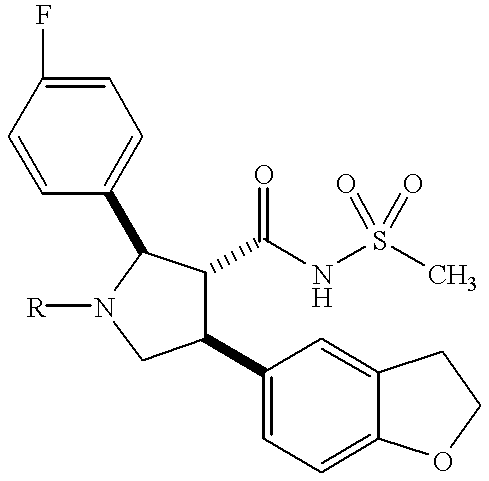 |
| 190. |
 |
| 191. |
 |
| 192. |
 |
| 193. |
 |
| 194. |
 |
| 195. |
 |
| 196. |
 |
| 197. |
 |
| 198. |
 |
| 199. |
 |
| 200. |
 |
| 201. |
 |
| 202. |
 |
| 203. |
 |
| 204. |
 |
| 205. |
 |
| 206. |
 |
| 207. |
 |
| 208. |
 |
| 209. |
 |
| 210. |
 |
| 211. |
 |
| 212. |
 |
| 213. |
 |
| 214. |
 |
| 215. |
 |
| 216. |
 |
| 217. |
 |
| 218. |
 |
| 219. |
 |
| 220. |
 |
| 221. |
 |
| 222. |
 |
| 223. |
 |
| 224. |
 |
| 225. |
 |
| 226. |
 |
| 227. |
 |
| 228. |
 |
| 229. |
 |
| 230. |
 |
| 231. |
 |
| 232. |
 |
| 233. |
 |
| 234. |
 |
| 235. |
 |
| 236. |
 |
| 237. |
 |
| 238. |
 |
| 239. |
 |
| 240. |
 |
| 241. |
 |
| 242. |
 |
| 243. |
 |
| 244. |
 |
| 245. |
 |
| 246. |
 |
| 247. |
 |
| 248. |
 |
| 249. |
 |
| 250. |
 |
| 251. |
 |
| 252. |
 |
| 253. |
 |
| 254. |
 |
| 255. |
 |
| 256. |
 |
| 257. |
 |
| 258. |
 |
| 259. |
 |
| 260. |
 |
| 261. |
 |
| 262. |
 |
| 263. |
 |
| 264. |
 |
| 265. |
 |
| 266. |
 |
| 267. |
 |
| 268. |
 |
| 269. |
 |
| 270. |
 |
| 271. |
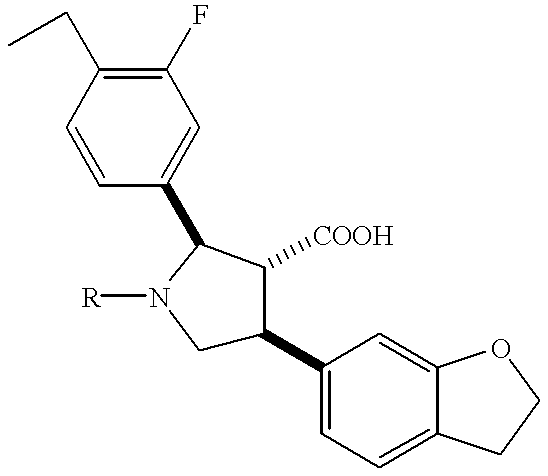 |
| 272. |
 |
| 273. |
 |
| 274. |
 |
| 275. |
 |
| 276. |
 |
| 277. |
 |
| 278. |
 |
| 279. |
 |
| 280. |
 |
| 281. |
 |
| 282. |
 |
| 283. |
 |
| 284. |
 |
| 285. |
 |
| 286. |
 |
| 287. |
 |
| 288. |
 |
| 289. |
 |
| 290. |
 |
| 291. |
 |
| 292. |
 |
| 293. |
 |
| 294. |
 |
| 295. |
 |
| 296. |
 |
| 297. |
 |
| 298. |
 |
| 299. |
 |
| 300. |
 |
| 301. |
 |
| 302. |
 |
| 303. |
 |
| 304. |
 |
| 305. |
 |
| 306. |
 |
| 307. |
 |
| 308. |
 |
| 309. |
 |
| 310. |
 |
| 311. |
 |
| 312. |
 |
| 313. |
 |
| 314. |
 |
| 315. |
 |
| 316. |
 |
| 317. |
 |
| 318. |
 |
| 319. |
 |
| 320. |
 |
| 321. |
 |
| 322. |
 |
| 323. |
 |
| 324. |
 |
| 325. |
 |
| 326. |
 |
| 327. |
 |
| 328. |
 |
| 329. |
 |
| 330. |
 |
| 331. |
 |
| 332. |
 |
| 333. |
 |
| 334. |
 |
| 335. |
 |
| 336. |
 |
| 337. |
 |
| 338. |
 |
| 339. |
 |
| 340. |
 |
| 341. |
 |
| 342. |
 |
| 343. |
 |
| 344. |
 |
| 345. |
 |
| 346. |
 |
| 347. |
 |
| 348. |
 |
| 349. |
 |
| 350. |
 |
| 351. |
 |
| 352. |
 |
| 353. |
 |
| 354. |
 |
| 355. |
 |
| 356. |
 |
| 357. |
 |
| 358. |
 |
| 359. |
 |
| 360. |
 |
| 361. |
 |
| 362. |
 |
| 363. |
 |
| 364. |
 |
| 365. |
 |
| 366. |
 |
| 367. |
 |
| 368. |
 |
| 369. |
 |
| 370. |
 |
| 371. |
 |
| 372. |
 |
| 373. |
 |
| 374. |
 |
| 375. |
 |
| 376. |
 |
| 377. |
 |
| 378. |
 |
| 379. |
 |
| 380. |
 |
| 381. |
 |
| 382. |
 |
| 383. |
 |
| 384. |
 |
| 385. |
 |
| 386. |
 |
| 387. |
 |
| 388. |
 |
| 389. |
 |
| 390. |
 |
| 391. |
 |
| 392. |
 |
| 393. |
 |
| 394. |
 |
| 395. |
 |
| 396. |
 |
| 397. |
 |
| 398. |
 |
| 399. |
 |
| 400. |
 |
| 401. |
 |
| 402. |
 |
| 403. |
 |
| 404. |
 |
| 405. |
 |
| 406. |
 |
| 407. |
 |
| 408. |
 |
| 409. |
 |
| 410. |
 |
| 411. |
 |
| 412. |
 |
| 413. |
 |
| 414. |
 |
| 415. |
 |
| 416. |
 |
| 417. |
 |
| 418. |
 |
| 419. |
 |
| 420. |
 |
| 421. |
 |
| 422. |
 |
| 423. |
 |
| 424. |
 |
| 425. |
 |
| 426. |
 |
| 427. |
 |
| 428. |
 |
| 429. |
 |
| 430. |
 |
| 431. |
 |
| 432. |
 |
| 433. |
 |
| 434. |
 |
| 435. |
 |
| 436. |
 |
| 437. |
 |
| 438. |
 |
| 439. |
 |
| 440. |
 |
| 441. |
 |
| 442. |
 |
| 443. |
 |
| 444. |
 |
| 445. |
 |
| 446. |
 |
| 447. |
 |
| 448. |
 |
| 449. |
 |
| 450. |
 |
| 451. |
 |
| 452. |
 |
| 453. |
 |
| 454. |
 |
| 455. |
 |
| 456. |
 |
| 457. |
 |
| 458. |
 |
| 459. |
 |
| 460. |
 |
| 461. |
 |
| 462. |
 |
| 463. |
 |
| 464. |
 |
| 465. |
 |
| TABLE 2B | |
| R | ||
| 1. |
 |
| 2. |
 |
| 3. |
 |
| 4. |
 |
| 5. |
 |
| 6. |
 |
| 7. |
 |
| 8. |
 |
| 9. |
 |
| 10. |
 |
| 11. |
 |
| 12. |
 |
| 13. |
 |
| 14. |
 |
| 15. |
 |
| 16. |
 |
| 17. |
 |
| 18. |
 |
| 19. |
 |
| 20. |
 |
| 21. |
 |
| 22. |
 |
| 23. |
 |
| 24. |
 |
| 25. |
 |
| 26. |
 |
| 27. |
 |
| 28. |
 |
| 29. |
 |
| 30. |
 |
| 31. |
 |
| 32. |
 |
| 33. |
 |
| 34. |
 |
| 35. |
 |
| 36. |
 |
| 37. |
 |
| 38. |
 |
| 39. |
 |
| 40. |
 |
| 41. |
 |
| 42. |
 |
| 43. |
 |
| 44. |
 |
| 45. |
 |
| 46. |
 |
| 47. |
 |
| 48. |
 |
| 49. |
 |
| 50. |
 |
| 51. |
 |
| 52. |
 |
| 53. |
 |
| 54. |
 |
| 55. |
 |
| 56. |
 |
| 57. |
 |
| 58. |
 |
| 59. |
 |
| 60. |
 |
| 61. |
 |
| 62. |
 |
| 63. |
 |
| 64. |
 |
| 65. |
 |
| 66. |
 |
| 67. |
 |
| 68. |
 |
| 69. |
 |
| 70. |
 |
| 71. |
 |
| 72. |
 |
| 73. |
 |
| 74. |
 |
| 75. |
 |
| 76. |
 |
| 77. |
 |
| 78. |
 |
| 79. |
 |
| 80. |
 |
| 81. |
 |
| 82. |
 |
| 83. |
 |
| 84. |
 |
| 85. |
 |
| 86. |
 |
| 87. |
 |
| 88. |
 |
| 89. |
 |
| 90. |
 |
| 91. |
 |
| 92. |
 |
| 93. |
 |
| 94. |
 |
| 95. |
 |
| 96. |
 |
| 97. |
 |
| 98. |
 |
| 99. |
 |
| 100. |
 |
| 101. |
 |
| 102. |
 |
| 103. |
 |
| 104. |
 |
| 105. |
 |
| 106. |
 |
| 107. |
 |
| 108. |
 |
| 109. |
 |
| 110. |
 |
| 111. |
 |
| 112. |
 |
| 113. |
 |
| 114. |
 |
| 115. |
 |
| 116. |
 |
| 117. |
 |
| 118. |
 |
| 119. |
 |
| 120. |
 |
| 121. |
 |
| 122. |
 |
| 123. |
 |
| 124. |
 |
| 125. |
 |
| 126. |
 |
| 127. |
 |
| 128. |
 |
| 129. |
 |
| 130. |
 |
| 131. |
 |
| 132. |
 |
| 133. |
 |
| 134. |
 |
| 135. |
 |
| 136. |
 |
| 137. |
 |
| 138. |
 |
| 139. |
 |
| 140. |
 |
| 141. |
 |
| 142. |
 |
| 143. |
 |
| 144. |
 |
| 145. |
 |
| 146. |
 |
| 147. |
 |
| 148. |
 |
| 149. |
 |
| 150. |
 |
| 151. |
 |
| 152. |
 |
| 153. |
 |
| 154. |
 |
| 155. |
 |
| 156. |
 |
| 157. |
 |
| 158. |
 |
| 159. |
 |
| 160. |
 |
| 161. |
 |
| 162. |
 |
| 163. |
 |
| 164. |
 |
| 165. |
 |
| 166. |
 |
| 167. |
 |
| 168. |
 |
| 169. |
 |
| 170. |
 |
| 171. |
 |
| 172. |
 |
| 173. |
 |
| 174. |
 |
| 175. |
 |
| 176. |
 |
| 177. |
 |
| 178. |
 |
| 179. |
 |
| 180. |
 |
| 181. |
 |
| 182. |
 |
| 183. |
 |
| 184. |
 |
| 185. |
 |
| 186. |
 |
| 187. |
 |
| 188. |
 |
| 189. |
 |
| 190. |
 |
| 191. |
 |
| 192. |
 |
| 193. |
 |
| 194. |
 |
| 195. |
 |
| 196. |
 |
| 197. |
 |
| 198. |
 |
| 199. |
 |
| 200. |
 |
| 201. |
 |
| 202. |
 |
| 203. |
 |
| 204. |
 |
| 205. |
 |
| 206. |
 |
| 207. |
 |
| 208. |
 |
| 209. |
 |
| 210. |
 |
| 211. |
 |
| 212. |
 |
| 213. |
 |
| 214. |
 |
| 215. |
 |
| 216. |
 |
| 217. |
 |
| 218. |
 |
| 219. |
 |
| 220. |
 |
| 221. |
 |
| 222. |
 |
| 223. |
 |
| 224. |
 |
| 225. |
 |
| 226. |
 |
| 227. |
 |
| 228. |
 |
| 229. |
 |
| 230. |
 |
| 231. |
 |
| 232. |
 |
| 233. |
 |
| 234. |
 |
| 235. |
 |
| 236. |
 |
| 237. |
 |
| 238. |
 |
| 239. |
 |
| 240. |
 |
| 241. |
 |
| 242. |
 |
| 243. |
 |
| 244. |
 |
| 245. |
 |
| 246. |
 |
| 247. |
 |
| 248. |
 |
| 249. |
 |
| 250. |
 |
| 252. |
 |
| 252. |
 |
| 253. |
 |
| 254. |
 |
| 255. |
 |
| 256. |
 |
| 257. |
 |
| 258. |
 |
| 259. |
 |
| 260. |
 |
| 261. |
 |
| 262. |
 |
| 263. |
 |
| 264. |
 |
| 265. |
 |
| 266. |
 |
| 267. |
 |
| 268. |
 |
| 269. |
 |
| 270. |
 |
| 271. |
 |
| 272. |
 |
| 273. |
 |
| 274. |
 |
| 275. |
 |
| 276. |
 |
| 277. |
 |
| 278. |
 |
| 279. |
 |
| 280. |
 |
| 281. |
 |
| 282. |
 |
| 283. |
 |
| 284. |
 |
| 285. |
 |
| 286. |
 |
| 287. |
 |
| 288. |
 |
| 289. |
 |
| 290. |
 |
| 291. |
 |
| 292. |
 |
| 293. |
 |
| 294. |
 |
| 295. |
 |
| 296. |
 |
| 297. |
 |
| 298. |
 |
| 299. |
 |
| 300. |
 |
| 301. |
 |
| 302. |
 |
| 303. |
 |
| 304. |
 |
| 305. |
 |
| 306. |
 |
| 307. |
 |
| 308. |
 |
| 309. |
 |
| 310. |
 |
| 311. |
 |
| 312. |
 |
| 313. |
 |
| 314. |
 |
| 315. |
 |
| 316. |
 |
| 317. |
 |
| 318. |
 |
| 319. |
 |
| 320. |
 |
| 321. |
 |
| 322. |
 |
| 323. |
 |
| 324. |
 |
| 325. |
 |
| 326. |
 |
| 327. |
 |
| 328. |
 |
| 329. |
 |
| 330. |
 |
| 331. |
 |
| 332. |
 |
| 333. |
 |
| 334. |
 |
| 335. |
 |
| 336. |
 |
| 337. |
 |
| 338. |
 |
| 339. |
 |
| 340. |
 |
| 341. |
 |
| 342. |
 |
| 343. |
 |
| 344. |
 |
| 345. |
 |
| 346. |
 |
| 347. |
 |
| 348. |
 |
| 349. |
 |
| 350. |
 |
| 351. |
 |
| 352. |
 |
| 353. |
 |
| 354. |
 |
| 355. |
 |
| 356. |
 |
| 357. |
 |
| 358. |
 |
| 359. |
 |
| 360. |
 |
| 361. |
 |
| 362. |
 |
| 363. |
 |
| 364. |
 |
| 365. |
 |
| 366. |
 |
| 367. |
 |
| 368. |
 |
| 369. |
 |
| 370. |
 |
| 371. |
 |
| 372. |
 |
| 373. |
 |
| 374. |
 |
| 375. |
 |
| 376. |
 |
| 377. |
 |
| 378. |
 |
| 379. |
 |
| 380. |
 |
| 381. |
 |
| 382. |
 |
| 383. |
 |
| 384. |
 |
| 385. |
 |
| 386. |
 |
| 387. |
 |
| 388. |
 |
| 389. |
 |
| 390. |
 |
| 391. |
 |
| 392. |
 |
| 393. |
 |
| 394. |
 |
| 395. |
 |
| 396. |
 |
| 397. |
 |
| 398. |
 |
| 399. |
 |
| 400. |
 |
| 401. |
 |
| 402. |
 |
| 403. |
 |
| 404. |
 |
| 405. |
 |
| 406. |
 |
| 407. |
 |
| 408. |
 |
| 409. |
 |
| 410. |
 |
| 411. |
 |
| 412. |
 |
| 413. |
 |
| 414. |
 |
| 415. |
 |
| 416. |
 |
| 417. |
 |
| 418. |
 |
| 419. |
 |
| 420. |
 |
| 421. |
 |
| 422. |
 |
| 423. |
 |
| 424. |
 |
| 425. |
 |
| 426. |
 |
| 427. |
 |
| 428. |
 |
| 429. |
 |
| 430. |
 |
| 431. |
 |
| 432. |
 |
| 433. |
 |
| 434. |
 |
| 435. |
 |
| 436. |
 |
| 437. |
 |
| 438. |
 |
| 439. |
 |
| 440. |
 |
| 441. |
 |
| 442. |
 |
| 443. |
 |
| 444. |
 |
| 445. |
 |
| 446. |
 |
| 447. |
 |
| 448. |
 |
| 449. |
 |
| 450. |
 |
| 451. |
 |
| 452. |
 |
| 453. |
 |
| 454. |
 |
| 455. |
 |
| 456. |
 |
| 457. |
 |
| 458. |
 |
| 459. |
 |
| 460. |
 |
| 461. |
 |
| 462. |
 |
| 463. |
 |
| 464. |
 |
| 465. |
 |
| 466. |
 |
| 467. |
 |
| 468. |
 |
| 469. |
 |
| 470. |
 |
| 471. |
 |
| 472. |
 |
| 473. |
 |
| 474. |
 |
| 475. |
 |
| 476. |
 |
| 477. |
 |
| 478. |
 |
| 479. |
 |
| 480. |
 |
| 481. |
 |
| 482. |
 |
| 483. |
 |
| 484. |
 |
| 485. |
 |
| 486. |
 |
| 487. |
 |
| 488. |
 |
| 489. |
 |
| 490. |
 |
| 491. |
 |
| 492. |
 |
| 493. |
 |
| 494. |
 |
| 495. |
 |
| 496. |
 |
| 497. |
 |
| 498. |
 |
| 499. |
 |
| 500. |
 |
| 501. |
 |
| 502. |
 |
| 503. |
 |
| 504. |
 |
| 505. |
 |
| 506. |
 |
| 507. |
 |
| 508. |
 |
| 509. |
 |
| 510. |
 |
| 511. |
 |
| 512. |
 |
| 513. |
 |
| 514. |
 |
| 515. |
 |
| 516. |
 |
| 517. |
 |
| 518. |
 |
| 519. |
 |
| 520. |
 |
| 521. |
 |
| 522. |
 |
| 523. |
 |
| 524. |
 |
| 525. |
 |
| 526. |
 |
| 527. |
 |
| 528. |
 |
| 529. |
 |
| 530. |
 |
| 531. |
 |
| 532. |
 |
| 533. |
 |
| 534. |
 |
| 535. |
 |
| 536. |
 |
| 537. |
 |
| 538. |
 |
| 539. |
 |
| 540. |
 |
| 541. |
 |
| 542. |
 |
| 543. |
 |
| 544. |
 |
| 545. |
 |
| 546. |
 |
| 547. |
 |
| 548. |
 |
| 549. |
 |
| 550. |
 |
| 551. |
 |
| 552. |
 |
| 553. |
 |
| 554. |
 |
| 555. |
 |
| 556. |
 |
| 557. |
 |
| 558. |
 |
| 559. |
 |
| 560. |
 |
| 561. |
 |
| 562. |
 |
| 563. |
 |
| 564. |
 |
| 565. |
 |
| 566. |
 |
| 567. |
 |
| 568. |
 |
| 569. |
 |
| 570. |
 |
| 571. |
 |
| 572. |
 |
| 573. |
 |
| 574. |
 |
| 575. |
 |
| 576. |
 |
| 577. |
 |
| 578. |
 |
| 579. |
 |
| 580. |
 |
| 581. |
 |
| 582. |
 |
| 583. |
 |
| 584. |
 |
| 585. |
 |
| 586. |
 |
| 587. |
 |
| 588. |
 |
| 589. |
 |
| 590. |
 |
| 591. |
 |
| 592. |
 |
| 593. |
 |
| 594. |
 |
| 595. |
 |
| 596. |
 |
| 597. |
 |
| 598. |
 |
| 599. |
 |
| 600. |
 |
| 601. |
 |
| 602. |
 |
| 603. |
 |
| 604. |
 |
| 605. |
 |
| 606. |
 |
| 607. |
 |
| 608. |
 |
| 609. |
 |
| 610. |
 |
| 611. |
 |
| 612. |
 |
| 613. |
 |
| 614. |
 |
| 615. |
 |
| 616. |
 |
| 617. |
 |
| 618. |
 |
| 619. |
 |
| 620. |
 |
| 621. |
 |
| 622. |
 |
| 623. |
 |
| 624. |
 |
| 625. |
 |
| 626. |
 |
| 627. |
 |
| 628. |
 |
| 629. |
 |
| 630. |
 |
| 631. |
 |
| 632. |
 |
| TABLE 3B | ||
| R | ||
| 1. |
 |
| 2. |
 |
| 3. |
 |
| 4. |
 |
| 5. |
 |
| 6. |
 |
| 7. |
 |
| 8. |
 |
| 9. |
 |
| 10. |
 |
| 11. |
 |
| 12. |
 |
| 13. |
 |
| 14. |
 |
| 15. |
 |
| 16. |
 |
| 17. |
 |
| 18. |
 |
| 19. |
 |
| 20. |
 |
| 21. |
 |
| 22. |
 |
| 23. |
 |
| 24. |
 |
| 25. |
 |
| 26. |
 |
| 27. |
 |
| 28. |
 |
| 29. |
 |
| 30. |
 |
| 31. |
 |
| 32. |
 |
| 33. |
 |
| 34. |
 |
| 35. |
 |
| 36. |
 |
| 37. |
 |
| 38. |
 |
| 39. |
 |
| 40. |
 |
| 41. |
 |
| 42. |
 |
| 43. |
 |
| 44. |
 |
| 45. |
 |
| 46. |
 |
| 47. |
 |
| 48. |
 |
| 49. |
 |
| 50. |
 |
| 51. |
 |
| 52. |
 |
| 53. |
 |
| 54. |
 |
| 55. |
 |
| 56. |
 |
| 57. |
 |
| 58. |
 |
| 59. |
 |
| 60. |
 |
| 61. |
 |
| 62. |
 |
| 63. |
 |
| 64. |
 |
| 65. |
 |
| 66. |
 |
| 67. |
 |
| 68. |
 |
| 69. |
 |
| 70. |
 |
| 71. |
 |
| 72. |
 |
| 73. |
 |
| 74. |
 |
| 75. |
 |
| 76. |
 |
| 77. |
 |
| 78. |
 |
| 79. |
 |
| 80. |
 |
| 81. |
 |
| 82. |
 |
| 83. |
 |
| 84. |
 |
| 85. |
 |
| 86. |
 |
| 87. |
 |
| 88. |
 |
| 89. |
 |
| 90. |
 |
| 91. |
 |
| 92. |
 |
| 93. |
 |
| 94. |
 |
| 95. |
 |
| 96. |
 |
| 97. |
 |
| 98. |
 |
| 99. |
 |
| 100. |
 |
| 101. |
 |
| 102. |
 |
| 103. |
 |
| 104. |
 |
| 105. |
 |
| 106. |
 |
| 107. |
 |
| 108. |
 |
| 109. |
 |
| 110. |
 |
| 111. |
 |
| 112. |
 |
| 113. |
 |
| 114. |
 |
| 115. |
 |
| 116. |
 |
| 117. |
 |
| 118. |
 |
| 119. |
 |
| 120. |
 |
| 121. |
 |
| 122. |
 |
| 123. |
 |
| 124. |
 |
| 125. |
 |
| 126. |
 |
| 127. |
 |
| 128. |
 |
| 129. |
 |
| 130. |
 |
| 131. |
 |
| 132. |
 |
| 133. |
 |
| 134. |
 |
| 135. |
 |
| 136. |
 |
| 137. |
 |
| 138. |
 |
| 139. |
 |
| 140. |
 |
| 141. |
 |
| 142. |
 |
| 143. |
 |
| 144. |
 |
| 145. |
 |
| 146. |
 |
| 147. |
 |
| 148. |
 |
| 149. |
 |
| 150. |
 |
| 151. |
 |
| 152. |
 |
| 153. |
 |
| 154. |
 |
| 155. |
 |
| 156. |
 |
| 157. |
 |
| 158. |
 |
| 159. |
 |
| 160. |
 |
| 161. |
 |
| 162. |
 |
| 163. |
 |
| 164. |
 |
| 165. |
 |
| 166. |
 |
| 167. |
 |
| 168. |
 |
| 169. |
 |
| 170. |
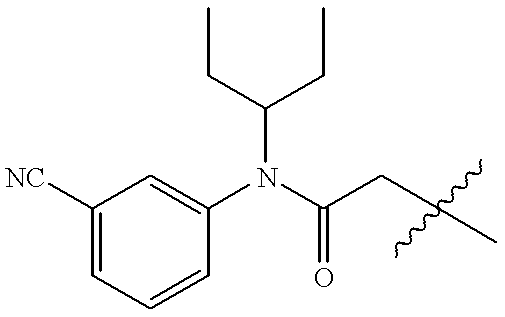 |
| 171. |
 |
| 172. |
 |
| 173. |
 |
| 174. |
 |
| 175. |
 |
| 176. |
 |
| 177. |
 |
| 178. |
 |
| 179. |
 |
| 180. |
 |
| 181. |
 |
| 182. |
 |
| 183. |
 |
| 184. |
 |
| 185. |
 |
| 186. |
 |
| 187. |
 |
| 188. |
 |
| 189. |
 |
| 190. |
 |
| 191. |
 |
| 192. |
 |
| 193. |
 |
| 194. |
 |
| 195. |
 |
| 196. |
 |
| 197. |
 |
| 198. |
 |
| 199. |
 |
| 200. |
 |
| 201. |
 |
| 202. |
 |
| 203. |
 |
| 204. |
 |
| 205. |
 |
| 206. |
 |
| 207. |
 |
| 208. |
 |
| 209. |
 |
| 210. |
 |
| 211. |
 |
| 212. |
 |
| 213. |
 |
| 214. |
 |
| 215. |
 |
| 216. |
 |
| 217. |
 |
| 218. |
 |
| 219. |
 |
| 220. |
 |
| 221. |
 |
| 222. |
 |
| 223. |
 |
| 224. |
 |
| 225. |
 |
| 226. |
 |
| 227. |
 |
| 228. |
 |
| 229. |
 |
| 230. |
 |
| 231. |
 |
| 232. |
 |
| 233. |
 |
| 234. |
 |
| 235. |
 |
| 236. |
 |
| 237. |
 |
| 238. |
 |
| 239. |
 |
| 240. |
 |
| 241. |
 |
| 242. |
 |
| 243. |
 |
| 244. |
 |
| 245. |
 |
| 246. |
 |
| 247. |
 |
| 248. |
 |
| 249. |
 |
| 250. |
 |
| 251. |
 |
| 252. |
 |
| 253. |
 |
| 254. |
 |
| 255. |
 |
| 256. |
 |
| 257. |
 |
| 258. |
 |
| 259. |
 |
| 260. |
 |
| 261. |
 |
| 262. |
 |
| 263. |
 |
| 264. |
 |
| 265. |
 |
| 266. |
 |
| 267. |
 |
| 268. |
 |
| 269. |
 |
| 270. |
 |
| 271. |
 |
| 272. |
 |
| 273. |
 |
| 274. |
 |
| 275. |
 |
| 276. |
 |
| 277. |
 |
| 278. |
 |
| 279. |
 |
| 280. |
 |
| 281. |
 |
| 282. |
 |
| 283. |
 |
| 284. |
 |
| 285. |
 |
| 286. |
 |
| 287. |
 |
| 288. |
 |
| 289. |
 |
| 290. |
 |
| 291. |
 |
| 292. |
 |
| 293. |
 |
| 294. |
 |
| 295. |
 |
| 296. |
 |
| 297. |
 |
| 298. |
 |
| 299. |
 |
| 300. |
 |
| 301. |
 |
| 302. |
 |
| 303. |
 |
| 304. |
 |
| 305. |
 |
| 306. |
 |
| 307. |
 |
| 308. |
 |
| 309. |
 |
| 310. |
 |
| 311. |
 |
| 312. |
 |
| 313. |
 |
| 314. |
 |
| 315. |
 |
| 316. |
 |
| 317. |
 |
| 318. |
 |
| 319. |
 |
| 320. |
 |
| 321. |
 |
| 322. |
 |
| 323. |
 |
| 324. |
 |
| 325. |
 |
| 326. |
 |
| 327. |
 |
| 328. |
 |
| 329. |
 |
| 330. |
 |
| 331. |
 |
| 332. |
 |
| 333. |
 |
| 334. |
 |
| 335. |
 |
| 336. |
 |
| 337. |
 |
| 338. |
 |
| 339. |
 |
| 340. |
 |
| 341. |
 |
| 342. |
 |
| 343. |
 |
| 344. |
 |
| 345. |
 |
| 346. |
 |
| 347. |
 |
| 348. |
 |
| 349. |
 |
| 350. |
 |
| 351. |
 |
| 352. |
 |
| 353. |
 |
| 354. |
 |
| 355. |
 |
| 356. |
 |
| 357. |
 |
| 358. |
 |
| 359. |
 |
| 360. |
 |
| 361. |
 |
| 362. |
 |
| 363. |
 |
| 364. |
 |
| 365. |
 |
| 366. |
 |
| 367. |
 |
| 368. |
 |
| 369. |
 |
| 370. |
 |
| 371. |
 |
| 372. |
 |
| 373. |
 |
| 374. |
 |
| 375. |
 |
| 376. |
 |
| 377. |
 |
| 378. |
 |
| 379. |
 |
| 380. |
 |
| 381. |
 |
| 382. |
 |
| 383. |
 |
| 384. |
 |
| 385. |
 |
| 386. |
 |
| 387. |
 |
| 388. |
 |
| 389. |
 |
| 390. |
 |
| 391. |
 |
| 392. |
 |
| 393. |
 |
| 394. |
 |
| 395. |
 |
| 396. |
 |
| 397. |
 |
| 398. |
 |
| 399. |
 |
| 400. |
 |
| 401. |
 |
| 402. |
 |
| 403. |
 |
| 404. |
 |
| 405. |
 |
| 406. |
 |
| 407. |
 |
| 408. |
 |
| 409. |
 |
| 410. |
 |
| 411. |
 |
| 412. |
 |
| 413. |
 |
| 414. |
 |
| 415. |
 |
| 416. |
 |
| 417. |
 |
| 418. |
 |
| 419. |
 |
| 420. |
 |
| 421. |
 |
| 422. |
 |
| 423. |
 |
| 424. |
 |
| 425. |
 |
| 426. |
 |
| 427. |
 |
| 428. |
 |
| 429. |
 |
| 430. |
 |
| 431. |
 |
| 432. |
 |
| 433. |
 |
| 434. |
 |
| 435. |
 |
| 436. |
 |
| 437. |
 |
| 438. |
 |
| 439. |
 |
| 440. |
 |
| 441. |
 |
| 442. |
 |
| 443. |
 |
| 444. |
 |
| 445. |
 |
| 446. |
 |
| 447. |
 |
| 448. |
 |
| 449. |
 |
| 450. |
 |
| 451. |
 |
| 452. |
 |
| 453. |
 |
| 454. |
 |
| 455. |
 |
| 456. |
 |
| 457. |
 |
| 458. |
 |
| 459. |
 |
| 460. |
 |
| 461. |
 |
| 462. |
 |
| 463. |
 |
| 464. |
 |
| 465. |
 |
| 466. |
 |
| 467. |
 |
| 468. |
 |
| 469. |
 |
| 470. |
 |
| 471. |
 |
| 472. |
 |
| 473. |
 |
| 474. |
 |
| 475. |
 |
| 476. |
 |
| 477. |
 |
| 478. |
 |
| 479. |
 |
| 480. |
 |
| 481. |
 |
| 482. |
 |
| 483. |
 |
| 484. |
 |
| 485. |
 |
| 486. |
 |
| 487. |
 |
| 488. |
 |
| 489. |
 |
| 490. |
 |
| 491. |
 |
| 492. |
 |
| 493. |
 |
| 494. |
 |
| 495. |
 |
| 496. |
 |
| 497. |
 |
| 498. |
 |
| 499. |
 |
| 500. |
 |
| 501. |
 |
| 502. |
 |
| 503. |
 |
| 504. |
 |
| 505. |
 |
| 506. |
 |
| 507. |
 |
| 508. |
 |
| 509. |
 |
| 510. |
 |
| 511. |
 |
| 512. |
 |
| 513. |
 |
| 514. |
 |
| 515. |
 |
| 516. |
 |
| 517. |
 |
| 518. |
 |
| 519. |
 |
| 520. |
 |
| 521. |
 |
| 522. |
 |
| 523. |
 |
| 524. |
 |
| 525. |
 |
| 526. |
 |
| 527. |
 |
| 528. |
 |
| 529. |
 |
| 530. |
 |
| 531. |
 |
| 532. |
 |
| 533. |
 |
| 534. |
 |
| 535. |
 |
| 536. |
 |
| 537. |
 |
| 538. |
 |
| 539. |
 |
| 540. |
 |
| 541. |
 |
| 542. |
 |
| 543. |
 |
| 544. |
 |
| 545. |
 |
| 546. |
 |
| 547. |
 |
| 548. |
 |
| 549. |
 |
| 550. |
 |
| 551. |
 |
| 552. |
 |
| 553. |
 |
| 554. |
 |
| 555. |
 |
| 556. |
 |
| 557. |
 |
| 558. |
 |
| 559. |
 |
| 560. |
 |
| 561. |
 |
| 562. |
 |
| 563. |
 |
| 564. |
 |
| 565. |
 |
| 566. |
 |
| 567. |
 |
| 568. |
 |
| 569. |
 |
| 570. |
 |
| 571. |
 |
| 572. |
 |
| 573. |
 |
| 574. |
 |
| 575. |
 |
| 576. |
 |
| 577. |
 |
| 578. |
 |
| 579. |
 |
| 580. |
 |
| 581. |
 |
| 582. |
 |
| 583. |
 |
| 584. |
 |
| 585. |
 |
| 586. |
 |
| 587. |
 |
| 588. |
 |
| 589. |
 |
| 590. |
 |
| 591. |
 |
| 592. |
 |
| 593. |
 |
| 594. |
 |
| 595. |
 |
| 596. |
 |
| 597. |
 |
| 598. |
 |
| 599. |
 |
| 600. |
 |
| 601. |
 |
| 602. |
 |
| 603. |
 |
| 604. |
 |
| 605. |
 |
| 606. |
 |
| 607. |
 |
| 608. |
 |
| 609. |
 |
| 610. |
 |
| 611. |
 |
| 612. |
 |
| 613. |
 |
| 614. |
 |
| 615. |
 |
| 616. |
 |
| 617. |
 |
| 618. |
 |
| 619. |
 |
| 620. |
 |
| 621. |
 |
| 622. |
 |
| 623. |
 |
| 624. |
 |
| 625. |
 |
| 626. |
 |
| 627. |
 |
| 628. |
 |
| 629. |
 |
| 630. |
 |
| 631. |
 |
| 632. |
 |
Ethyl 3,3-dimethylhexanoate was prepared using the general procedure of Cahiez et al., Tetrahedron Lett., 31, 7425 (1990). To a solution of 63.8 g (370 mmol) of this compound in 400 mL of ethanol, cooled to 0° C., was added a solution of 30 g of NaOH in 150 mL of water. The resultant solution was warmed to ambient temperature and stirred overnight. Solvents were removed in vacuo; the residue was taken up in 700 mL of water, and extracted twice with 1:1 ether/hexanes. The aqueous layer was acidified to pH3 with 1N HCl and extracted twice with hexanes. The combined hexane extracts were washed with brine, dried over sodium sulfate, filtered and concentrated. A 20.2 g (150 mmol) sample of the crude product is dissolved in 150 mL of THF; 27.3 g of 1,1′-carbonyldiimidazole is added portionwise, to control gas evolution. In meantime, 33.4 g of potassium ethylmalonate and 13.4 g of magnesium chloride are combined in 350 mL of THF (overhead mechanical stirring) and warmed to 50° C. for 3 hrs. This mixture is cooled to ambient temperature, and the above acid imidazolide solution is added. The resultant slurry is stirred overnight. Ether (600 mL), hexanes (600 mL) and aqueous 1N phosphoric acid (500 mL) are added, and the mixture is stirred for 30 min. The aqueous layer is separated; the organics are washed sequentially with bicarb (2×), water and brine. The organics are dried over sodium sulfate, filtered and concentrated to give 30.2 g (95% yield) of a colorless liquid.
3-Methoxypiperonal (50.0 g) is combined with 71.9 mL of nitromethane in 250 mL of acetic acid; 36 g of ammonium acetate is added, and the mixture is heated to 50° C. for 4 hrs. Solvents are removed in vacuo; the residue is taken up in water and stirred for 20 min. The solution is filtered; the filtrate is washed with water, then ether, to give 51.8 g of a yellow solid.
The compound of Example 536A (6.42 g, 30 mmol) was combined with 5.79 g of the compound of Example 536B in 40 mL of THF. DBU (0.5 mL) was added, and the mixture was. stirred at ambient temperature for 6 hrs, during which time it turns reddish brown, and homogeneous. The solvents were removed in vacuo; the residue was taken up in EtOAc and washed sequentially with aqueous 1 N phosphoric acid and brine. The organic phase was dried over sodium sulfate, filtered and concentrated. The residue was dissolved in 50 mL of THF; 12 g of Raney Nickel catalyst (washed sequentially with water and ethanol) was added, followed by 10 mL of acetic acid. The resultant mixture was hydrogenated under 4 atmospheres of hydrogen until hydrogen uptake ceased (˜3 hrs). The catalyst was removed by filtration; solvents were removed in vacuo. The residue was dissolved in 90 mL of 2:1 ethanol/THF; 30 mg of bromoresol green indicator was added, followed by 30 mL of 1N sodium cyanoborohydride in THF. Concentrated HCl was added dropwise to maintain pH at the indicator point, over 1 hr. The resultant solution was stirred overnight at ambient temperature. Bicarb was added, and the solvents were removed in vacuo; the residue was partitioned between water and EtOAc. The organic material was washed with water (2×) and brine. The organic phase was dried over sodium sulfate, filtered and concentrated. The crude product was dissolved in 100 mL of acetonitrile; 10 mL of Hünig's base was added, and the solution was warmed to 40° C. overnight. Removal of solvents in vacuo provided 5.0 g of a yellowish oil.
The crude compound of Example 536C (2.0 g) was combined with 4 mL of triethylamine in 40 mL of THF; 2.0 g of di-tert-butyldicarbonate was added, and the mixture was stirred at ambient temperature for 5 hrs. Solvents were removed in vacuo, and the residue was taken up in 60 mL of ethanol. Aqueous sodium hydroxide (10 mL of 2.5 N solution) was added, and the resultant solution was stirred overnight. Solvents were removed in vacuo; the residue was taken up in water and extracted with ether. The aqueous phase was acidified with aqueous 1N phosphoric acid and extracted with EtOAc. The organic extracts were washed with brine, dried over sodium sulfate, filtered, and concentrated to give 1.0 g of a colorless oil. A sample of this material (0.734 g, 1.58 mmol) was combined with 0.35 g of pentafluorophenol and 0.364 g of EDAC in 5 mL of DMF. The resultant solution was stirred at ambient temperature for 1 hr, then was poured onto 50 mL of 0.6M sodium bicarbonate solution and extracted (3×15 mL) with ether. The combined ether extracts were washed with brine, dried over magnesium sulfate, filtered, and concentrated in vacuo to give a foam, which was dissolved in 5 mL of THF and cooled to 0° C. Simultaneously, 0.418 g (2.37 mmol) of R-4-benzyl-2-oxazolidinone was combined with ˜0.1 mg of pyreneacetic acid in 5 mL of THF and cooled to 0° C. N-butyllithium (1.6M in hexanes) was added to a red endpoint (persists ˜10 sec), and the solution was stirred for 10 min. The solution was transferred into the solution of the pentafluorophenyl ester, and the resultant solution was stirred at 0° C. for 40 min. Solvents were removed in vacuo; the residue was taken up in bicarb and extracted with ether (3×10 mL). The combined ether extracts were washed with brine, dried over magnesium sulfate, filtered, and concentrated in vacuo. The crude mixture of diasteromeric products was separated by flash chromatography on silica gel, eluting with a gradient from 4:1->3:1->2:1 hexanes/EtOAc, giving 423 mg of the faster-moving and 389 mg of the slower-moving diastereomer, respectively. The faster-moving diastereomer was dissolved in 2 mL of a 2.0M solution of sodium methoxide in methanol (freshly prepared, containing 5% methyl formate by volume) and stirred at ambient temperature for 16 hrs. Solvents were removed in vacuo, and the residue was partitioned between ether and aqueous 1N sodium hydroxide. The ether layer was washed with brine, dried over magnesium sulfate, filtered, and concentrated in vacuo. The residue was purified by flash chromatography on silica gel, eluting with 4:1 hexanes/EtOAc. The resultant material was dissolved in 5 mL of TFA and stirred at ambient temperature for 1 hr. Solvents were removed in vacuo; the residue was suspended in bicarb and extracted with EtOAc. The organic phase was washed with brine, dried over magnesium sulfate, filtered, and concentrated in vacuo to give 98 mg of product.
The compound of Example 536D (48 mg) was combined with 35 mg of the compound of Example 501A in 3 mL of acetonitrile; 0.5 mL of Hünig's base was added, and the solution was allowed to stir overnight at ambient temperature. Solvents were removed in vacuo; the residue was partitioned between EtOAc and aqueous 1N phosphoric acid. The organic layer was washed with bicarb. and brine, then dried over sodium sulfate, filtered and concentrated. The residue was purified by flash chromatography on silica gel, eluting with 2:1 hexanes/EtOAc. The product was dissolved in 4 mL of ethanol; 1 mL of 2.5N aqueous sodium hydroxide was added, and the resultant solution was stirred overnight at ambient temperature. Solvents were removed in vacuo; the residue was taken up in water and extracted with ether. The aqueous phase was acidified to pH 3 with aqueous 1N phosphoric acid and extracted with EtOAc. The organic extracts were washed with brine, dried over sodium sulfate, filtered and concentrated to give a colorless oil. Lyophilization from acetonitrile/0.1% aqueous TFA gave 56 mg of a white solid. 1H NMR (CDCl3, 300 MHz) d 0.81 (s, 3H), 0.84 (s, 3H), 0.86 (t, J =6.9 Hz, 3H), 0.93 (t, J =6.9 Hz, 3H), 0.96 (t, J=6.9 Hz, 3H), 1.09-1.38 (m, 8H), 1.45-1.59 (m, 4H), 1.84-2.00 (m, 2H), 3.15 (dd, J =6.9 Hz, 10.0 Hz, 2H), 3.30-3.42 (m, 3H), 3.72 (t, J =10.5 Hz, 1H), 3.86 (t, J =10.5 Hz, 1H), 3.88 (s, 3H), 4.02 (q, J =10.0 Hz, 1H), 4.12 (d, J =16.8 Hz, 1H), 4.29 (d, J=16.8 Hz, 1H), 4.41 (brm, 1H), 5.94 (s, 1H), 6.52 (d, J =1.8 Hz, 1H), 6.67 (d, J=1.8 Hz, 1H). MS (ESI) (M+H)+ at m/e 533. Anal calcd for C30H48N2O6.0.7 TFA: C, 61.57; H, 8.01; N, 4.57. Found: C, 61.59; H, 8.20; N, 4.63.
Prepared according to the procedures of Example 536C above, substituting the compound of Example 501B (5-(2-nitrovinyl)-1,3-benxodioxole) for 4-methoxy-6-(2-nitrovinyl)-1,3-benzodioxole.
The compound of Example 537A (6.8 g) was dissolved in 100 mL of ether; a solution of 1.6 g of (S)-(+)-mandelic acid in 60 mL of ether was added, the total volume was made up to ˜200 mL, and the solution was seeded. The mixture was stirred slowly overnight. The resultant crystals were collected by filtration and recrystallized from ether/EtOAc to give 1.8 g of a white solid. This material was partitioned between bicarb and ether; the ether layer was washed with brine, dried over sodium sulfate, filtered, and concentrated in vacuo to give the enantiomerically pure product (>98% e.e.).
Prepared from the compound of Example 537B according to the procedures of Example 536E. 1H NMR (CDCl3, 300 MHz) d 0.80-0.99 (m, 15H), 1.10-1.37 (m, 8H), 1.43-1.58 (m, 4H), 1.77-1.97 (m, 2H), 3.48-3.12 (m, 5H), 3.60-3.69 (m, 1H), 3.75-3.86 (m, 1H), 3.95-4.16 (m, 2H), 4.28-4.4 (m, 2H), 5.94 (s, 2H), 6.74 (d, J=7.8 Hz, 1 H), 6.8 (dd, J=8.1, 1.5 Hz, 1H), 6.87 (d, J=1.8 Hz, 1H). MS (APCl+) m/e 503 (M+H)+.
O-Allylhydroxylamine hydrochloride hydrate (5.0 g) was dissolved in THF (15 mL). The solution was cooled to 0° C. in an ice bath. Diisopropylethylamine (8 mL) and di-t-butyldicarbonate (10.0 g) were added. The mixture was stirred at 0° C. for one hour at which point the bath was removed and the reaction allowed to warm to room temperature and stirred overnight. The THF was removed in vacuo and the residue taken up in EtOAc (25 mL), and washed with water (1×50 mL), saturated sodium bicarbonate solution (3×50 mL), 1N phosphoric acid (3×50 mL), and brine (1×50 mL). The organic layer was dried with sodium sulfate and evaporated to give a light yellow oil (6.5 g). This crude product was dissolved in dry THF (25 mL) and the solution cooled to 0° C. in an ice bath. Sodium hydride (1.5 g, 60% dispersion in oil) was added portionwise over five minutes. The resulting mixture was stirred for 30 minutes at 0° C. 1-Iodobutane (4.1 mL) was added dropwise to the mixture. The reaction was stirred at 0° C. for one hour, then stirred overnight at room temperature. The THF was removed in vacuo and the residue taken up in EtOAc (50 mL) and washed with water (1×50 mL), saturated sodium bicarbonate solution (3×50 mL), 1N phosphoric acid (3×50 mL), and brine (1×50 mL). The organic layer was dried with sodium sulfate and evaporated to give a light yellow oil, which was purified by flash chromatography on silica gel eluting with 5% EtOAc/hexanes to give the title compound as a colorless oil (6.0 g).
The compound of Example 538A (6.0 g) was dissolved in EtOAc (100 mL). 10% Palladium-on-carbon (0.5 g) was added, and the mixture was purged with nitrogen. The nitrogen line was exchanged for a balloon of hydrogen, and the mixture was stirred at room temperature for 6 hours. The catalyst was removed by filtration through a pad of Celite is and the solvents were removed in vacuo to give a yellow oil which was purified by flash chromatography on silica gel eluting with 5% EtOAc/hexanes to give a colorless oil (5.8 g). A sample of the resultant material (1.15 g) was dissolved in CH2Cl2 (5 mL) and cooled in an ice bath. Trifluoroacetic acid (3mL) was added and the solution stirred cold for two hours. The solvent was removed in vacuo , care being taken not to allow the solution to warm above room temperature. The residue contained considerable TFA and was used without further purification.
The salt of Example 538B (0.60 g) was dissolved in acetonitrile (5 mL) and cooled to −20° C. Hünig's base (5.5 mL) was added slowly. Bromoacetyl bromide (0.5 mL) was added dropwise over five minutes. The solution was stirred at −20° C. for 30 minutes. The bath was removed and the solution was stirred for six hours at room temperature. The solvent was removed in vacuo and the residue taken up in EtOAc (50 mL) and washed with water (1×25 mL), 1N phosphoric acid (3×25 mL), and brine (1×25 mL). The organic layer was dried with sodium sulfate and evaporated to give a dark orange oil (0.65 g) which was used without further purification.
The compound of Example 537B was reacted with the compound of Example 538C according to the procedures of Example 536E.
Prepared according to the procedures of Example 538A-C, substituting iodopropane for iodobutane in Example 538A.
The compound of Example 537B was reacted with the compound of Example 539A according to the procedures of Example 536E.
The compound of Example 536D was reacted with the compound of Example 538C according to the procedures of Example 536E.
The compound of Example 536D was reacted with the compound of Example 539A according to the procedures of Example 536E.
A mixture of 4-methyl-3-penten-2-ol (7.4 g, 74 mmol), triethyl orthoacetate (13.6 mL, 74 mmol) and propionic acid (0.28 mL, 3.7 mmol) was heated at 150° C. for 7 hr. The product was then distilled under normal pressure (200-220° C.) to give 5.0 g of crude ester as a colorless oil.
The title compound is prepared according to the procedures of Examples 536A and 536C, substituting the compound of Example 542A for ethyl 3,3-dimethylhexanoate in Example 536A and the compound of Example 501B (5-(2-nitrovinyl)-1,3-benxodioxole) for 4-methoxy-6-(2-nitrovinyl)-1,3-benzodioxole in Example 536C.
The compound of Example 542B was resolved according to the procedure described in Example 537B.
The compound of Example 542C was reacted with the compound of Example 538C according to the procedures of Example 536E.
The compound of Example 542C was reacted with the compound (of Example 539A according to the procedures of Example 536E.
The title compound is prepared according to the procedures of Examples 536A and 536C, substituting the compound of Example 542A for ethyl 3,3-dimethylhexanoate in Example 536A.
The compound of Example 544A was resolved according to the procedure described in Example 536D.
The compound of Example 544B was reacted with the compound of Example 538C according to the procedures of Example 536E.
The compound of Example 544B was reacted with the compound of Example 539A according to the procedures of Example 536E.
The title compound is prepared according to the procedures of Examples 536A and 536C, substituting the compound of Example 519A for 3,3-dimethylhexanoic acid in Example 536A.
The compound of Example 546A (1.5 g) was dissolved in CH2Cl2 (25 mL). Di-t-butyldicarbonate (0.9 g) was added and the solution stirred overnight at room temperature. The solvent was evaporated in vacuo and the residue taken up in EtOAc (50 mL), washed with water (1×50 mL), saturated sodium bicarbonate solution (3×50 mL), and brine (1×50 mL). The organic layer was dried with sodium sulfate and evaporated in vacua to give an oil with was purified by flash chromatography on silica gel eluting with 1/10/10 EtOH/EtOAc/hexanes to give a colorless oil (1.5 g). The oil was dissolved in EtOH (10 mL) and 50% NaOH solution (0.5 mL) and water (5 mL) were added. The mixture was stirred overnight at room temperature. The solvents were evaporated in vacuo and the residue taken up in EtOAc (25 mL) and acidified with 1 N H3PO4 (10 mL). The layers were separated and the organic layer dried with sodium sulfate and evaporated to give a white semi-solid (1.3 9). A sample of the resultant Boc-protected amino acid (0.9 g) was dissolved in DMF (5 mL). (S)-Phenylalaninol (0.32 g), HOOBt (0.33 g), and EDCl (0.40 g) were added and the solution stirred overnight at room temperature. Water (50 mL) was added and the mixture extracted with EtOAc (3×25 mL). The organic layers were combined, washed with water (2×50 mL), saturated sodium bicarbonate solution (3×50 mL), and brine (1×50 mL), and evaporated to give a yellow oil; tlc indicated the presence of two diastereomeric products. The diastereomeric amides were separated by flash chromatography on silica gel eluting with 1/12/12 EtOH/EtOAc/hexanes to give faster-(450 mg) and slower-moving isomers (400 mg). The faster-moving diastereomer (400 mg) was taken up in 6N HCl and heated at reflux overnight. The solvent was evaporated and the residue was taken up in toluene (75 mL) and evaporated. This was repeated two additional times to give a brown solid, which was dissolved in EtOH (50 mL). 4N HCl/dioxane (10 mL) was added and the solution heated at reflux overnight. The EtOH was evaporated and the residue taken up in EtOAc which was treated with saturated sodium bicarbonate solution (3×50 mL), and brine (1×50 mL), and evaporated to give a brown solid. Flash chromatography on silica gel eluting with 30% EtOH/EtOAc gave a mixture of products (130mg) which was approximately 70% desired material. This product was carried forward without additional purification.
The compound of Example 546B was reacted with the compound of Example 508E according to the procedures of Example 536E.
To 30 mL (390 mmol) of g-butyrolactone was added 45 ml (455 mmol) of n-butylamine. The solution was heated at 85° C. for 1.5 hr, then the excess n-butylamine was removed in vacuo. The product crystallized on standing to give about 62 g of a colorless, low melting solid.
To an ice cooled solution of 3.40 g (91.9 mmol) of LiAIH4 in 90 mL of THF was added 2.4 mL of 98% H2SO4, dropwise, with stirring. After bubbling had ceased, a solution of 4.7 g of the compound of Example 547A in 10 mL of THF was added. The mixture was stirred at reflux for 24 hr, then cooled with an ice bath and quenched by sequential dropwise addition of 1.7 mL H2O, and 17 mL of 25% w/v aqueous NaOH. The white precipitate was filtered, and washed with about 50 mL of THF. The combined filtrate and washings were concentrated to 3.85 g of an oil. To an ice cooled solution of this material in 35 mL of ethyl acetate was added a solution of 5.0 g (29.2 mmol) of chloroacetic anhydride in 10 mL of ethyl acetate. The solution was stirred at 0° C. for 30 min, then extracted with saturated aqueous NaHCO3 solution (1×25 mL), 2M NaOH (1×25 mL), 5% NH4OH (1×25 mL), 1M HCl (1×25 mL), and brine (1×25 mL), dried over MgSO4, filtered, and concentrated in vacuo to an oil. The product was purified via silica gel chromatography, eluting with 98:2 diethyl ether: methanol, to give 1.52 g (31%) of a colorless oil.
To 1.52 g (6.85 mmol) of the compound of Example 547B was added 2.75 g (7.44 mmol) of the ethyl [2S,3R,4S]-2-(4-Methoxyphenyl)-4-(1,3-benzodioxol-5-yl)-pyrrolidine-3-carboxylate (prepared by neutralization of the compound of Example 501G), 10 mL of DMSO, and 2 mL of N,N-diisopropylethylamine. The solution was stirred at ambient temperature for 22 h, then poured into 100 mL of water and extracted with diethyl ether (3×25 mL). The combined ether layers were washed with water (1×25 mL), 4% (v/v) H3PO4 (1×25 mL), saturated aqueous NaHCO3 solution (1×25 mL), and brine (1×25 mL), dried over MgSO4, filtered, and concentrated to an oil. This was purified via silica gel chromatography, eluting with 98:2 diethyl ether: methanol to give 3.0 g (79%) of a colorless oil.
To an ice cooled solution of 2.80 g (5.05 mmol) of the compound of Example 547C in 27 mL of diethyl ether was added 1.4 mL (10 mmol) of triethylamine, then 0.58 mL of methanesulfonyl chloride. A white precipitate formed, and the suspension was stirred at 0° C. for 20 min. The reaction was diluted with 75 mL of diethyl ether, then extracted with saturated aqueous NaHCO3 solution (2×25 mL), 5% NH4OH (2×25 mL), and brine (1×25 mL), dried over MgSO4, filtered, and concentrated to 3.0 g of a colorless oil. To this material in 45 mL of DMF was added 6.0 g (69 mmol) of LiBr. The reaction warmed to about 50° C., then gradually cooled. The solution was stirred at ambient temperature for 4 h, then poured into 450 mL of water, and extracted with diethyl ether (3×100 mL). The combined ether layers were back extracted with water (1×100 mL), and brine (1×100 mL), dried over MgSO4, filtered, and concentrated in vacuo to an oil. The product was purified via silica gel chromatography, eluting with 3:1 diethyl ether: petroleum ether, to give 2.65 g (90%) of a colorless oil.
To a solution of the compound of Example 547D (0.825 g, 1.34 mmol) in 3 mL of ethanol was added 5 mL of 4.07M dimethylamine in ethanol; the resultant solution was heated at reflux for 75 min. Solvents were removed in vacuo. The residue was purified by flash chromatography on silica gel, eluting with 9:1 dichloromethane/methanol. The resultant material was taken up in 5 mL of 1.4N NaOH in 5:1 ethanol/water and stirred at ambient temperature for 14 hrs. Solvents were removed in vacuo; the residue was taken up in water, then adjusted to pH 6-7 with 1M HCl (˜7 mL required). The mixture was extracted with EtOAc (3×); the aqueous layer was concentrated in vacuo. The residue was washed 3× with acetonitrile; the combined washes were filtered through Celite and concentrated to give 596 mg of a white foam.
Prepared according to the procedures of Example 547, substituting the compound of Example 537B (ethyl [2S,3R,4S]-2-(2,2-Dimethylpentyl)-4-(1,3-benzodioxol-5-yl)-pyrrolidine-3-carboxylate) in Example 547C.
Prepared according to the procedures of Example 547, substituting the compound of Example 536D (ethyl [2S,3R,4S]-2-(2,2-Dimethylpentyl)-4-(7-methoxy-1,3-benzodioxol-5-yl)-pyrrolidine-3-carboxylate) in Example 547C.
Prepared according to the procedures of Example 547, substituting the compound of Example 542C (ethyl [2S,3R,4S]-2-(2,2-Dimethylpent-3-enyl)-4-(1,3-benzodioxol-5-yl)-pyrrolidine-3-carboxylate) in Example 547C.
Prepared according to the procedures of Example 547, substituting the compound of Example 544A (ethyl [2S,3R,4S]-2-(2,2-Dimethylpent-3-enyl)-4-(7-methoxy-1,3-benzodioxol-5-yl)-pyrrolidine-3-carboxylate) in Example 547C.
Prepared according to the procedures of Example 1, substituting the compound of Example 541C (ethyl[2S,3R,4S)-2-(2,2-Dimethylpent-3-enyl)-4-(1,3-benzodioxol-5-yl)-pyrrolidine-3-carboxylate).
Prepared according to the procedures of Example 1, substituting the compound of Example 544B (ethyl [2S,3R,4S]-2-(2,2-Dimethylpent-3-enyl)-4-(7-methoxy-1,3-benzodioxol-5-yl)-pyrrolidine-3-carboxylate).
As an indication that the compounds described herein act through binding to endothelin receptors, the compounds have been evaluated for their ability to displace endothelin from its receptor.
As an indication that the compounds described herein act through binding to endothelin receptors, the compounds have been evaluated for their ability to displace endothelin from its receptor.
Preparation of Membranes from MMQ Cells:
MMQ [MacLeod/MacQueen/Login cell line (prolactin secreting rat pituitary cells)] cells from 150 mL culture flasks were collected by centrifugation (1000×g for 10 min) and then homogenized in 25 mL of 10 mM Hepes (pH 7.4) containing 0.25 M sucrose and protease inhibitors [3 mM EDTA, 0.1 mM PMSF, and 5 μg/mL Pepstatin A] by a micro ultrasonic cell disrupter (Kontes). The mixture was centrifuged at 1000×g for 10 min. The supernatant was collected and centrifuged at 60,000×g for 60 min. The precipitate was resuspended in 20 mM Tris, pH 7.4 containing the above protease inhibitors and centrifuged again. The final pellet was resuspended in 20 mM Tris, pH 7.4 containing protease inhibitors and stored at −80° C. until used. Protein content was determined by the Bio-Rad dye-binding protein assay.
[125I]ET-1 Binding to Membranes:
Binding assays were performed in 96-well microtiter plates pretreated with 0.1% BSA. Membranes prepared from cells were diluted ˜100 fold in Buffer B (20 mM Tris, 100 mM NaCl, 10 mM MgCl2, pH 7.4, with 0.2% BSA, 0.1 mM PMSF, 5 μg/mL Pepstatin A, 0.025% bacitracin, and 3 mM EDTA) to a final concentration of 0.2 mg/mL of protein. In competition studies, membranes (0.02 mg) were incubated with 0.1 nM of (125I]ET-1 in Buffer B (final volume: 0.2 mL) in the presence of increasing concentrations of unlabeled ET-1 or a test compound for 4 hours at 25° C. After incubation, unbound ligands were separated from bound ligands by a vacuum filtration method using glass-fiber filter strips in PHD cell harvesters (Cambridge Technology, Inc., Massachusetts), followed by washing the filter strips with saline (1 mL) for three times.
Nonspecific binding was determined in the presence of 1 μM ET-1. The data are shown in Table 4. The per cent inhibition at a concentration of 1 mM is shown. The data show that the compounds of the invention bind to the endothelin receptor.
| TABLE 4 |
| Binding Data |
| % Inhibition | |||
| Example | of ETA at 1 μM | ||
| 1D | 96.4 | ||
| 2 | 58.4 | ||
| 3 | 42.2 | ||
| 4 | 78.2 | ||
| 5 | 95.1 | ||
| 6B | 34.9 | ||
| 7 | 63.4 | ||
| 8 | 53.7 | ||
| 9 | 69.2 | ||
| 10 | 66.1 | ||
| 14 | 86.6 | ||
| 15 | 84.8 | ||
| 16 | 96.0 | ||
| 17 | 73.9 | ||
| 18 | 97.3 | ||
| 19 | 90.3 | ||
| 20 | 80.9 | ||
| 21 | 56.3 | ||
| 22 | 86.3 | ||
| 23 | 85.9 | ||
| 26 | 83.0 | ||
| 27 | 61.2 | ||
| 28 | 63.8 | ||
| 29 | 85.3 | ||
| 30 | 80.0 | ||
| 31B | 93.6 | ||
| 34 | 95.5 | ||
| 35 | 91.8 | ||
| 36 | 94.5 | ||
| 37 | 47.9 | ||
| 38 | 100.0 | ||
| 39 | 83.6 | ||
| 40 | 94.8 | ||
| 41 | 89.9 | ||
| 42 | 95.2 | ||
| 43 | 99.2 | ||
| 44 | 91.3 | ||
| 45 | 85.4 | ||
| 46 | 90.4 | ||
| 47 | 95.1 | ||
| 48 | 96.3 | ||
| 52 | 84.0 | ||
| 54 | 64.6 | ||
| 55 | 50.5 | ||
| 56 | 34.3 | ||
| 57 | 93.2 | ||
| 58 | 81.9 | ||
| 59 | 70.8 | ||
| 60 | 42.8 | ||
| 61C | 90.6 | ||
| 62 | 94.1 | ||
| 63 | 92.0 | ||
| 64 | 95.0 | ||
| 65 | 82.8 | ||
| 66 | 87.7 | ||
| 67 | 96.3 | ||
| 68 | 84.6 | ||
| 69D | 37.4 | ||
| 70 | 62.7 | ||
| 71 | 81.4 | ||
| 72C | 80.7 | ||
| 73C | 96.3 | ||
| 74 | 95.6 | ||
| 75C | 95.3 | ||
| 76 | 93.1 | ||
| 79 | 100.4 | ||
| 80 | 89.4 | ||
| 82 | 90.3 | ||
| 83 | 85.0 | ||
| 84 | 65.3 | ||
| 86 | 52.6 | ||
| 87 | 62.4 | ||
| 88 | 84.3 | ||
| 89 | 84.6 | ||
| 91C | 91.6 | ||
| 92C | 107.4 | ||
| 93C | 59.2 | ||
| 95D | 82.1 | ||
| 96 | 86.1 | ||
| 97 | 89.0 | ||
| 98 | 86.8 | ||
| 99 | 92.1 | ||
| 100 | 76.8 | ||
| 101 | 89.2 | ||
| 102 | 75.2 | ||
| 103 | 69.0 | ||
| 104 | 98.0 | ||
| 105 | 98.6 | ||
| 106 | 90.0 | ||
| 107 | 97.2 | ||
| 109 | 96.8 | ||
| 110 | 94.4 | ||
| 111 | 101.8 | ||
| 112 | 94.9 | ||
| 113 | 94.3 | ||
| 114 | 86.2 | ||
| 115 | 88.4 | ||
| 116 | 79.3 | ||
| 117 | 95.2 | ||
| 118 | 93.2 | ||
| 119 | 86.6 | ||
| 120 | 99.5 | ||
| 121 | 98.6 | ||
| 122 | 95.3 | ||
| 125 | 97.2 | ||
| 126 | 91.7 | ||
| 127 | 91.4 | ||
| 128 | 95.4 | ||
| 123 | 89.7 | ||
| 124 | 91.0 | ||
| 129 | 100.1 | ||
| 130 | 91.0 | ||
| 131 | 89.5 | ||
| 132 | 90.0 | ||
| 133 | 88.6 | ||
| 134 | 92.2 | ||
| 135B | 77.7 | ||
| 136 | 79.4 | ||
| 138 | 83.0 | ||
| 139 | 98.6 | ||
| 140 | 106.3 | ||
| 141 | 92.8 | ||
| 142B | 78.7 | ||
| 143 | 20.6 | ||
| 144 | 78.2 | ||
| 145 | 32.4 | ||
| 146 | 25.0 | ||
| 147 | 73.0 | ||
| 148 | 94.7 | ||
| 149 | 84.6 | ||
| 150 | 93.6 | ||
| 151 | 80.5 | ||
| 152 | 86.9 | ||
| 153 | 97.1 | ||
| 154 | 80.2 | ||
| 155 | 92.7 | ||
| 156 | 92.6 | ||
| 157 | 83.8 | ||
| 158 | 91.8 | ||
| 159 | 36.2 | ||
| 160B | 80.3 | ||
| 161 | 93.6 | ||
| 162B | 91.5 | ||
| 163 | 90.6 | ||
| 164 | 98.6 | ||
| 165 | 54.1 | ||
| 166 | 91.6 | ||
| 167 | 94.4 | ||
| 291 | 100.0 | ||
| 293 | 89.8 | ||
| 294 | 77.7 | ||
| 295 | 93.0 | ||
| 296 | 87.1 | ||
| 297 | 84.4 | ||
| 298 | 93.3 | ||
| 299 | 90.4 | ||
| 300 | 96.1 | ||
| 301 | 96.7 | ||
| 302 | 86.6 | ||
| 303 | 87.2 | ||
| 304 | 89.7 | ||
| 305 | 87.4 | ||
| 306 | 93.3 | ||
| 307 | 92.2 | ||
| 308 | 93.0 | ||
| 309 | 80.7 | ||
| 310 | 87.1 | ||
| 311 | 92.3 | ||
| 312 | 88.2 | ||
| 313 | 96.3 | ||
| 314 | 86.0 | ||
| 315 | 82.7 | ||
| 316 | 74.0 | ||
| 317 | 68.5 | ||
| 318 | 79.0 | ||
| 319 | 79.0 | ||
| 320 | 82.2 | ||
| 322 | 95.6 | ||
| 323 | 91.3 | ||
| 324 | 95.0 | ||
| 334 | 88.0 | ||
| 335 | 84.1 | ||
| 340 | 94.0 | ||
| 341 | 87.4 | ||
| 342 | 89.9 | ||
| 343 | 98.7 | ||
| 344 | 95.6 | ||
| 345 | 86.6 | ||
| 346 | 88.9 | ||
| 348 | 91.3 | ||
| 349 | 73.0 | ||
| 350 | 92.1 | ||
| 351 | 99.0 | ||
| 352 | 96.2 | ||
| 353 | 73.7 | ||
| 354 | 79.3 | ||
| 355 | 100 | ||
| 356 | 93.5 | ||
| 357 | 96.3 | ||
| 358 | 62.7 | ||
| 359 | 94.7 | ||
| 360 | 93.7 | ||
| 361 | 92.8 | ||
| 362 | 94.1 | ||
| 363 | 82.3 | ||
| 365 | 59.2 | ||
| 366 | 91.5 | ||
| 367 | 71.0 | ||
| 368 | 94.6 | ||
| 370 | 84.3 | ||
| 371 | 97.2 | ||
| 372 | 91.6 | ||
| 373 | 92.9 | ||
| 374 | 91.4 | ||
| 375 | 97.8 | ||
| 376 | 90.2 | ||
| 377 | 85.6 | ||
| 378 | 91.1 | ||
| 379 | 90.7 | ||
| 380 | 99.0 | ||
| 381 | 95.7 | ||
| 382 | 96.8 | ||
| 383 | 91.4 | ||
| 384 | 79.4 | ||
| 385 | 86.2 | ||
| 386 | 47.8 | ||
| 387 | 98.7 | ||
| 388 | 69.2 | ||
| 389 | 100 | ||
| 390 | 98.2 | ||
| 391 | 45.6 | ||
| 392 | 93.7 | ||
| 393 | 100 | ||
| 394 | 97.8 | ||
| 395 | 79.8 | ||
| 396 | 98.7 | ||
| 397 | 100 | ||
| 398 | 90.0 | ||
| 399 | 59.9 | ||
| 400 | 93.0 | ||
| 401 | 96.5 | ||
| 402 | 80.5 | ||
| 403 | 96.1 | ||
| 404 | 95.4 | ||
| 405 | 86.4 | ||
| 406 | 94.5 | ||
| 407 | 100 | ||
| 408 | 100 | ||
| 409 | 89.4 | ||
| 410 | 91.4 | ||
| 411 | 93.5 | ||
| 412 | 86.4 | ||
| 413 | 99.5 | ||
| 414 | 91.4 | ||
| 415 | 87.3 | ||
| 416 | 86.4 | ||
| 417 | 98.7 | ||
| 418 | 100 | ||
| 420 | 100 | ||
| 421 | 100 | ||
| 422 | 96.6 | ||
| 423 | 89.1 | ||
| 424 | 85.8 | ||
| 425 | 90.8 | ||
| 426 | 97.2 | ||
| 427 | 100 | ||
| 428 | 100 | ||
| 429 | 100 | ||
| 430 | 94.1 | ||
| 431 | 99.1 | ||
| 432 | 95.5 | ||
| 433 | 99.6 | ||
| 434 | 100 | ||
| 435 | 97.8 | ||
| 436 | 100 | ||
| 437 | 100 | ||
| 438 | 94.3 | ||
| 439 | 94.3 | ||
| 440 | 100 | ||
| 441 | 98.3 | ||
| 442 | 100 | ||
| 443 | 100 | ||
| 444 | 100 | ||
| 445 | 98.1 | ||
| 446 | 97.8 | ||
| 447 | 96.9 | ||
| 448 | 97.4 | ||
| 449 | 100.0 | ||
| 450 | 99.7 | ||
| 451 | 100 | ||
| 452 | 100 | ||
| 453 | 94.4 | ||
| 454 | 96.8 | ||
| 455 | 99.1 | ||
| 456 | 95.3 | ||
| 457 | 88.9 | ||
| 458 | 93.4 | ||
| 459 | 97.4 | ||
| 460 | 91.6 | ||
| 461 | 99.6 | ||
| 462 | 98.3 | ||
| 463 | 96.1 | ||
| 464 | 97.1 | ||
| 465 | 95.1 | ||
| 466 | 94.2 | ||
| 467 | 93.6 | ||
| 468 | 88.7 | ||
| 469 | 98.7 | ||
| 470 | 100 | ||
| 471 | 100 | ||
| 475 | 91.6 | ||
| 476 | 82.3 | ||
| 477 | 80.1 | ||
| 479 | 96.5 | ||
| 495 | 95.9 | ||
| 496 | 92.7 | ||
| 497 | 83.7 | ||
| 498 | 81.6 | ||
| 499 | 68.5 | ||
| 500 | 55.7 | ||
| 502 | 95.7 | ||
| 503 | 97.0 | ||
| 504 | 97.1 | ||
| 505 | 95.8 | ||
| 506 | 99.7 | ||
| 507 | 99.3 | ||
| 508 | 97.6 | ||
| 509 | 100 | ||
| 510 | 100 | ||
| 511 | 99.2 | ||
| 512 | 98.9 | ||
| 513 | 98.0 | ||
| 514 | 100 | ||
| 515 | 99.1 | ||
| 516 | 99.7 | ||
| 517 | 94.1 | ||
| 518 | 96.3 | ||
| 519 | 99.1 | ||
| 520 | 97.4 | ||
| 521 | 100 | ||
| 523 | 99.0 | ||
| 524 | 99.2 | ||
| 525 | 100 | ||
| 526 | 100 | ||
| 527 | 96.6 | ||
| 528 | 98.3 | ||
| 529 | 98.1 | ||
| 531 | 99.8 | ||
| 532 | 100 | ||
| 533 | 97.9 | ||
| 536 | 100 | ||
| 537 | 97.2 | ||
As further demonstration of the efficacy of the described compounds as functional antagonists of endothelin, the ability of the described compounds to inhibit ET-1-induced phosphatidylinositol hydrolysis was measured.
MMQ cells (0.4×10⁶ cells/mL) were labeled with 10 μCi/mL of [3H]myo-inositol in RPMI for 16 hours. The cells were washed with PBS, then incubated with Buffer A containing protease inhibitors and 10 mM LiCl for 60 minutes. The cells were then incubated with test compounds for 5 minutes, and then challenged with 1 nM ET-1. ET-1 challenge was terminated by the addition of 1.5 mL of 1:2 (v/v) chloroform-methanol. Total inositol phosphates were extracted after adding chloroform and water to give final proportions of 1:1:0.9 (v/v/v) chloroform-methanol-water as described by Berridge (Biochem. J. 206 587-595 (1982)). The upper aqueous phase (1 mL) was retained and a small portion (100 μL) was counted. The rest of the aqueous sample was analyzed by batch chromatography using anion-exchange resin AG1-X8 (Bio-Rad). The IC50 is the concentration of test compound required to inhibit the ET-induced increase in PI turnover by 50%. The results of the above study clearly indicate that the compounds act as functional ET antagonists.
| TABLE 5 |
| Phosphatidylinositol Hydrolysis |
| Example | IC50 μM | ||
| 1D | 0.025 | ||
| 14 | 0.017 | ||
| 15 | 0.010 | ||
| 16 | 0.009 | ||
| 18 | 0.009 | ||
| 19 | 0.024 | ||
| 30 | 0.001 | ||
| 31B | 0.002 | ||
| 43 | 0.0001 | ||
| 46 | 0.002 | ||
| 47 | 0.0005 | ||
| 48 | 0.0004 | ||
| 291 | 0.0098 | ||
| 300 | 0.0012 | ||
| 534 | 0.05 | ||
| 553 | 0.0004 | ||
MMQ cells, porcine cerebellar tissues (known to contain ETB receptors) and chinese hamster ovary cells (CHO) permanently transfected with the human ETA or ETB receptor were homogenized in 25 ml of 10 mM Hepes (pH 7.4) containing 0.25 M sucrose and a protease inhibitor [50 mM EDTA , 0.1 mM PMSF, 5 μg/ml Pepstatin A, and 0.025% Bacitracin] using a micro ultrasonic cell disrupter. The mixture was centrifuged at 1000×g for 10 min. The supernatant was collected and centrifuged at 60,000×g for 60 min. The precipitate was resuspended in 20 mM Tris, pH 7.4 containing protease inhibitor and centrifuged again. The final membrane pellet was resuspended in 20 mM Tris, pH 7.4 containing protease inhibitors and stored at −80° C. until used. Protein content was determined by the Bio-Rad dye-binding protein assay.
Binding assays were performed in 96-well microtiter plates pretreated with 0.1% BSA. Membranes prepared from cells were diluted ˜100 fold in Buffer B (20 mM Tris, 100 mM NaCl, 10 mM MgCl2, pH 7.4, with 0.2% BSA, 0.1 mM PMSF, 5 μg/mL Pepstatin A, 0.025% bacitracin, and 50 mM EDTA) to a final concentration of 0.2 mg/mL of protein. In competition binding studies, membranes (0.02 mg) were incubated with 0.1 nM of [125I]ET-1 (for ETA assay in MMQ or CHO cells transfected with human ETA receptor) or [125I]ET-3 (for ETB assay in porcine cerebellum or CHO cells transtected with human ETB receptor) in Buffer B (final volume: 0.2 mL) in the presence of increasing concentrations of the test compound for 3 hours at 25° C. After incubation, unbound ligands were separated from bound ligands by a vacuum filtration method using glass-fiber filter strips in PHD cell harvesters (Cambridge Technology, Inc., Massachusetts), washing the filter strips three times with saline (1 mL). Nonspecific binding was determined in the presence of 1 μM ET-1. IC50 values are calculated using an average of at least two separate determinations. The data shows the selectivity of the compounds of the invention in binding to the endothelin receptors.
| TABLE 6 | |||||||
| rET-A | pET-B | hET-A | hET-B | ||||
| EXAMPLE | rET-A | IC50 | IC50 | Selectivity | IC50 | IC50 | Selectivity |
| NO. | (% I @ 1 μM) | (nM) | (nM) | (rA/pB ratio) | (nM) | (nM) | (hA/hB ratio) |
| 502 | 95.7 | 3.0 | 71,000 | 23,000 | |||
| 503 | 97.0 | 1.4 | 50,000 | 35,000 | 0.92 | 52,000 | 56,000 |
| 504 | 97.1 | 3.1 | >100,000 | >32,000 | 4.6 | >100,000 | >21,000 |
| 505 | 95.8 | 2.0 | 60,000 | 30,000 | 5.7 | 68,000 | 12,000 |
| 506 | 99.7 | 3.2 | >100,000 | >31,000 | 3.0 | 61,000 | 20,000 |
| 507 | 99.3 | 3.0 | >100,000 | >33,000 | 1.63 | >100,000 | >60,000 |
| 508 | 97.6 | 1.9 | 45,000 | 23,000 | 2.1 | 51,000 | 24,000 |
| 509 | 100 | 0.56 | 30,000 | 53,000 | 0.51 | 23,000 | 45,000 |
| 510 | 100 | 0.50 | 35,000 | 68,000 | 1.0 | 11,000 | 11,000 |
| 511 | 99.2 | 0.81 | N.D. | — | 0.60 | 15,000 | 25,000 |
| 512 | 98.9 | 0.42 | >80,000 | >190,000 | 0.58 | 60,000 | >102,000 |
| 513 | 98.0 | 0.30 | 8,800 | 29,000 | 0.36 | 14,000 | 37,000 |
| 514 | 100 | 1.0 | 26,000 | 26,000 | 0.36 | 9,800 | 29,000 |
| 515 | 99.1 | 1.6 | >62,000 | >37,000 | 6.7 | >100,000 | >15,000 |
| 516 | 99.7 | 0.71 | 29,000 | 40,000 | 1.8 | 37,000 | 21,000 |
| 517 | 94.1 | 1.0 | 30,000 | 30,000 | 0.43 | 12,000 | 29,000 |
| 518 | 96.3 | 1.3 | 85,000 | 63,000 | 0.31 | 38,000 | 124,000 |
| 519 | 99.1 | 0.38 | 14,000 | 36,000 | 0.23 | 19,000 | 83,000 |
| 520 | 97.4 | 0.20 | 28,000 | 130,000 | |||
| 521 | 100 | 0.67 | 37,000 | 54,000 | |||
| 523 | 99.0 | 0.42 | 360 | 880 | 0.33 | 290 | 880 |
| 524 | 99.2 | 0.79 | 1,700 | 2,100 | 0.82 | 890 | 1,100 |
| 525 | 100 | 8.2 | 560 | 70 | |||
| 526 | 100 | 42 | — | — | 17 | 7,400 | 440 |
| 527 | 96.6 | 7.9 | 10,000 | 1,300 | |||
| 528 | 98.3 | 11 | 43,000 | 3,800 | |||
| 529 | 98.1 | 3.6 | 6,300 | 1,700 | |||
| 531 | 99.8 | 1.2 | — | — | 0.71 | 870 | 1,200 |
| 532 | 100 | 5.1 | 3,200 | 630 | |||
| 533 | 97.9 | 76 | 7,900 | 100 | 40 | 22,000 | 560 |
| 534 | 0.12 | 0.36 | 3.0 | 0.08 | 0.28 | 3.5 | |
| 536 | 100 | 0.52 | 17,000 | 33,000 | 0.92 | 52,000 | 56,000 |
| 537 | 97.2 | 0.96 | 5,900 | 6,200 | 0.23 | 1,900 | 8,200 |
| 552 | 97.3 | 0.78 | 7100,000 | 7125,000 | 1.0 | >96,000 | >96,000 |
| 553 | 100 | 0.26 | 42,400 | 160,000 | 0.29 | 39,500 | 136,000 |
A stock solution of the test compound in 50% ethanol (2 mg/mL) was diluted 10× into PBS, A 0.4 mL sample of this secondary stock solution was added to 3.6 mL of fresh plasma, and incubated at room temperature for 1 hour. A 1 mL sample of this incubation mixture was transferred to a Centrifree ultrafiltration tube. The sample was centrifuged in a fixed-bucket rotor for approximately 2 min and the filtrate was discarded. The sample was centrifuged for another 15-30 min. A 100 μL sample of the ultrafiltratewas transfered to a micro HPLC sample vial containing 150 ML of HPLC mobile phase and mixed thoroughly. A 50 μL sample was injected and the concentration of drug in the ultrafiltrate was determined by HPLC analysis compared against a standard sample prepared identically in the absence of plasma. Ultrafiltrate concentrations are calculated from a calibration curve. Protein binding is calculated according to the equation:
where Cu is the ultrafiltrate concentration and Ci is the initial plasma concentration.
| Data: | ||
| Example #43 | >99.5% | ||
| Example #532 | 96.8% | ||
| Example #533 | 82.6% | ||
The ability of the compounds of the invention to lower blood pressure can be demonstrated according to the methods described in Matsumura, et al., Eur. J. Pharmacol. 185 103 (1990) and Takata, et al., Clin. Exp. Pharmacol. Physiol. 10 131 (1983).
The ability of the compounds of the invention to treat congestive heart failure can be demonstrated according to the method described in Margulies, et al., Circulation 82 2226 (1990).
The ability of the compounds of the invention to treat myocardial ischemia can be demonstrated according to the method described in Watanabe, et al., Nature 344 114 (1990).
The ability of the compounds of the invention to treat coronary angina can be demonstrated according to the method described in Heistad, et al., Circ. Res. 54 711 (1984).
The ability of the compounds of the invention to treat cerebral vasospasm can be demonstrated according to the methods described in Nakagomi, et al., J. Neurosurg. 66 915 (1987) or Matsumura, et al., Life Sci. 49 841-848 (1991).
The ability of the compounds of the invention to treat cerebral ischemia can be demonstrated according to the method described in Hara et al., European. J. Pharmacol. 197: 75-82, (1991).
The ability of the compounds of the invention to treat acute renal failure can be demonstrated according to the method described in Kon, et al., J. Clin. Invest. 83 1762 (1989).
The ability of the compounds of the invention to treat chronic renal failure can be demonstrated according to the method described in Benigni, et al., Kidney Int. 44 440-444 (1993).
The ability of the compounds of the invention to treat gastric ulceration can be demonstrated according to the method described in Wallace, et al., Am. J. Physiol. 256 G661 (1989).
The ability of the compounds of the invention to treat cyclosporin-induced nephrotoxicity can be demonstrated according to the method described in Kon, et al., Kidney Int. 37 1487 (1990).
The ability of the compounds of the invention to treat endotoxin-induced toxicity (shock) can be demonstrated according to the method described in Takahashi, et al., Clinical Sci. 79 619 (1990).
The ability of the compounds of the invention to treat asthma can be demonstrated according to the method described in Potvin and Varma, Can. J. Physiol. and Pharmacol. 67 1213 (1989).
The ability of the compounds of the invention to treat transplant-induced atherosclerosis can be demonstrated according to the method described in Foegh, et al., Atherosclerosis 78 229-236 (1989).
The ability of the compounds of the invention to treat atherosclerosis can be demonstrated according to the methods described in Bobik, et al., Am. J. Physiol. 258 C408 (1990) and Chobanian, et al., Hypertension 15 327 (1990).
The ability of the compounds of the invention to treat LPL-related lipoprotein disorders can be demonstrated according to the method described in Ishida, et al., Biochem. Pharmacol. 44 1431-1436 (1992).
The ability of the compounds of the invention to treat proliferative diseases can be demonstrated according to the methods described in Bunchman ET and CA Brookshire, Transplantation Proceed. 23 967-968 (1991); Yamagishi, et al., Biochem. Biophys. Res. Comm. 191 840-846 (1993); and Shichiri, et al., J. Clin. Invest. 87 1867-1871 (1991). Proliferative diseases include smooth muscle proliferation, systemic sclerosis, cirrhosis of the liver, adult respiratory distress syndrome, idiopathic cardiomyopathy, lupus erythematosus, diabetic retinopathy or other retinopathies, psoriasis, scleroderma, prostatic hyperplasia, cardiac hyperplasia, restenosis following arterial injury or other pathologic stenosis of blood vessels.
The ability of the compounds of the invention to treat acute or chronic pulmonary hypertension can be demonstrated according to the method described in Bonvallet et al., Am. J. Physiol. 266 H1327 (1994). Pulmonary hypertension can be associated with congestive heart failure, mitral valve stenosis, emphysema, lung fibrosis, chronic obstructive pulmonary disease (COPD), acute repiratory distress syndrome (ARDS), altitude sickness, chemical exposure, or may be idiopathic.
The ability of the compounds of the invention to treat plaletet aggregation, and thrombosis, can be demonstrated according to the method described in McMurdo et al. Eu. J. Pharmacol. 259 51 (1994).
The ability of the compounds of the invention to treat cancers can be demonstrated according to the method described in Shichiri, et al., J. Clin. Invest. 87 1867 (1991).
The ability of the compounds of the invention to treat IL-2 (and other cytokine) mediated cardiotoxicity and vascular permeability disorders can be demonstrated according to the method described in Klemm et al., Proc. Nat. Acad. Sci. 92 2691 (1995).
The ability of the compounds of the invention to treat nociception can be demonstrated according to the method described in Yamamoto et al., J. Pharmadol. Exp. Therap. 271 156 (1994).
The ability of the compounds of the invention to treat colitis can be demonstrated according to the method described in Hogaboam et al (EUR, J. Pharmacol. 1996, 309, 261-269).
The ability of the compounds of the invention to treat ischemia-repurfusion injury in kidney transplantation can be demonstrated according to the method described in Aktan et al (Transplant Int 1996, 9, 201-207).
The ability of the compounds of the invention to treat angina, pulmonary hypertension, raynaud's disease, and migraine can be demonstrated according to the method described in Ferro and Webb (Drugs 1996, 51, 12-27).
The compounds of the present invention can be used in the form of salts derived from inorganic or organic acids. These salts include but are not limited to the following: acetate, adipate, alginate, citrate, aspartate, benzoate, benzenesulfonate, bisulfate, butyrate, camphorate, camphorsulfonate, digluconate, cyclopentanepropionate, dodecylsulfate, ethanesulfonate, glucoheptanoate, glycerophosphate, hemisulfate, heptanoate, hexanoate, fumarate, hydrochloride, hydrobromide, hydroiodide, 2-hydroxy-ethanesulfonate, lactate, maleate, methanesulfonate, nicotinate, 2-naphthalenesulfonate, oxalate, pamoate, pectinate, persulfate, 3-phenylpropionate, picrate, pivalate, propionate, succinate, tartrate, thiocyanate, p-toluenesulfonate and undecanoate. Also, the basic nitrogen-containing groups can be quaternized with such agents as loweralkyl halides, such as methyl, ethyl, propyl, and butyl chloride, bromides, and iodides; dialkyl sulfates like dimethyl, diethyl, dibutyl, and diamyl sulfates, long chain halides such as decyl, lauryl, myristyl and stearyl chlorides, bromides and iodides, aralkyl halides like benzyl and phenethyl bromides, and others. Water or oil-soluble or dispersible products are thereby obtained.
Examples of acids which may be employed to form pharmaceutically acceptable acid addition salts include such inorganic acids as hydrochloric acid, sulphuric acid and phosphoric acid and such organic acids as oxalic acid, maleic acid, succinic acid and citric acid.
Basic addition salts can be prepared in situ during the final isolation and purification of the compounds of formula (I), or separately by reacting the carboxylic acid function with a suitable base such as the hydroxide, carbonate or bicarbonate of a pharmaceutically acceptable metal cation or with ammonia, or an organic primary, secondary or tertiary amine. Such pharmaceutically acceptable salts include, but are not limited to, cations based on the alkali and alkaline earth metals, such as sodium, lithium, potassium, calcium, magnesium, aluminum salts and the like, as well as nontoxic ammonium, quaternary ammonium, and amine cations, including, but not limited to ammonium, tetramethylammonium, tetraethylammonium, methylamine, dimethylamine, trimethylamine, triethylamine, ethylamine, and the like. Other representative organic amines useful for the formation of base addition salts include diethylamine, ethylenediamine, ethanolamine, diethanolamine, piperazine and the like.
The compounds of the invention are useful for antagonizing endothelin in a human or other mammal. In addition, the compounds of the present invention are useful (in a human or other mammal) for the treatment of hypertension, acute or chronic pulmonary hypertension, Raynaud's disease, congestive heart failure, myocardial ischemia, reperfusion injury, coronary angina, cerebral ischemia, cerebral vasospasm, chronic or acute renal failure, non-steroidal antiinflammatory drug induced gastric ulceration, cyclosporin induced nephrotoxicity, endotoxin-induced toxicity, asthma, fibrotic or proliferative diseases, including smooth muscle proliferation, systemic sclerosis, cirrhosis of the liver, adult respiratory distress syndrome, idiopathic cardiomyopathy, lupus erythematosus, diabetic retinopathy or other retinopathies, psoriasis, scleroderma, prostatic hyperplasia, cardiac hyperplasia, restenosis following arterial injury or other pathologic stenosis of blood vessels, LPL-related lipoprotein disorders, transplantation-induced atherosclerosis or atherosclerosis in general, platelet aggregation, thrombosis, cancers, prostate cancer, IL-2 and other cytokine mediated cardiotoxicity and permeability disorders, and nociception, especially treatment of bone pain associated with bone cancer.
Total daily dose administered to a host in single or divided doses may be in amounts, for example, from 0.001 to 1000 mg/kg body weight daily and more usually 0.1 to 100 mg/kg for oral administration or 0.01 to 10 mg/kg for parenteral administration. Dosage unit compositions may contain such amounts of submultiples thereof to make up the daily dose.
The amount of active ingredient that may be combined with the carrier materials to produce a single dosage form will vary depending upon the host treated and the particular mode of administration.
It will be understood, however, that the specific dose level for any particular patient will depend upon a variety of factors including the activity of the specific compound employed, the age, body weight, general health, sex, diet, time of administration, route of administration, rate of excretion, drug combination, and the severity of the particular disease undergoing therapy.
The compounds of the present invention may be administered orally, parenterally, sublingually, by inhalation spray, rectally, or topically in dosage unit formulations containing conventional nontoxic pharmaceutically acceptable carriers, adjuvants, and vehicles as desired. Topical administration may also involve the use of transdermal administration such as transdermal patches or iontophoresis devices. The term parenteral as used herein includes subcutaneous injections, intravenous, intramuscular, intrasternal injection, or infusion techniques.
Injectable preparations, for example, sterile injectable aqueous or oleagenous suspensions may be formulated according to the known art using suitable dispersing or wetting agents and suspending agents. The sterile injectable preparation may also be a sterile injectable solution or suspension in a nontoxic parenterally acceptable diluent or solvent, for example, as a solution in 1,3-propanediol. Among the acceptable vehicles and solvents that may be employed are water, Ringer's solution, and isotonic sodium chloride solution. In addition, sterile, fixed oils are conventionally employed as a solvent or suspending medium. For this purpose any bland fixed oil may be employed including synthetic mono- or diglycerides. In addition, fatty acids such as oleic acid find use in the preparation of injectables.
Suppositories for rectal administration of the drug can be prepared by mixing the drug with a suitable nonirritating excipient such as cocoa butter and polyethylene glycols which are solid at ordinary temperatures but liquid at the rectal temperature and will therefore melt in the rectum and release the drug.
Solid dosage forms for oral administration may include capsules, tablets, pills, powders, and granules. In such solid dosage forms, the active compound may be admixed with at least one inert diluent such as sucrose lactose or starch. Such dosage forms may also comprise, as is normal practice, additional substances other than inert diluents, e.g., lubricating agents such as magnesium stearate. In the case of capsules, tablets, and pills, the dosage forms may also comprise buffering agents. Tablets and pills can additionally be prepared with enteric coatings.
Liquid dosage forms for oral administration may include pharmaceutically acceptable emulsions, solutions, suspensions, syrups, and elixirs containing inert diluents commonly used in the art, such as water. Such compositions may also comprise adjuvants, such as wetting agents, emulsifying and suspending agents, and sweetening, flavoring, and perfuming agents.
The compounds of the present invention can also be administered in the form of liposomes. As is known in the art, liposomes are generally derived from phospholipids or other lipid substances. Liposomes are formed by mono- or multi-lamellar hydrated liquid crystals that are dispersed in an aqueous medium. Any non-toxic, physiologically aceptable and metabolizable lipid capable of forming liposomes can be used. The present compositions in liposome form can contain, in addition to a compound of the present invention,. stabilizers, preservatives, excipients, and the like. The preferred lipids are the phospholipids and phosphatidyl cholines (lecithins), both natural and synthetic.
Methods to form liposomes are known in the art. See, for example, Prescott, Ed., Methods in Cell Biology, Volume XIV, Academic Press, New York, N.Y. (1976), p. 33 et seq.
A representative solid dosage form, for example, a tablet or a capsule, comprises:
| Compound of the invention: | 35% | w/w | ||
| Starch, Pregelatinized, NF | 50% | w/w | ||
| Microcrystalline Cellulose, NF | 10% | w/w | ||
| Talc, Powder, USP | 5% | w/w | ||
While the compounds of the invention can be administered as the sole active pharmaceutical agent, they can also be used in combination with one or more cardiovascular agents independently selected from diuretics, adrenergic blocking agents, vasodilators, calcium channel blockers, renin inhibitors, angiotensin converting enzyme (ACE) inhibitors, angiotensin II antagonists, potassium channel activators and other cardiovascular agents.
Representative diuretics include hydrochlorothiazide, chlorothiazide, acetazolamide, amiloride, bumetanide, benzthiazide, ethacrynic acid, furosemide, indacrinone, metolazone, spironolactone, triamterene, chlorthalidone and the like or a pharmaceutically acceptable salt thereof.
Representative adrenergic blocking agents include phentolamine, phenoxybenzamine, prazosin, terazosin, tolazine, atenolol, metoprolol, nadolol, propranolol, timolol, carteolol and the like or a pharmaceutically acceptable salt thereof.
Representative vasodilators include hydralazine, minoxidil, diazoxide, nitroprusside and the like or a pharmaceutically acceptable salt thereof.
Representative calcium channel blockers include amrinone, bencyclane, diltiazem, fendiline, flunarizine, nicardipine, nimodipine, perhexilene, verapamil, gallopamil, nifedipine and the like or a pharmaceutically acceptable salt thereof.
Representative renin inhibitors include enalkiren, zankiren, RO 42-5892, PD-134672 and the like or a pharmaceutically acceptable salt thereof.
Representative angiotensin II antagonists include DUP 753, A-81988 and the like.
Representative ACE inhibitors include captopril, enalapril, lisinopril and the like or a pharmaceutically acceptable salt thereof.
Representative potassium channel activators include pinacidil and the like or a pharmaceutically acceptable salt thereof.
Other representative cardiovascular agents include sympatholytic agents such as methyldopa, clonidine, guanabenz, reserpine and the like or a pharmaceutically acceptable salt thereof.
The compounds of the invention and the cardiovascular agent can be administered at the recommended maximum clinical dosage or at lower doses. Dosage levels of the active compounds in the compositions of the invention may be varied so as to obtain a desired therapeutic response depending on the route of administration, severity of the disease and the response of the patient. The combination can be administered as separate compositions or as a single dosage form containing both agents.
When administered as a combination, the therapeutic agents can be formulated as separate compositions which are given at the same time or different times, or the therapeutic agents can be given as a single composition.
The foregoing is merely illustrative of the invention and is not intended to limit the invention to the disclosed compounds, processes, compositions and methods. Variations and changes which are obvious to one skilled in the art are intended to be within the scope and nature of the invention which are defined in the appended claims.
Claims (9)
1. A process for the preparation of a compound of the formula: 
wherein E is a carboxy-protecting group and R1 and R2 are independently selected from loweralkyl, alkoxyalkyl, alkoxycarbonylalkyl, hydroxyalkyl, haloalkyl, haloalkoxyalkyl, alkoxyalkoxyalkyl, thioalkoxyalkoxyalkyl, cycloalkyl, cycloalkylalkyl, aminocarbonylalkyl, alkylaminocarbonylalkyl, dialkylaminocarbonylalkyl, aminocarbonylalkenyl, alkylaminocarbonylalkenyl, dialkylaminocarbonylalkenyl, aryl, arylalkyl, aryloxyalkyl, arylalkoxyalkyl, (N-alkanoyl-N-alkyl)aminoakyl, alkylsulfonylamidoalkyl, heterocyclic and (heterocyclic)alkyl; or a salt thereof, comprising
a) reacting a compound of the formula: 
with hydrogen and Raney nickel or a platinum catalyst to provide a mixture comprising dihydropyrroles of the formula: 
b) reacting the product of step a) and an acid or a mixture of acids to provide a compound of the formula 
c) reacting the product of step b) and a base.
2. The process of claim 1 wherein E is loweralkyl, R1 is aryl and R2 is heterocyclic.
3. The process of claim 1 wherein the hydrogenation catalyst is Raney nickel and the acid is a mixture of acetic acid and trifluoroacetic acid.
4. The process of claim 1 wherein E is loweralkyl, R1 is 4-methoxyphenyl and R2 is 1,3-benzodioxol-5-yl.
5. A process for the preparation of a compound of the formula: 
wherein E is a carboxy-protecting group, R1 and R2 are independently selected from loweralkyl, alkoxyalkyl, alkoxycarbonylalkyl, hydroxyalkyl, haloalkyl, haloalkoxyalkyl, alkoxyalkoxyalkyl, thioalkoxyalkoxyalkyl, cycloalkyl, cycloalkylalkyl, aminocarbonylalkyl, alkylaminocarbonylalkyl, dialkylaminocarbonylalkyl, aminocarbonylalkenyl, alkylaminocarbonylalkenyl, dialkylaminocarbonylalkenyl, aryl, arylalkyl, aryloxyalkyl, arylalkoxyalkyl, (N-alkanoyl-N-alkyl)aminoalkyl, alkylsulfonylamidoalkyl, heterocyclic and (heterocyclic)alkyl and R3 is R4—C(O)—R5— wherein R5 is alkylene and R4 is (R11)(R12)N— wherein R11 and R12 are independently selected from
(1) loweralkyl,
(2) haloalkyl,
(3) alkoxyalkyl,
(4) haloalkoxyalkyl,
(5) alkenyl,
(6) alkynyl,
(7) cycloalkyl,
(8) cycloalkylalkyl,
(9) aryl,
(10) heterocyclic,
(11) arylalkyl and
(12) (heterocyclic)alkyl;
(13) hydroxyalkyl,
(14) alkoxy,
(15) aminoalkyl, and
(16) trialkylaminoalkyl,
or a salt thereof, comprising
a) reacting a compound of the formula: 
with hydrogen and Raney nickel or a platinum catalyst to provide a mixture comprising dihydropyrroles of the formula: 
b) reacting the product of step a) and an acid or a mixture of acids;
c) reacting the product of step b) and a base to provide a compound of the formula 
d) reacting the product of step c) and a compound of the formula R3—X wherein X is a leaving group.
6. The process of claim 5 wherein E is loweralkyl, R1 is aryl, R2 is heterocyclic and R3 is —CH2C(O)NR11R12 wherein R11 and R12 are independently selected from the group consisting of loweralkyl.
7. The process of claim 5 wherein the hydrogenation catalyst is Raney nickel and the acid is a mixture of acetic acid and trifluoroacetic acid.
8. The process of claim 5 wherein E is loweralkyl, R1 is 4-methoxyphenyl, R2 is 1,3-benzodioxol-5-yl, R3 is —CH2C(O)N(n-Bu)2 and X is a halogen or sulfonate leaving group.
9. A process for the preparation of the substantially pure (+)-trans,trans optical isomer of the compound of the formula: 
wherein E is loweralkyl, R1 is 4-methoxyphenyl and R2 is 1,3-benzodioxol-5-yl, or a salt thereof, comprising reacting a mixture of the (+) and (−) enantiomers of a compound of the formula: 
wherein E is loweralkyl, R1 is 4-methoxyphenyl, and R2 is 1,3-benzodioxol-5-yl, and S-(+)-mandelic acid and isolating the mandelate salt of the (+)trans,trans enantiomer.
Priority Applications (2)
| Application Number | Priority Date | Filing Date | Title |
|---|---|---|---|
| US09/572,493 US6462194B1 (en) | 1994-08-19 | 2000-05-15 | Endothelin antagonists |
| US10/266,270 US6946481B1 (en) | 1994-08-19 | 2002-10-08 | Endothelin antagonists |
Applications Claiming Priority (8)
| Application Number | Priority Date | Filing Date | Title |
|---|---|---|---|
| US29334994A | 1994-08-19 | 1994-08-19 | |
| US33471794A | 1994-11-04 | 1994-11-04 | |
| US08/442,575 US5767144A (en) | 1994-08-19 | 1995-05-30 | Endothelin antagonists |
| US49799895A | 1995-08-02 | 1995-08-02 | |
| US60062596A | 1996-02-13 | 1996-02-13 | |
| US79450697A | 1997-02-04 | 1997-02-04 | |
| US08/905,913 US6162927A (en) | 1994-08-19 | 1997-08-04 | Endothelin antagonists |
| US09/572,493 US6462194B1 (en) | 1994-08-19 | 2000-05-15 | Endothelin antagonists |
Related Parent Applications (1)
| Application Number | Title | Priority Date | Filing Date |
|---|---|---|---|
| US08/905,913 Division US6162927A (en) | 1994-08-19 | 1997-08-04 | Endothelin antagonists |
Related Child Applications (1)
| Application Number | Title | Priority Date | Filing Date |
|---|---|---|---|
| US10/266,270 Continuation US6946481B1 (en) | 1994-08-19 | 2002-10-08 | Endothelin antagonists |
Publications (1)
| Publication Number | Publication Date |
|---|---|
| US6462194B1 true US6462194B1 (en) | 2002-10-08 |
Family
ID=27569615
Family Applications (3)
| Application Number | Title | Priority Date | Filing Date |
|---|---|---|---|
| US08/905,913 Expired - Lifetime US6162927A (en) | 1994-08-19 | 1997-08-04 | Endothelin antagonists |
| US09/572,493 Expired - Lifetime US6462194B1 (en) | 1994-08-19 | 2000-05-15 | Endothelin antagonists |
| US09/714,934 Expired - Lifetime US6380241B1 (en) | 1994-08-19 | 2000-11-17 | Treatment of diseases using endothelin antagonists |
Family Applications Before (1)
| Application Number | Title | Priority Date | Filing Date |
|---|---|---|---|
| US08/905,913 Expired - Lifetime US6162927A (en) | 1994-08-19 | 1997-08-04 | Endothelin antagonists |
Family Applications After (1)
| Application Number | Title | Priority Date | Filing Date |
|---|---|---|---|
| US09/714,934 Expired - Lifetime US6380241B1 (en) | 1994-08-19 | 2000-11-17 | Treatment of diseases using endothelin antagonists |
Country Status (1)
| Country | Link |
|---|---|
| US (3) | US6162927A (en) |
Cited By (6)
| Publication number | Priority date | Publication date | Assignee | Title |
|---|---|---|---|---|
| US7345018B2 (en) | 2002-04-25 | 2008-03-18 | Reception Aps | Method of treating side effects induced by therapeutic agents |
| US20090054473A1 (en) * | 2007-08-22 | 2009-02-26 | Gilead Colorado, Inc. | Therapy for complications of diabetes |
| EP2246062A1 (en) | 2005-07-19 | 2010-11-03 | The Population Council, Inc. | Methods and compositions for emergency contraception using endothelin receptor antagonists |
| WO2014179453A1 (en) | 2013-04-30 | 2014-11-06 | Abbvie, Inc. | Methods for improving lipid profiles using atrasentan |
| WO2015006219A1 (en) | 2013-07-08 | 2015-01-15 | Abbvie, Inc. | Stabilized pharmaceutical dosage forms comprising atrasentan |
| US8962675B1 (en) | 2013-09-12 | 2015-02-24 | Abbvie Inc. | Atrasentan mandelate salts |
Families Citing this family (23)
| Publication number | Priority date | Publication date | Assignee | Title |
|---|---|---|---|---|
| US6162927A (en) | 1994-08-19 | 2000-12-19 | Abbott Laboratories | Endothelin antagonists |
| US20020055457A1 (en) * | 2000-08-07 | 2002-05-09 | Janus Todd J. | Methods of treating cancer and the pain associated therewith using endothelin antagonists |
| US20030092757A1 (en) * | 2001-04-11 | 2003-05-15 | Amitabh Singh | Favorable modulation of health-related quality of life and health-related quality-adjusted time-to-progression of disease in patients with prostate cancer |
| US20030176356A1 (en) * | 2001-04-24 | 2003-09-18 | University Of North Texas Health Science Center | Endothelin antagonists and endothelin-converting enzyme inhibitors for the treatment of glaucoma |
| GB0127929D0 (en) * | 2001-11-21 | 2002-01-16 | Celltech R&D Ltd | Chemical compounds |
| CL2004000545A1 (en) * | 2003-03-18 | 2005-01-28 | Pharmacia Corp Sa Organizada B | USE OF AN ANTAGONIST OF ALDOSTERONE RECEPTORS AND AN ENDOTHELINE RECEIVER ANTAGONIST FOR THE TREATMENT OR PROFILAXIS OF A PATHOLOGICAL CONDITION RELATED TO HYPERTENSION, RENAL DYSFUNCTION, INSULINOPATHY AND CARDIOVASCUL DISEASES |
| US20060135596A1 (en) * | 2004-09-17 | 2006-06-22 | Zhang Geoff G | Amorphous form of a drug |
| US20060189675A1 (en) * | 2004-09-17 | 2006-08-24 | Steve King | Crystalline form of a drug |
| JP5067968B2 (en) * | 2004-10-07 | 2012-11-07 | ビテ ファーマシューティカルズ, インコーポレイテッド | Diaminoalkane aspartic protease inhibitor |
| TWI411607B (en) * | 2005-11-14 | 2013-10-11 | Vitae Pharmaceuticals Inc | Aspartic protease inhibitors |
| JP2010503682A (en) * | 2006-09-18 | 2010-02-04 | ビテ ファーマシューティカルズ, インコーポレイテッド | Piperidine derivatives as renin inhibitors |
| CL2007002689A1 (en) | 2006-09-18 | 2008-04-18 | Vitae Pharmaceuticals Inc | COMPOUNDS DERIVED FROM PIPERIDIN-1-CARBOXAMIDA, INHIBITORS OF THE RENINE; INTERMEDIARY COMPOUNDS; PHARMACEUTICAL COMPOSITION; AND USE IN THE TREATMENT OF DISEASES SUCH AS HYPERTENSION, CARDIAC INSUFFICIENCY, CARDIAC FIBROSIS, AMONG OTHERS. |
| US20080132710A1 (en) * | 2006-12-04 | 2008-06-05 | Abbott Laboratories | Atrasentan hydrochloride crystalline form 2 |
| CN101679254A (en) * | 2007-03-12 | 2010-03-24 | 比奥里波克斯公司 | Piperidones for the treatment of inflammation |
| GB0722769D0 (en) * | 2007-11-21 | 2008-01-02 | Biolipox Ab | New compounds |
| EP2167609A1 (en) * | 2007-06-20 | 2010-03-31 | Vitae Pharmaceuticals, Inc. | Renin inhibitors |
| US20100160424A1 (en) * | 2007-06-20 | 2010-06-24 | Baldwin John J | Renin inhibitors |
| US20110160300A1 (en) * | 2008-06-20 | 2011-06-30 | Marlys Hammond | Renin Inhibitors and Methods of Use Thereof |
| AU2009262319A1 (en) * | 2008-06-26 | 2009-12-30 | Vitae Pharmaceuticals, Inc. | Salts of methyl 2-((R))-(3-chlorophenyl) ((R)-1-((S)-2- (methylamino)-3((R)-tetrahydro-2H-pyran-3-yl) propylcarbamoyl) piperidin-3-yl)methoxy)ethylcarbamate |
| AR077692A1 (en) * | 2009-08-06 | 2011-09-14 | Vitae Pharmaceuticals Inc | SALTS OF 2 - ((R) - (3-CHLOROPHENYL) ((R) -1 - ((S) -2- (METHYLAMINE) -3 - ((R) -TETRAHYDRO-2H-PIRAN-3-IL) PROPILCARBAMOIL ) PIPERIDIN -3-IL) METOXI) METHYL ETILCARBAMATE |
| WO2011114103A1 (en) | 2010-03-18 | 2011-09-22 | Biolipox Ab | Pyrimidinones for use as medicaments |
| MX2022005063A (en) | 2019-10-30 | 2022-08-04 | Perfuse Therapeutics Inc | Treatment of ocular diseases using endothelin receptor antagonists. |
| TW202328111A (en) * | 2021-09-03 | 2023-07-16 | 大陸商深圳信立泰藥業股份有限公司 | Endothelin a (eta) receptor antagonist compound, preparation method therefor and medical use thereof |
Citations (22)
| Publication number | Priority date | Publication date | Assignee | Title |
|---|---|---|---|---|
| US3342833A (en) | 1964-08-07 | 1967-09-19 | Shell Oil Co | Pyrrolidine production from aziridines and olefins |
| US4132709A (en) | 1976-12-20 | 1979-01-02 | Ayerst, Mckenna & Harrison, Ltd. | [2]Benzopyrano[4,3-c]pyridine derivatives and process therefor |
| US4216218A (en) | 1979-02-23 | 1980-08-05 | American Hoechst Corporation | Antidepressant and analgesic 4-aryloxy- and 4-arylthio-3-phenylpiperidines |
| US4340715A (en) | 1981-05-26 | 1982-07-20 | Lord Corporation | Epoxy resin compositions cured with imide-amines |
| EP0439444A2 (en) | 1990-01-22 | 1991-07-31 | Monsanto Company | Synthesis of chiral pyrrolidine and piperidine glycosidase inhibitors |
| WO1993008799A1 (en) | 1991-11-05 | 1993-05-13 | Smithkline Beecham Corporation | Endothelin receptor antagonists |
| US5254696A (en) * | 1990-09-13 | 1993-10-19 | Bayer Aktiengesellschaft | N-acylpyrrolidine derivatives |
| WO1994002474A1 (en) | 1992-07-17 | 1994-02-03 | Smithkline Beecham Corporation | Endothelin receptor antagonists |
| US5302722A (en) * | 1992-10-15 | 1994-04-12 | Eli Lilly And Company | 3-carboxy-pyrrole derivatives |
| WO1994014434A1 (en) | 1992-12-22 | 1994-07-07 | Smithkline Beecham Corporation | Endothelin receptor antagonists |
| GB2275926A (en) | 1993-03-11 | 1994-09-14 | Merck & Co Inc | A process for the production of a novel endothelin antagonist |
| WO1995004534A1 (en) | 1993-08-06 | 1995-02-16 | Smithkline Beecham Corporation | Endothelin receptor antagonists |
| WO1995005372A1 (en) | 1993-08-13 | 1995-02-23 | Banyu Pharmaceutical Co., Ltd. | Endothelin-antagonistic cyclopentane derivative |
| WO1995005376A1 (en) | 1993-08-19 | 1995-02-23 | Warner-Lambert Company | Substituted 2(5h)furanone, 2(5h)thiophenone and 2(5h)pyrrolone derivatives, their preparation and their use as endothelin antagonists |
| WO1995033752A1 (en) | 1994-06-09 | 1995-12-14 | Smithkline Beecham Corporation | Endothelin receptor antagonists |
| WO1995033748A1 (en) | 1994-06-09 | 1995-12-14 | Smithkline Beecham Corporation | Endothelin receptor antagonists |
| WO1995035107A1 (en) | 1994-06-20 | 1995-12-28 | Smithkline Beecham Corporation | Endothelin receptor antagonists |
| US5482960A (en) | 1994-11-14 | 1996-01-09 | Warner-Lambert Company | Nonpeptide endothelin antagonists |
| WO1996006095A1 (en) | 1994-08-19 | 1996-02-29 | Abbott Laboratories | Endothelin antagonists |
| WO1997030046A1 (en) | 1996-02-13 | 1997-08-21 | Abbott Laboratories | 4-(benzo-1,3-dioxolyl)-pyrrolidine-3-carboxylic acid derivatives as endothelin antagonists |
| US5668164A (en) | 1996-07-12 | 1997-09-16 | Abbott Laboratories | Process for synthesis of chiral cis-and trans-3-amino-4 substituted pyrrolidine compounds |
| US5731434A (en) | 1994-08-19 | 1998-03-24 | Abbott Laboratories | Endothelin antagonists |
Family Cites Families (2)
| Publication number | Priority date | Publication date | Assignee | Title |
|---|---|---|---|---|
| CA2189234C (en) * | 1994-05-26 | 2000-09-05 | Aubrey M. Palestrant | Self-sealing valve device for angiographic catheters |
| US6162927A (en) | 1994-08-19 | 2000-12-19 | Abbott Laboratories | Endothelin antagonists |
-
1997
- 1997-08-04 US US08/905,913 patent/US6162927A/en not_active Expired - Lifetime
-
2000
- 2000-05-15 US US09/572,493 patent/US6462194B1/en not_active Expired - Lifetime
- 2000-11-17 US US09/714,934 patent/US6380241B1/en not_active Expired - Lifetime
Patent Citations (23)
| Publication number | Priority date | Publication date | Assignee | Title |
|---|---|---|---|---|
| US3342833A (en) | 1964-08-07 | 1967-09-19 | Shell Oil Co | Pyrrolidine production from aziridines and olefins |
| US4132709A (en) | 1976-12-20 | 1979-01-02 | Ayerst, Mckenna & Harrison, Ltd. | [2]Benzopyrano[4,3-c]pyridine derivatives and process therefor |
| US4216218A (en) | 1979-02-23 | 1980-08-05 | American Hoechst Corporation | Antidepressant and analgesic 4-aryloxy- and 4-arylthio-3-phenylpiperidines |
| US4340715A (en) | 1981-05-26 | 1982-07-20 | Lord Corporation | Epoxy resin compositions cured with imide-amines |
| EP0439444A2 (en) | 1990-01-22 | 1991-07-31 | Monsanto Company | Synthesis of chiral pyrrolidine and piperidine glycosidase inhibitors |
| US5254696A (en) * | 1990-09-13 | 1993-10-19 | Bayer Aktiengesellschaft | N-acylpyrrolidine derivatives |
| WO1993008799A1 (en) | 1991-11-05 | 1993-05-13 | Smithkline Beecham Corporation | Endothelin receptor antagonists |
| WO1994002474A1 (en) | 1992-07-17 | 1994-02-03 | Smithkline Beecham Corporation | Endothelin receptor antagonists |
| US5302722A (en) * | 1992-10-15 | 1994-04-12 | Eli Lilly And Company | 3-carboxy-pyrrole derivatives |
| WO1994014434A1 (en) | 1992-12-22 | 1994-07-07 | Smithkline Beecham Corporation | Endothelin receptor antagonists |
| GB2275926A (en) | 1993-03-11 | 1994-09-14 | Merck & Co Inc | A process for the production of a novel endothelin antagonist |
| WO1995004534A1 (en) | 1993-08-06 | 1995-02-16 | Smithkline Beecham Corporation | Endothelin receptor antagonists |
| WO1995005372A1 (en) | 1993-08-13 | 1995-02-23 | Banyu Pharmaceutical Co., Ltd. | Endothelin-antagonistic cyclopentane derivative |
| WO1995005376A1 (en) | 1993-08-19 | 1995-02-23 | Warner-Lambert Company | Substituted 2(5h)furanone, 2(5h)thiophenone and 2(5h)pyrrolone derivatives, their preparation and their use as endothelin antagonists |
| WO1995033752A1 (en) | 1994-06-09 | 1995-12-14 | Smithkline Beecham Corporation | Endothelin receptor antagonists |
| WO1995033748A1 (en) | 1994-06-09 | 1995-12-14 | Smithkline Beecham Corporation | Endothelin receptor antagonists |
| WO1995035107A1 (en) | 1994-06-20 | 1995-12-28 | Smithkline Beecham Corporation | Endothelin receptor antagonists |
| WO1996006095A1 (en) | 1994-08-19 | 1996-02-29 | Abbott Laboratories | Endothelin antagonists |
| US5731434A (en) | 1994-08-19 | 1998-03-24 | Abbott Laboratories | Endothelin antagonists |
| US5767144A (en) | 1994-08-19 | 1998-06-16 | Abbott Laboratories | Endothelin antagonists |
| US5482960A (en) | 1994-11-14 | 1996-01-09 | Warner-Lambert Company | Nonpeptide endothelin antagonists |
| WO1997030046A1 (en) | 1996-02-13 | 1997-08-21 | Abbott Laboratories | 4-(benzo-1,3-dioxolyl)-pyrrolidine-3-carboxylic acid derivatives as endothelin antagonists |
| US5668164A (en) | 1996-07-12 | 1997-09-16 | Abbott Laboratories | Process for synthesis of chiral cis-and trans-3-amino-4 substituted pyrrolidine compounds |
Non-Patent Citations (11)
| Title |
|---|
| Bhagwat, S., "Synthesis of Enantiomerically Pure Pyrrolidinones as Endothelin Receptor Antagonists", Tetrahedron Letters, 37(27):4627-4630, 1990. |
| C. R. Craig et al., "Modern Pharmacology, Third Edition", Little, Brown and Company, Boston, US, p. 33, col. 2-p. 35, col. 1, 1975. |
| Ge, et al. Yaoxue Xuebao, 20 427-432 (1985). |
| J. G. Topliss, "Quantitiative Structure-Activity Relationships of Drugs", Academic Press, New York, p. 453, paragraph 2-p. 456, paragraph 2, 1965. |
| J. K. Seydal et al, "ChemiStruktur und biologische Aktivitat von Wirkstoffen." Verlag Chemi, Weinheim, DE, p. 124, paragraph 2-p. 126, paragraph 2, 1970. |
| Jae, et al., "Pyrrolidine-3-carboxylic acids as Endothelin Antagonists. 2. Sulfonamide-Based ETA-ETB Mixed Antagonists." 1997, Journal of Medicinal Chemistry. |
| Rahman, Indian J. Chem., Sec. B, 19B 828-830 (1980). |
| Tasker, et al., "Potent and Selective Non-Benzodioxole Containing Endothelin-A Receptor Antagonists" 1997, Journal of Medicinal Chemistry. |
| Tsuge, et al. Bull. Chem. Soc. Jpn, 59 2537 (1986). |
| Tsuge, et al. Chemistry Letters, 801-804 (1984). |
| Winn, et al., 2,4-Diarylpyrrolidine-3-carboxylic Acids-Potent ETA Selective Endothelin Receptor Antagonists. 1. Discovery of A-127722, 1990. |
Cited By (14)
| Publication number | Priority date | Publication date | Assignee | Title |
|---|---|---|---|---|
| US7345018B2 (en) | 2002-04-25 | 2008-03-18 | Reception Aps | Method of treating side effects induced by therapeutic agents |
| EP2246062A1 (en) | 2005-07-19 | 2010-11-03 | The Population Council, Inc. | Methods and compositions for emergency contraception using endothelin receptor antagonists |
| US9592231B2 (en) | 2007-08-22 | 2017-03-14 | AbbVie Deutschland GmbH & Co. KG | Therapy for complications of diabetes |
| US20090054473A1 (en) * | 2007-08-22 | 2009-02-26 | Gilead Colorado, Inc. | Therapy for complications of diabetes |
| US8623819B2 (en) | 2007-08-22 | 2014-01-07 | AbbVie Deutschland GmbH & Co. KG | Therapy for complications of diabetes |
| US8865650B2 (en) | 2007-08-22 | 2014-10-21 | AbbVie Deutschland GmbH & Co. KG | Therapy for complications of diabetes |
| WO2014179453A1 (en) | 2013-04-30 | 2014-11-06 | Abbvie, Inc. | Methods for improving lipid profiles using atrasentan |
| WO2015006219A1 (en) | 2013-07-08 | 2015-01-15 | Abbvie, Inc. | Stabilized pharmaceutical dosage forms comprising atrasentan |
| US9364458B2 (en) | 2013-07-08 | 2016-06-14 | Abbvie Inc. | Stabilized pharmaceutical dosage forms comprising atrasentan |
| US10016393B2 (en) | 2013-07-08 | 2018-07-10 | Abbvie Inc. | Stabilized pharmaceutical dosage forms comprising atrasentan |
| WO2015038571A1 (en) | 2013-09-12 | 2015-03-19 | Abbvie, Inc. | Atrasentan mandelate salts for the treatement of kidney diseases |
| US8962675B1 (en) | 2013-09-12 | 2015-02-24 | Abbvie Inc. | Atrasentan mandelate salts |
| US9637476B2 (en) | 2013-09-12 | 2017-05-02 | Abbvie Inc. | Atrasentan mandelate salts |
| EP3239148A1 (en) | 2013-09-12 | 2017-11-01 | AbbVie Inc. | Atrasentan mandelate salts for the treatment of kidney diseases |
Also Published As
| Publication number | Publication date |
|---|---|
| US6162927A (en) | 2000-12-19 |
| US6380241B1 (en) | 2002-04-30 |
Similar Documents
| Publication | Publication Date | Title |
|---|---|---|
| US6380241B1 (en) | Treatment of diseases using endothelin antagonists | |
| EP0776324B1 (en) | Endothelin antagonists | |
| DE69735710T2 (en) | NEW BENZO-1,3-DIOXOLYL AND BENZOFURANYL SUBSTITUTED PYRROLIDINE DERIVATIVES AS ENDOTHELIN ANTAGONISTS | |
| US6946481B1 (en) | Endothelin antagonists | |
| WO1999006397A2 (en) | Pyrrolidine-3-carboxylic acid derivatives and their use as endothelin antagonists | |
| WO2002017912A1 (en) | Endothelin antagonists | |
| US7365093B2 (en) | Endothelin antagonists | |
| AU714597B2 (en) | 4-(benzo-1,3-dioxolyl)-pyrrolidine-3-carboxylic acid derivatives as endothelin antagonists | |
| AU2005201160B2 (en) | Endothelin antagonists | |
| AU725122B2 (en) | Endothelin antagonists | |
| AU781355B2 (en) | Novel benzo-1,3-dioxolyl-and benzofuranyl substituted pyrrolidine derivatives as endothelin antagonists | |
| CZ2000348A3 (en) | Pyrrolidine-3-karboxylic acid derivatives and their use as endothelin antagonists | |
| NZ514170A (en) | Benzo-1, 3-dioxolyl- and benzofuranyl substituted pyrrolidine derivatives as endothelin antagonists | |
| HK1008328B (en) | Endothelin antagonists | |
| AU2008201198A1 (en) | Endothelin anatagonists | |
| NZ514171A (en) | Benzo-1,3-dioxolyl- and benzofuranyl substituted pyrrolidine derivatives as endothelin antagonists |
Legal Events
| Date | Code | Title | Description |
|---|---|---|---|
| STCF | Information on status: patent grant |
Free format text: PATENTED CASE |
|
| FPAY | Fee payment |
Year of fee payment: 4 |
|
| FPAY | Fee payment |
Year of fee payment: 8 |
|
| AS | Assignment |
Owner name: ABBVIE INC., ILLINOIS Free format text: ASSIGNMENT OF ASSIGNORS INTEREST;ASSIGNOR:ABBOTT LABORATORIES;REEL/FRAME:030155/0974 Effective date: 20120801 |
|
| FPAY | Fee payment |
Year of fee payment: 12 |