US6299979B1 - Color effect coating compositions having reflective organic pigments - Google Patents
Color effect coating compositions having reflective organic pigments Download PDFInfo
- Publication number
- US6299979B1 US6299979B1 US09/466,294 US46629499A US6299979B1 US 6299979 B1 US6299979 B1 US 6299979B1 US 46629499 A US46629499 A US 46629499A US 6299979 B1 US6299979 B1 US 6299979B1
- Authority
- US
- United States
- Prior art keywords
- pigment
- particles
- layers
- coating composition
- film
- Prior art date
- Legal status (The legal status is an assumption and is not a legal conclusion. Google has not performed a legal analysis and makes no representation as to the accuracy of the status listed.)
- Expired - Fee Related
Links
- 230000000694 effects Effects 0.000 title claims abstract description 61
- 239000008199 coating composition Substances 0.000 title claims description 53
- 239000012860 organic pigment Substances 0.000 title claims description 3
- 239000000049 pigment Substances 0.000 claims abstract description 116
- 239000000463 material Substances 0.000 claims abstract description 62
- 238000000576 coating method Methods 0.000 claims abstract description 57
- 239000002245 particle Substances 0.000 claims abstract description 48
- 229910010272 inorganic material Inorganic materials 0.000 claims abstract description 7
- 239000011147 inorganic material Substances 0.000 claims abstract description 7
- 239000000203 mixture Substances 0.000 claims description 26
- -1 siloxanes Chemical class 0.000 claims description 26
- 239000011248 coating agent Substances 0.000 claims description 25
- 230000005484 gravity Effects 0.000 claims description 13
- 150000002148 esters Chemical class 0.000 claims description 11
- 229920001169 thermoplastic Polymers 0.000 claims description 7
- 239000004416 thermosoftening plastic Substances 0.000 claims description 7
- 239000004593 Epoxy Substances 0.000 claims description 5
- 229910052751 metal Inorganic materials 0.000 claims description 5
- 239000002184 metal Substances 0.000 claims description 5
- 239000011368 organic material Substances 0.000 claims description 5
- 229920000647 polyepoxide Polymers 0.000 claims description 4
- 125000003700 epoxy group Chemical group 0.000 claims description 3
- 229920003229 poly(methyl methacrylate) Polymers 0.000 claims description 3
- 229920006397 acrylic thermoplastic Polymers 0.000 claims description 2
- 229920000180 alkyd Polymers 0.000 claims description 2
- ISXSCDLOGDJUNJ-UHFFFAOYSA-N tert-butyl prop-2-enoate Chemical compound CC(C)(C)OC(=O)C=C ISXSCDLOGDJUNJ-UHFFFAOYSA-N 0.000 claims description 2
- 150000003568 thioethers Chemical class 0.000 claims 1
- 150000003673 urethanes Chemical class 0.000 claims 1
- 239000007769 metal material Substances 0.000 abstract 1
- 239000010408 film Substances 0.000 description 85
- 239000010410 layer Substances 0.000 description 48
- 229920000642 polymer Polymers 0.000 description 16
- 238000002310 reflectometry Methods 0.000 description 13
- 238000000034 method Methods 0.000 description 11
- 239000002932 luster Substances 0.000 description 10
- 229920000877 Melamine resin Polymers 0.000 description 9
- BQCADISMDOOEFD-UHFFFAOYSA-N Silver Chemical compound [Ag] BQCADISMDOOEFD-UHFFFAOYSA-N 0.000 description 9
- 229920001577 copolymer Polymers 0.000 description 9
- 230000003287 optical effect Effects 0.000 description 9
- 239000011112 polyethylene naphthalate Substances 0.000 description 9
- 229910052709 silver Inorganic materials 0.000 description 9
- 239000004332 silver Substances 0.000 description 9
- 239000006185 dispersion Substances 0.000 description 8
- 229920003207 poly(ethylene-2,6-naphthalate) Polymers 0.000 description 8
- 230000005540 biological transmission Effects 0.000 description 7
- 238000004070 electrodeposition Methods 0.000 description 7
- 239000007788 liquid Substances 0.000 description 7
- 238000002156 mixing Methods 0.000 description 7
- KKEYFWRCBNTPAC-UHFFFAOYSA-N Terephthalic acid Chemical compound OC(=O)C1=CC=C(C(O)=O)C=C1 KKEYFWRCBNTPAC-UHFFFAOYSA-N 0.000 description 6
- YXFVVABEGXRONW-UHFFFAOYSA-N Toluene Chemical compound CC1=CC=CC=C1 YXFVVABEGXRONW-UHFFFAOYSA-N 0.000 description 6
- 229920000139 polyethylene terephthalate Polymers 0.000 description 6
- 239000005020 polyethylene terephthalate Substances 0.000 description 6
- 239000007787 solid Substances 0.000 description 6
- 229920010524 Syndiotactic polystyrene Polymers 0.000 description 5
- 238000010521 absorption reaction Methods 0.000 description 5
- 239000000976 ink Substances 0.000 description 5
- 229910052618 mica group Inorganic materials 0.000 description 5
- 230000003647 oxidation Effects 0.000 description 5
- 238000007254 oxidation reaction Methods 0.000 description 5
- 239000000843 powder Substances 0.000 description 5
- 230000008569 process Effects 0.000 description 5
- 239000002904 solvent Substances 0.000 description 5
- 239000000758 substrate Substances 0.000 description 5
- 239000010409 thin film Substances 0.000 description 5
- XLYOFNOQVPJJNP-UHFFFAOYSA-N water Substances O XLYOFNOQVPJJNP-UHFFFAOYSA-N 0.000 description 5
- NIXOWILDQLNWCW-UHFFFAOYSA-N Acrylic acid Chemical compound OC(=O)C=C NIXOWILDQLNWCW-UHFFFAOYSA-N 0.000 description 4
- LYCAIKOWRPUZTN-UHFFFAOYSA-N Ethylene glycol Chemical compound OCCO LYCAIKOWRPUZTN-UHFFFAOYSA-N 0.000 description 4
- OWYWGLHRNBIFJP-UHFFFAOYSA-N Ipazine Chemical compound CCN(CC)C1=NC(Cl)=NC(NC(C)C)=N1 OWYWGLHRNBIFJP-UHFFFAOYSA-N 0.000 description 4
- CTQNGGLPUBDAKN-UHFFFAOYSA-N O-Xylene Chemical compound CC1=CC=CC=C1C CTQNGGLPUBDAKN-UHFFFAOYSA-N 0.000 description 4
- GWEVSGVZZGPLCZ-UHFFFAOYSA-N Titan oxide Chemical compound O=[Ti]=O GWEVSGVZZGPLCZ-UHFFFAOYSA-N 0.000 description 4
- 239000000654 additive Substances 0.000 description 4
- 239000000975 dye Substances 0.000 description 4
- QQVIHTHCMHWDBS-UHFFFAOYSA-N isophthalic acid Chemical compound OC(=O)C1=CC=CC(C(O)=O)=C1 QQVIHTHCMHWDBS-UHFFFAOYSA-N 0.000 description 4
- 229910044991 metal oxide Inorganic materials 0.000 description 4
- 150000004706 metal oxides Chemical class 0.000 description 4
- XNGIFLGASWRNHJ-UHFFFAOYSA-N phthalic acid Chemical compound OC(=O)C1=CC=CC=C1C(O)=O XNGIFLGASWRNHJ-UHFFFAOYSA-N 0.000 description 4
- 229920002635 polyurethane Polymers 0.000 description 4
- 239000004814 polyurethane Substances 0.000 description 4
- 239000000126 substance Substances 0.000 description 4
- 238000001429 visible spectrum Methods 0.000 description 4
- 239000008096 xylene Substances 0.000 description 4
- ZWEHNKRNPOVVGH-UHFFFAOYSA-N 2-Butanone Chemical compound CCC(C)=O ZWEHNKRNPOVVGH-UHFFFAOYSA-N 0.000 description 3
- UPGSWASWQBLSKZ-UHFFFAOYSA-N 2-hexoxyethanol Chemical compound CCCCCCOCCO UPGSWASWQBLSKZ-UHFFFAOYSA-N 0.000 description 3
- CSCPPACGZOOCGX-UHFFFAOYSA-N Acetone Chemical compound CC(C)=O CSCPPACGZOOCGX-UHFFFAOYSA-N 0.000 description 3
- 229920000178 Acrylic resin Polymers 0.000 description 3
- 239000004925 Acrylic resin Substances 0.000 description 3
- XEKOWRVHYACXOJ-UHFFFAOYSA-N Ethyl acetate Chemical compound CCOC(C)=O XEKOWRVHYACXOJ-UHFFFAOYSA-N 0.000 description 3
- VVQNEPGJFQJSBK-UHFFFAOYSA-N Methyl methacrylate Chemical compound COC(=O)C(C)=C VVQNEPGJFQJSBK-UHFFFAOYSA-N 0.000 description 3
- UEEJHVSXFDXPFK-UHFFFAOYSA-N N-dimethylaminoethanol Chemical compound CN(C)CCO UEEJHVSXFDXPFK-UHFFFAOYSA-N 0.000 description 3
- 239000004793 Polystyrene Substances 0.000 description 3
- PPBRXRYQALVLMV-UHFFFAOYSA-N Styrene Natural products C=CC1=CC=CC=C1 PPBRXRYQALVLMV-UHFFFAOYSA-N 0.000 description 3
- 229910052782 aluminium Inorganic materials 0.000 description 3
- XAGFODPZIPBFFR-UHFFFAOYSA-N aluminium Chemical compound [Al] XAGFODPZIPBFFR-UHFFFAOYSA-N 0.000 description 3
- 125000003118 aryl group Chemical group 0.000 description 3
- 239000012964 benzotriazole Substances 0.000 description 3
- 150000001565 benzotriazoles Chemical class 0.000 description 3
- DKPFZGUDAPQIHT-UHFFFAOYSA-N butyl acetate Chemical compound CCCCOC(C)=O DKPFZGUDAPQIHT-UHFFFAOYSA-N 0.000 description 3
- CQEYYJKEWSMYFG-UHFFFAOYSA-N butyl acrylate Chemical compound CCCCOC(=O)C=C CQEYYJKEWSMYFG-UHFFFAOYSA-N 0.000 description 3
- 239000003795 chemical substances by application Substances 0.000 description 3
- 239000008367 deionised water Substances 0.000 description 3
- 229910021641 deionized water Inorganic materials 0.000 description 3
- RTZKZFJDLAIYFH-UHFFFAOYSA-N ether Substances CCOCC RTZKZFJDLAIYFH-UHFFFAOYSA-N 0.000 description 3
- 230000009477 glass transition Effects 0.000 description 3
- CATSNJVOTSVZJV-UHFFFAOYSA-N heptan-2-one Chemical compound CCCCCC(C)=O CATSNJVOTSVZJV-UHFFFAOYSA-N 0.000 description 3
- 238000005286 illumination Methods 0.000 description 3
- 239000013528 metallic particle Substances 0.000 description 3
- 239000010445 mica Substances 0.000 description 3
- VLKZOEOYAKHREP-UHFFFAOYSA-N n-Hexane Chemical compound CCCCCC VLKZOEOYAKHREP-UHFFFAOYSA-N 0.000 description 3
- 229920000058 polyacrylate Polymers 0.000 description 3
- 229920000728 polyester Polymers 0.000 description 3
- 229920002223 polystyrene Polymers 0.000 description 3
- 229920005989 resin Polymers 0.000 description 3
- 239000011347 resin Substances 0.000 description 3
- 239000003381 stabilizer Substances 0.000 description 3
- KBPLFHHGFOOTCA-UHFFFAOYSA-N 1-Octanol Chemical compound CCCCCCCCO KBPLFHHGFOOTCA-UHFFFAOYSA-N 0.000 description 2
- RXGUIWHIADMCFC-UHFFFAOYSA-N 2-Methylpropyl 2-methylpropionate Chemical compound CC(C)COC(=O)C(C)C RXGUIWHIADMCFC-UHFFFAOYSA-N 0.000 description 2
- SOGAXMICEFXMKE-UHFFFAOYSA-N Butylmethacrylate Chemical compound CCCCOC(=O)C(C)=C SOGAXMICEFXMKE-UHFFFAOYSA-N 0.000 description 2
- RYGMFSIKBFXOCR-UHFFFAOYSA-N Copper Chemical compound [Cu] RYGMFSIKBFXOCR-UHFFFAOYSA-N 0.000 description 2
- 229920003270 Cymel® Polymers 0.000 description 2
- LFQSCWFLJHTTHZ-UHFFFAOYSA-N Ethanol Chemical compound CCO LFQSCWFLJHTTHZ-UHFFFAOYSA-N 0.000 description 2
- CERQOIWHTDAKMF-UHFFFAOYSA-N Methacrylic acid Chemical compound CC(=C)C(O)=O CERQOIWHTDAKMF-UHFFFAOYSA-N 0.000 description 2
- PXHVJJICTQNCMI-UHFFFAOYSA-N Nickel Chemical compound [Ni] PXHVJJICTQNCMI-UHFFFAOYSA-N 0.000 description 2
- NBIIXXVUZAFLBC-UHFFFAOYSA-N Phosphoric acid Chemical compound OP(O)(O)=O NBIIXXVUZAFLBC-UHFFFAOYSA-N 0.000 description 2
- 229920001283 Polyalkylene terephthalate Polymers 0.000 description 2
- 239000013036 UV Light Stabilizer Substances 0.000 description 2
- 239000006096 absorbing agent Substances 0.000 description 2
- 150000001298 alcohols Chemical class 0.000 description 2
- 125000001931 aliphatic group Chemical group 0.000 description 2
- 229920003180 amino resin Polymers 0.000 description 2
- ROOXNKNUYICQNP-UHFFFAOYSA-N ammonium persulfate Chemical compound [NH4+].[NH4+].[O-]S(=O)(=O)OOS([O-])(=O)=O ROOXNKNUYICQNP-UHFFFAOYSA-N 0.000 description 2
- 239000003849 aromatic solvent Substances 0.000 description 2
- IISBACLAFKSPIT-UHFFFAOYSA-N bisphenol A Chemical compound C=1C=C(O)C=CC=1C(C)(C)C1=CC=C(O)C=C1 IISBACLAFKSPIT-UHFFFAOYSA-N 0.000 description 2
- 125000002091 cationic group Chemical group 0.000 description 2
- 239000011247 coating layer Substances 0.000 description 2
- 229910052802 copper Inorganic materials 0.000 description 2
- 239000010949 copper Substances 0.000 description 2
- 238000004132 cross linking Methods 0.000 description 2
- QYQADNCHXSEGJT-UHFFFAOYSA-N cyclohexane-1,1-dicarboxylate;hydron Chemical compound OC(=O)C1(C(O)=O)CCCCC1 QYQADNCHXSEGJT-UHFFFAOYSA-N 0.000 description 2
- 230000007423 decrease Effects 0.000 description 2
- 238000013461 design Methods 0.000 description 2
- 238000011161 development Methods 0.000 description 2
- 239000012972 dimethylethanolamine Substances 0.000 description 2
- 238000001125 extrusion Methods 0.000 description 2
- 229920002313 fluoropolymer Polymers 0.000 description 2
- VOZRXNHHFUQHIL-UHFFFAOYSA-N glycidyl methacrylate Chemical compound CC(=C)C(=O)OCC1CO1 VOZRXNHHFUQHIL-UHFFFAOYSA-N 0.000 description 2
- 238000000227 grinding Methods 0.000 description 2
- 229930195733 hydrocarbon Natural products 0.000 description 2
- 229910052500 inorganic mineral Inorganic materials 0.000 description 2
- ZXEKIIBDNHEJCQ-UHFFFAOYSA-N isobutanol Chemical compound CC(C)CO ZXEKIIBDNHEJCQ-UHFFFAOYSA-N 0.000 description 2
- 239000012948 isocyanate Substances 0.000 description 2
- 150000002513 isocyanates Chemical class 0.000 description 2
- HJOVHMDZYOCNQW-UHFFFAOYSA-N isophorone Chemical compound CC1=CC(=O)CC(C)(C)C1 HJOVHMDZYOCNQW-UHFFFAOYSA-N 0.000 description 2
- 150000002576 ketones Chemical class 0.000 description 2
- 238000004519 manufacturing process Methods 0.000 description 2
- 125000000956 methoxy group Chemical group [H]C([H])([H])O* 0.000 description 2
- UJRDRFZCRQNLJM-UHFFFAOYSA-N methyl 3-[3-(benzotriazol-2-yl)-5-tert-butyl-4-hydroxyphenyl]propanoate Chemical compound CC(C)(C)C1=CC(CCC(=O)OC)=CC(N2N=C3C=CC=CC3=N2)=C1O UJRDRFZCRQNLJM-UHFFFAOYSA-N 0.000 description 2
- 239000011707 mineral Substances 0.000 description 2
- KYTZHLUVELPASH-UHFFFAOYSA-N naphthalene-1,2-dicarboxylic acid Chemical compound C1=CC=CC2=C(C(O)=O)C(C(=O)O)=CC=C21 KYTZHLUVELPASH-UHFFFAOYSA-N 0.000 description 2
- 229920003023 plastic Polymers 0.000 description 2
- 230000010287 polarization Effects 0.000 description 2
- 229920001485 poly(butyl acrylate) polymer Polymers 0.000 description 2
- 239000004417 polycarbonate Substances 0.000 description 2
- 229920000515 polycarbonate Polymers 0.000 description 2
- 238000007581 slurry coating method Methods 0.000 description 2
- 235000015096 spirit Nutrition 0.000 description 2
- 239000004094 surface-active agent Substances 0.000 description 2
- 229920001187 thermosetting polymer Polymers 0.000 description 2
- 239000004408 titanium dioxide Substances 0.000 description 2
- ARXJGSRGQADJSQ-UHFFFAOYSA-N 1-methoxypropan-2-ol Chemical compound COCC(C)O ARXJGSRGQADJSQ-UHFFFAOYSA-N 0.000 description 1
- ULQISTXYYBZJSJ-UHFFFAOYSA-N 12-hydroxyoctadecanoic acid Chemical compound CCCCCCC(O)CCCCCCCCCCC(O)=O ULQISTXYYBZJSJ-UHFFFAOYSA-N 0.000 description 1
- PTBDIHRZYDMNKB-UHFFFAOYSA-N 2,2-Bis(hydroxymethyl)propionic acid Chemical compound OCC(C)(CO)C(O)=O PTBDIHRZYDMNKB-UHFFFAOYSA-N 0.000 description 1
- DRLRGHZJOQGQEC-UHFFFAOYSA-N 2-(2-methoxypropoxy)propyl acetate Chemical compound COC(C)COC(C)COC(C)=O DRLRGHZJOQGQEC-UHFFFAOYSA-N 0.000 description 1
- ZMWRRFHBXARRRT-UHFFFAOYSA-N 2-(benzotriazol-2-yl)-4,6-bis(2-methylbutan-2-yl)phenol Chemical compound CCC(C)(C)C1=CC(C(C)(C)CC)=CC(N2N=C3C=CC=CC3=N2)=C1O ZMWRRFHBXARRRT-UHFFFAOYSA-N 0.000 description 1
- KIHBGTRZFAVZRV-UHFFFAOYSA-N 2-Hydroxyoctadecanoic acid Natural products CCCCCCCCCCCCCCCCC(O)C(O)=O KIHBGTRZFAVZRV-UHFFFAOYSA-N 0.000 description 1
- PTTPXKJBFFKCEK-UHFFFAOYSA-N 2-Methyl-4-heptanone Chemical compound CC(C)CC(=O)CC(C)C PTTPXKJBFFKCEK-UHFFFAOYSA-N 0.000 description 1
- POAOYUHQDCAZBD-UHFFFAOYSA-N 2-butoxyethanol Chemical compound CCCCOCCO POAOYUHQDCAZBD-UHFFFAOYSA-N 0.000 description 1
- NQBXSWAWVZHKBZ-UHFFFAOYSA-N 2-butoxyethyl acetate Chemical compound CCCCOCCOC(C)=O NQBXSWAWVZHKBZ-UHFFFAOYSA-N 0.000 description 1
- WBIQQQGBSDOWNP-UHFFFAOYSA-N 2-dodecylbenzenesulfonic acid Chemical compound CCCCCCCCCCCCC1=CC=CC=C1S(O)(=O)=O WBIQQQGBSDOWNP-UHFFFAOYSA-N 0.000 description 1
- WXLPKTIAUMCNDX-UHFFFAOYSA-N 2h-pyran-3-ol Chemical compound OC1=CC=COC1 WXLPKTIAUMCNDX-UHFFFAOYSA-N 0.000 description 1
- QZPSOSOOLFHYRR-UHFFFAOYSA-N 3-hydroxypropyl prop-2-enoate Chemical compound OCCCOC(=O)C=C QZPSOSOOLFHYRR-UHFFFAOYSA-N 0.000 description 1
- LDMRLRNXHLPZJN-UHFFFAOYSA-N 3-propoxypropan-1-ol Chemical compound CCCOCCCO LDMRLRNXHLPZJN-UHFFFAOYSA-N 0.000 description 1
- NEQFBGHQPUXOFH-UHFFFAOYSA-N 4-(4-carboxyphenyl)benzoic acid Chemical compound C1=CC(C(=O)O)=CC=C1C1=CC=C(C(O)=O)C=C1 NEQFBGHQPUXOFH-UHFFFAOYSA-N 0.000 description 1
- DBCAQXHNJOFNGC-UHFFFAOYSA-N 4-bromo-1,1,1-trifluorobutane Chemical compound FC(F)(F)CCCBr DBCAQXHNJOFNGC-UHFFFAOYSA-N 0.000 description 1
- NIXOWILDQLNWCW-UHFFFAOYSA-M Acrylate Chemical compound [O-]C(=O)C=C NIXOWILDQLNWCW-UHFFFAOYSA-M 0.000 description 1
- QGZKDVFQNNGYKY-UHFFFAOYSA-O Ammonium Chemical compound [NH4+] QGZKDVFQNNGYKY-UHFFFAOYSA-O 0.000 description 1
- 229910000906 Bronze Inorganic materials 0.000 description 1
- 239000004215 Carbon black (E152) Substances 0.000 description 1
- DQEFEBPAPFSJLV-UHFFFAOYSA-N Cellulose propionate Chemical compound CCC(=O)OCC1OC(OC(=O)CC)C(OC(=O)CC)C(OC(=O)CC)C1OC1C(OC(=O)CC)C(OC(=O)CC)C(OC(=O)CC)C(COC(=O)CC)O1 DQEFEBPAPFSJLV-UHFFFAOYSA-N 0.000 description 1
- 229920001651 Cyanoacrylate Polymers 0.000 description 1
- RPNUMPOLZDHAAY-UHFFFAOYSA-N Diethylenetriamine Chemical compound NCCNCCN RPNUMPOLZDHAAY-UHFFFAOYSA-N 0.000 description 1
- 239000001856 Ethyl cellulose Substances 0.000 description 1
- ZZSNKZQZMQGXPY-UHFFFAOYSA-N Ethyl cellulose Chemical compound CCOCC1OC(OC)C(OCC)C(OCC)C1OC1C(O)C(O)C(OC)C(CO)O1 ZZSNKZQZMQGXPY-UHFFFAOYSA-N 0.000 description 1
- 239000004812 Fluorinated ethylene propylene Substances 0.000 description 1
- 239000004640 Melamine resin Substances 0.000 description 1
- NTIZESTWPVYFNL-UHFFFAOYSA-N Methyl isobutyl ketone Chemical compound CC(C)CC(C)=O NTIZESTWPVYFNL-UHFFFAOYSA-N 0.000 description 1
- UIHCLUNTQKBZGK-UHFFFAOYSA-N Methyl isobutyl ketone Natural products CCC(C)C(C)=O UIHCLUNTQKBZGK-UHFFFAOYSA-N 0.000 description 1
- 229920001730 Moisture cure polyurethane Polymers 0.000 description 1
- IMNFDUFMRHMDMM-UHFFFAOYSA-N N-Heptane Chemical compound CCCCCCC IMNFDUFMRHMDMM-UHFFFAOYSA-N 0.000 description 1
- SECXISVLQFMRJM-UHFFFAOYSA-N N-Methylpyrrolidone Chemical compound CN1CCCC1=O SECXISVLQFMRJM-UHFFFAOYSA-N 0.000 description 1
- AMQJEAYHLZJPGS-UHFFFAOYSA-N N-Pentanol Chemical compound CCCCCO AMQJEAYHLZJPGS-UHFFFAOYSA-N 0.000 description 1
- 239000000020 Nitrocellulose Substances 0.000 description 1
- 239000002033 PVDF binder Substances 0.000 description 1
- 229920001774 Perfluoroether Polymers 0.000 description 1
- 229920002319 Poly(methyl acrylate) Polymers 0.000 description 1
- 239000004952 Polyamide Substances 0.000 description 1
- 229920002732 Polyanhydride Polymers 0.000 description 1
- 239000005062 Polybutadiene Substances 0.000 description 1
- 229920002614 Polyether block amide Polymers 0.000 description 1
- 239000004698 Polyethylene Substances 0.000 description 1
- 239000002202 Polyethylene glycol Substances 0.000 description 1
- 239000004642 Polyimide Substances 0.000 description 1
- 229920002367 Polyisobutene Polymers 0.000 description 1
- 239000004743 Polypropylene Substances 0.000 description 1
- 229920001328 Polyvinylidene chloride Polymers 0.000 description 1
- 239000004830 Super Glue Substances 0.000 description 1
- ATJFFYVFTNAWJD-UHFFFAOYSA-N Tin Chemical compound [Sn] ATJFFYVFTNAWJD-UHFFFAOYSA-N 0.000 description 1
- HCHKCACWOHOZIP-UHFFFAOYSA-N Zinc Chemical compound [Zn] HCHKCACWOHOZIP-UHFFFAOYSA-N 0.000 description 1
- FJWGYAHXMCUOOM-QHOUIDNNSA-N [(2s,3r,4s,5r,6r)-2-[(2r,3r,4s,5r,6s)-4,5-dinitrooxy-2-(nitrooxymethyl)-6-[(2r,3r,4s,5r,6s)-4,5,6-trinitrooxy-2-(nitrooxymethyl)oxan-3-yl]oxyoxan-3-yl]oxy-3,5-dinitrooxy-6-(nitrooxymethyl)oxan-4-yl] nitrate Chemical compound O([C@@H]1O[C@@H]([C@H]([C@H](O[N+]([O-])=O)[C@H]1O[N+]([O-])=O)O[C@H]1[C@@H]([C@@H](O[N+]([O-])=O)[C@H](O[N+]([O-])=O)[C@@H](CO[N+]([O-])=O)O1)O[N+]([O-])=O)CO[N+](=O)[O-])[C@@H]1[C@@H](CO[N+]([O-])=O)O[C@@H](O[N+]([O-])=O)[C@H](O[N+]([O-])=O)[C@H]1O[N+]([O-])=O FJWGYAHXMCUOOM-QHOUIDNNSA-N 0.000 description 1
- UKLDJPRMSDWDSL-UHFFFAOYSA-L [dibutyl(dodecanoyloxy)stannyl] dodecanoate Chemical compound CCCCCCCCCCCC(=O)O[Sn](CCCC)(CCCC)OC(=O)CCCCCCCCCCC UKLDJPRMSDWDSL-UHFFFAOYSA-L 0.000 description 1
- 239000011358 absorbing material Substances 0.000 description 1
- 230000009471 action Effects 0.000 description 1
- 229910045601 alloy Inorganic materials 0.000 description 1
- 239000000956 alloy Substances 0.000 description 1
- XYLMUPLGERFSHI-UHFFFAOYSA-N alpha-Methylstyrene Chemical compound CC(=C)C1=CC=CC=C1 XYLMUPLGERFSHI-UHFFFAOYSA-N 0.000 description 1
- 229910000147 aluminium phosphate Inorganic materials 0.000 description 1
- ZHNUHDYFZUAESO-OUBTZVSYSA-N aminoformaldehyde Chemical compound N[13CH]=O ZHNUHDYFZUAESO-OUBTZVSYSA-N 0.000 description 1
- 229910001870 ammonium persulfate Inorganic materials 0.000 description 1
- 125000000129 anionic group Chemical group 0.000 description 1
- 238000013459 approach Methods 0.000 description 1
- 239000012736 aqueous medium Substances 0.000 description 1
- 150000004945 aromatic hydrocarbons Chemical class 0.000 description 1
- 230000008901 benefit Effects 0.000 description 1
- 239000011230 binding agent Substances 0.000 description 1
- 230000015572 biosynthetic process Effects 0.000 description 1
- 229910052626 biotite Inorganic materials 0.000 description 1
- RSOILICUEWXSLA-UHFFFAOYSA-N bis(1,2,2,6,6-pentamethylpiperidin-4-yl) decanedioate Chemical compound C1C(C)(C)N(C)C(C)(C)CC1OC(=O)CCCCCCCCC(=O)OC1CC(C)(C)N(C)C(C)(C)C1 RSOILICUEWXSLA-UHFFFAOYSA-N 0.000 description 1
- 239000010974 bronze Substances 0.000 description 1
- 239000006229 carbon black Substances 0.000 description 1
- 239000000969 carrier Substances 0.000 description 1
- 239000003054 catalyst Substances 0.000 description 1
- 229920002678 cellulose Polymers 0.000 description 1
- 239000001913 cellulose Substances 0.000 description 1
- 229920002301 cellulose acetate Polymers 0.000 description 1
- 229920006217 cellulose acetate butyrate Polymers 0.000 description 1
- 229920006218 cellulose propionate Polymers 0.000 description 1
- 239000003086 colorant Substances 0.000 description 1
- 239000002131 composite material Substances 0.000 description 1
- 150000001875 compounds Chemical class 0.000 description 1
- 238000010276 construction Methods 0.000 description 1
- KUNSUQLRTQLHQQ-UHFFFAOYSA-N copper tin Chemical compound [Cu].[Sn] KUNSUQLRTQLHQQ-UHFFFAOYSA-N 0.000 description 1
- 239000002537 cosmetic Substances 0.000 description 1
- 239000003431 cross linking reagent Substances 0.000 description 1
- 238000007766 curtain coating Methods 0.000 description 1
- 238000005520 cutting process Methods 0.000 description 1
- 229960002887 deanol Drugs 0.000 description 1
- 230000007547 defect Effects 0.000 description 1
- 239000013530 defoamer Substances 0.000 description 1
- 230000001419 dependent effect Effects 0.000 description 1
- 239000012975 dibutyltin dilaurate Substances 0.000 description 1
- MTHSVFCYNBDYFN-UHFFFAOYSA-N diethylene glycol Chemical class OCCOCCO MTHSVFCYNBDYFN-UHFFFAOYSA-N 0.000 description 1
- 229940028356 diethylene glycol monobutyl ether Drugs 0.000 description 1
- 239000003085 diluting agent Substances 0.000 description 1
- 239000000539 dimer Substances 0.000 description 1
- 238000003618 dip coating Methods 0.000 description 1
- YGANSGVIUGARFR-UHFFFAOYSA-N dipotassium dioxosilane oxo(oxoalumanyloxy)alumane oxygen(2-) Chemical compound [O--].[K+].[K+].O=[Si]=O.O=[Al]O[Al]=O YGANSGVIUGARFR-UHFFFAOYSA-N 0.000 description 1
- 239000004815 dispersion polymer Substances 0.000 description 1
- 238000009826 distribution Methods 0.000 description 1
- WNAHIZMDSQCWRP-UHFFFAOYSA-N dodecane-1-thiol Chemical group CCCCCCCCCCCCS WNAHIZMDSQCWRP-UHFFFAOYSA-N 0.000 description 1
- 229940060296 dodecylbenzenesulfonic acid Drugs 0.000 description 1
- 229920001971 elastomer Polymers 0.000 description 1
- 239000000806 elastomer Substances 0.000 description 1
- 238000004924 electrostatic deposition Methods 0.000 description 1
- 239000003995 emulsifying agent Substances 0.000 description 1
- 239000000839 emulsion Substances 0.000 description 1
- 230000002708 enhancing effect Effects 0.000 description 1
- 239000003822 epoxy resin Substances 0.000 description 1
- 150000002170 ethers Chemical class 0.000 description 1
- 229920001249 ethyl cellulose Polymers 0.000 description 1
- 235000019325 ethyl cellulose Nutrition 0.000 description 1
- 125000001495 ethyl group Chemical group [H]C([H])([H])C([H])([H])* 0.000 description 1
- STVZJERGLQHEKB-UHFFFAOYSA-N ethylene glycol dimethacrylate Substances CC(=C)C(=O)OCCOC(=O)C(C)=C STVZJERGLQHEKB-UHFFFAOYSA-N 0.000 description 1
- 238000005562 fading Methods 0.000 description 1
- 239000000945 filler Substances 0.000 description 1
- 239000004811 fluoropolymer Substances 0.000 description 1
- 238000009472 formulation Methods 0.000 description 1
- 239000007789 gas Substances 0.000 description 1
- UYTPUPDQBNUYGX-UHFFFAOYSA-N guanine Chemical compound O=C1NC(N)=NC2=C1N=CN2 UYTPUPDQBNUYGX-UHFFFAOYSA-N 0.000 description 1
- LNEPOXFFQSENCJ-UHFFFAOYSA-N haloperidol Chemical compound C1CC(O)(C=2C=CC(Cl)=CC=2)CCN1CCCC(=O)C1=CC=C(F)C=C1 LNEPOXFFQSENCJ-UHFFFAOYSA-N 0.000 description 1
- 238000009998 heat setting Methods 0.000 description 1
- WPEOOEIAIFABQP-UHFFFAOYSA-N hexanedioic acid;hexane-1,6-diol Chemical compound OCCCCCCO.OC(=O)CCCCC(O)=O WPEOOEIAIFABQP-UHFFFAOYSA-N 0.000 description 1
- FUZZWVXGSFPDMH-UHFFFAOYSA-M hexanoate Chemical compound CCCCCC([O-])=O FUZZWVXGSFPDMH-UHFFFAOYSA-M 0.000 description 1
- 150000002430 hydrocarbons Chemical class 0.000 description 1
- 230000002209 hydrophobic effect Effects 0.000 description 1
- 125000002887 hydroxy group Chemical group [H]O* 0.000 description 1
- WGCNASOHLSPBMP-UHFFFAOYSA-N hydroxyacetaldehyde Natural products OCC=O WGCNASOHLSPBMP-UHFFFAOYSA-N 0.000 description 1
- 150000003949 imides Chemical class 0.000 description 1
- 239000004615 ingredient Substances 0.000 description 1
- UQSXHKLRYXJYBZ-UHFFFAOYSA-N iron oxide Inorganic materials [Fe]=O UQSXHKLRYXJYBZ-UHFFFAOYSA-N 0.000 description 1
- 235000013980 iron oxide Nutrition 0.000 description 1
- VBMVTYDPPZVILR-UHFFFAOYSA-N iron(2+);oxygen(2-) Chemical class [O-2].[Fe+2] VBMVTYDPPZVILR-UHFFFAOYSA-N 0.000 description 1
- GJRQTCIYDGXPES-UHFFFAOYSA-N iso-butyl acetate Natural products CC(C)COC(C)=O GJRQTCIYDGXPES-UHFFFAOYSA-N 0.000 description 1
- 229940035429 isobutyl alcohol Drugs 0.000 description 1
- 125000000959 isobutyl group Chemical group [H]C([H])([H])C([H])(C([H])([H])[H])C([H])([H])* 0.000 description 1
- FGKJLKRYENPLQH-UHFFFAOYSA-M isocaproate Chemical compound CC(C)CCC([O-])=O FGKJLKRYENPLQH-UHFFFAOYSA-M 0.000 description 1
- 125000001449 isopropyl group Chemical group [H]C([H])([H])C([H])(*)C([H])([H])[H] 0.000 description 1
- OQAGVSWESNCJJT-UHFFFAOYSA-N isovaleric acid methyl ester Natural products COC(=O)CC(C)C OQAGVSWESNCJJT-UHFFFAOYSA-N 0.000 description 1
- 239000004922 lacquer Substances 0.000 description 1
- 238000003698 laser cutting Methods 0.000 description 1
- 239000004816 latex Substances 0.000 description 1
- 229920000126 latex Polymers 0.000 description 1
- 239000004611 light stabiliser Substances 0.000 description 1
- 239000002609 medium Substances 0.000 description 1
- JDSHMPZPIAZGSV-UHFFFAOYSA-N melamine Chemical compound NC1=NC(N)=NC(N)=N1 JDSHMPZPIAZGSV-UHFFFAOYSA-N 0.000 description 1
- 150000007974 melamines Chemical class 0.000 description 1
- 125000002496 methyl group Chemical group [H]C([H])([H])* 0.000 description 1
- 239000002480 mineral oil Substances 0.000 description 1
- 238000005065 mining Methods 0.000 description 1
- 238000012986 modification Methods 0.000 description 1
- 230000004048 modification Effects 0.000 description 1
- 229910052627 muscovite Inorganic materials 0.000 description 1
- 125000004108 n-butyl group Chemical group [H]C([H])([H])C([H])([H])C([H])([H])C([H])([H])* 0.000 description 1
- 125000004123 n-propyl group Chemical group [H]C([H])([H])C([H])([H])C([H])([H])* 0.000 description 1
- KHARCSTZAGNHOT-UHFFFAOYSA-N naphthalene-2,3-dicarboxylic acid Chemical compound C1=CC=C2C=C(C(O)=O)C(C(=O)O)=CC2=C1 KHARCSTZAGNHOT-UHFFFAOYSA-N 0.000 description 1
- 229910052759 nickel Inorganic materials 0.000 description 1
- 229920001220 nitrocellulos Polymers 0.000 description 1
- KZCOBXFFBQJQHH-UHFFFAOYSA-N octane-1-thiol Chemical compound CCCCCCCCS KZCOBXFFBQJQHH-UHFFFAOYSA-N 0.000 description 1
- 239000003921 oil Substances 0.000 description 1
- 229920000620 organic polymer Polymers 0.000 description 1
- 239000003960 organic solvent Substances 0.000 description 1
- JCGNDDUYTRNOFT-UHFFFAOYSA-N oxolane-2,4-dione Chemical compound O=C1COC(=O)C1 JCGNDDUYTRNOFT-UHFFFAOYSA-N 0.000 description 1
- 239000003973 paint Substances 0.000 description 1
- 239000012188 paraffin wax Substances 0.000 description 1
- 239000008188 pellet Substances 0.000 description 1
- YWAKXRMUMFPDSH-UHFFFAOYSA-N pentene Chemical compound CCCC=C YWAKXRMUMFPDSH-UHFFFAOYSA-N 0.000 description 1
- 229920009441 perflouroethylene propylene Polymers 0.000 description 1
- 239000003208 petroleum Substances 0.000 description 1
- 239000003209 petroleum derivative Substances 0.000 description 1
- 229910052628 phlogopite Inorganic materials 0.000 description 1
- UEZVMMHDMIWARA-UHFFFAOYSA-M phosphonate Chemical compound [O-]P(=O)=O UEZVMMHDMIWARA-UHFFFAOYSA-M 0.000 description 1
- 230000019612 pigmentation Effects 0.000 description 1
- 239000004033 plastic Substances 0.000 description 1
- 229920001084 poly(chloroprene) Polymers 0.000 description 1
- 229920002493 poly(chlorotrifluoroethylene) Polymers 0.000 description 1
- 229920001483 poly(ethyl methacrylate) polymer Polymers 0.000 description 1
- 229920000205 poly(isobutyl methacrylate) Polymers 0.000 description 1
- 229920002285 poly(styrene-co-acrylonitrile) Polymers 0.000 description 1
- 229920002492 poly(sulfone) Polymers 0.000 description 1
- 229920002239 polyacrylonitrile Polymers 0.000 description 1
- 229920001281 polyalkylene Polymers 0.000 description 1
- 229920002647 polyamide Polymers 0.000 description 1
- 229920002857 polybutadiene Polymers 0.000 description 1
- 229920001748 polybutylene Polymers 0.000 description 1
- 229920001707 polybutylene terephthalate Polymers 0.000 description 1
- 239000005023 polychlorotrifluoroethylene (PCTFE) polymer Substances 0.000 description 1
- 229920006393 polyether sulfone Polymers 0.000 description 1
- 229920001601 polyetherimide Polymers 0.000 description 1
- 229920000573 polyethylene Polymers 0.000 description 1
- 229920001223 polyethylene glycol Polymers 0.000 description 1
- 229920001721 polyimide Polymers 0.000 description 1
- 229920001228 polyisocyanate Polymers 0.000 description 1
- 239000005056 polyisocyanate Substances 0.000 description 1
- 229920001195 polyisoprene Polymers 0.000 description 1
- 229920000193 polymethacrylate Polymers 0.000 description 1
- 239000004926 polymethyl methacrylate Substances 0.000 description 1
- 229920001155 polypropylene Polymers 0.000 description 1
- 239000005077 polysulfide Substances 0.000 description 1
- 229920001021 polysulfide Polymers 0.000 description 1
- 150000008117 polysulfides Polymers 0.000 description 1
- 229920001343 polytetrafluoroethylene Polymers 0.000 description 1
- 239000004810 polytetrafluoroethylene Substances 0.000 description 1
- 229920002689 polyvinyl acetate Polymers 0.000 description 1
- 239000011118 polyvinyl acetate Substances 0.000 description 1
- 239000004800 polyvinyl chloride Substances 0.000 description 1
- 229920000915 polyvinyl chloride Polymers 0.000 description 1
- 239000005033 polyvinylidene chloride Substances 0.000 description 1
- 229920002981 polyvinylidene fluoride Polymers 0.000 description 1
- 238000002360 preparation method Methods 0.000 description 1
- 238000007639 printing Methods 0.000 description 1
- 238000012545 processing Methods 0.000 description 1
- LLHKCFNBLRBOGN-UHFFFAOYSA-N propylene glycol methyl ether acetate Chemical compound COCC(C)OC(C)=O LLHKCFNBLRBOGN-UHFFFAOYSA-N 0.000 description 1
- 239000012260 resinous material Substances 0.000 description 1
- 238000007763 reverse roll coating Methods 0.000 description 1
- 238000000518 rheometry Methods 0.000 description 1
- 229920002050 silicone resin Polymers 0.000 description 1
- 239000002002 slurry Substances 0.000 description 1
- 238000004528 spin coating Methods 0.000 description 1
- 238000005507 spraying Methods 0.000 description 1
- 229920003048 styrene butadiene rubber Polymers 0.000 description 1
- RWSOTUBLDIXVET-UHFFFAOYSA-O sulfonium group Chemical group [SH3+] RWSOTUBLDIXVET-UHFFFAOYSA-O 0.000 description 1
- 238000004381 surface treatment Methods 0.000 description 1
- KKEYFWRCBNTPAC-UHFFFAOYSA-L terephthalate(2-) Chemical compound [O-]C(=O)C1=CC=C(C([O-])=O)C=C1 KKEYFWRCBNTPAC-UHFFFAOYSA-L 0.000 description 1
- RJSZFSOFYVMDIC-UHFFFAOYSA-N tert-butyl n,n-dimethylcarbamate Chemical compound CN(C)C(=O)OC(C)(C)C RJSZFSOFYVMDIC-UHFFFAOYSA-N 0.000 description 1
- 150000003512 tertiary amines Chemical class 0.000 description 1
- 238000011282 treatment Methods 0.000 description 1
- 229910052725 zinc Inorganic materials 0.000 description 1
- 239000011701 zinc Substances 0.000 description 1
Images

Classifications
-
- C—CHEMISTRY; METALLURGY
- C08—ORGANIC MACROMOLECULAR COMPOUNDS; THEIR PREPARATION OR CHEMICAL WORKING-UP; COMPOSITIONS BASED THEREON
- C08J—WORKING-UP; GENERAL PROCESSES OF COMPOUNDING; AFTER-TREATMENT NOT COVERED BY SUBCLASSES C08B, C08C, C08F, C08G or C08H
- C08J3/00—Processes of treating or compounding macromolecular substances
- C08J3/12—Powdering or granulating
- C08J3/126—Polymer particles coated by polymer, e.g. core shell structures
-
- C—CHEMISTRY; METALLURGY
- C09—DYES; PAINTS; POLISHES; NATURAL RESINS; ADHESIVES; COMPOSITIONS NOT OTHERWISE PROVIDED FOR; APPLICATIONS OF MATERIALS NOT OTHERWISE PROVIDED FOR
- C09D—COATING COMPOSITIONS, e.g. PAINTS, VARNISHES OR LACQUERS; FILLING PASTES; CHEMICAL PAINT OR INK REMOVERS; INKS; CORRECTING FLUIDS; WOODSTAINS; PASTES OR SOLIDS FOR COLOURING OR PRINTING; USE OF MATERIALS THEREFOR
- C09D133/00—Coating compositions based on homopolymers or copolymers of compounds having one or more unsaturated aliphatic radicals, each having only one carbon-to-carbon double bond, and at least one being terminated by only one carboxyl radical, or of salts, anhydrides, esters, amides, imides, or nitriles thereof; Coating compositions based on derivatives of such polymers
- C09D133/04—Homopolymers or copolymers of esters
- C09D133/14—Homopolymers or copolymers of esters of esters containing halogen, nitrogen, sulfur or oxygen atoms in addition to the carboxy oxygen
-
- C—CHEMISTRY; METALLURGY
- C09—DYES; PAINTS; POLISHES; NATURAL RESINS; ADHESIVES; COMPOSITIONS NOT OTHERWISE PROVIDED FOR; APPLICATIONS OF MATERIALS NOT OTHERWISE PROVIDED FOR
- C09D—COATING COMPOSITIONS, e.g. PAINTS, VARNISHES OR LACQUERS; FILLING PASTES; CHEMICAL PAINT OR INK REMOVERS; INKS; CORRECTING FLUIDS; WOODSTAINS; PASTES OR SOLIDS FOR COLOURING OR PRINTING; USE OF MATERIALS THEREFOR
- C09D167/00—Coating compositions based on polyesters obtained by reactions forming a carboxylic ester link in the main chain; Coating compositions based on derivatives of such polymers
-
- C—CHEMISTRY; METALLURGY
- C09—DYES; PAINTS; POLISHES; NATURAL RESINS; ADHESIVES; COMPOSITIONS NOT OTHERWISE PROVIDED FOR; APPLICATIONS OF MATERIALS NOT OTHERWISE PROVIDED FOR
- C09D—COATING COMPOSITIONS, e.g. PAINTS, VARNISHES OR LACQUERS; FILLING PASTES; CHEMICAL PAINT OR INK REMOVERS; INKS; CORRECTING FLUIDS; WOODSTAINS; PASTES OR SOLIDS FOR COLOURING OR PRINTING; USE OF MATERIALS THEREFOR
- C09D167/00—Coating compositions based on polyesters obtained by reactions forming a carboxylic ester link in the main chain; Coating compositions based on derivatives of such polymers
- C09D167/08—Polyesters modified with higher fatty oils or their acids, or with natural resins or resin acids
-
- C—CHEMISTRY; METALLURGY
- C08—ORGANIC MACROMOLECULAR COMPOUNDS; THEIR PREPARATION OR CHEMICAL WORKING-UP; COMPOSITIONS BASED THEREON
- C08F—MACROMOLECULAR COMPOUNDS OBTAINED BY REACTIONS ONLY INVOLVING CARBON-TO-CARBON UNSATURATED BONDS
- C08F220/00—Copolymers of compounds having one or more unsaturated aliphatic radicals, each having only one carbon-to-carbon double bond, and only one being terminated by only one carboxyl radical or a salt, anhydride ester, amide, imide or nitrile thereof
- C08F220/02—Monocarboxylic acids having less than ten carbon atoms; Derivatives thereof
- C08F220/10—Esters
- C08F220/12—Esters of monohydric alcohols or phenols
- C08F220/14—Methyl esters, e.g. methyl (meth)acrylate
-
- C—CHEMISTRY; METALLURGY
- C08—ORGANIC MACROMOLECULAR COMPOUNDS; THEIR PREPARATION OR CHEMICAL WORKING-UP; COMPOSITIONS BASED THEREON
- C08F—MACROMOLECULAR COMPOUNDS OBTAINED BY REACTIONS ONLY INVOLVING CARBON-TO-CARBON UNSATURATED BONDS
- C08F220/00—Copolymers of compounds having one or more unsaturated aliphatic radicals, each having only one carbon-to-carbon double bond, and only one being terminated by only one carboxyl radical or a salt, anhydride ester, amide, imide or nitrile thereof
- C08F220/02—Monocarboxylic acids having less than ten carbon atoms; Derivatives thereof
- C08F220/10—Esters
- C08F220/26—Esters containing oxygen in addition to the carboxy oxygen
- C08F220/28—Esters containing oxygen in addition to the carboxy oxygen containing no aromatic rings in the alcohol moiety
- C08F220/281—Esters containing oxygen in addition to the carboxy oxygen containing no aromatic rings in the alcohol moiety and containing only one oxygen, e.g. furfuryl (meth)acrylate or 2-methoxyethyl (meth)acrylate
-
- C—CHEMISTRY; METALLURGY
- C08—ORGANIC MACROMOLECULAR COMPOUNDS; THEIR PREPARATION OR CHEMICAL WORKING-UP; COMPOSITIONS BASED THEREON
- C08L—COMPOSITIONS OF MACROMOLECULAR COMPOUNDS
- C08L101/00—Compositions of unspecified macromolecular compounds
- C08L101/12—Compositions of unspecified macromolecular compounds characterised by physical features, e.g. anisotropy, viscosity or electrical conductivity
-
- C—CHEMISTRY; METALLURGY
- C08—ORGANIC MACROMOLECULAR COMPOUNDS; THEIR PREPARATION OR CHEMICAL WORKING-UP; COMPOSITIONS BASED THEREON
- C08L—COMPOSITIONS OF MACROMOLECULAR COMPOUNDS
- C08L2205/00—Polymer mixtures characterised by other features
- C08L2205/14—Polymer mixtures characterised by other features containing polymeric additives characterised by shape
- C08L2205/18—Spheres
-
- Y—GENERAL TAGGING OF NEW TECHNOLOGICAL DEVELOPMENTS; GENERAL TAGGING OF CROSS-SECTIONAL TECHNOLOGIES SPANNING OVER SEVERAL SECTIONS OF THE IPC; TECHNICAL SUBJECTS COVERED BY FORMER USPC CROSS-REFERENCE ART COLLECTIONS [XRACs] AND DIGESTS
- Y10—TECHNICAL SUBJECTS COVERED BY FORMER USPC
- Y10T—TECHNICAL SUBJECTS COVERED BY FORMER US CLASSIFICATION
- Y10T428/00—Stock material or miscellaneous articles
- Y10T428/29—Coated or structually defined flake, particle, cell, strand, strand portion, rod, filament, macroscopic fiber or mass thereof
- Y10T428/2982—Particulate matter [e.g., sphere, flake, etc.]
- Y10T428/2991—Coated
- Y10T428/2998—Coated including synthetic resin or polymer
-
- Y—GENERAL TAGGING OF NEW TECHNOLOGICAL DEVELOPMENTS; GENERAL TAGGING OF CROSS-SECTIONAL TECHNOLOGIES SPANNING OVER SEVERAL SECTIONS OF THE IPC; TECHNICAL SUBJECTS COVERED BY FORMER USPC CROSS-REFERENCE ART COLLECTIONS [XRACs] AND DIGESTS
- Y10—TECHNICAL SUBJECTS COVERED BY FORMER USPC
- Y10T—TECHNICAL SUBJECTS COVERED BY FORMER US CLASSIFICATION
- Y10T428/00—Stock material or miscellaneous articles
- Y10T428/31504—Composite [nonstructural laminate]
Definitions
- This invention relates to color effect pigments, and more particularly to the use thereof in coatings to provide a goniochromatic and/or reflective finish.
- Goniochromaticity is the effect of perceived color varying as the angle of illumination or observation varies.
- Goniochromatic or reflective pigments are used, for example, in automotive coatings, decorative coatings, plastics pigmentation, printing inks (security inks in particular), and cosmetics. Their optical effect results from the directional reflection of light from predominantly sheetlike particles that are metallic or that have a refractive index contrast.
- the pigments are known as metallic effect pigments (for example, aluminum, zinc, copper or alloys thereof) or interference pigments (for example, based on titanium dioxide-coated mica such as muscovite, phlogopite and biotite).
- effect pigments that are oriented, for example in a coating, exhibit goniochromaticity; that is, their perceived color (lightness and/or hue and/or chroma) varies with the angle of illumination or observation.
- Interference pigments may comprise a single platelike layer, or a multilayer structure.
- the color perceived is affected by, for example, interference in the thin layer or layers, and optionally also by absorption by a chromophore (an organic moiety that absorbs wavelengths in the visible and/or UV ranges) or a color center.
- a color center is an electron hole pair that results from a lattice defect in a crystalline solid state material and which absorbs wavelengths in the visible and/or UV ranges. Interference, with or without absorption, results in a multiplicity of hue variations that are dependent on the thickness of the thin layer or layers.
- Oxidation is undesirable because it can reduce the reflectivity of the metallic particles, and because it can result in generation of gases within a coating composition that is in the liquid state.
- the surfaces of the metallic particles are sometimes coated with organic or metal oxide materials or subjected to other treatments in order to reduce the oxidation or to alter the appearance provided by the pigment.
- none of these approaches have been able to stop the oxidation totally, and some of the surface treatments tend to reduce reflectivity of the particles.
- Metallic effect pigments are dense compared with many of the materials in which they are used; for example, typical aluminum pigments have a specific gravity of about 2.7 compared with specific gravities in the range of about 0.8 to 1.5 for a typical ink or coating composition. It is therefore a challenge to maintain such pigments uniformly suspended in the compositions.
- color effect pigments rely upon interference phenomena generated by the presence of one or more thin films to develop high chroma (i.e., purity of color).
- Available pigments of this type generally use only one to five thin film layers of materials that have high refractive index contrast. Examples of this type are generally known and include, but are not limited to, metal oxide-coated silicatic (including mica) and metallic pigments. Because of the nature of the thin film materials used in these prior art interference pigments, their specific gravities typically exceed about 2.5, often substantially higher.
- the present invention provides color effect pigments (i.e., goniochromatic and/or reflective) with densities approaching that of the organic or aqueous media in which they are dispersed. Additionally, the densities of the pigments of the present invention may be tailored to approximate those of particular media.
- the specific gravity of a pigment of the present invention can be less than 2.5, preferably less than 2.0, even less than 1.5 or lower if desired. These values coincide with the densities of typical liquid vehicles for coating compositions and inks, both solvent-based and water-based.
- the novel color effect pigments can be provided with enhanced goniochromaticity and/or a high degree of directional reflectivity. Dramatic coloration effects can thereby be achieved in cured or dried coatings or inks, polymers, or other pigmented products.
- a further capability of the pigments of this invention is their ability to provide a metallic luster appearance without requiring the presence of metallic particles. Moreover, relatively dense metal oxide films are not required. Included are embodiments that are substantially free of elemental metal. As a result, the problems associated with oxidation of metallic pigments are reduced or avoided.
- the color effect pigment of the present invention comprises particles of a multilayer polymeric film having differences in refractive index between adjacent layers of at least 0.003, preferably at least 0.01, most preferably at least 0.05.
- the pigment particles are produced from continuous films in which there are refractive index differences between adjacent, substantially planar layers of polymeric material.
- the number of layers in such films is much greater than in typical prior art organic or coated reflective pigments, typically in excess of 10 (or 5 adjacent pairs), preferably greater than 50 (25 adjacent pairs).
- Specific embodiments of film having approximately 100 layers have been found to be particularly useful for producing strong coloration effects in accordance the present invention, but the multilayer film may be provided with much larger numbers of layers. The number of layers and their arrangement within the film can be selected to produce a wide variety of customized coloration effects.
- pigments or dyes could optionally be used to modify the coloration effects of the polymeric pigments of the present invention, it is another advantage that coloration can be effected without requiring the presence of a visible chromophore, color center, or other visible light absorbing material, thereby avoiding the possibility of color changes over time due to fading.
- Another aspect of the present invention constitutes a coating composition
- a coating composition comprising: (a) a film-forming material; and (b) a plurality of particles of the multilayer materials having differences in refractive index between adjacent layers.
- the present invention also involves preparation of pigment particles from a multilayer polymeric film that has differences in refractive index between adjacent layers.
- the polymeric color effect pigment of the present invention comprises particles produced from a multilayer polymeric film in which high reflectivity is achieved by differences in refractive index between a plurality of adjacent layers.
- the use of a plurality of layers, for example 10 to 1000 layers, enables the development of high reflectivity and/or high chroma even though the layers have a refractive index contrast that is relatively low (typically less than 0.5).
- the pigments made therefrom can be provided with densities that are advantageously in the same range as the coating compositions or other materials to be pigmented, or at least closer to that range than conventional reflective or special effect pigments.
- the polymeric color effect pigments are produced by reducing to small particle size extended films that are prepared from transparent plastics having no visible chromophore, color center or inorganic material. These films are formed from a number of layers of at least two different polymeric materials that differ in refractive index. Adjacent pairs of layers in these films differ in refractive index by at least 0.003 for there to be a perceptible interference effect, more commonly by at least 0.01, and preferably by at least 0.05 if pronounced effects are desired.
- the layer thicknesses typically range from approximately 0.05 micron to approximately 5 microns for the sake of producing wave interference effects.
- Such films may be prepared, for example, by the simultaneous extrusion of a plurality of layers of transparent, synthetic, thermoplastic, resinous material while in the thermoplastic state, and subsequently deforming the film in at least one direction to reduce thickness.
- the number of layers is much greater than 10, preferably greater than 50.
- Specific embodiments of film having approximately 100 layers have been utilized successfully in the present invention, but this type of film may be provided with much larger numbers of layers as may be desired to customize the coloration effects.
- the pigment particles preferably have a thickness no greater than about 10 microns because proper orientation of the particles in the coating becomes difficult with thicker particles.
- the number of layers in the multilayer film is selected to achieve the desired optical properties using the minimum number of layers for reasons of film thickness, flexibility and economy.
- the number of layers usually need not be as high as 10,000, more typically less than 5,000, and in most cases less than 2,000.
- Multilayer polymeric films useful in the present invention include those disclosed in U.S. Pat. Nos. 3,711,176 and 5,882,774.
- the latter patent discloses multilayer films that can be designed to produce reflective films for which the Brewster angle is very large or is nonexistent. This allows for the construction of multilayer high reflectors whose reflectivity for p-polarized light decrease slowly with angle of incidence, are independent of angle of incidence, or increase with angle of incidence away from the normal.
- multilayer films having high reflectivity for both s- and p- polarized light over a wide bandwidth, and over a wide range of angles can be achieved.
- the average reflectivity at normal incidence for preferred multilayer films is desirably at least 3 percent, preferably at least 10 percent, and can be up to 90 percent and even 100 percent over the bandwidth of interest. Transmission or reflection values given herein include front and back surface reflections.
- Other multilayer films of the type disclosed in U.S. Pat. No. 5,882,774 can be made to exhibit lower average transmission and/or a larger intended bandwidth and/or reflectivity over a larger range of angles from the normal. If the intended bandwidth is to be centered around one color only, such as red, green or blue, each of which has an effective bandwidth of about 100 nm each, a multilayer film with an average transmission of less than 50% is desirable.
- Other exemplary preferred multilayer films can be provided with high reflectance over the bandwidth of the visible spectrum (380-700 nm).
- the multilayer film may include tens, hundreds or thousands of layers, and each layer can be made from any of a number of different materials.
- the characteristics that determine the choice of materials for a particular film depend upon the desired optical performance of the film.
- the film can contain as many materials as there are layers in the film. For ease of manufacture, preferred optical thin films contain only a few different materials.
- any multilayer film may affect the maximum reflectivity achievable in any multilayer film. These include basic film design, optical absorption, layer thickness control and the relationship between indices of refraction of the layers in the film.
- Known thin film interference principles can be employed to maximize high reflectivity and/or sharp band edges that yield pure single color appearance. For the optimal effects, this typically involves using optically thin layers, i.e., layers having an optical thickness in the range of 0.1 to 1.0 times the wavelength of the desired color. Thicknesses up to several times the wavelength may be used in other cases where the most vivid effects are not required.
- the basic building blocks for high reflectivity multilayer films are low/high refractive index adjacent pairs of film layers, wherein each low/high refractive index pair of layers has a combined optical thickness of one half the center wavelength of the band it is designed to reflect.
- Such films are sometimes referred to as quarterwave stacks.
- the preferred multilayer film ensures that wavelengths that would be most strongly absorbed by the film are the first wavelengths reflected by the film. For most clear optical materials, including most polymers, absorption increases toward the blue end of the visible spectrum. Thus, it is preferred to tune the multilayer film such that the “blue” layers are on the incident side of the multilayer film.
- refractive index differences between layers are enhanced by polymeric orientation by stretching the film in at least one direction in the plane of the film.
- Adjacent layers in the film may be composed of different polymeric materials whose refractive indices respond differently to stretch orientation.
- a uniaxially birefringent material is defined as one in which the index of refraction in one direction is different from the indices in the other two directions.
- One method of creating a uniaxial birefringent system is to biaxially stretch (e.g., stretch along two dimensions) a multilayer film in which at least one of the materials in the film has its index of refraction affected by the stretching process (e.g., the index either increases or decreases).
- Biaxial stretching of the multilayer film may result in differences between refractive indices of adjoining layers for planes parallel to both axes thus resulting in reflection of light in both planes of polarization.
- a biaxial birefringent material is defined as one in which the indices of refraction in all three axes are different.
- a biaxial birefringent system can be made by stretching the multilayer film in one direction. In other words the film is uniaxially stretched.
- the desired average transmission for light of each polarization and plane of incidence can vary.
- the average transmission along each stretch direction at normal incidence for a narrow bandwidth mirror across a 100 nm bandwidth within the visible spectrum is desirably less than 30%, preferably less than 20% and more preferably less than 10%.
- a desirable average transmission along each stretch direction at normal incidence for a partial mirror ranges anywhere from, for example, 10 to 50 percent, and can cover a bandwidth of anywhere between, for example, 100 nm and 450 nm, depending upon the particular application.
- average transmission along each stretch direction at normal incidence over the visible spectrum (400-700 nm) is desirably less than 10 percent, preferably less than 5 percent, more preferably less than 2 percent, and even more preferably less than 1 percent. It should be understood that although the stretching techniques are advantageous for enhancing the interference effects, stretching of a multilayer film is not essential for achieving the results of the present invention.
- suitable materials include polyethylene naphthalate (PEN) and isomers thereof (e.g., 2,6-, 1,4-, 1,5-, 2,7-, and 2,3-PEN), polyalkylene terephthalates (e.g., polyethylene terephthalate, polybutylene terephthalate, and poly-1,4-cyclohexanedimethylene terephthalate), polyimides (e.g., polyacrylic imides), polyetherimides, atactic polystyrene, polycarbonates, polymethacrylates (e.g., polyisobutyl methacrylate, polypropylmethacrylate, polyethylmethacrylate, and polymethylmethacrylate), polyacrylates (e.g., polybutylacrylate and polymethylacrylate), syndiotactic polystyrene (sPS), syndiotactic poly-alpha-methyl styrene, syndiotactic polydichlorosty
- copolymers e.g., copolymers of PEN (e.g., copolymers of 2,6-, 1,4-, 1,5-, 2,7-, and/or 2,3-naphthalene dicarboxylic acid, or esters thereof, with (a) terephthalic acid, or esters thereof; (b) isophthalic acid, or esters thereof; (c) phthalic acid, or esters thereof; (d) alkane glycols; (e) cycloalkane glycols (e.g., cyclohexane dimethanol diol); (f) alkane dicarboxylic acids; and/or (g) cycloalkane dicarboxylic acids (e.g., cyclohexane dicarboxylic acid)), copolymers of polyalkylene terephthalates (e.g., copolymers of terephthalic acid, or esters thereof, with (a) naphthalene dicar
- each individual layer may include blends of two or more of the above-described polymers or copolymers (e.g., blends of SPS and atactic polystyrene).
- the coPEN described may also be a blend of pellets where at least one component is a polymer based on naphthalene dicarboxylic acid and other components are other polyesters or polycarbonates, such as a PET, a PEN or a co-PEN.
- PET/ECDEL PET/ECDEL
- PEN/ECDEL PEN/sPS
- PEN/THV PEN/co-PET
- PET/sPS PET/sPS
- co-PET refers to a copolymer or blend based upon terephthalic acid (as described above)
- ECDEL is a thermoplastic polyester commercially available from Eastman Chemical Co.
- THV is a fluoropolymer commercially available from 3M Co.
- the ability to achieve the desired relationships among the various indices of refraction is influenced by the manner in which the multilayer device is prepared.
- the devices are generally prepared by co-extruding the individual polymers to form a multilayer film and then (optionally) orienting the film by stretching at a selected temperature, optionally followed by heat-setting at a selected temperature. Alternatively, the extrusion and orientation steps may be performed simultaneously.
- the film may be stretched substantially in two directions (biaxial orientation).
- Polymeric pigment particles of the present invention are prepared by subdividing the continuous film finely into particles that can be dispersed readily into a coating composition. Any known severing technique may be employed. These techniques include, but are not limited to, mechanical and/or laser cutting processes and grinding processes.
- the size of the polymeric pigment particles produced is not critical per se and can be adapted to the particular application.
- the particles preferably have maximum diameters of about 1 micron to 5 millimeters, more preferably no greater than 3 millimeters, most preferably about 5 microns to 100 microns.
- the particles would have thicknesses of 1 micron to 500 microns, more preferably I micron to 20 microns.
- a coating having a metallic luster is produced.
- the metallic luster coating comprises one or more film forming materials (which will be discussed in detail below) and a plurality of polymeric color effect pigment particles.
- a coating having a colored appearance is produced.
- the colored coating comprises one or more film forming materials (which will be discussed in detail below) and a plurality of polymeric color effect pigment particles.
- a coating having a perceived color that exhibits goniochromaticity; that is, the perceived color varies with angle of illumination or observation is produced.
- the goniochromatic coating comprises one or more film forming materials (which will be discussed in detail below) and a plurality of polymeric color effect pigment particles.
- the polymeric color effect pigment is present in the metallic luster and/or colored and/or goniochromatic coating with one or more crosslinkable film-forming materials and, if desired, other additives which will be discussed in detail below.
- the type and amount of film-forming material and other components included in the coating composition will depend in part upon the nature of the coating and its method of application. No particular measures have been found necessary to incorporate the pigments of the present invention into typical coating formulations. If desired, for the sake of improved dispersibility, the pigments can first be incorporated into a polymeric vehicle in the form of a paste, optionally aided by the addition of surfactants conventionally used with other types of pigments.
- the specific pigment to binder ratio can vary widely so long as it provides the requisite color appearance at the desired film thickness and application solids and will depend upon the particular ingredients employed, the type of substrate, the substrates intended use, as well as such factors as the specific size of the polymeric color effect pigment particles used.
- the amount of pigment would usually be similar to that employed with other color effect pigments such as coated micas or natural pearl essence (fishsilver).
- the effects may not be perceptible in most applications at pigment concentrations less than 0.5 weight percent, and it would be unusual for a coating to contain more than 50 weight percent of these special effect pigments (the percentages based on total solids content of the coating composition).
- the special color effect pigments of the present invention can be used in a wide variety of coating compositions. These include waterborne and solvent-borne liquid coating compositions, powder coating compositions, and powder slurry compositions. They can be used in clear coatings (i.e., those that produce cured films having substantial transparency) or they can be added to other pigments and/or dyes in colored coatings.
- the coatings that may include the pigments of the present invention include primers, basecoats, and topcoats, as well as any one or more of the coatings in a multi-coat combination. Compatibility of the pigments with a variety of polymer types has been observed, and it can be expected that any known film-forming polymer composition used for coatings could be used.
- Some of the more common families of polymer types used in coatings include polyurethanes, acrylics, alkyds, polyesters, epoxies, siloxanes, polysulfides, and combinations thereof. These are known to be provided in coatings as lacquers, thermoplastic, or thermosetting types of compositions. Thermosetting compositions will further include cross-linking agents such as polyisocyanates, amino-formaldehyde aminoplasts, polyacids, polyanhydrides, and combinations thereof.
- film-forming means that the film-forming materials form a self-supporting continuous film on at least a horizontal surface of the substrate upon removal of any solvents or carriers present in the composition or upon curing at ambient or elevated temperature.
- aqueous electrodepositable coating composition including the polymeric color effect pigment of the present invention can be applied to a surface of a metal substrate by any suitable anionic or cationic electrodeposition process well known to those skilled in the art.
- Useful electrodepositable coating compositions generally comprise one or more crosslinkable film-forming polymers together with crosslinking compounds.
- Ionic moieties such as ammonium or sulfonium groups in the case of cationic electrodeposition, are incorporated into the polymer systems of electrodeposition coatings.
- a variety of film-forming polymers may be used in electrodeposition coatings; a commonly used system includes film-forming polymers derived from epoxies and blocked isocyanates as the cross-linking material.
- Volatile materials that can be included as diluents in the liquid or powder slurry coating compositions include water and/or organic solvents, such as alcohols, ethers and ether alcohols, ketones, esters, aliphatic and alicyclic hydrocarbons, and aromatic hydrocarbons as are commonly employed in the coating industry.
- solvents for coatings include aliphatic solvents such as hexane, naphtha, and mineral spirits; aromatic and/or alkylated aromatic solvents such as toluene, xylene, and SOLVESSO 100 (aromatic blend from Exxon Chemicals); alcohols such as ethyl, methyl, n-propyl, isopropyl, n-butyl, isobutyl and amyl alcohol, and m-pyrol; esters such as ethyl acetate, n-butyl acetate, isobutyl acetate and isobutyl isobutyrate; ketones such as acetone, methyl ethyl ketone, methyl isobutyl ketone, diisobutyl ketone, methyl n-amyl ketone, and isophorone, glycol ethers and glycol ether esters such as ethylene glycol monobutyl ether, diethylene glycol
- the coating compositions can further include one or more other additives such as UV absorbers and stabilizers, rheology control agents, surfactants, catalysts, film build additives, fillers, flatting agents, defoamers, microgels, pH control additives, and other pigments.
- additives such as UV absorbers and stabilizers, rheology control agents, surfactants, catalysts, film build additives, fillers, flatting agents, defoamers, microgels, pH control additives, and other pigments.
- additives such as UV absorbers and stabilizers, rheology control agents, surfactants, catalysts, film build additives, fillers, flatting agents, defoamers, microgels, pH control additives, and other pigments.
- conventional pigments and dyes include micas, iron oxides, carbon black, titanium dioxide, aluminum flakes, bronze flakes, coated mica, nickel flakes, tin flakes, silver flakes, copper flakes and combinations thereof.
- Other organic coloring agents i.e.
- the pigment content of the composition will have essentially no elemental metal components, and preferably essentially no metal oxide components as well.
- the pigment content of the composition will consist essentially of organic material, i.e., there will be no intentional reliance on the presence of any inorganic material for color development.
- Coated finishes are often provided by multiple layers of different coatings.
- An automobile coating may typically include an electrodeposited primer, a primer-surfacer coat, a colored basecoat, and a clear top coat. Additional coating layers may be used for appearance or performance purposes.
- the pigments of the present invention may be used in one or more of any of these coating layers.
- the coating that includes the polymeric color effect pigment of the present invention can be an otherwise clear coat, which is applied over a basecoat not containing polymeric color effect pigment but pigmented conventionally (i.e., the so-called “color-plus-clear” composite finish). Either or both of the basecoat and clear coat in this example may be waterborne as is known in the art.
- the coating which includes the polymeric color effect pigment can be a basecoat, over which is applied a clearcoat which does not contain polymeric color effect pigment.
- the components of the basecoat and those of the clearcoat can be any of those discussed above.
- the coating which includes the polymeric color effect pigment can be a clearcoat which is applied over a basecoat which also contains polymeric color effect pigment.
- the components of the basecoat and those of the clearcoat can be any of those discussed above.
- the coating which includes the polymeric color effect pigment can be a clearcoat which is applied over a basecoat which does not contain polymeric color effect pigment, and over which is applied a another clearcoat which does not contain polymeric color effect pigment.
- the components of the basecoat and those of the two clearcoats can be any of those discussed above.
- liquid or powder slurry coatings can be applied to the surface of the substrate by any suitable coating process well known to those skilled in the art, for example by dip coating, direct roll coating, reverse roll coating, curtain coating, spray coating, brush coating, electrodeposition and combinations thereof. Powder coatings are generally applied by electrostatic deposition.
- a polymeric color effect pigment was prepared by the mechanical cutting of a multilayer reflective film into particles of approximately 500 to 3000 microns in size.
- the source of the multilayer reflective film used for the examples was a piece of “ReflectaBow” decorative ribbon sold by Hallmark Cards, Incorporated, Kansas City, Mo.
- the multilayer film material is produced by Minnesota Mining and Manufacturing Company, St. Paul, Minn. It is believed that this film was comprised of approximately 100 polymeric layers.
- a hydroxyl functional acrylic polymer was prepared from the following components:
- Dispersion stabilizer 1 8.49 Dimethylcocoamine 0.25 N-Octyl mercaptan 0.90 Methacrylic acid 3.20 Methyl methacrylate 82.81 Glycidyl methacrylate 4.31 N-Heptane 62.93 ISOPAR E 2 26.75 N-Butyl acrylate 7.07 Blend of 75% EXXSOL D 3135 3 and 25% 2.72 UNOCAL SPECIAL NAPHTHOLITE 66/3 4 Toluene 0.53 Azobis 2,2′-(2-methylbutyronitrile) 0.61 1 Dispersion stabilizer - an acrylic resin containing approximately 45% methacrylic acid, 11% glycidyl methacrylate, 44% hydroxystearic acid in butyl acetate at 42% solids.
- EXXSOL D 3135 is an aromatic solvent blend including naphtha from Exxon Chemicals.
- An acrylic polymer was prepared from the following components:
- a clear film-forming material was prepared by mixing together the following components:
- TINUVIN 292 a sterically hindered tertiary amine light stabilizer from Ciba Geigy Corporation.
- Polybutyl acrylate solution - a flow control agent having a Mw of about 6700 and Mn of about 2600 in xylene at 62.5% solids.
- CYMEL 1130 fully alkylated mixed methoxy/butoxy function aminoplast resin available from Cytec Industries.
- An organic premix was prepared by mixing the following components:
- An aqueous, unpigmented coating composition was prepared by mixing the following components:
- the polyurethane/acrylic dispersion was prepared as follows: a polyurethane prepolymer was prepared by blending dimethylolpropionic acid (34.9 parts); DESMODUR ® W methylene-bis-(4-cyclohexyl diisocyanate (140.3 parts, available from Bayer Corp.); DDI 1410 dimer isocyanate (81.3 parts, available from Henkel Corp.); FORMREZ ® 66-56 1,6-hexanediol adipate (199.5 parts available from Witco Corp.); MPEG 2000 methoxy polyethylene glycol (50.3 parts available from # Union Carbide, Inc.); dibutyltin dilaurate (0.4 parts); and N-methyl pyrrolidone (130.2 parts) and heated at 90° C.
- the prepolymer was cooled to 35° C. and methyl methacrylate (197.9 parts), butyl acrylate (136.8 parts), and ethylene glycol dimethacrylate (14.0 parts) were added, followed by N,N-dimethylethanolamine (23.2 parts). This mixture was dispersed into deionized water # (2372.1 parts) containing diethylenetriamine (18.7 parts) at 40° C. over 20 minutes and was held at 40° C. for 15 minutes. The dispersion was passed through a MICROFLUIDIZER ® emulsifier at 8000 psi and was then heated to 60° C.
- Component Weight (g) Polymeric color effect pigments of Example A 0.358 Aqueous coating composition of Example G 6.00
- Component Weight (g) Polymeric color effect pigment particles of Example A 0.518 DELTRON ® 2000 19 5.00 19 DELTRON ® 2000 is an unpigmented acrylic automotive refinish basecoat available from PPG Industries, Inc.
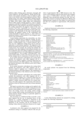
- Example E Aliquots of the film-forming material of Example E were drawn down over a black base coat and over an off-white basecoat. These coatings were flashed at room temperature for 10 minutes, and then baked at 141° C. for 25 minutes. Both coated samples had a very attractive appearance. The coating showed a highly metallic luster over black basecoat, and strong goniochromaticity over the black basecoat and over the off-white basecoat. The observed goniochromaticity is summarized in Table I.
- Example II Aliquots of the film-forming material of Example I were drawn down over a black primer and over a gray primer. These coatings were dried at 55° C. for 25 minutes. Both coated samples had a very attractive appearance. The coating showed a highly metallic luster over black primer, and strong goniochromaticity over the black primer and over the Grey primer. The goniochromaticity of the resultant coating is summarized in Table II.
Landscapes
- Chemical & Material Sciences (AREA)
- Organic Chemistry (AREA)
- Engineering & Computer Science (AREA)
- Life Sciences & Earth Sciences (AREA)
- Materials Engineering (AREA)
- Wood Science & Technology (AREA)
- Chemical Kinetics & Catalysis (AREA)
- Crystallography & Structural Chemistry (AREA)
- Health & Medical Sciences (AREA)
- Medicinal Chemistry (AREA)
- Polymers & Plastics (AREA)
- Oil, Petroleum & Natural Gas (AREA)
- Paints Or Removers (AREA)
Abstract
By use of polymeric color effect pigment, comprising a plurality of particles essentially free from metallic material, preferably free from inorganic material, and formed from a large number of layers of polymeric materials whose refractive indices differ from each other, metallic, reflective, or colored appearance is provided to coatings or other polymeric products without the use of relatively dense pigments.
Description
This invention relates to color effect pigments, and more particularly to the use thereof in coatings to provide a goniochromatic and/or reflective finish. Goniochromaticity is the effect of perceived color varying as the angle of illumination or observation varies.
Goniochromatic or reflective pigments are used, for example, in automotive coatings, decorative coatings, plastics pigmentation, printing inks (security inks in particular), and cosmetics. Their optical effect results from the directional reflection of light from predominantly sheetlike particles that are metallic or that have a refractive index contrast. According to the nature of the pigment particles, the pigments are known as metallic effect pigments (for example, aluminum, zinc, copper or alloys thereof) or interference pigments (for example, based on titanium dioxide-coated mica such as muscovite, phlogopite and biotite).
As a result of the incident light being reflected directionally by the predominantly sheetlike particles, effect pigments that are oriented, for example in a coating, exhibit goniochromaticity; that is, their perceived color (lightness and/or hue and/or chroma) varies with the angle of illumination or observation.
Interference pigments may comprise a single platelike layer, or a multilayer structure. The color perceived is affected by, for example, interference in the thin layer or layers, and optionally also by absorption by a chromophore (an organic moiety that absorbs wavelengths in the visible and/or UV ranges) or a color center. A color center is an electron hole pair that results from a lattice defect in a crystalline solid state material and which absorbs wavelengths in the visible and/or UV ranges. Interference, with or without absorption, results in a multiplicity of hue variations that are dependent on the thickness of the thin layer or layers.
Conventional metallic effect pigments of the type comprised of elemental metal are subject to oxidation. Oxidation is undesirable because it can reduce the reflectivity of the metallic particles, and because it can result in generation of gases within a coating composition that is in the liquid state. The surfaces of the metallic particles are sometimes coated with organic or metal oxide materials or subjected to other treatments in order to reduce the oxidation or to alter the appearance provided by the pigment. However, none of these approaches have been able to stop the oxidation totally, and some of the surface treatments tend to reduce reflectivity of the particles.
Metallic effect pigments are dense compared with many of the materials in which they are used; for example, typical aluminum pigments have a specific gravity of about 2.7 compared with specific gravities in the range of about 0.8 to 1.5 for a typical ink or coating composition. It is therefore a challenge to maintain such pigments uniformly suspended in the compositions.
Other color effect pigments rely upon interference phenomena generated by the presence of one or more thin films to develop high chroma (i.e., purity of color). Available pigments of this type generally use only one to five thin film layers of materials that have high refractive index contrast. Examples of this type are generally known and include, but are not limited to, metal oxide-coated silicatic (including mica) and metallic pigments. Because of the nature of the thin film materials used in these prior art interference pigments, their specific gravities typically exceed about 2.5, often substantially higher.
The difference in density between typical prior art color effect pigments and the liquid media within which they are suspended is undesirable. Although these pigments can be dispersed throughout the lower density medium by various methods known to those skilled in the art, the higher density pigments can settle due to the action of gravity. This settling is undesirable because it results in an inhomogeneous pigment distribution that must be corrected by time-consuming re-dispersion of the pigment.
It would be desirable to have available color effect pigments whose densities are closer to those of the liquid media of the compositions in which they are used. It would also be desirable to enhance the goniochromatic effects and/or the directional, high reflectivity of such pigments.
The present invention provides color effect pigments (i.e., goniochromatic and/or reflective) with densities approaching that of the organic or aqueous media in which they are dispersed. Additionally, the densities of the pigments of the present invention may be tailored to approximate those of particular media. The specific gravity of a pigment of the present invention can be less than 2.5, preferably less than 2.0, even less than 1.5 or lower if desired. These values coincide with the densities of typical liquid vehicles for coating compositions and inks, both solvent-based and water-based.
In another aspect of the invention, the novel color effect pigments can be provided with enhanced goniochromaticity and/or a high degree of directional reflectivity. Dramatic coloration effects can thereby be achieved in cured or dried coatings or inks, polymers, or other pigmented products.
A further capability of the pigments of this invention is their ability to provide a metallic luster appearance without requiring the presence of metallic particles. Moreover, relatively dense metal oxide films are not required. Included are embodiments that are substantially free of elemental metal. As a result, the problems associated with oxidation of metallic pigments are reduced or avoided.
The color effect pigment of the present invention comprises particles of a multilayer polymeric film having differences in refractive index between adjacent layers of at least 0.003, preferably at least 0.01, most preferably at least 0.05. In particular embodiments, the pigment particles are produced from continuous films in which there are refractive index differences between adjacent, substantially planar layers of polymeric material. The number of layers in such films is much greater than in typical prior art organic or coated reflective pigments, typically in excess of 10 (or 5 adjacent pairs), preferably greater than 50 (25 adjacent pairs). Specific embodiments of film having approximately 100 layers have been found to be particularly useful for producing strong coloration effects in accordance the present invention, but the multilayer film may be provided with much larger numbers of layers. The number of layers and their arrangement within the film can be selected to produce a wide variety of customized coloration effects.
Although pigments or dyes could optionally be used to modify the coloration effects of the polymeric pigments of the present invention, it is another advantage that coloration can be effected without requiring the presence of a visible chromophore, color center, or other visible light absorbing material, thereby avoiding the possibility of color changes over time due to fading.
These multilayer materials in a particulated form suitable for inclusion into paint or other resinous formulations constitute one aspect of the present invention.
Another aspect of the present invention constitutes a coating composition comprising: (a) a film-forming material; and (b) a plurality of particles of the multilayer materials having differences in refractive index between adjacent layers.
The present invention also involves preparation of pigment particles from a multilayer polymeric film that has differences in refractive index between adjacent layers.
The polymeric color effect pigment of the present invention comprises particles produced from a multilayer polymeric film in which high reflectivity is achieved by differences in refractive index between a plurality of adjacent layers. The use of a plurality of layers, for example 10 to 1000 layers, enables the development of high reflectivity and/or high chroma even though the layers have a refractive index contrast that is relatively low (typically less than 0.5). Because the layers are polymeric, the pigments made therefrom can be provided with densities that are advantageously in the same range as the coating compositions or other materials to be pigmented, or at least closer to that range than conventional reflective or special effect pigments.
In one embodiment, the polymeric color effect pigments are produced by reducing to small particle size extended films that are prepared from transparent plastics having no visible chromophore, color center or inorganic material. These films are formed from a number of layers of at least two different polymeric materials that differ in refractive index. Adjacent pairs of layers in these films differ in refractive index by at least 0.003 for there to be a perceptible interference effect, more commonly by at least 0.01, and preferably by at least 0.05 if pronounced effects are desired. The layer thicknesses typically range from approximately 0.05 micron to approximately 5 microns for the sake of producing wave interference effects. Such films may be prepared, for example, by the simultaneous extrusion of a plurality of layers of transparent, synthetic, thermoplastic, resinous material while in the thermoplastic state, and subsequently deforming the film in at least one direction to reduce thickness. Preferably, the number of layers is much greater than 10, preferably greater than 50. Specific embodiments of film having approximately 100 layers have been utilized successfully in the present invention, but this type of film may be provided with much larger numbers of layers as may be desired to customize the coloration effects. For use in coatings of conventional thicknesses for automotive coatings, the pigment particles preferably have a thickness no greater than about 10 microns because proper orientation of the particles in the coating becomes difficult with thicker particles.
The number of layers in the multilayer film is selected to achieve the desired optical properties using the minimum number of layers for reasons of film thickness, flexibility and economy. The number of layers usually need not be as high as 10,000, more typically less than 5,000, and in most cases less than 2,000.
Multilayer polymeric films useful in the present invention include those disclosed in U.S. Pat. Nos. 3,711,176 and 5,882,774. The latter patent discloses multilayer films that can be designed to produce reflective films for which the Brewster angle is very large or is nonexistent. This allows for the construction of multilayer high reflectors whose reflectivity for p-polarized light decrease slowly with angle of incidence, are independent of angle of incidence, or increase with angle of incidence away from the normal. As a result, multilayer films having high reflectivity for both s- and p- polarized light over a wide bandwidth, and over a wide range of angles can be achieved.
The average reflectivity at normal incidence for preferred multilayer films is desirably at least 3 percent, preferably at least 10 percent, and can be up to 90 percent and even 100 percent over the bandwidth of interest. Transmission or reflection values given herein include front and back surface reflections. Other multilayer films of the type disclosed in U.S. Pat. No. 5,882,774 can be made to exhibit lower average transmission and/or a larger intended bandwidth and/or reflectivity over a larger range of angles from the normal. If the intended bandwidth is to be centered around one color only, such as red, green or blue, each of which has an effective bandwidth of about 100 nm each, a multilayer film with an average transmission of less than 50% is desirable. Other exemplary preferred multilayer films can be provided with high reflectance over the bandwidth of the visible spectrum (380-700 nm).
The multilayer film may include tens, hundreds or thousands of layers, and each layer can be made from any of a number of different materials. The characteristics that determine the choice of materials for a particular film depend upon the desired optical performance of the film. The film can contain as many materials as there are layers in the film. For ease of manufacture, preferred optical thin films contain only a few different materials.
Several parameters may affect the maximum reflectivity achievable in any multilayer film. These include basic film design, optical absorption, layer thickness control and the relationship between indices of refraction of the layers in the film. Known thin film interference principles can be employed to maximize high reflectivity and/or sharp band edges that yield pure single color appearance. For the optimal effects, this typically involves using optically thin layers, i.e., layers having an optical thickness in the range of 0.1 to 1.0 times the wavelength of the desired color. Thicknesses up to several times the wavelength may be used in other cases where the most vivid effects are not required. The basic building blocks for high reflectivity multilayer films are low/high refractive index adjacent pairs of film layers, wherein each low/high refractive index pair of layers has a combined optical thickness of one half the center wavelength of the band it is designed to reflect. Such films are sometimes referred to as quarterwave stacks.
To minimize optical absorption, the preferred multilayer film ensures that wavelengths that would be most strongly absorbed by the film are the first wavelengths reflected by the film. For most clear optical materials, including most polymers, absorption increases toward the blue end of the visible spectrum. Thus, it is preferred to tune the multilayer film such that the “blue” layers are on the incident side of the multilayer film.
The relationships between the indices of refraction in each film layer to each other and to those of the other layers in the film determine the reflectance behavior of the multilayer film at any angle of incidence. Assuming that all layers of the same material have the same indices, then a single interface of a two component quarterwave stack can be analyzed to understand the behavior of the entire film as a function of angle.
In embodiments of multilayer films made in accordance with the aforesaid U.S. Pat. No. 5,882,774, refractive index differences between layers are enhanced by polymeric orientation by stretching the film in at least one direction in the plane of the film. Adjacent layers in the film may be composed of different polymeric materials whose refractive indices respond differently to stretch orientation. A uniaxially birefringent material is defined as one in which the index of refraction in one direction is different from the indices in the other two directions. One method of creating a uniaxial birefringent system is to biaxially stretch (e.g., stretch along two dimensions) a multilayer film in which at least one of the materials in the film has its index of refraction affected by the stretching process (e.g., the index either increases or decreases). Biaxial stretching of the multilayer film may result in differences between refractive indices of adjoining layers for planes parallel to both axes thus resulting in reflection of light in both planes of polarization. A biaxial birefringent material is defined as one in which the indices of refraction in all three axes are different. A biaxial birefringent system can be made by stretching the multilayer film in one direction. In other words the film is uniaxially stretched.
The desired average transmission for light of each polarization and plane of incidence can vary. The average transmission along each stretch direction at normal incidence for a narrow bandwidth mirror across a 100 nm bandwidth within the visible spectrum is desirably less than 30%, preferably less than 20% and more preferably less than 10%. A desirable average transmission along each stretch direction at normal incidence for a partial mirror ranges anywhere from, for example, 10 to 50 percent, and can cover a bandwidth of anywhere between, for example, 100 nm and 450 nm, depending upon the particular application. For a high efficiency reflector, average transmission along each stretch direction at normal incidence over the visible spectrum (400-700 nm) is desirably less than 10 percent, preferably less than 5 percent, more preferably less than 2 percent, and even more preferably less than 1 percent. It should be understood that although the stretching techniques are advantageous for enhancing the interference effects, stretching of a multilayer film is not essential for achieving the results of the present invention.
With the design considerations established, one of ordinary skill will readily appreciate that a wide variety of materials can be used to form multilayer reflective films that can be employed in the present invention. The desired refractive index relationships can be achieved in a variety of ways, including extruding, any of a number of coating processes known to one skilled in the art, including but not limited to spin coating, or stretching during or after film formation.
Specific examples of suitable materials include polyethylene naphthalate (PEN) and isomers thereof (e.g., 2,6-, 1,4-, 1,5-, 2,7-, and 2,3-PEN), polyalkylene terephthalates (e.g., polyethylene terephthalate, polybutylene terephthalate, and poly-1,4-cyclohexanedimethylene terephthalate), polyimides (e.g., polyacrylic imides), polyetherimides, atactic polystyrene, polycarbonates, polymethacrylates (e.g., polyisobutyl methacrylate, polypropylmethacrylate, polyethylmethacrylate, and polymethylmethacrylate), polyacrylates (e.g., polybutylacrylate and polymethylacrylate), syndiotactic polystyrene (sPS), syndiotactic poly-alpha-methyl styrene, syndiotactic polydichlorostyrene, copolymers and blends of any of these polystyrenes, cellulose derivatives (e.g., ethyl cellulose, cellulose acetate, cellulose propionate, cellulose acetate butyrate, and cellulose nitrate), polyalkylene polymers (e.g., polyethylene, polypropylene, polybutylene, polyisobutylene, and poly(4-methyl)pentene), fluorinated polymers (e.g., perfluoroalkoxy resins, polytetrafluoroethylene, fluorinated ethylene-propylene copolymers, polyvinylidene fluoride, and polychlorotrifluoroethylene), chlorinated polymers (e.g., polyvinylidene chloride and polyvinylchloride), polysulfones, polyethersulfones, polyacrylonitrile, polyamides, silicone resins, epoxy resins, polyvinylacetate, polyether-amides, ionomeric resins, elastomers (e.g., polybutadiene, polyisoprene, and neoprene), and polyurethanes. Also suitable are copolymers, e.g., copolymers of PEN (e.g., copolymers of 2,6-, 1,4-, 1,5-, 2,7-, and/or 2,3-naphthalene dicarboxylic acid, or esters thereof, with (a) terephthalic acid, or esters thereof; (b) isophthalic acid, or esters thereof; (c) phthalic acid, or esters thereof; (d) alkane glycols; (e) cycloalkane glycols (e.g., cyclohexane dimethanol diol); (f) alkane dicarboxylic acids; and/or (g) cycloalkane dicarboxylic acids (e.g., cyclohexane dicarboxylic acid)), copolymers of polyalkylene terephthalates (e.g., copolymers of terephthalic acid, or esters thereof, with (a) naphthalene dicarboxylic acid, or esters thereof; (b) isophthalic acid, or esters thereof, (c) phthalic acid, or esters thereof; (d) alkane glycols; (e) cycloalkane glycols (e.g., cyclohexane dimethanol diol); (f) alkane dicarboxylic acids; and/or (g) cycloalkane dicarboxylic acids (e.g., cyclohexane dicarboxylic acid)), and styrene copolymers (e.g., styrene-butadiene copolymers and styrene-acrylonitrile copolymers), 4,4′-bibenzoic acid and ethylene glycol. In addition, each individual layer may include blends of two or more of the above-described polymers or copolymers (e.g., blends of SPS and atactic polystyrene). The coPEN described may also be a blend of pellets where at least one component is a polymer based on naphthalene dicarboxylic acid and other components are other polyesters or polycarbonates, such as a PET, a PEN or a co-PEN.
Particularly preferred combinations of layers in the case of mirrors include PET/ECDEL, PEN/ECDEL, PEN/sPS, PEN/THV, PEN/co-PET, and PET/sPS, where “co-PET” refers to a copolymer or blend based upon terephthalic acid (as described above), ECDEL is a thermoplastic polyester commercially available from Eastman Chemical Co., and THV is a fluoropolymer commercially available from 3M Co.
The ability to achieve the desired relationships among the various indices of refraction is influenced by the manner in which the multilayer device is prepared. In the case of organic polymers that can be oriented by stretching, the devices are generally prepared by co-extruding the individual polymers to form a multilayer film and then (optionally) orienting the film by stretching at a selected temperature, optionally followed by heat-setting at a selected temperature. Alternatively, the extrusion and orientation steps may be performed simultaneously. In the case of reflective materials, the film may be stretched substantially in two directions (biaxial orientation).
Polymeric pigment particles of the present invention are prepared by subdividing the continuous film finely into particles that can be dispersed readily into a coating composition. Any known severing technique may be employed. These techniques include, but are not limited to, mechanical and/or laser cutting processes and grinding processes.
For producing commercial quantities of the pigment, efficiency would suggest a grinding process, in which case it would be advantageous to select polymers for making the multilayer film that have relatively high glass transition temperatures. Glass transition temperatures above room temperature (e.g., above 25° C.) would be preferred in that case, but the use of chilled grinders would permit use of polymers having glass transition temperatures at or below room temperature.
The size of the polymeric pigment particles produced is not critical per se and can be adapted to the particular application. For automotive coatings, the particles preferably have maximum diameters of about 1 micron to 5 millimeters, more preferably no greater than 3 millimeters, most preferably about 5 microns to 100 microns. Preferably, the particles would have thicknesses of 1 micron to 500 microns, more preferably I micron to 20 microns.
In an embodiment of the present invention, a coating having a metallic luster is produced. The metallic luster coating comprises one or more film forming materials (which will be discussed in detail below) and a plurality of polymeric color effect pigment particles.
In another embodiment of the present invention, a coating having a colored appearance is produced. The colored coating comprises one or more film forming materials (which will be discussed in detail below) and a plurality of polymeric color effect pigment particles.
In yet another embodiment of the present invention, a coating having a perceived color that exhibits goniochromaticity; that is, the perceived color varies with angle of illumination or observation, is produced. The goniochromatic coating comprises one or more film forming materials (which will be discussed in detail below) and a plurality of polymeric color effect pigment particles.
As discussed above, the polymeric color effect pigment is present in the metallic luster and/or colored and/or goniochromatic coating with one or more crosslinkable film-forming materials and, if desired, other additives which will be discussed in detail below.
The type and amount of film-forming material and other components included in the coating composition will depend in part upon the nature of the coating and its method of application. No particular measures have been found necessary to incorporate the pigments of the present invention into typical coating formulations. If desired, for the sake of improved dispersibility, the pigments can first be incorporated into a polymeric vehicle in the form of a paste, optionally aided by the addition of surfactants conventionally used with other types of pigments.
The specific pigment to binder ratio can vary widely so long as it provides the requisite color appearance at the desired film thickness and application solids and will depend upon the particular ingredients employed, the type of substrate, the substrates intended use, as well as such factors as the specific size of the polymeric color effect pigment particles used. On a volume basis, the amount of pigment would usually be similar to that employed with other color effect pigments such as coated micas or natural pearl essence (fishsilver). Although there are no critical limits, the effects may not be perceptible in most applications at pigment concentrations less than 0.5 weight percent, and it would be unusual for a coating to contain more than 50 weight percent of these special effect pigments (the percentages based on total solids content of the coating composition).
The special color effect pigments of the present invention can be used in a wide variety of coating compositions. These include waterborne and solvent-borne liquid coating compositions, powder coating compositions, and powder slurry compositions. They can be used in clear coatings (i.e., those that produce cured films having substantial transparency) or they can be added to other pigments and/or dyes in colored coatings. Functionally, the coatings that may include the pigments of the present invention include primers, basecoats, and topcoats, as well as any one or more of the coatings in a multi-coat combination. Compatibility of the pigments with a variety of polymer types has been observed, and it can be expected that any known film-forming polymer composition used for coatings could be used. Some of the more common families of polymer types used in coatings include polyurethanes, acrylics, alkyds, polyesters, epoxies, siloxanes, polysulfides, and combinations thereof. These are known to be provided in coatings as lacquers, thermoplastic, or thermosetting types of compositions. Thermosetting compositions will further include cross-linking agents such as polyisocyanates, amino-formaldehyde aminoplasts, polyacids, polyanhydrides, and combinations thereof. As used herein, “film-forming” means that the film-forming materials form a self-supporting continuous film on at least a horizontal surface of the substrate upon removal of any solvents or carriers present in the composition or upon curing at ambient or elevated temperature.
The ability of the present invention to provide pigments having densities similar to that of the remainder of coating compositions is particularly advantageous in the electrodeposition coating method. This is because electrodeposition usually involves large tanks of coating composition, and maintaining heavy conventional pigments suspended in such a system usually requires special precautions to be taken. An aqueous electrodepositable coating composition including the polymeric color effect pigment of the present invention can be applied to a surface of a metal substrate by any suitable anionic or cationic electrodeposition process well known to those skilled in the art. Useful electrodepositable coating compositions generally comprise one or more crosslinkable film-forming polymers together with crosslinking compounds. Ionic moieties, such as ammonium or sulfonium groups in the case of cationic electrodeposition, are incorporated into the polymer systems of electrodeposition coatings. A variety of film-forming polymers may be used in electrodeposition coatings; a commonly used system includes film-forming polymers derived from epoxies and blocked isocyanates as the cross-linking material.
Volatile materials that can be included as diluents in the liquid or powder slurry coating compositions include water and/or organic solvents, such as alcohols, ethers and ether alcohols, ketones, esters, aliphatic and alicyclic hydrocarbons, and aromatic hydrocarbons as are commonly employed in the coating industry. Examples of solvents for coatings include aliphatic solvents such as hexane, naphtha, and mineral spirits; aromatic and/or alkylated aromatic solvents such as toluene, xylene, and SOLVESSO 100 (aromatic blend from Exxon Chemicals); alcohols such as ethyl, methyl, n-propyl, isopropyl, n-butyl, isobutyl and amyl alcohol, and m-pyrol; esters such as ethyl acetate, n-butyl acetate, isobutyl acetate and isobutyl isobutyrate; ketones such as acetone, methyl ethyl ketone, methyl isobutyl ketone, diisobutyl ketone, methyl n-amyl ketone, and isophorone, glycol ethers and glycol ether esters such as ethylene glycol monobutyl ether, diethylene glycol monobutyl ether, ethylene glycol monohexyl ether, propylene glycol monomethyl ether, propylene glycol monopropyl ether, ethylene glycol monobutyl ether acetate, propylene glycol monomethyl ether acetate, and dipropylene glycol monomethyl ether acetate.
The coating compositions can further include one or more other additives such as UV absorbers and stabilizers, rheology control agents, surfactants, catalysts, film build additives, fillers, flatting agents, defoamers, microgels, pH control additives, and other pigments. Along with the pigments of the present invention, it may be useful in some cases to also include conventional pigments and dyes. These include micas, iron oxides, carbon black, titanium dioxide, aluminum flakes, bronze flakes, coated mica, nickel flakes, tin flakes, silver flakes, copper flakes and combinations thereof. Other organic coloring agents (i.e., dyes or organic pigments) could also be included. If it is desired to match the specific gravity of the polymeric and solvent components of the coating composition, the pigment content of the composition will have essentially no elemental metal components, and preferably essentially no metal oxide components as well. Optimally, for the sake of specific gravity matching, the pigment content of the composition will consist essentially of organic material, i.e., there will be no intentional reliance on the presence of any inorganic material for color development.
Coated finishes, particularly for automobiles, are often provided by multiple layers of different coatings. An automobile coating may typically include an electrodeposited primer, a primer-surfacer coat, a colored basecoat, and a clear top coat. Additional coating layers may be used for appearance or performance purposes. The pigments of the present invention may be used in one or more of any of these coating layers. For example, the coating that includes the polymeric color effect pigment of the present invention can be an otherwise clear coat, which is applied over a basecoat not containing polymeric color effect pigment but pigmented conventionally (i.e., the so-called “color-plus-clear” composite finish). Either or both of the basecoat and clear coat in this example may be waterborne as is known in the art.
In yet another alternative embodiment, the coating which includes the polymeric color effect pigment can be a basecoat, over which is applied a clearcoat which does not contain polymeric color effect pigment. The components of the basecoat and those of the clearcoat can be any of those discussed above.
In yet another alternative embodiment, the coating which includes the polymeric color effect pigment can be a clearcoat which is applied over a basecoat which also contains polymeric color effect pigment. The components of the basecoat and those of the clearcoat can be any of those discussed above.
In yet another alternative embodiment, the coating which includes the polymeric color effect pigment can be a clearcoat which is applied over a basecoat which does not contain polymeric color effect pigment, and over which is applied a another clearcoat which does not contain polymeric color effect pigment. The components of the basecoat and those of the two clearcoats can be any of those discussed above.
The liquid or powder slurry coatings can be applied to the surface of the substrate by any suitable coating process well known to those skilled in the art, for example by dip coating, direct roll coating, reverse roll coating, curtain coating, spray coating, brush coating, electrodeposition and combinations thereof. Powder coatings are generally applied by electrostatic deposition.
The processing of a multilayered film to provide a color effect pigment and the use, as described above, of this pigment in a coating composition is illustrated in the examples that follow. The following examples are merely illustrative of the invention, and are not intended to be limiting. Unless otherwise indicated, all parts are by weight.
A polymeric color effect pigment was prepared by the mechanical cutting of a multilayer reflective film into particles of approximately 500 to 3000 microns in size. The source of the multilayer reflective film used for the examples was a piece of “ReflectaBow” decorative ribbon sold by Hallmark Cards, Incorporated, Kansas City, Mo. The multilayer film material is produced by Minnesota Mining and Manufacturing Company, St. Paul, Minn. It is believed that this film was comprised of approximately 100 polymeric layers.
A hydroxyl functional acrylic polymer was prepared from the following components:
| Component | Weight (g) | ||
| Dispersion stabilizer1 | 8.49 | ||
| Dimethylcocoamine | 0.25 | ||
| N-Octyl mercaptan | 0.90 | ||
| Methacrylic acid | 3.20 | ||
| Methyl methacrylate | 82.81 | ||
| Glycidyl methacrylate | 4.31 | ||
| N-Heptane | 62.93 | ||
| ISOPAR E2 | 26.75 | ||
| N-Butyl acrylate | 7.07 | ||
| Blend of 75% EXXSOL D 31353 and 25% | 2.72 | ||
| UNOCAL SPECIAL NAPHTHOLITE 66/34 | |||
| Toluene | 0.53 | ||
| Azobis 2,2′-(2-methylbutyronitrile) | 0.61 | ||
| 1Dispersion stabilizer - an acrylic resin containing approximately 45% methacrylic acid, 11% glycidyl methacrylate, 44% hydroxystearic acid in butyl acetate at 42% solids. | |||
| 2ISOPAR E - an isoparaffinic hydrocarbon from Exxon. | |||
| 3EXXSOL D 3135 is an aromatic solvent blend including naphtha from Exxon Chemicals. | |||
| 4UNOCAL SPECIAL NAPHTHOLITE 66/3 - a petroleum hydrocarbon fraction available from Citgo Petroleum Corporation. | |||
An acrylic polymer was prepared from the following components:
| Component | Weight (g) | ||
| Tertiary dodecane thiol | 0.98 | ||
| N-Butyl methacrylate | 18.32 | ||
| Hydroxypropyl acrylate | 39.50 | ||
| Methyl methacrylate | 0.47 | ||
| Styrene | 19.77 | ||
| N-Butyl acrylate | 18.79 | ||
| Glacial acrylic acid - inhibited | 2.18 | ||
| SOLVESSO 1005 | 45.83 | ||
| Xylene | 44.22 | ||
| Isobutyl alcohol | 9.95 | ||
| Azobis 2,2′-(2-methylbutyonitrile) | 5.42 | ||
| 5SOLVESSO 100 - aromatic hydrocarbon mixture available from Shell Chemical. | |||
A clear film-forming material was prepared by mixing together the following components:
| Component | Weight (g) | ||
| SOLVESSO 100 | 28.90 | ||
| Xylene | 28.90 | ||
| Methyl amyl ketone | 28.90 | ||
| TINUVIN 3286 | 3.47 | ||
| TINUVIN 9007 | 3.47 | ||
| TINUVIN 2928 | 0.92 | ||
| Polybutyl acrylate solution9 | 1.60 | ||
| Acrylic resin of Example B | 6.52 | ||
| CYMEL 113010 | 104.03 | ||
| Ethanol | 13.87 | ||
| Acrylic resin of Example C | 177.54 | ||
| Dodecyl benzene sulfonic acid solution | 2.06 | ||
| 6TINUVIN 328 - a substituted benzotriazole UV light stabilizer from Ciba Geigy Corporation. | |||
| 7TINUVIN 900 - a substituted benzotriazole UV light stabilizer from Ciba Geigy Corporation. | |||
| 8TINUVIN 292 - a sterically hindered tertiary amine light stabilizer from Ciba Geigy Corporation. | |||
| 9Polybutyl acrylate solution - a flow control agent having a Mw of about 6700 and Mn of about 2600 in xylene at 62.5% solids. | |||
| 10CYMEL 1130 - fully alkylated mixed methoxy/butoxy function aminoplast resin available from Cytec Industries. | |||
A clear film-forming material containing polymeric color effect pigment was prepared by mixing together the following components:
| Component | Weight (g) |
| Polymeric color effect pigment particles of Example A | 0.358 |
| Film-forming material of Example D | 6.00 |
An organic premix was prepared by mixing the following components:
| Component | Weight (g) | ||
| Octanol | 63.2 | ||
| Ethylene glycol monohexyl ether | 188.0 | ||
| Byk 03111 | 9.2 | ||
| Tinuvin 113012 | 17.2 | ||
| Phosphatized epoxy13 | 4.7 | ||
| Cymel ® 32714 | 127.7 | ||
| Acylaminomethylene phosphonate | 28.5 | ||
| 50% Aqueous DMEA | 6.2 | ||
| 11BYK 031 an emulsion of paraffin-based mineral oils and hydrophobic components used as a defoamer available from Byk Chemie. | |||
| 1212 TINUVIN 1130 - a substituted benzotriazole UV light absorber available from Ciba Geigy Corporation. | |||
| 13Phosphatized epoxy prepared from EPON ® 828, a polyglycidyl ether of Bisphenol A, available from Shell Oil and Chemical Co., reacted with phosphoric acid at an 83:17 weight ratio. | |||
| 14CYMEL ® 327 - a partially methylated melamine resin available from Cytec Industries. | |||
An aqueous, unpigmented coating composition was prepared by mixing the following components:
| Component | Weight (g) | ||
| Organic premix of Example F | 88.9 | ||
| Latex15 | 80.2 | ||
| SHELLSOL ® D2516 | 11.5 | ||
| Deionized water | 225.3 | ||
| Polyurethane/acrylic dispersion | 92.2 | ||
| Polyacrylic dispersion EPL 692018 | 141.1 | ||
| Ethylene glycol monohexyl ether | 12.7 | ||
| 50% Aqueous dimethylethanolamine | 2.5 | ||
| 15Prepared according to U.S. Pat. No. 5,510,148 (Example 1). | |||
| 16SHELLSOL ® D25 - Mineral spirits available from Shell Chemical Company. | |||
| 17The polyurethane/acrylic dispersion was prepared as follows: a polyurethane prepolymer was prepared by blending dimethylolpropionic acid (34.9 parts); DESMODUR ® W methylene-bis-(4-cyclohexyl diisocyanate (140.3 parts, available from Bayer Corp.); DDI 1410 dimer isocyanate (81.3 parts, available from Henkel Corp.); FORMREZ ® 66-56 1,6-hexanediol adipate (199.5 parts available from Witco Corp.); MPEG 2000 methoxy polyethylene glycol (50.3 parts available from | |||
| # Union Carbide, Inc.); dibutyltin dilaurate (0.4 parts); and N-methyl pyrrolidone (130.2 parts) and heated at 90° C. until the NCO equivalent weight reached 1079. The prepolymer was cooled to 35° C. and methyl methacrylate (197.9 parts), butyl acrylate (136.8 parts), and ethylene glycol dimethacrylate (14.0 parts) were added, followed by N,N-dimethylethanolamine (23.2 parts). This mixture was dispersed into deionized water | |||
| # (2372.1 parts) containing diethylenetriamine (18.7 parts) at 40° C. over 20 minutes and was held at 40° C. for 15 minutes. The dispersion was passed through a MICROFLUIDIZER ® emulsifier at 8000 psi and was then heated to 60° C. A solution of ammonium persulfate (1.28 parts) in deionized water (99.4 parts) was slowly added, and the temperature was adjusted to 80° C. and held for 30 minutes. The resulting polymer dispersion had a solids content of | |||
| # approximately 25 percent. | |||
| 18Polyacrylic dispersion EPL 6920 available from Akzo Nobel. | |||
An aqueous coating composition containing polymeric color effect pigment was prepared by mixing together the following components:
| Component | Weight (g) | ||
| Polymeric color effect pigments of Example A | 0.358 | ||
| Aqueous coating composition of Example G | 6.00 | ||
A film-forming material containing polymeric color effect pigment was prepared by mixing together the following components:
| Component | Weight (g) |
| Polymeric color effect pigment particles of Example A | 0.518 |
| DELTRON ® 200019 | 5.00 |
| 19DELTRON ® 2000 is an unpigmented acrylic automotive refinish basecoat available from PPG Industries, Inc. | |
Aliquots of the film-forming material of Example E were drawn down over a black base coat and over an off-white basecoat. These coatings were flashed at room temperature for 10 minutes, and then baked at 141° C. for 25 minutes. Both coated samples had a very attractive appearance. The coating showed a highly metallic luster over black basecoat, and strong goniochromaticity over the black basecoat and over the off-white basecoat. The observed goniochromaticity is summarized in Table I.
| TABLE I | |||
| Perceived Color Effect | |||
| Basecoat | Viewing at normal incidence | Viewing at oblique angle |
| color | (θ = 0 degrees)20 | (θ = 75 degrees) |
| Black | Copper metallic luster | Green metallic luster |
| Off white | Blue | Violet |
| 20θ is the viewing angle with respect to normal. | ||
Aliquots of the pigmented coating composition material of Example H were drawn down over a solvent-borne polyester-melamine silver primer. These coatings were flashed at ambient conditions for 5 minutes followed by a 5 minute bake at 80° C. for 5 minutes, followed by a 25 minute bake at 141° C. for 25 minutes. The panel had an attractive appearance, appearing coppery when viewed at normal incidence (θ=0 degrees) and bluish-green when viewed at an oblique angle (θ=75 degrees).
Aliquots of the pigmented coating composition material of Example H were drawn down over a solvent-borne polyester-melamine silver primer. These coatings were flashed at ambient conditions for 5 minutes followed by a 5 minute bake at 80° C. for 5 minutes. Aliquots of the unpigmented film forming material of Example D were then drawn down over the top of this coating composition, flashed for 10 minutes at ambient conditions, and baked at 141° C. for 25 minutes. The panel had an attractive appearance, appearing coppery when viewed at normal incidence (θ=0 degrees) and bluish-green when viewed at an oblique angle (θ=75 degrees).
Aliquots of the unpigmented coating composition material of Example G were drawn down over a solvent-borne polyester-melamine silver primer. These coatings were flashed at ambient conditions for 5 minutes followed by a 5 minute bake at 80° C. for 5 minutes. Aliquots of the pigmented film forming material of Example E were then drawn down over the top of this coating composition, flashed for 10 minutes at ambient conditions, and baked at 141° C. for 25 minutes. The panel had an attractive appearance, appearing coppery when viewed at normal incidence (θ=0 degrees) and bluish-green when viewed at an oblique angle (θ=75 degrees).
Aliquots of the pigmented coating composition material of Example H were drawn down over a solvent-borne polyester-melamine silver primer. These coatings were flashed at ambient conditions for 5 minutes followed by a 5 minute bake at 80° C. for 5 minutes. Aliquots of the pigmented film forming material of Example E were then drawn down over the top of this coating composition, flashed for 10 minutes at ambient conditions, and baked at 141° C. for 25 minutes. The panel had an attractive appearance, appearing coppery when viewed at normal incidence (θ=0 degrees) and bluish-green when viewed at an oblique angle (θ=75 degrees).
Aliquots of the unpigmented coating composition material of Example G were drawn down over a solvent-borne polyester-melamine silver primer. These coatings were flashed at ambient conditions for 5 minutes followed by a 5 minute bake at 80° C. for 5 minutes. Aliquots of the pigmented film forming material of Example E were then drawn down over the top of this coating composition, flashed for 10 minutes at ambient conditions, and baked at 141° C. for 25 minutes. Aliquots of the unpigmented film forming material of Example D were then drawn down over the top of this coating composition, flashed for 10 minutes at ambient conditions, and baked at 141° C. for 25 minutes. The panel had an attractive appearance, appearing coppery when viewed at normal incidence (θ=0 degrees) and bluish-green when viewed at an oblique angle (θ=75 degrees).
Aliquots of the pigmented coating composition material of Example H were drawn down over a solvent-borne polyester-melamine silver primer. These coatings were flashed at ambient conditions for 5 minutes followed by a 5 minute bake at 80° C. for 5 minutes. Aliquots of the pigmented film forming material of Example E were then drawn down over the top of this coating composition, flashed for 10 minutes at ambient conditions, and baked at 141° C. for 25 minutes. Aliquots of the unpigmented film forming material of Example D were then drawn down over the top of this coating composition, flashed for 10 minutes at ambient conditions, and baked at 141° C. for 25 minutes. The panel had an attractive appearance, appearing coppery when viewed at normal incidence (θ=0 degrees) and bluish-green when viewed at an oblique angle (θ=75 degrees).
Aliquots of the pigmented coating composition material of Example H were drawn down over a solvent-borne polyester-melamine silver primer. These coatings were flashed at ambient conditions for 5 minutes followed by a 5 minute bake at 80° C. for 5 minutes. Aliquots of the pigmented film forming material of Example E were then drawn down over the top of this coating composition, flashed for 10 minutes at ambient conditions, and baked at 141 °C. for 25 minutes. Aliquots of the pigmented film forming material of Example E were then drawn down over the top of this coating composition, flashed for 10 minutes at ambient conditions, and baked at 141 ° C. for 25 minutes. The panel had an attractive appearance, appearing coppery when viewed at normal incidence (θ=0 degrees) and bluish-green when viewed at an oblique angle (θ=75 degrees).
A strip of the “Reflectabow” material described in Example A was placed on a panel covered with a solvent-borne polyester-melamine silver primer using Super Glue. This strip was approximately 110 mm by 12.5 mm. Aliquots of the unpigmented film forming material of Example D were then drawn down over the top of this coating composition, flashed for 10 minutes at ambient conditions, and baked at 141 °C. for 25 minutes. The panel had an attractive appearance, appearing coppery when viewed at normal incidence (θ=0 degrees) and bluish-green when viewed at an oblique angle (θ=75 degrees).
Aliquots of the film-forming material of Example I were drawn down over a black primer and over a gray primer. These coatings were dried at 55° C. for 25 minutes. Both coated samples had a very attractive appearance. The coating showed a highly metallic luster over black primer, and strong goniochromaticity over the black primer and over the Grey primer. The goniochromaticity of the resultant coating is summarized in Table II.
| TABLE II | |||
| Perceived Color Effect | |||
| Primer | Viewing at normal incidence | Viewing at oblique angle |
| color | (θ11 = 0 degrees) | (θ11 = 75 degrees) |
| Black | Copper metallic luster | Green metallic luster |
| Grey | Blue | Violet |
Although specific embodiments of the invention have been described in detail for the purpose of illustrating the best mode of the invention, it is to be understood that such detail is solely for that purpose and that variations and modification as would be apparent to those skilled in the art are within the spirit and scope of the invention as defined by the claims.
It should be understood that changes can be made to the embodiments described above within the knowledge of those of skill in the art without departing from the spirit and scope of the invention as defined by the claims that follow.
Claims (29)
1. Polymeric color effect pigment comprising: a plurality of particles whose average maximum dimension is no greater than 5 millimeters, said particles being essentially free from inorganic material, said particles comprising a plurality of layers of thermoplastic organic materials including at least five adjacent pairs of layers whose refractive indices differ from each other by at least 0.003.
2. The pigment of claim 1 wherein said particles comprise at least 25 of said adjacent pairs of layers.
3. The pigment of claim 1 wherein the refractive indices of said adjacent pairs of layers differ by at least 0.01.
4. The pigment of claim 1 wherein the refractive indices of said adjacent pairs of layers differ by at least 0.05.
5. The pigment of claim 1 wherein the average maximum particle dimension is no greater than 3 millimeters.
6. The pigment of claim 1 wherein the average particle dimensions are in the range of 5 microns to 100 microns.
7. The pigment of claim 1 wherein the average specific gravity of the particles is less than 2.5.
8. The pigment of claim 1 wherein the average specific gravity of the particles is less than 2.0.
9. The pigment of claim 1 wherein the average specific gravity of the particles is less than 1.5.
10. The pigment composition of claim 1 wherein the plurality of layers are varied in thickness.
11. The pigment composition of claim 1 characterized by the essential absence of visible chromophore or color centers.
12. Polymeric color effect pigment comprising: a plurality of particles whose average maximum dimension is no greater than 5 millimeters, the average specific gravity of the particles being less than 2.5, said particles comprising a plurality of layers of thermoplastic organic materials including adjacent pairs of layers whose refractive indices differ from each other by at least 0.003.
13. The pigment of claim 12 wherein the average specific gravity of the particles is less than 2.0.
14. The pigment of claim 12 wherein the average specific gravity of the particles is less than 1.5.
15. The pigment of claim 12 wherein said particles comprise least 5 of said adjacent pairs of layers.
16. The pigment of claim 12 wherein said particles comprise least 25 of said adjacent pairs of layers.
17. The pigment of claim 12 wherein the refractive indices of said adjacent pairs of layers differ by at least 0.01.
18. The pigment of claim 12 wherein the refractive indices of said adjacent pairs of layers differ by at least 0.05.
19. The pigment of claim 12 wherein the average maximum particle dimension is no greater than 3 millimeters.
20. The pigment of claim 12 wherein the average particle dimensions are in the range of 5 microns to 100 microns.
21. A coating composition comprising:
a film-forming component; and
a pigment component comprising a plurality of polymeric particles whose average maximum dimension is no greater than 5 millimeters, said particles being essentially free from inorganic material, said particles comprising a plurality of layers of thermoplastic organic materials including at least five adjacent pairs of layers who refractive indices differ from each other by at least 0.003.
22. The coating composition of claim 21 wherein the pigment component is adapted to provide a metallic appearance to a cured coating film produced from the coating composition, and the composition is essentially free from elemental metal.
23. The coating composition of claim 21 wherein the pigment component is adapted to provide a colored appearance to a cured coating film produced from the coating composition, and the composition is essentially free from chromophore or color centers.
24. The coating composition of claim 21 wherein the pigment component is adapted to provide a goniochromatic effect to a cured coating film produced from the coating composition and the composition is essentially free from inorganic material.
25. The coating composition of claim 21 wherein the pigment component includes a second color-affecting material different from said particles.
26. The coating composition of claim 25 wherein the second color-affecting material comprises inorganic material.
27. The coating composition of claim 25 wherein the second color-affecting material comprises organic material.
28. The coating composition of claim 21 wherein the pigment content of the composition consists essentially of said layered organic pigment.
29. The coating composition of claim 21 wherein the film-forming organic component comprises a polymeric material selected from the group consisting of urethanes, acrylics, alkyds, esters, siloxanes, sulfides, and epoxies.
Priority Applications (1)
| Application Number | Priority Date | Filing Date | Title |
|---|---|---|---|
| US09/466,294 US6299979B1 (en) | 1999-12-17 | 1999-12-17 | Color effect coating compositions having reflective organic pigments |
Applications Claiming Priority (1)
| Application Number | Priority Date | Filing Date | Title |
|---|---|---|---|
| US09/466,294 US6299979B1 (en) | 1999-12-17 | 1999-12-17 | Color effect coating compositions having reflective organic pigments |
Publications (1)
| Publication Number | Publication Date |
|---|---|
| US6299979B1 true US6299979B1 (en) | 2001-10-09 |
Family
ID=23851232
Family Applications (1)
| Application Number | Title | Priority Date | Filing Date |
|---|---|---|---|
| US09/466,294 Expired - Fee Related US6299979B1 (en) | 1999-12-17 | 1999-12-17 | Color effect coating compositions having reflective organic pigments |
Country Status (1)
| Country | Link |
|---|---|
| US (1) | US6299979B1 (en) |
Cited By (68)
| Publication number | Priority date | Publication date | Assignee | Title |
|---|---|---|---|---|
| US6455140B1 (en) | 1999-01-13 | 2002-09-24 | 3M Innovative Properties Company | Visible mirror film glitter |
| US6475609B1 (en) | 1998-01-13 | 2002-11-05 | 3M Innovative Properties Company | Color shifting film glitter |
| US6574444B2 (en) * | 2000-02-04 | 2003-06-03 | Canon Kabushiki Kaisha | Developing apparatus wherein seal-inflicted damage to an end edge of a developing roller is prevented |
| US20050008599A1 (en) * | 2003-07-11 | 2005-01-13 | L'oreal S.A. | Cosmetic compositions comprising a structuring agent, silicone powder and swelling agent |
| US20050023729A1 (en) * | 2003-07-31 | 2005-02-03 | Smith Leslie E. | Formation of wide paint film parts |
| US20050058678A1 (en) * | 2003-08-01 | 2005-03-17 | Audrey Ricard | Two-coat cosmetic product, uses thereof and makeup kit comprising the same |
| US20050169950A1 (en) * | 2002-01-08 | 2005-08-04 | Marie-Laure Delacour | Solid cosmetic composition comprising fibers |
| US20050175562A1 (en) * | 2004-01-05 | 2005-08-11 | Anke Hadasch | Skin makeup composition |
| US20050260146A1 (en) * | 2004-04-08 | 2005-11-24 | Xavier Blin | Set of at least two solid compositions for application to the skin, to the lips, to the nails, and/or to hair |
| US20050257715A1 (en) * | 2004-04-08 | 2005-11-24 | Christophe Dumousseaux | Compositions for application to the skin, to the lips, to the nails, and/or to hair |
| WO2005112687A2 (en) | 2004-05-19 | 2005-12-01 | L'oreal | Nail varnish film with an optical effect |
| US20060018854A1 (en) * | 2002-10-02 | 2006-01-26 | Christophe Dumousseaux | Cosmetic compositions |
| US20060037624A1 (en) * | 2004-08-20 | 2006-02-23 | Philippe Ilekti | Makeup or care kit for nails |
| EP1634621A1 (en) | 2004-08-20 | 2006-03-15 | L'oreal | Kit for make-up or for care of the nails |
| US20060088484A1 (en) * | 2004-10-05 | 2006-04-27 | Ludovic Thevenet | Method of applying makeup to a surface and a kit for implementing such a method |
| US20060125238A1 (en) * | 2004-11-03 | 2006-06-15 | Santosh Sinha | Automatic power connector system machine |
| US20060257336A1 (en) * | 2004-04-19 | 2006-11-16 | Veronique Ferrari | Cosmetic composition comprising silica particles, reflecting particles, and at least one polymer, preparative processes, and uses thereof |
| US20070084542A1 (en) * | 2005-10-19 | 2007-04-19 | Durakon Industries, Inc. | Process and apparatus for forming stretched paint films and articles formed using same |
| US20070100026A1 (en) * | 2005-11-01 | 2007-05-03 | Munro Calum H | Radiation diffraction colorants |
| US20070141002A1 (en) * | 2005-11-23 | 2007-06-21 | Montezinos David L | Compositions and methods for imparting vibrancy |
| US7351418B2 (en) | 2000-12-12 | 2008-04-01 | L'oreal S.A. | Cosmetic composition comprising a polymer blend |
| US20080089917A1 (en) * | 2006-10-16 | 2008-04-17 | L'oreal | Cosmetic composition |
| CN100399067C (en) * | 2001-12-27 | 2008-07-02 | Ppg工业俄亥俄公司 | Colored composition, radiation diffractive material, and method of immobilizing an array of particles in a matrix |
| US7410636B2 (en) | 2000-12-12 | 2008-08-12 | L'oreal S.A. | Cosmetic composition comprising a polymer and fibres |
| US20080268002A1 (en) * | 2005-06-22 | 2008-10-30 | L'oreal | Compositions for Making Up Keratinous Materials |
| EP2008646A1 (en) | 2007-06-21 | 2008-12-31 | L'Oreal | Cosmetic composition comprising two polyesters |
| EP2008645A1 (en) | 2007-06-21 | 2008-12-31 | L'Oréal | Cosmetic composition comprising a polyester and a branched hydrocarbon |
| US20090155545A1 (en) * | 2007-12-18 | 2009-06-18 | Ppg Industries Ohio, Inc. | Method of imaging in crystalline colloidal arrays |
| WO2009097517A1 (en) | 2008-01-30 | 2009-08-06 | L'oreal S.A. | Adhesive artricle containing colorant and/or active agent |
| US20090317623A1 (en) * | 2008-06-20 | 2009-12-24 | Ppg Industries Ohio, Inc. | Multi-layered composite crystalline colloidal array films |
| US20100047200A1 (en) * | 2005-06-10 | 2010-02-25 | Timo Luukas | Cosmetic product comprising two separte compositions, one of which comprises a crosslinked polyrotaxane |
| US20100068504A1 (en) * | 2008-09-12 | 2010-03-18 | Shih-Pin Lin | Multiple-coating particle and anti-glare film having the same |
| US20100163068A1 (en) * | 2008-12-17 | 2010-07-01 | L'oreal | Nail varnish comprising at least one polysaccharide ester or alkyl ether and at least one plant resin |
| US20100178262A1 (en) * | 2008-12-17 | 2010-07-15 | L'oreal | Nail varnish comprising a drying oil, a film-forming polymer and a metal salt |
| US20100315703A1 (en) * | 2009-06-16 | 2010-12-16 | Ppg Industries Ohio, Inc. | Angle switchable crystalline colloidal array films |
| US20110041370A1 (en) * | 2005-04-21 | 2011-02-24 | Saint Andre M | Face sheet, identification band, and related methods |
| WO2011064720A2 (en) | 2009-11-25 | 2011-06-03 | L'oreal | Cosmetic product |
| US20110135888A1 (en) * | 2009-12-04 | 2011-06-09 | Ppg Industries Ohio, Inc. | Crystalline colloidal array of particles bearing reactive surfactant |
| US7981404B2 (en) | 2004-04-08 | 2011-07-19 | L'oreal S.A. | Composition for application to the skin, to the lips, to the nails, and/or to hair |
| US8007772B2 (en) | 2002-10-02 | 2011-08-30 | L'oreal S.A. | Compositions to be applied to the skin and the integuments |
| WO2011141878A1 (en) | 2010-05-11 | 2011-11-17 | L'oreal | A flexible article for nails with an improved adhesive layer |
| WO2011154905A2 (en) | 2010-06-08 | 2011-12-15 | L'oreal | Colored aqueous cosmetic compositions |
| US8080257B2 (en) | 2000-12-12 | 2011-12-20 | L'oreal S.A. | Cosmetic compositions containing at least one hetero polymer and at least one film-forming silicone resin and methods of using |
| WO2012085854A2 (en) | 2010-12-21 | 2012-06-28 | L'oreal | Solid anhydrous cosmetic composition |
| WO2012085855A2 (en) | 2010-12-21 | 2012-06-28 | L'oreal | Solid anhydrous cosmetic composition |
| WO2012085856A2 (en) | 2010-12-21 | 2012-06-28 | L'oreal | Solid anhydrous cosmetic composition |
| WO2013076691A1 (en) | 2011-11-25 | 2013-05-30 | L'oreal | Tinted emulsion |
| US8544475B2 (en) | 2005-08-30 | 2013-10-01 | L'oreal | Packaging and applicator assembly including a magnetic device, a magnetic device, a method of forming a pattern on a nail using a magnetic device and a method of manufacturing a magnetic device |
| US8582194B2 (en) | 2010-04-29 | 2013-11-12 | Ppg Industries Ohio, Inc. | Thermally responsive crystalline colloidal arrays |
| US8641933B2 (en) | 2011-09-23 | 2014-02-04 | Ppg Industries Ohio, Inc | Composite crystal colloidal array with photochromic member |
| US8716365B2 (en) * | 2010-04-08 | 2014-05-06 | Rohm And Haas Company | Opacifying particles and compositions formed therefrom |
| US9022648B2 (en) | 2010-11-11 | 2015-05-05 | Prc-Desoto International, Inc. | Temperature sensitive composite for photonic crystals |
| EP2939655A1 (en) | 2014-04-30 | 2015-11-04 | L'Oréal | Composition comprising microcapsules containing reflective particles |
| EP2939653A1 (en) | 2014-04-30 | 2015-11-04 | L'Oréal | Composition comprising microcapsules containing particles with a high wet point |
| EP2939654A1 (en) | 2014-04-30 | 2015-11-04 | L'Oréal | Composition comprising microcapsules containing silicone elastomer |
| JP2015231736A (en) * | 2014-05-14 | 2015-12-24 | キヤノン株式会社 | Method for forming metallic image |
| US9649261B2 (en) | 2004-10-05 | 2017-05-16 | L'oreal | Method of applying makeup to a surface and a kit for implementing such a method |
| US20170368836A1 (en) * | 2015-04-02 | 2017-12-28 | Canon Kabushiki Kaisha | Metallic image forming method |
| WO2018114406A1 (en) | 2016-12-22 | 2018-06-28 | L'oreal | Oil-in-water emulsion comprising a specific surfactant system |
| WO2021030197A1 (en) | 2019-08-09 | 2021-02-18 | Ppg Industries Ohio, Inc. | Coating compositions, layers, and systems for radar transmission and methods for making and using the same |
| CN112505810A (en) * | 2016-06-27 | 2021-03-16 | 唯亚威通讯技术有限公司 | Optical device |
| US11046856B2 (en) | 2011-09-23 | 2021-06-29 | Ppg Industries Ohio, Inc. | Hollow particle crystalline colloidal arrays |
| US20220323312A1 (en) * | 2019-06-25 | 2022-10-13 | Dow Global Technologies Llc | Sun care compositions with uv reflective particles |
| WO2023076796A1 (en) | 2021-10-28 | 2023-05-04 | Ppg Industries Ohio, Inc. | Coating systems, films, and articles for radar transmission, methods of manufacture and use thereof |
| WO2024037999A1 (en) | 2022-08-17 | 2024-02-22 | Merck Patent Gmbh | Multilayer effect pigments from biodegradable polymers |
| US12187900B2 (en) | 2016-06-27 | 2025-01-07 | Viavi Solutions Inc. | High chromaticity pigment flakes and foils |
| US12275852B2 (en) | 2016-06-27 | 2025-04-15 | Viavi Solutions Inc. | High chroma flakes |
| US12552939B2 (en) | 2018-06-29 | 2026-02-17 | Viavi Solutions Inc. | Optical devices with functional molecules |
Citations (14)
| Publication number | Priority date | Publication date | Assignee | Title |
|---|---|---|---|---|
| US3711176A (en) | 1971-01-14 | 1973-01-16 | Dow Chemical Co | Highly reflective thermoplastic bodies for infrared, visible or ultraviolet light |
| US4384070A (en) * | 1981-07-02 | 1983-05-17 | Desoto, Inc. | Pigmented, antioxidant-containing solution coating compositions |
| US5122905A (en) * | 1989-06-20 | 1992-06-16 | The Dow Chemical Company | Relective polymeric body |
| US5320871A (en) * | 1992-06-05 | 1994-06-14 | Springborn Laboratories, Inc. | Underwater coating for submerged substrates |
| US5516820A (en) * | 1995-01-13 | 1996-05-14 | Babjak; John R. | Automotive coatings from non-aqueous dispersions |
| US5783120A (en) | 1996-02-29 | 1998-07-21 | Minnesota Mining And Manufacturing Company | Method for making an optical film |
| US5786033A (en) * | 1994-06-29 | 1998-07-28 | Basf Lacke + Farben, Ag | Method of forming multi-layer paint films, base coat composition and method of painting |
| US5808798A (en) | 1996-03-27 | 1998-09-15 | Minnesota Mining And Manufacturing Co. | Nonpolarizing beamsplitter |
| US5808794A (en) | 1996-07-31 | 1998-09-15 | Weber; Michael F. | Reflective polarizers having extended red band edge for controlled off axis color |
| US5811484A (en) * | 1993-12-23 | 1998-09-22 | Vianova Resins Aktiengesellschaft | Process for the preparation of water-dilutable coating binders based on acrylate copolymers, and their use |
| US5825542A (en) | 1995-06-26 | 1998-10-20 | Minnesota Mining And Manufacturing Company | Diffusely reflecting multilayer polarizers and mirrors |
| US5828488A (en) | 1993-12-21 | 1998-10-27 | Minnesota Mining And Manufacturing Co. | Reflective polarizer display |
| US5882774A (en) | 1993-12-21 | 1999-03-16 | Minnesota Mining And Manufacturing Company | Optical film |
| US6040009A (en) * | 1994-06-23 | 2000-03-21 | Mazda Motor Corporation | Low solvent content type-resin composition, coating composition containing such resin composition and process for coating such coating composition |
-
1999
- 1999-12-17 US US09/466,294 patent/US6299979B1/en not_active Expired - Fee Related
Patent Citations (14)
| Publication number | Priority date | Publication date | Assignee | Title |
|---|---|---|---|---|
| US3711176A (en) | 1971-01-14 | 1973-01-16 | Dow Chemical Co | Highly reflective thermoplastic bodies for infrared, visible or ultraviolet light |
| US4384070A (en) * | 1981-07-02 | 1983-05-17 | Desoto, Inc. | Pigmented, antioxidant-containing solution coating compositions |
| US5122905A (en) * | 1989-06-20 | 1992-06-16 | The Dow Chemical Company | Relective polymeric body |
| US5320871A (en) * | 1992-06-05 | 1994-06-14 | Springborn Laboratories, Inc. | Underwater coating for submerged substrates |
| US5882774A (en) | 1993-12-21 | 1999-03-16 | Minnesota Mining And Manufacturing Company | Optical film |
| US5828488A (en) | 1993-12-21 | 1998-10-27 | Minnesota Mining And Manufacturing Co. | Reflective polarizer display |
| US5811484A (en) * | 1993-12-23 | 1998-09-22 | Vianova Resins Aktiengesellschaft | Process for the preparation of water-dilutable coating binders based on acrylate copolymers, and their use |
| US6040009A (en) * | 1994-06-23 | 2000-03-21 | Mazda Motor Corporation | Low solvent content type-resin composition, coating composition containing such resin composition and process for coating such coating composition |
| US5786033A (en) * | 1994-06-29 | 1998-07-28 | Basf Lacke + Farben, Ag | Method of forming multi-layer paint films, base coat composition and method of painting |
| US5516820A (en) * | 1995-01-13 | 1996-05-14 | Babjak; John R. | Automotive coatings from non-aqueous dispersions |
| US5825542A (en) | 1995-06-26 | 1998-10-20 | Minnesota Mining And Manufacturing Company | Diffusely reflecting multilayer polarizers and mirrors |
| US5783120A (en) | 1996-02-29 | 1998-07-21 | Minnesota Mining And Manufacturing Company | Method for making an optical film |
| US5808798A (en) | 1996-03-27 | 1998-09-15 | Minnesota Mining And Manufacturing Co. | Nonpolarizing beamsplitter |
| US5808794A (en) | 1996-07-31 | 1998-09-15 | Weber; Michael F. | Reflective polarizers having extended red band edge for controlled off axis color |
Non-Patent Citations (2)
| Title |
|---|
| Angle-Dependent Optical Effects Deriving from Submicron Structures of Films and Pigments, Chemical Reviews, 1999, vol. 99, No. 7, pp. 1963-1981. |
| New Challenges in the Ways of Making Color, Modern Paint and Coatings, Apr. 1999, pp. 32-40. |
Cited By (92)
| Publication number | Priority date | Publication date | Assignee | Title |
|---|---|---|---|---|
| US6475609B1 (en) | 1998-01-13 | 2002-11-05 | 3M Innovative Properties Company | Color shifting film glitter |
| US6455140B1 (en) | 1999-01-13 | 2002-09-24 | 3M Innovative Properties Company | Visible mirror film glitter |
| US6574444B2 (en) * | 2000-02-04 | 2003-06-03 | Canon Kabushiki Kaisha | Developing apparatus wherein seal-inflicted damage to an end edge of a developing roller is prevented |
| US8080257B2 (en) | 2000-12-12 | 2011-12-20 | L'oreal S.A. | Cosmetic compositions containing at least one hetero polymer and at least one film-forming silicone resin and methods of using |
| US7410636B2 (en) | 2000-12-12 | 2008-08-12 | L'oreal S.A. | Cosmetic composition comprising a polymer and fibres |
| US7351418B2 (en) | 2000-12-12 | 2008-04-01 | L'oreal S.A. | Cosmetic composition comprising a polymer blend |
| CN100399067C (en) * | 2001-12-27 | 2008-07-02 | Ppg工业俄亥俄公司 | Colored composition, radiation diffractive material, and method of immobilizing an array of particles in a matrix |
| US20050169950A1 (en) * | 2002-01-08 | 2005-08-04 | Marie-Laure Delacour | Solid cosmetic composition comprising fibers |
| US8007772B2 (en) | 2002-10-02 | 2011-08-30 | L'oreal S.A. | Compositions to be applied to the skin and the integuments |
| US20060018854A1 (en) * | 2002-10-02 | 2006-01-26 | Christophe Dumousseaux | Cosmetic compositions |
| US7749524B2 (en) | 2003-07-11 | 2010-07-06 | L'oreal S.A. | Cosmetic compositions comprising a structuring agent, silicone powder and swelling agent |
| US20050008599A1 (en) * | 2003-07-11 | 2005-01-13 | L'oreal S.A. | Cosmetic compositions comprising a structuring agent, silicone powder and swelling agent |
| US20050023729A1 (en) * | 2003-07-31 | 2005-02-03 | Smith Leslie E. | Formation of wide paint film parts |
| US20050058678A1 (en) * | 2003-08-01 | 2005-03-17 | Audrey Ricard | Two-coat cosmetic product, uses thereof and makeup kit comprising the same |
| US20050175562A1 (en) * | 2004-01-05 | 2005-08-11 | Anke Hadasch | Skin makeup composition |
| US7981404B2 (en) | 2004-04-08 | 2011-07-19 | L'oreal S.A. | Composition for application to the skin, to the lips, to the nails, and/or to hair |
| US20050260146A1 (en) * | 2004-04-08 | 2005-11-24 | Xavier Blin | Set of at least two solid compositions for application to the skin, to the lips, to the nails, and/or to hair |
| US20050257715A1 (en) * | 2004-04-08 | 2005-11-24 | Christophe Dumousseaux | Compositions for application to the skin, to the lips, to the nails, and/or to hair |
| US20060257336A1 (en) * | 2004-04-19 | 2006-11-16 | Veronique Ferrari | Cosmetic composition comprising silica particles, reflecting particles, and at least one polymer, preparative processes, and uses thereof |
| US20090126316A1 (en) * | 2004-05-19 | 2009-05-21 | L'oreal | Nail polish film with optical effect |
| WO2005112687A2 (en) | 2004-05-19 | 2005-12-01 | L'oreal | Nail varnish film with an optical effect |
| US20060037624A1 (en) * | 2004-08-20 | 2006-02-23 | Philippe Ilekti | Makeup or care kit for nails |
| EP1634621A1 (en) | 2004-08-20 | 2006-03-15 | L'oreal | Kit for make-up or for care of the nails |
| US9649261B2 (en) | 2004-10-05 | 2017-05-16 | L'oreal | Method of applying makeup to a surface and a kit for implementing such a method |
| US20060088484A1 (en) * | 2004-10-05 | 2006-04-27 | Ludovic Thevenet | Method of applying makeup to a surface and a kit for implementing such a method |
| US20090130037A1 (en) * | 2004-10-05 | 2009-05-21 | L'oreal | Method of Applying Makeup to a Surface and a Kit for Implementing such a Method |
| US9609934B2 (en) | 2004-10-05 | 2017-04-04 | L'oreal | Method of applying makeup by means of a magnetic composition including at least one interferential pigment |
| US20060125238A1 (en) * | 2004-11-03 | 2006-06-15 | Santosh Sinha | Automatic power connector system machine |
| US20110041370A1 (en) * | 2005-04-21 | 2011-02-24 | Saint Andre M | Face sheet, identification band, and related methods |
| US20100047200A1 (en) * | 2005-06-10 | 2010-02-25 | Timo Luukas | Cosmetic product comprising two separte compositions, one of which comprises a crosslinked polyrotaxane |
| US20090041695A1 (en) * | 2005-06-22 | 2009-02-12 | L'oreal | Compositions for making up keratinous materials |
| US20090041696A1 (en) * | 2005-06-22 | 2009-02-12 | L'oreal | Compositions for Making Up Keratinous Materials |
| US20090117160A1 (en) * | 2005-06-22 | 2009-05-07 | L 'oreal | Compositions for Making up Keratinous Materials |
| US20080268002A1 (en) * | 2005-06-22 | 2008-10-30 | L'oreal | Compositions for Making Up Keratinous Materials |
| US8544475B2 (en) | 2005-08-30 | 2013-10-01 | L'oreal | Packaging and applicator assembly including a magnetic device, a magnetic device, a method of forming a pattern on a nail using a magnetic device and a method of manufacturing a magnetic device |
| US20080216943A1 (en) * | 2005-10-19 | 2008-09-11 | Durakon Industries, Inc. | Process and apparatus for forming stretched paint films and articles formed using same |
| US20070084542A1 (en) * | 2005-10-19 | 2007-04-19 | Durakon Industries, Inc. | Process and apparatus for forming stretched paint films and articles formed using same |
| US20070100026A1 (en) * | 2005-11-01 | 2007-05-03 | Munro Calum H | Radiation diffraction colorants |
| US8133938B2 (en) | 2005-11-01 | 2012-03-13 | Ppg Industries Ohio, Inc. | Radiation diffraction colorants |
| US8289618B2 (en) | 2005-11-01 | 2012-10-16 | Ppg Industries Ohio, Inc | Radiation diffraction material for reflecting invisible radiation |
| US20100328764A1 (en) * | 2005-11-01 | 2010-12-30 | Ppg Industries Ohio Inc. | Radiation diffraction material for reflecting invisible radiation |
| US20070141002A1 (en) * | 2005-11-23 | 2007-06-21 | Montezinos David L | Compositions and methods for imparting vibrancy |
| US20080089917A1 (en) * | 2006-10-16 | 2008-04-17 | L'oreal | Cosmetic composition |
| EP2008645A1 (en) | 2007-06-21 | 2008-12-31 | L'Oréal | Cosmetic composition comprising a polyester and a branched hydrocarbon |
| EP2008646A1 (en) | 2007-06-21 | 2008-12-31 | L'Oreal | Cosmetic composition comprising two polyesters |
| US20090155545A1 (en) * | 2007-12-18 | 2009-06-18 | Ppg Industries Ohio, Inc. | Method of imaging in crystalline colloidal arrays |
| US8168355B2 (en) | 2007-12-18 | 2012-05-01 | Ppg Industries Ohio, Inc | Method of imaging in crystalline colloidal arrays |
| WO2009097517A1 (en) | 2008-01-30 | 2009-08-06 | L'oreal S.A. | Adhesive artricle containing colorant and/or active agent |
| US20090317623A1 (en) * | 2008-06-20 | 2009-12-24 | Ppg Industries Ohio, Inc. | Multi-layered composite crystalline colloidal array films |
| US8808851B2 (en) | 2008-06-20 | 2014-08-19 | Ppg Industries Ohio, Inc. | Multi-layered composite crystalline colloidal array films |
| US20100068504A1 (en) * | 2008-09-12 | 2010-03-18 | Shih-Pin Lin | Multiple-coating particle and anti-glare film having the same |
| US20100163068A1 (en) * | 2008-12-17 | 2010-07-01 | L'oreal | Nail varnish comprising at least one polysaccharide ester or alkyl ether and at least one plant resin |
| US20100178262A1 (en) * | 2008-12-17 | 2010-07-15 | L'oreal | Nail varnish comprising a drying oil, a film-forming polymer and a metal salt |
| US8252412B2 (en) | 2009-06-16 | 2012-08-28 | Ppg Industries Ohio, Inc | Angle switchable crystalline colloidal array films |
| US20100315703A1 (en) * | 2009-06-16 | 2010-12-16 | Ppg Industries Ohio, Inc. | Angle switchable crystalline colloidal array films |
| WO2011064720A2 (en) | 2009-11-25 | 2011-06-03 | L'oreal | Cosmetic product |
| US9044400B2 (en) | 2009-11-25 | 2015-06-02 | L'oreal | Cosmetic product |
| US20110135888A1 (en) * | 2009-12-04 | 2011-06-09 | Ppg Industries Ohio, Inc. | Crystalline colloidal array of particles bearing reactive surfactant |
| US8716365B2 (en) * | 2010-04-08 | 2014-05-06 | Rohm And Haas Company | Opacifying particles and compositions formed therefrom |
| US8582194B2 (en) | 2010-04-29 | 2013-11-12 | Ppg Industries Ohio, Inc. | Thermally responsive crystalline colloidal arrays |
| WO2011141878A1 (en) | 2010-05-11 | 2011-11-17 | L'oreal | A flexible article for nails with an improved adhesive layer |
| WO2011154905A2 (en) | 2010-06-08 | 2011-12-15 | L'oreal | Colored aqueous cosmetic compositions |
| US9022648B2 (en) | 2010-11-11 | 2015-05-05 | Prc-Desoto International, Inc. | Temperature sensitive composite for photonic crystals |
| WO2012085855A2 (en) | 2010-12-21 | 2012-06-28 | L'oreal | Solid anhydrous cosmetic composition |
| WO2012085856A2 (en) | 2010-12-21 | 2012-06-28 | L'oreal | Solid anhydrous cosmetic composition |
| WO2012085854A2 (en) | 2010-12-21 | 2012-06-28 | L'oreal | Solid anhydrous cosmetic composition |
| US8641933B2 (en) | 2011-09-23 | 2014-02-04 | Ppg Industries Ohio, Inc | Composite crystal colloidal array with photochromic member |
| US11046856B2 (en) | 2011-09-23 | 2021-06-29 | Ppg Industries Ohio, Inc. | Hollow particle crystalline colloidal arrays |
| WO2013076691A1 (en) | 2011-11-25 | 2013-05-30 | L'oreal | Tinted emulsion |
| WO2015166459A1 (en) | 2014-04-30 | 2015-11-05 | L'oreal | Composition comprising microcapsules containing particles with a high wet point |
| WO2015166448A1 (en) | 2014-04-30 | 2015-11-05 | L'oreal | Composition comprising microcapsules containing silicone elastomer |
| WO2015166454A1 (en) | 2014-04-30 | 2015-11-05 | L'oreal | Composition comprising microcapsules containing reflective particles |
| EP2939654A1 (en) | 2014-04-30 | 2015-11-04 | L'Oréal | Composition comprising microcapsules containing silicone elastomer |
| EP2939653A1 (en) | 2014-04-30 | 2015-11-04 | L'Oréal | Composition comprising microcapsules containing particles with a high wet point |
| US10617609B2 (en) | 2014-04-30 | 2020-04-14 | L'oreal | Composition comprising microcapsules containing reflective particles |
| EP2939655A1 (en) | 2014-04-30 | 2015-11-04 | L'Oréal | Composition comprising microcapsules containing reflective particles |
| US10557050B2 (en) * | 2014-05-14 | 2020-02-11 | Canon Kabushiki Kaisha | Metallic image forming method |
| JP2015231736A (en) * | 2014-05-14 | 2015-12-24 | キヤノン株式会社 | Method for forming metallic image |
| US20170073536A1 (en) * | 2014-05-14 | 2017-03-16 | Canon Kabushiki Kaisha | Metallic image forming method |
| US10293619B2 (en) * | 2015-04-02 | 2019-05-21 | Canon Kabushiki Kaisha | Metallic image forming method |
| US20170368836A1 (en) * | 2015-04-02 | 2017-12-28 | Canon Kabushiki Kaisha | Metallic image forming method |
| CN112505810A (en) * | 2016-06-27 | 2021-03-16 | 唯亚威通讯技术有限公司 | Optical device |
| US12187900B2 (en) | 2016-06-27 | 2025-01-07 | Viavi Solutions Inc. | High chromaticity pigment flakes and foils |
| US12275852B2 (en) | 2016-06-27 | 2025-04-15 | Viavi Solutions Inc. | High chroma flakes |
| US12442971B2 (en) | 2016-06-27 | 2025-10-14 | Viavi Solutions Inc. | Optical devices |
| WO2018114406A1 (en) | 2016-12-22 | 2018-06-28 | L'oreal | Oil-in-water emulsion comprising a specific surfactant system |
| US12552939B2 (en) | 2018-06-29 | 2026-02-17 | Viavi Solutions Inc. | Optical devices with functional molecules |
| US20220323312A1 (en) * | 2019-06-25 | 2022-10-13 | Dow Global Technologies Llc | Sun care compositions with uv reflective particles |
| WO2021030197A1 (en) | 2019-08-09 | 2021-02-18 | Ppg Industries Ohio, Inc. | Coating compositions, layers, and systems for radar transmission and methods for making and using the same |
| EP4495195A2 (en) | 2019-08-09 | 2025-01-22 | PPG Industries Ohio, Inc. | Coating compositions, layers, and systems for radar transmission and methods for making and using the same |
| WO2023076796A1 (en) | 2021-10-28 | 2023-05-04 | Ppg Industries Ohio, Inc. | Coating systems, films, and articles for radar transmission, methods of manufacture and use thereof |
| WO2024037999A1 (en) | 2022-08-17 | 2024-02-22 | Merck Patent Gmbh | Multilayer effect pigments from biodegradable polymers |
Similar Documents
| Publication | Publication Date | Title |
|---|---|---|
| US6894086B2 (en) | Color effect compositions | |
| EP0736073B1 (en) | Coating composition containing optically-variable dichroic pigment and interference mica pigment | |
| KR100575928B1 (en) | Methods of color matching protective and decorative coatings, methods of making the coatings, and protective and decorative coating compositions | |
| CN101300314B (en) | Radiation diffraction colorants | |
| US5871827A (en) | Finishes containing light interference pigments | |
| US4499143A (en) | Multilayer automative paint system | |
| JP2664020B2 (en) | Pigment with platelet structure and data storage medium | |
| CN104685015B (en) | Gloss coating composition, method and multilayer film using said composition production multilayer film | |
| AU2004274405B2 (en) | Coating composition having fluorescent colorants | |
| US4605687A (en) | Multilayer automotive paint system | |
| CN107111028A (en) | Optical film and method for producing optical film | |
| EP2598580B1 (en) | Waterborne base coat compositions having a light metallic color | |
| JPH1080661A (en) | Finish coating containing light interference pigment | |
| EP0736076B1 (en) | Coating composition containing optically-variable pigment and black pigment | |
| US5049442A (en) | Opalescent coatings containing foamed metal oxides | |
| CA2174546C (en) | Coating composition containing optically-variable pigment | |
| JP7844627B2 (en) | Silky white multilayer coating | |
| JP4118171B2 (en) | Glittering film forming method, painted object and aluminum wheel | |
| EP3515706B1 (en) | Electromagnetic energy-absorbing optical product and method for making | |
| MXPA97004673A (en) | Finishes containing interference pigments | |
| JP2005187631A (en) | Luster material, process for producing the same, and paint composition containing luster material | |
| HK1123063B (en) | Radiation diffraction colorants | |
| JP2003245601A (en) | Bright coating film forming method and painted object |
Legal Events
| Date | Code | Title | Description |
|---|---|---|---|
| AS | Assignment |
Owner name: PPG INDUSTRIES OHIO, INC., OHIO Free format text: ASSIGNMENT OF ASSIGNORS INTEREST;ASSIGNORS:NEUBAUER, CHRISTOPHER M.;MUNRO, CALUM H.;REEL/FRAME:010471/0934 Effective date: 19991217 |
|
| FPAY | Fee payment |
Year of fee payment: 4 |
|
| REMI | Maintenance fee reminder mailed | ||
| LAPS | Lapse for failure to pay maintenance fees | ||
| STCH | Information on status: patent discontinuation |
Free format text: PATENT EXPIRED DUE TO NONPAYMENT OF MAINTENANCE FEES UNDER 37 CFR 1.362 |
|
| FP | Lapsed due to failure to pay maintenance fee |
Effective date: 20091009 |