US6235266B1 - Dinucleotides useful for the treatment of lung disease - Google Patents
Dinucleotides useful for the treatment of lung disease Download PDFInfo
- Publication number
- US6235266B1 US6235266B1 US09/303,491 US30349199A US6235266B1 US 6235266 B1 US6235266 B1 US 6235266B1 US 30349199 A US30349199 A US 30349199A US 6235266 B1 US6235266 B1 US 6235266B1
- Authority
- US
- United States
- Prior art keywords
- compound
- subject
- particles
- lungs
- group
- Prior art date
- Legal status (The legal status is an assumption and is not a legal conclusion. Google has not performed a legal analysis and makes no representation as to the accuracy of the status listed.)
- Expired - Lifetime
Links
- 238000011282 treatment Methods 0.000 title claims abstract description 15
- 208000019693 Lung disease Diseases 0.000 title description 4
- 150000001875 compounds Chemical class 0.000 claims abstract description 50
- 210000004072 lung Anatomy 0.000 claims abstract description 46
- 230000028327 secretion Effects 0.000 claims abstract description 45
- 238000000034 method Methods 0.000 claims abstract description 29
- 150000003839 salts Chemical class 0.000 claims abstract description 25
- 239000008194 pharmaceutical composition Substances 0.000 claims abstract description 10
- 230000000887 hydrating effect Effects 0.000 claims abstract description 9
- 229910052739 hydrogen Inorganic materials 0.000 claims abstract description 7
- 229910052794 bromium Inorganic materials 0.000 claims abstract description 6
- 239000003937 drug carrier Substances 0.000 claims abstract description 3
- 239000002245 particle Substances 0.000 claims description 33
- 239000000443 aerosol Substances 0.000 claims description 21
- 229960002576 amiloride Drugs 0.000 claims description 16
- XSDQTOBWRPYKKA-UHFFFAOYSA-N amiloride Chemical compound NC(=N)NC(=O)C1=NC(Cl)=C(N)N=C1N XSDQTOBWRPYKKA-UHFFFAOYSA-N 0.000 claims description 16
- KXDROGADUISDGY-UHFFFAOYSA-N Benzamil hydrochloride Chemical compound C=1C=CC=CC=1CN=C(N)NC(=O)C1=NC(Cl)=C(N)N=C1N KXDROGADUISDGY-UHFFFAOYSA-N 0.000 claims description 14
- NIOHELZQFBGCEO-UHFFFAOYSA-N Phenylamil Chemical compound N=1C(Cl)=C(N)N=C(N)C=1C(=O)N=C(N)NC1=CC=CC=C1 NIOHELZQFBGCEO-UHFFFAOYSA-N 0.000 claims description 14
- 239000007788 liquid Substances 0.000 claims description 14
- 239000007787 solid Substances 0.000 claims description 14
- XLYOFNOQVPJJNP-UHFFFAOYSA-N water Substances O XLYOFNOQVPJJNP-UHFFFAOYSA-N 0.000 claims description 10
- 201000003883 Cystic fibrosis Diseases 0.000 claims description 9
- 239000000725 suspension Substances 0.000 claims description 9
- 230000009103 reabsorption Effects 0.000 claims description 6
- 230000000717 retained effect Effects 0.000 claims description 5
- 230000000420 mucociliary effect Effects 0.000 claims description 2
- 210000002345 respiratory system Anatomy 0.000 claims 2
- 239000000203 mixture Substances 0.000 description 22
- 238000009472 formulation Methods 0.000 description 15
- 0 *[C@@]1([H])O[C@@]([H])(COP(*)(=O)OC[C@@]2([H])O[C@@]([H])(B)C([H])(O)C2([H])O)C([H])(O)C1([H])O Chemical compound *[C@@]1([H])O[C@@]([H])(COP(*)(=O)OC[C@@]2([H])O[C@@]([H])(B)C([H])(O)C2([H])O)C([H])(O)C1([H])O 0.000 description 14
- 239000003380 propellant Substances 0.000 description 14
- NMLMACJWHPHKGR-NCOIDOBVSA-N P(1),P(4)-bis(uridin-5'-yl) tetraphosphate Chemical compound N1([C@@H]2O[C@@H]([C@H]([C@H]2O)O)COP(O)(=O)OP(O)(=O)OP(O)(=O)OP(O)(=O)OC[C@@H]2[C@H]([C@H]([C@@H](O2)N2C(NC(=O)C=C2)=O)O)O)C=CC(=O)NC1=O NMLMACJWHPHKGR-NCOIDOBVSA-N 0.000 description 13
- 239000004480 active ingredient Substances 0.000 description 8
- 239000003814 drug Substances 0.000 description 8
- 230000000694 effects Effects 0.000 description 8
- 239000000843 powder Substances 0.000 description 8
- 125000001028 difluoromethyl group Chemical group [H]C(F)(F)* 0.000 description 7
- OHCQJHSOBUTRHG-KGGHGJDLSA-N FORSKOLIN Chemical compound O=C([C@@]12O)C[C@](C)(C=C)O[C@]1(C)[C@@H](OC(=O)C)[C@@H](O)[C@@H]1[C@]2(C)[C@@H](O)CCC1(C)C OHCQJHSOBUTRHG-KGGHGJDLSA-N 0.000 description 6
- -1 alkali metal salts Chemical class 0.000 description 6
- KYKAJFCTULSVSH-UHFFFAOYSA-N chloro(fluoro)methane Chemical class F[C]Cl KYKAJFCTULSVSH-UHFFFAOYSA-N 0.000 description 5
- 230000001225 therapeutic effect Effects 0.000 description 5
- 230000032258 transport Effects 0.000 description 5
- VEXZGXHMUGYJMC-UHFFFAOYSA-M Chloride anion Chemical compound [Cl-] VEXZGXHMUGYJMC-UHFFFAOYSA-M 0.000 description 4
- 230000009102 absorption Effects 0.000 description 4
- 238000010521 absorption reaction Methods 0.000 description 4
- 239000000460 chlorine Substances 0.000 description 4
- NBVXSUQYWXRMNV-UHFFFAOYSA-N fluoromethane Chemical compound FC NBVXSUQYWXRMNV-UHFFFAOYSA-N 0.000 description 4
- QTBSBXVTEAMEQO-UHFFFAOYSA-N Acetic acid Chemical compound CC(O)=O QTBSBXVTEAMEQO-UHFFFAOYSA-N 0.000 description 3
- 108091006146 Channels Proteins 0.000 description 3
- 108010079245 Cystic Fibrosis Transmembrane Conductance Regulator Proteins 0.000 description 3
- SUZLHDUTVMZSEV-UHFFFAOYSA-N Deoxycoleonol Natural products C12C(=O)CC(C)(C=C)OC2(C)C(OC(=O)C)C(O)C2C1(C)C(O)CCC2(C)C SUZLHDUTVMZSEV-UHFFFAOYSA-N 0.000 description 3
- LFQSCWFLJHTTHZ-UHFFFAOYSA-N Ethanol Chemical compound CCO LFQSCWFLJHTTHZ-UHFFFAOYSA-N 0.000 description 3
- GUBGYTABKSRVRQ-QKKXKWKRSA-N Lactose Natural products OC[C@H]1O[C@@H](O[C@H]2[C@H](O)[C@@H](O)C(O)O[C@@H]2CO)[C@H](O)[C@@H](O)[C@H]1O GUBGYTABKSRVRQ-QKKXKWKRSA-N 0.000 description 3
- MUBZPKHOEPUJKR-UHFFFAOYSA-N Oxalic acid Chemical compound OC(=O)C(O)=O MUBZPKHOEPUJKR-UHFFFAOYSA-N 0.000 description 3
- KRKNYBCHXYNGOX-UHFFFAOYSA-N citric acid Chemical compound OC(=O)CC(O)(C(O)=O)CC(O)=O KRKNYBCHXYNGOX-UHFFFAOYSA-N 0.000 description 3
- OHCQJHSOBUTRHG-UHFFFAOYSA-N colforsin Natural products OC12C(=O)CC(C)(C=C)OC1(C)C(OC(=O)C)C(O)C1C2(C)C(O)CCC1(C)C OHCQJHSOBUTRHG-UHFFFAOYSA-N 0.000 description 3
- 229940079593 drug Drugs 0.000 description 3
- 125000004216 fluoromethyl group Chemical group [H]C([H])(F)* 0.000 description 3
- 239000012458 free base Substances 0.000 description 3
- 102000008371 intracellularly ATP-gated chloride channel activity proteins Human genes 0.000 description 3
- 239000008101 lactose Substances 0.000 description 3
- 102000005962 receptors Human genes 0.000 description 3
- 108020003175 receptors Proteins 0.000 description 3
- 239000004094 surface-active agent Substances 0.000 description 3
- HDTRYLNUVZCQOY-UHFFFAOYSA-N α-D-glucopyranosyl-α-D-glucopyranoside Natural products OC1C(O)C(O)C(CO)OC1OC1C(O)C(O)C(O)C(CO)O1 HDTRYLNUVZCQOY-UHFFFAOYSA-N 0.000 description 2
- GUBGYTABKSRVRQ-XLOQQCSPSA-N Alpha-Lactose Chemical compound O[C@@H]1[C@@H](O)[C@@H](O)[C@@H](CO)O[C@H]1O[C@@H]1[C@@H](CO)O[C@H](O)[C@H](O)[C@H]1O GUBGYTABKSRVRQ-XLOQQCSPSA-N 0.000 description 2
- CIWBSHSKHKDKBQ-JLAZNSOCSA-N Ascorbic acid Chemical compound OC[C@H](O)[C@H]1OC(=O)C(O)=C1O CIWBSHSKHKDKBQ-JLAZNSOCSA-N 0.000 description 2
- FBPFZTCFMRRESA-KVTDHHQDSA-N D-Mannitol Chemical compound OC[C@@H](O)[C@@H](O)[C@H](O)[C@H](O)CO FBPFZTCFMRRESA-KVTDHHQDSA-N 0.000 description 2
- RGHNJXZEOKUKBD-SQOUGZDYSA-N D-gluconic acid Chemical compound OC[C@@H](O)[C@@H](O)[C@H](O)[C@@H](O)C(O)=O RGHNJXZEOKUKBD-SQOUGZDYSA-N 0.000 description 2
- VZCYOOQTPOCHFL-OWOJBTEDSA-N Fumaric acid Chemical compound OC(=O)\C=C\C(O)=O VZCYOOQTPOCHFL-OWOJBTEDSA-N 0.000 description 2
- VEXZGXHMUGYJMC-UHFFFAOYSA-N Hydrochloric acid Chemical compound Cl VEXZGXHMUGYJMC-UHFFFAOYSA-N 0.000 description 2
- UFHFLCQGNIYNRP-UHFFFAOYSA-N Hydrogen Chemical compound [H][H] UFHFLCQGNIYNRP-UHFFFAOYSA-N 0.000 description 2
- DGAQECJNVWCQMB-PUAWFVPOSA-M Ilexoside XXIX Chemical compound C[C@@H]1CC[C@@]2(CC[C@@]3(C(=CC[C@H]4[C@]3(CC[C@@H]5[C@@]4(CC[C@@H](C5(C)C)OS(=O)(=O)[O-])C)C)[C@@H]2[C@]1(C)O)C)C(=O)O[C@H]6[C@@H]([C@H]([C@@H]([C@H](O6)CO)O)O)O.[Na+] DGAQECJNVWCQMB-PUAWFVPOSA-M 0.000 description 2
- 229930195725 Mannitol Natural products 0.000 description 2
- AFVFQIVMOAPDHO-UHFFFAOYSA-N Methanesulfonic acid Chemical compound CS(O)(=O)=O AFVFQIVMOAPDHO-UHFFFAOYSA-N 0.000 description 2
- FAPWRFPIFSIZLT-UHFFFAOYSA-M Sodium chloride Chemical compound [Na+].[Cl-] FAPWRFPIFSIZLT-UHFFFAOYSA-M 0.000 description 2
- CZMRCDWAGMRECN-UGDNZRGBSA-N Sucrose Chemical compound O[C@H]1[C@H](O)[C@@H](CO)O[C@@]1(CO)O[C@@H]1[C@H](O)[C@@H](O)[C@H](O)[C@@H](CO)O1 CZMRCDWAGMRECN-UGDNZRGBSA-N 0.000 description 2
- 229930006000 Sucrose Natural products 0.000 description 2
- HDTRYLNUVZCQOY-WSWWMNSNSA-N Trehalose Natural products O[C@@H]1[C@@H](O)[C@@H](O)[C@@H](CO)O[C@@H]1O[C@@H]1[C@H](O)[C@@H](O)[C@@H](O)[C@@H](CO)O1 HDTRYLNUVZCQOY-WSWWMNSNSA-N 0.000 description 2
- 239000013543 active substance Substances 0.000 description 2
- HDTRYLNUVZCQOY-LIZSDCNHSA-N alpha,alpha-trehalose Chemical compound O[C@@H]1[C@@H](O)[C@H](O)[C@@H](CO)O[C@@H]1O[C@@H]1[C@H](O)[C@@H](O)[C@H](O)[C@@H](CO)O1 HDTRYLNUVZCQOY-LIZSDCNHSA-N 0.000 description 2
- 239000003963 antioxidant agent Substances 0.000 description 2
- 235000006708 antioxidants Nutrition 0.000 description 2
- WPYMKLBDIGXBTP-UHFFFAOYSA-N benzoic acid Chemical compound OC(=O)C1=CC=CC=C1 WPYMKLBDIGXBTP-UHFFFAOYSA-N 0.000 description 2
- 230000033228 biological regulation Effects 0.000 description 2
- 210000004027 cell Anatomy 0.000 description 2
- 229910052801 chlorine Inorganic materials 0.000 description 2
- 239000003085 diluting agent Substances 0.000 description 2
- 239000006185 dispersion Substances 0.000 description 2
- 239000000796 flavoring agent Substances 0.000 description 2
- 229910052731 fluorine Inorganic materials 0.000 description 2
- 239000011737 fluorine Substances 0.000 description 2
- 235000013355 food flavoring agent Nutrition 0.000 description 2
- IPCSVZSSVZVIGE-UHFFFAOYSA-N hexadecanoic acid Chemical compound CCCCCCCCCCCCCCCC(O)=O IPCSVZSSVZVIGE-UHFFFAOYSA-N 0.000 description 2
- 239000001257 hydrogen Substances 0.000 description 2
- 125000004435 hydrogen atom Chemical group [H]* 0.000 description 2
- 239000000594 mannitol Substances 0.000 description 2
- 235000010355 mannitol Nutrition 0.000 description 2
- 238000004519 manufacturing process Methods 0.000 description 2
- 239000011159 matrix material Substances 0.000 description 2
- 210000003928 nasal cavity Anatomy 0.000 description 2
- 239000006199 nebulizer Substances 0.000 description 2
- 238000002360 preparation method Methods 0.000 description 2
- 230000003248 secreting effect Effects 0.000 description 2
- 239000011734 sodium Substances 0.000 description 2
- 229910052708 sodium Inorganic materials 0.000 description 2
- 239000005720 sucrose Substances 0.000 description 2
- 210000001519 tissue Anatomy 0.000 description 2
- JOXIMZWYDAKGHI-UHFFFAOYSA-N toluene-4-sulfonic acid Chemical compound CC1=CC=C(S(O)(=O)=O)C=C1 JOXIMZWYDAKGHI-UHFFFAOYSA-N 0.000 description 2
- VZCYOOQTPOCHFL-UHFFFAOYSA-N trans-butenedioic acid Natural products OC(=O)C=CC(O)=O VZCYOOQTPOCHFL-UHFFFAOYSA-N 0.000 description 2
- 125000004178 (C1-C4) alkyl group Chemical group 0.000 description 1
- WRIDQFICGBMAFQ-UHFFFAOYSA-N (E)-8-Octadecenoic acid Natural products CCCCCCCCCC=CCCCCCCC(O)=O WRIDQFICGBMAFQ-UHFFFAOYSA-N 0.000 description 1
- BJEPYKJPYRNKOW-REOHCLBHSA-N (S)-malic acid Chemical compound OC(=O)[C@@H](O)CC(O)=O BJEPYKJPYRNKOW-REOHCLBHSA-N 0.000 description 1
- LVGUZGTVOIAKKC-UHFFFAOYSA-N 1,1,1,2-tetrafluoroethane Chemical compound FCC(F)(F)F LVGUZGTVOIAKKC-UHFFFAOYSA-N 0.000 description 1
- DDMOUSALMHHKOS-UHFFFAOYSA-N 1,2-dichloro-1,1,2,2-tetrafluoroethane Chemical compound FC(F)(Cl)C(F)(F)Cl DDMOUSALMHHKOS-UHFFFAOYSA-N 0.000 description 1
- TUSDEZXZIZRFGC-UHFFFAOYSA-N 1-O-galloyl-3,6-(R)-HHDP-beta-D-glucose Natural products OC1C(O2)COC(=O)C3=CC(O)=C(O)C(O)=C3C3=C(O)C(O)=C(O)C=C3C(=O)OC1C(O)C2OC(=O)C1=CC(O)=C(O)C(O)=C1 TUSDEZXZIZRFGC-UHFFFAOYSA-N 0.000 description 1
- LQJBNNIYVWPHFW-UHFFFAOYSA-N 20:1omega9c fatty acid Natural products CCCCCCCCCCC=CCCCCCCCC(O)=O LQJBNNIYVWPHFW-UHFFFAOYSA-N 0.000 description 1
- RZJLVYYTBHIXIJ-UHFFFAOYSA-N 3,5-diamino-6-chloro-n-[(2-phenylhydrazinyl)methylidene]pyrazine-2-carboxamide Chemical compound N1=C(Cl)C(N)=NC(N)=C1C(=O)N=CNNC1=CC=CC=C1 RZJLVYYTBHIXIJ-UHFFFAOYSA-N 0.000 description 1
- ZCYVEMRRCGMTRW-UHFFFAOYSA-N 7553-56-2 Chemical compound [I] ZCYVEMRRCGMTRW-UHFFFAOYSA-N 0.000 description 1
- QSBYPNXLFMSGKH-UHFFFAOYSA-N 9-Heptadecensaeure Natural products CCCCCCCC=CCCCCCCCC(O)=O QSBYPNXLFMSGKH-UHFFFAOYSA-N 0.000 description 1
- QGZKDVFQNNGYKY-UHFFFAOYSA-O Ammonium Chemical compound [NH4+] QGZKDVFQNNGYKY-UHFFFAOYSA-O 0.000 description 1
- 206010003598 Atelectasis Diseases 0.000 description 1
- 239000005711 Benzoic acid Substances 0.000 description 1
- WKBOTKDWSSQWDR-UHFFFAOYSA-N Bromine atom Chemical compound [Br] WKBOTKDWSSQWDR-UHFFFAOYSA-N 0.000 description 1
- 206010006458 Bronchitis chronic Diseases 0.000 description 1
- 241000282472 Canis lupus familiaris Species 0.000 description 1
- ZAMOUSCENKQFHK-UHFFFAOYSA-N Chlorine atom Chemical compound [Cl] ZAMOUSCENKQFHK-UHFFFAOYSA-N 0.000 description 1
- 102000008186 Collagen Human genes 0.000 description 1
- 108010035532 Collagen Proteins 0.000 description 1
- 206010011224 Cough Diseases 0.000 description 1
- RGHNJXZEOKUKBD-UHFFFAOYSA-N D-gluconic acid Natural products OCC(O)C(O)C(O)C(O)C(O)=O RGHNJXZEOKUKBD-UHFFFAOYSA-N 0.000 description 1
- FEWJPZIEWOKRBE-JCYAYHJZSA-N Dextrotartaric acid Chemical compound OC(=O)[C@H](O)[C@@H](O)C(O)=O FEWJPZIEWOKRBE-JCYAYHJZSA-N 0.000 description 1
- 239000004338 Dichlorodifluoromethane Substances 0.000 description 1
- 239000001263 FEMA 3042 Substances 0.000 description 1
- 241000282326 Felis catus Species 0.000 description 1
- PXGOKWXKJXAPGV-UHFFFAOYSA-N Fluorine Chemical compound FF PXGOKWXKJXAPGV-UHFFFAOYSA-N 0.000 description 1
- 108010010803 Gelatin Proteins 0.000 description 1
- 208000003892 Kartagener syndrome Diseases 0.000 description 1
- 239000005642 Oleic acid Substances 0.000 description 1
- ZQPPMHVWECSIRJ-UHFFFAOYSA-N Oleic acid Natural products CCCCCCCCC=CCCCCCCCC(O)=O ZQPPMHVWECSIRJ-UHFFFAOYSA-N 0.000 description 1
- 235000021314 Palmitic acid Nutrition 0.000 description 1
- 229920002230 Pectic acid Polymers 0.000 description 1
- LRBQNJMCXXYXIU-PPKXGCFTSA-N Penta-digallate-beta-D-glucose Natural products OC1=C(O)C(O)=CC(C(=O)OC=2C(=C(O)C=C(C=2)C(=O)OC[C@@H]2[C@H]([C@H](OC(=O)C=3C=C(OC(=O)C=4C=C(O)C(O)=C(O)C=4)C(O)=C(O)C=3)[C@@H](OC(=O)C=3C=C(OC(=O)C=4C=C(O)C(O)=C(O)C=4)C(O)=C(O)C=3)[C@H](OC(=O)C=3C=C(OC(=O)C=4C=C(O)C(O)=C(O)C=4)C(O)=C(O)C=3)O2)OC(=O)C=2C=C(OC(=O)C=3C=C(O)C(O)=C(O)C=3)C(O)=C(O)C=2)O)=C1 LRBQNJMCXXYXIU-PPKXGCFTSA-N 0.000 description 1
- 108010020346 Polyglutamic Acid Proteins 0.000 description 1
- ZLMJMSJWJFRBEC-UHFFFAOYSA-N Potassium Chemical compound [K] ZLMJMSJWJFRBEC-UHFFFAOYSA-N 0.000 description 1
- 108010059712 Pronase Proteins 0.000 description 1
- OFOBLEOULBTSOW-UHFFFAOYSA-N Propanedioic acid Natural products OC(=O)CC(O)=O OFOBLEOULBTSOW-UHFFFAOYSA-N 0.000 description 1
- 208000007123 Pulmonary Atelectasis Diseases 0.000 description 1
- 102000000033 Purinergic Receptors Human genes 0.000 description 1
- 108010080192 Purinergic Receptors Proteins 0.000 description 1
- 239000004147 Sorbitan trioleate Substances 0.000 description 1
- PRXRUNOAOLTIEF-ADSICKODSA-N Sorbitan trioleate Chemical compound CCCCCCCC\C=C/CCCCCCCC(=O)OC[C@@H](OC(=O)CCCCCCC\C=C/CCCCCCCC)[C@H]1OC[C@H](O)[C@H]1OC(=O)CCCCCCC\C=C/CCCCCCCC PRXRUNOAOLTIEF-ADSICKODSA-N 0.000 description 1
- KDYFGRWQOYBRFD-UHFFFAOYSA-N Succinic acid Natural products OC(=O)CCC(O)=O KDYFGRWQOYBRFD-UHFFFAOYSA-N 0.000 description 1
- FEWJPZIEWOKRBE-UHFFFAOYSA-N Tartaric acid Natural products [H+].[H+].[O-]C(=O)C(O)C(O)C([O-])=O FEWJPZIEWOKRBE-UHFFFAOYSA-N 0.000 description 1
- 230000002159 abnormal effect Effects 0.000 description 1
- 230000005856 abnormality Effects 0.000 description 1
- 230000001133 acceleration Effects 0.000 description 1
- 235000011054 acetic acid Nutrition 0.000 description 1
- 239000000654 additive Substances 0.000 description 1
- 239000004479 aerosol dispenser Substances 0.000 description 1
- 238000013019 agitation Methods 0.000 description 1
- 210000005058 airway cell Anatomy 0.000 description 1
- 210000001552 airway epithelial cell Anatomy 0.000 description 1
- 230000001476 alcoholic effect Effects 0.000 description 1
- 239000000783 alginic acid Substances 0.000 description 1
- 235000010443 alginic acid Nutrition 0.000 description 1
- 229960001126 alginic acid Drugs 0.000 description 1
- 229920000615 alginic acid Polymers 0.000 description 1
- 150000004781 alginic acids Chemical class 0.000 description 1
- 229910052783 alkali metal Inorganic materials 0.000 description 1
- 150000001447 alkali salts Chemical class 0.000 description 1
- 229910052784 alkaline earth metal Inorganic materials 0.000 description 1
- BJEPYKJPYRNKOW-UHFFFAOYSA-N alpha-hydroxysuccinic acid Natural products OC(=O)C(O)CC(O)=O BJEPYKJPYRNKOW-UHFFFAOYSA-N 0.000 description 1
- 229960004104 amiloride hydrochloride Drugs 0.000 description 1
- LTKVFMLMEYCWMK-UHFFFAOYSA-N amiloride hydrochloride dihydrate Chemical compound [H+].O.O.[Cl-].NC(=N)NC(=O)C1=NC(Cl)=C(N)N=C1N LTKVFMLMEYCWMK-UHFFFAOYSA-N 0.000 description 1
- 150000001450 anions Chemical class 0.000 description 1
- 239000011668 ascorbic acid Substances 0.000 description 1
- 229960005070 ascorbic acid Drugs 0.000 description 1
- 235000010323 ascorbic acid Nutrition 0.000 description 1
- 208000006673 asthma Diseases 0.000 description 1
- QVGXLLKOCUKJST-UHFFFAOYSA-N atomic oxygen Chemical compound [O] QVGXLLKOCUKJST-UHFFFAOYSA-N 0.000 description 1
- 239000002585 base Substances 0.000 description 1
- 238000003287 bathing Methods 0.000 description 1
- 230000008901 benefit Effects 0.000 description 1
- 235000010233 benzoic acid Nutrition 0.000 description 1
- 230000002146 bilateral effect Effects 0.000 description 1
- 230000004071 biological effect Effects 0.000 description 1
- 230000015572 biosynthetic process Effects 0.000 description 1
- 210000001124 body fluid Anatomy 0.000 description 1
- 239000010839 body fluid Substances 0.000 description 1
- GDTBXPJZTBHREO-UHFFFAOYSA-N bromine Substances BrBr GDTBXPJZTBHREO-UHFFFAOYSA-N 0.000 description 1
- 210000000621 bronchi Anatomy 0.000 description 1
- 201000009267 bronchiectasis Diseases 0.000 description 1
- 206010006451 bronchitis Diseases 0.000 description 1
- 239000006172 buffering agent Substances 0.000 description 1
- KDYFGRWQOYBRFD-NUQCWPJISA-N butanedioic acid Chemical compound O[14C](=O)CC[14C](O)=O KDYFGRWQOYBRFD-NUQCWPJISA-N 0.000 description 1
- 239000002775 capsule Substances 0.000 description 1
- 125000001309 chloro group Chemical group Cl* 0.000 description 1
- 208000007451 chronic bronchitis Diseases 0.000 description 1
- 235000015165 citric acid Nutrition 0.000 description 1
- 229920001436 collagen Polymers 0.000 description 1
- 238000009833 condensation Methods 0.000 description 1
- 230000005494 condensation Effects 0.000 description 1
- 150000001923 cyclic compounds Chemical class 0.000 description 1
- 230000007812 deficiency Effects 0.000 description 1
- 230000002939 deleterious effect Effects 0.000 description 1
- 238000000151 deposition Methods 0.000 description 1
- PXBRQCKWGAHEHS-UHFFFAOYSA-N dichlorodifluoromethane Chemical compound FC(F)(Cl)Cl PXBRQCKWGAHEHS-UHFFFAOYSA-N 0.000 description 1
- 235000019404 dichlorodifluoromethane Nutrition 0.000 description 1
- 229940042935 dichlorodifluoromethane Drugs 0.000 description 1
- 229940087091 dichlorotetrafluoroethane Drugs 0.000 description 1
- 210000002919 epithelial cell Anatomy 0.000 description 1
- 239000010419 fine particle Substances 0.000 description 1
- 125000001153 fluoro group Chemical group F* 0.000 description 1
- 239000004811 fluoropolymer Substances 0.000 description 1
- 229920002313 fluoropolymer Polymers 0.000 description 1
- 239000001530 fumaric acid Substances 0.000 description 1
- 235000011087 fumaric acid Nutrition 0.000 description 1
- LRBQNJMCXXYXIU-QWKBTXIPSA-N gallotannic acid Chemical compound OC1=C(O)C(O)=CC(C(=O)OC=2C(=C(O)C=C(C=2)C(=O)OC[C@H]2[C@@H]([C@@H](OC(=O)C=3C=C(OC(=O)C=4C=C(O)C(O)=C(O)C=4)C(O)=C(O)C=3)[C@H](OC(=O)C=3C=C(OC(=O)C=4C=C(O)C(O)=C(O)C=4)C(O)=C(O)C=3)[C@@H](OC(=O)C=3C=C(OC(=O)C=4C=C(O)C(O)=C(O)C=4)C(O)=C(O)C=3)O2)OC(=O)C=2C=C(OC(=O)C=3C=C(O)C(O)=C(O)C=3)C(O)=C(O)C=2)O)=C1 LRBQNJMCXXYXIU-QWKBTXIPSA-N 0.000 description 1
- 239000007789 gas Substances 0.000 description 1
- 239000008273 gelatin Substances 0.000 description 1
- 229920000159 gelatin Polymers 0.000 description 1
- 235000019322 gelatine Nutrition 0.000 description 1
- 235000011852 gelatine desserts Nutrition 0.000 description 1
- 239000000174 gluconic acid Substances 0.000 description 1
- 235000012208 gluconic acid Nutrition 0.000 description 1
- 238000000227 grinding Methods 0.000 description 1
- 229940093915 gynecological organic acid Drugs 0.000 description 1
- UKACHOXRXFQJFN-UHFFFAOYSA-N heptafluoropropane Chemical compound FC(F)C(F)(F)C(F)(F)F UKACHOXRXFQJFN-UHFFFAOYSA-N 0.000 description 1
- 150000005828 hydrofluoroalkanes Chemical class 0.000 description 1
- 238000011065 in-situ storage Methods 0.000 description 1
- 239000004615 ingredient Substances 0.000 description 1
- 239000011630 iodine Substances 0.000 description 1
- 229910052740 iodine Inorganic materials 0.000 description 1
- 230000037427 ion transport Effects 0.000 description 1
- QXJSBBXBKPUZAA-UHFFFAOYSA-N isooleic acid Natural products CCCCCCCC=CCCCCCCCCC(O)=O QXJSBBXBKPUZAA-UHFFFAOYSA-N 0.000 description 1
- 210000000867 larynx Anatomy 0.000 description 1
- 239000006194 liquid suspension Substances 0.000 description 1
- 230000014759 maintenance of location Effects 0.000 description 1
- VZCYOOQTPOCHFL-UPHRSURJSA-N maleic acid Chemical compound OC(=O)\C=C/C(O)=O VZCYOOQTPOCHFL-UPHRSURJSA-N 0.000 description 1
- 239000011976 maleic acid Substances 0.000 description 1
- 239000001630 malic acid Substances 0.000 description 1
- 235000011090 malic acid Nutrition 0.000 description 1
- 230000001404 mediated effect Effects 0.000 description 1
- 229940071648 metered dose inhaler Drugs 0.000 description 1
- 229940098779 methanesulfonic acid Drugs 0.000 description 1
- LXCFILQKKLGQFO-UHFFFAOYSA-N methylparaben Chemical compound COC(=O)C1=CC=C(O)C=C1 LXCFILQKKLGQFO-UHFFFAOYSA-N 0.000 description 1
- 239000003595 mist Substances 0.000 description 1
- 239000004570 mortar (masonry) Substances 0.000 description 1
- WQEPLUUGTLDZJY-UHFFFAOYSA-N n-Pentadecanoic acid Natural products CCCCCCCCCCCCCCC(O)=O WQEPLUUGTLDZJY-UHFFFAOYSA-N 0.000 description 1
- YZMHQCWXYHARLS-UHFFFAOYSA-N naphthalene-1,2-disulfonic acid Chemical compound C1=CC=CC2=C(S(O)(=O)=O)C(S(=O)(=O)O)=CC=C21 YZMHQCWXYHARLS-UHFFFAOYSA-N 0.000 description 1
- PSZYNBSKGUBXEH-UHFFFAOYSA-N naphthalene-1-sulfonic acid Chemical compound C1=CC=C2C(S(=O)(=O)O)=CC=CC2=C1 PSZYNBSKGUBXEH-UHFFFAOYSA-N 0.000 description 1
- 238000010899 nucleation Methods 0.000 description 1
- 150000007523 nucleic acids Chemical class 0.000 description 1
- 102000039446 nucleic acids Human genes 0.000 description 1
- 108020004707 nucleic acids Proteins 0.000 description 1
- ZQPPMHVWECSIRJ-KTKRTIGZSA-N oleic acid Chemical compound CCCCCCCC\C=C/CCCCCCCC(O)=O ZQPPMHVWECSIRJ-KTKRTIGZSA-N 0.000 description 1
- 235000021313 oleic acid Nutrition 0.000 description 1
- 150000007524 organic acids Chemical class 0.000 description 1
- 235000005985 organic acids Nutrition 0.000 description 1
- 235000006408 oxalic acid Nutrition 0.000 description 1
- 239000001301 oxygen Substances 0.000 description 1
- 229910052760 oxygen Inorganic materials 0.000 description 1
- 239000000546 pharmaceutical excipient Substances 0.000 description 1
- 230000006461 physiological response Effects 0.000 description 1
- 239000004033 plastic Substances 0.000 description 1
- 230000010287 polarization Effects 0.000 description 1
- 239000010318 polygalacturonic acid Substances 0.000 description 1
- 229920002643 polyglutamic acid Polymers 0.000 description 1
- 230000002980 postoperative effect Effects 0.000 description 1
- 229910052700 potassium Inorganic materials 0.000 description 1
- 239000011591 potassium Substances 0.000 description 1
- 239000003755 preservative agent Substances 0.000 description 1
- 201000009266 primary ciliary dyskinesia Diseases 0.000 description 1
- 230000001696 purinergic effect Effects 0.000 description 1
- 229960005206 pyrazinamide Drugs 0.000 description 1
- IPEHBUMCGVEMRF-UHFFFAOYSA-N pyrazinecarboxamide Chemical compound NC(=O)C1=CN=CC=N1 IPEHBUMCGVEMRF-UHFFFAOYSA-N 0.000 description 1
- 230000001105 regulatory effect Effects 0.000 description 1
- 230000000241 respiratory effect Effects 0.000 description 1
- 208000023504 respiratory system disease Diseases 0.000 description 1
- 239000011780 sodium chloride Substances 0.000 description 1
- 239000002904 solvent Substances 0.000 description 1
- 235000019337 sorbitan trioleate Nutrition 0.000 description 1
- 229960000391 sorbitan trioleate Drugs 0.000 description 1
- 239000007921 spray Substances 0.000 description 1
- 239000003381 stabilizer Substances 0.000 description 1
- 230000000638 stimulation Effects 0.000 description 1
- 239000000126 substance Substances 0.000 description 1
- 238000001356 surgical procedure Methods 0.000 description 1
- 238000013268 sustained release Methods 0.000 description 1
- 239000012730 sustained-release form Substances 0.000 description 1
- 238000003786 synthesis reaction Methods 0.000 description 1
- 235000015523 tannic acid Nutrition 0.000 description 1
- 229920002258 tannic acid Polymers 0.000 description 1
- 229940033123 tannic acid Drugs 0.000 description 1
- 235000002906 tartaric acid Nutrition 0.000 description 1
- 239000011975 tartaric acid Substances 0.000 description 1
- 150000005621 tetraalkylammonium salts Chemical class 0.000 description 1
- 230000002110 toxicologic effect Effects 0.000 description 1
- 231100000759 toxicological effect Toxicity 0.000 description 1
- CYRMSUTZVYGINF-UHFFFAOYSA-N trichlorofluoromethane Chemical compound FC(Cl)(Cl)Cl CYRMSUTZVYGINF-UHFFFAOYSA-N 0.000 description 1
- 229940029284 trichlorofluoromethane Drugs 0.000 description 1
- 210000001944 turbinate Anatomy 0.000 description 1
- 239000000341 volatile oil Substances 0.000 description 1
Images


Classifications
-
- A—HUMAN NECESSITIES
- A61—MEDICAL OR VETERINARY SCIENCE; HYGIENE
- A61K—PREPARATIONS FOR MEDICAL, DENTAL OR TOILETRY PURPOSES
- A61K9/00—Medicinal preparations characterised by special physical form
- A61K9/10—Dispersions; Emulsions
- A61K9/12—Aerosols; Foams
-
- C—CHEMISTRY; METALLURGY
- C07—ORGANIC CHEMISTRY
- C07H—SUGARS; DERIVATIVES THEREOF; NUCLEOSIDES; NUCLEOTIDES; NUCLEIC ACIDS
- C07H21/00—Compounds containing two or more mononucleotide units having separate phosphate or polyphosphate groups linked by saccharide radicals of nucleoside groups, e.g. nucleic acids
-
- A—HUMAN NECESSITIES
- A61—MEDICAL OR VETERINARY SCIENCE; HYGIENE
- A61K—PREPARATIONS FOR MEDICAL, DENTAL OR TOILETRY PURPOSES
- A61K31/00—Medicinal preparations containing organic active ingredients
- A61K31/70—Carbohydrates; Sugars; Derivatives thereof
-
- A—HUMAN NECESSITIES
- A61—MEDICAL OR VETERINARY SCIENCE; HYGIENE
- A61K—PREPARATIONS FOR MEDICAL, DENTAL OR TOILETRY PURPOSES
- A61K31/00—Medicinal preparations containing organic active ingredients
- A61K31/70—Carbohydrates; Sugars; Derivatives thereof
- A61K31/7042—Compounds having saccharide radicals and heterocyclic rings
- A61K31/7052—Compounds having saccharide radicals and heterocyclic rings having nitrogen as a ring hetero atom, e.g. nucleosides, nucleotides
- A61K31/706—Compounds having saccharide radicals and heterocyclic rings having nitrogen as a ring hetero atom, e.g. nucleosides, nucleotides containing six-membered rings with nitrogen as a ring hetero atom
- A61K31/7064—Compounds having saccharide radicals and heterocyclic rings having nitrogen as a ring hetero atom, e.g. nucleosides, nucleotides containing six-membered rings with nitrogen as a ring hetero atom containing condensed or non-condensed pyrimidines
- A61K31/7068—Compounds having saccharide radicals and heterocyclic rings having nitrogen as a ring hetero atom, e.g. nucleosides, nucleotides containing six-membered rings with nitrogen as a ring hetero atom containing condensed or non-condensed pyrimidines having oxo groups directly attached to the pyrimidine ring, e.g. cytidine, cytidylic acid
- A61K31/7072—Compounds having saccharide radicals and heterocyclic rings having nitrogen as a ring hetero atom, e.g. nucleosides, nucleotides containing six-membered rings with nitrogen as a ring hetero atom containing condensed or non-condensed pyrimidines having oxo groups directly attached to the pyrimidine ring, e.g. cytidine, cytidylic acid having two oxo groups directly attached to the pyrimidine ring, e.g. uridine, uridylic acid, thymidine, zidovudine
-
- A—HUMAN NECESSITIES
- A61—MEDICAL OR VETERINARY SCIENCE; HYGIENE
- A61K—PREPARATIONS FOR MEDICAL, DENTAL OR TOILETRY PURPOSES
- A61K31/00—Medicinal preparations containing organic active ingredients
- A61K31/70—Carbohydrates; Sugars; Derivatives thereof
- A61K31/7042—Compounds having saccharide radicals and heterocyclic rings
- A61K31/7052—Compounds having saccharide radicals and heterocyclic rings having nitrogen as a ring hetero atom, e.g. nucleosides, nucleotides
- A61K31/706—Compounds having saccharide radicals and heterocyclic rings having nitrogen as a ring hetero atom, e.g. nucleosides, nucleotides containing six-membered rings with nitrogen as a ring hetero atom
- A61K31/7064—Compounds having saccharide radicals and heterocyclic rings having nitrogen as a ring hetero atom, e.g. nucleosides, nucleotides containing six-membered rings with nitrogen as a ring hetero atom containing condensed or non-condensed pyrimidines
- A61K31/7076—Compounds having saccharide radicals and heterocyclic rings having nitrogen as a ring hetero atom, e.g. nucleosides, nucleotides containing six-membered rings with nitrogen as a ring hetero atom containing condensed or non-condensed pyrimidines containing purines, e.g. adenosine, adenylic acid
-
- A—HUMAN NECESSITIES
- A61—MEDICAL OR VETERINARY SCIENCE; HYGIENE
- A61K—PREPARATIONS FOR MEDICAL, DENTAL OR TOILETRY PURPOSES
- A61K31/00—Medicinal preparations containing organic active ingredients
- A61K31/70—Carbohydrates; Sugars; Derivatives thereof
- A61K31/7084—Compounds having two nucleosides or nucleotides, e.g. nicotinamide-adenine dinucleotide, flavine-adenine dinucleotide
-
- A—HUMAN NECESSITIES
- A61—MEDICAL OR VETERINARY SCIENCE; HYGIENE
- A61K—PREPARATIONS FOR MEDICAL, DENTAL OR TOILETRY PURPOSES
- A61K9/00—Medicinal preparations characterised by special physical form
- A61K9/0012—Galenical forms characterised by the site of application
- A61K9/007—Pulmonary tract; Aromatherapy
- A61K9/0073—Sprays or powders for inhalation; Aerolised or nebulised preparations generated by other means than thermal energy
-
- A—HUMAN NECESSITIES
- A61—MEDICAL OR VETERINARY SCIENCE; HYGIENE
- A61P—SPECIFIC THERAPEUTIC ACTIVITY OF CHEMICAL COMPOUNDS OR MEDICINAL PREPARATIONS
- A61P11/00—Drugs for disorders of the respiratory system
-
- A—HUMAN NECESSITIES
- A61—MEDICAL OR VETERINARY SCIENCE; HYGIENE
- A61P—SPECIFIC THERAPEUTIC ACTIVITY OF CHEMICAL COMPOUNDS OR MEDICINAL PREPARATIONS
- A61P11/00—Drugs for disorders of the respiratory system
- A61P11/10—Expectorants
-
- A—HUMAN NECESSITIES
- A61—MEDICAL OR VETERINARY SCIENCE; HYGIENE
- A61P—SPECIFIC THERAPEUTIC ACTIVITY OF CHEMICAL COMPOUNDS OR MEDICINAL PREPARATIONS
- A61P9/00—Drugs for disorders of the cardiovascular system
Definitions
- This invention relates to certain dinucleotides, pharmaceutical formulations containing the same, and methods of hydrating retained mucous secretions in the lungs of a subject by administering dinucleotides to the subject.
- cystic fibrosis In cystic fibrosis several functions of airway epithelia are abnormal, and deficiencies in both Cl ⁇ transport and Na + absorption are well documented. See, e.g. Knowles et al., Science 221, 1067 (1983); Knowles et al., J. Clin. Invest. 71, 1410 (1983). Regulation of Lon transport might have potential therapeutic benefit in lung diseases characterized by abnormalities in epithelial ion transport, e.g., cystic fibrosis.
- a different therapeutic approach for hydrating lung mucous secretions is exemplified by techniques that involve the administration of ATP or UTP, which appear to stimulate chloride secretion from respiratory epithelial cells. See, e.g., U.S. Pat. No. 5,292,498 to Boucher.
- a first aspect of the present invention is a pharmaceutical formulation comprising, in a pharmaceutically acceptable carrier (e.g., a solid or liquid carrier), a compound of Formula (I)
- n is from 1 to 6. n is preferably from 2 to 4, and is most preferably 4.
- X is —OH or —SH, and is preferably —OH.
- a and B are each independently selected from the group consisting of:
- the pharmaceutical formulation may further comprise a compound selected from the group consisting of amiloride, benzamil and phenamil in an amount effective to inhibit the reabsorption of water from lung mucous secretions.
- a second aspect of the present invention is a method of hydrating mucous secretions in the lungs of a subject in need of such treatment, comprising administering to the lungs of the subject a compound of Formula I as given above, or a pharmaceutically acceptable salt thereof, in an amount effective to hydrate lung mucous secretions.
- a third aspect of the present invention is a method of treating cystic fibrosis in a subject in need of such treatment, comprising administering to the lungs of the subject a compound of Formula I as given above, or a pharmaceutically acceptable salt thereof, in an amount effective to hydrate lung mucous secretions.
- a fourth aspect of the present invention is the use of a compound of Formula I as given above, or a pharmaceutically acceptable salt thereof, for the preparation of a medicament for hydrating mucous secretions in the lungs of a subject in need of such treatment.
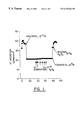
- FIG. 1 shows the effect of dinucleotide A 2 P 4 on Cl ⁇ secretion on the luminal surface of airway epithelia previously treated with forskolin.
- FIG. 2 shows the effect of A 2 P 4 administration on Cl ⁇ secretion in airway epithelia prestimulated with UTP.
- FIG. 3 shows a comparison of the maximal efficacy of UTP and U 2 P 4 on Cl ⁇ secretion by cultured human nasal epithelial (HNE) monolayers.
- HNE human nasal epithelial
- the method of the present invention can be used, to facilitate (i.e., enhance, speed, assist) the clearance of mucous secretions from the lungs of a subject in need of such treatment for any reason, including (but not limited to) retained secretions arising from airway diseases such as cystic fibrosis, chronic bronchitis, asthma, bronchiectasis, post-operative atelectasis (plugging of airways with retained secretions after surgery), and Kartagener's syndrome.
- airway diseases such as cystic fibrosis, chronic bronchitis, asthma, bronchiectasis, post-operative atelectasis (plugging of airways with retained secretions after surgery), and Kartagener's syndrome.
- the present invention is concerned primarily with the treatment of human subjects, but may also be employed for the treatment of other mammalian subjects, such as dogs and cats, for veterinary purposes.
- benzamil “phenamil”, and “amiloride”, as used herein, include the pharmaceutically acceptable salts thereof (i.e., salts as given above), such as (but not limited to) amiloride hydrochloride, benzamil hydrochloride or phenamil hydrochloride.
- Active compounds of the present invention may, as noted above, be prepared as pharmaceutically acceptable salts thereof.
- Pharmaceutically acceptable salts are salts that retain the desired biological activity of the parent compound and do not impart undesired toxicological effects. Examples of such salts are (a) basic salts such as alkali metal salts (e.g., sodium or potassium), alkaline earth metal salts, and ammonium and tetraalkyl ammonium salts (e.g., NX 4 + , wherein X is a C 1-4 alkyl group), and the like; (b) salts formed with organic acids such as, for example, acetic acid, oxalic acid, tartaric acid, succinic acid, maleic acid, fumaric acid, gluconic acid, citric acid, malic acid, ascorbic acid, benzoic acid, tannic acid, palmitic acid, alginic acid, polyglutamic acid, naphthalenesulfonic acid, methanesulfonic acid,
- the active compounds disclosed herein may be administered to the lungs of a subject by any suitable means, but are preferably administered by administering an aerosol suspension of respirable particles comprised of the active compound, which the subject inhales.
- the respirable particles may be liquid or solid.
- the active compound can be aerosolized in a variety of forms, such as, but not limited to, dry powder inhalants, metered dose inhalants, or liquid/liquid suspensions.
- the active compound may be formulated alone or in combination with a diluent or carrier such as a sugar, where the compounds may be intimately incorporated in the matrix through glassification, or simply admixed with the carrier (e.g., lactose, sucrose, trehalose or mannitol) or other acceptable excipients for transport, manufacture, dispersion, or delivery to the lungs or airways.
- a diluent or carrier such as a sugar
- the carrier e.g., lactose, sucrose, trehalose or mannitol
- other acceptable excipients for transport, manufacture, dispersion, or delivery to the lungs or airways.
- Aerosols of liquid particles comprising the active compound may be produced by any suitable means, such as with a pressure-driven jet aerosol nebulizer or an ultrasonic nebulizer. See, e.g., U.S. Pat. No. 4,501,729.
- Nebulizers are commercially available devices which transform solutions or suspensions of the active ingredient into a therapeutic aerosol mist either by means of acceleration of compressed gas, typically air or oxygen, through a narrow venturi orifice or by means of ultrasonic agitation.
- Suitable formulations for use in nebulizers consist of the active ingredient in a liquid carrier, the active ingredient comprising up to 40% w/w of the formulation, but preferably less than 20% w/w.
- the carrier is typically water (and most preferably sterile, pyrogen-free water) or a dilute aqueous alcoholic solution, preferably made isotonic (but which may be hypertonic) with body fluids by the addition of, for example, sodium chloride.
- Optional additives include preservatives if the formulation is not made sterile, for example, methyl hydroxybenzoate, antioxidants, flavoring agents, volatile oils, buffering agents and surfactants.
- Aerosols of solid particles comprising the active compound may likewise be produced with any solid particulate medicament aerosol generator.
- Aerosol generators for administering solid particulate medicaments to a subject produce particles which are respirable, as explained above, and generate a volume of aerosol containing a predetermined metered dose of a medicament at a rate suitable for human administration.
- One illustrative type of solid particulate aerosol generator is an insufflator.
- Suitable formulations for administration by insufflation include finely comminuted powders which may be delivered by means of an insufflator or taken into the nasal cavity in the manner of a snuff.
- the powder e.g., a metered dose thereof effective to carry out the treatments described herein
- the powder is contained in capsules or cartridges, typically made of gelatin or plastic, which are either pierced or opened in situ and the powder delivered by air drawn through the device upon inhalation or by means of a manually-operated pump.
- the powder employed in the insufflator consists either solely of the active ingredient or of a powder blend comprising the active ingredient, a suitable powder diluent, such as lactose, and an optional surfactant.
- the active ingredient typically comprises from 0.1 to 100 w/w of the formulation.
- a second type of illustrative aerosol generator comprises a metered dose inhaler.
- Metered dose inhalers are pressurized aerosol dispensers, typically containing a suspension or solution formulation of the active ingredient in a liquified propellant. During use these devices discharge the formulation through a valve adapted to deliver a metered volume, typically from 10 to 200 ⁇ l, to produce a fine particle spray containing the active ingredient.
- Suitable propellants include certain chlorofluorocarbon compounds, for example, dichlorodifluoromethane, trichlorofluoromethane, dichlorotetrafluoroethane and mixtures thereof.
- the formulation may additionally contain one or more co-solvents, for example, ethanol, surfactants, such as oleic acid or sorbitan trioleate, antioxidants and suitable flavoring agents.
- any propellant may be used in carrying out the present invention, including both chlorofluorocarbon-containing propellants and non-chlorofluorocarbon-containing propellants.
- fluorocarbon aerosol propellants that may be employed in carrying out the present invention including fluorocarbon propellants in which all hydrogens are replaced with fluorine, chlorofluorocarbon propellants in which all hydrogens are replaced with chlorine and at least one fluorine, hydrogen-containing fluorocarbon propellants, and hydrogen-containing chlorofluorocarbon propellants.
- propellants include, but are not limited to: CF 3 —CHF—CF 2 H; CF 3 —CH 2 —CF 2 H; CF 3 —CHF—CF 3 ; CF 3 —CH 2 —CF 3 ; CF 3 —CHCl—CF 2 Cl; CF 3 —CHCl—CF 3 ; cy—C(CF 2 ) 3 —CHCl; CF 3 —CHCl—CH 2 Cl; CF 3 —CHF—CF 2 Cl; CF 3 —CHCl—CFHCl; CF 3 —CFCl—CFHCl; CF 3 —CF 2 —CF 2 H; CF 3 —CF 2 —CH 3 ; CF 2 H—CF 2 —CFH 2 ; CF 3 —CF 2 —CFH 2 ; CF 3 —CF 2 —CFH 2 ; CF 3 —CF 2 —CH 2 Cl; CF 2 H—CF 2 —CF 2 —CH 3 ;
- hydrofluoroalkanes such as 1,1,1,2-tetrafluoroethane (propellant 134a) and heptafluoropropane (propellant 227).
- a stabilizer such as a fluoropolymer may optionally be included in formulations of fluorocarbon propellants, such as described in U.S. Pat. No. 5,376,359 to Johnson.
- the aerosol may be produced by the aerosol generator at a rate of from about 10 to 150 liters per minute, more preferably from about 30 to 150 liters per minute, and most preferably about 60 liters per minute. Aerosols containing greater amounts of medicament may be administered more rapidly.
- the dosage of the compound of Formula I, or pharmaceutically acceptable salt thereof will vary depending on the condition being treated and the state of the subject, but generally may be a therapeutically effective amount sufficient to treat the presenting lung condition of a patient in need of such treatment (for example, a localized concentration reaching the lung surface from about 10 ⁇ 9 to about 10 ⁇ 1 moles/liter).
- the daily dose may be divided among one or several unit dose administrations. Amiloride, benzamil or phenamil administered concurrently with the compound of Formula I or salt thereof may be given in the same dosages as the compound of Formula I or salt thereof.
- Solid or liquid particulate pharmaceutical formulations containing active agents of the present: invention should include particles of respirable size: that is, particles of a size sufficiently small to pass through the mouth and larynx upon inhalation and into the bronchi and alveoli of the lungs.
- particle size should be within a range suitable for depositing a therapeutically effective amount in the lungs or in the airways, for example, about 1-10 microns, to treat the lung condition of a patient in need of such treatment.
- Particles of non-respirable size which are included in the aerosol tend to be deposited in the throat and swallowed, and the quantity of non-respirable particles in the aerosol is preferably minimized.
- a particle size in the range of 10-500 microns is preferred to ensure retention in the nasal cavity.
- active agents or the physiologically acceptable salts or free bases thereof are typically admixed with, inter alia, an acceptable carrier.
- an acceptable carrier must, of course, be acceptable in the sense of being compatible with any other ingredients in the formulation and must not be deleterious to the patient.
- the carrier may be a solid or a liquid, or both, and is preferably formulated with the compound as a unit-dose formulation, which may contain from 0.1% to 99% by weight of the active compound.
- One or more active compounds may be incorporated in the formulations of the invention, which formulations may be prepared by any of the well-known techniques of pharmacy consisting essentially of admixing the components.
- compositions containing respirable dry particles of active compound may be prepared by grinding the active compound with a mortar and pestle, and then passing the micronized composition through a 400 mesh screen to break up or separate out large agglomerates.
- Amiloride, benzamil or phenamil used to prepare compositions for the present invention may alternatively be in the form of a pharmaceutically acceptable free base of benzamil or phenamil. Because the free base of the compound is less soluble than the salt, free base compositions are employed to provide more sustained release of benzamil or phenamil to the lungs. Amiloride, benzamil or phenamil present in the lungs in particulate form which has not gone into solution is not available to induce a physiological response, but serves as a depot of bioavailable drug which gradually goes into solution.
- the pharmaceutical composition may optionally be combined with a carrier to aid in dispersion or transport.
- a suitable carrier such as a sugar (e.g., lactose, sucrose, trehalose, mannitol) may be blended with the active compound in any suitable ratio (e.g., a 1 to 1 ratio by weight).
- FIG. 3 illustrates a comparison of the maximal efficacy of UTP and U 2 P 4 on Cl ⁇ secretion by cultured human nasal epithelial (HNE) monolayers.
- HNE human nasal epithelial
- the CMS's were mounted in miniaturized Ussing chambers, bathed in bilateral Cl ⁇ -free solutions, Na + transport inhibited by the application of amiloride (10 ⁇ 4 M) to the luminal bathing solution, and the effect of the mucosal addition of UTP (10 ⁇ 4 M) or U 2 P 4 (10 ⁇ 4 M) measured.
Landscapes
- Health & Medical Sciences (AREA)
- Life Sciences & Earth Sciences (AREA)
- Chemical & Material Sciences (AREA)
- General Health & Medical Sciences (AREA)
- Pharmacology & Pharmacy (AREA)
- Veterinary Medicine (AREA)
- Public Health (AREA)
- Animal Behavior & Ethology (AREA)
- Medicinal Chemistry (AREA)
- Molecular Biology (AREA)
- Epidemiology (AREA)
- Engineering & Computer Science (AREA)
- Organic Chemistry (AREA)
- Bioinformatics & Cheminformatics (AREA)
- Pulmonology (AREA)
- Biochemistry (AREA)
- Nuclear Medicine, Radiotherapy & Molecular Imaging (AREA)
- General Chemical & Material Sciences (AREA)
- Chemical Kinetics & Catalysis (AREA)
- Otolaryngology (AREA)
- Genetics & Genomics (AREA)
- Biotechnology (AREA)
- Dispersion Chemistry (AREA)
- Cardiology (AREA)
- Heart & Thoracic Surgery (AREA)
- Pharmaceuticals Containing Other Organic And Inorganic Compounds (AREA)
- Medicinal Preparation (AREA)
- Acyclic And Carbocyclic Compounds In Medicinal Compositions (AREA)
Abstract
A pharmaceutical formulation comprises, in an amount effective to hydrate lung mucous secretions, a compound of Formula (I):whereinn is from 1 to 6;X is -OH or -SH;A and B are each independently selected from the group consisting of:wherein R is H or Br;or a pharmaceutically acceptable salt thereof, in a pharmaceutically acceptable carrier. A method of hydrating mucous secretions in the lungs of a subject in need of such treatment, comprising administering to the lungs of the subject a compound of Formula I as given above, is also disclosed.
Description
This application is a continuation-in-part of commonly owned, U.S. patent application Ser. No. 08/486,988, filed Jun. 7, 1995, now U.S. Pat. No. 5,635,160 the disclosure of which is incorporated by reference herein in its entirety.
This invention relates to certain dinucleotides, pharmaceutical formulations containing the same, and methods of hydrating retained mucous secretions in the lungs of a subject by administering dinucleotides to the subject.
In cystic fibrosis several functions of airway epithelia are abnormal, and deficiencies in both Cl− transport and Na+ absorption are well documented. See, e.g. Knowles et al., Science 221, 1067 (1983); Knowles et al., J. Clin. Invest. 71, 1410 (1983). Regulation of Lon transport might have potential therapeutic benefit in lung diseases characterized by abnormalities in epithelial ion transport, e.g., cystic fibrosis.
One therapeutic goal in cystic fibrosis and other pulmonary diseases in which the water content of the mucous is altered is to hydrate the lung mucous secretions, so that the secretions may be thereafter more easily removed from the lungs by mucociliary action or simple coughing. The use of aerosolized amiloride to hydrate mucous secretions is described in U.S. Pat. No. 4,501,729. Amiloride appears to block Na+ reabsorption by airway epithelial cells, and therefore inhibits water absorption from the mucous.
A different therapeutic approach for hydrating lung mucous secretions is exemplified by techniques that involve the administration of ATP or UTP, which appear to stimulate chloride secretion from respiratory epithelial cells. See, e.g., U.S. Pat. No. 5,292,498 to Boucher.
In view of the large numbers of people afflicted with cystic fibrosis, there is an ongoing need for new methods for providing methods of hydrating lung mucous secretions and thereby facilitating lung mucous clearance.
A first aspect of the present invention is a pharmaceutical formulation comprising, in a pharmaceutically acceptable carrier (e.g., a solid or liquid carrier), a compound of Formula (I) 
or a pharmaceutically acceptable salt thereof, in an amount effective to hydrate lung mucous secretions. In a compound of Formula I:
n is from 1 to 6. n is preferably from 2 to 4, and is most preferably 4.
X is —OH or —SH, and is preferably —OH.
A and B are each independently selected from the group consisting of: 
wherein R is H or Br. Optionally, the pharmaceutical formulation may further comprise a compound selected from the group consisting of amiloride, benzamil and phenamil in an amount effective to inhibit the reabsorption of water from lung mucous secretions.
A second aspect of the present invention is a method of hydrating mucous secretions in the lungs of a subject in need of such treatment, comprising administering to the lungs of the subject a compound of Formula I as given above, or a pharmaceutically acceptable salt thereof, in an amount effective to hydrate lung mucous secretions.
A third aspect of the present invention is a method of treating cystic fibrosis in a subject in need of such treatment, comprising administering to the lungs of the subject a compound of Formula I as given above, or a pharmaceutically acceptable salt thereof, in an amount effective to hydrate lung mucous secretions.
A fourth aspect of the present invention is the use of a compound of Formula I as given above, or a pharmaceutically acceptable salt thereof, for the preparation of a medicament for hydrating mucous secretions in the lungs of a subject in need of such treatment.
The foregoing and other objects and aspects of the present invention are explained in detail in the specification set forth below.
FIG. 1 shows the effect of dinucleotide A2P4 on Cl− secretion on the luminal surface of airway epithelia previously treated with forskolin.
FIG. 2 shows the effect of A2P4 administration on Cl− secretion in airway epithelia prestimulated with UTP.
FIG. 3 shows a comparison of the maximal efficacy of UTP and U2P4 on Cl− secretion by cultured human nasal epithelial (HNE) monolayers. The data shown in this Figure illustrate the maximal Cl− secretory rate in μA/cm2 as mean values±SEM, of n=5 or more per drug group.
The method of the present invention can be used, to facilitate (i.e., enhance, speed, assist) the clearance of mucous secretions from the lungs of a subject in need of such treatment for any reason, including (but not limited to) retained secretions arising from airway diseases such as cystic fibrosis, chronic bronchitis, asthma, bronchiectasis, post-operative atelectasis (plugging of airways with retained secretions after surgery), and Kartagener's syndrome.
The present invention is concerned primarily with the treatment of human subjects, but may also be employed for the treatment of other mammalian subjects, such as dogs and cats, for veterinary purposes.
Compounds of Formula I and the pharmaceutically acceptable salts thereof (i.e., active compounds) may be prepared in accordance with the techniques described herein and variations thereof which will be apparent to those skilled in the art. As an example, synthesis of UppppU (U2P4), a known compound, may be carried out by condensation of UDP using the water soluble carboimide EDC (1-ethyl-3-[3-dimethyl-ammonio-propyl]-carboimide hydrochloride). See K. E. Ng and L. E. Orgel, Nucleic Acids Research 15, 3572-80 (1987). U2P4 may also be prepared according to the methods described in C. Vallejo et al., Biochem. Biophys. Acta 438, 304-09 (1976).
Amiloride and its use in hydrating lung mucous secretions is known and described in U.S. Pat. No. 4,501,729 to Boucher and Knowles (all patent references recited herein are to be incorporated by reference herein in their entirety). Benzamil (also known as 3,5-diamino-6-chloro-N-(benzylaminoaminomethylene) pyrazinecarboxamide) and phenamil (also known as 3,5-diamino-6-chloro-N-(phenylaminoaminomethylene)pyrazinecarboxamide) are known compounds and are disclosed in U.S. Pat. No. 3,313,813 to E. Cragoe. The terms “benzamil”, “phenamil”, and “amiloride”, as used herein, include the pharmaceutically acceptable salts thereof (i.e., salts as given above), such as (but not limited to) amiloride hydrochloride, benzamil hydrochloride or phenamil hydrochloride.
Active compounds of the present invention may, as noted above, be prepared as pharmaceutically acceptable salts thereof. Pharmaceutically acceptable salts are salts that retain the desired biological activity of the parent compound and do not impart undesired toxicological effects. Examples of such salts are (a) basic salts such as alkali metal salts (e.g., sodium or potassium), alkaline earth metal salts, and ammonium and tetraalkyl ammonium salts (e.g., NX4 +, wherein X is a C1-4 alkyl group), and the like; (b) salts formed with organic acids such as, for example, acetic acid, oxalic acid, tartaric acid, succinic acid, maleic acid, fumaric acid, gluconic acid, citric acid, malic acid, ascorbic acid, benzoic acid, tannic acid, palmitic acid, alginic acid, polyglutamic acid, naphthalenesulfonic acid, methanesulfonic acid, p-toluenesulfonic acid, naphthalenedisulfonic acid, polygalacturonic acid, and the like; and (c) salts formed from elemental anions such as chlorine, bromine, and iodine.
The active compounds disclosed herein may be administered to the lungs of a subject by any suitable means, but are preferably administered by administering an aerosol suspension of respirable particles comprised of the active compound, which the subject inhales. The respirable particles may be liquid or solid. The active compound can be aerosolized in a variety of forms, such as, but not limited to, dry powder inhalants, metered dose inhalants, or liquid/liquid suspensions. In dry powder delivery, the active compound may be formulated alone or in combination with a diluent or carrier such as a sugar, where the compounds may be intimately incorporated in the matrix through glassification, or simply admixed with the carrier (e.g., lactose, sucrose, trehalose or mannitol) or other acceptable excipients for transport, manufacture, dispersion, or delivery to the lungs or airways.
Aerosols of liquid particles comprising the active compound may be produced by any suitable means, such as with a pressure-driven jet aerosol nebulizer or an ultrasonic nebulizer. See, e.g., U.S. Pat. No. 4,501,729. Nebulizers are commercially available devices which transform solutions or suspensions of the active ingredient into a therapeutic aerosol mist either by means of acceleration of compressed gas, typically air or oxygen, through a narrow venturi orifice or by means of ultrasonic agitation. Suitable formulations for use in nebulizers consist of the active ingredient in a liquid carrier, the active ingredient comprising up to 40% w/w of the formulation, but preferably less than 20% w/w. The carrier is typically water (and most preferably sterile, pyrogen-free water) or a dilute aqueous alcoholic solution, preferably made isotonic (but which may be hypertonic) with body fluids by the addition of, for example, sodium chloride. Optional additives include preservatives if the formulation is not made sterile, for example, methyl hydroxybenzoate, antioxidants, flavoring agents, volatile oils, buffering agents and surfactants.
Aerosols of solid particles comprising the active compound may likewise be produced with any solid particulate medicament aerosol generator. Aerosol generators for administering solid particulate medicaments to a subject produce particles which are respirable, as explained above, and generate a volume of aerosol containing a predetermined metered dose of a medicament at a rate suitable for human administration. One illustrative type of solid particulate aerosol generator is an insufflator. Suitable formulations for administration by insufflation include finely comminuted powders which may be delivered by means of an insufflator or taken into the nasal cavity in the manner of a snuff. In the insufflator, the powder (e.g., a metered dose thereof effective to carry out the treatments described herein) is contained in capsules or cartridges, typically made of gelatin or plastic, which are either pierced or opened in situ and the powder delivered by air drawn through the device upon inhalation or by means of a manually-operated pump. The powder employed in the insufflator consists either solely of the active ingredient or of a powder blend comprising the active ingredient, a suitable powder diluent, such as lactose, and an optional surfactant. The active ingredient. typically comprises from 0.1 to 100 w/w of the formulation. A second type of illustrative aerosol generator comprises a metered dose inhaler. Metered dose inhalers are pressurized aerosol dispensers, typically containing a suspension or solution formulation of the active ingredient in a liquified propellant. During use these devices discharge the formulation through a valve adapted to deliver a metered volume, typically from 10 to 200 μl, to produce a fine particle spray containing the active ingredient. Suitable propellants include certain chlorofluorocarbon compounds, for example, dichlorodifluoromethane, trichlorofluoromethane, dichlorotetrafluoroethane and mixtures thereof. The formulation may additionally contain one or more co-solvents, for example, ethanol, surfactants, such as oleic acid or sorbitan trioleate, antioxidants and suitable flavoring agents.
Any propellant may be used in carrying out the present invention, including both chlorofluorocarbon-containing propellants and non-chlorofluorocarbon-containing propellants. Thus, fluorocarbon aerosol propellants that may be employed in carrying out the present invention including fluorocarbon propellants in which all hydrogens are replaced with fluorine, chlorofluorocarbon propellants in which all hydrogens are replaced with chlorine and at least one fluorine, hydrogen-containing fluorocarbon propellants, and hydrogen-containing chlorofluorocarbon propellants. Examples of such propellants include, but are not limited to: CF3—CHF—CF2H; CF3—CH2—CF2H; CF3—CHF—CF3; CF3—CH2—CF3; CF3—CHCl—CF2Cl; CF3—CHCl—CF3; cy—C(CF2)3—CHCl; CF3—CHCl—CH2Cl; CF3—CHF—CF2Cl; CF3—CHCl—CFHCl; CF3—CFCl—CFHCl; CF3—CF2—CF2H; CF3—CF2—CH3; CF2H—CF2—CFH2; CF3—CF2—CFH2; CF3—CF2—CH2Cl; CF2H—CF2—CH3; CF2H —CF2—CH2Cl; CF3—CF2—CF2—CH3; CF3—CF2—CF2—CF2H; CF3—CHF—CHF—CF3; CF3—O—CF3; CF3—O—CF2H; CF2H—H—O—CF2H; CF2H—O—CFH2; CF3—O—CH3, CF3—O—CF2—CF2H; CF3—O—CF2—O—CF3; cy—CF2—CF2—O—CF2—; cy—CHF—CF2—O—CF2—; cy—CH2—CF2—O—CF2—; cy—CF2-O—CF2—O—CF2—; CF3—O—CF2—Br; CF2H—O—CF2-Br; and mixtures thereof, where “cy” denotes a cyclic compound in which the end terminal covalent bonds of the structures shown are the same so that the end terminal groups are covalently bonded together. Particularly preferred are hydrofluoroalkanes such as 1,1,1,2-tetrafluoroethane (propellant 134a) and heptafluoropropane (propellant 227). A stabilizer such as a fluoropolymer may optionally be included in formulations of fluorocarbon propellants, such as described in U.S. Pat. No. 5,376,359 to Johnson.
The aerosol, whether formed from solid or liquid particles, may be produced by the aerosol generator at a rate of from about 10 to 150 liters per minute, more preferably from about 30 to 150 liters per minute, and most preferably about 60 liters per minute. Aerosols containing greater amounts of medicament may be administered more rapidly.
The dosage of the compound of Formula I, or pharmaceutically acceptable salt thereof, will vary depending on the condition being treated and the state of the subject, but generally may be a therapeutically effective amount sufficient to treat the presenting lung condition of a patient in need of such treatment (for example, a localized concentration reaching the lung surface from about 10−9 to about 10−1 moles/liter). Depending upon the solubility of the particular formulation of active compound administered, the daily dose may be divided among one or several unit dose administrations. Amiloride, benzamil or phenamil administered concurrently with the compound of Formula I or salt thereof may be given in the same dosages as the compound of Formula I or salt thereof.
Solid or liquid particulate pharmaceutical formulations containing active agents of the present: invention should include particles of respirable size: that is, particles of a size sufficiently small to pass through the mouth and larynx upon inhalation and into the bronchi and alveoli of the lungs. In general, particle size should be within a range suitable for depositing a therapeutically effective amount in the lungs or in the airways, for example, about 1-10 microns, to treat the lung condition of a patient in need of such treatment. Particles of non-respirable size which are included in the aerosol tend to be deposited in the throat and swallowed, and the quantity of non-respirable particles in the aerosol is preferably minimized. For nasal administration, a particle size in the range of 10-500 microns is preferred to ensure retention in the nasal cavity.
In the manufacture of a formulation according to the invention, active agents or the physiologically acceptable salts or free bases thereof are typically admixed with, inter alia, an acceptable carrier. rhe carrier must, of course, be acceptable in the sense of being compatible with any other ingredients in the formulation and must not be deleterious to the patient. The carrier may be a solid or a liquid, or both, and is preferably formulated with the compound as a unit-dose formulation, which may contain from 0.1% to 99% by weight of the active compound. One or more active compounds may be incorporated in the formulations of the invention, which formulations may be prepared by any of the well-known techniques of pharmacy consisting essentially of admixing the components.
Compositions containing respirable dry particles of active compound may be prepared by grinding the active compound with a mortar and pestle, and then passing the micronized composition through a 400 mesh screen to break up or separate out large agglomerates.
Amiloride, benzamil or phenamil used to prepare compositions for the present invention may alternatively be in the form of a pharmaceutically acceptable free base of benzamil or phenamil. Because the free base of the compound is less soluble than the salt, free base compositions are employed to provide more sustained release of benzamil or phenamil to the lungs. Amiloride, benzamil or phenamil present in the lungs in particulate form which has not gone into solution is not available to induce a physiological response, but serves as a depot of bioavailable drug which gradually goes into solution.
The pharmaceutical composition may optionally be combined with a carrier to aid in dispersion or transport. A suitable carrier such as a sugar (e.g., lactose, sucrose, trehalose, mannitol) may be blended with the active compound in any suitable ratio (e.g., a 1 to 1 ratio by weight).
The present invention is explained in greater detail in the following non-limiting Examples.
Normal airway cells were cultured on permeable supports and Cl− secretion assayed as previously described in M. J. Stutts, et al., Am. J. Physiol. 267, C1442-C1451 (1994). Cl− secretion was measured after administration of the dinucleotide A2P4 (Sigma Chemicals, St. Louis, Mo.). Amiloride was added to block airway epithelial sodium absorption. A2P4 had little effect when exposed to the basolateral surface of the airway epithelial preparation, but on the luminal surface stimulated additional Cl− secretion in airway epithelia that had been treated with forskolin. This result is shown in FIG. 1. Because forskolin maximally activates the CFTR-mediated cAMP-regulated Cl−channels of airway epithelia, this result suggests that A2P4 stimulates luminal purinergic P2U receptors.
Moreover, the administration of A2P4 had no effect on Cl− secretion in airway epithelia pre-stimulated with UTP, which is known to activate non-CFTR Cl− channels. These results, shown in FIG. 2, suggest regulation by A2P4 of the non—CFTR Cl− channel that is controlled by purinergic receptors and further suggests that A2P4 stimulates the same airway epithelial Cl− channels as UTP acting through P2U receptors. Stimulation of this receptor is thus a therapeutic strategy for certain lung diseases, including cystic fibrosis.
Studies were carried out according to the method described in Example 1 to compare the effectiveness (efficacy) of UTP and U2P4. Cultured airway epithelia were exposed to a concentration of from 10−9 M to 10−3 M of either UTP or U2P4 in 6 ml of solution circulating over the mucosal surface. The tissues were pretreated with amiloride (10−4 M) to block Na+ absorption. Under these conditions, the current generated by the tissues is due to Cl− secretion. UTP and U2P4 induced a similar pattern of Cl− secretion. At 10−4 M, the highest concentration tested, UTP and U2P4 were equieffective (equiefficacious). The Table provided below indicates that there is no difference in the magnitude of Cl− secretion induced by 10−4 M UTP and 10−4 M U2P4.
| UTP | U2P4 | ||
| Mean Cl− secretion | 45.3 | 43.8 | ||
| Induced (μA/cm2) | ||||
| Variance | 221.0 | 155.3 | ||
| Observations | 11 | 8 | ||
| Pooled Variance | 194.0 | |||
| Hypothesized Mean | 0 | |||
| Difference | ||||
| df | 17 | |||
| t Stat | 0.223 | |||
| P(T<=t) one-tail | 0.413 | |||
| t Critical one-tail | 1.739 | |||
| P(T<=t) two-tail | 0.826 | |||
| t Critical two-tail | 2.109 | |||
FIG. 3 illustrates a comparison of the maximal efficacy of UTP and U2P4 on Cl− secretion by cultured human nasal epithelial (HNE) monolayers. Cells were dissociated from freshly excised human nasal turbinate specimens using the protease XIV technique that has been previously reported. See J. R. Yankaskas et al., Am. Retv. Respir. Dis. 132 (6), 1281-1287 (1985). Cells were then plated at high density on collagen matrix supports (CMS) that permit the growth and polarization of epithelial monolayers utilizing serum-free, hormone-supplemented medium and an air-liquid interface (ALI) culture system. After achieving a maximal transepithelial potential difference, typically on Day 7 after seeding, the CMS's were mounted in miniaturized Ussing chambers, bathed in bilateral Cl−-free solutions, Na+ transport inhibited by the application of amiloride (10−4 M) to the luminal bathing solution, and the effect of the mucosal addition of UTP (10−4 M) or U2P4 (10−4 M) measured. The data shown in FIG. 3 depict the maximal Cl− secretory rate in μA/cm2 as mean value±SEM, of n=5 or more per drug group.
The foregoing Examples are illustrative of the present invention, and are not to be construed as limiting thereof. The invention is defined by the following claims, with equivalents of the claims to be included therein.
Claims (20)
1. A pharmaceutical formulation comprising, in an amount effective to hydrate lung mucous secretions, and in a pharmaceutically acceptable carrier, a compound of Formula (I): 
wherein:
n is from 1 to 6;
X is —OH or —SH;
and A and B are each independently selected from the group consisting of: 
wherein R is H or Br;
or a pharmaceutically acceptable salt thereof.
2. A pharmaceutical formulation according to claim 1, further comprising a compound selected from the group consisting of amiloride, benzamil and phenamil, or a pharmaceutically acceptable salt thereof.
3. A pharmaceutical formulation according to claim 1, wherein said carrier is a liquid carrier.
4. A pharmaceutical formulation according to claim 1, wherein said carrier is a solid particulate carrier.
5. A method of hydrating mucous secretions in the lungs of a subject in need of such treatment, comprising administering to the lungs of the subject a compound of Formula I below, or a pharmaceutically acceptable salt thereof, in an amount effective to hydrate lung mucous secretions: 
wherein:
n is from 1 to 6;
X is —OH or —SH;
and A and B are each independently selected from the group consisting of: 
wherein R is H or Br.
6. A method according to claim 5, wherein said compound is delivered by administering an aerosol suspension of respirable particles comprised of said compound to the lungs of said subject.
7. A method according to claim 6, wherein said particles are selected from the group consisting of solid particles and liquid particles.
8. A method according to claim 5, further comprising concurrently administering a compound selected from the group consisting of amiloride, benzamil and phenamil to said subject in an amount effective to inhibit the reabsorption of water from lung mucous secretions.
9. A method of treating cystic fibrosis in a human subject in need of such treatment, comprising administering by inhalation an aerosol suspension of respirable particles to the respiratory system of said subject, said particles comprised of a compound of Formula I below, or a pharmaceutically acceptable salt thereof: 
wherein:
n is from 1 to 6;
X is —OH or —SH;
and A and B are each independently selected from the group consisting of: 
wherein R is H or Br;
in an amount effective to hydrate retained lung mucous secretions in the lungs of said subject, whereby the retained mucous secretions are more easily transported from the lungs via mucociliary action.
10. A method according to claim 9, wherein said compound is delivered by administering an aerosol suspension of respirable particles comprised of said compound to the lungs of said subject.
11. A method according to claim 9, wherein said particles are selected from the group consisting of solid particles and liquid particles.
12. A method according to claim 9, further comprising concurrently administering a compound selected from the group consisting of amiloride, benzamil and phenamil to said subject in an amount effective to inhibit the reabsorption of water from lung mucous secretions.
13. A method of hydrating mucous secretions :in the lungs of a subject in need of such treatment, comprising administering to the lungs of the subject a compound of Formula I below, or a pharmaceutically acceptable salt thereof, in an amount effective to hydrate lung mucous secretions: 
wherein:
A and B are each 
n is 4;
X is —OH; and
R is H.
14. A method according to claim 13, wherein said compound is delivered by administering an aerosol suspension of respirable particles comprised of said compound to the lungs of said subject.
15. A method according to claim 13, wherein said particles are selected from the group consisting of solid particles and liquid particles.
16. A method according to claim 13, further comprising concurrently administering a compound selected from the group consisting of amiloride, benzamil and phenamil to said subject in an amount effective to inhibit the reabsorption of water from lung mucous secretions.
17. A method of treating cystic fibrosis in a human subject in need of such treatment, comprising administering by inhalation an aerosol suspension of respirable particles to the respiratory system of said subject, said particles comprised of a compound of Formula I below, or a pharmaceutically acceptable salt thereof: 
wherein:
A and B are each 
n is 4;
X is —OH; and
R is H.
18. A method according to claim 17, wherein said compound is delivered by administering an aerosol suspension of respirable particles comprised of said compound to the lungs of said subject.
19. A method according to claim 18, wherein said particles are selected from the group consisting of solid particles and liquid particles.
20. A method according to claim 17, further comprising concurrently administering a compound selected from the group consisting of amiloride, benzamil and phenamil to said subject in an amount effective to inhibit the reabsorption of water from lung mucous secretions.
Priority Applications (2)
| Application Number | Priority Date | Filing Date | Title |
|---|---|---|---|
| US09/303,491 US6235266B1 (en) | 1995-06-07 | 1999-04-30 | Dinucleotides useful for the treatment of lung disease |
| US09/850,609 US20010041682A1 (en) | 1995-06-07 | 2001-05-07 | Dinucleotides useful for the treatment of lung disease |
Applications Claiming Priority (2)
| Application Number | Priority Date | Filing Date | Title |
|---|---|---|---|
| US08/486,988 US5635160A (en) | 1995-06-07 | 1995-06-07 | Dinucleotides useful for the treatment of cystic fibrosis and for hydrating mucus secretions |
| US09/303,491 US6235266B1 (en) | 1995-06-07 | 1999-04-30 | Dinucleotides useful for the treatment of lung disease |
Related Parent Applications (2)
| Application Number | Title | Priority Date | Filing Date |
|---|---|---|---|
| US08/486,988 Continuation-In-Part US5635160A (en) | 1995-06-07 | 1995-06-07 | Dinucleotides useful for the treatment of cystic fibrosis and for hydrating mucus secretions |
| US08/853,056 Continuation US5935555A (en) | 1995-06-07 | 1997-05-08 | Dinucleotides useful for hydrating lung mucous secretions |
Related Child Applications (1)
| Application Number | Title | Priority Date | Filing Date |
|---|---|---|---|
| US09/850,609 Continuation US20010041682A1 (en) | 1995-06-07 | 2001-05-07 | Dinucleotides useful for the treatment of lung disease |
Publications (1)
| Publication Number | Publication Date |
|---|---|
| US6235266B1 true US6235266B1 (en) | 2001-05-22 |
Family
ID=23933941
Family Applications (4)
| Application Number | Title | Priority Date | Filing Date |
|---|---|---|---|
| US08/486,988 Expired - Lifetime US5635160A (en) | 1995-06-07 | 1995-06-07 | Dinucleotides useful for the treatment of cystic fibrosis and for hydrating mucus secretions |
| US08/853,056 Expired - Lifetime US5935555A (en) | 1995-06-07 | 1997-05-08 | Dinucleotides useful for hydrating lung mucous secretions |
| US09/303,491 Expired - Lifetime US6235266B1 (en) | 1995-06-07 | 1999-04-30 | Dinucleotides useful for the treatment of lung disease |
| US09/850,609 Abandoned US20010041682A1 (en) | 1995-06-07 | 2001-05-07 | Dinucleotides useful for the treatment of lung disease |
Family Applications Before (2)
| Application Number | Title | Priority Date | Filing Date |
|---|---|---|---|
| US08/486,988 Expired - Lifetime US5635160A (en) | 1995-06-07 | 1995-06-07 | Dinucleotides useful for the treatment of cystic fibrosis and for hydrating mucus secretions |
| US08/853,056 Expired - Lifetime US5935555A (en) | 1995-06-07 | 1997-05-08 | Dinucleotides useful for hydrating lung mucous secretions |
Family Applications After (1)
| Application Number | Title | Priority Date | Filing Date |
|---|---|---|---|
| US09/850,609 Abandoned US20010041682A1 (en) | 1995-06-07 | 2001-05-07 | Dinucleotides useful for the treatment of lung disease |
Country Status (14)
| Country | Link |
|---|---|
| US (4) | US5635160A (en) |
| EP (1) | EP0831777B1 (en) |
| JP (1) | JPH11506790A (en) |
| KR (1) | KR100414699B1 (en) |
| CN (2) | CN1181088C (en) |
| AT (1) | ATE231519T1 (en) |
| AU (1) | AU696845B2 (en) |
| BR (1) | BR9609063A (en) |
| CA (1) | CA2223894C (en) |
| DE (1) | DE69625906T2 (en) |
| ES (1) | ES2189874T3 (en) |
| MX (1) | MX9709637A (en) |
| NO (1) | NO975632L (en) |
| WO (1) | WO1996040059A1 (en) |
Cited By (14)
| Publication number | Priority date | Publication date | Assignee | Title |
|---|---|---|---|---|
| US20050037497A1 (en) * | 2003-03-31 | 2005-02-17 | Engelhardt John F. | Compounds and methods to enhance rAAV transduction |
| US20060093585A1 (en) * | 1999-06-08 | 2006-05-04 | University Of Iowa Research Foundation | Compounds and methods to enhance rAAV transduction |
| US20070015726A1 (en) * | 2005-06-29 | 2007-01-18 | Boyer Jose L | P2Y6 receptor agonists for treating lung diseases |
| US20080166758A1 (en) * | 1999-10-07 | 2008-07-10 | University Of Iowa Research Foundation | Adeno-associated viruses and uses thereof |
| US7745442B2 (en) | 2003-08-20 | 2010-06-29 | Parion Sciences, Inc. | Methods of reducing risk of infection from pathogens |
| US8669262B2 (en) | 2011-06-27 | 2014-03-11 | Parion Sciences, Inc. | 3,5-diamino-6-chloro-N-(N-(4-(4-(2-(hexyl(2,3,4,5,6-pentahydroxyhexyl)amino)ethoxy)phenyl)butyl)carbamimidoyl)pyrazine-2-carboxamide |
| US9586911B2 (en) | 2013-12-13 | 2017-03-07 | Parion Sciences, Inc. | Arylalkyl- and aryloxyalkyl-substituted epthelial sodium channel blocking compounds |
| US9593084B2 (en) | 2012-12-17 | 2017-03-14 | Parion Sciences, Inc. | Chloro-pyrazine carboxamide derivatives with epithelial sodium channel blocking activity |
| US9695134B2 (en) | 2012-12-17 | 2017-07-04 | Parion Sciences, Inc. | 3,5-diamino-6-chloro-N-(n-(4-phenylbutyl)carbamimidoyl)pyrazine-2-carboxamide compounds |
| US10167266B2 (en) | 2002-02-19 | 2019-01-01 | Parion Sciences, Inc. | Sodium channel blockers |
| US11684679B2 (en) | 2016-03-07 | 2023-06-27 | University Of Iowa Research Foundation | AAV-mediated expression using a synthetic promoter and enhancer |
| US11702672B2 (en) | 2016-02-08 | 2023-07-18 | University Of Iowa Research Foundation | Methods to produce chimeric adeno-associated virus/bocavirus parvovirus |
| US11999965B2 (en) | 2017-01-13 | 2024-06-04 | University Of Iowa Research Foundation | Bocaparvovirus small noncoding RNA and uses thereof |
| US12173305B2 (en) | 2016-05-26 | 2024-12-24 | University Of Iowa Research Foundation | cis and trans requirements for terminal resolution of human bocavirus 1 |
Families Citing this family (64)
| Publication number | Priority date | Publication date | Assignee | Title |
|---|---|---|---|---|
| US5656256A (en) * | 1994-12-14 | 1997-08-12 | The University Of North Carolina At Chapel Hill | Methods of treating lung disease by an aerosol containing benzamil or phenamil |
| WO1996032138A1 (en) * | 1995-04-13 | 1996-10-17 | Milkhaus Laboratory, Inc. | Methods for treating respiratory disease |
| US6096721A (en) * | 1995-04-13 | 2000-08-01 | Milkhaus Laboratory, Inc. | Method for treating mucositis by sublingual administration of DNA |
| US5948768A (en) * | 1995-04-13 | 1999-09-07 | Milkhaus Laboratory | Treatment of otitis media by sublingual administration of DNA |
| US5908611A (en) * | 1995-05-05 | 1999-06-01 | The Scripps Research Institute | Treatment of viscous mucous-associated diseases |
| US5635160A (en) * | 1995-06-07 | 1997-06-03 | The University Of North Carolina At Chapel Hill | Dinucleotides useful for the treatment of cystic fibrosis and for hydrating mucus secretions |
| US6423694B1 (en) * | 1996-02-21 | 2002-07-23 | Inspire Pharmaceuticals, Inc. | Method of treating otitis media with uridine triphosphates and related compounds |
| US6420347B1 (en) * | 1997-03-27 | 2002-07-16 | Inspire Pharmaceuticals, Inc. | Method of treating ciliary dyskinesia with uridine triphosphates and related compounds |
| EP0889728B1 (en) * | 1996-03-27 | 2006-08-09 | Inspire Pharmaceuticals, Inc. | Method of treating ciliary dyskinesia with uridine triphosphates and related compounds |
| US6673779B2 (en) * | 1996-03-27 | 2004-01-06 | Inspire Pharmaceuticals, Inc. | Method of treating ciliary dyskinesia with dinucleoside polyphosphate compounds or UTP analogues |
| US6319908B1 (en) | 1996-07-03 | 2001-11-20 | Inspire Pharmaceuticals, Inc. | Method for large-scale production of di(uridine 5′-tetraphosphate) and salts thereof |
| US5789391A (en) * | 1996-07-03 | 1998-08-04 | Inspire Pharmaceuticals, Inc. | Method of treating sinusitis with uridine triphosphates and related compounds |
| US5763447C1 (en) * | 1996-07-23 | 2002-05-07 | Inspire Pharmaceuticals | Method of preventing or treating pneumonia in immobilized patients with uridine triphosphates and related compounds |
| US20020052309A1 (en) * | 1996-09-11 | 2002-05-02 | Athanasius A. Anagnostou | Method of treating endothelial injury |
| US6159952A (en) * | 1996-11-07 | 2000-12-12 | Inspire Pharmaceuticals, Inc. | Method of treating bronchitis with uridine triphosphate and related compounds |
| CN1262556C (en) * | 1997-02-06 | 2006-07-05 | 印斯拜尔药品股份有限公司 | Specific dinucleotides and their use as modulators of mucociliary clearance and ciliary beating frequency |
| US7223744B2 (en) * | 1997-02-10 | 2007-05-29 | Inspire Pharmaceuticals, Inc. | Pharmaceutical formulation comprising dinucleoside polyphosphates and salts thereof |
| US6998121B2 (en) | 2003-01-23 | 2006-02-14 | Milkhaus Laboratory, Inc. | Method of treatment of connective tissue disorders by administration of streptolysin O |
| GB9711848D0 (en) * | 1997-06-06 | 1997-08-06 | William Harvey Research Limite | Treatment and prophylaxis of infraction |
| WO1999003480A1 (en) * | 1997-07-17 | 1999-01-28 | William Harvey Research Limited | Use of adenosine tri- or tetra-phosphates and their analogues for the treatment of cerebral infarction |
| TW593331B (en) | 1997-07-25 | 2004-06-21 | Inspire Pharmaceuticals Inc | Method for large-scale production of di(uridine 5')-tetraphosphate and salts thereof |
| US6872710B2 (en) * | 1997-07-25 | 2005-03-29 | Inspire Pharmaceuticals, Inc. | Di(uridine 5′)-tetraphosphate and salts thereof |
| US6462028B2 (en) | 1997-07-25 | 2002-10-08 | Inspire Pharmaceuticals, Inc. | Method of promoting cervical and vaginal secretions |
| US6548658B2 (en) * | 1997-07-25 | 2003-04-15 | Inspire Pharmaceuticals, Inc. | Di-(uridine 5′)-tetraphosphate and salts thereof |
| WO1999005155A2 (en) * | 1997-07-25 | 1999-02-04 | Inspire Pharmaceuticals, Inc. | Salts of di(uridine 5'-tetraphosphate), method for preparation and uses thereof |
| EP1011688B1 (en) * | 1997-08-29 | 2005-02-02 | The University of North Carolina at Chapel Hill | Use of uridine 5'-diphosphate and analogs thereof for the treatment of lung diseases |
| CA2308769A1 (en) * | 1997-10-23 | 1999-04-29 | Joseph A. Maddry | Activating c1- secretion |
| JP4633927B2 (en) | 1998-05-22 | 2011-02-16 | インスパイアー ファーマシューティカルズ,インコーポレイティド | Therapeutic dinucleotides and derivatives |
| US6294188B1 (en) | 1998-07-09 | 2001-09-25 | Aviana Biopharm Inc. | Methods involving changing the constitutive and stimulated secretions of the local reproductive system of women |
| CN100354296C (en) * | 1998-10-02 | 2007-12-12 | 雅玛山酱油株式会社 | Crystal of diuridine tetraphosphate or salt thereof and method for preparing the same and method forproducing said compound |
| EP1143896B1 (en) | 1998-10-20 | 2006-12-13 | The University of North Carolina at Chapel Hill | Methods of hydrating the nasal mucosal surface |
| EP2258183A1 (en) | 1998-12-22 | 2010-12-08 | The University of North Carolina at Chapel Hill | Compounds and uses for the treatment of airway diseases and for the delivery of airway drugs |
| DE60015734D1 (en) * | 1999-02-26 | 2004-12-16 | Inspire Pharmaceuticals Durham | USE OF DINUCLEOTIDE TRIPHOSPHATES, CYTIDE INDIPHOSPHATES AND ADENINDIPHOSPHATES FOR THE PREPARATION OF A PHARMACEUTICAL PREPARATION FOR PROMOTING SLIME AUTHATION |
| HK1047091B (en) | 1999-07-19 | 2008-07-04 | University Of North Carolina At Chapel Hill | Pharmacologically active compounds with two covalently linked active principles (sodium channel blocker/p2y2 receptor agonist) for the treatment of mucosal surfaces |
| AU2001230533A1 (en) * | 2000-02-04 | 2001-08-14 | Kissei Pharmaceutical Co. Ltd. | Powdered preparation for inhalation and powder inhalant containing the same packed |
| US6867199B2 (en) | 2000-08-21 | 2005-03-15 | Inspire Pharmaceuticals, Inc. | Dinucleoside polyphosphate compositions and their therapeutic use |
| US7018985B1 (en) | 2000-08-21 | 2006-03-28 | Inspire Pharmaceuticals, Inc. | Composition and method for inhibiting platelet aggregation |
| US7452870B2 (en) | 2000-08-21 | 2008-11-18 | Inspire Pharmaceuticals, Inc. | Drug-eluting stents coated with P2Y12 receptor antagonist compound |
| US7115585B2 (en) * | 2000-08-21 | 2006-10-03 | Inspire Pharmaceuticals, Inc. | Compositions for treating epithelial and retinal tissue diseases |
| US6555675B2 (en) * | 2000-08-21 | 2003-04-29 | Inspire Pharmaceuticals, Inc. | Dinucleoside polyphosphate compositions and their therapuetic use as purinergic receptor agonists |
| DE60140268D1 (en) | 2000-11-30 | 2009-12-03 | Vectura Ltd | PARTICLES FOR USE IN A PHARMACEUTICAL COMPOSITION |
| ES2474199T3 (en) * | 2000-11-30 | 2014-07-08 | Vectura Limited | Pharmaceutical compositions for inhalation |
| US20040122223A1 (en) * | 2001-02-07 | 2004-06-24 | Davis Jeremy Martin | Non-natural nucleotides and dinucleotides |
| JP2005508297A (en) | 2001-06-25 | 2005-03-31 | インスパイアー ファーマシューティカルズ,インコーポレイティド | Joint lubrication by P2Y purine receptor agonist |
| WO2003011885A1 (en) * | 2001-07-25 | 2003-02-13 | Celltech R & D Limited | Non-natural carbon-linked nucleotides and dinucleotides |
| JP2005532254A (en) * | 2001-11-06 | 2005-10-27 | インスパイアー ファーマシューティカルズ,インコーポレイティド | Method for treating or preventing inflammatory diseases |
| US7435724B2 (en) | 2002-02-27 | 2008-10-14 | Inspire Pharmaceutical, Inc. | Degradation-resistant mononucleoside phosphate compounds |
| US7629312B2 (en) | 2003-01-23 | 2009-12-08 | Milkhaus Laboratory, Inc. | Method of treatment of tendonitis by administration of streptolysin O |
| WO2007127464A2 (en) * | 2006-04-28 | 2007-11-08 | University Of Iowa Research Foundation | Methods and compounds to modulate parvovirus transduction of mammalian cells or to alter virus infection, method to identify a viral receptor or co-receptor |
| WO2008024169A1 (en) * | 2006-07-21 | 2008-02-28 | Glsynthesis, Inc. | Reactive pyrophosphoric and bisphosphonic acid derivatives and methods of their use |
| EP2364086B1 (en) | 2008-11-20 | 2016-09-14 | Glsynthesis Inc. | Novel antithrombotic diadenosine tetraphosphates and related analogs |
| GB201209244D0 (en) * | 2012-05-25 | 2012-07-04 | Globalacorn Ltd | Compositions |
| EP2858722B8 (en) | 2012-06-08 | 2018-02-21 | Aduro BioTech, Inc. | Compostions and methods for cancer immunotherapy |
| CN103184067A (en) * | 2012-08-23 | 2013-07-03 | 中国海洋石油总公司 | Method for prolonging service life of reformate molecular sieve refined catalyst |
| US9695212B2 (en) | 2012-12-13 | 2017-07-04 | Aduro Biotech, Inc. | Compositions comprising cyclic purine dinucleotides having defined stereochemistries and methods for their preparation and use |
| US9840533B2 (en) | 2013-04-29 | 2017-12-12 | Memorial Sloan Kettering Cancer Center | Compositions and methods for altering second messenger signaling |
| WO2014179760A1 (en) | 2013-05-03 | 2014-11-06 | The Regents Of The University Of California | Cyclic di-nucleotide induction of type i interferon |
| US9549944B2 (en) | 2013-05-18 | 2017-01-24 | Aduro Biotech, Inc. | Compositions and methods for inhibiting “stimulator of interferon gene”—dependent signalling |
| PE20160080A1 (en) | 2013-05-18 | 2016-02-21 | Aduro Biotech Inc | COMPOSITIONS AND METHODS TO ACTIVATE THE SIGNALING THAT DEPENDS ON THE INTERFERON GENE STIMULATOR |
| US10176292B2 (en) | 2013-07-31 | 2019-01-08 | Memorial Sloan-Kettering Cancer Center | STING crystals and modulators |
| GB201406225D0 (en) * | 2014-04-07 | 2014-05-21 | Hall Roderick L | Treatment for respiratory disease |
| KR102504764B1 (en) * | 2017-06-21 | 2023-03-02 | 주식회사 종근당 | Method for Preparing a Dinucleoside Polyphosphate Compound |
| KR20210110055A (en) * | 2020-02-28 | 2021-09-07 | 주식회사 종근당바이오 | Preparation Method of P1, P4-di(uridine 5'-)tetraphosphate sodium salt tetrahydrates crystal form A |
| JP7714247B2 (en) * | 2023-11-10 | 2025-07-29 | 祐智 田山 | stove |
Citations (9)
| Publication number | Priority date | Publication date | Assignee | Title |
|---|---|---|---|---|
| US3313813A (en) | 1962-10-30 | 1967-04-11 | Merck & Co Inc | (3-amino-5, 6-disubstituted-pyrazinoyl) guanidines |
| US4501729A (en) | 1982-12-13 | 1985-02-26 | Research Corporation | Aerosolized amiloride treatment of retained pulmonary secretions |
| US5292498A (en) | 1991-06-19 | 1994-03-08 | The University Of North Carolina At Chapel Hill | Method of treating lung disease with uridine triphosphates |
| US5304125A (en) | 1990-10-05 | 1994-04-19 | The University Of North Carolina | Apparatus for administering solid particulate aerosols to the lungs |
| US5512269A (en) | 1993-06-09 | 1996-04-30 | Burroughs Wellcome, Co. | Method of treating retained pulmonary secretions |
| US5628984A (en) | 1995-07-31 | 1997-05-13 | University Of North Carolina At Chapel Hill | Method of detecting lung disease |
| US5635160A (en) | 1995-06-07 | 1997-06-03 | The University Of North Carolina At Chapel Hill | Dinucleotides useful for the treatment of cystic fibrosis and for hydrating mucus secretions |
| US5656256A (en) | 1994-12-14 | 1997-08-12 | The University Of North Carolina At Chapel Hill | Methods of treating lung disease by an aerosol containing benzamil or phenamil |
| US5725842A (en) | 1990-10-05 | 1998-03-10 | The University Of North Carolina At Chapel Hill | Method of administering amiloride |
Family Cites Families (1)
| Publication number | Priority date | Publication date | Assignee | Title |
|---|---|---|---|---|
| US4855304A (en) * | 1985-01-10 | 1989-08-08 | Repligen Corporation | Dinucleoside pyrophosphates and pyrophosphate homologs as plant antivirals |
-
1995
- 1995-06-07 US US08/486,988 patent/US5635160A/en not_active Expired - Lifetime
-
1996
- 1996-06-06 DE DE69625906T patent/DE69625906T2/en not_active Expired - Lifetime
- 1996-06-06 AT AT96919139T patent/ATE231519T1/en active
- 1996-06-06 ES ES96919139T patent/ES2189874T3/en not_active Expired - Lifetime
- 1996-06-06 AU AU61764/96A patent/AU696845B2/en not_active Expired
- 1996-06-06 KR KR1019970708775A patent/KR100414699B1/en not_active Expired - Lifetime
- 1996-06-06 EP EP96919139A patent/EP0831777B1/en not_active Expired - Lifetime
- 1996-06-06 BR BR9609063A patent/BR9609063A/en not_active Application Discontinuation
- 1996-06-06 CN CNB021191085A patent/CN1181088C/en not_active Expired - Lifetime
- 1996-06-06 JP JP9501572A patent/JPH11506790A/en active Pending
- 1996-06-06 WO PCT/US1996/009190 patent/WO1996040059A1/en not_active Ceased
- 1996-06-06 CN CN96195028A patent/CN1086940C/en not_active Expired - Fee Related
- 1996-06-06 CA CA002223894A patent/CA2223894C/en not_active Expired - Lifetime
-
1997
- 1997-05-08 US US08/853,056 patent/US5935555A/en not_active Expired - Lifetime
- 1997-12-04 NO NO975632A patent/NO975632L/en not_active Application Discontinuation
- 1997-12-05 MX MX9709637A patent/MX9709637A/en active IP Right Grant
-
1999
- 1999-04-30 US US09/303,491 patent/US6235266B1/en not_active Expired - Lifetime
-
2001
- 2001-05-07 US US09/850,609 patent/US20010041682A1/en not_active Abandoned
Patent Citations (10)
| Publication number | Priority date | Publication date | Assignee | Title |
|---|---|---|---|---|
| US3313813A (en) | 1962-10-30 | 1967-04-11 | Merck & Co Inc | (3-amino-5, 6-disubstituted-pyrazinoyl) guanidines |
| US4501729A (en) | 1982-12-13 | 1985-02-26 | Research Corporation | Aerosolized amiloride treatment of retained pulmonary secretions |
| US5304125A (en) | 1990-10-05 | 1994-04-19 | The University Of North Carolina | Apparatus for administering solid particulate aerosols to the lungs |
| US5725842A (en) | 1990-10-05 | 1998-03-10 | The University Of North Carolina At Chapel Hill | Method of administering amiloride |
| US5292498A (en) | 1991-06-19 | 1994-03-08 | The University Of North Carolina At Chapel Hill | Method of treating lung disease with uridine triphosphates |
| US5512269A (en) | 1993-06-09 | 1996-04-30 | Burroughs Wellcome, Co. | Method of treating retained pulmonary secretions |
| US5683675A (en) | 1993-06-09 | 1997-11-04 | Molichem Medicines, Inc. | Method of treating retained pulmonary secretions |
| US5656256A (en) | 1994-12-14 | 1997-08-12 | The University Of North Carolina At Chapel Hill | Methods of treating lung disease by an aerosol containing benzamil or phenamil |
| US5635160A (en) | 1995-06-07 | 1997-06-03 | The University Of North Carolina At Chapel Hill | Dinucleotides useful for the treatment of cystic fibrosis and for hydrating mucus secretions |
| US5628984A (en) | 1995-07-31 | 1997-05-13 | University Of North Carolina At Chapel Hill | Method of detecting lung disease |
Non-Patent Citations (6)
| Title |
|---|
| K. Ng et aL.; The action of a water-soluble carbodiimide on adenosine 5′-polyphosphates, Nucl. Acids Res. 15:3573-3580 (1987). |
| K. Ng et aL.; The action of a water-soluble carbodiimide on adenosine 5'-polyphosphates, Nucl. Acids Res. 15:3573-3580 (1987). |
| M. Knowles et al.; Activation by Extracellular Nucleotides of Chloride Secretion in the Airway Epithelia of Patients with Cystic Fibrosis; N. Engl. J. Med. 325 533-538 (1991). |
| M. Knowles et al.; Extracellular ATP and UTP Induce Chloride Secretion in Nasal Epithelia of Cystic Fibrosis Patients and Normal Subject in vivo, Chest 101:60S-63S (1992). |
| M. Stutts et aL.; Multiple modes of regulation of airway epithelial chloride secretion by extracellular ATP, Am J. Physiol. 267:C1442-1451 (1994). |
| S. Mason et al.; Regulation of transepithelial ion transport and intracellular calcium by extracellular ATP in human normal and cystic fibrosis airway epithelium, Br. J. Pharmacol 103:1649-1656 (1991). |
Cited By (28)
| Publication number | Priority date | Publication date | Assignee | Title |
|---|---|---|---|---|
| US20060093585A1 (en) * | 1999-06-08 | 2006-05-04 | University Of Iowa Research Foundation | Compounds and methods to enhance rAAV transduction |
| US8846030B2 (en) | 1999-06-08 | 2014-09-30 | University Of Iowa Research Foundation | Compounds and methods to enhance rAAV transduction |
| US20080166758A1 (en) * | 1999-10-07 | 2008-07-10 | University Of Iowa Research Foundation | Adeno-associated viruses and uses thereof |
| US20080226600A1 (en) * | 1999-10-07 | 2008-09-18 | University Of Iowa Research Foundation | Adeno-associated viruses and uses thereof |
| US10167266B2 (en) | 2002-02-19 | 2019-01-01 | Parion Sciences, Inc. | Sodium channel blockers |
| US20050095225A1 (en) * | 2003-03-31 | 2005-05-05 | Engelhardt John F. | Compounds and methods for pharmico-gene therapy of epithelial sodium channel associated disorders |
| US20080249050A1 (en) * | 2003-03-31 | 2008-10-09 | University Of Iowa Research Foundation | Compounds and methods to enhance rAAV transduction |
| US7749491B2 (en) | 2003-03-31 | 2010-07-06 | University Of Iowa Research Foundation | Compounds and methods to enhance rAAV transduction |
| US20050037497A1 (en) * | 2003-03-31 | 2005-02-17 | Engelhardt John F. | Compounds and methods to enhance rAAV transduction |
| US7745442B2 (en) | 2003-08-20 | 2010-06-29 | Parion Sciences, Inc. | Methods of reducing risk of infection from pathogens |
| US8314105B2 (en) | 2003-08-20 | 2012-11-20 | Parion Sciences, Inc. | Methods of reducing risk of infection from pathogens |
| US7851456B2 (en) | 2005-06-29 | 2010-12-14 | Inspire Pharmaceuticals, Inc. | P2Y6 receptor agonists for treating lung diseases |
| US20070015726A1 (en) * | 2005-06-29 | 2007-01-18 | Boyer Jose L | P2Y6 receptor agonists for treating lung diseases |
| US8669262B2 (en) | 2011-06-27 | 2014-03-11 | Parion Sciences, Inc. | 3,5-diamino-6-chloro-N-(N-(4-(4-(2-(hexyl(2,3,4,5,6-pentahydroxyhexyl)amino)ethoxy)phenyl)butyl)carbamimidoyl)pyrazine-2-carboxamide |
| US9586910B2 (en) | 2011-06-27 | 2017-03-07 | Parion Sciences, Inc. | 3,5-diamino-6-chloro-N-(N-(4-(4-(2-(hexyl(2,3,4,5,6-pentahydroxyhexyl)amino)ethoxy)phenyl)butyl)carbamimidoyl)pyrazine-2-carboxamide |
| US11578042B2 (en) | 2011-06-27 | 2023-02-14 | Parion Sciences, Inc. | 3,5-diamino-6-chloro-N-(N-(4-(4-(2-(hexyl(2,3,4,5,6-pentahydroxyhexyl)amino)ethoxy)phenyl)butyl)carbamimidoyl)pyrazine-2-carboxamide |
| US10752597B2 (en) | 2011-06-27 | 2020-08-25 | Parion Sciences, Inc. | 3,5-diamino-6-chloro-N—(N-(4-(4-(2-(hexyl(2,3,4,5,6-pentahydroxyhexyl)amino)ethoxy)phenyl)butyl)carbamimidoyl)pyrazine-2-carboxamide |
| US10246425B2 (en) | 2012-12-17 | 2019-04-02 | Parion Sciences, Inc. | 3,5-diamino-6-chloro-N-(N-(4-phenylbutyl)carbamimidoyl) pyrazine-2-carboxamide compounds |
| US10071970B2 (en) | 2012-12-17 | 2018-09-11 | Parion Sciences, Inc. | Chloro-pyrazine carboxamide derivatives with epithelial sodium channel blocking activity |
| US9695134B2 (en) | 2012-12-17 | 2017-07-04 | Parion Sciences, Inc. | 3,5-diamino-6-chloro-N-(n-(4-phenylbutyl)carbamimidoyl)pyrazine-2-carboxamide compounds |
| US9593084B2 (en) | 2012-12-17 | 2017-03-14 | Parion Sciences, Inc. | Chloro-pyrazine carboxamide derivatives with epithelial sodium channel blocking activity |
| US9957238B2 (en) | 2013-12-13 | 2018-05-01 | Parion Sciences, Inc. | Arylalkyl-and aryloxyalkyl-substituted epithelial sodium channel blocking compounds |
| US10233158B2 (en) | 2013-12-13 | 2019-03-19 | Parion Sciences, Inc. | Arylalkyl- and aryloxyalkyl-substituted epithelial sodium channel blocking compounds |
| US9586911B2 (en) | 2013-12-13 | 2017-03-07 | Parion Sciences, Inc. | Arylalkyl- and aryloxyalkyl-substituted epthelial sodium channel blocking compounds |
| US11702672B2 (en) | 2016-02-08 | 2023-07-18 | University Of Iowa Research Foundation | Methods to produce chimeric adeno-associated virus/bocavirus parvovirus |
| US11684679B2 (en) | 2016-03-07 | 2023-06-27 | University Of Iowa Research Foundation | AAV-mediated expression using a synthetic promoter and enhancer |
| US12173305B2 (en) | 2016-05-26 | 2024-12-24 | University Of Iowa Research Foundation | cis and trans requirements for terminal resolution of human bocavirus 1 |
| US11999965B2 (en) | 2017-01-13 | 2024-06-04 | University Of Iowa Research Foundation | Bocaparvovirus small noncoding RNA and uses thereof |
Also Published As
| Publication number | Publication date |
|---|---|
| CA2223894C (en) | 2007-12-04 |
| ES2189874T3 (en) | 2003-07-16 |
| CN1181088C (en) | 2004-12-22 |
| EP0831777A1 (en) | 1998-04-01 |
| US5935555A (en) | 1999-08-10 |
| CA2223894A1 (en) | 1996-12-19 |
| EP0831777B1 (en) | 2003-01-22 |
| CN1398873A (en) | 2003-02-26 |
| DE69625906T2 (en) | 2003-11-13 |
| US20010041682A1 (en) | 2001-11-15 |
| NO975632D0 (en) | 1997-12-04 |
| WO1996040059A1 (en) | 1996-12-19 |
| NO975632L (en) | 1998-02-03 |
| AU696845B2 (en) | 1998-09-17 |
| US5635160A (en) | 1997-06-03 |
| CN1086940C (en) | 2002-07-03 |
| EP0831777A4 (en) | 1998-05-06 |
| AU6176496A (en) | 1996-12-30 |
| DE69625906D1 (en) | 2003-02-27 |
| KR19990022296A (en) | 1999-03-25 |
| CN1189097A (en) | 1998-07-29 |
| JPH11506790A (en) | 1999-06-15 |
| KR100414699B1 (en) | 2004-05-31 |
| MX9709637A (en) | 1998-07-31 |
| ATE231519T1 (en) | 2003-02-15 |
| BR9609063A (en) | 1999-01-26 |
Similar Documents
| Publication | Publication Date | Title |
|---|---|---|
| US6235266B1 (en) | Dinucleotides useful for the treatment of lung disease | |
| US5876700A (en) | Methods of hydrating lung mucous secretions with benzamil or phenamil | |
| EP1143896B1 (en) | Methods of hydrating the nasal mucosal surface | |
| EP0764028B1 (en) | Method of treating retained pulmonary secretions | |
| US6793912B2 (en) | Treatment of cancers by inhalation of stable platinum-containing formulations | |
| CZ295250B6 (en) | Pharmaceutical compositions containing formoterol and budesonide intended for the treatment of chronic obstructive pulmonary disease | |
| EP0941099B1 (en) | Treatment of bronchitis with diuridine tetraphosphate | |
| WO1992011016A1 (en) | Pharmaceutical composition containing uridine 5'-triphosphate for the treatment of cystic fibrosis | |
| EP1617817B1 (en) | Oral spray to reduce cold symptoms and duration of same | |
| HK1017843A (en) | Dinucleotides useful for the treatment of lung disease |
Legal Events
| Date | Code | Title | Description |
|---|---|---|---|
| STCF | Information on status: patent grant |
Free format text: PATENTED CASE |
|
| FPAY | Fee payment |
Year of fee payment: 4 |
|
| FPAY | Fee payment |
Year of fee payment: 8 |
|
| FPAY | Fee payment |
Year of fee payment: 12 |