US6150577A - Method for conversion of waste plastics to lube oil - Google Patents
Method for conversion of waste plastics to lube oil Download PDFInfo
- Publication number
- US6150577A US6150577A US09/224,554 US22455498A US6150577A US 6150577 A US6150577 A US 6150577A US 22455498 A US22455498 A US 22455498A US 6150577 A US6150577 A US 6150577A
- Authority
- US
- United States
- Prior art keywords
- pyrolysis
- lubricating oil
- oil composition
- zone
- effluent
- Prior art date
- Legal status (The legal status is an assumption and is not a legal conclusion. Google has not performed a legal analysis and makes no representation as to the accuracy of the status listed.)
- Expired - Lifetime
Links
Images


Classifications
-
- C—CHEMISTRY; METALLURGY
- C10—PETROLEUM, GAS OR COKE INDUSTRIES; TECHNICAL GASES CONTAINING CARBON MONOXIDE; FUELS; LUBRICANTS; PEAT
- C10G—CRACKING HYDROCARBON OILS; PRODUCTION OF LIQUID HYDROCARBON MIXTURES, e.g. BY DESTRUCTIVE HYDROGENATION, OLIGOMERISATION, POLYMERISATION; RECOVERY OF HYDROCARBON OILS FROM OIL-SHALE, OIL-SAND, OR GASES; REFINING MIXTURES MAINLY CONSISTING OF HYDROCARBONS; REFORMING OF NAPHTHA; MINERAL WAXES
- C10G1/00—Production of liquid hydrocarbon mixtures from oil-shale, oil-sand, or non-melting solid carbonaceous or similar materials, e.g. wood, coal
- C10G1/10—Production of liquid hydrocarbon mixtures from oil-shale, oil-sand, or non-melting solid carbonaceous or similar materials, e.g. wood, coal from rubber or rubber waste
-
- C—CHEMISTRY; METALLURGY
- C10—PETROLEUM, GAS OR COKE INDUSTRIES; TECHNICAL GASES CONTAINING CARBON MONOXIDE; FUELS; LUBRICANTS; PEAT
- C10G—CRACKING HYDROCARBON OILS; PRODUCTION OF LIQUID HYDROCARBON MIXTURES, e.g. BY DESTRUCTIVE HYDROGENATION, OLIGOMERISATION, POLYMERISATION; RECOVERY OF HYDROCARBON OILS FROM OIL-SHALE, OIL-SAND, OR GASES; REFINING MIXTURES MAINLY CONSISTING OF HYDROCARBONS; REFORMING OF NAPHTHA; MINERAL WAXES
- C10G1/00—Production of liquid hydrocarbon mixtures from oil-shale, oil-sand, or non-melting solid carbonaceous or similar materials, e.g. wood, coal
- C10G1/002—Production of liquid hydrocarbon mixtures from oil-shale, oil-sand, or non-melting solid carbonaceous or similar materials, e.g. wood, coal in combination with oil conversion- or refining processes
-
- C—CHEMISTRY; METALLURGY
- C10—PETROLEUM, GAS OR COKE INDUSTRIES; TECHNICAL GASES CONTAINING CARBON MONOXIDE; FUELS; LUBRICANTS; PEAT
- C10G—CRACKING HYDROCARBON OILS; PRODUCTION OF LIQUID HYDROCARBON MIXTURES, e.g. BY DESTRUCTIVE HYDROGENATION, OLIGOMERISATION, POLYMERISATION; RECOVERY OF HYDROCARBON OILS FROM OIL-SHALE, OIL-SAND, OR GASES; REFINING MIXTURES MAINLY CONSISTING OF HYDROCARBONS; REFORMING OF NAPHTHA; MINERAL WAXES
- C10G1/00—Production of liquid hydrocarbon mixtures from oil-shale, oil-sand, or non-melting solid carbonaceous or similar materials, e.g. wood, coal
- C10G1/02—Production of liquid hydrocarbon mixtures from oil-shale, oil-sand, or non-melting solid carbonaceous or similar materials, e.g. wood, coal by distillation
-
- C—CHEMISTRY; METALLURGY
- C10—PETROLEUM, GAS OR COKE INDUSTRIES; TECHNICAL GASES CONTAINING CARBON MONOXIDE; FUELS; LUBRICANTS; PEAT
- C10G—CRACKING HYDROCARBON OILS; PRODUCTION OF LIQUID HYDROCARBON MIXTURES, e.g. BY DESTRUCTIVE HYDROGENATION, OLIGOMERISATION, POLYMERISATION; RECOVERY OF HYDROCARBON OILS FROM OIL-SHALE, OIL-SAND, OR GASES; REFINING MIXTURES MAINLY CONSISTING OF HYDROCARBONS; REFORMING OF NAPHTHA; MINERAL WAXES
- C10G65/00—Treatment of hydrocarbon oils by two or more hydrotreatment processes only
- C10G65/02—Treatment of hydrocarbon oils by two or more hydrotreatment processes only plural serial stages only
- C10G65/04—Treatment of hydrocarbon oils by two or more hydrotreatment processes only plural serial stages only including only refining steps
- C10G65/043—Treatment of hydrocarbon oils by two or more hydrotreatment processes only plural serial stages only including only refining steps at least one step being a change in the structural skeleton
Definitions
- a high viscosity index (“VI”) is a key measure of a superior lubricating composition. "High VI” is defined in detail later in this specification. High VI lubricating compositions have traditionally been manufactured synthetically from polymers. The addition of polymeric VI improvers also has been traditionally employed to improve the VI performance of mineral oils. These are expensive ways, however, to obtain a lubricating composition having a high VI.
- Waste plastics/polymers have been used in known processes for the manufacture of some synthetic hydrocarbons, typically fuels or other polymers.
- plastics waste (after recycling) is the fastest growing waste product with about 18 million tons/yr in 1995 compared to only 4 million tons/yr in 1970. This presents a unique opportunity, not only to acquire a useful source of high quality lube, but also address a growing environmental problem at the same time.
- Dewaxing is required when highly paraffinic oils are to be used in products which need to remain mobile at low temperatures, e.g., lubricating oils, heating oils and jet fuels.
- the higher molecular weight straight chain normal and slightly branched paraffins which are present in oils of this kind are waxes which cause high pour points and high cloud points in the oils. If adequately low pour points are to be obtained, these waxes must be wholly or partly removed.
- Catalytic dewaxing does not separate out waxes, but rather converts them to light products boiling below the lube oil range. The conversion is achieved by selectively cracking the longer chain waxy molecules to produce lower molecular weight products, some of which may be removed by distillation. Isomerization catalytic dewaxing is another form of catalytic dewaxing. It is superior to other dewaxing methods. Isomerization catalytic dewaxing achieves a lower pour point neither by removing the wax nor by cracking the wax. Rather, it achieves a lower pour point by isomerizing the wax. Isomerization dewaxing is taught in U.S. Pat. No. 5,135,638 (the '638 patent). However, the '638 patent does not teach the use of isomerization dewaxing for a feed derived from a waste plastics feed.
- EP patent application 0620264A2 discloses a process for making a lube oil from waste plastics.
- the process utilizes a cracking process in a fluidized bed of inert solids and fluidized with, e.g., nitrogen.
- the product of the cracking is hydrotreated over an alumina catalyst or other refractory metal oxide support containing a metal component, and then optionally catalytically isomerized.
- the overall yield, however, is lower than desired.
- the isomerization catalysts taught partially cause this result. There is no teaching of using better isomerization catalysts.
- EP 0620264A2 does not teach a process of producing a high yield of heavy lube oils.
- the invention includes a process of making a lubricating oil composition including: a process for making a high VI lubricating oil composition including the steps of (1) contacting a waste plastics feed containing primarily polyethylene in a pyrolysis zone at pyrolysis conditions, whereby at least a portion of the waste plastics feed is cracked, thereby forming a pyrolysis zone effluent including 1-olefins and n-paraffins; (2) passing the pyrolysis zone effluent, including a heavy fraction and a pyrolysis effluent middle fraction (each defined in the detailed description), including normal alpha olefins, to a separations zone; where the pyrolysis effluent heavy fraction heavy fraction is separated from the pyrolysis effluent middle fraction; (3) passing the pyrolysis effluent heavy fraction to a hydrotreating zone; and (4) passing at least a portion of the hydrotreating zone effluent to a catalytic isomerization dewax
- FIG. 1 is a schematic flow drawing of one embodiment of the process of the invention.
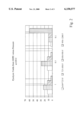
- FIG. 2 is a bar graph depicting the effect of pressure in the pyrolysis zone from experimental results discussed in the "Illustrative Embodiments" section of this specification.
- FIG. 3 is a schematic flow drawing of a portion of one embodiment of the process of the invention and depicts experimental results discussed in the "Illustrative Embodiments" section of this specification.
- FIG. 1 is a schematic flow drawing of one embodiment of the process of the invention.
- Waste PE feed stream 5 is fed to pyrolysis zone 10.
- the pyrolysis zone effluent 15 is passed to separations zone 20.
- the lube boiling range material in the pyrolysis zone effluent has a BP from about 650° F. to about 1200° F.
- pyrolysis zone effluent 15 is separated into 2 or more streams as shown by 350° F.-boiling point ("BP") stream 22, i.e., light fraction, 350-650° F. BP stream 25, i.e., middle fraction, and 650° F.+ BP stream 30, i.e., heavy fraction.
- BP 350° F.-boiling point
- Heavy fraction stream 30 is passed to hydrotreating zone 35, thereby producing hydrotreating zone effluent stream 40.
- Stream 40 is passed to catalytic isomerization dewaxing zone 45.
- the isomerization dewaxing zone effluent 50 is a high VI lubricating oil composition.
- An additional separation zone (not shown) optionally follows isomerization zone 50 for fractionating the lube into fractions of various viscometric properties.
- the first step in the process for making a high VI lubricating oil composition according to the invention is contacting a waste plastics feed containing polyethylene in a pyrolysis zone at pyrolysis conditions, where at least a portion of the waste plastics feed is cracked, thus forming a pyrolysis zone effluent comprising 1-olefins and n-paraffins.
- the percentage of 1-olefins in the pyrolysis zone effluent is optionally from about 25 to 75 wt. %, preferably from about 40-60 wt. %.
- Pyrolysis conditions include a temperature of from about 500-700° C., preferably from about 600-700° C.
- the pyrolysis zone effluent (liquid portion) is very waxy and has a too high pour point. It comprises n-paraffins and some olefins. Further processing according to the invention is needed to convert it to a high VI lubricating oil composition.
- the feed may contain some contaminants normally associated with waste plastics, e.g., paper labels and metal caps.
- waste plastics feed e.g., paper labels and metal caps.
- the feed is prepared by grinding to a suitable size for transport to the pyrolysis unit using any conventional means for feeding solids to a vessel.
- the ground waste plastics feed is also heated and initially dissolved in a solvent. The heated material is then passed by an auger, or other conventional means, to the pyrolysis unit. After the initial feed, a portion of the heated liquefied feed from the pyrolysis zone is optionally removed and recycled to the feed to provide a heat source for dissolving the feed.
- the feed may contain chlorine, preferably less than about 20 ppm.
- a substantial portion of any chlorine in the feed is removed by the addition to the feed of a chlorine scavenger compound, e.g., sodium carbonate. It reacts in the pyrolysis zone with the chlorine to form sodium chloride which becomes part of the residue at the bottom of the pyrolysis zone.
- the chlorine content is removed to less that about 5 ppm.
- hydrotreating is done under conditions to remove substantially all heteroatoms, while minimizing cracking.
- hydrotreating conditions include temperatures ranging from about 190° C. to about 340° C., pressures of from about 400 psig to about 3000 psig, space velocities (LHSV) of from about 0.1 to about 20, and hydrogen recycle rates of from about 400 to about 15000 SCF/bbl.
- the pyrolysis zone effluent (liquid portion) is very waxy and has a too high pour point.
- the hydrotreating zone effluent is passed to a catalytic isomerization dewaxing zone.
- the hydrotreating zone effluent is first passed to a second separations zone for separation out of the heaviest material, e.g., 1000° F.+ BP.
- the fraction having a lower BP is the one sent to the isomerization dewaxing zone.
- the 1000° F.+ BP fraction is the most difficult to isomerize. Thus, optionally, it is not isomerized, but is useful as a high grade heavy wax.
- a substantial portion i.e., >10 wt. %) or major portion (i.e., >50 wt. %) has a BP in the bright stock range.
- the pour point (as measured by ASTM D97) of the high VI lubricating oil composition is not more than about 20° F., preferably not more than about 15° F.
- the cloud point is preferably not more than about 10° F. higher than the pour point.
- either or both of the first and second high VI lubricating oil compositions include a lube fraction having a kinematic viscosity at 100° C. of at least about 8 cSt. This and other fractions can be separated by conventional separation processes.
- the 8 cSt fraction is at least about 10 wt. % (a substantial portion), more preferably at least about 50 wt. % (a major portion) of the high VI lubricating composition.
- the isomerization catalytic dewaxing zone is operated as taught in U.S. Pat. No. 5,135,638, which disclosure is incorporated herein by reference.
- the dewaxing zone is practiced as discussed below.
- the process includes any solid catalyst capable of isomerization dewaxing.
- the catalyst is an intermediate pore size molecular sieve.
- intermediate pore size means an effective pore aperture in the range of from about 5.3 to about 6.5 Angstroms when the porous inorganic oxide is in the calcined form. Molecular sieves having pore apertures in this range tend to have unique molecular sieving characteristics.
- small pore zeolites such as erionite and chabazite
- they will allow hydrocarbons having some branching into the molecular sieve void spaces.
- larger pore zeolites such as the faujasites and mordenites, they can differentiate between n-alkanes and slightly branched alkanes, and larger branched alkanes having, for example, quaternary carbon atoms.
- the effective pore size of the molecular sieves can be measured using standard adsorption techniques and hydrocarbonaceous compounds of known minimum kinetic diameters. See Breck, Zeolite Molecular Sieves, 1974 (especially Chapter 8); Anderson et al., J. Catalysis 58, 114 (1979); and U.S. Pat. No. 4,440,871, the pertinent portions of which are incorporated herein by reference.
- Compounds having kinetic diameters of about 6 to 6.5 Angstroms can be admitted into the pores, depending on the particular sieve, but do not penetrate as quickly and in some cases are effectively excluded.
- Compounds having kinetic diameters in the range of 6 to 6.5 Angstroms include: cyclohexane (6.0), 2,3-dimethylbutane (6.1), and m-xylene (6.1).
- compounds having kinetic diameters of greater than about 6.5 Angstroms do not penetrate the pore apertures and thus are not absorbed into the interior of the molecular sieve lattice. Examples of such larger compounds include: o-xylene (6.8), 1,3,5-trimethylbenzene (7.5), and tributylamine (8.1).
- zeolites include cancrinite hydrate, laumontite, mazzite, mordenite and zeolite L.
- This second essential criterion is that the pores must be generally oval in shape, by which is meant the pores must exhibit two unequal axes referred to herein as a minor axis and a major axis.
- oval as used herein is not meant to require a specific oval or elliptical shape but rather to refer to the pores exhibiting two unequal axes.
- the 1-D pores of the catalysts useful in the practice of the present invention must have a minor axis between about 3.9 Angstroms and about 4.8 Angstroms and a major axis between about 5.4 Angstroms and about 7.0 Angstroms as determined by conventional X-ray crystallography measurements.
- the catalyst used in the isomerization process of the invention has an acidic component and a platinum and/or palladium hydrogenation component.
- the acidic component can suitably comprise an intermediate pore size silicoaluminophosphate molecular sieve which is described in U.S. Pat. No. 4,440,871, the pertinent disclosure of which is incorporated herein by reference.
- SAPO-11 The most preferred intermediate pore size silicoaluminophosphate molecular sieve for use in the process of the invention is SAPO-11, especially SM-3 (as taught in U.S. Pat. No. 5,208,005, which reference is incorporated herein by reference in its entirety).
- SAPO-11 comprises a molecular framework of corner-sharing [SiO 2 ]tetrahedra, [AlO 2 ]tetrahedra, and [PO 2 ]tetrahedra, [i.e., (Si x Al y P z )O 2 tetrahedral units].
- the SAPO-11 converts the waxy components to produce a lubricating oil having excellent yield, very low pour point, low viscosity and high viscosity index.
- SAPO-11 comprises a silicoaluminophosphate material having a three-dimensional microporous crystal framework structure of [PO 2 ], [AlO 2 ] and [SiO 2 ]tetrahedral units whose unit empirical formula on an anhydrous basis is:
- R represents at least one organic templating agent present in the intracrystalline pore system
- m represents the moles of “R” present per mole of (Si x Al y P z)O 2 and has a value of from zero to about 0.3
- x, "y” and “z” represent, respectively, the mole fractions of silicon, aluminum and phosphorous.
- the silicoaluminophosphate has a characteristic X-ray powder diffraction pattern which contains at least the d-spacings (as-synthesized and calcined) set forth below in Table I.
- "m” preferably has a value of from 0.02 to 0.3.
- the radiation was the K-alpha doublet of copper and a diffractometer equipped with a scintillation counter and an associated computer was used.
- SAPO-31 Another intermediate pore size silicoaluminophosphate molecular sieve preferably used in the process of the invention is SAPO-31.
- SAPO-31 comprises a silicoaluminophosphate having a three-dimensional microporous crystal framework of [PO 2 ], [AlO 2 ] and [SiO 2 ]tetrahedral units whose unit empirical formula on an anhydrous basis is: mR: (Si x Al y P z)O 2 wherein R represents at least one organic templating agent present in the intracrystalline pore system; "m” represents the moles of "R” present per mole of (Si x Al y P z)O 2 and has a value of from zero to 0.3; "x", "y” and "z” represent, respectively, the mole fractions of silicon, aluminum and phosphorous.
- the silicoaluminophosphate has a characteristic X-ray powder diffraction pattern (as-synthesized and calcined) which contains at least the d-spacings set forth below in Table III.
- "m" preferably has a value of from 0.02 to 0.3.
- SAPO41 also suitable for use in the process of the invention, comprises a silicoaluminophosphate having a three-dimensional microporous crystal framework structure of [PO 2 ], [AlO 2 ] and [SiO 2 ]tetrahedral units, and whose unit empirical formula on an anhydrous basis is: mR: (Si x Al y P z)O 2 wherein "R” represents at least one organic templating agent present in the intracrystalline pore system; “m” represents the moles of “R” present per mole of (Si x Al y P z)O 2 and has a value of from zero to 0.3; "x", "y” and "z” represent, respectively, the mole fractions of silicon, aluminum and phosphorous.
- the silicoaluminophosphate having a characteristic X-ray powder diffraction pattern (as-synthesized and calcined) which contains at least the d-spacings set forth below in Table V.
- "m" preferably has a value of from 0.02 to 0.03.
- the process of the invention may also be carried out using a catalyst comprising an intermediate pore size non-zeolitic molecular sieve containing AlO 2 and PO 2 tetrahedral oxide units, and at least one Group VIII metal.
- a catalyst comprising an intermediate pore size non-zeolitic molecular sieve containing AlO 2 and PO 2 tetrahedral oxide units, and at least one Group VIII metal.
- Exemplary suitable intermediate pore size non-zeolitic molecular sieves are set forth in European patent Application No. 158,977 which is incorporated herein by reference.
- the group of intermediate pore size zeolites of the present invention include ZSM-22, ZSM-23, SSZ-32 (as taught in U.S. Pat. No. 5,252,527, which reference is incorporated herein by reference in its entirety), and ZSM-35. These catalysts are generally considered to be intermediate pore size catalysts based on the measure of their internal structure as represented by their Constraint Index. Zeolites which provide highly restricted access to and egress from their internal structure have a high value for the Constraint Index, while zeolites which provide relatively free access to the internal zeolite structure have a low value for their Constraint Index. The method for determining Constraint Index is described fully in U.S. Pat. No. 4,016,218 which is incorporated herein by reference.
- zeolites exhibiting a Constraint Index value within the range of from about 1 to about 12 are considered to be intermediate pore size zeolites.
- Zeolites which are considered to be in this range include ZSM-5, ZSM-11, etc.
- ZSM-5, ZSM-11, etc. Upon careful examination of the intermediate pore size zeolites, however, it has been found that not all of them are efficient as a catalyst for isomerization of a paraffin-containing feedstock which are high in C 20 + paraffins, and preferably which are high in C 22 + paraffins.
- the group including ZSM-22, ZSM-23 and ZSM-35 used in combination with Group VIII metals can provide a means whereby a hydrocarbon feedstock having a paraffinic content with molecules of 20 carbon atoms or more undergoes unexpectedly efficient isomerization without destroying the ultimate yield of the feedstock.
- ZSM-22 is a highly siliceous material which includes crystalline three-dimensional continuous framework silicon containing structures or crystals which result when all the oxygen atoms in the tetrahedra are mutually shared between tetrahedral atoms of silicon or aluminum, and which can exist with a network of mostly SiO 2 , i.e., exclusive of any intracrystalline cations.
- the description of ZSM-22 is set forth in full in U.S. Pat. No. 4,556,477, U.S. Pat. No. 4,481,177, and European Patent Application No.102,716, the contents of which are incorporated herein by reference.
- X-ray diffraction pattern of Table VII is characteristic of all the species of ZSM-22 zeolite compositions. Ion exchange of the alkali metal cations with other ions results in a zeolite which reveals substantially the same X-ray diffraction pattern with some minor shifts in interplanar spacing and variation in relative intensity.
- the original cations of the as-synthesized ZSM-22 can be replaced at least in part by other ions using conventional ion exchange techniques. It may be necessary to pre-calcine the ZSM-22 zeolite crystals prior to ion exchange.
- the replacement ions are those taken from Group VIII of the Periodic Table, especially platinum, palladium, iridium, osmium, rhodium and ruthenium.
- ZSM-22 freely sorbs normal hexane and has a pore dimension greater than about 4 Angstroms.
- the structure of the zeolite provides constrained access to larger molecules.
- the Constraint Index as determined by the procedure set forth in U.S. Pat. No. 4,016,246 for ZSM-22 has been determined to be from about 2.5 to about 3.0.
- ZSM-23 Another zeolite which can be used with the present invention is the synthetic crystalline aluminosilicate referred to as ZSM-23, disclosed in U.S. Pat. No.4,076,842, the contents of which are incorporated herein by reference.
- the ZSM-23 composition has a characteristic X-ray diffraction pattern as set forth herein in Table VIII.
- the ZSM-23 composition can also be defined in terms of mole ratios of oxides in the anhydrous state as follows:
- n is the valence thereof.
- the original cations of as-synthesized ZSM-23 can be replaced in accordance with techniques well known in the art, at least in part by ionic exchange with other cations.
- these cations include the Group VIII metals as set forth hereinbefore.
- the third intermediate pore size zeolite which has been found to be successful in the present invention is ZSM-35, which is disclosed in U.S. Pat. No. 4,016,245, the contents of which are incorporated herein by reference.
- the synthetic crystalline aluminosilicate known as ZSM-35 has a characteristic X-ray diffraction pattern which is set forth in U.S. Pat. No. 4,016,245.
- ZSM-35 has a composition which can be defined in terms of mole ratio of oxides in the anhydrous state as follows:
- R is organic nitrogen-containing cation derived from ethylenediamine or pyrrolidine and M is an alkali metal cation.
- M is an alkali metal cation.
- the original cations of the as-synthesized ZSM-35 can be removed using techniques well known in the art which includes ion exchange with other cations.
- the cation exchange is used to replace the as-synthesized cations with the Group VIII metals set forth herein. It has been observed that the X-ray diffraction pattern of ZSM-35 is similar to that of natural ferrierite with a notable exception being that natural ferrierite patterns exhibit a significant line at 1.33 Angstroms.
- SAPO-11, SAPO-31, SAPO-41, ZSM-22, ZSM-23 and ZSM-35 shows these molecular sieves to have the following major and minor axes: SAPO-11, major 6.3 Angstroms, minor 3.9 Angstroms; (Meier, W. M., Olson, D. H., and Baerlocher, Ch., Atlas of Zeolite Structure Types, Elsevier, 1996), SAPO-31 and SAPO-41, believed to be slightly larger than SAPO-11, ZSM-22, major 5.5 Angstroms, minor 4.5 Angstroms (Kokotailo, G.
- the intermediate pore size molecular sieve is used in admixture with at least one Group VIII metal.
- the Group VIII metal is selected from the group consisting of at least one of platinum and palladium and, optionally, other catalytically active metals such as molybdenum, nickel, vanadium, cobalt, tungsten, zinc and mixtures thereof.
- the Group VIII metal is selected from the group consisting of at least one of platinum and palladium.
- the amount of metal ranges from about 0.01% to about 10% by weight of the molecular sieve, preferably from about 0.2% to about 5% by weight of the molecular sieve.
- metal or “active metal” as used herein means one or more metals in the elemental state or in some form such as sulfide, oxide and mixtures thereof. Regardless of the state in which the metallic component actually exists, the concentrations are computed as if they existed in the elemental state.
- the catalyst may also contain metals which reduce the number of strong acid sites on the catalyst and thereby lower the selectivity for cracking versus isomerization.
- metals which reduce the number of strong acid sites on the catalyst and thereby lower the selectivity for cracking versus isomerization.
- Group IIA metals such as magnesium and calcium.
- the average crystal size is no greater than about 10 mu, preferably no more than about 5 mu, more preferably no more than about 1 mu, and still more preferably no more than about 0.5 mu.
- Strong acidity may also be reduced by introducing nitrogen compounds, e.g., NH 3 or organic nitrogen compounds, into the feed; however, the total nitrogen content should be less than 50 ppm, preferably less than 10 ppm.
- the physical form of the catalyst depends on the type of catalytic reactor being employed and may be in the form of a granule or powder, and is desirably compacted into a more readily usable form (e.g., larger agglomerates), usually with a silica or alumina binder for fluidized bed reaction, or pills, prills, spheres, extrudates, or other shapes of controlled size to accord adequate catalyst-reactant contact.
- the catalyst may be employed either as a fluidized catalyst, or in a fixed or moving bed, and in one or more reaction stages.
- the catalytic isomerization step of the invention may be conducted by contacting the feed with a fixed stationary bed of catalyst, with a fixed fluidized bed, or with a transport bed.
- a simple and therefore preferred configuration is a trickle-bed operation in which the feed is allowed to trickle through a stationary fixed bed, preferably in the presence of hydrogen.
- the catalytic isomerization conditions employed depend on the feed used and the desired pour point. Generally, the temperature is from about 200° C. to about 475° C., preferably from about 250° C. to about 450° C.
- the pressure is typically from about 15 psig and to about 2000 psig, preferably from about 50 to about 1000 psig, more preferably from about 100 psig to about 600 psig.
- the process of the invention is preferably carried out at low pressure.
- the liquid hourly space velocity (LHSV) is preferably from about 0.1 to about 20, more preferably from about 0.1 to about 5, and most preferably from about 0.1 to about 1.0. Low pressure and low liquid hourly space velocity provide enhanced isomerization selectivity which results in more isomerization and less cracking of the feed thus producing an increased yield.
- Hydrogen is preferably present in the reaction zone during the catalytic isomerization process.
- the hydrogen to feed ratio is typically from about 500 to about 30,000 SCF/bbl (standard cubic feet per barrel), preferably from about 1,000 to about 10,000 SCF/bbl.
- SCF/bbl standard cubic feet per barrel
- hydrogen will be separated from the product and recycled to the reaction zone.
- the intermediate pore size molecular sieve used in the isomerization step provides selective conversion of the waxy components to non-waxy components.
- isomerization of the paraffins occurs to reduce the pour point of the oil below that of the feed and form lube oil boiling range materials which contribute to a low pour point product having excellent viscosity index properties. Because of the selectivity of the intermediate pore size molecular sieve used in the invention, the yield of low boiling products is reduced, thereby preserving the economic value of the feedstock.
- the intermediate pore size molecular sieve catalyst can be manufactured into a wide variety of physical forms.
- the molecular sieves can be in the form of a powder, a granule, or a molded product, such as an extrudate having a particle size sufficient to pass through a 2-mesh (Tyler) screen and be retained on a 40-mesh (Tyler) screen.
- the silicoaluminophosphate can be extruded before drying, or dried or partially dried, and then extruded.
- the molecular sieve can be composited with other materials resistant to temperatures and other conditions employed in the isomerization process.
- matrix materials include active and inactive materials and synthetic or naturally occurring zeolites as well as inorganic materials such as clays, silica and metal oxides.
- the latter may be either naturally occurring or in the form of gelatinous precipitates, sols or gels including mixtures of silica and metal oxides.
- Inactive materials suitably serve as diluents to control the amount of conversion in the isomerization process so that products can be obtained economically without employing other means for controlling the rate of reaction.
- the molecular sieve may be incorporated into naturally occurring clays, e.g., bentonite and kaolin.
- These materials i.e., clays, oxides, etc., function, in part, as binders for the catalyst. It is desirable to provide a catalyst having good crush strength because in petroleum refining, the catalyst is often subjected to rough handling. This tends to break the catalyst down into powderlike materials which cause problems in processing.
- Naturally occurring clays which can be composited with the molecular sieve include the montmorillonite and kaolin families, which families include the sub-bentonites, and the kaolins commonly known as Dixie, McNamee, Georgia and Florida clays or others in which the main mineral constituent is halloysite, kaolinite, diokite, nacrite or anauxite. Fibrous clays such as halloysite, sepiolite and attapulgite can also be use as supports. Such clays can be used in the raw state as originally mined or initially subjected to calcination, acid treatment or chemical modification.
- the molecular sieve can be composited with porous matrix materials and mixtures of matrix materials such as silica, alumina, titania, magnesia, silica-alumina, silica-magnesia, silica-zirconia, silica-thoria, silica-beryllia, silica-titania, titania-zirconia as well as ternary compositions such as silica-alumina-thoria, silica-aluminatitania, silica-alumina-magnesia and silica-magnesia-zirconia.
- the matrix can be in the form of a cogel.
- the catalyst used in the process of this invention can also be composited with other zeolites such as synthetic and natural faujasites, (e.g., X and Y) erionites, and mordenites. It can also be composited with purely synthetic zeolites such as those of the ZSM series. The combination of zeolites can also be composited in a porous inorganic matrix.
- zeolites such as synthetic and natural faujasites, (e.g., X and Y) erionites, and mordenites. It can also be composited with purely synthetic zeolites such as those of the ZSM series.
- the combination of zeolites can also be composited in a porous inorganic matrix.
- hydrofinishing It is often desirable to use mild hydrogenation referred to as hydrofinishing after isomerization to produce more stable lubricating oils. Hydrofinishing is typically conducted at temperatures ranging from about 190° C. to about 340° C., at pressures from about 400 psig to about 3000 psig, at space velocities (LHSV) from about 0.1 to about 20, and hydrogen recycle rates of from about 400 to about 1500 SCF/bbl.
- the hydrogenation catalyst employed must be active enough not only to hydrogenate the olefins, diolefins and color bodies within the lube oil fractions, but also to reduce the aromatic content (color bodies).
- the hydrofinishing step is beneficial in preparing an acceptably stable lubricating oil.
- Suitable hydrogenation catalysts include conventional metallic hydrogenation catalysts, particularly the Group VIII metals such as cobalt, nickel, palladium and platinum.
- the metals are typically associated with carriers such as bauxite, alumina, silica gel, silica-alumina composites, and crystalline aluminosilicate zeolites. Palladium is a particularly preferred hydrogenation metal.
- non-noble Group VIII metals can be used with molybdates. Metal oxides or sulfides can be used.
- Suitable catalysts are disclosed in U.S. Pat. Nos. 3,852,207; 4,157,294; 3,904,513 and 4,673,487, which are incorporated herein by reference.
- the high viscosity index lube oil produced by the process of the present invention can be used as a blending component to raise the viscosity index of lube oils to a higher value. Since yield decreases with increasing viscosity index in either hydrocracking or solvent refining, the use of an isomerized wax to increase the viscosity index improves yield.
- the process of the invention includes a process for making a high viscosity index lubricating oil composition.
- high viscosity index lubricating oil composition and "unconventional base oil” do not have strict definitions. In general, they refer to base oils having desirable viscometric properties not typically found in mineral oils and generally only available in expensive synthetic base oils.
- the marketplace recognizes the desirability of viscometric properties of high-viscosity index and unconventional base oils in that they command a higher price than "conventional" oils. Thus, the relative price is also an indicator of unconventional and high viscosity index base oils.
- high viscosity index mineral oil or lubricating oil composition as used in this specification and appended claims means (1) a viscosity index of at least 90 for a mineral oil having a viscosity of 3.0 centistokes at 100° C.; (2) a viscosity index of at least 105 for a lubricating oil composition having a viscosity of 4 centistokes at 100° C.; (3) a viscosity index of at least 115 for a lubricating oil composition having a viscosity of 5.0 centistokes at 100° C.; and (4) a viscosity index of at least 120 for a lubricating oil composition having a viscosity of 7.0 centistokes at 100° C.
- "High" viscosity indices for other viscosities between 3.0 and 7.0 can be determined by conventional interpolation.
- High density polyethylene was pyrolyzed in a pyrolysis reactor at atmospheric pressure and different temperatures, as shown in Table IX, which also gives yields of gas, residue, and waxy oil, as well as boiling point distributions of the waxy oil. This table shows that most of the oil in the lube boiling range was in the range of 650-1000° F., with little boiling in the bright stock range above 1000° F.
- the waxy oil fraction of the material pyrolyzed at 650° C. was evaluated by high pressure liquid chromatography followed by GC-MS. It was found to be composed almost entirely of n-paraffins and 1-olefins, as shown in Table X.
- Waste HDPE obtained from a recycling center, was pyrolyzed at 650° C. and 0.5 atm pressure.
- Table XII shows the results are very similar to those obtained with the virgin HDPE of Examples 1 and 2.
- the waxy oil produced in Example 1 at atmospheric pressure and 650, 675, and 700° C. was composited.
- the waxy oil yield of the composite was 86.5 wt %.
- This oil was distilled at 650° F. to give 59.1 wt % 650° F.+ bottoms (51.1 wt % based on HDPE feed).
- the 650° F.+ bottoms were then hydrotreated over a Ni--Mo hydrotreating catalyst at 600° F., 1950 psig, 1 LHSV, and 5 MSCF/bbl once-through H2 to reduce the nitrogen level to below 1 ppm. Conversion of 650° F.+ material in the feed to 650° F. - was less than 1%.
- the hydrotreated oil was then processed at 1000 psig and 4 MSCF/bbl once-through H2 over an isomerization dewaxing catalyst at 610° F. and 0.63 LHSV followed by a hydrofinishing catalyst at 450° F. and 1.6 LHSV.
- the isomerization catalyst was Pt on SAPO-11 (made according to U.S. Pat. No. 5,135,638) and the hydrofinishing catalyst was Pt/Pd on SiO2-Al2O3. This gave a 4 cSt oil (viscosity measured at 100° C.) with a pour point of-8° C. and a viscosity index of 153, as shown in Table XIII.
- the 650° F.+ yield through the isomerization step was 67 wt %.
- a flow diagram of the process, based on 1000 pounds of HDPE, is given in FIG. 3.
- HDPE was pyrolyzed in the pyrolysis reactor at sub-atmospheric pressure, as shown in Table XIV to again give a large amount of both lube and bright stock range waxy oil.
- the waxy oil produced in Example 2 at 0.10 atm pressure and 600, 650, and 700° C. was composited (distillation analysis shown in Table XV) and hydrotreated over a Ni--Mo hydrotreating catalyst at 600° F., 1950 psig, 1 LHSV, and 5 MSCF/bbl once-through H2 to reduce the nitrogen level to below 1 ppm. Conversion of 650° F.+ material in the feed to 650° F.- was less than 1%.
- the waxy oil was then isomerized as in Example 4, but at an isomerization temperature of 685° F., to give a 9 cSt oil with a pour point of 0° C. and a 137 VI, as shown in Table XVI.
- the waxy oil produced in Example 2 at 0.5 atm pressure and 550, 600 and 650° C. was composited (distillation analysis shown in Table XV) and hydrotreated over a Ni--Mo hydrotreating catalyst at 600° F., 1950 psig, 1 LHSV, and 5 MSCF/bbl once-through H2 to reduce the nitrogen level to below 1 ppm. Conversion of 650° F.+ material in the feed to 650° F.- was less than 1%.
- the waxy oil was then isomerized as in Example 4, but at an isomerization temperature of 648° F., to give a 3.7 cSt oil with a pour point of -22° C. and a 153 VI, as shown in Table XVI.
Landscapes
- Chemical & Material Sciences (AREA)
- Oil, Petroleum & Natural Gas (AREA)
- Engineering & Computer Science (AREA)
- Chemical Kinetics & Catalysis (AREA)
- General Chemical & Material Sciences (AREA)
- Organic Chemistry (AREA)
- Life Sciences & Earth Sciences (AREA)
- Wood Science & Technology (AREA)
- Production Of Liquid Hydrocarbon Mixture For Refining Petroleum (AREA)
Abstract
Description
mR: (Si x Al y P z)O.sub.2 (l)
              TABLE I
______________________________________
                          Relative
     2θ d(Å) Intensity
______________________________________
 9.4-9.65        9.41-9.17
                          m
   20.3-20.6 4.37-4.31 m
   21.0-21.3 4.23-4.17 vs
   22.1-22.35 4.02-3.99 m
   22.5-22.9 (doublet) 3.95-3.92 m
  23.15-23.35 3.84-3.81 m-s
______________________________________
              TABLE II
______________________________________
   2θ      d(Å)  100 × I/I.sub.0
______________________________________
 8.05-8.3        10.98-10.65
                           20-42
   9.4-9.65 9.41-9.17 36-58
   13.1-13.4 6.76-6.61 12-16
   15.6-15.85 5.68-5.59 23-38
   16.2-16.4 5.47-5.40 3-5
  18.95-19.2 4.68-4.62 5-6
   20.3-20.6 4.37-4.31 36-49
   21.0-21.3 4.23-4.17 100
   22.1-22.35 4.02-3.99 47-59
   22.5-22.9 (doublet) 3.95-3.92 55-60
  23.15-23.35 3.84-3.81 64-74
   24.5-24.9 (doublet) 3.63-3.58  7-10
   26.4-26.8 (doublet) 3.38-3.33 11-19
   27.2-27.3 3.28-3.27 0-1
   28.3-28.5 (shoulder) 3.15-3.13 11-17
   28.6-28.85 3.121-3.094
   29.0-29.2 3.079-3.058 0-3
  29.45-29.65 3.033-3.013 5-7
  31.45-31.7 2.846-2.823 7-9
   32.8-33.1 2.730-2.706 11-14
   34.1-34.4 2.629-2.607 7-9
   35.7-36.0 2.515-2.495 0-3
   36.3-36.7 2.475-2.449 3-4
   37.5-38.0 (doublet) 2.398-2.368 10-13
   39.3-39.55 2.292-2.279 2-3
   40.3 2.238 0-2
   42.2-42.4 2.141-2.132 0-2
   42.8-43.1 2.113-2.099 3-6
   44.8-45.2 (doublet) 2.023-2.006 3-5
   45.9-46.1 1.977-1.969 0-2
   46.8-47.1 1.941-1.929 0-1
   48.7-49.0 1.870-1.859 2-3
   50.5-50.8 1.807-1.797 3-4
   54.6-54.8 1.681-1.675 2-3
   55.4-55.7 1.658-1.650 0-2
______________________________________
              TABLE III
______________________________________
                        Relative
  2θ d(Å) Intensity
______________________________________
8.5-8.6       10.40-10.28
                        m-s
  20.2-20.3 4.40-4.37 m
  21.9-22.1 4.06-4.02 w-m
  22.6-22.7 3.93-3.92 vs
  31.7-31.8 3.823-2.814 w-m
______________________________________
              TABLE IV
______________________________________
2θ       d(Å)  100 × I/I.sub.0
______________________________________
6.1            14.5      0-1
   8.5-8.6* 10.40-10.28 60-72
  9.5* 9.31  7-14
   13.2-13.3* 6.71-6.66 1-4
  14.7-14.8 6.03-5.99 1-2
   15.7-15.8* 5.64-5.61 1-8
  17.05-17.1  5.20-5.19 2-4
  18.3-18.4 4.85-4.82 2-3
  20.2-20.3 4.40-4.37 44-55
   21.1-21.2* 4.21-4.19  6-28
   21.9-22.1* 4.06-4.02 32-38
   22.6-22.7* 3.93-3.92 100
   23.3-23.35 3.818-3.810  2-20
  25.1* 3.548 3-4
  25.65-25.75 3.473-3.460 2-3
  26.5* 3.363 1-4
  27.9-28.0 3.198-3.187  8-10
  28.7* 3.110 0-2
  29.7* 3.008 4-5
  31.7-31.8 2.823-2.814 15-18
   32.9-33.0* 2.722-2.714 0-3
  35.1-35.2 2.557-2.550 5-8
  36.0-36.1 2.495-2.488 1-2
  37.2 2.417 1-2
   37.9-38.1* 2.374-2.362 2-4
  39.3 2.292 2-3
   43.0-43.1* 2.103-2.100 1
   44.8-45.2* 2.023-2.006 1
  46.6 1.949 1-2
  47.4-47.5 1.918 1
  48.6-48.7 1.872-1.870 2
  50.7-50.8 1.801-1.797 1
  51.6-51.7 1.771-1.768 2-3
  55.4-55.5 1.658-1.656 1
______________________________________
 *Possibly contains peak from a minor impurity.
              TABLE V
______________________________________
                        Relative
  2θ d(Å) Intensity
______________________________________
13.6-13.8     6.51-6.42 w-m
  20.5-20.6 4.33-4.31 w-m
  21.1-21.3 4.21-4.17 vs
  22.1-22.3 4.02-3.99 m-s
  22.8-23.0 3.90-3.86 m
  23.1-23.4 3.82-3.80 w-m
  25.5-25.9 3.493-3.44  w-m
______________________________________
              TABLE VI
______________________________________
2θ      d(Å)  100 × I/I.sub.0
______________________________________
6.7-6.8       13.19-12.99
                        15-24
  9.6-9.7 9.21-9.11 12-25
  13.6-13.8 6.51-6.42 10-28
  18.2-18.3 4.87-4.85  8-10
  20.5-20.6 4.33-4.31 10-32
  21.1-21.3 4.21-4.17 100
  22.1-22.3 4.02-3.99 45-82
  22.8-23.0 3.90-3.87 43-58
  23.1-23.4 3.82-3.80 20-30
  25.2-25.5 3.53-3.49  8-20
  25.5-25.9 3.493-3.44  12-28
  29.3-29.5 3.048-3.028 17-23
  31.4-31.6 2.849-2.831  5-10
  33.1-33.3 2.706-2.690 5-7
  37.6-37.9 2.392-2.374 10-15
  38.1-38.3 2.362-2.350  7-10
  39.6-39.8 2.276-2.265 2-5
  42.8-43.0 2.113-2.103 5-8
  49.0-49.3 1.856-1.848 1-8
  51.5 1.774 0-8
______________________________________
              TABLE VII
______________________________________
Most Significant Lines of ZSM-22
     Interplanar d-spacings (Å)
                     Relative Intensity (I/I.sub.0)
______________________________________
10.9 +/- 0.2      M-VS
   8.7 +/- 0.16 W
  6.94 +/- 0.10 W-M
  5.40 +/- 0.08 W
  4.58 +/- 0.07 W
  4.36 +/- 0.07 VS
  3.68 +/- 0.05 VS
  3.62 +/- 0.05  S-VS
  3.47 +/- 0.04 M-S
  3.30 +/- 0.04 W
  2.74 +/- 0.02 W
  2.52 +/- 0.02 W
______________________________________
              TABLE VIII
______________________________________
       d(Å) I/I.sub.0
______________________________________
       11.2 +/- 0.23
                M
  10.1 +/- 0.20 W
  7.87 +/- 0.15 W
  5.59 +/- 0.10 W
  5.44 +/- 0.10 W
  4.90 +/- 0.10 W
  4.53 +/- 0.10 S
  3.90 +/- 0.08 VS
  3.72 +/- 0.08 VS
  3.62 +/- 0.07 VS
  3.54 +/- 0.07 M
  3.44 +/- 0.07 S
  3.36 +/- 0.07 W
  3.16 +/- 0.07 W
  3.05 +/- 0.06 W
  2.99 +/- 0.06 W
  2.85 +/- 0.06 W
  2.54 +/- 0.05 M
  2.47 +/- 0.05 W
  2.40 +/- 0.05 W
  2.34 +/- 0.05 W
______________________________________
(0.58-3.4)M.sub.2 /.sub.n O: Al.sub.2 O.sub.3 : (40-250)SiO.sub.2
(0.3-2.5)R.sub.2 O: (0-0.8)M.sub.2 O:Al.sub.2 O3:>8SiO.sub.2
                                  TABLE IX
__________________________________________________________________________
HPDE PYROLYSIS RESULTS
  AT 1 ATM
          550  575  600  625   650  675  700
__________________________________________________________________________
Pyrolysis Temp, ° F.
  Oil Yield, Wt % 85.2 88.8 88.8 87.4 87.0 86.0 86.5
  650° F. + Yield, Wt % 35.8 39.1 41.6 47.1 53.5 52.1 53.6
                                          700° F. + Yield, Wt %
                                         29.2 32.3 34.7 41.0 44.8 44.9
                                         46.4
  Oil Inspections
  Sim. Dist., LV %, ° F.
  ST/5 80/201 75/253 80/201 87/208 186/338 188/328 188/328
  10/30 253/443 253/449 256/458 280/487 403/588 390/588 394/596
  50 580 598 620 660 711 715 722
  70/90 714/872 729/877 743/898 796/952 803/892 808/902 818/908
  95/EP 934/1027 938/1021 954/1032 1003/1089 928/1224 931/1224 940/1224
__________________________________________________________________________
              TABLE X
______________________________________
ANALYSIS OF WAXY OIL PYROLYZED AT 1 ATM AND 650° C.
               Wt %
______________________________________
       N-Paraffins
               ˜50
  1-Olefins ˜49
  Aromatics 0.7
  Polars 0.4
______________________________________
                                  TABLE XI
__________________________________________________________________________
HDPE PYROLYSIS RESULTS AT REDUCED PRESSURE
Pyrolysis Pressure, Atm
            0.5  0.5  0.5  0.1  0.1   0.1
__________________________________________________________________________
Pyrolysis Temp, ° C.
            600  650  700  550  600   650
  Oil Yield, Wt % 88.8 90.1 89.7 83.5 88.0 89.1
  Residue, Wt % 1.8 0 0 3.0 0 0
  Gas Yield, Wt % 5.9 6.3 6.7 6.5 7.3 10.6
  650° F. + Yield, Wt % 45.6 58.8 63.9 50.9 74.4 82.7
  700° F. + Yield, Wt % 38.7 50.2 56.2 41.4 70.0 80.4
  Oil Inspections
  Sim. Dist., Wt %, ° F.
  ST/5 308/317 182/385 181/402 183/366 194/478 184/605
  10/30 342/521 457/626 486/658 442/604 573/792 704/925
  50 658 730 760 702 948 1052
  70/90 777/928 807/889 837/910 777/864 1068/1098 1085/1103
  95/99 992/1181 922/1224 941/1071 897/997 1106/1224 1107/1149
__________________________________________________________________________
              TABLE XII
______________________________________
COMPARISON OF WASTE HDPE VERSUS
  PLANT HDPE FOR PYROLYSIS AT
  650° C. AND 0.5 ATM
     Feed           HDPE     Waste HDPE
______________________________________
Oil Yield, Wt % 90.1     86.7
  Residue, Wt % 0 0.9
  Gas Yield, Wt % 6.3 11.7
  Oil Inspections
  ST/5 182/385 186/368
  10/30 457/626 442/619
  50 730 723
  70/90 807/889 810/900
  95/99  922/1224  939/1224
______________________________________
              TABLE XIII
______________________________________
INSPECTIONS IN CONERVERSION OF HDPE TO LUBE OIL
                       Pyrolyzed PE
                                HDT'd
    650-700° C. 650° F. + Isomerized
  Identification HDPE Feed Comp. Feed Oil
______________________________________
Gravity, API                  40.0   40.0
  Nitrogen, ppm 53 29 0.2
  Oxygen, ppm 147 297
  Pour Pt, ° C.    -8
  Cloud Pt, ° C.    +12
  Viscosity,    17.07
  40° C., cSt
  100 C., cSt    4.155
  VI    153
  Sim. Dist.,
  TGA, LV %,
  ° F.
  ST/5  186/341  193/701 362/559
  10/30  422/625  759/850 621/711
  50  752    906 781
  70/90  847/935  950/997 860/959
  95/EP  961/   1014/    993/1034
______________________________________
                                  TABLE XIV
__________________________________________________________________________
HPDE PYROLYSIS RESULTS
  AT REDUCED PRESSURE
__________________________________________________________________________
Pyrolysis Temperature, ° C.
             650  650  650  650  700  700
  Pyrolysis Pressure, Atm 0.5 0.25 0.25 0.1 0.5 0.25
  +0.5% Na.sub.2 CO.sub.3 No No Yes No No No
  Gas, Wt % 9.63 8.92 7.23 8.04 4.9 6.3
  Naphtha, Wt % 14.39 5.00 5.71 6.18 20.9 11.38
  Oil, Wt % 75.98 86.08 86.70 85.78 68.04 82.32
  Residue, Wt % 0 0 0.25 0 0.28 0
  650 F+ Yield, Wt % 68.9 78.7 79.0 82.8 64.4 82.20
  1000 F+ Yield, Wt % 26.8 43.4 44.9 57.4 5.7 71.39
  Inspections
  Naphtha
  Sim. Dist., LV %, ° F.
  ST/5  64/147  82/148 139/177  75/148  81/150  92/157
  10/30 155/252 171/251 206/261 178/262 174/266 203/293
  50 340 336 339 376 375 379
  70/90 432/605 420/621 414/546 482/650 479/628 472/627
  95/EP 693/893 727/941 651/944 730/894 713/913 710/893
  Oil
  Sim. Dist., Wt %, ° F.
  ST/5 189/554 186/569 183/573 187/674 192/597 188/831
  10/30 640/812 670/876 665/870 784/978 671/810  949/1077
  50 921 1003 1016 1077 885 1093
  70/90 1037/1094 1083/1105 1085/1106 1098/1111 941/995 1104/1115
                                       95/EP 1103/   1109/   1112/
                                      1117/   1018/   1119/
  Chloride, ppm  <10 <10
__________________________________________________________________________
              TABLE XV
______________________________________
PYROLYZED/HDT'D FEEDS
  Identification 0.5 Atm Composite
                               0.1 Atm Composite
  Sim. Dist., Wt %, ° F. (600,650,700° C.) (550,600,650.degr
                               ee. C.)
______________________________________
ST/5         197/523        186/542
  10/30 585/700  605/737
  50 778  833
  70/90 837/903  928/1054
  95/ 932/ 1078/
______________________________________
              TABLE XVI
______________________________________
ISOMERIZATION OF HDT'D PYROLYZED HDPE AT 0.62 LHSV,
  1950 PSIG, AND 4 MSCF/BBL OVER Pt/SAPO-11
  Feed           0.5 Atm Composite
                               0.1 Atm Composite
______________________________________
Temperature, ° F.
             648           685
  Pour Point, ° C. -22 0
  Cloud Point, ° C. +22 +59
  Viscosity, 40° C., cSt 14.15 57.24
  100° C., cSt 3.672 9.034
  VI 153 137
  Sim. Dist., Wt %, ° F.
  ST/5 460/562 504/586
  10/30 602/693 622/720
  50 770 822
  70/90 855/966  980/1308
  95/EP 1004/1088 1353/1400
______________________________________
Claims (28)
Priority Applications (1)
| Application Number | Priority Date | Filing Date | Title |
|---|---|---|---|
| US09/224,554 US6150577A (en) | 1998-12-30 | 1998-12-30 | Method for conversion of waste plastics to lube oil |
Applications Claiming Priority (1)
| Application Number | Priority Date | Filing Date | Title |
|---|---|---|---|
| US09/224,554 US6150577A (en) | 1998-12-30 | 1998-12-30 | Method for conversion of waste plastics to lube oil |
Related Parent Applications (1)
| Application Number | Title | Priority Date | Filing Date |
|---|---|---|---|
| US08/980,266 Continuation-In-Part US6005704A (en) | 1996-05-15 | 1997-11-28 | Cable driven image steering and focusing device |
Related Child Applications (1)
| Application Number | Title | Priority Date | Filing Date |
|---|---|---|---|
| US09/467,625 Continuation-In-Part US6503163B1 (en) | 1996-05-15 | 1999-12-20 | Precision cable drive |
Publications (1)
| Publication Number | Publication Date |
|---|---|
| US6150577A true US6150577A (en) | 2000-11-21 |
Family
ID=22841181
Family Applications (1)
| Application Number | Title | Priority Date | Filing Date |
|---|---|---|---|
| US09/224,554 Expired - Lifetime US6150577A (en) | 1998-12-30 | 1998-12-30 | Method for conversion of waste plastics to lube oil |
Country Status (1)
| Country | Link |
|---|---|
| US (1) | US6150577A (en) |
Cited By (118)
| Publication number | Priority date | Publication date | Assignee | Title |
|---|---|---|---|---|
| US20030130548A1 (en) * | 2002-01-07 | 2003-07-10 | Lemmons Donald W. | Method and system for extracting hydrocarbon fuel products from plastic material |
| US20030199718A1 (en) * | 2002-04-18 | 2003-10-23 | Miller Stephen J. | Process for converting waste plastic into lubricating oils |
| WO2003089548A1 (en) * | 2002-04-18 | 2003-10-30 | Chevron U.S.A. Inc. | A process for converting heavy fischer tropsch waxy feeds blended with a waste plastic feedstream into high vi lube oils |
| GB2388844A (en) * | 2002-04-18 | 2003-11-26 | Chevron Usa Inc | Production of lube bases from waste plastic and Fischer-Tropsch wax |
| US6703535B2 (en) | 2002-04-18 | 2004-03-09 | Chevron U.S.A. Inc. | Process for upgrading fischer-tropsch syncrude using thermal cracking and oligomerization |
| US20070293408A1 (en) * | 2005-03-11 | 2007-12-20 | Chevron Corporation | Hydraulic Fluid Compositions and Preparation Thereof |
| US20080029430A1 (en) * | 2005-03-11 | 2008-02-07 | Chevron Usa Inc. | Hydraulic Fluid Compositions and Preparation Thereof |
| US20080053868A1 (en) * | 2005-06-22 | 2008-03-06 | Chevron U.S.A. Inc. | Engine oil compositions and preparation thereof |
| US20080202983A1 (en) * | 2007-02-23 | 2008-08-28 | Smith David G | Apparatus and process for converting feed material into reusable hydrocarbons |
| US20090005275A1 (en) * | 2007-06-28 | 2009-01-01 | Chevron U.S.A. Inc. | Power steering fluid |
| US20090007484A1 (en) * | 2007-02-23 | 2009-01-08 | Smith David G | Apparatus and process for converting biomass feed materials into reusable carbonaceous and hydrocarbon products |
| US20090036337A1 (en) * | 2007-07-31 | 2009-02-05 | Chevron U.S.A. Inc. | Electrical Insulating Oil Compositions and Preparation Thereof |
| US20090036546A1 (en) * | 2007-07-31 | 2009-02-05 | Chevron U.S.A. Inc. | Medicinal Oil Compositions, Preparations, and Applications Thereof |
| US20090036338A1 (en) * | 2007-07-31 | 2009-02-05 | Chevron U.S.A. Inc. | Metalworking Fluid Compositions and Preparation Thereof |
| US20090036333A1 (en) * | 2007-07-31 | 2009-02-05 | Chevron U.S.A. Inc. | Metalworking Fluid Compositions and Preparation Thereof |
| US20090062163A1 (en) * | 2007-08-28 | 2009-03-05 | Chevron U.S.A. Inc. | Gear Oil Compositions, Methods of Making and Using Thereof |
| US20090062168A1 (en) * | 2007-08-27 | 2009-03-05 | Joseph Timar | Process for making a two-cycle gasoline engine lubricant |
| US20090062162A1 (en) * | 2007-08-28 | 2009-03-05 | Chevron U.S.A. Inc. | Gear oil composition, methods of making and using thereof |
| US20090062164A1 (en) * | 2007-08-28 | 2009-03-05 | Chevron U.S.A. Inc. | Gear Oil Compositions, Methods of Making and Using Thereof |
| US20090062161A1 (en) * | 2007-08-27 | 2009-03-05 | Joseph Timar | Two-cycle gasoline engine lubricant |
| US20090088352A1 (en) * | 2007-09-27 | 2009-04-02 | Chevron U.S.A. Inc. | Tractor hydraulic fluid compositions and preparation thereof |
| US20090088353A1 (en) * | 2007-09-27 | 2009-04-02 | Chevron U.S.A. Inc. | Lubricating grease composition and preparation |
| WO2009059495A1 (en) * | 2007-11-05 | 2009-05-14 | Daguang Li | A reaction vessel for treating waste plastic and tyres by cracking |
| US20090151233A1 (en) * | 2007-12-12 | 2009-06-18 | Chevron U.S.A. Inc. | System and method for producing transportation fuels from waste plastic and biomass |
| US20090163391A1 (en) * | 2007-12-20 | 2009-06-25 | Chevron U.S.A. Inc. | Power Transmission Fluid Compositions and Preparation Thereof |
| US20090181871A1 (en) * | 2007-12-19 | 2009-07-16 | Chevron U.S.A. Inc. | Compressor Lubricant Compositions and Preparation Thereof |
| US20090285728A1 (en) * | 2008-05-19 | 2009-11-19 | Chevron U.S.A. Inc. | Isolation and subsequent utilization of saturated fatty acids and alpha-olefins in the production of ester-based biolubricants |
| US20090298732A1 (en) * | 2008-05-29 | 2009-12-03 | Chevron U.S.A. Inc. | Gear oil compositions, methods of making and using thereof |
| US7758729B1 (en) | 2006-08-24 | 2010-07-20 | Plas2Fuel Corporation | System for recycling plastics |
| WO2010116211A1 (en) * | 2009-04-08 | 2010-10-14 | Bl Laboratories Sp.Z.O.O. | Apparatus for thermolysis waste plastics and method for thermolysis waste plastics |
| WO2010136850A1 (en) * | 2009-05-25 | 2010-12-02 | Clariter Poland Sp. Zo. O. | Method of production of high-value hydrocarbon products from waste plastics and apparatus for method of production of high-value hydrocarbon products from waste plastics |
| US20100320070A1 (en) * | 2006-08-24 | 2010-12-23 | Agilyx Corporation | Systems and methods for recycling plastic |
| US20110053817A1 (en) * | 2007-02-12 | 2011-03-03 | Chevron U.S.A. Inc. | Multi-grade engine oil formulations comprising a bio-derived ester component |
| US8192587B2 (en) | 2010-03-31 | 2012-06-05 | Agilyx Corporation | Devices, systems, and methods for recycling plastic |
| US8404912B1 (en) | 2012-05-09 | 2013-03-26 | Chevron U.S.A. Inc. | Process for making high VI lubricating oils |
| US8480880B2 (en) | 2011-01-18 | 2013-07-09 | Chevron U.S.A. Inc. | Process for making high viscosity index lubricating base oils |
| US8664458B2 (en) | 2010-07-15 | 2014-03-04 | Greenmantra Recycling Technologies Ltd. | Method for producing waxes and grease base stocks through catalytic depolymerisation of waste plastics |
| EP2792729A1 (en) * | 2013-04-17 | 2014-10-22 | XTLgroup bv | Process for hydroprocessing a liquid feed comprising hydrocarbons into fuel components |
| US9162944B2 (en) | 2013-04-06 | 2015-10-20 | Agilyx Corporation | Systems and methods for conditioning synthetic crude oil |
| US9353476B2 (en) | 2014-04-18 | 2016-05-31 | Georgia-Pacific Containerboard Llc | Method for recycling waste material with reduced odor emission |
| WO2017168164A1 (en) * | 2016-03-31 | 2017-10-05 | Trifol Resources Limited | Process for the preparation of a lubricant base stock comprising the selective thermal decomposition of plastic polyolefin polymer |
| WO2017167947A1 (en) | 2016-03-31 | 2017-10-05 | Solvay Sa | Process for converting plastic into waxes by catalytic cracking and a mixture of hydrocarbons obtained thereby |
| WO2017168160A1 (en) * | 2016-03-31 | 2017-10-05 | Trifol Resources Limited | PROCESS FOR THE PREPARATION OF A C20 to C60 WAX FROM THE SELECTIVE THERMAL DECOMPOSITION OF PLASTIC POLYOLEFIN POLYMER |
| WO2017168163A1 (en) * | 2016-03-31 | 2017-10-05 | Trifol Resources Limited | PROCESS FOR THE PREPARATION OF A C20 to C60 WAX FROM THE SELECTIVE THERMAL DECOMPOSITION OF PLASTIC POLYOLEFIN POLYMER |
| WO2017168165A1 (en) * | 2016-03-31 | 2017-10-05 | Trifol Resources Limited | Process for the preparation of a lubricant base stock comprising the selective thermal decomposition of plastic polyolefin polymer |
| WO2017167948A1 (en) | 2016-03-31 | 2017-10-05 | Solvay Sa | Process for converting plastic into waxes by cracking and a mixture of hydrocarbons obtained thereby |
| US10000715B2 (en) | 2013-01-17 | 2018-06-19 | Greenmantra Recycling Technologies Ltd. | Catalytic depolymerisation of polymeric materials |
| US20190241838A1 (en) * | 2015-08-10 | 2019-08-08 | The Procter & Gamble Company | Methods for producing alkylbenzenes, paraffins, olefins and oxo alcohols from waste plastic feedstocks |
| US10472487B2 (en) | 2015-12-30 | 2019-11-12 | Greenmantra Recycling Technologies Ltd. | Reactor for continuously treating polymeric material |
| US10597507B2 (en) | 2016-02-13 | 2020-03-24 | Greenmantra Recycling Technologies Ltd. | Polymer-modified asphalt with wax additive |
| US10723858B2 (en) | 2018-09-18 | 2020-07-28 | Greenmantra Recycling Technologies Ltd. | Method for purification of depolymerized polymers using supercritical fluid extraction |
| US10870739B2 (en) | 2016-03-24 | 2020-12-22 | Greenmantra Recycling Technologies Ltd. | Wax as a melt flow modifier and processing aid for polymers |
| CN112779045A (en) * | 2020-12-21 | 2021-05-11 | 大连理工大学 | Method for preparing lubricating oil base oil by co-catalytic conversion of waste plastics and cycloparaffin |
| WO2021133884A1 (en) | 2019-12-23 | 2021-07-01 | Chevron U.S.A. Inc. | Circular economy for plastic waste to polyethylene via refinery fcc and alkylation units |
| US11072676B2 (en) | 2016-09-29 | 2021-07-27 | Greenmantra Recycling Technologies Ltd. | Reactor for treating polystyrene material |
| WO2021163094A1 (en) * | 2020-02-10 | 2021-08-19 | Eastman Chemical Company | Chemical recycling of processed mixed plastic waste streams |
| WO2021201932A1 (en) | 2020-03-30 | 2021-10-07 | Chevron U.S.A. Inc. | Circular economy for plastic waste to polyethylene via refinery fcc or fcc/alkylation units |
| US11174436B2 (en) | 2019-12-23 | 2021-11-16 | Chevron U.S.A. Inc. | Circular economy for plastic waste to polyethylene via refinery crude unit |
| US11174437B2 (en) | 2019-12-23 | 2021-11-16 | Chevron U.S.A. Inc. | Circular economy for plastic waste to polypropylene via refinery FCC and alkylation units |
| US20220081621A1 (en) * | 2019-07-01 | 2022-03-17 | Gen Tech PTD, LLC | System and method for converting plastic into diesel |
| US11306253B2 (en) | 2020-03-30 | 2022-04-19 | Chevron U.S.A. Inc. | Circular economy for plastic waste to polyethylene via refinery FCC or FCC/alkylation units |
| US20220177785A1 (en) * | 2019-05-22 | 2022-06-09 | SABIG Global Technologies B.V. | Treating and steam cracking a combination of plastic-derived oil and used lubricating oils to produce high-value chemicals |
| US11359147B2 (en) | 2020-04-22 | 2022-06-14 | Chevron U.S.A. Inc. | Circular economy for plastic waste to polypropylene via oil refinery with filtering and metal oxide treatment of pyrolysis oil |
| US11407947B2 (en) | 2020-12-10 | 2022-08-09 | Agilyx Corporation | Systems and methods for recycling waste plastics |
| CN114901781A (en) * | 2019-12-23 | 2022-08-12 | 雪佛龙美国公司 | Recycle economics for conversion of plastic waste to polyethylene and lube oils by crude unit and isomerization dewaxing unit |
| US11479726B2 (en) | 2020-09-28 | 2022-10-25 | Chevron Phillips Chemical Company, Lp | Circular chemicals or polymers from pyrolyzed plastic waste and the use of mass balance accounting to allow for crediting the resultant products as circular |
| US11518945B2 (en) | 2019-12-23 | 2022-12-06 | Chevron U.S.A. Inc. | Circular economy for plastic waste to polypropylene and lubricating oil via refinery FCC and isomerization dewaxing units |
| US11518943B2 (en) | 2019-12-23 | 2022-12-06 | Chevron U.S.A. Inc. | Circular economy for plastic waste to polyethylene and chemicals via refinery crude unit |
| US11566182B2 (en) | 2020-03-30 | 2023-01-31 | Chevron U.S.A. Inc. | Circular economy for plastic waste to polyethylene via refinery FCC feed pretreater and FCC units |
| US11584890B2 (en) | 2019-12-23 | 2023-02-21 | Chevron U.S.A. Inc. | Circular economy for plastic waste to polypropylene via refinery FCC unit |
| EP4141089A1 (en) | 2021-08-27 | 2023-03-01 | SK Innovation Co., Ltd. | Method of producing lube base oil from middle distillate in pyrolysis oil derived from waste plastic |
| EP4141088A1 (en) | 2021-08-27 | 2023-03-01 | SK Innovation Co., Ltd. | Method of producing lubricating base oil from atmospheric residue in pyrolysis oil derived from waste plastic |
| WO2023064375A1 (en) | 2021-10-14 | 2023-04-20 | Ecolab Usa Inc. | Antifouling agents for plastic-derived synthetic feedstocks |
| US11639472B2 (en) | 2020-04-22 | 2023-05-02 | Chevron U.S.A. Inc. | Circular economy for plastic waste to polyethylene via oil refinery with filtering and metal oxide treatment of pyrolysis oil |
| US20230139587A1 (en) * | 2020-04-13 | 2023-05-04 | Eastman Chemical Company | Pyrolysis of waste plastics in a film reactor |
| US20230159836A1 (en) * | 2020-05-26 | 2023-05-25 | Borealis Ag | Process for purifying pyrolized plastic waste |
| US20230312863A1 (en) * | 2022-04-01 | 2023-10-05 | Chevron U.S.A. Inc. | Process for stable blend of waste plastic with petroleum feed for feeding to oil refinery units and process of preparing same |
| US20230348342A1 (en) * | 2022-04-01 | 2023-11-02 | Chevron U.S.A. Inc. | Circular economy for plastic waste to polyethylene and base oil via refinery hydrocracking unit |
| US11884884B1 (en) | 2023-03-31 | 2024-01-30 | Nexus Circular LLC | Hydrocarbon compositions derived from pyrolysis of post-consumer and/or post-industrial plastics and methods of making and use thereof |
| US11964315B1 (en) | 2023-03-31 | 2024-04-23 | Nexus Circular LLC | Hydrocarbon compositions derived from pyrolysis of post-consumer and/or post-industrial plastics and methods of making and use thereof |
| KR20240052500A (en) * | 2022-10-14 | 2024-04-23 | 고등기술연구원연구조합 | Manufacturing method of lube base oil |
| US11999920B2 (en) | 2020-09-14 | 2024-06-04 | Ecolab Usa Inc. | Cold flow additives for plastic-derived synthetic feedstock |
| US12054681B2 (en) | 2021-05-06 | 2024-08-06 | Sk Innovation Co., Ltd. | Solvent composition prepared from waste oil and method of preparing the same |
| US12084621B1 (en) | 2023-04-19 | 2024-09-10 | Sk Innovation Co., Ltd. | Method and system for producing refined hydrocarbons from waste plastic pyrolysis oil |
| US20240352358A1 (en) * | 2023-04-19 | 2024-10-24 | Sk Innovation Co., Ltd. | Method and system for producing refined hydrocarbons from waste plastic pyrolysis oil |
| US12139676B1 (en) | 2023-04-19 | 2024-11-12 | Sk Innovation Co., Ltd. | Method and system for producing refined hydrocarbons from waste plastic pyrolysis oil |
| US12139674B1 (en) | 2023-04-19 | 2024-11-12 | Sk Innovation Co., Ltd. | Method and system for producing refined hydrocarbons from waste plastic pyrolysis oil |
| US12146106B2 (en) | 2021-04-16 | 2024-11-19 | Chevron Phillips Chemical Company Lp | Pyrolysis of plastic waste to produce light gaseous hydrocarbons and integration with an ethylene cracker |
| WO2025035099A1 (en) | 2023-08-09 | 2025-02-13 | Chevron U.S.A. Inc. | Enhanced circularity at enhanced ethylene yield |
| WO2025058925A1 (en) | 2023-09-12 | 2025-03-20 | ExxonMobil Technology and Engineering Company | Zeolitic materials in polyolefin decomposition via pyrolysis |
| US12258525B2 (en) | 2023-04-19 | 2025-03-25 | Sk Innovation Co., Ltd. | Method and system for producing refined hydrocarbons from waste plastic pyrolysis oil |
| US12304888B2 (en) | 2021-03-10 | 2025-05-20 | Ecolab Usa Inc. | Stabilizer additives for plastic-derived synthetic feedstock |
| WO2025144802A1 (en) | 2023-12-28 | 2025-07-03 | Chevron U.S.A. Inc. | Process for stable blend of polystyrene plastic with hydrocarbon feed for feeding to oil refinery units and process of preparing same |
| WO2025144804A1 (en) | 2023-12-28 | 2025-07-03 | Chevron U.S.A. Inc. | Circular economy for waste polystyrene via refinery fcc unit |
| WO2025144805A1 (en) | 2023-12-28 | 2025-07-03 | Chevron U.S.A. Inc. | Use of blend of polystyrene with hydrocarbon feedstock for gasoline and chemicals preparation |
| US12359135B2 (en) | 2022-04-01 | 2025-07-15 | Chevron U.S.A. Inc. | Circular economy for plastic waste to polypropylene and base oil via refinery hydrocracking unit |
| US12365844B2 (en) | 2023-04-19 | 2025-07-22 | Sk Innovation Co., Ltd. | Method and system for producing refined hydrocarbons from waste plastic pyrolysis oil |
| WO2025179158A1 (en) | 2024-02-21 | 2025-08-28 | Chevron U.S.A. Inc. | Renewable ethylene at minimum carbon intensity |
| US12404458B2 (en) | 2022-12-12 | 2025-09-02 | Chevron U.S.A. Inc. | Process for stable blend of waste plastic with petroleum feed for feeding to oil refinery units and process of preparing same |
| US12410370B2 (en) | 2024-01-29 | 2025-09-09 | Nexus Circular LLC | Systems and methods for making hydrocarbon compositions derived from pyrolysis of post-consumer and/or post-industrial plastics |
| US12415958B2 (en) | 2022-12-12 | 2025-09-16 | Chevron U.S.A. Inc. | Process for stable blend of waste plastic with petroleum feed for feeding to oil refinery units and process of preparing same |
| US12435278B2 (en) | 2023-03-31 | 2025-10-07 | Nexus Circular LLC | Hydrocarbon compositions derived from pyrolysis of post-consumer and/or post-industrial plastics and methods of making and use thereof |
| US12453993B2 (en) | 2023-03-31 | 2025-10-28 | Nexus Circular LLC | Hydrocarbon compositions derived from pyrolysis of post-consumer and/or post-industrial plastics and methods of making and use thereof |
| US12453994B2 (en) | 2023-03-31 | 2025-10-28 | Nexus Circular LLC | Hydrocarbon compositions derived from pyrolysis of post-consumer and/or post-industrial plastics and methods of making and use thereof |
| US12460138B2 (en) | 2022-07-08 | 2025-11-04 | Chevron U.S.A. Inc. | Blend of waste plastic with bio feed and process of preparation |
| US12473506B2 (en) | 2023-03-31 | 2025-11-18 | Nexus Circular LLC | Hydrocarbon compositions derived from pyrolysis of post-consumer and/or post-industrial plastics and methods of making and use thereof |
| US12486391B2 (en) | 2018-05-31 | 2025-12-02 | Greenmantra Recycling Technologies Ltd. | Uses of styrenic polymers derived through depolymerized polystyrene |
| US12516250B2 (en) | 2020-02-10 | 2026-01-06 | Eastman Chemical Company | Chemical recycling of solvolysis coproduct streams |
| US12528995B2 (en) | 2019-10-31 | 2026-01-20 | ExxonMobil Product Solutions Company | Pyrolysis method and system for recycled waste |
| US12534589B2 (en) | 2017-11-28 | 2026-01-27 | Greenmantra Recycling Technologies Ltd. | Encapsulation of modifiers in depolymerized products |
| US12570906B2 (en) | 2023-04-19 | 2026-03-10 | Sk Innovation Co., Ltd. | Method and system for producing refined hydrocarbons from waste plastic pyrolysis oil |
| US12595422B2 (en) | 2020-02-10 | 2026-04-07 | Eastman Chemical Company | Chemical recycling of solvolysis glycol column bottoms coproduct streams |
| US12595424B2 (en) | 2023-03-31 | 2026-04-07 | Nexus Circular LLC | Hydrocarbon compositions derived from pyrolysis of post-consumer and/or post-industrial plastics and methods of making and use thereof |
| WO2026102465A1 (en) | 2024-11-06 | 2026-05-15 | Chevron U.S.A. Inc. | Co-processing plastic pyrolysis oil to make high vi base oils and process fluids |
| US12643988B2 (en) | 2019-12-11 | 2026-06-02 | Greenmantra Recycling Technologies Ltd. | Composition of polymers derived through the maleation of depolymerized polypropylene |
| US12655077B2 (en) | 2022-04-01 | 2026-06-16 | Chevron U.S.A. Inc. | Circular economy for plastic waste to polypropylene via refinery FCC unit |
| US12655356B2 (en) | 2019-10-31 | 2026-06-16 | ExxonMobil Product Solutions Company | Pyrolysis method and system for recycled waste |
| US12686753B2 (en) | 2020-02-10 | 2026-07-21 | Eastman Chemical Company | Chemical recycling of solvolysis terephthalyl column bottoms coproduct streams |
Citations (20)
| Publication number | Priority date | Publication date | Assignee | Title |
|---|---|---|---|---|
| US3852207A (en) * | 1973-03-26 | 1974-12-03 | Chevron Res | Production of stable lubricating oils by sequential hydrocracking and hydrogenation |
| US3904513A (en) * | 1974-03-19 | 1975-09-09 | Mobil Oil Corp | Hydrofinishing of petroleum |
| US4016218A (en) * | 1975-05-29 | 1977-04-05 | Mobil Oil Corporation | Alkylation in presence of thermally modified crystalline aluminosilicate catalyst |
| US4016245A (en) * | 1973-09-04 | 1977-04-05 | Mobil Oil Corporation | Crystalline zeolite and method of preparing same |
| US4157294A (en) * | 1976-11-02 | 1979-06-05 | Idemitsu Kosan Company Limited | Method of preparing base stocks for lubricating oil |
| US4481177A (en) * | 1982-12-09 | 1984-11-06 | Mobil Oil Corporation | Synthesis of zeolite ZSM-22 with a heterocyclic organic compound |
| US4483835A (en) * | 1983-11-14 | 1984-11-20 | Chevron Research Company | Process for preparing molecular sieves using imidazole template |
| US4533649A (en) * | 1982-09-07 | 1985-08-06 | The British Petroleum Company P.L.C. | Method of preparing crystalline aluminosilicates |
| US4556477A (en) * | 1984-03-07 | 1985-12-03 | Mobil Oil Corporation | Highly siliceous porous crystalline material ZSM-22 and its use in catalytic dewaxing of petroleum stocks |
| EP0065400B1 (en) * | 1981-05-20 | 1986-03-05 | Imperial Chemical Industries Plc | Zeolites |
| US4673487A (en) * | 1984-11-13 | 1987-06-16 | Chevron Research Company | Hydrogenation of a hydrocrackate using a hydrofinishing catalyst comprising palladium |
| US4836910A (en) * | 1986-07-30 | 1989-06-06 | Shell Oil Company | Catalytic dewaxing with zeolite theta-1 |
| US4921594A (en) * | 1985-06-28 | 1990-05-01 | Chevron Research Company | Production of low pour point lubricating oils |
| US5135638A (en) * | 1989-02-17 | 1992-08-04 | Chevron Research And Technology Company | Wax isomerization using catalyst of specific pore geometry |
| US5158671A (en) * | 1987-12-18 | 1992-10-27 | Exxon Research And Engineering Company | Method for stabilizing hydroisomerates |
| US5208005A (en) * | 1988-02-12 | 1993-05-04 | Chevron Research And Technology Company | Synthesis of a crystalline silicoaluminophosphate |
| US5252527A (en) * | 1988-03-23 | 1993-10-12 | Chevron Research And Technology Company | Zeolite SSZ-32 |
| US5354930A (en) * | 1992-06-29 | 1994-10-11 | Bp Chemicals Limited | Process for converting polymers by contacting same with particulate material suspended in a toroidal shape |
| EP0620264A2 (en) * | 1993-04-14 | 1994-10-19 | BP Chemicals Limited | Lubricating oils |
| US5821395A (en) * | 1994-06-16 | 1998-10-13 | Bp Chemicals Limited | Waste processing |
-
1998
- 1998-12-30 US US09/224,554 patent/US6150577A/en not_active Expired - Lifetime
Patent Citations (20)
| Publication number | Priority date | Publication date | Assignee | Title |
|---|---|---|---|---|
| US3852207A (en) * | 1973-03-26 | 1974-12-03 | Chevron Res | Production of stable lubricating oils by sequential hydrocracking and hydrogenation |
| US4016245A (en) * | 1973-09-04 | 1977-04-05 | Mobil Oil Corporation | Crystalline zeolite and method of preparing same |
| US3904513A (en) * | 1974-03-19 | 1975-09-09 | Mobil Oil Corp | Hydrofinishing of petroleum |
| US4016218A (en) * | 1975-05-29 | 1977-04-05 | Mobil Oil Corporation | Alkylation in presence of thermally modified crystalline aluminosilicate catalyst |
| US4157294A (en) * | 1976-11-02 | 1979-06-05 | Idemitsu Kosan Company Limited | Method of preparing base stocks for lubricating oil |
| EP0065400B1 (en) * | 1981-05-20 | 1986-03-05 | Imperial Chemical Industries Plc | Zeolites |
| US4533649A (en) * | 1982-09-07 | 1985-08-06 | The British Petroleum Company P.L.C. | Method of preparing crystalline aluminosilicates |
| US4481177A (en) * | 1982-12-09 | 1984-11-06 | Mobil Oil Corporation | Synthesis of zeolite ZSM-22 with a heterocyclic organic compound |
| US4483835A (en) * | 1983-11-14 | 1984-11-20 | Chevron Research Company | Process for preparing molecular sieves using imidazole template |
| US4556477A (en) * | 1984-03-07 | 1985-12-03 | Mobil Oil Corporation | Highly siliceous porous crystalline material ZSM-22 and its use in catalytic dewaxing of petroleum stocks |
| US4673487A (en) * | 1984-11-13 | 1987-06-16 | Chevron Research Company | Hydrogenation of a hydrocrackate using a hydrofinishing catalyst comprising palladium |
| US4921594A (en) * | 1985-06-28 | 1990-05-01 | Chevron Research Company | Production of low pour point lubricating oils |
| US4836910A (en) * | 1986-07-30 | 1989-06-06 | Shell Oil Company | Catalytic dewaxing with zeolite theta-1 |
| US5158671A (en) * | 1987-12-18 | 1992-10-27 | Exxon Research And Engineering Company | Method for stabilizing hydroisomerates |
| US5208005A (en) * | 1988-02-12 | 1993-05-04 | Chevron Research And Technology Company | Synthesis of a crystalline silicoaluminophosphate |
| US5252527A (en) * | 1988-03-23 | 1993-10-12 | Chevron Research And Technology Company | Zeolite SSZ-32 |
| US5135638A (en) * | 1989-02-17 | 1992-08-04 | Chevron Research And Technology Company | Wax isomerization using catalyst of specific pore geometry |
| US5354930A (en) * | 1992-06-29 | 1994-10-11 | Bp Chemicals Limited | Process for converting polymers by contacting same with particulate material suspended in a toroidal shape |
| EP0620264A2 (en) * | 1993-04-14 | 1994-10-19 | BP Chemicals Limited | Lubricating oils |
| US5821395A (en) * | 1994-06-16 | 1998-10-13 | Bp Chemicals Limited | Waste processing |
Non-Patent Citations (4)
| Title |
|---|
| U.S. Application Serial No. 09/223,227, Stephen J. Miller et al., "Method for Making a Heavy Wax Composition", filed Dec. 30, 1998. |
| U.S. Application Serial No. 09/223,227, Stephen J. Miller et al., Method for Making a Heavy Wax Composition , filed Dec. 30, 1998. * |
| U.S. Application Serial No. 09/224,555, Stephen J. Miller, "Method for Making a Lubricating Composition", filed Dec. 30, 1998. |
| U.S. Application Serial No. 09/224,555, Stephen J. Miller, Method for Making a Lubricating Composition , filed Dec. 30, 1998. * |
Cited By (203)
| Publication number | Priority date | Publication date | Assignee | Title |
|---|---|---|---|---|
| US7048832B2 (en) | 2002-01-07 | 2006-05-23 | Material Conversion Corp. | Method and system for extracting hydrocarbon fuel products from plastic material |
| US20030130548A1 (en) * | 2002-01-07 | 2003-07-10 | Lemmons Donald W. | Method and system for extracting hydrocarbon fuel products from plastic material |
| US20040068150A1 (en) * | 2002-04-18 | 2004-04-08 | Chevron U.S.A. Inc. | Process for upgrading Fischer-Tropsch syncrude using thermal cracking and oligomerization |
| GB2388844A (en) * | 2002-04-18 | 2003-11-26 | Chevron Usa Inc | Production of lube bases from waste plastic and Fischer-Tropsch wax |
| GB2388842A (en) * | 2002-04-18 | 2003-11-26 | Chevron Usa Inc | Preparation of lube bases from polyolefins by pyrolysis |
| US6703535B2 (en) | 2002-04-18 | 2004-03-09 | Chevron U.S.A. Inc. | Process for upgrading fischer-tropsch syncrude using thermal cracking and oligomerization |
| AU2003203714B2 (en) * | 2002-04-18 | 2008-07-03 | Chevron U.S.A. Inc. | A process for converting heavy Fischer-Tropsch waxy feeds blended with a waste plastic feedstream into high VI lube oils |
| US6774272B2 (en) | 2002-04-18 | 2004-08-10 | Chevron U.S.A. Inc. | Process for converting heavy Fischer Tropsch waxy feeds blended with a waste plastic feedstream into high VI lube oils |
| GB2388842B (en) * | 2002-04-18 | 2004-11-03 | Chevron Usa Inc | Process for making lubricating oils |
| GB2388844B (en) * | 2002-04-18 | 2004-11-03 | Chevron Usa Inc | Process for making lubricating oils |
| US6822126B2 (en) | 2002-04-18 | 2004-11-23 | Chevron U.S.A. Inc. | Process for converting waste plastic into lubricating oils |
| WO2003089548A1 (en) * | 2002-04-18 | 2003-10-30 | Chevron U.S.A. Inc. | A process for converting heavy fischer tropsch waxy feeds blended with a waste plastic feedstream into high vi lube oils |
| US20030199718A1 (en) * | 2002-04-18 | 2003-10-23 | Miller Stephen J. | Process for converting waste plastic into lubricating oils |
| US20070293408A1 (en) * | 2005-03-11 | 2007-12-20 | Chevron Corporation | Hydraulic Fluid Compositions and Preparation Thereof |
| US20080029430A1 (en) * | 2005-03-11 | 2008-02-07 | Chevron Usa Inc. | Hydraulic Fluid Compositions and Preparation Thereof |
| US7674364B2 (en) | 2005-03-11 | 2010-03-09 | Chevron U.S.A. Inc. | Hydraulic fluid compositions and preparation thereof |
| US20080053868A1 (en) * | 2005-06-22 | 2008-03-06 | Chevron U.S.A. Inc. | Engine oil compositions and preparation thereof |
| US7758729B1 (en) | 2006-08-24 | 2010-07-20 | Plas2Fuel Corporation | System for recycling plastics |
| US20100305372A1 (en) * | 2006-08-24 | 2010-12-02 | Plas2Fuel Corporation | System for recycling plastics |
| US20100320070A1 (en) * | 2006-08-24 | 2010-12-23 | Agilyx Corporation | Systems and methods for recycling plastic |
| US8188325B2 (en) | 2006-08-24 | 2012-05-29 | Agilyx Corporation | Systems and methods for recycling plastic |
| US8193403B2 (en) | 2006-08-24 | 2012-06-05 | Agilyx Corporation | Systems and methods for recycling plastic |
| US9145520B2 (en) | 2006-08-24 | 2015-09-29 | Agilyx Corporation | Systems, and methods for recycling plastic |
| US20110053817A1 (en) * | 2007-02-12 | 2011-03-03 | Chevron U.S.A. Inc. | Multi-grade engine oil formulations comprising a bio-derived ester component |
| US8586519B2 (en) | 2007-02-12 | 2013-11-19 | Chevron U.S.A. Inc. | Multi-grade engine oil formulations comprising a bio-derived ester component |
| US20090007484A1 (en) * | 2007-02-23 | 2009-01-08 | Smith David G | Apparatus and process for converting biomass feed materials into reusable carbonaceous and hydrocarbon products |
| US7893307B2 (en) | 2007-02-23 | 2011-02-22 | Smith David G | Apparatus and process for converting feed material into reusable hydrocarbons |
| US20080202983A1 (en) * | 2007-02-23 | 2008-08-28 | Smith David G | Apparatus and process for converting feed material into reusable hydrocarbons |
| US20090005275A1 (en) * | 2007-06-28 | 2009-01-01 | Chevron U.S.A. Inc. | Power steering fluid |
| US20090036333A1 (en) * | 2007-07-31 | 2009-02-05 | Chevron U.S.A. Inc. | Metalworking Fluid Compositions and Preparation Thereof |
| US20090036338A1 (en) * | 2007-07-31 | 2009-02-05 | Chevron U.S.A. Inc. | Metalworking Fluid Compositions and Preparation Thereof |
| US20090036546A1 (en) * | 2007-07-31 | 2009-02-05 | Chevron U.S.A. Inc. | Medicinal Oil Compositions, Preparations, and Applications Thereof |
| US20090036337A1 (en) * | 2007-07-31 | 2009-02-05 | Chevron U.S.A. Inc. | Electrical Insulating Oil Compositions and Preparation Thereof |
| US20090062168A1 (en) * | 2007-08-27 | 2009-03-05 | Joseph Timar | Process for making a two-cycle gasoline engine lubricant |
| US20090062161A1 (en) * | 2007-08-27 | 2009-03-05 | Joseph Timar | Two-cycle gasoline engine lubricant |
| US20100270206A1 (en) * | 2007-08-27 | 2010-10-28 | Chevron U.S.A. Inc. | Two-cycle gasoline engine lubricant with a base oil having a low traction coefficient |
| US20090062162A1 (en) * | 2007-08-28 | 2009-03-05 | Chevron U.S.A. Inc. | Gear oil composition, methods of making and using thereof |
| DE112008002256T5 (en) | 2007-08-28 | 2010-07-22 | Chevron U.S.A. Inc., San Ramon | Compositions for hydraulic fluids and their preparation |
| US20090062163A1 (en) * | 2007-08-28 | 2009-03-05 | Chevron U.S.A. Inc. | Gear Oil Compositions, Methods of Making and Using Thereof |
| US20090062164A1 (en) * | 2007-08-28 | 2009-03-05 | Chevron U.S.A. Inc. | Gear Oil Compositions, Methods of Making and Using Thereof |
| DE112008002258T5 (en) | 2007-08-28 | 2010-11-18 | Chevron U.S.A. Inc., San Ramon | Hydraulic fluid composition and its preparation |
| US7932217B2 (en) | 2007-08-28 | 2011-04-26 | Chevron U.S.A., Inc. | Gear oil compositions, methods of making and using thereof |
| US20090088352A1 (en) * | 2007-09-27 | 2009-04-02 | Chevron U.S.A. Inc. | Tractor hydraulic fluid compositions and preparation thereof |
| US20090088353A1 (en) * | 2007-09-27 | 2009-04-02 | Chevron U.S.A. Inc. | Lubricating grease composition and preparation |
| WO2009059495A1 (en) * | 2007-11-05 | 2009-05-14 | Daguang Li | A reaction vessel for treating waste plastic and tyres by cracking |
| US7834226B2 (en) | 2007-12-12 | 2010-11-16 | Chevron U.S.A. Inc. | System and method for producing transportation fuels from waste plastic and biomass |
| US20110020190A1 (en) * | 2007-12-12 | 2011-01-27 | Chevron U.S.A. Inc. | System for producing transportation fuels from waste plastic and biomass |
| US20090151233A1 (en) * | 2007-12-12 | 2009-06-18 | Chevron U.S.A. Inc. | System and method for producing transportation fuels from waste plastic and biomass |
| US8696994B2 (en) | 2007-12-12 | 2014-04-15 | Chevron U.S.A. Inc. | System for producing transportation fuels from waste plastic and biomass |
| US20090181871A1 (en) * | 2007-12-19 | 2009-07-16 | Chevron U.S.A. Inc. | Compressor Lubricant Compositions and Preparation Thereof |
| US20090163391A1 (en) * | 2007-12-20 | 2009-06-25 | Chevron U.S.A. Inc. | Power Transmission Fluid Compositions and Preparation Thereof |
| US8097740B2 (en) | 2008-05-19 | 2012-01-17 | Chevron U.S.A. Inc. | Isolation and subsequent utilization of saturated fatty acids and α-olefins in the production of ester-based biolubricants |
| US20090285728A1 (en) * | 2008-05-19 | 2009-11-19 | Chevron U.S.A. Inc. | Isolation and subsequent utilization of saturated fatty acids and alpha-olefins in the production of ester-based biolubricants |
| US20090298732A1 (en) * | 2008-05-29 | 2009-12-03 | Chevron U.S.A. Inc. | Gear oil compositions, methods of making and using thereof |
| US9074140B2 (en) | 2009-04-08 | 2015-07-07 | Clariter Ip S.A. | Apparatus for thermolysis waste plastics and method for thermolysis waste plastics |
| WO2010116211A1 (en) * | 2009-04-08 | 2010-10-14 | Bl Laboratories Sp.Z.O.O. | Apparatus for thermolysis waste plastics and method for thermolysis waste plastics |
| WO2010136850A1 (en) * | 2009-05-25 | 2010-12-02 | Clariter Poland Sp. Zo. O. | Method of production of high-value hydrocarbon products from waste plastics and apparatus for method of production of high-value hydrocarbon products from waste plastics |
| US20120149954A1 (en) * | 2009-05-25 | 2012-06-14 | Clariter Poland Sp. Zo. O. | Method of production of high-value hydrocarbon products from waste plastics and apparatus for method of production of high-value hydrocarbon products from waste plastics |
| US9080107B2 (en) * | 2009-05-25 | 2015-07-14 | Clariter Ip S.A. | Method of production of high-value hydrocarbon products from waste plastics and apparatus for method of production of high-value hydrocarbon products from waste plastics |
| US8192586B2 (en) | 2010-03-31 | 2012-06-05 | Agilyx Corporation | Devices, systems, and methods for recycling plastic |
| US8192587B2 (en) | 2010-03-31 | 2012-06-05 | Agilyx Corporation | Devices, systems, and methods for recycling plastic |
| US8664458B2 (en) | 2010-07-15 | 2014-03-04 | Greenmantra Recycling Technologies Ltd. | Method for producing waxes and grease base stocks through catalytic depolymerisation of waste plastics |
| US8480880B2 (en) | 2011-01-18 | 2013-07-09 | Chevron U.S.A. Inc. | Process for making high viscosity index lubricating base oils |
| US8404912B1 (en) | 2012-05-09 | 2013-03-26 | Chevron U.S.A. Inc. | Process for making high VI lubricating oils |
| WO2013169367A1 (en) | 2012-05-09 | 2013-11-14 | Chevron U.S.A. Inc. | Process for making high vi lubricating oils |
| US10457886B2 (en) | 2013-01-17 | 2019-10-29 | Greenmantra Recycling Technologies Ltd. | Catalytic depolymerisation of polymeric materials |
| US10000715B2 (en) | 2013-01-17 | 2018-06-19 | Greenmantra Recycling Technologies Ltd. | Catalytic depolymerisation of polymeric materials |
| US9162944B2 (en) | 2013-04-06 | 2015-10-20 | Agilyx Corporation | Systems and methods for conditioning synthetic crude oil |
| US9493713B2 (en) | 2013-04-06 | 2016-11-15 | Agilyx Corporation | Systems and methods for conditioning synthetic crude oil |
| EP2792729A1 (en) * | 2013-04-17 | 2014-10-22 | XTLgroup bv | Process for hydroprocessing a liquid feed comprising hydrocarbons into fuel components |
| US9353476B2 (en) | 2014-04-18 | 2016-05-31 | Georgia-Pacific Containerboard Llc | Method for recycling waste material with reduced odor emission |
| US12258539B2 (en) * | 2015-08-10 | 2025-03-25 | The Procter & Gamble Company | Methods for producing alkylbenzenes, paraffins, olefins and oxo alcohols from waste plastic feedstocks |
| US20190241838A1 (en) * | 2015-08-10 | 2019-08-08 | The Procter & Gamble Company | Methods for producing alkylbenzenes, paraffins, olefins and oxo alcohols from waste plastic feedstocks |
| US12252592B2 (en) | 2015-12-30 | 2025-03-18 | Greenmantra Recycling Technologies Ltd. | Reactor for continuously treating polymeric material |
| US11072693B2 (en) | 2015-12-30 | 2021-07-27 | Greenmantra Recycling Technologies Ltd. | Reactor for continuously treating polymeric material |
| US10472487B2 (en) | 2015-12-30 | 2019-11-12 | Greenmantra Recycling Technologies Ltd. | Reactor for continuously treating polymeric material |
| US11739191B2 (en) | 2015-12-30 | 2023-08-29 | Greenmantra Recycling Technologies Ltd. | Reactor for continuously treating polymeric material |
| US12202945B2 (en) | 2016-02-13 | 2025-01-21 | Greenmantra Recycling Technologies Ltd. | Polymer-modified asphalt with wax additive |
| US10597507B2 (en) | 2016-02-13 | 2020-03-24 | Greenmantra Recycling Technologies Ltd. | Polymer-modified asphalt with wax additive |
| US11279811B2 (en) | 2016-02-13 | 2022-03-22 | Greenmantra Recycling Technologies Ltd. | Polymer-modified asphalt with wax additive |
| US12679948B2 (en) | 2016-03-24 | 2026-07-14 | Greenmantra Recycling Technologies Ltd. | Wax as a melt flow modifier and processing aid for polymers |
| US10870739B2 (en) | 2016-03-24 | 2020-12-22 | Greenmantra Recycling Technologies Ltd. | Wax as a melt flow modifier and processing aid for polymers |
| US11987672B2 (en) | 2016-03-24 | 2024-05-21 | Greenmantra Recycling Technologies Ltd. | Wax as a melt flow modifier and processing aid for polymers |
| US11091700B2 (en) | 2016-03-31 | 2021-08-17 | Trifol Resources Limited | Process for the preparation of a C20 to C60 wax from the selective thermal decomposition of plastic polyolefin polymer |
| WO2017167947A1 (en) | 2016-03-31 | 2017-10-05 | Solvay Sa | Process for converting plastic into waxes by catalytic cracking and a mixture of hydrocarbons obtained thereby |
| GB2549610A (en) * | 2016-03-31 | 2017-10-25 | Trifol Resources Ltd | Process for the preparation of a lubricant base stock comprising the selective thermal decomposition of plastic polyolefin polymer |
| US11845900B2 (en) | 2016-03-31 | 2023-12-19 | H&R Internationale Beteiligung Gmbh | Process for the preparation of a C20 to C60 wax from the selective thermal decomposition of plastic polyolefin polymer |
| US20180273848A1 (en) * | 2016-03-31 | 2018-09-27 | Trifol Resources Limited | PROCESS FOR THE PREPARATION OF A C20 to C60 WAX FROM THE SELECTIVE THERMAL DECOMPOSITION OF PLASTIC POLYOLEFIN POLYMER |
| US10899991B2 (en) | 2016-03-31 | 2021-01-26 | Trifol Resources Limited | Process for the preparation of a lubricant base stock comprising the selective thermal decomposition of plastic polyolefin polymer |
| GB2549609A (en) * | 2016-03-31 | 2017-10-25 | Trifol Resources Ltd | Process for the preparation of a lubricant base stock comprising the selective thermal decomposition of plastic polyolefin polymer |
| GB2549609B (en) * | 2016-03-31 | 2019-04-24 | Trifol Resources Ltd | Process for the preparation of a lubricant base stock comprising the selective thermal decomposition of plastic polyolefin polymer |
| WO2017167948A1 (en) | 2016-03-31 | 2017-10-05 | Solvay Sa | Process for converting plastic into waxes by cracking and a mixture of hydrocarbons obtained thereby |
| WO2017168164A1 (en) * | 2016-03-31 | 2017-10-05 | Trifol Resources Limited | Process for the preparation of a lubricant base stock comprising the selective thermal decomposition of plastic polyolefin polymer |
| US20180187087A1 (en) * | 2016-03-31 | 2018-07-05 | Trifol Resources Limited | Process for the preparation of a lubricant base stock comprising the selective thermal decomposition of the plastic polyolefin polymer |
| GB2549610B (en) * | 2016-03-31 | 2019-04-24 | Trifol Resources Ltd | Process for the preparation of a lubricant base stock comprising the selective thermal decomposition of plastic polyolefin polymer |
| WO2017168160A1 (en) * | 2016-03-31 | 2017-10-05 | Trifol Resources Limited | PROCESS FOR THE PREPARATION OF A C20 to C60 WAX FROM THE SELECTIVE THERMAL DECOMPOSITION OF PLASTIC POLYOLEFIN POLYMER |
| WO2017168165A1 (en) * | 2016-03-31 | 2017-10-05 | Trifol Resources Limited | Process for the preparation of a lubricant base stock comprising the selective thermal decomposition of plastic polyolefin polymer |
| WO2017168163A1 (en) * | 2016-03-31 | 2017-10-05 | Trifol Resources Limited | PROCESS FOR THE PREPARATION OF A C20 to C60 WAX FROM THE SELECTIVE THERMAL DECOMPOSITION OF PLASTIC POLYOLEFIN POLYMER |
| US11072676B2 (en) | 2016-09-29 | 2021-07-27 | Greenmantra Recycling Technologies Ltd. | Reactor for treating polystyrene material |
| US11859036B2 (en) | 2016-09-29 | 2024-01-02 | Greenmantra Recycling Technologies Ltd. | Reactor for treating polystyrene material |
| US12534589B2 (en) | 2017-11-28 | 2026-01-27 | Greenmantra Recycling Technologies Ltd. | Encapsulation of modifiers in depolymerized products |
| US12486391B2 (en) | 2018-05-31 | 2025-12-02 | Greenmantra Recycling Technologies Ltd. | Uses of styrenic polymers derived through depolymerized polystyrene |
| US10723858B2 (en) | 2018-09-18 | 2020-07-28 | Greenmantra Recycling Technologies Ltd. | Method for purification of depolymerized polymers using supercritical fluid extraction |
| US12441942B2 (en) * | 2019-05-22 | 2025-10-14 | Sabic Global Technologies B.V. | Treating and steam cracking a combination of plastic-derived oil and used lubricating oils to produce high-value chemicals |
| US20220177785A1 (en) * | 2019-05-22 | 2022-06-09 | SABIG Global Technologies B.V. | Treating and steam cracking a combination of plastic-derived oil and used lubricating oils to produce high-value chemicals |
| US20220081621A1 (en) * | 2019-07-01 | 2022-03-17 | Gen Tech PTD, LLC | System and method for converting plastic into diesel |
| US11572510B2 (en) * | 2019-07-01 | 2023-02-07 | Gen Tech PTD, LLC | System and method for converting plastic into diesel |
| US12528995B2 (en) | 2019-10-31 | 2026-01-20 | ExxonMobil Product Solutions Company | Pyrolysis method and system for recycled waste |
| US12655356B2 (en) | 2019-10-31 | 2026-06-16 | ExxonMobil Product Solutions Company | Pyrolysis method and system for recycled waste |
| US12643988B2 (en) | 2019-12-11 | 2026-06-02 | Greenmantra Recycling Technologies Ltd. | Composition of polymers derived through the maleation of depolymerized polypropylene |
| WO2021133884A1 (en) | 2019-12-23 | 2021-07-01 | Chevron U.S.A. Inc. | Circular economy for plastic waste to polyethylene via refinery fcc and alkylation units |
| EP4458793A2 (en) | 2019-12-23 | 2024-11-06 | Chevron U.S.A. Inc. | Circular economy for plastic waste to polyethylene via refinery fcc and alkylation units |
| US11518945B2 (en) | 2019-12-23 | 2022-12-06 | Chevron U.S.A. Inc. | Circular economy for plastic waste to polypropylene and lubricating oil via refinery FCC and isomerization dewaxing units |
| US11174436B2 (en) | 2019-12-23 | 2021-11-16 | Chevron U.S.A. Inc. | Circular economy for plastic waste to polyethylene via refinery crude unit |
| US11518944B2 (en) | 2019-12-23 | 2022-12-06 | Chevron U.S.A. Inc. | Circular economy for plastic waste to polyethylene via refinery FCC and alkylation units |
| US11584890B2 (en) | 2019-12-23 | 2023-02-21 | Chevron U.S.A. Inc. | Circular economy for plastic waste to polypropylene via refinery FCC unit |
| EP4081617A4 (en) * | 2019-12-23 | 2024-01-03 | Chevron U.S.A. Inc. | Circular economy for plastic waste to polypropylene and lubricating oil via refinery fcc and isomerization dewaxing units |
| US11174437B2 (en) | 2019-12-23 | 2021-11-16 | Chevron U.S.A. Inc. | Circular economy for plastic waste to polypropylene via refinery FCC and alkylation units |
| US12319877B2 (en) | 2019-12-23 | 2025-06-03 | Chevron U.S.A. Inc. | Circular economy for plastic waste to polypropylene and lubricating oil via refinery FCC and isomerization dewaxing units |
| US11518943B2 (en) | 2019-12-23 | 2022-12-06 | Chevron U.S.A. Inc. | Circular economy for plastic waste to polyethylene and chemicals via refinery crude unit |
| US11473016B2 (en) | 2019-12-23 | 2022-10-18 | Chevron U.S.A. Inc. | Circular economy for plastic waste to polyethylene and lubricating oil via crude and isomerization dewaxing units |
| US11959025B2 (en) | 2019-12-23 | 2024-04-16 | Chevron U.S.A Inc. | Circular economy for plastic waste to polypropylene and lubricating oil via refinery FCC and isomerization dewaxing units |
| US11732197B2 (en) | 2019-12-23 | 2023-08-22 | Chevron U.S.A. Inc. | Circular economy for plastic waste to polyethylene and chemicals via refinery crude unit |
| US11739272B2 (en) | 2019-12-23 | 2023-08-29 | Chevron U.S.A. Inc. | Circular economy for plastic waste to polyethylene and lubricating oil via crude and isomerization dewaxing units |
| CN114901781A (en) * | 2019-12-23 | 2022-08-12 | 雪佛龙美国公司 | Recycle economics for conversion of plastic waste to polyethylene and lube oils by crude unit and isomerization dewaxing unit |
| US11905466B2 (en) | 2019-12-23 | 2024-02-20 | Chevron U.S.A. Inc. | Circular economy for plastic waste to polyethylene via refinery FCC and alkylation units |
| CN114901781B (en) * | 2019-12-23 | 2024-02-13 | 雪佛龙美国公司 | Circular economy for conversion of plastic waste into polyethylene and lubricants via crude oil unit and isomerization dewaxing unit |
| EP4093838A4 (en) * | 2019-12-23 | 2024-01-03 | Chevron U.S.A. Inc. | Circular economy for plastic waste to polyethylene and lubricating oil via crude and isomerization dewaxing units |
| US12595422B2 (en) | 2020-02-10 | 2026-04-07 | Eastman Chemical Company | Chemical recycling of solvolysis glycol column bottoms coproduct streams |
| US12398328B2 (en) | 2020-02-10 | 2025-08-26 | Eastman Chemical Company | Chemical recycling of processed mixed plastic waste streams |
| CN115052730A (en) * | 2020-02-10 | 2022-09-13 | 伊士曼化工公司 | Chemical recovery of treated mixed plastic waste streams |
| WO2021163094A1 (en) * | 2020-02-10 | 2021-08-19 | Eastman Chemical Company | Chemical recycling of processed mixed plastic waste streams |
| US12686753B2 (en) | 2020-02-10 | 2026-07-21 | Eastman Chemical Company | Chemical recycling of solvolysis terephthalyl column bottoms coproduct streams |
| US12516250B2 (en) | 2020-02-10 | 2026-01-06 | Eastman Chemical Company | Chemical recycling of solvolysis coproduct streams |
| US11306253B2 (en) | 2020-03-30 | 2022-04-19 | Chevron U.S.A. Inc. | Circular economy for plastic waste to polyethylene via refinery FCC or FCC/alkylation units |
| WO2021201932A1 (en) | 2020-03-30 | 2021-10-07 | Chevron U.S.A. Inc. | Circular economy for plastic waste to polyethylene via refinery fcc or fcc/alkylation units |
| US11566182B2 (en) | 2020-03-30 | 2023-01-31 | Chevron U.S.A. Inc. | Circular economy for plastic waste to polyethylene via refinery FCC feed pretreater and FCC units |
| EP4491698A2 (en) | 2020-03-30 | 2025-01-15 | Chevron U.S.A. Inc. | Circular economy for plastic waste to polyethylene via refinery fcc or fcc/alkylation units |
| US11939527B1 (en) | 2020-03-30 | 2024-03-26 | Chevron U.S.A. Inc. | Circular economy for plastic waste to polyethylene via refinery FCC feed pretreater and FCC units |
| US20230139587A1 (en) * | 2020-04-13 | 2023-05-04 | Eastman Chemical Company | Pyrolysis of waste plastics in a film reactor |
| US11639472B2 (en) | 2020-04-22 | 2023-05-02 | Chevron U.S.A. Inc. | Circular economy for plastic waste to polyethylene via oil refinery with filtering and metal oxide treatment of pyrolysis oil |
| US11359147B2 (en) | 2020-04-22 | 2022-06-14 | Chevron U.S.A. Inc. | Circular economy for plastic waste to polypropylene via oil refinery with filtering and metal oxide treatment of pyrolysis oil |
| US12404457B2 (en) * | 2020-05-26 | 2025-09-02 | Borealis Ag | Process for purifying pyrolyzed plastic waste |
| US20230159836A1 (en) * | 2020-05-26 | 2023-05-25 | Borealis Ag | Process for purifying pyrolized plastic waste |
| US11999920B2 (en) | 2020-09-14 | 2024-06-04 | Ecolab Usa Inc. | Cold flow additives for plastic-derived synthetic feedstock |
| US12503663B2 (en) | 2020-09-14 | 2025-12-23 | Ecolab Usa Inc. | Cold flow additives for plastic-derived synthetic feedstock |
| US11781073B2 (en) | 2020-09-28 | 2023-10-10 | Chevron Phillips Chemical Company Lp | Circular chemicals or polymers from pyrolyzed plastic waste and the use of mass balance accounting to allow for crediting the resultant products as circular |
| US12077713B2 (en) | 2020-09-28 | 2024-09-03 | Chevron Phillips Chemical Company Lp | Circular chemicals or polymers from pyrolyzed plastic waste and the use of mass balance accounting to allow for crediting the resultant products as circular |
| US11479726B2 (en) | 2020-09-28 | 2022-10-25 | Chevron Phillips Chemical Company, Lp | Circular chemicals or polymers from pyrolyzed plastic waste and the use of mass balance accounting to allow for crediting the resultant products as circular |
| US11518942B2 (en) | 2020-09-28 | 2022-12-06 | Chevron Phillips Chemical Company Lp | Circular chemicals or polymers from pyrolyzed plastic waste and the use of mass balance accounting to allow for crediting the resultant products as circular |
| US11746297B2 (en) | 2020-09-28 | 2023-09-05 | Chevron Phillips Chemical Company Lp | Circular chemicals or polymers from pyrolyzed plastic waste and the use of mass balance accounting to allow for crediting the resultant products as circular |
| US11407947B2 (en) | 2020-12-10 | 2022-08-09 | Agilyx Corporation | Systems and methods for recycling waste plastics |
| US12139671B2 (en) | 2020-12-10 | 2024-11-12 | Agilyx Corporation | Systems and methods for recycling waste plastics |
| CN112779045A (en) * | 2020-12-21 | 2021-05-11 | 大连理工大学 | Method for preparing lubricating oil base oil by co-catalytic conversion of waste plastics and cycloparaffin |
| CN112779045B (en) * | 2020-12-21 | 2021-10-15 | 大连理工大学 | A method for preparing lubricating oil base oil by co-catalytic conversion of waste plastic and naphthenic hydrocarbon |
| US12304888B2 (en) | 2021-03-10 | 2025-05-20 | Ecolab Usa Inc. | Stabilizer additives for plastic-derived synthetic feedstock |
| US12146106B2 (en) | 2021-04-16 | 2024-11-19 | Chevron Phillips Chemical Company Lp | Pyrolysis of plastic waste to produce light gaseous hydrocarbons and integration with an ethylene cracker |
| US12054681B2 (en) | 2021-05-06 | 2024-08-06 | Sk Innovation Co., Ltd. | Solvent composition prepared from waste oil and method of preparing the same |
| US11814590B2 (en) | 2021-08-27 | 2023-11-14 | Sk Innovation Co., Ltd. | Method of producing lubricating base oil from atmospheric residue in pyrolysis oil derived from waste plastic |
| EP4141088A1 (en) | 2021-08-27 | 2023-03-01 | SK Innovation Co., Ltd. | Method of producing lubricating base oil from atmospheric residue in pyrolysis oil derived from waste plastic |
| EP4141089A1 (en) | 2021-08-27 | 2023-03-01 | SK Innovation Co., Ltd. | Method of producing lube base oil from middle distillate in pyrolysis oil derived from waste plastic |
| US12054683B2 (en) | 2021-08-27 | 2024-08-06 | Sk Innovation Co., Ltd. | Method of producing lube base oil from middle distillate in pyrolysis oil derived from waste plastic |
| US12031097B2 (en) | 2021-10-14 | 2024-07-09 | Ecolab Usa Inc. | Antifouling agents for plastic-derived synthetic feedstocks |
| WO2023064375A1 (en) | 2021-10-14 | 2023-04-20 | Ecolab Usa Inc. | Antifouling agents for plastic-derived synthetic feedstocks |
| US12686752B2 (en) * | 2022-04-01 | 2026-07-21 | Chevron U.S.A. Inc. | Process for stable blend of waste plastic with petroleum feed for feeding to oil refinery units and process of preparing same |
| US12679789B2 (en) * | 2022-04-01 | 2026-07-14 | Chevron U.S.A. Inc. | Circular economy for plastic waste to polyethylene and base oil via refinery hydrocracking unit |
| US12655077B2 (en) | 2022-04-01 | 2026-06-16 | Chevron U.S.A. Inc. | Circular economy for plastic waste to polypropylene via refinery FCC unit |
| US12359135B2 (en) | 2022-04-01 | 2025-07-15 | Chevron U.S.A. Inc. | Circular economy for plastic waste to polypropylene and base oil via refinery hydrocracking unit |
| US20230348342A1 (en) * | 2022-04-01 | 2023-11-02 | Chevron U.S.A. Inc. | Circular economy for plastic waste to polyethylene and base oil via refinery hydrocracking unit |
| US20230312863A1 (en) * | 2022-04-01 | 2023-10-05 | Chevron U.S.A. Inc. | Process for stable blend of waste plastic with petroleum feed for feeding to oil refinery units and process of preparing same |
| US12460138B2 (en) | 2022-07-08 | 2025-11-04 | Chevron U.S.A. Inc. | Blend of waste plastic with bio feed and process of preparation |
| KR102828632B1 (en) | 2022-10-14 | 2025-07-03 | 고등기술연구원연구조합 | Manufacturing method of lube base oil |
| KR20240052500A (en) * | 2022-10-14 | 2024-04-23 | 고등기술연구원연구조합 | Manufacturing method of lube base oil |
| US12415958B2 (en) | 2022-12-12 | 2025-09-16 | Chevron U.S.A. Inc. | Process for stable blend of waste plastic with petroleum feed for feeding to oil refinery units and process of preparing same |
| US12404458B2 (en) | 2022-12-12 | 2025-09-02 | Chevron U.S.A. Inc. | Process for stable blend of waste plastic with petroleum feed for feeding to oil refinery units and process of preparing same |
| US12595424B2 (en) | 2023-03-31 | 2026-04-07 | Nexus Circular LLC | Hydrocarbon compositions derived from pyrolysis of post-consumer and/or post-industrial plastics and methods of making and use thereof |
| US11884884B1 (en) | 2023-03-31 | 2024-01-30 | Nexus Circular LLC | Hydrocarbon compositions derived from pyrolysis of post-consumer and/or post-industrial plastics and methods of making and use thereof |
| US11891518B1 (en) | 2023-03-31 | 2024-02-06 | Nexus Circular LLC | Hydrocarbon compositions derived from pyrolysis of post-consumer and/or post-industrial plastics and methods of making and use thereof |
| US12435278B2 (en) | 2023-03-31 | 2025-10-07 | Nexus Circular LLC | Hydrocarbon compositions derived from pyrolysis of post-consumer and/or post-industrial plastics and methods of making and use thereof |
| US11952545B1 (en) | 2023-03-31 | 2024-04-09 | Nexus Circular LLC | Hydrocarbon compositions derived from pyrolysis of post-consumer and/or post-industrial plastics and methods of making and use thereof |
| US12453993B2 (en) | 2023-03-31 | 2025-10-28 | Nexus Circular LLC | Hydrocarbon compositions derived from pyrolysis of post-consumer and/or post-industrial plastics and methods of making and use thereof |
| US12453994B2 (en) | 2023-03-31 | 2025-10-28 | Nexus Circular LLC | Hydrocarbon compositions derived from pyrolysis of post-consumer and/or post-industrial plastics and methods of making and use thereof |
| US11964315B1 (en) | 2023-03-31 | 2024-04-23 | Nexus Circular LLC | Hydrocarbon compositions derived from pyrolysis of post-consumer and/or post-industrial plastics and methods of making and use thereof |
| US12473506B2 (en) | 2023-03-31 | 2025-11-18 | Nexus Circular LLC | Hydrocarbon compositions derived from pyrolysis of post-consumer and/or post-industrial plastics and methods of making and use thereof |
| US12139676B1 (en) | 2023-04-19 | 2024-11-12 | Sk Innovation Co., Ltd. | Method and system for producing refined hydrocarbons from waste plastic pyrolysis oil |
| US12139674B1 (en) | 2023-04-19 | 2024-11-12 | Sk Innovation Co., Ltd. | Method and system for producing refined hydrocarbons from waste plastic pyrolysis oil |
| US12365844B2 (en) | 2023-04-19 | 2025-07-22 | Sk Innovation Co., Ltd. | Method and system for producing refined hydrocarbons from waste plastic pyrolysis oil |
| US12258525B2 (en) | 2023-04-19 | 2025-03-25 | Sk Innovation Co., Ltd. | Method and system for producing refined hydrocarbons from waste plastic pyrolysis oil |
| US12359138B2 (en) * | 2023-04-19 | 2025-07-15 | Sk Innovation Co., Ltd. | Method and system for producing refined hydrocarbons from waste plastic pyrolysis oil |
| US12084621B1 (en) | 2023-04-19 | 2024-09-10 | Sk Innovation Co., Ltd. | Method and system for producing refined hydrocarbons from waste plastic pyrolysis oil |
| US20240352358A1 (en) * | 2023-04-19 | 2024-10-24 | Sk Innovation Co., Ltd. | Method and system for producing refined hydrocarbons from waste plastic pyrolysis oil |
| US12570906B2 (en) | 2023-04-19 | 2026-03-10 | Sk Innovation Co., Ltd. | Method and system for producing refined hydrocarbons from waste plastic pyrolysis oil |
| WO2025035099A1 (en) | 2023-08-09 | 2025-02-13 | Chevron U.S.A. Inc. | Enhanced circularity at enhanced ethylene yield |
| WO2025058925A1 (en) | 2023-09-12 | 2025-03-20 | ExxonMobil Technology and Engineering Company | Zeolitic materials in polyolefin decomposition via pyrolysis |
| WO2025144804A1 (en) | 2023-12-28 | 2025-07-03 | Chevron U.S.A. Inc. | Circular economy for waste polystyrene via refinery fcc unit |
| WO2025144802A1 (en) | 2023-12-28 | 2025-07-03 | Chevron U.S.A. Inc. | Process for stable blend of polystyrene plastic with hydrocarbon feed for feeding to oil refinery units and process of preparing same |
| WO2025144805A1 (en) | 2023-12-28 | 2025-07-03 | Chevron U.S.A. Inc. | Use of blend of polystyrene with hydrocarbon feedstock for gasoline and chemicals preparation |
| US12649879B2 (en) | 2024-01-29 | 2026-06-09 | Nexus Circular LLC | Systems and methods for making hydrocarbon compositions derived from pyrolysis of post-consumer and/or post-industrial plastics |
| US12545840B2 (en) | 2024-01-29 | 2026-02-10 | Nexus Circular LLC | Systems and methods for making hydrocarbon compositions derived from pyrolysis of post-consumer and/or post-industrial plastics |
| US12509636B2 (en) | 2024-01-29 | 2025-12-30 | Nexus Circular LLC | Systems and methods for making hydrocarbon compositions derived from pyrolysis of post-consumer and/or post-industrial plastics |
| US12410370B2 (en) | 2024-01-29 | 2025-09-09 | Nexus Circular LLC | Systems and methods for making hydrocarbon compositions derived from pyrolysis of post-consumer and/or post-industrial plastics |
| WO2025179158A1 (en) | 2024-02-21 | 2025-08-28 | Chevron U.S.A. Inc. | Renewable ethylene at minimum carbon intensity |
| WO2026102465A1 (en) | 2024-11-06 | 2026-05-15 | Chevron U.S.A. Inc. | Co-processing plastic pyrolysis oil to make high vi base oils and process fluids |
Similar Documents
| Publication | Publication Date | Title |
|---|---|---|
| US6288296B1 (en) | Process for making a lubricating composition | |
| US5246566A (en) | Wax isomerization using catalyst of specific pore geometry | |
| EP0458895B1 (en) | Isomerization of waxy lube oils and petroleum waxes using a silicoaluminophosphate molecular sieve catalyst | |
| US5149421A (en) | Catalytic dewaxing process for lube oils using a combination of a silicoaluminophosphate molecular sieve catalyst and an aluminosilicate zeolite catalyst | |
| EP0458897B1 (en) | A process for producing lube oil from olefins by isomerization over a silicoaluminophosphate catalyst | |
| US4859311A (en) | Catalytic dewaxing process using a silicoaluminophosphate molecular sieve | |
| US4689138A (en) | Catalytic isomerization process using a silicoaluminophosphate molecular sieve containing an occluded group VIII metal therein | |
| US4710485A (en) | Paraffin isomerization catalyst | |
| US5413695A (en) | Process for producing lube oil from solvent refined oils by isomerization over a silicoaluminophosphate catalyst | |
| CA1277938C (en) | Catalytic dewaxing process using a silicoaluminophosphate molecular sieve | |
| US4921594A (en) | Production of low pour point lubricating oils | |
| CA1252746A (en) | Catalytic dewaxing of light and heavy oils in duel parallel reactors | |
| EP0438588B1 (en) | Process for preparing low pour middle distillates and lube oil using a catalyst containing a silicoaluminophosphate molecular sieve | |
| EP0536325B1 (en) | Wax isomerization using catalyst of specific pore geometry | |
| US5453176A (en) | Process for preparing white oil containing a high proportion of isoparaffins | |
| Miller et al. | Process for Making a Lubricating Composition | |
| EP0544766B1 (en) | A process for preparing middle distillates using a combination of an intermediate pore size silicoaluminophosphate molecular sieve catalyst and a hydrocracking catalyst for second stage hydrocracking | |
| EP0516616A1 (en) | Synthesis of a crystalline silicoaluminophosphate |
Legal Events
| Date | Code | Title | Description |
|---|---|---|---|
| AS | Assignment |
Owner name: CHEVRON U.S.A., INC., CALIFORNIA Free format text: ASSIGNMENT OF ASSIGNORS INTEREST;ASSIGNOR:MILLER, STEPHEN J.;REEL/FRAME:009860/0421 Effective date: 19990322 |
|
| AS | Assignment |
Owner name: KENTUCKY RESEARCH FOUNDATION, UNIVERSITY OF, KENTU Free format text: ASSIGNMENT OF ASSIGNORS INTEREST;ASSIGNORS:HUFFMAN, GERALD P.;SHAH, NARESH;REEL/FRAME:010746/0762 Effective date: 19991020 |
|
| STCF | Information on status: patent grant |
Free format text: PATENTED CASE |
|
| FPAY | Fee payment |
Year of fee payment: 4 |
|
| FPAY | Fee payment |
Year of fee payment: 8 |
|
| FPAY | Fee payment |
Year of fee payment: 12 |