US6150392A - Effective method for the amelioration and prevention of tissue and cellular damage - Google Patents
Effective method for the amelioration and prevention of tissue and cellular damage Download PDFInfo
- Publication number
- US6150392A US6150392A US09/220,360 US22036098A US6150392A US 6150392 A US6150392 A US 6150392A US 22036098 A US22036098 A US 22036098A US 6150392 A US6150392 A US 6150392A
- Authority
- US
- United States
- Prior art keywords
- cytokines
- tissue
- histidine
- growth factors
- damage
- Prior art date
- Legal status (The legal status is an assumption and is not a legal conclusion. Google has not performed a legal analysis and makes no representation as to the accuracy of the status listed.)
- Expired - Fee Related
Links
- 238000000034 method Methods 0.000 title claims abstract description 14
- 230000005779 cell damage Effects 0.000 title abstract description 17
- 230000000451 tissue damage Effects 0.000 title abstract description 13
- 230000002265 prevention Effects 0.000 title description 3
- 102000004127 Cytokines Human genes 0.000 claims abstract description 56
- 108090000695 Cytokines Proteins 0.000 claims abstract description 56
- 239000003102 growth factor Substances 0.000 claims abstract description 27
- HNDVDQJCIGZPNO-UHFFFAOYSA-N histidine Natural products OC(=O)C(N)CC1=CN=CN1 HNDVDQJCIGZPNO-UHFFFAOYSA-N 0.000 claims abstract description 22
- 230000035755 proliferation Effects 0.000 claims description 9
- 241000124008 Mammalia Species 0.000 claims 2
- 208000037803 restenosis Diseases 0.000 abstract description 10
- 208000037887 cell injury Diseases 0.000 abstract description 7
- 230000000254 damaging effect Effects 0.000 abstract description 7
- 238000001356 surgical procedure Methods 0.000 abstract description 5
- 231100000827 tissue damage Toxicity 0.000 abstract description 4
- 208000037265 diseases, disorders, signs and symptoms Diseases 0.000 abstract description 2
- 230000001225 therapeutic effect Effects 0.000 abstract 1
- HNDVDQJCIGZPNO-YFKPBYRVSA-N L-histidine Chemical compound OC(=O)[C@@H](N)CC1=CN=CN1 HNDVDQJCIGZPNO-YFKPBYRVSA-N 0.000 description 28
- 229960002885 histidine Drugs 0.000 description 23
- 230000005764 inhibitory process Effects 0.000 description 23
- 230000006378 damage Effects 0.000 description 21
- 210000001519 tissue Anatomy 0.000 description 20
- 208000027418 Wounds and injury Diseases 0.000 description 19
- 210000004027 cell Anatomy 0.000 description 16
- 208000014674 injury Diseases 0.000 description 15
- 239000002158 endotoxin Substances 0.000 description 11
- 229920006008 lipopolysaccharide Polymers 0.000 description 11
- 239000012895 dilution Substances 0.000 description 10
- 238000010790 dilution Methods 0.000 description 10
- 108060008682 Tumor Necrosis Factor Proteins 0.000 description 8
- 238000004519 manufacturing process Methods 0.000 description 7
- 230000000694 effects Effects 0.000 description 6
- 206010052428 Wound Diseases 0.000 description 5
- 230000004044 response Effects 0.000 description 5
- 102000003390 tumor necrosis factor Human genes 0.000 description 5
- 229920000392 Zymosan Polymers 0.000 description 4
- 229940079593 drug Drugs 0.000 description 4
- 239000003814 drug Substances 0.000 description 4
- 208000015181 infectious disease Diseases 0.000 description 4
- 229920001983 poloxamer Polymers 0.000 description 4
- LOGFVTREOLYCPF-KXNHARMFSA-N (2s,3r)-2-[[(2r)-1-[(2s)-2,6-diaminohexanoyl]pyrrolidine-2-carbonyl]amino]-3-hydroxybutanoic acid Chemical compound C[C@@H](O)[C@@H](C(O)=O)NC(=O)[C@H]1CCCN1C(=O)[C@@H](N)CCCCN LOGFVTREOLYCPF-KXNHARMFSA-N 0.000 description 3
- HVAUUPRFYPCOCA-AREMUKBSSA-N 2-O-acetyl-1-O-hexadecyl-sn-glycero-3-phosphocholine Chemical compound CCCCCCCCCCCCCCCCOC[C@@H](OC(C)=O)COP([O-])(=O)OCC[N+](C)(C)C HVAUUPRFYPCOCA-AREMUKBSSA-N 0.000 description 3
- 102000007590 Calpain Human genes 0.000 description 3
- 108010032088 Calpain Proteins 0.000 description 3
- 108010017213 Granulocyte-Macrophage Colony-Stimulating Factor Proteins 0.000 description 3
- 102100039620 Granulocyte-macrophage colony-stimulating factor Human genes 0.000 description 3
- 102000003777 Interleukin-1 beta Human genes 0.000 description 3
- 108090000193 Interleukin-1 beta Proteins 0.000 description 3
- 208000032984 Intraoperative Complications Diseases 0.000 description 3
- 108010003541 Platelet Activating Factor Proteins 0.000 description 3
- 108010038512 Platelet-Derived Growth Factor Proteins 0.000 description 3
- 102000010780 Platelet-Derived Growth Factor Human genes 0.000 description 3
- 241000700159 Rattus Species 0.000 description 3
- 102100040247 Tumor necrosis factor Human genes 0.000 description 3
- 230000003466 anti-cipated effect Effects 0.000 description 3
- 150000001875 compounds Chemical class 0.000 description 3
- 230000006870 function Effects 0.000 description 3
- 230000028709 inflammatory response Effects 0.000 description 3
- 210000002540 macrophage Anatomy 0.000 description 3
- 238000007799 mixed lymphocyte reaction assay Methods 0.000 description 3
- 239000000021 stimulant Substances 0.000 description 3
- 102000007644 Colony-Stimulating Factors Human genes 0.000 description 2
- 108010071942 Colony-Stimulating Factors Proteins 0.000 description 2
- 101001076407 Homo sapiens Interleukin-1 receptor antagonist protein Proteins 0.000 description 2
- 229940119178 Interleukin 1 receptor antagonist Drugs 0.000 description 2
- 108010002352 Interleukin-1 Proteins 0.000 description 2
- 102000000589 Interleukin-1 Human genes 0.000 description 2
- 102000051628 Interleukin-1 receptor antagonist Human genes 0.000 description 2
- 108090001007 Interleukin-8 Proteins 0.000 description 2
- 241001465754 Metazoa Species 0.000 description 2
- 108010008211 N-Formylmethionine Leucyl-Phenylalanine Proteins 0.000 description 2
- 230000002159 abnormal effect Effects 0.000 description 2
- 229940024606 amino acid Drugs 0.000 description 2
- 150000001413 amino acids Chemical class 0.000 description 2
- 230000009286 beneficial effect Effects 0.000 description 2
- 230000004071 biological effect Effects 0.000 description 2
- 230000004663 cell proliferation Effects 0.000 description 2
- PRQROPMIIGLWRP-BZSNNMDCSA-N chemotactic peptide Chemical compound CSCC[C@H](NC=O)C(=O)N[C@@H](CC(C)C)C(=O)N[C@H](C(O)=O)CC1=CC=CC=C1 PRQROPMIIGLWRP-BZSNNMDCSA-N 0.000 description 2
- 239000011248 coating agent Substances 0.000 description 2
- 238000000576 coating method Methods 0.000 description 2
- 229940047120 colony stimulating factors Drugs 0.000 description 2
- XEYBRNLFEZDVAW-ARSRFYASSA-N dinoprostone Chemical compound CCCCC[C@H](O)\C=C\[C@H]1[C@H](O)CC(=O)[C@@H]1C\C=C/CCCC(O)=O XEYBRNLFEZDVAW-ARSRFYASSA-N 0.000 description 2
- 238000002474 experimental method Methods 0.000 description 2
- 230000009931 harmful effect Effects 0.000 description 2
- 230000009215 host defense mechanism Effects 0.000 description 2
- 230000001939 inductive effect Effects 0.000 description 2
- 230000002401 inhibitory effect Effects 0.000 description 2
- 239000003407 interleukin 1 receptor blocking agent Substances 0.000 description 2
- 238000011835 investigation Methods 0.000 description 2
- 208000028867 ischemia Diseases 0.000 description 2
- VNYSSYRCGWBHLG-AMOLWHMGSA-N leukotriene B4 Chemical compound CCCCC\C=C/C[C@@H](O)\C=C\C=C\C=C/[C@@H](O)CCCC(O)=O VNYSSYRCGWBHLG-AMOLWHMGSA-N 0.000 description 2
- 102000005962 receptors Human genes 0.000 description 2
- 108020003175 receptors Proteins 0.000 description 2
- 230000009467 reduction Effects 0.000 description 2
- 230000000638 stimulation Effects 0.000 description 2
- 239000013589 supplement Substances 0.000 description 2
- 230000004083 survival effect Effects 0.000 description 2
- 238000002560 therapeutic procedure Methods 0.000 description 2
- 108010012236 Chemokines Proteins 0.000 description 1
- 102000019034 Chemokines Human genes 0.000 description 1
- VEXZGXHMUGYJMC-UHFFFAOYSA-M Chloride anion Chemical compound [Cl-] VEXZGXHMUGYJMC-UHFFFAOYSA-M 0.000 description 1
- 102000003886 Glycoproteins Human genes 0.000 description 1
- 108090000288 Glycoproteins Proteins 0.000 description 1
- 241000282412 Homo Species 0.000 description 1
- 206010020751 Hypersensitivity Diseases 0.000 description 1
- 108090001005 Interleukin-6 Proteins 0.000 description 1
- 102000015696 Interleukins Human genes 0.000 description 1
- 108010063738 Interleukins Proteins 0.000 description 1
- 102000008072 Lymphokines Human genes 0.000 description 1
- 108010074338 Lymphokines Proteins 0.000 description 1
- 102000013967 Monokines Human genes 0.000 description 1
- 108010050619 Monokines Proteins 0.000 description 1
- 206010028980 Neoplasm Diseases 0.000 description 1
- 108010000499 Thromboplastin Proteins 0.000 description 1
- 102000002262 Thromboplastin Human genes 0.000 description 1
- 230000009471 action Effects 0.000 description 1
- 208000026935 allergic disease Diseases 0.000 description 1
- 230000007815 allergy Effects 0.000 description 1
- 230000003321 amplification Effects 0.000 description 1
- 230000033115 angiogenesis Effects 0.000 description 1
- 239000003242 anti bacterial agent Substances 0.000 description 1
- 230000000692 anti-sense effect Effects 0.000 description 1
- 230000000840 anti-viral effect Effects 0.000 description 1
- 229940088710 antibiotic agent Drugs 0.000 description 1
- 230000033228 biological regulation Effects 0.000 description 1
- 230000015572 biosynthetic process Effects 0.000 description 1
- 239000000872 buffer Substances 0.000 description 1
- 239000007853 buffer solution Substances 0.000 description 1
- 201000011510 cancer Diseases 0.000 description 1
- 150000001720 carbohydrates Chemical class 0.000 description 1
- 210000001715 carotid artery Anatomy 0.000 description 1
- 230000010261 cell growth Effects 0.000 description 1
- 230000006727 cell loss Effects 0.000 description 1
- 230000001413 cellular effect Effects 0.000 description 1
- 230000036755 cellular response Effects 0.000 description 1
- 239000005482 chemotactic factor Substances 0.000 description 1
- 230000000295 complement effect Effects 0.000 description 1
- 210000002808 connective tissue Anatomy 0.000 description 1
- 230000034994 death Effects 0.000 description 1
- 230000007423 decrease Effects 0.000 description 1
- 230000007123 defense Effects 0.000 description 1
- 230000008260 defense mechanism Effects 0.000 description 1
- 230000002950 deficient Effects 0.000 description 1
- 238000011161 development Methods 0.000 description 1
- 230000018109 developmental process Effects 0.000 description 1
- 230000004069 differentiation Effects 0.000 description 1
- 229960002986 dinoprostone Drugs 0.000 description 1
- 208000035475 disorder Diseases 0.000 description 1
- 230000003828 downregulation Effects 0.000 description 1
- 238000002651 drug therapy Methods 0.000 description 1
- 230000002900 effect on cell Effects 0.000 description 1
- 230000002828 effect on organs or tissue Effects 0.000 description 1
- 230000003511 endothelial effect Effects 0.000 description 1
- 210000003038 endothelium Anatomy 0.000 description 1
- 210000004907 gland Anatomy 0.000 description 1
- 230000012010 growth Effects 0.000 description 1
- 230000013632 homeostatic process Effects 0.000 description 1
- 229940088597 hormone Drugs 0.000 description 1
- 239000005556 hormone Substances 0.000 description 1
- 206010020718 hyperplasia Diseases 0.000 description 1
- 230000001900 immune effect Effects 0.000 description 1
- 210000000987 immune system Anatomy 0.000 description 1
- 230000000899 immune system response Effects 0.000 description 1
- 238000000338 in vitro Methods 0.000 description 1
- 230000002757 inflammatory effect Effects 0.000 description 1
- 230000000977 initiatory effect Effects 0.000 description 1
- 230000003993 interaction Effects 0.000 description 1
- 230000008611 intercellular interaction Effects 0.000 description 1
- 230000035990 intercellular signaling Effects 0.000 description 1
- 102000009634 interleukin-1 receptor antagonist activity proteins Human genes 0.000 description 1
- 108040001669 interleukin-1 receptor antagonist activity proteins Proteins 0.000 description 1
- 229940047122 interleukins Drugs 0.000 description 1
- 238000013152 interventional procedure Methods 0.000 description 1
- 230000000302 ischemic effect Effects 0.000 description 1
- 239000010410 layer Substances 0.000 description 1
- 210000000265 leukocyte Anatomy 0.000 description 1
- 150000002617 leukotrienes Chemical class 0.000 description 1
- 210000003141 lower extremity Anatomy 0.000 description 1
- 210000004698 lymphocyte Anatomy 0.000 description 1
- 230000007246 mechanism Effects 0.000 description 1
- 230000001404 mediated effect Effects 0.000 description 1
- 230000005012 migration Effects 0.000 description 1
- 238000013508 migration Methods 0.000 description 1
- 230000004048 modification Effects 0.000 description 1
- 238000012986 modification Methods 0.000 description 1
- 210000001616 monocyte Anatomy 0.000 description 1
- 230000028550 monocyte chemotaxis Effects 0.000 description 1
- 238000007491 morphometric analysis Methods 0.000 description 1
- 210000003205 muscle Anatomy 0.000 description 1
- 230000004220 muscle function Effects 0.000 description 1
- 230000001537 neural effect Effects 0.000 description 1
- 210000000440 neutrophil Anatomy 0.000 description 1
- 238000003199 nucleic acid amplification method Methods 0.000 description 1
- 239000002773 nucleotide Substances 0.000 description 1
- 125000003729 nucleotide group Chemical group 0.000 description 1
- 210000000056 organ Anatomy 0.000 description 1
- 238000012261 overproduction Methods 0.000 description 1
- 230000037361 pathway Effects 0.000 description 1
- 230000002093 peripheral effect Effects 0.000 description 1
- 230000017363 positive regulation of growth Effects 0.000 description 1
- 230000008569 process Effects 0.000 description 1
- 108090000765 processed proteins & peptides Proteins 0.000 description 1
- 239000003805 procoagulant Substances 0.000 description 1
- XEYBRNLFEZDVAW-UHFFFAOYSA-N prostaglandin E2 Natural products CCCCCC(O)C=CC1C(O)CC(=O)C1CC=CCCCC(O)=O XEYBRNLFEZDVAW-UHFFFAOYSA-N 0.000 description 1
- 150000003180 prostaglandins Chemical class 0.000 description 1
- 230000007781 signaling event Effects 0.000 description 1
- 239000002356 single layer Substances 0.000 description 1
- 210000002460 smooth muscle Anatomy 0.000 description 1
- 210000000329 smooth muscle myocyte Anatomy 0.000 description 1
- 238000002798 spectrophotometry method Methods 0.000 description 1
- 238000012453 sprague-dawley rat model Methods 0.000 description 1
- 230000029305 taxis Effects 0.000 description 1
- 238000012360 testing method Methods 0.000 description 1
- 230000008719 thickening Effects 0.000 description 1
- 230000008467 tissue growth Effects 0.000 description 1
- 230000017423 tissue regeneration Effects 0.000 description 1
- 230000008733 trauma Effects 0.000 description 1
- -1 triphenyl chloride Chemical compound 0.000 description 1
- 230000003827 upregulation Effects 0.000 description 1
- 229960005486 vaccine Drugs 0.000 description 1
- 230000035899 viability Effects 0.000 description 1
Images
Classifications
-
- A—HUMAN NECESSITIES
- A61—MEDICAL OR VETERINARY SCIENCE; HYGIENE
- A61K—PREPARATIONS FOR MEDICAL, DENTAL OR TOILETRY PURPOSES
- A61K31/00—Medicinal preparations containing organic active ingredients
- A61K31/33—Heterocyclic compounds
- A61K31/395—Heterocyclic compounds having nitrogen as a ring hetero atom, e.g. guanethidine or rifamycins
- A61K31/41—Heterocyclic compounds having nitrogen as a ring hetero atom, e.g. guanethidine or rifamycins having five-membered rings with two or more ring hetero atoms, at least one of which being nitrogen, e.g. tetrazole
- A61K31/4164—1,3-Diazoles
- A61K31/4172—Imidazole-alkanecarboxylic acids, e.g. histidine
Definitions
- the present invention generally relates to a method for reducing and preventing cell and tissue damage. More particularly, the present invention is directed to the administration of L-histidine, an amino acid, for the prevention, control, and amelioration of tissue, vessel and cell damage from cytokines and related molecules.
- Cytokines are a general class of peptide or glycoprotein molecules which are involved in cell-to-cell signaling and interaction. In particular, these molecules are involved in a variety of immune system and inflammatory responses.
- the cytokines are numerous and include at least lymphokines, monokines, tumor necrosis factor (TNF), colony stimulating factors (CSFs), growth factors, and interleukins. A number of the cytokines are involved in the stimulation of growth, differentiation and other functions in a variety of target cells. It should be understood that the term cytokine is being used to describe the general group of modulators involved in intercellular interaction and signaling. This term is not intended to be limiting and can include any number of molecules which are involved in these systems, as would be understood by one of ordinary skill in the art.
- cytokines In contrast to hormones, which are usually continuously produced by discrete glands, cytokines are generally produced after stimulation by virtually every cell type. In addition, a particular cell type can produce a variety of different cytokines.
- cytokines have been identified and cloned, however, at present, unique biologic activities can not be determined for most cytokines since nearly all types of cells have multiple receptors for and can respond to a variety of cytokines. In addition, it is thought that there is a considerable overlap in the biologic activities of cytokines. Furthermore, it has been shown that there is a redundancy of action among cytokines.
- Cytokines enable cellular responses to utilize alternative pathways and allow suboptimal concentrations of cytokines to cooperate in inducing the responses. Cytokines are also able to amplify the response by inducing the production of other cytokines leading to cascades and networks of interacting cytokines.
- cytokines are involved in the up and down regulation of immune and inflammatory leukocytes, and in regulation of activity in connective tissue and neural, epithelial, endothelial, and other cell types which are involved in tissue repair and restoration of homeostasis.
- cytokines In general, normal levels of cytokines are benign in their effects on tissues and cells. However, the overproduction of cytokines can have harmful effects on tissues and can result in cellular damage, capillary leakage and even death. In addition, cytokines have been implicated in neointimal hyperplasia or cell proliferation following surgical procedures, cancer, allergy, infection, angiogenesis, and restenosis. At present, it is thought that TNF and interleukin-1 (IL-1) are particularly involved in producing some of these harmful effects. However, it is anticipated that other cytokines present in excessive amounts will result in cellular and tissue damage.
- IL-1 interleukin-1
- cytokine-mediated cellular damage is generally treated through the administration of drugs such as vaccines, antiviral compounds, antibiotics, antibodies, receptor-site blockers, antisense nucleotides, and anti-adhesion compounds.
- drugs such as vaccines, antiviral compounds, antibiotics, antibodies, receptor-site blockers, antisense nucleotides, and anti-adhesion compounds. These drugs have all been designed to target or act on (i.e. block) specific receptor sites on cells.
- burn and wound injuries can result in damaging levels of cytokines and growth factors and therefore can result in tissue and cell damage.
- J. S. Solomrkin, M. D. in Neutrophil Disorders in Burn Injury: Complement, Cytokines and Organ Injury, J. of Trauma, Vol. 30, No. 12, Supplement, S80-S85 burn injury can induce a cascade of cytokines and growth factors which can cause an inflammatory response which can result in tissue and cellular injury and loss. It is also known that this response occurs with other wound and surgical injuries.
- calpain is involved in the inflammatory response. Therefore, a reduction in the production of these factors will reduce the amount of tissue and cellular damage induced by burn, wound and surgical injury.
- the drugs developed to date block the production of cytokines and may interfere with the host defense mechanisms, thereby subjecting individuals to an increased risk of infection.
- the drugs currently in use do not reduce the broad-spectrum of tissue damage caused by cytokines and other chemotactic factors.
- histidine is effective in reducing elevated levels of cytokines and growth factors. Therefore, histidine is able to protect against tissue and cell damage from these molecules while enabling the host to maintain its normal defense mechanisms.
- the amino acid histidine is beneficial in the reduction of the cytokines and growth factors and in particular the prevention and amelioration of tissue and cell damage which is caused by an overabundance of these molecules.
- the excessive production or release of cytokines and growth factors can lead to a variety of conditions, including restenosis. Therefore, the administration of histidine, which inhibits the quantities of cell and tissue-damaging cytokines and growth factors, can be effective in preventing or treating damage associated with restenosis.
- patients as used herein shall mean animals, as well as humans.
- L-histidine when administered at appropriate concentrations, is effective in inhibiting tumor necrosis factor (TNF); interleukin-1 beta (IL-1B); interleukin-1 receptor antagonist (IL1-ra); granulocytemacrophage colony stimulating factor release (GM-CSF); procoagulant (tissue factor) (TF) function; platelet activating factor (PAF); proliferation functions, for example proliferation of lymphocytes including OKT-3 (CD-3), phytohemoagglutinin (PHA) stimulated proliferation, and mixed lymphocyte reaction (MLR); and monocyte chemotaxis.
- TNF tumor necrosis factor
- IL-1B interleukin-1 beta
- IL1-ra interleukin-1 receptor antagonist
- GM-CSF granulocytemacrophage colony stimulating factor release
- TF procoagulant (tissue factor) (TF) function
- PAF platelet activating factor
- proliferation functions for example proliferation of lymphocytes including OKT-3 (CD-3), phytohemoagglutinin
- histidine was shown to have no effect on platelet derived growth factor (PDGF), prostaglandin (PGE 2 ), leukotriene (LTB 4 ), and adhesion. As shown, histidine is effective in control and preventing the proliferation of the cytokines which are involved in damaging tissues and cells. Therefore, histidine can be administered to reduce the quantities of cytokines and growth factors, thereby preventing and ameliorating the damaging effects of cytokines and growth factors.
- PDGF platelet derived growth factor
- PGE 2 prostaglandin
- LTB 4 leukotriene
- histidine by reducing the damaging cytokines and growth factors to more normal levels, will help to restore the viability of tissue following an injury, as well as prevent damage to healthy tissue.
- histidine can prevent and ameliorate damage to tissues and cells from ischemia and damage caused by medical or surgical procedures that are directed at the injured tissues.
- An example of the protocol used for these studies is to first intravenously administer 100 mg/kg of L-histidine to Sprague Dawley rats. This administration is approximately 45 minutes prior to ischemia.
- the level of calcium-activated neutral proteases (calpains) is assayed with immunological techniques using a standard tri-tetrazolium triphenyl chloride (TTC) stain and spectrophotometric measurements. The level of calpain is used to determine the survival of muscle tissue.
- TTC tri-tetrazolium triphenyl chloride
- histidine's ability to reduce the levels of damaging cytokines and growth factors will increase the rate of survival of tissues and cells since the damage to cells and tissues is a direct consequence of the elevated levels of cytokines and growth factors.
- cytokine growth factor cascade may be involved in the amplification and proliferation process which results in restenosis.
- histidine can effectively prevent or ameliorate the cascade by inhibiting the cell-damaging cytokines and growth factors.
- Some exemplary methods include the use of a rat carotid injury model.
- the left carotid artery of the rat is denuded of endothelium by passage of a distending Fogarty balloon catheter throughout its length. This procedure results in immediate formation of a platelet monolayer, medial smooth muscle cell proliferation beginning within 24 hours with subsequent cellular migration into the intima, and development of a concentric fibromuscular neointimal layer by 2 weeks.
- rats with equal numbers divided into the following test groups: a control group, with the balloon injury only; an intraluminal control group, with a balloon injury and the intraluminal administration of buffer; an intraluminal active therapy group, with a balloon injury and intraluminal administration of L-histidine in a buffer solution; a pluronics control group, with a balloon injury and periadventitial pluronics coating; and a pluronics active therapy group, with balloon injury and periadventitial L-histidine in pluronics coating.
- the animals are sacrificed approximately two weeks after balloon injury and drug therapy, and then the carotid vessels perfusion-fixed, and quantitative morphometric analysis is performed to assess the extent of neointimal thickening in each of the five treatment groups.
Landscapes
- Health & Medical Sciences (AREA)
- Chemical & Material Sciences (AREA)
- Medicinal Chemistry (AREA)
- Pharmacology & Pharmacy (AREA)
- Epidemiology (AREA)
- Life Sciences & Earth Sciences (AREA)
- Animal Behavior & Ethology (AREA)
- General Health & Medical Sciences (AREA)
- Public Health (AREA)
- Veterinary Medicine (AREA)
- Pharmaceuticals Containing Other Organic And Inorganic Compounds (AREA)
Abstract
The administration of histidine is able to prevent and ameliorate tissue and cellular damage which is caused by damaging levels of cytokines and growth factors. It is shown that histidine, when administered in therapeutic quantities is able to inhibit cytokines and growth factors involved in cell and tissue damage. In addition, the method of adminstering histidine to inhibit these molecules can prevent and ameliorate tissue, vessel and cell damage from restenosis, burns, surgical procedures and other disorders which cause and result from damaged tissues, vessels and cells.
Description
This application is a continuation of Ser. No. 08/834,121, Apr. 14, 1997, now U.S. Pat. No. 5,854,271 which is a continuation of Ser. No. 08/235,950, filed May 2, 1994 now abandoned.
1. Field of the Invention
The present invention generally relates to a method for reducing and preventing cell and tissue damage. More particularly, the present invention is directed to the administration of L-histidine, an amino acid, for the prevention, control, and amelioration of tissue, vessel and cell damage from cytokines and related molecules.
2. Description of the Prior Art
Cytokines are a general class of peptide or glycoprotein molecules which are involved in cell-to-cell signaling and interaction. In particular, these molecules are involved in a variety of immune system and inflammatory responses. The cytokines are numerous and include at least lymphokines, monokines, tumor necrosis factor (TNF), colony stimulating factors (CSFs), growth factors, and interleukins. A number of the cytokines are involved in the stimulation of growth, differentiation and other functions in a variety of target cells. It should be understood that the term cytokine is being used to describe the general group of modulators involved in intercellular interaction and signaling. This term is not intended to be limiting and can include any number of molecules which are involved in these systems, as would be understood by one of ordinary skill in the art.
In contrast to hormones, which are usually continuously produced by discrete glands, cytokines are generally produced after stimulation by virtually every cell type. In addition, a particular cell type can produce a variety of different cytokines.
A number of cytokines have been identified and cloned, however, at present, unique biologic activities can not be determined for most cytokines since nearly all types of cells have multiple receptors for and can respond to a variety of cytokines. In addition, it is thought that there is a considerable overlap in the biologic activities of cytokines. Furthermore, it has been shown that there is a redundancy of action among cytokines.
The characteristics, described supra, enable cellular responses to utilize alternative pathways and allow suboptimal concentrations of cytokines to cooperate in inducing the responses. Cytokines are also able to amplify the response by inducing the production of other cytokines leading to cascades and networks of interacting cytokines.
It is known that some cytokines are involved in the up and down regulation of immune and inflammatory leukocytes, and in regulation of activity in connective tissue and neural, epithelial, endothelial, and other cell types which are involved in tissue repair and restoration of homeostasis.
In general, normal levels of cytokines are benign in their effects on tissues and cells. However, the overproduction of cytokines can have harmful effects on tissues and can result in cellular damage, capillary leakage and even death. In addition, cytokines have been implicated in neointimal hyperplasia or cell proliferation following surgical procedures, cancer, allergy, infection, angiogenesis, and restenosis. At present, it is thought that TNF and interleukin-1 (IL-1) are particularly involved in producing some of these harmful effects. However, it is anticipated that other cytokines present in excessive amounts will result in cellular and tissue damage.
At present, cytokine-mediated cellular damage is generally treated through the administration of drugs such as vaccines, antiviral compounds, antibiotics, antibodies, receptor-site blockers, antisense nucleotides, and anti-adhesion compounds. These drugs have all been designed to target or act on (i.e. block) specific receptor sites on cells.
However, it is important to note that since the cytokines play an important role in normal defense against infection, it is necessary to maintain the ability of the cells to produce adequate amounts of cytokines to prevent infection.
It has been shown by experimental data, set forth in Libby et al. Cascade Model for Restenosis, Circulation, Supplement III, 86:III-47 to III-52 (1992) that a cytokine/growth factor mechanism is involved in the initiation and proliferation of restenosis. It was found that vessel injury induces cytokine expression and causes a continuing growth factor and cytokine cascade which can account for the defective smooth muscle function observed in restenosis. Therefore, it is suggested that control of the cytokine and growth factor levels could prevent damage caused by restenosis.
Furthermore, experimental data has shown that burn and wound injuries can result in damaging levels of cytokines and growth factors and therefore can result in tissue and cell damage. As discussed by J. S. Solomrkin, M. D. in Neutrophil Disorders in Burn Injury: Complement, Cytokines and Organ Injury, J. of Trauma, Vol. 30, No. 12, Supplement, S80-S85, burn injury can induce a cascade of cytokines and growth factors which can cause an inflammatory response which can result in tissue and cellular injury and loss. It is also known that this response occurs with other wound and surgical injuries. In addition, it has been suggested that calpain is involved in the inflammatory response. Therefore, a reduction in the production of these factors will reduce the amount of tissue and cellular damage induced by burn, wound and surgical injury.
The drugs developed to date block the production of cytokines and may interfere with the host defense mechanisms, thereby subjecting individuals to an increased risk of infection. In addition, the drugs currently in use do not reduce the broad-spectrum of tissue damage caused by cytokines and other chemotactic factors.
It is therefore an object of the present invention to provide a method of using histidine to decrease the production of certain cytokines.
It is another object of this invention to provide a method of using histidine to prevent, control or ameliorate tissue and cell damage from cytokines and growth factors.
It is a further object of this invention to provide a method which does not interfere with host defense mechanisms.
It is another object of this invention to provide a method of administering histidine to prevent or treat damage caused by restenosis.
It is also an object of the present invention to provide a method of using histidine to prevent, control or ameliorate tissue and cell damage after burn, wound or surgical injuries.
According to the invention, experiments have been conducted which demonstrate that histidine is effective in reducing elevated levels of cytokines and growth factors. Therefore, histidine is able to protect against tissue and cell damage from these molecules while enabling the host to maintain its normal defense mechanisms.
It has been discovered that the amino acid histidine is beneficial in the reduction of the cytokines and growth factors and in particular the prevention and amelioration of tissue and cell damage which is caused by an overabundance of these molecules. The excessive production or release of cytokines and growth factors can lead to a variety of conditions, including restenosis. Therefore, the administration of histidine, which inhibits the quantities of cell and tissue-damaging cytokines and growth factors, can be effective in preventing or treating damage associated with restenosis. In the following discussion it is understood that the term "patients" as used herein shall mean animals, as well as humans.
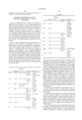
In vitro studies demonstrated the beneficial effects of histidine on the inhibition of damaging cytokines and growth factors. In these experiments, human macrophages, which when activated release cytokines, were exposed to a variety of compounds which are known to stimulate a response in macrophages. These stimulants included lipopolysaccharide (LPS), zymosan, f-MET-LEU-PHE and TNF-a. Each of these stimulants has been found to stimulate the production of chemotactic cytokines and growth factors at levels which are sufficient to result in tissue and cellular damage. The macrophages were incubated in concentrations and for a period of time which is known to stimulate human peripheral monocytes and induce the production of cytokines and growth factors. The details for each stimulant are set forth in Table 1.
______________________________________
            Inhibition
   Concentration
  Histidine 50 Comments Stimulants
______________________________________
TNF-a  inhibition
                IC50 ≈ 25 mM
                           inhibition
                                   Lipopoly-
     only at first saccharide
     dilution. (LPS) 100 ng/ml,
      incubate
      16 hours.
  IL-1B inhibition IC45 ≈ 50 mM inhibition LPS
     only at first 100 ng/ml,
     dilution. incubate
      16 hours.
  IL-6 stimula- EC50 ≈ 10 mM (+LPS) LPS
   tion (EC = effective  100 ng/ml,
    stimulation)  incubate
      16 hours.
  IL-8 stimula- EC50 < 50 mM (+LPS) very LPS
   tion  high 100 ng/ml,
     background incubate
     levels of 16 hours.
     IL-8
  IL-1ra inhibition IC50 ≈ 40 mM inhibition Unstimulated
     only at first
     dilution.
  GM-CSF inhibition IC50 ≈ 25 mM inhibition LPS
     only at first 100 ng/ml,
     dilution. incubate
      16 hours.
  PDGF no effect   LPS
      100 ng/ml,
      incubate
      16 hours.
  TF inhibition IC45 ≈ 50 mM inhibition LPS
     only at first 100 ng/ml,
     dilution. incubate
      16 hours.
  LTB4 no effect   ZYMOSAN
      300 mg/ml,
      incubate
      90 minutes.
  PGE2 no effect   ZYMOSAN
      300 mg/ml,
      incubate
      90 minutes.
  PAF inhibition IC30 ≈ 50 mM inhibition ZYMOSAN
     only at first 300 mg/ml,
     dilution. incubate
      90 minutes.
  OKT3 inhibition IC40 ≈ 50 mM inhibition
     only at first
     dilution.
  PHA inhibition IC50 ≈ 25 mM inhibition
     only at first
     dilution.
  MLR inhibition IC50 ≈ 25 mM inhibition
     only at first
     dilution.
  Chemo- inhibition IC50 ≈ 40 mM inhibition f-MET-LEU-PHE
                                    taxis   only at first 5 × 10 -
                                   9 molar,
     dilution. incubate
      90 minutes.
  Adhesion no effect   TNF-a
      500 pg/ml,
      incubate
      5 hours.
______________________________________
The studies clearly demonstrate that L-histidine, when administered at appropriate concentrations, is effective in inhibiting tumor necrosis factor (TNF); interleukin-1 beta (IL-1B); interleukin-1 receptor antagonist (IL1-ra); granulocytemacrophage colony stimulating factor release (GM-CSF); procoagulant (tissue factor) (TF) function; platelet activating factor (PAF); proliferation functions, for example proliferation of lymphocytes including OKT-3 (CD-3), phytohemoagglutinin (PHA) stimulated proliferation, and mixed lymphocyte reaction (MLR); and monocyte chemotaxis. In addition, histidine was shown to have no effect on platelet derived growth factor (PDGF), prostaglandin (PGE2), leukotriene (LTB4), and adhesion. As shown, histidine is effective in control and preventing the proliferation of the cytokines which are involved in damaging tissues and cells. Therefore, histidine can be administered to reduce the quantities of cytokines and growth factors, thereby preventing and ameliorating the damaging effects of cytokines and growth factors.
It is known that in individuals with wounds or burns, or who have undergone surgery or suffered other injuries of tissue often have elevated levels of cytokines, growth factors and calpains.
It is anticipated that histidine, by reducing the damaging cytokines and growth factors to more normal levels, will help to restore the viability of tissue following an injury, as well as prevent damage to healthy tissue. In addition, it is believed that histidine can prevent and ameliorate damage to tissues and cells from ischemia and damage caused by medical or surgical procedures that are directed at the injured tissues.
A current investigation has been undertaken by the inventors using an ischemic hind limb model. An example of the protocol used for these studies is to first intravenously administer 100 mg/kg of L-histidine to Sprague Dawley rats. This administration is approximately 45 minutes prior to ischemia. After the study, the level of calcium-activated neutral proteases (calpains) is assayed with immunological techniques using a standard tri-tetrazolium triphenyl chloride (TTC) stain and spectrophotometric measurements. The level of calpain is used to determine the survival of muscle tissue.
As discussed supra, histidine's ability to reduce the levels of damaging cytokines and growth factors will increase the rate of survival of tissues and cells since the damage to cells and tissues is a direct consequence of the elevated levels of cytokines and growth factors.
It has been demonstrated that during interventional and surgical procedures, both healthy and diseased tissue are injured. In particular, studies, discussed supra, have shown that a cytokine growth factor cascade may be involved in the amplification and proliferation process which results in restenosis. The administration of histidine can effectively prevent or ameliorate the cascade by inhibiting the cell-damaging cytokines and growth factors.
Currently investigations are continuing under the direction of the inventors. Some exemplary methods include the use of a rat carotid injury model. In this method, the left carotid artery of the rat is denuded of endothelium by passage of a distending Fogarty balloon catheter throughout its length. This procedure results in immediate formation of a platelet monolayer, medial smooth muscle cell proliferation beginning within 24 hours with subsequent cellular migration into the intima, and development of a concentric fibromuscular neointimal layer by 2 weeks.
There are 50 rats with equal numbers divided into the following test groups: a control group, with the balloon injury only; an intraluminal control group, with a balloon injury and the intraluminal administration of buffer; an intraluminal active therapy group, with a balloon injury and intraluminal administration of L-histidine in a buffer solution; a pluronics control group, with a balloon injury and periadventitial pluronics coating; and a pluronics active therapy group, with balloon injury and periadventitial L-histidine in pluronics coating.
The animals are sacrificed approximately two weeks after balloon injury and drug therapy, and then the carotid vessels perfusion-fixed, and quantitative morphometric analysis is performed to assess the extent of neointimal thickening in each of the five treatment groups.
It is anticipated that the inhibition of cytokines and growth factors through the administration of histidine will inhibit undesired or abnormal cell and tissue growth since the abnormal growth and proliferation of cells and tissues is directly in response to these molecules.
While the invention has been described in terms of its preferred embodiments, those skilled in the art will recognize that the invention can be practiced with modification within the spirit and scope of the appended claims.
Claims (1)
1. A method of preventing proliferation of or reducing levels of tissue-damaging cytokines or growth factors in a mammal in need thereof comprising the step of providing to said mammal an effective amount of histidine to prevent proliferation or reduce levels of said cytokines or growth factors.
Priority Applications (1)
| Application Number | Priority Date | Filing Date | Title |
|---|---|---|---|
| US09/220,360 US6150392A (en) | 1994-05-02 | 1998-12-24 | Effective method for the amelioration and prevention of tissue and cellular damage |
Applications Claiming Priority (3)
| Application Number | Priority Date | Filing Date | Title |
|---|---|---|---|
| US23595094A | 1994-05-02 | 1994-05-02 | |
| US08/834,121 US5854271A (en) | 1994-05-02 | 1997-04-14 | Effective method for the amelioration and prevention of tissue and cellular damage |
| US09/220,360 US6150392A (en) | 1994-05-02 | 1998-12-24 | Effective method for the amelioration and prevention of tissue and cellular damage |
Related Parent Applications (1)
| Application Number | Title | Priority Date | Filing Date |
|---|---|---|---|
| US08/834,121 Continuation US5854271A (en) | 1994-05-02 | 1997-04-14 | Effective method for the amelioration and prevention of tissue and cellular damage |
Publications (1)
| Publication Number | Publication Date |
|---|---|
| US6150392A true US6150392A (en) | 2000-11-21 |
Family
ID=26929342
Family Applications (2)
| Application Number | Title | Priority Date | Filing Date |
|---|---|---|---|
| US08/834,121 Expired - Lifetime US5854271A (en) | 1994-05-02 | 1997-04-14 | Effective method for the amelioration and prevention of tissue and cellular damage |
| US09/220,360 Expired - Fee Related US6150392A (en) | 1994-05-02 | 1998-12-24 | Effective method for the amelioration and prevention of tissue and cellular damage |
Family Applications Before (1)
| Application Number | Title | Priority Date | Filing Date |
|---|---|---|---|
| US08/834,121 Expired - Lifetime US5854271A (en) | 1994-05-02 | 1997-04-14 | Effective method for the amelioration and prevention of tissue and cellular damage |
Country Status (1)
| Country | Link |
|---|---|
| US (2) | US5854271A (en) |
Cited By (3)
| Publication number | Priority date | Publication date | Assignee | Title |
|---|---|---|---|---|
| US20110294979A1 (en) * | 2009-01-19 | 2011-12-01 | Centre National De La Recherche Scientifique | Methods for isolating bacteria |
| WO2020180390A1 (en) | 2019-03-04 | 2020-09-10 | TAE Life Sciences | Borylated amino acid compositions for use in boron neutron capture therapy and methods thereof |
| US11884688B2 (en) | 2021-07-30 | 2024-01-30 | Tae Life Sciences, Llc | Borylated amino acid compositions comprising BTS and BTS(OMe) for use in boron neutron capture therapy and methods thereof |
Families Citing this family (5)
| Publication number | Priority date | Publication date | Assignee | Title |
|---|---|---|---|---|
| CN1324234A (en) * | 1998-09-25 | 2001-11-28 | 格利科克斯有限公司 | Fructosamine oxidase: antagonists and inhibitors |
| ES2386782T3 (en) * | 2002-03-08 | 2012-08-30 | Philera New Zealand Limited | Prevention and / or treatment of cardiovascular disease and / or associated heart failure |
| CA2875522A1 (en) | 2002-08-20 | 2004-03-04 | Philera New Zealand Limited | Dosage forms and related therapies |
| US20050159364A1 (en) * | 2003-12-19 | 2005-07-21 | Cooper Garth J. | Copper antagonist compounds |
| EP1778618B1 (en) | 2004-07-19 | 2013-12-25 | PhilERA New Zealand Limited | Synthesis of triethylenetetramines |
Citations (3)
| Publication number | Priority date | Publication date | Assignee | Title |
|---|---|---|---|---|
| US5280038A (en) * | 1992-03-13 | 1994-01-18 | Virginia Commonwealth University | Histidine as a protective agent in cardiac surgery and myocardial ischemic syndrome |
| US5336616A (en) * | 1990-09-12 | 1994-08-09 | Lifecell Corporation | Method for processing and preserving collagen-based tissues for transplantation |
| US5352691A (en) * | 1993-02-16 | 1994-10-04 | Thomas Peter G | Effective treatment modality for adult respiratory distress syndrome using L-histidine |
Family Cites Families (2)
| Publication number | Priority date | Publication date | Assignee | Title |
|---|---|---|---|---|
| DE3438455A1 (en) * | 1984-10-19 | 1986-06-26 | Institut Dr. Ziegler, Bettingen | L-LYSINE AND L-HISTIDINE PYRUVATE |
| JP2811353B2 (en) * | 1990-07-06 | 1998-10-15 | ゼリア新薬工業株式会社 | Inflammatory bowel disease preventive and therapeutic agent |
-
1997
- 1997-04-14 US US08/834,121 patent/US5854271A/en not_active Expired - Lifetime
-
1998
- 1998-12-24 US US09/220,360 patent/US6150392A/en not_active Expired - Fee Related
Patent Citations (3)
| Publication number | Priority date | Publication date | Assignee | Title |
|---|---|---|---|---|
| US5336616A (en) * | 1990-09-12 | 1994-08-09 | Lifecell Corporation | Method for processing and preserving collagen-based tissues for transplantation |
| US5280038A (en) * | 1992-03-13 | 1994-01-18 | Virginia Commonwealth University | Histidine as a protective agent in cardiac surgery and myocardial ischemic syndrome |
| US5352691A (en) * | 1993-02-16 | 1994-10-04 | Thomas Peter G | Effective treatment modality for adult respiratory distress syndrome using L-histidine |
Non-Patent Citations (1)
| Title |
|---|
| Nathan et al, Biological Abstracts, vol. 76, No. 10, abstract No. 73676, 1983. * |
Cited By (7)
| Publication number | Priority date | Publication date | Assignee | Title |
|---|---|---|---|---|
| US20110294979A1 (en) * | 2009-01-19 | 2011-12-01 | Centre National De La Recherche Scientifique | Methods for isolating bacteria |
| US9005954B2 (en) * | 2009-01-19 | 2015-04-14 | Deinove | Methods for isolating bacteria |
| US9279134B2 (en) | 2009-01-19 | 2016-03-08 | Deinove | Methods for isolating bacteria |
| WO2020180390A1 (en) | 2019-03-04 | 2020-09-10 | TAE Life Sciences | Borylated amino acid compositions for use in boron neutron capture therapy and methods thereof |
| US11566031B2 (en) | 2019-03-04 | 2023-01-31 | Tae Life Sciences, Llc | Borylated amino acid compositions for use in boron neutron capture therapy and methods thereof |
| US12139503B2 (en) | 2019-03-04 | 2024-11-12 | Tae Life Sciences, Llc | Borylated amino acid compositions for use in boron neutron capture therapy and methods thereof |
| US11884688B2 (en) | 2021-07-30 | 2024-01-30 | Tae Life Sciences, Llc | Borylated amino acid compositions comprising BTS and BTS(OMe) for use in boron neutron capture therapy and methods thereof |
Also Published As
| Publication number | Publication date |
|---|---|
| US5854271A (en) | 1998-12-29 |
Similar Documents
| Publication | Publication Date | Title |
|---|---|---|
| Taylor et al. | Protamine is an inhibitor of angiogenesis | |
| US6346519B1 (en) | Method and composition for treating arthritis | |
| US5202311A (en) | Stabilized fgf composition | |
| Strausser et al. | Prostaglandin synthesis inhibition: effect on bone changes and sarcoma tumor induction in BALB/c mice | |
| DE69123960T2 (en) | TREATMENT OF INFLAMMATION | |
| US4980160A (en) | Combinations of tumor necrosis factors and anti-inflammatory agents and methods for treating malignant and non-malignant diseases | |
| JP5086322B2 (en) | Pharmaceutical composition for the treatment of disorders characterized by increased production of MCP-1 protein | |
| US20100305048A1 (en) | Novel use of cytokine inhibitors | |
| Milas et al. | Eicosanoids and radiation | |
| EP0520021A1 (en) | Pharmaceutical compositions. | |
| US5854271A (en) | Effective method for the amelioration and prevention of tissue and cellular damage | |
| EP0363671B1 (en) | Use of ACE inhibitors against the formation of neo-intima after vascular infliction | |
| DE3786456T2 (en) | COMBINATIONS OF NECROSIS TUMOR FACTORS AND ANTI-INFLAMMATORY AGENTS FOR THE TREATMENT OF Vicious AND NON-Vicious DISEASES. | |
| EP0305181B1 (en) | Ethyl-(+)-apovincaminate for treating demyelinization clinical patterns of autoimmune origin | |
| SCHEINBERG et al. | Effect of cortisone and corticotrophin (ACTH) on intra-abdominal adhesions | |
| Jackson | Intraperitoneal administration of adenosine inhibits formation of abdominal adhesions | |
| Mauviel et al. | Interleukin-1 α and β induce interleukin-1 β gene expression in human dermal fibroblasts | |
| US3681497A (en) | Therapeutic methods of employing hydrogen maleate salt of n-(d-6-methyl-8-isoergolenyl)-n{40 ,n{40 -diethyl-carbamide | |
| DE68916777T2 (en) | Use of TNF for the manufacture of a medicament for the treatment of psoriasis. | |
| Mbachu et al. | A monoclonal antibody against cytokine-induced neutrophil chemoattractant attenuates injury in the small intestine in a model of ruptured abdominal aortic aneurysm | |
| KELLEY | Corticotropin (ACTH) therapy of initial attacks of acute rheumatic fever in children | |
| US3329567A (en) | Synergistic effect of adenylic nucleotides in digitalis therapy | |
| JPH09124475A (en) | Medicine composition for curing venous insufficiency and venous sore containing sulfasaradin as essential ingredient | |
| HU et al. | Comparative effectiveness and molecular pharmacological mechanisms of antiallergic agents on experimental conjunctivitis in mice | |
| Komori et al. | Cytokine patterns and the effects of a preoperative steroid treatment in the patients with abdominal aortic aneurysms |
Legal Events
| Date | Code | Title | Description |
|---|---|---|---|
| REMI | Maintenance fee reminder mailed | ||
| LAPS | Lapse for failure to pay maintenance fees | ||
| STCH | Information on status: patent discontinuation |
Free format text: PATENT EXPIRED DUE TO NONPAYMENT OF MAINTENANCE FEES UNDER 37 CFR 1.362 |
|
| FP | Lapsed due to failure to pay maintenance fee |
Effective date: 20041121 |