US6150157A - Reductive dehalogenation of organic halides in contaminated groundwater - Google Patents
Reductive dehalogenation of organic halides in contaminated groundwater Download PDFInfo
- Publication number
- US6150157A US6150157A US08/311,426 US31142694A US6150157A US 6150157 A US6150157 A US 6150157A US 31142694 A US31142694 A US 31142694A US 6150157 A US6150157 A US 6150157A
- Authority
- US
- United States
- Prior art keywords
- organic halide
- groundwater
- reductive dehalogenation
- trichloroethene
- contaminated
- Prior art date
- Legal status (The legal status is an assumption and is not a legal conclusion. Google has not performed a legal analysis and makes no representation as to the accuracy of the status listed.)
- Expired - Lifetime
Links
- 239000003673 groundwater Substances 0.000 title claims abstract description 72
- 150000004820 halides Chemical class 0.000 title claims abstract description 72
- 230000002829 reductive effect Effects 0.000 title claims abstract description 56
- 238000005695 dehalogenation reaction Methods 0.000 title claims abstract description 49
- XSTXAVWGXDQKEL-UHFFFAOYSA-N Trichloroethylene Chemical compound ClC=C(Cl)Cl XSTXAVWGXDQKEL-UHFFFAOYSA-N 0.000 claims abstract description 51
- 229960002415 trichloroethylene Drugs 0.000 claims abstract description 41
- 150000001720 carbohydrates Chemical class 0.000 claims abstract description 34
- 238000000034 method Methods 0.000 claims abstract description 33
- 230000000813 microbial effect Effects 0.000 claims abstract description 27
- 238000011065 in-situ storage Methods 0.000 claims abstract description 24
- WQZGKKKJIJFFOK-GASJEMHNSA-N Glucose Natural products OC[C@H]1OC(O)[C@H](O)[C@@H](O)[C@@H]1O WQZGKKKJIJFFOK-GASJEMHNSA-N 0.000 claims description 19
- 239000008103 glucose Substances 0.000 claims description 19
- 150000008282 halocarbons Chemical class 0.000 claims description 6
- 150000002016 disaccharides Chemical class 0.000 claims description 2
- 150000002772 monosaccharides Chemical class 0.000 claims description 2
- 125000002791 glucosyl group Chemical group C1([C@H](O)[C@@H](O)[C@H](O)[C@H](O1)CO)* 0.000 claims 1
- 239000000284 extract Substances 0.000 abstract description 18
- 235000015097 nutrients Nutrition 0.000 abstract description 17
- 238000009629 microbiological culture Methods 0.000 abstract description 7
- XLYOFNOQVPJJNP-UHFFFAOYSA-N water Substances O XLYOFNOQVPJJNP-UHFFFAOYSA-N 0.000 description 31
- 235000014633 carbohydrates Nutrition 0.000 description 27
- WQZGKKKJIJFFOK-VFUOTHLCSA-N beta-D-glucose Chemical compound OC[C@H]1O[C@@H](O)[C@H](O)[C@@H](O)[C@@H]1O WQZGKKKJIJFFOK-VFUOTHLCSA-N 0.000 description 18
- 238000006731 degradation reaction Methods 0.000 description 18
- 230000015556 catabolic process Effects 0.000 description 16
- 239000012138 yeast extract Substances 0.000 description 16
- 229940041514 candida albicans extract Drugs 0.000 description 15
- VGGSQFUCUMXWEO-UHFFFAOYSA-N Ethene Chemical compound C=C VGGSQFUCUMXWEO-UHFFFAOYSA-N 0.000 description 13
- BZHJMEDXRYGGRV-UHFFFAOYSA-N Vinyl chloride Chemical compound ClC=C BZHJMEDXRYGGRV-UHFFFAOYSA-N 0.000 description 11
- 238000011109 contamination Methods 0.000 description 10
- 238000000605 extraction Methods 0.000 description 10
- CYTYCFOTNPOANT-UHFFFAOYSA-N Perchloroethylene Chemical compound ClC(Cl)=C(Cl)Cl CYTYCFOTNPOANT-UHFFFAOYSA-N 0.000 description 9
- 240000008042 Zea mays Species 0.000 description 9
- 235000005824 Zea mays ssp. parviglumis Nutrition 0.000 description 9
- 235000002017 Zea mays subsp mays Nutrition 0.000 description 9
- 235000005822 corn Nutrition 0.000 description 9
- 239000000203 mixture Substances 0.000 description 9
- 235000020357 syrup Nutrition 0.000 description 9
- 239000006188 syrup Substances 0.000 description 9
- 229950011008 tetrachloroethylene Drugs 0.000 description 9
- IJGRMHOSHXDMSA-UHFFFAOYSA-N Atomic nitrogen Chemical compound N#N IJGRMHOSHXDMSA-UHFFFAOYSA-N 0.000 description 8
- OKTJSMMVPCPJKN-UHFFFAOYSA-N Carbon Chemical compound [C] OKTJSMMVPCPJKN-UHFFFAOYSA-N 0.000 description 8
- 230000000694 effects Effects 0.000 description 8
- 238000012544 monitoring process Methods 0.000 description 8
- KFUSEUYYWQURPO-UHFFFAOYSA-N 1,2-dichloroethene Chemical class ClC=CCl KFUSEUYYWQURPO-UHFFFAOYSA-N 0.000 description 7
- OKKJLVBELUTLKV-UHFFFAOYSA-N Methanol Chemical compound OC OKKJLVBELUTLKV-UHFFFAOYSA-N 0.000 description 7
- SRBFZHDQGSBBOR-IOVATXLUSA-N D-xylopyranose Chemical compound O[C@@H]1COC(O)[C@H](O)[C@H]1O SRBFZHDQGSBBOR-IOVATXLUSA-N 0.000 description 6
- 229910052799 carbon Inorganic materials 0.000 description 6
- 239000000356 contaminant Substances 0.000 description 6
- 238000010790 dilution Methods 0.000 description 6
- 239000012895 dilution Substances 0.000 description 6
- 230000009467 reduction Effects 0.000 description 6
- 238000006042 reductive dechlorination reaction Methods 0.000 description 6
- 230000001105 regulatory effect Effects 0.000 description 6
- 239000000463 material Substances 0.000 description 5
- 210000002966 serum Anatomy 0.000 description 5
- 150000001336 alkenes Chemical class 0.000 description 4
- KFUSEUYYWQURPO-UPHRSURJSA-N cis-1,2-dichloroethene Chemical compound Cl\C=C/Cl KFUSEUYYWQURPO-UPHRSURJSA-N 0.000 description 4
- 229940052308 general anesthetics halogenated hydrocarbons Drugs 0.000 description 4
- -1 halide anion Chemical class 0.000 description 4
- 238000011534 incubation Methods 0.000 description 4
- 229910052757 nitrogen Inorganic materials 0.000 description 4
- 239000000126 substance Substances 0.000 description 4
- WSLDOOZREJYCGB-UHFFFAOYSA-N 1,2-Dichloroethane Chemical compound ClCCCl WSLDOOZREJYCGB-UHFFFAOYSA-N 0.000 description 3
- GUBGYTABKSRVRQ-XLOQQCSPSA-N Alpha-Lactose Chemical compound O[C@@H]1[C@@H](O)[C@@H](O)[C@@H](CO)O[C@H]1O[C@@H]1[C@@H](CO)O[C@H](O)[C@H](O)[C@H]1O GUBGYTABKSRVRQ-XLOQQCSPSA-N 0.000 description 3
- YMWUJEATGCHHMB-UHFFFAOYSA-N Dichloromethane Chemical compound ClCCl YMWUJEATGCHHMB-UHFFFAOYSA-N 0.000 description 3
- OTMSDBZUPAUEDD-UHFFFAOYSA-N Ethane Chemical compound CC OTMSDBZUPAUEDD-UHFFFAOYSA-N 0.000 description 3
- RFSUNEUAIZKAJO-ARQDHWQXSA-N Fructose Chemical compound OC[C@H]1O[C@](O)(CO)[C@@H](O)[C@@H]1O RFSUNEUAIZKAJO-ARQDHWQXSA-N 0.000 description 3
- 229930091371 Fructose Natural products 0.000 description 3
- 239000005715 Fructose Substances 0.000 description 3
- GUBGYTABKSRVRQ-QKKXKWKRSA-N Lactose Natural products OC[C@H]1O[C@@H](O[C@H]2[C@H](O)[C@@H](O)C(O)O[C@@H]2CO)[C@H](O)[C@@H](O)[C@H]1O GUBGYTABKSRVRQ-QKKXKWKRSA-N 0.000 description 3
- HEMHJVSKTPXQMS-UHFFFAOYSA-M Sodium hydroxide Chemical compound [OH-].[Na+] HEMHJVSKTPXQMS-UHFFFAOYSA-M 0.000 description 3
- CZMRCDWAGMRECN-UGDNZRGBSA-N Sucrose Chemical compound O[C@H]1[C@H](O)[C@@H](CO)O[C@@]1(CO)O[C@@H]1[C@H](O)[C@@H](O)[C@H](O)[C@@H](CO)O1 CZMRCDWAGMRECN-UGDNZRGBSA-N 0.000 description 3
- 229930006000 Sucrose Natural products 0.000 description 3
- YXFVVABEGXRONW-UHFFFAOYSA-N Toluene Chemical compound CC1=CC=CC=C1 YXFVVABEGXRONW-UHFFFAOYSA-N 0.000 description 3
- PYMYPHUHKUWMLA-UHFFFAOYSA-N arabinose Natural products OCC(O)C(O)C(O)C=O PYMYPHUHKUWMLA-UHFFFAOYSA-N 0.000 description 3
- QVGXLLKOCUKJST-UHFFFAOYSA-N atomic oxygen Chemical compound [O] QVGXLLKOCUKJST-UHFFFAOYSA-N 0.000 description 3
- SRBFZHDQGSBBOR-UHFFFAOYSA-N beta-D-Pyranose-Lyxose Natural products OC1COC(O)C(O)C1O SRBFZHDQGSBBOR-UHFFFAOYSA-N 0.000 description 3
- 238000004587 chromatography analysis Methods 0.000 description 3
- 150000001875 compounds Chemical class 0.000 description 3
- 238000006298 dechlorination reaction Methods 0.000 description 3
- 239000003344 environmental pollutant Substances 0.000 description 3
- 239000007789 gas Substances 0.000 description 3
- 239000008101 lactose Substances 0.000 description 3
- 239000007788 liquid Substances 0.000 description 3
- 230000000696 methanogenic effect Effects 0.000 description 3
- 244000005700 microbiome Species 0.000 description 3
- 239000001301 oxygen Substances 0.000 description 3
- 229910052760 oxygen Inorganic materials 0.000 description 3
- 231100000719 pollutant Toxicity 0.000 description 3
- 239000000047 product Substances 0.000 description 3
- 229920006395 saturated elastomer Polymers 0.000 description 3
- 238000001179 sorption measurement Methods 0.000 description 3
- 239000005720 sucrose Substances 0.000 description 3
- 238000012546 transfer Methods 0.000 description 3
- QTBSBXVTEAMEQO-UHFFFAOYSA-M Acetate Chemical compound CC([O-])=O QTBSBXVTEAMEQO-UHFFFAOYSA-M 0.000 description 2
- QGZKDVFQNNGYKY-UHFFFAOYSA-N Ammonia Chemical compound N QGZKDVFQNNGYKY-UHFFFAOYSA-N 0.000 description 2
- ZAMOUSCENKQFHK-UHFFFAOYSA-N Chlorine atom Chemical compound [Cl] ZAMOUSCENKQFHK-UHFFFAOYSA-N 0.000 description 2
- 241000196324 Embryophyta Species 0.000 description 2
- BDAGIHXWWSANSR-UHFFFAOYSA-M Formate Chemical compound [O-]C=O BDAGIHXWWSANSR-UHFFFAOYSA-M 0.000 description 2
- UFHFLCQGNIYNRP-UHFFFAOYSA-N Hydrogen Chemical compound [H][H] UFHFLCQGNIYNRP-UHFFFAOYSA-N 0.000 description 2
- TWRXJAOTZQYOKJ-UHFFFAOYSA-L Magnesium chloride Chemical compound [Mg+2].[Cl-].[Cl-] TWRXJAOTZQYOKJ-UHFFFAOYSA-L 0.000 description 2
- 229910002651 NO3 Inorganic materials 0.000 description 2
- NHNBFGGVMKEFGY-UHFFFAOYSA-N Nitrate Chemical compound [O-][N+]([O-])=O NHNBFGGVMKEFGY-UHFFFAOYSA-N 0.000 description 2
- UIIMBOGNXHQVGW-UHFFFAOYSA-M Sodium bicarbonate Chemical compound [Na+].OC([O-])=O UIIMBOGNXHQVGW-UHFFFAOYSA-M 0.000 description 2
- QAOWNCQODCNURD-UHFFFAOYSA-L Sulfate Chemical compound [O-]S([O-])(=O)=O QAOWNCQODCNURD-UHFFFAOYSA-L 0.000 description 2
- 150000001335 aliphatic alkanes Chemical class 0.000 description 2
- 239000007864 aqueous solution Substances 0.000 description 2
- 238000006065 biodegradation reaction Methods 0.000 description 2
- 230000000711 cancerogenic effect Effects 0.000 description 2
- 238000006243 chemical reaction Methods 0.000 description 2
- 239000000460 chlorine Substances 0.000 description 2
- 229910052801 chlorine Inorganic materials 0.000 description 2
- 239000003651 drinking water Substances 0.000 description 2
- 235000020188 drinking water Nutrition 0.000 description 2
- 230000007613 environmental effect Effects 0.000 description 2
- 239000001257 hydrogen Substances 0.000 description 2
- 229910052739 hydrogen Inorganic materials 0.000 description 2
- 238000000338 in vitro Methods 0.000 description 2
- 239000002184 metal Substances 0.000 description 2
- 229910052751 metal Inorganic materials 0.000 description 2
- 235000013379 molasses Nutrition 0.000 description 2
- 230000002572 peristaltic effect Effects 0.000 description 2
- 238000005070 sampling Methods 0.000 description 2
- 239000004576 sand Substances 0.000 description 2
- 239000002689 soil Substances 0.000 description 2
- 239000000243 solution Substances 0.000 description 2
- 239000002904 solvent Substances 0.000 description 2
- 229910001220 stainless steel Inorganic materials 0.000 description 2
- 239000010935 stainless steel Substances 0.000 description 2
- 230000003068 static effect Effects 0.000 description 2
- AJDIZQLSFPQPEY-UHFFFAOYSA-N 1,1,2-Trichlorotrifluoroethane Chemical compound FC(F)(Cl)C(F)(Cl)Cl AJDIZQLSFPQPEY-UHFFFAOYSA-N 0.000 description 1
- RELMFMZEBKVZJC-UHFFFAOYSA-N 1,2,3-trichlorobenzene Chemical class ClC1=CC=CC(Cl)=C1Cl RELMFMZEBKVZJC-UHFFFAOYSA-N 0.000 description 1
- UPVJEODAZWTJKZ-UHFFFAOYSA-N 1,2-dichloro-1,2-difluoroethene Chemical compound FC(Cl)=C(F)Cl UPVJEODAZWTJKZ-UHFFFAOYSA-N 0.000 description 1
- OWEGMIWEEQEYGQ-UHFFFAOYSA-N 100676-05-9 Natural products OC1C(O)C(O)C(CO)OC1OCC1C(O)C(O)C(O)C(OC2C(OC(O)C(O)C2O)CO)O1 OWEGMIWEEQEYGQ-UHFFFAOYSA-N 0.000 description 1
- QTBSBXVTEAMEQO-UHFFFAOYSA-N Acetic acid Chemical compound CC(O)=O QTBSBXVTEAMEQO-UHFFFAOYSA-N 0.000 description 1
- 229920000856 Amylose Polymers 0.000 description 1
- UXVMQQNJUSDDNG-UHFFFAOYSA-L Calcium chloride Chemical compound [Cl-].[Cl-].[Ca+2] UXVMQQNJUSDDNG-UHFFFAOYSA-L 0.000 description 1
- 206010007269 Carcinogenicity Diseases 0.000 description 1
- QDHHCQZDFGDHMP-UHFFFAOYSA-N Chloramine Chemical class ClN QDHHCQZDFGDHMP-UHFFFAOYSA-N 0.000 description 1
- 229910021580 Cobalt(II) chloride Inorganic materials 0.000 description 1
- RYGMFSIKBFXOCR-UHFFFAOYSA-N Copper Chemical compound [Cu] RYGMFSIKBFXOCR-UHFFFAOYSA-N 0.000 description 1
- GUBGYTABKSRVRQ-CUHNMECISA-N D-Cellobiose Chemical compound O[C@@H]1[C@@H](O)[C@H](O)[C@@H](CO)O[C@H]1O[C@@H]1[C@@H](CO)OC(O)[C@H](O)[C@H]1O GUBGYTABKSRVRQ-CUHNMECISA-N 0.000 description 1
- 239000005977 Ethylene Substances 0.000 description 1
- 229910021577 Iron(II) chloride Inorganic materials 0.000 description 1
- 229910004861 K2 HPO4 Inorganic materials 0.000 description 1
- GUBGYTABKSRVRQ-PICCSMPSSA-N Maltose Natural products O[C@@H]1[C@@H](O)[C@H](O)[C@@H](CO)O[C@@H]1O[C@@H]1[C@@H](CO)OC(O)[C@H](O)[C@H]1O GUBGYTABKSRVRQ-PICCSMPSSA-N 0.000 description 1
- 229910021380 Manganese Chloride Inorganic materials 0.000 description 1
- GLFNIEUTAYBVOC-UHFFFAOYSA-L Manganese chloride Chemical compound Cl[Mn]Cl GLFNIEUTAYBVOC-UHFFFAOYSA-L 0.000 description 1
- 229910017917 NH4 Cl Inorganic materials 0.000 description 1
- 229910004729 Na2 MoO4 Inorganic materials 0.000 description 1
- 229910021586 Nickel(II) chloride Inorganic materials 0.000 description 1
- PLXBWHJQWKZRKG-UHFFFAOYSA-N Resazurin Chemical compound C1=CC(=O)C=C2OC3=CC(O)=CC=C3[N+]([O-])=C21 PLXBWHJQWKZRKG-UHFFFAOYSA-N 0.000 description 1
- XUIMIQQOPSSXEZ-UHFFFAOYSA-N Silicon Chemical compound [Si] XUIMIQQOPSSXEZ-UHFFFAOYSA-N 0.000 description 1
- 229920002472 Starch Polymers 0.000 description 1
- UCKMPCXJQFINFW-UHFFFAOYSA-N Sulphide Chemical compound [S-2] UCKMPCXJQFINFW-UHFFFAOYSA-N 0.000 description 1
- OHBTULDTCSOWOY-UHFFFAOYSA-N [C].C=C Chemical class [C].C=C OHBTULDTCSOWOY-UHFFFAOYSA-N 0.000 description 1
- YNIXPIABGHKZPS-UHFFFAOYSA-N [C].CC Chemical class [C].CC YNIXPIABGHKZPS-UHFFFAOYSA-N 0.000 description 1
- 238000009825 accumulation Methods 0.000 description 1
- 239000002386 air freshener Substances 0.000 description 1
- 150000007824 aliphatic compounds Chemical class 0.000 description 1
- 229910021529 ammonia Inorganic materials 0.000 description 1
- 238000004458 analytical method Methods 0.000 description 1
- 239000012298 atmosphere Substances 0.000 description 1
- GUBGYTABKSRVRQ-QUYVBRFLSA-N beta-maltose Chemical compound OC[C@H]1O[C@H](O[C@H]2[C@H](O)[C@@H](O)[C@H](O)O[C@@H]2CO)[C@H](O)[C@@H](O)[C@@H]1O GUBGYTABKSRVRQ-QUYVBRFLSA-N 0.000 description 1
- 230000036983 biotransformation Effects 0.000 description 1
- 239000006227 byproduct Substances 0.000 description 1
- 239000001110 calcium chloride Substances 0.000 description 1
- 229910001628 calcium chloride Inorganic materials 0.000 description 1
- 231100000357 carcinogen Toxicity 0.000 description 1
- 231100000315 carcinogenic Toxicity 0.000 description 1
- 239000003183 carcinogenic agent Substances 0.000 description 1
- 231100000260 carcinogenicity Toxicity 0.000 description 1
- 230000007670 carcinogenicity Effects 0.000 description 1
- 239000001913 cellulose Substances 0.000 description 1
- 229920002678 cellulose Polymers 0.000 description 1
- 238000005119 centrifugation Methods 0.000 description 1
- 238000002144 chemical decomposition reaction Methods 0.000 description 1
- 239000003153 chemical reaction reagent Substances 0.000 description 1
- 239000003638 chemical reducing agent Substances 0.000 description 1
- GTKRFUAGOKINCA-UHFFFAOYSA-M chlorosilver;silver Chemical compound [Ag].[Ag]Cl GTKRFUAGOKINCA-UHFFFAOYSA-M 0.000 description 1
- 229910052802 copper Inorganic materials 0.000 description 1
- 239000010949 copper Substances 0.000 description 1
- 239000000287 crude extract Substances 0.000 description 1
- 230000007123 defense Effects 0.000 description 1
- 230000003413 degradative effect Effects 0.000 description 1
- 230000000593 degrading effect Effects 0.000 description 1
- 239000013527 degreasing agent Substances 0.000 description 1
- 238000005237 degreasing agent Methods 0.000 description 1
- 238000005553 drilling Methods 0.000 description 1
- 238000005108 dry cleaning Methods 0.000 description 1
- 238000005516 engineering process Methods 0.000 description 1
- 238000002474 experimental method Methods 0.000 description 1
- 238000001914 filtration Methods 0.000 description 1
- 238000005194 fractionation Methods 0.000 description 1
- 230000002538 fungal effect Effects 0.000 description 1
- 239000011521 glass Substances 0.000 description 1
- 150000004676 glycans Chemical class 0.000 description 1
- 230000036541 health Effects 0.000 description 1
- 238000010438 heat treatment Methods 0.000 description 1
- 150000004678 hydrides Chemical class 0.000 description 1
- 229930195733 hydrocarbon Natural products 0.000 description 1
- 150000002430 hydrocarbons Chemical class 0.000 description 1
- 238000007654 immersion Methods 0.000 description 1
- 239000004434 industrial solvent Substances 0.000 description 1
- 230000002401 inhibitory effect Effects 0.000 description 1
- 238000002347 injection Methods 0.000 description 1
- 239000007924 injection Substances 0.000 description 1
- 238000011081 inoculation Methods 0.000 description 1
- 239000000543 intermediate Substances 0.000 description 1
- 239000013067 intermediate product Substances 0.000 description 1
- NMCUIPGRVMDVDB-UHFFFAOYSA-L iron dichloride Chemical compound Cl[Fe]Cl NMCUIPGRVMDVDB-UHFFFAOYSA-L 0.000 description 1
- 239000011499 joint compound Substances 0.000 description 1
- 230000000670 limiting effect Effects 0.000 description 1
- 229910001629 magnesium chloride Inorganic materials 0.000 description 1
- 238000012423 maintenance Methods 0.000 description 1
- 210000001161 mammalian embryo Anatomy 0.000 description 1
- 239000011565 manganese chloride Substances 0.000 description 1
- 238000004519 manufacturing process Methods 0.000 description 1
- 235000013372 meat Nutrition 0.000 description 1
- 238000002156 mixing Methods 0.000 description 1
- 238000012986 modification Methods 0.000 description 1
- 230000004048 modification Effects 0.000 description 1
- QMMRZOWCJAIUJA-UHFFFAOYSA-L nickel dichloride Chemical compound Cl[Ni]Cl QMMRZOWCJAIUJA-UHFFFAOYSA-L 0.000 description 1
- 231100000252 nontoxic Toxicity 0.000 description 1
- 230000003000 nontoxic effect Effects 0.000 description 1
- 238000010899 nucleation Methods 0.000 description 1
- 150000002894 organic compounds Chemical class 0.000 description 1
- 230000001590 oxidative effect Effects 0.000 description 1
- 239000002245 particle Substances 0.000 description 1
- 230000037361 pathway Effects 0.000 description 1
- 239000002957 persistent organic pollutant Substances 0.000 description 1
- 238000007747 plating Methods 0.000 description 1
- 231100000614 poison Toxicity 0.000 description 1
- 229920001282 polysaccharide Polymers 0.000 description 1
- 239000005017 polysaccharide Substances 0.000 description 1
- 229920000915 polyvinyl chloride Polymers 0.000 description 1
- 230000003389 potentiating effect Effects 0.000 description 1
- 239000000843 powder Substances 0.000 description 1
- 230000008569 process Effects 0.000 description 1
- 238000005086 pumping Methods 0.000 description 1
- 238000011937 reductive transformation Methods 0.000 description 1
- 238000011160 research Methods 0.000 description 1
- 230000000717 retained effect Effects 0.000 description 1
- 150000003839 salts Chemical class 0.000 description 1
- 238000004062 sedimentation Methods 0.000 description 1
- 239000004065 semiconductor Substances 0.000 description 1
- 229910052710 silicon Inorganic materials 0.000 description 1
- 239000010703 silicon Substances 0.000 description 1
- 239000010802 sludge Substances 0.000 description 1
- 229910000030 sodium bicarbonate Inorganic materials 0.000 description 1
- 238000004611 spectroscopical analysis Methods 0.000 description 1
- 239000008107 starch Substances 0.000 description 1
- 235000019698 starch Nutrition 0.000 description 1
- 230000000638 stimulation Effects 0.000 description 1
- 238000003860 storage Methods 0.000 description 1
- 239000000758 substrate Substances 0.000 description 1
- KDYFGRWQOYBRFD-UHFFFAOYSA-L succinate(2-) Chemical compound [O-]C(=O)CCC([O-])=O KDYFGRWQOYBRFD-UHFFFAOYSA-L 0.000 description 1
- 150000003467 sulfuric acid derivatives Chemical class 0.000 description 1
- 230000000153 supplemental effect Effects 0.000 description 1
- 231100000378 teratogenic Toxicity 0.000 description 1
- 230000003390 teratogenic effect Effects 0.000 description 1
- 238000012360 testing method Methods 0.000 description 1
- 235000015193 tomato juice Nutrition 0.000 description 1
- 238000012876 topography Methods 0.000 description 1
- 239000003440 toxic substance Substances 0.000 description 1
- 231100000419 toxicity Toxicity 0.000 description 1
- 230000001988 toxicity Effects 0.000 description 1
- 230000002110 toxicologic effect Effects 0.000 description 1
- 231100000027 toxicology Toxicity 0.000 description 1
- UBOXGVDOUJQMTN-UHFFFAOYSA-N trichloroethylene Natural products ClCC(Cl)Cl UBOXGVDOUJQMTN-UHFFFAOYSA-N 0.000 description 1
- 235000012431 wafers Nutrition 0.000 description 1
- 239000011592 zinc chloride Substances 0.000 description 1
- JIAARYAFYJHUJI-UHFFFAOYSA-L zinc dichloride Chemical compound [Cl-].[Cl-].[Zn+2] JIAARYAFYJHUJI-UHFFFAOYSA-L 0.000 description 1
Images
Classifications
-
- B—PERFORMING OPERATIONS; TRANSPORTING
- B09—DISPOSAL OF SOLID WASTE; RECLAMATION OF CONTAMINATED SOIL
- B09C—RECLAMATION OF CONTAMINATED SOIL
- B09C1/00—Reclamation of contaminated soil
- B09C1/10—Reclamation of contaminated soil microbiologically, biologically or by using enzymes
-
- B—PERFORMING OPERATIONS; TRANSPORTING
- B09—DISPOSAL OF SOLID WASTE; RECLAMATION OF CONTAMINATED SOIL
- B09C—RECLAMATION OF CONTAMINATED SOIL
- B09C1/00—Reclamation of contaminated soil
- B09C1/002—Reclamation of contaminated soil involving in-situ ground water treatment
Definitions
- the field of this invention is reductive dehalogenation of organic halides in contaminated groundwater.
- Halogenated hydrocarbons are widely used as industrial solvents and are the most common contaminants of ground water aquifers.
- Trichloroethene a volatile chlorinated organic compound
- the U.S. E.P.A. has classified trichloroethene as a priority pollutant on the basis of its widespread contamination, its possible carcinogenicity, and its anaerobic bioconversion to a more potent carcinogen, chloroethene. Due to its widespread use, many ground water aquifers and waterways are contaminated with trichloroethene.
- Aerobic biodegradation of halogenated hydrocarbons has been applied in a limited number of sites.
- Anaerobic degradation of halogenated hydrocarbons may be more practical in some situations.
- anaerobic degradation rates were reported to be several orders of magnitude lower than aerobic rates.
- incomplete degradation of trichloroethene leads to the accumulation of chloroethene, an undesirable product.
- the invention provides compositions and methods for the bioremediation of organic halide contaminated groundwater.
- the methods generally involve adding, in situ to organic halide-contaminated groundwater a carbohydrate and optionally, one or more reductive dehalogenation factors, usually in the form of a nutrient extract, both in amounts sufficient to permit in situ reductive dehalogenation of the organic halide by a microbial population.
- the microbial population may be endogenous to the ground water or added exogenously.
- the nutrient-enriched ground water is then maintained in situ under reducing conditions to reductively dehalogenate at least a portion of the contaminating organic halide, thereby reducing the organic halide concentration of the groundwater.
- the invention also provides isolated microbial cultures useful for bioremediation of organic halide contaminated groundwater.
- These microbial cultures are produced by adding to organic halide contaminated groundwater which comprises an endogenous microbial population capable of reductive dehalogenation of the organic halide a carbohydrate and optionally, one or more reductive dehalogenation factors, in amounts sufficient to permit in situ microbial reductive dehalogenation of the organic halide.
- the nutrient-enriched groundwater is incubated under reducing conditions whereby at least a portion of the organic halide is reductively dehalogenated and the microbial population is selectively and numerically expanded to yield a bioremediation culture.
- These bioremediation cultures are enriched for a microbial population capable of reducing the concentration of an organic halide present in groundwater by reductive dehalogenation.
- the carbohydrate is usually a saccharide and is often provided as a mixture of saccharides such as corn syrup or molasses.
- Suitable organic halide contaminants for bioremediation according to the subject methods include halogenated hydrocarbons, preferably halogenated allies and alkenes, more preferably chlorinated alkanes and alkenes, most preferably di- and trichloroethene.
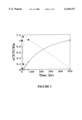
- FIG. 1 Time course of trichloroethene degradation by ground water micro-organisms.
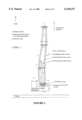
- FIG. 2 Contours of tri-, 1,2-dichloroethene plume and locations of the extraction wells and monitoring wells at Santa Clara County site.
- the invention provides compositions and methods for the bioremediation of organic halide contaminated groundwater.
- the methods and compositions are applicable to a wide variety of environmental sites subject to organic halide contamination including industrial sites, military bases, airports, manufacturing sites, dry cleaning plants, facilities for solvent transfer, storage and/or handling, landfills and disposal facilities, sites to which contaminated water and/or ground materials (mud, sludge, sand, soil, etc.) have been transferred, etc.
- Target groundwaters are relatively anaerobic meaning that the oxygen content of the subject water is less than 10 -6 M, usually less than 10 -8 M, more usually less than 10 -10 M.
- the methods and compositions are useful in the bioremediation of groundwaters contaminated with one or more of a wide variety of organic halides.
- Preferred applications include material contaminated with at least one halogenated hydrocarbon, preferably at least one halogenated alkane or alkene, more preferably a chlorinated aakane or alkene, most preferably di-, tri- or tetrachloroethene.
- Particularly useful applications include bioremediation of material contaminated with widespread organic halide pollutants, particularly those classified by the US E.P.A. as priority pollutants, more particularly those suspected as carcinogenic, teratogenic or potentially so.
- contaminated is meant that the resident groundwater contains an undesirable excess of the organic halide.
- the organic halide concentration at target sites exceeds governmental mandates for the intended utilization of the site and/or groundwater.
- organic halide contamination encompasses the presence of any organic halide at a concentration in excess of governmental drinking water mandates. While the threshold concentration for bioremediation varies with the particular contaminant(s) (e.g.
- contaminating organic halides suitable for bioremediation according to the subject methods are present at at least 0.05 ug/L, usually at at least 0.5 ug/L, more usually at at least 5 ug/L, most usually at at least 50 ug/L, and up to the water saturation concentration for the given organic halide.
- the methods involve adding in situ at least one metabolizable carbohydrate to organic halide-contaminated groundwater.
- the carbohydrate is added in the form of a liquid, more usually as a concentrated aqueous solution.
- One or more of a wide variety of carbohydrates may be used.
- the carbohydrate may be provided in a relatively pure form such as a particular monosaccharide (esp. glucose, fructose and xylose), disaccharide (esp. sucrose, lactose, cellobiose and maltose), polysaccharide (esp. water soluble forms (e.g. partially hydrolyzed) starch, amylose and cellulose), etc., a mixture of carbohydrates, or, as is generally more cost effective, in a crude, relatively unpurified carbohydrate source such as corn syrup, molasses, etc.
- a particular monosaccharide esp. glucose, fructose and xylose
- disaccharide es
- Criteria for carbohydrate selection include the ability to promote, in conjunction with one or more reductive dehalogenation factors, efficient reductive dehalogenation as described herein, cost, stability, convenience of use and availability. Accordingly, preferred carbohydrates are metabolizable by a broad range of anaerobes, are non-toxic and otherwise environmentally safe, are relatively stable to non-biological chemical degradation in the site groundwaters, and are commercially available at relatively low cost.
- the ability of a particular carbohydrate to achieve reductive dehalogenation of a particular organic halide at a particular site is readily determined by assaying the carbohydrate with the later combination (preferably with a mixture or panel of candidate reductive dehalogenation factor-containing extracts), for the ability to promote reductive dehalogenation of the contaminating organic halide(s) as described herein.
- reductive dehalogenation factors may also be added in situ to improve the efficiency of reductive dehalogenation of the organic halide.
- Reductive dehalogenation factors are conveniently isolated from nutrient extracts found to have reductive dehalogenation factor activity by standard biochemical fractionation techniques (e.g. chromatography) and identified by conventional analytical techniques (e.g. spectroscopy). Isolated factors necessary for efficient reductive dehalogenation may be commercially purchased in pure or partially pure form, isolated from complex nutrient extracts or, alternatively, unfractionated nutrient extracts may be used as a convenient and cost-effective source of the factor(s).
- a second supplemental solution comprising the reductive dehalogenation factors is not necessary.
- a yeast extract a wide variety of nutrient extracts may be used including animal, plant, fungal and numerous microbial extracts. Specific examples include meat, embryo and egg extracts; tomato juice and algal extracts; and yeast extracts.
- the extract is preferably sterilized by heat or irradiation. While the necessary factors may be added in a purified state, it is generally more cost effective to use relatively crude extract, fractionated only by centrifugation, sedimentation or filtration.
- Criteria for reductive dehalogenation factor source(s) selection include the ability to promote efficient reductive dehalogenation as described herein, cost, stability, source convenience and availability.
- Other candidate biological extracts are readily screened for suitability, e.g. by substituting for an extract (e.g. yeast extract) in a pre-defined carbohydrate-microbial population-organic halide combinations capable of reductive dehalogenation in the presence of the extract, and assaying for reductive dehalogenation of the organic halide as described herein.
- the carbohydrate (and if used, the reductive dehalogenation factor source, e.g. nutrient extract) are added in amounts sufficient to permit detectable in situ reductive dehalogenation of the organic halide by a microbial population endogenous to the groundwater.
- the carbohydrate(s) are added in liquid form or in concentrated aqueous solution. The amounts vary with the carbohydrate, the organic halide, the microbial population, and the presence of other compounds in the water. Hence, the amounts are necessarily determined empirically.
- a wide variety of methods may be used for adding the carbohydrate(s) and reductive dehalogenation factor source(s) to the groundwater.
- concentration of delivery wells, flow rates, etc. are largely determined by economics and local factors such as site conditions, composition, utilization and topography. For many sites, 1 gallon per minute will be a minimum flow rate.
- Methods for administering liquid reagents to aquifers include boring, pumping, siphoning, etc. are well known in the art, see, eg. MacDonald and Rittmann (October, 1993) Environmental Science & Technology, Vol. 27, No. 10, pp. 1974-79.
- the carbohydrate-enriched groundwater is then maintained in situ under reducing conditions (incubated) to reductively dehalogenate at least a portion of the contaminating organic halide, thereby reducing the organic halide concentration of the groundwater.
- reducing conditions is meant that the groundwater is maintained at less (more negative) than about 300 mV, preferably less than about 100 mV, more preferably less than about -100 mV, and more preferably less than about -300 mV standard reducing potential (i.e. in reference to a hydrogen electrode, pH 7, at 25° C.).
- Reducing potential may be determined by any convenient way such as an electrode (e.g. silver-silver chloride), chemical indicator, etc.
- Reductive dehalogenation requires the maintenance of anaerobic conditions, preferably methanogenic conditions. Maintaining groundwater under such conductions generally involves limiting atmospheric access to the aquifer by capping/closing any intruding wells. Where the groundwater reduction potential is or becomes undesireably oxidative, a reducing agent, preferably in the form of the administered carbohydrate source, may be added.
- the groundwater is incubated for a time sufficient to significantly reduce the organic halide concentration, generally from above to within acceptable levels (i.e. exceed governmental or regulatory e.g. EPA mandates). Frequently, the concentration is reduced by at least 25% (e.g. reduced from more than 8 ⁇ g/L to less than 6 ⁇ g/L), usually by at least 50%, more usually by at least 75%, most usually by at least 90% (w/v).
- reductively dehalogenate is meant that a hydride is added to the organic halide and a halide anion is lost. In bulk, a detectable portion of the organic halide is converted to a more reduced form; e.g. trichloroethene to dichloroethene.
- the organic halide is completely reductively dehalogenated meaning that all the halide groups of the organic halide are replaced with hydride groups.
- a detectable portion of the organic halide is converted to a completely reduced form; e.g. trichloroethene to ethene.
- these portions are at least 20%, preferably at least 60%, more preferably at least 80%, most preferably at least 90% by weight of the average concentration of the subject organic halide portion present in the defined contaminated portion of the aquifer.
- the groundwater is maintained under reducing conditions at least long enough to permit the requisite reductive dehalogenation. While the incubation time will vary widely with the contaminant, microbial population, reaction conditions, etc. and is necessarily empirically determined by time-course monitoring as described herein, generally the necessary incubation period to is from a week and up to 10 years, though usually less than 3 years, more usually less than 1 year and preferably less than 6 months. According to one embodiment of the invention, the groundwater comprises a microbial population capable of reductive dehalogenation of the subject organic halide. Typically, this is evidenced inferentially by the presence of reduced products or directly by slow in situ degredation.
- the method is used to effect complete reduction, or enhance the efficiency of or expedite the rate of reductive dehalogenation.
- the method increases the rate of dehalogenation by at least 33%, preferably at least 100%, more preferably at least 300%, most preferably at least 1,000% as measured by the extrapolated time to effect a selected reduction (typically, complete reduction) of the first 25% by wt of the target organic halide.
- the method may be used to provide complete reduction as described above.
- the invention also provides isolated microbial cultures useful for bioremediation of organic halide contaminated groundwater. These microbial cultures are produced by adding to organic halide contaminated groundwater which comprises an endogenous microbial population capable of reductive dehalogenation of the organic halide a carbohydrate in an amount sufficient to permit in situ microbial reductive dehalogenation of the organic halide. Where necessary to promote reductive dehalogenation of the organic halide, reductive dehalogenation factors, usually in the form of a nutrient extract, are also added to the groundwater in an amount sufficient to permit in situ microbial reductive dehalogenation of the organic halide.
- the nutrient-enriched groundwater is incubated under reducing conditions whereby at least a portion of the organic halide is reductively dehalogenated and the microbial population is selectively and numerically expanded to yield a bioremediation culture.
- selectively expanded is meant that the subject microbial population numerically expands at a rate in excess of that of the other microbes in the groundwater, preferably at least 50% faster, more preferably at least twice as fast, most preferably at least 10-times as fast as the aggregate growth rate of the other microbes in the groundwater.
- the incubation permits the subject population to expand by at least 2-fold, preferably by at least 10-fold, more preferably by at least 100-fold, most preferably at least 1,000-fold, numerically.
- bioremediation cultures are enriched for a microbial population capable of reducing the concentration of an organic halide present in groundwater by reductive dehalogenation.
- enriched is meant that proportion of microbes represented by the subject population is increased relative to the total microbes as compared with the original groundwater.
- enriched bioremediation cultures find use in another disclosed method of groundwater bioremediation. This method is practiced as described above except that an exogenous microbial population is added.
- a microbial culture capable of reductively dehalogenating the target organic halide e.g. at least one such bioremediation culture, a microbial culture derived from such a bioremediation culture, a groundwater inoculate containing such microbes, etc.
- a carbohydrate and, optionally, a nutrient extract are added in situ to organic halide contaminated groundwater in amounts sufficient to permit in situ microbial reductive dehalogenation of the organic halide.
- the exogenous microbes are added in situ in amounts sufficient to effect the desired reductive dehalogenation of the target organic halide.
- Effective microbe concentrations typically range from 10 3 /ml to 10 5 /ml, usually about 10 4 /ml groundwater (10 9 /m 3 ground material assuming a porosity providing 30% water by volume).
- the effective microbial concentration can also be effected by seeding the groundwater with a lower concentration (e.g. typically in the range of 1 to 10 2 /ml groundwater) and providing conditions (e.g. nutrients and time) sufficient to permit the growth of the inoculate to an effective concentration. Thereafter, the nutrient-enriched inoculated groundwater is incubated in situ under substantially reducing conditions to reductively dehalogenate at least a portion of the organic halide, as described above.
- the TCE contaminated site used in the present study is located in Santa Clara County, California.
- the groundwater aquifer occurs between 15 and 20 ft. It is contaminated with tetrachloroethene, trichloroethene, cis-1,2-dichloroethene, chloroethene, Freon 113, dichloro-difluoroethene, and di- and trichlorobenzenes. It also has elevated levels of ammonia and sulfates.
- the test wells at the site are approximately 20 ft. deep. Prior to sampling water from the well, the water was turned on and allowed to flow for several minutes to remove any stagnant water in the lines.
- the medium contained 0.20 g/l NH 4 Cl, 0.10 g/l K 2 HPO 4 --3H 2 O, 0.055 g/l KH 2 PO 4 , 0.20 g/l MgCl 2 --6H 2 O, 0.1 g/l MnCl 2 --4H 2 O, 0.17 g/l CoCl 2 --6H 2 O, 0.10 g/l ZnCl 2 , 0.20 g/l CaCl 2 , 0.019 g/l H 3 BO 4 , 0.05 g/l NiCl 2 --6H 2 O, 0.020 g/l Na 2 MoO 4 --2H 2 O, 0.50 g/l Na 2 S--9H 2 O, 0.10 g/l FeCl 2 --4H 2 O, 5.0 g/l NaHCO 3 , and 0.050 g/l yeast extract.
- the pH was adjusted to 7 with NaOH or HCl.
- Resazurin (0.001 g/l) was added as an indicator of the reducing environment.
- Carbon sources methanol, acetate, succinate, or glucose
- Trichloroethene was added to each bottle by injecting 25 ⁇ l of trichloroethene-saturated water. The bottles were incubated at 30° C. for 10 days until trichloroethene-degradation activity appeared.
- a 5 L groundwater sample also was collected from the same site anaerobically into a 10 L stainless steel vessel.
- the stainless steel vessel had been autoclaved and filled with oxygen-free nitrogen.
- the waterline was connected to the vessel and allowed to displace the nitrogen in the vessel.
- the water was then transported to the laboratory where it was used to inoculate 160-ml serum bottles. Specifically, 100-ml aliquots of the extracted groundwater were anaerobically transferred to 160-ml serum bottles. Glucose was added to the bottles to a final concentration of 1 mM.
- Trichloroethene was added to each bottle by injecting 25 ml of trichloroethene-saturated water. The bottles were incubated at 30° C. for 10 days until trichloroethene-degradation activity appeared.
- the total mass of trichloroethene, dichloroethene, chloroethene, and ethene were determined by sampling the headspace in a 160-ml culture bottle and injecting the sample onto two different Varian gas chromatographs equipped with flame-ionization detectors.
- One was equipped with a capillary column (AT-624; Alltech; Deerfield, Ill.) in order to measure trichloroethene and cis-1,2-dichloroethene.
- the other chromatograph was equipped with a Poropak Q column (Hewlett Packard; Avondale, Pa.) in order to measure chloroethene and ethene.
- the peaks were identified by comparison with pure compounds, and the concentrations were calibrated with known amounts of the pure compound.
- the concentration of any component in the headspace was related to the concentration in the medium by calculating a Henry's Law constant for that component.
- FIG. 1 shows time course data of trichloroethene degradation by ground water microorganisms. The final data point was collected several hundred hours after inoculation when the culture had degraded trichloroethene completely to ethene.
- the filled circles represent trichloroethene as a mole fraction of trichloroethene inoculated into the culture; the open circles represent cis-1,2-dichloroethene as a mole fraction of inoculated trichloroethene; the filled squares represent chloroethene as a mole fraction of inoculated trichloroethene; and the open squares represent ethene as a fraction of inoculated trichloroethene.
- the chloroethene point above 1 is due to scatter in the data.
- the cultures enriched in the complete medium containing glucose showed trichloroethene degradation activity after 10 days of incubation.
- the culture degraded 0.5 mg/ml trichloroethene to below detectable limits ( ⁇ 0.5 ug/ml) in 20 hours.
- the intermediate product appears to be cis-1,2-dichloroethene, which is later degraded to chloroethene.
- Approximately 20 hours after the enriched culture began degrading trichlorethene the culture was able to transform chloroethene to ethene.
- the cultures inoculated in medium and sand showed no difference in their ability to degrade trichloroethene.
- Table 1 shows the degradation of trichloroethene with various carbon sources. Serum bottles are inoculated with 50 ml of yeast extract supplemented medium, 50 ml of site water and the indicated carbon source as described above. The chlorinated ethenes are followed by gas chromatographic analysis. Shown above are end point results of the degradation. Each plus indicates the presence of 20-25% by mole fraction of the original TCE added; a minus indicates mole fraction of less than 10%. Glucose degraded trichloroethene completely to ethene, see slso FIG. 1.
- Table 2 shows the degradation of trichloroethene with various carbohydrates. Serum bottles are inoculated with 50 ml of yeast extract supplemented medium, 50 ml of site water and the indicated carbon source as described above. The chlorinated ethenes are followed by gas chromatographic analysis. Shown above are end point results of the degradation. Each plus indicates the presence of 20-25% by mole fraction of the original TCE added; a minus indicates mole fraction of less than 10%. As with glucose, fructose, xylose, lactose and sucrose are capable of effecting the complete degradation trichloroethene completely to ethene.
- Extraction wells are arranged in rows of three across the plume at the facility and at approximately 300 feet, 700 feet and 1000 feet north of the facility.
- Monitoring wells are arranged in rows of four, aligned with the extraction wells. Additional monitoring wells are located around the facility. Locations of the extraction wells and monitoring wells are shown in FIG. 2.
- Groundwater is pumped from each of the extraction wells to a central treatment system, where air stripping removes the chlorinated ethenes from the water.
- the volume of water in the plume is approximately 9,000 cubic meters.
- the water contains approximately 0.1 mM nitrate and 0.5 mM sulfate.
- the water is determined to be anaerobic because there has been conversion of some of the TCE to 1,2-DCE; however, for calculating carbohydrate source requirements, an allowance for 0.1 mM oxygen is made.
- glucose as the carbohydrate source, the amounts-required to reduce the nitrate to nitrogen, sulfate to sulfide, and oxygen to water are 0.02 mM, 0.17 mM, and 0.017 mM, respectively.
- the amounts of glucose required to reduce the TCE and 1,2-DCE to ethene are 0.0006 mM and 0.0003 mM, respectively.
- the total of these requirements is 0.21 mM.
- the target concentration for injection is 10 ⁇ (2.1 mM) of glucose.
- the glucose requirement is 19,000 moles or 3400 kilograms.
- the glucose is introduced into the aquifer using the existing extraction and monitoring wells. To make the introductions, all of the extraction wells, except those 1000 feet north of the facility are shut down. Glucose, in the form of corn syrup, is diluted with water, mixed with yeast extract, and introduced into each of the shutdown extraction wells, each of the adjacent monitoring wells, and the three monitoring wells south of the probable TCE release location. The shut down extraction wells remain off for six months. At the end of six months, the extraction wells are restarted. Reductive dehalogenation of contaminating TCE is documented. Introductions of glucose and yeast extract are repeated in the appropriate wells until the concentration of chlorinated ethenes remains below the regulatory threshold. Corn syrup is purchased as approximately 70 weight percent solution in 55-gallon drums. Each drum contains approximately 200 kilograms of glucose. Seventeen drums contain the necessary amount of glucose; however, because there are 18 wells into which the glucose is introduced, 18 drums are used.
- the target concentration for yeast extract is 50 grams per cubic meter. A total of 450 kilograms of yeast extract is necessary. Yeast extract is purchased as dry powder in 50-pound containers. A total of 20 containers is used. The corn syrup is diluted to approximately 3.5 percent with water as it is introduced into the aquifer. One drum of corn syrup and 25 kilograms of yeast extract is needed for each well. The corn syrup is dispensed directly out of the drum using a peristaltic metering pump. The drum is fitted with a heating blanket and maintained over 25° C. The yeast extract is dissolved in hot water (approx 60° C.) in a 100-gallon tank equipped with an immersion heater and a mixer. The yeast extract is dispensed from the tank using a peristaltic metering pump.
- Dilution water is supplied from a source that is free of chlorine, chloramines, and chlorine by-products.
- the dilution water flow is metered and regulated.
- Corn syrup and yeast extract enter the dilution water line downstream of the flow regulating valve.
- a static mixer is located in the dilution water line downstream of the points of entry for the corn syrup and yeast extract. Downstream of the static mixer, the line enters the well. The line extends to within one foot of the bottom of the well.
- the flow of dilution water is regulated so that at least three feet of freeboard is maintained in the well.
- the speeds of the metering pumps are regulated to match the flow of dilution water.
Landscapes
- Engineering & Computer Science (AREA)
- Life Sciences & Earth Sciences (AREA)
- Soil Sciences (AREA)
- Environmental & Geological Engineering (AREA)
- Health & Medical Sciences (AREA)
- Water Supply & Treatment (AREA)
- Hydrology & Water Resources (AREA)
- Biomedical Technology (AREA)
- Biotechnology (AREA)
- General Health & Medical Sciences (AREA)
- Microbiology (AREA)
- Molecular Biology (AREA)
- Mycology (AREA)
- Processing Of Solid Wastes (AREA)
- Treatment Of Water By Oxidation Or Reduction (AREA)
Abstract
Description
______________________________________
       Chlorinated Ethene
Carbon Source
         Trichloroethene
                    Dichloroethene
                               Chloroethene
                                       Ethene
______________________________________
Glucose  -          -          -       ++++
  Acetate - - + +
  Formate - + ++ +
  Methanol - + ++ +
______________________________________
______________________________________
       Chlorinated Ethane
Carbon Source
         Trichloroethene
                    Dichloroethene
                               Chloroethene
                                       Ethene
______________________________________
Glucose  -          -          -       ++++
  Fructose - - - ++++
  Xylose - - - ++++
  Sucrose - - - ++++
  Lactose - - - ++++
______________________________________
Claims (7)
Priority Applications (1)
| Application Number | Priority Date | Filing Date | Title |
|---|---|---|---|
| US08/311,426 US6150157A (en) | 1994-09-23 | 1994-09-23 | Reductive dehalogenation of organic halides in contaminated groundwater |
Applications Claiming Priority (1)
| Application Number | Priority Date | Filing Date | Title |
|---|---|---|---|
| US08/311,426 US6150157A (en) | 1994-09-23 | 1994-09-23 | Reductive dehalogenation of organic halides in contaminated groundwater |
Publications (1)
| Publication Number | Publication Date |
|---|---|
| US6150157A true US6150157A (en) | 2000-11-21 |
Family
ID=23206822
Family Applications (1)
| Application Number | Title | Priority Date | Filing Date |
|---|---|---|---|
| US08/311,426 Expired - Lifetime US6150157A (en) | 1994-09-23 | 1994-09-23 | Reductive dehalogenation of organic halides in contaminated groundwater |
Country Status (1)
| Country | Link |
|---|---|
| US (1) | US6150157A (en) |
Cited By (17)
| Publication number | Priority date | Publication date | Assignee | Title |
|---|---|---|---|---|
| US6322700B1 (en) * | 1995-04-11 | 2001-11-27 | Arcadis Geraghty & Miller | Engineered in situ anaerobic reactive zones |
| US20030232423A1 (en) * | 2002-03-25 | 2003-12-18 | Priester Lamar E. | In situ biodegradation of subsurface contaminants by injection of phosphate nutrients and hydrogen |
| US20040133059A1 (en) * | 2003-01-06 | 2004-07-08 | Michael Scalzi | Method for accelerated dechlorination of matter |
| US20040204648A1 (en) * | 2002-07-09 | 2004-10-14 | Medispectra, Inc. | Optimal windows for obtaining optical data for characterization of tissue samples |
| US20050239189A1 (en) * | 2004-04-21 | 2005-10-27 | Schaffner I R | Oxidant-scavenging compound for anaerobic treatment |
| US20060094106A1 (en) * | 2002-03-25 | 2006-05-04 | Priester Lamar E Iii | Biodegradation of subsurface contaminants by injection of gaseous microbial metabolic inducer |
| USRE40448E1 (en) | 2000-10-31 | 2008-08-05 | Solutions-Ies, Inc. | Method for remediation of aquifers |
| US20100093063A1 (en) * | 2008-10-14 | 2010-04-15 | Innovative Environmental Technologies, Inc. | Method for the treatment of ground water and soils using dried algae and other dried mixtures |
| US20100193430A1 (en) * | 1999-12-16 | 2010-08-05 | Robert Whiteman | Systems and methods for treating oil, fat and grease in collection systems |
| WO2014153567A3 (en) * | 2013-03-05 | 2015-06-04 | Innovative Environmental Technologies, Inc. | Inhibition of methane production during anaerobic reductive dechlorination |
| US9637731B2 (en) | 2013-03-05 | 2017-05-02 | Innovative Environmental Technologies, Inc. | Heavy metal stabilization and methane inhibition during induced or naturally occurring reducing conditions in contaminated media |
| EP3238841A1 (en) * | 2016-04-27 | 2017-11-01 | Züblin Umwelttechnik GmbH | Method for remediation of ground water polluted with volatile, chlorine-containing hydrocarbons and organic substrate used for carrying out the method |
| WO2017192254A1 (en) * | 2016-05-05 | 2017-11-09 | Remediation Products, Inc. | Composition with a time release material for removing halogenated hydrocarbons from contaminated environments |
| US10322956B2 (en) | 1999-12-16 | 2019-06-18 | Advanced Biological Services, Inc. | Apparatus and methods for reducing nutrients in treating wastewater |
| CN112939304A (en) * | 2021-03-26 | 2021-06-11 | 沈阳大学 | Method for treating halogenated organic matter wastewater by virtue of high-grade reduction-oxidation coupling system based on magnesium-method flue gas desulfurization slag |
| US11155484B2 (en) | 2018-04-20 | 2021-10-26 | Advanced Biological Services, Inc. | Systems and methods for treating wastewater and providing class A sludge |
| US11548802B2 (en) | 2016-05-05 | 2023-01-10 | Remediation Products, Inc. | Composition with a time release material for removing halogenated hydrocarbons from contaminated environments |
Citations (4)
| Publication number | Priority date | Publication date | Assignee | Title |
|---|---|---|---|---|
| US4925802A (en) * | 1988-12-21 | 1990-05-15 | Ecova Corporation | Method for stimulating biodegradation of halogenated aliphatic hydrocarbons |
| US5024949A (en) * | 1989-02-17 | 1991-06-18 | Biotrol, Inc. | Aerobic bacterial remediation of aliphatic chlorinated hydrocarbon contamination |
| US5232596A (en) * | 1991-10-07 | 1993-08-03 | Radian Corporation | Bio-slurry reaction system and process for hazardous waste treatment |
| US5277815A (en) * | 1992-05-04 | 1994-01-11 | E. I. Du Pont De Nemours And Company | In situ biodegradation of groundwater contaminants |
-
1994
- 1994-09-23 US US08/311,426 patent/US6150157A/en not_active Expired - Lifetime
Patent Citations (4)
| Publication number | Priority date | Publication date | Assignee | Title |
|---|---|---|---|---|
| US4925802A (en) * | 1988-12-21 | 1990-05-15 | Ecova Corporation | Method for stimulating biodegradation of halogenated aliphatic hydrocarbons |
| US5024949A (en) * | 1989-02-17 | 1991-06-18 | Biotrol, Inc. | Aerobic bacterial remediation of aliphatic chlorinated hydrocarbon contamination |
| US5232596A (en) * | 1991-10-07 | 1993-08-03 | Radian Corporation | Bio-slurry reaction system and process for hazardous waste treatment |
| US5277815A (en) * | 1992-05-04 | 1994-01-11 | E. I. Du Pont De Nemours And Company | In situ biodegradation of groundwater contaminants |
Non-Patent Citations (26)
| Title |
|---|
| de Briun et al., "Complete Biological Reductive Transformation of Tetrachloroethene to Ethane", App. and Environ. Micro. 58(6):1996-2000 (1992). |
| de Briun et al., Complete Biological Reductive Transformation of Tetrachloroethene to Ethane , App. and Environ. Micro. 58(6):1996 2000 (1992). * |
| De Bruin W., Complete Biological Reductive . . . App & Environ Micro 58 (6) 1996 2000 (1992). * |
| De Bruin W., Complete Biological Reductive . . . App & Environ Micro 58 (6) 1996-2000 (1992). |
| DiStefano et al., "Hydrogen as an Electron Donor for Dechlorination of Tetrachloroethene by an Anaerobic Mixed Culture", App. and Environ. Micro. 58(11):3622-3629 (1992). |
| DiStefano et al., "Reductive Dechlorination of High Concentrations of Tetrachloroethene to Ethene by an Anaerobic Enrichment Culture in the Absence of Methanogenesis", App. and Environ. Micro. 57(8):2287-2292 (1991). |
| DiStefano et al., Hydrogen as an Electron Donor for Dechlorination of Tetrachloroethene by an Anaerobic Mixed Culture , App. and Environ. Micro. 58(11):3622 3629 (1992). * |
| DiStefano et al., Reductive Dechlorination of High Concentrations of Tetrachloroethene to Ethene by an Anaerobic Enrichment Culture in the Absence of Methanogenesis , App. and Environ. Micro. 57(8):2287 2292 (1991). * |
| Fathepure and Vogel, "Complete Degradation of Polychlorinated Hydrocarbons by a Two-Stage Biofilm Reactor", App. and Environ. Micro. 57(12):3418-3422 (1991). |
| Fathepure and Vogel, Complete Degradation of Polychlorinated Hydrocarbons by a Two Stage Biofilm Reactor , App. and Environ. Micro. 57(12):3418 3422 (1991). * |
| Fathepure B., Complete Degradation of Polychlorinated . . . App & Environ Micro 57 (12) 3418 3422 (1991). * |
| Fathepure B., Complete Degradation of Polychlorinated . . . App & Environ Micro 57 (12) 3418-3422 (1991). |
| Freedman and Gossett, "Biodegradation of Dichloromethane and Its Utilization as a Growth Substrate under Methanogenic Conditions", App. and Environ. Micro. 57(10):2847-2857 (1991). |
| Freedman and Gossett, "Biological Reductive Dechlorination of Tetrachloroethylene and Trichlorethylene to Ethylene under Methanogenic Conditions", App. and Environ. Micro. 55(9):2144-2151 (1989). |
| Freedman and Gossett, Biodegradation of Dichloromethane and Its Utilization as a Growth Substrate under Methanogenic Conditions , App. and Environ. Micro. 57(10):2847 2857 (1991). * |
| Freedman and Gossett, Biological Reductive Dechlorination of Tetrachloroethylene and Trichlorethylene to Ethylene under Methanogenic Conditions , App. and Environ. Micro. 55(9):2144 2151 (1989). * |
| Haston et al., "Enhanced Reductive Dechlorination of Chlorinated Ethenes", Symposium on Bioremediation of Hazardous Wastes: Research, Development, and Field Evaluations, Jun. 28-30, 1994 pp. 11-14. |
| Haston et al., Enhanced Reductive Dechlorination of Chlorinated Ethenes , Symposium on Bioremediation of Hazardous Wastes: Research, Development, and Field Evaluations, Jun. 28 30, 1994 pp. 11 14. * |
| Hollinger et al., "A Highly Purified Enrichment Culture Couples the Reductive Dechlorination of Tetrachloroethene to Growth", App. and Environ. Micro. 59(9):2991-2997 (1993). |
| Hollinger et al., A Highly Purified Enrichment Culture Couples the Reductive Dechlorination of Tetrachloroethene to Growth , App. and Environ. Micro. 59(9):2991 2997 (1993). * |
| Major et al., "Field and Laboratory Evidence of In Situ Biotransformation of Tetrachloroethene to Ethene and Ethane at a Chemical Transfer Facility in North Toronto", On Site Bioreclamation, Hinchee and Olfenbuttel, Eds., Butterworth-Heinemann, Stoneham MA 1991 pp. 147-171. |
| Major et al., Field and Laboratory Evidence of In Situ Biotransformation of Tetrachloroethene to Ethene and Ethane at a Chemical Transfer Facility in North Toronto , On Site Bioreclamation, Hinchee and Olfenbuttel, Eds., Butterworth Heinemann, Stoneham MA 1991 pp. 147 171. * |
| Mohn and Tiedje, "Microbial Reductive Dehalogenation", Bicrobiological Reviews 56(3):482-507 (1992). |
| Mohn and Tiedje, Microbial Reductive Dehalogenation , Bicrobiological Reviews 56(3):482 507 (1992). * |
| Sewell and Gibson, "Stimulation of the Reductive Dechlorination of Tetrachloroethene in Anaerobic Aquifer Microcosms by the Addition of Toluene", Environ. Sol. Technol. 25(5):982-984 (1991). |
| Sewell and Gibson, Stimulation of the Reductive Dechlorination of Tetrachloroethene in Anaerobic Aquifer Microcosms by the Addition of Toluene , Environ. Sol. Technol. 25(5):982 984 (1991). * |
Cited By (30)
| Publication number | Priority date | Publication date | Assignee | Title |
|---|---|---|---|---|
| US6632364B1 (en) * | 1995-04-11 | 2003-10-14 | Arcadis G & M | Engineered in situ anaerobic reactive zones |
| US6322700B1 (en) * | 1995-04-11 | 2001-11-27 | Arcadis Geraghty & Miller | Engineered in situ anaerobic reactive zones |
| US10322956B2 (en) | 1999-12-16 | 2019-06-18 | Advanced Biological Services, Inc. | Apparatus and methods for reducing nutrients in treating wastewater |
| US9969633B2 (en) * | 1999-12-16 | 2018-05-15 | Robert Whiteman | Systems and methods for treating oil, fat and grease in collection systems |
| US20100193430A1 (en) * | 1999-12-16 | 2010-08-05 | Robert Whiteman | Systems and methods for treating oil, fat and grease in collection systems |
| USRE40734E1 (en) | 2000-10-31 | 2009-06-16 | Solutions-Ies, Inc. | Method for remediation of aquifers |
| USRE40448E1 (en) | 2000-10-31 | 2008-08-05 | Solutions-Ies, Inc. | Method for remediation of aquifers |
| US20030232423A1 (en) * | 2002-03-25 | 2003-12-18 | Priester Lamar E. | In situ biodegradation of subsurface contaminants by injection of phosphate nutrients and hydrogen |
| US20060094106A1 (en) * | 2002-03-25 | 2006-05-04 | Priester Lamar E Iii | Biodegradation of subsurface contaminants by injection of gaseous microbial metabolic inducer |
| US7645606B2 (en) | 2002-03-25 | 2010-01-12 | Pha Environmental Restoration | In situ biodegradation of subsurface contaminants by injection of phosphate nutrients and hydrogen |
| US20090297272A1 (en) * | 2002-03-25 | 2009-12-03 | Pha Environmental Restoration | Biodegradation of subsurface contaminants by injection of gaseous microbial metabolic inducer |
| US20040204648A1 (en) * | 2002-07-09 | 2004-10-14 | Medispectra, Inc. | Optimal windows for obtaining optical data for characterization of tissue samples |
| US7531709B2 (en) | 2003-01-06 | 2009-05-12 | Innovative Environmental Technologies, Inc. | Method for accelerated dechlorination of matter |
| US7129388B2 (en) | 2003-01-06 | 2006-10-31 | Innovative Environmental Technologies, Inc. | Method for accelerated dechlorination of matter |
| US20060223162A1 (en) * | 2003-01-06 | 2006-10-05 | Innovative Environmental Technologies, Inc. | Method for accelerated dechlorination of matter |
| US20040133059A1 (en) * | 2003-01-06 | 2004-07-08 | Michael Scalzi | Method for accelerated dechlorination of matter |
| US20050239189A1 (en) * | 2004-04-21 | 2005-10-27 | Schaffner I R | Oxidant-scavenging compound for anaerobic treatment |
| US20100093063A1 (en) * | 2008-10-14 | 2010-04-15 | Innovative Environmental Technologies, Inc. | Method for the treatment of ground water and soils using dried algae and other dried mixtures |
| US7828974B2 (en) | 2008-10-14 | 2010-11-09 | Innovative Environmental Technologies, Inc. | Method for the treatment of ground water and soils using dried algae and other dried mixtures |
| CN105246841A (en) * | 2013-03-05 | 2016-01-13 | 创新环境技术公司 | Inhibition of methane production during anaerobic reductive dechlorination |
| US9637731B2 (en) | 2013-03-05 | 2017-05-02 | Innovative Environmental Technologies, Inc. | Heavy metal stabilization and methane inhibition during induced or naturally occurring reducing conditions in contaminated media |
| WO2014153567A3 (en) * | 2013-03-05 | 2015-06-04 | Innovative Environmental Technologies, Inc. | Inhibition of methane production during anaerobic reductive dechlorination |
| CN105246841B (en) * | 2013-03-05 | 2018-06-26 | 创新环境技术公司 | Suppression of methane production during anaerobic reductive dechlorination |
| EP3238841A1 (en) * | 2016-04-27 | 2017-11-01 | Züblin Umwelttechnik GmbH | Method for remediation of ground water polluted with volatile, chlorine-containing hydrocarbons and organic substrate used for carrying out the method |
| WO2017192254A1 (en) * | 2016-05-05 | 2017-11-09 | Remediation Products, Inc. | Composition with a time release material for removing halogenated hydrocarbons from contaminated environments |
| US10479711B2 (en) | 2016-05-05 | 2019-11-19 | Remediation Products, Inc. | Composition with a time release material for removing halogenated hydrocarbons from contaminated environments |
| US11548802B2 (en) | 2016-05-05 | 2023-01-10 | Remediation Products, Inc. | Composition with a time release material for removing halogenated hydrocarbons from contaminated environments |
| US12017938B2 (en) | 2016-05-05 | 2024-06-25 | Remediation Products, Inc. | Composition with a time release material for removing halogenated hydrocarbons from contaminated environments |
| US11155484B2 (en) | 2018-04-20 | 2021-10-26 | Advanced Biological Services, Inc. | Systems and methods for treating wastewater and providing class A sludge |
| CN112939304A (en) * | 2021-03-26 | 2021-06-11 | 沈阳大学 | Method for treating halogenated organic matter wastewater by virtue of high-grade reduction-oxidation coupling system based on magnesium-method flue gas desulfurization slag |
Similar Documents
| Publication | Publication Date | Title |
|---|---|---|
| Parsons et al. | Transformations of tetrachloroethene and trichloroethene in microcosms and groundwater | |
| US5814514A (en) | Biodegradation of the gasoline oxygenates | |
| Zhou et al. | Effects of oxygen, nitrogen, and temperature on gasoline biodegradation in soil | |
| Fogel et al. | Biodegradation of chlorinated ethenes by a methane-utilizing mixed culture | |
| Sharak Genthner et al. | Persistence of polycyclic aromatic hydrocarbon components of creosote under anaerobic enrichment conditions | |
| Häner et al. | Degradation of p-xylene by a denitrifying enrichment culture | |
| Jarvinen et al. | High-rate bioremediation of chlorophenol-contaminated groundwater at low temperatures | |
| US4877736A (en) | Aerobic microorganism for the degradation of chlorinated aliphatic hydrocarbons | |
| US6472198B1 (en) | Slow release substrates for driving microbial transformations of environmental contaminants | |
| Klint et al. | Degradation of the pesticides mecoprop and atrazine in unpolluted sandy aquifers | |
| Crawford et al. | Biodegradation of atrazine under denitrifying conditions | |
| Bachmann et al. | Aerobic biomineralization of alpha-hexachlorocyclohexane in contaminated soil | |
| Sonier et al. | Dechlorination of trichlorofluoromethane (CFC-11) by sulfate-reducing bacteria from an aquifer contaminated with halogenated aliphatic compounds | |
| EP0300593A1 (en) | Microbiological decomposition of chlorinated aliphatic hydrocarbons | |
| Natarajan et al. | Dechlorination of polychlorinated biphenyl congeners by an anaerobic microbial consortium | |
| Nwankwegu et al. | Reclamation of DPK hydrocarbon polluted agricultural soil using a selected bulking agent | |
| JP3068647B2 (en) | Biological systems for decomposing nitroaromatics in water and soil | |
| US5578210A (en) | Method for stimulating anaerobic biotransformation of halogenated hydrocarbons | |
| KR100285035B1 (en) | Halogenated Hydrocarbon Degrading Bacteria and Their Uses | |
| Gossett | Anaerobic degradation of C1 and C2 chlorinated hydrocarbons | |
| Yu et al. | Comparison of trichloroethylene reductive dehalogenation by microbial communities stimulated on silicon-based organic compounds as slow-release anaerobic substrates | |
| DeWeerd et al. | Biodegradation of trichloroethylene and dichloromethane in contaminated soil and groundwater | |
| Bouwer et al. | Ethylene dibromide transformation under methanogenic conditions | |
| Church et al. | Degradation in Model Column Aquifers | |
| Haner et al. | Degradation of Trimethylbenzene Isomers by an Enrichment Culture under N (inf2) O-Reducing Conditions |
Legal Events
| Date | Code | Title | Description |
|---|---|---|---|
| AS | Assignment |
Owner name: GEOMATRIX CONSULTANTS, CALIFORNIA Free format text: ASSIGNMENT OF ASSIGNORS INTEREST;ASSIGNOR:DELFINO, THOMAS A.;REEL/FRAME:007172/0772 Effective date: 19940915 Owner name: REGENTS OF THE UNIVERSITY OF CALIFORNIA, THE, CALI Free format text: ASSIGNMENT OF ASSIGNORS INTEREST;ASSIGNORS:KEASLING, JAY D.;BOLESCH, DOUGLAS G.;REEL/FRAME:007172/0774 Effective date: 19940921 |
|
| STCF | Information on status: patent grant |
Free format text: PATENTED CASE |
|
| FEPP | Fee payment procedure |
Free format text: PAT HOLDER NO LONGER CLAIMS SMALL ENTITY STATUS, ENTITY STATUS SET TO UNDISCOUNTED (ORIGINAL EVENT CODE: STOL); ENTITY STATUS OF PATENT OWNER: LARGE ENTITY |
|
| FPAY | Fee payment |
Year of fee payment: 4 |
|
| FEPP | Fee payment procedure |
Free format text: PAYER NUMBER DE-ASSIGNED (ORIGINAL EVENT CODE: RMPN); ENTITY STATUS OF PATENT OWNER: LARGE ENTITY Free format text: PAYOR NUMBER ASSIGNED (ORIGINAL EVENT CODE: ASPN); ENTITY STATUS OF PATENT OWNER: LARGE ENTITY |
|
| FPAY | Fee payment |
Year of fee payment: 8 |
|
| FPAY | Fee payment |
Year of fee payment: 12 |