US6150104A - Homozygous mutation in KVLQT1 which causes Jervell and Lange Nielsen syndrome - Google Patents
Homozygous mutation in KVLQT1 which causes Jervell and Lange Nielsen syndrome Download PDFInfo
- Publication number
- US6150104A US6150104A US09/135,021 US13502198A US6150104A US 6150104 A US6150104 A US 6150104A US 13502198 A US13502198 A US 13502198A US 6150104 A US6150104 A US 6150104A
- Authority
- US
- United States
- Prior art keywords
- kvlqt1
- dna
- seq
- jln
- gene
- Prior art date
- Legal status (The legal status is an assumption and is not a legal conclusion. Google has not performed a legal analysis and makes no representation as to the accuracy of the status listed.)
- Expired - Lifetime
Links
Images




Classifications
-
- C—CHEMISTRY; METALLURGY
- C07—ORGANIC CHEMISTRY
- C07K—PEPTIDES
- C07K14/00—Peptides having more than 20 amino acids; Gastrins; Somatostatins; Melanotropins; Derivatives thereof
- C07K14/435—Peptides having more than 20 amino acids; Gastrins; Somatostatins; Melanotropins; Derivatives thereof from animals; from humans
- C07K14/705—Receptors; Cell surface antigens; Cell surface determinants
-
- C—CHEMISTRY; METALLURGY
- C12—BIOCHEMISTRY; BEER; SPIRITS; WINE; VINEGAR; MICROBIOLOGY; ENZYMOLOGY; MUTATION OR GENETIC ENGINEERING
- C12Q—MEASURING OR TESTING PROCESSES INVOLVING ENZYMES, NUCLEIC ACIDS OR MICROORGANISMS; COMPOSITIONS OR TEST PAPERS THEREFOR; PROCESSES OF PREPARING SUCH COMPOSITIONS; CONDITION-RESPONSIVE CONTROL IN MICROBIOLOGICAL OR ENZYMOLOGICAL PROCESSES
- C12Q1/00—Measuring or testing processes involving enzymes, nucleic acids or microorganisms; Compositions therefor; Processes of preparing such compositions
- C12Q1/68—Measuring or testing processes involving enzymes, nucleic acids or microorganisms; Compositions therefor; Processes of preparing such compositions involving nucleic acids
- C12Q1/6876—Nucleic acid products used in the analysis of nucleic acids, e.g. primers or probes
- C12Q1/6883—Nucleic acid products used in the analysis of nucleic acids, e.g. primers or probes for diseases caused by alterations of genetic material
-
- A—HUMAN NECESSITIES
- A01—AGRICULTURE; FORESTRY; ANIMAL HUSBANDRY; HUNTING; TRAPPING; FISHING
- A01K—ANIMAL HUSBANDRY; AVICULTURE; APICULTURE; PISCICULTURE; FISHING; REARING OR BREEDING ANIMALS, NOT OTHERWISE PROVIDED FOR; NEW BREEDS OF ANIMALS
- A01K2217/00—Genetically modified animals
- A01K2217/05—Animals comprising random inserted nucleic acids (transgenic)
-
- C—CHEMISTRY; METALLURGY
- C12—BIOCHEMISTRY; BEER; SPIRITS; WINE; VINEGAR; MICROBIOLOGY; ENZYMOLOGY; MUTATION OR GENETIC ENGINEERING
- C12Q—MEASURING OR TESTING PROCESSES INVOLVING ENZYMES, NUCLEIC ACIDS OR MICROORGANISMS; COMPOSITIONS OR TEST PAPERS THEREFOR; PROCESSES OF PREPARING SUCH COMPOSITIONS; CONDITION-RESPONSIVE CONTROL IN MICROBIOLOGICAL OR ENZYMOLOGICAL PROCESSES
- C12Q2600/00—Oligonucleotides characterized by their use
- C12Q2600/156—Polymorphic or mutational markers
-
- C—CHEMISTRY; METALLURGY
- C12—BIOCHEMISTRY; BEER; SPIRITS; WINE; VINEGAR; MICROBIOLOGY; ENZYMOLOGY; MUTATION OR GENETIC ENGINEERING
- C12Q—MEASURING OR TESTING PROCESSES INVOLVING ENZYMES, NUCLEIC ACIDS OR MICROORGANISMS; COMPOSITIONS OR TEST PAPERS THEREFOR; PROCESSES OF PREPARING SUCH COMPOSITIONS; CONDITION-RESPONSIVE CONTROL IN MICROBIOLOGICAL OR ENZYMOLOGICAL PROCESSES
- C12Q2600/00—Oligonucleotides characterized by their use
- C12Q2600/172—Haplotypes
Definitions
- the present invention is a continuation-in-part of application Ser. No. 08/874,655 filed Jun. 13, 1997. and the present invention is also related to provisional application Ser. No. 60/094,477 filed Jul. 29, 1998, both of which are incorporated herein by reference.
- Jervell and Lange-Nielsen syndrome is an autosomal recessive form of long QT syndrome (LQT). In addition to QT interval prolongation, this disorder is associated with congenital deafness. JLN is rare, but affected individuals are susceptible to cardiac arrhythmias with a high incidence of sudden death and short life expectancy.
- the present invention is directed to a mutation in the KVLQT1 gene which results in Jervell and Lange-Nielsen syndrome and to probes and methods for diagnosing the presence of JLN. JLN is diagnosed in accordance with the present invention by analyzing the DNA sequence of the KVLQT1 gene of an individual to be tested and comparing the respective DNA sequence to the known DNA sequence of a normal KVLQT1 gene.
- Cardiac arrhythmias are a common cause of morbidity and mortality, accounting for approximately 11% of all natural deaths (Kannel, 1987; Willich et al., 1987). In general, presymptomatic diagnosis and treatment of individuals with life-threatening ventricular tachyarrhythmias is poor, and in some cases medical management actually increases the risk of arrhythmia and death (Cardiac Arrhythmia Suppression Trial II Investigators, 1992). These factors make early detection of individuals at risk for cardiac arrhythmias and arrhythmia prevention high priorities.
- LQT Long QT syndrome
- LQT The clinical features of LQT result from episodic cardiac arrhythmias, specifically repolarization-related ventricular tachyarrhythmias like torsade de pointes, named for the characteristic undulating nature of the electrocardiogram in this arrhythmia and ventricular fibrillation (Schwartz et al., 1975; Moss and McDonald, 1971).
- Torsade de pointes may degenerate into ventricular fibrillation, a particularly lethal arrhythmia.
- LQT is not a common diagnosis, ventricular arrhythmias are very common; more than 300,000 United States citizens die suddenly every year (Kannel, et al., 1987; Willich et al., 1987) and, in many cases, the underlying mechanism may be aberrant cardiac repolarization. LQT, therefore, provides a unique opportunity to study life-threatening cardiac arrhythmias at the molecular level.
- LQT LQT-associated atricular styrene-associated styrene-associated styrene-associated styrene-associated styrene-associated styrene-associated styrene-associated styrene-associated styrene-associated styrene-associated styrene-associated styrene-associated styrene, and, most commonly, antiarrhythmic medications (Zipes, 1987). Inherited forms of LQT can result from mutations in at least five different genes.
- LQT loci were mapped to chromosome 11p15.5 (KVLQT1 or LQT1) (Keating et al., 1991a; Keating et al., 1991b), 7q35-36 (HERG or LQT2), 3p21-24 (SCN5A or LQT3) (Jiang et al., 1994).
- KVLQT1 or LQT1 Keating et al., 1991a; Keating et al., 1991b
- 7q35-36 HERG or LQT2
- SCN5A or LQT3 3p21-24
- KCNE1 (LQT5) has been associated with long QT syndrome (Splawski et al., 1997b; Duggal et al., 1998). These genes encode ion channels involved in generation of the cardiac action potential. Mutations can lead to channel dysfunction and delayed myocellular repolarization. Because of regional heterogeneity of channel expression with the myocardium, the aberrant cardiac repolarization creates a substrate for arrhythmia. KVLQT1 and KCNE1 are also expressed in the inner ear (Neyroud et al., 1997; Vetter et al., 1996).
- Autosomal dominant and autosomal recessive forms of this disorder have been reported.
- Autosomal recessive LQT also known as Jervell and Lange-Nielsen syndrome
- Autosomal dominant LQT (Romano-Ward syndrome) is more common, and is not associated with other phenotypic abnormalities (Romano et al., 1963; Ward, 1964).
- a disorder very similar to inherited LQT can also be acquired, usually as a result of pharmacologic therapy (Schwartz et al., 1975; Zipes, 1987).
- LQT-related arrhythmias suggests that mutations in cardiac-specific ion channel genes, or genes that modulate cardiac ion channels, cause delayed myocellular repolarization. Delayed myocellular repolarization could promote reactivation of L-type calcium channels, resulting in secondary depolarizations (January and Riddle, 1989). These secondary depolarizations are the likely cellular mechanism of torsade de pointes arrhythmias (Surawicz, 1989). This hypothesis is supported by the observation that pharmacologic block of potassium channels can induce QT prolongation and repolarization-related arrhythmias in humans and animal models (Antzelevitch and Sicouri, 1994). The discovery that one form of LQT results from mutations in a cardiac potassium channel gene supports the myocellular hypothesis.
- channel proteins contain four homologous domains (DI-DIV), each of which contains six putative membrane spanning segments (S1-S6).
- DI-DIV homologous domains
- SCN5A was recently mapped to chromosome 3p21, making it an excellent candidate gene for LQT3 (George et al., 1995), and this gene was then proved to be associated with LQT3 (Wang et al., 1995).
- HERG Human ether a-go-go related gene
- HERG was localized to human chromosome 7 by PCR analysis of a somatic cell hybrid panel (Warmke and Ganetzky, 1994) making it a candidate for LQT2. It has predicted amino acid sequence homology to potassium channels.
- HERG was isolated from a hippocampal cDNA library by homology to the Drosophila ether a-go-go gene (eag), which encodes a calcium-modulated potassium channel (Bruggemann et al., 1993).
- HERG is not the human homolog of eag, however, sharing only ⁇ 50% amino acid sequence homology.
- HERG has been shown to be associated with LQT2 (Curran et al., 1995).
- KVLQT1 was found to bc linked with the gene KVLQT1 (Q. Wang et al., 1996). Sixteen families with mutations in KVLQT1 were identified and characterized and it was shown that in all sixteen families there was complete linkage between LQT1 and KVLQT1. KVLQT1 was mapped to chromosome 11p15.5 making it a candidate gene for LQT1. KVLQT1 encodes a protein with structural characteristics of potassium channels, and expression of the gene as measured by Northern blot analysis demonstrated that KVLQT1 is most strongly expressed in the heart. One intragenic deletion and ten different missense mutations which cause LQT were identified in KVLQT1. These data define KVLQT1 as a novel cardiac potassium channel gene and show that mutations in this gene cause susceptibility to ventricular tachyarrhythmias and sudden death.
- I Ks channel a 130 amino acid protein with a single putative transmembrane domain
- minK a 130 amino acid protein with a single putative transmembrane domain
- the size and structure of this protein made it unlikely that minK alone forms functional channels (Attali et al., 1993; Lesage et al., 1993).
- KVLQT1 and minK coassemble to form the cardiac I Ks potassium channel (Sanguinetti et al., 1996; Barhanin et al., 1996).
- I Ks dysfunction is a cause of cardiac arrhythmia. It was later shown that mutations in KCNE1 (which encodes minK) also can result in LQT (Splawski et al., 1997b).
- Jervell and Lange-Nielsen reported a syndrome associated with congenital sensory deafness and prolonged QT interval in four children of a Norwegian family (Jervell and Lange-Nielsen, 1957). The affected children had multiple syncopal episodes and three died suddenly at ages 4, 5 and 9. Since 1957, other examples of long QT syndrome (LQT) associated with deafness (Jervell and Lange-Nielsen syndrome or JLN) have been described (Fraser et al., 1964; Jervell et al., 1966; Tesson et al., 1996). In all cases the apparent mode of inheritance was autosomal recessive.
- LQT long QT syndrome
- Romano-Ward syndrome is the autosomal dominant form of LQT and is not associated with deafness or other phenotypic abnormalities (Romano et al., 1963; Ward, 1964).
- the incidence of Romano-Ward is higher than JLN, but affected individuals generally have milder symptoms (Moss et al., 1985; Moss et al., 1991).
- JLN results from mutations affecting both alleles of an autosomal dominant LQT gene. It is here demonstrated that homozygous mutation of KVLQT1 causes JLN. Other family members also had LQT with an autosomal dominant pattern of inheritance but these individuals had normal hearing and were heterozygotes.
- the present invention demonstrates a molecular basis of Jervell and Lange-Nielsen syndrome. More specifically, the present invention has determined that homozygous mutations in the KVLQT1 gene cause JLN. Genotypic analyses were performed on 58 members of a JLN family. Analysis of the KVLQT1 gene will provide an early diagnosis of subjects with JLN.
- the diagnostic method comprises analyzing the DNA sequence of the KVLQT1 gene of an individual to be tested and comparing it with the DNA sequence of the native, non-variant gene. In a second embodiment. the KVLQT1 gene of an individual to be tested is screened for mutations which cause LQT.
- FIGS. 2A-B Cosegregation of the abnormal SSCP with the LQT phenotype in JLN kindred 2948 and DNA sequence of the KVLQT1 mutation.
- FIG. 2A shows a subset of kindred 2948. Symbols are as described in the legend for FIG. 1. Note that the abnormal SSCP band cosegregates with the LQT phenotype in this family.
- FIG. 2B shows the DNA and protein sequence of the normal and mutant KVLQT1 alleles. The mutant allele contains a single G insertion after nucleotide 729 of SEQ ID NO:1 (or after base number 567 of the coding region numbering from the A nucleotide of the ATG initiation).
- the insertion causes a frameshift leading to a premature stop codon.
- the normal DNA sequence is shown as SEQ ID NO:73
- the normal peptide sequence is SEQ ID NO:74
- the mutant DNA sequence is SEQ ID NO:75
- the mutant peptide sequence is SEQ ID NO:76.
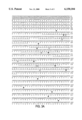
- FIGS. 3A-3B Genomic organization of KVLQT1 coding and 5' and 3' untranslated regions. Positions of the introns are indicated with arrowheads. The six putative transmembrane segments (S1 to S6) and the putative pore region (Pore) are underlined. The stop codon is denoted by an asterisk.
- the nucleotide sequence of FIGS. 3A-3B is SEQ ID NO:1.
- the amino acid sequence of FIGS. 3A-3B is SEQ ID NO:2.
- FIG. 4 Physical map and exon organization of KVLQT1.
- the genomic region of KVLQT1 encompasses approximately 400 kilobases.
- Physical map of the minimal contig of overlapping P1 clones and the cosmid containing exon 1 is shown.
- the location of KVLQT1 exons relative to genomic clones is indicated. Sizes of exons and distances are not drawn to scale.
- SEQ ID NO:1 is the wild-type cDNA for KVLQT1 including 5' and 3' untranslated regions (see FIGS. 3A-B).
- SEQ ID NO:2 is the wild-type KVLQT1 protein (see FIGS. 3A-B).
- SEQ ID Nos:3-4 are hypothetical nucleic acids used to demonstrate the calculation of percent homology or identity.
- SEQ ID NO:5 is a mutated KVLQT1 with a G (base 730) inserted after base 729 of the wild-type.
- SEQ ID NO:6 is a polypeptide encoded by the mutated KVLQT1 of SEQ ID NO:5.
- SEQ ID Nos:7-38 are the exon/intron boundaries of KVLQT1 (Table 4).
- SEQ ID NOs:39-72 are primers used to amplify exons of KVLQT1 (Table 5).
- SEQ ID NO:73 is the normal nucleic acid shown in FIG. 2B.
- SEQ ID NO:74 is the normal peptide shown in FIG. 2B.
- SEQ ID NO:75 is the mutant nucleic acid shown in FIG. 2B.
- SEQ ID NO:76 is the mutant peptide shown in FIG. 2B.
- SEQ ID NO:77 is wild-type KCNE1.
- SEQ ID NO:78 is wild-type minK encoded by SEQ ID NO:77.
- the present invention is directed to the determination that JLN maps to the KVLQT1 gene and that molecular variants of this gene cause or are involved in the pathogenesis of JLN. More specifically, the present invention relates to a mutation in the KVLQT1 gene and its use in the diagnosis of LQT. The present invention is further directed to methods of screening humans for the presence of KVLQT1 gene variants which cause JLN. The present invention is also directed to methods for screening for drugs useful in treating or preventing JLN.
- the present invention provides methods of screening the KVLQT1 gene to identify mutations. Such methods may further comprise the step of amplifying a portion of the KVLQT1 gene, and may further include a step of providing a set of polynucleotides which are primers for amplification of said portion of the KVLQT1 gene. The method is useful for identifying mutations for use in either diagnosis of JLN or prognosis of JLN.
- JLQT1 gene is involved in causing JLN is obtained by finding sequences in DNA extracted from affected kindred members which create abnormal KVLQT1 gene products or abnormal levels of the gene products.
- Such JLN susceptibility alleles will co-segregate with the disease in large kindreds. They will also be present at a much higher frequency in non-kindred individuals with JLN than in individuals in the general population.
- the key is to find mutations which are serious enough to cause obvious disruption to the normal function of the gene product. These mutations can take a number of forms. The most severe forms would be frame shift mutations or large deletions which would cause the gene to code for an abnormal protein or one which would significantly alter protein expression.
- Less severe disruptive mutations would include small in-frame deletions and nonconservative base pair substitutions which would have a significant effect on the protein produced, such as changes to or from a cysteine residue, from a basic to an acidic amino acid or vice versa, from a hydrophobic to hydrophilic amino acid or vice versa, or other mutations which would affect secondary or tertiary protein structure. Silent mutations or those resulting in conservative amino acid substitutions would not generally be expected to disrupt protein function.
- alteration of the wild-type KVLQT1 gene is detected.
- the method can be performed by detecting the wild-type KVLQT1 gene and confirming the lack of a cause of JLN as a result of this locus.
- “Alteration of a wild-type gene” encompasses all forms of mutations including deletions, insertions and point mutations in the coding and noncoding regions. Deletions may be of the entire gene or of only a portion of the gene. Point mutations may result in stop codons, frameshift mutations or amino acid substitutions. Somatic mutations are those which occur only in certain tissues and are not iinerited in the germline.
- Germline mutations can be found in any of a body's tissues and are inherited. Point mutational events may occur in regulatory regions, such as in the promoter of the gene, leading to loss or diminution of expression of the mRNA. Point mutations may also abolish proper RNA processing, leading to loss of expression of the KVLQT1 gene product, or to a decrease in mRNA stability or translation efficiency.
- Useful diagnostic techniques include, but are not limited to fluorescent in situ hybridization (FISH), direct DNA sequencing, PFGE analysis, Southern blot analysis, single stranded conformation analysis (SSCA), RNase protection assay, allele-specific oligonucleotide (ASO), dot blot analysis and PCR-SSCP, as discussed in detail further below. Also useful is the recently developed technique of DNA microchip technology.
- JLN may be ascertained by testing any tissue of a human for mutations of the KVLQT1 gene. For example, a person who has inherited a homozygous germline KVLQT1 mutation would be prone to develop JLN. This can be determined by testing DNA from any tissue of the person's body. Most simply, blood can be drawn and DNA extracted from the cells of the blood. In addition, prenatal diagnosis can be accomplished by testing fetal cells, placental cells or amniotic cells for mutations of the KVLQT1 gene. Alteration of a wild-type KVLQT1 allele, whether, for example, by point mutation or deletion, can be detected by any of the means discussed herein.
- SSCP single-stranded conformation polymorphism assay
- CDGE clamped denaturing gel electrophoresis
- HA hetcroduplex analysis
- CMC chemical mismatch cleavage
- a rapid preliminary analysis to detect polymorphisms in DNA sequences can be performed by looking at a series of Southern blots of DNA cut with one or more restriction enzymes, preferably with a large number of restriction enzymes. Each blot contains a series of normal individuals and a series of LQT cases. Southern blots displaying hybridizing fragments (differing in length from control DNA when probed with sequences near or including the KVLQT1 locus) indicate a possible mutation. If restriction enzymes which produce very large restriction fragments are used, then pulsed field gel electrophoresis (PFGE) is employed.
- PFGE pulsed field gel electrophoresis
- Detection of point mutations may be accomplished by molecular cloning of the KVLQT1 allele and sequencing the allele using techniques well known in the art. Also, the gene or portions of the gene may be amplified, e.g., by PCR or other amplification technique, and the amplified gene or amplified portions of the gene may be sequenced.
- coli mutS protein (Modrich, 1991); and 6) allele-specific PCR (Ruano and Kidd, 1989).
- primers are used which hybridize at their 3' ends to a particular KVLQT1 mutation. If the particular mutation is not present, an amplification product is not observed.
- Amplification Refractory Mutation System (ARMS) can also be used, as disclosed in European Patent Application Publication No. 0332435 and in Newton et al., 1989. Insertions and deletions of genes can also be detected by cloning, sequencing and amplification.
- RFLP restriction fragment length polymorphism
- Such a method is particularly useful for screening relatives of an affected individual for the presence of the mutation found in that individual.
- Other techniques for detecting insertions and deletions as known in the art can be used.
- SSCP detects a band which migrates differentially because the sequence change causes a difference in single-strand, intramolecular base pairing.
- RNase protection involves cleavage of the mutant polynucleotide into two or more smaller fragments.
- DGGE detects differences in migration rates of mutant sequences compared to wild-type sequences, using a denaturing gradient gel.
- an allele-specific oligonucleotide assay an oligonucleotide is designed which detects a specific sequence, and the assay is performed by detecting the presence or absence of a hybridization signal.
- the protein binds only to sequences that contain a nucleotide mismatch in a heteroduplex between mutant and wild-type sequences.
- Mismatches are hybridized nucleic acid duplexes in which the two strands are not 100% complementary. Lack of total homology may be due to deletions, insertions, inversions or substitutions. Mismatch detection can be used to detect point mutations in the gene or in its mRNA product. While these techniques are less sensitive than sequencing, they are simpler to perform on a large number of samples.
- An example of a mismatch cleavage technique is the RNase protection method. In the practice of the present invention, the method involves the use of a labeled riboprobe which is complementary to the human wild-type KVLQT1 gene coding sequence.
- the riboprobe and either mRNA or DNA isolated from the person are annealed (hybridized) together and subsequently digested with the enzyme RNase A which is able to detect some mismatches in a duplex RNA structure. If a mismatch is detected by RNase A, it cleaves at the site of the mismatch. Thus, when the annealed RNA preparation is separated on an electrophoretic gel matrix, if a mismatch has been detected and cleaved by RNase A, an RNA product will be seen which is smaller than the full length duplex RNA for the riboprobe and the mRNA or DNA.
- the riboprobe need not be the full length of the mRNA or gene but can be a segment of either. If the riboprobe comprises only a segment of the mRNA or gene, it will be desirable to use a number of these probes to screen the whole mRNA sequence for mismatches.
- DNA probes can be used to detect mismatches, through enzymatic or chemical cleavage. See, e.g., Cotton el al., 1988; Shenk et al., 1975; Novack et al., 1986.
- mismatches can be detected by shifts in the electrophoretic mobility of mismatched duplexes relative to matched duplexes. See, e.g., Cariello, 1988.
- the cellular mRNA or DNA which might contain a mutation can be amplified using PCR (see below) before hybridization. Changes in DNA of the KVLQT1 gene can also be detected using Southern hybridization, especially if the changes are gross rearrangements, such as deletions and insertions.
- DNA sequences of the KVLQT1 gene which have been amplified by use of PCR may also be screened using allele-specific probes.
- These probes are nucleic acid oligomers, each of which contains a region of the gene sequence harboring a known mutation. For example, one oligomer may be about 30 nucleotides in length, corresponding to a portion of the gene sequence.
- PCR amplification products can be screened to identify the presence of a previously identified mutation in the gene.
- Hybridization of allele-specific probes with amplified KVLQT1 sequences can be performed, for example, on a nylon filter. Hybridization to a particular probe under high stringency hybridization conditions indicates the presence of the same mutation in the tissue as in the allele-specific probe.
- the newly developed technique of nucleic acid analysis via microchip technology is also applicable to the present invention.
- this technique literally thousands of distinct oligonucleotide probes are built up in an array on a silicon chip. Nucleic acid to be analyzed is fluorescently labeled and hybridized to the probes on the chip. It is also possible to study nucleic acid-protein interactions using these nucleic acid microchips. Using this technique one can determine the presence of mutations or even sequence the nucleic acid being analyzed or one can measure expression levels of a gene of interest.
- the method is one of parallel processing of many, even thousands, of probes at once and can tremendously increase the rate of analysis.
- the most definitive test for mutations in a candidate locus is to directly compare genomic KVLQT1 sequences from patients with those from a control population.
- Mutations from patients falling outside the coding region of KVLQT1 can be detected by examining the non-coding regions, such as introns and regulatory sequences near or within the genes.
- An early indication that mutations in noncoding regions are important may come from Northern blot experiments that reveal messenger RNA molecules of abnormal size or abundance in patients as compared to control individuals.
- Alteration of KVLQT1 mRNA expression can be detected by any techniques known in the art. These include Northern blot analysis, PCR amplification and RNase protection. Diminished mRNA expression indicates an alteration of the wild-type gene. Alteration of wild-type genes can also be detected by screening for alteration of wild-type KVLQT1 protein. For example, monoclonal antibodies immunoreactive with KVLQT1 can be used to screen a tissue. Lack of cognate antigen would indicate a mutation. Antibodies specific for products of mutant alleles could also be used to detect mutant gene product. Such immunological assays can be done in any convenient formats known in the art. These include Western blots, immunohistochemical assays and ELISA assays.
- Any means for detecting an altered KVLQT1 protein can be used to detect alteration of the wild-type KVLQT1 gene.
- Functional assays such as protein binding determinations, can be used.
- assays can be used which detect KVLQT1 biochemical function. Finding a mutant KVLQT1 gene product indicates alteration of a wild-type KVLQT1 gene.
- a mutant KVLQT1 gene or gene product can also be detected in other human body samples, such as serum, stool, urine and sputum.
- Other human body samples such as serum, stool, urine and sputum.
- the same techniques discussed above for detection of mutant genes or gene products in tissues can be applied to other body samples. By screening such body samples, a simple early diagnosis can be achieved for LQT or JLN.
- the primer pairs of the present invention are useful for determination of the nucleotide sequence of a particular KVLQT1 allele using PCR.
- the pairs of single-stranded DNA primers for KVLQT1 can be annealed to sequences within or surrounding the KVLQT1 gene on chromosome 11 in order to prime amplifying DNA synthesis of the gene itself.
- a complete set of these primers allows synthesis of all of the nucleotides of the gene coding sequences, i.e., the exons.
- the set of primers preferably allows synthesis of both intron and exon sequences. Allele-specific primers can also be used. Such primers anneal only to particular KVLQT1 mutant alleles, and thus will only amplify a product in the presence of the mutant allele as a template.
- primers may have restriction enzyme site sequences appended to their 5' ends.
- all nucleotides of the primers arc derived from KVLQT1 sequence or sequences adjacent to KVLQT1, except for the few nucleotides necessary to form a restriction enzyme site.
- the primers themselves can be synthesized using techniques which are well known in the art. Generally, the primers can be made using oligonucleotide synthesizing machines which are commercially available. Given the sequence of KVLQT1, design of particular primers is well within the skill of the art. The present invention adds to this by presenting data on the intron/exon boundaries thereby allowing one to design primers to amplify and sequence all of the exonic regions completely.
- the nucleic acid probes provided by the present invention are useful for a number of purposes. They can be used in Southern hybridization to genomic DNA and in the RNase protection method for detecting point mutations already discussed above.
- the probes can be used to detect PCR amplification products. They may also be used to detect mismatches with the KVLQT1 gene or mRNA using other techniques.
- mutant alleles are then sequenced to identify the specific mutation of the particular mutant allele.
- mutant alleles can be initially identified by identifying mutant (altered) proteins, using conventional techniques.
- the mutant alleles are then sequenced to identify the specific mutation for each allele.
- the mutations, especially those which lead to an altered function of the protein, are then used for the diagnostic and prognostic methods of the present invention.
- the present invention employs the following definitions:
- PCR polymerase chain reaction
- LCR ligation amplification
- amplification methods based on the use of Q-beta replicase.
- SDA strand displacement amplification
- thermophilic SDA thermophilic SDA
- nucleic acid sequence based amplification 3SR or NASBA
- the amplified sequence(s) may be cloned prior to sequence analysis.
- a method for the direct cloning and sequence analysis of enzymatically amplified genomic segments has been described by Scharf et al., 1986.
- Alyte polynucleotide and “analyte strand” refer to a single- or double-stranded polynucleotide which is suspected of containing a target sequence, and which may be present in a variety of types of samples, including biological samples.
- Antibodies The present invention also provides polyclonal and/or monoclonal antibodies and fragments thereof, and immunologic binding equivalents thereof, which are capable of specifically binding to the KVLQT1 polypeptide and fragments thereof or to polynucleotide sequences from the KVLQT1 region.
- the term "antibody” is used both to refer to a homogeneous molecular entity, or a mixture such as a serum product made up of a plurality of different molecular entities.
- Polypeptides may be prepared synthetically in a peptide synthesizer and coupled to a carrier molecule (e.g., keyhole limpet hemocyanin) and injected over several months into rabbits.
- a carrier molecule e.g., keyhole limpet hemocyanin
- Monoclonal antibodies may be made by injecting mice with the protein polypeptides, fusion proteins or fragments thereof. Monoclonal antibodies will be screened by ELISA and tested for specific immunoreactivity with KVLQT1 polypeptide or fragments thereof. See, Harlow and Lane, 1988. These antibodies will be useful in assays as well as pharmaceuticals.
- antibodies specific for binding may be either polyclonal or monoclonal, and may be produced by in vitro or in vivo techniques well known in the art.
- an appropriate target immune system typically mouse or rabbit
- Substantially purified antigen is presented to the immune system in a fashion determined by methods appropriate for the animal and by other parameters well known to immunologists. Typical sites for injection are in footpads, intramuscularly, intraperitoneally, or intradermally. Of course, other species may be substituted for mouse or rabbit.
- Polyclonal antibodies are then purified using techniques known in the art, adjusted for the desired specificity.
- An immunological response is usually assayed with an immunoassay.
- immunoassays involve some purification of a source of antigen, for example, that produced by the same cells and in the same fashion as the antigen.
- a variety of immunoassay methods are well known in the art. See, e.g., Harlow and Lane, 1988, or Goding, 1986.
- Monoclonal antibodies with affinities of 10 -8 M -1 or preferably 10 -9 to 10 -10 M -1 or stronger will typically be made by standard procedures as described, e.g., in Harlow and Lane, 1988 or Goding, 1986. Briefly, appropriate animals will be selected and the desired immunization protocol followed. After the appropriate period of time, the spleens of such animals are excised and individual spleen cells fused, typically, to immortalized myeloma cells under appropriate selection conditions. Thereafter, the cells are clonally separated and the supernatants of each clone tested for their production of an appropriate antibody specific for the desired region of the antigen.
- Suitable techniques involve in vitro exposure of lymphocytes to the antigenic polypeptides, or alternatively, to selection of libraries of antibodies in phage or similar vectors. See Huse et al., 1989.
- the polypeptides and antibodies of the present invention may be used with or without modification. Frequently, polypeptides and antibodies will be labeled by joining, either covalently or non-covalently, a substance which provides for a detectable signal.
- labels and conjugation techniques are known and are reported extensively in both the scientific and patent literature. Suitable labels include radionuclides, enzymes, substrates, cofactors, inhibitors, fluorescent agents, chemiluminescent agents, magnetic particles and the like. Patents teaching the use of such labels include U.S. Pat. Nos.
- Binding partner refers to a molecule capable of binding a ligand molecule with high specificity, as for example, an antigen and an antigen-specific antibody or an enzyme and its inhibitor.
- the specific binding partners must bind with sufficient affinity to immobilize the analyte copy/complementary strand duplex (in the case of polynucleotide hybridization) under the isolation conditions.
- Specific binding partners are known in the art and include, for example, biotin and avidin or streptavidin, IgG and protein A, the numerous, known receptor-ligand couples, and complementary polynucleotide strands.
- the partners are normally at least about 15 bases in length, and may be at least 40 bases in length. It is well recognized by those of skill in the art that lengths shorter than 15 (e.g., 8 bases), between 15 and 40, and greater than 40 bases may also be used.
- the polynucleotides may be composed of DNA, RNA, or synthetic nucleotide analogs. Further binding partners can be identified using, e.g., the two-hybrid yeast screening assay as described herein.
- a “biological sample” refers to a sample of tissue or fluid suspected of containing an analyte polynucleotide or polypeptide from an individual including, but not limited to, e.g., plasma, serum, spinal fluid, lymph fluid, the external sections of the skin, respiratory, intestinal, and genitourinary tracts, tears, saliva, blood cells, tumors, organs, tissue and samples of in vitro cell culture constituents.
- Encode A polynucleotide is said to "encode” a polypeptide if, in its native state or when manipulated by methods well known to those skilled in the art, it can be transcribed and/or translated to produce the mRNA for and/or the polypeptide or a fragment thereof.
- the anti-sense strand is the complement of such a nucleic acid, and the encoding sequence can be deduced therefrom.
- nucleic acid e.g., an RNA, DNA or a mixed polymer
- An “isolated” or “substantially pure” nucleic acid is one which is substantially separated from other cellular components which naturally accompany a native human sequence or protein, e.g., ribosomes, polymerases, many other human genome sequences and proteins.
- the term embraces a nucleic acid sequence or protein which has been removed from its naturally occurring environment, and includes recombinant or cloned DNA isolates and chemically synthesized analogs or analogs biologically synthesized by heterologous systems.
- KVLQT1 Allele refers to normal alleles of the KVLQT1 locus as well as alleles of KVLQT1 carrying variations that cause LQT or JLN.
- KVLQT1 Locus each refer to polynucleotides, all of which are in the KVLQT1 region that are likely to be expressed in normal tissue, certain alleles of which result in LQT or JLN.
- the KVLQT1 locus is intended to include coding sequences, intervening sequences and regulatory elements controlling transcription and/or translation.
- the KVLQT1 locus is intended to include all allelic variations of the DNA sequence.
- nucleic acid when applied to a nucleic acid, refer to a nucleic acid which encodes a human KVLQT1 polypeptide, fragment, homolog or variant, including, e.g., protein fusions or deletions.
- the nucleic acids of the present invention will possess a sequence which is either derived from, or substantially similar to a natural KVLQT1-encoding gene or one having substantial homology with a natural KVLQT1-encoding gene or a portion thereof.
- the KVLQT1 gene or nucleic acid includes normal alleles of the KVLQT1 gene, including silent alleles having no effect on the amino acid sequence of the KVLQT1 polypeptide as well as alleles leading to amino acid sequence variants of the KVLQT1 polypeptide that do not substantially affect its function. These terms also include alleles having one or more mutations which adversely affect the function of the KVLQT1 polypeptide.
- a mutation may be a change in the KVLQT1 nucleic acid sequence which produces a deleterious change in the amino acid sequence of the KVLQT1 polypeptide, resulting in partial or complete loss of KVLQT1 function, respectively, or may be a change in the nucleic acid sequence which results in the loss of effective KVLQT1 expression or the production of aberrant forms of the KVLQT1 polypeptide.
- the KVLQT1 nucleic acid may be that shown in SEQ ID NO:1 (KVLQT1) or it may be an allele as described above or a variant or derivative differing from that shown by a change which is one or more of addition, insertion, deletion and substitution of one or more nucleotides of the sequence shown. Changes to the nucleotide sequence may result in an amino acid change at the protein level, or not, as determined by the genetic code.
- nucleic acid according to the present invention may include a sequence different from the sequence shown in SEQ ID NO:1 yet encode a polypeptide with the same amino acid sequence as shown in SEQ ID NO:2. That is, nucleic acids of the present invention include sequences which are degenerate as a result of the genetic code.
- the encoded polypeptide may comprise an amino acid sequence which differs by one or more amino acid residues from the amino acid sequence shown in SEQ ID NO:2.
- Nucleic acid encoding a polypeptide which is an amino acid sequence variant, derivative or allele of the amino acid sequence shown in SEQ ID NO:2 is also provided by the present invention.
- the KVLQT1 gene also refers to (a) any DNA sequence that (i) hybridizes to the complement of the DNA sequences that encode the amino acid sequence set forth in SEQ ID NO:2 under highly stringent conditions (Ausubel et al., 1992) and (ii) encodes a gene product functionally equivalent to KVLQT1, or (b) any DNA sequence that (i) hybridizes to the complement of the DNA sequences that encode the amino acid sequence set forth in SEQ ID NO:2 under less stringent conditions, such as moderately stringent conditions (Ausubel et al., 1992) and (ii) encodes a gene product functionally equivalent to KVLQT1.
- the invention also includes nucleic acid molecules that are the complements of the sequences described herein.
- the polynucleotide compositions of this invention include RNA, cDNA, genomic DNA, synthetic forms, and mixed polymers, both sense and antisense strands, and may be chemically or biochemically modified or may contain non-natural or derivatized nucleotide bases, as will be readily appreciated by those skilled in the art.
- Such modifications include, for example, labels, methylation, substitution of one or more of the naturally occurring nucleotides with an analog, internucleotide modifications such as uncharged linkages (e.g., methyl phosphonates, phosphotriesters, phosphoramidates, carbamates, etc.), charged linkages (e.g., phosphorothioates, phosphorodithioates, etc.), pendent moieties (e.g., polypeptides), intercalators (e.g., acridine, psoralen, etc.), chelators, alkylators, and modified linkages (e.g., alpha anomeric nucleic acids, etc.).
- uncharged linkages e.g., methyl phosphonates, phosphotriesters, phosphoramidates, carbamates, etc.
- charged linkages e.g., phosphorothioates, phosphorodithioates, etc.
- pendent moieties
- synthetic molecules that mimic polynucleotides in their ability to bind to a designated sequence via hydrogen bonding and other chemical interactions.
- Such molecules are known in the art and include, for example, those in which peptide linkages substitute for phosphate linkages in the backbone of the molecule.
- the present invention provides recombinant nucleic acids comprising all or part of the KVLQT1 region.
- the recombinant construct may be capable of replicating autonomously in a host cell. Alternatively, the recombinant construct may become integrated into the chromosomal DNA of the host cell.
- Such a recombinant polynucleotide comprises a polynucleotide of genomic, cDNA, semi-synthetic, or synthetic origin which, by virtue of its origin or manipulation, 1) is not associated with all or a portion of a polynucleotide with which it is associated in nature; 2) is linked to a polynucleotide other than that to which it is linked in nature; or 3) does not occur in nature.
- nucleic acid according to the invention includes RNA, reference to the sequence shown should be construed as reference to the RNA equivalent, with U substituted for T.
- nucleic acids comprising sequences otherwise not naturally occurring are provided by this invention.
- wild-type sequence may be employed, it will often be altered, e.g., by deletion, substitution or insertion.
- cDNA or genomic libraries of various types may be screened as natural sources of the nucleic acids of the present invention, or such nucleic acids may be provided by amplification of sequences resident in genomic DNA or other natural sources, e.g., by PCR.
- the choice of cDNA libraries normally corresponds to a tissue source which is abundant in mRNA for the desired proteins. Phage libraries are normally preferred, but other types of libraries may be used. Clones of a library are spread onto plates, transferred to a substrate for screening, denatured and probed for the presence of desired sequences.
- the DNA sequences used in this invention will usually comprise at least about five codons (15 nucleotides), more usually at least about 7-15 codons, and most preferably, at least about 35 codons. One or more introns may also be present. This number of nucleotides is usually about the minimal length required for a successful probe that would hybridize specifically with a KVLQT1-encoding sequence. In this context, oligomers of as low as 8 nucleotides, more generally 8-17 nucleotides, can be used for probes, especially in connection with chip technology.
- nucleic acid manipulation is described generally, for example, in Sambrook et al., 1989 or Ausubel et al., 1992.
- Reagents useful in applying such techniques such as restriction enzymes and the like, are widely known in the art and commercially available from such vendors as New England BioLabs, Boehringer Mannheim, Amersham, Promega, U.S. Biochemicals, New England Nuclear, and a number of other sources.
- the recombinant nucleic acid sequences used to produce fusion proteins of the present invention may be derived from natural or synthetic sequences. Many natural gene sequences are obtainable from various cDNA or from genomic libraries using appropriate probes. See, GenBank, National Institutes of Health.
- a "portion" of the KVLQT1 locus or region or allele is defined as having a minimal size of at least about eight nucleotides, or preferably about 15 nucleotides, or more preferably at least about 25 nucleotides, and may have a minimal size of at least about 40 nucleotides. This definition includes all sizes in the range of 8-40 nucleotides as well as greater than 40 nucleotides.
- this definition includes nucleic acids of 8, 12, 15, 20, 25, 40, 60, 80, 100, 200, 300, 400, 500 nucleotides, or nucleic acids having any number of nucleotides within these ranges of values (e.g., 9, 10, 11, 16, 23, 30, 38, 50, 72, 121, etc., nucleotides), or nucleic acids having more than 500 nucleotides.
- the present invention includes all novel nucleic acids having at least 8 nucleotides derived from SEQ ID NO:1 or SEQ ID NO:5, its complement or functionally equivalent nucleic acid sequences.
- the present invention does not include nucleic acids which exist in the prior art. That is, the present invention includes all nucleic acids having at least 8 nucleotides derived from SEQ ID NO:1 or SEQ ID NO:5 with the proviso that it does not include nucleic acids existing in the prior art.
- KVLQT1 protein or “KVLQT1 polypeptide” refers to a protein or polypeptide encoded by the KVLQT1 locus, variants or fragments thereof.
- polypeptide refers to a polymer of amino acids and its equivalent and does not refer to a specific length of the product; thus, peptides, oligopeptides and proteins are included within the definition of a polypeptide. This term also does not refer to, or exclude modifications of the polypeptide, for example, glycosylations, acetylations, phosphorylations, and the like.
- polypeptides containing one or more analogs of an amino acid including, for example, unnatural amino acids, etc.
- polypeptides with substituted linkages as well as other modifications known in the art, both naturally and non-naturally occurring.
- polypeptides will be at least about 50% homologous to the native KVLQT1 sequence, preferably in excess of about 90%, and more preferably at least about 95% homologous.
- proteins encoded by DNA which hybridize under high or low stringency conditions, to KVLQT1-encoding nucleic acids and closely related polypeptides or proteins retrieved by antisera to the KVLQT1 protein.
- the KVLQT1 polypeptide may be that shown in SEQ ID NO:2 which may be in isolated and/or purified form, free or substantially free of material with which it is naturally associated.
- the polypeptide may, if produced by expression in a prokaryotic cell or produced synthetically, lack native post-translational processing, such as glycosylation.
- the present invention is also directed to polypeptides which are sequence variants, alleles or derivatives of the KVLQT1 polypeptide.
- Such polypeptides may have an amino acid sequence which differs from that set forth in SEQ ID NO:2 by one or more of addition, substitution, deletion or insertion of one or more amino acids.
- Preferred such polypeptides have KVLQT1 function.
- Substitutional variants typically contain the exchange of one amino acid for another at one or more sites within the protein, and may be designed to modulate one or more properties of the polypeptide, such as stability against proteolytic cleavage, without the loss of other functions or properties.
- Amino acid substitutions may be made on the basis of similarity in polarity, charge, solubility, hydrophobicity, hydrophilicity, and/or the amphipathic nature of the residues involved.
- Preferred substitutions are ones which are conservative, that is, one amino acid is replaced with one of similar shape and charge.
- Conservative substitutions are well known in the art and typically include substitutions within the following groups: glycine, alanine; valine, isoleucine, leucine; aspartic acid, glutamic acid; asparagine, glutamine; serine, threonine; lysine, arginine; and tyrosine, phenylalanine.
- Certain amino acids may be substituted for other amino acids in a protein structure without appreciable loss of interactive binding capacity with structures such as, for example, antigen-binding regions of antibodies or binding sites on substrate molecules or binding sites on proteins interacting with the KVLQT1 polypeptide. Since it is the interactive capacity and nature of a protein which defines that protein's biological functional activity, certain amino acid substitutions can be made in a protein sequence, and its underlying DNA coding sequence, and nevertheless obtain a protein with like properties. In making such changes, the hydropathic index of amino acids may be considered. The importance of the hydrophobic amino acid index in conferring interactive biological function on a protein is generally understood in the art (Kyte and Doolittle, 1982).
- hydrophilicity in conferring interactive biological function of a protein is generally understood in the art (U.S. Pat. No. 4,554,101).
- hydrophobic index or hydrophilicity in designing polypeptides is further discussed in U.S. Pat. No. 5,691,198.
- the length of polypeptide sequences compared for homology will generally be at least about 16 amino acids, usually at least about 20 residues, more usually at least about 24 residues, typically at least about 28 residues, and preferably more than about 35 residues.
- “Operably linked” refers to ajuxtaposition wherein the components so described are in a relationship permitting them to function in their intended manner.
- a promoter is operably linked to a coding sequence if the promoter affects its transcription or expression.
- peptide mimetic or mimetic is intended to refer to a substance which has the essential biological activity of the KVLQT1 polypeptide.
- a peptide mimetic may be a peptide-containing molecule that mimics elements of protein secondary structure (Johnson et al., 1993).
- the underlying rationale behind the use of peptide mimetics is that the peptide backbone of proteins exists chiefly to orient amino acid side chains in such a way as to facilitate molecular interactions, such as those of antibody and antigen, enzyme and substrate or scaffolding proteins.
- a peptide mimetic is designed to permit molecular interactions similar to the natural molecule.
- a mimetic may not be a peptide at all, but it will retain the essential biological activity of natural KVLQT1 polypeptide.
- Polynucleotide polymorphisms associated with KVLQT1 alleles which predispose to LQT or JLN are detected by hybridization with a polynucleotide probe which forms a stable hybrid with that of the target sequence, under stringent to moderately stringent hybridization and wash conditions. If it is expected that the probes will be perfectly complementary to the target sequence, high stringency conditions will be used. Hybridization stringency may be lessened if some mismatching is expected, for example, if variants are expected with the result that the probe will not be completely complementary. Conditions are chosen which rule out nonspecific/adventitious bindings, that is, which minimize noise.
- Probes for KVLQT1 alleles may be derived from the sequences of the KVLQT1 region, its cDNA, functionally equivalent sequences, or the complements thereof.
- the probes may be of any suitable length, which span all or a portion of the KVLQT1 region, and which allow specific hybridization to the region. If the target sequence contains a sequence identical to that of the probe, the probes may be short, e.g., in the range of about 8-30 base pairs, since the hybrid will be relatively stable under even stringent conditions. If some degree of mismatch is expected with the probe, i.e., if it is suspected that the probe will hybridize to a variant region, a longer probe may be employed which hybridizes to the target sequence with the requisite specificity.
- the probes will include an isolated polynucleotide attached to a label or reporter molecule and may be used to isolate other polynucleotide sequences, having sequence similarity by standard methods. For techniques for preparing and labeling probes see, e.g., Sambrook et al., 1989 or Ausubel et al., 1992. Other similar polynucleotides may be selected by using homologous polynucleotides. Alternatively, polynucleotides encoding these or similar polypeptides may be synthesized or selected by use of the redundancy in the genetic code. Various codon substitutions may be introduced, e.g., by silent changes (thereby producing various restriction sites) or to optimize expression for a particular system. Mutations may be introduced to modify the properties of the polypeptide, perhaps to change the polypeptide degradation or turnover rate.
- Probes comprising synthetic oligonucleotides or other polynucleotides of the present invention may be derived from naturally occurring or recombinant single- or double-stranded polynucleotides, or be chemically synthesized. Probes may also be labeled by nick translation, Klenow fill-in reaction, or other methods known in the art.
- Portions of the polynucleotide sequence having at least about eight nucleotides, usually at least about 15 nucleotides, and fewer than about 9 kb, usually fewer than about 1.0 kb, from a polynucleotide sequence encoding KVLQT1 are preferred as probes.
- This definition therefore includes probes of sizes 8 nucleotides through 9000 nucleotides.
- this definition includes probes of 8, 12, 15, 20, 25, 40, 60, 80, 100, 200, 300, 400 or 500 nucleotides or probes having any number of nucleotides within these ranges of values (e.g., 9, 10, 11, 16, 23, 30, 38, 50, 72, 121, etc., nucleotides), or probes having more than 500 nucleotides.
- the probes may also be used to determine whether mRNA encoding KVLQT1 is present in a cell or tissue.
- the present invention includes all novel probes having at least 8 nucleotides derived from SEQ ID NO:1 or SEQ ID NO:5, its complement or functionally equivalent nucleic acid sequences.
- the present invention does not include probes which exist in the prior art. That is, the present invention includes all probes having at least 8 nucleotides derived from SEQ ID NO:1 or SEQ ID NO:5 with the proviso that they do not include probes existing in the prior art.
- primers which may be used for the amplification of all or part of the KVLQT1 gene.
- a definition for primers includes primers of 8, 12, 15, 20, 25, 40, 60, 80, 100, 200, 300, 400, 500 nucleotides, or primers having any number of nucleotides within these ranges of values (e.g., 9, 10, 11, 16, 23, 30, 38, 50, 72, 121, etc. nucleotides), or primers having more than 500 nucleotides, or any number of nucleotides between 500 and 9000.
- the primers may also be used to determine whether mRNA encoding KVLQT1 is present in a cell or tissue.
- the present invention includes all novel primers having at least 8 nucleotides derived from the KVLQT1 locus for amplifying the KVLQT1 gene, its complement or functionally equivalent nucleic acid sequences.
- the present invention does not include primers which exist in the prior art. That is, the present invention includes all primers having at least 8 nucleotides with the proviso that it does not include primers existing in the prior art.
- Protein modifications or fragments are provided by the present invention for KVLQT1 polypeptides or fragments thereof which are substantially homologous to primary structural sequence but which include, e.g., in vivo or in vitro chemical and biochemical modifications or which incorporate unusual amino acids. Such modifications include, for example, acetylation, carboxylation, phosphorylation, glycosylation, ubiquitination, labeling, e.g., with radionuclides, and various enzymatic modifications, as will be readily appreciated by those well skilled in the art.
- a variety of methods for labeling polypeptides and of substituents or labels useful for such purposes are well known in the art, and include radioactive isotopes such as 32 P, ligands which bind to labeled antiligands (e.g., antibodies), fluorophores, chemiluminescent agents, enzymes, and antiligands which can serve as specific binding pair members for a labeled ligand.
- radioactive isotopes such as 32 P
- ligands which bind to labeled antiligands e.g., antibodies
- fluorophores e.g., chemiluminescent agents
- enzymes chemiluminescent agents
- antiligands which can serve as specific binding pair members for a labeled ligand.
- the choice of label depends on the sensitivity required, ease of conjugation with the primer, stability requirements, and available instrumentation.
- Methods of labeling polypeptides are well known in the art. See Sambrook et al., 1989 or
- the present invention provides for biologically active fragments of the polypeptides.
- Significant biological activities include ligand-binding, immunological activity and other biological activities characteristic of KVLQT1polypeptides.
- Immunological activities include both immunogenic function in a target immune system, as well as sharing of immunological epitopes for binding, serving as either a competitor or substitute antigen for an epitope of the KVLQT1 protein.
- epitope refers to an antigenic determinant of a polypeptide.
- An epitope could comprise three amino acids in a spatial conformation which is unique to the epitope. Generally, an epitope consists of at least five such amino acids, and more usually consists of at least 8-10 such amino acids. Methods of determining the spatial conformation of such amino acids are known in the art.
- tandem-repeat polypeptide segments may be used as immunogens, thereby producing highly antigenic proteins.
- polypeptides will serve as highly efficient competitors for specific binding. Production of antibodies specific for KVLQT1 polypeptides or fragments thereof is described below.
- the present invention also provides for fusion polypeptides, comprising KVLQT1 polypeptides and fragments.
- Homologous polypeptides may be fusions between two or more KVLQT1 polypeptide sequences or between the sequences of KVLQT1 and a related protein.
- heterologous fusions may be constructed which would exhibit a combination of properties or activities of the derivative proteins. For example, ligand-binding or other domains may be "swapped" between different new fusion polypeptides or fragments.
- Such homologous or heterologous fusion polypeptides may display, for example, altered strength or specificity of binding.
- Fusion partners include immunoglobulins, bacterial ⁇ -galactosidase, trpE, protein A, ⁇ -lactamase, alpha amylase, alcohol dehydrogenase and yeast alpha mating factor. See Godowski et al., 1988.
- Fusion proteins will typically be made by either recombinant nucleic acid methods, as described below, or may be chemically synthesized. Techniques for the synthesis of polypeptides are described, for example, in Merrifield (1963).
- Protein purification refers to various methods for the isolation of the KVLQT1 polypeptides from other biological material, such as from cells transformed with recombinant nucleic acids encoding KVLQT1, and are well known in the art.
- polypeptides may be purified by immunoaffinity chromatography employing, e.g., the antibodies provided by the present invention.
- immunoaffinity chromatography employing, e.g., the antibodies provided by the present invention.
- Various methods of protein purification are well known in the art, and include those described in Deutscher, 1990 and Scopes, 1982.
- isolated is substantially pure when at least about 60 to 75% of a sample exhibits a single polypeptide sequence.
- a substantially pure protein will typically comprise about 60 to 90% W/W of a protein sample, more usually about 95%, and preferably will be over about 99% pure.
- Protein purity or homogeneity may be indicated by a number of means well known in the art, such as polyacrylamide gel electrophoresis of a protein sample, followed by visualizing a single polypeptide band upon staining the gel. For certain purposes, higher resolution may be provided by using HPLC or other means well known in the art which are utilized for purification.
- a KVLQT1 protein is substantially free of naturally associated components when it is separated from the native contaminants which accompany it in its natural state.
- a polypeptide which is chemically synthesized or synthesized in a cellular system different from the cell from which it naturally originates will be substantially free from its naturally associated components.
- a protein may also be rendered substantially free of naturally associated components by isolation, using protein purification techniques well known in the art.
- a polypeptide produced as an expression product of an isolated and manipulated genetic sequence is an "isolated polypeptide", as used herein, even if expressed in a homologous cell type. Synthetically made forms or molecules expressed by heterologous cells are inherently isolated molecules.
- Recombinant nucleic acid is a nucleic acid which is not naturally occurring, or which is made by the artificial combination of two otherwise separated segments of sequence. This artificial combination is often accomplished by either chemical synthesis means, or by the artificial manipulation of isolated segments of nucleic acids, e.g., by genetic engineering techniques. Such is usually done to replace a codon with a redundant codon encoding the same or a conservative amino acid, while typically introducing or removing a sequence recognition site. Alternatively, it is performed to join together nucleic acid segments of desired functions to generate a desired combination of functions.
- regulatory sequences refers to those sequences normally within 100 kb of the coding region of a locus, but they may also be more distant from the coding region, which affect the expression of the gene (including transcription of the gene, and translation, splicing, stability or the like of the messenger RNA).
- nucleic acid or fragment thereof is “substantially homologous” ("or substantially similar") to another if, when optimally aligned (with appropriate nucleotide insertions or deletions) with the other nucleic acid (or its complementary strand), there is nucleotide sequence identity in at least about 60% of the nucleotide bases, usually at least about 70%, more usually at least about 80%, preferably at least about 90%, and more preferably at least about 95-98% of the nucleotide bases.
- the percent homology is to be determined using the BLASTN program "BLAST 2 sequences". This program is available for public use from the National Center for Biotechnology Information (NCBI) over the Internet (http://www.ncbi.nlm.nih.gov/gorf/bl2.html) (Altschul et al., 1997).
- NCBI National Center for Biotechnology Information
- the parameters to be used are whatever combination of the following yields the highest calculated percent homology (as calculated below) with the default parameters shown in parentheses:
- this program shows a percent identity across the complete strands or across regions of the two nucleic acids being matched.
- the program shows as part of the results an alignment and identity of the two strands being compared. If the strands are of equal length then the identity will be calculated across the complete length of the nucleic acids. If the strands are of unequal lengths, then the length of the shorter nucleic acid is to be used. If the nucleic acids are quite similar across a portion of their sequences but different across the rest of their sequences, the blastn program "BLAST 2 Sequences" will show an identity across only the similar portions, and these portions are reported individually.
- the percent homology refers to the shorter of the two sequences being compared. If any one region is shown in different alignments with differing percent identities, the alignments which yield the greatest homology are to be used. The averaging is to be performed as in this example of SEQ ID NOs:3 and 4.
- BLAST 2 Sequences shows differing alignments of these two nucleic acids depending upon the parameters which are selected. As examples, four sets of parameters were selected for comparing SEQ ID NOs:3 and 4 (gap x -- dropoff was 50 for all cases), with the results shown in Table 1. It is to be noted that none of the sets of parameters selected as shown in Table 1 is necessarily the best set of parameters for comparing these sequences. The percent homology is calculated by multiplying for each region showing identity the fraction of bases of the shorter strand within a region times the percent identity for that region and adding all of these together.
- SEQ ID NO:3 is the short sequence (63 bases), and two regions of identity are shown, the first encompassing bases 4-29 (26 bases) of SEQ ID NO:3 with 92% identity to SEQ ID NO:4 and the second encompassing bases 39-59 (21 bases) of SEQ ID NO:3 with 100% identity to SEQ ID NO:4.
- Bases 1-3, 30-38 and 60-63 (16 bases) are not shown as having any identity with SEQ ID NO:4.
- substantial homology or (similarity) exists when a nucleic acid or fragment thereof will hybridize to another nucleic acid (or a complementary strand thereof) under selective hybridization conditions, to a strand, or to its complement.
- Selectivity of hybridization exists when hybridization which is substantially more selective than total lack of specificity occurs.
- selective hybridization will occur when there is at least about 55% homology over a stretch of at least about 14 nucleotides, preferably at least about 65%, more preferably at least about 75%, and most preferably at least about 90%. See, Kanehisa, 1984.
- the length of homology comparison, as described, may be over longer stretches, and in certain embodiments will often be over a stretch of at least about nine nucleotides, usually at least about 20 nucleotides, more usually at least about 24 nucleotides, typically at least about 28 nucleotides, more typically at least about 32 nucleotides, and preferably at least about 36 or more nucleotides.
- Nucleic acid hybridization will be affected by such conditions as salt concentration, temperature, or organic solvents, in addition to the base composition, length of the complementary strands, and the number of nucleotide base mismatches between the hybridizing nucleic acids, as will be readily appreciated by those skilled in the art.
- Stringent temperature conditions will generally include temperatures in excess of 30° C., typically in excess of 37° C., and preferably in excess of 45° C.
- Stringent salt conditions will ordinarily be less than 1000 mM, typically less than 500 mM, and preferably less than 200 mM. However, the combination of parameters is much more important than the measure of any single parameter.
- the stringency conditions are dependent on the length of the nucleic acid and the base composition of the nucleic acid and can be determined by techniques well known in the art. See, e.g., Wetmur and Davidson, 1968.
- Probe sequences may also hybridize specifically to duplex DNA under certain conditions to form triplex or other higher order DNA complexes. IThe preparation of such probes and suitable hybridization conditions are well known in the art.
- substantially homology when referring to polypeptides, indicate that the polypeptide or protein in question exhibits at least about 30% identity with an entire naturally-occurring protein or a portion thereof, usually at least about 70% identity, more usually at least about 80% identity, preferably at least about 90% identity, and more preferably at least about 95% identity.
- homology for polypeptides, is typically measured using sequence analysis software. See, e.g., the Sequence Analysis Software Package of the Genetics Computer Group, University of Wisconsin Biotechnology Center, 910 University Avenue, Madison, Wis. 53705. Protein analysis software matches similar sequences using measures of homology assigned to various substitutions, deletions and other modifications. Conservative substitutions typically include substitutions within the following groups: glycine, alanine; valine, isoleucine, leucine; aspartic acid, glutamic acid; asparagine, glutamine; serine, threonine; lysine, arginine; and phenylalanine, tyrosine.
- Substantially similar function refers to the function of a modified nucleic acid or a modified protein, with reference to the wild-type KVLQT1 nucleic acid or wild-type KVLQT1 polypeptide.
- the modified polypeptide will be substantially homologous to the wild-type KVLQT1 polypeptide and will have substantially the same function.
- the modified polypeptide may have an altered amino acid sequence and/or may contain modified amino acids.
- the modified polypeptide may have other useful properties, such as a longer half-life.
- the similarity of function (activity) of the modified polypeptide may be substantially the same as the activity of the wild-type KVLQT1 polypeptide.
- the similarity of function (activity) of the modified polypeptide may be higher than the activity of the wild-type KVLQT1 polypeptide.
- the modified polypeptide is synthesized using conventional techniques, or is encoded by a modified nucleic acid and produced using conventional techniques.
- the modified nucleic acid is prepared by conventional techniques.
- a nucleic acid with a function substantially similar to the wild-type KVLQT1 gene function produces the modified protein described above.
- a polypeptide "fragment”, “portion” or “segment” is a stretch of amino acid residues of at least about five to seven contiguous amino acids, often at least about seven to nine contiguous amino acids, typically at least about nine to 13 contiguous amino acids and, most preferably, at least about 20 to 30 or more contiguous amino acids.
- polypeptides of the present invention may be coupled to a solid-phase support, e.g., nitrocellulose, nylon, column packing materials (e.g., Sepharose beads), magnetic beads, glass wool, plastic, metal, polymer gels, cells, or other substrates.
- a solid-phase support e.g., nitrocellulose, nylon, column packing materials (e.g., Sepharose beads), magnetic beads, glass wool, plastic, metal, polymer gels, cells, or other substrates.
- Such supports may take the form, for example, of beads, wells, dipsticks, or membranes.
- Target region refers to a region of the nucleic acid which is amplified and/or detected.
- target sequence refers to a sequence with which a probe or primer will form a stable hybrid under desired conditions.
- polynucleotides of the present invention may be produced by replication in a suitable host cell. Natural or synthetic polynucleotide fragments coding for a desired fragment will be incorporated into recombinant polynucleotide constructs, usually DNA constructs, capable of introduction into and replication in a prokaryotic or eukaryotic cell. Usually the polynucleotide constructs will be suitable for replication in a unicellular host, such as yeast or bacteria, but may also be intended for introduction to (with and without integration within the genome) cultured mammalian or plant or other eukaryotic cell lines. The purification of nucleic acids produced by the methods of the present invention are described, e.g., in Sambrook et al., 1989 or Ausubel et al., 1992.
- the polynucleotides of the present invention may also be produced by chemical synthesis, e.g., by the phosphoramidite method described by Beaucage and Caruthers (1981) or the triester method according to Matteucci and Caruthers (1981) and may be performed on commercial, automated oligonucleotide synthesizers.
- a double-stranded fragment may be obtained from the single-stranded product of chemical synthesis either by synthesizing the complementary strand and annealing the strand together under appropriate conditions or by adding the complementary strand using DNA polymerase with an appropriate primer sequence.
- Polynucleotide constructs prepared for introduction into a prokaryotic or eukaryotic host may comprise a replication system recognized by the host, including the intended polynucleotide fragment encoding the desired polypeptide, and will preferably also include transcription and translational initiation regulatory sequences operably linked to the polypeptide encoding segment.
- Expression vectors may include, for example, an origin of replication or autonomously replicating sequence (ARS) and expression control sequences, a promoter, an enhancer and necessary processing information sites, such as ribosome-binding sites, RNA splice sites, polyadenylation sites, transcriptional terminator sequences, and mRNA stabilizing sequences.
- ARS origin of replication or autonomously replicating sequence
- Such vectors may be prepared by means of standard recombinant techniques well known in the art and discussed, for example, in Sambrook et al. (1989) or Ausubel et al. (1992).
- An appropriate promoter and other necessary vector sequences will be selected so as to be functional in the host, and may include, when appropriate, those naturally associated with the KVLQT1 gene. Examples of workable combinations of cell lines and expression vectors are described in Sambrook et al. (1989) or Ausubel et al. (1992); see also, e.g., Metzger et al. (1988). Many useful vectors are known in the art and may be obtained from such vendors as Stratagene, New England Biolabs, Promega Biotech, and others. Promoters such as the trp, lac and phage promoters, tRNA promoters and glycolytic enzyme promoters may be used in prokaryotic hosts.
- Useful yeast promoters include promoter regions for metallothionein, 3-phosphoglycerate kinase or other glycolytic enzymes such as enolase or glyceraldehyde-3-phosphate dehydrogenase, enzymes responsible for maltose and galactose utilization, and others. Vectors and promoters suitable for use in yeast expression are further described in Hitzeman et al., EP 73,675A.
- Non-native mammalian promoters might include the early and late promoters from SV40 (Fiers et al., 1978) or promoters derived from murine Molony leukemia virus, mouse tumor virus, avian sarcoma viruses, adenovirus II, bovine papilloma virus or polyoma. Insect promoters may be derived from baculovirus.
- the construct may be joined to an amplifiable gene (e.g., DHFR) so that multiple copies of the gene may be made.
- DHFR e.g., DHFR
- Enhancers and Eukaryotic Gene Expression Cold Spring Harbor Press, Cold Spring Harbor, N.Y. (1983). See also, e.g., U.S. Pat. Nos. 5,691,198; 5,735,500; 5,747,469 and 5,436,146.
- expression vectors may replicate autonomously, they may also replicate by being inserted into the genome of the host cell, by methods well known in the art.
- Expression and cloning vectors will likely contain a selectable marker, a gene encoding a protein necessary for survival or growth of a host cell transformed with the vector. The presence of this gene ensures growth of only those host cells which express the inserts.
- Typical selection genes encode proteins that a) confer resistance to antibiotics or other toxic substances, e.g. ampicillin, neomycin, methotrexate, etc., b) complement auxotrophic deficiencies, or c) supply critical nutrients not available from complex media, e.g., the gene encoding D-alanine racemase for Bacilli.
- the choice of the proper selectable marker will depend on the host cell, and appropriate markers for different hosts are well known in the art.
- the vectors containing the nucleic acids of interest can be transcribed in vitro, and the resulting RNA introduced into the host cell by well-known methods, e.g., by injection (see, Kubo et al. (1988)), or the vectors can be introduced directly into host cells by methods well known in the art, which vary depending on the type of cellular host, including electroporation; transfection employing calcium chloride, rubidium chloride calcium phosphate, DEAE-dextran, or other substances; microprojectile bombardment; lipofection; infection (where the vector is an infectious agent, such as a retroviral genome); and other methods. See generally, Sambrook et al. (1989) and Ausubel et al. (1992).
- the introduction of the polynucleotides into the host cell by any method known in the art, including, inter alia, those described above, will be referred to herein as "transformation.”
- the cells into which have been introduced nucleic acids described above are meant to also include the progeny of such cells.
- nucleic acids and polypeptides of the present invention may be prepared by expressing the KVLQT1 nucleic acid or portions thereof in vectors or other expression vehicles in compatible prokaryotic or eukaryotic host cells.
- prokaryotic hosts are strains of Escherichia coli, although other prokaryotes, such as Bacillus subtilis or Pseiidomonas may also be used.
- Mammalian or other eukaryotic host cells such as those of yeast, filamentous fungi, plant, insect, or amphibian or avian species, may also be useful for production of the proteins of the present invention. Propagation of mammalian cells in culture is per se well known. See, Jakoby and Pastan (eds.) (1979). Examples of commonly used mammalian host cell lines are VERO and HeLa cells, Chinese hamster ovary (CHO) cells, and W138, BHK, and COS cell lines, although it will be appreciated by the skilled practitioner that other cell lines may be appropriate, e.g., to provide higher expression, desirable glycosylation patterns, or other features. An example of a commonly used insect cell line is SF9.
- Clones are selected by using markers depending on the mode of the vector construction.
- the marker may be on the same or a different DNA molecule, preferably the same DNA molecule.
- the transformant may be selected, e.g., by resistance to ampicillin, tetracycline or other antibiotics. Production of a particular product based on temperature sensitivity may also serve as an appropriate marker.
- Prokaryotic or eukaryotic cells transformed with the polynucleotides of the present invention will be useful not only for the production of the nucleic acids and polypeptides of the present invention, but also, for example, in studying the characteristics of KVLQT1 polypeptides.
- the probes and primers based on the KVLQT1 gene sequence disclosed herein are used to identify homologous KVLQT1 gene sequences and proteins in other species. These gene sequences and proteins are used in the diagnostic/prognostic, therapeutic and drug screening methods described herein for the species from which they have been isolated.
- the invention is particularly useful for screening compounds by using KVLQT1 proteins in transformed cells, transfected oocytes or transgenic animals. Since mutations in either the KVLQT1 or KCNE1 protein can alter the functioning of the cardiac I Ks potassium channel, candidate drugs are screened for effects on the channel using cells containing either a normal KVLQT1 or KCNE1 protein and a mutant KCNE1 or KVLQT1 protein, respectively, or a mutant KVLQT1 and a mutant KCNE1 protein.
- the drug is added to the cells in culture or administered to a transgenic animal and the effect on the induced current of the I Ks potassium channel is compared to the induced current of a cell or animal containing the wild-type KVLQT1 and minK.
- Drug candidates which alter the induced current to a more normal level are useful for treating or preventing LQT.
- This invention is particularly useful for screening compounds by using the KVLQT1 polypeptide or binding fragment thereof in any of a variety of drug screening techniques.
- the KVLQT1 polypeptide or fragment employed in such a test may either be free in solution, affixed to a solid support, or borne on a cell surface.
- One method of drug screening utilizes eucaryotic or procaryotic host cells which are stably transformed with recombinant polynucleotides expressing the polypeptide or fragment, preferably in competitive binding assays. Such cells, either in viable or fixed form, can be used for standard binding assays.
- the present invention provides methods of screening for drugs comprising contacting such an agent with a KVLQT1 polypeptide or fragment thereof and assaying (i) for the presence of a complex between the agent and the KVLQT1 polypeptide or fragment, or (ii) for the presence of a complex between the KVLQT1 polypeptide or fragment and a ligand, by methods well known in the art.
- the KVLQTL polypeptide or fragment is typically labeled.
- Free KVLQT1 polypeptide or fragment is separated from that present in a protein:protein complex, and the amount of free (i.e., uncomplexed) label is a measure of the binding of the agent being tested to KVLQT1 or its interference with KVLQT1:ligand binding.
- KVLQT1 polypeptides Another technique for drug screening provides high throughput screening for compounds having suitable binding affinity to the KVLQT1 polypeptides and is described in detail in Geysen (published PCT application WO 84/03564). Briefly stated, large numbers of different small peptide test compounds are synthesized on a solid substrate, such as plastic pins or some other surface. The peptide test compounds are reacted with KVLQT1 polypeptide and washed. Bound KVLQT1 polypeptide is then detected by methods well known in the art.
- Purified KVLQT1 can be coated directly onto plates for use in the aforementioned drug screening techniques.
- non-neutralizing antibodies to the polypeptide can be used to capture antibodies to immobilize the KVLQT1 polypeptide on the solid phase.
- This invention also contemplates the use of competitive drug screening assays in which neutralizing antibodies capable of specifically binding the KVLQT1 polypeptide compete with a test compound for binding to the KVLQT1 polypeptide or fragments thereof. In this manner, the antibodies can be used to detect the presence of any peptide which shares one or more antigenic determinants of the KVLQT1 polypeptide.
- the above screening methods are not limited to assays employing only KVLQT1 but are also applicable to studying KVLQT1-protein complexes.
- the effect of drugs on the activity of this complex is analyzed.
- the following assays are examples of assays which can be used for screening for drug candidates.
- a mutant KVLQT1 (per se or as part of a fusion protein) is mixed with a wild-type protein (per se or as part of a fusion protein) to which wild-type KVLQT1 binds. This mixing is performed in both the presence of a drug and the absence of the drug, and the amount of binding of the mutant KVLQT1 with the wild-type protein is measured. If the amount of the binding is more in the presence of said drug than in the absence of said drug, the drug is a drug candidate for treating JLN resulting from a mutation in KVLQT1.
- a wild-type KVLQT1 (per se or as part of a fusion protein) is mixed with a wild-type protein (per se or as part of a fusion protein) to which wild-type KVLQT1 binds. This mixing is performed in both the presence of a drug and the absence of the drug, and the amount of binding of the wild-type KVLQT1 with the wild-type protein is measured. If the amount of the binding is more in the presence of said drug than in the absence of said drug, the drug is a drug candidate for treating LQT resulting from a mutation in KVLQT1.
- a mutant protein which as a wild-type protein binds to KVLQT1 (per se or as part of a fusion protein) is mixed with a wild-type KVLQT1 (per se or as part of a fusion protein). This mixing is performed in both the presence of a drug and the absence of the drug, and the amount of binding of the mutant protein with the wild-type KVLQT1 is measured. If the amount of the binding is more in the presence of said drug than in the absence of said drug, the drug is a drug candidate for treating JLN resulting from a mutation in the gene encoding the protein.
- the polypeptide of the invention may also be used for screening compounds developed as a result of combinatorial library technology.
- Combinatorial library technology provides an efficient way of testing a potential vast number of different substances for ability to modulate activity of a polypeptide.
- Such libraries and their use are known in the art.
- the use of peptide libraries is preferred. See, for example, WO 97/02048.
- a method of screening for a substance which modulates activity of a polypeptide may include contacting one or more test substances with the polypeptide in a suitable reaction medium, testing the activity of the treated polypeptide and comparing that activity with the activity of the polypeptide in comparable reaction medium untreated with the test substance or substances. A difference in activity between the treated and untreated polypeptides is indicative of a modulating effect of the relevant test substance or substances.
- test substances Prior to or as well as being screened for modulation of activity, test substances may be screened for ability to interact with the polypeptide, e.g., in a yeast two-hybrid system (e.g., Bartel et al., 1993; Fields and Song, 1989; Chevray and Nathans, 1992; Lee et al., 1995).
- This system may be used as a coarse screen prior to testing a substance for actual ability to modulate activity of the polypeptide.
- the screen could be used to screen test substances for binding to a KVLQT1 specific binding partner, or to find mimetics of the KVLQT1 polypeptide.
- the substance may be investigated further. Furthermore, it may be manufactured and/or used in preparation, i.e., manufacture or formulation, or a composition such as a medicament, pharmaceutical composition or drug. These may be administered to individuals.
- the present invention extends in various aspects not only to a substance identified using a nucleic acid molecule as a modulator of polypeptide activity, in accordance with what is disclosed herein, but also a pharmaceutical composition, medicament, drug or other composition comprising such a substance, a method comprising administration of such a composition comprising such a substance, a method comprising administration of such a composition to a patient, e.g., for treatment (which may include preventative treatment) of LQT, use of such a substance in the manufacture of a composition for administration, e.g., for treatment of LQT, and a method of making a pharmaceutical composition comprising admixing such a substance with a pharmaceutically acceptable excipient, vehicle or carrier, and optionally other ingredients.
- a substance identified as a modulator of polypeptide function may be peptide or non-peptide in nature.
- Non-peptide "small molecules" are often preferred for many in vivo pharmaceutical uses. Accordingly, a mimetic or mimic of the substance (particularly if a peptide) may be designed for pharmaceutical use.
- the designing of mimetics to a known pharmaceutically active compound is a known approach to the development of pharmaceuticals based on a "lead" compound. This might be desirable where the active compound is difficult or expensive to synthesize or where it is unsuitable for a particular method of administration, e.g., pure peptides are unsuitable active agents for oral compositions as they tend to be quickly degraded by proteases in the alimentary canal.
- Mimetic design, synthesis and testing is generally used to avoid randomly screening large numbers of molecules for a target property.
- the pharmacophore Once the pharmacophore has been found, its structure is modeled according to its physical properties, e.g. stereochemistry, bonding, size and/or charge, using data from a range of sources, e.g., spectroscopic techniques, x-ray diffraction data and NMR. Computational analysis, similarity mapping (which models the charge and/or volume of a pharmacophore, rather than the bonding between atoms) and other techniques can be used in this modeling process.
- a range of sources e.g., spectroscopic techniques, x-ray diffraction data and NMR.
- Computational analysis, similarity mapping which models the charge and/or volume of a pharmacophore, rather than the bonding between atoms
- other techniques can be used in this modeling process.
- the three-dimensional structure of the ligand and its binding partner are modeled. This can be especially useful where the ligand and/or binding partner change conformation on binding, allowing the model to take account of this in the design of the mimetic.
- a template molecule is then selected onto which chemical groups which mimic the pharmacophore can be grafted.
- the template molecule and the chemical groups grafted onto it can conveniently be selected so that the mimetic is easy to synthesize, is likely to be pharmacologically acceptable, and does not degrade in vivo, while retaining the biological activity of the lead compound.
- the mimetic is peptidc-based
- further stability can be achieved by cyclizing the peptide, increasing its rigidity.
- the mimetic or mimetics found by this approach can then be screened to see whether they have the target property, or to what extent they exhibit it. Further optimization or modification can then be carried out to arrive at one or more final mimetics for in vivo or clinical testing.
- a biological sample such as blood is prepared and analyzed for the presence or absence of susceptibility alleles of KVLQT1.
- a biological sample is prepared and analyzed for the presence or absence of mutant alleles of KVLQT1. Results of these tests and interpretive information are returned to the health care provider for communication to the tested individual.
- diagnoses may be performed by diagnostic laboratories, or, alternatively, diagnostic kits are manufactured and sold to health care providers or to private individuals for self-diagnosis.
- the screening method involves amplification of the relevant KVLQT1 sequences.
- the screening method involves a non-PCR based strategy.
- Such screening methods include two-step label amplification methodologies that are well known in the art. Both PCR and non-PCR based screening strategies can detect target sequences with a high level of sensitivity.
- the most popular method used today is target amplification.
- the target nucleic acid sequence is amplificd with polymerases.
- One particularly preferred method using polymerase-driven amplification is the polymerase chain reaction (PCR).
- PCR polymerase chain reaction
- the polymerase chain reaction and other polymerase-driven amplification assays can achieve over a million-fold increase in copy number through the use of polymerase-driven amplification cycles.
- the resulting nucleic acid can be sequenced or used as a substrate for DNA probes.
- the biological sample to be analyzed such as blood or serum
- the sample nucleic acid may be prepared in various ways to facilitate detection of the target sequence, e.g. denaturation, restriction digestion, electrophoresis or dot blotting.
- the targeted region ofthe analyte nucleic acid usually must be at least partially single-stranded to form hybrids with the targeting sequence of the probe. If the sequence is naturally single-stranded, denaturation will not be required. However, if the sequence is double-stranded, the sequence will probably need to be denatured. Denaturation can be carried out by various techniques known in the art.
- Analyte nucleic acid and probe are incubated under conditions which promote stable hybrid formation of the target sequence in the probe with the putative targeted sequence in the analyte.
- the region of the probes which is used to bind to the analyte can be made completely complementary to the targeted region of human chromosome 11 for KVLQT1. Therefore, high stringency conditions are desirable in order to prevent false positives. However, conditions of high stringency are used only if the probes are complementary to regions of the chromosome which are unique in the genome.
- the stringency of hybridization is determined by a number of factors during hybridization and during the washing procedure, including temperature, ionic strength, base composition, probe length, and concentration of formamide.
- Detection, if any, of the resulting hybrid is usually accomplished by the use of labeled probes.
- the probe may be unlabeled, but may be detectable by specific binding with a ligand which is labeled, either directly or indirectly.
- Suitable labels, and methods for labeling probes and ligands are known in the art, and include, for example, radioactive labels which may be incorporated by known methods (e.g., nick translation, random priming or kinasing), biotin, fluorescent groups, chemiluminescent groups (e.g., dioxetanes, particularly triggered dioxetanes), enzymes, antibodies, gold nanoparticles and the like.
- Variations of this basic scheme are known in the art, and include those variations that facilitate separation of the hybrids to be detected from extraneous materials and/or that amplify the signal from the labeled moiety. A number of these variations are reviewed in, e.g., Matthews and Kricka, 1988; Landegren et al., 1988; Mifflin, 1989; U.S. Pat. No. 4,868,105; and in EPO Publication No. 225,807.
- non-PCR based screening assays are also contemplated in this invention.
- This procedure hybridizes a nucleic acid probe (or an analog such as a methyl phosphonate backbone replacing the normal phosphodiester), to the low level DNA target.
- This probe may have an enzyme covalently linked to the probe, such that the covalent linkage does not interfere with the specificity of the hybridization.
- This enzyme-probe-conjugate-target nucleic acid complex can then be isolated away from the free probe enzyme conjugate and a substrate is added for enzyme detection. Enzymatic activity is observed as a change in color development or luminescent output resulting in a 10 3 -10 6 increase in sensitivity.
- Two-step label amplification methodologies are known in the art. These assays work on the principle that a small ligand (such as digoxigenin, biotin, or the like) is attached to a nucleic acid probe capable of specifically binding KVLQT1. Allele specific probes are also contemplated within the scope of this example and exemplary allele specific probes include probes encompassing the predisposing mutations of this patent application.
- a small ligand such as digoxigenin, biotin, or the like
- Allele specific probes are also contemplated within the scope of this example and exemplary allele specific probes include probes encompassing the predisposing mutations of this patent application.
- the small ligand attached to the nucleic acid probe is specifically recognized by an antibody-enzyme conjugate.
- digoxigenin is attached to the nucleic acid probe. Hybridization is detected by an antibody-alkaline phosphatase conjugate which turns over a chemiluminescent substrate.
- the small ligand is recognized by a second ligand-enzyme conjugate that is capable of specifically complexing to the first ligand.
- a well known embodiment of this example is the biotin-avidin type of interactions. For methods for labeling nucleic acid probes and their use in biotin-avidin based assays see Rigby et al., 1977 and Nguyen et al., 1992.
- the nucleic acid probe assays of this invention will employ a cocktail of nucleic acid probes capable of detecting KVLQT1.
- a cocktail of nucleic acid probes capable of detecting KVLQT1.
- more than one probe complementary to the gene is employed and in particular the number of different probes is alternatively two, three, or five different nucleic acid probe sequences.
- the cocktail includes probes capable of binding to the allele-specific mutations identified in populations of patients with alterations in KVLQT1.
- any number of probes can be used, and will preferably include probes corresponding to the major gene mutations identified as predisposing an individual to LQT.
- JLN can also be detected on the basis of the alteration of wild-type KVLQT1 polypeptide. Such alterations can be determined by sequence analysis in accordance with conventional techniques. More preferably, antibodies (polyclonal or monoclonal) are used to detect differences in, or the absence of KVLQT1 peptides. Techniques for raising and purifying antibodies are well known in the art and any such techniques may be chosen to achieve the preparations claimed in this invention. In a preferred embodiment of the invention, antibodies will immunoprecipitate KVLQT1 proteins from solution as well as react with these proteins on Western or immunoblots of polyacrylamide gels. In another preferred embodiment, antibodies will detect KVLQT1 proteins in paraffin or frozen tissue sections, using immunocytochemical techniques.
- Preferred embodiments relating to methods for detecting KVLQT1 or its mutations include enzyme linked immunosorbent assays (ELISA), radioimmunoassays (RIA), immunoradiometric assays (IRMA) and immunoenzymatic assays (IEMA), including sandwich assays using monoclonal and/or polyclonal antibodies.
- ELISA enzyme linked immunosorbent assays
- RIA radioimmunoassays
- IRMA immunoradiometric assays
- IEMA immunoenzymatic assays
- Exemplary sandwich assays are described by David et al., in U.S. Pat. Nos. 4,376,110 and 4,486,530, hereby incorporated by reference.
- the goal of rational drug design is to produce structural analogs of biologically active polypeptides of interest or of small molecules with which they interact (e.g., agonists, antagonists, inhibitors) in order to fashion drugs which are, for example, more active or stable forms of the polypeptide, or which, e.g., enhance or interfere with the function of a polypeptide in vivo. See, e.g., Hodgson, 1991.
- peptides e.g., KVLQT1 polypeptide
- an amino acid residue is replaced by Ala, and its effect on the peptide's activity is determined.
- Each of the amino acid residues of the peptide is analyzed in this manner to determine the important regions of the peptide.
- KVLQT1 polypeptide activity e.g., improved KVLQT1 polypeptide activity or stability or which act as inhibitors, agonists, antagonists, etc. of KVLQT1 polypeptide activity.
- KVLQT1 polypeptide activity e.g., improved KVLQT1 polypeptide activity or stability or which act as inhibitors, agonists, antagonists, etc. of KVLQT1 polypeptide activity.
- sufficient amounts of the KVLQT1 polypeptide may be made available to perform such analytical studies as x-ray crystallography.
- the knowledge of the KVLQT1 protein sequences provided herein will guide those employing computer modeling techniques in place of, or in addition to x-ray crystallography.
- a method is also provided of supplying wild-type KVLQT1 function to a cell which carries a mutant KVLQT1 allele, respectively.
- Supplying such a function should allow normal functioning of the recipient cells.
- the wild-type gene or a part of the gene may be introduced into the cell in a vector such that the gene remains extrachromosomal. In such a situation, the gene will be expressed by the cell from the extrachromosomal location. More preferred is the situation where the wild-type gene or a part thereof is introduced into the mutant cell in such a way that it recombines with the endogenous mutant gene present in the cell. Such recombination requires a double recombination event which results in the correction of the gene mutation.
- Vectors for introduction of genes both for recombination and for extrachromosomal maintenance are known in the art, and any suitable vector may be used.
- Methods for introducing DNA into cells such as electroporation, calcium phosphate coprecipitation and viral transduction are known in the art, and the choice of method is within the competence of the practitioner.
- the KVLQT1 gene or fragment may be employed in gene therapy methods in order to increase the amount of the expression products of such gene in cells. It may also be useful to increase the level of expression of a given LQT gene even in those heart cells in which the mutant gene is expressed at a "normal" level, but the gene product is not fully functional.
- Gene therapy would be carried out according to generally accepted methods, for example, as described by Friedman (1991) or Culver (1996).
- Cells from a patient would be first analyzed by the diagnostic methods described above, to ascertain the production of KVLQT1 polypeptide in the cells.
- a virus or plasmid vector (see further details below), containing a copy of the KVLQT1 gene linked to expression control elements and capable of replicating inside the cells, is prepared.
- the vector may be capable of replicating inside the cells.
- the vector may be replication deficient and is replicated in helper cells for use in gene therapy.
- Suitable vectors arc known, such as disclosed in U.S. Pat. No. 5,252,479 and PCT published application WO 93/07282 and U.S.
- Gene transfer systems known in the art may be useful in the practice of the gene therapy methods of the present invention. These include viral and nonviral transfer methods.
- viruses have been used as gene transfer vectors or as the basis for repairing gene transfer vectors, including papovaviruses (e.g., SV40, Madzak et al., 1992), adenovirus (Berkner, 1992; Berkner et al., 1988; Gorziglia and Kapikian, 1992; Quantin et al., 1992; Rosenfeld et al., 1992; Wilkinson and Akrigg, 1992; Stratford-Perricaudet et al., 1990; Schneider et al., 1998), vaccinia virus (Moss, 1992; Moss, 1996), adeno-associated virus (Muzyczka, 1992; Ohi et al., 1990; Russell and Hirata, 1998), herpesviruses including HSV and EBV (Margolskee, 1992; Jolnson
- Nonviral gene transfer methods known in the art include chemical techniques such as calcium phosphate coprecipitation (Graham and van der Eb, 1973; Pellicer et al., 1980); mechanical techniques, for example microinjection (Anderson et al., 1980; Gordon et al., 1980; Brinster et al., 1981; Costantini and Lacy, 1981); membrane fusion-mediated transfer via liposomes (Felgner et al., 1987; Wang and Iluang, 1989; Kaneda et al., 1989; Stewart et al., 1992; Nabel et al., 1990; Lim et al., 1991); and direct DNA uptake and receptor-mediated DNA transfer (Wolff et al., 1990; Wu et al., 1991; Zenke et al., 1990; Wu et al., 1989; Wolff et al., 1991; Wagner et al., 1990; Wagner et al., 1991; Cotten et al.
- Viral-mediated gene transfer can be combined with direct in vivo gene transfer using liposome delivery, allowing one to direct the viral vectors to the tumor cells and not into the surrounding nondividing cells.
- the retroviral vector producer cell line can be injected into tumors (Culver et al., 1992). Injection of producer cells would then provide a continuous source of vector particles. This technique has been approved for use in humans with inoperable brain tumors.
- plasmid DNA of any size is combined with a polylysine-conjugated antibody specific to the adenovirus hexon protein, and the resulting complex is bound to an adenovirus vector.
- the trimolecular complex is then used to infect cells.
- the adenovirus vector permits efficient binding, internalization, and degradation of the endosomc before the coupled DNA is damaged.
- adenovirus based vectors see Schneider et al. (1998) and U.S. Pat. Nos. 5,691,198; 5,747,469; 5,436,146 and 5,753,500.
- Liposome/DNA complexes have been shown to be capable of mediating direct in vivo gene transfer. While in standard liposome preparations the gene transfer process is nonspecific, localized in vivo uptake and expression have been reported in tumor deposits, for example, following direct in situ administration (Nabel, 1992).
- Expression vectors in the context of gene therapy are meant to include those constructs containing sequences sufficient to express a polynucleotide that has been cloned therein.
- the construct contains viral sequences sufficient to support packaging of the construct. If the polynucleotide encodes KVLQT1, expression will produce KVLQT1. If the polynucleotide encodes an antisense polynucleotide or a ribozyme, expression will produce the antisense polynucleotide or ribozyme. Thus in this context, expression does not require that a protein product be synthesized.
- the vector also contains a promoter functional in eukaryotic cells.
- the cloned polynucleotide sequence is under control of this promoter. Suitable eukaryotic promoters include those described above.
- the expression vector may also include sequences, such as selectable markers and other sequences described herein.
- Receptor-mediated gene transfer is accomplished by the conjugation of DNA (usually in the form of covalently closed supercoiled plasmid) to a protein ligand via polylysine.
- Ligands are chosen on the basis of the presence of the corresponding ligand receptors on the cell surface of the target cell/tissue type.
- These ligand-DNA conjugates can be injected directly into the blood if desired and are directed to the target tissue where receptor binding and internalization of the DNA-protein complex occurs.
- coinfection with adenovirus can be included to disrupt endosome function.
- the therapy is as follows: patients who carry a KVLQT1 susceptibility allele are treated with a gene delivery vehicle such that some or all of their heart precursor cells receive at least one additional copy of a functional normnal KVLQT1 individuals have reduced risk of JLN to the extent that the effect of the susceptible allele has been countered by the presence of the normal allele.
- Peptides which have KVLQT1 activity can be supplied to cells which carry a mutant or missing KVLQT1 allele.
- Protein can be produced by expression of the cDNA sequence in bacteria, for example, using known expression vectors.
- KVLQT1 polypeptide can be extracted from KVLQT1-producing mammalian cells.
- the techniques of synthetic chemistry can be employed to synthesize KVLQT1 protein. Any of such techniques can provide the preparation of the present invention which comprises the KVLQT 1 protein. The preparation is substantially free of other human proteins. This is most readily accomplished by synthesis in a microorganism or in vitro.
- Active KVLQT1 molecules can be introduced into cells by microinjection or by use of liposomes, for example. Alternatively, some active molecules may be taken up by cells, actively or by diffusion. Supply of molecules with KVLQT1 activity should lead to partial reversal of JLN. Other molecules with KVLQT1 activity (for example, peptides, drugs or organic compounds) may also be used to effect such a reversal. Modified polypeptides having substantially similar function are also used for peptide therapy.
- Animals for testing therapeutic agents can be selected after mutagencsis of whole animals or after treatment of germline cells or zygotes. Such treatments include insertion of mutant KVLQT1 alleles, usually from a second animal species, as well as insertion of disrupted homologous genes.
- the endogenous KVLQT1 gene of the animals may be disrupted by insertion or deletion mutation or other genetic alterations using conventional techniques (Capecchi, 1989; Valancius and Smithies, 1991; Hasty et al., 1991; Shinkai et al., 1992; Mombaerts et al., 1992; Philpott et al., 1992; Snouwaert et al., 1992; Donehower et al., 1992).
- test substances After test substances have been administered to the animals, the presence of JLN must be assessed. If the test substance prevents or suppresses the appearance of JLN, then the test substance is a candidate therapeutic agent for treatment of JLN.
- KVLQT1 is a putative cardiac potassium channel gene and causes the chromosome 11-linked form of LQT. As shown here, it also is a cause of JLN. Genetic analyses suggested that KVLQT1 encodes a voltage-gated potassium channel with functional importance in cardiac repolarization and it has been shown that KVLQT1 coassembles with minK (also called KCNE1) to form a cardiac I Ks potassium channel. The mechanism of chromosome 11-linked LQT and JLN probably involves reduced repolarizing KVLQT1 current.
- KVLQT1 Since potassium channels with six transmembrane domains are thought to be formed from homo- or hetero-tetramers (MacKinnon, 1991; MacKinnon et al., 1993; Covarrubias et al., 1991), it is possible that LQT-associated mutations of KVLQT1 act through a dominant-negative mechanism. The type and location of KVLQT 1 mutations described here are consistent with this hypothesis. The resultant suppression of potassium channel function, in turn, would likely lead to abnormal cardiac repolarization and increased risk of ventricular tachyarrhythmias.
- chromosome 7-linked LQT results from dominant-negative mutations and a resultant reduction in functional channels.
- chromosome 3-linked LQT by contrast, the LQT-associated deletions identified in SCN5A are likely to result in functional cardiac sodium channels with altered properties, such as delayed inactivation or altered voltage-dependence of channel inactivation. Delayed sodium channel inactivation would increase inward sodium current, depolarizing the membrane. This effect is similar to the altered membrane potential expected from HERG mutations where outward potassium current is decreased. It is unlikely that more deleterious mutations of SCN5A would cause LQT. A reduction of the total number of cardiac sodium channels, for example, would be expected to reduce action potential duration, a phenotype opposite that of LQT.
- LQT Presymptomatic diagnosis of LQT has depended on identification of QT prolongation on electrocardiograms. Unfortunately, electrocardiograms are rarely performed in young, healthy individuals. In addition, many LQT gene carriers have relatively normal QT intervals, and the first sign of disease can be a fatal cardiac arrhythmia (Vincent et al., 1992). Now that several genes have been identified which are associated with LQT, genetic testing for this disorder can be contemplated. This will require continued mutational analyses and identification of additional LQT genes. With more detailed phenotypic analyses, phenotypic differences between the varied forms of LQT may be discovered. These differences may be useful for diagnosis and treatment. With the present finding that a homozygous variant of KVLQT1 is a cause of JLN it is also now possible to perform genetic testing for JLN and to use this information for diagnosis and treatment.
- the identification of the association between the KVLQT1 gene mutation and JLN permits the early presymptomatic screening of individuals to identify those at risk for developing JLN.
- the KVLQT1 alleles are screened for mutations either directly or after cloning the alleles.
- the alleles are tested for the presence of nucleic acid sequence differences from the normal allele using any suitable technique, including but not limited to, one of the following methods: fluorescent in situ hybridization (FISH), direct DNA sequencing, PFGE analysis, Southern blot analysis, single stranded conformation analysis (SSCP), linkage analysis, RNase protection assay, allele specific oligonucleotide (ASO), dot blot analysis and PCR-SSCP analysis.
- FISH fluorescent in situ hybridization
- PFGE analysis direct DNA sequencing
- SSCP single stranded conformation analysis
- ASO allele specific oligonucleotide
- RNA transcripts of both the cloned alleles and normal KVLQT1 gene or appropriate fragment are determined and then compared, or (2) the RNA transcripts of the KVLQT1 gene or gene fragment are hybridized to single stranded whole genomic DNA from an individual to be tested, and the resulting heteroduplex is treated with Ribonuclease A (RNase A) and run on a denaturing gel to detect the location of any mismatches.
- RNase A Ribonuclease A
- the alleles of the KVLQT1 gene in an individual to be tested are cloned using conventional techniques. For example, a blood sample is obtained from the individual. The genomic DNA isolated from the cells in this sample is partially digested to an average fragment size of approximately 20 kb. Fragments in the range from 18-21 kb are isolated. The resulting fragments are ligated into an appropriate vector. The sequences of the clones are then determined and compared to the normal KVLQT1 gene.
- PCRs polymerase chain reactions
- primer pairs for the 5' region or the exons of the KVLQT1 gene are performed with primer pairs for the 5' region or the exons of the KVLQT1 gene.
- PCRs can also be perfonned with primer pairs based on any sequence of the normal KVLQT1 gene.
- primer pairs for one of the introns can be prepared and utilized.
- RT-PCR can also be performed on the mRNA.
- the amplified products are then analyzed by single stranded conformation polymorphisms (SSCP) using conventional techniques to identify any differences and these are then sequenced and compared to the normal gene sequence.
- SSCP single stranded conformation polymorphisms
- Individuals can be quickly screened for common KVLQT1 gene variants by amplifying the individual's DNA using suitable primer pairs and analyzing the amplified product, e.g., by dot-blot hybridization using allele-specific oligonucleotide probes.
- the second method employs RNase A to assist in the detection of differences between the normal KVLQT1 gene and defective genes. This comparison is performed in steps using small ( ⁇ 500 bp) restriction fragments of the KVLQT1 gene as the probe.
- the KVLQT1 gene is digested with a restriction enzyme(s) that cuts the gene sequence into fragments of approximately 500 bp. These fragments are separated on an electrophoresis gel, purified from the gel and cloned individually, in both orientations, into an SP6 vector (e.g., pSP64 or pSP65).
- the SP6-based plasmids containing inserts of the KVLQT1 gene fragments are transcribed in vitro using the SP6 transcription system, well known in the art, in the presence of [ ⁇ 32 P]GTP, generating radiolabeled RNA transcripts of both strands of the gene.
- RNA transcripts are used to form heteroduplexes with the allelic DNA using conventional techniques.
- Mismatches that occur in the RNA:DNA heteroduplex owing to sequence differences between the KVLQT1 fragment and the KVLQT1 allele subclone from the individual, result in cleavage in the RNA strand when treated with RNase A.
- Such mismatches can be the result of point mutations or small deletions in the individual's allele. Cleavage of the RNA strand yields two or more small RNA fragments, which run faster on the denaturing gel than the RNA probe itself.
- any differences which are found, will identify an individual as having a molecular variant of the KVLQT1 gene and the consequent presence of long QT syndrome.
- These variants can take a number of forms. The most severe forms would be frame shift mutations or large deletions which would cause the gene to code for an abnormal protein or one which would significantly alter protein expression. Less severe disruptive mutations would include small in-frame deletions and nonconservative base pair substitutions which would have a significant effect on the protein produced, such as changes to or from a cysteine residue, from a basic to an acidic amino acid or vice versa, from a hydrophobic to hydrophilic amino acid or vice versa, or other mutations which would affect secondary or tertiary protein structure. Silent mutations or those resulting in conservative amino acid substitutions would not generally be expected to disrupt protein function.
- LQT and JLN Genetic testing and improved mechanistic understanding of LQT and JLN provide the opportunity for prevention of life-threatening arrhythmias through rational therapies. It is possible, for example, that potassium channel opening agents will reduce the risk of arrhythmias in patients with KVLQT1 mutations; sodium chatiel blocking agents, by contrast, may be a more effective treatment for patients with mutations that alter the function of SCN5A. Finally, these studies may provide insight into mechanisms underlying common arrhythmias, as these arrhythmias are often associated with abnormal cardiac repolarization and may result from a combination of inherited and acquired factors.
- the KVLQT1 polypeptides, antibodies, peptides and nucleic acids ofthe present invention can be formulated in pharmaceutical compositions, which are prepared according to conventional pharmaceutical compounding techniques. See, for example, Remington's Pharmaceutical Sciences, 18th Ed. (1990, Mack Publishing Co., Easton, Pa.).
- the composition may contain the active agent or pharmaceutically acceptable salts of the active agent.
- These compositions may comprise, in addition to one of the active substances, a pharmaceutically acceptable excipient, carrier, buffer, stabilizer or other materials well known in the art. Such materials should be non-toxic and should not interfere with the efficacy of the active ingredient.
- the carrier may take a wide variety of forms depending on the form of preparation desired for administration, e.g., intravenous, oral, intrathecal, epineural or parenteral.
- the compounds can be formulated into solid or liquid preparations such as capsules, pills, tablets, lozenges, melts, powders, suspensions or emulsions.
- any of the usual pharmaceutical media may be employed, such as, for example, water, glycols, oils, alcohols, flavoring agents, preservatives, coloring agents, suspending agents, and the like in the case of oral liquid preparations (such as, for example, suspensions, elixirs and solutions); or carriers such as starches, sugars, diluents, granulating agents, lubricants, binders, disintegrating agents and the like in the case of oral solid preparations (such as, for example, powders, capsules and tablets).
- tablets and capsules represent the most advantageous oral dosage unit form, in which case solid pharmaceutical carriers are obviously employed. If desired, tablets may be sugar-coated or enteric-coated by standard techniques.
- the active agent can be encapsulated to make it stable to passage through the gastrointestinal tract while at the same time allowing for passage across the blood brain barrier. See for example, WO 96/11698.
- the compound may be dissolved in a pharmaceutical carrier and administered as either a solution or a suspension.
- suitable carriers are water, saline, dextrose solutions, fructose solutions, ethanol, or oils of animal, vegetative or synthetic origin.
- the carrier may also contain other ingredients, for example, preservatives, suspending agents, solubilizing agents, buffers and the like.
- the compounds When the compounds are being administered intrathecally, they may also be dissolved in cerebrospinal fluid.
- the active agent is preferably administered in a therapeutically effective amount.
- the actual amount administered, and the rate and time-course of administration, will depend on the nature and severity of the condition being treated. Prescription of treatment, e.g. decisions on dosage, timing, etc., is within the responsibility of general practitioners or specialists, and typically takes account of the disorder to be treated, the condition of the individual patient, the site of delivery, the method of administration and other factors known to practitioners. Examples of techniques and protocols can be found in Remington's Pharmaceutical Sciences.
- targeting therapies may be used to deliver the active agent more specifically to certain types of cell, by the use of targeting systems such as antibodies or cell specific ligands. Targeting may be desirable for a variety of reasons, e.g. if the agent is unacceptably toxic, or if it would otherwise require too high a dosage, or if it would not otherwise be able to enter the target cells.
- these agents could be produced in the target cell, e.g. in a viral vector such as described above or in a cell based delivery system such as described in U.S. Pat. No. 5,550,050 and published PCT application Nos. WO 92/19195, WO 94/25503, WO 95/01203, WO 95/05452, WO 96/02286, WO 96/02646, WO 96/40871, WO 96/40959 and WO 97/12635, designed for implantation in a patient.
- the vector could be targeted to the specific cells to be treated, or it could contain regulatory elements which are more tissue specific to the target cells.
- the cell based delivery system is designed to be implanted in a patient's body at the desired target site and contains a coding sequence for the active agent.
- the agent could be administered in a precursor form for conversion to the active form by an activating agent produced in, or targeted to, the cells to be treated. See for example, EP 425,731A and WO 90/07936.
- a large JLN family was identified by physician referral.
- a team of researchers attended a large family gathering organized by the patient's paternal aunt and grandmother.
- Pedigree information, patient history, electrocardiograms and blood samples were collected at the gathering. Individuals in this family ranged in age from 13 months to 82 years. Individuals were phenotypically characterized based on the QT interval corrected for heart rate and the presence of syncope, seizures, and aborted sudden death as described (Keating et al., 1991a; Jiang et al., 1994; Vincent et al., 1992).
- the phenotypic criteria were: unaffected, QTc ⁇ 0.41 with no symptoms; uncertain, 0.41 ⁇ QTc ⁇ 0.47 with no symptoms, and QTc ⁇ 0.45 with symptoms; affected, QTc ⁇ 0.45 with symptoms, or asymptomatic with QTc ⁇ 0.47.
- the criteria for phenotypic assignment were not age dependent. Informed consent was obtained from all individuals or their guardians in accordance with local institutional review board guidelines. Phenotypic data were interpreted without knowledge of genotype.
- Electrocardiogram showed sinus bradycardia with a rate of 82 beats per minute, and QT interval prolongation with QTc of 0.61 seconds.
- LQT was diagnosed and propanolol treatment initiated.
- audiograms indicated bilateral sensory deafness. Neurologic evaluation was otherwise unremarkable, and no evidence of brain stem dysfunction was found. There was no evidence of dysmorphology.
- the infant was sent home with an apnea monitor. Deafness was confirmed at age 4 weeks; serial audiograms indicated bilateral sensory deafness. There was no evidence of infection, meningitis or temporal bone fractures and no history of treatment with ototoxic drugs. At 26 months the proband continues on propanolol with no syncope, seizures or tachyarrhythmia observed to date.
- patient III-27 QTc of 0.53 seconds, while exercising
- patient III-33 QTc of 0.46 seconds, unknown precipitation
- patient IV-14 QTc of 0.41 seconds, while exercising or at rest. None of these individuals complained of hearing deficit.
- Formal audiometric analyses of individuals IV-4, V-1, and V-3 showed normal hearing.
- Linkage analysis is a technique that can be used to determine if a gene responsible for a phenotype and a genetic marker are located on the same chromosomal segment.
- an investigator examines a family to determine if a phenotype is coinherited with a specific DNA sequence variant (allele) of known chromosomal location.
- Genes or segments of DNA that have two or more forms are known as polymorphic markers and can be detected using the polymerase chain reaction (PCR) (Keating, 1992).
- Genotypes were scored without knowledge of phenotypic data.
- Genotypic analyses were performed with markers at the known autosomal dominant LQT loci. TH and D11S1318, polymorphic markers tightly linked to KVLQT1, were completely linked to the LQT phenotype in this family (Q. Wang et al., 1996). The LOD (logarithm of odds) scores for linkage were 4.70 and 5.46 at recombination fraction of 0.00 for TH and D11S1318, respectively (p ⁇ 0.001 for both markers; Table 2). These data indicate that KVLQT1 is an excellent candidate gene for LQT in this family.
- Genomic samples were amplified by PCR and used in single strand conformational polymorphism (SSCP) analysis as described (Curran et al., 1995) to screen for mutations in KVLQT1.
- SSCP single strand conformational polymorphism
- SSCP nondenaturing gels
- a single strand of DNA will migrate through a nondenaturing gel at a rate that depends on the size and the specific sequence of the strand (Orita et al., 1989).
- Another strand of identical size, containing a single nucleotide substitution will travel through the same gel at a slightly different rate. This difference in mobility results from an altered conformation of the DNA molecule with the nucleotide substitution and produces an abnormal SSCP band.
- PCR was completed with 75 ng DNA in a volume of 10 ⁇ L using a Perkin-Elmer Cetus 9600 thermocycler. Amplification conditions were 94° C. for 3 minutes followed by 5 cycles of 94° C. for 10 seconds, 64° C. for 20 seconds, 72° C. for 20 seconds and 30 cycles of 94° C. for 10 seconds, 60° C. for 20 seconds and 72° C. for 20 seconds and a 5 minute final extension at 72° C. Reactions were diluted with 40 ⁇ L of 0.1% SDS/10 mM EDTA and with 30 ⁇ L of 95% formamide loading dye. The mixture was denatured at 94° C. for 5 minutes and placed on ice.
- SSCP bands were cut out of the gel and eluted in 100 ⁇ L double distilled water at 65° C. for 30 minutes. Ten microliters of eluted DNA was used as template in a second PCR reaction using the original primer pair. Products were separated on 1% low melting temperature agarose gels (FMC BioProducts), phenol-chloroform extracted and ethanol precipitated. DNA was sequenced in both directions by the dideoxy chain termination method on an Applied Biosystems model 373A DNA sequencer.
- the wild-type KVLQT1 sequence is shown as SEQ ID NO:1 and the wild-type KVLQT1 sequence is shown as SEQ ID NO:2.
- the mutated KVLQT1 sequence with the inserted G is shown as SEQ ID NO:5 and the mutated KVLQT1 is shown as SEQ ID NO:6.
- This insertion causes a frameshift, disrupting the coding sequence after the second putative membrane spanning domain of KVLQT1 protein.
- the mutation leads to a premature stop codon at base 1011 of SEQ ID NO:1 (base 849 of the coding sequence).
- This region encodes the loop linking the second and third putative membrane spanning domains of KVLQT1.
- the spectrum of QTc intervals in this genotypically defined population was assessed.
- the mean QTc for the proband with homozygous KVLQT1 mutation was 0.54 ⁇ 0.05 seconds (1 individual, 8 electrocardiograms).
- the QTc for individuals harboring one mutant KVLQT1 allele was 0.47 ⁇ 0.04 seconds (24 individuals, 1 electrocardiogram each).
- the mean QTc for family members without KVLQT1 mutation was 0.43 ⁇ 0.02 seconds (28 individuals, 1 electrocardiogram each).
- KVLQT1 Loss of functional minK in the ear apparently disrupts endolymph production, leading to deafness.
- KVLQT1 is expressed in the stria vascularis of mouse inner ear (Neyroud et al., 1997).
- Other known genes located near KVLQT1 p57 K1P2 , insulin-like growth factor II, insulin, lyrosine hydroxylase and H19 are not likely to contribute to the pathology observed in the Jervell and Lange-Nielsen syndrome. These data are consistent with the finding that homozygous mutation of KVLQT1 causes deafness.
- KVLQT1 The insertion in KVLQT1 described here causes a frameshift, disrupting the coding sequence and leading to a premature stop codon.
- the resultant truncated protein would lack a pore region and could not function as an ion channel.
- the proband represents a functional knockout of KVLQT1. The result is prolonged myocellular repolarization, inhomogeneity of cardiac repolarization, increased risk of torsades de pointes arrhythmias and deafness.
- KVLQT1 is the only gene responsible for JLN. Genetic heterogeneity has been identified in autosomal dominant LQT (Table 3), and Jeffery and colleagues described a JLN family that was not linked to markers on chromosome 11p15.5 (Curran et al., 1995; Wang et al., 1995; Q. Wang et al., 1996; Jeffery et al., 1992). Consistent with the presented data, Neyroud and collcagues recently reported homozygous KVLQT1 mutations associated with JLN in two kindreds (Neyroud et al., 1997). Because minK coassembles with KVLQT1 to form I Ks channels, the minK gene is another excellent candidate for this disorder (Sanguinetti et al., 1996; Barhanin et al., 1996).
- JLN patients are obligate heterozygotes for LQT associated mutations and are at increased risk of arrhythmia.
- the untimely death of the proband's mother points to the importance of electrocardiographic and genetic testing of JLN families.
- a cDNA probe containing exons 3 through 6 was used to isolate three full length KVLQT1 cDNA clones from an adult heart cDNA library prepared in the laboratory using SuperScript Choice system (GIBCO BRL).
- KVLQT1 P1 clones were isolated as described (Q. Wang et al., 1996).
- the cosmid containing exon 1 was isolated screening a human genomic cosmid library (Stratagene) with a cDNA probe from exon 1.
- All genomic clones were sequenced using primers designed to the cDNA sequences.
- the KVLQT1 P1 clones were cycle sequenced using ThermoSequenase (Amersham Life Science).
- the KVLQT1 cosmids were sequenced by the dideoxy chain termination method on an Applied Biosystems model 373A DNA sequencer. The exact exon/intron boundaries were determined by comparison of cDNA, genomic sequences, and known splice site consensus sequences.
- cDNA clones were isolated from an adult heart cDNA library. A 5'-cDNA probe generated from one of these clones was used to isolate cosl, a genomic cosmid clone containing exon 1. P1 genomic clones encompassing the rest of the KVLQT1 cDNA were previously isolated (Q. Wang et al., 1996). These genomic clones span approximately 400 kb on chromosome 11 p15.5 (FIG. 4). To determine the exon structure and exon/intron boundaries, cos1 and P1 clones 118A10, 112E3, 46F10 and 49E5 were sequenced using primers designed to the cDNA.
- Segments of KVLQT1 coding sequence are expressed as fusion protein in E. coli.
- the overexpressed protein is purified by gel elution and used to immunize rabbits and mice using a procedure similar to the one described by Harlow and Lane, 1988. This procedure has been shown to generate Abs against various other proteins (for example, see Kraemer et al., 1993).
- a stretch of KVLQT1 coding sequence is cloned as a fusion protein in plasmid PET5A (Novagen, Inc., Madison, Wis.). After induction with IPTG, the overexpression of a fusion protein with the expected molecular weight is verified by SDS/PAGE. Fusion protein is purified from the gel by electroelution. Identification of the protein as the KVLQT1 fusion product is verified by protein sequencing at the N-terminus. Next, the purified protein is used as immunogen in rabbits.
- Rabbits are immunized with 100 ⁇ g of the protein in complete Freund's adjuvant and boosted twice in 3 week intervals, first with 100 ⁇ g of immunogen in incomplete Freund's adjuvant followed by 100 ⁇ g of immunogen in PBS. Antibody containing serum is collected two weeks thereafter.
- Monoclonal antibodies are generated according to the following protocol. Mice are immunized with immunogen comprising intact KVLQT1 or KVLQT1 peptides (wild type or mutant) conjugated to keyhole limpet hemocyanin using glutaraldehyde or EDC as is well known.
- the immunogen is mixed with an adjuvant.
- Each mouse receives four injections of 10 to 100 ⁇ g of immunogen and after the fourth injection blood samples are taken from the mice to determine if the serum contains antibody to the imnmunogen.
- Serum titer is determined by ELISA or RIA. Mice with sera indicating the presence of antibody to the immunogen are selected for hybridoma production.
- Spleens are removed from immune mice and a single cell suspension is prepared (see Harlow and Lane, 1988). Cell fusions are performed essentially as described by Kohler and Milstein (1975). Briefly, P3.65.3 myeloma cells (American Type Culture Collection, Rockville, Md.) are fused with immune spleen cells using polyethylene glycol as described by Harlow and Lane (1988). Cells are plated at a density of2 ⁇ 10 5 cells/well in 96 well tissue culture plates. Individual wells are examined for growth and the supernatants of wells with growth are tested for the presence of KVLQT1 specific antibodies by ELISA or RIA using wild type or mutant KVLQT1 target protein. Cells in positive wells are expanded and subeloned to establish and confirm monoclonality.
- Clones with the desired specificities are expanded and grown as ascites in mice or in a hollow fiber system to produce sufficient quantities of antibody for characterization and assay development.
- Monoclonal antibody is attached to a solid surface such as a plate, tube, bead or particle.
- the antibody is attached to the well surface of a 96-well ELISA plate.
- 100 ⁇ l sample e.g., serum, urine, tissue cytosol
- the sample is incubated for 2 hrs at room temperature. Next the sample fluid is decanted, and the solid phase is washed with buffer to remove unbound material.
- 100 ⁇ L of a second monoclonal antibody to a different determinant on the KVLQT1 peptide/protein is added to the solid phase.
- This antibody is labeled with a detector molecule (e.g., 125 I, enzyme, fluorophore, or a chromophore) and the solid phase with the second antibody is incubated for two hours at room temperature. The second antibody is decanted and the solid phase is washed with buffer to remove unbound material.
- a detector molecule e.g., 125 I, enzyme, fluorophore, or a chromophore
- the amount of bound label which is proportional to the amount of KVLQT1 peptide/protein present in the sample, is quantified. Separate assays are performed using monoclonal antibodies which are specific for the wild-type KVLQT1 as well as monoclonal antibodies specific for each of the mutations identified in KVLQT1.
Landscapes
- Chemical & Material Sciences (AREA)
- Life Sciences & Earth Sciences (AREA)
- Health & Medical Sciences (AREA)
- Organic Chemistry (AREA)
- Proteomics, Peptides & Aminoacids (AREA)
- Genetics & Genomics (AREA)
- Zoology (AREA)
- Analytical Chemistry (AREA)
- Biochemistry (AREA)
- Biophysics (AREA)
- General Health & Medical Sciences (AREA)
- Engineering & Computer Science (AREA)
- Immunology (AREA)
- Molecular Biology (AREA)
- Wood Science & Technology (AREA)
- Medicinal Chemistry (AREA)
- Pathology (AREA)
- Gastroenterology & Hepatology (AREA)
- Physics & Mathematics (AREA)
- Toxicology (AREA)
- Biotechnology (AREA)
- Microbiology (AREA)
- Cell Biology (AREA)
- Bioinformatics & Cheminformatics (AREA)
- General Engineering & Computer Science (AREA)
- Measuring Or Testing Involving Enzymes Or Micro-Organisms (AREA)
Abstract
Description
                                  TABLE 1
__________________________________________________________________________
Parameter Values
          Open
              Extension
  Match Mismatch Gap Gap Regions of identity (%) Homology
__________________________________________________________________________
1    -2   5   1    4-29 of 3 and
                           39-59 of 3 and
                                  71.3
      5-31 of 4 (92%) 71-91 of 4
       (100%)
  1 -2 2 1 4-29 of 3 and 33-63 of 3 and 83.7
      5-31 of 4 (92%) 64-96 of 4
       (93%)
  1 -1 5 1 -- 30-59 of 3 and 44.3
       61-91 of 4
       (93%)
  1 -1 2 1 4-29 of 3 and 30-63 of 3 and 87.1
      5-31 of 4 61-96 of 4
      (92%) (91%)
__________________________________________________________________________
              TABLE 2
______________________________________
Pairwise LOD* Scores between LQT Phenotype in Kindred 2948 and
  Chromosome 11p15.5 Markers, Including the KVLQT1 Mutation.sup.#
       Recombination Fraction (θ)
Marker 0.00   0.001  0.01 0.05 0.1  0.2   Z.sub.max .sup.a
                                               θ.sub.max .sup.b
______________________________________
TH     4.70   4.70   4.63 4.31 3.89 2.98  4.70 0.00
  KVLQT1 5.08 5.07 4.98 4.60 4.09 3.03 5.08 0.00
  D11S1318 5.46 5.45 5.37 4.99 4.50 3.44 5.46 0.00
______________________________________
 *LOD scores were computed with the assumption of 95% penetrance, disease
 allele frequency of 0.001, and equal female and male recombination
 frequencies. When penetrance was varied from 60% to 100%, the maximum LOD
 scores ranged from 4.09-4.81 for TH, 4.77-5.57 for D11S1318 and 4.38-5.19
 for the KVLQT1 mutation.
 .sup.# Chromosome 11p15.5 markers were completely linked to the disease
 phenotype in kindred 2948.
 .sup.a Z.sub.max indicates maximum LOD score
 .sup.b θ.sub.max indicates estimated recombination fraction at
 Z.sub.max
              TABLE 3
______________________________________
Molecular Genetics of Long QT Syndrome
    Inheritance   Locus    Chromosome
                                     Gene
______________________________________
Romano-Ward Syndrome (LQT)
    autosomal dominant
                  LQT1     11p15.5   KVLQT1
   LQT2 7q35-36 HERG
   LQT3 3p21-24 SCN5A
   LQT4 4q25-27 ?
   LQT5 21q22.1-22.2 KCNE1
Jervell and Lange Nielsen Syndrome (LQT + Deafness)
    autosomal recessive
                  LQT1     11p15.5   KVLQT1
______________________________________
                                  TABLE 4
__________________________________________________________________________
Intron/Exon Boundaries in KVLQT1
                  EXON
  Exon  (total
  No. intron/EXON.sup.a bases) EXON/intron.sup.a
__________________________________________________________________________
 1  5'UTR . . . ATGGCCGCGG (7)
                    386+
                      ACTTCGCCGTgtgagtatcg (8)
   2 tgtcttgcagCTTCCTCATC (9)  91 CTTCTGGATGgtacgtagca (10)
   3 gtccctgcagGAGATCGTGC (11) 127 TCCATCATCGgtgagtcatg (12)
   4 cactccacagACCTCATCGT (13)  79 GGGCCATCAGgtgcgtctgt (14)
   5 tccttcgcagGGGCATCCGC (15)  97 CCACCGCCAGgtgggtggcc (16)
   6 tctggcctagGAGCTGATAA (17) 141 GTGGGGGGTGgtaagtcgga (18)
   7 ctccctgcagGTCACAGTCA (19) 111 GCTCCCAGCGgtaggtgccc (20)
   8 tccttcccagGGGATTCTTG (21)  96 ACTCATTCAGgtgcggtgcc (22)
   9 cccacctcagACCGCATGGA (23) 123 GTCTGTGGTGgtgagtagcc (24)
  10 ttttttttagGTAAAGAAAA (25) 142 GACAGTTCTGgtgagaaccc (26)
  11 ttctcctcagTAAGGAAGAG (27) 121 ACATCTCACAgtgagtgcct (28)
  12 tccactgcagGCTGCGGGAA (29)  76 GAAATTCCAGgtaagccctg (30)
  13 tgtcccgcagCAAGCGCGGA (31)  95 TGCAGAGGAGgtgggcacgg (32)
  14 ttctctccagGCTGGACCAG (33)  47 TCCGTCTCAGgtgggtttct (34)
  15 tcccccatagAAAAGAGCAA (35)  62 AGAAGACAAGgtaggctcac (36)
  16 gtccccgcagGTGACGCAGC (37)   237+ GGGGTCCTGA . . . 3'UTR (38)
__________________________________________________________________________
 .sup.a SEQ ID NO is shown in parentheses following each sequence.
                                  TABLE 5
__________________________________________________________________________
Primers Used to Amplify KVLQTI Exons
Exon
  No. Forward Primer.sup.a Reverse Primer.sup.a Size C.sup.b
__________________________________________________________________________
1  CTCGCCTTCGCTGCAGCTC (39)
                       GCGCGGGTCTAGGCTCACC (40)
                                           334
                                              2
  1 CGCCGCGCCCCCAGTTGC (41) CAGAGCTCCCCCACACCAG (42) 224 2
  2 ATGGGCAGAGGCCGTGATGCTGAC (43) ATCCAGCCATGCCCTCAGATGC (44) 165 3
                                               3 GTTCAAACAGGTTGCAGGGTCTGA
                                              (45) CTTCCTGGTCTGGAAACCTGG
                                              (46) 256 3
  4 CTCTTCCCTGGGGCCCTGGC (47) TGCGGGGGAGCTTGTGGCACAG (48) 170 3
  5 TCAGCCCCACACCATCTCCTTC (49) CTGGGCCCCTACCCTAACCC (50) 154 3
  6 TCCTGGAGCCCGACACTGTGTGT (51) TGTCCTGCCCACTCCTCAGCCT (52) 238 2
                                               7 TGGCTGACCACTGTCCCTCT
                                              (53) CCCCAGGACCCCAGCTGTCCAA
                                              (54) 195 3
  8 GCTGGCAGTGGCCTGTGTGGA (55) AACAGTGACCAAAATGACAGTGAC (56) 191 3
                                               9 TGGCTCAGCAGGTGACAGC (57)
                                              TGGTGGCAGGTGGGCTACT (58)
                                              185 1
  10  GCCTGGCAGACGATGTCCA (59) CAACTGCCTGAGGGGTTCT (60) 216 1
  11  CTGTCCCCACACTTTCTCCT (61) TGAGCTCCAGTCCCCTCCAG (62) 195 1
  12  TGGCCACTCACAATCTCCT (63) GCCTTGACACCCTCCACTA (64) 222 1
  13  GGCACAGGGAGGAGAAGTG (65) CGGCACCGCTGATCATGCA (66) 216 1
  14  CCAGGGCCAGGTGTGACTG (67) TGGGCCCAGAGTAACTGACA (68) 119 2
  15  GGCCCTGATTTGGGTGTTTTA (69) GGACGCTAACCAGAACCAC (70) 135 2
  16  CACCACTGACTCTCTCGTCT (71) CCATCCCCCAGCCCCATC (72) 297 2
__________________________________________________________________________
 .sup.a SEQ ID NO is shown in parentheses following each sequence.
 .sup.b Conditions of the PCR as described in Example 5D.
                                  TABLE 6
__________________________________________________________________________
Summary of KVLQT1 Mutations
     Nucleotide
            Coding                No. of
  Codon change effect Mutation Region Kindred affected
__________________________________________________________________________
167-168
     ΔTCG
            Deletion
                 F167W/
                      S2     K13216
                                  1
     G168Δ
  178 GCC to CCC Missense A178P S2-S3 K13119 1
  189 GGG to AGG Missense G189R S2-53 K2557 3
  190 CGG to CAG Missense R190Q S2-S3 K15019 2
  254 GTG to ATG Missense V254M S4-S5 K1532 70
  273 CTC to TTC Missense L273F S5 K1777 2
  306 GGG to AGG Missense G306R Pore K20926 1
  312 ACC to ATC Missense T3121 Pore K20925 1
  341 GCG to GAG Missense A341B S6 K1723 6
  341 GCG to GAG Missense A341E S6 K2050 2
  341 GCG to GTG Missense A341V S6 K1807 6
  341 GCG to GTG Missense A341V S6 K161 18
  341 GCG to GTG Missense A341V S6 K162 18
  341 GCG to GTG Missense A341V 56 K163 3
  341 GCG to GTG Missense A341V S6 K164 2
  345 GGG to GAG Missense G345E S6 K2605 11
  168 GGG to AGG Missense G168R S2 K2625 --
  168 GGG to AGG Missense G168R S2 K2673 --
  168 GGG to AGG Missense G168R S2 K3698 --
  314 GGC to AGC Missense G314S Pore K19187 --
  315 TAT to TGT Missense Y315C Pore K22709 --
  318 AAG to AAC  Missense K318N Pore K2762 --
  353 CTG to CCG Missense L353P S6 K3401 --
  366 CGG to TGG Missense R366W C-terminus K2824 --
__________________________________________________________________________
__________________________________________________________________________
# SEQUENCE LISTING
- - - - <160> NUMBER OF SEQ ID NOS: 80
- - <210> SEQ ID NO 1
<211> LENGTH: 3181
<212> TYPE: DNA
<213> ORGANISM: Homo sapiens
<220> FEATURE:
<221> NAME/KEY: CDS
<222> LOCATION: (163)..(2190)
- - <400> SEQUENCE: 1
- - ctgccccctc cggccccgcc ccgagcgccc gggctgggcc ggcagcggcc cc -
#ccgcggcg 60
- - gggctggcag cagtggctgc ccgcactgcg cccgggcgct cgccttcgct gc -
#agctcccg 120
- - gtgccgccgc tcgggccggc cccccggcag gccctcctcg tt atg gcc - # gcg gcc
174
- # - # Met Ala Ala Ala
- # - # 1
- - tcc tcc ccg ccc agg gcc gag agg aag cgc tg - #g ggt tgg ggc cgc ctg
222
Ser Ser Pro Pro Arg Ala Glu Arg Lys Arg Tr - #p Gly Trp Gly Arg Leu
5 - # 10 - # 15 - # 20
- - cca ggc gcc cgg cgg ggc agc gcg ggc ctg gc - #c aag aag tgc ccc ttc
270
Pro Gly Ala Arg Arg Gly Ser Ala Gly Leu Al - #a Lys Lys Cys Pro Phe
25 - # 30 - # 35
- - tcg ctg gag ctg gcg gag ggc ggc ccg gcg gg - #c ggc gcg ctc tac gcg
318
Ser Leu Glu Leu Ala Glu Gly Gly Pro Ala Gl - #y Gly Ala Leu Tyr Ala
40 - # 45 - # 50
- - ccc atc gcg ccc ggc gcc cca ggt ccc gcg cc - #c cct gcg tcc ccg gcc
366
Pro Ile Ala Pro Gly Ala Pro Gly Pro Ala Pr - #o Pro Ala Ser Pro Ala
55 - # 60 - # 65
- - gcg ccc gcc gcg ccc cca gtt gcc tcc gac ct - #t ggc ccg cgg ccg ccg
414
Ala Pro Ala Ala Pro Pro Val Ala Ser Asp Le - #u Gly Pro Arg Pro Pro
70 - # 75 - # 80
- - gtg agc cta gac ccg cgc gtc tcc atc tac ag - #c acg cgc cgc ccg gtg
462
Val Ser Leu Asp Pro Arg Val Ser Ile Tyr Se - #r Thr Arg Arg Pro Val
85 - # 90 - # 95 - #100
- - ttg gcg cgc acc cac gtc cag ggc cgc gtc ta - #c aac ttc ctc gag cgt
510
Leu Ala Arg Thr His Val Gln Gly Arg Val Ty - #r Asn Phe Leu Glu Arg
105 - # 110 - # 115
- - ccc acc ggc tgg aaa tgc ttc gtt tac cac tt - #c gcc gtc ttc ctc atc
558
Pro Thr Gly Trp Lys Cys Phe Val Tyr His Ph - #e Ala Val Phe Leu Ile
120 - # 125 - # 130
- - gtc ctg gtc tgc ctc atc ttc agc gtg ctg tc - #c acc atc gag cag tat
606
Val Leu Val Cys Leu Ile Phe Ser Val Leu Se - #r Thr Ile Glu Gln Tyr
135 - # 140 - # 145
- - gcc gcc ctg gcc acg ggg act ctc ttc tgg at - #g gag atc gtg ctg gtg
654
Ala Ala Leu Ala Thr Gly Thr Leu Phe Trp Me - #t Glu Ile Val Leu Val
150 - # 155 - # 160
- - gtg ttc ttc ggg acg gag tac gtg gtc cgc ct - #c tgg tcc gcc ggc tgc
702
Val Phe Phe Gly Thr Glu Tyr Val Val Arg Le - #u Trp Ser Ala Gly Cys
165 1 - #70 1 - #75 1 -
#80
- - cgc agc aag tac gtg ggc ctc tgg ggg cgg ct - #g cgc ttt gcc cgg
aag 750
Arg Ser Lys Tyr Val Gly Leu Trp Gly Arg Le - #u Arg Phe Ala Arg Lys
185 - # 190 - # 195
- - ccc att tcc atc atc gac ctc atc gtg gtc gt - #g gcc tcc atg gtg gtc
798
Pro Ile Ser Ile Ile Asp Leu Ile Val Val Va - #l Ala Ser Met Val Val
200 - # 205 - # 210
- - ctc tgc gtg ggc tcc aag ggg cag gtg ttt gc - #c acg tcg gcc atc agg
846
Leu Cys Val Gly Ser Lys Gly Gln Val Phe Al - #a Thr Ser Ala Ile Arg
215 - # 220 - # 225
- - ggc atc cgc ttc ctg cag atc ctg agg atg ct - #a cac gtc gac cgc cag
894
Gly Ile Arg Phe Leu Gln Ile Leu Arg Met Le - #u His Val Asp Arg Gln
230 - # 235 - # 240
- - gga ggc acc tgg agg ctc ctg ggc tcc gtg gt - #c ttc atc cac cgc cag
942
Gly Gly Thr Trp Arg Leu Leu Gly Ser Val Va - #l Phe Ile His Arg Gln
245 2 - #50 2 - #55 2 -
#60
- - gag ctg ata acc acc ctg tac atc ggc ttc ct - #g ggc ctc atc ttc
tcc 990
Glu Leu Ile Thr Thr Leu Tyr Ile Gly Phe Le - #u Gly Leu Ile Phe Ser
265 - # 270 - # 275
- - tcg tac ttt gtg tac ctg gct gag aag gac gc - #g gtg aac gag tca ggc
1038
Ser Tyr Phe Val Tyr Leu Ala Glu Lys Asp Al - #a Val Asn Glu Ser Gly
280 - # 285 - # 290
- - cgc gtg gag ttc ggc agc tac gca gat gcg ct - #g tgg tgg ggg gtg gtc
1086
Arg Val Glu Phe Gly Ser Tyr Ala Asp Ala Le - #u Trp Trp Gly Val Val
295 - # 300 - # 305
- - aca gtc acc acc atc ggc tat ggg gac aag gt - #g ccc cag acg tgg gtc
1134
Thr Val Thr Thr Ile Gly Tyr Gly Asp Lys Va - #l Pro Gln Thr Trp Val
310 - # 315 - # 320
- - ggg aag acc atc gcc tcc tgc ttc tct gtc tt - #t gcc atc tcc ttc ttt
1182
Gly Lys Thr Ile Ala Ser Cys Phe Ser Val Ph - #e Ala Ile Ser Phe Phe
325 3 - #30 3 - #35 3 -
#40
- - gcg ctc cca gcg ggg att ctt ggc tcg ggg tt - #t gcc ctg aag gtg
cag 1230
Ala Leu Pro Ala Gly Ile Leu Gly Ser Gly Ph - #e Ala Leu Lys Val Gln
345 - # 350 - # 355
- - cag aag cag agg cag aag cac ttc aac cgg ca - #g atc ccg gcg gca gcc
1278
Gln Lys Gln Arg Gln Lys His Phe Asn Arg Gl - #n Ile Pro Ala Ala Ala
360 - # 365 - # 370
- - tca ctc att cag acc gca tgg agg tgc tat gc - #t gcc gag aac ccc gac
1326
Ser Leu Ile Gln Thr Ala Trp Arg Cys Tyr Al - #a Ala Glu Asn Pro Asp
375 - # 380 - # 385
- - tcc tcc acc tgg aag atc tac atc cgg aag gc - #c ccc cgg agc cac act
1374
Ser Ser Thr Trp Lys Ile Tyr Ile Arg Lys Al - #a Pro Arg Ser His Thr
390 - # 395 - # 400
- - ctg ctg tca ccc agc ccc aaa ccc aag aag tc - #t gtg gtg gta aag aaa
1422
Leu Leu Ser Pro Ser Pro Lys Pro Lys Lys Se - #r Val Val Val Lys Lys
405 4 - #10 4 - #15 4 -
#20
- - aaa aag ttc aag ctg gac aaa gac aat ggg gt - #g act cct gga gag
aag 1470
Lys Lys Phe Lys Leu Asp Lys Asp Asn Gly Va - #l Thr Pro Gly Glu Lys
425 - # 430 - # 435
- - atg ctc aca gtc ccc cat atc acg tgc gac cc - #c cca gaa gag cgg cgg
1518
Met Leu Thr Val Pro His Ile Thr Cys Asp Pr - #o Pro Glu Glu Arg Arg
440 - # 445 - # 450
- - ctg gac cac ttc tct gtc gac ggc tat gac ag - #t tct gta agg aag agc
1566
Leu Asp His Phe Ser Val Asp Gly Tyr Asp Se - #r Ser Val Arg Lys Ser
455 - # 460 - # 465
- - cca aca ctg ctg gaa gtg agc atg ccc cat tt - #c atg aga acc aac agc
1614
Pro Thr Leu Leu Glu Val Ser Met Pro His Ph - #e Met Arg Thr Asn Ser
470 - # 475 - # 480
- - ttc gcc gag gac ctg gac ctg gaa ggg gag ac - #t ctg ctg aca ccc atc
1662
Phe Ala Glu Asp Leu Asp Leu Glu Gly Glu Th - #r Leu Leu Thr Pro Ile
485 4 - #90 4 - #95 5 -
#00
- - acc cac atc tca cag ctg cgg gaa cac cat cg - #g gcc acc att aag
gtc 1710
Thr His Ile Ser Gln Leu Arg Glu His His Ar - #g Ala Thr Ile Lys Val
505 - # 510 - # 515
- - att cga cgc atg cag tac ttt gtg gcc aag aa - #g aaa ttc cag caa gcg
1758
Ile Arg Arg Met Gln Tyr Phe Val Ala Lys Ly - #s Lys Phe Gln Gln Ala
520 - # 525 - # 530
- - cgg aag cct tac gat gtg cgg gac gtc att ga - #g cag tac tcg cag ggc
1806
Arg Lys Pro Tyr Asp Val Arg Asp Val Ile Gl - #u Gln Tyr Ser Gln Gly
535 - # 540 - # 545
- - cac ctc aac ctc atg gtg cgc atc aag gag ct - #g cag agg agg ctg gac
1854
His Leu Asn Leu Met Val Arg Ile Lys Glu Le - #u Gln Arg Arg Leu Asp
550 - # 555 - # 560
- - cag tcc att ggg aag ccc tca ctg ttc atc tc - #c gtc tca gaa aag agc
1902
Gln Ser Ile Gly Lys Pro Ser Leu Phe Ile Se - #r Val Ser Glu Lys Ser
565 5 - #70 5 - #75 5 -
#80
- - aag gat cgc ggc agc aac acg atc ggc gcc cg - #c ctg aac cga gta
gaa 1950
Lys Asp Arg Gly Ser Asn Thr Ile Gly Ala Ar - #g Leu Asn Arg Val Glu
585 - # 590 - # 595
- - gac aag gtg acg cag ctg gac cag agg ctg gc - #a ctc atc acc gac atg
1998
Asp Lys Val Thr Gln Leu Asp Gln Arg Leu Al - #a Leu Ile Thr Asp Met
600 - # 605 - # 610
- - ctt cac cag ctg ctc tcc ttg cac ggt ggc ag - #c acc ccc ggc agc ggc
2046
Leu His Gln Leu Leu Ser Leu His Gly Gly Se - #r Thr Pro Gly Ser Gly
615 - # 620 - # 625
- - ggc ccc ccc aga gag ggc ggg gcc cac atc ac - #c cag ccc tgc ggc agt
2094
Gly Pro Pro Arg Glu Gly Gly Ala His Ile Th - #r Gln Pro Cys Gly Ser
630 - # 635 - # 640
- - ggc ggc tcc gtc gac cct gag ctc ttc ctg cc - #c agc aac acc ctg ccc
2142
Gly Gly Ser Val Asp Pro Glu Leu Phe Leu Pr - #o Ser Asn Thr Leu Pro
645 6 - #50 6 - #55 6 -
#60
- - acc tac gag cag ctg acc gtg ccc agg agg gg - #c ccc gat gag ggg
tcc 2190
Thr Tyr Glu Gln Leu Thr Val Pro Arg Arg Gl - #y Pro Asp Glu Gly Ser
665 - # 670 - # 675
- - tgaggagggg atggggctgg gggatgggcc tgagtgagag gggaggccaa ga -
#gtggcccc 2250
- - acctggccct ctctgaagga ggccacctcc taaaaggccc agagagaaga gc -
#cccactct 2310
- - cagaggcccc aataccccat ggaccatgct gtctggcaca gcctgcactt gg -
#gggctcag 2370
- - caaggccacc tcttcctggc cggtgtgggg gccccgtctc aggtctgagt tg -
#ttacccca 2430
- - agcgccctgg cccccacatg gtgatgttga catcactggc atggtggttg gg -
#acccagtg 2490
- - gcagggcaca gggcctggcc catgtatggc caggaagtag cacaggctga gt -
#gcaggccc 2550
- - accctgcttg gcccaggggg cttcctgagg ggagacagag caacccctgg ac -
#cccagcct 2610
- - caaatccagg accctgccag gcacaggcag ggcaggacca gcccacgctg ac -
#tacagggc 2670
- - caccggcaat aaaagcccag gagcccattt ggagggcctg ggcctggctc cc -
#tcactctc 2730
- - aggaaatgct gacccatggg caggagactg tggagactgc tcctgagccc cc -
#agcttcca 2790
- - gcaggaggga cagtctcacc atttccccag ggcacgtggt tgagtggggg ga -
#acgcccac 2850
- - ttccctgggt tagactgcca gctcttccta gctggagagg agccctgcct ct -
#ccgcccct 2910
- - gagcccactg tgcgtggggc tcccgcctcc aacccctcgc ccagtcccag ca -
#gccagcca 2970
- - aacacacaga aggggactgc cacctcccct tgccagctgc tgagccgcag ag -
#aagtgacg 3030
- - gttcctacac aggacagggg ttccttctgg gcattacatc gcatagaaat ca -
#ataatttg 3090
- - tggtgatttg gatctgtgtt ttaatgagtt tcacagtgtg attttgatta tt -
#aattgtgc 3150
- - aagcttttcc taataaacgt ggagaatcac a - # - #
3181
- - - - <210> SEQ ID NO 2
<211> LENGTH: 676
<212> TYPE: PRT
<213> ORGANISM: Homo sapiens
- - <400> SEQUENCE: 2
- - Met Ala Ala Ala Ser Ser Pro Pro Arg Ala Gl - #u Arg Lys Arg Trp Gly
1 5 - # 10 - # 15
- - Trp Gly Arg Leu Pro Gly Ala Arg Arg Gly Se - #r Ala Gly Leu Ala Lys
20 - # 25 - # 30
- - Lys Cys Pro Phe Ser Leu Glu Leu Ala Glu Gl - #y Gly Pro Ala Gly Gly
35 - # 40 - # 45
- - Ala Leu Tyr Ala Pro Ile Ala Pro Gly Ala Pr - #o Gly Pro Ala Pro Pro
50 - # 55 - # 60
- - Ala Ser Pro Ala Ala Pro Ala Ala Pro Pro Va - #l Ala Ser Asp Leu Gly
65 - # 70 - # 75 - # 80
- - Pro Arg Pro Pro Val Ser Leu Asp Pro Arg Va - #l Ser Ile Tyr Ser Thr
85 - # 90 - # 95
- - Arg Arg Pro Val Leu Ala Arg Thr His Val Gl - #n Gly Arg Val Tyr Asn
100 - # 105 - # 110
- - Phe Leu Glu Arg Pro Thr Gly Trp Lys Cys Ph - #e Val Tyr His Phe Ala
115 - # 120 - # 125
- - Val Phe Leu Ile Val Leu Val Cys Leu Ile Ph - #e Ser Val Leu Ser Thr
130 - # 135 - # 140
- - Ile Glu Gln Tyr Ala Ala Leu Ala Thr Gly Th - #r Leu Phe Trp Met Glu
145 1 - #50 1 - #55 1 -
#60
- - Ile Val Leu Val Val Phe Phe Gly Thr Glu Ty - #r Val Val Arg Leu
Trp
165 - # 170 - # 175
- - Ser Ala Gly Cys Arg Ser Lys Tyr Val Gly Le - #u Trp Gly Arg Leu Arg
180 - # 185 - # 190
- - Phe Ala Arg Lys Pro Ile Ser Ile Ile Asp Le - #u Ile Val Val Val Ala
195 - # 200 - # 205
- - Ser Met Val Val Leu Cys Val Gly Ser Lys Gl - #y Gln Val Phe Ala Thr
210 - # 215 - # 220
- - Ser Ala Ile Arg Gly Ile Arg Phe Leu Gln Il - #e Leu Arg Met Leu His
225 2 - #30 2 - #35 2 -
#40
- - Val Asp Arg Gln Gly Gly Thr Trp Arg Leu Le - #u Gly Ser Val Val
Phe
245 - # 250 - # 255
- - Ile His Arg Gln Glu Leu Ile Thr Thr Leu Ty - #r Ile Gly Phe Leu Gly
260 - # 265 - # 270
- - Leu Ile Phe Ser Ser Tyr Phe Val Tyr Leu Al - #a Glu Lys Asp Ala Val
275 - # 280 - # 285
- - Asn Glu Ser Gly Arg Val Glu Phe Gly Ser Ty - #r Ala Asp Ala Leu Trp
290 - # 295 - # 300
- - Trp Gly Val Val Thr Val Thr Thr Ile Gly Ty - #r Gly Asp Lys Val Pro
305 3 - #10 3 - #15 3 -
#20
- - Gln Thr Trp Val Gly Lys Thr Ile Ala Ser Cy - #s Phe Ser Val Phe
Ala
325 - # 330 - # 335
- - Ile Ser Phe Phe Ala Leu Pro Ala Gly Ile Le - #u Gly Ser Gly Phe Ala
340 - # 345 - # 350
- - Leu Lys Val Gln Gln Lys Gln Arg Gln Lys Hi - #s Phe Asn Arg Gln Ile
355 - # 360 - # 365
- - Pro Ala Ala Ala Ser Leu Ile Gln Thr Ala Tr - #p Arg Cys Tyr Ala Ala
370 - # 375 - # 380
- - Glu Asn Pro Asp Ser Ser Thr Trp Lys Ile Ty - #r Ile Arg Lys Ala Pro
385 3 - #90 3 - #95 4 -
#00
- - Arg Ser His Thr Leu Leu Ser Pro Ser Pro Ly - #s Pro Lys Lys Ser
Val
405 - # 410 - # 415
- - Val Val Lys Lys Lys Lys Phe Lys Leu Asp Ly - #s Asp Asn Gly Val Thr
420 - # 425 - # 430
- - Pro Gly Glu Lys Met Leu Thr Val Pro His Il - #e Thr Cys Asp Pro Pro
435 - # 440 - # 445
- - Glu Glu Arg Arg Leu Asp His Phe Ser Val As - #p Gly Tyr Asp Ser Ser
450 - # 455 - # 460
- - Val Arg Lys Ser Pro Thr Leu Leu Glu Val Se - #r Met Pro His Phe Met
465 4 - #70 4 - #75 4 -
#80
- - Arg Thr Asn Ser Phe Ala Glu Asp Leu Asp Le - #u Glu Gly Glu Thr
Leu
485 - # 490 - # 495
- - Leu Thr Pro Ile Thr His Ile Ser Gln Leu Ar - #g Glu His His Arg Ala
500 - # 505 - # 510
- - Thr Ile Lys Val Ile Arg Arg Met Gln Tyr Ph - #e Val Ala Lys Lys Lys
515 - # 520 - # 525
- - Phe Gln Gln Ala Arg Lys Pro Tyr Asp Val Ar - #g Asp Val Ile Glu Gln
530 - # 535 - # 540
- - Tyr Ser Gln Gly His Leu Asn Leu Met Val Ar - #g Ile Lys Glu Leu Gln
545 5 - #50 5 - #55 5 -
#60
- - Arg Arg Leu Asp Gln Ser Ile Gly Lys Pro Se - #r Leu Phe Ile Ser
Val
565 - # 570 - # 575
- - Ser Glu Lys Ser Lys Asp Arg Gly Ser Asn Th - #r Ile Gly Ala Arg Leu
580 - # 585 - # 590
- - Asn Arg Val Glu Asp Lys Val Thr Gln Leu As - #p Gln Arg Leu Ala Leu
595 - # 600 - # 605
- - Ile Thr Asp Met Leu His Gln Leu Leu Ser Le - #u His Gly Gly Ser Thr
610 - # 615 - # 620
- - Pro Gly Ser Gly Gly Pro Pro Arg Glu Gly Gl - #y Ala His Ile Thr Gln
625 6 - #30 6 - #35 6 -
#40
- - Pro Cys Gly Ser Gly Gly Ser Val Asp Pro Gl - #u Leu Phe Leu Pro
Ser
645 - # 650 - # 655
- - Asn Thr Leu Pro Thr Tyr Glu Gln Leu Thr Va - #l Pro Arg Arg Gly Pro
660 - # 665 - # 670
- - Asp Glu Gly Ser
675
- - - - <210> SEQ ID NO 3
<211> LENGTH: 63
<212> TYPE: DNA
<213> ORGANISM: Artificial Sequence
<220> FEATURE:
<223> OTHER INFORMATION: Description of Artificial - #Sequence:Hypothetic
al
sequence to demonstrate calculation - #of percent
homology or identity.
- - <400> SEQUENCE: 3
- - accgtagcta cgtacgtata tagaaagggc gcgatcgtcg tcgcgtatga cg -
#acttagca 60
- - tgc - # - # - #
63
- - - - <210> SEQ ID NO 4
<211> LENGTH: 130
<212> TYPE: DNA
<213> ORGANISM: Artificial Sequence
<220> FEATURE:
<223> OTHER INFORMATION: Description of Artificial - #Sequence:Hypothetic
al
sequence to demonstrate calculation - #of percent
homology or identity.
- - <400> SEQUENCE: 4
- - accggtagct acgtacgtta tttagaaagg ggtgtgtgtg tgtgtgtaaa cc -
#ggggtttt 60
- - cgggatcgtc cgtcgcgtat gacgacttag ccatgcacgg tatatcgtat ta -
#ggactagc 120
- - gattgactag - # - #
- # 130
- - - - <210> SEQ ID NO 5
<211> LENGTH: 3182
<212> TYPE: DNA
<213> ORGANISM: Homo sapiens
<220> FEATURE:
<221> NAME/KEY: CDS
<222> LOCATION: (163)..(1011)
<220> FEATURE:
<221> NAME/KEY: mutation
<222> LOCATION: (730)
<223> OTHER INFORMATION: This base is an insert - #ion as compared to
the
wild-type.
- - <400> SEQUENCE: 5
- - ctgccccctc cggccccgcc ccgagcgccc gggctgggcc ggcagcggcc cc -
#ccgcggcg 60
- - gggctggcag cagtggctgc ccgcactgcg cccgggcgct cgccttcgct gc -
#agctcccg 120
- - gtgccgccgc tcgggccggc cccccggcag gccctcctcg tt atg gcc - # gcg gcc
174
- # - # Met Ala Ala Ala
- # - # 1
- - tcc tcc ccg ccc agg gcc gag agg aag cgc tg - #g ggt tgg ggc cgc ctg
222
Ser Ser Pro Pro Arg Ala Glu Arg Lys Arg Tr - #p Gly Trp Gly Arg Leu
5 - # 10 - # 15 - # 20
- - cca ggc gcc cgg cgg ggc agc gcg ggc ctg gc - #c aag aag tgc ccc ttc
270
Pro Gly Ala Arg Arg Gly Ser Ala Gly Leu Al - #a Lys Lys Cys Pro Phe
25 - # 30 - # 35
- - tcg ctg gag ctg gcg gag ggc ggc ccg gcg gg - #c ggc gcg ctc tac gcg
318
Ser Leu Glu Leu Ala Glu Gly Gly Pro Ala Gl - #y Gly Ala Leu Tyr Ala
40 - # 45 - # 50
- - ccc atc gcg ccc ggc gcc cca ggt ccc gcg cc - #c cct gcg tcc ccg gcc
366
Pro Ile Ala Pro Gly Ala Pro Gly Pro Ala Pr - #o Pro Ala Ser Pro Ala
55 - # 60 - # 65
- - gcg ccc gcc gcg ccc cca gtt gcc tcc gac ct - #t ggc ccg cgg ccg ccg
414
Ala Pro Ala Ala Pro Pro Val Ala Ser Asp Le - #u Gly Pro Arg Pro Pro
70 - # 75 - # 80
- - gtg agc cta gac ccg cgc gtc tcc atc tac ag - #c acg cgc cgc ccg gtg
462
Val Ser Leu Asp Pro Arg Val Ser Ile Tyr Se - #r Thr Arg Arg Pro Val
85 - # 90 - # 95 - #100
- - ttg gcg cgc acc cac gtc cag ggc cgc gtc ta - #c aac ttc ctc gag cgt
510
Leu Ala Arg Thr His Val Gln Gly Arg Val Ty - #r Asn Phe Leu Glu Arg
105 - # 110 - # 115
- - ccc acc ggc tgg aaa tgc ttc gtt tac cac tt - #c gcc gtc ttc ctc atc
558
Pro Thr Gly Trp Lys Cys Phe Val Tyr His Ph - #e Ala Val Phe Leu Ile
120 - # 125 - # 130
- - gtc ctg gtc tgc ctc atc ttc agc gtg ctg tc - #c acc atc gag cag tat
606
Val Leu Val Cys Leu Ile Phe Ser Val Leu Se - #r Thr Ile Glu Gln Tyr
135 - # 140 - # 145
- - gcc gcc ctg gcc acg ggg act ctc ttc tgg at - #g gag atc gtg ctg gtg
654
Ala Ala Leu Ala Thr Gly Thr Leu Phe Trp Me - #t Glu Ile Val Leu Val
150 - # 155 - # 160
- - gtg ttc ttc ggg acg gag tac gtg gtc cgc ct - #c tgg tcc gcc ggc tgc
702
Val Phe Phe Gly Thr Glu Tyr Val Val Arg Le - #u Trp Ser Ala Gly Cys
165 1 - #70 1 - #75 1 -
#80
- - cgc agc aag tac gtg ggc ctc tgg ggg gcg gc - #t gcg ctt tgc ccg
gaa 750
Arg Ser Lys Tyr Val Gly Leu Trp Gly Ala Al - #a Ala Leu Cys Pro Glu
185 - # 190 - # 195
- - gcc cat ttc cat cat cga cct cat cgt ggt cg - #t ggc ctc cat ggt ggt
798
Ala His Phe His His Arg Pro His Arg Gly Ar - #g Gly Leu His Gly Gly
200 - # 205 - # 210
- - cct ctg cgt ggg ctc caa ggg gca ggt gtt tg - #c cac gtc ggc cat cag
846
Pro Leu Arg Gly Leu Gln Gly Ala Gly Val Cy - #s His Val Gly His Gln
215 - # 220 - # 225
- - ggg cat ccg ctt cct gca gat cct gag gat gc - #t aca cgt cga ccg cca
894
Gly His Pro Leu Pro Ala Asp Pro Glu Asp Al - #a Thr Arg Arg Pro Pro
230 - # 235 - # 240
- - ggg agg cac ctg gag gct cct ggg ctc cgt gg - #t ctt cat cca ccg cca
942
Gly Arg His Leu Glu Ala Pro Gly Leu Arg Gl - #y Leu His Pro Pro Pro
245 2 - #50 2 - #55 2 -
#60
- - gga gct gat aac cac cct gta cat cgg ctt cc - #t ggg cct cat ctt
ctc 990
Gly Ala Asp Asn His Pro Val His Arg Leu Pr - #o Gly Pro His Leu Leu
265 - # 270 - # 275
- - ctc gta ctt tgt gta cct ggc tgagaaggac gcggtgaac - #g agtcaggccg
1041
Leu Val Leu Cys Val Pro Gly
280
- - cgtggagttc ggcagctacg cagatgcgct gtggtggggg gtggtcacag tc -
#accaccat 1101
- - cggctatggg gacaaggtgc cccagacgtg ggtcgggaag accatcgcct cc -
#tgcttctc 1161
- - tgtctttgcc atctccttct ttgcgctccc agcggggatt cttggctcgg gg -
#tttgccct 1221
- - gaaggtgcag cagaagcaga ggcagaagca cttcaaccgg cagatcccgg cg -
#gcagcctc 1281
- - actcattcag accgcatgga ggtgctatgc tgccgagaac cccgactcct cc -
#acctggaa 1341
- - gatctacatc cggaaggccc cccggagcca cactctgctg tcacccagcc cc -
#aaacccaa 1401
- - gaagtctgtg gtggtaaaga aaaaaaagtt caagctggac aaagacaatg gg -
#gtgactcc 1461
- - tggagagaag atgctcacag tcccccatat cacgtgcgac cccccagaag ag -
#cggcggct 1521
- - ggaccacttc tctgtcgacg gctatgacag ttctgtaagg aagagcccaa ca -
#ctgctgga 1581
- - agtgagcatg ccccatttca tgagaaccaa cagcttcgcc gaggacctgg ac -
#ctggaagg 1641
- - ggagactctg ctgacaccca tcacccacat ctcacagctg cgggaacacc at -
#cgggccac 1701
- - cattaaggtc attcgacgca tgcagtactt tgtggccaag aagaaattcc ag -
#caagcgcg 1761
- - gaagccttac gatgtgcggg acgtcattga gcagtactcg cagggccacc tc -
#aacctcat 1821
- - ggtgcgcatc aaggagctgc agaggaggct ggaccagtcc attgggaagc cc -
#tcactgtt 1881
- - catctccgtc tcagaaaaga gcaaggatcg cggcagcaac acgatcggcg cc -
#cgcctgaa 1941
- - ccgagtagaa gacaaggtga cgcagctgga ccagaggctg gcactcatca cc -
#gacatgct 2001
- - tcaccagctg ctctccttgc acggtggcag cacccccggc agcggcggcc cc -
#cccagaga 2061
- - gggcggggcc cacatcaccc agccctgcgg cagtggcggc tccgtcgacc ct -
#gagctctt 2121
- - cctgcccagc aacaccctgc ccacctacga gcagctgacc gtgcccagga gg -
#ggccccga 2181
- - tgaggggtcc tgaggagggg atggggctgg gggatgggcc tgagtgagag gg -
#gaggccaa 2241
- - gagtggcccc acctggccct ctctgaagga ggccacctcc taaaaggccc ag -
#agagaaga 2301
- - gccccactct cagaggcccc aataccccat ggaccatgct gtctggcaca gc -
#ctgcactt 2361
- - gggggctcag caaggccacc tcttcctggc cggtgtgggg gccccgtctc ag -
#gtctgagt 2421
- - tgttacccca agcgccctgg cccccacatg gtgatgttga catcactggc at -
#ggtggttg 2481
- - ggacccagtg gcagggcaca gggcctggcc catgtatggc caggaagtag ca -
#caggctga 2541
- - gtgcaggccc accctgcttg gcccaggggg cttcctgagg ggagacagag ca -
#acccctgg 2601
- - accccagcct caaatccagg accctgccag gcacaggcag ggcaggacca gc -
#ccacgctg 2661
- - actacagggc caccggcaat aaaagcccag gagcccattt ggagggcctg gg -
#cctggctc 2721
- - cctcactctc aggaaatgct gacccatggg caggagactg tggagactgc tc -
#ctgagccc 2781
- - ccagcttcca gcaggaggga cagtctcacc atttccccag ggcacgtggt tg -
#agtggggg 2841
- - gaacgcccac ttccctgggt tagactgcca gctcttccta gctggagagg ag -
#ccctgcct 2901
- - ctccgcccct gagcccactg tgcgtggggc tcccgcctcc aacccctcgc cc -
#agtcccag 2961
- - cagccagcca aacacacaga aggggactgc cacctcccct tgccagctgc tg -
#agccgcag 3021
- - agaagtgacg gttcctacac aggacagggg ttccttctgg gcattacatc gc -
#atagaaat 3081
- - caataatttg tggtgatttg gatctgtgtt ttaatgagtt tcacagtgtg at -
#tttgatta 3141
- - ttaattgtgc aagcttttcc taataaacgt ggagaatcac a - #
- # 3182
- - - - <210> SEQ ID NO 6
<211> LENGTH: 283
<212> TYPE: PRT
<213> ORGANISM: Homo sapiens
- - <400> SEQUENCE: 6
- - Met Ala Ala Ala Ser Ser Pro Pro Arg Ala Gl - #u Arg Lys Arg Trp Gly
1 5 - # 10 - # 15
- - Trp Gly Arg Leu Pro Gly Ala Arg Arg Gly Se - #r Ala Gly Leu Ala Lys
20 - # 25 - # 30
- - Lys Cys Pro Phe Ser Leu Glu Leu Ala Glu Gl - #y Gly Pro Ala Gly Gly
35 - # 40 - # 45
- - Ala Leu Tyr Ala Pro Ile Ala Pro Gly Ala Pr - #o Gly Pro Ala Pro Pro
50 - # 55 - # 60
- - Ala Ser Pro Ala Ala Pro Ala Ala Pro Pro Va - #l Ala Ser Asp Leu Gly
65 - # 70 - # 75 - # 80
- - Pro Arg Pro Pro Val Ser Leu Asp Pro Arg Va - #l Ser Ile Tyr Ser Thr
85 - # 90 - # 95
- - Arg Arg Pro Val Leu Ala Arg Thr His Val Gl - #n Gly Arg Val Tyr Asn
100 - # 105 - # 110
- - Phe Leu Glu Arg Pro Thr Gly Trp Lys Cys Ph - #e Val Tyr His Phe Ala
115 - # 120 - # 125
- - Val Phe Leu Ile Val Leu Val Cys Leu Ile Ph - #e Ser Val Leu Ser Thr
130 - # 135 - # 140
- - Ile Glu Gln Tyr Ala Ala Leu Ala Thr Gly Th - #r Leu Phe Trp Met Glu
145 1 - #50 1 - #55 1 -
#60
- - Ile Val Leu Val Val Phe Phe Gly Thr Glu Ty - #r Val Val Arg Leu
Trp
165 - # 170 - # 175
- - Ser Ala Gly Cys Arg Ser Lys Tyr Val Gly Le - #u Trp Gly Ala Ala Ala
180 - # 185 - # 190
- - Leu Cys Pro Glu Ala His Phe His His Arg Pr - #o His Arg Gly Arg Gly
195 - # 200 - # 205
- - Leu His Gly Gly Pro Leu Arg Gly Leu Gln Gl - #y Ala Gly Val Cys His
210 - # 215 - # 220
- - Val Gly His Gln Gly His Pro Leu Pro Ala As - #p Pro Glu Asp Ala Thr
225 2 - #30 2 - #35 2 -
#40
- - Arg Arg Pro Pro Gly Arg His Leu Glu Ala Pr - #o Gly Leu Arg Gly
Leu
245 - # 250 - # 255
- - His Pro Pro Pro Gly Ala Asp Asn His Pro Va - #l His Arg Leu Pro Gly
260 - # 265 - # 270
- - Pro His Leu Leu Leu Val Leu Cys Val Pro Gl - #y
275 - # 280
- - - - <210> SEQ ID NO 7
<211> LENGTH: 10
<212> TYPE: DNA
<213> ORGANISM: Homo sapiens
- - <400> SEQUENCE: 7
- - atggccgcgg - # - #
- # 10
- - - - <210> SEQ ID NO 8
<211> LENGTH: 20
<212> TYPE: DNA
<213> ORGANISM: Homo sapiens
- - <400> SEQUENCE: 8
- - acttcgccgt gtgagtatcg - # - #
- # 20
- - - - <210> SEQ ID NO 9
<211> LENGTH: 20
<212> TYPE: DNA
<213> ORGANISM: Homo sapiens
- - <400> SEQUENCE: 9
- - tgtcttgcag cttcctcatc - # - #
- # 20
- - - - <210> SEQ ID NO 10
<211> LENGTH: 20
<212> TYPE: DNA
<213> ORGANISM: Homo sapiens
- - <400> SEQUENCE: 10
- - cttctggatg gtacgtagca - # - #
- # 20
- - - - <210> SEQ ID NO 11
<211> LENGTH: 20
<212> TYPE: DNA
<213> ORGANISM: Homo sapiens
- - <400> SEQUENCE: 11
- - gtccctgcag gagatcgtgc - # - #
- # 20
- - - - <210> SEQ ID NO 12
<211> LENGTH: 20
<212> TYPE: DNA
<213> ORGANISM: Homo sapiens
- - <400> SEQUENCE: 12
- - tccatcatcg gtgagtcatg - # - #
- # 20
- - - - <210> SEQ ID NO 13
<211> LENGTH: 20
<212> TYPE: DNA
<213> ORGANISM: Homo sapiens
- - <400> SEQUENCE: 13
- - cactccacag acctcatcgt - # - #
- # 20
- - - - <210> SEQ ID NO 14
<211> LENGTH: 20
<212> TYPE: DNA
<213> ORGANISM: Homo sapiens
- - <400> SEQUENCE: 14
- - gggccatcag gtgcgtctgt - # - #
- # 20
- - - - <210> SEQ ID NO 15
<211> LENGTH: 20
<212> TYPE: DNA
<213> ORGANISM: Homo sapiens
- - <400> SEQUENCE: 15
- - tccttcgcag gggcatccgc - # - #
- # 20
- - - - <210> SEQ ID NO 16
<211> LENGTH: 20
<212> TYPE: DNA
<213> ORGANISM: Homo sapiens
- - <400> SEQUENCE: 16
- - ccaccgccag gtgggtggcc - # - #
- # 20
- - - - <210> SEQ ID NO 17
<211> LENGTH: 20
<212> TYPE: DNA
<213> ORGANISM: Homo sapiens
- - <400> SEQUENCE: 17
- - tctggcctag gagctgataa - # - #
- # 20
- - - - <210> SEQ ID NO 18
<211> LENGTH: 20
<212> TYPE: DNA
<213> ORGANISM: Homo sapiens
- - <400> SEQUENCE: 18
- - gtggggggtg gtaagtcgga - # - #
- # 20
- - - - <210> SEQ ID NO 19
<211> LENGTH: 20
<212> TYPE: DNA
<213> ORGANISM: Homo sapiens
- - <400> SEQUENCE: 19
- - ctccctgcag gtcacagtca - # - #
- # 20
- - - - <210> SEQ ID NO 20
<211> LENGTH: 20
<212> TYPE: DNA
<213> ORGANISM: Homo sapiens
- - <400> SEQUENCE: 20
- - gctcccagcg gtaggtgccc - # - #
- # 20
- - - - <210> SEQ ID NO 21
<211> LENGTH: 20
<212> TYPE: DNA
<213> ORGANISM: Homo sapiens
- - <400> SEQUENCE: 21
- - tccttcccag gggattcttg - # - #
- # 20
- - - - <210> SEQ ID NO 22
<211> LENGTH: 20
<212> TYPE: DNA
<213> ORGANISM: Homo sapiens
- - <400> SEQUENCE: 22
- - actcattcag gtgcggtgcc - # - #
- # 20
- - - - <210> SEQ ID NO 23
<211> LENGTH: 20
<212> TYPE: DNA
<213> ORGANISM: Homo sapiens
- - <400> SEQUENCE: 23
- - cccacctcag accgcatgga - # - #
- # 20
- - - - <210> SEQ ID NO 24
<211> LENGTH: 20
<212> TYPE: DNA
<213> ORGANISM: Homo sapiens
- - <400> SEQUENCE: 24
- - gtctgtggtg gtgagtagcc - # - #
- # 20
- - - - <210> SEQ ID NO 25
<211> LENGTH: 20
<212> TYPE: DNA
<213> ORGANISM: Homo sapiens
- - <400> SEQUENCE: 25
- - ttttttttag gtaaagaaaa - # - #
- # 20
- - - - <210> SEQ ID NO 26
<211> LENGTH: 20
<212> TYPE: DNA
<213> ORGANISM: Homo sapiens
- - <400> SEQUENCE: 26
- - gacagttctg gtgagaaccc - # - #
- # 20
- - - - <210> SEQ ID NO 27
<211> LENGTH: 20
<212> TYPE: DNA
<213> ORGANISM: Homo sapiens
- - <400> SEQUENCE: 27
- - ttctcctcag taaggaagag - # - #
- # 20
- - - - <210> SEQ ID NO 28
<211> LENGTH: 20
<212> TYPE: DNA
<213> ORGANISM: Homo sapiens
- - <400> SEQUENCE: 28
- - acatctcaca gtgagtgcct - # - #
- # 20
- - - - <210> SEQ ID NO 29
<211> LENGTH: 20
<212> TYPE: DNA
<213> ORGANISM: Homo sapiens
- - <400> SEQUENCE: 29
- - tccactgcag gctgcgggaa - # - #
- # 20
- - - - <210> SEQ ID NO 30
<211> LENGTH: 20
<212> TYPE: DNA
<213> ORGANISM: Homo sapiens
- - <400> SEQUENCE: 30
- - gaaattccag gtaagccctg - # - #
- # 20
- - - - <210> SEQ ID NO 31
<211> LENGTH: 20
<212> TYPE: DNA
<213> ORGANISM: Homo sapiens
- - <400> SEQUENCE: 31
- - tgtcccgcag caagcgcgga - # - #
- # 20
- - - - <210> SEQ ID NO 32
<211> LENGTH: 20
<212> TYPE: DNA
<213> ORGANISM: Homo sapiens
- - <400> SEQUENCE: 32
- - tgcagaggag gtgggcacgg - # - #
- # 20
- - - - <210> SEQ ID NO 33
<211> LENGTH: 20
<212> TYPE: DNA
<213> ORGANISM: Homo sapiens
- - <400> SEQUENCE: 33
- - ttctctccag gctggaccag - # - #
- # 20
- - - - <210> SEQ ID NO 34
<211> LENGTH: 20
<212> TYPE: DNA
<213> ORGANISM: Homo sapiens
- - <400> SEQUENCE: 34
- - tccgtctcag gtgggtttct - # - #
- # 20
- - - - <210> SEQ ID NO 35
<211> LENGTH: 20
<212> TYPE: DNA
<213> ORGANISM: Homo sapiens
- - <400> SEQUENCE: 35
- - tcccccatag aaaagagcaa - # - #
- # 20
- - - - <210> SEQ ID NO 36
<211> LENGTH: 20
<212> TYPE: DNA
<213> ORGANISM: Homo sapiens
- - <400> SEQUENCE: 36
- - agaagacaag gtaggctcac - # - #
- # 20
- - - - <210> SEQ ID NO 37
<211> LENGTH: 20
<212> TYPE: DNA
<213> ORGANISM: Homo sapiens
- - <400> SEQUENCE: 37
- - gtccccgcag gtgacgcagc - # - #
- # 20
- - - - <210> SEQ ID NO 38
<211> LENGTH: 10
<212> TYPE: DNA
<213> ORGANISM: Homo sapiens
- - <400> SEQUENCE: 38
- - ggggtcctga - # - #
- # 10
- - - - <210> SEQ ID NO 39
<211> LENGTH: 19
<212> TYPE: DNA
<213> ORGANISM: Homo sapiens
- - <400> SEQUENCE: 39
- - ctcgccttcg ctgcagctc - # - #
- # 19
- - - - <210> SEQ ID NO 40
<211> LENGTH: 19
<212> TYPE: DNA
<213> ORGANISM: Homo sapiens
- - <400> SEQUENCE: 40
- - gcgcgggtct aggctcacc - # - #
- # 19
- - - - <210> SEQ ID NO 41
<211> LENGTH: 18
<212> TYPE: DNA
<213> ORGANISM: Homo sapiens
- - <400> SEQUENCE: 41
- - cgccgcgccc ccagttgc - # - #
- # 18
- - - - <210> SEQ ID NO 42
<211> LENGTH: 19
<212> TYPE: DNA
<213> ORGANISM: Homo sapiens
- - <400> SEQUENCE: 42
- - cagagctccc ccacaccag - # - #
- # 19
- - - - <210> SEQ ID NO 43
<211> LENGTH: 24
<212> TYPE: DNA
<213> ORGANISM: Homo sapiens
- - <400> SEQUENCE: 43
- - atgggcagag gccgtgatgc tgac - # - #
24
- - - - <210> SEQ ID NO 44
<211> LENGTH: 22
<212> TYPE: DNA
<213> ORGANISM: Homo sapiens
- - <400> SEQUENCE: 44
- - atccagccat gccctcagat gc - # - #
22
- - - - <210> SEQ ID NO 45
<211> LENGTH: 24
<212> TYPE: DNA
<213> ORGANISM: Homo sapiens
- - <400> SEQUENCE: 45
- - gttcaaacag gttgcagggt ctga - # - #
24
- - - - <210> SEQ ID NO 46
<211> LENGTH: 21
<212> TYPE: DNA
<213> ORGANISM: Homo sapiens
- - <400> SEQUENCE: 46
- - cttcctggtc tggaaacctg g - # - #
- #21
- - - - <210> SEQ ID NO 47
<211> LENGTH: 20
<212> TYPE: DNA
<213> ORGANISM: Homo sapiens
- - <400> SEQUENCE: 47
- - ctcttccctg gggccctggc - # - #
- # 20
- - - - <210> SEQ ID NO 48
<211> LENGTH: 22
<212> TYPE: DNA
<213> ORGANISM: Homo sapiens
- - <400> SEQUENCE: 48
- - tgcgggggag cttgtggcac ag - # - #
22
- - - - <210> SEQ ID NO 49
<211> LENGTH: 22
<212> TYPE: DNA
<213> ORGANISM: Homo sapiens
- - <400> SEQUENCE: 49
- - tcagccccac accatctcct tc - # - #
22
- - - - <210> SEQ ID NO 50
<211> LENGTH: 20
<212> TYPE: DNA
<213> ORGANISM: Homo sapiens
- - <400> SEQUENCE: 50
- - ctgggcccct accctaaccc - # - #
- # 20
- - - - <210> SEQ ID NO 51
<211> LENGTH: 23
<212> TYPE: DNA
<213> ORGANISM: Homo sapiens
- - <400> SEQUENCE: 51
- - tcctggagcc cgacactgtg tgt - # - #
23
- - - - <210> SEQ ID NO 52
<211> LENGTH: 22
<212> TYPE: DNA
<213> ORGANISM: Homo sapiens
- - <400> SEQUENCE: 52
- - tgtcctgccc actcctcagc ct - # - #
22
- - - - <210> SEQ ID NO 53
<211> LENGTH: 20
<212> TYPE: DNA
<213> ORGANISM: Homo sapiens
- - <400> SEQUENCE: 53
- - tggctgacca ctgtccctct - # - #
- # 20
- - - - <210> SEQ ID NO 54
<211> LENGTH: 22
<212> TYPE: DNA
<213> ORGANISM: Homo sapiens
- - <400> SEQUENCE: 54
- - ccccaggacc ccagctgtcc aa - # - #
22
- - - - <210> SEQ ID NO 55
<211> LENGTH: 21
<212> TYPE: DNA
<213> ORGANISM: Homo sapiens
- - <400> SEQUENCE: 55
- - gctggcagtg gcctgtgtgg a - # - #
- #21
- - - - <210> SEQ ID NO 56
<211> LENGTH: 24
<212> TYPE: DNA
<213> ORGANISM: Homo sapiens
- - <400> SEQUENCE: 56
- - aacagtgacc aaaatgacag tgac - # - #
24
- - - - <210> SEQ ID NO 57
<211> LENGTH: 19
<212> TYPE: DNA
<213> ORGANISM: Homo sapiens
- - <400> SEQUENCE: 57
- - tggctcagca ggtgacagc - # - #
- # 19
- - - - <210> SEQ ID NO 58
<211> LENGTH: 19
<212> TYPE: DNA
<213> ORGANISM: Homo sapiens
- - <400> SEQUENCE: 58
- - tggtggcagg tgggctact - # - #
- # 19
- - - - <210> SEQ ID NO 59
<211> LENGTH: 19
<212> TYPE: DNA
<213> ORGANISM: Homo sapiens
- - <400> SEQUENCE: 59
- - gcctggcaga cgatgtcca - # - #
- # 19
- - - - <210> SEQ ID NO 60
<211> LENGTH: 19
<212> TYPE: DNA
<213> ORGANISM: Homo sapiens
- - <400> SEQUENCE: 60
- - caactgcctg aggggttct - # - #
- # 19
- - - - <210> SEQ ID NO 61
<211> LENGTH: 20
<212> TYPE: DNA
<213> ORGANISM: Homo sapiens
- - <400> SEQUENCE: 61
- - ctgtccccac actttctcct - # - #
- # 20
- - - - <210> SEQ ID NO 62
<211> LENGTH: 20
<212> TYPE: DNA
<213> ORGANISM: Homo sapiens
- - <400> SEQUENCE: 62
- - tgagctccag tcccctccag - # - #
- # 20
- - - - <210> SEQ ID NO 63
<211> LENGTH: 19
<212> TYPE: DNA
<213> ORGANISM: Homo sapiens
- - <400> SEQUENCE: 63
- - tggccactca caatctcct - # - #
- # 19
- - - - <210> SEQ ID NO 64
<211> LENGTH: 19
<212> TYPE: DNA
<213> ORGANISM: Homo sapiens
- - <400> SEQUENCE: 64
- - gccttgacac cctccacta - # - #
- # 19
- - - - <210> SEQ ID NO 65
<211> LENGTH: 19
<212> TYPE: DNA
<213> ORGANISM: Homo sapiens
- - <400> SEQUENCE: 65
- - ggcacaggga ggagaagtg - # - #
- # 19
- - - - <210> SEQ ID NO 66
<211> LENGTH: 19
<212> TYPE: DNA
<213> ORGANISM: Homo sapiens
- - <400> SEQUENCE: 66
- - cggcaccgct gatcatgca - # - #
- # 19
- - - - <210> SEQ ID NO 67
<211> LENGTH: 19
<212> TYPE: DNA
<213> ORGANISM: Homo sapiens
- - <400> SEQUENCE: 67
- - ccagggccag gtgtgactg - # - #
- # 19
- - - - <210> SEQ ID NO 68
<211> LENGTH: 20
<212> TYPE: DNA
<213> ORGANISM: Homo sapiens
- - <400> SEQUENCE: 68
- - tgggcccaga gtaactgaca - # - #
- # 20
- - - - <210> SEQ ID NO 69
<211> LENGTH: 21
<212> TYPE: DNA
<213> ORGANISM: Homo sapiens
- - <400> SEQUENCE: 69
- - ggccctgatt tgggtgtttt a - # - #
- #21
- - - - <210> SEQ ID NO 70
<211> LENGTH: 19
<212> TYPE: DNA
<213> ORGANISM: Homo sapiens
- - <400> SEQUENCE: 70
- - ggacgctaac cagaaccac - # - #
- # 19
- - - - <210> SEQ ID NO 71
<211> LENGTH: 20
<212> TYPE: DNA
<213> ORGANISM: Homo sapiens
- - <400> SEQUENCE: 71
- - caccactgac tctctcgtct - # - #
- # 20
- - - - <210> SEQ ID NO 72
<211> LENGTH: 18
<212> TYPE: DNA
<213> ORGANISM: Homo sapiens
- - <400> SEQUENCE: 72
- - ccatccccca gccccatc - # - #
- # 18
- - - - <210> SEQ ID NO 73
<211> LENGTH: 18
<212> TYPE: DNA
<213> ORGANISM: Homo sapiens
<220> FEATURE:
<221> NAME/KEY: CDS
<222> LOCATION: (1)..(18)
- - <400> SEQUENCE: 73
- - ctc tgg ggg cgg ctg cgc - # - #
- # 18
Leu Trp Gly Arg Leu Arg
1 5
- - - - <210> SEQ ID NO 74
<211> LENGTH: 6
<212> TYPE: PRT
<213> ORGANISM: Homo sapiens
- - <400> SEQUENCE: 74
- - Leu Trp Gly Arg Leu Arg
1 5
- - - - <210> SEQ ID NO 75
<211> LENGTH: 18
<212> TYPE: DNA
<213> ORGANISM: Homo sapiens
<220> FEATURE:
<221> NAME/KEY: CDS
<222> LOCATION: (1)..(18)
- - <400> SEQUENCE: 75
- - ctc tgg ggg gcg gct gcg - # - #
- # 18
Leu Trp Gly Ala Ala Ala
1 5
- - - - <210> SEQ ID NO 76
<211> LENGTH: 6
<212> TYPE: PRT
<213> ORGANISM: Homo sapiens
- - <400> SEQUENCE: 76
- - Leu Trp Gly Ala Ala Ala
1 5
- - - - <210> SEQ ID NO 77
<211> LENGTH: 1703
<212> TYPE: DNA
<213> ORGANISM: Homo sapiens
<220> FEATURE:
<221> NAME/KEY: CDS
<222> LOCATION: (193)..(579)
- - <400> SEQUENCE: 77
- - acacccggct ctctcggcat ctcagacccg ggaaaaatcc ctctgctttc tc -
#tggccagt 60
- - ttcacacaat catcaggtga gccgaggatc cattggagga aggcattatc tg -
#tatccaga 120
- - ggaaatagcc aaggatattc agaggtgtgc ctgggaagtt tgagctgcag ca -
#gtggaacc 180
- - ttaatgccca gg atg atc ctg tct aac acc aca gcg - # gtg acg ccc ttt
ctg 231
Met Ile Le - #u Ser Asn Thr Thr Ala Val Thr Pro Phe Leu
1 - # 5 - # 10
- - acc aag ctg tgg cag gag aca gtt cag cag gg - #t ggc aac atg tcg ggc
279
Thr Lys Leu Trp Gln Glu Thr Val Gln Gln Gl - #y Gly Asn Met Ser Gly
15 - # 20 - # 25
- - ctg gcc cgc agg tcc ccc cgc agc ggt gac gg - #c aag ctg gag gcc ctc
327
Leu Ala Arg Arg Ser Pro Arg Ser Gly Asp Gl - #y Lys Leu Glu Ala Leu
30 - # 35 - # 40 - # 45
- - tac gtc ctc atg gta ctg gga ttc ttc ggc tt - #c ttc acc ctg ggc atc
375
Tyr Val Leu Met Val Leu Gly Phe Phe Gly Ph - #e Phe Thr Leu Gly Ile
50 - # 55 - # 60
- - atg ctg agc tac atc cgc tcc aag aag ctg ga - #g cac tcg aac gac cca
423
Met Leu Ser Tyr Ile Arg Ser Lys Lys Leu Gl - #u His Ser Asn Asp Pro
65 - # 70 - # 75
- - ttc aac gtc tac atc gag tcc gat gcc tgg ca - #a gag aag gac aag gcc
471
Phe Asn Val Tyr Ile Glu Ser Asp Ala Trp Gl - #n Glu Lys Asp Lys Ala
80 - # 85 - # 90
- - tat gtc cag gcc cgg gtc ctg gag agc tac ag - #g tcg tgc tat gtc gtt
519
Tyr Val Gln Ala Arg Val Leu Glu Ser Tyr Ar - #g Ser Cys Tyr Val Val
95 - # 100 - # 105
- - gaa aac cat ctg gcc ata gaa caa ccc aac ac - #a cac ctt cct gag acg
567
Glu Asn His Leu Ala Ile Glu Gln Pro Asn Th - #r His Leu Pro Glu Thr
110 1 - #15 1 - #20 1 -
#25
- - aag cct tcc cca tgaaccccac cactggctaa actggacacc tc - #ctgctggn
619
Lys Pro Ser Pro
- - nnnnagattt tctaatcaca ttcctctcat actctttatt gtgatggata cc -
#actggatt 679
- - tctttttggc tgttgtaang ggtgaggggt ggattaatga cactgtttca ct -
#gtttctct 739
- - aaaatcacgt tcttttgtga tagactgtca gtggttcccc catatctgtc cc -
#tgccttgc 799
- - taaatttagc agaatccctg aggacatggc ctctgagaat agcagctgca tt -
#tcccagac 859
- - tcccttgcag ctagcaaggt tgtgtgacta agccctggcc agtaggcatg ga -
#agtgaaga 919
- - ctgtaatgtc caagtaatcc ttggaaagaa aagaacgtgc ccttaactaa ct -
#ttgtcctg 979
- - cttcccagtg gctggatgtg gaggaggtgg agagcagtta tgagactggg aa -
#agttcggg 1039
- - gcactcaaag agccacacac atctgggcct gggcgacgtg gatcctcctt ac -
#cacccacc 1099
- - aggccagatt tacaggagag agaaatccac tccactcttc cttaagccac tg -
#ttattctg 1159
- - atctctgtta aggtcgcaga atcaatgccc ttactgatac acctacctta ta -
#ggactgaa 1219
- - cctaaaggca tgacatttcc atacttgtca caagcacaca ctgattctgc cc -
#ttgtcact 1279
- - tctgtgctca ctcttgtggc tctatcctcc tcctgccctt ccgccttcca ct -
#cctccctt 1339
- - gcacccatcc tgcacacatc tccctgaaaa cacacaggca catacactca ta -
#tacataga 1399
- - cacacataca cacctcaatc tagaaagaac ttgctttgta cagggctgag at -
#ggaggaga 1459
- - aaaaaatgcc cccttcagaa tgcataccaa ggggaaggtg ctcggtcact gt -
#gggagcag 1519
- - ggaaaggtgc ccccactccc cgagagccag gggaaggagt ggctctgggc ag -
#agagggac 1579
- - acatagcact ggggtggcag gtccttttga ggtgatgggc cggttttgtg ag -
#atgaattg 1639
- - tatcccccaa aaagacaggt accttcaatg tgacctaatt gggaaataga gt -
#ctttgcag 1699
- - atga - # - # - #
1703
- - - - <210> SEQ ID NO 78
<211> LENGTH: 129
<212> TYPE: PRT
<213> ORGANISM: Homo sapiens
- - <400> SEQUENCE: 78
- - Met Ile Leu Ser Asn Thr Thr Ala Val Thr Pr - #o Phe Leu Thr Lys Leu
1 5 - # 10 - # 15
- - Trp Gln Glu Thr Val Gln Gln Gly Gly Asn Me - #t Ser Gly Leu Ala Arg
20 - # 25 - # 30
- - Arg Ser Pro Arg Ser Gly Asp Gly Lys Leu Gl - #u Ala Leu Tyr Val Leu
35 - # 40 - # 45
- - Met Val Leu Gly Phe Phe Gly Phe Phe Thr Le - #u Gly Ile Met Leu Ser
50 - # 55 - # 60
- - Tyr Ile Arg Ser Lys Lys Leu Glu His Ser As - #n Asp Pro Phe Asn Val
65 - # 70 - # 75 - # 80
- - Tyr Ile Glu Ser Asp Ala Trp Gln Glu Lys As - #p Lys Ala Tyr Val Gln
85 - # 90 - # 95
- - Ala Arg Val Leu Glu Ser Tyr Arg Ser Cys Ty - #r Val Val Glu Asn His
100 - # 105 - # 110
- - Leu Ala Ile Glu Gln Pro Asn Thr His Leu Pr - #o Glu Thr Lys Pro Ser
115 - # 120 - # 125
- - Pro
- - - - <210> SEQ ID NO 79
<211> LENGTH: 2734
<212> TYPE: DNA
<213> ORGANISM: Homo sapiens
<220> FEATURE:
<221> NAME/KEY: CDS
<222> LOCATION: (1)..(1743)
- - <400> SEQUENCE: 79
- - atg gag acg cgc ggg tct agg ctc acc ggc gg - #c cag ggc cgc gtc tac
48
Met Glu Thr Arg Gly Ser Arg Leu Thr Gly Gl - #y Gln Gly Arg Val Tyr
1 5 - # 10 - # 15
- - aac ttc ctc gag cgt ccc acc ggc tgg aaa tg - #c ttc gtt tac cac ttc
96
Asn Phe Leu Glu Arg Pro Thr Gly Trp Lys Cy - #s Phe Val Tyr His Phe
20 - # 25 - # 30
- - gcc gtc ttc ctc atc gtc ctg gtc tgc ctc at - #c ttc agc gtg ctg tcc
144
Ala Val Phe Leu Ile Val Leu Val Cys Leu Il - #e Phe Ser Val Leu Ser
35 - # 40 - # 45
- - acc atc gag cag tat gcc gcc ctg gcc acg gg - #g act ctc ttc tgg atg
192
Thr Ile Glu Gln Tyr Ala Ala Leu Ala Thr Gl - #y Thr Leu Phe Trp Met
50 - # 55 - # 60
- - gag atc gtg ctg gtg gtg ttc ttc ggg acg ga - #g tac gtg gtc cgc ctc
240
Glu Ile Val Leu Val Val Phe Phe Gly Thr Gl - #u Tyr Val Val Arg Leu
65 - # 70 - # 75 - # 80
- - tgg tcc gcc ggc tgc cgc agc aag tac gtg gg - #c ctc tgg ggg cgg ctg
288
Trp Ser Ala Gly Cys Arg Ser Lys Tyr Val Gl - #y Leu Trp Gly Arg Leu
85 - # 90 - # 95
- - cgc ttt gcc cgg aag ccc att tcc atc atc ga - #c ctc atc gtg gtc gtg
336
Arg Phe Ala Arg Lys Pro Ile Ser Ile Ile As - #p Leu Ile Val Val Val
100 - # 105 - # 110
- - gcc tcc atg gtg gtc ctc tgc gtg ggc tcc aa - #g ggg cag gtg ttt gcc
384
Ala Ser Met Val Val Leu Cys Val Gly Ser Ly - #s Gly Gln Val Phe Ala
115 - # 120 - # 125
- - acg tcg gcc atc agg ggc atc cgc ttc ctg ca - #g atc ctg agg atg cta
432
Thr Ser Ala Ile Arg Gly Ile Arg Phe Leu Gl - #n Ile Leu Arg Met Leu
130 - # 135 - # 140
- - cac gtc gac cgc cag gga ggc acc tgg agg ct - #c ctg ggc tcc gtg gtc
480
His Val Asp Arg Gln Gly Gly Thr Trp Arg Le - #u Leu Gly Ser Val Val
145 1 - #50 1 - #55 1 -
#60
- - ttc atc cac cgc cag gag ctg ata acc acc ct - #g tac atc ggc ttc
ctg 528
Phe Ile His Arg Gln Glu Leu Ile Thr Thr Le - #u Tyr Ile Gly Phe Leu
165 - # 170 - # 175
- - ggc ctc atc ttc tcc tcg tac ttt gtg tac ct - #g gct gag aag gac gcg
576
Gly Leu Ile Phe Ser Ser Tyr Phe Val Tyr Le - #u Ala Glu Lys Asp Ala
180 - # 185 - # 190
- - gtg aac gag tca ggc cgc gtg gag ttc ggc ag - #c tac gca gat gcg ctg
624
Val Asn Glu Ser Gly Arg Val Glu Phe Gly Se - #r Tyr Ala Asp Ala Leu
195 - # 200 - # 205
- - tgg tgg ggg gtg gtc aca gtc acc acc atc gg - #c tat ggg gac aag gtg
672
Trp Trp Gly Val Val Thr Val Thr Thr Ile Gl - #y Tyr Gly Asp Lys Val
210 - # 215 - # 220
- - ccc cag acg tgg gtc ggg aag acc atc gcc tc - #c tgc ttc tct gtc ttt
720
Pro Gln Thr Trp Val Gly Lys Thr Ile Ala Se - #r Cys Phe Ser Val Phe
225 2 - #30 2 - #35 2 -
#40
- - gcc atc tcc ttc ttt gcg ctc cca gcg ggg at - #t ctt ggc tcg ggg
ttt 768
Ala Ile Ser Phe Phe Ala Leu Pro Ala Gly Il - #e Leu Gly Ser Gly Phe
245 - # 250 - # 255
- - gcc ctg aag gtg cag cag aag cag agg cag aa - #g cac ttc aac cgg cag
816
Ala Leu Lys Val Gln Gln Lys Gln Arg Gln Ly - #s His Phe Asn Arg Gln
260 - # 265 - # 270
- - atc ccg gcg gca gcc tca ctc att cag acc gc - #a tgg agg tgc tat gct
864
Ile Pro Ala Ala Ala Ser Leu Ile Gln Thr Al - #a Trp Arg Cys Tyr Ala
275 - # 280 - # 285
- - gcc gag aac ccc gac tcc tcc acc tgg aag at - #c tac atc cgg aag gcc
912
Ala Glu Asn Pro Asp Ser Ser Thr Trp Lys Il - #e Tyr Ile Arg Lys Ala
290 - # 295 - # 300
- - ccc cgg agc cac act ctg ctg tca ccc agc cc - #c aaa ccc aag aag tct
960
Pro Arg Ser His Thr Leu Leu Ser Pro Ser Pr - #o Lys Pro Lys Lys Ser
305 3 - #10 3 - #15 3 -
#20
- - gtg gtg gta aag aaa aaa aag ttc aag ctg ga - #c aaa gac aat ggg
gtg 1008
Val Val Val Lys Lys Lys Lys Phe Lys Leu As - #p Lys Asp Asn Gly Val
325 - # 330 - # 335
- - act cct gga gag aag atg ctc aca gtc ccc ca - #t atc acg tgc gac ccc
1056
Thr Pro Gly Glu Lys Met Leu Thr Val Pro Hi - #s Ile Thr Cys Asp Pro
340 - # 345 - # 350
- - cca gaa gag cgg cgg ctg gac cac ttc tct gt - #c gac ggc tat gac agt
1104
Pro Glu Glu Arg Arg Leu Asp His Phe Ser Va - #l Asp Gly Tyr Asp Ser
355 - # 360 - # 365
- - tct gta agg aag agc cca aca ctg ctg gaa gt - #g agc atg ccc cat ttc
1152
Ser Val Arg Lys Ser Pro Thr Leu Leu Glu Va - #l Ser Met Pro His Phe
370 - # 375 - # 380
- - atg aga acc aac agc ttc gcc gag gac ctg ga - #c ctg gaa ggg gag act
1200
Met Arg Thr Asn Ser Phe Ala Glu Asp Leu As - #p Leu Glu Gly Glu Thr
385 3 - #90 3 - #95 4 -
#00
- - ctg ctg aca ccc atc acc cac atc tca cag ct - #g cgg gaa cac cat
cgg 1248
Leu Leu Thr Pro Ile Thr His Ile Ser Gln Le - #u Arg Glu His His Arg
405 - # 410 - # 415
- - gcc acc att aag gtc att cga cgc atg cag ta - #c ttt gtg gcc aag aag
1296
Ala Thr Ile Lys Val Ile Arg Arg Met Gln Ty - #r Phe Val Ala Lys Lys
420 - # 425 - # 430
- - aaa ttc cag caa gcg cgg aag cct tac gat gt - #g cgg gac gtc att gag
1344
Lys Phe Gln Gln Ala Arg Lys Pro Tyr Asp Va - #l Arg Asp Val Ile Glu
435 - # 440 - # 445
- - cag tac tcg cag ggc cac ctc aac ctc atg gt - #g cgc atc aag gag ctg
1392
Gln Tyr Ser Gln Gly His Leu Asn Leu Met Va - #l Arg Ile Lys Glu Leu
450 - # 455 - # 460
- - cag agg agg ctg gac cag tcc att ggg aag cc - #c tca ctg ttc atc tcc
1440
Gln Arg Arg Leu Asp Gln Ser Ile Gly Lys Pr - #o Ser Leu Phe Ile Ser
465 4 - #70 4 - #75 4 -
#80
- - gtc tca gaa aag agc aag gat cgc ggc agc aa - #c acg atc ggc gcc
cgc 1488
Val Ser Glu Lys Ser Lys Asp Arg Gly Ser As - #n Thr Ile Gly Ala Arg
485 - # 490 - # 495
- - ctg aac cga gta gaa gac aag gtg acg cag ct - #g gac cag agg ctg gca
1536
Leu Asn Arg Val Glu Asp Lys Val Thr Gln Le - #u Asp Gln Arg Leu Ala
500 - # 505 - # 510
- - ctc atc acc gac atg ctt cac cag ctg ctc tc - #c ttg cac ggt ggc agc
1584
Leu Ile Thr Asp Met Leu His Gln Leu Leu Se - #r Leu His Gly Gly Ser
515 - # 520 - # 525
- - acc ccc ggc agc ggc ggc ccc ccc aga gag gg - #c ggg gcc cac atc acc
1632
Thr Pro Gly Ser Gly Gly Pro Pro Arg Glu Gl - #y Gly Ala His Ile Thr
530 - # 535 - # 540
- - cag ccc tgc ggc agt ggc ggc tcc gtc gac cc - #t gag ctc ttc ctg ccc
1680
Gln Pro Cys Gly Ser Gly Gly Ser Val Asp Pr - #o Glu Leu Phe Leu Pro
545 5 - #50 5 - #55 5 -
#60
- - agc aac acc ctg ccc acc tac gag cag ctg ac - #c gtg ccc agg agg
ggc 1728
Ser Asn Thr Leu Pro Thr Tyr Glu Gln Leu Th - #r Val Pro Arg Arg Gly
565 - # 570 - # 575
- - ccc gat gag ggg tcc tgaggagggg atggggctgg gggatgggc - #c tgagtgagag
1783
Pro Asp Glu Gly Ser
580
- - gggaggccaa gagtggcccc acctggccct ctctgaagga ggccacctcc ta -
#aaaggccc 1843
- - agagagaaga gccccactct cagaggcccc aataccccat ggaccatgct gt -
#ctggcaca 1903
- - gcctgcactt gggggctcag caaggccacc tcttcctggc cggtgtgggg gc -
#cccgtctc 1963
- - aggtctgagt tgttacccca agcgccctgg cccccacatg gtgatgttga ca -
#tcactggc 2023
- - atggtggttg ggacccagtg gcagggcaca gggcctggcc catgtatggc ca -
#ggaagtag 2083
- - cacaggctga gtgcaggccc accctgcttg gcccaggggg cttcctgagg gg -
#agacagag 2143
- - caacccctgg accccagcct caaatccagg accctgccag gcacaggcag gg -
#caggacca 2203
- - gcccacgctg actacagggc caccggcaat aaaagcccag gagcccattt gg -
#agggcctg 2263
- - ggcctggctc cctcactctc aggaaatgct gacccatggg caggagactg tg -
#gagactgc 2323
- - tcctgagccc ccagcttcca gcaggaggga cagtctcacc atttccccag gg -
#cacgtggt 2383
- - tgagtggggg gaacgcccac ttccctgggt tagactgcca gctcttccta gc -
#tggagagg 2443
- - agccctgcct ctccgcccct gagcccactg tgcgtggggc tcccgcctcc aa -
#cccctcgc 2503
- - ccagtcccag cagccagcca aacacacaga aggggactgc cacctcccct tg -
#ccagctgc 2563
- - tgagccgcag agaagtgacg gttcctacac aggacagggg ttccttctgg gc -
#attacatc 2623
- - gcatagaaat caataatttg tggtgatttg gatctgtgtt ttaatgagtt tc -
#acagtgtg 2683
- - attttgatta ttaattgtgc aagcttttcc taataaacgt ggagaatcac a - #
2734
- - - - <210> SEQ ID NO 80
<211> LENGTH: 581
<212> TYPE: PRT
<213> ORGANISM: Homo sapiens
- - <400> SEQUENCE: 80
- - Met Glu Thr Arg Gly Ser Arg Leu Thr Gly Gl - #y Gln Gly Arg Val Tyr
1 5 - # 10 - # 15
- - Asn Phe Leu Glu Arg Pro Thr Gly Trp Lys Cy - #s Phe Val Tyr His Phe
20 - # 25 - # 30
- - Ala Val Phe Leu Ile Val Leu Val Cys Leu Il - #e Phe Ser Val Leu Ser
35 - # 40 - # 45
- - Thr Ile Glu Gln Tyr Ala Ala Leu Ala Thr Gl - #y Thr Leu Phe Trp Met
50 - # 55 - # 60
- - Glu Ile Val Leu Val Val Phe Phe Gly Thr Gl - #u Tyr Val Val Arg Leu
65 - # 70 - # 75 - # 80
- - Trp Ser Ala Gly Cys Arg Ser Lys Tyr Val Gl - #y Leu Trp Gly Arg Leu
85 - # 90 - # 95
- - Arg Phe Ala Arg Lys Pro Ile Ser Ile Ile As - #p Leu Ile Val Val Val
100 - # 105 - # 110
- - Ala Ser Met Val Val Leu Cys Val Gly Ser Ly - #s Gly Gln Val Phe Ala
115 - # 120 - # 125
- - Thr Ser Ala Ile Arg Gly Ile Arg Phe Leu Gl - #n Ile Leu Arg Met Leu
130 - # 135 - # 140
- - His Val Asp Arg Gln Gly Gly Thr Trp Arg Le - #u Leu Gly Ser Val Val
145 1 - #50 1 - #55 1 -
#60
- - Phe Ile His Arg Gln Glu Leu Ile Thr Thr Le - #u Tyr Ile Gly Phe
Leu
165 - # 170 - # 175
- - Gly Leu Ile Phe Ser Ser Tyr Phe Val Tyr Le - #u Ala Glu Lys Asp Ala
180 - # 185 - # 190
- - Val Asn Glu Ser Gly Arg Val Glu Phe Gly Se - #r Tyr Ala Asp Ala Leu
195 - # 200 - # 205
- - Trp Trp Gly Val Val Thr Val Thr Thr Ile Gl - #y Tyr Gly Asp Lys Val
210 - # 215 - # 220
- - Pro Gln Thr Trp Val Gly Lys Thr Ile Ala Se - #r Cys Phe Ser Val Phe
225 2 - #30 2 - #35 2 -
#40
- - Ala Ile Ser Phe Phe Ala Leu Pro Ala Gly Il - #e Leu Gly Ser Gly
Phe
245 - # 250 - # 255
- - Ala Leu Lys Val Gln Gln Lys Gln Arg Gln Ly - #s His Phe Asn Arg Gln
260 - # 265 - # 270
- - Ile Pro Ala Ala Ala Ser Leu Ile Gln Thr Al - #a Trp Arg Cys Tyr Ala
275 - # 280 - # 285
- - Ala Glu Asn Pro Asp Ser Ser Thr Trp Lys Il - #e Tyr Ile Arg Lys Ala
290 - # 295 - # 300
- - Pro Arg Ser His Thr Leu Leu Ser Pro Ser Pr - #o Lys Pro Lys Lys Ser
305 3 - #10 3 - #15 3 -
#20
- - Val Val Val Lys Lys Lys Lys Phe Lys Leu As - #p Lys Asp Asn Gly
Val
325 - # 330 - # 335
- - Thr Pro Gly Glu Lys Met Leu Thr Val Pro Hi - #s Ile Thr Cys Asp Pro
340 - # 345 - # 350
- - Pro Glu Glu Arg Arg Leu Asp His Phe Ser Va - #l Asp Gly Tyr Asp Ser
355 - # 360 - # 365
- - Ser Val Arg Lys Ser Pro Thr Leu Leu Glu Va - #l Ser Met Pro His Phe
370 - # 375 - # 380
- - Met Arg Thr Asn Ser Phe Ala Glu Asp Leu As - #p Leu Glu Gly Glu Thr
385 3 - #90 3 - #95 4 -
#00
- - Leu Leu Thr Pro Ile Thr His Ile Ser Gln Le - #u Arg Glu His His
Arg
405 - # 410 - # 415
- - Ala Thr Ile Lys Val Ile Arg Arg Met Gln Ty - #r Phe Val Ala Lys Lys
420 - # 425 - # 430
- - Lys Phe Gln Gln Ala Arg Lys Pro Tyr Asp Va - #l Arg Asp Val Ile Glu
435 - # 440 - # 445
- - Gln Tyr Ser Gln Gly His Leu Asn Leu Met Va - #l Arg Ile Lys Glu Leu
450 - # 455 - # 460
- - Gln Arg Arg Leu Asp Gln Ser Ile Gly Lys Pr - #o Ser Leu Phe Ile Ser
465 4 - #70 4 - #75 4 -
#80
- - Val Ser Glu Lys Ser Lys Asp Arg Gly Ser As - #n Thr Ile Gly Ala
Arg
485 - # 490 - # 495
- - Leu Asn Arg Val Glu Asp Lys Val Thr Gln Le - #u Asp Gln Arg Leu Ala
500 - # 505 - # 510
- - Leu Ile Thr Asp Met Leu His Gln Leu Leu Se - #r Leu His Gly Gly Ser
515 - # 520 - # 525
- - Thr Pro Gly Ser Gly Gly Pro Pro Arg Glu Gl - #y Gly Ala His Ile Thr
530 - # 535 - # 540
- - Gln Pro Cys Gly Ser Gly Gly Ser Val Asp Pr - #o Glu Leu Phe Leu Pro
545 5 - #50 5 - #55 5 -
#60
- - Ser Asn Thr Leu Pro Thr Tyr Glu Gln Leu Th - #r Val Pro Arg Arg
Gly
565 - # 570 - # 575
- - Pro Asp Glu Gly Ser
580
__________________________________________________________________________
Claims (34)
Priority Applications (1)
| Application Number | Priority Date | Filing Date | Title |
|---|---|---|---|
| US09/135,021 US6150104A (en) | 1997-06-13 | 1998-08-17 | Homozygous mutation in KVLQT1 which causes Jervell and Lange Nielsen syndrome |
Applications Claiming Priority (3)
| Application Number | Priority Date | Filing Date | Title |
|---|---|---|---|
| US87465597A | 1997-06-13 | 1997-06-13 | |
| US9447798P | 1998-07-29 | 1998-07-29 | |
| US09/135,021 US6150104A (en) | 1997-06-13 | 1998-08-17 | Homozygous mutation in KVLQT1 which causes Jervell and Lange Nielsen syndrome |
Related Parent Applications (1)
| Application Number | Title | Priority Date | Filing Date |
|---|---|---|---|
| US87465597A Continuation-In-Part | 1997-06-13 | 1997-06-13 |
Publications (1)
| Publication Number | Publication Date |
|---|---|
| US6150104A true US6150104A (en) | 2000-11-21 |
Family
ID=26788933
Family Applications (1)
| Application Number | Title | Priority Date | Filing Date |
|---|---|---|---|
| US09/135,021 Expired - Lifetime US6150104A (en) | 1997-06-13 | 1998-08-17 | Homozygous mutation in KVLQT1 which causes Jervell and Lange Nielsen syndrome |
Country Status (1)
| Country | Link |
|---|---|
| US (1) | US6150104A (en) |
Cited By (3)
| Publication number | Priority date | Publication date | Assignee | Title |
|---|---|---|---|---|
| US6432644B1 (en) * | 1995-12-22 | 2002-08-13 | University Of Utah Research Foundation | Mutations in the KCNE1 gene encoding human mink which cause arrhythmia susceptibility thereby establishing KCNE1 as an LQT gene |
| US20030007955A1 (en) * | 1999-08-19 | 2003-01-09 | Riley Rees | Enclosures housing cell-coated supports for treating tumors |
| US11844605B2 (en) | 2016-11-10 | 2023-12-19 | The Research Foundation For Suny | System, method and biomarkers for airway obstruction |
-
1998
- 1998-08-17 US US09/135,021 patent/US6150104A/en not_active Expired - Lifetime
Non-Patent Citations (114)
| Title |
|---|
| Ackerman, M.D., PhD., Michael J., "The Long QT Syndrome: Ion Channel Diseases of the Heart", Mayo Clin Proc. 1998:73:250-269. |
| Ackerman, M.D., PhD., Michael J., The Long QT Syndrome: Ion Channel Diseases of the Heart , Mayo Clin Proc. 1998:73:250 269. * |
| Attali, Bernard, "A new wave for heart rhythms", Nature, vol. 384, Nov. 7, 1996, pp. 24-25. |
| Attali, Bernard, A new wave for heart rhythms , Nature , vol. 384, Nov. 7, 1996, pp. 24 25. * |
| Ben Efraim, Iris, et al., Secondary Structure and Membrane Localization of Synthetic Segments and a Truncated Form of the IsK (minK) Protein , Biochemistry , 1994, 33, 6966 6973. * |
| Ben Efraim, Iris, et al., Spectroscopic and Functional Characterization of the Putative Transmembrane Segment of the minK Potassium Channel , Biochemistry , 1993, 32, 2371 2377. * |
| Ben-Efraim, Iris, et al., "Secondary Structure and Membrane Localization of Synthetic Segments and a Truncated Form of the IsK (minK) Protein", Biochemistry, 1994, 33, 6966-6973. |
| Ben-Efraim, Iris, et al., "Spectroscopic and Functional Characterization of the Putative Transmembrane Segment of the minK Potassium Channel", Biochemistry, 1993, 32, 2371-2377. |
| Benhorin, Jesaia, et al., "Evidence of Genetic Heterogeneity in the Long QT Syndrome", Science, vol. 260, pp. 1960-1962, Jun. 1993. |
| Benhorin, Jesaia, et al., Evidence of Genetic Heterogeneity in the Long QT Syndrome , Science , vol. 260, pp. 1960 1962, Jun. 1993. * |
| Blumenthal, Edward M. and Kaczmarek, Leonard K., "Inward Rectification of the MinK Potassium Channel", J. Membrane Biol., 136, 23-29 (1993). |
| Blumenthal, Edward M. and Kaczmarek, Leonard K., "Structure and Regulation of the MinK Potassium Channel", Neurochemical Research, vol. 17, No. 9, 1992, pp. 869-876. |
| Blumenthal, Edward M. and Kaczmarek, Leonard K., "The MinK Potassium Channel Exists in Functional and Nonfunctional Forms When Expressed in the Plasma Membrane of Xenopus Oocytes", The Journal of Neuroscience, May 1994, 14(5): 3097-3105. |
| Blumenthal, Edward M. and Kaczmarek, Leonard K., Inward Rectification of the MinK Potassium Channel , J. Membrane Biol. , 136, 23 29 (1993). * |
| Blumenthal, Edward M. and Kaczmarek, Leonard K., Structure and Regulation of the MinK Potassium Channel , Neurochemical Research , vol. 17, No. 9, 1992, pp. 869 876. * |
| Blumenthal, Edward M. and Kaczmarek, Leonard K., The MinK Potassium Channel Exists in Functional and Nonfunctional Forms When Expressed in the Plasma Membrane of Xenopus Oocytes , The Journal of Neuroscience , May 1994, 14(5): 3097 3105. * |
| Blumenthal, Edward M. and Kaczmarke, Leonard K., "Modulation by cAMP of a Slowly Activating Potassium Channel Expressed in Xenopus Oocytes", The Journal of Neuroscience, Jan. 1992, 12(1): 290-296. |
| Blumenthal, Edward M. and Kaczmarke, Leonard K., Modulation by cAMP of a Slowly Activating Potassium Channel Expressed in Xenopus Oocytes , The Journal of Neuroscience , Jan. 1992, 12(1): 290 296. * |
| Brahmajothi, Mulugu V., et al., "In Situ Hybridization Reveals Extensive Diversity of K+ Channel mRNA in Isolated Ferret Cardiac Myocytes", Circulation Research, vol. 78, No. 6, Jun. 1996, pp. 1083-1089. |
| Brahmajothi, Mulugu V., et al., In Situ Hybridization Reveals Extensive Diversity of K Channel mRNA in Isolated Ferret Cardiac Myocytes , Circulation Research , vol. 78, No. 6, Jun. 1996, pp. 1083 1089. * |
| Busch, Andreas E., and Lang, Florian, "Time Dependent Changes in Biophysical Properties of minK Channels Expressed in Xenopus Oocytes", Biochemical and Biophysical Research Communications, vol. 197, No. 2, 1993, pp. 473-477. |
| Busch, Andreas E., and Lang, Florian, Time Dependent Changes in Biophysical Properties of minK Channels Expressed in Xenopus Oocytes , Biochemical and Biophysical Research Communications , vol. 197, No. 2, 1993, pp. 473 477. * |
| Busch, Andreas E., and Suessbrich, Hartnut, "Role of the ISK protein in the IminK channel complex", TIPS, Jan. 1997 (vol. 18), pp. 26-29. |
| Busch, Andreas E., and Suessbrich, Hartnut, Role of the I SK protein in the I minK channel complex , TIPS , Jan. 1997 (vol. 18), pp. 26 29. * |
| Chouabe et al, The EMBO Journal, vol. 16, pp. 5472 5479 1997. * |
| Chouabe et al, The EMBO Journal, vol. 16, pp. 5472-5479 1997. |
| Chouabe, Christophe, et al., "Properties of KvLQT1 K+ channel mutations in Romano-Ward and Jervell and Lange-Nielsen inherited cardiac arrythmias", The EMBO Journal, vol. 16, No. 17, pp. 5472-5479, 1997. |
| Chouabe, Christophe, et al., Properties of KvLQT1 K channel mutations in Romano Ward and Jervell and Lange Nielsen inherited cardiac arrythmias , The EMBO Journal , vol. 16, No. 17, pp. 5472 5479, 1997. * |
| Curran, Mark E., et al., "A Molecular Basis for Cardiac Arrhythmia: Herg Mutations Cause Long QT Syndrome", Cell, vol. 80, 795-803, Mar. 10, 1995. |
| Curran, Mark E., et al., A Molecular Basis for Cardiac Arrhythmia: Herg Mutations Cause Long QT Syndrome , Cell , vol. 80, 795 803, Mar. 10, 1995. * |
| Curran, Mark, et al., "Locus Heterogeneity of Autosomal Dominant Long QT Syndrome", J. Clin. Invest., vol. 92, Aug. 1993, 799-803. |
| Curran, Mark, et al., Locus Heterogeneity of Autosomal Dominant Long QT Syndrome , J. Clin. Invest. , vol. 92, Aug. 1993, 799 803. * |
| Duggal, Priya, et al., "Mutation of the Gene for IsK Associated With Both Jervell and Lange-Nielsen and Romano-Ward Forms of Long-QT Syndrome", American Heart Association, Inc., pp. 142-146, 1998. |
| Duggal, Priya, et al., Mutation of the Gene for IsK Associated With Both Jervell and Lange Nielsen and Romano Ward Forms of Long QT Syndrome , American Heart Association, Inc. , pp. 142 146, 1998. * |
| Freeman, Lisa C., and Kass, Robert S., "Expression of a Minimal K+ Channel Protein in Mammalian Cells and immunolocalization in Guinea Pig Heart", Circulation Research, vol. 73, No. 5, pp. 968-973, Nov. 1993. |
| Freeman, Lisa C., and Kass, Robert S., Expression of a Minimal K Channel Protein in Mammalian Cells and immunolocalization in Guinea Pig Heart , Circulation Research , vol. 73, No. 5, pp. 968 973, Nov. 1993. * |
| Gellens, Mary E., et al., Primary structure and functional expression of the human cardiac tetrodotoxin insensitive voltage dependent sodium channel, Proc. Natl. Acad. Sci. USA 89 , pp. 554 558, Jan. 1992. * |
| Gellens, Mary E., et al., Primary structure and functional expression of the human cardiac tetrodotoxin-insensitive voltage-dependent sodium channel, Proc. Natl. Acad. Sci. USA 89, pp. 554-558, Jan. 1992. |
| George, Jr., A.L., et al., "Assignment of the human heart tetrodotoxin-resistant voltage-gated Na+ channel α-subunit gene (SCN5A) to band 3p21", Cytogenet Cell Genet, vol. 68, pp. 67-70, 1995. |
| George, Jr., A.L., et al., Assignment of the human heart tetrodotoxin resistant voltage gated Na channel subunit gene (SCN5A) to band 3p21 , Cytogenet Cell Genet , vol. 68, pp. 67 70, 1995. * |
| Hoffman, PhD., Eric P., and Gardner, M.D., Kathy, "Ion Channels--Molecular Divining Rods Hit Their Clinical Mark", New England Journal of Medicine, vol. 336, pp. 1599-1600, May 29, 1997. |
| Hoffman, PhD., Eric P., and Gardner, M.D., Kathy, Ion Channels Molecular Divining Rods Hit Their Clinical Mark , New England Journal of Medicine , vol. 336, pp. 1599 1600, May 29, 1997. * |
| Jiang, Changan, et al. "Two Long QT syndrome loci map to chromosomes 3 and 7 with evidence for further heterogeneity", Nature Genetics, vol. 8, pp. 141-147, Oct. 1994. |
| Jiang, Changan, et al. Two Long QT syndrome loci map to chromosomes 3 and 7 with evidence for further heterogeneity , Nature Genetics , vol. 8, pp. 141 147, Oct. 1994. * |
| Kaczmarek, Leonard K., "Voltage-Dependent Potassium Channels: minK and Shaker Families", The New Biologist, vol. 3, No. 4, pp. 315-323, Apr. 1991. |
| Kaczmarek, Leonard K., Voltage Dependent Potassium Channels: minK and Shaker Families , The New Biologist , vol. 3, No. 4, pp. 315 323, Apr. 1991. * |
| Keating, M.D., Mark, "Linkage Analysis and Long QT Syndrome Using Genetics to Study Cardiovascular Disease", Circulation, vol. 85, No. 6, pp. 1973-1986, Jun. 1992. |
| Keating, M.D., Mark, et al, "Consistent Linkage of the Long-QT Syndrome to the Harvey Ras-1 Locus on Chromosome II", Am. J. Hum. Genet, 49:1335-1339, 1991. |
| Keating, M.D., Mark, et al, Consistent Linkage of the Long QT Syndrome to the Harvey Ras 1 Locus on Chromosome II , Am. J. Hum. Genet, 49:1335 1339, 1991. * |
| Keating, M.D., Mark, Linkage Analysis and Long QT Syndrome Using Genetics to Study Cardiovascular Disease , Circulation , vol. 85, No. 6, pp. 1973 1986, Jun. 1992. * |
| Keating, Mark, et al, "Linkage of a Cardiac Arrhythmia, the Long QT Syndrome, and the Harvey ras-1 Gene", Science, vol. 252, pp. 704-706, Mar. 1991. |
| Keating, Mark, et al, Linkage of a Cardiac Arrhythmia, the Long QT Syndrome, and the Harvey ras 1 Gene , Science , vol. 252, pp. 704 706, Mar. 1991. * |
| Komsuo g lu, Baki, et al., The Jervell and Lange Nielsen syndrome , International Journal of Cardiology 47 (1994) 189 192. * |
| Komsuoglu, Baki, et al., "The Jervell and Lange-Nielsen syndrome", International Journal of Cardiology 47 (1994) 189-192. |
| Kukuljan, Manuel, et al., "Molecular determinants of ion conduction and inactivation in K+ channels", American Physiological Society, C535-C556, 1995. |
| Kukuljan, Manuel, et al., Molecular determinants of ion conduction and inactivation in K channels , American Physiological Society , C535 C556, 1995. * |
| Lai, Ling Ping, et al., Polymorphism of the gene encoding a human minimal potassium ion channel (minK) , Gene , 151(1994) 339 340. * |
| Lai, Ling-Ping, et al., "Polymorphism of the gene encoding a human minimal potassium ion channel (minK)", Gene, 151(1994) 339-340. |
| Lee, Maxwell, P., et al., "Human KVLQT1 gene shows tissue-specific imprinting and encompasses Beckwith-Wiedemann syndrome chromosomal rearrangements", Nature Genetics, vol. 15, pp. 181-185, Feb. 1997. |
| Lee, Maxwell, P., et al., Human KVLQT1 gene shows tissue specific imprinting and encompasses Beckwith Wiedemann syndrome chromosomal rearrangements , Nature Genetics , vol. 15, pp. 181 185, Feb. 1997. * |
| Levitan, Max. The Textbook of Human Genetics, 3rd ed., Oxford University Press, New YOurk 1988. * |
| LoTurco, Joseph J., et al., "GABA and Glutamate Depolarize Cortical Progenitor Cells and Inhibit DNA Synthesis", Neuron, vol. 15, pp. 1287-1298, Dec. 1995. |
| LoTurco, Joseph J., et al., GABA and Glutamate Depolarize Cortical Progenitor Cells and Inhibit DNA Synthesis , Neuron , vol. 15, pp. 1287 1298, Dec. 1995. * |
| Mannens, Marcel and Wilde, Arthur, "KVLQT1, the rhythm of imprinting", Nature Genetics, vol. 15, pp. 113-115, Feb. 1997. |
| Mannens, Marcel and Wilde, Arthur, KVLQT1, the rhythm of imprinting , Nature Genetics , vol. 15, pp. 113 115, Feb. 1997. * |
| Marx, Jean, "Rare Heart Disease Linked to Oncogene", Research News, p. 647, May 1991. |
| Marx, Jean, Rare Heart Disease Linked to Oncogene , Research News , p. 647, May 1991. * |
| Neyroud, Nathalie, "A novel mutation in the potassium channel gene KVLQT1 causes the Jervell and Lange-Nielsen cardioauditory syndrome", Nature Genetics, vol. 15, pp. 186-189, Feb. 1997. |
| Neyroud, Nathalie, A novel mutation in the potassium channel gene KVLQT1 causes the Jervell and Lange Nielsen cardioauditory syndrome , Nature Genetics , vol. 15, pp. 186 189, Feb. 1997. * |
| Neyroud, Nathalie, et al., "A novel mutation in the potassium channel gene KVLQT1 causes the Jervell and Lange-Nielsen cardioauditory syndrome", Nature Genetics, vol. 15, pp. 186-189, Feb. 1997. |
| Neyroud, Nathalie, et al., A novel mutation in the potassium channel gene KVLQT1 causes the Jervell and Lange Nielsen cardioauditory syndrome , Nature Genetics , vol. 15, pp. 186 189, Feb. 1997. * |
| Pt a c ek, Louis, J., et al., Identification of a Mutation in the Gene Causing Hyperkalemic Periodic Paralysis , Cell , vol. 67, pp. 1021 1027, Nov. 1991. * |
| Ptacek, Louis, J., et al., "Identification of a Mutation in the Gene Causing Hyperkalemic Periodic Paralysis", Cell, vol. 67, pp. 1021-1027, Nov. 1991. |
| Rakaf, M. Al, et al., "Jervell and Lange-Nielson QT syndrome: a case report from Saudi Arabia", International Journal of Pediatric Otorthinolaryngology, 39 (1997) 163-168. |
| Rakaf, M. Al, et al., Jervell and Lange Nielson QT syndrome: a case report from Saudi Arabia , International Journal of Pediatric Otorthinolaryngology , 39 (1997) 163 168. * |
| Ruano et al. Nuc. Acids Res. vol. 17, p. 8392 1989. * |
| Russell, Mark W., et al., "KVLQT 1 mutations in three families with familial or sporadic long QT syndrome", Human Molecular Genetics, vol. 5, No. 9, pp. 1319-1324, 1996. |
| Russell, Mark W., et al., KVLQT 1 mutations in three families with familial or sporadic long QT syndrome , Human Molecular Genetics , vol. 5, No. 9, pp. 1319 1324, 1996. * |
| Sanguinetti, M.C., et al., "Coassembly of Kv LQT1 and minK (IsK) proteins to form cardiac IKs potassium channel", Nature, vol. 384, pp. 80-83, Nov. 1996. |
| Sanguinetti, M.C., et al., Coassembly of K v LQT1 and minK (IsK) proteins to form cardiac I Ks potassium channel , Nature , vol. 384, pp. 80 83, Nov. 1996. * |
| Schulze Bahr, E., et al., Autosomal recessive long QT syndrome (Jervell Lange Nielsen syndrome) is genetically heterogeneous , Hum Genet, (1997) 100:573 576. * |
| Schulze Bahr, E., et al., KCNE1 mutations cause Jervell and Lange Nielsen syndrome , Nature Genetics , vol. 17, pp. 267 268, Nov. 1997. * |
| Schulze-Bahr, E., et al., "Autosomal recessive long-QT syndrome (Jervell Lange-Nielsen syndrome) is genetically heterogeneous", Hum Genet, (1997) 100:573-576. |
| Schulze-Bahr, E., et al., "KCNE1 mutations cause Jervell and Lange-Nielsen syndrome", Nature Genetics, vol. 17, pp. 267-268, Nov. 1997. |
| Shiga, Nobuyuki, and Wangermann, Philine, "Ion selectivity of volume regulatory mechanism present during a hypoosmotic challenge in vestibular dark cells", Biochimica et Biophysica Acta, 1240, (1995) 48-54. |
| Shiga, Nobuyuki, and Wangermann, Philine, Ion selectivity of volume regulatory mechanism present during a hypoosmotic challenge in vestibular dark cells , Biochimica et Biophysica Acta, 1240, (1995) 48 54. * |
| Splawski, Igor, et al., "Molecular Basis of the Long-QT Syndrome Associated with Deafness", The New England Journal of Medicine, vol. 336, No. 22, pp. 1562-1567, May 1997. |
| Splawski, Igor, et al., Molecular Basis of the Long QT Syndrome Associated with Deafness , The New England Journal of Medicine , vol. 336, No. 22, pp. 1562 1567, May 1997. * |
| Tanaka, Toshihiro, et al., "Four Novel KVLQT1 and Four Novel HERG Mutations in Familial Long-QT Syndrome", vol. 95, No. 3, pp. 565-567, Feb. 1997. |
| Tanaka, Toshihiro, et al., Four Novel KVLQT1 and Four Novel HERG Mutations in Familial Long QT Syndrome , vol. 95, No. 3, pp. 565 567, Feb. 1997. * |
| Tesson, Fr e d e rique, et al., Exclusion of KCNE1 (IsK) as a Candidate Gene for Jervell and Lang Nielsen Syndrome , J. Mol. Cell. Cardiol. , 28.2051 2055, 1996. * |
| Tesson, Frederique, et al., "Exclusion of KCNE1 (IsK) as a Candidate Gene for Jervell and Lang-Nielsen Syndrome", J. Mol. Cell. Cardiol., 28.2051-2055, 1996. |
| Towbin, Jeffrey A., et al., "Evidence of Genetic Heterogeneity in Romano-Ward Long QT Syndrome", Circulation, vol. 90, No. 6, pp. 2635-2644, Dec. 1994. |
| Towbin, Jeffrey A., et al., Evidence of Genetic Heterogeneity in Romano Ward Long QT Syndrome , Circulation , vol. 90, No. 6, pp. 2635 2644, Dec. 1994. * |
| Tyson, Jessica, et al., "IsK and KvLQT1: mutation in either of the two subunits of the slow component of the delayed rectifier potassium channel can cause Jervell and Lange-Nielsen syndrome", Human Molecular Genetics, vol. 6, No. 12, pp. 2179-2185, 1997. |
| Tyson, Jessica, et al., IsK and KvLQT1: mutation in either of the two subunits of the slow component of the delayed rectifier potassium channel can cause Jervell and Lange Nielsen syndrome , Human Molecular Genetics , vol. 6, No. 12, pp. 2179 2185, 1997. * |
| Vincent, G. Michael, "Genetics and Molecular Biology of the Inherited Long QT Syndrome", Annals of Medicine 26, pp. 419-425, 1994. |
| Vincent, G. Michael, Genetics and Molecular Biology of the Inherited Long QT Syndrome , Annals of Medicine 26 , pp. 419 425, 1994. * |
| Wang, Ke Wei, and Goldstein, Steve A..N., Subunit Composition of MinK Potassium Channels , Neuron , vol. 14, pp. 1303 1309, Jun. 1995. * |
| Wang, Ke Wei, et al., MinK Residues Line a Potassium Channel Pore , Neuron , vol. 16, pp. 571 577, Mar. 1996. * |
| Wang, Ke-Wei, and Goldstein, Steve A..N., "Subunit Composition of MinK Potassium Channels", Neuron, vol. 14, pp. 1303-1309, Jun. 1995. |
| Wang, Ke-Wei, et al., "MinK Residues Line a Potassium Channel Pore", Neuron, vol. 16, pp. 571-577, Mar. 1996. |
| Wang, Q., et al., "Positional cloning of a novel potassium channel gene: KVLQT1 mutations cause cardiac arrhythmias", Nature Genetics, vol. 12, pp. 17-23, Jan. 1996. |
| Wang, Q., et al., Positional cloning of a novel potassium channel gene: KVLQT1 mutations cause cardiac arrhythmias , Nature Genetics , vol. 12, pp. 17 23, Jan. 1996. * |
| Wang, Qing, et al., "SCN5A Mutations Associated with an Inherited Cardiac Arrhythmia, Long QT Syndrome", Cell, vol. 80, pp. 805-811, Mar. 1995. |
| Wang, Qing, et al., SCN5A Mutations Associated with an Inherited Cardiac Arrhythmia, Long QT Syndrome , Cell , vol. 80, pp. 805 811, Mar. 1995. * |
| Wollnik, Bernd, et al., "Pathophysiological mechanisms of dominant and recessive KLVQT1 K+ channel mutations found in inherited cardiac arrhythmias", Human Molecular Genetics, vol. 6, No. 11, pp. 1943-1949, 1997. |
| Wollnik, Bernd, et al., Pathophysiological mechanisms of dominant and recessive KLVQT1 K channel mutations found in inherited cardiac arrhythmias , Human Molecular Genetics , vol. 6, No. 11, pp. 1943 1949, 1997. * |
| Yang, Tao, "K+ Currents and K+ Channel mRNA in Cultured Atrial Cardiac Myocytes (AT-1 Cells)", Circulation Research, vol. 75, No. 5, pp. 870-878, Nov. 1994. |
| Yang, Tao, et al., "Anti-minK Antisense Decreases the Amplitude of the Rapidly Activating Cardiac Delayed Rectifier K+ Current", Circulation Research, vol. 77, No. 6, pp. 1246-1253, Dec. 1995. |
| Yang, Tao, et al., Anti minK Antisense Decreases the Amplitude of the Rapidly Activating Cardiac Delayed Rectifier K Current , Circulation Research , vol. 77, No. 6, pp. 1246 1253, Dec. 1995. * |
| Yang, Tao, K Currents and K Channel mRNA in Cultured Atrial Cardiac Myocytes (AT 1 Cells) , Circulation Research , vol. 75, No. 5, pp. 870 878, Nov. 1994. * |
| Yang, Wen Pin, et al., KvLQT1, a voltage gated potassium channel responsible for human cardiac arrhythmias , Proc. Natl. Acad. Sci. USA , vol. 94, pp. 4017 4021, Apr. 1997. * |
| Yang, Wen-Pin, et al., "KvLQT1, a voltage-gated potassium channel responsible for human cardiac arrhythmias", Proc. Natl. Acad. Sci. USA, vol. 94, pp. 4017-4021, Apr. 1997. |
Cited By (8)
| Publication number | Priority date | Publication date | Assignee | Title |
|---|---|---|---|---|
| US6432644B1 (en) * | 1995-12-22 | 2002-08-13 | University Of Utah Research Foundation | Mutations in the KCNE1 gene encoding human mink which cause arrhythmia susceptibility thereby establishing KCNE1 as an LQT gene |
| US20030054380A1 (en) * | 1995-12-22 | 2003-03-20 | University Of Utah Research Foundation | Mutations in the KCNE1 gene encoding human minK which cause arrhythmia susceptibility thereby establishing KCNE1 as an LQT gene |
| US20040235038A1 (en) * | 1995-12-22 | 2004-11-25 | University Of Utah Research Foundation | Mutations in the KCNE1 gene encoding human minK which cause arrhythmia susceptibility thereby establishing KCNE1 as an LQT gene |
| US20050003439A1 (en) * | 1995-12-22 | 2005-01-06 | University Of Utah Research Foundation | Mutations in the KCNE1 gene encoding human minK which cause arrhythmia susceptibility thereby establishing KCNE1 as an LQT gene |
| US7247436B2 (en) | 1995-12-22 | 2007-07-24 | University Of Utah Research Foundation | Mutations in the KCNE1 gene encoding human minK which cause arrhythmia susceptibility thereby establishing KCNE1 as an LQT gene |
| US20030007955A1 (en) * | 1999-08-19 | 2003-01-09 | Riley Rees | Enclosures housing cell-coated supports for treating tumors |
| US7056503B2 (en) | 1999-08-19 | 2006-06-06 | Regents Of The University Of Michigan | Enclosures housing cell-coated supports for treating tumors |
| US11844605B2 (en) | 2016-11-10 | 2023-12-19 | The Research Foundation For Suny | System, method and biomarkers for airway obstruction |
Similar Documents
| Publication | Publication Date | Title |
|---|---|---|
| US6323026B1 (en) | Mutations in the KCNE1 gene encoding human mink which cause arrhythmia susceptibility thereby establishing KCNE1 as an LQT gene | |
| US6207383B1 (en) | Mutations in and genomic structure of HERG—a long QT syndrome gene | |
| US6413719B1 (en) | KCNQ2 and KCNQ3-potassium channel genes which are mutated in benign familial neonatal convulsions (BFNC) and other epilepsies | |
| EP1349955B1 (en) | Common polymorphism in scn5a implicated in drug-induced cardiac arrhythmia | |
| AU1951297A (en) | A long qt syndrome gene which encodes kvlqt1 and its association with mink | |
| US6451534B1 (en) | KVLQT1—a long QT syndrome gene | |
| US6864364B1 (en) | MinK-related genes, formation of potassium channels and association with cardiac arrhythmia | |
| Splawski et al. | Common polymorphism in scn5a implicated in drug-induced cardiac arrhythmia | |
| CA2712809A1 (en) | Kcnq2 and kcnq3-potassium channel genes which are mutated in benign familial neonatal convulsions (bfnc) and other epilepsies |
Legal Events
| Date | Code | Title | Description |
|---|---|---|---|
| AS | Assignment |
Owner name: UTAH RESEARCH FOUNDATION, UNIVERSITY OF, UTAH Free format text: ASSIGNMENT OF ASSIGNORS INTEREST;ASSIGNOR:UTAH, UNIVERSITY OF;REEL/FRAME:009986/0843 Effective date: 19990119 Owner name: UTAH, UNIVERSITY OF, UTAH Free format text: ASSIGNMENT OF ASSIGNORS INTEREST;ASSIGNORS:SPLAWSKI, IGOR;KEATING, MARK T.;REEL/FRAME:009986/0930;SIGNING DATES FROM 19981222 TO 19990106 |
|
| STCF | Information on status: patent grant |
Free format text: PATENTED CASE |
|
| FPAY | Fee payment |
Year of fee payment: 4 |
|
| FPAY | Fee payment |
Year of fee payment: 8 |
|
| AS | Assignment |
Owner name: NATIONAL INSTITUTES OF HEALTH (NIH), U.S. DEPT. OF Free format text: CONFIRMATORY LICENSE;ASSIGNOR:UNIVERSITY OF UTAH;REEL/FRAME:021261/0927 Effective date: 20021011 |
|
| FPAY | Fee payment |
Year of fee payment: 12 |