US6147214A - Process and intermediates for the preparation of 4'-trifluoromethyl-biphenyl-2-carboxylic acid (1,2,3,4-tetrahydro-isoquinolin-6-yl)-amide - Google Patents

Process and intermediates for the preparation of 4'-trifluoromethyl-biphenyl-2-carboxylic acid (1,2,3,4-tetrahydro-isoquinolin-6-yl)-amide Download PDF

Info

Publication number
US6147214A
US6147214A US09/403,266 US40326699A US6147214A US 6147214 A US6147214 A US 6147214A US 40326699 A US40326699 A US 40326699A US 6147214 A US6147214 A US 6147214A
Authority
US
United States
Prior art keywords
compound
formula
acid
treating
alkyl
Prior art date
Legal status (The legal status is an assumption and is not a legal conclusion. Google has not performed a legal analysis and makes no representation as to the accuracy of the status listed.)
Expired - Fee Related
Application number
US09/403,266
Inventor
John Anthony Ragan
Current Assignee (The listed assignees may be inaccurate. Google has not performed a legal analysis and makes no representation or warranty as to the accuracy of the list.)
Pfizer Corp SRL
Pfizer Products Inc
Pfizer Inc
Original Assignee
Pfizer Inc
Priority date (The priority date is an assumption and is not a legal conclusion. Google has not performed a legal analysis and makes no representation as to the accuracy of the date listed.)
Filing date
Publication date
Application filed by Pfizer Inc filed Critical Pfizer Inc
Priority to US09/403,266 priority Critical patent/US6147214A/en
Assigned to PFIZER PRODUCTS INC., PFIZER INC. reassignment PFIZER PRODUCTS INC. ASSIGNMENT OF ASSIGNORS INTEREST (SEE DOCUMENT FOR DETAILS). Assignors: RAGAN, JOHN ANTHONY
Application granted granted Critical
Publication of US6147214A publication Critical patent/US6147214A/en
Anticipated expiration legal-status Critical
Expired - Fee Related legal-status Critical Current

Links

Images

Classifications

    • CCHEMISTRY; METALLURGY
    • C07ORGANIC CHEMISTRY
    • C07CACYCLIC OR CARBOCYCLIC COMPOUNDS
    • C07C233/00Carboxylic acid amides
    • C07C233/64Carboxylic acid amides having carbon atoms of carboxamide groups bound to carbon atoms of six-membered aromatic rings
    • C07C233/77Carboxylic acid amides having carbon atoms of carboxamide groups bound to carbon atoms of six-membered aromatic rings having the nitrogen atom of at least one of the carboxamide groups bound to a carbon atom of a hydrocarbon radical substituted by amino groups
    • C07C233/80Carboxylic acid amides having carbon atoms of carboxamide groups bound to carbon atoms of six-membered aromatic rings having the nitrogen atom of at least one of the carboxamide groups bound to a carbon atom of a hydrocarbon radical substituted by amino groups with the substituted hydrocarbon radical bound to the nitrogen atom of the carboxamide group by a carbon atom of a six-membered aromatic ring
    • AHUMAN NECESSITIES
    • A61MEDICAL OR VETERINARY SCIENCE; HYGIENE
    • A61PSPECIFIC THERAPEUTIC ACTIVITY OF CHEMICAL COMPOUNDS OR MEDICINAL PREPARATIONS
    • A61P3/00Drugs for disorders of the metabolism
    • A61P3/06Antihyperlipidemics
    • AHUMAN NECESSITIES
    • A61MEDICAL OR VETERINARY SCIENCE; HYGIENE
    • A61PSPECIFIC THERAPEUTIC ACTIVITY OF CHEMICAL COMPOUNDS OR MEDICINAL PREPARATIONS
    • A61P9/00Drugs for disorders of the cardiovascular system
    • A61P9/10Drugs for disorders of the cardiovascular system for treating ischaemic or atherosclerotic diseases, e.g. antianginal drugs, coronary vasodilators, drugs for myocardial infarction, retinopathy, cerebrovascula insufficiency, renal arteriosclerosis
    • CCHEMISTRY; METALLURGY
    • C07ORGANIC CHEMISTRY
    • C07CACYCLIC OR CARBOCYCLIC COMPOUNDS
    • C07C233/00Carboxylic acid amides
    • C07C233/64Carboxylic acid amides having carbon atoms of carboxamide groups bound to carbon atoms of six-membered aromatic rings
    • C07C233/66Carboxylic acid amides having carbon atoms of carboxamide groups bound to carbon atoms of six-membered aromatic rings having the nitrogen atom of at least one of the carboxamide groups bound to a carbon atom of a hydrocarbon radical substituted by halogen atoms or by nitro or nitroso groups
    • CCHEMISTRY; METALLURGY
    • C07ORGANIC CHEMISTRY
    • C07CACYCLIC OR CARBOCYCLIC COMPOUNDS
    • C07C233/00Carboxylic acid amides
    • C07C233/64Carboxylic acid amides having carbon atoms of carboxamide groups bound to carbon atoms of six-membered aromatic rings
    • C07C233/67Carboxylic acid amides having carbon atoms of carboxamide groups bound to carbon atoms of six-membered aromatic rings having the nitrogen atom of at least one of the carboxamide groups bound to a carbon atom of a hydrocarbon radical substituted by singly-bound oxygen atoms
    • C07C233/75Carboxylic acid amides having carbon atoms of carboxamide groups bound to carbon atoms of six-membered aromatic rings having the nitrogen atom of at least one of the carboxamide groups bound to a carbon atom of a hydrocarbon radical substituted by singly-bound oxygen atoms with the substituted hydrocarbon radical bound to the nitrogen atom of the carboxamide group by a carbon atom of a six-membered aromatic ring
    • CCHEMISTRY; METALLURGY
    • C07ORGANIC CHEMISTRY
    • C07CACYCLIC OR CARBOCYCLIC COMPOUNDS
    • C07C233/00Carboxylic acid amides
    • C07C233/64Carboxylic acid amides having carbon atoms of carboxamide groups bound to carbon atoms of six-membered aromatic rings
    • C07C233/76Carboxylic acid amides having carbon atoms of carboxamide groups bound to carbon atoms of six-membered aromatic rings having the nitrogen atom of at least one of the carboxamide groups bound to a carbon atom of a hydrocarbon radical substituted by doubly-bound oxygen atoms
    • CCHEMISTRY; METALLURGY
    • C07ORGANIC CHEMISTRY
    • C07DHETEROCYCLIC COMPOUNDS
    • C07D217/00Heterocyclic compounds containing isoquinoline or hydrogenated isoquinoline ring systems
    • C07D217/02Heterocyclic compounds containing isoquinoline or hydrogenated isoquinoline ring systems with only hydrogen atoms or radicals containing only carbon and hydrogen atoms, directly attached to carbon atoms of the nitrogen-containing ring; Alkylene-bis-isoquinolines

Definitions

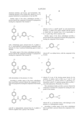
  • This invention relates to an improved process and intermediates useful in the preparation of 4'-trifluoromethyl-biphenyl-2-carboxylic acid (1,2,3,4-tetrahydro-isoquinolin-6-yl)-amide (I), below.
  • Compound I is useful in the preparation of 4'-trifluoromethyl-biphenyl-2-carboxylic acid [2-(1H-[1,2,4-triazol-3-ylmethyl)]-(1,2,3,4-tetrahydro-isoquinolin-6-yl)-amide whose formula is ##STR1##
  • Compound II is useful as an inhibitor of microsomal triglyceride transfer protein and/or apolipoprotein B (Apo B) secretion, and which are accordingly useful for the prevention and treatment of atherosclerosis and its clinical sequelae, for lowering serum lipids, and related diseases.
  • Apo B apolipoprotein B
  • Microsomal triglyceride transfer protein catalyzes the transport of triglyceride, cholesteryl ester, and phospholipids. It has been implicated as a probable agent in the assembly of Apo B-containing lipoproteins, biomolecules which contribute to the formation of atherosclerotic lesions. See European Patent application publication no. 0 643 057 A1, European Patent application publication no. 0 584 446 A2, and Wetterau et al., Science, 258, 999-1001, (1992). Compounds which inhibit MTP and/or otherwise inhibit Apo B secretion are accordingly useful in the treatment of atherosclerosis.
  • MTP Microsomal triglyceride transfer protein
  • Such compounds are also useful in the treatment of other diseases or conditions in which, by inhibiting MTP and/or Apo B secretion, serum cholesterol and triglyceride levels can be reduced.
  • diseases or conditions include hypercholesterolemia, hypertriglyceridemia, pancreatitis, and obesity; and hypercholesterolemia, hypertriglyceridemia, and hyperiipidemia associated with pancreatitis, obesity, and diabetes.
  • an improved process for the preparation of the compound of the formula ##STR2## which comprises treating the compound of formula ##STR3## m is 0 or 1 and R 5 H is a first acid, with a source of formaldehyde, such as formalin, paraformaldehyde and trioxane, in the presence of a second acid, wherein said first and second acids may be the same or different and are selected from mineral acids such as hydrochloric, sulfuric, nitric and phosphoric, organic acids such as sulfonic acids, e.g.
  • benzenesulfonic (besylic), p-toluenesulfonic (PTSA, tosylic), methanesulfonic (MSA, mesylic) and trifluoromethanesulfonic (triflic); carboxylic acids e.g., formic, acetic, proprionic, benzoic, citric, tartaric, maleic, fumaric, succinic and malic.
  • the source of formaldehyde is paraformaldehyde
  • the first acid is HCl or formic acid
  • the second acid is formic acid.
  • the compound of formula III, wherein m is 1, is prepared by treating the compound of the formula ##STR4## in an inert medium, containing a first acid, with a reducing agent selected from hydrogen in the presence of a hydrogenation catalyst such as Raney Ni, Pd/C and Pd(OH) 2 ; and aluminum hydrides; and borane; and borohydrides.
  • a hydrogenation catalyst such as Raney Ni, Pd/C and Pd(OH) 2
  • aluminum hydrides such as Raney Ni, Pd/C and Pd(OH) 2
  • borane and borohydrides
  • Another aspect of the above embodiment provides a process wherein the compound of formula IV is prepared by treating the compound of the formula V ##STR5## with a dehydrating agent, selected from (C 1 -C 6 )alkyl or (C 6 -C 10 )aryl sulfonyl or carbonyl halide or anhydride, in the presence of a base.
  • a dehydrating agent selected from (C 1 -C 6 )alkyl or (C 6 -C 10 )aryl sulfonyl or carbonyl halide or anhydride.
  • a preferred dehydrating agent is mesyl chloride.
  • Yet another aspect of the above embodiment provides a process wherein the compound of formula V is prepared by treating the compound of the formula VI ##STR6## with nitromethane in the presence of a base.
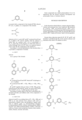
  • each R 3 is, independently, selected from (C 1 -C 6 )alkyl or both R 3 s together form a group of the formula ##STR8## wherein n is 0 or 1, and R 6 and R 7 are each selected from H and (C 1 -C 2 )alkyl or R 6 and R 7 together with the carbons to which they are attached form a (C 3 -C 8 )cycloalkyl or (C 6 -C 10 )aryl ring, with an aqueous acid.
  • Another aspect of the above embodiment provides a process wherein the compound of formula VII is prepared by treating the compound of the formula ##STR9## wherein R 3 is as defined above, with the compound of the formula ##STR10## wherein X is any of the leaving groups known for the acylation of amines, such as halo, e.g., F and Cl, and (C 2 -C 6 )acyloxy, e.g., acetoxy; and (C 6 -C 10 )aroyloxy, e.g., benzoyloxy; and (C 6 -C 10 )aryloxy groups such as p-NO 2 -- and p-fluorophenyloxy.
  • X is chloro.
  • This embodiment further provides a process wherein the compound of formula IX is prepared by treating the compound of the formula ##STR11## wherein R 3 is, as described above, with hydrogen in the presence of a hydrogenation catalyst.
  • A is a group of the formula ##STR14## and R 1 is selected from H and OR 3 wherein R 3 is hydrogen or (C 1 -C 6 )alkyl,
  • R 2 is selected from OR 3 , --CH 2 --NH 2 or --CH 2 --NO 2 ; or
  • R 1 and R 2 together form an ⁇ O or ⁇ CH--NO 2 group
  • R 1 and R 2 are each an OR 3 group then both R 3 s are (C 1 -C 6 )alkyl groups and the same.
  • R 2 --CH 2 --NH 2 and R 5 H is an acid selected from mineral acids such as hydrochloric, sulfuric, nitric and phosphoric, organic acids such as sulfonic acids, e.g. benzenesulfonic (besylic), p-toluenesulfonic (PTSA, tosylic), methanesulfonic (MSA, mesylic) and trifluoromethanesulfonic (triflic); carboxylic acids e.g., formic, acetic, proprionic, benzoic, citric, tartaric, maleic, fumaric, succinic and malic.
  • mineral acids such as hydrochloric, sulfuric, nitric and phosphoric
  • organic acids such as sulfonic acids, e.g. benzenesulfonic (besylic), p-toluenesulfonic (PTSA, tosylic), methanesulfonic (MSA, me
  • Some compounds may exhibit polymorphism. It is to be understood that the present invention encompasses any polymorphic forms, or mixtures thereof.
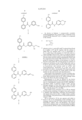
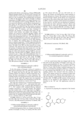
  • Acetal X is then hydrogenated to form the amino acetal IX which is subsequently treated with the compound of the formula VIII, wherein X is a "leaving" group for acylation of amines, in the presence of a base to form the acetal amide VII.
  • Leaving groups for acylation of amines are well known in the art and include halo, such as F and Cl, and acyloxy, such as acetoxy, and aroyloxy, such as benzoyloxy, and aryloxy, such as p-NO 2 and p-fluorophenyloxy.
  • X is halo and, most preferably, X is chloro.
  • Acetal amide VII is then treated with an acid to form compound VI. Acids useful in this step include the first and second acids described above.
  • Acids useful in the preparation of acetal X include mineral and sulfonic acids and cation exchange resins in their H + forms. Most preferred acids are H + cation exchange resins such as the Dowex ® cation exchange resins.
  • Hydrogenation of X may be effected by any known method including treatment with hydrogen gas in the presence of a hydrogenation catalyst such as Pd/C, Pd(OH) 2 /C and Raney nickel.
  • a hydrogenation catalyst such as Pd/C, Pd(OH) 2 /C and Raney nickel.
  • a preferred catalyst is Pd/C and the hydrogen pressure is from about 100 to about 510 kPA (about 14-74 PSI). The preferred hydrogen pressure is about 200 to 300 kPa (about 27 to 44 PSI).
  • Bases useful in the conversion of X to VII are selected from the group consisting of inorganic bases such as alkali or alkaline earth hydroxides, carbonates and bicarbonates and organic bases such as tri(C 1 -C 6 )alkyl amines, pyridine and morpholine.
  • the preferred base is TEA and the preferred solvent is THF.
  • VII is converted to VI by any aqueous acid which is known in the art for hydrolysing acetals including cation exchange resins (in their H + form), mineral acids such as hydrochloric, sulfuric, nitric and phosphoric, and organic acids such as sulfonic acids, e.g.
  • benzenesulfonic (besylic), p-toluenesulfonic (PTSA, tosylic), methanesulfonic (MSA, mesylic) and trifluoromethanesulfonic (triflic); and alkyl and aryl carboxylic acids e.g., acetic, proprionic, benzoic, citric, tartaric, maleic, fumaric, succinic and malic.
  • a preferred acid for use in this step is HCl (aq).
  • Compound V is prepared by treating compound VI with nitromethane in the presence of a first base.
  • Compound V, as illustrated in Scheme 2 is then treated, in an inert solvent, with a dehydrating agent selected from (C 1 -C 6 )alkyl or (C 6 -C 10 )aryl sulfonyl or carbonyl halide or anhydride, in the presence of a second base to form compound IV.
  • a A preferred dehydrating agent is mesyl chloride and inert solvents include chlorinated hydrocarbons, e.g., CH 2 Cl 2 .
  • the first and second bases may be selected from those bases described above with respect to the conversion of IX to VII and may be the same or different.
  • Preferred bases are the alkali metal carbonates and bicarbonates, preferably Na 2 CO 3 .
  • Compound III is prepared by reduction of compound IV.
  • a preferred reducing agent is hydrogen, at a pressure of about 135 to 555 kPA (about 20 to 80 PSI), in the presence of a hydrogenation catalyst such as Pd/C, Pd(OH) 2 /C, Raney nickel, and Pt/C.
  • a hydrogenation catalyst such as Pd/C, Pd(OH) 2 /C, Raney nickel, and Pt/C.
  • Other useful reducing agents are aluminum hydrides, borane, and borohydrides.
  • the hydrogenation is effected in an inert solvent such as a (C 1 -C 6 )alkanol, e.g., ethanol, or an ester, e.g., ethyl acetate, in the presence of an acid, such as mineral acids such as hydrochloric, sulfuric, nitric and phosphoric, organic acids such as sulfonic acids, e.g.
  • an inert solvent such as a (C 1 -C 6 )alkanol, e.g., ethanol, or an ester, e.g., ethyl acetate
  • an acid such as mineral acids such as hydrochloric, sulfuric, nitric and phosphoric, organic acids such as sulfonic acids, e.g.
  • benzenesulfonic (besylic), p-toluenesulfonic (PTSA, tosylic), methanesulfonic (MSA, mesylic) and trifluoromethanesulfonic (triflic); carboxylic acids e.g., formic, acetic, proprionic, benzoic, citric, tartaric, maleic, fumaric, succinic and malic to yield the acid addition salt of compound III which can be used, directly, in the next step or after conversion to the free base.
  • the preferred acids are HCl and formic.
  • the reduction is preferably effected using a hydrogen pressure is about 345 kPa (50 PSI) over Pd/C in ethanol containing conc.
  • Compound Ill is then converted to compound I by treatment with a source of formaldehyde, such as formalin, paraformaldehyde and trioxane and a (C 1 -C 6 )alkanoic acid such as formic acid at a temperature from about 25 to about 100° C.
  • a source of formaldehyde such as formalin, paraformaldehyde and trioxane and a (C 1 -C 6 )alkanoic acid such as formic acid at a temperature from about 25 to about 100° C.
  • the reaction is effected using the free base form of compound III and paraformaldehyde in formic acid at a temperature of about 60° C.
  • Compound II (hereafter “the active compound”), is orally administrable and is, accordingly, used in combination with a pharmaceutically acceptable carrier or diluent suitable to oral dosage forms.
  • suitable pharmaceutically-acceptable carriers include inert solid fillers or diluents and sterile aqueous or organic solutions.
  • the active compound will be present in such pharmaceutical compositions in amounts sufficient to provide the desired dosage amount in the range described below.
  • the compounds can be combined with a suitable solid or liquid carrier or diluent to form capsules, tablets, powders, syrups, solutions, suspensions and the like.
  • the pharmaceutical compositions may, if desired, contain additional components such as flavorants, sweeteners, excipients and the like.
  • the tablets, pills, capsules, and the like may also contain a binder such as gum tragacanth, acacia, corn starch or gelatin; excipients such as dicalcium phosphate; a disintegrating agent such as corn starch, potato starch, alginic acid; a lubricant such as magnesium stearate; and a sweetening agent such as sucrose, lactose or saccharin.
  • a dosage unit form is a capsule, it may contain, in addition to materials of the above type, a liquid carrier such as a fatty oil.
  • tablets may be coated with shellac, sugar or both.
  • a syrup or elixir may contain, in addition to the active ingredient, sucrose as a sweetening agent, methyl and propylparabens as preservatives, a dye and a flavoring such as cherry or orange flavor.
  • the active compound may also be administered parenterally.
  • parenteral administration the compound can be combined with sterile aqueous or organic media to form injectable solutions or suspensions.
  • Solutions or suspensions of the active compound can be prepared in water suitably mixed with a surfactant such as hydroxypropylcellulose.
  • Dispersions can also be prepared in sesame or peanut oil, ethanol, water, polyol (e.g., glycerol, propylene glycol and liquid polyethylene glycol) and suitable mixtures thereof; vegetable oils; N-methyl glucamine; polyvinylpyrrolidone and mixtures thereof in oils as well as aqueous solutions of water-soluble pharmaceutically acceptable salts of the compound.
  • these preparations Under ordinary conditions of storage and use, these preparations contain a preservative to prevent the growth of microorganisms.
  • the injectable solutions prepared in this manner can then be administered intravenously, intraperitoneally, subcutaneously, or intramuscularly.
  • the pharmaceutical forms suitable for injectable use include sterile aqueous solutions or dispersions and sterile powders for the extemporaneous preparation of sterile injectable solutions or dispersions.
  • the form must be sterile and must be fluid to the extent that easy syringability exists. It must be stable under the conditions of manufacture and storage and must be preserved against the contaminating action of microorganisms such as bacteria and fungi.
  • the dose of the active compound which is administered will generally be varied according to principles well known in the art taking into account the severity of the condition being treated and the route of administration.
  • the active compound will be administered to a warm blooded animal (such as a human) so that an effective dose, usually a daily dose administered in unitary or divided portions, is received, for example a dose in the range of about 0.1 to about 15 mg/kg body weight, preferably about 1 to about 5 mg/kg body weight.
  • the total daily dose received will generally be between 1 and 1000 mg, preferably between 5 and 350 mg.
  • the active compound may be used in conjunction with other pharmaceutical agents, including other lipid lowering agents.
  • Such agents include cholesterol biosynthesis inhibitors, especially HMG CoA reductase inhibitors and squalene synthetase inhibitors; bile acid sequestrants; fibrates; cholesterol absorption inhibitors; and niacin.
  • the resin was removed by filtration, and the filtrate concentrated to a pale yellow oil.
  • the acetal was dissolved in 100 mL THF and 10% Pd/C was added (0.52 g).
  • the mixture was placed in a Parr® hydrogenator under 276 kPa (40 psi) hydrogen pressure). After 90 minutes, and three recharges of hydrogen, the pressure of hydrogen held steady and the reaction vessel mixture was purged with nitrogen.
  • the catalyst was removed by filtration through Celite®, and rinsed with four 50 mL portions of THF.
  • Example 2 To the title product of Example 1 (3.0 g, 8.1 mmol), in 50% aqueous ethanol(15 mL), was added nitromethane (1.8 mL, 32 mmol) and Na 2 CO 3 (86 mg, 0.81 mmol). The resulting solution was stirred at ambient temperature for 4 hours, and then concentrated on a rotary evaporator. The resulting product was partitioned between ethyl acetate and water (ca. 25 mL each). The organic layer was separated, dried over MgSO 4 , filtered, and concentrated to provide the intermediate nitro alcohol as a brown oil (3.73 g).

Landscapes

  • Chemical & Material Sciences (AREA)
  • Organic Chemistry (AREA)
  • Health & Medical Sciences (AREA)
  • Engineering & Computer Science (AREA)
  • Bioinformatics & Cheminformatics (AREA)
  • Public Health (AREA)
  • General Health & Medical Sciences (AREA)
  • Veterinary Medicine (AREA)
  • Chemical Kinetics & Catalysis (AREA)
  • General Chemical & Material Sciences (AREA)
  • Medicinal Chemistry (AREA)
  • Nuclear Medicine, Radiotherapy & Molecular Imaging (AREA)
  • Pharmacology & Pharmacy (AREA)
  • Life Sciences & Earth Sciences (AREA)
  • Animal Behavior & Ethology (AREA)
  • Obesity (AREA)
  • Hematology (AREA)
  • Diabetes (AREA)
  • Urology & Nephrology (AREA)
  • Vascular Medicine (AREA)
  • Cardiology (AREA)
  • Heart & Thoracic Surgery (AREA)
  • Organic Low-Molecular-Weight Compounds And Preparation Thereof (AREA)
  • Pharmaceuticals Containing Other Organic And Inorganic Compounds (AREA)
  • Plural Heterocyclic Compounds (AREA)
  • Other In-Based Heterocyclic Compounds (AREA)
  • Low-Molecular Organic Synthesis Reactions Using Catalysts (AREA)
  • Heterocyclic Carbon Compounds Containing A Hetero Ring Having Nitrogen And Oxygen As The Only Ring Hetero Atoms (AREA)

Abstract

An improved process, and intermediates, for the preparation of 4'-trifluoromethyl-biphenyl-2-carboxylic acid (1,2,3,4-tetrahydro-isoquinoline-6-yl) amide (I), are disclosed. Compound (I) is useful as an inhibitor of microsomal triglyceride transfer protein and/or apolipoprotein B secretion, and which are accordingly useful for the preparation and treatment of atherosclerosis and its clinical sequelae, for lowering serum lipids, and related diseases.

Description

This application is the national phase of PCT/IB 98/00493, filed Apr. 6, 1998, which claims the benefit of priority of U.S. provisional application Ser. No. 60/044,690, filed Apr. 18, 1997.
FIELD OF THE INVENTION
This invention relates to an improved process and intermediates useful in the preparation of 4'-trifluoromethyl-biphenyl-2-carboxylic acid (1,2,3,4-tetrahydro-isoquinolin-6-yl)-amide (I), below. Compound I is useful in the preparation of 4'-trifluoromethyl-biphenyl-2-carboxylic acid [2-(1H-[1,2,4-triazol-3-ylmethyl)]-(1,2,3,4-tetrahydro-isoquinolin-6-yl)-amide whose formula is ##STR1## Compound II is useful as an inhibitor of microsomal triglyceride transfer protein and/or apolipoprotein B (Apo B) secretion, and which are accordingly useful for the prevention and treatment of atherosclerosis and its clinical sequelae, for lowering serum lipids, and related diseases.
BACKGROUND OF THE INVENTION
Microsomal triglyceride transfer protein (MTP) catalyzes the transport of triglyceride, cholesteryl ester, and phospholipids. It has been implicated as a probable agent in the assembly of Apo B-containing lipoproteins, biomolecules which contribute to the formation of atherosclerotic lesions. See European Patent application publication no. 0 643 057 A1, European Patent application publication no. 0 584 446 A2, and Wetterau et al., Science, 258, 999-1001, (1992). Compounds which inhibit MTP and/or otherwise inhibit Apo B secretion are accordingly useful in the treatment of atherosclerosis. Such compounds are also useful in the treatment of other diseases or conditions in which, by inhibiting MTP and/or Apo B secretion, serum cholesterol and triglyceride levels can be reduced. Such conditions include hypercholesterolemia, hypertriglyceridemia, pancreatitis, and obesity; and hypercholesterolemia, hypertriglyceridemia, and hyperiipidemia associated with pancreatitis, obesity, and diabetes.
PCT application serial no. PCT/IB95/00448 (hereafter "the '448 application") and U.S. Patent Application Serial No. 60/032307 (hereafter "the '307 application"), assigned to the Assignee of this application and incorporated herein in their entirety, describe methods for the preparation of compound I and its conversion to compound II. All other documents referred to herein are also incorporated herein in their entirety.
SUMMARY OF THE INVENTION
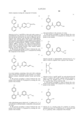
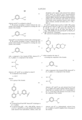
According to one embodiment of the invention there is provided an improved process for the preparation of the compound of the formula ##STR2## which comprises treating the compound of formula ##STR3## m is 0 or 1 and R5 H is a first acid, with a source of formaldehyde, such as formalin, paraformaldehyde and trioxane, in the presence of a second acid, wherein said first and second acids may be the same or different and are selected from mineral acids such as hydrochloric, sulfuric, nitric and phosphoric, organic acids such as sulfonic acids, e.g. benzenesulfonic (besylic), p-toluenesulfonic (PTSA, tosylic), methanesulfonic (MSA, mesylic) and trifluoromethanesulfonic (triflic); carboxylic acids e.g., formic, acetic, proprionic, benzoic, citric, tartaric, maleic, fumaric, succinic and malic. Preferably the source of formaldehyde is paraformaldehyde, the first acid is HCl or formic acid and the second acid is formic acid.
According to another aspect of the above embodiment there is provided a process wherein the compound of formula III, wherein m is 1, is prepared by treating the compound of the formula ##STR4## in an inert medium, containing a first acid, with a reducing agent selected from hydrogen in the presence of a hydrogenation catalyst such as Raney Ni, Pd/C and Pd(OH)2 ; and aluminum hydrides; and borane; and borohydrides. The compound (group) of the formula III, wherein m is 0 is prepared therefrom by neutralization of the the R5 H.
Another aspect of the above embodiment provides a process wherein the compound of formula IV is prepared by treating the compound of the formula V ##STR5## with a dehydrating agent, selected from (C1 -C6)alkyl or (C6 -C10)aryl sulfonyl or carbonyl halide or anhydride, in the presence of a base. A preferred dehydrating agent is mesyl chloride.
Yet another aspect of the above embodiment provides a process wherein the compound of formula V is prepared by treating the compound of the formula VI ##STR6## with nitromethane in the presence of a base.
According to another aspect of the above embodiment there is provided a process wherein the compound of formula VI is prepared by treating the compound of the formula VII ##STR7## each R3 is, independently, selected from (C1 -C6)alkyl or both R3 s together form a group of the formula ##STR8## wherein n is 0 or 1, and R6 and R7 are each selected from H and (C1 -C2)alkyl or R6 and R7 together with the carbons to which they are attached form a (C3 -C8)cycloalkyl or (C6 -C10)aryl ring, with an aqueous acid.
Another aspect of the above embodiment provides a process wherein the compound of formula VII is prepared by treating the compound of the formula ##STR9## wherein R3 is as defined above, with the compound of the formula ##STR10## wherein X is any of the leaving groups known for the acylation of amines, such as halo, e.g., F and Cl, and (C2 -C6)acyloxy, e.g., acetoxy; and (C6 -C10)aroyloxy, e.g., benzoyloxy; and (C6 -C10)aryloxy groups such as p-NO2 -- and p-fluorophenyloxy. Preferably, X is chloro.
This embodiment further provides a process wherein the compound of formula IX is prepared by treating the compound of the formula ##STR11## wherein R3 is, as described above, with hydrogen in the presence of a hydrogenation catalyst.
According to another aspect of the above embodiment there is provided a process wherein the compound of formula XI ##STR12## is reacted with a compound of the formula R3 OH, wherein R3 is (C1 -C6)alkyl, or a compound of the formula ##STR13## wherein n is 0 or 1, each of R6 and R7 is selected from H and (C1 -C3)alkyl or R6 and R7 together with the carbons to which they are attached form a (C3 -C10)cycloalkyl or (C6 -C10)aryl ring, in the presence of a first acid, such as a cation exchange resin in its H+ form or an aqueous mineral acid to form the the compound of the formula X.
According to a second embodiment of the invention there is provided a compound of formula
A--CHR.sup.1 R.sup.2
wherein
A is a group of the formula ##STR14## and R1 is selected from H and OR3 wherein R3 is hydrogen or (C1 -C6)alkyl,
R2 is selected from OR3, --CH2 --NH2 or --CH2 --NO2 ; or
R1 and R2 together form an ═O or ═CH--NO2 group;
with the proviso that when R1 and R2 are each an OR3 group then both R3 s are (C1 -C6)alkyl groups and the same.
According to another aspect of the above embodiment the invention provides acid addition salts of the compound of the formula
A--CHR.sup.1 R.sup.2.R.sup.5 H
wherein A and R1 are as defined above, R2 --CH2 --NH2 and R5 H is an acid selected from mineral acids such as hydrochloric, sulfuric, nitric and phosphoric, organic acids such as sulfonic acids, e.g. benzenesulfonic (besylic), p-toluenesulfonic (PTSA, tosylic), methanesulfonic (MSA, mesylic) and trifluoromethanesulfonic (triflic); carboxylic acids e.g., formic, acetic, proprionic, benzoic, citric, tartaric, maleic, fumaric, succinic and malic.
Some compounds may exhibit polymorphism. It is to be understood that the present invention encompasses any polymorphic forms, or mixtures thereof.
DETAILED DESCRIPTION
In the discussion which follows, common chemical abbreviations and acronyms have been employed: Me (methyl); Et (ethyl); THF (tetrahydrofuran); BOC (tert-butyloxycarbonyl, a blocking group); Ms (methanesulfonyl, mesyl); TFA (trifluoroacetic acid); Ac (Acetyl); RP (reverse phase); HPLC (high performance liquid chromatography);
Except where otherwise stated, R, R1, R2, R3 and R4, and formulae I and III through XI, in the reaction schemes and discussion that follow are defined as above. ##STR15##
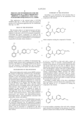
As shown in Scheme 1 commercially available 3-nitrobenzaldehyde XI is reacted with a compound of the formula R3 OH, wherein R3 is (C1 -C6)alkyl, or a compound of the formula ##STR16## wherein n is 0 or 1, each of R6 and R7 is selected from H and (C1 -C3)alkyl or R6 and R7 together with the carbons to which they are attached form a (C3 -C10)cycloalkyl or (C6 -C10)aryl ring, in the presence of a first acid, such as a cation exchange resin in its H+ form or an aqueous mineral acid to form the acetal X. Acetal X is then hydrogenated to form the amino acetal IX which is subsequently treated with the compound of the formula VIII, wherein X is a "leaving" group for acylation of amines, in the presence of a base to form the acetal amide VII. Leaving groups for acylation of amines are well known in the art and include halo, such as F and Cl, and acyloxy, such as acetoxy, and aroyloxy, such as benzoyloxy, and aryloxy, such as p-NO2 and p-fluorophenyloxy. Preferably X is halo and, most preferably, X is chloro. Acetal amide VII is then treated with an acid to form compound VI. Acids useful in this step include the first and second acids described above.
Acids useful in the preparation of acetal X include mineral and sulfonic acids and cation exchange resins in their H+ forms. Most preferred acids are H+ cation exchange resins such as the Dowex ® cation exchange resins.
Hydrogenation of X may be effected by any known method including treatment with hydrogen gas in the presence of a hydrogenation catalyst such as Pd/C, Pd(OH)2 /C and Raney nickel. A preferred catalyst is Pd/C and the hydrogen pressure is from about 100 to about 510 kPA (about 14-74 PSI). The preferred hydrogen pressure is about 200 to 300 kPa (about 27 to 44 PSI).
Bases useful in the conversion of X to VII are selected from the group consisting of inorganic bases such as alkali or alkaline earth hydroxides, carbonates and bicarbonates and organic bases such as tri(C1 -C6)alkyl amines, pyridine and morpholine. The preferred base is TEA and the preferred solvent is THF.
VII is converted to VI by any aqueous acid which is known in the art for hydrolysing acetals including cation exchange resins (in their H+ form), mineral acids such as hydrochloric, sulfuric, nitric and phosphoric, and organic acids such as sulfonic acids, e.g. benzenesulfonic (besylic), p-toluenesulfonic (PTSA, tosylic), methanesulfonic (MSA, mesylic) and trifluoromethanesulfonic (triflic); and alkyl and aryl carboxylic acids e.g., acetic, proprionic, benzoic, citric, tartaric, maleic, fumaric, succinic and malic. A preferred acid for use in this step is HCl (aq).
Compound V is prepared by treating compound VI with nitromethane in the presence of a first base. Compound V, as illustrated in Scheme 2 is then treated, in an inert solvent, with a dehydrating agent selected from (C1 -C6)alkyl or (C6 -C10)aryl sulfonyl or carbonyl halide or anhydride, in the presence of a second base to form compound IV. A A preferred dehydrating agent is mesyl chloride and inert solvents include chlorinated hydrocarbons, e.g., CH2 Cl2. The first and second bases may be selected from those bases described above with respect to the conversion of IX to VII and may be the same or different. Preferred bases are the alkali metal carbonates and bicarbonates, preferably Na2 CO3.
Compound III is prepared by reduction of compound IV. A preferred reducing agent is hydrogen, at a pressure of about 135 to 555 kPA (about 20 to 80 PSI), in the presence of a hydrogenation catalyst such as Pd/C, Pd(OH)2 /C, Raney nickel, and Pt/C. Other useful reducing agents are aluminum hydrides, borane, and borohydrides. The hydrogenation is effected in an inert solvent such as a (C1 -C6)alkanol, e.g., ethanol, or an ester, e.g., ethyl acetate, in the presence of an acid, such as mineral acids such as hydrochloric, sulfuric, nitric and phosphoric, organic acids such as sulfonic acids, e.g. benzenesulfonic (besylic), p-toluenesulfonic (PTSA, tosylic), methanesulfonic (MSA, mesylic) and trifluoromethanesulfonic (triflic); carboxylic acids e.g., formic, acetic, proprionic, benzoic, citric, tartaric, maleic, fumaric, succinic and malic to yield the acid addition salt of compound III which can be used, directly, in the next step or after conversion to the free base. The preferred acids are HCl and formic. The reduction is preferably effected using a hydrogen pressure is about 345 kPa (50 PSI) over Pd/C in ethanol containing conc. HCl. Compound Ill is then converted to compound I by treatment with a source of formaldehyde, such as formalin, paraformaldehyde and trioxane and a (C1 -C6)alkanoic acid such as formic acid at a temperature from about 25 to about 100° C. Preferably, the reaction is effected using the free base form of compound III and paraformaldehyde in formic acid at a temperature of about 60° C.
The conversion of compound I to compound II is described in copending applications Attorney Docket Nos. PC9182 and PC9687, assigned to the assignee of this application, incorporated herein in their entirety.)
Conventional methods and/or techniques of purification and separation known to those skilled in the art can be used to isolate the compounds of this invention. Such techniques include all types of chromatography (HPLC, column chromatography using common adsorbents such as silica gel, and thin layer chromatography), recrystallization, and differential (i.e., liquid--liquid) extraction techniques.
Compound II, (hereafter "the active compound"), is orally administrable and is, accordingly, used in combination with a pharmaceutically acceptable carrier or diluent suitable to oral dosage forms. Suitable pharmaceutically-acceptable carriers include inert solid fillers or diluents and sterile aqueous or organic solutions. The active compound will be present in such pharmaceutical compositions in amounts sufficient to provide the desired dosage amount in the range described below. Thus, for oral administration the compounds can be combined with a suitable solid or liquid carrier or diluent to form capsules, tablets, powders, syrups, solutions, suspensions and the like. The pharmaceutical compositions may, if desired, contain additional components such as flavorants, sweeteners, excipients and the like.
The tablets, pills, capsules, and the like may also contain a binder such as gum tragacanth, acacia, corn starch or gelatin; excipients such as dicalcium phosphate; a disintegrating agent such as corn starch, potato starch, alginic acid; a lubricant such as magnesium stearate; and a sweetening agent such as sucrose, lactose or saccharin. When a dosage unit form is a capsule, it may contain, in addition to materials of the above type, a liquid carrier such as a fatty oil.
Various other materials may be present as coatings or to modify the physical form of the dosage unit. For instance, tablets may be coated with shellac, sugar or both. A syrup or elixir may contain, in addition to the active ingredient, sucrose as a sweetening agent, methyl and propylparabens as preservatives, a dye and a flavoring such as cherry or orange flavor.
The active compound may also be administered parenterally. For parenteral administration the compound can be combined with sterile aqueous or organic media to form injectable solutions or suspensions. Solutions or suspensions of the active compound can be prepared in water suitably mixed with a surfactant such as hydroxypropylcellulose. Dispersions can also be prepared in sesame or peanut oil, ethanol, water, polyol (e.g., glycerol, propylene glycol and liquid polyethylene glycol) and suitable mixtures thereof; vegetable oils; N-methyl glucamine; polyvinylpyrrolidone and mixtures thereof in oils as well as aqueous solutions of water-soluble pharmaceutically acceptable salts of the compound. Under ordinary conditions of storage and use, these preparations contain a preservative to prevent the growth of microorganisms. The injectable solutions prepared in this manner can then be administered intravenously, intraperitoneally, subcutaneously, or intramuscularly.
The pharmaceutical forms suitable for injectable use include sterile aqueous solutions or dispersions and sterile powders for the extemporaneous preparation of sterile injectable solutions or dispersions. In all cases, the form must be sterile and must be fluid to the extent that easy syringability exists. It must be stable under the conditions of manufacture and storage and must be preserved against the contaminating action of microorganisms such as bacteria and fungi.
The dose of the active compound which is administered will generally be varied according to principles well known in the art taking into account the severity of the condition being treated and the route of administration. In general, the active compound will be administered to a warm blooded animal (such as a human) so that an effective dose, usually a daily dose administered in unitary or divided portions, is received, for example a dose in the range of about 0.1 to about 15 mg/kg body weight, preferably about 1 to about 5 mg/kg body weight. The total daily dose received will generally be between 1 and 1000 mg, preferably between 5 and 350 mg.
The active compound may be used in conjunction with other pharmaceutical agents, including other lipid lowering agents. Such agents include cholesterol biosynthesis inhibitors, especially HMG CoA reductase inhibitors and squalene synthetase inhibitors; bile acid sequestrants; fibrates; cholesterol absorption inhibitors; and niacin.
The present invention is illustrated by the following Examples. However, it should be understood that the invention is not limited to the specific details of these examples.
EXAMPLE 1 4'-Trifluormethyl-biphenyl-2-carboxylic acid(3-formyl-phenyl)amide
A 250 mL round bottom flask was charged with 3-nitrobenzaldehyde (5.20 g, 34.4 mmol), 100 mL methanol, and Dowex® sulfonic acid resin (e.g., Dowex 50WX4-400, Aldrich catalogue number 21-784-4) in its H+ form (0.57 g), washed with two 5 mL portions of methanol and added as a slurry in 5 mL of methanol. The resulting slurry was heated at reflux for 90 minutes, then stirred overnight at ambient temperature (1 H NMR analysis of an aliquot showed a 95:5 ratio of the dimethyl acetal to starting aldehyde). The resin was removed by filtration, and the filtrate concentrated to a pale yellow oil. The acetal was dissolved in 100 mL THF and 10% Pd/C was added (0.52 g). The mixture was placed in a Parr® hydrogenator under 276 kPa (40 psi) hydrogen pressure). After 90 minutes, and three recharges of hydrogen, the pressure of hydrogen held steady and the reaction vessel mixture was purged with nitrogen. The catalyst was removed by filtration through Celite®, and rinsed with four 50 mL portions of THF. The filtrate was treated with triethylamine (10.6 mL, 76 mmol) followed by 4'-trifluoromethyl-biphenyl-2-carboxylic acid chloride (9.8 g, 34 mmol) added, as a solution in 10 mL THF, dropwise over 15 minutes. The resulting slurry was stirred for 20 hours at ambient temperature. 1 N HCl (aqueous) (100 mL) was then added and the mixture was stirred vigorously for 2 hours. The bulk of the THF was then removed on a rotary evaporator. The aqueous layer was extracted with three 50 mL portions of isopropyl ether/ethyl acetate (3:1 v/v). The combined organic extracts were washed twice with 1 N HCl [aq], two times with saturated aqueous NaHCO3 and once with brine, and then dried over MgSO4, filtered, and concentrated to give a white solid. Recrystallization from 4:1 hexanes ethyl acetate (250 mL) provided the title product as a powdery, white solid (10.5 g, 83% yield). 1 H NMR: (CDCl3): δ 9.92 (s, 1H), 7.76 (d, J=7.5 Hz, 1H), 7.69-7.67 (m, 3H), 7.62-7.52 (m, 5H), 7.46-7.42 (m, 3H), 7.06 (br s, 1H). MS (electron impact): 369 (M+, 20), 249 (100).
EXAMPLE 2 4'-Trifluoromethyl-biphenyl-2-carboxylic acid[3-(2-nitro-vinyl)-phenyl]amide
To the title product of Example 1 (3.0 g, 8.1 mmol), in 50% aqueous ethanol(15 mL), was added nitromethane (1.8 mL, 32 mmol) and Na2 CO3 (86 mg, 0.81 mmol). The resulting solution was stirred at ambient temperature for 4 hours, and then concentrated on a rotary evaporator. The resulting product was partitioned between ethyl acetate and water (ca. 25 mL each). The organic layer was separated, dried over MgSO4, filtered, and concentrated to provide the intermediate nitro alcohol as a brown oil (3.73 g).
The crude nitro alcohol (3.4 g 7.9 mmol) was dissolved in CH2 Cl2 (90 mL), cooled to 0° C., and treated with methanesulfonyl chloride (1.5 mL, 19 mmol). After 30 minutes at 0° C., TLC analysis (10% methanol-CH2 Cl2) indicated complete conversion to a less polar product. The solution was then washed with 1 N HCl [aq], dried over MgSO4, filtered, and concentrated to give a pale yellow solid (3.3 g). Purification by silica gel chromatography (100 g silica gel, elution with 3% methanol-CH2 Cl2) provided the title product as a colorless solid (3.2 g, 98% yield).
1 H NMR: (CDCl3): δ 7.89 (d, J=13.9 Hz, 1H), 7.79 (d, J=7.5 Hz, 1H), 7.66-7.43 9 (m, 11H), 7.29 (d, J=7.7 Hz, 1H), 7.07 (br s, 1H). MS (chemical ionization): 413 (M+H, 100).
EXAMPLE 3 4'-Trifluoromethyl-biphenyl-2-carboxylic acid[3-(2-aminoethyl)-phenyl]amide hydrochloride
A Parr® hydrogenation flask was charged with the title product of Example 2 (1.90 g, 4.61 mmol), 10% Pd/C (0.58 g), 95% ethanol (20 mL), and conc. HCl (0.96 mL, 12 mmol). The mixture was hydrogenated, under hydrogen at 276 kPa (40 psi), for 19 hours. The catalyst was removed by filtration through Celite®, and the filtrate was concentrated to provide an oily, yellow-white solid, which was 85% pure by HPLC analysis. A portion of this material was purified as its free base (i.e., the HCl salt was dissolved in methanol, treated with one molar equivalent of K2 CO3 filtered and concentrated) by silica gel chromatography, eluting with 500:50:1 CH2 Cl2 -methanol-NH4 OH, providing the title product as a white solid which was homogenous by HPLC analysis.
1 H NMR (CDCl3): δ 7.64-7.61 (m, 4H), 7.50-7.47 (m, 2H), 7.41-7.34 (m, 2H), 7.13 (br s, 1H), 7.09-7.05 (m, 1H), 6.99 (d, J=8.1 Hz, 1H), 6.84 (d, J=7.5 Hz, 1H), 4.78 (br s, 2H), 2.97 (t, J=7.3 Hz, 2H), 2.80 (t, J=7.3 Hz, 2H).
MS (chemical ionization): 385 (M=H, 100).
EXAMPLE 4 4'-Trifluoromethyl-biphenyl-2-carboxylic acid (1,2,3,4,-tetrahydroisoguinolin-6-yl)amide
A 25 mL round bottom flask was charged with the free base form of the title product of Example 3 (512 mg, 1.33 mmol), paraformaldehyde (41 mg, 1.35 mmol) and formic acid (7 mL.) The resulting slurry was warmed in a 60° C. oil bath for 17 hours. After cooling to ambient temperature the slurry was neutralized by dropwise addition to a mixture of ice and saturated [aq] NH4 OH (12 ml, 190 mmol). The resulting solution was extracted with four portions of CH2 Cl2. The organic extracts were combined, washed with brine, dried over K2 CO3, filtered, and concentrated to provide 441 mg (84% of theoretical) of the title product as an off-white solid. 1 H NMR and MS analysis of this material showed it to be identical to that prepared by the route described in the '307 and '448 applications referred to above.
Claims (10)

What is claimed is:
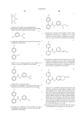
1. A process for preparing the compound of the formula ##STR17## which comprises treating the compound of formula ##STR18## wherein m is 0 or 1 and R5 H is a first acid, with a source of formaldehyde in the presence of a second acid, wherein said first and second acid may be the same or different, and are selected from mineral acids selected from hydrochloric, sulfuric, nitric and phosphoric acid; organic acids selected from sulfonic acids which are selected from benzenesulfonic (besylic), p-toluenesulfonic (PTSA tosylic), methanesulfonic (MSA, mesylic) and trifluoromethanesulfonic (triflic) acid; and carboxylic acids which are selected from formic, acetic, propionic, benzoic, citric, tartaric, maleic, fumaric, succinic and malic acid.
2. The process according to claim 1 wherein the compound of formula III, wherein m is 1, is prepared by treating the compound of the formula ##STR19## in an inert medium, containing a first acid, with a reducing agent selected from hydrogen in the presence of a hydrogenation catalyst, aluminum hydride, borane and borohydride.
3. The process according to claim 2 wherein the compound of the formula IV is prepared by treating the compound of the formula ##STR20## with a dehydrating agent, which is (C1 -C6)alkyl or (C6 -C10)aryl sulfonyl or carbonyl halide or anhydride, in the presence of a base.
4. The process according to claim 3 wherein the compound of the formula V is prepared by treating the compound of the formula ##STR21## with nitromethane in the presence of a base.
5. The process according to claim 4 wherein the compound of the formula VI is prepared by treating the compound of the formula ##STR22## wherein each R3 is, independently, selected from (C1 -C6)alkyl or both R3 s together form a group of the formula ##STR23## wherein n is 0 or 1 and R6 and R7 are each selected from H and (C1 -C2)alkyl or R6 and R7 together with the carbons to which they are attached form a (C3 -C8)cycloalkyl or (C6 -C10)aryl ring, with an aqueous acid.
6. The process according to claim 5 wherein the compound of the formula VII is prepared by treating the compound of the formula ##STR24## wherein X is a leaving group for acylation of amines, selected from halo, (C2 -C6)acyloxy, (C6 -C10)aroyloxy, and (C6 -C10)aryloxy, with a compound of the formula ##STR25## wherein each R3 is as defined in claim 5.
7. The process according to claim 6 wherein the compound of the formula IX is prepared by treating the compound of the formula ##STR26## wherein R3 is as described in claim 5, with a reducing agent.
8. The process according to claim 7 wherein the compound of the formula X is prepared by treating the compound of the formula ##STR27## with a compound of the formula R3 OH, wherein R3 is (C1 -C6)alkyl, or a compound of the formula ##STR28## wherein n, R6 and R7 are as defined in claim 5.
9. A compound of the formula
A--CHR.sup.1 R.sup.2
wherein
A is a group of the formula ##STR29## and R1 is selected from H and OR3 wherein R3 is hydrogen or (C1 -C6)alkyl,
R2 is selected from OR3, --CH2 --NH2.(R5 H)n, wherein n is 0 or 1 and R5 H is an acid selected from mineral acids selected from hydrochloric, sulfuric, nitric and phosphoric acid; organic acids selected from sulfonic acids which are selected from benzenesulfonic(besylic), p-toluenesulfonic (PTSA tosylic), methanesulfonic (MSA, mesylic) and trifluoromethanesulfonic (triflic) acid; and carboxylic acids which are selected from formic, acetic, propionic, benzoic, citric, tartaric, maleic, fumaric, succinic and malic acid, or --CH2 --NO2 ; or
R1 and R2 together form an ═O or ═CH--NO2 group;
with the proviso when R2 is OR3, R1 is OR3 and that when R1 and R2 are each an OR3 group then both R3 s are (C1 -C6)alkyl groups and are the same; and when R2 is --CH2 --NH2, (R5 H)n, R1 is H; and when R2 is CH2 NO2, R1 is OR3 wherein R3 is hydrogen.
10. A process for preparing the compound of the formula ##STR30## which comprises the steps of a) treating the compound of the formula ##STR31## with a compound of the formula R3 OH, wherein R3 is (C1 -C6)alkyl, or a compound of the formula ##STR32## wherein n, R6 and R7 are each selected form H and (C1 -C2)alkyl or R6 and R7 together with the carbons to which they are attached form a (C3 -C6)cycloalkyl or (C6 -C10) aryl ring, in the presence of an acid, to form the compound of the formula ##STR33## wherein each R3 is, independently, selected from (C1 -C6)alkyl or both R3 s together form a the group of the formula ##STR34## wherein n, R6 and R7 are as described above; b) treating the compound of the formula X with a reducing agent to form the compound of the formula ##STR35## c) treating the compound of the formula IX with the the compound of the formula ##STR36## wherein X is a leaving group for the acylation of amines, to form the compound of the formula ##STR37## wherein R3 is as described above; d) treating the compound of the formula VII with an aqueous acid to form the compound of the formula ##STR38## e) treating the compound of the formula VI with nitromethane in the presence of a base, to form the the compound of the formula ##STR39## f) treating the compound of the formula V with a dehydrating agent, which is (C1 -C6)alkyl or (C6 -C10)aryl sulfonyl or carbonyl halide or anhydride, in the presence of a base to form the compound of the formula ##STR40## g) treating the compound of the formula IV in an inert medium, containing a first acid, with a reducing agent selected from aluminum hydride, borane, borohydride, and hydrogen in the presence of a hydrogenation catalyst to form the compound of the formula ##STR41## wherein m is 1 and R5 H is selected from mineral acids which are selected from hydrochloric, sulfuric, nitric and phosphoric acid; organic acids selected from sulfonic acids which are selected from benzenesulfonic (besylic), p-toluenesulfonic (PTSA, tosylic), methanesulfonic (MSA, mesylic) and trifluoromethanesulfonic (triflic) acid; and carboxylic acids which are selected from formic, acetic, proprionic, benzoic, citric, tartaric, maleic, fumaric, succinic and malic acid; and optionally neutralizing the R5 H to form the the compound of the formula III wherein m is 0; and
h) treating the compound of the formula III, with a source of formaldehyde in the presence of a second acid.
US09/403,266 1997-04-18 1998-04-06 Process and intermediates for the preparation of 4'-trifluoromethyl-biphenyl-2-carboxylic acid (1,2,3,4-tetrahydro-isoquinolin-6-yl)-amide Expired - Fee Related US6147214A (en)

Priority Applications (1)

Application Number Priority Date Filing Date Title
US09/403,266 US6147214A (en) 1997-04-18 1998-04-06 Process and intermediates for the preparation of 4'-trifluoromethyl-biphenyl-2-carboxylic acid (1,2,3,4-tetrahydro-isoquinolin-6-yl)-amide

Applications Claiming Priority (3)

Application Number Priority Date Filing Date Title
US4469097P 1997-04-18 1997-04-18
US09/403,266 US6147214A (en) 1997-04-18 1998-04-06 Process and intermediates for the preparation of 4'-trifluoromethyl-biphenyl-2-carboxylic acid (1,2,3,4-tetrahydro-isoquinolin-6-yl)-amide
PCT/IB1998/000493 WO1998047875A1 (en) 1997-04-18 1998-04-06 Process and intermediates for the preparation of 4'-trifluoromethyl-biphenyl-2-carboxylic acid (1,2,3,4-tetrahydro-isoquinolin-6-yl)-amide

Publications (1)

Publication Number Publication Date
US6147214A true US6147214A (en) 2000-11-14

Family

ID=21933788

Family Applications (1)

Application Number Title Priority Date Filing Date
US09/403,266 Expired - Fee Related US6147214A (en) 1997-04-18 1998-04-06 Process and intermediates for the preparation of 4'-trifluoromethyl-biphenyl-2-carboxylic acid (1,2,3,4-tetrahydro-isoquinolin-6-yl)-amide

Country Status (17)

Country Link
US (1) US6147214A (en)
EP (1) EP0975598A1 (en)
JP (1) JP2000510483A (en)
KR (1) KR20010006479A (en)
CN (1) CN1252792A (en)
AR (1) AR012452A1 (en)
AU (1) AU6415998A (en)
BR (1) BR9809577A (en)
CA (1) CA2286108A1 (en)
HU (1) HUP0001910A2 (en)
ID (1) ID23387A (en)
IL (1) IL131850A0 (en)
PL (1) PL336481A1 (en)
TR (1) TR199902579T2 (en)
TW (1) TW413676B (en)
WO (1) WO1998047875A1 (en)
ZA (1) ZA983244B (en)

Cited By (5)

* Cited by examiner, † Cited by third party
Publication number Priority date Publication date Assignee Title
WO2004011427A3 (en) * 2002-07-31 2005-02-03 Smithkline Beecham Corp Substituted benzanilides as modulators of the ccr5 receptor
WO2004039795A3 (en) * 2002-10-29 2005-03-24 Fujisawa Pharmaceutical Co Amide compounds for the treatment of hyperlipidemia
US7176228B2 (en) 2000-07-24 2007-02-13 Bayer Cropscience Ag Pyrazole biphenylcarboxamides
US20080200682A1 (en) * 2005-06-17 2008-08-21 Basf Aktiengesellschaft Process of Producing Bleach Boosters
EP3791880A1 (en) 2009-04-29 2021-03-17 Amarin Pharmaceuticals Ireland Limited Pharmaceutical compositions comprising epa

Families Citing this family (10)

* Cited by examiner, † Cited by third party
Publication number Priority date Publication date Assignee Title
US6291465B1 (en) 1999-03-09 2001-09-18 Hoffmann-La Roche Inc. Biphenyl derivatives
WO2001005767A1 (en) * 1999-07-20 2001-01-25 Novartis Ag Organic compounds
NZ531890A (en) 2002-02-28 2006-02-24 Japan Tobacco Inc Ester compound and medicinal use thereof
UA79300C2 (en) * 2002-08-12 2007-06-11 Janssen Pharmaceutica Nv N-aryl piperidine substituted biphenylcarboxamides as inhibitors of apolipoprotein b secretion
JP4832897B2 (en) 2003-08-29 2011-12-07 日本たばこ産業株式会社 Ester derivatives and their pharmaceutical uses
US8101774B2 (en) 2004-10-18 2012-01-24 Japan Tobacco Inc. Ester derivatives and medicinal use thereof
JP4854253B2 (en) 2005-09-30 2012-01-18 国立大学法人佐賀大学 Composition for improving lipid metabolism
CN104725265B (en) * 2015-04-13 2016-11-30 江苏海阳化纤有限公司 A kind of synthetic method of nitro-amide compounds
CN105418513B (en) * 2015-11-13 2018-07-31 上海应用技术学院 A kind of 5- (1,3- dinitro propyl- 2- yls) -1H- imidazolium compounds and preparation method
CN105418514B (en) * 2015-11-18 2018-07-31 上海应用技术学院 One kind (E)-tertiary butyl -5- (2- nitroethenyl groups) -1H- imidazoles -1- t-butyl formates and preparation method thereof

Citations (1)

* Cited by examiner, † Cited by third party
Publication number Priority date Publication date Assignee Title
WO1996040640A1 (en) * 1995-06-07 1996-12-19 Pfizer Inc. BIPHENYL-2-CARBOXYLIC ACID-TETRAHYDRO-ISOQUINOLIN-6-YL AMIDE DERIVATIVES, THEIR PREPARATION AND THEIR USE AS INHIBITORS OF MICROSOMAL TRIGLYCERIDE TRANSFER PROTEIN AND/OR APOLIPOPROTEIN B (Apo B) SECRETION

Patent Citations (1)

* Cited by examiner, † Cited by third party
Publication number Priority date Publication date Assignee Title
WO1996040640A1 (en) * 1995-06-07 1996-12-19 Pfizer Inc. BIPHENYL-2-CARBOXYLIC ACID-TETRAHYDRO-ISOQUINOLIN-6-YL AMIDE DERIVATIVES, THEIR PREPARATION AND THEIR USE AS INHIBITORS OF MICROSOMAL TRIGLYCERIDE TRANSFER PROTEIN AND/OR APOLIPOPROTEIN B (Apo B) SECRETION

Non-Patent Citations (11)

* Cited by examiner, † Cited by third party
Title
A. Pictet et al., Bericate der Deutschen Chemischen Gesellschgft (1911) 44, pp. 2030 2036. Search Report for PCT/IB98/00493. *
A. Pictet et al., Bericate der Deutschen Chemischen Gesellschgft (1911) 44, pp. 2030-2036. Search Report for PCT/IB98/00493.
F. Kuffner et al., Monatshefte Fur Chemie., col. 91, 1960, Wein at pp. 1152 1161, XP002070019 see p. 1160, U ber die Konstitution eines Nebenalkaloides aus Adhatoda vasica Nees. *
F. Kuffner et al., Monatshefte Fur Chemie., col. 91, 1960, Wein at pp. 1152-1161, XP002070019 see p. 1160, Uber die Konstitution eines Nebenalkaloides aus Adhatoda vasica Nees.
G. Stokker, Tetrahedron Lett. 1996, 5453 5456. *
G. Stokker, Tetrahedron Lett. 1996, 5453-5456.
K. Isobeb et al., Chem. Pharm Bull. 1998, 1275 1282. Selective Cleavage of Aromatic Rings by Ozonolysis. I. Application to o Dimethoxybenzene Derivatives. *
K. Isobeb et al., Chem. Pharm Bull. 1998, 1275-1282. Selective Cleavage of Aromatic Rings by Ozonolysis. I. Application to o-Dimethoxybenzene Derivatives.
March J. Advanced Organic Chemistry. Second Edition. pp. 854, 1125, 1977. *
O. Orazi et al., J. Chem. Soc. Perkin Trans. 1, 1986, 1977 1982. *
O. Orazi et al., J. Chem. Soc. Perkin Trans. 1, 1986, 1977-1982.

Cited By (6)

* Cited by examiner, † Cited by third party
Publication number Priority date Publication date Assignee Title
US7176228B2 (en) 2000-07-24 2007-02-13 Bayer Cropscience Ag Pyrazole biphenylcarboxamides
WO2004011427A3 (en) * 2002-07-31 2005-02-03 Smithkline Beecham Corp Substituted benzanilides as modulators of the ccr5 receptor
WO2004039795A3 (en) * 2002-10-29 2005-03-24 Fujisawa Pharmaceutical Co Amide compounds for the treatment of hyperlipidemia
US20080200682A1 (en) * 2005-06-17 2008-08-21 Basf Aktiengesellschaft Process of Producing Bleach Boosters
EP3791880A1 (en) 2009-04-29 2021-03-17 Amarin Pharmaceuticals Ireland Limited Pharmaceutical compositions comprising epa
EP4008327A1 (en) 2009-04-29 2022-06-08 Amarin Pharmaceuticals Ireland Limited Pharmaceutical compositions comprising epa and a cardiovascular agent and methods of using the same

Also Published As

Publication number Publication date
IL131850A0 (en) 2001-03-19
JP2000510483A (en) 2000-08-15
WO1998047875A1 (en) 1998-10-29
AU6415998A (en) 1998-11-13
PL336481A1 (en) 2000-06-19
BR9809577A (en) 2000-07-04
AR012452A1 (en) 2000-10-18
EP0975598A1 (en) 2000-02-02
HUP0001910A2 (en) 2000-10-28
CA2286108A1 (en) 1998-10-29
ZA983244B (en) 1999-10-18
TW413676B (en) 2000-12-01
TR199902579T2 (en) 2000-01-21
KR20010006479A (en) 2001-01-26
CN1252792A (en) 2000-05-10
ID23387A (en) 2000-04-20

Similar Documents

Publication Publication Date Title
US6147214A (en) Process and intermediates for the preparation of 4'-trifluoromethyl-biphenyl-2-carboxylic acid (1,2,3,4-tetrahydro-isoquinolin-6-yl)-amide
JP2614408B2 (en) Acyclic ethylenediamine derivatives as substance P receptor antagonists
EP4077262B1 (en) Methods of synthesizing 4-valyloxybutyric acid
CA1340608C (en) Alkoxy-4(1h)-pyridone derivatives, processes for the preparation thereof and pharmaceutical compositions containing them
US4242515A (en) Substituted 3-alkyl-6-phenyl-1,2,4-triazolo-[4,3-a]pyridines
JP4617292B2 (en) Preparation of arylalkyl carbamate derivatives and their therapeutic use
US20090023918A1 (en) Process for preparing 3-acylaminobenzofuran-2-carboxylic acid derivative
AU605904B2 (en) 3,7-diazabicyclo(3,3,1)nonane compounds, and method for their production and medicaments containing such compounds
EP0096838A1 (en) 1-Aryloxy-2,3,4,5-tetrahydro-3-benzazepines, a process for preparing the same and their use as medicaments
EP0321968B1 (en) Compounds active on the cardiovascular system
US4413006A (en) N-Aryl-N-phenoxy-alkyl-piperazine compounds useful in decreasing intracranial pressure
US4870095A (en) 1H-pyrazole-1-alkanamides, antiarrhythmic compositions and use
US4814345A (en) 1-phenyl-2-aminocarbonylindole compounds, preparation thereof and pharmaceutical compositions containing them
KR100399798B1 (en) Novel naphthyridine derivative
JP2707390B2 (en) Cycloheptoimidazole derivative, method for producing the same, and drug containing the same
US5294638A (en) Phenyalkylaminoalkyl compounds and pharmaceutical compositions containing them
US5637701A (en) Process for preparing optically active amide derivatives
KR20010108381A (en) Novel Morpholine Derivatives, Method for the Production Thereof and Pharmaceutical Preparations Containing Said Derivatives
US4432991A (en) Therapeutically active 3-amino-1-phenyl(and substituted phenyl)-2-pyrazolines
US4209626A (en) Substituted 6-phenyl-1,2,4-triazolo[4,3-a]pyridines
US4451479A (en) Therapeutically active 3-amino-1-halogenated phenyl-2-pyrazolines and their C4 and C5 analogs
Binet et al. Structure activity relationships of new inhibitors of mammalian 2, 3-oxidosqualene cyclase designed from isoquinoline derivatives
JPS6252740B2 (en)
RU2060252C1 (en) DERIVATIVES OF N-(2,4- OR 2,5-DISUBSTITUTED TETRAHYDROFURYLALKYL)-N-(PHENYLETHYL-β-OL)-AMINE IN RACEMIC OR ENANTIOMERIC FORM, OR THEIR PHARMACEUTICALLY ACCEPTABLE SALT, METHOD OF THEIR SYNTHESIS AND PHARMACEUTICAL COMPOSITION
CZ361599A3 (en) Process and intermediates for preparing (1,2,3,4-tetrahydroisoquinolin-6-yl)amide 4ˆ-trifluormethylbiphenyl-2-carboxylic acid

Legal Events

Date Code Title Description
AS Assignment

Owner name: PFIZER INC., NEW YORK

Free format text: ASSIGNMENT OF ASSIGNORS INTEREST;ASSIGNOR:RAGAN, JOHN ANTHONY;REEL/FRAME:011176/0348

Effective date: 20000810

Owner name: PFIZER PRODUCTS INC., CONNECTICUT

Free format text: ASSIGNMENT OF ASSIGNORS INTEREST;ASSIGNOR:RAGAN, JOHN ANTHONY;REEL/FRAME:011176/0348

Effective date: 20000810

FEPP Fee payment procedure

Free format text: PAYOR NUMBER ASSIGNED (ORIGINAL EVENT CODE: ASPN); ENTITY STATUS OF PATENT OWNER: LARGE ENTITY

REMI Maintenance fee reminder mailed
LAPS Lapse for failure to pay maintenance fees

Free format text: PATENT EXPIRED FOR FAILURE TO PAY MAINTENANCE FEES (ORIGINAL EVENT CODE: EXP.); ENTITY STATUS OF PATENT OWNER: LARGE ENTITY

STCH Information on status: patent discontinuation

Free format text: PATENT EXPIRED DUE TO NONPAYMENT OF MAINTENANCE FEES UNDER 37 CFR 1.362

FP Lapsed due to failure to pay maintenance fee

Effective date: 20041114