US5865763A - Method for estimating creatinine clearance in obese and malnourished subjects using measurements of body cell mass - Google Patents
Method for estimating creatinine clearance in obese and malnourished subjects using measurements of body cell mass Download PDFInfo
- Publication number
- US5865763A US5865763A US08/854,380 US85438097A US5865763A US 5865763 A US5865763 A US 5865763A US 85438097 A US85438097 A US 85438097A US 5865763 A US5865763 A US 5865763A
- Authority
- US
- United States
- Prior art keywords
- bcm
- cell mass
- body cell
- creatinine clearance
- subject
- Prior art date
- Legal status (The legal status is an assumption and is not a legal conclusion. Google has not performed a legal analysis and makes no representation as to the accuracy of the status listed.)
- Expired - Fee Related
Links
- DDRJAANPRJIHGJ-UHFFFAOYSA-N creatinine Chemical compound CN1CC(=O)NC1=N DDRJAANPRJIHGJ-UHFFFAOYSA-N 0.000 title claims abstract description 142
- 229940109239 creatinine Drugs 0.000 title claims abstract description 71
- 238000000034 method Methods 0.000 title claims abstract description 39
- 238000005259 measurement Methods 0.000 title description 23
- 208000015380 nutritional deficiency disease Diseases 0.000 title description 10
- 238000011871 bio-impedance analysis Methods 0.000 claims abstract description 29
- 239000003814 drug Substances 0.000 claims abstract description 17
- 210000002966 serum Anatomy 0.000 claims abstract description 17
- 229940079593 drug Drugs 0.000 claims abstract description 16
- 238000002483 medication Methods 0.000 abstract description 6
- 230000003589 nefrotoxic effect Effects 0.000 abstract description 3
- 231100000381 nephrotoxic Toxicity 0.000 abstract description 3
- 230000037396 body weight Effects 0.000 description 33
- 230000003907 kidney function Effects 0.000 description 17
- 238000004458 analytical method Methods 0.000 description 14
- 210000002700 urine Anatomy 0.000 description 13
- 235000003715 nutritional status Nutrition 0.000 description 12
- 229940126575 aminoglycoside Drugs 0.000 description 11
- 230000029142 excretion Effects 0.000 description 11
- 210000004027 cell Anatomy 0.000 description 10
- 230000002485 urinary effect Effects 0.000 description 10
- 231100000417 nephrotoxicity Toxicity 0.000 description 9
- 230000009897 systematic effect Effects 0.000 description 9
- 206010029155 Nephropathy toxic Diseases 0.000 description 8
- 230000007694 nephrotoxicity Effects 0.000 description 8
- 210000002027 skeletal muscle Anatomy 0.000 description 7
- 230000000694 effects Effects 0.000 description 6
- 231100000419 toxicity Toxicity 0.000 description 6
- 230000001988 toxicity Effects 0.000 description 6
- 238000004364 calculation method Methods 0.000 description 5
- 201000010099 disease Diseases 0.000 description 5
- 208000037265 diseases, disorders, signs and symptoms Diseases 0.000 description 5
- 208000017169 kidney disease Diseases 0.000 description 5
- XLYOFNOQVPJJNP-UHFFFAOYSA-N water Substances O XLYOFNOQVPJJNP-UHFFFAOYSA-N 0.000 description 5
- IJGRMHOSHXDMSA-UHFFFAOYSA-N Atomic nitrogen Chemical compound N#N IJGRMHOSHXDMSA-UHFFFAOYSA-N 0.000 description 4
- 230000006870 function Effects 0.000 description 4
- 238000012417 linear regression Methods 0.000 description 4
- 229920001202 Inulin Polymers 0.000 description 3
- 230000002596 correlated effect Effects 0.000 description 3
- 230000001419 dependent effect Effects 0.000 description 3
- 230000024924 glomerular filtration Effects 0.000 description 3
- 230000036571 hydration Effects 0.000 description 3
- 238000006703 hydration reaction Methods 0.000 description 3
- JYJIGFIDKWBXDU-MNNPPOADSA-N inulin Chemical compound O[C@H]1[C@H](O)[C@@H](CO)O[C@@]1(CO)OC[C@]1(OC[C@]2(OC[C@]3(OC[C@]4(OC[C@]5(OC[C@]6(OC[C@]7(OC[C@]8(OC[C@]9(OC[C@]%10(OC[C@]%11(OC[C@]%12(OC[C@]%13(OC[C@]%14(OC[C@]%15(OC[C@]%16(OC[C@]%17(OC[C@]%18(OC[C@]%19(OC[C@]%20(OC[C@]%21(OC[C@]%22(OC[C@]%23(OC[C@]%24(OC[C@]%25(OC[C@]%26(OC[C@]%27(OC[C@]%28(OC[C@]%29(OC[C@]%30(OC[C@]%31(OC[C@]%32(OC[C@]%33(OC[C@]%34(OC[C@]%35(OC[C@]%36(O[C@@H]%37[C@@H]([C@@H](O)[C@H](O)[C@@H](CO)O%37)O)[C@H]([C@H](O)[C@@H](CO)O%36)O)[C@H]([C@H](O)[C@@H](CO)O%35)O)[C@H]([C@H](O)[C@@H](CO)O%34)O)[C@H]([C@H](O)[C@@H](CO)O%33)O)[C@H]([C@H](O)[C@@H](CO)O%32)O)[C@H]([C@H](O)[C@@H](CO)O%31)O)[C@H]([C@H](O)[C@@H](CO)O%30)O)[C@H]([C@H](O)[C@@H](CO)O%29)O)[C@H]([C@H](O)[C@@H](CO)O%28)O)[C@H]([C@H](O)[C@@H](CO)O%27)O)[C@H]([C@H](O)[C@@H](CO)O%26)O)[C@H]([C@H](O)[C@@H](CO)O%25)O)[C@H]([C@H](O)[C@@H](CO)O%24)O)[C@H]([C@H](O)[C@@H](CO)O%23)O)[C@H]([C@H](O)[C@@H](CO)O%22)O)[C@H]([C@H](O)[C@@H](CO)O%21)O)[C@H]([C@H](O)[C@@H](CO)O%20)O)[C@H]([C@H](O)[C@@H](CO)O%19)O)[C@H]([C@H](O)[C@@H](CO)O%18)O)[C@H]([C@H](O)[C@@H](CO)O%17)O)[C@H]([C@H](O)[C@@H](CO)O%16)O)[C@H]([C@H](O)[C@@H](CO)O%15)O)[C@H]([C@H](O)[C@@H](CO)O%14)O)[C@H]([C@H](O)[C@@H](CO)O%13)O)[C@H]([C@H](O)[C@@H](CO)O%12)O)[C@H]([C@H](O)[C@@H](CO)O%11)O)[C@H]([C@H](O)[C@@H](CO)O%10)O)[C@H]([C@H](O)[C@@H](CO)O9)O)[C@H]([C@H](O)[C@@H](CO)O8)O)[C@H]([C@H](O)[C@@H](CO)O7)O)[C@H]([C@H](O)[C@@H](CO)O6)O)[C@H]([C@H](O)[C@@H](CO)O5)O)[C@H]([C@H](O)[C@@H](CO)O4)O)[C@H]([C@H](O)[C@@H](CO)O3)O)[C@H]([C@H](O)[C@@H](CO)O2)O)[C@@H](O)[C@H](O)[C@@H](CO)O1 JYJIGFIDKWBXDU-MNNPPOADSA-N 0.000 description 3
- 229940029339 inulin Drugs 0.000 description 3
- 235000016709 nutrition Nutrition 0.000 description 3
- 230000035764 nutrition Effects 0.000 description 3
- 238000010561 standard procedure Methods 0.000 description 3
- 208000002720 Malnutrition Diseases 0.000 description 2
- 208000008589 Obesity Diseases 0.000 description 2
- 206010033307 Overweight Diseases 0.000 description 2
- ZLMJMSJWJFRBEC-UHFFFAOYSA-N Potassium Chemical compound [K] ZLMJMSJWJFRBEC-UHFFFAOYSA-N 0.000 description 2
- 206010062104 Renal mass Diseases 0.000 description 2
- 208000037063 Thinness Diseases 0.000 description 2
- 210000000577 adipose tissue Anatomy 0.000 description 2
- 230000003247 decreasing effect Effects 0.000 description 2
- 230000018044 dehydration Effects 0.000 description 2
- 238000006297 dehydration reaction Methods 0.000 description 2
- 230000003292 diminished effect Effects 0.000 description 2
- 230000003203 everyday effect Effects 0.000 description 2
- 230000003834 intracellular effect Effects 0.000 description 2
- 210000003734 kidney Anatomy 0.000 description 2
- 235000000824 malnutrition Nutrition 0.000 description 2
- 230000001071 malnutrition Effects 0.000 description 2
- 210000003205 muscle Anatomy 0.000 description 2
- 229910052757 nitrogen Inorganic materials 0.000 description 2
- 235000020824 obesity Nutrition 0.000 description 2
- 229910052700 potassium Inorganic materials 0.000 description 2
- 239000011591 potassium Substances 0.000 description 2
- 238000000611 regression analysis Methods 0.000 description 2
- 238000011160 research Methods 0.000 description 2
- 238000012360 testing method Methods 0.000 description 2
- 238000002560 therapeutic procedure Methods 0.000 description 2
- 231100000331 toxic Toxicity 0.000 description 2
- 230000002588 toxic effect Effects 0.000 description 2
- 206010048828 underweight Diseases 0.000 description 2
- 208000017667 Chronic Disease Diseases 0.000 description 1
- 208000028399 Critical Illness Diseases 0.000 description 1
- 208000030453 Drug-Related Side Effects and Adverse reaction Diseases 0.000 description 1
- 206010016803 Fluid overload Diseases 0.000 description 1
- 206010057362 Underdose Diseases 0.000 description 1
- 230000000996 additive effect Effects 0.000 description 1
- 210000001789 adipocyte Anatomy 0.000 description 1
- -1 aminoglycosides Substances 0.000 description 1
- 210000003423 ankle Anatomy 0.000 description 1
- 230000000843 anti-fungal effect Effects 0.000 description 1
- 229940121375 antifungal agent Drugs 0.000 description 1
- 239000003429 antifungal agent Substances 0.000 description 1
- 239000003443 antiviral agent Substances 0.000 description 1
- 239000003990 capacitor Substances 0.000 description 1
- 230000001925 catabolic effect Effects 0.000 description 1
- 230000015556 catabolic process Effects 0.000 description 1
- 230000008859 change Effects 0.000 description 1
- 239000003795 chemical substances by application Substances 0.000 description 1
- 230000000875 corresponding effect Effects 0.000 description 1
- 230000007812 deficiency Effects 0.000 description 1
- 238000009795 derivation Methods 0.000 description 1
- 238000010790 dilution Methods 0.000 description 1
- 239000012895 dilution Substances 0.000 description 1
- 230000003467 diminishing effect Effects 0.000 description 1
- 238000005516 engineering process Methods 0.000 description 1
- 239000012530 fluid Substances 0.000 description 1
- 210000003958 hematopoietic stem cell Anatomy 0.000 description 1
- 238000001802 infusion Methods 0.000 description 1
- 230000000977 initiatory effect Effects 0.000 description 1
- 238000001990 intravenous administration Methods 0.000 description 1
- 238000009588 inulin clearance Methods 0.000 description 1
- 238000004519 manufacturing process Methods 0.000 description 1
- 230000002503 metabolic effect Effects 0.000 description 1
- 230000004060 metabolic process Effects 0.000 description 1
- 239000002207 metabolite Substances 0.000 description 1
- 239000000203 mixture Substances 0.000 description 1
- 230000004048 modification Effects 0.000 description 1
- 238000012986 modification Methods 0.000 description 1
- 230000010412 perfusion Effects 0.000 description 1
- 238000001050 pharmacotherapy Methods 0.000 description 1
- 238000012552 review Methods 0.000 description 1
- 239000007787 solid Substances 0.000 description 1
- 238000006467 substitution reaction Methods 0.000 description 1
- 230000009466 transformation Effects 0.000 description 1
- 230000010248 tubular secretion Effects 0.000 description 1
- 210000005239 tubule Anatomy 0.000 description 1
- 230000007306 turnover Effects 0.000 description 1
- 210000000707 wrist Anatomy 0.000 description 1
Images



Classifications
-
- G—PHYSICS
- G01—MEASURING; TESTING
- G01N—INVESTIGATING OR ANALYSING MATERIALS BY DETERMINING THEIR CHEMICAL OR PHYSICAL PROPERTIES
- G01N33/00—Investigating or analysing materials by specific methods not covered by groups G01N1/00 - G01N31/00
- G01N33/48—Biological material, e.g. blood, urine; Haemocytometers
- G01N33/483—Physical analysis of biological material
- G01N33/487—Physical analysis of biological material of liquid biological material
- G01N33/493—Physical analysis of biological material of liquid biological material urine
-
- G—PHYSICS
- G01—MEASURING; TESTING
- G01N—INVESTIGATING OR ANALYSING MATERIALS BY DETERMINING THEIR CHEMICAL OR PHYSICAL PROPERTIES
- G01N33/00—Investigating or analysing materials by specific methods not covered by groups G01N1/00 - G01N31/00
- G01N33/48—Biological material, e.g. blood, urine; Haemocytometers
- G01N33/50—Chemical analysis of biological material, e.g. blood, urine; Testing involving biospecific ligand binding methods; Immunological testing
- G01N33/70—Chemical analysis of biological material, e.g. blood, urine; Testing involving biospecific ligand binding methods; Immunological testing involving creatine or creatinine
Definitions
- the present invention relates to a method for estimating creatinine clearance in obese or malnourished human subjects which is particularly suitable for determining appropriate dosages of medication, in order to avoid or prevent adverse drug reactions and toxicity.
- GFR glomerular filtration rate
- aminoglycoside nephrotoxicity ranges from 0-50%, with rates in most studies in the 5-25% range.
- Prospective studies that defined nephrotoxicity as a substantial decrease in the GFR reported an incidence of nephrotoxicity that ranged from 5-10% in severely ill patients. Aminoglycoside toxicity can be minimized if such drugs are dosed appropriately.
- inulin clearance (CL IN ) or creatinine clearance (CL CR ).
- CL IN inulin clearance
- CL CR creatinine clearance
- CL CR is a practical substitute for CL IN in estimating renal function. Creatinine, which is a product of muscle metabolism, is eliminated by the kidneys mainly by glomerular filtration, but also to a minor extent by tubular secretion. For this reason, CL CR measurements usually overestimate the GFR in comparison to CL IN . However, CL CR measurement is simpler and less expensive to perform.
- the standard method involves collecting the urine output (V U ) from a subject for a 24-hour period and measuring urine (U CR ) and serum (S CR ) creatinine concentrations. Creatinine clearance is then calculated as:
- C-G Cockcroft-Gault
- ideal body weight is calculated as:
- O'Connell et al. found the Jelliffe 1973 equation using modified lean body weight was best for predicting the correct drug doses for hospitalized elderly patients.
- a method for predicting creatinine clearance in one or more patients whereby body cell mass (BCM) is measured to estimate creatinine clearance.
- BCM body cell mass
- BCM is determined by performing bioimpedance analysis (BIA) on a subject and using the results to calculate BCM according to previously derived formulae.
- S CR serum creatinine concentration
- S CR serum creatinine concentration
- BCM has a correlation with measured CL CR which is stronger than actual body weight.
- An estimate of creatinine clearance can be determined directly from the calculation of BCM.
- An object of the present invention is to provide a method for estimating the creatinine clearance of a patient which is more accurate than other known methods for such estimation.
- a further object of the present invention is to provide a method for estimating the creatinine clearance which is clinically practical and more accommodating than actual creatinine clearance measurement.
- a still further object of the present invention is to provide a method for determining creatinine clearance which is independent of such variables as the patient's age, race, gender, actual or ideal body weight, nutritional status, or affliction with disease.
- a still further object of the present invention is to provide a method for determining creatinine clearance which allows for proper dosing of potentially nephrotoxic or other medications in the treatment of renal disease.
- FIG. 1 is a chart illustrating the results of a comparison of creatinine excretion in 24-hour urine collection and BCM estimated by BIA;
- FIG. 2a is a chart illustrating the results of a comparison of CL CR by 24-hour urine collection and prediction of the value by the Cockcroft-Gault (C-G) equation using actual body weight;
- FIG. 2b is a chart illustrating the results of a comparison of CL CR by 24-hour urine collection and prediction of the value by the C-G equation using IBW;
- FIG. 3a is a chart illustrating the results of a comparison of the difference between measured and estimated CL CR and prediction of the value by the C-G equation using actual body weight;
- FIG. 3b is a chart illustrating the results of a comparison of the difference between measured and estimated CL CR and prediction of the value by the C-G equation using IBW;
- FIG. 4a is a chart illustrating the results of a comparison of the difference between measured and estimated CL CR using the C-G equation with actual body weight and body mass index (BMI);
- FIG. 4b is a chart illustrating the results of a comparison of the difference between measured and estimated CL CR using the C-G equation with IBW and BMI;
- FIG. 5a is a chart illustrating the results of a comparison of CL CR measured by 24-hour urine collection and CL CR predicted using BCM, estimated by BIA, and serum creatinine concentration (S CR );
- FIG. 5b is a chart illustrating the results of a comparison of the difference between measured and estimated CL CR and prediction of CL CR using BCM, estimated by BIA, and S CR ;
- FIG. 5c is a chart illustrating the results of a comparison of the difference between measured and estimated CL CR (using BCM and S CR ) and BMI.
- BCM body cell mass
- the BCM of each patient in the present study was determined using the bioimpedance analysis (BIA) techniques disclosed and claimed in U.S. patent application Ser. No. 08/353,933 of Kotler, filed on Dec. 12, 1994, now allowed, which is herein incorporated by reference.
- the analysis was accomplished using an RJL 101 bioimpedance analyzer manufactured by RJL Systems of Clinton Township, Mich., and purchased therefrom.
- Calculation of BCM was accomplished by using the Fluid and Nutrition Analysis v. 3.1 software, also marketed by RJL Systems, which incorporates the BIA formulae of Ser. No. 08/353,933.
- BIA was chosen for determining renal function because the analyzer involved is portable, operator-independent, simple to learn and operate and, thus, adaptable for use in a variety of clinical settings.
- accuracy in the measurement of BCM by BIA is independent of variable factors such as a patient's age, race, gender, hydration status and disease.
- Ser. No. 08/353,933 BIA has proven to be an accurate evaluator of BCM.
- the bioimpedance analyzer is affixed to a patient who is lying on his or her back on an examination table with shoes and socks removed. Two electrodes are placed on the patient's right wrist and right ankle. A current of approximately 800 microamps at 50 kHz is then delivered. Resistance (R) (the voltage drop of the applied current) and reactance (X) (opposition to electric current caused by capacitance) are measured.
- a human body's ionic circuit is best represented as a parallel circuit containing capacitors.
- the optimal exponents for height, resistance and impedance were determined using a multiple regression technique after logarithmic transformation of the data.
- the most accurate representations for BCM in males and females were determined to be:
- Ht height of the patient (cm);
- Wt measured weight of the patient (kg).
- the accuracy of the Cockcroft-Gault estimations of CL CR were evaluated by linear regression analysis.
- the relationships among measured CL CR and the components of the Cockcroft-Gault estimates, including weight, ideal body weight (IBW), age, sex, and height (the latter used in the prediction of IBW) were examined by multiple regression.
- the differences between measured and predicted CL CR were analyzed as a function of (measured and predicted) CL CR and as a function of nutritional status, defined as percent IBW, body mass index (BMI) (wt/ht 2 ), or BCM, in order to determine if there were any systematic bias in the prediction.
- a predictive model for CL CR was derived from BIA. It was hypothesized that CL CR is related to BCM and to S CR , and that BCM depletion is reflected in decreased CL CR . The relationship between BCM and total urinary creatinine excretion, the latter a reflection of skeletal muscle mass, was examined by linear regression analysis. A prediction equation for CL CR was derived by multiple regression analysis with measured CL CR as the dependent variable and BCM and S CR as the independent variables. The independent, additive effects of weight, IBW, sex, height, HIV status, and site of study on this model were examined by hierarchical multiple regression analysis. The differences between measured and predicted CL CR were analyzed in relation to CL CR and nutritional status as described above to examine for possible systematic bias in the prediction.
- the validity of the BIA-derived predictive model for CL CR was also evaluated.
- the adjusted r 2 was determined to provide a relatively unbiased estimate of the model's predictability in the whole population.
- the model also was cross-validated using the jackknife technique, in which separate predictive equations were derived for a series of data sets, each missing a single subject.
- the correlation between the predictions for each subject and measured CL CR is an unbiased estimate of the correlation that would be obtained in an independent sample.
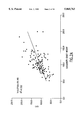
- FIG. 1 illustrates the graph of the relationship between BCM and urinary creatinine excretion.
- Creatinine clearance was compared to nutritional status, as represented by weight, IBW, percent IBW, BMI (wt/ht 2 ) and BCM.
- the slope of the relationship was positive for all of the variables examined, indicating that renal function varies significantly with nutritional status, specifically BCM, and is diminished in malnourished people.
- FIGS. 3a and 3b plot the difference between measured and predicted CL CR versus the predicted values.
- FIG. 3a illustrates the predictive equation using actual body weight while FIG. 3b illustrates the equation using IBW. Both plots of residual versus predicted value had negative slopes, indicating that the equation overestimated measured CL CR at low values and underestimated CL CR at high values.
- the error in prediction as a percentage of the measured value, also increased as CL CR decreased.
- the adjusted R 2 representing an unbiased estimate of the model in the whole population, was similar to the raw R 2 , reflecting the relative large study group and few variables used in the model. Residual analyses showed no evidence of systematic error, when measured minus predicted results were plotted against predicted CL CR , as shown in FIG. 5b, and against BMI, as shown in FIG. 5c. Similarly, no systematic errors are seen when the residual value is plotted as a function of IBW or BCM. Thus, a predictive model for CL CR based upon BCM and S CR shows a closer relationship to actual CL CR than do estimates made using the C-G equation. Furthermore, this predictive model does not have a systematic error in prediction across the range of possible body composition values.
- the predictive equation of the present invention was evaluated using the jackknife technique, as described in the methods.
- BCM body weight or calculation of IBW does not distinguish between BCM, fat and extracellular water.
- the relationships among these body compartments are altered by disease and in obesity.
- BCM is considered of key importance in clinical nutrition since it is the compartment responsible for all metabolic activity. Severe malnutrition invariably is associated with BCM depletion.
- the kidney is a component of the BCM. For these reasons, the relationship between BCM and renal function was examined in this study.
- the present invention provides that: (1) renal mass is a constant proportion of BCM in the absence of intrinsic renal disease, (2) renal mass is directly related to CL CR and (3) proportionate changes in BCM and CL CR occur as a result of malnutrition.
- BCM has been shown, in Example 1, to be more closely related to CL CR , as well as total urinary creatinine excretion, than was weight or IBW. Variation in body fat content or hydration status may explain much of the difference.
- the present invention provides that the standard (C-G) equations currently in use have a systematic error in the prediction of CL CR that differ, based upon the use of ideal or actual body weight in the equation.
- both equations overestimate CL CR at low values of measured CL CR and underestimate CL CR at high values as shown in FIGS. 3a and 3b.
- the equation using IBW overestimates CL CR in malnourished people, expressed as subnormal BMI, percent IBW or BCM, and underestimates the measured value in overnourished (obese) people as shown in FIGS. 4a and 4b.
- the equation using actual body weight has the opposite effect.
- the predictive accuracy of these equations falls as nutritional status deviates from normal with possible increased risks of toxicity in malnourished patients and subtherapeutic dosing in obese patients.
- the equation of the present invention (shown as derived in Example 3), which uses BCM to predict CL CR gave estimates with higher correlation coefficients than the C-G equation, consistent with its derivation from the data in these subjects.
- the prediction model using BCM did not have a systematic error when analyzed in reference to predicted or measured CL CR or to nutritional status, expressed as percent IBW, BMI or BCM. While age and sex influence renal function, justifying their inclusion in many predictive equations, they had no independent predictive value in the present invention which relies on BCM. It is likely that age and sex affect renal function solely through their influences on BCM. Adjusting low S CR to 1.0 mg/dL does not improve the prediction.
- the standard error of the prediction is about 22 ml/min or about 21% of the average value, which must be viewed in the context that the reproducibility of 24-hour CL CR is about 20%.
- an increasingly available bedside technology can be used to improve estimation of CL CR in seriously ill patients.
- estimation of renal function by CL CR is based upon the assumptions that the subject is in steady state, that skeletal muscle mass is a constant percentage of weight, and that fractional skeletal muscle turnover is constant. These assumptions may not be true, particularly in acutely or chronically ill patients whose skeletal muscle mass may be disproportionately low, or catabolic patients in whom fractional muscle breakdown and creatinine production may be elevated. Additionally, the relationship between weight and skeletal muscle mass will vary with hydration status and is altered in obesity, states of fluid overload or dehydration. Dehydration also may independently affect CL CR through effects on renal perfusion.
- isotope dilution analysis or the like, may be substituted for bioimpedance analysis.
- BIA may be based on modelling the human body using segmental analysis or the like. Additionally, different amperages and frequencies may be used during BIA, all of which are within the skill of those in the art to readily determine.
- BCM BCM-based predictive metric analysis of total body potassium, intracellular water volume, and total body nitrogen.
- different mathematical equations other than those specifically referred to above may be readily derived by those skilled in the art to determine BCM from BIA.
Landscapes
- Health & Medical Sciences (AREA)
- Life Sciences & Earth Sciences (AREA)
- Engineering & Computer Science (AREA)
- Biomedical Technology (AREA)
- Urology & Nephrology (AREA)
- Chemical & Material Sciences (AREA)
- Physics & Mathematics (AREA)
- Immunology (AREA)
- Hematology (AREA)
- Molecular Biology (AREA)
- Food Science & Technology (AREA)
- Medicinal Chemistry (AREA)
- Analytical Chemistry (AREA)
- Biochemistry (AREA)
- General Health & Medical Sciences (AREA)
- General Physics & Mathematics (AREA)
- Pathology (AREA)
- Biophysics (AREA)
- Biotechnology (AREA)
- Cell Biology (AREA)
- Microbiology (AREA)
- Investigating Or Analysing Biological Materials (AREA)
Abstract
Creatinine clearance is estimated in a patient by determining his or her body cell mass. In turn, the body cell mass of the patient is measured using bioimpedance analysis techniques. The patient's serum creatinine concentration is also measured. The body cell mass and the serum creatinine concentration provide an indication of actual creatinine clearance in the subject through use of a predictive formula. From this prediction, accurate dosages of potentially nephrotoxic medications can be appropriately prescribed.
Description
This application is a continuation-in-part of U.S. Ser. No. 08/694,615, filed Aug. 13, 1996 and now U.S. Pat. No. 5,723,396, entitled METHOD FOR ESTIMATING CREATININE CLEARANCE USING MEASUREMENTS OF BODY CELL MASS, now pending.
The present invention relates to a method for estimating creatinine clearance in obese or malnourished human subjects which is particularly suitable for determining appropriate dosages of medication, in order to avoid or prevent adverse drug reactions and toxicity.
Dosing regimens for several drugs used in treating renal diseases, most notably the aminoglycosides, are based upon a measurement of renal function known as the glomerular filtration rate (GFR). It is often necessary to estimate GFR, since actual measurement is both expensive and time-consuming. However, standard methods for estimating renal function are prone to errors which can result in inaccurate drug dosages being prescribed to an individual. These inaccuracies have created substantial risk of nephrotoxicity in underweight patients and insufficient dosages being prescribed to overweight or obese subjects.
The reported incidence of aminoglycoside nephrotoxicity ranges from 0-50%, with rates in most studies in the 5-25% range. Prospective studies that defined nephrotoxicity as a substantial decrease in the GFR reported an incidence of nephrotoxicity that ranged from 5-10% in severely ill patients. Aminoglycoside toxicity can be minimized if such drugs are dosed appropriately.
In clinical practice, renal function can be estimated through measurement of inulin clearance (CLIN) or creatinine clearance (CLCR). Measurement of CLIN is preferred by many clinicians because inulin is an inert sugar that is cleared solely by glomerular filtration. Because inulin is neither secreted nor absorbed by the renal tubules, it is believed to be a relatively accurate indicator of GFR.
However, measurements of CLIN can vary by as much as 20% in an individual at a given time. In addition, determination of CLIN is not practical in an everyday clinical setting. The procedure requires intravenous infusion of inulin followed by three timed urine collections. Thus, measurement of CLIN is laborious, time-consuming and expensive.
Measurement of CLCR is a practical substitute for CLIN in estimating renal function. Creatinine, which is a product of muscle metabolism, is eliminated by the kidneys mainly by glomerular filtration, but also to a minor extent by tubular secretion. For this reason, CLCR measurements usually overestimate the GFR in comparison to CLIN. However, CLCR measurement is simpler and less expensive to perform.
There are several methods for estimating CLCR. The standard method involves collecting the urine output (VU) from a subject for a 24-hour period and measuring urine (UCR) and serum (SCR) creatinine concentrations. Creatinine clearance is then calculated as:
CL.sub.CR =(U.sub.CR) (V.sub.U)/(S.sub.CR)
Some studies suggest that shorter collection periods (i.e. 30 minutes to two hours) are as predictive of GFR as the 24-hour collection period. However, many patients who are admitted to a hospital require urgent administration of aminoglycosides or other potentially toxic medications in a time frame that does not allow for such measurements of CLCR.
Because of this, a number of authors have developed mathematical equations to estimate GFR. The equation that is most commonly used in clinical practice is the Cockcroft-Gault (C-G) equation. There are different forms of the C-G equation that use either ideal body weight or actual body weight. The C-G equation using ideal body weight for male subjects is expressed as:
Estimated Male CL.sub.CR = (140-age)×IBW/(72×S.sub.CR) !
where IBW and age refer to a patient's ideal body weight (kg) and physical age, respectively. For female subjects, the corresponding C-G equation is:
Estimated Female CL.sub.CR =(0.85×Estimated male CL.sub.CR).
In turn, ideal body weight is calculated as:
Male IBW (kg)=50+ 2.3×(Height in inches-60)!
Female IBW (kg)=45+ 2.3×(Height in inches-60)!
The above C-G equations assume that a subject is in a steady-state, that skeletal mass is a constant percentage of weight and that deviations from ideal weight do not affect renal function. However these assumptions may not be true, particularly in cases where a patient is malnourished or severely ill, thereby diminishing the accuracy of renal function determination using the C-G equations. It has been determined, in fact, that the C-G equations are prone to error, especially where a subject's body weight varies from his or her IBW.
Moreover, individual variables in the equation such as age, SCR, IBW, height and sex do not correlate with measured CLCR. Actual body weight as a percent of ideal, however, correlated with CLCR, suggests that the C-G equations systematically overestimate CLCR in subjects below IBW and underestimate CLCR in subjects over IBW. A physician relying on these equations would, thus, over-prescribe medication for underweight subjects and under-prescribe medications in overweight patients.
Substitution of actual weight for IBW in the C-G equation somewhat improved the prediction of CLCR. Still, published case series have reported an incidence of aminoglycoside nephrotoxicity ranging from 0 to 25% based upon use of the C-G equations. In light of this, several other authors have made attempts at improving predictive formulae.
Boyce et al. concluded that the C-G equation used with the lower of either ideal or actual weights was the most precise and least biased method for testing malnourished patients. E. G. Boyce et al., Creatinine Clearance Estimation in Protein-Malnourished Patients, 8 Clin. Pharm. 721, 726 (1989).
M. Smythe et al. concluded that in elderly patients with low SCR, correcting serum creatinine in the C-G equations to 1.0 mg/dL led to underestimates of both CLCR and the dosages of aminoglycosides. M. Smythe et al., Estimating Creatinine Clearance in Elderly Patients with Low Serum Creatinine Concentrations, 51 Am. J. Hosp. Pharm. 198, 204 (1994).
O'Connell et al. found the Jelliffe 1973 equation using modified lean body weight was best for predicting the correct drug doses for hospitalized elderly patients. M. B. O'Connell et al., Predictive Performance of Equations to Estimate Creatinine Clearance in Hospitalized Elderly Patients, 26 Ann. Pharmacother. 627, 635 (1992).
Bertino concluded that in patients with an SCR Of less than 1.0 mg/dL, the actual SCR level should be used when calculating CLCR by the C-G equations. J. S. Bertino, Jr., Measured Versus Estimated Creatinine Clearance in Patients with Low Serum Creatinine Values, 27 Ann. Pharmacother. 1439, 1441 (1993).
Only two studies of renal function are known to have used bioimpedance analysis (BIA) to predict CLCR. In the first, reported by A. S. Smythe et al., Relationship Between Values of Bioelectrical Impedance and Creatinine Clearance, 10 Pharmacotherapy 42, 46 (1990), BIA was performed on 28 healthy adult volunteers. They measured CLCR using 24-hour urine collection and calculated CLCR using seven predictive formulae.
Multiple linear regression analysis of the findings of Smythe et al. revealed that measured SCR and resistance (R), determined by BIA were significant predictors of measured CLCR. The authors derived a predictive equation:
CL.sub.CR =288.3-0.202(R)-66.64(S.sub.CR)
The mean absolute prediction error for CLCR determined by this method was significantly lower than those obtained from 4 of 7 standard CLCR predictive equations.
In the second study, S. Robert et al., Predictability of Creatinine Clearance Estimates in Critically Ill Patients, 21 Crit. Care Med. 1487, 1495 (1993), CLIN was used as the criterion method for GFR, from which CLCR was calculated using 30-minute and 24-hour urine collection techniques. The authors utilized BIA to measure lean body mass (LBM) and then used LBM in place of weight in the C-G equation to predict CLCR with a corrected SCR.
In this latter study, LBM and a corrected SCR tended to overestimate the GFR. The research concluded that equations using the lower of IBW or actual body weight along with a corrected SCR were significantly better predictors of CLIN than either the 30-minute or 24-hour urine collection techniques. However, the results of Robert et al. indicate a greater than 20% disparity between the modified C-G equations and CLIN in 55% of their subjects.
With the inconclusive and varied results above, the issues of how to best express weight in the calculation and whether or not to correct SCR in the C-G equations remain unresolved. Furthermore, no equations have yet been determined which can apply to all groups of patients, regardless of such factors as age, race, gender, nutritional status, or those affected by disease. Improving the prediction of CLCR could decrease the incidence of nephrotoxicity independent of dosing frequency, which could in turn lead to cost savings in medical care.
In accordance with the present invention, a method for predicting creatinine clearance in one or more patients is disclosed whereby body cell mass (BCM) is measured to estimate creatinine clearance. Preferably, BCM is determined by performing bioimpedance analysis (BIA) on a subject and using the results to calculate BCM according to previously derived formulae. It is preferable that the serum creatinine concentration (SCR) of the subject is also measured. In particular, creatinine clearance is estimated according to the equation: CLCR =4.81(BCM)-97.11(SCR)+69.7.
BCM has a correlation with measured CLCR which is stronger than actual body weight. An estimate of creatinine clearance can be determined directly from the calculation of BCM.
An object of the present invention is to provide a method for estimating the creatinine clearance of a patient which is more accurate than other known methods for such estimation.
A further object of the present invention is to provide a method for estimating the creatinine clearance which is clinically practical and more accommodating than actual creatinine clearance measurement.
A still further object of the present invention is to provide a method for determining creatinine clearance which is independent of such variables as the patient's age, race, gender, actual or ideal body weight, nutritional status, or affliction with disease.
A still further object of the present invention is to provide a method for determining creatinine clearance which allows for proper dosing of potentially nephrotoxic or other medications in the treatment of renal disease.
Further objects of the invention will readily appear to those skilled in the art from a review of the invention as disclosed.
Further objects, features and advantages of the invention will become apparent from the following detailed description taken in conjunction with the accompanying figures in which:
FIG. 1 is a chart illustrating the results of a comparison of creatinine excretion in 24-hour urine collection and BCM estimated by BIA;
FIG. 2a is a chart illustrating the results of a comparison of CLCR by 24-hour urine collection and prediction of the value by the Cockcroft-Gault (C-G) equation using actual body weight;
FIG. 2b is a chart illustrating the results of a comparison of CLCR by 24-hour urine collection and prediction of the value by the C-G equation using IBW;
FIG. 3a is a chart illustrating the results of a comparison of the difference between measured and estimated CLCR and prediction of the value by the C-G equation using actual body weight;
FIG. 3b is a chart illustrating the results of a comparison of the difference between measured and estimated CLCR and prediction of the value by the C-G equation using IBW;
FIG. 4a is a chart illustrating the results of a comparison of the difference between measured and estimated CLCR using the C-G equation with actual body weight and body mass index (BMI);
FIG. 4b is a chart illustrating the results of a comparison of the difference between measured and estimated CLCR using the C-G equation with IBW and BMI;
FIG. 5a is a chart illustrating the results of a comparison of CLCR measured by 24-hour urine collection and CLCR predicted using BCM, estimated by BIA, and serum creatinine concentration (SCR);
FIG. 5b is a chart illustrating the results of a comparison of the difference between measured and estimated CLCR and prediction of CLCR using BCM, estimated by BIA, and SCR ;
FIG. 5c is a chart illustrating the results of a comparison of the difference between measured and estimated CLCR (using BCM and SCR) and BMI.
Throughout the figures, the same reference numerals and characters, unless otherwise stated, are used to denote like features, elements, components or portions of the illustrated embodiment. Moreover, while the subject invention will now be described in detail with reference to the figures, it is done so in connection with preferred embodiments. It is intended that changes and modifications can be made to the described embodiments without departing from the true scope and spirit of the subject invention as defined by the appended claims.
A study was performed using 122 subjects (55 in New York and 67 in San Francisco), including 97 men and 25 women, in order to determine a more accurate method for estimating creatinine clearance (CLCR) and for determining the accuracy of the Cockcroft-Gault (C-G) equations in determining CLCR in a patient whose weight varies from ideal.
Seventy-nine (79) of the subjects in this study had been determined to be HIV-infected, but without intrinsic renal disease, while 43 of the subjects were healthy controls. The subjects had no history of primary renal disease and were not receiving nephrotoxic drugs. Subjects' ages ranged from 19 to 65 years (mean±standard deviation=42.1±8.7). Their body weights varied from 43.2 to 111.4 kg (71.6±14.4) or 56 to 194% of ideal. Serum creatinine concentrations (SCR) and 24 hour urinary creatinine excretions were determined by standard methods in all subjects. SCR ranged from 0.5 to 1.4 mg/dl (0.9±0.2) and 24-hour creatinine excretions ranged from 476 to 2,544 mg (1,433±461). CLCR, determined from 24-hour urine collections, ranged from 36.7 to 210 ml/min (108.4±32.0).
In the study, body cell mass (BCM) analysis was chosen over analysis by body weight. By definition, the measurement of body weight alone does not allow the determination of fat, lean mass and water. Due to these deficiencies, methods have been developed to assess different body compartments. BCM is a heterogeneous compartment consisting of all non-adipose tissue cells, the aqueous components of adipocytes and the hematopoietic cells. BCM is distinct from fat, extracellular water and extracellular solids.
Classically, the size of the BCM in a patient has been difficult to estimate, since it is such a heterogeneous compartment. Techniques for obtaining certain measurements, such as total body potassium content, total body nitrogen content and intracellular water volume, are available only at a few highly specialized clinical nutrition research centers. The cost and sophistication of such techniques, however, make them unsuitable for most everyday clinical uses.
Thus, the BCM of each patient in the present study was determined using the bioimpedance analysis (BIA) techniques disclosed and claimed in U.S. patent application Ser. No. 08/353,933 of Kotler, filed on Dec. 12, 1994, now allowed, which is herein incorporated by reference. The analysis was accomplished using an RJL 101 bioimpedance analyzer manufactured by RJL Systems of Clinton Township, Mich., and purchased therefrom. Calculation of BCM was accomplished by using the Fluid and Nutrition Analysis v. 3.1 software, also marketed by RJL Systems, which incorporates the BIA formulae of Ser. No. 08/353,933.
BIA was chosen for determining renal function because the analyzer involved is portable, operator-independent, simple to learn and operate and, thus, adaptable for use in a variety of clinical settings. In addition, accuracy in the measurement of BCM by BIA is independent of variable factors such as a patient's age, race, gender, hydration status and disease. Furthermore, as shown in Ser. No. 08/353,933, BIA has proven to be an accurate evaluator of BCM.
To perform BCM analysis, the bioimpedance analyzer is affixed to a patient who is lying on his or her back on an examination table with shoes and socks removed. Two electrodes are placed on the patient's right wrist and right ankle. A current of approximately 800 microamps at 50 kHz is then delivered. Resistance (R) (the voltage drop of the applied current) and reactance (X) (opposition to electric current caused by capacitance) are measured.
In accordance with the disclosure of Ser. No. 08/353,933, a human body's ionic circuit is best represented as a parallel circuit containing capacitors. In the '933 application, the optimal exponents for height, resistance and impedance were determined using a multiple regression technique after logarithmic transformation of the data. The most accurate representations for BCM in males and females were determined to be:
BCM=0.76 (59.06)Ht.sup.1.60 /Xc.sub.p.sup.0.50 !+18.52(Wt)-386.66 (for males);
BCM=0.96 (1.30)Ht.sup.2.07 /Xc.sub.p.sup.0.36 !+5.79(Wt)-230.51 (for females);
where:
Ht=height of the patient (cm);
Xcp =parallel transformed reactance (ohms); and
Wt=measured weight of the patient (kg).
The accuracy of the Cockcroft-Gault estimations of CLCR were evaluated by linear regression analysis. The relationships among measured CLCR and the components of the Cockcroft-Gault estimates, including weight, ideal body weight (IBW), age, sex, and height (the latter used in the prediction of IBW) were examined by multiple regression. The differences between measured and predicted CLCR were analyzed as a function of (measured and predicted) CLCR and as a function of nutritional status, defined as percent IBW, body mass index (BMI) (wt/ht2), or BCM, in order to determine if there were any systematic bias in the prediction.
A predictive model for CLCR was derived from BIA. It was hypothesized that CLCR is related to BCM and to SCR, and that BCM depletion is reflected in decreased CLCR. The relationship between BCM and total urinary creatinine excretion, the latter a reflection of skeletal muscle mass, was examined by linear regression analysis. A prediction equation for CLCR was derived by multiple regression analysis with measured CLCR as the dependent variable and BCM and SCR as the independent variables. The independent, additive effects of weight, IBW, sex, height, HIV status, and site of study on this model were examined by hierarchical multiple regression analysis. The differences between measured and predicted CLCR were analyzed in relation to CLCR and nutritional status as described above to examine for possible systematic bias in the prediction.
The validity of the BIA-derived predictive model for CLCR was also evaluated. In addition to the correlation coefficients (r2), which reflect the closeness of fit of the model to the measurements, the adjusted r2 was determined to provide a relatively unbiased estimate of the model's predictability in the whole population. The model also was cross-validated using the jackknife technique, in which separate predictive equations were derived for a series of data sets, each missing a single subject. The correlation between the predictions for each subject and measured CLCR is an unbiased estimate of the correlation that would be obtained in an independent sample.
The following examples help to exemplify the present invention, but are not intended to limit it in any way.
Total 24-hour urinary creatinine excretion, a reflection of skeletal muscle mass, was compared to weight, IBW, percent IBW, BMI and BCM estimated by BIA (Table 1). The results show that BCM had the strongest correlation with total urinary creatinine (r2 =0.62, p<0.001) and all other variables, with the exception of percent IBW, had weaker but significant relationships to total creatinine output. FIG. 1 illustrates the graph of the relationship between BCM and urinary creatinine excretion. These results demonstrate the close relationship between skeletal muscle mass, as reflected by total urinary creatinine and BCM, as determined by BIA.
Creatinine clearance was compared to nutritional status, as represented by weight, IBW, percent IBW, BMI (wt/ht2) and BCM. Among these variables, BCM also bore the closest relationship to CLCR (r2 =0.25, p<0.001) (Table 1). The relationship between CLCR and BMI showed a trend towards significance (p=0.10), while no significant relationship between body weight as percent of ideal and CLCR was found. The slope of the relationship was positive for all of the variables examined, indicating that renal function varies significantly with nutritional status, specifically BCM, and is diminished in malnourished people.
              TABLE 1
______________________________________
RELATIONSHIPS BETWEEN URINARY CREATININE EXCRETION,
CREATININE CLEARANCE AND NUTRITIONAL STATUS:
LINEAR REGRESSION
            Equation   r.sup.2
                              SEE    p
______________________________________
Urinary Creatinine Excretion
Weight        17.0(Wt) + 202
                           0.28   390  <0.001
Ideal body weight
              25.0(IBW) - 301
                           0.30   395  <0.001
Percent ideal body weight
              1.7(PIBW) + 1255
                           0.001  461  =0.35
Body mass index
              25.6(BMI) + 835
                           0.056  448  =0.005
Body cell mass
              66.6(BCM) - 350
                           0.615  286  <0.001
Creatinine Clearance
Weight        0.90(Wt) + 51.4
                           0.12   30.3 <0.001
Ideal body weight
              1.3(IBW) + 18.2
                           0.16   29.5 <0.001
Percent ideal body weight
              0.06(PIBW) + 102
                           0.007  32.4 =0.64
Body mass index
              1.07(BMI) + 83.5
                           0.014  32.0 =0.10
Body cell mass
              3.0(BCM) + 27.8
                           0.25   27.9 <0.001
______________________________________
 Urinary creatinine excretion in mg, creatinine clearance in ml/min
 r.sup.2 = correlation coefficient
 SEE = standard error estimate
 p = statistical significance
In the study, measured CLCR correlated with CLCR derived from the C-G equations using either actual weight (R2 =0.32, p<0.001) or with IBW (R2 =0.29, p<0.001), as shown in FIGS. 2a and 2b, respectively. R2 refers to a multiple correlation between one dependent variable and several independent variables. The relationships among measured CLCR and the individual components of the C-G equation, including either actual weight or IBW, age, SCR, and height, the latter used in the determination of IBW, were analyzed by stepwise multiple regression (Table 2). In the C-G equation using actual body weight, all components made independent, significant contributions to the model. Age did not have a significant, independent effect on the prediction model in the C-G prediction using IBW. Height did not contribute to the model independently of IBW.
Residual analyses were performed to determine if predictive accuracy varied over the range of results of either measured or predicted CLCR. The results indicated that either form of the C-G equation, using either weight or IBW, gave systematic errors in prediction. FIGS. 3a and 3b plot the difference between measured and predicted CLCR versus the predicted values. FIG. 3a illustrates the predictive equation using actual body weight while FIG. 3b illustrates the equation using IBW. Both plots of residual versus predicted value had negative slopes, indicating that the equation overestimated measured CLCR at low values and underestimated CLCR at high values. The error in prediction, as a percentage of the measured value, also increased as CLCR decreased.
A systematic error also was found in the Cockcroft-Gault prediction, when analyzed as a function of nutritional status, defined as percent IBW, BMI or BCM. For example, in the analysis of measured minus predicted CLCR versus BMI plotted in FIGS. 4a and 4b, the errors in the two equations occurred in opposite directions. The C-G equation using actual body weight, underestimated CLCR in subjects with low BMI values and overestimated the value in subjects with high BMI values, as shown in FIG. 4a. In contrast, the C-G equation using IBW overestimated CLCR in subjects with low BMI values and overestimated the value in subjects with high BMI values, as illustrated in FIG. 4b. Plotting measured minus predicted CLCR versus percent IBW or BCM provide the same results.
              TABLE 2
______________________________________
Relationships Between Measured Creatinine
Clearance and Other Measurements
            Regression
Variable    Coefficient  Partial r
                                 p
______________________________________
Cockcroft-Gault Equation Using Body Weight
Weight      0.94         0.15    <0.001
Serum creatinine
            -77.5        0.11    <0.001
Sex         -35.9        0.14    <0.001
Age         -0.61        0.03    =0.03
Height      6.50         0.01    =0.16
Cockcroft-Gault Equation using Ideal Body weight
Ideal body weight
            1.14         0.17    <0.002
Serum creatinine
            -64.4        0.12    <0.001
Sex         -19.3        0.03    =0.03
Age         -0.36        0.01    =0.21
Height      -54.1        0.01    =0.31
Predictive Model using Body Cell Mass
Body cell mass
            4.74         0.26    <0.001
Serum creatinine
            -98.1        0.26    <0.001
Sex         -3.59        0.001   =0.62
Age         -0.34        0.008   =0.15
Height      -0.10        0.0004  =0.74
______________________________________
Stepwise multiple regression with measured creatinine clearance as the dependent variable. Body weight, ideal body weight and body cell mass in kg, age in years, height in cm. For sex, males=1, females=2.
Given the errors in predicted CLCR using either form of the C-G equation, predictive equations were derived for CLCR using BCM, calculated from BIA. As shown in Table 2, BCM correlated significantly with CLCR (r2 =0.25, p<0.001). In FIG. 5a, measured CLCR is plotted against predicted CLCR using the following equation: CLCR =4.81(BCM)-97.11(SCR)+69.7 (R2 =0.51, p<0.001) in accordance with the present invention. The addition of SCR substantially improved the accuracy of the CLCR prediction. Addition of height, age, sex, and disease group (control vs. HIV+) had no significant, independent effects upon the prediction of CLCR. The adjusted R2, representing an unbiased estimate of the model in the whole population, was similar to the raw R2, reflecting the relative large study group and few variables used in the model. Residual analyses showed no evidence of systematic error, when measured minus predicted results were plotted against predicted CLCR, as shown in FIG. 5b, and against BMI, as shown in FIG. 5c. Similarly, no systematic errors are seen when the residual value is plotted as a function of IBW or BCM. Thus, a predictive model for CLCR based upon BCM and SCR shows a closer relationship to actual CLCR than do estimates made using the C-G equation. Furthermore, this predictive model does not have a systematic error in prediction across the range of possible body composition values.
The predictive equation of the present invention was evaluated using the jackknife technique, as described in the methods. The correlation between measured CLCR and the predicted values was very similar to that found in the initial model (R2 =0.52). This result suggests that similar correlations would be found if predictions and actual measurements of CLCR are made on an independent study group.
Assessment of CLCR is important in many areas of clinical medicine, most notably in determining the proper doses of certain medications. If a drug or its active metabolites undergo renal clearance, diminished renal function may lead to elevated serum concentrations and increased risk of toxicity, unless the dose is adjusted for renal function. Conversely, inadequate doses may be subtherapeutic in patients whose renal function is better than estimated.
Many patients require urgent administration of potentially toxic medications, such as aminoglycosides, antifungal or antiviral agents in a time frame that does not allow prior measurement of CLCR. For this reason, a number of predictive equations have been developed to predict CLCR. However, as indicated above, many of the published equations, including the C-G equation, demonstrate considerably predictive errors.
The measurement of actual body weight or calculation of IBW does not distinguish between BCM, fat and extracellular water. The relationships among these body compartments are altered by disease and in obesity. BCM is considered of key importance in clinical nutrition since it is the compartment responsible for all metabolic activity. Severe malnutrition invariably is associated with BCM depletion. The kidney is a component of the BCM. For these reasons, the relationship between BCM and renal function was examined in this study.
The present invention provides that: (1) renal mass is a constant proportion of BCM in the absence of intrinsic renal disease, (2) renal mass is directly related to CLCR and (3) proportionate changes in BCM and CLCR occur as a result of malnutrition. BCM has been shown, in Example 1, to be more closely related to CLCR, as well as total urinary creatinine excretion, than was weight or IBW. Variation in body fat content or hydration status may explain much of the difference.
The present invention provides that the standard (C-G) equations currently in use have a systematic error in the prediction of CLCR that differ, based upon the use of ideal or actual body weight in the equation. As shown in Example 2, both equations overestimate CLCR at low values of measured CLCR and underestimate CLCR at high values as shown in FIGS. 3a and 3b. However, the equation using IBW overestimates CLCR in malnourished people, expressed as subnormal BMI, percent IBW or BCM, and underestimates the measured value in overnourished (obese) people as shown in FIGS. 4a and 4b. In contrast, the equation using actual body weight has the opposite effect. Thus, the predictive accuracy of these equations falls as nutritional status deviates from normal with possible increased risks of toxicity in malnourished patients and subtherapeutic dosing in obese patients.
The equation of the present invention (shown as derived in Example 3), which uses BCM to predict CLCR gave estimates with higher correlation coefficients than the C-G equation, consistent with its derivation from the data in these subjects. Importantly, the prediction model using BCM did not have a systematic error when analyzed in reference to predicted or measured CLCR or to nutritional status, expressed as percent IBW, BMI or BCM. While age and sex influence renal function, justifying their inclusion in many predictive equations, they had no independent predictive value in the present invention which relies on BCM. It is likely that age and sex affect renal function solely through their influences on BCM. Adjusting low SCR to 1.0 mg/dL does not improve the prediction. The standard error of the prediction is about 22 ml/min or about 21% of the average value, which must be viewed in the context that the reproducibility of 24-hour CLCR is about 20%. Thus, an increasingly available bedside technology can be used to improve estimation of CLCR in seriously ill patients.
There are several potential causes for discrepancies in predicted and measured CLCR, some of which are related to variance in the criterion measurement. Differences of 10-20% on repeat testing are reported in the standard 24-hour urine collection method of determining CLCR or CLIN. Furthermore, errors in the measurement of SCR also may have a major effect on the calculation. The smallest reportable difference in reported results, 0.1 mg/dL, would cause a 7-20% change in CLCR within the range of SCR values in this study group (0.5-1.5 mg/dL). In addition, the completeness of urine collection may also affect studies. In addition, estimation of renal function by CLCR is based upon the assumptions that the subject is in steady state, that skeletal muscle mass is a constant percentage of weight, and that fractional skeletal muscle turnover is constant. These assumptions may not be true, particularly in acutely or chronically ill patients whose skeletal muscle mass may be disproportionately low, or catabolic patients in whom fractional muscle breakdown and creatinine production may be elevated. Additionally, the relationship between weight and skeletal muscle mass will vary with hydration status and is altered in obesity, states of fluid overload or dehydration. Dehydration also may independently affect CLCR through effects on renal perfusion.
As stated in the background section, the largest clinical experience of nephrotoxicity associated with medication is aminoglycoside toxicity. Its reported incidence ranges from 0 to 50%, with rates in most studies in the 5 to 25% range. The wide range of results likely reflects the different populations studied. During a recent one month period, the records of 33 patients at St. Luke's-Roosevelt Hospital Center (SLRHC) who received aminoglycosides were reviewed. In 4 of 33 patients (12%), the SCR increased by over 50%, within a period from within 3 days of initiation of aminoglycoside therapy, up to a week after therapy was discontinued. These results indicate that our institutional experience falls in the range observed in the above studies. No studies have specifically examined the relationship between nutritional status and the risk of aminoglycoside toxicity. There may be similar increased vulnerabilities of malnourished subjects to other agents.
A recent paper demonstrated that once-daily dosing of aminoglycosides is as safe as administration of multiple doses, and is more cost-effective. However, errors in estimating renal function could have the same influence on renal toxicity, irrespective of the number of doses given per day. Improving the prediction of CLCR could decrease the incidence of nephrotoxicity, independent of dosing frequency, and lead to improved outcomes, including cost savings.
While the foregoing indicates the preferred embodiments of the invention claimed below, those skilled in the art will appreciate that there are variations of the inventor's disclosure which do not depart from the scope of the invention herein. For example, isotope dilution analysis, or the like, may be substituted for bioimpedance analysis. BIA may be based on modelling the human body using segmental analysis or the like. Additionally, different amperages and frequencies may be used during BIA, all of which are within the skill of those in the art to readily determine.
Other methods may be used to estimate BCM, including, but not limited to, analysis of total body potassium, intracellular water volume, and total body nitrogen. Also, given the teachings of the present invention, different mathematical equations other than those specifically referred to above may be readily derived by those skilled in the art to determine BCM from BIA.
Claims (9)
1. A method for estimating creatinine clearance in a subject, said method comprising the steps of:
calculating a value for body cell mass of said subject;
estimating creatinine clearance of said subject as a function of said value; and
measuring the serum creatinine concentration of said subject.
2. The method of claim 1 wherein said calculating step includes the step of measuring said value using bioimpedance analysis.
3. The method of claim 1 wherein said estimating step comprises determining creatinine clearance according to the equation:
CL.sub.CR =4.81×(BCM)-97.11 (S.sub.CR)+69.7
where:
CLCR =creatinine clearance;
BCM=body cell mass (kg); and
SCR =serum creatinine concentration (mg/dl).
4. A method for predicting creatinine clearance in a subject, said method comprising the steps of:
calculating the value of body cell mass of the subject using bioimpedance analysis;
measuring the serum creatinine concentration of said subject; and
determining creatinine clearance according to the equation:
CL.sub.CR =4.81×(BCM)-97.11 (S.sub.CR)+69.7
where:
CLCR =creatinine clearance;
BCM=body cell mass (kg); and
SCR =serum creatinine concentration (mg/dl).
5. The method of claim 4 wherein the calculating step includes the step of determining body cell mass according to the following equations:
BCM=0.76 (59.06)Ht.sup.1.60 /Xc.sub.p.sup.0.50 !+18.52(Wt)-386.66 (for males); or
BCM=0.96 (1.30)Ht.sup.2.07 /Xc.sub.p.sup.0.36 !+5.79(Wt)-230.51 (for females);
where:
Ht=height (cm);
Xcp =parallel transformed reactance (ohms); and
Wt=weight (kg).
6. A method for accurately prescribing medication comprising the steps of:
determining a value for the body cell mass of a subject;
determining a value for the serum creatinine concentration of the subject;
estimating creatinine clearance of said subject from said values of body cell mass and serum creatinine concentration; and
prescribing an appropriate dosage of medication in accordance with said estimated creatinine clearance.
7. The method of claim 6 wherein the step of determining said body cell mass comprises the step of using bioimpedance analysis.
8. The method of claim of claim 6 wherein said measuring of body cell mass comprises the following formulas to determine values for body cell mass:
BCM=0.76 (59.06)Ht.sup.1.60 /Xc.sub.p.sup.0.50 !+18.52(Wt)-386.66 (for males); or
BCM=0.96 (1.30)Ht.sup.2.07 /Xc.sub.p.sup.0.36 !+5.79(Wt)-230.51 (for females);
where:
Ht=height (cm);
Xcp =parallel transformed reactance (ohms); and
Wt=weight (kg).
9. The method of claim 6 wherein the step of estimating the creatinine clearance of said subject comprises using the following formula:
CL.sub.CR =4.81×(BCM)-97.11 (S.sub.CR)+69.7
where:
CLCR =creatinine clearance;
BCM=body cell mass (kg); and
SCR =serum creatinine concentration (mg/dl).
Priority Applications (6)
| Application Number | Priority Date | Filing Date | Title |
|---|---|---|---|
| US08/854,380 US5865763A (en) | 1996-08-13 | 1997-05-12 | Method for estimating creatinine clearance in obese and malnourished subjects using measurements of body cell mass |
| CA002233626A CA2233626C (en) | 1996-08-13 | 1997-08-13 | Method for estimating creatinine clearance in obese and malnourished subjects using measurements of body cell mass |
| JP50997598A JP3290997B2 (en) | 1996-08-13 | 1997-08-13 | A method for estimating creatinine clearance in obese and malnourished subjects using measurements of somatic cell mass |
| AU39146/97A AU732657B2 (en) | 1996-08-13 | 1997-08-13 | Method for estimating creatinine clearance in obese and malnourished subjects using measurements of body cell mass |
| PCT/US1997/014211 WO1998007029A1 (en) | 1996-08-13 | 1997-08-13 | Method for estimating creatinine clearance in obese and malnourished subjects using measurements of body cell mass |
| EP97936489A EP0855026A1 (en) | 1996-08-13 | 1997-08-13 | Method for estimating creatinine clearance in obese and malnourished subjects using measurements of body cell mass |
Applications Claiming Priority (2)
| Application Number | Priority Date | Filing Date | Title |
|---|---|---|---|
| US08/694,615 US5722396A (en) | 1996-08-13 | 1996-08-13 | Method for estimating creatinine clearance using measurements of body cell mass |
| US08/854,380 US5865763A (en) | 1996-08-13 | 1997-05-12 | Method for estimating creatinine clearance in obese and malnourished subjects using measurements of body cell mass |
Related Parent Applications (1)
| Application Number | Title | Priority Date | Filing Date |
|---|---|---|---|
| US08/694,615 Continuation-In-Part US5722396A (en) | 1996-08-13 | 1996-08-13 | Method for estimating creatinine clearance using measurements of body cell mass |
Publications (1)
| Publication Number | Publication Date |
|---|---|
| US5865763A true US5865763A (en) | 1999-02-02 |
Family
ID=27105415
Family Applications (1)
| Application Number | Title | Priority Date | Filing Date |
|---|---|---|---|
| US08/854,380 Expired - Fee Related US5865763A (en) | 1996-08-13 | 1997-05-12 | Method for estimating creatinine clearance in obese and malnourished subjects using measurements of body cell mass |
Country Status (6)
| Country | Link |
|---|---|
| US (1) | US5865763A (en) |
| EP (1) | EP0855026A1 (en) |
| JP (1) | JP3290997B2 (en) |
| AU (1) | AU732657B2 (en) |
| CA (1) | CA2233626C (en) |
| WO (1) | WO1998007029A1 (en) |
Cited By (5)
| Publication number | Priority date | Publication date | Assignee | Title |
|---|---|---|---|---|
| US20030125983A1 (en) * | 2001-12-27 | 2003-07-03 | Flack John M. | Computer-implemented method and system for managing patient healthcare and evaluating patient kidney function |
| US6631292B1 (en) | 2001-03-23 | 2003-10-07 | Rjl Systems, Inc. | Bio-electrical impedance analyzer |
| US9591987B1 (en) | 2013-08-23 | 2017-03-14 | Rjl Systems, Inc. | Determining body composition through segmental bioelectrical impedance analysis (BIA) |
| WO2026043869A1 (en) * | 2024-08-20 | 2026-02-26 | Cardiac Pacemakers, Inc. | Calibrating glomerular filtration rate sensing |
| US12614620B2 (en) | 2020-03-27 | 2026-04-28 | Terumo Kabushiki Kaisha | Biological function estimation device and biological function estimation method |
Families Citing this family (5)
| Publication number | Priority date | Publication date | Assignee | Title |
|---|---|---|---|---|
| AU2001284490A1 (en) * | 2000-09-08 | 2002-03-22 | Chugai Seiyaku Kabushiki Kaisha | Method of measuring inherent clearance, binding ratio to serum protein and organclearalnce of drug |
| US20060074294A1 (en) * | 2004-10-06 | 2006-04-06 | E-Z-Em, Inc. | Medical imaging system, dispensing system, method, and computer program product for assessing patient renal function prior to dispensing a contrast media as part of a medical imaging procedure |
| EP2122343A4 (en) | 2007-02-21 | 2015-01-07 | Bard Inc C R | Renal monitor |
| KR101361038B1 (en) | 2013-02-21 | 2014-02-12 | 경북대학교 산학협력단 | Prediction method of glomerular filtration rate from urine samples after transplantation |
| JP6857608B2 (en) * | 2015-03-24 | 2021-04-14 | フレゼニウス メディカル ケア ドイッチェランド ゲゼルシャフト ミット ベシュレンクテル ハフツング | Methods and instruments for calculating patient filtration |
Citations (1)
| Publication number | Priority date | Publication date | Assignee | Title |
|---|---|---|---|---|
| US5722396A (en) * | 1996-08-13 | 1998-03-03 | St. Luke's-Roosevelt Hospital Center | Method for estimating creatinine clearance using measurements of body cell mass |
Family Cites Families (4)
| Publication number | Priority date | Publication date | Assignee | Title |
|---|---|---|---|---|
| DE3802996A1 (en) * | 1988-02-02 | 1989-08-10 | Cassella Ag | USE OF 2-OXO-PYRROLIDIN-1-ACETAMIDE FOR DETERMINING GLOMERULAR FILTRATION RATE IN HUMANS |
| EP0580383A3 (en) * | 1992-07-20 | 1995-04-12 | Csir | Fluid analysis. |
| US5602038A (en) * | 1994-07-25 | 1997-02-11 | Private Clinic Laboratories, Inc. | Method of determining renal clearances |
| US5615689A (en) * | 1994-12-12 | 1997-04-01 | St. Luke's-Roosevelt Hospital | Method of predicting body cell mass using bioimpedance analysis |
-
1997
- 1997-05-12 US US08/854,380 patent/US5865763A/en not_active Expired - Fee Related
- 1997-08-13 CA CA002233626A patent/CA2233626C/en not_active Expired - Fee Related
- 1997-08-13 JP JP50997598A patent/JP3290997B2/en not_active Expired - Fee Related
- 1997-08-13 WO PCT/US1997/014211 patent/WO1998007029A1/en not_active Ceased
- 1997-08-13 EP EP97936489A patent/EP0855026A1/en not_active Withdrawn
- 1997-08-13 AU AU39146/97A patent/AU732657B2/en not_active Ceased
Patent Citations (1)
| Publication number | Priority date | Publication date | Assignee | Title |
|---|---|---|---|---|
| US5722396A (en) * | 1996-08-13 | 1998-03-03 | St. Luke's-Roosevelt Hospital Center | Method for estimating creatinine clearance using measurements of body cell mass |
Non-Patent Citations (77)
| Title |
|---|
| A. H. Lau et al., "Estimation of Creatinine Clearance in Malnourished Patients," 7 Clin. Pharmacy, pp. 62-65 (1988). |
| A. H. Lau et al., Estimation of Creatinine Clearance in Malnourished Patients, 7 Clin. Pharmacy, pp. 62 65 (1988). * |
| A. S. Levy et al., "Laboratory Assessment of Renal Disease: Clearance, Urinalysis, and Renal Biopsy," in The Kidney, pp. 919-968, W.B. Saunders Co. (4th ed. 1991). |
| A. S. Levy et al., Laboratory Assessment of Renal Disease: Clearance, Urinalysis, and Renal Biopsy, in The Kidney, pp. 919 968, W.B. Saunders Co. (4 th ed. 1991). * |
| B. L. Kasiske et al., "Laboratory Assessment of Renal Disease: Clearance, Urinalysis, and Renal Biopsy," in The Kidney, pp. 1137-1174, W.B. Saunders Co. (5th ed. 1996). |
| B. L. Kasiske et al., Laboratory Assessment of Renal Disease: Clearance, Urinalysis, and Renal Biopsy, in The Kidney, pp. 1137 1174, W.B. Saunders Co. (5 th ed. 1996). * |
| C. Martin et al., "Assessment of Creatinine Clearance in Intensive Care Patients" 18 Crit. Care. Med., pp. 1224-1226 (1990). |
| C. Martin et al., Assessment of Creatinine Clearance in Intensive Care Patients 18 Crit. Care. Med., pp. 1224 1226 (1990). * |
| D. N. Gilbert, "Aminoglycosides," in Mandell, Douglas and Bennett's Principles and Practices of Infectious Diseases, Churchill Livingstone, pp. 279-306 (4th ed. 1995). |
| D. N. Gilbert, Aminoglycosides, in Mandell, Douglas and Bennett s Principles and Practices of Infectious Diseases, Churchill Livingstone, pp. 279 306 (4 th ed. 1995). * |
| D. P. Kotler et al., "Prediction of Body Cell Mass, Fat-Free Mass, and Total Body Water With Bioelectrical Impedance Analysis: Effects of Race, Sex, and Disease," 64 Am. J. Clin. Nutr., pp. 489S-497S (1996). |
| D. P. Kotler et al., Prediction of Body Cell Mass, Fat Free Mass, and Total Body Water With Bioelectrical Impedance Analysis: Effects of Race, Sex, and Disease, 64 Am. J. Clin. Nutr., pp. 489S 497S (1996). * |
| D. W. Cockcroft et al., "Prediction of Creatinine Clearance from Serum Creatinine," 16 Nephron, pp. 31-41 (1976). |
| D. W. Cockcroft et al., Prediction of Creatinine Clearance from Serum Creatinine, 16 Nephron, pp. 31 41 (1976). * |
| E. G. Boyce et al., "Creatinine Clearance Estimation in Protein-Malnourished Patients" 8 Clin. Pharmacy, pp. 721-726 (1989). |
| E. G. Boyce et al., Creatinine Clearance Estimation in Protein Malnourished Patients 8 Clin. Pharmacy, pp. 721 726 (1989). * |
| F. D. Moore et al., The Body Cell Mass And Its Supporting Environment, W.B. Saunders Co. (1963). * |
| G. F. Gates, "Creatinine Clearance Estimation From Serum Creatinine Values: An Analysis of Three Mathematical Models of Glomerular Function" 5 Am. J. Kidney Dis., pp. 199-205 (1985). |
| G. F. Gates, Creatinine Clearance Estimation From Serum Creatinine Values: An Analysis of Three Mathematical Models of Glomerular Function 5 Am. J. Kidney Dis., pp. 199 205 (1985). * |
| H. C. Lukaski et al., "Assessment of Fat-Free Mass Using Bioelectrical Impedance Measurements of the Human Body," 41 Am. J. Clin. Nutr., pp. 810-817 (1985). |
| H. C. Lukaski et al., Assessment of Fat Free Mass Using Bioelectrical Impedance Measurements of the Human Body, 41 Am. J. Clin. Nutr., pp. 810 817 (1985). * |
| J. M. Bland et al., "Statistical Methods for Assessing Agreement Between Two Methods of Clinical Measurement," Lancet, pp. 307-310 (1986). |
| J. M. Bland et al., Statistical Methods for Assessing Agreement Between Two Methods of Clinical Measurement, Lancet, pp. 307 310 (1986). * |
| J. S. Bertino et al., "Incidence of and Significant Risk Factors for Aminoglycoside-Associated Nephrotoxity in Patients Dosed by Using Individualized Pharmacokinetic Monitoring," 167 J. Inf. Dis., pp. 173-179 (1993). |
| J. S. Bertino et al., Incidence of and Significant Risk Factors for Aminoglycoside Associated Nephrotoxity in Patients Dosed by Using Individualized Pharmacokinetic Monitoring, 167 J. Inf. Dis., pp. 173 179 (1993). * |
| J. S. Bertino, Jr., "Measured Versus Estimated Creatinine Clearance In Patients With Low Serum Creatinine Values," 27 Ann. Pharmacotherapy, pp. 1439-1441 (1993). |
| J. S. Bertino, Jr., Measured Versus Estimated Creatinine Clearance In Patients With Low Serum Creatinine Values, 27 Ann. Pharmacotherapy, pp. 1439 1441 (1993). * |
| K. R. Segal et al., "Estimation of Human Body Composition By Electrical Impedance Methods: A Comparative Study," 58 J. Appl. Physiol. pp. 1565-1571 (1985). |
| K. R. Segal et al., "Lean Body Mass Estimation by Bioelectrical Impedance Analysis: A Four-Site Cross-Validation Study," 47 Am. J. Clin. Nutr., pp. 7-14 (1988). |
| K. R. Segal et al., Estimation of Human Body Composition By Electrical Impedance Methods: A Comparative Study, 58 J. Appl. Physiol. pp. 1565 1571 (1985). * |
| K. R. Segal et al., Lean Body Mass Estimation by Bioelectrical Impedance Analysis: A Four Site Cross Validation Study, 47 Am. J. Clin. Nutr., pp. 7 14 (1988). * |
| K. Siersback Nielsen et al., Rapid Evaluation of Creatinine Clearance, 1 Lancet, pp. 1133 1134 (1971). * |
| K. Siersback-Nielsen et al., "Rapid Evaluation of Creatinine Clearance," 1 Lancet, pp. 1133-1134 (1971). |
| L. L. Caregaro et al., "Limitations of Serum Creatinine Level and Creatinine Clearance as Filtration Markers in Cirrhosis" 154 Arch. Int. Med., pp. 201-205 (1994). |
| L. L. Caregaro et al., Limitations of Serum Creatinine Level and Creatinine Clearance as Filtration Markers in Cirrhosis 154 Arch. Int. Med., pp. 201 205 (1994). * |
| M. A. Smythe et al., "Relationship Between Values of Bioelectrical Impedance and Creatinine Clearance," 10 Pharmacotherapy, pp. 42-46 (1990). |
| M. A. Smythe et al., Relationship Between Values of Bioelectrical Impedance and Creatinine Clearance, 10 Pharmacotherapy, pp. 42 46 (1990). * |
| M. B. O Connell et al., Predictive Performance of Equations to Estimate Creatinine Clearance in Hospitalized Elderly Patients, 26 Ann. Pharmacotherapy,, pp. 627 635 (1992). * |
| M. B. O'Connell et al., "Predictive Performance of Equations to Estimate Creatinine Clearance in Hospitalized Elderly Patients," 26 Ann. Pharmacotherapy,, pp. 627-635 (1992). |
| M. M. Chrymko et al., "Creatinine Clearance Predictions in Acutely Ill Patients," 38 Am. J. Hosp. Pharm., pp. 837-840 (1981). |
| M. M. Chrymko et al., Creatinine Clearance Predictions in Acutely Ill Patients, 38 Am. J. Hosp. Pharm., pp. 837 840 (1981). * |
| M. Smythe et al., "Estimating Creatinine Clearance in Elderly Patients with Low Serum Creatinine Concentrations," 51 Am. J. Hosp. Pharm., pp. 198-204 (1994). |
| M. Smythe et al., Estimating Creatinine Clearance in Elderly Patients with Low Serum Creatinine Concentrations, 51 Am. J. Hosp. Pharm., pp. 198 204 (1994). * |
| O. M. Edwards et al., "Urinary Creatinine Excretion as an Index of the Completeness of 24-Hour Urine Collections," 2 Lancet, pp. 1165-1166 (1969). |
| O. M. Edwards et al., Urinary Creatinine Excretion as an Index of the Completeness of 24 Hour Urine Collections, 2 Lancet, pp. 1165 1166 (1969). * |
| R. B. Darlington, "Regression and Linear Models," McGraw-Hill Publishing Co. pp. 369-370 (1990). |
| R. B. Darlington, Regression and Linear Models, McGraw Hill Publishing Co. pp. 369 370 (1990). * |
| R. E. Dionne et al., "Estimating Creatinine in Morbidly Obese Patients," 38 Am. J. Hosp. Pharm., pp. 841-844 (1981). |
| R. E. Dionne et al., Estimating Creatinine in Morbidly Obese Patients, 38 Am. J. Hosp. Pharm., pp. 841 844 (1981). * |
| R. F. Kushner et al., "Estimation of Total Body Water by Bioelectrical Impedance Analysis 1," 44 Am. J. Clin. Nutr., pp. 417-421 (1986). |
| R. F. Kushner et al., Estimation of Total Body Water by Bioelectrical Impedance Analysis 1, 44 Am. J. Clin. Nutr., pp. 417 421 (1986). * |
| R. Hatala et al. "Once-Daily Aminoglycoside Dosing In Immunocompetent Adults: A Meta-Analysis," 124 Ann. Intern. Med., pp. 717-725 (1996). |
| R. Hatala et al. Once Daily Aminoglycoside Dosing In Immunocompetent Adults: A Meta Analysis, 124 Ann. Intern. Med., pp. 717 725 (1996). * |
| R. N. Sladen, "Accurate Estimation of Glomerular Filtration in the Intensive Care Unit: Another Holy Grail?" 21 Crit. Care Medicine, pp. 1424-1427 (1993). |
| R. N. Sladen, Accurate Estimation of Glomerular Filtration in the Intensive Care Unit: Another Holy Grail 21 Crit. Care Medicine, pp. 1424 1427 (1993). * |
| R. Skinner et al., "Inaccuracy of Glomerular Filtration Rate Estimation From Height/Plasma Creatinine Ratio," 70 Arch. Dis. Childhood, pp. 387-390 (1994). |
| R. Skinner et al., Inaccuracy of Glomerular Filtration Rate Estimation From Height/Plasma Creatinine Ratio, 70 Arch. Dis. Childhood, pp. 387 390 (1994). * |
| R. W. Jelliffe, "Creatinine Clearance: Bedside Estimate," 79 Ann. Int. Med., pp. 604-605 (1973). |
| R. W. Jelliffe, Creatinine Clearance: Bedside Estimate, 79 Ann. Int. Med., pp. 604 605 (1973). * |
| S. B. Heymsfield et al., "Measurement of Muscle Mass In Humans: Validity Of The 24-Hour Urinary Creatinine Method," 37 Am. J. Clin. Nutr., pp. 478-494 (1983). |
| S. B. Heymsfield et al., Measurement of Muscle Mass In Humans: Validity Of The 24 Hour Urinary Creatinine Method, 37 Am. J. Clin. Nutr., pp. 478 494 (1983). * |
| S. B. Miller, "Renal Diseases," in The Washington Manual: Manual of Medical Therapeutics, Boston, Little, Brown, pp. 262-278 (27th ed. 1992). |
| S. B. Miller, Renal Diseases, in The Washington Manual: Manual of Medical Therapeutics, Boston, Little, Brown, pp. 262 278 (27 th ed. 1992). * |
| S. Robert et al., "Predictability of Creatinine Clearance Estimates in Critically Ill Patients," 21 Crit. Care Medicine, pp. 1487-1495 (1993). |
| S. Robert et al., Predictability of Creatinine Clearance Estimates in Critically Ill Patients, 21 Crit. Care Medicine, pp. 1487 1495 (1993). * |
| T. D. Bjornsson, "Use of Serum Creatinine Concentrations to Determine Renal Function," 4 Clin. Pharmacokinetics, pp. 200-202 (1979). |
| T. D. Bjornsson, Use of Serum Creatinine Concentrations to Determine Renal Function, 4 Clin. Pharmacokinetics, pp. 200 202 (1979). * |
| T. Hallynck et al., "Prediction of Creatinine Clearance from Serum Creatinine Concentration Based on Lean Body Mass," 30 Clin. Pharmacology and Theradeutics,, pp. 414-421 (1981). |
| T. Hallynck et al., Prediction of Creatinine Clearance from Serum Creatinine Concentration Based on Lean Body Mass, 30 Clin. Pharmacology and Theradeutics,, pp. 414 421 (1981). * |
| T. M. S. Wolever, "Effect of Meal Frequency on Serum Amino Acids and Creatinine Clearance in Young Men," 307 Am. J. Med. Sciences, pp. 97-101 (1994). |
| T. M. S. Wolever, Effect of Meal Frequency on Serum Amino Acids and Creatinine Clearance in Young Men, 307 Am. J. Med. Sciences, pp. 97 101 (1994). * |
| W. R. Schiller, "Creatinine and Nitrogen Excretion in Seriously Ill and Injured Patients," 149 Surg. Gyn. & Ob., pp. 561-566 (1979). |
| W. R. Schiller, Creatinine and Nitrogen Excretion in Seriously Ill and Injured Patients, 149 Surg. Gyn. & Ob., pp. 561 566 (1979). * |
| W. T. Sawyer et al., "A Multicenter Evaluation of Variables Affecting the Predictability of Creatinine Clearance," 78 Am. J. Clin. Path., pp. 832-838 (1982). |
| W. T. Sawyer et al., "Variables Affecting Creatinine Clearance Prediction," 40 Am. J. Hosp. Pharm., pp. 2175-2180 (1983). |
| W. T. Sawyer et al., A Multicenter Evaluation of Variables Affecting the Predictability of Creatinine Clearance, 78 Am. J. Clin. Path., pp. 832 838 (1982). * |
| W. T. Sawyer et al., Variables Affecting Creatinine Clearance Prediction, 40 Am. J. Hosp. Pharm., pp. 2175 2180 (1983). * |
Cited By (5)
| Publication number | Priority date | Publication date | Assignee | Title |
|---|---|---|---|---|
| US6631292B1 (en) | 2001-03-23 | 2003-10-07 | Rjl Systems, Inc. | Bio-electrical impedance analyzer |
| US20030125983A1 (en) * | 2001-12-27 | 2003-07-03 | Flack John M. | Computer-implemented method and system for managing patient healthcare and evaluating patient kidney function |
| US9591987B1 (en) | 2013-08-23 | 2017-03-14 | Rjl Systems, Inc. | Determining body composition through segmental bioelectrical impedance analysis (BIA) |
| US12614620B2 (en) | 2020-03-27 | 2026-04-28 | Terumo Kabushiki Kaisha | Biological function estimation device and biological function estimation method |
| WO2026043869A1 (en) * | 2024-08-20 | 2026-02-26 | Cardiac Pacemakers, Inc. | Calibrating glomerular filtration rate sensing |
Also Published As
| Publication number | Publication date |
|---|---|
| AU732657B2 (en) | 2001-04-26 |
| CA2233626C (en) | 2003-05-27 |
| AU3914697A (en) | 1998-03-06 |
| JP3290997B2 (en) | 2002-06-10 |
| WO1998007029A1 (en) | 1998-02-19 |
| JP2000513980A (en) | 2000-10-24 |
| EP0855026A1 (en) | 1998-07-29 |
| CA2233626A1 (en) | 1998-02-19 |
Similar Documents
| Publication | Publication Date | Title |
|---|---|---|
| Dierkes et al. | High rates of central obesity and sarcopenia in CKD irrespective of renal replacement therapy–an observational cross-sectional study | |
| Wabitsch et al. | Body composition in 5–18-y-old obese children and adolescents before and after weight reduction as assessed by deuterium dilution and bioelectrical impedance analysis | |
| Earthman et al. | A comparison of bioimpedance methods for detection of body cell mass change in HIV infection | |
| Forse et al. | The assessment of malnutrition | |
| Blumenkrantz et al. | Methods for assessing nutritional status of patients with renal failure | |
| Miller Jr et al. | Estimation of lean body mass and body fat from basal oxygen consumption and creatinine excretion | |
| Jones et al. | Assessment of nutritional status in CAPD patients: serum albumin is not a useful measure. | |
| Davis et al. | Obesity and osteoarthritis of the knee: evidence from the National Health and Nutrition Examination Survey (NHANES I) | |
| Ylihärsilä et al. | Birth size, adult body composition and muscle strength in later life | |
| Pifer et al. | Mortality risk in hemodialysis patients and changes in nutritional indicators: DOPPS | |
| Ford et al. | Weight change and diabetes incidence: findings from a national cohort of US adults. | |
| Nguyen et al. | Fat intake and adiposity in children of lean and obese parents | |
| Okosun et al. | Abdominal adiposity in US adults: prevalence and trends, 1960–2000 | |
| Lindsted et al. | Body mass and 26-year risk of mortality among women who never smoked: findings from the Adventist Mortality Study | |
| Cole et al. | Measurement and definition | |
| Fiaccadori et al. | Hypophosphatemia and phosphorus depletion in respiratory and peripheral muscles of patients with respiratory failure due to COPD | |
| Jayanama et al. | Evaluation of body composition in hemodialysis Thai patients: comparison between two models of bioelectrical impedance analyzer and dual‐energy X‐ray absorptiometry | |
| Chumlea | Poor nutritional status and inflammation: Anthropometric and body composition assessment in dialysis patients | |
| Kalhan et al. | Altered lipid profile, leptin, insulin, and anthropometry in offspring of South Asian immigrants in the United States | |
| Dittmar et al. | New equations for estimating body cell mass from bioimpedance parallel models in healthy older Germans | |
| Carney et al. | Sodium restriction and thiazide diuretics in the treatment of hypertension | |
| Poehlman et al. | Gender differences in resting metabolic rate and noradrenaline kinetics in older individuals | |
| Rosenbaum et al. | Time‐dependent variation in weight and body composition in healthy adults | |
| AU732657B2 (en) | Method for estimating creatinine clearance in obese and malnourished subjects using measurements of body cell mass | |
| Oladele et al. | Assessment of nutritional status in patients with chronic kidney disease in Nigeria |
Legal Events
| Date | Code | Title | Description |
|---|---|---|---|
| AS | Assignment |
Owner name: ST. LUKE'S ROOSEVELT HOSPITAL, NEW YORK Free format text: ASSIGNMENT OF ASSIGNORS INTEREST;ASSIGNORS:KOTLER, DONALD P.;SORDILLO, EMILIA M.;REEL/FRAME:008659/0202 Effective date: 19970509 |
|
| FPAY | Fee payment |
Year of fee payment: 4 |
|
| REMI | Maintenance fee reminder mailed | ||
| REMI | Maintenance fee reminder mailed | ||
| FPAY | Fee payment |
Year of fee payment: 8 |
|
| SULP | Surcharge for late payment |
Year of fee payment: 7 |
|
| REMI | Maintenance fee reminder mailed | ||
| LAPS | Lapse for failure to pay maintenance fees | ||
| STCH | Information on status: patent discontinuation |
Free format text: PATENT EXPIRED DUE TO NONPAYMENT OF MAINTENANCE FEES UNDER 37 CFR 1.362 |
|
| FP | Lapsed due to failure to pay maintenance fee |
Effective date: 20110202 |