US5753701A - N-chloro-N-methyl glucamine and N-chloro-N-methyl glucamine esters as novel safe agents for water disinfection - Google Patents
N-chloro-N-methyl glucamine and N-chloro-N-methyl glucamine esters as novel safe agents for water disinfection Download PDFInfo
- Publication number
- US5753701A US5753701A US08/736,913 US73691396A US5753701A US 5753701 A US5753701 A US 5753701A US 73691396 A US73691396 A US 73691396A US 5753701 A US5753701 A US 5753701A
- Authority
- US
- United States
- Prior art keywords
- chloro
- water
- ncmge
- compounds
- present
- Prior art date
- Legal status (The legal status is an assumption and is not a legal conclusion. Google has not performed a legal analysis and makes no representation as to the accuracy of the status listed.)
- Expired - Fee Related
Links
- XLYOFNOQVPJJNP-UHFFFAOYSA-N water Substances O XLYOFNOQVPJJNP-UHFFFAOYSA-N 0.000 title claims abstract description 31
- 239000003795 chemical substances by application Substances 0.000 title abstract description 10
- 238000004659 sterilization and disinfection Methods 0.000 title abstract description 6
- FOGJYZVSAYLOAR-YLFCFFPRSA-N [(2r,3r,4r,5s)-2,3,4,5-tetraacetyloxy-6-[chloro(methyl)amino]hexyl] acetate Chemical compound CN(Cl)C[C@H](OC(C)=O)[C@@H](OC(C)=O)[C@H](OC(C)=O)[C@H](OC(C)=O)COC(C)=O FOGJYZVSAYLOAR-YLFCFFPRSA-N 0.000 claims description 50
- 238000000034 method Methods 0.000 claims description 36
- 150000001875 compounds Chemical class 0.000 claims description 34
- 239000000203 mixture Substances 0.000 claims description 22
- 241000894006 Bacteria Species 0.000 claims description 9
- 239000007787 solid Substances 0.000 claims description 7
- 230000000249 desinfective effect Effects 0.000 claims description 4
- 125000000217 alkyl group Chemical group 0.000 claims description 3
- 239000008187 granular material Substances 0.000 claims description 3
- 239000007864 aqueous solution Substances 0.000 claims description 2
- 125000001495 ethyl group Chemical group [H]C([H])([H])C([H])([H])* 0.000 claims 1
- 125000002496 methyl group Chemical group [H]C([H])([H])* 0.000 claims 1
- 239000008247 solid mixture Substances 0.000 claims 1
- 230000003647 oxidation Effects 0.000 abstract description 8
- 238000007254 oxidation reaction Methods 0.000 abstract description 8
- 239000007800 oxidant agent Substances 0.000 abstract description 7
- 238000000163 radioactive labelling Methods 0.000 abstract description 6
- 239000000243 solution Substances 0.000 description 34
- FVAUCKIRQBBSSJ-UHFFFAOYSA-M sodium iodide Chemical compound [Na+].[I-] FVAUCKIRQBBSSJ-UHFFFAOYSA-M 0.000 description 24
- OUYCCCASQSFEME-QMMMGPOBSA-N L-tyrosine Chemical compound OC(=O)[C@@H](N)CC1=CC=C(O)C=C1 OUYCCCASQSFEME-QMMMGPOBSA-N 0.000 description 22
- 241000589242 Legionella pneumophila Species 0.000 description 17
- 239000008363 phosphate buffer Substances 0.000 description 17
- VDQQXEISLMTGAB-UHFFFAOYSA-N chloramine T Chemical compound [Na+].CC1=CC=C(S(=O)(=O)[N-]Cl)C=C1 VDQQXEISLMTGAB-UHFFFAOYSA-N 0.000 description 15
- 229960001479 tosylchloramide sodium Drugs 0.000 description 15
- URLZCHNOLZSCCA-UHFFFAOYSA-N leu-enkephalin Chemical compound C=1C=C(O)C=CC=1CC(N)C(=O)NCC(=O)NCC(=O)NC(C(=O)NC(CC(C)C)C(O)=O)CC1=CC=CC=C1 URLZCHNOLZSCCA-UHFFFAOYSA-N 0.000 description 12
- 239000000645 desinfectant Substances 0.000 description 11
- 229960004441 tyrosine Drugs 0.000 description 11
- 108010022337 Leucine Enkephalin Proteins 0.000 description 10
- MBBZMMPHUWSWHV-BDVNFPICSA-N N-methylglucamine Chemical compound CNC[C@H](O)[C@@H](O)[C@H](O)[C@H](O)CO MBBZMMPHUWSWHV-BDVNFPICSA-N 0.000 description 10
- 238000011534 incubation Methods 0.000 description 10
- -1 halazone Chemical class 0.000 description 9
- XPDVQPODLRGWPL-UHFFFAOYSA-N 4-(dichlorosulfamoyl)benzoic acid Chemical compound OC(=O)C1=CC=C(S(=O)(=O)N(Cl)Cl)C=C1 XPDVQPODLRGWPL-UHFFFAOYSA-N 0.000 description 8
- 239000000460 chlorine Substances 0.000 description 8
- 235000009518 sodium iodide Nutrition 0.000 description 8
- 238000002474 experimental method Methods 0.000 description 7
- 229960001648 halazone Drugs 0.000 description 7
- 238000004128 high performance liquid chromatography Methods 0.000 description 7
- 229940115932 legionella pneumophila Drugs 0.000 description 7
- OKKJLVBELUTLKV-UHFFFAOYSA-N Methanol Chemical compound OC OKKJLVBELUTLKV-UHFFFAOYSA-N 0.000 description 6
- HEMHJVSKTPXQMS-UHFFFAOYSA-M Sodium hydroxide Chemical compound [OH-].[Na+] HEMHJVSKTPXQMS-UHFFFAOYSA-M 0.000 description 6
- 230000000845 anti-microbial effect Effects 0.000 description 6
- 230000026045 iodination Effects 0.000 description 6
- 238000006192 iodination reaction Methods 0.000 description 6
- ZAMOUSCENKQFHK-UHFFFAOYSA-N Chlorine atom Chemical compound [Cl] ZAMOUSCENKQFHK-UHFFFAOYSA-N 0.000 description 5
- 229940024606 amino acid Drugs 0.000 description 5
- 238000006243 chemical reaction Methods 0.000 description 5
- 229910052801 chlorine Inorganic materials 0.000 description 5
- 230000002070 germicidal effect Effects 0.000 description 5
- 229910052736 halogen Inorganic materials 0.000 description 5
- WOXWUZCRWJWTRT-UHFFFAOYSA-N 1-amino-1-cyclohexanecarboxylic acid Chemical compound OC(=O)C1(N)CCCCC1 WOXWUZCRWJWTRT-UHFFFAOYSA-N 0.000 description 4
- QDHHCQZDFGDHMP-UHFFFAOYSA-N Chloramine Chemical class ClN QDHHCQZDFGDHMP-UHFFFAOYSA-N 0.000 description 4
- RTZKZFJDLAIYFH-UHFFFAOYSA-N Diethyl ether Chemical compound CCOCC RTZKZFJDLAIYFH-UHFFFAOYSA-N 0.000 description 4
- 241000224493 Vermamoeba vermiformis Species 0.000 description 4
- 150000001413 amino acids Chemical class 0.000 description 4
- 230000001580 bacterial effect Effects 0.000 description 4
- 230000015572 biosynthetic process Effects 0.000 description 4
- AKHNMLFCWUSKQB-UHFFFAOYSA-L sodium thiosulfate Chemical compound [Na+].[Na+].[O-]S([O-])(=O)=S AKHNMLFCWUSKQB-UHFFFAOYSA-L 0.000 description 4
- 235000019345 sodium thiosulphate Nutrition 0.000 description 4
- 241000894007 species Species 0.000 description 4
- 238000004448 titration Methods 0.000 description 4
- 108010092674 Enkephalins Proteins 0.000 description 3
- XEKOWRVHYACXOJ-UHFFFAOYSA-N Ethyl acetate Chemical compound CCOC(C)=O XEKOWRVHYACXOJ-UHFFFAOYSA-N 0.000 description 3
- URLZCHNOLZSCCA-VABKMULXSA-N Leu-enkephalin Chemical compound C([C@@H](C(=O)N[C@@H](CC(C)C)C(O)=O)NC(=O)CNC(=O)CNC(=O)[C@@H](N)CC=1C=CC(O)=CC=1)C1=CC=CC=C1 URLZCHNOLZSCCA-VABKMULXSA-N 0.000 description 3
- FAPWRFPIFSIZLT-UHFFFAOYSA-M Sodium chloride Chemical compound [Na+].[Cl-] FAPWRFPIFSIZLT-UHFFFAOYSA-M 0.000 description 3
- XAJUQNHJZOQWLN-YLFCFFPRSA-N [(2r,3r,4r,5s)-2,3,4,5-tetraacetyloxy-6-(methylamino)hexyl] acetate Chemical compound CNC[C@H](OC(C)=O)[C@@H](OC(C)=O)[C@H](OC(C)=O)[C@H](OC(C)=O)COC(C)=O XAJUQNHJZOQWLN-YLFCFFPRSA-N 0.000 description 3
- 238000004458 analytical method Methods 0.000 description 3
- 239000007609 bcye-agar Substances 0.000 description 3
- 238000005660 chlorination reaction Methods 0.000 description 3
- 230000000694 effects Effects 0.000 description 3
- 150000002367 halogens Chemical class 0.000 description 3
- 239000000463 material Substances 0.000 description 3
- 239000000758 substrate Substances 0.000 description 3
- 238000005160 1H NMR spectroscopy Methods 0.000 description 2
- CSCPPACGZOOCGX-UHFFFAOYSA-N Acetone Chemical compound CC(C)=O CSCPPACGZOOCGX-UHFFFAOYSA-N 0.000 description 2
- IAZDPXIOMUYVGZ-WFGJKAKNSA-N Dimethyl sulfoxide Chemical compound [2H]C([2H])([2H])S(=O)C([2H])([2H])[2H] IAZDPXIOMUYVGZ-WFGJKAKNSA-N 0.000 description 2
- BAVYZALUXZFZLV-UHFFFAOYSA-N Methylamine Chemical compound NC BAVYZALUXZFZLV-UHFFFAOYSA-N 0.000 description 2
- NBIIXXVUZAFLBC-UHFFFAOYSA-N Phosphoric acid Chemical compound OP(O)(O)=O NBIIXXVUZAFLBC-UHFFFAOYSA-N 0.000 description 2
- DWAQJAXMDSEUJJ-UHFFFAOYSA-M Sodium bisulfite Chemical compound [Na+].OS([O-])=O DWAQJAXMDSEUJJ-UHFFFAOYSA-M 0.000 description 2
- HEDRZPFGACZZDS-MICDWDOJSA-N Trichloro(2H)methane Chemical compound [2H]C(Cl)(Cl)Cl HEDRZPFGACZZDS-MICDWDOJSA-N 0.000 description 2
- 239000012491 analyte Substances 0.000 description 2
- 230000000711 cancerogenic effect Effects 0.000 description 2
- 231100000315 carcinogenic Toxicity 0.000 description 2
- 150000008280 chlorinated hydrocarbons Chemical class 0.000 description 2
- 230000001332 colony forming effect Effects 0.000 description 2
- 238000000354 decomposition reaction Methods 0.000 description 2
- 239000012895 dilution Substances 0.000 description 2
- 238000010790 dilution Methods 0.000 description 2
- 239000012153 distilled water Substances 0.000 description 2
- 239000003814 drug Substances 0.000 description 2
- 150000002148 esters Chemical class 0.000 description 2
- 230000026030 halogenation Effects 0.000 description 2
- 238000005658 halogenation reaction Methods 0.000 description 2
- 238000002844 melting Methods 0.000 description 2
- 230000008018 melting Effects 0.000 description 2
- 239000008188 pellet Substances 0.000 description 2
- VLTRZXGMWDSKGL-UHFFFAOYSA-N perchloric acid Chemical compound OCl(=O)(=O)=O VLTRZXGMWDSKGL-UHFFFAOYSA-N 0.000 description 2
- 150000003335 secondary amines Chemical class 0.000 description 2
- 239000011734 sodium Substances 0.000 description 2
- 229910052708 sodium Inorganic materials 0.000 description 2
- 239000011780 sodium chloride Substances 0.000 description 2
- 235000010267 sodium hydrogen sulphite Nutrition 0.000 description 2
- 239000000725 suspension Substances 0.000 description 2
- 238000003786 synthesis reaction Methods 0.000 description 2
- PBJSKVULRDLWLI-YFKPBYRVSA-N (2s)-2-(diiodoamino)-4-methylpentanoic acid Chemical compound CC(C)C[C@H](N(I)I)C(O)=O PBJSKVULRDLWLI-YFKPBYRVSA-N 0.000 description 1
- CUYRKZIJHCJEKT-YFKPBYRVSA-N (2s)-2-(iodoamino)-4-methylpentanoic acid Chemical compound CC(C)C[C@H](NI)C(O)=O CUYRKZIJHCJEKT-YFKPBYRVSA-N 0.000 description 1
- UCZOPOIFRMPZAC-UHFFFAOYSA-N 1-(chloroamino)cyclohexane-1-carboxylic acid Chemical compound OC(=O)C1(NCl)CCCCC1 UCZOPOIFRMPZAC-UHFFFAOYSA-N 0.000 description 1
- NYPYHUZRZVSYKL-ZETCQYMHSA-N 3,5-diiodo-L-tyrosine Chemical compound OC(=O)[C@@H](N)CC1=CC(I)=C(O)C(I)=C1 NYPYHUZRZVSYKL-ZETCQYMHSA-N 0.000 description 1
- ILNGCUVXLQVDTC-UHFFFAOYSA-N 4-chloromorpholine Chemical compound ClN1CCOCC1 ILNGCUVXLQVDTC-UHFFFAOYSA-N 0.000 description 1
- ZCYVEMRRCGMTRW-UHFFFAOYSA-N 7553-56-2 Chemical compound [I] ZCYVEMRRCGMTRW-UHFFFAOYSA-N 0.000 description 1
- 229920001817 Agar Polymers 0.000 description 1
- OYPRJOBELJOOCE-UHFFFAOYSA-N Calcium Chemical compound [Ca] OYPRJOBELJOOCE-UHFFFAOYSA-N 0.000 description 1
- KZBUYRJDOAKODT-UHFFFAOYSA-N Chlorine Chemical compound ClCl KZBUYRJDOAKODT-UHFFFAOYSA-N 0.000 description 1
- WQZGKKKJIJFFOK-GASJEMHNSA-N Glucose Natural products OC[C@H]1OC(O)[C@H](O)[C@@H](O)[C@@H]1O WQZGKKKJIJFFOK-GASJEMHNSA-N 0.000 description 1
- DGAQECJNVWCQMB-PUAWFVPOSA-M Ilexoside XXIX Chemical compound C[C@@H]1CC[C@@]2(CC[C@@]3(C(=CC[C@H]4[C@]3(CC[C@@H]5[C@@]4(CC[C@@H](C5(C)C)OS(=O)(=O)[O-])C)C)[C@@H]2[C@]1(C)O)C)C(=O)O[C@H]6[C@@H]([C@H]([C@@H]([C@H](O6)CO)O)O)O.[Na+] DGAQECJNVWCQMB-PUAWFVPOSA-M 0.000 description 1
- 241000589248 Legionella Species 0.000 description 1
- 208000007764 Legionnaires' Disease Diseases 0.000 description 1
- WHXSMMKQMYFTQS-UHFFFAOYSA-N Lithium Chemical compound [Li] WHXSMMKQMYFTQS-UHFFFAOYSA-N 0.000 description 1
- FYYHWMGAXLPEAU-UHFFFAOYSA-N Magnesium Chemical compound [Mg] FYYHWMGAXLPEAU-UHFFFAOYSA-N 0.000 description 1
- 229910021204 NaH2 PO4 Inorganic materials 0.000 description 1
- 229910019093 NaOCl Inorganic materials 0.000 description 1
- 229910019142 PO4 Inorganic materials 0.000 description 1
- ZLMJMSJWJFRBEC-UHFFFAOYSA-N Potassium Chemical compound [K] ZLMJMSJWJFRBEC-UHFFFAOYSA-N 0.000 description 1
- 101100386054 Saccharomyces cerevisiae (strain ATCC 204508 / S288c) CYS3 gene Proteins 0.000 description 1
- 229920002472 Starch Polymers 0.000 description 1
- 238000000862 absorption spectrum Methods 0.000 description 1
- WETWJCDKMRHUPV-UHFFFAOYSA-N acetyl chloride Chemical compound CC(Cl)=O WETWJCDKMRHUPV-UHFFFAOYSA-N 0.000 description 1
- 239000012346 acetyl chloride Substances 0.000 description 1
- 239000008272 agar Substances 0.000 description 1
- 229910000147 aluminium phosphate Inorganic materials 0.000 description 1
- 125000003277 amino group Chemical group 0.000 description 1
- 150000003863 ammonium salts Chemical class 0.000 description 1
- 230000000844 anti-bacterial effect Effects 0.000 description 1
- 239000000427 antigen Substances 0.000 description 1
- 102000036639 antigens Human genes 0.000 description 1
- 108091007433 antigens Proteins 0.000 description 1
- 239000007900 aqueous suspension Substances 0.000 description 1
- 239000012911 assay medium Substances 0.000 description 1
- WQZGKKKJIJFFOK-VFUOTHLCSA-N beta-D-glucose Chemical compound OC[C@H]1O[C@@H](O)[C@H](O)[C@@H](O)[C@@H]1O WQZGKKKJIJFFOK-VFUOTHLCSA-N 0.000 description 1
- 230000003115 biocidal effect Effects 0.000 description 1
- 239000000872 buffer Substances 0.000 description 1
- 229910052792 caesium Inorganic materials 0.000 description 1
- TVFDJXOCXUVLDH-UHFFFAOYSA-N caesium atom Chemical compound [Cs] TVFDJXOCXUVLDH-UHFFFAOYSA-N 0.000 description 1
- 239000011575 calcium Substances 0.000 description 1
- 229910052791 calcium Inorganic materials 0.000 description 1
- 229940041514 candida albicans extract Drugs 0.000 description 1
- 238000003501 co-culture Methods 0.000 description 1
- 239000008367 deionised water Substances 0.000 description 1
- 229910021641 deionized water Inorganic materials 0.000 description 1
- 238000000921 elemental analysis Methods 0.000 description 1
- 239000002158 endotoxin Substances 0.000 description 1
- 238000009472 formulation Methods 0.000 description 1
- 239000011521 glass Substances 0.000 description 1
- 239000012535 impurity Substances 0.000 description 1
- 230000002401 inhibitory effect Effects 0.000 description 1
- 238000011081 inoculation Methods 0.000 description 1
- 238000001990 intravenous administration Methods 0.000 description 1
- 230000002083 iodinating effect Effects 0.000 description 1
- 229910052740 iodine Inorganic materials 0.000 description 1
- 239000011630 iodine Substances 0.000 description 1
- 229920006008 lipopolysaccharide Polymers 0.000 description 1
- 229910052744 lithium Inorganic materials 0.000 description 1
- 239000011777 magnesium Substances 0.000 description 1
- 229910052749 magnesium Inorganic materials 0.000 description 1
- 230000003287 optical effect Effects 0.000 description 1
- 150000002894 organic compounds Chemical class 0.000 description 1
- 238000006864 oxidative decomposition reaction Methods 0.000 description 1
- 230000001590 oxidative effect Effects 0.000 description 1
- 239000003208 petroleum Substances 0.000 description 1
- 229910052700 potassium Inorganic materials 0.000 description 1
- 239000011591 potassium Substances 0.000 description 1
- 238000002360 preparation method Methods 0.000 description 1
- 108090000765 processed proteins & peptides Proteins 0.000 description 1
- 238000000746 purification Methods 0.000 description 1
- 239000011541 reaction mixture Substances 0.000 description 1
- 238000009877 rendering Methods 0.000 description 1
- 229910052701 rubidium Inorganic materials 0.000 description 1
- IGLNJRXAVVLDKE-UHFFFAOYSA-N rubidium atom Chemical compound [Rb] IGLNJRXAVVLDKE-UHFFFAOYSA-N 0.000 description 1
- 150000003839 salts Chemical class 0.000 description 1
- 230000035945 sensitivity Effects 0.000 description 1
- SUKJFIGYRHOWBL-UHFFFAOYSA-N sodium hypochlorite Chemical compound [Na+].Cl[O-] SUKJFIGYRHOWBL-UHFFFAOYSA-N 0.000 description 1
- 159000000000 sodium salts Chemical class 0.000 description 1
- 239000002904 solvent Substances 0.000 description 1
- 239000008107 starch Substances 0.000 description 1
- 235000019698 starch Nutrition 0.000 description 1
- 238000003756 stirring Methods 0.000 description 1
- 101150035983 str1 gene Proteins 0.000 description 1
- 239000000126 substance Substances 0.000 description 1
- 230000004083 survival effect Effects 0.000 description 1
- 230000002459 sustained effect Effects 0.000 description 1
- OUYCCCASQSFEME-UHFFFAOYSA-N tyrosine Natural products OC(=O)C(N)CC1=CC=C(O)C=C1 OUYCCCASQSFEME-UHFFFAOYSA-N 0.000 description 1
- 150000003668 tyrosines Chemical class 0.000 description 1
- 238000000870 ultraviolet spectroscopy Methods 0.000 description 1
- 239000012138 yeast extract Substances 0.000 description 1
Images


Classifications
-
- A—HUMAN NECESSITIES
- A01—AGRICULTURE; FORESTRY; ANIMAL HUSBANDRY; HUNTING; TRAPPING; FISHING
- A01N—PRESERVATION OF BODIES OF HUMANS OR ANIMALS OR PLANTS OR PARTS THEREOF; BIOCIDES, e.g. AS DISINFECTANTS, AS PESTICIDES OR AS HERBICIDES; PEST REPELLANTS OR ATTRACTANTS; PLANT GROWTH REGULATORS
- A01N37/00—Biocides, pest repellants or attractants, or plant growth regulators containing organic compounds containing a carbon atom having three bonds to hetero atoms with at the most two bonds to halogen, e.g. carboxylic acids
- A01N37/12—Biocides, pest repellants or attractants, or plant growth regulators containing organic compounds containing a carbon atom having three bonds to hetero atoms with at the most two bonds to halogen, e.g. carboxylic acids containing the group, wherein Cn means a carbon skeleton not containing a ring; Thio analogues thereof
-
- C—CHEMISTRY; METALLURGY
- C07—ORGANIC CHEMISTRY
- C07C—ACYCLIC OR CARBOCYCLIC COMPOUNDS
- C07C239/00—Compounds containing nitrogen-to-halogen bonds; Hydroxylamino compounds or ethers or esters thereof
- C07C239/02—Compounds containing nitrogen-to-halogen bonds
- C07C239/04—N-halogenated amines
-
- G—PHYSICS
- G01—MEASURING; TESTING
- G01N—INVESTIGATING OR ANALYSING MATERIALS BY DETERMINING THEIR CHEMICAL OR PHYSICAL PROPERTIES
- G01N33/00—Investigating or analysing materials by specific methods not covered by groups G01N1/00 - G01N31/00
- G01N33/48—Biological material, e.g. blood, urine; Haemocytometers
- G01N33/50—Chemical analysis of biological material, e.g. blood, urine; Testing involving biospecific ligand binding methods; Immunological testing
- G01N33/53—Immunoassay; Biospecific binding assay; Materials therefor
- G01N33/531—Production of immunochemical test materials
- G01N33/532—Production of labelled immunochemicals
- G01N33/534—Production of labelled immunochemicals with radioactive label
Definitions
- the present invention relates to N-chloro-N-methyl glucamine and N-chloro-N-methyl glucamine esters, and their use as agents for water disinfection and as mild oxidizing agents for the radiolabeling of oxidation-sensitive organic molecules.
- Chloramines are widely known as useful water disinfecting agents.
- halazone p-N,N-dichlorosulfamylbenzoic acid
- halazone p-N,N-dichlorosulfamylbenzoic acid
- halazone suffers from some important disadvantages, including its strong, unpleasant chlorine odor, its sensitivity to light, its relatively low solubility in water, and, perhaps most importantly, the formation of potentially carcinogenic chlorinated hydrocarbons which are generated as the result reaction with impurities commonly found in water supplies.
- Chloramines in particular chloramine-T (CAT) are frequently used in the radiolabeling of organic molecules by halogenation, for example, as described in U.S. Pat. No. 5,424,402 ("the '402 patent"), the contents of which are incorporated herein by reference.
- an organic molecule may be radiolabeled by reaction with 125 I 2 .
- the 125 I 2 is released from its sodium salt by oxidation with chloramine-T.
- residual CAT in the reaction mixture frequently causes oxidative decomposition of the organic molecule rendering the procedure useless.
- a mild oxidizing agent that is capable of releasing molecular halogens from their salts without oxidizing organic molecules to be labeled.
- N-methyl glucamine is known in the prior art as a solubilizing agent in the formulation of intravenous pharmaceuticals, enabling high concentrations of pharmaceuticals to be administered.
- the particular substituted glucamines of the present invention, and their use in the purification of water was not known.
- a major object of the present invention is to meet the art-recognized need for a safe, effective and inexpensive method for disinfection of water supplies.
- the compounds of the present invention minimize the formation of the carcinogenic chlorinated hydrocarbons which are currently generated as the result of disinfection with halazone and similar agents.
- these compounds satisfy the need for an agent that can be conveniently used in households to disinfect water, especially in developing nations, as a replacement for Halazone.
- the present inventors have found that chlorination of N-methyl glucamine yields N-chloro-N-methyl glucamine, a powerful germicidal agent.
- the compounds of the present invention have the following structure: ##STR1## wherein R is --H or --COR 2 , wherein R 2 is lower alkyl. These compounds are useful as disinfecting agents, particularly for disinfecting water supplies. When used as a disinfectant, the compounds of the present invention generate N-methyl glucamine, a very safe agent, in parts per millions.
- a further object of the present invention is to meet the need for a mild oxidizing agent for use in radiohalogenation procedures involving oxidation-sensitive organic molecules and similar substrates.
- the present inventors have observed that the N-chloro derivatives of secondary amines, such as N-methyl glucamine and its esters, are much weaker oxidizing agents than N-chloro compounds, such as chloramine-T and halazone. When used in radiohalogenation procedures, N-chloro secondary amines do not oxidize most organic molecules.
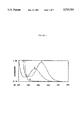
- FIG. 1 UV absorbance spectra of NaOCl (1), penta-O-acetyl-N-chloro-N-methylglucamine (NCMG)(2), and penta-O-acetyl-N-methylglucamine (NMG)(3).
- FIG. 2 Fraction of L-tyrosine (Tyr), mono-3-iodo-L-tyrosine (Iodo-Tyr), and 3,5-diiodo-L-tyrosine (Diiodo-Tyr) for four methods of iodinating L-tyrosine in phosphate buffer (0.01M, pH 7.2).
- FIG. 3 Peak areas of leucine enkephalin (Leu-Enk), iodoleucine enkephalin Iodo-Leu-Lek), and diiodoleucine enkephalin (Diiodo-Leu-Enk) for six methods of iodinated leucine enkephalin in phosphate buffer.
- FIG. 4 Susceptibility of L. pneumophila AA100 to different NCMGE concentrations.
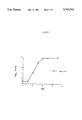
- FIG. 5 Kinetics of killing of L. pneumophila by 105 ppm NCMGE.
- FIG. 6 Susceptibility of L. pneumophila AA100 in co-culture with H. vermiformis to 105 ppm NCMGE in 30 minutes incubation.
- FIG. 7 Kinetics of multiplication of L. pneumophila AA100 within H. vermiformis.
- the present inventors have found that chlorination of N-methyl glucamine yields N-chloro-N-methyl glucamine, a powerful germicidal agent.
- the compounds of the present invention comprise the following structure: ##STR2## wherein R is --H or --COR 2 , wherein R 2 is lower alkyl. These compounds are useful as disinfecting agents, particularly for disinfecting water supplies. When used as a disinfectant, the compounds of the present invention generate N-methyl glucamine, a very safe agent, in parts per millions.
- the compounds of the present invention are also useful as mild oxidizing agents for use in radiohalogenation procedures involving oxidation-sensitive organic molecules, in particular oxidation-sensitive biomolecules and similar substrates.
- the present inventors have observed that the N-chloro derivatives of secondary amines, such as N-methyl glucamine and its esters, are much weaker oxidizing agents than N-chloro compounds, such as chloramine-T and halazone. When used in radiohalogenation procedures, N-chloro secondary amines do not oxidize most biomolecules.
- the compounds of the present invention may be synthesized by any means known to the skilled artisan.
- the compounds of the present invention are prepared from N-methylglucamine, which may be obtained commercially or may be synthesized according to any method known to the skilled artisan.
- N-methylglucamine may be synthesizes from D-glucose and methylamine according to the method of Karrer (Helv. Chim. Acta 20:83 (1937), the contents of which are incorporated herein by reference).
- compositions of matter comprising one or more of the compounds of the present invention and a suitable carrier therefor. These compositions may also include other disinfectant compounds, including chlorinating compounds such as halazone, or other antibiotic agents.
- Compositions according to the present invention may be formulated in any manner suitable for use as a disinfectant.
- compositions of the present invention may be provided as aqueous solutions or suspensions. More preferably, the compositions of the present invention are provided in solid form. Particularly preferred are tablet and granular forms of the composition of the present invention, which provide for easy storage and handling. Tablets and granules may be formulated according to any means known in the art.
- tablets may be of any convenient size; granules are small grains of the composition of the present invention; preferably, said grains are between two and four millimeters in diameter.
- the present invention also provides a method of disinfecting water comprising adding the compounds or compositions of the present invention in an amount sufficient to disinfect the water.
- disinfection encompasses killing bacteria and protozoans living in the water to be disinfected.
- the compounds or compositions of the present invention will be added to the water to be disinfected such that the final concentration of the compounds of the present invention in the water will be at least 10 parts per million (ppm), more preferably from 60-200 ppm, most preferably 105 ppm.
- the present invention also provides a method for non-destructively radiolabeling biomolecules by halogenation.
- the method of the present invention is advantageously applied to radiolabeling of oxidation-sensitive organic molecules, particularly oxidation-sensitive biomolecules.
- the method of the present invention comprises
- the method of the present invention may advantageously be carried out in the presence of a buffer.
- the method of the present invention provides that the compound according to the present invention and the radiolabeled halide salt are mixed together first, such that the radiolabeled halide salt is converted into molecular radiolabeled halogen; then, the organic compound to be labeled is added to the mixture.
- the radiolabeled halogen salt is preferably selected from the group consisting of sodium, potassium, lithium, rubidium, cesium, magnesium, calcium, and ammonium salts. Particularly preferred are sodium halogen salts, most preferably sodium iodide.
- N-methylglucamine(10 g) was dissolved in 7.4 g (4.4 ml) of (70%) perchloric acid in a round bottom flask. Ethyl acetate (500 ml) was added. The solution was stirred, and 73 g of acetyl chloride was added dropwise. The solution was left stirring at room temperature for four days until a white solid was formed. The resulting white solid was filtered and washed with ether and recrystallized from acetone/petroleum ether mixture and dried overnight in a vacuum oven. The melting point of the solid was 148°-150° C.; MW 504.45; 1 H-NMR (DMSO-d 6 ) (FIG.
- Penta-O-acetyl-N-methylglucamine (3.0 g) was dissolved in water and the pH of the solution was adjusted 6.0 by addition of 2N NaOH solution. Chlorine gas was bubbled into the solution for a few minutes until a white solid was formed. The solid was filtered and washed with water and dried in a vacuum oven. The melting point was 77°-79° C.; MW 439.45; 1 H-NMR (CDCl 3 ): ⁇ 2.08 (15H, m, protons a), 2.93 (3H, S, protons b), 3.05 (2H, m, protons c), 4.20 (2H, m, protons d), 5. 10 (IH, proton e), 5.40 (IH, m, proton f), 5.44 (2H, protons g).
- the product was also identified by UV spectrophotometry (FIG. 1).
- N-chloro amino acids such as N-chloro-1-amino-cyclohexane carboxylic acid, which are formed by chlorination of the amine group, are very unstable (Hussain et al. 1995 Analyt. Biochem 224:221-226; Awad et al. 1990 J. Pharm Sci. 79:1121-1122; the contents of both of these articles are incorporated herein by reference). Their decompositions are associated with loss of chlorine titer. In order to determine whether NCMG and NCMGE chlorinate 1-aminocyclohexanecarboxylic acid, iodometric titration was used to follow the reaction.
- a solution of 1-aminocyclohexanecarboxylic acid containing 2 ⁇ 10 -3 M was prepared in 0.1M phosphate buffer (pH 7.0) and equilibrated for 2 minutes at 25° C.
- a solution of CAT (1 ⁇ 10 -3 M) in water was freshly prepared and equilibrated for 2 minutes at 25° C.
- phosphate buffer 0.1M, pH 7.0
- Phosphate buffer (0.01M, pH 7.4): A total of 5.0 g of NaCl, 0.1 g KCl, 0.57 g Na 2 HPO 4 , and 0.1 g KH 2 PO 4 were dissolved in 500 ml of glass distilled water. The pH of the solution was adjusted to 7.4 with either NaOH or HCl, as needed.
- L-tyrosine solution A total of 25 mg of L-tyrosine was dissolved in 100 ml of phosphate buffer.
- Sodium Iodide solution A total of 207 mg of sodium iodide was dissolved in 100 ml phosphate buffer.
- NCMGE Penta-O-acetyl-N-chloro-N-methylglucamine solution
- HPLC system for analysis was as follows:
- Method II A total of 0.2 ml of L-tyrosine solution, and 0.02 ml of sodium iodide solution were mixed in a tube for 2 minutes, then 0.780 ml of NCMGE solution was added, and 50 ⁇ l samples were withdrawn at 2 and 15 minutes and injected directly into the HPLC.
- Phosphate buffer (0.01M, pH 7.4)
- sodium iodide solution sodium iodide solution
- NCMGE solution sodium iodide solution
- Leucine enkephalin solution A total of 8.9 mg of leucine enkephalin was dissolved in 10 ml of phosphate buffer (0.01M, pH 7.4).
- leucine enkephalin was selected as a model substrate for comparison of iodination procedures employing CAT solution and NCMGE. The methods were tested using 2 and 15 minute incubation times. The results in FIG. 3 show that when NCMGE was used, the yield of the two iodinated leucine enkephalin species were significantly greater with both 2 and 15 minutes incubation times. When CAT was used alone with a 15 minutes incubation time, the yield of the apparent diiodinated species (labeled diiodo leu-enk in FIG. 3) was significantly smaller than when NCMGE was present. This appears to be the result of decomposition of leucine enkephalin, as indicated by the smaller amount of all species following 15 minutes exposure to CAT alone (see FIG. 3).
- Legionella pneumophila strain AA100 was inoculated into buffered charcoal-yeast extract (BCYE) agar plates and incubated for 48 hours at 37° C. The bacteria were suspended into 0.01M phosphate buffer pH 7.4 to an optical density of 0.7-0.8 at 550 nm.
- BCYE buffered charcoal-yeast extract
- Amoebae H. vermiformis were suspended in assay medium to give a final concentration of 10 5 cell per ml.
- Tissue culture flasks containing amoebae were inoculated with Legionella pneumophila, suspended in Pucks' saline to give a final concentration of 10 3 bacteria per ml, and incubated at 37° C.
- 1.2 ml aliquots were withdrawn immediately and 1, 2, 3, 5, and 7 days after inoculation. Of the 1.2 ml, 0.2 ml was cultured on BCYE agar plates in order to follow the increase in the number of bacteria. The remaining 1.0 ml was centrifuged at 8000 rpm for 5 minutes.
- the bacterial pellet was washed twice with sterile deionized water. The pellet was then suspended in 1.0 ml 105 ppm NCMGE solution for 30 minutes. After 30 minutes, two 20 ⁇ l aliquots of this NCMGE solution were diluted in 0.01M phosphate buffer to an approximate bacterial concentration of 10 3 and 10 2 /100 ⁇ l. 100 ⁇ l of these two dilutions were deposited on BCYE agar plates and incubated at 37° C. for three days. At the end of the three day period, the colony forming units were enumerated.
- NCMGE N-chloramine penta-O-acetyl-N-chloro-N-methylglucamine
- MIC minimum inhibitory concentration
- FIG. 4 the antimicrobial activity was examined using the contact germicidal efficiency (CGE). This method involves examining the bactericidal activity of NCMGE (105 ppm) at different incubation times. After each time interval, the chlorine activity of NCMGE was quenched by 0.01M sodium bisulfite.
- CGE contact germicidal efficiency
- NCMGE antimicrobial activity of NCMGE (105 ppm) was also examined against a serogroups of L. pneumophila compared to a control of 1000 cfu and incubation time of 30 minutes. The results shown in Table II show that this NCMGE concentration kills all the strains of Legionella to which it was exposed.
- NCMGE antimicrobial activity of NCMGE (105 ppm) was tested against a coculture of Legionella pneumophila and H. vermiformis in which the L.pneumophila typically become more resistant to chlorine.
- the results in FIG. 6 also demonstrate that NCMGE has a powerful sustained antimicrobial activity.
Landscapes
- Health & Medical Sciences (AREA)
- Life Sciences & Earth Sciences (AREA)
- Immunology (AREA)
- Chemical & Material Sciences (AREA)
- Engineering & Computer Science (AREA)
- Organic Chemistry (AREA)
- Urology & Nephrology (AREA)
- Molecular Biology (AREA)
- General Health & Medical Sciences (AREA)
- Hematology (AREA)
- Biomedical Technology (AREA)
- Cell Biology (AREA)
- Food Science & Technology (AREA)
- Biotechnology (AREA)
- Zoology (AREA)
- Wood Science & Technology (AREA)
- Microbiology (AREA)
- Dentistry (AREA)
- Plant Pathology (AREA)
- Pest Control & Pesticides (AREA)
- Environmental Sciences (AREA)
- Medicinal Chemistry (AREA)
- Physics & Mathematics (AREA)
- Analytical Chemistry (AREA)
- Biochemistry (AREA)
- General Physics & Mathematics (AREA)
- Pathology (AREA)
- Agronomy & Crop Science (AREA)
- Agricultural Chemicals And Associated Chemicals (AREA)
Abstract
The present invention relates to N-chloro-N-methyl glucamine and N-chloro-N-methyl glucamine esters, and their use as agents for water disinfection and as mild oxidizing agents for the radiolabeling of oxidation-sensitive biomolecules.
Description
1. Field of the Invention
The present invention relates to N-chloro-N-methyl glucamine and N-chloro-N-methyl glucamine esters, and their use as agents for water disinfection and as mild oxidizing agents for the radiolabeling of oxidation-sensitive organic molecules.
2. Description of the Related Art
Chloramines are widely known as useful water disinfecting agents. Among the most popular chloramine water disinfecting agents is halazone (p-N,N-dichlorosulfamylbenzoic acid). While effective, halazone suffers from some important disadvantages, including its strong, unpleasant chlorine odor, its sensitivity to light, its relatively low solubility in water, and, perhaps most importantly, the formation of potentially carcinogenic chlorinated hydrocarbons which are generated as the result reaction with impurities commonly found in water supplies. In view of these disadvantages, it should be apparent that there still exists a need in the art for improved water disinfecting agents.
Chloramines, in particular chloramine-T (CAT) are frequently used in the radiolabeling of organic molecules by halogenation, for example, as described in U.S. Pat. No. 5,424,402 ("the '402 patent"), the contents of which are incorporated herein by reference. According to the method of the '402 patent an organic molecule may be radiolabeled by reaction with 125 I2. Normally, the 125 I2 is released from its sodium salt by oxidation with chloramine-T. The disadvantage of this procedure is that residual CAT in the reaction mixture frequently causes oxidative decomposition of the organic molecule rendering the procedure useless. There exists a need for a mild oxidizing agent that is capable of releasing molecular halogens from their salts without oxidizing organic molecules to be labeled.
N-methyl glucamine is known in the prior art as a solubilizing agent in the formulation of intravenous pharmaceuticals, enabling high concentrations of pharmaceuticals to be administered. However, prior to the present invention the particular substituted glucamines of the present invention, and their use in the purification of water, was not known.
Accordingly, a major object of the present invention is to meet the art-recognized need for a safe, effective and inexpensive method for disinfection of water supplies. Advantageously, the compounds of the present invention minimize the formation of the carcinogenic chlorinated hydrocarbons which are currently generated as the result of disinfection with halazone and similar agents. Furthermore, these compounds satisfy the need for an agent that can be conveniently used in households to disinfect water, especially in developing nations, as a replacement for Halazone.
The present inventors have found that chlorination of N-methyl glucamine yields N-chloro-N-methyl glucamine, a powerful germicidal agent. The compounds of the present invention have the following structure: ##STR1## wherein R is --H or --COR2, wherein R2 is lower alkyl. These compounds are useful as disinfecting agents, particularly for disinfecting water supplies. When used as a disinfectant, the compounds of the present invention generate N-methyl glucamine, a very safe agent, in parts per millions.
A further object of the present invention is to meet the need for a mild oxidizing agent for use in radiohalogenation procedures involving oxidation-sensitive organic molecules and similar substrates. The present inventors have observed that the N-chloro derivatives of secondary amines, such as N-methyl glucamine and its esters, are much weaker oxidizing agents than N-chloro compounds, such as chloramine-T and halazone. When used in radiohalogenation procedures, N-chloro secondary amines do not oxidize most organic molecules.
With the foregoing and other objects, advantages and features of the invention that will become hereinafter apparent, the nature of the invention may be more clearly understood by reference to the following detailed description of the preferred embodiments of the invention and to the appended claims.
FIG. 1: UV absorbance spectra of NaOCl (1), penta-O-acetyl-N-chloro-N-methylglucamine (NCMG)(2), and penta-O-acetyl-N-methylglucamine (NMG)(3).
FIG. 2: Fraction of L-tyrosine (Tyr), mono-3-iodo-L-tyrosine (Iodo-Tyr), and 3,5-diiodo-L-tyrosine (Diiodo-Tyr) for four methods of iodinating L-tyrosine in phosphate buffer (0.01M, pH 7.2).
FIG. 3: Peak areas of leucine enkephalin (Leu-Enk), iodoleucine enkephalin Iodo-Leu-Lek), and diiodoleucine enkephalin (Diiodo-Leu-Enk) for six methods of iodinated leucine enkephalin in phosphate buffer.
FIG. 4: Susceptibility of L. pneumophila AA100 to different NCMGE concentrations.
FIG. 5: Kinetics of killing of L. pneumophila by 105 ppm NCMGE.
FIG. 6: Susceptibility of L. pneumophila AA100 in co-culture with H. vermiformis to 105 ppm NCMGE in 30 minutes incubation.
FIG. 7. Kinetics of multiplication of L. pneumophila AA100 within H. vermiformis.
The present inventors have found that chlorination of N-methyl glucamine yields N-chloro-N-methyl glucamine, a powerful germicidal agent. The compounds of the present invention comprise the following structure: ##STR2## wherein R is --H or --COR2, wherein R2 is lower alkyl. These compounds are useful as disinfecting agents, particularly for disinfecting water supplies. When used as a disinfectant, the compounds of the present invention generate N-methyl glucamine, a very safe agent, in parts per millions.
The compounds of the present invention are also useful as mild oxidizing agents for use in radiohalogenation procedures involving oxidation-sensitive organic molecules, in particular oxidation-sensitive biomolecules and similar substrates. The present inventors have observed that the N-chloro derivatives of secondary amines, such as N-methyl glucamine and its esters, are much weaker oxidizing agents than N-chloro compounds, such as chloramine-T and halazone. When used in radiohalogenation procedures, N-chloro secondary amines do not oxidize most biomolecules.
The compounds of the present invention may be synthesized by any means known to the skilled artisan. Preferably, the compounds of the present invention are prepared from N-methylglucamine, which may be obtained commercially or may be synthesized according to any method known to the skilled artisan. For example, N-methylglucamine may be synthesizes from D-glucose and methylamine according to the method of Karrer (Helv. Chim. Acta 20:83 (1937), the contents of which are incorporated herein by reference).
The present invention also provides compositions of matter comprising one or more of the compounds of the present invention and a suitable carrier therefor. These compositions may also include other disinfectant compounds, including chlorinating compounds such as halazone, or other antibiotic agents. Compositions according to the present invention may be formulated in any manner suitable for use as a disinfectant. For example, compositions of the present invention may be provided as aqueous solutions or suspensions. More preferably, the compositions of the present invention are provided in solid form. Particularly preferred are tablet and granular forms of the composition of the present invention, which provide for easy storage and handling. Tablets and granules may be formulated according to any means known in the art. For the purposes of the present invention tablets may be of any convenient size; granules are small grains of the composition of the present invention; preferably, said grains are between two and four millimeters in diameter.
The present invention also provides a method of disinfecting water comprising adding the compounds or compositions of the present invention in an amount sufficient to disinfect the water. For the purposes of the present invention, disinfection encompasses killing bacteria and protozoans living in the water to be disinfected. Preferably, the compounds or compositions of the present invention will be added to the water to be disinfected such that the final concentration of the compounds of the present invention in the water will be at least 10 parts per million (ppm), more preferably from 60-200 ppm, most preferably 105 ppm.
The present invention also provides a method for non-destructively radiolabeling biomolecules by halogenation. The method of the present invention is advantageously applied to radiolabeling of oxidation-sensitive organic molecules, particularly oxidation-sensitive biomolecules. The method of the present invention comprises
(a) reacting a compound according to the present invention with a radiolabeled halide salt and an organic molecule which is desired to be radiolabeled such that said radiolabeled halogen reacts directly with said organic molecule to produce a radiohalogenated organic molecule; and
(b) recovering said radiohalogenated organic molecule.
The method of the present invention may advantageously be carried out in the presence of a buffer. In a preferred embodiment, the method of the present invention provides that the compound according to the present invention and the radiolabeled halide salt are mixed together first, such that the radiolabeled halide salt is converted into molecular radiolabeled halogen; then, the organic compound to be labeled is added to the mixture.
For use in the present invention, the radiolabeled halogen salt is preferably selected from the group consisting of sodium, potassium, lithium, rubidium, cesium, magnesium, calcium, and ammonium salts. Particularly preferred are sodium halogen salts, most preferably sodium iodide.
The following examples are presented in order to more fully illustrate the preferred embodiments of the invention. They should in no way be construed, however, as limiting the broad scope of the invention.
a. Synthesis of Penta-O-Acetyl-N-Methylglucamine (NMGE) ##STR3##
N-methylglucamine(10 g) was dissolved in 7.4 g (4.4 ml) of (70%) perchloric acid in a round bottom flask. Ethyl acetate (500 ml) was added. The solution was stirred, and 73 g of acetyl chloride was added dropwise. The solution was left stirring at room temperature for four days until a white solid was formed. The resulting white solid was filtered and washed with ether and recrystallized from acetone/petroleum ether mixture and dried overnight in a vacuum oven. The melting point of the solid was 148°-150° C.; MW 504.45; 1 H-NMR (DMSO-d6) (FIG. 1): δ 2.05 (15H, m, protons a), 2.56 (3H, S, protons b), 3.13 (2H, m, protons c), 4.20 (2H, m, protons d), 4.98 (1H, proton e), 5.05 (1H, m, proton f, 5.27 (2H, protons g), 8.47 (2H, broad s, protons h).
b. Synthesis of Penta-O-Acetyl-N-Chloro-N-Methylglucamine (NCMGE) ##STR4##
Penta-O-acetyl-N-methylglucamine (3.0 g) was dissolved in water and the pH of the solution was adjusted 6.0 by addition of 2N NaOH solution. Chlorine gas was bubbled into the solution for a few minutes until a white solid was formed. The solid was filtered and washed with water and dried in a vacuum oven. The melting point was 77°-79° C.; MW 439.45; 1 H-NMR (CDCl3): δ 2.08 (15H, m, protons a), 2.93 (3H, S, protons b), 3.05 (2H, m, protons c), 4.20 (2H, m, protons d), 5. 10 (IH, proton e), 5.40 (IH, m, proton f), 5.44 (2H, protons g).
Elemental analysis: Found: C,46.24; H, 5.9 1; N, 3.17; Cl, 8.15%.
Calculated for C17 H26 O10 NCl: C, 46.41; H, 5.9 1; N, 3.18; Cl, 8.08%.
The product was also identified by UV spectrophotometry (FIG. 1).
1. Chemical Stability of a Model Amino Acid (1-Aminocyclo-hexane Carboxylic Acid) in the Presence of Chloramine-T, NCMG, and NCMGE
N-chloro amino acids, such as N-chloro-1-amino-cyclohexane carboxylic acid, which are formed by chlorination of the amine group, are very unstable (Hussain et al. 1995 Analyt. Biochem 224:221-226; Awad et al. 1990 J. Pharm Sci. 79:1121-1122; the contents of both of these articles are incorporated herein by reference). Their decompositions are associated with loss of chlorine titer. In order to determine whether NCMG and NCMGE chlorinate 1-aminocyclohexanecarboxylic acid, iodometric titration was used to follow the reaction.
A solution of 1-aminocyclohexanecarboxylic acid containing 2×10⁻³ M was prepared in 0.1M phosphate buffer (pH 7.0) and equilibrated for 2 minutes at 25° C. For the Chloramine-T (CAT) experiments, a solution of CAT (1×10⁻³ M) in water was freshly prepared and equilibrated for 2 minutes at 25° C. Equal volumes (10.0 ml) of the two solutions were mixed (t=0) and stored at 25° C. Aliquots of the mixture (4.0 ml) were assayed periodically using standard iodometric titration; i.e. addition of excess KI and back titration of the liberated iodine with sodium thiosulfate using starch as an indicator. A control experiment was carried out by following the chlorine titer of a solution of CAT in phosphate buffer in the absence of the amino acid.
For the experiments with NCMG and NCMGE, a solution of either NCMG or NCMGE (1×10⁻³ M) in phosphate buffer (0.1M, pH 7.0) was freshly prepared and equilibrated for 2 minutes at 25° C., and a 10.0 ml aliquot was mixed with an equal volume of 1-aminocyclohexanecarboxylic acid (0.02M), (t=0). The mixture was stored at 25° C. and assayed periodically by titration, as described above. A control experiment was conducted in the absence of the amino acid.
2. Iodination of L-tyrosine
Solutions
Phosphate buffer (0.01M, pH 7.4): A total of 5.0 g of NaCl, 0.1 g KCl, 0.57 g Na2 HPO4, and 0.1 g KH2 PO4 were dissolved in 500 ml of glass distilled water. The pH of the solution was adjusted to 7.4 with either NaOH or HCl, as needed.
L-tyrosine solution: A total of 25 mg of L-tyrosine was dissolved in 100 ml of phosphate buffer.
Sodium Iodide solution: A total of 207 mg of sodium iodide was dissolved in 100 ml phosphate buffer.
Penta-O-acetyl-N-chloro-N-methylglucamine solution (NCMGE): A total of 141 mg of NCMGE was dissolved in 100 ml of phosphate buffer (0.01M, pH 7.4).
Experimental
The HPLC system for analysis was as follows:
Mobile phase=Distilled water/methanol/85% phosphoric acid=(550/450/8).
Flow rate=1.0 ml/min.
Detector UV wavelength 254 nm
Temperature=ambient.
Method I: A total of 0.2 ml of L-tyrosine solution, 0.02 ml sodium iodide solution, and 0.108 ml of phosphate buffer were mixed in a tube for two minutes, then 0.172 ml of NCMGE solution was added (t=0), and 50 μl samples were withdrawn at 2 and 15 minutes and injected directly into the HPLC.
Method II: A total of 0.2 ml of L-tyrosine solution, and 0.02 ml of sodium iodide solution were mixed in a tube for 2 minutes, then 0.780 ml of NCMGE solution was added, and 50 μl samples were withdrawn at 2 and 15 minutes and injected directly into the HPLC.
3. Iodination of leucine enkephalin
Solutions
Phosphate buffer (0.01M, pH 7.4), sodium iodide solution, and NCMGE solution were the same as those for the iodination of tyrosine.
Leucine enkephalin solution: A total of 8.9 mg of leucine enkephalin was dissolved in 10 ml of phosphate buffer (0.01M, pH 7.4).
Experimental
The HPLC system for analysis was described above (Section 2). The conditions were the same as those described above for the analysis of iodinated tyrosine products, except the mobile phase was (0.1M NaH2 PO4 /Methanol=1/1) and the detector UV wavelength was set at 270 nm.
Method I: A total of 0.2 ml of leucine enkephalin, 0.020 ml sodium iodide solution, and 0.083 ml of phosphate buffer were mixed in a tube for 2 minutes, then 0.172 ml of NCMGE solution was added (t=0). At the end of the reaction (2 and 15 minutes), 25 pl of 20% sodium thiosulfate solution was added and 50 μl samples were withdrawn and injected directly into the HPLC. The addition of sodium thiosulfate was found necessary to decompose the residual NCMGE because NCMGE interfered with the enkephalin peaks in the HPLC.
Method II: A total of 0.2 ml of leucine enkephalin and 0.020 ml sodium iodide were mixed in a tube for 2 minutes and NCMGE solution (0.755 ml) was added (t=0). At the end of the reaction (2 and 15 minutes), 25 μl of 20% sodium thiosulfate solution was added and 50 μl samples were withdrawn and injected directly into the HPLC.
4. Iodination of L-tyrosine
To determine whether NCMGE would have practical activity in the radiohalogenation of amino acid, L-tyrosine, was selected as a model and compared with the method employed by Hussain et. al (1995 Analyt. Biochem 224:221-226), the contents of which are incorporated herein by reference. The results in FIG. 2 show that when NCMGE was used, the yield of the two iodinated species of L-tyrosine were significantly greater with both 2 and 15 minutes incubation times than those obtained with CAT and iodobead and close to that of N-chloromorpholine.
5. Iodination of leucine enkephalin
To determine whether NCMGE would have practical utility in radiohalogenation of small peptide, leucine enkephalin was selected as a model substrate for comparison of iodination procedures employing CAT solution and NCMGE. The methods were tested using 2 and 15 minute incubation times. The results in FIG. 3 show that when NCMGE was used, the yield of the two iodinated leucine enkephalin species were significantly greater with both 2 and 15 minutes incubation times. When CAT was used alone with a 15 minutes incubation time, the yield of the apparent diiodinated species (labeled diiodo leu-enk in FIG. 3) was significantly smaller than when NCMGE was present. This appears to be the result of decomposition of leucine enkephalin, as indicated by the smaller amount of all species following 15 minutes exposure to CAT alone (see FIG. 3).
The antimicrobial activity of NCMGE was examined in the following experiments:
A. Legionella pneumophila
Legionella pneumophila strain AA100 was inoculated into buffered charcoal-yeast extract (BCYE) agar plates and incubated for 48 hours at 37° C. The bacteria were suspended into 0.01M phosphate buffer pH 7.4 to an optical density of 0.7-0.8 at 550 nm.
15 μl of bacterial suspension was mixed with 7.0 ml 0.01M phosphate buffer (pH 7.4) containing disinfectant compounds as listed in Table I. The concentration of bacteria in this suspension was approximately 1 million bacteria/ml. After 30 minutes the activity of the disinfectant compounds was quenched with 0.4 ml 0.01M sodium bisulfite.
TABLE 1 ______________________________________ Names and concentrations of N-chloro compounds used in germicidal experiment. Compound Concentration ______________________________________Control 0 Monochloramine (NH.sub.2 Cl) 10 Penta-O-acetyl-N-chloro-N-methylglucamine 30 Penta-O-acetyl-N-chloro-N-methylglucamine 60 Penta-O-acetyl-N-chloro-N-methylglucamine 105 ______________________________________
Two aliquots of 20 μl of the final solution of each of the above was diluted in 0.01M phosphate buffer to approximate bacterial concentrations of 103 and 102 /100 μl . 100 μl of the two final dilutions were grown on BCYE agar plates that were incubated at 37° C. for three days. At the end of the three day incubation period, the colony forming unit was enumerated. Another experiment was conducted against the serogroups of Legionella pneumophila using NCMGE in a concentration of 105 ppm.
B. Coincubation of Hartimannella vermiformis and Legionella pneumophila
Amoebae H. vermiformis were suspended in assay medium to give a final concentration of 105 cell per ml. Tissue culture flasks containing amoebae were inoculated with Legionella pneumophila, suspended in Pucks' saline to give a final concentration of 103 bacteria per ml, and incubated at 37° C. 1.2 ml aliquots were withdrawn immediately and 1, 2, 3, 5, and 7 days after inoculation. Of the 1.2 ml, 0.2 ml was cultured on BCYE agar plates in order to follow the increase in the number of bacteria. The remaining 1.0 ml was centrifuged at 8000 rpm for 5 minutes. The bacterial pellet was washed twice with sterile deionized water. The pellet was then suspended in 1.0 ml 105 ppm NCMGE solution for 30 minutes. After 30 minutes, two 20 μl aliquots of this NCMGE solution were diluted in 0.01M phosphate buffer to an approximate bacterial concentration of 103 and 102 /100 μl. 100 μl of these two dilutions were deposited on BCYE agar plates and incubated at 37° C. for three days. At the end of the three day period, the colony forming units were enumerated.
Results
The antimicrobial activity of N-chloramine penta-O-acetyl-N-chloro-N-methylglucamine (NCMGE) was examined against Legionella pneumophila first using the minimum inhibitory concentration (MIC) method. This method is based on incubation of the organism for 30 minutes at different NCMGE concentrations. The results shown in FIG. 4 indicate that the MIC for NCMGE is 105 ppm. Second the antimicrobial activity was examined using the contact germicidal efficiency (CGE). This method involves examining the bactericidal activity of NCMGE (105 ppm) at different incubation times. After each time interval, the chlorine activity of NCMGE was quenched by 0.01M sodium bisulfite. The results in FIG. 5 indicate that the shortest time for which growth of L. pneumophila is not observed was found to be 20 minutes.
The antimicrobial activity of NCMGE (105 ppm) was also examined against a serogroups of L. pneumophila compared to a control of 1000 cfu and incubation time of 30 minutes. The results shown in Table II show that this NCMGE concentration kills all the strains of Legionella to which it was exposed.
TABLE II ______________________________________ Susceptibility of L. pneumophila serogroups to 105 ppm NCMGE compared to a control of 1000 cfu and incubation time of 30 minutes Serogroup Strain % Survival ______________________________________ 1.sup.aPhiladelphia 1 0 2Togus 1 0 3Bloomington 2 0 4Los Angeles 1 0 5Dallas 1 0 6Chicago 2 0 7Chicago 8 0 8Concord 3 0 9 IN 23 0 10Leiden 1 0 11 797-PA-H 0 12 570-Co-H 0 1382A3105 0 ______________________________________ .sup.a The serogroups of L. pneumophila are distinguished by their lipopolysaccharide antigen.
Finally, the antimicrobial activity of NCMGE (105 ppm) was tested against a coculture of Legionella pneumophila and H. vermiformis in which the L.pneumophila typically become more resistant to chlorine. The results shown that NCMGE (105 ppm) killed 95% of the bacteria at day 4 (FIG. 6), the time at which L. pneumophila typically reach their maximum growth (as shown in FIG. 7). The results in FIG. 6 also demonstrate that NCMGE has a powerful sustained antimicrobial activity.
While the invention has been described and illustrated herein by references to various specific material, procedures and examples, it is understood that the invention is not restricted to the particular material, combinations of material, and procedures selected for that purpose. Numerous variations of such details can be implied and will be appreciated by those skilled in the art.
Claims (14)
1. A substituted N-chloro-N-methyl glucamine compound comprising the following structure: ##STR5## wherein R is --H or --COR2, wherein R2 is lower alkyl.
2. The compound of claim 1, wherein R2 is methyl.
3. The compound of claim 1, wherein R2 is ethyl.
4. The compound of claim 1, wherein said compound is penta-O-acetyl-N-chloro-N-methylglucamine.
5. A composition of matter comprising one or more compounds according to claim 1, and a carrier therefor.
6. The composition of claim 5, wherein said composition is formulated as a solid.
7. The composition of claim 6, wherein said solid composition is formulated as granules.
8. The composition of claim 6, wherein said composition is formulated as tablets.
9. The composition of claim 5, wherein said composition is formulated as an aqueous solution of one or more compounds according to claim 1.
10. A method of disinfecting water comprising adding to water to be disinfected one or more compounds according to claim 1 in an amount sufficient to kill bacteria and protozoans in the water.
11. The method of claim 10, wherein the compound or compounds are added in an amount sufficient to kill all the bacteria and protozoans in the water.
12. The method of claim 10, wherein the final concentration of the compounds of the present invention in the water is at least 10 parts per million (ppm).
13. The method of claim 10, wherein the final concentration of the compounds of the present invention in the water is from 60-200 ppm.
14. The method of claim 10, wherein the final concentration of the compounds of the present invention in the water is 105 ppm.
Priority Applications (2)
| Application Number | Priority Date | Filing Date | Title |
|---|---|---|---|
| US08/736,913 US5753701A (en) | 1996-10-25 | 1996-10-25 | N-chloro-N-methyl glucamine and N-chloro-N-methyl glucamine esters as novel safe agents for water disinfection |
| US09/006,861 US5985239A (en) | 1996-10-25 | 1998-01-14 | Derivatives of N-chloro-N-methyl glucamine and N-chloro-N-methyl glucamine esters |
Applications Claiming Priority (1)
| Application Number | Priority Date | Filing Date | Title |
|---|---|---|---|
| US08/736,913 US5753701A (en) | 1996-10-25 | 1996-10-25 | N-chloro-N-methyl glucamine and N-chloro-N-methyl glucamine esters as novel safe agents for water disinfection |
Related Child Applications (1)
| Application Number | Title | Priority Date | Filing Date |
|---|---|---|---|
| US09/006,861 Division US5985239A (en) | 1996-10-25 | 1998-01-14 | Derivatives of N-chloro-N-methyl glucamine and N-chloro-N-methyl glucamine esters |
Publications (1)
| Publication Number | Publication Date |
|---|---|
| US5753701A true US5753701A (en) | 1998-05-19 |
Family
ID=24961843
Family Applications (2)
| Application Number | Title | Priority Date | Filing Date |
|---|---|---|---|
| US08/736,913 Expired - Fee Related US5753701A (en) | 1996-10-25 | 1996-10-25 | N-chloro-N-methyl glucamine and N-chloro-N-methyl glucamine esters as novel safe agents for water disinfection |
| US09/006,861 Expired - Fee Related US5985239A (en) | 1996-10-25 | 1998-01-14 | Derivatives of N-chloro-N-methyl glucamine and N-chloro-N-methyl glucamine esters |
Family Applications After (1)
| Application Number | Title | Priority Date | Filing Date |
|---|---|---|---|
| US09/006,861 Expired - Fee Related US5985239A (en) | 1996-10-25 | 1998-01-14 | Derivatives of N-chloro-N-methyl glucamine and N-chloro-N-methyl glucamine esters |
Country Status (1)
| Country | Link |
|---|---|
| US (2) | US5753701A (en) |
Cited By (1)
| Publication number | Priority date | Publication date | Assignee | Title |
|---|---|---|---|---|
| US5985239A (en) * | 1996-10-25 | 1999-11-16 | University Of Kentucky Research Foundation | Derivatives of N-chloro-N-methyl glucamine and N-chloro-N-methyl glucamine esters |
Families Citing this family (7)
| Publication number | Priority date | Publication date | Assignee | Title |
|---|---|---|---|---|
| JP4994033B2 (en) * | 2003-08-18 | 2012-08-08 | ノバベイ・ファーマシューティカルズ・インコーポレイテッド | N, N-dihalogenated amino acids and derivatives |
| TWI386201B (en) * | 2005-01-25 | 2013-02-21 | Novabay Pharmaceuticals Inc | N-halogenated amino acids, n, n-dihalogenated amino acids and deriavtives; compositions and methods of using them |
| TW200843787A (en) | 2006-12-29 | 2008-11-16 | Novabay Pharmaceuticals Inc | N-halogenated amino compounds and derivatives; compositions and methods of using them |
| US8197785B2 (en) * | 2008-02-27 | 2012-06-12 | Kellogg Brown & Root Llc | Split flow contactor |
| US20110091570A1 (en) * | 2008-04-15 | 2011-04-21 | Waldemar Gottardi | Compositions and Devices for Antisepsis and Anticoagulation |
| WO2018085375A1 (en) * | 2016-11-01 | 2018-05-11 | Ohio State Innovation Foundation | Methods for the iodination of biomolecules |
| CN111116406B (en) * | 2019-12-31 | 2020-12-25 | 吉林大学 | Haloamine capable of forming bactericidal coating on surface of article and method for forming bactericidal coating on surface of article |
Citations (14)
| Publication number | Priority date | Publication date | Assignee | Title |
|---|---|---|---|---|
| US2463885A (en) * | 1946-02-09 | 1949-03-08 | Merck & Co Inc | N-methyl-1-glucosamine and acid salts thereof |
| US2538106A (en) * | 1946-02-01 | 1951-01-16 | Merck & Co Inc | N-methyl-d-glucosamine and derivatives thereof |
| US2802819A (en) * | 1953-07-24 | 1957-08-13 | Ciba Pharm Prod Inc | Acylated products |
| US2884411A (en) * | 1954-07-29 | 1959-04-28 | Corn Products Co | Preparation of a glucosamine |
| US2918462A (en) * | 1956-01-20 | 1959-12-22 | Ciba Pharm Prod Inc | Process for the preparation of amino-aldehydes |
| US2922783A (en) * | 1956-10-05 | 1960-01-26 | American Home Prod | Preparation of sugar derivatives |
| US3987029A (en) * | 1974-01-23 | 1976-10-19 | American Cyanamid Company | Antibacterial antibiotics AM31α, AM31β and AM31γ |
| US4071560A (en) * | 1975-03-19 | 1978-01-31 | American Cyanamid Company | Diaminoalditols useful in the preparation of antibacterial antibiotics AM31α, AM31β, and AM31γ |
| USRE29903E (en) * | 1975-03-19 | 1979-02-06 | American Cyanamid Company | Antibacterial antibiotics AM31α, AM31β and AM31γ |
| US4375542A (en) * | 1980-01-17 | 1983-03-01 | Schering Corporation | Kijanimicin antibiotics and derivatives thereof |
| US4377583A (en) * | 1981-08-21 | 1983-03-22 | Mead Johnson & Company | N-Methyl-D-glucamine salt of with 3,4-dihydro-5-methyl-6-(2-methylpropyl)-4-oxothieno[2,3-d]pyrimidine-2-carboxylic acid |
| US4386103A (en) * | 1981-01-30 | 1983-05-31 | Merck & Co., Inc. | Dichloroamino acid derivatives useful as potent germicidal and fungicidal agents |
| US5424402A (en) * | 1993-10-18 | 1995-06-13 | Board Of Trustees Of The University Of Kentucky | Non-destructive method for radiolabelling biomolecules by halogenation |
| US5449770A (en) * | 1992-01-14 | 1995-09-12 | The Procter & Gamble Company | Process for making N-alkylamino polyols |
Family Cites Families (2)
| Publication number | Priority date | Publication date | Assignee | Title |
|---|---|---|---|---|
| US29903A (en) * | 1860-09-04 | Improvement in harrows | ||
| US5753701A (en) * | 1996-10-25 | 1998-05-19 | University Of Kentucky | N-chloro-N-methyl glucamine and N-chloro-N-methyl glucamine esters as novel safe agents for water disinfection |
-
1996
- 1996-10-25 US US08/736,913 patent/US5753701A/en not_active Expired - Fee Related
-
1998
- 1998-01-14 US US09/006,861 patent/US5985239A/en not_active Expired - Fee Related
Patent Citations (14)
| Publication number | Priority date | Publication date | Assignee | Title |
|---|---|---|---|---|
| US2538106A (en) * | 1946-02-01 | 1951-01-16 | Merck & Co Inc | N-methyl-d-glucosamine and derivatives thereof |
| US2463885A (en) * | 1946-02-09 | 1949-03-08 | Merck & Co Inc | N-methyl-1-glucosamine and acid salts thereof |
| US2802819A (en) * | 1953-07-24 | 1957-08-13 | Ciba Pharm Prod Inc | Acylated products |
| US2884411A (en) * | 1954-07-29 | 1959-04-28 | Corn Products Co | Preparation of a glucosamine |
| US2918462A (en) * | 1956-01-20 | 1959-12-22 | Ciba Pharm Prod Inc | Process for the preparation of amino-aldehydes |
| US2922783A (en) * | 1956-10-05 | 1960-01-26 | American Home Prod | Preparation of sugar derivatives |
| US3987029A (en) * | 1974-01-23 | 1976-10-19 | American Cyanamid Company | Antibacterial antibiotics AM31α, AM31β and AM31γ |
| US4071560A (en) * | 1975-03-19 | 1978-01-31 | American Cyanamid Company | Diaminoalditols useful in the preparation of antibacterial antibiotics AM31α, AM31β, and AM31γ |
| USRE29903E (en) * | 1975-03-19 | 1979-02-06 | American Cyanamid Company | Antibacterial antibiotics AM31α, AM31β and AM31γ |
| US4375542A (en) * | 1980-01-17 | 1983-03-01 | Schering Corporation | Kijanimicin antibiotics and derivatives thereof |
| US4386103A (en) * | 1981-01-30 | 1983-05-31 | Merck & Co., Inc. | Dichloroamino acid derivatives useful as potent germicidal and fungicidal agents |
| US4377583A (en) * | 1981-08-21 | 1983-03-22 | Mead Johnson & Company | N-Methyl-D-glucamine salt of with 3,4-dihydro-5-methyl-6-(2-methylpropyl)-4-oxothieno[2,3-d]pyrimidine-2-carboxylic acid |
| US5449770A (en) * | 1992-01-14 | 1995-09-12 | The Procter & Gamble Company | Process for making N-alkylamino polyols |
| US5424402A (en) * | 1993-10-18 | 1995-06-13 | Board Of Trustees Of The University Of Kentucky | Non-destructive method for radiolabelling biomolecules by halogenation |
Non-Patent Citations (6)
| Title |
|---|
| Hussain et al., "Chloramine-T in Radiolabeling Techniques" Analytical Biochemistry (1993) 214:495-499. |
| Hussain et al., "Chloramine-T in Radiolabeling Techniques" Analytical Biochemistry (1995) 224:221-226. |
| Hussain et al., Chloramine T in Radiolabeling Techniques Analytical Biochemistry (1993) 214:495 499. * |
| Hussain et al., Chloramine T in Radiolabeling Techniques Analytical Biochemistry (1995) 224:221 226. * |
| Seevers et al., "Radioiodination Techniques for Small Organic Molecules" Chem. Rev.(1982) 82:575-590. |
| Seevers et al., Radioiodination Techniques for Small Organic Molecules Chem. Rev. (1982) 82:575 590. * |
Cited By (1)
| Publication number | Priority date | Publication date | Assignee | Title |
|---|---|---|---|---|
| US5985239A (en) * | 1996-10-25 | 1999-11-16 | University Of Kentucky Research Foundation | Derivatives of N-chloro-N-methyl glucamine and N-chloro-N-methyl glucamine esters |
Also Published As
| Publication number | Publication date |
|---|---|
| US5985239A (en) | 1999-11-16 |
Similar Documents
| Publication | Publication Date | Title |
|---|---|---|
| Worley et al. | Halamine water disinfectants | |
| JP3072774B2 (en) | Compounds of N, N'-dihaloimidazolidin-4-ownes and N-haloimidazoline-4-ownes | |
| US5126057A (en) | Disinfecting with N,N'-dihaloimidazolidin-4-ones | |
| US4681948A (en) | N,N'dihalo-2-imidazolidinones | |
| US5985239A (en) | Derivatives of N-chloro-N-methyl glucamine and N-chloro-N-methyl glucamine esters | |
| US9149041B2 (en) | Stabilized and activated bromine solutions as a biocide and as an antifouling agent | |
| JPH02167208A (en) | Bacteriocidally or bacteriostatically active | |
| Pan et al. | Interactions of fluoroquinolone antibiotics with sodium hypochlorite in bromide-containing synthetic water: Reaction kinetics and transformation pathways | |
| US5073570A (en) | Mono-iodopropargyl esters of dicarboxylic anhydrides and their use as antimicrobial agents | |
| Worley et al. | The stabilities of new N-halamine water disinfectants | |
| Inomata et al. | Iron (III) complexes with hybrid-type artificial siderophores containing catecholate and hydroxamate sites | |
| AU777220B2 (en) | Biocidal applications of concentrated aqueous bromine chloride solutions | |
| Eknoian et al. | New biocidal N-halamine-PEG polymers | |
| CA2763212C (en) | Use of monochlorourea to treat industrial waters | |
| IE52646B1 (en) | Dichloroamino acid derivatives useful as potent germicidal and fungicidal agents | |
| AU687856B2 (en) | Solid, dry, chlorine-free antimicrobial compositions | |
| JP3759757B2 (en) | Fungicide | |
| US7087251B2 (en) | Control of biofilm | |
| Worley et al. | A new water disinfectant; a comparative study | |
| US4221660A (en) | Method for disinfecting | |
| AU2005200128A1 (en) | Germicidal compositions containing phthalaldehyde mixtures and methods of using such compositions for disinfection or sterilization | |
| RU2123491C1 (en) | Method of synthesis of quaternary ammonium compounds | |
| JP4494010B2 (en) | Method for producing substantially chlorite-free and stable aqueous chlorine oxygen solution, chlorine oxygen solution obtained by this method, and use thereof | |
| Zhang | Disinfection efficiency and mechanisms of 1-Bromo, 3-chloro, 5, 5-dimethylhydantoin | |
| Reddy et al. | Antimicrobial dichloroisocyanurate-salts for controlled release of chlorine |
Legal Events
| Date | Code | Title | Description |
|---|---|---|---|
| AS | Assignment |
Owner name: KENTUCKY, UNIVERSITY OF, KENTUCKY Free format text: ASSIGNMENT OF ASSIGNORS INTEREST;ASSIGNORS:HUSSAIN, ANWAR A.;TASHTOUSH, BASSAM;DITTERT, LEWIS W.;REEL/FRAME:008317/0235;SIGNING DATES FROM 19961118 TO 19961119 |
|
| FEPP | Fee payment procedure |
Free format text: PAYOR NUMBER ASSIGNED (ORIGINAL EVENT CODE: ASPN); ENTITY STATUS OF PATENT OWNER: SMALL ENTITY |
|
| FPAY | Fee payment |
Year of fee payment: 4 |
|
| REMI | Maintenance fee reminder mailed | ||
| LAPS | Lapse for failure to pay maintenance fees | ||
| STCH | Information on status: patent discontinuation |
Free format text: PATENT EXPIRED DUE TO NONPAYMENT OF MAINTENANCE FEES UNDER 37 CFR 1.362 |
|
| FP | Lapsed due to failure to pay maintenance fee |
Effective date: 20060519 |