US5681864A - Composition for external skin care - Google Patents
Composition for external skin care Download PDFInfo
- Publication number
- US5681864A US5681864A US08/761,144 US76114496A US5681864A US 5681864 A US5681864 A US 5681864A US 76114496 A US76114496 A US 76114496A US 5681864 A US5681864 A US 5681864A
- Authority
- US
- United States
- Prior art keywords
- composition
- skin
- sub
- amine derivative
- nmr
- Prior art date
- Legal status (The legal status is an assumption and is not a legal conclusion. Google has not performed a legal analysis and makes no representation as to the accuracy of the status listed.)
- Expired - Lifetime
Links
Images


Classifications
-
- A—HUMAN NECESSITIES
- A61—MEDICAL OR VETERINARY SCIENCE; HYGIENE
- A61Q—SPECIFIC USE OF COSMETICS OR SIMILAR TOILETRY PREPARATIONS
- A61Q19/00—Preparations for care of the skin
-
- A—HUMAN NECESSITIES
- A61—MEDICAL OR VETERINARY SCIENCE; HYGIENE
- A61K—PREPARATIONS FOR MEDICAL, DENTAL OR TOILETRY PURPOSES
- A61K8/00—Cosmetics or similar toiletry preparations
- A61K8/18—Cosmetics or similar toiletry preparations characterised by the composition
- A61K8/30—Cosmetics or similar toiletry preparations characterised by the composition containing organic compounds
- A61K8/40—Cosmetics or similar toiletry preparations characterised by the composition containing organic compounds containing nitrogen
- A61K8/41—Amines
-
- A—HUMAN NECESSITIES
- A61—MEDICAL OR VETERINARY SCIENCE; HYGIENE
- A61Q—SPECIFIC USE OF COSMETICS OR SIMILAR TOILETRY PREPARATIONS
- A61Q19/00—Preparations for care of the skin
- A61Q19/08—Anti-ageing preparations
-
- A—HUMAN NECESSITIES
- A61—MEDICAL OR VETERINARY SCIENCE; HYGIENE
- A61Q—SPECIFIC USE OF COSMETICS OR SIMILAR TOILETRY PREPARATIONS
- A61Q17/00—Barrier preparations; Preparations brought into direct contact with the skin for affording protection against external influences, e.g. sunlight, X-rays or other harmful rays, corrosive materials, bacteria or insect stings
- A61Q17/04—Topical preparations for affording protection against sunlight or other radiation; Topical sun tanning preparations
Definitions
- the present invention relates to a composition for external skin care which enables the skin to maintain its normal functions and has an effect of curing keratinization and wrinkles of the skin.
- the skin prevents water and other various components in living bodies from being lost. It plays roles of preventing water from dissipating and of constantly maintaining a body temperature. Skin also functions as a barrier for protecting bodies from external physical and chemical stimulators (e.g., humidity, temperature, ultraviolet rays, etc.) and from various bacteria. Its physiological functions in the activities of living bodies are therefore very important. Keeping healthy and beautiful skin is also a subject of a great concern, especially, for female. Conditions of skin, however, are constantly affected by various factors such as humidity, temperature, ultraviolet rays, cosmetics, age, diseases, stress, food customs, and the like. A number of skin troubles, such as deterioration of various skin functions, aging of the skin, and the like, are caused by these factors.
- troubles such as dry skin, fatty skin, dandruff, and the like are caused by thickening of the skin, incomplete keratinization, abnormal lipid metabolism, and the like resulting from the progress in turnover of epidermis which is induced by external and internal factors affecting the skin.
- Major conventional methods of preventing the skin troubles and improving the skin have been preventing the skin from drying or promoting its moisture retention capability by the application of synthetic or natural moisturizing components, improving blood circulation in the skin by the application of blood circulation promoters, and the like.
- wrinkles are produced by aging of the skin due to senility, exposure to sun light, and the like.
- Cells constituting fibroblost synthesizing dermal fiber components decrease and become small due to exposure to sun light and along with age.
- a large amount of colagen fibers are lost, leading to dermal degeneration and reduction in the dermal fat organization, and finally to the skin aging. This is a major cause of wrinkles, atony, and loss of flexibility.
- Vitamin A acid has been confirmed to exhibit a wrinkle curing effect Journal of the American Academy of Dermatology, Vol. 25, No. 2, Part 1, 231-237 (August, 1991); ibid. Vol. 21, No. 3, Part 2, 638-644 (September, 1989); ibid. Vol. 19, No. 1, Part 2, 169-175 (July 1988); ibid. Vol. 15, No. 4, Part 2, (October, 1986)!.
- Vitamin A acid has problems in its safety; e.g., it induces red spots on the skin, is irritative and teratogenic.
- Some compounds among amine derivatives represented by the following formula (1), ##STR2## (wherein R 4 is a linear, branched, or cyclic saturated or unsaturated hydrocarbon group having 4-40 carbon atoms, and R 2 , R 3 , R 4 , R 5 , and R 6 are individually a hydrogen atom or a hydrocarbon group having 1-10 carbon atoms, either substituted or unsubstituted by 1 or more hydroxy groups) are known to be useful as an emulsifier Journal of Colbid and Interface Science, Vol. 64, No. 2, 300-310 (1978), Japanese Patent Laid-open (ko-kai) No. 117421/1979!.
- the present inventors Based on the supposition that the wrinkles and keratinization of the skin are produced by abnormalities in functions of the skin organization, which are caused by various factors externally or internally affecting living bodies, such as environmental changes, e.g., change of climate, ultraviolet rays, etc., variations in physiological functions, e.g., those due to aging, diseases, etc.), the present inventors have studied various compounds as to (1) their capability of suppressing the progress in epidermal turnover, resulting in skin thickening, incomplete keratinization, abnormal lipid metabolism, etc., which are caused by ultraviolet rays, various components, etc.; and their capability of normalizing the keratinized skin, (2) their wrinkle improving capability, (3) their safety, and the like.
- the present invention relates to a composition for external skin care comprising 0.0001-0.1% by weight of an amine derivative of the above formula (1) or its acid addition salt.
- the present invention also relates to a method of improving wrinkles characterized by applying said amine derivative or its acid addition salt to the skin.
- the present invention relates to a method of improving keratinization of the skin characterized by applying said amine derivative or its acid addition salt to skin.
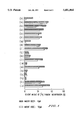
- FIGS. 1 and 2 are drawings showing changes in the relative amount of 3H! thymidine incorporation due to the addition of the amine derivative of Example 1.
- FIG. 3 is a drawing showing changes in the transglutaminase activity due to the addition of the amine derivative of Example 2.
- FIG. 4 is a drawing showing changes in the skin thickness due to UVB irradiation and the addition of the amine derivative of Example 3.
- R 1 represents a linear, branched, or cyclic saturated or unsaturated hydrocarbon group having 4-40 carbon atoms. Specific examples include hydrocarbon groups such as butyl, hexyl, octyl, decyl, dodecyl, tetradecyl, pentadecyl, hexadecyl, octadecyl, docosyl, dotriacontyl, methyl-branched isostearyl, 2-ethylhexyl, 2-heptylundecyl, 5,7,7-trimethyl-2-(1,3,3-trimethylbutyl)-octyl, 9-octadecenyl, 9,12-octadecadienyl, cyclohexyl, phenyl, benzyl, cholesteryl, and the like.
- hydrocarbon groups such as butyl, hexyl, octyl, decyl
- R 2 , R 3 , R 4 , R 5 , and R 6 individually represent a hydrogen atom or a hydrocarbon group having 1-10 carbon atoms, which may be substituted or unsubstituted by 1 or more hydroxy groups.
- Specific examples are hydrogen atom and hydrocarbon groups such as methyl, ethyl, butyl, hexyl, phenyl, benzyl, hydroxymethyl, hydroxyethyl, 1,2-dihydroxyethyl, 1,2,3-trihydroxypropyl, 1,2,3,4-tetrahydroxybutyl, 1,2,3,4,5-pentahydroxypentyl, and the like.
- amine derivatives (1) those having a linear, branched, or cyclic saturated or unsaturated hydrocarbon group having 4-40 carbon atoms for R 1 , a hydrogen atom, a lower alkyl, or a lower hydroxyalkyl for R 2 , and hydrogen atoms for R 3 , R 4 , R 5 , and R 6 are preferable.
- Amine derivatives (1) of the present invention can be synthesized by various methods known in the art. For example, they can be synthesized by the addition of an amine derivative (3) to a glycidyl ether derivative (2) according to the following reaction formula. ##STR4## wherein R 1 , R 2 , R 3 , R 4 , R 5 , and R 6 have the same meanings as defined above.
- the amine derivative (1) thus obtained can be converted into a salt of inorganic acid, e.g., hydrochloric acid, sulfuric acid, nitric acid, phosphoric acid, etc., or a salt of organic acid, e.g., succinic acid, fumaric acid, hexadecanoic acid, octadecanoic acid, lactic acid, glycolic acid, citric acid, tartaric acid, benzoic acid, etc., according to a conventional method.
- inorganic acid e.g., hydrochloric acid, sulfuric acid, nitric acid, phosphoric acid, etc.
- organic acid e.g., succinic acid, fumaric acid, hexadecanoic acid, octadecanoic acid, lactic acid, glycolic acid, citric acid, tartaric acid, benzoic acid, etc.
- said amine derivatives (1) and their acid addition salts exhibit excellent effects of controlling synthesis of epidermal cell DNA, exhibiting, in both in vivo and in vitro experiments, their differentiations inducing activity and epidermal thickening controlling effects. Therefore, they possess an action of normalizing abnormal keratinization of epidermal cells in the skin.
- amine derivatives (1) and their acid addition salts may exhibit their effects by oral administration, a more desirable method for curing wrinkles and keratinization is to apply their effective amounts to the skin.
- composition for external skin care in an amount of from 0.0001 to less than 0.1% by weight and the composition be applied to the skin.
- the composition for external skin care may take various forms for use, such as pharmaceutical compositions for external skin care, cosmetics, and the like.
- pharmaceutical compositions for external skin care are various ointment compositions comprising the amine derivative (1) or its acid addition salt and other pharmaceutical components.
- ointments both those containing an oily base as a base and those containing an oil-in-water or water-in-oil emulsion-type base as a base can be used.
- oily bases there are no limitations as to the types of oily bases. Examples include vegetable oils, animal oils, synthetic oils, fatty acids, natural or synthetic glycerides, and the like. No special limitations are imposed to said other pharmaceutical components. For example, analgesic and antiphlogistic agents, antipruritics, disinfectants, astringents, emollients, hormones, vitamins, and the like may be used suitably as needed.
- cosmetic composition it is possible to incorporate any commonly used cosmetic components, such as oils, moisturizers, UV absorbents, alcohols, chelating agents, pH modifiers, preservatives, thickeners, coloring agents, perfumes, and the like, in any optional combinations.
- cosmetic components such as oils, moisturizers, UV absorbents, alcohols, chelating agents, pH modifiers, preservatives, thickeners, coloring agents, perfumes, and the like, in any optional combinations.
- Cosmetic compositions may be prepared into a various forms depending on their uses; they may be water-in-oil or oil-in-water type emulsified cosmetics, creams, cosmetic milky lotions, lotions, oily cosmetics, facial packs, foundations, or the like. These compositions for external skin care may be prepared into the above various forms according to conventional methods.
- IR (KBr, cm -1 ) 3440, 3312, 2916, 2852, 1464, 1378, 1356, 1330, 1120, 1052, 954, 868, 720.
- UVB light was irradiated on hairless mice (HR/ICR, 9 week age at the start of the experiment), 3 times a week, using 6 Toshiba health light lamps 20SE.
- the energy amount was measured by UV-Radiometer UVR-305/3.65D manufactured by Tokyo Optical Co.
- One irradiation was less than 1 MED; 65 mj with an energy amount of 0.28 mW/cm 2 .
- the mice were divided into 8 groups. 80 ⁇ l of a 0.005% ethanol solution of amine derivative (1g) was applied for 6 weeks, 5 times a week. For a control group, 80 ⁇ l of ethanol was applied in the same way.
- Human epidermal keratinocytes (trademark: Epipack) sold by Kurabo Co. was used.
- a medium for human normal keratinocytes (trademark: K-GM) sold by the same company was used for the subsistence and subculture of the cells.
- Keratinocytes cultivated under the proliferating conditions in a 24-well plate were used.
- the medium in each well was removed by aspiration, and replaced by the addition of 450 ⁇ l of K-GM to which no pituitary extract was added, followed-by the addition of amine derivatives (1a)-(1af) obtained in above Synthetic Examples.
- the mixture was incubated for 4 hours.
- the supernatant was removed by aspiration and the residue was washed 3 times with PBS(-), followed by the addition of 500 ⁇ l of 2N NaOH. After incubation at 37° C. for 10 minutes, the mixture was neutralized with the equivalent amount of 2N HCl. After the addition of 4 ml of ice-cold 10% trichloroacetic acid, the mixture was allowed to stand for 30 minutes.
- Precipitate was collected by filtration through a glass filter and washed 3 times with 3 ml of ice-cold 10% trichloroacetic acid. The glass filter was washed once more with 3 ml of ice-cold ethanol, dried in air, and submitted to the measurement of the radio activity by a liquid scintillation counter to calculate thymidine taken into the cells.
- FIGS. 1 and 2 show the relative amount of 3 H! thymidine incorporation (%) when amine derivatives (1a)-(1af) at 10 ⁇ M (upper row) and 100 ⁇ M (lower row).
- Keratinocytes cultivated under the proliferating conditions in a 6-well plate were used.
- the medium in each well was removed by aspiration, and replaced by the addition of 2 ml of K-GM to which no pituitary extract was added, followed by the addition of amine derivatives (1a) and (1g).
- each well was washed 3 times with PBS(-). Cells were collected by releasing them from the wells by rubber policeman. The cell suspension thus obtained was centrifuged at 2,500 rpm for 10 minutes to collect a precipitate.
- reaction solution a mixed solution of 300 mM Tris-HCl buffer, pH 8.1; 60 mM CaCl 2 , 100 ⁇ l; 30 mM DTT, 100 ⁇ l; distilled water containing 540 ⁇ g of dimethylcasein, 100 ⁇ l; 12 mM putrescine, 50 ⁇ l; 2.5 ⁇ Cl 14 C!-putrescine, 50 ⁇ l; and distilled water, 100 ⁇ l! and the mixture was incubated at 37° C. for 1 hour. Then, after the addition of 600 ⁇ l of 10% trichloroacetic acid, the mixture was allowed to stand still for 30 minutes. The precipitate was collected by using 0.45 ⁇ m nitrocellulose membrane. The membrane was washed with 15 ml of ice-cooled 5% trichloroacetic acid (containing 1% putrescine). The radio activity of the substance on the membrane was measured by a liquid scintillation counter.
- FIG. 3 shows the transglutaminase activities (cpm) when 1 ⁇ M, 10 ⁇ M, and 100 ⁇ M of amine derivatives were added.
- the activity values increase to a value as much as about 3.0 times for the value of the control along with the increase in the amounts of amine derivatives added. This is an evidence that said amine derivatives possess a differentiation inducing activity for keratinocytes.
- UVB (2-3 Med) was irradiated to hair-cut ears of 25 white guinea pigs, aged 4-6 weeks, and starting immediately after the irradiation squalane solutions containing 0.05% amine derivatives (1a) or (1g) were applied, once a day, for 1 week.
- FIG. 4 shows the results of the dermal thickness measurement on a sample to which UVB was irradiated, a sample to which amine derivative (1a) was applied after the UVB irradiation, and a sample to which amine derivative (1g) was applied after the UVB irradiation.
- the concentration of each sample was 0.05%. The results demonstrate that these amine derivatives have an effect of controlling epidermal thickening.
- (1)-(7) were heated to 80° C. to dissolve.
- (8)-(1I) were added to the mixture and homogeneously blended to produce a W/O cream.
- (1)-(7) were heated to 80° C. to dissolve.
- (8)-(10) were added to the mixture and homogeneously blended to produce a moisturizing sunscreen cream.
- (1)-(6) were heated to 80° C. to dissolve and cooled to produce an ointment.
- (1)-(8) were heated to 70° C. to dissolve and cooled to produce a face pack.
- compositions for external skin care prepared in Examples 5-9 were all exhibited excellent effects of suppressing production of and extinction of wrinkles. They were effective in controlling incomplete keratinization, skin thickening, and abnormal lipid metabolism, and further in the restoration and constant maintenance of normal skin functions. Furthermore, these compositions did not cause red spots on the skin to develop, nor they were irritative to the skin.
- the composition for external skin car of the present invention has an excellent effect of suppressing generation of or diminishing wrinkles, and exhibits an action of controlling incomplete keratinization, skin thickening, and abnormal lipid metabolism.
- the composition is a highly safe material.
Landscapes
- Health & Medical Sciences (AREA)
- Life Sciences & Earth Sciences (AREA)
- Animal Behavior & Ethology (AREA)
- General Health & Medical Sciences (AREA)
- Public Health (AREA)
- Veterinary Medicine (AREA)
- Dermatology (AREA)
- Gerontology & Geriatric Medicine (AREA)
- Birds (AREA)
- Epidemiology (AREA)
- Organic Low-Molecular-Weight Compounds And Preparation Thereof (AREA)
- Cosmetics (AREA)
Abstract
A composition for external skin care comprising an amine derivative represented by the following formula (1), <IMAGE> (1) wherein R1 is a linear, branched, or cyclic saturated or unsaturated hydrocarbon group having 4-40 carbon atoms, and R2, R3, R4, R5, and R6 are individually a hydrogen atom or a hydrocarbon group having 1-10 carbon atoms, which may be substituted or unsubstituted by 1 or more hydroxy groups; or an acid addition salt thereof, in an amount from 0.0001 to less than 0.1% by weight; and a method of curing wrinkles and keratinization of the skin characterized by applying said amine derivative or its salt to the skin.
Description
This application is a continuation of application Ser. No. 08/477,951, filed on Jun. 7, 1995, now abandoned, which was a division of application Ser. No. 08/211,052, filed on Mar. 23, 1994, now U.S. Pat. No. 5,552,445, which is the U.S. National Stage of International Application No. PCT/JP92/01210 filed Sep. 22, 1992.
The present invention relates to a composition for external skin care which enables the skin to maintain its normal functions and has an effect of curing keratinization and wrinkles of the skin.
The skin prevents water and other various components in living bodies from being lost. It plays roles of preventing water from dissipating and of constantly maintaining a body temperature. Skin also functions as a barrier for protecting bodies from external physical and chemical stimulators (e.g., humidity, temperature, ultraviolet rays, etc.) and from various bacteria. Its physiological functions in the activities of living bodies are therefore very important. Keeping healthy and beautiful skin is also a subject of a great concern, especially, for female. Conditions of skin, however, are constantly affected by various factors such as humidity, temperature, ultraviolet rays, cosmetics, age, diseases, stress, food customs, and the like. A number of skin troubles, such as deterioration of various skin functions, aging of the skin, and the like, are caused by these factors. Among these, troubles such as dry skin, fatty skin, dandruff, and the like are caused by thickening of the skin, incomplete keratinization, abnormal lipid metabolism, and the like resulting from the progress in turnover of epidermis which is induced by external and internal factors affecting the skin.
Major conventional methods of preventing the skin troubles and improving the skin have been preventing the skin from drying or promoting its moisture retention capability by the application of synthetic or natural moisturizing components, improving blood circulation in the skin by the application of blood circulation promoters, and the like.
These methods, however, involve various problems relating to their effects on the skin trouble prevention or the skin improvement, duration for which the effects last, stability and safety of drugs, and the like.
Development of a composition for external skin care which is safe and has a. superior keratin improving effect has therefore been desired.
On the other hand, wrinkles are produced by aging of the skin due to senility, exposure to sun light, and the like. Cells constituting fibroblost synthesizing dermal fiber components decrease and become small due to exposure to sun light and along with age. Especially, a large amount of colagen fibers are lost, leading to dermal degeneration and reduction in the dermal fat organization, and finally to the skin aging. This is a major cause of wrinkles, atony, and loss of flexibility.
A number of compositions and methods have been proposed for suppressing or curing aged skins such as wrinkles and the like (Japanese Patent Laid-open (ko-kai) Nos. 185005/1987, 502546/1987, 72157/1990, 288822/1990, etc.). Most of them, however, are not satisfactory in their effects of wrinkle improvement.
Vitamin A acid has been confirmed to exhibit a wrinkle curing effect Journal of the American Academy of Dermatology, Vol. 25, No. 2, Part 1, 231-237 (August, 1991); ibid. Vol. 21, No. 3, Part 2, 638-644 (September, 1989); ibid. Vol. 19, No. 1, Part 2, 169-175 (July 1988); ibid. Vol. 15, No. 4, Part 2, (October, 1986)!. Vitamin A acid, however, has problems in its safety; e.g., it induces red spots on the skin, is irritative and teratogenic.
Development of a safe composition for external skin care exhibiting an excellent wrinkle curing effect has therefore been desired.
Some compounds among amine derivatives represented by the following formula (1), ##STR2## (wherein R4 is a linear, branched, or cyclic saturated or unsaturated hydrocarbon group having 4-40 carbon atoms, and R2, R3, R4, R5, and R6 are individually a hydrogen atom or a hydrocarbon group having 1-10 carbon atoms, either substituted or unsubstituted by 1 or more hydroxy groups) are known to be useful as an emulsifier Journal of Colbid and Interface Science, Vol. 64, No. 2, 300-310 (1978), Japanese Patent Laid-open (ko-kai) No. 117421/1979!. It is also known that these compounds may be added to cosmetic compositions in an amount of 0.1-30% by weight Japanese Patent Laid-open (ko-kai) Nos. 135233/1979 and 147937/1979!. However, there are no knowledge about the actions of said compounds (1) to the skin; especially their actions effected to dermal cells in the skin have not been known at all.
Based on the supposition that the wrinkles and keratinization of the skin are produced by abnormalities in functions of the skin organization, which are caused by various factors externally or internally affecting living bodies, such as environmental changes, e.g., change of climate, ultraviolet rays, etc., variations in physiological functions, e.g., those due to aging, diseases, etc.), the present inventors have studied various compounds as to (1) their capability of suppressing the progress in epidermal turnover, resulting in skin thickening, incomplete keratinization, abnormal lipid metabolism, etc., which are caused by ultraviolet rays, various components, etc.; and their capability of normalizing the keratinized skin, (2) their wrinkle improving capability, (3) their safety, and the like. As a result, the present inventors have found that amine derivatives of the above formula (1) and their acid addition salts exhibit these capabilities even in a very small amount, and thus are useful as a component for compositions to be applied externally to the skin. The findings have led to the completion of the present invention.
The present invention relates to a composition for external skin care comprising 0.0001-0.1% by weight of an amine derivative of the above formula (1) or its acid addition salt.
The present invention also relates to a method of improving wrinkles characterized by applying said amine derivative or its acid addition salt to the skin.
Furthermore, the present invention relates to a method of improving keratinization of the skin characterized by applying said amine derivative or its acid addition salt to skin.
FIGS. 1 and 2 are drawings showing changes in the relative amount of 3H! thymidine incorporation due to the addition of the amine derivative of Example 1.
FIG. 3 is a drawing showing changes in the transglutaminase activity due to the addition of the amine derivative of Example 2.
FIG. 4 is a drawing showing changes in the skin thickness due to UVB irradiation and the addition of the amine derivative of Example 3.
In amine derivatives of formula (1), R1 represents a linear, branched, or cyclic saturated or unsaturated hydrocarbon group having 4-40 carbon atoms. Specific examples include hydrocarbon groups such as butyl, hexyl, octyl, decyl, dodecyl, tetradecyl, pentadecyl, hexadecyl, octadecyl, docosyl, dotriacontyl, methyl-branched isostearyl, 2-ethylhexyl, 2-heptylundecyl, 5,7,7-trimethyl-2-(1,3,3-trimethylbutyl)-octyl, 9-octadecenyl, 9,12-octadecadienyl, cyclohexyl, phenyl, benzyl, cholesteryl, and the like. R2, R3, R4, R5, and R6 individually represent a hydrogen atom or a hydrocarbon group having 1-10 carbon atoms, which may be substituted or unsubstituted by 1 or more hydroxy groups. Specific examples are hydrogen atom and hydrocarbon groups such as methyl, ethyl, butyl, hexyl, phenyl, benzyl, hydroxymethyl, hydroxyethyl, 1,2-dihydroxyethyl, 1,2,3-trihydroxypropyl, 1,2,3,4-tetrahydroxybutyl, 1,2,3,4,5-pentahydroxypentyl, and the like.
Among these amine derivatives (1), those having a linear, branched, or cyclic saturated or unsaturated hydrocarbon group having 4-40 carbon atoms for R1, a hydrogen atom, a lower alkyl, or a lower hydroxyalkyl for R2, and hydrogen atoms for R3, R4, R5, and R6 are preferable.
As preferable examples of R1, linear, branched, or cyclic alkyl or alkenyl groups having 4-40 carbon atoms are given, and among them, especially preferred are methyl-branched alkyl groups of the following formula, ##STR3## wherein m+n is 11-17, m is 4-10, n is 5-11. Particularly preferred are mixtures of compounds (described at Synthetic Example 3) of formula (1) having the above methyl-branched alkyl groups for R1, in which m+n is 11-17, m is 4-10 and n is 5-11, with the distribution peak at m=7 and n=8.
Amine derivatives (1) of the present invention can be synthesized by various methods known in the art. For example, they can be synthesized by the addition of an amine derivative (3) to a glycidyl ether derivative (2) according to the following reaction formula. ##STR4## wherein R1, R2, R3, R4, R5, and R6 have the same meanings as defined above.
As required, the amine derivative (1) thus obtained can be converted into a salt of inorganic acid, e.g., hydrochloric acid, sulfuric acid, nitric acid, phosphoric acid, etc., or a salt of organic acid, e.g., succinic acid, fumaric acid, hexadecanoic acid, octadecanoic acid, lactic acid, glycolic acid, citric acid, tartaric acid, benzoic acid, etc., according to a conventional method.
These amine derivatives (1) and their acid addition salts exhibit actions of suppressing production of wrinkles and extinguishing wrinkles, as shown in Examples hereinafter.
Furthermore, as shown in Examples hereinafter, said amine derivatives (1) and their acid addition salts exhibit excellent effects of controlling synthesis of epidermal cell DNA, exhibiting, in both in vivo and in vitro experiments, their differentiations inducing activity and epidermal thickening controlling effects. Therefore, they possess an action of normalizing abnormal keratinization of epidermal cells in the skin.
Although said amine derivatives (1) and their acid addition salts may exhibit their effects by oral administration, a more desirable method for curing wrinkles and keratinization is to apply their effective amounts to the skin.
In the case where said amine derivative (1) or its acid addition salt is used by applying it to the skin, it is desirable that the compound be formulated into a composition for external skin care in an amount of from 0.0001 to less than 0.1% by weight and the composition be applied to the skin. The composition for external skin care may take various forms for use, such as pharmaceutical compositions for external skin care, cosmetics, and the like. Given as examples of pharmaceutical compositions for external skin care are various ointment compositions comprising the amine derivative (1) or its acid addition salt and other pharmaceutical components. As ointments, both those containing an oily base as a base and those containing an oil-in-water or water-in-oil emulsion-type base as a base can be used. There are no limitations as to the types of oily bases. Examples include vegetable oils, animal oils, synthetic oils, fatty acids, natural or synthetic glycerides, and the like. No special limitations are imposed to said other pharmaceutical components. For example, analgesic and antiphlogistic agents, antipruritics, disinfectants, astringents, emollients, hormones, vitamins, and the like may be used suitably as needed.
Where used as a cosmetic composition, it is possible to incorporate any commonly used cosmetic components, such as oils, moisturizers, UV absorbents, alcohols, chelating agents, pH modifiers, preservatives, thickeners, coloring agents, perfumes, and the like, in any optional combinations.
Cosmetic compositions may be prepared into a various forms depending on their uses; they may be water-in-oil or oil-in-water type emulsified cosmetics, creams, cosmetic milky lotions, lotions, oily cosmetics, facial packs, foundations, or the like. These compositions for external skin care may be prepared into the above various forms according to conventional methods.
The present invention is hereinafter described in detail by way of examples, which should not be construed to be limiting thereof.
Synthetic Example 1
Synthesis of 1-(2-hydroxyethylamino)-3-tetradecyloxy-2-propanol In formula (1), R1 ═C14 H29 --, R2 ═R3 ═R4 ═R5 ═R6 ═H!
To a 3 l 5-necked flask equipped with a stirrer, dropping funnel, thermometer, nitrogen inlet tube, and condenser were charged 916.2 g (15 mol) of ethanolamine, and 183 g of ethanol. 270.5. g .(1 mol) of tetradecylglycidyl ether was dropped to the mixture over 3 hours, while stirring and heating at 80° C. under a nitrogen atmosphere. After the addition, the ethanol and excess ethanolamine were removed by evaporation under reduced pressure. The residue was crystallized from methanol to obtain 295.7 g of colorless powder of the title compound (1a) (yield: 89.2%). ##STR5## Synthetic Example 2
Amine derivatives (1b)-(1f) were prepared in the same manner as in Synthetic Example 1. ##STR6## Synthetic Example 3 Synthesis of 1-(2-hydroxyethylamino)-3-(methyl-branched-isostearyl)-2-propanol In formula (1), R1 ═methyl-branched-isostearyl, R2 ═R3 ═R4 ═R5 ═R6 ═H!
To a 3 l 5-necked flask equipped with a stirrer, dropping funnel, thermometer, nitrogen inlet tube, and condenser were charged 916.2 g (15 mol) of ethanolamine, and 183 g of ethanol. 326.6 g (1 mol) of methyl-branched-isostearylglycidyl ether was dropped to the mixture over 3 hours, while stirring and heating at 80° C. under a nitrogen atmosphere. After the addition, the ethanol and the excess ethanolamine were removed by evaporation under reduced pressure. The residue was purified by silica gel flush chromatography to obtain 320.5 g of light yellow paste of the title compound (1 g) (yield: 82.7%). ##STR7## wherein m+n is 11-17, m is 4-10 and n is 5-11, with the distribution peak at m=7 and n=8.
Synthetic Example 4
Synthesis of 1-(2-hydroxyethylamino)-3-(methyl-branched-isostearyl)-2-propanol hydrochloride
2.83 ml (34 mmol) of 12N hydrochloric acid was added to a solution of 13.2 g (34 mmol) of amine derivative (1 g) prepared in Synthetic Example 3 in 100 ml of ethanol, followed by evaporation of the solvent, to prepare 14.4 g of light yellow gel of the title hydrochloride (1g') of amine derivative (1 g).
Synthetic Example 5
1-(2-hydroxyethylamino)-3-(9-octadecenyloxy)-2-propanol (1h) was prepared in the same manner as in Synthetic Example 3. ##STR8## Synthetic Example 6 Synthesis of 1-(2-hydroxyethylamino)-3-phenyloxy-2-propanol In formula (1), R1 ═phenyl, R2 ═R3 ═R4 ═R5 ═R6 ═H!
To a 500 ml 4-necked flask equipped with a stirrer, dropping funnel, thermometer, nitrogen inlet tube, and condenser were charged 91.6 g (1.5 mol) of ethanolamine and 20 g of ethanol. 15.0 g of phenylglycidyl ether was dropped to the mixture over 2 hours, while stirring and heating at 80° C. under a nitrogen atmosphere. After the addition, the ethanol and the surplus ethanolamine were evaporated under reduced pressure. The residue was subjected to vacuum distillation (175°-180° C., 0.5 Torr) to obtain 18.5 g of colorless solid of the title compound (1i) (yield: 86.7%). ##STR9## Synthetic Example 7 Synthesis of 1- bis(hydroxyethylamino)!-3-tetradecyloxy-2-propanol In formula (1), R1 ═C14 H29 --, R2 ═--CH2 CH2 OH, R3 ═R4 ═R5 ═R6 ═H!
To a 1 l 5-necked flask equipped with a stirrer, dropping funnel, thermometer, and nitrogen inlet tube were charged 105.1 g (1 mol) of diethanolamine and 100 g of ethanol. 270.5 g of tetradecylglycidyl ether was dropped to the mixture over 30 minutes, while stirring and heating at 80 ° C. under a nitrogen atmosphere. After the addition, the mixture was stirred for a further 6 hours. The reaction mixture thus prepared was purified by silica gel flush chromatography to obtain 232.0 g of light yellow oil of the title compound (1j) (yield: 61.8%). ##STR10## Synthetic Example 8
Amine derivatives (1k)-(1o) were prepared in the same manner as in Synthetic Example 7. ##STR11## Synthetic Example 9 Synthesis of 1-(2,3-dihydroxypropylamino)!-3-tetradecyloxy-2-propanol (1p) In formula (1), R1 ═C14 H29 --, R2 ═R3 ═R4 ═R5 ═H, R6 ═--CH2 OH!
To a 2 l 4-necked flask equipped with a stirrer, dropping funnel, thermometer, and nitrogen inlet tube were charged 25 g (0.27 mol) of 3-amino-1,2-propanediol and 100 g of ethanol. 9.9 g (0.037 mol) of tetradecylglycidyl ether was dropped to the mixture over 3 hours, while stirring and heating at 80° C. under a nitrogen atmosphere. After the addition, the mixture was stirred for a further 1 hour. 1 l of water was added to the reaction mixture thus prepared to obtain a solid material by filtration. The solid was crystallized from methanol to obtain 10.3 g of colorless powder of the title compound (1p) (yield: 77.8%). ##STR12## Synthetic Example 10
Amine derivatives (1q)-(1s) were prepared in the same manner as in Synthetic Example 9. ##STR13## Synthetic Example 11
Amine derivatives (1t)-(1x) were prepared in the same manner as in Synthetic Example 1. ##STR14## Synthetic Example 12
Amine derivatives (1y)-(1z) were prepared in the same manner as in Synthetic Example 3. ##STR15## Synthetic Example 13
Amine derivatives (1aa)-(1ab) were prepared in the same manner as in Synthetic Example 7. ##STR16## In the above formulas (1aa)-(1ac), m+n is 11-17, m is 4-10 and n is 5-11, with the distribution peak at m=7 and n=8.
Synthetic Example 14
Amine derivatives (1ad)-(1af) were prepared in the same manner as in Synthetic Example 9. ##STR17##
Substituents R1 -R6 in amine derivatives of formulas (1a)-(1af) are listed in Tables 1-3.
                                  TABLE 1
__________________________________________________________________________
Substituent
Compound
      R.sup.1               R.sup.2   R.sup.3
                                        R.sup.4
                                          R.sup.5
                                            R.sup.6
__________________________________________________________________________
(1a)  C.sub.14 H.sub.29     H         H H H H
(1b)  C.sub.10 H.sub.21     H         H H H H
(1c)  C.sub.12 H.sub.25     H         H H H H
(1d)  C.sub.16 H.sub.33     H         H H H H
(1e)  C.sub.18 H.sub.37     H         H H H H
(1f)  cholesteryl           H         H H H H
(1g)
       ##STR18##            H         H H H H
(1h)
       ##STR19##            H         H H H H
(1i)
       ##STR20##            H         H H H H
(1j)  C.sub.14 H.sub.29     CH.sub.2 CH.sub.2 OH
                                      H H H H
(1k)  C.sub.14 H.sub.29     CH.sub.3  H H H H
(1l)  C.sub.14 H.sub.29
                             ##STR21##
                                      H H H H
__________________________________________________________________________
                                  TABLE 2
__________________________________________________________________________
Substituent
Compound
      R.sup.1
          R.sup.2   R.sup.3
                         R.sup.4
                                R.sup.5
                                       R.sup.6
__________________________________________________________________________
(1m)  C.sub.14 H.sub.29
          CH.sub.3  H    H
                                 ##STR22##
                                       H
(1n)  C.sub.16 H.sub.33
           ##STR23##
                    H    H      CH.sub.2OH
                                       H
(1o)  C.sub.16 H.sub.33
           ##STR24##
                    H    H
                                 ##STR25##
                                       H
(1p)  C.sub.14 H.sub.29
          H         H    H      CH.sub.2 OH
                                       H
(1q)  C.sub.16 H.sub.33
          H         H    H      CH.sub.2 OH
                                       H
(1r)  C.sub.16 H.sub.33
          H         H    H
                                 ##STR26##
                                       H
(1s)  C.sub.16 H.sub.33
          H         CH.sub.2 OH
                         CH.sub.2OH
                                H      H
__________________________________________________________________________
                                  TABLE 3
__________________________________________________________________________
Substituent
Compound
      R.sup.1             R.sup.2   R.sup.3
                                         R.sup.4
                                              R.sup.5
                                                  R.sup.6
__________________________________________________________________________
(1t)
       ##STR27##          H         H    H    H   H
(1u)  C.sub.11 H.sub.23   H         H    H    H   H
(1v)  C.sub.13 H.sub.27   H         H    H    H   H
(1w)  C.sub.15 H.sub.27   H         H    H    H   H
(1x)  C.sub.17 H.sub.35   H         H    H    H   H
(1y)
       ##STR28##          H         H    H    H   H
(1z)
       ##STR29##
(1aa)
       ##STR30##          CH.sub.2 CH.sub.2 OH
                                    H    H    H   H
(1ab)
       ##STR31##          CH.sub.3  H    H    H   H
(1ac)
       ##STR32##
                           ##STR33##
                                    H    H    H   H
(1ad) C.sub.14 H.sub.29   H         CH.sub.2 OH
                                         CH.sub.3
                                              H   H
(1ae) C.sub.14 H.sub.29   H         CH.sub.2 OH
                                         CH.sub.2 OH
                                              H   H
(1af) C.sub.14 H.sub.29   H         H    H    CH.sub.3
                                                  H
__________________________________________________________________________
Properties, melting points, and IR and NMR data of amine derivatives (1a)-(1af) obtained are as follows.
(1a) Colorless powder:
(m.p. 69.1°-69.5° C.)
IR (KBr, cm-1) 3448, 2920, 2852, 1464, 1374, 1330, 1120, 1090, 1054.
1 H-NMR(CDCl3, δ) 0.67-1.87(m, 27H), 2.53-2.90(m, 4H), 2.93-3.20(br, 3H), 3.30-4.07(m, 7H).
(1b) Colorless powder:
m.p. 52.7°-53° C.
IR (KBr, cm-1) 3452, 2920, 2852, 1466, 1432, 1380, 135,1332, 1120, 1050, 870.
1 H-NMR(CDCl3, γ) 0.63-1.97(m, 19H), 2.52-3.22(m, 7H), 3.25-4.10(m, 7H).
(1c) Colorless powder:
m.p. 60°-61.5° C.
IR (KBr, cm-1) 3452, 2920, 2852, 1464, 1356, 1382, 1120, 1050, 958, 872.
1 H-NMR(CDCl3, γ) 0.63-1.80(m, 23H), 2.54-2.96(m, 7H), 3.26-4.13(m, 7H).
(1d) Colorless powder:
(m.p. 70.6°-71.2° C.)
IR (KBr, cm-1) 3448, 2920, 2852, 1462, 1124, 1050.
1 H-NMR(CDCl3, γ) 0.67-1.67(m, 31H), 2.60-2.80(m, 4H), 3.10-3.90(m, 10H).
(1e) Colorless powder:
(m.p. 77.8-78.3° C.)
IR (KBr, cm-1) 3452, 2920, 2852, 1464, 1376, 1360, 1330, 1120, 1052, 868.
1 H-NMR(CDCl3, γ) 0.67-1.90(m, 35H), 2.13-3.11(m, 7H), 3.30-4.13(m, 7H).
(1f) Colorless powder:
(m.p. 177.6°-178.9° C.)
IR (KBr, cm-1) 3456, 3376, 2936, 2912, 1458, 1368, 1096, 1052, 948, 860.
1 H NMR(CDCl3, γ) 0.68(s, 3H), 0.84-1.72(m, 32H), 1.72-2.48,(m, 7H), 2.66-2.96(m, 7H), 3.06-3.26(m, 1H), 3.36-3.58(m, 2H), 3.67(bt, J=5.0Hz, 2H), 3.80-3.96(m, 1H), 5.32-5.38(m, 1H).
(1g) Light yellow paste:
IR (NaCl, cm-1) 3440, 2924, 2856, 1462, 1380, 1118, 1054.
1 H NFLR(CDCl3, γ) 0.65-1.80(m, 35H), 2.38-2.92(m, 4H), 3.18-4.22(m, 10H).
(1g') Light yellow gel:
IR (NaCl, cm-1) 3344 2920 2856 1588 1460, 1376, 1092.
1 H NMR(CDCl3, γ) 0.62-1.93(m, 35H), 2.90-3.83(m, 10H), 3.83-4.67(m, 5H).
(1h) Light yellow solid:
(m.p. 36.0°-37.2° C.)
IR (NACl, cm-1) 3344, 2928 2856 1462, 1352, 1326, 1112, 1058.
1 H NMR(CDCl3, γ) 0.76-2.33(m, 33H), 2.60-2.93(m, 4H), 3.13-4.20(m, 10H), 5.23-5.67(m, 2H).
(1i) Colorless solid:
(m.p. 77.0°-78° C.)
IR (KBr, cm-1) 3308, 2872, 1596, 1496, 1440, 1244, 1062, 1044, 956, 856, 754, 698.
1 H-NMR(CDCl3, γ) 2.70-2.90(m, 4H), 3.44(bs, 3H), 3.70(bt, J=5.0 Hz, 2H), 3.94(d, J=5.3Hz, 2H), 4.06-4.20(m, 1H), 6.85-7.00(m, 3H), 7.22-7.34(m, 2H).
(1j) Light yellow oil:
IR (NaCl, cm-1) 3364, 2924, 2856, 1460, 1376, 1118, 1076, 1040.
1 H NMR(CDCl3, γ) 0.89(t, J=6.5 Hz, 3H), 1.10-1.75(m, 24H),
2.34-2.95(m, 6H), 3.24-4.06(m, 9H), 4.61(br, 3H).
(1k) Light yellow oil:
1 IR (NaCl, cm-) 3404, 2928, 2856, 1462, 1118, 1080, 1036, 752.
1 H-NMR(CDCl3, γ) 0.88(t, J=6.5 Hz, 3H), 1.12-1.72(m, 24H), 2.30-2.77(m, 7H), 3.09(br, 2H), 3.33-3.54(m, 4H), 3.60-3.70(m, 2H), 3.85-4.00(m, 1H).
(1l) Light yellow oil:
IR (NaCl, cm-1) 3404, 2928, 2856, 1456, 1378, 1114, 1068, 736, 698.
1 H-NMR(CDCl3, γ) 0.89(t, J=6.5 HZ, 3H), 1.09-1.70(m, 27H), 2.55-3.08(m, 6H), 3.25-4.04(m, 9H), 7.18-7.40(m, 5H).
(1m) Colorless solid:
(m.p. 88.9°-90.2° C.)
IR (KBr, cm-) 3360, 2924, 2852, 1468, 1348, 1244, 1126, 1100, 1084, 1042.
1 H-NMR(CDCl3, γ) 0.88(t, J=6.5 Hz, 3H), 1.20-1.80(m, 27H), 2.2.7-2.86(m, 7H), 3.30-4.02(m, 11H), 4.57(br, 5H).
(1n) Light yellow oil:
IR (NaCl, cm-1) 3388, 2920, 2856, 1470, 1110, 1074, 1036, 1026, 744, 702.
1 H-NMR(CDCl3, γ) 0.88(t, J=6.5 Hz, 3H), 1.16-1.72(m, 28H), 2.46-2.82(m, 4H), 3.22-4.00(m, 13H).
(1o) Light yellow oil:
IR (NaCl, cm-1) 3352, 2928, 2856, 1458, 1118, 1088, 1054, 1042, 756, 702. 1 H-NMR(CDCl3, D2 O, γ) 0.86(t, J=6.5 Hz, 3H), 1.08-1.80 (m, 28H), 2.38-2.90(m, 4H), 3.13-4.13(m, 13H), 7.14(br, 5H).
(1p) Colorless powder:
(m.p. 100.5°-102.2° C.)
IR (KBr, cm-1) 3388, 2920, 2852, 1470, 1352, 1124, 1076.
1 H-NMR(CDCl3, γ) 0.88(t, J=6.5 Hz, 3H), 1.05-1.67(m, 24H), 1.68-2.20(m, 4H), 2.58-2.94(m, 4H), 3.31-3.96(m, 8H).
(1g) Colorless powder:
(m.p. 98.4°-99.5° C.)
IR (KBr, cm-1) 3440, 2920, 2852, 1468, 1344, 1124, 1096, 1064.
1 H-NMR(CDCl3, γ) 0.88(t, J=6.5 Hz, 3H), 1.13-1.67(m, 28H), 2.30-2.97(m, 8H), 3.30-4.00(m, 8H).
(1r) Colorless powder: (m.p. decomposed, not measurable)
IR (NaCl, cm-1) 3352, 2928, 2856, 1470, 1458, 1118, 1088, 1054, 1042, 756, 702.
1 H-NMR(CDCl3, D2 O, γ) 0.86(t, J=6.5 Hz, 3H), 1.08-1.80 (m, 28H), 2.38-2.90(mr 4H), 3.13-4.13 (m, 13H), 7.14(br, 5H).
(1s) Colorless powder:
(m.p. 85.7°-87.1° C.)
IR (KBr, cm-1) 3488, 2924, 2852, 1470, 1334, 1120, 1036.
1 H-NMR(MeOH-d4, γ) 0.67-1.93(m, 31H), 2.50-2.94(m, 2H), 3.17-3.98(m, 13H).
(1t) Colorless powder:
(m.p. 50.3°-51.2° C.)
IR (KBr, cm-1) 3448, 2920, 2848, 1464, 1425, 1359, 1116, 1047, 957, 912, 867.
1 H-NMR(CDCl3, γ) 1.18-1.75(m, 14H), 1.95-2.12(m, 2H), 2.55-2.84(m,. 4H), 3.02(brs, 3H), 3.32-3.52(m, 4H), 3.60-3.74(m, 2H), 3.82-3.98(m, 1H), 4.85-5.07(m, 2H), 5.68-5.94(m, 1H).
(1u) Colorless powder:
(m.p. 61.2°-62.1° C.)
IR (KBr, cm-1) 3448, 2920, 2852, 1466, 1120, 1052.
1 H-NMR(CDCl3, γ) 0.80-0.98(m, 3H), 1.18-1.70(m, 18H), 2.54-2.85(m, 4H), 3.05-4.00.(m, 10H).
(1v) Colorless powder:
(m.p. 67.4°-68.4° C.)
IR (KBr, cm-1) 3444, 2920, 2848, 1464, 1358, 1332, 1120, 1090, 1050, 952, 868, 722.
1 H-NMR(CDCl3, γ) 0.88(t, j=6.24 Hz, 3H), 1.10-1.70(m, 22H), 2.54-3.20(m, 7H), 3.30-3.52(m, 4H), 3.58-3.74(m, 2H), 3.80-3.98(m, 1H).
(1w) Colorless powder:
(m.p. 72.2°-73.4° C.)
IR (KBr, cm-1) 3448, 2920, 2852, 1464, 1378, 1328, 1122, 1052, 956, 866, 720.
1 H-NMR(CDCl3, γ) 0.88(t, J=6.19 Hz, 3H), 1.08-1.70(m, 26H), 2.50-3.20(m, 7H), 3.28-3.50(m, 4H), 3.58-3.72(m, 2H), 3.80-3.98(m, 1H).
(1x) Colorless powder:
(m.p. 77.4°-78.0° C.)
IR (KBr, cm-1) 3440, 3312, 2916, 2852, 1464, 1378, 1356, 1330, 1120, 1052, 954, 868, 720.
1 H-NMR(CDCl3, γ) 0.88(t, J=6.24 Hz, 3H), 1.10-1.70(m, 30H), 2.50-3.25(m, 7H), 3.32-3.52(m, 4H), 3.62-3.72(m, 2H), 3.82-3.98(m, 1H).
(1y) Light yellow oil:
IR (NaCl, cm-1) 3388, 2926, 2856, 1461, 1377, 1110.
1 H-NMR(CDCl3, γ) 0.70-0.97(m, 15H), 0.98-1.76(m, 20H), 2.56-2.73(m, 4H), 3.29-3.59(m, 4H), 3.62-4.10(m, 6H).
(1z) Light yellow oil:
IR (NaCl, cm-1) 3296, 2924, 2856, 1458, 1374, 1118, 1052, 940, 884.
1 H-NMR(CDCl3, γ) 0.70-0.98(m, 15H), 0.98-1.78(m, 20H), 2.56-2.92(m, 4H), 3.30-3.60(m, 4H), 3.62-4.10(m, 6H).
(1aa) Light yellow oil:
IR (NaCl, cm-1) 3356, 2924, 2856, 1464, 1376, 1122, 1070.
1 H-NMR(CDCl3, γ) 0.78-1.00(m, 6H), 1.00-1.75(m, 29H), 2.32-2.88(m, 6H), 3.30-4.00(m, 9H), 4.90(brs, 3H).
(1ab) Light yellow oil:
IR (NaCl, cm-1) 3424, 2928, 2856, 1460, 1378, 1116, 1040.
1 H-NMR(CDCl3, γ) 0.72-0.96(m, 6H), 1.00-1.76(m, 29H), 2.33(s, 3H), 2.36-2.72(m, 4H), 3.30-3.52(m, 6H), 3.57-3.68(m, 2H), 3.82-3.96(m, 1H).
(1ac) Light yellow oil:
IR (NaCl, cm-1) 3388, 2924, 2856, 1454, 1370, 1118.
1 H-NMR(CDCl3, γ) 0.63-1.92(m, 35H), 2.40-4.06(m, 15H), 7.18(brs, 5H).
(1ad) Colorless powder:
(m.p. 93.6°-94.5° C.)
IR (KBr, cm-1) 3404, 2924, 2852, 1470, 1350, 1120, 1102, 1050.
1 H-NMR(CDCl3, γ) 0.80-1.00(m, 6H), 1.10-1.68(m, 24H), 2.45-2.74(m, 2H), 3.20-3.64(m, 12H), 3.78-3.98(m, 1H).
(1ae) Colorless powder:
(m.p. 84.4°-85.4° C.)
IR (KBr, cm-1) 3308, 2924, 2856, 1466, 1378, 1114.
1 H-NMR(CDCl3, γ) 0.80-1.00(m, 3H), 1.10-1.70(m, 24H), 2.56-2.74(m, 2H), 3.24-3.74(m, 15H), 3.88-4.06(m, 1H).
(1af) Colorless powder:
(m.p. 79.5°-81.2° C.)
IR (KBr, cm-1) 3424, 3148, 2914, 2848, 1467, 1347, 1110, 1029, 969, 870.
1 H-NMR(CDCl3, γ) 0.88(t, J=6.4 Hz, 3H), 1.15(d, J=6.1 Hz, 3H), 1.21-1.73(m, 24H), 2.38-2.90(m, 7H), 3.30-3.60(m, 4H), 3.72-4.01(m, 2H).
Effect of amine derivative to wrinkles of hairless mouse produced by UVB radiation
(1) UVB light was irradiated on hairless mice (HR/ICR, 9 week age at the start of the experiment), 3 times a week, using 6 Toshiba health light lamps 20SE. The energy amount was measured by UV-Radiometer UVR-305/3.65D manufactured by Tokyo Optical Co. One irradiation was less than 1 MED; 65 mj with an energy amount of 0.28 mW/cm2. After confirming production of wrinkles on the back of the hairless mice by irradiation of 20 weeks, the mice were divided into 8 groups. 80 μl of a 0.005% ethanol solution of amine derivative (1g) was applied for 6 weeks, 5 times a week. For a control group, 80 μl of ethanol was applied in the same way.
After the completion of the application, the degree of wrinkles was evaluated by the following criterion (wrinkle index). The results are shown in Table 4.
(Wrinkle degree)
1. No coarse wrinkle.
2. A few shallow coarse wrinkles across back.
3. Same coarse wrinkles across back.
4. Several deep coarse wrinkles across back.
              TABLE 4
______________________________________
Group           Wrinkle index
______________________________________
Control         3.75 ± 0.09
Amine derivative (1 g)
                2.94 ± 0.09
______________________________________
As clear from Table 4, the application of amine derivative (1g) could extinguish wrinkles developed on the back of hairless mice.
(2) In order to analyze the details of wrinkles, skin replicas with a diameter of 1 cm2 were taken from 3 sites for each mouse, by using a hydrophilic exaflex vinyl silicone image duplicator. The replicas were horizontally placed to irradiate a light from a direction of 30° in angle. Percentage of shades emerged with by wrinkles in total area of the replica was determined by an image analyzer. The results are shown in Table 5.
              TABLE 5
______________________________________
               Area percentage
Group          by image analysis (%)
______________________________________
Control        6.42 ± 0.63
Amine derivative (1 g)
               2.71 ± 0.35
______________________________________
As can be seen from Table 5, the application of amine derivative (1 g) could extinguish wrinkles developed on the back of hairless mice.
Effect of amine derivatives (1) to the suppression of epidermal keratinized cell DNA synthesis
(1) Method
a) Cultivation of human epidermal keratinocytes
Human epidermal keratinocytes (trademark: Epipack) sold by Kurabo Co. was used. A medium for human normal keratinocytes (trademark: K-GM) sold by the same company was used for the subsistence and subculture of the cells.
b) Measurement of DNA synthesis (Measurement of thymidine incorporation)
Keratinocytes cultivated under the proliferating conditions in a 24-well plate were used. First, the medium in each well was removed by aspiration, and replaced by the addition of 450 μl of K-GM to which no pituitary extract was added, followed-by the addition of amine derivatives (1a)-(1af) obtained in above Synthetic Examples. Then, after the addition of 0.2 μCi/ml 3 H!-thymidine over time, the mixture was incubated for 4 hours. The supernatant was removed by aspiration and the residue was washed 3 times with PBS(-), followed by the addition of 500 μl of 2N NaOH. After incubation at 37° C. for 10 minutes, the mixture was neutralized with the equivalent amount of 2N HCl. After the addition of 4 ml of ice-cold 10% trichloroacetic acid, the mixture was allowed to stand for 30 minutes.
Precipitate was collected by filtration through a glass filter and washed 3 times with 3 ml of ice-cold 10% trichloroacetic acid. The glass filter was washed once more with 3 ml of ice-cold ethanol, dried in air, and submitted to the measurement of the radio activity by a liquid scintillation counter to calculate thymidine taken into the cells.
(2) Results
FIGS. 1 and 2 show the relative amount of 3 H! thymidine incorporation (%) when amine derivatives (1a)-(1af) at 10 μM (upper row) and 100 μM (lower row).
These figures clearly show that the thymidine intake is remarkably reduced by the addition of the above amine derivatives, that is, synthesis of epidermal keratinocytes DNA is inhibited.
Effect of amine derivatives on transglutaminase activity of epidermal keratinocytes
(1) Measurement of transglutaminase activity
Keratinocytes cultivated under the proliferating conditions in a 6-well plate were used. The medium in each well was removed by aspiration, and replaced by the addition of 2 ml of K-GM to which no pituitary extract was added, followed by the addition of amine derivatives (1a) and (1g). After 24 hours, each well was washed 3 times with PBS(-). Cells were collected by releasing them from the wells by rubber policeman. The cell suspension thus obtained was centrifuged at 2,500 rpm for 10 minutes to collect a precipitate. After the addition of 200 μl of buffer solution (a) 10 mM Tris-HCl buffer, 10 mM DTT, 0.5 mM EDTA; pH 7.4!, the mixture was ultrasonicated 2 times, for 1 minute each time. The suspension thus obtained was subjected to ultracentrifuge for 30 minutes at 25,000 rpm to obtain a supernatant. The supernatant was divided into portions of a specified amount. To each portion was added a reaction solution a mixed solution of 300 mM Tris-HCl buffer, pH 8.1; 60 mM CaCl2, 100 μl; 30 mM DTT, 100 μl; distilled water containing 540 μg of dimethylcasein, 100 μl; 12 mM putrescine, 50 μl; 2.5 μCl 14 C!-putrescine, 50 μl; and distilled water, 100 μl! and the mixture was incubated at 37° C. for 1 hour. Then, after the addition of 600 μl of 10% trichloroacetic acid, the mixture was allowed to stand still for 30 minutes. The precipitate was collected by using 0.45 μm nitrocellulose membrane. The membrane was washed with 15 ml of ice-cooled 5% trichloroacetic acid (containing 1% putrescine). The radio activity of the substance on the membrane was measured by a liquid scintillation counter.
(2) Results
FIG. 3 shows the transglutaminase activities (cpm) when 1 μM, 10 μM, and 100 μM of amine derivatives were added. The activity values increase to a value as much as about 3.0 times for the value of the control along with the increase in the amounts of amine derivatives added. This is an evidence that said amine derivatives possess a differentiation inducing activity for keratinocytes.
Effect of amine derivatives on the control of dermal thickening
(1) Method
UVB (2-3 Med) was irradiated to hair-cut ears of 25 white guinea pigs, aged 4-6 weeks, and starting immediately after the irradiation squalane solutions containing 0.05% amine derivatives (1a) or (1g) were applied, once a day, for 1 week.
After 1 week, ears of guinea pigs were cut out to prepare skin organization specimens. A microscopic photograph was taken for each organization sample to measure the epidermal thicknesses, thus evaluating the effects of the sample compounds on the control of thickening by the UVB irradiation.
(2) Results
FIG. 4 shows the results of the dermal thickness measurement on a sample to which UVB was irradiated, a sample to which amine derivative (1a) was applied after the UVB irradiation, and a sample to which amine derivative (1g) was applied after the UVB irradiation. The concentration of each sample was 0.05%. The results demonstrate that these amine derivatives have an effect of controlling epidermal thickening.
______________________________________
       Preparation of W/0 Cream
                     % by weight
______________________________________
(1)      Amine Derivative (la)
                           0.01
(2)      Cholesterol       0.5
(3)      Cholesterol isostearate
                           1.0
(4)      Polyether-modified silicone
                           1.5
(5)      Cyclic silicone   20.0
(6)      Methylphenyl polysiloxane
                           2.0
(7)      Methyl polysiloxane
                           2.0
(8)      Magnesium sulfate 0.5
(9)      55% Ethanol       5.0
(10)     Carboxymethyl chitin
                           0.5
         (Chitin liquid HV, manufactured
         by Ichimaru Farcos Co.)
(11)     Purified water    Balance
______________________________________
(1)-(7) were heated to 80° C. to dissolve. (8)-(1I) were added to the mixture and homogeneously blended to produce a W/O cream.
______________________________________
Preparation of O/W Cream
                     % by weight
______________________________________
(1)     Polyoxyethylene (10) hydrogenated
                           1.0
        castor oil
(2)     Sorbitan monostearate
                           0.5
(3)     Sodium stearoyl methyltaurine
                           0.5
(4)     Cetostearyl alcohol
                           2.0
(5)     Stearic acid       1.8
(6)     Amine Derivative (1 g)
                           0.001
(7)     Cholesterol        1.5
(8)     Cholesteryl isostearate
                           1.0
(9)     Dicapric acid neopentyl glycol
                           8.0
(10)    Methyl polysiloxane
                           5.0
(11)    Glycerine          5.0
(12)    Purified water     Balance
______________________________________
(1)-(10) were heated to 80° C. to dissolve. (11)-(12) were added to the mixture and homogeneously blended to produce an O/W cream.
______________________________________
Prepartition of moisturizing sunscreen cream
                     % by weight
______________________________________
(1)     Amine Derivative (1 g)
                           0.005
(2)     Silicone coated zinc oxide
                           7.0
(3)     2-Ethylhexyl p-methoxycinnamate
                           3.0
(4)     Cholesteryl isostearate
                           1.0
(5)     Polyether-modified silicone
                           2.0
(6)     Methyl polysiloxane
                           5.0
(7)     Cyclic silicone    15.0
(8)     Magnesium sulfate  1.0
(9)     Glycerine          5.0
(10)    Purified water     Balance
______________________________________
(1)-(7) were heated to 80° C. to dissolve. (8)-(10) were added to the mixture and homogeneously blended to produce a moisturizing sunscreen cream.
______________________________________
         Preparation of ointment
                   % by weight
______________________________________
(1)        Amine Derivative (1a)
                         0.005
(2)        White petrolatum
                         Balance
(3)        Cholesteryl isostearate
                         3.0
(4)        Liquid paraffin
                         10.0
(5)        Glyceryl ether
                         1.0
(6)        Glycerine     10.0
______________________________________
(1)-(6) were heated to 80° C. to dissolve and cooled to produce an ointment.
______________________________________
Preparation of face pack
                       % by weight
______________________________________
(1)     Amine Derivative hydrochloride (1 g')
                             0.05
(2)     Polyvinyl alcohol    15.0
(3)     Sodium carboxymethyl cellulose
                             5.0
(4)     Propylene glycol     3.0
(5)     Ethanol              8.0
(6)     Purified water       67.5
(7)     Perfume              0.5
(8)     Preservative, antioxidant
                             q.s.
______________________________________
(1)-(8) were heated to 70° C. to dissolve and cooled to produce a face pack.
Compositions for external skin care prepared in Examples 5-9 were all exhibited excellent effects of suppressing production of and extinction of wrinkles. They were effective in controlling incomplete keratinization, skin thickening, and abnormal lipid metabolism, and further in the restoration and constant maintenance of normal skin functions. Furthermore, these compositions did not cause red spots on the skin to develop, nor they were irritative to the skin.
Industrial Applicability
The composition for external skin car of the present invention has an excellent effect of suppressing generation of or diminishing wrinkles, and exhibits an action of controlling incomplete keratinization, skin thickening, and abnormal lipid metabolism. In addition the composition is a highly safe material.
Claims (45)
1. A composition for external skin care comprising an amine derivative of formula (1): ##STR34## wherein: R1 is a linear, branched, or cyclic saturated or unsaturated hydrocarbon group having 4-40 carbon atoms; and
R2, R3, R4, R5, and R6 are individually a hydrogen atom or a hydrocarbon group having 1-10 carbon atoms, which may be substituted or unsubstituted by 1 or more hydroxy groups; or an acid addition salt thereof, in an amount from 0.0001 to less than 0.1% by weight.
2. The composition of claim 1, comprising an amine derivative of the following formula: ##STR35## wherein: R1 is selected from the group consisting of C10 H21, C11 H23, C12 H25, C13 H27, C14 H29, C15 H31, C16 H33, C17 H35, C18 H37, cholesteryl, oleyl, CH2 ═CH(CH2)9 and linoleyl; and
R2 is hydrogen.
3. The composition of claim 2, wherein R1 is C10 H21.
4. The composition of claim 2, wherein R1 is C11 H23.
5. The composition of claim 2, wherein R1 is C12 H25.
6. The composition of claim 2, wherein R1 is C13 H27.
7. The composition of claim 2, wherein R1 is C14 H29.
8. The composition of claim 2, wherein R1 is C15 H31.
9. The composition of claim 2, wherein R1 is C16 H33.
10. The composition of claim 2, wherein R1 is C17 H35.
11. The composition of claim 2, wherein R1 is C18 H37.
12. The composition of claim 2, wherein R1 is cholesteryl.
13. The composition of claim 2, wherein R1 is oleyl.
14. The composition of claim 2, wherein R1 is CH2 ═CH(CH2)9.
15. The composition of claim 2, wherein R1 is linoleyl.
16. The composition of claim 1, comprising an amine derivative of the following formula: ##STR36## wherein R1 is C14 H29 and R2 is CH2 CH2 OH.
17. A method of improving wrinkles, comprising the step of applying to the skin an amine derivative of the following formula: ##STR37## wherein: R1 is selected from the group consisting of C10 H21, C11 H23, C12 H25, C13 H27, C14 H29, C15 H31, C16 H33, C17 H35, C18 H37, cholesteryl, oleyl, CH2 ═CH(CH2)9, and linoleyl; and
R2 is hydrogen.
18. The method of claim 17, wherein R1 is C10 H21.
19. The method of claim 17, wherein R1 is C11 H23.
20. The method of claim 17, wherein R1 is C12 H25.
21. The method of claim 17, wherein R1 is C13 H27.
22. The method of claim 17, wherein R1 is C14 H29.
23. The method of claim 17, wherein R1 is C15 H31.
24. The method of claim 17, wherein R1 is C16 H33.
25. The method of claim 17, wherein R1 is C17 H35.
26. The method of claim 17, wherein R1 is C17 H35.
27. The composition of claim 17, wherein R1 is cholesteryl.
28. The composition of claim 17, wherein R1 is oleyl.
29. The method of claim 17, wherein R1 is CH2 ═CH(CH2)9.
30. A method of improving wrinkles, comprising the step of applying to the skin an amine derivative of the following formula: ##STR38## wherein R1 is C14 H29 and R2 is CH2 CH2 OH.
31. A method of improving keratinization of the skin, comprising the step of applying an amine derivative of the following formula: ##STR39## wherein: R1 is selected from the group consisting of C10 H21, C11 H23, C12 H25, C13 H27, C14 H29, C15 H31, C16 H33, C17 H35, C18 H37, cholesteryl, oleyl, CH2 ═CH(CH2)9, and linoleyl; and
R2 is hydrogen.
32. The method claim 30, wherein R1 is C10 H21.
33. The method claim 30, wherein R1 is C11 H23.
34. The method claim 30, wherein R1 is C12 H25.
35. The method claim 30, wherein R1 is C13 H27.
36. The method claim 30, wherein R1 is C14 H29.
37. The method claim 30, wherein R1 is C15 H31.
38. The method claim 30, wherein R1 is C16 H33.
39. The method claim 30, wherein R1 is C17 H35.
40. The method claim 30, wherein R1 is C18 H37.
41. The composition of claim 30, wherein R1 is cholesteryl.
42. The composition of claim 30, wherein R1 is oleyl.
43. The composition of claim 30, wherein R1 is CH2 ═CH(CH2)9.
44. The method of claim 30, wherein R1 is linoleyl.
45. A method of improving keratinization of the skin, comprising the step of applying an amine derivative of the following formula: ##STR40## wherein R1 is C14 H29 and R2 is CH2 CH2 OH.
Priority Applications (1)
| Application Number | Priority Date | Filing Date | Title |
|---|---|---|---|
| US08/761,144 US5681864A (en) | 1991-09-24 | 1996-12-06 | Composition for external skin care |
Applications Claiming Priority (7)
| Application Number | Priority Date | Filing Date | Title |
|---|---|---|---|
| JP3-243669 | 1991-09-24 | ||
| JP24366991 | 1991-09-24 | ||
| JP4-130699 | 1992-05-22 | ||
| JP13069992 | 1992-05-22 | ||
| US08/211,052 US5552445A (en) | 1991-09-24 | 1992-09-22 | Composition for external skin care |
| US47795195A | 1995-06-07 | 1995-06-07 | |
| US08/761,144 US5681864A (en) | 1991-09-24 | 1996-12-06 | Composition for external skin care |
Related Parent Applications (1)
| Application Number | Title | Priority Date | Filing Date |
|---|---|---|---|
| US47795195A Continuation | 1991-09-24 | 1995-06-07 |
Publications (1)
| Publication Number | Publication Date |
|---|---|
| US5681864A true US5681864A (en) | 1997-10-28 |
Family
ID=26465767
Family Applications (2)
| Application Number | Title | Priority Date | Filing Date |
|---|---|---|---|
| US08/211,052 Expired - Lifetime US5552445A (en) | 1991-09-24 | 1992-09-22 | Composition for external skin care |
| US08/761,144 Expired - Lifetime US5681864A (en) | 1991-09-24 | 1996-12-06 | Composition for external skin care |
Family Applications Before (1)
| Application Number | Title | Priority Date | Filing Date |
|---|---|---|---|
| US08/211,052 Expired - Lifetime US5552445A (en) | 1991-09-24 | 1992-09-22 | Composition for external skin care |
Country Status (4)
| Country | Link |
|---|---|
| US (2) | US5552445A (en) |
| EP (1) | EP0605543B1 (en) |
| DE (1) | DE69209513T2 (en) |
| WO (1) | WO1993005763A1 (en) |
Cited By (1)
| Publication number | Priority date | Publication date | Assignee | Title |
|---|---|---|---|---|
| US6348200B1 (en) | 1995-10-16 | 2002-02-19 | Kao Corporation | Cosmetic composition |
Families Citing this family (7)
| Publication number | Priority date | Publication date | Assignee | Title |
|---|---|---|---|---|
| EP0605543B1 (en) * | 1991-09-24 | 1996-03-27 | Kao Corporation | Composition for external skin care |
| JPH06145123A (en) * | 1992-11-02 | 1994-05-24 | Kao Corp | Amide derivative, intermediate for producing the same, and external preparation for skin containing the amide derivative |
| DE69419601T2 (en) * | 1993-03-17 | 1999-12-02 | Kao Corp., Tokio/Tokyo | AMINE DERIVATIVES AND DERMATOLOGICAL PREPARATIONS CONTAINING THEM |
| DE69503368D1 (en) * | 1994-04-12 | 1998-08-13 | Kao Corp | DERMATOLOGICAL PREPARATION |
| EP1194037B1 (en) * | 1999-07-16 | 2004-08-18 | Imperial Chemical Industries PLC | Agrochemical compositions and surfactant compounds |
| WO2019139649A2 (en) | 2017-09-25 | 2019-07-18 | Northeastern University | Biologically-inspired compositions that enable visible through infrared color changing compositions |
| US11464719B2 (en) * | 2017-09-25 | 2022-10-11 | Northeastern University | Cosmetic and dermatological compositions |
Citations (1)
| Publication number | Priority date | Publication date | Assignee | Title |
|---|---|---|---|---|
| US5552445A (en) * | 1991-09-24 | 1996-09-03 | Kao Corporation | Composition for external skin care |
Family Cites Families (9)
| Publication number | Priority date | Publication date | Assignee | Title |
|---|---|---|---|---|
| US3766267A (en) * | 1971-03-03 | 1973-10-16 | Dyk & Co Inc Van | Quaternary halides of gluconamides |
| JPS54117421A (en) * | 1978-03-02 | 1979-09-12 | Kanebo Ltd | N-(3-oleyloxy-2-hydroxypropyl)-amine derivative |
| JPS6026085B2 (en) * | 1978-04-08 | 1985-06-21 | カネボウ株式会社 | cosmetics |
| JPS6026086B2 (en) * | 1978-05-13 | 1985-06-21 | カネボウ株式会社 | cosmetics |
| US4734277A (en) * | 1984-12-03 | 1988-03-29 | Jordan Chemical Company | Bis-quaternary ammonium compounds |
| DE3884021T2 (en) * | 1987-03-06 | 1994-04-14 | Kao Corp | External skin care preparation. |
| US5194252A (en) * | 1989-07-27 | 1993-03-16 | Vijon Laboratories, Inc. | Moisture retaining aftershave |
| CA2094500A1 (en) * | 1990-10-22 | 1992-04-23 | Peter Critchley | Cosmetic composition |
| US5380528A (en) * | 1990-11-30 | 1995-01-10 | Richardson-Vicks Inc. | Silicone containing skin care compositions having improved oil control |
-
1992
- 1992-09-22 EP EP92920025A patent/EP0605543B1/en not_active Expired - Lifetime
- 1992-09-22 DE DE69209513T patent/DE69209513T2/en not_active Expired - Fee Related
- 1992-09-22 US US08/211,052 patent/US5552445A/en not_active Expired - Lifetime
- 1992-09-22 WO PCT/JP1992/001210 patent/WO1993005763A1/en not_active Ceased
-
1996
- 1996-12-06 US US08/761,144 patent/US5681864A/en not_active Expired - Lifetime
Patent Citations (1)
| Publication number | Priority date | Publication date | Assignee | Title |
|---|---|---|---|---|
| US5552445A (en) * | 1991-09-24 | 1996-09-03 | Kao Corporation | Composition for external skin care |
Cited By (1)
| Publication number | Priority date | Publication date | Assignee | Title |
|---|---|---|---|---|
| US6348200B1 (en) | 1995-10-16 | 2002-02-19 | Kao Corporation | Cosmetic composition |
Also Published As
| Publication number | Publication date |
|---|---|
| DE69209513D1 (en) | 1996-05-02 |
| WO1993005763A1 (en) | 1993-04-01 |
| DE69209513T2 (en) | 1996-09-12 |
| US5552445A (en) | 1996-09-03 |
| EP0605543B1 (en) | 1996-03-27 |
| EP0605543A1 (en) | 1994-07-13 |
Similar Documents
| Publication | Publication Date | Title |
|---|---|---|
| US5773611A (en) | Ceramides, process for their preparation and their applications in the cosmetic and dermopharmaceutical fields | |
| EP0736522B1 (en) | Ceramide compounds, process for their preparation and their use in cosmetics or dermatology | |
| US5149860A (en) | Lipid compounds derived from sphingosines, process for preparing these and their applications, in particular in cosmetics and in the pharmacy of skin conditions | |
| DE69204084T2 (en) | Glycyl-serine amides and cosmetic and pharmaceutical compositions or tube compositions containing them. | |
| JPH0692351B2 (en) | Cosmetic composition | |
| US8461206B2 (en) | Use of at least one (dihydro)jasmonic acid derivative for treating dry skin | |
| US5552445A (en) | Composition for external skin care | |
| DE69711779T2 (en) | New melatonin derivatives as an active ingredient against free radicals and preparations containing them | |
| JP2699132B2 (en) | Keratinizing agent and external preparation for skin containing same | |
| JP3220275B2 (en) | Wrinkle improver | |
| JP2913441B2 (en) | Wrinkle improver | |
| DE69900114T2 (en) | Sphingoid lipid compounds, a process for their preparation and cosmetic and dermopharmaceutical uses thereof | |
| EP0755671B1 (en) | Dermatologic preparation | |
| JP3833724B2 (en) | Wrinkle improver | |
| JP3160415B2 (en) | Wrinkle improver and keratosis improver | |
| US5801202A (en) | Amine derivatives for treatment of skin disorders | |
| JP3276701B2 (en) | Wrinkle improver and keratosis improver | |
| JP3964858B2 (en) | Topical skin preparation | |
| JPH06321873A (en) | External agent for skin | |
| JPH06271450A (en) | Melanin suppressing agent | |
| JP3769056B2 (en) | Amine derivative and skin external preparation containing the same | |
| JP3429800B2 (en) | External preparation for skin | |
| JPH08104608A (en) | Topical skin | |
| JPH06271445A (en) | External skin preparation | |
| KR20050037104A (en) | Cosmetic composition against aging of the skin |
Legal Events
| Date | Code | Title | Description |
|---|---|---|---|
| STCF | Information on status: patent grant |
Free format text: PATENTED CASE |
|
| FEPP | Fee payment procedure |
Free format text: PAYOR NUMBER ASSIGNED (ORIGINAL EVENT CODE: ASPN); ENTITY STATUS OF PATENT OWNER: LARGE ENTITY |
|
| CC | Certificate of correction | ||
| FPAY | Fee payment |
Year of fee payment: 4 |
|
| FPAY | Fee payment |
Year of fee payment: 8 |
|
| FPAY | Fee payment |
Year of fee payment: 12 |