US5677343A - Compound for inhibiting HIV infectivity - Google Patents
Compound for inhibiting HIV infectivity Download PDFInfo
- Publication number
- US5677343A US5677343A US08/467,725 US46772595A US5677343A US 5677343 A US5677343 A US 5677343A US 46772595 A US46772595 A US 46772595A US 5677343 A US5677343 A US 5677343A
- Authority
- US
- United States
- Prior art keywords
- condensation polymer
- pro
- kda
- cells
- hiv
- Prior art date
- Legal status (The legal status is an assumption and is not a legal conclusion. Google has not performed a legal analysis and makes no representation as to the accuracy of the status listed.)
- Expired - Lifetime
Links
- 230000002401 inhibitory effect Effects 0.000 title claims abstract description 11
- 150000001875 compounds Chemical class 0.000 title abstract description 75
- 229920000642 polymer Polymers 0.000 claims abstract description 99
- 230000027455 binding Effects 0.000 claims abstract description 77
- 238000009833 condensation Methods 0.000 claims abstract description 55
- 230000005494 condensation Effects 0.000 claims abstract description 55
- 238000002360 preparation method Methods 0.000 claims abstract description 21
- 208000031886 HIV Infections Diseases 0.000 claims abstract description 19
- 210000004369 blood Anatomy 0.000 claims abstract description 17
- 239000008280 blood Substances 0.000 claims abstract description 17
- 208000037357 HIV infectious disease Diseases 0.000 claims abstract description 14
- 208000033519 human immunodeficiency virus infectious disease Diseases 0.000 claims abstract description 14
- 230000015572 biosynthetic process Effects 0.000 claims abstract description 7
- 238000000034 method Methods 0.000 claims description 57
- WSFSSNUMVMOOMR-UHFFFAOYSA-N Formaldehyde Chemical compound O=C WSFSSNUMVMOOMR-UHFFFAOYSA-N 0.000 claims description 39
- 239000000203 mixture Substances 0.000 claims description 29
- 125000003118 aryl group Chemical group 0.000 claims description 15
- 150000003839 salts Chemical class 0.000 claims description 13
- PSZYNBSKGUBXEH-UHFFFAOYSA-N naphthalene-1-sulfonic acid Chemical compound C1=CC=C2C(S(=O)(=O)O)=CC=CC2=C1 PSZYNBSKGUBXEH-UHFFFAOYSA-N 0.000 claims description 12
- 125000000542 sulfonic acid group Chemical group 0.000 claims description 12
- 150000001299 aldehydes Chemical class 0.000 claims description 11
- 238000009472 formulation Methods 0.000 claims description 8
- 229940002612 prodrug Drugs 0.000 claims description 7
- 239000000651 prodrug Substances 0.000 claims description 7
- 231100001274 therapeutic index Toxicity 0.000 claims description 7
- LSNNMFCWUKXFEE-UHFFFAOYSA-M Bisulfite Chemical compound OS([O-])=O LSNNMFCWUKXFEE-UHFFFAOYSA-M 0.000 claims description 6
- 239000003433 contraceptive agent Substances 0.000 claims description 6
- 230000002254 contraceptive effect Effects 0.000 claims description 6
- 210000004027 cell Anatomy 0.000 abstract description 152
- 230000005764 inhibitory process Effects 0.000 abstract description 72
- 239000003814 drug Substances 0.000 abstract description 40
- 210000001744 T-lymphocyte Anatomy 0.000 abstract description 24
- 239000000427 antigen Substances 0.000 abstract description 18
- 108091007433 antigens Proteins 0.000 abstract description 18
- 102000036639 antigens Human genes 0.000 abstract description 18
- 230000035755 proliferation Effects 0.000 abstract description 18
- 208000030507 AIDS Diseases 0.000 abstract description 12
- -1 aromatic sulfonic acids Chemical class 0.000 abstract description 12
- 238000000159 protein binding assay Methods 0.000 abstract description 8
- 206010001513 AIDS related complex Diseases 0.000 abstract description 6
- 238000011282 treatment Methods 0.000 abstract description 4
- 206010065040 AIDS dementia complex Diseases 0.000 abstract description 3
- NVVZQXQBYZPMLJ-UHFFFAOYSA-N formaldehyde;naphthalene-1-sulfonic acid Chemical compound O=C.C1=CC=C2C(S(=O)(=O)O)=CC=CC2=C1 NVVZQXQBYZPMLJ-UHFFFAOYSA-N 0.000 abstract description 3
- 229940124597 therapeutic agent Drugs 0.000 abstract description 2
- 125000002485 formyl group Chemical class [H]C(*)=O 0.000 abstract 1
- 231100000065 noncytotoxic Toxicity 0.000 abstract 1
- 230000002020 noncytotoxic effect Effects 0.000 abstract 1
- 102100036011 T-cell surface glycoprotein CD4 Human genes 0.000 description 72
- 230000000694 effects Effects 0.000 description 64
- 238000003556 assay Methods 0.000 description 57
- 229940079593 drug Drugs 0.000 description 38
- 238000012360 testing method Methods 0.000 description 38
- XLYOFNOQVPJJNP-UHFFFAOYSA-N water Chemical compound O XLYOFNOQVPJJNP-UHFFFAOYSA-N 0.000 description 38
- 241000713772 Human immunodeficiency virus 1 Species 0.000 description 31
- 208000015181 infectious disease Diseases 0.000 description 30
- OKKJLVBELUTLKV-UHFFFAOYSA-N Methanol Chemical compound OC OKKJLVBELUTLKV-UHFFFAOYSA-N 0.000 description 27
- 239000000243 solution Substances 0.000 description 26
- 241000700605 Viruses Species 0.000 description 25
- 238000002965 ELISA Methods 0.000 description 22
- HEMHJVSKTPXQMS-UHFFFAOYSA-M Sodium hydroxide Chemical compound [OH-].[Na+] HEMHJVSKTPXQMS-UHFFFAOYSA-M 0.000 description 21
- 210000003819 peripheral blood mononuclear cell Anatomy 0.000 description 20
- 108010043277 recombinant soluble CD4 Proteins 0.000 description 19
- CSCPPACGZOOCGX-UHFFFAOYSA-N Acetone Chemical compound CC(C)=O CSCPPACGZOOCGX-UHFFFAOYSA-N 0.000 description 18
- 101710147327 Calcineurin B homologous protein 1 Proteins 0.000 description 18
- 101710205625 Capsid protein p24 Proteins 0.000 description 18
- 241000725303 Human immunodeficiency virus Species 0.000 description 18
- 101710177166 Phosphoprotein Proteins 0.000 description 18
- 101710149279 Small delta antigen Proteins 0.000 description 18
- 102100022563 Tubulin polymerization-promoting protein Human genes 0.000 description 18
- 239000002609 medium Substances 0.000 description 18
- 239000002904 solvent Substances 0.000 description 17
- 239000012980 RPMI-1640 medium Substances 0.000 description 16
- DTQVDTLACAAQTR-UHFFFAOYSA-N Trifluoroacetic acid Chemical compound OC(=O)C(F)(F)F DTQVDTLACAAQTR-UHFFFAOYSA-N 0.000 description 16
- 108091003079 Bovine Serum Albumin Proteins 0.000 description 15
- 229960000633 dextran sulfate Drugs 0.000 description 15
- 238000010790 dilution Methods 0.000 description 15
- 239000012895 dilution Substances 0.000 description 15
- 238000002474 experimental method Methods 0.000 description 15
- 108010002350 Interleukin-2 Proteins 0.000 description 14
- 102000000588 Interleukin-2 Human genes 0.000 description 14
- LOKCTEFSRHRXRJ-UHFFFAOYSA-I dipotassium trisodium dihydrogen phosphate hydrogen phosphate dichloride Chemical compound P(=O)(O)(O)[O-].[K+].P(=O)(O)([O-])[O-].[Na+].[Na+].[Cl-].[K+].[Cl-].[Na+] LOKCTEFSRHRXRJ-UHFFFAOYSA-I 0.000 description 14
- 239000012091 fetal bovine serum Substances 0.000 description 14
- 230000003993 interaction Effects 0.000 description 14
- 239000002953 phosphate buffered saline Substances 0.000 description 14
- HBOMLICNUCNMMY-XLPZGREQSA-N zidovudine Chemical compound O=C1NC(=O)C(C)=CN1[C@@H]1O[C@H](CO)[C@@H](N=[N+]=[N-])C1 HBOMLICNUCNMMY-XLPZGREQSA-N 0.000 description 14
- 230000001419 dependent effect Effects 0.000 description 13
- 210000000265 leukocyte Anatomy 0.000 description 13
- 230000001988 toxicity Effects 0.000 description 13
- 231100000419 toxicity Toxicity 0.000 description 13
- 229960002555 zidovudine Drugs 0.000 description 13
- WEVYAHXRMPXWCK-UHFFFAOYSA-N Acetonitrile Chemical compound CC#N WEVYAHXRMPXWCK-UHFFFAOYSA-N 0.000 description 12
- 230000000840 anti-viral effect Effects 0.000 description 12
- 239000012298 atmosphere Substances 0.000 description 12
- 239000000047 product Substances 0.000 description 12
- UCSJYZPVAKXKNQ-HZYVHMACSA-N streptomycin Chemical compound CN[C@H]1[C@H](O)[C@@H](O)[C@H](CO)O[C@H]1O[C@@H]1[C@](C=O)(O)[C@H](C)O[C@H]1O[C@@H]1[C@@H](NC(N)=N)[C@H](O)[C@@H](NC(N)=N)[C@H](O)[C@H]1O UCSJYZPVAKXKNQ-HZYVHMACSA-N 0.000 description 12
- 229940104230 thymidine Drugs 0.000 description 12
- NWIBSHFKIJFRCO-WUDYKRTCSA-N Mytomycin Chemical compound C1N2C(C(C(C)=C(N)C3=O)=O)=C3[C@@H](COC(N)=O)[C@@]2(OC)[C@@H]2[C@H]1N2 NWIBSHFKIJFRCO-WUDYKRTCSA-N 0.000 description 11
- 239000010432 diamond Substances 0.000 description 11
- LFQSCWFLJHTTHZ-UHFFFAOYSA-N Ethanol Chemical compound CCO LFQSCWFLJHTTHZ-UHFFFAOYSA-N 0.000 description 10
- ZDXPYRJPNDTMRX-VKHMYHEASA-N L-glutamine Chemical compound OC(=O)[C@@H](N)CCC(N)=O ZDXPYRJPNDTMRX-VKHMYHEASA-N 0.000 description 10
- 102100025237 T-cell surface antigen CD2 Human genes 0.000 description 10
- 239000000463 material Substances 0.000 description 10
- 238000013207 serial dilution Methods 0.000 description 10
- 229930182816 L-glutamine Natural products 0.000 description 9
- IQFYYKKMVGJFEH-XLPZGREQSA-N Thymidine Chemical compound O=C1NC(=O)C(C)=CN1[C@@H]1O[C@H](CO)[C@@H](O)C1 IQFYYKKMVGJFEH-XLPZGREQSA-N 0.000 description 9
- 238000011534 incubation Methods 0.000 description 9
- 210000001616 monocyte Anatomy 0.000 description 9
- 230000003612 virological effect Effects 0.000 description 9
- BXZVVICBKDXVGW-NKWVEPMBSA-N Didanosine Chemical compound O1[C@H](CO)CC[C@@H]1N1C(NC=NC2=O)=C2N=C1 BXZVVICBKDXVGW-NKWVEPMBSA-N 0.000 description 8
- JGSARLDLIJGVTE-MBNYWOFBSA-N Penicillin G Chemical group N([C@H]1[C@H]2SC([C@@H](N2C1=O)C(O)=O)(C)C)C(=O)CC1=CC=CC=C1 JGSARLDLIJGVTE-MBNYWOFBSA-N 0.000 description 8
- PXIPVTKHYLBLMZ-UHFFFAOYSA-N Sodium azide Chemical compound [Na+].[N-]=[N+]=[N-] PXIPVTKHYLBLMZ-UHFFFAOYSA-N 0.000 description 8
- 230000010100 anticoagulation Effects 0.000 description 8
- 239000003443 antiviral agent Substances 0.000 description 8
- 238000000338 in vitro Methods 0.000 description 8
- 210000004698 lymphocyte Anatomy 0.000 description 8
- 239000000523 sample Substances 0.000 description 8
- JKMHFZQWWAIEOD-UHFFFAOYSA-N 2-[4-(2-hydroxyethyl)piperazin-1-yl]ethanesulfonic acid Chemical compound OCC[NH+]1CCN(CCS([O-])(=O)=O)CC1 JKMHFZQWWAIEOD-UHFFFAOYSA-N 0.000 description 7
- 239000007995 HEPES buffer Substances 0.000 description 7
- 108010047620 Phytohemagglutinins Proteins 0.000 description 7
- FAPWRFPIFSIZLT-UHFFFAOYSA-M Sodium chloride Chemical compound [Na+].[Cl-] FAPWRFPIFSIZLT-UHFFFAOYSA-M 0.000 description 7
- 230000036436 anti-hiv Effects 0.000 description 7
- 239000000539 dimer Substances 0.000 description 7
- 239000000706 filtrate Substances 0.000 description 7
- 238000005194 fractionation Methods 0.000 description 7
- 239000012737 fresh medium Substances 0.000 description 7
- 238000004128 high performance liquid chromatography Methods 0.000 description 7
- 238000001727 in vivo Methods 0.000 description 7
- 230000001885 phytohemagglutinin Effects 0.000 description 7
- 230000003389 potentiating effect Effects 0.000 description 7
- 239000007787 solid Substances 0.000 description 7
- 230000017960 syncytium formation Effects 0.000 description 7
- 229960000814 tetanus toxoid Drugs 0.000 description 7
- 239000003104 tissue culture media Substances 0.000 description 7
- 239000003643 water by type Substances 0.000 description 7
- 102100034349 Integrase Human genes 0.000 description 6
- 229930182555 Penicillin Natural products 0.000 description 6
- 230000006052 T cell proliferation Effects 0.000 description 6
- 125000000217 alkyl group Chemical group 0.000 description 6
- 238000006243 chemical reaction Methods 0.000 description 6
- 239000003795 chemical substances by application Substances 0.000 description 6
- 239000012228 culture supernatant Substances 0.000 description 6
- 230000000120 cytopathologic effect Effects 0.000 description 6
- 230000003013 cytotoxicity Effects 0.000 description 6
- 231100000135 cytotoxicity Toxicity 0.000 description 6
- 239000001963 growth medium Substances 0.000 description 6
- 210000002540 macrophage Anatomy 0.000 description 6
- 230000001404 mediated effect Effects 0.000 description 6
- 231100001083 no cytotoxicity Toxicity 0.000 description 6
- 229940049954 penicillin Drugs 0.000 description 6
- 108020003175 receptors Proteins 0.000 description 6
- 102000005962 receptors Human genes 0.000 description 6
- 239000011347 resin Substances 0.000 description 6
- 229920005989 resin Polymers 0.000 description 6
- 229960005322 streptomycin Drugs 0.000 description 6
- 108010041397 CD4 Antigens Proteins 0.000 description 5
- 230000004071 biological effect Effects 0.000 description 5
- 238000011161 development Methods 0.000 description 5
- 230000005284 excitation Effects 0.000 description 5
- 238000010348 incorporation Methods 0.000 description 5
- 230000001965 increasing effect Effects 0.000 description 5
- 239000003112 inhibitor Substances 0.000 description 5
- 229960004857 mitomycin Drugs 0.000 description 5
- 210000002966 serum Anatomy 0.000 description 5
- 239000006228 supernatant Substances 0.000 description 5
- 239000000725 suspension Substances 0.000 description 5
- DWRXFEITVBNRMK-UHFFFAOYSA-N Beta-D-1-Arabinofuranosylthymine Natural products O=C1NC(=O)C(C)=CN1C1C(O)C(O)C(CO)O1 DWRXFEITVBNRMK-UHFFFAOYSA-N 0.000 description 4
- OYPRJOBELJOOCE-UHFFFAOYSA-N Calcium Chemical compound [Ca] OYPRJOBELJOOCE-UHFFFAOYSA-N 0.000 description 4
- 241000701044 Human gammaherpesvirus 4 Species 0.000 description 4
- 108700018351 Major Histocompatibility Complex Proteins 0.000 description 4
- 239000004793 Polystyrene Substances 0.000 description 4
- 108010092799 RNA-directed DNA polymerase Proteins 0.000 description 4
- QAOWNCQODCNURD-UHFFFAOYSA-N Sulfuric acid Chemical compound OS(O)(=O)=O QAOWNCQODCNURD-UHFFFAOYSA-N 0.000 description 4
- 239000002253 acid Substances 0.000 description 4
- IQFYYKKMVGJFEH-UHFFFAOYSA-N beta-L-thymidine Natural products O=C1NC(=O)C(C)=CN1C1OC(CO)C(O)C1 IQFYYKKMVGJFEH-UHFFFAOYSA-N 0.000 description 4
- 230000000903 blocking effect Effects 0.000 description 4
- 229910052791 calcium Inorganic materials 0.000 description 4
- 239000011575 calcium Substances 0.000 description 4
- 238000000423 cell based assay Methods 0.000 description 4
- 238000001516 cell proliferation assay Methods 0.000 description 4
- 238000005119 centrifugation Methods 0.000 description 4
- 231100000673 dose–response relationship Toxicity 0.000 description 4
- 238000010828 elution Methods 0.000 description 4
- 238000002189 fluorescence spectrum Methods 0.000 description 4
- 239000000499 gel Substances 0.000 description 4
- 239000001257 hydrogen Substances 0.000 description 4
- 229910052739 hydrogen Inorganic materials 0.000 description 4
- 125000004435 hydrogen atom Chemical class [H]* 0.000 description 4
- 230000001939 inductive effect Effects 0.000 description 4
- 239000010410 layer Substances 0.000 description 4
- 238000005567 liquid scintillation counting Methods 0.000 description 4
- 238000004519 manufacturing process Methods 0.000 description 4
- 229920002223 polystyrene Polymers 0.000 description 4
- 239000002244 precipitate Substances 0.000 description 4
- 230000008569 process Effects 0.000 description 4
- 102000004169 proteins and genes Human genes 0.000 description 4
- 108090000623 proteins and genes Proteins 0.000 description 4
- 238000010791 quenching Methods 0.000 description 4
- 230000000171 quenching effect Effects 0.000 description 4
- 239000011541 reaction mixture Substances 0.000 description 4
- 230000002829 reductive effect Effects 0.000 description 4
- 239000002356 single layer Substances 0.000 description 4
- 239000011780 sodium chloride Substances 0.000 description 4
- LPXPTNMVRIOKMN-UHFFFAOYSA-M sodium nitrite Chemical compound [Na+].[O-]N=O LPXPTNMVRIOKMN-UHFFFAOYSA-M 0.000 description 4
- DAEPDZWVDSPTHF-UHFFFAOYSA-M sodium pyruvate Chemical compound [Na+].CC(=O)C([O-])=O DAEPDZWVDSPTHF-UHFFFAOYSA-M 0.000 description 4
- 230000020382 suppression by virus of host antigen processing and presentation of peptide antigen via MHC class I Effects 0.000 description 4
- 238000003786 synthesis reaction Methods 0.000 description 4
- 241001430294 unidentified retrovirus Species 0.000 description 4
- AZKSAVLVSZKNRD-UHFFFAOYSA-M 3-(4,5-dimethylthiazol-2-yl)-2,5-diphenyltetrazolium bromide Chemical compound [Br-].S1C(C)=C(C)N=C1[N+]1=NC(C=2C=CC=CC=2)=NN1C1=CC=CC=C1 AZKSAVLVSZKNRD-UHFFFAOYSA-M 0.000 description 3
- YBAQKFWZIMWRCK-UHFFFAOYSA-N 6-methyl-2-[2-[4-[[4-[6-(6-methyl-7-sulfo-1,3-benzothiazol-2-yl)-1,3-benzothiazol-2-yl]phenyl]diazenyl]phenyl]-1,3-benzothiazol-6-yl]-1,3-benzothiazole-7-sulfonic acid Chemical compound C1=C(C)C(S(O)(=O)=O)=C2SC(C3=CC=C4N=C(SC4=C3)C3=CC=C(C=C3)N=NC3=CC=C(C=C3)C3=NC4=CC=C(C=C4S3)C3=NC4=CC=C(C(=C4S3)S(O)(=O)=O)C)=NC2=C1 YBAQKFWZIMWRCK-UHFFFAOYSA-N 0.000 description 3
- 238000012286 ELISA Assay Methods 0.000 description 3
- CEAZRRDELHUEMR-URQXQFDESA-N Gentamicin Chemical compound O1[C@H](C(C)NC)CC[C@@H](N)[C@H]1O[C@H]1[C@H](O)[C@@H](O[C@@H]2[C@@H]([C@@H](NC)[C@@](C)(O)CO2)O)[C@H](N)C[C@@H]1N CEAZRRDELHUEMR-URQXQFDESA-N 0.000 description 3
- 229930182566 Gentamicin Natural products 0.000 description 3
- 108060003951 Immunoglobulin Proteins 0.000 description 3
- 229930040373 Paraformaldehyde Natural products 0.000 description 3
- 241000700584 Simplexvirus Species 0.000 description 3
- 238000002835 absorbance Methods 0.000 description 3
- 230000001464 adherent effect Effects 0.000 description 3
- 125000003545 alkoxy group Chemical group 0.000 description 3
- 239000007864 aqueous solution Substances 0.000 description 3
- GIXWDMTZECRIJT-UHFFFAOYSA-N aurintricarboxylic acid Chemical compound C1=CC(=O)C(C(=O)O)=CC1=C(C=1C=C(C(O)=CC=1)C(O)=O)C1=CC=C(O)C(C(O)=O)=C1 GIXWDMTZECRIJT-UHFFFAOYSA-N 0.000 description 3
- 125000003178 carboxy group Chemical group [H]OC(*)=O 0.000 description 3
- 239000006285 cell suspension Substances 0.000 description 3
- 230000001413 cellular effect Effects 0.000 description 3
- 239000003153 chemical reaction reagent Substances 0.000 description 3
- UQLDLKMNUJERMK-UHFFFAOYSA-L di(octadecanoyloxy)lead Chemical compound [Pb+2].CCCCCCCCCCCCCCCCCC([O-])=O.CCCCCCCCCCCCCCCCCC([O-])=O UQLDLKMNUJERMK-UHFFFAOYSA-L 0.000 description 3
- 239000002270 dispersing agent Substances 0.000 description 3
- 238000005516 engineering process Methods 0.000 description 3
- 230000007717 exclusion Effects 0.000 description 3
- 238000001914 filtration Methods 0.000 description 3
- GNBHRKFJIUUOQI-UHFFFAOYSA-N fluorescein Chemical compound O1C(=O)C2=CC=CC=C2C21C1=CC=C(O)C=C1OC1=CC(O)=CC=C21 GNBHRKFJIUUOQI-UHFFFAOYSA-N 0.000 description 3
- 238000005227 gel permeation chromatography Methods 0.000 description 3
- 210000000987 immune system Anatomy 0.000 description 3
- 102000018358 immunoglobulin Human genes 0.000 description 3
- 206010022000 influenza Diseases 0.000 description 3
- 230000002906 microbiologic effect Effects 0.000 description 3
- 238000006386 neutralization reaction Methods 0.000 description 3
- 239000003960 organic solvent Substances 0.000 description 3
- 229920002866 paraformaldehyde Polymers 0.000 description 3
- 230000036961 partial effect Effects 0.000 description 3
- 239000002245 particle Substances 0.000 description 3
- 239000011148 porous material Substances 0.000 description 3
- 230000036515 potency Effects 0.000 description 3
- 238000001556 precipitation Methods 0.000 description 3
- 108090000765 processed proteins & peptides Proteins 0.000 description 3
- BOLDJAUMGUJJKM-LSDHHAIUSA-N renifolin D Natural products CC(=C)[C@@H]1Cc2c(O)c(O)ccc2[C@H]1CC(=O)c3ccc(O)cc3O BOLDJAUMGUJJKM-LSDHHAIUSA-N 0.000 description 3
- 201000005404 rubella Diseases 0.000 description 3
- 159000000000 sodium salts Chemical class 0.000 description 3
- 241000894007 species Species 0.000 description 3
- 239000000758 substrate Substances 0.000 description 3
- BDHFUVZGWQCTTF-UHFFFAOYSA-M sulfonate Chemical compound [O-]S(=O)=O BDHFUVZGWQCTTF-UHFFFAOYSA-M 0.000 description 3
- 230000004083 survival effect Effects 0.000 description 3
- PGOHTUIFYSHAQG-LJSDBVFPSA-N (2S)-6-amino-2-[[(2S)-5-amino-2-[[(2S)-2-[[(2S)-2-[[(2S)-2-[[(2S)-4-amino-2-[[(2S)-2-[[(2S)-2-[[(2S)-2-[[(2S)-2-[[(2S)-5-amino-2-[[(2S)-5-amino-2-[[(2S)-2-[[(2S)-2-[[(2S)-2-[[(2S,3R)-2-[[(2S)-5-amino-2-[[(2S)-2-[[(2S)-2-[[(2S,3R)-2-[[(2S)-2-[[(2S)-2-[[(2S)-2-[[(2S)-2-[[(2S)-5-amino-2-[[(2S)-1-[(2S,3R)-2-[[(2S)-2-[[(2S)-2-[[(2R)-2-[[(2S)-2-[[(2S)-2-[[2-[[(2S)-2-[[(2S)-2-[[(2S)-2-[[(2S)-1-[(2S)-2-[[(2S)-2-[[(2S)-2-[[(2S)-2-amino-4-methylsulfanylbutanoyl]amino]-3-(1H-indol-3-yl)propanoyl]amino]-5-carbamimidamidopentanoyl]amino]propanoyl]pyrrolidine-2-carbonyl]amino]-3-methylbutanoyl]amino]-4-methylpentanoyl]amino]-4-methylpentanoyl]amino]acetyl]amino]-3-hydroxypropanoyl]amino]-4-methylpentanoyl]amino]-3-sulfanylpropanoyl]amino]-4-methylsulfanylbutanoyl]amino]-5-carbamimidamidopentanoyl]amino]-3-hydroxybutanoyl]pyrrolidine-2-carbonyl]amino]-5-oxopentanoyl]amino]-3-hydroxypropanoyl]amino]-3-hydroxypropanoyl]amino]-3-(1H-imidazol-5-yl)propanoyl]amino]-4-methylpentanoyl]amino]-3-hydroxybutanoyl]amino]-3-(1H-indol-3-yl)propanoyl]amino]-5-carbamimidamidopentanoyl]amino]-5-oxopentanoyl]amino]-3-hydroxybutanoyl]amino]-3-hydroxypropanoyl]amino]-3-carboxypropanoyl]amino]-3-hydroxypropanoyl]amino]-5-oxopentanoyl]amino]-5-oxopentanoyl]amino]-3-phenylpropanoyl]amino]-5-carbamimidamidopentanoyl]amino]-3-methylbutanoyl]amino]-4-methylpentanoyl]amino]-4-oxobutanoyl]amino]-5-carbamimidamidopentanoyl]amino]-3-(1H-indol-3-yl)propanoyl]amino]-4-carboxybutanoyl]amino]-5-oxopentanoyl]amino]hexanoic acid Chemical compound CSCC[C@H](N)C(=O)N[C@@H](Cc1c[nH]c2ccccc12)C(=O)N[C@@H](CCCNC(N)=N)C(=O)N[C@@H](C)C(=O)N1CCC[C@H]1C(=O)N[C@@H](C(C)C)C(=O)N[C@@H](CC(C)C)C(=O)N[C@@H](CC(C)C)C(=O)NCC(=O)N[C@@H](CO)C(=O)N[C@@H](CC(C)C)C(=O)N[C@@H](CS)C(=O)N[C@@H](CCSC)C(=O)N[C@@H](CCCNC(N)=N)C(=O)N[C@@H]([C@@H](C)O)C(=O)N1CCC[C@H]1C(=O)N[C@@H](CCC(N)=O)C(=O)N[C@@H](CO)C(=O)N[C@@H](CO)C(=O)N[C@@H](Cc1cnc[nH]1)C(=O)N[C@@H](CC(C)C)C(=O)N[C@@H]([C@@H](C)O)C(=O)N[C@@H](Cc1c[nH]c2ccccc12)C(=O)N[C@@H](CCCNC(N)=N)C(=O)N[C@@H](CCC(N)=O)C(=O)N[C@@H]([C@@H](C)O)C(=O)N[C@@H](CO)C(=O)N[C@@H](CC(O)=O)C(=O)N[C@@H](CO)C(=O)N[C@@H](CCC(N)=O)C(=O)N[C@@H](CCC(N)=O)C(=O)N[C@@H](Cc1ccccc1)C(=O)N[C@@H](CCCNC(N)=N)C(=O)N[C@@H](C(C)C)C(=O)N[C@@H](CC(C)C)C(=O)N[C@@H](CC(N)=O)C(=O)N[C@@H](CCCNC(N)=N)C(=O)N[C@@H](Cc1c[nH]c2ccccc12)C(=O)N[C@@H](CCC(O)=O)C(=O)N[C@@H](CCC(N)=O)C(=O)N[C@@H](CCCCN)C(O)=O PGOHTUIFYSHAQG-LJSDBVFPSA-N 0.000 description 2
- GEYOCULIXLDCMW-UHFFFAOYSA-N 1,2-phenylenediamine Chemical compound NC1=CC=CC=C1N GEYOCULIXLDCMW-UHFFFAOYSA-N 0.000 description 2
- YZUPZGFPHUVJKC-UHFFFAOYSA-N 1-bromo-2-methoxyethane Chemical compound COCCBr YZUPZGFPHUVJKC-UHFFFAOYSA-N 0.000 description 2
- XZKIHKMTEMTJQX-UHFFFAOYSA-N 4-Nitrophenyl Phosphate Chemical compound OP(O)(=O)OC1=CC=C([N+]([O-])=O)C=C1 XZKIHKMTEMTJQX-UHFFFAOYSA-N 0.000 description 2
- YHRGAWQYHZLOGE-UHFFFAOYSA-N 5-bromonaphthalene-2-sulfonic acid Chemical compound BrC1=CC=CC2=CC(S(=O)(=O)O)=CC=C21 YHRGAWQYHZLOGE-UHFFFAOYSA-N 0.000 description 2
- QTBSBXVTEAMEQO-UHFFFAOYSA-N Acetic acid Chemical compound CC(O)=O QTBSBXVTEAMEQO-UHFFFAOYSA-N 0.000 description 2
- 108020004774 Alkaline Phosphatase Proteins 0.000 description 2
- 102000002260 Alkaline Phosphatase Human genes 0.000 description 2
- USFZMSVCRYTOJT-UHFFFAOYSA-N Ammonium acetate Chemical compound N.CC(O)=O USFZMSVCRYTOJT-UHFFFAOYSA-N 0.000 description 2
- 239000005695 Ammonium acetate Substances 0.000 description 2
- IJGRMHOSHXDMSA-UHFFFAOYSA-N Atomic nitrogen Chemical compound N#N IJGRMHOSHXDMSA-UHFFFAOYSA-N 0.000 description 2
- VTYYLEPIZMXCLO-UHFFFAOYSA-L Calcium carbonate Chemical compound [Ca+2].[O-]C([O-])=O VTYYLEPIZMXCLO-UHFFFAOYSA-L 0.000 description 2
- 241000283707 Capra Species 0.000 description 2
- 229910021589 Copper(I) bromide Inorganic materials 0.000 description 2
- IAZDPXIOMUYVGZ-WFGJKAKNSA-N Dimethyl sulfoxide Chemical compound [2H]C([2H])([2H])S(=O)C([2H])([2H])[2H] IAZDPXIOMUYVGZ-WFGJKAKNSA-N 0.000 description 2
- 229920000209 Hexadimethrine bromide Polymers 0.000 description 2
- 241000282412 Homo Species 0.000 description 2
- 101001002657 Homo sapiens Interleukin-2 Proteins 0.000 description 2
- 241000700588 Human alphaherpesvirus 1 Species 0.000 description 2
- VEXZGXHMUGYJMC-UHFFFAOYSA-N Hydrochloric acid Chemical compound Cl VEXZGXHMUGYJMC-UHFFFAOYSA-N 0.000 description 2
- CPELXLSAUQHCOX-UHFFFAOYSA-N Hydrogen bromide Chemical compound Br CPELXLSAUQHCOX-UHFFFAOYSA-N 0.000 description 2
- KFZMGEQAYNKOFK-UHFFFAOYSA-N Isopropanol Chemical compound CC(C)O KFZMGEQAYNKOFK-UHFFFAOYSA-N 0.000 description 2
- FYYHWMGAXLPEAU-UHFFFAOYSA-N Magnesium Chemical compound [Mg] FYYHWMGAXLPEAU-UHFFFAOYSA-N 0.000 description 2
- 238000005481 NMR spectroscopy Methods 0.000 description 2
- 206010034133 Pathogen resistance Diseases 0.000 description 2
- 229920001213 Polysorbate 20 Polymers 0.000 description 2
- NBBJYMSMWIIQGU-UHFFFAOYSA-N Propionic aldehyde Chemical compound CCC=O NBBJYMSMWIIQGU-UHFFFAOYSA-N 0.000 description 2
- 239000008156 Ringer's lactate solution Substances 0.000 description 2
- 239000006146 Roswell Park Memorial Institute medium Substances 0.000 description 2
- VYPSYNLAJGMNEJ-UHFFFAOYSA-N Silicium dioxide Chemical compound O=[Si]=O VYPSYNLAJGMNEJ-UHFFFAOYSA-N 0.000 description 2
- 208000000389 T-cell leukemia Diseases 0.000 description 2
- 208000028530 T-cell lymphoblastic leukemia/lymphoma Diseases 0.000 description 2
- DKGAVHZHDRPRBM-UHFFFAOYSA-N Tert-Butanol Chemical compound CC(C)(C)O DKGAVHZHDRPRBM-UHFFFAOYSA-N 0.000 description 2
- 102000002262 Thromboplastin Human genes 0.000 description 2
- 108010000499 Thromboplastin Proteins 0.000 description 2
- GLNADSQYFUSGOU-GPTZEZBUSA-J Trypan blue Chemical compound [Na+].[Na+].[Na+].[Na+].C1=C(S([O-])(=O)=O)C=C2C=C(S([O-])(=O)=O)C(/N=N/C3=CC=C(C=C3C)C=3C=C(C(=CC=3)\N=N\C=3C(=CC4=CC(=CC(N)=C4C=3O)S([O-])(=O)=O)S([O-])(=O)=O)C)=C(O)C2=C1N GLNADSQYFUSGOU-GPTZEZBUSA-J 0.000 description 2
- XSQUKJJJFZCRTK-UHFFFAOYSA-N Urea Chemical compound NC(N)=O XSQUKJJJFZCRTK-UHFFFAOYSA-N 0.000 description 2
- 238000011481 absorbance measurement Methods 0.000 description 2
- 230000000996 additive effect Effects 0.000 description 2
- 229910052783 alkali metal Inorganic materials 0.000 description 2
- 150000001340 alkali metals Chemical class 0.000 description 2
- 229940043376 ammonium acetate Drugs 0.000 description 2
- 235000019257 ammonium acetate Nutrition 0.000 description 2
- 150000003863 ammonium salts Chemical class 0.000 description 2
- 238000004458 analytical method Methods 0.000 description 2
- 239000003242 anti bacterial agent Substances 0.000 description 2
- 229940088710 antibiotic agent Drugs 0.000 description 2
- 238000011225 antiretroviral therapy Methods 0.000 description 2
- 238000000149 argon plasma sintering Methods 0.000 description 2
- 125000004104 aryloxy group Chemical group 0.000 description 2
- 210000003719 b-lymphocyte Anatomy 0.000 description 2
- HUMNYLRZRPPJDN-UHFFFAOYSA-N benzaldehyde Chemical compound O=CC1=CC=CC=C1 HUMNYLRZRPPJDN-UHFFFAOYSA-N 0.000 description 2
- 239000000872 buffer Substances 0.000 description 2
- 150000001768 cations Chemical class 0.000 description 2
- 230000004663 cell proliferation Effects 0.000 description 2
- 238000012512 characterization method Methods 0.000 description 2
- 210000004978 chinese hamster ovary cell Anatomy 0.000 description 2
- 238000004587 chromatography analysis Methods 0.000 description 2
- 230000015271 coagulation Effects 0.000 description 2
- 238000005345 coagulation Methods 0.000 description 2
- 229920001577 copolymer Polymers 0.000 description 2
- 230000008878 coupling Effects 0.000 description 2
- 238000010168 coupling process Methods 0.000 description 2
- 238000005859 coupling reaction Methods 0.000 description 2
- 238000002784 cytotoxicity assay Methods 0.000 description 2
- 231100000263 cytotoxicity test Toxicity 0.000 description 2
- ZUOUZKKEUPVFJK-UHFFFAOYSA-N diphenyl Chemical compound C1=CC=CC=C1C1=CC=CC=C1 ZUOUZKKEUPVFJK-UHFFFAOYSA-N 0.000 description 2
- 201000010099 disease Diseases 0.000 description 2
- 208000037265 diseases, disorders, signs and symptoms Diseases 0.000 description 2
- 230000000097 effect on tetanus Effects 0.000 description 2
- 238000011156 evaluation Methods 0.000 description 2
- RRDQTXGFURAKDI-UHFFFAOYSA-N formaldehyde;naphthalene-2-sulfonic acid Chemical compound O=C.C1=CC=CC2=CC(S(=O)(=O)O)=CC=C21 RRDQTXGFURAKDI-UHFFFAOYSA-N 0.000 description 2
- 239000003365 glass fiber Substances 0.000 description 2
- 229910052736 halogen Inorganic materials 0.000 description 2
- 150000002367 halogens Chemical class 0.000 description 2
- 125000000623 heterocyclic group Chemical group 0.000 description 2
- 230000002458 infectious effect Effects 0.000 description 2
- 238000002955 isolation Methods 0.000 description 2
- 239000003446 ligand Substances 0.000 description 2
- 239000007788 liquid Substances 0.000 description 2
- 229910052749 magnesium Inorganic materials 0.000 description 2
- 239000011777 magnesium Substances 0.000 description 2
- 238000005259 measurement Methods 0.000 description 2
- WSFSSNUMVMOOMR-NJFSPNSNSA-N methanone Chemical compound O=[14CH2] WSFSSNUMVMOOMR-NJFSPNSNSA-N 0.000 description 2
- 238000012544 monitoring process Methods 0.000 description 2
- VMGAPWLDMVPYIA-HIDZBRGKSA-N n'-amino-n-iminomethanimidamide Chemical compound N\N=C\N=N VMGAPWLDMVPYIA-HIDZBRGKSA-N 0.000 description 2
- 230000014508 negative regulation of coagulation Effects 0.000 description 2
- 210000005259 peripheral blood Anatomy 0.000 description 2
- 239000011886 peripheral blood Substances 0.000 description 2
- 102000013415 peroxidase activity proteins Human genes 0.000 description 2
- 108040007629 peroxidase activity proteins Proteins 0.000 description 2
- 125000001997 phenyl group Chemical group [H]C1=C([H])C([H])=C(*)C([H])=C1[H] 0.000 description 2
- UEZVMMHDMIWARA-UHFFFAOYSA-M phosphonate Chemical compound [O-]P(=O)=O UEZVMMHDMIWARA-UHFFFAOYSA-M 0.000 description 2
- 239000003495 polar organic solvent Substances 0.000 description 2
- 239000000256 polyoxyethylene sorbitan monolaurate Substances 0.000 description 2
- 235000010486 polyoxyethylene sorbitan monolaurate Nutrition 0.000 description 2
- 238000011533 pre-incubation Methods 0.000 description 2
- 238000004007 reversed phase HPLC Methods 0.000 description 2
- 229910052708 sodium Inorganic materials 0.000 description 2
- 239000011734 sodium Substances 0.000 description 2
- 229940054269 sodium pyruvate Drugs 0.000 description 2
- YWPOLRBWRRKLMW-UHFFFAOYSA-M sodium;naphthalene-2-sulfonate Chemical compound [Na+].C1=CC=CC2=CC(S(=O)(=O)[O-])=CC=C21 YWPOLRBWRRKLMW-UHFFFAOYSA-M 0.000 description 2
- 239000011877 solvent mixture Substances 0.000 description 2
- 230000003595 spectral effect Effects 0.000 description 2
- 238000001228 spectrum Methods 0.000 description 2
- 239000008223 sterile water Substances 0.000 description 2
- 230000000638 stimulation Effects 0.000 description 2
- 238000003756 stirring Methods 0.000 description 2
- 239000011550 stock solution Substances 0.000 description 2
- 239000000126 substance Substances 0.000 description 2
- 230000001225 therapeutic effect Effects 0.000 description 2
- 238000002560 therapeutic procedure Methods 0.000 description 2
- 231100000331 toxic Toxicity 0.000 description 2
- 230000002588 toxic effect Effects 0.000 description 2
- 231100000041 toxicology testing Toxicity 0.000 description 2
- 230000009385 viral infection Effects 0.000 description 2
- 239000011534 wash buffer Substances 0.000 description 2
- IQFYYKKMVGJFEH-OFKYTIFKSA-N 1-[(2r,4s,5r)-4-hydroxy-5-(tritiooxymethyl)oxolan-2-yl]-5-methylpyrimidine-2,4-dione Chemical compound C1[C@H](O)[C@@H](CO[3H])O[C@H]1N1C(=O)NC(=O)C(C)=C1 IQFYYKKMVGJFEH-OFKYTIFKSA-N 0.000 description 1
- UEUPDYPUTTUXLJ-UHFFFAOYSA-N 1-[[4-(1,4,8,11-tetrazacyclotetradec-1-ylmethyl)phenyl]methyl]-1,4,8,11-tetrazacyclotetradecane;octahydrochloride Chemical compound Cl.Cl.Cl.Cl.Cl.Cl.Cl.Cl.C=1C=C(CN2CCNCCCNCCNCCC2)C=CC=1CN1CCCNCCNCCCNCC1 UEUPDYPUTTUXLJ-UHFFFAOYSA-N 0.000 description 1
- 238000005160 1H NMR spectroscopy Methods 0.000 description 1
- WEEMDRWIKYCTQM-UHFFFAOYSA-N 2,6-dimethoxybenzenecarbothioamide Chemical compound COC1=CC=CC(OC)=C1C(N)=S WEEMDRWIKYCTQM-UHFFFAOYSA-N 0.000 description 1
- CYDQOEWLBCCFJZ-UHFFFAOYSA-N 4-(4-fluorophenyl)oxane-4-carboxylic acid Chemical compound C=1C=C(F)C=CC=1C1(C(=O)O)CCOCC1 CYDQOEWLBCCFJZ-UHFFFAOYSA-N 0.000 description 1
- UWPJYQYRSWYIGZ-UHFFFAOYSA-N 5-aminonaphthalene-2-sulfonic acid Chemical compound OS(=O)(=O)C1=CC=C2C(N)=CC=CC2=C1 UWPJYQYRSWYIGZ-UHFFFAOYSA-N 0.000 description 1
- OPIFSICVWOWJMJ-AEOCFKNESA-N 5-bromo-4-chloro-3-indolyl beta-D-galactoside Chemical compound O[C@@H]1[C@@H](O)[C@@H](O)[C@@H](CO)O[C@H]1OC1=CNC2=CC=C(Br)C(Cl)=C12 OPIFSICVWOWJMJ-AEOCFKNESA-N 0.000 description 1
- MPSMNOQGBLWCMU-UHFFFAOYSA-N 8-[(7-sulfonaphthalen-1-yl)methyl]naphthalene-2-sulfonic acid Chemical compound C1=C(S(O)(=O)=O)C=C2C(CC3=CC=CC4=CC=C(C=C43)S(=O)(=O)O)=CC=CC2=C1 MPSMNOQGBLWCMU-UHFFFAOYSA-N 0.000 description 1
- VHUUQVKOLVNVRT-UHFFFAOYSA-N Ammonium hydroxide Chemical compound [NH4+].[OH-] VHUUQVKOLVNVRT-UHFFFAOYSA-N 0.000 description 1
- 108020000948 Antisense Oligonucleotides Proteins 0.000 description 1
- CPELXLSAUQHCOX-UHFFFAOYSA-M Bromide Chemical compound [Br-] CPELXLSAUQHCOX-UHFFFAOYSA-M 0.000 description 1
- UXVMQQNJUSDDNG-UHFFFAOYSA-L Calcium chloride Chemical compound [Cl-].[Cl-].[Ca+2] UXVMQQNJUSDDNG-UHFFFAOYSA-L 0.000 description 1
- 108010051152 Carboxylesterase Proteins 0.000 description 1
- 102000013392 Carboxylesterase Human genes 0.000 description 1
- 206010053567 Coagulopathies Diseases 0.000 description 1
- 229920002307 Dextran Polymers 0.000 description 1
- 206010013710 Drug interaction Diseases 0.000 description 1
- 239000006144 Dulbecco’s modified Eagle's medium Substances 0.000 description 1
- 101710121417 Envelope glycoprotein Proteins 0.000 description 1
- 101710091045 Envelope protein Proteins 0.000 description 1
- 102000004190 Enzymes Human genes 0.000 description 1
- 108090000790 Enzymes Proteins 0.000 description 1
- 208000031637 Erythroblastic Acute Leukemia Diseases 0.000 description 1
- 208000036566 Erythroleukaemia Diseases 0.000 description 1
- 101900264058 Escherichia coli Beta-galactosidase Proteins 0.000 description 1
- 108010017213 Granulocyte-Macrophage Colony-Stimulating Factor Proteins 0.000 description 1
- 102100039620 Granulocyte-macrophage colony-stimulating factor Human genes 0.000 description 1
- 108010078851 HIV Reverse Transcriptase Proteins 0.000 description 1
- 108010058597 HLA-DR Antigens Proteins 0.000 description 1
- 206010018910 Haemolysis Diseases 0.000 description 1
- 239000012981 Hank's balanced salt solution Substances 0.000 description 1
- 241000238631 Hexapoda Species 0.000 description 1
- 101100005713 Homo sapiens CD4 gene Proteins 0.000 description 1
- DGAQECJNVWCQMB-PUAWFVPOSA-M Ilexoside XXIX Chemical compound C[C@@H]1CC[C@@]2(CC[C@@]3(C(=CC[C@H]4[C@]3(CC[C@@H]5[C@@]4(CC[C@@H](C5(C)C)OS(=O)(=O)[O-])C)C)[C@@H]2[C@]1(C)O)C)C(=O)O[C@H]6[C@@H]([C@H]([C@@H]([C@H](O6)CO)O)O)O.[Na+] DGAQECJNVWCQMB-PUAWFVPOSA-M 0.000 description 1
- 231100000002 MTT assay Toxicity 0.000 description 1
- 238000000134 MTT assay Methods 0.000 description 1
- 102000007651 Macrophage Colony-Stimulating Factor Human genes 0.000 description 1
- 108010046938 Macrophage Colony-Stimulating Factor Proteins 0.000 description 1
- 108010090054 Membrane Glycoproteins Proteins 0.000 description 1
- 102000012750 Membrane Glycoproteins Human genes 0.000 description 1
- 229930192392 Mitomycin Natural products 0.000 description 1
- 241001529936 Murinae Species 0.000 description 1
- 208000012266 Needlestick injury Diseases 0.000 description 1
- 239000004677 Nylon Substances 0.000 description 1
- KDLHZDBZIXYQEI-UHFFFAOYSA-N Palladium on carbon Substances [Pd] KDLHZDBZIXYQEI-UHFFFAOYSA-N 0.000 description 1
- 241001494479 Pecora Species 0.000 description 1
- 108090000608 Phosphoric Monoester Hydrolases Proteins 0.000 description 1
- 102000004160 Phosphoric Monoester Hydrolases Human genes 0.000 description 1
- NBIIXXVUZAFLBC-UHFFFAOYSA-N Phosphoric acid Chemical compound OP(O)(O)=O NBIIXXVUZAFLBC-UHFFFAOYSA-N 0.000 description 1
- RWCOTTLHDJWHRS-YUMQZZPRSA-N Pro-Pro Chemical compound OC(=O)[C@@H]1CCCN1C(=O)[C@H]1NCCC1 RWCOTTLHDJWHRS-YUMQZZPRSA-N 0.000 description 1
- 101710149951 Protein Tat Proteins 0.000 description 1
- 101710188315 Protein X Proteins 0.000 description 1
- 101100386054 Saccharomyces cerevisiae (strain ATCC 204508 / S288c) CYS3 gene Proteins 0.000 description 1
- XUIMIQQOPSSXEZ-UHFFFAOYSA-N Silicon Chemical compound [Si] XUIMIQQOPSSXEZ-UHFFFAOYSA-N 0.000 description 1
- DBMJMQXJHONAFJ-UHFFFAOYSA-M Sodium laurylsulphate Chemical compound [Na+].CCCCCCCCCCCCOS([O-])(=O)=O DBMJMQXJHONAFJ-UHFFFAOYSA-M 0.000 description 1
- 108010090804 Streptavidin Proteins 0.000 description 1
- 230000005867 T cell response Effects 0.000 description 1
- 239000004809 Teflon Substances 0.000 description 1
- 229920006362 Teflon® Polymers 0.000 description 1
- 208000007536 Thrombosis Diseases 0.000 description 1
- 108010003533 Viral Envelope Proteins Proteins 0.000 description 1
- 208000036142 Viral infection Diseases 0.000 description 1
- WREGKURFCTUGRC-POYBYMJQSA-N Zalcitabine Chemical compound O=C1N=C(N)C=CN1[C@@H]1O[C@H](CO)CC1 WREGKURFCTUGRC-POYBYMJQSA-N 0.000 description 1
- 238000000862 absorption spectrum Methods 0.000 description 1
- IKHGUXGNUITLKF-XPULMUKRSA-N acetaldehyde Chemical compound [14CH]([14CH3])=O IKHGUXGNUITLKF-XPULMUKRSA-N 0.000 description 1
- 229960000583 acetic acid Drugs 0.000 description 1
- 239000004480 active ingredient Substances 0.000 description 1
- 208000021841 acute erythroid leukemia Diseases 0.000 description 1
- 239000000654 additive Substances 0.000 description 1
- 239000002671 adjuvant Substances 0.000 description 1
- 150000001298 alcohols Chemical class 0.000 description 1
- 229910052784 alkaline earth metal Inorganic materials 0.000 description 1
- 150000001342 alkaline earth metals Chemical class 0.000 description 1
- 125000003282 alkyl amino group Chemical group 0.000 description 1
- 230000000961 alloantigen Effects 0.000 description 1
- 150000001412 amines Chemical class 0.000 description 1
- QGZKDVFQNNGYKY-UHFFFAOYSA-O ammonium group Chemical group [NH4+] QGZKDVFQNNGYKY-UHFFFAOYSA-O 0.000 description 1
- 239000000908 ammonium hydroxide Substances 0.000 description 1
- 125000000129 anionic group Chemical group 0.000 description 1
- 230000008485 antagonism Effects 0.000 description 1
- 230000001028 anti-proliverative effect Effects 0.000 description 1
- 238000002832 anti-viral assay Methods 0.000 description 1
- 229940124522 antiretrovirals Drugs 0.000 description 1
- 239000003903 antiretrovirus agent Substances 0.000 description 1
- 239000000074 antisense oligonucleotide Substances 0.000 description 1
- 238000012230 antisense oligonucleotides Methods 0.000 description 1
- 239000012300 argon atmosphere Substances 0.000 description 1
- 125000006615 aromatic heterocyclic group Chemical group 0.000 description 1
- 150000001540 azides Chemical class 0.000 description 1
- 239000008228 bacteriostatic water for injection Substances 0.000 description 1
- 230000008901 benefit Effects 0.000 description 1
- 230000005540 biological transmission Effects 0.000 description 1
- 229960002685 biotin Drugs 0.000 description 1
- 239000011616 biotin Substances 0.000 description 1
- 239000004305 biphenyl Substances 0.000 description 1
- 235000010290 biphenyl Nutrition 0.000 description 1
- 230000037396 body weight Effects 0.000 description 1
- 229940098773 bovine serum albumin Drugs 0.000 description 1
- 239000007975 buffered saline Substances 0.000 description 1
- ZTQSAGDEMFDKMZ-UHFFFAOYSA-N butyric aldehyde Natural products CCCC=O ZTQSAGDEMFDKMZ-UHFFFAOYSA-N 0.000 description 1
- 229910000019 calcium carbonate Inorganic materials 0.000 description 1
- BPKIGYQJPYCAOW-FFJTTWKXSA-I calcium;potassium;disodium;(2s)-2-hydroxypropanoate;dichloride;dihydroxide;hydrate Chemical compound O.[OH-].[OH-].[Na+].[Na+].[Cl-].[Cl-].[K+].[Ca+2].C[C@H](O)C([O-])=O BPKIGYQJPYCAOW-FFJTTWKXSA-I 0.000 description 1
- BMLSTPRTEKLIPM-UHFFFAOYSA-I calcium;potassium;disodium;hydrogen carbonate;dichloride;dihydroxide;hydrate Chemical compound O.[OH-].[OH-].[Na+].[Na+].[Cl-].[Cl-].[K+].[Ca+2].OC([O-])=O BMLSTPRTEKLIPM-UHFFFAOYSA-I 0.000 description 1
- 239000007963 capsule composition Substances 0.000 description 1
- 239000004202 carbamide Substances 0.000 description 1
- 125000002837 carbocyclic group Chemical group 0.000 description 1
- 230000003833 cell viability Effects 0.000 description 1
- 230000008859 change Effects 0.000 description 1
- 230000035602 clotting Effects 0.000 description 1
- 238000011260 co-administration Methods 0.000 description 1
- 238000003501 co-culture Methods 0.000 description 1
- 239000007859 condensation product Substances 0.000 description 1
- 238000001816 cooling Methods 0.000 description 1
- 238000012937 correction Methods 0.000 description 1
- 239000006071 cream Substances 0.000 description 1
- 239000012043 crude product Substances 0.000 description 1
- 238000002425 crystallisation Methods 0.000 description 1
- 230000008025 crystallization Effects 0.000 description 1
- 239000012531 culture fluid Substances 0.000 description 1
- 231100000433 cytotoxic Toxicity 0.000 description 1
- 230000001472 cytotoxic effect Effects 0.000 description 1
- 229960002086 dextran Drugs 0.000 description 1
- 239000008355 dextrose injection Substances 0.000 description 1
- 238000011026 diafiltration Methods 0.000 description 1
- 125000004663 dialkyl amino group Chemical group 0.000 description 1
- 229910003460 diamond Inorganic materials 0.000 description 1
- 239000012954 diazonium Substances 0.000 description 1
- IJGRMHOSHXDMSA-UHFFFAOYSA-O diazynium Chemical compound [NH+]#N IJGRMHOSHXDMSA-UHFFFAOYSA-O 0.000 description 1
- 230000009699 differential effect Effects 0.000 description 1
- IJKVHSBPTUYDLN-UHFFFAOYSA-N dihydroxy(oxo)silane Chemical compound O[Si](O)=O IJKVHSBPTUYDLN-UHFFFAOYSA-N 0.000 description 1
- 238000010494 dissociation reaction Methods 0.000 description 1
- 230000005593 dissociations Effects 0.000 description 1
- 238000009826 distribution Methods 0.000 description 1
- 239000000890 drug combination Substances 0.000 description 1
- 238000001035 drying Methods 0.000 description 1
- 230000000440 effect on coagulation Effects 0.000 description 1
- 238000000295 emission spectrum Methods 0.000 description 1
- 230000007071 enzymatic hydrolysis Effects 0.000 description 1
- 238000006047 enzymatic hydrolysis reaction Methods 0.000 description 1
- 238000006911 enzymatic reaction Methods 0.000 description 1
- 210000003743 erythrocyte Anatomy 0.000 description 1
- NLFBCYMMUAKCPC-KQQUZDAGSA-N ethyl (e)-3-[3-amino-2-cyano-1-[(e)-3-ethoxy-3-oxoprop-1-enyl]sulfanyl-3-oxoprop-1-enyl]sulfanylprop-2-enoate Chemical compound CCOC(=O)\C=C\SC(=C(C#N)C(N)=O)S\C=C\C(=O)OCC NLFBCYMMUAKCPC-KQQUZDAGSA-N 0.000 description 1
- 238000000605 extraction Methods 0.000 description 1
- 230000002349 favourable effect Effects 0.000 description 1
- 239000012997 ficoll-paque Substances 0.000 description 1
- 238000000684 flow cytometry Methods 0.000 description 1
- 238000001506 fluorescence spectroscopy Methods 0.000 description 1
- 239000006260 foam Substances 0.000 description 1
- MGJURKDLIJVDEO-UHFFFAOYSA-N formaldehyde;hydrate Chemical compound O.O=C MGJURKDLIJVDEO-UHFFFAOYSA-N 0.000 description 1
- 125000002541 furyl group Chemical group 0.000 description 1
- 230000004927 fusion Effects 0.000 description 1
- 229960002518 gentamicin Drugs 0.000 description 1
- 239000012362 glacial acetic acid Substances 0.000 description 1
- ZDXPYRJPNDTMRX-UHFFFAOYSA-N glutamine Natural products OC(=O)C(N)CCC(N)=O ZDXPYRJPNDTMRX-UHFFFAOYSA-N 0.000 description 1
- PCHJSUWPFVWCPO-UHFFFAOYSA-N gold Chemical compound [Au] PCHJSUWPFVWCPO-UHFFFAOYSA-N 0.000 description 1
- 239000010931 gold Substances 0.000 description 1
- 229910052737 gold Inorganic materials 0.000 description 1
- 238000003306 harvesting Methods 0.000 description 1
- 230000036541 health Effects 0.000 description 1
- 238000010438 heat treatment Methods 0.000 description 1
- 239000001307 helium Substances 0.000 description 1
- 229910052734 helium Inorganic materials 0.000 description 1
- SWQJXJOGLNCZEY-UHFFFAOYSA-N helium atom Chemical compound [He] SWQJXJOGLNCZEY-UHFFFAOYSA-N 0.000 description 1
- 230000008588 hemolysis Effects 0.000 description 1
- 210000003701 histiocyte Anatomy 0.000 description 1
- 230000001744 histochemical effect Effects 0.000 description 1
- 239000004030 hiv protease inhibitor Substances 0.000 description 1
- 125000002883 imidazolyl group Chemical group 0.000 description 1
- 238000010166 immunofluorescence Methods 0.000 description 1
- 238000000099 in vitro assay Methods 0.000 description 1
- 231100000580 in vitro toxicity testing Toxicity 0.000 description 1
- 230000000977 initiatory effect Effects 0.000 description 1
- 239000007924 injection Substances 0.000 description 1
- 238000002347 injection Methods 0.000 description 1
- 230000010354 integration Effects 0.000 description 1
- 238000002372 labelling Methods 0.000 description 1
- 238000002356 laser light scattering Methods 0.000 description 1
- 208000032839 leukemia Diseases 0.000 description 1
- 230000000670 limiting effect Effects 0.000 description 1
- 239000012669 liquid formulation Substances 0.000 description 1
- 230000007774 longterm Effects 0.000 description 1
- 239000000314 lubricant Substances 0.000 description 1
- 230000000527 lymphocytic effect Effects 0.000 description 1
- 239000012139 lysis buffer Substances 0.000 description 1
- 239000011159 matrix material Substances 0.000 description 1
- 230000007246 mechanism Effects 0.000 description 1
- 239000012528 membrane Substances 0.000 description 1
- 210000004779 membrane envelope Anatomy 0.000 description 1
- 230000034217 membrane fusion Effects 0.000 description 1
- 230000000813 microbial effect Effects 0.000 description 1
- 230000009149 molecular binding Effects 0.000 description 1
- 239000000178 monomer Substances 0.000 description 1
- 210000005088 multinucleated cell Anatomy 0.000 description 1
- KVBGVZZKJNLNJU-UHFFFAOYSA-N naphthalene-2-sulfonic acid Chemical compound C1=CC=CC2=CC(S(=O)(=O)O)=CC=C21 KVBGVZZKJNLNJU-UHFFFAOYSA-N 0.000 description 1
- 125000001624 naphthyl group Chemical group 0.000 description 1
- 239000013642 negative control Substances 0.000 description 1
- KPSSIOMAKSHJJG-UHFFFAOYSA-N neopentyl alcohol Chemical compound CC(C)(C)CO KPSSIOMAKSHJJG-UHFFFAOYSA-N 0.000 description 1
- 229910052757 nitrogen Inorganic materials 0.000 description 1
- 229940042402 non-nucleoside reverse transcriptase inhibitor Drugs 0.000 description 1
- 239000002726 nonnucleoside reverse transcriptase inhibitor Substances 0.000 description 1
- 229920001778 nylon Polymers 0.000 description 1
- 238000006384 oligomerization reaction Methods 0.000 description 1
- 230000003287 optical effect Effects 0.000 description 1
- QNGNSVIICDLXHT-UHFFFAOYSA-N para-ethylbenzaldehyde Natural products CCC1=CC=C(C=O)C=C1 QNGNSVIICDLXHT-UHFFFAOYSA-N 0.000 description 1
- 229940056360 penicillin g Drugs 0.000 description 1
- 210000004976 peripheral blood cell Anatomy 0.000 description 1
- 239000004033 plastic Substances 0.000 description 1
- 229920000447 polyanionic polymer Polymers 0.000 description 1
- 238000006116 polymerization reaction Methods 0.000 description 1
- 239000013641 positive control Substances 0.000 description 1
- 238000002953 preparative HPLC Methods 0.000 description 1
- 239000003755 preservative agent Substances 0.000 description 1
- 238000002203 pretreatment Methods 0.000 description 1
- 108010077112 prolyl-proline Proteins 0.000 description 1
- 238000011321 prophylaxis Methods 0.000 description 1
- 238000000425 proton nuclear magnetic resonance spectrum Methods 0.000 description 1
- 230000005180 public health Effects 0.000 description 1
- 238000000746 purification Methods 0.000 description 1
- 125000003226 pyrazolyl group Chemical group 0.000 description 1
- 125000004076 pyridyl group Chemical group 0.000 description 1
- 125000000714 pyrimidinyl group Chemical group 0.000 description 1
- 125000000168 pyrrolyl group Chemical group 0.000 description 1
- 125000002943 quinolinyl group Chemical group N1=C(C=CC2=CC=CC=C12)* 0.000 description 1
- 230000005855 radiation Effects 0.000 description 1
- 238000012483 real time interaction analysis Methods 0.000 description 1
- GKBMIFPNPOSTHB-BJBKLNMKSA-N recombinant soluble cd4 Chemical compound NC(=O)C[C@H](N)C(=O)N[C@@H](CCCCN)C(=O)N[C@@H](C(C)C)C(=O)N[C@@H](C(C)C)C(=O)N[C@@H](CC(C)C)C(=O)NCC(=O)N[C@@H](CCCCN)C(=O)N[C@@H](CCCCN)C(=O)NCC(=O)N[C@@H](CC(O)=O)C(=O)N[C@@H]([C@@H](C)O)C(=O)N[C@@H](C(C)C)C(=O)N[C@@H](CCC(O)=O)C(=O)N[C@@H](CC(C)C)C(=O)N[C@@H]([C@@H](C)O)C(=O)N[C@@H](CS)C(=O)N[C@@H]([C@@H](C)O)C(=O)N[C@@H](C)C(=O)N[C@@H](CO)C(=O)N[C@@H](CCC(O)=O)C(O)=O GKBMIFPNPOSTHB-BJBKLNMKSA-N 0.000 description 1
- 230000002441 reversible effect Effects 0.000 description 1
- 238000002390 rotary evaporation Methods 0.000 description 1
- 238000007790 scraping Methods 0.000 description 1
- 239000000741 silica gel Substances 0.000 description 1
- 229910002027 silica gel Inorganic materials 0.000 description 1
- 229910052710 silicon Inorganic materials 0.000 description 1
- 239000010703 silicon Substances 0.000 description 1
- 238000001542 size-exclusion chromatography Methods 0.000 description 1
- 239000008354 sodium chloride injection Substances 0.000 description 1
- 239000001509 sodium citrate Substances 0.000 description 1
- NLJMYIDDQXHKNR-UHFFFAOYSA-K sodium citrate Chemical compound O.O.[Na+].[Na+].[Na+].[O-]C(=O)CC(O)(CC([O-])=O)C([O-])=O NLJMYIDDQXHKNR-UHFFFAOYSA-K 0.000 description 1
- 239000001540 sodium lactate Substances 0.000 description 1
- 229940005581 sodium lactate Drugs 0.000 description 1
- 235000011088 sodium lactate Nutrition 0.000 description 1
- 238000010186 staining Methods 0.000 description 1
- 239000007858 starting material Substances 0.000 description 1
- 239000008227 sterile water for injection Substances 0.000 description 1
- 101150035983 str1 gene Proteins 0.000 description 1
- 229960002385 streptomycin sulfate Drugs 0.000 description 1
- 230000002311 subsequent effect Effects 0.000 description 1
- 125000001424 substituent group Chemical group 0.000 description 1
- IIACRCGMVDHOTQ-UHFFFAOYSA-N sulfamic acid Chemical compound NS(O)(=O)=O IIACRCGMVDHOTQ-UHFFFAOYSA-N 0.000 description 1
- 150000003460 sulfonic acids Chemical class 0.000 description 1
- 239000013589 supplement Substances 0.000 description 1
- 239000000829 suppository Substances 0.000 description 1
- 230000001629 suppression Effects 0.000 description 1
- 238000002198 surface plasmon resonance spectroscopy Methods 0.000 description 1
- 208000024891 symptom Diseases 0.000 description 1
- 230000002195 synergetic effect Effects 0.000 description 1
- 229920001059 synthetic polymer Polymers 0.000 description 1
- 239000007916 tablet composition Substances 0.000 description 1
- 230000008685 targeting Effects 0.000 description 1
- 125000001712 tetrahydronaphthyl group Chemical group C1(CCCC2=CC=CC=C12)* 0.000 description 1
- 125000003831 tetrazolyl group Chemical group 0.000 description 1
- 125000000335 thiazolyl group Chemical group 0.000 description 1
- 125000001544 thienyl group Chemical group 0.000 description 1
- 230000036964 tight binding Effects 0.000 description 1
- 238000013518 transcription Methods 0.000 description 1
- 230000035897 transcription Effects 0.000 description 1
- 238000013519 translation Methods 0.000 description 1
- 230000014616 translation Effects 0.000 description 1
- 230000014599 transmission of virus Effects 0.000 description 1
- 230000010415 tropism Effects 0.000 description 1
- 238000002211 ultraviolet spectrum Methods 0.000 description 1
- 241000701447 unidentified baculovirus Species 0.000 description 1
- 230000035899 viability Effects 0.000 description 1
- 230000029812 viral genome replication Effects 0.000 description 1
- 244000052613 viral pathogen Species 0.000 description 1
- 238000003260 vortexing Methods 0.000 description 1
- 238000005406 washing Methods 0.000 description 1
Images


Classifications
-
- A—HUMAN NECESSITIES
- A61—MEDICAL OR VETERINARY SCIENCE; HYGIENE
- A61K—PREPARATIONS FOR MEDICAL, DENTAL OR TOILETRY PURPOSES
- A61K31/00—Medicinal preparations containing organic active ingredients
- A61K31/74—Synthetic polymeric materials
- A61K31/795—Polymers containing sulfur
-
- A—HUMAN NECESSITIES
- A61—MEDICAL OR VETERINARY SCIENCE; HYGIENE
- A61P—SPECIFIC THERAPEUTIC ACTIVITY OF CHEMICAL COMPOUNDS OR MEDICINAL PREPARATIONS
- A61P31/00—Antiinfectives, i.e. antibiotics, antiseptics, chemotherapeutics
- A61P31/12—Antivirals
-
- A—HUMAN NECESSITIES
- A61—MEDICAL OR VETERINARY SCIENCE; HYGIENE
- A61P—SPECIFIC THERAPEUTIC ACTIVITY OF CHEMICAL COMPOUNDS OR MEDICINAL PREPARATIONS
- A61P31/00—Antiinfectives, i.e. antibiotics, antiseptics, chemotherapeutics
- A61P31/12—Antivirals
- A61P31/14—Antivirals for RNA viruses
- A61P31/18—Antivirals for RNA viruses for HIV
Definitions
- CD4 a surface glycoprotein receptor found on a subset of T lymphocytes known as CD4+ cells, is involved in Class II major histocompatibility complex (MHC) recognition and appears to be the physiological receptor for Class II MHC.
- MHC major histocompatibility complex
- Human CD4 is also the receptor for the gp120 envelope glycoprotein of the human immunodeficiency virus (HIV) and is essential for virus entry into the host cell, and for membrane fusion, both of which contribute to cell-to-cell transmission of the virus and to its cytopathic effects. It is known that HIV causes AIDS by attacking the immune system and destroying CD4+ cells, thus leaving the body defenseless against attack by microbial and other viral pathogens. CD4 has been shown to be the major route of entry of HIV into CD4+ cells by binding to CD4.
- dextran-sulfate One compound, dextran-sulfate, was thought to interfere with CD4/gp120 interaction. However, the compound resulted in unacceptable levels of anti-coagulation activity. Recently, dextran sulfate reportedly failed to suppress infection by monocytotropic HIV-1 isolates (Meylan, P. R. A. et al., Antimicrob. Agents Chemother. 38:2910-2916 (1994)). It would be of further value to develop agents that can be used to treat CD4-related diseases such as AIDS-related complex (ARC), AIDS-related dementia and non-symptomatic HIV infection which avoid significant levels of anti-coagulation activity.
- ARC AIDS-related complex
- AIDS-related dementia non-symptomatic HIV infection
- This invention relates to the discovery that condensation polymers of aromatic sulfonic acids and an aldehyde and fractions thereof, particularly naphthalenesulfonic acid formaldehyde polymers (such as PRO 1041, PRO 1135 and PIC 024.4, and fractions thereof defined below) can abrogate HIV gp120 binding to CD4, as demonstrated in CD4/gp120 binding assays.
- Compounds of the present invention have been shown to have little to no cytotoxicity and inhibitory activity to antigen induced T-lymphocyte proliferation and exhibit specificity as manifested by lack of inhibition in CD2/LFA-3 (lymphocyte function-associated antigen) (CD58) binding assay.
- condensation polymers of aromatic sulfonic acids and an aldehyde and fractions thereof can be used as therapeutic agents for the prophylaxis or treatment of HIV infection, acquired immunodeficiency syndrome (AIDS), as well as AIDS-related complex (ARC), AIDS-related dementia and non-symptomatic HIV infection.
- AIDS acquired immunodeficiency syndrome
- ARC AIDS-related complex
- the compounds can also be used to treat a blood preparation in vitro to prevent HIV infection of CD4+ cells present in the blood preparation.
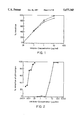
- FIG. 1 is a graph of the inhibition of gp120 binding to immobilized soluble CD4 (sCD4) by PIC 024.4 (a formaldehyde/naphthalene sulfonic acid dispersant isolated from a Direct Yellow 29 composition, designated by an open square) and PRO 1041 (designated by a closed circle). Concentrations are based on total mass of material, (30% by wt. naphthalene sulfonic acid condensate (30% NSA)).
- FIG. 2 is a graph of an in vitro anti-HIV activity of PIC 024.4 (30% NSA, designated by an open square) and AZT (designated by a closed triangle) against HIV (strain JR-CSF).
- FIG. 3 is a graph of in vitro anti-HIV (strain ADA) activities at Days 7 and 14 of PIC 024.4 (30% NSA, designated by an open square at Day 7 and a closed square at Day 14) and AZT (designated by a open circle at Day 7 and a closed circle at Day 14).
- strain ADA strain ADA
- FIG. 4 is a graphic illustration of the size/ activity relationship of fractions of PRO 1135 possessing a peak molecular weight of 5.6 kDa (open square), 10 kDa (closed square), 16 kDa (open circle) and 31 kDa (closed circle) in the inhibition of gp120 binding to sCD4 (ELISA).
- FIG. 5 is a graph of the size/activity relationship of fractions of PRO 1135 possessing a peak molecular weight of 5.6 kDa (open square), 10 kDa (closed square), 16 kDa (open circle) and 31 kDa (closed circle) in the inhibition of gp120 binding in the CD4/gp120, binding assay: cellular.
- FIG. 6 is a graphic illustration of the anticoagulation activity of the 31 kDa (open square), 10 kDa (closed square) and 5.6 kDa (closed diamond) fraction of PRO 1135.
- FIG. 7 is a graphic illustration of the inhibition of gp120 binding to CD4 in the cellular assay for PRO 1191 (octamer, open square) and PRO 1072 (tetramer, open diamond) of the formaldehyde-2-naphthalenesulfonic acid condensate oligomer.
- PRO 1191 and PRO 1072 exhibited an IC 50 of 52 and 78, respectively.
- FIG. 8 is a graphic illustration of the ELISA assay for inhibition of CD4-gp120 binding for PRO 1191 (octamer, open square), PRO 1072 (tetramer, open diamond) and PRO 1073 (hexamer, open circle) of the formaldehyde-2-naphthalenesulfonic acid condensate oligomer.
- FIG. 9 is a graphic illustration of the inhibition of gp120 binding to recombinant CD4 in an ELISA format for PIC 024.4 (closed circles), dextran sulfate, 8 kD (open triangles). IC 50 's (in ⁇ g/ml) are parenthesized.
- FIGS. 10A and 10B are graphic illustrations of the inhibition of gp120 binding to CD4 by ELISA for PRO 2000/3 (circles), PRO 2000/5 (squares), PRO 2000/10 (triangles), PRO 2000/25 (diamonds) (FIG. 10A), PRO 1055, PRO 1072, PRO 1073 and PRO 1191 (FIG. 10B).
- IC 50 s in ⁇ g/ml are parenthesized.
- FIG. 11 is a graphic illustration of the inhibition of CD2 binding to CD58 by PIC 024.4. Curve for the inhibition of gp120 binding to CD4 is shown for comparison.
- FIG. 12 is a graphic illustration of the inhibition of gp120 binding to CEM cells by PIC 024.4 (closed circles) and dextran sulfate, 8 kD (open triangles).
- IC 50 's (in ⁇ g/ml) are parenthesized.
- FIGS. 13A and 13B are graphic illustrations of the inhibition of gp120 binding to CEM cells by PRO 2000/3 (circles), PRO 2000/5 (squares), PRO 2000/10 (triangles), PRO 2000/25 (diamonds) (FIG. 13A) PRO 1055, PRO 1072, PRO 1073 and PRO 1191 (FIG. 13B).
- IC 50 s (in ⁇ g/ml) are parenthesized.
- FIG. 14 is a graphic illustration of the fluorescence spectra of PRO 2000/5 in the absence and presence of recombinant, soluble CD4. Inset illustrates the fraction of polymer bound with added CD4.
- FIGS. 15A and 15B are graphic illustrations of the inhibition of gp120 binding to lymphocytes in whole blood by PRO 2000 fractions for PRO 2000/3 (circles), PRO 2000/5 (squares), PRO 2000/10 (triangles), PRO 2000/25 (diamonds) (FIG. 15A), PRO 1073 and PRO 1191 (FIG. 15B).
- IC 50 s in ⁇ g/ml are parenthesized.
- FIG. 16 is a graphic illustration of the inhibition of gp120 binding to CD4 on an surface plasma resonance (SPR)-biosensor for PRO 2000/3 (circles), PRO 2000/5 (squares), PRO 2000/10 (triangles), PRO 2000/25 (diamonds).
- IC 50 s in ⁇ g/ml are parenthesized.
- FIGS. 17A, 17B and 17C are graphic illustrations of the inhibition of monoclonal antibody binding to CD4 in ELISA.
- 17A Leu3A
- 17B 19Thy
- 17C OKT4.
- PRO 2000/3 circles
- PRO 2000/5 squares
- PRO 2000/10 triangles
- PRO 2000/25 diamonds.
- FIGS. 18A and 18B are graphic illustrations of the inhibition of HIV-1 IIIB infection of CEM-SS cells by PRO 2000 fractions; PRO 2000/3 (circles), PRO 2000/5 (squares), PRO 2000/10 (triangles), PRO 2000/25 (diamonds) (FIG. 18A, PRO 1072, PRO 1073 and PRO 1191 (FIG. 18B).
- IC 50 s in ⁇ g/ml are parenthesized.
- FIG. 19 is a graphic illustration of the inhibition of infection by HIV-1 primary clinical isolates by PRO 2000/5.
- FIG. 20 is a graphic illustration of the inhibition of HIV-1 IIIB growth on H9 cells by PRO 2000/5 following drug washout on day 3. Circles: no drug added back at day 3; squares: PRO 2000/5 added back at 1 ⁇ g/ml at day 3.
- FIG. 21 is a graphic illustration of the inhibition of syncytium formation by PIC 024.4.
- PIC 024.4 (closed circles); dextran sulfate, 8 kD (open triangles).
- IC 50 's (in ⁇ g/ml) are shown in parentheses.
- FIGS. 22A and 22B are graphic illustrations of the inhibition of syncytium formation by PRO 2000 fractions.
- PRO 2000/3 circles
- PRO 2000/5 squares
- PRO 2000/10 triangles
- PRO 2000/25 diamonds
- PRO 1055 PRO 1072, PRO 1073 and PRO 1191
- FIG. 22B IC 50 's (in ⁇ g/ml) are shown in parentheses.
- FIG. 23 is a bar graph of the effect of PIC 024.4 on antigen-dependent proliferation of human PBMCs. Effect on tetanus toxoid-dependent proliferation (hatched bars); effect on unstimulated cells (solid bars).
- FIG. 24 is a graphic illustration of the effect of PRO 2000 fractions on normal antigen-dependent proliferation of PBMCs. Effect on lymphoproliferation (closed symbols); effect on syncytium formation (open symbols); PRO 2000/3 (circles); PRO 2000/5 (squares); PRO 2000/10 (triangles); PRO 2000/25 (diamonds).
- FIG. 25 is a graphic illustration of the effect of PIC 024.4 on antigen-dependent and I1-2-mediated proliferation of a T cell clone.
- FIGS. 26A and 26B compare the Activated Partial Thrombosis Time (APTT) with each PRO 2000/3, PRO 2000/5, PRO 2000/10, PRO 2000/25 (FIG. 26A), PRO 1073, PRO 1191 (FIG. 26B), and dextran sulfate.
- APTT Activated Partial Thrombosis Time
- Aromatic sulfonic acids include aromatic carbocyclic and heterocyclic rings substituted by one or more sulfonic acid moieties (e.g., x can be 1 to 4).
- Aromatic carbocyclic rings (Ar) include phenyl, naphthyl, tetrahydronaphthyl, biphenyl, phenylalkylphenyl, phenylalkenylphenyl, phenoxyphenyl, phenylthiophenyl and phenoxyalkoxyphenyl, for example.
- Aromatic heterocyclic rings include, pyridinyl, pyrimidinyl, quinolinyl, thiophenyl, furanyl, pyrazolyl, imidazolyl, pyrrolyl and thiazolyl, for example.
- Aldehydes (CHRO) useful in the preparation of compounds for the present invention include formaldehyde, acetaldehyde, propionaldehyde and benzaldehyde, for example.
- the aldehyde is formaldehyde.
- R of the formula can be hydrogen, substituted or unsubstituted alkyl (preferably lower alkyl), substituted or unsubstituted aryl (such as, phenyl).
- Substituents include, for example, alkyl, alkoxy, aryl, aryloxy, halogen, hydroxy, amino, alkylamino, dialkylamino, carboxyl, sulfonate and phosphorate.
- the polymer can be a free acid, or a pharmaceutically acceptable salt. Alternatively, the polymer can be administered as a prodrug.
- M can be hydrogen, a pharmaceutically acceptable cation (e.g., an alkali metal, alkaline earth metal, or ammonium group), or a sulfonate blocking group which will preferably cleave in vivo (e.g. a linear or branched alkyl).
- polymer includes any compound formed by the coupling of two or more monomers or repeating units (e.g., n is an integer of two or more).
- n is an integer of two or more.
- U.S. Patent 4,604,404 exemplifies suitable polymers useful herein and methods of preparing them, the teachings therein being incorporated by reference.
- a particularly preferred polymer is the condensation product of a naphthalene sulfonic acid and formaldehyde of the formula: ##STR2##
- x is 1 or 2;
- R 2 is hydrogen, alkyl, alkoxy or an anionic group, such as carboxy and phosphonate;
- M is hydrogen, a pharmaceutically acceptable cation or a sulfonate blocking group which will cleave in vivo. It can be desirable to block a fraction or all of the sulfonic acid groups to improve bioavailability of the polymer. In some instances, it may be desirable to irreversibly block a fraction of the sulfonic acid groups.
- the polymers of the present invention also include copolymers wherein the aldehyde and/or aromatic sulfonic acid are added as mixtures of different aldehydes and/or aromatic sulfonic acids (such as those defined above). Also included are copolymers wherein an aromatic group, not substituted by sulfonic acid, is added.
- the aromatic group can be a carbocyclic or heterocyclic group (as defined above) unsubstituted or substituted by one or more groups, such as alkyl, alkoxy, aryl, aryloxy, halogen, hydroxy, sulfonamide, carboxy or phosphonate.
- PIC 024.4 condensation polymer of formaldehyde and naphthalenesulfonic acid
- dye compositions such as Direct Yellow 29, a commercial dye comprising a mixture of several compounds wherein the compound of interest was added as a dispersant.
- the preparation Prior to formulation in a suitable physiologically acceptable vehicle, the preparation can be purified using known purification techniques, such as precipitation, crystallization, extraction and/or chromatography to isolate PIC 024.4. An example of the latter of these is described in detail in the exemplification.
- condensation polymers employed herein can, preferably, be fractionated to obtain novel narrow or mono-dispersed molecular weight condensation polymers, possessing superior properties over the polydispersed polymers of U.S. Pat. No.: 4,604,404.
- the molecular weight of the polymer increases, the therapeutic activity of the polymer or number of sulfonic acid groups increases.
- the anticoagulation activity of the polymer also increases. Accordingly, the molecular weight and sulfonic acid concentration are advantageously chosen to achieve optimal antiviral activity while minimizing the anticoagulation effect.
- the polymer can be selected which achieves a preferred therapeutic ratio.
- “Therapeutic ratio” is defined herein as the dosage ( ⁇ g/ml) required to achieve an average anticoagulation doubling time of the upper normal partial thromboplastin time, employing the anticoagulation assay set forth below, divided by the dosage ( ⁇ g/ml) required to achieve fifty percent inhibition of CD4-gp120 binding in the cellular assay, set forth below.
- the preferred therapeutic ratio is at least about 7, most preferably at least about 20.
- the peak molecular weight (M p ) be less than about 50 kDa and/or greater than about 0.7 kDa. More preferred are polymers with a peak molecular weight between from about 1.3 to about 30 kDa, most preferred between from about 4 to about 12 kDa.
- a particularly advantageous polymer is a 5 ⁇ 1 kDa condensate of 2-naphthalene sulfonic acid and formaldehyde, termed PRO-2000 or PRO 2000/5 herein.
- the average number of sulfonic acids per aromatic group is between about 0.5 to about 2.0, most preferably about 1.0.
- the narrow or mono-dispersed molecular weight polymers can be prepared by fractionation methods generally known in the art (see, e.g., Polymer Fractionation, Editors, Cantow and Manfred, Jr., (Acad. Press) 1967), such as solvent precipitation, gel permeation chromatography, salt precipitation and diafiltration.
- the polymers can be manufactured by the stepwise or controlled condensation of naphthalenesulfonic acid and formaldehyde.
- a “narrow-dispersed polymer” is defined as a polymeric composition wherein the species thereof possess substantially the same molecular weight.
- a narrow-dispersed polymer includes polymeric compositions wherein substantially all species thereof have a molecular weight within about ⁇ 3 kDa, preferably about ⁇ 2 kDa and more preferably about ⁇ 1 kDa of the mean molecular weight of the composition.
- a “mono-dispersed polymer” is defined as a polymeric composition wherein substantially all of the species thereof possess a single molecular weight, such as a tetramer, pentamer, hexamer, heptamer, octamer, nonamer, etc.
- the disclosed polymers abrogated CD4/gp120 binding in a primary binding assay.
- the polymers showed antiviral activity against HIV strains HTLV-IIIB, JR-CSF, ADA and others, in in vitro assays. Furthermore, the polymers were found to be specific and with little to no cytotoxicity, failing to show significant activity against CD2/LFA-3 interaction and T-cell proliferation or toxicity against a variety of cell lines tested. From this data, more specifically set forth below, it is concluded that condensation polymers of the type herein described are active as antiviral agents against the virus, HIV.
- a preparation containing condensation polymers of formaldehyde and aromatic sulfonic acids can block CD4 mediated steps of HIV infection.
- they can be used to treat individuals infected with many, if not all, strains of HIV, in vivo (e.g., by administration to infected or exposed individuals and individuals who test positive for HIV antibodies but remain asymptomatic).
- the compounds are active against CD4-mediated infection by non-syncytia inducing (NSI) and syncytia inducing (SI) phenotypes of the HIV virus.
- NSI non-syncytia inducing
- SI syncytia inducing
- the preparation can be used prophylactically for uninfected or potentially exposed individuals (such as, following needle stick accidents and newborns of infected mothers.
- the preparation can be used to inhibit binding of HIV to CD4 lymphocytes and to inhibit transmission of virus from an infected cell to uninfected cells including HIV infection mediated by syncytia formation.
- the compound inhibits the binding of HIV to CD4, and is an immune system specific intervention, it is not expected to lead to viral resistance.
- condensation polymer can, optionally, be administered as a pharmaceutically acceptable salt.
- suitable salts include the alkaline, alkali metal and ammonium salts, such as calcium, sodium and ammonium salts.
- the polymer can be administered as a prodrug, thereby improving the bioavailability of the polymer.
- Prodrugs of the polymer include polymers wherein one or more sulfonic acid groups are derivatized or blocked such that, upon administration the blocking group is removed in vivo, yielding the active sulfonic acid group.
- the sulfonic acid group can be esterified by reacting the acid with the corresponding alcohol.
- Suitable alcohols include linear or branched alkanols (such as ethanol, t-butanol and neopentanol).
- the prodrug is preferably cleaved in vivo by, for example, enzymatic hydrolysis.
- the blocking group is preferably selected to minimize any toxicity yielded by its in vivo removal.
- the preparation or polymer of this invention can be administered intravaginally or rectally (e.g., contraceptive formulation, suppository or lubricant), orally (e.g., capsule, tablet or liquid formulation), parenterally (e.g., intramuscularly, intravenously, subcutaneously), topically, nasally or via slow releasing microcarriers in dosage formulations containing a physiologically acceptable vehicle and optional adjuvants and preservatives.
- Suitable physiologically acceptable vehicles include saline sterile water, Ringer's solutions, and isotonic sodium chloride solutions.
- the compounds can be administered in a contraceptive formulation, such as a contraceptive gel, cream or foam.
- a contraceptive formulation such as a contraceptive gel, cream or foam.
- the specific dosage level of active ingredient will depend upon a number of factors, including biological activity of the particular preparation, age, body weight, sex, general health and the clinical stage of AIDS in the patient or individual.
- antiviral agents which interfere with HIV viral replication can be administered in conjunction with this preparation, according to the methods of this invention with synergistic results in some instances. Co-administration of antiviral agents can effectively inhibit various stages of the virus life cycle, thus optimizing the therapeutic benefit of the preparation of this invention, for reducing or eliminating viral infectivity and the symptoms associated therewith.
- HIV reverse transcriptase inhibitory agents such as, azidothymidine (AZT) or dideoxyinosine (ddI)
- uncoating inhibitors bicyclam
- integration transcription, or translation inhibitors (antisense oligonucleotides), other fusion/binding inhibitors, assembly/release inhibitors (e.g., IFN)
- HIV protease inhibitors or non-nucleoside reverse transcriptase inhibitors (such as, nevirapin)
- nevirapin can be co-administered with the condensation polymer separately or as a single dosage formulation containing the condensation polymer and other anti-viral agent(s).
- the polymer can also be administered in conjunction with or chemically linked to a suitable targeting agent for CD4 + cells, such as a T-cell antibody.
- the compound can be added to a blood preparation in vitro.
- the compound effectively blocks viral binding and entry into CD4 + cells, preventing infection of T-cells.
- the compound can be added to the blood preparation alone or in combination with a suitable vehicle, such as sterile saline water, Ringer's solution or isotonic sodium chloride solutions, for example.
- a suitable vehicle such as sterile saline water, Ringer's solution or isotonic sodium chloride solutions, for example.
- the effective amount required will depend upon a number of factors, including the particular blood preparation, and the vehicle chosen.
- a solution of Direct Yellow 29 (Aldrich Chemical Company, lot #0033187; Sigma Chemical Company, lot #17F3484), was prepared by dissolving 10.0 g in 200 ml of water, the solution was acidified with trifluoroacetic acid (0.1% trifluoroacetic acid final concentration) and stirred for one hour at 4° C. The precipitate was removed by filtration and the filtrate was subjected to preparative high pressure liquid chromatography (HPLC) using a Waters 600E system equipped with PrePak® RCM cartridge column assembly (Waters Chromatography, Division of Millipore, Milford, Mass.).
- HPLC high pressure liquid chromatography
- the mobile phase consisted of 0.1% trifluoroacetic acid in water (solvent A) and 0.1% trifluoroacetic acid in acetonitrile/water (60:40) (solvent B).
- solvent A 0.1% trifluoroacetic acid in water
- solvent B 0.1% trifluoroacetic acid in acetonitrile/water
- PIC 024.4 was characterized by a variety of techniques such as HPLC, NMR, IR, UV and fluorescence determinations.
- PRO 1041 were subjected to analytical HPLC using a Waters 625 pump/490 detector/Satellite WISP system equipped with a Zorbax RX-C18 column (4.6 ⁇ 150 mm, 5 ⁇ M particle size, 90A pore size) (MAC-MOD Analytical, Chadds Ford, Pa.).
- the mobile phase consisted of 0.1% trifluoroacetic acid in water as solvent A and 0.1% trifluoroacetic acid in acetonitrile/water (60:40) as solvent B.
- the samples were injected at an initial solvent mixture of 90% solvent A: 10% solvent B and a flow rate of 1 ml/min.
- the concentration of solvent B was increased to 100% at a rate of 2.5%/min. and elution monitored at 233 nm.
- PIC 024.4 and PRO 1041 exhibited similar chromatographic profiles. 1.3.2 UV Absorption Spectra
- UV spectra were recorded at 20° C. over the wavelength range 200 to 350 nm, with a spectral resolution of 1 nm, for both samples of PRO 1041 and PIC 024.4 at concentrations of approximately 2 ⁇ g/ml, in phosphate buffered saline (PBS), pH 7.4.
- the spectrophotometer was a Perkin Elmer Lambda 6 and a 1 cm pathlength cuvette was used.
- Fluorescence emission spectra were recorded at 20° C. over the wavelength range 320 nm to 500 nm with a spectral resolution of 2 nm for PRO 1041 in PBS at a concentration of approximately 2 ⁇ g/ml.
- the spectrofluorimeter was a SLM-Aminco SPF500C and the excitation wavelength was 300 nm having a bandpass of 4 nm.
- a 0.5 cm pathlength cuvette was used and the volume was 500 ⁇ l.
- PRO 1041 and PIC 024.4 had closely similar emission spectra having a maximum intensity at ⁇ 355 nm.
- PIC 024.4 was identified as a naphthalenesulfonic acid formaldehyde condensate, a polymeric dispersant additive to the dye, possessing the identifying characteristics of PRO 1041.
- the resulting dark diazonium suspension was kept below 0° C., and added dropwise over one hour period to CuBr (7.15 g) solution in 40 ml of 40% HBr at 70° C. with vigorous stirring (the CuBr solution was in a 1000 ml flask).
- the dark mixture was stirred at 80° C. for 40 minutes, then cooled down to room temperature and added with 200 ml of water.
- the precipitate was collected in Buchner funnel and washed with about 50 ml of water. 13.9 g of crude product was obtained after drying under vacuum.
- the crude compound was refluxed in 500 ml of water for 2 hours, cooled to room temperature and filtered. The filtrate was evaporated to dryness and solid dried in vacuo to yield 8.23 g (57% yield) of pure product.
- the solid from tetramer fraction (PRO 1072) was neutralized to pH ⁇ 7 with 5M NaOH in 5 ml of water, added with 5 ml of MeOH and 125 ml of acetone to afford 0.94 g of precipitate.
- the salt was converted into free acid by passing through IR-120 resin and 0.73 g of dry tetramer was obtained.
- the crude octamer was passed through IR-120 resin, purified by reverse phase prep HPLC and 15 mg of octamer (96.6% pure by analytical HPLC) was obtained.
- the mobile phase consisted of 0.2M ammonium acetate (pH 6.2) made from glacial acetic acid (Baker Analyzed HPLC Reagent) and ammonium hydroxide (25%, Mallinckrodt)- and 35% acetonitrile (B&J Brand). Prior to use, the mobile phase was filtered through a 0.45 ⁇ m nylon membrane and sparged under Grade 5 helium.
- PRO 1135 was fractionated in this manner to obtain polymer fractions possessing a peak molecular weight (Mp) of 31 kDa (average molecular weight (MW) of 38 kDa); an Mp of 16 kDa (MW of 22 kDa); an Mp of 10 kDa (MW of 15 kDa); and an Mp of 5.6 kDa (MW of 10 kDa).
- Mp peak molecular weight
- the samples were subjected to analytical HPLC using a Waters 625 pump/modified 410 RI detector that contained inside a PD2000 laser light scattering intensity detector (Precision Detectors, Inc., Amherst, Mass.).
- This system was equipped with a Waters Ultrahydrogel 250 aqueous GPC column (7.8 mm I.D. ⁇ 300 mm, 250 ⁇ pore size, 8 ⁇ 10 4 exclusion limit, PEO).
- the salts from the neutralization process were removed through a fractionation process by addition of a polar organic solvent (acetone, ethanol, or methanol).
- a polar organic solvent acetone, ethanol, or methanol.
- An aqueous solution of the final reaction mixture ( ⁇ 10 g/ 20 ml) was treated with incremental amounts of organic solvents. Initial organic solvent caused the dissolved salts to form a lower layer.
- the first method was to simply remove all volatile solvent from the material (by a combination of rotary evaporation under reduced pressure and vacuum oven).
- the second method was to disperse the solution of the product into a large excess of a polar organic solvent (acetone, ethanol, or methanol) and collect the resulting solid by filtration.
- a polar organic solvent acetone, ethanol, or methanol
- Fluorescence emission spectra of PIC 024.4, PRO 1041 and PRO 1135 and PRO 2000 fractionation products were recorded using an excitation wavelength of 315 nm as described above. Wild type 2 domain recombinant CD4 (20 ⁇ l of a 130 ⁇ M stock solution in PBS) was then added to a final concentration of 5 ⁇ M and the measurements were repeated. An excitation wavelength of 315 nm ensured that no inner filter effect, nor fluorescence signal, was contributed by the added protein. Furthermore, the low concentrations of the reagents employed excluded significant collisional fluorescence quenching. Therefore, the observation of 60-70% quenching of the fluorescence signals for PRO 1041 in the presence of CD4 protein, provided evidence for binding to the receptor.
- the fluorescence quenching experiment provided direct evidence that PIC 024.4 bind tightly to CD4.
- the fluorescence emission spectrum of the polymer at 0.6 ⁇ g/ml was determined in the absence and presence of 5 ⁇ M recombinant CD4.
- Addition of CD4 quenched the intrinsic fluorescence of PIC 024.4 in a saturable manner, indicating direct binding to the protein.
- An excitation wavelength of 315 nm ensured that no inner filter effect, nor fluorescence signal, was contributed by the added protein.
- the low concentrations of both reagents excluded significant collisional fluorescence quenching.
- CEM cells (a human T-cell leukemia line available from the American Type Culture Collection, Rockville, Md.; 3-10 6 cells per ml) were suspended in RPMI 1640 (Whittaker-Bioproducts, Walkersville, Md.) with 10% fetal bovine serum (FBS) (JRH Biosciences, Lenexa, Kans.) plus 0.1% sodium azide. 100 ⁇ l of the suspension were added to each tube. Generally, the test compounds were dissolved in water to a final concentration of 4 mg/ml. Various dilutions (1:40, 1:100, 1:200) of PIC 024.4, PRO 1041, fractionated PRO 1135 or PRO 2000 were added to the tubes and incubated for 2 hours at 25° C. Next, gp120 (American Bio-Technologies, Inc., Cambridge, Mass.), diluted in RPMI 1640 buffer, was added to a final concentration of 10 nM. The solution was then incubated overnight ( ⁇ 16 hours) at 37° C.
- FBS
- This assay was used to measure the ability of test compounds to inhibit the binding of recombinant gp120 to the CD4 receptor expressed on the surface of lymphocytic cells.
- Cells of the CEM line (a CD4+ human T cell leukemia line) were suspended at 3 ⁇ 10 6 cells/ml in RPMI 1640 medium supplemented with 10% fetal bovine serum (FBS) containing 0.002% sodium azide, and 100 ⁇ l was aliquoted to individual assay tubes. Serial dilutions of test compound in water were added (10 ⁇ l/tube) and the tubes incubated for 2 hours at 25° C.
- FBS fetal bovine serum
- recombinant gp120 (IIIB isolate) diluted in RPMI 1640 buffer was added to a final concentration of 10 nM (1.2 ⁇ g/ml) and the tubes incubated overnight at 37° C. Cells were then washed thoroughly with PBS containing 10% FBS and 0.01% sodium azide. V3-specific monoclonal antibody NEA9284 was added to a concentration of 1 ⁇ g/ml and incubated for 30 minutes on ice. The cells were washed thoroughly as before and stained with fluorescein-labeled goat anti-mouse immunoglobulin for 30 minutes on ice. The washed cells were analyzed for mean fluorescence on a FACScanTM flow cytometer (Becton Dickinson). Percent inhibition of fluorescence was determined relative to cells that were not treated with drug.
- the IC 50 for PIC 024.4 in this experiment was 3.5 ⁇ g/ml (FIG. 12).
- dextran sulfate (8 kD) showed an IC 50 of 23 ⁇ g/ml.
- inhibition may have resulted from interference with binding of the probe antibody--dextran sulfate has been shown to block the binding of antibody NEA 9284 to gp120, Lederman et al., AIDS Res. Hum. Retroviruses 8:1590-1610 (1992).
- the ELISA utilized a 4-domain soluble CD4 (sCD4) purified from Chinese hamster ovary cells which was immobilized to a 96-well microtiter plate. Fifty ⁇ l of gp 120 (1 ng at 20 ng/ml) and 50 ⁇ l of active compound at appropriate concentrations were added to the microtiter plate in duplicate and incubated overnight at 4° C. The plate was washed 6 times with Wash buffer (2 mg/ml BSA/PBS) and 100 ⁇ l anti-gp120 monoclonal antibody-horseradish peroxidase (HRP) conjugate was added.
- Wash buffer (2 mg/ml BSA/PBS)
- HRP anti-gp120 monoclonal antibody-horseradish peroxidase
- the plate was incubated 2 hours at 4° C., washed 6 times with Wash buffer and developed with 100 ⁇ l ortho phenylenediamine (OPD) substrate solution for 30 minutes at 25° C.
- OPD ortho phenylenediamine
- a dose-response curve with increasing concentrations of soluble, baculovirus-derived gp120 (HIV-1 IIIB strain) was prepared which illustrated that half-maximal binding occurred at a concentration of 20 ng/ml as detected by HRP-conjugated anti-gp120 monoclonal antibody specific for residues 308-322 on gp120. Therefore, varying concentrations of polymer were incubated in the presence of a constant amount of gp120 (1 ng at 20 ng/ml) to assess inhibition of CD4/gp120 interactions.
- the IC 50 's for polymers tested in the ELISA are summarized in Table 3.
- the activity for PIC 024.4 in both the ELISA and cellular assays are summarized in Table 4, FIGS. 1 and 12.
- This ELISA system similar to that described above (2.1.5), was used to assess the effect of test compounds on the binding of recombinant gp120 to recombinant CD4 absorbed to polystyrene.
- Polystyrene 96-well microtiter plates were treated with a 1 ⁇ g/ml solution of recombinant, soluble four-domain CD4 (sCD4) expressed in insect cells (100 ⁇ l/well) and allowed to incubate for three hours at room temperature. Plates were blocked for two hours at 4° C.
- PBS phosphate-buffered saline
- PBSTB 10 mg/ml bovine serum albumin
- Fifty microliters of 60 ng/ml recombinant gp120 (IIIB isolate) and 50 ⁇ l of each drug dilution in PBSTB were added to duplicate wells, and the plate was incubated overnight at 4° C. The plate was then washed five times with PBST and treated with a 210 ⁇ g/ml solution of monoclonal antibody NEA 9205 (100 ⁇ l/well).
- This antibody recognizes the V3 loop region of gp120-IIIB.
- the plate was washed five times with PBST and treated with an anti-mouse IgG1 antibody conjugated to alkaline phosphatase.
- the plate was washed five times with PBST, treated with a p-nitrophenyl phosphate substrate solution, incubated for about 30 minutes at room temperature, and monitored for color development at 405 nm.
- Percent inhibition of color development relative to untreated control wells was calcu- lated for each dilution of drug, and a plot of percent inhibition versus log concentration was used to determine at 50% inhibitory concentration (IC 50 ).
- IC 50 values for six replicates of a PRO 2000/5 solution showed a standard deviation of 25%. IC 50 values reported here were similar to those reported above.
- PIC 024.4 was shown to inhibit the binding of recombinant gp120 to recombinant CD4 in this ELISA format.
- the IC 50 measured using this system was 0.3 ⁇ g/ml (FIG. 9).
- Aurintricarboxylic acid which has been reported to inhibit the binding of gp120 to CD4 (Chou et al., AIDS Res. Hum Retroviruses 9:541-546 (1993)), gave an IC 50 of ⁇ 1 ⁇ g/ml.
- an 8-kD preparation of dextran sulfate which has been evaluated as an antiviral agent in humans (Flexner et al., Antimicrob. Agents Chemother. 35:2544-2550 (1991)), was inactive in the ELISA (FIG. 9).
- the octamer (PRO 1191), hexamer (PRO 1073), tetramer (PRO 1072) and dimer (PRO 1055) were also tested in this assay. In several experiments, the average IC 50 's were 5, 250,>210, and 410 ⁇ g/ml, respectively. Data from a representative experiment are shown in FIG. 10B. Note that the octamer is significantly more potent than the other fractions in this assay.
- CD2 is a T lymphocyte receptor protein and a member of the immunoglobulin superfamily.
- the ELISA utilizes a recombinant, soluble CD58 and a recombinant CD2-IgM chimera (Arulanandam et al., J. Exp. Med. 177:1439-1450 (1993)), both expressed in CHO cells. Polystyrene 96-well microtiter plates were treated with CD58 and then blocked with PBS containing 2% BSA (PBSB).
- Sheep red blood cells (SRBC) (Whittaker-Bioproducts, Walkersville, Md.) were pretreated with 2-aminoethyliso-thiouronium bromide (AET, 40 ⁇ g/ml) for 15 minutes at 37° C., washed in HANK'S Balanced Salt Solution (HBSS Mediatech) +2.5% FCS, and resuspended to 1.5 ⁇ 10 9 cells/ml.
- Jurkat cells were washed in HBSS +2.5% FCS, and resuspended in the same at a concentration of 1.25 ⁇ 10 7 cells/ml.
- SRBC 1.5 ⁇ 10 7 in 10 ⁇ l
- SRBC 1.5 ⁇ 10 7 in 10 ⁇ l
- This assay was used to measure the ability of test compounds to inhibit the binding of recombinant gp120 to the CD4 receptor expressed on the surface of lymphocytes in whole blood.
- Freshly collected, anticoagulated whole blood from normal donors (100 ⁇ l per tube) was treated with test compound and incubated for 2 hours at room temperature.
- the tubes were then treated with gp120-biotin (American Bio-Technology Products) to a final concentration of 10 nM, and incubated for an additional 3 hours at room temperature.
- Cells were then stained with fluorescein-labeled streptavidin (Becton Dickinson), treated with lysis buffer (Becton Dickinson), and washed with PBS containing 0.1% azide.
- the octamer (PRO 1191) and hexamer (PRO 1073) inhibited binding with IC 50 's of 130 and 600 ⁇ g/ml, respectively (FIG. 15B).
- This assay provided a direct measure of the ability of test compounds to inhibit the gp120/CD4 binding interaction.
- the BIAcoreTM biosensor (Pharmacia Biosensor) allows for real-time interaction analysis without the need for labeling (Jonsson et al., BioTechniques 11:620-627 (1991); Malmquist, Nature 361:186-198 (1993)). Its operation is based on optical surface plasmon resonance (SPR) for detecting small changes in the refractive index on the surface of a thin gold film coated with a dextran matrix to which one ligand is immobilized. In the experiments described here, recombinant sCD4 was immobilized to the sensor surface by a standard amine coupling chemistry.
- SPR optical surface plasmon resonance
- Recombinant gp120 (SF2 isolate), alone or in the presence of test compound, was passed over the surface, and binding monitored by a change in "resonance units" (RU's). Percent inhibition was determined relative to RU levels observed in the absence of drug. A correction was made to account for the mass of the test article.
- the binding of gp120 was inhibited in a dose-dependent manner by each of the PRO 2000 fractions (FIG. 16).
- the IC 50 's for PRO 2000/5, PRO 2000/10 and PRO 2000/25 were similar ( ⁇ 10 ⁇ g/ml), while the IC 50 for PRO 2000/3 was slightly higher (22 ⁇ g/ml).
- Dextran sulfate (8 kD) was inactive in the assay.
- a panel of related ELISA systems was used to evaluate the effect of test compounds on the binding of various monoclonal antibodies to recombinant sCD4 absorbed on plastic. Two of these antibodies, Leu3A and 19Thy, are directed against gp120 binding site on CD4. A third, OKT4, does not block gp120 binding.
- the ELISA formats were similar to those used to measure gp120 binding to CD4. Plates coated with recombinant, soluble CD4 were treated with antibody (30 ng/ml) and serial dilutions of drug. After incubation and washing, bound antibody was detected using an appropriate isotype-specific anti-immunoglobulin alkaline phosphatase conjugate.
- PIC 024.4 (30% by wt. naphthalene sulfonic acid condensate) was dissolved in sterile water at a concentration of 4 mg/ml. Dilutions were prepared in culture medium, and the compound was tested at concentrations ranging from 100 ⁇ g/ml to 0.003 ⁇ g/ml in half-log 10 dilutions.
- the assay was done in 96-well tissue culture plates using the CEM-T4 human T-lymphocyte cell line.
- the culture medium used was RPMI-1640 medium containing 25 mM N- 2-Hydroxyethyl! piperazine-n 1 - 2-ethanesulfonic acid! (HEPES, Sigma Chemical Co.) and 2 mM L-glutamine, and supplemented with 10% fetal bovine serum, 2 mM L-glutamine, 50 units of penicillin G per ml, and 50 ⁇ g streptomycin sulfate per ml.
- CEM-T4 cells were treated with polybrene at a concentration of 2 ⁇ g/ml, and a 130 ⁇ l volume of cells (1 ⁇ 10 4 cells) was dispensed into each well.
- a 50 ⁇ l volume of each drug dilution (prepared as a 4 ⁇ concentration) was added to five wells of cells, and the cells were incubated at 37° C. for two hours. This resulted in the pre-treatment of the cells with drugs at a 1.1 ⁇ concentration.
- a frozen culture of HIV-1, strain HTLV-III B was diluted in culture medium to a concentration of 2.5 ⁇ 10 4 TCID 50 per ml, and a 20 ⁇ l volume (containing 500 TCID 50 of virus) was added to three wells for each drug concentration. This resulted in a multiplicity of infection of 0.05 for the HIV-1 infected samples.
- a 20 ⁇ l volume of normal culture medium was added to two wells for each drug concentration to allow evaluation of drug cytotoxicity.
- each drug dilution prepared as a 4 ⁇ concentration was added to three infected wells of cells and to two uninfected wells of cells for the second assay plate of each drug.
- Each assay plate contained five wells of untreated, uninfected, cell control samples and five wells of untreated, infected, virus control samples. 2', 3'-Dideoxyinosine (DDI) was assayed in parallel using both protocols for drug addition.
- DAI 3'-Dideoxyinosine
- tissue culture plates were incubated at 37° C. in a humidified, 5% CO 2 atmosphere and observed microscopically for toxicity and/or cytopathogenic effect.
- the cells in each well were suspended and a 50- ⁇ l sample of each cell suspension was transferred to a new 96-well plate for use in the following assay.
- a 100- ⁇ l volume of fresh RPMI-1640 medium and a 30- ⁇ l volume of a 5-mg/ml solution of 3-(4,5-dimethylthiazol-2-yl)-2,5- diphenyltetrazolium bromide (MTT) were added to each 50- ⁇ l cell suspension, and the cells were incubated at 37° C. in 5% CO 2 for four hours.
- MTT 3-(4,5-dimethylthiazol-2-yl)-2,5- diphenyltetrazolium bromide
- PHA activated T cell blasts were pelleted and resuspended at 4 ⁇ 10 6 per ml in medium containing 7% FCS and 50 units/ml IL-2. Twenty-five ⁇ l of the cell suspension were plated per well in round bottom 96-well microtiter plates (10 5 /well) and placed in a 37° C. incubator. Twenty-five ⁇ l of the compound to be tested at appropriate dilutions in 7% FCS/IMDM containing 50 units/ml IL-2 (2 ⁇ the final concentration) or tissue culture medium alone (as a negative control) were added to the cells and incubated for 2 hours at 37° C.
- the test compound was washed out by centrifugation of the 96 well plates for 2 minutes at 1000 rpm and aspiration of 250 ⁇ l.
- the cells were resuspended in 50 ⁇ l medium containing 7% FCS and 50 units/ml IL-2o HIV-1 (JR-CSF, Koyanagi et al., Science, 236:819-821 (1987)) was diluted to 50 TCID 50 (in 25 ⁇ l ) in IMDM containing 7% FCS and 50 units/ml IL-2 plus polybrene (10 ⁇ g/ml) in 24 well plates. Twenty-five ⁇ l of virus were added per well to the cells.
- HIV infection was allowed to proceed for 2 hours at 37° C., followed by addition of 200 ⁇ l of medium.
- the virus was washed out by centrifugation of the 96 well plates for 2 minutes at 1000 rpm, aspiration of 250 ⁇ l, and addition of 200 ⁇ l of fresh medium containing 7% FCS and 50 units/ml IL-2 and the appropriate amount of test compound (1 ⁇ ).
- Medium was removed and replaced with fresh medium containing 7% FCS and 50 units/ml IL-2 plus test compound (1 ⁇ ) on day 4.
- the plates were centrifuged at 1000 rpm for 5 minutes, and supernatants were carefully removed from each well. The cells were lysed and assayed for p24 antigen at a 1:35 dilution.
- Percent inhibition was determined relative to untreated, infected control cells. For instance, if the amount of p24 antigen in control well is A and the amount of p24 in a well with a test compound is B, then the compound achieves (A-B/A)(100) % inhibition of that concentration.
- PHA activated T cell blasts were pelleted and resuspended at 2 ⁇ 10 6 per ml and plated in 96 well round bottom microtiter plates at 10 5 per well (50 ⁇ l ) in IMDM plus 7% FCS and 50 units/ml IL-2. Twenty-five ⁇ l of the compound to be tested at appropriate dilutions in 7% FCS/IMDM containing 50 units/ml IL-2 (3 ⁇ the final concentration) or tissue culture media alone (controls) was added to the 96 well plate. This mixture was incubated for 2 hours at 37° C., followed by addition of 200 ⁇ l of medium.
- test compound was washed out by centrifugation of the 96 well plate(s) for 2 minutes at 1000 rpm, aspiration of 250 ⁇ l, and addition of 200 ⁇ l of fresh medium containing IL-2 and the appropriate amount of test compound (1 ⁇ ). Medium was removed and replaced with fresh medium containing test compound on day 4.
- Human peripheral blood leukocytes were obtained by countercurrent centrifugal elutriation and the monocytes allowed to adhere to the surface of tissue culture flasks.
- the monocytes were cultured as an adherent monolayer for 7-days in DMEM supplemented with 10% heat-inactivated human AB + serum, 50 ⁇ g/ml gentamycin, and 1,000 units/ml macrophage colony stimulating factor (mCSF, Cetus). Pre-incubation in mCSF was performed because it markedly increases (7 to 10 fold) HIV-1 expression in vitro.
- the cell population harvested by scraping was shown to contain >98% monocytes using cell morphology on Wright-stained cytosmears, and histochemical staining for granular peroxidase and nonspecific esterase.
- the monocytes at a concentration of 1 ⁇ 10 6 /ml were then added to the wells of 24-well plates and allowed to form adherent monolayers. Prior to infection with HIV-1, the media was aspirated carefully from each well. The plates were washed carefully three times with 37° C. PBS to remove all residual serum. Thirty to fifty ⁇ l/well of HIV ADA strain (D. Chester Kalter et al., J. Immunol.
- H9 cells were cultured in RPMI 1640 medium containing 10% FBS, 50 units/ml penicillin, 50 ⁇ g/ml streptomycin, 2 mM L-glutamine, and 10 mM HEPES buffer. Cells were transferred to 24-well plates (0.75 ⁇ 10 6 cells/well) and treated, at the same time, with various concentrations of test compound and 500 TCID 50 /10 6 cells of cell-free HIV-1 IIIB. Recombinant, sCD4 was tested in parallel.
- Cultures were incubated at 37° C. in a humidified, 5% CO 2 atmosphere. In some experiments, cells were washed after one or three days to remove drug. On day 4, cells were passaged at a 1:4 ratio to fresh medium. On days 7 and 11, culture supernatants were tested for p24 activity and cell counts were performed. Percent inhibition of p24 production was calculated relative to untreated, infected cells. To assess cytotoxicity, various dilutions of test compound were incubated with uninfected cells. Cells were passaged to fresh medium on day 4, and viability was assessed on days 7 and 11 by trypan blue exclusion. Percent survival was calculated relative to untreated, uninfected cells.
- Isolate 14aPre was derived from an HIV-positive individual who had not received antiretroviral therapy (Johnson, V. A. et al., J. Infect. Dis. 164:646-655 (1991)).
- Isolate N70 was obtained from an asymptomatic patient (Conner, R. I. et al., AIDS Res. Hum. Retroviruses 9:541-546 (1993)).
- 3-day PHA-activated human PBMC's were cultured in RPMI 1640 medium containing 20% FBS, 50 units/ml penicillin, 50 ⁇ g/ml streptomycin, 2 mM L-glutamine, 10 mM HEPES buffer, and 10% IL-2.
- cells 1.5 ⁇ 10 6 per well
- virus 1000 TCID 50 /10 6 cells
- cells were resuspended and passaged at a 1:3 ratio to fresh medium containing drug.
- culture supernatants were tested for p24 activity and cell counts were performed.
- This assay was used to assess the effect of test compounds on the growth of the monocytotropic laboratory-adapted isolate HIV-1 Ba-L (Gartner, S. et al., Science 233:215-219 (1986)) on fresh, elutriated human macrophages.
- Uninfected GM-CSF-stimulated monocytes/macrophages ( ⁇ 0.3 ⁇ 10 6 ) were treated with 1 ml of RPMI 1640 medium supplemented with 10% FBS, 50 units/ml penicillin, 50 ⁇ g/ml streptomycin, 2 mM L-glutamine, and 10 mM HEPES buffer (R-10 medium), as well as test compound or control drugs.
- PIC 024.4 was shown to inhibit infection by HIV-1 IIIB, two clinical isolates (14aPre and N70), and the monocytotropic isolate Ba-L with IC 50 's comparable to those observed in the previous experiments (Tables 5 and 7). In some experiments, PIC 024.4 was cytotoxic at high concentration. Independent studies showed that this toxicity was observed only occasionally, and that it seemed to depend on the handling of the cells prior to drug treatment. When present, the toxicity appeared only after four days in culture. Recent experiments have shown that PIC 024.4 can suppress viral growth when removed from culture after an incubation period of one to three days. No cytotoxicity was observed under these conditions.
- PRO 2000/5 was assayed for the ability to suppress the growth of HIV-1 IIIB on cultured H9 cells. Infectious virus and serial dilutions of PRO 2000/5 were added to the cultures on day 0, and on day 3 the cells were washed and resuspended in either drug-free medium or medium containing 1 ⁇ g/ml PRO 2000/5. Viral growth was assessed by measurement of p24 antigen on day 11. Under both sets of conditions, PRO 2000/5 inhibited viral growth with an IC 50 of 4-5 ⁇ g/ml, and no cytotoxicity was observed (FIG. 20).
- This assay was used to measure the effect of test compound on the survival of CEM-SS cells following infection by HIV-1 IIIB.
- CEM-SS cells in RPMI-1640 medium supplemented with 10% fetal bovine serum, gentamycin, and antibiotics (2.5 ⁇ 10 4 cells/ml, 50 ⁇ l/well) were treated with serial dilutions of test compound or the antiviral agents AZT or dideoxycytidine (DDC). Cells were incubated for two hours at 37° C. and then treated with cell-free HIV-1 IIIB at a multiplicity of infection (MOI) of 0.05. Identical drug-containing wells were left uninfected to assess cytotoxicity.
- MOI multiplicity of infection
- PRO 2000 fractions inhibited the infection of CEM-SS cells by HIV-1 IIIB with an IC 50 of ⁇ 2 ⁇ g/ml (FIG. 18).
- the inhibitory activities showed little dependence on molecular weight, though PRO 2000/3 appeared to be slightly less potent than the three larger fractions.
- Fresh PBMC's obtained from HIV-seronegative donors were isolated by Ficoll-Hypaque density centrifugation, suspended in RPMI 1640 medium supplemented with 2 mM L-glutamine, 50 ⁇ g/ml gentamicin, and 15% FBS (1 ⁇ 10 7 viable cells/ml) and treated with PEA (3 ⁇ g/ml) at 37° C. for 38-72 hours.
- Activated PBL's were then infected with cell-free virus stock at an MOI yielding a satisfactory p24 ELISA value (or reverse transcriptase activity) seven days post infection.
- Infected cells were then suspended in medium containing recombinant human IL-2 (30 U/ml) and plated on a 96-well microtiter plate (4 ⁇ 10 4 cells/well) containing serial dilutions of test compound or control solution. Seven days post-infection, culture supernatants were tested for p24 or reverse transcriptase activity, and cell viability was assessed by the trypan blue exclusion method.
- Isolate SLKA was grown on fresh human macrophages.
- Fresh PBMC's were plated in a 96-well plate at a density of 3 ⁇ 10 6 cells/ml in HBSS with calcium and magnesium supplemented with 10% heat-inactivated human AB serum. Plates were incubated at 37° C. in a humidified atmosphere of 5% CO 2 for 2 hours.
- the monolayer of adherent macrophages was washed 6 times with HBSS (with calcium and magnesium) to remove nonadherent cells, and the monolayer was then incubated in RPMI 1640 medium supplemented with 15% FBS, antibiotics, and L-glutamine.
- the monolayer was washed 6 times to remove any nonadherent cells and protein bound to the cell surface, and treated with serial dilutions of test compound or control drug.
- Virus was added to the appropriate wells and the plate incubated for 4 hours at 37° C., after which the plate was washed to remove excess virus.
- Wells were then treated with medium alone or medium containing drug, and incubated for 7 days at 37° C. in a humidified 5% CO 2 atmosphere. Culture supernatants were then assayed for p24 activity,
- PRO 2000/5 was tested for activity against three lymphotropic primary clinical isolates (Table 7). These isolates were obtained from pediatric AIDS patients, and represent syncytium-inducing and nonsyncytium-inducing phenotypes. Recombinant sCD4 was inactive against all three isolates (up to a concentration of 50 ⁇ g/ml). PRO 2000/5 inhibited infection by all of these isolates with an IC 50 of 1-2 ⁇ g/ml (FIG. 19). The compound also inhibited the infection of macrophages by the primary monocytotropic isolate SLKA with an IC 50 of 6.1 ⁇ g/ml. Dextran sulfate has been reported to be inactive against many monocytotropic isolates (Meylan, P. R. A. et al., Antimicrob. Agents Chemother. 38:2910-2916 (1994)).
- the octamer (PRO 1191), hexamer (PRO 1073) and tetramer (PRO 1072) inhibited infection with IC 50 's of 25, 28 and 78 ⁇ g/ml, respectively (FIG. 19B).
- HeLa-CD4-LTR- ⁇ -gal line a HeLa line transfected with the CD4 and Escherichia coli ⁇ -galactosidase genes, the latter under control of the HIV-1 LTR promoter
- a 96-well microtiter plate 5 ⁇ 10 3 cells/well
- the wells were then treated with 5 ⁇ 10 3 cells of the HL2/3 line (a HeLa line transfected with an HIV-1 HXB2 provirus, which expresses the viral envelope and tat proteins but does not produce infectious viral particles).
- the cultures were then incubated in the presence of drug for 48 hours at 37° C., fixed and stained with X-gal. Blue syncytia were counted using an inverted microscope, and percent inhibition and IC 50 values were calculated.
- PIC 024.4 was shown to inhibit syncytium formation by two transfected HeLa cell lines with an IC 50 of 1.2 ⁇ g/ml (FIG. 21).
- the inhibition curve was similar to those obtained in the neutralization assays, confirming that the antiviral activity of the PRO 2000 series is due to an effect on the initial steps of HIV-1 infection.
- AZT was inactive in the syncytium inhibition assay, though dextran sulfate (8 kD) gave an IC 50 of 0.9 ⁇ g/ml.
- the octamer (PRO 1191), hexamer (PRO 1073), tetramer (PRO 1072) and dimer (PRO 1055) showed somewhat lower activities, with IC 50 's ranging from 6 to 60 ⁇ g/ml (FIG. 22B).
- Isolate 14aPre was used to assess the development of resistance to the prototype preparation PIC 024.4.
- PBMCs from a normal, uninfected donor were suspended in RPMI 1640 medium containing 20% FBS, 50 units/ml penicillin, 50 ⁇ g/ml streptomycin, 2 mM L-glutamine, 10 mM HEPES buffer, and 10% IL-2.
- Cultures were infected with HIV-1 14aPre (1000 TCID 50 /10 6 cells) and incubated at 37° C. in humidified, 5% CO 2 atmosphere.
- PIC 024.4 was added to the culture medium and its concentration was gradually increased over time (in increments of 3 ⁇ g/ml every 4 weeks) from 3 to 12 ⁇ g/ml.
- the IC 50 's for neutralization of the day-91 isolate and the day-212 isolate were equivalent to the IC 50 for the day-0 virus (10-12 ⁇ g/ml).
- AIDS patients may receive a PIC 024.4-based drug in combination with other antiretroviral agents
- the potential for synergy with AZT, DDI, and sCD4 was evaluated.
- Different concentrations of each drug individually or in combination were assayed for the ability to neutralize of HIV-1 14aPre, a virus isolated from an infected patient before the initiation of antiretroviral therapy.
- Drug interactions were evaluated by the median effect principle and the isobologram technique (Chou et al., Adv. Enzyme Regul. 22:27-55 (1981)), which was used to calculate a combination index (CI) for each interaction.
- the results (Table 8) suggest 5 that PIC 024.4 acts synergistically with AZT and sCD4, and additively with DDI.
- PBMC Peripheral blood mononuclear cells
- HSV Herpes Simplex Virus
- Rubella Rubella
- Tetanus toxoid Whole blood was diluted 1:4 with HBSS, layered over Ficoll-Paque (Pharmacia LKB Biotechnology Inc., Piscataway, N.J.) and centrifuged at 1600 rpm for 30 minutes.
- PBMC were washed three times with HBSS, then cultured in medium containing RPMI 1640 supplemented with 5% human AB + serum (Flow Labs, McLean, Va.), glutamine (2 mM), penicillin/streptomycin, sodium pyruvate and HEPES.
- proliferation assays cells were cultured in 96-well round-bottom microtiter plates in a humidified incubator with 5% CO 2 at 37° C.
- Jurkat cells were maintained in RPMI 1640 plus 10% FCS with supplements described above.
- HSV-1 HSV-1 or Rubella infected cells vs. control supernatant (SN) from uninfected cells (Microbix Biosystems Inc., Toronto, Ontario).
- SN contained virus inactivated by gamma radiation.
- HSV-1 cultures were pulsed with 3H-thymidine (TdR) on Day 3, and harvested on Day 4.
- Rubella cultures were pulsed on Day 5 and harvested on Day 6.
- PBMC from donors immunized against tetanus toxoid were cultured at 10 5 /well for 5 days with dilutions of tetanus toxoid (0.4-4 LF/ml; Massachusetts Department of Public Health, Boston, Mass.).
- Mitomycin-treated PBMC or stimulator cells were used in some experiments. Cells were suspended in HBSS at 10 7 /ml and treated with 50 ⁇ g/ml of Mitomycin C (Sigma, St. Louis, Mo.) for 30 minutes at 37° C.
- PBLs were obtained from two MHC-disparate donors. One set of cells were treated with mitomycin c which then served as the stimulator cells. The other set was used as the responder cell population. The cells (2 ⁇ 10 5 per well) were added to microculture wells and were pulsed 4-5 days later with tritiated thymidine as described above, harvested and radioactivity measured.
- T cell line which was specific for Epstein Barr Virus (EBV)-transformed B cells was used.
- the line was generated from a normal human donor by repeated rounds of stimulation by EBV transformed B cells followed by expansion/rest periods in Interleukin 2 (IL-2). Greater than 80% of the T cells bear CD8 as judged by immunofluorescence.
- EBV line was treated with mitomycin c to prevent proliferation.
- T cells (1 ⁇ 10 5 ) were added to microculture wells and proliferation measured as described above. Little to no cytotoxicity was observed by PIC 024.4 in this assay.
- This assay was used to assess the effect of test compounds on the antigen-dependent proliferation of PBMCs. It serves as an indication of the extent to which the compounds affect normal T-cell function.
- Blood collected from normal, tetanus toxoid immunized donors was layered over Ficoll-Hypaque and centrifuged. Fractionated PBMCs were collected, washed three times with Hank's buffered saline solution (HBSS), and cultured in RPMI 1640 medium supplemented with 5% human AB+ serum, L-glutamine, penicillin/streptomycin, sodium pyruvate, and HEPES buffer.
- HBSS Hank's buffered saline solution
- cells were transferred to 96-well microtiter plates (1 ⁇ 10 5 per well), treated with serial dilutions of PRO 2000 compound with or without tetanus toxoid (0.4-4 LF/ml), and incubated at 37° C. in a humidified 5% CO 2 atmosphere. On day 5, the cells were pulsed with 3 H!-thymidine (1 ⁇ Ci/well), incubated overnight, and harvested on glass-fiber filters. Thymidine incorporation was measured by liquid scintillation counting.
- PIC 024.4 concentrations up to 50 ⁇ g/ml were unaffected by PIC 024.4 concentrations up to 50 ⁇ g/ml. Interestingly, high concentrations of the compound caused unstimulated cells to undergo a low level of proliferation, but the effect was minimal. PIC 024.4 concentrations capable of suppressing HIV infection had no effect on tetanus toxoid-induced proliferation.
- Murine L cells transfected with wild-type human HLA DR gene constructs were pulsed in Falcon 12 ⁇ 75 mm snap-cap polystyrene tubes with tissue culture medium or various doses of Influenza HA 307-319 peptide (0.03-1 ⁇ g/tube) in 0.4 ml of tissue culture medium for two hours at 37° C. in a humidified 5% CO 2 atmosphere.
- tissue culture medium or various doses of Influenza HA 307-319 peptide (0.03-1 ⁇ g/tube) in 0.4 ml of tissue culture medium for two hours at 37° C. in a humidified 5% CO 2 atmosphere.
- L cells were treated with 100 ⁇ g/ml mitomycin C for the last hour of the incubation. The cells were then washed three times with tissue culture medium to remove residual peptide and mitomycin C. After the final wash, L cells were resuspended to 8 ⁇ 10 5 cells/mi.
- Influenza HA 307-319 peptide-specific HLA DR-restricted T cells (3 ⁇ 10 4 /well) were pre-incubated with serial dilutions of test compound for one hour at 37° C. in a humidified, 5% CO 2 atmosphere. T cells were then cultured with 4 ⁇ 10 4 mitomycin C-treated L cells in a final volume of 0.2 ml of tissue culture medium in round-bottomed 96-well microtiter plates. The cultures were incubated at 37° C. for a total of 3 days. Approximately 14 hours before termination of the culture, 0.5 ⁇ Ci of 3 H!-thymidine was added to each well. The cells were harvested using a cell harvester and 3 H!-thymidine was added to each well. The cells were harvested using a cell harvester and 3 H!-thymidine incorporation was determined by liquid scintillation counting.
- Influenza HA307-319 peptide-specific HLA DR-restricted T cells (3 ⁇ 10 4 /well) were pre-incubated with test compound for one hour at 37° C. in a humidified, 5% CO 2 atmosphere. T cells were then cultured with 10 units of recombinant human IL-2 in a final volume of 0.2 ml tissue culture medium in round-bottomed 96-well microtiter plates. The cultures were incubated at 37° C. for a total of 3 days. Approximately 14 hours before termination of the culture, 0.5 ⁇ Ci of 3 H!-thymidine was added to each well. The cells were harvested using a cell harvester and 3 H!-thymidine incorporation was determined by liquid scintillation counting, using a scintillation counter.
- PIC 024.4 was found to inhibit both antigen-dependent and antigen-independent proliferation of a T-cel clone, but only at concentrations significantly higher than those required to suppress HIV-1 infection (FIG. 25).
- the differential effects on viral infection and antigen-dependent T cell proliferation may be related to the fact that the region of CD4 required for MHC binding is distinct from the site required for gp120 binding. (Clayton et al., Nature 339:548-551 (1989)). Subsequent toxicology studies have shown that this class of compound has negligible effect on T-cell numbers or function in vivo.
- PIC 024.4 had general anti-proliferative effects (indicative of toxicity)
- Cells (5 ⁇ 10 5 /ml) were incubated in microculture wells with various dilutions of PIC 024.4. Normally, the cells will proliferate spontaneously and this can be measured by evaluating 3 H-thymidine uptake. After 24 hours, the cells were exposed to 1 ⁇ Ci of thymidine per well and 16 hours later the plates were harvested and filters counted for radioactivity.
- PIC 024.4 inhibited CEM cell proliferation by 14% at 100 ⁇ g/ml and RS-EBV cell proliferation by 27% at 100 ⁇ g/ml (30 % polymer by weight).
- FIG. 1 illustrates the results of the CD4/gp120 ELISA assay with PIC 024.4 and PRO 1041.
- PIC 024.4 and PRO 1041 inhibit the binding of gp120 to CD4 in a dose-dependent manner with an IC 50 of about 0.2 ⁇ g/ml.
- the results of the Rosette Inhibition assay show no effect of PIC 024.4 on CD2/LFA-3 interactions at doses up to 100 ⁇ g/ml.
- the T cell proliferation assay shows a similar lack of effect at these doses.
- PIC 024.4 is not toxic at concentrations where it is active in inhibiting the CD4/gp120 interaction.
- Venous blood (9.0 ml) was added to 1 ml of 3.9% sodium citrate (ratio of 1:10) in a top vacutainer tube and immediately centrifuged. This step removed calcium, a required factor in coagulation. The specimen was free of hemolysis and clots.
- a tube of 0.02M calcium chloride solution was placed in the back of a Fibrometer heating block and allowed to reach about 37° C.
- Activated Cephaloplastin (0.1 ml, Dade) was mixed well and pipetted into three coagulation cups. The cups were warmed for about one minute at 37° C.
- One ml of the above citrated plasma was incubated with the test compound for about 60 minutes at about 37° C.
- the incubated plasma (0.1 ml) was added to the first cup of cephaloplastin.
- 0.1 ml of plasma was added to the second cup.
- 0.1 ml of plasma was added to the third cup.
- the contents were mixed well and incubated at about 37° C. for about 3 minutes each.
- the octamer (PRO 1191) and hexamer (PRO 1073) showed no effect on APTT at 160 ⁇ g/ml (FIG. 27B).
- PRO 2000 fractions were tested in the APTT assay. Anticoagulant activities were found to depend on molecular weight, with PRO 2000/25>PRO 2000/10 >PRO 2000/5 >PRO 2000/3 (FIG. 26). Concentrations producing an APTT of 70 seconds (double the upper limit of normal) were 40, 43, 135 and >160 ⁇ g/ml, respectively. The effect of PRO 2000/5 was ten-fold less severe than that of dextran sulfate. Note that for PRO 2000/5, the ratio of antiviral IC 50 (HIV-1 IIIB/CEM) to APTT doubling concentration is 1:68.
- PRO 2000/5 showed potent activity against a number of primary clinical isolates.
- the similar IC 50 's for inhibition of all of the isolates tested suggests that PRO 2000/5 blocks infection by binding to the CD4 receptor, and this is supported by the tight binding of the compound to the receptor.
- a mechanism involving interaction with the virus cannot be ruled out.
- the activity of the 5-kD material was comparable to that of higher molecular weight fractions, and somewhat more potent than the smaller 3-kD material. Polyanions of about 5 kD have also been tested in humans. Furthermore, PRO 2000/5 displayed significantly less anticoagulant activity than PRO 2000/10 and PRO 2000/25 in an APTT assay. Overall, PRO 2000/5 appears to be the least toxic fraction that retains full biological activity.
- oligomers ranging in size from the dimer to the octamer were also able to block the gp120/CD4 interaction and inhibit HIV-1 infection in vitro (Table 11). Activities showed a strong dependence on size, with the octamer>hexamer ⁇ tetramer>dimer. The octamer itself was less active than the higher-molecular-weight polymers (e.g. PRO 2000/5). Interestingly, the octamer and hexamer showed no effect on coagulation at concentrations up to 160 ⁇ g/ml. The ratio of antiviral IC 50 to APTT doubling concentration may therefore be quite favorable.
Landscapes
- Health & Medical Sciences (AREA)
- Life Sciences & Earth Sciences (AREA)
- Chemical & Material Sciences (AREA)
- Medicinal Chemistry (AREA)
- Pharmacology & Pharmacy (AREA)
- Animal Behavior & Ethology (AREA)
- General Health & Medical Sciences (AREA)
- Public Health (AREA)
- Veterinary Medicine (AREA)
- Virology (AREA)
- Oncology (AREA)
- Communicable Diseases (AREA)
- Epidemiology (AREA)
- Chemical Kinetics & Catalysis (AREA)
- General Chemical & Material Sciences (AREA)
- Nuclear Medicine, Radiotherapy & Molecular Imaging (AREA)
- Organic Chemistry (AREA)
- Tropical Medicine & Parasitology (AREA)
- Molecular Biology (AREA)
- AIDS & HIV (AREA)
- Pharmaceuticals Containing Other Organic And Inorganic Compounds (AREA)
- Addition Polymer Or Copolymer, Post-Treatments, Or Chemical Modifications (AREA)
Abstract
Description
                                  TABLE 1
__________________________________________________________________________
HCHO      Water
               Temp  Time
                        Product size (kDa)
Reaction
      (eqv)
          (ml) (°C.)
                     (h)
                        Mp  MWd  MW
__________________________________________________________________________
PRO 1041*
      1   0.5 + 1
                96-104
                     45 6.0  0.7-150
                                 16
PRO 1077*
      1   1.5 + 0.5
               103-107
                     52 25   0.2-100
                                 13
PRO 1078*
      1   2 + 0.5
               100-103
                     54 2.0  2-200
                                 12
PRO 1079*
      1   2 + 1
               100-105
                     44 0.4  0.3-175
                                  9
PRO 1080
      1   1.5   95-100
                     44 2.0 0.4-90
                                  9
PRO 1081
      1   1.5  100-105
                     53 4.0  0.4-100
                                 14
PRO 1082
      1   2    105-110
                     92 8.0  3-100
                                 14
PRO 1083
      1   0.5   96-105
                     72 21   0.1-980
                                 56
PRO 1121
      1   1.5  120-125
                      6 0.2 0.2-10
                                  2
PRO 1122
      1   1.5  120-125
                      8 0.2 0.3-15
                                  2
PRO 1133
      1   1.5  120-125
                     15 3.0  0.3-100
                                  4
PRO 1135
      1   1.0  120-125
                      8 3.0 0.4-80
                                 14
PRO 1075
      0.5 1.5   98-100
                     48 3.0  0.4-100
                                 11
PRO 1076
      0.75
          1.5   98-100
                     24 4.0  1-120
                                 18
__________________________________________________________________________
 *Open vessel reactions; Mp = peak molecular weight; MWd = molecular weigh
 distribution; MW = molecular average weight
              TABLE 2
______________________________________
Direct binding of
PRO 2000 fractions to CD4.
Fraction          K.sub.d (nM)
                          n
______________________________________
PRO 2000/3        25      1.2
PRO 2000/5        16      1.0
PRO 2000/10       46      0.7
PRO 2000/25       59      0.5
______________________________________
              TABLE 3
______________________________________
         Product size (kDa)
                         IC.sub.50
Polymer    Mp     MWd         MW   (μg/ml)
______________________________________
PRO 1041   6.0     0.7-150    16   0.05
PRO 1077   25      0.2-100    13   0.10
PRO 1078   2.0     2-200      12   1.0
PRO 1079   0.4     0.3-175     9   1.5
PRO 1080   2.0    0.4-90       9   0.9
PRO 1081   4.0     0.4-100    14   0.25
PRO 1082   8.0     3-100      14   0.10
PRO 1083   21      0.1-980    56   0.07
PRO 1121   0.2    0.2-10       2   70
PRO 1122   0.2    0.3-15       2   20
PRO 1133   3.0     0.3-100     4   20
PRO 1135   3.0    0.3-80      14   0.55
PRO 1075   3.0     0.3-100    11   0.70
PRO 1076   4.0     1-120      18   0.18
______________________________________
              TABLE 4
______________________________________
PIC 024.4        % Inhibition
Concentration*   CD.sub.4 /gp120
(μg/ml)       ELISA   Cellular
______________________________________
100                      99
40                       97
20                       89
10               90      51
5.0              --      27
2.5              --      12
1.0              77      --
0.1              43      --
0.01              2      --
______________________________________
 *30% naphthalene sulfonic acid condensate by weight
              TABLE 5
______________________________________
                   Cytotoxicity
Antiviral Activity TD.sub.50 (μg/ml)
ID.sub.50 (μg/ml)
                   CEM-T4   T-Blasts
Compound
        III.sub.B
               JR-CSF  ADA   (III.sub.B)
                                    (JR-CSF, ADA)
______________________________________
PIC 024.4**
        8.4    ≈4
                       1.0   >100   >100
ddI     1.2                   >25
AZT            0.001   0.00          >10
Dextran
Sulfate*
AHT 8   8
TM 11   4
______________________________________
 *(Science, 240: 646-649, 1988)
 **(30% polymer by weight)
              TABLE 6
______________________________________
       EC50 (μg/ml)   EC90 (μg/ml)
Drug     Day 7   Day 14      Day 7 Day 14
______________________________________
PIC      1.02    0.93        3.17  3.48
024.4
AZT      0.005   0.003       0.02  0.01
______________________________________
TABLE 7 ______________________________________PRO 2000 and PIC 024.4 ANTIVIRAL ACTIVITY SUMMARY EC.sub.50 (μg/ml) HIV Target PIC Isolate Tropism Phenotype Cell 024.4* PRO 2000 ______________________________________ Laboratory Isolates IIIB Lympho- SI CEM 2.5 cytes IIIB H9 0.51 IIIB CEM-SS 1.7 RF Lympho- SI CEM-SS 3.5 cytes ADA Monocytes Macro- 0.30 phages BaL Monocytes SI Macro- 1.2 phages Clinical Isolates JR-CSF Lympho- NSI PBL's 1.5 cytes 14aPre Lympho- NSI PBL's 10 cytes N70 Lympho- NSI PBL's 4.0 cytes Primary Isolates WEJO Lympho- SI PBL's 0.9 cytes BAKI Lympho- SI PBL's 1.6 cytes VIHU Lympho- NSI PBL's 2.1 cytes SLKA Monocytes NSI Macro- 6.1 phagesSyncytium Inhibition HL 2/3 env.sup.+ Cells HeLa-CD4-LTR-β-gal 1.2 0.6 Cells ______________________________________ *based on 100% polymer by weight
              TABLE 8
______________________________________
PIC 024.4 (μg/ml)
0        6         12        18      24
______________________________________
AZT
(μM)
0     38     31.5      18.5    1.9     0.4
0.0025
      35     23.5
              0.970!
0.005 25               5.8  1.048!
0.01  17.5                     0.5  0.692!
0.02  9.8                              0.2  0.726!
DDI
(μM)
0     38     31.5      18.5    1.9     0.4
1.25  36.5   17.5
              0.868!
2.5   21.5             2.4  1.003!
5     11.2                     0.3  0.30!
10    1.2                              0.2  1.314!
sCD4
(μg/ml)
0     38     31.5      18.5    1.9     0.4
40    34.5   25  1.1008!
60    27.3             4.6  0.977!
80    27.1                     0.4  0.627!
100   22.8                             0.3  0.637!
______________________________________
              TABLE 9
______________________________________
Summary of the microbiological
activity of PIC 024.4
Assay              IC.sub.50 (μg/ml)*
______________________________________
gp120/CD4 Binding Inhibition
                   0.3
CD2/CD58 Binding Inhibition
                   71
gp120/CEM Binding  3.5
Inhibition
Antiviral Assays
IIIB/CEM           2.5
JR-CSF/PBL         1.5
ADA/MO             0.3
IIIB/H9            0.5
14aPre             10
N70                4
Ba-L               1.2
HL2/3 Syncytium Inhibition
                   1.2
Effect on T-cell Proliferation
PBL (Ag-dependent) >30
Clone (Ag-dependent)
                   9
Clone (Ag-dependent)
                   21
______________________________________
 Note:
 Italics indicate specificity controls
 *based on 100% polymer by weight
TABLE 10 ______________________________________ Biological activity ofPRO 2000 fractions IC.sub.50 (μg/ml) PROPRO Assay PRO 2000/3PRO 2000/5 2000/10 2000/25 ______________________________________ gp120/CD4 1.1 0.36 0.15 0.12 Binding Inhibition gp120/CEM 4.9 1.9 ≦1.4 1.6 Binding Inhibition gp120/Whole 151 35 17 11 Blood Inhibition MAb Binding Inhibition Leu3A >232 >221 107 63 19Thy >232 171 113 58 OKT4 >232 >221 >268 >203 Antiviral 2.8 1.7 2.1 2.1 (IIIB/CEM) 2.2 Syncytium 0.4 0.6 0.7 0.7 Inhibition Effect on 60 40 24 24 PBMC Proliferation APTT >160 135 43 40 (doubling of time ______________________________________
              TABLE 11
______________________________________
Biological Activity of Oligomers
           IC.sub.50 (μg/ml)
Assay        PRO 1191 PRO 1073 PRO 1072
                                      PRO 1055
______________________________________
gp120/CD4 Binding
               5       250     >210   410
Inhibition
gp120/CEM Binding
               8        24       33   660
Inhibition
gp120/Blood Binding
              130      600     N/A    N/A
Inhibition
IIIB/CEM Antiviral
               25       28       78   N/A
Assay
Syncytium Inhibition
               6        17       15    60
Effect on PBMC
             >100     >100     N/A    N/A
Proliferation
APTT (doubling of
             >160     >160     N/A    N/A
clotting time)
______________________________________
Claims (40)
Priority Applications (1)
| Application Number | Priority Date | Filing Date | Title |
|---|---|---|---|
| US08/467,725 US5677343A (en) | 1993-11-23 | 1995-06-06 | Compound for inhibiting HIV infectivity |
Applications Claiming Priority (3)
| Application Number | Priority Date | Filing Date | Title |
|---|---|---|---|
| US15644393A | 1993-11-23 | 1993-11-23 | |
| US08/245,619 US5614559A (en) | 1993-11-23 | 1994-05-19 | Compound for inhibiting HIV infectivity |
| US08/467,725 US5677343A (en) | 1993-11-23 | 1995-06-06 | Compound for inhibiting HIV infectivity |
Related Parent Applications (1)
| Application Number | Title | Priority Date | Filing Date |
|---|---|---|---|
| US08/245,619 Continuation-In-Part US5614559A (en) | 1993-11-23 | 1994-05-19 | Compound for inhibiting HIV infectivity |
Publications (1)
| Publication Number | Publication Date |
|---|---|
| US5677343A true US5677343A (en) | 1997-10-14 |
Family
ID=26853188
Family Applications (4)
| Application Number | Title | Priority Date | Filing Date |
|---|---|---|---|
| US08/245,619 Expired - Lifetime US5614559A (en) | 1993-11-23 | 1994-05-19 | Compound for inhibiting HIV infectivity |
| US08/467,728 Expired - Lifetime US6075050A (en) | 1993-11-23 | 1995-06-06 | Compound for inhibiting HIV infectivity |
| US08/467,725 Expired - Lifetime US5677343A (en) | 1993-11-23 | 1995-06-06 | Compound for inhibiting HIV infectivity |
| US09/398,571 Expired - Fee Related US6365625B1 (en) | 1993-11-23 | 1999-09-17 | Compound for inhibiting HIV infectivity |
Family Applications Before (2)
| Application Number | Title | Priority Date | Filing Date |
|---|---|---|---|
| US08/245,619 Expired - Lifetime US5614559A (en) | 1993-11-23 | 1994-05-19 | Compound for inhibiting HIV infectivity |
| US08/467,728 Expired - Lifetime US6075050A (en) | 1993-11-23 | 1995-06-06 | Compound for inhibiting HIV infectivity |
Family Applications After (1)
| Application Number | Title | Priority Date | Filing Date |
|---|---|---|---|
| US09/398,571 Expired - Fee Related US6365625B1 (en) | 1993-11-23 | 1999-09-17 | Compound for inhibiting HIV infectivity |
Country Status (11)
| Country | Link |
|---|---|
| US (4) | US5614559A (en) |
| EP (1) | EP0730462B1 (en) |
| JP (1) | JP3866280B2 (en) |
| AT (1) | ATE297743T1 (en) |
| AU (1) | AU1181795A (en) |
| CA (1) | CA2177257C (en) |
| DE (1) | DE69434407T2 (en) |
| DK (1) | DK0730462T3 (en) |
| ES (1) | ES2244961T3 (en) |
| PT (1) | PT730462E (en) |
| WO (1) | WO1995014479A1 (en) |
Cited By (11)
| Publication number | Priority date | Publication date | Assignee | Title |
|---|---|---|---|---|
| US5958399A (en) * | 1997-05-01 | 1999-09-28 | Procept, Inc. | Sulfonic acid and aldehyde condensation polymers for preventing pregnancy |
| US20010006815A1 (en) * | 1995-12-15 | 2001-07-05 | Elazar Rabbani | Novel property effecting and/or property exhibiting compositions for therapeutic and diagnostic uses |
| US6270755B1 (en) | 1999-05-13 | 2001-08-07 | Geltex Pharmaceuticals, Inc. | Anionic polymers as toxin binders |
| US6290946B1 (en) | 1999-05-13 | 2001-09-18 | Geltex Pharmaceuticals, Inc. | Anionic polymers as toxin binders and antibacterial agents |
| US20030096432A1 (en) * | 1999-09-21 | 2003-05-22 | Avidex Limited | Screening methods |
| US20030104635A1 (en) * | 1999-09-21 | 2003-06-05 | Avidex Limited | Screening methods |
| US6730295B2 (en) | 2000-05-02 | 2004-05-04 | Genzyme Corporation | Anionic polymers as species specific antibacterial agents |
| US20060078534A1 (en) * | 2004-10-13 | 2006-04-13 | Dominique Charmot | Toxin binding compositions |
| US20060099169A1 (en) * | 2004-10-13 | 2006-05-11 | Ilypsa, Inc. | Toxin binding compositions |
| US20060116325A1 (en) * | 2001-02-15 | 2006-06-01 | Oleg Chertov | Methods and compositions for inhibiting hiv-coreceptor interactions |
| US20070053865A1 (en) * | 2002-07-22 | 2007-03-08 | Toni Chancellor-Adams | Poly(potassium and sodium styrene sulfonate) its manufacture and its uses |
Families Citing this family (9)
| Publication number | Priority date | Publication date | Assignee | Title |
|---|---|---|---|---|
| US5614559A (en) | 1993-11-23 | 1997-03-25 | Procept Inc. | Compound for inhibiting HIV infectivity |
| AU2001281747A1 (en) * | 2000-08-02 | 2002-02-13 | H:S Hvidovre Hospital | Composition and method for the treatment or prevention of hiv infection |
| EP1487432B1 (en) * | 2002-03-26 | 2013-03-06 | Eastern Virginia Medical School | Suramin and derivatives thereof as topical microbicide and contraceptive |
| US7451064B2 (en) * | 2004-10-06 | 2008-11-11 | Hewlett-Packard Development Company, L.P. | System and method for logging hardware usage data, and uses for such logged hardware usage data |
| RU2360694C1 (en) * | 2007-10-02 | 2009-07-10 | Вячеслав Иванович Никитенко | Hiv-positive patients treatment mode |
| US8945610B2 (en) | 2007-11-14 | 2015-02-03 | Basf Se | Condensation products based on bicyclic or polycyclic aromatics or heteroaromatics |
| US8604086B2 (en) * | 2008-02-27 | 2013-12-10 | Endo Pharmaceuticals Solutions Inc. | Sulfonic acid and aldehyde condensation polymers for the treatment and prevention of HPV |
| JP2011020993A (en) * | 2009-06-16 | 2011-02-03 | Sekisui Chem Co Ltd | Rna virus infection-inhibiting molding composition, and rna virus infection-inhibiting molded article |
| WO2023051923A1 (en) | 2021-09-30 | 2023-04-06 | Basf Se | Polymers obtained by the reacion of a phenolic compound and a carbonyl compound as anti-sars-cov-2 agents |
Citations (10)
| Publication number | Priority date | Publication date | Assignee | Title |
|---|---|---|---|---|
| US4361547A (en) * | 1980-07-25 | 1982-11-30 | Johnson & Johnson Products, Inc. | Sulfonated aromatic formaldehyde condensation polymers as dental plaque barriers |
| US4604404A (en) * | 1985-04-03 | 1986-08-05 | A. H. Robins Company, Inc. | Antiviral sulfonated naphthalene formaldehyde condensation polymers |
| EP0384532A1 (en) * | 1989-02-22 | 1990-08-29 | Stichting REGA V.Z.W. | Sulphated vinyl polymers in compositions for treating retroviral infections |
| FR2669535A1 (en) * | 1990-11-26 | 1992-05-29 | Medgenix Group Sa | Use of polysulphonated macromolecules as a medicament |
| WO1992012709A1 (en) * | 1991-01-29 | 1992-08-06 | Genelabs Technologies, Inc. | Aryl macrocyclic compositions for treating viral infections |
| US5177083A (en) * | 1986-07-03 | 1993-01-05 | The Scripps Clinic And Research Foundation | Drugs effective against retroviruses |
| WO1993014146A1 (en) * | 1992-01-09 | 1993-07-22 | The Dow Chemical Company | Narrow poly- and mono-dispersed anionic oligomers, and their uses, formulations and process |
| WO1994003164A1 (en) * | 1992-08-06 | 1994-02-17 | Genelabs Technologies, Inc. | Inhibition and treatment of infection by enveloped virus with calix(n) arene compounds |
| US5308612A (en) * | 1992-08-12 | 1994-05-03 | Blue Marble Research, Inc. | Uses of polystyrenesulfonate and related compounds as inhibitors of transactivating transcription factor (TAT) and as therapeutics for HIV infection and AIDS |
| WO1994014763A1 (en) * | 1992-12-23 | 1994-07-07 | Procept, Inc. | Novel agents for inhibition of hiv infectivity and use therefor |
Family Cites Families (9)
| Publication number | Priority date | Publication date | Assignee | Title |
|---|---|---|---|---|
| US4167344A (en) * | 1977-07-01 | 1979-09-11 | Morley Studios | Electronically controlled token engraving apparatus |
| US4362712A (en) * | 1980-07-25 | 1982-12-07 | Johnson & Johnson Products, Inc. | Carboxylated naphthalene formaldehyde condensation polymers as dental plaque barriers |
| US4364927A (en) * | 1980-07-25 | 1982-12-21 | Johnson & Johnson Products, Inc. | Sulfonated naphthalene formaldehyde condensation polymers as dental plaque barriers |
| US4403089A (en) * | 1980-07-25 | 1983-09-06 | Johnson & Johnson Products, Inc. | Carboxylated naphthalene formaldehyde condensation polymers as dental plaque barriers |
| US4432967A (en) | 1982-06-25 | 1984-02-21 | National Starch And Chemical Corp. | Contraceptive composition |
| GB8327562D0 (en) * | 1983-10-14 | 1983-11-16 | Ici Plc | Contraceptive methods |
| DE3734189A1 (en) * | 1987-10-09 | 1989-04-27 | Hoechst Ag | METHOD FOR SEPARATING AND RECOVERING NAPHTHALINSULPHONIC ACIDS FROM AQUEOUS SOLUTIONS |
| US5614559A (en) * | 1993-11-23 | 1997-03-25 | Procept Inc. | Compound for inhibiting HIV infectivity |
| AU5175996A (en) * | 1995-03-15 | 1996-10-02 | Medical College Of Hampton Roads, The | Glycoconjugate inhibitors of human sperm-egg binding |
-
1994
- 1994-05-19 US US08/245,619 patent/US5614559A/en not_active Expired - Lifetime
- 1994-11-17 PT PT95902606T patent/PT730462E/en unknown
- 1994-11-17 AU AU11817/95A patent/AU1181795A/en not_active Abandoned
- 1994-11-17 EP EP95902606A patent/EP0730462B1/en not_active Expired - Lifetime
- 1994-11-17 ES ES95902606T patent/ES2244961T3/en not_active Expired - Lifetime
- 1994-11-17 DE DE69434407T patent/DE69434407T2/en not_active Expired - Lifetime
- 1994-11-17 DK DK95902606T patent/DK0730462T3/en active
- 1994-11-17 AT AT95902606T patent/ATE297743T1/en active
- 1994-11-17 CA CA002177257A patent/CA2177257C/en not_active Expired - Fee Related
- 1994-11-17 JP JP51515195A patent/JP3866280B2/en not_active Expired - Fee Related
- 1994-11-17 WO PCT/US1994/013335 patent/WO1995014479A1/en not_active Ceased
-
1995
- 1995-06-06 US US08/467,728 patent/US6075050A/en not_active Expired - Lifetime
- 1995-06-06 US US08/467,725 patent/US5677343A/en not_active Expired - Lifetime
-
1999
- 1999-09-17 US US09/398,571 patent/US6365625B1/en not_active Expired - Fee Related
Patent Citations (10)
| Publication number | Priority date | Publication date | Assignee | Title |
|---|---|---|---|---|
| US4361547A (en) * | 1980-07-25 | 1982-11-30 | Johnson & Johnson Products, Inc. | Sulfonated aromatic formaldehyde condensation polymers as dental plaque barriers |
| US4604404A (en) * | 1985-04-03 | 1986-08-05 | A. H. Robins Company, Inc. | Antiviral sulfonated naphthalene formaldehyde condensation polymers |
| US5177083A (en) * | 1986-07-03 | 1993-01-05 | The Scripps Clinic And Research Foundation | Drugs effective against retroviruses |
| EP0384532A1 (en) * | 1989-02-22 | 1990-08-29 | Stichting REGA V.Z.W. | Sulphated vinyl polymers in compositions for treating retroviral infections |
| FR2669535A1 (en) * | 1990-11-26 | 1992-05-29 | Medgenix Group Sa | Use of polysulphonated macromolecules as a medicament |
| WO1992012709A1 (en) * | 1991-01-29 | 1992-08-06 | Genelabs Technologies, Inc. | Aryl macrocyclic compositions for treating viral infections |
| WO1993014146A1 (en) * | 1992-01-09 | 1993-07-22 | The Dow Chemical Company | Narrow poly- and mono-dispersed anionic oligomers, and their uses, formulations and process |
| WO1994003164A1 (en) * | 1992-08-06 | 1994-02-17 | Genelabs Technologies, Inc. | Inhibition and treatment of infection by enveloped virus with calix(n) arene compounds |
| US5308612A (en) * | 1992-08-12 | 1994-05-03 | Blue Marble Research, Inc. | Uses of polystyrenesulfonate and related compounds as inhibitors of transactivating transcription factor (TAT) and as therapeutics for HIV infection and AIDS |
| WO1994014763A1 (en) * | 1992-12-23 | 1994-07-07 | Procept, Inc. | Novel agents for inhibition of hiv infectivity and use therefor |
Non-Patent Citations (6)
| Title |
|---|
| Mohan, Prem et al., "Sufonic acid polymers as a new class of human immunodeficiency virus inhibitors," Antiviral Research 18:139-150 1992. |
| Mohan, Prem et al., Sufonic acid polymers as a new class of human immunodeficiency virus inhibitors, Antiviral Research 18:139 150 1992. * |
| Tan, Ghee T. et al., "Sulfonic acid polymers are potent inhibitors of HIV-1 induced cytopathogenicity and the reverse transcriptases of both HIV-1 and HIV-2," Biochimica et Biophysica Acta, 1181:183-188 1993. |
| Tan, Ghee T. et al., Sulfonic acid polymers are potent inhibitors of HIV 1 induced cytopathogenicity and the reverse transcriptases of both HIV 1 and HIV 2, Biochimica et Biophysica Acta, 1181:183 188 1993. * |
| Taylor, D.L. et al., "Novel Sulphonic Acid Polymers as Inhibitors of HIV Host-Cell Interactions," Abstract PO-B26-2071, IXth International Conference on Aids. Jun. 1993. |
| Taylor, D.L. et al., Novel Sulphonic Acid Polymers as Inhibitors of HIV Host Cell Interactions, Abstract PO B26 2071, IXth International Conference on Aids. Jun. 1993. * |
Cited By (25)
| Publication number | Priority date | Publication date | Assignee | Title |
|---|---|---|---|---|
| US20030104620A1 (en) * | 1995-12-15 | 2003-06-05 | Elazar Rabbbani | Non-native polymerase encoding nucleic acid construct |
| US20010006815A1 (en) * | 1995-12-15 | 2001-07-05 | Elazar Rabbani | Novel property effecting and/or property exhibiting compositions for therapeutic and diagnostic uses |
| US20010006814A1 (en) * | 1995-12-15 | 2001-07-05 | Elazar Rabbani | Novel property effecting and/ or property exhibiting compositions for therapeutic and diagnostic uses |
| US20010006816A1 (en) * | 1995-12-15 | 2001-07-05 | Elazar Rabbani | Novel property effecting and/or property exhibiting compositions for therapeutic and diagnostic uses |
| US8846893B2 (en) | 1995-12-15 | 2014-09-30 | Enzo Biochem, Inc. | Non-ionically bound constructs, and compositions and kits comprising domains |
| US8735145B2 (en) | 1995-12-15 | 2014-05-27 | Enzo Biochem, Inc. | Property effecting and/or property exhibiting compositions for therapeutic and diagnostic uses |
| US20080248564A1 (en) * | 1995-12-15 | 2008-10-09 | Enzo Therapeutics, Inc. | Novel property effecting and/or property exhibiting compositions for therapeutic and diagnostic uses |
| US5958399A (en) * | 1997-05-01 | 1999-09-28 | Procept, Inc. | Sulfonic acid and aldehyde condensation polymers for preventing pregnancy |
| US20030138397A1 (en) * | 1999-05-13 | 2003-07-24 | Geltex Pharmaceuticals, Inc. | Anionic polymers as toxin binders and antibacterial agents |
| US6517826B1 (en) | 1999-05-13 | 2003-02-11 | Geltex Pharmaceuticals, Inc. | Anionic polymers as toxin binders and antibacterial agents |
| US6517827B1 (en) * | 1999-05-13 | 2003-02-11 | Geltex Pharmaceuticals, Inc. | Anionic polymers as toxin binders and antibacterial agent |
| US6890523B2 (en) | 1999-05-13 | 2005-05-10 | Genzyme Corporation | Anionic polymers as toxin binders and antibacterial agents |
| US20060029568A1 (en) * | 1999-05-13 | 2006-02-09 | Genzyme Corporation | Anionic polymers as toxin binders and antibacterial agents |
| US6270755B1 (en) | 1999-05-13 | 2001-08-07 | Geltex Pharmaceuticals, Inc. | Anionic polymers as toxin binders |
| US6290946B1 (en) | 1999-05-13 | 2001-09-18 | Geltex Pharmaceuticals, Inc. | Anionic polymers as toxin binders and antibacterial agents |
| US7678369B2 (en) | 1999-05-13 | 2010-03-16 | Genzyme Corporation | Anionic polymers as toxin binders and antibacterial agents |
| US6419914B2 (en) | 1999-05-13 | 2002-07-16 | Geltex Pharmaceuticals, Inc. | Anionic polymers as toxin binders |
| US20030096432A1 (en) * | 1999-09-21 | 2003-05-22 | Avidex Limited | Screening methods |
| US20030104635A1 (en) * | 1999-09-21 | 2003-06-05 | Avidex Limited | Screening methods |
| US6730295B2 (en) | 2000-05-02 | 2004-05-04 | Genzyme Corporation | Anionic polymers as species specific antibacterial agents |
| US20060116325A1 (en) * | 2001-02-15 | 2006-06-01 | Oleg Chertov | Methods and compositions for inhibiting hiv-coreceptor interactions |
| US20090175818A1 (en) * | 2002-07-22 | 2009-07-09 | Caroline Bacon-Kurtz | Poly(Potassium and Sodium Styrene Sulfonate) Its Manufacture and Its Uses |
| US20070053865A1 (en) * | 2002-07-22 | 2007-03-08 | Toni Chancellor-Adams | Poly(potassium and sodium styrene sulfonate) its manufacture and its uses |
| US20060099169A1 (en) * | 2004-10-13 | 2006-05-11 | Ilypsa, Inc. | Toxin binding compositions |
| US20060078534A1 (en) * | 2004-10-13 | 2006-04-13 | Dominique Charmot | Toxin binding compositions |
Also Published As
| Publication number | Publication date |
|---|---|
| CA2177257C (en) | 2007-09-25 |
| EP0730462B1 (en) | 2005-06-15 |
| JPH09510687A (en) | 1997-10-28 |
| US6075050A (en) | 2000-06-13 |
| DK0730462T3 (en) | 2005-10-17 |
| JP3866280B2 (en) | 2007-01-10 |
| US5614559A (en) | 1997-03-25 |
| CA2177257A1 (en) | 1995-06-01 |
| DE69434407D1 (en) | 2005-07-21 |
| WO1995014479A1 (en) | 1995-06-01 |
| ATE297743T1 (en) | 2005-07-15 |
| PT730462E (en) | 2005-11-30 |
| US6365625B1 (en) | 2002-04-02 |
| EP0730462A1 (en) | 1996-09-11 |
| DE69434407T2 (en) | 2006-03-16 |
| ES2244961T3 (en) | 2005-12-16 |
| AU1181795A (en) | 1995-06-13 |
Similar Documents
| Publication | Publication Date | Title |
|---|---|---|
| US6075050A (en) | Compound for inhibiting HIV infectivity | |
| US8158575B2 (en) | Agent for the prevention and treatment of sexually transmitted diseases-I | |
| Balzarini et al. | The mannose-specific plant lectins from Cymbidium hybrid and Epipactis helleborine and the (N-acetylglucosamine) n-specific plant lectin from Urtica dioica are potent and selective inhibitors of human immunodeficiency virus and cytomegalovirus replication in vitro | |
| EP0293826A2 (en) | Therapeutic and prophylactic application of sulfated polysaccharides against AIDS | |
| US20110251148A1 (en) | Glycomimetic compounds and methods to inhibit infection by hiv | |
| US5468469A (en) | Methods of using azo dyes and their derivatives | |
| AU636574B2 (en) | Method of using plant nucleoside derivatives for treatment of viral infections | |
| US20070148124A1 (en) | Cellulose and acrylic based polymers and the use thereof for the treatment of infectious diseases | |
| Howell et al. | Inhibition of HIV-1 infectivity by low molecular weight heparin: Results of in vitro studies and a pilot clinical trial in patients with advanced AIDS | |
| KR0128098B1 (en) | Anti-HIV | |
| Fujiwara et al. | RD6-2198, a novel betain-type fluoroalkylated oligomer, inhibits the replications of human immunodeficiency virus type 1 and other enveloped viruses | |
| WO2002079298A1 (en) | Agents for the prevention and treatment of sexually transmitted diseases -ii | |
| JPH10504024A (en) | Method for preventing retroviral infection by administering a naphthalenesulfonic acid compound | |
| US20020102230A1 (en) | Method for inactivating pathogens | |
| WO2000038697A1 (en) | Treatment and prevention of hiv and other viral infections | |
| WO1993009786A1 (en) | Phosphorylated flavanoids in the treatment of viral diseases | |
| AU2011324809A1 (en) | Novel self-assembling polyphenol-quinonoid polymer derivatives and uses thereof | |
| EP0320271A2 (en) | Dimethylsulfoxide and analogues as anti-retroviral agents | |
| HK110095A (en) | Anti-hiv activity of bv-3608 |
Legal Events
| Date | Code | Title | Description |
|---|---|---|---|
| AS | Assignment |
Owner name: PROCEPT, INC., MASSACHUSETTS Free format text: ASSIGNMENT OF ASSIGNORS INTEREST;ASSIGNORS:SINGH, SHYAM K.;PATCH, RAYMOND J.;PALLAI, PETER V.;AND OTHERS;REEL/FRAME:007688/0695;SIGNING DATES FROM 19951006 TO 19951015 |
|
| STCF | Information on status: patent grant |
Free format text: PATENTED CASE |
|
| FPAY | Fee payment |
Year of fee payment: 4 |
|
| AS | Assignment |
Owner name: INDEVUS PHARMACEUTICALS, INC., MASSACHUSETTS Free format text: ASSIGNMENT OF ASSIGNORS INTEREST;ASSIGNOR:PALIGENT INC.;REEL/FRAME:015452/0798 Effective date: 20041214 |
|
| FPAY | Fee payment |
Year of fee payment: 8 |
|
| FEPP | Fee payment procedure |
Free format text: PAT HOLDER NO LONGER CLAIMS SMALL ENTITY STATUS, ENTITY STATUS SET TO UNDISCOUNTED (ORIGINAL EVENT CODE: STOL); ENTITY STATUS OF PATENT OWNER: SMALL ENTITY |
|
| FPAY | Fee payment |
Year of fee payment: 12 |
|
| SULP | Surcharge for late payment | ||
| AS | Assignment |
Owner name: ENDO PHARMACEUTICALS SOLUTIONS INC., PENNSYLVANIA Free format text: CHANGE OF NAME;ASSIGNOR:INDEVUS PHARMACEUTICALS INC.;REEL/FRAME:023312/0681 Effective date: 20090323 |
|
| AS | Assignment |
Owner name: JPMORGAN CHASE BANK, N.A., AS ADMINISTRATIVE AGENT Free format text: SECURITY AGREEMENT;ASSIGNOR:ENDO PHARMACEUTICALS SOLUTIONS INC.;REEL/FRAME:023390/0220 Effective date: 20091016 |
|
| AS | Assignment |
Owner name: JPMORGAN CHASE BANK, N.A., AS ADMINISTRATIVE AGENT Free format text: SECURITY AGREEMENT;ASSIGNOR:ENDO PHARMACEUTICALS SOLUTIONS INC.;REEL/FRAME:025434/0842 Effective date: 20101130 |
|
| AS | Assignment |
Owner name: ENDO PHARMACEUTICALS SOLUTIONS INC., PENNSYLVANIA Free format text: RELEASE OF PATENT SECURITY INTEREST RECORDED AT REEL/FRAME 23390/220;ASSIGNOR:JPMORGAN CHASE BANK, N.A., AS ADMINISTRATIVE AGENT;REEL/FRAME:025441/0710 Effective date: 20101130 |
|
| AS | Assignment |
Owner name: MORGAN STANLEY SENIOR FUNDING, INC., AS ADMINISTRA Free format text: SECURITY AGREEMENT;ASSIGNOR:ENDO PHARMACEUTICALS SOLUTIONS INC.;REEL/FRAME:026557/0373 Effective date: 20110617 |
|
| AS | Assignment |
Owner name: ENDO PHARMACEUTICALS SOLUTIONS INC., PENNSYLVANIA Free format text: RELEASE OF SECURITY INTEREST RECORDED AT REEL/FRAME 25434/842;ASSIGNOR:JPMORGAN CHASE BANK N.A., AS ADMINISTRATIVE AGENT;REEL/FRAME:026571/0616 Effective date: 20110617 |
|
| AS | Assignment |
Owner name: ENDO PHARMACEUTICALS SOLUTIONS INC., PENNSYLVANIA Free format text: RELEASE OF PATENT SECURITY INTEREST;ASSIGNOR:MORGAN STANLEY SENIOR FUNDING, INC., AS ADMINISTRATIVE AGENT;REEL/FRAME:032380/0226 Effective date: 20140228 |