US5405837A - Method for the treatment of neoplastic disease utilizing tiazofurin and ribavirin - Google Patents
Method for the treatment of neoplastic disease utilizing tiazofurin and ribavirin Download PDFInfo
- Publication number
- US5405837A US5405837A US08/065,348 US6534893A US5405837A US 5405837 A US5405837 A US 5405837A US 6534893 A US6534893 A US 6534893A US 5405837 A US5405837 A US 5405837A
- Authority
- US
- United States
- Prior art keywords
- imp
- dose
- activity
- neoplastic disease
- pharmaceutical composition
- Prior art date
- Legal status (The legal status is an assumption and is not a legal conclusion. Google has not performed a legal analysis and makes no representation as to the accuracy of the status listed.)
- Expired - Fee Related
Links
Images


Classifications
-
- A—HUMAN NECESSITIES
- A61—MEDICAL OR VETERINARY SCIENCE; HYGIENE
- A61K—PREPARATIONS FOR MEDICAL, DENTAL OR TOILETRY PURPOSES
- A61K31/00—Medicinal preparations containing organic active ingredients
- A61K31/70—Carbohydrates; Sugars; Derivatives thereof
-
- A—HUMAN NECESSITIES
- A61—MEDICAL OR VETERINARY SCIENCE; HYGIENE
- A61P—SPECIFIC THERAPEUTIC ACTIVITY OF CHEMICAL COMPOUNDS OR MEDICINAL PREPARATIONS
- A61P35/00—Antineoplastic agents
-
- Y—GENERAL TAGGING OF NEW TECHNOLOGICAL DEVELOPMENTS; GENERAL TAGGING OF CROSS-SECTIONAL TECHNOLOGIES SPANNING OVER SEVERAL SECTIONS OF THE IPC; TECHNICAL SUBJECTS COVERED BY FORMER USPC CROSS-REFERENCE ART COLLECTIONS [XRACs] AND DIGESTS
- Y02—TECHNOLOGIES OR APPLICATIONS FOR MITIGATION OR ADAPTATION AGAINST CLIMATE CHANGE
- Y02A—TECHNOLOGIES FOR ADAPTATION TO CLIMATE CHANGE
- Y02A50/00—TECHNOLOGIES FOR ADAPTATION TO CLIMATE CHANGE in human health protection, e.g. against extreme weather
- Y02A50/30—Against vector-borne diseases, e.g. mosquito-borne, fly-borne, tick-borne or waterborne diseases whose impact is exacerbated by climate change
Definitions
- This invention is directed to in vivo treatment of neoplastic disease, including leukemia and solid tumors, through the sequential administration of 2- ⁇ -D-ribofuranosylthiazole-4-carboxamide and 1- ⁇ -D-ribofuranosyl-1,2,4-triazole-3-carboxamide or pharmaceutically acceptable salts thereof.
- IMP DH inosine monophosphate dehydrogenase
- GTP guanosine triphosphate
- tiazofurin 2- ⁇ -D-ribofuranosylthiazole-4-carboxamide
- TAD thiazole-4-carboxamide adenine dinucleotide
- Ribavirin although primarily utilized as a potent, broad-spectrum antiviral agent, also has been shown to inhibit IMP DH. Yamada, Y. et al., Action of the Active Metabolites of Tiazofurin and Ribavirin on Purified IMP Dehydrogenase, Biochem. 27:2193-2196 (1988). It proceeds under a different mechanism than tiazofurin, acting on a different site on the enzyme molecule. It is converted to its active metabolite, ribavirin-monophosphate (RMP), which inhibits the enzyme at the IMP-XMP site of IMP DH. As with tiazofurin, the affinity of its active form to the enzyme is higher than that of the natural metabolite.
- RMP ribavirin-monophosphate
- NCI National Cancer Institute
- the disclosed invention provides a method of attaining the advantages that have so far eluded researchers. It discloses a method of maintaining the consolidated gains of the tiazofurin-induced remission without the necessity of continual infusion of tiazofurin. As a result, the patient is relieved of the stress and expense of a long term hospital stay and the risks associated with the repeated infusions of tiazofurin. Instead, they can return home and enjoy life.
- the present invention relates to the treatment of neoplastic disease, including leukemia and solid tumors, in warm blooded animals using the sequential administration of tiazofurin and ribavirin.
- Tiazofurin may be administered first in a high dose in order to induce a sharp decrease in IMP DH activity and GTP concentration. These gains may then be consolidated by the daily infusion of tiazofurin until remission is stabilized.
- ribavirin is administered in steadily tapering dosages until the minimum dosage of ribavirin that will retain the beneficial effect of the tiazofurin is reached.
- the minimum possible dosage is determined by the continual monitoring of IMP DH activity, GTP concentrations, or and hematological data throughout the treatment.
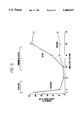
- FIG. 1 is a graph of experimental data showing the effect of Tiazofurin and subsequent Ribavirin treatment on IMP DH activity in rat bone marrow.
- FIG. 2 is a graph of experimental data showing the effect of Tiazofuran and subsequent Ribavirin treatment on cellularity in rat bone marrow.
- FIG. 3 is a graph of experimental data showing the effect of Tiazofurin and subsequent Ribavirin treatment on IMP DH activity in hepatoma 3924a.
- FIG. 4 is a graph of experimental data showing the effect of Tiazofurin and subsequent Ribavirin treatment on tumor growth (H3924a).
- FIG. 5 is a bar chart of experimental data showing the effect of Tiazofurin and subsequent Ribavirin treatment on tumor growth (H3924a).
- 2- ⁇ -D-ribofuranosylthiazole-4-carboxamide and pharmaceutically acceptable salts thereof will be referred to interchangeably as (a) tiazofurin (nonproprietary name adopted by the United States Adopted Names Council) or (b) under its chemical name above.
- 1- ⁇ -D-ribofuranosyl-1,2,4-triazole-3-carboxamide and pharmaceutically acceptable salts thereof will be referred to interchangeably as (a) ribavirin (nonproprietary name adopted by the United States Adopted Names Council) or (b) under its chemical name above.
- Tiazofurin may be prepared as described in U.S. Pat. No. 4,680,285 or U.S. Pat. No. 4,451,648, incorporated herein by reference.
- Ribavirin may be prepared as described in U.S. Pat. No. 4,138,547 or U.S. Pat. No. 3,991,078, incorporated herein by reference. Ribavirin is also commercially available under the trade name Virazole from Viratek, Inc.
- Tiazofurin may be administered by injection or, preferably, by infusion.
- Injection may be intravenous, intramuscular, intracerebral, subcutaneous, or intraperitoneal.
- Infusion may be accomplished through the surgical implantation of a catheter in the patient.
- the embedded catheter provides a "permanent line" for the administration of tiazofurin. Infusion is preferably carried out over a 60 minute period as described in Jayaram, H. et al., Clinical Pharmokinetic Study of Tiazofurin Administered as a One Hour Infusion, Int. J. Cancer 51(2):182-188 (1992), incorporated herein by reference.
- tiazofurin For injection or infusion, tiazofurin would be in the form of a solution or suspension. It would be dissolved or suspended in a physiologically compatible solution such that it would be present in a concentration of at least 0.1% by weight of the total composition. Preferably, it would be present in the pharmaceutical carrier at a concentration of about 10% to about 90% by weight of the total composition.
- Ribavirin may be administered by injection or, preferably, orally.
- the compound can be formulated with the appropriate diluents and carriers to form ointments, creams, foams, and solutions having from about 0.01% to about 15% by weight, preferably from about 1% to about 10% by weight of the compound.
- ribavirin is in the form of a solution or suspension, dissolved or suspended in physiologically compatible solution from about 10 mg/ml to about 1500 mg/ml. Injection may be intravenous, intermuscular, intracerebral, subcutaneous, or intraperitoneal.
- ribavirin may be in capsule, tablet, oral suspension, or syrup form.
- the tablet or capsules would contain from about 10 to 500 mg of ribavirin. Preferably they would contain about 300 mg of ribavirin.
- the capsules will be the usual gelatin capsules and would contain, in addition to the ribavirin in the quantity indicated above, a small quantity, for example less than 5% by weight, magnesium stearate or other excipient. Tablets would contain the foregoing amount of the compound and a binder, which may be a gelatin solution, a starch paste in water, polyvinyl pyrilidone, polyvinyl alcohol in water, etc. with a typical sugar coating.
- the syrup would contain from about 50 mg to 200 mg ribavirin per 5 ml of syrup.
- the “induction phase” refers to the period in which the IMP DH activity of the patient is sharply reduced by a high dose of tiazofurin.
- the “consolidation phase” refers to the period in which the gains achieved in the induction phase are consolidated, and all the parameters of remission are fully accomplished.
- the “maintenance phase” refers to the period in which the patient is maintained in remission.
- “Remission” is defined by an IMP DH level less than 10%, a GTP level less than 20%, or hematology of less than 5% blast cells in the bone marrow.
- the induction phase is characterized by an initial high dose of tiazofurin, designed to sharply reduce IMP DH activity. This would be accomplished by administering more than 4,400 mg/m 2 of the compound. Preferably, the dose would be 4,400 mg/m 2 .
- IMP DH activity is decreased into the range of 0 to 10%.
- IMP DH activity is preferably monitored using the methods described in Ikegami, T. et al., Direct Assay Method for Inosine 5'-monophosphate Dehydrogenase Activity, Anal. Biochem. 150:155-160 (1985). Although the dose and time period may vary, the preferred range would be achieved in approximately 2 days when daily doses of 4,400 mg/m 2 are administered.
- the treatment enters the consolidation phase.
- This phase is characterized by lower doses of tiazofurin administered until the patient has stabilized in remission. Although the time period may vary, this would be achieved within 5 to 12 days.
- Effective amounts of tiazofurin in the consolidation phase would typically range from 1100 to 3300 mg/m 2 . Preferably, the dose would be about 2200 mg/m 2 . In any event, the actual amount should be sufficient to provide an effective amount of the agent to consolidate the gains of the induction phase, as indicated by the hematological and IMP DH activity data, all of which will be readily within the ability of those skilled in the art to determine given the disclosure herein.
- the maintenance phase is strategically designed to keep the patient in remission using ribavirin.
- Ribavirin would be initially administered at a high dose, typically in the range of 1,100 to 3,300 mg/m 2 .
- the dose should be about 2,200 mg/m 2 .
- This dose would then be gradually tapered until the afflicted animal is consuming the lowest possible dose to maintain remission.
- the dose will be fine-tuned in 100 mg increments.
- IMP DH activity assay GTP concentration, or blast cell counts.
- the dose will clearly vary depending on the individual circumstance, the lowest dose necessary for remission will typically be achieved at around 900 mg/m 2 .
- the actual amount should be sufficient to maintain IMP DH in the range of 1 to 20%.
- maintaining IMP DH activity in the range of 1 to 10% or the blast cell counts less than 5%. This will be readily within the ability of those skilled in the art given the disclosure herein.
- ACI/N rats bearing s.c. transplanted hepatoma 3924A were administered daily i.p. injections of 150 mg/kg tiazofurin (trade name Tiazole, Viratek, Inc.) for two days.
- the rats were then divided into two groups: one received daily i.p. injections of saline, the other received 100 mg/kg ribavirin (trade name Virazole, Viratek, Inc.) for an additional two days.
- Tiazofurin reduced the IMP DH activity to 10% and ribavirin maintained the inhibition of IMP DH activity at 20-30% of the control values.
- the IMP DH activity in the saline-treated rats returned to the untreated levels. (see FIGS. 1 through 5).
- tiazofurin (trade name tiazole, Viratek, Inc.) for two days, followed by 12-13 days of a daily 2,200 mg/m 2 dose of tiazofurin.
- This treatment would be followed by a daily declining dose of ribavirin (trade name Virazole, Viratek, Inc.), beginning at 2,200 mg/m 2 and dropping to 900 mg/m 2 .
- allopurinol will be administered in 6 to 8 doses, totalling 800 mg, over 24 hours. This should also serve to increase hypoxanthine in the plasma.
- the constant monitoring by IMP DH assays in the blast cells will allow the administrator to reduce the ribavirin dose and yet maintain the patients in remission.
- Patients with ovarian cancer would be treated with two daily infusions of 4,400 mg/m 2 of tiazofurin (trade name tiazole, Viratek, Inc.) for two days, followed by 12-13 days of a daily 2,200 mg/m 2 dose of tiazofurin.
- This treatment would be followed by a daily declining dose of ribavirin (trade name Virazole, Viratek, Inc.), beginning at 2,200 mg/m 2 and dropping to 900 mg/m 2 .
- allopurinol will be administered in 6 to 8 doses, totalling 800 mg, over 24 hours. This should also serve to increase hypoxanthine in the plasma.
- the constant monitoring by IMP DH assays and GTP concentration will allow the administrator to reduce the ribavirin dose and yet maintain the patients in remission.
Landscapes
- Health & Medical Sciences (AREA)
- Life Sciences & Earth Sciences (AREA)
- General Health & Medical Sciences (AREA)
- Public Health (AREA)
- Medicinal Chemistry (AREA)
- Pharmacology & Pharmacy (AREA)
- Chemical & Material Sciences (AREA)
- Animal Behavior & Ethology (AREA)
- Veterinary Medicine (AREA)
- Epidemiology (AREA)
- Molecular Biology (AREA)
- Chemical Kinetics & Catalysis (AREA)
- General Chemical & Material Sciences (AREA)
- Nuclear Medicine, Radiotherapy & Molecular Imaging (AREA)
- Organic Chemistry (AREA)
- Pharmaceuticals Containing Other Organic And Inorganic Compounds (AREA)
- Saccharide Compounds (AREA)
Abstract
Description
Claims (12)
Priority Applications (14)
| Application Number | Priority Date | Filing Date | Title |
|---|---|---|---|
| US08/065,348 US5405837A (en) | 1993-05-18 | 1993-05-18 | Method for the treatment of neoplastic disease utilizing tiazofurin and ribavirin |
| AT94916011T ATE208201T1 (en) | 1993-05-18 | 1994-05-05 | METHOD FOR TREATING NEOPLASTIC DISEASES USING TIAZOFURIN AND RIBAVIRIN |
| EP94916011A EP0707479B1 (en) | 1993-05-18 | 1994-05-05 | Method for the treatment of neoplastic disease utilizing tiazofurin and ribavirin |
| ES94916011T ES2164703T3 (en) | 1993-05-18 | 1994-05-05 | METHOD FOR THE TREATMENT OF NEOPLASIC DISEASE USING THIAZOFURINE AND RIBAVIRINE. |
| BR9406534A BR9406534A (en) | 1993-05-18 | 1994-05-05 | Method for the treatment of neoplastic disease using thiazofurin and ribavirin |
| JP6525531A JP2951407B2 (en) | 1993-05-18 | 1994-05-05 | Method for treating neoplastic disease using thiazofurin and ribavirin |
| HK98112731.2A HK1011614B (en) | 1993-05-18 | 1994-05-05 | Method for the treatment of neoplastic disease utilizing tiazofurin and ribavirin |
| KR1019950705126A KR100310121B1 (en) | 1993-05-18 | 1994-05-05 | Treatment of tumor diseases using thiazopurine and ribavirin |
| RU95122466A RU2149004C1 (en) | 1993-05-18 | 1994-05-05 | Method for treating neoplastic diseases by means of thiazofurine and ribavirine |
| NZ266359A NZ266359A (en) | 1993-05-18 | 1994-05-05 | Use of tiazofurin and ribavirin to prepare medicament for treatment of neoplastic disease |
| AU67827/94A AU679531B2 (en) | 1993-05-18 | 1994-05-05 | Method for the treatment of neoplastic disease utilizing tiazofurin and ribavirin |
| PCT/US1994/004952 WO1994026281A1 (en) | 1993-05-18 | 1994-05-05 | Method for the treatment of neoplastic disease utilizing tiazofurin and ribavirin |
| CA002161970A CA2161970C (en) | 1993-05-18 | 1994-05-05 | Method for the treatment of neoplastic disease utilizing tiazofurin and ribavirin |
| DE69428995T DE69428995T2 (en) | 1993-05-18 | 1994-05-05 | METHOD FOR TREATING NEOPLASTIC DISEASES USING TIAZOFURIN AND RIBAVIRIN |
Applications Claiming Priority (1)
| Application Number | Priority Date | Filing Date | Title |
|---|---|---|---|
| US08/065,348 US5405837A (en) | 1993-05-18 | 1993-05-18 | Method for the treatment of neoplastic disease utilizing tiazofurin and ribavirin |
Publications (1)
| Publication Number | Publication Date |
|---|---|
| US5405837A true US5405837A (en) | 1995-04-11 |
Family
ID=22062092
Family Applications (1)
| Application Number | Title | Priority Date | Filing Date |
|---|---|---|---|
| US08/065,348 Expired - Fee Related US5405837A (en) | 1993-05-18 | 1993-05-18 | Method for the treatment of neoplastic disease utilizing tiazofurin and ribavirin |
Country Status (13)
| Country | Link |
|---|---|
| US (1) | US5405837A (en) |
| EP (1) | EP0707479B1 (en) |
| JP (1) | JP2951407B2 (en) |
| KR (1) | KR100310121B1 (en) |
| AT (1) | ATE208201T1 (en) |
| AU (1) | AU679531B2 (en) |
| BR (1) | BR9406534A (en) |
| CA (1) | CA2161970C (en) |
| DE (1) | DE69428995T2 (en) |
| ES (1) | ES2164703T3 (en) |
| NZ (1) | NZ266359A (en) |
| RU (1) | RU2149004C1 (en) |
| WO (1) | WO1994026281A1 (en) |
Cited By (9)
| Publication number | Priority date | Publication date | Assignee | Title |
|---|---|---|---|---|
| US6153594A (en) * | 1993-04-05 | 2000-11-28 | Norsk Hydro As | 5'-O-acylated antiviral nucleosides |
| US20030104050A1 (en) * | 2001-11-02 | 2003-06-05 | Matharu Amol Singh | Process for preparing quick dissolving, high loading ribavirin compositions |
| US6720000B2 (en) | 2001-03-19 | 2004-04-13 | Three Rivers Pharmaceutical, Llc | Process for producing wet ribavirin pellets |
| US20040127435A1 (en) * | 2002-08-02 | 2004-07-01 | Regents Of The University Of California | Uses for inhibitors of inosine monophosphate dehydrogenase |
| US20050019406A1 (en) * | 2002-09-19 | 2005-01-27 | Three Rivers Pharmaceuticals, Llc | Composition containing ribavirin and use thereof |
| US20080193499A1 (en) * | 2004-06-25 | 2008-08-14 | The Johns Hopkins University | Angiogenesis Inhibitors |
| US20090163564A1 (en) * | 2005-12-28 | 2009-06-25 | Translational Therapeutics, Inc. | Translational Dysfunction Based Therapeutics |
| US20110274656A1 (en) * | 2009-01-23 | 2011-11-10 | B&C Biopharm Co., Ltd. | Pharmaceutical composition for preventing or treating hepatitis c, comprising the roots extract of platycodon grandiflorum or platycodon grandiflorum saponin components |
| WO2020123241A1 (en) * | 2018-12-10 | 2020-06-18 | Clear Creek Bio, Inc. | Multiphasic dosing regimens for treating cancer |
Families Citing this family (2)
| Publication number | Priority date | Publication date | Assignee | Title |
|---|---|---|---|---|
| CA2357735A1 (en) * | 1999-01-29 | 2000-08-03 | Icn Pharmaceuticals, Inc. | Modulation of immune response by ribavirin |
| US6455508B1 (en) * | 2000-02-15 | 2002-09-24 | Kanda S. Ramasamy | Methods for treating diseases with tirazole and pyrrolo-pyrimidine ribofuranosyl nucleosides |
Citations (2)
| Publication number | Priority date | Publication date | Assignee | Title |
|---|---|---|---|---|
| US4211771A (en) * | 1971-06-01 | 1980-07-08 | Robins Ronald K | Treatment of human viral diseases with 1-B-D-ribofuranosyl-1,2,4-triazole-3-carboxamide |
| US4680285A (en) * | 1980-12-15 | 1987-07-14 | Viratek, Inc. | Treatment of malignant tumors with 2-(β-D-ribofuranosylthiazole-4-carboxamide related compounds |
Family Cites Families (1)
| Publication number | Priority date | Publication date | Assignee | Title |
|---|---|---|---|---|
| GB8800276D0 (en) * | 1988-01-07 | 1988-02-10 | Univ Liverpool | Medical treatment |
-
1993
- 1993-05-18 US US08/065,348 patent/US5405837A/en not_active Expired - Fee Related
-
1994
- 1994-05-05 ES ES94916011T patent/ES2164703T3/en not_active Expired - Lifetime
- 1994-05-05 AT AT94916011T patent/ATE208201T1/en not_active IP Right Cessation
- 1994-05-05 RU RU95122466A patent/RU2149004C1/en not_active IP Right Cessation
- 1994-05-05 DE DE69428995T patent/DE69428995T2/en not_active Expired - Fee Related
- 1994-05-05 KR KR1019950705126A patent/KR100310121B1/en not_active Expired - Fee Related
- 1994-05-05 AU AU67827/94A patent/AU679531B2/en not_active Ceased
- 1994-05-05 CA CA002161970A patent/CA2161970C/en not_active Expired - Fee Related
- 1994-05-05 JP JP6525531A patent/JP2951407B2/en not_active Expired - Fee Related
- 1994-05-05 BR BR9406534A patent/BR9406534A/en not_active Application Discontinuation
- 1994-05-05 WO PCT/US1994/004952 patent/WO1994026281A1/en not_active Ceased
- 1994-05-05 EP EP94916011A patent/EP0707479B1/en not_active Expired - Lifetime
- 1994-05-05 NZ NZ266359A patent/NZ266359A/en unknown
Patent Citations (2)
| Publication number | Priority date | Publication date | Assignee | Title |
|---|---|---|---|---|
| US4211771A (en) * | 1971-06-01 | 1980-07-08 | Robins Ronald K | Treatment of human viral diseases with 1-B-D-ribofuranosyl-1,2,4-triazole-3-carboxamide |
| US4680285A (en) * | 1980-12-15 | 1987-07-14 | Viratek, Inc. | Treatment of malignant tumors with 2-(β-D-ribofuranosylthiazole-4-carboxamide related compounds |
Non-Patent Citations (51)
| Title |
|---|
| "Immunological Control of Virus-associated Tumors in Man: Prospects and Problems" Cancer Research, vol. 36, No. 2 CNREAB-pp. 559-869. |
| "The Conversion of 2-β-D-Ribofuranosylthiazole-4-Carboxamide to an Analogue of NAD With Potent IMP Dehudrogenase-Inhibitory Properties" from Biochemical Pharmacology vol. 31, No. 11, pp. 2133-2135, 1982. |
| Antiviral Research vol. 1, No. 1, Mar. 1981 regrding "Bovine Leukemia Virus Inhibition in Vitro by Ribavirin" Proceeding from the seventy-third annual meeting of the American Association for Cancer Reserch, Apr. 28-May 1, 1982. |
| Antiviral Research vol. 1, No. 1, Mar. 1981 regrding Bovine Leukemia Virus Inhibition in Vitro by Ribavirin Proceeding from the seventy third annual meeting of the American Association for Cancer Reserch, Apr. 28 May 1, 1982. * |
| Article from Cancer Research and Clinical Oncology, vol. 98, No. 1, 1980. * |
| Ban et al., Biochemical and Biophysical Research Communications, vol. 184, No. 2, pp. 551 559, (1992). * |
| Ban et al., Biochemical and Biophysical Research Communications, vol. 184, No. 2, pp. 551-559, (1992). |
| Batist et al., Investigational New Drugs, vol. 3, pp. 349 355 (1985). * |
| Batist et al., Investigational New Drugs, vol. 3, pp. 349-355 (1985). |
| Immunological Control of Virus associated Tumors in Man: Prospects and Problems Cancer Research, vol. 36, No. 2 CNREAB pp. 559 869. * |
| Jayaram et al., Cancer Chemotherapy and Pharmacology, pp. 93 96, (1992). * |
| Jayaram et al., Cancer Chemotherapy and Pharmacology, pp. 93-96, (1992). |
| Jayaram et al., Int. J. Cancer, vol. 51, pp. 182 188, (1992). * |
| Jayaram et al., Int. J. Cancer, vol. 51, pp. 182-188, (1992). |
| Kovacs et al., J. Med. Chem, vol. 25, No. 1, pp. 107 108, (1982). * |
| Kovacs et al., J. Med. Chem, vol. 25, No. 1, pp. 107-108, (1982). |
| Look et al., Gynecologic Oncology, vol. 47, pp. 66 70, (1992). * |
| Look et al., Gynecologic Oncology, vol. 47, pp. 66-70, (1992). |
| Lui et al., The J. of Biol. Chem., vol. 259, No. 8, pp. 5078 5082, (1984). * |
| Lui et al., The J. of Biol. Chem., vol. 259, No. 8, pp. 5078-5082, (1984). |
| Natsumeda et al., Biochem and Biophys. Res. Commun., vol. 153, No. 1, pp. 321 327 (1988). * |
| Natsumeda et al., Biochem and Biophys. Res. Commun., vol. 153, No. 1, pp. 321-327 (1988). |
| Natsumeda et al., Biochemical And Biophysical Research Comm., vol. 153, No. 1, pp. 321 327, (1988). * |
| Natsumeda et al., Biochemical And Biophysical Research Comm., vol. 153, No. 1, pp. 321-327, (1988). |
| Roberts et al., Cancer Treatment Reports, vol. 71, No. 2, pp. 141 149, (1987). * |
| Roberts et al., Cancer Treatment Reports, vol. 71, No. 2, pp. 141-149, (1987). |
| Sidwell et al., Antiviral Research, vol. 1, pp. 47 53, (1981). * |
| Sidwell et al., Antiviral Research, vol. 1, pp. 47-53, (1981). |
| Taniki et al., Cancer Biochem. Biophys., vol. 13, pp. 295 302, (1993). * |
| Taniki et al., Cancer Biochem. Biophys., vol. 13, pp. 295-302, (1993). |
| The Conversion of 2 D Ribofuranosylthiazole 4 Carboxamide to an Analogue of NAD With Potent IMP Dehudrogenase Inhibitory Properties from Biochemical Pharmacology vol. 31, No. 11, pp. 2133 2135, 1982. * |
| Tricot et al., Cancer Research, vol. 47, pp. 4988 4991, (1987). * |
| Tricot et al., Cancer Research, vol. 47, pp. 4988-4991, (1987). |
| Tricot et al., Cancer Research, vol. 49, pp. 3696 3701, (1989). * |
| Tricot et al., Cancer Research, vol. 49, pp. 3696-3701, (1989). |
| Tricot et al., Int. J. of Cell Cloning, vol. 8, pp. 161 170, (1990). * |
| Tricot et al., Int. J. of Cell Cloning, vol. 8, pp. 161-170, (1990). |
| Weber et al., Advances in Enzyme Regulation, vol. 27, pp. 405 433, (1988). * |
| Weber et al., Advances in Enzyme Regulation, vol. 27, pp. 405-433, (1988). |
| Weber et al., Cancer Communications, vol. 3, No. 3, pp. 61 66, (1991). * |
| Weber et al., Cancer Communications, vol. 3, No. 3, pp. 61-66, (1991). |
| Weber et al., Cancer Research, vol. 53, pp. 5982 5986, (1993). * |
| Weber et al., Cancer Research, vol. 53, pp. 5982-5986, (1993). |
| Weber, Advances In Enzyme Regulation, vol. 29, pp. 75 95. * |
| Weber, Advances In Enzyme Regulation, vol. 29, pp. 75-95. |
| Yamada et al., Biochemistry, vol. 27, pp. 2193 2196, (1988). * |
| Yamada et al., Biochemistry, vol. 27, pp. 2193-2196, (1988). |
| Yamaji et al., Life Sciences, vol. 46, pp. 435 442, (1990). * |
| Yamaji et al., Life Sciences, vol. 46, pp. 435-442, (1990). |
| Zhen et al., Cancer Investigation, vol. 10, No. 6, pp. 505 511, (1992). * |
| Zhen et al., Cancer Investigation, vol. 10, No. 6, pp. 505-511, (1992). |
Cited By (16)
| Publication number | Priority date | Publication date | Assignee | Title |
|---|---|---|---|---|
| US6153594A (en) * | 1993-04-05 | 2000-11-28 | Norsk Hydro As | 5'-O-acylated antiviral nucleosides |
| US6720000B2 (en) | 2001-03-19 | 2004-04-13 | Three Rivers Pharmaceutical, Llc | Process for producing wet ribavirin pellets |
| US20050075297A1 (en) * | 2001-03-19 | 2005-04-07 | Three Rivers Pharmaceutical, Llc | Process for producing wet ribavirin pellets |
| US20030104050A1 (en) * | 2001-11-02 | 2003-06-05 | Matharu Amol Singh | Process for preparing quick dissolving, high loading ribavirin compositions |
| US20040127435A1 (en) * | 2002-08-02 | 2004-07-01 | Regents Of The University Of California | Uses for inhibitors of inosine monophosphate dehydrogenase |
| US7538094B2 (en) | 2002-09-19 | 2009-05-26 | Three Rivers Pharmacueticals, Llc | Composition containing ribavirin and use thereof |
| US20050019406A1 (en) * | 2002-09-19 | 2005-01-27 | Three Rivers Pharmaceuticals, Llc | Composition containing ribavirin and use thereof |
| US8980930B2 (en) | 2004-06-25 | 2015-03-17 | The Johns Hopkins University | Angiogenesis inhibitors |
| EP1765336A4 (en) * | 2004-06-25 | 2010-03-10 | Univ Johns Hopkins | INHIBITORS OF ANGIOGENESIS |
| US20080193499A1 (en) * | 2004-06-25 | 2008-08-14 | The Johns Hopkins University | Angiogenesis Inhibitors |
| US9642865B2 (en) | 2004-06-25 | 2017-05-09 | The Johns Hopkins University | Angiogenesis inhibitors |
| US20090163564A1 (en) * | 2005-12-28 | 2009-06-25 | Translational Therapeutics, Inc. | Translational Dysfunction Based Therapeutics |
| US8497292B2 (en) | 2005-12-28 | 2013-07-30 | Translational Therapeutics, Inc. | Translational dysfunction based therapeutics |
| US10472677B2 (en) | 2005-12-28 | 2019-11-12 | Translational Therapeutics, Inc. | Translational dysfunction based therapeutics |
| US20110274656A1 (en) * | 2009-01-23 | 2011-11-10 | B&C Biopharm Co., Ltd. | Pharmaceutical composition for preventing or treating hepatitis c, comprising the roots extract of platycodon grandiflorum or platycodon grandiflorum saponin components |
| WO2020123241A1 (en) * | 2018-12-10 | 2020-06-18 | Clear Creek Bio, Inc. | Multiphasic dosing regimens for treating cancer |
Also Published As
| Publication number | Publication date |
|---|---|
| DE69428995D1 (en) | 2001-12-13 |
| NZ266359A (en) | 1997-07-27 |
| WO1994026281A1 (en) | 1994-11-24 |
| KR960702313A (en) | 1996-04-27 |
| ATE208201T1 (en) | 2001-11-15 |
| HK1011614A1 (en) | 1999-07-16 |
| BR9406534A (en) | 1996-01-02 |
| KR100310121B1 (en) | 2001-12-28 |
| EP0707479B1 (en) | 2001-11-07 |
| JPH08510450A (en) | 1996-11-05 |
| CA2161970A1 (en) | 1994-11-24 |
| DE69428995T2 (en) | 2002-06-06 |
| AU679531B2 (en) | 1997-07-03 |
| ES2164703T3 (en) | 2002-03-01 |
| CA2161970C (en) | 2005-06-21 |
| RU2149004C1 (en) | 2000-05-20 |
| EP0707479A1 (en) | 1996-04-24 |
| JP2951407B2 (en) | 1999-09-20 |
| EP0707479A4 (en) | 1998-04-15 |
| AU6782794A (en) | 1994-12-12 |
Similar Documents
| Publication | Publication Date | Title |
|---|---|---|
| US4575498A (en) | Method for restoring depleted purine nucleotide pools | |
| Panksepp et al. | Insulin, glucose and hypothalamic regulation of feeding | |
| EP0100022B1 (en) | Pharmaceutical composition containing adenosine derivatives for use in treating tumours | |
| EP0352477B1 (en) | Use of adenosine 5'-phosphat in the treatment of cancer cachexia | |
| Moyer et al. | Selective inhibition of pyrimidine synthesis and depletion of nucleotide pools by N-(phosphonacetyl)-L-aspartate | |
| EP0707479B1 (en) | Method for the treatment of neoplastic disease utilizing tiazofurin and ribavirin | |
| USRE34387E (en) | Method for restoring depleted purine nucleotide pools | |
| US5547942A (en) | Method of treatment of diabetes mellitus by administration of adenosine 5'-t | |
| Booth et al. | Metabolic effects of some tumor-inhibitory pyridine carboxaldehyde thiosemicarbazones | |
| US4914105A (en) | Anti-cancer compositions for delivering 5-fluorouracil | |
| Owens Jr et al. | The metabolism of ethyl alcohol in the rat | |
| Rosenoff et al. | The effect of chemotherapy on the kinetics and proliferative capacity of normal and tumorous tissues in vivo | |
| Horecker et al. | A comparison of C14-labeling patterns in deoxyribose and ribose in mammalian cells | |
| HK1011614B (en) | Method for the treatment of neoplastic disease utilizing tiazofurin and ribavirin | |
| US4418070A (en) | Cardiotonic agents | |
| JPS5849315A (en) | Antitumor agent | |
| Sandusky et al. | Acute and subchronic toxicology of LY-195115 in rats and dogs | |
| Levine et al. | Hepatic glycogenolytic activity of cyclic 3', 5'-AMP and its monobutyryl derivative | |
| Bernacki et al. | Therapeutic and diabetogenic potential of two newly synthesized nitrosoureido sugars | |
| Eidinoff et al. | Pyrimidine Studies III. Effect of Several Compounds with Antitumor Activity on Utilization of Precursors for Synthesis of Nucleic Acid Pyrimidines | |
| Creaven et al. | Thalicarpine (NSC-68075): Plasma Decay and Urinary Excretion in | |
| JPH024208B2 (en) | ||
| Dreyfuss et al. | Metabolism of 8‐(methylthio) cyclic 3′, 5′‐adenosine monophosphate by rats and dogs after oral or intravenous dosing and in vitro by subcellular preparations of dog liver | |
| Izak et al. | The Distribution of Folates in Rabbit Tissues during Phenylhydrazine‐Induced Haemolysis | |
| JPS6337767B2 (en) |
Legal Events
| Date | Code | Title | Description |
|---|---|---|---|
| AS | Assignment |
Owner name: INDIANA UNIVERSITY FOUNDATION, INDIANA Free format text: ASSIGNMENT OF ASSIGNORS INTEREST;ASSIGNOR:WEBER, GEORGE;REEL/FRAME:006801/0270 Effective date: 19931130 |
|
| AS | Assignment |
Owner name: ICN PHARMACEUTICALS, INC., CALIFORNIA Free format text: MERGER;ASSIGNOR:VIRATEK, INC.;REEL/FRAME:007505/0061 Effective date: 19941110 |
|
| AS | Assignment |
Owner name: VIRATEK, INC., CALIFORNIA Free format text: LICENSE;ASSIGNOR:INDIANA UNIVERSITY FOUNDATION;REEL/FRAME:007505/0095 Effective date: 19940919 |
|
| AS | Assignment |
Owner name: ICN PHARMACEUTICALS, CALIFORNIA Free format text: LICENSE AGREEMENT;ASSIGNOR:INDIANA UNIVERSITY FOUNDATION;REEL/FRAME:007596/0178 Effective date: 19940919 |
|
| AS | Assignment |
Owner name: ADVANCED RESEARCH & TECHNOLOGY INSTITUTE, INDIANA Free format text: ASSIGNMENT OF ASSIGNORS INTEREST;ASSIGNOR:INDIANA UNIVERSITY FOUNDATION;REEL/FRAME:008861/0293 Effective date: 19970630 |
|
| FPAY | Fee payment |
Year of fee payment: 4 |
|
| FPAY | Fee payment |
Year of fee payment: 8 |
|
| AS | Assignment |
Owner name: INDIANA UNIVERSITY RESEARCH AND TECHNOLOGY CORPORA Free format text: CHANGE OF NAME;ASSIGNOR:ADVANCED RESEARCH AND TECHNOLOGY INSTITUTE INC.;REEL/FRAME:016570/0579 Effective date: 20040929 |
|
| REMI | Maintenance fee reminder mailed | ||
| LAPS | Lapse for failure to pay maintenance fees | ||
| STCH | Information on status: patent discontinuation |
Free format text: PATENT EXPIRED DUE TO NONPAYMENT OF MAINTENANCE FEES UNDER 37 CFR 1.362 |
|
| FP | Lapsed due to failure to pay maintenance fee |
Effective date: 20070411 |