US5326882A - Chemiluminescent 3-(substituted Adamant-2'-Ylidene) 1,2-dioxetanes - Google Patents
Chemiluminescent 3-(substituted Adamant-2'-Ylidene) 1,2-dioxetanes Download PDFInfo
- Publication number
- US5326882A US5326882A US07/849,086 US84908692A US5326882A US 5326882 A US5326882 A US 5326882A US 84908692 A US84908692 A US 84908692A US 5326882 A US5326882 A US 5326882A
- Authority
- US
- United States
- Prior art keywords
- amppd
- group
- dioxetane
- minutes
- membrane
- Prior art date
- Legal status (The legal status is an assumption and is not a legal conclusion. Google has not performed a legal analysis and makes no representation as to the accuracy of the status listed.)
- Expired - Lifetime
Links
Images




Classifications
-
- C—CHEMISTRY; METALLURGY
- C07—ORGANIC CHEMISTRY
- C07H—SUGARS; DERIVATIVES THEREOF; NUCLEOSIDES; NUCLEOTIDES; NUCLEIC ACIDS
- C07H15/00—Compounds containing hydrocarbon or substituted hydrocarbon radicals directly attached to hetero atoms of saccharide radicals
- C07H15/20—Carbocyclic rings
- C07H15/203—Monocyclic carbocyclic rings other than cyclohexane rings; Bicyclic carbocyclic ring systems
-
- C—CHEMISTRY; METALLURGY
- C07—ORGANIC CHEMISTRY
- C07C—ACYCLIC OR CARBOCYCLIC COMPOUNDS
- C07C43/00—Ethers; Compounds having groups, groups or groups
- C07C43/02—Ethers
- C07C43/03—Ethers having all ether-oxygen atoms bound to acyclic carbon atoms
- C07C43/14—Unsaturated ethers
- C07C43/178—Unsaturated ethers containing hydroxy or O-metal groups
- C07C43/1788—Unsaturated ethers containing hydroxy or O-metal groups containing six-membered aromatic rings and other rings
-
- C—CHEMISTRY; METALLURGY
- C07—ORGANIC CHEMISTRY
- C07C—ACYCLIC OR CARBOCYCLIC COMPOUNDS
- C07C43/00—Ethers; Compounds having groups, groups or groups
- C07C43/02—Ethers
- C07C43/18—Ethers having an ether-oxygen atom bound to a carbon atom of a ring other than a six-membered aromatic ring
- C07C43/196—Ethers having an ether-oxygen atom bound to a carbon atom of a ring other than a six-membered aromatic ring containing hydroxy or O-metal groups
-
- C—CHEMISTRY; METALLURGY
- C07—ORGANIC CHEMISTRY
- C07C—ACYCLIC OR CARBOCYCLIC COMPOUNDS
- C07C43/00—Ethers; Compounds having groups, groups or groups
- C07C43/02—Ethers
- C07C43/20—Ethers having an ether-oxygen atom bound to a carbon atom of a six-membered aromatic ring
- C07C43/215—Ethers having an ether-oxygen atom bound to a carbon atom of a six-membered aromatic ring having unsaturation outside the six-membered aromatic rings
-
- C—CHEMISTRY; METALLURGY
- C07—ORGANIC CHEMISTRY
- C07D—HETEROCYCLIC COMPOUNDS
- C07D321/00—Heterocyclic compounds containing rings having two oxygen atoms as the only ring hetero atoms, not provided for by groups C07D317/00 - C07D319/00
-
- C—CHEMISTRY; METALLURGY
- C07—ORGANIC CHEMISTRY
- C07F—ACYCLIC, CARBOCYCLIC OR HETEROCYCLIC COMPOUNDS CONTAINING ELEMENTS OTHER THAN CARBON, HYDROGEN, HALOGEN, OXYGEN, NITROGEN, SULFUR, SELENIUM OR TELLURIUM
- C07F9/00—Compounds containing elements of Groups 5 or 15 of the Periodic Table
- C07F9/02—Phosphorus compounds
- C07F9/06—Phosphorus compounds without P—C bonds
- C07F9/08—Esters of oxyacids of phosphorus
- C07F9/09—Esters of phosphoric acids
- C07F9/12—Esters of phosphoric acids with hydroxyaryl compounds
-
- C—CHEMISTRY; METALLURGY
- C07—ORGANIC CHEMISTRY
- C07F—ACYCLIC, CARBOCYCLIC OR HETEROCYCLIC COMPOUNDS CONTAINING ELEMENTS OTHER THAN CARBON, HYDROGEN, HALOGEN, OXYGEN, NITROGEN, SULFUR, SELENIUM OR TELLURIUM
- C07F9/00—Compounds containing elements of Groups 5 or 15 of the Periodic Table
- C07F9/02—Phosphorus compounds
- C07F9/547—Heterocyclic compounds, e.g. containing phosphorus as a ring hetero atom
- C07F9/655—Heterocyclic compounds, e.g. containing phosphorus as a ring hetero atom having oxygen atoms, with or without sulfur, selenium, or tellurium atoms, as the only ring hetero atoms
- C07F9/6551—Heterocyclic compounds, e.g. containing phosphorus as a ring hetero atom having oxygen atoms, with or without sulfur, selenium, or tellurium atoms, as the only ring hetero atoms the oxygen atom being part of a four-membered ring
- C07F9/65512—Heterocyclic compounds, e.g. containing phosphorus as a ring hetero atom having oxygen atoms, with or without sulfur, selenium, or tellurium atoms, as the only ring hetero atoms the oxygen atom being part of a four-membered ring condensed with carbocyclic rings or carbocyclic ring systems
-
- C—CHEMISTRY; METALLURGY
- C07—ORGANIC CHEMISTRY
- C07F—ACYCLIC, CARBOCYCLIC OR HETEROCYCLIC COMPOUNDS CONTAINING ELEMENTS OTHER THAN CARBON, HYDROGEN, HALOGEN, OXYGEN, NITROGEN, SULFUR, SELENIUM OR TELLURIUM
- C07F9/00—Compounds containing elements of Groups 5 or 15 of the Periodic Table
- C07F9/02—Phosphorus compounds
- C07F9/547—Heterocyclic compounds, e.g. containing phosphorus as a ring hetero atom
- C07F9/6564—Heterocyclic compounds, e.g. containing phosphorus as a ring hetero atom having phosphorus atoms, with or without nitrogen, oxygen, sulfur, selenium or tellurium atoms, as ring hetero atoms
- C07F9/6571—Heterocyclic compounds, e.g. containing phosphorus as a ring hetero atom having phosphorus atoms, with or without nitrogen, oxygen, sulfur, selenium or tellurium atoms, as ring hetero atoms having phosphorus and oxygen atoms as the only ring hetero atoms
- C07F9/6574—Esters of oxyacids of phosphorus
- C07F9/65742—Esters of oxyacids of phosphorus non-condensed with carbocyclic rings or heterocyclic rings or ring systems
-
- C—CHEMISTRY; METALLURGY
- C07—ORGANIC CHEMISTRY
- C07H—SUGARS; DERIVATIVES THEREOF; NUCLEOSIDES; NUCLEOTIDES; NUCLEIC ACIDS
- C07H15/00—Compounds containing hydrocarbon or substituted hydrocarbon radicals directly attached to hetero atoms of saccharide radicals
- C07H15/26—Acyclic or carbocyclic radicals, substituted by hetero rings
-
- C—CHEMISTRY; METALLURGY
- C12—BIOCHEMISTRY; BEER; SPIRITS; WINE; VINEGAR; MICROBIOLOGY; ENZYMOLOGY; MUTATION OR GENETIC ENGINEERING
- C12Q—MEASURING OR TESTING PROCESSES INVOLVING ENZYMES, NUCLEIC ACIDS OR MICROORGANISMS; COMPOSITIONS OR TEST PAPERS THEREFOR; PROCESSES OF PREPARING SUCH COMPOSITIONS; CONDITION-RESPONSIVE CONTROL IN MICROBIOLOGICAL OR ENZYMOLOGICAL PROCESSES
- C12Q1/00—Measuring or testing processes involving enzymes, nucleic acids or microorganisms; Compositions therefor; Processes of preparing such compositions
- C12Q1/34—Measuring or testing processes involving enzymes, nucleic acids or microorganisms; Compositions therefor; Processes of preparing such compositions involving hydrolase
-
- G—PHYSICS
- G01—MEASURING; TESTING
- G01N—INVESTIGATING OR ANALYSING MATERIALS BY DETERMINING THEIR CHEMICAL OR PHYSICAL PROPERTIES
- G01N33/00—Investigating or analysing materials by specific methods not covered by groups G01N1/00 - G01N31/00
- G01N33/48—Biological material, e.g. blood, urine; Haemocytometers
- G01N33/50—Chemical analysis of biological material, e.g. blood, urine; Testing involving biospecific ligand binding methods; Immunological testing
- G01N33/58—Chemical analysis of biological material, e.g. blood, urine; Testing involving biospecific ligand binding methods; Immunological testing involving labelled substances
- G01N33/581—Chemical analysis of biological material, e.g. blood, urine; Testing involving biospecific ligand binding methods; Immunological testing involving labelled substances with enzyme label (including co-enzymes, co-factors, enzyme inhibitors or substrates)
-
- G—PHYSICS
- G01—MEASURING; TESTING
- G01N—INVESTIGATING OR ANALYSING MATERIALS BY DETERMINING THEIR CHEMICAL OR PHYSICAL PROPERTIES
- G01N33/00—Investigating or analysing materials by specific methods not covered by groups G01N1/00 - G01N31/00
- G01N33/48—Biological material, e.g. blood, urine; Haemocytometers
- G01N33/50—Chemical analysis of biological material, e.g. blood, urine; Testing involving biospecific ligand binding methods; Immunological testing
- G01N33/58—Chemical analysis of biological material, e.g. blood, urine; Testing involving biospecific ligand binding methods; Immunological testing involving labelled substances
- G01N33/582—Chemical analysis of biological material, e.g. blood, urine; Testing involving biospecific ligand binding methods; Immunological testing involving labelled substances with fluorescent label
-
- C—CHEMISTRY; METALLURGY
- C07—ORGANIC CHEMISTRY
- C07C—ACYCLIC OR CARBOCYCLIC COMPOUNDS
- C07C2603/00—Systems containing at least three condensed rings
- C07C2603/56—Ring systems containing bridged rings
- C07C2603/58—Ring systems containing bridged rings containing three rings
- C07C2603/70—Ring systems containing bridged rings containing three rings containing only six-membered rings
- C07C2603/74—Adamantanes
Definitions
- This invention relates to improved chemiluminescent 1,2-dioxetane compounds. More particularly, this invention relates to improved enzymatically cleavable chemiluminescent 1,2-dioxetane compounds that contain enzymatically removable labile groups. Such labile groups prevent the molecule from decomposing to produce light, i.e., visible light or light detectable by appropriate instrumentation, until an appropriate enzyme is added to remove the labile group.
- One enzyme molecule will effect the removal, through a catalytic cycle, of its complementary labile group from thousands of enzymatically cleavable chemiluminescent 1,2-dioxetane molecules. This is in marked contrast to the situation with chemically clearable chemiluminescent 1,2-dioxetanes, where one molecule of chemical cleaving agent is needed to remove the complementary labile group from each dioxetane molecule.
- one mole of sodium hydroxide is needed to cleave one mole of hydrogen ions from the hydroxyl substituent on the phenyl group in 3-(2'-spiro-adamantane)-4-methoxy-4-(3"-hydroxy)phenyl-1,2-dioxetane, while only a single mole of alkaline phosphatase ("AP") is needed to cleave the phosphoryloxy group in 1,000-5,000 moles of 3-(2'-spiroadamantane)-4-methoxy-4-(3"-phosphoryloxy)phenyl-1,2-dioxetane disodium salt per second; see Jablonski, "DNA Probes for Infectious Diseases" (Boca Raton, Fla.:CRC Press, 1989), p. 22.
- Enzymatically cleavable light-producing 1,2-dioxetane compounds will usually also contain stabilizing groups, such as an adamantylidene group spiro bonded to the dioxetane ring's 3-carbon atom, that will aid in preventing the dioxetane compound from undergoing substantial decomposition at room temperature (about 25° C.) before the bond by which the enzymatically cleavable labile group is attached to the remainder of the molecule is intentionally cleaved.
- stabilizing groups such as an adamantylidene group spiro bonded to the dioxetane ring's 3-carbon atom
- This invention further relates to the incorporation of its dioxetane molecules in art-recognized immunoassays, chemical assays and nucleic acid probe assays, and to their use as direct chemical/physical probes for studying the molecular structures or microstructures of various macromolecules, synthetic polymers, proteins, nucleic acids, catalytic antibodies, and the like, to permit an analyte--the chemical or biological substance whose presence, amount or structure is being determined--to be identified or quantified.
- Chemiluminescent 1,2-dioxetanes have assumed increasing importance in recent years, particularly with the advent of the enzymatically cleavable chemiluminescent 1,2-dioxetanes disclosed in Bronstein U.S. patent application Ser. No. 889,823, filed Jul. 24, 1986 (the "'823 application”); Bronstein, et al. U.S. patent application Ser. No. 140,035, filed Dec. 31, 1987; Edwards U.S. patent application Ser. No. 140,197, filed Dec. 31, 1987 (the "'197 application”) and Edwards, et al. U.S. patent application Ser. No. 213,672 ("'672 application”), filed Jun. 30, 1988.
- AMPPD in aqueous solution, and also in the presence of chemiluminescence enhancers, e.g., a polymeric ammonium, phosphonium or sulfonium salt such as poly[vinylbenzyl(benzyldimethylammonium chloride)] (“BDMQ”) and other heteropolar polymers (see Voyta, et al. U.S. patent application Ser. No. 203,263, filed Jun.
- chemiluminescence enhancers e.g., a polymeric ammonium, phosphonium or sulfonium salt such as poly[vinylbenzyl(benzyldimethylammonium chloride)] (“BDMQ”) and other heteropolar polymers
- t1/2 constant light emission characteristics
- t1/2 periods approximately seven t1/2 periods are required to reach steady-state light emission kinetics.
- the t1/2 for AMPPD at concentrations above 2 ⁇ 10 -5 M in aqueous solution at pH 9.5 in the presence of BDMQ has been found to be 7.5 minutes.
- the t1/2 at 4 ⁇ 10 -3 M in the absence of BDMQ the t1/2 has been found to be approximately 30-60 minutes, while at 2 ⁇ 10 -5 M in aqueous solution the t1/2 for AMPPD has been found to be 2.5 minutes.
- AMPPD in aqueous buffered solution both in the presence and the absence of chemiluminescence enhancers such as BDMQ, exhibits higher than desirable thermal and otherwise nonenzymatically activated light emission, or "noise".
- noise can be attributed to emissions from the excited states of adamantanone and of the methyl m-oxybenzoate anion derived from the aromatic portion of the AMPPD molecule. This noise can limit the levels of detection, and thus prevent the realization of ultimate sensitivity, as the measured noise level of AMPPD is approximately two orders of magnitude above the dark current in a standard luminometer.
- Enzymatic cleavage of AMPPD with alkaline phosphatase also generates anionic, dephosphorylated AMPPD--adamantylidenemethoxymethylphenolate dioxetane, or "AMP - D".
- This phenolate anion can also be formed hydrolytically in small amounts, giving rise to a background chemilumlnescence signal which, in an organized molecular assembly, such as a micelle, liposome, lamellar phase, thin layer lipid bilayer, liposome vesicle, reversed micelle, microemulsion, microgel, latex, membrane or polymer surface, and in a hydrophobic environment such as that produced by a chemiluminescence enhancer, e.g., BDMQ, can generate strong, enhanced levels of light emission, thereby creating high background signals and substantially lowering the dynamic range of the signal resulting from enzymatic hydrolysis of AMPPD.
- a chemiluminescence enhancer e.g., B
- AMPPD can exist in aqueous solution as an aggregate: ##STR3##
- n>>>m; n and m are a function cf the presence or absence of enhancing polymer, and AMPPD concentration.
- the excited state of the adamantanone singlet in aggregate form may exhibit higher yields of signal emission, here again particularly if "stabilized” to emit more light, as by the presence cf a chemiluminescence enhancer such as BDMQ, than does the *excited energy state of unaggregated adamantanone. This is perhaps due to the former's having lower singlet states, lower yields cf intersystem crossing or slower intersystem crossing than the latter, or to other as yet unknown factors. Since luminometers, generally, are designed to detect all photons emitted regardless of their energy, or their wavelength, 415 nm and 477 nm chemiluminescence are both detected as background noise emissions. Similarly, when photographic or X-ray film is used to record chemiluminescence, no discrimination between the different wavelength emissions can easily be made, thus, sensitivity of detection is limited by background noise.
- an object of this invention to decrease the time necessary to conduct assays, and particularly bioassays, in which enzymatically clearable chemiluminescent 1,2-dioxetanes are used as reporter molecules.
- a further object of this invention is to provide new and improved enzymatically cleavable chemiluminescent 1,2-dioxetanes for use as substrates for enzyme-based assays, and particularly bioassays, which provide improved signal to background behavior and thus provide improved detection levels.
- a still further object of this invention is to provide novel intermediates useful in synthesizing these improved enzymatically cleavable 1,2-dioxetanes.
- Another object of this invention is to provide methods of preparing these enzymatically cleavable chemiluminescent 1,2-dioxetanes and intermediates therefor.
- This invention provides a new class of stable, enzymatically cleavable chemiluminescent 3-(substituted adamant-2'-ylidene)-1,2-dioxetane compounds capable of reacting in aqueous media, e.g., in a sample of biological fluid in solution or on a solid surface, e.g., a membrane surface such as a nylon membrane, with an enzyme or enzyme modified specific binding pair to release optically detectable energy.
- these modified adamantylidene dioxetanes enable assays in which they are used as reporter molecules to be conducted faster and with greater sensitivity than hitherto possible using AMPPD.
- substituents of the type disclosed herein on or in the adamantylidene moiety prevents the dioxetane molecules from packing efficiently, and thus prevents them from forming "stabilized" organized assemblies, whether in the form of micelles or some other aggregated state.
- substituents may also hydrogen bond to other substances in their aqueous environment, including water itself, thereby further preventing aggregate formation.
- electronic and dipole effects may contribute to this phenomenon, as evidenced by shorter t1/2's and lower background noise.
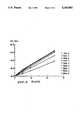
- FIGS. 1-5 show TSH, RLV v. TSH for each AMPPD and its bromo-, B-hydroxy-, A-hydroxy- and chloroadamant-2'-ylidene analogs, respectively, obtained as described in Example XII below.
- FIGS. 6-10 compare the total luminescence emissions obtained from AMPPD and its A-hydroxy-, B-hydroxy, chloro- and bromoadamant-2'-ylidene analogs, respectively, obtained as described in Example XIII below.
- FIG. 11 shows the improved chemiluminescence intensity obtained using the chloroadamant-2'-ylidene analog of AMPPD as compared to AMPPD itself as the reporter molecule in a nucleic acid assay; see Example XIV below.
- FIG. 12 shows the kinetics of the light emissions obtained using the chloroadamant-2'-ylidene analog of AMPPD and AMPPD itself as the reporter molecules in a nucleic acid assay; see Example XVI below.
- FIG. 13 is the dose response curve at five minutes for alkaline phosphatase dilution with the chloroadamant-2'-ylidene analog of AMPPD plus poly[vinyl(benzyldimethylammonium chloride)) ("BDMQ”), compared to the dose response curve at five minutes for AMPPD itself plus BDMQ; see Example XIX below.
- FIG. 14 is the dose response curves at 20 minutes for the same substances whose dose response curves are shown in FIG. 13.
- FIG. 15 is the dose response curve at five minutes for alkaline phosphatase dilution with the chloroadamant-2'-ylidene analog of AMPPD plus BDMQ-fluorescein (37 emerald”), compared to the dose response curve at five minutes for AMPPD itself plus emerald; again see Example XIX below.
- FIG. 16 is the dose response curves at 20 minutes for the same substances whose dose response curves are shown in FIG. 15.
- FIG. 17 shows a TPA sequence's images, obtained as described in Example XX below using (1) AMPPD and (2) AMPPD's chloroadamant-2'-ylidene analog.
- FIGS. 18"a” and “b” shows the signals obtained as described in Example XXII using (1) AMPPD and (2) substituted analogues of the invention.
- FIG. 19 plots the chemiluminescent signal obtained according to Example XXVII obtained with (1) AMPPD and (2) Cl-AMPPD.
- FIG. 20 reflects the exposure obtained pursuant to Example XXVIX for the detection of pBR322 plasmid DNA, using both (1) AMPPD and (2) Cl-AMPPD.
- FIG. 21 gives exposures for detection of pBR322 pursuant to Example XXX using (1) AMPPD, (2) Cl-AMPPD and (3) Br-AMPPD.
- FIG. 22 is a graphic illustration of chemiluminescent signal obtained pursuant to Example XXXI plotted as a function of time for both (1) AMPPD and (2) Cl-AMPPD.
- FIGS. 23 and 30 reflect the exposures obtained pursuant to Examples XXXII and XXXIV in detection of human transferrin for AMPPD, Cl-AMPPD and Br-AMPPD.
- FIG. 24 reflects a comparison in signals obtained pursuant to Example XXXV comparing AMPPD, Cl-AMPPD, Br-AMPPD and LumiPhos 530.
- FIGS. 25 and 26 compare images obtained pursuant to Example XXXVI using AMPPD and Cl-AMPPD.
- FIGS. 27 and 28 reflect exposures obtained pursuant to Examples XXXVIII and XXXIX comparing exposures obtained using AMPPD, Cl-AMPPD and Br-AMPPD.
- FIGS. 29-30 reflects chemiluminescent detection of human transferrin pursuant to Example 40, comparing AMPPD, Cl-AMPPD and Br-AMPPD.
- novel chemiluminescent 3-(substituted adamant-2'-ylidene) 1,2-dioxetanes of this invention can be represented by the general formula: ##STR5##
- X and X 1 each represent, individually, a substituent at the 5' and 7' positions on the adamant-2'-ylidene substituent which can be hydrogen, a hydroxyl group (a slightly electron withdrawing group when hydrogen-bonded to water), a halo substituent, i.e., fluoro or chloro (electron withdrawing groups) or bromo or iodo (polarizable, mesomeric groups), an unsubstituted straight or branched chain lower alkyl group, preferably methyl; a substituted straight or branched chain lower alkyl group monosubstituted or having two or more substituents which can be the same or different, e.g., a hydroxyalkyl group such as a hydroxymethyl group, a haloalkyl group such as trifluoromethyl, and the like; an alkoxy group, particularly C 1-7 alkoxy (methoxy, ethoxy, propoxy, .
- an unsubstituted aryl group preferably a phenyl group; a substituted aryl group, preferably one whose aryl ring contains six carbon atoms monosubstituted or having two or more substituents which can be the same or different, e.g., a halo substituent, as in p-bromophenyl or p-chlorophenyl, an alkoxy substituent, e.g., p-methoxyphenyl (an electron donating group), a hydroxyalkoxy substituent, e.g., hydroxyethoxy or hydroxypropoxy, a cyano group, or an amide group, e.g., a formamido or acetamido group, a carboxyl or substituted carboxyl group and the like, with the proviso that at least one of X and X 1 is other than hydrogen.
- a halo substituent as in p-bromophenyl or p-
- adamantylidene group When the adamantylidene group is monosubstituted with one of the foregoing substituents other than hydrogen, a mixture of the syn- and anti-isomers will be obtained when such compounds are synthesized.
- one isomer will exhibit greater chemiluminescence intensity on decomposition than the other.
- the two isomers will be equivalent or nearly so in chemiluminescence properties, such as intensity.
- the isomers may be separated before being used, e.g., as reporter molecules in bioassays, by techniques such as those disclosed in Edwards, et al. U.S. patent application Ser. No. 244,006, filed Sep. 14, 1988, or they may be used as chromatographed, isomeric mixtures without separation.
- R 1 and R 2 can represent any of the substituents on the 4-carbon atom of the dioxetane ring disclosed in the aforementioned Bronstein; Bronstein, et al.; Edwards; Edwards, et al. and Voyta, et al.
- R 1 and R 2 represent individual substituents the R 2 substituent is aromatic, heteroaromatic, or an unsaturated substituent in conjugation with an aromatic ring, and at least one of R 1 and R 2 is, or R 1 and R 2 taken together are, an enzymatically cleavable labile group-substituted fluorescent chromophore group that produces a luminescent substance when the enzymatically removable labile substituent thereof is removed by an enzyme.
- R 1 can represent hydrogen, or a bond when R 2 represents a substituent bound to the dioxetane ring through a spiro linkage, or an organic substituent that does not interfere with the production of light and that satisfies the valence of the dioxetane ring carbon atom to which it is attached to result in a tetravalent dioxetane ring carbon atom, such as an alkyl, aryl, aralkyl, alkaryl, heteroalkyl, heteroaryl, cycloalkyl or cycloheteroalkyl group, e.g., a straight or branched chain alkyl group having from 1 to 7 carbon atoms, inclusive; a straight or branched chain hydroxyalkyl group having from 1 to 7 carbon atoms, inclusive, an --OR group in which R is a C 1 -C 20 unbranched or branched, unsubstituted or substituted, saturated or uns
- R 2 can also represent any organic substituent that does not interfere with the production of light and that satisfies the valence of the 4-carbon atom of the dioxetane ring to which it is attached.
- R 2 will represent any of a number of light-emitting fluorophore-forming fluorescent chromophore groups that permit the corresponding dioxetane decomposition fragments to absorb energy and form an excited state from which they emit optically detectable energy to return to their ground state, substituted with an enzyme cleavable group that contains a bond cleavable by an enzyme to yield either directly or by subsequent adjustment of pH an electron-rich moiety, again, for example, an oxygen anion, a sulfur anion or a nitrogen anion, bonded to the dioxetane ring.
- the symbol R 2 can represent, alone (or together with the symbol R 1 to give a substituent spiro bonded to the 4-carbon atom of the dioxetane ring) fluorescent chromophore groups such as:
- naphthalene and naphthalene derivatives e.g., 5-dimethylaminonaphthalene-1-sulfonic acid and hydroxy naphthalenes;
- anthracene and anthracene derivatives e.g., 9,10-diphenylanthracene, 9-methylanthracene, 9-anthracene carboxaldehyde, anthryl alcohols and 9-phenylanthracene;
- rhodamine and rhodamine derivatives e.g., rhodols, tetramethyl rhodamine, tetraethyl rhodamine, diphenyldimethyl rhodamine, diphenyldiethyl rhodamine and dinaphthyl rhodamine;
- fluorescein and fluorescein derivatives e.g., 5-iodoacetamido fluorescein, 6-iodoacetamido fluorescein and fluorescein-5-maleimide;
- coumarin and coumarin derivatives e.g., 7-dialkylamino-4-methylcoumarin, 4-bromomethyl-7-methoxycoumarin and 4-bromomethyl-7-hydroxy coumarin;
- erythrosin and erythrosin derivatives e.g., hydroxy erythrosins, erythrosin-5-iodoacetamide and erythrosin-5-maleimide;
- acridine and acridine derivatives e.g., hydroxy acridines and 9-methyl acridine;
- pyrene and pyrene derivatives e.g., N-(1-pyrene) iodoacetamide, hydroxy pyrenes and 1-pyrenemethyl iodoacetate;
- stilbene and stilbene derivatives e.g., 6,6'-dibromostilbene and hydroxy stilbenes
- nitrobenzoxadiazoles and nitrobenzoxadiazole derivatives e.g., hydroxy nitrobenzoxadiazoles, 4-chloro-7-nitrobenz-2-oxa-1,3-diazole, 2-(7-nitrobenz-2-oxa-1,3-diazole-4-yl)methylaminoacetaldehyde and 6-(7'-nitrobenz-2-oxa-1,3-diazole-4-yl)aminohexanoic acid;
- quinoline and quinoline derivatives e.g., 6-hydrozyquinoline and 6-aminoquinoline;
- acridine and acridine derivatives e.g., N-methylacridine and N-phenylacridine;
- acidoacridine and acidoacridine derivatives e.g., 9-methylacidoacridine and hydroxy-9-methylacidoacridine;
- carbazole and carbazole derivatives e.g., N-methylcarbazole and hydroxy-N-methylcarbazole;
- fluorescent cyanines e.g., DCM (a laser dye), hydroxy cyanines, 1,6-diphenyl-1,3,5-hexatriene, 1-(4-dimethyl aminophenyl)-6-phenylhexatriene and the corresponding 1,3-butadienes;
- carbocyanines and carbocyanine derivatives e.g., phenylcarbocyanine and hydrox, carbocyanines
- pyridinium salts e.g., 4-(4-dialkyldiaminostyryl)-N-methyl pyridinium iodate and hydroxy-substituted pyridinium salts;
- the symbol R 2 can also represent a fused fluorescent chromophore group, bonded to the 4-carbon atom of the dioxetane ring through a spiro linkage, having the general formula: ##STR6##
- Y is ##STR7## --O--, --S--, or --NR 6 , where each of R 4 , R 5 and R 6 , independently, is hydrogen, a branched or straight chain alkyl group having 1 to 20 carbon atoms, inclusive, e.g., methyl, n-butyl or decyl, a branched or straight chain heteroalkyl group having 1 to 7 carbon atoms, inclusive, e.g., methoxy, hydroxyethyl or hydroxypropyl; an aryl group having 1 or 2 rings, e.g, phenyl, naphthyl or anthryl; a heteroaryl group having 1 or 2 rings, e.g., pyrrolyl or pyrazolyl; a cycloalkyl group having 3 to 7 carbon atoms, inclusive, in the ring, e.g., cyclohexyl; a heterocycloalkyl group having 3 to 6 carbon atoms,
- the symbol R 2 alone or together with the symbol R 1 , can likewise represent a particular class of fused polycyclic ring-containing fluorophore moieties having a labile ring substituent containing a bond which, when cleaved, renders the fused polycyclic moiety electron-rich to in turn render the dioxetane compound decomposable to emit light.
- the members of this class are those in which the labile ring substituent's point of attachment to the fused polycyclic ring, in relation to this ring's point(s) of attachment to the dioxetane ring (single bond attachment or, when R 1 , represents a bond, a spiro linkage), is such that the total number of ring sp 2 atoms separating these points of attachment, including the sp 2 ring carbon atoms at the points of attachment, is an odd whole number; see the Edwards, et al. '672 application.
- fused polycyclic ring compounds whose residues can be used to form this fluorophore moiety are the fused polycyclic aromatic hydrocarbon ring fluorophoric compounds mentioned above, and particularly ones containing from 9 to about 30 ring carbon atoms, inclusive, such as naphthalene: ##STR8## the substituent bonds indicating a 1,6-substitution pattern as in disodium 6-(4-methoxyspiro[1,2-dioxetane-3,2'-(5'-hydroxy)tricyclo[3.3.1.1 3 ,7 ]decan]-4-yl)-1-naphthalenyl phosphate, pentalene, azulene, heptalene, as-indacene, s-indacene, biphenylene, perylene, acenaphthylene, phenanthrene, anthracene, acephenanthrylene, aceanthrylene, triphenylene, pyrene,
- the fused polycyclic ring portion of such "odd pattern substituted" fluorophore moieties represented by R 2 alone or together with R 1 can also be the residues of nonaromatic, i.e., less than fully aromatic, fused polycyclic hydrocarbon ring fluorophoric compounds, having a labile ring substituent containing a bond which, when cleaved, renders the fused, less than fully aromatic polycyclic moiety electron-rich to in turn render the dioxetane compound decomposable to emit light, unsubstituted or substituted with one or more of the aforementioned non-labile substituents, and containing from 10 to about 30 ring carbon atoms, inclusive, such as fluorene, 3,4-dihydro-3,3-dimethylnaphthalene, dibenzosuberene, 9,10-dihydrophenanthrene, indene, indeno [1,2-a] indene, phenalene, fluoroant
- the fused polycyclic ring portion of fluorophore moieties represented by R 2 alone or together with R 1 can also be the residue of a fused polycyclic heteroaromatic or less than fully aromatic fused ring heterocyclic fluorophoreforming group, e.g., dibenzothiophene, dibenzofuran, 2,2-dimethyl-2H-chromene, xanthene, piperidine, quinoline, isoquinoline, phenanthridine, carbostyryl, phenoxazine, phenothiazine, phenanthroline, purine, phthalazine, naphthyridine, N-acylindole, chroman, isochroman, N-acylindoline, isoindoline, and the like, unsubstituted or substituted with one or more of the aforementioned non-labile substituents, and containing from 9 to about 30 ring atoms, inclusive, the bulk of which are carbon atoms.
- a preferred enzymatically removable group with which at least one of R 1 and R 2 is substituted is a phosphate group, particularly a phosphate ester group represented by the general formula: ##STR9## wherein M+ represents a cation such as alkali metal, e.g., sodium or potassium, ammonium, or a C 1 -C 7 alkyl, aralkyl or aromatic quaternary ammonium cation, N(R 7 )+ 4 , in which each R 7 can be alkyl, e.g., methyl or ethyl, aralkyl, e.g., benzyl, or form part of a heterocyclic ring system, e.g., pyridinium.
- M+ represents a cation such as alkali metal, e.g., sodium or potassium, ammonium, or a C 1 -C 7 alkyl, aralkyl or aromatic quaternary ammonium cation, N
- the disodium salt is particularly preferred.
- Such phosphate ester groups can be cleaved using an enzyme such as alkaline phosphatase to produce oxygen anion-substituted groups that will, in turn, destabilize the dioxetane with rupture of its oxygen-oxygen bond to produce light.
- the quaternary ammonium cations in such phosphate ester groups can also be connected through one of their quaternary groups to a polymeric backbone, viz. ##STR10## where n is greater than 1, or can be part of a polyquaternary ammonium salt, i.e., an ionene polymer.
- Another preferred enzymatically removable group is the ⁇ -D-galactoside group, which can be cleaved with the enzyme ⁇ -D-galactosidase to yield the conjugate acid of the dioxetane phenolate, which upon chemiluminesces under pressures.
- Enzymatically cleavable substitutes that can be used also include enzyme-cleavable alkanoyloxy groups, e.g., an acetate ester group, or an enzyme-cleavable oxacarboxylate group, 1-phospho-2,3-diacylglyceride group, 1-thio-D-glucoside group, adenosine triphosphate analog group, adenosine diphosphate analog group, adenosine monophosphate analog group, adenosine analog group, ⁇ -D-galactoside group, ⁇ -D-galactoside group, ⁇ -D-glucoside group, ⁇ -D-glucoside group, ⁇ -D-mannoside group, ⁇ -D-mannoside group, ⁇ -D-fructofuranoside group, ⁇ -D-glucosiduronate group, p-toluenesulfonyl-L-arginine ester group or p-tol
- important properties may be further conferred on the molecule, or controlled, by additional substitution on the phenyl ring.
- Stability, solubility, aggregation, binding ability and decomposition kinetics may be further controlled in compounds of the following structure ##STR11## wherein Z is the enzyme-cleavable group discussed above, the oxygen is ortho, meta or para, and Q is hydrogen, aryl, substituted aryl, aralkyl, heteroary, heteroalkyl of up to 20 carbon atoms, an allyl group, a hydroxy (lower) alkyl, a lower alkyl OSiR 3 (where R 3 is lower alkyl, aryl, alkoxy C 1-6 , alkoxyalkyl of 12 or fewer carbon atoms, hydroxy (lower) alkyl, amino (lower) alkyl, --OR 4 or --SR 4 (wherein R 4 is alkenyl, substituted (lower) alkenyl, (lower) alkyl or aralkyl of up to 20 carbon atoms), --SO 2 R 5 (wherein R 5 is methyl, phenyl or NHC
- the substituted adamant-2-ylidene moiety spiro bonded to the 3-carbon atom of the dioxetane ring, illustrated in formula I above, can be replaced by other similarly substituted fused polycycloalkylidene groups having two or more fused rings, each ring having from 3 to 12 carbon atoms, inclusive, such as bicyclo[3.3.1.]nonan-9-ylidene, hexacyclo-[5.5. 1.0. 2 ,6 0. 3 ,10 0. 4 ,8 0 9 ,13 ]tridecan-5-ylidene, pentacyclo[5.4.0.0. 2 ,6 0. 3 ,10 0 5 ,9 ]undecan-4-ylidene, and the like.
- one or more of groups T, X, or Y further include a solubilizing substituent, e.g., carboxylic acid, sulfonic acid, or quaternary amino salt;
- group T of the dioxetane is a polycycloalkyl group, preferably adamantyl;
- the enzyme-cleavable group includes phosphate; and the enzyme possesses phosphatase activity,
- the enzyme-cleavable group Z can be bonded to group X of the dioxetane, instead of group Y.
- the specific affinity substance can be bonded to the dioxetane through groups X, Y, or T (preferably group X), instead of the enzyme.
- the group to which the specific affinity substance is bonded is provided with, e.g., a carboxylic acid, amino or maleimide substituent to facilitate bonding,
- Groups X, Y, or T of the dioxetane can be bonded to a polymerizable group, e.g., a vinyl group, which can be polymerized to form a homopolymer or copolymer.
- a polymerizable group e.g., a vinyl group
- Groups X, Y, or T of the dioxetane can be bonded to, e.g., membranes, films, beads, or polymers for use in immuno- or nucleic acid assays.
- the groups are provided with, e.g., carboxylic acid, amino, or maleimide substituents to facilitate bonding.
- Groups X, Y, or T of the dioxetane can contain substituents which enhance the kinetics of the dioxetane enzymatic degradation, e.g., electron-rich moieties (e.g., methoxy).
- Groups Y and T of the dioxetane, as well as group X, can contain solubilizing substituents.
- 1,2-dioxetanes coming within the scope of formula I above in which X represents a hydroxyl group, X 1 represents hydrogen, R 1 represents a methoxy group and R 2 represents a phosphoryloxy salt-substituted phenyl group, preferably a meta-phosphoryloxy salt-substituted phenyl group, can be synthesized in accordance with the methods disclosed in the '176 application by a reaction sequence that can be illustrated schematically as follows: ##STR12##
- the ##STR13## starting material can, if desired, be reacted with an orthoformate such as trimethylorthoformate, methanol, and p-toluenesulfonic acid, to give the intermediate: ##STR14## which, when then reacted with R 8 O) 3 P and Lewis acid, gives the phosphonate ester intermediate: ##STR15##
- orthoformate such as trimethylorthoformate, methanol, and p-toluenesulfonic acid
- R 8 represents a lower alkyl group, e.g., methyl, ethyl or butyl.
- R 9 represents an acyl group containing from 2 to about 14 carbon atoms, inclusive, such as acetyl, propionyl, mesitoyl or pivaloyl, Q represents a halogen, e.g., chloro or bromo, or OR 8 , and M represents, independently, a proton, a metal cation, e.g., Na + , or K + , or an ammonium, substituted ammonium, quaternary ammonium or (H + ) pyridinium cation.
- a metal cation e.g., Na + , or K +
- an ammonium substituted ammonium, quaternary ammonium or (H + ) pyridinium cation.
- Thiolate cleavage as described in the Edwards '197 application can be used in place of base cleavage of the OR 9 group in step 5 of the reaction sequence illustrated above, in which case R 9 can be a lower alkyl, lower alkenyl or aralkyl group, e.g., methyl, allyl or benzyl.
- the product of base or thiolate cleavage can have, in place of R 9 , hydrogen or an alkali metal cation, e.g., lithium, sodium or potassium.
- 5-bromoadamantan-2-one and 5-chloroadamantan-2-one are prepared as described in Geluk, et al., Tetrahedron, 4, 5369 (1968).
- Simple unit processes allow the conversion of several of the abovementioned X or X 1 substituents, or others known in the art, to 5-X- or 5-X 1 -adamantane-2-ones where X or X 1 may be trialkylsilyloxy, iodo or cyano groups. These moieties are stable under the mild conditions used in step 4 of the foregoing reaction sequence. For example, when 5-hydroxyadamantan-2-one is refluxed for 7 hours with 57% hydriodic acid, 5-iodoadamantan-2-one (m.p. 73°-76° C.) is obtained. 5-Carboxyadamantan-2-one, prepared as described in Lantvoev, J. Obshch.
- X and X 1 groups need not be static during the entire reaction sequence, but may be transformed by reactions which are compatible with other structural considerations at any stage.
- X or X 1 is a chlorine or a bromine atom
- enol ether intermediates produced in steps 4 and 5 of the foregoing reaction sequence are subject to facile solvolysis in the presence of molar excesses of diols or liquid ammonia in a bomb at high temperature.
- the reaction rate with diols such as ethylene glycol or propylene glycol becomes appreciable only at elevated temperatures (105°-120° C.) in the presence of a proton acceptor such as potassium carbonate.
- a selectively cleavable pivaloyloxyaryl enol ether will be obtained in any of the reactions immediately preceding the addition of an enzyme-removable group such as a phosphate ester group, it will be more convenient to avoid isolation of the hydroxyaryl enol ether.
- This can be accomplished by directly splitting the pivaloyl ester with one equivalent of sodium methoxide in methanol and isolating the sodium aryloxide species as a dry solid by removing all volatiles at the conclusion of the reaction.
- step 6 of the foregoing reaction sequence will be run using this preformed salt in a dry, polar aprotic solvent such as dimethylformamide without using a Lewis base, and the inorganic salt by-products will be removed in the work-up phase of step 7 or step 8.
- step 7 The 2-cyanoethylphosphate diester product of step 7 undergoes beta-elimination to the phosphate monoester in step S.
- a volatile amine such as ammonia
- DBU solvent-soluble organic amine
- the use of ammonia at atmospheric pressure or above and at ambient temperatures is particularly advantageous, as excess base is simply volatized in vacuo at the end of the reaction.
- Oxidation of the enol ether phosphate in step 9 of the foregoing reaction sequence can be carried out photochemically, as indicated, by reaction with singlet oxygen ( 1 O 2 ) in a halogenated solvent, e g., a halogenated hydrocarbon such as chloroform, which may also contain a cosolvent, e.g., a lower alkanol such as methanol.
- a halogenated solvent e g., a halogenated hydrocarbon such as chloroform
- a cosolvent e.g., a lower alkanol such as methanol.
- Singlet oxygen can be generated using a photosensitizer such as polymer-bound Rose Bengal (Polysciences, Inc.), methylene blue, or 5, 10, 15, 20-tetraphenyl-21H, 23H-porphine ("TPP").
- the crude 2-cyanoethyl phosphate diesters obtained in step 7 of the foregoing reaction sequence can be oxidized with singlet oxygen to their 1,2-dioxetane counterparts.
- 5,7-Dialkyladamantan-2-ones e.g., 5,7-dimethyl-adamantan-2-one
- Solvolysis of 3-(methoxy-5,7-dibromotricyclo[3.3.3.1 3 ,7 ]dec-2-ylidenedimethyl)phenol with diols such as ethylene glycol or 1,4-butanediol in the presence of potassium carbonate will also furnish the corresponding symmetrical bishydroxyalkoxysubstituted 1,2-dioxetanes upon following the modified route to the monosubstituted derivatives described above.
- 5-Chloro-7-hydroxyadamantan-2-one and 5-methyl-7-hydroxyadamantan-2-one have been described by Stetter, et al., loc. cit.
- 5-bromo-7-hydroxyadamantan-2-one can be synthesized from 7-methylenebicyclo[3.3.1]nonane-3,9-dione-9-ethylene acetal following the procedure of Stetter, et al., by dissolving this compound in anhydrous ethanol and saturating the solution at 0° C. with gaseous hydrogen bromide instead of the gaseous hydrogen chloride used to obtain the corresponding chloro derivative.
- This invention is also directed to the use of its chemiluminescent, enzymatically cleavable substituted 1,2-dioxetanes in art-recognized assays, including assays for detecting enzymes in samples, to kits for use in such assays, and to like uses and means for accomplishing such uses.
- the sample when using this invention to detect an enzyme in a sample, the sample is contacted with a dioxetane bearing a group capable of being cleaved by the enzyme being detected.
- the enzyme cleaves the dioxetane's enzyme cleavable group to form a negatively charged substituent (e.g., an oxygen anion) bonded to the dioxetane.
- This negatively charged substituent in turn destabilizes the dioxetane, causing the dioxetane to decompose to form a fluorescent chromophore group that emits light energy. It is this chromophore group that is detected as an indication of the presence of the enzyme.
- the concentration of the enzyme in the sample can also be determined.
- assays which use visually detectable means to determine the presence or concentration of a particular substance in a sample.
- the above-described dioxetanes can be used in any of these assays.
- examples of such assays include immunoassays to detect antibodies or antigens, e.g., ⁇ - or ⁇ -hCG; enzyme assays; chemical assays to detect, e.g., potassium or sodium ions; and nucleic acid assays to detect, e.g., viruses (e.g., HTLV III or cytomegalovirus, or bacteria (e.g., E. coli), and certain cell functions (e.g., receptor binding sites).
- viruses e.g., HTLV III or cytomegalovirus
- bacteria e.g., E. coli
- cell functions e.g., receptor binding sites
- the enzyme capable of cleaving the enzyme cleavable group of the dioxetane is preferably bonded to a substance having a specific affinity for the detectable substance (i.e., a substance that binds specifically to the detectable substance), e.g., an antigen, an antibody, or a nucleic acid probe.
- a substance having a specific affinity for the detectable substance i.e., a substance that binds specifically to the detectable substance
- Conventional methods e.g., carbodiimide coupling, are used to bond the enzyme to the specific affinity substance; bonding is preferably through an amide linkage.
- assays are performed as follows. A sample suspected of containing a detectable substance is contacted with a buffered solution containing an enzyme bonded to a substance having a specific affinity for the detectable substance. The resulting solution is incubated to allow the detectable substance to bind to the specific affinity portion of the specific affinity-enzyme compound. Excess specific affinity-enzyme compound is then washed away, and a dioxetane having a group cleavable by the enzyme portion of the specific affinity-enzyme compound is added.
- the enzyme cleaves the enzyme cleavable group, causing the dioxetane to decompose into two carbonyl compounds (e.g., an ester, a ketone or an aidehyde).
- the chromophore to which the enzyme cleavable group had been bonded is thus excited and luminesces.
- Luminescence is detected (using, e.g., a cuvette, or light-sensitive film in a camera luminometer, or a photoelectric cell or photomultiplier tube), as an indication of the presence of the detectable substance in the sample.
- Luminescence intensity is measured to determine the concentration of the substance.
- a 96-well microtiter plate is coated with sheep antihuman IgG (F(ab) 2 fragment specific).
- a serum sample containing human IgG is then added to the wells, and the wells are incubated for 1 hour at room temperature.
- the serum sample is removed from the wells, and the wells are washed four times with an aqueous buffer solution containing 0.15 M NaCl, 0.01 M phosphate, and 0.1% bovine serum albumin (pH 7.4).
- Alkaline phosphatase bonded to anti-human IgG is added to each well, and the wells are incubated for 1 hr. The wells are then washed four times with the above buffer solution, and a buffer solution of a phosphate-containing dioxetane of this invention is added. The resulting luminescence caused by enzymatic degradation of the dioxetane is detected in a luminometer, or with photographic film in a camera luminometer.
- Rabbit anti- ⁇ -hCG is adsorbed onto a nylon-mesh membrane.
- a sample solution containing hCG e.g., urine from a pregnant woman, is blotted through the membrane, after which the membrane is washed with 1 ml of a buffer solution containing 0.15 M NaCl, 0.01 M phosphate, and 0.1% bovine serum albumin (pH 7.4).
- Alkaline phosphatase-labeled anti-p-hCG is added to the membrane, and the membrane is washed again with 2 ml of the above buffer solution.
- the membrane is then placed in the cuvette of a luminometer or into a camera luminometer, and contacted with a phosphate-containing dioxetane of this invention. The luminescence resulting from enzymatic degradation of the dioxetane is then detected.
- CSF cerebrospinal fluid
- a sample of cerebrospinal fluid (CSF) suspected of containing cytomegalovirus is collected and placed on a membrane, e.g., a nylon or nitrocellulose membrane.
- the sample is then chemically treated with urea or guanidinium isothiocyanate to break the cell walls and the degrade all cellular components except the viral DNA.
- the strands of the viral DNA thus produced are separated and attached to the nitrocellulose filter.
- a DNA probe specific to the viral DNA and labeled with alkaline phosphatase is then applied to the filter; the probe hybridizes with the complementary viral DNA strands.
- a phosphate-containing dioxetane of this invention is added and the resulting luminescence from the enzymatic degradation of the dioxetane is measured in a luminometer or detected with photographic film.
- dioxetanes containing ⁇ - or ⁇ -galactosidase-cleavable ⁇ -D- or ⁇ -D- galactoside (galactopyranoside) groups can be added, and the luminescence resulting from the enzymatic cleavage of the sugar moiety from the chromophore measured in a luminometer or detected with photographic film.
- Electrophoresis allows one to separate complex mixtures of proteins and nucleic acids according to their molecular size and structure on gel supports in an electrical field. This technique is also applicable to separate fragments of protein after proteolysis, or fragments of nucleic acids after scission by restriction endonucleases (as in DNA sequencing). After electrophoretic resolution of species in the gel, or after transfer of the separated species from a gel to a membrane, the bonds are probed with an enzyme bound to a ligand. For example, peptide fragments are probed with an antibody covalently linked to alkaline phosphatase. For another example, in DNA sequencing alkaline phosphatase - avidin binds to a biotinylated nucleotide base.
- an AMPPD analog of this invention is added to the gel or membrane filter. After short incubation, light is emitted as the result of enzymatic activation of the dioxetane to form the emitting species.
- the luminescence is detected by either X-ray or instant photographic film, or scanned by a luminometer. Multichannel analysis further improves the process by allowing one to probe for more than one fragment simultaneously.
- BSA bovine serum albumin
- water-soluble polymeric quaternary ammonium salts such as BDMQ, poly(vinylbenzyltrimethylammonium chloride) (TMQ), and poly(vinylbenzyltributylammonium chloride) (TBQ).
- BDMQ water-soluble polymeric quaternary ammonium salts
- TMQ poly(vinylbenzyltrimethylammonium chloride)
- TBQ poly(vinylbenzyltributylammonium chloride)
- Other such substances are disclosed in the aforementioned Voyta, et al. '263 application and listed in Table III below.
- An assay for the enzyme ATPase is performed in two steps.
- the enzyme is reacted at its optimal pH (typically pH 7.4) with a substrate comprising ATP covalently linked via a terminal phosphoester bond to a chromophore-substituted 1,2-dioxetane to produce a phosphoryl-chromophore-substituted 1,2-dioxetane.
- the product of the first step is decomposed by the addition of, acid to bring the pH to below 6, preferably to pH 2-4, and the resulting light measured in a luminometer or detected with chromatographic film.
- ADPase is assayed using as the substrate an ADP derivative of a chromophore-substituted 1,2-dioxetane of this invention, and 5'-nucleotidase assayed using as the substrate an adenylic acid derivative of a chromophore-substituted 1,2-dioxetane of this invention.
- the second step can also be carried out by adding the enzyme alkaline phosphatase to decompose the phosphoryl-chromophore-substituted 1,2-dioxetane.
- DNA or RNA fragments, produced in sequencing protocols can be detected after electrophoretic separation using the chemiluminescent 1,2-dioxetanes of this invention.
- DNA sequencing can be performed by a dideoxy chain termination method [Sanger, F., et al., Proc. Nat. Acad. Sci. (USA), 74:5463 (1977)]. Briefly, for each of the four sequencing reactions, single-stranded template DNA is mixed with dideoxynucleotides and biotinylated primer strand DNA. After annealing, Klenow enzyme and deoxyadenosine triphosphate are incubated with each of the four sequencing reaction mixtures, then chase deoxynucleotide triphosphate is added and the incubation continued.
- DNA fragments in reaction mixtures are separated by polyacrylamide gel electrophoresis (PAGE).
- PAGE polyacrylamide gel electrophoresis
- the fragments are transferred to a membrane, preferably a nylon membrane, and the fragments cross-linked to the membrane by exposure to UV light, preferably of short wave length.
- the DNA fragments on the membrane are contacted with avidin or streptavidin covalently linked to an enzyme specific for the enzyme-cleavable group of the particular 1,2-dioxetane substrate of this invention being used.
- avidin or streptavidin bind avidly to biotin, biotinylated DNA fragments will now be tagged with an enzyme.
- chemiluminscent substrate is disodium 3-(4-methoxyspiro[1,2-dioxetane-3,2'-(5'-chloro) tricyclo[3.3.1.1 3 ,7 ]decan]-4-yl)phenyl phosphate dioxetane salt (Cl-AMPPD)
- avidin or streptavidin will be conjugated to a phosphatase.
- chemiluminescent substrate is disodium 3-(4-methoxyspiro[1,2-dioxetane-3,2'-(5'-chloro)tricyclo[3.3.1.1 3 ,7 ]decan]-4-yl)phenyl ⁇ -D-galactopyranose (Cl-AMPGD)
- avidin or streptavidin are conjugated with galactosidase.
- DNA fragments are visualized on light-sensitive film, e.g., X-ray or instant film, or in a photoelectric luminometer instrument.
- light-sensitive film e.g., X-ray or instant film
- the detection method outlined above can also be applied to the genomic DNA sequencing protocol of Church et al. [Church, G. M., et al., Proc. Nat. Acad. Sci. (USA), 81:1991 (1984)]. After transferring chemically cleaved and electrophoretically separated DNA [Maxam, A. M. et al., Proc. Nat. Acad. Sci.
- DNA sequences may be detected by sequential addition of: biotinylated oligonucleotides as hybridization probes; avidin or streptavidin covalently linked to an enzyme specific for an enzyme-cleavable chemiluminescent 1,2-dioxetane of this invention; and, the appropriate 1,2-dioxetane. Images of sequence ladders (produced by PAGE) may be obtained as described above.
- Serial reprobing of sequence ladders can be accomplished by first stripping the hybridized probe and chemiluminescent material from a membrane by contacting the membrane with a heated solution of detergent, e.g., from about 0.5 to about 5% sodium dodecylsulfate (SDS) in water at from about 80° C. to about 90° C., cooling to from about 50° C. to about 70° C., hybridizing the now-naked DNA fragments with another biotinylated oligonucleotide probe to generate a different sequence, then generating an imaging chemiluminescence as described above.
- detergent e.g., from about 0.5 to about 5% sodium dodecylsulfate (SDS) in water at from about 80° C. to about 90° C.
- SDS sodium dodecylsulfate
- Similar detection methods can be applied to RNA fragments generated by RNA sequencing methods.
- reaction mixture was transferred to a separatory funnel and admixed with 250 ml of 1M hydrochloric acid.
- the organic phase was then extracted with water (2 ⁇ 400 ml) and finally dried over sodium sulfate.
- the dried solution was passed through a silica gel plug, rotary evaporated, and then pumped under vacuum (1.0 mm Hg) to give 348 g of a greenish-brown oil: 3-pivaloyloxybenzaldehyde, which was held under an argon atmosphere.
- Example II The crude 3-pivaloyloxybenzaldehyde dimethyl acetal of Example II was dissolved in one liter of methylene chloride, freshly distilled from P 2 O 5 , under an argon atmosphere in, a 3 liter flask. Then, 347 ml (2.03 mol) of triethyl phosphite was added all at once. The flask was fitted with a septum inlet adapter and cooled in a dry ice-acetone bath under slight argon pressure. Boron trifluoride etherate (249 ml; 2.03 mol) was added in several portions by syringe, with vigorous stirring. The resulting reaction mixture was stirred at -55° C. for two hours, then stored in a freezer at -20° C. overnight.
- IR in CHCl 3 : 3586, 3320 (OH), 3000, 2920, 2844, 1665, 1590, 1578, 1445, 1296, 1092, 885 cm -1 .
- the reaction mixture was diluted with 30 ml of anhydrous diethyl ether and filtered under argon to exclude moisture.
- the triethylamine hydrochloride was then washed further with 20 ml of diethyl ether and the filtrate concentrated on the rotary evaporator to give the phosphate triester as a viscous, light orange oil.
- a solution of 0.8g of disodium 3-(methoxy- 5-hydroxytricyclo [3.3.1.1 3 ,7 ]dec-2-ylidenemethyl) phenyl phosphate in 96 ml of 25% anhydrous methanol/chloroform containing 5.35 ⁇ 10 -5 M methylene blue sensitizing dye was divided among three glass tubes. Each tube was then cooled to 5° C. in a water bath and saturated with oxygen by passing a stream of the gas through the solution. After 5 minutes, and while continuing to bubble oxygen through the solution, the tubes were irradiated with light from a cooled, 250 watt high pressure sodium vapor lamp while maintaining the temperature at 5° C.
- Each of these isomers produced chemiluminescence, with unique light vs. time and noise profiles, upon cleavage at pH 10 in aqueous buffer medium with alkaline phosphatase.
- IR (neat) 2924, 2850, 1745 (ester C ⁇ O), 1654, 1602, 1578, 1478, 1274, 1110, 1018, 808, 758 cm -1 .
- This gum was taken up in 30 ml of methanol and refluxed for 2 hours with 2.4 g of anhydrous potassium carbonate. The methanol was then removed and the residue partitioned between water and 30% ethyl acetate in hexanes. The organic layer was washed with aqueous saturated sodium chloride solution, dried over sodium sulfate and concentrated to give 9.32 g of a yellow gum. This gum was flash chromatographed on silica gel to give 7.06 g (88% yield based on 5-bromoadamantan-2-one) of a slightly yellow gum that could not be crystallized.
- a sample of the pure phenolic compound was obtained from 3-(methoxy-5-bromotricyclo [3.3.1.1 3 ,7 ]dec-2-ylidenemethyl) phenyl acetate, obtained as follows:
- the impure phenolic compound (5.57 g; 15.95 mmol) was dissolved in 30 ml of molecular sieve-dried pyridine under an argon atmosphere.
- Fifty mg of 4-dimethylaminopyridine was added as catalyst.
- 1.8 ml (19.15 mmol) of acetic anhydride was added by syringe and the reaction mixture was stirred at room temperature for 3 hours.
- the reaction mixture was then transferred to a separatory funnel containing 250 ml of an aqueous saturated sodium bicarbonate solution, then extracted with 10% ethyl acetate in hexanes (2 ⁇ 100 ml). The combined extracts were washed several times with water, then quickly dried over sodium sulfate. The dried solution was concentrated on a rotary evaporator, and the residue was recrystallized from n-hexanes containing a few drops of ethyl acetate. The thus-obtained off-white solid was again recrystallized to give 5.21 g (83.5% yield) of the acetate, m.p. 108°-110° C.
- IR in CHCl 3 : 3000, 2930, 2850, 1760 (ester C O), 1660, 1602, 1577, 1368, 1192, 1095, 1070, 1016, 804 cm -1 .
- IR in CHCl 3 : 3584, 3320 (OH), 2925, 2850, 1665, 1588, 1578, 1445, 1435, 1092, 1080, 1015, 880, 808 cm -1 .
- IR (neat) 2932, 2835, 1750 (ester C ⁇ O), 1664, 1602, 1578, 1478, 1274, 1112, 1022, 827, 758 cm -1 .
- IR in CHCl 3 ): 3590, 3330 (OH), 2930, 2855, 1655, 1590, 1580, 1440, 1295, 1094, 1080, 1022, 880, 826 cm -1 .
- the area percent ratio (270 nm) of the early eluting isomer to the later eluting isomer was found to be 0.5:1.
- 1 HNMR confirmed that the product was a mixture of syn- and anti-disodium 3-(4-methoxyspiro-[1,2-dioxetane-3,2'-(5'-bromo) tricyclo[3.3.1.1 3 ,7 ]decan]-4-yl) phenyl phosphate.
- Immunoassays for TSH were conducted on a series of TSH standards using a Hybritech Tandem-E TSH kit (Hybritech, Inc., San Diego, Calif.) according to the manufacturer's instructions included with the kit, except that upon completion of the anti-TSH-alkaline phosphatase conjugate incubation step and wash, the plastic beads were additionally washed with 0.1M diethanolamine, 1 mM magnesium chloride, 0.02% sodium azide buffer, pH 10.0, and then briefly stored in 200 ⁇ l of the same buffer.
- Hybritech Tandem-E TSH kit Hybritech, Inc., San Diego, Calif.
- Chemiluminescent signals from anti-TSH-alkaline phosphatase conjugate bound to the surface of the beads were initiated by adding to the tubes containing beads 300 Al of 0.67 mM buffer solutions containing, respectively, disodium 3-(2'-spiroadamantane) -4-methoxy-4-(3 "-phosphoryloxy) phenyl-1,2 -dioxetane ("AMPPD”), disodium 3-(4-methoxyspiro-[1,2-dioxetane-3,2'-(5'-hydroxy)tricyclo[3.3.1.1 3 ,7 ]decan]-4-yl)phenyl phosphate (A isomer; "A-OH-AMPPD”), the corresponding disodium B-isomer (“B-OH-AMPPD”), and disodium 3-(4-methoxyspiro-[1,2-dioxetane-3,2'-(5'-chloro)tricyclo[3.3.1.1 3
- the intensity of light emission was subsequently recorded at 7, 13, 19, 25, 31, 40, 50 and 60 minutes after the substrate addition, as a 5 second integral at room temperature (about 25° C.), using a Berthold LB952T Luminometer (Berthold Instrument, Wildbad, Federal Republic of Germany). (Signals measured only not signal-to-noise).
- TSH, RLU v. TSH for each of AMPPD, BR-AMPPD, B-OH-AMPPD, A-OH-AMPPD and CL-AMPPD is shown in FIGS. 1, 2, 3, and 5, respectively.
- BIODYNE A nylon membrane (Pall Corporation, Glen Cove, N.Y.) was dotted twice (side-by-side) with the following concentrations of biotinylated pBr 322 35-mer oligonucleotide probe (Synthetic Genetics, San Diego, Calif.):
- the membrane was blocked in 0.2% casein/0.1% Tween 20 detergent in aqueous phosphate buffered saline solution (PBS) for 1 hour, following which 1/5000 diluted avidin-alkaline phosphatase conjugate (Sigma, Inc., St. Louis, Mo.) in 0.2% casein in PBS was added.
- the membrane was then incubated for 30 minutes, washed twice (for 5 minutes each time) in 0.2% casein/0.1% Tween 20 detergent in PBS, washed four times (for 5 minutes each time) in 0.3% Tween 20 detergent in PBS, and twice (for 5 minutes each time) in aqueous 0.1M diethanolamine containing 1 mM magnesium chloride, pH 10.0.
- the membrane was then cut up the middle to give two strips, each bearing one set of dots.
- One of the strips was incubated for 5 minutes in aqueous AMPPD solution (0.25 mM in 0.1M diethanolamine containing 1 mM magnesium chloride, pH 10), the other for 5 minutes in the corresponding chloroadamant-2'-ylidene compound (0.25 mM in the same buffer).
- the two strips were then placed in camera luminometers and exposed on Polaroid Type 612 instant black and white film.
- the improved chemiluminescence intensity obtained using the chloro compound, as compared to AMPPD itself, can be seen by comparing column 2 (Cl-AMPPD) to column 1 (AMPPD) in FIG. 11.
- pBr 322 plasmid (4700 bp) was subjected to a nick translation process using a Trans-Light kit (Tropix, Inc., Bedford, Mass.) to generate a mixture of biotinylated single stranded polynucleotides of 200-2000 bps in length.
- the membrane was subjected to ultraviolet irradiation (UVP Mineral Light; UVP, San Gabriel, Calif.) for 3 minutes to fix the DNA to the surface of the membrane, then air dried. Next, the membrane was blocked in 0.2% casein/0.1% Tween 20 detergent in PBS for 1 hour, following which 1/5000 diluted avidin-alkaline phosphatase conjugate (Tropix, Inc.) in 0.2% casein in PBS was added.
- UVP Mineral Light UVP, San Gabriel, Calif.
- the membrane was then incubated for 30 minutes, washed three times (for 5 minutes each time) in 0.2% casein/0.1% Tween 20 detergent in PBS and washed once for five minutes in aqueous 0.1M diethanolamine containing 1 mm magnesium chloride and 0.02% sodium azide, pH 10.0 (substrate buffer).
- strips 1-5 were individually cut from the membrane ("strips 1-5"), as were the five columns of rows of dots 6-10 ("strips 6-10"). Strips 1-5 were washed with substrate buffer for 30 minutes. Strips 6-10 were blocked in 0.1% BDMQ in substrate buffer for 30 minutes. Both sets of strips were then incubated for 5 minutes in substrate buffer, then individually incubated for five minutes in aqueous solutions (0.25 mM) of 1,2-dioxetanes as indicated below:
- a strip of neutral BIODYNE A nylon membrane was dotted twice (side-by-side) with 12.5 picograms of biotinylated pBR 322 35-mer oligonucleotide probe (Biogen, Inc., Cambridge, Mass.), dried, and subjected to ultraviolet radiation from an UVP Mineral Light lamp for 5 minutes to fix the DNA to the surface of the membrane.
- the membrane was wetted with 5 ⁇ SSC (0.015M sodium citrate/0.15M sodium chloride) and blocked in 0.2% casein, 0.1% Tween 20 detergent in PBS for 1 hour. The blocked membrane was then incubated with avidin-alkaline phosphatase conjugate ("Avidx" conjugate; Tropix, Inc.), diluted 1-10,000 in 0.2% casein, for 30 minutes.
- the membrane was then washed twice (for 5 minutes each time) with aqueous 0.2% casein/0.1% Tween 20 detergent, then twice (for 5 minutes each time) with aqueous 0.1% Tween 20 detergent in PBS, and finally twice (for 5 minutes each time) in aqueous 0.1M diethanolamine containing 1 mM magnesium chloride, pH 10 (assay buffer).
- the washed membrane was cut in half to give two strips, each bearing one dot.
- the strips were incubated, respectively, in aqueous 0.25 mM solutions of AMPPD and the corresponding chloroadamant-2'-ylidene compound in 0.1M diethanolamine containing 1 mM magnesium chloride, pH 10 for five minutes, then drained and sealed in plastic bags which were taped to the window of a Turner Model 20E luminometer.
- the chemiluminescence emission from each strip was integrated for 20 hours. The kinetics of the light emissions obtained are shown in FIG. 12.
- each tube in each set containing 450 ⁇ l of a 0.4 mM aqueous solution of one of the four 1,2-dioxetanes being compared in 0.1M diethanolamine containing 1 mM magnesium chloride, 0.02% sodium azide and 0.1% of the enhancer polymer, pH 10.0 (substrate buffer) were prepared and the background signal from each tube measured using a Berthold LB 952T luminometer (Berthold Instruments; Wildbad, Federal Republic of Germany).
- One ml per tube of each of these solutions was placed in a Turner Model 20E luminometer and the background signals were measured.
- t1/2 values were measured for each sample as follows.
- One hundred ⁇ l of sample dioxetane in 900 ⁇ l of one of the above-described buffer solutions was pipetted into a tube (final dioxetane concentration 4 ⁇ 10 5 M) and equilibrated at 30°C.
- Ten ⁇ l a 1-1,000 dilution of calf intestine alkaline phosphatase in the same buffer (enzyme concentration 7.6 ⁇ 10 -10 M) was then added, and the resulting chemiluminescent intensity was recorded, using a Turner Model 20E luminometer, over a 30 minute period.
- T1/2 values were then calculated from the decay curves. The results of these determinations are given in Table IV below.
- Alkaline phosphatase (calf intestine; Biozyme) was diluted 1-1,000,000 to generate a stock solution, concentration 2.54 ⁇ 10 -12 M.
- a series of tubes was prepared, in duplicate, containing 450 ⁇ l of an aqueous 0.1 M diethanolamine solution containing 1 mM magnesium chloride and 0.02% sodium azide, pH 10, plus 0.1% of one of the enhancer polymers specified below and 4.4 ⁇ 10 -4 M of a 1,2-dioxetane: AMPPD or the corresponding chloroadamant-2'-ylidene compound.
- the final concentration of 1,2-dioxetane in each tube was 4 ⁇ 10 -4 M; the final concentration of enhancer polymer was 0.09%. Five second integrals were recorded at 5 and 20 minutes following 1,2-dioxetane addition.
- FIG. 13 show dose response curves for alkaline phosphatase dilution with the chloroadamant-2'-ylidene 1,2-dioxetane with enhancer I and II at 5 minutes after dioxetane addition, as compared to the dose response curves for AMPPD with the same enhancers exhibited as RLV vs [AP] and signal/noise (S/N, vs [AP].
- FIG. 13 show dose response curves for alkaline phosphatase dilution with the chloroadamant-2'-ylidene 1,2-dioxetane with enhancer I and II at 5 minutes after dioxetane addition, as compared to the dose response curves for AMPPD with the same enhancers exhibited as RLV vs [AP] and signal/noise (S/N, vs [AP].
- pBR 322 plasmid (Biogen, Inc., Cambridge, Mass.) containing an insert of TPA sequence was digested with MSP1 restriction enzyme. Chemical cleavages were performed as described in Maxam, et al., PNAS, 74, 560 (1977) to yield G, AG, AC, TC and C--and one other, T, as described by Rubin, et al., Nucleic Acids Research, 8, 4613 (1980). One seventh of each reaction tube's contents was loaded per lane onto 0.4 mm TBE-gradient sequencing gel (60 cm in length). After 4 hours of electrophoresis, DNA was electrotransferred to a BIODYNE A nylon membrane (0.45 ⁇ m) and treated with ultraviolet light to fix the DNA to the membrane's surface.
- the membrane was dried, prehybridized for 30 minutes at 45° C. in aqueous buffer solution containing 1% BSA, 0.5 M sodium phosphate and 7% SDS, pH 7.2, then hybridized for 2 hours at 45° C. with 10 ⁇ l of NNB snap direct alkaline phosphatase conjugated probe (Molecular Biosystems, Inc., San Diego, Calif.) in 40 ml of the above-described BSA buffer solution.
- the membrane was then washed twice in aqueous 5 ⁇ SSC/1% SDS (for 5 minutes each time) at 45° C., twice in aqueous 1 ⁇ SSC/1% SDS (for 5 minutes each time) at 45° C., once in an aqueous solution containing 125 mM sodium chloride, 50 mM Tris and 1% Triton X-100 detergent, pH 8.0, twice in aqueous 1 ⁇ SSC (for 1 minute each time) at room temperature, and finally twice (for one minute each time) at room temperature in an aqueous solution containing 0.1 M diethanolamine, 1 mM magnesium chloride and 0.02% sodium azide at pH 10.0.
- the membrane was then wetted with aqueous AMPPD solution (0.25 mM), wrapped in Saran wrap, and exposed to Kodak XAR X-ray film for 40 minutes. A five minute exposure was then taken 1 hour after AMPPD addition.
- the sequence images are shown in FIG. 17(1).
- the half-life of the dioxetane anion also listed in Table 1 was measured as follows: A 1 ml solution of 0.04 mM dioxetane (in the same buffer as above) was completely dephosphorylated by the addition of 0.764 picomoles of alkaline phosphatase at 30° C. in a Turner Model 20E luminometer. The half-life of the dioxetane anion was then calculated from the first order decay of the chemiluminescent emission.
- the detection means for alkaline phosphatase with different chemiluminescent 1,2-dioxetane substrates were determined as follows: Duplicates of serial dilutions (1 to 3) of alkaline phosphates were incubated at room temperature with 0.4 mM dioxetane in 0.1 M diethanolamine, 1 mM MgCl 2 , pH 10.0, containing 1 mg/ml of either of the polymeric enhancers Enhancer 1 or Enhancer 2, in a Berthold LB952T luminometer (Wildbad, Germany).
- the chemiluminescence intensity was measured as a 5 second integrated Relative Light Units (RLU) and plotted as in FIG. 10.
- RLU Relative Light Units
- the alkaline phosphatase concentrations at twice background were used as the detection limits in Table 5.
- Duplicates of serial dilutions (1 to 3) of alkaline phosphatase were incubated at room temperature with 0.4 mM AMPPD or Cl-AMPPD in 0.1 M diethanolamine, 1 mM MgCl 2 , pH 10.0, containing 1 mg/ml of either of the polymeric enhancers, Enhancer 1 or Enhancer 2, in a Berthold LB952T luminometer. After a 5 minute incubation, the chemiluminescent intensities were measured as a 5 second integrated Relative Light Unit (RLU) and the duplicates were averaged and plotted vs alkaline phosphatase concentration in the upper graph of FIG. 18. The lower graph shows the ratio of the chemiluminescent signal to the background (no enzyme) chemiluminescent signal as a function of the enzyme concentration.
- RLU Relative Light Unit
- the chemiluminescent signal to noise levels were obtained with 2.83 ⁇ 10 -13 M alkaline phosphatase and various R-substituted adamantyl 1,2-dioxetane phosphates in the presence of several enhancers. All measurements were performed in a Berthold LB952T luminometer at room temperature. First, the background chemiluminescence levels (signal in the absence of the enzyme) of each sample (in triplicate) were measured. Each sample consisted of 0.2 ⁇ moles of dioxetane in 0.45 ml of 0.1 M diethanolamine, 1 mM MgCl 2 , pH 10.0, without or with 1 mg/ml of the indicated enhancer.
- Tubes were inserted into the luminometer and the luminescence intensity was measured. Next, the tubes were removed from the luminometer and alkaline phosphatase (50 ⁇ l containing 1.415 ⁇ 10 -16 moles) was added to each tube, and the luminescence intensity was measured at 5 and 20 minutes after substrate addition. The final concentration of dioxetane in each tube was 0.4 mM. Table 6 shows the ratio of the chemiluminescent signal obtained in the presence of alkaline phosphatase at 5 and 20 minutes to the background signal (obtained in the absence of the enzyme).
- Table 7 shows the detection limits for alkaline phosphatase detection with the R-substituted dioxetanes determined using procedures described in Table 5, Example XXII, with the exception of an instrument which was utilized to obtain the chemiluminescence intensity readings.
- the luminometer used in this example was LabSystems Luminoskan microtiter plate reader.
- Table 8 shows the 20 minute incubation data from Table 4, plus measurements performed in a Wilj microtiter plate luminometer.
- the membrane subsequently wetted with 1 ⁇ SSC buffer, incubated with 0.2% casein, 0.1% Tween-20 in phosphate buffered saline (PBS) for 1 hour at room temperature, washed 4 times with 0.3% Tween-20 in PBS, washed twice in Substrate Buffer (0.1 M diethanolamine, 1 mM MgCl 2 , pH 10.0), and incubated for 5 minutes in 0.25 mM dioxetane in Substrate Buffer. In this fashion, two membranes: one incubated with AMPPD and the second with Cl-AMPPD, were generated.
- PBS phosphate buffered saline
- the membranes were then sealed in plastic, attached to the outside of a 12 ⁇ 75 mm glass test tube, and inserted into Turner Model 20-E luminometer equipped with a side-mounted photomultiplier detector and thermally equilibrated to 30° C. The chemiluminescence intensity was then monitored for 20-24 hours. As shown in FIG. 19, the chemiluminescence signal was plotted as a function of time for both AMPPD and Cl-AMPPD.
- the half-times to the maximum chemiluminescence intensity obtained with AMPPD and Cl-AMPPD on PVDF and nylon membranes were calculated from data collected as described in Example XXVII, for the nylon membrane.
- the revised protocol included the second Substrate Buffer wash followed by the membrane incubation for 5 minutes at room temperature in the Tropix NitroBlockTM reagent and a subsequent wash with Substrate Buffer prior to the dioxetane substrates addition.
- the half-times to the maximum chemiluminescent signal were calculated from the a plot of the logarithm (maximum chnemiluminescent signal minus signal at each time point) as a function of time and is shown in Table 9.
- pBR322 DNA was denatured by boiling, serially diluted samples in 1 ⁇ SSC buffer (final mass of DNA per slot is indicated in the FIG. 20), applied to ImmobilonP PVDF membrane, Pall Biodyne A nylon membrane, and Amersham Hybond N nylon membrane using a Schleicher and Schuell slot blot apparatus. The DNA was crosslinked to the Biodyne A and Hybond N membranes with UV light. Immobilon P membrane was first blocked and then UV treated.
- the membranes were then wetted with 1 ⁇ SSC buffer, prehybridized at 65° C. in hybridization buffer (1M NaCl, 0.2% heparin, 0.5% polyvinyl pyrrolidone, 4% sodium dodecylsulfate, 1 mM ethylenediamineletracetic acid, 5% dextran sulfate, 50 mM Tris-HCl, pH 7.5), and hybridized at 65° C. with 12 ng/ml pBR322 probe (biotinylated using a nick translation procedure) in the same buffer, washed once at 65° C.
- hybridization buffer (1M NaCl, 0.2% heparin, 0.5% polyvinyl pyrrolidone, 4% sodium dodecylsulfate, 1 mM ethylenediamineletracetic acid, 5% dextran sulfate, 50 mM Tris-HCl, pH 7.5
- the PVDF membrane Prior to substrates addition, the PVDF membrane was incubated for 5 minutes in NitroBlockTM, and washed twice with Substrate Buffer. The membranes were then wrapped in plastic, and exposed to Polaroid Type 612 film at the times indicated after substrates addition as shown in FIG. 20.
- the Polaroid Type 612 images of the chemiluminescent signal from the decomposition of various dioxetane phosphates catalyzed by the alkaline phosphatase DNA probe conjugates on different membrane supports is shown in FIG. 21.
- the membrane was then wetted with 1 ⁇ SSC buffer, incubated with 0.2% casein, 0.1% Tween-20 in phosphate buffered saline (PBS) for 1 hour at room temperature, washed 4 times with 0.3% Tween-20 in PBS, washed twice in Substrate Buffer (0.1 M diethanolamine, 1 mM MgCl 2 , pH 10.0), incubated for 5 minutes with NitroBlockTM reagent, washed twice in Substrate Buffer, and subsequently two pieces of the membrane were incubated for 5 minutes each in 0.25 mM AMPPD and Cl-AMPPD in Substrate Buffer.
- PBS phosphate buffered saline
- the membranes were then sealed in plastic, attached to the outside of a 12 ⁇ 75 mm glass test tube, and inserted into Turner Model 20-E luminometer thermally equilibrated to 30° C. equipped with a side photomultiplier detector. The chemiluminescence intensity was monitored for 20-24 hours. As shown in FIG. 22, the chemiluminescence intensity signal was plotted as a function of time for both AMPPD and Cl-AMPPD.
- the half-time to the maximum chemiluminescence signal intensity for a membrane based protein, IgG, detection with alkaline phosphatase conjugated goat anti-mouse antibodies and AMPPD and CL-AMPPD was evaluated using the following protocol.
- One ⁇ l of 1 ⁇ g/ml solution of purified mouse IgG in 20% methanol electrophoresis transfer buffer was spotted onto dry nitrocellulose and wet PVDF membranes.
- the membranes were subsequently rinsed in 0.1% Tween-20/PBS, blocked for 1 hour in blocking buffer (0.2% casein, 0.1% Tween-20 in PBS), incubated with a 1-10,000 dilution of alkaline phosphatase conjugated goat anti-mouse antibody in blocking buffer, washed twice for 5 minutes in blocking buffer, washed twice for 5 minutes in 0.1% Tween-20/PBS, washed twice for 5 minutes in substrate buffer (0.1 M diethanolamine, 1 mM MgCl 2 , pH 10.0), separated into two examples and incubated for 5 minutes each in 0.25 mM AMPPD and Cl-AMPPD.
- blocking buffer 0.2% casein, 0.1% Tween-20 in PBS
- the membranes were sealed in plastic, attached to the outside of a 12 ⁇ 75 mM glass tube and inserted into Turner Model 20E luminometer, equipped with a side photomultiplier detector and thermally equilibrated to 30° C. As shown in Table 10, the chemiluminescence intensities were monitored for 8 to 12 hours, and the half-life to maximum signal were calculated as in Example XXVIII.
- the membranes were subsequently washed with phosphate buffered saline (PBS), blocked for 30 minutes with 0.3% casein in PBS, incubated with a 1-1000 dilution of mouse anti-human transferrin in 0.3% Tween-20/PBS, washed four times for 5 minutes with 0.3% Tween-20/PBS, incubated with a 1-10,000 dilution of alkaline phosphatase labeled goat anti-mouse antibody in 0.3% Tween-20/PBS, washed four times for 5 minutes in 0.3% Tween-20/PBS, washed twice in Substrate Buffer (0.1 M diethanolamine, 1 mM MgCl 2 , pH 10.0), incubated for 5 minutes each in 0.25 mM AMPPD, Cl-AMPPD and Br-AMPPD in Substrate Buffer, wrapped in plastic, and then exposed to Polaroid type 612 instant black and white film for 5 minutes. The results, are shown in 30.
- PBS phosphate
- the chemiluminescent detection of human transferrin on Immobilon-P PVDF membrane was performed according to the protocol described in Example 13, except for the following changes: Immediately prior to dioxetanes addition, two of the four PVDF membranes were incubated for 5 minutes in NitroBlockTM and then washed twice in Substrate Buffer. 5 minute exposures for AMPPD and Cl-AMPPD without and with NitroBlock are shown in FIG. 23.
- the DNA was UV fixed to the membrane and subsequently wetted with 1 ⁇ SSC, prehybridized in hybridization buffer (7% SDS, 1% casein, 0.25 M Na 2 PO 4 , pH 7.2 with phosphoric acid) for 30 minutes at 50° C., hybridized with 5 nM alkaline phosphatase labeled oligonucleotide probe for 2 hours at 50° C., washed as follows: twice for 5 minutes in 2 ⁇ SSC, 1%SDS at room temperature; twice for 15 minutes in 1 ⁇ SSC, 1% SDS at 50° C., twice for 5 minutes in 1 ⁇ SSC, 1% Triton X-100 at room temperature; twice for 5 minutes in 1 ⁇ SSC; and twice for 5 minutes in Substrate Buffer (0.1 M diethanolamine, 1 mM MgCl 2 , pH 10).
- the membrane was then incubated at room temperature in blocking buffer (0.2% casein, 0.1% Tween-20 in PBS) for 30 minutes, for 30 minutes with a 1-5000 dilution of streptavidin labeled alkaline phosphatase in 0.2% casein, PBS, washed 5 minutes in blocking buffer, washed twice in 0.3% Tween-20 in PBS, and washed for 1 minute in substrate buffer (0.1 M diethanolamine, 1 mM MgCl 2 , pH 10). The membrane was divided into two pieces and incubated for 5 minutes in 0.25 mM dioxetane (one strip each for AMPPD and Cl-AMPPD). The membranes were then sealed in plastic and exposed to Kodak XAR-5 x-ray film for 7 minutes beginning 5 minutes after substrate addition as shown in FIG. 25.
- Comparison of DNA band resolution using CSPD and CL-AMPPD was performed using sequencing reactions, transfers and chemiluminescent detections were performed under the same conditions as those described in Example XXXVI using AMPPD and Cl-AMPPD.
- the exposure shown in FIG. 26 is a 1 minute exposure 24 hours after substrate addition.
- pBR322 plasmid DNA was serially diluted and spoiled at 512, 256, 128, 64, 32, 16, 8, 4, 2, and 1 picogram of DNA onto 3 strips of dry nitrocellulose membrane. The membrane strips were then baked for 2 hours at 80° C.
- hybridization buffer (1M NacL, 0.2% heparin, 0.5% polyvinylpyrrolidone, 40% sodium dodecylsulfite, 1 mM ethylenediamine tetracetic acid, 5% dextran sulfate, 50 mM Tris-HCl, pH 7.5) at 651, hybridized overnight with 15 ng/ml pBR322 probe biotinylated by nick translation, washed for 5 minutes in hybridization buffer minus heparin, dextransulfate and EDTA at 65° C., washed twice for 5 minutes with 1 ⁇ SSC/1% SDS at 75° C., twice for 15 minutes with 0.01 ⁇ SSC/1% SDS at 75° C.
- FIG. 29 shows the results of the comparison of AMPPD, Cl-AMPPD, and Br-AMPPD in the detection of human transferrin on PVDF membranes.
- the half-life of the dioxetane anion also listed in Table 1 was measured as follows: A 1 ml solution of 0.04 mM dioxetane (in the same buffer as above) was completely dephosphorylated by the addition of 0.764 picomoles of alkaline phosphatase at 30° C. in a Turner Model 20E luminometer. The half-life of the dioxetane anion was then calculated from the first order decay of the chemiluminescent emission.
Landscapes
- Chemical & Material Sciences (AREA)
- Organic Chemistry (AREA)
- Life Sciences & Earth Sciences (AREA)
- Health & Medical Sciences (AREA)
- Engineering & Computer Science (AREA)
- Molecular Biology (AREA)
- Biochemistry (AREA)
- General Health & Medical Sciences (AREA)
- Biotechnology (AREA)
- Immunology (AREA)
- Biomedical Technology (AREA)
- Urology & Nephrology (AREA)
- Hematology (AREA)
- Physics & Mathematics (AREA)
- Analytical Chemistry (AREA)
- Microbiology (AREA)
- Genetics & Genomics (AREA)
- Zoology (AREA)
- Food Science & Technology (AREA)
- General Physics & Mathematics (AREA)
- Pathology (AREA)
- Cell Biology (AREA)
- Medicinal Chemistry (AREA)
- Proteomics, Peptides & Aminoacids (AREA)
- Wood Science & Technology (AREA)
- Biophysics (AREA)
- Bioinformatics & Cheminformatics (AREA)
- General Engineering & Computer Science (AREA)
- Luminescent Compositions (AREA)
- Investigating Or Analysing Materials By The Use Of Chemical Reactions (AREA)
- Measuring Or Testing Involving Enzymes Or Micro-Organisms (AREA)
Abstract
Description
              TABLE I
______________________________________
Decay Rate (RLU's)
                                 Total Decay
1,2-Dioxethane I     II      III Time (min.)
______________________________________
AMPPD          0.1   0.3     0.8 60
OH-Adamant-2'- 1.3   --      --   9
ylidene (A isomer)
OH-Adamant-2'- 1.5   --      --  10
ylidene (B isomer)
Cl-Adamant-2'- 1.2   5.5     --  15
ylidene
Br-Adamant-2'- 1.2   0.8     --  40
ylidene
______________________________________
______________________________________
              DNA
Pair of Dots No.
              Concentration (picograms)
______________________________________
1             100.000
2             50.000
3             25.000
4             12.500
5             6.250
6             3.125
7             1.563
8             0.781
9             0.391
10            blank.sup.1
______________________________________
 .sup.1 Single stranded, unlabeled DNA, 1 ng.
______________________________________
              DNA
Pair of Dots No.
              Concentration (picograms)
______________________________________
1             20.000
2             10.000
3             5.000
4             2.500
5             1.250
6             0.625
7             0.313
8             0.156
9             0.078
10            0.039
______________________________________
______________________________________ Strip No. 1,2-Dioxetane ______________________________________ 1AMPPD 2 OH-Adamant-2'-ylidene (A isomer) 3 OH-Adamant-2'-ylidene (B isomer) 4 Cl-Adamant-2'-ylidene 5 Br-Adamant-2'-ylidene 6AMPPD 7 OH-Adamant-2'-ylidene (A isomer) 8 OH-Adamant-2'-ylidene (B isomer) 9 Cl-Adamant-2'-ylidene 10 Br-Adamant-2'-ylidene ______________________________________
                                  TABLE II
__________________________________________________________________________
ALKALINE PHOSPHATASE-LABELED DNA PROBE DETECTION IN
MEMBRANE WITH AND WITHOUT BDMQ BLOCKING STEP
                               Detection
                                      (in pico-
                        BDMQ   limit  grams DNA)
Membrane #
       Dioxetane        Blocking Step
                               5. min. exp..sup.1
                                      1 min. exp..sup.2
__________________________________________________________________________
1      AMPPD            no     2.500  5.000
2      OH-Adamant-2'-ylidene (A isomer)
                        no     5.000  10.000
3      OH-Adamant-2'-ylidene (B isomer)
                        no     5.000  20.000
4      Cl-Adamant-2'-ylidene
                        no     1.250  1.250
5      Br-Adamant-2'-ylidene
                        no     1.250  2.500
6      AMPPD            BDMQ   0.625  1.250
7      OH-Adamant-2'-ylidene (A isomer)
                        BDMQ   0.625  2.500
8      OH-Adamant-2'-ylidene (B isomer)
                        BDMQ   1.250  5.000
9      Cl-Adamant-2'-ylidene
                        BDMQ   0.313  0.313
10     Br-Adamant-2'-ylidene
                        BDMQ   0.313  0.313
__________________________________________________________________________
 .sup.1 Five minute exposure was performed 40 minutes after dioxetane
 addition.
 .sup.2 One minute exposure was performed 77 minutes after dioxetane
 addition.
______________________________________
SYMBOL    ENHANCER POLYMER
______________________________________
SAPPHIRE  BDMQ
TMQ       poly(vinylbenzyltrimethylammonium chloride)
S/TMQ     styrene/TMQ copolymer
DAA/TMQ   diacetone acrylamide/TMQ copolymer
DMQ/TEQ   poly(vinylbenzyldodecyldimethylammonium
          chloride)/TEQ copolymer
TEQ       poly(vinylbenzyltriethylammonium chloride)
TBQ       poly(vinylbenzyltributylammonium chloride)
MPB       poly(vinylbenzyl-N-methylpiperidinum
          chloride)
BAEDM     poly[vinylbenzyl(2-benzoylamino)ethyl-
          dimethylammonium chloride]
BZ        benzal mordant
DMEB      poly(vinylbenzyldimethylethyl-
          ammonium chloride)
DME(OH)B  poly[vinylbenzyldimethyl(2-hydroxy)eth-
          ylammonium chloride
EMERALD   sapphire and fluorescein
TBQ/FLUOR TBQ and fluorescein
______________________________________
TABLE III
__________________________________________________________________________
AMPPD
POLYMER TIME
SIGNAL
S/N
SIGNAL
S/N
SIGNAL
S/N
SIGNAL
S/N
__________________________________________________________________________
NONE 0 172.6
1.0
87.0 1.0
126.3
1.0
85.3 1.0
5 3706.0
21.5
2863.6
32.9
3314.8
26.3
4083.6
47.9
20 5944.8
34.4
3160.8
36.3
3767.9
29.8
4460.9
52.3
SAPPHIRE
0 241.4
1.0
86.1 1.0
138.8
1.0
296.0
1.0
5 38457.8
159.3
21051.3
244.5
10908.4
78.6
51584.5
371.6
20 85359.8
353.6
25330.3
292.3
14625.4
105.3
70161.6
505.4
TMQ 0 159.9
1.0
77.9 1.0
125.7
1.0
50.3 1.0
5 10525.8
65.8
8853.4
113.6
6258.9
49.8
9941.0
165.0
20 22558.3
141.1
11658.3
149.6
8857.8
70.5
13640.5
226.4
S/TMQ(1:4)
0 116.3
1.0
81.2 1.0
134.0
1.0
60.0 1.0
5 5931.5
35.7
9294.6
114.5
4775.3
35.6
5631.2
93.9
20 15866.3
95.4
1201.7
148.1
7120.3
53.1
9957.4
165.0
S/TMQ(1:2)
0 169.8
1.0
90.6 1.0
160.3
1.0
66.8 1.0
5 3437.0
20.2
10193.8
112.5
3305.1
20.6
3121.4
46.7
20 9994.7
58.9
11365.1
158.6
5722.3
35.7
6696.9
100.2
DAA TMQ 0 180.0
1.0
90.5 1.0
136.0
1.0
82.6 1.0
5 8354.4
46.4
5583.1
61.7
5486.8
40.3
10328.7
125.1
20 14957.3
83.1
6309.4
69.7
6670.3
49.0
13204.2
159.9
DMQ TEQ 0 245.2
1.0
90.8 1.0
145.5
1.0
77.2 1.0
5 32820.5
133.9
17235.6
189.7
9213.8
63.3
39712.8
514.6
20 78977.4
322.1
20702.2
227.9
8288.0
57.0
57658.0
747.2
TEQ 0 217.8
1.0
348.8
1.0
142.6
1.0
67.1 1.0
5 25095.8
115.3
15779.8
45.24
8806.2
61.8
26551.0
397.0
20 50020.0
229.7
1908.9
54.7
11563.4
81.1
34467.2
513.5
TBQ 0 493.9
1.0
101.8
1.0
158.9
1.0
118.8
1.0
5 94429.4
191.2
37244.5
366.0
15508.5
97.6
148394.6
1249.6
20 214319.4
433.9
44569.8
438.0
20830.8
131.1
209466.8
1763.9
MPB 0 211.8
1.0
93.6 1.0
140.3
1.0
86.0 1.0
5 19971.8
94.3
13165.3
140.7
10021.3
71.5
22170.5
257.8
20 41701.8
196.9
16159.2
172.7
10939.0
78.0
29133.9
306.5
BAEDM 0 217.3
1.0
95.6 1.0
161.4
1.0
88.9 1.0
5 9275.3
107.6
5887.3
61.6
4101.3
25.4
9086.9
102.2
20 26529.1
306.5
7433.5
77.8
5538.2
34.3
17185.4
193.3
BZ 0 149.4
1.0
79.9 1.0
119.4
1.0
5 2738.0
18.3
2156.9
27.0
2246.4
18.8
20 4611.5
30.9
2536.7
31.7
2669.2
22.4
DMEB 0 178.6
1.0
79.9 1.0
124.6
1.0
5 9401.5
52.6
6160.6
77.1
4451.6
35.7
20 20434.9
114.4
7835.2
98.1
6023.9
48.3
DME(OH)B
0 161.6
1.0
85.2 1.0
132.1
1.0
5 3462.3
21.4
3931.9
46.1
2640.9
20.0
20 8540.9
52.9
5300.5
66.2
3990.6
30.2
EMERALD 0 2902.1
1.0 3434.0
1.0
5 317571.6
109.4 400510.8
583.2
20 818775.8
282.1 662054.4
964.0
TBQ-FLUOR
0 4961.2
1.0 5882.7
1.0
5 57271.6
113.9 987572.0
839.4
20 1445675.6
291.4 1505971.2
1280.0
__________________________________________________________________________
______________________________________
            BACKGROUND AT  HALF LIFE OF
DIOXETANE   0.4 Mn (TLU)   ANION (min.)
______________________________________
1.  0.05 M Sodium Carbonate/Sodium Bicarbonate, 1 mM
    Magnesium Chloride, pH 9.5
AMPPD       1.96           2.42
A--OH--AMPPD
            1.20           1.33
B--OH--AMPPD
            1.72           1.49
Cl--AMPPD   0.93           1.08
Br--AMPPD   1.35           0.99
2.  0.1 M Diethanolamine, 1 mM Magnesium Chloride, 0.02%
    Sodium Azide, pH 10.0
AMPPD       2.09           2.26
A--OH--AMPPD
            0.95           1.05
B--OH--AMPPD
            1.32           1.31
Cl--AMPPD   0.77           0.86
Br--AMPPD   1.13           0.56
______________________________________
              TABLE 4
______________________________________
COMPARISON OF HALF-LIVES AND THERMAL BACK-
GROUNDS OF VARIOUS DIOXETANE PHOSPHATES
              BACKGROUND   HALF-LIFE
              AT 0.4 mM    OF ANION*
DIOXETANE     (TLU)        (min)
______________________________________
AMPPD         1.83         2.10
CH.sub.3 O--AMPPD
              0.71         1.52
HO--AMPPD     0.83         1.19
Cl--AMPPD     0.83         0.96
Br--AMPPD     0.78         1.01
I--AMPPD      0.46         0.93
______________________________________
 TLU = Turner Light Units
 *Anion produced by the addition of 0.764 picomoles of alkaline phosphatas
 to 40 nanomoles of AMPPD and R--AMPPD in 0.1 M DEA, 1 MgCl.sub.2, pH 10.0
TABLE 5 ______________________________________ DETECTION LIMITS FOR ALKALINE PHOSPHATASE WITHDIFFERENT CHEMILUMINESCENT 1,2-DIOXETANE SUBSTRATE/ENHANCER SYSTEMS ENHANCER 1ENHANCER 2DIOXETANE 5MIN 20MIN 5MIN 20 MIN ______________________________________ AMPPD 4.0 1.4 3.5 1.1 HO-AMPPD 3.0 0.8 1.0 0.3 Cl-AMPPD 1.0 0.6 0.8 0.4 Br-AMPPD 2.6 0.5 0.4 0.3 ______________________________________ Detection limits expressed in femtomoles/liter
              TABLE 6
______________________________________
COMPARISON OF CHEMILUMINESCENT
SIGNAL-TO-NOISE LEVELS OF VARIOUS
R-SUBSTITUTED AMPPD COMPOUNDS
        TIME  DIOXETANE
ENHANCER  (min)   R = H   R = OH R = Cl R = Br
______________________________________
NONE       5       21      55     82     77
          20       34      73     98     92
SAPPHIRE 1
           5      159     229    577    383
          20      364     305    827    566
EMERALD 1  5      109     307    583    149
          20      282     386    964    915
SAPPHIRE 2
           5      192     466    1319   688
          20      434     643    2221   1019
EMERALD 2  5      113     247    839    315
          20      291     299    1280   503
______________________________________
              TABLE 7
______________________________________
ALKALINE PHOSPHATASE DETECTION LIMITS
WITH CHEMILUMINESCENCE
(AT 2× BACKGROUND)
            SAPPHIRE  SAPPHIRE II
______________________________________
5 MINUTE INCUBATION
AMPPD         3.8 × 10.sup.-15 M
                          2.5 × 10.sup.-15 M
Cl-AMPPD      1.4 × 10.sup.-15 M
                          8.0 × 10.sup.-16 M
Br-AMPPD      2.7 × 10.sup.-15 M
                          4.0 × 10.sup.-16 M
HO-AMPPD-A    3.1 × 10.sup.-15 M
                          1.4 × 10.sup.-15 M
20 MINUTE INCUBATION
AMPPD         1.4 × 10.sup.-15 M
                          1.1 × 10.sup.-15 M
Cl-AMPPD      5.0 × 10.sup.-16 M
                          4.3 × 10.sup.-16 M
Br-AMPPD      4.0 × 10.sup.-16 M
                          3.9 × 10.sup.-16 M
HO-AMPPD-A    1.1 × 10.sup.-15 M
                          3.1 × 10.sup.-16 M
______________________________________
 1) Buffer: 0.1M diethanolamine, 1 mM MgCl.sub.2, 0.02% sodium azide, pH
 10.0.
 2) Signal recorder in a Labsystems Luminoskan microtiter plate reader.
              TABLE 8
______________________________________
ALKALINE PHOSPHATASE DETECTION LIMITS
WITH CHEMILUMINESCENCE
(AT 2×BACKGROUND)
           SAPPHIRE   SAPPHIRE II
______________________________________
20 MINUTE INCUBATION, LABSYSTEMS
AMPPD        1.4 × 10.sup.-15 M
                          1.1 × 10.sup.-15 M
Cl-AMPPD     5.0 × 10.sup.-16 M
                          4.3 × 10.sup.-16 M
Br-AMPPD     4.0 × 10.sup.-16 M
                          3.9 × 10.sup.-16 M
HO-AMPPD-A   1.1 × 10.sup.-15 M
                          3.1 × 10.sup.-16 M
23 MINUTE INCUBATION, WILJ
AMPPD        1.9 × 10.sup.-15 M
                          1.3 × 10.sup.-15 M
Cl-AMPPD     7.05 × 10.sup.-16 M
                          2.1 × 10.sup.-16 M
Br-AMPPD     2.1 × 10.sup.-16 M
                          7.4 × 10.sup.-16 M
HO-AMPPD-A   1.5 × 10.sup.-15 M
                          1.4 × 10.sup.-15 M
______________________________________
              TABLE 9
______________________________________
CHEMILUMINESCENT DETECTION OF
BIOTINYLATED DNA ON MEMBRANES
HALF-TIME TO MAXIMUM CHEMILUMINESCENCE -
Membrane       AMPPD    Cl-AMPPD
______________________________________
PVDF*          49.51 min
                        14.20 min
Nylon          99.83 min
                        47.48 min
______________________________________
 *PVDF membrane was treated with NitroBlock prior to addition of substrate
              TABLE 10
______________________________________
CHEMILUMINESCENT DETECTION OF MOUSE
IgG ON MEMBRANES
HALF-TIME TO MAXIMUM CHEMILUMINESCENCE -
Membrane       AMPPD    Cl-AMPPD
______________________________________
PVDF*          min      min
Nylon          min      min
______________________________________
 *PVDF membrane was treated with NitroBlock prior to addition of substrate
              TABLE 11
______________________________________
HALF-LIVES AND NON-SPECIFIC
BACKGROUND EMISSION OF DIOXETANES
AT 31.5° C.
            HALF-TIME TO   NON-SPECIFIC
            PLATEAU (min.) BACKGROUND
            AL LOW ALK     0.4 mM
            PHOS           RELATIVE
DIOXETANE   CONCEN-        LUMINOMETER
0.4 mM AT pH 10.0
            TRATION*       UNITS
______________________________________
AMPPD       1.97           1.95
FSPD        0.74           0.45
CSPD        0.71           0.96
BrSPD       0.70           0.93
ISPD-A      0.64           0.47
ISPD-B      0.70           0.37
HO-AMPPD-A  0.93           0.92
HO-AMPPD-B  1.03           1.35
CH.sub.3 O-AMPPD-A
            0.86           0.83
CH.sub.3 O-AMPPD-B
            --             --
i-PrO-AMPPD-A
            0.93           0.98
i-PrO-AMPPD-B
            0.68           1.74
n-BuO-AMPPD 0.71           0.91
______________________________________
 *The tube contained 2.53 × 10.sup.-13 M alkaline phosphatase in 0.1
 diethanolamine, 1 mM MgCl.sub.2, 0.02% sodium azide. pH 10.0.
Claims (3)
Priority Applications (1)
| Application Number | Priority Date | Filing Date | Title |
|---|---|---|---|
| US07/849,086 US5326882A (en) | 1989-07-17 | 1991-08-30 | Chemiluminescent 3-(substituted Adamant-2'-Ylidene) 1,2-dioxetanes |
Applications Claiming Priority (6)
| Application Number | Priority Date | Filing Date | Title |
|---|---|---|---|
| US36777289A | 1989-07-17 | 1989-07-17 | |
| US55915290A | 1990-07-25 | 1990-07-25 | |
| US07/574,787 US5220005A (en) | 1986-07-24 | 1990-08-30 | Substituted adamantyl dioxetanes |
| US07/574,786 US5112960A (en) | 1989-07-17 | 1990-08-30 | Chemiluminescent 3-(substituted adamant-2'-ylidene) 1,2-dioxetanes |
| PCT/US1991/006096 WO1992004341A1 (en) | 1990-08-30 | 1991-08-30 | Chemiluminescent 3-(substituted adamant-2'-ylidene) 1,2-dioxetanes |
| US07/849,086 US5326882A (en) | 1989-07-17 | 1991-08-30 | Chemiluminescent 3-(substituted Adamant-2'-Ylidene) 1,2-dioxetanes |
Related Parent Applications (1)
| Application Number | Title | Priority Date | Filing Date |
|---|---|---|---|
| US55915290A Continuation-In-Part | 1986-07-24 | 1990-07-25 |
Publications (1)
| Publication Number | Publication Date |
|---|---|
| US5326882A true US5326882A (en) | 1994-07-05 |
Family
ID=27503032
Family Applications (1)
| Application Number | Title | Priority Date | Filing Date |
|---|---|---|---|
| US07/849,086 Expired - Lifetime US5326882A (en) | 1989-07-17 | 1991-08-30 | Chemiluminescent 3-(substituted Adamant-2'-Ylidene) 1,2-dioxetanes |
Country Status (1)
| Country | Link |
|---|---|
| US (1) | US5326882A (en) |
Cited By (24)
| Publication number | Priority date | Publication date | Assignee | Title |
|---|---|---|---|---|
| US5538847A (en) * | 1989-07-17 | 1996-07-23 | Tropix, Inc. | Chemiluminescent 1,2-dioxetanes |
| US5543295A (en) * | 1987-12-31 | 1996-08-06 | Tropix, Inc. | Chemiluminescent 3--(Substituted adamant--2'--Ylidene) 1,2--Dioxetanes |
| US5578253A (en) * | 1994-11-23 | 1996-11-26 | Lumigen, Inc. | Chemiluminescent dialkyl-substituted 1,2-dioxetane compounds, methods of synthesis and use |
| US5582980A (en) * | 1989-07-17 | 1996-12-10 | Tropix, Inc. | Chemiluminescent 1,2-dioxetanes |
| US5591591A (en) * | 1995-02-09 | 1997-01-07 | Tropix, Inc. | Dioxetane compounds for the chemiluminescent detection of proteases, methods of use and kits therefore |
| US5593828A (en) * | 1991-12-23 | 1997-01-14 | Tropix, Inc. | Membrane for chemiluminescent blotting applications |
| WO1997014954A1 (en) * | 1995-10-19 | 1997-04-24 | Tropix, Inc. | Improved chemiluminescent 1,2-dioxetanes |
| US5654154A (en) * | 1990-08-30 | 1997-08-05 | Tropix, Inc. | Enhancement of chemiluminescent 1,2-dioxetane-based assays and kits for conducting said assays |
| US5679802A (en) * | 1989-07-17 | 1997-10-21 | Tropix, Inc. | 1,2-dioxetanes useful in chemiluminescent immunoassays |
| US5679803A (en) * | 1995-10-25 | 1997-10-21 | Tropix, Inc. | 1,2 chemiluminescent dioxetanes of improved performance |
| US5773628A (en) * | 1994-11-14 | 1998-06-30 | Tropix, Inc. | 1,2-dioxetane compounds with haloalkoxy groups, methods preparation and use |
| US5831102A (en) * | 1990-08-30 | 1998-11-03 | Tropix, Inc. | Chemiluminescent 3-(substituted adamant-2'-ylidene) 1,2-dioxetanes |
| US6243980B1 (en) | 1997-03-07 | 2001-06-12 | Tropix, Inc. | Protease inhibitor assay |
| US6346615B1 (en) * | 1989-07-17 | 2002-02-12 | Tropix, Inc. | Chemiluminescent 1,2-dioxetanes |
| US6355441B1 (en) * | 1998-07-28 | 2002-03-12 | Tropix, Inc. | Benzothiazole dioxetanes |
| US6660529B2 (en) | 1998-07-28 | 2003-12-09 | Pe Corporation | Heteroaryl substituted benzothiazole dioxetanes |
| US20040086849A1 (en) * | 1999-04-16 | 2004-05-06 | Zymetx, Inc. | Viral detection method using viral encoded enzymes and chemiluminescent substrates |
| US6783948B1 (en) | 1999-07-30 | 2004-08-31 | Bayer Corporation | Chemiluminescent acridinium compounds and analogues thereof as substrates of hydrolytic enzymes |
| US6800445B2 (en) | 2000-02-07 | 2004-10-05 | Applera Corporation | Systems for sensitive detection of G-protein coupled receptor and orphan receptor function using reporter enzyme mutant complementation |
| US20060216768A1 (en) * | 2004-09-09 | 2006-09-28 | Alison Sparks | Dioxetane-nanoparticle assemblies for energy transfer detection systems, methods of making the assemblies, and methods of using the assemblies in bioassays |
| WO2010101839A2 (en) | 2009-03-02 | 2010-09-10 | Life Technologies Corporation | Chemiluminescent compositions, methods, assays and kits for oxidative enzymes |
| EP2305690A1 (en) | 2003-02-20 | 2011-04-06 | Lumigen, Inc. | Signalling compounds for use in methods of detecting hydrogen peroxide |
| KR20140039213A (en) * | 2011-05-03 | 2014-04-01 | 라이프 테크놀로지스 코포레이션 | Flash and glow 1,2-dioxetanes |
| WO2015124703A1 (en) * | 2014-02-24 | 2015-08-27 | Ventana Medical Systems, Inc. | Quinone methide analog signal amplification |
Citations (1)
| Publication number | Priority date | Publication date | Assignee | Title |
|---|---|---|---|---|
| US4983779A (en) * | 1986-07-17 | 1991-01-08 | The Board Of Governors Of Wayne State University | Process for the preparation of vinyl ethers |
-
1991
- 1991-08-30 US US07/849,086 patent/US5326882A/en not_active Expired - Lifetime
Patent Citations (1)
| Publication number | Priority date | Publication date | Assignee | Title |
|---|---|---|---|---|
| US4983779A (en) * | 1986-07-17 | 1991-01-08 | The Board Of Governors Of Wayne State University | Process for the preparation of vinyl ethers |
Cited By (55)
| Publication number | Priority date | Publication date | Assignee | Title |
|---|---|---|---|---|
| US5543295A (en) * | 1987-12-31 | 1996-08-06 | Tropix, Inc. | Chemiluminescent 3--(Substituted adamant--2'--Ylidene) 1,2--Dioxetanes |
| US5851771A (en) * | 1987-12-31 | 1998-12-22 | Tropix, Inc. | Chemiluminescent 1,2-dioxetanes |
| US5538847A (en) * | 1989-07-17 | 1996-07-23 | Tropix, Inc. | Chemiluminescent 1,2-dioxetanes |
| US5582980A (en) * | 1989-07-17 | 1996-12-10 | Tropix, Inc. | Chemiluminescent 1,2-dioxetanes |
| US6346615B1 (en) * | 1989-07-17 | 2002-02-12 | Tropix, Inc. | Chemiluminescent 1,2-dioxetanes |
| US5679802A (en) * | 1989-07-17 | 1997-10-21 | Tropix, Inc. | 1,2-dioxetanes useful in chemiluminescent immunoassays |
| US5831102A (en) * | 1990-08-30 | 1998-11-03 | Tropix, Inc. | Chemiluminescent 3-(substituted adamant-2'-ylidene) 1,2-dioxetanes |
| US5654154A (en) * | 1990-08-30 | 1997-08-05 | Tropix, Inc. | Enhancement of chemiluminescent 1,2-dioxetane-based assays and kits for conducting said assays |
| US5593828A (en) * | 1991-12-23 | 1997-01-14 | Tropix, Inc. | Membrane for chemiluminescent blotting applications |
| US5840919A (en) * | 1993-05-07 | 1998-11-24 | Tropix, Inc. | Chemiluminescent 1,2-dioxetanes |
| US5773628A (en) * | 1994-11-14 | 1998-06-30 | Tropix, Inc. | 1,2-dioxetane compounds with haloalkoxy groups, methods preparation and use |
| US6284899B1 (en) | 1994-11-23 | 2001-09-04 | The Board Of Governors Of Wayne State University | Chemiluminescent dialkyl-substituted 1,2-dioxetane compounds, methods of synthesis and use |
| US5886238A (en) * | 1994-11-23 | 1999-03-23 | Lumigen, Inc. | Alkene precursors for preparing chemiluminescent dialkyl-substituted 1,2-dioxetane compounds |
| US5578253A (en) * | 1994-11-23 | 1996-11-26 | Lumigen, Inc. | Chemiluminescent dialkyl-substituted 1,2-dioxetane compounds, methods of synthesis and use |
| US5591591A (en) * | 1995-02-09 | 1997-01-07 | Tropix, Inc. | Dioxetane compounds for the chemiluminescent detection of proteases, methods of use and kits therefore |
| US5843681A (en) * | 1995-02-09 | 1998-12-01 | Tropix, Inc. | Dioxetane compounds for the chemiluminescent detection of proteases, methods of use and kits therefore |
| US5871938A (en) * | 1995-02-09 | 1999-02-16 | Tropix, Inc. | Dioxetane compounds for the chemiluminescent detection of proteases, methods of use and kits therefore |
| WO1997014954A1 (en) * | 1995-10-19 | 1997-04-24 | Tropix, Inc. | Improved chemiluminescent 1,2-dioxetanes |
| EP0876598A4 (en) * | 1995-10-19 | 2000-01-19 | Tropix Inc | 1.2 IMPROVED CHIMILUMINESCENT DIOXETANES |
| US6132956A (en) * | 1995-10-19 | 2000-10-17 | Tropix, Inc. | Chemiluminescent 1,2-dioxetanes |
| US5783381A (en) * | 1995-10-19 | 1998-07-21 | Tropix, Inc. | Chemiluminescent 1,2-dioxetanes |
| US5981768A (en) * | 1995-10-25 | 1999-11-09 | Tropix, Inc. | 1,2 chemiluminescent dioxetanes of improved performance |
| US5679803A (en) * | 1995-10-25 | 1997-10-21 | Tropix, Inc. | 1,2 chemiluminescent dioxetanes of improved performance |
| US6243980B1 (en) | 1997-03-07 | 2001-06-12 | Tropix, Inc. | Protease inhibitor assay |
| US6660529B2 (en) | 1998-07-28 | 2003-12-09 | Pe Corporation | Heteroaryl substituted benzothiazole dioxetanes |
| US7112413B2 (en) | 1998-07-28 | 2006-09-26 | Applera Corporation | Heteroaryl substituted benzothiazole dioxetanes |
| US6355441B1 (en) * | 1998-07-28 | 2002-03-12 | Tropix, Inc. | Benzothiazole dioxetanes |
| US20040072252A1 (en) * | 1998-07-28 | 2004-04-15 | Brooks Edwards | Heteroaryl substituted benzothiazole dioxetanes |
| EP1115400A4 (en) * | 1998-07-28 | 2003-02-12 | Tropix Inc | BENZOTHIAZOLE DIOXETANES |
| US20040086849A1 (en) * | 1999-04-16 | 2004-05-06 | Zymetx, Inc. | Viral detection method using viral encoded enzymes and chemiluminescent substrates |
| US7081352B2 (en) | 1999-04-16 | 2006-07-25 | Zymetx, Inc. | Chemiluminescent influenza diagnostic kit |
| US6783948B1 (en) | 1999-07-30 | 2004-08-31 | Bayer Corporation | Chemiluminescent acridinium compounds and analogues thereof as substrates of hydrolytic enzymes |
| US7459284B2 (en) | 1999-07-30 | 2008-12-02 | Siemens Healthcare Diagnostics Inc. | Chemiluminescent acridinium compounds and analogues thereof as substrates of hydrolytic enzymes |
| US20050032147A1 (en) * | 1999-07-30 | 2005-02-10 | Bayer Corporation | Chemiluminescent acridinum compounds and analogues thereof as substrates of hydrolytic enzymes |
| US7097995B2 (en) | 1999-07-30 | 2006-08-29 | Bayer Corp. | Chemiluminescent acridinium compounds and analogues thereof as substrates of hydrolytic enzymes |
| US20060202179A1 (en) * | 1999-07-30 | 2006-09-14 | Bayer Corporation | Chemiluminescent Acridinium Compounds and Analogues thereof as Substrates of Hydrolytic Enzymes |
| US20060040250A1 (en) * | 2000-02-07 | 2006-02-23 | Applera Corporation | Systems for sensitive detection of G-protein coupled receptor and orphan receptor function using reporter enzyme mutant complementation |
| US7235374B2 (en) | 2000-02-07 | 2007-06-26 | Applera Corporation | Systems for sensitive detection of G-protein coupled receptor and orphan receptor function using reporter enzyme mutant complementation |
| US6800445B2 (en) | 2000-02-07 | 2004-10-05 | Applera Corporation | Systems for sensitive detection of G-protein coupled receptor and orphan receptor function using reporter enzyme mutant complementation |
| EP2305690A1 (en) | 2003-02-20 | 2011-04-06 | Lumigen, Inc. | Signalling compounds for use in methods of detecting hydrogen peroxide |
| US20060216768A1 (en) * | 2004-09-09 | 2006-09-28 | Alison Sparks | Dioxetane-nanoparticle assemblies for energy transfer detection systems, methods of making the assemblies, and methods of using the assemblies in bioassays |
| US20110003277A1 (en) * | 2004-09-09 | 2011-01-06 | Applied Biosystems, Llc | Dioxetane-Nanoparticle Assemblies For Energy Transfer Detection Systems, Methods Of Making The Assemblies, And Methods Of Using The Assemblies in Bioassays |
| US9067910B2 (en) | 2009-03-02 | 2015-06-30 | Life Technologies Corporation | Chemiluminescent compositions, methods, assays and kits for oxidative enzymes |
| WO2010101839A2 (en) | 2009-03-02 | 2010-09-10 | Life Technologies Corporation | Chemiluminescent compositions, methods, assays and kits for oxidative enzymes |
| US9518285B2 (en) | 2009-03-02 | 2016-12-13 | Life Technologies Corporation | Chemiluminescent compositions, methods, assays and kits for oxidative enzymes |
| US9856508B2 (en) | 2009-03-02 | 2018-01-02 | Life Technologies Corporation | Chemiluminescent compositions, methods, assays and kits for oxidative enzymes |
| KR20140039213A (en) * | 2011-05-03 | 2014-04-01 | 라이프 테크놀로지스 코포레이션 | Flash and glow 1,2-dioxetanes |
| US20140154675A1 (en) * | 2011-05-03 | 2014-06-05 | Life Technologies Corporation | Flash and Glow 1,2-Dioxetanes |
| US20170321245A1 (en) * | 2011-05-03 | 2017-11-09 | Life Technologies Corporation | Flash and Glow 1,2-Dioxetanes |
| US20220010356A1 (en) * | 2011-05-03 | 2022-01-13 | Life Technologies Corporation | Flash and Glow 1,2-Dioxetanes |
| WO2015124703A1 (en) * | 2014-02-24 | 2015-08-27 | Ventana Medical Systems, Inc. | Quinone methide analog signal amplification |
| US10168336B2 (en) | 2014-02-24 | 2019-01-01 | Ventana Medical Systems, Inc. | Quinone methide analog signal amplification |
| US11365210B2 (en) | 2014-02-24 | 2022-06-21 | Ventana Medical Systems, Inc. | Quinone methide analog signal amplification |
| US11780863B2 (en) | 2014-02-24 | 2023-10-10 | Ventana Medical Systems, Inc. | Quinone methide analog signal amplification |
| US12215118B2 (en) | 2014-02-24 | 2025-02-04 | Ventana Medical Systems, Inc. | Quinone methide analog signal amplification |
Similar Documents
| Publication | Publication Date | Title |
|---|---|---|
| US5112960A (en) | Chemiluminescent 3-(substituted adamant-2'-ylidene) 1,2-dioxetanes | |
| US5543295A (en) | Chemiluminescent 3--(Substituted adamant--2'--Ylidene) 1,2--Dioxetanes | |
| EP0649417B1 (en) | Improved chemiluminescent 1,2-dioxetanes | |
| US6514717B2 (en) | Kit for conducting an assay to detect a substance using enzymatically-induced decomposition of dioxetanes | |
| US5220005A (en) | Substituted adamantyl dioxetanes | |
| US4956477A (en) | Synthesis of 1,2-dioxetanes | |
| AU656927B2 (en) | Chemiluminescent 3-(substituted adamant-2'-ylidene) 1,2-dioxetanes | |
| US5679803A (en) | 1,2 chemiluminescent dioxetanes of improved performance | |
| AU684409B2 (en) | Chemiluminescent dialkyl-substituted 1,2-dioxetane compounds, methods of synthesis and use | |
| US6124478A (en) | Methods of using 1,2-dioxetanes and kits therefore | |
| US5177241A (en) | Synthesis of 1,2-dioxetanes and intermediates therefor | |
| US5831102A (en) | Chemiluminescent 3-(substituted adamant-2'-ylidene) 1,2-dioxetanes | |
| US5605795A (en) | Assays using chemiluminescent, enzymatically cleavable substituted 1,2-dioxetanes and kits therefor | |
| US5625077A (en) | 1,2-dioxetanes | |
| US5777135A (en) | Di-substituted 1,2-dioxetane compounds having increased water solubility and assay compositions | |
| US5869699A (en) | 1,2 chemiluminescent dioxetanes of improved performance | |
| US5866045A (en) | Water soluble tri-substituted 1,2-dioxetane compounds and assay compositions having increased storage stability | |
| US5631167A (en) | Capsule chemistry analytical methods employing dioxetane chemiluminescence | |
| US6036892A (en) | Water soluble tri-substituted 1,2-dioxetane compounds having increased storage stability, synthetic processes and intermediates | |
| JP2999810B2 (en) | 1,2-dioxetane compound | |
| JPH1121285A (en) | Chemiluminescent 1,2-dioxetane compound |
Legal Events
| Date | Code | Title | Description |
|---|---|---|---|
| AS | Assignment |
Owner name: TROPIX, INC., MASSACHUSETTS Free format text: ASSIGNMENT OF ASSIGNORS INTEREST;ASSIGNORS:BRONSTEIN, IRENA;EDWARDS, BROOKS;JUO, ROUH-RONG;REEL/FRAME:006891/0455 Effective date: 19920326 |
|
| STCF | Information on status: patent grant |
Free format text: PATENTED CASE |
|
| FPAY | Fee payment |
Year of fee payment: 4 |
|
| FPAY | Fee payment |
Year of fee payment: 8 |
|
| REMI | Maintenance fee reminder mailed | ||
| AS | Assignment |
Owner name: APPLERA CORPORATION, MASSACHUSETTS Free format text: ASSIGNMENT OF ASSIGNORS INTEREST;ASSIGNOR:TROPIX, INC.;REEL/FRAME:015361/0074 Effective date: 20040517 |
|
| FPAY | Fee payment |
Year of fee payment: 12 |
|
| AS | Assignment |
Owner name: BANK OF AMERICA, N.A, AS COLLATERAL AGENT, WASHING Free format text: SECURITY AGREEMENT;ASSIGNOR:APPLIED BIOSYSTEMS, LLC;REEL/FRAME:021976/0001 Effective date: 20081121 Owner name: BANK OF AMERICA, N.A, AS COLLATERAL AGENT,WASHINGT Free format text: SECURITY AGREEMENT;ASSIGNOR:APPLIED BIOSYSTEMS, LLC;REEL/FRAME:021976/0001 Effective date: 20081121 Owner name: BANK OF AMERICA, N.A, AS COLLATERAL AGENT, WASHINGTON Free format text: SECURITY AGREEMENT;ASSIGNOR:APPLIED BIOSYSTEMS, LLC;REEL/FRAME:021976/0001 Effective date: 20081121 |
|
| AS | Assignment |
Owner name: APPLIED BIOSYSTEMS INC.,CALIFORNIA Free format text: CHANGE OF NAME;ASSIGNOR:APPLERA CORPORATION;REEL/FRAME:023994/0538 Effective date: 20080701 Owner name: APPLIED BIOSYSTEMS, LLC,CALIFORNIA Free format text: MERGER;ASSIGNOR:APPLIED BIOSYSTEMS INC.;REEL/FRAME:023994/0587 Effective date: 20081121 Owner name: APPLIED BIOSYSTEMS INC., CALIFORNIA Free format text: CHANGE OF NAME;ASSIGNOR:APPLERA CORPORATION;REEL/FRAME:023994/0538 Effective date: 20080701 Owner name: APPLIED BIOSYSTEMS, LLC, CALIFORNIA Free format text: MERGER;ASSIGNOR:APPLIED BIOSYSTEMS INC.;REEL/FRAME:023994/0587 Effective date: 20081121 |
|
| AS | Assignment |
Owner name: APPLIED BIOSYSTEMS, INC., CALIFORNIA Free format text: LIEN RELEASE;ASSIGNOR:BANK OF AMERICA, N.A.;REEL/FRAME:030182/0677 Effective date: 20100528 |
|
| AS | Assignment |
Owner name: APPLIED BIOSYSTEMS, LLC, CALIFORNIA Free format text: CORRECTIVE ASSIGNMENT TO CORRECT THE RECEIVING PARTY NAME PREVIOUSLY RECORDED AT REEL: 030182 FRAME: 0710. ASSIGNOR(S) HEREBY CONFIRMS THE RELEASE OF SECURITY INTEREST;ASSIGNOR:BANK OF AMERICA, N.A.;REEL/FRAME:038025/0739 Effective date: 20100528 Owner name: APPLIED BIOSYSTEMS, LLC, CALIFORNIA Free format text: CORRECTIVE ASSIGNMENT TO CORRECT THE RECEIVING PARTY NAME PREVIOUSLY RECORDED AT REEL: 030182 FRAME: 0677. ASSIGNOR(S) HEREBY CONFIRMS THE RELEASE OF SECURITY INTEREST;ASSIGNOR:BANK OF AMERICA, N.A.;REEL/FRAME:038025/0739 Effective date: 20100528 |