US5106965A - Detection of human adenovirus - Google Patents
Detection of human adenovirus Download PDFInfo
- Publication number
- US5106965A US5106965A US07/507,421 US50742190A US5106965A US 5106965 A US5106965 A US 5106965A US 50742190 A US50742190 A US 50742190A US 5106965 A US5106965 A US 5106965A
- Authority
- US
- United States
- Prior art keywords
- ttg
- aac
- tta
- aat
- nucleic acid
- Prior art date
- Legal status (The legal status is an assumption and is not a legal conclusion. Google has not performed a legal analysis and makes no representation as to the accuracy of the status listed.)
- Expired - Lifetime
Links
Images




Classifications
-
- C—CHEMISTRY; METALLURGY
- C07—ORGANIC CHEMISTRY
- C07K—PEPTIDES
- C07K14/00—Peptides having more than 20 amino acids; Gastrins; Somatostatins; Melanotropins; Derivatives thereof
- C07K14/005—Peptides having more than 20 amino acids; Gastrins; Somatostatins; Melanotropins; Derivatives thereof from viruses
-
- A—HUMAN NECESSITIES
- A61—MEDICAL OR VETERINARY SCIENCE; HYGIENE
- A61K—PREPARATIONS FOR MEDICAL, DENTAL OR TOILETRY PURPOSES
- A61K38/00—Medicinal preparations containing peptides
-
- C—CHEMISTRY; METALLURGY
- C12—BIOCHEMISTRY; BEER; SPIRITS; WINE; VINEGAR; MICROBIOLOGY; ENZYMOLOGY; MUTATION OR GENETIC ENGINEERING
- C12N—MICROORGANISMS OR ENZYMES; COMPOSITIONS THEREOF; PROPAGATING, PRESERVING, OR MAINTAINING MICROORGANISMS; MUTATION OR GENETIC ENGINEERING; CULTURE MEDIA
- C12N2710/00—MICROORGANISMS OR ENZYMES; COMPOSITIONS THEREOF; PROPAGATING, PRESERVING, OR MAINTAINING MICROORGANISMS; MUTATION OR GENETIC ENGINEERING; CULTURE MEDIA dsDNA viruses
- C12N2710/00011—Details
- C12N2710/10011—Adenoviridae
- C12N2710/10311—Mastadenovirus, e.g. human or simian adenoviruses
- C12N2710/10322—New viral proteins or individual genes, new structural or functional aspects of known viral proteins or genes
Definitions
- the present invention relates to DNA and proteins of human adenovirus type 41 and methods of detection thereof.
- the present invention relates to the isolation of a 41.4 kd fiber protein ("short" fiber protein) and a 60.6 kd fiber protein ("long” fiber protein) of human adenovirus type 41 (Ad41), as well as proteins derived from the Ad41 E3 region, thereby providing virus-derived antigens and active derivatives and parts thereof, useful in the development of diagnostic assays, DNA probes and vaccines for said virus or other related viruses belonging to the human enteric adenovirus family.
- the present invention is further directed to recombinant DNA molecules containing the Ad41 long fiber protein gene, the Ad41 short fiber protein gene and the Ad41 E3 gene (encoding the proteins RL-1 to RL-6) thereby providing a source of recombinant viral components useful in the development of said diagnostic assays for Ad41.
- the present invention is also directed to first antibodies specific to the above-identified Ad41 viral components and to second antibodies specific to the first antibodies. These second antibodies are also useful in the development of diagnostic assays for Ad41 and other adenoviruses.
- Adenoviruses are simple DNA-containing viruses (i.e., composed of only DNA and protein) that multiply in the cell nucleus of the host. These viruses induce latent or acute infections in tonsils, adenoids, lungs, bladder and cornea as well as the gastrointestinal tract and are readily activated.
- Several adenoviruses are the first common viruses of humans shown to be oncogenic for lower animals under special experimental circumstances. The adenoviruses may serve as "helpers" for adeno-associated viruses which cannot replicate in their absence.
- the viral particles of the adenovirus have a dense central core and an outer coat known as the capsid. These particles have an icosahedral configuration and are composed of 252 capsomers: 240 hexons make up the faces and edges of the equilateral triangles and 12 pentons comprise the vertices. The hexons are truncated triangular or polygonal prisms with a central hole. The pentons are more complex, consisting of a polygonal base with an attached fiber protein, whose length (i.e., short or long) varies with viral type. Minor capsid proteins are also associated with the hexons or pentons and confer stability on the capsid to form links with the core proteins, and to function in virion assembly.
- Each virion contains one linear, double-stranded DNA molecule associated with proteins to form the core of the adenovirus.
- the early region 3 (E3) of adenoviruses plays a critical role in pathogenesis of the virus's disease process even though none of its gene products are essential for replication of the virus in cell cultures. Not all proteins coded in the E3 regions of adenoviruses have been identified, even for the most commonly studied adenovirus, type 2 (Ad2). However, it has been postulated that they mediate cellular or immunological responses through structural or functional homology to regulatory molecules. For this reason, it is possible that proteins generated from the E3 region, or their derivatives, can be used in therapy as modulators of the immune response (e.g., as an immunostimulation system in AIDS patients) or as anti-cancer agents to modify the action of various growth factors. In addition, specific E3 proteins can be used to distinguish between different adenovirus types.
- Adenoviruses are widespread in nature.
- the 89 accepted members of the adenovirus family have similar chemical and physical characteristics and a family cross-reactive antigen but are distinguished by antibodies to their individual type-specific antigens: at least 41 are from humans and the rest from various animals.
- enteric adenoviruses such as Adenovirus Type 40 or 41 (and also known as Type F Enteric Adenoviruses), are a virus group that cause serious intestinal and diarrheal diseases of young children.
- Adenovirus Type 40 or 41 and also known as Type F Enteric Adenoviruses
- enteric adenoviruses are a virus group that cause serious intestinal and diarrheal diseases of young children.
- the World Health Organization initiated a program for global prevention and control for such childhood diseases.
- the relative importance of various pathogens in the etiology of diarrhea in many parts of the world has been recognized.
- rotaviruses which rank as the most prevalent viral pathogen in childhood diarrhea, may now be close to control as many vaccines are now in sight. This has been made possible through very intensive research over the past decade.
- enteric adenoviruses which are responsible for at least 15% of all cases of severe infantile gastroenteritis, is not yet within reach. Although they are second after rotaviruses as viral agents causing this type of infection, enteric adenoviruses remain a poorly defined group of viruses.
- the paucity of research done on enteric adenoviruses is mainly due to the difficulty of propagating the viruses in cultures. For this reason, there is no sensitive, fast, and diagnostic procedure able to distinguish between enteric adenoviruses and other adenoviruses (Group A, B, C, D, and E) which are commonly present in stools but are not agents of gastroenteritis. Another reason for studying enteric adenoviruses is their possible link to intestinal cancer which appears later in the life of infected individuals.
- the standard reference methods for diagnosis of enteric adenoviruses have been (1) immunoelectron microscopy; (2) type-specific neutralization; (3) growth differences on primary human and Graham-293 cells. None of these methods are accurate and suitable for rapid routine use. Recently a new commercially available enzyme-linked immunoabsorbent assay (ELISA) to detect enteric adenoviruses (Adeno-Type 40/41 EIA, Cambridge Bioscience) based on a polyclonal antibody to enteric adenovirus hexon protein was created, but this kit lacks both specificity and sensitivity.
- ELISA enzyme-linked immunoabsorbent assay
- the present invention solves the problems associated with the previous methodologies.
- the present invention describes a recombinant DNA molecule which can produce at least one of Human Adenovirus Type 41 Tak (Ad41) short fiber protein, long fiber protein, or proteins RL-1 to RL-6 of the Ad41 E3 region.
- Human Adenovirus Type 41 Tak Ad41
- This isolate is the standard Ad41 strain and it is listed in the American Type Culture collection under catalog number ATCC #VR-930.
- the Ad41 short and long fiber protein gene and Ad41 E3 proteins are useful for assays for human enteric adenoviruses since they express only minor immunological cross-reactivity between adenoviruses belonging to different serotypes; they are unique adenovirus proteins (i.e., Ad41 long fiber protein and possibly the short fiber as well are responsible for attachment of the virus to specific cellular receptors in the cell membrane during infection) and they express selective type-specific antigenicity.
- the genes of the present invention are ideal candidates for specific, selective monoclonal antibodies based on an enzyme immunoassay (EIA) kit, a DNA probe assay system and a vaccine derived from the gene products.
- EIA enzyme immunoassay
- the present invention will not only enhance the understanding of the mechanism by which human enteric adenoviruses cause disease in humans, but will also assist in developing molecular probes for diagnosis of such infections.
- the present invention relates to human adenovirus type 41 Tak long fiber protein gene and the encoded Ad41 long fiber protein.
- Another aspect of this invention is directed to human adenovirus type 41 Tak short fiber protein gene and the encoded Ad41 short fiber protein.
- Yet another aspect of this invention is directed to the human adenovirus type 41 Tak E3 region gene and 6 proteins, RL1-RL6, identified by their encoding DNA sequence in the E3 gene and their encoding amino acid sequence.
- a further aspect of this invention is directed to using at least one of the above-identified proteins in methods of detection of adenoviruses, and in particular, human enteric adenoviruses.
- Still another aspect of this invention is the production of polyclonal or monoclonal antibodies to at least one of the above-identified proteins.
- Yet another aspect of the present invention is the use of said antibodies in the detection and diagnosis of human adenovirus type 41 and antigenically related viruses such as Ad40.
- Another aspect of this invention is directed to recombinant DNA molecules containing at least one of the above-identified genes thereby providing a source of recombinant viral components useful in the development of diagnostic assays for adenoviruses.
- a further aspect of this invention is directed to the use of the recombinant viral components of at least one of the above-identified genes or derivatives or parts thereof in the development of diagnostic assays for Ad41 and antigenically related viruses, such as Ad40.
- Still another aspect of this invention is the use of said recombinant viral components or derivatives or parts thereof, to generate antibodies useful in diagnostic and therapeutic techniques for human adenoviruses.
- Still another aspect of this invention relates to probe nucleic acids for hybridization to homologous Ad41 DNA sequences utilizing the sequence of at least one of the above-identified Ad41 genes.
- a further aspect of this invention is the use of at least one of said recombinant viral components to produce a vaccine to Ad41, or other antigenically related viruses such as Ad40.
- Yet another aspect of the present invention relates to a kit for diagnosis and monitoring of human adenovirus antibody generated by Ad41 long fiber protein and/or Ad41 short fiber protein and/or Ad41 E3 proteins.
- a further aspect of this invention relates to a method of treating infectious diseases caused by Ad41 and other related adenoviruses such as Ad40.
- Another aspect of this invention relates to a method of inactivating human adenovirus type 41 and structurally related adenoviruses.
- Yet another aspect of the present invention relates to a kit for production of recombinant viral components of at least one of the above-identified Ad41 genes to produce a vaccine to Ad41 or related viruses such as Ad40.
- Still another aspect of this invention relates to a method for detection and diagnosis of human enteric adenoviruses, and in particular, human Ad41, by probe nucleic acids utilizing the sequence of at least one of the above-identified genes.
- a further aspect of this invention relates to a pharmaceutical composition containing at least one of the above-identified Ad41 proteins or derivatives thereof, for treatment of Ad41 or related viruses such as Ad40.
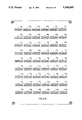
- FIG. 1A-1F are a representation of the DNA sequence of the human enteric adenovirus Type 41 Tak long fiber protein gene, and the corresponding amino acid sequence of Ad41 long fiber protein FIGS. 1A-1F are hereinafter referred to as FIG. 1.
- FIGS. 2A-2C are a representation of the DNA sequence of the human enteric adenovirus Type 41 Tak short fiber protein gene FIGS. 2A-2C are hereinafter referred to as FIG. 2.
- FIG. 3 is a representation of the amino acid sequence of Ad41 short fiber protein.
- FIGS. 4A-4G are a representation of the DNA sequence of the human enteric adenovirus Type 41 Tak E3 gene FIGS. 4A-4G are hereinafter referred to as FIG. 4.
- FIG. 5 is a representation of the amino acid sequence of Ad41 RL-1, protein.
- FIG. 6 is a representation of the amino acid sequence of Ad41 RL-2 protein.
- FIG. 7 is a representation of the amino acid sequence of Ad41 RL-3 protein.
- FIG. 8 is a representation of the amino acid sequence of Ad41 RL-4 protein.
- FIG. 9 is a representation of the amino acid sequence of Ad41 RL-5 protein.
- FIG. 10 is a representation of the amino acid sequence of Ad41 RL-6 protein.
- FIG. 11 is a representation of a map of the protein coding regions in the E3 region and fiber (short and long) area of the human enteric adenovirus type 41 Tak.
- the E3 region is represented by proteins RL-1 to RL-6.
- the map position of the fragment shown is 74% to 92%.
- the present invention contemplates identification, isolation and utilization of structural components of Type F Adenoviruses.
- the present invention relates to the human adenovirus Type 41 Tak (Ad41) long fiber protein gene, short fiber protein gene, and the entire E3 gene, and diagnostic assays, monoclonal and polyclonal antibodies, DNA probes, and vaccines prepared relative thereto.
- This invention provides the advantage of a previously unavailable source of virus particles and parts thereof, and antigenic determinants and parts thereof, being highly desirable for its medical and experimental utility.
- the Ad41 long fiber protein gene, the Ad41 short fiber protein gene and the Ad41 E3 gene have been obtained by DNA sequencing of selected clones from an Ad41 library using standard techniques.
- Ad41 fiber protein gene coding for a 60.6 kd Ad41 fiber protein henceforth this will be referred to in the Specification and Claims, as "Ad41 long fiber protein” and "Ad41 long fiber protein gene”.
- this Ad41 long fiber protein gene found in the 1.9 Kb SmaI-EcoRI DNA fragment (map position 86.4% to 92%) of the human enteric Ad41 strain Tak was cloned in pBluescript II and sequenced directly using custom oligonucleotide primers.
- the gene coding for the Ad41 long fiber protein was identified using the sequence of Ad5 fiber protein gene as a reference. The procedure is outlined in more detail in the Examples.
- the fiber protein gene has three structural domains, the tail, the shaft and the knob, (i.e., NH 2 [N-terminus]--tail, shaft, knob--COOH [C-terminus]).
- the "knob” which is responsible for the interaction of the virus with the cellular receptors displayed the lowest homology with other human adenoviruses such as Ad2, Ad3, Ad5, and Ad7 at the DNA or protein level.
- a 650 bp Hind III/Eco RI DNA fragment coding for the "knob" domain is subcloned on pUC18 vector and used in standard Southern hybridization with DNAs of representative serotypes of the Adenovirus subgroups, A, B, C, D, E, and F. Only human enteric adenoviruses Ad40 and Ad41 of Type F can be detected.
- Ad41 long fiber protein shows a high degree of homology with Ad40 fiber protein, except for the shaft region.
- the Ad41 long fiber protein gene shaft contains 22 typical amino acid repeats, whereas Ad40 has only 21 such repeats. (This refers to the fact that all fiber protein genes sequenced to date have shown a characteristic 15-residue motif, which is repeated 6 to 12 times and detection of this motif has aided rapid recognition of the sequence.)
- the sequences flanking the Ad41 long fiber protein gene found in FIG. 1 contain various regulatory signals.
- Ad41 short fiber protein gene and “Ad41 short fiber protein”.
- Ad41 short fiber protein shows a high degree of homology both to Ad41 (74%) and Ad2 (61%) 60.6 kd long fiber protein tail domains.
- amino acids 43 to 233 of the short fiber protein form a typical shaft domain of twelve 15-residue repetitive motifs which is in contrast to 22 such repeats found for Ad2, Ad5, and the long fiber protein of Ad41 or 6 repeats found for Ad3 and Ad7.
- the knob domain (amino acids 234 to 387) is about 15% shorter than found for the above mentioned viruses. If this gene is expressed, Ad41 would resemble avian adenoviruses which were found to have two fibers of different length protruding from their pentons.
- the sequence presented in FIG. 2 is from the EcoRV site at map position 83.1% to the AccI site at map position 87.1%. This region was cloned and sequenced in a manner similar to that described above.
- the structure of the short fiber shows the same structural elements as described for other fiber genes (but not the identical sequence), namely:
- the short fiber "knob” of Ad41 is 465 bases long (from base at position 856 to base at position 1320). On the protein level, it has 154 amino acids (from Trp [Tryptophane] to Gln [Glutamine]).
- the TAA sequence ending the short fiber protein gene (bases 1318-1320) is a part of the gene, but is not translated into an amino acid; it is a termination codon.
- the knob region of the Ad41 short fiber protein is very different from the knob region of the long fiber protein as well as from knob regions of fiber proteins of other adenoviruses.
- This enteric adenovirus (Ad41) is understood to use two different receptors on the surface of a cell for binding and/or penetration. It is also understood that two different fibers with distinct "knobs" permit the Ad41 virus to infect at least two different types of cells in the gastrointestinal tract. Therefore the present invention also relates to diagnostic immunoassays and effective vaccines which utilize the different Ad41 fiber proteins as discussed in further detail below.
- the present invention also contemplates another critical sequence, the DNA sequence of the Ad41 E3 region as shown in FIG. 3. This will be referred to in the Specification and Claims as the Ad41 E3 gene.
- the amino acid sequences of six putative proteins encoded by this region are described herein, and referred to in the Specification and Claims as RL-1, RL-2, RL-3, RL-4, RL-5 and RL-6 as set forth in further detail below.
- the Ad41 E3 region DNA sequence has 3373 bases, including the flanking regions.
- the sequence disclosed herein is from the EcoRI restriction site at map position 74% to the EspI restriction site at map position 83.9%.
- the Ad41 E3 region codes for some unique, previously unrevealed proteins.
- the Ad41 E3 region contains information sufficient to code for at least 6 proteins; in the following order (from the left, or 5' end):
- RL-1 The region from base 683 to base 1204 codes for a 19.4 kd protein, referred to herein as RL-1. This protein has 173 amino acid residues. It is unique for Ad41.
- RL-4 The region from base 2056 to base 2328 codes for a 10.1 kd protein, referred to herein as RL-4.
- This protein has 90 amino acid residues and shows 40% homology to an Ad2 10.4 kd protein. It was postulated by Carlin, et al., Cell, 57:135-144 (1989) that the same protein in Ad2 induces internalization and degradation of the epidermal growth factor receptors (EGF-R).
- EGF-R epidermal growth factor receptors
- RL-5 The region from base 2325 to base 2648 codes for a 12.3 kd protein, referred to herein as RL-5.
- This protein has 107 amino acid residues and shows 35% homology to an Ad2 14.5 kd protein; the function of the Ad2 protein is unknown.
- RL-6 14.0 kd protein
- This protein has 122 amino acid residues and shows 50% homology to an Ad2 14.7 kd protein which was found by Gooding, et al., Cell, 53:341-346 (1988) to inhibit cytolysis by the tumor necrosis factor (TNF).
- TNF tumor necrosis factor
- the present invention contemplates the use of the Ad41 long and short fiber protein genes, and the Ad41 E3 region gene, via production of their gene products, to prepare antibodies. Such antibodies may be monoclonal or polyclonal. Additionally, it is within the scope of this invention to include second antibodies (monoclonal or polyclonal) directed to the first antibodies discussed above.
- the present invention relates to a method for stimulating an immune response to human adenovirus type 41 Tak which consists of administering an effective amount of at least one of Ad41 long fiber protein, Ad41 short fiber protein, and Ad41 E3 proteins RL-1, RL-2, RL-3, RL-4, RL-5 and RL-6, under conditions as described below, sufficient to cause the production of polyclonal or monoclonal antibodies to at least one of said Ad41 proteins, wherein the dosage effective amount of said Ad41 proteins can be from about 0.001 mg to 100 mg.
- Ad41 long fiber protein, Ad41 short fiber protein or Ad41 E3 proteins are first purified, and methods of antibody production are described below.
- Both polyclonal and monoclonal antibodies are obtainable by immunization with at least one of the above-identified proteins or their active components (which, in the case of the fiber proteins, can be the tail, shaft or knob).
- the methods of obtaining both types of antibodies are well known in the art; e.g., extensive protocols for antibody production can be found in Harlow, et al., Antibodies: A Laboratory Manual, Cold Spring Harbor, N.Y., 1988.
- Polyclonal antibodies are less preferred, but are relatively easily prepared by injection of a suitable laboratory animal with, for example, 0.001 to 100 mg of the purified viral antigenic component, collecting serum from the animal, and isolating specific sera by any of the known immunoadsorbent techniques. Although antibodies produced by this method are utilizable in virtually any type of immunoassay, they are generally less favored because of the potential heterogeneity of the product.
- monoclonal antibodies are contemplated for detection and diagnosis of Ad41 and related adenoviruses.
- the production of monoclonal antibodies relative to the present invention is particularly preferred because of the ability to produce monoclonal antibodies in large quantities and the homogeneity of the final product.
- the preparation of hybridoma cell lines for monoclonal antibody production derived by fusing an immortal cell line and lymphocytes sensitized against the immunogenic preparation can be done by techniques which are well known to those who are skilled in the art. (See, e.g., Kohler, G. and Milstein, C., Nature 256: 495-497, 1975; European Journal of Immunology, 6:511-519, 1976; the teachings of which are herein incorporated by reference).
- the choice of animal is dependent on the availability of appropriate immortal lines capable of fusing with lymphocytes thereof.
- Mouse and rat have been the animals of choice in hybridoma technology and are preferably used. Humans can also be utilized as sources for sensitized lymphocytes if appropriate immortalized human (or nonhuman) cell lines are available.
- the animal of choice may be injected with, for example, a preferred range from about 1 mg to about 20 mg of the purified virus or antigenic component thereof. (A range of 0.001 mg to 100 mg of purified viral component is also contemplated.)
- the injecting material is emulsified in Freund's complete adjuvant. Boosting injections may also be required.
- lymphocytes can be obtained by removing the spleen or lymph nodes of sensitized animals in a sterile fashion and carrying out fusion. Alternately, lymphocytes can be stimulated or immunized in vitro, as described, for example, in C.Reading, J. Immunol. Meth. 53: 261-291, 1982.
- a number of cell lines suitable for cell fusion have been developed, and the choice of any particular cell line for hybridization protocols in the production of monoclonal antibodies is directed by any one of a number of criteria such as speed, uniformity of growth characteristics, deficiency of its metabolism for a component of the growth medium, and potential for good fusion frequency.
- Intraspecies hybrids work better than interspecies fusions.
- Several cell lines are available, including mutants selected for the loss of ability to secrete myeloma immunoglubulin. Included among these are the following mouse myeloma lines: MPC 11 -X45-6TG, P3-NS1-1-Ag4-1, P3-X63-Ag8, or mutants thereof such as X63-Ag8.653, SP2-0-Ag14 (all BALB/C derived), Y3-'Ag1.2.3 (rat), and U266 (human).
- Cell fusion can be induced either by virus, such as Epstein-Barr on Sendai virus, or polyethylene glycol.
- Polyethylene glycol (PEG) is the most efficacious agent for the fusion of mammalian somatic cells. PEG itself may be toxic for cells, and various concentrations should be tested for effects on viability before attempting fusion.
- the molecular weight range of PEG may be varied from 1,000 to about 70% w/w in saline or serum-free medium. Exposure to PEG at 37° C. for about 30 seconds is preferred in the present case, utilizing murine cells. Extremes of temperature (i.e. about 45° C.) are avoided, and preincubation of each component of the fusion system at 37° C. prior to fusion gives optimum results.
- the ratio between lymphocytes and malignant cells range of from about 1:1 to about 1:10 gives good results.
- the successfully fused cells can be separated from the myeloma line by any technique known by the art.
- the most common and preferred method is to choose a malignant line which is Hypoxanthine Guanine Phosphoribosyl Transferase (HGPRT) deficient, which will not grow in an aminopterin-containing medium used to allow only growth of hybrids and which is generally composed of hypoxanthine 1 ⁇ 10 -4 M, aminopterin 1 ⁇ 10 5 M, and thymidine 3 ⁇ 10 -5 M, commonly known as the HAT medium.
- the fusion mixture can be grown in the HAT-containing culture medium immediately after the fusion 24 hours later.
- the feeding schedules usually entail maintenance in HAT medium for two weeks and then feeding with either regular culture medium or hypoxanthine, thymidine-containing medium.
- Hybridoma antibodies are identified by using an assay where the antigen is bound to a solid support and allowed to react to hybridoma supernatants containing putative antibodies. The presence of antibodies is shown by "sandwich" techniques using a variety of indicators, as discussed in further detail below. Most of the common methods are sufficiently sensitive for use in the range of antibody concentrations secreted during hybrid growth.
- Cloning of antibody-secreting hybrids can be carried out after 21-23 days of cell growth in selected medium. Cloning can be performed by cell limiting dilution in fluid phase or by directly selecting single cells growing in semi-solid agarose. For limiting dilution, cell suspensions are diluted serially to yield a statistical probability of having only one cell per well. For the agarose technique, hybrids are seeded in a semisolid upper layer, over a lower layer containing feeder cells. The colonies from the upper layer may be picked up and eventually transferred to wells.
- Antibody-secreting hybrids can be grown in various tissue culture flasks, yielding supernatants with variable concentrations of antibodies. In order to obtain higher concentrations, hybrids may be transferred into animals to obtain inflammatory ascites. Antibody-containing ascites can be harvested 8-12 days after intraperitoneal injection. The ascites contain a higher concentration of antibodies but include both monoclonals and immunoglobulins from the inflammatory ascites. Antibody purification may then be achieved by, for example, affinity chromatography.
- the present invention further contemplates the use of the above-described antibodies in a detection assay (immunoassay) for human enteric adenoviruses (Group F), particularly Ad41 and Ad40.
- a detection assay immunoassay for human enteric adenoviruses (Group F), particularly Ad41 and Ad40.
- an unlabeled antibody is immobilized in a solid substrate and the sample to be tested brought into contact with the bound molecule. After a suitable period of incubation, for a period of time sufficient to allow formation of an antibody-antigen binary complex, a second antibody, labeled with a reporter molecule capable of producing a detectable signal is then added and incubated, allowing time sufficient for the formation of a ternary complex of antibody-labeled antibody. Any unreacted material is washed away, and the presence of the antigen is determined by observation of the visible signal produced by the reporter molecule. The results may either be qualitative, by simple observation of the visible signal, or may be quantitated by comparing with a control sample containing known amounts of hapten.
- forward assay includes a simultaneous assay, in which both sample and labeled antibody are added simultaneously to the bound antibody, or a reverse assay in which the labeled antibody and sample to be tested are first combined, incubated and then added to the unlabeled surface bound antibody.
- serum assay is intended to encompass all variations on the basic two-site technique.
- these antibodies may be used to detect Ad41 by its long and/or short fiber proteins or any one of E3 proteins RL-1 to RL-6 or other antigenically related adenoviruses (i.e., Ad40) by use of specific antigenic determinants, or parts thereof (i.e., Ad41 fiber proteins, or the tails, shafts or knobs of said proteins) as immobilized immunoadsorbants.
- Serum is obtained from subjects to be tested and said serum contacted to the immobilized viral immunoadsorbants. If said serum contains antibodies to said immunoadsorbants, an antibody-adsorbant conjugate will result.
- a second antibody specific to a first antibody is added thus resulting in a double antibody-adsorbant conjugate.
- This double antibody-adsorbant conjugate will only result if the test serum contains antibodies to the immunoadsorbant. Consequently, standard detection techniques can be used to identify the conjugate.
- the competitive binding assay In another immunoassay, the competitive binding assay, a limiting amount of antibody specific for the molecule of interest (either an antigen or hapten) is combined with specific volumes of solutions containing an unknown amount of the molecule to be detected and a solution containing a detectably labeled known amount of the molecule to be detected or an analog thereof. Labeled and unlabeled molecules then compete for the available binding sites on the antibody. Phase separation of the free and antibody-bound molecules allows measurement of the amount of label present in each phase, thus indicating the amount of antigen or hapten in the sample being tested. A number of variations in this general competitive binding assay currently exist.
- one of the antibodies to the antigen will be typically bound to a solid phase and a second molecule, either the second antibody in a sandwich assay, or, in a competitive assay, the known amount of antigen, will bear a detectable label or reporter molecule in order to allow visual detection of an antibody-antigen reaction.
- a sandwich assay it is only necessary that one of the antibodies be specific for, e.g., Ad41 short or long fiber protein or its antigenic fragments (the tail, the shaft or the knob).
- Ad41 short or long fiber protein or its antigenic fragments the tail, the shaft or the knob.
- a first antibody having specificity for, e.g., Ad41 short or long fiber protein or its antigenic fragments is either covalently or passively bound to a solid surface.
- the solid surface is typically glass or a polymer, the most commonly used polymers being cellulose, polyacrylamide, nylon, polystyrene, polyvinyl chloride or polypropylene.
- the solid supports may be in the form of tubes, beads, discs or microplates, or any other surface suitable for conducting an immunoassay.
- the binding processes are well-known in the art and generally consist of cross-linking, covalently binding, or physically adsorbing the molecule to the insoluble carrier. Following binding, the polymer-antibody complex is washed in preparation for the test sample.
- an aliquot of the sample to be tested is then added to the solid phase complex and incubated at 25° C. for a period of time sufficient to allow binding of any subunit present in the antibody.
- the incubation period will vary, but will generally be in the range of about 2-40 minutes.
- the antibody subunit solid phase is washed and dried and incubated with a second antibody specific for a portion of the hapten.
- the second antibody is linked to a reporter molecule which is used to indicated the binding of the second antibody to the hapten.
- reporter molecule a molecule which, by its chemical nature, provides an analytically identifiable signal which allows the detection of antigen-bound antibody. Detection may be either qualitative or quantitative.
- reporter molecules in this type of assay are either enzymes, fluorophores or radionucleotide-containing molecules.
- an enzyme is conjugated to the second antibody, generally by means of glutaraldehyde or periodate.
- glutaraldehyde or periodate As will be readily recognized, however, a wide variety of different conjugation techniques exist, which are readily available to the skilled artisan. Commonly used enzymes include horseradish peroxidase, glucose oxidase, beta-galactosidase and alkaline phosphates, among others.
- the substrates to be used with the specific enzymes are generally chosen for the production, upon hydrolysis by the corresponding enzyme, of a detectable color change.
- p-nitrophenyl phosphate is suitable for use with alkaline phosphatase conjugates; and for peroxidase conjugates, 1,2-phenylenediamine, 5-aminosali-cyclic acid, or tolidine are commonly used. It is also possible to employ fluorogenic substrates, which yield a fluorescent product rather than the chromogenic substrates noted above.
- the enzyme-labeled antibody is added to the first antibody hapten complex, allowed to bind, and then excess reagent is washed away. A solution containing the appropriate substrate is then added to the ternary complex of antibody-antigen-antibody. The substrate will react with the enzyme linked to the second antibody, giving a qualitative visual signal, which may be further quantitated, usually spectrophotometrically, to give an indication of the amount of hapten which was present in the sample.
- fluorescent compounds such as fluorescein and rhodamine
- fluorescein and rhodamine may be chemically coupled to antibodies without altering their binding capacity.
- the fluorochrome-labeled antibody When activated by illumination with light of a particular wavelength, the fluorochrome-labeled antibody absorbs the light energy, inducing a state of excitability in the molecule, followed by emission of the light at a characteristic color visually detectable with a light microscope.
- the fluorescent labeled antibody is allowed to bind to the first antibody-hapten complex. After washing off the unbound reagent, the remaining ternary complex is then exposed to the light of the appropriate wavelength, the fluorescence observed indicates the presence of the hapten of interest.
- Immunofluorescence and EIA techniques are both very well established in the art and are particularly preferred for the present method.
- other report molecules such as radioisotope, chemiluminescent of bioluminescent molecules, may also be employed. It will be readily apparent to the skilled technician how to vary the procedure to suit the required purpose. It will also be apparent that the foregoing can be used to detect directly or indirectly (i.e., via antibodies) Type F adenoviruses.
- the present invention also contemplates the use of the Ad41 E3 proteins RL-1 to RL-6 and Ad41 short fiber protein knob and Ad41 long fiber protein knob in enzyme immunoassays for selective detection of human enteric adenoviruses and in particular Ad41 and Ad40 in the stool of patients with gastroenteritis.
- EIA can give a clear, rapid result in about 2 hours and can therefore be more convenient and efficient and less expensive than a DNA probe test.
- the present invention further contemplates an ELISA (enzyme-linked immunoabsorbent assay) test for the presence of antibodies to Ad41 long or short fiber protein or Ad41 E3 proteins RL-1 to RL-6 in serum or other specimens, such as saliva or the duodenal fluid from patients with gastroenteritis.
- ELISA enzyme-linked immunoabsorbent assay
- the Ad41 long or short fiber protein "knob" of the present invention can be used, for example, to coat microtiter plates.
- the present invention also contemplates the use of recombinant DNA molecules which contain at least one of the following genes: Ad41 long fiber protein gene, Ad41 short fiber protein gene, Ad41 E3 region gene encoding for proteins RL-1, RL-2, RL-3, RL-4, RL-5 or RL-6.
- the present invention contemplates using these recombinant DNA molecules in the development of diagnostic assays for Ad41.
- the present invention contemplates the use of recombinant DNA molecules or derivatives thereof as described above, to generate antibodies useful in diagnostic and therapeutic techniques.
- DNA is referred to as the genetic component of the virus (i.e., double-stranded DNA).
- Said DNA can be inserted in recombinant expression molecules such that, for example, the Ad41 long fiber protein gene encoded thereon is transcribed and the product can then be obtained.
- Such products can then be used as antigenic components to generate, for example, antibodies.
- the present invention contemplates the transformation of a host cell or organism with dsDNA of FIG. 1 (Ad41 long fiber protein gene) and/or FIG. 2 (Ad41 short fiber protein gene) and/or FIG.
- Ad41 E3 gene which is capable of producing Ad41 (long or short) fiber protein or Ad41 E3 (RL-1 to RL-6) proteins wherein the host cell or organism is a bacterium (e.g., E. coli), yeast, insect cell or a mammalian cell.
- bacterium e.g., E. coli
- yeast e.g., yeast
- insect cell e.g., insect cell or a mammalian cell.
- the present invention also relates to DNA described above which can be used to generate probe nucleic acids for hybridization to homologous Ad41 or Ad40 DNA sequences, utilizing at least one of the following Ad41 genes: Ad41 long fiber protein gene, Ad41 short fiber protein gene or Ad41 E3 gene encoding the RL-1 to RL-6 Ad41 proteins.
- Another aspect of this invention relates to a recombinant nucleic acid or an isolated nucleic acid molecule, said molecule defined herein to be dsDNA or recombinant DNA encoding Ad41 short fiber protein, Ad41 long fiber protein, or E3 proteins RL-1 to RL-6, or parts thereof.
- the recombinant nucleic acid molecule is complementary DNA (cDNA). It is considered within the scope of the present invention to include the cDNA molecule encoding the above-identified Ad41 proteins, or to regions or parts thereof including any base deletion, insertion or substitution or any other alteration with respect to nucleotide sequence or chemical composition (e.g. methylation and glycosylation).
- the present invention is directed to restriction fragments and synthetic fragments from a nucleic acid encoding the above-identified Ad41 proteins.
- another embodiment of the this invention is directed to the genomic Ad41 long fiber protein gene, Ad41 short fiber protein gene or E3 gene, which may include recombinant clones like cosmids encoding the entire gene or subclones encoding any region of the above-identified genes. Recombinant DNA encoding such subregions of the gene are useful as hybridization probes to detect the presence of the above-identified genes.
- the present invention provides a dsDNA or recombinant DNA or cDNA having a nucleotide sequence encoding the Ad41 long fiber protein gene, as shown in FIG. 1.
- This sequence encodes the 60.6 kd Ad41 long fiber protein having the amino acid sequence shown in FIG. 1.
- the present invention further provides a dsDNA or recombinant DNA or cDNA having a nucleotide sequence encoding the Ad41 short fiber as shown in FIG. 2, wherein this sequence encodes a 41.4 kd Ad41 short fiber protein having an amino acid sequence as shown in FIG. 3.
- the present invention additionally provides a dsDNA or recombinant DNA or cDNA having a nucleotide sequence which encodes for the E3 region of Ad41 as shown in FIG. 4 wherein this region encodes six E3 proteins, RL-1 to RL-6.
- the E3 DNA sequence from base 683 to base 1204, encodes RL-1, a 19.4 kd protein having an amino acid sequence as shown in FIG. 5.
- the E3 DNA sequence from base 1207 to base 2037 encodes RL-2, a 31.6 kd protein having an amino acid sequence as shown in FIG. 6.
- the E3 DNA sequence from base 1730 to base 1909 encodes RL-3, a 6.7 kd protein having an amino acid sequence as shown in FIG. 7.
- the E3 DNA sequence from base 2056 to base 2328 encodes RL-4, a 10.1 kd protein having an amino acid sequence as shown in FIG. 8.
- the E3 DNA sequence from base 2325 to base 2648 encodes RL-5, a 12.3 kd protein having an amino acid sequence as shown in FIG. 9.
- the E3 DNA sequence from base 2641 to base 3009 encodes RL-6, a 14.0 kd protein having an amino acid sequence as shown in FIG. 10.
- the present invention further contemplates the preparation and use of a vaccine composition for the treatment of human adenovirus type 41 and related adenoviruses, including Ad40.
- the preparation of said vaccine is accomplished by utilization of at least one of the following adenovirus type 41 proteins: Ad41 short fiber protein, Ad41 long fiber protein, and E3 proteins RL-1 through RL-6. This is done by genetic engineering of at least one of the above-identified proteins and expressing at least one of these proteins in suitable vector/host cell systems such as bacteria, yeast or any other suitable vector/host system.
- the vaccine of the present invention contemplates the use of cloned Ad41 long fiber protein "knob” or short fiber protein "knob” as an immunizing agent.
- Previously used vaccines have generally comprised (I) an attenuated live virus type of vaccine in which the virus has been rendered avirulent but not killed by some form of genetic attenuation; or (II) specific viral components isolated and purified from the virus and inactivated by formalin or some other chemical or physical treatment.
- the present invention contemplates conventional Type II vaccines, wherein the specific viral components isolated and purified from the virus and inactivated by formalin or other treatments are contemplated to be at least one of Ad41 short fiber protein, AD41 long fiber protein, E3 RL-1, RL-2, RL-3, RL-4, RL-5 or RL-6 protein.
- Ad41 long and short fiber protein "viral component” also contemplates at least one of the tail, shaft or knob of these proteins.
- the present invention also contemplates the preparation of recombinant Ad41 proteins for use in a vaccine against Ad41 and Ad40.
- the present invention is directed to a Type II vaccine which is a combination of inactivated Ad41 and at least one of recombinant long and short Ad41 protein fibers and Ad41 E3 proteins RL-1 to RL-6.
- vaccine an agent used to stimulate the immune system of a living organism so that protection against future harm is provided.
- Administration of a vaccine contemplated by the present invention to the patient (or animal) may be by any known or standard techniques. These include oral ingestion, intestinal intubation, or broncho-nasal spraying. Other methods of administration, such as intravenous injection, that allow the carrier microbe to reach the human or animal's bloodstream may be acceptable when the carrier microbe is unable to reproduce.
- a method for use herein consists of transferring the genetic material, or more usually part of the genetic material, of one organism into a second organism so that the transferred genetic material becomes a permanent part of (recombines with) the genetic material of the organisms to which it is transferred. This usually consists of first obtaining a small piece of DNA from the parent organism either from a plasmid or a parent chromosome.
- a plasmid also called an extrachromosomal element
- a hereditary unit that is physically separate from the chromosome of the cell.
- the DNA may be of any size and is often obtained by the action of a restriction endonuclease enzyme which acts to split DNA molecules at specific base-pair sites.
- an Ad41 long fiber protein gene can be obtained which is a 1.9 kb SmaI-EcoRI DNA fragment or an Ad41 short fiber protein gene which is an EcoRV-AccI DNA fragment or an Ad41 E3 sequence which is an EcoRI-EspI DNA fragment.
- the DNA pieces of the Ad41 protein gene may be transferred into a host cell by various means such as transformation (uptake of naked DNA from the external environment, which can be artificially induced by the presence of various chemical agents, such as calcium ions).
- transduction wherein the DNA is packaged within a phage such as the co-called cosmid vector.
- the parent DNA may continue to exist as a separate piece (generally true of complete transmitted plasmids) or it may insert into the host cell chromosome and be reproduced with the chromosome during cell division.
- Transferring genetic material is relatively straightforward. Any method capable of producing recombinant organisms comprising genes from pathogenic organisms that are expressed in avirulent microbes will suffice.
- the techniques of DNA isolation, gene cloning, and related techniques are disclosed in great detail in, for example, Recombinant DNA, Methods of Enzymology, Volume 68, Ray Wu, ed., Academic Press (1979), and Maniatis, T., et al., Molecular Cloning, Cold Spring Harbor Laboratories (1982), which are herein incorporated by reference and are applicable to the Ad41 protein gene of the present invention.
- Vaccines of the present invention may be administered either as a liquid or in enteric-coated capsules. Such preparations are resistant to acid and enzymes in the stomach of the inoculated animal while dissolving in the intestines.
- enteric-coatings are known in the art, for example, as disclosed in U.S. Pat. Nos. 3,241,520 and 3,253,944 and are commercially available.
- a method suitable for preparation of enteric-coated capsules is described in U.S. Pat. No. 4,152,415, which is herein incorporated by reference, and can be easily modified to provide capsules containing the carrier microbes of the present invention.
- Vaccines of the present invention may be administered orally in enteric-coated capsules as described above or may be administered parenterally (e.g., by intramuscular, subcutaneous, or intravenous injection).
- the amount required will vary with the antigenicity of the gene product and need only be an amount sufficient to induce an immune response typical of existing vaccines. Routine experimentation will easily establish the required amount.
- Typical initial dosages of vaccine could be about 0.001-100 mg antigen/kg body weight, with increasing amounts or multiple dosages used as needed to provide the desired level of protection.
- the pharmaceutical carrier in which the vaccine is suspended or dissolved may be any solvent or solid that is non-toxic to the inoculated animal and compatible with the carrier organism or antigenic gene product.
- suitable pharmaceutical carriers include liquid carriers, such as normal saline and other non-toxic salts at or near physiological concentrations, and solid carriers, such as talc or sucrose.
- Adjuvants such as Freund's adjuvant, complete or incomplete, may be added to enhance the antigenicity via the bronchial tubes, the vaccine is suitably present in the form of an aerosol.
- Booster immunizations may be repeated numerous times with beneficial results.
- the present invention contemplates a vaccine specific to Ad41 long fiber protein or at least one of its active fragments, e.g., the tail, the shaft or the knob of the long fiber protein, a vaccine specific to Ad41 short fiber protein or at least one of its active fragments, or a vaccine specific to at least one of the proteins of the Ad41 E3 region, RL-1 to RL-6.
- a number of viral polypeptide preparations derived from viral coats or envelopes have been suggested as possible active components for vaccine compositions.
- U.S. Pat. No. 4,470,967 describes vaccine preparations which are made by complexing viral polypeptide with a lectin, the latter element acting as adjuvant.
- a number of references, e.g., 4,344,935 or 4,356,169 or Morein, et al., J. Gen. Virol., 64: 1557-1569, 1983, utilize a method of preparation of parainfluenza glycoprotein compositions in which the viral glycoprotein HN and F are solubilized with a detergent, to extract them from the viral envelope, followed by some method of phase separation in order to remove the detergent and lipids.
- the latter procedures produce a glycoprotein subunit which is not only substantially detergent free, but also lipid free.
- the latter type of highly purified glycoprotein is considered the preferred type of active agent for potential use of commercial vaccine.
- the present invention relates to a method of treating infectious diseases caused by Ad41 and other related adenoviruses such as Ad40.
- the subject invention also encompasses antibodies, either monoclonal or polyclonal, which are useful in the therapeutic control of infection by adenoviruses and in particular, Ad41 or Ad40.
- Said antibodies can be prepared as described above and by injecting mammalian species, e.g., human, horse, rabbit, sheep, mice, etc. with inactivated virus or derivatives thereof (i.e., the tail, shaft or knob) and then purifying said antibodies employing the detection systems contemplated and described herein.
- the present invention relates to the development of specific human or other eukaryotic (e.g., yeast, baculovirus, or Chinese hamster cells) polyclonal or monoclonal antibodies, as well as human-mouse chimeric polyclonal or monoclonal antibodies for administration in passive immunization against human adenoviruses, and in particular, Ad41 and Ad40.
- Immunization refers to the process of inducing a continuing high antibody level in an organism i.e., in humans, which is directed against an antigen to which the organism has been previously exposed.
- Passive immunization refers to resistance (e.g., temporary or sustained protection against infection) based on giving preformed antibodies to a patient from an in vivo or in vitro source.
- the main advantage of passive immunization is the prompt availability of large amounts of antibodies against human adenoviruses as described in the above embodiment of the present invention.
- a chimeric antibody as defined herein, is an antibody molecule made by recombinant DNA technology involving immunoglobulin genes of two different species.
- the human-mouse chimeric antibody is produced by combining the Fab portion of the mouse immunoglobulin gene and the Fc portion of the human immunoglobulin gene by recombinant DNA techniques.
- the production of human-mouse chimeric antibodies is advantageous since large amounts of antibodies can be produced by this system and human-mouse chimeric antibodies can be recognized by cells of the human immune system whereas non-chimeric antibodies would not be recognized as easily by cells (e.g., phagocytic) of the human immune system.
- the chimeric antibodies can be produced in large amounts in the mouse system and can recognize human adenoviruses as contemplated in the present invention.
- Human-mouse immunoglobulins have also been found to make large amounts of antibodies in yeast and this system is also contemplated herein.
- the following references discuss the methodologies for producing such antibodies and are incorporated herein by reference: Morrison, et al., P.N.A.S., 81:6851 (1984); Horowitz, et al., P.N.A.S., 85:8678 (1988); and Tao, et al., J. Immunol., 143:2595 (1989).
- the present invention also provides a kit for production of recombinant viral components of at least one of the above-identified Ad41 genes, to produce a vaccine to Ad41 or related viruses such as Ad40.
- the present invention further contemplates the use of probes to detect, by hybridization, cellular DNA from infected tissue (e.g. biopsy material) carrying integrated structural Ad41 DNA (i.e., of the Ad41 long or short fiber protein gene or the Ad41 E3 gene).
- the probe can be DNA, cDNA, recombinant DNA or RNA.
- the present invention further contemplates a kit for detection of viral components of Ad41 or Ad40.
- patient specimens (tissue or tissue extracts) containing biopsy material are smeared onto a standard microscope slide, then fixed with an appropriate fixative.
- the DNA or RNA probe which has been labeled (e.g. with biotin-avidin-enzyme) is added.
- the slide is then placed onto a heating block for one or two minutes to allow both the probe and the target nucleic acids to be separated from their complementary strand (if double stranded).
- Non-hybridized probe DNA or RNA is removed by gentle washing.
- hybridization is detected with a light microscope following formation of a colored compound.
- the probe nucleic acid is labeled with a radioactive isotope and tissue to be tested lysed and their DNA fixed to, for example, nitrocellulose paper.
- Hybridization and DNA/RNA detection systems are well known in the art.
- the present invention also relates to a kit for the detection of Ad41 long and/or short fiber protein and its active fragments and fiber protein of related adenoviruses and/or Ad41 E3 region proteins, the kit being compartmentalized to receive a first container adapted to contain an antibody having specificity for Ad41 long and/or short fiber protein or fragments thereof or Ad41 E3 region proteins, and a second container containing an antibody specific for first antibody and being labeled with a reporter molecule capable of giving a detectable signal. If the reporter molecule is an enzyme, then a third container, containing a substrate for said enzyme is provided.
- the present invention contemplates pharmaceutical compositions containing at least one of the above-identified Ad41 proteins, or derivatives thereof, for treatment of Ad41 or related viruses such as Ad40.
- the dosage effective amount of such compounds is from about 10 mg to about 100 mg per kg body weight.
- the DNA sequence comprising the full-length 60.6 kD Ad41 (Tak) long fiber protein has been deposited with the European Molecular Biology Laboratory (EMBL) database and accorded the accession number X16583.
- the DNA sequence comprising the full-length 41.4 kd Ad41 short fiber protein has been deposited with the EMBL database and accorded the accession number X17016.
- the Ad41 E3 DNA sequence has been deposited with the GenBank database and accorded the accession number M33160.
- the proteins were removed by one extraction with saturated phenol and one by phenol/chloroform mixture (1:1 v/v) according to the method of Maniatis et al., Molecular Cloning: A Lab Manual, Cold Spring Harbor, N.Y. (1982). DNA was precipitated with 3 volumes of ethanol. Nucleic acid, prepared from one culture flask was suspended in 50 ⁇ l of TE buffer (10 mM Tris-HCl, 1 mM EDTA, pH 7.5) and stored at 4° C.
- Restriction enzyme EcoRI was purchased from BRL and is used according to manufacturer's specifications. Briefly, 3 ⁇ l of sample was digested at 37° C. with 5 units of enzyme in a final volume of 10 ⁇ l. Nucleic acid fragments were separated by electrophoresis on 1% agarose gels (BioRad) and the EcoRI band was identified by ethidium bromide staining. An agarose fragment containing this band was excised from the gel and the DNA was recovered using the GENECLEAN kit (Bio 101, La Jolla, Calif.).
- This isolated DNA fragment was mixed with EcoRI-digested plasmid pBluescript II SK(+) (Stratagene, La Jolla, Calif.) and treated with phage T4 DNA ligase (BRL).
- EcoRI-digested plasmid pBluescript II SK(+) (Stratagene, La Jolla, Calif.)
- phage T4 DNA ligase BTL
- competent cells of E. coli strain XL-1 Blue (Stratagene) were transformed with this ligation mixture and a clone containing Ad41 EcoRI band B was selected by estimating the size of the insert and restriction enzyme mapping.
- Ad41 long fiber gene was sequenced using a modified approach. Custom oligonucleotide primers were used in a double-stranded DNA sequencing protocol according to the Sequenase Version 2.0 manual (in the Sequenase kit from USB, Cleveland, Ohio). The complete sequence of the SmaI - EcoRI fragment (map position 86.4% to 92%), shown in FIG. 1, was assembled from fragment obtained by sequencing both strands including sequencing in the presence of dITP to resolve problems with compressions of the DNA.
- the protein coding regions of E3 DNA, short fiber DNA and long fiber DNA of human adenovirus type 41 Tak, are shown by the proteins RL-1 to RL-6, short fiber protein and long fiber protein as illustrated in the map of FIG. 11.
Landscapes
- Chemical & Material Sciences (AREA)
- Organic Chemistry (AREA)
- Health & Medical Sciences (AREA)
- Life Sciences & Earth Sciences (AREA)
- Biophysics (AREA)
- Biochemistry (AREA)
- Gastroenterology & Hepatology (AREA)
- General Health & Medical Sciences (AREA)
- Genetics & Genomics (AREA)
- Medicinal Chemistry (AREA)
- Molecular Biology (AREA)
- Proteomics, Peptides & Aminoacids (AREA)
- Virology (AREA)
- Peptides Or Proteins (AREA)
- Micro-Organisms Or Cultivation Processes Thereof (AREA)
Abstract
Description
Claims (40)
__________________________________________________________________________
GATATCAGTT
          GTTTGTCAAG
                    TTTTTCCAGC AGCACCACCT GCCCTTCCTC CCAACTTTCG
CTATAGTCAA
          CAAACAGTTC
                    AAAAAGGTCG TCGTGGTGGA CGGGAAGGAG GGTTGAAAGC
TAGGGGATGT
          GCCAACGGGC
                    AGCAAACTTT CTCCACGTCC TAAAGGGTAT ATCGGTGTTC
ATCCCCTACA
          CGGTTGCCCG
                    TCGTTTGAAA GAGGTGCAGG ATTTCCCATA TAGCCACAAG
ACCTTTTTAC
          CCTGACCCAC
                    GATCTTCATC TTGCAG
                                         ##STR4##
                                            AAA AGA ACC AGAATT
TGGAAAAATG
          GGACTGGGTG
                    CTAGAAGTAG AACGTC   TAC TTT TCT TGG TCTTAA
GAA GAC GAC TTC AAC CCC GTC TAC CCC TAT GAC ACC TTC TCA ACTCCC
CTT CTG CTG AAG TTG GGG CAG ATG GGG ATA CTG TGG AAG AGT TGAGGG
AGC ATC CCC TAT GTA GCT CCG CCC TTC GTT TCT TCT GAC GGG TTACAG
TCG TAG GGG ATA CAT CGA GGC GGG AAG CAA AGA AGA CTG CCC AATGTC
GAA AAA CCC CCA GGA GTT TTA GCA CTC AAG TAC ACT GAC CCC ATTACT
CTT TTT GGG GGT CCT CAA AAT CGT GAG TTC ATG TGA CTG GGG TAATGA
ACC AAT GCT AAG CAT GAG CTT ACT TTA AAA CTT GGA AGC AAC ATAACT
TGG TTA CGA TTC GTA CTC GAA TGA AAT TTT GAA CCT TCG TTG TATTGA
TTA GAA AAT GGG TTA CTT TCG GCC ACA GTT CCC ACT GTT TCT CCTCCC
AAT CTT TTA CCC AAT GAA AGC CGG TGT CAA GGG TGA CAA AGA GGAGGG
CTT ACA AAC AGT AAC AAC TCC CTG GGT TTA GCC ACA TCC GCT CCCATA
GAA TGT TTG TCA TTG TTG AGG GAC CCA AAT CGG TGT AGG CGA GGGTAT
GCT GTA TCA GCT AAC TCT CTC ACA TTG GCC ACC GCC GCA CCA CTGACA
CGA CAT AGT CGA TTG AGA GAG TGT AAC CGG TGG CGG CGT GGT GACTGT
GTA AGC AAC AAC CAG CTT AGT ATT AAC GCG GGC AGA GGT TTA GTTATA
CAT TCG TTG TTG GTC GAA TCA TAA TTG CGC CCG TCT CCA AAT CAATAT
ACT AAC AAT GCC TTA ACA GTT AAT CCT ACC GGA GCG CTA GGT TTCAAT
TGA TTG TTA CGG AAT TGT CAA TTA GGA TGG CCT CGC GAT CCA AAGTTA
AAC ACA GGA GCT TTA CAA TTA AAT GCT GCA GGA GGA ATG AGA GTGGAC
TTG TGT CCT CGA AAT GTT AAT TTA CGA CGT CCT CCT TAC TCT CACCTG
GGT GCC AAC TTA ATT CTT CAT GTA GCA TAT CCC TTT GAA GCA ATCAAC
CCA CGG TTG AAT TAA GAA GTA CAT CGT ATA GGG AAA CTT CGT TAGTTG
CAG CTA ACA CTG CGA TTA GAA AAC GGG TTA GAA GTA ACC AGC GGAGGA
GTC GAT TGT GAC GCT AAT CTT TTG CCC AAT CTT CAT TGG TCG CCTCCT
AAG CTT AAC GTT AAG TTG GGA TCA GGC CTC CAA TTT GAC AGT AACGGA
TTC GAA TTG CAA TTC AAC CCT AGT CCG GAG GTT AAA CTG TCA TTGCCT
CGC ATT GCT ATT AGT AAT AGC AAC CGA ACT CGA AGT GTA CCA TCCCTC
GCG TAA CGA TAA TCA TTA TCG TTG GCT TGA GCT TCA CAT GGT AGGGAG
ACT ACC ATT TGG TCT ATC TCG CCT ACG CCT AAC TGC TCC ATT TATGAA
TGA TGG TAA ACC AGA TAG AGC GGA TGC GGA TTG ACG AGG TAA ATACTT
ACC CAA GAT GCA AAC CTA TTT CTT TGT CTA ACT AAA AAC GGA GCTCAC
TGG GTT CTA CGT TTG GAT AAA GAA ACA GAT TGA TTT TTG CCT CGAGTG
GTA TTA GGT ACT ATA ACA ATC AAA GGT CTT AAA GGA GCA CTG CGGGAA
CAT AAT CCA TGA TAT TGT TAG TTT CCA GAA TTT CCT CGT GAC GCCCTT
ATG CAC GAT AAC GCT CTA TCT TTA AAA CTT CCC TTT GAC AAT CAGGGA
TAC GTG CTA TTG CGA GAT AGA AAT TTT GAA GGG AAA CTG TTA GTCCCT
AAT TTA CTT AAC TGT GCC TTG GAA TCA TCC ACC TGG CGT TAC CAGGAA
TTA AAT GAA TTG ACA CGG AAC CTT AGT AGG TGG ACC GCA ATG GTCCTT
ACC AAC GCA GTG GCC TCT AAT GCC TTA ACA TTT ATG CCC AAC AGTACA
TGG TTG CGT CAC CGG AGA TTA CGG AAT TGT AAA TAC GGG TTG TCATGT
GTG TAT CCA CGA AAC AAA ACC GCT CAC CCG GGC AAC ATG CTC ATCCAA
CAC ATA GGT GCT TTG TTT TGG CGA GTG GGC CCG TTG TAC GAG TAGGTT
ATC TCG CCT AAC ATC ACC TTC AGT GTC GTC TAC AAC GAG ATA AACAGT
TAG AGC GGA TTG TAG TGG AAG TCA CAG CAG ATG TTG CTC TAT TTGTCA
GGG TAT GCT TTT ACT TTT AAA TGG TCA GCC GAA CCG GGA AAA CCTTTT
CCC ATA CGA AAA TGA AAA TTT ACC AGT CGG CTT GGC CCT TTT GGAAAA
CAC CCA CCT ACC GCT GTA TTT TGC TAC ATA ACT GAA CAA
                                                     ##STR5##
GTG GGT GGA TGG CGA CAT AAA ACG ATG TAT TGA CTT GTT ATT
AATCATTGCA
          GGCACAATCT
                    TCGCATTTCT TTTTTTCCAG ATGAAACGAG CCAGACTTGA
TTAGTAACGT
          CCGTGTTAGA
                    AGCGTAAAGA AAAAAAGGTC TACTTTGCTC GGTCTGAACT
AGATGACTTC
          AACCCCGTCT
                    AC
TCTACTGAAG
          TTGGGGCAGA
                    TG
__________________________________________________________________________
__________________________________________________________________________
                                         ##STR6##
                                            AAA AGA ACC AGAATT
                                        TAC TTT TCT TGG TCTTAA
GAA GAC GAC TTC AAC CCC GTC TAC CCC TAT GAC ACC TTC TCA ACTCCC
CTT CTG CTG AAG TTG GGG CAG ATG GGG ATA CTG TGG AAG AGT TGAGGG
AGC ATC CCC TAT GTA GCT CCG CCC TTC GTT TCT TCT GAC GGG TTACAG
TCG TAG GGG ATA CAT CGA GGC GGG AAG CAA AGA AGA CTG CCC AATGTC
GAA AAA CCC CCA GGA GTT TTA GCA CTC AAG TAC ACT GAC CCC ATTACT
CTT TTT GGG GGT CCT CAA AAT CGT GAG TCC ATG TGA CTG GGG TAATGA
ACC AAT GCT AAG CAT GAG CTT ACT TTA AAA CTT GGA AGC AAC ATAACT
TGG TTA CGA TTC GTA CTC GAA TGA AAT TTT GAA CCT TCG TTG TAT TGA
TTA GAA AAT GGG TTA CTT TCG GCC ACA GTT CCC ACT GTT TCT CCTCCC
AAT CTT TTA CCC AAT GAA AGC CGG TGT CAA GGG TGA CAA AGA GGAGGG
CTT ACA AAC AGT AAC AAC TCC CTG GGT TTA GCC ACA TCC GCT CCCATA
GAA TGT TTG TCA TTG TTG AGG GAC CCA AAT CGG TGT AGG CGA GGGTAT
GCT GTA TCA GCT AAC TCT CTC ACA TTG GCC ACC GCC GCA CCA CTGACA
CGA CAT AGT CGA TTG AGA GAG TGT AAC CGG TGG CGG CGT GGT GACTGT
GTA AGC AAC AAC CAG CTT AGT ATT AAC GCG GGC AGA GGT TTA GTTATA
CAT TCG TTG TTG GTC GAA TCA TAA TTG CGC CCG TCT CCA AAT CAATAT
ACT AAC AAT GCC TTA ACA GTT AAT CCT ACC GGA GCG CTA GGT TTCAAT
TGA TTG TTA CGG AAT TGT CAA TTA GGA TGG CCT CGC GAT CCA AAGTTA
AAC ACA GGA GCT TTA CAA TTA AAT GCT GCA GGA GGA ATG AGA GTGGAC
TTG TGT CCT CGA AAT GTT AAT TTA CGA CGT CCT CCT TAC TCT CACCTG
GGT GCC AAC TTA ATT CTT CAT GTA GCA TAT CCC TTT GAA GCA ATCAAC
CCA CGG TTG AAT TAA GAA GTA CAT CGT ATA GGG AAA CTT CGT TAGTTG
CAG CTA ACA CTG CGA TTA GAA AAC GGG TTA GAA GTA ACC AGC GGAGGA
GTC GAT TGT GAC GCT AAT CTT TTG CCC AAT CTT CAT TGG TCG CCTCCT
AAG CTT AAC GTT AAG TTG GGA TCA GGC CTC CAA TTT GAC AGT AACGGA
TTC GAA TTG CAA TTC AAC CCT AGT CCG GAG GTT AAA CTG TCA TTGCCT
CGC ATT GCT ATT AGT AAT AGC AAC CGA ACT CGA AGT GTA CCA TCCCTC
GCG TAA CGA TAA TCA TTA TCG TTG GCT TGA GCT TCA CAT GGT AGGGAG
ACT ACC ATT TGG TCT ATC TCG CCT ACG CCT AAC TGC TCC ATT TATGAA
TGA TGG TAA ACC AGA TAG AGC GGA TGC GGA TTG ACG AGG TAA ATACTT
ACC CAA GAT GCA AAC CTA TTT CTT TGT CTA ACT AAA AAC GGA GCTCAC
TGG GTT CTA CGT TTG GAT AAA GAA ACA GAT TGA TTT TTG CCT CGAGTG
GTA TTA GGT ACT ATA ACA ATC AAA GGT CTT AAA GGA GCA CTG CGGGAA
CAT AAT CCA TGA TAT TGT TAG TTT CCA GAA TTT CCT CGT GAC GCCCTT
ATG CAC GAT AAC GCT CTA TCT TTA AAA CTT CCC TTT GAC AAT CAGGGA
TAC GTG CTA TTG CGA GAT AGA AAT TTT GAA GGG AAA CTG TTA GTCCCT
AAT TTA CTT AAC TGT GCC TTG GAA TCA TCC ACC TGG CGT TAC CAGGAA
TTA AAT GAA TTG ACA CGG AAC CTT AGT AGG TGG ACC GCA ATG GTCCTT
ACC AAC GCA GTG GCC TCT AAT GCC TTA ACA TTT ATG CCC AAC AGTACA
TGG TTG CGT CAC CGG AGA TTA CGG AAT TGT AAA TAC GGG TTG TCATGT
GTG TAT CCA CGA AAC AAA ACC GCT CAC CCG GGC AAC ATG CTC ATCCAA
CAC ATA GGT GCT TTG TTT TGG CGA GTG GGC CCG TTG TAC GAG TAGGTT
ATC TCG CCT AAC ATC ACC TTC AGT GTC GTC TAC AAC GAG ATA AACAGT
TAG AGC GGA TTG TAG TGG AAG TCA CAG CAG ATG TTG CTC TAT TTGTCA
GGG TAT GCT TTT ACT TTT AAA TGG TCA GCC GAA CCG GGA AAA CCTTTT
CCC ATA CGA AAA TGA AAA TTT ACC AGT CGG CTT GGC CCT TTT GGAAAA
CAC CCA CCT ACC GCT GTA TTT TGC TAC ATA ACT GAA CAA
                                                     ##STR7##
GTG GGT GGA TGG CGA CAT AAA ACG ATG TAT TGA CTT GTT ATT
__________________________________________________________________________
Priority Applications (1)
| Application Number | Priority Date | Filing Date | Title |
|---|---|---|---|
| US07/507,421 US5106965A (en) | 1989-11-27 | 1990-04-09 | Detection of human adenovirus |
Applications Claiming Priority (2)
| Application Number | Priority Date | Filing Date | Title |
|---|---|---|---|
| US44202789A | 1989-11-27 | 1989-11-27 | |
| US07/507,421 US5106965A (en) | 1989-11-27 | 1990-04-09 | Detection of human adenovirus |
Related Parent Applications (1)
| Application Number | Title | Priority Date | Filing Date |
|---|---|---|---|
| US44202789A Continuation-In-Part | 1989-11-27 | 1989-11-27 |
Publications (1)
| Publication Number | Publication Date |
|---|---|
| US5106965A true US5106965A (en) | 1992-04-21 |
Family
ID=27033034
Family Applications (1)
| Application Number | Title | Priority Date | Filing Date |
|---|---|---|---|
| US07/507,421 Expired - Lifetime US5106965A (en) | 1989-11-27 | 1990-04-09 | Detection of human adenovirus |
Country Status (1)
| Country | Link |
|---|---|
| US (1) | US5106965A (en) |
Cited By (5)
| Publication number | Priority date | Publication date | Assignee | Title |
|---|---|---|---|---|
| US6312699B1 (en) * | 1994-03-28 | 2001-11-06 | Uab Research Foundation | Ligands added to adenovirus fiber |
| US20050013816A1 (en) * | 1994-12-15 | 2005-01-20 | Yeda Research And Development Co. Ltd. | Modulators of the function of FAS/AP01 receptors |
| CN109295002A (en) * | 2018-07-13 | 2019-02-01 | 广州医科大学附属第医院 | Hybridoma cell, monoclonal antibody and preparation method and application thereof |
| CN113527441A (en) * | 2021-06-29 | 2021-10-22 | 广州医科大学附属第一医院(广州呼吸中心) | Adenovirus antigen polypeptide and its application |
| CN120484109A (en) * | 2025-07-15 | 2025-08-15 | 中国人民解放军军事科学院军事医学研究院 | Neutralizing nanobody AUR39 of anti-human adenovirus 4 Hexon protein and application thereof |
Citations (2)
| Publication number | Priority date | Publication date | Assignee | Title |
|---|---|---|---|---|
| US4882282A (en) * | 1985-08-16 | 1989-11-21 | Immunex Corporation | DNA sequences encoding bovine interleukin-2 |
| US4968607A (en) * | 1987-11-25 | 1990-11-06 | Immunex Corporation | Interleukin-1 receptors |
-
1990
- 1990-04-09 US US07/507,421 patent/US5106965A/en not_active Expired - Lifetime
Patent Citations (2)
| Publication number | Priority date | Publication date | Assignee | Title |
|---|---|---|---|---|
| US4882282A (en) * | 1985-08-16 | 1989-11-21 | Immunex Corporation | DNA sequences encoding bovine interleukin-2 |
| US4968607A (en) * | 1987-11-25 | 1990-11-06 | Immunex Corporation | Interleukin-1 receptors |
Cited By (6)
| Publication number | Priority date | Publication date | Assignee | Title |
|---|---|---|---|---|
| US6312699B1 (en) * | 1994-03-28 | 2001-11-06 | Uab Research Foundation | Ligands added to adenovirus fiber |
| US20050013816A1 (en) * | 1994-12-15 | 2005-01-20 | Yeda Research And Development Co. Ltd. | Modulators of the function of FAS/AP01 receptors |
| CN109295002A (en) * | 2018-07-13 | 2019-02-01 | 广州医科大学附属第医院 | Hybridoma cell, monoclonal antibody and preparation method and application thereof |
| CN109295002B (en) * | 2018-07-13 | 2021-11-19 | 广州医科大学附属第一医院 | Hybridoma cell, monoclonal antibody, preparation method and application thereof |
| CN113527441A (en) * | 2021-06-29 | 2021-10-22 | 广州医科大学附属第一医院(广州呼吸中心) | Adenovirus antigen polypeptide and its application |
| CN120484109A (en) * | 2025-07-15 | 2025-08-15 | 中国人民解放军军事科学院军事医学研究院 | Neutralizing nanobody AUR39 of anti-human adenovirus 4 Hexon protein and application thereof |
Similar Documents
| Publication | Publication Date | Title |
|---|---|---|
| JP3220752B2 (en) | Diagnosis of metastatic cancer by MTS-1 gene | |
| EP0281673B1 (en) | Plasmid for production of membrane protein, bacterium containing same, monoclonal antibody therefore, and method for the identification of haemophilus influenzae | |
| US4751181A (en) | Methods and compositions useful in the diagnosis and treatment of autoimmune diseases | |
| RU1787165C (en) | Method of antigenic preparation from fimbria showing adhesive properties | |
| CA1341439C (en) | Feline t-lymphotropic lentivirus | |
| JP2903129B2 (en) | Diagnostic means for feline infectious peritonitis virus | |
| US5565319A (en) | Assay and apparatus for detecting feline immunodeficiency virus | |
| JP2846116B2 (en) | Avian anemia virus (CAV) recombinant nucleic acid, CAV diagnostic kit containing the same, prokaryotic or eukaryotic cell, and method for producing double-stranded CAV DNA | |
| JPH07501210A (en) | Methods and compositions for useful antigens of Moraxella catarrhalis | |
| KR100204438B1 (en) | Chicken anemia virus vaccine and diagnostic reagent | |
| JPH02450A (en) | Production method of antigenic protein | |
| HU212716B (en) | Method for the preparation of vaccine against lyme disease | |
| US5283191A (en) | Mareks' disease virus vaccine | |
| JP3527733B2 (en) | Diagnosis of metastatic cancer by MTS-1 gene | |
| US4818694A (en) | Production of herpes simplex viral protein | |
| EP0316170A2 (en) | Method for the identification of antigens expressed in vivo, diagnostic assays therefor and vaccines containing them | |
| EP0833903A1 (en) | Multivalent bovine coronavirus vaccine and method of treating bovine coronavirus infection | |
| EP0513921B1 (en) | Recombinant vaccine against Marek's disease | |
| JPS61185183A (en) | Hybrid cell system for producing cell lytic monoclonal antibody to vagina trichomonas | |
| JP2003517040A (en) | Rickettsiapulicis bacteria and serologic diagnostic methods | |
| JP3990445B2 (en) | Baricella Zoster virus antigen | |
| US6514697B1 (en) | Methods for detection of Crytosporidium species and isolates and for diagnosis of Cryptosporidium infections | |
| WO1991008310A1 (en) | Detection of human adenovirus | |
| WO1998014585A1 (en) | Nucleocapsid gene of seoul virus r22, recombinant plasmid, transformed e. coli and diagnostic agent and vaccine for haemorrhagic fever with renal syndrome | |
| KR101080071B1 (en) | Rift valley fever competition ELISA using monoclonal antibodies against recombinant N protein |
Legal Events
| Date | Code | Title | Description |
|---|---|---|---|
| AS | Assignment |
Owner name: RESEARCH CORPORATION TECHNOLOGIES, INC., ARIZONA Free format text: ASSIGNMENT OF ASSIGNORS INTEREST.;ASSIGNOR:VELARDE, JORGE JR.;REEL/FRAME:005931/0236 Effective date: 19911122 Owner name: RESEARCH CORPORATION TECHNOLOGIES, INC., ARIZONA Free format text: ASSIGNMENT OF ASSIGNORS INTEREST.;ASSIGNOR:LUFTIG, RONALD B.;REEL/FRAME:005931/0232 Effective date: 19911122 Owner name: RESEARCH CORPORATION TECHNOLOGIES, INC., A CORP. O Free format text: ASSIGNMENT OF ASSIGNORS INTEREST.;ASSIGNORS:PIENIAZEK NORMAN J.;SLEMENDA SUSAN B.;PIENIAZEK DANUTA;REEL/FRAME:005931/0335 Effective date: 19911122 |
|
| CC | Certificate of correction | ||
| FEPP | Fee payment procedure |
Free format text: PETITION RELATED TO MAINTENANCE FEES FILED (ORIGINAL EVENT CODE: PMFP); ENTITY STATUS OF PATENT OWNER: LARGE ENTITY |
|
| FEPP | Fee payment procedure |
Free format text: PETITION RELATED TO MAINTENANCE FEES GRANTED (ORIGINAL EVENT CODE: PMFG); ENTITY STATUS OF PATENT OWNER: LARGE ENTITY |
|
| REMI | Maintenance fee reminder mailed | ||
| REIN | Reinstatement after maintenance fee payment confirmed | ||
| FP | Lapsed due to failure to pay maintenance fee |
Effective date: 19960424 |
|
| SULP | Surcharge for late payment | ||
| STCF | Information on status: patent grant |
Free format text: PATENTED CASE |
|
| PRDP | Patent reinstated due to the acceptance of a late maintenance fee |
Effective date: 19961129 |