US4939093A - Human IL-2 like polypeptides, DNA sequences and recombinant DNA molecules therefore and methods for the production and use thereof - Google Patents
Human IL-2 like polypeptides, DNA sequences and recombinant DNA molecules therefore and methods for the production and use thereof Download PDFInfo
- Publication number
- US4939093A US4939093A US07/236,296 US23629688A US4939093A US 4939093 A US4939093 A US 4939093A US 23629688 A US23629688 A US 23629688A US 4939093 A US4939093 A US 4939093A
- Authority
- US
- United States
- Prior art keywords
- mrna
- dna
- clone
- recombinant dna
- hybridization
- Prior art date
- Legal status (The legal status is an assumption and is not a legal conclusion. Google has not performed a legal analysis and makes no representation as to the accuracy of the status listed.)
- Expired - Lifetime
Links
- 238000000034 method Methods 0.000 title claims abstract description 27
- 108020004511 Recombinant DNA Proteins 0.000 title claims abstract description 15
- 108091028043 Nucleic acid sequence Proteins 0.000 title abstract description 17
- 101001002657 Homo sapiens Interleukin-2 Proteins 0.000 title abstract description 11
- 229920001184 polypeptide Polymers 0.000 title abstract description 7
- 102000004196 processed proteins & peptides Human genes 0.000 title abstract description 7
- 108090000765 processed proteins & peptides Proteins 0.000 title abstract description 7
- 238000004519 manufacturing process Methods 0.000 title abstract description 6
- 108010002350 Interleukin-2 Proteins 0.000 claims abstract description 81
- 102000000588 Interleukin-2 Human genes 0.000 claims description 79
- 108020004414 DNA Proteins 0.000 claims description 62
- 108020004999 messenger RNA Proteins 0.000 claims description 59
- 210000004027 cell Anatomy 0.000 claims description 34
- FAPWRFPIFSIZLT-UHFFFAOYSA-M Sodium chloride Chemical compound [Na+].[Cl-] FAPWRFPIFSIZLT-UHFFFAOYSA-M 0.000 claims description 33
- 108090000623 proteins and genes Proteins 0.000 claims description 31
- 210000000287 oocyte Anatomy 0.000 claims description 30
- 238000009396 hybridization Methods 0.000 claims description 25
- 230000000694 effects Effects 0.000 claims description 20
- 239000011780 sodium chloride Substances 0.000 claims description 17
- ZHNUHDYFZUAESO-UHFFFAOYSA-N Formamide Chemical compound NC=O ZHNUHDYFZUAESO-UHFFFAOYSA-N 0.000 claims description 16
- 239000000872 buffer Substances 0.000 claims description 15
- 238000002360 preparation method Methods 0.000 claims description 12
- 102000004169 proteins and genes Human genes 0.000 claims description 11
- 241000269368 Xenopus laevis Species 0.000 claims description 10
- 238000013519 translation Methods 0.000 claims description 10
- 230000001580 bacterial effect Effects 0.000 claims description 8
- 230000008569 process Effects 0.000 claims description 4
- 210000005260 human cell Anatomy 0.000 claims 2
- 101150108015 STR6 gene Proteins 0.000 claims 1
- 101100386054 Saccharomyces cerevisiae (strain ATCC 204508 / S288c) CYS3 gene Proteins 0.000 claims 1
- 101150035983 str1 gene Proteins 0.000 claims 1
- 239000000203 mixture Substances 0.000 abstract description 8
- 230000001225 therapeutic effect Effects 0.000 abstract description 8
- 239000013598 vector Substances 0.000 abstract description 6
- 238000009472 formulation Methods 0.000 abstract description 2
- LFQSCWFLJHTTHZ-UHFFFAOYSA-N Ethanol Chemical compound CCO LFQSCWFLJHTTHZ-UHFFFAOYSA-N 0.000 description 56
- 239000002299 complementary DNA Substances 0.000 description 44
- 238000010804 cDNA synthesis Methods 0.000 description 43
- 108020004635 Complementary DNA Proteins 0.000 description 41
- 239000012634 fragment Substances 0.000 description 36
- 210000000265 leukocyte Anatomy 0.000 description 25
- 239000013612 plasmid Substances 0.000 description 22
- 229920002477 rna polymer Polymers 0.000 description 22
- 239000000523 sample Substances 0.000 description 22
- 241000588724 Escherichia coli Species 0.000 description 19
- 238000003556 assay Methods 0.000 description 16
- 102000004190 Enzymes Human genes 0.000 description 15
- 108090000790 Enzymes Proteins 0.000 description 15
- KCXVZYZYPLLWCC-UHFFFAOYSA-N EDTA Chemical compound OC(=O)CN(CC(O)=O)CCN(CC(O)=O)CC(O)=O KCXVZYZYPLLWCC-UHFFFAOYSA-N 0.000 description 13
- 210000001744 T-lymphocyte Anatomy 0.000 description 13
- 108091008146 restriction endonucleases Proteins 0.000 description 11
- 238000002105 Southern blotting Methods 0.000 description 10
- 239000000499 gel Substances 0.000 description 10
- HEMHJVSKTPXQMS-UHFFFAOYSA-M Sodium hydroxide Chemical compound [OH-].[Na+] HEMHJVSKTPXQMS-UHFFFAOYSA-M 0.000 description 9
- 108010062580 Concanavalin A Proteins 0.000 description 8
- 108091081024 Start codon Proteins 0.000 description 8
- 239000011543 agarose gel Substances 0.000 description 8
- 238000005119 centrifugation Methods 0.000 description 8
- 238000010586 diagram Methods 0.000 description 8
- 239000002609 medium Substances 0.000 description 8
- 239000000047 product Substances 0.000 description 8
- 239000000243 solution Substances 0.000 description 8
- 239000007983 Tris buffer Substances 0.000 description 7
- 150000001413 amino acids Chemical class 0.000 description 7
- 230000014509 gene expression Effects 0.000 description 7
- 239000000411 inducer Substances 0.000 description 7
- LENZDBCJOHFCAS-UHFFFAOYSA-N tris Chemical compound OCC(N)(CO)CO LENZDBCJOHFCAS-UHFFFAOYSA-N 0.000 description 7
- 108020004705 Codon Proteins 0.000 description 6
- 206010028980 Neoplasm Diseases 0.000 description 6
- 230000004071 biological effect Effects 0.000 description 6
- RGWHQCVHVJXOKC-SHYZEUOFSA-J dCTP(4-) Chemical compound O=C1N=C(N)C=CN1[C@@H]1O[C@H](COP([O-])(=O)OP([O-])(=O)OP([O-])([O-])=O)[C@@H](O)C1 RGWHQCVHVJXOKC-SHYZEUOFSA-J 0.000 description 6
- 238000005194 fractionation Methods 0.000 description 6
- 239000003226 mitogen Substances 0.000 description 6
- PHEDXBVPIONUQT-RGYGYFBISA-N phorbol 13-acetate 12-myristate Chemical compound C([C@]1(O)C(=O)C(C)=C[C@H]1[C@@]1(O)[C@H](C)[C@H]2OC(=O)CCCCCCCCCCCCC)C(CO)=C[C@H]1[C@H]1[C@]2(OC(C)=O)C1(C)C PHEDXBVPIONUQT-RGYGYFBISA-N 0.000 description 6
- 239000006228 supernatant Substances 0.000 description 6
- DGVVWUTYPXICAM-UHFFFAOYSA-N β‐Mercaptoethanol Chemical compound OCCS DGVVWUTYPXICAM-UHFFFAOYSA-N 0.000 description 6
- 108010014303 DNA-directed DNA polymerase Proteins 0.000 description 5
- 102000016928 DNA-directed DNA polymerase Human genes 0.000 description 5
- 102100034343 Integrase Human genes 0.000 description 5
- 241001465754 Metazoa Species 0.000 description 5
- 239000000020 Nitrocellulose Substances 0.000 description 5
- 108010092799 RNA-directed DNA polymerase Proteins 0.000 description 5
- 238000006243 chemical reaction Methods 0.000 description 5
- YTRQFSDWAXHJCC-UHFFFAOYSA-N chloroform;phenol Chemical compound ClC(Cl)Cl.OC1=CC=CC=C1 YTRQFSDWAXHJCC-UHFFFAOYSA-N 0.000 description 5
- 230000006698 induction Effects 0.000 description 5
- 238000010369 molecular cloning Methods 0.000 description 5
- 229920001220 nitrocellulos Polymers 0.000 description 5
- 239000002773 nucleotide Substances 0.000 description 5
- 125000003729 nucleotide group Chemical group 0.000 description 5
- HEDRZPFGACZZDS-UHFFFAOYSA-N CHCl3 Substances ClC(Cl)Cl HEDRZPFGACZZDS-UHFFFAOYSA-N 0.000 description 4
- 108091092195 Intron Proteins 0.000 description 4
- JJWSNOOGIUMOEE-UHFFFAOYSA-N Monomethylmercury Chemical compound [Hg]C JJWSNOOGIUMOEE-UHFFFAOYSA-N 0.000 description 4
- 101710163270 Nuclease Proteins 0.000 description 4
- 108020004566 Transfer RNA Proteins 0.000 description 4
- 239000002253 acid Substances 0.000 description 4
- 150000007513 acids Chemical class 0.000 description 4
- 230000029087 digestion Effects 0.000 description 4
- 238000001962 electrophoresis Methods 0.000 description 4
- 239000000284 extract Substances 0.000 description 4
- 230000012010 growth Effects 0.000 description 4
- 238000010438 heat treatment Methods 0.000 description 4
- 238000002955 isolation Methods 0.000 description 4
- 239000006166 lysate Substances 0.000 description 4
- 238000012216 screening Methods 0.000 description 4
- 238000000926 separation method Methods 0.000 description 4
- XLYOFNOQVPJJNP-UHFFFAOYSA-N water Substances O XLYOFNOQVPJJNP-UHFFFAOYSA-N 0.000 description 4
- 229920000936 Agarose Polymers 0.000 description 3
- 208000035143 Bacterial infection Diseases 0.000 description 3
- 102000004594 DNA Polymerase I Human genes 0.000 description 3
- 108010017826 DNA Polymerase I Proteins 0.000 description 3
- 108010008286 DNA nucleotidylexotransferase Proteins 0.000 description 3
- 102100029764 DNA-directed DNA/RNA polymerase mu Human genes 0.000 description 3
- 206010017533 Fungal infection Diseases 0.000 description 3
- PEDCQBHIVMGVHV-UHFFFAOYSA-N Glycerine Chemical compound OCC(O)CO PEDCQBHIVMGVHV-UHFFFAOYSA-N 0.000 description 3
- 241000282412 Homo Species 0.000 description 3
- 101100232904 Homo sapiens IL2 gene Proteins 0.000 description 3
- 208000031888 Mycoses Diseases 0.000 description 3
- 208000030852 Parasitic disease Diseases 0.000 description 3
- 208000010362 Protozoan Infections Diseases 0.000 description 3
- 208000036142 Viral infection Diseases 0.000 description 3
- 230000009471 action Effects 0.000 description 3
- 239000000427 antigen Substances 0.000 description 3
- 102000036639 antigens Human genes 0.000 description 3
- 108091007433 antigens Proteins 0.000 description 3
- 210000003719 b-lymphocyte Anatomy 0.000 description 3
- 208000022362 bacterial infectious disease Diseases 0.000 description 3
- 230000015572 biosynthetic process Effects 0.000 description 3
- 210000004369 blood Anatomy 0.000 description 3
- 239000008280 blood Substances 0.000 description 3
- 201000011510 cancer Diseases 0.000 description 3
- 108091092330 cytoplasmic RNA Proteins 0.000 description 3
- 210000001151 cytotoxic T lymphocyte Anatomy 0.000 description 3
- LOKCTEFSRHRXRJ-UHFFFAOYSA-I dipotassium trisodium dihydrogen phosphate hydrogen phosphate dichloride Chemical compound P(=O)(O)(O)[O-].[K+].P(=O)(O)([O-])[O-].[Na+].[Na+].[Cl-].[K+].[Cl-].[Na+] LOKCTEFSRHRXRJ-UHFFFAOYSA-I 0.000 description 3
- 238000000338 in vitro Methods 0.000 description 3
- 238000011534 incubation Methods 0.000 description 3
- 230000004073 interleukin-2 production Effects 0.000 description 3
- 238000013507 mapping Methods 0.000 description 3
- 230000003071 parasitic effect Effects 0.000 description 3
- 239000002953 phosphate buffered saline Substances 0.000 description 3
- 229920000642 polymer Polymers 0.000 description 3
- 230000037452 priming Effects 0.000 description 3
- 239000012064 sodium phosphate buffer Substances 0.000 description 3
- 238000003786 synthesis reaction Methods 0.000 description 3
- 230000001131 transforming effect Effects 0.000 description 3
- 101150002210 34 gene Proteins 0.000 description 2
- HRPVXLWXLXDGHG-UHFFFAOYSA-N Acrylamide Chemical compound NC(=O)C=C HRPVXLWXLXDGHG-UHFFFAOYSA-N 0.000 description 2
- 229920001817 Agar Polymers 0.000 description 2
- 108091003079 Bovine Serum Albumin Proteins 0.000 description 2
- 102000053602 DNA Human genes 0.000 description 2
- 102000012410 DNA Ligases Human genes 0.000 description 2
- 108010061982 DNA Ligases Proteins 0.000 description 2
- 239000006144 Dulbecco’s modified Eagle's medium Substances 0.000 description 2
- 241000701959 Escherichia virus Lambda Species 0.000 description 2
- 229920001917 Ficoll Polymers 0.000 description 2
- 108010074328 Interferon-gamma Proteins 0.000 description 2
- 102000008070 Interferon-gamma Human genes 0.000 description 2
- 102000008072 Lymphokines Human genes 0.000 description 2
- 108010074338 Lymphokines Proteins 0.000 description 2
- TWRXJAOTZQYOKJ-UHFFFAOYSA-L Magnesium chloride Chemical compound [Mg+2].[Cl-].[Cl-] TWRXJAOTZQYOKJ-UHFFFAOYSA-L 0.000 description 2
- 241001529936 Murinae Species 0.000 description 2
- ISWSIDIOOBJBQZ-UHFFFAOYSA-N Phenol Chemical compound OC1=CC=CC=C1 ISWSIDIOOBJBQZ-UHFFFAOYSA-N 0.000 description 2
- 108010059712 Pronase Proteins 0.000 description 2
- 239000013614 RNA sample Substances 0.000 description 2
- VMHLLURERBWHNL-UHFFFAOYSA-M Sodium acetate Chemical compound [Na+].CC([O-])=O VMHLLURERBWHNL-UHFFFAOYSA-M 0.000 description 2
- 239000008272 agar Substances 0.000 description 2
- 230000000961 alloantigen Effects 0.000 description 2
- 238000004458 analytical method Methods 0.000 description 2
- 239000012148 binding buffer Substances 0.000 description 2
- 230000015556 catabolic process Effects 0.000 description 2
- 230000010261 cell growth Effects 0.000 description 2
- 230000001413 cellular effect Effects 0.000 description 2
- 229920002678 cellulose Polymers 0.000 description 2
- 239000001913 cellulose Substances 0.000 description 2
- 238000012512 characterization method Methods 0.000 description 2
- 238000004587 chromatography analysis Methods 0.000 description 2
- 238000010367 cloning Methods 0.000 description 2
- 230000000295 complement effect Effects 0.000 description 2
- 230000007402 cytotoxic response Effects 0.000 description 2
- HAAZLUGHYHWQIW-KVQBGUIXSA-N dGTP Chemical compound C1=NC=2C(=O)NC(N)=NC=2N1[C@H]1C[C@H](O)[C@@H](COP(O)(=O)OP(O)(=O)OP(O)(O)=O)O1 HAAZLUGHYHWQIW-KVQBGUIXSA-N 0.000 description 2
- NHVNXKFIZYSCEB-XLPZGREQSA-N dTTP Chemical compound O=C1NC(=O)C(C)=CN1[C@@H]1O[C@H](COP(O)(=O)OP(O)(=O)OP(O)(O)=O)[C@@H](O)C1 NHVNXKFIZYSCEB-XLPZGREQSA-N 0.000 description 2
- 238000006731 degradation reaction Methods 0.000 description 2
- 239000003599 detergent Substances 0.000 description 2
- 238000003745 diagnosis Methods 0.000 description 2
- 239000003814 drug Substances 0.000 description 2
- 238000012869 ethanol precipitation Methods 0.000 description 2
- 229960005542 ethidium bromide Drugs 0.000 description 2
- 230000001747 exhibiting effect Effects 0.000 description 2
- 238000002474 experimental method Methods 0.000 description 2
- 230000002538 fungal effect Effects 0.000 description 2
- 238000001502 gel electrophoresis Methods 0.000 description 2
- 210000003714 granulocyte Anatomy 0.000 description 2
- 239000003102 growth factor Substances 0.000 description 2
- 210000002443 helper t lymphocyte Anatomy 0.000 description 2
- 238000001727 in vivo Methods 0.000 description 2
- 239000007924 injection Substances 0.000 description 2
- 238000002347 injection Methods 0.000 description 2
- 210000004698 lymphocyte Anatomy 0.000 description 2
- 238000005259 measurement Methods 0.000 description 2
- 230000010534 mechanism of action Effects 0.000 description 2
- RLZZZVKAURTHCP-UHFFFAOYSA-N phenanthrene-3,4-diol Chemical compound C1=CC=C2C3=C(O)C(O)=CC=C3C=CC2=C1 RLZZZVKAURTHCP-UHFFFAOYSA-N 0.000 description 2
- 230000008929 regeneration Effects 0.000 description 2
- 238000011069 regeneration method Methods 0.000 description 2
- 238000010839 reverse transcription Methods 0.000 description 2
- 239000012146 running buffer Substances 0.000 description 2
- 108010068698 spleen exonuclease Proteins 0.000 description 2
- 210000001519 tissue Anatomy 0.000 description 2
- 230000003612 virological effect Effects 0.000 description 2
- QKNYBSVHEMOAJP-UHFFFAOYSA-N 2-amino-2-(hydroxymethyl)propane-1,3-diol;hydron;chloride Chemical compound Cl.OCC(N)(CO)CO QKNYBSVHEMOAJP-UHFFFAOYSA-N 0.000 description 1
- OIRDTQYFTABQOQ-KQYNXXCUSA-N Adenosine Natural products C1=NC=2C(N)=NC=NC=2N1[C@@H]1O[C@H](CO)[C@@H](O)[C@H]1O OIRDTQYFTABQOQ-KQYNXXCUSA-N 0.000 description 1
- 241000972773 Aulopiformes Species 0.000 description 1
- 239000002126 C01EB10 - Adenosine Substances 0.000 description 1
- 101710132601 Capsid protein Proteins 0.000 description 1
- 108020004638 Circular DNA Proteins 0.000 description 1
- KRKNYBCHXYNGOX-UHFFFAOYSA-K Citrate Chemical compound [O-]C(=O)CC(O)(CC([O-])=O)C([O-])=O KRKNYBCHXYNGOX-UHFFFAOYSA-K 0.000 description 1
- 101710094648 Coat protein Proteins 0.000 description 1
- 229910021580 Cobalt(II) chloride Inorganic materials 0.000 description 1
- 108091026890 Coding region Proteins 0.000 description 1
- 238000001712 DNA sequencing Methods 0.000 description 1
- 241001646716 Escherichia coli K-12 Species 0.000 description 1
- IAYPIBMASNFSPL-UHFFFAOYSA-N Ethylene oxide Chemical compound C1CO1 IAYPIBMASNFSPL-UHFFFAOYSA-N 0.000 description 1
- 208000034454 F12-related hereditary angioedema with normal C1Inh Diseases 0.000 description 1
- 108010015133 Galactose oxidase Proteins 0.000 description 1
- 108700039691 Genetic Promoter Regions Proteins 0.000 description 1
- 108010003021 Gestyl Proteins 0.000 description 1
- 102100021181 Golgi phosphoprotein 3 Human genes 0.000 description 1
- 108010086677 Gonadotropins Proteins 0.000 description 1
- 102000006771 Gonadotropins Human genes 0.000 description 1
- 241000282620 Hylobates sp. Species 0.000 description 1
- 102000039990 IL-2 family Human genes 0.000 description 1
- 108091069192 IL-2 family Proteins 0.000 description 1
- 206010061598 Immunodeficiency Diseases 0.000 description 1
- 208000029462 Immunodeficiency disease Diseases 0.000 description 1
- 108010050904 Interferons Proteins 0.000 description 1
- 102000014150 Interferons Human genes 0.000 description 1
- 108010002352 Interleukin-1 Proteins 0.000 description 1
- QIVBCDIJIAJPQS-VIFPVBQESA-N L-tryptophane Chemical compound C1=CC=C2C(C[C@H](N)C(O)=O)=CNC2=C1 QIVBCDIJIAJPQS-VIFPVBQESA-N 0.000 description 1
- 102000003960 Ligases Human genes 0.000 description 1
- 108090000364 Ligases Proteins 0.000 description 1
- 101710125418 Major capsid protein Proteins 0.000 description 1
- 229910021380 Manganese Chloride Inorganic materials 0.000 description 1
- GLFNIEUTAYBVOC-UHFFFAOYSA-L Manganese chloride Chemical compound Cl[Mn]Cl GLFNIEUTAYBVOC-UHFFFAOYSA-L 0.000 description 1
- 102000005348 Neuraminidase Human genes 0.000 description 1
- 108010006232 Neuraminidase Proteins 0.000 description 1
- 101710141454 Nucleoprotein Proteins 0.000 description 1
- 108020002230 Pancreatic Ribonuclease Proteins 0.000 description 1
- 102000005891 Pancreatic ribonuclease Human genes 0.000 description 1
- 108010010677 Phosphodiesterase I Proteins 0.000 description 1
- 101710083689 Probable capsid protein Proteins 0.000 description 1
- 240000004808 Saccharomyces cerevisiae Species 0.000 description 1
- 206010058141 Skin graft rejection Diseases 0.000 description 1
- PMZURENOXWZQFD-UHFFFAOYSA-L Sodium Sulfate Chemical compound [Na+].[Na+].[O-]S([O-])(=O)=O PMZURENOXWZQFD-UHFFFAOYSA-L 0.000 description 1
- QIVBCDIJIAJPQS-UHFFFAOYSA-N Tryptophan Natural products C1=CC=C2C(CC(N)C(O)=O)=CNC2=C1 QIVBCDIJIAJPQS-UHFFFAOYSA-N 0.000 description 1
- 241000700605 Viruses Species 0.000 description 1
- 241000269370 Xenopus <genus> Species 0.000 description 1
- 229960005305 adenosine Drugs 0.000 description 1
- 150000001298 alcohols Chemical class 0.000 description 1
- 230000000735 allogeneic effect Effects 0.000 description 1
- YVPYQUNUQOZFHG-UHFFFAOYSA-N amidotrizoic acid Chemical compound CC(=O)NC1=C(I)C(NC(C)=O)=C(I)C(C(O)=O)=C1I YVPYQUNUQOZFHG-UHFFFAOYSA-N 0.000 description 1
- 229960000723 ampicillin Drugs 0.000 description 1
- AVKUERGKIZMTKX-NJBDSQKTSA-N ampicillin Chemical compound C1([C@@H](N)C(=O)N[C@H]2[C@H]3SC([C@@H](N3C2=O)C(O)=O)(C)C)=CC=CC=C1 AVKUERGKIZMTKX-NJBDSQKTSA-N 0.000 description 1
- 230000003321 amplification Effects 0.000 description 1
- 238000000137 annealing Methods 0.000 description 1
- 230000005875 antibody response Effects 0.000 description 1
- 239000003855 balanced salt solution Substances 0.000 description 1
- 238000004166 bioassay Methods 0.000 description 1
- 230000033228 biological regulation Effects 0.000 description 1
- 230000000903 blocking effect Effects 0.000 description 1
- 210000000601 blood cell Anatomy 0.000 description 1
- 210000002798 bone marrow cell Anatomy 0.000 description 1
- 229910021538 borax Inorganic materials 0.000 description 1
- KGBXLFKZBHKPEV-UHFFFAOYSA-N boric acid Chemical compound OB(O)O KGBXLFKZBHKPEV-UHFFFAOYSA-N 0.000 description 1
- 239000004327 boric acid Substances 0.000 description 1
- 229940098773 bovine serum albumin Drugs 0.000 description 1
- UDSAIICHUKSCKT-UHFFFAOYSA-N bromophenol blue Chemical compound C1=C(Br)C(O)=C(Br)C=C1C1(C=2C=C(Br)C(O)=C(Br)C=2)C2=CC=CC=C2S(=O)(=O)O1 UDSAIICHUKSCKT-UHFFFAOYSA-N 0.000 description 1
- 210000000170 cell membrane Anatomy 0.000 description 1
- 230000008859 change Effects 0.000 description 1
- 239000003153 chemical reaction reagent Substances 0.000 description 1
- WIIZWVCIJKGZOK-RKDXNWHRSA-N chloramphenicol Chemical compound ClC(Cl)C(=O)N[C@H](CO)[C@H](O)C1=CC=C([N+]([O-])=O)C=C1 WIIZWVCIJKGZOK-RKDXNWHRSA-N 0.000 description 1
- 229960005091 chloramphenicol Drugs 0.000 description 1
- 208000027618 chronic mucocutaneous candidiasis due to lymphokine deficiency Diseases 0.000 description 1
- 239000013599 cloning vector Substances 0.000 description 1
- 238000004440 column chromatography Methods 0.000 description 1
- 238000010276 construction Methods 0.000 description 1
- 238000001816 cooling Methods 0.000 description 1
- 229920006037 cross link polymer Polymers 0.000 description 1
- 230000009089 cytolysis Effects 0.000 description 1
- 230000001086 cytosolic effect Effects 0.000 description 1
- SUYVUBYJARFZHO-RRKCRQDMSA-N dATP Chemical compound C1=NC=2C(N)=NC=NC=2N1[C@H]1C[C@H](O)[C@@H](COP(O)(=O)OP(O)(=O)OP(O)(O)=O)O1 SUYVUBYJARFZHO-RRKCRQDMSA-N 0.000 description 1
- SUYVUBYJARFZHO-UHFFFAOYSA-N dATP Natural products C1=NC=2C(N)=NC=NC=2N1C1CC(O)C(COP(O)(=O)OP(O)(=O)OP(O)(O)=O)O1 SUYVUBYJARFZHO-UHFFFAOYSA-N 0.000 description 1
- 230000003247 decreasing effect Effects 0.000 description 1
- 230000007812 deficiency Effects 0.000 description 1
- 239000003398 denaturant Substances 0.000 description 1
- 238000000432 density-gradient centrifugation Methods 0.000 description 1
- 238000011161 development Methods 0.000 description 1
- 230000018109 developmental process Effects 0.000 description 1
- 238000000502 dialysis Methods 0.000 description 1
- 229960005423 diatrizoate Drugs 0.000 description 1
- 239000012153 distilled water Substances 0.000 description 1
- 229940079593 drug Drugs 0.000 description 1
- 238000001035 drying Methods 0.000 description 1
- 239000012149 elution buffer Substances 0.000 description 1
- 238000005516 engineering process Methods 0.000 description 1
- 230000002708 enhancing effect Effects 0.000 description 1
- 230000007515 enzymatic degradation Effects 0.000 description 1
- 210000003743 erythrocyte Anatomy 0.000 description 1
- ZMMJGEGLRURXTF-UHFFFAOYSA-N ethidium bromide Chemical compound [Br-].C12=CC(N)=CC=C2C2=CC=C(N)C=C2[N+](CC)=C1C1=CC=CC=C1 ZMMJGEGLRURXTF-UHFFFAOYSA-N 0.000 description 1
- 210000003527 eukaryotic cell Anatomy 0.000 description 1
- 239000012894 fetal calf serum Substances 0.000 description 1
- 238000001914 filtration Methods 0.000 description 1
- 229940044627 gamma-interferon Drugs 0.000 description 1
- 238000002523 gelfiltration Methods 0.000 description 1
- 238000010353 genetic engineering Methods 0.000 description 1
- 239000002622 gonadotropin Substances 0.000 description 1
- 230000005484 gravity Effects 0.000 description 1
- 239000001963 growth medium Substances 0.000 description 1
- 208000016861 hereditary angioedema type 3 Diseases 0.000 description 1
- 229920006158 high molecular weight polymer Polymers 0.000 description 1
- 210000004408 hybridoma Anatomy 0.000 description 1
- 230000007062 hydrolysis Effects 0.000 description 1
- 238000006460 hydrolysis reaction Methods 0.000 description 1
- 230000001900 immune effect Effects 0.000 description 1
- 230000007813 immunodeficiency Effects 0.000 description 1
- 238000009169 immunotherapy Methods 0.000 description 1
- 230000001939 inductive effect Effects 0.000 description 1
- 230000003993 interaction Effects 0.000 description 1
- 229940047124 interferons Drugs 0.000 description 1
- 238000007918 intramuscular administration Methods 0.000 description 1
- 238000007912 intraperitoneal administration Methods 0.000 description 1
- 238000011835 investigation Methods 0.000 description 1
- 238000002372 labelling Methods 0.000 description 1
- 238000011068 loading method Methods 0.000 description 1
- 230000007774 longterm Effects 0.000 description 1
- 210000001165 lymph node Anatomy 0.000 description 1
- 230000002934 lysing effect Effects 0.000 description 1
- 229910001629 magnesium chloride Inorganic materials 0.000 description 1
- 239000011565 manganese chloride Substances 0.000 description 1
- 239000000463 material Substances 0.000 description 1
- 230000001404 mediated effect Effects 0.000 description 1
- MIKKOBKEXMRYFQ-WZTVWXICSA-N meglumine amidotrizoate Chemical compound C[NH2+]C[C@H](O)[C@@H](O)[C@H](O)[C@H](O)CO.CC(=O)NC1=C(I)C(NC(C)=O)=C(I)C(C([O-])=O)=C1I MIKKOBKEXMRYFQ-WZTVWXICSA-N 0.000 description 1
- 238000002844 melting Methods 0.000 description 1
- 230000008018 melting Effects 0.000 description 1
- 239000012528 membrane Substances 0.000 description 1
- 238000012986 modification Methods 0.000 description 1
- 230000004048 modification Effects 0.000 description 1
- 238000012544 monitoring process Methods 0.000 description 1
- 210000000822 natural killer cell Anatomy 0.000 description 1
- 231100000252 nontoxic Toxicity 0.000 description 1
- 230000003000 nontoxic effect Effects 0.000 description 1
- 238000003199 nucleic acid amplification method Methods 0.000 description 1
- 150000007523 nucleic acids Chemical group 0.000 description 1
- 210000001672 ovary Anatomy 0.000 description 1
- 238000012856 packing Methods 0.000 description 1
- 210000002741 palatine tonsil Anatomy 0.000 description 1
- 239000008188 pellet Substances 0.000 description 1
- 210000003819 peripheral blood mononuclear cell Anatomy 0.000 description 1
- YBYRMVIVWMBXKQ-UHFFFAOYSA-N phenylmethanesulfonyl fluoride Chemical compound FS(=O)(=O)CC1=CC=CC=C1 YBYRMVIVWMBXKQ-UHFFFAOYSA-N 0.000 description 1
- 239000002504 physiological saline solution Substances 0.000 description 1
- 238000007747 plating Methods 0.000 description 1
- 229920002401 polyacrylamide Polymers 0.000 description 1
- 229920006316 polyvinylpyrrolidine Polymers 0.000 description 1
- HJRIWDYVYNNCFY-UHFFFAOYSA-M potassium;dimethylarsinate Chemical compound [K+].C[As](C)([O-])=O HJRIWDYVYNNCFY-UHFFFAOYSA-M 0.000 description 1
- 230000001376 precipitating effect Effects 0.000 description 1
- 239000000550 preparative sample Substances 0.000 description 1
- 210000001236 prokaryotic cell Anatomy 0.000 description 1
- 230000009696 proliferative response Effects 0.000 description 1
- 238000000746 purification Methods 0.000 description 1
- 238000000163 radioactive labelling Methods 0.000 description 1
- 239000011535 reaction buffer Substances 0.000 description 1
- 239000011541 reaction mixture Substances 0.000 description 1
- 238000011160 research Methods 0.000 description 1
- 108020004418 ribosomal RNA Proteins 0.000 description 1
- 210000003705 ribosome Anatomy 0.000 description 1
- 235000019515 salmon Nutrition 0.000 description 1
- 238000012163 sequencing technique Methods 0.000 description 1
- 210000002966 serum Anatomy 0.000 description 1
- 238000010583 slow cooling Methods 0.000 description 1
- YZSJHFPZEZVTAN-UHFFFAOYSA-M sodium 3,5-diacetamido-2,5,6-triiodocyclohexa-1,3-diene-1-carboxylate Chemical compound [Na+].C(C)(=O)NC1(C(C(C(=O)[O-])=C(C(=C1)NC(C)=O)I)I)I YZSJHFPZEZVTAN-UHFFFAOYSA-M 0.000 description 1
- 239000001632 sodium acetate Substances 0.000 description 1
- 235000017281 sodium acetate Nutrition 0.000 description 1
- 238000002415 sodium dodecyl sulfate polyacrylamide gel electrophoresis Methods 0.000 description 1
- 229910052938 sodium sulfate Inorganic materials 0.000 description 1
- 235000011152 sodium sulphate Nutrition 0.000 description 1
- 235000010339 sodium tetraborate Nutrition 0.000 description 1
- YEENEYXBHNNNGV-XEHWZWQGSA-M sodium;3-acetamido-5-[acetyl(methyl)amino]-2,4,6-triiodobenzoate;(2r,3r,4s,5s,6r)-2-[(2r,3s,4s,5r)-3,4-dihydroxy-2,5-bis(hydroxymethyl)oxolan-2-yl]oxy-6-(hydroxymethyl)oxane-3,4,5-triol Chemical compound [Na+].CC(=O)N(C)C1=C(I)C(NC(C)=O)=C(I)C(C([O-])=O)=C1I.O[C@H]1[C@H](O)[C@@H](CO)O[C@]1(CO)O[C@@H]1[C@H](O)[C@@H](O)[C@H](O)[C@@H](CO)O1 YEENEYXBHNNNGV-XEHWZWQGSA-M 0.000 description 1
- 241000894007 species Species 0.000 description 1
- 210000004989 spleen cell Anatomy 0.000 description 1
- 238000010561 standard procedure Methods 0.000 description 1
- 230000000638 stimulation Effects 0.000 description 1
- 238000007920 subcutaneous administration Methods 0.000 description 1
- 239000005720 sucrose Substances 0.000 description 1
- 230000002459 sustained effect Effects 0.000 description 1
- 230000002194 synthesizing effect Effects 0.000 description 1
- 229940124597 therapeutic agent Drugs 0.000 description 1
- 238000002560 therapeutic procedure Methods 0.000 description 1
- 210000002978 thoracic duct Anatomy 0.000 description 1
- 230000009466 transformation Effects 0.000 description 1
- BSVBQGMMJUBVOD-UHFFFAOYSA-N trisodium borate Chemical compound [Na+].[Na+].[Na+].[O-]B([O-])[O-] BSVBQGMMJUBVOD-UHFFFAOYSA-N 0.000 description 1
- GPRLSGONYQIRFK-MNYXATJNSA-N triton Chemical compound [3H+] GPRLSGONYQIRFK-MNYXATJNSA-N 0.000 description 1
- -1 vanadyl adenosine Chemical compound 0.000 description 1
- 230000009385 viral infection Effects 0.000 description 1
- 238000003260 vortexing Methods 0.000 description 1
- NWONKYPBYAMBJT-UHFFFAOYSA-L zinc sulfate Chemical compound [Zn+2].[O-]S([O-])(=O)=O NWONKYPBYAMBJT-UHFFFAOYSA-L 0.000 description 1
- 229910000368 zinc sulfate Inorganic materials 0.000 description 1
- 239000011686 zinc sulphate Substances 0.000 description 1
Images




Classifications
-
- C—CHEMISTRY; METALLURGY
- C07—ORGANIC CHEMISTRY
- C07K—PEPTIDES
- C07K14/00—Peptides having more than 20 amino acids; Gastrins; Somatostatins; Melanotropins; Derivatives thereof
- C07K14/435—Peptides having more than 20 amino acids; Gastrins; Somatostatins; Melanotropins; Derivatives thereof from animals; from humans
- C07K14/52—Cytokines; Lymphokines; Interferons
- C07K14/54—Interleukins [IL]
- C07K14/55—IL-2
-
- A—HUMAN NECESSITIES
- A61—MEDICAL OR VETERINARY SCIENCE; HYGIENE
- A61K—PREPARATIONS FOR MEDICAL, DENTAL OR TOILETRY PURPOSES
- A61K38/00—Medicinal preparations containing peptides
Definitions
- IL-2 is a lymphokine with significant biological effects on a variety of T-lymphocyte activities. It is believed to be a product of helper T-cells and replaces these cells in cytotoxic responses. IL-2 is involved in concanavalin A (Con A) mediated mitogenesis of mouse thymocytes and in some instances can replace T-helper cells in antibody responses in vitro. It has T-cell growth factor (TCGF) activity and thus affords a powerful tool for examining cytotoxic T-cell activity at the clonal level. The ability of IL-2 to amplify cytotoxic responses makes it a very attractive candidate for specific tumor immunotherapy. IL-2 is also believed to play a mediator role in the production of immune interferon.
- Con A concanavalin A
- TCGF T-cell growth factor
- CTL cytotoxic T-lymphocytes
- Human IL-2 is an antigen-nonspecific, genetically unrestricted soluble factor produced by erythrocyte rosette positive T-cells stimulated with antigens, mitogens and alloantigens. It is a protein with a reported molecular weight in the approximate range of 13,000 to 17,000 daltons (S. Gillis and J. Watson, J. Exp. Med., 152, 1709 (1980)) and an isoelectric point in the approximate range of pH 6-8.
- Human IL-2 has a number of in vitro and in vivo effects including the enhancement of the proliferative response of human peripheral blood mononuclear cells, or murine thymocytes, enhancement of the immune reponse in humans and in animals against bacterial, parasitic, fungal, protozoan and viral infections and the support of the growth of continuous T-cell lines.
- IL-2 human immunoglobulin-2
- PHA phytohaemagglutinin
- Con A a mitogen enhancing factor
- PMA phorbol myristate acetate
- Con A a mitogen enhancing factor
- lymphokines including IL-2 are extremely difficult to purify. The presence of IL-2, therefore, has only been described in terms of its biological activity. IL-2 obtained by these methods has not been of sufficient purity to characterize the molecule in terms of its accurate molecular weight or its amino acid composition or sequence or to study its biological role and mechanism of action in detail.
- T. J. Eberlein, et al., J. Exp. Med., 156, 385 (1982) used long term T-cell lines to demonstrate the in vivo regression of established disseminated tumors.
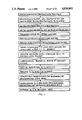
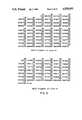
- the invention is directed to DNA sequences useful in isolating mRNA-encoding IL-2. These DNA sequences have the formula or complement to the formula:
- the IL-2 encoded by the RNA prepared in accordance with this invention is useful in the diagnosis and treatment of human and animal cancer, tumors of various types, viral, bacterial, fungal, parasitic and protozoan infections, immune deficiencies and in a variety of other therapeutic and diagnostic applications where the administration of IL-2 is indicated.
- This invention is also directed to methods for producing cDNA of the invention and of producing IL-2 in an oocyte translation system.
- the cDNA sequences of the invention are also useful as probes in obtaining the relevant IL-2 encoding sequence from the genome.
- FIG. 1 is a schematic representation of a proposed process to isolate and identify the human IL-2 gene.
- FIG. 2 is a diagram of clone 61.
- FIG. 3 represents a linear restriction map of clone 61.
- FIG. 4 shows the nucleotide sequence of clone 61 along with the corresponding amino acid sequence.
- FIG. 5 shows the nucleotide sequences of the AvaII and BglII fragments of clone 61.
- FIG. 6 shows a photograph of Southern blots of the genomic DNA using clone 61 as the probe.
- FIG. 7 shows plasmid DG141.
- FIG. 8 shows the restriction pattern of clone pAW601, showing two SstI sites.
- FIG. 9 represents a diagram of clone pAW602 showing a regeneration in pAW602 of the Fnu4HI site of pAW601.
- FIG. 10 represents a diagram of clone pAW602 showing various restriction sites.
- FIG. 11 is a photograph of the gel pattern showing the proteins produced by E. coli transformed with pAW602 or with Clone 61.
- FIG. 12 is a photograph of the Southern blots of the genomic DNA using clone 34 as the probe.
- FIG. 13 shows a diagram of clone 34.
- FIG. 14 shows the linear restriction map of clone 34.
- FIG. 15 represents a nucleotide sequence of clone 34 containing the ATG initiation codon, along with the corresponding amino acid sequence.
- FIG. 16 is a diagram of the 336 bp AluI-KpnI fragment of clone 34.
- FIG. 17 represents a diagram of clone pSY2601.
- FIG. 18 is a schematic representation of the enzymatic degradation of clone pSY2601 to remove part of the nucleotide segment shown in FIG. 17.
- FIG. 19 shows the restriction pattern of ptrp3 DNA.
- FIG. 20 is a diagram of plasmid pSY2610.
- FIG. 1 shows the steps involved in the process usable in the isolation and characterization of the human IL-2 gene through the expression of the gene in a bacterial host, in accordance with the present invention.
- the sequence of the steps include inducing PBLs for IL-2 production by treatment with a combination of PMA and Con A for 48 to 72 hours; isolating and characterizing polyA containing mRNA by separation techniques known in the art (such as by gel fractionation); microinjecting the mRNA into Xenopus laevis oocytes and assaying for resulting IL-2 activity; synthesizing double stranded complementary DNA (ds-cDNA) using the IL-2 mRNA as a template; adding dG tails to the ds-cDNA and annealing into the dC tailed SstI site of a vector such as pBW20 which is a derivative of pBR322 to generate a recombinant DNA molecule; transforming a suitable bacterial host such as strain MM294 of E.
- a suitable bacterial host such as strain MM294 of E.
- coli with the recombinant DNA (rDNA) molecule picking colonies of transformants onto microtiter plates; replica plating colonies onto nitrocellulose filters; after denaturing the DNA, probing the transformant DNA with 32 p labeled cDNA from induced and uninduced mRNA (+/-screening); isolating colonies which hybridize only to induced cDNA probe; assaying by hybridization-translation of "induced” clones; checking for IL-2 activity by oocyte assays and isolating IL-2 positive clones; rescreening the cDNA bank to isolate full length clones if found to be necessary by DNA sequencing; determining the DNA sequences, restriction maps of the clones.
- the individual steps involved are described in greater experimental detail in the examples provided.
- Human IL-2 mRNA can be obtained from T-lymphocytes that have been induced for IL-2 production with antigens, mitogens and alloantigens.
- PBLs, spleen cells, thoracic duct cells, lymph node cells, bone marrow cells, and tonsil cells are exemplary sources of T lymphocytes.
- PBLs are more conveniently used rather than tissue cells.
- PBLs are usually separated from whole blood by density gradient centrifugation. This involves layering the blood over a gradient medium of appropriate specific gravity.
- the most suitable gradient media for separating lymphocytes from red cells and granulocytes are high molecular weight polymers, preferably cross-linked polymers including but not limited to cross-linked epichlorohydrin-sucrose polymer (Ficoll), or diatrizoate polymers such as 3,5-diacetamido-2,3,6-tri-iodobenzoic acid sodium salt (Hypaque), Ficoll-Hypaque and Lymphoprep.
- the layered blood is centrifuged using a low centrifugal field, usually about 300 ⁇ g for about 20-30 minutes, to prevent disruption of the cell membrane.
- the lymphocytes form a band in a gradient medium while the red cells and granulocytes pass through.
- the blood cells are usually suspended in a balanced salt solution for centrifugation. Following gradient centrifugation, the PBLs are harvested from the interface and washed to remove residual gradient medium.
- the PBLs are then cultured in an appropriate growth medium, such as Dulbecco's Modified Eagle's Medium (DME) (Moore, G. E., et al., J. Natl. Cancer Inst., 36, 405 (1966)) and the like, containing an inducer such as PHA, PMA, Con A and mixtures thereof, enzymes such as neuraminidase and galactose oxidase, and other antigens or mitogens, to induce the production of IL-2.
- DME Dulbecco's Modified Eagle's Medium
- an inducer such as PHA, PMA, Con A and mixtures thereof, enzymes such as neuraminidase and galactose oxidase, and other antigens or mitogens
- concentration of the inducer used in the medium depends upon the particular inducer and the cell concentration.
- the cell concentration is usually in the range of about 1 ⁇ 10 6 /ml to 6 ⁇ 10 6 /ml and the concentration of the inducer is usually in the range of about 1 ng to about 10 micrograms depending on the inducer of choice.
- concentration of the inducer is usually in the range of about 1 ng to about 10 micrograms depending on the inducer of choice.
- concentration of the inducer is usually in the range of about 1 ng to about 10 micrograms depending on the inducer of choice.
- concentration of the inducer is usually in the range of about 1 ng to about 10 micrograms depending on the inducer of choice.
- concentration of Con A is about 5 to 10 micrograms/ml
- PHA is used as the inducer
- concentrations are in the 0.8 to 2.0 ⁇ g/ml range.
- the cells are incubated in the inducer-containing medium, typically for about 1 to 3 days.
- the cells are harvested and the total cytoplasmic RNA is isolated, preferably under conditions where the degradation of mRNA is prevented.
- the isolation is usually accomplished by lysing the cells, removing nuclei from the lysate by centrifugation, extracting the supernatant with a suitable organic extractant including but not limited to phenol-chloroform mixtures, and precipitating the RNA from the extract with alcohols such as ethanol.
- the total cytoplasmic RNA is enriched in poly-adenylated mRNA by means of column chromatography utilizing packing materials containing oligo dT, poly U or other molecules which exhibit a base-pairing affinity for poly A, thereby separating mRNA from other types of RNA (such as ribosomal and transfer RNA).
- IL-2 mRNA is identified by resolving the total mRNA isolated into different molecular weight or size fractions, translating each of the fractions in Xenopus laevis oocytes and assaying the oocyte lysate of each fraction for IL-2 activity as described in Example 2, infra.
- the fractionation of the total mRNA can be accomplished by methods known in the art, including but not limited to gel electrophoresis, gradient centrifugation, chromatography and the like. Size estimates of the fractions are usually made by comparison with known RNA markers run in parallel fractionations. Aliquots of each fraction are microinjected into Xenopus laevis oocytes. The oocytes are incubated for about 48 hours after the injection.
- IL-2 activity occurs in PBL mRNA at about 1.0 to about 1.2 kb.
- the 1.0 to 1.2 kb mRNA fractionate exhibiting IL-2 activity in the oocyte assay is used to synthesize ds-cDNA by oligo dT priming and reverse transcription.
- the resulting cDNA is cloned in an appropriate animal or bacterial host, usually E. coli, by the oligo dG/oligo dC tailing method using an appropriate cloning vector such as, for example, pBR322, variants and modificants thereof.
- Single stranded 32 p cDNA hybridization probes are prepared using as templates uninduced PBL mRNA and the 1.0-1.2 kb mRNA exhibiting IL-2 activity in the oocyte assay.
- the reverse transcription and labeling of these mRNAs is usually carried out by methods known in the art using oligo dT to prime the synthesis.
- the cDNA clones made from the IL-2 active mRNA fractions are screened by hybridizing them with the radiolabelled single stranded cDNA probes derived from the uninduced and the induced PBL mRNA as described above. By this "plus-minus" screening of the cDNA bank, clones containing nucleotide sequences not present in the mRNA population of uninduced PBLs are isolated.
- Induction specific cDNA clones are screened by hybridization selection using induced PBL mRNA.
- IL-2 clones are identified by their ability to enrich for mRNA that translates in oocytes to give IL-2 activity.
- IL-2 clones are characterized by using restriction enzymes and sequencing the cDNA insert.
- the cDNA library is rescreened by hybridization to a radiolabelled probe made from the IL-2 cDNA insert and the positive clones are characterized as described above.
- the cDNA clones are screened by hybridization-translation using oocyte IL-2 assay which involves hybridization selection of induced PBL mRNA, translation of the selected mRNA in Xenopus oocytes and assay of the product for IL-2 biological activity.
- the IL-2 positive clones are utilized to rescreen the cDNA bank to isolate full length clones, if the DNA sequences indicate the necessity for obtaining full length clones.
- At least two full length clones, designated as clones 61 and 34 were isolated and used for rescreening the cDNA and the genomic banks.
- clones 61 and 34 were isolated and used for rescreening the cDNA and the genomic banks.
- Several other clones isolated and tested were substantially identical to either clone 61 or 34 or were smaller fragments thereof.
- the IL-2 positive clones, fragments or derivatives thereof are also used, in turn, as probes to screen the genomic library.
- the total human genomic DNA is then screened by digesting it with various restriction enzymes and using the Southern blotting technique to identify the various restriction fragments. Similarity of restriction patterns indicates if an individual clone isolated by the preceding steps is part of a family of related genes.
- Assembly of a plasmid or other transforming vector for the direct expression of the human IL-2 gene or genes in an appropriate host involves operatively linking to or splicing into the transforming vector containing the gene or gene fragment, an appropriate expression control sequence comprising a promoter, operator and leader ribosome binding site, just preceding the ATG initiation codon for human IL-2.
- an appropriate expression control sequence comprising a promoter, operator and leader ribosome binding site, just preceding the ATG initiation codon for human IL-2.
- Promoter systems commonly used in the expression control are trp, lac, B-lac, major operator and promoter region of phage ⁇ , the control region of fd coat protein and other similar sequences which control expression of genes in eukaryotic and prokaryotic cells and their viruses.
- Human PBLs were purified from buffy coats by centrifugation on Ficoll-Hypaque (A. Boyum, Scand. J. Clin. Invest., 21: Suppl. 97: 77 (1968)). The cells were then incubated in DM with 10% fetal calf serum to a concentration of 4 ⁇ 10 6 cells/ml and induced for IL-2 production with the addition of phorbol myristate acetate (5 ng/ml) and concanavalin A (10 ⁇ g/ml) as described by J. J. Farrar and J. Fuller-Farrar, Prog. Cancer Res. Therapy, 20: 49-55 (1981) and B. M. Stadler, et al., J.
- RNA cytoplasmic ribonucleic acid
- a non-ionic detergent of the ethylene oxide polymer type (NP-40) was added to 0.3% to lyse the cellular, but not nuclear, membranes. Nuclei were removed by centrifugation at 1,000 ⁇ g for 10 minutes. The post-nuclear supernatant was added to an equal volume of TE (10 mM Tris, 1 mM EDTA, pH 7.5) saturated phenol chloroform (1:1) containing 0.5% SDS and 10 mM EDTA. The supernatant was re-extracted 4 times and phase separated by centrifugation at 2000 ⁇ g for 10 minutes. The RNA was precipitated by adjusting the sample to 0.25 M NaCl, adding 2 volumes of 100% EtOH and storing at -20° C.
- RNA was pelleted at 5,000 ⁇ g for 30 minutes, washed with 70% and 100% ethanol, then dried.
- Polyadenylated (Poly A+) messenger RNA (mRNA) was obtained from the total cytoplasmic RNA by chromatography on oligo dT cellulose (J. Aviv and P. Leder, Proc. Natl. Acad. Sci., 69, 1408-1412 (1972)).
- the RNA was dissolved in ETS (10 mM Tris, 1 mM EDTA, 0.5% SDS, pH 7.5) at a concentration of ⁇ 2 mg/ml. This solution was heated to 65° C. for 5 minutes, then quickly chilled to 4° C.
- RNA was reprecipitated twice, washed once in 70% and then in 100% ethanol prior to drying.
- the PBL poly A + mRNA was fractionated by preparative agarose slab gel electrophoresis under fully denaturing conditions using 10 mM methyl mercury (CH 3 HgOH) as the denaturant (J. M. Bailey and N. Davidson, Anal. Biochem. 70:75-85 (1976); and P. B. Sehgal and A. D. Sagar, Nature 288:95-97 (1980)). 1.5% gels were prepared by melting agarose in running buffer (100 mM boric acid, 6 mM sodium borate, 10 mM sodium sulfate, 1 mM EDTA, pH 8.2), cooling to 60° C. and adding 1/100 volume of 1M CH 3 HgOH.
- running buffer 100 mM boric acid, 6 mM sodium borate, 10 mM sodium sulfate, 1 mM EDTA, pH 8.2
- RNA from each fraction were injected into Xenopus laevis oocytes and the oocyte lysates assayed for IL-2 activity on HT-2 cells, (J. Watson, J. Exp. Med., 150:1510-1519 (1979) and S. Gillis, et al., J. Immunol. 120, 2027-2032 (1978)).
- the Xenopus laevis amphibians were injected with 100 units of Gestyl (pregnant mare serum gonadotropin). The ovaries were removed surgically and individual, stage V-VI, oocytes isolated and placed in Barth's medium (J.
- the oocytes were injected with 50 nl of mRNA (1-3 mg/ml in water) and incubated in Barth's medium (10 ⁇ l/oocyte containing 0.1 mM PMSF (phenyl methyl sulfonyl fluoride) and 1 ⁇ Penicillin-Streptomycin-Fungizone solution for 36 hours at 21° C.
- the oocytes were homogenized in the media used for incubation.
- IL-2 activity peak was found at approximately 1.0-1.2 kb.
- Complementary DNA (cDNA) clones were obtained from these fractions as described in the next section.
- cDNA was made to the PBL mRNA fraction that contained IL-2 activity (as determined by the oocyte IL-2 assay), using oligo dT priming of the poly A tails and AMV reverse transcriptase (M. P. Wickens, et al., J. Biol. Chem. 253: 2483-2495 (1978)).
- the mRNA sample was denatured by treatment with 10 mM methyl mercury at 22° C. for 5 minutes and detoxified by the addition of 100 mM 2-mercaptoethanol (F. Payvar and R. T. Schimke, J. Biol. Chem. 254: 7636-7642 (1979)).
- First strand cDNA synthesis reaction was carried out in 50 mM Tris pH 8.0, 50 mM KCl, 6 mM MgCl 2 , 20 mM 2-mercaptoethanol, 1 mM dATP, 1 mM dGTP, 1 mM dCTP, 1 mM dTTP, 1000 U/ml RNasin, 20 ⁇ g/ml oligo dT, and 50 units of reverse transcriptase at 42° C. for 1 hour.
- the reaction was stopped and the RNA hydrolyzed by adjusting the sample to 0.25M NaOH and heating at 45° C. for 30 minutes.
- the sample was neutralized with HCl and extracted with a phenol-CHCl 3 mixture.
- the cDNA product was purified by multiple ethanol precipitations, washed with 70% ethanol, 100% ethanol, and dried.
- the second-strand was synthesized with reverse transcriptase utilizing the 5' snap-back structure of the first strand as primer by the method of T. Maniatis, E. F. Fritsch and J. Sambrook, "Molecular Cloning: A Laboratory Manual.” Cold Spring Harbor Laboratory. 236 (1982).
- First-strand cDNA pellet was dissolved in reaction buffer (see above) without RNasin and oligo dT. Fifty units of reverse transcriptase were added and the sample was incubated at 42° C. for 2 hours. The reaction was stopped by adjusting the solution to 25 mM EDTA, 0.5% SDS and heating at 65° C. for 5 minutes.
- the sample was ethanol precipitated and resuspended in S 1 nuclease buffer (200 mM NaCl, 30 mM NaOAc pH 4.6, and 2 mM ZnSO 4 ).
- S 1 nuclease buffer 200 mM NaCl, 30 mM NaOAc pH 4.6, and 2 mM ZnSO 4 .
- the double stranded cDNA product was digested with S 1 nuclease at 25° C. for 20 minutes to give blunt ends by opening up the hairpin loop structures and destroying single-strand branches in the DNA.
- the sample was placed on ice and adjusted to 25 mM EDTA and 0.5% SDS.
- Poly dG tails were added to the 3' end of the cDNA product using terminal transferase.
- the double stranded cDNA product was dissolved in 100 mM potassium cacodylate pH 7.0, 1 mM CoCl 2 , 1 mM MnCl 2 , 0.2 mM DTT, 20 mM dGTP and terminal transferase.
- the reaction was incubated at 30° C. for 60 minutes and stopped by adjusting to 25 mM EDTA and 0.5% SDS.
- the sample was extracted with phenol-CHCl 3 and ethanol precipitated.
- the plasmid pBW20 a derivative of pBR322 which contains a single SstI restriction site and confers ampicilling (Amp) resistance, was the vector used in cloning the IL-2 cDNA. This vector was digested with SstI and the linear form isolated on agarose gel. The pBW20 linear form was tailed with poly dC using terminal transferase according to the procedure described above.
- the dG tailed cDNA was annealed to dC tailed pBW20 plasmid in 100 mM NaCl, 10 mM Tris, pH 7.5, and 2 mM EDTA by heating at 65° C. for 3 minutes, incubating at 42° C. for 2 hours, and slow cooling to 22° C. (W. Rowekamp and R. A. Firtel, Dev. Biol. 79: 409 (1980)). Competent MM294 cells, derivatives of E. coli K12, were transformed by the addition of the annealed DNA. Cells were incubated at 0° C. for 30 minutes, heat shocked at 37° C. for 5 minutes, and then incubated in L broth at 37° C.
- the IL-2 cDNA library was screened using the colony hybridization procedure. Each microtiter plate was replicated onto duplicate nitrocellulose filter papers (S & S type BA-85) and colonies were allowed to grow at 37° C. for 14-16 hours on L-agar containing 50 ⁇ g/ml Amp. The colonies were lysed and DNA fixed to the filter by sequential treatment for 5 minutes with 500 mM NaOH, 1.5M NaCl, washed twice for 5 minutes each time with 5 ⁇ standard saline citrate (SSC). Filters were air dried and baked at 80° C. for 2 hours. The duplicate filters were prehybridized at 42° C.
- 32 p labelled cDNA probes were prepared from induced PBL mRNA (IL-2 mRNA fraction) or uninduced PBL mRNA using oligo dT priming and reverse transcriptase as described for first strand cDNA synthesis except 32 p dCTP was used.
- One set of filters was hybridized to 5 ⁇ 10 5 cpm/ml of induced and the other set was hybridized to 5 ⁇ 10 5 cpm/ml of uninduced 32 p cDNA probe.
- the samples were hybridized at 42° C. for 24-36 hours with 5 ml/filter of DNA hybridization buffer containing the appropriate 32 p cDNA probe.
- the filters were washed four times for 30 minutes each time at 37° C. with 2 ⁇ SSC, 0.2% SDS and 50 mM sodium phosphate buffer at pH 7, then washed twice with 2 ⁇ SSC and 0.2% SDS, air dried, and autoradiographed at -70° C. for 2 to 3 days.
- 1750 recombinant clones were screened by colony hybridization using 32 p cDNA probes made from induced or uninduced human PBL mRNA. (M. Grunstein and D. Hogness, Proc. Natl. Acad. Sci. 72: 3961 (1975)). Approximately 380 of the clones hybridized to the induced probe and showed very little hybridization to the uninduced probe. The recombinant plasmids contained in the induction-specific clones were analyzed using a miniprep restriction procedure to determine the size and relationship of the cDNA inserts (D. Ish-Horowicz and J. F. Burke, Nuc. Acids Res. 9: 2989-2998. (1981)).
- Plasmid DNA was purified from 280 of the clones that contained cDNA inserts greater than 200 base pairs in size, using a lysozyme-Triton lysis procedure and CsCl-ethidium bromide banding of the supercoil DNA.
- cDNA clones were screened by the hybridization-translation oocyte IL-2 assay which involves hybridization selection of induced PBL mRNA by separation techniques known in the art, translation of the eluted mRNA in oocytes and assay of the product for IL-2 biological activity. 20 ⁇ g of each cDNA clone was analyzed as a pool of 4 or 5 clones. The plasmid DNA was denatured and subjected to limited hydrolysis by heating at 100° C. for 15 minutes in 0.2N NaOH.
- the DNA samples were adjusted to 1.1M NH 4 OAc by the addition of 9 volumes of cold 1.2M NH 4 OAc and bound to type HA nitrocellulose filters by multiple cycles ("Triton” is a tradename for a detergent preparation.) of slow filtration. The filters were then washed with 6 ⁇ SSC, air dried, and heated at 80° C. for 2 hours in a vacuum oven to fix the DNA. (F. C. Kafatos, et al., Nuc. Acids Res. 7: 1541-1552 (1979)).
- the filters were prehybridized in 1 ml hybridization-selection buffer (50% formamide, 20 mM Pipes pH 7.5, 800 mM NaCl, 1 mM EDTA, and 0.2% SDS) containing 200 ⁇ g/ml E. coli tRNA at 37° C. for 6 hours.
- the prehybridization mix was removed and 0.5 ml fresh hybridization buffer was added which contained 40 ⁇ g/ml of induced human PBL mRNA that had previously shown high levels of IL-2 activity in the oocyte IL-2 assay.
- the hybridization reaction mixtures were incubated at 37° C. for 14-16 hours.
- the hybridization mixture was removed and the unbound RNA was ethanol precipitated and processed as described below for the eluted RNA samples.
- the filters were washed twice at 37° C. with 1 ml of fresh hybridization buffer, followed by 3 washes with 50 ml of 2 ⁇ SSC, and 0.1% SDS, and then 3 times with 50 ml of 0.1 ⁇ SSC and 0.1% SDS.
- the hybridized RNA was eluted from the filters in a sterile, siliconized vial containing 0.5 ml of elution buffer (5 mM EDTA, 10 ⁇ g/ml E. coli rRNA) at 90° C. for 3 minutes. (M. McGrogan, et. al., Nuc. Acids Res. 6(2):593-607 (1979)).
- RNA was adjusted to 250 mM NaCl, 0.2% SDS, and extracted with phenol-CHCl 3 .
- the RNA was ethanol precipitated, reprecipitated, washed with 70% ethanol, 100% ethanol, and dried under vacuum.
- the hybridized-selected RNA samples were dissolved at a concentration of 1 mg/ml carrier tRNA and treated as described by injection into oocytes and measurement of IL-2 activity in the biological assay.
- Clones 54, 61, 96, 141, 34 and 111 Six clones, designated as clones 54, 61, 96, 141, 34 and 111 were isolated. Clones 54, 61, 96 and 141 exhibited almost identical nucleotide sequences and partial or complete sequence homology with a number of other genomic clones, indicating the existence of a family of related genes. Clone 96 differs from clone 61 in one nucleotide at base position 353, from TTA to TTG, which does not, however, result in a change in the corresponding amino acid.
- FIG. 3 represents a linear restriction map of clone 61 obtained using various restriction enzymes as indicated.
- FIG. 4 shows the nucleotide sequence of clone 61 obtained as described above with the corresponding amino acid sequence derived therefrom.
- the ATG ⁇ start ⁇ codon and the TGA ⁇ stop ⁇ codons are indicated by the boxes.
- FIG. 5 shows the nucleotide sequences of the 572 bp AvaII and 432 bp BglII fragments thereof which also exhibit similar sequence homology as that of clone 61.
- Clones 34 and 111 similarly exhibited partial or complete sequence homology between themselves and with some genomic clones which were not identical to those that hybridized to the clone 61 family, leading to the conclusion that clones 34 and 111 are part of another gene or family of genes which also encode human IL-2 or IL-2 like polypeptides.
- the 420 bp Hae III-SstI fragment was prepared from clone 111 using standard procedures. This fragment was labeled with - 32 p dCTP by nick translation using E. coli DNA polymerase I, according to the procedure of (R. Rigby et al., J. Mol. Biol. 113, 237-251.) The cDNA library was replicated onto nitrocellulose filters and the filters were processed and hybridized as described above except that the growth of the colonies was blocked with 100 ⁇ g/ml chloramphenicol to amplify the plasmid. (Hanahan, D., Meselson, M., Gene 10, 63-67. 1980).
- Filters containing the 1750 recombinant clones were screened by hybridization to the 420 bp 32 p-labeled HaeIII-SstI fragment from clone 111 in 50% formamide DNA hybridization buffer as described above. Two positive clones were identified in this experiment and designated as clones 111 and 34.
- High molecular weight DNA was isolated from PBL's and tissue culture cells by the following procedure. All steps were done at 0°-4° C. unless otherwise specified.
- Pelleted cells were washed once with PBS and 1 ⁇ with IHB. The cells were then resuspended in IHB, NP-40 added to 0.5%, and the cells lysed by gentle vortexing. The nuclei were pelleted and resuspended in 100 mM Tris-HCl, 20 mM EDTA (pH 8.0) at a concentration of 10 7 nuclei per ml. Self digested pronase was added to 500 ⁇ g/ml and SDS to 0.5%. The lysed nuclei were digested at 45° C. for 4 hours.
- the digest was then gently extracted 3 ⁇ with TE-saturated phenol-chloroform and the DNA precipitated with 2 volumes of ethanol after the addition of NaCl to 0.2M.
- the DNA was washed 3 ⁇ with 70% ethanol, 1 ⁇ with 100% ethanol, dried briefly and dissolved in TE. Heat treated pancreatic ribonuclease was added to 50 ⁇ g/ml and the solution incubated for 2 hours at 37° C. Pronase and SDS were added as above and digestion continued for two hours.
- the DNA was then extracted and precipitated as above. After dissolving in TE, the DNA was dialyzed for 24 hours against 50 volumes of TE with two changes. After dialysis, aliquots of DNA were removed for restriction enzyme digests. Enzyme digests were carried out at 37° C. for 4 hours using twice the recommended amount of enzyme.
- the digested DNA (10 ⁇ g) was electrophoresed on 1% agarose gels in standard buffer. After electrophoresis, the DNA fragments were partially depurinated in 0.25M HCl (Wahl et al., Proc. Natl. Acad. Sci., 76, 3683 (1979)) and then transferred to nitrocellulose paper by the method of Southern known to those skilled in the art.
- the DNA blots were prehybridized for 4 hours at 42° C. against 50% formamide, 5 ⁇ SSC, 20 mM sodium phosphate buffer, 2 ⁇ Denhardt's, 200 ⁇ g/ml yeast RNA and 0.2% SDS (pH 7.0).
- the prehybridization buffer was removed and was replaced with the same buffer plus nick-translated AvaII fragment from clone 61 (10 6 cpm/ml, 1-2 ⁇ 10 8 cpm/ug).
- the hybridization was carried out for 16 hours at 42° C. The blots were then washed and autoradiographed.
- FIG. 6 shows the results of the genomic Southern using PBL DNA.
- Lanes 1, 2 and 3 contain decreasing amounts of clone 61 digested with BglII and used as a standard.
- Lane 3 contains approximately one haploid genome equivalent of the genes encoded by clone 61.
- the most striking feature of this Southern blot is the large number of bands which appear in each genomic DNA digest. There are approximately 20 bands in the BglII digest and ⁇ 10 in both the EcoRI and Pst digest. Since BglII cuts once within the AvaII fragment of clone 61, 2 bands in a Southern blot would be expected if there were no introns (see FIG. 5).
- the AvaII fragment of clone 61 was used as a probe to screen the human genomic library in bacteriophage lambda following the procedure described by Maniatis et al., (Molecular Cloning: A Laboratory Manual, Cold Spring Harbor 1982, pp. 320-321).
- AvaII fragment approximately 100 clones were found when only 3-4 would be expected for a single copy gene.
- the EcoRI patterns of several of the lambda clones were different from one another, corroborating the data from the genomic Southern blot where the EcoRI pattern was indicative of a family of genes.
- FIG. 12 shows the results of the genomic Southern blots using PBL DNA hybridized to clone 34.
- Lanes 1, 2, 3 and 4 contain PBL DNA cleaved with different restriction enzymes.
- the most striking feature of this Southern blot is the large number of bands which appear in each genomic digest. There are approximately 11 bands in the HinfI digest (lane 1), ⁇ 14 in the AvaII-SstI digest (lane 2), ⁇ 18 in the PstI digest (lane 3), and ⁇ 12 in the EcoRI digest (lane 4). Since EcoRI does not cut within clone 34, only one band would be expected to be seen in a Southern blot (see FIG.
- Clone 61 was digested with the restriction enzyme SstI and the DNA fragment containing the insert purified by electrophoresis on an agarose gel.
- the plasmid pDG141 (derivative of pBR322) containing the E. coli trp promoter (FIG. 7) was digested with the enzyme SstI and ligated with the purified insert from clone 61.
- the ligated DNA was transformed into competent E. coli cells and plated onto Ampicillin selection plates to select for transformants.
- the insert DNA can be ligated into the plasmid pDG141 in either orientation, the ligated transformants were analyzed by restriction enzyme mapping to screen for a clone where the ATG initiation codon was placed close to the trp promoter on pDG141.
- One such clone pAW601 was identified (FIG. 8).
- the ATG initiation codon has to be placed close to the ribosome binding site.
- the distance between the ribosome binding site and the ATG-initiation codon is long. This distance can be shortened by making use of the SphI restriction site (GCATGC) and the SstI restriction site which is next to the ribosome binding site (FIG. 8). Since pAW601 has two SstI sites (FIG. 8), a partial digestion of the plasmid with SstI was necessary. This was accomplished by digesting the plasmid pAW601 with a small amount of the enzyme SstI for various lengths of time and the digested DNA analyzed on an agarose gel.
- the time point which permitted the maximum amount of circular DNA to be converted to linear molecules was chosen as the condition to be used for a preparative partial digestion of PAW601 with the enzyme SstI.
- the linear full length plasmid was purified from an agarose gel and further digested with the enzyme SphI, and the 3'-protruding ends of the SphI and SstI restriction sites were removed by treatment with the 3' to 5' exonuclease of E. coli DNA polymerase I to create blunt-ended DNA molecules.
- the plasmid DNA was then electrophoresed on an agarose gel and the largest DNA species recovered from the gel by electroelution.
- the eluted DNA was concentrated by ethanol precipitation and the two ends of the plasmid DNA ligated together by T4 DNA ligase.
- the ligated DNA was transformed into E. coli and the transformants screened for the regeneration of an Fnu4HI restriction site (FIG. 9).
- One such clone, pAW602 (FIG. 10) was selected for further analysis.
- Clone pAW602, and clone 61 were grown in minimal medium in the absence of tryptophan to derepress the trp promoter and cell-free extracts from these two clones analyzed on SDS-polyacrylamide gels (FIG. 11).
- One predominant protein band can be seen in the lane with extracts from pAW602 which is not present in the control lane with extracts from clone 61.
- the size of this protein was found to be about 26 k daltons and corresponds well with the size predicted from the amino acid sequence of clone 61.
- FIG. 13 is a diagram showing the separation of the DNA fragments.
- the smaller DNA fragment containing the ATG-initiation codon (FIG. 14) was further digested with the enzyme AluI.
- AluI There are three AluI sites in this DNA fragment and the 336 bp AluI-KpnI DNA fragment containing the initiation codon (FIGS. 14 and 15) is isolated by partial digestion of the EcorRI-KpnI fragment with a AluI enzyme for varying amounts of time to optimize the appearance of the 336 bp AluI-KpnI DNA fragment. This fragment was recovered by acrylamide gel fractionation.
- the plasmid pDG141 (FIG. 7), containing the E. coli trp promoter, was digested with the enzyme SstI. The 3'-cohesive ends were removed and made into blunt ended DNA molecules by treatment with 3' exonuclease of DNA Polymerase I Klenow fragment. This plasmid DNA was then digested with EcoRI and the small DNA fragment containing the E. coli trp promoter was purified and recovered by acrylamide gel fractionation.
- the first ATG originated from the trp promoter fragment of pDG141 (FIG. 7), and the second ATG is the initiation codon of clone 34 (FIG. 13). Since both of these ATGs are in the same translational reading frame, the first initiation codon will be utilized by the cell because of its close proximity to the ribosome binding site, to synthesize a fused protein eight amino acids longer than the protein encoded by clone 34.
- the initiation codon for clone 34 can be placed closer to the trp promoterribosome binding site by taking advantagte of the presence of a unique HindIII restriction site and the action of T4 DNA polymerase.
- Clone pSY2601 was digested with the enzyme HindIII to linearize the plasmid. It was then subjected to the action of T4 DNA polymerase in the presence of dCTP, as described by Maniatis et al. ("Molecular Cloning", Cold Spring Harbor, N.Y., p.117-121. (1981)). The 3'-exonuclease of T4 DNA polymerase degrades the 3' strand of clone pSY2601 until it exposes a base complementary to the added dCTP, then a series of synthesis and degradation steps occurs at that position. The DNA is not degraded any further (FIG. 17).
- the DNA was then extracted with phenol, passed through a gel filtration column to remove unincorporated dCTP, and subjected to a second round of T4 DNA Polymerase reaction in the presence of dTTP. After S1 nuclease treatment of the DNA to remove the single-stranded 5'-protruding end, the resulting molecule has a blunt end with three additional base pairs before the ATG-initiation codon of clone 34 (FIG. 17). The DNA was thereafter digested with EcoRI to remove the partially degraded trp promoter fragment, and the large plasmid containing the clone 34 gene purified on an agarose gel.
- the ptrp3 DNA (FIG. 18) was digested with the enzyme HindIII, the cohesive end removed by S1 nuclease treatment, and then digested with the enzyme EcoRI to liberate a small fragment, with an EcoRI cohesive end and a blunt end containing the trp promoter.
- This promoter fragment was ligated to the T4 DNA polymerase treated plasmid containing the clone 34 gene by action of T4 ligase.
- the ligated DNA was then transformed into competent E. coli cells and the transformants screened by restriction mapping.
- One clone was identified as pSY2610 and the nucleic acid sequence near the 5' end of the gene confirmed as shown in FIG. 19.
- the assay for IL-2 activity was performed essentially as described in Example 2.
- DNA fragments and inserts described above were obtained or derived from natural sources, the DNA fragments and inserts may also be synthesized chemically in whole or in part or semisynthetically constituted by methods known in the art.
- the instant invention thus provides DNA sequences which may be from any source, including natural, synthetic and semisynthetic sequences, which hybridize with an exhibit partial or complete homology with DNA sequences derived from IL-2 mRNA obtained by induction of human PBLs with appropriate mitogens.
- IL-2 is useful in the diagnosis and treatment of bacterial, viral, parasitic, protozoan and fungal infections; in manifestations of lymphokine or immunodeficiency; for reconstitution of normal immunofunction in aged humans and animals; in the development of diagnostic assays such as those employing enzyme amplification, radiolabelling, radioimaging, and other methods known in the art for monitoring IL-2 levels in the diseased state; for the promotion of T-cell growth in vitro for therapeutic and diagnostic purposes; for blocking receptor sites for lymphokines; and in various other therapeutic, diagnostic and research applications.
- the various therapeutic and diagnostic applications of human IL-2 have been investigated and reported in S. A. Rosenberg; E. A. Grimm et al., A. Mazumder et al., and E. A.
- polypeptides of the subject invention may be used by themselves or in combination with other immunologically relevant B or T-cells or other therapeutic agents.
- they may be formulated in nontoxic, nonallergenic, physiologically compatible carrier media such as distilled water, Ringer's solution, Hand's solution, physiological saline and the like.
- Administrations of the subject polypeptide formulations to humans or animals may be oral or intraperitoneal or intramuscular or subcutaneous as deemed appropriate by the physician.
- exemplary therapeutic reagents which may be used in combination with the polypeptides of this invention are the various interferons, especially gamma interferon, B cell growth factor, IL-1 and the like.
- interferons especially gamma interferon, B cell growth factor, IL-1 and the like.
Landscapes
- Chemical & Material Sciences (AREA)
- Health & Medical Sciences (AREA)
- Life Sciences & Earth Sciences (AREA)
- Organic Chemistry (AREA)
- General Health & Medical Sciences (AREA)
- Gastroenterology & Hepatology (AREA)
- Biochemistry (AREA)
- Biophysics (AREA)
- Zoology (AREA)
- Genetics & Genomics (AREA)
- Medicinal Chemistry (AREA)
- Molecular Biology (AREA)
- Proteomics, Peptides & Aminoacids (AREA)
- Toxicology (AREA)
- Micro-Organisms Or Cultivation Processes Thereof (AREA)
- Preparation Of Compounds By Using Micro-Organisms (AREA)
Abstract
Description
__________________________________________________________________________
10         20        30         40        50         60
TCCTGAGGAA CAGACTTAAG
                     TATGCCCTGA CAGGAGATGA
                                          AGTAAAGAAG ATTTGCATGC
70         80        90         100       110        120
AGCGGTTCAT TAAAATCGAT
                     GGCAAGGTCC GAACTGATAT
                                          AACCTACCCT GCTGGATTCA
130        140       150        160       170        180
TGGATGTCAT CAGCATTGAC
                     AAGACGGGAG AGAATTTCCG
                                          TCTGATCTAT GACACCAAGG
190        200       210        220       230        240
GTCGCTTTGC TGTACATCGT
                     ATTACACCTG AGGAGGCCAA
                                          GTACAAGTTG TGCAAAGTGA
250        260       270        280       290        300
GAAAGATCTT TGTGGGCACA
                     AAAGGAATCC CTCATCTGGT
                                          GACTCATGAT GCCCGCACCA
310        320       330        340       350        360
TCCGCTACCC CGATCCCCTC
                     ATCAAGGTGA ATGATACCAT
                                          TCAGATTGAT TTAGAGACTG
370        380       390        400       410        420
GCAAGATTAC TGATTTCATC
                     AAGTTCGACA CTGGTAACCT
                                          GTGTATGGTG ACTGGAGGTG
430        440       450        460       470        480
CTAACCTAGG AAGAATTGGT
                     GTGATCACCA ACAGAGAGAG
                                          GCACCCTGGA TCTTTTGACG
490        500       510        520       530        540
TGGTTCACGT GAAAGATGCC
                     AATGGCAACA GCTTTGCCAC
                                          TCGACTTTCC AACATTTTTG
550        560       570        580       590        600
TTATTGGCAA GGGCAACAAA
                     CCATGGATTT CTCTTCCCCG
                                          AGGAAAGGGT ATCCGCCTCA
610        620       630        640       650        660
CCATTGCTGA AGAGAGAGAC
                     AAAAGACTGG CGGCCAAACA
                                          GAGCAGTGGG TGAAATGGGT
670        680       690        700       710        720
CCCTGGTGAC ATGTCAGATC
                     TTTGTACGTA ATTAAAAATA
                                          TTGTGGCAGG ATTAATAGC
or
10         20        30         40        50         60
AAAAAACAAA ACCAAAACAT
                     TCCGAAAATG TCCACAGCCT
                                          CACGCCTACC TGCCCTTACC
70         80        90         100       110        120
CTCAGCTCTT GGCTGGGTCT
                     CCCACTATGC CCCATCCCTC
                                          CTTCCCTCAG AGGCTGGGTG
130        140       150        160       170        180
CCAGAGGGTG GATGAGAAGA
                     GATTCTCAAA GCTGGGCAGG
                                          TCCCAGGAAA AGCCACTTGA
190        200       210        220       230        240
TCGACCTGGG CAGTGAGGGG
                     AAGCAGGGGG TGGGGGGTGG
                                          GGTGGGGAGG TGGTGGGGGG
250        260       270        280       290        300
AGCCAGATGA GATGTTCTCC
                     GACATCTACA AGATCCGGGA
                                          GATCGCGGAC GGGTTGTGCC
310        320       330        340       350        360
TGGAGGTGGA GGGGAAGATG
                     GTCAGTAGGA CAGAAGGTAA
                                          CATTGATGAC TCGCTCATTG
370        380       390        400       410        420
GTGGAAATGC CTCCGCTGAA
                     GGCCCCGAGG GCGAAGGTAC
                                          CGAAAGCACA GTAATCACTG
430        440       450        460       470        480
GTGTCGATAT TGTCATGAAC
                     CATCACCTGC AGGAAACAAG
                                          TTTCACAAAA GAAGCCTACA
490        500       510        520       530        540
AGAAGTACAT CAAAGATTAC
                     ATGAAATCAA TCAAAGGGAA
                                          ACTTGAAGAA CAGAGACCAG
550        560       570        580       590        600
AAAGAGTAAA ACCTTTTATG
                     ACAGGGGCTG CAGAACAAAT
                                          CAAGCACATC CTTGCTAATT
610        620       630        640       650        660
TCAAAAACTA CCAGTTCTTT
                     ATTGGTGAAA ACATGAATCC
                                          AGATGGCATG GTTGCTCTAT
670        680       690        700       710        720
TGGACTACCG TGAGGATGGT
                     GTGACCCCAT ATATGATTTT
                                          CTTTAAGGAT GGTTTAGAAA
730        740       750        760       770        780
TGGAAAAATG TTAACAAATG
                     TGGCAATTAT TTTGGATCTA
                                          TCACCTGTCA TCATAACTGG
790        800       810        820       830        840
CTTCTGCTTG TCATCCACAC
                     AACACCAGGA CTTAAGACAA
                                          ATGGGACTGA TGTCATCTTG
850        860       870        880       890        900
AGCTCTTCAT TTATTTTGAC
                     TGTGATTTAT TTGGAGTGGA
                                          GGCATTGTTT TTAAGAAAAA
910        920       930        940
CATGTCATGT AGGTTGTCTA
                     AAAATAAAAT GCATTTAAAC
                                          TC
or
310        320       330        340       350        360
A          GGGGAAGATG
                     GTCAGTAGGA CAGAAGGTAA
                                          CATTGATGAC TCGCTCATTG
370        380       390        400       410        420
GTGGAAATGC CTCCGCTGAA
                     GGCCCCGAGG GCGAAGGTAC
                                          CGAAAGCACA GTAATCACTG
430        440       450        460       470        480
GTGTCGATAT TGTCATGAAC
                     CATCACCTGC AGGAAACAAG
                                          TTTCACAAAA GAAGCCTACA
490        500       510        520       530        540
AGAAGTACAT CAAAGATTAC
                     ATGAAATCAA TCAAAGGGAA
                                          ACTTGAAGAA CAGAGACCAG
550        560       570        580       590        600
AAAGAGTAAA ACCTTTTATG
                     ACAGGGGCTG CAGAACAAAT
                                          CAAGCACATC CTTGCTAATT
610        620       630        640       650        660
TCAAAAACTA CCAGTTCTTT
                     ATTGGTGAAA ACATGAATCC
                                          AGATGGCATG GTTGCTCTAT
670        680       690        700       710        720
TGGACTACCG TGAGGATGGT
                     GTGACCCCAT ATATGATTTT
                                          CTTTAAGGAT GGTTTAGAAA
730        740       750        760       770        780
TGGAAAAATG TTAACAAATG
                     TGGCAATTAT TTTGGATCTA
                                          TCACCTGTCA TCATAACTGG
790        800       810        820       830        840
CTTCTGCTTG TCATCCACAC
                     AACACCAGGA CTTAAGACAA
                                          ATGGGACTGA TGTCATCTTG
850        860       870        880       890        900
AGCTCTTCAT TTATTTTGAC
                     TGTGATTTAT TTGGAGTGGA
                                          GGCATTGTTT TTAAGAAAAA
910        920       930        940
CATGTCATGT AGGTTGTCTA
                     AAAATAAAAT GCATTTAAAC
                                          TC
__________________________________________________________________________
Claims (12)
Priority Applications (1)
| Application Number | Priority Date | Filing Date | Title |
|---|---|---|---|
| US07/236,296 US4939093A (en) | 1987-02-02 | 1988-08-23 | Human IL-2 like polypeptides, DNA sequences and recombinant DNA molecules therefore and methods for the production and use thereof |
Applications Claiming Priority (2)
| Application Number | Priority Date | Filing Date | Title |
|---|---|---|---|
| US999987A | 1987-02-02 | 1987-02-02 | |
| US07/236,296 US4939093A (en) | 1987-02-02 | 1988-08-23 | Human IL-2 like polypeptides, DNA sequences and recombinant DNA molecules therefore and methods for the production and use thereof |
Related Parent Applications (1)
| Application Number | Title | Priority Date | Filing Date |
|---|---|---|---|
| US999987A Continuation | 1987-02-02 | 1987-02-02 |
Publications (1)
| Publication Number | Publication Date |
|---|---|
| US4939093A true US4939093A (en) | 1990-07-03 |
Family
ID=26680099
Family Applications (1)
| Application Number | Title | Priority Date | Filing Date |
|---|---|---|---|
| US07/236,296 Expired - Lifetime US4939093A (en) | 1987-02-02 | 1988-08-23 | Human IL-2 like polypeptides, DNA sequences and recombinant DNA molecules therefore and methods for the production and use thereof |
Country Status (1)
| Country | Link |
|---|---|
| US (1) | US4939093A (en) |
Cited By (6)
| Publication number | Priority date | Publication date | Assignee | Title |
|---|---|---|---|---|
| US5536642A (en) * | 1993-09-09 | 1996-07-16 | Barbera-Guillem; Emilio | Diagnostic and prognostic methods for solid non-lymphoid tumors and their metastases |
| WO1997025338A1 (en) * | 1996-01-11 | 1997-07-17 | Human Genome Sciences, Inc. | Immune cell cytokine |
| US5962268A (en) * | 1996-01-11 | 1999-10-05 | Human Genome Sciences, Inc. | DNA encoding an immune cell cytokine |
| US6537539B2 (en) | 1996-01-11 | 2003-03-25 | Human Genome Sciences, Inc. | Immune cell cytokine |
| US6790604B1 (en) | 1998-05-12 | 2004-09-14 | Stefan A. Cohen | Methods for identifying or diagnosing carcinoma cells with metastatic potential based on the measurement of lymphoid genes or their products in carcinoma cells |
| EP2324857A1 (en) | 1997-09-08 | 2011-05-25 | The General Hospital Corporation | Imaging agents for early detection of cardiovascular plaque |
Citations (5)
| Publication number | Priority date | Publication date | Assignee | Title |
|---|---|---|---|---|
| GB2063882A (en) * | 1979-11-21 | 1981-06-10 | Yeda Res & Dev | Production of interferon by genetic engineering |
| US4401756A (en) * | 1981-04-14 | 1983-08-30 | Immunex Corporation | Process for preparing human interleukin 2 |
| EP0088195A2 (en) * | 1981-12-28 | 1983-09-14 | Takeda Chemical Industries, Ltd. | Messenger RNA, production and use thereof |
| US4411993A (en) * | 1981-04-29 | 1983-10-25 | Steven Gillis | Hybridoma antibody which inhibits interleukin 2 activity |
| US4738927A (en) * | 1982-03-31 | 1988-04-19 | Ajinomoto Co. Inc. | Gene coded for interleukin-2 polypeptide, recombinant DNA carrying the said gene, a living cell line possessing the recombinant DNA, and method for producing interleukin-2 using the said cell |
-
1988
- 1988-08-23 US US07/236,296 patent/US4939093A/en not_active Expired - Lifetime
Patent Citations (6)
| Publication number | Priority date | Publication date | Assignee | Title |
|---|---|---|---|---|
| GB2063882A (en) * | 1979-11-21 | 1981-06-10 | Yeda Res & Dev | Production of interferon by genetic engineering |
| US4401756A (en) * | 1981-04-14 | 1983-08-30 | Immunex Corporation | Process for preparing human interleukin 2 |
| US4411993A (en) * | 1981-04-29 | 1983-10-25 | Steven Gillis | Hybridoma antibody which inhibits interleukin 2 activity |
| EP0088195A2 (en) * | 1981-12-28 | 1983-09-14 | Takeda Chemical Industries, Ltd. | Messenger RNA, production and use thereof |
| US4564593A (en) * | 1981-12-28 | 1986-01-14 | Takeda Chemical Industries, Ltd. | Messenger RNA, production and use thereof |
| US4738927A (en) * | 1982-03-31 | 1988-04-19 | Ajinomoto Co. Inc. | Gene coded for interleukin-2 polypeptide, recombinant DNA carrying the said gene, a living cell line possessing the recombinant DNA, and method for producing interleukin-2 using the said cell |
Non-Patent Citations (12)
| Title |
|---|
| Bleackley et al., J. Immunol., 127: 2432 (1981). * |
| Efrat et al., Nature, 297: 236 (1982). * |
| Gene Expression , vol. 2, Lewin, John Wiley & Sons, Ltd., London, 1974, p. 161. * |
| Gene Expression, vol. 2, Lewin, John Wiley & Sons, Ltd., London, 1974, p. 161. |
| Kennell; Progr. Nucl. Acid Res. Mol. Biol., 11: 259 301 (1971). * |
| Kennell; Progr. Nucl. Acid Res. Mol. Biol., 11: 259-301 (1971). |
| Lin et al., J. Biol. Chem., 257: 1587 (1982). * |
| Maxam et al., Methods in Enzymology, 65: 499 (1980). * |
| Pawlowski et al., J. Biol. Chem., 250: 2135 (1975). * |
| Ting et al., in Genetic Engineering Techniques , Huang et al. (ed.), Academic Press, 1982, pp. 225 239. * |
| Ting et al., in Genetic Engineering Techniques, Huang et al. (ed.), Academic Press, 1982, pp. 225-239. |
| Wiles et al.; Somatic Cell and Mol. Genet., 14, 31 (1988). * |
Cited By (7)
| Publication number | Priority date | Publication date | Assignee | Title |
|---|---|---|---|---|
| US5536642A (en) * | 1993-09-09 | 1996-07-16 | Barbera-Guillem; Emilio | Diagnostic and prognostic methods for solid non-lymphoid tumors and their metastases |
| WO1997025338A1 (en) * | 1996-01-11 | 1997-07-17 | Human Genome Sciences, Inc. | Immune cell cytokine |
| US5962268A (en) * | 1996-01-11 | 1999-10-05 | Human Genome Sciences, Inc. | DNA encoding an immune cell cytokine |
| US6537539B2 (en) | 1996-01-11 | 2003-03-25 | Human Genome Sciences, Inc. | Immune cell cytokine |
| EP2324857A1 (en) | 1997-09-08 | 2011-05-25 | The General Hospital Corporation | Imaging agents for early detection of cardiovascular plaque |
| US6790604B1 (en) | 1998-05-12 | 2004-09-14 | Stefan A. Cohen | Methods for identifying or diagnosing carcinoma cells with metastatic potential based on the measurement of lymphoid genes or their products in carcinoma cells |
| US7709189B1 (en) | 1998-05-12 | 2010-05-04 | Cohen Stefan A | Methods for identifying or diagnosing carcinoma cells with metastatic potential based on the measurement of lymphoid genes or their products in carcinoma cells |
Similar Documents
| Publication | Publication Date | Title |
|---|---|---|
| US4853332A (en) | Structural genes, plasmids and transformed cells for producing cysteine depleted muteins of biologically active proteins | |
| US4588585A (en) | Human recombinant cysteine depleted interferon-β muteins | |
| US4879226A (en) | Novel human physiologically active polypeptide | |
| KR920006879B1 (en) | Process for production of highly purified protein | |
| US4959314A (en) | Cysteine-depleted muteins of biologically active proteins | |
| US4518584A (en) | Human recombinant interleukin-2 muteins | |
| JP2687995B2 (en) | DNA sequence, recombinant DNA molecule and method for producing human fibroblast interferon-like polypeptide | |
| EP0192811B1 (en) | Cysteine-depleted muteins of biologically active proteins, their preparation, formulations containing them, and structural genes, vectors and organisms, and their production, suitable for use in the preparation of said muteins | |
| US5541312A (en) | Production of interferon | |
| EP0136489B1 (en) | Analogs of human interleukin ii and their preparation | |
| JP2558422B2 (en) | Gene encoding interferon | |
| JP2557361B2 (en) | Mammalian interleukin-4 | |
| US6610830B1 (en) | Microbial production of mature human leukocyte interferons | |
| EP0187991B1 (en) | Antitumor active substance, process for preparing the same, drug containing the substance, gene coding for the substance, vector containing the gene and recombinant microorganism | |
| US4761375A (en) | Human interleukin-2 cDNA sequence | |
| EP0091539A1 (en) | Gene coding for interleukin-2 polypeptide, recombinant DNA carrying said gene, cell lines possessing the recombinant DNA,and method for producing interleukin-2 using said cells | |
| KR940000542B1 (en) | Purification method of physiologically active substance produced by recombinant DNA technology | |
| EP0165654A2 (en) | Purified interleukin 1 | |
| EP0188864B1 (en) | Dna encoding human interleukin 1 alpha and the amino acid chain corresponding thereto and vectors and hosts containing such dna; and the preparatiion thereof | |
| JP2610409B2 (en) | Bovine interleukin-2 protein | |
| JP2513818B2 (en) | Synthetic plasmids, transformants and feline interferon genes | |
| US4716217A (en) | Hybrid lymphoblastoid-leukocyte human interferons | |
| JPS60126299A (en) | Novel dna and recombined plasmid | |
| JPH0142279B2 (en) | ||
| EP0163603B1 (en) | A human t-cell growth factor |
Legal Events
| Date | Code | Title | Description |
|---|---|---|---|
| STCF | Information on status: patent grant |
Free format text: PATENTED CASE |
|
| AS | Assignment |
Owner name: CETUS ONCOLOGY CORPORATION Free format text: CHANGE OF NAME;ASSIGNOR:CETUS CORPORATION;REEL/FRAME:006268/0881 Effective date: 19920304 |
|
| FEPP | Fee payment procedure |
Free format text: PAYOR NUMBER ASSIGNED (ORIGINAL EVENT CODE: ASPN); ENTITY STATUS OF PATENT OWNER: LARGE ENTITY |
|
| FPAY | Fee payment |
Year of fee payment: 4 |
|
| AS | Assignment |
Owner name: CHIRON CORPORATION, CALIFORNIA Free format text: MERGER;ASSIGNOR:CETUS ONCOLOGYCORPORATION (FORMERLY CETUS CORPORATION);REEL/FRAME:008209/0087 Effective date: 19960325 |
|
| FPAY | Fee payment |
Year of fee payment: 8 |
|
| FEPP | Fee payment procedure |
Free format text: PAYER NUMBER DE-ASSIGNED (ORIGINAL EVENT CODE: RMPN); ENTITY STATUS OF PATENT OWNER: LARGE ENTITY Free format text: PAYOR NUMBER ASSIGNED (ORIGINAL EVENT CODE: ASPN); ENTITY STATUS OF PATENT OWNER: LARGE ENTITY |
|
| FPAY | Fee payment |
Year of fee payment: 12 |
|
| REMI | Maintenance fee reminder mailed |