US4356342A - Fully-filled telecommunication cables - Google Patents
Fully-filled telecommunication cables Download PDFInfo
- Publication number
- US4356342A US4356342A US06/177,925 US17792580A US4356342A US 4356342 A US4356342 A US 4356342A US 17792580 A US17792580 A US 17792580A US 4356342 A US4356342 A US 4356342A
- Authority
- US
- United States
- Prior art keywords
- additive
- cable
- base
- molecular weight
- polypropylene
- Prior art date
- Legal status (The legal status is an assumption and is not a legal conclusion. Google has not performed a legal analysis and makes no representation as to the accuracy of the status listed.)
- Expired - Lifetime
Links
- 239000000654 additive Substances 0.000 claims abstract description 39
- -1 polyethylene Polymers 0.000 claims abstract description 20
- 239000004743 Polypropylene Substances 0.000 claims abstract description 12
- 229920001155 polypropylene Polymers 0.000 claims abstract description 12
- 239000004698 Polyethylene Substances 0.000 claims abstract description 8
- 229920000573 polyethylene Polymers 0.000 claims abstract description 8
- 230000001413 cellular effect Effects 0.000 claims abstract description 6
- 239000003349 gelling agent Substances 0.000 claims abstract description 6
- 230000003204 osmotic effect Effects 0.000 claims abstract description 6
- 230000000996 additive effect Effects 0.000 claims description 26
- 239000000203 mixture Substances 0.000 claims description 23
- 239000004215 Carbon black (E152) Substances 0.000 claims description 7
- 229930195733 hydrocarbon Natural products 0.000 claims description 7
- 150000002430 hydrocarbons Chemical class 0.000 claims description 7
- 229920001897 terpolymer Polymers 0.000 claims description 6
- 239000004020 conductor Substances 0.000 claims description 5
- 230000000694 effects Effects 0.000 claims description 5
- 239000000463 material Substances 0.000 claims description 5
- 229920000642 polymer Polymers 0.000 claims description 5
- 229920001083 polybutene Polymers 0.000 claims description 4
- 229920002367 Polyisobutene Polymers 0.000 claims description 3
- 229920005549 butyl rubber Polymers 0.000 claims description 3
- 229920001577 copolymer Polymers 0.000 claims description 3
- VGGSQFUCUMXWEO-UHFFFAOYSA-N Ethene Chemical compound C=C VGGSQFUCUMXWEO-UHFFFAOYSA-N 0.000 claims 1
- 239000005977 Ethylene Substances 0.000 claims 1
- QQONPFPTGQHPMA-UHFFFAOYSA-N propylene Natural products CC=C QQONPFPTGQHPMA-UHFFFAOYSA-N 0.000 claims 1
- 125000004805 propylene group Chemical group [H]C([H])([H])C([H])([*:1])C([H])([H])[*:2] 0.000 claims 1
- 238000009413 insulation Methods 0.000 abstract description 16
- 239000002480 mineral oil Substances 0.000 abstract description 4
- 235000010446 mineral oil Nutrition 0.000 abstract description 3
- 239000004200 microcrystalline wax Substances 0.000 abstract description 2
- 235000019808 microcrystalline wax Nutrition 0.000 abstract description 2
- 150000001875 compounds Chemical class 0.000 description 12
- 238000009472 formulation Methods 0.000 description 8
- 239000003921 oil Substances 0.000 description 8
- 235000019271 petrolatum Nutrition 0.000 description 8
- 238000010586 diagram Methods 0.000 description 3
- HQQADJVZYDDRJT-UHFFFAOYSA-N ethene;prop-1-ene Chemical group C=C.CC=C HQQADJVZYDDRJT-UHFFFAOYSA-N 0.000 description 3
- 239000004615 ingredient Substances 0.000 description 3
- 235000015110 jellies Nutrition 0.000 description 3
- 239000008274 jelly Substances 0.000 description 3
- 239000002904 solvent Substances 0.000 description 3
- 239000000126 substance Substances 0.000 description 3
- HTSGKJQDMSTCGS-UHFFFAOYSA-N 1,4-bis(4-chlorophenyl)-2-(4-methylphenyl)sulfonylbutane-1,4-dione Chemical compound C1=CC(C)=CC=C1S(=O)(=O)C(C(=O)C=1C=CC(Cl)=CC=1)CC(=O)C1=CC=C(Cl)C=C1 HTSGKJQDMSTCGS-UHFFFAOYSA-N 0.000 description 2
- 230000003749 cleanliness Effects 0.000 description 2
- 229920001971 elastomer Polymers 0.000 description 2
- 230000005484 gravity Effects 0.000 description 2
- 239000007788 liquid Substances 0.000 description 2
- 230000035515 penetration Effects 0.000 description 2
- 230000000704 physical effect Effects 0.000 description 2
- 239000005060 rubber Substances 0.000 description 2
- XLYOFNOQVPJJNP-UHFFFAOYSA-N water Substances O XLYOFNOQVPJJNP-UHFFFAOYSA-N 0.000 description 2
- PCTMTFRHKVHKIS-BMFZQQSSSA-N (1s,3r,4e,6e,8e,10e,12e,14e,16e,18s,19r,20r,21s,25r,27r,30r,31r,33s,35r,37s,38r)-3-[(2r,3s,4s,5s,6r)-4-amino-3,5-dihydroxy-6-methyloxan-2-yl]oxy-19,25,27,30,31,33,35,37-octahydroxy-18,20,21-trimethyl-23-oxo-22,39-dioxabicyclo[33.3.1]nonatriaconta-4,6,8,10 Chemical compound C1C=C2C[C@@H](OS(O)(=O)=O)CC[C@]2(C)[C@@H]2[C@@H]1[C@@H]1CC[C@H]([C@H](C)CCCC(C)C)[C@@]1(C)CC2.O[C@H]1[C@@H](N)[C@H](O)[C@@H](C)O[C@H]1O[C@H]1/C=C/C=C/C=C/C=C/C=C/C=C/C=C/[C@H](C)[C@@H](O)[C@@H](C)[C@H](C)OC(=O)C[C@H](O)C[C@H](O)CC[C@@H](O)[C@H](O)C[C@H](O)C[C@](O)(C[C@H](O)[C@H]2C(O)=O)O[C@H]2C1 PCTMTFRHKVHKIS-BMFZQQSSSA-N 0.000 description 1
- RYGMFSIKBFXOCR-UHFFFAOYSA-N Copper Chemical compound [Cu] RYGMFSIKBFXOCR-UHFFFAOYSA-N 0.000 description 1
- 150000004996 alkyl benzenes Chemical class 0.000 description 1
- 239000003963 antioxidant agent Substances 0.000 description 1
- 239000002199 base oil Substances 0.000 description 1
- 239000011248 coating agent Substances 0.000 description 1
- 238000000576 coating method Methods 0.000 description 1
- 238000010276 construction Methods 0.000 description 1
- 239000010949 copper Substances 0.000 description 1
- 229910052802 copper Inorganic materials 0.000 description 1
- 230000007423 decrease Effects 0.000 description 1
- 238000009826 distribution Methods 0.000 description 1
- NLFBCYMMUAKCPC-KQQUZDAGSA-N ethyl (e)-3-[3-amino-2-cyano-1-[(e)-3-ethoxy-3-oxoprop-1-enyl]sulfanyl-3-oxoprop-1-enyl]sulfanylprop-2-enoate Chemical compound CCOC(=O)\C=C\SC(=C(C#N)C(N)=O)S\C=C\C(=O)OCC NLFBCYMMUAKCPC-KQQUZDAGSA-N 0.000 description 1
- 239000003063 flame retardant Substances 0.000 description 1
- 239000011888 foil Substances 0.000 description 1
- 230000002706 hydrostatic effect Effects 0.000 description 1
- 239000003112 inhibitor Substances 0.000 description 1
- 229910052500 inorganic mineral Inorganic materials 0.000 description 1
- 239000011810 insulating material Substances 0.000 description 1
- 230000008018 melting Effects 0.000 description 1
- 238000002844 melting Methods 0.000 description 1
- 239000011707 mineral Substances 0.000 description 1
- 239000000843 powder Substances 0.000 description 1
- 230000001681 protective effect Effects 0.000 description 1
- 238000012216 screening Methods 0.000 description 1
- 229920002545 silicone oil Polymers 0.000 description 1
- 239000007787 solid Substances 0.000 description 1
- 238000003756 stirring Methods 0.000 description 1
- 230000009974 thixotropic effect Effects 0.000 description 1
- 239000001993 wax Substances 0.000 description 1
Images
Classifications
-
- C—CHEMISTRY; METALLURGY
- C10—PETROLEUM, GAS OR COKE INDUSTRIES; TECHNICAL GASES CONTAINING CARBON MONOXIDE; FUELS; LUBRICANTS; PEAT
- C10M—LUBRICATING COMPOSITIONS; USE OF CHEMICAL SUBSTANCES EITHER ALONE OR AS LUBRICATING INGREDIENTS IN A LUBRICATING COMPOSITION
- C10M1/00—Liquid compositions essentially based on mineral lubricating oils or fatty oils; Their use as lubricants
- C10M1/08—Liquid compositions essentially based on mineral lubricating oils or fatty oils; Their use as lubricants with additives
-
- H—ELECTRICITY
- H01—ELECTRIC ELEMENTS
- H01B—CABLES; CONDUCTORS; INSULATORS; SELECTION OF MATERIALS FOR THEIR CONDUCTIVE, INSULATING OR DIELECTRIC PROPERTIES
- H01B3/00—Insulators or insulating bodies characterised by the insulating materials; Selection of materials for their insulating or dielectric properties
- H01B3/18—Insulators or insulating bodies characterised by the insulating materials; Selection of materials for their insulating or dielectric properties mainly consisting of organic substances
- H01B3/20—Insulators or insulating bodies characterised by the insulating materials; Selection of materials for their insulating or dielectric properties mainly consisting of organic substances liquids, e.g. oils
- H01B3/22—Insulators or insulating bodies characterised by the insulating materials; Selection of materials for their insulating or dielectric properties mainly consisting of organic substances liquids, e.g. oils hydrocarbons
-
- C—CHEMISTRY; METALLURGY
- C10—PETROLEUM, GAS OR COKE INDUSTRIES; TECHNICAL GASES CONTAINING CARBON MONOXIDE; FUELS; LUBRICANTS; PEAT
- C10M—LUBRICATING COMPOSITIONS; USE OF CHEMICAL SUBSTANCES EITHER ALONE OR AS LUBRICATING INGREDIENTS IN A LUBRICATING COMPOSITION
- C10M2203/00—Organic non-macromolecular hydrocarbon compounds and hydrocarbon fractions as ingredients in lubricant compositions
- C10M2203/06—Well-defined aromatic compounds
-
- C—CHEMISTRY; METALLURGY
- C10—PETROLEUM, GAS OR COKE INDUSTRIES; TECHNICAL GASES CONTAINING CARBON MONOXIDE; FUELS; LUBRICANTS; PEAT
- C10M—LUBRICATING COMPOSITIONS; USE OF CHEMICAL SUBSTANCES EITHER ALONE OR AS LUBRICATING INGREDIENTS IN A LUBRICATING COMPOSITION
- C10M2205/00—Organic macromolecular hydrocarbon compounds or fractions, whether or not modified by oxidation as ingredients in lubricant compositions
-
- C—CHEMISTRY; METALLURGY
- C10—PETROLEUM, GAS OR COKE INDUSTRIES; TECHNICAL GASES CONTAINING CARBON MONOXIDE; FUELS; LUBRICANTS; PEAT
- C10M—LUBRICATING COMPOSITIONS; USE OF CHEMICAL SUBSTANCES EITHER ALONE OR AS LUBRICATING INGREDIENTS IN A LUBRICATING COMPOSITION
- C10M2205/00—Organic macromolecular hydrocarbon compounds or fractions, whether or not modified by oxidation as ingredients in lubricant compositions
- C10M2205/02—Organic macromolecular hydrocarbon compounds or fractions, whether or not modified by oxidation as ingredients in lubricant compositions containing acyclic monomers
- C10M2205/024—Propene
-
- C—CHEMISTRY; METALLURGY
- C10—PETROLEUM, GAS OR COKE INDUSTRIES; TECHNICAL GASES CONTAINING CARBON MONOXIDE; FUELS; LUBRICANTS; PEAT
- C10M—LUBRICATING COMPOSITIONS; USE OF CHEMICAL SUBSTANCES EITHER ALONE OR AS LUBRICATING INGREDIENTS IN A LUBRICATING COMPOSITION
- C10M2205/00—Organic macromolecular hydrocarbon compounds or fractions, whether or not modified by oxidation as ingredients in lubricant compositions
- C10M2205/02—Organic macromolecular hydrocarbon compounds or fractions, whether or not modified by oxidation as ingredients in lubricant compositions containing acyclic monomers
- C10M2205/026—Butene
-
- C—CHEMISTRY; METALLURGY
- C10—PETROLEUM, GAS OR COKE INDUSTRIES; TECHNICAL GASES CONTAINING CARBON MONOXIDE; FUELS; LUBRICANTS; PEAT
- C10M—LUBRICATING COMPOSITIONS; USE OF CHEMICAL SUBSTANCES EITHER ALONE OR AS LUBRICATING INGREDIENTS IN A LUBRICATING COMPOSITION
- C10M2229/00—Organic macromolecular compounds containing atoms of elements not provided for in groups C10M2205/00, C10M2209/00, C10M2213/00, C10M2217/00, C10M2221/00 or C10M2225/00 as ingredients in lubricant compositions
- C10M2229/02—Unspecified siloxanes; Silicones
-
- C—CHEMISTRY; METALLURGY
- C10—PETROLEUM, GAS OR COKE INDUSTRIES; TECHNICAL GASES CONTAINING CARBON MONOXIDE; FUELS; LUBRICANTS; PEAT
- C10M—LUBRICATING COMPOSITIONS; USE OF CHEMICAL SUBSTANCES EITHER ALONE OR AS LUBRICATING INGREDIENTS IN A LUBRICATING COMPOSITION
- C10M2229/00—Organic macromolecular compounds containing atoms of elements not provided for in groups C10M2205/00, C10M2209/00, C10M2213/00, C10M2217/00, C10M2221/00 or C10M2225/00 as ingredients in lubricant compositions
- C10M2229/04—Siloxanes with specific structure
- C10M2229/05—Siloxanes with specific structure containing atoms other than silicon, hydrogen, oxygen or carbon
-
- C—CHEMISTRY; METALLURGY
- C10—PETROLEUM, GAS OR COKE INDUSTRIES; TECHNICAL GASES CONTAINING CARBON MONOXIDE; FUELS; LUBRICANTS; PEAT
- C10N—INDEXING SCHEME ASSOCIATED WITH SUBCLASS C10M RELATING TO LUBRICATING COMPOSITIONS
- C10N2020/00—Specified physical or chemical properties or characteristics, i.e. function, of component of lubricating compositions
- C10N2020/01—Physico-chemical properties
-
- C—CHEMISTRY; METALLURGY
- C10—PETROLEUM, GAS OR COKE INDUSTRIES; TECHNICAL GASES CONTAINING CARBON MONOXIDE; FUELS; LUBRICANTS; PEAT
- C10N—INDEXING SCHEME ASSOCIATED WITH SUBCLASS C10M RELATING TO LUBRICATING COMPOSITIONS
- C10N2040/00—Specified use or application for which the lubricating composition is intended
- C10N2040/14—Electric or magnetic purposes
- C10N2040/16—Dielectric; Insulating oil or insulators
-
- C—CHEMISTRY; METALLURGY
- C10—PETROLEUM, GAS OR COKE INDUSTRIES; TECHNICAL GASES CONTAINING CARBON MONOXIDE; FUELS; LUBRICANTS; PEAT
- C10N—INDEXING SCHEME ASSOCIATED WITH SUBCLASS C10M RELATING TO LUBRICATING COMPOSITIONS
- C10N2040/00—Specified use or application for which the lubricating composition is intended
- C10N2040/14—Electric or magnetic purposes
- C10N2040/17—Electric or magnetic purposes for electric contacts
Definitions
- This invention relates to fully-filled telecommunication cables and to compositions for use as a filling medium in them.
- These cables comprise a multiplicity of conductors each insulated with cellular polyethylene or polypropylene and enclosed in a sheath, the interstices between the insulated conductors, and between them and the sheath, being filled with a waterproof filling medium.
- Such cables usually have insulation of cellular polyethylene or cellular polypropylene, which have surface energies of about 32 ⁇ 10 -3 J/m 2 and 30 ⁇ 10 -3 J/m 2 respectively. If the filling medium is to be effective it must wet the surface of the insulation, and this implies that it must have a free-surface energy lower than that of the insulation. Hydrocarbon oils gelled with waxes or other suitable gelling agents, and especially petroleum jelly, with a surface energy of about 28 ⁇ 10 -3 J/m 2 , are amongst the few non-volatile materials that satisfy this requirement as well as the other important requirements of low permittivity and low dielectric loss. Petroleum jelly has other desirable properties and has been found entirely satisfactory for cables operating at temperatures of up to about 50° C.
- the present invention arises from the realisation that if the filling medium contains a substance or substances capable of diffusing through the solid insulating material an osmotic equilibrium tends to be established between the medium outside the insulation and the material that penetrates to the surface of the cells and that, if the osmotic pressure of the latter is substantially the same as that of the medium outside, the cells will necessarily fill under the influence of the associated enhanced surface tension and reduced vapour pressure at the curved surface inside the cell.
- the filling medium of the cable in accordance with the invention has a base comprising a hydrocarbon oil and is characterised by the use of two non-polar additives, namely:
- a first additive which is soluble and consists substantially of molecules that are substantially incapable of diffusing into polyethylene or polypropylene at temperatures of up to 80° C. but having a low enough (number average) molecular weight to reduce significantly the osmotic pressure of the base, this additive having no appreciable useful effect on the composition's resistance to flow at temperatures in the range 50°-80° C.;
- a second additive which is polymeric and has a high enough (viscosity average) molecular weight to raise the resistance to flow of the composition so that the cable will pass a water-penetration test as defined in Post Office Telecommunications Specification No. CW236 (issued by the Post Office Corporation in Great Britain) not only at room temperature but also at temperatures up to a limit that is higher than 50° C.
- the temperature limit is considerably higher than 50° C. In most cases we prefer it to be about 80° C. in order to produce cables with the highest possible maximum working temperature. However when this is not essential it may be economically desirable to use a smaller proportion of the second additive so that the temperature limit for the water penetration test will be lower (e.g. 65° or 70° C.).
- the base may be hydrocarbon oil alone, in which case the second additive will serve as a gelling agent, or alternatively the base may already include a gelling agent such as microcrystalline wax, which is the gelling agent of "natural" petroleum jelly.
- a gelling agent such as microcrystalline wax, which is the gelling agent of "natural" petroleum jelly.
- Mineral oils are usually preferred, but the use of suitable synthetic hydrocarbon oils such as alkylbenzenes is not excluded.
- the second additive is soluble in the base.
- both additives are hydrocarbon polymers of suitable molecular weights.
- Polymeric silicone oils are also satisfactory (especially for the first additive), but they are much more expensive.
- polybutene oils in a relatively low molecular weight range are preferred first additives and amorphous polypropylene preferred second additives.
- Other second additives that have been found effective include polyisobutylenes with a viscosity well in excess of 100,000 cS at 20° C., butyl rubber, and ethylenepropylene copolymer and terpolymer rubbers.
- the viscoelastic and other physical properties vary significantly with the type of polymer chosen to form the second additive; the polymer preferred may vary with the circumstances.
- amorphous polypropylene of approximate molecular weight such as that sold as A-Fax 900DP by Scott-Wise Industries, a Division of Hercules Inc. of Crowley Louisiana 70526.
- A-Fax 900DP Scott-Wise Industries, a Division of Hercules Inc. of Crowley Louisiana 70526.
- This provides a range of filling compounds comparable in general physical properties at room temperature with the grades of petroleum jelly currently used in fully-filled cables but adheres more completely to the insulation surfaces without being noticeably more difficult to remove when jointing the cable.
- Polyisobutylenes such as that sold under the trademark ⁇ Oppanol B50 ⁇ (BASF A-G) and butyl rubbers such as that sold under the trademark Polysar PB100 (Polysar Corp.) give a very sticky filling compound that is more difficult and messier to remove for jointing than conventional compounds. These compounds may be preferred for cables of complex construction, e.g. where interstices around or between foil screens need to be filled, and where the need to secure effective filling over-rides the desire for convenience and cleanliness in jointing.
- Ethylene-propylene copolymers and terpolymers (such as those sold under the trademarks Vistolan 404 (Exxon) and Keltan 578 (Dutch State Mines) respectively) give compounds that stick less effectively and less permanently to the conductor insulation but which can be removed easily and cleanly. These compounds may therefore be preferred when convenience and cleanliness of jointing (perhaps avoiding the need for protective overalls) is of the first importance and the highest possible standard of resistance to water penetration is not essential.
- compositions may include minor amounts of other additives, such as antioxidants, copper inhibitors and flame retardants.
- the first additive Determination of molecular weight distributions of the first additive is not necessary, as the suitability of additives and the quantities required can be established by simple screening tests. Since osmotic effects of solutes can be predicted from their effects on a solvent of lower molecular weight, the first additive can be tested using a mobile liquid solvent to obtain results in days rather than weeks; naphtha has been found a very suitable solvent for this purpose.
- each additive required will depend on its nature and to some extent on the nature of the base and of the other additives. In the case of petroleum jelly with the preferred additives an addition of around 5% (by weight referred to the weight of the base) will provide an easily measurable effect, but 20% is often required to obtain a commercially valuable result, and 40% or more can be used in many cases.
- the invention is illustrated by reference to filling media based on a mineral oil, a viscous polybutene and either an amorphous polypropylene or an ethylenepropylene terpolymer.
- FIG. 1 is a ternary composition diagram for the media including amorphous polypropylene and
- FIG. 2 a similar diagram for those including ethylene-propylene terpolymer.
- the base consists of a conventionally refined mineral oil with a viscosity of 300 Saybolt Universal seconds, sold by Dalton & Company Limited of Silkolene Oil Refinery, Belper, Derbyshire, U.K. under the designation "cable compound base oil”;
- the first additive is a liquid polybutene sold by BP Chemicals Limited of Sully, Penarth, West Glamorgan, U.K. under the Trademark “Hyvis 200" and having a number average molecular weight of about 2,400;
- the second additive is an amorphous polypropylene sold under the Trademark "A-Fax 900 DP" having a number average molecular weight of about 3460 and an intrinsic viscosity ([ ⁇ ]) of 0.51.
- the base is the petroleum jelly Silkolene 949 referred to for comparison in Table I; the first additive is again “Hyvis 200"; and the second additive is an ethylenepropylene terpolymer rubber sold under the trademark “Keltan 578" by the Dutch State Mines Company and having a Mooney viscosity (ML 1+4 at 125° C.) of 53.
- compositions are plotted in the composition diagram of FIG. 2; it will be seen that the five compositions that complied with the desired characteristics (and which are considered commercially satisfactory) fall inside the area EFGH of the drawing; they are in all cases easier to remove from the insulation than any of the compositions set out in Table 1.
- the seven compositions outside the area EFGH all fail to comply with at least one of the desired characteristics and are considered unsatisfactory.
Landscapes
- Chemical & Material Sciences (AREA)
- Oil, Petroleum & Natural Gas (AREA)
- Engineering & Computer Science (AREA)
- Chemical Kinetics & Catalysis (AREA)
- General Chemical & Material Sciences (AREA)
- Organic Chemistry (AREA)
- Physics & Mathematics (AREA)
- Spectroscopy & Molecular Physics (AREA)
- Insulated Conductors (AREA)
- Organic Insulating Materials (AREA)
- Compositions Of Macromolecular Compounds (AREA)
Abstract
Waterproof filling medium, used in telecommunication cables with cellular insulation of polyethylene or polypropylene, is based on a mineral oil (with or without a gelling agent such as microcrystalline wax) and includes two non-polar additives. The first is soluble and of low enough molecular weight to reduce significantly the osmotic pressure of the base, but does not diffuse into the insulation below 80° C.; and the second is polymeric and of high enough molecular weight to increase the resistance to flow to obtain the required non-draining property. Filling of cells in the insulation is inhibited.
Description
This application is a continuation-in-part of my applications Ser. No. 925,590 filed Oct. 18, 1978, now abandoned, and Ser. No. 087,437 filed Oct. 22, 1979, now abandoned.
This invention relates to fully-filled telecommunication cables and to compositions for use as a filling medium in them. These cables comprise a multiplicity of conductors each insulated with cellular polyethylene or polypropylene and enclosed in a sheath, the interstices between the insulated conductors, and between them and the sheath, being filled with a waterproof filling medium.
Such cables usually have insulation of cellular polyethylene or cellular polypropylene, which have surface energies of about 32×10-3 J/m2 and 30×10-3 J/m2 respectively. If the filling medium is to be effective it must wet the surface of the insulation, and this implies that it must have a free-surface energy lower than that of the insulation. Hydrocarbon oils gelled with waxes or other suitable gelling agents, and especially petroleum jelly, with a surface energy of about 28×10-3 J/m2, are amongst the few non-volatile materials that satisfy this requirement as well as the other important requirements of low permittivity and low dielectric loss. Petroleum jelly has other desirable properties and has been found entirely satisfactory for cables operating at temperatures of up to about 50° C.
In some cases, however, it is desirable to use fully-filled cables at temperatures up to about 80° C.--for example when they are associated with and run alongside large power cables--and in this case two difficulties arise: first petroleum jelly (which is largely molten at these temperatures) shows a tendency to fill cells in the insulation to an extent that may be appreciable in a few months; and second the viscosity of the medium decreases to the point at which it may flow along the interstices under hydrostatic pressures that may occur in an installed cable.
Attempts have been made to overcome these problems by increasing the effective viscosity of the gelled oil by incorporating into it soluble high polymers or mineral powders that impart thixotropic character. These measures have been reasonably successful in preventing flow of the gelled oil, but have had only a marginal effect on the temperature at which cell filling is observed.
The present invention arises from the realisation that if the filling medium contains a substance or substances capable of diffusing through the solid insulating material an osmotic equilibrium tends to be established between the medium outside the insulation and the material that penetrates to the surface of the cells and that, if the osmotic pressure of the latter is substantially the same as that of the medium outside, the cells will necessarily fill under the influence of the associated enhanced surface tension and reduced vapour pressure at the curved surface inside the cell.
The filling medium of the cable in accordance with the invention has a base comprising a hydrocarbon oil and is characterised by the use of two non-polar additives, namely:
(i) a first additive which is soluble and consists substantially of molecules that are substantially incapable of diffusing into polyethylene or polypropylene at temperatures of up to 80° C. but having a low enough (number average) molecular weight to reduce significantly the osmotic pressure of the base, this additive having no appreciable useful effect on the composition's resistance to flow at temperatures in the range 50°-80° C.; and
(ii) a second additive which is polymeric and has a high enough (viscosity average) molecular weight to raise the resistance to flow of the composition so that the cable will pass a water-penetration test as defined in Post Office Telecommunications Specification No. CW236 (issued by the Post Office Corporation in Great Britain) not only at room temperature but also at temperatures up to a limit that is higher than 50° C.
Preferably the temperature limit is considerably higher than 50° C. In most cases we prefer it to be about 80° C. in order to produce cables with the highest possible maximum working temperature. However when this is not essential it may be economically desirable to use a smaller proportion of the second additive so that the temperature limit for the water penetration test will be lower (e.g. 65° or 70° C.).
The base may be hydrocarbon oil alone, in which case the second additive will serve as a gelling agent, or alternatively the base may already include a gelling agent such as microcrystalline wax, which is the gelling agent of "natural" petroleum jelly. Mineral oils are usually preferred, but the use of suitable synthetic hydrocarbon oils such as alkylbenzenes is not excluded.
Preferably the second additive, as well as the first, is soluble in the base.
Preferably both additives are hydrocarbon polymers of suitable molecular weights. Polymeric silicone oils are also satisfactory (especially for the first additive), but they are much more expensive. More specifically, polybutene oils in a relatively low molecular weight range are preferred first additives and amorphous polypropylene preferred second additives. Other second additives that have been found effective include polyisobutylenes with a viscosity well in excess of 100,000 cS at 20° C., butyl rubber, and ethylenepropylene copolymer and terpolymer rubbers.
The viscoelastic and other physical properties vary significantly with the type of polymer chosen to form the second additive; the polymer preferred may vary with the circumstances.
In most cases I prefer to use an amorphous polypropylene of approximate molecular weight such as that sold as A-Fax 900DP by Scott-Wise Industries, a Division of Hercules Inc. of Crowley Louisiana 70526. This provides a range of filling compounds comparable in general physical properties at room temperature with the grades of petroleum jelly currently used in fully-filled cables but adheres more completely to the insulation surfaces without being noticeably more difficult to remove when jointing the cable.
Polyisobutylenes such as that sold under the trademark `Oppanol B50` (BASF A-G) and butyl rubbers such as that sold under the trademark Polysar PB100 (Polysar Corp.) give a very sticky filling compound that is more difficult and messier to remove for jointing than conventional compounds. These compounds may be preferred for cables of complex construction, e.g. where interstices around or between foil screens need to be filled, and where the need to secure effective filling over-rides the desire for convenience and cleanliness in jointing.
Ethylene-propylene copolymers and terpolymers (such as those sold under the trademarks Vistolan 404 (Exxon) and Keltan 578 (Dutch State Mines) respectively) give compounds that stick less effectively and less permanently to the conductor insulation but which can be removed easily and cleanly. These compounds may therefore be preferred when convenience and cleanliness of jointing (perhaps avoiding the need for protective overalls) is of the first importance and the highest possible standard of resistance to water penetration is not essential.
The compositions may include minor amounts of other additives, such as antioxidants, copper inhibitors and flame retardants.
Determination of molecular weight distributions of the first additive is not necessary, as the suitability of additives and the quantities required can be established by simple screening tests. Since osmotic effects of solutes can be predicted from their effects on a solvent of lower molecular weight, the first additive can be tested using a mobile liquid solvent to obtain results in days rather than weeks; naphtha has been found a very suitable solvent for this purpose.
The amount of each additive required will depend on its nature and to some extent on the nature of the base and of the other additives. In the case of petroleum jelly with the preferred additives an addition of around 5% (by weight referred to the weight of the base) will provide an easily measurable effect, but 20% is often required to obtain a commercially valuable result, and 40% or more can be used in many cases.
All the additives named by way of example can be incorporated into the base by simple stirring above the melting point of the base.
The invention is illustrated by reference to filling media based on a mineral oil, a viscous polybutene and either an amorphous polypropylene or an ethylenepropylene terpolymer. In the accompanying drawing
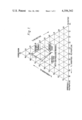
FIG. 1 is a ternary composition diagram for the media including amorphous polypropylene and
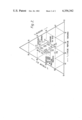
FIG. 2 a similar diagram for those including ethylene-propylene terpolymer.
In the first series of examples, the base consists of a conventionally refined mineral oil with a viscosity of 300 Saybolt Universal seconds, sold by Dalton & Company Limited of Silkolene Oil Refinery, Belper, Derbyshire, U.K. under the designation "cable compound base oil"; the first additive is a liquid polybutene sold by BP Chemicals Limited of Sully, Penarth, West Glamorgan, U.K. under the Trademark "Hyvis 200" and having a number average molecular weight of about 2,400; and the second additive is an amorphous polypropylene sold under the Trademark "A-Fax 900 DP" having a number average molecular weight of about 3460 and an intrinsic viscosity ([η]) of 0.51.
From these three ingredients, ten formulations detailed in Table I were prepared, and specimens of cellular polyethylene cable insulation were immersed in each formulation and held at 70° or 80° C. The percentage increase in specific gravity and mass of the insulation specimens were measured after five weeks exposure and in most cases after 20 weeks. The table also gives results of a simple drainage test in which a polyethylene tube 150 mm long and of 3 mm bore was filled with the filling medium formulation and held in a vertical position at the temperature indicated for three days. "No" indicates that the formulation did not drain from the tube and "Yes" that it did. For the sake of perspective, the table also includes some results for specimens similarly treated in three conventional cable filling media and in air. The conventional media are petroleum jelly compounds sold under trademarks as follows:
Compound I: Silkolene 949
Compound II: Silkolene 947
both sold by Dalton and Company Limited
Company III: Insojel 2460, a high-temperature medium sold by Dussek Campbell Limited of Crayford, Kent, United Kingdom.
                                  TABLE I
__________________________________________________________________________
                  % increase in Specific
                                  % increase in mass
Compound          Gravity of Insulation
                                  of Insulation
Example
     Formulation (%)
                  at 70° C.
                          at 80° C.
                                  at 70° C.
                                          at 80° C.
of the  First
             Second
                  5   20  5   20  5   20  5   20  Drainage Test
Invention
     Base
        Additive
             Additive
                  weeks
                      weeks
                          weeks
                              weeks
                                  weeks
                                      weeks
                                          weeks
                                              weeks
                                                  65° C.
                                                      70° C.
                                                          80°
__________________________________________________________________________
                                                          C.
1.1  45 26   29   0.1 0.3 1.0 1.4 5.0 5.5 6.8 9.8 no  no  no
1.2  45 33   22   0.0 0.0 1.2 0.1 5.5 6.1 7.1 6.3 no  no  no
1.3  52 19   29   0.2 0.6 0.3 0.8 6.3 6.7 7.0 7.9 no  no  no
1.4  52 26   22   0.1 0.4 0.5 1.4 6.4 6.5 7.4 7.7 no  no  no
1.5  52 33   15   0.9 0.7 0.3 1.4 7.0 6.4 7.7 7.5 no  no  no
1.6  59 19   22   1.0 1.4 2.1 0.4 7.6 7.8 10.1
                                              8.8 no  no  no
1.7  59 26   15   1.8 1.9 3.6 0.9 8.7 7.6 11.0
                                              8.0 no  no  no
1.8  59 12   29           0.7 0.1         7.8     no  no  no
1.9  66 12   22           1.9             9.5     no  no  no
1.10 66 19   15           0.9             8.5     no  no  no
Known materials for
comparison:
 Compound I       13.3
                      35.2        34.9
                                      60.8        yes yes yes
 Compound II      6.5 33.0        28.5
                                      63.1        yes yes yes
 Compound III     5.7 12.3        27.1
                                      37.5        no  yes yes
Air               0.6     0.8
__________________________________________________________________________
All the examples of the invention included in the table have formulations defined by points within the area ABCD in the drawing; formulations consisting of these three specific ingredients alone and defined by points outside that area are considered unsatisfactory for commercial use, for the reasons indicated in various areas of the drawing; different limitations of composition will of course apply to other materials, even of the same general classes.
In the second series of Examples, the base is the petroleum jelly Silkolene 949 referred to for comparison in Table I; the first additive is again "Hyvis 200"; and the second additive is an ethylenepropylene terpolymer rubber sold under the trademark "Keltan 578" by the Dutch State Mines Company and having a Mooney viscosity (ML 1+4 at 125° C.) of 53.
From these ingredients, twelve compositions were made up as detailed in Table II, which also shows the result of the drainage test as described above, the drop point of the mixture, and comments on compliance with the desired characteristics of resistance to both drainage and cell filling at 70° C., adequate processability and easy removal from the cable insulation. Comments on general characteristics are also included.
                                  TABLE II
__________________________________________________________________________
   COMPOUND FORMULATION
EX-
   (%)                      DROP
AM-    1ST    2ND    DRAINAGE
                            POINT
PLE
   BASE
       ADDITIVE
              ADDITIVE
                     AT 70° C.
                            (°C.)
                                 COMPLIANCE    COMMENTS
__________________________________________________________________________
2.1
   64  20     16     No     104  Satisfactory  Firm, low tack. Less easy
                                               than
                                               base jelly to remove, but
                                               leaves
                                               clean surface.
2.2
   68  20     12     No     82   Satisfactory  Firm, strips easily but
                                               leaves
                                               slightly tacky surface.
2.3
   72  20     8      Yes    68   Drains at 70° C.
                                               Soft, tacky, leaves tacky
                                               surface
2.4
   80  12     8      Yes    66   Drains at 70° C.
2.5
   76  12     12     No     81   Satisfactory  Firm, low tack. Less easy
                                               than
                                               base jelly to remove but
                                               leaves
2.6
   72  12     16     No     89   Satisfactory  clean surface.
2.7
   68  12     20     No     103  Too hard, poor
                                               Rubbery, peels to leave
                                               clean
                                 processability
                                               surface.
2.8
   72  16     12     No     86   Satisfactory  Firm, low tack. Less easy
                                               than
                                               base jelly to remove, but
                                               leaves
                                               clean surface.
2.9
   64  16     20     No     104  Too hard, poor
                                 processability
                                               Difficult to strip and
                                               leaves
2.10
   60  16     24     No     135  Too hard, poor
                                               tacky surface.
                                 processability
2.11
   68  24     8      Yes    78   Drains at 70° C.,
                                               Soft, bulk strips easily
                                               but a
                                 tacky for easy removal
                                               coating remains on
                                               surface.
2.12
   60  24     16     No     100  Too tacky for easy
                                               Leaves tacky surface.
                                 removal
__________________________________________________________________________
The composition are plotted in the composition diagram of FIG. 2; it will be seen that the five compositions that complied with the desired characteristics (and which are considered commercially satisfactory) fall inside the area EFGH of the drawing; they are in all cases easier to remove from the insulation than any of the compositions set out in Table 1. The seven compositions outside the area EFGH all fail to comply with at least one of the desired characteristics and are considered unsatisfactory.
Claims (7)
1. A fully-filled telecommunication cable comprising a multiplicity of conductors each insulated with cellular polymeric material selected from the group consisting of polyethylene and polypropylene and enclosed in a sheath, the interstices between the insulated conductors and between them and the sheath being filled with a waterproof filling medium having a base comprising a hydrocarbon oil, characterised by the use of two non-polar additives, namely:
(i) a first additive which is soluble and consists substantially of molecules that are substantially incapable of diffusing into polyethylene or polypropylene at temperatures of up to 80° C. but having a low enough (number average) molecular weight to reduce significantly the osmotic pressure of the base, this additive having no appreciable useful effect on the composition's resistance to flow at temperatures in the range 50°-80° C.; and
(ii) a second additive which is polymeric and has a high enough (viscosity average) molecular weight to raise the resistance to flow of the composition so that the cable will pass a water-penetration test as defined in Post Office Telecommunications Specification No. CW236 (issued by the Post Office Corporation in Great Britain) not only at room temperature but also at temperatures up to a limit that is higher than 50° C.
2. A cable as claimed in claim 1 in which the base also includes a gelling agent.
3. A cable as claimed in claim 1 or claim 2, characterised in that both additives are hydrocarbon polymers.
4. A cable as claimed in claim 1 characterised in that the first additive is polybutene oil.
5. A cable as claimed in claim 1 characterised in that the second additive is an amorphous polypropylene.
6. A cable as claimed in claim 1 characterised in that the second additive is selected from the group consisting of polyisobutylenes and butyl rubbers.
7. A cable as claimed in claim 1 characterised in that the second additive is selected from the group consisting of copolymers and terpolymers of ethylene and propylene.
Applications Claiming Priority (3)
| Application Number | Priority Date | Filing Date | Title |
|---|---|---|---|
| GB4392477 | 1977-10-21 | ||
| GB7929881 | 1979-08-29 | ||
| GB7941631 | 1979-12-03 |
Related Parent Applications (2)
| Application Number | Title | Priority Date | Filing Date |
|---|---|---|---|
| US05952590 Continuation-In-Part | 1978-10-18 | ||
| US06087437 Continuation-In-Part | 1979-10-22 |
Related Child Applications (1)
| Application Number | Title | Priority Date | Filing Date |
|---|---|---|---|
| US06400480 Continuation | 1982-07-21 |
Publications (1)
| Publication Number | Publication Date |
|---|---|
| US4356342A true US4356342A (en) | 1982-10-26 |
Family
ID=10430957
Family Applications (1)
| Application Number | Title | Priority Date | Filing Date |
|---|---|---|---|
| US06/177,925 Expired - Lifetime US4356342A (en) | 1977-10-21 | 1980-08-13 | Fully-filled telecommunication cables |
Country Status (4)
| Country | Link |
|---|---|
| US (1) | US4356342A (en) |
| EP (1) | EP0001713B1 (en) |
| CA (1) | CA1117678A (en) |
| DE (1) | DE2862232D1 (en) |
Cited By (8)
| Publication number | Priority date | Publication date | Assignee | Title |
|---|---|---|---|---|
| US4429065A (en) | 1981-08-10 | 1984-01-31 | Gancy Alan B | Controlled density hydraulic fluids |
| US4617422A (en) * | 1981-01-30 | 1986-10-14 | Bicc Public Limited Company | Electric cables and compositions for use in them |
| US6085009A (en) * | 1998-05-12 | 2000-07-04 | Alcatel | Water blocking gels compatible with polyolefin optical fiber cable buffer tubes and cables made therewith |
| US10150868B1 (en) | 2018-03-28 | 2018-12-11 | Dow Global Technologies Llc | Flooding composition with polysiloxane |
| US10162141B1 (en) | 2018-03-28 | 2018-12-25 | Dow Global Technologies Llc | Flooding composition with polysiloxane |
| US10407567B2 (en) | 2015-03-31 | 2019-09-10 | Dow Global Technologies Llc | Flooding compounds for telecommunication cables having polymeric filler and branched olefinic fluid |
| US10563147B2 (en) | 2015-03-31 | 2020-02-18 | Dow Global Technologies Llc | Flooding compounds for telecommunication cables |
| US10712522B2 (en) | 2016-07-29 | 2020-07-14 | Dow Global Technologies Llc | Flooding compositions comprising bio-based fluids |
Families Citing this family (2)
| Publication number | Priority date | Publication date | Assignee | Title |
|---|---|---|---|---|
| DE3018141C2 (en) * | 1980-05-12 | 1988-07-28 | Siemens AG, 1000 Berlin und 8000 München | Longitudinally watertight cables, in particular communication cables |
| CA1156450A (en) * | 1981-01-30 | 1983-11-08 | John M. R. Hagger | Electric cables and compositions for use in them |
Citations (5)
| Publication number | Priority date | Publication date | Assignee | Title |
|---|---|---|---|---|
| US3733427A (en) * | 1972-05-11 | 1973-05-15 | Union Carbide Canada Ltd | Waterproof electrical cable |
| US3856980A (en) * | 1969-11-28 | 1974-12-24 | British Insulated Callenders | Telecommunication cables |
| US3904541A (en) * | 1973-07-13 | 1975-09-09 | Hexcel Corp | Transmission cable filling compound |
| US4105619A (en) * | 1977-05-20 | 1978-08-08 | Witco Chemical Corporation | Cable filler |
| US4246435A (en) * | 1979-07-20 | 1981-01-20 | General Cable Corporation | Filled communication cable employing a paraffinic oil-base filling compound |
Family Cites Families (3)
| Publication number | Priority date | Publication date | Assignee | Title |
|---|---|---|---|---|
| GB811133A (en) * | 1955-11-19 | 1959-04-02 | Pirelli | Improvements in or relating to non-draining compositions for use in electric cables |
| BE791914A (en) * | 1971-11-25 | 1973-03-16 | Union Carbide Canada Ltd | FILLING COMPOSITION FOR CABLES |
| DE2320254A1 (en) * | 1973-04-19 | 1974-11-07 | Siemens Ag | Water-repellent filler for cable-fittings - contg paraffin oil, polybutene, polyethylene wax and colloidal silica |
-
1978
- 1978-10-17 CA CA000313557A patent/CA1117678A/en not_active Expired
- 1978-10-20 EP EP78300524A patent/EP0001713B1/en not_active Expired
- 1978-10-20 DE DE7878300524T patent/DE2862232D1/en not_active Expired
-
1980
- 1980-08-13 US US06/177,925 patent/US4356342A/en not_active Expired - Lifetime
Patent Citations (5)
| Publication number | Priority date | Publication date | Assignee | Title |
|---|---|---|---|---|
| US3856980A (en) * | 1969-11-28 | 1974-12-24 | British Insulated Callenders | Telecommunication cables |
| US3733427A (en) * | 1972-05-11 | 1973-05-15 | Union Carbide Canada Ltd | Waterproof electrical cable |
| US3904541A (en) * | 1973-07-13 | 1975-09-09 | Hexcel Corp | Transmission cable filling compound |
| US4105619A (en) * | 1977-05-20 | 1978-08-08 | Witco Chemical Corporation | Cable filler |
| US4246435A (en) * | 1979-07-20 | 1981-01-20 | General Cable Corporation | Filled communication cable employing a paraffinic oil-base filling compound |
Cited By (8)
| Publication number | Priority date | Publication date | Assignee | Title |
|---|---|---|---|---|
| US4617422A (en) * | 1981-01-30 | 1986-10-14 | Bicc Public Limited Company | Electric cables and compositions for use in them |
| US4429065A (en) | 1981-08-10 | 1984-01-31 | Gancy Alan B | Controlled density hydraulic fluids |
| US6085009A (en) * | 1998-05-12 | 2000-07-04 | Alcatel | Water blocking gels compatible with polyolefin optical fiber cable buffer tubes and cables made therewith |
| US10407567B2 (en) | 2015-03-31 | 2019-09-10 | Dow Global Technologies Llc | Flooding compounds for telecommunication cables having polymeric filler and branched olefinic fluid |
| US10563147B2 (en) | 2015-03-31 | 2020-02-18 | Dow Global Technologies Llc | Flooding compounds for telecommunication cables |
| US10712522B2 (en) | 2016-07-29 | 2020-07-14 | Dow Global Technologies Llc | Flooding compositions comprising bio-based fluids |
| US10150868B1 (en) | 2018-03-28 | 2018-12-11 | Dow Global Technologies Llc | Flooding composition with polysiloxane |
| US10162141B1 (en) | 2018-03-28 | 2018-12-25 | Dow Global Technologies Llc | Flooding composition with polysiloxane |
Also Published As
| Publication number | Publication date |
|---|---|
| EP0001713A1 (en) | 1979-05-02 |
| DE2862232D1 (en) | 1983-05-19 |
| EP0001713B1 (en) | 1983-04-13 |
| CA1117678A (en) | 1982-02-02 |
Similar Documents
| Publication | Publication Date | Title |
|---|---|---|
| US4259540A (en) | Filled cables | |
| US4176240A (en) | Filled electrical cable | |
| US4509821A (en) | Filling material for electric cable | |
| KR100241526B1 (en) | Sealant Compositions and Sealed Electrical Connectors | |
| US4105619A (en) | Cable filler | |
| US4351913A (en) | Filling materials for electrical and light waveguide communications cables | |
| GB2092176A (en) | Compositions for use in electric cables | |
| US6664476B2 (en) | Electrical cable with self-repairing protection | |
| KR940004662A (en) | Cable with waterproofing | |
| CA1117678A (en) | Water-resisting oil base filling media for use in electric cables for high temperature service | |
| US4551569A (en) | Telecommunication cable filling composition | |
| EP0940819B1 (en) | Electrical cable with self-repairing protection | |
| US4617422A (en) | Electric cables and compositions for use in them | |
| US4190570A (en) | Cable filler | |
| EP0074714A2 (en) | Improved filling material for cables | |
| GB2299098A (en) | Water swellable compositions useful as cable fillers | |
| WO2001012432A1 (en) | Stranded conductor filling compound and cables using same | |
| DE3877198T2 (en) | GEL COMPOSITION. | |
| RU2364966C1 (en) | Sealing materials containing diblock copolymers and methods of their production | |
| US4110137A (en) | Composition for filling cables | |
| USH624H (en) | Polybutylene gel filled cables | |
| GB2131045A (en) | Compositions for use in electric cables | |
| JPS6353647B2 (en) | ||
| JPS58174429A (en) | Filling composition for communication cable | |
| AU2003204994B2 (en) | Electrical cable with self-repairing protection |
Legal Events
| Date | Code | Title | Description |
|---|---|---|---|
| AS | Assignment |
Owner name: BICC LIMITED OF 2L BLOOMSBURY ST., LONDON WC1B 3QN Free format text: ASSIGNMENT OF ASSIGNORS INTEREST.;ASSIGNOR:VERNE STEFAN;REEL/FRAME:003841/0330 Effective date: 19810227 |
|
| STCF | Information on status: patent grant |
Free format text: PATENTED CASE |
|
| CC | Certificate of correction |