US4125519A - Polypeptides containing 3,4-dihydroxyphenylalanine - Google Patents
Polypeptides containing 3,4-dihydroxyphenylalanine Download PDFInfo
- Publication number
- US4125519A US4125519A US05/731,946 US73194676A US4125519A US 4125519 A US4125519 A US 4125519A US 73194676 A US73194676 A US 73194676A US 4125519 A US4125519 A US 4125519A
- Authority
- US
- United States
- Prior art keywords
- dopa
- copolymer
- molecular weight
- polymers
- nca
- Prior art date
- Legal status (The legal status is an assumption and is not a legal conclusion. Google has not performed a legal analysis and makes no representation as to the accuracy of the status listed.)
- Expired - Lifetime
Links
- WTDRDQBEARUVNC-LURJTMIESA-N L-DOPA Chemical compound OC(=O)[C@@H](N)CC1=CC=C(O)C(O)=C1 WTDRDQBEARUVNC-LURJTMIESA-N 0.000 title claims abstract description 50
- WTDRDQBEARUVNC-UHFFFAOYSA-N L-Dopa Natural products OC(=O)C(N)CC1=CC=C(O)C(O)=C1 WTDRDQBEARUVNC-UHFFFAOYSA-N 0.000 title abstract description 4
- 108090000765 processed proteins & peptides Proteins 0.000 title description 21
- 229920001184 polypeptide Polymers 0.000 title description 20
- 102000004196 processed proteins & peptides Human genes 0.000 title description 20
- 229920000642 polymer Polymers 0.000 claims abstract description 38
- 229920001577 copolymer Polymers 0.000 claims abstract description 27
- -1 poly(3,4-dihydroxy-L-phenylalanine) Polymers 0.000 claims description 9
- 125000006239 protecting group Chemical group 0.000 claims description 7
- 239000007787 solid Substances 0.000 claims description 6
- 235000008206 alpha-amino acids Nutrition 0.000 claims description 4
- 125000000217 alkyl group Chemical group 0.000 claims description 2
- 150000001370 alpha-amino acid derivatives Chemical class 0.000 claims description 2
- 125000003118 aryl group Chemical group 0.000 claims description 2
- 229920005684 linear copolymer Polymers 0.000 claims 2
- 101150108015 STR6 gene Proteins 0.000 claims 1
- 229940024606 amino acid Drugs 0.000 abstract description 18
- 150000001413 amino acids Chemical class 0.000 abstract description 18
- 239000003963 antioxidant agent Substances 0.000 abstract description 9
- 229920001519 homopolymer Polymers 0.000 abstract description 8
- 230000015572 biosynthetic process Effects 0.000 abstract description 6
- 238000003786 synthesis reaction Methods 0.000 abstract description 5
- 239000000835 fiber Substances 0.000 abstract description 4
- 208000027089 Parkinsonian disease Diseases 0.000 abstract description 2
- 206010034010 Parkinsonism Diseases 0.000 abstract description 2
- 238000004519 manufacturing process Methods 0.000 abstract description 2
- 238000012377 drug delivery Methods 0.000 abstract 1
- 230000001453 nonthrombogenic effect Effects 0.000 abstract 1
- 239000000758 substrate Substances 0.000 abstract 1
- 235000001014 amino acid Nutrition 0.000 description 16
- 239000000243 solution Substances 0.000 description 13
- 238000000034 method Methods 0.000 description 12
- RTZKZFJDLAIYFH-UHFFFAOYSA-N Diethyl ether Chemical compound CCOCC RTZKZFJDLAIYFH-UHFFFAOYSA-N 0.000 description 10
- 229910001385 heavy metal Inorganic materials 0.000 description 8
- 150000002500 ions Chemical class 0.000 description 8
- 238000006116 polymerization reaction Methods 0.000 description 8
- 239000000463 material Substances 0.000 description 7
- 239000000178 monomer Substances 0.000 description 7
- UHOVQNZJYSORNB-UHFFFAOYSA-N Benzene Chemical compound C1=CC=CC=C1 UHOVQNZJYSORNB-UHFFFAOYSA-N 0.000 description 6
- 239000013543 active substance Substances 0.000 description 6
- 239000007864 aqueous solution Substances 0.000 description 6
- 239000003054 catalyst Substances 0.000 description 6
- 238000002360 preparation method Methods 0.000 description 6
- 229910052751 metal Inorganic materials 0.000 description 5
- 239000002184 metal Substances 0.000 description 5
- 239000000203 mixture Substances 0.000 description 5
- 239000003208 petroleum Substances 0.000 description 5
- XLYOFNOQVPJJNP-UHFFFAOYSA-N water Substances O XLYOFNOQVPJJNP-UHFFFAOYSA-N 0.000 description 5
- RYHBNJHYFVUHQT-UHFFFAOYSA-N 1,4-Dioxane Chemical compound C1COCCO1 RYHBNJHYFVUHQT-UHFFFAOYSA-N 0.000 description 4
- WQDUMFSSJAZKTM-UHFFFAOYSA-N Sodium methoxide Chemical compound [Na+].[O-]C WQDUMFSSJAZKTM-UHFFFAOYSA-N 0.000 description 4
- 230000003078 antioxidant effect Effects 0.000 description 4
- 230000006866 deterioration Effects 0.000 description 4
- 239000003085 diluting agent Substances 0.000 description 4
- 125000002887 hydroxy group Chemical group [H]O* 0.000 description 4
- 239000007788 liquid Substances 0.000 description 4
- 239000003921 oil Substances 0.000 description 4
- 235000019198 oils Nutrition 0.000 description 4
- 239000000047 product Substances 0.000 description 4
- 239000007858 starting material Substances 0.000 description 4
- LFQSCWFLJHTTHZ-UHFFFAOYSA-N Ethanol Chemical compound CCO LFQSCWFLJHTTHZ-UHFFFAOYSA-N 0.000 description 3
- GUBGYTABKSRVRQ-QKKXKWKRSA-N Lactose Natural products OC[C@H]1O[C@@H](O[C@H]2[C@H](O)[C@@H](O)C(O)O[C@@H]2CO)[C@H](O)[C@@H](O)[C@H]1O GUBGYTABKSRVRQ-QKKXKWKRSA-N 0.000 description 3
- ZMXDDKWLCZADIW-UHFFFAOYSA-N N,N-Dimethylformamide Chemical compound CN(C)C=O ZMXDDKWLCZADIW-UHFFFAOYSA-N 0.000 description 3
- KWYUFKZDYYNOTN-UHFFFAOYSA-M Potassium hydroxide Chemical compound [OH-].[K+] KWYUFKZDYYNOTN-UHFFFAOYSA-M 0.000 description 3
- HEMHJVSKTPXQMS-UHFFFAOYSA-M Sodium hydroxide Chemical compound [OH-].[Na+] HEMHJVSKTPXQMS-UHFFFAOYSA-M 0.000 description 3
- YXFVVABEGXRONW-UHFFFAOYSA-N Toluene Chemical compound CC1=CC=CC=C1 YXFVVABEGXRONW-UHFFFAOYSA-N 0.000 description 3
- ZMANZCXQSJIPKH-UHFFFAOYSA-N Triethylamine Chemical compound CCN(CC)CC ZMANZCXQSJIPKH-UHFFFAOYSA-N 0.000 description 3
- 239000000939 antiparkinson agent Substances 0.000 description 3
- 230000000903 blocking effect Effects 0.000 description 3
- 230000006196 deacetylation Effects 0.000 description 3
- 238000003381 deacetylation reaction Methods 0.000 description 3
- 235000013305 food Nutrition 0.000 description 3
- 229920006158 high molecular weight polymer Polymers 0.000 description 3
- 239000008101 lactose Substances 0.000 description 3
- 150000002739 metals Chemical class 0.000 description 3
- 239000003960 organic solvent Substances 0.000 description 3
- 230000001590 oxidative effect Effects 0.000 description 3
- 239000008194 pharmaceutical composition Substances 0.000 description 3
- 239000002244 precipitate Substances 0.000 description 3
- 238000001556 precipitation Methods 0.000 description 3
- 230000002035 prolonged effect Effects 0.000 description 3
- 150000003839 salts Chemical class 0.000 description 3
- 239000003826 tablet Substances 0.000 description 3
- 239000000454 talc Substances 0.000 description 3
- 235000012222 talc Nutrition 0.000 description 3
- 229910052623 talc Inorganic materials 0.000 description 3
- HZAXFHJVJLSVMW-UHFFFAOYSA-N 2-Aminoethan-1-ol Chemical compound NCCO HZAXFHJVJLSVMW-UHFFFAOYSA-N 0.000 description 2
- 229920002261 Corn starch Polymers 0.000 description 2
- IAZDPXIOMUYVGZ-UHFFFAOYSA-N Dimethylsulphoxide Chemical compound CS(C)=O IAZDPXIOMUYVGZ-UHFFFAOYSA-N 0.000 description 2
- DHMQDGOQFOQNFH-UHFFFAOYSA-N Glycine Chemical compound NCC(O)=O DHMQDGOQFOQNFH-UHFFFAOYSA-N 0.000 description 2
- VEXZGXHMUGYJMC-UHFFFAOYSA-N Hydrochloric acid Chemical compound Cl VEXZGXHMUGYJMC-UHFFFAOYSA-N 0.000 description 2
- CPELXLSAUQHCOX-UHFFFAOYSA-N Hydrogen bromide Chemical compound Br CPELXLSAUQHCOX-UHFFFAOYSA-N 0.000 description 2
- XEEYBQQBJWHFJM-UHFFFAOYSA-N Iron Chemical compound [Fe] XEEYBQQBJWHFJM-UHFFFAOYSA-N 0.000 description 2
- WHUUTDBJXJRKMK-VKHMYHEASA-N L-glutamic acid Chemical compound OC(=O)[C@@H](N)CCC(O)=O WHUUTDBJXJRKMK-VKHMYHEASA-N 0.000 description 2
- COLNVLDHVKWLRT-QMMMGPOBSA-N L-phenylalanine Chemical compound OC(=O)[C@@H](N)CC1=CC=CC=C1 COLNVLDHVKWLRT-QMMMGPOBSA-N 0.000 description 2
- JLTDJTHDQAWBAV-UHFFFAOYSA-N N,N-dimethylaniline Chemical compound CN(C)C1=CC=CC=C1 JLTDJTHDQAWBAV-UHFFFAOYSA-N 0.000 description 2
- PXHVJJICTQNCMI-UHFFFAOYSA-N Nickel Chemical compound [Ni] PXHVJJICTQNCMI-UHFFFAOYSA-N 0.000 description 2
- KDLHZDBZIXYQEI-UHFFFAOYSA-N Palladium Chemical compound [Pd] KDLHZDBZIXYQEI-UHFFFAOYSA-N 0.000 description 2
- YGYAWVDWMABLBF-UHFFFAOYSA-N Phosgene Chemical compound ClC(Cl)=O YGYAWVDWMABLBF-UHFFFAOYSA-N 0.000 description 2
- 239000004698 Polyethylene Substances 0.000 description 2
- WUGQZFFCHPXWKQ-UHFFFAOYSA-N Propanolamine Chemical compound NCCCO WUGQZFFCHPXWKQ-UHFFFAOYSA-N 0.000 description 2
- JUJWROOIHBZHMG-UHFFFAOYSA-N Pyridine Chemical compound C1=CC=NC=C1 JUJWROOIHBZHMG-UHFFFAOYSA-N 0.000 description 2
- 229910052770 Uranium Inorganic materials 0.000 description 2
- 125000002777 acetyl group Chemical group [H]C([H])([H])C(*)=O 0.000 description 2
- 150000001371 alpha-amino acids Chemical class 0.000 description 2
- 229940125688 antiparkinson agent Drugs 0.000 description 2
- 235000013405 beer Nutrition 0.000 description 2
- 235000015496 breakfast cereal Nutrition 0.000 description 2
- 239000002738 chelating agent Substances 0.000 description 2
- 238000006243 chemical reaction Methods 0.000 description 2
- MVPPADPHJFYWMZ-UHFFFAOYSA-N chlorobenzene Chemical compound ClC1=CC=CC=C1 MVPPADPHJFYWMZ-UHFFFAOYSA-N 0.000 description 2
- 238000007334 copolymerization reaction Methods 0.000 description 2
- 239000008120 corn starch Substances 0.000 description 2
- 238000010511 deprotection reaction Methods 0.000 description 2
- 239000002552 dosage form Substances 0.000 description 2
- 239000000839 emulsion Substances 0.000 description 2
- 230000001747 exhibiting effect Effects 0.000 description 2
- 229960002989 glutamic acid Drugs 0.000 description 2
- 239000010687 lubricating oil Substances 0.000 description 2
- HQKMJHAJHXVSDF-UHFFFAOYSA-L magnesium stearate Chemical compound [Mg+2].CCCCCCCCCCCCCCCCCC([O-])=O.CCCCCCCCCCCCCCCCCC([O-])=O HQKMJHAJHXVSDF-UHFFFAOYSA-L 0.000 description 2
- 239000008177 pharmaceutical agent Substances 0.000 description 2
- 239000000825 pharmaceutical preparation Substances 0.000 description 2
- ISWSIDIOOBJBQZ-UHFFFAOYSA-N phenol group Chemical group C1(=CC=CC=C1)O ISWSIDIOOBJBQZ-UHFFFAOYSA-N 0.000 description 2
- COLNVLDHVKWLRT-UHFFFAOYSA-N phenylalanine Natural products OC(=O)C(N)CC1=CC=CC=C1 COLNVLDHVKWLRT-UHFFFAOYSA-N 0.000 description 2
- 230000001766 physiological effect Effects 0.000 description 2
- 229920000573 polyethylene Polymers 0.000 description 2
- 230000000379 polymerizing effect Effects 0.000 description 2
- 239000000843 powder Substances 0.000 description 2
- 229920005604 random copolymer Polymers 0.000 description 2
- 239000000376 reactant Substances 0.000 description 2
- 238000004904 shortening Methods 0.000 description 2
- 235000020374 simple syrup Nutrition 0.000 description 2
- 238000003756 stirring Methods 0.000 description 2
- 125000001424 substituent group Chemical group 0.000 description 2
- 239000000725 suspension Substances 0.000 description 2
- 230000001225 therapeutic effect Effects 0.000 description 2
- 239000013638 trimer Substances 0.000 description 2
- 235000015112 vegetable and seed oil Nutrition 0.000 description 2
- 239000008158 vegetable oil Substances 0.000 description 2
- ATCFYQUZTYQTJN-AXDSSHIGSA-N (2s)-2-amino-4-benzylpentanedioic acid Chemical compound OC(=O)[C@@H](N)CC(C(O)=O)CC1=CC=CC=C1 ATCFYQUZTYQTJN-AXDSSHIGSA-N 0.000 description 1
- NWUYHJFMYQTDRP-UHFFFAOYSA-N 1,2-bis(ethenyl)benzene;1-ethenyl-2-ethylbenzene;styrene Chemical compound C=CC1=CC=CC=C1.CCC1=CC=CC=C1C=C.C=CC1=CC=CC=C1C=C NWUYHJFMYQTDRP-UHFFFAOYSA-N 0.000 description 1
- IHSNQUNHINYDDN-UHFFFAOYSA-N 2-(benzylamino)pentanedioic acid Chemical compound OC(=O)CCC(C(O)=O)NCC1=CC=CC=C1 IHSNQUNHINYDDN-UHFFFAOYSA-N 0.000 description 1
- 241000251468 Actinopterygii Species 0.000 description 1
- DCXYFEDJOCDNAF-UHFFFAOYSA-N Asparagine Natural products OC(=O)C(N)CC(N)=O DCXYFEDJOCDNAF-UHFFFAOYSA-N 0.000 description 1
- 244000186140 Asperula odorata Species 0.000 description 1
- 239000004215 Carbon black (E152) Substances 0.000 description 1
- RYGMFSIKBFXOCR-UHFFFAOYSA-N Copper Chemical compound [Cu] RYGMFSIKBFXOCR-UHFFFAOYSA-N 0.000 description 1
- JPVYNHNXODAKFH-UHFFFAOYSA-N Cu2+ Chemical compound [Cu+2] JPVYNHNXODAKFH-UHFFFAOYSA-N 0.000 description 1
- WTDRDQBEARUVNC-ZCFIWIBFSA-N D-DOPA Chemical compound OC(=O)[C@H](N)CC1=CC=C(O)C(O)=C1 WTDRDQBEARUVNC-ZCFIWIBFSA-N 0.000 description 1
- 235000008526 Galium odoratum Nutrition 0.000 description 1
- 108010010803 Gelatin Proteins 0.000 description 1
- WHUUTDBJXJRKMK-UHFFFAOYSA-N Glutamic acid Natural products OC(=O)C(N)CCC(O)=O WHUUTDBJXJRKMK-UHFFFAOYSA-N 0.000 description 1
- 239000004471 Glycine Substances 0.000 description 1
- QNAYBMKLOCPYGJ-REOHCLBHSA-N L-alanine Chemical compound C[C@H](N)C(O)=O QNAYBMKLOCPYGJ-REOHCLBHSA-N 0.000 description 1
- DCXYFEDJOCDNAF-REOHCLBHSA-N L-asparagine Chemical compound OC(=O)[C@@H](N)CC(N)=O DCXYFEDJOCDNAF-REOHCLBHSA-N 0.000 description 1
- ZDXPYRJPNDTMRX-VKHMYHEASA-N L-glutamine Chemical compound OC(=O)[C@@H](N)CCC(N)=O ZDXPYRJPNDTMRX-VKHMYHEASA-N 0.000 description 1
- ROHFNLRQFUQHCH-YFKPBYRVSA-N L-leucine Chemical compound CC(C)C[C@H](N)C(O)=O ROHFNLRQFUQHCH-YFKPBYRVSA-N 0.000 description 1
- KDXKERNSBIXSRK-YFKPBYRVSA-N L-lysine Chemical compound NCCCC[C@H](N)C(O)=O KDXKERNSBIXSRK-YFKPBYRVSA-N 0.000 description 1
- OUYCCCASQSFEME-QMMMGPOBSA-N L-tyrosine Chemical compound OC(=O)[C@@H](N)CC1=CC=C(O)C=C1 OUYCCCASQSFEME-QMMMGPOBSA-N 0.000 description 1
- KZSNJWFQEVHDMF-BYPYZUCNSA-N L-valine Chemical compound CC(C)[C@H](N)C(O)=O KZSNJWFQEVHDMF-BYPYZUCNSA-N 0.000 description 1
- ROHFNLRQFUQHCH-UHFFFAOYSA-N Leucine Natural products CC(C)CC(N)C(O)=O ROHFNLRQFUQHCH-UHFFFAOYSA-N 0.000 description 1
- KDXKERNSBIXSRK-UHFFFAOYSA-N Lysine Natural products NCCCCC(N)C(O)=O KDXKERNSBIXSRK-UHFFFAOYSA-N 0.000 description 1
- 239000004472 Lysine Substances 0.000 description 1
- 101100386054 Saccharomyces cerevisiae (strain ATCC 204508 / S288c) CYS3 gene Proteins 0.000 description 1
- 229920002472 Starch Polymers 0.000 description 1
- QAOWNCQODCNURD-UHFFFAOYSA-L Sulfate Chemical compound [O-]S([O-])(=O)=O QAOWNCQODCNURD-UHFFFAOYSA-L 0.000 description 1
- KZSNJWFQEVHDMF-UHFFFAOYSA-N Valine Natural products CC(C)C(N)C(O)=O KZSNJWFQEVHDMF-UHFFFAOYSA-N 0.000 description 1
- 230000000397 acetylating effect Effects 0.000 description 1
- 239000002253 acid Substances 0.000 description 1
- 239000003929 acidic solution Substances 0.000 description 1
- 239000004480 active ingredient Substances 0.000 description 1
- 125000002252 acyl group Chemical group 0.000 description 1
- 235000004279 alanine Nutrition 0.000 description 1
- 229910052783 alkali metal Inorganic materials 0.000 description 1
- 125000002947 alkylene group Chemical group 0.000 description 1
- 238000007098 aminolysis reaction Methods 0.000 description 1
- 239000003242 anti bacterial agent Substances 0.000 description 1
- 230000000648 anti-parkinson Effects 0.000 description 1
- 229940088710 antibiotic agent Drugs 0.000 description 1
- 229940037157 anticorticosteroids Drugs 0.000 description 1
- 229940121375 antifungal agent Drugs 0.000 description 1
- 239000003429 antifungal agent Substances 0.000 description 1
- 150000004945 aromatic hydrocarbons Chemical class 0.000 description 1
- 235000009582 asparagine Nutrition 0.000 description 1
- 229960001230 asparagine Drugs 0.000 description 1
- 239000012298 atmosphere Substances 0.000 description 1
- 239000002585 base Substances 0.000 description 1
- 235000013361 beverage Nutrition 0.000 description 1
- 230000004071 biological effect Effects 0.000 description 1
- 235000015895 biscuits Nutrition 0.000 description 1
- 239000002981 blocking agent Substances 0.000 description 1
- 239000000872 buffer Substances 0.000 description 1
- HQABUPZFAYXKJW-UHFFFAOYSA-N butan-1-amine Chemical compound CCCCN HQABUPZFAYXKJW-UHFFFAOYSA-N 0.000 description 1
- 229910052793 cadmium Inorganic materials 0.000 description 1
- BDOSMKKIYDKNTQ-UHFFFAOYSA-N cadmium atom Chemical compound [Cd] BDOSMKKIYDKNTQ-UHFFFAOYSA-N 0.000 description 1
- 239000002775 capsule Substances 0.000 description 1
- 125000003178 carboxy group Chemical group [H]OC(*)=O 0.000 description 1
- 239000000969 carrier Substances 0.000 description 1
- 239000012876 carrier material Substances 0.000 description 1
- YCIMNLLNPGFGHC-UHFFFAOYSA-N catechol Chemical group OC1=CC=CC=C1O YCIMNLLNPGFGHC-UHFFFAOYSA-N 0.000 description 1
- 230000000973 chemotherapeutic effect Effects 0.000 description 1
- 150000008280 chlorinated hydrocarbons Chemical class 0.000 description 1
- 238000003776 cleavage reaction Methods 0.000 description 1
- 229910017052 cobalt Inorganic materials 0.000 description 1
- 239000010941 cobalt Substances 0.000 description 1
- GUTLYIVDDKVIGB-UHFFFAOYSA-N cobalt atom Chemical compound [Co] GUTLYIVDDKVIGB-UHFFFAOYSA-N 0.000 description 1
- 150000001875 compounds Chemical class 0.000 description 1
- 238000006482 condensation reaction Methods 0.000 description 1
- 229910052802 copper Inorganic materials 0.000 description 1
- 239000010949 copper Substances 0.000 description 1
- 229910001431 copper ion Inorganic materials 0.000 description 1
- 239000003246 corticosteroid Substances 0.000 description 1
- 235000012495 crackers Nutrition 0.000 description 1
- 230000020176 deacylation Effects 0.000 description 1
- 238000005947 deacylation reaction Methods 0.000 description 1
- 238000006264 debenzylation reaction Methods 0.000 description 1
- DHQUQYYPAWHGAR-KRWDZBQOSA-N dibenzyl (2s)-2-aminopentanedioate Chemical compound C([C@H](N)C(=O)OCC=1C=CC=CC=1)CC(=O)OCC1=CC=CC=C1 DHQUQYYPAWHGAR-KRWDZBQOSA-N 0.000 description 1
- 239000000539 dimer Substances 0.000 description 1
- 235000011869 dried fruits Nutrition 0.000 description 1
- 235000021463 dry cake Nutrition 0.000 description 1
- 238000001035 drying Methods 0.000 description 1
- 230000000694 effects Effects 0.000 description 1
- 239000003995 emulsifying agent Substances 0.000 description 1
- 230000002255 enzymatic effect Effects 0.000 description 1
- 150000002148 esters Chemical class 0.000 description 1
- 150000002170 ethers Chemical class 0.000 description 1
- 239000003925 fat Substances 0.000 description 1
- 239000000796 flavoring agent Substances 0.000 description 1
- 238000009920 food preservation Methods 0.000 description 1
- PGBHMTALBVVCIT-VCIWKGPPSA-N framycetin Chemical compound N[C@@H]1[C@@H](O)[C@H](O)[C@H](CN)O[C@@H]1O[C@H]1[C@@H](O)[C@H](O[C@H]2[C@@H]([C@@H](N)C[C@@H](N)[C@@H]2O)O[C@@H]2[C@@H]([C@@H](O)[C@H](O)[C@@H](CN)O2)N)O[C@@H]1CO PGBHMTALBVVCIT-VCIWKGPPSA-N 0.000 description 1
- 235000013611 frozen food Nutrition 0.000 description 1
- 239000003502 gasoline Substances 0.000 description 1
- 210000001035 gastrointestinal tract Anatomy 0.000 description 1
- 239000000499 gel Substances 0.000 description 1
- 239000008273 gelatin Substances 0.000 description 1
- 229920000159 gelatin Polymers 0.000 description 1
- 235000019322 gelatine Nutrition 0.000 description 1
- 235000011852 gelatine desserts Nutrition 0.000 description 1
- 230000002070 germicidal effect Effects 0.000 description 1
- 235000013922 glutamic acid Nutrition 0.000 description 1
- 239000004220 glutamic acid Substances 0.000 description 1
- ZDXPYRJPNDTMRX-UHFFFAOYSA-N glutamine Natural products OC(=O)C(N)CCC(N)=O ZDXPYRJPNDTMRX-UHFFFAOYSA-N 0.000 description 1
- PCHJSUWPFVWCPO-UHFFFAOYSA-N gold Chemical compound [Au] PCHJSUWPFVWCPO-UHFFFAOYSA-N 0.000 description 1
- 229910052737 gold Inorganic materials 0.000 description 1
- 239000010931 gold Substances 0.000 description 1
- 239000008187 granular material Substances 0.000 description 1
- 238000010438 heat treatment Methods 0.000 description 1
- 239000005556 hormone Substances 0.000 description 1
- 229940088597 hormone Drugs 0.000 description 1
- 229930195733 hydrocarbon Natural products 0.000 description 1
- 150000002430 hydrocarbons Chemical class 0.000 description 1
- 229910000042 hydrogen bromide Inorganic materials 0.000 description 1
- 230000003301 hydrolyzing effect Effects 0.000 description 1
- 239000003999 initiator Substances 0.000 description 1
- 230000000977 initiatory effect Effects 0.000 description 1
- 229910010272 inorganic material Inorganic materials 0.000 description 1
- 239000011147 inorganic material Substances 0.000 description 1
- 229910052500 inorganic mineral Inorganic materials 0.000 description 1
- 230000002452 interceptive effect Effects 0.000 description 1
- 239000003456 ion exchange resin Substances 0.000 description 1
- 229920003303 ion-exchange polymer Polymers 0.000 description 1
- 229910052742 iron Inorganic materials 0.000 description 1
- 230000001788 irregular Effects 0.000 description 1
- 239000011133 lead Substances 0.000 description 1
- 239000008297 liquid dosage form Substances 0.000 description 1
- 235000019359 magnesium stearate Nutrition 0.000 description 1
- 239000011159 matrix material Substances 0.000 description 1
- 235000013622 meat product Nutrition 0.000 description 1
- 230000007721 medicinal effect Effects 0.000 description 1
- QSHDDOUJBYECFT-UHFFFAOYSA-N mercury Chemical compound [Hg] QSHDDOUJBYECFT-UHFFFAOYSA-N 0.000 description 1
- 229910052753 mercury Inorganic materials 0.000 description 1
- 239000011707 mineral Substances 0.000 description 1
- 238000000465 moulding Methods 0.000 description 1
- OOHAUGDGCWURIT-UHFFFAOYSA-N n,n-dipentylpentan-1-amine Chemical compound CCCCCN(CCCCC)CCCCC OOHAUGDGCWURIT-UHFFFAOYSA-N 0.000 description 1
- 229910052759 nickel Inorganic materials 0.000 description 1
- 239000011368 organic material Substances 0.000 description 1
- 230000003204 osmotic effect Effects 0.000 description 1
- 229910052763 palladium Inorganic materials 0.000 description 1
- 239000008188 pellet Substances 0.000 description 1
- 239000003209 petroleum derivative Substances 0.000 description 1
- 239000000546 pharmaceutical excipient Substances 0.000 description 1
- 125000001997 phenyl group Chemical group [H]C1=C([H])C([H])=C(*)C([H])=C1[H] 0.000 description 1
- 239000004033 plastic Substances 0.000 description 1
- 229920003023 plastic Polymers 0.000 description 1
- 229920001515 polyalkylene glycol Polymers 0.000 description 1
- 229920000036 polyvinylpyrrolidone Polymers 0.000 description 1
- 239000001267 polyvinylpyrrolidone Substances 0.000 description 1
- 235000013855 polyvinylpyrrolidone Nutrition 0.000 description 1
- 238000004321 preservation Methods 0.000 description 1
- 239000003755 preservative agent Substances 0.000 description 1
- 230000002265 prevention Effects 0.000 description 1
- QQONPFPTGQHPMA-UHFFFAOYSA-N propylene Natural products CC=C QQONPFPTGQHPMA-UHFFFAOYSA-N 0.000 description 1
- 125000004805 propylene group Chemical group [H]C([H])([H])C([H])([*:1])C([H])([H])[*:2] 0.000 description 1
- 230000017854 proteolysis Effects 0.000 description 1
- 238000000746 purification Methods 0.000 description 1
- UMJSCPRVCHMLSP-UHFFFAOYSA-N pyridine Natural products COC1=CC=CN=C1 UMJSCPRVCHMLSP-UHFFFAOYSA-N 0.000 description 1
- 239000011541 reaction mixture Substances 0.000 description 1
- 239000011347 resin Substances 0.000 description 1
- 229920005989 resin Polymers 0.000 description 1
- 229910052703 rhodium Inorganic materials 0.000 description 1
- 239000010948 rhodium Substances 0.000 description 1
- MHOVAHRLVXNVSD-UHFFFAOYSA-N rhodium atom Chemical compound [Rh] MHOVAHRLVXNVSD-UHFFFAOYSA-N 0.000 description 1
- 239000005060 rubber Substances 0.000 description 1
- 230000007017 scission Effects 0.000 description 1
- 238000007086 side reaction Methods 0.000 description 1
- QDRKDTQENPPHOJ-UHFFFAOYSA-N sodium ethoxide Chemical class [Na+].CC[O-] QDRKDTQENPPHOJ-UHFFFAOYSA-N 0.000 description 1
- 239000007909 solid dosage form Substances 0.000 description 1
- 239000002904 solvent Substances 0.000 description 1
- 235000014347 soups Nutrition 0.000 description 1
- 208000010110 spontaneous platelet aggregation Diseases 0.000 description 1
- 239000003381 stabilizer Substances 0.000 description 1
- 238000010561 standard procedure Methods 0.000 description 1
- 239000008107 starch Substances 0.000 description 1
- 235000019698 starch Nutrition 0.000 description 1
- 230000001954 sterilising effect Effects 0.000 description 1
- 238000004659 sterilization and disinfection Methods 0.000 description 1
- 101150035983 str1 gene Proteins 0.000 description 1
- 229910021653 sulphate ion Inorganic materials 0.000 description 1
- 239000000829 suppository Substances 0.000 description 1
- 150000003512 tertiary amines Chemical class 0.000 description 1
- 238000012719 thermal polymerization Methods 0.000 description 1
- 230000000699 topical effect Effects 0.000 description 1
- IMFACGCPASFAPR-UHFFFAOYSA-N tributylamine Chemical compound CCCCN(CCCC)CCCC IMFACGCPASFAPR-UHFFFAOYSA-N 0.000 description 1
- OUYCCCASQSFEME-UHFFFAOYSA-N tyrosine Natural products OC(=O)C(N)CC1=CC=C(O)C=C1 OUYCCCASQSFEME-UHFFFAOYSA-N 0.000 description 1
- 239000004474 valine Substances 0.000 description 1
- 229940099259 vaseline Drugs 0.000 description 1
- 235000013311 vegetables Nutrition 0.000 description 1
- 229920003176 water-insoluble polymer Polymers 0.000 description 1
- 229920003169 water-soluble polymer Polymers 0.000 description 1
- 239000000080 wetting agent Substances 0.000 description 1
- 235000014101 wine Nutrition 0.000 description 1
Images
Classifications
-
- C—CHEMISTRY; METALLURGY
- C08—ORGANIC MACROMOLECULAR COMPOUNDS; THEIR PREPARATION OR CHEMICAL WORKING-UP; COMPOSITIONS BASED THEREON
- C08G—MACROMOLECULAR COMPOUNDS OBTAINED OTHERWISE THAN BY REACTIONS ONLY INVOLVING UNSATURATED CARBON-TO-CARBON BONDS
- C08G69/00—Macromolecular compounds obtained by reactions forming a carboxylic amide link in the main chain of the macromolecule
- C08G69/02—Polyamides derived from amino-carboxylic acids or from polyamines and polycarboxylic acids
- C08G69/08—Polyamides derived from amino-carboxylic acids or from polyamines and polycarboxylic acids derived from amino-carboxylic acids
- C08G69/10—Alpha-amino-carboxylic acids
Definitions
- This invention relates to polymers containing 3,4-dihydroxyphenylalanine (hereinafter referred to as "dopa”), to methods for their preparation and to novel uses for the polymers.
- dopa 3,4-dihydroxyphenylalanine
- Dopa and the dopa dimers and trimers have found use medically in the treatment of Parkinsonism. They also have other interesting physiological properties such as that of preventing platelet aggregation.
- An advantage offered by the dopa-containing polymers of the present invention is that not only do they possess the capability of exhibiting these physiological properties but they do so over extended periods of time because of the polymeric nature of the materials.
- the dopa is believed to become biologically active by cleavage of a di- or tripeptide form.
- a prolonged effect can be produced from the polymers of the present invention by proteolysis of the polymer to produce either free dopa or oligomers containing dopa, both of which are pharmacologically active.
- the duration of the aforementioned prolonged effect achieved by the dopa-containing polymers of the present invention can be varied by preparing copolymers of the dopa with other amino acids wherein the amount and nature of the amino acid is changed.
- Another object of the invention is to provide dopa-containing copolymers with properties such as water-solubility, hydrolytic stability, etc., which can be varied so as to increase the range of application of these materials to include, for example, metal chelating and antioxidant properties, dopa delivery systems, and film or fiber formation.
- novel polymers may be homopolymers of dopa or copolymers of dopa and one or more dissimilar amino acids and may be prepared by polymerization of the corresponding N-carboxyanhydride derivative (hereinafter referred to as NCA) of protected L- or D-dopa alone or with one or more alpha amino acids. It is important that the hydroxyl groups of the dopa monomer be protected as will be discussed below prior to the actual polymerization, otherwise the high molecular weight polymers of the invention are not obtained.
- NCA N-carboxyanhydride derivative
- the dopa-containing polymers are obtained by first protecting the hydroxyl groups of the dopa monomer with a blocking group such as an acetyl group and then converting the protected dopa to the NCA derivative by treatment with phosgene in the conventional manner.
- the resulting protected NCA derivative has been found to be a highly active monomer which can be homopolymerized or copolymerized with dissimilar amino acids to provide extraordinarily high molecular weight homo- or copolypeptides that are normally solid linear polymers having recurring protected units of the following structure: ##STR2## Deprotection of the protected homopolymers and copolymers thus obtained results in the novel high molecular weight dopa-containing polymers of the invention.
- the molecular weights of both the protected and unprotected homopolymers and copolymers of the invention may vary widely but in each case the molecular weight in general will be at least 100,000.
- Deprotection of the protected homopolymers or copolymers of the invention can be achieved by conventional blocking or protecting group removal techniques.
- the protecting group is an acyl group any of the well known deacylation techniques can be used.
- Deacetylation for example, can be accomplished by treatment with ethanolamine.
- N-carboxyanhydrides of both dopa and a dissimilar alpha amino acid are first prepared using, for instance, the general procedure outlined above and copolypeptides are obtained from solutions of the monomers according to the following synthesis: ##STR4##
- the only essential requirement imposed on the selection of the amino acid monomers is that they be polymerizable with the protected N-carboxyanhydride derivative of dopa.
- the amino acid may contain a substituent which may cause side reactions during the copolymerization, protection of the substituent with a standard blocking agent (e.g. a carbobenzoxy, t-butyloxycarbonyl, acetyl and like groups) by well known blocking procedures is recommended.
- a standard blocking agent e.g. a carbobenzoxy, t-butyloxycarbonyl, acetyl and like groups
- the copolypeptides of the invention may be water-insoluble or water-soluble depending upon the type of amino acid selected, the molar ratio of the amino acids employed, and the molecular weight of the copolymer.
- water-solubility in the copolypeptides may be conferred by selecting amino acids and mixtures thereof containing groups such as hydroxyalkylglutamine groups, carboxyl groups, alkylene oxide groups, and the like or having groups which can be subsequently converted into such groups.
- amino acids one or more of which can be allowed to react with the protected NCA derivative of dopa are glutamic acid, benzylglutamic acid, alanine, glutamine, leucine, phenylalanine, lysine, tyrosine, valine, asparagine, glycine, etc.
- copolypeptides comprising copolymers having the following structure: ##STR5## wherein R is substituted or unsubstituted lower alkyl or aryl such as phenyl, Z is H or a suitable protecting group, a and b are integers, the ratio a:b being in the range of 1:1 to 1:25 preferably 1:4 to 1:10.
- the polymerization or condensation reaction of the protected dopa NCA alone or with one or more of the amino acids can be conducted simply by adding the reactant or reactants to a suitable inert liquid diluent with or without a catalyst, preferably under anhydrous conditions and continuing the reaction until a protected polypeptide having a molecular weight in excess of 100,000 is obtained.
- the inert liquid diluent is preferably an organic solvent for the starting material or materials but may be a non-solvent for the polymeric products.
- Suitable inert liquid diluents which can be used include, for example, aromatic hydrocarbons such as benzene, toluene and the like; chlorinated hydrocarbons such as chlorobenzene; ethers, such as dioxane; and organic solvents, such as dimethyl formamide, dimethyl sulfoxide and the like.
- aromatic hydrocarbons such as benzene, toluene and the like
- chlorinated hydrocarbons such as chlorobenzene
- ethers such as dioxane
- organic solvents such as dimethyl formamide, dimethyl sulfoxide and the like.
- suitable diluents will be obvious to those skilled in the art.
- the homopolymers are preferably prepared by polymerizing the protected NCA of dopa in solution.
- the copolymerization of the invention may be effected to produce either random (i.e. irregular) copolymers of dopa and other amino acids or sequence copolymers (containing regular, alternating sequences of amino acids).
- the random copolymers are easily synthesized in solutions of the NCA's of the respective monomers.
- Sequence copolymers can be prepared using the NCA's of the amino acid to prepare dimeric, trimeric or tetrameric units in solution and then polymerizing these by conventional active ester techniques.
- regular sequence copolymers of dopa can be prepared by well-defined peptide polymerization methods.
- Suitable catalysts include dibenzyl glutamate, n-butylamine; tertiary amines such as triethylamine, tributylamine, triamylamine, pyridine, N,N-dimethyl aniline, etc; alkali metal alkoxides such as sodium methoxide or sodium ethoxides; and strong bases such as sodium hydroxide or potassium hydroxide and the like.
- concentration of the catalyst may vary widely. Generally, the concentration of the catalyst falls in the range of about 0.01% to 20% by weight.
- N-carboxyanhydride is prepared by heating di-O-acetyl-L-dopa hydrochloride in dry dioxane (in a flask equipped with a drying tube and open to the atmosphere) with a 3-fold molar excess of phosgene (as a 3.4 molar solution in dry benezene) for 2.5 hrs. at 65°.
- the NCA is crystallized directly from the reaction mixture in 89% yield by adding to seeded petroleum ether and storing at -15° overnight; m.p. 139°-141°.
- Poly-L-dopa is obtained by deacetylation of the poly(di-O-acetyl-L-dopa) of Example 1 in dry 3-amino-1-propanol at room temperature overnight.
- the polymer is recovered in 90% yield by precipitation with petroleum ether.
- Copoly (L-glutamic acid: di-O-acetyl-L-dopa) is prepared by standard procedures (passage of dry hydrogen bromide through a solution of the copolymer of Example 2 in benzene at room temperature for 5 hours) in 95% yield, after precipitation with petroleum ether.
- Copoly (L-hydroxypropylglutamine: L-Dopa) is prepared by dissolving the copolymer of Example 2 in dry 3-amino-1-propanol and stirring at room temperature for 2 days. Precipitation with petroleum ether gives the product in 85% yield.
- polypeptides of the present invention find utility in a number of areas as, for example, anti-Parkinson agents, antioxidants, metal chelating agents and delivery systems, each of which will be discussed below under separate headings.
- polypeptides of the present invention as well as their salts, may be used in the form of conventional pharmaceutical preparations which contain the polymers in connection with convention pharmaceutical organic or inorganic materials suitable for internal administration.
- the pharmaceutical compositions containing the polypeptides as well as their salts can be administered parenterally or orally. Dosages can be administered to individual requirements.
- the polypeptides of Example 4 can be administered in dosages of from about 10mg./kg. to about 70 mg./kg. p.o. per day. These dosages can be administered in a single dosage form or in divided dosage forms.
- the pharmaceutical compositions can contain conventional organic or inorganic inert materials such as water, gelatin, lactose, starch, magnesium stearate, talc, vegetable oils, gums, polyalkylene glycols, Vaseline and the like.
- the pharmaceutical preparations can be in conventional solid dosage forms such as tablets, suppositories, capsules or in conventional liquid dosage forms such as solutions, suspensions or emulsions.
- the pharmaceutical compositions can be submitted to conventional pharmaceutical expedients such as sterilization and/or can contain conventional pharmaceutical additives such as preservatives, stabilizing agents, wetting agents, emulsifying agents, salts for adjusting the osmotic pressure, buffers or the like. They can also contain other therapeutically useful materials.
- Compositions can be formulated which contain from 1% to 99% by weight of the active ingredient of the polypeptide of the present invention and from 1% to 99% by weight of inert carrier materials.
- the following example illustrates the manufacture of tablets exhibiting anti-Parkinson activity.
- the polypeptide is mixed with the lactose and corn starch and after the initial solution of polyvinylpyrrlidone in 40 ml. of ethanol, is granulated. The granulate is dried at 30° C, mixed with talcum and pressed into tablets.
- the polypeptides of the invention are capable of readily forming chelates with metals.
- complexes of the metals are formed which are insoluble in water and precipitate out of solution.
- a solution containing an amount of polymer in excess of the equilibrium value needed to complex the heavy metal ions is added to the aqueous solution containing the heavy metal ions so as to precipitate the coordinated heavy metal ions. If copper ions are treated in this manner, for example, a characteristic blue color is imparted to the precipitates.
- the polymer When the polypeptide of the invention is a water-insoluble polymer, the polymer may be used as a powder or in some other form.
- the polymer can also be prepared as a ball pellet resin similar to an ion-exchange resin by reacting the compounds in a suspension of an aqueous solution containing the starting materials in an inert organic solvent, which is not miscible with water and does not dissolve the starting material in comparison to water.
- the polymer is packed in a column and an aqueous solution containing the heavy metal ions is poured into the column, whereby the heavy metal ions corresponding to the molar ratio of the phenolic groups of the polypeptide are absorbed.
- the heavy metal ions thus absorbed can be easily eluted from the polymer by passing an aqueous acidic solution containing a mineral acid such as hydrochloric acid through the column.
- a mineral acid such as hydrochloric acid
- metals which can be chelated utilizing the polypeptides of the present invention are iron, nickel, cobalt, lead, cadmium, mercury, rhodium, gold, palladium, and the like, as well as copper.
- the following example illustrates the chelating properties of the polypeptides of the present invention.
- a 1% aqueous solution containing 10 grams of the copolymer of Example 5 is added to 10 grams of a 1% cupric sulphate solution.
- a deep blue colored polymer precipitates.
- Polypeptides of the invention may be used successfully as carriers or delivery systems for a therapeutic or pharmaceutically active agents.
- effective amounts of the active agents may be incorporated directly into a shaped article of the polypeptide of the invention, such as a film or fiber of the polymer.
- the pharmaceutically active agent can be dissolved or dispersed in a suitable carrier and the resulting mixture of active agent and carrier then can be dispersed in a continuous matrix of the polymer of the invention as is described, for example, in U.S. Pat. No. 3,867,530 to Mori et al, hereby incorporated by reference.
- therapeutic or pharmaceutically active agents which can be employed include: germicides, such as antibiotics, anti-fungal agents, corticosteroids or other hormones, and generally any biological or chemotherapeutic pharmaceutical agents suitable for topical application, that is, capable of having a medicinal effect on the body when in contact with the skin or exposed tissues to which the shaped article is applied.
- germicides such as antibiotics, anti-fungal agents, corticosteroids or other hormones
- any biological or chemotherapeutic pharmaceutical agents suitable for topical application that is, capable of having a medicinal effect on the body when in contact with the skin or exposed tissues to which the shaped article is applied.
- the effective amounts of the pharmaceutical agent in the polypeptide will vary but in general falls within the range of about 2% to 60% by weight.
- Preparation of shaped articles of the polypeptides of the invention incorporating pharmaceutically active agents may be accomplished by any of the conventional film forming and fiber forming methods and molding techniques.
- Example 5 10 grams of the polymer of Example 5 is dissolved in 50 ml. of dioxane. To the mixture is added 5 grams of neomycin sulphate, in 20 ml. of water. The resulting viscous solution is then deaerated and spread onto release paper in a uniform layer and air dried. The dried film is then stripped from the release paper.
- the dopa-containing polymers of the invention because of the catechol structure of the side chain, are useful as antioxidants for products or materials susceptible to oxidative deterioration.
- the polymers may be used in effective antioxidant quantities for the preservation of food and food products, in the prevention of deterioration of petroleum products, such as lubricating oils and gasoline, rubber, and plastics such as hydrocarbon polymers, e.g. polyethylene and propylene.
- Dopa-containing polymers of the invention are characterized by a relatively large molecular structure. This molecular size and/or the amino acid components resistant to enzymatic action that the dopa-containing polymers may contain, endow the polymers with the property of being non-absorbable in the human body. This non-absorbability feature of the dopa-containing polymers makes them particularly desirable as antioxidants for foods since they will be passed through the gastro-intestinal tract.
- the dopa-containing polymers of the invention will find use as antioxidants in wine, beer, sugar syrups; cut, peeled or dried fruits and vegetables; cooked, cured, comminuted meat products; frozen fish, flavoring oils, emulsions, confectionary, lard, vegetable oils, hydrogenated shortenings, crackers, biscuits, breakfast cereals, dry cake mixes and soup mixes.
- the exact antioxidant quantities of the dopa-containing polymers employed will depend on the particular products or materials to be protected. In general, however, the amount will range from about 0.01 to 5% by weight.
Landscapes
- Chemical & Material Sciences (AREA)
- Health & Medical Sciences (AREA)
- Chemical Kinetics & Catalysis (AREA)
- Medicinal Chemistry (AREA)
- Polymers & Plastics (AREA)
- Organic Chemistry (AREA)
- Polyamides (AREA)
Abstract
Homopolymers and copolymers containing the amino acid 3,4-dihydroxy-L-phenylalanine (dopa) have been prepared via the synthesis of a protected N-carboxyanhydride (NCA) of the amino acid. These dopa-containing polymers have many uses as in the treatment of Parkinsonism, as drug delivery systems, antioxidants, and fibers and in the production of non-thrombogenic substrates.
Description
This invention relates to polymers containing 3,4-dihydroxyphenylalanine (hereinafter referred to as "dopa"), to methods for their preparation and to novel uses for the polymers.
Preparation of homopolymers and copolymers of various alpha-amino acids, including phenylalanine, are known as is illustrated, for instance, by the disclosures in U.S. Pat. No. 3,867,520 to Mori et al, U.S. Pat. No. 3,331,814 to Randall et al, U.S. Pat. No. 2,657,972 to Woodward and U.S. Pat. No. 2,729,621 to Miegel. Before the research efforts of the present inventors, however, polymers containing dopa were unknown and could not be produced by the polymerization procedures disclosed in the aforementioned patents. While di- and tripeptides of dopa had been reported in U.S. Pat. No. 3,803,120 to Felix, the higher polymeric forms have not been produced apparently because of the interfering action of the phenolic hydroxyl groups that characterize dopa. Thermal polymerization does not give high molecular weight polymers with a monomer containing such an aromatic hydroxy-containing group.
Dopa and the dopa dimers and trimers have found use medically in the treatment of Parkinsonism. They also have other interesting physiological properties such as that of preventing platelet aggregation. An advantage offered by the dopa-containing polymers of the present invention is that not only do they possess the capability of exhibiting these physiological properties but they do so over extended periods of time because of the polymeric nature of the materials. In the dimer and trimer dopa systems disclosed in the Felix patent, the dopa is believed to become biologically active by cleavage of a di- or tripeptide form. A prolonged effect can be produced from the polymers of the present invention by proteolysis of the polymer to produce either free dopa or oligomers containing dopa, both of which are pharmacologically active. Moreover, the duration of the aforementioned prolonged effect achieved by the dopa-containing polymers of the present invention can be varied by preparing copolymers of the dopa with other amino acids wherein the amount and nature of the amino acid is changed.
It is an object of the invention, therefore, to provide high molecular weight protected and unprotected dopa-containing homopolymers and copolymers having prolonged biological activity.
Another object of the invention is to provide dopa-containing copolymers with properties such as water-solubility, hydrolytic stability, etc., which can be varied so as to increase the range of application of these materials to include, for example, metal chelating and antioxidant properties, dopa delivery systems, and film or fiber formation.
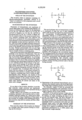
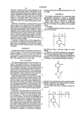
These and other objects of the invention are obtained by a normally solid, linear polymer having as a recurring unit the structure: ##STR1##
The novel polymers may be homopolymers of dopa or copolymers of dopa and one or more dissimilar amino acids and may be prepared by polymerization of the corresponding N-carboxyanhydride derivative (hereinafter referred to as NCA) of protected L- or D-dopa alone or with one or more alpha amino acids. It is important that the hydroxyl groups of the dopa monomer be protected as will be discussed below prior to the actual polymerization, otherwise the high molecular weight polymers of the invention are not obtained.
Thus, in accordance with the present invention, the dopa-containing polymers are obtained by first protecting the hydroxyl groups of the dopa monomer with a blocking group such as an acetyl group and then converting the protected dopa to the NCA derivative by treatment with phosgene in the conventional manner. The resulting protected NCA derivative has been found to be a highly active monomer which can be homopolymerized or copolymerized with dissimilar amino acids to provide extraordinarily high molecular weight homo- or copolypeptides that are normally solid linear polymers having recurring protected units of the following structure: ##STR2## Deprotection of the protected homopolymers and copolymers thus obtained results in the novel high molecular weight dopa-containing polymers of the invention.
The molecular weights of both the protected and unprotected homopolymers and copolymers of the invention may vary widely but in each case the molecular weight in general will be at least 100,000.
Protection of the hydroxyl groups of dopa prior to conversion to the NCA derivative is readily achieved, for instance, by simply acetylating the dopa so as to provide O,O'-diacetyl dopa. The NCA derivative of this protected dopa, i.e. O,O'-diacetyl-dopa NCA, unlike other protected NCA derivatives of dopa, has been surprisingly found to polymerize both alone and with dissimilar amino acids to the high molecular weight polymers of the invention. In addition, the O,O'-diacetyl-dopa NCA requires no purification before use and polymerizes quantitatively (i.e. to 100% yield) to the high molecular weight materials.
Deprotection of the protected homopolymers or copolymers of the invention can be achieved by conventional blocking or protecting group removal techniques. For instance, where the protecting group is an acyl group any of the well known deacylation techniques can be used. Deacetylation, for example, can be accomplished by treatment with ethanolamine.
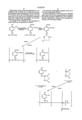
An example of the synthesis for the preparation of poly(L-dopa) can be represented as follows: ##STR3##
The preferred copolypeptide synthesis of the invention can be illustrated as follows:
N-carboxyanhydrides of both dopa and a dissimilar alpha amino acid are first prepared using, for instance, the general procedure outlined above and copolypeptides are obtained from solutions of the monomers according to the following synthesis: ##STR4##
In the preparation of the copolypeptides of the invention, the only essential requirement imposed on the selection of the amino acid monomers is that they be polymerizable with the protected N-carboxyanhydride derivative of dopa. In addition, should the amino acid contain a substituent which may cause side reactions during the copolymerization, protection of the substituent with a standard blocking agent (e.g. a carbobenzoxy, t-butyloxycarbonyl, acetyl and like groups) by well known blocking procedures is recommended. The copolypeptides of the invention may be water-insoluble or water-soluble depending upon the type of amino acid selected, the molar ratio of the amino acids employed, and the molecular weight of the copolymer. By way of illustration, water-solubility in the copolypeptides may be conferred by selecting amino acids and mixtures thereof containing groups such as hydroxyalkylglutamine groups, carboxyl groups, alkylene oxide groups, and the like or having groups which can be subsequently converted into such groups.
Exemplary of amino acids, one or more of which can be allowed to react with the protected NCA derivative of dopa are glutamic acid, benzylglutamic acid, alanine, glutamine, leucine, phenylalanine, lysine, tyrosine, valine, asparagine, glycine, etc.
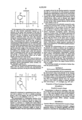
Illustrative of the preferred copolypeptides in accordance with the present invention are copolypeptides comprising copolymers having the following structure: ##STR5## wherein R is substituted or unsubstituted lower alkyl or aryl such as phenyl, Z is H or a suitable protecting group, a and b are integers, the ratio a:b being in the range of 1:1 to 1:25 preferably 1:4 to 1:10.
The polymerization or condensation reaction of the protected dopa NCA alone or with one or more of the amino acids can be conducted simply by adding the reactant or reactants to a suitable inert liquid diluent with or without a catalyst, preferably under anhydrous conditions and continuing the reaction until a protected polypeptide having a molecular weight in excess of 100,000 is obtained. The inert liquid diluent is preferably an organic solvent for the starting material or materials but may be a non-solvent for the polymeric products. Suitable inert liquid diluents which can be used include, for example, aromatic hydrocarbons such as benzene, toluene and the like; chlorinated hydrocarbons such as chlorobenzene; ethers, such as dioxane; and organic solvents, such as dimethyl formamide, dimethyl sulfoxide and the like. Other suitable diluents will be obvious to those skilled in the art.
The homopolymers are preferably prepared by polymerizing the protected NCA of dopa in solution. The copolymerization of the invention, on the other hand, may be effected to produce either random (i.e. irregular) copolymers of dopa and other amino acids or sequence copolymers (containing regular, alternating sequences of amino acids). The random copolymers are easily synthesized in solutions of the NCA's of the respective monomers. Sequence copolymers can be prepared using the NCA's of the amino acid to prepare dimeric, trimeric or tetrameric units in solution and then polymerizing these by conventional active ester techniques. Alternatively, regular sequence copolymers of dopa can be prepared by well-defined peptide polymerization methods.
Although the polymerization may be conducted in the absence of a catalyst or initiator, use of a catalyst is preferred and in most instances necessary. Suitable catalysts include dibenzyl glutamate, n-butylamine; tertiary amines such as triethylamine, tributylamine, triamylamine, pyridine, N,N-dimethyl aniline, etc; alkali metal alkoxides such as sodium methoxide or sodium ethoxides; and strong bases such as sodium hydroxide or potassium hydroxide and the like. The concentration of the catalyst may vary widely. Generally, the concentration of the catalyst falls in the range of about 0.01% to 20% by weight.
The following examples are included to further illustrate the present invention.
The N-carboxyanhydride (NCA) is prepared by heating di-O-acetyl-L-dopa hydrochloride in dry dioxane (in a flask equipped with a drying tube and open to the atmosphere) with a 3-fold molar excess of phosgene (as a 3.4 molar solution in dry benezene) for 2.5 hrs. at 65°. The NCA is crystallized directly from the reaction mixture in 89% yield by adding to seeded petroleum ether and storing at -15° overnight; m.p. 139°-141°.
Polymerization is effected by initiating a 10% solution of the NCA in dry dioxane with sodium methoxide (A/I = 200). After stirring for 4 days at room temperature the thick gel is diluted with an equal volume of petroleum ether and triturated to a fine powder, to yield poly(di-O-acetyl-L-dopa) (88%): intrinsic viscosity (DCA) = 0.77.
Polymerization is as described in Example 1, using an equimolar mixture of γ-benzyl-L-glutamic acid NCA (prepared as described for diacetyldopa NCA) and di-O-acetyl-L-dopa NCA. The 1:1 random copolymer is obtained in 93% yield.
Poly-L-dopa is obtained by deacetylation of the poly(di-O-acetyl-L-dopa) of Example 1 in dry 3-amino-1-propanol at room temperature overnight. The polymer is recovered in 90% yield by precipitation with petroleum ether.
Copoly (L-glutamic acid: di-O-acetyl-L-dopa) is prepared by standard procedures (passage of dry hydrogen bromide through a solution of the copolymer of Example 2 in benzene at room temperature for 5 hours) in 95% yield, after precipitation with petroleum ether.
Copoly (L-hydroxypropylglutamine: L-Dopa) is prepared by dissolving the copolymer of Example 2 in dry 3-amino-1-propanol and stirring at room temperature for 2 days. Precipitation with petroleum ether gives the product in 85% yield.
As mentioned above the polypeptides of the present invention find utility in a number of areas as, for example, anti-Parkinson agents, antioxidants, metal chelating agents and delivery systems, each of which will be discussed below under separate headings.
The polypeptides of the present invention as well as their salts, may be used in the form of conventional pharmaceutical preparations which contain the polymers in connection with convention pharmaceutical organic or inorganic materials suitable for internal administration. The pharmaceutical compositions containing the polypeptides as well as their salts can be administered parenterally or orally. Dosages can be administered to individual requirements. For example, the polypeptides of Example 4 can be administered in dosages of from about 10mg./kg. to about 70 mg./kg. p.o. per day. These dosages can be administered in a single dosage form or in divided dosage forms. The pharmaceutical compositions can contain conventional organic or inorganic inert materials such as water, gelatin, lactose, starch, magnesium stearate, talc, vegetable oils, gums, polyalkylene glycols, Vaseline and the like. The pharmaceutical preparations can be in conventional solid dosage forms such as tablets, suppositories, capsules or in conventional liquid dosage forms such as solutions, suspensions or emulsions. The pharmaceutical compositions can be submitted to conventional pharmaceutical expedients such as sterilization and/or can contain conventional pharmaceutical additives such as preservatives, stabilizing agents, wetting agents, emulsifying agents, salts for adjusting the osmotic pressure, buffers or the like. They can also contain other therapeutically useful materials. Compositions can be formulated which contain from 1% to 99% by weight of the active ingredient of the polypeptide of the present invention and from 1% to 99% by weight of inert carrier materials.
The following example illustrates the manufacture of tablets exhibiting anti-Parkinson activity.
Polypeptide of Examples 3 or 5 -- 100 mg.
Lactose -- 61 mg.
Corn starch -- 30 mg.
Polyvinylpyrrolidone -- 4 mg.
Talcum -- 5 mg.
The polypeptide is mixed with the lactose and corn starch and after the initial solution of polyvinylpyrrlidone in 40 ml. of ethanol, is granulated. The granulate is dried at 30° C, mixed with talcum and pressed into tablets.
The polypeptides of the invention are capable of readily forming chelates with metals. When the polymer is reacted with an aqueous solution containing heavy metal ions, complexes of the metals are formed which are insoluble in water and precipitate out of solution. The processes for removing heavy metal ions from aqueous solutions using the novel polypeptides of the invention can be illustrated as follows:
If a water soluble polymer is used, a solution containing an amount of polymer in excess of the equilibrium value needed to complex the heavy metal ions is added to the aqueous solution containing the heavy metal ions so as to precipitate the coordinated heavy metal ions. If copper ions are treated in this manner, for example, a characteristic blue color is imparted to the precipitates.
When the polypeptide of the invention is a water-insoluble polymer, the polymer may be used as a powder or in some other form. The polymer can also be prepared as a ball pellet resin similar to an ion-exchange resin by reacting the compounds in a suspension of an aqueous solution containing the starting materials in an inert organic solvent, which is not miscible with water and does not dissolve the starting material in comparison to water. In accordance with this method, the polymer is packed in a column and an aqueous solution containing the heavy metal ions is poured into the column, whereby the heavy metal ions corresponding to the molar ratio of the phenolic groups of the polypeptide are absorbed. The heavy metal ions thus absorbed can be easily eluted from the polymer by passing an aqueous acidic solution containing a mineral acid such as hydrochloric acid through the column. Illustrative of metals which can be chelated utilizing the polypeptides of the present invention are iron, nickel, cobalt, lead, cadmium, mercury, rhodium, gold, palladium, and the like, as well as copper. The following example illustrates the chelating properties of the polypeptides of the present invention.
A 1% aqueous solution containing 10 grams of the copolymer of Example 5 is added to 10 grams of a 1% cupric sulphate solution. A deep blue colored polymer precipitates.
Polypeptides of the invention may be used successfully as carriers or delivery systems for a therapeutic or pharmaceutically active agents. For instance, effective amounts of the active agents may be incorporated directly into a shaped article of the polypeptide of the invention, such as a film or fiber of the polymer. Alternatively, the pharmaceutically active agent can be dissolved or dispersed in a suitable carrier and the resulting mixture of active agent and carrier then can be dispersed in a continuous matrix of the polymer of the invention as is described, for example, in U.S. Pat. No. 3,867,530 to Mori et al, hereby incorporated by reference.
Illustrative of therapeutic or pharmaceutically active agents which can be employed include: germicides, such as antibiotics, anti-fungal agents, corticosteroids or other hormones, and generally any biological or chemotherapeutic pharmaceutical agents suitable for topical application, that is, capable of having a medicinal effect on the body when in contact with the skin or exposed tissues to which the shaped article is applied. The effective amounts of the pharmaceutical agent in the polypeptide will vary but in general falls within the range of about 2% to 60% by weight.
Preparation of shaped articles of the polypeptides of the invention incorporating pharmaceutically active agents may be accomplished by any of the conventional film forming and fiber forming methods and molding techniques.
10 grams of the polymer of Example 5 is dissolved in 50 ml. of dioxane. To the mixture is added 5 grams of neomycin sulphate, in 20 ml. of water. The resulting viscous solution is then deaerated and spread onto release paper in a uniform layer and air dried. The dried film is then stripped from the release paper.
The dopa-containing polymers of the invention, because of the catechol structure of the side chain, are useful as antioxidants for products or materials susceptible to oxidative deterioration. Thus, the polymers may be used in effective antioxidant quantities for the preservation of food and food products, in the prevention of deterioration of petroleum products, such as lubricating oils and gasoline, rubber, and plastics such as hydrocarbon polymers, e.g. polyethylene and propylene.
Dopa-containing polymers of the invention are characterized by a relatively large molecular structure. This molecular size and/or the amino acid components resistant to enzymatic action that the dopa-containing polymers may contain, endow the polymers with the property of being non-absorbable in the human body. This non-absorbability feature of the dopa-containing polymers makes them particularly desirable as antioxidants for foods since they will be passed through the gastro-intestinal tract.
In the area of food preservation, it is the function of the antioxidant to retard oxidative deterioration, rancidity in fats, oils or off-flavor in frozen foods, flavoring oils, beverages, etc. Thus, the dopa-containing polymers of the invention will find use as antioxidants in wine, beer, sugar syrups; cut, peeled or dried fruits and vegetables; cooked, cured, comminuted meat products; frozen fish, flavoring oils, emulsions, confectionary, lard, vegetable oils, hydrogenated shortenings, crackers, biscuits, breakfast cereals, dry cake mixes and soup mixes. The exact antioxidant quantities of the dopa-containing polymers employed will depend on the particular products or materials to be protected. In general, however, the amount will range from about 0.01 to 5% by weight.
The oxidative deterioration of a commercial liquid hydrogenated shortening is retarded by dispersing therein 0.1% by weight of the copolymer of Example 5.
Similar results may be obtained by adding like amounts of the copolymer to sugar syrups, flavoring oils, beer, lubricating oils, polyethylene and breakfast cereals.
Claims (8)
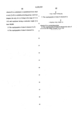
1. A normally solid linear polymer having as a recurring unit the structure: ##STR6## said polymer having a molecular weight of at least 100,000.
2. Normally solid poly(3,4-dihydroxy-L-phenylalanine) having a molecular weight of at least 100,000.
3. A normally solid linear copolymer comprising the copolymer of the N-carboxyanhydride derivative of 3,4-dihydroxy-L-phenylalanine having the structure: ##STR7## wherein Q is a protecting group, and a copolymerizable dissimilar alpha-amino acid, said copolymer having a molecular weight of at least 100,000.
4. A normally solid, linear copolymer having the structure: ##STR8## wherein R is a substituted or unsubstituted lower alkyl or aryl, Z is H or a suitable protecting group, a and b are integers, the ratio of a to b being in the range of 1:1 to 1:25, said copolymer having a molecular weight of at least 100,000.
5. The copolypeptide of claim 4 wherein Z is H.
6. The copolypeptide of claim 4 wherein R is ##STR9##
7. The copolypeptide of claim 4 wherein R is ##STR10## wherein Q is a protecting group.
8. The copolypeptide of claim 4 wherein the ratio of a to b is in the range of about 1:4 to 1:10.
Priority Applications (1)
| Application Number | Priority Date | Filing Date | Title |
|---|---|---|---|
| US05/731,946 US4125519A (en) | 1976-10-13 | 1976-10-13 | Polypeptides containing 3,4-dihydroxyphenylalanine |
Applications Claiming Priority (1)
| Application Number | Priority Date | Filing Date | Title |
|---|---|---|---|
| US05/731,946 US4125519A (en) | 1976-10-13 | 1976-10-13 | Polypeptides containing 3,4-dihydroxyphenylalanine |
Publications (1)
| Publication Number | Publication Date |
|---|---|
| US4125519A true US4125519A (en) | 1978-11-14 |
Family
ID=24941555
Family Applications (1)
| Application Number | Title | Priority Date | Filing Date |
|---|---|---|---|
| US05/731,946 Expired - Lifetime US4125519A (en) | 1976-10-13 | 1976-10-13 | Polypeptides containing 3,4-dihydroxyphenylalanine |
Country Status (1)
| Country | Link |
|---|---|
| US (1) | US4125519A (en) |
Cited By (18)
| Publication number | Priority date | Publication date | Assignee | Title |
|---|---|---|---|---|
| US4247432A (en) * | 1979-07-25 | 1981-01-27 | American Cyanamid Company | Water purification employing poly(beta-alanine) |
| US4525576A (en) * | 1983-10-17 | 1985-06-25 | Nitto Boseki Co. Ltd. | Process for producing sequential polyamino acid resin |
| US4909944A (en) * | 1988-08-26 | 1990-03-20 | The United States Of America As Represented By The United States Department Of Energy | Removal of metal ions from aqueous solution |
| US4969995A (en) * | 1988-08-26 | 1990-11-13 | The United States Of America As Represented By The United States Department Of Energy | Removal of metal ions from aqueous solution |
| US4978537A (en) * | 1989-04-19 | 1990-12-18 | Wm. Wrigley Jr. Company | Gradual release structures for chewing gum |
| US5108762A (en) * | 1989-04-19 | 1992-04-28 | Wm. Wrigley Jr. Company | Gradual release structures for chewing gum |
| US5128155A (en) * | 1990-12-20 | 1992-07-07 | Wm. Wrigley Jr. Company | Flavor releasing structures for chewing gum |
| US5135754A (en) * | 1988-01-06 | 1992-08-04 | Delalande S.A. | Method of preparing a copolymer of two α-amino acids and a copolymer thus obtained |
| US5154939A (en) * | 1989-04-19 | 1992-10-13 | Wm. Wrigley Jr. Company | Use of salt to improve extrusion encapsulation of chewing gum ingredients |
| US5165944A (en) * | 1989-04-19 | 1992-11-24 | Wm. Wrigley Jr. Company | Gradual release structures for chewing gum |
| US5198251A (en) * | 1989-04-19 | 1993-03-30 | Wm. Wrigley Jr. Company | Gradual release structures for chewing gum |
| US5229148A (en) * | 1989-04-19 | 1993-07-20 | Wm. Wrigley Jr. Company | Method of combining active ingredients with polyvinyl acetates |
| WO1994000509A1 (en) * | 1992-06-30 | 1994-01-06 | Legomer Partners, L.P. | Oxazolone derived materials |
| US5364627A (en) * | 1989-10-10 | 1994-11-15 | Wm. Wrigley Jr. Company | Gradual release structures made from fiber spinning techniques |
| US20100075926A1 (en) * | 2008-07-23 | 2010-03-25 | Li-Huei Tsai | Activation of histone deacetylase 1 (hdac1) protects against dna damage and increases neuronal survival |
| US20110212883A1 (en) * | 2005-06-07 | 2011-09-01 | Inbiotex Inc. | Radical scavenger and active oxygen eliminating agent |
| US20130292337A1 (en) * | 2011-01-14 | 2013-11-07 | National University Corporation Asahikawa Medical University | Polymeric iron chelating agent |
| US9115053B2 (en) | 2011-07-22 | 2015-08-25 | Massachusetts Institute Of Technology | Activators of class I histone deacetlyases (HDACS) and uses thereof |
Citations (4)
| Publication number | Priority date | Publication date | Assignee | Title |
|---|---|---|---|---|
| US2847461A (en) * | 1953-06-16 | 1958-08-12 | American Cyanamid Co | Condensation products of p-aminosalicylic acid |
| US3433766A (en) * | 1955-04-20 | 1969-03-18 | Minnesota Mining & Mfg | Derivatives of bisphenolic substituted carboxylic acids |
| US3943106A (en) * | 1972-05-04 | 1976-03-09 | Ciba-Geigy Corporation | Polymeric malonates |
| US3996197A (en) * | 1972-07-01 | 1976-12-07 | Bayer Aktiengesellschaft | Method of preparing polybenoxazindione polymers from aminophenoxy salicyclic acid compounds |
-
1976
- 1976-10-13 US US05/731,946 patent/US4125519A/en not_active Expired - Lifetime
Patent Citations (4)
| Publication number | Priority date | Publication date | Assignee | Title |
|---|---|---|---|---|
| US2847461A (en) * | 1953-06-16 | 1958-08-12 | American Cyanamid Co | Condensation products of p-aminosalicylic acid |
| US3433766A (en) * | 1955-04-20 | 1969-03-18 | Minnesota Mining & Mfg | Derivatives of bisphenolic substituted carboxylic acids |
| US3943106A (en) * | 1972-05-04 | 1976-03-09 | Ciba-Geigy Corporation | Polymeric malonates |
| US3996197A (en) * | 1972-07-01 | 1976-12-07 | Bayer Aktiengesellschaft | Method of preparing polybenoxazindione polymers from aminophenoxy salicyclic acid compounds |
Cited By (23)
| Publication number | Priority date | Publication date | Assignee | Title |
|---|---|---|---|---|
| US4247432A (en) * | 1979-07-25 | 1981-01-27 | American Cyanamid Company | Water purification employing poly(beta-alanine) |
| US4525576A (en) * | 1983-10-17 | 1985-06-25 | Nitto Boseki Co. Ltd. | Process for producing sequential polyamino acid resin |
| US5135754A (en) * | 1988-01-06 | 1992-08-04 | Delalande S.A. | Method of preparing a copolymer of two α-amino acids and a copolymer thus obtained |
| US4909944A (en) * | 1988-08-26 | 1990-03-20 | The United States Of America As Represented By The United States Department Of Energy | Removal of metal ions from aqueous solution |
| US4969995A (en) * | 1988-08-26 | 1990-11-13 | The United States Of America As Represented By The United States Department Of Energy | Removal of metal ions from aqueous solution |
| US5198251A (en) * | 1989-04-19 | 1993-03-30 | Wm. Wrigley Jr. Company | Gradual release structures for chewing gum |
| US5108762A (en) * | 1989-04-19 | 1992-04-28 | Wm. Wrigley Jr. Company | Gradual release structures for chewing gum |
| US5154939A (en) * | 1989-04-19 | 1992-10-13 | Wm. Wrigley Jr. Company | Use of salt to improve extrusion encapsulation of chewing gum ingredients |
| US5165944A (en) * | 1989-04-19 | 1992-11-24 | Wm. Wrigley Jr. Company | Gradual release structures for chewing gum |
| US4978537A (en) * | 1989-04-19 | 1990-12-18 | Wm. Wrigley Jr. Company | Gradual release structures for chewing gum |
| US5229148A (en) * | 1989-04-19 | 1993-07-20 | Wm. Wrigley Jr. Company | Method of combining active ingredients with polyvinyl acetates |
| US5364627A (en) * | 1989-10-10 | 1994-11-15 | Wm. Wrigley Jr. Company | Gradual release structures made from fiber spinning techniques |
| US5128155A (en) * | 1990-12-20 | 1992-07-07 | Wm. Wrigley Jr. Company | Flavor releasing structures for chewing gum |
| AU678168B2 (en) * | 1992-06-30 | 1997-05-22 | Arqule, Inc. | Oxazolone derived materials |
| WO1994000509A1 (en) * | 1992-06-30 | 1994-01-06 | Legomer Partners, L.P. | Oxazolone derived materials |
| US20110212883A1 (en) * | 2005-06-07 | 2011-09-01 | Inbiotex Inc. | Radical scavenger and active oxygen eliminating agent |
| US8304452B2 (en) | 2005-06-07 | 2012-11-06 | Inbiotex Inc. | Radical scavenger and active oxygen eliminating agent |
| US20100075926A1 (en) * | 2008-07-23 | 2010-03-25 | Li-Huei Tsai | Activation of histone deacetylase 1 (hdac1) protects against dna damage and increases neuronal survival |
| US20130292337A1 (en) * | 2011-01-14 | 2013-11-07 | National University Corporation Asahikawa Medical University | Polymeric iron chelating agent |
| US9796605B2 (en) * | 2011-01-14 | 2017-10-24 | Disease Adsorption System Technologies Co., Ltd. | Polymeric iron chelating agent |
| US9115053B2 (en) | 2011-07-22 | 2015-08-25 | Massachusetts Institute Of Technology | Activators of class I histone deacetlyases (HDACS) and uses thereof |
| US10167277B2 (en) | 2011-07-22 | 2019-01-01 | Massachusetts Institute Of Technology | Activators of class I histone deacetlyases (HDACs) and uses thereof |
| US11084803B2 (en) | 2011-07-22 | 2021-08-10 | Massachusetts Institute Of Technology | Activators of class I histone deacetylases (HDACs) and uses thereof |
Similar Documents
| Publication | Publication Date | Title |
|---|---|---|
| US4999417A (en) | Biodegradable polymer compositions | |
| Domb et al. | Poly (anhydrides). 3. Poly (anhydrides) based on aliphatic-aromatic diacids | |
| KR100255282B1 (en) | Narrow poly- and mono-dispersed anionic oligomers, and their uses, formulations and process | |
| EP0702553A1 (en) | Water soluble non-immunogenic polyamide cross-linking agents | |
| HU204208B (en) | Catalyzer composition and process for copolymerizing ethylene and carbon monoxide | |
| Domb | Biodegradable polymers derived from amino acids | |
| US9144579B2 (en) | Polyesters and methods of use thereof | |
| AU3231197A (en) | Ionic polymers as anti-infective agents | |
| Hirano et al. | Synthesis of antitumor‐active conjugates of Adriamycin or daunomycin with the copolymer of divinyl ether and maleic anhydride | |
| JPH04298508A (en) | Cholesterol controlling composition and method | |
| JPS6136494B2 (en) | ||
| US4704436A (en) | Water soluble complex of a poly(vinylpyrrolidone) copolymer and α-methyl-(2-methylpropyl)benzene acetic acid | |
| EP0928306A1 (en) | Antiviral linear polymers | |
| Ohya et al. | Synthesis and cytotoxic activity of dextran carrying cis-dichloro (cyclohexane-trans-l-1, 2-diamine) platinum (II) complex | |
| NZ192649A (en) | Immunoregulatory compositions containing a copolymer of an olefin and an unsaturated polycarboxylic anhydride | |
| IE903851A1 (en) | Iodothyronine polymers | |
| Caldwell et al. | Synthesis of water‐soluble polyamidoamines for biomedical applications. II. Polymers possessing intrachain‐type secondary amino groups suitable for side‐chain attachment | |
| JP2008510850A (en) | Amphiphilic polynorbornene derivatives and methods of use thereof | |
| EP0616813B1 (en) | Antitumor mitoxantrone polymeric compositions | |
| US4517329A (en) | Polymeric antitumor agent | |
| Ohya et al. | Design of poly (ethylene glycol) immobilizing platinum complex through chelate‐type coordination bond | |
| Uglea et al. | Benzocaine-modified maleic anhydride-cyclohexyl-1, 3-dioxepin copolymer: preparation and potential medical applications | |
| US4536566A (en) | Process for preparing substantially linear polyamides from acrylamide and aqueous ammonia | |
| JP6930918B2 (en) | Kojic acid polymer | |
| Hauser et al. | Quinone copolymerization. III. reactions of 2, 5, 7, 10-tetrachlorodiphenoquinone, o-chloranil, and 2, 3-dichloro-5, 6-dicyano-p-benzoquinone with vinyl monomers under free-radical initiation |