US3336285A - Monoazo compounds prepared from 3-amino-4-cyanopyrazole compounds - Google Patents
Monoazo compounds prepared from 3-amino-4-cyanopyrazole compounds Download PDFInfo
- Publication number
- US3336285A US3336285A US354105A US35410564A US3336285A US 3336285 A US3336285 A US 3336285A US 354105 A US354105 A US 354105A US 35410564 A US35410564 A US 35410564A US 3336285 A US3336285 A US 3336285A
- Authority
- US
- United States
- Prior art keywords
- cyanopyrazole
- amino
- parts
- group
- hydroxyethyl
- Prior art date
- Legal status (The legal status is an assumption and is not a legal conclusion. Google has not performed a legal analysis and makes no representation as to the accuracy of the status listed.)
- Expired - Lifetime
Links
Images


Classifications
-
- C—CHEMISTRY; METALLURGY
- C07—ORGANIC CHEMISTRY
- C07D—HETEROCYCLIC COMPOUNDS
- C07D231/00—Heterocyclic compounds containing 1,2-diazole or hydrogenated 1,2-diazole rings
- C07D231/02—Heterocyclic compounds containing 1,2-diazole or hydrogenated 1,2-diazole rings not condensed with other rings
- C07D231/10—Heterocyclic compounds containing 1,2-diazole or hydrogenated 1,2-diazole rings not condensed with other rings having two or three double bonds between ring members or between ring members and non-ring members
- C07D231/14—Heterocyclic compounds containing 1,2-diazole or hydrogenated 1,2-diazole rings not condensed with other rings having two or three double bonds between ring members or between ring members and non-ring members with hetero atoms or with carbon atoms having three bonds to hetero atoms with at the most one bond to halogen, e.g. ester or nitrile radicals, directly attached to ring carbon atoms
- C07D231/38—Nitrogen atoms
-
- Y—GENERAL TAGGING OF NEW TECHNOLOGICAL DEVELOPMENTS; GENERAL TAGGING OF CROSS-SECTIONAL TECHNOLOGIES SPANNING OVER SEVERAL SECTIONS OF THE IPC; TECHNICAL SUBJECTS COVERED BY FORMER USPC CROSS-REFERENCE ART COLLECTIONS [XRACs] AND DIGESTS
- Y10—TECHNICAL SUBJECTS COVERED BY FORMER USPC
- Y10S—TECHNICAL SUBJECTS COVERED BY FORMER USPC CROSS-REFERENCE ART COLLECTIONS [XRACs] AND DIGESTS
- Y10S8/00—Bleaching and dyeing; fluid treatment and chemical modification of textiles and fibers
- Y10S8/92—Synthetic fiber dyeing
- Y10S8/927—Polyacrylonitrile fiber
Definitions
- the new monoazo compounds of our invention have the formula:
- X represents a member selected from the group consisting of a hydrog'enatom, a lower alkyl radical having 1 to 4 carbon atoms and a benzene radical including phenyl and substituted phenyl, e.g., phenyl substituted with lower alkyl, lower alkoxy, nitro, or halogen
- R represents the residue of aniline coupling component, a tetrahydroquinolin-6-yl coupling component or a benzO- morpholin-6-yl coupling component, the compounds being free of water-solubilizing groups such vas sulfonic acid groups.
- cellulose alkyl carboxylic acid ester having 2 to 4 carbon atoms in the acid groups thereof, textile materials, nylon textile materials, polyester textile materials and acrylonitrile polymer textile materials and yield dyeings thereon ranging in shade from orange to bluish-violet.
- the dyeings obtained have excellent fastness to sublimation, good to excellent fastness to gas and washing and fair fastness to light.
- the new monoazo compounds of our invention are water-insoluble. They are applied to the aforesaid textile materials by known dyeing techniques. Being water-insoluble they can be applied from aqueous dispersions in the manner of the so-called dispersed dyes. However, coloration can also be effected, for example, by incorporating the azo compounds into the spinning dope and spinning the fiber as usual.
- the azo compounds of our invention have varying utility as dyes. The degree of utility varies, for example, depending upon the material being dyed and the formula of the azo compound. Thus, for example,
- cellulose alkyl carboxylic acid esters having two to four carbon atoms in the acid groups thereof we mean to include, for example, both hydrolyzed and unhydrolyzed cellulose acetate, cellulose pr-opionate, cellulose butyrate, cellulose acetate-propionate and cellulose acetate-butyrate.
- Polymeric linear polyester materials of the terephthalate type are illustrative of the linear aromatic polyester textile materials that can be dyed with the new azo compounds of our invention.
- the terephthalate fibers sold under the trademarks Kodel, Dacron and Terylene, for example, in the form of filaments, yarn and fabric, for example, are illustrative of the polyester textile materials that can be dyed.
- Kodel polyester fibers are more particularly described in US. Patent 2,901,446. Dacron and Terylene polyester fibers are described, for example, in US. Patent 2,465,319.
- acrylonitrile polymer as used herein includes polymers consisting essentially of polymerized acrylonitrile (i.e., acrylonitrile polymers containing at least by weight of acrylonitrile) as Well as modified acrylonitrile polymers known in the art as modacrylics.
- the modacrylics contain at least 40% but less than 85 acrylonitrile by weight.
- the modacrylic fibers disclosed in US. Patents 2,811,409, 2,831,826 and 2,843,572, for example, can be dyed with our new monoazo compounds.
- acrylonitrile polymer fibers sold under the trademarks Verel and Orlon in the form of filaments, yarn and fabric, for example, are illustrative of the acrylonitrile polymer textile materials that can be dyed with our new monoazo compounds.
- the new monoazo compounds of our invention are prepared by diazotizing a 3-amino-4-cyanopyrazole compound having the formula:
- R each represents an alkyl radical having 1 to 4 carbon atoms, a hydroxy-alkyl group having 2 to 4 carbon atoms, an alkoxyalkyl group having 3 to 4 carbon atoms, a cyanoalkyl group having 3 to 5 carbon atoms, an acetoxyalkyl group having 4 to 6 carbon atoms, a carbomethoxymethyl group, a carboethoxymethyl group, a B-carbomethoxyethyl group, a fl-carboethoxyethyl group, a haloalkyl group having 2 to 4 carbon atoms, e.g., a 2-bromoethyl group, a 2-chloroethyl, a 2,2-difluoroethyl group, a 2,2-difluoro-n-propyl group, a 3,3-difluoropropyl group, a 3,3-difiuoro-n-butyl, a
- H C HnCHzO (EN-low carbon alkyl group or a H -0 H20 H10
- EN-low carbon alkyl Q represents a hydrogen atom, a bromine atom, a chlorine atom, a methyl group, an ethyl group, a methoxy group, an ethoxy group, an acetylamino group, an n-propionylamino group or an n-butyrylamino group
- Y represents a hydrogen atom, a methyl group, an ethyl group, a methoxy group, an ethoxy group, a chlorine atom and a bromine atom.
- Illustrative of the alkyl groups represented by R and R are the methyl, the ethyl, the n-propyl, the isopropyl and the n-butyl groups.
- the B-hydroxyethyl, the B-hydroxypropyl, the 'y-hydroxypropyl, the fl -dihydroxypropyl, the fi-rnethyl-fiyy-dihydmxypropyl and the a-hydroxybutyl groups are illustrative of the hydroxyal-kyl groups R and R represent.
- Illustrative of the alkoxyalkyl groups represented by R and R are the fi-methoxyethyl and the fi-ethoxyethyl groups.
- the fi-cyanoethyl, the 'y-cyanopropyl and the fi-cyanobutyl group are illustrative of the cyanoalkyl groups R and R represent.
- Allyl, propenyl, isopropenyl, l-butenyl, 2-butenyl and 3-butenyl are illustrative of the alkenyl groups represented by R Ch-loroallyl (CH CHCHCl), bromoallyl (CH2CHCH1BT), 3-chloro-3-butenyl and 3-bromo-3-butenyl are illustrative of halogenated alkanyl groups.
- Illustrative of the low carbon alkyl groups are for example.
- Illustrative of the H 0 H10 H10 (fiN-low carbon alkyl Typical of the aniline coupling components used in the preparation of the azo compounds of our invention are aniline,
- R represents a hydroxylalkyl group having 2 to 4 carbon atoms, an alkyl group having 1 to 4 carbon 'atoms, an alkoxyalkyl group having 3 to 4 carbon atoms, 'a 2-carbomethoxyethyl group, a 2-carboethoxyethyl group, 'a haloalkyl group having 2 to 4 carbon atoms, e.g. 2,2- difluoroethyl, 2,2,2-trifiuoroethyl, 3,3-difluoropropyl, 3,3,3-
- Q Q and Q each represents a hydrogen atom, a methyl group or an ethyl group
- Q and Q each represents a hydrogen atom, a methyl group, a methoxy group, an ethoxy group, a chlorine atom, a bromine atom, a fluorine atom, an acetylamino group, a propionylamino group, or a butyrylamino group
- X is as described above.
- alkyl groups represented by R are the methyl, the ethyl, the n-propyl, the isopropyl and the n-butyl groups.
- the fi-hydroxyethyl, the B-hydroxypropyl, the 'y-hydroxypropyl, the Byy-dihydroxypropyl, the 5-methyl-fi,'y-dihydroxypropyl and the fi-hydroxybutyl groups are illustrative of the hydroxyalkyl groups R represents.
- alkoxyalkyl groups represented by R are the ,B-methoxyethyl, and the B-ethoxyethyl groups.
- fl-cyanoethyl, the 'y-cyanopropyl and the a-cyanobutyl groups are illustrative of the cyanoalkyl I groups R represents.
- tetrahydroquinoline as used herein and in the claims refers to 1,2,3,4-tetrahydroquinoline.
- 3-amino-4-cyanopyrazole is a known compound. It is described and claimed by U.S. Patent 2,759,949, issued Aug. 21, 1956.
- the 3.-arnino-4-cyanopyrazole compounds used in preparing the azo compounds of our invention can be pre pared by reacting a hydrazine compound having the formula:
- EXAMPLE 2 --PREPARATION OF Z-PHENY'L- 3 -AMINO-4-CYANOPYRAZOLE 20 parts of ethoxymethylenemalononitrile were mixed with 17.5 parts of phenyl hydrazine with ice cooling. When the vigorous reaction had subsided 50 parts of anhydrous ethyl alcohol were added and the reaction mixture resulting was refluxed for 20 hours. Upon working up the reaction mixture as described in Example 1, 21.2 parts of 2-phenyl-3-arnino-4-cyanopyrazole were obtained as a tan solid. 'Upon crystallization from 1000 parts of hot water with the aid of charcoal 16.1 parts of purified 2-phcnyl- 3-amino-4-cyanopyrazole melting at 136-138 C. (55%) were obtained.
- EXAMPLE 5 A. Diazotzzation sulfuric acid (specific gravity 1.83), with stirring, and allowing the temperature to rise to 65 C. The resulting solution was then cooled to 5 C. and 10.5 parts of a mixture of 1.5 parts of propionic acid and 9 parts of acetic acid were added dropwise, with stirring, while allowing the temperature to rise to 15 C. The reaction mixture was ano-pyrazole were added portionwise, with stirring, after ano-pyrazole were added portionwise, with stirring, after which 10.5 parts more of the propionic-acetic acid mixture were added, keeping the temperature at C. C. The reaction mixture was then stirred at 0 C.5 C. for two hours and the excess sodium nitrite present was destroyed by adding 0.5 part of urea.
- the dye compound which precipitated was recovered by filtration, washed with water until neutral and air-dried. 0.58 part (71%) of the dye compound was thus obtained. It dyes cellulose acetate and nylon fabrics deep bright yellow-orange shades and polyester and acrylic fibers duller orange shades.
- EXAMPLE 6 A solution of 0.67 part of N,N-di-/3-hydroxyethyl-2- methoxy-S-acetylaminoaniline in 6.3 parts of the propionic-acetic acid mixture prepared as described in Example 5A was coupled with one-fourth of the 3-amino-4-cyanopyrazole diazonium solution obtained as described in Example 5A. Coupling and recovery of the dye compound formed were carried out in accordance with the procedure described in Example SE. 0.71 part (73%) of dry dye compound was obtained. It dyes cellulose acetate, nylon and polyester textile materials bright red-pink shades which have good fastness to light. Acrylic fibers are dyed a generally similar shade having good light fastness.
- EXAMPLE 7 1.84 parts of 2-phenyl-3-amino-4cyanopyrazole were diazotized and the diazonium compound obtained was coupled with 2.46 parts of N-B-cyauoethyl-N-fl-acetoxyethyl-m-toluidine. Diazotization, coupling and recovery of the dye compound formed were carried out in accordance with the general procedure described in Example 5.
- the dye compound obtained dyes cellulose acetate, nylon, polyesters, such as Kodel and Dacron, and acrylonitrile polymers, such as Verel and Orion, orange-red shades having the fastness properties indicated hereinbefore.
- EXAMPLE 8 2.29 parts of 2-(4'-nitrophenyl)-3-amino-4-cyanopyrazole were diazotized and the diazonium compound obtained was coupled with 2.16 parts of N,N-di-;3-hydr0xyethyl-m-chloroaniline. Diazotization, coupling and recovery of the dye compound formed were carried out in accordance with the general procedure described in Example 5.
- the dye compound obtained dyes cellulose acetate, nylon, polyester and acrylonitrile polymer textile materials reddish-violet shades having the fastness properties indicated hereinbefore.
- EXAMPLE 9 1.22 parts of 2-methyl-3-amino-4-cyanopyrazole were diazotized and the diazonium compound obtained was coupled with 3.2 parts of Diazotization, coupling and recovery of the dye compound formed were carried out in accordance with the general procedure described in Example 5.
- the dye compound obtained dyes cellulose acetate, nylon, polyester and acrylonitrile polymer textile materials orange shades having the fastness properties indicated hereinbefore.
- Example 5B was repeated using 0.44 part of N-ethyl- N-2,3-dihydroxypropylaniline in place of N-ethy1-N-2,3- dihydroxypropyl-m-toluidine.
- the dye compound ob tained dyes cellulose acetate, nylon, polyester and acrylonitrile polymer textile materials yell-ow shades having the fastness properties indicated hereinbefore.
- Example 5B was repeated using 0.54 part of N,N-di-fihydroxyethyl-m-chloroaniline in place of N-ethyl-N'2,3 di'hydroxypropyl-m-toluidine. 0.53 part (51%) of dye was obtained. It dyes cellulose acetate, polyester and acrylonitrile polymer textile materials reddish-pink shades and nylon textile materials russet-red shades. The dyeings have the fastness properties indicated hereinbefore.
- the dye compounds indicated hereinafter are prepared.
- the color stated is that which the dyes give on cellulose acetate textile .materials. Nylon, polyester and acrylonitrile polymer textile materials are dyed the same or generally similar colors as the cellulose acetate textile materials.
- Do m-Toluidine- Do.
- Do N-ethyl-N-B-ethoxyethylaniline Do.
- EXAMPLE 13 A solution of 0.52 part of N-fi-hydroxyethyl-ZJ-dimethylbenzomorpholine in 6.3 parts of the propionicacetic acid mixture prepared as described in Example 5A was coupled with one-fourth of the 3-amino-4-cyanopyrazole diazonium solution obtained as described in Example 5A. Coupling and recovery of the dye compound formed were carried out in accordance with the procedure described in Example 12.
- the dye compound obtained has the formula:
- EXAMPLE 14 EXAMPLE 15 2.29 parts of 2-(4'-nitrophenyl) -3 amino 4 cyanopyrazole were diazotized and the diazonium compound obtained was coupled with 1.91 parts of N-B-hydroxyethyl 7 methyltetrahydroquinoline. Diazotization, coupling and recovery of the dye compound formed were carried out in accordance with the general procedure described in Example 12. The dye compound obtained dyes cellulose acetate, nylon, polyester and acrylonitrile polymer fabrics bluish-violet.
- EXAMPLE 16 1.22 parts of 2-methy1-3-amino-4-cyanopyrazole were diazotized and the diazonium compound obtained was coupled with 2.35 parts of N-n-butyl-Z,2,4-trimethyltetrahydroquinoline. Diazotization, coupling and recovery of the dye compound formed were carried out in accordance with the general procedure described in Example 12. Thedye compound obtained dyes cellulose acetate, nylon, polyester and acrylonitrile polymer fabrics reddishorange.
- EXAMPLE 18 2.29 parts of 2-(4-chlorophenyl)-3-amino 4 cyanopyrazole were diazotized and the diazonium compound obtained was coupled with 1.88 parts of N-fl-cyanoethylbenzomorpholine. Diazotization, coupling and recovery of the dye compound formed were carried out in accordance with the general procedure described in Example 12. The dye compound obtained dyes cellulose acetate, nylon, polyester and acrylonitrile polymer fabrics pinkish violet.
- EXAMPLE 19 2.53 parts of 2-(2',5'-dichlorophenyl)-'3-amino-4- cyanopyrazole were diazotized and the diazonium compound obtained was coupled with 2.07 parts of N-fi -dihydroxypropyltetrahydroquinoline. Diazotization, coupling and recovery of the dye compound obtained were carried out in accordance with the general procedure described in Example 12. The dye compound obtained dyes cellulose acetate, nylon, polyester and acrylonitrile polymer fabrics pinkish-violet.
- EXAMPLE 20 1.22 parts of 2-methyl-3-amino-4-cyanopyrazole were diazotized and the diazonium compound obtained was coupled with 2.09 parts of N-[3,'y-dihydroxypropylbenzomorpholine. Diazotization, coupling and recovery of the dye compound obtained were carried out in accordance with the general procedure described in Example 12. The dye compound obtained dyes cellulose acetate, nylon, polyester and acrylonitrile polymer fabrics reddishorange.
- EXAMPLE 21 1.36 parts of Z-ethyl-3-amino-4-cyanopyrazole were diazotized and the diazonium compound obtained was coupled with 1.91 parts of N-,8-methoxyethyltetrahydroquinoline. Diazotization, coupling and recovery of the dye compound obtained were carried out in accordance with the general procedure described in Example 12. The dye compound obtained dyes cellulose acetate, nylon, polyester and acrylonitrile polymer fabrics reddish orange.
- EXAMPLE 22 1.50 parts of 2-n-propyl-3-amino-4-cyanopyrazole were diazotized and the diazonium compound obtained was coupled with 1.91 parts of N-jS-hydroxypropyltetrahydroquinoline. Diazotization, coupling and recovery of the dye compound obtained were carried out in accordance with the general procedure described in Example 12. The dye compound obtained dyes cellulose acetate, nylon, polyester and acrylonitrile polymer fabrics reddishorange.
- EXAMPLE 23 1.64 parts of 2-n-butyl-3-amino-4-cyanopyrazole were diazotized and the diazonium compound obtained was coupled with 2.05 parts of N-5-hydroxybutyltetrahydroquinoline. Diazotization, coupling and recovery of the dye compound obtained were carried out in accordance with the general procedure described in Example 12. The dye compound obtained dyes cellulose acetate, nylon, polyester and acrylonitrile polymer fabrics reddish-orange.
- tetrahydroquinoline and benzomorpholine compounds that can be used to prepare the azo compounds of our invention, include, for example,
- the new monoazo compounds of our invention are dyes for cellulose alkyl carboxylic acid ester, having 2 to 4 carbon atoms in the acid groups thereof, nylon, polyester and acrylonitrile polymer textile materials. These materials can be dyed using known methods for dyeing these materials.
- our new monoazo dyestuffs can be directly applied to said materials in the form of an aqueous suspension which can be prepared by finely grinding them to a paste in the presence of a sulfonated oil, sodium lignin sulfonate, or other suitable dispersing agent and dispersing the resulting paste in water.
- a dyeing assistant ordinarily referred to as a carrier may be used in the dyeing operation.
- Butyl benzoate, o-phenylphenol, p-phenylphenol, salicyclic acid, methyl salicylate and benzoic acid are illustrative of the carriers that can be employed.
- Polyester textile materials can be dyed by the methods described in U.S. Patents 2,757,064 and 2,880,050, for example.
- the foregoing dyeing example is merely illustrative of the manner in which the new monoazo dyestuffs of our invention can be applied to acrylonitrile polymer textile materials. Larger or smaller amounts of the dyestuffs can be employed, for example. Similarly, dyeing assistants other than Igepal CA can be employed.
- Nylon and said cellulose alkyl carboxylic acid ester textile materials can be dyed, for example, by the procedure described in U.S. Patent 2,785,157.
- the textile material can be in any desired form such as fiber, filament, yarn or cloth form, for example.
- R and R each represents alkyl having 1 to 4 carbon atoms, hydroxyalkyl having 2 to 4 carbon atoms, alkoxyalkyl having 3 to 4 carbon atoms, cyanoalkyl having 3 to 5 carbon atoms, acetoxyalkyl having 4 to 6 carbons atoms, carbomethoxymethyl, carboethoxymethyl, B-carbomethoxyethyl, fi-carboethoxyethyl, haloalkyl having 2 to 4 carbon atoms, N-phenyl B carbamoyloxyethyl, N-phenyl-fi-thiocarbamoyloxyethyl, N-lower alkyl-B-carbamoyloxyethyl, N- lower alkyl-B-thiocarbamoyloxyethyl, alkenyl having 3 to 4 carbon
- Q represents hydrogen, bromine, chlorine, methyl
- Y represents hydrogen, methyl, ethyl, methoxy, ethoxy,
- droxyalkyl having 2 to 4 carbon atoms, alkoxyalkyl having 3 to 4 carbon atoms, cyanoalkyl having 3 to 5 carbon atoms, haloalkyl having 2 to 4 carbon atoms, 8 chloro gamma-hydroxypropyl, fi-carbomethoxyethyl, fl-carboethoxyethyl, or allyl;
- Q Q or Q each represents hydrogen, methyl or ethyl;
- droxyalkyl having 2 to 4 carbon atoms, alkoxyalkyl having 3 to 4 carbon atoms, cyanoalkyl having 3 to 5 carbon atoms, haloalkyl having 2 to 4 carbon atoms, 3 chloro-gamma hydroxypropyl, fl-carbomethoxyethyl, B-carboethoxyethyl, or allyl;
Landscapes
- Chemical & Material Sciences (AREA)
- Organic Chemistry (AREA)
- Plural Heterocyclic Compounds (AREA)
Description
United States Patent This invention relates to new azo compounds prepared from 3-amino-4-cyanopyrazole compounds and their application to the art of dyeing or coloring.
This application is a continuation-in-part of our US. patent application Ser. No. 170,239, filed Jan. 31, 1962, now abandoned, and US. patent application Ser. No. 188,231, filed Apr. 17, 1962, now abandoned.
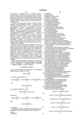
The new monoazo compounds of our invention have the formula:
wherein X represents a member selected from the group consisting of a hydrog'enatom, a lower alkyl radical having 1 to 4 carbon atoms and a benzene radical including phenyl and substituted phenyl, e.g., phenyl substituted with lower alkyl, lower alkoxy, nitro, or halogen, and R represents the residue of aniline coupling component, a tetrahydroquinolin-6-yl coupling component or a benzO- morpholin-6-yl coupling component, the compounds being free of water-solubilizing groups such vas sulfonic acid groups. They have good afiinity for cellulose alkyl carboxylic acid ester, having 2 to 4 carbon atoms in the acid groups thereof, textile materials, nylon textile materials, polyester textile materials and acrylonitrile polymer textile materials and yield dyeings thereon ranging in shade from orange to bluish-violet. The dyeings obtained have excellent fastness to sublimation, good to excellent fastness to gas and washing and fair fastness to light.
The new monoazo compounds of our invention are water-insoluble. They are applied to the aforesaid textile materials by known dyeing techniques. Being water-insoluble they can be applied from aqueous dispersions in the manner of the so-called dispersed dyes. However, coloration can also be effected, for example, by incorporating the azo compounds into the spinning dope and spinning the fiber as usual. The azo compounds of our invention have varying utility as dyes. The degree of utility varies, for example, depending upon the material being dyed and the formula of the azo compound. Thus, for example,
all the dyes will not have the same degree of utility for the same material.
By cellulose alkyl carboxylic acid esters having two to four carbon atoms in the acid groups thereof, we mean to include, for example, both hydrolyzed and unhydrolyzed cellulose acetate, cellulose pr-opionate, cellulose butyrate, cellulose acetate-propionate and cellulose acetate-butyrate.
Polymeric linear polyester materials of the terephthalate type are illustrative of the linear aromatic polyester textile materials that can be dyed with the new azo compounds of our invention. The terephthalate fibers sold under the trademarks Kodel, Dacron and Terylene, for example, in the form of filaments, yarn and fabric, for example, are illustrative of the polyester textile materials that can be dyed. Kodel polyester fibers are more particularly described in US. Patent 2,901,446. Dacron and Terylene polyester fibers are described, for example, in US. Patent 2,465,319. The polymeric linear polyester materials disclosed in U.S. Patents 2,945,010, 2,957,745
3,336,285 Patented Aug. 15, 1967 ICC and 2,989,363, for example, can be dyed. The linear aromatic polyester materials specifically named have a melting point of at least 200 C.
Unless otherwise indicated, the term acrylonitrile polymer as used herein includes polymers consisting essentially of polymerized acrylonitrile (i.e., acrylonitrile polymers containing at least by weight of acrylonitrile) as Well as modified acrylonitrile polymers known in the art as modacrylics. The modacrylics contain at least 40% but less than 85 acrylonitrile by weight. The modacrylic fibers disclosed in US. Patents 2,811,409, 2,831,826 and 2,843,572, for example, can be dyed with our new monoazo compounds.
The acrylonitrile polymer fibers sold under the trademarks Verel and Orlon in the form of filaments, yarn and fabric, for example, are illustrative of the acrylonitrile polymer textile materials that can be dyed with our new monoazo compounds.
The new monoazo compounds of our invention are prepared by diazotizing a 3-amino-4-cyanopyrazole compound having the formula:
XNCNH1 N C-CN wherein X represents a hydrogen atom or radical abovementioned and coupling the diazonium compound obtained with one of the mentioned coupling components.-
While our invention relates broadly to the new azo compounds having the formula number I, it relates particularly to the azo compounds having formula.
and R each represents an alkyl radical having 1 to 4 carbon atoms, a hydroxy-alkyl group having 2 to 4 carbon atoms, an alkoxyalkyl group having 3 to 4 carbon atoms, a cyanoalkyl group having 3 to 5 carbon atoms, an acetoxyalkyl group having 4 to 6 carbon atoms, a carbomethoxymethyl group, a carboethoxymethyl group, a B-carbomethoxyethyl group, a fl-carboethoxyethyl group, a haloalkyl group having 2 to 4 carbon atoms, e.g., a 2-bromoethyl group, a 2-chloroethyl, a 2,2-difluoroethyl group, a 2,2-difluoro-n-propyl group, a 3,3-difluoropropyl group, a 3,3-difiuoro-n-butyl, a 2,2,2-trifluo-roethyl, a 3,3,3-trifluoropropyl group, a4,4,4-trifluorobutyl group, an alkenyl group having 3 to 4 carbon atoms, a chloroalkenyl group having 3 to 4 carbon atoms, a bromoalkenyl group having 3 to 4 carbon atoms, a 2, 3-epoxyp py p. a
group, a
H CHaC H20 (flJN-phenyl group, a
H C HnCHzO (EN-low carbon alkyl group or a H -0 H20 H10 (EN-low carbon alkyl Q represents a hydrogen atom, a bromine atom, a chlorine atom, a methyl group, an ethyl group, a methoxy group, an ethoxy group, an acetylamino group, an n-propionylamino group or an n-butyrylamino group, and Y represents a hydrogen atom, a methyl group, an ethyl group, a methoxy group, an ethoxy group, a chlorine atom and a bromine atom.
3-amino 4-cyanopyrazole, Z-phenyl 3-arnino-4-cyanopyrazole, 2-(4'-nitrophenyl)-3-amino 4-cyanopyrazole, 2-(24'-dinitrophenyl)-3-arnino 4cyanopyrazole, 2-(4'- methylphenyl) 3-amino 4-cyanopy-razole, 2(4'-metl1- oxyphenyl) 3-amino 4-cyanopyrazole, 2-(4'-ethoxyphenyl)-3-amino 4-cyanopyrazole, 2-(2-chlorophenyl)- 3-amino 4-cyanopyrazole, 2-(4-chlorophenyl)-3-amino- 4-cyanopyrazole, 2-=(2',5'-dichlorophenyl) 3-amino-4- cyanopyrazole, 2-(2'-brornophenyl) 3-amino 4-cyanopyrazole, 2-(4'-bromophenyl) 3-amino-4-cyanopy-razole, 2-methyl 3-arnino 4-cyanopyrazole, Z-ethyl 3-amino- 4-cyanopyrazole, 2-n-propyl 3-arnino 4-cyanopyrazole, 2-isopropyl 3-arnino 4-cyanopyrazole and 2-n-butyl- 3- amino-4-cyanopyrazole are illustrative of the 3-amino-4- cyanopyrazole compounds used in preparing the azo compounds of our invention.
Illustrative of the alkyl groups represented by R and R are the methyl, the ethyl, the n-propyl, the isopropyl and the n-butyl groups. Similarly, the B-hydroxyethyl, the B-hydroxypropyl, the 'y-hydroxypropyl, the fl -dihydroxypropyl, the fi-rnethyl-fiyy-dihydmxypropyl and the a-hydroxybutyl groups are illustrative of the hydroxyal-kyl groups R and R represent. Illustrative of the alkoxyalkyl groups represented by R and R are the fi-methoxyethyl and the fi-ethoxyethyl groups. Similarly, the fi-cyanoethyl, the 'y-cyanopropyl and the fi-cyanobutyl group are illustrative of the cyanoalkyl groups R and R represent.
Allyl, propenyl, isopropenyl, l-butenyl, 2-butenyl and 3-butenyl are illustrative of the alkenyl groups represented by R Ch-loroallyl (CH CHCHCl), bromoallyl (CH2CHCH1BT), 3-chloro-3-butenyl and 3-bromo-3-butenyl are illustrative of halogenated alkanyl groups. Illustrative of the low carbon alkyl groups are for example. Illustrative of the H 0 H10 H10 (fiN-low carbon alkyl Typical of the aniline coupling components used in the preparation of the azo compounds of our invention are aniline,
m-toluidine,
m-anisidine, m-chloroaniline, 2-methoxy-S-chloroaniline, 2,5-dirnethoxyaniline, 2-methoxy-5-methylaniline, N-fl-hydroxyethylaniline, N-fi-hydroxypropylaniline, N-flxy-dihydroxypropylaniline, N-v-hydroxypropylaniline, N-fi-hydroxybutylaniline, N-p-hydroxyethyl-o-chloroaniline, N-fl-hydroxyethyl-o-methoxyaniline, N-B-cyanoethylaniline, N-fi-methoxyethylaniline, N-fi-ethoxyethylaniline, N-fl-carbomethoxyethyl-m-toluidine, N-p-carboethoxyethyl-m-chloroaniline, N,N-di-B-hydroxyethylaniline, N,N-di-fl-hydroXyethyl-m-chloroaniline, N,N-di-B-hydroxyethyl-m-toluidine, N-ethyl-N-[a,'y-dihydroxypropyl-m-toluidine, N-ethyl-N- (B-methyl-Byy-dihydroxypropyl) aniline, N-butyl-N- (Ii-sodium sulfatoethyl) -m-toluidine, N-B-cyanoethyl-N- ,B-sodium phosphatoethyl) -mchloroaniline, N-methyl-N-Bq-dihydroxypropyl-m-toluidine, N-B-methoxyethyl-N-firy-dihydroxypropyl-m-toluidine, N,N-di-{B-hydroxyethyl-m-bromoaniline, N-ethyl-N-fi-hydroxybutylaniline, N-fi-hydroxyethyl-N-B,B,fi-trifluoroethylaniline, N-B-hydroxyethyl-N-v,'y,'y-trifluoropropylaniline, N-fl-hydroxyethyl-N-6,6,B-trifiuorobutylaniline, N-fi-hydroXyethyl-N-fi,fl-difiuoroethylaniline, N-B-hydroxypropyl-N-y,'y-difiuoropropylaniline, N-fl-hydroxyethyl-N-fi,fl-difluoropropylaniline, N-pyy-dihydroxypropyl-N-v,y-difiuorobutylaniline, N1 0-dihydroxypropyl-N-6,5-difiuoroamylaniline, N-rnethyl-N-p-hydroxyethyl-m-brprnoaniline, N,N-di-fi-hydroXyethy1-2,S-diethoxy'aniline, N,N-di-B-hydroxyethyl-Z,S-dichloroaniline, N-n-propyl-N-;8-hydroxyethylaniline, N-isopropyl-N-fl-hydroxyethylaniline, N-n-butyl-N-p-hydroxyethylaniline, N-fi-hydroxyethyl-N-cyanoethyl-m-chloroaniline, N-fi-hydroxyethyl-N-y-cyanopropylaniline, N-fl-carbomethoxyethylaniline, N-B-carboethoxyethyl-N-fl-hydroxyethylaniline, N-fl-carbomethoXyethyl-N-fi-hydroxyethyl-mchloroaniline, N-fl-hydroxyethyl-N-fi-chloroallylaniline, N-fl-hydroxyethyl-N-fl-nitroethylaniline, N-rnethyl-N-fi-chloroethylaniline, N-ethyl-N-}3-chloroethylaniline, N-ethyl-N-fi-ch1oroethyl-m-chloroaniline, N-B-hydroxyethyl-N-,B-ch1oroethylaniline, N-ethyl-N-B-bromoethylaniline, N-ethyl-N-B-bromoethyl-m-anisidine,
H N-ethyl-N-G Hz 0 (II N-phenyl-aniline O H N-ethyl-N-C H10 H20 fiN-phenyl-m-chloroaniline H N-B-hydroxyethyl-N-C H1O HZCI)| C N C Fl -aniline O H N-ethyl-N-C H10 H 0 (IIJN C H -m-toluidine H N-ethyl-N-C H10 H10 (I? N C H -aniline H N-ethy1-NC HzC H2O EN 0 Ha-2,5-dimethoxyaniline N -met-hyl-N-( 2,3-epoxypropyl) aniline, N-ethyl-N-(2,3-epoxypropy1) aniline, N,N-di- (2,3-epoxypropy1) aniline, N,N-di- (fl-chloroethyl) aniline, N,N-di- (,B-bromoethyl) aniline, N-ethyl-N- ('y-chloro-fl-hydroxypropyl) aniline, N,N-di- ('y-bromo-fl-hydroxypropyl) aniline and -N-B-methoxyethyl-N- (y-chloro-fl-hydroxypropyl) aniline.
Formula I wherein R is a tetrahydroquino1in-6-yl or benzomorpholin-6-yl coupling component residue contemplates compounds of Formulas HI and IV as follows:
wherein R represents a hydroxylalkyl group having 2 to 4 carbon atoms, an alkyl group having 1 to 4 carbon 'atoms, an alkoxyalkyl group having 3 to 4 carbon atoms, 'a 2-carbomethoxyethyl group, a 2-carboethoxyethyl group, 'a haloalkyl group having 2 to 4 carbon atoms, e.g. 2,2- difluoroethyl, 2,2,2-trifiuoroethyl, 3,3-difluoropropyl, 3,3,3-
trifluoropropyl, 4,4 difluorobutyl, 4,4,4 trifluorobutyl, chloroethyl, 2-hydroxy-3-chloropropy1, allyl, or a cyanoalkyl group having 3 to 5 carbon atoms, Q Q and Q each represents a hydrogen atom, a methyl group or an ethyl group, Q and Q each represents a hydrogen atom, a methyl group, a methoxy group, an ethoxy group, a chlorine atom, a bromine atom, a fluorine atom, an acetylamino group, a propionylamino group, or a butyrylamino group, and X is as described above.
Illustrative of the alkyl groups represented by R are the methyl, the ethyl, the n-propyl, the isopropyl and the n-butyl groups. Similarly, the fi-hydroxyethyl, the B-hydroxypropyl, the 'y-hydroxypropyl, the Byy-dihydroxypropyl, the 5-methyl-fi,'y-dihydroxypropyl and the fi-hydroxybutyl groups are illustrative of the hydroxyalkyl groups R represents.
Illustrative of the alkoxyalkyl groups represented by R, are the ,B-methoxyethyl, and the B-ethoxyethyl groups. Similarly, the fl-cyanoethyl, the 'y-cyanopropyl and the a-cyanobutyl groups are illustrative of the cyanoalkyl I groups R represents.
The term tetrahydroquinoline as used herein and in the claims refers to 1,2,3,4-tetrahydroquinoline.
3-amino-4-cyanopyrazole is a known compound. It is described and claimed by U.S. Patent 2,759,949, issued Aug. 21, 1956.
The 3.-arnino-4-cyanopyrazole compounds used in preparing the azo compounds of our invention can be pre pared by reacting a hydrazine compound having the formula:
wherein'X has the meaning previously assigned to it, with ethoxymethylenemalononitrile. This method of prepara- 6 tion is illustrated hereinafter as well as in U.S. Patent 2,759,949.
The following examples illustrate our invention. Parts are expressed as parts by weight.
1.PREPARATION OF 3-AMINO- 4-CYANOPYRAZOLE 20 parts of ethoxymethylenemalononitrile were carefully mixed with 5.5 parts of hydrazine with ice cooling. When the vigorous reaction had subsided 50 parts of absolute ethyl alcohol were added and the resulting mixture was refluxed for 17-18 hours. The reaction mixture Was then evaporated to dryness under a vacuum of about 500mm. The residue was extracted with cold absolute ethyl alcohol and dried. 11.3 parts of crude 3-amino-4- cyanopyrazole was thus obtained. Upon crystallization from 200 parts of water using charcoal 7.24 parts (42%) of purified 3-amino-4-cyanopyrazole having a melting point of 166 to 169 C. were obtained.
EXAMPLE 2.--PREPARATION OF Z-PHENY'L- 3 -AMINO-4-CYANOPYRAZOLE 20 parts of ethoxymethylenemalononitrile were mixed with 17.5 parts of phenyl hydrazine with ice cooling. When the vigorous reaction had subsided 50 parts of anhydrous ethyl alcohol were added and the reaction mixture resulting was refluxed for 20 hours. Upon working up the reaction mixture as described in Example 1, 21.2 parts of 2-phenyl-3-arnino-4-cyanopyrazole were obtained as a tan solid. 'Upon crystallization from 1000 parts of hot water with the aid of charcoal 16.1 parts of purified 2-phcnyl- 3-amino-4-cyanopyrazole melting at 136-138 C. (55%) were obtained.
Calculated for 2 phenyl 3 amino 4-cyanopyrazole: 0:65.22, H:4.35, N:30.43. Found: C=65.03, H: 4.44, N=30.53.
:' EXAMPLE 3.-PREPARATION 0F Z-METHYL-3- AMINO-4 CYANOPYRAZOLE Operating exactly as described in Example 2, 20 parts of et-hoxymethylenemalononitrile were reacted with 23 parts of methyl hydrazine sulfate solid in 50 parts of an hydrous ethanol to obtain 23 parts (65%) of 2-methyl-3- amino-4-cyanopyrazole melting at -124 C. Upon crystallaization from 1000 parts of hot water with the aid of charcoal purified 2-methyl-3-amino-4-cyanopyrazole melting at -426 C. was obtained.
EXAMPLE 4.PREPARATION OF 2-(4-NITRO PHENYL) -3-AMINO-4-CYANOPYRAZOLE 20 parts of ethoxymethylenemalononitrile and 24.5 parts of p-nitrophenyl hydrazine in 100 .parts of anhydrous ethyl alcohol were refluxed, with stirring, for about 15 minutes. A red solution was thus obtained. After 15 minutes additional stirring a thick solid precipitated which prevented stirring even when additional anhydrous ethyl alcohol was added. The precipitate was recovered by filtration, washed with anhydrous alcohol and dried. 21 parts of 2-(4-nitrophenyl) 3 amin0-4-cyanopyrazole were obtained as yellow crystals melting at 217-220 C. Upon crystallization from methyl alcohol with the aid of charcoal 10.6 parts (29%) of 2- (4'-nitropheny1)-3-amino- 4-cyanopyraz-ole melting at 220-222 C. were obtained.
Calculated for 2 (4'-nitrophenyl)-3-amino-4-cyanopyrazole: 0:52.40, H:3.06, 0:13.96. Found: C: 52.27, -H:3.17, 0:13.92.
The other 3-amino-4-cyanopyrazole compounds used in the preparation of the am compounds of our invention can be similarly prepared following the general procedure set 70 forth in Examples 1, 2, 3 and 4.
EXAMPLE 5 A. Diazotzzation sulfuric acid (specific gravity 1.83), with stirring, and allowing the temperature to rise to 65 C. The resulting solution was then cooled to 5 C. and 10.5 parts of a mixture of 1.5 parts of propionic acid and 9 parts of acetic acid were added dropwise, with stirring, while allowing the temperature to rise to 15 C. The reaction mixture was ano-pyrazole were added portionwise, with stirring, after ano-pyrazole were added portionwise, with stirring, after which 10.5 parts more of the propionic-acetic acid mixture were added, keeping the temperature at C. C. The reaction mixture was then stirred at 0 C.5 C. for two hours and the excess sodium nitrite present was destroyed by adding 0.5 part of urea.
B. Coupling To a solution of 0.52 part of N-ethyl-N- ,3-dihydroxypropyl-m-toluidine in 6.3 parts of the propionic-acetic acid mixture cooled to 0 C., were added, with stirring, one-fourth of the 3-amino-4-cyanopyrazole diazonium solution prepared as described in A at such a rate that the temperature remained at 0 C.5 C. When the addition was completed the reaction mixture was made neutral to Congo Red paper by the addition of solid, anhydrous sodium acetate. The neutralized coupling mixture was allowed to stand in a melting ice bath for one hour, with occasional stirring, and then was diluted with 250 parts of cold water, with good stirring. The dye compound which precipitated was recovered by filtration, washed with water until neutral and air-dried. 0.58 part (71%) of the dye compound was thus obtained. It dyes cellulose acetate and nylon fabrics deep bright yellow-orange shades and polyester and acrylic fibers duller orange shades.
EXAMPLE 6 A solution of 0.67 part of N,N-di-/3-hydroxyethyl-2- methoxy-S-acetylaminoaniline in 6.3 parts of the propionic-acetic acid mixture prepared as described in Example 5A was coupled with one-fourth of the 3-amino-4-cyanopyrazole diazonium solution obtained as described in Example 5A. Coupling and recovery of the dye compound formed were carried out in accordance with the procedure described in Example SE. 0.71 part (73%) of dry dye compound was obtained. It dyes cellulose acetate, nylon and polyester textile materials bright red-pink shades which have good fastness to light. Acrylic fibers are dyed a generally similar shade having good light fastness.
EXAMPLE 7 1.84 parts of 2-phenyl-3-amino-4cyanopyrazole were diazotized and the diazonium compound obtained was coupled with 2.46 parts of N-B-cyauoethyl-N-fl-acetoxyethyl-m-toluidine. Diazotization, coupling and recovery of the dye compound formed were carried out in accordance with the general procedure described in Example 5. The dye compound obtained dyes cellulose acetate, nylon, polyesters, such as Kodel and Dacron, and acrylonitrile polymers, such as Verel and Orion, orange-red shades having the fastness properties indicated hereinbefore.
EXAMPLE 8 2.29 parts of 2-(4'-nitrophenyl)-3-amino-4-cyanopyrazole were diazotized and the diazonium compound obtained was coupled with 2.16 parts of N,N-di-;3-hydr0xyethyl-m-chloroaniline. Diazotization, coupling and recovery of the dye compound formed were carried out in accordance with the general procedure described in Example 5. The dye compound obtained dyes cellulose acetate, nylon, polyester and acrylonitrile polymer textile materials reddish-violet shades having the fastness properties indicated hereinbefore.
EXAMPLE 9 1.22 parts of 2-methyl-3-amino-4-cyanopyrazole were diazotized and the diazonium compound obtained was coupled with 3.2 parts of Diazotization, coupling and recovery of the dye compound formed were carried out in accordance with the general procedure described in Example 5. The dye compound obtained dyes cellulose acetate, nylon, polyester and acrylonitrile polymer textile materials orange shades having the fastness properties indicated hereinbefore.
EXAMPLE 10 Example 5B was repeated using 0.44 part of N-ethyl- N-2,3-dihydroxypropylaniline in place of N-ethy1-N-2,3- dihydroxypropyl-m-toluidine. The dye compound ob tained dyes cellulose acetate, nylon, polyester and acrylonitrile polymer textile materials yell-ow shades having the fastness properties indicated hereinbefore.
EXAMPLE 11 Example 5B was repeated using 0.54 part of N,N-di-fihydroxyethyl-m-chloroaniline in place of N-ethyl-N'2,3 di'hydroxypropyl-m-toluidine. 0.53 part (51%) of dye was obtained. It dyes cellulose acetate, polyester and acrylonitrile polymer textile materials reddish-pink shades and nylon textile materials russet-red shades. The dyeings have the fastness properties indicated hereinbefore.
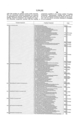
Following the procedure described in Examples 1 to 11, inclusive, the dye compounds indicated hereinafter are prepared. The color stated is that which the dyes give on cellulose acetate textile .materials. Nylon, polyester and acrylonitrile polymer textile materials are dyed the same or generally similar colors as the cellulose acetate textile materials.
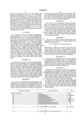
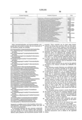
Diazonium Component Coupling Component Color 3-amino-4-cyanopyramle Aniline Yellow. Do m-Toluidine- Do. Do 2,5-dimethoxy e Orange-yellow. Do N-B-hydroxyethylamline. D0. D0. N-a-hydroxybutylanihne. Orange. Do N-ethyl-N-B-ethoxyethylaniline Do. Do N ,N-di-fl-hydroxyethylaniline Yellow-orange. Do N,N-di-B-hydroxyethyl-m-bromoaniline. Yellow. D0 N-n-butyl-N-fl-hydroxyethylauiline Yellow-orange. D o N-B-carbomethoxyethylaniline Yellow. D0- N-Bcarboethoxyethyl-N-fl-hydroxyethy1aniline Do. Do N-B-hydroxyethyl-N-fi,fl-difluoroethylaniline Do. Do N-B-hydroxyethyl-N-fl,/3,fl-triflu0roethylaniline Do.
- H De. N-G HzCHzO CNCzHa-N-ethylaniline- Orange-yellow.
H Do N-C HzCHflQ (I?NCzH N-fi-hydroxyethylaniline Do.
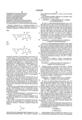
cooled to C. The rate of addition of the diazonium solution was such that the temperature of the reaction mixture remained at 0 C. C. When the addition was complete the reaction mixture was made neutral to Congo Red Paper by the addition of sodium acetate. The neutralized coupling mixture was allowed to stand in a melting ice bath for one hour, with occasional stirring, and then was diluted with 250 parts of cold water, with good stirring. The dye compound which precipitated was recovered by filtration, washed with water until neutral and air-dried. 0.68 part (76.4%) of the dye compound having the formula 0 HNCN=N- H N C-CN mo o H omcrroHornon was thus obtained. .It dyes cellulose acetate, nylon and polyester fabrics bright reddish-orange shades and acrylonitrile polymer fabrics duller orange shades.
EXAMPLE 13 A solution of 0.52 part of N-fi-hydroxyethyl-ZJ-dimethylbenzomorpholine in 6.3 parts of the propionicacetic acid mixture prepared as described in Example 5A was coupled with one-fourth of the 3-amino-4-cyanopyrazole diazonium solution obtained as described in Example 5A. Coupling and recovery of the dye compound formed were carried out in accordance with the procedure described in Example 12. The dye compound obtained has the formula:
It dyes cellulose acetate, nylon, polyester and acrylonitrile polymer fabrics reddish-orange shades.
EXAMPLE 14 EXAMPLE 15 2.29 parts of 2-(4'-nitrophenyl) -3 amino 4 cyanopyrazole were diazotized and the diazonium compound obtained was coupled with 1.91 parts of N-B-hydroxyethyl 7 methyltetrahydroquinoline. Diazotization, coupling and recovery of the dye compound formed were carried out in accordance with the general procedure described in Example 12. The dye compound obtained dyes cellulose acetate, nylon, polyester and acrylonitrile polymer fabrics bluish-violet.
EXAMPLE 16 1.22 parts of 2-methy1-3-amino-4-cyanopyrazole were diazotized and the diazonium compound obtained was coupled with 2.35 parts of N-n-butyl-Z,2,4-trimethyltetrahydroquinoline. Diazotization, coupling and recovery of the dye compound formed were carried out in accordance with the general procedure described in Example 12. Thedye compound obtained dyes cellulose acetate, nylon, polyester and acrylonitrile polymer fabrics reddishorange.
12 EXAMPLE 17 2.74 parts of 2-(2,4-dinitrophenyl)-3-amino-4-cyanopyrazole were diazotized and the diazonium compound obtained was coupled with 1.86 parts of N-B-cyanoethyltetrah-ydroquinoline. Diazotization, coupling and recovery of the dye compound formed were carried out in accordance with the general procedure described in Example 12. The dye compound obtained dyes cellulose acetate, nylon, polyester and acrylonitrile polymer fabrics reddish-blue.
EXAMPLE 18 2.29 parts of 2-(4-chlorophenyl)-3-amino 4 cyanopyrazole were diazotized and the diazonium compound obtained was coupled with 1.88 parts of N-fl-cyanoethylbenzomorpholine. Diazotization, coupling and recovery of the dye compound formed were carried out in accordance with the general procedure described in Example 12. The dye compound obtained dyes cellulose acetate, nylon, polyester and acrylonitrile polymer fabrics pinkish violet.
EXAMPLE 19 2.53 parts of 2-(2',5'-dichlorophenyl)-'3-amino-4- cyanopyrazole were diazotized and the diazonium compound obtained was coupled with 2.07 parts of N-fi -dihydroxypropyltetrahydroquinoline. Diazotization, coupling and recovery of the dye compound obtained were carried out in accordance with the general procedure described in Example 12. The dye compound obtained dyes cellulose acetate, nylon, polyester and acrylonitrile polymer fabrics pinkish-violet.
EXAMPLE 20 1.22 parts of 2-methyl-3-amino-4-cyanopyrazole were diazotized and the diazonium compound obtained was coupled with 2.09 parts of N-[3,'y-dihydroxypropylbenzomorpholine. Diazotization, coupling and recovery of the dye compound obtained were carried out in accordance with the general procedure described in Example 12. The dye compound obtained dyes cellulose acetate, nylon, polyester and acrylonitrile polymer fabrics reddishorange.
EXAMPLE 21 1.36 parts of Z-ethyl-3-amino-4-cyanopyrazole were diazotized and the diazonium compound obtained was coupled with 1.91 parts of N-,8-methoxyethyltetrahydroquinoline. Diazotization, coupling and recovery of the dye compound obtained were carried out in accordance with the general procedure described in Example 12. The dye compound obtained dyes cellulose acetate, nylon, polyester and acrylonitrile polymer fabrics reddish orange.
EXAMPLE 22 1.50 parts of 2-n-propyl-3-amino-4-cyanopyrazole were diazotized and the diazonium compound obtained was coupled with 1.91 parts of N-jS-hydroxypropyltetrahydroquinoline. Diazotization, coupling and recovery of the dye compound obtained were carried out in accordance with the general procedure described in Example 12. The dye compound obtained dyes cellulose acetate, nylon, polyester and acrylonitrile polymer fabrics reddishorange.
EXAMPLE 23 1.64 parts of 2-n-butyl-3-amino-4-cyanopyrazole were diazotized and the diazonium compound obtained was coupled with 2.05 parts of N-5-hydroxybutyltetrahydroquinoline. Diazotization, coupling and recovery of the dye compound obtained were carried out in accordance with the general procedure described in Example 12. The dye compound obtained dyes cellulose acetate, nylon, polyester and acrylonitrile polymer fabrics reddish-orange.
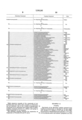
The following tabulation further illustrates the new monoazo compounds of our invention together with the Pyrazole Compound Coupling C omponent Color 2-n-butyl-3-amino-4-cyanopyraz0le N-fi-hydroxy- -ehlorop ropyl-7-methy1tetrahydroquinoline Reddish-orange.
Do N-fi-cyanoethyl 2-methyl-7-chlorotetrahydroquinoline Orange.
Do N-fl-hydmxycthyl-2,5-dimethylhenzomorpholiue. Rcddish-orange.
Do. N-n-butyl-2,5-dimethylbenzomorpholine Do.
Do N-fl-cyanoethyl-2-methyl-5-chlorobenzomorpholin range.
Do N-B,'y-dihydroxypropyl-7-aeetylaminobenzomorpholine Pinkish-orange.
Do 7 N-fl-methoxyethy1-2-methyl-7-eliloroben zomorpholine. 0 range. 2-(2,5-d1chloropl1enyl)-3-am1n0-4-cyanopyrazole N-B,- -dil1ydroxypropyl-7-rnethyltetrahydroquinoline Pinkish-violet.
Do N-B,' -dihydroxypropyl-7-fiu0rotetrahydroquinoline. Pinkish-orange.
Do N-fi-h ydroxyethyl-7-methyltetrahydroquinoline Pinkish-violet.
Do N-6,5,6-trifluorobutyltetrahydroquinoline Do.
Do. N-fly -dihydroxypropyl-7-butyrylaminotet rahydroq u Violet.
Do- N-B.'y-dihydroxypropyl-7-rnethylbenzomorpholine Pinkish-vlolet.
Do N-B,y-dihydroxypropyl-7-fiuorobenzomoi'pholine Pinkish-orange.
Do- N-B-hydroxyethyl-7-methylbenzomorpholine. Pinkish-violet.
D0- N-5,5,6-trifiuor0butylbenzomorpholine D0.
D0 N-B,y-dihydroxypropyl-7-butytylaminobenzomorpholine. Violet. 2-methyl-3-amino-4-cyanopyrazole N-fl-hydroxyethyl-7-ethyltetrahydroquinoline Reddish-orange.
Do N-B-hydr0xyetl1yl-7-methoxytetrahydroquinoline Do.
Do N-(S,5-difiuorobutylt etrahydroquinollne D0.
D0. 2 ,2,4-trimethyltetrahydroquinoline Orange.
Do N -fl-hydroxyethyl-7-ethylbenzomorpholine Reddishbrange.
Do N -B-hydroxyethyl-7-methoxybenzomorpholine Do.
Do N-6,-dilluorobutylbonzomorpholine Do.
Do. N flcyanoethyl-s-aeetylaminobenzomorpholine Do.
Other tetrahydroquinoline and benzomorpholine compounds that can be used to prepare the azo compounds of our invention, include, for example,
N-fi-hydroxyethyld-butyrylaminotetrahydroquinoline, N-/ ,'y-dihydroxypropy1-7-acetylaminotetrahydroquinoline, N-B,y-dihydroxypropyl-7-propionylaminotetrahyd-roquiuoline, N 8, -dihydroxypropyl-Z,2,4-trimethyl-S-chloroeterahydroquinoline, N-fi-hydroxypropyl-Z-rnethy1-7-bromoeterahydroquinoline, N-{iyy-dihydroxypropyl-2-methyl-7-bromotetrahydroquinoline, N-fig -dihydroxypropyl-Z-methyl-7-chlorotetrahydroquinoline, N-B-hydroxyethyl-S-chlorotetrahydroquinoline, N-fl,'y-dihydroxypropyl-5-chlorotetrahydroquinoline, N-B-cyanoethyl-S'chlorotetrahydroquinoline, N-B-hydroxyethyl-S-bromotetrahydroquinoline, N-fl-cyanoethyl-5-bromotetrahydroquinoline, N-{3-hydroxyethyl-5-fluorotetrahydroquinoline, N-fi, -dihydroxypropyl-S-fluorotetrahydroquinoline, N-fl-cyanoethyl-ZJ-dimethylbenzomorpholine, N-fl-hydroxypropylbenzomorpholine, N-B,'y-dihydroxypropyl-2,5-dimethylbenzomorpholine, N-B-cyanoethyl-LS-dimethylbenzomorpholine, N-ethyl-Z,S-dimethylbenzomorpholine, N-B-cyanoethyl-2,5,7-trimethylbenzomorpholine, N-B-cyanoethyl-7-methoxybenzomorpholiue, N-p,y-dihydroxypropyl-5-methylbenzomorpholine, N-,B;y-dihydroxypropyl-Z-methyl-7-chlorobenzomorpholine, N-;8,'y-dihydroxypropyl-2-methyl-7-bromobenzomorpholine, N-B -dihydroxypropyl-Z-methyl-S-bromobenzomorpholine, N-B-methyl-figy-dihydroxypropyl-2-methyl benzomorpholine, N 3-hydroxyethyl-7-acetylaminobenzomorpholine, N-fl-cyanoethyl-7-butyrylaminobenzomorpholine, N-n-butyl-2,7-dimethylbenzomorpholine, and N-fl-ethox-yethyl-Z,7-dimethylbenzomorpholine.
Inasmuch as coupling occurs in the 6-position of the tetrahydroquinoline and benzomorpholine nucleus this position must 'be unsubstituted.
As previously indicated the new monoazo compounds of our invention are dyes for cellulose alkyl carboxylic acid ester, having 2 to 4 carbon atoms in the acid groups thereof, nylon, polyester and acrylonitrile polymer textile materials. These materials can be dyed using known methods for dyeing these materials. Thus our new monoazo dyestuffs can be directly applied to said materials in the form of an aqueous suspension which can be prepared by finely grinding them to a paste in the presence of a sulfonated oil, sodium lignin sulfonate, or other suitable dispersing agent and dispersing the resulting paste in water. In the case of polyester textile materials, such as linear aromatic polyesters having a melting point of at least 200 C., a dyeing assistant ordinarily referred to as a carrier may be used in the dyeing operation. Butyl benzoate, o-phenylphenol, p-phenylphenol, salicyclic acid, methyl salicylate and benzoic acid are illustrative of the carriers that can be employed.
Polyester textile materials can be dyed by the methods described in U.S. Patents 2,757,064 and 2,880,050, for example.
The following example illustrates one satisfactory way in which our new monoazo dyestuffs can be used to dye an acrylonitrile polymer textile material. .1 gram of dye is dissolved by warming in 5 cc. of methyl Cellosolve. A 2% aqueous solution of a nonionic surfactant, such as Igepal CA (a polymerized ethylene oxide-alkylphenol condensation product), is added slowly until a fine emulsion is obtained and then the dye mixture is brought to a volume of 200 cc. with warm water. 5 cc. of a 5% aqueous solution of formic acid or acetic acid are added and then 10 grams of fabric made from an acrylic fiber is entered and in the case of Orlon 42 the dyeing is carried out at the boil for one hour. In the case of materials made of Verel acrylic fiber the dyebath temperature should not exceed C. in order to avoid damage to the fiber. The dyed material is then washed well with hot water and dried.
The foregoing dyeing example is merely illustrative of the manner in which the new monoazo dyestuffs of our invention can be applied to acrylonitrile polymer textile materials. Larger or smaller amounts of the dyestuffs can be employed, for example. Similarly, dyeing assistants other than Igepal CA can be employed.
Nylon and said cellulose alkyl carboxylic acid ester textile materials can be dyed, for example, by the procedure described in U.S. Patent 2,785,157.
The textile material can be in any desired form such as fiber, filament, yarn or cloth form, for example.
The invention has been described in detail with particular reference to preferred embodiments thereof, but it will be understood that variations and modifications can be effected with the spirit and scope of the invention as described hereinabove and as defined in the appende claims. 7
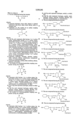
'1 7 What we claim is: r 1. An azo compound having the formula XN-CN=N-R wherein R and R each represents alkyl having 1 to 4 carbon atoms, hydroxyalkyl having 2 to 4 carbon atoms, alkoxyalkyl having 3 to 4 carbon atoms, cyanoalkyl having 3 to 5 carbon atoms, acetoxyalkyl having 4 to 6 carbons atoms, carbomethoxymethyl, carboethoxymethyl, B-carbomethoxyethyl, fi-carboethoxyethyl, haloalkyl having 2 to 4 carbon atoms, N-phenyl B carbamoyloxyethyl, N-phenyl-fi-thiocarbamoyloxyethyl, N-lower alkyl-B-carbamoyloxyethyl, N- lower alkyl-B-thiocarbamoyloxyethyl, alkenyl having 3 to 4 carbon atoms, chloroalkenyl having 3 to 4 carbon atoms, bromoalkenyl having 3 to 4 carbon atoms, or 2,3-ep'oxypropyl;
Q represents hydrogen, bromine, chlorine, methyl,
ethyl, methoxy, ethoxy, acetylamino, n-propionylamino, or n-butyrylamino; and
Y represents hydrogen, methyl, ethyl, methoxy, ethoxy,
chlorine, or bromine;
(2) the residue of a tetrahydroquinoline coupling component having the formula (J-Q: Q: I? Q r R, wherein R represents alkyl having 1 to 4 carbon atoms, hy-
droxyalkyl having 2 to 4 carbon atoms, alkoxyalkyl having 3 to 4 carbon atoms, cyanoalkyl having 3 to 5 carbon atoms, haloalkyl having 2 to 4 carbon atoms, 8 chloro gamma-hydroxypropyl, fi-carbomethoxyethyl, fl-carboethoxyethyl, or allyl; Q Q or Q each represents hydrogen, methyl or ethyl;
and Q and Q each rep-resent hydrogen, methyl, ethyl,
methoxy, ethoxy, chlorine, bromine, fluorine, acetylamino, propionylamino, or butyrylamino; or (3) the residue of a benzomorpholine coupling component having the formula wherein R represents alkyl having 1 to 4 carbon atoms, hy-
droxyalkyl having 2 to 4 carbon atoms, alkoxyalkyl having 3 to 4 carbon atoms, cyanoalkyl having 3 to 5 carbon atoms, haloalkyl having 2 to 4 carbon atoms, 3 chloro-gamma hydroxypropyl, fl-carbomethoxyethyl, B-carboethoxyethyl, or allyl;
18 Q and Q each represents hydrogen, methyl, orethyl;
and Q and Q each represents hydrogen, methyl, ethyl,
methoxy, ethoxy, chlorine, bromine, fluorine, acetylamino, propionylamino, or butyrylamino; 2. The azo compound having the formula:
3. The azo compound having the formula:
5. The azo compound having the formula:
6. The azo compound having the formula:
OOHa I /CH2CH2CH CHICHzOH CHzCHOHCHzOH CHQCHrOfiCH;
CHzCHgOH I 1 C-CN Ill NCCHa 7. The azo compound having the formula:
H: I HN-CN=N 011/, H N CN l l CHzCHzOH 9. The azo compound having the formula:
HzCHOHCHzOH 10. The azo compound having the formula:
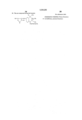
I CHzCHgOH 1 9 20 11. The azo compound having the formula:
H CH I No references cited.
a CHARLES B. PARKER, Primary Examiner. H=C N ON=N CH! .5 D. PAPUGA, Assistant Examiner.
l u N\ /(J-CN l N CH;
( lHaCHzGHnCHa
Claims (1)
1. AN AZO COMPOUND HAVING THE FORMULA
Priority Applications (1)
| Application Number | Priority Date | Filing Date | Title |
|---|---|---|---|
| US354105A US3336285A (en) | 1964-03-23 | 1964-03-23 | Monoazo compounds prepared from 3-amino-4-cyanopyrazole compounds |
Applications Claiming Priority (1)
| Application Number | Priority Date | Filing Date | Title |
|---|---|---|---|
| US354105A US3336285A (en) | 1964-03-23 | 1964-03-23 | Monoazo compounds prepared from 3-amino-4-cyanopyrazole compounds |
Publications (1)
| Publication Number | Publication Date |
|---|---|
| US3336285A true US3336285A (en) | 1967-08-15 |
Family
ID=23391893
Family Applications (1)
| Application Number | Title | Priority Date | Filing Date |
|---|---|---|---|
| US354105A Expired - Lifetime US3336285A (en) | 1964-03-23 | 1964-03-23 | Monoazo compounds prepared from 3-amino-4-cyanopyrazole compounds |
Country Status (1)
| Country | Link |
|---|---|
| US (1) | US3336285A (en) |
Cited By (30)
| Publication number | Priority date | Publication date | Assignee | Title |
|---|---|---|---|---|
| US3435022A (en) * | 1964-07-10 | 1969-03-25 | Geigy Ag J R | Pyrazolone monoazo dyes containing indole or carbazole groups |
| US3541076A (en) * | 1966-07-09 | 1970-11-17 | Hoechst Ag | Basic monoazo-dyestuffs containing a 3-indolyl- or 5-amino-4-pyrazolyl group |
| DE2600036A1 (en) * | 1975-01-13 | 1976-07-15 | Sandoz Ag | ORGANIC COMPOUNDS |
| US4051117A (en) * | 1973-11-03 | 1977-09-27 | Bayer Aktiengesellschaft | Triazole-azo-phenyl cationic dyestuffs |
| US4097475A (en) * | 1974-04-03 | 1978-06-27 | E. I. Du Pont De Nemours And Company | Disperse mono- and bisazo dyes derived from 2-amino-4,5-dicyanoimidazole |
| EP0034945B1 (en) * | 1980-02-26 | 1985-08-07 | May & Baker Limited | N-phenylpyrazole derivatives |
| US5023229A (en) * | 1990-10-31 | 1991-06-11 | Eastman Kodak Company | Mixture of dyes for magenta dye donor for thermal color proofing |
| EP0492444A1 (en) | 1990-12-21 | 1992-07-01 | Eastman Kodak Company | Novel synthesis of pyrazole dyes |
| US5132275A (en) * | 1991-09-11 | 1992-07-21 | Eastman Kodak Company | Mixture of dyes for black dye donor for thermal color proofing |
| US5132273A (en) * | 1991-09-11 | 1992-07-21 | Eastman Kodak Company | Mixture of dyes for black dye donor for thermal color proofing |
| US5134116A (en) * | 1990-11-02 | 1992-07-28 | Eastman Kodak Company | Mixture of dyes for black dye donor for thermal color proofing |
| US5446136A (en) * | 1993-12-20 | 1995-08-29 | Bayer Aktiengesellschaft | Pyrazole azo dyestuffs |
| US6455679B1 (en) | 2000-08-07 | 2002-09-24 | Fuji Photo Film Co., Ltd. | Azo dye, ink-jet recording ink containing the same, and ink-jet recording method |
| US6489452B1 (en) | 2000-03-22 | 2002-12-03 | Fuji Photo Film Co., Ltd. | Azo dyes, process for making the same, ink-jet printing ink, ink-jet recording method |
| US20070186807A1 (en) * | 2006-02-16 | 2007-08-16 | Brother Kogyo Kabushiki Kaisha | Magenta Ink for Ink-Jet Recording |
| US20070186806A1 (en) * | 2006-02-16 | 2007-08-16 | Brother Kogyo Kabushiki Kaisha | Ink Set for Ink-Jet Recording |
| US20070188573A1 (en) * | 2006-02-16 | 2007-08-16 | Brother Kogyo Kabushiki Kaisha | Ink set for ink-jet recording, ink for ink-jet recording and method for forming image |
| US20080032752A1 (en) * | 2006-07-21 | 2008-02-07 | Kabushiki Kaisha Toshiba | Information processing apparatus |
| US20080072786A1 (en) * | 2006-09-22 | 2008-03-27 | Brother Kogyo Kabushiki Kaisha | Ink-Jet Ink Set |
| US20080072787A1 (en) * | 2006-09-22 | 2008-03-27 | Brother Kogyo Kabushiki Kaisha | Ink-Jet Ink Set |
| US20080072788A1 (en) * | 2006-09-22 | 2008-03-27 | Brother Kogyo Kabushiki Kaisha | Ink-Jet Ink Set |
| US20080102258A1 (en) * | 2006-11-01 | 2008-05-01 | Brother Kogyo Kabushiki Kaisha | Ink-jet ink set, producing method of ink-jet ink set, image forming method, and ink-jet recording apparatus |
| WO2008056828A2 (en) | 2006-11-10 | 2008-05-15 | Fujifilm Corporation | Process for producing 5-aminopyrazole derivative, and azo dye |
| EP2169017A1 (en) | 2008-09-26 | 2010-03-31 | Fujifilm Corporation | Ink set and method for forming image |
| US7736425B2 (en) | 2006-02-16 | 2010-06-15 | Brother Kogyo Kabushiki Kaisha | Ink set for ink-jet recording, ink for ink-jet recording and method for forming image |
| EP2327748A1 (en) | 2009-11-30 | 2011-06-01 | Brother Kogyo Kabushiki Kaisha | Water-based ink for ink-jet recording, ink cartridge, and ink-jet recording apparatus |
| WO2013099677A1 (en) | 2011-12-26 | 2013-07-04 | 富士フイルム株式会社 | Compound having xanthene skeleton, coloring composition, ink for ink jet printing, and ink jet printing method |
| WO2013129265A1 (en) | 2012-02-29 | 2013-09-06 | 富士フイルム株式会社 | Colored composition, inkjet recording ink, and inkjet recording method |
| US8603232B2 (en) | 2010-09-30 | 2013-12-10 | Brother Kogyo Kabushiki Kaisha | Water-based ink set for ink-jet recording, ink-jet recording method, and ink-jet recording apparatus |
| US8632629B2 (en) | 2010-09-30 | 2014-01-21 | Brother Kogyo Kabushiki Kaisha | Water-based ink set for ink-jet recording, ink-jet recording method, and ink-jet recording apparatus |
-
1964
- 1964-03-23 US US354105A patent/US3336285A/en not_active Expired - Lifetime
Non-Patent Citations (1)
| Title |
|---|
| None * |
Cited By (43)
| Publication number | Priority date | Publication date | Assignee | Title |
|---|---|---|---|---|
| US3435022A (en) * | 1964-07-10 | 1969-03-25 | Geigy Ag J R | Pyrazolone monoazo dyes containing indole or carbazole groups |
| US3541076A (en) * | 1966-07-09 | 1970-11-17 | Hoechst Ag | Basic monoazo-dyestuffs containing a 3-indolyl- or 5-amino-4-pyrazolyl group |
| US4051117A (en) * | 1973-11-03 | 1977-09-27 | Bayer Aktiengesellschaft | Triazole-azo-phenyl cationic dyestuffs |
| US4097475A (en) * | 1974-04-03 | 1978-06-27 | E. I. Du Pont De Nemours And Company | Disperse mono- and bisazo dyes derived from 2-amino-4,5-dicyanoimidazole |
| DE2600036A1 (en) * | 1975-01-13 | 1976-07-15 | Sandoz Ag | ORGANIC COMPOUNDS |
| EP0034945B1 (en) * | 1980-02-26 | 1985-08-07 | May & Baker Limited | N-phenylpyrazole derivatives |
| US5023229A (en) * | 1990-10-31 | 1991-06-11 | Eastman Kodak Company | Mixture of dyes for magenta dye donor for thermal color proofing |
| US5134116A (en) * | 1990-11-02 | 1992-07-28 | Eastman Kodak Company | Mixture of dyes for black dye donor for thermal color proofing |
| EP0492444A1 (en) | 1990-12-21 | 1992-07-01 | Eastman Kodak Company | Novel synthesis of pyrazole dyes |
| US5144015A (en) * | 1990-12-21 | 1992-09-01 | Eastman Kodak Company | Synthesis of pyrazole dyes |
| US5132275A (en) * | 1991-09-11 | 1992-07-21 | Eastman Kodak Company | Mixture of dyes for black dye donor for thermal color proofing |
| US5132273A (en) * | 1991-09-11 | 1992-07-21 | Eastman Kodak Company | Mixture of dyes for black dye donor for thermal color proofing |
| US5446136A (en) * | 1993-12-20 | 1995-08-29 | Bayer Aktiengesellschaft | Pyrazole azo dyestuffs |
| US5502172A (en) * | 1993-12-20 | 1996-03-26 | Bayer Aktiengesellschaft | Process for the preparation of pyrazole azo dyestuffs |
| US6489452B1 (en) | 2000-03-22 | 2002-12-03 | Fuji Photo Film Co., Ltd. | Azo dyes, process for making the same, ink-jet printing ink, ink-jet recording method |
| US6613888B2 (en) | 2000-03-22 | 2003-09-02 | Fuji Photo Film Co., Ltd. | Azo dyes, process for making the same, ink-jet printing ink, ink-jet recording method |
| US6455679B1 (en) | 2000-08-07 | 2002-09-24 | Fuji Photo Film Co., Ltd. | Azo dye, ink-jet recording ink containing the same, and ink-jet recording method |
| US20070186807A1 (en) * | 2006-02-16 | 2007-08-16 | Brother Kogyo Kabushiki Kaisha | Magenta Ink for Ink-Jet Recording |
| US20070186806A1 (en) * | 2006-02-16 | 2007-08-16 | Brother Kogyo Kabushiki Kaisha | Ink Set for Ink-Jet Recording |
| US20070188573A1 (en) * | 2006-02-16 | 2007-08-16 | Brother Kogyo Kabushiki Kaisha | Ink set for ink-jet recording, ink for ink-jet recording and method for forming image |
| US7713343B2 (en) | 2006-02-16 | 2010-05-11 | Brother Kogyo Kabushiki Kaisha | Ink set for ink-jet recording |
| US7736424B2 (en) | 2006-02-16 | 2010-06-15 | Brother Kogyo Kabushiki Kaisha | Ink set for ink-jet recording, ink for ink-jet recording and method for forming image |
| US7736425B2 (en) | 2006-02-16 | 2010-06-15 | Brother Kogyo Kabushiki Kaisha | Ink set for ink-jet recording, ink for ink-jet recording and method for forming image |
| US7727321B2 (en) | 2006-02-16 | 2010-06-01 | Brother Kogyo Kabushiki Kaisha | Magenta ink for ink-jet recording |
| US20080032752A1 (en) * | 2006-07-21 | 2008-02-07 | Kabushiki Kaisha Toshiba | Information processing apparatus |
| US20080072789A1 (en) * | 2006-09-22 | 2008-03-27 | Brother Kogyo Kabushiki Kaisha | Ink-Jet Ink Set |
| US20080072787A1 (en) * | 2006-09-22 | 2008-03-27 | Brother Kogyo Kabushiki Kaisha | Ink-Jet Ink Set |
| US7438751B2 (en) | 2006-09-22 | 2008-10-21 | Brother Kogyo Kabushiki Kaisha | Ink-jet ink set |
| US7438749B2 (en) | 2006-09-22 | 2008-10-21 | Brother Kogyo Kabushiki Kaisha | Ink-jet ink set |
| US7438750B2 (en) | 2006-09-22 | 2008-10-21 | Brother Kogyo Kabushiki Kaisha | Ink-jet ink set |
| US7465345B2 (en) | 2006-09-22 | 2008-12-16 | Brother Kogyo Kabushiki Kaisha | Ink-jet ink set |
| US20080072786A1 (en) * | 2006-09-22 | 2008-03-27 | Brother Kogyo Kabushiki Kaisha | Ink-Jet Ink Set |
| US20080072788A1 (en) * | 2006-09-22 | 2008-03-27 | Brother Kogyo Kabushiki Kaisha | Ink-Jet Ink Set |
| US20080102258A1 (en) * | 2006-11-01 | 2008-05-01 | Brother Kogyo Kabushiki Kaisha | Ink-jet ink set, producing method of ink-jet ink set, image forming method, and ink-jet recording apparatus |
| US8221534B2 (en) | 2006-11-01 | 2012-07-17 | Brother Kogyo Kabushiki Kaisha | Ink-jet ink set, producing method of ink-jet ink set, image forming method, and ink-jet recording apparatus |
| WO2008056828A2 (en) | 2006-11-10 | 2008-05-15 | Fujifilm Corporation | Process for producing 5-aminopyrazole derivative, and azo dye |
| US20100063262A1 (en) * | 2006-11-10 | 2010-03-11 | Fujifilm Corporation | Process for producing 5-aminopyrazole derivative, and azo dye |
| EP2169017A1 (en) | 2008-09-26 | 2010-03-31 | Fujifilm Corporation | Ink set and method for forming image |
| EP2327748A1 (en) | 2009-11-30 | 2011-06-01 | Brother Kogyo Kabushiki Kaisha | Water-based ink for ink-jet recording, ink cartridge, and ink-jet recording apparatus |
| US8603232B2 (en) | 2010-09-30 | 2013-12-10 | Brother Kogyo Kabushiki Kaisha | Water-based ink set for ink-jet recording, ink-jet recording method, and ink-jet recording apparatus |
| US8632629B2 (en) | 2010-09-30 | 2014-01-21 | Brother Kogyo Kabushiki Kaisha | Water-based ink set for ink-jet recording, ink-jet recording method, and ink-jet recording apparatus |
| WO2013099677A1 (en) | 2011-12-26 | 2013-07-04 | 富士フイルム株式会社 | Compound having xanthene skeleton, coloring composition, ink for ink jet printing, and ink jet printing method |
| WO2013129265A1 (en) | 2012-02-29 | 2013-09-06 | 富士フイルム株式会社 | Colored composition, inkjet recording ink, and inkjet recording method |
Similar Documents
| Publication | Publication Date | Title |
|---|---|---|
| US3221006A (en) | 5-amino-3-substituted-1,2,4-thiadiazole azo compounds | |
| US3342804A (en) | Monoazo dyes | |
| US2891942A (en) | Water-insoluble monoazo dyestuffs | |
| US3804823A (en) | Heterocyclic containing monoazo compounds | |
| US3935183A (en) | Indazole-azo phenyl compounds | |
| US3455898A (en) | Water-insoluble monoazo dyes containing a 2,1-benzoisothiazolyn-(3) radical | |
| US3471467A (en) | Dispersible monoazo dyes | |
| US3050516A (en) | Monoazo dyestuffs of low solubility in water | |
| US3206454A (en) | Monoazo dyestuffs containing an aminosulfonyldialkylamino radical | |
| US3178405A (en) | Water-insoluble monoazo dyestuffs | |
| US3573273A (en) | Water-insoluble monoazo dyes containing 3-amino-2,1-benzisothiazole coupled to an n,n-disubstituted aniline | |
| US3531457A (en) | 5-arylazo-pyrimidine monoazo dyestuffs | |
| US2967858A (en) | Monoazo dyestuffs of low water solubility | |
| US3337522A (en) | Dispersible monoazo dyes | |
| EP1135442A1 (en) | Disperse dye mixtures | |
| US3084153A (en) | Water-soluble monoazo benzothiazole dyestuffs | |
| US3007915A (en) | Sparingly water-soluble azo dyestuffs | |
| US3478011A (en) | Water-insoluble monoazo dyestuffs | |
| US3386990A (en) | Azo dyes containing vinylsulfonylethyl tetrahydroquinoline groups | |
| US3314935A (en) | Monoazo dyestuffs | |
| US3379716A (en) | Aromatic monoazo dyestuffs | |
| US2980666A (en) | Azo dyestuffs of low solubility in water | |
| US3823131A (en) | Dialkylamino disazo sulfonic acid dyestuffs | |
| US3829418A (en) | Basic benzimidazoline arylhydrazone dyestuffs | |
| US3335126A (en) | Monoazo dyestuffs |