US12238167B2 - Synchronization method and electronic device - Google Patents
Synchronization method and electronic device Download PDFInfo
- Publication number
- US12238167B2 US12238167B2 US17/752,830 US202217752830A US12238167B2 US 12238167 B2 US12238167 B2 US 12238167B2 US 202217752830 A US202217752830 A US 202217752830A US 12238167 B2 US12238167 B2 US 12238167B2
- Authority
- US
- United States
- Prior art keywords
- electronic device
- application
- running
- interface
- data
- Prior art date
- Legal status (The legal status is an assumption and is not a legal conclusion. Google has not performed a legal analysis and makes no representation as to the accuracy of the status listed.)
- Active, expires
Links
Images



Classifications
-
- G—PHYSICS
- G06—COMPUTING OR CALCULATING; COUNTING
- G06F—ELECTRIC DIGITAL DATA PROCESSING
- G06F9/00—Arrangements for program control, e.g. control units
- G06F9/06—Arrangements for program control, e.g. control units using stored programs, i.e. using an internal store of processing equipment to receive or retain programs
- G06F9/44—Arrangements for executing specific programs
- G06F9/451—Execution arrangements for user interfaces
- G06F9/452—Remote windowing, e.g. X-Window System, desktop virtualisation
-
- G—PHYSICS
- G06—COMPUTING OR CALCULATING; COUNTING
- G06F—ELECTRIC DIGITAL DATA PROCESSING
- G06F9/00—Arrangements for program control, e.g. control units
- G06F9/06—Arrangements for program control, e.g. control units using stored programs, i.e. using an internal store of processing equipment to receive or retain programs
- G06F9/46—Multiprogramming arrangements
- G06F9/48—Program initiating; Program switching, e.g. by interrupt
- G06F9/4806—Task transfer initiation or dispatching
- G06F9/4843—Task transfer initiation or dispatching by program, e.g. task dispatcher, supervisor, operating system
- G06F9/485—Task life-cycle, e.g. stopping, restarting, resuming execution
- G06F9/4856—Task life-cycle, e.g. stopping, restarting, resuming execution resumption being on a different machine, e.g. task migration, virtual machine migration
-
- H—ELECTRICITY
- H04—ELECTRIC COMMUNICATION TECHNIQUE
- H04L—TRANSMISSION OF DIGITAL INFORMATION, e.g. TELEGRAPHIC COMMUNICATION
- H04L67/00—Network arrangements or protocols for supporting network services or applications
- H04L67/01—Protocols
- H04L67/10—Protocols in which an application is distributed across nodes in the network
- H04L67/1095—Replication or mirroring of data, e.g. scheduling or transport for data synchronisation between network nodes
-
- H—ELECTRICITY
- H04—ELECTRIC COMMUNICATION TECHNIQUE
- H04W—WIRELESS COMMUNICATION NETWORKS
- H04W4/00—Services specially adapted for wireless communication networks; Facilities therefor
- H04W4/80—Services using short range communication, e.g. near-field communication [NFC], radio-frequency identification [RFID] or low energy communication
-
- H—ELECTRICITY
- H04—ELECTRIC COMMUNICATION TECHNIQUE
- H04W—WIRELESS COMMUNICATION NETWORKS
- H04W76/00—Connection management
- H04W76/10—Connection setup
- H04W76/14—Direct-mode setup
-
- H—ELECTRICITY
- H04—ELECTRIC COMMUNICATION TECHNIQUE
- H04W—WIRELESS COMMUNICATION NETWORKS
- H04W76/00—Connection management
- H04W76/30—Connection release
-
- G—PHYSICS
- G06—COMPUTING OR CALCULATING; COUNTING
- G06F—ELECTRIC DIGITAL DATA PROCESSING
- G06F9/00—Arrangements for program control, e.g. control units
- G06F9/06—Arrangements for program control, e.g. control units using stored programs, i.e. using an internal store of processing equipment to receive or retain programs
- G06F9/44—Arrangements for executing specific programs
- G06F9/445—Program loading or initiating
Definitions
- the present disclosure relates to the field of communication technologies, and in particular, to a synchronization method and an electronic device.
- the present disclosure provides a synchronization method and an electronic device.
- an embodiment of the present disclosure provides a synchronization method, applicable to a first electronic device, the method including:
- an embodiment of the present disclosure further provides a synchronization method, applicable to a second electronic device, the method including:
- an embodiment of the present disclosure provides an electronic device, the electronic device being a first electronic device and including:
- an embodiment of the present disclosure provides an electronic device, the electronic device being a second electronic device and including:
- an embodiment of the present disclosure further provides an electronic device, including a processor, a memory, and a computer program stored in the memory and executable by the processor, the computer program, when executed by the processor, implementing the steps of the synchronization method described above.
- an embodiment of the present disclosure further provides a computer-readable storage medium, storing a computer program, the computer program, when executed by a processor, implementing the steps of the synchronization method described above.
- a running interface of the first application sent by a second electronic device is received, and the running interface sent by the second electronic device is used as a buffer transition during device switching.
- the first electronic device starts the first application and synchronizes data of the first application, a user can directly perform operations on a running interface of the synchronized first application, so that the first application is seamlessly switched from the second electronic device to the first electronic device, thereby ensuring a sense of immersion for the user and reducing user operations during device switching.
- FIG. 1 is a first schematic flowchart of a synchronization method according to an embodiment of the present disclosure
- FIG. 2 is a schematic diagram of displaying a virtual screen by a first electronic device according to an embodiment of the present disclosure
- FIG. 3 is a schematic diagram of displaying a running interface of a synchronized first application by a first electronic device according to an embodiment of the present disclosure
- FIG. 4 is a second schematic flowchart of a synchronization method according to an embodiment of the present disclosure
- FIG. 5 is a schematic diagram of an application selection interface according to an embodiment of the present disclosure.
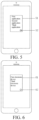
- FIG. 6 is a schematic diagram of a selection window of a to-be-switched device according to an embodiment of the present disclosure
- FIG. 7 is a schematic structural diagram of modules of a first electronic device according to an embodiment of the present disclosure.
- FIG. 8 is a schematic structural diagram of modules of a second electronic device according to an embodiment of the present disclosure.
- FIG. 9 is a schematic structural diagram of hardware of an electronic device according to an embodiment of the present disclosure.
- an embodiment of the present disclosure provides a synchronization method, applicable to a first electronic device, the method including:
- Step 101 Receive, in a case that the first electronic device is in communication connection with a second electronic device, a running interface of a first application sent by the second electronic device.
- the first application is an application currently run on the second electronic device.
- a communication connection between the first electronic device and the second electronic device needs to be first established, to display the running interface of the first application in the second electronic device on the first electronic device in a manner of screen mirroring.
- the communication connection between the first electronic device and the second electronic device may be established through Bluetooth, Wi-Fi, and the like.
- the second electronic device scans the first electronic device through Bluetooth and sends a connection request to the first electronic device.
- both the first electronic device and the second electronic device are configured to be scannable, and the user taps to agree to complete device connection after the connection request sent by the second electronic device is received by the first electronic device. After the communication connection is established, related data of the running interface of the first application sent by the second electronic device can be received by the first electronic device.
- Step 102 Receive, in a case that the first electronic device runs the first application, target application data of the first application sent by the second electronic device.
- the target application data is related data of the first application when run on the second electronic device, including path information of jumping to a specific page, a distance between interface sliding positions, account information, a page progress bar of a video or music, rendering data of a game page, and the like.
- the first electronic device After receiving the running interface of the first application, the first electronic device displays the running interface and wakes up to start the first application. After the first electronic device has woken up and run the first application, the second electronic device further needs to send the target application data to the first electronic device.
- the first electronic device sends an operation data obtaining request to the second electronic device after running the first electronic device; and the second electronic device feeds back the target application data related to the first application to the first electronic device according to the operation data obtaining request.
- Step 103 Synchronize the target application data to the first application run on the first electronic device.
- the target application data sent by the second electronic device is used for data synchronization.
- interface rendering is performed on the first application by using the target application data, so that processes of operating the first application run on the first electronic device and the first application run on the second electronic device are synchronized.
- the first electronic device displays a running interface of the first application on the first electronic device on which data is synchronized, rather than displaying the running interface of the first application sent by the second electronic device. It should be noted that, the running interface of the first application on the first electronic device on which data is synchronized is completely the same as the running interface of the first application on the second electronic device, and therefore the user may continue to complete operations for the first application on the first electronic device.
- step 101 includes: in a case that the first electronic device is in communication connection with the second electronic device, receiving the running interface of the first application sent by the second electronic device and starting the first application on the first electronic device.
- the second electronic device may further simultaneously send data of a plurality of other currently running applications.
- the first application is an application run in the foreground of the second electronic device, and a second application and a third application are run in the background of the second electronic device.
- the second electronic device may further send information about the second application and the third application to the first electronic device.
- the first electronic device may further start the second application and the third application, and acquire operation data of the second application and the third application from the second electronic device for data synchronization.
- the method further includes: displaying the received running interface of the first application on a virtual screen.
- the first electronic device After receiving the running interface of the first application, the first electronic device considers that the user needs to display the running interface of the first application of the second electronic device on the first electronic device in the manner of screen mirroring.
- the first electronic device generates a virtual screen for displaying the running interface according to related data of the running interface of the first application.
- the virtual screen is a screen to be displayed on the first electronic device in the manner of screen mirroring.
- the virtual screen is displayed on a home screen of the first electronic device in an unfolded manner, and covers original content on the screen, thereby displaying the running interface of the first application on the first electronic device in the manner of screen mirroring.
- the manner of displaying the virtual screen on the first electronic device is shown in FIG. 2 , where the virtual screen of the running interface of the first application on the second electronic device is displayed on a display interface 21 of the first electronic device.
- a screen mirroring connection is kept between the first electronic device and the second electronic device.
- the first electronic device displays the virtual screen of the running interface of the first application
- operations of the user for the virtual screen on the first electronic device are all first fed back to the second electronic device.
- the first input represents a forward operation performed by the user on the virtual screen.
- the first electronic device sends data of the forward operation to the second electronic device, and the second electronic device controls a first interface of the first application to complete the forward operation, and saves related data.
- the first electronic device may send the operation data corresponding to the first input to a server when receiving the first input of the user, and the server may forward the operation data to the second electronic device.
- the user operation for the first application is performed on the virtual screen
- the first electronic device feeds back the operation data to the second electronic device
- the second electronic device performs an operation on the first application according to the operation data.
- the virtual screen is used as a buffer transition, so that the user can perform operations on the first application without interruption, and the first application run on the second electronic device can be smoothly switched to the first electronic device, thereby ensuring the sense of immersion for the user and reducing user operations during device switching.
- the method further includes:
- data synchronization and interface rendering are performed on the first application run on the first electronic device.
- the virtual screen is turned off, and the running interface of the first application run on the first electronic device is displayed on a display interface of the first electronic device.
- the running interface of the first application on the first electronic device on which data is synchronized is completely the same as a display interface of the first application on the second electronic device.
- the running interface of the first application on which data is synchronized is displayed on a display interface 31 of the first electronic device, and in this case, the user may continue to perform an operation on the first application on the running interface of the first application of the first electronic device.
- the second electronic device stops sending the running interface of the first application to the first electronic device, interrupts a network connection such as Bluetooth/Wi-Fi, and shuts down the first application, thereby switching the first application from the second electronic device to the first electronic device.
- a network connection such as Bluetooth/Wi-Fi
- the user when the first electronic device does not start the first application, the running interface of the first application sent by the second electronic device is received, the user may perform operations on the received running interface, and the miming interface sent by the second electronic device is used as a buffer transition during device switching
- the user can directly perform operations on the running interface of the synchronized first application, so that the first application is seamlessly switched from the second electronic device to the first electronic device, thereby ensuring the sense of immersion for the user and reducing user operations during device switching.
- the first application is run on the first electronic device and automatically exits from the second electronic device, which can reduce power consumption.
- the target application data is related data of the first application when run on the second electronic device, including path information of jumping to a specific page, a distance between interface sliding positions, account information, a page progress bar of a video or music, rendering data of a game page, and the like.
- the second electronic device may send the target application data related to the first application to the first electronic device according to an operation data obtaining request sent by the first electronic device, so that the first electronic device may perform data synchronization and interface rendering.
- the second electronic device sends the target application data of the first application to the first electronic device, so that the first electronic device synchronizes data of the first application, and the first application is seamlessly switched from the second electronic device to the first electronic device, thereby ensuring the sense of immersion for the user and reducing user operations during device switching After the switch, the first application is run on the first electronic device and the second electronic device automatically exits miming of the first application, which can reduce power consumption.
- the second input is a wake-up input for a device switching function, and a form of the second input may be set according to requirements.
- the second input may be an input of the user by touching and holding the screen with two fingers or may be an input of the user by operating a physical key.
- the first interface is a current display interface of the first application on the second electronic device. The user wakes up the device switching function on the first interface, and the application selection interface is then displayed on a part of the first interface or the entire first interface.
- the application selection interface may be in the form of a window or may completely cover the first interface.
- the application selection interface includes icons of all applications supporting screen mirroring and currently run in the foreground and the background of the second electronic device, for the user to select an application for screen mirroring.
- the first application may be an application currently run in the foreground, and the user then selects the icon of the first application on the application selection interface.
- the second electronic device After establishing the communication connection with the first electronic device, the second electronic device sends the running interface of the first application to the first electronic device.
- the application selection interface further includes: an icon of another application run on the second electronic device other than the first application.
- icons of the applications that the user intends to synchronously switch may be selected on the application selection interface.
- the user may freely select applications to be synchronously switched in an application selection interface 51 and tap an arrow button 52 indicating a next step after the selection, and then a selection window 61 of a to-be-switched device pops up.
- the selection window 61 includes a first electronic device and a third electronic device. The user selects a to-be-switched device according to requirements, and taps a confirm button 62 after the selection. The second electronic device then sends a communication connection request to an electronic device selected by the user to establish a communication connection.
- the method further includes:
- the second electronic device controls, according to the operation data, the currently displayed first interface of the first application to complete corresponding operations, and saves related data.
- the second electronic device then sends target application data of the first application to the first electronic device, and sends data corresponding to the updated interface to the first electronic device.
- the user operation for the first application is performed on the virtual screen
- the first electronic device feeds back the operation data to the second electronic device
- the second electronic device perform an operation on the first application according to the operation data.
- the virtual screen is used as a buffer transition, so that the user can perform operations on the first application without interruption, and the first application run on the second electronic device can be smoothly switched to the first electronic device, thereby ensuring the sense of immersion for the user and reducing user operations during device switching.
- the method further includes:
- the first electronic device after performing data synchronization and interface rendering, the first electronic device sends a connection interrupting request to the second electronic device, the second electronic device sends a confirmation message to the first electronic device according to the connection interrupting request, and then the first electronic device interrupts the communication connection after confirming that data synchronization is completed.
- the first electronic device after performing data synchronization and interface rendering, the first electronic device sends a connection interrupting request to the second electronic device, the second electronic device sends a confirmation message to the first electronic device according to the connection interrupting request, and then the first electronic device interrupts the communication connection after confirming that data synchronization is completed.
- the second electronic device currently displays a running interface of the first application, and the user touches and holds the running interface with two fingers to wake up a device switching function, the user touches and holds the running interface of the first application displayed on the second electronic device with two fingers to wake up the device switching function; an application selection interface pops up, the application selection interface including icons of applications currently run on the second electronic device; the user selects an icon of the first application; the user selects a to-be-switched first electronic device and establishes a communication connection; the second electronic device sends the running interface of the first application to the first electronic device; the first electronic device displays a virtual screen of the running interface of the first application in a manner of screen mirroring, and feeds back operation data of the user on the virtual screen to the second electronic device; the first electronic device wakes up and starts the first application in a background, and acquires target application data of the first application from the second electronic device; the first electronic device completes data synchronization and interface rendering of the first application according to the target application data; after completing
- the communication connection with the first electronic device is first established, and the running interface of the first application is sent to the first electronic device, so that the first electronic device displays the running interface of the first application.
- the running interface sent by the second electronic device is used as a buffer transition during device switching.
- the second electronic device sends the target application data of the first application to the first electronic device, so that the first electronic device synchronizes data of the first application, and the same batch of applications can be seamlessly switched between two devices, thereby ensuring the sense of immersion for the user and reducing user operations during device switching
- the first application is run on the first electronic device and the second electronic device automatically exits running of the first application, which can reduce power consumption.
- an embodiment of the present disclosure further provides an electronic device, the electronic device being a first electronic device 700 and including:
- the first receiving module is further configured to:
- the electronic device further includes:
- the electronic device further includes:
- the electronic device further includes:
- the electronic device can implement all processes implemented by the electronic device described in the method embodiments shown in FIG. 1 to FIG. 3 , details of which are omitted herein for brevity.
- the user when the first electronic device does not start the first application, the running interface of the first application sent by the second electronic device is received, the user may perform operations on the received running interface, and the miming interface sent by the second electronic device is used as a buffer transition during device switching
- the user can directly perform operations on the running interface of the synchronized first application, so that the first application is seamlessly switched from the second electronic device to the first electronic device, thereby ensuring the sense of immersion for the user and reducing user operations during device switching.
- the first application is run on the first electronic device and automatically exits from the second electronic device, which can reduce power consumption.
- an embodiment of the present disclosure further provides an electronic device, the electronic device being a second electronic device 800 and including:
- the electronic device further includes:
- the electronic device can implement all processes implemented by the electronic device described in the method embodiments shown in FIG. 4 to FIG. 6 , details of which are omitted herein for brevity.
- the communication connection with the first electronic device is first established, and the running interface of the first application is sent to the first electronic device, so that the first electronic device displays the running interface of the first application.
- the running interface sent by the second electronic device is used as a buffer transition during device switching.
- the second electronic device sends the target application data of the first application to the first electronic device, so that the first electronic device synchronizes data of the first application, and the same batch of applications can be seamlessly switched between two devices, thereby ensuring the sense of immersion for the user and reducing user operations during device switching
- the first application is run on the first electronic device and the second electronic device automatically exits running of the first application, which can reduce power consumption.
- FIG. 9 is a schematic diagram of a hardware structure of an electronic device that implements the embodiments of the present disclosure.
- the electronic device 900 includes, but is not limited to, components such as a radio frequency unit 901 , a network module 902 , an audio output unit 903 , an input unit 904 , a sensor 905 , a display unit 906 , a user input unit 907 , an interface unit 908 , a memory 909 , a processor 910 , and a power supply 911 .
- components such as a radio frequency unit 901 , a network module 902 , an audio output unit 903 , an input unit 904 , a sensor 905 , a display unit 906 , a user input unit 907 , an interface unit 908 , a memory 909 , a processor 910 , and a power supply 911 .
- a radio frequency unit 901 such as a radio frequency unit 901 , a network module 902 , an audio output unit 903 , an input unit 904 , a sensor 905 , a display unit 906 , a user input unit
- the electronic device includes, but is not limited to, a mobile phone, a tablet computer, a notebook computer, a palmtop computer, an in-vehicle terminal, a wearable device, a pedometer, and the like.
- the processor 910 is configured to receive, in a case that the first electronic device is in communication connection with a second electronic device, a running interface of a first application sent by the second electronic device;
- the electronic device is a second electronic device
- the user when the first electronic device does not start the first application, the running interface of the first application sent by the second electronic device is received, the user may perform operations on the received running interface, and the miming interface sent by the second electronic device is used as a buffer transition during device switching
- the user can directly perform operations on the running interface of the synchronized first application, so that the first application is seamlessly switched from the second electronic device to the first electronic device, thereby ensuring the sense of immersion for the user and reducing user operations during device switching.
- the first application is run on the first electronic device and automatically exits from the second electronic device, which can reduce power consumption.
- the radio frequency unit 901 may be configured to transmit and receive information or transmit and receive signals during a call. Specifically, the radio frequency unit 901 is configured to receive downlink data from a base station and transmit downlink data to the processor 910 for processing; and send uplink data to the base station. Generally, the radio frequency unit 901 includes, but is not limited to, an antenna, at least one amplifier, a transceiver, a coupler, a low noise amplifier, a duplexer, and the like. In addition, the radio frequency unit 901 may further communicate with another device through a wireless communication system and a network.
- the electronic device provides wireless broadband Internet access for a user by using the network module 902 , for example, allowing the user to send and receive emails, browse webpages, access streaming media content, and the like.
- the audio output unit 903 may convert audio data received by the radio frequency unit 901 or the network module 902 or stored on the memory 909 into audio signals and output the audio signals as sounds. In addition, the audio output unit 903 may further provide audio output related to specific functions implemented by the electronic device 900 (for example, a call signal receiving sound and a message receiving sound).
- the audio output unit 903 includes a speaker, a buzzer, a receiver, and the like
- the input unit 904 is configured to receive an audio or video signal.
- the input unit 904 may include a Graphics Processing Unit (GPU) 9041 and a microphone 9042 .
- the graphics processing unit 9041 performs processing on image data of a static picture or a video acquired by an image acquisition device (for example, a camera) in a video acquisition mode or an image acquisition mode.
- the processed image frame can be displayed on the display unit 906 .
- An image frame processed by the graphics processing unit 9041 may be stored in the memory 909 (or another storage medium) or sent by using the radio frequency unit 901 or the network module 902 .
- the microphone 9042 may receive a sound and can process such a sound into audio data.
- the processed audio data may be converted, in a phone call mode, into a format that may be sent by the radio frequency unit 901 to a mobile communication base station.
- the electronic device 900 further includes at least one sensor 905 such as an optical sensor, a motion sensor, or another sensor.
- the optical sensor includes an ambient light sensor and a proximity sensor.
- the ambient light sensor may adjust luminance of a display panel 9061 according to brightness of the ambient light.
- the proximity sensor may switch off the display panel 9061 and/or backlight when the electronic device 900 is moved to the ear.
- an accelerometer sensor can detect magnitudes of accelerations in various directions (generally, on three axes), may detect a magnitude and a direction of the gravity when static, and may be applied to recognizing the attitude of the electronic device (for example, switching between landscape orientation and portrait orientation, a related game, and magnetometer attitude calibration), a function related to vibration recognition (for example, a pedometer and a knock), and the like.
- the sensor 905 may further include a fingerprint sensor, a pressure sensor, an iris sensor, a molecular sensor, a gyroscope, a barometer, a hygrometer, a thermometer, an infrared sensor, and the like, which are not described herein in detail.
- the display unit 906 is configured to display information inputted by the user or information provided for the user.
- the display unit 906 may include a display panel 9061 .
- the display panel 9061 may be configured in the form of a Liquid Crystal Display (LCD), an Organic Light-Emitting Diode (OLED), or the like.
Landscapes
- Engineering & Computer Science (AREA)
- Computer Networks & Wireless Communication (AREA)
- Signal Processing (AREA)
- Software Systems (AREA)
- Theoretical Computer Science (AREA)
- Physics & Mathematics (AREA)
- General Engineering & Computer Science (AREA)
- General Physics & Mathematics (AREA)
- Human Computer Interaction (AREA)
- Telephone Function (AREA)
- Digital Computer Display Output (AREA)
Abstract
Description
-
- receiving, in a case that the first electronic device is in communication connection with a second electronic device, a running interface of a first application sent by the second electronic device;
- receiving, in a case that the first electronic device runs the first application, target application data of the first application sent by the second electronic device; and
- synchronizing the target application data to the first application run on the first electronic device.
-
- sending, in a case that the second electronic device is in communication connection with a first electronic device, a running interface of a first application to the first electronic device; and
- sending target application data of the first application to the first electronic device.
-
- a first receiving module, configured to receive, in a case that the first electronic device is in communication connection with a second electronic device, a running interface of a first application sent by the second electronic device;
- a second receiving module, configured to receive, in a case that the first electronic device runs the first application, target application data of the first application sent by the second electronic device; and
- a first processing module, configured to synchronize the target application data to the first application run on the first electronic device.
-
- a first sending module, configured to send, in a case that the second electronic device is in communication connection with a first electronic device, a running interface of a first application to the first electronic device; and
- a second sending module, configured to send target application data of the first application to the first electronic device.
-
- turning off the virtual screen and displaying the running interface of the first application on a display interface of the first electronic device.
-
- receiving a second input of the user for the running interface of the first application; and displaying an application selection interface in response to the second input, the application selection interface including an icon of the first application.
-
- receiving operation data sent by the first electronic device, the operation data being operation data corresponding to the first input performed by the user on the virtual screen of the first electronic device; and updating the first interface according to the operation data.
-
- interrupting the communication connection between the second electronic device and the first electronic device; and in a case that the communication connection between the second electronic device and the first electronic device is interrupted, stopping sending the miming interface of the first application and shutting down the first application.
-
- a
first receiving module 710, configured to receive, in a case that the first electronic device is in communication connection with a second electronic device, a running interface of a first application sent by the second electronic device; - a
second receiving module 720, configured to receive, in a case that the first electronic device runs the first application, target application data of the first application sent by the second electronic device; and - a
first processing module 730, configured to synchronize the target application data to the first application run on the first electronic device.
- a
-
- in a case that the first electronic device is in communication connection with the second electronic device, receive the running interface of the first application sent by the second electronic device and start the first application on the first electronic device.
-
- a first display module, configured to display the received running interface of the first application on a virtual screen.
-
- a second processing module, configured to turn off the virtual screen and display the running interface of the first application on a display interface of the first electronic device.
-
- a third processing module, configured to interrupt the communication connection between the first electronic device and the second electronic device.
-
- a
first sending module 810, configured to send, in a case that the second electronic device is in communication connection with a first electronic device, a running interface of a first application to the first electronic device; and - a
second sending module 820, configured to send target application data of the first application to the first electronic device.
- a
-
- a fourth electronic device processing module, configured to interrupt the communication connection between the second electronic device and the first electronic device; and
- a fifth processing module, configured to: in a case that the communication connection between the second electronic device and the first electronic device is interrupted, stop sending the running interface of the first application and shut down the first application.
-
- receive, in a case that the first electronic device runs the first application, target application data of the first application sent by the second electronic device; and
- synchronize the target application data to the first application run on the first electronic device.
-
- the
processor 910 is configured to send, in a case that the second electronic device is in communication connection with a first electronic device, a running interface of a first application to the first electronic device; and send target application data of the first application to the first electronic device.
- the
Claims (17)
Applications Claiming Priority (3)
| Application Number | Priority Date | Filing Date | Title |
|---|---|---|---|
| CN201911200788.XA CN111031108B (en) | 2019-11-29 | 2019-11-29 | Synchronization method and electronic equipment |
| CN201911200788.X | 2019-11-29 | ||
| PCT/CN2020/131029 WO2021104230A1 (en) | 2019-11-29 | 2020-11-24 | Synchronization method and electronic device |
Related Parent Applications (1)
| Application Number | Title | Priority Date | Filing Date |
|---|---|---|---|
| PCT/CN2020/131029 Continuation WO2021104230A1 (en) | 2019-11-29 | 2020-11-24 | Synchronization method and electronic device |
Publications (2)
| Publication Number | Publication Date |
|---|---|
| US20220286503A1 US20220286503A1 (en) | 2022-09-08 |
| US12238167B2 true US12238167B2 (en) | 2025-02-25 |
Family
ID=70203385
Family Applications (1)
| Application Number | Title | Priority Date | Filing Date |
|---|---|---|---|
| US17/752,830 Active 2040-12-05 US12238167B2 (en) | 2019-11-29 | 2022-05-24 | Synchronization method and electronic device |
Country Status (6)
| Country | Link |
|---|---|
| US (1) | US12238167B2 (en) |
| EP (1) | EP4068899B1 (en) |
| JP (1) | JP7403648B2 (en) |
| KR (1) | KR102650142B1 (en) |
| CN (1) | CN111031108B (en) |
| WO (1) | WO2021104230A1 (en) |
Cited By (1)
| Publication number | Priority date | Publication date | Assignee | Title |
|---|---|---|---|---|
| US20250117398A1 (en) * | 2022-06-16 | 2025-04-10 | Huawei Technologies Co., Ltd. | Cross-device application control method and electronic device |
Families Citing this family (17)
| Publication number | Priority date | Publication date | Assignee | Title |
|---|---|---|---|---|
| CN111031108B (en) * | 2019-11-29 | 2021-09-03 | 维沃移动通信有限公司 | Synchronization method and electronic equipment |
| CN116361255A (en) * | 2020-06-22 | 2023-06-30 | 华为技术有限公司 | Data synchronization method, electronic device and computer readable storage medium |
| CN112235412B (en) * | 2020-10-22 | 2023-08-18 | 维沃移动通信有限公司 | Message processing method and device |
| CN112328344B (en) * | 2020-11-02 | 2022-11-22 | 联想(北京)有限公司 | Screen projection processing method and first equipment |
| CN114968146A (en) * | 2021-02-27 | 2022-08-30 | 华为技术有限公司 | Splicing display method, electronic equipment and system |
| CN113190162A (en) * | 2021-04-28 | 2021-07-30 | 维沃移动通信有限公司 | Display method, display device, electronic equipment and readable storage medium |
| CN115391452A (en) * | 2021-05-25 | 2022-11-25 | 北京小米移动软件有限公司 | Information synchronization method, device and medium |
| CN115202834B (en) * | 2021-05-27 | 2023-04-28 | 华为技术有限公司 | Task migration system and method |
| CN113722036A (en) * | 2021-08-31 | 2021-11-30 | 维沃移动通信有限公司 | Application relay method and device |
| CN117980882A (en) * | 2021-09-09 | 2024-05-03 | 华为技术有限公司 | System and method for remote device task display and control |
| CN116074942A (en) | 2021-10-29 | 2023-05-05 | 北京小米移动软件有限公司 | Application synchronization method, device, electronic device and storage medium |
| CN114416400B (en) * | 2022-01-04 | 2025-05-16 | 维沃移动通信有限公司 | Application running method and device |
| CN114630313B (en) * | 2022-03-08 | 2024-12-27 | 维沃移动通信有限公司 | Communication method and device |
| CN115033307B (en) * | 2022-06-28 | 2024-09-20 | Oppo广东移动通信有限公司 | Application starting method and device, storage medium and electronic equipment |
| CN117527822A (en) * | 2022-07-26 | 2024-02-06 | 华为技术有限公司 | Data synchronization method, electronic device and system |
| CN117632393B (en) * | 2022-08-12 | 2025-09-02 | 华为技术有限公司 | Resource management method, electronic device, storage medium and program product |
| CN118381793A (en) * | 2023-01-20 | 2024-07-23 | 华为技术有限公司 | Task migration method, electronic device and medium |
Citations (28)
| Publication number | Priority date | Publication date | Assignee | Title |
|---|---|---|---|---|
| US20030135541A1 (en) * | 2000-07-31 | 2003-07-17 | Takeshi Maeda | Agent system |
| US20090213032A1 (en) * | 2008-02-21 | 2009-08-27 | Newport William T | Computer System Having Shared Display Devices |
| CN102298537A (en) | 2011-06-10 | 2011-12-28 | 宇龙计算机通信科技(深圳)有限公司 | Moving method and system of application programs |
| JP2012108658A (en) | 2010-11-16 | 2012-06-07 | Lenovo Singapore Pte Ltd | Control method of computer system and computer |
| CN103064696A (en) | 2011-10-24 | 2013-04-24 | 联想(北京)有限公司 | Starting method and electronic equipment |
| US8451994B2 (en) * | 2010-04-07 | 2013-05-28 | Apple Inc. | Switching cameras during a video conference of a multi-camera mobile device |
| US20130147702A1 (en) * | 2011-12-13 | 2013-06-13 | Nokia Corporation | Method, Apparatus, Computer Program and User Interface |
| WO2013097898A1 (en) | 2011-12-28 | 2013-07-04 | Nokia Corporation | Synchronising the transient state of content in a counterpart application |
| US8613070B1 (en) * | 2012-10-12 | 2013-12-17 | Citrix Systems, Inc. | Single sign-on access in an orchestration framework for connected devices |
| US20140012999A1 (en) * | 2011-08-24 | 2014-01-09 | Awind Inc. | Method of establishing paid connection using screen mirroring application between multi- platforms |
| US20150061970A1 (en) * | 2013-08-29 | 2015-03-05 | Samsung Electronics Co., Ltd. | Method for sharing screen and electronic device thereof |
| CN105630587A (en) | 2014-10-31 | 2016-06-01 | 腾讯科技(深圳)有限公司 | Method, device and system for migrating application program data between terminals |
| CN107659712A (en) | 2017-09-01 | 2018-02-02 | 咪咕视讯科技有限公司 | A kind of method, apparatus and storage medium for throwing screen |
| CN107870754A (en) | 2016-09-28 | 2018-04-03 | 法乐第(北京)网络科技有限公司 | A kind of method and device of the content shown on control device |
| CN108513008A (en) | 2018-03-28 | 2018-09-07 | 努比亚技术有限公司 | control right transfer method, mobile terminal and computer readable storage medium |
| US20190068661A1 (en) * | 2017-08-24 | 2019-02-28 | Re Mago Holding Ltd | Method, apparatus, and computer-readable medium for desktop sharing over a web socket connection in a networked collaboration workspace |
| CN109660842A (en) | 2018-11-14 | 2019-04-19 | 华为技术有限公司 | Method for playing multimedia data and electronic equipment |
| US20190317878A1 (en) | 2016-10-28 | 2019-10-17 | International Business Machines Corporation | Code component debugging in an application program |
| US20200057596A1 (en) * | 2017-02-17 | 2020-02-20 | Samsung Electronics Co., Ltd. | Electronic device and method for sharing screen |
| CN111031108A (en) | 2019-11-29 | 2020-04-17 | 维沃移动通信有限公司 | Synchronization method and electronic equipment |
| US20210064191A1 (en) * | 2019-08-28 | 2021-03-04 | Beijing Xiaomi Mobile Software Co., Ltd. | Screen casting method, apparatus, terminal and storage medium |
| US11243653B2 (en) * | 2018-02-09 | 2022-02-08 | Vivo Mobile Communication Co., Ltd. | Method for display control and mobile terminal |
| US11442510B2 (en) * | 2018-09-26 | 2022-09-13 | Vivo Mobile Communication Co., Ltd. | Hinge, electronic device, and electronic device control method |
| US11604567B2 (en) * | 2018-09-19 | 2023-03-14 | Vivo Mobile Communication Co., Ltd. | Information processing method and terminal |
| US11625164B2 (en) * | 2019-05-24 | 2023-04-11 | Vivo Mobile Communication Co., Ltd. | Display method and terminal device |
| US12081615B2 (en) * | 2019-12-02 | 2024-09-03 | Vivo Mobile Communication Co., Ltd. | Application sharing method, electronic device and computer-readable storage medium |
| US12095858B2 (en) * | 2019-12-02 | 2024-09-17 | Vivo Mobile Communication Co., Ltd. | Application sharing method, electronic device and computer readable storage medium |
| US12135864B2 (en) * | 2020-09-29 | 2024-11-05 | Vivo Mobile Communication Co., Ltd. | Screen capture method and apparatus, and electronic device |
Family Cites Families (2)
| Publication number | Priority date | Publication date | Assignee | Title |
|---|---|---|---|---|
| CN108556740A (en) * | 2018-04-17 | 2018-09-21 | 上海商泰汽车信息系统有限公司 | Multi-screen shares device and method, computer-readable medium, mobile unit |
| CN110493451B (en) * | 2019-07-01 | 2020-10-30 | 维沃移动通信有限公司 | Data transmission method, electronic equipment and terminal |
-
2019
- 2019-11-29 CN CN201911200788.XA patent/CN111031108B/en active Active
-
2020
- 2020-11-24 EP EP20894860.4A patent/EP4068899B1/en active Active
- 2020-11-24 WO PCT/CN2020/131029 patent/WO2021104230A1/en not_active Ceased
- 2020-11-24 KR KR1020227021519A patent/KR102650142B1/en active Active
- 2020-11-24 JP JP2022529480A patent/JP7403648B2/en active Active
-
2022
- 2022-05-24 US US17/752,830 patent/US12238167B2/en active Active
Patent Citations (28)
| Publication number | Priority date | Publication date | Assignee | Title |
|---|---|---|---|---|
| US20030135541A1 (en) * | 2000-07-31 | 2003-07-17 | Takeshi Maeda | Agent system |
| US20090213032A1 (en) * | 2008-02-21 | 2009-08-27 | Newport William T | Computer System Having Shared Display Devices |
| US8451994B2 (en) * | 2010-04-07 | 2013-05-28 | Apple Inc. | Switching cameras during a video conference of a multi-camera mobile device |
| JP2012108658A (en) | 2010-11-16 | 2012-06-07 | Lenovo Singapore Pte Ltd | Control method of computer system and computer |
| CN102298537A (en) | 2011-06-10 | 2011-12-28 | 宇龙计算机通信科技(深圳)有限公司 | Moving method and system of application programs |
| US20140012999A1 (en) * | 2011-08-24 | 2014-01-09 | Awind Inc. | Method of establishing paid connection using screen mirroring application between multi- platforms |
| CN103064696A (en) | 2011-10-24 | 2013-04-24 | 联想(北京)有限公司 | Starting method and electronic equipment |
| US20130147702A1 (en) * | 2011-12-13 | 2013-06-13 | Nokia Corporation | Method, Apparatus, Computer Program and User Interface |
| WO2013097898A1 (en) | 2011-12-28 | 2013-07-04 | Nokia Corporation | Synchronising the transient state of content in a counterpart application |
| US8613070B1 (en) * | 2012-10-12 | 2013-12-17 | Citrix Systems, Inc. | Single sign-on access in an orchestration framework for connected devices |
| US20150061970A1 (en) * | 2013-08-29 | 2015-03-05 | Samsung Electronics Co., Ltd. | Method for sharing screen and electronic device thereof |
| CN105630587A (en) | 2014-10-31 | 2016-06-01 | 腾讯科技(深圳)有限公司 | Method, device and system for migrating application program data between terminals |
| CN107870754A (en) | 2016-09-28 | 2018-04-03 | 法乐第(北京)网络科技有限公司 | A kind of method and device of the content shown on control device |
| US20190317878A1 (en) | 2016-10-28 | 2019-10-17 | International Business Machines Corporation | Code component debugging in an application program |
| US20200057596A1 (en) * | 2017-02-17 | 2020-02-20 | Samsung Electronics Co., Ltd. | Electronic device and method for sharing screen |
| US20190068661A1 (en) * | 2017-08-24 | 2019-02-28 | Re Mago Holding Ltd | Method, apparatus, and computer-readable medium for desktop sharing over a web socket connection in a networked collaboration workspace |
| CN107659712A (en) | 2017-09-01 | 2018-02-02 | 咪咕视讯科技有限公司 | A kind of method, apparatus and storage medium for throwing screen |
| US11243653B2 (en) * | 2018-02-09 | 2022-02-08 | Vivo Mobile Communication Co., Ltd. | Method for display control and mobile terminal |
| CN108513008A (en) | 2018-03-28 | 2018-09-07 | 努比亚技术有限公司 | control right transfer method, mobile terminal and computer readable storage medium |
| US11604567B2 (en) * | 2018-09-19 | 2023-03-14 | Vivo Mobile Communication Co., Ltd. | Information processing method and terminal |
| US11442510B2 (en) * | 2018-09-26 | 2022-09-13 | Vivo Mobile Communication Co., Ltd. | Hinge, electronic device, and electronic device control method |
| CN109660842A (en) | 2018-11-14 | 2019-04-19 | 华为技术有限公司 | Method for playing multimedia data and electronic equipment |
| US11625164B2 (en) * | 2019-05-24 | 2023-04-11 | Vivo Mobile Communication Co., Ltd. | Display method and terminal device |
| US20210064191A1 (en) * | 2019-08-28 | 2021-03-04 | Beijing Xiaomi Mobile Software Co., Ltd. | Screen casting method, apparatus, terminal and storage medium |
| CN111031108A (en) | 2019-11-29 | 2020-04-17 | 维沃移动通信有限公司 | Synchronization method and electronic equipment |
| US12081615B2 (en) * | 2019-12-02 | 2024-09-03 | Vivo Mobile Communication Co., Ltd. | Application sharing method, electronic device and computer-readable storage medium |
| US12095858B2 (en) * | 2019-12-02 | 2024-09-17 | Vivo Mobile Communication Co., Ltd. | Application sharing method, electronic device and computer readable storage medium |
| US12135864B2 (en) * | 2020-09-29 | 2024-11-05 | Vivo Mobile Communication Co., Ltd. | Screen capture method and apparatus, and electronic device |
Non-Patent Citations (6)
| Title |
|---|
| Extended European Search Report issued in related European Application No. 20894860.4, mailed Dec. 6, 2022, 8 pages. |
| First Office Action issued in related Chinese Application No. 201911200788.X, mailed Feb. 10, 2021, 8 pages. |
| International Search Report issued in corresponding International Application No. PCT/CN2020/131029, mailed Feb. 7, 2021, 4 pages. |
| Notice of Reasons for Refusal issued in related Japanese Application No. 2022-529480, mailed Jun. 13, 2023, 3 pages. |
| Office Action issued in related Korean Application No. 10-2022-7021519, mailed Aug. 28, 2023, 4 pages. |
| Second Office Action issued in related Chinese Application No. 201911200788.X, mailed Jun. 3, 2021, 5 pages. |
Cited By (1)
| Publication number | Priority date | Publication date | Assignee | Title |
|---|---|---|---|---|
| US20250117398A1 (en) * | 2022-06-16 | 2025-04-10 | Huawei Technologies Co., Ltd. | Cross-device application control method and electronic device |
Also Published As
| Publication number | Publication date |
|---|---|
| JP2023503289A (en) | 2023-01-27 |
| CN111031108A (en) | 2020-04-17 |
| EP4068899B1 (en) | 2026-05-06 |
| CN111031108B (en) | 2021-09-03 |
| KR20220104236A (en) | 2022-07-26 |
| JP7403648B2 (en) | 2023-12-22 |
| WO2021104230A1 (en) | 2021-06-03 |
| US20220286503A1 (en) | 2022-09-08 |
| EP4068899A4 (en) | 2023-01-04 |
| EP4068899A1 (en) | 2022-10-05 |
| KR102650142B1 (en) | 2024-03-22 |
Similar Documents
| Publication | Publication Date | Title |
|---|---|---|
| US12238167B2 (en) | Synchronization method and electronic device | |
| US11258893B2 (en) | Method for prompting notification message and mobile terminal | |
| CN108182043B (en) | Information display method and mobile terminal | |
| JP7728258B2 (en) | Application sharing method, electronic device and computer-readable storage medium | |
| US11604567B2 (en) | Information processing method and terminal | |
| WO2019196707A1 (en) | Mobile terminal control method and mobile terminal | |
| US11165950B2 (en) | Method and apparatus for shooting video, and storage medium | |
| WO2019228293A1 (en) | Display control method and terminal | |
| CN108227996B (en) | A display control method and mobile terminal | |
| CN108628515B (en) | A multimedia content operation method and mobile terminal | |
| CN109558046B (en) | Information display method and terminal equipment | |
| CN109901695B (en) | Screen power-saving display method, mobile terminal and computer-readable storage medium | |
| CN110764675A (en) | A control method and electronic device | |
| CN109144393B (en) | Image display method and mobile terminal | |
| WO2019228296A1 (en) | Display processing method and terminal device | |
| CN110096203B (en) | A screenshot method and mobile terminal | |
| CN110769303A (en) | Playing control method and device and mobile terminal | |
| CN108008808B (en) | Operation parameter adjusting method and mobile terminal | |
| US20230037238A1 (en) | Audio output mode switching method and electronic device | |
| CN109947323B (en) | A terminal display method and terminal | |
| WO2023160250A1 (en) | Display brightness control method, apparatus, electronic device, and storage medium | |
| US12033623B2 (en) | Speech processing method and mobile terminal | |
| EP3979099A1 (en) | Editing method and mobile terminal | |
| CN108170362B (en) | A kind of application running state control method and mobile terminal | |
| CN110780796A (en) | Screen capturing method and electronic equipment |
Legal Events
| Date | Code | Title | Description |
|---|---|---|---|
| AS | Assignment |
Owner name: VIVO MOBILE COMMUNICATION CO., LTD., CHINA Free format text: ASSIGNMENT OF ASSIGNORS INTEREST;ASSIGNOR:LUO, JIE;REEL/FRAME:060007/0576 Effective date: 20220520 |
|
| FEPP | Fee payment procedure |
Free format text: ENTITY STATUS SET TO UNDISCOUNTED (ORIGINAL EVENT CODE: BIG.); ENTITY STATUS OF PATENT OWNER: LARGE ENTITY |
|
| STPP | Information on status: patent application and granting procedure in general |
Free format text: DOCKETED NEW CASE - READY FOR EXAMINATION |
|
| STPP | Information on status: patent application and granting procedure in general |
Free format text: NON FINAL ACTION MAILED |
|
| STPP | Information on status: patent application and granting procedure in general |
Free format text: RESPONSE TO NON-FINAL OFFICE ACTION ENTERED AND FORWARDED TO EXAMINER |
|
| STPP | Information on status: patent application and granting procedure in general |
Free format text: FINAL REJECTION MAILED |
|
| STPP | Information on status: patent application and granting procedure in general |
Free format text: RESPONSE AFTER FINAL ACTION FORWARDED TO EXAMINER |
|
| STPP | Information on status: patent application and granting procedure in general |
Free format text: ADVISORY ACTION MAILED |
|
| STPP | Information on status: patent application and granting procedure in general |
Free format text: DOCKETED NEW CASE - READY FOR EXAMINATION |
|
| STPP | Information on status: patent application and granting procedure in general |
Free format text: NON FINAL ACTION MAILED |
|
| STPP | Information on status: patent application and granting procedure in general |
Free format text: RESPONSE TO NON-FINAL OFFICE ACTION ENTERED AND FORWARDED TO EXAMINER |
|
| STPP | Information on status: patent application and granting procedure in general |
Free format text: NOTICE OF ALLOWANCE MAILED -- APPLICATION RECEIVED IN OFFICE OF PUBLICATIONS |
|
| STPP | Information on status: patent application and granting procedure in general |
Free format text: PUBLICATIONS -- ISSUE FEE PAYMENT RECEIVED |
|
| STPP | Information on status: patent application and granting procedure in general |
Free format text: PUBLICATIONS -- ISSUE FEE PAYMENT VERIFIED |
|
| STCF | Information on status: patent grant |
Free format text: PATENTED CASE |