US12180476B2 - Use of PIWI-interacting RNA piR-hsa-211106 - Google Patents
Use of PIWI-interacting RNA piR-hsa-211106 Download PDFInfo
- Publication number
- US12180476B2 US12180476B2 US17/666,262 US202217666262A US12180476B2 US 12180476 B2 US12180476 B2 US 12180476B2 US 202217666262 A US202217666262 A US 202217666262A US 12180476 B2 US12180476 B2 US 12180476B2
- Authority
- US
- United States
- Prior art keywords
- pir
- hsa
- piwi
- lung adenocarcinoma
- interacting rna
- Prior art date
- Legal status (The legal status is an assumption and is not a legal conclusion. Google has not performed a legal analysis and makes no representation as to the accuracy of the status listed.)
- Active, expires
Links
Images




Classifications
-
- C—CHEMISTRY; METALLURGY
- C12—BIOCHEMISTRY; BEER; SPIRITS; WINE; VINEGAR; MICROBIOLOGY; ENZYMOLOGY; MUTATION OR GENETIC ENGINEERING
- C12N—MICROORGANISMS OR ENZYMES; COMPOSITIONS THEREOF; PROPAGATING, PRESERVING, OR MAINTAINING MICROORGANISMS; MUTATION OR GENETIC ENGINEERING; CULTURE MEDIA
- C12N15/00—Mutation or genetic engineering; DNA or RNA concerning genetic engineering, vectors, e.g. plasmids, or their isolation, preparation or purification; Use of hosts therefor
- C12N15/09—Recombinant DNA-technology
- C12N15/11—DNA or RNA fragments; Modified forms thereof; Non-coding nucleic acids having a biological activity
- C12N15/113—Non-coding nucleic acids modulating the expression of genes, e.g. antisense oligonucleotides; Antisense DNA or RNA; Triplex- forming oligonucleotides; Catalytic nucleic acids, e.g. ribozymes; Nucleic acids used in co-suppression or gene silencing
-
- A—HUMAN NECESSITIES
- A61—MEDICAL OR VETERINARY SCIENCE; HYGIENE
- A61K—PREPARATIONS FOR MEDICAL, DENTAL OR TOILETRY PURPOSES
- A61K31/00—Medicinal preparations containing organic active ingredients
- A61K31/70—Carbohydrates; Sugars; Derivatives thereof
- A61K31/7088—Compounds having three or more nucleosides or nucleotides
-
- A—HUMAN NECESSITIES
- A61—MEDICAL OR VETERINARY SCIENCE; HYGIENE
- A61K—PREPARATIONS FOR MEDICAL, DENTAL OR TOILETRY PURPOSES
- A61K31/00—Medicinal preparations containing organic active ingredients
- A61K31/70—Carbohydrates; Sugars; Derivatives thereof
- A61K31/7088—Compounds having three or more nucleosides or nucleotides
- A61K31/7105—Natural ribonucleic acids, i.e. containing only riboses attached to adenine, guanine, cytosine or uracil and having 3'-5' phosphodiester links
-
- A—HUMAN NECESSITIES
- A61—MEDICAL OR VETERINARY SCIENCE; HYGIENE
- A61K—PREPARATIONS FOR MEDICAL, DENTAL OR TOILETRY PURPOSES
- A61K31/00—Medicinal preparations containing organic active ingredients
- A61K31/70—Carbohydrates; Sugars; Derivatives thereof
- A61K31/7088—Compounds having three or more nucleosides or nucleotides
- A61K31/713—Double-stranded nucleic acids or oligonucleotides
-
- A—HUMAN NECESSITIES
- A61—MEDICAL OR VETERINARY SCIENCE; HYGIENE
- A61P—SPECIFIC THERAPEUTIC ACTIVITY OF CHEMICAL COMPOUNDS OR MEDICINAL PREPARATIONS
- A61P35/00—Antineoplastic agents
-
- C—CHEMISTRY; METALLURGY
- C12—BIOCHEMISTRY; BEER; SPIRITS; WINE; VINEGAR; MICROBIOLOGY; ENZYMOLOGY; MUTATION OR GENETIC ENGINEERING
- C12N—MICROORGANISMS OR ENZYMES; COMPOSITIONS THEREOF; PROPAGATING, PRESERVING, OR MAINTAINING MICROORGANISMS; MUTATION OR GENETIC ENGINEERING; CULTURE MEDIA
- C12N15/00—Mutation or genetic engineering; DNA or RNA concerning genetic engineering, vectors, e.g. plasmids, or their isolation, preparation or purification; Use of hosts therefor
- C12N15/09—Recombinant DNA-technology
- C12N15/11—DNA or RNA fragments; Modified forms thereof; Non-coding nucleic acids having a biological activity
- C12N15/113—Non-coding nucleic acids modulating the expression of genes, e.g. antisense oligonucleotides; Antisense DNA or RNA; Triplex- forming oligonucleotides; Catalytic nucleic acids, e.g. ribozymes; Nucleic acids used in co-suppression or gene silencing
- C12N15/1137—Non-coding nucleic acids modulating the expression of genes, e.g. antisense oligonucleotides; Antisense DNA or RNA; Triplex- forming oligonucleotides; Catalytic nucleic acids, e.g. ribozymes; Nucleic acids used in co-suppression or gene silencing against enzymes
-
- C—CHEMISTRY; METALLURGY
- C12—BIOCHEMISTRY; BEER; SPIRITS; WINE; VINEGAR; MICROBIOLOGY; ENZYMOLOGY; MUTATION OR GENETIC ENGINEERING
- C12N—MICROORGANISMS OR ENZYMES; COMPOSITIONS THEREOF; PROPAGATING, PRESERVING, OR MAINTAINING MICROORGANISMS; MUTATION OR GENETIC ENGINEERING; CULTURE MEDIA
- C12N2310/00—Structure or type of the nucleic acid
- C12N2310/10—Type of nucleic acid
-
- C—CHEMISTRY; METALLURGY
- C12—BIOCHEMISTRY; BEER; SPIRITS; WINE; VINEGAR; MICROBIOLOGY; ENZYMOLOGY; MUTATION OR GENETIC ENGINEERING
- C12N—MICROORGANISMS OR ENZYMES; COMPOSITIONS THEREOF; PROPAGATING, PRESERVING, OR MAINTAINING MICROORGANISMS; MUTATION OR GENETIC ENGINEERING; CULTURE MEDIA
- C12N2310/00—Structure or type of the nucleic acid
- C12N2310/10—Type of nucleic acid
- C12N2310/14—Type of nucleic acid interfering nucleic acids [NA]
-
- C—CHEMISTRY; METALLURGY
- C12—BIOCHEMISTRY; BEER; SPIRITS; WINE; VINEGAR; MICROBIOLOGY; ENZYMOLOGY; MUTATION OR GENETIC ENGINEERING
- C12N—MICROORGANISMS OR ENZYMES; COMPOSITIONS THEREOF; PROPAGATING, PRESERVING, OR MAINTAINING MICROORGANISMS; MUTATION OR GENETIC ENGINEERING; CULTURE MEDIA
- C12N2310/00—Structure or type of the nucleic acid
- C12N2310/30—Chemical structure
- C12N2310/31—Chemical structure of the backbone
- C12N2310/315—Phosphorothioates
-
- C—CHEMISTRY; METALLURGY
- C12—BIOCHEMISTRY; BEER; SPIRITS; WINE; VINEGAR; MICROBIOLOGY; ENZYMOLOGY; MUTATION OR GENETIC ENGINEERING
- C12N—MICROORGANISMS OR ENZYMES; COMPOSITIONS THEREOF; PROPAGATING, PRESERVING, OR MAINTAINING MICROORGANISMS; MUTATION OR GENETIC ENGINEERING; CULTURE MEDIA
- C12N2310/00—Structure or type of the nucleic acid
- C12N2310/30—Chemical structure
- C12N2310/35—Nature of the modification
- C12N2310/351—Conjugate
- C12N2310/3515—Lipophilic moiety, e.g. cholesterol
-
- C—CHEMISTRY; METALLURGY
- C12—BIOCHEMISTRY; BEER; SPIRITS; WINE; VINEGAR; MICROBIOLOGY; ENZYMOLOGY; MUTATION OR GENETIC ENGINEERING
- C12N—MICROORGANISMS OR ENZYMES; COMPOSITIONS THEREOF; PROPAGATING, PRESERVING, OR MAINTAINING MICROORGANISMS; MUTATION OR GENETIC ENGINEERING; CULTURE MEDIA
- C12N2320/00—Applications; Uses
- C12N2320/30—Special therapeutic applications
- C12N2320/31—Combination therapy
Definitions
- sequence_listing.txt is 815 bytes in size.
- the present disclosure belongs to the field of biomedical technology and specifically relates to the use of a PIWI-interacting RNA piR-hsa-211106.
- the PIWI-interacting RNA piR-hsa-211106 is used for inhibiting proliferation of lung adenocarcinoma cells and preparing a targeted therapeutic drug for lung adenocarcinoma.
- Lung cancer is the most common malignant tumor. GLOBOCAN data show that there were 2.1 million new cases of lung cancers worldwide in 2018, accounting for 11.6% of all new tumor cases (ranked first); and 1.8 million deaths, accounting for 18.4% of all tumor deaths (ranked first).
- the lung cancer includes small cell lung cancer and non-small cell lung cancer, where the non-small cell lung cancer accounts for about 85% of all lung cancers.
- lung adenocarcinoma is the most common histological type of the non-small cell lung cancer, accounting for about 40-50% of pulmonary primary tumor, mostly originates from bronchial mucosa epithelium, and is mainly peripheral lung cancer. In recent years, the lung adenocarcinoma has a rising incidence.
- Patients may show various symptoms such as cough, blood sputum, chest pain, local wheezing, fever, and shortness of breath, depending on location and size of the tumor, degree of infiltration and compression of adjacent organs, and whether it has metastacized, and the like.
- the patients with lung adenocarcinoma are mostly asymptomatic in an early stage and symptoms such as emaciation, fatigue, anorexia, hoarseness, esophageal compression can be seen in a late stage.
- the lung adenocarcinoma which causes great burden to patients' bodies, families and society, has become a serious disease endangering human health, which is urgently need to be solved.
- the pathogenesis of the lung adenocarcinoma is not clear and research shows that the occurrence of the lung adenocarcinoma is mostly related to benzopyrene.
- the lung adenocarcinoma is commonly treated by excision of focus, radiotherapy and chemotherapy, molecular targeted therapy and traditional Chinese medicine.
- Surgery is the first choice for treating the lung adenocarcinoma, but once diagnosed, about 75% of patients with the lung adenocarcinoma are found to be in a late stage, clinically. At that time, the surgical treatment cannot be implemented, radiotherapy and chemotherapy are mainly used for delaying spread of focus, an overall curative effect and prognosis are poor, and a 5-year survival rate is lower than 20%.
- the drug for treating the lung adenocarcinoma in the molecular targeted therapy comprises drugs targeting angiogenesis such as bevacizumab, a COX2 suppressant, and also comprises drugs targeting epidermal growth factors, such as gefitinib, erlotinib and a HER2 suppressant.
- angiogenesis such as bevacizumab
- COX2 suppressant drugs targeting epidermal growth factors, such as gefitinib, erlotinib and a HER2 suppressant.
- epidermal growth factors such as gefitinib, erlotinib and a HER2 suppressant.
- the molecular targeted therapy is only effective against primary tumors and ineffective on metastatic tumors, which is expensive and has a low popularization rate.
- RNA molecules belong to non-coding RNAs, which do not encode proteins but act directly at a RNA level.
- the RNAs include microRNAs (miRNAs), long non-coding RNAs (lncRNAs), PIWI-interacting RNAs (piRNAs), and the like.
- the piRNAs are a small non-coding RNA class first found in 2006 on male germ cells, consist of 26 to 31 nucleotides, have a 5′ terminal uridine modification or a tenth adenosine bias, and do not have a distinct secondary structural region. The sequences of the piRNAs are not conserved, but a gene cluster encoding the piRNAs is extremely conserved across species.
- the piRNAs often form a complex with a PIWI protein and plays an important role in occurrence and development processes of diseases, such as causing methylation of specific gene loci, regulation of protein phosphorylation, silencing of a transcription product and the like. Since many piRNAs are expressed in a tissue- and stage-specific manner, maladjustment of the piRNAs can dynamically reflect a disease state. Recent research shows that a part of piRNAs in tumor cells can enter circulation through cell membranes, become new tumor markers in a body fluid and are used for early diagnosis and prognosis monitoring of the lung adenocarcinoma.
- the piRNAs have a short molecular sequence, a full-length nucleic acid sequence is their functional motifs.
- the piRNAs have high specificity and a high targeting rate, and are different from other non-coding RNAs with a long sequence.
- the piRNAs can reduce an unforeseen off-target effect and toxic and side effects when used in treating diseases, and can promote the clinical transformation of piRNAs drugs.
- the present disclosure aims to design a PIWI-interacting RNA piR-hsa-211106 and the PIWI-interacting RNA piR-hsa-211106 is used to prepare a targeted therapeutic drug for inhibiting proliferation of lung adenocarcinoma cells to inhibit growth of the lung adenocarcinoma.
- the present disclosure relates to use of the PIWI-interacting RNA piR-hsa-211106 in preparing a targeted therapeutic drug for inhibiting proliferation of lung adenocarcinoma cells.
- the PIWI-interacting RNA piR-hsa-211106 of the present disclosure is an agonist or a transformant of one selected from the group consisting of an adenovirus, a lentivirus and an adeno-associated virus, and contains a nucleotide sequence fragment shown in SEQ ID NO:1 or a nucleotide sequence fragment having a sequence similarity of greater than 80% with SEQ ID NO:1.
- a mechanism of the PIWI-interacting RNA piR-hsa-211106 of the present disclosure in inhibiting proliferation of lung adenocarcinoma cells is as follows: after the PIWI-interacting RNA piR-hsa-211106 is constructed into an agonist or a transformant, the agonist or the transformant inhibits a tricarboxylic acid cycle process by down-regulating an expression of a pyruvate carboxylase, inhibits an energy metabolism, promotes apoptosis of the lung adenocarcinoma cells and realizes a targeted therapy of the lung adenocarcinoma.
- the PIWI-interacting RNA piR-hsa-211106 (SEQ ID NO:1) of the present disclosure has a nucleotide sequence fragment of
- a targeting effect of the PIWI-interacting RNA piR-hsa-211106 of the present disclosure is detected as follows: the PIWI-interacting RNA piR-hsa-211106 is transfected into lung adenocarcinoma cells A549 and HCC2279 and an effect of the PIWI-interacting RNA piR-hsa-211106 on a cell proliferation activity is determined by detecting proliferation indicators of lung adenocarcinoma cells by a CCK8 kit and Edu staining; an effect of the PIWI-interacting RNA piR-hsa-211106 on a cell migration capacity is determined by detecting migration indicators of the lung adenocarcinoma cells by a Transwell chamber and scratch test; and an effect of the PIWI-interacting RNA piR-hsa-211106 on apoptosis is determined by detecting apoptosis indicators by a flow cytometry.
- a molecular mechanism of the PIWI-interacting RNA piR-hsa-211106 of the present disclosure in inhibiting proliferation and migration of lung adenocarcinoma cells and promoting apoptosis of the lung adenocarcinoma cells is verified through an RNA pull-down assay and a mass spectrometry technology.
- a result shows that the PIWI-interacting RNA piR-hsa-211106 inhibits an expression of a pyruvate carboxylase (PC), also binds to the PC and inhibits regulation of the PC on cells, and the PC is one of the most important molecules known to regulate a cell energy metabolic pathway.
- PC pyruvate carboxylase
- RNA piR-hsa-211106 of the present disclosure When the PIWI-interacting RNA piR-hsa-211106 of the present disclosure is used to evaluate an inhibitory effect on growth of lung adenocarcinoma and a targeted therapeutic effect of the lung adenocarcinoma, an armpit percutaneous tumor-bearing model of a nude mouse is constructed.
- the PIWI-interacting RNA piR-hsa-211106 is injected into tumors in nude mice, negative and positive control groups are arranged at the same time and the tumor volume of the nude mice is measured regularly.
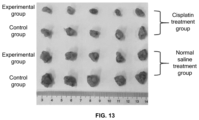
- a result shows that the tumor volume and weight of an experimental group are smaller than those of the control groups; and a therapeutic effect is comparable to that of the positive control group treated with cisplatin, indicating that the PIWI-interacting RNA piR-hsa-211106 has a targeted inhibitory effect on the tumor model of a nude mouse.
- the PIWI-interacting RNA piR-hsa-211106 is used to prepare a targeted therapeutic drug for inhibiting proliferation of lung adenocarcinoma cells, which provides a new research direction for preventing and treating abnormal activation of a cell energy metabolic pathway of the lung adenocarcinoma.
- the PIWI-interacting RNA piR-hsa-211106 inhibits tricarboxylic acid cycle by inhibiting the content of a pyruvate carboxylase, remarkably inhibits an energy metabolism and a proliferation activity and a migration capacity of the lung adenocarcinoma cells, and thus promotes apoptosis of the lung adenocarcinoma cells.
- the PIWI-interacting RNA piR-hsa-211106 directly acts on a target site and does not produce toxic and side effects and an off-target phenomenon.
- a high-throughput sequencing analysis, a mass spectrometry technology, and in-vivo and in-vitro experiments show that the PIWI-interacting RNA piR-hsa-211106 has high specificity and a high targeting rate and a less off-target effect and toxic and side effects.
- the PIWI-interacting RNA piR-hsa-211106 has a scientific mechanism, high credibility and a remarkable treatment effect.
- FIG. 1 is a schematic diagram of an effect of an agonist on a proliferation activity of lung adenocarcinoma cells A549 and HCC2279 detected by a CCK8 kit related in example 3 of the present disclosure;
- FIG. 2 is a schematic diagram of an effect of an agonist on a proliferation activity of lung adenocarcinoma cells A549 and HCC2279 detected by Edu related in example 4 of the present disclosure;
- FIG. 3 is a schematic diagram of a statistical quantitative analysis results of an agonist on a proliferation activity of lung adenocarcinoma cells A549 and HCC2279 detected by Edu related in example 4 of the present disclosure;
- FIG. 4 is a schematic diagram of an effect of an agonist on a migration capacity of lung adenocarcinoma cells A549 and HCC2279 detected by a Transwell chamber related in example 5 of the present disclosure;
- FIG. 5 is a schematic diagram of a statistical quantitative analysis results of an agonist on a migration capacity of lung adenocarcinoma cells A549 and HCC2279 detected by a Transwell chamber related in example 5 of the present disclosure;
- FIG. 6 is a schematic diagram of an effect of an agonist on a migration capacity of lung adenocarcinoma cells A549 and HCC2279 detected by a scratch test related in example 6 of the present disclosure;
- FIG. 7 is a schematic diagram of a statistical quantitative analysis results of an agonist on a migration capacity of lung adenocarcinoma cells A549 and HCC2279 detected by a scratch test related in example 6 of the present disclosure;
- FIG. 8 is a schematic diagram of an effect of an agonist on apoptosis of lung adenocarcinoma cells A549 and HCC2279 detected by a flow cytometry related in example 7 of the present disclosure;
- FIG. 9 is a schematic diagram of a statistical quantitative analysis results of an agonist on apoptosis of lung adenocarcinoma cells A549 and HCC2279 detected by a flow cytometry related in example 7 of the present disclosure;
- FIG. 10 is a schematic diagram of western blot (WB) results of a binding of a PIWI-interacting RNA piR-hsa-211106 with a pyruvate carboxylase related in example 8 of the present disclosure;
- FIG. 11 is a schematic diagram of a qRT-PCR analysis of a PIWI-interacting RNA piR-hsa-211106 on a expression of pyruvate carboxylase related in example 9 of the present disclosure;
- FIG. 12 is a schematic diagram of a WB analysis results of a PIWI-interacting RNA piR-hsa-211106 on a expression of pyruvate carboxylase related in example 10 of the present disclosure;
- FIG. 13 is a schematic diagram of a tumor after a treatment of a PIWI-interacting RNA piR-hsa-211106 on tumor-bearing nude mice related in example 12 of the present disclosure;
- FIG. 14 is a statistical diagram of tumor volume after a treatment of a PIWI-interacting RNA piR-hsa-211106 on tumor-bearing nude mice related in example 12 of the present disclosure.
- FIG. 15 is a statistical diagram of tumor weight after a treatment of a PIWI-interacting RNA piR-hsa-211106 on tumor-bearing nude mice related in example 12 of the present disclosure.
- This example related to a process of constructing an agonist with a PIWI-interacting RNA piR-hsa-211106 a PIWI-interacting RNA piR-hsa-211106 gene was used as a template, the piR-hsa-211106 was subjected to PCR amplification with primers, a double-strand PIWI protein-interacting RNA piR-hsa-211106 was produced, an antisense strand of the PIWI-interacting RNA piR-hsa-211106 was subjected to a cholesterol modification of a 3′ end, four thio skeleton modification of the 3′ end, two thiol skeleton modification of a 5′ end and full-chain methoxy modification (Shanghai GenePharma Co., Ltd.), then an agonist was constructed.
- This example related to a process of transfecting an agonist to lung adenocarcinoma cells: after the lung adenocarcinoma cells were passaged to a cell density of about 30-50%, the agonist was transfected to the lung adenocarcinoma cells by lipo3000.
- 5 ⁇ l (100 pmol) of the agonist was added to an EP tube containing 95 ⁇ l of a DMEM medium by pipetting and mixing
- 5 ⁇ l of lipo3000 was added to the EP tube containing 95 ⁇ l of the DMEM medium by pipetting and mixing
- the two materials were mixed at a volume ratio of 1:1 to form a transfection mixture
- the mixture was allowed to stand at a room temperature for 20 min and added into a culture plate, and an analysis at gene and protein levels was conducted after 48 h.
- This example related to an analysis process of a proliferation activity of lung adenocarcinoma cells A549 and HCC2279: the lung adenocarcinoma cells were cultured, the cells in an experimental group were transfected with a PIWI-interacting RNA piR-hsa-211106, 0, 1, 2, 3, and 4 days after the transfection, an original medium of the lung adenocarcinoma cells of the experimental group and a control group was respectively pipetted and discarded, the lung adenocarcinoma cells were washed with phosphate buffered saline (PBS) twice, 90 ⁇ l of a fresh medium and 10 ⁇ l of a CCK8 reagent (Vazyme Biotech Co., Ltd) were added for treatment for 1 h, an absorbance reflected by OD value was measured at 450 nm, the OD value represented cell density and reflected the cell proliferation activity, and as shown in FIG. 1 , an agonist constructed by the PIWI-interacting RNA pi
- This example related to an analysis process of a proliferation activity of lung adenocarcinoma cells A549 and HCC2279 by Edu staining: the lung adenocarcinoma cells were cultured, the cells in the experimental group were transfected with a PIWI-interacting RNA piR-hsa-211106, after transfection for two days, Edu staining was conducted (Shanghai YEASEN Biotechnology Co., Ltd) to analyze the cell proliferation:
- the agonist constructed by the PIWI-interacting RNA piR-hsa-211106 can significantly inhibit the growth of the lung adenocarcinoma cells.
- This example related to an analysis process of a migration ability of lung adenocarcinoma cells A549 and HCC2279 by a Transwell chamber: the lung adenocarcinoma cells were cultured, the cells in the experimental group were transfected with a PIWI-interacting RNA piR-hsa-211106, after transfection for two days, the migration was measured in a 24-well Millicell chamber: 200 ⁇ l of the cells in a serum-free medium (2 ⁇ 10 4 ) were added to a coated filter membrane, 500 ⁇ l of a medium containing 20% fetal bovine serum was added to a lower chamber as a chemoattractant, after placed in a 37° C.
- an agonist constructed by the PIWI-interacting RNA piR-hsa-211106 can significantly inhibit the migration ability of the lung adenocarcinoma cells.
- This example related to an analysis process of a migration ability of lung adenocarcinoma cells A549 and HCC2279 in a scratch experiment: the lung adenocarcinoma cells were cultured in a six-well plate, the cells in the experimental group were transfected with a PIWI-interacting RNA piR-hsa-211106, after transfection for two days, a cell monolayer was scratched with a 200- ⁇ l pipette tip, representative images of cell migration were captured by taking a 10 ⁇ high-power field at 0 h and 24 h after scratching, a reduced distance across an induced damage area was measured and normalized to 0 h as a control to be expressed as a relative migration rate, and as shown in FIGS. 6 and 7 , an agonist constructed by the PIWI-interacting RNA piR-hsa-211106 can significantly inhibit the migration ability of the lung adenocarcinoma cells.
- This example related to a detection process of apoptosis of lung adenocarcinoma cells A549 and HCC2279 by a flow cytometry: the lung adenocarcinoma cells were cultured, the cells in the experimental group were transfected with a PIWI-interacting RNA piR-hsa-211106, after transfection for two days, apoptosis was detected by Annexin V-FITC/PI (Shanghai YEASEN Biotechnology Co., Ltd):
- an agonist constructed by the PIWI-interacting RNA piR-hsa-211106 can significantly cause the apoptosis of the lung adenocarcinoma cells.
- This example related to a process of a biotin-coupled probe RNA pull-down assay: 1 ⁇ 10 7 lung adenocarcinoma cells were harvested, lysed and subjected to an ultrasonic treatment, a biotinylated piR-hsa-211106 probe (Shanghai GenePharma Co., Ltd) and a probe-M280 streptavidin agarose bead (Invitrogen) were incubated at 25° C.
- RNA complex bound to the bead was eluted, a purification was conducted with a Trizol reagent (Takara Biotechnology (Dalian) Co., Ltd) for a western blot (WB) analysis, and as shown in FIG. 10 , the piR-hsa-211106 can bind to a pyruvate carboxylase.
- This example related to a RNA extraction and an analysis process of a gene expression level of lung adenocarcinoma cells:
- a PIWI-interacting RNA piR-hsa-211106 can significantly inhibit an expression of a pyruvate carboxylase.
- This example related to an analysis process of a protein expression level of lung adenocarcinoma cells:
- the protein samples were separated by an SDS-PAGE electrophoresis, the separated proteins were transferred to a PVDF membrane, the membrane was blocked with 5% powdered skim milk for 1 h, the membrane was washed, an incubation with a primary antibody (PC, GAPDH) was conducted overnight in a 4° C. refrigerator, the membrane was washed, an incubation with a secondary antibody was conducted at room temperature for 1 h, the membrane was washed, a target band was obtained by ECL chemiluminescence method, the band was subjected to a grayscale scanning by using a Quantity One software and a GAPDH internal reference was used for correction.
- PC primary antibody
- GAPDH secondary antibody
- a PIWI-interacting RNA piR-hsa-211106 can regulate an expression of a pyruvate carboxylase at a protein level, indicating that the PIWI-interacting RNA piR-hsa-211106 inhibits an energy metabolic pathway of the lung adenocarcinoma cells and promotes apoptosis of the lung adenocarcinoma cells.
- This example related to a process of constructing a tumor-bearing model of a nude mouse 3- to 4-week-old BALB/c nude mice (SiPeiFu Laboratory Animal Technology Co., Ltd) were taken and used for an experiment after adapting to local conditions for 1 week, 2 ⁇ 10 7 of A549 cells were injected subcutaneously into left and right armpits of the mice, and when an implanted tumor reached 50 mm 3 , a drug treatment was conducted.
- This example related to a drug-targeted treatment process of a tumor-bearing model of a nude mouse:
- the PIWI-interacting RNA piR-hsa-211106 has a comparable therapeutic effect as the positive control drug cisplatin (PDD), increases chemical sensitivity of the chemotherapeutic drug cisplatin and has a synergistic effect, indicating that the PIWI-interacting RNA piR-hsa-211106 is capable of inhibiting growth of lung adenocarcinoma in vivo.
- PDD positive control drug cisplatin
Landscapes
- Health & Medical Sciences (AREA)
- Life Sciences & Earth Sciences (AREA)
- Chemical & Material Sciences (AREA)
- Genetics & Genomics (AREA)
- Engineering & Computer Science (AREA)
- General Health & Medical Sciences (AREA)
- Molecular Biology (AREA)
- Biomedical Technology (AREA)
- Organic Chemistry (AREA)
- Medicinal Chemistry (AREA)
- Public Health (AREA)
- Veterinary Medicine (AREA)
- Animal Behavior & Ethology (AREA)
- Pharmacology & Pharmacy (AREA)
- Biochemistry (AREA)
- Zoology (AREA)
- Wood Science & Technology (AREA)
- Bioinformatics & Cheminformatics (AREA)
- Biotechnology (AREA)
- General Engineering & Computer Science (AREA)
- Epidemiology (AREA)
- Nuclear Medicine, Radiotherapy & Molecular Imaging (AREA)
- Biophysics (AREA)
- Physics & Mathematics (AREA)
- Plant Pathology (AREA)
- Microbiology (AREA)
- General Chemical & Material Sciences (AREA)
- Chemical Kinetics & Catalysis (AREA)
- Virology (AREA)
- Pharmaceuticals Containing Other Organic And Inorganic Compounds (AREA)
Abstract
Description
| TCCGGCTCGAAGGACTTCGTCTGTAATTTT; |
and a primer pair is piR-hsa-211106, an upstream primer sequence piR-hsa-211106-F is
| (SEQ ID NO: 2) | |
| GGCTCGAAGGACTTCGTCTGT |
and a downstream primer sequence piR-hsa-211106-R is
| (SEQ ID NO: 3) | |
| AGTGCAGGGTCCGAGGTATT. |
-
- (1) Edu labeled cells: the cells were incubated with 10 μM of an Edu working solution for 2 h at 37° C. in dark;
- (2) cell fixation and permeation promotion: after the incubation was completed, a medium was removed, neutral paraformaldehyde with a mass percentage concentration of 4% was added for fixing for 15-30 min at room temperature, a fixative was removed, Triton X-100 in PBS with a mass percentage concentration of 0.5% was added, and an incubation at room temperature for 20 min was conducted to promote penetration;
- (3) Edu detection: a Click-iT reaction mixture was added, a culture plate was briefly shaken to ensure that the reaction mixture covered the cells evenly, and the cells were incubated at room temperature for 30 min in dark;
- (4) DNA counterstaining: 5 μg/ml of a Hoechst 33342 solution was added and an incubation was conducted in dark at room temperature for 15-30 min to stain the nucleus; and
- (5) the cells were washed twice with PBS, pictures were taken with a fluorescence microscope, and a proportion of the proliferating lung adenocarcinoma cells was analyzed.
-
- (1) after the lung adenocarcinoma cells were digested with a trypsin without EDTA, centrifugation was conducted at 300 g and 4° C. for 5 min and the cells were collected;
- (2) the cells were washed twice with a pre-cooled PBS, centrifugation was conducted at 300 g and 4° C. for 5 min each time and 1-5×10⁵ cells were collected;
- (3) the PBS was pipetted and discarded, and 1× binding buffer was added to resuspend the cells;
- (4) annexin V-FITC and a PI staining solution were added, gentle mixing was conducted, and reaction was conducted in dark at room temperature for 10-15 min; and
- (5) 1× binding buffer was added, even mixing was conducted, an obtained mixture was placed on ice, and detection was conducted with the flow cytometry within 1 h.
-
- 1 ml of Trizol was added to each well of a 6-well plate to lyse the cells and pipetted repeatedly with a pipette tip, after reaction at room temperature for 5 min, a lysate was transferred into a 1.5-ml centrifuge tube, 200 μ1 of chloroform was added, a tube cap was tightly covered, even mixing under a vortex was conducted, an mixture was allowed to stand at room temperature for 3 min, and centrifugation was conducted at 12,000 g/min and 4° C. for 15 min;
- an upper layer of aqueous phase liquid was transferred to a new 1.5-ml centrifuge tube, 500 μl of isopropanol was added, even mixing under a vortex was conducted, a mixture was allowed to stand at room temperature for 10 min, and centrifugation was conducted at 12,000 g/min and 4° C. for 10 min;
- a supernatant was pipetted and discarded, a white precipitate at a bottom part was preserved, 1 ml of 75% ethanol (prepared with DEPC water) was added, a white precipitate was gently flipped by hand, and centrifugation was conducted at 7,500 g/min and 4° C. for 5 min;
- the supernatant was discarded, a precipitate was dried at room temperature for 10-15 min and re-dissolved with 30-40 μl of DEPC water, and after a RNA concentration was detected, the RNA was stored in a −80° C. refrigerator or used directly; and
- 1,000 ng of the extracted total RNA was subjected to reverse transcription into cDNA by using a reverse transcription kit (Takara Biotechnology (Dalian) Co., Ltd), according to an operation process of the kit, and the gene expression level was detected using a real-time fluorescent quantitative PCR technology by referring to an instruction of the kit.
-
- The nude mice were divided into two groups: a cisplatin experimental group and a normal saline control group, with 5 nude mice in each group;
- The nude mice in the experimental group were injected intraperitoneally with cisplatin (5 mg/kg body weight/week), 50 μM of a PIWI-interacting RNA piR-hsa-211106 agonist was injected directly into a tumor on a right side and piR-NC (Shanghai GenePharma Co., Ltd) was injected into a tumor on a left side as a control group of the cisplatin treatment group;
- An equal volume of normal saline was injected intraperitoneally into the nude mice in the control group, the PIWI-interacting RNA piR-hsa-211106 agonist was used to treat the tumor as above, the PIWI-interacting RNA piR-hsa-211106 agonist was used for treatment every other day for 28 days, and the tumor volume was measured once a week; the mice were sacrificed at an end of the experiment, and xenografts were peeled off and photographed.
Claims (5)
Priority Applications (1)
| Application Number | Priority Date | Filing Date | Title |
|---|---|---|---|
| US17/666,262 US12180476B2 (en) | 2022-02-07 | 2022-02-07 | Use of PIWI-interacting RNA piR-hsa-211106 |
Applications Claiming Priority (1)
| Application Number | Priority Date | Filing Date | Title |
|---|---|---|---|
| US17/666,262 US12180476B2 (en) | 2022-02-07 | 2022-02-07 | Use of PIWI-interacting RNA piR-hsa-211106 |
Publications (2)
| Publication Number | Publication Date |
|---|---|
| US20230250425A1 US20230250425A1 (en) | 2023-08-10 |
| US12180476B2 true US12180476B2 (en) | 2024-12-31 |
Family
ID=87521694
Family Applications (1)
| Application Number | Title | Priority Date | Filing Date |
|---|---|---|---|
| US17/666,262 Active 2042-08-04 US12180476B2 (en) | 2022-02-07 | 2022-02-07 | Use of PIWI-interacting RNA piR-hsa-211106 |
Country Status (1)
| Country | Link |
|---|---|
| US (1) | US12180476B2 (en) |
Families Citing this family (2)
| Publication number | Priority date | Publication date | Assignee | Title |
|---|---|---|---|---|
| CN119454968B (en) * | 2024-11-20 | 2025-12-02 | 华中科技大学 | Application of piRNA as a target in the preparation of drugs for treating lung cancer or lung injury caused by tobacco exposure. |
| CN119736398B (en) * | 2025-03-06 | 2025-08-08 | 山东大学第二医院 | Treatment target point of lymphatic metastatic breast cancer and application thereof |
-
2022
- 2022-02-07 US US17/666,262 patent/US12180476B2/en active Active
Non-Patent Citations (7)
| Title |
|---|
| "Search Result". piRBase, 2024, http://bigdata.ibp.ac.cn/piRBase/searchResultTable.php?search_string=pir-hsa-211106&search_type=piRNA%20ID&search_result=1&class=piRNA. Accessed Mar. 25, 2024. (Year: 2024). * |
| "Transformant". Scitable by nature education, 2014, https://www.nature.com/scitable/definition/transformant-20/#:˜:text=A%20cell%20that%20has%20received,Concept%20Links%20for%20further%20exploration. Accessed Mar. 25, 2024. (Year: 2014). * |
| Day, C. "Preclinical Mouse Cancer Models: A Maze of Opportunities and Challenges." Cell vol. 163, No. 1 (2015). https://doi.org/10.1016/j.cell.2015.08.068 (Year: 2015). * |
| Horvath, P. "Screening out irrelevant cell-based models of disease." Nature Reviews Drug Discovery vol. 15, (2016). https://doi.org/10.1038/nrd.2016.175 (Year: 2016). * |
| Liu, Y., Dou, M., Song, X. et al. The emerging role of the piRNA/piwi complex in cancer. Mol Cancer 18, 123 (2019). https://doi.org/10.1186/s12943-019-1052-9 (Year: 2019). * |
| Liu, Yongmei et al. "piR-hsa-211106 Inhibits the Progression of Lung Adenocarcinoma Through Pyruvate Carboxylase and Enhances Chemotherapy Sensitivity." Frontiers in oncology vol. 11 651915. Jun. 23, 2021, doi:10.3389/fonc.2021.651915 (Year: 2021). * |
| Morgan, Richard "Human Tumor Xenografts: The Good, the Bad, and the Ugly." Molecular Therapy vol. 20, No. 5 (2012). https://doi.org/10.1038/mt.2012.73 (Year: 2012). * |
Also Published As
| Publication number | Publication date |
|---|---|
| US20230250425A1 (en) | 2023-08-10 |
Similar Documents
| Publication | Publication Date | Title |
|---|---|---|
| US20230250425A1 (en) | USE OF PIWI-INTERACTING RNA piR-hsa-211106 | |
| CN112402627B (en) | Application of PIWI protein interaction RNA piR-hsa-211106 | |
| Yu et al. | B4GALNT2 gene promotes proliferation, and invasiveness and migration abilities of model triple negative breast cancer (TNBC) cells by interacting with HLA-B protein | |
| CN114934115B (en) | Application of GMFB protein as a biological marker for renal clear cell carcinoma | |
| CN115806980A (en) | Application of SOD1 as a biomarker in the preparation of drugs for improving the sensitivity of head and neck squamous cell carcinoma to afatinib | |
| CN118581224B (en) | Use of HPCAL a1 in diagnosis and treatment of colon cancer | |
| CN110628791B (en) | Application of a tRNA modification enzyme gene in non-small cell lung cancer | |
| CN120131961A (en) | TRIM38 as a therapeutic target and prognostic marker for breast cancer | |
| CN108103202A (en) | 7 kind serum excretion body miRNAs relevant with liver cancer diagnosis and treatment and its application | |
| CN110283912A (en) | Application of the has-miR-3656 as esophageal squamous cell carcinoma molecular marker | |
| AU2021100731A4 (en) | A Use of PIWI interacting RNA piR-hsa-211106 | |
| CN116516002A (en) | SLC24A2 and SLCO1B3 gene markers and shRNA silencing interference sequences and application thereof | |
| CN112535726B (en) | A kind of tumor marker AQUAPORIN 2 protein and its application | |
| CN117187246B (en) | SiRNA for inhibiting CKAP5 gene expression and application thereof | |
| CN116212019B (en) | Application of KIAA1429 in preparation of gefitinib anti-non-small cell lung cancer sensitizer | |
| Bai et al. | Long intergenic non-protein coding RNA 312 regulates FRABIN to inhibit the occurrence and development of pancreatic cancer | |
| CN115927618B (en) | Application of SNORA14A in the diagnosis and treatment of hepatoblastoma | |
| CN110951880A (en) | Application of reagent for detecting lncRNA marker of hypopharynx cancer in preparation of product for diagnosing hypopharynx cancer | |
| CN118755831B (en) | Application of SEC14L3 in liver cancer treatment and prognosis evaluation | |
| CN110042160B (en) | A kind of digestive system malignant tumor marker and method for preparing medicine for inhibiting digestive system malignant tumor | |
| CN110025793B (en) | Application of ion channel gene KCNQ1 in preparation of medicine for treating endometrial cancer | |
| CN110628896A (en) | Application of CMDL-1, kit for diagnosing heart disease and drug for treating heart disease | |
| CN120310827A (en) | A β-Catenin targeted silencing tool and its application | |
| CN116814792A (en) | Application of SETD5 as ovarian cancer diagnosis and treatment marker | |
| CN121204239A (en) | Application of ARNTL2 in the Diagnosis and Treatment of Pancreatic Cancer |
Legal Events
| Date | Code | Title | Description |
|---|---|---|---|
| FEPP | Fee payment procedure |
Free format text: ENTITY STATUS SET TO UNDISCOUNTED (ORIGINAL EVENT CODE: BIG.); ENTITY STATUS OF PATENT OWNER: SMALL ENTITY |
|
| AS | Assignment |
Owner name: QINGDAO UNIVERSITY, CHINA Free format text: ASSIGNMENT OF ASSIGNORS INTEREST;ASSIGNORS:XU, WENHUA;LIU, YONGMEI;DONG, YANHAN;AND OTHERS;REEL/FRAME:058937/0307 Effective date: 20220125 |
|
| FEPP | Fee payment procedure |
Free format text: ENTITY STATUS SET TO SMALL (ORIGINAL EVENT CODE: SMAL); ENTITY STATUS OF PATENT OWNER: SMALL ENTITY |
|
| STPP | Information on status: patent application and granting procedure in general |
Free format text: DOCKETED NEW CASE - READY FOR EXAMINATION |
|
| STPP | Information on status: patent application and granting procedure in general |
Free format text: NON FINAL ACTION MAILED |
|
| STPP | Information on status: patent application and granting procedure in general |
Free format text: RESPONSE TO NON-FINAL OFFICE ACTION ENTERED AND FORWARDED TO EXAMINER |
|
| STPP | Information on status: patent application and granting procedure in general |
Free format text: NON FINAL ACTION MAILED |
|
| STPP | Information on status: patent application and granting procedure in general |
Free format text: RESPONSE TO NON-FINAL OFFICE ACTION ENTERED AND FORWARDED TO EXAMINER |
|
| STPP | Information on status: patent application and granting procedure in general |
Free format text: PUBLICATIONS -- ISSUE FEE PAYMENT VERIFIED |
|
| STCF | Information on status: patent grant |
Free format text: PATENTED CASE |