US12123018B2 - Self-assembled hybrid hydrogels formed of a short aromatic peptide and an aromatic amino acid - Google Patents
Self-assembled hybrid hydrogels formed of a short aromatic peptide and an aromatic amino acid Download PDFInfo
- Publication number
- US12123018B2 US12123018B2 US16/630,498 US201816630498A US12123018B2 US 12123018 B2 US12123018 B2 US 12123018B2 US 201816630498 A US201816630498 A US 201816630498A US 12123018 B2 US12123018 B2 US 12123018B2
- Authority
- US
- United States
- Prior art keywords
- aromatic
- hydrogel
- amino acid
- fmoc
- hybrid
- Prior art date
- Legal status (The legal status is an assumption and is not a legal conclusion. Google has not performed a legal analysis and makes no representation as to the accuracy of the status listed.)
- Active, expires
Links
Images



Classifications
-
- A—HUMAN NECESSITIES
- A61—MEDICAL OR VETERINARY SCIENCE; HYGIENE
- A61K—PREPARATIONS FOR MEDICAL, DENTAL OR TOILETRY PURPOSES
- A61K9/00—Medicinal preparations characterised by special physical form
- A61K9/06—Ointments; Bases therefor; Other semi-solid forms, e.g. creams, sticks, gels
-
- C—CHEMISTRY; METALLURGY
- C12—BIOCHEMISTRY; BEER; SPIRITS; WINE; VINEGAR; MICROBIOLOGY; ENZYMOLOGY; MUTATION OR GENETIC ENGINEERING
- C12N—MICROORGANISMS OR ENZYMES; COMPOSITIONS THEREOF; PROPAGATING, PRESERVING, OR MAINTAINING MICROORGANISMS; MUTATION OR GENETIC ENGINEERING; CULTURE MEDIA
- C12N5/00—Undifferentiated human, animal or plant cells, e.g. cell lines; Tissues; Cultivation or maintenance thereof; Culture media therefor
- C12N5/0062—General methods for three-dimensional culture
-
- A—HUMAN NECESSITIES
- A61—MEDICAL OR VETERINARY SCIENCE; HYGIENE
- A61K—PREPARATIONS FOR MEDICAL, DENTAL OR TOILETRY PURPOSES
- A61K47/00—Medicinal preparations characterised by the non-active ingredients used, e.g. carriers or inert additives; Targeting or modifying agents chemically bound to the active ingredient
- A61K47/30—Macromolecular organic or inorganic compounds, e.g. inorganic polyphosphates
- A61K47/42—Proteins; Polypeptides; Degradation products thereof; Derivatives thereof, e.g. albumin, gelatin or zein
-
- C—CHEMISTRY; METALLURGY
- C07—ORGANIC CHEMISTRY
- C07K—PEPTIDES
- C07K5/00—Peptides containing up to four amino acids in a fully defined sequence; Derivatives thereof
- C07K5/04—Peptides containing up to four amino acids in a fully defined sequence; Derivatives thereof containing only normal peptide links
- C07K5/06—Dipeptides
- C07K5/06008—Dipeptides with the first amino acid being neutral
- C07K5/06078—Dipeptides with the first amino acid being neutral and aromatic or cycloaliphatic
-
- C—CHEMISTRY; METALLURGY
- C07—ORGANIC CHEMISTRY
- C07K—PEPTIDES
- C07K5/00—Peptides containing up to four amino acids in a fully defined sequence; Derivatives thereof
- C07K5/04—Peptides containing up to four amino acids in a fully defined sequence; Derivatives thereof containing only normal peptide links
- C07K5/06—Dipeptides
- C07K5/06191—Dipeptides containing heteroatoms different from O, S, or N
-
- C—CHEMISTRY; METALLURGY
- C12—BIOCHEMISTRY; BEER; SPIRITS; WINE; VINEGAR; MICROBIOLOGY; ENZYMOLOGY; MUTATION OR GENETIC ENGINEERING
- C12N—MICROORGANISMS OR ENZYMES; COMPOSITIONS THEREOF; PROPAGATING, PRESERVING, OR MAINTAINING MICROORGANISMS; MUTATION OR GENETIC ENGINEERING; CULTURE MEDIA
- C12N2513/00—3D culture
-
- C—CHEMISTRY; METALLURGY
- C12—BIOCHEMISTRY; BEER; SPIRITS; WINE; VINEGAR; MICROBIOLOGY; ENZYMOLOGY; MUTATION OR GENETIC ENGINEERING
- C12N—MICROORGANISMS OR ENZYMES; COMPOSITIONS THEREOF; PROPAGATING, PRESERVING, OR MAINTAINING MICROORGANISMS; MUTATION OR GENETIC ENGINEERING; CULTURE MEDIA
- C12N2533/00—Supports or coatings for cell culture, characterised by material
- C12N2533/20—Small organic molecules
-
- C—CHEMISTRY; METALLURGY
- C12—BIOCHEMISTRY; BEER; SPIRITS; WINE; VINEGAR; MICROBIOLOGY; ENZYMOLOGY; MUTATION OR GENETIC ENGINEERING
- C12N—MICROORGANISMS OR ENZYMES; COMPOSITIONS THEREOF; PROPAGATING, PRESERVING, OR MAINTAINING MICROORGANISMS; MUTATION OR GENETIC ENGINEERING; CULTURE MEDIA
- C12N2535/00—Supports or coatings for cell culture characterised by topography
Definitions
- the present invention in some embodiments thereof, relates to materials and, more particularly, but not exclusively, to self-assembled hybrid hydrogels formed of two or more types of short peptides/amino acids, which exhibit improved mechanical properties, and to uses thereof.
- peptide-based hydrogel could be printed in order to support human stem cells differentiation [Loo, Y. et al. Nano Letters 15, 6919-6925, (2015)] and functional motifs could be linked to self-assembled peptide to allow such differentiation and proliferation [Gelain, F. et al. ACS Nano 5, 1845-1859, (2011)].
- WO 2004/052773 and WO 2004/060791 disclose self-assembled peptide tubular nanostructures made of short aromatic peptides, and uses thereof.
- WO 2007/0403048 and Reches and Gazit disclose the assembly of tubular and fibrillar (amyloid-like) structures by non-charged, end-capping modified aromatic peptides.
- Adler-Abramovich et al. J. Pept. Sci. 2008; 14: 217-223] describe that two types of nanostructures—nanotubes and nanospheres, are obtained by the self-assembly of the aromatic dipeptide Phe-Phe, while using different end-capping moieties.
- Fmoc-based hydrogels An example of Fmoc-based hydrogels is the Fmoc-FF peptide that efficiently assembles into fibrous hydrogels under physiological conditions [Jayawarna, V. et al. Adv. Mater. 18, 611-614, (2006); Mahler et al., 2006, supra; and WO 2007/043048].
- the properties of the fibrous hydrogels have been characterized and used for various applications [Adler-Abramovich, L. & Gazit, E. Chem. Soc. Rev. 43, 6881-6893, (2014)].
- the single amino acid phenylalanine was shown to form ordered structures [Adler-Abramovich, L. et al. Nat. Chem. Biol. 8, 701-706, (2012)], and Fmoc-modified aromatic single amino acids analogues, Fmoc-Phe and Fmoc-Tyr were also shown to form ordered fibrillar assemblies [Draper, E. R. et al. Cryst Eng Comm 17, 8047-8057, (2015)].
- Fmoc-modified aromatic non-coded single amino acids have also been investigated as hydrogelators. See, for example, Fichman et al. Cryst Eng Comm 17, 8105-8112, (2015); Orbach, R. et al. Biomacromolecules 10, 2646-2651, (2009); and Ryan et al. Soft Matter 6, 3220-3231, (2010).
- Co-assembly of two building blocks into one ordered structure has been shown to provide a new material exhibiting enhanced properties.
- Yuran et al. [ ACS Nano, 2012, 6 (11), pp 9559-9566] describe the formation of complex peptide-based structures by the co-assembly of Phe-Phe-OH and Boc-Phe-Phe-OH, into a construction of beaded strings, where spherical assemblies are connected by elongated elements.
- U.S. Patent Application Publication No. 2016-0326215 describes self-assembled hybrid materials formed of two types of aromatic dipeptides, which differ from one another by the type and/or presence of their end-capping moiety.
- a hybrid hydrogel comprising a three-dimensional network of fibrillar nanostructures, at least a portion of the fibrillar nanostructures being formed of a plurality of aromatic moieties, the plurality of aromatic moieties comprising at least two different types of aromatic moieties, at least one type of the aromatic moieties being an end-capping modified aromatic dipeptide and at least one type of the aromatic moieties being an amine-modified halogenated aromatic amino acid.
- an average length of the fibrillar nanostructures formed of the plurality of aromatic moieties is lower than 10 microns, or lower than 8 microns, or lower than 6 microns, or lower than 5 microns.
- the hybrid hydrogel is characterized by a storage modulus, G′, higher by at least 2-folds, or at least 3-folds, or at least 5-folds, of a storage modulus of a hydrogel made of the end-capping modified aromatic dipeptide.
- the hybrid hydrogel is characterized by a storage modulus, G′, of at least 20,000, or at least 50,000, or at least 100,000, or at least 150,000 Pa.
- a molar ratio of the at least two types of aromatic moieties in the plurality of aromatic moieties determines a storage modulus, G′, of the hydrogel and/or an average length of the fibrillar nanostructures formed of the plurality of aromatic moieties.
- each of the fibrillar nanostructures is formed of the plurality of aromatic moieties.
- a molar ratio of the end capping-modified aromatic dipeptide and the amine-modified aromatic amino acid ranges from 1:10 to 10:1, or from 1:5 to 5:1 or from 3:1 to 1:3, or is 1:1.
- the end-capping modified aromatic dipeptide is an end-capping modified homodipeptide.
- the end-capping modified homodipeptide is an end-capping modified diphenylalanine.
- the end-capping modified dipeptide is an N-terminus modified dipeptide.
- the end-capping modified aromatic dipeptide comprises an aromatic end capping moiety.
- the aromatic end capping moiety is Fmoc.
- the halogenated aromatic amino acid comprises in its side chain an aromatic moiety substituted by 1, 2, 3, 4, 5 or more halogen substituents.
- the halogenated aromatic amino acid is a fluorinated aromatic amino acid.
- the halogenated aromatic amino acid is a halogenated phenylalanine.
- the halogenated aromatic amino acid is F5-phenylalanine.
- the amine-modified aromatic amino acid comprises an aromatic moiety attached to the alpha amine of the amino acid.
- the aromatic moiety is Fmoc.
- a process of preparing the hydrogel hybrid as described in any of the respective embodiments and any combination thereof comprising contacting a first solution comprising the end-capping modified aromatic dipeptide and a first organic solvent, at least a second solution comprising the amine-modified halogenated aromatic amino acid and a second organic solvent, and an aqueous solution, thereby preparing the hybrid hydrogel.
- an article-of-manufacturing comprising the hybrid hydrogel as described herein in any of the respective embodiments.
- FIGS. 1 A-D present the molecular structures of the exemplary building blocks Fmoc-FF and Fmoc-F5-Phe ( FIG. 1 A ); a schematic presentation of gelation process of each of the exemplary building block separately and the formation of exemplary hybrid hydrogel ( FIG. 1 B ); Inverted tubes of (left to right) Fmoc-F5-Phe, Fmoc-F5-Phe/Fmoc-FF 3:1, 1:1, 1:3 respectively and Fmoc-FF ( FIG. 1 C ); and inverted tubes of Fmoc-F5-Phe (right) and 1:1 hybrid hydrogel (left) three week after preparation ( FIG. 1 D ).
- FIG. 2 presents images showing the gelation kinetics of the formed exemplary hydrogels taken at 1-minute intervals, showing the transition from a cloudy mixture to a transparent hydrogel within minutes.
- FIGS. 3 A-F present the TEM structural analyses of Fmoc-F5-Phe-OH ( FIG. 3 A ); of the exemplary hybrid hydrogels 3:1, 1:1 and 1:3, ( FIGS. 3 B, 3 C and 3 D , respectively); and of Fmoc-FF ( FIG. 3 E ), and energy-dispersive X-ray spectroscopy (EDS) analysis of the exemplary 3:1 hybrid hydrogel showing the fluoride peak ( FIG. 3 F ).
- F energy-dispersive X-ray spectroscopy
- FIGS. 4 A-F data obtained in rheological analysis of different hydrogels at 25° C.: Strain Sweep ( FIG. 4 A ) and Frequency Sweep ( FIG. 4 B ) oscillatory measurements of the exemplary 1:1 hybrid hydrogel; in situ time sweep oscillation measurements of hydrogels formation ( FIG. 4 C ); The dependence of mechanical properties of gels on different types of exemplary hybrids ( FIG. 4 D ); UV-vis spectra of different exemplary hydrogels taken 20 minutes after gel preparation ( FIG. 4 E ); and UV-vis spectra of an exemplary 1:1 hybrid hydrogel during gel formation 6, 10 and 20 minutes after gel preparation ( FIG. 4 F ).
- FIG. 5 presents comparative plots showing the storage modulus (G′) of the hybrid Fmoc-F5-Phe/Fmoc-FF hydrogels according to some embodiments of the present invention (blue region); and of hydrogels previously reported in the art, including the synthetic hydrogels (green region) chitosan crosslinked with glutaraldehyde [W. Argüelles-Monal et al, Biomaterials Science, 2014, 2, 1661-1671]′ Fmoc-FF and polyacrylamide gels [Y.-h. Lee et al., Integrative Biology, 2013, 5, 1447-1455]; of the natural hydrogel (orange region) collagen [M.
- G′ storage modulus
- FIG. 6 presents the TEM structural analyses of hydrogels formed of Fmoc-3,4-diF-Phe-OH, or Fmoc-FF, and of the exemplary hybrid hydrogels thereof at a molar ratio of 3:1, 1:1 and 1:3.
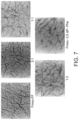
- FIG. 7 presents the TEM structural analyses of hydrogels formed of Fmoc-3,5-diF-Phe-OH, or Fmoc-FF, and of the exemplary hybrid hydrogels thereof at a molar ratio of 3:1, 1:1 and 1:3.
- FIG. 8 is a bar graph showing the data obtained in an MTT-based cell growth test, as described in Example 4 hereinunder, in the presence of various exemplary hybrid hydrogels according to the present embodiments.
- the present invention in some embodiments thereof, relates to materials and, more particularly, but not exclusively, to self-assembled hybrid hydrogels formed of two or more types of short peptides/amino acids, which exhibit improved mechanical properties, and to uses thereof.
- molecular self-assembly is a key direction in current nanotechnology. Yet, the physical properties of formed assemblies are directed by the inherent characteristics of the building blocks used. In contrast, molecular co-assembly, at varied stoichiometric ratios, substantially increases the structural and functional diversity, thus allowing tuning of both the architecture as well as the physical properties of ordered assemblies.
- hydrogels based on short peptides or single amino acids building blocks As further discussed hereinabove, extensive studies have been performed in the context of molecular self-assembly by utilizing hydrogels based on short peptides or single amino acids building blocks. However, an inherent limitation in the utilization of these hydrogels is that their physical properties are determined by the chemical nature of the chosen building block in each case.
- Fmoc-F 5 -Phe-OH The fluorinated peptide derivatives of Fmoc-Phe, including the Fmoc-pentafluorophenylalanine (Fmoc-F 5 -Phe-OH), have been studied, as described hereinabove.
- the Fmoc-F 5 -Phe-OH hydrogel has shown to feature a low stability over time.
- the present inventors have conceived using the co-assembly approach to generate hydrogels combining the advantages of halogenated (e.g., fluorinated) molecular scaffold along with superior mechanical properties and durability.
- halogenated e.g., fluorinated
- Fmoc-phenylalanine e.g., Fmoc-pentafluoro-phenylalanine; Fmoc-F5-Phe
- Fmoc-FF Fmoc-diphenylalanine
- the present inventors have applied for a synergistic modulation of the mechanical properties of peptide hydrogels. This results in a much higher stiffness than that achieved by the use of each of the building blocks exclusively or their linear combination. This synergistic improvement results in a hybrid-hydrogel with extraordinary G′ values of up to 190,000 Pa.
- FIGS. 1 A-D and 2 The formation of hybrid hydrogels by co-assembly of Fmoc-FF and Fmoc-F5-Phe and the stability thereof over time are presented in FIGS. 1 A-D and 2 , and TEM images of the formed structures are presented in FIGS. 3 A-F .
- the remarkable mechanical properties of the formed hybrid hydrogels are presented in FIGS. 4 A-D and 5 .
- the 1:1 hybrid hydrogel was shown to exhibit remarkable mechanical properties with a storage modulus as high as 190 kPa, an order of magnitude higher than hydrogels formed by each of the individual building blocks, and much higher than other hydrogels.
- supramolecular co-assembly approach is shown herein to result in ultra-rigid biocompatible hydrogels with controllable mechanical properties that can be utilized for tissue engineering and other biotechnological applications, and provides a conceptual framework for the significant expansion of nanotechnology to fully exploit the prospects of multi-component supramolecular chemistry.
- hybrid hydrogels disclosed herein can be advantageously used in many fields and applications of tissue engineering.
- the hybrid hydrogels disclosed herein can be utilized in, for example, orthopedic devices, degenerative discs, and in the treatment of cartilaginous defects, wounds and skin healing, ulcers of diabetics, gape for hernia, nerve elongation, and bridging central and peripheral nervous system region losses.
- a hybrid hydrogel comprising a three-dimensional network of fibrillar nanostructures.
- hydrogel refers to a gel, typically semi-solid, material that comprises 3D fibrous networks formed of natural or synthetic chains, typically containing more than 80%, or more than 90% or more than 95% or more than 99%, by weight or by volume, water or an aqueous solution.
- fibrous network refers to a set of connections formed between a plurality of fibrous components.
- the fibrous components are composed of a plurality of fibrillar nanostructures, at least a portion of which, or each, being formed upon self-assembly of aromatic building blocks (a plurality of aromatic moieties).
- the three-dimensional fibrous network comprises fibrillar nanostructures formed of a plurality of aromatic moieties.
- hybrid hydrogel is a hydrogel as defined herein, in which the fibrous network in formed of more than one material.
- the hybrid hydrogel can be such that two or more types of fibrous components form the 3D fibrous network, and each type of a fibrous component is formed of the same material, such that, for example, one type of aromatic moieties form one type of fibrillar nanostructures and another type of aromatic moieties form another type of fibrillar nanostructures, and the fibrous network is formed of fibrous components composed of these two types of fibrillar nanostructures.
- the hybrid hydrogel can alternatively or in addition be such that at least a portion of the fibrous components are fibrillar nanostructures, each formed of two or more types of aromatic moieties, that is, each is formed of two or more materials.
- the phrase “fibrillar nanostructure” refers to a filament or fiber having a diameter or a cross-section of less than 1 ⁇ m (preferably less than about 100 nm, more preferably less than about 50 nm, and even more preferably less than about 10 nm).
- the length of the fibrillar nanostructure of the present invention is preferably at least 10 nm, more preferably at least 100 nm and even more preferably at least 500 nm.
- the fibrillar nanostructures described herein are characterized as non-hollowed or at least as having a very fine hollow.
- the fibrillar nanostructures formed of the plurality of aromatic moieties as described herein have an average diameter or a cross-section of less than 1 ⁇ m, or an average diameter that ranges from about 1 nm to about 500 nm, more preferably from about 10 nm to about 500 nm, more preferably from about 10 nm to about 200 nm and more preferably from about 10 nm to about 100 nm.
- an average length of the fibrillar nanostructures formed of the plurality of aromatic moieties as described herein is lower than 10 microns, or lower than 8 microns, or lower than 6 microns, or lower than 5 microns.
- aromatic moiety as used herein describes a synthetic or naturally-occurring compound that comprises one or more aromatic groups.
- aromatic group describes a monocyclic or polycyclic moiety having a completely conjugated pi-electron system.
- the aromatic group can be an all-carbon moiety or can include one or more heteroatoms such as, for example, nitrogen, sulfur or oxygen.
- the aromatic group can be substituted or unsubstituted, whereby when substituted, the substituent can be, for example, one or more of alkyl, trihaloalkyl, alkenyl, alkynyl, cycloalkyl, aryl, heteroaryl, heteroalicyclic, halo, nitro, azo, hydroxy, alkoxy, thiohydroxy, thioalkoxy, cyano and amine.
- Exemplary aromatic groups include, for example, phenyl, biphenyl, naphthalenyl, phenanthrenyl, anthracenyl, [1,10]phenanthrolinyl, indoles, thiophenes, thiazoles and, [2,2′]bipyridinyl, each being optionally substituted.
- aromatic groups that can serve as the side chain within the aromatic amino acid described herein include, without limitation, substituted or unsubstituted naphthalenyl, substituted or unsubstituted phenanthrenyl, substituted or unsubstituted anthracenyl, substituted or unsubstituted [1,10]phenanthrolinyl, substituted or unsubstituted [2,2′]bipyridinyl, substituted or unsubstituted biphenyl and substituted or unsubstituted phenyl.
- the aromatic group can alternatively be substituted or unsubstituted heteroaryl such as, for example, indole, thiophene, imidazole, oxazole, thiazole, pyrazole, pyridine, pyrimidine, quinoline, isoquinoline, quinazoline, quinoxaline, and purine.
- heteroaryl such as, for example, indole, thiophene, imidazole, oxazole, thiazole, pyrazole, pyridine, pyrimidine, quinoline, isoquinoline, quinazoline, quinoxaline, and purine.
- an aromatic moiety is or comprises an aromatic amino acid.
- aromatic amino acid refers to an amino acid residue that comprises an aromatic group as defined herein in its side-chain, for example, a substituted or unsubstituted naphthalenyl and/or a substituted or unsubstituted phenyl.
- the aromatic moiety can alternatively be a substituted or unsubstituted heteroaryl such as, for example, indole, thiophene, imidazole, oxazole, thiazole, pyrazole, pyridine, pyrimidine, quinoline, isoquinoline, quinazoline, quinoxaline, and purine.
- the phenyl, naphthalenyl or any other aromatic moiety includes one or more substituents such as, but not limited to, alkyl, trihaloalkyl, alkenyl, alkynyl, cycloalkyl, aryl, heteroaryl, heteroalicyclic, halo, nitro, azo, hydroxy, alkoxy, thiohydroxy, thioalkoxy, cyano, and amine.
- Exemplary substituted phenyls may be, for example, pentafluoro phenyl, iodophenyl, biphenyl and nitrophenyl.
- the plurality of aromatic moieties forming the fibrillar nanostructures in the hydrogel comprise at least two types of aromatic moieties, one type being an aromatic amino acid as described herein, and one type being an aromatic dipeptide.
- the fibrillar nanostructures in the hydrogel are formed of a plurality of aromatic amino acids as described herein and a plurality of aromatic dipeptides as described herein.
- aromatic dipeptide describes a peptide composed of two amino acid residues, at least one, and preferably both, being an aromatic amino acid as defined herein.
- the aromatic dipeptide comprises in its side chain an aromatic group which is unsubstituted or which is substituted by one or more substituents as described herein.
- At least a portion of, or each peptide in, the plurality of aromatic dipeptides comprises a plurality of aromatic dipeptides of two aromatic amino acid residues as described herein.
- At least a portion of, or each peptide in, the plurality of aromatic dipeptides comprises aromatic homodipeptides, having two aromatic amino acid residues which are identical with respect to their side-chains residue, or in which the two aromatic amino acid residues are identical (the same).
- Exemplary aromatic homodipeptides include, but are not limited to, phenylalanine-phenylalanine dipeptide, naphthylalanine-naphthylalanine dipeptide, (pentafluoro-phenylalanine)-(pentafluoro-phenylalanine) dipeptide, (iodo-phenylalanine)-(iodo-phenylalanine) dipeptide, (4-phenyl phenylalanine)-(4-phenyl phenylalanine) dipeptide and (p-nitro-phenylalanine)-(p-nitro-phenylalanine) dipeptide.
- each of the aromatic homodipeptides is a (substituted or unsubstituted) phenylalanine-phenylalanine dipeptide.
- each of the aromatic homodipeptides is an unsubstituted phenylalanine-phenylalanine dipeptide.
- At least a portion means at least 10%, at least 20%, at least 30%, at least 40%, at least 50%, at least 60%, at least 70%, at least 80%, at least 90%, at least 95%, at least 98%, or at least 99%.
- all of the aromatic dipeptides in the plurality of moieties forming the nanostructures are the same, that is, all have the same amino acid residues, and the same type of peptide bond linking therebetween.
- At least a portion of, or each, aromatic dipeptide in the plurality of aromatic dipeptide type moieties forming the nanostructures are end-capping modified aromatic dipeptides.
- end-capping modified aromatic dipeptide refers to an aromatic dipeptide as described herein in any of the respective embodiments which has been modified at the N-(amine)terminus and/or at the C-(carboxyl)terminus thereof.
- the end-capping modification refers to the attachment of a chemical moiety to the terminus, so as to form a cap.
- a chemical moiety is referred to herein as an end-capping moiety and is typically also referred to herein and in the art, interchangeably, as a peptide protecting moiety or group.
- end-capping moiety refers to a moiety that when attached to the terminus of the peptide, modifies the end-capping.
- the end-capping modification typically results in masking the charge of the peptide terminus, and/or altering chemical features thereof, such as, hydrophobicity, hydrophilicity, reactivity, solubility and the like.
- moieties suitable for peptide end-capping modification can be found, for example, in Green et al., “Protective Groups in Organic Chemistry”, (Wiley, 2.sup.nd ed. 1991) and Harrison et al., “Compendium of Synthetic Organic Methods”, Vols. 1-8 (John Wiley and Sons, 1971-1996).
- N-terminus end-capping moieties include, but are not limited to, formyl, acetyl (also denoted herein as “Ac”), trifluoroacetyl, benzyl, benzyloxycarbonyl (also denoted herein as “Cbz”), tert-butoxycarbonyl (also denoted herein as “Boc”), trimethylsilyl (also denoted “TMS”), 2-trimethylsilyl-ethanesulfonyl (also denoted “SES”), trityl and substituted trityl groups, allyloxycarbonyl, 9-fluorenylmethyloxycarbonyl (also denoted herein as “Fmoc”), and nitro-veratryloxycarbonyl (“NVOC”).
- C-terminus end-capping moieties are typically moieties that lead to acylation of the carboxy group at the C-terminus and include, but are not limited to, benzyl and trityl ethers as well as alkyl ethers, tetrahydropyranyl ethers, trialkylsilyl ethers, allyl ethers, monomethoxytrityl and dimethoxytrityl.
- the —COOH group of the C-terminus end-capping may be modified to an amide group.
- end-capping modifications of peptides include replacement of the amine and/or carboxyl with a different moiety, such as hydroxyl, thiol, halide, alkyl, aryl, alkoxy, aryloxy and the like, as these terms are defined herein.
- End-capping moieties can be classified by their aromaticity. Thus, end-capping moieties can be aromatic or non-aromatic.
- non-aromatic end capping moieties suitable for N-terminus modification include, without limitation, formyl, acetyl trifluoroacetyl, tert-butoxycarbonyl, trimethylsilyl, and 2-trimethylsilyl-ethanesulfonyl.
- Representative examples of non-aromatic end capping moieties suitable for C-terminus modification include, without limitation, amides, allyloxycarbonyl, trialkylsilyl ethers and allyl ethers.
- aromatic end capping moieties include, without limitation, fluorenylmethyloxycarbonyl (Fmoc), benzyl, benzyloxycarbonyl (Cbz), trityl and substituted trityl groups.
- the end-capping modified aromatic dipeptides are modified by an aromatic (e.g. Fmoc) end-capping moiety.
- the end-capping modified aromatic dipeptide is an end-capping modified homodipeptide.
- the end-capping modified homodipeptide is an end-capping modified diphenylalanine.
- the end-capping modified aromatic dipeptide is an N-terminus modified dipeptide.
- the end-capping modified aromatic dipeptide comprises an aromatic end capping moiety as described herein.
- the aromatic end capping moiety is Fmoc.
- At least a portion, or each, of the plurality of end-capping modified aromatic peptides type of aromatic moieties are aromatic homodipeptides modified at the N-terminus by an aromatic end-capping moiety.
- At least a portion, or each, of the plurality of end-capping modified aromatic peptides type of aromatic moieties are diphenylalanine (Phe-Phe or FF) modified at the N-terminus by an aromatic end-capping moiety.
- at least a portion, or each, of the plurality of end-capping modified aromatic peptides type of aromatic moieties are Fmoc-Phe-Phe (Fmoc-FF).
- the plurality of aromatic moieties forming the fibrillar nanostructures further comprise a plurality of aromatic moieties of the type of halogenated aromatic amino acid, that is, an aromatic amino acid as defined herein, which comprises one or more halogen (halo) substituents on the aromatic group.
- the halogenated aromatic amino acid comprises in its side chain an aromatic moiety substituted by 1, 2, 3, 4, 5 or more (in case of an aromatic moiety of more than 6 carbon atoms) halogen substituents.
- At least a portion of, or each, of the halogenated aromatic amino acid moieties are fluorinated aromatic amino acids.
- the halogenated aromatic amino acid is a fluorinated aromatic amino acid, comprising 1, 2, 3, 4, 5 or more (in case of an aromatic moiety of more than 6 carbon atoms) fluoro substituents.
- the aromatic amino acid is phenylalanine and the halogenated aromatic amino acid is a halogenated phenylalanine.
- the aromatic amino acid is phenylalanine and the halogenated aromatic amino acid is a fluorinated phenylalanine.
- the halogenated aromatic amino acid is pentafluorophenylalanine (F5-phenylalanine; F5-Phe; F5-F).
- the halogenated amino acid moieties described herein are amine-modified aromatic amino acids, that is, the alpha amine of amino acid is substituted.
- the amine-modified aromatic amino acid comprises an aromatic group attached to the alpha amine of the amino acid.
- aromatic end-capping moieties as described herein for a dipeptide can be used as an aromatic group that substitutes the alpha amine of the halogenated amino acid.
- end-capping moieties described herein for N-terminus modification can also be utilized for providing an amine-modified halogenated aromatic amino acid as described herein.
- the aromatic group substituting the alpha amine is Fmoc.
- At least a portion of, or each, of the amino-modified halogenated aromatic amino acid are Fmoc-modified halogenated aromatic amino acid, and in some embodiments, at least a portion of, or each, of the amino-modified halogenated aromatic amino acid are Fmoc-halogenated (e.g., fluorinated) phenylalanine.
- At least a portion of, or each, of the amino-modified halogenated aromatic amino acids are Fmoc-F5-Phe moieties.
- At least a portion of, or each, of the amino-modified halogenated aromatic amino acid are fluorinated phenylalanine, which comprise 1, 2, 3 or 4 fluoro substituents on the phenyl.
- At least a portion of, or each, of the amino-modified halogenated aromatic amino acid are fluorinated phenylalanines, which comprise two fluoro substituents on the phenyl.
- the hybrid hydrogel comprises a three-dimensional (3D) network of fibrillar structures formed of two or more types of aromatic moieties, a portion of the aromatic moieties being a plurality of aromatic homodipeptides each having an aromatic end-capping moiety (e.g., Fmoc) at the N-terminus thereof, and a portion of the aromatic moieties being a plurality of aromatic fluorinated amino acids having an aromatic group (e.g., Fmoc) attached to the alpha amine thereof.
- 3D three-dimensional
- each of the fibrillar nanostructures is formed of the plurality of aromatic moieties as described herein in any of the respective embodiments.
- the hybrid hydrogel further comprises water or an aqueous solution.
- a total weight concentration of the plurality of aromatic moieties in the hydrogel ranges from 1 mg/ml to 20 mg/ml, or from to 2 mg/ml to 20 mg/ml, or from 2 mg/ml to 15 mg/ml, or from 2 mg/ml to 10 mg/ml, or from 5 mg/ml to 10 mg/ml, including any intermediate value and subranges therebetween.
- a total concentration of the aromatic moieties in the hydrogel is 1 mg/ml, or 2 mg/ml, or 3 mg/ml, or 4 mg/ml, or 5 mg/ml, or 6 mg/ml, or 7 mg/ml, or 8 mg/ml, or 9 mg/ml, or 10 mg/ml, or higher (e.g., up to 20 mg/ml).
- a molar ratio of the first type of aromatic moieties (end-capping modified aromatic dipeptides) and the second type of aromatic moieties (amino-modified halogenated aromatic amino acid) ranges from 10:1 to 1:10, or from 9:1 to 1:9, or from 8:1 to 1:8, or from 7:1 to 1:7, or from 6:1 to 1:6, or from 5:1 to 1:5, or from 4:1 to 1:4, or from 3:1 to 1:3, or from 2:1 to 1:2, or is 1:1, including any intermediate values and subranges therebetween.
- a weight concentration (e.g., mg/ml or weight %) ratio of the first type of aromatic moieties (end-capping modified aromatic dipeptides) and the second type of aromatic moieties (amino-modified halogenated aromatic amino acid) ranges from 10:1 to 1:10, or from 9:1 to 1:9, or from 8:1 to 1:8, or from 7:1 to 1:7, or from 6:1 to 1:6, or from 5:1 to 1:5, or from 4:1 to 1:4, or from 3:1 to 1:3, or from 2:1 to 1:2, or is 1:1, including any intermediate values and subranges therebetween.
- the fibrillar nanostructures formed of the plurality of aromatic moieties as described herein in any of the respective embodiments are self-assembled structures, which are formed upon contacting the plurality of aromatic moieties with an aqueous solution.
- the fibrillar nanostructures formed of the plurality of aromatic moieties as described herein in any of the respective embodiments are self-assembled nanostructures, which are formed upon contacting the plurality of aromatic moieties with an aqueous solution.
- the at least two types of aromatic moieties as described herein are co-assembled to form the nanostructures, such that a nanostructure is composed of the two types of aromatic moieties.
- the hybrid hydrogel remains stable (e.g., no phase separation is observed) for at least 1 month, e.g., for 2, 3, 4, 5, 6 months or for a longer time period, at room temperature.
- the hybrid hydrogel features a stability (e.g., when maintained at room temperature for a tome period longer by at least 1 week than a hydrogel formed of a (self-assembled) plurality of amino-modified halogenated aromatic amino acid moieties alone.
- the hybrid hydrogel is characterized by a storage modulus, G′, higher by at least 2-folds, or at least 3-folds, or at least 5-folds, and even 10-folds, 15-folds, about 20-folds or more, of a storage modulus of a hydrogel made of a (self-assembled) plurality of end-capping modified aromatic dipeptide moieties alone.
- the hybrid hydrogel is characterized by a storage modulus, G′, which is higher than the additive value of a storage modulus of a hydrogel made of a (self-assembled) plurality of end-capping modified aromatic dipeptide moieties and a storage modulus of a hydrogel made of a plurality of amine-modified halogenated aromatic amino acid moieties. That is, the effect of combining the two types of aromatic moieties on the storage modulus of the obtained hydrogel is synergistic.
- the hybrid hydrogel is characterized by a storage modulus, G′, of at least 10,000, or at least 20,000, or at least 50,000, or at least 100,000, or at least 150,000 Pa.
- a molar ratio of the at least two types of aromatic moieties in the plurality of aromatic moieties determines a storage modulus, G′, of the hydrogel and/or an average length of the fibrillar nanostructures formed of the plurality of aromatic moieties.
- the hybrid hydrogel features a storage modulus, G′, higher than 100,000 Pa.
- the hybrid hydrogel features a storage modulus, G′, higher than 20,000 Pa, or even higher than 50,000 Pa.
- the hybrid hydrogel features a storage modulus higher than 10,000 Pa, or even higher than 15,000 Pa.
- the hybrid hydrogel is transparent.
- a process of preparing the hydrogel hybrid as described herein comprising contacting a first solution comprising the end-capping modified aromatic dipeptide and a first organic solvent, at least a second solution comprising the amine-modified halogenated aromatic amino acid and a second organic solvent, and an aqueous solution, thereby preparing the hybrid hydrogel.
- the first and second solvents are water-miscible solvents and can be the same or different.
- water-miscible organic solvents include, without limitation, simple alcohols, such as, methanol, ethanol, 1-propanol, 2-propanol, 1-butanol, 2-butanol, 2-methyl-1-propanol, 2-methyl-2-propanol, 2,2-dimethyl-1-propanol and their halogen substituted analogues, ethylene glycol, acetone, dimethylsulfoxide (DMSO), acetic acid diethyl ether, tetrahydrofurane etc.
- simple alcohols such as, methanol, ethanol, 1-propanol, 2-propanol, 1-butanol, 2-butanol, 2-methyl-1-propanol, 2-methyl-2-propanol, 2,2-dimethyl-1-propanol and their halogen substituted analogues, ethylene glycol, acetone, dimethylsulfoxide (DMSO), acetic acid diethyl ether, tetrahydrofurane etc
- the first organic solvent is DMSO.
- the second organic solvent is ethanol.
- the second organic solvent is DMSO.
- a total concentration of the end-capping modified aromatic dipeptide and the amine-modified halogenated aromatic amino acid in the aqueous solution ranges from 0.1 mg/ml to 20 mg/ml, or from 1 mg/ml to 20 mg/ml, or from 1 mg/ml to 15 mg/ml, or from 1 mg/ml to 10 mg/ml, or is 5 mg/ml, including any intermediate values and subranges therebetween.
- the hybrid hydrogel is formed within minutes (e.g., from 1 to 60, or from 1 to 40, or from 1 to 30, or from 1 to 20, or from 2 to 10 minutes, including any intermediate values and subranges therebetween) upon the contacting the plurality of aromatic moieties with the aqueous solution.
- the aqueous solution is water.
- the contacting is effected at room temperature.
- an article-of-manufacturing comprising the hybrid hydrogel as described herein in any of the respective embodiments.
- the article-of-manufacture can be, for example, a cell culture matrix, a protein microarray chip, a biosensor, a medicament, a drug delivery system, a cosmetic or cosmeceutical agent, an implant, an artificial body part, a tissue engineering and regeneration system, and a wound dressing, as well as various medical devices.
- each of the hydrogels, composition-of-matters or compositions described herein can be utilized for forming an article-of-manufacture, whereby the article-of-manufacture can be, for example, a cell culture matrix, a protein microarray chip, a biosensor, a medicament, a drug delivery system, a cosmetic or cosmeceutical agent, an implant, an artificial body part, a tissue engineering and regeneration system, and a wound dressing, as well as various medical devices.
- phase “cell culture matrix” refers to biocompatible natural and synthetic matrix that can be used to create defined three-dimensional (3D) microenvironment which allows cell growth.
- the matrix optimally mimics the natural environment of the cells.
- Cell culture matrices are often used in tissue engineering.
- hybrid hydrogels described herein are also highly suitable as matrices for stem cell differentiation.
- protein microarray chip refers to a solid base, e.g., pieces of glass, on which different molecules of protein have been affixed at separate locations in an ordered manner, thus forming a microscopic array.
- microarray chips are measurement devices used in biomedical applications to determine the presence and/or amount of proteins in biological samples. Other applications include, for example, the identification of protein-protein interactions, of substrates of protein kinases, or of targets of biologically active small molecules.
- Another use is as a base for antibodies, where the antibodies are spotted onto the protein chip and used as capture molecules to detect proteins from cell lysate solutions.
- hydrogels allow the proteins to remain in a wet environment as described hereinabove, it is highly advantageous to use hydrogels in forming protein microarray chips.
- biosensor refers to a device that combines a biological component with a physicochemical detector component and which is utilized for the detection of an analyte.
- the term “medicament” refers to a licensed drug taken to cure or reduce symptoms of an illness or medical condition.
- drug delivery system refers to a system for transportation of a substance or drug to a specific location, and more specifically, to a desired bodily target, whereby the target can be, for example, an organ, a tissue, a cell, or a cellular compartment such as the nucleus, the mitochondria, the cytoplasm, etc.
- This phrase also refers to a system for a controlled release of a substance or drug at a desired rate.
- implant refers to artificial devices or tissues which are made to replace and act as missing biological structures. These include, for example, dental implants, artificial body parts such as artificial blood vessels or nerve tissues, bone implants, and the like.
- tissue engineering and regeneration refers to the engineering and regeneration of new living tissues in vitro, which are widely used to replace diseased, traumatized or other unhealthy tissues.
- cosmetic or cosmeceutical agent refers to topical substances that are utilized for aesthetical purposes.
- Cosmeceutical agents typically include substances that further exhibit therapeutic activity so as to provide the desired aesthetical effect.
- Cosmetic or cosmeceutical agents in which the hydrogels, compositions-of-matter and compositions described herein can be beneficially utilized include, for example, agents for firming a defected skin or nail, make ups, gels, lacquers, eye shadows, lip glosses, lipsticks, and the like.
- Medical devices in which the hydrogels, compositions-of-matter and compositions described herein can be beneficially utilized include, for example, anastomotic devices (e.g., stents), sleeves, films, adhesives, scaffolds and coatings.
- Anastomosis is the surgical joining of two organs. It most commonly refers to a connection which is created between tubular organs, such as blood vessels (i.e., vascular anastomosis) or loops of intestine.
- vascular anastomosis is commonly practiced in coronary artery bypass graft surgery (CABG), a surgical procedure which restores blood flow to ischemic heart muscle in which blood supply has been compromised by occlusion or stenosis of one or more of the coronary arteries.
- CABG coronary artery bypass graft surgery
- Stents comprising the hydrogels, compositions-of-matter or compositions described herein can be used, for example, as scaffolds for intraluminal end to end anastomoses; as gastrointestinal anastomoses; in vascular surgery; in transplantations (heart, kidneys, pancreas, lungs); in pulmonary airways (trachea, lungs etc.); in laser bonding (replacing sutures, clips and glues) and as supporting stents for keeping body orifices open.
- Sleeves comprising the hydrogels, compositions-of-matter or compositions described herein can be used, for example, as outside scaffolds for nerves and tendon anastomoses.
- Films comprising the hydrogels, compositions-of-matter or compositions described herein can be used, for example, as wound dressing, substrates for cell culturing and as abdominal wall surgical reinforcement.
- Coatings of medical devices comprising the hydrogels, compositions-of-matter or compositions described herein can be used to render the device biocompatible, having a therapeutic activity, a diagnostic activity, and the like.
- Other devices include, for example, catheters, aortic aneurysm graft devices, a heart valve, indwelling arterial catheters, indwelling venous catheters, needles, threads, tubes, vascular clips, vascular sheaths and drug delivery ports.
- hydrogel of the present invention are related to the exceptional material properties of the hydrogel. These applications include, for example, employing the hydrogel in a vibration-damping device or in a packaging material.
- vibration-damping device refers to a device which tends to reduce the amplitude of oscillations. Applications include for example the reduction of electric-signal (and hence sound) distortion in audio-electrical devices.
- packaging material refers to material designated for the enclosing of a physical object, typically a product which needs physical protection.
- hydrogels described herein are further biocompatible and are therefore highly suitable for use in medical applications, as is detailed herein.
- the hybrid hydrogel according to the present embodiments can be utilized as a matrix for encapsulating therein or attaching thereto various agents.
- composition-of-matter which comprises the hybrid hydrogel described herein and at least one agent being attached thereto or encapsulated therein.
- Agents that can be beneficially encapsulated in or attached to the hybrid hydrogel include, for example, therapeutically active agents, diagnostic agents, biological substances and labeling moieties. More particular examples include, but are not limited to, drugs, cells, proteins, enzymes, hormones, growth factors, nucleic acids, organisms such as bacteria, fluorescence compounds or moieties, phosphorescence compounds or moieties, and radioactive compounds or moieties.
- the phrase “therapeutically active agent” describes a chemical substance, which exhibits a therapeutic activity when administered to a subject.
- inhibitors include, as non-limiting examples, inhibitors, ligands (e.g., receptor agonists or antagonists), co-factors, anti-inflammatory drugs (steroidal and non-steroidal), anti-psychotic agents, analgesics, anti-thrombogenic agents, anti-platelet agents, anti-coagulants, anti-diabetics, statins, toxins, antimicrobial agents, anti-histamines, metabolites, anti-metabolic agents, vasoactive agents, vasodilator agents, cardiovascular agents, chemotherapeutic agents, antioxidants, phospholipids, anti-proliferative agents and heparins.
- biological substance refers to a substance that is present in or is derived from a living organism or cell tissue. This phrase also encompasses the organisms, cells and tissues. Representative examples therefore include, without limitation, cells, amino acids, peptides, proteins, oligonucleotides, nucleic acids, genes, hormones, growth factors, enzymes, co-factors, antisenses, antibodies, antigens, vitamins, immunoglobulins, cytokines, prostaglandins, vitamins, toxins and the like, as well as organisms such as bacteria, viruses, fungi and the like.
- diagnostic agent describes an agent that upon administration exhibits a measurable feature that corresponds to a certain medical condition. These include, for example, labeling compounds or moieties, as is detailed hereinunder.
- labeling compound or moiety describes a detectable moiety or a probe which can be identified and traced by a detector using known techniques such as spectral measurements (e.g., fluorescence, phosphorescence), electron microscopy, X-ray diffraction and imaging, positron emission tomography (PET), single photon emission computed tomography (SPECT), magnetic resonance imaging (MRI), computed tomography (CT) and the like.
- spectral measurements e.g., fluorescence, phosphorescence
- electron microscopy e.g., positron emission tomography (PET), single photon emission computed tomography (SPECT), magnetic resonance imaging (MRI), computed tomography (CT) and the like.
- PET positron emission tomography
- SPECT single photon emission computed tomography
- MRI magnetic resonance imaging
- CT computed tomography
- labeling compounds or moieties include, without limitation, chromophores, fluorescent compounds or moieties, phosphorescent compounds or moieties, contrast agents, radioactive agents, magnetic compounds or moieties (e.g., diamagnetic, paramagnetic and ferromagnetic materials), and heavy metal clusters, as is further detailed hereinbelow, as well as any other known detectable moieties.
- chromophore refers to a chemical moiety or compound that when attached to a substance renders the latter colored and thus visible when various spectrophotometric measurements are applied.
- a heavy metal cluster can be, for example, a cluster of gold atoms used, for example, for labeling in electron microscopy or X-ray imaging techniques.
- fluorescent compound or moiety refers to a compound or moiety that emits light at a specific wavelength during exposure to radiation from an external source.
- phosphorescent compound or moiety refers to a compound or moiety that emits light without appreciable heat or external excitation, as occurs for example during the slow oxidation of phosphorous.
- radioactive compound or moiety encompasses any chemical compound or moiety that includes one or more radioactive isotopes.
- a radioactive isotope is an element which emits radiation. Examples include ⁇ -radiation emitters, ⁇ -radiation emitters or ⁇ -radiation emitters.
- the end-capping moieties composing at least a portion of the aromatic moieties can serve as a labeling moiety per se.
- the end-capping moiety itself is a fluorescent labeling moiety.
- the Fmoc described hereinabove further includes a radioactive fluoro atom (e.g., 18 F) is used as the end-capping moiety
- the end-capping moiety itself is a radioactive labeling moiety.
- hybrid hydrogel of the present invention examples include, without limitation, conducting materials, semiconducting materials, thermoelectric materials, magnetic materials, light-emitting materials, biominerals, polymers and organic materials.
- Each of the agents described herein can be attached to or encapsulated in the hydrogel by means of chemical and/or physical interactions.
- compounds or moieties can be attached to the external and/or internal surface of the hydrogel, by interacting with functional groups present within the hydrogel via, e.g., covalent bonds, electrostatic interactions, hydrogen bonding, van der Waals interactions, donor-acceptor interactions, aromatic (e.g., ⁇ - ⁇ interactions, cation- ⁇ interactions and metal-ligand interactions. These interactions lead to the chemical attachment of the material to the fibrous network of the hybrid hydrogel.
- various agents can be attached to the hybrid hydrogel via chemical interactions with the side chains, N-terminus or C-terminus of the aromatic amino acids or peptides composing the hydrogel and/or with the end-capping moieties.
- various agents can be attached to the hybrid hydrogel by physical interactions such as magnetic interactions, surface adsorption, encapsulation, entrapment, entanglement and the likes.
- Attachment of the various agents to the hybrid hydrogel can be effected either prior to or subsequent to the hydrogel formation.
- an agent or moiety can be attached to one or more of the aromatic moieties composing the hydrogel prior to the hydrogel formation, resulting in a hydrogel having the agent attached thereto.
- an agent or moiety can be attached to surface groups of the hybrid hydrogel upon its formation.
- Encapsulation, entrapment, or entanglement of the various agents is typically effected by forming the hybrid hydrogel in a solution containing the encapsulated agent.
- Hydrogels entrapping therein a biological or chemical agent can be beneficially utilized for encapsulation and controlled release of the agent.
- Hydrogels having a labeling moiety attached thereto or encapsulated therein can be utilized in a variety of applications, including, for example, tracing and tracking the location of the fibrous networks of the present invention in mechanical devices and electronic circuitry; and tracing, tracking and diagnosing concentrations of the hydrogels of the present invention in a living tissue, cell or host.
- hydrogel described herein can be utilized as a highly efficient cell culture matrix, allowing for the adhesion of cells thereto while maintaining the cells viability, morphology and proliferation rate.
- the hybrid hydrogels and composition-of-matters described herein can be beneficially utilized in various applications, as is detailed hereinunder.
- the hybrid hydrogels or composition-of-matters described herein can, for example, form a part of a pharmaceutical, cosmetic or cosmeceutical compositions, either alone or in the presence of a pharmaceutically or cosmetically acceptable carrier.
- a “pharmaceutical, cosmetic or cosmeceutical composition” refers to a preparation of the hydrogel or the composition-of-matter described herein, with other chemical components such as acceptable and suitable carriers and excipients.
- the purpose of a pharmaceutical composition is to facilitate administration of a compound to an organism.
- the purpose of a cosmetic or cosmeceutical composition is typically to facilitate the topical application of a compound to an organism, while often further providing the preparation with aesthetical properties.
- the term “pharmaceutically, cosmetically or cosmeceutically acceptable carrier” refers to a carrier or a diluent that does not cause significant irritation to an organism and does not abrogate the biological activity and properties of the applied compound.
- carriers include propylene glycol, saline, emulsions and mixtures of organic solvents with water, as well as solid (e.g., powdered) and gaseous carriers.
- compositions described herein may be formulated in conventional manner using one or more acceptable carriers comprising excipients and auxiliaries, which facilitate processing of the hydrogel into preparations. Proper formulation is dependent upon the route of administration chosen.
- Suitable routes of administration may, for example, include oral, sublingual, inhalation, rectal, transmucosal, transdermal, intracavemosal, topical, intestinal or parenteral delivery, including intramuscular, subcutaneous and intramedullary injections as well as intrathecal, direct intraventricular, intravenous, intraperitoneal, intranasal, or intraocular injections.
- Formulations for topical administration include but are not limited to lotions, ointments, gels, creams, suppositories, drops, liquids, sprays and powders. Conventional carriers, aqueous, powder or oily bases, thickeners and the like may be necessary or desirable.
- compositions for oral administration include powders or granules, suspensions or solutions in water or non-aqueous media, sachets, capsules or tablets. Thickeners, diluents, flavorings, dispersing aids, emulsifiers or binders may be desirable.
- Formulations for parenteral administration may include, but are not limited to, sterile solutions which may also contain buffers, diluents and other suitable additives. Slow release compositions are envisaged for treatment.
- compositions may, if desired, be presented in a pack or dispenser device, such as an FDA (the U.S. Food and Drug Administration) approved kit, which may contain the hydrogel.
- the pack may, for example, comprise metal or plastic foil, such as, but not limited to a blister pack or a pressurized container (for inhalation).
- the pack or dispenser device may be accompanied by instructions for administration.
- the pack or dispenser may also be accompanied by a notice associated with the container in a form prescribed by a governmental agency regulating the manufacture, use or sale of pharmaceuticals, which notice is reflective of approval by the agency of the form of the compositions for human or veterinary administration. Such notice, for example, may be of labeling approved by the U.S. Food and Drug Administration for prescription drugs or of an approved product insert.
- compositions, method or structure may include additional ingredients, steps and/or parts, but only if the additional ingredients, steps and/or parts do not materially alter the basic and novel characteristics of the claimed composition, method or structure.
- a compound or “at least one compound” may include a plurality of compounds, including mixtures thereof.
- range format is merely for convenience and brevity and should not be construed as an inflexible limitation on the scope of the invention. Accordingly, the description of a range should be considered to have specifically disclosed all the possible subranges as well as individual numerical values within that range. For example, description of a range such as from 1 to 6 should be considered to have specifically disclosed subranges such as from 1 to 3, from 1 to 4, from 1 to 5, from 2 to 4, from 2 to 6, from 3 to 6 etc., as well as individual numbers within that range, for example, 1, 2, 3, 4, 5, and 6. This applies regardless of the breadth of the range.
- a numerical range is indicated herein, it is meant to include any cited numeral (fractional or integral) within the indicated range.
- the phrases “ranging/ranges between” a first indicate number and a second indicate number and “ranging/ranges from” a first indicate number “to” a second indicate number are used herein interchangeably and are meant to include the first and second indicated numbers and all the fractional and integral numerals therebetween.
- method refers to manners, means, techniques and procedures for accomplishing a given task including, but not limited to, those manners, means, techniques and procedures either known to, or readily developed from known manners, means, techniques and procedures by practitioners of the chemical, pharmacological, biological, biochemical and medical arts.
- treating includes abrogating, substantially inhibiting, slowing or reversing the progression of a condition, substantially ameliorating clinical or aesthetical symptoms of a condition or substantially preventing the appearance of clinical or aesthetical symptoms of a condition.
- Lyophilized peptides Fmoc-Phe-Phe-OH and Fmoc-F5-Phe-OH were purchased from Bachem (Budendorf, Switzerland) and Sigma Aldrich (Rehovot, Israel), respectively, and were used without further purification.
- the stock solution of the Fmoc-FF peptide was prepared by dissolving the lyophilized peptide powder in DMSO (dimethyl sulfoxide) to a concentration of 100 mg/ml.
- the stock solution of the Fmoc-F5-Phe peptide was prepared by dissolving the lyophilized peptide powder in ethanol to a concentration of 10 mg/ml.
- the peptides stock solutions were mixed at the required ratios and diluted in DDW to a final concentration of 5 mg/ml.
- the samples were prepared for TEM analysis by applying 10 ⁇ l samples to a 400-mesh copper grids (Electron Microscopy Sciences LTD). The excess liquid was removed 2 minutes later. Samples were examined using a JEOL 1200EX electron microscope (JEOL), operating at 80 kV.
- JEOL JEOL 1200EX electron microscope
- the emission spectra of the gels were recorded using a Horiba Jobin Yvon FL3-11 fluorimeter (Horiba Jobin Yvon, NJ, USA). A quartz cuvette with an optical path length of 1 cm was used. The gels where assembled within the cuvette and the spectrum was monitored a few minutes following dilution. The experiments were carried out using an excitation wavelength of 280 nm and 5-nm excitation and emission slits.
- FIG. 1 A presents the molecular structures of Fmoc-FF and Fmoc-F5-Phe
- FIG. 1 B presents a schematic presentation of the tested gelation process of each of the building block separately and of a hybrid hydrogel formed of the two peptides.
- the Fmoc-FF hydrogels were prepared using the solvent-switch method (Mahler et al. Adv. Mater. 18, 1365-1370, (2006)), by dissolving the peptide in DMSO and then diluting the stock solution in water. Following dilution, a rigid hydrogel was formed, as schematically shown in FIG. 1 B .
- Fmoc-F5-Phe hydrogel was also prepared by the solvent-switch method, by first dissolving it in ethanol and then diluting it in water. Similarly, the water dilution resulted in the formation of a hydrogel, as schematically shown in FIG. 1 B .
- Hybrid hydrogels were prepared using the two building blocks, Fmoc-F5-Phe and FmocFF, at three stoichiometric ratios of 3:1, 1:1 and 1:3 by mixing both building-block stock solutions, then diluting them into water.
- FIGS. 1 C and 1 D present images of the hydrogels obtained in the tested gelation processes.
- FIG. 1 C presents images of inverted tubes of (left to right) Fmoc-F5-Phe, Fmoc-F5-Phe/Fmoc-FF 3:1, 1:1, 1:3, respectively, and Fmoc-FF.
- FIG. 1 D presents images of inverted tubes of Fmoc-F5-Phe (right) and 1:1 hybrid hydrogel (left), three weeks after preparation.
- FIG. 1 C A shown in FIG. 1 C , in all cases, a transparent homogenous hydrogel was formed. As shown in FIG. 1 D , the Fmoc-F5-Phe formed a hydrogel, however after seven days the hydrogel collapsed and a phase separation was observed.
- the stability of the hybrid hydrogels was monitored over a period of 6 months, and in all cases, a stable 3D structure was maintained, as shown in FIG. 1 D .
- hydrogel underlying morphology was studied using transmission electron microscopy (TEM) analysis.
- FIGS. 3 A-E present the TEM structural analyses of Fmoc-F5-Phe-OH ( FIG. 3 A ); of the hybrid hydrogels 3:1, 1:1 and 1:3, ( FIGS. 3 B, 3 C and 3 D , respectively); and of Fmoc-FF ( FIG. 3 E ).
- FIGS. 4 A and 4 B present the data obtained for the 1:1 hybrid hydrogel at 25° C. Similar results were obtained for the other hydrogels, and the conditions for time sweep measurements were thus set to be 0.5% Strain and 5 Hz Frequency.
- FIG. 4 C presents the rheological analysis of the formed hydrogels and shows that a significant portion of the gel rigidification is achieved within less than 6 minutes, whereby the completion of the gelation process and the final rigidification, i.e. the time in which the storage modulus G′ reaches its plateau, is a lengthier process.
- the data presented in FIG. 4 C further show that the individual Fmoc-FF hydrogel exhibits high rigidity, with a G′ value of more than 9 kPa and a short gelation time of approximately 10 minutes.
- the Fmoc-F5-Phe hydrogel reached a G′ value of approximately 3.5 kPa after 2 hours, yet it continued to rise slowly, reaching a value of 4.2 kPa after 3 hours.
- the storage modulus of the 3:1 hybrid hydrogel reached a plateau within 6 minutes with a G′ value of approximately 22.5 kPa.
- the storage modulus of the 1:3 hybrid hydrogel reached a plateau after about 50 minutes with a G′ value of approximately 68.8 kPa.
- the 1:1 hybrid hydrogel reached a plateau after 40 minutes with a considerably higher storage modulus close to 190 kPa.
- the final storage moduli of all hybrids were higher than those of the pure gels, reaching their plateau after 60 minutes.
- FIG. 4 D presents a bar graph showing the storage modulus of the obtained hydrogels.
- the respective data is also presented in Table 1 below.
- the mechanical properties of the 1:1 hybrid hydrogel are extraordinary, with a very high storage modulus value, placing this hydrogel as one of the most rigid supramolecular hydrogel reported to date.
- This high mechanical rigidity along with its tunable ability by forming various hybrid hydrogel ratios is of particular interest in tissue engineering and cell culture applications, where the nanoscale morphological and mechanical environment is vital for controlling of stem cell differentiation.
- stem cells can go stiffness-directed fate selection on soft (1 kPa), stiff (13 kPa) and rigid (32 kPa) hydrogels into neuronal, chondrogenic, and osteogenic differentiation respectively.
- soft (1 kPa) stiff (13 kPa) and rigid (32 kPa) hydrogels into neuronal, chondrogenic, and osteogenic differentiation respectively.
- the extraordinary rigid hydrogel presented herein can serve as new scaffolds for stem cell differentiation.
- the obtained data is presented in FIG. 4 E , and show that all the hydrogels feature an emission peak at 320 nm.
- the 1:1 hybrid hydrogel spectra presented a second, more intense peak at 360 nm.
- the spectra of both the 1:3 and 3:1 hybrids hydrogels also presented increased emission at 360 nm, yet it manifested in combination with the 320 nm peak.
- FIG. 4 F presents the time-dependent fluorescence emission of the 1:1 hybrid hydrogel and shows that at 6 minutes after the initiation of gelation, the fluorescence pattern is similar to that of either of the individual hydrogel with a single peak at 320 nm, while the 360 nm peak is emerging at later time points, concomitantly with the gelation kinetics. This further supports the notion that new molecular interactions arise as the result of a co-assembly process.
- FIG. 5 compares the storage moduli of different classes of previously reported hydrogels, namely synthetic (green region), including chitosan crosslinked with glutaraldehyde, thiol modified hyaluronic acid, Fmoc-FF and polyacrylamide gels, natural orange region), which includes collagen, and hybrid gels (yellow region), such as chitosan/PEG, Fmoc-FF/alginate, hyaluronic acid/fibrinogen and the storage modulus of the Fmoc-F5-Phe/Fmoc-FF hybrid gels described herein (blue region).
- Lyophilized powders of Fmoc-3,4-difluoro-L-phenylalanine (Fmoc-3,4-diF-Phe) and Fmoc-3,5-difluoro-L-phenylalanine (Fmoc-3,5-diF-Phe) were purchase from Chem-Impex INT'L inc. and Fmoc-Phe-Phe-OH (FmocFF) was purchased from Bachem (Budendorf, Switzerland). All powders were used without further purification.
- Fmoc-FF, Fmoc-3,4-diF-Phe and Fmoc-3,4-diF-Phe stock solutions were prepared separately by dissolving the powders to a concentration of 100 mg/mL in dimethyl sulfoxide (DMSO) and vortexed until the solution became transparent.
- Single peptide solutions were prepared by adding 50 ⁇ L of stock solutions to 950 ⁇ L double distilled water and immediately vortexed.
- FmocFF Fmoc-diF-Phe co-assembled solutions at a final concentration of 5 mg/ml were prepared by combining the two peptides stock solutions in DMSO at the desired molar ratios of 3:1 (37.5 ⁇ L and 12.5 ⁇ L), 1:1 (25 ⁇ L and 25 ⁇ L) and 1:3 (12.5 ⁇ L and 37.5 ⁇ L), respectively. The co-assembled solutions were then diluted in 950 ⁇ L double distilled water and vortexed. The gels were formed upon 30-60 minutes.
- FIG. 6 presents TEM images of hydrogels formed of Fmoc-FF, Fmoc-(3,4-diF)-Phe and of hybrid hydrogels formed at 3:1, 1:1 and 1:3 molar ratios of these aromatic moieties.
- FIG. 7 presents TEM images of hydrogels formed of Fmoc-FF, Fmoc-(3,4-diF)-Phe and of hybrid hydrogels formed at 3:1, 1:1 and 1:3 molar ratios of these aromatic moieties.
- the fibrillar structures forming the hybrid hydrogels were shown to be shorter in length and less entangled, compared to the structures formed of Fmoc-FF alone.
- the hybrid hydrogels were aged at room temperature for 24 hours without disturbance and were thereafter washed with DMEM growth medium (pen-strep, serum 1-glu) 3 times for 1 hour each on an orbital shaker.
- DMEM growth medium pen-strep, serum 1-glu
- Bioadhesive extract was performed by adding culture medium (DMEM) to the washed gels at a concentration of 0.2 gram/ml and incubation for 24 hours in an incubator (37° C., 5% CO 2 ).
- DMEM culture medium
- 3T3-mouse fibroblast cells were purchased from ATCC and cultured in Dulbecco's modified Eagle's medium (DMEM) supplemented with 10% fetal calf serum, 100 U mL-1 penicillin, 100 U mL-1 streptomycin, and 2 mmol L-1 L-glutamine (all from Biological Industries, Israel).
- DMEM Dulbecco's modified Eagle's medium
- the cells were maintained in a Petri dish at 37° C. in a humidified atmosphere containing 5% CO 2 . After reaching a confluence of 90%, the cells were separated from the Petri dish using a “trypsin A” solution and were seeded into 96-well plates at concentrations of 20,000 cells per well with 0.1 ml of fresh culture medium and incubated for 24 hours. In the next step the medium was removed and replaced with 0.1 ml per well of bioadhesive extract medium.
- MTT test of 3T3 cells (fibroblast) after 24 hours treatment with bioadhesive extract medium was performed. 20 mL of a MTT solution (5 mg/mL) in phosphate buffer saline (PBS) was added to each well. After 4 hours incubation, 100 mL of DMSO was added to extract the MTT reduced adduct (Formazan). All the samples were shaken for 20 minutes to allow a complete dissolution of the precipitated Formazan in DMSO. Absorbance was measured using a Tecan Spark plate reader at 570 nm. Background was measured at 680 nm.
- FIG. 8 presents the viability of the cells, expressed as percentage, compared to a control medium lacking the hydrogels. As shown therein, all hydrogels promoted cell growth and viability to at least the same extent as the control, and mostly to a higher extent, indicating the biocompatibility of the hydrogels and their suitability to serve as an effective matrix for cell growth.
Landscapes
- Health & Medical Sciences (AREA)
- Chemical & Material Sciences (AREA)
- Life Sciences & Earth Sciences (AREA)
- Organic Chemistry (AREA)
- General Health & Medical Sciences (AREA)
- Genetics & Genomics (AREA)
- Engineering & Computer Science (AREA)
- Medicinal Chemistry (AREA)
- Biochemistry (AREA)
- Biomedical Technology (AREA)
- Proteomics, Peptides & Aminoacids (AREA)
- Zoology (AREA)
- Wood Science & Technology (AREA)
- Bioinformatics & Cheminformatics (AREA)
- Biotechnology (AREA)
- Biophysics (AREA)
- Veterinary Medicine (AREA)
- Molecular Biology (AREA)
- Public Health (AREA)
- Animal Behavior & Ethology (AREA)
- Epidemiology (AREA)
- Pharmacology & Pharmacy (AREA)
- Cell Biology (AREA)
- Microbiology (AREA)
- General Engineering & Computer Science (AREA)
- Inorganic Chemistry (AREA)
- Peptides Or Proteins (AREA)
Abstract
Description
| TABLE 1 | |||
| Rheology (kPa) | Gelation Time post | ||
| Type of Biomaterial | 25° C. | mixing* | Shelf Life |
| Fmoc-F5-Phe-OH | 3.5 | 3 | |
2 weeks |
| Hybrid of 25/75 | 68.8 | 50 | minutes | More than |
| w/w (1:3); 0.5% | 6 month | |||
| Hybrid of 50/50 | 190 | 40 | minutes | More than |
| w/w (1:1); 0.5% | 6 month | |||
| Hybrid of 75/25 | 22.5 | 6 | minutes | More than |
| w/w (3:1); 0.5% | 6 month | |||
| FmocFF 0.5% | 9 | 10 | minutes | More than |
| 6 month | ||||
| kPa = 1000 × Pascal | ||||
| *Geleation time was determined at the highest G′ value | ||||
Claims (15)
Priority Applications (1)
| Application Number | Priority Date | Filing Date | Title |
|---|---|---|---|
| US16/630,498 US12123018B2 (en) | 2017-07-13 | 2018-07-13 | Self-assembled hybrid hydrogels formed of a short aromatic peptide and an aromatic amino acid |
Applications Claiming Priority (3)
| Application Number | Priority Date | Filing Date | Title |
|---|---|---|---|
| US201762531905P | 2017-07-13 | 2017-07-13 | |
| PCT/IL2018/050773 WO2019012545A1 (en) | 2017-07-13 | 2018-07-13 | Self-assembled hybrid hydrogels formed of a short aromatic peptide and an aromatic amino acid |
| US16/630,498 US12123018B2 (en) | 2017-07-13 | 2018-07-13 | Self-assembled hybrid hydrogels formed of a short aromatic peptide and an aromatic amino acid |
Publications (2)
| Publication Number | Publication Date |
|---|---|
| US20200165565A1 US20200165565A1 (en) | 2020-05-28 |
| US12123018B2 true US12123018B2 (en) | 2024-10-22 |
Family
ID=65002186
Family Applications (1)
| Application Number | Title | Priority Date | Filing Date |
|---|---|---|---|
| US16/630,498 Active 2039-11-28 US12123018B2 (en) | 2017-07-13 | 2018-07-13 | Self-assembled hybrid hydrogels formed of a short aromatic peptide and an aromatic amino acid |
Country Status (3)
| Country | Link |
|---|---|
| US (1) | US12123018B2 (en) |
| EP (1) | EP3652194A1 (en) |
| WO (1) | WO2019012545A1 (en) |
Families Citing this family (6)
| Publication number | Priority date | Publication date | Assignee | Title |
|---|---|---|---|---|
| US12123018B2 (en) | 2017-07-13 | 2024-10-22 | Ramot At Tel-Aviv University Ltd. | Self-assembled hybrid hydrogels formed of a short aromatic peptide and an aromatic amino acid |
| EP3948272A4 (en) | 2019-03-25 | 2023-03-15 | Ramot at Tel-Aviv University Ltd. | MATERIALS BASED ON PIEZOELECTRIC PEPTIDES AND PIEZOELECTRIC DEVICES CONTAINING THEM |
| CN111840547B (en) * | 2020-06-15 | 2023-04-28 | 山西振东泰盛制药有限公司 | Preparation method of pemetrexed magnetic self-assembled nano composite particles for injection |
| CN113559054B (en) * | 2021-05-14 | 2024-08-13 | 南京工业大学 | Reactive oxygen species scavenging/responsive allosteric self-assembled hydrogel and its application |
| WO2024075124A1 (en) * | 2022-10-04 | 2024-04-11 | Ramot At Tel-Aviv University Ltd. | Peptide-based non-crystalline materials and compositions and processes for obtaining same |
| CN119909035B (en) * | 2024-12-31 | 2025-10-31 | 湖南师范大学 | Preparation of a self-assembled nanoparticle and its application in melanoma targeted imaging and photothermal therapy |
Citations (12)
| Publication number | Priority date | Publication date | Assignee | Title |
|---|---|---|---|---|
| WO2004052773A2 (en) | 2002-12-09 | 2004-06-24 | Ramot At Tel Aviv University Ltd. | Peptide nanostructures, methods for their preparation and use |
| WO2004060791A1 (en) | 2003-01-07 | 2004-07-22 | Ramot At Tel Aviv University Ltd. | Peptide nanostructures encapsulating a foreign material and method of manufacturing same |
| WO2007043048A2 (en) | 2005-10-11 | 2007-04-19 | Ramot At Tel Aviv University Ltd. | Self-assembled fmoc-ff hydrogels |
| EP2294260A1 (en) | 2008-06-30 | 2011-03-16 | Bar-Ilan University | Sonochemical coating of textiles with metal oxide nanoparticles for antimicrobial fabrics |
| US20110300767A1 (en) | 2010-06-08 | 2011-12-08 | Bar-Ilan University | Attaching proteinaceous microspheres to a variety of fabrics using ultrasound radiation |
| WO2014132262A1 (en) | 2013-02-28 | 2014-09-04 | Ramot At Tel-Aviv University Ltd. | Peptide-based hydrogel particles and uses thereof |
| WO2014178057A1 (en) | 2013-05-02 | 2014-11-06 | Technology Innovation Momentum Fund (Israel) Limited Partnership | Self-assembled peptide nucleic acids |
| EP2839070A1 (en) | 2012-04-24 | 2015-02-25 | Argaman Technologies Ltd. | A method for the surface application of chemical compounds to both synthetic and natural fibers and a system for same |
| US20160326215A1 (en) | 2015-05-10 | 2016-11-10 | Ramot At Tel-Aviv University Ltd. | Self-assembled peptide nanostructures |
| WO2017068584A1 (en) | 2015-10-19 | 2017-04-27 | Ramot At Tel-Aviv University Ltd. | Self-assembled structures composed of monomers of peptide nucleic acid and tunable photonic crystals made therefrom |
| WO2019012545A1 (en) | 2017-07-13 | 2019-01-17 | Ramot At Tel-Aviv University Ltd. | Self-assembled hybrid hydrogels formed of a short aromatic peptide and an aromatic amino acid |
| US20210030918A1 (en) | 2019-07-31 | 2021-02-04 | Ramot At Tel-Aviv University Ltd. | Coating of fibers with dipeptide nanostructures using ultrasonic cavitation |
-
2018
- 2018-07-13 US US16/630,498 patent/US12123018B2/en active Active
- 2018-07-13 EP EP18832430.5A patent/EP3652194A1/en not_active Withdrawn
- 2018-07-13 WO PCT/IL2018/050773 patent/WO2019012545A1/en not_active Ceased
Patent Citations (13)
| Publication number | Priority date | Publication date | Assignee | Title |
|---|---|---|---|---|
| WO2004052773A2 (en) | 2002-12-09 | 2004-06-24 | Ramot At Tel Aviv University Ltd. | Peptide nanostructures, methods for their preparation and use |
| WO2004060791A1 (en) | 2003-01-07 | 2004-07-22 | Ramot At Tel Aviv University Ltd. | Peptide nanostructures encapsulating a foreign material and method of manufacturing same |
| WO2007043048A2 (en) | 2005-10-11 | 2007-04-19 | Ramot At Tel Aviv University Ltd. | Self-assembled fmoc-ff hydrogels |
| US20090175785A1 (en) * | 2005-10-11 | 2009-07-09 | Ehud Gazit | Self-Assembled Fmoc-Ff Hydrogels |
| EP2294260A1 (en) | 2008-06-30 | 2011-03-16 | Bar-Ilan University | Sonochemical coating of textiles with metal oxide nanoparticles for antimicrobial fabrics |
| US20110300767A1 (en) | 2010-06-08 | 2011-12-08 | Bar-Ilan University | Attaching proteinaceous microspheres to a variety of fabrics using ultrasound radiation |
| EP2839070A1 (en) | 2012-04-24 | 2015-02-25 | Argaman Technologies Ltd. | A method for the surface application of chemical compounds to both synthetic and natural fibers and a system for same |
| WO2014132262A1 (en) | 2013-02-28 | 2014-09-04 | Ramot At Tel-Aviv University Ltd. | Peptide-based hydrogel particles and uses thereof |
| WO2014178057A1 (en) | 2013-05-02 | 2014-11-06 | Technology Innovation Momentum Fund (Israel) Limited Partnership | Self-assembled peptide nucleic acids |
| US20160326215A1 (en) | 2015-05-10 | 2016-11-10 | Ramot At Tel-Aviv University Ltd. | Self-assembled peptide nanostructures |
| WO2017068584A1 (en) | 2015-10-19 | 2017-04-27 | Ramot At Tel-Aviv University Ltd. | Self-assembled structures composed of monomers of peptide nucleic acid and tunable photonic crystals made therefrom |
| WO2019012545A1 (en) | 2017-07-13 | 2019-01-17 | Ramot At Tel-Aviv University Ltd. | Self-assembled hybrid hydrogels formed of a short aromatic peptide and an aromatic amino acid |
| US20210030918A1 (en) | 2019-07-31 | 2021-02-04 | Ramot At Tel-Aviv University Ltd. | Coating of fibers with dipeptide nanostructures using ultrasonic cavitation |
Non-Patent Citations (48)
| Title |
|---|
| Abramov et al. "Pilot Scale Sonochemical Coating of Nanoparticles Onto Textiles to Produce Biocidal Fabrics", Surface & Coatings Technology, 204(5): 718-722, Available Online Sep. 17, 2009. |
| Adler-Abramovich et al. "Controlled Patterning of Peptide Nanotubes and Nanospheres Using Inkjet Printing Technology", Journal of Peptide Science, 14: 217-223, Published Online Nov. 26, 2007. |
| Adler-Abramovich et al. "Controlling the Physical Dimensions of Peptide Nanotubes by Supramolecular Polymer Coassembly", ACS Nano, 10 (8): 7436-7442, 2016. |
| Adler-Abramovich et al. "Phenylalanine Assembly Into Toxic Fibrils Suggests Amyloid Etiology in Phenylketonuria", Nature Chemical Biology, XP002678189, 8: 701-706, Published Online Jun. 17, 2012. |
| Adler-Abramovich et al. "The Physical Properties of Supramolecular Peptide Assemblies: From Building Block Association to Technological Applications", Chemical Society Reviews, 43(20): 6881-6893, Oct. 21, 2014. |
| Burch et al. "N-(Fluorenyl-9-Methoxycarbonyl) Amino Acids, A Class of Antiinflammatory Agents With A Different Mechanism of Action", Proc. Natl. Acad. Sci. USA, 88(2): 355-359, Jan. 15, 1991. |
| Carny et al. "Fabrication of Coaxial Metal Nanocables Using A Self-Assembled Peptide Nanotube Scaffold", Nano Letters, 6(8): 1594-1597, Published on Web Jul. 7, 2006. |
| Cheng et al. "One-Step Synthesis of the Nanostructured AgI/BiOI Composites with Highly Enhanced Visible-Light Photocatalytic Performances", Langmuir, 26 (9): 6618-6624, 2010. |
| Draper et al. "Hydrogels Formed From Fmoc Amino Acids", CrystEngComm, 17(42): 8047-8057, Jun. 11, 2015. |
| Dudukovic et al. "Mechanical Properties of Self-Assembled Fmoc-Diphenylalanine Molecular Gels", Langmuir, 30 (15): 4493-4500, 2014. |
| Fichman et al. "Synergetic Functional Properties of Two-Component Single Amino Acid-Based Hydrogels", CrystEngComm, 17(42): 8105-8112, Published Online Jul. 17, 2015. |
| Final Official Action Dated Oct. 28, 2021 from US Patent and Trademark Office Re. U.S. Appl. No. 16/942,837. (10 pages). |
| Gelain et al. "BMHP1-Derived Self-Assembling Peptides: Hierarchically Assembled Structures With Self-Healing Propensity and Potential for Tissue Engineering Applications", ACS Nano, 5(3): 1845-1859, Published Online Feb. 11, 2011. |
| Ghosh et al. "Templated Growth of Hybrid Structures at the Peptide-Peptide Interface", Chemistry: A European Journal, 14: 1415-1419, 2008. |
| Halperin-Sternfeld et al. "Molecular Co-Assembly as A Strategy for Synergistic Improvement of the Mechanical Properties of Hydrogels", ChemComm, 53(69): 9586-9589, Aug. 24, 2017. |
| International Search Report and the Written Opinion Dated Oct. 22, 2018 From the International Searching Authority Re. Application No. PCT/IL2018/050773. (10 Pages). |
| Interview Summary Dated Feb. 11, 2022 from US Patent and Trademark Office Re. U.S. Appl. No. 16/942,837. (2 pages). |
| Jayawarna et al. "Introducing Chemical Functionality in Fmoc-Peptide Gels for Cell Culture", Acta Biomaterialia, 5(3): 934-943, Available Online Jan. 18, 2009. |
| Jayawarna et al. "Nanostructured Hydrogels for Three-Dimensional Cell Culture Through Self-Assembly of Fluorenylmethoxycarbonyl-Dipeptides", Advanced Materials, 18(5): 611-614, Mar. 3, 2006. |
| Li et al. "D-Amino Acids Boost the Selectivity and Confer Supramolecular Hydrogels of A Non-Steroidal Anti-Inflammatory Drug (NSAID)", Journal of the American Chemical Society, 135(2): 542-545, Jan. 16, 2013. |
| Loo et al. "Peptide Bioink: Self-Assembling Nanofibrous Scaffolds for Three-Dimensional Organotypic Cultures", Nano Letters 15 (10): 6919-6925, 2015. |
| Mahler et al. "Rigid, Self-Assembled Hydrogel Composed of A Modified Aromatic Dipeptide", Advanced Materials, XP002446150, 18(11): 1365-1370, Apr. 25, 2006. |
| Maity et al. "Co-Assembly of Aromatic Dipeptides Into Spherical Structures That Are Similar in Morphology to Red and White Blood Cells", Journal of Materials Chemistry B, 2(17): 2583-2591, 2014. |
| Maity et al. "Self-Assembly of a Tripeptide into a Functional Coating that Resists Fouling", Chemical Communications, 50: 11154-11157, 2014. |
| Mandal et al. "The Striking Influence of SWNT-COOH on Self-Assembled Gelation", Chemical Communications, 48: 1814-1816, 2012. |
| Martin et al. "Exceptionally Strong Hydrogels Through Self-Assembly of an Indole-Capped Dipeptide", Chemical Communications, 50(98): 15541-15544, Published Online Oct. 30, 2014. |
| Official Action Dated Apr. 16, 2021 from the US Patent and Trademark Office Re. U.S. Appl. No. 16/942,837. (14 pages). |
| Official Action Dated May 10, 2022 from US Patent and Trademark Office Re. U.S. Appl. No. 16/942,837. (16 pages). |
| Orbach et al. "Self-Assembled Fmoc-Peptides as A Platform for the Formation of Nanostructures and Hydrogels", Biomacromolecules, XP055217882, 10(9): 2646-2651, Aug. 25, 2009. |
| Orbach et al. "The Rheological and Structural Properties of Fmoc-Peptide-Based Hydrogels: The Effect of Aromatic Molecular Architecture on Self-Assembly and Physical Characteristics", Langmuir, XP055313227, 28(4): 2015-2022, Jan. 5, 2012. |
| Perelshtein et al. "Sonochemical Coating of Silver Nanoparticles on Textile Fabrics (Nylon, Polyester and Cotton) and Their Antibacterial Activity", Nanotechnology, 19(24): 245705-1-245705-6, Published Online May 12, 2008. |
| Petkova et al. "Sonochemical Coating of Textiles With Hybrid ZnO/Chitosan Antimicrobial Nanoparticles", ACS Applied Materials & Interfaces, 6(2): 1164-1172, Published Online Jan. 3, 2014. |
| Reches et al. "Self-Assembly of Peptide Nanotubes and Amyloid-Like Structures by Charged-Termini-Capped Diphenylalanine Peptide Analogues", Israel Journal of Chemistry, XP009087914, 45(3): 363-371, Jun. 30, 2005. |
| Ryan et al. "Self-Assembly and Hydrogelation Promoted by F5-Phenylalanine", Soft Matter, 6: 475-479, 2010. |
| Ryan et al., Langmuir 2011, 27, 1145-11156 (Year: 2011). * |
| Schnaider at al. "Self-Assembling Dipeptide Antibacterial Nanostructures with Membrane Disrupting Activity"; Nature Communications, 8:1365: 1-10, 2017. |
| Sedman et al. "Tuning the Mechanical Properties of Self-Assembled Mixed-Peptide Tubes", Journal of Microscopy, 249(3): 165-172, Epub Jan. 11, 2013. |
| Shekhter Zahavi et al. "Molecular Engineering of Somatostatin Analogue With Minimal Dipeptide Motif Induces the Formation of Functional Nanoparticles", ChemNanoMat, 3(1): 27-32, Jan. 2017. |
| Silva et al. "Wound-Healing Evaluation of Entrapped Active Agents Into Protein Microspheres Over Cellulosic Gauzes", Biotechnology Journal, 7(11): 1375-1386, Published Online Jul. 10, 2012. |
| Stoyanova Petkova "Surface Nano-Structured Materials to Control Bacterial Contamination", A Thesis Submitted in Fulfilment of the Requirements for the Degree of International Doctor of Philosophy at the Universitat Politecnica de Catalunya, Barcelona, Spain, p. 1-143, 2016. |
| Suslick "Sonochemistry", Science, 247(4949): 1439-1445, Mar. 23, 1990. |
| Tao et al. "Fmoc-Modified Amino Acids and Short Peptides: Simple Bio-Inspired Building Blocks for the Fabrication of Functional Materials", Chemical Society Reviews, 45(14): 3935-3953, Jul. 11, 2016. p. 3936-3941. |
| Tzhayik et al. "Sonochemical Fabrication of Edible Fragrant Antimicrobial Nano Coating on Textiles and Polypropylene Cups", Ultrasonics Sonochemistry, 38: 614-621, Available Online Aug. 16, 2016. |
| Van Loveren "Antimicrobial Activity of Fluoride and Its in vivo Importance: Identification of Research Questions", Caries Research, 35, Supplemental 1: 65-70, 2001. |
| Wang et al. "High-Water-Content Mouldable Hydrogels by Mixing Clay and a Dendritic Molecular Binder", Nature, 463 (7279): 339-43, 2010. |
| Yan et al. "Self-Assembly and Application of Diphenylalanine-Based Nanostructures"; Chemical Society Reviews, 39: 1877-1890, 2010. |
| Yuran et al. "Coassembly of Aromatic Dipeptides Into Biomolecular Necklaces", ACS Nano, 6(11): 9559-9566, Epub Oct. 19, 2012. |
| Zhao et al. "Self-Assembling Peptide-Based Nanoarchitectonics", Bulletin of Chemical Society of Japan, 92(1): 70-79, 2019. |
Also Published As
| Publication number | Publication date |
|---|---|
| EP3652194A1 (en) | 2020-05-20 |
| US20200165565A1 (en) | 2020-05-28 |
| WO2019012545A1 (en) | 2019-01-17 |
Similar Documents
| Publication | Publication Date | Title |
|---|---|---|
| US20200165565A1 (en) | Self-assembled hybrid hydrogels formed of a short aromatic peptide and an aromatic amino acid | |
| EP1973928A2 (en) | Self-assembled fmoc-ff hydrogels | |
| JP7326161B2 (en) | Peptides capable of forming gels for use in tissue engineering and bioprinting | |
| US10071183B2 (en) | Amphiphilic linear peptide/peptoid and hydrogel comprising the same | |
| US20130079421A1 (en) | Malleable hydrogel hybrids made of self-assembled peptides and biocompatible polymers and uses thereof | |
| EP2958933B1 (en) | Crosslinked peptide hydrogels | |
| US20130210147A1 (en) | Bioactive amino acid sequence and use therefrom | |
| US10286110B2 (en) | Crosslinked peptide hydrogels | |
| EP1403304A1 (en) | Crosslinked elastin and process for producing the same | |
| US9687591B2 (en) | Building stratified biomimetic tissues and organs using crosslinked ultrashort peptide hydrogel membranes | |
| US8575311B2 (en) | Collagen peptide conjugates and uses therefor | |
| CN114907546B (en) | Multifunctional polyurea acid ester derivative and preparation method and application thereof | |
| US9012594B2 (en) | Catalyst and byproduct-free native chemical ligation using cyclic thioester precursors | |
| CN120248023A (en) | A peptide derivative for islet surface modification and inhibition of IBMIR response in islet transplantation | |
| Millman | Electroactive SAMs for the Control of Cell Behavior: Adhesion and Vascularization |
Legal Events
| Date | Code | Title | Description |
|---|---|---|---|
| FEPP | Fee payment procedure |
Free format text: ENTITY STATUS SET TO UNDISCOUNTED (ORIGINAL EVENT CODE: BIG.); ENTITY STATUS OF PATENT OWNER: SMALL ENTITY |
|
| FEPP | Fee payment procedure |
Free format text: ENTITY STATUS SET TO SMALL (ORIGINAL EVENT CODE: SMAL); ENTITY STATUS OF PATENT OWNER: SMALL ENTITY |
|
| AS | Assignment |
Owner name: RAMOT AT TEL-AVIV UNIVERSITY LTD., ISRAEL Free format text: ASSIGNMENT OF ASSIGNORS INTEREST;ASSIGNORS:ADLER-ABRAMOVICH, LIHI;SEVOSTIANOV, RINA;GRIGORIANTS, IRENA;AND OTHERS;SIGNING DATES FROM 20180725 TO 20180906;REEL/FRAME:051636/0511 |
|
| STPP | Information on status: patent application and granting procedure in general |
Free format text: APPLICATION DISPATCHED FROM PREEXAM, NOT YET DOCKETED |
|
| STPP | Information on status: patent application and granting procedure in general |
Free format text: DOCKETED NEW CASE - READY FOR EXAMINATION |
|
| STPP | Information on status: patent application and granting procedure in general |
Free format text: NON FINAL ACTION MAILED |
|
| STPP | Information on status: patent application and granting procedure in general |
Free format text: RESPONSE TO NON-FINAL OFFICE ACTION ENTERED AND FORWARDED TO EXAMINER |
|
| STPP | Information on status: patent application and granting procedure in general |
Free format text: NON FINAL ACTION MAILED |
|
| STPP | Information on status: patent application and granting procedure in general |
Free format text: RESPONSE TO NON-FINAL OFFICE ACTION ENTERED AND FORWARDED TO EXAMINER |
|
| STPP | Information on status: patent application and granting procedure in general |
Free format text: FINAL REJECTION MAILED |
|
| STPP | Information on status: patent application and granting procedure in general |
Free format text: DOCKETED NEW CASE - READY FOR EXAMINATION |
|
| STPP | Information on status: patent application and granting procedure in general |
Free format text: NON FINAL ACTION MAILED |
|
| STPP | Information on status: patent application and granting procedure in general |
Free format text: RESPONSE TO NON-FINAL OFFICE ACTION ENTERED AND FORWARDED TO EXAMINER |
|
| STPP | Information on status: patent application and granting procedure in general |
Free format text: NOTICE OF ALLOWANCE MAILED -- APPLICATION RECEIVED IN OFFICE OF PUBLICATIONS |
|
| ZAAA | Notice of allowance and fees due |
Free format text: ORIGINAL CODE: NOA |
|
| ZAAB | Notice of allowance mailed |
Free format text: ORIGINAL CODE: MN/=. |
|
| STPP | Information on status: patent application and granting procedure in general |
Free format text: PUBLICATIONS -- ISSUE FEE PAYMENT VERIFIED |
|
| STCF | Information on status: patent grant |
Free format text: PATENTED CASE |