US12092636B2 - Sensor for liquid biopsy and its method of making, and method of non-invasive liquid biopsy - Google Patents
Sensor for liquid biopsy and its method of making, and method of non-invasive liquid biopsy Download PDFInfo
- Publication number
- US12092636B2 US12092636B2 US16/839,158 US202016839158A US12092636B2 US 12092636 B2 US12092636 B2 US 12092636B2 US 202016839158 A US202016839158 A US 202016839158A US 12092636 B2 US12092636 B2 US 12092636B2
- Authority
- US
- United States
- Prior art keywords
- antibodies
- exosomes
- biotinylated
- substrate
- glioma cells
- Prior art date
- Legal status (The legal status is an assumption and is not a legal conclusion. Google has not performed a legal analysis and makes no representation as to the accuracy of the status listed.)
- Active, expires
Links
Images


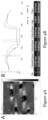


Classifications
-
- G—PHYSICS
- G01—MEASURING; TESTING
- G01N—INVESTIGATING OR ANALYSING MATERIALS BY DETERMINING THEIR CHEMICAL OR PHYSICAL PROPERTIES
- G01N33/00—Investigating or analysing materials by specific methods not covered by groups G01N1/00 - G01N31/00
- G01N33/48—Biological material, e.g. blood, urine; Haemocytometers
- G01N33/50—Chemical analysis of biological material, e.g. blood, urine; Testing involving biospecific ligand binding methods; Immunological testing
- G01N33/53—Immunoassay; Biospecific binding assay; Materials therefor
- G01N33/543—Immunoassay; Biospecific binding assay; Materials therefor with an insoluble carrier for immobilising immunochemicals
- G01N33/54366—Apparatus specially adapted for solid-phase testing
- G01N33/54373—Apparatus specially adapted for solid-phase testing involving physiochemical end-point determination, e.g. wave-guides, FETS, gratings
-
- G—PHYSICS
- G01—MEASURING; TESTING
- G01N—INVESTIGATING OR ANALYSING MATERIALS BY DETERMINING THEIR CHEMICAL OR PHYSICAL PROPERTIES
- G01N33/00—Investigating or analysing materials by specific methods not covered by groups G01N1/00 - G01N31/00
- G01N33/48—Biological material, e.g. blood, urine; Haemocytometers
- G01N33/50—Chemical analysis of biological material, e.g. blood, urine; Testing involving biospecific ligand binding methods; Immunological testing
- G01N33/53—Immunoassay; Biospecific binding assay; Materials therefor
- G01N33/543—Immunoassay; Biospecific binding assay; Materials therefor with an insoluble carrier for immobilising immunochemicals
-
- A—HUMAN NECESSITIES
- A61—MEDICAL OR VETERINARY SCIENCE; HYGIENE
- A61B—DIAGNOSIS; SURGERY; IDENTIFICATION
- A61B10/00—Instruments for taking body samples for diagnostic purposes; Other methods or instruments for diagnosis, e.g. for vaccination diagnosis, sex determination or ovulation-period determination; Throat striking implements
- A61B10/0045—Devices for taking samples of body liquids
-
- A—HUMAN NECESSITIES
- A61—MEDICAL OR VETERINARY SCIENCE; HYGIENE
- A61B—DIAGNOSIS; SURGERY; IDENTIFICATION
- A61B10/00—Instruments for taking body samples for diagnostic purposes; Other methods or instruments for diagnosis, e.g. for vaccination diagnosis, sex determination or ovulation-period determination; Throat striking implements
- A61B10/02—Instruments for taking cell samples or for biopsy
-
- B—PERFORMING OPERATIONS; TRANSPORTING
- B01—PHYSICAL OR CHEMICAL PROCESSES OR APPARATUS IN GENERAL
- B01L—CHEMICAL OR PHYSICAL LABORATORY APPARATUS FOR GENERAL USE
- B01L3/00—Containers or dishes for laboratory use, e.g. laboratory glassware; Droppers
- B01L3/50—Containers for the purpose of retaining a material to be analysed, e.g. test tubes
- B01L3/502—Containers for the purpose of retaining a material to be analysed, e.g. test tubes with fluid transport, e.g. in multi-compartment structures
-
- C—CHEMISTRY; METALLURGY
- C07—ORGANIC CHEMISTRY
- C07K—PEPTIDES
- C07K16/00—Immunoglobulins [IG], e.g. monoclonal or polyclonal antibodies
- C07K16/18—Immunoglobulins [IG], e.g. monoclonal or polyclonal antibodies against material from animals or humans
- C07K16/22—Immunoglobulins [IG], e.g. monoclonal or polyclonal antibodies against material from animals or humans against growth factors ; against growth regulators
-
- C—CHEMISTRY; METALLURGY
- C07—ORGANIC CHEMISTRY
- C07K—PEPTIDES
- C07K16/00—Immunoglobulins [IG], e.g. monoclonal or polyclonal antibodies
- C07K16/18—Immunoglobulins [IG], e.g. monoclonal or polyclonal antibodies against material from animals or humans
- C07K16/28—Immunoglobulins [IG], e.g. monoclonal or polyclonal antibodies against material from animals or humans against receptors, cell surface antigens or cell surface determinants
- C07K16/2863—Immunoglobulins [IG], e.g. monoclonal or polyclonal antibodies against material from animals or humans against receptors, cell surface antigens or cell surface determinants against receptors for growth factors, growth regulators
-
- C—CHEMISTRY; METALLURGY
- C07—ORGANIC CHEMISTRY
- C07K—PEPTIDES
- C07K16/00—Immunoglobulins [IG], e.g. monoclonal or polyclonal antibodies
- C07K16/18—Immunoglobulins [IG], e.g. monoclonal or polyclonal antibodies against material from animals or humans
- C07K16/28—Immunoglobulins [IG], e.g. monoclonal or polyclonal antibodies against material from animals or humans against receptors, cell surface antigens or cell surface determinants
- C07K16/2884—Immunoglobulins [IG], e.g. monoclonal or polyclonal antibodies against material from animals or humans against receptors, cell surface antigens or cell surface determinants against CD44
-
- C—CHEMISTRY; METALLURGY
- C07—ORGANIC CHEMISTRY
- C07K—PEPTIDES
- C07K16/00—Immunoglobulins [IG], e.g. monoclonal or polyclonal antibodies
- C07K16/18—Immunoglobulins [IG], e.g. monoclonal or polyclonal antibodies against material from animals or humans
- C07K16/28—Immunoglobulins [IG], e.g. monoclonal or polyclonal antibodies against material from animals or humans against receptors, cell surface antigens or cell surface determinants
- C07K16/2896—Immunoglobulins [IG], e.g. monoclonal or polyclonal antibodies against material from animals or humans against receptors, cell surface antigens or cell surface determinants against molecules with a "CD"-designation, not provided for elsewhere
-
- G—PHYSICS
- G01—MEASURING; TESTING
- G01N—INVESTIGATING OR ANALYSING MATERIALS BY DETERMINING THEIR CHEMICAL OR PHYSICAL PROPERTIES
- G01N33/00—Investigating or analysing materials by specific methods not covered by groups G01N1/00 - G01N31/00
- G01N33/48—Biological material, e.g. blood, urine; Haemocytometers
- G01N33/50—Chemical analysis of biological material, e.g. blood, urine; Testing involving biospecific ligand binding methods; Immunological testing
- G01N33/5005—Chemical analysis of biological material, e.g. blood, urine; Testing involving biospecific ligand binding methods; Immunological testing involving human or animal cells
- G01N33/5008—Chemical analysis of biological material, e.g. blood, urine; Testing involving biospecific ligand binding methods; Immunological testing involving human or animal cells for testing or evaluating the effect of chemical or biological compounds, e.g. drugs, cosmetics
- G01N33/5076—Chemical analysis of biological material, e.g. blood, urine; Testing involving biospecific ligand binding methods; Immunological testing involving human or animal cells for testing or evaluating the effect of chemical or biological compounds, e.g. drugs, cosmetics involving cell organelles, e.g. Golgi complex, endoplasmic reticulum
-
- G01N33/57488—
-
- G—PHYSICS
- G01—MEASURING; TESTING
- G01N—INVESTIGATING OR ANALYSING MATERIALS BY DETERMINING THEIR CHEMICAL OR PHYSICAL PROPERTIES
- G01N33/00—Investigating or analysing materials by specific methods not covered by groups G01N1/00 - G01N31/00
- G01N33/48—Biological material, e.g. blood, urine; Haemocytometers
- G01N33/50—Chemical analysis of biological material, e.g. blood, urine; Testing involving biospecific ligand binding methods; Immunological testing
- G01N33/53—Immunoassay; Biospecific binding assay; Materials therefor
- G01N33/575—Immunoassay; Biospecific binding assay; Materials therefor for cancer
- G01N33/57557—Immunoassay; Biospecific binding assay; Materials therefor for cancer of other specific parts of the body, e.g. brain
-
- G—PHYSICS
- G01—MEASURING; TESTING
- G01N—INVESTIGATING OR ANALYSING MATERIALS BY DETERMINING THEIR CHEMICAL OR PHYSICAL PROPERTIES
- G01N33/00—Investigating or analysing materials by specific methods not covered by groups G01N1/00 - G01N31/00
- G01N33/48—Biological material, e.g. blood, urine; Haemocytometers
- G01N33/50—Chemical analysis of biological material, e.g. blood, urine; Testing involving biospecific ligand binding methods; Immunological testing
- G01N33/53—Immunoassay; Biospecific binding assay; Materials therefor
- G01N33/575—Immunoassay; Biospecific binding assay; Materials therefor for cancer
- G01N33/5758—Immunoassay; Biospecific binding assay; Materials therefor for cancer involving compounds serving as markers for tumours, cancers or neoplasias, e.g. cellular determinants, receptors, heat shock/stress proteins, A-protein, oligosaccharides or metabolites
- G01N33/57585—Immunoassay; Biospecific binding assay; Materials therefor for cancer involving compounds serving as markers for tumours, cancers or neoplasias, e.g. cellular determinants, receptors, heat shock/stress proteins, A-protein, oligosaccharides or metabolites involving compounds identifiable in body fluids
-
- B—PERFORMING OPERATIONS; TRANSPORTING
- B01—PHYSICAL OR CHEMICAL PROCESSES OR APPARATUS IN GENERAL
- B01L—CHEMICAL OR PHYSICAL LABORATORY APPARATUS FOR GENERAL USE
- B01L2300/00—Additional constructional details
- B01L2300/06—Auxiliary integrated devices, integrated components
- B01L2300/0627—Sensor or part of a sensor is integrated
- B01L2300/0636—Integrated biosensor, microarrays
-
- B—PERFORMING OPERATIONS; TRANSPORTING
- B01—PHYSICAL OR CHEMICAL PROCESSES OR APPARATUS IN GENERAL
- B01L—CHEMICAL OR PHYSICAL LABORATORY APPARATUS FOR GENERAL USE
- B01L2300/00—Additional constructional details
- B01L2300/08—Geometry, shape and general structure
- B01L2300/0803—Disc shape
-
- B—PERFORMING OPERATIONS; TRANSPORTING
- B01—PHYSICAL OR CHEMICAL PROCESSES OR APPARATUS IN GENERAL
- B01L—CHEMICAL OR PHYSICAL LABORATORY APPARATUS FOR GENERAL USE
- B01L2300/00—Additional constructional details
- B01L2300/08—Geometry, shape and general structure
- B01L2300/0861—Configuration of multiple channels and/or chambers in a single devices
-
- B—PERFORMING OPERATIONS; TRANSPORTING
- B01—PHYSICAL OR CHEMICAL PROCESSES OR APPARATUS IN GENERAL
- B01L—CHEMICAL OR PHYSICAL LABORATORY APPARATUS FOR GENERAL USE
- B01L2300/00—Additional constructional details
- B01L2300/12—Specific details about materials
-
- B—PERFORMING OPERATIONS; TRANSPORTING
- B01—PHYSICAL OR CHEMICAL PROCESSES OR APPARATUS IN GENERAL
- B01L—CHEMICAL OR PHYSICAL LABORATORY APPARATUS FOR GENERAL USE
- B01L2400/00—Moving or stopping fluids
- B01L2400/04—Moving fluids with specific forces or mechanical means
- B01L2400/0475—Moving fluids with specific forces or mechanical means specific mechanical means and fluid pressure
- B01L2400/0484—Cantilevers
-
- G—PHYSICS
- G01—MEASURING; TESTING
- G01N—INVESTIGATING OR ANALYSING MATERIALS BY DETERMINING THEIR CHEMICAL OR PHYSICAL PROPERTIES
- G01N2333/00—Assays involving biological materials from specific organisms or of a specific nature
- G01N2333/435—Assays involving biological materials from specific organisms or of a specific nature from animals; from humans
- G01N2333/705—Assays involving receptors, cell surface antigens or cell surface determinants
- G01N2333/70585—CD44
-
- G—PHYSICS
- G01—MEASURING; TESTING
- G01N—INVESTIGATING OR ANALYSING MATERIALS BY DETERMINING THEIR CHEMICAL OR PHYSICAL PROPERTIES
- G01N2333/00—Assays involving biological materials from specific organisms or of a specific nature
- G01N2333/435—Assays involving biological materials from specific organisms or of a specific nature from animals; from humans
- G01N2333/705—Assays involving receptors, cell surface antigens or cell surface determinants
- G01N2333/70596—Molecules with a "CD"-designation not provided for elsewhere in G01N2333/705
-
- G—PHYSICS
- G01—MEASURING; TESTING
- G01N—INVESTIGATING OR ANALYSING MATERIALS BY DETERMINING THEIR CHEMICAL OR PHYSICAL PROPERTIES
- G01N2333/00—Assays involving biological materials from specific organisms or of a specific nature
- G01N2333/435—Assays involving biological materials from specific organisms or of a specific nature from animals; from humans
- G01N2333/705—Assays involving receptors, cell surface antigens or cell surface determinants
- G01N2333/71—Assays involving receptors, cell surface antigens or cell surface determinants for growth factors; for growth regulators
Definitions
- the invention relates to a sensor for liquid biopsy, a method of making such sensor, and a method of using such sensor for non-invasive liquid biopsy.
- MRI magnetic resonance imaging
- CT computed tomography
- intracranial biopsies intracranial biopsies.
- MRI magnetic resonance imaging
- CT computed tomography
- biomarkers the requirement of detection of precise molecular signature of glioma progression and metabolic adaptation has not been satisfactorily met.
- additional diagnostic tools with precise biomarkers is needed, synergistically with currently available tools, to monitor the progression of malignant cancers such as glioma.
- extracellular vesicles including exosomes and micro-vesicles (MVs)
- EVs can be characterized using different techniques and tools.
- these techniques and tools include nanoparticle tracking analysis (NTA), dynamic light scattering (DLS), scanning electron microscopy (SEM), transmission electron microscopy (TEM), cryo-electron microscopy (cryo-EM), immunogold electron microscopy (immunogold EM), flow cytometry, western blotting, and enzyme-linked immunosorbent assay (ELISA).
- NTA nanoparticle tracking analysis
- DLS dynamic light scattering
- SEM scanning electron microscopy
- TEM transmission electron microscopy
- cryo-EM cryo-electron microscopy
- immunogold electron microscopy immunogold electron microscopy
- flow cytometry western blotting
- ELISA enzyme-linked immunosorbent assay
- a sensor for liquid biopsy includes a substrate with a surface functionalized with biotinylated antibodies.
- the biotinylated antibodies are arranged to engage with surface proteins on exosomes associated with malignant cancer cells.
- the exosomes are released by the malignant cancer cells.
- the malignant cancer cells are glioma cells.
- the biotinylated antibodies include biotinylated anti-CD63 antibodies.
- the biotinylated antibodies include biotinylated anti-CD44 antibodies.
- the biotinylated antibodies include biotinylated anti-EGFRvIII antibodies.
- the biotinylated antibodies include one or more (or all) of: biotinylated anti-CD63 antibodies, biotinylated anti-CD44 antibodies, and biotinylated anti-EGFRVIII antibodies.
- the substrate and the surface may be made of the same material. Alternatively, the substrate and the surface may be made of different materials.
- the surface is made of plasmonic material.
- the plasmonic material may include titanium nitride or titanium nitride-based material.
- the substrate is in the form of a nanofilm of titanium nitride or titanium nitride-based material.
- the surface is in the form of a nanofilm of titanium nitride or titanium nitride-based material.
- the surface comprises nano-holes.
- the substrate is in the form of a chip or a disc.
- the senor further includes: a housing defining a space, the substrate being arranged in the space; an inlet; and an outlet.
- the inlet, the outlet, and the space are in liquid communication with each other.
- the senor further includes: a cantilever for atomic force microscopy.
- the cantilever is arranged to be operably cooperating with the substrate.
- the cantilever includes a tip with a tip surface functionalized with biotinylated antibodies complementary to surface proteins on the exosomes.
- the biotinylated antibodies on the tip surface may include biotinylated anti-CD44 antibodies arranged to engage with CD44 on the surface of the exosomes.
- the biotinylated antibodies on the tip surface may alternatively or additionally include anti-CD63 antibodies arranged to engage with CD63 on the surface of the exosomes and/or anti-EGFRVIII antibodies arranged to engage with EGFRVIII on the surface of the exosomes.
- the senor further includes: a cantilever for atomic force microscopy.
- the cantilever is arranged to be operably cooperating with the substrate.
- the cantilever includes a tip with a tip surface functionalized with biotinylated hyaluronic acid complementary to surface proteins on the exosomes.
- the biotinylated hyaluronic acid is arranged to engage with CD44 on the surface of the exosomes.
- a method of non-invasive liquid biopsy includes providing a solution containing exosomes associated with malignant cancer cells to a substrate with a surface functionalized with biotinylated antibodies.
- the biotinylated antibodies are arranged to engage with surface proteins on the exosomes associated with malignant cancer cells.
- the method also includes detecting exosomes engaged with the surface of the substrate.
- the method further includes determining a severity of the malignant cancer based on the detection. Determining the severity may include determining the progression of the cancer, characterizing the stage of the cancer, etc.
- the method further includes performing localized surface plasmon resonance spectroscopy using the substrate engaged with the exosomes.
- the method further includes performing atomic force microscopy using the substrate engaged with the exosomes.
- the exosomes are released by the malignant cancer cells.
- the malignant cancer cells are glioma cells.
- the biotinylated antibodies include one or more of: biotinylated anti-CD63 antibodies, biotinylated anti-CD44 antibodies, and biotinylated anti-EGFRVIII antibodies.
- a method for non-invasive liquid biopsy using the sensor of the first aspect may be the method of the second aspect.
- a method for making a sensor for liquid biopsy includes providing a substrate with a surface; and functionalizing the surface with biotinylated antibodies.
- the biotinylated antibodies are arranged to engage with surface proteins on exosomes associated with malignant cancer cells.
- the exosomes are released by the malignant cancer cells.
- the malignant cancer cells are glioma cells.
- the biotinylated antibodies may include one or more or all of: biotinylated anti-CD63 antibodies, biotinylated anti-CD44 antibodies, and biotinylated anti-EGFRvIII antibodies.
- the surface is made of plasmonic material.
- the plasmonic material comprises titanium nitride or titanium nitride-based material.
- the surface comprises nano-holes.
- the method also includes forming the substrate with the surface.
- forming the substrate includes: depositing a film made of gold on a glass substrate; annealing the glass substrate with deposited gold film such that the gold film at least partly becomes gold nano-islands that are at least partly received in the glass substrate; deposit a firm of titanium nitride or titanium nitride-based material on the annealed glass substrate with gold nano-islands; and removing the gold nano-islands.
- the annealing is performed for around 9 hours at 500 to 600 degree-Celsius.
- the removal of the gold nano-islands is by immersion to a gold-dissolved solution (e.g., AN-50 solution).
- a gold-dissolved solution e.g., AN-50 solution
- FIG. 1 is a schematic diagram illustrating the function of exosomal CD44 and the sensing of exosomal CD44 using the sensors in one embodiment of the invention to track the malignant progression of glioma cells as a biomarker;
- FIG. 2 A is an immunofluorescent image (DAPI staining) of CD44 in glioma cells with no treatment (control);
- FIG. 2 B is an immunofluorescent image of CD44 in glioma cells with no treatment (control);
- FIG. 2 C is an image formed by merging FIGS. 2 A and 2 B ;
- FIG. 2 D is an immunofluorescent image of DAPI staining for CD44 in glioma cells with treatment (40 mM lactate treatment for 24 hours);
- FIG. 2 E is an immunofluorescent image of CD44 in glioma cells with treatment (40 mM lactate treatment for 24 hours);
- FIG. 2 F is an image formed by merging FIGS. 2 D and 2 E ;
- FIG. 2 G is an image showing the glioma cells with no treatment (control), as detected by transwell migration assay;
- FIG. 2 H is an image showing the glioma cells with treatment (40 mM lactate treatment for 24 hours), as detected by transwell migration assay;
- FIG. 2 I is a bar graph showing the comparison of relative cell migration (%) between FIGS. 2 G and 2 H ;
- FIG. 2 J is a western blot band showing the difference of CD44 in glioma cells with treatment with antisense locked nucleic acid (LNA) GapmeR to CD44 for 24 hours and with treatment with antisense oligonucleotide control respectively;
- LNA antisense locked nucleic acid
- FIG. 2 K is an image showing the glioma cells with antisense oligonucleotide control, as detected by transwell migration assay;
- FIG. 2 L is an image showing the glioma cells with antisense LNA GapmeR treatment for 24 hours, as detected by transwell migration assay;
- FIG. 2 M is a western blot band showing quantification of CD44 in glioma cells with no treatment (control) and with a 40 mM lactate treatment for 24 hours respectively;
- FIG. 3 A is a graph showing results of nanoparticle tracking analysis of exosomes released from glioma cells with no treatment (control);
- FIG. 3 B is a graph showing results of nanoparticle tracking analysis of exosomes released from glioma cells with treatment (40 mM lactate treatment for 24 hours);
- FIG. 3 C is a bar graph showing the comparison of relative exosomes quantity between FIGS. 3 A and 3 B ;
- FIG. 3 D is a transmission electron microscopy image of exosomes
- FIG. 3 E is an immunogold electron microscopy image of CD63 in exosomes isolated from glioma cells
- FIG. 3 F is an immunogold electron microscopy image of CD44 in exosomes isolated from glioma cells
- FIG. 3 G is a bar graph showing results of ELISA analysis of exosomal CD44 from glioma cells with no treatment (control) and with treatment (40 mM lactate treatment for 24 hours);
- FIG. 3 H is a bar graph showing Zeta potential of exosomes released from glioma cells with no treatment (control) and with treatment (40 mM lactate treatment for 24 hours);
- FIG. 4 A is a peak force atomic force microscopy topographic image of a TiN—NH chip in 2D (1 ⁇ m ⁇ 1 ⁇ m) in one example of the invention
- FIG. 4 B is a graph showing the height profile of the surface of TiN—NH chip in the indicated areas 1 and 2 in FIG. 4 A ;
- FIG. 5 A is a graph showing the localized surface plasmon resonance phase response of the TIN-NH chip in the process of functionalization with biotinylated anti-CD63 antibodies in one example of the invention
- FIG. 5 B is a graph showing the localized surface plasmon resonance phase response of U87 glioma cells-derived exosomes toward the functionalized TiN—NH chip for different concentrations of exosomes;
- FIG. 5 C is a graph showing the localized surface plasmon resonance phase response of the AuNI chip in the process of functionalization with anti-CD63 antibodies in one example of the invention
- FIG. 5 D is a graph showing localized surface plasmon resonance phase response of U87 glioma cells-derived exosomes toward the functionalized AuNI chip for different concentrations of exosomes;
- FIG. 6 A is a topographic atomic force microscopy image (low resolution) of a TIN-NH chip in one example of the invention
- FIG. 6 B is a topographic atomic force microscopy image (high resolution) of a TIN-NH chip in one example of the invention
- FIG. 6 C is a topographic atomic force microscopy image of U87 glioma cells-derived exosomes captured on the surface of TiN—NH chip directly functionalized with biotinylated anti-CD63 antibodies;
- FIG. 6 D is graph showing the localized surface plasmon resonance phase response of U87 glioma cells-derived exosomes at different concentrations by TiN—NH chip, TiN-film chip, and AuNIs-chip;
- FIG. 7 A is a peak force atomic force microscopy topographic image of a TiN—NH chip coated with anti-CD44 antibodies in 2D (2.1 ⁇ m ⁇ 2.1 ⁇ m) in one example of the invention
- FIG. 7 B is graph showing the height profile of the surface of TiN—NH chip in FIG. 7 A ;
- FIG. 7 C is a peak force atomic force microscopy topographic image of a TiN—NH chip coated with anti-CD44 antibodies in 2D (2.1 ⁇ m ⁇ 2.1 ⁇ m), with captured U87 glioma cells-derived exosomes, in one example of the invention;
- FIG. 7 D is graph showing the height profile of the surface of the TIN-NH chip in FIG. 7 C ;
- FIG. 7 E is a bar graph illustrating the surface roughness of the TIN-NH chip coated with anti-CD44 antibodies and captured U87 glioma cells-derived exosomes by the antibodies on the surface of TiN—NH chip;
- FIG. 8 A is a graph showing separation force measurement obtained by atomic force microscopy illustrating differential adhesion force between functionalized anti-CD44 antibodies and CD44 in exosomes from glioma cells for different protein amounts;
- FIG. 8 B is a graph showing separation force measurement obtained by atomic force microscopy of glioma cells-derived exosomes toward the functionalized atomic force microscopy cantilever tip with anti-CD44 antibodies;
- FIG. 9 A is an atomic force microscopy scanning image of a TiN—NH chip functionalized with biotinylated anti-CD44 antibodies;
- FIG. 9 B is an atomic force microscopy scanning image showing glioma cells-derived exosomes captured by the biotinylated anti-CD44 antibodies on the TIN-NH chip of FIG. 9 A ;
- FIG. 9 C is a graph showing the localized surface plasmon resonance phase response of glioma cells-derived exosomes toward the functionalized TiN—NH chip with anti-CD44 antibodies;
- FIG. 9 D is a graph showing a corresponding calibration curve revealing the correlation between the localized surface plasmon resonance phase response and the quantity of exosomes
- FIG. 9 E is a graph showing the localized surface plasmon resonance phase response of exosomes from U87 glioma cells with (experimental group) and without (control) lactate treatment toward the functionalized TiN—NH chip with anti-CD44 antibodies;
- FIG. 10 A is a schematic diagram illustrating sensors for capturing exosomal CD63 and, cooperating with the sensors, atomic force microscopy cantilever tip for detecting exosomal CD44 or hyaluronic acid;
- FIG. 10 B is a graph showing separation force measurement obtained by atomic force microscopy revealing the differential adhesion force between anti-CD44 antibodies or hyaluronic acid and CD44 in exosomes from glioma cells, both with and without (control) lactate treatment;
- FIG. 10 C is a bar graph showing the comparison of adhesion force between groups 1-4 labeled in FIG. 10 B ;
- FIG. 11 A is an immunogold electron microscopy image of EGFRVIII in HEK-derived exosomes
- FIG. 11 B is an immunogold electron microscopy image of EGFRVIII in U87 glioma cells-derived exosomes
- FIG. 11 C is a graph showing the localized surface plasmon resonance phase response with TiN—NH chip functionalized with anti-EGFRvIII antibodies toward U87 glioma cells-derived exosomes;
- FIG. 11 D is a topographic atomic force microscopy image the HEK-derived exosomes captured by anti-EGFRVIII antibodies on the TIN-NH discs;
- FIG. 11 E is a topographic atomic force microscopy image of the U87 glioma cells-derived exosomes captured by anti-EGFRVIII antibodies on the TIN-NH discs;
- FIG. 11 F is a graph showing atomic force microscopy force curves illustrating differential adhesion force between anti-CD44 antibodies on the tip and CD44 in U87 glioma cells-derived exosomes captured by anti-EGFRVIII antibodies on the TIN-NH discs (as compared to the control);
- FIG. 11 G is a bar graph summarizing the relative strength of the different exosomes in FIG. 11 F ;
- FIG. 11 H is a graphs showing atomic force microscopy force curves illustrating differential adhesion force between anti-CD44 antibodies on the tip and CD44 in U87 glioma cells-derived exosomes captured by anti-EGFRVIII antibodies on the TiN—NH discs from their mixture with serum-derive exosomes (as compared to the control);
- FIG. 11 I is a bar graph summarizing the relative strength of the different exosomes in FIG. 11 H ;
- FIG. 12 A is an immunofluorescent image (Blue: DAPI, Red: Phalloidin, Green: Exo-Green) of autologous uptake of exosomes from the glioma cells without treatment of 40 mM lactate into glioma cells or endothelial cells;
- FIG. 12 B is an immunofluorescent image (Blue: DAPI, Red: Phalloidin, Green: Exo-Green) of autologous uptake of exosomes from the glioma cells with treatment of 40 mM lactate into glioma cells or endothelial cells;
- FIG. 12 C is an immunofluorescent image (Blue: DAPI, Red: Phalloidin, Green: Exo-Green) of autologous uptake of exosomes from the glioma cells with treatment of CD44-antisense LNA GapmeR oligonucleotides into glioma cells or endothelial cells;
- FIG. 12 D is an immunofluorescent image (Blue: DAPI, Red: Phalloidin, Green: Exo-Green) of heterologous uptake of exosomes from the glioma cells without treatment of 40 mM lactate into glioma cells or endothelial cells;
- FIG. 12 E is an immunofluorescent image (Blue: DAPI, Red: Phalloidin, Green: Exo-Green) of heterologous uptake of exosomes from the glioma cells with treatment of 40 mM lactate into glioma cells or endothelial cells;
- FIG. 12 F is an immunofluorescent image (Blue: DAPI, Red: Phalloidin, Green: Exo-Green) of heterologous uptake of exosomes from the glioma cells with treatment of CD44-antisense LNA GapmeR oligonucleotides into glioma cells or endothelial cells;
- FIG. 12 G is an image showing the effect of autologous uptake (migration of glioma cells) corresponding to FIG. 12 A ;
- FIG. 12 H is an image showing the effect of autologous uptake (migration of glioma cells) corresponding to FIG. 12 B ;
- FIG. 12 I is an image showing the effect of autologous uptake (migration of glioma cells) corresponding to FIG. 12 C ;
- FIG. 12 J is an image showing the effect of heterologous uptake (tube formation of endothelial cells) corresponding to FIG. 12 D ;
- FIG. 12 K is an image showing the effect of heterologous uptake (tube formation of endothelial cells) corresponding to FIG. 12 E ;
- FIG. 12 L is an image showing the effect of heterologous uptake (tube formation of endothelial cells) corresponding to FIG. 12 F ;
- FIG. 13 is a schematic diagram of a method for making a sensor for liquid biopsy in one embodiment of the invention.
- FIG. 14 is a schematic diagram of a method for using a sensor for liquid biopsy in one embodiment of the invention.
- the inventors of the present invention have devised, through research, experiments, and/or trials, that one of the most detrimental tumors in the central nervous system (CNS) is malignant glioma.
- CNS central nervous system
- the progression of malignant glioma can be characterized by the increased migration and invasion of glioma cells as well as the enhanced tube formation of endothelial cells (ECs) in the tumor microenvironment.
- ECs endothelial cells
- the combinatorial treatment against malignant glioma using chemotherapy, radiation, and surgical removal may be useful, the average survival of patients with malignant glioma is still only one and a half years partly because of difficulty in its diagnosis at an early stage.
- the inventors of the present invention have devised, through research, experiments, and/or trials, that the glycolytic reprogramming of glioma cells is closely related to their metastasis and invasion via both facilitating phenotypic transition and inducing drug resistance in cancer therapy.
- malignant glioma cells produce tremendous amount of lactate that is released into the tumor microenvironment, even with enough oxygen supply, known as the “Warburg effect”.
- Increased lactate in the tumor microenvironment have been shown to diffuse into tumor associated fibroblasts capable of the synthesis of hyaluronic acid, leading to the adhesion of glioma cells to each other and to ECs as well as the reorganization of the extracellular matrix which is necessary for tumor progression.
- Lactate can upregulate CD44 in glioma cells, a cell surface adhesion molecule, which is associated with cell migration and invasion via the interaction with its ligand, hyaluronic acid in the tumor microenvironment.
- glioma cells expressing epidermal growth factor receptor variant-III (EGFRVIII)
- EGFRVIII epidermal growth factor receptor variant-III
- Exosomes one of the smallest types of cell-derived extracellular vesicles (EVs) with an exemplary average size range of 30-200 nm, are present in most biological fluids including blood, cerebrospinal fluid (CSF), saliva, and urine. They have been recognized as the major messenger vehicle playing a crucial role in cell-cell communication in both normal condition and pathological condition (such as brain cancer).
- CSF cerebrospinal fluid
- the inventors of the present invention have devised, through research, experiments, and/or trials, that malignant cancer cells, including glioma cells, release remarkably high amount of exosomes into the tumor microenvironment, leading to the support of tumor progression by enhancing the autologous and heterologous interactions with surrounding cells, and particularly, glioma cells-derived exosomes, which can cross the blood-brain-barrier and the blood-CSF barrier, may be utilized as a non-invasive biomarker discovery platform to track the malignant progression of parent glioma cells, such as migration and invasion.
- exosomal components including exosomal microRNA and proteins, can be good supporting biomarkers in determining tumor malignancy.
- non-invasive label-free techniques through biosensing of exosomal surface components may be used in the diagnosis and prognosis in cancer as a liquid biopsy because of their capability of simple quantitative detection of surface proteins associated with a specific type of cancer and its progression.
- FIG. 1 is a schematic diagram illustrating the function of exosomal CD44 and the sensing of exosomal CD44 using the sensors in one embodiment of the invention to track the malignant progression of glioma cells as a biomarker.
- glioma cells in the tumor microenvironment can utilize increased extracellular lactate for their adaptation and survival partly by the upregulation of CD44 expression and exosome release. This does not only make them more malignant but also enables surrounding ECs to be more angiogenic.
- Enhanced exosomal CD44 released from malignant glioma cells can be effectively detected by the sensors 100 A, 100 B as illustrated, which are sensitive and non-invasive, and can be used for liquid biopsies for glioma.
- One of the sensors 100 A includes a titanium nitride nano-holes (TiN—NH) chip 102 A with a surface functionalized with biotinylated anti-CD44 antibodies.
- the surface (and optionally the entire chip 102 A) can be made with titanium nitride or titanium nitride-based material.
- the biotinylated anti-CD44 antibodies are arranged to engage with CD44 on the surface of exosomes associated with the glioma cells.
- the sensor 100 A with captured exosomes, can be used for localized surface plasmon resonance (LSPR) analysis (e.g., microscopy), to obtain phase response which relates to, e.g., the amount of captured exosomes, which indirectly reflect the progression of glioma.
- LSPR localized surface plasmon resonance
- the chip 102 A can be placed in a housing with an inlet and an outlet so that the solution (biofluid sample obtained from patient) can be passed from the inlet through the chip 102 A to the outlet for liquid biopsy.
- this sensor 100 A may be referred to as titanium nitride-nano-holes-localized surface plasmon resonance (TIN-NH-LSPR) biosensor.
- Another one of the sensors 100 B includes a titanium nitride nano-holes (TiN—NH) chip 102 B with a surface functionalized with biotinylated anti-CD63 antibodies.
- the biotinylated anti-CD63 antibodies are arranged to engage with CD63 on the surface of exosomes associated with the glioma cells.
- the sensor 100 B also includes one or both of the cantilevers 104 B, 106 B for atomic force microscopy.
- the cantilevers 104 B, 106 B are each arranged to operably cooperate with the chip 102 B.
- the cantilever 104 B has a tip with a tip surface functionalized with biotinylated hyaluronic acid.
- the biotinylated hyaluronic acid is arranged to engage with CD44 on the surface of exosomes associated with the glioma cells.
- the cantilever 106 B has a tip with a tip surface functionalized with biotinylated anti-CD44 antibodies.
- the biotinylated anti-CD44 antibodies are arranged to engage with CD44 on the surface of exosomes associated with the glioma cells, for performing atomic force microscopy.
- this sensor 100 B may be referred to as titanium nitride-nano-holes-discs immunocapture-atomic force microscopy (TIC-AFM) biosensor.
- TIC-AFM immunocapture-atomic force microscopy
- FIGS. 2 A to 2 M illustrate that lactate-induced enhanced migration of U87 glioma cells is associated with the upregulation of CD44.
- FIGS. 2 A to 2 F show immunofluorescent staining for CD44 in glioma cells with either no treatment (control) ( FIGS. 2 A to 2 C ) and with a 40 mM lactate treatment ( FIGS. 2 D to 2 F ) for 24 hours.
- FIGS. 2 G to 2 I are representative images of glioma cells with enhanced migration by treatment with 40 mM lactate ( FIG. 2 H ) for 24 hours as compared to that of control ( FIG. 2 G ), as detected by transwell migration assay.
- FIG. 2 I us a bar graph showing the comparison of relative cell migration (%) between FIGS.
- FIG. 2 J is a western blot band showing the significant knockdown (approximately 90%) of CD44 in glioma cells with treatment with antisense locked nucleic acid (LNA) GapmeR to CD44 for 24 hours as compared to treatment with antisense oligonucleotide control.
- FIGS. 2 K and 2 L are representative images of glioma cells with reduced migration by treatment with antisense LNA GapmeR to CD44 for 24 hours as compared to treatment with antisense oligonucleotide control, as detected by transwell migration assay. In the above data are expressed as the mean ⁇ SEM. Significance level: ** P ⁇ 0.01, *P ⁇ 0.05, no-treatment control group vs.
- FIG. 2 I 40 mM lactate-treated group
- FIG. 2 M shows quantification of CD44 protein in glioma cells with either no treatment (control) or a 40 mM lactate treatment for 24 hours, as determined by western blot analysis.
- the expression of CD44 is much more significant in cell membrane of U87 glioma cells treated with extracellular lactate as compared to the control group.
- the migration of U87 glioma cells was evaluated by transwell migration assay, upon treatment with extracellular lactate for 24 hours.
- extracellular lactate enhanced the migration of glioma cells significantly.
- the KD of CD44 in U87 glioma cells significantly reduced their migration, as seen from FIGS. 2 J to 2 L .
- FIGS. 3 A to 3 H illustrate that glioma cells promote the release of CD44-enriched exosomes by treatment with extracellular lactate.
- FIGS. 3 A to 3 C show results of nanoparticle tracking analysis of exosomes released from glioma cells with either no treatment (control) ( FIG. 3 A ) and a 40 mM lactate treatment ( FIG. 3 B ) for 24 hours, and a bar graph showing the comparison between FIGS. 3 A and 3 B ( FIG. 3 C ).
- FIGS. 3 D to 3 F Images of transmission electron microscopy for exosomes and immunogold electron microscopy for CD63 and CD44 in exosomes isolated from glioma cells are shown in FIGS. 3 D to 3 F .
- FIG. 3 G is a bar graph of ELISA result showing the significant increase of exosomal CD44 from glioma cells with treatment of 40 mM lactate for 24 hours as compared to control.
- FIG. 3 H is zeta potential of exosomes released from glioma cells with either no treatment (control) and a 40 mM lactate treatment for 24 hours. In the above data are expressed as the mean ⁇ SEM. Significance level: **P ⁇ 0.01, *P ⁇ 0.05, no treatment control group vs. 40 mM lactate-treated group ( FIGS. 3 C, 3 G, 3 H ).
- the average size of exosome released from control- and 40 mM-extracellular lactate treated U87 glioma cells are 155.5 nm ( FIG. 3 A ) and 160.5 nm ( FIG. 3 B ) respectively.
- the release of exosomes was significantly increased in the extracellular lactate treated glioma cells as compared to the control glioma cells ( FIGS. 3 A to 3 C ).
- the morphology and the presence of exosomal marker (here CD63) in the isolated exosomes from U87 glioma cells were analyzed by TEM, and immunogold-EM respectively.
- the TEM analysis showed heterogeneous size of exosomes; most of them being round shaped along with a few pear shaped exosomes in terms of their morphology ( FIG. 3 D ).
- the immunogold-EM analysis confirmed the presence of ( FIG. 3 E ) CD63 protein and ( FIG. 3 F ) CD44 protein in the membrane of isolated exosomes from U87 glioma cells.
- extracellular lactate also enhanced the amount of CD44 protein in glioma cells-derived exosomes, as detected by ELISA ( FIG. 3 G ).
- the zeta potential of the exosomes isolated from lactate-treated glioma cells was enhanced as compared to that obtained from control glioma cells ( FIG. 3 H ). This indicates the role of lactate in tumor microenvironment contributing towards the enhanced release of exosomes from glioma cells, which could be an important marker of malignant glioma progression.
- FIG. 4 A is a peak force atomic force microscopy topographic image of a TiN—NH sensing chip in 2D (1 ⁇ m ⁇ 1 ⁇ m) in one example of the invention
- FIG. 4 B is a related graph showing the height profile of the surface of TiN—NH chip in the indicated areas 1 and 2 in FIG. 4 A
- FIGS. 6 A and 6 B are representative topographic AFM images of bare TiN—NH sensing chip with low resolution ( FIG. 6 A ) and high resolution ( FIG. 6 B ).
- FIG. 6 C is a representative topographic AFM image of U87 glioma cells-derived exosomes captured on the surface of TiN—NH sensing chip directly functionalized with biotinylated anti-CD63 antibodies.
- FIG. 4 A is a peak force atomic force microscopy topographic image of a TiN—NH sensing chip in 2D (1 ⁇ m ⁇ 1 ⁇ m) in one example of the invention
- FIG. 4 B is a related graph showing the height profile of the
- 6 D shows the comparison of concentration-dependent SPR phase response of U87 glioma cells-derived exosomes by plasmonic biosensors with TiN—NH-, TiN-film-, and gold-nano-islands-(AuNIs-) sensing chips.
- the bare surface of TiN—NH sensing chip was scanned at the scan rate of 1.50 Hz with the scan size of 5 ⁇ m by utilizing AFM ( FIG. 6 A ). Furthermore, the high-resolution scanning of TiN—NH sensing chip at the same scan rate with the scan size of 1 ⁇ m confirmed that the average diameter of nano-holes was 180.8 nm, and the average distance between two nano-holes was 400 nm ( FIGS. 6 B, 4 A, and 4 B ).
- FIGS. 5 A to 5 D illustrate detection of CD63 in U87 glioma cells-derived exosomes by TIN-NH-LSPR and AuNIs-LSPR biosensors in a concentration-dependent manner.
- FIGS. 5 A and 5 B are baseline-LSPR phase responses toward the bare TiN—NH sensing chip functionalized with anti-CD63 antibodies and the chip blocked further with ethanolamine ( FIG. 5 A ), and concentration-dependent LSPR phase response of U87 glioma cells-derived exosomes toward the functionalized TiN—NH chip ( FIG.
- FIGS. 5 C and 5 D are baseline phase response of the plasmonic biosensor with the AuNIs sensing chip with treatment with each reagent for its final functionalization with anti-CD63 antibodies ( FIG. 5 C ) and phase response of AuNIs-LSPR biosensor toward U87 glioma cells-derived exosomes in a concentration-dependent manner ( FIG. 5 D ).
- U87 glioma cells-derived exosomes Before the injection of U87 glioma cells-derived exosomes, PBS buffer was allowed to flow across the TIN-NH sensing interface to establish a stable baseline.
- U87 glioma cells-derived exosomes (0.005-50 ⁇ g/ml) were injected into the system independently. A regular increase in the LSPR phase response was observed corresponding to various concentrations of U87 glioma cells-derived exosomes ( FIG. 5 B ). All the samples of U87 glioma cells-derived exosomes were injected via using a peristaltic pump (Reglo Digital, Ismatec) at a flow rate of 30 ⁇ l/min.
- phase response of TIN-NH-LSPR biosensor was augmented progressively when exosomes were injected into the interface for about 200s and attained the maximum phase value after about 1200s-interaction.
- exosomes concentration-dependent increment of LSPR phase response by the TIN-NH biosensor suggests its auditability for the quantitative detection of exosomes.
- the sensing chamber of TiN—NH-LSPR biosensor was flushed with PBS to remove non-specific bonded items.
- AuNIs-biosensor was functionalized with 11-mercaptoundecanoic acid (11-MUA), and further activated by N-hydroxysuccinimide (NHS), N-(3-dimethylaminopropyl)-N′-ethylcarbodiimide (EDC), as illustrated in FIG. 5 C .
- 11-MUA 11-mercaptoundecanoic acid
- NHS N-hydroxysuccinimide
- EDC N-(3-dimethylaminopropyl)-N′-ethylcarbodiimide
- the phase responses toward exosomes were monitored with TIN-NH, TiN-film and AuNIs sensing chips.
- the linear sensing calibrations were conducted in the range between 0.005 ⁇ g/ml to 5 ⁇ g/ml ( FIGS. 5 D and 6 D ).
- the sensitivities were calculated by the regression curve of detecting glioma cells-derived exosomes.
- the LSPR biosensor with TiN—NH sensing chip exhibited much steeper slope than that of AuNIs sensing chip in the detection-calibration curves of exosomes, indicating that the sensitivity of TiN—NH-LSPR biosensors is better in detecting the glioma cells-derived exosomes.
- TiN—NH-LSPR biosensor In detecting the glioma cells exosomes of concentrations of 0.05 ⁇ g/ml, TiN—NH-LSPR biosensor produced more than twice higher phase response at the equilibrium state than that of AuNIs LSPR biosensor ( FIG. 6 D ).
- the increased CD44 expression may be correlated with the enhanced migration of malignant cancer cells, including glioma cells. Also, CD44 was found in glioma cells-derived exosomes. Therefore, CD44 in glioma cells-derived exosomes could be utilized to sense the malignancy of parent glioma cells. In order to determine whether exosomal CD44 can be detected non-invasively for tracking glioma cells' migration with LSPR biosensing, tests and experiments were performed.
- FIGS. 9 A to 9 E illustrate that TiN—NH-LSPR biosensor can precisely detect enhanced exosomal CD44 by treatment of parent U87 glioma cells with lactate.
- FIGS. 9 A and 9 B are AFM scanning image of the TIN-NH sensing chip directly functionalized with biotinylated anti-CD44 antibodies ( FIG. 9 A ), and glioma cells-derived exosomes captured by anti-CD44 antibodies on the TIN-NH sensing chip ( FIG. 9 B ).
- FIGS. 9 C and 9 D are concentration-dependent LSPR phase response of glioma cells-derived exosomes toward the functionalized TiN—NH sensing chip with anti-CD44 antibodies ( FIG.
- FIG. 9 C shows the LSPR phase response of minimum quantity of exosomes from U87 glioma cells with (experimental group) and without (control group) lactate treatment toward the functionalized TiN—NH sensing chip with anti-CD44 antibodies.
- FIGS. 7 A to 7 D show the rulesets of topographic analysis of the TIN-NH sensing chip functionalized with anti-CD44 antibodies and captured exosomes by the antibodies on the surface of chip. Peak force AFM topographic image with two dimensions (2.1 ⁇ m ⁇ 2.1 ⁇ m) and height profile of the surface of TiN—NH chip coated with anti-CD44 antibodies are shown in FIGS.
- FIGS. 7 A and 7 B Peak force AFM topographic image with two dimension (2.1 ⁇ m ⁇ 2.1 ⁇ m) and height profile of the surface of TiN—NH chip coated with anti-CD44 antibodies and captured U87 glioma cells-derived exosomes by the antibodies on the surface of TiN—NH chip are shown in FIGS. 7 C and 7 D .
- FIG. 7 E is a bar graph representing roughness of the surface of TiN—NH chip coated with anti-CD44 antibodies and captured U87 glioma cells-derived exosomes by the antibodies on the surface of TiN—NH chip.
- FIGS. 8 A and 8 B show the detection of CD44 in glioma cells-derived exosomes by TIC-AFM.
- FIG. 8 A illustrates separation force curves by TIC-AFM revealing the differential adhesion force between anti-CD44 antibodies and CD44 in exosomes (2.5, 5, and 10 ⁇ g/ml of protein amount) from glioma cells.
- FIG. 8 B shows the concentration-dependent TIC-AFM response of glioma cells-derived exosomes toward the functionalized AFM tip with anti-CD44 antibodies.
- biotinylated anti-CD44 antibodies-functionalized TiN—NH chip was utilized. Exosomes captured on the chip was also characterized by the AFM scanning. The exosomes were captured on biotinylated anti-CD44 antibodies directly absorbed on the surface of TiN—NH chip through exosomal CD44 antigen, and visualized with AFM ( FIG. 9 B ). Moreover, the AFM scanning of biotinylated anti-CD44 antibodies-functionalized TiN—NH chip showed the average height of 26.66 nm and the roughness (Rmax) of 13.39 nm ( FIGS. 9 A, 7 A, 7 B, and 7 E ).
- exosomal CD44 by TiN—NH-LSPR biosensor was carried out using anti-CD44 antibodies coated chip with over the range from 0.005 ⁇ g/ml to 50 ⁇ g/ml of exosome concentrations ( FIG. 9 C ).
- the limit of detection (LOD) with the LSPR biosensor with the anti-CD44 antibodies-functionalized TiN—NH chip was 3.46 ⁇ 10-3 ⁇ g/ml, indicating its high sensitivity in detecting exosomal CD44 ( FIGS. 8 A and 8 B ).
- CD44 is a receptor for hyaluronic acid, which plays a role in enhancing the migration of glioma cells by their interaction
- AFM force-separation analysis was conducted to determine and distinguish level of CD44 in the control- or lactate treated-U87 glioma cells-derived exosomes captured on the surface of TiN—NH chip through anti-CD63 antibodies via using anti-CD44 antibodies- or hyaluronic acid-functionalized-AFM tip.
- the exosomes immobilized on the TIN-NH chip was scanned by AFM and was further confirmed by the analysis of their size ( FIGS. 9 A and 9 B ), followed by the AFM force-separation analysis.
- FIGS. 10 A to 10 C illustrate that the TIC-AFM biosensor captures exosomes and detects exosomal CD44 consecutively as a single molecule force spectroscopy.
- FIG. 10 A is a schematic representation of TIC-AFM biosensor for the specific capture of exosomes by anti-CD63 antibodies absorbed on the TiN—NH discs and the consecutive detection of exosomal CD44 by anti-CD44 antibodies, or hyaluronic acid, a natural ligand, functionalized in the cantilever sensing tip.
- FIG. 10 A is a schematic representation of TIC-AFM biosensor for the specific capture of exosomes by anti-CD63 antibodies absorbed on the TiN—NH discs and the consecutive detection of exosomal CD44 by anti-CD44 antibodies, or hyaluronic acid, a natural ligand, functionalized in the cantilever sensing tip.
- FIG. 10 A is a schematic representation of TIC-AFM biosensor for the specific capture of exosomes by
- FIG. 10 B shows separation force curves by TIC-AFM revealing the differential adhesion force between anti-CD44 antibodies, or hyaluronic acid, and CD44 in exosomes from glioma cells with (experimental group) and without (control group) treatment of lactate.
- FIG. 10 C is the corresponding bar graph showing the comparison of adhesion force between groups. All data are shown as the mean ⁇ SEM. Significance level: ** P ⁇ 0.01, *P ⁇ 0.05, condition 1 vs condition 2; condition 3 vs condition 4 ( FIGS. 10 B and 10 C ).
- FIG. 10 A shows two sensors 200 A, 200 B, each operable for use in atomic force microscopy associated with exosomal CD44 detection.
- Sensor 200 A includes a titanium nitride nano-holes (TIN-NH) chip 202 A with a surface functionalized with biotinylated anti-CD63 antibodies.
- the surface (and optionally the entire chip 202 A) can be made with titanium nitride or titanium nitride-based material.
- the biotinylated anti-CD63 antibodies are arranged to engage with CD63 on the surface of exosomes associated with the glioma cells.
- the sensor 200 A also includes cantilever 204 A for atomic force microscopy and arranged to operably cooperate with the chip 202 A.
- the cantilever 204 A has a tip with a tip surface functionalized with biotinylated anti-CD44 antibodies, arranged to engage with CD44 on the surface of exosomes associated with the glioma cells, for atomic force microscopy force-separation analysis.
- Sensor 200 B is similar to sensor 200 A, except that the cantilever 204 B has a tip with a tip surface functionalized with biotinylated hyaluronic acid, arranged to engage with CD44 on the surface of exosomes associated with the glioma cells, for atomic force microscopy force-separation analysis.
- the sensors 200 A and 200 B can capture exosomes and can be used in atomic force microscopy, to determine differential adhesion force between anti-CD44 antibodies on the tip and CD44 in U87 glioma cells-derived exosomes, which indirectly reflect the progression of glioma.
- the AFM force-separation analysis showed the capability of detection of the interaction between exosomal CD44 and anti-CD44 antibodies- or hyaluronic acid, although it revealed a significantly higher separation force for hyaluronic acid-functionalized AFM tip toward control exosomes, as compared with anti-CD44 antibodies-functionalized AFM tip.
- the force was further enhanced when lactate-treated U87 glioma cells-derived exosomes were used, indicating a correlated increase in force when lactate driven exosomal CD44 was enhanced (force curves 3 and 4 in FIG. 10 B ).
- the corresponding bar graph representing the average AFM force response in the various conditions is shown FIG. 10 C .
- exosomal EGFRVIII mutant proteins have been found to be associated with various aggressive progression of cancer cells, such as invasion and angiogenesis in glioma cells. Also, their increased expression may be associated with the poor prognosis of glioma.
- exosomal EGFRVIII mutant protein can be utilized as a great biomarker to diagnose and prognoses glioma as well as it can be used to capture glioma-derived exosomes. In order to identify the glioma cells-derived exosomes, the presence of EGFRVIII was analyzed in control exosomes (isolated from HEK cells) and U87 glioma cells-derived exosomes by immunogold EM technique.
- FIGS. 11 A to 11 I illustrate that the TIC-AFM biosensor detects CD44 in glioma cells-derived exosomes captured by anti-EGFRVIII antibodies on the TiN—NH discs.
- FIGS. 11 A and 11 B are Immunogold-EM images of EGFRVIII in HEK-derived exosomes (negative control) ( FIG. 11 A ) and U87 glioma cells-derived exosomes ( FIG. 11 B ).
- FIG. 11 C shows the phase response of the LSPR plasmonic biosensor with TiN—NH sensing chip functionalized with anti-EGFRVIII antibodies toward U87 glioma cells-derived exosomes.
- FIGS. 11 A and 11 B are Immunogold-EM images of EGFRVIII in HEK-derived exosomes (negative control) ( FIG. 11 A ) and U87 glioma cells-derived exosomes ( FIG. 11 B ).
- FIG. 11 C shows the phase response of the LSPR
- FIGS. 11 D and 11 E are AFM topographic images of captured HEK-derived exosomes ( FIG. 11 D ) and U87 glioma cells-derived exosomes ( FIG. 11 E ) by anti-EGFRVIII antibodies on the TiN—NH discs.
- FIGS. 11 F and 11 G are AFM force curves showing the differential adhesion force between anti-CD44 antibodies on the tip and CD44 in U87 glioma cells-derived exosomes captured by anti-EGFRVIII antibodies on the TiN—NH discs as compared to that of control ( FIG. 11 F ) and the corresponding bar graph summarizing their relative strength ( FIG. 11 G ).
- FIGS. 11 G are AFM topographic images of captured HEK-derived exosomes ( FIG. 11 D ) and U87 glioma cells-derived exosomes ( FIG. 11 E ) by anti-EGFRVIII antibodies on the TiN—NH discs.
- FIGS. 11 F and 11 G are AFM
- 11 H and 11 I are AFM force curves showing the differential adhesion force between anti-CD44 antibodies on the tip and CD44 in glioma cells-derived exosomes captured by anti-EGFRVIII antibodies from their mixture with serum-derive exosomes as compared to that of control ( FIG. 11 H ) and the corresponding bar graph summarizing their relative strength ( FIG. 11 I ). All data are shown as the mean ⁇ SEM. Significance level: ** P ⁇ 0.01, experimental group vs. control group.
- glioma-specific exosomal EGFRVIII was detected by LSPR biosensor with TiN—NH-chip-functionalized with anti-EGFRVIII antibodies.
- the TiN—NH-LSPR biosensor revealed its good selectivity for exosomal EGFRVIII in the phase response towards glioma cells-derived exosomes as compared control HEK cells-derived exosomes.
- the phase response was found to be 0.23 and 1.73 radian for exosomes isolated from HEK cells and glioma cells, respectively.
- HEK cell-derived exosomes also produced weak phase response, presumably caused by the non-specific interaction between anti-EGFRVIII antibody and some of exosomal antigens, such as a wild type of EGFR. These non-specific bindings were partially removed by PBS flushing and obvious dissociation occurred ( FIG. 11 C ). Since, EGFRVIII may be considered as a glioma specific membrane mutant protein, it could be utilized to capture the glioma specific exosomes. To accomplish this TiN—NH chip was directly functionalized with biotinylated anti-EGFRVIII antibody, followed by immobilization of glioma cells-derived exosomes and HEK exosomes.
- Exosomes from Glioma Cells Stimulated by Extracellular Lactate, Increase the Tube Formation of ECs as Well as the Migration of Glioma Cells with a CD44-Dependent Manner
- exosomes were first isolated from control- or lactate-treated glioma cells, and were further incubated with glioma cells for 24 hours.
- FIGS. 12 A to 12 L illustrate increased CD44 in glioma cells by lactate promotes glioma progression partly via exosomes.
- CD44-reduced exosomes were produced by the transfection of CD44 antisense oligonucleotides in parent glioma cells.
- the effect of reduced exosomal CD44 on the migration of glioma cells and tube formation of ECs were investigated. It was found that reduced exosomal CD44 significantly decreased glioma cells' migration ( FIGS. 12 C and 12 I) and decreased the tube formation in ECs by their treatment with each cell type ( FIGS. 12 F and 12 L ). This demonstrated the potential role of glioma cells-derived exosomal CD44 in tube formation of ECs and migration of glioma cells directly or indirectly, leading to tumor progression.
- the human U87 glioma cells and bEnd.3 endothelial cells (ECs) in the above examples/experiments were cultured and maintained in Dulbecco's modified essential medium (DMEM) (Life Technologies) with high glucose supplemented with 10% fetal bovine serum (FBS), and 1% penicillin-streptomycin at 37° C. with 5% CO2 in a humidified incubator.
- DMEM Dulbecco's modified essential medium
- FBS fetal bovine serum
- penicillin-streptomycin 37° C. with 5% CO2
- Glioma cells were grown to around 70% confluency, washed 3 times with phosphate buffered saline (PBS), and incubated with serum-free media for 24 hours for isolation of exosome.
- PBS phosphate buffered saline
- glioma cells with around 70% confluency were treated with vehicle (control) and 40 mM solution of sodium-L-lactate (Sigma) for 24 hours.
- Transwell migration assay was used as an in-vitro model for standard cell migration.
- 24-well Transwell Permeable Support chambers (Costar, Cat #3422) with a pore size of 8.0 ⁇ m were used.
- 100 ⁇ l of glioma cells suspension (1 ⁇ 106/ml) and 500 ⁇ l of complete medium were added to the upper- and the lower-chamber, respectively.
- the medium was removed after 24 hours-culture at 37° C. with 5% CO2 in the humidified incubator.
- glioma cells on the plates were fixed for 10 minutes with 4% paraformaldehyde (PFA), then the plates were inverted, and the fixed glioma cells were air-dried.
- PFA paraformaldehyde
- the glioma cells were stained in 0.1% crystal violet solution for 20 minutes and washed 3 times with PBS. The wells were gently wiped with a swab. At least, 6 pictures were taken randomly from different locations via using an inverted microscope at 10 ⁇ magnification. Number of migrated cells was counted via using ImageJ software.
- glioma cells were cultured on poly-D-lysine (Merck, Cat #A-003-E)-coated coverslips (Marien-field-superior) until 60-70% confluence, followed by treatment with 40 mM solution of lactate for 24 hours. Then, the cells were fixed with 4% paraformaldehyde (PFA) in phosphate buffer saline (PBS) for 1 hour on ice. After washing the cells with PBS containing 0.05% Triton X-100 (PBST) 3 times for 10 minutes, the fixed cells were treated with the blocking solution containing 5% bovine serum albumin (BSA) in PBST, for 1 hour.
- PFA paraformaldehyde
- PBS phosphate buffer saline
- exosomes from glioma cells were isolated using Total Exosome Isolation (TEI) kit (Cat #4478359) as per the standard protocol.
- TEI Total Exosome Isolation
- the FBS-free conditioned medium from cultured glioma cells was first harvested and centrifuged at 2000 ⁇ g for 30 minutes to remove cells and debris. The supernatant containing cell-free culture media was transferred to a new tube without disturbing the pellet. Then, a half volume of the TEI reagent was added to the supernatant, followed by mixing the culture media/reagent until the solution becomes homogenous. Then, the mixed samples were incubated at 2° C. to 8° C. overnight.
- exosomes were characterized via using transmission electron microscopy (TEM).
- TEM transmission electron microscopy
- NTA nanoparticle tracking analysis
- TEM transmission electron microscopy
- EGFRVIII EGFRVIII
- CD44 nanoparticle tracking analysis
- immunogold-EM analysis was performed. Briefly, for immunogold labeling, exosomes in PBS were fixed with 4% PFA. The fixed exosomes were placed on Formvar-carbon coated EM grid and blocked with PBS/5% BSA solution for 10 minutes.
- the exosomes in the grids were further incubated with goat anti-rabbit IgG H&L (10 nm gold) pre-adsorbed (Abcam, Cat #ab27234) secondary antibodies solution in PBS/0.5% BSA for 30 minutes, and then washed 3 times for 10 minutes with 100 ⁇ l PBS.
- the exosomes in the grids were stained with 2% uranyl acetates, and then viewed under transmission electron microscope (FEI/Philips Tecnai 12 BioTWIN).
- N-hydroxysuccinimide activated biotin reacts with the primary amine groups of antibodies in the biotinylation of antibodies. Therefore, in the above examples/experiments, to produce biotinylated anti-CD63, anti-EGFRVIII, or anti-CD44, first, the NHS-biotin solution was prepared in a concentration of 40 mg/ml in dry DMSO. Then, 3 mL antibodies in PBS (0.5 mg/ml concentration at pH 7.4) are mixed with 6 ⁇ L stock NHS-biotin solution while stirring at room temperature for 2 hours in the dark. Finally, the biotinylated antibodies solution was added 6 ⁇ L of 0.5 M ethanolamine and incubated for 30 minutes. The prepared solution was purified several times with small disposable columns to remove the free biotin.
- SAM-AuNIs sensing chip was synthesized by annealing the as-deposited Au films (thickness around 5.0 nm, surface roughness of 0.79 nm) on a BK7 glass slide, followed by thermal annealing at 550° C. for 3 hours in air.
- SAM-AuNIs sensing chip with anti-CD63 antibodies was performed. Briefly, the dry BK7 slide with SAM-AuNIs were cleaned with absolute ethanol, followed by incubation of SAM-AuNIs in MUA solution (10 mM) for 30 minutes. The MUA carboxyl functional group was activated by adding freshly prepared 2-(N-Morpholino) ethane sulfonic acid (MES) solution for 20 minutes. Then, 2 ⁇ g/ml anti-CD63 antibodies in PBS buffer was immobilized on the AuNIs for 40 minutes, followed by removal of excessive antibodies by rinsing with PBS buffer, and unbound sites were blocked by 1M of ethanolamine. Eventually, exosomes solutions were injected sequentially over the antibody-functionalized surface.
- MUA solution 10 mM
- MES 2-(N-Morpholino) ethane sulfonic acid
- TiN-film-sensing chip was performed by direct deposition approach with radio-frequency magnetron sputtering. Briefly, the BK7 glass slides were initially mounted on the rotating fixture and evacuated to a base pressure of 10-7 Torr. During the magnetron sputtering with TiN target at 100 W radio-frequency power, the vacuum was at 6 ⁇ 10-3 Torr and the Ar flow was kept at 20 sccm. The film thickness was controlled by monitoring the sputtering time duration.
- TIN-NH-chips were synthesized with sacrificed AuNIs method as shown in FIG. 13 .
- Gold (Au) thin film was deposited on the glass substrate, followed by 9 hours annealing at 550° C. Then, the Au will gather together to form AuNIs and these islands will sink into the substrate at their respective positions when the glass becomes soft under the elevated temperature. Afterwards, an ultrathin TiN thin film will deposit on top of AuNIs and the AuNIs will not be totally covered by TiN. Thus, the AuNIs could be chemically removed by immersing the sensor chips in AN-50, a gold-dissolved solution. In this way, TiN—NH-sensing chip was synthesized. Then, the biotinylated anti-CD63 or anti-CD44 antibodies could directly or indirectly attach to the surface of the TiN—NH-sensing chips.
- FIG. 14 shows the TIN-NH-sensing chip used in LSPR bio-sensing for glioma liquid biopsy.
- the common-path white light interferometric system and differential phase modulating method were used to perform the label-free detection of glioma cells-derived exosomes with the TiN-film and TIN-NH-LSPR biosensors. Briefly, PBS buffer was initially injected into the sensing chamber to build the detection baseline for at least 200s. Then the glioma cells-derived exosomes were injected into the sensing chamber with constant flow rate at 30 ⁇ l/min. Then the biosensing interface was flushed with PBS subsequently to remove the non-specific bonded items.
- the differential phase response was retrieved by using windowed Fourier transform (WFT) method in real-time scheme.
- WFT windowed Fourier transform
- the exosomes were firstly immunocaptured on the TIN-NH discs via the functionalization of biotinylated anti-CD63 antibodies.
- the AFM tip (ScanAsyst-Fluid, TELTEC semiconductor pacific limited) was functionalized with anti-CD44 antibodies.
- anti-CD44 antibodies (dilution 1:200) were covalently attached to Si3N4 AFM probes via thiol ester linkage (Bruker), followed by washing of probes in PBS, blocking with 1% BSA-PBS for 1 h, and eventually rinsing with PBS.
- AFM tip was functionalized with hyaluronic acid. Briefly, the AFM cantilevers were conditioned by exposure to UV for 30 min, and then immersed overnight at 4° C. in an ethanolic solution of OEG disulfide and b-OEG thiol (molar ratio 500:1) at a total concentration of 1 mM. Prior to use, the functionalized substrates were rinsed with ethanol and blow-dried with N2.
- This procedure provides a monolayer of oligo(ethylene glycol) (OEG) that is inert to non-specific binding of proteins and glycosaminoglycans (GAGs); it permits the formation of a monolayer of streptavidin that serves as a “molecular breadboard” for the controlled anchorage of biotin-tagged molecules.
- OEG oligo(ethylene glycol)
- GAGs glycosaminoglycans
- TIN-NH-chip To characterize TiN—NH-chip and captured glioma cells-derived exosomes on TIN-NH-sensing chip, the tapping mode of high-resolution AFM scanner was employed to perform the topography studies on the bare TiN—NH-sensing chip.
- the functionalized TIN-NH-chip was flushed with deionized (DI) water and dried in nitrogen before conducting the AFM scanning. Similarly, the scanning of captured exosomes on TIN-NH-chip were performed.
- DI deionized
- ECs (approximately 30,000 cells per well) were cultured on the chamber slide (Lab-TekTM, Thermo Scientific, USA) for 24 hours with normal growth medium supplemented with- and without-lactate at 37° C. in a humidified atmosphere of 5% CO2.
- the cells were washed twice with PBS and replenished again with normal growth medium supplemented with- and without-lactate treated U87 glioma cells-derived exosomes (250 ⁇ g), labeled with Exo-Green fluorescent dye (100 ⁇ l) (System Biosciences), and further maintained for 24 hours.
- bEnd.3 cells were washed three times with PBS and fixed with 4% PFA.
- the actin cytoskeleton of bEnd.3 cells were stained with rhodamine phalloidin conjugated primary antibodies (1:200 dilution) at RT for 1 hour, followed by washing with PBS. Then, it was mounted in Vectashield mounting medium containing DAPI and observed under a laser scanning confocal microscope at 40 ⁇ magnification.
- ECs of 80%-90% confluency was treated either with medium with 0.2% FBS.
- Wells on a 24-well plate were coated with at least 125 ⁇ l GeltrexTM (Gibco #A1413201), so the matrix layer would not be too thin which only allow formation of a monolayer of cells.
- ECs (7 ⁇ 104 cells/well) in 250 ⁇ l medium were seeded in each well. After 24 hours, tube formation in ECs was examined under Nikon TS-100-F LED inverted fluorescence microscope and photographed at 40 ⁇ magnification.
- the above embodiments have provided sensors and related SPR-based and AFM-based techniques that can be used to reliably detect exosomes closely related with enhanced migration and angiogenesis of glioma, for determining progression of glioma and potentially determining therapeutic efficacy of anti-glioma agents.
- the sensors and methods can be used independently or can be used to complement existing techniques or tools.
- the sensors can be used for liquid biopsy in a label-free, non-invasive, and sensitive, and effective manner, and is suited for cancer related applications in particular glioma.
- the sensors (chips and/or cantilever tip) can be made relatively simply and can be used readily for liquid biopsy.
- the method/sensor/system in the above embodiments may be applied to other types of malignant cancer cells, not necessarily glioma cells, provided that correspondingly suitable biotinylated proteins (e.g., antibodies) are chosen and used.
- biotinylated proteins (e.g., antibodies) formed on the surface of the substrate are not limited to biotinylated anti-CD63 antibodies, biotinylated anti-CD44 antibodies, biotinylated anti-EGFRvIII antibodies, etc., but can be any other biotinylated proteins being arranged to engage with surface proteins on exosomes associated with other type of malignant cancer cells.
- the surface or substrate can be made with made of plasmonic material other than titanium nitride or titanium nitride-based material.
Landscapes
- Health & Medical Sciences (AREA)
- Chemical & Material Sciences (AREA)
- Immunology (AREA)
- Life Sciences & Earth Sciences (AREA)
- Molecular Biology (AREA)
- Engineering & Computer Science (AREA)
- General Health & Medical Sciences (AREA)
- Organic Chemistry (AREA)
- Hematology (AREA)
- Biomedical Technology (AREA)
- Medicinal Chemistry (AREA)
- Biochemistry (AREA)
- Urology & Nephrology (AREA)
- Genetics & Genomics (AREA)
- Biophysics (AREA)
- Proteomics, Peptides & Aminoacids (AREA)
- Pathology (AREA)
- Analytical Chemistry (AREA)
- General Physics & Mathematics (AREA)
- Physics & Mathematics (AREA)
- Food Science & Technology (AREA)
- Microbiology (AREA)
- Cell Biology (AREA)
- Biotechnology (AREA)
- Medical Informatics (AREA)
- Chemical Kinetics & Catalysis (AREA)
- Heart & Thoracic Surgery (AREA)
- Clinical Laboratory Science (AREA)
- Surgery (AREA)
- Animal Behavior & Ethology (AREA)
- Public Health (AREA)
- Veterinary Medicine (AREA)
- Bioinformatics & Cheminformatics (AREA)
- Toxicology (AREA)
- Tropical Medicine & Parasitology (AREA)
- Measuring Or Testing Involving Enzymes Or Micro-Organisms (AREA)
- Apparatus Associated With Microorganisms And Enzymes (AREA)
Abstract
Description
Claims (33)
Priority Applications (1)
| Application Number | Priority Date | Filing Date | Title |
|---|---|---|---|
| US16/839,158 US12092636B2 (en) | 2020-04-03 | 2020-04-03 | Sensor for liquid biopsy and its method of making, and method of non-invasive liquid biopsy |
Applications Claiming Priority (1)
| Application Number | Priority Date | Filing Date | Title |
|---|---|---|---|
| US16/839,158 US12092636B2 (en) | 2020-04-03 | 2020-04-03 | Sensor for liquid biopsy and its method of making, and method of non-invasive liquid biopsy |
Publications (2)
| Publication Number | Publication Date |
|---|---|
| US20210311034A1 US20210311034A1 (en) | 2021-10-07 |
| US12092636B2 true US12092636B2 (en) | 2024-09-17 |
Family
ID=77921492
Family Applications (1)
| Application Number | Title | Priority Date | Filing Date |
|---|---|---|---|
| US16/839,158 Active 2041-04-06 US12092636B2 (en) | 2020-04-03 | 2020-04-03 | Sensor for liquid biopsy and its method of making, and method of non-invasive liquid biopsy |
Country Status (1)
| Country | Link |
|---|---|
| US (1) | US12092636B2 (en) |
Citations (1)
| Publication number | Priority date | Publication date | Assignee | Title |
|---|---|---|---|---|
| US20160334398A1 (en) * | 2013-12-02 | 2016-11-17 | The General Hospital Corporation | Nano-plasmonic sensor for exosome detection |
-
2020
- 2020-04-03 US US16/839,158 patent/US12092636B2/en active Active
Patent Citations (1)
| Publication number | Priority date | Publication date | Assignee | Title |
|---|---|---|---|---|
| US20160334398A1 (en) * | 2013-12-02 | 2016-11-17 | The General Hospital Corporation | Nano-plasmonic sensor for exosome detection |
Non-Patent Citations (61)
| Title |
|---|
| Agnihotri, S.; Zadeh, G. Metabolic Reprogramming in Glioblastoma: The Influence of Cancer Metabolism on Epigenetics and Unanswered Questions. Neuro. Oncol. 2016, 18 (2), 160-172. https://doi.org/10.1093/neuonc/nov125. |
| Akiyama, Y.; Jung, S.; Salhia, B.; Lee, S.; Hubbard, S.; Taylor, M .; Mainprize, T.; Akaishi, K.; van Furth, W.; Rutka, J. T. Hyaluronate Receptors Mediating Glioma Cell Migration and Proliferation. J. Neurooncol. 2001, 53 (2), 115-127. https://doi.org/10.1023/A:1012297132047. |
| Allison, D. P.; Mortensen, N. P.; Sullivan, C. J.; Doktycz, M. J. Atomic Force Microscopy of Biological Samples. Wiley Interdiscip. Rev. Nanomedicine Nanobiotechnology 2010, 2 (6), 618-634. https://doi.org/10.1002/wnan.104. |
| Ariza, A.; Lopez, D.; Mate, J. L.; Isamat, M.; Musulen, E.; Pujol, M.; Ley, A.; Navas-palacios, J. Role of CD44 in the Invasiveness of Glioblastoma Multiforme and the Noninvasiveness of Meningioma: An Immunohistochemistry Study. Hum. Pathol. 1995, 26 (10), 1144-1147. https://doi.org/10.1016/0046-8177(95)90278-3. |
| Bano, F.; Banerji, S.; Howarth, M.; Jackson, D. G.; Richter, R. P. A Single Molecule Assay to Probe Monovalent and Multivalent Bonds between Hyaluronan and Its Key Leukocyte Receptor CD44 under Force. Sci. Rep. 2016, 6 (1), 34176. https://doi.org/10.1038/srep34176. |
| Barattin et al., "Chemical Modifications of Atomic Force Microscopy Tips", 2011, Atomic Force Microscopy in Biomedical Research, p. 457-483 (Year: 2011). * |
| Baumann, F.; Leukel, P.; Doerfelt, A.; Beier, C. P.; Dettmer, K.; Oefner, P. J.; Kastenberger, M.; Kreutz, M.; Nickl-Jockschat, T.; Bogdahn, U.; et al. Lactate Promotes Glioma Migration by TGF-B2-Dependent Regulation of Matrix Metalloproteinase-2. Neuro. Oncol. 2009, 11 (4), 368-380. https://doi.org/10.1215/15228517-2008-106. |
| Camussi, G.; Deregibus, M. C.; Bruno, S.; Cantaluppi, V.; Biancone, L. Exosomes/Microvesicles as a Mechanism of Cell-to-Cell Communication. Kidney Int. 2010, 78 (9), 838-848. https://doi.org/10.1038/ki.2010.278. |
| Chada, N.; Sigdel, K. P.; Gari, R. R. S.; Matin, T. R.; Randall, L. L.; King, G. M. Glass Is a Viable Substrate for Precision Force Microscopy of Membrane Proteins. Sci. Rep. 2015, 5 (1), 12550. https://doi.org/10.1038/srep12550. |
| Choi, D.; Montermini, L.; Kim, D.-K.; Meehan, B.; Roth, F. P.; Rak, J. The Impact of Oncogenic EGFRvIII on the Proteome of Extracellular Vesicles Released from Glioblastoma Cells. Mol. Cell. Proteomics 2018, 17 (10), 1948-1964. https://doi.org/10.1074/mcp.RA118.000644. |
| Cortes-Dericks, L.; Schmid, R. A. CD44 and Its Ligand Hyaluronan as Potential Biomarkers in Malignant Pleural Mesothelioma: Evidence and Perspectives. Respir. Res. 2017, 18 (1), 58. https://doi.org/10.1186/s12931-017-0546-5. |
| Davis, M. Glioblastoma: Overview of Disease and Treatment. Clin. J. Oncol. Nurs. 2016, 20 (5), S2-S8. https://doi.org/10.1188/16.CJON.S1.2-8. |
| El Kirat, K.; Burton, I.; Dupres, V.; Dufrene, Y. F. Sample Preparation Procedures for Biological Atomic Force Microscopy. J. Microsc. 2005, 218 (3), 199-207. https://doi.org/10.1111/j.1365-2818.2005.01480.x. |
| Esslinger, M.; Dorfmüller, J.; Khunsin, W.; Vogelgesang, R.; Kern, K. Background-Free Imaging of Plasmonic Structures with Cross-Polarized Apertureless Scanning near-Field Optical Microscopy. Rev. Sci. Instrum. 2012, 83 (3), 033704. https://doi.org/10.1063/1.3693346. |
| Figueroa, J. M.; Skog, J.; Akers, J.; Li, H.; Komotar, R.; Jensen, R.; Ringel, F.; Yang, I.; Kalkanis, S.; Thompson, R.; et al. Detection of Wild-Type EGFR Amplification and EGFRvIII Mutation in CSF-Derived Extracellular Vesicles of Glioblastoma Patients. Neuro. Oncol. 2017, 19 (11), 1494-1502. https://doi.org/10.1093/neuonc/nox085. |
| Formby, B.; Stern, R. Lactate-Sensitive Response Elements in Genes Involved in Hyaluronan Catabolismbiochem. Biophys. Res. Commun. 2003, 305 (1), 203-208. https://doi.org/10.1016/S0006-291X(03)00723-X. |
| García-Romero, N.; Carrión-Navarro, J.; Esteban-Rubio, S.; Lázaro-Ibáñez, E.; Peris-Celda, M.; Alonso, M. M.; Guzmán-De-Villoria, J.; Fernández-Carballal, C.; de Mendivil, A. O.; Garcia-Duque, S.; et al. DNA Sequences within Glioma-Derived Extracellular Vesicles Can Cross the Intact Blood-Brain Barrier and Be Detected in Peripheral Blood of Patients. Oncotarget 2017, 8 (1). https://doi.org/10.18632/oncotarget.13635. |
| Garnier, D.; Renoult, O.; Alves-Guerra, M.-C.; Paris, F.; Pecqueur, C. Glioblastoma Stem-Like Cells, Metabolic Strategy to Kill a Challenging Target. Front. Oncol. 2019, 9. https://doi.org/10.3389/fonc.2019.00118. |
| Gautier, H. O. B.; Thompson, A. J.; Achouri, S.; Koser, D. E.; Holtzmann, K.; Moeendarbary, E.; Franze, K. Atomic Force Microscopy-Based Force Measurements on Animal Cells and Tissues. In Methods Cell Biol.; 2015; pp. 211-235. https://doi.org/10.1016/bs.mcb.2014.10.005. |
| Grasso, L.; Wyss, R.; Weidenauer, L.; Thampi, A.; Demurtas, D.; Prudent, M.; Lion, N.; Vogel, H. Molecular Screening of Cancer-Derived Exosomes by Surface Plasmon Resonance Spectroscopy. Anal. Bioanal. Chem. 2015, 407 (18), 5425-5432. https://doi.org/10.1007/s00216-015-8711-5. |
| Hambardzumyan, D.; Bergers, G. Glioblastoma: Defining Tumor Niches. Trends in Cancer 2015, 1 (4), 252-265. https://doi.org/10.1016/j.trecan.2015.10.009. |
| Huang, K.; Fang, C.; Yi, K.; Liu, X.; Qi, H.; Tan, Y.; Zhou, J.; Li, Y.; Liu, M.; Zhang, Y.; et al. The Role of PTRF/Cavin1 as a Biomarker in Both Glioma and Serum Exosomes. Theranostics 2018, 8 (6), 1540-1557. https://doi.org/10.7150/thno.22952. |
| Im et al., "Label-free detection and molecular profiling of exosomes with a nano-plasmonic sensor", 2014, Nat. Biotechnol., 32(5): 490-495 + Supplementary Information (Year: 2014). * |
| Im, H.; Lee, K.; Weissleder, R.; Lee, H.; Castro, C. M. Novel Nanosensing Technologies for Exosome Detection and Profiling. Lab Chip 2017, 17 (17), 2892-2898. https://doi.org/10.1039/C7LC00247E. |
| Kaur, V.; Singh, S. Design of Titanium Nitride Coated PCF-SPR Sensor for Liquid Sensing Applications. Opt. Fiber Technol. 2019, 48, 159-164. https://doi.org/10.1016/j.yofte.2018.12.015. |
| Keller, S.; Schmidt, M. EGFR and EGFRvIII Promote Angiogenesis and Cell Invasion in Glioblastoma: Combination Therapies for an Effective Treatment. Int. J. Mol. Sci. 2017, 18 (6), 1295. https://doi.org/10.3390/ijms18061295. |
| Knüpfer, M. M.; Poppenborg, H.; Hotfilder, M.; Kuhnel, K.; Wolff, J. E.; Domula, M. CD44 Expression and Hyaluronic Acid Binding of Malignant Glioma Cells. Clin. Exp. Metastasis 1999, 17 (1), 71-76. |
| Koochekpour, S.; Pilkington, G. J.; Merzak, A. Hyaluronic Acid/CD44H Interaction Induces Cell Detachment and Stimulates Migration and Invasion of Human Glioma Cellsin Vitro. Int. J. Cancer 1995, 63 (3), 450-454. https://doi.org/10.1002/ijc.2910630325. |
| Kucharzewska, P.; Christianson, H. C.; Welch, J. E.; Svensson, K. J.; Fredlund, E.; Ringner, M.; Morgelin, M.; Bourseau-Guilmain, E.; Bengzon, J.; Belting, M. Exosomes Reflect the Hypoxic Status of Glioma Cells and Mediate Hypoxia-Dependent Activation of Vascular Cells during Tumor Development. Proc. Natl. Acad. Sci. 2013, 110 (18), 7312-7317. https://doi.org/10.1073/pnas.1220998110. |
| Kwizera, E. A.; O'Connor, R.; Vinduska, V.; Williams, M.; Butch, E. R.; Snyder, S. E.; Chen, X.; Huang, X. Molecular Detection and Analysis of Exosomes Using Surface-Enhanced Raman Scattering Gold Nanorods and a Miniaturized Device. Theranostics 2018, 8 (10), 2722-2738. https://doi.org/10.7150/thno.21358. |
| Lan, H.; Lu, H.; Wang, X.; Jin, H. MicroRNAs as Potential Biomarkers in Cancer: Opportunities and Challenges. Biomed Res. Int. 2015, 2015, 1-17. https://doi.org/10.1155/2015/125094. |
| Lang, H.-L.; Hu, G.-W.; Zhang, B.; Kuang, W.; Chen, Y.; Wu, L.; Xu, G.-H. Glioma Cells Enhance Angiogenesis and Inhibit Endothelial Cell Apoptosis through the Release of Exosomes That Contain Long Non-Coding RNA CCAT2. Oncol. Rep. 2017, 38 (2), 785-798. https://doi.org/10.3892/or.2017.5742. |
| Li, A.; Zhang, T.; Zheng, M.; Liu, Y.; Chen, Z. Exosomal Proteins as Potential Markers of Tumor Diagnosis. J. Hematol. Oncol. 2017, 10 (1), 175. https://doi.org/10.1186/s13045-017-0542-8. |
| Li, M.; Dang, D.; Liu, L.; Xi, N.; Wang, Y. Imaging and Force Recognition of Single Molecular Behaviors Using Atomic Force Microscopy. Sensors 2017, 17 (12), 200. https://doi.org/10.3390/s17010200. |
| Li, M.; Xiao, X.; Liu, L.; Xi, N.; Wang, Y.; Dong, Z.; Zhang, W. Nanoscale Mapping and Organization Analysis of Target Proteins on Cancer Cells from B-Cell Lymphoma Patients. Exp. Cell Res. 2013, 319 (18), 2812-2821. https://doi.org/10.1016/j.yexcr.2013.07.020. |
| Liberti, M. V.; Locasale, J. W. The Warburg Effect: How Does It Benefit Cancer Cells? Trends Biochem. Sci. 2016, 41 (3), 211-218. https://doi.org/10.1016/j.tibs.2015.12.001. |
| Loo, F.-C.; Ng, S.-P.; Wu, C.-M. L.; Kong, S. K. An Aptasensor Using DNA Aptamer and White Light Common-Path SPR Spectral Interferometry to Detect Cytochrome-c for Anti-Cancer Drug Screening. Sensors Actuators B Chem. 2014, 198, 416-423. https://doi.org/10.1016/j.snb.2014.03.077. |
| Masui, K.; Onizuka, H.; Cavenee, W. K.; Mischel, P. S.; Shibata, N. Metabolic Reprogramming in the Pathogenesis of Glioma: Update. Neuropathology 2019, 39 (1), 3-13. https://doi.org/10.1111/neup.12535. |
| Merzak, A.; Koocheckpour, S.; Pilkington, G. J. CD44 Mediates Human Glioma Cell Adhesion and Invasion in Vitro. Cancer Res. 1994, 54 (15), 3988-3992. |
| Misra, S.; Heldin, P.; Hascall, V. C.; Karamanos, N. K.; Skandalis, S. S.; Markwald, R. R.; Ghatak, S. Hyaluronan-CD44 Interactions as Potential Targets for Cancer Therapy. Febs J. 2011, 278 (9), 1429-1443. https://doi.org/10.1111/j.1742-4658.2011.08071.x. |
| Pürckhauer, K.; Weymouth, A. J.; Pfeffer, K.; Kullmann, L.; Mulvihill, E.; Krahn, M. P.; Muller, D. J.; Giessibl, F. J. Imaging in Biologically-Relevant Environments with AFM Using Stiff QPlus Sensors. Sci. Rep. 2018, 8 (1), 9330. https://doi.org/10.1038/s41598-018-27608-6. |
| Qiu, G.; Ng, S. P.; Wu, C. M. L. Differential Phase-Detecting Localized Surface Plasmon Resonance Sensor with Self-Assembly Gold Nano-Islands. Opt. Lett. 2015, 40 (9), 1924. https://doi.org/10.1364/OL.40.001924. |
| Qiu, G.; Ng, S. P.; Wu, C.-M. L. Label-Free Surface Plasmon Resonance Biosensing with Titanium Nitride Thin Film. Biosens. Bioelectron. 2018, 106, 129-135. https://doi.org/10.1016/j.bios.2018.02.006. |
| Qiu, G.; Ng, S. P.; Wu, L. C.-M. Dielectric Functionalization for Differential Phase Detecting Localized Surface Plasmon Resonance Biosensor. Sensors Actuators B Chem. 2016, 234, 247-254. https://doi.org/10.1016/j.snb.2016.04.151. |
| Qiu, G.; Thakur, A.; Xu, C.; Ng, S.-P.; Lee, Y.; Wu, C.-M. L. Detection of Glioma-Derived Exosomes with the Biotinylated Antibody-Functionalized Titanium Nitride Plasmonic Biosensor. Adv. Funct. Mater. 2019, 29 (9), 1806761. https://doi.org/10.1002/adfm.201806761. |
| Ransom, C. B .; O'Neal, J. T.; Sontheimer, H. Volume-Activated Chloride Currents Contribute to the Resting Conductance and Invasive Migration of Human Glioma Cells. J. Neurosci. 2001, 21 (19), 7674-7683. https://doi.org/10.1523/JNEUROSCI.21-19-07674.2001. |
| Rosell, R.; Wei, J.; Taron, M. Circulating MicroRNA Signatures of Tumor-Derived Exosomes for Early Diagnosis of Non-Small-Cell Lung Cancer. Clin. Lung Cancer 2009, 10 (1), 8-9. https://doi.org/10.3816/CLC.2009.n.001. |
| San-Millán, I.; Brooks, G. A. Reexamining Cancer Metabolism: Lactate Production for Carcinogenesis Could Be the Purpose and Explanation of the Warburg Effect. Carcinogenesis 2016, bgw127. https://doi.org/10.1093/carcin/bgw127. |
| Sharma, S.; Gillespie, B. M.; Palanisamy, V.; Gimzewski, J. K. Quantitative Nanostructural and Single-Molecule Force Spectroscopy Biomolecular Analysis of Human-Saliva-Derived Exosomes. Langmuir 2011, 27 (23), 14394-14400. https://doi.org/10.1021/la2038763. |
| Sharma, S.; Rasool, H. I.; Palanisamy, V.; Mathisen, C.; Schmidt, M.; Wong, D. T.; Gimzewski, J. K. Structural-Mechanical Characterization of Nanoparticle Exosomes in Human Saliva, Using Correlative AFM, FESEM, and Force Spectroscopy. ACS Nano 2010, 4 (4), 1921-1926. https://doi.org/10.1021/nn901824n. |
| Shlyakhtenko, L. S.; Gall, A. A.; Lyubchenko, Y. L. Mica Functionalization for Imaging of DNA and Protein-DNA Complexes with Atomic Force Microscopy; 2012; pp. 295-312. https://doi.org/10.1007/978-1-62703-056-4_14. |
| Sina, A. A. I.; Vaidyanathan, R.; Dey, S.; Carrascosa, L. G.; Shiddiky, M. J. A.; Trau, M. Real Time and Label Free Profiling of Clinically Relevant Exosomes. Sci. Rep. 2016, 6 (1), 30460. https://doi.org/10.1038/srep30460. |
| Soares Martins, T.; Catita, J.; Martins Rosa, I.; A. B. da Cruz e Silva, O.; Henriques, A. G. Exosome Isolation from Distinct Biofluids Using Precipitation and col. Based Approaches. PLoS One 2018, 13 (6), e0198820. https://doi.org/10.1371/journal.pone.0198820. |
| Stern, R.; Shuster, S .; Neudecker, B. A.; Formby, B. Lactate Stimulates Fibroblast Expression of Hyaluronan and CD44: The Warburg Effect Revisited. Exp. Cell Res. 2002, 276 (1), 24-31. https://doi.org/10.1006/excr.2002.5508. |
| Strickland, M.; Stoll, E. A. Metabolic Reprogramming in Glioma. Front. Cell Dev. Biol. 2017, 5. https://doi.org/10.3389/fcell.2017.00043. |
| Stylianou, A.; Kontomaris, S.-V.; Grant, C.; Alexandratou, E. Atomic Force Microscopy on Biological Materials Related to Pathological Conditions. Scanning 2019, 2019, 1-25. https://doi.org/10.1155/2019/8452851. |
| Taylor, D. D.; Gercel-Taylor, C. MicroRNA Signatures of Tumor-Derived Exosomes as Diagnostic Biomarkers of Ovarian Cancer. Gynecol. Oncol. 2008, 110 (1), 13-21. https://doi.org/10.1016/j.ygyno.2008.04.033. |
| Thakur, A.; Qiu, G.; Ng, S.-P.; Guan, J.; Yue, J.; Lee, Y.; Wu, C.-M. L. Direct Detection of Two Different Tumor-Derived Extracellular Vesicles by SAM-AuNls LSPR Biosensor. Biosens. Bioelectron. 2017, 94, 400-407. https://doi.org/10.1016/j.bios.2017.03.036. |
| Thakur, A.; Qiu, G.; Ng, S.-P.; Wu, C.-M. L.; Lee, Y. Detection of Membrane Antigens of Extracellular Vesicles by Surface Plasmon Resonance. J. Lab. Precis. Med. 2017, 2, 98-98. https://doi.org/10.21037/jlpm.2017.12.08. |
| Thakur, A.; Zou, H.; Yang, M.; Lee, Y. Abstract 3720: Augmented Loading Efficiency of Doxorubicin into Glioma-Derived Exosomes by an Integrated Microfluidic Device. Cancer Res. 2018, 78 (13 Supplement), 3720-3720. https://doi.org/10.1158/1538-7445.AM2018-3720. |
| Wei et al., "Evaluation of the Prognostic Value of CD44 in Glioblastoma Multiforme", 2010, Anticancer Research, 30: 253-260 (Year: 2010). * |
Also Published As
| Publication number | Publication date |
|---|---|
| US20210311034A1 (en) | 2021-10-07 |
Similar Documents
| Publication | Publication Date | Title |
|---|---|---|
| Yang et al. | Multifunctional detection of extracellular vesicles with surface plasmon resonance microscopy | |
| Hiep et al. | A localized surface plasmon resonance based immunosensor for the detection of casein in milk | |
| Liu et al. | Site specific biotinylated antibody functionalized Ag@ AuNIs LSPR biosensor for the ultrasensitive detection of exosomal MCT4, a glioblastoma progression biomarker | |
| CN107209178B (en) | Tethered particle-based biosensors | |
| Obeid et al. | Development of a NanoBioAnalytical platform for" on-chip" qualification and quantification of platelet-derived microparticles | |
| Rao et al. | Nanomechanical sensor for rapid and ultrasensitive detection of tumor markers in serum using nanobody | |
| CN110869764A (en) | Method for detecting extracellular vesicles in a sample | |
| Yang et al. | A CD44-biosensor for evaluating metastatic potential of breast cancer cells based on quartz crystal microbalance | |
| CN117571989A (en) | Cancer metasurface biodetection chip based on highly specific exosomal membrane proteins | |
| Chen et al. | Cellular analyses for label-free and rapid HER2-positive cancer diagnosis based on SPRi-modified with nanobody | |
| CN113552041B (en) | Exosome subtype analysis method based on single particle imaging | |
| US20230341407A1 (en) | Highly sensitive platform to characterize extracellular vesicular biomarkers for cancer immunotherapy | |
| Wang et al. | SPRi determination of inter-peptide interaction by using 3D supramolecular co-assembly polyrotaxane film | |
| US20210311034A1 (en) | Sensor for liquid biopsy and its method of making, and method of non-invasive liquid biopsy | |
| JP7075596B2 (en) | A method for estimating the Gleason score of prostate cancer, a method for estimating pathological staging, and a method for obtaining auxiliary information based on the content of a specific PSA in the sample. | |
| Li et al. | Rapid recognition and functional analysis of membrane proteins on human cancer cells using atomic force microscopy | |
| Zhou et al. | Label-free detection of p53 antibody using a microcantilever biosensor with piezoresistive readout | |
| US12392776B2 (en) | Methods and kits for detecting exosomal protein | |
| JPWO2017056844A1 (en) | Estimation method of histopathological diagnosis (Gleason score) of prostate cancer | |
| Zourob et al. | Label-free detection with the resonant mirror biosensor | |
| JP2017079635A (en) | Carrier for capturing tumor cell | |
| CN116773492A (en) | SPRi cell sensor and preparation method and application thereof | |
| Jeevarathinam et al. | Directional conjugation of monoclonal antibodies to nanoparticles using metal-free click chemistry | |
| US20100047815A1 (en) | Method to detect tumor markers and diagnosis of undifferentiated tumors | |
| US12228573B2 (en) | Method of isolating and detecting exosomal biomarkers of glioblastoma malignancy |
Legal Events
| Date | Code | Title | Description |
|---|---|---|---|
| AS | Assignment |
Owner name: CITY UNIVERSITY OF HONG KONG, HONG KONG Free format text: ASSIGNMENT OF ASSIGNORS INTEREST;ASSIGNORS:LEE, YOUNGJIN;THAKUR, ABHIMANYU;WU, CHI-MAN LAWRENCE;AND OTHERS;SIGNING DATES FROM 20200304 TO 20200309;REEL/FRAME:052302/0920 |
|
| FEPP | Fee payment procedure |
Free format text: ENTITY STATUS SET TO UNDISCOUNTED (ORIGINAL EVENT CODE: BIG.); ENTITY STATUS OF PATENT OWNER: SMALL ENTITY |
|
| FEPP | Fee payment procedure |
Free format text: ENTITY STATUS SET TO SMALL (ORIGINAL EVENT CODE: SMAL); ENTITY STATUS OF PATENT OWNER: SMALL ENTITY |
|
| FEPP | Fee payment procedure |
Free format text: PETITION RELATED TO MAINTENANCE FEES GRANTED (ORIGINAL EVENT CODE: PTGR); ENTITY STATUS OF PATENT OWNER: SMALL ENTITY |
|
| STPP | Information on status: patent application and granting procedure in general |
Free format text: NON FINAL ACTION MAILED |
|
| STPP | Information on status: patent application and granting procedure in general |
Free format text: RESPONSE TO NON-FINAL OFFICE ACTION ENTERED AND FORWARDED TO EXAMINER |
|
| STPP | Information on status: patent application and granting procedure in general |
Free format text: NON FINAL ACTION MAILED |
|
| STPP | Information on status: patent application and granting procedure in general |
Free format text: RESPONSE TO NON-FINAL OFFICE ACTION ENTERED AND FORWARDED TO EXAMINER |
|
| STPP | Information on status: patent application and granting procedure in general |
Free format text: FINAL REJECTION MAILED |
|
| STPP | Information on status: patent application and granting procedure in general |
Free format text: DOCKETED NEW CASE - READY FOR EXAMINATION |
|
| STPP | Information on status: patent application and granting procedure in general |
Free format text: NON FINAL ACTION MAILED |
|
| STPP | Information on status: patent application and granting procedure in general |
Free format text: RESPONSE TO NON-FINAL OFFICE ACTION ENTERED AND FORWARDED TO EXAMINER |
|
| STPP | Information on status: patent application and granting procedure in general |
Free format text: FINAL REJECTION MAILED |
|
| STPP | Information on status: patent application and granting procedure in general |
Free format text: NOTICE OF ALLOWANCE MAILED -- APPLICATION RECEIVED IN OFFICE OF PUBLICATIONS |
|
| ZAAB | Notice of allowance mailed |
Free format text: ORIGINAL CODE: MN/=. |
|
| STPP | Information on status: patent application and granting procedure in general |
Free format text: PUBLICATIONS -- ISSUE FEE PAYMENT VERIFIED |
|
| STCF | Information on status: patent grant |
Free format text: PATENTED CASE |