US12088729B2 - Methods and systems for enhanced endpoint identity validation in electronic transactions - Google Patents
Methods and systems for enhanced endpoint identity validation in electronic transactions Download PDFInfo
- Publication number
- US12088729B2 US12088729B2 US18/335,298 US202318335298A US12088729B2 US 12088729 B2 US12088729 B2 US 12088729B2 US 202318335298 A US202318335298 A US 202318335298A US 12088729 B2 US12088729 B2 US 12088729B2
- Authority
- US
- United States
- Prior art keywords
- access management
- management system
- key
- hash
- merchant
- Prior art date
- Legal status (The legal status is an assumption and is not a legal conclusion. Google has not performed a legal analysis and makes no representation as to the accuracy of the status listed.)
- Active
Links
Images




Classifications
-
- G—PHYSICS
- G06—COMPUTING OR CALCULATING; COUNTING
- G06Q—INFORMATION AND COMMUNICATION TECHNOLOGY [ICT] SPECIALLY ADAPTED FOR ADMINISTRATIVE, COMMERCIAL, FINANCIAL, MANAGERIAL OR SUPERVISORY PURPOSES; SYSTEMS OR METHODS SPECIALLY ADAPTED FOR ADMINISTRATIVE, COMMERCIAL, FINANCIAL, MANAGERIAL OR SUPERVISORY PURPOSES, NOT OTHERWISE PROVIDED FOR
- G06Q20/00—Payment architectures, schemes or protocols
- G06Q20/38—Payment protocols; Details thereof
- G06Q20/382—Payment protocols; Details thereof insuring higher security of transaction
- G06Q20/3829—Payment protocols; Details thereof insuring higher security of transaction involving key management
-
- G—PHYSICS
- G06—COMPUTING OR CALCULATING; COUNTING
- G06Q—INFORMATION AND COMMUNICATION TECHNOLOGY [ICT] SPECIALLY ADAPTED FOR ADMINISTRATIVE, COMMERCIAL, FINANCIAL, MANAGERIAL OR SUPERVISORY PURPOSES; SYSTEMS OR METHODS SPECIALLY ADAPTED FOR ADMINISTRATIVE, COMMERCIAL, FINANCIAL, MANAGERIAL OR SUPERVISORY PURPOSES, NOT OTHERWISE PROVIDED FOR
- G06Q20/00—Payment architectures, schemes or protocols
- G06Q20/38—Payment protocols; Details thereof
- G06Q20/40—Authorisation, e.g. identification of payer or payee, verification of customer or shop credentials; Review and approval of payers, e.g. check credit lines or negative lists
- G06Q20/401—Transaction verification
-
- G—PHYSICS
- G06—COMPUTING OR CALCULATING; COUNTING
- G06Q—INFORMATION AND COMMUNICATION TECHNOLOGY [ICT] SPECIALLY ADAPTED FOR ADMINISTRATIVE, COMMERCIAL, FINANCIAL, MANAGERIAL OR SUPERVISORY PURPOSES; SYSTEMS OR METHODS SPECIALLY ADAPTED FOR ADMINISTRATIVE, COMMERCIAL, FINANCIAL, MANAGERIAL OR SUPERVISORY PURPOSES, NOT OTHERWISE PROVIDED FOR
- G06Q20/00—Payment architectures, schemes or protocols
- G06Q20/38—Payment protocols; Details thereof
- G06Q20/40—Authorisation, e.g. identification of payer or payee, verification of customer or shop credentials; Review and approval of payers, e.g. check credit lines or negative lists
- G06Q20/401—Transaction verification
- G06Q20/4014—Identity check for transactions
-
- G—PHYSICS
- G06—COMPUTING OR CALCULATING; COUNTING
- G06Q—INFORMATION AND COMMUNICATION TECHNOLOGY [ICT] SPECIALLY ADAPTED FOR ADMINISTRATIVE, COMMERCIAL, FINANCIAL, MANAGERIAL OR SUPERVISORY PURPOSES; SYSTEMS OR METHODS SPECIALLY ADAPTED FOR ADMINISTRATIVE, COMMERCIAL, FINANCIAL, MANAGERIAL OR SUPERVISORY PURPOSES, NOT OTHERWISE PROVIDED FOR
- G06Q20/00—Payment architectures, schemes or protocols
- G06Q20/38—Payment protocols; Details thereof
- G06Q20/40—Authorisation, e.g. identification of payer or payee, verification of customer or shop credentials; Review and approval of payers, e.g. check credit lines or negative lists
- G06Q20/405—Establishing or using transaction specific rules
-
- H—ELECTRICITY
- H04—ELECTRIC COMMUNICATION TECHNIQUE
- H04L—TRANSMISSION OF DIGITAL INFORMATION, e.g. TELEGRAPHIC COMMUNICATION
- H04L63/00—Network architectures or network communication protocols for network security
- H04L63/10—Network architectures or network communication protocols for network security for controlling access to devices or network resources
-
- H—ELECTRICITY
- H04—ELECTRIC COMMUNICATION TECHNIQUE
- H04L—TRANSMISSION OF DIGITAL INFORMATION, e.g. TELEGRAPHIC COMMUNICATION
- H04L9/00—Cryptographic mechanisms or cryptographic arrangements for secret or secure communications; Network security protocols
- H04L9/32—Cryptographic mechanisms or cryptographic arrangements for secret or secure communications; Network security protocols including means for verifying the identity or authority of a user of the system or for message authentication, e.g. authorization, entity authentication, data integrity or data verification, non-repudiation, key authentication or verification of credentials
- H04L9/3236—Cryptographic mechanisms or cryptographic arrangements for secret or secure communications; Network security protocols including means for verifying the identity or authority of a user of the system or for message authentication, e.g. authorization, entity authentication, data integrity or data verification, non-repudiation, key authentication or verification of credentials using cryptographic hash functions
- H04L9/3242—Cryptographic mechanisms or cryptographic arrangements for secret or secure communications; Network security protocols including means for verifying the identity or authority of a user of the system or for message authentication, e.g. authorization, entity authentication, data integrity or data verification, non-repudiation, key authentication or verification of credentials using cryptographic hash functions involving keyed hash functions, e.g. message authentication codes [MACs], CBC-MAC or HMAC
-
- H—ELECTRICITY
- H04—ELECTRIC COMMUNICATION TECHNIQUE
- H04L—TRANSMISSION OF DIGITAL INFORMATION, e.g. TELEGRAPHIC COMMUNICATION
- H04L2209/00—Additional information or applications relating to cryptographic mechanisms or cryptographic arrangements for secret or secure communication H04L9/00
- H04L2209/56—Financial cryptography, e.g. electronic payment or e-cash
Definitions
- the present disclosure relates generally to the field of electronic transaction processing and, more particularly, to validating identities of merchant systems from which electronic transactions are originated.
- a normal card transaction may involve a number of parties, including an account holder who possesses a card, a merchant, an acquirer processor, an issuer processor, an issuer financial institution, and a card association network. Millions of such transactions occur daily at merchants using a variety of payment card types, such as credit cards, debit cards, prepaid cards, and so forth. Due to the nature of these transactions, sensitive data may be retained by one or more parties. Thus, security is a main concern in the field of electronic transactions technology. For example, a compromised merchant system may lead to a variety of undesirable outcomes involving multiple parties.
- methods and systems are disclosed for validating identities of merchant systems from which electronic transactions are originated.
- One embodiment provides a method for merchant system identity validation, comprising: generating, by an access management system, a primary key associated with an integrator system; transmitting, by the access management system, the primary key to the integrator system; generating, by the access management system, a hash value associated with a merchant system; transmitting, by the access management system, the hash value to the merchant system; receiving, by the access management system, an authorization request comprising a key-hash pair; validating, by the access management system, the key-hash pair against a validation database; and transmitting, by the access management system, the authorization request to an acquirer processor.
- the system may comprise one or more processors; and at least one data storage comprising instructions which, when executed by the one or more processors, cause the one or more processors to perform a method comprising: generating, by an access management system, a primary key associated with an integrator system; transmitting, by the access management system, the primary key to the integrator system; generating, by the access management system, a hash value associated with a merchant system; transmitting, by the access management system, the hash value to the merchant system; receiving, by the access management system, an authorization request comprising a key-hash pair; validating, by the access management system, the key-hash pair against a validation database; and transmitting, by the access management system, the authorization request to an acquirer processor.
- the non-transitory computer readable medium may store instructions which, when executed by one or more processors, cause the one or more processors to perform a method comprising: generating, by an access management system, a primary key associated with an integrator system; transmitting, by the access management system, the primary key to the integrator system; generating, by the access management system, a hash value associated with a merchant system; transmitting, by the access management system, the hash value to the merchant system; receiving, by the access management system, an authorization request comprising a key-hash pair; validating, by the access management system, the key-hash pair against a validation database; and transmitting, by the access management system, the authorization request to an acquirer processor.
- FIG. 1 depicts a block diagram of an example payment environment for performing electronic requests of payment transactions over an electronic network.
- FIG. 2 is a schematic block diagram illustrating an exemplary scenario in which access management system may perform validation of an authorization request, according to one aspect of the present disclosure.
- FIG. 3 is a flowchart illustrating an exemplary method of validating an authorization request, according to one aspect of the present disclosure.
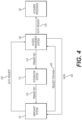
- FIG. 4 is a schematic block diagram illustrating another exemplary scenario in which access management system may perform validation of an authorization request, according to one aspect of the present disclosure.
- FIG. 5 is a flowchart illustrating another exemplary method of validating an authorization request, according to one aspect of the present disclosure.
- FIG. 6 is a schematic block diagram illustrating yet another exemplary scenario in which access management system may perform validation of an authorization request, according to one aspect of the present disclosure.
- FIG. 7 is a flowchart illustrating yet another exemplary method of validating an authorization request, according to one aspect of the present disclosure.
- FIG. 8 illustrates a computer system that may perform the steps disclosed herein.
- a “payment vehicle” which generally refers to any type of financial alternative to currency.
- a “payment vehicle” generally refers to any type of financial alternative to currency.
- no aspect of the present disclosure is limited to a specific type of payment vehicle. Therefore, it is intended that the following description encompasses the use of the present disclosed techniques with many other forms of financial alternatives to currency, including credit cards, debit cards, smart cards, single-use cards, pre-paid cards, electronic currency (such as might be provided through a cellular telephone or personal digital assistant), and the like.
- Payment vehicles may be traditional plastic transaction cards, titanium-containing, or other metal-containing, transaction cards, clear and/or translucent transaction cards, foldable or otherwise unconventionally-sized transaction cards, radio-frequency enabled transaction cards, or other types of transaction cards, such as credit, charge, debit, pre-paid or stored-value cards, or any other like financial transaction instrument.
- a payment vehicle may also have electronic functionality provided by a network of electronic circuitry that is printed or otherwise incorporated onto or within the payment vehicle (and typically referred to as a “smart card”), or be a fob having a transponder and an RFID reader, or may operate as a mobile/digital wallet or by near field communication (NFC).
- a network of electronic circuitry that is printed or otherwise incorporated onto or within the payment vehicle (and typically referred to as a “smart card”), or be a fob having a transponder and an RFID reader, or may operate as a mobile/digital wallet or by near field communication (NFC).
- NFC near field communication
- a group of merchant systems e.g., a group of point of sale (POS) terminals allocated to a dedicated line may share login credentials to access and/or pass certain transaction data to downstream systems, such as, e.g., acquirer processors.
- An acquirer processor may validate the identities of those merchant systems based on the shared login credentials.
- the entire group of merchant systems sharing the login credentials may be taken down to eliminate or mitigate further security concerns. Further, the level of security permitted via shared login credentials may be outdated and insufficient.
- FIG. 1 depicts a block diagram of an example payment environment 100 for performing electronic requests of payment transactions over an electronic network.
- a payment vehicle 126 e.g., a credit card
- Issuer financial institution 114 may be any of a variety of financial institutions that is capable of issuing a payment vehicle to an account holder.
- Payment vehicle 126 may be used to pay a merchant 116 (i.e., merchant system 116 ) for a purchase transaction at a merchant point of sale (POS) device 118 .
- POS device 118 may be any device that facilitates receipt of a payment vehicle for payment of a purchase, such as for example, a POS terminal or a web interface.
- merchant 116 may be any type of merchant or service provider, such as, for example, a brick-and-mortar merchant, an online merchant, a mobile merchant, a kiosk, or any other type of merchant or device configured to receive payment cards, or electronic or mobile wallets, from account holders as a form of payment.
- a brick-and-mortar merchant such as, for example, a brick-and-mortar merchant, an online merchant, a mobile merchant, a kiosk, or any other type of merchant or device configured to receive payment cards, or electronic or mobile wallets, from account holders as a form of payment.
- POS device 118 may be configured to interact with payment vehicle 126 to obtain account information about a consumer account affiliated with account holder 113 .
- POS device 118 may include a memory 167 coupled to processor 151 , which may control the operations of a reader 163 , an input device 153 , an output device 165 , and a network interface 161 .
- Memory 167 may store instructions for processor 151 and/or data, such as, for example, an identifier that is associated with merchant account 112 .
- reader 163 may include a magnetic strip reader.
- reader 163 may include a contactless reader, such as, for example, a radio frequency identification (RFID) reader, a near field communications (NFC) device configured to read data via magnetic field coupling (in accordance with ISO standard 14443/NFC, for example), a Bluetooth transceiver, a Wi-Fi transceiver, an infrared transceiver, a laser scanner, and so forth.
- RFID radio frequency identification
- NFC near field communications
- Bluetooth transceiver a Wi-Fi transceiver
- infrared transceiver a laser scanner, and so forth.
- input device 153 may include key buttons that may be used to enter the account information directly into POS device 118 without the physical presence of payment vehicle 126 .
- Input device 153 may be configured to provide further information to initiate a transaction, such as, for example, a personal identification number (PIN), password, zip code, etc., or in combination with the account information obtained from payment vehicle 126 .
- output device 165 may include a display, a speaker, and/or a printer to present information, such as, for example, the result of an authorization request, a receipt for the transaction, an advertisement, and so forth.
- network interface 161 may be configured to communicate with acquirer processor 122 such as, for example, via a telephone connection, an Internet connection, or a dedicated data communication channel.
- the instructions stored in memory 167 may be configured at least to cause POS device 118 to send an authorization request message, or any transaction-related message in a compliant format, to acquirer processor 122 to initiate a transaction.
- the instructions stored in memory 167 may be configured to cause POS device 118 to send an authorization request message, or any transaction-related message in a compliant format, to integrator system 172 .
- Integrator system 172 may develop applications and systems configured to perform payment processing operations and/or provide other functionalities in connection with services and data provided by an acquirer processor. Examples of integrator system 172 comprise integrators, independent software vendors (ISVs), and value-added resellers (VARs). Integrator system 172 may provide software and corresponding updates to merchant system 116 , so that merchant system 116 may communicate with integrator system 171 as well as acquirer processor 122 to perform electronic payment transactions.
- ISVs independent software vendors
- VARs value-added resellers
- Integrator system 172 may, using the integrator application 174 , receive an authorization request, perform any assigned functions (e.g., message validation, message translation, data extraction, value-added services, message routing, security-related functions, etc.), and forward the authorization request to acquirer processor 122 .
- any assigned functions e.g., message validation, message translation, data extraction, value-added services, message routing, security-related functions, etc.
- small-to-medium merchants may be more likely to use services provided by integrator systems, as they may not have the resources to develop software or other tools to directly integrate with acquirer processors.
- integrator systems may provide software and other tools to merchants, enabling the merchants to communicate and process transactions with acquirer processors.
- large merchants typically have the resources enabling direct integration with acquirer processors. Nonetheless, large merchants may use the services provided by integrator systems, and small-to-medium merchants may opt to directly integrate with acquirer processors.
- POS device 118 may have fewer components than those illustrated in FIG. 1 .
- POS device 118 may be configured for “card-not-present” transactions; and POS device 118 may not have a reader 163 .
- POS device 118 may have more components than those illustrated in FIG. 1 .
- authorization request 120 may include identifying information from payment vehicle 126 , such as a BIN number, an expiration date, and a first and last name of the account holder, for example.
- Authorization request 120 may further include identifying information from the purchase, such as an amount and identifying information from merchant POS device 118 and/or merchant 116 , for example. The identifying information from payment vehicle 126 and from the purchase may be collectively referred to as transaction data.
- authorization request 120 may include information uniquely identifying the merchant 116 and/or the merchant POS device 118 , which will be explained in greater detail in the following sections.
- authorization request 120 may be routed to an access management system 182 prior to being allowed access to the acquirer processor 122 .
- access management system 182 may be situated between the acquirer processor 122 and an upstream entity, e.g., merchant system 116 or integrator system 172 , as shown in FIG. 1 .
- access management system 182 may act as a gatekeeper of the acquirer processor 112 , allowing only validated messages to pass through to the acquirer processor 112 .
- access management system 182 may be considered part of acquirer processor 112 , as suggested by the dotted line.
- Access management system 182 may be configured to validate authorization request 120 .
- access management system 182 may validate the identity of the merchant system 116 from which authorization request 120 is received based on certain data included in or appended to authorization request 120 . For example, the data included in authorization request 120 may be compared to data stored in validation database 184 , in order to determine whether there is a match.
- the interplay between merchant system 116 , integrator system 172 , and access management system 182 will be described in greater detail in the following sections (e.g., in reference to FIGS. 2 - 7 ).
- authorization request 120 may be transmitted to acquirer processor 122 for further processing.
- POS device 118 may or may not send a separate request for the clearing and settling of the transaction.
- the instructions stored in memory 167 also may be configured to cause POS device 118 to perform other types of functions discussed in this description.
- payment vehicle 126 may be used to establish a recurring billing arrangement between account holder 113 and merchant 116 .
- An initial transaction may allow merchant 116 to store account information that may be used for subsequent billing events.
- the account information may be stored in a cards-on-file storage 136 .
- the purchase event illustrated in FIG. 1 may be associated with a subscription, membership plan, installment payment plan between merchant 116 and account holder 113 , and so on.
- merchant 116 may access cards-on-file storage 136 to retrieve the relevant account information.
- the subsequent transactions may not require direct involvement from account holder 113 .
- account holder 113 may trigger the subsequent transaction, but may not provide payment vehicle 126 to merchant 116 , as merchant 116 may access the cardholder's account information in cards-on-file storage 136 .
- a payment processing computing system 124 at acquirer processor 122 may receive authorization request 120 from merchant 116 .
- Payment processing computing system 124 may translate authorization request 120 , if necessary, and may provide authorization request 120 to a payment network 142 .
- Payment network 142 may be, for example, a network of a credit card association affiliated with payment vehicle 126 .
- Non-limiting examples of credit card associations include VISA, MASTERCARD, DISCOVER, and AMERICAN EXPRESS, and so on.
- Authorization request 120 then may be provided to a payment processing computing system 128 at an issuer processor 130 .
- payment processing computing system 128 may provide authorization request 120 to issuer financial institution 114 .
- issuer financial institution 114 may associate the purchase transaction with an account 131 of account holder 113 held by issuer financial institution 114 . Issuer financial institution 114 then may send an authorization response 132 which may either approve or deny the transaction. Authorization response 132 may be provided to payment processing computing system 128 at issuer processor 130 and then provided to payment network 142 . Authorization response 132 then may be provided to payment processing computing system 124 at acquirer processor 122 . Upon receiving authorization response 132 , payment processing computing system 124 may send either an approval message or a denial message to merchant POS device 118 to complete the purchase transaction. If the purchase transaction is approved, it may be posted to account holder's account 131 and reconciled later with account holder 113 and merchant 116 .
- Transaction records may be stored in one or more locations within system 100 .
- the transaction record may be stored within a transaction data database 134 of acquirer processor 122 .
- the transaction data may be received by transaction data database 134 from various sources, such as merchant POS device 118 , merchant 116 , acquirer processor 122 , and so on.
- a plurality of transaction parameters associated with the purchase transaction may be stored in each transaction record, which may generally be used for settlement and financial recordkeeping.
- example transaction parameters may include, without limitation, account number, card number, payment vehicle information, product information (such as product type, product serial number, and so forth), transaction amount, loyalty account information, merchant information, transaction amount, response code, transaction date, transaction time, whether the transaction was a “card present” transaction, and so on.
- FIG. 2 is a schematic block diagram illustrating an exemplary scenario in which access management system 182 may perform validation of authorization request 120 , according to one aspect of the present disclosure.
- FIG. 2 illustrates a scenario where integrator system 172 may be involved with payment processing-related software deployment to merchant system 116 as well as authorization request routing.
- access management system 182 may generate a primary key that is unique to integrator system 172 .
- the primary key may generated by applying a key-generating algorithm to a string of text or block of data that is unique to, or that uniquely identifies integrator system 172 .
- the primary key may be unique to integrator system 172 .
- Access management system 182 may then store the primary key in a local storage or in a remote storage in communication with access management system 182 (e.g., validation database 184 ).
- access management system 182 may transmit the primary key to integrator system 172 .
- integrator system 172 may store the primary key in a local storage or in a remote storage in communication with integrator system 172 .
- Integrator system 172 may be configured to deploy payment processing-related software to merchant system 116 .
- integrator system 172 may transmit such payment processing-related software to merchant system 116 , along with the primary key.
- the primary key may be “embedded” within the deployed software.
- the primary key and payment processing-related software may be transmitted to merchant system 116 separately (e.g., as separate data objects).
- the payment processing-related software may then be automatically installed on the merchant system 116 , or may be installed manually by an operator of the merchant system 116 .
- Merchant system 116 may also store the primary key in a local storage or in a remote storage in communication with merchant system 116 .
- the software received from integrator system 172 may be configured to automatically call out to access management system 182 for a hash value unique to merchant system 116 .
- the payment processing-related software installed on merchant system 116 may transmit a request for a hash value to access management system 182 .
- access management system 182 may generate the hash value by applying a hash function to a string of text or block of data that is unique to, or that uniquely identifies merchant system 116 .
- the hash value may be unique to merchant system 116 .
- Access management system 182 may then store the hash value in a local storage or in a remote storage in communication with access management system 182 (e.g., validation database 184 ). At this point, access management system 182 may have both the primary key and the hash value associated with merchant system 116 . This reference key-hash pair (i.e., the primary key and hash value that are associated with a merchant system and stored at access management system 182 ) may be used by access management system 182 to validate incoming authorization requests and other data originating from merchant system 116 . At step 225 , access management system 182 may transmit the hash value to merchant system 116 .
- This reference key-hash pair i.e., the primary key and hash value that are associated with a merchant system and stored at access management system 182
- access management system 182 may transmit the hash value to merchant system 116 .
- merchant system 116 may store the hash value in a local storage or in a remote storage in communication with merchant system 116 .
- merchant system 116 may store the hash value in association with the primary key received at step 215 .
- the combination of the primary key and the hash value i.e., key-hash pair
- may uniquely identify merchant system 116 and may be used in a validation process contemplated by the current disclosure.
- merchant system 116 may generate an authorization request comprising transaction data.
- Merchant system 116 may also include the key-hash pair in the authorization request.
- the payment processing-related software may be configured to generate such an authorization request.
- merchant system 116 may transmit the authorization request comprising transaction data and the key-hash pair to integrator system 172 .
- Integrator system 172 may perform any assigned functions based on the authorization request. Then, at step 235 , integrator system 172 may forward the authorization request to access management system 182 . Access management system 182 may then perform steps to validate the authorization request. More specifically, access management system 182 may validate merchant system 116 from which the authorization request is originated, using the key-hash pair included in the authorization request. In essence, access management system 182 ensures that merchant system 116 has been authorized to transmit authorization requests to acquirer processor 122 . In one embodiment, access management system 182 may extract the key-hash pair from the authorization request, compare the key-hash pair with the previously-stored primary keys and hash values, and determine whether there is a match.
- access management system 182 may validate the primary key and hash value from the key-hash pair against primary keys and hash values previously-generated and stored by access management system 182 (i.e., against reference key-hash pairs). If there is a match, at step 240 , access management system 182 may transmit the authorization request to acquirer processor 122 for further processing. The authorization request transmitted to acquirer processor 122 may or may not comprise the key-hash pair. If there is no match however, access management system 182 may not allow the authorization request to pass through to acquirer processor 122 , and may transmit a decline message to integrator system 172 or merchant system 116 .
- FIG. 3 is a flowchart illustrating an exemplary method of validating an authorization request, according to one aspect of the present disclosure.
- method 300 may be performed by access management system 182 , and may correspond to the steps performed by access management system 182 in the exemplary scenario illustrated in FIG. 2 .
- access management system 182 may generate a primary key associated with integrator system 172 . As described above, the primary key may be unique to integrator system 172 .
- access management system 182 may transmit the primary key to integrator system 172 . Integrator system 172 may then deploy payment processing-related software to merchant system 116 , and may also transmit the primary key to merchant system 116 .
- the payment processing-related software may be installed on merchant system 116 , and may transmit a request for a hash value to access management system 182 during a first boot or update. Accordingly, at step 320 , access management system 182 may receive a request for a hash value from merchant system 116 . At step 325 , access management system 182 may generate a hash value associated with merchant system 116 , responsive to the request. As described above, the hash value may be unique to merchant system 116 . At step 330 , access management system 182 may transmit the hash value to merchant system 116 .
- merchant system 116 may generate and transmit an authorization request comprising transaction data and a key-hash pair to access management system 182 , via integrator system 172 .
- access management system 182 may receive an authorization request comprising transaction data and a key-hash pair from integrator system 172 .
- access management system 182 may validate the key-hash pair against validation database 184 .
- validation database 184 may comprise primary keys and hash values that were previously generated for integrator systems and merchant systems, respectively (i.e., reference key-hash pairs), across the network (e.g., Internet).
- access management system 182 may determine whether a primary key and a hash value that match the primary key and the hash value of the key-hash pair exist in the validation database 184 (i.e., whether a reference key-hash pair that matches the key-hash pair in the authorization request exists in the validation database 184 ). If there is a match, method 300 may proceed to step 350 , where access management system 182 may transmit the authorization request to acquirer processor 122 .
- method 300 may proceed to step 355 , where access management system 182 may reject the authorization request, and transmit a decline message to integrator system 172 and/or merchant system 116 .
- FIG. 4 is a schematic block diagram illustrating another exemplary scenario in which access management system 182 may perform validation of authorization request 120 , according to one aspect of the present disclosure.
- FIG. 4 illustrates a scenario where integrator system 172 may be involved with payment processing-related software deployment to merchant system 116 , but not authorization request routing.
- access management system 182 may generate a primary key that is unique to integrator system 172 .
- the primary key may generated by applying a key-generating algorithm to a string of text or block of data that is unique to, or that uniquely identifies integrator system 172 .
- the primary key may be unique to integrator system 172 .
- Access management system 182 may then store the primary key in a local storage or in a remote storage in communication with access management system 182 (e.g., validation database 184 ).
- access management system 182 may transmit the primary key to integrator system 172 .
- integrator system 172 may store the primary key in a local storage or in a remote storage in communication with integrator system 172 .
- Integrator system 172 may be configured to deploy payment processing-related software to merchant system 116 .
- integrator system 172 may transmit such payment processing-related software to merchant system 116 , along with the primary key.
- the primary key may be “embedded” within the deployed software.
- the primary key and payment processing-related software may be transmitted to merchant system 116 separately (e.g., as separate data objects).
- the payment processing-related software may then be automatically installed on the merchant system 116 , or may be installed manually by an operator of the merchant system 116 .
- Merchant system 116 may also store the primary key in a local storage or in a remote storage in communication with merchant system 116 .
- the software received from integrator system 172 may be configured to automatically call out to access management system 182 for a hash value unique to merchant system 116 .
- the payment processing-related software installed on merchant system 116 may transmit a request for a hash value to access management system 182 .
- access management system 182 may generate the hash value by applying a hash function to a string of text or block of data that is unique to, or that uniquely identifies merchant system 116 .
- the hash value may be unique to merchant system 116 .
- Access management system 182 may then store the hash value in a local storage or in a remote storage in communication with access management system 182 (e.g., validation database 184 ). At this point, access management system 182 may have both the primary key and the hash value associated with merchant system 116 . This reference key-hash pair (i.e., the primary key and hash value that are associated with a merchant system and stored at access management system 182 ) may be used by access management system 182 to validate incoming authorization requests and other data originating from merchant system 116 . At step 425 , access management system 182 may transmit the hash value to merchant system 116 .
- This reference key-hash pair i.e., the primary key and hash value that are associated with a merchant system and stored at access management system 182
- access management system 182 may transmit the hash value to merchant system 116 .
- merchant system 116 may store the hash value in a local storage or in a remote storage in communication with merchant system 116 .
- merchant system 116 may store the hash value in association with the primary key received at step 415 .
- the combination of the primary key and the hash value i.e., key-hash pair
- may uniquely identify merchant system 116 and may be used in a validation process contemplated by the current disclosure.
- merchant system 116 may generate an authorization request comprising transaction data.
- Merchant system 116 may also include the key-hash pair in the authorization request.
- the payment processing-related software may be configured to generate such an authorization request.
- merchant system 116 may transmit the authorization request comprising transaction data and the key-hash pair to access management system 182 , bypassing integrator system 172 .
- Access management system 182 may then perform steps to validate the authorization request. More specifically, access management system 182 may validate merchant system 116 from which the authorization request is originated, using the key-hash pair included in the authorization request. In essence, access management system 182 ensures that merchant system 116 has been authorized to transmit authorization requests to acquirer processor 122 . In one embodiment, access management system 182 may extract the key-hash pair from the authorization request, compare the key-hash pair with the previously-stored primary keys and hash values (i.e., reference key-hash pairs), and determine whether there is a match. In other words, access management system 182 may validate the primary key and hash value from the key-hash pair against primary keys and hash values previously-generated and stored by access management system 182 .
- access management system 182 may validate the primary key and hash value from the key-hash pair against primary keys and hash values previously-generated and stored by access management system 182 .
- access management system 182 may transmit the authorization request to acquirer processor 122 for further processing.
- the authorization request transmitted to acquirer processor 122 may or may not comprise the key-hash pair. If there is no match however, access management system 182 may not allow the authorization request to pass through to acquirer processor 122 , and may transmit a decline message to integrator system 172 or merchant system 116 .
- FIG. 5 is a flowchart illustrating an exemplary method of validating an authorization request, according to one aspect of the present disclosure.
- method 500 may be performed by access management system 182 , and may correspond to the steps performed by access management system 182 in the exemplary scenario illustrated in FIG. 4 .
- access management system 182 may generate a primary key associated with integrator system 172 . As described above, the primary key may be unique to integrator system 172 .
- access management system 182 may transmit the primary key to integrator system 172 . Integrator system 172 may then deploy payment processing-related software to merchant system 116 , and may also transmit the primary key to merchant system 116 .
- the payment processing-related software may be installed on merchant system 116 , and may transmit a request for a hash value to access management system 182 during a first boot or update. Accordingly, at step 520 , access management system 182 may receive a request for a hash value from merchant system 116 . At step 525 , access management system 182 may generate a hash value associated with merchant system 116 , responsive to the request. As described above, the hash value may be unique to merchant system 116 . At step 530 , access management system 182 may transmit the hash value to merchant system 116 .
- merchant system 116 may generate and transmit an authorization request comprising transaction data and a key-hash pair to access management system 182 .
- access management system 182 may receive an authorization request comprising transaction data and a key-hash pair from merchant system 116 .
- access management system 182 may validate the key-hash pair against validation database 184 .
- validation database 184 may comprise primary keys and hash values that were previously generated for integrator systems and merchant systems, respectively (i.e., reference key-hash pairs), across the network (e.g., Internet).
- access management system 182 may determine whether a primary key and a hash value that match the primary key and the hash value of the key-hash pair exist in the validation database 184 (i.e., whether a reference key-hash pair that matches the key-hash pair in the authorization request exists in the validation database 184 ). If there is a match, method 500 may proceed to step 550 , where access management system 182 may transmit the authorization request to acquirer processor 122 . If there is no match (i.e., any one of the key-hash pair does not have a matching value in the validation database 184 ), method 500 may proceed to step 555 , where access management system 182 may reject the authorization request, and transmit a decline message to merchant system 116 .
- FIG. 6 is a schematic block diagram illustrating yet another exemplary scenario in which access management system 182 may perform validation of authorization request 120 , according to one aspect of the present disclosure.
- FIG. 6 illustrates a scenario where merchant system 116 may be directly integrated with access management system 182 .
- integrator system 172 may not be necessary for merchant system 116 to receive software update/deployment, authorization request routing, and/or any other services provided by integrator system 172 , as access management system 182 may be configured to provide all or a portion of those services to merchant system 116 via direct integration. Therefore, integrator system 172 is represented as a dotted box in FIG. 6 , meaning an integrator system may exist within the overall payment environment but may not play any role in merchant system identity validation in the scenario depicted in FIG. 6 .
- access management system 182 may first generate a primary key that is unique to merchant system 116 .
- Merchant system 182 may generate the primary key to be unique to merchant system 116 (i.e., not integrator system 172 ) since merchant system 116 may be directly integrated with access management system 182 without integrator system 172 .
- the primary key may generated by applying a key-generating algorithm to a string of text or block of data that is unique to, or that uniquely identifies merchant system 116 . As a result, the primary key may be unique to merchant system 116 .
- Access management system 182 may then store the primary key in a local storage or in a remote storage in communication with access management system 182 (e.g., validation database 184 ).
- Access management system 183 may also be configured to deploy payment processing-related software to merchant system 116 .
- access management system 182 may transmit the payment processing-related software and primary key to merchant system 116 .
- the primary key may be “embedded” within the deployed software.
- the primary key and payment processing-related software may be transmitted to merchant system 116 separately (e.g., as separate data objects).
- the payment processing-related software may then be automatically installed on the merchant system 116 , or may be installed manually by an operator of the merchant system 116 .
- Merchant system 116 may also store the primary key in a local storage or in a remote storage in communication with merchant system 116 .
- the software received from access management system 182 may be configured to automatically call out to access management system 182 for a hash value unique to merchant system 116 .
- the payment processing-related software installed on merchant system 116 may transmit a request for a hash value to access management system 182 .
- access management system 182 may generate the hash value by applying a hash function to a string of text or block of data that is unique to, or that uniquely identifies merchant system 116 . As a result, the hash value may be unique to merchant system 116 .
- Access management system 182 may then store the hash value in a local storage or in a remote storage in communication with access management system 182 (e.g., validation database 184 ). At this point, access management system 182 may have both the primary key and the hash value associated with merchant system 116 . This reference key-hash pair (i.e., the primary key and hash value that are associated with a merchant system and stored at access management system 182 ) may be used by access management system 182 to validate incoming authorization requests and other data originating from merchant system 116 . At step 620 , access management system 182 may transmit the hash value to merchant system 116 .
- This reference key-hash pair i.e., the primary key and hash value that are associated with a merchant system and stored at access management system 182
- access management system 182 may transmit the hash value to merchant system 116 .
- merchant system 116 may store the hash value in a local storage or in a remote storage in communication with merchant system 116 .
- merchant system 116 may store the hash value in association with the primary key received at step 610 .
- the combination of the primary key and the hash value i.e., key-hash pair
- may uniquely identify merchant system 116 and may be used in a validation process contemplated by the current disclosure.
- merchant system 116 may generate an authorization request comprising transaction data.
- Merchant system 116 may also include the key-hash pair in the authorization request.
- the payment processing-related software may be configured to generate such an authorization request.
- merchant system 116 may transmit the authorization request comprising transaction data and the key-hash pair to access management system 182 .
- Access management system 182 may then perform steps to validate the authorization request. More specifically, access management system 182 may validate merchant system 116 from which the authorization request is originated, using the key-hash pair included in the authorization request. In essence, access management system 182 ensures that merchant system 116 has been authorized to transmit authorization requests to acquirer processor 122 . In one embodiment, access management system 182 may extract the key-hash pair from the authorization request, compare the key-hash pair with the previously-stored primary keys and hash values (i.e., reference key-hash pairs), and determine whether there is a match. In other words, access management system 182 may validate the primary key and hash value from the key-hash pair against primary keys and hash values previously-generated and stored by access management system 182 .
- access management system 182 may validate the primary key and hash value from the key-hash pair against primary keys and hash values previously-generated and stored by access management system 182 .
- access management system 182 may transmit the authorization request to acquirer processor 122 for further processing.
- the authorization request transmitted to acquirer processor 122 may or may not comprise the key-hash pair. If there is no match however, access management system 182 may not allow the authorization request to pass through to acquirer processor 122 , and may transmit a decline message to merchant system 116 .
- FIG. 7 is a flowchart illustrating an exemplary method of validating an authorization request, according to one aspect of the present disclosure.
- method 700 may be performed by access management system 182 , and may correspond to the steps performed by access management system 182 in the exemplary scenario illustrated in FIG. 6 .
- access management system 182 may generate a primary key associated with merchant system 116 . As described above, the primary key may be unique to merchant system 116 .
- access management system 182 may transmit the primary key to merchant system 116 , along with payment processing-related software. In some embodiments, the software and the primary key may be transmitted at different times.
- the payment processing-related software may be installed on merchant system 116 , and may transmit a request for a hash value to access management system 182 during a first boot or update. Accordingly, at step 720 , access management system 182 may receive a request for a hash value from merchant system 116 . At step 725 , access management system 182 may generate a hash value associated with merchant system 116 , responsive to the request. As described above, the hash value may be unique to merchant system 116 . At step 730 , access management system 182 may transmit the hash value to merchant system 116 .
- merchant system 116 may generate and transmit an authorization request comprising transaction data and a key-hash pair to access management system 182 .
- access management system 182 may receive an authorization request comprising transaction data and a key-hash pair from merchant system 116 .
- access management system 182 may validate the key-hash pair against validation database 184 .
- validation database 184 may comprise primary keys and hash values that were previously generated for integrator systems and merchant systems, respectively (i.e., reference key-hash pairs), across the network (e.g., Internet).
- access management system 182 may determine whether a primary key and a hash value that match the primary key and the hash value of the key-hash pair exist in the validation database 184 (i.e., whether a reference key-hash pair that matches the key-hash pair in the authorization request exists in the validation database 184 ). If there is a match, method 700 may proceed to step 750 , where access management system 182 may transmit the authorization request to acquirer processor 122 . If there is no match (i.e., any one of the key-hash pair does not have a matching value in the validation database 184 ), method 700 may proceed to step 755 , where access management system 182 may reject the authorization request, and transmit a decline message to merchant system 116 .
- the key-hash pairs assigned to merchant systems may also be used to block traffic from compromised merchant systems. For instance, if access management system 182 determines that a certain merchant system has been compromised, any inbound traffic coming from that merchant system may be “blocked” or “prevented” from reaching the acquirer processor 112 . For instance, access management system 182 may flag the reference key-hash pair associated with the comprised merchant system, and authorization requests or any other data coming inbound with the key-hash pair matching the flagged reference key-hash pair may not be allowed access to acquirer processor 122 . Using the key-hash pair, access management system 182 may be able to pinpoint and block traffic from each compromised merchant system.
- the merchant system identity validation method contemplated herein avoids having to disable or suspend multiple merchant systems that share login credentials with a particular merchant system, when that particular merchant system is determined to have been compromised.
- processor may refer to any device or portion of a device that processes electronic data, e.g., from registers and/or memory to transform that electronic data into other electronic data that, e.g., may be stored in registers and/or memory.
- a “computer,” a “computing machine,” a “computing platform,” a “computing device,” or a “server” may include one or more processors.
- FIG. 8 illustrates an implementation of a general computer system designated 800 .
- the computer system 800 can include a set of instructions that can be executed to cause the computer system 800 to perform any one or more of the methods or computer based functions disclosed herein.
- the computer system 800 may operate as a standalone device or may be connected, e.g., using a network, to other computer systems or peripheral devices.
- the computer system 800 may operate in the capacity of a server or as a client user computer in a server-client user network environment, or as a peer computer system in a peer-to-peer (or distributed) network environment.
- the computer system 800 can also be implemented as or incorporated into various devices, such as a personal computer (PC), a tablet PC, a set-top box (STB), a personal digital assistant (PDA), a mobile device, a palmtop computer, a laptop computer, a desktop computer, a communications device, a wireless telephone, a land-line telephone, a control system, a camera, a scanner, a facsimile machine, a printer, a pager, a personal trusted device, a web appliance, a network router, switch or bridge, or any other machine capable of executing a set of instructions (sequential or otherwise) that specify actions to be taken by that machine.
- the computer system 800 can be implemented using electronic devices that provide voice, video, or data communication. Further, while a single computer system 800 is illustrated, the term “system” shall also be taken to include any collection of systems or sub-systems that individually or jointly execute a set, or multiple sets, of instructions to perform one or more computer functions.
- the computer system 800 may include a processor 802 , e.g., a central processing unit (CPU), a graphics processing unit (GPU), or both.
- the processor 802 may be a component in a variety of systems.
- the processor 802 may be part of a standard personal computer or a workstation.
- the processor 802 may be one or more general processors, digital signal processors, application specific integrated circuits, field programmable gate arrays, servers, networks, digital circuits, analog circuits, combinations thereof, or other now known or later developed devices for analyzing and processing data.
- the processor 802 may implement a software program, such as code generated manually (i.e., programmed).
- the computer system 800 may include a memory 804 that can communicate via a bus 808 .
- the memory 804 may be a main memory, a static memory, or a dynamic memory.
- the memory 804 may include, but is not limited to computer readable storage media such as various types of volatile and non-volatile storage media, including but not limited to random access memory, read-only memory, programmable read-only memory, electrically programmable read-only memory, electrically erasable read-only memory, flash memory, magnetic tape or disk, optical media and the like.
- the memory 804 includes a cache or random-access memory for the processor 802 .
- the memory 804 is separate from the processor 802 , such as a cache memory of a processor, the system memory, or other memory.
- the memory 804 may be an external storage device or database for storing data. Examples include a hard drive, compact disc (“CD”), digital video disc (“DVD”), memory card, memory stick, floppy disc, universal serial bus (“USB”) memory device, or any other device operative to store data.
- the memory 804 is operable to store instructions executable by the processor 802 .
- the functions, acts or tasks illustrated in the figures or described herein may be performed by the programmed processor 802 executing the instructions stored in the memory 804 .
- processing strategies may include multiprocessing, multitasking, parallel processing and the like.
- the computer system 800 may further include a display unit 810 , such as a liquid crystal display (LCD), an organic light emitting diode (OLED), a flat panel display, a solid-state display, a cathode ray tube (CRT), a projector, a printer or other now known or later developed display device for outputting determined information.
- a display unit 810 such as a liquid crystal display (LCD), an organic light emitting diode (OLED), a flat panel display, a solid-state display, a cathode ray tube (CRT), a projector, a printer or other now known or later developed display device for outputting determined information.
- the display 810 may act as an interface for the user to see the functioning of the processor 802 , or specifically as an interface with the software stored in the memory 804 or in the drive unit 806 .
- the computer system 800 may include an input device 812 configured to allow a user to interact with any of the components of system 800 .
- the input device 812 may be a number pad, a keyboard, or a cursor control device, such as a mouse, or a joystick, touch screen display, remote control, or any other device operative to interact with the computer system 800 .
- the computer system 800 may also or alternatively include a disk or optical drive unit 806 .
- the disk drive unit 806 may include a computer-readable medium 822 in which one or more sets of instructions 824 , e.g. software, can be embedded. Further, the instructions 824 may embody one or more of the methods or logic as described herein. The instructions 824 may reside completely or partially within the memory 804 and/or within the processor 802 during execution by the computer system 800 .
- the memory 804 and the processor 802 also may include computer-readable media as discussed above.
- a computer-readable medium 822 includes instructions 824 or receives and executes instructions 824 responsive to a propagated signal so that a device connected to a network 870 can communicate voice, video, audio, images, or any other data over the network 870 .
- the instructions 824 may be transmitted or received over the network 870 via a communication port or interface 820 , and/or using a bus 808 .
- the communication port or interface 820 may be a part of the processor 802 or may be a separate component.
- the communication port 820 may be created in software or may be a physical connection in hardware.
- the communication port 820 may be configured to connect with a network 870 , external media, the display 810 , or any other components in system 800 , or combinations thereof.
- connection with the network 870 may be a physical connection, such as a wired Ethernet connection or may be established wirelessly as discussed below.
- additional connections with other components of the system 800 may be physical connections or may be established wirelessly.
- the network 870 may alternatively be directly connected to the bus 808 .
- While the computer-readable medium 822 is shown to be a single medium, the term “computer-readable medium” may include a single medium or multiple media, such as a centralized or distributed database, and/or associated caches and servers that store one or more sets of instructions.
- the term “computer-readable medium” may also include any medium that is capable of storing, encoding, or carrying a set of instructions for execution by a processor or that cause a computer system to perform any one or more of the methods or operations disclosed herein.
- the computer-readable medium 822 may be non-transitory, and may be tangible.
- the computer-readable medium 822 can include a solid-state memory such as a memory card or other package that houses one or more non-volatile read-only memories.
- the computer-readable medium 822 can be a random-access memory or other volatile re-writable memory. Additionally or alternatively, the computer-readable medium 822 can include a magneto-optical or optical medium, such as a disk or tapes or other storage device to capture carrier wave signals such as a signal communicated over a transmission medium.
- a digital file attachment to an e-mail or other self-contained information archive or set of archives may be considered a distribution medium that is a tangible storage medium. Accordingly, the disclosure is considered to include any one or more of a computer-readable medium or a distribution medium and other equivalents and successor media, in which data or instructions may be stored.
- dedicated hardware implementations such as application specific integrated circuits, programmable logic arrays and other hardware devices, can be constructed to implement one or more of the methods described herein.
- Applications that may include the apparatus and systems of various implementations can broadly include a variety of electronic and computer systems.
- One or more implementations described herein may implement functions using two or more specific interconnected hardware modules or devices with related control and data signals that can be communicated between and through the modules, or as portions of an application-specific integrated circuit. Accordingly, the present system encompasses software, firmware, and hardware implementations.
- the computer system 800 may be connected to one or more networks 870 .
- the network 870 may define one or more networks including wired or wireless networks.
- the wireless network may be a cellular telephone network, an 802.11, 802.16, 802.20, or WiMAX network.
- such networks may include a public network, such as the Internet, a private network, such as an intranet, or combinations thereof, and may utilize a variety of networking protocols now available or later developed including, but not limited to TCP/IP based networking protocols.
- the network 870 may include wide area networks (WAN), such as the Internet, local area networks (LAN), campus area networks, metropolitan area networks, a direct connection such as through a Universal Serial Bus (USB) port, or any other networks that may allow for data communication.
- WAN wide area networks
- LAN local area networks
- USB Universal Serial Bus
- the network 870 may be configured to couple one computing device to another computing device to enable communication of data between the devices.
- the network 870 may generally be enabled to employ any form of machine-readable media for communicating information from one device to another.
- the network 870 may include communication methods by which information may travel between computing devices.
- the network 870 may be divided into sub-networks. The sub-networks may allow access to all of the other components connected thereto or the sub-networks may restrict access between the components.
- the network 870 may be regarded as a public or private network connection and may include, for example, a virtual private network or an encryption or other security mechanism employed over the public Internet, or the like.
- the methods described herein may be implemented by software programs executable by a computer system.
- implementations can include distributed processing, component/object distributed processing, and parallel processing.
- virtual computer system processing can be constructed to implement one or more of the methods or functionality as described herein.
- an element described herein of an apparatus embodiment is an example of a means for carrying out the function performed by the element for the purpose of carrying out the invention.
- Coupled when used in the claims, should not be interpreted as being limited to direct connections only.
- the terms “coupled” and “connected,” along with their derivatives, may be used. It should be understood that these terms are not intended as synonyms for each other.
- the scope of the expression a device A coupled to a device B should not be limited to devices or systems wherein an output of device A is directly connected to an input of device B. It means that there exists a path between an output of A and an input of B which may be a path including other devices or means.
- Coupled may mean that two or more elements are either in direct physical or electrical contact, or that two or more elements are not in direct contact with each other but yet still co-operate or interact with each other.
Landscapes
- Engineering & Computer Science (AREA)
- Business, Economics & Management (AREA)
- Computer Security & Cryptography (AREA)
- Accounting & Taxation (AREA)
- Theoretical Computer Science (AREA)
- General Physics & Mathematics (AREA)
- General Business, Economics & Management (AREA)
- Finance (AREA)
- Strategic Management (AREA)
- Physics & Mathematics (AREA)
- Computer Networks & Wireless Communication (AREA)
- Signal Processing (AREA)
- Power Engineering (AREA)
- Computer Hardware Design (AREA)
- Computing Systems (AREA)
- General Engineering & Computer Science (AREA)
- Development Economics (AREA)
- Economics (AREA)
- Financial Or Insurance-Related Operations Such As Payment And Settlement (AREA)
Abstract
Description
Claims (20)
Priority Applications (2)
| Application Number | Priority Date | Filing Date | Title |
|---|---|---|---|
| US18/335,298 US12088729B2 (en) | 2019-11-13 | 2023-06-15 | Methods and systems for enhanced endpoint identity validation in electronic transactions |
| US18/817,601 US20240422008A1 (en) | 2019-11-13 | 2024-08-28 | Methods and systems for enhanced endpoint identity validation in electronic transactions |
Applications Claiming Priority (3)
| Application Number | Priority Date | Filing Date | Title |
|---|---|---|---|
| US16/682,817 US11283621B1 (en) | 2019-11-13 | 2019-11-13 | Methods and systems for enhanced endpoint identity validation in electronic transactions |
| US17/668,586 US11722311B2 (en) | 2019-11-13 | 2022-02-10 | Methods and systems for enhanced endpoint identity validation in electronic transactions |
| US18/335,298 US12088729B2 (en) | 2019-11-13 | 2023-06-15 | Methods and systems for enhanced endpoint identity validation in electronic transactions |
Related Parent Applications (1)
| Application Number | Title | Priority Date | Filing Date |
|---|---|---|---|
| US17/668,586 Continuation US11722311B2 (en) | 2019-11-13 | 2022-02-10 | Methods and systems for enhanced endpoint identity validation in electronic transactions |
Related Child Applications (1)
| Application Number | Title | Priority Date | Filing Date |
|---|---|---|---|
| US18/817,601 Continuation US20240422008A1 (en) | 2019-11-13 | 2024-08-28 | Methods and systems for enhanced endpoint identity validation in electronic transactions |
Publications (2)
| Publication Number | Publication Date |
|---|---|
| US20230327881A1 US20230327881A1 (en) | 2023-10-12 |
| US12088729B2 true US12088729B2 (en) | 2024-09-10 |
Family
ID=80781841
Family Applications (4)
| Application Number | Title | Priority Date | Filing Date |
|---|---|---|---|
| US16/682,817 Active 2040-08-04 US11283621B1 (en) | 2019-11-13 | 2019-11-13 | Methods and systems for enhanced endpoint identity validation in electronic transactions |
| US17/668,586 Active US11722311B2 (en) | 2019-11-13 | 2022-02-10 | Methods and systems for enhanced endpoint identity validation in electronic transactions |
| US18/335,298 Active US12088729B2 (en) | 2019-11-13 | 2023-06-15 | Methods and systems for enhanced endpoint identity validation in electronic transactions |
| US18/817,601 Pending US20240422008A1 (en) | 2019-11-13 | 2024-08-28 | Methods and systems for enhanced endpoint identity validation in electronic transactions |
Family Applications Before (2)
| Application Number | Title | Priority Date | Filing Date |
|---|---|---|---|
| US16/682,817 Active 2040-08-04 US11283621B1 (en) | 2019-11-13 | 2019-11-13 | Methods and systems for enhanced endpoint identity validation in electronic transactions |
| US17/668,586 Active US11722311B2 (en) | 2019-11-13 | 2022-02-10 | Methods and systems for enhanced endpoint identity validation in electronic transactions |
Family Applications After (1)
| Application Number | Title | Priority Date | Filing Date |
|---|---|---|---|
| US18/817,601 Pending US20240422008A1 (en) | 2019-11-13 | 2024-08-28 | Methods and systems for enhanced endpoint identity validation in electronic transactions |
Country Status (1)
| Country | Link |
|---|---|
| US (4) | US11283621B1 (en) |
Cited By (1)
| Publication number | Priority date | Publication date | Assignee | Title |
|---|---|---|---|---|
| US20240422008A1 (en) * | 2019-11-13 | 2024-12-19 | Worldpay, Llc | Methods and systems for enhanced endpoint identity validation in electronic transactions |
Families Citing this family (1)
| Publication number | Priority date | Publication date | Assignee | Title |
|---|---|---|---|---|
| US20220036357A1 (en) * | 2020-08-03 | 2022-02-03 | Fidelity Information Services, Llc | Systems and methods for processing financial transactions using suspended accounts |
Citations (20)
| Publication number | Priority date | Publication date | Assignee | Title |
|---|---|---|---|---|
| US20020156761A1 (en) * | 2001-04-19 | 2002-10-24 | Bing-Shing Chen | Data retrieval and transmission system |
| US20020156785A1 (en) * | 2001-04-19 | 2002-10-24 | Vigilance, Inc. | Security system for event monitoring, detection and notification system |
| US20020157017A1 (en) * | 2001-04-19 | 2002-10-24 | Vigilance, Inc. | Event monitoring, detection and notification system having security functions |
| US20030018643A1 (en) * | 2001-06-19 | 2003-01-23 | Peiwei Mi | VIGIP006 - collaborative resolution and tracking of detected events |
| US6760711B1 (en) * | 1999-01-11 | 2004-07-06 | Microsoft Corporation | Merchant owned, ISP-hosted online stores with secure data store |
| US20060015403A1 (en) * | 1999-08-17 | 2006-01-19 | Mcclung Guy L Iii | Business systems with price guarantee and display |
| US20070106805A1 (en) * | 2005-11-01 | 2007-05-10 | David Marples | System and method for peer-to-peer digital content sharing |
| US20070143227A1 (en) * | 2003-06-10 | 2007-06-21 | Kranzley Arthur D | Systems and methods for conducting secure payment transactions using a formatted data structure |
| US20070265914A1 (en) * | 1999-08-17 | 2007-11-15 | Mcclung Guy L Iii | Price guarantee methods and systems |
| US20120036317A1 (en) * | 2009-03-31 | 2012-02-09 | Takashi Torii | Storage system and storage access method and program |
| US20120191615A1 (en) * | 2009-07-27 | 2012-07-26 | Suridx, Inc. | Secure Credit Transactions |
| US20150121517A1 (en) * | 2013-10-25 | 2015-04-30 | Stefan Dimov | Bundle-to-bundle authentication in modular systems |
| US20170185527A1 (en) * | 2015-12-29 | 2017-06-29 | International Business Machines Corporation | Hash table structures |
| US20190108515A1 (en) * | 2017-10-05 | 2019-04-11 | Mastercard International Incorporated | Systems and Methods for Use in Authenticating Users in Connection With Network Transactions |
| US20190188731A1 (en) * | 2017-12-20 | 2019-06-20 | Mastercard International Incorporated | Authentication of goods |
| US10372440B1 (en) * | 2018-11-09 | 2019-08-06 | Capital One Services, Llc | Tokenized mobile device update systems and methods |
| US20200043003A1 (en) * | 2018-08-06 | 2020-02-06 | Pomian & Corella Llc | Scheme for frictionless cardholder authentication |
| US10643122B1 (en) * | 2019-05-06 | 2020-05-05 | Capital One Services, Llc | Systems using hash keys to preserve privacy across multiple tasks |
| US10671375B1 (en) * | 2018-11-09 | 2020-06-02 | Capital One Services, Llc | Tokenized mobile device update systems and methods |
| US11722311B2 (en) * | 2019-11-13 | 2023-08-08 | Worldpay, Llc | Methods and systems for enhanced endpoint identity validation in electronic transactions |
Family Cites Families (6)
| Publication number | Priority date | Publication date | Assignee | Title |
|---|---|---|---|---|
| US11521203B2 (en) * | 2015-07-09 | 2022-12-06 | Cryptography Research, Inc. | Generating a cryptographic key based on transaction data of mobile payments |
| US10333705B2 (en) * | 2016-04-30 | 2019-06-25 | Civic Technologies, Inc. | Methods and apparatus for providing attestation of information using a centralized or distributed ledger |
| US10164778B2 (en) * | 2016-12-15 | 2018-12-25 | Alibaba Group Holding Limited | Method and system for distributing attestation key and certificate in trusted computing |
| IL261679A (en) * | 2018-09-06 | 2018-10-31 | Acuant Inc | System and method for management of digital id |
| US10489781B1 (en) * | 2018-10-02 | 2019-11-26 | Capital One Services, Llc | Systems and methods for cryptographic authentication of contactless cards |
| GB201913144D0 (en) * | 2019-09-12 | 2019-10-30 | Nchain Holdings Ltd | Sharing data via transactions of a blockchain |
-
2019
- 2019-11-13 US US16/682,817 patent/US11283621B1/en active Active
-
2022
- 2022-02-10 US US17/668,586 patent/US11722311B2/en active Active
-
2023
- 2023-06-15 US US18/335,298 patent/US12088729B2/en active Active
-
2024
- 2024-08-28 US US18/817,601 patent/US20240422008A1/en active Pending
Patent Citations (20)
| Publication number | Priority date | Publication date | Assignee | Title |
|---|---|---|---|---|
| US6760711B1 (en) * | 1999-01-11 | 2004-07-06 | Microsoft Corporation | Merchant owned, ISP-hosted online stores with secure data store |
| US20060015403A1 (en) * | 1999-08-17 | 2006-01-19 | Mcclung Guy L Iii | Business systems with price guarantee and display |
| US20070265914A1 (en) * | 1999-08-17 | 2007-11-15 | Mcclung Guy L Iii | Price guarantee methods and systems |
| US20020156761A1 (en) * | 2001-04-19 | 2002-10-24 | Bing-Shing Chen | Data retrieval and transmission system |
| US20020156785A1 (en) * | 2001-04-19 | 2002-10-24 | Vigilance, Inc. | Security system for event monitoring, detection and notification system |
| US20020157017A1 (en) * | 2001-04-19 | 2002-10-24 | Vigilance, Inc. | Event monitoring, detection and notification system having security functions |
| US20030018643A1 (en) * | 2001-06-19 | 2003-01-23 | Peiwei Mi | VIGIP006 - collaborative resolution and tracking of detected events |
| US20070143227A1 (en) * | 2003-06-10 | 2007-06-21 | Kranzley Arthur D | Systems and methods for conducting secure payment transactions using a formatted data structure |
| US20070106805A1 (en) * | 2005-11-01 | 2007-05-10 | David Marples | System and method for peer-to-peer digital content sharing |
| US20120036317A1 (en) * | 2009-03-31 | 2012-02-09 | Takashi Torii | Storage system and storage access method and program |
| US20120191615A1 (en) * | 2009-07-27 | 2012-07-26 | Suridx, Inc. | Secure Credit Transactions |
| US20150121517A1 (en) * | 2013-10-25 | 2015-04-30 | Stefan Dimov | Bundle-to-bundle authentication in modular systems |
| US20170185527A1 (en) * | 2015-12-29 | 2017-06-29 | International Business Machines Corporation | Hash table structures |
| US20190108515A1 (en) * | 2017-10-05 | 2019-04-11 | Mastercard International Incorporated | Systems and Methods for Use in Authenticating Users in Connection With Network Transactions |
| US20190188731A1 (en) * | 2017-12-20 | 2019-06-20 | Mastercard International Incorporated | Authentication of goods |
| US20200043003A1 (en) * | 2018-08-06 | 2020-02-06 | Pomian & Corella Llc | Scheme for frictionless cardholder authentication |
| US10372440B1 (en) * | 2018-11-09 | 2019-08-06 | Capital One Services, Llc | Tokenized mobile device update systems and methods |
| US10671375B1 (en) * | 2018-11-09 | 2020-06-02 | Capital One Services, Llc | Tokenized mobile device update systems and methods |
| US10643122B1 (en) * | 2019-05-06 | 2020-05-05 | Capital One Services, Llc | Systems using hash keys to preserve privacy across multiple tasks |
| US11722311B2 (en) * | 2019-11-13 | 2023-08-08 | Worldpay, Llc | Methods and systems for enhanced endpoint identity validation in electronic transactions |
Non-Patent Citations (1)
| Title |
|---|
| Maazouz et al., "Protocol Payment In M-Commerce Transaction", IOSR Journal of Computer Engineering (IOSR-JCE), e-ISSN: 2278-0661, p. ISSN: 2278-8727, vol. 17, Issue 6, Ver. V (Nov.-Dec. 2015), pp. 98-101, (year: 2015). |
Cited By (1)
| Publication number | Priority date | Publication date | Assignee | Title |
|---|---|---|---|---|
| US20240422008A1 (en) * | 2019-11-13 | 2024-12-19 | Worldpay, Llc | Methods and systems for enhanced endpoint identity validation in electronic transactions |
Also Published As
| Publication number | Publication date |
|---|---|
| US11722311B2 (en) | 2023-08-08 |
| US20220271943A1 (en) | 2022-08-25 |
| US11283621B1 (en) | 2022-03-22 |
| US20230327881A1 (en) | 2023-10-12 |
| US20240422008A1 (en) | 2024-12-19 |
Similar Documents
| Publication | Publication Date | Title |
|---|---|---|
| US11783343B2 (en) | Token aggregation for multi-party transactions | |
| US10922675B2 (en) | Remote transaction system, method and point of sale terminal | |
| US12205097B2 (en) | Methods and systems for dual-to-single message conversion in electronic transactions | |
| US11386421B2 (en) | Systems and methods for performing push transactions | |
| US20240422008A1 (en) | Methods and systems for enhanced endpoint identity validation in electronic transactions | |
| AU2016380941A1 (en) | Method for determining if a current wallet-based transaction initiated by a digital wallet user is fraudulent | |
| US11580531B2 (en) | Systems and methods for minimizing user interactions for cardholder authentication | |
| US20210049614A1 (en) | Digital access code | |
| US11907953B2 (en) | Methods and systems for preventing a fraudulent payment transaction | |
| WO2019203982A2 (en) | Server and method for sending a transaction receipt via a push notification | |
| KR20170085059A (en) | System and method for secure account transfer | |
| US20190130409A1 (en) | Access to ach transaction functionality via digital wallets | |
| US20220286476A1 (en) | Cross-channel network security system with tiered adaptive mitigation operations | |
| US11797650B2 (en) | Data value routing system and method | |
| CN119605125A (en) | Token services for non-fungible tokens | |
| US11854039B2 (en) | System and techniques for automatic rapid benefit distribution | |
| US20220300318A1 (en) | Electronic system for authorization and use of cross-linked resource instruments | |
| US20240348444A1 (en) | Secure interaction using uni-directional data correlation tokens | |
| US20250278718A1 (en) | Systems and methods for dynamic application of tokens in credit authorization | |
| US20250111369A1 (en) | Systems and methods for account mapping and personal account number linking | |
| US20230037083A1 (en) | System for flexible data routing based on interactions of a resource instrument and remote system | |
| GHOSH et al. | DEVICE AND METHOD FOR ACCEPTING CENTRAL BANK DIGITAL CURRENCY (CBDC) IN PAYMENT NETWORKS |
Legal Events
| Date | Code | Title | Description |
|---|---|---|---|
| AS | Assignment |
Owner name: WORLDPAY, LLC, OHIO Free format text: ASSIGNMENT OF ASSIGNORS INTEREST;ASSIGNORS:DAVOLI, DAMIEN M.;GIFFORD, JEREMY;FOX, RYAN G.;SIGNING DATES FROM 20191001 TO 20191021;REEL/FRAME:063963/0689 |
|
| FEPP | Fee payment procedure |
Free format text: ENTITY STATUS SET TO UNDISCOUNTED (ORIGINAL EVENT CODE: BIG.); ENTITY STATUS OF PATENT OWNER: LARGE ENTITY |
|
| STPP | Information on status: patent application and granting procedure in general |
Free format text: DOCKETED NEW CASE - READY FOR EXAMINATION |
|
| STPP | Information on status: patent application and granting procedure in general |
Free format text: NON FINAL ACTION MAILED |
|
| AS | Assignment |
Owner name: JPMORGAN CHASE BANK, N.A., AS COLLATERAL AGENT, DELAWARE Free format text: SECURITY INTEREST;ASSIGNOR:WORLDPAY, LLC;REEL/FRAME:066624/0719 Effective date: 20240131 Owner name: WILMINGTON TRUST, NATIONAL ASSOCIATION, AS NOTES COLLATERAL AGENT, MINNESOTA Free format text: SECURITY INTEREST;ASSIGNOR:WORLDPAY, LLC;REEL/FRAME:066626/0655 Effective date: 20240131 |
|
| STPP | Information on status: patent application and granting procedure in general |
Free format text: RESPONSE TO NON-FINAL OFFICE ACTION ENTERED AND FORWARDED TO EXAMINER |
|
| STPP | Information on status: patent application and granting procedure in general |
Free format text: NOTICE OF ALLOWANCE MAILED -- APPLICATION RECEIVED IN OFFICE OF PUBLICATIONS |
|
| STPP | Information on status: patent application and granting procedure in general |
Free format text: PUBLICATIONS -- ISSUE FEE PAYMENT VERIFIED |
|
| STCF | Information on status: patent grant |
Free format text: PATENTED CASE |
|
| CC | Certificate of correction | ||
| AS | Assignment |
Owner name: WORLDPAY, LLC, OHIO Free format text: RELEASE OF SECURITY INTEREST IN INTELLECTUAL PROPERTY RECORDED AT R/F 066624/0719;ASSIGNOR:JPMORGAN CHASE BANK, N.A., AS COLLATERAL AGENT;REEL/FRAME:074315/0412 Effective date: 20260109 Owner name: WORLDPAY, LLC, OHIO Free format text: RELEASE OF SECURITY INTERESTS RECORDED AT REEL/FRAMES 066626/0655, 066625/0426, 066625/0347, AND 066625/0276;ASSIGNOR:WILMINGTON TRUST, NATIONAL ASSOCIATION, AS NOTES COLLATERAL AGENT;REEL/FRAME:074314/0622 Effective date: 20260109 Owner name: WORLDPAY ISO AND ECOMMERCE, LLC, OHIO Free format text: RELEASE OF SECURITY INTERESTS RECORDED AT REEL/FRAMES 066626/0655, 066625/0426, 066625/0347, AND 066625/0276;ASSIGNOR:WILMINGTON TRUST, NATIONAL ASSOCIATION, AS NOTES COLLATERAL AGENT;REEL/FRAME:074314/0622 Effective date: 20260109 Owner name: PAYMETRIC, LLC, OHIO Free format text: RELEASE OF SECURITY INTERESTS RECORDED AT REEL/FRAMES 066626/0655, 066625/0426, 066625/0347, AND 066625/0276;ASSIGNOR:WILMINGTON TRUST, NATIONAL ASSOCIATION, AS NOTES COLLATERAL AGENT;REEL/FRAME:074314/0622 Effective date: 20260109 Owner name: WORLDPAY US, LLC, OHIO Free format text: RELEASE OF SECURITY INTERESTS RECORDED AT REEL/FRAMES 066626/0655, 066625/0426, 066625/0347, AND 066625/0276;ASSIGNOR:WILMINGTON TRUST, NATIONAL ASSOCIATION, AS NOTES COLLATERAL AGENT;REEL/FRAME:074314/0622 Effective date: 20260109 |