US12018018B2 - Pregabalin lactam methylene dimer and preparation method therefor - Google Patents

Pregabalin lactam methylene dimer and preparation method therefor Download PDF

Info

Publication number
US12018018B2
US12018018B2 US17/291,237 US201817291237A US12018018B2 US 12018018 B2 US12018018 B2 US 12018018B2 US 201817291237 A US201817291237 A US 201817291237A US 12018018 B2 US12018018 B2 US 12018018B2
Authority
US
United States
Prior art keywords
pregabalin
acid
dimer
methylene dimer
present application
Prior art date
Legal status (The legal status is an assumption and is not a legal conclusion. Google has not performed a legal analysis and makes no representation as to the accuracy of the status listed.)
Active, expires
Application number
US17/291,237
Other versions
US20210387971A1 (en
Inventor
Jinsheng LIN
Xiaofei Liu
Dan Li
Jing Wang
Yue Li
Wenquan ZHU
Wenbin Chen
Min Li
Current Assignee (The listed assignees may be inaccurate. Google has not performed a legal analysis and makes no representation or warranty as to the accuracy of the list.)
Zhejiang Huahai Pharmaceutical Co Ltd
Zhejiang Huahai Zhicheng Pharmaceutical Co Ltd
Original Assignee
Zhejiang Huahai Pharmaceutical Co Ltd
Zhejiang Huahai Zhicheng Pharmaceutical Co Ltd
Priority date (The priority date is an assumption and is not a legal conclusion. Google has not performed a legal analysis and makes no representation as to the accuracy of the date listed.)
Filing date
Publication date
Application filed by Zhejiang Huahai Pharmaceutical Co Ltd, Zhejiang Huahai Zhicheng Pharmaceutical Co Ltd filed Critical Zhejiang Huahai Pharmaceutical Co Ltd
Publication of US20210387971A1 publication Critical patent/US20210387971A1/en
Assigned to ZHEJIANG HUAHAI PHARMACEUTICAL CO., LTD, ZHEJIANG HUAHAI ZHICHENG PHARMACEUTICAL CO., LTD. reassignment ZHEJIANG HUAHAI PHARMACEUTICAL CO., LTD ASSIGNMENT OF ASSIGNORS INTEREST (SEE DOCUMENT FOR DETAILS). Assignors: CHEN, WENBIN, LI, DAN, LI, MIN, LI, YUE, LIN, Jinsheng, LIU, XIAOFEI, WANG, JING, ZHU, Wenquan
Application granted granted Critical
Publication of US12018018B2 publication Critical patent/US12018018B2/en
Active legal-status Critical Current
Adjusted expiration legal-status Critical

Links

Images

Classifications

    • CCHEMISTRY; METALLURGY
    • C07ORGANIC CHEMISTRY
    • C07DHETEROCYCLIC COMPOUNDS
    • C07D207/00Heterocyclic compounds containing five-membered rings not condensed with other rings, with one nitrogen atom as the only ring hetero atom
    • C07D207/02Heterocyclic compounds containing five-membered rings not condensed with other rings, with one nitrogen atom as the only ring hetero atom with only hydrogen or carbon atoms directly attached to the ring nitrogen atom
    • C07D207/18Heterocyclic compounds containing five-membered rings not condensed with other rings, with one nitrogen atom as the only ring hetero atom with only hydrogen or carbon atoms directly attached to the ring nitrogen atom having one double bond between ring members or between a ring member and a non-ring member
    • C07D207/22Heterocyclic compounds containing five-membered rings not condensed with other rings, with one nitrogen atom as the only ring hetero atom with only hydrogen or carbon atoms directly attached to the ring nitrogen atom having one double bond between ring members or between a ring member and a non-ring member with hetero atoms or with carbon atoms having three bonds to hetero atoms with at the most one bond to halogen, e.g. ester or nitrile radicals, directly attached to ring carbon atoms
    • C07D207/24Oxygen or sulfur atoms
    • C07D207/262-Pyrrolidones
    • C07D207/2632-Pyrrolidones with only hydrogen atoms or radicals containing only hydrogen and carbon atoms directly attached to other ring carbon atoms
    • C07D207/272-Pyrrolidones with only hydrogen atoms or radicals containing only hydrogen and carbon atoms directly attached to other ring carbon atoms with substituted hydrocarbon radicals directly attached to the ring nitrogen atom
    • CCHEMISTRY; METALLURGY
    • C07ORGANIC CHEMISTRY
    • C07DHETEROCYCLIC COMPOUNDS
    • C07D403/00Heterocyclic compounds containing two or more hetero rings, having nitrogen atoms as the only ring hetero atoms, not provided for by group C07D401/00
    • C07D403/02Heterocyclic compounds containing two or more hetero rings, having nitrogen atoms as the only ring hetero atoms, not provided for by group C07D401/00 containing two hetero rings
    • C07D403/06Heterocyclic compounds containing two or more hetero rings, having nitrogen atoms as the only ring hetero atoms, not provided for by group C07D401/00 containing two hetero rings linked by a carbon chain containing only aliphatic carbon atoms
    • CCHEMISTRY; METALLURGY
    • C07ORGANIC CHEMISTRY
    • C07DHETEROCYCLIC COMPOUNDS
    • C07D207/00Heterocyclic compounds containing five-membered rings not condensed with other rings, with one nitrogen atom as the only ring hetero atom
    • C07D207/02Heterocyclic compounds containing five-membered rings not condensed with other rings, with one nitrogen atom as the only ring hetero atom with only hydrogen or carbon atoms directly attached to the ring nitrogen atom
    • C07D207/18Heterocyclic compounds containing five-membered rings not condensed with other rings, with one nitrogen atom as the only ring hetero atom with only hydrogen or carbon atoms directly attached to the ring nitrogen atom having one double bond between ring members or between a ring member and a non-ring member
    • C07D207/22Heterocyclic compounds containing five-membered rings not condensed with other rings, with one nitrogen atom as the only ring hetero atom with only hydrogen or carbon atoms directly attached to the ring nitrogen atom having one double bond between ring members or between a ring member and a non-ring member with hetero atoms or with carbon atoms having three bonds to hetero atoms with at the most one bond to halogen, e.g. ester or nitrile radicals, directly attached to ring carbon atoms
    • C07D207/24Oxygen or sulfur atoms
    • C07D207/262-Pyrrolidones
    • C07D207/2632-Pyrrolidones with only hydrogen atoms or radicals containing only hydrogen and carbon atoms directly attached to other ring carbon atoms
    • C07D207/2672-Pyrrolidones with only hydrogen atoms or radicals containing only hydrogen and carbon atoms directly attached to other ring carbon atoms with only hydrogen atoms or radicals containing only hydrogen and carbon atoms directly attached to the ring nitrogen atom
    • CCHEMISTRY; METALLURGY
    • C07ORGANIC CHEMISTRY
    • C07BGENERAL METHODS OF ORGANIC CHEMISTRY; APPARATUS THEREFOR
    • C07B2200/00Indexing scheme relating to specific properties of organic compounds
    • C07B2200/07Optical isomers

Definitions

  • the present application relates to the technical field of pharmaceutical manufacturing, in particular to pregabalin lactam methylene dimer and a preparation method thereof.
  • Pregabalin the chemical name of which is (S)-3-aminomethyl-5-methylhexanoic acid, the molecular formula of which is C8H17NO2, and the molecular weight of which is 159.23, is of a structural formula as follows:
  • pregabalin is Lyrica3, (S)-3-aminomethyl-5-methylhexanoic acid, the molecular formula of which i as the first drug jointly certified by the United States and Europe for the treatment of two types of neuralgia, the main indications of which include diabetic peripheral neuralgia, postherpetic neuralgia, fibromyalgia, and neuropathic pain associated with spinal cord injury.
  • the inventors discovered that there is an unknown impurity in the pregabalin tablets.
  • the content of this impurity in the sample of pregabalin tablets for long-term stability and accelerated stability is relatively high.
  • the peak area of this impurity generally accounts for about 0.10-0.70%, and the content of this impurity will continue to increase as the storage time increased. If the prescription parameters are not controlled properly, this impurity can easily exceed the unknown individual impurity limit index of 0.20%.
  • this impurity is determined to be pregabalin lactam methylene dimer, structural formula of which is as follows:
  • pregabalin lactam methylene dimer In the development of analysis method of pregabalin tablets and the subsequent finished product inspection process, it is necessary to use a standard substance of this impurity to locate and quantify this impurity in pregabalin tablets. Therefore, a large amount of the standard substance of pregabalin lactam methylene dimer will be used.
  • a traditional impurity separation method can be used: separating the target impurity (pregabalin lactam methylene dimer) from a sample that is forcibly degraded or a sample for long-term stability of pregabalin tablets.
  • the target impurity can only reach a content of 0.7% as detected by HPLC (High Performance Liquid Chromatography), and there are many similar impurities with similar contents in the sample.
  • HPLC High Performance Liquid Chromatography
  • the presence of adjuvants will also interfere with the separation. The period for a separation is long, and the pure product will be obtained through multiple separations, generally with a total yield of only about 0.3%.
  • the present application provides a pregabalin lactam methylene dimer and a preparation method thereof.
  • the technical solutions are as follows:
  • the present application provides a pregabalin lactam methylene dimer, which has following structural formula:
  • the present application also provides a simple and efficient method for preparing the pregabalin lactam methylene dimer, comprising following steps:
  • the reaction solvent in step (a) is selected from the group consisting of water, a polar organic solvent, and a mixture of water and the polar organic solvent.
  • the polar organic solvent is selected from the group consisting of methanol, ethanol, propanol, isopropanol, acetonitrile, acetone, N,N-dimethylformamide, dimethylsulfoxide and N-methylpyrrolidone, or any combination thereof.
  • the acid in step (a) is selected from the group consisting of organic acid, inorganic acid, and a combination thereof.
  • the organic acid is selected from the group consisting of formic acid, acetic acid, trifluoroacetic acid, methanesulfonic acid, ethanesulfonic acid, benzenesulfonic acid and p-toluenesulfonic acid, or any combination thereof.
  • the inorganic acid is selected from the group consisting of hydrochloric acid, sulfuric acid, and phosphoric acid, or any combination thereof.
  • diluted hydrochloric acid, diluted sulfuric acid, diluted phosphoric acid, and the like can be used.
  • the aldehyde is selected from the group consisting of formaldehyde, formaldehyde dimer, metaformaldehyde and paraformaldehyde, or any combination thereof.
  • the aldehyde is formaldehyde or metaformaldehyde.
  • a molar ratio of the acid to pregabalin in step (a) is 0.01:1-50:1.
  • a molar ratio of the acid to pregabalin in step (a) is 0.1:1-2.5:1.
  • a molar ratio of the acid to pregabalin in step (a) is 0.1:1-1.6:1.
  • a molar ratio of the aldehyde to pregabalin in step (a) is 0.1:1-10:1.
  • a molar ratio of the aldehyde to pregabalin in step (a) is 0.3:1-3:1.
  • a molar ratio of the aldehyde to pregabalin in step (a) is 0.3:1-1.1:1.
  • the temperature of the reaction system in step (b) is 55-75° C., and the reaction is performed for 12-24 hours.
  • step (c) comprises: removing the reaction solvent after the reaction is completed, and separating the solid to obtain pregabalin lactam methylene dimer.
  • separating is performed by column chromatography or preparative liquid chromatography.
  • the reaction system is detected by HPLC at the end of the reaction, in which the content of the pregabalin lactam methylene dimer is about 43-55%.
  • the pregabalin lactam methylene dimer separated in step (c) is detected by HPLC, the purity of which can reach equal to or more than 99.0%.
  • the pregabalin lactam methylene dimer prepared in the present application is detected by hydrogen nuclear magnetic resonance spectroscopy and carbon nuclear magnetic resonance spectroscopy.
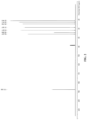
  • the hydrogen nuclear magnetic resonance spectroscopy and carbon nuclear magnetic resonance spectroscopy are shown in FIG. 1 , Table 1, FIG. 2 , and Table 2, respectively.
  • the numbers of atoms in compound are shown in FIG. 3 .
  • Table 1 is the analysis of the hydrogen nuclear magnetic resonance spectroscopy of the pregabalin lactam methylene dimer prepared in the present application.
  • Table 2 is the analysis of the carbon nuclear magnetic resonance spectroscopy of the pregabalin lactam methylene dimer prepared in the present application.
  • the pregabalin lactam methylene dimer prepared in the present invention is detected by combined high performance liquid chromatograph-high resolution mass spectrometry (HPLC-HRMS), the [M+H + ] accurate molecular weight of which is 295.2380, the [M+K + ] accurate molecular weight of which is 333.1943, and the matched molecular formula of which is C 17 H 30 N 2 O 2 , as shown in FIG. 4 .
  • the pregabalin lactam methylene dimer provided by the present application has high purity and can be used as a standard substance.
  • the yield of the pregabalin lactam methylene dimer can reach between 35% and 50% by using the method for preparing the pregabalin lactam methylene dimer provided by the present application, which is a great improvement. Compared with the traditional methods, the yield can be improved by more than one hundred times.
  • the content of the target product in the reaction system, the pregabalin lactam methylene dimer, can reach between 43% and 58%, and the remaining components are mainly unreacted pregabalin, as well as the by-products, pregabalin lactam and N-methyl pregabalin lactam, the retention behaviors of which differ greatly, and thus the separation difficulties are greatly reduced.
  • the reaction solvent used can be a polar organic solvent such as methanol, ethanol, acetonitrile, N,N-dimethylformamide, or a mixed solvent of the polar organic solvent and water, which does not relate to the rarely used solvents or expensive organic solvents.
  • the chiral center of the product is stable under acidic conditions and will not undergo isomerization.
  • FIG. 1 The hydrogen nuclear magnetic resonance spectrum ( 1 H-NMR) of the pregabalin lactam methylene dimer prepared in the present application.
  • FIG. 2 The carbon nuclear magnetic resonance spectrum ( 13 C-NMR) of the pregabalin lactam methylene dimer prepared in the present application.
  • FIG. 3 The numbers of atoms in the structural formula of the pregabalin lactam methylene dimer prepared in the present application.
  • FIG. 4 The spectrum of combined high performance liquid chromatograph-high resolution mass spectrometry of the pregabalin lactam methylene dimer prepared in the present application.
  • pregabalin (0.0628 mol) was added to 100 ml of methanol.
  • 4.0 ml of formic acid (0.0912 mol) was added and stirred to dissolve, and then 6.0 ml of 30% (mass fraction) formaldehyde solution (0.0659 mol) was added, which was heated to a temperature of 60° C. to react for 18 hours, with the reaction system monitored by HPLC.
  • the content of the pregabalin lactam methylene dimer was 52%, the solvent was distilled under reduced pressure to obtain a solid.
  • pregabalin (0.0628 mol) was added to 120 ml of ethanol.
  • 5.6 ml of glacial acetic acid (0.0979 mol) was added and stirred to dissolve, and then 5.0 ml of 30% formaldehyde solution (0.0549 mol) was added, which was heated to a temperature of 60° C. to react for 18 hours, with the reaction system monitored by HPLC.
  • the content of the pregabalin lactam methylene dimer was 44%, the solvent was distilled under reduced pressure to obtain a solid.
  • the solid was separated by preparative liquid chromatography [column: YMC-Pack ODS-AQ, 250 ⁇ 20 mm, 5 ⁇ m, mobile phase A was water, mobile phase B was acetonitrile, mobile phase gradient: 0 min (40% B), 20 min (40% B), 30 min (60% B), 30.1 min (40% B), and 35 min (40% B), running time: 35 min] to obtain 7.02 g of the pregabalin lactam methylene dimer, with HPLC purity of 99.6% and a yield of 38%.
  • pregabalin (0.0628 mol) was added to 150 ml mixture of water and methanol (the volume ratio of water:methanol was 1:1). 3.0 ml of trifluoroacetic acid (0.0404 mol) was added and stirred to dissolve, and then 2.1 g solid of metaformaldehyde (0.0233 mol) was added, which was heated to a temperature of 60° C. to react for 24 hours, with the reaction system monitored by HPLC. When the content of the pregabalin lactam methylene dimer was 56%, the pH of the reaction system was adjusted to about 8 with sodium carbonate solution, and the solvent was removed via lyophilization to obtain a solid.
  • pregabalin (0.0628 mol) was added to 80 ml of dimethylsulfoxide.
  • 4.2 ml of formic acid (0.0958 mol) was added and stirred to dissolve, and then 4.5 ml of 30% formaldehyde solution (0.0495 mol) was added, which was heated to a temperature of 60° C. to react for 14 hours, with the reaction system monitored by HPLC.
  • the content of the pregabalin lactam methylene dimer was 43%, the solvent was removed via lyophilization to obtain a solid.
  • the solid was separated by preparative liquid chromatography [column: YMC-Pack ODS-AQ, 250 ⁇ 20 mm, 5 ⁇ m, mobile phase A was water, mobile phase B was acetonitrile, mobile phase gradient: 0 min (40% B), 20 min (40% B), 30 min (60% B), 30.1 min (40% B), and 35 min (40% B), running time: 35 min] to obtain 6.47 g of the pregabalin lactam methylene dimer, with HPLC purity of 99.1% and a yield of 35%.
  • pregabalin 10.0 g was added to 24 ml mixture of water and ethanol (the volume ratio of water:ethanol was 1:1). 3.0 ml of p-toluenesulfonic acid (0.0174 mol) was added and stirred to dissolve, and then 3.2 g of metaformaldehyde (0.0355 mol) was added, which was heated to a temperature of 70° C. to react for 16 hours, with the reaction system monitored by HPLC. When the content of the pregabalin lactam methylene dimer was 53%, the pH of the reaction system was adjusted to about 8 with sodium carbonate solution, and the solvent was removed via lyophilization to obtain a solid.
  • pregabalin (0.0628 mol) was added to 120 ml methanol.
  • methanesulfonic acid (0.0231 mol) was added and stirred to dissolve, and then 6.2 ml of 30% (mass fraction) formaldehyde solution (0.0681 mol) was added, which was heated to a temperature of 75° C. to react for 20 hours, with the reaction system monitored by HPLC.
  • the pH of the reaction system was adjusted to about 8 with sodium carbonate solution, and the water was removed via lyophilization to obtain a solid.
  • pregabalin 3.0 g of pregabalin (0.0188 mol) was added to 40 ml of N,N-dimethylformamide (DMF). 0.4 ml of 6N diluted hydrochloric acid (0.0024 mol) was added and stirred to dissolve, and then 1.2 ml of 30% formaldehyde solution (0.0132 mol) was added, which was heated to a temperature of 65° C. to react for 14 hours, with the reaction system monitored by HPLC. When the content of the pregabalin lactam methylene dimer was 46%, the pH of the reaction system was adjusted to about 8 with sodium carbonate solution, and the solvent was removed via lyophilization to obtain a solid.
  • DMF N,N-dimethylformamide
  • the solid was separated by preparative liquid chromatography [column: YMC-Pack ODS-AQ, 250 ⁇ 20 mm, 5 ⁇ m, mobile phase A was water, mobile phase B was acetonitrile, mobile phase gradient: 0 min (40% B), 20 min (40% B), 30 min (60% B), 30.1 min (40% B), and 35 min (40% B), running time: 35 min] to obtain 2.0 g of the pregabalin lactam methylene dimer, with HPLC purity of 99.4% and a yield of 36%.
  • pregabalin 3.0 g of pregabalin (0.0188 mol) was added to 50 ml mixture of water and N-methylpyrrolidone (the volume ratio of water:N-methylpyrrolidone was 1:1). 0.4 ml of 6N diluted sulphuric acid (0.0024 mol) was added and stirred to dissolve, and then 0.7 g of metaformaldehyde (0.0078 mol) was added, which was heated to a temperature of 55° C. to react for 24 hours, with the reaction system monitored by HPLC. When the content of the pregabalin lactam methylene dimer was 47%, the pH of the reaction system was adjusted to about 8 with sodium carbonate solution, and the water was removed via lyophilization to obtain a solid.

Landscapes

  • Chemical & Material Sciences (AREA)
  • Organic Chemistry (AREA)
  • Organic Low-Molecular-Weight Compounds And Preparation Thereof (AREA)
  • Pharmaceuticals Containing Other Organic And Inorganic Compounds (AREA)

Abstract

Provided are a pregabalin lactam methylene dimer and a preparation method therefor. The method comprises the following steps: dissolving pregabalin in a reaction solvent, reacting same with an aldehyde in an acidic system and isolating the obtained target product pregabalin lactam methylene dimer. The preparation method for pregabalin lactam methylene dimer provided by the present application has a simple operation, a high product yield, a good purity and a low cost.

Description

FIELD OF THE INVENTION
The present application relates to the technical field of pharmaceutical manufacturing, in particular to pregabalin lactam methylene dimer and a preparation method thereof.
BACKGROUND OF THE INVENTION
Pregabalin, the chemical name of which is (S)-3-aminomethyl-5-methylhexanoic acid, the molecular formula of which is C8H17NO2, and the molecular weight of which is 159.23, is of a structural formula as follows:
Figure US12018018-20240625-C00001
The trade name of pregabalin is Lyrica3, (S)-3-aminomethyl-5-methylhexanoic acid, the molecular formula of which i as the first drug jointly certified by the United States and Europe for the treatment of two types of neuralgia, the main indications of which include diabetic peripheral neuralgia, postherpetic neuralgia, fibromyalgia, and neuropathic pain associated with spinal cord injury.
SUMMARY OF THE INVENTION
In the process of studying the long-term stability and the accelerated stability of pregabalin tablets, the inventors discovered that there is an unknown impurity in the pregabalin tablets. The content of this impurity in the sample of pregabalin tablets for long-term stability and accelerated stability is relatively high. The peak area of this impurity generally accounts for about 0.10-0.70%, and the content of this impurity will continue to increase as the storage time increased. If the prescription parameters are not controlled properly, this impurity can easily exceed the unknown individual impurity limit index of 0.20%.
After high resolution mass spectrometry and nuclear magnetic resonance characterization, this impurity is determined to be pregabalin lactam methylene dimer, structural formula of which is as follows:
Figure US12018018-20240625-C00002
In the development of analysis method of pregabalin tablets and the subsequent finished product inspection process, it is necessary to use a standard substance of this impurity to locate and quantify this impurity in pregabalin tablets. Therefore, a large amount of the standard substance of pregabalin lactam methylene dimer will be used.
In order to prepare the pregabalin lactam methylene dimer, a traditional impurity separation method can be used: separating the target impurity (pregabalin lactam methylene dimer) from a sample that is forcibly degraded or a sample for long-term stability of pregabalin tablets. However, the target impurity can only reach a content of 0.7% as detected by HPLC (High Performance Liquid Chromatography), and there are many similar impurities with similar contents in the sample. At the same time, the presence of adjuvants will also interfere with the separation. The period for a separation is long, and the pure product will be obtained through multiple separations, generally with a total yield of only about 0.3%.
Based on the above, the present application provides a pregabalin lactam methylene dimer and a preparation method thereof. The technical solutions are as follows:
The present application provides a pregabalin lactam methylene dimer, which has following structural formula:
Figure US12018018-20240625-C00003
The present application also provides a simple and efficient method for preparing the pregabalin lactam methylene dimer, comprising following steps:
    • (a) adding pregabalin, an acid and an aldehyde to a reaction solvent to obtain a reaction system;
    • (b) heating the reaction system to a temperature of 30-100° C. to react for 0.5-36 hours;
    • (c) obtaining the pregabalin lactam methylene dimer after the reaction is completed.
In some embodiments of the present application, the reaction solvent in step (a) is selected from the group consisting of water, a polar organic solvent, and a mixture of water and the polar organic solvent.
In some embodiments of the present application, the polar organic solvent is selected from the group consisting of methanol, ethanol, propanol, isopropanol, acetonitrile, acetone, N,N-dimethylformamide, dimethylsulfoxide and N-methylpyrrolidone, or any combination thereof.
In some embodiments of the present application, the acid in step (a) is selected from the group consisting of organic acid, inorganic acid, and a combination thereof.
In some embodiments of the present application, the organic acid is selected from the group consisting of formic acid, acetic acid, trifluoroacetic acid, methanesulfonic acid, ethanesulfonic acid, benzenesulfonic acid and p-toluenesulfonic acid, or any combination thereof.
In some embodiments of the present application, the inorganic acid is selected from the group consisting of hydrochloric acid, sulfuric acid, and phosphoric acid, or any combination thereof. In specific embodiments, diluted hydrochloric acid, diluted sulfuric acid, diluted phosphoric acid, and the like can be used.
In some embodiments of the present application, the aldehyde is selected from the group consisting of formaldehyde, formaldehyde dimer, metaformaldehyde and paraformaldehyde, or any combination thereof.
In some embodiments of the present application, the aldehyde is formaldehyde or metaformaldehyde.
In some embodiments of the present application, a molar ratio of the acid to pregabalin in step (a) is 0.01:1-50:1.
In some embodiments of the present application, a molar ratio of the acid to pregabalin in step (a) is 0.1:1-2.5:1.
In some embodiments of the present application, a molar ratio of the acid to pregabalin in step (a) is 0.1:1-1.6:1.
In some embodiments of the present application, a molar ratio of the aldehyde to pregabalin in step (a) is 0.1:1-10:1.
In some embodiments of the present application, a molar ratio of the aldehyde to pregabalin in step (a) is 0.3:1-3:1.
In some embodiments of the present application, a molar ratio of the aldehyde to pregabalin in step (a) is 0.3:1-1.1:1.
In some embodiments of the present application, the temperature of the reaction system in step (b) is 55-75° C., and the reaction is performed for 12-24 hours.
In some embodiments of the present application, step (c) comprises: removing the reaction solvent after the reaction is completed, and separating the solid to obtain pregabalin lactam methylene dimer.
In some embodiments of the present application, separating is performed by column chromatography or preparative liquid chromatography.
In some embodiments of the present application, the reaction system is detected by HPLC at the end of the reaction, in which the content of the pregabalin lactam methylene dimer is about 43-55%.
In some embodiments of the present application, the pregabalin lactam methylene dimer separated in step (c) is detected by HPLC, the purity of which can reach equal to or more than 99.0%.
The pregabalin lactam methylene dimer prepared in the present application is detected by hydrogen nuclear magnetic resonance spectroscopy and carbon nuclear magnetic resonance spectroscopy. The hydrogen nuclear magnetic resonance spectroscopy and carbon nuclear magnetic resonance spectroscopy are shown in FIG. 1 , Table 1, FIG. 2 , and Table 2, respectively. The numbers of atoms in compound are shown in FIG. 3 .
Table 1 is the analysis of the hydrogen nuclear magnetic resonance spectroscopy of the pregabalin lactam methylene dimer prepared in the present application.
TABLE 1
Chemical Shift Assignment Proton
Proton Type (ppm) Peak Type H No. Number
C-H 0.77 d H-7/8/16/17 12
C-H 1.18 t H-5/14  4
C-H 1.44 m H-6/15  2
C-H 1.93, 2.38 d H-2/11  4
C-H 2.28 m H-3/12  2
C-H 2.85, 3.38 dd H-4/13  4
C-H 4.62 s H-9  2
Table 2 is the analysis of the carbon nuclear magnetic resonance spectroscopy of the pregabalin lactam methylene dimer prepared in the present application.
TABLE 2
Chemical Shift C Atom C
(ppm) Type Number Assignment C No.
22.5 CH3 4 C-7/8/16/17
25.9 CH 2 C-6/15
29.7 CH 2 C-3/12
37.5 CH2 2 C-2/11
43.8 CH2 2 C-5/14
48.9 CH2 1 C-9
52.3 CH2 2 C-4/13
175.4 C 2 C-1/10
The pregabalin lactam methylene dimer prepared in the present invention is detected by combined high performance liquid chromatograph-high resolution mass spectrometry (HPLC-HRMS), the [M+H+] accurate molecular weight of which is 295.2380, the [M+K+] accurate molecular weight of which is 333.1943, and the matched molecular formula of which is C17H30N2O2, as shown in FIG. 4 .
It can be determined through the above-mentioned structural characterization that the method provided by the present application realizes the preparation of the pregabalin lactam methylene dimer.
The pregabalin lactam methylene dimer provided by the present application has high purity and can be used as a standard substance.
The method for preparing the pregabalin lactam methylene dimer provided by the present application has following advantages:
1. The yield of the pregabalin lactam methylene dimer can reach between 35% and 50% by using the method for preparing the pregabalin lactam methylene dimer provided by the present application, which is a great improvement. Compared with the traditional methods, the yield can be improved by more than one hundred times.
2. In the preparation method provided by the present application, after the reaction is completed, the content of the target product in the reaction system, the pregabalin lactam methylene dimer, can reach between 43% and 58%, and the remaining components are mainly unreacted pregabalin, as well as the by-products, pregabalin lactam and N-methyl pregabalin lactam, the retention behaviors of which differ greatly, and thus the separation difficulties are greatly reduced.
3. In the preparation method provided by the present application, the reaction solvent used can be a polar organic solvent such as methanol, ethanol, acetonitrile, N,N-dimethylformamide, or a mixed solvent of the polar organic solvent and water, which does not relate to the rarely used solvents or expensive organic solvents. The chiral center of the product is stable under acidic conditions and will not undergo isomerization.
4. In the whole preparation process, no special equipment and special raw materials are required. The preparation period is short, and the operation is simple with low cost.
DESCRIPTION OF THE DRAWINGS
In order to illustrate the examples of the present application and the technical solutions of the prior art more clearly, the drawings used in the examples and the prior art are briefly described below. Obviously, the drawings in the following description are only some examples of the present application. For those ordinary skilled in the art, other drawings can be also obtained according to these drawings without any creative work.
FIG. 1 The hydrogen nuclear magnetic resonance spectrum (1H-NMR) of the pregabalin lactam methylene dimer prepared in the present application.
FIG. 2 The carbon nuclear magnetic resonance spectrum (13C-NMR) of the pregabalin lactam methylene dimer prepared in the present application.
FIG. 3 The numbers of atoms in the structural formula of the pregabalin lactam methylene dimer prepared in the present application.
FIG. 4 The spectrum of combined high performance liquid chromatograph-high resolution mass spectrometry of the pregabalin lactam methylene dimer prepared in the present application.
DETAILED DESCRIPTION OF THE INVENTION
In order to illustrate the purpose, technical solutions, and advantages of the present application more clearly, the present application will be further described in detail with reference to the accompanying drawings and examples. Obviously, the described examples are only a part of the examples of the present application, rather than all of the examples. Based on the examples of the present application, all other examples obtained by those ordinary skilled in the art without any creative effort shall fall within the protection scope of the present application.
Example 1
10.0 g of pregabalin (0.0628 mol) was added to 100 ml of methanol. 4.0 ml of formic acid (0.0912 mol) was added and stirred to dissolve, and then 6.0 ml of 30% (mass fraction) formaldehyde solution (0.0659 mol) was added, which was heated to a temperature of 60° C. to react for 18 hours, with the reaction system monitored by HPLC. When the content of the pregabalin lactam methylene dimer was 52%, the solvent was distilled under reduced pressure to obtain a solid. The solid was separated by column chromatography [HP-Silica normal phase silica gel, the eluent was n-hexane:ethyl acetate=(12:1), V/V] to obtain 7.95 g of the pregabalin lactam methylene dimer, with HPLC purity of 99.2% and a yield of 43%.
Example 2
10.0 g of pregabalin (0.0628 mol) was added to 120 ml of ethanol. 5.6 ml of glacial acetic acid (0.0979 mol) was added and stirred to dissolve, and then 5.0 ml of 30% formaldehyde solution (0.0549 mol) was added, which was heated to a temperature of 60° C. to react for 18 hours, with the reaction system monitored by HPLC. When the content of the pregabalin lactam methylene dimer was 44%, the solvent was distilled under reduced pressure to obtain a solid. The solid was separated by preparative liquid chromatography [column: YMC-Pack ODS-AQ, 250×20 mm, 5 μm, mobile phase A was water, mobile phase B was acetonitrile, mobile phase gradient: 0 min (40% B), 20 min (40% B), 30 min (60% B), 30.1 min (40% B), and 35 min (40% B), running time: 35 min] to obtain 7.02 g of the pregabalin lactam methylene dimer, with HPLC purity of 99.6% and a yield of 38%.
Example 3
10.0 g of pregabalin (0.0628 mol) was added to 150 ml mixture of water and methanol (the volume ratio of water:methanol was 1:1). 3.0 ml of trifluoroacetic acid (0.0404 mol) was added and stirred to dissolve, and then 2.1 g solid of metaformaldehyde (0.0233 mol) was added, which was heated to a temperature of 60° C. to react for 24 hours, with the reaction system monitored by HPLC. When the content of the pregabalin lactam methylene dimer was 56%, the pH of the reaction system was adjusted to about 8 with sodium carbonate solution, and the solvent was removed via lyophilization to obtain a solid. The solid was separated by column chromatography [HP-Silica normal phase silica gel, the eluent was n-hexane:ethyl acetate=(15:1, V/V)] to obtain 8.32 g of the pregabalin lactam methylene dimer, with HPLC purity of 99.2% and a yield of 45%.
Example 4
10.0 g of pregabalin (0.0628 mol) was added to 80 ml of dimethylsulfoxide. 4.2 ml of formic acid (0.0958 mol) was added and stirred to dissolve, and then 4.5 ml of 30% formaldehyde solution (0.0495 mol) was added, which was heated to a temperature of 60° C. to react for 14 hours, with the reaction system monitored by HPLC. When the content of the pregabalin lactam methylene dimer was 43%, the solvent was removed via lyophilization to obtain a solid. The solid was separated by preparative liquid chromatography [column: YMC-Pack ODS-AQ, 250×20 mm, 5 μm, mobile phase A was water, mobile phase B was acetonitrile, mobile phase gradient: 0 min (40% B), 20 min (40% B), 30 min (60% B), 30.1 min (40% B), and 35 min (40% B), running time: 35 min] to obtain 6.47 g of the pregabalin lactam methylene dimer, with HPLC purity of 99.1% and a yield of 35%.
Example 5
10.0 g of pregabalin (0.0628 mol) was added to 24 ml mixture of water and ethanol (the volume ratio of water:ethanol was 1:1). 3.0 ml of p-toluenesulfonic acid (0.0174 mol) was added and stirred to dissolve, and then 3.2 g of metaformaldehyde (0.0355 mol) was added, which was heated to a temperature of 70° C. to react for 16 hours, with the reaction system monitored by HPLC. When the content of the pregabalin lactam methylene dimer was 53%, the pH of the reaction system was adjusted to about 8 with sodium carbonate solution, and the solvent was removed via lyophilization to obtain a solid. The solid was separated by column chromatography [type: HP-Silica normal phase silica gel, the eluent was n-hexane:ethyl acetate=12:1, V/V] to obtain 8.68 g of the pregabalin lactam methylene dimer, with HPLC purity of 99.0% and a yield of 47%.
Example 6
10.0 g of pregabalin (0.0628 mol) was added to 120 ml methanol. 1.5 ml of methanesulfonic acid (0.0231 mol) was added and stirred to dissolve, and then 6.2 ml of 30% (mass fraction) formaldehyde solution (0.0681 mol) was added, which was heated to a temperature of 75° C. to react for 20 hours, with the reaction system monitored by HPLC. When the content of the pregabalin lactam methylene dimer was 58%, the pH of the reaction system was adjusted to about 8 with sodium carbonate solution, and the water was removed via lyophilization to obtain a solid. The solid was separated by column chromatography [type: HP-Silica normal phase silica gel, the eluent was n-hexane:ethyl acetate=10:1, V/V] to obtain 9.24 g of the pregabalin lactam methylene dimer, with HPLC purity of 99.2% and a yield of 50%.
Example 7
3.0 g of pregabalin (0.0188 mol) was added to 40 ml of N,N-dimethylformamide (DMF). 0.4 ml of 6N diluted hydrochloric acid (0.0024 mol) was added and stirred to dissolve, and then 1.2 ml of 30% formaldehyde solution (0.0132 mol) was added, which was heated to a temperature of 65° C. to react for 14 hours, with the reaction system monitored by HPLC. When the content of the pregabalin lactam methylene dimer was 46%, the pH of the reaction system was adjusted to about 8 with sodium carbonate solution, and the solvent was removed via lyophilization to obtain a solid. The solid was separated by preparative liquid chromatography [column: YMC-Pack ODS-AQ, 250×20 mm, 5 μm, mobile phase A was water, mobile phase B was acetonitrile, mobile phase gradient: 0 min (40% B), 20 min (40% B), 30 min (60% B), 30.1 min (40% B), and 35 min (40% B), running time: 35 min] to obtain 2.0 g of the pregabalin lactam methylene dimer, with HPLC purity of 99.4% and a yield of 36%.
Example 8
3.0 g of pregabalin (0.0188 mol) was added to 50 ml mixture of water and N-methylpyrrolidone (the volume ratio of water:N-methylpyrrolidone was 1:1). 0.4 ml of 6N diluted sulphuric acid (0.0024 mol) was added and stirred to dissolve, and then 0.7 g of metaformaldehyde (0.0078 mol) was added, which was heated to a temperature of 55° C. to react for 24 hours, with the reaction system monitored by HPLC. When the content of the pregabalin lactam methylene dimer was 47%, the pH of the reaction system was adjusted to about 8 with sodium carbonate solution, and the water was removed via lyophilization to obtain a solid. The solid was separated by column chromatography [type: HP-Silica normal phase silica gel, the eluent was n-hexane:ethyl acetate=15:1, V/V] to obtain 2.11 g of the pregabalin lactam methylene dimer, with HPLC purity of 99.0% and a yield of 38%.
The above examples are only preferred examples of the present application, which are not intended to limit the present application. Any modification, equivalent replacement and improvement made within the spirit and principle of the present application shall fall within the protection scope of the present application.

Claims (15)

The invention claimed is:
1. A pregabalin lactam methylene dimer having the following structural formula:
Figure US12018018-20240625-C00004
2. A method for preparing a pregabalin lactam methylene dimer, comprising following steps:
(a) adding pregabalin, an acid and an aldehyde to a reaction solvent to obtain a reaction system;
(b) heating the reaction system to a temperature of 30-100° C. to react for 0.5-36 hours; and
(c) obtaining the pregabalin lactam methylene dimer after the reaction is completed; wherein, the pregabalin lactam methylene dimer has the following structural formula:
Figure US12018018-20240625-C00005
3. The method according to claim 2, wherein the reaction solvent in step (a) is selected from the group consisting of water, a polar organic solvent, and a mixture of water and the polar organic solvent.
4. The method according to claim 2, wherein the acid in step (a) is selected from the group consisting of an organic acid, an inorganic acid, and a combination thereof.
5. The method according to claim 2, wherein the aldehyde is selected from the group consisting of formaldehyde, formaldehyde dimer, metaformaldehyde and paraformaldehyde, or any combination thereof.
6. The method according to claim 2, wherein a molar ratio of the acid to pregabalin in step (a) is 0.01:1-50:1.
7. The method according to claim 2, wherein a molar ratio of the aldehyde to pregabalin in step (a) is 0.1:1-10:1.
8. The method according to claim 2, wherein the temperature of the reaction system in step (b) is 55-75° C., and the reaction is performed for 12-24 hours.
9. The method according to claim 1, wherein step (c) comprises: removing the reaction solvent to obtain a solid after the reaction is completed, and separating the solid to obtain the pregabalin lactam methylene dimer.
10. The method according to claim 9, wherein separating is performed by column chromatography or preparative liquid chromatography.
11. The method according to claim 3, wherein the polar organic solvent is selected from the group consisting of methanol, ethanol, propanol, isopropanol, acetonitrile, acetone, N,N-dimethylformamide, dimethylsulfoxide and N-methylpyrrolidone, or any combination thereof.
12. The method according to claim 4, wherein the organic acid is selected from the group consisting of formic acid, acetic acid, trifluoroacetic acid, methanesulfonic acid, ethanesulfonic acid, benzenesulfonic acid and p-toluenesulfonic acid, or any combination thereof and the inorganic acid is selected from the group consisting of hydrochloric acid, sulfuric acid, and phosphoric acid, or any combination thereof.
13. The method according to claim 5, wherein the aldehyde is formaldehyde or metaformaldehyde.
14. The method according to claim 6, wherein the molar ratio of the acid to pregabalin in step (a) is 0.1:1-2.5:1.
15. The method according to claim 7, wherein the molar ratio of the aldehyde to pregabalin in step (a) is 0.3:1-3:1.
US17/291,237 2018-11-06 2018-11-06 Pregabalin lactam methylene dimer and preparation method therefor Active 2040-08-10 US12018018B2 (en)

Applications Claiming Priority (1)

Application Number Priority Date Filing Date Title
PCT/CN2018/114113 WO2020093229A1 (en) 2018-11-06 2018-11-06 Pregabalin lactam methylene dimer and preparation method therefor

Publications (2)

Publication Number Publication Date
US20210387971A1 US20210387971A1 (en) 2021-12-16
US12018018B2 true US12018018B2 (en) 2024-06-25

Family

ID=70610749

Family Applications (1)

Application Number Title Priority Date Filing Date
US17/291,237 Active 2040-08-10 US12018018B2 (en) 2018-11-06 2018-11-06 Pregabalin lactam methylene dimer and preparation method therefor

Country Status (4)

Country Link
US (1) US12018018B2 (en)
EP (1) EP3878849B1 (en)
CN (2) CN119569633A (en)
WO (1) WO2020093229A1 (en)

Citations (8)

* Cited by examiner, † Cited by third party
Publication number Priority date Publication date Assignee Title
KR20060040089A (en) 2004-11-04 2006-05-10 삼성전자주식회사 Array substrate, liquid crystal display device and array substrate manufacturing method
JP2009086113A (en) 2007-09-28 2009-04-23 Epson Imaging Devices Corp Liquid crystal display and electronic equipment
CN101561610A (en) 2009-06-09 2009-10-21 友达光电股份有限公司 Semi-penetrating and semi-reflecting type pixel structure and display panel
IN2013MU03016A (en) 2013-09-18 2015-07-03 Cadila Healthcare Liimited
CN104829515A (en) 2015-06-02 2015-08-12 浙江华海药业股份有限公司 Pregabalin impurity preparation method
US20170192298A1 (en) 2015-11-26 2017-07-06 Wuhan China Star Optoelectronics Technology Co., Ltd. Reflective Liquid Crystal Display Panel and Display Device
US20170285401A1 (en) 2015-12-04 2017-10-05 Wuhan China Star Optoelectronics Technology Co., Ltd. Reflective liquid crystal display device
US20180031914A1 (en) 2015-11-25 2018-02-01 Wuhan China Star Optoelectronics Technology Co., Ltd. Liquid crystal display device and liquid crystal display panel

Patent Citations (8)

* Cited by examiner, † Cited by third party
Publication number Priority date Publication date Assignee Title
KR20060040089A (en) 2004-11-04 2006-05-10 삼성전자주식회사 Array substrate, liquid crystal display device and array substrate manufacturing method
JP2009086113A (en) 2007-09-28 2009-04-23 Epson Imaging Devices Corp Liquid crystal display and electronic equipment
CN101561610A (en) 2009-06-09 2009-10-21 友达光电股份有限公司 Semi-penetrating and semi-reflecting type pixel structure and display panel
IN2013MU03016A (en) 2013-09-18 2015-07-03 Cadila Healthcare Liimited
CN104829515A (en) 2015-06-02 2015-08-12 浙江华海药业股份有限公司 Pregabalin impurity preparation method
US20180031914A1 (en) 2015-11-25 2018-02-01 Wuhan China Star Optoelectronics Technology Co., Ltd. Liquid crystal display device and liquid crystal display panel
US20170192298A1 (en) 2015-11-26 2017-07-06 Wuhan China Star Optoelectronics Technology Co., Ltd. Reflective Liquid Crystal Display Panel and Display Device
US20170285401A1 (en) 2015-12-04 2017-10-05 Wuhan China Star Optoelectronics Technology Co., Ltd. Reflective liquid crystal display device

Non-Patent Citations (1)

* Cited by examiner, † Cited by third party
Title
Tian et al., "Structure elucidation and formation mechanistic study of a methylenebridged pregabalin dimeric degradant in pregabalin extended-release tablets", International Journal of Pharmaceutics, vol. 575, 2020, pp. 1-9.

Also Published As

Publication number Publication date
WO2020093229A1 (en) 2020-05-14
EP3878849A1 (en) 2021-09-15
EP3878849A4 (en) 2021-11-03
CN119569633A (en) 2025-03-07
CN112752754A (en) 2021-05-04
EP3878849B1 (en) 2022-10-12
US20210387971A1 (en) 2021-12-16

Similar Documents

Publication Publication Date Title
US11434210B2 (en) Method for synthesizing valsartan
Kumar et al. Synthesis, isolation, identification and characterization of new process-related impurity in isoproterenol hydrochloride by HPLC, LC/ESI-MS and NMR
US20080145946A1 (en) Impurity of anastrozole intermediate, and uses thereof
US12018018B2 (en) Pregabalin lactam methylene dimer and preparation method therefor
Arraki et al. Identification and quantification of stilbenes in some Tunisian red wines using UPLC-MS and HPLC-DAD
Cooke Jr et al. Elimination reactions. III. Hofmann elimination in cyclic compounds
US20180321226A1 (en) Cationic Tags for Attomole Level Detection of Analytes by Mass Spectrometry
CN109239253B (en) High performance liquid detection method for impurities of abacavir
CN113234082A (en) Compound A2, preparation method thereof and application thereof as pranoprofen impurity
CN113061070A (en) Deuterium-labeled metinuron stable isotope labeled compound
Khan et al. Validation of a stability indicating LC method for amiodarone HCL and related substances
CN112028778A (en) Synthesis and impurity identification method of bromhexine hydrochloride process impurity positioning reference substance
CN113311091B (en) Preparation method of tadalafil impurity I
CN109456246A (en) Pregabalin lactams methylene dimer and preparation method thereof
CN109705010B (en) Preparation process of high-purity lisinopril
US7759500B2 (en) 2-(N-methyl-propanamine)-3-(2-naphthol)thiophene, an impurity of duloxetine hydrochloride
CN113061096A (en) Preparation method of stable isotope labeled krusel
CN113087618A (en) Method for preparing andrographolide derivatives by using industrial chromatography
Kang et al. Identification and Analysis of Impurities in Erythrosine by High-Performance Liquid Chromatography with Quadrupole Ion Trap Time-of-Flight Mass Spectrometry
CN109839444B (en) Process for separating naphthol derivatives and their use
Sturm et al. Biotransformation of urapidil: Isolation and identification of metabolites in mouse, rat, dog and man
US10851063B2 (en) Methods for preparing levorphanol and related compounds, and compositions thereof
US12546756B2 (en) Mixture of isomers of aminaphtone, analytical method for identifying them and pharmaceutical composition comprising said isomers
CN113735921B (en) Method for synthesizing impurities of C-glucoside derivatives
EP3966565B1 (en) Mixture of isomers of aminaphtone, analytical method for identifying them and pharmaceutical composition comprising said isomers

Legal Events

Date Code Title Description
STPP Information on status: patent application and granting procedure in general

Free format text: DOCKETED NEW CASE - READY FOR EXAMINATION

STPP Information on status: patent application and granting procedure in general

Free format text: NOTICE OF ALLOWANCE MAILED -- APPLICATION RECEIVED IN OFFICE OF PUBLICATIONS

AS Assignment

Owner name: ZHEJIANG HUAHAI ZHICHENG PHARMACEUTICAL CO., LTD., CHINA

Free format text: ASSIGNMENT OF ASSIGNORS INTEREST;ASSIGNORS:LIN, JINSHENG;LIU, XIAOFEI;LI, DAN;AND OTHERS;REEL/FRAME:067230/0870

Effective date: 20210429

Owner name: ZHEJIANG HUAHAI PHARMACEUTICAL CO., LTD, CHINA

Free format text: ASSIGNMENT OF ASSIGNORS INTEREST;ASSIGNORS:LIN, JINSHENG;LIU, XIAOFEI;LI, DAN;AND OTHERS;REEL/FRAME:067230/0870

Effective date: 20210429

STPP Information on status: patent application and granting procedure in general

Free format text: PUBLICATIONS -- ISSUE FEE PAYMENT VERIFIED

STCF Information on status: patent grant

Free format text: PATENTED CASE

CC Certificate of correction