US12002199B2 - Methods, apparatuses, and systems for 3-D phenotyping and physiological characterization of brain lesions and surrounding tissue - Google Patents
Methods, apparatuses, and systems for 3-D phenotyping and physiological characterization of brain lesions and surrounding tissue Download PDFInfo
- Publication number
- US12002199B2 US12002199B2 US17/281,022 US201917281022A US12002199B2 US 12002199 B2 US12002199 B2 US 12002199B2 US 201917281022 A US201917281022 A US 201917281022A US 12002199 B2 US12002199 B2 US 12002199B2
- Authority
- US
- United States
- Prior art keywords
- lesion
- brain lesion
- brain
- lesions
- bold
- Prior art date
- Legal status (The legal status is an assumption and is not a legal conclusion. Google has not performed a legal analysis and makes no representation as to the accuracy of the status listed.)
- Active, expires
Links
Images




Classifications
-
- G—PHYSICS
- G06—COMPUTING OR CALCULATING; COUNTING
- G06T—IMAGE DATA PROCESSING OR GENERATION, IN GENERAL
- G06T7/00—Image analysis
- G06T7/0002—Inspection of images, e.g. flaw detection
- G06T7/0012—Biomedical image inspection
-
- A—HUMAN NECESSITIES
- A61—MEDICAL OR VETERINARY SCIENCE; HYGIENE
- A61B—DIAGNOSIS; SURGERY; IDENTIFICATION
- A61B5/00—Measuring for diagnostic purposes; Identification of persons
- A61B5/02—Detecting, measuring or recording for evaluating the cardiovascular system, e.g. pulse, heart rate, blood pressure or blood flow
- A61B5/026—Measuring blood flow
- A61B5/0263—Measuring blood flow using NMR
-
- A—HUMAN NECESSITIES
- A61—MEDICAL OR VETERINARY SCIENCE; HYGIENE
- A61B—DIAGNOSIS; SURGERY; IDENTIFICATION
- A61B5/00—Measuring for diagnostic purposes; Identification of persons
- A61B5/05—Detecting, measuring or recording for diagnosis by means of electric currents or magnetic fields; Measuring using microwaves or radio waves
- A61B5/055—Detecting, measuring or recording for diagnosis by means of electric currents or magnetic fields; Measuring using microwaves or radio waves involving electronic [EMR] or nuclear [NMR] magnetic resonance, e.g. magnetic resonance imaging
-
- A—HUMAN NECESSITIES
- A61—MEDICAL OR VETERINARY SCIENCE; HYGIENE
- A61B—DIAGNOSIS; SURGERY; IDENTIFICATION
- A61B5/00—Measuring for diagnostic purposes; Identification of persons
- A61B5/145—Measuring characteristics of blood in vivo, e.g. gas concentration or pH-value ; Measuring characteristics of body fluids or tissues, e.g. interstitial fluid or cerebral tissue
- A61B5/14542—Measuring characteristics of blood in vivo, e.g. gas concentration or pH-value ; Measuring characteristics of body fluids or tissues, e.g. interstitial fluid or cerebral tissue for measuring blood gases
-
- A—HUMAN NECESSITIES
- A61—MEDICAL OR VETERINARY SCIENCE; HYGIENE
- A61B—DIAGNOSIS; SURGERY; IDENTIFICATION
- A61B5/00—Measuring for diagnostic purposes; Identification of persons
- A61B5/40—Detecting, measuring or recording for evaluating the nervous system
- A61B5/4058—Detecting, measuring or recording for evaluating the nervous system for evaluating the central nervous system
- A61B5/4064—Evaluating the brain
-
- A—HUMAN NECESSITIES
- A61—MEDICAL OR VETERINARY SCIENCE; HYGIENE
- A61B—DIAGNOSIS; SURGERY; IDENTIFICATION
- A61B5/00—Measuring for diagnostic purposes; Identification of persons
- A61B5/48—Other medical applications
- A61B5/4836—Diagnosis combined with treatment in closed-loop systems or methods
-
- G—PHYSICS
- G06—COMPUTING OR CALCULATING; COUNTING
- G06T—IMAGE DATA PROCESSING OR GENERATION, IN GENERAL
- G06T7/00—Image analysis
-
- G—PHYSICS
- G06—COMPUTING OR CALCULATING; COUNTING
- G06T—IMAGE DATA PROCESSING OR GENERATION, IN GENERAL
- G06T7/00—Image analysis
- G06T7/10—Segmentation; Edge detection
- G06T7/11—Region-based segmentation
-
- G—PHYSICS
- G06—COMPUTING OR CALCULATING; COUNTING
- G06T—IMAGE DATA PROCESSING OR GENERATION, IN GENERAL
- G06T7/00—Image analysis
- G06T7/10—Segmentation; Edge detection
- G06T7/149—Segmentation; Edge detection involving deformable models, e.g. active contour models
-
- A—HUMAN NECESSITIES
- A61—MEDICAL OR VETERINARY SCIENCE; HYGIENE
- A61B—DIAGNOSIS; SURGERY; IDENTIFICATION
- A61B2576/00—Medical imaging apparatus involving image processing or analysis
- A61B2576/02—Medical imaging apparatus involving image processing or analysis specially adapted for a particular organ or body part
- A61B2576/026—Medical imaging apparatus involving image processing or analysis specially adapted for a particular organ or body part for the brain
-
- G—PHYSICS
- G01—MEASURING; TESTING
- G01R—MEASURING ELECTRIC VARIABLES; MEASURING MAGNETIC VARIABLES
- G01R33/00—Arrangements or instruments for measuring magnetic variables
- G01R33/20—Arrangements or instruments for measuring magnetic variables involving magnetic resonance
- G01R33/44—Arrangements or instruments for measuring magnetic variables involving magnetic resonance using nuclear magnetic resonance [NMR]
- G01R33/48—NMR imaging systems
- G01R33/4806—Functional imaging of brain activation
-
- G—PHYSICS
- G01—MEASURING; TESTING
- G01R—MEASURING ELECTRIC VARIABLES; MEASURING MAGNETIC VARIABLES
- G01R33/00—Arrangements or instruments for measuring magnetic variables
- G01R33/20—Arrangements or instruments for measuring magnetic variables involving magnetic resonance
- G01R33/44—Arrangements or instruments for measuring magnetic variables involving magnetic resonance using nuclear magnetic resonance [NMR]
- G01R33/48—NMR imaging systems
- G01R33/54—Signal processing systems, e.g. using pulse sequences ; Generation or control of pulse sequences; Operator console
- G01R33/56—Image enhancement or correction, e.g. subtraction or averaging techniques, e.g. improvement of signal-to-noise ratio and resolution
- G01R33/5608—Data processing and visualization specially adapted for MR, e.g. for feature analysis and pattern recognition on the basis of measured MR data, segmentation of measured MR data, edge contour detection on the basis of measured MR data, for enhancing measured MR data in terms of signal-to-noise ratio by means of noise filtering or apodization, for enhancing measured MR data in terms of resolution by means for deblurring, windowing, zero filling, or generation of gray-scaled images, colour-coded images or images displaying vectors instead of pixels
-
- G—PHYSICS
- G01—MEASURING; TESTING
- G01R—MEASURING ELECTRIC VARIABLES; MEASURING MAGNETIC VARIABLES
- G01R33/00—Arrangements or instruments for measuring magnetic variables
- G01R33/20—Arrangements or instruments for measuring magnetic variables involving magnetic resonance
- G01R33/44—Arrangements or instruments for measuring magnetic variables involving magnetic resonance using nuclear magnetic resonance [NMR]
- G01R33/48—NMR imaging systems
- G01R33/54—Signal processing systems, e.g. using pulse sequences ; Generation or control of pulse sequences; Operator console
- G01R33/56—Image enhancement or correction, e.g. subtraction or averaging techniques, e.g. improvement of signal-to-noise ratio and resolution
- G01R33/563—Image enhancement or correction, e.g. subtraction or averaging techniques, e.g. improvement of signal-to-noise ratio and resolution of moving material, e.g. flow contrast angiography
- G01R33/56366—Perfusion imaging
-
- G—PHYSICS
- G06—COMPUTING OR CALCULATING; COUNTING
- G06T—IMAGE DATA PROCESSING OR GENERATION, IN GENERAL
- G06T2207/00—Indexing scheme for image analysis or image enhancement
- G06T2207/10—Image acquisition modality
- G06T2207/10072—Tomographic images
- G06T2207/10088—Magnetic resonance imaging [MRI]
-
- G—PHYSICS
- G06—COMPUTING OR CALCULATING; COUNTING
- G06T—IMAGE DATA PROCESSING OR GENERATION, IN GENERAL
- G06T2207/00—Indexing scheme for image analysis or image enhancement
- G06T2207/20—Special algorithmic details
- G06T2207/20084—Artificial neural networks [ANN]
-
- G—PHYSICS
- G06—COMPUTING OR CALCULATING; COUNTING
- G06T—IMAGE DATA PROCESSING OR GENERATION, IN GENERAL
- G06T2207/00—Indexing scheme for image analysis or image enhancement
- G06T2207/30—Subject of image; Context of image processing
- G06T2207/30004—Biomedical image processing
- G06T2207/30016—Brain
-
- G—PHYSICS
- G06—COMPUTING OR CALCULATING; COUNTING
- G06T—IMAGE DATA PROCESSING OR GENERATION, IN GENERAL
- G06T2207/00—Indexing scheme for image analysis or image enhancement
- G06T2207/30—Subject of image; Context of image processing
- G06T2207/30004—Biomedical image processing
- G06T2207/30096—Tumor; Lesion
-
- G—PHYSICS
- G06—COMPUTING OR CALCULATING; COUNTING
- G06T—IMAGE DATA PROCESSING OR GENERATION, IN GENERAL
- G06T2207/00—Indexing scheme for image analysis or image enhancement
- G06T2207/30—Subject of image; Context of image processing
- G06T2207/30004—Biomedical image processing
- G06T2207/30101—Blood vessel; Artery; Vein; Vascular
- G06T2207/30104—Vascular flow; Blood flow; Perfusion
Definitions
- the present application relates generally to methods, apparatuses, and systems for characterizing a brain lesion, and more particularly, but not by way of limitation, to three-dimensionally (3D) phenotyping and physiologically characterizing brain lesions and the surrounding tissue.
- 3D three-dimensionally
- MS Multiple sclerosis
- MRI magnetic resonance imaging
- Disease progression punctuated by the development of contrast-enhancing or new T 2 -lesions commonly results in a change in disease-modifying treatment.
- conventional MRI techniques employed in MS are limited by false positives due to high sensitivity to white-matter hyper-intensities and reduced specificity regarding disease origin.
- Calibrated dual-echo functional MRI provides a means by which to characterize lesion heterogeneity because it allows near-simultaneous measures of blood-oxygen-level-dependent signal (BOLD) and cerebral blood flow (CBF), permitting calculation of the cerebral metabolic rate of oxygen (CMRO2) using the deoxyhemoglobin dilution model.
- BOLD blood-oxygen-level-dependent signal
- CBF cerebral blood flow
- CMRO2 cerebral metabolic rate of oxygen
- the T2*-weighted BOLD signal results from local magnetic field susceptibility effects of paramagnetic deoxyhemoglobin and diamagnetic oxyhemoglobin in the veins, physiologically providing a measure of venous blood oxygen content voxelwise.
- the acquired BOLD signal depends on upstream factors including 1) arterial CBF, 2) cellular oxygen extraction from the capillaries and, 3) CMRO2, thus making BOLD signal a biomarker of physiologic integrity.
- This disclosure includes implementations of methods and configurations of apparatuses and systems for three-dimensionally phenotyping and physiologically characterizing brain lesions and tissue encompassing surrounding boundaries.
- Non-limiting examples of conditions that benefit from this disclosure include, but are not limited to, multiple sclerosis, aging, small vessel disease, migraine headaches, and other non-specific white matter lesion etiologies.
- MS multiple sclerosis
- MRI magnetic resonance imaging
- BOLD blood-oxygen-level-dependent
- BOLD slope is defined as the rate of change in venous blood oxygen content from the lesion tissue to its surrounding brain tissue. Metabolically active lesions demonstrating positive BOLD slopes had higher cerebral metabolic rate of oxygen and higher cerebral blood flow compared to inactive lesions demonstrating negative slopes. Results indicated that metabolically active lesions with more intact tissue and myelin architecture have more symmetrical shapes and more complex surface textures compared to metabolically inactive lesions with less intact tissue and myelin architecture. The association of lesions' shapes and surface features with their metabolic signatures suggest the prospect for immediate translation of MRI data to clinical management by providing information related to metabolic activity, lesion age, and risk for disease reactivation and self-repair.
- the present disclosure further provides a platform for disease surveillance and outcome quantification involving therapeutics aimed at myelin repair.
- the metabolic information acquired from the periphery of MRI lesions may inform on disease advancement or stability, prompting a switch from one disease modifying therapy to another agent. This may involve the use of treatments that are more highly effective, including chemotherapeutic medications or potent immunomodulatory regimens aimed at suppressing disease activity or treatments associated with better safety profiles.
- the method may also allow for the determination of treatment effects from prescribed therapies or investigational medications aimed at myelin, axonal, or tissue repair. An alternate approach to the use of these data may involve the cessation of treatment in certain age groups if the acquired findings suggest disease stability.
- the metabolic profiles from these lesions and their surrounding tissue may inform on the risk for more advanced brain aging, specifically regional brain volume reductions involving surrounding tissue or total brain volumes.
- Some embodiments include a system for determining characteristics of a brain lesion and tissue encompassing boundaries surrounding the brain lesion in three dimensions, the system having a computer system comprising at least one processor configured to receive data from a magnetic resonance imaging (MRI) machine configured to generate one or more series of images corresponding to a structural and a functional characteristic of a brain lesion and tissue encompassing one or more enlarged boundaries surrounding the brain lesion, the brain lesion having an outer boundary and at least part of each of the one or more boundaries surrounding the brain lesion being offset by a given distance from the outer boundary of the brain lesion; segment the received data to isolate the portion of the received data corresponding to the brain lesion and the tissue surrounding the brain lesion within the one or more enlarged boundaries; create, based on the segmented data, one or more three-dimensional (3D) models of the brain lesion and the tissue surrounding the brain lesion within the one or more enlarged boundaries; analyze, based on the one or more 3D models, one or more 3D phenotypic characteristics of the brain lesion and a slope
- a majority of each of the one or more boundaries surrounding the brain lesion can be offset by a given distance from the outer boundary of the brain lesion. In some configurations, all of each of the one or more boundaries surrounding the brain lesion can be offset by a given distance from the outer boundary of the brain lesion.
- the one or more series of images are generated from one or more structural imaging sequences and one or more functional imaging sequences.
- the one or more structural imaging sequences may include fluid attenuated inversion recovery (FLAIR), magnetization-prepared rapid acquisition gradient-echo (MPRAGE), and diffusion kurtosis imaging sequences. Other structural and/or functional imaging sequences may be included to further enhance structural and/or functional details of the one or more series of images.
- the one or more functional imaging sequences include pseudo-continuous arterial spin labeling (pCASL) or continuous arterial spin labeling (CASL) to generate images corresponding to cerebral blood flow (CBF) and functional imaging sequences to generate blood oxygen level dependent (BOLD) data.
- pCASL pseudo-continuous arterial spin labeling
- CBF cerebral blood flow
- BOLD blood oxygen level dependent
- segmentation is performed on three-dimensional (3D) fluid attenuated inversion recovery (FLAIR) images via implementing geodesic active contour methodology.
- 3D three-dimensional fluid attenuated inversion recovery
- the received data includes a series of two-dimensional (2D) images
- the one or more three-dimensional (3D) models is derived from the series of 2D images.
- each of the series of two-dimensional (2D) images is given a thickness and assembled to define the one or more 3D models capable of being exported into stereolithographic format.
- the one or more 3D models include segmented data from 3D T 1 -weighted, T 2 -weighted, and fluid attenuated inversion recovery (FLAIR) images.
- the one or more 3D models can further include segmented data from 3D T 2 -weighted fluid attenuated inversion recovery (3D T 2 FLAIR), T 1 -weighted magnetization-prepared rapid acquisition gradient-echo (MPRAGE), and diffusion kurtosis (DK) images.
- one or more processors can be configured to isolate the brain lesion to create the one or more three-dimensional (3D) models of the brain lesion and the tissue encompassing the one or more enlarged boundaries surrounding the brain lesion based on the segmented data generated from 3D T 2 -weighted fluid attenuated inversion recovery (3D T 2 FLAIR).
- one or more processors can be configured to create the one or more three-dimensional (3D) models of the brain lesion and the tissue encompassing the one or more enlarged boundaries surrounding the brain lesion based on the segmented data generated from T 1 -weighted magnetization-prepared rapid acquisition gradient-echo (MPRAGE) imaging.
- 3D three-dimensional
- one or more processors can be configured to determine an indicator of tissue integrity within the brain lesion by measuring white matter microstructure integrity via diffusion kurtosis imaging (DKI).
- DKI diffusion kurtosis imaging
- the slope of the blood oxygen level dependent (BOLD) signal is calculated using the formula
- regions are the brain lesions and their associated perimeters
- n is the number of regions
- BOLD i is the average BOLD signal in the region
- BOLD is the average BOLD signal across all regions
- T i is the thickness of the concentric voxel layer.
- CMRO 2 cerebral metabolic rate of oxygen
- ⁇ ⁇ BOLD BOLD 0 M ( 1 - [ ⁇ ⁇ CMRO 2 CMRO 2 ⁇ 0 ] ⁇ [ ⁇ ⁇ CBF CBF 0 ] ⁇ - ⁇ )
- M is a subject-specific scaling factor dependent upon the washout of resting deoxyhemoglobin determined by a hypercapnia calibration experiment.
- the hypercapnia induced changes in the blood oxygen level dependent (BOLD) signal and the cerebral blood flow (CBF) can be used to calculate a subject-specific scaling factor M using the formula
- CMRO 2 CMRO 2 ⁇ gm ( 1 - ⁇ ⁇ BOLD BOLD gm M ) 1 ⁇ ⁇ ( CBF CBF gm ) 1 - ⁇ ⁇
- the one or more 3D phenotypic characteristics include lesion volume, lesion surface texture, and/or lesion shape.
- Manifold harmonics transform (MHT) descriptors can be used to quantify lesion shape from a 3D lesion geometry via eigenfunctions of Laplace-Beltrami operators.
- one or more processors can be configured to sort eigenvalues in ascending order and select one or more eigenvectors corresponding to the smallest eigenvalues to reconstruct an original shape of the brain lesion.
- Some implementations of the present methods include a method of determining characteristics of brain lesions and tissue encompassing boundaries surrounding the brain lesion in a patient, the method including scanning a portion of the patient with a magnetic resonance imaging (MRI) machine configured to generate data corresponding to a structural and a functional characteristic of a brain lesion of the patient and tissue encompassing one or more enlarged boundaries surrounding the brain lesion, the brain lesion having an outer boundary and at least part of each of the one or more boundaries surrounding the brain lesion being offset by a given distance from the outer boundary of the brain lesion; segmenting the generated data to isolate the portion of the generated data corresponding to the brain lesion and the tissue surrounding the brain lesion within the one or more enlarged boundaries; creating, based on the segmented data, one or more three-dimensional (3D) models of the brain lesion and the tissue surrounding the brain lesion within the one or more enlarged boundaries; analyzing, based on the one or more 3D models, one or more 3D phenotypic characteristics of the brain lesion and a slope of a blood
- a majority of each of the one or more boundaries surrounding the brain lesion can be offset by a given distance from the outer boundary of the brain lesion. In some implementations, all of each of the one or more boundaries surrounding the brain lesion can be offset by a given distance from the outer boundary of the brain lesion. In some implementations, the one or more enlarged boundaries surrounding the brain lesion each include a region defined as a 3 mm concentric voxel layer. In some implementations, the one or more enlarged boundaries surrounding the brain lesion include a first boundary, a second boundary, a third boundary, and a fourth boundary.
- scanning includes one or more structural imaging sequences and one or more functional imaging sequences.
- the one or more structural imaging sequences include fluid attenuated inversion recovery (FLAIR), magnetization-prepared rapid acquisition gradient-echo (MPRAGE), and diffusion kurtosis imaging sequences.
- the one or more functional imaging sequences comprise pseudo-continuous arterial spin labeling (pCASL) or continuous arterial spin labeling (CASL) to generate images corresponding to cerebral blood flow (CBF) and functional imaging sequences to generate blood oxygen level dependent (BOLD) data.
- pCASL pseudo-continuous arterial spin labeling
- CBF cerebral blood flow
- BOLD blood oxygen level dependent
- segmentation can be performed on three-dimensional (3D) fluid attenuated inversion recovery (FLAIR) images via implementing geodesic active contour methodology.
- the generated data includes a series of two-dimensional (2D) images, and the one or more three-dimensional (3D) models is derived from the series of 2D images.
- each of the series of two-dimensional (2D) image is given a thickness and assembled to define the one or more 3D models capable of being exported into stereolithographic format.
- the one or more 3D models include segmented data from 3D T 1 -weighted, T 2 -weighted, and fluid attenuated inversion recovery (FLAIR) images.
- the one or more 3D models further include segmented data from 3D T 2 -weighted fluid attenuated inversion recovery (3D T 2 FLAIR), T 1 -weighted magnetization-prepared rapid acquisition gradient-echo (MPRAGE), and diffusion kurtosis (DK) images.
- 3D T 2 FLAIR 3D T 2 -weighted fluid attenuated inversion recovery
- MPRAGE T 1 -weighted magnetization-prepared rapid acquisition gradient-echo
- DK diffusion kurtosis
- scanning includes 3D T 2 -weighted fluid attenuated inversion recovery (3D T 2 FLAIR) to isolate the brain lesion to create the one or more three-dimensional (3D) models of the brain lesion and the tissue encompassing the one or more enlarged boundaries surrounding the brain lesion.
- scanning further includes T 1 -weighted magnetization-prepared rapid acquisition gradient-echo (MPRAGE) imaging to produce anatomical images of the brain lesion and the tissue encompassing the one or more enlarged boundaries surrounding the brain lesion.
- scanning further includes diffusion kurtosis imaging (DKI) to measure white matter microstructure integrity within the brain lesion.
- DKI diffusion kurtosis imaging
- analyzing includes calculating a cerebral blood flow (CBF) value and a cerebral metabolic rate of oxygen (CMRO 2 ) value.
- CBF cerebral blood flow
- CMRO 2 cerebral metabolic rate of oxygen
- the slope of the blood oxygen level dependent (BOLD) signal is calculated using the formula
- CMRO 2 cerebral metabolic rate of oxygen
- ⁇ ⁇ BOLD BOLD 0 M ( 1 - [ ⁇ ⁇ CMRO 2 CMRO 2 ⁇ 0 ] ⁇ [ ⁇ ⁇ CBF CBF 0 ] ⁇ - ⁇ )
- M is a subject-specific scaling factor dependent upon the washout of resting deoxyhemoglobin determined by a hypercapnia calibration experiment.
- the hypercapnia induced changes in the blood oxygen level dependent (BOLD) signal and the cerebral blood flow (CBF) can be used to calculate a subject-specific scaling factor M using the formula
- CMRO 2 CMRO 2 ⁇ gm ( 1 - ⁇ ⁇ BOLD BOLD gm M ) 1 ⁇ ⁇ ( CBF CBF gm ) 1 - ⁇ ⁇
- the one or more 3D phenotypic characteristics include lesion volume, lesion surface texture, and/or lesion shape.
- Manifold harmonics transform (MHT) descriptors can be used to quantify lesion shape from a 3D lesion geometry via eigenfunctions of Laplace-Beltrami operators.
- eigenvalues are sorted in ascending order and one or more eigenvectors corresponding to the smallest eigenvalues are selected to reconstruct an original shape of the brain lesion.
- Some implementations of the present methods include a method of treating brain lesions in a patient, the method including administering a treatment to the patient in response to a determination of one or more physiological characteristics of the brain lesions by any one of the disclosed methods.
- the treatment is switched, based on the determination step, from a disease modifying therapeutic agent to a different disease modifying therapeutic agent.
- the treatment includes one or more chemotherapeutic drugs and/or immunomodulatory agents.
- the method further includes determining, based on the one or more 3D phenotypic characteristics and the slope, treatment effects from one or more prescribed therapies and/or one or more investigational medications aimed at myelin, axonal, and/or tissue repair.
- the method further includes cessation of the treatment in certain age groups if an association of the one or more 3D phenotypic characteristics and the slope suggest disease stability.
- lesion age, extent of injury, remyelination capacity, tissue integrity within the brain lesion, tissue integrity within tissue encompassing one or more enlarged boundaries surrounding the brain lesion, and metabolic activity of the brain lesion and tissue encompassing one or more enlarged boundaries surrounding the brain lesion are determined using artificial intelligence, machine learning, and/or deep learning techniques.
- Coupled is defined as connected, although not necessarily directly, and not necessarily mechanically; two items that are “coupled” may be unitary with each other.
- the terms “a” and “an” are defined as one or more unless this disclosure explicitly requires otherwise.
- the term “substantially” is defined as largely but not necessarily wholly what is specified (and includes what is specified; e.g., substantially 90 degrees includes 90 degrees and substantially parallel includes parallel), as understood by a person of ordinary skill in the art. In any configuration or implementation of the present devices, apparatuses, kits, and methods, the term “substantially” may be substituted with “within [a percentage] of” what is specified, where the percentage includes 0.1, 1, 5, and/or 10 percent.
- an apparatus, device, or structure that is configured in a certain way is configured in at least that way, but it can also be configured in other ways than those specifically described.
- any configuration or implementation of any of the present devices, apparatuses, kits, and methods can consist of or consist essentially of—rather than comprise/include/contain/have—any of the described steps, elements, and/or features.
- the term “consisting of” or “consisting essentially of” can be substituted for any of the open-ended linking verbs recited above, in order to change the scope of a given claim from what it would otherwise be using the open-ended linking verb.
- FIG. 1 depicts an exemplary system for determining characteristics of brain lesions according to an embodiment of the disclosure.
- FIG. 2 depicts an exemplary method for determining characteristics of brain lesions according to an embodiment of the disclosure.
- FIG. 3 A shows a three-dimensional representation of a multiple sclerosis (MS) brain lesion isolated in 3D using geodesic active contours.
- MS multiple sclerosis
- FIG. 3 B shows a representation of the MS brain lesion of FIG. 3 A and its surrounding boundaries (Perimeters 1-2) as 3 mm concentric layers mirroring the three-dimensional (3D) shape around the MS brain lesion.
- FIG. 4 A shows the mean normalized blood oxygen level dependent (BOLD) signal in MS brain lesions and their associated Perimeters 1-4 (Peri) in focal MS (denoted as solid line with squares in the graph) and simulated MS brain lesions (denoted as solid line with triangles in the graph).
- BOLD mean normalized blood oxygen level dependent
- FIG. 4 B shows the mean normalized cerebral blood flow (CBF) in lesions and their associated Perimeters 1-4 in focal MS and simulated MS brain lesions.
- CBF cerebral blood flow
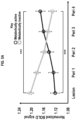
- FIG. 5 A shows the mean normalized BOLD signal in the MS brain lesions and their Perimeters (Peri) 1-4 for metabolically active (solid line with squares) and inactive lesions (solid line with triangles).
- FIG. 5 B shows the significant differences in BOLD signal between positive and negative BOLD slope MS brain lesion types.
- FIG. 5 C shows the relationship of cerebral metabolic rate of oxygen (CMRO 2 ) from the MS brain lesion to its Perimeters (Peri) 1-4 in metabolically active brain lesions and metabolically inactive brain lesions.
- CMRO 2 cerebral metabolic rate of oxygen
- FIG. 5 D shows the significant differences in CMRO 2 between metabolically active and metabolically inactive MS brain lesion types.
- FIG. 5 E shows the significantly higher CBF in metabolically active lesions than inactive lesions.
- FIG. 5 F depicts the significant presence of more intact white matter microstructure (e.g., myelin) in metabolically active lesions compared to inactive lesions as measured by presence of kurtosis tensors.
- white matter microstructure e.g., myelin
- FIG. 6 A shows examples of metabolically active and inactive MS brain lesions in 2D and 3D views demonstrating the marked underrepresentation of the MS brain lesion shape and texture in 2D forced perspectives of MRI.
- FIG. 6 B shows the probability density functions of the two lesion types, metabolically active (solid black line) and inactive (solid grey line), obtained from bootstrapping the cube root of randomly sampled 1 ⁇ 10 6 tetrahedron areas on the lesion surface.
- FIG. 6 C depicts a bar graph showing mean lesion volumes of the two lesion types.
- FIG. 6 D depicts a bar graph showing mean surface area-to-volume ratio for the two lesion types.
- FIG. 6 E shows Log transformed manifold harmonics transform (MHT) descriptors plotted as a function of their eigenvalues for each lesion.
- MHT Log transformed manifold harmonics transform
- FIG. 6 F depicts bar graphs showing mean MHT descriptors of low (0-100), mid (101-200) and high (201-300) eigenvalues for the two lesion types.
- FIG. 7 shows an example of a reconstructed lesion model by using different numbers of eigenvectors: 6, 10, 50, 100, 300, and the original shape, respectively.
- FIG. 8 shows the definition of the angles and area covered by each vertex in order to compute Laplacian eigenvalues for each manifold mesh of a lesion.
- FIG. 9 A depicts a graph of mean BOLD signals in MS lesions and their perimeters and in non-specific white matter (NSWM) lesions and their perimeters.
- NSWM non-specific white matter
- FIG. 9 B depicts a graph of mean cerebral blood flow (CBF) in MS lesions and their perimeters and NSWM lesions and their perimeters.
- CBF mean cerebral blood flow
- FIG. 9 C depicts a bar graph of mean BOLD slope for MS lesions and NSWM lesions.
- FIG. 9 D depicts a receiver operator characteristic (ROC) curve for a model.
- FIG. 10 A shows a three-dimensional illustration of an MS lesion and its perimeters.
- FIG. 10 B shows a three-dimensional illustration of an NSWM lesion and its perimeters.
- the present disclosure describes a practical and innovative approach to assessing physiologic data from the lesion tissue and one or more enlarged boundaries surrounding the brain lesion.
- the boundaries can be defined as surrounding concentric perimeters extending from the surface of a 3D MS lesion.
- the association of lesion shape and surface features with its metabolic signatures may aid in the immediate translation of MRI data to clinical management by providing information related to metabolic activity.
- the inclusion of an unconventional lesion-isolation technique enabled the direct extraction of lesions in 3D without reconstruction through 2D slices and allowed for lesion traits to be phenotyped.
- the novel 3D approach to the characterization of MS lesion phenotypes offers a more accurate reflection of the underlying microstructural and physiologic injury on an individualized level well beyond the capabilities of routine MRI studies. For example, lesions with a more spherical shape and complex surface features demonstrating a positive BOLD slope are metabolically active, suggesting a greater potential for in-situ remyelination. Such findings could not have been achieved with a 2D approach.
- the short acquisition time for BOLD slope and minimal degree of post processing required to calculate these outcomes further increases the potential for the disclosed methods, apparatuses, and systems to be clinically adopted in the management of MS patients.
- the present disclosure provides a platform for disease surveillance as well as quantifying outcomes involving therapeutics aimed at myelin repair.
- FIG. 1 depicts an exemplary 3D imaging and brain lesion representation system 100 according to an embodiment of the disclosure.
- an MRI device 102 may be provided.
- the MRI device 102 may be a 2D MRI device, a 3D MRI device, or one or more MRI devices providing both 2D and 3D imaging capabilities.
- a processing device 104 may be capable of receiving 2D and/or 3D images taken by the MRI device.
- Processing device 104 may be a part of a computer system that may include standard components such as a hard drive, monitor, printer, keyboard, and mouse, among others, that may enable a user to interact with the processing device 104 .
- processing device 104 may include one or more of a segmentation application 106 , a 3D imaging application 108 , and one or more databases 110 .
- segmentation application 106 may be configured to receive one or more MRI images from MRI device 102 , segment the one or more MRI images into one or more regions, and enable a selection of one or more regions. These selected regions may be referred to as regions of interest (ROI).
- ROI regions of interest
- the selection of ROI may be done automatically by processing device 104 .
- the selection of ROI may be done by a user.
- the selected ROI may be exported by segmentation application 106 and imported into 3D image application 108 .
- 3D image application 108 may generate one or more 3D maximum intensity projections (MIP) images of the selected ROI.
- the selected ROI may correspond to one or more focal brain lesions.
- the selected ROI may be converted to stereolithography (.stl) format and/or displayed as 3D orthographic images to enable orthographic views.
- the one or more 3D images may be displayed to a user and 3D image application 108 may enable a user to view and manipulate the one or more 3D images.
- image manipulation capabilities may include capabilities to rotate, zoom, mark, color, and select the one or more images.
- one or more databases 110 may contain information corresponding to various brain lesion characteristics. Examples of these brain lesion characteristics may include shape or geometric characteristics, size characteristics, topographical characteristics, volume characteristics, surface area characteristics and the like. In some embodiments, the brain lesion characteristics may be associated with one or more etiologies. Examples of these etiologies may include MS, aging, small vessel disease, migraine headaches, and other non-specific white matter lesion etiologies.
- processing device 104 may be configured to send data corresponding to the one or more 3D images to a 3D printing device 112 .
- 3D printing device 112 may create a 3D physical representation of the received one or more 3D images.
- FIG. 2 depicts an exemplary method 200 for creating 3D representations of brain lesions according to an embodiment of the disclosure.
- method 200 may be implemented by system 100 .
- method 200 may begin at step 204 by receiving one or more 2D and/or 3D MRI images.
- 3D MRI images may be created from one or more received 2D MRI images.
- Method 200 may continue at step 208 by segmenting the received one or more 2D and/or 3D MRI images.
- segmenting step 208 may include segmenting the one or more 2D and/or 3D MRI images into one or more regions of interest (ROI).
- ROI regions of interest
- brain lesions may be segmented in 3D format using a maximum intensity projection (MIP) 3D file.
- MIP maximum intensity projection
- the computer system and/or a user may manipulate a 3D object in 2D space and may select one or more ROI.
- Isolating lesions from 3D MRI images may allow for a better appreciation of both the geometric and surface characteristics of brain lesions.
- a variety of signals may influence pixel intensities that may result in pixel misclassification. Isolating lesions from 3D images may overcome some of these shortcomings of 2D lesion isolation.
- Method 200 may continue at step 212 by creating one or more 3D models of brain lesions.
- the one or more 3D brain lesion models may be orthographic images or MIP images.
- Method 200 may continue at step 216 by analyzing of one or more 3D phenotypic characteristics of the brain lesion and a slope of a blood oxygen dependent (BOLD) signal from the brain lesion through one or more enlarged boundaries surrounding the brain lesion.
- BOLD blood oxygen dependent
- a computer system may analyze the one or more brain lesion images to determine one or more characteristics of the brain lesion.
- a user may also analyze the one or more brain lesion images by interacting with the computer system.
- metadata may be used to denote a type or category of a brain lesion characteristic.
- brain lesion characteristics may include geometric characteristics. Geometric characteristics may provide insights into a size and shape of a brain lesion. Examples of geometric characteristics may include lesion symmetry/asymmetry, surface morphology (e.g., amorphous, ovoid), the existence of lobes and/or protrusions, and other shape characteristics (e.g., tapered/wedge, spherocylindrical). In some embodiments, brain lesion characteristics may include surface characteristics. Surface characteristics may provide insights into lesion surface traits and lesion properties not associated with geometry.
- Examples of surface characteristics may include the existence of surface microstructures, surface topography (e.g., steepness/sheerness of surface peaks and valleys), surface irregularities, and a non-uniform distribution of mass of the lesion.
- the computer system may engage in machine learning to generate descriptive surface, shape, and signal characteristics from the entire lesion or sections within lesions in order to more efficiently and accurately classify lesion types.
- Method 200 may continue at step 220 by determining indicators of one or more brain lesion characteristics.
- a computer system may compare the one or more brain lesion characteristics to one or more previously stored brain lesion characteristics to determine possible matches.
- one or more previously stored brain lesion characteristics may correspond to one or more brain lesion etiologies.
- the computer system may determine one or more possible etiologies of the one or more brain lesions.
- a user may be able to determine one or more possible etiologies of the one or more brain lesions based on each of their one or more brain lesions characteristics.
- Multimodal neuroimaging methods coupled with novel lesion-phenotyping methods were used to study the relationship between lesion 3D shape and texture and the metabolic and physiologic profiles from within and around lesions in one or more enlarged boundaries (e.g., concentric perimeters) in multiple sclerosis (MS) patients.
- Lesion phenotyping and physiologic characterization allowed the study of the impact of lesions on surrounding tissue and identification of lesion characteristics within and around lesion tissue, resulting in identification of an association of lesions' shapes and surface features with their metabolic signatures.
- Such associations aid in the prospect for immediate translation of 3D MRI data to clinical management by providing information related to metabolic activity, lesion age, and risk for disease reactivation and self-repair.
- the disclosed methods, apparatuses, and systems provide a platform for disease surveillance and outcome quantification involving therapeutics aimed at myelin repair.
- a total of 109 MS lesions and 27 simulated lesions created from 4 age- and sex-matched healthy control (HC) brains were studied.
- the simulated lesions in HC brains were location-matched to focal lesions in MS patient brains. Table 1 below summarizes the baseline demographic and clinical data from the study cohort.
- exemplary MS brain lesion 100 has a Perimeter 1 ( 104 ) and a Perimeter 2 ( 108 ), but can also have one or more additional perimeters associated with the brain lesion.
- BOLD blood oxygen level dependent
- CBF cerebral blood flow
- CBF cerebral blood flow
- plotting the mean BOLD signal in 109 MS lesions and surrounding Perimeters 1-4 indicated two characteristic types of lesions: (i) those with a decreasing trend, or (ii) those with a similar or increasing trend in BOLD signal from each lesion to its perimeters.
- the BOLD slope was calculated as the change in BOLD signal from each focal lesion to its associated Perimeters 1-4. It was determined that the BOLD slope distinguishes these two characteristic lesion types.
- two-way mixed ANOVA was performed, described in further detail below.
- active lesions in 2D and 3D views e.g., 112 d , 116 d
- FIG. 6 A in some implementations a significant difference in surface complexity between metabolically active lesions 116 d and inactive lesions 112 d was observed. It was determined that metabolically active lesions have more complex surface features than inactive lesions. As best depicted in FIG.
- MHT manifold harmonics transforms
- MHT manifold harmonics transform
- a non-invasive biomarker, BOLD slope was identified through a novel technique of assessing physiologic data from the lesion tissue and one or more enlarged boundaries (e.g., surrounding concentric perimeters) extending from the surface of a 3D MS lesion.
- Obtaining the BOLD slope can be used to clinically characterize metabolism in and around lesions.
- lesions with a positive BOLD slope are metabolically active and are associated with (1) increased CBF, (2) more intact white matter microstructure like myelin (3) more complex surface texture, and, (4) less complex shape features than metabolically inactive lesions.
- the association of lesion shape and surface features with its metabolic signatures suggest the prospect for immediate translation of MRI data to clinical management by providing information related to metabolic activity.
- the inclusion of a lesion-isolation technique enabled the direct extraction of lesions in 3D without reconstruction through 2D slices and allowed for lesion traits to be phenotyped.
- the findings indicate that specific 3D lesion traits may inform the underlying physiology in the lesion tissue and the surrounding brain parenchyma. For example, more complex surface textures were observed in metabolically active lesions than inactive lesions. Additionally, lesion texture complexity might result from cellular activity related to inflammation and tissue remodeling in and around MS lesions. Acute lesions feature increased cellular activity compared to chronic lesions. Histopathological studies have previously demonstrated that acute lesions are associated with irregular lesion borders compared to chronic lesions.
- Chronic, metabolically inactive lesions have larger volumes, more shape complexities, and less complex surface features compared to active lesions. Such older lesions would be expected to have higher volumes and more shape complexities due to the reduced edema surrounding chronic lesions, gliosis, and alterations in the surrounding brain parenchyma resulting from MS-related secondary degenerative changes.
- MS lesions The extent of metabolism in and around MS lesions appears to reflect the impact of focal MS lesions on their surrounding brain tissue, microscopic inflammation near the lesion borders, or the physiologic response to MS-related injury, and mediators of myelin repair. Consistent with the presently disclosed classification of lesions as metabolically active or inactive, immunopathology on demyelinating MS lesions in humans extending from lesion center to the periphery have identified two characteristic lesion types by the detection of elevated intra-versus extra-lesional oligodendrocyte number. Thus, metabolic activity in lesion tissue may reflect oligodendrocyte activity, and therefore, a greater capacity to remyelinate when compared to inactive lesions with fewer oligodendrocytes.
- the metabolic impact of lesions on adjacent tissue may be an important contributor to the heterogeneity observed in MS-related injury.
- Tissue within MS lesions are subjected to a virtual hypoxic state caused by an imbalance between energy demand and supply. This hypoxic state may be due to impaired mitochondrial energy production, reductions in CBF itself, or a combination of these factors. It was observed that MS lesions impair surrounding venous blood oxygenation without altering arterial blood flow. This observation suggested that the impaired venous oxygenation was mediated by the diversity and activity of cells within and around lesions.
- the present disclosure shows that there is evidence for two lesion types distinguished by shape and surface texture.
- Smaller acute lesions with rough surface textures are characterized by an abundance of repair-related metabolic activity which, if supported by myelin-repair therapies, could improve or resolve over time.
- Larger chronic lesions with smoother textures are characterized by a paucity of repair-related metabolic activity would be expected to remain static over time.
- the results suggest that studying lesion metabolism along with their 3D shape and texture informs the capacity for remyelination.
- the study group was ascertained from patients evaluated in the Clinical Center for Multiple Sclerosis at the University of Texas Southwestern (UTSW) Medical Center and from nearby MS support groups. HCs were recruited in the Dallas-Fort Worth Metroplex area. Inclusion criteria were comprised of (i) male or female patients between the ages of 18 and 65 with (ii) a confirmed diagnosis of a relapsing-remitting disease course based on 2010 McDonald criteria having (iii) an Expanded Disability Status Scale (EDSS) score less than 7.5.
- EDSS Expanded Disability Status Scale
- Patients were also required to be (iv) clinically stable on disease modifying therapy or (v) treatments for comorbid psychiatric illness (i.e., depression, generalized anxiety disorder), if present, for at least 90 days, (vi) at least 30 days past their most recent clinical exacerbation and (vii) exposure to their last glucocorticosteroid treatment.
- Exclusion criteria included (i) left-handed patients, (ii) pregnant or nursing women, (iii) history of smoking or cardiopulmonary illness due to the use of carbogen (5% CO2 and 95% room air), and (iv) contraindications to MRI scanning.
- MRI scans were performed on a 3T MRI scanner (Philips Medical System, Cleveland, Ohio) equipped with a 32-channel phased array head coil at the University of Texas Southwestern Advanced Imaging Research Center.
- participants first underwent a hypercapnia calibration experiment, followed by resting MRI scans wherein they focused their attention on a central fixation cross for the scan duration.
- cfMRI dual-echo calibrated functional MRI
- TR partition time
- TE echo time
- FOV field of view
- dual-echo cfMRI included both pseudo-continuous arterial spin labeling (pCASL; Echo 1, to obtain CBF) and BOLD images (Echo 2).
- This technique permitted the near-simultaneous acquisition of BOLD and CBF data.
- DKI data were used to measure white matter microstructure integrity.
- lesion segmentation was performed using in-house designed software allowing for its direct extraction in 3D space.
- regions around the lesion were defined as 3 mm voxel layers concentrically (e.g., 104 , 108 ).
- the first concentric layer immediately adjacent to the surface of the lesion constituted perimeter 1 (e.g., 104 ).
- the second, third and fourth layer surrounding the surface of the lesion constituted perimeters 2, 3 and 4 respectively. Regions in the perimeters 1-4 that fell within ventricles and cranium were removed.
- 0.0156 Hz high-pass filtered
- Echo 1 data were then converted to physiologic units in ml/100 g/min using Buxton's General Kinetic Model for Perfusion Quantification. Control images from Echo 1 were used to calculate the equilibrium magnetization of arterial blood (Mo) using asl_calib program. Cerebrospinal fluid (CSF) in the ventricles was used as a reference tissue to calculate Mo due to minimal partial volume effects. CSF ROI was obtained in native space based on surface based atlas using FreeSurfer following cortical reconstruction. Estimated values of CBF were masked within range [0-200] ml/100 g/min to exclude implausible physiologic values. Baseline CBF and BOLD values were then averaged across time to reduce variability and maximize statistical power. Lesion and Perimeter 1-4 masks were applied to average baseline CBF and BOLD maps to obtain average blood oxygenation and CBF in and around MS lesions.
- BOLD slope is the rate of change of BOLD signal from each focal MS lesion through its associated Perimeters 1-4.
- BOLD slope in these lesions were calculated using the formula:
- Cerebral metabolic rate of oxygen (CMRO 2 ) reflects the rate of cellular oxygen consumption.
- dual echo fMRI provided near-simultaneous measures of CBF and BOLD. Together, CBF and BOLD along with biophysical modeling procedures allowed for estimation of the CMRO 2 using the deoxyhemoglobin dilution model of BOLD signal change (see Equation 2).
- ⁇ ⁇ BOLD BOLD 0 M ( 1 - [ ⁇ ⁇ CMRO 2 CMRO 2 ⁇ 0 ] ⁇ [ ⁇ ⁇ CBF CBF 0 ] ⁇ - ⁇ ) Eq . 2
- M is a subject-specific scaling factor dependent upon the washout of resting deoxyhemoglobin determined by a calibration experiment.
- data from the hypercapnia scan were processed in a method similar to that described in section 4.b.
- Hypercapnia induced changes in BOLD signal ( ⁇ BOLD) and CBF ( ⁇ CBF) from normocapnic baseline were calculated.
- ⁇ BOLD BOLD signal
- ⁇ CBF CBF
- M M from equation 3.
- CMRO 2 in and around MS lesions were calculated using the average BOLD and CBF data obtained from resting dual-echo fMRI (see Equation 4).
- CMRO 2 CMRO 2 ⁇ gm ( 1 - ⁇ ⁇ BOLD BOLD gm M ) 1 ⁇ ⁇ ( CBF CBF gm ) 1 - ⁇ ⁇ Eq . 4
- DKI images were corrected for eddy-current distortions and motion using FMRIB Software Library (FSL v5.0.9; Oxford, UK) EDDY tool and co-registered via Analysis of Functional Neuroimages package (AFNI) to each participants' MPRAGE anatomical image.
- Diffusion and kurtosis tensors were estimated using the Diffusion Kurtosis Estimator (DKE) software and DTI and DKI indices were calculated: mean diffusivity (MD), axial diffusivity (AD), radial diffusivity (RD), fractional anisotropy (FA), mean kurtosis (MK), axial kurtosis (AK), and radial kurtosis (RK).
- DKE Diffusion Kurtosis Estimator
- lesion size, shape, and texture were measured using 3D lesion stereolithography files.
- lesion texture was estimated by analyzing the probability density function corresponding to the cube root of a tetrahedron area obtained by randomly sampling 1 ⁇ 10 6 tetrahedrons from the surface of studied lesions. The probability density function was separated into 300 equally spaced bins.
- MHT manifold harmonics transform
- the MHT utilizes the eigenvectors of the Laplace-Beltrami operators to convert a 3D lesion geometry into frequency space. Such conversion permitted quantification of lesion shape differences.
- a finite element modeling method was used to compute a discrete Laplacian for each manifold mesh of a lesion.
- the eigenvalues were sorted in ascending order and the first 300 eigenvectors were picked corresponding to the smallest eigenvalues to reconstruct the original shape of lesion.
- a reconstructed lesion model is created by using different numbers of eigenvectors: 6, 10, 50, 100, 300, and original shape, respectively.
- ⁇ denote its Laplace-Beltrami differential operator.
- the geometrical coordinates of a manifold mesh x, y or z was taken as a linear combination of the “hat” basis functions ⁇ i defined on the triangulated surface with n vertices of a 3D lesion.
- x i is the geometric coordinate x at vertex i.
- the MHT converts the lesion geometry x, y or z in the “hat” basis function ( ⁇ i ) into different frequencies of manifold harmonics (H k ).
- the MHT of x is given by:
- x is the vector of [x 1 , x 2 , . . . , x n ] and S is the lumped mass matrix (see supplemental).
- the inverse MHT transforms the frequencies [ ⁇ tilde over (x) ⁇ 1 , ⁇ tilde over (x) ⁇ 2 , . . . , ⁇ tilde over (x) ⁇ m ] back to geometric space coordinates [x 1 , x 2 , . . . , x n ].
- the reconstructed coordinate x at vertex i is given by:
- the embedded MHT vector ⁇ tilde over (c) ⁇ [ ⁇ tilde over (c) ⁇ 1 , ⁇ tilde over (c) ⁇ 2 , . . . , ⁇ tilde over (c) ⁇ m ] was taken as the descriptor to express the shape for each lesion.
- lesion burden was calculated using the lesion prediction algorithm (Schmidt, 2017, Chapter 6.1) as implemented in the LST toolbox version 2.0.15 (www.statistical-modelling.de/lst.html) for SPM.
- anatomical lesion location and lesion type were manually defined by an MS specialist (e.g., D.O.).
- the diagnostic criteria for MS requires the presence of white matter lesions seen on MRI with appropriate size, morphology, and spatial or temporal dissemination pattern. As is also known, such criteria, however, are limited by false positive diagnosis due to the presence of similar MRI findings in NSWM disease states such as migraines and small vessel diseases.
- the co-existence of age-related vascular changes i.e., NSWM changes
- NSWM lesions from 13 NSWM disease (NSWMD) patients and 143 MS lesions from 23 relapsing-remitting MS patients were studied.
- the inclusion criteria for NSWMD patients were as follows: (i) male or female patients between the ages of 18 and 65, (ii) a history of migraine headaches or small vessel disease risk factors, (iii) focal bilateral supratentorial white matter abnormalities on MRI that are atypical for in-situ demyelination (confirmed by a board-certified neuroradiologist) and, (iv) the exclusion of a diagnosis of MS by a specialist (D.T.O) based on clinical impressions, radiological features, and the results from other paraclinical studies.
- D.T.O specialist
- the average BOLD signal in the lesion, perimeter-1, and perimeter-2 were obtained as the contrast-to-noise ratio of Echo 2 data.
- the contrast-to-noise ratio was calculated as the difference between the mean Echo-2 signal in the ROI and the mean Echo-2 signal in the extracranium (noise) divided by the standard deviation of the Echo-2 signal in the extracranium.
- FIG. 9 A illustrates mean BOLD signal in lesions and their perimeters for MS and NSWM lesions.
- BOLD slope can be an indicator of metabolic capacity within and around MS lesions.
- metabolic differences between MS and NSWM lesions were assessed by testing for group-differences in BOLD slope using an independent-sample t-test.
- FIG. 9 C illustrates a bar graph representing mean BOLD slope for MS and NSWM lesions.
- FIG. 9 B illustrates the mean CBF in lesions and their perimeters for MS and NSWM lesions.
- binomial logistic regression was performed with Groups as a dependent variable and BOLD Signal in the Lesion, Perimeter 1, Perimeter 2, BOLD Signal Differences between Perimeter 1 and Lesion, and BOLD Signal Differences between Perimeter 2 and Perimeter 1 were independent variables.
- the model explained 27.0% (Nagelkerke R2) of the variance in disease states.
- the specificity of the model in identifying NSWM lesion was 78.9%.
- FIG. 9 D shows the receiver operator characteristic (ROC) curve for the model.
- the area under the ROC curve was 0.761 (95% CI, 0.701 to 0.820).
- FIG. 10 A illustrates a 3D illustration of a MS lesion and its perimeters.
- FIG. 10 B illustrates a 3D illustration of a NSWM lesion and its perimeters.
- the grey gradient represents change in BOLD signal from perimeter-2 towards the lesion.
- the study undertook a novel 3D approach to investigate the integrity of surrounding brain tissue by assessing the physiology within lesions and their surroundings exact to the 3D shape of lesions.
- This approach was applied to distinguish two disease states that might, at times, yield similar-appearing radiological data.
- the utility of BOLD signal within and around MS lesions to distinguish the two disease states at the level of individual lesion was identified.
- this technique shows promise for clinical utility to distinguish the two disease states and effectively adds to other methods that aim to improve the specificity in identifying the etiology of central nervous system lesions to optimize the quality of medical management provided to patients.
Landscapes
- Health & Medical Sciences (AREA)
- Engineering & Computer Science (AREA)
- Life Sciences & Earth Sciences (AREA)
- Physics & Mathematics (AREA)
- Medical Informatics (AREA)
- General Health & Medical Sciences (AREA)
- Theoretical Computer Science (AREA)
- General Physics & Mathematics (AREA)
- Computer Vision & Pattern Recognition (AREA)
- Animal Behavior & Ethology (AREA)
- Biomedical Technology (AREA)
- Molecular Biology (AREA)
- Surgery (AREA)
- Pathology (AREA)
- Biophysics (AREA)
- Public Health (AREA)
- Veterinary Medicine (AREA)
- Nuclear Medicine, Radiotherapy & Molecular Imaging (AREA)
- Heart & Thoracic Surgery (AREA)
- Radiology & Medical Imaging (AREA)
- Neurology (AREA)
- Quality & Reliability (AREA)
- High Energy & Nuclear Physics (AREA)
- Physiology (AREA)
- Software Systems (AREA)
- Psychology (AREA)
- Neurosurgery (AREA)
- Optics & Photonics (AREA)
- Hematology (AREA)
- Cardiology (AREA)
- Magnetic Resonance Imaging Apparatus (AREA)
Abstract
Description
where α=0.38 is an empirically-derived constant linking CBF and cerebral blood volume; β=1.3 is an empirically-derived constant related to vascular exchange and susceptibility of deoxyhemoglobin at 3T; and M is a subject-specific scaling factor dependent upon the washout of resting deoxyhemoglobin determined by a hypercapnia calibration experiment. The hypercapnia induced changes in the blood oxygen level dependent (BOLD) signal and the cerebral blood flow (CBF) can be used to calculate a subject-specific scaling factor M using the formula
where the subject-specific scaling factor M and the average blood oxygen level dependent (BOLD) and the cerebral blood flow (CBF) data can be used to calculate CMRO2 within and around the brain lesion using the formula
where regions are the brain lesions and their associated perimeters, n is the number of regions, BOLDi is the average BOLD signal in the region and
where α=0.38 is an empirically-derived constant linking CBF and cerebral blood volume; β=1.3 is an empirically-derived constant related to vascular exchange and susceptibility of deoxyhemoglobin at 3T; and M is a subject-specific scaling factor dependent upon the washout of resting deoxyhemoglobin determined by a hypercapnia calibration experiment. The hypercapnia induced changes in the blood oxygen level dependent (BOLD) signal and the cerebral blood flow (CBF) can be used to calculate a subject-specific scaling factor M using the formula
where the subject-specific scaling factor M and the average blood oxygen level dependent (BOLD) and the cerebral blood flow (CBF) data can be used to calculate CMRO2 within and around the brain lesion using the formula
| TABLE 1 | |||
| Characteristics | MS patients (N = 23) | ||
| Age (years) | 55 (29-61) | ||
| Median (range) | |||
| Female sex | 17 (74%) | ||
| No. (%) | |||
| Disease duration (years) | 11 (1-30) | ||
| Median (range) | |||
| Patients on disease modifying | 16 (69.6%) | ||
| therapy | |||
| No. (%) | |||
| Age at diagnosis (years) | 38 (26-54) | ||
| Median (range) | |||
| Time since last acute exacerbation | 2.8 (0.4-13.3) | ||
| (years) | |||
| Median (range) | |||
| EDSS score | 2.5 (1-7.5) | ||
| Median (range) | |||
| Total lesion volume | 3.035 (0.12-26.32) | ||
| Median (range) | |||
| TABLE 2 | ||||
| Metabolically | Metabolically | |||
| Char- | active | inactive | ||
| acteristics | (N = 33) | (N = 76) | Statistics | |
| Definition | BOLD slope | Positive | Negative | p <0.0005 |
| Lesion | Frontal lobe | 39.39% | 35.52% | p <0.24 |
| location | Temporal lobe | 3.03% | 13.15% | |
| Parietal lobe | 57.57% | 47.36% | ||
| Occipital lobe | — | 3.9% | ||
| Lesion | Juxtacortical | — | 3.94% | p <0.06 |
| type | Subcortical | 39.39% | 28.94% | |
| Deep white | 51.15% | 36.84% | ||
| matter | ||||
| Periventricular | 9.09% | 30.26% | ||
| Physio- | CMRO2 | 0.69 (0.19) | 0.47 (0.25) | p <0.0005 |
| logic | Mean (SD) | |||
| properties | CBF | 0.85 (0.32) | 0.68 (0.39) | p <0.03 |
| Mean (SD) | ||||
| Micro- | White matter | 0.88 (0.08) | 0.81 (0.09) | p <0.0005 |
| structural | microstructure | |||
| properties | like |
|||
| 3D pheno- | Lesion volume | 1.27 (0.33) | 1.08 (0.31) | p <0.005 |
| typing | (cm3) | |||
| Mean (SD) | ||||
| Surface texture | Rough | Smooth | p <0.0005 | |
| Lesion shape | Less complex | More complex | p <0.0005 | |
where regions are the lesions and their associated perimeters, n is the number of regions, BOLDi is the average BOLD signal in the region and BOLD is the average BOLD signal across all regions, Ti is the thickness of the concentric layer.
where α=0.38 is an empirically-derived constant linking CBF and cerebral blood volume, and β=1.3 is an empirically-derived constant related to vascular exchange and susceptibility of deoxyhemoglobin at 3T. M is a subject-specific scaling factor dependent upon the washout of resting deoxyhemoglobin determined by a calibration experiment.
Δƒ=−Δƒ Eq. S1
Δ0=0<λ1<λ2< . . . Eq. S2
ƒ=c 0φ0 +c 1φ1 +c 2φ2+ . . . Eq. S3
S −1 MH=λH Eq.S5
where M is called the stiffness matrix defined by:
and diagonal lumped mass matrix S is defined by the neighboring triangles t of each vertex and their area |t|:
After eigenvalue decomposition using ARPACK, for each manifold mesh surface, we get a set of eigenvalues λ and their corresponding vectors H.
where xi is the geometric coordinate x at vertex i.
{tilde over (c)} i=√{square root over ({tilde over (x)} i 2 +{tilde over (y)} i 2 +{tilde over (z)} i 2)} Eq. 8
| TABLE 3 | ||
| NSWM patients | ||
| Characteristics | MS patients (N = 23) | (N = 13) |
| Age (years) | 50.1 (29.6-61.4) | 53.9 |
| Median (range) | (37.8-64.4) | |
| Female sex | 17 (74%) | 13 (100%) |
| No. (%) | ||
| Disease duration (years) | 11.3 (1.2-30.8) | |
| Median (range) | ||
| Patients on disease modifying | 16 (69.6%) | |
| therapy | ||
| No. (%) | ||
| Age at diagnosis (years) | 38 (26-54) | |
| Median (range) | ||
| Time since last acute | 2.8 (0.4-13.3) | |
| exacerbation (years) | ||
| Median (range) | ||
| EDSS score | 2.5 (1-7.5) | |
| Median (range) | ||
| Total lesion volume (ml) | 3.035 (0.12-26.32) | 1.3428 |
| Median (range) | (0.27-13.0863) | |
- [1] T. Vos, “Articles Global, regional, and national burden of neurological disorders during 1990-2015: a systematic analysis for the Global Burden of Disease Study 2015,” Lancet Neurol, vol. 16, pp. 877-97, 2017.
- [2] L. K. Fisniku et al., “Disability and T2 MRI lesions: a 20-year follow-up of patients with relapse onset of multiple sclerosis,” Brain, vol. 131, no. 3, pp. 808-817, February 2008.
- [3] A. Rovira and A. León, “MR in the diagnosis and monitoring of multiple sclerosis: An overview,” Eur J Radiol, vol. 67, no. 3, pp. 409-14, 2008.
- [4] Y. Ge, “Multiple sclerosis: the role of MR imaging,” AJNR Am J Neuroradiol, vol. 27, no. 6, pp. 1165-1176, 2006.
- [5] S. Datta, B. R. Sajja, R. He, R. K. Gupta, J. S. Wolinsky, and P. A. Narayana, “Segmentation of gadolinium-enhanced lesions on MRI in multiple sclerosis,” J. Magn. Reson. Imaging, vol. 25, no. 5, pp. 932-937, 2007.
- [6] F. Fazekas, F. Barkhof, and M. Filippi, “Unenhanced and enhanced magnetic resonance imaging in the diagnosis of multiple sclerosis.,” J. Neurol. Neurosurg. Psychiatry, vol. 64, no.
Suppl 1, pp. S2-5, 1998. - [7] R. Geraldes et al., “The current role of MRI in differentiating multiple sclerosis from its imaging mimics,” Nat. Rev. Neurol., vol. 14, no. 4, pp. 199-213, March 2018.
- [8] A. J. Solomon et al., “The contemporary spectrum of multiple sclerosis misdiagnosis: A multicenter study.,” Neurology, vol. 87, no. 13, pp. 1393-9, September 2016.
- [9] D. Goldberg-Zimring, H. Azhari, S. Miron, and A. Achiron, “3-D surface reconstruction of multiple sclerosis lesions using spherical harmonics,” Magn. Reson. Med., vol. 46, no. 4, pp. 756-766, October 2001.
- [10] B. D. Newton et al., “Three-Dimensional Shape and Surface Features Distinguish Multiple Sclerosis Lesions from Nonspecific White Matter Disease,” J. Neuroimaging, vol. 27, no. 6, pp. 613-619, 2017.
- [11] D. Goldberg-Zimring, A. Achiron, C. R. G. Guttmann, and H. Azhari, “Three-Dimensional Analysis of the Geometry of Individual Multiple Sclerosis Lesions: Detection of Shape Changes Over Time Using Spherical Harmonics.”
- [12] M. R. Hansen et al., “Post-gadolinium 3-dimensional spatial, surface, and structural characteristics of glioblastomas differentiate pseudoprogression from true tumor progression,” J. Neurooncol., pp. 1-8, June 2018.
- [13] L. J. Bagley, R. I. Grossman, S. L. Galetta, G. P. Sinson, M. Kotapka, and J. C. McGowan, “Characterization of white matter lesions in multiple sclerosis and traumatic brain injury as revealed by magnetization transfer contour plots,” Am. J. Neuroradiol., vol. 20, no. 6, pp. 977-981, 1999.
- [14] J. T. Chen et al., “Local magnetization transfer ratio signal inhomogeneity is related to subsequent change in MTR in lesions and normal-appearing white-matter of multiple sclerosis patients,” Neuroimage, vol. 25, no. 4, pp. 1272-1278, 2005.
- [15] S. D. Wolff and R. S. Balaban, “Magnetization transfer contrast (MTC) and tissue water proton relaxation in vivo,” Magn. Reson. Med., vol. 10, no. 1, pp. 135-144, April 1989.
- [16] N. M. Moll et al., “Multiple sclerosis normal-appearing white matter: Pathology-imaging correlations,” Ann. Neurol., vol. 70, no. 5, pp. 764-773, 2011.
- [17] J. Lee, R. Fox, A. Chang, and R. M. Ransohoff, “Multiple Sclerosis Normal-Appearing White Matter: Pathology-Imaging Correlations,” Ann Neurol, vol. 70, no. 5, pp. 764-773, 2012.
- [18] C. F. Lucchinetti, W. Brück, J. E. Parisi, B. W. Scheithauer, M. Rodriguez, and H. Lassmann, “Heterogeneity of Multiple Sclerosis Lesions: Implications for the Pathogenesis of Demyelination,” Ann. Neurol., vol. 47, no. 6, pp. 707-717, 2000.
- [19] C. Lucchinetti et al., “Heterogeneity of Multiple Sclerosis Lesions: Implications for the Pathogenesis of Demyelination.”
- [20] P. Patrikios et al., “Remyelination is extensive in a subset of multiple sclerosis patients,” Brain, vol. 129, no. 12, pp. 3165-3172, June 2006.
- [21] B. D. Trapp, J. Peterson, R. M. Ransohoff, R. Rudick, S. Mörk, and L. Bo, “Axonal Transection in the Lesions of Multiple Sclerosis,” N. Engl. J. Med., vol. 338, no. 5, pp. 278-285, January 1998.
- [22] R. D. Hoge, J. Atkinson, B. Gill, G. R. Crelier, S. Marrett, and G. B. Pike, “Investigation of BOLD Signal Dependence on Cerebral Blood Flow and Oxygen Consumption: The Deoxyhemoglobin Dilution Model.”
- [23] R. B. Buxton, K. Uludag, D. J. Dubowitz, and T. T. Liu, “Modeling the hemodynamic response to brain activation,” 2004.
- [24] C. J. Gauthier and R. D. Hoge, “Magnetic resonance imaging of resting OEF and CMRO2 using a generalized calibration model for hypercapnia and hyperoxia,” Neuroimage, vol. 60, no. 2, pp. 1212-1225, 2012.
- [25] C. J. Gauthier and R. D. Hoge, “A generalized procedure for calibrated MRI incorporating hyperoxia and hypercapnia,” Hum. Brain Mapp., vol. 34, no. 5, pp. 1053-1069, 2013.
- [26] N. De Stefano, P. M. Matthews, J. P. Antel, M. Preul, G. Francis, and D. L. Arnold, “Chemical pathology of acute demyelinating lesions and its correlation with disability,” Ann. Neurol., vol. 38, no. 6, pp. 901-909, December 1995.
- [27] M. Filippi et al., “Association between pathological and MRI findings in multiple sclerosis,” 2012.
- [28] F. Barkhof et al., “Remyelinated Lesions in Multiple Sclerosis,” Arch. Neurol., vol. 60, no. 8, p. 1073, August 2003.
- [29] J. W. Prineas, R. O. Barnard, T. Revesz, E. E. Kwon, L. Sharer, and E.-S. Cho, “Multiple sclerosis,” Brain, vol. 116, no. 3, pp. 681-693, June 1993.
- [30] D. McAlpine and A. Compston, “McAlpine's Multiple Sclerosis,” in McAlpine's Multiple Sclerosis, 2005, pp. 83-91.
- [31] D. Goldberg-Zimring, B. Shalmon, K. H. Zou, H. Azhari, D. Nass, and A. Achiron, “Assessment of Multiple Sclerosis Lesions with Spherical Harmonics: Comparison of MR Imaging and
Pathologic Findings 1.” - [32] C. Lucchinetti, W. Brück, J. Parisi, B. Scheithauer, M. Rodriguez, and H. Lassmann, “A quantitative analysis of oligodendrocytes in multiple sclerosis lesions. A study of 113 cases,” Brain, vol. 122, no. 12, pp. 2279-2295, 1999.
- [33] B. D. Trapp and P. K. Stys, “Virtual hypoxia and chronic necrosis of demyelinated axons in multiple sclerosis,” www.thelancet.com/neurology, vol. 8, 2009.
- [34] R. Dutta et al., “Mitochondrial Dysfunction as a Cause of Axonal Degeneration in Multiple Sclerosis Patients,” Ann Neurol, vol. 59, pp. 478-489, 2006.
- [35] P. Belov et al., “Lower Arterial Cross-Sectional Area of Carotid and Vertebral Arteries and Higher Frequency of Secondary Neck Vessels Are Associated with Multiple Sclerosis.,” AJNR. Am. J. Neuroradiol., vol. 39, no. 1, pp. 123-130, January 2018.
- [36] A. Chang, A. Nishiyama, J. Peterson, J. Prineas, and B. D. Trapp, “NG2-positive oligodendrocyte progenitor cells in adult human brain and multiple sclerosis lesions.,” J. Neurosci., vol. 20, no. 17, pp. 6404-6412, 2000.
- [37] M. L. Cuzner and W. T. Norton, “Biochemistry of demyelination,” in Brain Pathology, 1996, vol. 6, no. 3, pp. 231-242.
- [38] J. J. Harris and D. Attwell, “Cellular/Molecular The Energetics of CNS White Matter.”
- [39] L. I. Sánchez-Abarca, A. Tabernero, and J. M. Medina, “Oligodendrocytes use lactate as a source of energy and as a precursor of lipids,” Glia, vol. 36, no. 3, pp. 321-329, December 2001.
- [40] S. Y. Lunt and M. G. Vander Heiden, “Aerobic Glycolysis: Meeting the Metabolic Requirements of Cell Proliferation,” Annu. Rev. Cell Dev. Biol., vol. 27, no. 1, pp. 441-464, 2011.
- [41] S. Mi, R. Blake Pepinsky, and D. Cadavid, “Blocking LINGO-1 as a Therapy to Promote CNS Repair: From Concept to the Clinic,” CNS Drugs, vol. 27, no. 7, pp. 493-503, July 2013.
- [42] S. Mi et al., “LINGO-1 antagonist promotes spinal cord remyelination and axonal integrity in MOG-induced experimental autoimmune encephalomyelitis,” Nat. Med., vol. 13, no. 10, pp. 1228-1233, October 2007.
- [43] F. Sedel et al., “High doses of biotin in chronic progressive multiple sclerosis: A pilot study,” Mult. Scler. Relat. Disord., vol. 4, no. 2, pp. 159-169, March 2015.
- [44] D. K. Jones, M. A. Horsfield, and A. Simmons, “Optimal strategies for measuring diffusion in anisotropic systems by magnetic resonance imaging,” Magn. Reson. Med., vol. 42, no. 3, pp. 515-525, 1999.
- [45] R. W. Cox, “AFNI: software for analysis and visualization of functional magnetic resonance neuroimages,” Comput. Biomed. Res., vol. 29, no. 29, pp. 162-173, 1996.
- [46] T. T. Liu and E. C. Wong, “A signal processing model for arterial spin labeling functional MRI,” Neuroimage, vol. 24, no. 1, pp. 207-215, January 2005.
- [47] D. C. Alsop et al., “Recommended implementation of arterial spin-labeled perfusion MRI for clinical applications: A consensus of the ISMRM perfusion study group and the European consortium for ASL in dementia,” Magn. Reson. Med., vol. 73, no. 1, pp. 102-116, January 2015.
- [48] R. B. Buxton, E. C. Wong, and L. R. Frank, “Dynamics of blood flow and oxygenation changes during brain activation: The balloon model,” Magn. Reson. Med., vol. 39, no. 6, pp. 855-864, June 1998.
- [49] R. S. Desikan et al., “An automated labeling system for subdividing the human cerebral cortex on MRI scans into gyral based regions of interest,” Neuroimage, vol. 31, no. 3, pp. 968-980, July 2006.
- [50] A. Merola et al., “Mapping the pharmacological modulation of brain oxygen metabolism: The effects of caffeine on absolute CMRO2 measured using dual calibrated fMRI,” Neuroimage, vol. 155, pp. 331-343, July 2017.
- [51] B. Ances, F. Vaida, R. Ellis, and R. Buxton, “Test-retest stability of calibrated BOLD-fMRI in HIV− and HIV+ subjects,” Neuroimage, vol. 54, no. 3, pp. 2156-2162, February 2011.
- [52] O. Leontiev and R. B. Buxton, “Reproducibility of BOLD, perfusion, and CMRO2 measurements with calibrated-BOLD fMRI,” Neuroimage, vol. 35, no. 1, pp. 175-184, March 2007.
- [53] J. L. Hutchison, H. Lu, and B. Rypma, “Neural Mechanisms of Age-Related Slowing: The CBF/CMRO2 Ratio Mediates Age-Differences in BOLD Signal and Human Performance,” Cereb. Cortex, vol. 23, no. 10, pp. 2337-2346, October 2013.
- [54] J. L. R. Andersson, M. S. Graham, E. Zsoldos, and S. N. Sotiropoulos, “Incorporating outlier detection and replacement into a non-parametric framework for movement and distortion correction of diffusion MR images,” Neuroimage, vol. 141, pp. 556-572, November 2016.
- [55] J. L. R. Andersson and S. N. Sotiropoulos, “An integrated approach to correction for off-resonance effects and subject movement in diffusion MR imaging,” Neuroimage, vol. 125, pp. 1063-1078, January 2016.
- [56] A. Tabesh, J. H. Jensen, B. A. Ardekani, and J. A. Helpern, “Estimation of tensors and tensor-derived measures in diffusional kurtosis imaging,” Magn. Reson. Med., vol. 65, no. 3, pp. 823-836, 2011.
- [57] B. Vallet and B. Lévy, “Spectral Geometry Processing with Manifold Harmonics,” Comput. Graph. Forum, vol. 27, no. 2, pp. 251-260, April 2008.
- [58] A. Bunn and M. Korpela, “Crossdating in dp1R,” 2013.
- [59] A. Petersen and H.-G. Müller, “Functional data analysis for density functions by transformation to a Hilbert space,” Ann. Stat., vol. 44, no. 1, pp. 183-218, February 2016.
- [60] J.-T. Zhang, Analysis of Variance for Functional Data. Chapman and Hall/CRC, 2013.
- [61] U. Munzel and E. Brunner, “Nonparametric Tests in the Unbalanced Multivariate One-Way Design,” Biometrical J., vol. 42, no. 7, pp. 837-854, November 2000.
- [62] A. R. Ellis, W. W. Burchett, S. W. Harrar, and A. C. Bathke, “Nonparametric Inference for Multivariate Data: The R Package npmv,” JSS J. Stat. Softw., vol. 76, 2017.
- [63] A. J. Thompson, B. L Banwell, F. Barkhof, et al., “Diagnosis of multiple sclerosis: 2017 revisions of the McDonald criteria,” Lancet. Neurol. 17:162-173, 2018.
- [64] S. Liu, J. Kullnat, D. Bourdette et al., “Prevalence of brain magnetic resonance imaging meeting Barkhof and McDonald criteria for dissemination in space among headache patients,” Mult. Schler. J.
- [65] U. Seneviratne, W. Chong, P. H. Billimoria, “Brain white matter hyperintensities in migraine: Clinical and radiological correlates,” Clin. Neurol. Neruosurg, 2013.
- [66] M. Absinta, M. A. Rocca, B. Colombo, et al., “Patients with migraine do not have MRI visible cortical lesions,” J. Neurol., 2012.
- [67] G. Akman-Demir, M. Mutlu, A. Kiyat-Atamer, et al., “Behcet's disease patients with multiple sclerosis-like features: discriminative value of Barkhof criteria,” Clin. Exp. Rheumatol., 33:S80-4.
- [68] S. S. Kim, D. P. Richman, W. O. Johnson, et al., “Limited utility of current MRI criteria for distinguishing multiple sclerosis from common mimickers: Primary and secondary CNS vasculitis, lupus and Sjogren's syndrome,” Mull. Scler., 2014.
- [69] R. Schmidt, C. Enziner, S. Ropele, et al., “Subcortical vascular cognitive impairment: Similarities and differences with multiple sclerosis,” J. Neurol. Sci., 2006.
- [70] R. Geraldes, M. M. Esiri, G. C. Deluca, J. Palace, “Age-related small vessel disease: a potential contributor to neurodegeneration in multiple sclerosis.”
- [71] M. Welvaert, Y. Rosseel, “On the definition of signal-to-noise ratio and contrast-to-noise ratio for fMRI data,” PLoS One 8, 2013.
- [72] J. S. Hyde, B. B. Biswal, A. Jesmanowicz, “High-resolution fMRI using multislice partial k-space GR-EPI with cubic voxels,” Magn. Reson. Med., 46:114-125, 2001.
- [73] L. L. Wald, “The future of acquisition speed, coverage, sensitivity, and resolution,” Neuroimage, 62:1221-1229, 2012.
- [74] D. K. Sivakolundu, M. R. Hansen, K. L. West, et al., “Three-Dimensional Lesion Phenotyping and Physiologic Characterization Inform Remyelination Ability in Multiple Sclerosis,” J. Neuroimaging, 00:1-10, 2019.
Claims (28)
Priority Applications (1)
| Application Number | Priority Date | Filing Date | Title |
|---|---|---|---|
| US17/281,022 US12002199B2 (en) | 2018-09-28 | 2019-09-30 | Methods, apparatuses, and systems for 3-D phenotyping and physiological characterization of brain lesions and surrounding tissue |
Applications Claiming Priority (3)
| Application Number | Priority Date | Filing Date | Title |
|---|---|---|---|
| US201862738270P | 2018-09-28 | 2018-09-28 | |
| PCT/US2019/053826 WO2020069509A1 (en) | 2018-09-28 | 2019-09-30 | Methods, apparatuses, and systems for 3-d phenotyping and physiological characterization of brain lesions and surrounding tissue |
| US17/281,022 US12002199B2 (en) | 2018-09-28 | 2019-09-30 | Methods, apparatuses, and systems for 3-D phenotyping and physiological characterization of brain lesions and surrounding tissue |
Related Parent Applications (1)
| Application Number | Title | Priority Date | Filing Date |
|---|---|---|---|
| PCT/US2019/053826 A-371-Of-International WO2020069509A1 (en) | 2018-09-28 | 2019-09-30 | Methods, apparatuses, and systems for 3-d phenotyping and physiological characterization of brain lesions and surrounding tissue |
Related Child Applications (1)
| Application Number | Title | Priority Date | Filing Date |
|---|---|---|---|
| US18/645,146 Continuation US20240394872A1 (en) | 2018-09-28 | 2024-04-24 | Methods, apparatuses, and systems for 3-d phenotyping and physiological characterization of brain lesions and surrounding tissue |
Publications (2)
| Publication Number | Publication Date |
|---|---|
| US20210343008A1 US20210343008A1 (en) | 2021-11-04 |
| US12002199B2 true US12002199B2 (en) | 2024-06-04 |
Family
ID=69952224
Family Applications (2)
| Application Number | Title | Priority Date | Filing Date |
|---|---|---|---|
| US17/281,022 Active 2041-02-28 US12002199B2 (en) | 2018-09-28 | 2019-09-30 | Methods, apparatuses, and systems for 3-D phenotyping and physiological characterization of brain lesions and surrounding tissue |
| US18/645,146 Pending US20240394872A1 (en) | 2018-09-28 | 2024-04-24 | Methods, apparatuses, and systems for 3-d phenotyping and physiological characterization of brain lesions and surrounding tissue |
Family Applications After (1)
| Application Number | Title | Priority Date | Filing Date |
|---|---|---|---|
| US18/645,146 Pending US20240394872A1 (en) | 2018-09-28 | 2024-04-24 | Methods, apparatuses, and systems for 3-d phenotyping and physiological characterization of brain lesions and surrounding tissue |
Country Status (5)
| Country | Link |
|---|---|
| US (2) | US12002199B2 (en) |
| EP (1) | EP3857509B1 (en) |
| AU (1) | AU2019351295B2 (en) |
| CA (1) | CA3114647A1 (en) |
| WO (1) | WO2020069509A1 (en) |
Families Citing this family (9)
| Publication number | Priority date | Publication date | Assignee | Title |
|---|---|---|---|---|
| WO2020210813A1 (en) * | 2019-04-11 | 2020-10-15 | The General Hospital Corporation | Generating imaging-based neurological state biomarkers and estimating cerebrospinal fluid (csf) dynamics based on coupled neural and csf oscillations during sleep |
| US20210110928A1 (en) * | 2019-10-09 | 2021-04-15 | Case Western Reserve University | Association of prognostic radiomics phenotype of tumor habitat with interaction of tumor infiltrating lymphocytes (tils) and cancer nuclei |
| JP7408361B2 (en) * | 2019-11-29 | 2024-01-05 | 富士フイルムヘルスケア株式会社 | Medical image diagnosis support system, medical image processing device, and medical image processing method |
| US12303298B2 (en) | 2020-04-30 | 2025-05-20 | The Board Of Regents Of The University Of Texas System | Methods and systems for analyzing a central nervous system based on brainstem structural characteristics |
| US11893745B2 (en) * | 2020-12-09 | 2024-02-06 | Raytheon Company | System and method for generating and displaying contours |
| JP7338902B2 (en) | 2020-12-30 | 2023-09-05 | ニューロフェット インコーポレイテッド | : Method for providing auxiliary diagnostic information and apparatus for executing it |
| WO2023288054A2 (en) * | 2021-07-16 | 2023-01-19 | Aiq Solutions, Inc. | Assessment of disease treatment |
| KR102597647B1 (en) * | 2021-12-21 | 2023-11-03 | 주식회사 뷰노 | Method for outputting classification information based on artificial neural network and apparatus therefor |
| US12558159B2 (en) | 2023-07-11 | 2026-02-24 | Clearpoint Neuro, Inc. | Laser interstitial thermal therapy in the operating room |
Citations (7)
| Publication number | Priority date | Publication date | Assignee | Title |
|---|---|---|---|---|
| US20040254446A1 (en) | 2003-06-16 | 2004-12-16 | The Board Of Trustees Of The Leland Stanford Junior University | Functional magnetic resonance imaging using steady state free precession |
| US20060088083A1 (en) | 2004-10-27 | 2006-04-27 | Ge Medical Systems Global Technology Company, Llc | Phase cycling method in SSFP pulse sequence and magnetic resonance imaging apparatus |
| US20090246138A1 (en) | 2006-08-25 | 2009-10-01 | Greater Glasgow Health Board | Method of imaging metabolic function |
| US20140235529A1 (en) * | 2011-09-29 | 2014-08-21 | Mayo Foundation For Medical Education And Research | Aromatic-cationic peptides and methods for using same |
| US20160220115A1 (en) * | 2015-02-04 | 2016-08-04 | Joseph A. Fisher | Imaging reductions in cerebrovascular reactivity |
| WO2018005939A1 (en) | 2016-07-01 | 2018-01-04 | The Board Of Regents Of The University Of Texas System | Methods, apparatuses, and systems for creating 3-dimensional representations exhibiting geometric and surface characteristics of brain lesions |
| US20230259864A1 (en) * | 2022-02-14 | 2023-08-17 | International Business Machines Corporation | Workplace enhancement via digital twin-based simulation |
Family Cites Families (1)
| Publication number | Priority date | Publication date | Assignee | Title |
|---|---|---|---|---|
| US8965077B2 (en) * | 2010-05-18 | 2015-02-24 | Siemens Corporation | Methods and systems for fast automatic brain matching via spectral correspondence |
-
2019
- 2019-09-30 WO PCT/US2019/053826 patent/WO2020069509A1/en not_active Ceased
- 2019-09-30 US US17/281,022 patent/US12002199B2/en active Active
- 2019-09-30 EP EP19864787.7A patent/EP3857509B1/en active Active
- 2019-09-30 AU AU2019351295A patent/AU2019351295B2/en active Active
- 2019-09-30 CA CA3114647A patent/CA3114647A1/en active Pending
-
2024
- 2024-04-24 US US18/645,146 patent/US20240394872A1/en active Pending
Patent Citations (7)
| Publication number | Priority date | Publication date | Assignee | Title |
|---|---|---|---|---|
| US20040254446A1 (en) | 2003-06-16 | 2004-12-16 | The Board Of Trustees Of The Leland Stanford Junior University | Functional magnetic resonance imaging using steady state free precession |
| US20060088083A1 (en) | 2004-10-27 | 2006-04-27 | Ge Medical Systems Global Technology Company, Llc | Phase cycling method in SSFP pulse sequence and magnetic resonance imaging apparatus |
| US20090246138A1 (en) | 2006-08-25 | 2009-10-01 | Greater Glasgow Health Board | Method of imaging metabolic function |
| US20140235529A1 (en) * | 2011-09-29 | 2014-08-21 | Mayo Foundation For Medical Education And Research | Aromatic-cationic peptides and methods for using same |
| US20160220115A1 (en) * | 2015-02-04 | 2016-08-04 | Joseph A. Fisher | Imaging reductions in cerebrovascular reactivity |
| WO2018005939A1 (en) | 2016-07-01 | 2018-01-04 | The Board Of Regents Of The University Of Texas System | Methods, apparatuses, and systems for creating 3-dimensional representations exhibiting geometric and surface characteristics of brain lesions |
| US20230259864A1 (en) * | 2022-02-14 | 2023-08-17 | International Business Machines Corporation | Workplace enhancement via digital twin-based simulation |
Non-Patent Citations (1)
| Title |
|---|
| International Patent Application No. PCT/US2019/053826 "International Search Report and Written Opinion" dated Dec. 13, 2019, 8 pages. |
Also Published As
| Publication number | Publication date |
|---|---|
| EP3857509A1 (en) | 2021-08-04 |
| US20240394872A1 (en) | 2024-11-28 |
| AU2019351295B2 (en) | 2024-05-02 |
| US20210343008A1 (en) | 2021-11-04 |
| WO2020069509A1 (en) | 2020-04-02 |
| AU2019351295A1 (en) | 2021-04-29 |
| EP3857509B1 (en) | 2023-11-01 |
| CA3114647A1 (en) | 2020-04-02 |
| EP3857509A4 (en) | 2022-07-06 |
Similar Documents
| Publication | Publication Date | Title |
|---|---|---|
| US20240394872A1 (en) | Methods, apparatuses, and systems for 3-d phenotyping and physiological characterization of brain lesions and surrounding tissue | |
| Kochunov et al. | Fractional anisotropy of cerebral white matter and thickness of cortical gray matter across the lifespan | |
| Shenton et al. | A review of magnetic resonance imaging and diffusion tensor imaging findings in mild traumatic brain injury | |
| Nucifora et al. | Diffusion-tensor MR imaging and tractography: exploring brain microstructure and connectivity | |
| Bonnier et al. | Advanced MRI unravels the nature of tissue alterations in early multiple sclerosis | |
| Gallo et al. | Diffusion-tensor magnetic resonance imaging detects normal-appearing white matter damage unrelated to short-term disease activity in patients at the earliest clinical stage of multiple sclerosis | |
| Scott et al. | 3D morphometric analysis of human fetal cerebellar development | |
| Zhu et al. | Diffusion kurtosis imaging of microstructural changes in brain tissue affected by acute ischemic stroke in different locations | |
| Håberg et al. | White matter microstructure in chronic moderate‐to‐severe traumatic brain injury: Impact of acute‐phase injury‐related variables and associations with outcome measures | |
| Gracien et al. | Multimodal quantitative MRI assessment of cortical damage in relapsing‐remitting multiple sclerosis | |
| Hagiwara et al. | Multiparametric MRI: from simultaneous rapid acquisition methods and analysis techniques using scoring, machine learning, radiomics, and deep learning to the generation of novel metrics | |
| Lorio et al. | MRI profiling of focal cortical dysplasia using multi‐compartment diffusion models | |
| Hori et al. | Advanced diffusion MR imaging for multiple sclerosis in the brain and spinal cord | |
| Sivakolundu et al. | Three‐dimensional lesion phenotyping and physiologic characterization inform remyelination ability in multiple sclerosis | |
| Lee et al. | Age‐related alterations in human cortical microstructure across the lifespan: Insights from high‐gradient diffusion MRI | |
| Pal et al. | Diffusion tensor tractography indices in patients with frontal lobe injury and its correlation with neuropsychological tests | |
| Rajagopalan et al. | Differential involvement of corticospinal tract (CST) fibers in UMN-predominant ALS patients with or without CST hyperintensity: A diffusion tensor tractography study | |
| Muller et al. | Hybrid diffusion imaging reveals altered white matter tract integrity and associations with symptoms and cognitive dysfunction in chronic traumatic brain injury | |
| Du et al. | A comparative evaluation of quantitative neuroimaging measurements of brain status in HIV infection | |
| Sui et al. | Characterization of white matter microstructural abnormalities associated with cognitive dysfunction in cerebral small vessel disease with cerebral microbleeds | |
| Nagtegaal et al. | White matter changes measured by multi-component MR Fingerprinting in multiple sclerosis | |
| Won et al. | Associations of central arterial stiffness with brain white matter integrity and gray matter volume in MRI across the adult lifespan | |
| Tsai et al. | Exploring subcortical pathology and processing speed in neuromyelitis optica spectrum disorder with myelin water imaging | |
| DiPiero et al. | Gray matter based spatial statistics framework in the 1-month brain: insights into gray matter microstructure in infancy | |
| Russo et al. | Fully automated measurement of intracranial CSF and brain parenchyma volumes in pediatric hydrocephalus by segmentation of clinical MRI studies |
Legal Events
| Date | Code | Title | Description |
|---|---|---|---|
| FEPP | Fee payment procedure |
Free format text: ENTITY STATUS SET TO UNDISCOUNTED (ORIGINAL EVENT CODE: BIG.); ENTITY STATUS OF PATENT OWNER: SMALL ENTITY |
|
| FEPP | Fee payment procedure |
Free format text: ENTITY STATUS SET TO SMALL (ORIGINAL EVENT CODE: SMAL); ENTITY STATUS OF PATENT OWNER: SMALL ENTITY |
|
| STPP | Information on status: patent application and granting procedure in general |
Free format text: DOCKETED NEW CASE - READY FOR EXAMINATION |
|
| AS | Assignment |
Owner name: THE BOARD OF REGENTS OF THE UNIVERSITY OF TEXAS SYSTEM, TEXAS Free format text: ASSIGNMENT OF ASSIGNORS INTEREST;ASSIGNORS:OKUDA, DARIN T.;SIVAKOLUNDU, DINESH K.;SIGNING DATES FROM 20211223 TO 20211227;REEL/FRAME:058567/0070 |
|
| STPP | Information on status: patent application and granting procedure in general |
Free format text: NON FINAL ACTION MAILED |
|
| STPP | Information on status: patent application and granting procedure in general |
Free format text: RESPONSE TO NON-FINAL OFFICE ACTION ENTERED AND FORWARDED TO EXAMINER |
|
| STPP | Information on status: patent application and granting procedure in general |
Free format text: NOTICE OF ALLOWANCE MAILED -- APPLICATION RECEIVED IN OFFICE OF PUBLICATIONS |
|
| STPP | Information on status: patent application and granting procedure in general |
Free format text: PUBLICATIONS -- ISSUE FEE PAYMENT RECEIVED |
|
| STPP | Information on status: patent application and granting procedure in general |
Free format text: PUBLICATIONS -- ISSUE FEE PAYMENT VERIFIED |
|
| STCF | Information on status: patent grant |
Free format text: PATENTED CASE |