US11795190B2 - D-glycero-B-D-heptose 1-phosphate (HMP) conjugates and use for targeted immune modulation - Google Patents
D-glycero-B-D-heptose 1-phosphate (HMP) conjugates and use for targeted immune modulation Download PDFInfo
- Publication number
- US11795190B2 US11795190B2 US16/957,173 US201816957173A US11795190B2 US 11795190 B2 US11795190 B2 US 11795190B2 US 201816957173 A US201816957173 A US 201816957173A US 11795190 B2 US11795190 B2 US 11795190B2
- Authority
- US
- United States
- Prior art keywords
- alkyl
- compound
- group
- hmp
- glycero
- Prior art date
- Legal status (The legal status is an assumption and is not a legal conclusion. Google has not performed a legal analysis and makes no representation as to the accuracy of the status listed.)
- Active, expires
Links
Images




Classifications
-
- A—HUMAN NECESSITIES
- A61—MEDICAL OR VETERINARY SCIENCE; HYGIENE
- A61P—SPECIFIC THERAPEUTIC ACTIVITY OF CHEMICAL COMPOUNDS OR MEDICINAL PREPARATIONS
- A61P31/00—Antiinfectives, i.e. antibiotics, antiseptics, chemotherapeutics
- A61P31/12—Antivirals
- A61P31/14—Antivirals for RNA viruses
- A61P31/18—Antivirals for RNA viruses for HIV
-
- C—CHEMISTRY; METALLURGY
- C07—ORGANIC CHEMISTRY
- C07H—SUGARS; DERIVATIVES THEREOF; NUCLEOSIDES; NUCLEOTIDES; NUCLEIC ACIDS
- C07H11/00—Compounds containing saccharide radicals esterified by inorganic acids; Metal salts thereof
- C07H11/04—Phosphates; Phosphites; Polyphosphates
-
- A—HUMAN NECESSITIES
- A61—MEDICAL OR VETERINARY SCIENCE; HYGIENE
- A61K—PREPARATIONS FOR MEDICAL, DENTAL OR TOILETRY PURPOSES
- A61K39/00—Medicinal preparations containing antigens or antibodies
- A61K39/0005—Vertebrate antigens
- A61K39/0011—Cancer antigens
-
- A—HUMAN NECESSITIES
- A61—MEDICAL OR VETERINARY SCIENCE; HYGIENE
- A61K—PREPARATIONS FOR MEDICAL, DENTAL OR TOILETRY PURPOSES
- A61K39/00—Medicinal preparations containing antigens or antibodies
- A61K39/002—Protozoa antigens
-
- A—HUMAN NECESSITIES
- A61—MEDICAL OR VETERINARY SCIENCE; HYGIENE
- A61K—PREPARATIONS FOR MEDICAL, DENTAL OR TOILETRY PURPOSES
- A61K39/00—Medicinal preparations containing antigens or antibodies
- A61K39/002—Protozoa antigens
- A61K39/005—Trypanosoma antigens
-
- A—HUMAN NECESSITIES
- A61—MEDICAL OR VETERINARY SCIENCE; HYGIENE
- A61K—PREPARATIONS FOR MEDICAL, DENTAL OR TOILETRY PURPOSES
- A61K39/00—Medicinal preparations containing antigens or antibodies
- A61K39/002—Protozoa antigens
- A61K39/008—Leishmania antigens
-
- A—HUMAN NECESSITIES
- A61—MEDICAL OR VETERINARY SCIENCE; HYGIENE
- A61K—PREPARATIONS FOR MEDICAL, DENTAL OR TOILETRY PURPOSES
- A61K39/00—Medicinal preparations containing antigens or antibodies
- A61K39/002—Protozoa antigens
- A61K39/015—Hemosporidia antigens, e.g. Plasmodium antigens
-
- A—HUMAN NECESSITIES
- A61—MEDICAL OR VETERINARY SCIENCE; HYGIENE
- A61K—PREPARATIONS FOR MEDICAL, DENTAL OR TOILETRY PURPOSES
- A61K39/00—Medicinal preparations containing antigens or antibodies
- A61K39/02—Bacterial antigens
- A61K39/0208—Specific bacteria not otherwise provided for
-
- A—HUMAN NECESSITIES
- A61—MEDICAL OR VETERINARY SCIENCE; HYGIENE
- A61K—PREPARATIONS FOR MEDICAL, DENTAL OR TOILETRY PURPOSES
- A61K39/00—Medicinal preparations containing antigens or antibodies
- A61K39/02—Bacterial antigens
- A61K39/0225—Spirochetes, e.g. Treponema, Leptospira, Borrelia
-
- A—HUMAN NECESSITIES
- A61—MEDICAL OR VETERINARY SCIENCE; HYGIENE
- A61K—PREPARATIONS FOR MEDICAL, DENTAL OR TOILETRY PURPOSES
- A61K39/00—Medicinal preparations containing antigens or antibodies
- A61K39/02—Bacterial antigens
- A61K39/0233—Rickettsiales, e.g. Anaplasma
-
- A—HUMAN NECESSITIES
- A61—MEDICAL OR VETERINARY SCIENCE; HYGIENE
- A61K—PREPARATIONS FOR MEDICAL, DENTAL OR TOILETRY PURPOSES
- A61K39/00—Medicinal preparations containing antigens or antibodies
- A61K39/02—Bacterial antigens
- A61K39/025—Enterobacteriales, e.g. Enterobacter
- A61K39/0258—Escherichia
-
- A—HUMAN NECESSITIES
- A61—MEDICAL OR VETERINARY SCIENCE; HYGIENE
- A61K—PREPARATIONS FOR MEDICAL, DENTAL OR TOILETRY PURPOSES
- A61K39/00—Medicinal preparations containing antigens or antibodies
- A61K39/02—Bacterial antigens
- A61K39/025—Enterobacteriales, e.g. Enterobacter
- A61K39/0275—Salmonella
-
- A—HUMAN NECESSITIES
- A61—MEDICAL OR VETERINARY SCIENCE; HYGIENE
- A61K—PREPARATIONS FOR MEDICAL, DENTAL OR TOILETRY PURPOSES
- A61K39/00—Medicinal preparations containing antigens or antibodies
- A61K39/02—Bacterial antigens
- A61K39/025—Enterobacteriales, e.g. Enterobacter
- A61K39/0283—Shigella
-
- A—HUMAN NECESSITIES
- A61—MEDICAL OR VETERINARY SCIENCE; HYGIENE
- A61K—PREPARATIONS FOR MEDICAL, DENTAL OR TOILETRY PURPOSES
- A61K39/00—Medicinal preparations containing antigens or antibodies
- A61K39/02—Bacterial antigens
- A61K39/025—Enterobacteriales, e.g. Enterobacter
- A61K39/0291—Yersinia
-
- A—HUMAN NECESSITIES
- A61—MEDICAL OR VETERINARY SCIENCE; HYGIENE
- A61K—PREPARATIONS FOR MEDICAL, DENTAL OR TOILETRY PURPOSES
- A61K39/00—Medicinal preparations containing antigens or antibodies
- A61K39/02—Bacterial antigens
- A61K39/08—Clostridium, e.g. Clostridium tetani
-
- A—HUMAN NECESSITIES
- A61—MEDICAL OR VETERINARY SCIENCE; HYGIENE
- A61K—PREPARATIONS FOR MEDICAL, DENTAL OR TOILETRY PURPOSES
- A61K39/00—Medicinal preparations containing antigens or antibodies
- A61K39/02—Bacterial antigens
- A61K39/085—Staphylococcus
-
- A—HUMAN NECESSITIES
- A61—MEDICAL OR VETERINARY SCIENCE; HYGIENE
- A61K—PREPARATIONS FOR MEDICAL, DENTAL OR TOILETRY PURPOSES
- A61K39/00—Medicinal preparations containing antigens or antibodies
- A61K39/02—Bacterial antigens
- A61K39/09—Lactobacillales, e.g. aerococcus, enterococcus, lactobacillus, lactococcus, streptococcus
- A61K39/092—Streptococcus
-
- A—HUMAN NECESSITIES
- A61—MEDICAL OR VETERINARY SCIENCE; HYGIENE
- A61K—PREPARATIONS FOR MEDICAL, DENTAL OR TOILETRY PURPOSES
- A61K39/00—Medicinal preparations containing antigens or antibodies
- A61K39/02—Bacterial antigens
- A61K39/095—Neisseria
-
- A—HUMAN NECESSITIES
- A61—MEDICAL OR VETERINARY SCIENCE; HYGIENE
- A61K—PREPARATIONS FOR MEDICAL, DENTAL OR TOILETRY PURPOSES
- A61K39/00—Medicinal preparations containing antigens or antibodies
- A61K39/02—Bacterial antigens
- A61K39/099—Bordetella
-
- A—HUMAN NECESSITIES
- A61—MEDICAL OR VETERINARY SCIENCE; HYGIENE
- A61K—PREPARATIONS FOR MEDICAL, DENTAL OR TOILETRY PURPOSES
- A61K39/00—Medicinal preparations containing antigens or antibodies
- A61K39/118—Chlamydiaceae, e.g. Chlamydia trachomatis or Chlamydia psittaci
-
- A—HUMAN NECESSITIES
- A61—MEDICAL OR VETERINARY SCIENCE; HYGIENE
- A61K—PREPARATIONS FOR MEDICAL, DENTAL OR TOILETRY PURPOSES
- A61K39/00—Medicinal preparations containing antigens or antibodies
- A61K39/12—Viral antigens
- A61K39/125—Picornaviridae, e.g. calicivirus
-
- A—HUMAN NECESSITIES
- A61—MEDICAL OR VETERINARY SCIENCE; HYGIENE
- A61K—PREPARATIONS FOR MEDICAL, DENTAL OR TOILETRY PURPOSES
- A61K39/00—Medicinal preparations containing antigens or antibodies
- A61K39/12—Viral antigens
- A61K39/145—Orthomyxoviridae, e.g. influenza virus
-
- A—HUMAN NECESSITIES
- A61—MEDICAL OR VETERINARY SCIENCE; HYGIENE
- A61K—PREPARATIONS FOR MEDICAL, DENTAL OR TOILETRY PURPOSES
- A61K39/00—Medicinal preparations containing antigens or antibodies
- A61K39/12—Viral antigens
- A61K39/15—Reoviridae, e.g. calf diarrhea virus
-
- A—HUMAN NECESSITIES
- A61—MEDICAL OR VETERINARY SCIENCE; HYGIENE
- A61K—PREPARATIONS FOR MEDICAL, DENTAL OR TOILETRY PURPOSES
- A61K39/00—Medicinal preparations containing antigens or antibodies
- A61K39/12—Viral antigens
- A61K39/155—Paramyxoviridae, e.g. parainfluenza virus
-
- A—HUMAN NECESSITIES
- A61—MEDICAL OR VETERINARY SCIENCE; HYGIENE
- A61K—PREPARATIONS FOR MEDICAL, DENTAL OR TOILETRY PURPOSES
- A61K39/00—Medicinal preparations containing antigens or antibodies
- A61K39/12—Viral antigens
- A61K39/205—Rhabdoviridae, e.g. rabies virus
-
- A—HUMAN NECESSITIES
- A61—MEDICAL OR VETERINARY SCIENCE; HYGIENE
- A61K—PREPARATIONS FOR MEDICAL, DENTAL OR TOILETRY PURPOSES
- A61K39/00—Medicinal preparations containing antigens or antibodies
- A61K39/12—Viral antigens
- A61K39/215—Coronaviridae, e.g. avian infectious bronchitis virus
-
- A—HUMAN NECESSITIES
- A61—MEDICAL OR VETERINARY SCIENCE; HYGIENE
- A61K—PREPARATIONS FOR MEDICAL, DENTAL OR TOILETRY PURPOSES
- A61K39/00—Medicinal preparations containing antigens or antibodies
- A61K39/12—Viral antigens
- A61K39/23—Parvoviridae, e.g. feline panleukopenia virus
-
- A—HUMAN NECESSITIES
- A61—MEDICAL OR VETERINARY SCIENCE; HYGIENE
- A61K—PREPARATIONS FOR MEDICAL, DENTAL OR TOILETRY PURPOSES
- A61K39/00—Medicinal preparations containing antigens or antibodies
- A61K39/12—Viral antigens
- A61K39/235—Adenoviridae
-
- A—HUMAN NECESSITIES
- A61—MEDICAL OR VETERINARY SCIENCE; HYGIENE
- A61K—PREPARATIONS FOR MEDICAL, DENTAL OR TOILETRY PURPOSES
- A61K39/00—Medicinal preparations containing antigens or antibodies
- A61K39/39—Medicinal preparations containing antigens or antibodies characterised by the immunostimulating additives, e.g. chemical adjuvants
-
- A—HUMAN NECESSITIES
- A61—MEDICAL OR VETERINARY SCIENCE; HYGIENE
- A61K—PREPARATIONS FOR MEDICAL, DENTAL OR TOILETRY PURPOSES
- A61K45/00—Medicinal preparations containing active ingredients not provided for in groups A61K31/00 - A61K41/00
- A61K45/06—Mixtures of active ingredients without chemical characterisation, e.g. antiphlogistics and cardiaca
-
- A—HUMAN NECESSITIES
- A61—MEDICAL OR VETERINARY SCIENCE; HYGIENE
- A61K—PREPARATIONS FOR MEDICAL, DENTAL OR TOILETRY PURPOSES
- A61K47/00—Medicinal preparations characterised by the non-active ingredients used, e.g. carriers or inert additives; Targeting or modifying agents chemically bound to the active ingredient
- A61K47/50—Medicinal preparations characterised by the non-active ingredients used, e.g. carriers or inert additives; Targeting or modifying agents chemically bound to the active ingredient the non-active ingredient being chemically bound to the active ingredient, e.g. polymer-drug conjugates
- A61K47/51—Medicinal preparations characterised by the non-active ingredients used, e.g. carriers or inert additives; Targeting or modifying agents chemically bound to the active ingredient the non-active ingredient being chemically bound to the active ingredient, e.g. polymer-drug conjugates the non-active ingredient being a modifying agent
- A61K47/54—Medicinal preparations characterised by the non-active ingredients used, e.g. carriers or inert additives; Targeting or modifying agents chemically bound to the active ingredient the non-active ingredient being chemically bound to the active ingredient, e.g. polymer-drug conjugates the non-active ingredient being a modifying agent the modifying agent being an organic compound
- A61K47/549—Sugars, nucleosides, nucleotides or nucleic acids
-
- A—HUMAN NECESSITIES
- A61—MEDICAL OR VETERINARY SCIENCE; HYGIENE
- A61K—PREPARATIONS FOR MEDICAL, DENTAL OR TOILETRY PURPOSES
- A61K47/00—Medicinal preparations characterised by the non-active ingredients used, e.g. carriers or inert additives; Targeting or modifying agents chemically bound to the active ingredient
- A61K47/50—Medicinal preparations characterised by the non-active ingredients used, e.g. carriers or inert additives; Targeting or modifying agents chemically bound to the active ingredient the non-active ingredient being chemically bound to the active ingredient, e.g. polymer-drug conjugates
- A61K47/51—Medicinal preparations characterised by the non-active ingredients used, e.g. carriers or inert additives; Targeting or modifying agents chemically bound to the active ingredient the non-active ingredient being chemically bound to the active ingredient, e.g. polymer-drug conjugates the non-active ingredient being a modifying agent
- A61K47/62—Medicinal preparations characterised by the non-active ingredients used, e.g. carriers or inert additives; Targeting or modifying agents chemically bound to the active ingredient the non-active ingredient being chemically bound to the active ingredient, e.g. polymer-drug conjugates the non-active ingredient being a modifying agent the modifying agent being a protein, peptide or polyamino acid
- A61K47/64—Drug-peptide, drug-protein or drug-polyamino acid conjugates, i.e. the modifying agent being a peptide, protein or polyamino acid which is covalently bonded or complexed to a therapeutically active agent
- A61K47/646—Drug-peptide, drug-protein or drug-polyamino acid conjugates, i.e. the modifying agent being a peptide, protein or polyamino acid which is covalently bonded or complexed to a therapeutically active agent the entire peptide or protein drug conjugate elicits an immune response, e.g. conjugate vaccines
-
- A—HUMAN NECESSITIES
- A61—MEDICAL OR VETERINARY SCIENCE; HYGIENE
- A61P—SPECIFIC THERAPEUTIC ACTIVITY OF CHEMICAL COMPOUNDS OR MEDICINAL PREPARATIONS
- A61P35/00—Antineoplastic agents
-
- A—HUMAN NECESSITIES
- A61—MEDICAL OR VETERINARY SCIENCE; HYGIENE
- A61P—SPECIFIC THERAPEUTIC ACTIVITY OF CHEMICAL COMPOUNDS OR MEDICINAL PREPARATIONS
- A61P37/00—Drugs for immunological or allergic disorders
- A61P37/02—Immunomodulators
-
- A—HUMAN NECESSITIES
- A61—MEDICAL OR VETERINARY SCIENCE; HYGIENE
- A61P—SPECIFIC THERAPEUTIC ACTIVITY OF CHEMICAL COMPOUNDS OR MEDICINAL PREPARATIONS
- A61P37/00—Drugs for immunological or allergic disorders
- A61P37/02—Immunomodulators
- A61P37/04—Immunostimulants
-
- C—CHEMISTRY; METALLURGY
- C07—ORGANIC CHEMISTRY
- C07H—SUGARS; DERIVATIVES THEREOF; NUCLEOSIDES; NUCLEOTIDES; NUCLEIC ACIDS
- C07H1/00—Processes for the preparation of sugar derivatives
- C07H1/02—Phosphorylation
-
- C—CHEMISTRY; METALLURGY
- C07—ORGANIC CHEMISTRY
- C07H—SUGARS; DERIVATIVES THEREOF; NUCLEOSIDES; NUCLEOTIDES; NUCLEIC ACIDS
- C07H13/00—Compounds containing saccharide radicals esterified by carbonic acid or derivatives thereof, or by organic acids, e.g. phosphonic acids
-
- A—HUMAN NECESSITIES
- A61—MEDICAL OR VETERINARY SCIENCE; HYGIENE
- A61K—PREPARATIONS FOR MEDICAL, DENTAL OR TOILETRY PURPOSES
- A61K39/00—Medicinal preparations containing antigens or antibodies
- A61K2039/60—Medicinal preparations containing antigens or antibodies characteristics by the carrier linked to the antigen
-
- Y—GENERAL TAGGING OF NEW TECHNOLOGICAL DEVELOPMENTS; GENERAL TAGGING OF CROSS-SECTIONAL TECHNOLOGIES SPANNING OVER SEVERAL SECTIONS OF THE IPC; TECHNICAL SUBJECTS COVERED BY FORMER USPC CROSS-REFERENCE ART COLLECTIONS [XRACs] AND DIGESTS
- Y02—TECHNOLOGIES OR APPLICATIONS FOR MITIGATION OR ADAPTATION AGAINST CLIMATE CHANGE
- Y02A—TECHNOLOGIES FOR ADAPTATION TO CLIMATE CHANGE
- Y02A50/00—TECHNOLOGIES FOR ADAPTATION TO CLIMATE CHANGE in human health protection, e.g. against extreme weather
- Y02A50/30—Against vector-borne diseases, e.g. mosquito-borne, fly-borne, tick-borne or waterborne diseases whose impact is exacerbated by climate change
Definitions
- the present invention relates generally to phosphorylated heptose compounds. More specifically, the present invention relates to use of heptopyranose phosphate and conjugates thereof in modulating, or targeting the modulation of, an immune response in a subject, to improve the specificity and effect of HMP and enhance protection.
- the immune system provides protection against infectious agents, including bacteria, viruses, fungi, and parasites.
- infectious agents including bacteria, viruses, fungi, and parasites.
- a substantial number of medical conditions are associated with a compromised immune system and its associated increase in susceptibility to infectious agents.
- patients undergoing surgery, radiation or chemotherapy, and those suffering from autoimmune diseases and diseases interfering with a normal metabolic immune response, such as HIV (AIDS) are all at a heightened risk of developing pathological conditions resulting from infection.
- pharmaceuticals antibiotics, such as ampicillin, tetracycline and quinolones, for example, in the case of bacterial infections—offer treatment options, resistance of the infectious agent to these pharmaceuticals is an increasingly significant concern.
- Vaccines have also been proposed to help the immune system target cancerous cells or tissues, however there is a need to improve the immune response so that it can more effectively combat the cancer. Finally, there is ongoing need to alter pathogenic immune responses, and particularly pathogenic inflammatory responses, to reduce disease symptoms and/or progression.
- PAMPs Pathogen-associated molecular patterns
- MAMPs microbial-associated molecular patterns
- PAMPs lipopolysaccharide
- CpG motifs within bacterial DNA
- flagellin This limits the opportunity to investigate the immunomodulatory properties of these molecules.
- PAMPs are difficult to synthesise completely or isolate at required and reproducible levels of purity, and thus precludes an opportunity to specifically address how these PAMPs interact with the immune system to exploit this relationship, when a pure, fully characterised supply of the PAMPs is unavailable.
- the inventors have identified phosphorylated heptose compounds (such as HMP) as PAMP-like molecules useful in modulating an immune response in a subject.
- phosphorylated heptose compounds such as HMP
- an HMP-linker corresponding to formula (I):
- group «R» is a linkage moiety adapted (or suitable) for conjugating with a functional molecule to form a conjugate
- Y is H or an appropriate atom for forming a salt thereof.
- the conjugate is adapted (or capable) of modulating an immune response in a subject. More particularly, the conjugate is adapted (or capable) of targeting a modulation of an immune response in a subject.
- the present invention provides an immunomodulatory compound comprising a molecule conjugated to a D-glycero-D-manno-heptopyranose 1 ⁇ -phosphate (heptopyranose-1-monophosphate; HMP) moiety.
- HMP D-glycero-D-manno-heptopyranose 1 ⁇ -phosphate
- the molecule is a functional molecule, such as, for example, a drug, a cell surface antigen, a biological response modifier (BRM), a cell differentiation antigen specific binding partner or a marker.
- BRM biological response modifier
- the functional molecule is conjugated at position-7 of HMP or at position-2 of HMP, most particularly at position-7.
- the invention provides a method to prepare an immunomodulator conjugate comprising the step of: conjugating a functional molecule with a compound of formula (I)
- the immunomodulator conjugate has immunomodulatory and/or targeting activity.
- the invention provides a conjugate compound of formula (II):
- X is a functional molecule and Y is H or an appropriate atom for forming a salt thereof, for use in targeting and/or modulating an immune response in a subject.
- the use for modulating an immune response in a subject may comprise: a) improving the delivery of this HMP moiety into the cell. This could be achieved by linking the HMP moiety to a lipid or fatty acid or other molecule that would improve the permeability of HMP across cell membranes; b) treating an HIV infection by stimulating HIV latently-infected cells to start producing virus, and killing the produced virus; whereby the HMP-anti-HIV conjugate eradicates the latent viral pool and treats the HIV infection; or c)
- the invention provides a use of an effective amount of a compound of formula (II) as defined herein, for targeting and/or modulating an immune response in a subject.
- the invention provides a use of a conjugate-compound of formula (II) for the manufacture of a medicament for targeting and/or modulating an immune response in a subject.
- the invention provides a method for modulating an immune response in a subject, comprising administering an effective amount of the conjugate-compound of formula (II) as defined herein.
- the invention provides a method for improving the delivery of this HMP moiety into the cell. This could be achieved by linking the HMP moiety to a lipid or fatty acid or other molecule that would improve the permeability of HMP across cell membranes
- a method for the treatment of HIV comprising the steps of: administering an HMP-derivative conjugated to an anti-HIV molecule, wherein the HMP moiety stimulates HIV latently-infected cells to start producing virus, and wherein the anti-HIV molecule kills the produced virus; whereby the HMP-anti-HIV conjugate eradicates the latent viral pool and treats the HIV infection.
- a method for treating latent HIV infection comprising the steps of: administering an HMP-derivative conjugated to an HIV-reservoir cell-specific targeting molecule to a subject, and treating said subject with an anti-HIV drug, wherein the HMP moiety stimulates HIV latently-infected cells to produce virus, and the anti-HIV drug kills the produced virus; whereby the method eradicates the latent HIV viral pool.
- the invention provides a method for synthesizing a compound of formula (II) comprising the steps of Scheme 1 ( FIG. 1 A ):
- FIG. 1 A Reaction scheme 1 for the general synthesis of derivative linkers of HMP- ⁇ .
- FIG. 1 B Reaction scheme 2 for the synthesis of particular embodiments of derivative linkers of HMP- ⁇ .
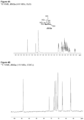
- FIGS. 2 A-B A) 1 H NMR spectra of 7-O-(Aminoethyl)- D -Glycero- ⁇ - D -manno-heptopyranosyl phosphate (JS10); B) HSQC 1 H- 13 C, NMR spectra of compound JS10.
- FIGS. 3 A-B A) 1 H NMR spectra of 7-O-(Aminoethyl)- D -Glycero- D -manno-heptopyranose (JS11a). B) 13 C NMR spectra of 7-O-(Aminoethyl)- D -Glycero- D -manno-heptopyranose (JS11a).
- FIGS. 4 A-B A) 1 H NMR spectra of D -glycero- D -manno heptose (JS12a). B) 13 C NMR spectra of D -glycero- D -manno heptose (JS12a).
- FIGS. 5 A-C A) 1 H NMR spectra of 7-O-(Aminoethyl-pH-Rhodo)- D -Glycero- ⁇ - D -manno-heptopyranosyl phosphate (JS13a). B) LMRS spectra of 7-O-(Aminoethyl-pH-Rhodo)- D -Glycero- ⁇ - D -manno-heptopyranosyl phosphate (JS13a). C) HPLC chromatogram of 7-O-(Aminoethyl-pH-Rhodo)- D -Glycero- ⁇ - D -manno-heptopyranosyl phosphate (JS13a).
- FIGS. 6 A-B A) 1 H NMR spectra of 7-O-([Biotin]amidoethyl)- D -Glycero- ⁇ - D -manno-heptopyranosyl phosphate (JS14a). B) 13 C NMR spectra of 7-O-([Biotin]amidoethyl)- D -Glycero- ⁇ - D -manno-heptopyranosylphosphate (JS14a).
- FIG. 7 1 H NMR spectra of 7-O-([Biotin]-dPEG4-amidoethyl)- D -Glycero- ⁇ - D -manno-heptopyranosyl phosphate (JS24a)
- FIG. 8 1 H NMR spectra of 7-O-([Fluorescein]-amidoethyl)- D -Glycero- ⁇ - D -manno-heptopyranosyl phosphate (JS25a)
- FIGS. 9 A-B Inflammatory response of human colonic epithelial cells (HCT 116) exposed to chemically synthesized analogues.
- Wild type (WT) or TIFA knockout (TIFA KO) cells were treated with compounds in the presence of digitonin for 20 min, treatment was removed, cells were washed and then cultured in normal medium without the synthetic compounds for 6 hr before IL-8 levels in culture supernatants were measured by ELISA.
- WT Wild type
- TIFA knockout cells TIFA knockout cells were treated with compounds in the presence of digitonin for 20 min, treatment was removed, cells were washed and then cultured in normal medium without the synthetic compounds for 6 hr before IL-8 levels in culture supernatants were measured by ELISA.
- A Cells were treated with water or 10 ⁇ g/mL of the indicated compound. Data are means ⁇ standard error mean of technical triplicates.
- Nod1 agonist C12-iE-DAP (20 ⁇ g/ml, 39.8 ⁇ M); JS-12 : D -glycero- D -manno-heptose; JS-2 : D -glycero- D -manno-heptose 7-phosphate; JS-7 :D -glycero- ⁇ - D -manno-heptose-phosphate; JS-8: d-glycero- ⁇ -d-manno-heptose-phosphate; JS-9: ⁇ -d-mannose phosphate; JS-6:d-glycero- ⁇ -d-manno heptose 1,7-biphosphate; JS-5: d-glycero- ⁇ -d-manno heptose 1,7-biphosphate.
- FIGS. 10 A-B Effect of chemically synthesised analogues on human embryonic kidney cells (HEK 293T) encoding an NF- ⁇ B-driven luciferase reporter gene.
- NF- ⁇ B luciferase activity was measured in wild type (WT) or TIFA knockout (TIFA KO) cells treated with compounds in the presence of digitonin for 20 min, washed, and then cultured in normal medium without the synthetic compounds for 6 hrs after treatment, before luciferase activity was measured.
- WT wild type
- TIFA KO TIFA knockout
- JS-12 D -glycero- D -manno-heptose; JS-2 : D -glycero- D -manno-heptose 7-phosphate; JS-7 :D -glycero- ⁇ - D -manno-heptose-phosphate; JS-8 : D -glycero- ⁇ - D -manno-heptose-phosphate; JS-9: ⁇ - D -mannose phosphate; JS-6 :D -glycero- ⁇ - D -manno heptose 1,7-biphosphate; JS-5 : D -glycero- ⁇ - D -manno heptose 1,7-biphosphate.
- FIG. 11 Stimulation of human colonic epithelial cells by compounds/products according to the invention.
- Human colonic epithelial cells HCT 116 that were either wild type (WT) or deficient in TIFA protein expression (knockout, KO) were stimulated for 20 minutes in permeabilization buffer (5 ⁇ g/mL digitonin) in the presence of water or 10 ⁇ g/mL, 30 ⁇ g/mL, or 50 ⁇ g/mL of indicated synthetic compounds according to the invention. Treatment was removed, cells were washed, and cells were incubated for 6 hours in complete media before IL-8 levels in culture supernatants was measured by ELISA. The results are the mean ⁇ standard error of the mean of three technical replicates.
- JS-10 7-O-(Aminoethyl)- D -glycero- ⁇ - D -manno-heptopyranose phosphate
- JS-11 7-O-(Aminoethyl) - D -glycero- D -manno-heptopyranose
- JS-12 D -glycero- D -manno-heptose
- Js-13 pH-Rhodo -7-O-(aminoethyl)- D -glycero- ⁇ - D -manno-heptopyranose phosphate.
- FIG. 12 Effects of compounds/products according to the invention on HEK 293T cells encoding an NF- ⁇ B-driven luciferase reporter gene.
- HEK 293T cells were transfected with a plasmid encoding an NF- ⁇ B-driven luciferase reporter. After 24 hours, cells were stimulated for 20 minutes in permeabilization buffer (5 ⁇ g/mL digitonin) in the presence of water or 10 ⁇ g/mL, 30 ⁇ g/mL, or 50 ⁇ g/mL of indicated synthetic compounds according to the invention. Treatment was removed; cells were washed and incubated for 6 hours incomplete medium. A luciferase assay was then performed.
- permeabilization buffer 5 ⁇ g/mL digitonin
- JS-12a control D -glycero- D -manno heptose.
- the results are the means ⁇ standard error of the mean of three technical replicates.
- JS-10 7-O-(Aminoethyl)- D -glycero- ⁇ - D -manno-heptopyranose phosphate
- JS-11 7-O-(Aminoethyl)- D -glycero- D -manno-heptopyranose
- JS-12 D -glycero- D -manno-heptose
- Js-13 pH-Rhodo-7-O-(aminoethyl)- D -glycero- ⁇ - D -manno-heptopyranose phosphate.
- FIG. 13 Stimulation of human colonic epithelial cells by compounds/products according to the invention.
- Human colonic epithelial cells HCT 116 that were either wild type (WT) or deficient in TIFA protein expression (knockout, TIFA KO) were stimulated for 20 minutes in permeabilization buffer (5 ⁇ g/mL digitonin) in the presence of water, 20 ⁇ g/mL of the Nod1 agonist C12-iE-DAP (39.8 ⁇ M, which induces inflammation in a TIFA-independent manner) or 30 ⁇ M or 150 ⁇ M of synthetic compound according to the invention.
- permeabilization buffer 5 ⁇ g/mL digitonin
- FIG. 14 Effects of compounds/products according to the invention on HEK 293T cells encoding an NF- ⁇ B-driven luciferase reporter gene.
- HEK 293T cells were transfected with a plasmid encoding an NF- ⁇ B-driven luciferase reporter. After 24 hours, cells were stimulated for 20 minutes in permeabilization buffer (5 ⁇ g/mL digitonin) in the presence of water, or either 30 ⁇ M or 150 ⁇ M of indicated synthetic compounds according to the invention. Treatment was removed; cells were washed and incubated for 6 hours in complete medium. A luciferase assay was then performed. The results are the mean and standard error of the mean of three technical replicates and are representative of three independent experiments.
- JS-7 JS-7 :D -glycero- ⁇ - D -manno-heptose-phosphate
- JS-10 7-O-(Aminoethyl)- D -glycero- ⁇ - D -manno-heptopyranose phosphate
- JS-14 Biotin-7-O-(aminoethyl) - D -glycero- ⁇ - D -manno-heptopyranose phosphate.
- FIG. 15 Stimulation of human macrophages by compounds/products according to the invention.
- Human macrophage cells THP-1 were stimulated for 20 minutes in permeabilization buffer (5 ⁇ g/mL digitonin) in the presence of water, 39.8 ⁇ M of the Nod1 agonist C12-iE-DAP (which stimulates in a TIFA-independent manner), or either 30 ⁇ M or 150 ⁇ M of synthetic compound according to the invention. Treatment was removed, cells were washed, and cells were incubated for 6 hours in complete media before the IL-8 levels in culture supernatants were measured by ELISA. The results are the mean and standard error of the mean of three technical replicates.
- Nod1 agonist C12-iE-DAP (20 ⁇ g/ml, 39.8 ⁇ M); JS-7: JS-7 :D -glycero- ⁇ - D -manno-heptose-phosphate; JS-10: 7-O-(Aminoethyl)- D -glycero- ⁇ - D -manno-heptopyranose phosphate; JS-14: Biotin-7-O-(aminoethyl)- D -glycero- ⁇ - D -manno-heptopyranose phosphate.
- FIG. 16 Stimulation of human colonic epithelial cells by compounds/products according to the invention.
- Human colonic epithelial cells HCT 116 that were either wild type (WT) or deficient in TIFA protein expression (knockout, TIFA KO) were stimulated for 20 minutes in permeabilization buffer (5 ⁇ g/mL digitonin) in the presence of water, 20 ⁇ g/mL of the Nod1 agonist C12-iE-DAP (39.8 ⁇ M, which induces inflammation in a TIFA-independent manner) or 30 ⁇ M or 150 ⁇ M of synthetic compound according to the invention.
- permeabilization buffer 5 ⁇ g/mL digitonin
- JS-24a 7-O-([Biotin]-dPEG4-amidoethyl)- D -Glycero- ⁇ - D -manno-heptopyranosyl phosphate
- JS-25a 7-O-([Fluorescein]-amidoethyl)- D -Glycero- ⁇ - D -manno-heptopyranosyl phosphate
- Nod1 agonist C12-iE-DAP (20 ⁇ g/ml, 39.8 ⁇ M).
- FIG. 17 Effects of compounds/products according to the invention on HEK 293T cells encoding an NF- ⁇ B-driven luciferase reporter gene.
- HEK 293T cells were transfected with a plasmid encoding an NF- ⁇ B-driven luciferase reporter. After 24 hours, cells were stimulated for 20 minutes in permeabilization buffer (5 ⁇ g/mL digitonin) in the presence of water, TNF- ⁇ (80 ng/mL) or either 30 ⁇ M or 150 ⁇ M of indicated synthetic compounds according to the invention. Treatment was removed; cells were washed and incubated for 5 hours in complete medium. A luciferase assay was then performed.
- JS-24a 7-O-([Biotin]-dPEG4-amidoethyl)- D -Glycero- ⁇ - D -manno-heptopyranosyl phosphate
- JS-25a 7-O-([Fluorescein]-amidoethyl)- D -Glycero- ⁇ - D -manno-heptopyranosyl phosphate.
- CRM cross-reacting material (a genetic mutant of diphtheria toxin); HBP: heptose-1,7-biphosphate or D-glycero-D-manno-heptopyranose-1,7- ⁇ -phosphate; HMP- ⁇ : D-glycero-D-manno-heptopyranose-1 ⁇ -phosphate (also named heptose-1-monophosphate or JS7); PAMP: pathogen associated molecular pattern; GFP: green fluorescent protein; Sup: supernatant; WT: wild type; TIFA: tumor necrosis factor receptor-associated factor (TRAF)-interacting protein with forkhead-associated domain; TIFA KO: TIFA protein expression knockout.
- HBP heptose-1,7-biphosphate or D-glycero-D-manno-heptopyranose-1,7- ⁇ -phosphate
- HMP- ⁇ D-glycero-D-manno-heptopyr
- X and/or Y is intended to mean X or Y or both, for example.
- X, Y, and/or Z is intended to mean X or Y or Z or any combination thereof.
- the words “comprising” (and any form of comprising, such as “comprise” and “comprises”), “having” (and any form of having, such as “have” and “has”), “including” (and any form of including, such as “include” and “includes”) or “containing” (and any form of containing, such as “contain” and “contains”), are inclusive or open-ended and do not exclude additional, unrecited elements or process steps.
- C 1-6 » or more generally “C x-y ” means a chain containing from 1 to 6 carbon atoms (or more generally x to y carbon atoms), being saturated or unsaturated, linear or branched, as permitted by the laws of organic chemistry, well understood by the person skilled in the art.
- phosphorylated heptose compound refers to a monosaccharide with seven carbon atoms, wherein at least one hydroxyl group is replaced by a group comprising a phosphorus atom.
- mono-phosphorylated heptose compound refers a monosaccharide with seven carbon atoms, wherein one hydroxyl group is replaced by a group comprising a phosphorus atom.
- the term also refers to a derivative or an analogue of such compound.
- label refers to any molecule used in such a way as to attach a functional or diagnostic or other moiety to the molecule, such as but not limited to fluorescent tags, affinity tags, transfer factor, plasmids or lipids, in such a way that the bioactivity can be for example but not limited to followed, targeted, directed or modified or otherwise guided, analyzed or assessed.
- the term “modulate” in connection with an immune or inflammatory response refers to a qualitative or quantitative alteration in the immune or inflammatory response in a subject.
- the term “vaccine” or “vaccine composition” refers to a pharmaceutical composition containing an immunogen.
- the composition may be used for modulating an immune response in a subject.
- the term also refers to subunit vaccines, i.e., vaccine compositions containing immunogens which are separate and discrete from a whole organism with which the immunogen is associated in nature.
- the term “effective amount” refers to the amount of a compound medicinal molecule or reaction product sufficient to cure, alleviate or partially arrest the clinical manifestations of a given disease and its complications in a therapeutic intervention comprising the administration of said compound or reaction product.
- An effective amount for each purpose will depend on the severity of the disease or injury as well as the weight and general state of the subject.
- the term “functional molecule” refers to a molecule that is administrable to a mammal for modulating or labeling a least one physiological parameter, marker or target in a cell, organ, biological system, organism or mammal.
- the methods of the present disclosure may be used to therapeutically or prophylactically treat any subjects for which increased activation of the immune system or an altered immune response would be beneficial.
- This includes, but is not restricted to a subject suffering from a condition which deleteriously affects the immune system, including any subjects at a heightened risk of infection or actually infected, for example due to surgery or imminent surgery, injury, illness, radiation or chemotherapy, and any subjects suffering from autoimmune diseases, inflammatory disorders, cancers, and diseases which cause the normal metabolic immune response to be compromised, such as HIV (AIDS).
- HIV HIV
- prevention and preventing mean the management and care of a subject for the purpose of preventing the occurrence of a condition, such as a disease or disorder.
- the composition may be used for inducing or enhancing an immune response against a potential pathogen in a subject for blocking infection, delaying onset or decreasing transmission.
- the subject to be treated is preferably a mammal, in particular a human being.
- treatment means the management and care of a subject for the purpose of combating a condition, such as a disease or disorder.
- the term is intended to include the full spectrum of treatments for a given condition from which the patient is suffering, such administration of the active compounds to alleviate the symptoms or complications, to delay the progression of the condition, and/or to cure or eliminate the condition.
- the subject to be treated is preferably a mammal, in particular a human being.
- the term “subject” is understood as being any mammal including a human being treated with a compound of the invention.
- HMP ⁇ -D-heptose-1-phosphate
- HMP ⁇ -D-heptose-1-phosphate
- the synthesis of the HMP is significantly simpler and likely more commercially realisable than that of the HBP.
- the inventors have identified phosphorylated heptose-derivatives useful for conjugating with a functional molecule and modulating their immunomodulatory activities thereof. These conjugates may be useful in modulating (i.e. enhancing or decreasing) an immune response in a subject or labeling the molecule in such a way that it may be followed, targeted, directed or modified or otherwise guided.
- R is a linkage moiety for conjugating with a functional molecule.
- the resulting HMP-conjugate is capable of modulating an immune response in a subject.
- R is selected from the group consisting of: —C(O)OH, —C(O)H, —C 0-6 alkyl-C(O)—C 1-6 alkyl, —C 0-6 alkyl-N 3 , —C 1-6 alkyl, —C 0-6 alkyl —O—C 1-6 alkyl, —C 0-6 alkyl-aryl, —C 0-6 alkyl-O-aryl, —C 0-6 alkyl-C 2-6 -allyl groups, and —C 0-6 alkyl-O—C 2-6 -allyl,
- R is selected from the group consisting of: —C(O)OH, —C(O)H, —C(O)—C 1-6 alkyl, —N 3 , —C 1-6 alkyl, —O—C 1-6 alkyl, -aryl, —O-aryl, —C 2-6 -allyl groups, and —O—C 2-6 -allyl, wherein said —C(O)—C 1-6 alkyl, —C 1-6 alkyl, —O—C 1-6 alkoxy, -aryl, —O-aryl, —C 2-6 -allyl groups, and —O—C 2-6 -allyl is optionally substituted with: amino, acyloxy, alkoxy, carboxyl, carbalkoxyl, hydroxy, trifluoromethyl, cyano, nitro, acyl, or a halo group;
- R is selected from the group consisting of: CH 2 OPO 3 C(O)—C 1-6 alkyl, CH 2 OPO 3 C 1-6 alkyl, CH 2 OPO 3 —C 1-6 —O alkoxy, CH 2 OPO 3 -aryl, CH 2 OPO 3 —C 2-6 -allyl, wherein said CH 2 OPO 3 C(O)—C 1-6 alkyl, CH 2 OPO 3 C 1-6 alkyl, CH 2 OPO 3 —C 1-6 —O alkoxy, CH 2 OPO 3 -aryl, CH 2 OPO 3 —C 2-6 -allyl group is optionally substituted with a: amino, acyloxy, alkoxy, carboxyl, carbalkoxyl, hydroxy, trifluoromethyl, cyano, nitro, acyl, or a halo group; or a salt thereof.
- R is selected from the group consisting of: —C 1-6 alkyl, —C(O)OH, —C(O)H, —C(O)—C 1-6 alkyl, —C 0-6 alkyl-O—C 1-6 alkyl, —C 0-6 alkyl-C 2-6 -allyl groups, and —O—C 2-6 -allyl, wherein each of said —C 1-6 alkyl, —C(O)—C 1-6 alkyl, —C 0-6 alkyl-O—C 1-6 alkyl, —C 0-6 alkyl-C 2-6 -allyl, and —C 0-6 alkyl-O—C 2-6 -allyl group is optionally substituted with a: amino, alkoxy, hydroxy, carboxy or nitro group;
- R is selected from the group consisting of: CH 2 OPO 3 C(O)—C 1-6 alkyl, CH 2 OPO 3 C 1-6 alkyl, CH 2 OPO 3 —C 1-6 —O alkoxy, CH 2 OPO 3 -aryl, CH 2 OPO 3 —C 2-6 -allyl, wherein each of said CH 2 OPO 3 C(O)—C 1-6 alkyl, CH 2 OPO 3 C 1-6 alkyl, CH 2 OPO 3 —C 1-6 —O alkoxy, CH 2 OPO 3 -aryl, CH 2 OPO 3 —C 2-6 -allyl group is optionally substituted with a: amino, alkoxy, hydroxy, or nitro group; or a salt thereof.
- R is a linkage moiety for conjugating with a functional molecule.
- the resulting HMP-conjugate is capable of modulating an immune response in a subject.
- R is selected from the group consisting of: —C(O)—C 1-6 alkyl, —N 3 , —C 1-6 alkyl, —O—C 1-6 alkyl, -aryl, —O-aryl, —C 2-6 -allyl groups, and —O—C 2-6 -allyl, wherein each of said —C(O)—C 1-6 alkyl, —C 1-6 alkyl, —O—C 1-6 alkoxy, -aryl, —O-aryl, —C 2-6 -allyl, and —O—C 2-6 -allyl groups is optionally substituted with a: amino, alkoxy, hydroxy, or nitro group; or R is selected from the group consisting of: CH 2 OPO 3 C(O)—C 1-6 alkyl, CH 2 OPO 3 C 1-6 alkyl, CH 2 OPO 3 —C 1-6 —O alkoxy, CH 2 OPO 3
- the HMP-linker of formula (I) or (Ia) is substituted with an “R” group that may be selected from the group consisting of: —C(O)OH, —C(O)H, —C(O)C 1-6 alkyl, —CH 2 N 3 , —CH 2 OC 1-6 alkyl, —CH 2 Oaryl, and —CH 2 OC 2-6 -allyl groups, wherein said —C(O)C 1-6 alkyl, —CH 2 OC— 1-6 alkyl, —CH 2 Oaryl, and —CH 2 OC 2-6 -allyl group is optionally substituted with a: amino, acyloxy, alkoxy, carboxyl, carbalkoxyl, hydroxy, trifluoromethyl, cyano, nitro, acyl, or a halo group; or a salt thereof. More particularly, the group R is: CH 2 —CH 2 CH 2 —NH 2 ;
- HMP via a phosphate residue, wherein R is CH 2 OPO 3 C(O)—C 1-6 alkyl, CH 2 OPO 3 C 1-6 alkyl, CH 2 OPO 3 —C 1-6 —O alkoxy, CH 2 OPO 3 -aryl, CH 2 OPO 3 —C 2-6 -allyl.
- CH 2 OPO 3 C(O)—C 1-6 alkyl, CH 2 OPO 3 C 1-6 alkyl, CH 2 OPO 3 —C 1-6 —O alkoxy, CH 2 OPO 3 -aryl, CH 2 OPO 3 —C 2-6 -allyl groups is optionally substituted with a: amino, acyloxy, alkoxy, carboxyl, carbalkoxyl (alkoxycarbonyl), hydroxy, trifluoromethyl, cyano, nitro, acyl, or a halo group; or a salt thereof.
- R is selected from the group consisting of: C 1-6 alkyl-NH 2 ; —C 0-6 alkyl-C—O—C 0-6 alkyl-NH 2 , —C(O)OH, —C(O)H, —C 0-6 alkyl-C(O)C 0-6 alkyl-NH 2 , C 0-6 alkyl-N 3 .
- R is selected from the group consisting of: CH 2 —NH 2 ; —C(O)OH, —C(O)H, —C(O)NH 2 and —N 3 .
- R is selected from the group consisting of: CH 2 —NH 2 ; —C(O)OH, —C(O)H, —C(O)NH 2 and —N 3 .
- the HMP-linker may be chosen from:
- conjugate-compounds can now be targeted to the unique arm of the immune system that processes HMP/HBP, thus potentially enhancing the immunological impact of the conjugated functional molecule.
- a compound comprising a functional molecule conjugated to a D-glycero-D-manno-heptopyranose 1 ⁇ -phosphate (heptopyranose-1-monophosphate; HMP) moiety.
- the functional molecule is conjugated at position-7 of HMP, or -2 of HMP.
- the functional molecule is conjugated at position-7 of HMP.
- the invention provides a conjugate compound of formula (II) as defined herein, for use in targeting and/or modulating an immune response in a subject.
- the conjugate-compound is defined by formula (IIa):
- the HMP-linker is conjugated to a functional molecule for modulating a host's immune response to this functional molecule.
- the functional molecule is a protein (e.g. carrier proteins such as: CRM, protein D, or TT), polypeptide (e.g. Ova-specific peptide: CGGSIINFEKLTEWTSSNVMEER (SEQ ID No.1)), an antibody, a lipid (e.g. glycerolipid), a fatty acid (e.g. stearic acid or palmitic acid), a carbohydrate, a drug, a fluorescent tag, an affinity tag or a transfer factor molecule.
- the functional molecule is an antigen, a biological response modifier (BRM, such as a hormone, immunogen, antibody, etc.) or a marker.
- BRM biological response modifier
- the functional molecule is a drug such as, for example, an anti-HIV drug including, but not limited to: Nucleoside/Nucleotide reverse transcriptase inhibitors (NRTI), such as for example, abacavir (ziagen), efavirenz/emtriacitabine/tenofovir disoproxil fumarate (atripla), lamivudine/zidovudine (combivir), emtriacitabine/rilpivirine/tenofovir disoproxil fumarate (complera), emtricitabine (emtriva), lamivudine (Epivir), abacavir/lamivudine (Epzicom), zidovudine (Retrovir), abacavir/lamivudine/zidovudine (Trizivir), emtricitabine/tenofovire disoproxil fumarate (Truvada), didanosine (Videx), didanosine (
- Some anti-HCV drugs such as, for example: protease inhibitors (PI) approved for hepatitis C only are sometimes prescribed by doctors for HIV: simeprevir (Olysio), boceprevir (Victrelis), ombitasvir/paritaprevir/ritonavir/dasabuvir (Viekira Pak).
- PI protease inhibitors
- the functional molecule that could be linked to HMP may include anti-cancer drugs, such as, but not limited to: Abiraterone, Alemtuzumab, Anastrozole, Aprepitant, Arsenic trioxide, Atezolizumab, Azacitidine, Bevacizumab, Bleomycin, Bortezomib, Cabazitaxel, Capecitabine, Carboplatin, Cetuximab, Chemotherapy drug combinations, Cisplatin, Crizotinib, Cyclophosphamide, Cytarabine, Denosumab, Docetaxel, Doxorubicin, Eribulin, Erlotinib, Etoposide, Everolimus, Exemestane, Filgrastim, Fluorouracil, Fulvestrant, Gemcitabine, HPV Vaccine, Imatinib, Imiquimod, Ipilimumab, Ixabepilone, Lapatinib, Lenalidomide, Let
- the functional molecule is an antigen, more particularly a molecule that targets a cell differentiation antigen, such as a-specific binding partner for targeting the HMP moiety to a particular type of cells, be it cancer cells, immune cells, or cells of any particular organ or location in the body.
- a cell differentiation antigen such as a-specific binding partner for targeting the HMP moiety to a particular type of cells, be it cancer cells, immune cells, or cells of any particular organ or location in the body.
- conjugated functional molecule is a molecule that targets a cell differentiation antigen, such as a specific binding partner
- this molecule may be used as a “magic bullet” to target the immunomodulatory HMP moiety to a particular type of cells, such as, for example, HIV reservoir cells.
- the HMP moiety may be cleaved from the conjugate to release the HMP moiety to the targeted cell type.
- the person skilled in the art will adapt the linkage-moiety to be used for cleavage to be carried out once the conjugate has reached the appropriate cell type and release the HMP immunomodulatory moiety.
- the cleavable linker can have cleavable unit that is a photocleavable, enzyme-cleavable or chemically-cleavable unit.
- the cleavable linker can have a cleavable unit such as a disulfide (chemically cleavable), nitrobenzo (a photocleavable unit), or amine, amide or ester (enzyme-sensitive cleavable units).
- the cleavable linker can be of the formula: X—S—S—Z, or, more particularly:
- the functional molecule conjugated to HMP is an immunogen, particularly an immunogen expressed by, or derived from, an infectious agent, such as for example an infectious bacterial, viral or parasitic pathogens, including Gram-negative bacterial pathogens belonging to the genus Neisseria (including Neisseria meningitidis, Neisseria gonorrohoeae ), Escherichia (including Escherichia coli ), Klebsiella (including Klebsiella pneumoniae ), Salmonella (including Salmonella typhimurium ), Shigella (including Shigella dysenteriae, Shigella flexneri, Shigella sonner ), Vibrio (including Vibrio cholerae ), Helicobacter (including Helicobacter pylori ), Pseudomonas (including Pseudomonas aeruginosa ), Burkholderia (including Burkholderia multivorans ), Haem
- Immunogens may also be derived from pathogenic viruses including Adenoviridae (including Adenovirus), Herpesviridae (including Epstein-Barr virus, Herpes Simplex Viruses, Cytomegalovirus, or Varicella Zoster virus), Papillomviridae, Poxviridae (including Papillomavirus), Hepadnaviridae (including Hepatitis B virus), Parvoviridae, Astroviridae, Caliciviridae, Picornaviridae (including Coxsackievirus, Hepatitis A virus, Poliovirus), Coronaviridae, Flaviviridae (including Hepatitis C virus, Dengue virus), Togaviridae (including Rubella virus), Hepeviridae, Retroviridae (including HIV), Orthomyxoviridae (including influenza virus, Arenaviridae, Bunyaviridae, Filoviridae, Paramyxoviridae (including Measles virus,
- Immunogens may also be derived from pathogenic fungal infections including those caused by Candida, Aspergillus, Cryptococcus, Histoplasma, Pneumocystis , or Coccidioides .
- Vaccines may also target parasitic pathogens including Leishmania, Plasmodium, Toxoplasma, Trypanosoma and Schistosoma.
- the immunogen may be derived from a protein or other molecules expressed on or within the subject's own cells, such as a tumor-specific immunogen or cancer-specific immunogen, to stimulate an immune response against the pathogenic cells or tissues.
- the HBP may be introduced directly into a tumor to increase the immune response against the tumor.
- the HMP-immunogen conjugate of the invention can be administered as part of a vaccine formulation.
- the linker of the invention is conjugated to a marker, such as, for example, a label or a tag.
- a marker such as, for example, a label or a tag.
- the marker or tag is chosen from fluorescent and/or enzymatic tags, such as but not limited to: biotin, rhodamine, fluorescein, CF tags, EvoBlue, rhodopsin, GFP, fluorescent red, fluorescent orange biotin or other labels such as, for example:
- linkers are synthesized to understand how the nature of the linker may impact the biological activity. With this knowledge, a vast array of functional molecules are appropriately attached to an HMP-linker to examine several aspects of this PAMP's interaction with the immune system and to augment and specifically target the linked entities processing within the immune system.
- These can include but are not limited to, the identification of the receptor for HMP, an understanding of the processing of HMP, developing antibodies to HMP to follow the trafficking of the molecule, or targeting HMP to certain cells within the immune system by linking to a fluorescent moiety for example.
- a method for the preparation of a therapeutic conjugate having modulated immunomodulatory activity comprising the step of: conjugating a functional molecule with a compound of formula (I) or (Ia) as defined herein.
- the conjugates of the present invention can be synthesized via the synthesis of HMP that is significantly simpler and likely more commercially realisable than that of HBP.
- a conjugate compound of formula (II) or (IIa) as defined herein for use in targeting and/or modulating an immune response in a subject.
- the ability to target the modulation of the immune response of the subject is useful for preventing, treating, ameliorating, or inhibiting an injury, disease, disorder or condition wherein the modulation of the immune response is beneficial.
- the conjugate compound for use is carried out in the context of a vaccine for the treatment or prevention of disease.
- a conjugate also called a compound of formula (II) or (IIa) as defined herein
- the modulation of the immune response of the subject is useful for preventing, treating, ameliorating, or inhibiting an injury, disease, disorder or condition wherein the modulation of the immune response is beneficial.
- the use of the compound is carried out in the context of a vaccine for the treatment or prevention of disease.
- the use of the compound of formula (II) or (IIa as defined herein, is carried out for the manufacture of a medicament for modulating an immune response in a subject.
- the immune response of the subject is enhanced.
- the molecule conjugated to the HMP-linker is an antigen or an immunogen, more particularly chosen from cell-differentiation antigen, or antigens from cancer cells, bacteria, viruses or parasites.
- the immunogen used for embodying the invention is from Gram-negative bacteria, most particularly chosen from: Neisseria, Escherichia, Klebsiella, Salmonella, Shigella, Vibrio, Helicobacter, Pseudomonas, Burkholderia, Haemophilus, Moraxella, Bordetella, Francisella, Pasteurella, Borrelia, Campylobacter, Yersinia, Rickettsia, Treponema, Chlamydia and Brucella.
- Gram-negative bacteria most particularly chosen from: Neisseria, Escherichia, Klebsiella, Salmonella, Shigella, Vibrio, Helicobacter, Pseudomonas, Burkholderia, Haemophilus, Moraxella, Bordetella, Francisella, Pasteurella, Borrelia, Campylobacter, Yersinia, Rickettsia, Treponema, Chlamydia and Brucella.
- the immunogen useful for the invention is from Gram-positive bacteria, most particularly chosen from: Staphylococcus, Streptococcus, Listeria, Corynebacterium, Enterococcus, Clostridium and Mycobacterium.
- the immunogen used for embodying the present invention is derived, or comes, from a virus, more particularly chosen from: Adenoviridae, Herpesviridae, Papillomviridae, Poxviridae, Hepadnaviridae, Parvoviridae, Astroviridae, Caliciviridae, Picornaviridae, Coronaviridae, Flaviviridae, Togaviridae, Hepeviridae, Retroviridae, Orthomyxoviridae, Arenaviridae, Bunyaviridae, Filoviridae, Paramyxoviridae, Rhabdoviridae, Reoviridae and Human Immunodeficiency (HIV) viruses.
- Adenoviridae Herpesviridae, Papillomviridae, Poxviridae, Hepadnaviridae, Parvoviridae, Astroviridae, Caliciviridae, Picornavirid
- the immunogen is from a parasite, more particularly chosen from: Leishmania, Plasmodium, Toxoplasma, Trypanosoma and Schistosoma.
- the immunogen may originate from a cancer-specific antigen, more particularly some or all of the cancer-specific antigens listed in Table 1:
- the conjugate compound of the invention wherein the immune response of the subject is decreased, more particularly in the case where the immune response is provoked by an inflammatory response or an allergic reaction to a foreign element.
- the compound of the invention is conjugated with an immune-inhibitory molecule.
- a method for modulating an immune response in a subject comprising administering an effective amount of the compound of formula (II) or (IIa) as defined herein to a subject suffering therefrom.
- the modulation of immune response is necessary (or indicated or prescribed by a treating physician) for increasing an immune response to an infection caused by: bacteria, virus, or parasites, such as those defined herein above.
- the modulation of immune response is necessary (or indicated or prescribed by a treating physician) for decreasing an immune response such as inflammation or an allergic reaction in a subject.
- the subject is a human.
- a method for the treatment of HIV comprising the steps of: administering an HMP-conjugated to an anti-HIV molecule, wherein the HMP moiety stimulates HIV latently-infected cells to start producing virus, and wherein the anti-HIV molecule kills the produced virus; whereby the HMP-anti-HIV conjugate eradicates the latent viral pool and treats the HIV infection.
- a method for the treatment of HIV comprising the steps of: administering an HMP-conjugated to an HIV-reservoir cell-specific antigen binding partner to a subject, and treating said subject with an anti-HIV drug, wherein the conjugate-HMP moiety stimulates HIV latently-infected cells to start producing virus, and the anti-HIV drug kills the produced virus; whereby the HMP-anti-HIV conjugate eradicates the latent viral pool and treats the HIV infection.
- the anti-HIV molecule or drug is chosen from: Nucleoside/Nucleotide reverse transcriptase inhibitors (NNRTI), Multiclass inhibitors, Non-nucleoside reverse transcriptase inhibitors (NNRTIs), Protease inhibitors (PI), Entry inhibitors, Chemokine co-receptor antagonists (CCR5 antagonists), Cytochrome P4503A (CYP3A) inhibitors. More particularly, the anti-HIV drug is as defined herein above.
- JS12a refers to D -glycero- D -manno heptose control.
- Nitrile 17 (196 mg, 479 ⁇ mol) was coevaporated with toluene and then dissolved in THF (5 mL). To the mixture was added slowly borane-dimethyl sulfide (182 ⁇ L, 1.9 mmol). After 3 hours at 80° C., the solution was cooled at 0° C. and methanol was slowly added (5 mL). After 16 hours, the solution was concentrated in vacuo and the compound was dissolved in dioxane (1.3 mL) and a NaHCO 3 (sat. aq.) solution (2.6 mL).
- JS12a was synthesized as described by Brimacombe et al. [9, 10]
- JS10a 700 ⁇ g was dissolved in PBS ⁇ 1 (100 ⁇ L) and pH-Rhodo activated ester (1 mg in 100 ⁇ L DMSO) was added to the mixture. After 24 hours, the DMSO the mixture was concentrated in vacuo and JS12a was purified using reverse phase. LRMS and HPLC showed that JS13a was only present at a ratio of 6% in the mixture and was tested according to this.
- DD- ⁇ -HMP chemically synthesized DD- ⁇ -HMP (JS7) elicits an inflammatory response similar to that apparent with DD- ⁇ -HBP (JS6) when administered to human colonic epithelial cells (HCT 116).
- TIFA KO The relative absence of activity in cells that lack TIFA (TIFA KO) demonstrates that the activity of both compounds is TIFA-dependent.
- DD- ⁇ -HMP chemically synthesized DD- ⁇ -HMP (JS7) elicits an inflammatory NF- ⁇ B response similar to that apparent with DD- ⁇ -HBP (JS6) when administered to human embryonic kidney cells (HEK 293).
- TIFA KO TIFA KO
- the data presented in FIG. 13 indicate that JS-10a and JS-14a activate similar inflammatory responses when administered to HCT 116 colonic epithelial cells.
- the relative absence of activity in TIFA KO cells indicate that this activity is TIFA-dependent.
- the Nod1 agonist activates a similar response but it is not TIFA-dependent.
- JS-10a and JS-14a activate similar NF- ⁇ B responses when administered to HEK 293 human embryonic kidney cells encoding an NF- ⁇ B-driven luciferase reporter.
- the relative absence of activity in TIFA KO cells indicate that this activity is TIFA-dependent.
- HMP (JS7) is included for comparison of the mono-phosphate with and without a linker at the 7-position.
- HMP JS7
- JS7 is included for comparison of the mono-phosphate with and without a linker at the 7-position.
- the data presented in FIG. 16 indicate that JS-24a and JS-25a activate similar inflammatory responses when administered to HCT 116 colonic epithelial cells.
- the relative absence of activity in TIFA KO cells indicate that this activity is TIFA-dependent.
- the Nod1 agonist activates a similar response but it is not TIFA-dependent.
- JS-24a and JS-25a activate similar NF- ⁇ B responses when administered to HEK 293 human embryonic kidney cells encoding an NF- ⁇ B-driven luciferase reporter.
- the relative absence of activity in TIFA KO cells indicate that this activity is TIFA-dependent.
- Additional compounds can be synthesized according to standard techniques such as those described in Li et al., Carbohydrate Research, 2016, 432, 71-75 and Li et al. Organic letters, 2014, 16, 5628-5631.
- the R group may be any linkage moiety for conjugating with a molecule, and the resulting conjugate compound is capable of targeting and/or modulating an immune response thereof.
- the R group can be selected from the group consisting of: —C(O)OH, —C(O)H, —C 0-6 alkyl-C(O)—C 1-6 alkyl, —C 0-6 alkyl-N 3 , —C 1-6 alkyl, —C 0-6 alkyl —O—C 1-6 alkyl, —C 0-6 alkyl-aryl, —C 0-6 alkyl-O-aryl, —C 0-6 alkyl-C 2-6 -allyl groups, and —C 0-6 alkyl-O—C 2-6 -allyl, wherein said —C 0-6 alkyl-C(O)—C 1-6 alkyl, —C 1-6 alkyl, C 0-6 alkyl-O—C 1-6 alkoxy, -aryl, C 0-6 alkyl-O-aryl, C 0-6 alkyl-C 2-6 -allyl groups, and C 0
- R is selected from the group consisting of: CH 2 PO 3 C(O)—C 1-6 alkyl, CH 2 OPO 3 C 1-6 alkyl, CH 2 OPO 3 —C 1-6 —O alkoxy, CH 2 OPO 3 -aryl, CH 2 OPO 3 —C 2-6 -allyl, wherein said CH 2 OPO 3 C(O)—C 1-6 alkyl, CH 2 OPO 3 C 1-6 alkyl, CH 2 OPO 3 —C 1-6 —O alkoxy, CH 2 PO 3 -aryl, CH 2 OPO 3 —C 2-6 -allyl group is optionally substituted with a: amino, acyloxy, alkoxy, carboxyl, carbalkoxyl, hydroxy, trifluoromethyl, cyano, nitro, acyl, or a halo group.
- the R group can be selected from the group consisting of: —CH 2 —NH 2 ; —C(O)OH; —C(O)H; —N 3 ; -lower alkyl or —O-lower alkyl groups containing 1-6 saturated or unsaturated carbon atoms; and -aryl, —O-aryl, —O-allyl or -allyl groups having 2-6 carbon atoms; wherein such alkyl, —O-alkyl, aryl, —O-aryl, -allyl or —O-allyl groups may be unsubstituted or may be substituted with: halo, hydroxy, trifluoromethyl, cyano, nitro, acyl, acyloxy, alkoxy, carboxyl, carbalkoxyl, or amino groups; or with a hydroxy, an amino or a halo group.
- HMP via a phosphate residue, wherein R is COPO 3 C(O)—C 1-6 alkyl, —COPO 3 C 1-6 alkyl, —COPO 3 —C 1-6 —O alkoxy, —COPO 3 -aryl, —COPO 3 -aryl, —COPO 3 —C 2-6 -allyl.
- R is COPO 3 C(O)—C 1-6 alkyl, —COPO 3 C 1-6 alkyl, —COPO 3 —C 1-6 —O alkoxy, —COPO 3 -aryl, —COPO 3 -aryl, —COPO 3 —C 2-6 -allyl.
- the compounds of formula (I) as defined herein can be synthesized according to standard techniques, particularly according to U.S. Pat. No. 5,856,462.
Landscapes
- Health & Medical Sciences (AREA)
- Life Sciences & Earth Sciences (AREA)
- Chemical & Material Sciences (AREA)
- General Health & Medical Sciences (AREA)
- Medicinal Chemistry (AREA)
- Public Health (AREA)
- Animal Behavior & Ethology (AREA)
- Veterinary Medicine (AREA)
- Pharmacology & Pharmacy (AREA)
- Immunology (AREA)
- Epidemiology (AREA)
- Microbiology (AREA)
- Mycology (AREA)
- Virology (AREA)
- Organic Chemistry (AREA)
- Tropical Medicine & Parasitology (AREA)
- Engineering & Computer Science (AREA)
- Molecular Biology (AREA)
- Bioinformatics & Cheminformatics (AREA)
- Biochemistry (AREA)
- Chemical Kinetics & Catalysis (AREA)
- General Chemical & Material Sciences (AREA)
- Genetics & Genomics (AREA)
- Biotechnology (AREA)
- Pulmonology (AREA)
- Nuclear Medicine, Radiotherapy & Molecular Imaging (AREA)
- Oncology (AREA)
- Communicable Diseases (AREA)
- Proteomics, Peptides & Aminoacids (AREA)
- AIDS & HIV (AREA)
- Pharmaceuticals Containing Other Organic And Inorganic Compounds (AREA)
Abstract
Description

wherein group «R» is a linkage moiety adapted (or suitable) for conjugating with a functional molecule to form a conjugate, and Y is H or an appropriate atom for forming a salt thereof. Particularly, the conjugate is adapted (or capable) of modulating an immune response in a subject. More particularly, the conjugate is adapted (or capable) of targeting a modulation of an immune response in a subject.

whereby the immunomodulator conjugate has immunomodulatory and/or targeting activity.

wherein X is a functional molecule and Y is H or an appropriate atom for forming a salt thereof, for use in targeting and/or modulating an immune response in a subject.


wherein R is a linkage moiety for conjugating with a functional molecule. Particularly, the resulting HMP-conjugate is capable of modulating an immune response in a subject.
-
- wherein said —C0-6alkyl-C(O)—C1-6alkyl, —C1-6alkyl, C0-6alkyl-O—C1-6 alkoxy, -aryl, C0-6alkyl-O-aryl, C0-6alkyl-C2-6-allyl groups, and C0-6alkyl-O—C2-6-allyl is optionally substituted with a: amino, acyloxy, alkoxy, carboxyl, carbalkoxyl, hydroxy, trifluoromethyl, cyano, nitro, acyl, or a halo group;
or R is selected from the group consisting of: —C1-6 alkyl-OPO3C(O)—C1-6 alkyl, —C1-6 alkyl-OPO3C1-6 alkyl, —C1-6 alkyl-OPO3—C1-6—O-alkoxy, —C1-6 alkyl-OPO3-aryl, —C1-6 alkyl-OPO3—C2-6-allyl, - wherein said —C1-6 alkyl-OPO3C(O)—C1-6alkyl, —C1-6 alkyl-OPO3C1-6 alkyl, —C1-6 alkyl-OPO3—C1-6—O-alkoxy, —C1-6 alkyl-OPO3-aryl, —C1-6 alkyl-OPO3—C2-6-allyl group is optionally substituted with a: amino, acyloxy, alkoxy, carboxyl, carbalkoxyl, hydroxy, trifluoromethyl, cyano, nitro, acyl, or a halo group;
or a salt thereof.
- wherein said —C0-6alkyl-C(O)—C1-6alkyl, —C1-6alkyl, C0-6alkyl-O—C1-6 alkoxy, -aryl, C0-6alkyl-O-aryl, C0-6alkyl-C2-6-allyl groups, and C0-6alkyl-O—C2-6-allyl is optionally substituted with a: amino, acyloxy, alkoxy, carboxyl, carbalkoxyl, hydroxy, trifluoromethyl, cyano, nitro, acyl, or a halo group;

wherein R is a linkage moiety for conjugating with a functional molecule. Particularly, the resulting HMP-conjugate is capable of modulating an immune response in a subject.

Conjugates

wherein X is a conjugated functional molecule.
Molecules for Conjugating to HMP-Linker

Immunogen
| Atto Labels | |
| Carbohydrate Labels | |
| CF Dyes | |
| Fluorescein and Derivatives | |
| Fluorescent Red and Orange Labels - (17) | |
| Mega Labels | |
| Metal Complexes | |
| Other Fluorescent Labels | |
| Phycobili Proteins | |
| Rhodamine and Derivatives | |
| Tracy Labels | |
| (see www.sigmaaldrich.com/life-science/biochemicals/biochemical-products.html?TablePage=16187968) | |

Synthesis

-
- a) the hydroxy of
compound 7 was protected with a cyanoethyl moiety before - b) hydroxylation of the double bond;
- c) then the nitrile was reduced to the amine and was protected with a P1 protecting group;
- d) cleavage of the acetonide and P1 group followed by acetylation gave acetylated
compound 21; - e) after deprotection of the anomeric acetyl; and
- f) phosphorylation;
- g) the compound was globally deprotected to form JS10a;
- j) conjugation to molecule X activated ester gave (IIa) corresponding to a specific compound of formula (II).
- a) the hydroxy of
| TABLE 1 |
| (cancer-specific antigen useful for conjugating with HMP-linker |
| Category | Example Antigen | Cancer Histology |
| Oncofetal | CEA | Colorectal carcinoma |
| Immature laminin receptor | RCC | |
| TAG-72 | Prostate carcinoma | |
| Oncoviral | HPV E6, E7 | Cervical carcinoma |
| Overexpressed/accumulated | BING-4 | Melanoma |
| Calcium-activated chloride | Lung carcinoma | |
| channel 2 | ||
| Cyclin-B1 | Multi | |
| 9D7 | RCC | |
| Ep-CAM | Breast carcinoma | |
| EphA3 | Multi | |
| Her2/neu | Multi | |
| Telomerase | Multi | |
| Mesothelin | Ductal pancreatic carcinoma | |
| SAP-1 | Colorectal carcinoma | |
| Survivin | Multi | |
| Cancer-Testis | BAGE family | Multi |
| CAGE family | Multi | |
| GAGE family | Multi | |
| MAGE family | Multi | |
| SAGE family | Multi | |
| XAGE family | Multi | |
| CT9, CT10 | Multi | |
| NY-ESO-1/LAGE-1 | Multi | |
| PRAME | Multi | |
| SSX-2 | Melanoma, Multi | |
| Lineage Restricted | Melan-A/MART-1 | Melanoma |
| Gp100/pmel17 | Melanoma | |
| Tyrosinase | Melanoma | |
| TRP-1/-2 | Melanoma | |
| P.polypeptide | Melanoma | |
| MC1R | Melanoma | |
| Prostate-pecific antigen | Prostate | |
| Mutated | β-catenin | Melanoma, Prostate, HCC |
| BRCA1/2 | Breast, ovarian carcinoma | |
| CDK4 | Multi | |
| CML66 | CML | |
| Fibronectin | Multi | |
| MART-2 | Melanoma | |
| p53 | Multi | |
| Ras | Multi | |
| TGF-βRII | Colorectal carcinoma | |
| Posttranslationally altered | MUC1 | Ductal carcinoma, RCC |
| Idiotypic | Ig, TCR | B, T leukemia, lymphoma, myeloma |
| BRCA = breast cancer antigen; CDK4 = cyclin-dependent kinase-4; CEA = carcino-embryonic antigen; CML66 = chronic myelogenous leukemia (antigen) 66; CT = cancer testis; HPV = human papilloma virus; Ep-CAM = epithelial cell adhesion molecule; Ig = immunoglobulin; MART-1/-2 = melanoma antigen recognized by T cells-1/-2; MC1R = melanocortin-1-receptor; SAP-1 = stomach cancer-associated protein tyrosine phosphatase-1; TAG-72 = tumor antigen-72; TCR = T cell receptor; TGF-βRII = transforming growth factor-β receptor II; TRP = tyrosinase-related protein. | ||


can be synthesized, where the R group may be any linkage moiety for conjugating with a molecule, and the resulting conjugate compound is capable of targeting and/or modulating an immune response thereof.
- 1. Gaudet, R. G.; Sintsova, A.; Buckwalter, C. M.; Leung, N.; Cochrane, A.; Li, J.; Cox, A. D.; Moffat, J.; Gray-Owen, S. D. Science, 2015, 384, 1251-1255.
- 2. Gaudet, R. G.; Gray-Owen, S. D. PLOS Pathog. 2016, 12(9): e1005807.
- 3. Malott, R. J.; O. Keller, B.; Gaudet, R. G.; McCaw, S. E.; Lai, C. C. L.; Dobson-Belaire, W. N.; Hobbs, J. L.; St. Michael, F.; Cox, A. D.; Moraes, T. F.; Gray-Owen, S. D. Proc. Natl. Acad. Sci., 2013, 110, 10234-10239.
- 4. Milivojevic, M.; Dangeard, A. S.; Kasper, C. A.; Tschon, T.; Emmenlauer, M., Pique, C.; Schnupf, P.; Guignot, J.; Arrieumerlou, C. PLOS Pathog. 2017, 13(2):e1006224.
- 5. Wang, L.; Huang, H.; Nguyen, H. H.; Allen, K. N.; Mariano, P. S.; Dunaway-Mariano, D. Biochemistry, 2010, 49, 1072-1081.
- 6. Inuke, S.; Aiba, T.; Kawakami, S.; Akiyama, T.; Inoue, J.; Fujimoto, Y. Org. Lett., 2017, DOI: 10.1021/acs.orglett.7b01158.
- 7. Rosenfeld, D. A.; Richtmyer, N. K.; Hudson, C. S. J. Am. Chem. Soc., 1951, 73, 4907-4910.
- 8. Hulyalkar, R. K.; Jones, J. K. N.; Perry, M. B. Can. J. Chem., 1963, 41, 1490-1492.
- 9. Brimacombe, J. S.; Kabir, A. K. M. S. Carbohydr. Res., 1986, 152, 329-334.
- 10. Brimacombe, J. S.; Kabir, A. K. M. S. Carbohydr. Res., 1986, 150, 35-51.
- 11. Guzleck, H.; Graziani, A.; Kosma, P. Carbohydr. Res., 2005, 340, 2808-2811.
- 12. Durka, M.; Tikad, A.; Perion, R.; Bosco, M.; Andaloussi, M.; Floquet, S.; Malacain, E.; Moreau, F.; Oxoby, M.; Gerusz, V.; Vincent, S. P. Chem. Eur. J. 2011, 17, 11305-11313.
- 13. Zamyatina, A.; Gronow, S.; Puchberger, M.; Graziani, A.; Hofinger, A.; Kosma, P. Carbohydr. Res., 2003, 338, 2571-2589.
- 14. Sabesan, S.; Neira, S. Carbohydr. Res. 1992, 223, 169-185.
- 15. Crich, D.; Dudkin, V. Org. Lett., 2000, 2, 3941-3943.
- 16. Li, T.; Tikad, A.; Pan, W.; Vincent, S. P. Org. Lett., 2014, 16, 5628-5631.
- 17. Gaudet, R. G.; Guo, C. X.; Molinaro, R.; Kottwitz, H.; Rohde, J. R.; Dangeard, A.-S.; Arrieumerlou, C.; Girardin, S. E.; Gray-Owen, S. D. Cell Rep., 2017, 19, 1418-1430.
- 18. Sauvageau et al., Carbohydr. Res., 2017, 450, 38-43.
- 19. Adekoya et al. J. Immunol., 2018, doi:10.4049/jimmunol.1801012.
- 20 Zhou et al. Nature, 2018, 561, 123-126.
Claims (12)


Priority Applications (1)
| Application Number | Priority Date | Filing Date | Title |
|---|---|---|---|
| US16/957,173 US11795190B2 (en) | 2017-12-29 | 2018-12-29 | D-glycero-B-D-heptose 1-phosphate (HMP) conjugates and use for targeted immune modulation |
Applications Claiming Priority (3)
| Application Number | Priority Date | Filing Date | Title |
|---|---|---|---|
| US201762611640P | 2017-12-29 | 2017-12-29 | |
| PCT/CA2018/051652 WO2019126873A1 (en) | 2017-12-29 | 2018-12-21 | D-glycero-b-d-heptose 1-phosphate (hmp) conjugates and use for targeted immune modulation |
| US16/957,173 US11795190B2 (en) | 2017-12-29 | 2018-12-29 | D-glycero-B-D-heptose 1-phosphate (HMP) conjugates and use for targeted immune modulation |
Publications (2)
| Publication Number | Publication Date |
|---|---|
| US20200331949A1 US20200331949A1 (en) | 2020-10-22 |
| US11795190B2 true US11795190B2 (en) | 2023-10-24 |
Family
ID=67062834
Family Applications (1)
| Application Number | Title | Priority Date | Filing Date |
|---|---|---|---|
| US16/957,173 Active 2039-11-13 US11795190B2 (en) | 2017-12-29 | 2018-12-29 | D-glycero-B-D-heptose 1-phosphate (HMP) conjugates and use for targeted immune modulation |
Country Status (4)
| Country | Link |
|---|---|
| US (1) | US11795190B2 (en) |
| EP (1) | EP3732184A4 (en) |
| CA (1) | CA3086690A1 (en) |
| WO (1) | WO2019126873A1 (en) |
Families Citing this family (1)
| Publication number | Priority date | Publication date | Assignee | Title |
|---|---|---|---|---|
| US20230372492A1 (en) * | 2020-10-01 | 2023-11-23 | Mississippi State University | Drugs conjugated with hexose phosphate and methods of making and using same |
Citations (4)
| Publication number | Priority date | Publication date | Assignee | Title |
|---|---|---|---|---|
| US5798343A (en) | 1994-07-15 | 1998-08-25 | Forschungsinstitut Borstel Institut Fur Experimentelle Biologie Und Medizin | 7-O-Carbamoylheptose derivatives, process for their production and their use in treating pseudomonas infections |
| WO2016054745A1 (en) | 2014-10-10 | 2016-04-14 | The Governing Council Of The University Of Toronto | Methods of modulating immune system responses |
| WO2018205010A1 (en) | 2017-05-11 | 2018-11-15 | National Research Council Of Canada | Use of phosphorylated heptose compounds |
| WO2018205009A1 (en) | 2017-05-11 | 2018-11-15 | National Research Council Of Canada | Phosphorylated heptose compounds : process for their preparation and use |
-
2018
- 2018-12-21 CA CA3086690A patent/CA3086690A1/en active Pending
- 2018-12-21 EP EP18896861.4A patent/EP3732184A4/en active Pending
- 2018-12-21 WO PCT/CA2018/051652 patent/WO2019126873A1/en not_active Ceased
- 2018-12-29 US US16/957,173 patent/US11795190B2/en active Active
Patent Citations (4)
| Publication number | Priority date | Publication date | Assignee | Title |
|---|---|---|---|---|
| US5798343A (en) | 1994-07-15 | 1998-08-25 | Forschungsinstitut Borstel Institut Fur Experimentelle Biologie Und Medizin | 7-O-Carbamoylheptose derivatives, process for their production and their use in treating pseudomonas infections |
| WO2016054745A1 (en) | 2014-10-10 | 2016-04-14 | The Governing Council Of The University Of Toronto | Methods of modulating immune system responses |
| WO2018205010A1 (en) | 2017-05-11 | 2018-11-15 | National Research Council Of Canada | Use of phosphorylated heptose compounds |
| WO2018205009A1 (en) | 2017-05-11 | 2018-11-15 | National Research Council Of Canada | Phosphorylated heptose compounds : process for their preparation and use |
Non-Patent Citations (25)
Also Published As
| Publication number | Publication date |
|---|---|
| WO2019126873A1 (en) | 2019-07-04 |
| EP3732184A4 (en) | 2021-11-24 |
| CA3086690A1 (en) | 2019-07-04 |
| US20200331949A1 (en) | 2020-10-22 |
| EP3732184A1 (en) | 2020-11-04 |
Similar Documents
| Publication | Publication Date | Title |
|---|---|---|
| CN105008381B (en) | Compositions comprising cyclic purine dinucleotides of defined stereochemistry and methods of making and using the same | |
| ES2754269T3 (en) | Compositions and Activation Methods of "Interferon Gene Stimulator-dependent" Signaling | |
| CN109451740B (en) | Cyclic dinucleotides for the treatment of disorders associated with STING activity, such as cancer | |
| TWI706958B (en) | Compositions and methods for activating "stimulator of interferon gene"-dependent signalling | |
| US11033569B2 (en) | Compounds,Compositions, and methods for the treatment of disease | |
| JP7837141B2 (en) | Compositions and methods for modulating the immune response by activating α-protein kinase 1 | |
| US20200331949A1 (en) | D-glycero-b-d-heptose 1-phosphate (hmp) conjugates and use for targeted immune modulation | |
| JP7296459B2 (en) | Stable vaccine against Clostridium difficile | |
| US20230372476A1 (en) | Novel use of mycobacterium tuberculosis extract | |
| HK1259906A1 (en) | Compositions comprising cyclic purine dinucleotides having defined stereochemistries and methods for their preparation and use | |
| HK1212707B (en) | Compositions comprising cyclic purine dinucleotides having defined stereochemistries and methods for their preparation and use | |
| HK1219024B (en) | Compositions and methods for activating "stimulator of interferon gene"-dependent signalling | |
| WO2012052596A1 (en) | Ganglioside derivatives and use thereof as inhibitors of tumour cell division | |
| HK1222512B (en) | Compositions and methods for activating "stimulator of interferon gene"-dependent signalling | |
| HK1217606B (en) | Compositions and methods for inhibiting "stimulator of interferon gene" dependent signalling |
Legal Events
| Date | Code | Title | Description |
|---|---|---|---|
| AS | Assignment |
Owner name: NATIONAL RESEARCH COUNCIL OF CANADA, CANADA Free format text: ASSIGNMENT OF ASSIGNORS INTEREST;ASSIGNORS:SAUVAGEAU, JANELLE;COX, ANDREW;REEL/FRAME:053012/0538 Effective date: 20190107 Owner name: THE GOVERNING COUNCIL OF THE UNIVERSITY OF TORONTO, CANADA Free format text: ASSIGNMENT OF ASSIGNORS INTEREST;ASSIGNORS:GUO, XINYI;GRAY-OWEN, SCOTT;REEL/FRAME:053012/0609 Effective date: 20190207 |
|
| FEPP | Fee payment procedure |
Free format text: ENTITY STATUS SET TO UNDISCOUNTED (ORIGINAL EVENT CODE: BIG.); ENTITY STATUS OF PATENT OWNER: LARGE ENTITY |
|
| STPP | Information on status: patent application and granting procedure in general |
Free format text: DOCKETED NEW CASE - READY FOR EXAMINATION |
|
| STPP | Information on status: patent application and granting procedure in general |
Free format text: NON FINAL ACTION MAILED |
|
| STPP | Information on status: patent application and granting procedure in general |
Free format text: RESPONSE TO NON-FINAL OFFICE ACTION ENTERED AND FORWARDED TO EXAMINER |
|
| STPP | Information on status: patent application and granting procedure in general |
Free format text: NON FINAL ACTION MAILED |
|
| STPP | Information on status: patent application and granting procedure in general |
Free format text: NOTICE OF ALLOWANCE MAILED -- APPLICATION RECEIVED IN OFFICE OF PUBLICATIONS |
|
| STPP | Information on status: patent application and granting procedure in general |
Free format text: PUBLICATIONS -- ISSUE FEE PAYMENT VERIFIED |
|
| STCF | Information on status: patent grant |
Free format text: PATENTED CASE |