US11642391B2 - Compositions containing a pharmacophore with selectivity to diseased tissue and methods of making same - Google Patents
Compositions containing a pharmacophore with selectivity to diseased tissue and methods of making same Download PDFInfo
- Publication number
- US11642391B2 US11642391B2 US15/502,170 US201515502170A US11642391B2 US 11642391 B2 US11642391 B2 US 11642391B2 US 201515502170 A US201515502170 A US 201515502170A US 11642391 B2 US11642391 B2 US 11642391B2
- Authority
- US
- United States
- Prior art keywords
- car
- seq
- pharmacophore
- amino acid
- peptide
- Prior art date
- Legal status (The legal status is an assumption and is not a legal conclusion. Google has not performed a legal analysis and makes no representation as to the accuracy of the status listed.)
- Active, expires
Links
Images




Classifications
-
- A—HUMAN NECESSITIES
- A61—MEDICAL OR VETERINARY SCIENCE; HYGIENE
- A61K—PREPARATIONS FOR MEDICAL, DENTAL OR TOILETRY PURPOSES
- A61K38/00—Medicinal preparations containing peptides
- A61K38/04—Peptides having up to 20 amino acids in a fully defined sequence; Derivatives thereof
- A61K38/12—Cyclic peptides, e.g. bacitracins; Polymyxins; Gramicidins S, C; Tyrocidins A, B or C
-
- A—HUMAN NECESSITIES
- A61—MEDICAL OR VETERINARY SCIENCE; HYGIENE
- A61K—PREPARATIONS FOR MEDICAL, DENTAL OR TOILETRY PURPOSES
- A61K2300/00—Mixtures or combinations of active ingredients, wherein at least one active ingredient is fully defined in groups A61K31/00 - A61K41/00
-
- A—HUMAN NECESSITIES
- A61—MEDICAL OR VETERINARY SCIENCE; HYGIENE
- A61K—PREPARATIONS FOR MEDICAL, DENTAL OR TOILETRY PURPOSES
- A61K31/00—Medicinal preparations containing organic active ingredients
- A61K31/16—Amides, e.g. hydroxamic acids
- A61K31/18—Sulfonamides
-
- A—HUMAN NECESSITIES
- A61—MEDICAL OR VETERINARY SCIENCE; HYGIENE
- A61K—PREPARATIONS FOR MEDICAL, DENTAL OR TOILETRY PURPOSES
- A61K31/00—Medicinal preparations containing organic active ingredients
- A61K31/21—Esters, e.g. nitroglycerine, selenocyanates
- A61K31/215—Esters, e.g. nitroglycerine, selenocyanates of carboxylic acids
- A61K31/22—Esters, e.g. nitroglycerine, selenocyanates of carboxylic acids of acyclic acids, e.g. pravastatin
- A61K31/222—Esters, e.g. nitroglycerine, selenocyanates of carboxylic acids of acyclic acids, e.g. pravastatin with compounds having aromatic groups, e.g. dipivefrine, ibopamine
-
- A—HUMAN NECESSITIES
- A61—MEDICAL OR VETERINARY SCIENCE; HYGIENE
- A61K—PREPARATIONS FOR MEDICAL, DENTAL OR TOILETRY PURPOSES
- A61K31/00—Medicinal preparations containing organic active ingredients
- A61K31/33—Heterocyclic compounds
- A61K31/335—Heterocyclic compounds having oxygen as the only ring hetero atom, e.g. fungichromin
- A61K31/337—Heterocyclic compounds having oxygen as the only ring hetero atom, e.g. fungichromin having four-membered rings, e.g. taxol
-
- A—HUMAN NECESSITIES
- A61—MEDICAL OR VETERINARY SCIENCE; HYGIENE
- A61K—PREPARATIONS FOR MEDICAL, DENTAL OR TOILETRY PURPOSES
- A61K31/00—Medicinal preparations containing organic active ingredients
- A61K31/33—Heterocyclic compounds
- A61K31/395—Heterocyclic compounds having nitrogen as a ring hetero atom, e.g. guanethidine or rifamycins
- A61K31/435—Heterocyclic compounds having nitrogen as a ring hetero atom, e.g. guanethidine or rifamycins having six-membered rings with one nitrogen as the only ring hetero atom
- A61K31/4353—Heterocyclic compounds having nitrogen as a ring hetero atom, e.g. guanethidine or rifamycins having six-membered rings with one nitrogen as the only ring hetero atom ortho- or peri-condensed with heterocyclic ring systems
- A61K31/436—Heterocyclic compounds having nitrogen as a ring hetero atom, e.g. guanethidine or rifamycins having six-membered rings with one nitrogen as the only ring hetero atom ortho- or peri-condensed with heterocyclic ring systems the heterocyclic ring system containing a six-membered ring having oxygen as a ring hetero atom, e.g. rapamycin
-
- A—HUMAN NECESSITIES
- A61—MEDICAL OR VETERINARY SCIENCE; HYGIENE
- A61K—PREPARATIONS FOR MEDICAL, DENTAL OR TOILETRY PURPOSES
- A61K31/00—Medicinal preparations containing organic active ingredients
- A61K31/33—Heterocyclic compounds
- A61K31/395—Heterocyclic compounds having nitrogen as a ring hetero atom, e.g. guanethidine or rifamycins
- A61K31/435—Heterocyclic compounds having nitrogen as a ring hetero atom, e.g. guanethidine or rifamycins having six-membered rings with one nitrogen as the only ring hetero atom
- A61K31/438—The ring being spiro-condensed with carbocyclic or heterocyclic ring systems
-
- A—HUMAN NECESSITIES
- A61—MEDICAL OR VETERINARY SCIENCE; HYGIENE
- A61K—PREPARATIONS FOR MEDICAL, DENTAL OR TOILETRY PURPOSES
- A61K31/00—Medicinal preparations containing organic active ingredients
- A61K31/33—Heterocyclic compounds
- A61K31/395—Heterocyclic compounds having nitrogen as a ring hetero atom, e.g. guanethidine or rifamycins
- A61K31/495—Heterocyclic compounds having nitrogen as a ring hetero atom, e.g. guanethidine or rifamycins having six-membered rings with two or more nitrogen atoms as the only ring heteroatoms, e.g. piperazine or tetrazines
- A61K31/505—Pyrimidines; Hydrogenated pyrimidines, e.g. trimethoprim
- A61K31/506—Pyrimidines; Hydrogenated pyrimidines, e.g. trimethoprim not condensed and containing further heterocyclic rings
-
- A—HUMAN NECESSITIES
- A61—MEDICAL OR VETERINARY SCIENCE; HYGIENE
- A61K—PREPARATIONS FOR MEDICAL, DENTAL OR TOILETRY PURPOSES
- A61K31/00—Medicinal preparations containing organic active ingredients
- A61K31/56—Compounds containing cyclopenta[a]hydrophenanthrene ring systems; Derivatives thereof, e.g. steroids
- A61K31/57—Compounds containing cyclopenta[a]hydrophenanthrene ring systems; Derivatives thereof, e.g. steroids substituted in position 17 beta by a chain of two carbon atoms, e.g. pregnane or progesterone
- A61K31/573—Compounds containing cyclopenta[a]hydrophenanthrene ring systems; Derivatives thereof, e.g. steroids substituted in position 17 beta by a chain of two carbon atoms, e.g. pregnane or progesterone substituted in position 21, e.g. cortisone, dexamethasone, prednisone or aldosterone
-
- A—HUMAN NECESSITIES
- A61—MEDICAL OR VETERINARY SCIENCE; HYGIENE
- A61K—PREPARATIONS FOR MEDICAL, DENTAL OR TOILETRY PURPOSES
- A61K38/00—Medicinal preparations containing peptides
- A61K38/04—Peptides having up to 20 amino acids in a fully defined sequence; Derivatives thereof
- A61K38/08—Peptides having 5 to 11 amino acids
-
- A—HUMAN NECESSITIES
- A61—MEDICAL OR VETERINARY SCIENCE; HYGIENE
- A61K—PREPARATIONS FOR MEDICAL, DENTAL OR TOILETRY PURPOSES
- A61K38/00—Medicinal preparations containing peptides
- A61K38/16—Peptides having more than 20 amino acids; Gastrins; Somatostatins; Melanotropins; Derivatives thereof
- A61K38/55—Protease inhibitors
-
- A—HUMAN NECESSITIES
- A61—MEDICAL OR VETERINARY SCIENCE; HYGIENE
- A61K—PREPARATIONS FOR MEDICAL, DENTAL OR TOILETRY PURPOSES
- A61K45/00—Medicinal preparations containing active ingredients not provided for in groups A61K31/00 - A61K41/00
- A61K45/06—Mixtures of active ingredients without chemical characterisation, e.g. antiphlogistics and cardiaca
-
- A—HUMAN NECESSITIES
- A61—MEDICAL OR VETERINARY SCIENCE; HYGIENE
- A61K—PREPARATIONS FOR MEDICAL, DENTAL OR TOILETRY PURPOSES
- A61K47/00—Medicinal preparations characterised by the non-active ingredients used, e.g. carriers or inert additives; Targeting or modifying agents chemically bound to the active ingredient
- A61K47/50—Medicinal preparations characterised by the non-active ingredients used, e.g. carriers or inert additives; Targeting or modifying agents chemically bound to the active ingredient the non-active ingredient being chemically bound to the active ingredient, e.g. polymer-drug conjugates
- A61K47/51—Medicinal preparations characterised by the non-active ingredients used, e.g. carriers or inert additives; Targeting or modifying agents chemically bound to the active ingredient the non-active ingredient being chemically bound to the active ingredient, e.g. polymer-drug conjugates the non-active ingredient being a modifying agent
- A61K47/62—Medicinal preparations characterised by the non-active ingredients used, e.g. carriers or inert additives; Targeting or modifying agents chemically bound to the active ingredient the non-active ingredient being chemically bound to the active ingredient, e.g. polymer-drug conjugates the non-active ingredient being a modifying agent the modifying agent being a protein, peptide or polyamino acid
- A61K47/64—Drug-peptide, drug-protein or drug-polyamino acid conjugates, i.e. the modifying agent being a peptide, protein or polyamino acid which is covalently bonded or complexed to a therapeutically active agent
-
- A—HUMAN NECESSITIES
- A61—MEDICAL OR VETERINARY SCIENCE; HYGIENE
- A61K—PREPARATIONS FOR MEDICAL, DENTAL OR TOILETRY PURPOSES
- A61K47/00—Medicinal preparations characterised by the non-active ingredients used, e.g. carriers or inert additives; Targeting or modifying agents chemically bound to the active ingredient
- A61K47/50—Medicinal preparations characterised by the non-active ingredients used, e.g. carriers or inert additives; Targeting or modifying agents chemically bound to the active ingredient the non-active ingredient being chemically bound to the active ingredient, e.g. polymer-drug conjugates
- A61K47/51—Medicinal preparations characterised by the non-active ingredients used, e.g. carriers or inert additives; Targeting or modifying agents chemically bound to the active ingredient the non-active ingredient being chemically bound to the active ingredient, e.g. polymer-drug conjugates the non-active ingredient being a modifying agent
- A61K47/62—Medicinal preparations characterised by the non-active ingredients used, e.g. carriers or inert additives; Targeting or modifying agents chemically bound to the active ingredient the non-active ingredient being chemically bound to the active ingredient, e.g. polymer-drug conjugates the non-active ingredient being a modifying agent the modifying agent being a protein, peptide or polyamino acid
- A61K47/64—Drug-peptide, drug-protein or drug-polyamino acid conjugates, i.e. the modifying agent being a peptide, protein or polyamino acid which is covalently bonded or complexed to a therapeutically active agent
- A61K47/643—Albumins, e.g. HSA, BSA, ovalbumin or a Keyhole Limpet Hemocyanin [KHL]
-
- A—HUMAN NECESSITIES
- A61—MEDICAL OR VETERINARY SCIENCE; HYGIENE
- A61K—PREPARATIONS FOR MEDICAL, DENTAL OR TOILETRY PURPOSES
- A61K47/00—Medicinal preparations characterised by the non-active ingredients used, e.g. carriers or inert additives; Targeting or modifying agents chemically bound to the active ingredient
- A61K47/50—Medicinal preparations characterised by the non-active ingredients used, e.g. carriers or inert additives; Targeting or modifying agents chemically bound to the active ingredient the non-active ingredient being chemically bound to the active ingredient, e.g. polymer-drug conjugates
- A61K47/51—Medicinal preparations characterised by the non-active ingredients used, e.g. carriers or inert additives; Targeting or modifying agents chemically bound to the active ingredient the non-active ingredient being chemically bound to the active ingredient, e.g. polymer-drug conjugates the non-active ingredient being a modifying agent
- A61K47/68—Medicinal preparations characterised by the non-active ingredients used, e.g. carriers or inert additives; Targeting or modifying agents chemically bound to the active ingredient the non-active ingredient being chemically bound to the active ingredient, e.g. polymer-drug conjugates the non-active ingredient being a modifying agent the modifying agent being an antibody, an immunoglobulin or a fragment thereof, e.g. an Fc-fragment
- A61K47/6801—Drug-antibody or immunoglobulin conjugates defined by the pharmacologically or therapeutically active agent
- A61K47/6803—Drugs conjugated to an antibody or immunoglobulin, e.g. cisplatin-antibody conjugates
- A61K47/6811—Drugs conjugated to an antibody or immunoglobulin, e.g. cisplatin-antibody conjugates the drug being a protein or peptide, e.g. transferrin or bleomycin
-
- A—HUMAN NECESSITIES
- A61—MEDICAL OR VETERINARY SCIENCE; HYGIENE
- A61K—PREPARATIONS FOR MEDICAL, DENTAL OR TOILETRY PURPOSES
- A61K47/00—Medicinal preparations characterised by the non-active ingredients used, e.g. carriers or inert additives; Targeting or modifying agents chemically bound to the active ingredient
- A61K47/50—Medicinal preparations characterised by the non-active ingredients used, e.g. carriers or inert additives; Targeting or modifying agents chemically bound to the active ingredient the non-active ingredient being chemically bound to the active ingredient, e.g. polymer-drug conjugates
- A61K47/51—Medicinal preparations characterised by the non-active ingredients used, e.g. carriers or inert additives; Targeting or modifying agents chemically bound to the active ingredient the non-active ingredient being chemically bound to the active ingredient, e.g. polymer-drug conjugates the non-active ingredient being a modifying agent
- A61K47/68—Medicinal preparations characterised by the non-active ingredients used, e.g. carriers or inert additives; Targeting or modifying agents chemically bound to the active ingredient the non-active ingredient being chemically bound to the active ingredient, e.g. polymer-drug conjugates the non-active ingredient being a modifying agent the modifying agent being an antibody, an immunoglobulin or a fragment thereof, e.g. an Fc-fragment
- A61K47/6835—Medicinal preparations characterised by the non-active ingredients used, e.g. carriers or inert additives; Targeting or modifying agents chemically bound to the active ingredient the non-active ingredient being chemically bound to the active ingredient, e.g. polymer-drug conjugates the non-active ingredient being a modifying agent the modifying agent being an antibody, an immunoglobulin or a fragment thereof, e.g. an Fc-fragment the modifying agent being an antibody or an immunoglobulin bearing at least one antigen-binding site
- A61K47/6851—Medicinal preparations characterised by the non-active ingredients used, e.g. carriers or inert additives; Targeting or modifying agents chemically bound to the active ingredient the non-active ingredient being chemically bound to the active ingredient, e.g. polymer-drug conjugates the non-active ingredient being a modifying agent the modifying agent being an antibody, an immunoglobulin or a fragment thereof, e.g. an Fc-fragment the modifying agent being an antibody or an immunoglobulin bearing at least one antigen-binding site the antibody targeting a determinant of a tumour cell
-
- A—HUMAN NECESSITIES
- A61—MEDICAL OR VETERINARY SCIENCE; HYGIENE
- A61P—SPECIFIC THERAPEUTIC ACTIVITY OF CHEMICAL COMPOUNDS OR MEDICINAL PREPARATIONS
- A61P1/00—Drugs for disorders of the alimentary tract or the digestive system
- A61P1/16—Drugs for disorders of the alimentary tract or the digestive system for liver or gallbladder disorders, e.g. hepatoprotective agents, cholagogues, litholytics
-
- A—HUMAN NECESSITIES
- A61—MEDICAL OR VETERINARY SCIENCE; HYGIENE
- A61P—SPECIFIC THERAPEUTIC ACTIVITY OF CHEMICAL COMPOUNDS OR MEDICINAL PREPARATIONS
- A61P11/00—Drugs for disorders of the respiratory system
-
- A—HUMAN NECESSITIES
- A61—MEDICAL OR VETERINARY SCIENCE; HYGIENE
- A61P—SPECIFIC THERAPEUTIC ACTIVITY OF CHEMICAL COMPOUNDS OR MEDICINAL PREPARATIONS
- A61P13/00—Drugs for disorders of the urinary system
- A61P13/12—Drugs for disorders of the urinary system of the kidneys
-
- A—HUMAN NECESSITIES
- A61—MEDICAL OR VETERINARY SCIENCE; HYGIENE
- A61P—SPECIFIC THERAPEUTIC ACTIVITY OF CHEMICAL COMPOUNDS OR MEDICINAL PREPARATIONS
- A61P31/00—Antiinfectives, i.e. antibiotics, antiseptics, chemotherapeutics
-
- A—HUMAN NECESSITIES
- A61—MEDICAL OR VETERINARY SCIENCE; HYGIENE
- A61P—SPECIFIC THERAPEUTIC ACTIVITY OF CHEMICAL COMPOUNDS OR MEDICINAL PREPARATIONS
- A61P35/00—Antineoplastic agents
-
- A—HUMAN NECESSITIES
- A61—MEDICAL OR VETERINARY SCIENCE; HYGIENE
- A61P—SPECIFIC THERAPEUTIC ACTIVITY OF CHEMICAL COMPOUNDS OR MEDICINAL PREPARATIONS
- A61P9/00—Drugs for disorders of the cardiovascular system
- A61P9/12—Antihypertensives
-
- G—PHYSICS
- G01—MEASURING; TESTING
- G01N—INVESTIGATING OR ANALYSING MATERIALS BY DETERMINING THEIR CHEMICAL OR PHYSICAL PROPERTIES
- G01N33/00—Investigating or analysing materials by specific methods not covered by groups G01N1/00 - G01N31/00
- G01N33/15—Medicinal preparations ; Physical properties thereof, e.g. dissolubility
-
- G—PHYSICS
- G01—MEASURING; TESTING
- G01N—INVESTIGATING OR ANALYSING MATERIALS BY DETERMINING THEIR CHEMICAL OR PHYSICAL PROPERTIES
- G01N33/00—Investigating or analysing materials by specific methods not covered by groups G01N1/00 - G01N31/00
- G01N33/48—Biological material, e.g. blood, urine; Haemocytometers
- G01N33/50—Chemical analysis of biological material, e.g. blood, urine; Testing involving biospecific ligand binding methods; Immunological testing
- G01N33/5005—Chemical analysis of biological material, e.g. blood, urine; Testing involving biospecific ligand binding methods; Immunological testing involving human or animal cells
- G01N33/5008—Chemical analysis of biological material, e.g. blood, urine; Testing involving biospecific ligand binding methods; Immunological testing involving human or animal cells for testing or evaluating the effect of chemical or biological compounds, e.g. drugs, cosmetics
-
- G—PHYSICS
- G16—INFORMATION AND COMMUNICATION TECHNOLOGY [ICT] SPECIALLY ADAPTED FOR SPECIFIC APPLICATION FIELDS
- G16B—BIOINFORMATICS, i.e. INFORMATION AND COMMUNICATION TECHNOLOGY [ICT] SPECIALLY ADAPTED FOR GENETIC OR PROTEIN-RELATED DATA PROCESSING IN COMPUTATIONAL MOLECULAR BIOLOGY
- G16B35/00—ICT specially adapted for in silico combinatorial libraries of nucleic acids, proteins or peptides
-
- G—PHYSICS
- G16—INFORMATION AND COMMUNICATION TECHNOLOGY [ICT] SPECIALLY ADAPTED FOR SPECIFIC APPLICATION FIELDS
- G16B—BIOINFORMATICS, i.e. INFORMATION AND COMMUNICATION TECHNOLOGY [ICT] SPECIALLY ADAPTED FOR GENETIC OR PROTEIN-RELATED DATA PROCESSING IN COMPUTATIONAL MOLECULAR BIOLOGY
- G16B35/00—ICT specially adapted for in silico combinatorial libraries of nucleic acids, proteins or peptides
- G16B35/10—Design of libraries
-
- G—PHYSICS
- G16—INFORMATION AND COMMUNICATION TECHNOLOGY [ICT] SPECIALLY ADAPTED FOR SPECIFIC APPLICATION FIELDS
- G16B—BIOINFORMATICS, i.e. INFORMATION AND COMMUNICATION TECHNOLOGY [ICT] SPECIALLY ADAPTED FOR GENETIC OR PROTEIN-RELATED DATA PROCESSING IN COMPUTATIONAL MOLECULAR BIOLOGY
- G16B35/00—ICT specially adapted for in silico combinatorial libraries of nucleic acids, proteins or peptides
- G16B35/20—Screening of libraries
-
- G—PHYSICS
- G16—INFORMATION AND COMMUNICATION TECHNOLOGY [ICT] SPECIALLY ADAPTED FOR SPECIFIC APPLICATION FIELDS
- G16C—COMPUTATIONAL CHEMISTRY; CHEMOINFORMATICS; COMPUTATIONAL MATERIALS SCIENCE
- G16C20/00—Chemoinformatics, i.e. ICT specially adapted for the handling of physicochemical or structural data of chemical particles, elements, compounds or mixtures
- G16C20/60—In silico combinatorial chemistry
Definitions
- This invention relates generally to the field of drug discovery and development, with specific attention given to molecules that selectively localize, bind, and internalize into diseased cells and tissue.
- a pharmacophore is defined as the conserved molecular features of a therapeutically active molecule that are necessary for the molecule to exert its biological activity. Structure-function relationship studies of a compound can provide valuable insight into the specific steric and electronic features required for optimal interactions between the compound and its specific biological target.
- Identification of a pharmacophore can be useful for the design of structurally diverse molecules that possess similar biological activity. An understanding of the pharmacophore can lead to further details about the receptor-ligand interactions and other chemical and structural properties of an unknown receptor's active site. Proper identification of a pharmacophore would also allow for the potential optimization of compounds through the creation of analogues that have enhanced therapeutic selectivity or more desirable pharmacological properties.
- a major hurdle in treating disease is the relative lack of agents that can selectively target the diseased tissue while sparing healthy tissue.
- new therapeutic strategies for selectively targeting diseased tissue and reducing the side effects associated with systemic therapies.
- diagnostic agents that selectively identify diseased tissue.
- the identification of a pharmacophore that encompasses a class of molecules that possess disease selectivity and internalization properties would enable the development of compounds of significant therapeutic and diagnostic potential.
- the present invention satisfies this need by identifying a pharmacophore with selectivity for diseased tissue.
- the present invention also identifies molecules that fit this pharmacophore and can be useful for therapeutic or diagnostic purposes. These compounds are also suitable as stand alone therapeutics, as the homing moiety conjugated to a therapeutic or for selectively enhancing the effects of co-administered agents in diseased tissue.
- Sepsis is a life-threatening medical condition caused by an intense immune response to infection.
- the natural chemicals released in the bloodstream to combat infection trigger system-wide inflammation, which can lead to multi-organ failure and death (National Institute of General Medical Sciences, 2014).
- sepsis occurs in approximately 2% of all hospitalizations, and affects around 750,000 people a year in the United States alone (Martin 2012; Lever et al., 2007)
- the incidence of sepsis has also been rising, with the number of cases per year increasing from 164,072 in 1979 to 659,935 in 2000, and deaths for both respective years increasing from 43,579 to 120,491 (Lever et al., 2007).
- sepsis typically has high mortality rates, which vary from 10% in the mildest form, to close to 80% for patients with septic shock (Lever et al., 2007).
- sivelestat a neutrophil elastase inhibitor.
- the efficacy of sivelestat as a treatment for sepsis has not been convincingly demonstrated.
- One systematic review and meta-analysis examined 8 separate trials which used sivelestat, and found that sivelestat had no difference on the mortality rate within 28-30 days after randomization, no difference in the amount of mechanical ventilation days, and possibly increased the mortality rate for 180 day mortality (Iwata et al., 2010). The study concluded that sivelestat may be associated with improvement of oxygenation for a short period of time, and that the effect of sivelestat is modest, if there is any effect at all (Iwata et al., 2010)
- Antithrombin III has also been used as a treatment for sepsis. Recent data suggests that in addition to its anticoagulant function, anti-thrombin is a potent anti-inflammatory agent, and studies have found that anti-thrombin III significantly reduced multi-organ failure and mortality in animal studies using lethal doses of Escherichia coli (Dept. Haematology, Royal Free University College London Medical School, 2001) With these results in mind, several clinical trials in patients with sepsis were run using an anti-thrombin therapy. Several of the smaller studies found that while anti-thrombin therapy did show a reduction in 30 day mortality, the difference was not statistically significant (Dept.
- hydrocortisone or other corticosteroids also found that there was no survival benefit, and the hydrocortisone or corticosteroid groups actually experienced more complications than the placebo groups (Rakela et al., 1991; Hotchkiss et al., 2003).
- CAR homes and exhibits preclinical efficacy in a wide range of injured, inflammatory and fibrotic disorders including wound healing (Jarvinen et al., 2007), pulmonary hypertension (Urakami et al., 2011; Toba et al., 2014), acute lung injury, pulmonary fibrosis, chronic kidney disease and triple-negative breast cancer induced cachexia (Mann et al., 2015). These seemingly disparate diseases share the common characteristic of an altered glycocalyx.
- Sepsis is also characterized by an altered glycocalyx (Chelazzi et al., 2015) making CAR a strong candidate for effectively reducing the mortality rate associated with sepsis through co-administration with existing drugs, as the homing moiety conjugated to a therapeutic, or through administering CAR alone as a therapeutic.
- the disclosed compounds can also mediate the selective targeting, internalization, and tissue penetration of other conjugated, associated, or co-administered compounds.
- any peptides or proteins containing an amino acid segment with the sequence of SEQ ID NOs: 1-8, 12, and 16-33, related amino acid sequences, or the CAR pharmacophore can be comprised of an amino acid segment containing the amino acid sequence of SEQ ID NOs: 1-8, 12, and 16-33, or the amino acid sequence of SEQ ID NOs: 1-8, 12, and 16-33 having one or more conservative amino acid substitutions.
- any conservative variants containing an amino acid segment with the sequence of SEQ ID NOs: 2-8, 12, and 16-33, related amino acid sequences, or the CAR pharmacophore are also disclosed. conjugated compounds which possess the CAR pharmacophore, as well as compounds containing the CAR pharmacophore which have undergone chemical derivatization.
- compositions can be used with any molecular modeling, computational chemistry, or computer-aided drug design (CADD) technique to identify either the structure of SEQ ID NOs: 1-33 or to identify any other compounds containing the CAR pharmacophore.
- CCAD computer-aided drug design
- enhanced or desirable properties such as, more economical production, greater chemical stability, reduced toxicity or side effects, enhanced pharmacological properties (e.g., half-life, absorption, distribution, metabolism, excretion, potency, efficacy, target binding or affinity, etc.), altered specificity (e.g., a broad-spectrum of biological activities), reduced antigenicity, and others.
- molecules that have enhanced or desirable properties such as, more economical production, greater chemical stability, reduced toxicity or side effects, enhanced pharmacological properties (e.g., half-life, absorption, distribution, metabolism, excretion, potency, efficacy, target binding or affinity, etc.), altered specificity (e.g., a broad-spectrum of biological activities), reduced antigenicity, and others.
- enhanced or desirable properties such as, more economical production, greater chemical stability, reduced toxicity or side effects, enhanced pharmacological properties (e.g., half-life, absorption, distribution, metabolism, excretion, potency, efficacy, target binding or affinity, etc.), altered specificity (e.g., a broad-spectrum of biological activities), reduced antigenicity, and others.
- compositions which contain a homing peptide fused to a second peptide having a separate function. Also disclosed are the compositions that are identified through combinatorial techniques or screening techniques in which the compositions disclosed in SEQ ID NOs: 2-33 or portions thereof, are used as the target in a combinatorial or screening protocol.
- the at least one therapeutic molecule which conveys a measurable therapeutic benefit to a disease may be selected from the group consisting of peptides that selectively target tumor vasculature, regenerating tissue, wounded tissue, inflamed tissue, fibrotic tissue, remodeled tissue, injured endothelium, tissue characterized by elevated heparanase levels, and have the ability to internalize into such diseased cells.
- the disease may be selected from the group consisting of pulmonary diseases, pulmonary hypertension, interstitial lung disease, acute lung injury, acute respiratory distress syndrome, asthma, sepsis, septic shock, infection, sarcoidosis of the lung, pulmonary manifestations of connective tissue diseases, including systemic lupus erythematosus, rheumatoid arthritis, scleroderma, and polymyositis, embedatomyositis, bronchiectasis, asbestosis, berylliosis, silicosis, Histiocytosis X, pneumonia, pneumonitis, smoker's lung, bronchiolitis obliterans, pulmonary fibrosis, other fibrotic diseases such as myocardial infarction, endomyocardial fibrosis, mediastinal fibrosis, myelofibrosis, retroperitoneal fibrosis, progressive massive fibrosis, pneumoconiosis,
- the disease may be selected from the group consisting of pulmonary arterial hypertension, sepsis, kidney disease, cancer and cachexia.
- the at least one therapeutic molecule may be selected from the group consisting of imatinib, sivelestat, paclitaxel, antithrombin III, hydrocortisone.
- the disease may be selected from the group consisting of PAH, sepsis, cancer and cachexia.
- conjugates wherein the conjugate comprises a moiety linked to a peptide as disclosed herein.
- the moiety can be an anti-angiogenic agent, a pro-angiogenic agent, a cancer chemotherapeutic agent, a cytotoxic agent, an anti-inflammatory agent, an anti-arthritic agent, a polypeptide, a nucleic acid molecule, a small molecule, a fluorophore, fluorescein, rhodamine, a radionuclide, gadolinium, iron oxide, iodine containing contrast medium, barium sulfate, gallium, 18F-fluorodeoxyglucose, Cuprymina, 3′-deoxy-3′-[18F]fluorothymidine, indium-111, technetium-99, carbon-11, carbon-13, or a combination.
- the moiety can be a therapeutic, agent, a detectable agent, a virus, or a phage.
- conjugates wherein the conjugate comprises a moiety linked to a peptide comprising an amino acid segment comprising, for example, the amino acid sequence of SEQ ID NO: 1 to SEQ ID NO: 33.
- conjugates comprising a moiety and a homing molecule, such as a peptide as disclosed herein.
- a homing molecule such as a peptide as disclosed herein.
- Disclosed conjugates can comprise, for example, a moiety linked to a peptide comprising an amino acid segment comprising, for example, the amino acid sequence of SEQ ID NO: 1 to SEQ ID NO: 33.
- the moiety can be any molecule.
- the moiety is a molecule that is usefully targeted to the target of the homing molecule.
- moieties that affect the target such as moieties with therapeutic effect, or that facilitate detection, visualization or imaging of the target, such as fluorescent molecules, radiocontrast agents, or radionuclides.
- Disclosed peptides that home to regenerating tissue, wound tissue, or tumors can be usefully combined with, for example, moieties that can, for example, promote wound healing, treat inflammation or pain, or treat cancer.
- a variety of therapeutic agents are useful in the conjugates including, without limitation, a moiety that is an anti-angiogenic agent, a pro-angiogenic agent, a cancer chemotherapeutic agent, a cytotoxic agent, an anti-inflammatory agent, an anti-arthritic agent, a polypeptide, a nucleic acid molecule, a small molecule, a fluorophore, fluorescein, rhodamine, a radionuclide, gadolinium, iron oxide, iodine containing contrast medium, barium sulfate, gallium, 18F-fluorodeoxyglucose, Cuprymina, 3′-deoxy-3′-[18F]fluorothymidine, indium-111, technetium-99, carbon-11, carbon-13, or a combination.
- a conjugate can contain, for example, a liposome or other polymeric matrix linked to at least two homing molecules. If desired, the liposome or other polymeric matrix can be linked to at least ten, at least 100 or at least 1000 homing molecules.
- Liposomes can be useful in such conjugates; liposomes consist of phospholipids or other lipids, are nontoxic, physiologically acceptable and metabolizable carriers that are relatively simple to make and administer (Gregoriadis, Liposome Technology, Vol. 1 (CRC Press, Boca Raton, Fla. (1984)).
- the liposome or other polymeric matrix can optionally include another component such as, without limitation, a therapeutic agent, cancer chemotherapeutic agent, cytotoxic agent, diagnostic agent, anti-angiogenic agent, polypeptide or nucleic acid molecule.
- a conjugate can contains a cancer chemotherapeutic agent.
- a cancer chemotherapeutic agent is a chemical agent that inhibits the proliferation, growth, life-span or metastatic activity of cancer cells.
- a cancer chemotherapeutic agent can be, without limitation, a taxane such as docetaxel; an anthracyclin such as doxorubicin; an alkylating agent; a vinca alkaloid; an anti-metabolite; a platinum agent such as cisplatin or carboplatin; a steroid such as methotrexate; an antibiotic such as adriamycin; a isofamide; or a selective estrogen receptor modulator; an antibody such as trastuzumab.
- the conjugates can be used to treat or diagnose any disease, condition, or disorder disclosed herein, for example, pulmonary arterial hypertension, sepsis, cancer and cachexia.
- compositions can be administered orally (e.g., sublingually), parenterally (e.g.; intravenously), by intramuscular injection, by intraperitoneal injection, transdermally, extracorporeally, topically or the like, including topical intranasal administration or administration by inhalation.
- topical intranasal administration means delivery of the compositions into the nose and nasal passages through one or both of the nares and can comprise delivery by a spraying mechanism or droplet mechanism, or through aerosolization of the nucleic acid or vector.
- Administration of the compositions by inhalant can be through the nose or mouth via delivery by a spraying or droplet mechanism.
- compositions can also be directly to any area of the respiratory system (e.g., lungs) via inhalation or intubation.
- the exact amount of the compositions required will vary from subject to subject, depending on the species, age, weight and general condition of the subject, the severity of the allergic disorder being treated, the particular nucleic acid or vector used, its mode of administration and the like. Thus, it is not possible to specify an exact amount for every composition. However, an appropriate amount can be determined by one of ordinary skill in the art using only routine experimentation given the teachings herein.
- the therapeutic effect comprises a reduction in inflammation, an increase in speed of wound healing, a reduction in the amount of scar tissue, decrease in pain, decrease in swelling, decrease in infection, or decrease in necrosis.
- the conjugate can have a therapeutic effect, and the subject can have one or more sites to be targeted, wherein the moiety is directed to one or more of the sites to be targeted.
- the subject can have cancer, wherein the moiety is directed to tumor angiogenesis in the subject.
- the conjugate can have a therapeutic effect on the cancer, such as reducing the size or growth of a tumor.
- the moiety can also be used to detect the cancer, visualize one or more tumors, or both.
- the variant may be of the formula CxRxRxR, wherein R is selected from the group consisting of K or R, and further wherein X is selected from the group consisting of T, S, N, Q, A, I, L or V.
- the present invention provides an isolated polypeptide comprising an amino acid sequence at least about 90% identical to at least one member selected from the group consisting of SEQ ID NO: 2, SEQ ID NO: 3, SEQ ID NO: 4, SEQ ID NO: 5, SEQ ID NO: 6, SEQ ID NO: 7 and SEQ ID NO: 8.
- FIG. 1 Cyclic peptides tested to determine cyclic CAR pharmacophore.
- FIG. 2 Binding and internalization of CAR peptide variants into CHO-K cells. FAM-conjugated peptides as indicated were incubated at 5 ⁇ M concentration with CHO-K cells for 2 hours. The cells were washed, fixed, stained with the nuclear stain DAPI. Original magnification ⁇ 400.
- FIG. 3 CAR variant uptake into human lung fibroblasts (CCL-210).
- the cells were incubated with 5 ⁇ M peptides in serum-free DMEM at 37° C. for 24 hrs. After incubation, cells were washed 3-4 times with ice-cold buffer containing 100 ⁇ g/ml of heparin to remove any non-internalized peptide. The cells were detached using trypsin-EDTA, and the cell suspension was stained with 7AAD dye to ascertain cell viability. The cells were then immediately analyzed using FACS to determine the level of peptide internalization.
- FIG. 4 Superimpositions of all 8 variants tested (SEQ ID NOs: 1-8), including original cCAR. This figure superimposes SEQ ID NOs: 1-8 to illustrate the conserved features of the CAR pharmacophore.
- FIG. 5 Cyclic CAR (SEQ ID NO:1), along with CAR-Rifabutin, CAR-Rapamycin, and CAR-Voclosporin analogues (SEQ ID NOs: 9-11). These compounds have been structurally modified from existing macrocycles to produce compounds containing the CAR pharmacophore and would possess similar homing and internalization properties as SEQ ID NO: 1.
- FIG. 6 Linear 9 amino acid CAR (SEQ ID NO: 12), along with linear CAR-Rifabutin, linear CAR-Rapamycin, and linear CAR-Voclosporin analogues (SEQ ID NOs: 13-15).
- SEQ ID NOs: 12 Linear 9 amino acid CAR
- CAR-Rifabutin linear CAR-Rapamycin
- CAR-Voclosporin analogues SEQ ID NOs: 13-15.
- FIG. 7 Superimposition of cCAR and unnatural cCAR analogues (SEQ ID NOs:1 and 16-19). Substitutions at various positions include: 1) D-amino acid; 2) D-allylglycine; 3) Diamino acid (Asn substitution at Arg position); 4) N-methyl amino acid.
- FIG. 8 Superimposition of 9 amino acid linear CAR (SEQ ID NO: 12) along with 9 amino acid linear CAR analogues (unnatural substitutions; SEQ ID NOs: 20-23). Substitutions at various positions include: 1) D-amino acid; 2) D-allylglycine; 3) Diamino acid (Asn substitution at Arg position); 4) N-methyl amino acid.
- FIG. 9 Superimposition of 7 amino acid linear CAR (SEQ ID NO: 24) along with unnatural linear 7 amino acid CAR analogues (SEQ ID NOs: 25-28). Substitutions at various positions include: 1) D-amino acid; 2) D-allylglycine; 3) Diamino acid (Asn substitution at Arg position); 4) N-methyl amino acid.
- Original linear 7 amino acid CAR is represented in the larger “sticks” rendering, while all variants are shown in a “lines” rendering.
- FIG. 10 CAR targeting of crescentic glomerula nephritis. Masson's trichome staining (A). Fibronectin immunostaining (B). CAR accumulation (C). Control accumulation (D).
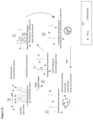
- FIG. 11 Hypothesized mechanism of CAR pharmacophore action in sepsis.
- FIG. 12 Effect of addition of CAR pharmacophore to sivelestat in LPS induced sepsis mice.
- FIG. 13 Effect of addition of CAR pharmacophore to ATIII in LPS induced sepsis mice.
- FIG. 14 Effect of addition of CAR pharmacophore to hydrocortisone in LPS induced sepsis mice.
- FIG. 15 A) Survival of LPS induced sepsis mice; B) Histology of lung, liver and kidney tissue from LPS induced sepsis mice.
- FIG. 16 Localization of CAR pharmacophore in kidney tissue from LPS induced sepsis mice.
- FIG. 17 Scanning electron micrograph of lung tissue from control, sivelestat and CAR pharmacophore+sivelestat treated mice.
- FIG. 18 Scanning electron micrograph of liver tissue from control, sivelestat and CAR pharmacophore+sivelstat treated mice.
- FIG. 19 Scanning electron micrograph of kidney tissue from control, sivelestat and CAR+sivelestat treated mice.
- FIG. 20 Effect of CAR pharmacophore on Acute Kidney Injury Marker (KIM-1).
- FIG. 21 Effect of CAR pharmacophore on cancer associated cachexia in triple negative breast cancer mice.
- FIG. 22 Effect of CAR pharmacophore adjuvant on right heart hypertrophy.
- FIG. 23 Effect of CAR pharmacophore adjuvant on bodyweight in PAH model rats.
- FIG. 24 Effect of oral CAR pharmacophore on right heart hypertrophy.
- FIG. 25 Effect of CAR pharmacophore on pulmonary artery (PA) muscularization in PAH model rats.
- CAR pharmacophore is defined as the conserved molecular features of cyclic (SEQ ID NO: 1), linear (SEQ ID NO: 12), and truncated (SEQ ID NO: 24) CAR peptides, that are necessary for CAR's disease homing, target binding, internalization, and biological activity.
- SEQ ID NO: 1 conserved molecular features of cyclic (SEQ ID NO: 1), linear (SEQ ID NO: 12), and truncated (SEQ ID NO: 24) CAR peptides, that are necessary for CAR's disease homing, target binding, internalization, and biological activity.
- SEQ ID NO: 24 truncated CAR pharmacophores
- peptide is used broadly to mean peptides, proteins, fragments of proteins and the like.
- peptidomimetic means a peptide-like molecule that has the activity of the peptide upon which it is structurally based.
- cyclic CAR peptide SEQ ID NO: 1
- seven closely related peptides SEQ ID NOs: 2-8) were performed.
- cyclic CAR SEQ ID NO: 1
- seven other cyclic peptides were synthesized (SEQ ID NOs: 2-8) containing permutations on either the Lys or Arg residues, and were labeled by attaching a fluorescamine (FAM) group to the molecule ( FIG. 1 ).
- FAM fluorescamine
- Cell binding and internalization of the peptides was studied using confocal microscopy and Chinese Hamster Ovary (CHO-K) cells, which have been previously used to study CAR binding. Fluorescence-activated cell sorting (FACS) was also used to determine cell internalization of SEQ ID NOs: 1-8.
- FACS Fluorescence-activated cell sorting
- SEQ ID NOs: 1-8 were produced in silico using computational modeling techniques. A variety of renderings were displayed in order to compare/contrast the various molecular features of SEQ ID NOs: 1-8. Analysis of the superimposed CAR analogues ( FIG. 4 ) revealed a conserved cyclic CAR structural pattern that has been identified as the cyclic CAR pharmacophore. This is due to the striking structural, electronic, steric, and sequential similarities of SEQ ID NOs: 1-8.
- the in silico modeling served to further define the previously identified CAR pharmacophore, which can not only be defined in terms of precise sequences and residue patterns, but can also be defined in terms of more generalized structures that possess similar three-dimensional, spatial, and electronic patterns as the linear, truncated, and cyclic CAR peptides.
- CAR pharmacophore Following identification of the cyclic, linear, and truncated CAR pharmacophores (collectively referred to as the CAR pharmacophore), additional structures that retain these essential molecular features were generated. Utilizing molecular modeling/computational chemistry, peptidomimetics, sequence variation techniques, and computer assisted drug design, library of compounds (SEQ ID NOs: 9-33) was produced that have been specifically designed to contain the CAR pharmacophore, which is required for disease homing and selective internalization. These structures were produced to illustrate the wide variety of novel compounds that could be generated that possess the CAR pharmacophore, along with CAR peptide's disease homing and internalization properties.
- any peptides or proteins containing an amino acid segment with the sequence of SEQ ID NOs: 1-8, 12, and 16-33, related amino acid sequences, or the CAR pharmacophore can be comprised of an amino acid segment containing the amino acid sequence of SEQ ID NOs: 1-8, 12, and 16-33, or the amino acid sequence of SEQ ID NOs: 1-8, 12, and 16-33 having one or more conservative amino acid substitutions.
- the amino acid segment can be composed of an amino acid sequence that is 60%, 70%, 80%, 90%, or 100% identical to the amino acid sequence of SEQ ID NOs: 1-8, 12, and 16-33, or any percentage in between that represents a change, including addition, deletion, or substitution, of one or more amino acid residues.
- the amino acid segment can comprise the amino acid sequence of SEQ ID NOs: 1-8, 12, and 16-33 having one, two, three, four, five, six, seven, eight, or nine conservative amino acid substitutions.
- the amino acid segment can comprise a chimera of the amino acid sequence SEQ ID NOs: 1-8, 12, and 16-33. Such a chimera can be additive, where sequence of one sequence is added to another sequence, substitutional, where sequence of one sequence is substituted for sequence of another sequence, or a combination.
- amino acid segments containing the CAR pharmacophore wherein the segments can be linear (including truncated linear peptides), circular or cyclic.
- the amino acid segment can be circularized or cyclized via any suitable linkage, for example, a disulfide bond or peptide bond.
- the peptide can have any length.
- peptides or proteins containing the CAR pharmacophore which can selectively home to regenerating tissue, wound tissue, or tumors.
- the disclosed peptides can selectively interact with regenerating tissue, wound tissue, or tumors.
- isolated peptides or proteins which have a length of less than 100 residues and which include the amino acid sequence of SEQ ID NOs: 1-8, 12, and 16-33 or the CAR pharmacophore.
- isolated means a peptide that is in a form that is relatively free from material such as contaminating polypeptides, lipids, nucleic acids and other cellular material that normally is associated with the peptide in a cell or that is associated with the peptide in a library or in a crude preparation.
- the disclosed peptides and proteins containing an amino acid segment with the sequence of SEQ ID NOs: 1-8, 12, and 16-33, related amino acid sequences, or the CAR pharmacophore can have any suitable length.
- compositions can be used with any molecular modeling, computational chemistry, or computer-aided drug design (CADD) technique to identify either the structure of SEQ ID NOs: 1-33 or to identify any other compounds containing the CAR pharmacophore. It is understood that when using the disclosed compositions (SEQ ID NOs: 1-33) in modeling techniques, compounds will be identified that have particular desirable properties such as selective homing to sites of disease and cellular internalization at the site of disease.
- CAR computer-aided drug design
- the three-dimensional construct can be obtained from x-ray crystallographic analyses or NMR imaging of the molecule containing the CAR pharmacophore.
- the use of molecular dynamics and force field data could also be used in the discovery of compounds containing the CAR pharmacophore.
- Computer graphics systems can enable prediction of how a compound will bind to its respective receptor, and experimental manipulation of the compound structure/sequence can be performed to optimize binding specificity.
- the virtual screening of compound libraries including synthetic chemicals, peptides, proteins, and other biologically active materials, can also be performed to discover novel compounds containing the CAR pharmacophore.
- Peptidomimetics include chemically modified peptides, peptide-like molecules containing non-naturally occurring amino acids, as well as proteins. Peptidomimetic compounds may possess selective disease homing activity and/or target cell internalization abilities such as SEQ ID NO: 1.
- isolated multivalent peptides that include at least two subsequences each independently containing a homing molecule (for example, the amino acid sequences SEQ ID NOs: 2-33, or a conservative variant or peptidomimetic thereof).
- the multivalent peptide can have, for example, at least three, at least five or at least ten of such subsequences each independently containing a homing molecule (for example, the amino acid sequence of SEQ ID NOs: 2-33, or a conservative variant or peptidomimetic thereof).
- the multivalent peptide can have two, three, four, five, six, seven, eight, nine, ten, fifteen or twenty identical or non-identical subsequences.
- the multivalent peptide can contain identical subsequences, which consist of a homing molecule (for example, the amino acid sequence SEQ ID NOs: 2-33, or a conservative variant or peptidomimetic thereof).
- the multivalent peptide contains contiguous identical or non-identical subsequences, which are not separated by any intervening amino acids.
- the multivalent peptide can be cyclic or otherwise conformationally constrained. In one example, the peptide can be circularized or cyclized via a disulfide bond.
- a variety of peptidomimetics are known, including peptide-like molecules which contain a constrained amino acid, a non-peptide component that mimics peptide secondary structure, or an amide bond isostere.
- a peptidomimetic that contains a constrained, non-naturally occurring amino acid can include, for example, an ⁇ -methylated amino acid; ⁇ , ⁇ -dialkylglycine or ⁇ -aminocycloalkane carboxylic acid; an N ⁇ —C ⁇ cyclized amino acid; an N ⁇ -methylated amino acid; a ⁇ - or ⁇ -amino cycloalkane carboxylic acid; an ⁇ , ⁇ -unsaturated amino acid; a ⁇ , ⁇ -dimethyl or ⁇ -methyl amino acid; a ⁇ -substituted-2,3-methano amino acid; an N—C ⁇ or C ⁇ -C ⁇ cyclized amino acid; a substituted proline or another amino acid mimetic
- a peptidomimetic which mimics peptide secondary structure can contain, for example, a non-peptidic ⁇ -turn mimic; ⁇ -turn mimic; mimic of ⁇ -sheet structure; or mimic of helical structure, each of which is well known in the art.
- a peptidomimetic also can be a peptide-like molecule which contains, for example, an amide bond isostere such as a retro-inverso modification; reduced amide bond; methylenethioether or methylene-sulfoxide bond; methylene ether bond; ethylene bond; thioamide bond; trans-olefin or fluoroolefin bond; 1,5-disubstituted tetrazole ring; ketomethylene or fluoroketomethylene bond or another amide isostere.
- an amide bond isostere such as a retro-inverso modification
- reduced amide bond such as a retro-inverso modification
- methylenethioether or methylene-sulfoxide bond methylene ether bond
- ethylene bond thioamide bond
- trans-olefin or fluoroolefin bond 1,5-disubstituted tetrazole ring
- Also disclosed are methods for identifying a peptidomimetics containing the CAR pharmacophore can include, for example, the screening of databases that contain libraries of potential CAR pharmacophore peptidomimetics.
- the Cambridge Structural Database contains a collection of greater than 300,000 compounds that have known crystal structures (Allen et al., Acta Crystalloqr. SectionB, 35:2331 (1979)). This structural depository is continually updated as new crystal structures are determined and can be screened for compounds having suitable shapes, for example, the same shape as a disclosed peptide, as well as potential geometrical and chemical complementarity to a target molecule.
- a structure can be generated using, for example, the program CONCORD (Rusinko et al., J. Chern. Inf. Comput. Sci. 29:251 (1989)).
- CONCORD Electronic Chemical Computer Records
- Another database the Available Chemicals Directory (Molecular Design Limited, Information Systems; San Leandro Calif.), contains about 100,000 compounds that are commercially available and also can be searched to identify potential peptidomimetics of a peptide, for example, with activity in selectively homing to tumor stroma, wounds, and plasma clots.
- Insertions include amino and/or carboxyl terminal fusions as well as intrasequence insertions of single or multiple amino acid residues. Insertions ordinarily will be smaller insertions than those of amino or carboxyl terminal fusions, for example, on the order of one to four residues. Deletions are characterized by the removal of one or more amino acid residues from the protein or peptide sequence.
- no more than about 2 to 6 residues are deleted at anyone site within the protein or peptide molecule.
- These variants can be prepared by site specific mutagenesis of nucleotides in the DNA encoding the protein or peptide, thereby producing DNA encoding the variant, and thereafter expressing the DNA in recombinant cell culture.
- Substitutional, insertional or deletional modifications can include, but are not limited to, unnatural amino acids, D-amino acids, or any other residue(s) that may result in generation of altered or improved compound(s) that still possess the CAR pharmacophore.
- substitution mutations at predetermined sites in DNA having a known sequence are well known.
- Amino acid substitutions are typically of single residues, but can occur at a number of different locations at once; insertions usually will be on the order of about from 1 to 10 amino acid residues; and deletions will range about from 1 to 10 residues.
- Deletions or insertions preferably are made in adjacent pairs, i.e. a deletion of 2 residues or insertion of 2 residues.
- Substitutions, deletions, insertions or any combination thereof can be combined to arrive at a final construct containing the CAR pharmacophore.
- Substitutional variants are those in which at least one residue has been removed and a different residue inserted in its place.
- a conservative variant is a sequence in which a first amino acid is replaced by another amino acid or amino acid analog having at least one biochemical property similar to that of the first amino acid; similar properties include, for example, similar size, charge, hydrophobicity or hydrogen bonding capacity.
- a conservative variant can be a sequence in which a first uncharged polar amino acid is conservatively substituted with a second (non-identical) uncharged polar amino acid such as cysteine, serine, threonine, tyrosine, glycine, glutamine or asparagine or an analog thereof.
- a conservative variant also can be a sequence in which a first basic amino acid is conservatively substituted with a second basic amino acid such as arginine, lysine, histidine, 5-hydroxylysine, N-methyllysine or an analog thereof.
- a conservative variant can be a sequence in which a first hydrophobic amino acid is conservatively substituted with a second hydrophobic amino acid such as alanine, valine, leucine, isoleucine, proline, methionine, phenylalanine or tryptophan or an analog thereof.
- a conservative variant can be a sequence in which a first acidic amino acid is conservatively substituted with a second acidic amino acid such as aspartic acid or glutamic acid or an analog thereof; a sequence in which an aromatic amino acid such as phenylalanine is conservatively substituted with a second aromatic amino acid or amino acid analog, for example, tyrosine; or a sequence in which a first relatively small amino acid such as alanine is substituted with a second relatively small amino acid or amino acid analog such as glycine or valine or an analog thereof.
- the replacement of one amino acid residue with another that is biologically and/or chemically similar is known to those skilled in the art as a conservative substitution.
- a conservative substitution would be replacing one hydrophobic residue for another, or one polar residue for another.
- the substitutions include combinations such as, for example, Gly, Ala; Val, Ile, Leu; Asp, Glu; Asn, GIn; Ser, Thr; Lys, Arg; and Phe, Tyr.
- Such conservatively substituted variations of each explicitly disclosed sequence are included within the mosaic polypeptides provided herein. It is understood that conservative variants of SEQ ID NOs: 1-8, 12, and 16-33 encompass sequences containing one, two, three, four or more amino acid substitutions relative to SEQ ID NOs: 1-8, 12, and 16-33, and that such variants can include naturally and non-naturally occurring amino acid analogs.
- substitutions which in general are expected to produce the greatest changes in the protein properties will be those in which (a) a hydrophilic residue, e.g. seryl or threonyl, is substituted for (or by) a hydrophobic residue, e.g.
- an electropositive side chain e.g., lysyl, arginyl, or histidyl
- an electronegative residue e.g., glutamyl or aspartyl
- Substitutional or deletional mutagenesis can be employed to insert sites for N-glycosylation (Asn-X-Thr/Ser) or O-glycosylation (Ser or Thr).
- Deletions of cysteine or other labile residues also can be desirable.
- Deletions or substitutions of potential proteolysis sites, e.g. Arg are accomplished for example by deleting one of the basic residues or substituting one by glutaminyl or histidyl residues.
- Derivitization is a process by which a compound is modified into a product of similar chemical structure.
- Certain post-translational derivatizations are the result of the action of recombinant host cells on the expressed polypeptide. Glutaminyl and asparaginyl residues are frequently post-translationally deamidated to the corresponding glutamyl and asparyl residues. Alternatively, these residues are deamidated under mildly acidic conditions.
- Other post-translational modifications include hydroxylation of proline and lysine, phosphorylation of hydroxyl groups of seryl or threonyl residues, methylation of the o-amino groups of lysine, arginine, and histidine side chains (T. E.
- variants and derivatives of the disclosed proteins herein are through defining the variants and derivatives in terms of homology/identity to specific known sequences. Specifically disclosed are variants of these and other proteins herein disclosed which have at least, 70% or 75% or 80% or 85% or 90% or 95% homology to the stated sequence, or any percentage in between that represents a change of amino acid, including a substitution, addition, or deletion. Those of skill in the art readily understand how to determine the homology of two proteins. For example, the homology can be calculated after aligning the two sequences so that the homology is at its highest level.
- nucleic acids that can encode those protein sequences are also disclosed. This would include all degenerate sequences related to a specific protein sequence, i.e. all nucleic acids having a sequence that encodes one particular protein sequence as well as all nucleic acids, including degenerate nucleic acids, encoding the disclosed variants and derivatives of the protein sequences. Thus, while each particular nucleic acid sequence may not be written out herein, it is understood that each and every sequence is in fact disclosed and described herein through the disclosed protein sequence.
- linkages for amino acids or amino acid analogs can include: CH 2 NH—, —CH 2 S—, —CH 2 —CH 2 —, —CH ⁇ CH-(cis and trans), —COCH 2 —, —CH(OH)CH 2 —, and —CHH 2 SO— (These and others can be found in Spatola, A. F. in Chemistry and Biochemistry of Amino Acids, Peptides, and Proteins, B. Weinstein, eds., Marcel Dekker, New York, p. 267 (1983); Spatola, A. F., Vega Data (March 1983), Vol.
- conjugated compounds which possess the CAR pharmacophore.
- the conjugate could be a linear or cyclic variant of the CAR pharmacophore, and can be linked to another compound using disulfide bonds, peptide bonds, or any other type of covalent or non-covalent chemical modification resulting in the linking the CAR pharmacophore variant to one or more other compounds, or linking a linear or cyclic variant of the CAR pharmacophore to a liposome, nanoerythrosome or micelle containing a therapeutic or diagnostic payload.
- truncated CAR (tCAR; SEQ ID NO: 24) has been conjugated to free sulfhydryl group at the Cys34 residue of human serum albumin (HSA) via a disulfide bond (Sugio 1999).
- HSA human serum albumin
- This HSA-tCAR conjugate could prolong the half-life of tCAR (Dennis 2002), and is illustrative of a much broader approach that can be used to enhance the properties, such as half-life, of a CAR pharmacophore variant.
- the CAR pharmacophore could be linked to an anti-fibrotic compound such as decorin to produce targeted fibrotic inhibition such as in scar reduction.
- conjugation of a molecule containing the CAR pharmacophore to another molecule can have the effect of extending half-life, improving the affinity to diseased tissue, improving toxicity or pharmacokinetic properties, improved selectivity, improved binding and/or internalization, or improving the therapeutic effects of either of the conjugated compounds.
- cyclic CAR (SEQ ID NO: 1) has been covalently linked (via a peptide bond) to the Fv fragment of the monoclonal anticancer antibody B1.
- This antibody has an affinity for human carcinoma cells. This could result in a drug conjugate with a high degree of specificity to human cancer cells, and is illustrative of a broader class of compounds containing the CAR pharmacophore that would have improved disease homing properties.
- amino acid and peptide analogs that have enhanced or desirable properties, such as, more economical production, greater chemical stability, reduced toxicity or side effects, enhanced pharmacological properties (e.g., half-life, absorption, distribution, metabolism, excretion, potency, efficacy, target binding or affinity, etc.), altered specificity (e.g., a broad-spectrum of biological activities), reduced antigenicity, and others.
- D-amino acids can be used to generate more stable peptides, because D-amino acids are not recognized by peptidases.
- Systematic substitution of one or more amino acids of a consensus sequence with a D-amino acid of the same type can be used to generate more stable peptides (SEQ ID NOs: 16, 20, and 25) (Molhoek 2011).
- methylene bridges, amide (peptide) bonds, or cysteine residues (disulfide bond) can be used to cyclize or attach two or more peptides together. This can be beneficial to constrain peptides into more stable conformations (Clark 2005).
- This also includes peptides or proteins with improved target specificity or binding, such as the optimal arrangement of amino acid residues in order to enhance molecular interactions between the ligand and receptor.
- basic residues Lys, Arg, or His
- proteins and peptides with improved (reduced) systemic toxicity Cysteine residues often times dominate in peptides found to be toxic relative to other residues (Gupta 2013).
- flanking cysteine residues of SEQ ID NO: 1 have been replaced with flanking leucine residues, and cyclization has been achieved by a methylene bridge between the flanking leucine residues.
- peptides and proteins that have amino acid sequence modifications or alterations resulting in better biopharmaceutical properties.
- the incorporation of acidic or basic side chains could improve the aqueous or non-aqueous solubility of peptides and proteins with enhanced formulations or pharmacokinetic properties (Rand 2012).
- substitution of a residue with a low distribution coefficient (log D), such as aspartic acid could be replaced with a residue with a greater log D value, such as leucine (SEQ ID NO: 31).
- peptides and proteins with improved cellular permeability are also disclosed.
- polyarginine sequences to peptides or proteins can greatly enable cellular uptake and permeability (Fuchs 2007), and the replacement of non-basic residues with arginine residues is also included.
- four of the nine existing residues contained in SEQ ID NO:1 have been replaced with arginine residues, enabling enhanced permeability while retaining efficacy (SEQ ID NO: 32).
- chimeric proteins containing a disclosed peptide fused to a heterologous protein.
- the heterologous protein can have a therapeutic activity such as cytokine activity, cytotoxic activity or proapoptotic activity.
- the heterologous protein can be an antibody or antigen-binding fragment thereof.
- the chimeric protein includes a peptide containing the amino acid sequence SEQ ID NOs: 2-34, or a conservative variant or peptidomimetic thereof, fused to a heterologous protein.
- heterologous as used herein in reference to a protein fused to the disclosed peptides, means a protein derived from a source other than the gene encoding the peptide or from which the peptidomimetic is derived.
- the disclosed chimeric proteins can have a variety of lengths including, but not limited to, a length of less than 100 residues, less than 200 residues, less than 300 residues, less than 400 residues, less than 500 residues, less than 800 residues or less than 1000 residues.
- chimera and “chimeric” refer to any combination of sequences derived from two or more sources. This includes, for example, from single moiety of subunit (e.g., nucleotide, amino acid) up to entire source sequences added, inserted and/or substituted into other sequences. Chimeras can be, for example, additive, where one or more portions of one sequence are added to one or more portions of one or more other sequences; substitutional, where one or more portions of one sequence are substituted for one or more portions of one or more other sequences; or a combination.
- subunit e.g., nucleotide, amino acid
- Constant substitutional chimeras can be used to refer to substitutional chimeras where the source sequences for the chimera have some structural and/or functional relationship and where portions of sequences having similar or analogous structure and/or function are substituted for each other. Typical chimeric and humanized antibodies are examples of conservative substitutional chimeras.
- bifunctional peptides which contain a homing peptide fused to a second peptide having a separate function.
- Such bifunctional peptides have at least two functions conferred by different portions of the full-length molecule and can, for example, display anti-angiogenic activity or pro-apoptotic activity in addition to selective homing activity.
- an isolated peptide, or a homing molecule as discussed further elsewhere herein can be cyclic or otherwise conformationally constrained.
- a “conformationally constrained” molecule such as a peptide, is one in which the three-dimensional structure is maintained substantially in one spatial arrangement over time. Conformationally constrained molecules can have improved properties such as increased affinity, metabolic stability, membrane permeability or solubility. Methods of conformational constraint are well known in the art and include cyclization as discussed further elsewhere herein.
- cyclic means a structure including an intramolecular bond between two non-adjacent amino acids or amino acid analogues.
- the cyclization can be affected through a covalent or non-covalent bond.
- Intramolecular bonds include, but are not limited to, backbone to backbone, side-chain to backbone and side-chain to side-chain bonds.
- a preferred method of cyclization is through formation of a disulfide bond between the side-chains of non-adjacent amino acids or amino acid analogs.
- Residues capable of forming a disulfide bond include, for example, cysteine (Cys), penicillamine (Pen), ⁇ , ⁇ -pentamethylene cysteine (Pmc), ⁇ , ⁇ -pentamethylene- ⁇ -mercaptopropionic acid (Pmp) and functional equivalents thereof.
- a peptide also can cyclize, for example, via a lactam bond, which can utilize a side-chain group of one amino acid or analog thereof to form a covalent attachment to the N-terminal amine of the amino-terminal residue.
- Residues capable of forming a lactam bond include aspartic acid (Asp), glutamic acid (Glu), lysine (Lys), ornithine (om), ⁇ , ⁇ -diamino-propionic acid, ⁇ -amino-adipic acid (Adp) and M-(aminomethyl)benzoic acid (Mamb).
- Cyclization additionally can be affected, for example, through the formation of an Iysinonorleucine bond between lysine (Lys) and leucine (Leu) residues or a dityrosine bond between two tyrosine (Tyr) residues.
- Lys lysine
- Leu leucine
- Tyr tyrosine
- compositions can be used as targets for any combinatorial technique to identify molecules or macromolecular molecules that interact with the disclosed compositions in a desired way. Also disclosed are the compositions that are identified through combinatorial techniques or screening techniques in which the compositions disclosed in SEQ ID NOs: 2-33 or portions thereof, are used as the target in a combinatorial or screening protocol.
- the disclosed compounds containing the CAR pharmacophore can be useful for the treatment and/or diagnosis of diseases such as: pulmonary diseases, pulmonary hypertension, interstitial lung disease, acute lung injury, acute respiratory distress syndrome, asthma, sepsis, septic shock, infection, sarcoidosis of the lung, pulmonary manifestations of connective tissue diseases, including systemic lupus erythematosus, rheumatoid arthritis, scleroderma, and polymyositis, embedatomyositis, bronchiectasis, asbestosis, berylliosis, silicosis, Histiocytosis X, pneumonia, pneumonitis, smoker's lung, bronchiolitis obliterans, pulmonary fibrosis, other fibrotic diseases such as myocardial infarction, endomyocardial fibrosis, mediastinal fibrosis, myelofibrosis, retroperitoneal fibrosis, progressive massive
- a cell binding and internalization assay was used as an initial test to compare the variants to the original CAR peptide.
- Cell binding/internalization by the CAR peptide variants was studied by confocal microscopy using Chinese Hamster Ovary (CHO-K) cells, which have been previously used to study CAR binding.
- FAM-conjugated peptides as indicated were incubated at 5 ⁇ M concentration with CHO-K cells for 2 hours. The cells were washed, fixed, stained with the nuclear stain DAPI. The CHO cell binding and internalization results ( FIG. 2 ) suggested that changing the first arginine into a lysine residue improves binding to the CHO cells, and that the peptide should have at least one arginine.
- FACS fluorescence-activated cell sorting
- the cells were incubated with 5 ⁇ M peptides in serum-free DMEM at 37° C. for 24 hrs. After incubation, cells were washed 3-4 times with ice-cold buffer containing 100 ⁇ g/ml of heparin to remove any non-internalized peptide. The cells were detached using trypsin-EDTA, and the cell suspension was stained with 7AAD dye to ascertain cell viability. The cells were then immediately analyzed using FACS to determine the level of peptide internalization.
- the FACS results identified variation in the peptide internalization profiles of SEQ ID NO: 1-8 based on the amino acid substitution present in each sequence ( FIG. 3 ). Variation occurred in the intensity of peptide binding as well as in the localization of peptide binding.
- CAR pharmacophore peptide variants with conserved amino acid substitutions displayed differential binding and internalization characteristics between the CHO cells and human lung fibroblasts (as shown in FIGS. 2 and 3 respectively) indicating that conservative amino acid substitutions to the original CAR peptide produce unexpected differences in binding and internalization.
- Example 1B differed from the confocal analyses (Example 1A) in that the two-arginine, one-lysine peptides were the most effective ones ( FIG. 2 ). However, the background in this assay was high and the differences less than 50% and not statistically significant.
- the greater requirement for arginine residues than in the confocal study (Example 1A) may be related to the fact that we measured only internalization, not binding and internalization, in the FACS experiments (Example 1B). Multiple arginine residues are well known to promote internalization into cells.
- SEQ ID NOs: 2-8 display similar biological activity to SEQ ID NO: 1. Based on the similarity of the structures of SEQ ID NOs: 2-8 to SEQ ID NO: 1, some initial clues to the essential features (pharmacophore) of SEQ ID NO: 1 that confer biological activity were obtained.
- SEQ ID NOs: 1-8 A variety of renderings were displayed in order to compare the various molecular features of SEQ ID NOs: 1-8. Of particular importance was the superimposition of SEQ ID NOs: 1-8, which demonstrated both trivial and subtle similarities between CAR peptide (SEQ ID NO: 1) and the CAR peptide analogues (SEQ ID NO: 2-8).
- rapamycin, and rifabutin may differ from that of CAR (for example, rapamycin, and rifabutin are non-peptide compounds), these molecules can be a starting point for a peptidomimetic approach to producing CAR analogues. These compounds were chosen on the bases of their cyclic nature, molecular weight (approx. 1 kDa), and oral bioavailability, all of which are characteristics of CAR peptide as well.
- SEQ ID NOs: 9-11 and SEQ ID NOs: 13-15 were studied, such as steric properties, molecular weights, hydrogen bond donors and acceptors, accessible solvent surface area, sequence relationships, cyclic ring backbone structure, and amino acid side chain/functional group location in space.
- the observed characteristics of SEQ ID NOs: 9-11 and 13-15 were compared to cyclic CAR and linear CAR respectively, in order to determine if these analogues would still possess the CAR pharmacophore and CAR peptide's disease homing and selective internalization properties.
- the modifications to the analogues would enable these compounds to possess similar binding, internalization, and disease selectivity as the CAR pharmacophore.
- each of the cyclic peptidomimetics all protrude out from the core backbone structure (the cyclic ring) into space, in a similar manner as SEQ ID NO: 1.
- Electrostatic similarities between SEQ ID NOs: 1 and SEQ ID NOs: 9-11 also exist, with particular emphasis on the positively charged components of the extended functional groups.
- Other similarities between SEQ ID NOs: 1 and SEQ ID NOs: 9-11 also exist, including molecular weights and retained cyclic, ring-like structures comprising the core backbone structure.
- linear CAR SEQ ID NO: 12
- linear CAR-Rapamycin SEQ ID NO: 13
- linear CAR-Rifabutin SEQ ID NO: 14
- linear CAR-Voclosporin SEQ ID NO: 15
- results from both the linear and cyclic CAR peptidomimetics library serves as a non-limiting, illustrative approach that could be employed when utilizing peptidomimetics to generate compounds, including small molecules, that posses the CAR pharmacophore and disease homing and selective internalization properties of CAR peptide.
- the molecules may also possess their original therapeutic properties combined with the homing and disease selectivity properties of the CAR pharmacophore.
- Example 3 serves to further define the previously identified CAR pharmacophore, which is not only be defined in terms of precise sequences and residue patterns, but can also be defined in terms of more generalized structures that possess similar three-dimensional spatial, steric, and electronic patterns as linear, truncated, and cyclic CAR peptides.
- SEQ ID NOs: 16-19 were designed to fit the cyclic CAR pharmacophore
- SEQ ID NOs: 20-23 were designed to fit the linear CAR pharmacophore
- SEQ ID NOs: 25-28 were designed the truncated CAR pharmacophore.
- substitutional variants There were 12 substitutional variants generated in total: 4 cyclic, 4 linear, and 4 truncated.
- the types of substitutions that were performed are the same for the cyclic, linear, and truncated variants. More specifically, within each category (cyclic, linear, and truncated), one analogue was produced by altering the stereochemistry of the first Lys residue in the CAR amino acid sequence, resulting in a D-amino acid substitution at this position. Another analogue was produced for each category containing a D-allylglycine residue (a type of glycine derivative) in place of the normal Ala residue. Diamino acid substitution was also generated within each category, where the Arg residue of the CAR sequence was replaced with an Asn residue. Finally, substitutional variants were produced in which the Cys residue of the CAR sequence (which normally contains a charged or acetylated N-term) was substituted for a N-methylated Cys residue.
- SEQ ID NOs: 16-19, 20-23, and 25-28 were studied, including steric properties, molecular weights, hydrogen bond donors and acceptors, accessible solvent surface areas, sequence relationships, backbone structure, and amino acid side chain/functional group location in space. Observed characteristics of SEQ ID NOs: 16-19, 20-23, and 25-28 were compared to their respective cyclic, linear, or truncated CAR counterparts in order to determine if the analogues would still possess the CAR pharmacophore and would thus possess CAR peptide's disease homing and selective internalization properties.
- Compound 1 consists of the human serum albumin (HSA; SEQ ID NO: 29) protein which has been linked (conjugated) to truncated CAR peptide (tCAR; SEQ ID NO: 24).
- Compound 2 consists of the Fv fragment of the monoclonal anticancer antibody B1 (SEQ ID NO: 30, 35) which has been conjugated to cyclic CAR (SEQ ID NO: 1).
- Compound 1 was produced by conjugating tCAR to the free sulfhydryl group at the Cys34 residue of human serum albumin (HSA; SEQ ID NO: 29) via a disulfide bond.
- HSA human serum albumin
- This HSA-tCAR conjugate has previously been shown to prolong the half-life of tCAR (Dennis 2002), and is illustrative of a much broader approach that can be used to enhance the properties, such as half-life, of a CAR pharmacophore variant.
- Compound 2 was produced by covalently linking (via a peptide bond) cyclic CAR peptide to the Fv fragment of the monoclonal anticancer antibody B1 (SEQ ID NO: 30, 35). This antibody has an affinity for human carcinoma cells.
- the bifunctional compound would result in a drug conjugate with a high degree of specificity to human cancer cells, and is illustrative of a broader class of compounds containing the CAR pharmacophore that
- SEQ ID NO: 31 was produced by substituting the flanking C-terminus and N-terminus Cys residues of SEQ ID NO: 1 with Leu residues to produce the amino acid sequence: LARSKNKDL. In this case, cyclization has been achieved via a methylene bridge joining the two flanking Leu residues, opposed to the normal disulfide linkage of SEQ ID NO: 1. Like the disulfide bond in SEQ ID NO: 1, the modification serves to constrain the peptide into a more stable conformation.
- SEQ ID NO: 32 was generated by rearranging and replacing the original amino acid sequence of SEQ ID NO: 1 to produce the sequence: CAKSRNHDC. More specifically, the Arg1 of SEQ ID NO: 1 has been replaced with a Lys residue; the Lys1 of SEQ ID NO: 1 has been replaced with an Arg residue; and the Lys2 of SEQ ID NO:1 has been replaced with a His residue. Given the unconfirmed nature of CAR peptide's receptor and mechanism of internalization, this rearrangement/replacement could produce an optimal arrangement of amino acid residues which will enhance the molecular interactions between the ligand and receptor. This ultimately could result in improved target specificity, binding, or internalization of this compound containing the cyclic CAR pharmacophore.
- SEQ ID NO: 33 was produced by substituting the negatively charged Asp residue of SEQ ID NO: 1 with the hydrophobic Leu residue, yielding the amino acid sequence: CARSKNKLC. Substitution of a residue with a low distribution coefficient (log D), such as aspartic acid, with a residue with a greater log D value, such as leucine, would improve the non-aqueous solubility of the peptide, and could potentially result in production of an analogue capable of enhanced formulations or improved pharmacokinetic properties (Rand 2012).
- log D distribution coefficient
- SEQ ID NO: 1 The superimposition of cyclic CAR (SEQ ID NO: 1) with the optimized peptide analogues (SEQ ID NOs: 31-33) allows for the visualization of the similarities between all five compounds (not shown).
- the amino acid substitutions in SEQ ID NOs: 31-33 did not result in loss of cyclic ring structure or spatial placement of the positively charged basic residues.
- the fact that all three basic residues (Arg, Lys1, and Lys2) have nearly identical side chain spatial placements as SEQ ID NO: 1 demonstrates that SEQ ID NOs: 31-33 possess the cyclic CAR pharmacophore
- SEQ ID NOs: 1 and SEQ ID NOs: 31-33 are seen, with particular emphasis on the positively charged components of the extended side chains.
- Other more trivial similarities between SEQ ID NOs: 1 and SEQ ID NOs: 31-33 also exist, including molecular weights and retained cyclic, ring-like structures comprising the core backbone structure.
- CAR contains 3 basic residues in a Basic-X-Basic-X-Basic-X configuration. This motif is similar to heparin binding motifs in a number of proteins. Given the requirement for heparan sulfate binding for CAR (Jarvinen and Ruoslahti, 2008), permutations were made in order to preserve a basic amino acid (either arginine or lysine) in the original positions. The rest of the positions were varied randomly. Mutation analysis in phage was performed because it is the most facile way of performing such an analysis. The phage clones were tested for binding to CHO cells (Jarvinen and Ruoslahti, 2010), and when active, for in vivo homing.
- a rat model of crescentic glomerular nephritis (anti-glomerular basement membrane antibody induced glomerular injury) was used to observe the utility of CAR pharmacophore targeting in chronic kidney disease.
- Glomerulonephritis was induced in rat kidneys by i.v. injection of anti-glomerular basement membrane antibodies. 14 days after induction, CAR pharmacophore peptide or control (CGGGGGGGC SEQ ID NO: 34) peptide was i.v. injected at 3.3 mg/kg B.W.
- Kidneys were harvested three hours after CAR pharmacophore or control injection and Masson's trichrome (collagen) staining and fibronectin immunostaining were used to determine development of kidney disease and fibrosis formation.
- CAR pharmacophore accumulated extensively (purple) in glomerular capillaries, crescents in Bowman's space, tubular epithelium, and interstitium (C) in the diseased kidney.
- CAR pharmacophore accumulated in crescent as well as renal tubes. Renal tube accumulation may be related to reabsorption.
- the control peptide was largely cleared from the kidney at 3 hours administration (D).
- CAR pharmacophore co-administration with imatinib in a rat model of monocrotaline-induced (MCT) PAH was used to observe the therapeutic utility of CAR for targeting PAH.
- CAR pharmacophore peptide was intravenously co-administered with 10 mg/kg or 50 mg/kg imatinib for 14 days starting 4 weeks post MCT induction.
- Cachexia or wasting syndrome
- Cachexia is the loss of weight, muscle atrophy, fatigue, weakness, and loss of appetite in an individual not actively trying to lose weight.
- Cachexia is seen in n patients with cancer, AIDS, chronic obstructive lung disease, multiple sclerosis, congestive heart failure, tuberculosis, familial amyloid polyneuropathy, mercury poisoning (acrodynia) and hormonal deficiency.
- the discovery of CAR pharmacophore's beneficial effect on body weight provides initial evidence of CAR pharmacophore's ability to ameliorate weight loss induced by MCT injection and possibly even cachexia in general.
- Example 9 CAR Pharmacophore Ability to Improve Sepsis Survival in a Lipopolysaccharide Endotoxin (LPS) Mouse Model of Sepsis
- CAR pharmacophore dramatically improved survival in septic mice treated with sivelestat.
- Injection of the bacterial protein, lipopolysaccharide (LPS) was used to induce sepsis in mice.
- Doses were given at 3, 6, 9, and 12 hours to match the clinical use of sivelestat. Survival was measured up to 48 hours after LPS injection. At 48 hours, the survival rate of CAR pharmacophore+sivelestat treated animals was 89% compared to 50% in both control and sivelestat only groups, representing a 78% increase in survival of animals treated with CAR pharmacophore ( FIG. 12 ).
- CAR pharmacophore dramatically improved survival in septic mice treated with antithrombin III (ATIII). Sepsis was initiated and survival measured with doses given at 3 and 24 hours to match the clinical use of ATIII. At 48 hours, the survival rate of CAR pharmacophore+ATIII treated animals was 83% compared to 50% in control and 40% in ATIII only groups, representing a 66% increase in survival of CAR pharmacophore treated animals over the ATIII only group ( FIG. 13 ). The decreased survival of ATIII only animals could be due to hemorrhage caused by ATIII's anti-coagulant activity. CAR pharmacophore appeared to completely reverse this effect.
- CAR pharmacophore dramatically improves survival in septic mice treated with hydrocortisone steroid. Sepsis was initiated and survival measured with doses given at 3 and 24 hours to match the clinical use of hydrocortisone. At 48 hours, the survival rate of CAR pharmacophore treated animals was 83% compared to 50% in control and 56% in hydrocortisone only groups, representing a 57% increase in survival of CAR pharmacophore treated animals over the hydrocortisone only group ( FIG. 14 ).
- CAR pharmacophore as a stand-alone therapeutic in sepsis found that CAR pharmacophore, administered alone via intraperitoneal injection at 20 mg/kg (or 500 ug/mouse) to LPS-mice improved survival rates from 50% (no treatment) to 80% with CAR pharmacophore at 48 hours.
- 500 ug/20-25 g mouse is equivalent to 20-25 mg/kg of CAR pharmacophore by body weight, supporting the potential of CAR pharmacophore by itself acting as a powerful anti-inflammatory agent that induced localized micropinocytosis in inflamed tissues characterized by an altered glycocalyx resulting in the inflamed tissue being able to uptake extracellular molecules at a rate more similar to normal tissue thereby allowing the tissue to heal from inflammation.
- Example 10 CAR Pharmacophore Targeting in Sepsis and Restoration of Damaged Lung, Liver and Kidney Endothelium
- CAR pharmacophore In the kidney, higher levels of CAR pharmacophore was concentrated in the glomeruli of septic animals (arrows). As shown in FIG. 16 , CAR pharmacophore co-localizes with the endothelial specific marker lectin in the kidney. In septic animals, CAR pharmacophore homes to damaged endothelial cells and co-localizes with lectin (arrow).
- KIM-1 Acute Kidney Injury Marker (KIM-1) expression decreased in the CAR pharmacophore treated animals ( FIG. 20 ). Histological staining for KIM-1 which is upregulated in the proximal tubule upon kidney injury is markedly reduced in CAR pharmacophore treated animals.
- Co-administration of CAR pharmacophore with paclitaxel reduced the mean tumor volume over 15 days compared to paclitaxel alone ( FIG. 21 ) and provided the additional benefit of amelioration of cancer-induced weight loss.
- CAR pharmacophore treated animals gained 11% relative to their average starting bodyweight while the paclitaxel alone group gained 5% and saline vehicle control group gained 6% after 32 days (data not shown).
- Example 12 Selective Drug Efficacy in Pulmonary Arterial Hypertension
- PAH was induced in male Sprague-Dawley rats (300-330 g, 10 weeks old, Harlan) with a single intraperitoneal dose of monocrotaline (60 mg/kg). Treatment was initiated four weeks after PAH induction with either imatinib (50 mg/kg or 10 mg/kg) or imatinib (50 mg/kg or 10 mg/kg)+CAR pharmacophore combination (3 mg/kg) for 2 weeks with daily i.v. ( FIGS. 22 and 23 ) or daily sublingual administration.
- Co-administration of CAR pharmacophore enhanced the therapeutic benefit of imatinib as measured by improvements in right heart hypertrophy ( FIGS. 22 and 24 ) and pulmonary artery muscularization ( FIG. 25 ).
- imatinib 10 mg/kg
- the addition of CAR pharmacophore adjuvant to the therapy produced an efficacy equivalent to or greater than the efficacy of the full-dose 50 mg/kg imatinib monotherapy ( FIGS. 22 and 25 ).
- Prolonged intravenous administration of imatinib appears to have a significant adverse effect on bodyweight.
- Co-administration of CAR pharmacophore peptide appears to alleviate this side effect.
- Addition of CAR pharmacophore as an adjuvant to the imatinib therapy increased the bodyweight of the MCT rats, indicating considerable improvement in the overall health of the animals.
Landscapes
- Health & Medical Sciences (AREA)
- Life Sciences & Earth Sciences (AREA)
- Chemical & Material Sciences (AREA)
- Engineering & Computer Science (AREA)
- General Health & Medical Sciences (AREA)
- Medicinal Chemistry (AREA)
- Pharmacology & Pharmacy (AREA)
- Animal Behavior & Ethology (AREA)
- Public Health (AREA)
- Veterinary Medicine (AREA)
- Bioinformatics & Cheminformatics (AREA)
- Epidemiology (AREA)
- Immunology (AREA)
- Molecular Biology (AREA)
- Physics & Mathematics (AREA)
- General Chemical & Material Sciences (AREA)
- Chemical Kinetics & Catalysis (AREA)
- Organic Chemistry (AREA)
- Nuclear Medicine, Radiotherapy & Molecular Imaging (AREA)
- Proteomics, Peptides & Aminoacids (AREA)
- Library & Information Science (AREA)
- Biochemistry (AREA)
- Gastroenterology & Hepatology (AREA)
- Bioinformatics & Computational Biology (AREA)
- Biophysics (AREA)
- Theoretical Computer Science (AREA)
- Biotechnology (AREA)
- Spectroscopy & Molecular Physics (AREA)
- Medical Informatics (AREA)
- Evolutionary Biology (AREA)
- Urology & Nephrology (AREA)
- Biomedical Technology (AREA)
- Analytical Chemistry (AREA)
- Pathology (AREA)
- General Physics & Mathematics (AREA)
- Food Science & Technology (AREA)
- Cell Biology (AREA)
- Hematology (AREA)
- Pulmonology (AREA)
- Communicable Diseases (AREA)
Abstract
Description
-
- a) performing permutations on the cyclic CAR peptide (SEQ ID NO:1) in order to synthesize at least seven additional, closely related peptides (SEQ ID NO:2-8);
- b) performing cell binding and internalization assays for SEQ ID NO:1-8;
- c) identifying any residues and sequence patterns from step b) which require conservation for CAR to retain biological activity;
- d) performing in silico modeling of SEQ ID NO:1-8 in order to create a small compound library and further identify the conserved molecular features of the CAR pharmacophore;
- e) superimposing the analogue models onto SEQ ID NO:1; and
- f) analyzing the superimposed analogues for conserved structural patterns.
-
- a) performing permutations on the at least one therapeutically active molecule in order to synthesize analogues of the molecule;
- b) performing cell binding and internalization assays for the therapeutically active molecule and synthesized analogues;
- c) identifying any residues and sequence patterns from step b) which requires conservation for the molecule to retain therapeutic activity;
- d) performing in silico modeling of the therapeutically active molecule and analogues in order to create a small compound library and further identify the conserved molecular features of the pharmacophore;
- e) superimposing the analogue models onto the therapeutically active molecule model; and
- f) analyzing the superimposed analogues for conserved structural patterns.
-
- a) providing a targeting peptide comprising a sequence substantially identical to a CAR pharmacophore, the sequence selected from the group consisting of SEQ ID NO:16-SEQ ID NO:33, or a variant thereof;
- (b) providing at least one therapeutic molecule which conveys a measureable therapeutic benefit to a disease selected from the group consisting of pulmonary diseases, pulmonary hypertension, interstitial lung disease, acute lung injury, acute respiratory distress syndrome, asthma, sepsis, septic shock, infection, sarcoidosis of the lung, pulmonary manifestations of connective tissue diseases, including systemic lupus erythematosus, rheumatoid arthritis, scleroderma, and polymyositis, dennatomyositis, bronchiectasis, asbestosis, berylliosis, silicosis, Histiocytosis X, pneumonia, pneumonitis, smoker's lung, bronchiolitis obliterans, pulmonary fibrosis, other fibrotic diseases such as myocardial infarction, endomyocardial fibrosis, mediastinal fibrosis, myelofibrosis, retroperitoneal fibrosis, progressive massive fibrosis, pneumoconiosis, nephrogenic systemic fibrosis, scar formation, keloid, arthrofibrosis, adhesive capsulitis, radiation fibrosis, fibrocystic breast condition, liver cirrhosis, hepatitis, liver fibrosis, nonalcoholic fatty liver disease, acute liver failure, nonalcoholic steatohepatitis, sarcoidosis of the lymph nodes, or other organs; inflammatory bowel disease, Crohn's disease, cachexia, chronic kidney disease, acute kidney injury, acute renal failure, polycystic kidney disease, ulcerative colitis, primary biliary cirrhosis, pancreatitis, interstitial cystitis, chronic obstructive pulmonary disease, atherosclerosis, ischemic heart disease, vasculitis, neoplastic/metastatic/oncological diseases (including cancer), pneumoconiosis, autoimmune diseases, angiogenic diseases, wound healing, infections, trauma injuries and systemic connective tissue diseases including systemic lupus erythematosus, rheumatoid arthritis scleroderma, polymyositis, dermatomyositis, cystic fibrosis, erectile dysfunction, α1-antitrypsin deficiency, diabetes, diseases characterized by high heparanase levels, neuroinflammatory conditions, stroke, CNS degenerative diseases, such as Alzheimer's Disease, Parkinson's disease (PD), Huntington's disease, amyotrophic lateral sclerosis, multiple sclerosis, traumatic brain injury, hypoxia, aging brain, wet macular degeneration, neovascular age-related macular degeneration, diabetic retinopathy, glioblastoma, and senescence-related diseases;
- c) co-administering a composition comprising a) and b) to an individual in need thereof; and
- d) measuring a therapeutic benefit to the individual.
-
- a) providing a targeting peptide comprising a sequence substantially identical to a CAR pharmacophore, the sequence selected from the group consisting of SEQ ID NO:16-SEQ ID NO:33, or a variant thereof;
- (b) providing at least one therapeutic molecule which conveys a measureable therapeutic benefit to a disease selected from the group consisting of pulmonary arterial hypertension (PAH), sepsis and cachexia;
- c) co-administering a composition comprising a) and b) to an individual in need thereof; and
- d) measuring a therapeutic benefit to the individual.
-
- a) providing a targeting peptide comprising a sequence substantially identical to a CAR pharmacophore, the sequence selected from the group consisting of SEQ ID NO:16-SEQ ID NO:33, or a variant thereof;
- b) administering the targeting peptide in a) wherein the peptide conveys a measurable therapeutic benefit to a disease selected from the group consisting of pulmonary diseases, pulmonary hypertension, interstitial lung disease, acute lung injury, acute respiratory distress syndrome, asthma, sepsis, septic shock, infection, sarcoidosis of the lung, pulmonary manifestations of connective tissue diseases, including systemic lupus erythematosus, rheumatoid arthritis, scleroderma, and polymyositis, dennatomyositis, bronchiectasis, asbestosis, berylliosis, silicosis, Histiocytosis X, pneumonia, pneumonitis, smoker's lung, bronchiolitis obliterans, pulmonary fibrosis, other fibrotic diseases such as myocardial infarction, endomyocardial fibrosis, mediastinal fibrosis, myelofibrosis, retroperitoneal fibrosis, progressive massive fibrosis, pneumoconiosis, nephrogenic systemic fibrosis, scar formation, keloid, arthrofibrosis, adhesive capsulitis, radiation fibrosis, fibrocystic breast condition, liver cirrhosis, hepatitis, liver fibrosis, nonalcoholic fatty liver disease, acute liver failure, nonalcoholic steatohepatitis, sarcoidosis of the lymph nodes, or other organs; inflammatory bowel disease, Crohn's disease, cachexia, chronic kidney disease, acute kidney injury, acute renal failure, polycystic kidney disease, ulcerative colitis, primary biliary cirrhosis, pancreatitis, interstitial cystitis, chronic obstructive pulmonary disease, atherosclerosis, ischemic heart disease, vasculitis, neoplastic/metastatic/oncological diseases (including cancer), pneumoconiosis, autoimmune diseases, angiogenic diseases, wound healing, infections, trauma injuries and systemic connective tissue diseases including systemic lupus erythematosus, rheumatoid arthritis scleroderma, polymyositis, dermatomyositis, cystic fibrosis, erectile dysfunction, α1-antitrypsin deficiency, diabetes, diseases characterized by high heparanase levels, neuroinflammatory conditions, stroke, CNS degenerative diseases, such as Alzheimer's Disease, Parkinson's disease (PD), Huntington's disease, amyotrophic lateral sclerosis, multiple sclerosis, traumatic brain injury, hypoxia, aging brain, wet macular degeneration, neovascular age-related macular degeneration, diabetic retinopathy, glioblastoma, and senescence-related diseases, and
- c) measuring a therapeutic benefit to the individual.
-
- 1. DMEM—Dulbecco's Modified Eagle's medium—a cell culture medium that contains amino acids, salts, glucose, and vitamins.
- 2. FAM—Carboxyfluorescein fluorescent dye used as a tracer agent.
- 3. DAPI—4′,6-diamidino-2-phenylindole—a fluorescent stain that binds strongly to A-T rich regions in DNA, and is used extensively in fluorescence microscopy.
- 4. NIH—National Institutes of Health
- 5. STTR—Small Business Technology Transfer—a program sponsored by the NIH that seeks to increase the participation of small businesses in Federal R&D, and to increase private sector commercialization of technology developed through Federal R&D.
- 6. CAR—Nine-amino acid peptide with sequence CARSKNKDC; may be cyclic or linear.
- 7. cCAR—Cyclic, nine-amino acid peptide with sequence CARSKNKDC.
- 8. tCAR—Truncated, linear, seven-amino acid peptide with sequence CARSKNK.
- 9. SEQ ID NO—Acronym for “Sequence Identification Number,” and used to identify certain disclosed sequences.
- 10. CADD—Computer-aided drug design.
- 11. CHO-K1—A subclone derivation from the parental Chinese Hampster Ovary cell line; initiated from a biopsy of an ovary of an adult Chinese hamster by T. T. Puck in 1957.
- 12. FACS—Fluorescence-activated cell sorting.
- 13. HS—Heparan Sulfate
- 14. HSA—Human serum albumin.
- 15. HSA-tCAR—A conjugated compound produced by covalently linking truncated CAR (tCAR; SEQ ID NO: 24) to the free sulfhydryl group at the Cys34 residue of human serum albumin (HSA) via a disulfide bond.
- 16. ATIII—Antithrombin III
- 17. AB1—The monoclonal anticancer antibody B1.
- 18. CAR-AB1—A conjugated compound produced by covalently linking Cyclic CAR (SEQ ID NO: 1) to the Fv fragment of the monoclonal anticancer antibody B1.
- 19. CNS—Central nervous system
- 20. Cyclic CAR Rifa—Cyclic CAR Rifabutin peptidomimetic.
- 21. Cyclic CAR-Rapa—Cyclic CAR-Rapamycin peptidomimetic.
- 22. Cyclic CAR-Voclo—Cyclic CAR-Voclosporin peptidomimetic.
- 23. Linear CAR-Rifa—Linear CAR-Rifabutin peptidomimetic.
- 24. Linear CAR-Rapa—Linear CAR-Rapamycin peptidomimetic.
- 25. Linear CAR-Voclo—Linear CAR-Voclosporin peptidomimetic.
- 26. PAH—Pulmonary arterial hypertension
- 27. DNA—Deoxyribonucleic acid.
- 28. LPS—Lipopolysaccharide endotoxin
- 29. MCT—Monocrotaline
- 30. NMR—Nuclear magnetic resonance.
- 31. PBS—Phosphate buffered saline
- 32. Arg—Arginine.
- 33. His—Histidine.
- 34. Lys—Lysine.
- 35. Asp—Aspartic acid.
- 36. Glu—Glutamic acid.
- 37. Ser—Serine.
- 38. Thr—Threonine.
- 39. Gln—Glutamine.
- 40. Cys—Cysteine.
- 41. Gly—Glycine.
- 42. Pro—Proline.
- 43. Ala—Alanine.
- 44. Val—Valine.
- 45. Ile—Isoleucine.
- 46. Leu—Leucine.
- 47. Met—Methionine.
- 48. Phe—Phenylalanine.
- 49. Tyr—Tyrosine.
- 50. Trp—Tryptophan.
- 51. Log D—the logarithm of partition coefficient (P), which is a measure of the tendency of a compound to partition between lipophilic organic phase and polar aqueous phase.
Claims (2)
Priority Applications (1)
| Application Number | Priority Date | Filing Date | Title |
|---|---|---|---|
| US15/502,170 US11642391B2 (en) | 2014-08-06 | 2015-08-04 | Compositions containing a pharmacophore with selectivity to diseased tissue and methods of making same |
Applications Claiming Priority (4)
| Application Number | Priority Date | Filing Date | Title |
|---|---|---|---|
| US201462034046P | 2014-08-06 | 2014-08-06 | |
| US201562161121P | 2015-05-13 | 2015-05-13 | |
| US15/502,170 US11642391B2 (en) | 2014-08-06 | 2015-08-04 | Compositions containing a pharmacophore with selectivity to diseased tissue and methods of making same |
| PCT/US2015/043686 WO2016022610A1 (en) | 2014-08-06 | 2015-08-04 | Compositions containing a pharmacophore with selectivity to diseased tissue and methods of making same |
Related Parent Applications (1)
| Application Number | Title | Priority Date | Filing Date |
|---|---|---|---|
| PCT/US2015/043686 A-371-Of-International WO2016022610A1 (en) | 2014-08-06 | 2015-08-04 | Compositions containing a pharmacophore with selectivity to diseased tissue and methods of making same |
Related Child Applications (1)
| Application Number | Title | Priority Date | Filing Date |
|---|---|---|---|
| US18/144,630 Continuation US20230414704A1 (en) | 2014-08-06 | 2023-05-08 | Compositions Containing a Pharmacophore with Selectivity to Diseased Tissue and Methods of Making Same |
Publications (2)
| Publication Number | Publication Date |
|---|---|
| US20190022170A1 US20190022170A1 (en) | 2019-01-24 |
| US11642391B2 true US11642391B2 (en) | 2023-05-09 |
Family
ID=55264451
Family Applications (2)
| Application Number | Title | Priority Date | Filing Date |
|---|---|---|---|
| US15/502,170 Active 2038-03-20 US11642391B2 (en) | 2014-08-06 | 2015-08-04 | Compositions containing a pharmacophore with selectivity to diseased tissue and methods of making same |
| US18/144,630 Abandoned US20230414704A1 (en) | 2014-08-06 | 2023-05-08 | Compositions Containing a Pharmacophore with Selectivity to Diseased Tissue and Methods of Making Same |
Family Applications After (1)
| Application Number | Title | Priority Date | Filing Date |
|---|---|---|---|
| US18/144,630 Abandoned US20230414704A1 (en) | 2014-08-06 | 2023-05-08 | Compositions Containing a Pharmacophore with Selectivity to Diseased Tissue and Methods of Making Same |
Country Status (5)
| Country | Link |
|---|---|
| US (2) | US11642391B2 (en) |
| EP (1) | EP3177309B1 (en) |
| JP (1) | JP6810690B2 (en) |
| CN (1) | CN106794217A (en) |
| WO (1) | WO2016022610A1 (en) |
Families Citing this family (5)
| Publication number | Priority date | Publication date | Assignee | Title |
|---|---|---|---|---|
| CN110575540B (en) * | 2018-06-07 | 2021-11-02 | 中山大学附属第六医院 | Use of PDGF inhibitor for preparing medicine for treating intestinal inflammatory diseases |
| WO2021189004A1 (en) * | 2020-03-19 | 2021-09-23 | Vascular Biosciences | Car peptide for improved coronavirus survival |
| EP4141110A4 (en) | 2020-04-24 | 2025-04-09 | Sf Biotech Laboratuvar Danismanlik Anonim Sirketi | PROCESS FOR PRODUCING LEVIVIRUS FAMILY BACTERIOPHAGE PARTICLES |
| WO2022261029A2 (en) * | 2021-06-07 | 2022-12-15 | Neubase Therapeutics, Inc. | Peptide nucleic acid therapeutics for trinucleotide repeat disorders |
| CN117357508B (en) * | 2023-11-03 | 2024-05-17 | 中山大学孙逸仙纪念医院 | Application of ciliristat in preparation of medicine for treating primary cholangitis |
Citations (7)
| Publication number | Priority date | Publication date | Assignee | Title |
|---|---|---|---|---|
| US20050053978A1 (en) | 2003-06-26 | 2005-03-10 | Maynard Allister J. | Pharmacophore model generation and use |
| WO2007087266A2 (en) | 2006-01-23 | 2007-08-02 | Errico Joseph P | Methods and compositions of targeted drug development |
| US20110165064A1 (en) | 2009-12-18 | 2011-07-07 | Burnham Institute For Medical Research | Methods and compositions related to clot-binding compounds |
| US20110262347A1 (en) | 2010-04-08 | 2011-10-27 | The Salk Institute For Biological Studies | Methods and compositions for enhanced delivery of compounds |
| US20120201753A1 (en) | 2006-12-06 | 2012-08-09 | Sanford-Burnham Medical Research Institute California | Methods and compositions related to targeting wounds, regenerating tissue, and tumors |
| WO2012118778A1 (en) | 2011-02-28 | 2012-09-07 | Sanford-Burnham Medical Research Institute | Truncated car peptides and methods and compositions using truncated car peptides |
| US20130058993A1 (en) | 2011-09-01 | 2013-03-07 | Sanford-Burnham Medical Research Institute | Methods and compositions for enhancing wound healing using car peptides |
Family Cites Families (6)
| Publication number | Priority date | Publication date | Assignee | Title |
|---|---|---|---|---|
| NO812612L (en) | 1980-08-06 | 1982-02-08 | Ferring Pharma Ltd | ENZYME inhibitor. |
| JP2006506969A (en) * | 2002-07-12 | 2006-03-02 | バイエル・フアーマシユーチカルズ・コーポレーシヨン | Pituitary adenylate cyclase activating peptide (PACAP) receptor (VPAC2) agonists and methods for their pharmacological use |
| EP2538957B1 (en) | 2010-02-26 | 2019-07-24 | Vascular Biosciences, Inc. | Car peptide for homing, diagnosis,&targeted therapy for pulmonary and fibrotic disorders |
| WO2012028962A2 (en) * | 2010-09-01 | 2012-03-08 | Bioquanta Sa | Pharmacophore toxicity screening |
| US20130090247A1 (en) * | 2011-10-11 | 2013-04-11 | Biolauncher Ltd. | Methods and systems for identification of binding pharmacophores |
| EP2822654B1 (en) * | 2012-03-09 | 2019-08-28 | Vascular Biosciences | Orally active, cell-penetrating homing peptide and methods of using same |
-
2015
- 2015-08-04 WO PCT/US2015/043686 patent/WO2016022610A1/en not_active Ceased
- 2015-08-04 CN CN201580053937.8A patent/CN106794217A/en active Pending
- 2015-08-04 EP EP15829704.4A patent/EP3177309B1/en active Active
- 2015-08-04 JP JP2017527192A patent/JP6810690B2/en active Active
- 2015-08-04 US US15/502,170 patent/US11642391B2/en active Active
-
2023
- 2023-05-08 US US18/144,630 patent/US20230414704A1/en not_active Abandoned
Patent Citations (7)
| Publication number | Priority date | Publication date | Assignee | Title |
|---|---|---|---|---|
| US20050053978A1 (en) | 2003-06-26 | 2005-03-10 | Maynard Allister J. | Pharmacophore model generation and use |
| WO2007087266A2 (en) | 2006-01-23 | 2007-08-02 | Errico Joseph P | Methods and compositions of targeted drug development |
| US20120201753A1 (en) | 2006-12-06 | 2012-08-09 | Sanford-Burnham Medical Research Institute California | Methods and compositions related to targeting wounds, regenerating tissue, and tumors |
| US20110165064A1 (en) | 2009-12-18 | 2011-07-07 | Burnham Institute For Medical Research | Methods and compositions related to clot-binding compounds |
| US20110262347A1 (en) | 2010-04-08 | 2011-10-27 | The Salk Institute For Biological Studies | Methods and compositions for enhanced delivery of compounds |
| WO2012118778A1 (en) | 2011-02-28 | 2012-09-07 | Sanford-Burnham Medical Research Institute | Truncated car peptides and methods and compositions using truncated car peptides |
| US20130058993A1 (en) | 2011-09-01 | 2013-03-07 | Sanford-Burnham Medical Research Institute | Methods and compositions for enhancing wound healing using car peptides |
Non-Patent Citations (12)
| Title |
|---|
| Banerjee et al. "Targeting xenobiotic receptors PXR and CAR in human diseases." Drug Discovery Today (2014) 20 (5): 618-628. |
| Blast search results for SEQ ID Nos. 24 and 29, from https://blast.ncbi.nlm.nih.gov/Blast.cgi, Sep. 28, 2020, pp. 1-16. * |
| Dotti. "The Other Face of Chimeric Antigen Receptors." Molecular Therapy (2014) 22(5):899-900. |
| Dror et al. "Predicting Molecular Interactions in silico: I. A Guide to Pharmacophore Identification and its Applications to Drug Design." Current Medicinal Chemistry (2004) 11:71-90. |
| Hayakawa etal, Sivelestat (Selective Neutrophil Elastase Inhibitor) Improves the Mortality Rate of Sepsis Associated With Both Acute Respiratory Distress Syndrome and Disseminated Intravascular Coagulation Patients, Shock, 2010, 33, pp. 14-18. * |
| Insulin [Homo sapiens], from http://www.ncbi.nlm.nih.goV/protein/AAA59172.1, p. 1, accessed May 12, 2014. * |
| Ja{umlaut over ( )}rvinen et al, Molecular Changes in the Vasculature of Injured Tissues, The American Journal of Pathology, 2007, 171, pp. 702-711. * |
| Jia et al. "Automated Pharmacophore Query Optimization with Genetic Algorithms—A Case Study Using the MC4R System." J. Chem. Inf. Model. (2007) 47:1545-1552. |
| Lewis et al, The Immunopathology of Sepsis: Pathogen Recognition, Systemic Inflammation, the Compensatory Anti-Inflammatory Response, and Regulatory T Cells, J Vet Intern Med, 2012, 26, pp. 457-482. * |
| Lynch et al. "Identification of Novel Activators of Constitutive Androstane Receptor from FDA-Approved Drugs by Integrated Computational and Biological Approaches." Pharm. Res. (2013) 30:489-501. |
| Wang et al. "Design checkpoint kinase 2 inhibitors by pharmacophore modeling and virtual screening techniques." Bioorganic & Medicinal Chemistry Letters (2013) 23:6286-6291. |
| Yang et al. "Pharmacophore modeling and applications in drug discovery: challenges and recent advances." Drug Discovery Today (2010) 15(11-12): 444-450. |
Also Published As
| Publication number | Publication date |
|---|---|
| US20190022170A1 (en) | 2019-01-24 |
| EP3177309A1 (en) | 2017-06-14 |
| EP3177309A4 (en) | 2018-08-15 |
| JP6810690B2 (en) | 2021-01-13 |
| JP2017532366A (en) | 2017-11-02 |
| WO2016022610A1 (en) | 2016-02-11 |
| EP3177309B1 (en) | 2024-10-23 |
| US20230414704A1 (en) | 2023-12-28 |
| CN106794217A (en) | 2017-05-31 |
Similar Documents
| Publication | Publication Date | Title |
|---|---|---|
| US20230414704A1 (en) | Compositions Containing a Pharmacophore with Selectivity to Diseased Tissue and Methods of Making Same | |
| JP5808250B2 (en) | Peptide derivatives and their use as molecular vectors in the form of conjugates | |
| CN103119052B (en) | Peptide derivant, its preparation and purposes | |
| US8188220B2 (en) | Methods and compositions related to targeting wounds, regenerating tissue, and tumors | |
| CA3188410A1 (en) | Conjugated hepcidin mimetics | |
| CA3089868A1 (en) | Conjugated hepcidin mimetics | |
| JP2011523557A (en) | peptide | |
| EP4272751B1 (en) | Compstatin analogues and their medical uses | |
| US10213476B2 (en) | Compstatin analogs with improved potency and pharmacokinetic properties | |
| EP4182023A1 (en) | Inhibitors of complement factor c3 and their medical uses | |
| US9890197B2 (en) | RHAMM binding peptides | |
| US20210046148A1 (en) | Methods for Increasing the Selective Efficacy of Gene Therapy Using CAR Peptide and Heparan-Sulfate Mediated Macropinocytosis | |
| WO2010010112A2 (en) | Construct and method for the internalization of cargo molecules into a cell | |
| CN105050612A (en) | Compositions and methods for drug delivery | |
| EP3269727B1 (en) | Anti-hepatitis b virus x protein polypeptide pharmaceutical | |
| KR20200071083A (en) | Anti-cancer peptides and uses thereof |
Legal Events
| Date | Code | Title | Description |
|---|---|---|---|
| AS | Assignment |
Owner name: SANFORD BURNHAM PREBYS MEDICAL DISCOVERY INSTITUTE, CALIFORNIA Free format text: ASSIGNMENT OF ASSIGNORS INTEREST;ASSIGNORS:MANN, DAVID;KOMATSU, MASANOBU;RUOSLAHTI, ERKKI;SIGNING DATES FROM 20170426 TO 20170509;REEL/FRAME:042362/0258 Owner name: VASCULAR BIOSCIENCES, CALIFORNIA Free format text: ASSIGNMENT OF ASSIGNORS INTEREST;ASSIGNORS:MANN, DAVID;KOMATSU, MASANOBU;RUOSLAHTI, ERKKI;SIGNING DATES FROM 20170426 TO 20170509;REEL/FRAME:042362/0258 Owner name: SANFORD BURNHAM PREBYS MEDICAL DISCOVERY INSTITUTE Free format text: ASSIGNMENT OF ASSIGNORS INTEREST;ASSIGNORS:MANN, DAVID;KOMATSU, MASANOBU;RUOSLAHTI, ERKKI;SIGNING DATES FROM 20170426 TO 20170509;REEL/FRAME:042362/0258 |
|
| STPP | Information on status: patent application and granting procedure in general |
Free format text: RESPONSE TO NON-FINAL OFFICE ACTION ENTERED AND FORWARDED TO EXAMINER |
|
| STPP | Information on status: patent application and granting procedure in general |
Free format text: NON FINAL ACTION MAILED |
|
| STPP | Information on status: patent application and granting procedure in general |
Free format text: RESPONSE TO NON-FINAL OFFICE ACTION ENTERED AND FORWARDED TO EXAMINER |
|
| STPP | Information on status: patent application and granting procedure in general |
Free format text: NON FINAL ACTION MAILED |
|
| STPP | Information on status: patent application and granting procedure in general |
Free format text: RESPONSE TO NON-FINAL OFFICE ACTION ENTERED AND FORWARDED TO EXAMINER |
|
| STPP | Information on status: patent application and granting procedure in general |
Free format text: FINAL REJECTION MAILED |
|
| STPP | Information on status: patent application and granting procedure in general |
Free format text: DOCKETED NEW CASE - READY FOR EXAMINATION |
|
| STPP | Information on status: patent application and granting procedure in general |
Free format text: FINAL REJECTION MAILED |
|
| STPP | Information on status: patent application and granting procedure in general |
Free format text: EX PARTE QUAYLE ACTION MAILED |
|
| STCF | Information on status: patent grant |
Free format text: PATENTED CASE |