US11576883B2 - L-DOPA microbiome therapy - Google Patents
L-DOPA microbiome therapy Download PDFInfo
- Publication number
- US11576883B2 US11576883B2 US16/287,437 US201916287437A US11576883B2 US 11576883 B2 US11576883 B2 US 11576883B2 US 201916287437 A US201916287437 A US 201916287437A US 11576883 B2 US11576883 B2 US 11576883B2
- Authority
- US
- United States
- Prior art keywords
- dopa
- ecn
- microbial cell
- recombinant microbial
- lactobacillus
- Prior art date
- Legal status (The legal status is an assumption and is not a legal conclusion. Google has not performed a legal analysis and makes no representation as to the accuracy of the status listed.)
- Active, expires
Links
Images






Classifications
-
- A—HUMAN NECESSITIES
- A61—MEDICAL OR VETERINARY SCIENCE; HYGIENE
- A61K—PREPARATIONS FOR MEDICAL, DENTAL OR TOILETRY PURPOSES
- A61K31/00—Medicinal preparations containing organic active ingredients
- A61K31/185—Acids; Anhydrides, halides or salts thereof, e.g. sulfur acids, imidic, hydrazonic or hydroximic acids
- A61K31/19—Carboxylic acids, e.g. valproic acid
- A61K31/195—Carboxylic acids, e.g. valproic acid having an amino group
- A61K31/197—Carboxylic acids, e.g. valproic acid having an amino group the amino and the carboxyl groups being attached to the same acyclic carbon chain, e.g. gamma-aminobutyric acid [GABA], beta-alanine, epsilon-aminocaproic acid or pantothenic acid
- A61K31/198—Alpha-amino acids, e.g. alanine or edetic acid [EDTA]
-
- A—HUMAN NECESSITIES
- A61—MEDICAL OR VETERINARY SCIENCE; HYGIENE
- A61K—PREPARATIONS FOR MEDICAL, DENTAL OR TOILETRY PURPOSES
- A61K9/00—Medicinal preparations characterised by special physical form
- A61K9/0012—Galenical forms characterised by the site of application
- A61K9/0053—Mouth and digestive tract, i.e. intraoral and peroral administration
-
- A—HUMAN NECESSITIES
- A61—MEDICAL OR VETERINARY SCIENCE; HYGIENE
- A61P—SPECIFIC THERAPEUTIC ACTIVITY OF CHEMICAL COMPOUNDS OR MEDICINAL PREPARATIONS
- A61P25/00—Drugs for disorders of the nervous system
- A61P25/14—Drugs for disorders of the nervous system for treating abnormal movements, e.g. chorea, dyskinesia
- A61P25/16—Anti-Parkinson drugs
-
- A—HUMAN NECESSITIES
- A61—MEDICAL OR VETERINARY SCIENCE; HYGIENE
- A61P—SPECIFIC THERAPEUTIC ACTIVITY OF CHEMICAL COMPOUNDS OR MEDICINAL PREPARATIONS
- A61P25/00—Drugs for disorders of the nervous system
- A61P25/24—Antidepressants
-
- A—HUMAN NECESSITIES
- A61—MEDICAL OR VETERINARY SCIENCE; HYGIENE
- A61P—SPECIFIC THERAPEUTIC ACTIVITY OF CHEMICAL COMPOUNDS OR MEDICINAL PREPARATIONS
- A61P25/00—Drugs for disorders of the nervous system
- A61P25/28—Drugs for disorders of the nervous system for treating neurodegenerative disorders of the central nervous system, e.g. nootropic agents, cognition enhancers, drugs for treating Alzheimer's disease or other forms of dementia
-
- C—CHEMISTRY; METALLURGY
- C12—BIOCHEMISTRY; BEER; SPIRITS; WINE; VINEGAR; MICROBIOLOGY; ENZYMOLOGY; MUTATION OR GENETIC ENGINEERING
- C12N—MICROORGANISMS OR ENZYMES; COMPOSITIONS THEREOF; PROPAGATING, PRESERVING, OR MAINTAINING MICROORGANISMS; MUTATION OR GENETIC ENGINEERING; CULTURE MEDIA
- C12N9/00—Enzymes; Proenzymes; Compositions thereof; Processes for preparing, activating, inhibiting, separating or purifying enzymes
- C12N9/0004—Oxidoreductases (1.)
- C12N9/0071—Oxidoreductases (1.) acting on paired donors with incorporation of molecular oxygen (1.14)
- C12N9/0073—Oxidoreductases (1.) acting on paired donors with incorporation of molecular oxygen (1.14) with NADH or NADPH as one donor, and incorporation of one atom of oxygen 1.14.13
-
- A—HUMAN NECESSITIES
- A61—MEDICAL OR VETERINARY SCIENCE; HYGIENE
- A61K—PREPARATIONS FOR MEDICAL, DENTAL OR TOILETRY PURPOSES
- A61K35/00—Medicinal preparations containing materials or reaction products thereof with undetermined constitution
- A61K2035/11—Medicinal preparations comprising living procariotic cells
- A61K2035/115—Probiotics
-
- A—HUMAN NECESSITIES
- A61—MEDICAL OR VETERINARY SCIENCE; HYGIENE
- A61K—PREPARATIONS FOR MEDICAL, DENTAL OR TOILETRY PURPOSES
- A61K35/00—Medicinal preparations containing materials or reaction products thereof with undetermined constitution
- A61K35/66—Microorganisms or materials therefrom
- A61K35/74—Bacteria
- A61K35/741—Probiotics
-
- Y—GENERAL TAGGING OF NEW TECHNOLOGICAL DEVELOPMENTS; GENERAL TAGGING OF CROSS-SECTIONAL TECHNOLOGIES SPANNING OVER SEVERAL SECTIONS OF THE IPC; TECHNICAL SUBJECTS COVERED BY FORMER USPC CROSS-REFERENCE ART COLLECTIONS [XRACs] AND DIGESTS
- Y02—TECHNOLOGIES OR APPLICATIONS FOR MITIGATION OR ADAPTATION AGAINST CLIMATE CHANGE
- Y02A—TECHNOLOGIES FOR ADAPTATION TO CLIMATE CHANGE
- Y02A50/00—TECHNOLOGIES FOR ADAPTATION TO CLIMATE CHANGE in human health protection, e.g. against extreme weather
- Y02A50/30—Against vector-borne diseases, e.g. mosquito-borne, fly-borne, tick-borne or waterborne diseases whose impact is exacerbated by climate change
Definitions
- L-DOPA The amino acid L-DOPA is the precursor to the neurotransmitter dopamine, and has been used for the treatment of a variety of neurological disorders including PD.
- L-DOPA Levodopa
- L-DOPA is the drug most often prescribed because it's unparalleled symptomatic relief to PD patients.
- L-DOPA gold standard therapy met inherent side effects commonly referred to L-DOPA induced dyskinesia (LID).
- LID L-DOPA induced dyskinesia
- dopamine receptor sensitization due to pulsated delivery of L-DOPA in form of 100-500 mg tablet 2 times day is considered to be major reason for the LID.
- the clinical diagnosis of L-DOPA drug fluctuations include peak dose, off period dystonia, and diphasic dyskinesia. In the face of antiparkinsonian treatment, the lack of effective treatment to control LID remains by far the most challenging problem.
- the present invention provides methods and compositions comprising a recombinant microbial cell capable of producing L-DOPA, for use in the treatment of Parkinson's disease and depression and/or anxiety.
- the recombinant microbial cell colonizes the gut of the subject in need of treatment, thereby providing L-DOPA in a sustained manner.
- the disclosure provides a method for providing a subject in need thereof with a treatment for Parkinson's disease comprising administering to the subject an effective amount of a composition comprising a recombinant microbial cell capable of producing L-DOPA.
- the recombinant microbial cell can be a probiotic.
- the probiotic is E. coli Nissle 1917.
- the composition is administered orally. In some embodiments, the composition is administered on alternate days.
- the subject is a mammal. In a preferred embodiment the mammal is a human.
- the effective amount of the recombinant microbial cell comprises from about 10 6 CFU to about 10 12 CFU. In a preferred embodiment, the effective amount comprises about 10 9 CFU of the recombinant microbial cell.
- an effective amount of a DOPA decarboxylase inhibitor is co-administered with the recombinant microbial cell composition.
- the DOPA decarboxylase inhibitor is carbidopa or benserazide.
- the composition further comprises L-Tyrosine. In other embodiments, supplemental L-Tyrosine is not required.
- the recombinant microbial cell capable of producing L-DOPA comprises a hpaB nucleotide sequence and a hpaC nucleotide sequence.
- the hpaB nucleotide sequence is the sequence set forth in SEQ ID NO: 1 and the hpaC nucleotide sequence is the sequence set forth in SEQ ID NO: 2.
- the recombinant microbial cell capable of producing L-DOPA comprises the hpaBC syn nucleotide sequence set forth in SEQ ID NO: 3.
- a pharmaceutical composition for use in the treatment of Parkinson's disease is provided.
- the pharmaceutical composition is for use in the treatment of depression and/or anxiety.
- the pharmaceutical composition comprises from about 10 6 CFU to about 10 12 CFU of the recombinant microbial cell. In a preferred embodiment, the pharmaceutical composition comprises about 10 9 CFU of the recombinant microbial cell. In some embodiments, the pharmaceutical composition further comprises L-Tyrosine. In another embodiment, the pharmaceutical composition further comprises a pharmaceutically acceptable carrier.
- FIG. 1 depicts the biosynthesis of L-DOPA by E. coli 4-hydroxyphenylacetate 3-monooxygenase (HpaB) and its FAD reductase (HpaC).
- FIGS. 3 A- 3 D show that MitoPark Parkinson's disease mice display progressive motor deficits, dopaminergic neuronal loss, and depletion of striatal dopamine.
- FIG. 3 A shows moving track
- FIG. 3 B shows rotarod performance
- FIG. 3 C shows TH immunocytochemistry (DAB stain)
- FIG. 3 D shows depletion of striatal dopamine.
- FIGS. 4 A- 4 D show that MitoPark mice display progressive spatial learning deficits and olfactory dysfunction.
- FIGS. 4 A- 4 B show Morris water maze test, and
- FIGS. 4 C- 4 D show social discrimination test.
- FIGS. 5 A- 5 F show gut dysfunction in MitoPark mice.
- FIG. 5 A shows whole gut transit time.
- FIG. 5 B shows colon transit time.
- FIG. 5 C shows rate of colonic motility.
- FIG. 5 D shows colon length. Representative photographs showing smaller colon length in 24-wk old MitoPark mice compared to control mice are shown on the right.
- FIG. 5 E shows dopamine levels in the colon of 24-wk old MitoPark mice compared to control mice.
- FIG. 5 F shows representative 60 ⁇ IHC Images showing decreased number of TH positive neurons in the myenteric plexus of the colon in MitoPark mice.
- FIGS. 6 A- 6 B show C57 black mice that orally received hpaBC E. coli or PBS daily for 7 days.
- FIG. 6 A shows colonies counts. Fecal pellets were collected 6 and 24 h post treatment and subjected to kanamycin-selective colonies count.
- FIG. 6 B shows L-DOPA levels. Two colonies were picked and grown in LB medium containing kanamycin (50 ⁇ g/ml), L-tyrosine (10 mg/ml), and ascorbic acid (1-10 mg/ml) for 12 h. L-DOPA levels in medium were assessed by HPLC. HpaBC E. coli was used as a positive control.
- FIG. 8 shows E. coli Nissle 1917 L-DOPA-producing bacteria (EcN 1 L-DOPA ) successfully colonizes the gut of PD mouse model.
- EcN 1 L-DOPA E. coli Nissle 1917 L-DOPA-producing bacteria
- FIGS. 9 A- 9 B show the pharmacokinetic profile of E. coli Nissle 1917 L-DOPA-producing bacteria (EcN 1 L-DOPA ) in mouse model of PD.
- C57BL/6 mice received single oral administration of EcN 1 L-DOPA and were co-treated with the decarboxylase inhibitor benserazide.
- FIG. 9 A shows time course of Plasma L-DOPA levels and
- FIG. 9 B shows plasma L-DOPA levels post 24 hr treatment. Plasma was collected prior to treatment and on days 1, 2 and 10 post-treatment and stored frozen. Plasma L-DOPA levels were then quantified using the HPLC electrochemical detection method.
- FIG. 11 shows E. coli Nissle 1917 L-DOPA-producing bacteria (EcN 1 L-DOPA ) reduce anxiety-like behavior in Control mice. Heat map of animal's exploratory behavior in Versamax open-field test. Quadrant 2 (Q2) is the most openly exposed quadrant. Animals were assessed weekly for 4 weeks for anxiety using the Versamax and forced swim test. Representative data shown for age 20 weeks. See brief description of FIG. 10 for animal treatment paradigm.
- FIGS. 12 A- 12 B show E. coli Nissle 1917 L-DOPA-producing bacteria (EcN 1 L-DOPA ) reduce depression-like behavior in Control and MitoPark mice in Forced Swim Test.
- FIG. 12 A shows time immobile and
- FIG. 12 B shows distance traveled in forced swim test. Animals were assessed weekly for 4 weeks for depression-like behavior.
- FIG. 13 shows E. coli Nissle 1917 L-DOPA-producing bacteria (EcN 1 L-DOPA ) protect against progressive loss of vestibulomotor function and motor coordination. Animals were assessed weekly for vestibulomotor function and motor coordination using the Rotarod system every week for 4 weeks. Representative data shown for age 20 weeks. See brief description of FIG. 10 for animal treatment paradigm.
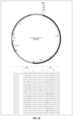
- FIG. 14 A shows the re-construction of L-DOPA-expressing plasmids.
- FIG. 14 B shows quantification of L-DOPA yield.
- FIGS. 15 A- 15 B show C57 black mice orally received a single dose of EcN 2 L-DOPA (10 9 CFU) or PBS, both in combination with benserazide (Bz).
- FIG. 15 A shows colonization profile. Fecal pellets were collected daily for 4 days and subjected to qPCR-based analysis of colonization.
- FIG. 15 B shows plasma L-DOPA levels in EcN 2 L-DOPA -treated mice as determined by HPLC. Data represented as mean ⁇ SEM from 6 mice.
- FIG. 19 shows C57 black mice received oral administration of 10 9 CFU of either of EcN Vec or PBS and co-administered with a single dose of Bz (12.5 mg/kg i.p.) for 1 day.
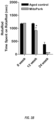
- FIGS. 21 A- 21 C show C57 black mice orally received a single dose of EcN 2 L-DOPA (10 9 CFU) or PBS, in combination with a single oral dose of Bz (12.5 mg/kg, ip) for 2-16 h.
- FIG. 21 A shows norepinephrine levels
- FIG. 21 B shows 5-hydroxytryptamine levels
- FIG. 21 C shows dopamine levels.
- FIG. 22 C shows forced swim test (FST). Top: Move tracks are shown. Bottom left: time immobile. Bottom right: distance traveled in FST. Representative data shown for post 2-week treatment. (*, p ⁇ 0.05, **, p ⁇ 0.01, ***, p ⁇ 0.001 by Student's t-test).
- microbiome refers to a population of microorganisms from a particular environment, including the environment of the body or a part of the body.
- the term is interchangeably used to address the population of microorganisms itself (sometimes referred to as the microbiota), as well as the collective genomes of the microorganisms that reside in the particular environment.
- the term “environment,” as used herein, refers to all surrounding circumstances, conditions, or influences to which a population of microorganisms is exposed. The term is intended to include environments in a subject, such as a human and/or animal subject.
- Probiotic is used to refer to live, non-pathogenic microorganisms, e.g., bacteria, which can confer health benefits to a host organism that contains an appropriate amount of the microorganism. Some species, strains, and/or subtypes of non-pathogenic microorganisms are currently recognized as probiotic.
- probiotic microorganisms include, but are not limited to, Bifidobacteria, Escherichia coli, Lactobacillus , and Saccharomyces , e.g., Bifidobacterium bifidum, Enterococcus faecium, Escherichia coli strain Nissle, Lactobacillus acidophilus, Lactobacillus bulgaricus, Lactobacillus paracasei, Lactobacillus plantarum , and Saccharomyces boulardii (Dinleyici et al., 2014; U.S. Pat. Nos. 5,589,168; 6,203,797; 6,835,376).
- a probiotic Lactobacillus may include, without limitation, a Lactobacillus reuteri, Lactobacillus plantarum, Lactobacillus casei (such as Lactobacillus casei Shirota), Lactobacillus salivarius, Lactobacillus paracasei, Lactobacillus lactis, Lactobacillus acidophilus, Lactobacillus sakei, Lactobacillus brevis, Lactobacillus buchneri, Lactobacillus fermentum, Lactobacillus delbrueckii, Lactobacillus delbrueckii subsp.
- a Lactobacillus reuteri such as Lactobacillus casei Shirota
- Lactobacillus salivarius such as Lactobacillus casei Shirota
- Lactobacillus paracasei Lactobacillus lactis
- Lactobacillus acidophilus Lactobacillus sakei
- Lactobacillus brevis Lactobacillus buchneri
- a probiotic Escherichia coli may be E. coli Nissle 1917.
- Escherichia refers to a genus of Gram-negative, non-spore forming, facultatively anaerobic, rod-shaped bacteria from the family Enterobacteriaceae.
- the genus Escherichia include various species, such as Escherichia coli .
- Escherichia coli Nissle 1917” or “EcN” as used herein refer to a non-pathogenic Gram-negative probiotic bacteria Escherichia coli strain that is capable of colonizing the human gut.
- the probiotic is the Escherichia coli strain Nissle 1917.
- coli Nissle has since been used to treat ulcerative colitis in humans in vivo (Rembacken et al., 1999), to treat inflammatory bowel disease, Crohn's disease, and pouchitis in humans in vivo (Schultz, 2008), and to inhibit enteroinvasive Salmonella, Legionella, Yersinia , and Shigella in vitro (Altenhoefer et al., 2004). It is commonly accepted that E. coli Nissle's therapeutic efficacy and safety have convincingly been proven (Ukena et al., 2007).
- Escherichia coli Nissle 1917 bacteria examples include those available as DSM 6601 from the German Collection for Microorganisms in Braunschweig, Germany or commercially as the active component in MUTAFLOR® (Ardeypharm GmbH, Herdecke, Germany).
- a probiotic Bifidobacterium may be Bifidobacterium infantis, Bifidobacterium adolescentis, Bifidobacterium animalis subsp animalis, Bifidobacterium longum, Bifidobacterium fidobacterium breve, Bifidobacterium bifidum, Bifidobacterium animalis subsp. lactis or Bifidobacterium lactis , such as Bifidobacterium lactis DN-173 010.
- a probiotic Bacillus may be Bacillus coagulans .
- a probiotic Lactococcus may be Lactococcus lactis subsp. Lactis such as Lactococcus lactis subsp. lactis CV56.
- a probiotic Enterococcus may be Enterococcus durans .
- a probiotic Streptococcus may be Streptococcus thermophilus.
- the probiotic bacterium may be an auxotrophic strain designed, for example, to limit its survival outside of the human or animal intestine, using standard techniques.
- the probiotic may be a variant or a mutant strain of bacterium (Arthur et al., 2012; Cuevas-Ramos et al., 2010; Olier et al., 2012; Nougayrede et al., 2006).
- Non-pathogenic bacteria may be genetically engineered to enhance or improve desired biological properties, e.g., survivability.
- Non-pathogenic bacteria may be genetically engineered to provide probiotic properties.
- Probiotic cells may be genetically engineered to enhance or improve probiotic properties, e.g., enhance gut colonization.
- Bacterial strains can be readily obtained using standard methods known in the art. For example, a commensal bacterium such as Escherichia coli Nissle 1917 can be obtained from a commercial preparation of the probiotic MUTAFLOR®. Bacteria can be cultured using standard methods known in the art.
- “Gut” refers to the organs, glands, tracts, and systems that are responsible for the transfer and digestion of food, absorption of nutrients, and excretion of waste.
- the gut comprises the gastrointestinal tract, which starts at the mouth and ends at the anus, and additionally comprises the esophagus, stomach, small intestine, and large intestine.
- the gut also comprises accessory organs and glands, such as the spleen, liver, gallbladder, and pancreas.
- the upper gastrointestinal tract comprises the esophagus, stomach, and duodenum of the small intestine.
- the lower gastrointestinal tract comprises the remainder of the small intestine, i.e., the jejunum and ileum, and all of the large intestine, i.e., the cecum, colon, rectum, and anal canal.
- Bacteria can be found throughout the gut, e.g., in the gastrointestinal tract, and particularly in the intestines.
- nucleic acid includes reference to a deoxyribonucleotide or ribonucleotide polymer in either single- or double-stranded form, and unless otherwise limited, encompasses known analogues having the essential nature of natural nucleotides in that they hybridize to single-stranded nucleic acids in a manner similar to naturally occurring nucleotides. Unless otherwise indicated, the term includes reference to the specified sequence as well as the complementary sequence thereof.
- peptide As used herein, the terms “peptide”, “polypeptide”, and “protein” will be used interchangeably to refer to a chain of amino acids each of which is joined to the next amino acid by a peptide bond. In one aspect, this term also includes post translational modifications of the polypeptide, for example, glycosylations, acetylations, phosphorylations and the like. Included within the definition are, for example, peptides containing one or more analogues of an amino acid or labeled amino acids and peptidomimetics.
- an isolated nucleic acid molecule comprising 4-hydroxyphenylacetate 3-monooxygenase (HpaB) and its FAD reductase (HpaC).
- the nucleic acid molecule has at least 80%, 85%, 90%, 95%, 96%, 97%, 98%, 99%, or 100% sequence identity to SEQ ID NO: 1, SEQ ID NO: 2, and/or SEQ ID NO: 3.
- the nucleic acid molecule comprises or consists of the nucleic acid sequence of SEQ ID NO: 1, SEQ ID NO: 2, and/or SEQ ID NO: 3.
- the nucleic acid molecule is a vector.
- the nucleic acid molecule is a vector comprising an insert comprising or consisting of SEQ ID NO: 1, SEQ ID NO: 2, and/or SEQ ID NO: 3.
- transformation of a microbial cell with the vector results in the production of L-DOPA.
- HpaB and HpaC nucleic acid sequences may be identified through databases such as Genbank.
- the present disclosure is directed towards recombinant Escherichia coli Nissle 1917(EcN) cell, or a variant thereof, transformed with a nucleic acid molecule containing one or more genes involved in the biosynthesis of L-DOPA.
- EcN Escherichia coli Nissle 1917(EcN) cell, or a variant thereof, transformed with a nucleic acid molecule containing one or more genes involved in the biosynthesis of L-DOPA.
- the inventors have determined that EcN cells transformed with HpaB and HpaC are useful for the recombinant production of L-DOPA.
- a recombinant EcN cell or variant thereof comprising HpaB (SEQ ID NO: 1) and HpaC (SEQ ID NO: 2), or HpaBC (SEQ ID NO: 3).
- the recombinant EcN cell comprises one or more genes with sequence identity to HpaB (SEQ ID NO: 1), HpaC (SEQ ID NO: 2), or HpaBC (SEQ ID NO: 3).
- the cell comprises one or more nucleic acid sequences with at least 70%, 75%, 80%, 85%, 90%, 95%, 96%, 97%, 98%, 99% or 100% sequence identity to one or more of SEQ ID NO: 1, SEQ ID NO: 2, and SEQ ID NO: 3.
- Two nucleic acid, or two polypeptide sequences are substantially homologous to each other when the sequences exhibit at least about 70%-75%, preferably 80%-82%, more preferably 85%-90%, even more preferably 92%, still more preferably 95%, and most preferably 98% sequence identity over a defined length of the molecules, as determined using the methods above.
- Nucleic acid hybridization may also be used to identify substantially similar nucleic acid molecules to those reported herein.
- the present nucleic acid molecules described herein may be used to identify genes encoding substantially similar polypeptides/proteins expected to have similar function.
- Nucleic acid hybridization may be conducted under stringent conditions. Substantially similar sequences are defined by their ability to hybridize, under the following stringent conditions (0.1 ⁇ SSC, 0.1% SDS, 65° C. and washed with 2 ⁇ SSC, 0.1% SDS followed by 0.1 xSSC, 0.1% SDS, 65° C.).
- regulatory elements refer to nucleotide sequences located upstream (5′ non-coding sequences), within, or downstream (3′ non-coding sequences) of a coding sequence, and which influence the transcription, RNA processing or stability, or translation of the associated coding sequence. Regulatory elements may include, but are not limited to, promoters, translation leader sequences, introns, and polyadenylation recognition sequences. Regulatory elements present on a recombinant DNA construct that is introduced into a cell can be endogenous to the cell, or they can be heterologous with respect to the cell. The terms “regulatory element” and “regulatory sequence” are used interchangeably herein.
- promoter includes reference to a region of DNA upstream from the start of transcription and involved in recognition and binding of RNA polymerase and other proteins to initiate transcription.
- An “inducible” or “repressible” promoter is a promoter which is under environmental control. Examples of environmental conditions that may affect transcription by inducible promoters include anaerobic conditions or the presence of light. Tissue specific, tissue preferred, cell type specific, and inducible promoters constitute the class of “non-constitutive” promoters.
- a “constitutive” promoter is a promoter which is active under most environmental conditions.
- the promoter comprises one or more of SEQ ID NOs: 4-23.
- the promoter sequence comprises SEQ ID NO: 6.
- “Operably linked” refers to the association of nucleic acid fragments in a single fragment so that the function of one is regulated by the other.
- a promoter is operably linked with a nucleic acid fragment when it is capable of regulating the transcription of that nucleic acid fragment.
- vector refers to a DNA or RNA molecule (such as a plasmid, linear piece of DNA, cosmid, bacteriophage, yeast artificial chromosome, or virus, among others) that carries nucleic acid sequences into a host cell.
- the vector or a portion of it can be inserted into the genome of the host cell.
- codon-optimized refers to the modification of codons in the gene or coding regions of a nucleic acid molecule to reflect the typical codon usage of the host organism without altering the polypeptide encoded by the nucleic acid molecule. Such optimization includes replacing at least one, or more than one, or a significant number, of codons with one or more codons that are more frequently used in the genes of the host organism.
- a “codon-optimized sequence” refers to a sequence, which was modified from an existing coding sequence, or designed, for example, to improve translation in an expression host cell or organism of a transcript RNA molecule transcribed from the coding sequence, or to improve transcription of a coding sequence.
- Codon optimization includes, but is not limited to, processes including selecting codons for the coding sequence to suit the codon preference of the expression host organism. Many organisms display a bias or preference for use of particular codons to code for insertion of a particular amino acid in a growing polypeptide chain. Codon preference or codon bias, differences in codon usage between organisms, is allowed by the degeneracy of the genetic code, and is well documented among many organisms. Codon bias often correlates with the efficiency of translation of messenger RNA (mRNA), which is in turn believed to be dependent on, inter alia, the properties of the codons being translated and the availability of particular transfer RNA (tRNA) molecules. The predominance of selected tRNAs in a cell is generally a reflection of the codons used most frequently in peptide synthesis. Accordingly, genes can be tailored for optimal gene expression in a given organism based on codon optimization.
- mRNA messenger RNA
- tRNA transfer RNA
- the term “introduced” in the context of inserting a nucleic acid into a cell means “transfection” or “transformation” or “transduction” and includes reference to the incorporation of a nucleic acid into a eukaryotic or prokaryotic cell where the nucleic acid may be incorporated into the genome of the cell (e.g., chromosome, plasmid, plastid or mitochondrial DNA), converted into an autonomous replicon, or transiently expressed (e.g., transfected mRNA).
- transformation refers to a process of introducing an exogenous nucleic acid molecule (e.g, a vector, a recombinant DNA molecule) into a host cell. Transformation typically achieves a genetic modification of the cell.
- the introduced nucleic acid may integrate into a chromosome of a cell, or may replicate autonomously.
- a cell that has undergone transformation, or a descendant of such a cell is “transformed” and is a “recombinant” cell. Recombinant cells are modified cells as described herein.
- Cells herein may be transformed with, for example, one or more of a vector, a plasmid or a linear piece (eg., a linear piece of DNA created by linearizing a vector) of DNA.
- the plasmid or linear piece of DNA may or may not comprise a selectable or screenable marker.
- the recombinant cell comprises the hpaBC genes for the biosynthesis of L-DOPA from L-tyrosine.
- a nucleic acid may be introduced into a cell by conventional methods, such as, for example, electroporation (see, e.g., Heiser W. C. Transcription Factor Protocols: Methods in Molecular Biology TM 2000; 130: 117-134), chemical (e.g., calcium phosphate or lipid) transfection (see, e.g., Lewis W. H., et al., Somatic Cell Genet. 1980 May; 6(3): 333-47; Chen C., et al., Mol Cell Biol. 1987 August; 7(8): 2745-2752), fusion with bacterial protoplasts containing recombinant plasmids (see, e.g., Schaffner W. Proc Natl Acad Sci USA.
- electroporation see, e.g., Heiser W. C. Transcription Factor Protocols: Methods in Molecular Biology TM 2000; 130: 117-134
- chemical transfection see, e.g., Lewis W. H.
- a method for providing a subject with a treatment for Parkinson's disease comprises administering to the subject in need thereof an effective amount of a composition comprising a recombinant microbial cell of the invention.
- the method of the invention is intended for treating, preventing, managing and/or delaying the progression of Parkinson's disease, restless leg syndrome, depression, stress, obesity, chronic posttraumatic stress disorder, anxiety disorders, obsessive-compulsive disorders, postpartum depression; schizophrenia, narcolepsy, manic, bipolar, and affective disorder; executive function disorders, such as attention deficit disorder (ADHD), Tourette syndrome and autism; cocaine, amphetamine, alcohol dependency, and addictive behavior, such as pathological gambling.
- ADHD attention deficit disorder
- Tourette syndrome and autism
- addictive behavior such as pathological gambling.
- a subject refers to any organism upon which embodiments of the invention may be used or administered, e.g., for experimental, diagnostic, prophylactic, and/or therapeutic purposes.
- a subject is a mammal, e.g., a human or non-human primate (e.g., an ape, monkey, orangutan, or chimpanzee), a dog, cat, guinea pig, rabbit, rat, mouse, horse, cattle, or cow.
- a human or non-human primate e.g., an ape, monkey, orangutan, or chimpanzee
- a dog cat, guinea pig, rabbit, rat, mouse, horse, cattle, or cow.
- the term “pharmaceutically acceptable carrier” refers to any carrier, diluent, excipient, wetting agent, buffering agent, suspending agent, lubricating agent, adjuvant, vehicle, delivery system, emulsifier, disintegrant, absorbent, preservative, surfactant, colorant, flavorant, or sweetener, preferably non-toxic, that would be suitable for use in a pharmaceutical composition.
- the compositions of the present invention may be administered in the form of a pharmaceutical composition with a pharmaceutically acceptable carrier.
- Pharmaceutically acceptable carriers may be chosen to permit oral administration or administration by any other known route.
- excipient refers to an inert substance added to a pharmaceutical composition to further facilitate administration of an active ingredient.
- examples include, but are not limited to, calcium bicarbonate, calcium phosphate, various sugars and types of starch, cellulose derivatives, gelatin, vegetable oils, polyethylene glycols, and surfactants, including, for example, polysorbate 20.
- the effective amount of the recombinant microbial cell is from about 10 6 CFU to about 10 13 CFU. Therefore, in some embodiments, the effective amount of the recombinant microbial cell is about 10 6 , about 10′, about 10 8 , about 10 9 , about 10 10 , about 10 11 , about 10 12 , or about 10 13 CFU. In some preferred embodiments, the effective amount is about 10 9 CFU of the recombinant microbial cell. In some embodiments, the effective amount results peak plasma levels similar to that of the standard tablet form of L-DOPA treatment.
- the effective amount achieves stable therapeutic plasma L-DOPA concentrations of from about 300 to about 1600 ng/ml over time with the recombinant microbial cell as compared to traditional L-DOPA. Therefore, in some embodiments, the effective amount effective amount achieves stable therapeutic plasma L-DOPA concentrations of about 300 ng/ml, about 400 ng/ml, about 500 ng/ml, about 600 ng/ml, about 700 ng/ml, about 800 ng/ml, about 900 ng/ml, about 1000 ng/ml, about 1100 ng/ml, about 1200 ng/ml, about 1300 ng/ml, about 1400 ng/ml, about 1500 ng/ml, about 1600 ng/ml, or more.
- the effective amount results in peak plasma levels reaching about 1500 ng/ml.
- the optimal dose of the recombinant microbial cell maximizes gut colonization without inducing toxicity, including gut tissue damage, inflammation or gut microbial dysbiosis.
- the desired dose or amount of activation can be administered at one time or divided into subdoses, e.g., 2-4 subdoses and administered over a period of time, e.g., at appropriate intervals through the day or other appropriate schedule.
- administration can be chronic, e.g., one or more doses and/or treatments daily over a period of weeks or months.
- dosing and/or treatment schedules are administration daily, twice daily, three times daily or four or more times daily over a period of 1 week, 2 weeks, 3 weeks, 4 weeks, 1 month, 2 months, 3 months, 4 months, 5 months, or 6 months, or more.
- a pharmaceutical composition of the invention may be prepared, packaged, or sold in bulk, as a single unit dose, or as a plurality of single unit doses.
- a “unit dose” is discrete amount of the pharmaceutical composition comprising a predetermined amount of the active ingredient.
- the amount of the active ingredient is generally equal to the dosage of the active ingredient which would be administered to a subject or a convenient fraction of such a dosage such as, for example, one-half or one-third of such a dosage.
- a composition may be formulated such that a unit dose of the composition contains a specified number of microorganisms.
- efficacy of recombinant microbial cells in, e.g. the treatment of a condition described herein can be determined by the skilled clinician. However, a treatment is considered “effective treatment,” as the term is used herein, if any one or all of the signs or symptoms of a condition described herein are altered in a beneficial manner, other clinically accepted symptoms are improved, or even ameliorated, or a desired response is induced following treatment according to the methods described herein. Efficacy can be assessed, for example, by measuring a marker, indicator, symptom, and/or the incidence of a condition treated according to the methods described herein or any other measurable parameter appropriate.
- Treatment includes any treatment of a disease in an individual or an animal (some non-limiting examples include a human or an animal) and includes: (1) inhibiting the disease, e.g., preventing a worsening of symptoms; or (2) relieving the disease, e.g., causing regression of symptoms.
- An effective amount for the treatment of a disease means that amount which, when administered to a subject in need thereof, is sufficient to result in effective treatment as that term is defined herein, for that disease.
- Efficacy of an agent can be determined by assessing physical indicators of a condition or desired response. It is well within the ability of one skilled in the art to monitor efficacy of administration and/or treatment by measuring any one of such parameters, or any combination of parameters. Efficacy can be assessed in animal models of a condition described herein. When using an experimental animal model, efficacy of treatment is evidenced when a statistically significant change in a marker is observed.
- administering refers to the placement of a compound as disclosed herein into a subject by a method or route which results in at least partial delivery of the agent at a desired site.
- Pharmaceutical compositions comprising the compounds disclosed herein can be administered by any appropriate route which results in an effective treatment in the subject.
- the term “combination therapy” refers to the administration of the recombinant microbial cell with an at least one additional pharmaceutical or medicinal agent (e.g., an anxiolytic agent), either sequentially or simultaneously.
- an additional pharmaceutical or medicinal agent e.g., an anxiolytic agent
- the methods described herein can further comprise administering a second agent and/or treatment to the subject, e.g. as part of a combinatorial therapy.
- the recombinant microbial cells can be used in combination therapy with at least one other therapeutic agent.
- the pharmaceutical compositions, and methods for the treatment further comprise one or more therapeutic agents for treating Parkinson's disease selected from a dopaminergic agent, such as Levodopa-carbidopa (SINEMET®, SINEMET CR®) or Levodopa-benserazide (PROLOPA®, MADOPAR®, MADOPAR HBS®); a dopaminergic and anti-cholinergic agent, such as amantadine (SYMMETRYL®, SYMADINE®); an anti-cholinergic agent, such as trihexyphenidyl (ARTANE®), benztropine (COGENTIN®), ethoproprazine (PARSITAN®), or procyclidine (KEMADRIN®); a dopamine agonist, such as apomorphine, bromocriptine (PARLODEL®), cabergoline (DOSTINEX®), lisuride (DOPERGINE®), pergolide (PERMAX®), prami
- the other therapeutic agent can be an anti-depression agent.
- Useful anti-depression agents include, but are not limited to, amitriptyline, clomipramine, doxepine, imipramine, triripramine, amoxapine, desipramine, maprotiline, nortriptyline, protripyline, fluoxetine, fluvoxamine, paroxetine, setraline, venlafaxine, bupropion, nefazodone, trazodone, phenelzine, tranylcypromine and selegiline.
- Levodopa an aromatic amino acid
- L-DOPA is a white, crystalline compound, slightly soluble in water, with a molecular weight of 197.2. It is designated chemically as ( ⁇ )-L-a-amino-b-(3,4-dihydroxybenzene)propanoic acid. Its empirical formula is C 9 H 11 NO 4 , and its structural formula is
- L-DOPA is able to cross the protective blood-brain barrier and enter the brain, where it is further converted into dopamine by the enzyme DOPA decarboxylase (DDC).
- DDC DOPA decarboxylase
- the methods of the invention comprise co-administering a DOPA decarboxylase inhibitor.
- decarboxylase enzyme inhibitor is carbidopa, a carbidopa prodrug, benserazide, methylphenidate, or a combination thereof.
- FIG. 2 A A schematic representation of the experimental setup is shown in FIG. 2 A .
- coli (strain DH10B) containing the L-DOPA producing plasmid RSF 1030 were grown in 10 ml Luria-Bertani (LB) medium containing kanamycin (50 ⁇ g/ml), L-tyrosine (1 mg/ml), and ascorbic acid (1 mg/ml) present to prevent oxidation of L-DOPA for 0-24 h at 37° C.
- LB Luria-Bertani
- kanamycin 50 ⁇ g/ml
- L-tyrosine 1 mg/ml
- ascorbic acid 1 mg/ml
- MitoPark mouse model was developed by using Cre/LoxP recombination to selectively knockout the mitochondrial transcription factor TFAM in cells expressing DAT.
- This model has a chronic, spontaneous, and progressive neurodegeneration accompanied by progressive motor deficits, intraneuronal inclusions, and dopamine loss.
- FIG. 3 A-B MitoPark motor performance at 8 weeks of age does not differ from age-matched controls. However, at 12 weeks of age, these mice displayed significantly reduced locomotor activity, and these deficits became more severe at 24 weeks of age.
- the progressive motor dysfunction is accompanied by a progressive loss of dopaminergic neurons in the substantia nigra ( FIG.
- MitoPark mice showed a lower whole gut transit time, indicating more GI motility in these mice compared to aged-matched controls ( FIG. 5 A ). Since the motility pattern may vary from one intestinal segment to another, we further evaluated regional motility by measuring colon transit time. As shown in FIG. 5 B , the MitoPark mice had increased colon transit time compared to age-matched controls. Similarly, the rate of bead movement in the distal colon was significantly decreased in the MitoPark group compared to the control group ( FIG. 5 C ). Interestingly, we observed smaller colon lengths in MitoPark mice when compared to that of the control mice ( FIG. 5 D ).
- L-DOPA-producing E. coli (strain: pRSF1030-hpaBC) were grown for overnight in 10 ml LB media containing kanamycin (100 ⁇ g/ml). After 12-14 h, the OD 600 was measured and the colony forming units (CFU/ml) were calculated from the standard curve. Bacterial cells were then pelleted and resuspended at 10 8 CFU/150 ⁇ l in 1 ⁇ PBS. The inocula is ready to be administered to mice.
- kanamycin-positive colonies isolated from fecal pellets of hpaBC E. coli -treated group showed significant amplification of the hpaBC gene, suggesting that the kanamycin-positive colonies from hpaBC E. coli -treated animals indeed contain hpaBC gene coding for the enzyme that produces L-DOPA.
- the colonies picked from PBS control animals failed to grow in LB-kanamycin media.
- HPLC 500 ⁇ l of LB-media containing bacteria were centrifuged, then both media and bacterial pellets were processed for HPLC quantification of L-DOPA as described above.
- bacterial pellets and media from hpaBC E. coli -treated animals showed high amounts of L-DOPA production (range: 98.34-161 ng/ml).
- the plasma collected from hpaBC E. coli -treated animals contained significantly higher levels of L-DOPA as compared to that from PBS control animals.
- Example 7 E. coli Nissle 1917 L-DOPA-Producing Bacteria (EcN 1 L-DOPA ) Successfully Colonize the Gut of Mouse Model
- MitoPark motor performance at age 8 weeks does not differ from age-matched controls. However, starting at age 12 weeks, these mice display significantly reduced locomotor activity that progressively worsens with age. It is the best progressive degenerative mouse of PD available to date.
- MitoPark mice exhibit a PD phenotype.
- We treated 16-week-old male and female MitoPark and control mice (n 6/group) via oral administration of 10 9 CFU/150 ⁇ l of EcN 1 L-DOPA or EcN Vec containing L-tyrosine (100 mg/kg) and i.p. injection of benserazide (12.5 mg/kg) on alternate days from 16-20 weeks. Wild-type littermate mice from the MitoPark breeding colony were used as control mice.
- MitoPark mice at age 20 weeks displayed significantly reduced locomotor activity compared to control mice ( FIG. 10 A-D ).
- Oral administration of EcN 1 L-DOPA increased locomotor activity in both MitoPark and control mice as seen in the representative computerized motor activity plots ( FIG. 10 A ).
- Quantitative analysis of the data embedded in the Versamax motor activity plot revealed that EcN Vec -administered 20-week MitoPark mice exhibited decreased horizontal locomotor activity ( FIG. 10 B ), total distance traveled ( FIG. 10 C ), stereotypy ( FIG.
- the OFT exploits a mouse's natural tendency to hug walls, especially opague ones, and to avoid openly exposed areas when spontaneously exploring a novel environment.
- more time spent in zones or quadrants farthest from opaque walls i.e., most openly exposed
- Control mice receiving EcN 1 L-DOPA were significantly less anxious than EcN vec -treated mice ( FIG. 11 ).
- the FST subjects mice to an inescapable, stress-inducing scenario that invariably leads to episodes of behavioral despair, or giving up, as measured by immobility.
- HpaB gene sequence (SEQ ID NO: 1): 1 atgaaaccag aagatttccg cgccagtacc caacgtccgt tcaccgggga agagtatctg 61 aaaagcctgc aggatggtcg cgagatctat atctatggcg agcgagtgaa agacgtcact 121 actcatccgg catttcgtaa tgcggcagcg tctgttgccc aactgtacga cgcgctgcac 181 aaaccggaga tgcaggactc tctgtgtgg aacaccgaca ccggcagcgg ctatacc 241 cataaattct tccgcgtggc gaaaagtgcc gacgacctgc g g
- mice We used C57BL/6NCrl mice to test whether orally administered EcN 2 L-DOPA colonizes the mouse gut and effectively elevates plasma L-DOPA.
- fecal pellets were collected daily from mice for 4 days following a single oral dose of 10 9 CFU (colony forming unit) P3-based EcN 2 L-DOPA or PBS and the peripheral AADC inhibitor benserazide (Bz, 12.5 mg/kg, i.p.) to prevent breakdown of L-DOPA.
- EcN 2 L-DOPA colonization of the mouse gut increased rapidly ( FIG.
- EcN 2 L-DOPA colonization at 48 h post-EcN 2 L-DOPA was also determined by qPCR detection of EcN's unique sequence after isolating total DNAs from the intestinal content collected from region-specific gut segments, including duodenum, ileum, cecum and colon.
- the intestinal content collected from all gut segments showed significant levels of EcN bacteria ( FIG. 16 D ), suggesting our genetically reengineered bacterium successfully colonized throughout the mouse gut.
- EcN L-DOPA adapts well in the gut without producing any significant adverse effect in the target tissue
- histopathological and clinical chemistry analyses were performed.
- Histological analyses of the ileum, cecum and colon of EcN 1 L-DOPA -treated animals and blinded evaluation of histological scores for inflammation, edema, stomal collapse, gland hyperplasia, and distribution revealed no pathological changes ( FIG. 17 A ), suggesting that EcN 1 L-DOPA treatment did not induce toxicity, inflammation, or neoplastic processes in the mouse gut.
- EcN Vec EcN vector control
- EcN E. coli Nissle
- the pRham-hpaBC syn plasmid was introduced to EcN by chemical transformation for characterization in the experiments described elsewhere. Additional variants of pRham-hpaBC syn were also made to replace the rha promoter with promoters that allow constitutive expression of hpaBC.
- Three synthetic ⁇ 70 promoter sequences (“parts” BBa_J23100 [P1], BBa_J23105 [P2], and BBa_J23111 [P3]) from the Anderson Promoter Collection (iGEM.org) were selected based on different levels of transcriptional activity afforded by each sequence. Each promoter sequences were incorporated into PCR primers used for inverse PCR reactions using pRham-hpaBC syn as template DNA.
- Transformants constitutively expressing rhaBC were identified by colonies that turned dark brown following incubation in the absence of L-rhamnose. As predicted, expression of hpaBC from promoters P1, P2, and P3 ( FIG. 20 ) resulted in different levels of constitutive L-DOPA production.
- Example 12 Re-Engineered L-DOPA Microbiome Therapy for Depression and Anxiety
- depression As exposure to highly stressful life experiences is one of the most consistently documented risk factors for depression, deployment to combat zones and exposure to combat have long been associated with increased risk of depression and other mental health problems.
- PTSD posttraumatic stress disorder
- VTA vascular endothelial growth factor
- ACC anterior cingulate cortex
- mice Depression and anxiety were assessed in mice using the forced swim test (FST), open-field test (OFT) and elevated plus maze (EPM).
- FST subjects mice to an inescapable, stress-inducing task that invariably leads to behavioral despair as measured by lower mobility.
- the OFT relies on a mouse's natural tendency to hug opaque walls, avoiding openly exposed areas when spontaneously exploring novel areas. More time spent in the most openly exposed areas serves as an index of reduced anxiety.
- the EPM measures anxiety based on the mouse's positive thigmotactic aversion to open spaces, with reduced anxiety indicated by more time spent in the open arms and higher total distance traveled.
- mice orally receiving a single dose of 10 9 CFU EcN L-DOPA and 12.5 mg/kg Bz on alternate days for one month were significantly less anxious than or PBS vehicle-treated control mice as evidenced by the representative heat map showing more time spent in the most openly exposed OFT quadrant (Q2) relative to the least exposed, opposite corner and increased overall horizontal activity ( FIG. 22 A ) and by increased time spent in open arms and total distances in EPM ( FIG. 22 B ).
- mice receiving EcN L-DOPA were significantly more mobile and cumulatively moved a significantly greater distance in the FST ( FIG.
Landscapes
- Health & Medical Sciences (AREA)
- Life Sciences & Earth Sciences (AREA)
- Chemical & Material Sciences (AREA)
- Bioinformatics & Cheminformatics (AREA)
- Engineering & Computer Science (AREA)
- Medicinal Chemistry (AREA)
- General Health & Medical Sciences (AREA)
- Biomedical Technology (AREA)
- Public Health (AREA)
- Animal Behavior & Ethology (AREA)
- Veterinary Medicine (AREA)
- Pharmacology & Pharmacy (AREA)
- Organic Chemistry (AREA)
- Neurosurgery (AREA)
- Neurology (AREA)
- Chemical Kinetics & Catalysis (AREA)
- General Chemical & Material Sciences (AREA)
- Nuclear Medicine, Radiotherapy & Molecular Imaging (AREA)
- Microbiology (AREA)
- Epidemiology (AREA)
- Psychiatry (AREA)
- Zoology (AREA)
- Wood Science & Technology (AREA)
- Genetics & Genomics (AREA)
- Molecular Biology (AREA)
- Mycology (AREA)
- Biotechnology (AREA)
- Hospice & Palliative Care (AREA)
- Pain & Pain Management (AREA)
- Psychology (AREA)
- Biochemistry (AREA)
- General Engineering & Computer Science (AREA)
- Nutrition Science (AREA)
- Physiology (AREA)
- Micro-Organisms Or Cultivation Processes Thereof (AREA)
Abstract
Description

| TABLE 1 |
| Blood chemistry analysis results |
| Treatment Paradigm | PBS-treated | Ec-LD-treated | ||
| Albumin (Abaxis) | 3 | 3.3 | ||
| Alk Phos (Abaxis) | 5 | 5 | ||
| ALT (Abaxis) | 42 | 53 | ||
| Amylase | 587 | 591 | ||
| T. Bilirubin (Abaxis) | 0.25 | 0.2 | ||
| BUN (Abaxis) | 10 | 12 | ||
| Calcium (Abaxis) | 4 | 4 | ||
| Creatinine (Abaxis) | 0.25 | 0.3 | ||
| Glucose (Abaxis) | 190.5 | 190 | ||
| Sodium (Abaxis) | 151 | 148 | ||
| Potassium - Abaxis | 8.2 | 2.9 | ||
| T. Protein (Abaxis) | 3.5 | 3.4 | ||
| Hemolytic Index (Ab) | 2.5 | 3 | ||
| Lipemic Index (Abaxis) | 1 | 0 | ||
| Icteric Index (Abaxis) | 0 | 0 | ||
| HpaB gene sequence (SEQ ID NO: 1): |
| 1 | atgaaaccag aagatttccg cgccagtacc caacgtccgt tcaccgggga agagtatctg | |
| 61 | aaaagcctgc aggatggtcg cgagatctat atctatggcg agcgagtgaa agacgtcact | |
| 121 | actcatccgg catttcgtaa tgcggcagcg tctgttgccc aactgtacga cgcgctgcac | |
| 181 | aaaccggaga tgcaggactc tctgtgttgg aacaccgaca ccggcagcgg cggctatacc | |
| 241 | cataaattct tccgcgtggc gaaaagtgcc gacgacctgc gccagcaacg cgacgccatc | |
| 301 | gctgagtggt cacgcctgag ctatggctgg atgggccgta ccccagacta caaagctgct | |
| 361 | ttcggttgcg cactgggcgc gaatccgggc ttttacggtc agttcgagca gaacgcccgt | |
| 421 | aactggtata cccgtattca ggaaactggc ctctacttta accacgcgat tgttaaccca | |
| 481 | ccgatcgatc gtcatttgcc gaccgataaa gtgaaagacg tttacatcaa gctggaaaaa | |
| 541 | gagactgacg ccgggattat cgttagcggt gcgaaagtgg ttgccaccaa ctcggcgctg | |
| 601 | actcactaca acatggttgg cttcggctcg gcacaagtaa tgggcgaaaa cccggacttc | |
| 661 | gcgctgatgt tcgttgcgcc aatggatgct gatggcgtga aattaatctc ccgcgcctct | |
| 721 | tatgagatgg tcgcgggtgc taccggctca ccgtatgact acccgctctc cagccgcttc | |
| 781 | gatgagaatg atgcgattct ggtgatggat aacgtgctga tcccatggga aaacgtgctg | |
| 841 | atctaccgcg attttgatcg ctgccgtcgc tggacgatgg aaggcggttt tgcccgtatg | |
| 901 | tatccgctgc aagcctgtgt gcgcctggca gtgaaactcg acttcattac ggcactgctg | |
| 961 | aaaaaatcac tcgaatgtac cggcaccctg gagttccgtg gtgtgcaggc cgatctcggt | |
| 1021 | gaagtggtgg cgtggcgcaa caccttctgg gcattgagtg actcgatgtg ttctgaagcg | |
| 1081 | acgccgtggg tcaacggggc ttatttaccg gatcatgccg cactgcaaac ctatcgcgta | |
| 1141 | ctggcaccaa tggcctacgc gaagatcaaa aacattatcg aacgcaacgt taccagtggc | |
| 1201 | ctgatctacc tcccttccag tgcccgtgac ctgaacaatc cgcagatcga ccagtatctg | |
| 1261 | gcgaagtatg tgcgcggttc gaatggtatg gatcacgtcc agcgcatcaa gatcctcaaa | |
| 1321 | ctgatgtggg acgccattgg cagcgagttt ggtggtcgcc acgaactgta tgaaatcaac | |
| 1381 | tactccggta gccaggatga gattcgcctg cagtgtctgc gccaggcaca aagctccggc | |
| 1441 | aatatggaca agatgatggc gatggttgat cgctgcctgt cggaatacga ccagaacggc | |
| 1501 | tggactgtgc cgcacctgca caacaacgac gatatcaaca tgctggataa gctgctgaaa | |
| 1561 | taa | |
| The HpaC gene sequence (SEQ ID NO: 2): |
| 1 | atgcaattag atgaacaacg cctgcgcttt cgtgacgcga tggccagcct gtcggcagcg | |
| 61 | gtaaatatta tcaccaccga gggcgacacc ggacaatgcg ggattacggc aacggctgtc | |
| 121 | tgctcggtca cggatacacc accgtcgctg atggtgtgca ttaacgccaa cagtgcgatg | |
| 181 | aacccggttt ttcagggcaa cggcaagttg tgcgtcaacg tcctcaacca tgagcaggaa | |
| 241 | ctgatggcac gccacttcgc gggcatgaca ggcatggcga tggaagagcg ttttagcctc | |
| 301 | tcatgctggc aaaaaggtcc gctggcgcag ccggtgctaa aaggttcgct ggccagtctt | |
| 361 | gaaggtgaga tccgcgatgt gcaggcaatt ggcacacatc tggtgtatct ggtggagatt | |
| 421 | aaaaacatca tcctcagtgc agaaggtcac ggacttatct actttaaacg ccgtttccat | |
| 481 | ccggtgatgc tggaaatgga agctgcgatt taa |
| hpaBCsyn nucleotide sequence (SEQ ID NO: 3): |
| GAAGGAGATATACATATGAAACCCGAAGATTTCCGTGCTTCAACACAGCG |
| CCCTTTCACTGGGGAAGAATACctgAAGAGCCTGCAAGACGGTCGTGAAA |
| TTTATATTTACGGGGAGCGTGTGAAGGATGTTACGACCCATCCAGCCTTT |
| CGCAACGCCGCTGCGTCTGTGGCGCAGTTGTATGATGCGTTACACAAACC |
| TGAGATGCAGGATTCGTTGTGCTGGAACACAGACACGGGTTCGGGAGGAT |
| ATACTCATAAATTTTTTCGCGTTGCTAAGTCGGCAGACGACCTgCGCCAA |
| CAACGTGATGCTATTGCTGAGTGGTCACGTCTGTCGTACGGGTGGATGGG |
| ACGTACACCCGATTATAAAGCGGCGTTTGGATGCGCATTGGGAGCTAACC |
| CTGGATTCTATGGACAGTTCGAGCAGAATGCCCGCAACTGGTACACACGC |
| ATTCAAGAAACTGGGTTGTATTTTAATCACGCCATTGTCAATCCGCCGAT |
| CGATCGCCACCTGCCCACGGATAAAGTAAAAGATGTATATATTAAGTTGG |
| AAAAAGAGACAGACGCAGGGATCATTGTATCAGGCGCCAAGGTGGTTGCG |
| ACCAATTCTGCCCTGACGCACTACAACATGATCGGCTTTGGATCTGCTCA |
| AGTGATGGGTGAAAACCCCGATTTTGCACTTATGTTTGTAGCCCCCATGG |
| ACGCTGACGGGGTTAAACTGATTAGCCGCGCATCGTACGAAATGGTCGCC |
| GGGGCCACAGGCAGTCCGTACGATTATCCTTTATCTAGTCGCTTCGACGA |
| AAACGACGCGATCTTAGTGATGGATAACGTCCTGATTCCTTGGGAGAACG |
| TCCTGATCTATCGTGATTTCGACCGCTGCCGTCGTTGGACTATGGAAGGA |
| GGCTTCGCTCGCATGTACCCTTTGCAAGCCTGTGTACGCCTTGCTGTCAA |
| ACTTGATTTCATCACTGCGCTTTTGAAGAAATCGTTAGAGTGTACTGGGA |
| CGCTGGAGTTCCGTGGTGTCCAAGCCGACCTTGGCGAGGTGGTGGCTTGG |
| CGTAATACTTTCTGGGCATTATCCGACTCCATGTGCTCGGAAGCAACCCC |
| CTGGGTCAATGGGGCATACCTTCCCGATCACGCCGCTCTTCAAACCTATC |
| GCGTACTTGCGCCTATGGCtTATGCTAAGATTAAAAATATTATCGAACGT |
| AATGTGACTTCCGGCTTAATTTACTTGCCCTCCAGCGCGCGCGATCTGAA |
| TAATCCTCAAATCGACCAGTATTTAGCGAAGTATGTTCGCGGGAGCAACG |
| GGATGGATCATGTCCAGCGCATCAAAATCCTTAAGTTAATGTGGGATGCC |
| ATTGGTTCAGAATTTGGCGGGCGTCATGAACTTTATGAAATTAATTACTC |
| TGGCTCGCAAGACGAGATCCGTctgCAATGCTTGCGCCAGGCGCAATCCT |
| CGGGTAATATGGATAAGATGATGGCTATGGTAGACCGCTGCCTGTCCGAG |
| TACGACCAAAACGGATGGACGGTCCCCCATCTGCATAACAACGATGACAT |
| TAACATGCTGGATAAGctgctgAAATAACGCAGCAGGAGGTTAAGATGCA |
| GcTGGACGAACAACGCctgCGCTTTCGTGACGCAATGGCGAGTTTGAGTG |
| CAGCCGTTAATATCATTACAACAGAAGGGGACGCAGGTCAATGTGGAATC |
| ACTGCAACGGCCGTGTGCTCAGTTACAGACACTCCGCCTTCATTAATGGT |
| ATGCATCAATGCTAACTCGGCTATGAATCCTGTCTTCCAAGGCAATGGGA |
| AATTATGTGTGAACGTCCTGAACCATGAGCAAGAAcTGATGGCACGCCAC |
| TTCGCAGGCATGACAGGTATGGCAATGGAGGAGCGTTTTAGCTTGTCTTG |
| CTGGCAAAAGGGACCActgGCCCAACCAGTTTTGAAGGGGTCTCTTGCAT |
| CATTAGAAGGGGAAATCCGCGATGTCCAGGCGATTGGTACACACCTgGTT |
| TACCTTGTCGAGATCAAGAACATCATTTTATCCGCAGAGGGCCACGGGCT |
| GATTTACTTTAAACGCCGCTTCCATCCGGTTATGCTGGAAATGGAAGCTG |
| CAATTTAAGTAAGGAAACATTTATGCGCCTGCATCATCACCACCATCAC |
| BBa_J23100 |
| (SEQ ID NO: 4) |
| TTGACGGCTAGCTCAGTCCTAGGTACAGTGCTAGC |
| BBa_J23105 |
| (SEQ ID NO: 5) |
| TTTACGGCTAGCTCAGTCCTAGGTACTATGCTAGC |
| BBa_J23111 |
| (SEQ ID NO: 6) |
| TTGACGGCTAGCTCAGTCCTAGGTATAGTGCTAGC |
Claims (29)
Priority Applications (3)
| Application Number | Priority Date | Filing Date | Title |
|---|---|---|---|
| US16/287,437 US11576883B2 (en) | 2018-02-27 | 2019-02-27 | L-DOPA microbiome therapy |
| US18/153,739 US12539287B2 (en) | 2018-02-27 | 2023-01-12 | L-DOPA microbiome therapy |
| US19/395,786 US20260076931A1 (en) | 2018-02-27 | 2025-11-20 | L-dopa microbiome therapy |
Applications Claiming Priority (3)
| Application Number | Priority Date | Filing Date | Title |
|---|---|---|---|
| US201862635983P | 2018-02-27 | 2018-02-27 | |
| US201862785980P | 2018-12-28 | 2018-12-28 | |
| US16/287,437 US11576883B2 (en) | 2018-02-27 | 2019-02-27 | L-DOPA microbiome therapy |
Related Child Applications (1)
| Application Number | Title | Priority Date | Filing Date |
|---|---|---|---|
| US18/153,739 Division US12539287B2 (en) | 2018-02-27 | 2023-01-12 | L-DOPA microbiome therapy |
Publications (2)
| Publication Number | Publication Date |
|---|---|
| US20190262298A1 US20190262298A1 (en) | 2019-08-29 |
| US11576883B2 true US11576883B2 (en) | 2023-02-14 |
Family
ID=67685024
Family Applications (3)
| Application Number | Title | Priority Date | Filing Date |
|---|---|---|---|
| US16/287,437 Active 2040-01-17 US11576883B2 (en) | 2018-02-27 | 2019-02-27 | L-DOPA microbiome therapy |
| US18/153,739 Active US12539287B2 (en) | 2018-02-27 | 2023-01-12 | L-DOPA microbiome therapy |
| US19/395,786 Pending US20260076931A1 (en) | 2018-02-27 | 2025-11-20 | L-dopa microbiome therapy |
Family Applications After (2)
| Application Number | Title | Priority Date | Filing Date |
|---|---|---|---|
| US18/153,739 Active US12539287B2 (en) | 2018-02-27 | 2023-01-12 | L-DOPA microbiome therapy |
| US19/395,786 Pending US20260076931A1 (en) | 2018-02-27 | 2025-11-20 | L-dopa microbiome therapy |
Country Status (1)
| Country | Link |
|---|---|
| US (3) | US11576883B2 (en) |
Cited By (1)
| Publication number | Priority date | Publication date | Assignee | Title |
|---|---|---|---|---|
| US20220031771A1 (en) * | 2020-07-31 | 2022-02-03 | Iowa State University Research Foundation, Inc. | Microencapsulated and chromosome integrated compositions for l-dopa microbiome therapy |
Families Citing this family (24)
| Publication number | Priority date | Publication date | Assignee | Title |
|---|---|---|---|---|
| US12279989B2 (en) | 2011-02-04 | 2025-04-22 | Seed Health, Inc. | Method and system for increasing beneficial bacteria and decreasing pathogenic bacteria in the oral cavity |
| US11998479B2 (en) | 2011-02-04 | 2024-06-04 | Seed Health, Inc. | Method and system for addressing adverse effects on the oral microbiome and restoring gingival health caused by sodium lauryl sulphate exposure |
| US11951140B2 (en) | 2011-02-04 | 2024-04-09 | Seed Health, Inc. | Modulation of an individual's gut microbiome to address osteoporosis and bone disease |
| US11273187B2 (en) | 2015-11-30 | 2022-03-15 | Joseph E. Kovarik | Method and system for reducing the likelihood of developing depression in an individual |
| US11419903B2 (en) | 2015-11-30 | 2022-08-23 | Seed Health, Inc. | Method and system for reducing the likelihood of osteoporosis |
| US11844720B2 (en) | 2011-02-04 | 2023-12-19 | Seed Health, Inc. | Method and system to reduce the likelihood of dental caries and halitosis |
| US12533312B2 (en) | 2011-02-04 | 2026-01-27 | Seed Health, Inc. | Method and system for preventing sore throat in humans |
| US12257272B2 (en) | 2015-12-24 | 2025-03-25 | Seed Health, Inc. | Method and system for reducing the likelihood of developing depression in an individual |
| US11951139B2 (en) | 2015-11-30 | 2024-04-09 | Seed Health, Inc. | Method and system for reducing the likelihood of osteoporosis |
| US11833177B2 (en) | 2013-12-20 | 2023-12-05 | Seed Health, Inc. | Probiotic to enhance an individual's skin microbiome |
| US12329783B2 (en) | 2013-12-20 | 2025-06-17 | Seed Health, Inc. | Method and system to improve the health of a person's skin microbiome |
| US11826388B2 (en) | 2013-12-20 | 2023-11-28 | Seed Health, Inc. | Topical application of Lactobacillus crispatus to ameliorate barrier damage and inflammation |
| US11839632B2 (en) | 2013-12-20 | 2023-12-12 | Seed Health, Inc. | Topical application of CRISPR-modified bacteria to treat acne vulgaris |
| US12246043B2 (en) | 2013-12-20 | 2025-03-11 | Seed Health, Inc. | Topical application to treat acne vulgaris |
| US11980643B2 (en) | 2013-12-20 | 2024-05-14 | Seed Health, Inc. | Method and system to modify an individual's gut-brain axis to provide neurocognitive protection |
| US11969445B2 (en) | 2013-12-20 | 2024-04-30 | Seed Health, Inc. | Probiotic composition and method for controlling excess weight, obesity, NAFLD and NASH |
| US11998574B2 (en) | 2013-12-20 | 2024-06-04 | Seed Health, Inc. | Method and system for modulating an individual's skin microbiome |
| US12005085B2 (en) | 2013-12-20 | 2024-06-11 | Seed Health, Inc. | Probiotic method and composition for maintaining a healthy vaginal microbiome |
| GB202107473D0 (en) * | 2021-05-26 | 2021-07-07 | Univ Denmark Tech Dtu | Therapeutic microbes |
| CA3187002A1 (en) * | 2020-07-15 | 2022-01-20 | Danmarks Tekniske Universitet | Therapeutic microbes |
| CN114098084A (en) * | 2021-04-13 | 2022-03-01 | 中国人民解放军军事科学院军事医学研究院 | Probiotic composition for relieving cognitive impairment caused by long-term low-dose radiation exposure and application thereof |
| EP4384194A4 (en) * | 2021-10-08 | 2025-07-16 | Univ Iowa State Res Found Inc | USE OF DOPAMINE-PRODUCING PRODUCTS TO ENHANCE VACCINE EFFICACY |
| JP2026501091A (en) * | 2022-11-29 | 2026-01-14 | マサチューセッツ インスティテュート オブ テクノロジー | Long-term stabilization, formulation, and tableting of live microbial cells |
| WO2025097160A1 (en) * | 2023-11-03 | 2025-05-08 | The Medical College Of Wisconsin, Inc. | Methods of enhancing levodopa therapeutic efficacy |
Citations (4)
| Publication number | Priority date | Publication date | Assignee | Title |
|---|---|---|---|---|
| US5837504A (en) | 1998-03-04 | 1998-11-17 | Battelle Memorial Institute | Method of making L-dopa from L-tyrosine |
| US20060141587A1 (en) | 2002-08-06 | 2006-06-29 | Dsm Ip Assets B.V. | Process for the preparation of L-3, 4-dihydroxyphenylalanine by aerobic fermentation of a microorganism |
| US20190038679A1 (en) | 2016-02-09 | 2019-02-07 | The General Hospital Corporation D/B/A Massachusetts General Hospital | Methods and compositions relating to engineered microbial cells |
| US20190314313A1 (en) | 2016-10-11 | 2019-10-17 | Board Of Regents, The University Of Texas System | Homeostatic regulation of l-dopa biosynthesis |
-
2019
- 2019-02-27 US US16/287,437 patent/US11576883B2/en active Active
-
2023
- 2023-01-12 US US18/153,739 patent/US12539287B2/en active Active
-
2025
- 2025-11-20 US US19/395,786 patent/US20260076931A1/en active Pending
Patent Citations (4)
| Publication number | Priority date | Publication date | Assignee | Title |
|---|---|---|---|---|
| US5837504A (en) | 1998-03-04 | 1998-11-17 | Battelle Memorial Institute | Method of making L-dopa from L-tyrosine |
| US20060141587A1 (en) | 2002-08-06 | 2006-06-29 | Dsm Ip Assets B.V. | Process for the preparation of L-3, 4-dihydroxyphenylalanine by aerobic fermentation of a microorganism |
| US20190038679A1 (en) | 2016-02-09 | 2019-02-07 | The General Hospital Corporation D/B/A Massachusetts General Hospital | Methods and compositions relating to engineered microbial cells |
| US20190314313A1 (en) | 2016-10-11 | 2019-10-17 | Board Of Regents, The University Of Texas System | Homeostatic regulation of l-dopa biosynthesis |
Non-Patent Citations (16)
| Title |
|---|
| Brod et al., Movement Disorders 27(6): 750-753 (2012). * |
| Brod, L. et al. 2012. Are high doses of carbidopa a concern? A randomized, clinical trial in Parkinson's disease. Movement disorders, 27(6), pp. 750-753. (Year: 2012). * |
| Cassani et al., Minerva Gastroenterol. Dietol. 57: 117-121 (2011). * |
| Cassani, E. et al. 2011. Use of probiotics for the treatment of constipation in Parkinson's disease patients. Minerva gastroenterologica e dietologica, 57(2), pp. 117-121. (Year: 2011). * |
| Genoscope. 2008. Submission of genomic DNA sequence for E. coli UMN026 to GenBank, and BLAST alignment (2008). * |
| Genoscope. 2008. Submission of genomic DNA sequence for E. coli UMN026 to Genbank, and BLAST alignment of it with SEQ ID No. 1 and 2. PDF provided (Year: 2008). * |
| Jongkees et al., J. Psychiatric Res. 70: 50-57 (2015). * |
| Jongkees, B. et al. 2015. Effect of tyrosine supplementation on clinical and healthy populations under stress or cognitive demands—A review. Journal of psychiatric research, 70, pp. 50-57. (Year: 2015). * |
| Muñoz et al., J. Ind. Microbiol. Biotechnol. 38: 1845-1852 (2011). * |
| Munoz, A et al. 2011. Metabolic engineering of Escherichia coli for improving L-3, 4-dihydroxyphenylalanine (L-DOPA) synthesis from glucose. Journal of Industrial Microbiology and Biotechnology, 38(11), p. 1845 (Year: 2011). * |
| Parashar A. et al. 2017. Gut microbiota: Implications in Parkinson's disease. Parkinsonism & related disorders, 38, pp. 1-7. (Year: 2017). * |
| Parashar et al., Parkinsonism and Related Disorders 38: 1-7 (2017). * |
| PFM169 (pFM169 cloning vector. 2012. Aligment with references. PDF Provided.) (Year: 2012). * |
| PFM169 cloning vector alignment (2012). * |
| Singh et al., Experimental Gerontology 66: 1-9 (2015). * |
| Singh, A. et al. 2015. Pyrroloquinoline quinone (PQQ) producing Escherichia coli Nissle 1917 (EcN) alleviates age associated oxidative stress and hyperlipidemia, and improves mitochondrial function in ageing rats. Experimental gerontology, 66, pp. 1-9. (Year: 2015). * |
Cited By (2)
| Publication number | Priority date | Publication date | Assignee | Title |
|---|---|---|---|---|
| US20220031771A1 (en) * | 2020-07-31 | 2022-02-03 | Iowa State University Research Foundation, Inc. | Microencapsulated and chromosome integrated compositions for l-dopa microbiome therapy |
| US20240016859A1 (en) * | 2020-07-31 | 2024-01-18 | Iowa State University Research Foundation, Inc. | Microencapsulated and chromosome integrated compositions for l-dopa microbiome therapy |
Also Published As
| Publication number | Publication date |
|---|---|
| US20230255915A1 (en) | 2023-08-17 |
| US20260076931A1 (en) | 2026-03-19 |
| US20190262298A1 (en) | 2019-08-29 |
| US12539287B2 (en) | 2026-02-03 |
Similar Documents
| Publication | Publication Date | Title |
|---|---|---|
| US12539287B2 (en) | L-DOPA microbiome therapy | |
| JP7494345B2 (en) | Bacteria engineered to reduce hyperphenylalaninemia | |
| Abratt et al. | Oxalate-degrading bacteria of the human gut as probiotics in the management of kidney stone disease | |
| CN114025611A (en) | Compositions and methods for modulating the gastrointestinal tract using bile salt hydrolases | |
| AU2017234120A1 (en) | Modulation of the gut microbiome to treat mental disorders or diseases of the central nervous system | |
| CA2988981A1 (en) | Bacteria engineered to treat disorders involving the catabolism of a branched chain amino acid | |
| WO2016210384A2 (en) | Bacteria engineered to treat metabolic diseases | |
| EP2935560A1 (en) | Use of bifidobacterium animalis for treating or preventing body weight gain and insulin resistance | |
| CN114450392A (en) | Advanced microbiome therapy engineered to produce serotonin in vivo | |
| CN118813511A (en) | Genetically modified bacteria stably expressing IL-10 and insulin | |
| US20230172997A1 (en) | Recombinant bacteria for production of indole-3-acetic acid (iaa) and uses thereof | |
| Song et al. | Probiotics attenuate valproate-induced liver steatosis and oxidative stress in mice | |
| WO2021163421A1 (en) | Recombinant bacteria engineered to treat diseases associated with methionine metabolism and methods of use thereof | |
| CN114480455B (en) | Functional gene segment for reducing blood uric acid level, recombinant strain and application | |
| US20230095683A1 (en) | Coprococcus bacteria for use in the treatment of metabolic syndrome and inflammatory bowel diseases | |
| WO2022140409A1 (en) | Compositions and methods to increase production of isothiocyanates | |
| US20240016859A1 (en) | Microencapsulated and chromosome integrated compositions for l-dopa microbiome therapy | |
| EP3801502A1 (en) | Bacteria engineered to treat liver disease | |
| JP7321495B2 (en) | Pharmaceutical composition for prevention or treatment of diseases associated with increased peripheral serotonin or intestinal aromatic amines, and screening method for agents for prevention or treatment of diseases associated with increased peripheral serotonin or intestinal aromatic amines | |
| US20250236838A1 (en) | E. coli nissle strain with improved transformation efficiency | |
| Lynch et al. | Turicibacter strains differentially modify bile acids and host lipids | |
| HK40116946A (en) | Compositions and methods for modifying bile acids to regulate lipid and steroid metabolism | |
| Dimopoulou | Engineered probiotics to enhance the production of beneficial bacterial metabolites in the intestine | |
| CN118695865A (en) | Compositions and methods for modifying bile acids to regulate lipid and steroid metabolism | |
| EP3313371A2 (en) | Bacteria engineered to treat metabolic diseases |
Legal Events
| Date | Code | Title | Description |
|---|---|---|---|
| FEPP | Fee payment procedure |
Free format text: ENTITY STATUS SET TO UNDISCOUNTED (ORIGINAL EVENT CODE: BIG.); ENTITY STATUS OF PATENT OWNER: SMALL ENTITY |
|
| FEPP | Fee payment procedure |
Free format text: ENTITY STATUS SET TO SMALL (ORIGINAL EVENT CODE: SMAL); ENTITY STATUS OF PATENT OWNER: SMALL ENTITY |
|
| AS | Assignment |
Owner name: IOWA STATE UNIVERSITY RESEARCH FOUNDATION, IOWA Free format text: ASSIGNMENT OF ASSIGNORS INTEREST;ASSIGNORS:KANTHASAMY, ANUMANTHA G.;ABDALLA, AHMED;PHILLIPS, GREGORY;AND OTHERS;SIGNING DATES FROM 20190221 TO 20190301;REEL/FRAME:049138/0862 |
|
| STPP | Information on status: patent application and granting procedure in general |
Free format text: DOCKETED NEW CASE - READY FOR EXAMINATION |
|
| FEPP | Fee payment procedure |
Free format text: PETITION RELATED TO MAINTENANCE FEES GRANTED (ORIGINAL EVENT CODE: PTGR); ENTITY STATUS OF PATENT OWNER: SMALL ENTITY |
|
| STPP | Information on status: patent application and granting procedure in general |
Free format text: NON FINAL ACTION MAILED |
|
| STPP | Information on status: patent application and granting procedure in general |
Free format text: RESPONSE TO NON-FINAL OFFICE ACTION ENTERED AND FORWARDED TO EXAMINER |
|
| STPP | Information on status: patent application and granting procedure in general |
Free format text: NON FINAL ACTION MAILED |
|
| STPP | Information on status: patent application and granting procedure in general |
Free format text: RESPONSE TO NON-FINAL OFFICE ACTION ENTERED AND FORWARDED TO EXAMINER |
|
| STPP | Information on status: patent application and granting procedure in general |
Free format text: FINAL REJECTION MAILED |
|
| STPP | Information on status: patent application and granting procedure in general |
Free format text: ADVISORY ACTION MAILED |
|
| STPP | Information on status: patent application and granting procedure in general |
Free format text: DOCKETED NEW CASE - READY FOR EXAMINATION |
|
| STPP | Information on status: patent application and granting procedure in general |
Free format text: NOTICE OF ALLOWANCE MAILED -- APPLICATION RECEIVED IN OFFICE OF PUBLICATIONS |
|
| AS | Assignment |
Owner name: BOARD OF REGENTS, THE UNIVERSITY OF TEXAS SYSTEM, TEXAS Free format text: ASSIGNMENT OF ASSIGNORS INTEREST;ASSIGNOR:ELLINGTON, ANDREW D.;REEL/FRAME:059893/0620 Effective date: 20220510 |
|
| STPP | Information on status: patent application and granting procedure in general |
Free format text: DOCKETED NEW CASE - READY FOR EXAMINATION |
|
| STPP | Information on status: patent application and granting procedure in general |
Free format text: NOTICE OF ALLOWANCE MAILED -- APPLICATION RECEIVED IN OFFICE OF PUBLICATIONS |
|
| STPP | Information on status: patent application and granting procedure in general |
Free format text: DOCKETED NEW CASE - READY FOR EXAMINATION |
|
| AS | Assignment |
Owner name: BOARD OF REGENTS, THE UNIVERSITY OF TEXAS SYSTEM, TEXAS Free format text: ASSIGNMENT OF ASSIGNORS INTEREST;ASSIGNOR:THYER, ROSS;REEL/FRAME:060936/0025 Effective date: 20220811 |
|
| STPP | Information on status: patent application and granting procedure in general |
Free format text: NOTICE OF ALLOWANCE MAILED -- APPLICATION RECEIVED IN OFFICE OF PUBLICATIONS |
|
| STCF | Information on status: patent grant |
Free format text: PATENTED CASE |
|
| MAFP | Maintenance fee payment |
Free format text: PAYMENT OF MAINTENANCE FEE, 4TH YR, SMALL ENTITY (ORIGINAL EVENT CODE: M2551); ENTITY STATUS OF PATENT OWNER: SMALL ENTITY Year of fee payment: 4 |