US11470395B2 - Content distribution system and content distribution method - Google Patents
Content distribution system and content distribution method Download PDFInfo
- Publication number
- US11470395B2 US11470395B2 US17/250,737 US201917250737A US11470395B2 US 11470395 B2 US11470395 B2 US 11470395B2 US 201917250737 A US201917250737 A US 201917250737A US 11470395 B2 US11470395 B2 US 11470395B2
- Authority
- US
- United States
- Prior art keywords
- display device
- image
- partial image
- content
- unit
- Prior art date
- Legal status (The legal status is an assumption and is not a legal conclusion. Google has not performed a legal analysis and makes no representation as to the accuracy of the status listed.)
- Active
Links
Images




Classifications
-
- H—ELECTRICITY
- H04—ELECTRIC COMMUNICATION TECHNIQUE
- H04N—PICTORIAL COMMUNICATION, e.g. TELEVISION
- H04N21/00—Selective content distribution, e.g. interactive television or video on demand [VOD]
- H04N21/40—Client devices specifically adapted for the reception of or interaction with content, e.g. set-top-box [STB]; Operations thereof
- H04N21/41—Structure of client; Structure of client peripherals
- H04N21/414—Specialised client platforms, e.g. receiver in car or embedded in a mobile appliance
- H04N21/41407—Specialised client platforms, e.g. receiver in car or embedded in a mobile appliance embedded in a portable device, e.g. video client on a mobile phone, PDA, laptop
-
- H—ELECTRICITY
- H04—ELECTRIC COMMUNICATION TECHNIQUE
- H04N—PICTORIAL COMMUNICATION, e.g. TELEVISION
- H04N21/00—Selective content distribution, e.g. interactive television or video on demand [VOD]
- H04N21/40—Client devices specifically adapted for the reception of or interaction with content, e.g. set-top-box [STB]; Operations thereof
- H04N21/47—End-user applications
- H04N21/472—End-user interface for requesting content, additional data or services; End-user interface for interacting with content, e.g. for content reservation or setting reminders, for requesting event notification, for manipulating displayed content
- H04N21/4728—End-user interface for requesting content, additional data or services; End-user interface for interacting with content, e.g. for content reservation or setting reminders, for requesting event notification, for manipulating displayed content for selecting a Region Of Interest [ROI], e.g. for requesting a higher resolution version of a selected region
-
- G—PHYSICS
- G06—COMPUTING OR CALCULATING; COUNTING
- G06F—ELECTRIC DIGITAL DATA PROCESSING
- G06F13/00—Interconnection of, or transfer of information or other signals between, memories, input/output devices or central processing units
-
- H—ELECTRICITY
- H04—ELECTRIC COMMUNICATION TECHNIQUE
- H04N—PICTORIAL COMMUNICATION, e.g. TELEVISION
- H04N21/00—Selective content distribution, e.g. interactive television or video on demand [VOD]
- H04N21/20—Servers specifically adapted for the distribution of content, e.g. VOD servers; Operations thereof
- H04N21/23—Processing of content or additional data; Elementary server operations; Server middleware
- H04N21/234—Processing of video elementary streams, e.g. splicing of video streams or manipulating encoded video stream scene graphs
- H04N21/2343—Processing of video elementary streams, e.g. splicing of video streams or manipulating encoded video stream scene graphs involving reformatting operations of video signals for distribution or compliance with end-user requests or end-user device requirements
- H04N21/234345—Processing of video elementary streams, e.g. splicing of video streams or manipulating encoded video stream scene graphs involving reformatting operations of video signals for distribution or compliance with end-user requests or end-user device requirements the reformatting operation being performed only on part of the stream, e.g. a region of the image or a time segment
-
- H—ELECTRICITY
- H04—ELECTRIC COMMUNICATION TECHNIQUE
- H04N—PICTORIAL COMMUNICATION, e.g. TELEVISION
- H04N21/00—Selective content distribution, e.g. interactive television or video on demand [VOD]
- H04N21/20—Servers specifically adapted for the distribution of content, e.g. VOD servers; Operations thereof
- H04N21/23—Processing of content or additional data; Elementary server operations; Server middleware
- H04N21/234—Processing of video elementary streams, e.g. splicing of video streams or manipulating encoded video stream scene graphs
- H04N21/2343—Processing of video elementary streams, e.g. splicing of video streams or manipulating encoded video stream scene graphs involving reformatting operations of video signals for distribution or compliance with end-user requests or end-user device requirements
- H04N21/234363—Processing of video elementary streams, e.g. splicing of video streams or manipulating encoded video stream scene graphs involving reformatting operations of video signals for distribution or compliance with end-user requests or end-user device requirements by altering the spatial resolution, e.g. for clients with a lower screen resolution
-
- H—ELECTRICITY
- H04—ELECTRIC COMMUNICATION TECHNIQUE
- H04N—PICTORIAL COMMUNICATION, e.g. TELEVISION
- H04N21/00—Selective content distribution, e.g. interactive television or video on demand [VOD]
- H04N21/20—Servers specifically adapted for the distribution of content, e.g. VOD servers; Operations thereof
- H04N21/23—Processing of content or additional data; Elementary server operations; Server middleware
- H04N21/242—Synchronization processes, e.g. processing of PCR [Program Clock References]
-
- H—ELECTRICITY
- H04—ELECTRIC COMMUNICATION TECHNIQUE
- H04N—PICTORIAL COMMUNICATION, e.g. TELEVISION
- H04N21/00—Selective content distribution, e.g. interactive television or video on demand [VOD]
- H04N21/20—Servers specifically adapted for the distribution of content, e.g. VOD servers; Operations thereof
- H04N21/25—Management operations performed by the server for facilitating the content distribution or administrating data related to end-users or client devices, e.g. end-user or client device authentication, learning user preferences for recommending movies
- H04N21/262—Content or additional data distribution scheduling, e.g. sending additional data at off-peak times, updating software modules, calculating the carousel transmission frequency, delaying a video stream transmission, generating play-lists
- H04N21/26258—Content or additional data distribution scheduling, e.g. sending additional data at off-peak times, updating software modules, calculating the carousel transmission frequency, delaying a video stream transmission, generating play-lists for generating a list of items to be played back in a given order, e.g. playlist, or scheduling item distribution according to such list
-
- H—ELECTRICITY
- H04—ELECTRIC COMMUNICATION TECHNIQUE
- H04N—PICTORIAL COMMUNICATION, e.g. TELEVISION
- H04N21/00—Selective content distribution, e.g. interactive television or video on demand [VOD]
- H04N21/20—Servers specifically adapted for the distribution of content, e.g. VOD servers; Operations thereof
- H04N21/25—Management operations performed by the server for facilitating the content distribution or administrating data related to end-users or client devices, e.g. end-user or client device authentication, learning user preferences for recommending movies
- H04N21/266—Channel or content management, e.g. generation and management of keys and entitlement messages in a conditional access system, merging a VOD unicast channel into a multicast channel
- H04N21/2662—Controlling the complexity of the video stream, e.g. by scaling the resolution or bitrate of the video stream based on the client capabilities
-
- H—ELECTRICITY
- H04—ELECTRIC COMMUNICATION TECHNIQUE
- H04N—PICTORIAL COMMUNICATION, e.g. TELEVISION
- H04N21/00—Selective content distribution, e.g. interactive television or video on demand [VOD]
- H04N21/40—Client devices specifically adapted for the reception of or interaction with content, e.g. set-top-box [STB]; Operations thereof
- H04N21/41—Structure of client; Structure of client peripherals
- H04N21/4104—Peripherals receiving signals from specially adapted client devices
- H04N21/4122—Peripherals receiving signals from specially adapted client devices additional display device, e.g. video projector
-
- H—ELECTRICITY
- H04—ELECTRIC COMMUNICATION TECHNIQUE
- H04N—PICTORIAL COMMUNICATION, e.g. TELEVISION
- H04N21/00—Selective content distribution, e.g. interactive television or video on demand [VOD]
- H04N21/40—Client devices specifically adapted for the reception of or interaction with content, e.g. set-top-box [STB]; Operations thereof
- H04N21/43—Processing of content or additional data, e.g. demultiplexing additional data from a digital video stream; Elementary client operations, e.g. monitoring of home network or synchronising decoder's clock; Client middleware
- H04N21/4302—Content synchronisation processes, e.g. decoder synchronisation
- H04N21/4307—Synchronising the rendering of multiple content streams or additional data on devices, e.g. synchronisation of audio on a mobile phone with the video output on the TV screen
-
- H—ELECTRICITY
- H04—ELECTRIC COMMUNICATION TECHNIQUE
- H04N—PICTORIAL COMMUNICATION, e.g. TELEVISION
- H04N21/00—Selective content distribution, e.g. interactive television or video on demand [VOD]
- H04N21/40—Client devices specifically adapted for the reception of or interaction with content, e.g. set-top-box [STB]; Operations thereof
- H04N21/43—Processing of content or additional data, e.g. demultiplexing additional data from a digital video stream; Elementary client operations, e.g. monitoring of home network or synchronising decoder's clock; Client middleware
- H04N21/4302—Content synchronisation processes, e.g. decoder synchronisation
- H04N21/4307—Synchronising the rendering of multiple content streams or additional data on devices, e.g. synchronisation of audio on a mobile phone with the video output on the TV screen
- H04N21/43076—Synchronising the rendering of multiple content streams or additional data on devices, e.g. synchronisation of audio on a mobile phone with the video output on the TV screen of the same content streams on multiple devices, e.g. when family members are watching the same movie on different devices
-
- H—ELECTRICITY
- H04—ELECTRIC COMMUNICATION TECHNIQUE
- H04N—PICTORIAL COMMUNICATION, e.g. TELEVISION
- H04N21/00—Selective content distribution, e.g. interactive television or video on demand [VOD]
- H04N21/40—Client devices specifically adapted for the reception of or interaction with content, e.g. set-top-box [STB]; Operations thereof
- H04N21/43—Processing of content or additional data, e.g. demultiplexing additional data from a digital video stream; Elementary client operations, e.g. monitoring of home network or synchronising decoder's clock; Client middleware
- H04N21/44—Processing of video elementary streams, e.g. splicing a video clip retrieved from local storage with an incoming video stream or rendering scenes according to encoded video stream scene graphs
- H04N21/4402—Processing of video elementary streams, e.g. splicing a video clip retrieved from local storage with an incoming video stream or rendering scenes according to encoded video stream scene graphs involving reformatting operations of video signals for household redistribution, storage or real-time display
-
- H—ELECTRICITY
- H04—ELECTRIC COMMUNICATION TECHNIQUE
- H04N—PICTORIAL COMMUNICATION, e.g. TELEVISION
- H04N21/00—Selective content distribution, e.g. interactive television or video on demand [VOD]
- H04N21/20—Servers specifically adapted for the distribution of content, e.g. VOD servers; Operations thereof
- H04N21/23—Processing of content or additional data; Elementary server operations; Server middleware
- H04N21/234—Processing of video elementary streams, e.g. splicing of video streams or manipulating encoded video stream scene graphs
- H04N21/2343—Processing of video elementary streams, e.g. splicing of video streams or manipulating encoded video stream scene graphs involving reformatting operations of video signals for distribution or compliance with end-user requests or end-user device requirements
- H04N21/234381—Processing of video elementary streams, e.g. splicing of video streams or manipulating encoded video stream scene graphs involving reformatting operations of video signals for distribution or compliance with end-user requests or end-user device requirements by altering the temporal resolution, e.g. decreasing the frame rate by frame skipping
-
- H—ELECTRICITY
- H04—ELECTRIC COMMUNICATION TECHNIQUE
- H04N—PICTORIAL COMMUNICATION, e.g. TELEVISION
- H04N21/00—Selective content distribution, e.g. interactive television or video on demand [VOD]
- H04N21/20—Servers specifically adapted for the distribution of content, e.g. VOD servers; Operations thereof
- H04N21/23—Processing of content or additional data; Elementary server operations; Server middleware
- H04N21/234—Processing of video elementary streams, e.g. splicing of video streams or manipulating encoded video stream scene graphs
- H04N21/2343—Processing of video elementary streams, e.g. splicing of video streams or manipulating encoded video stream scene graphs involving reformatting operations of video signals for distribution or compliance with end-user requests or end-user device requirements
- H04N21/23439—Processing of video elementary streams, e.g. splicing of video streams or manipulating encoded video stream scene graphs involving reformatting operations of video signals for distribution or compliance with end-user requests or end-user device requirements for generating different versions
-
- H—ELECTRICITY
- H04—ELECTRIC COMMUNICATION TECHNIQUE
- H04N—PICTORIAL COMMUNICATION, e.g. TELEVISION
- H04N21/00—Selective content distribution, e.g. interactive television or video on demand [VOD]
- H04N21/40—Client devices specifically adapted for the reception of or interaction with content, e.g. set-top-box [STB]; Operations thereof
- H04N21/43—Processing of content or additional data, e.g. demultiplexing additional data from a digital video stream; Elementary client operations, e.g. monitoring of home network or synchronising decoder's clock; Client middleware
- H04N21/4302—Content synchronisation processes, e.g. decoder synchronisation
Definitions
- the present disclosure relates to a content distribution system, a content distribution method, and a program, and in particular, a content distribution system, a content distribution method, and a program capable of improving a user experience of a user who views content in which a plurality of partial images and an entire image including those partial images as regions are hierarchically configured.
- content is distributed in which an entire image such as an omnidirectional or omniazimuth image or a panoramic image is reproduced, and a display region of the entire image is moved or switched according to user's operation, so that high-definition partial images hierarchically arranged with respect to a part of the entire image are displayed.
- the content display device in a case of reproducing such content on a mobile display device, it is possible to perform operation on the content such as moving the display region of the entire image quickly and easily by using inertial measurement unit (IMU) interlocking or a touch panel, or displaying a desired partial image.
- IMU inertial measurement unit
- the display angle of view of the mobile display device is narrow, it is difficult to obtain a sufficient realistic feeling.
- the content display device in a case where a large screen display device such as a television receiver or a projector is used as the content display device, the content can be displayed with a sufficient display angle of view, but it is difficult to easily perform operation on the content.
- Patent Document 1 discloses an information processing system that distributes, to a moving image reproduction terminal, a coded stream in which a low-resolution omnidirectional image is encoded and a coded stream in which each divided image acquired by dividing a high-resolution omnidirectional image are independently encoded.
- the present disclosure has been made in view of such a situation, and enables improvement of a user experience of a user who views content in which a plurality of partial images and an entire image including those partial images as regions are hierarchically configured.
- a content distribution system of an aspect of the present disclosure includes: a distribution server that distributes content in which a plurality of high-definition partial images and a low-resolution entire image including the plurality of partial images as regions are hierarchically configured; a first display device that displays the entire image, and displays the partial images in a selectable manner on the entire image, so that operation of selecting a predetermined partial image of the partial images is performed; and a second display device that displays the partial images distributed from the distribution server in high definition according to the operation on the first display device.
- a content distribution method or program of an aspect of the present disclosure includes: distributing content in which a plurality of high-definition partial images and a low-resolution entire image including the plurality of partial images as regions are hierarchically configured; displaying the entire image, and displaying the partial images in a selectable manner on the entire image, so that operation of selecting a predetermined partial image of the partial images is performed; and displaying the partial images distributed according to the operation in high definition.
- content is distributed in which a plurality of high-definition partial images and a low-resolution entire image including the plurality of partial images as regions are hierarchically configured. Then, the entire image is displayed, the partial image is displayed in a selectable manner on the entire image, operation of selecting a predetermined partial image is performed, and the partial image distributed according to the operation is displayed in high definition.
- FIG. 1 is a block diagram showing a configuration example of a content distribution system according to a first embodiment to which the present technology is applied.
- FIGS. 2A and 2B are diagrams showing a configuration example of content.
- FIG. 3 is a diagram showing an example of a selection screen.
- FIG. 4 is a diagram for explaining a display angle of view.
- FIG. 5 is a diagram showing an example of each piece of information transmitted and received.
- FIG. 6 is a detailed block diagram showing a configuration example of the content distribution system of FIG. 1 .
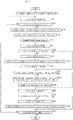
- FIG. 7 is a flowchart for explaining content distribution processing executed by a mobile display device.
- FIG. 8 is a flowchart for explaining content distribution processing executed by a large screen display device.
- FIG. 9 is a flowchart for explaining content distribution processing executed by a distribution server.
- FIG. 10 is a block diagram showing a configuration example of a content distribution system according to a second embodiment to which the present technology is applied.
- FIG. 11 is a detailed block diagram for explaining a configuration example of the content distribution system of FIG. 10 .
- FIG. 12 is a flowchart for explaining content distribution processing executed by a distribution server.
- FIG. 13 is a flowchart for explaining conversion processing executed by a conversion server.
- FIG. 14 is a block diagram showing a configuration example of a content distribution system according to a third embodiment to which the present technology is applied.
- FIG. 15 is a detailed block diagram for explaining a configuration example of the content distribution system of FIG. 14 .
- FIG. 16 is a flowchart for explaining content distribution processing executed by a mobile display device.
- FIG. 17 is a flowchart for explaining content distribution processing executed by a large screen display device.
- FIG. 18 is a diagram for explaining synchronization processing.
- FIG. 19 is a diagram for explaining synchronization processing.
- FIG. 20 is a diagram for explaining synchronization processing.
- FIG. 21 is a diagram for explaining synchronization processing.
- FIG. 22 is a block diagram showing a configuration example of a computer according to an embodiment to which the present technology is applied.
- FIG. 1 is a block diagram showing a configuration example of a content distribution system according to a first embodiment to which the present technology is applied.
- the content distribution system 11 shown in FIG. 1 is configured by connecting a mobile display device 13 , a large screen display device 14 , and a distribution server 15 via a network 12 , and a content storage unit 16 is connected to the distribution server 15 . Then, in the content distribution system 11 , content is distributed in which a plurality of partial images and an entire image including those partial images as regions are hierarchically configured.
- the mobile display device 13 is, for example, a small portable display device including a touch panel display capable of displaying an image and to which user's touch operation can be input. Furthermore, the mobile display device 13 can directly perform wireless communication with the large screen display device 14 , and can also perform communication with the distribution server 15 via the network 12 . For example, the mobile display device 13 can display only the entire image or display an image (for example, the selection screen of FIG. 3 as described later) in which a characteristic difference is added to the region corresponding to the partial image on the entire image. Then, the user can perform operation on the mobile display device 13 to specify a desired partial image and display the partial image.
- an image for example, the selection screen of FIG. 3 as described later
- the large screen display device 14 is a large-sized display device capable of displaying high-definition images, can directly perform wireless communication with the mobile display device 13 , and can perform communication with the distribution server 15 via the network 12 .
- the large screen display device 14 can hold both the entire image and the plurality of partial images as different pieces of image data, and, for example, can display the partial image that the user designates by performing operation on the mobile display device 13 .
- the distribution server 15 includes a plurality of server groups connected to the network 12 , and provides a service for distributing the content read from the content storage unit 16 on the network 12 .
- the distribution server 15 can transmit the entire image to the mobile display device 13 or the partial image to the large screen display device 14 .
- the content storage unit 16 stores the content distributed in the content distribution system 11 .
- the content stored in the content storage unit 16 includes, for example, a low-resolution entire image and a high-resolution partial image divided and hierarchically layered, and has a manifest in which various types of information necessary for controlling distribution the images are described.
- the content distribution system 11 is configured as described above, and the entire image is distributed from the distribution server 15 to the mobile display device 13 , so that the user can select the partial image to be displayed on the large screen display device 14 while viewing the entire image displayed on the mobile display device 13 . Therefore, the mobile display device 13 transmits direction and visual field selection information indicating the direction and visual field of the partial image selected by the user to the large screen display device 14 , and the large screen display device 14 transmits a partial image request requesting the distribution of the partial image to the distribution server 15 on the basis of the direction and visual field selection information.
- the distribution server 15 can read the high-definition partial image from the content storage unit 16 and transmit the partial image to the large screen display device 14 in response to the partial image request, and the partial image is displayed on the large screen display device 14 . Furthermore, the mobile display device 13 and the large screen display device 14 can transmit and receive synchronization information to each other so as to synchronize the reproduction of images with each other.
- the content distribution system 11 can provide the user with preferable operability using the mobile display device 13 and sufficient realistic feeling by the large screen display device 14 , and improve a user experience of the user who views the content.
- the content includes an entire image in which a wide region such as an omnidirectional image or a panoramic image is projected at a low resolution, and a plurality of partial images in which parts of the wide region are projected at a high resolution.
- a wide region such as an omnidirectional image or a panoramic image
- a plurality of partial images in which parts of the wide region are projected at a high resolution.
- N partial images from the first to the Nth are prepared for one entire image is shown.
- the manifest includes direction and visual field initial information, entire image information, and partial image information from the first to the Nth.
- the direction and visual field initial information includes, for example, information indicating the direction of the line-of-sight and the visual field selected in the initial state when the reproduction of the content is started.
- the direction and visual field initial information can correspond to the line-of-sight direction and visual field of any one of the N partial images.
- the entire image information includes, for example, information for designating the entire image.
- the partial image information includes, for example, information for designating individual partial images and information indicating the direction of the line-of-sight and the visual field representing the region covered (coverage) on the entire image by each partial image.
- the mobile display device 13 can generate a selection screen in which characteristic image processing is performed on a region where a plurality of partial images exists on the entire image according to the manifest, and display the selection screen on the touch panel display.
- the mobile display device 13 displays the partial images on the selection screen so that they can be selected, and the user can select the partial images to be displayed on the large screen display device 14 while viewing the selection screen of the mobile display device 13 .
- the mobile display device 13 reduces the entire image according to the display size of the touch panel display, designates the region where each partial image exists as the superimposition position according to the individual partial image information, reduces the size of the partial image, and superimpose the images.
- the region where the partial image exists is represented by light gray hatching, and in actual, characteristic image processing such as changing the brightness is performed.
- a selection frame (double frame line in the example shown in FIG. 3 ) representing the selection state of the partial image selected to be displayed on the large screen display device 14 among the plurality of partial images is displayed so as to surround the partial image.
- the user can select a partial image by touching operation on the touch panel display of the mobile display device 13 , and when the selection of the partial image to be displayed on the large screen display device 14 is changed, a selection frame is displayed for the newly selected partial image.
- a selection frame is displayed for the partial image corresponding to the direction of the line-of-sight and the visual field indicated by the direction and visual field initial information in FIGS. 2A and 2B .
- the display angle of view of the partial image will be described with reference to FIG. 4 .
- FIG. 5 shows an example of information transmitted/received in the content distribution system 11 .
- Content designation information is used when designating content to be distributed from the distribution server 15 .
- the content designation information includes a manifest file identification (ID) that can identify a file in which a manifest of the content is recorded, and an index, a uniform resource locator (URL), or the like is used as the manifest file ID.
- ID manifest file identification
- URL uniform resource locator
- An entire image request is used when requesting the distribution server 15 to distribute an entire image.
- the entire image request includes an entire image file ID that can identify a file in which the entire image is recorded, and an index, a URL, or the like is used as the entire image file ID.
- Reproduction control information is used when controlling the reproduction of an image.
- the reproduction control information includes control information (PLAY) for giving an instruction for the start of image reproduction or control information (END) for giving an instruction for the end of image reproduction.
- PLAY control information
- END control information
- the direction and visual field selection information is used when the mobile display device 13 notifies the large screen display device 14 of the partial image selected by the user.
- the direction and visual field selection information includes information that designates the direction of the line-of-sight (yaw, pitch, roll) and information that specifies the visual field (horizontal angle, vertical angle).
- the synchronization information is used to synchronize the images reproduced on the mobile display device 13 and the large screen display device 14 , and includes, for example, real time t and reproduction incidental information.
- the reproduction incidental information includes reproduction reference time T Play (t) at the real time t, reproduction reference time speed ⁇ T Play (t) at real time t, control information Direction, line-of-sight direction and visual field ViewDir/FOV, and other reproduction incidental information Various Playback Conditions.
- FIG. 6 shows a block diagram for explaining the content distribution system 11 shown in FIG. 1 in detail.
- the mobile display device 13 includes a data reception unit 21 , a data transmission unit 22 , a reproduction control unit 23 , a synchronous clock generation unit 24 , an image reproduction unit 25 , a selection screen generation unit 26 , and a selection screen control unit 27 .
- the data reception unit 21 receives various types of data transmitted from the large screen display device 14 or the distribution server 15 and supplies the data to the reproduction control unit 23 .
- the data reception unit 21 receives the synchronization information transmitted from the large screen display device 14 , and receives the manifest, the entire image, and the like transmitted from the distribution server 15 .
- the data transmission unit 22 transmits various types of data to the large screen display device 14 or the distribution server 15 under the control of the reproduction control unit 23 .
- the data transmission unit 22 transmits the manifest, the direction and visual field selection information, the reproduction control information, the synchronization information, and the like to the large screen display device 14 , and transmits the content designation information, the entire image request, the reproduction control information, and the like to the distribution server 15 .
- the reproduction control unit 23 controls the mobile display device 13 to reproduce the content.
- the selection screen generation unit 26 generates a selection screen as described with reference to FIG. 3 under the control of the reproduction control unit 23 .
- the selection screen control unit 27 performs control on the selection of the partial image displayed on the selection screen on the basis of the operation of the touch panel display by the user.
- the large screen display device 14 includes a data reception unit 31 , a data transmission unit 32 , a reproduction control unit 33 , a synchronous clock generation unit 34 , and an image reproduction unit 35 .
- the data reception unit 31 receives various types of data transmitted from the mobile display device 13 or the distribution server 15 and supplies the data to the reproduction control unit 33 .
- the data reception unit 31 receives the manifest, the direction and visual field selection information, the reproduction control information, the synchronization information, and the like transmitted from the mobile display device 13 , and receives the partial image transmitted from the distribution server 15 .
- the data transmission unit 32 transmits various types of data to the mobile display device 13 or the distribution server 15 under the control of the reproduction control unit 33 .
- the data transmission unit 32 transmits the synchronization information to the mobile display device 13 or the partial image request to the distribution server 15 .
- the reproduction control unit 33 controls the large screen display device 14 to reproduce the content.
- the synchronous clock generation unit 34 generates a clock signal used to match the synchronization states of the mobile display device 13 and the large screen display device 14 , and supplies the clock signal to the reproduction control unit 33 .
- the image reproduction unit 35 demultiplexes and decodes the partial image transmitted from the distribution server 15 under the control of the reproduction control unit 33 , and displays the image on a display panel (for example, a liquid crystal display) (not shown).
- a display panel for example, a liquid crystal display
- the distribution server 15 includes a data reception unit 41 , a data transmission unit 42 , a distribution control unit 43 , and an image selection unit 44 .
- the data reception unit 41 receives various types of data transmitted from the mobile display device 13 or the large screen display device 14 , and supplies the data to the distribution control unit 43 .
- the data reception unit 41 receives the content specification information, the entire image request, the reproduction control information, and the like transmitted from the mobile display device 13 , and receives the partial image request transmitted from the large screen display device 14 .
- the data transmission unit 42 transmits various types of data to the mobile display device 13 or the large screen display device 14 under the control of the distribution control unit 43 .
- the data transmission unit 42 transmits the manifest, the entire image, and the like to the mobile display device 13 , or transmits a partial image to the large screen display device 14 .
- the distribution control unit 43 controls the distribution server 15 to distribute the content.
- the image selection unit 44 searches the content storage unit 16 under the control of the distribution control unit 43 , and causes the content (manifest, entire image, partial image) acquired as the search result to be transmitted via the data transmission unit 42 .
- FIG. 7 is a flowchart for explaining content distribution processing executed by the mobile display device 13 .
- the content distribution processing is started.
- step S 11 the reproduction control unit 23 instructs the data transmission unit 22 to transmit the content designation information that specifies the content selected by the user.
- the data transmission unit 22 transmits the content designation information as described with reference to FIG. 5 to the distribution server 15 .
- step S 12 the reproduction control unit 23 checks the reception buffer of the data reception unit 21 .
- step S 13 the reproduction control unit 23 determines whether or not the data reception unit 21 has received the manifest transmitted from the distribution server 15 according to the content designation information transmitted in step S 11 according to the check result of the reception buffer in step S 12 .
- step S 13 in a case where the reproduction control unit 23 determines that the data reception unit 21 has not received the manifest, that is, when the state of the reception buffer is not received or is being received, the process returns to step S 12 .
- step S 13 in a case where the reproduction control unit 23 determines that the data reception unit 21 has received the manifest, that is, when the manifest exists in the reception buffer, the process proceeds to step S 14 .
- step S 14 the reproduction control unit 23 acquires the current time according to the clock signal output from the synchronous clock generation unit 24 , and initializes the synchronization state of the mobile display device 13 .
- the reproduction control unit 23 sets the current time as the real time, generates synchronization information as described with reference to FIG. 5 together with reproduction incidental information other than the real time, and stores the result as a synchronization state of the mobile display device 13 .
- step S 15 the reproduction control unit 23 initializes the selection state of the line-of-sight direction and the visual field according to the manifest transmitted from the distribution server 15 .
- the reproduction control unit 23 acquires the direction and visual field initial information (see FIGS. 2A and 2B ) from the manifest and stores the direction and visual field initial information as the selection state of the mobile display device 13 .
- step S 16 the reproduction control unit 23 instructs the data transmission unit 22 to transmit the entire image request on the basis of the entire image information acquired from the manifest transmitted from the distribution server 15 .
- the data transmission unit 22 transmits the entire image request as described with reference to FIG. 5 to the distribution server 15 .
- step S 17 the reproduction control unit 23 checks the reception buffer of the data reception unit 21 .
- step S 18 the reproduction control unit 23 determines whether or not the data reception unit 21 has received the entire image transmitted from the distribution server 15 according to the entire image request transmitted in step S 16 according to the check result of the reception buffer in step S 17 .
- step S 18 in a case where the reproduction control unit 23 determines that the data reception unit 21 has received the entire image, that is, when the entire image exists in the reception buffer, the process proceeds to step S 19 .
- step S 19 the reproduction control unit 23 supplies the entire image received by the data reception unit 21 to the image reproduction unit 25 , and instructs the image reproduction unit 25 to demultiplex and decode the entire image. In response to this, the image reproduction unit 25 decodes the entire image.
- step S 20 the reproduction control unit 23 supplies the entire image decoded in step S 19 from the image reproduction unit 25 to the selection screen generation unit 26 . Moreover, the reproduction control unit 23 supplies the manifest of the content and the current selection state in the mobile display device 13 to the selection screen generation unit 26 , and instructs the selection screen generation unit 26 to generate a selection screen. In response to this, the selection screen generation unit 26 generates a selection screen as described with reference to FIG. 3 .
- the selection screen generation unit 26 specifies coverage regions by the individual partial images on the entire image according to the partial image information registered in the manifest, and performs characteristic image processing (for example, brightness change as described with reference to FIG. 3 ) on the coverage regions. Moreover, the selection screen generation unit 26 generates a selection screen by performing characteristic image processing (for example, displaying a selection frame as shown in FIG. 3 ) based on the current selection state in the mobile display device 13 .
- step S 21 the reproduction control unit 23 supplies the selection screen generated in step S 20 from the selection screen generation unit 26 to the image reproduction unit 25 , and instructs the image reproduction unit 25 to display the selection screen.
- the image reproduction unit 25 displays the selection screen on the touch panel display of the mobile display device 13 .
- step S 21 After the processing of step S 21 , or in step S 18 , in a case where the reproduction control unit 23 determines that the data reception unit 21 has not received the entire image, that is, when the state of the reception buffer is not received or is being received, the process proceeds to step S 22 .
- step S 22 the reproduction control unit 23 checks the reception buffer of the data reception unit 21 and determines whether or not the data reception unit 21 has received the synchronization information transmitted from the large screen display device 14 (processing of step S 53 in FIG. 8 as described later).
- step S 22 in a case where the reproduction control unit 23 determines that the data reception unit 21 has received the synchronization information of the large screen display device 14 , that is, when the synchronization information of the large screen display device 14 exists in the reception buffer, the process proceeds to step S 23 .
- step S 23 the reproduction control unit 23 displays updates the synchronization state of the mobile display device 13 on the basis of the synchronization information of the large screen display device 14 received by the data reception unit 21 and the current time according to the clock signal output from the synchronous clock generation unit 24 . Note that the synchronization processing using this synchronization information will be described later with reference to FIGS. 18 to 21 .
- step S 24 the reproduction control unit 23 generates synchronization information of the mobile display device 13 according to the synchronization state updated in step S 23 , and instructs the data transmission unit 22 to transmit the synchronization information.
- the data transmission unit 22 transmits the synchronization information of the mobile display device 13 to the large screen display device 14 .
- step S 24 in a case where the reproduction control unit 23 determines that the data reception unit 21 has not received the synchronization information of the large screen display device 14 , that is, the state of the reception buffer is not received or being received, the process proceeds to step S 25 .
- step S 25 the selection screen control unit 27 checks the current selection state of the mobile display device 13 . That is, as shown in FIG. 3 , among the plurality of partial images, the currently selected partial image is checked according to the user's operation on the touch panel display.
- step S 26 the reproduction control unit 23 determines whether or not the selection state checked by the selection screen control unit 27 in step S 25 is updated from the selection state of the mobile display device 13 currently stored.
- step S 26 determines in step S 26 that the selection state has been updated. the process proceeds to step S 27 .
- step S 27 the reproduction control unit 23 stores the selection state checked by the selection screen control unit 27 in step S 25 as a new selection state of the mobile display device 13 , and generates direction and visual field selection information according to the selection state.
- step S 28 the reproduction control unit 23 instructs the data transmission unit 22 to transmit the content manifest and the direction and visual field selection information generated in step S 27 .
- the data transmission unit 22 transmits the manifest and the direction and visual field selection information to the large screen display device 14 .
- step S 28 After the processing of step S 28 , or in a case where it is determined that the selection state checked by the selection screen control unit 27 in step S 26 has not been updated, the process proceeds to step S 29 .
- step S 29 the reproduction control unit 23 determines whether or not an instruction for the end of content distribution is given in response to the user's operation on the touch panel display.
- step S 29 in a case where the reproduction control unit 23 determines that the instruction for the end of content distribution has not been given, the process returns to step S 17 , and the similar processing is repeated thereafter.
- step S 29 in a case where the reproduction control unit 23 determines that the instruction for the end of the content distribution is given, the content distribution processing in the mobile display device 13 ends.
- FIG. 8 is a flowchart for explaining content distribution processing executed by the large screen display device 14 .
- step S 41 the reproduction control unit 33 checks the reception buffer of the data reception unit 31 .
- step S 42 the reproduction control unit 33 determines whether or not the data reception unit 31 has received the reproduction control information (PLAY) giving an instruction for the start of image reproduction according to the check result of the reception buffer in step S 41 .
- PLAY reproduction control information
- step S 42 in a case where the reproduction control unit 33 determines that the data reception unit 31 has not received the reproduction control information (PLAY), that is, when the state of the reception buffer is not received or is being received, the process returns to step S 41 .
- step S 42 in a case where the reproduction control unit 33 determines that the data reception unit 31 has received the reproduction control information (PLAY), that is, when the reproduction control information (PLAY) exists in the reception buffer, the process proceeds to step S 43 .
- step S 43 the reproduction control unit 33 checks the reception buffer of the data reception unit 31 .
- step S 44 the reproduction control unit 33 determines whether or not the data reception unit 31 has received the direction and visual field selection information transmitted from the mobile display device 13 in step S 28 of FIG. 7 according to the check result of the reception buffer in step S 43 .
- step S 44 in a case where the reproduction control unit 33 determines that the data reception unit 31 has not received the direction and visual field selection information, that is, when the state of the reception buffer is not received or is being received, the process returns to step S 43 .
- step S 44 in a case where the reproduction control unit 33 determines that the data reception unit 31 has received the direction and visual field selection information, that is, when the direction and visual field selection information exists in the reception buffer, the process proceeds to step S 45 .
- step S 45 the reproduction control unit 33 acquires the current time according to the clock signal output from the synchronous clock generation unit 34 , and initializes the synchronization state of the large screen display device 14 .
- the reproduction control unit 33 sets the current time as the real time, generates synchronization information together with reproduction incidental information other than the real time, and stores the result as a synchronization state of the large screen display device 14 .
- step S 46 the reproduction control unit 33 initializes the selection state of the large screen display device 14 according to the direction and visual field selection information received by the data reception unit 31 . That is, the reproduction control unit 33 stores the direction and the visual field of the line-of-sight indicated by the direction and visual field selection information received by the data reception unit 31 as the selection state of the large screen display device 14 .
- step S 47 the reproduction control unit 33 instructs the data transmission unit 32 to transmit the partial image request on the basis of the synchronization state and the selection state of the large screen display device 14 .
- the data transmission unit 32 transmits a partial image request as described with reference to FIG. 5 to the distribution server 15 .
- step S 48 the reproduction control unit 33 checks the reception buffer of the data reception unit 31 .
- step S 49 the reproduction control unit 33 determines whether or not the data reception unit 31 has received the partial image transmitted from the distribution server 15 according to the partial image request transmitted in step S 47 according to the check result of the reception buffer in step S 48 .
- step S 49 in a case where the reproduction control unit 33 determines that the data reception unit 31 has received the partial image, that is, when the partial image exists in the reception buffer, the process proceeds to step S 50 .
- step S 50 the reproduction control unit 33 supplies the partial image received by the data reception unit 31 to the image reproduction unit 35 , and instructs the image reproduction unit 35 to demultiplex and decode the partial image.
- the image reproduction unit 25 decodes the partial image and displays the partial image on the display panel of the large screen display device 14 .
- step S 50 the processing of step S 50 , or in step S 49 , in a case where the reproduction control unit 33 determines that the data reception unit 31 has not received the partial image, that is, when the state of the reception buffer is not received or is being received, the process proceeds to step S 51 .
- step S 51 the reproduction control unit 33 checks the reception buffer of the data reception unit 31 and determines whether or not the data reception unit 31 has received the synchronization information transmitted from the mobile display device 13 (processing of step S 24 in FIG. 7 as described above).
- step S 51 in a case where the reproduction control unit 33 determines that the data reception unit 31 has received the synchronization information of the mobile display device 13 , that is, when the synchronization information of the mobile display device 13 exists in the reception buffer, the process proceeds to step S 52 .
- step S 52 the reproduction control unit 33 displays updates the synchronization state of the large screen display device 14 on the basis of the synchronization information of the mobile display device 13 received by the data reception unit 31 and the current time according to the clock signal output from the synchronous clock generation unit 34 . Note that the synchronization processing using this synchronization information will be described later with reference to FIGS. 18 to 21 .
- step S 53 the reproduction control unit 33 generates synchronization information of the large screen display device 14 according to the synchronization state updated in step S 52 , and instructs the data transmission unit 32 to transmit the synchronization information.
- the data transmission unit 32 transmits the synchronization information of the large screen display device 14 to the mobile display device 13 .
- step S 53 the processing of step S 53 , or in step S 51 , in a case where the reproduction control unit 33 determines that the data reception unit 31 has not received the synchronization information, that is, when the state of the reception buffer is not received or is being received, the process proceeds to step S 54 .
- step S 54 the reproduction control unit 33 checks the reception buffer of the data reception unit 31 , and determines whether or not the data reception unit 31 has received the manifest and the direction and visual field selection information transmitted from the mobile display device 13 in step S 28 of FIG. 7 .
- step S 54 in a case where the reproduction control unit 33 determines that the data reception unit 31 has received the manifest and the direction and visual field selection information, that is, when the manifest and the direction and visual field selection information exist in the reception buffer, the process proceeds to step S 55 .
- step S 55 the reproduction control unit 33 updates the selection state of the large screen display device 14 on the basis of the direction and visual field selection information received by the data reception unit 31 . That is, the reproduction control unit 33 overwrites the direction and the visual field of the line-of-sight indicated by the direction and visual field selection information received by the data reception unit 31 as the selection state of the large screen display device 14 .
- step S 56 the reproduction control unit 33 instructs the data transmission unit 32 to transmit the partial image request on the basis of the manifest and the synchronization state and the selection state of the large screen display device 14 .
- the data transmission unit 32 transmits a partial image request as described with reference to FIG. 5 to the distribution server 15 .
- step S 57 the reproduction control unit 33 checks the reception buffer of the data reception unit 31 and determines whether or not the data reception unit 31 has received the reproduction control information (END) giving an instruction for the end of image reproduction.
- END reproduction control information
- step S 57 in a case where the reproduction control unit 33 determines that the data reception unit 31 has not received the reproduction control information (END) giving an instruction for the end of image reproduction, the process returns to step S 48 , and the similar processing is repeated thereafter.
- step S 57 in a case where the reproduction control unit 33 determines that the data reception unit 31 has received the reproduction control information (END) giving an instruction for the end of image reproduction, that is, when the reproduction control information (END) exists in the reception buffer, the content distribution processing in the large screen display device 14 ends.
- FIG. 9 is a flowchart for explaining content distribution processing executed by the distribution server 15 .
- step S 71 the distribution control unit 43 checks the reception buffer of the data reception unit 41 .
- step S 72 the distribution control unit 43 determines whether or not the data reception unit 41 has received the content designation information transmitted from the mobile display device 13 in step S 11 of FIG. 7 according to the check result of the reception buffer in step S 71 .
- step S 72 in a case where the distribution control unit 43 determines that the data reception unit 41 has received the content designation information, the processing proceeds to step S 73 .
- step S 73 the distribution control unit 43 instructs the image selection unit 44 to search for the manifest of the content designated by the content designation information received by the data reception unit 41 .
- the image selection unit 44 searches the content storage unit 16 using the manifest file ID indicated by the content designation information, and acquires the manifest acquired as the search result.
- step S 74 the image selection unit 44 supplies the manifest acquired in step S 73 to the data transmission unit 42 , and the data transmission unit 42 transmits the manifest to the mobile display device 13 which is the request source. Thereafter, the process returns to step S 71 , and the similar processing is repeated thereafter.
- step S 72 in a case where the distribution control unit 43 determines that the data reception unit 41 has not received the content designation information, the processing proceeds to step S 75 .
- step S 75 the distribution control unit 43 determines whether or not the data reception unit 41 has received the entire image request transmitted from the mobile display device 13 in step S 16 of FIG. 7 according to the check result of the reception buffer in step S 71 .
- step S 75 in a case where the distribution control unit 43 determines that the data reception unit 41 has received the entire image request, the processing proceeds to step S 76 .
- step S 76 the distribution control unit 43 instructs the image selection unit 44 to search for the entire image according to the entire image request received by the data reception unit 41 .
- the image selection unit 44 searches the content storage unit 16 using the entire image file ID indicated by the entire image request, and acquires the entire image acquired as the search result.
- step S 77 the image selection unit 44 supplies the entire image acquired in step S 76 to the data transmission unit 42 , and the data transmission unit 42 transmits the entire image to the mobile display device 13 which is the request source. Thereafter, the process returns to step S 71 , and the similar processing is repeated thereafter.
- step S 75 in a case where the distribution control unit 43 determines that the data reception unit 41 has not received the entire image request, the processing proceeds to step S 78 .
- step S 78 the distribution control unit 43 determines whether or not the data reception unit 41 has received the partial image request transmitted from the large screen display device 14 in step S 47 or S 56 of FIG. 8 according to the check result of the reception buffer in step S 71 .
- step S 78 in a case where the distribution control unit 43 determines that the data reception unit 41 has received the partial image request, the processing proceeds to step S 79 .
- step S 79 the distribution control unit 43 instructs the image selection unit 44 to search for the partial image according to the partial image request received by the data reception unit 41 .
- the image selection unit 44 searches the content storage unit 16 using the partial image file ID indicated by the partial image request, and acquires the partial image acquired as the search result.
- step S 80 the image selection unit 44 supplies the partial image acquired in step S 79 to the data transmission unit 42 , and the data transmission unit 42 transmits the partial image to the large screen display device 14 which is the request source. Thereafter, the process returns to step S 71 , and the similar processing is repeated thereafter.
- step S 78 in a case where the distribution control unit 43 determines that the data reception unit 41 has not received the partial image request, the processing proceeds to step S 81 .
- step S 81 the distribution control unit 43 determines whether or not the data reception unit 41 has received the reproduction control information (END) giving an instruction for the end of image reproduction according to the check result of the reception buffer in step S 71 .
- END reproduction control information
- step S 81 in a case where the distribution control unit 43 determines that the data reception unit 41 has not received the reproduction control information (END) giving an instruction for the end of image reproduction, the process returns to step S 71 , and the similar processing is repeated thereafter.
- step S 81 in a case where the distribution control unit 43 determines that the data reception unit 31 has received the reproduction control information (END) giving an instruction for the end of image reproduction, that is, when the reproduction control information (END) exists in the reception buffer, the content distribution processing in the distribution server 15 ends.
- the user can easily operate the content by using the mobile display device 13 , and can experience a sufficient realistic feeling by the large screen display device 14 .
- a low-resolution and low bit rate image can be used for the display of the mobile display device 13
- a high-resolution and high bit rate image can be used for the display of the large screen display device 14 . Therefore, the user can select a partial image lightly and stress-free on the mobile display device 13 , and display the selected partial image on the large screen display device 14 to enjoy high-quality viewing.
- the user can easily search for a partial image by using the thumbnail image. For example, by superimposing subtitles such as the name of a building in a tourist spot or the name of a person as guide information, the user can select a desired partial image using such guide information as a clue.
- the partial image displayed on the large screen display device 14 uses image data that is different from the partial image displayed on the mobile display device 13 , for example, it is possible to eliminate the necessity of complicated processing such as on/off of subtitle display of the guide information.
- the display of the selection screen for selecting a partial image and the display of the partial image distributed according to the selection are performed on the same display device, it is difficult for the user to view them at the same time.
- the display of the entire image in the range in which the partial image is superimposed is impaired, so that it is difficult to provide a preferable user experience.
- the selection screen can be displayed on the mobile display device 13 , the distributed partially image can be displayed on the large screen display device 14 , the display of both images are not impaired, and the user can view them at the same time. Moreover, the user can select another partial image by the mobile display device 13 while continuing to view the partial image on the large screen display device 14 .
- the operation of selecting each partial image can be performed only by the mobile display device 13 . That is, it is possible to select a partial image for each large screen display device 14 only by simple continuous operation (for example, three-times tap operation on the user interface displayed on the touch panel display) by the mobile display device 13 .
- the content distribution system 11 can have a configuration in which a plurality of large screen display devices 14 is linked to one mobile display device 13 .
- a plurality of large screen display devices 14 may be given an order, or a plurality of large screen display devices 14 may be randomly selected.
- IP Internet protocol
- LTE/4G/5G mobile phone communication network
- a synchronization packet (synchronization information) is exchanged between the mobile display device 13 and the large screen display device 14 , and the reproduction position of content can be adjusted so that the advancement or delay from the reference time of the synchronization packet is eliminated. Furthermore, a method of synchronizing the reproduction of content by performing push distribution from the distribution server 15 may be adopted.
- the user can specify the initial reproduction start position when starting the reproduction of content, at the start of reproduction. Furthermore, for the entire image, a format in which only a specific direction and a visual field are displayed may be adopted, and in addition, a format in which all directions are displayed at once, such as equirectangular projection may be adopted.
- the direction and visual field selection information is generated in the Media Presentation Description (MPD) format of the Moving Picture Experts Group Dynamic Adaptive Streaming over HTTP (MPEG-DASH) on the mobile display device 13 . Then, the mobile display device 13 may transmit the direction and visual field selection information to the large screen display device 14 via the distribution server 15 . Furthermore, the direction and visual field selection information may be stored in the distribution server 15 , and the most selected statistical information of the direction and visual field selection information may be cached, and may be set as the direction and visual field initial information of the manifest.
- MPD Media Presentation Description
- MPEG-DASH Moving Picture Experts Group Dynamic Adaptive Streaming over HTTP
- FIG. 10 is a block diagram showing a configuration example of a content distribution system according to a second embodiment to which the present technology is applied. Note that, in the content distribution system 11 A shown in FIG. 10 , the same reference numerals are given to the configurations common to the content distribution system 11 in FIG. 1 , and detailed description thereof will be omitted.
- the content distribution system 11 A shown in FIG. 10 has a configuration common to that of the content distribution system 11 of FIG. 1 in a feature of configured by connecting a mobile display device 13 , a large screen display device 14 , and a distribution server 15 A via a network 12 , and a content storage unit 16 being connected to the distribution server 15 A.
- the content distribution system 11 A has a configuration different from that of the content distribution system 11 in FIG. 1 in a feature that the conversion server 17 is connected to the distribution server 15 A and an uncompressed entire image storage unit 18 is connected to the conversion server 17 .
- the distribution server 15 A requests the conversion server 17 for the partial image.
- the conversion server 17 acquires a high-definition partial image by converting the uncompressed entire image stored in the uncompressed entire image storage unit 18 , and acquires a high-definition partial image, and cause the content storage unit 16 to store the high-definition image.
- the uncompressed entire image storage unit 18 stores the entire image included in the content distributed in the content distribution system 11 and is not reduced in resolution, that is, the uncompressed entire image stored in the uncompressed format.
- the content distribution system 11 A is configured as described above, and even if distribution of a partial image that is not stored in the content storage unit 16 is requested, the conversion server 17 converts the uncompressed entire image to generate a partial image so that the partial image according to the request can be distributed.
- FIG. 11 shows a block diagram for explaining the content distribution system 11 A shown in FIG. 10 in detail.
- the same reference numerals are given to the configurations common to the content distribution system 11 in FIG. 6 , and detailed description thereof will be omitted. That is, the mobile display device 13 and the large screen display device 14 included in the content distribution system 11 A have the same configuration as that of the mobile display device 13 and the large screen display device 14 included in the content distribution system 11 of FIG. 6 .
- the distribution server 15 A includes a data reception unit 41 , a data transmission unit 42 , a distribution control unit 43 , and an image selection unit 44 .
- the distribution server 15 A has a configuration different from that of the distribution server 15 of FIG. 6 in a feature that the data transmission unit 42 is configured to transmit a partial image request, reproduction control information, and the like to the conversion server 17 .
- the content storage unit 16 is configured so that a partial image is written from the conversion server 17 .
- the conversion server 17 includes a data reception unit 51 , a conversion control unit 52 , a projection conversion unit 53 , an image encoding unit 54 , and a multiplexing unit 55 .
- the data reception unit 51 receives a partial image request, reproduction control information, and the like transmitted from the distribution server 15 A, and supplies the partial image request, the reproduction control information, and the like to the conversion control unit 52 .
- the conversion control unit 52 controls the conversion server 17 to convert an uncompressed entire image into a partial image.
- the projection conversion unit 53 performs projection conversion on an uncompressed entire image so as to acquire a partial image according to a partial image request from the uncompressed entire image read from the uncompressed entire image storage unit 18 under the control of the conversion control unit 52 .
- the image encoding unit 54 encodes the projection conversion result (partial image) acquired as a result of the projection conversion from the uncompressed entire image by the projection conversion unit 53 under the control of the conversion control unit 52 .
- the multiplexing unit 55 multiplexes the encoding result acquired as a result of the image encoding unit 54 encoding the projection conversion result under the control of the conversion control unit 52 , and writes the multiplexing result (partial image) acquired as a result in the content storage unit 16 .
- the multiplexing unit 55 adds partial image information ( FIGS. 2A and 2B ) of the newly acquired partial image to the manifest of the content.
- FIGS. 12 and 13 An example of the content distribution processing executed in the content distribution system 11 A of FIG. 11 will be described with reference to FIGS. 12 and 13 .
- the content distribution processing executed by the mobile display device 13 is similar to the processing described with reference to the flowchart of FIG. 7
- the content distribution processing executed by the large screen display device 14 is similar to the processing described with reference to the flowchart of FIG. 8 , and the description thereof will be omitted.
- FIG. 12 is a flowchart for explaining content distribution processing executed by the distribution server 15 A.
- steps S 91 to S 99 similar processing to the processing in steps S 71 to S 79 in FIG. 9 is performed. Then, in step S 100 , the image selection unit 44 determines whether or not the partial image corresponding to the partial image request exists in the content storage unit 16 as a result of the search in step S 99 .
- step S 100 in a case where the image selection unit 44 determines that the partial image corresponding to the partial image request does not exist in the content storage unit 16 , the process proceeds to step S 101 .
- step S 101 the data transmission unit 42 transmits a partial image request to the conversion server 17 under the control of the image selection unit 44 .
- step S 102 the image selection unit 44 determines whether or not the partial image has been generated in the conversion server 17 according to the partial image request transmitted to the conversion server 17 in step S 101 . For example, when the partial image generated by the conversion server 17 is written to the content storage unit 16 (processing in step S 116 of FIG. 13 as described later), the image selection unit 44 determines that the partial image is generated by the conversion server 17 .
- step S 102 the process waits until the image selection unit 44 determines that the partial image has been generated in the conversion server 17 , and when it is determined that the partial image has been generated in the conversion server 17 , the process proceeds to step S 103 .
- step S 100 in a case where the image selection unit 44 determines that the partial image corresponding to the partial image request exists in the content storage unit 16 , the process proceeds to step S 103 .
- step S 103 the image selection unit 44 acquires the partial image acquired as the search result in step S 99 or the partial image generated by the conversion server 17 from the content storage unit 16 and supplies the partial image to the data transmission unit 42 . Then, the data transmission unit 42 transmits the partial image to the large screen display device 14 which is the request source.
- step S 98 in a case where the distribution control unit 43 determines that the data reception unit 41 has not received the partial image request, or after the processing of step S 103 , the process proceeds to step S 104 .
- step S 104 the distribution control unit 43 determines whether or not the data reception unit 41 has received the reproduction control information (END) giving an instruction for the end of image reproduction according to the check result of the reception buffer in step S 91 .
- END reproduction control information
- step S 104 in a case where the distribution control unit 43 determines that the data reception unit 41 has not received the reproduction control information (END) giving an instruction for the end of image reproduction, the process returns to step S 91 , and the similar processing is repeated thereafter.
- step S 104 in a case where the distribution control unit 43 determines that the data reception unit 31 has received the reproduction control information (END) giving an instruction for the end of image reproduction, that is, when the reproduction control information (END) exists in the reception buffer, the process proceeds to step S 105 .
- step S 105 the distribution control unit 43 instructs the data transmission unit 42 to transmit the reproduction control information (END) giving an instruction for the end of the image reproduction.
- the data transmission unit 42 transmits the reproduction control information (END) giving an instruction for the end of image reproduction to the conversion server 17 , and then the content distribution processing in the content storage unit 16 ends.
- FIG. 13 is a flowchart for explaining conversion processing executed by the conversion server 17 .
- step S 111 the conversion control unit 52 checks the reception buffer of the data reception unit 51 .
- step S 112 the conversion control unit 52 determines whether or not the data reception unit 51 has received the partial image request transmitted from the content storage unit 16 in step S 101 of FIG. 12 described above according to the check result of the reception buffer in step S 111 .
- step S 112 in a case where the conversion control unit 52 determines that the data reception unit 51 has received the partial image request, that is, when the partial image request exists in the reception buffer, the process proceeds to step S 113 .
- step S 113 the conversion control unit 52 reads an uncompressed entire image from the uncompressed entire image storage unit 18 and instructs the projection conversion unit 53 to perform projection conversion of the uncompressed entire image on the basis of the partial image request. In response to this, the projection conversion unit 53 performs projection conversion on the uncompressed entire image.
- step S 114 the conversion control unit 52 supplies the projection conversion result by the projection conversion unit 53 and the partial image request to the image encoding unit 54 , and instructs the image encoding unit 54 to encode the projection conversion result.
- the image encoding unit 54 encodes the projection conversion result according to the setting of the partial image request.
- step S 115 the conversion control unit 52 supplies the encoding result by the image encoding unit 54 and the partial image request to the multiplexing unit 55 , and instructs the multiplexing unit 55 to perform multiplexing.
- the multiplexing unit 55 multiplexes the encoding result according to the setting of the partial image request.
- step S 116 the multiplexing unit 55 writes out the multiplexing result acquired by the multiplexing in step S 115 , that is, the partial image corresponding to the partial image request, to the content storage unit 16 . Thereafter, the process returns to step S 111 , and the similar processing is repeated thereafter.
- step S 112 in a case where the conversion control unit 52 determines that the data reception unit 51 has not received the partial image request, that is, when the partial image request does not exist in the reception buffer, the process proceeds to step S 117 .
- step S 117 the conversion control unit 52 determines whether or not the data reception unit 51 has received the reproduction control information (END) giving an instruction for the end of the image reproduction, transmitted from the content storage unit 16 in step S 105 of FIG. 12 described above according to the check result of the reception buffer in step S 111 .
- END reproduction control information
- step S 117 in a case where the conversion control unit 52 determines that the data reception unit 51 has not received the reproduction control information (END) giving an instruction for the end of image reproduction, the process returns to step S 111 , and the similar processing is repeated thereafter.
- END reproduction control information
- step S 117 in a case where the conversion control unit 52 determines that the data reception unit 51 has received the reproduction control information (END) giving an instruction for the end of image reproduction, the conversion processing in the conversion server 17 ends.
- the cloud resource can be utilized to display the partial image in the same direction and the same visual field as that the user displays on the mobile display device 13 on the large screen display device 14 . Therefore, in the content distribution system 11 A, the direction and the visual field can be easily selected by using the mobile display device 13 , and the partial image can be displayed in high definition by using the large screen display device 14 , and it is possible to realize seamless switching of the display of the partial image on the large screen display device 14 .
- FIG. 14 is a block diagram showing a configuration example of a content distribution system according to a third embodiment to which the present technology is applied. Note that, in the content distribution system 11 B shown in FIG. 14 , the same reference numerals are given to the configurations common to the content distribution system 11 in FIG. 1 , and detailed description thereof will be omitted.
- the content distribution system 11 B shown in FIG. 14 has a configuration common to that of the content distribution system 11 of FIG. 1 in a feature of configured by connecting a mobile display device 13 B, and a distribution server 15 via a network 12 , and a content storage unit 16 being connected to the distribution server 15 .
- the content distribution system 11 B is different from the content distribution system 11 of FIG. 1 in a feature that the large screen display device 14 B is not connected to the network 12 , and compressed image and sound is transmitted from the mobile display device 13 B to the large screen display device 14 B.
- the entire image is distributed from the distribution server 15 to the mobile display device 13 , and a partial image request is transmitted from the mobile display device 13 to the distribution server 15 .
- the distribution server 15 reads a high-definition partial image from the content storage unit 16 and transmits the partial image to the mobile display device 13 in response to the partial image request, and the mobile display device 13 wirelessly transmits compressed image and sound obtained by compressing sound together with the partial image, to the large screen display device 14 . Therefore, the partial image is displayed on the large screen display device 14 .
- FIG. 15 shows a block diagram for explaining the content distribution system 11 B shown in FIG. 14 in detail.
- the same reference numerals are given to the configurations common to the content distribution system 11 in FIG. 6 , and detailed description thereof will be omitted. That is, the distribution server 15 and the content storage unit 16 included in the content distribution system 11 B have configurations common to configurations of the distribution server 15 and the content storage unit 16 included in the content distribution system 11 of FIG. 6 .
- the mobile display device 13 B has a configuration common to the configuration of the mobile display device 13 of FIG. 6 in a feature of including the data reception unit 21 , the data transmission unit 22 , the reproduction control unit 23 , the image reproduction unit 25 , the selection screen generation unit 26 , and the selection screen control unit 27 . Then, the mobile display device 13 B has a configuration different from that of the mobile display device 13 of FIG. 6 in a feature of including an image sound compression unit 28 and a wireless transmission unit 29 .
- the image sound compression unit 28 generates compressed image sound by compressing the partial image transmitted from the distribution server 15 together with sound of the partial image under the control of the reproduction control unit 23 , and supplies the compressed image sound to the wireless transmission unit 29 .
- the wireless transmission unit 29 wirelessly transmits the compressed image sound supplied from the image sound compression unit 28 to the large screen display device 14 B.
- the large screen display device 14 B has a configuration common to that of the large screen display device 14 of FIG. 6 in a feature of including an image reproduction unit 35 . Then, the large screen display device 14 B has a configuration different from that of the large screen display device 14 of FIG. 6 in a feature of including a wireless reception unit 36 and an extension unit 37 .
- the wireless reception unit 36 receives the compressed image sound wirelessly transmitted from the mobile display device 13 B and supplies the compressed image sound to the extension unit 37 .
- the extension unit 37 expands and extends the compressed image sound supplied from the wireless reception unit 36 and supplies the compressed image sound to the image reproduction unit 35 , and thereby, the partial image is reproduced by the image reproduction unit 35 .
- FIGS. 16 and 17 An example of the content distribution processing executed in the content distribution system 11 B of FIG. 15 will be described with reference to FIGS. 16 and 17 . Note that the content distribution processing executed by the distribution server 15 is similar to the processing described with reference to the flowchart of FIG. 9 , and the description thereof will be omitted.
- FIG. 16 is a flowchart for explaining content distribution processing executed by the mobile display device 13 B.
- steps S 121 to S 126 similar processing to the processing in steps S 11 to S 16 in FIG. 7 is performed.
- step S 127 the reproduction control unit 23 instructs the data transmission unit 22 to transmit the partial image request on the basis of the selection state of the mobile display device 13 B.
- the data transmission unit 22 transmits a partial image request as described with reference to FIG. 5 to the distribution server 15 .
- steps S 128 to S 132 Similar processing to the processing in steps S 17 to S 21 in FIG. 7 is performed.
- step S 133 the reproduction control unit 23 checks the reception buffer of the data reception unit 21 to determine whether or not the data reception unit 21 has received the partial image transmitted from the distribution server 15 according to the partial image request transmitted in step S 127 .
- step S 133 in a case where the reproduction control unit 23 determines that the data reception unit 21 has received the partial image, that is, when the partial image exists in the reception buffer, the process proceeds to step S 134 .
- step S 134 the reproduction control unit 23 supplies the partial image received by the data reception unit 21 to the image reproduction unit 25 , and instructs the image reproduction unit 25 to demultiplex and decode the partial image. In response to this, the image reproduction unit 25 decodes the partial image.
- step S 135 the reproduction control unit 23 instructs the image sound compression unit 28 to compress the partial image and sound decoded by the image reproduction unit 25 .
- the image sound compression unit 28 compresses the partial image and sound to generate compressed image sound.
- step S 136 the image reproduction unit 25 instructs the wireless transmission unit 29 to wirelessly transmit the compressed image sound generated by the image sound compression unit 28 to the large screen display device 14 B. In response to this, the wireless transmission unit 29 transmits the compressed image sound.
- step S 136 After the processing of step S 136 , or in a case where the reproduction control unit 23 determines in step S 133 that the data reception unit 21 has not received the partial image, the processing proceeds to step S 137 .
- step S 137 the selection screen control unit 27 checks the current selection state of the mobile display device 13 B. That is, as shown in FIG. 3 , among the plurality of partial images, the currently selected partial image is checked according to the user's operation on the touch panel display.
- step S 138 the reproduction control unit 23 determines whether or not the selection state checked by the selection screen control unit 27 in step S 137 is updated from the selection state of the mobile display device 13 B currently stored.
- step S 138 determines in step S 138 that the selection state has been updated.
- step S 139 the reproduction control unit 23 stores the selection state checked by the selection screen control unit 27 in step S 137 as a new selection state of the mobile display device 13 B.
- step S 140 After the processing of step S 139 , or in a case where the reproduction control unit 23 determines in step S 138 that the selection state has not been updated, the process proceeds to step S 140 .
- step S 140 the reproduction control unit 23 determines whether or not an instruction for the end of content distribution is given in response to the user's operation on the touch panel display.
- step S 140 in a case where the reproduction control unit 23 determines that the instruction for the end of content distribution has not been instructed, the process returns to step S 128 , and the similar processing is repeated thereafter. On the other hand, in step S 140 , in a case where the reproduction control unit 23 determines that the instruction for the end of the content distribution is given, the content distribution processing in the mobile display device 13 B is ended.
- FIG. 17 is a flowchart for explaining content distribution processing executed by the large screen display device 14 B.
- step S 151 the extension unit 37 checks the reception buffer of the wireless reception unit 36 .
- step S 152 the extension unit 37 determines whether or not the wireless reception unit 36 has received the compressed image sound transmitted in step S 136 of FIG. 16 according to the check result of the reception buffer in step S 152 .
- step S 152 in a case where the extension unit 37 determines that the wireless reception unit 36 has not received the compressed image sound, the process returns to step S 151 , and the similar processing is repeated thereafter.
- step S 152 in a case where the extension unit 37 determines that the wireless reception unit 36 has received the compressed image sound, that is, when the compressed image sound exists in the reception buffer, the process proceeds to step S 153 .
- step S 153 the extension unit 37 expands and extends the compressed image sound received by the wireless reception unit 36 .
- step S 154 the image reproduction unit 35 reproduces the partial image and sound expanded and extended by the extension unit 37 .
- step S 155 the wireless reception unit 36 determines whether or not the reception session is continuing with the wireless transmission unit 29 of the mobile display device 13 B, and in a case where the reception session is continuing, the process returns to step S 151 , and similar processing is repeated thereafter.
- step S 155 in a case where the data reception unit 31 determines that the reception session is not continuing, the content distribution processing in the large screen display device 14 B ends.
- the mobile display device 13 B simple operability by the mobile display device 13 B can be acquired, and the high decoding ability of the mobile display device 13 B can be used for displaying the selection screen for selecting a partial image and for decoding a partial image to be displayed on the large screen display device 14 B. Then, by assigning only the partial image display to the large screen display device 14 B, it is possible to make the best use of the features of each device and provide a preferable user experience for the user who views the content.
- the mobile display device 13 B performs both the display of a partial image on the selection screen and the decoding of a partial image to be displayed on the large screen display device 14 B. Therefore, it is not necessary to perform synchronization processing between devices in order to synchronize the reproduction of those images.
- the display of the selection screen and wireless transmission of a partial image to the large screen display device 14 B may be simultaneously performed.
- partial image reproduction may be continuously performed without putting the large screen display device 14 B in the standby state.
- Synchronization processing performed between the mobile display device 13 and the large screen display device 14 will be described with reference to FIGS. 18 to 21 .
- synchronization information is periodically exchanged between a master that leads synchronization processing and a slave that performs synchronization processing subordinate to the master, and thereby, the content reproduction times are loosely synchronized (for example, within a predetermined time of about several seconds).
- the mobile display device 13 serves as the master and the large screen display device 14 serves as the slave to perform synchronization processing. Note that a plurality of slaves can perform synchronization processing on one master.
- the synchronization information PacketB(t 1 ) is transmitted from the slave to the master at time t 1
- the synchronization information PacketA(t 1 ) is transmitted from the master to the slave at time t 2
- the reproduction time is checked. Such checking is performed between the master and the slave at predetermined time intervals (for example, intervals of several seconds).
- the synchronization information includes time t indicating the time when the synchronization information is transmitted, reproduction reference time T Play at the time t, reference time speed ⁇ T Play at the time t, and instruction Direction for speed change of the reproduction reference time from the master to the slave.
- master reproduction reference time T A-Play at the time t slave reproduction reference time T B-Play at the time t
- master reproduction reference time speed ⁇ T A-Play at the time t and slave reproduction reference speed ⁇ T B-Play at the time t are used.
- the synchronization information PacketB(t 1 ) transmitted from the slave at time t 1 includes the time t 1 , the slave reproduction reference time T B-Play (t 1 ) at the time t 1 , and the slave reference time speed ⁇ T B-Play (t 1 ) at the time t 1 .
- the synchronization information PacketA(t 2 ) transmitted from the master at time t 2 includes the time t 2 , master reproduction reference time T A-Play (t 2 ) at the time t 2 , master reference time speed ⁇ T A-Play (t 2 ) at the time t 2 , and an instruction Direction for speed change of the reproduction reference time from the master to the slave.
- the instruction Direction in the synchronization information PacketA(t 2 ) transmitted from the master to the slave at the time t 2 is NONE indicating that no instruction is given to the slave.
- the reproduction speed on the master side is reduced, and the reproduction of the contents can be synchronized without controlling the reproduction speed of the slave.
- the reproduction reference time T A-Play (t 0 ) is 1.1 and the speed ⁇ T B-Play (t 1 ) is 0.5 according to the delay occurring at the reproduction time of the master.
- the instruction Direction in the synchronization information PacketA(t 2 ) transmitted from the master to the slave at the time t 2 is SLOW indicating a deceleration instruction to the slave.
- the reproduction speed on the slave side is reduced, and the reproduction of the contents can be synchronized without controlling the reproduction speed of the master.
- the series of processing described above can be also executed by hardware or can be executed by software.
- a program constituting the software is installed in a general computer or the like.
- FIG. 22 is a block diagram showing a configuration example of an embodiment of a computer on which a program for executing the above-described series of processing is installed.
- the program can be recorded in advance on a hard disk 105 or ROM 103 as a recording medium built in the computer.
- the program can be stored (recorded) in a removable recording medium 111 driven by a drive 109 .
- a removable recording medium 111 can be provided as so-called package software.
- examples of the removable recording medium 111 include a flexible disk, a compact disc read only memory (CD-ROM), a magneto optical (MO) disk, a digital versatile disc (DVD), a magnetic disk, and a semiconductor memory.
- the program can be installed on the computer from the removable recording medium 111 as described above, or can be downloaded to the computer via a communication network or a broadcasting network and installed on the built-in hard disk 105 . That is, for example, the program can be wirelessly transferred from a download site to a computer via an artificial satellite for digital satellite broadcasting, or can be transferred to the computer by wire via a network such as the local area network (LAN) or the Internet.
- LAN local area network
- the computer has a built-in central processing unit (CPU) 102 , and an input and output interface 110 is connected to the CPU 102 via the bus 101 .
- CPU central processing unit
- the CPU 102 executes a program stored in the read only memory (ROM) 103 according to the command.
- the CPU 102 loads the program stored in the hard disk 105 into the random access memory (RAM) 104 and executes the program.
- the CPU 102 performs the processing according to the above-described flowchart or the processing performed according to the above-described block diagram configuration. Then, for example, the CPU 102 outputs the processing result from the output unit 106 , transmits the processing result from the communication unit 108 , or records the processing result on the hard disk 105 , via the input and output interface 110 as necessary.
- the input unit 107 includes a keyboard, a mouse, a microphone, and the like.
- the output unit 106 includes a liquid crystal display (LCD), a speaker, or the like.
- processing performed by a computer according to a program does not necessarily need to be performed in a time series in the order described in the flowchart. That is, the processing performed by the computer according to the program also includes processing executed in parallel or individually (for example, parallel processing or processing by an object).
- the program may be processed by one computer (processor) or processed by a plurality of computers in a distributed manner. Moreover, the program may be transferred to a distant computer and executed.
- a system means a set of a plurality of constituent elements (devices, modules (parts), or the like), and it does not matter whether or not all constituent elements are in the same casing. Therefore, a plurality of devices that is housed in separate housings and is connected via a network, and one device in which a plurality of modules is housed in one housing are both systems.
- the configuration described as one device (or processing unit) may be divided and configured as a plurality of devices (or processing units).
- the configuration described as a plurality of devices (or processing units) may be integrated and configured as one device (or processing unit).
- configurations other than those described above may be added to the configuration of each device (or each processing unit).
- a part of the configuration of a certain device (or processing unit) may be included in the configuration of another device (or another processing unit).
- the above-described program can be executed in any device.
- the device has a necessary function (function block or the like) so that necessary information can be acquired.
- each step described in the above-described flowchart can be executed by one device or shared by a plurality of devices.
- a plurality of processes included in the one step can be executed by one device or shared and executed by a plurality of devices.
- a plurality of processes included in one step can be executed as a plurality of steps.
- the processes described as a plurality of steps can be collectively executed as one step.
- the program executed by the computer may be configured such that the processes of the steps for writing the program are executed in time series in the order described in this specification, or may be executed individually at a necessary timing such as in parallel or when the calls are made. That is, as long as no contradiction occurs, the processing of each step may be executed in an order different from the order described above. Moreover, the process of the step for writing the program may be executed in parallel with the process of another program, or may be executed in combination with the process of another program.
- the content has been described as an image, but the content is not limited to a moving image and may include a still image.
- a content distribution system including:
- a distribution server that distributes content in which a plurality of high-definition partial images and a low-resolution entire image including the plurality of partial images as regions are hierarchically configured;
- a first display device that displays the entire image, and displays the partial images in a selectable manner on the entire image, so that operation of selecting a predetermined partial image of the partial images is performed;
- a second display device that displays the partial images distributed from the distribution server in high definition according to operation on the first display device.
- the distribution server correspondingly to a request for distribution of the predetermined partial image, reads the partial image according to the request from a content storage unit in which the content is stored, and distributes the partial image to the second display device.
- the content distribution system further including a conversion server that converts an uncompressed entire image in which the entire image is stored in an uncompressed format into the partial image according to a request for distribution of the predetermined partial image,
- the distribution server requests the conversion server to convert the uncompressed entire image to the partial image, and distributes the predetermined partial image acquired according to that request to the second display device.
- the first display device performs characteristic image processing on a region corresponding to a plurality of the partial image on the entire image, and displays a selection screen that has been subjected to image processing showing a selection state on selected one of the plurality of the partial image.
- the first display device according to operation of selecting the predetermined partial image, transmits direction and visual field selection information indicating a region of the partial image to the second display device, and
- the second display device transmits a request for distribution of the predetermined partial image to the distribution server on the basis of the direction and visual field selection information.
- MPD Media Presentation Description
- MPEG-DASH Moving Picture Experts Group Dynamic Adaptive Streaming over HTTP
- first display device and the second display device periodically exchange synchronization information for synchronizing reproduction time of the content within a predetermined time.
- the synchronization information includes transmission time at which the synchronization information is transmitted, reproduction reference time at time of the transmission time, and reference time speed at time of the transmission time, and
- the synchronization information transmitted from one of the first display device and the second display device, which leads synchronization processing further includes an instruction for a speed change of the reproduction reference time.
- the first display device is a small portable mobile display device provided with a touch panel display
- the second display device is a large-sized large screen display device capable of displaying a high-definition image.
- a content distribution method including,
Landscapes
- Engineering & Computer Science (AREA)
- Multimedia (AREA)
- Signal Processing (AREA)
- Databases & Information Systems (AREA)
- General Engineering & Computer Science (AREA)
- Theoretical Computer Science (AREA)
- Human Computer Interaction (AREA)
- Physics & Mathematics (AREA)
- General Physics & Mathematics (AREA)
- Two-Way Televisions, Distribution Of Moving Picture Or The Like (AREA)
- Information Transfer Between Computers (AREA)
Abstract
Description
- Patent Document 1: International Publication No. 2016/199608
[Equation 2]
ΔT A-play(t)=ΔT A-play(t)·α(α<1.0) (2)
[Equation 4]
ΔT B-play(t)=ΔT B-play(t)·α(α<1.0) (4)
-
- transmits a request for distribution of the predetermined partial image to the distribution server, receives the partial image distributed from the distribution server correspondingly to the request,
- generates compressed image sound obtained by compressing the partial image together with sound of the partial image, and transmits the compressed image sound to the second display device.
- 11 Content distribution system
- 12 Network
- 13 Mobile display device
- 14 Large screen display device
- 15 Distribution server
- 16 Content storage unit
- 17 Conversion server
- 18 Uncompressed entire image storage unit
- 21 Data reception unit
- 22 Data transmission unit
- 23 Reproduction control unit
- 24 Synchronous clock generation unit
- 25 Image reproduction unit
- 26 Selection screen generation unit
- 27 Selection screen control unit
- 28 Image sound compression unit
- 29 Wireless transmission unit
- 31 Data reception unit
- 32 Data transmission unit
- 33 Reproduction control unit
- 34 Synchronous clock generation unit
- 35 Image reproduction unit
- 36 Wireless reception unit
- 37 Extension unit
- 41 Data reception unit
- 42 Data transmission unit
- 43 Distribution control unit
- 44 Image selection unit
- 51 Data reception unit
- 52 Conversion control unit
- 53 Projection conversion unit
- 54 Image encoding unit
- 55 Multiplexing unit
Claims (10)
Applications Claiming Priority (4)
| Application Number | Priority Date | Filing Date | Title |
|---|---|---|---|
| JPJP2018-167784 | 2018-09-07 | ||
| JP2018-167784 | 2018-09-07 | ||
| JP2018167784A JP2021192470A (en) | 2018-09-07 | 2018-09-07 | Content distribution system and content distribution method, and program |
| PCT/JP2019/032992 WO2020050058A1 (en) | 2018-09-07 | 2019-08-23 | Content distribution system, content distribution method, and program |
Publications (2)
| Publication Number | Publication Date |
|---|---|
| US20210352344A1 US20210352344A1 (en) | 2021-11-11 |
| US11470395B2 true US11470395B2 (en) | 2022-10-11 |
Family
ID=69722529
Family Applications (1)
| Application Number | Title | Priority Date | Filing Date |
|---|---|---|---|
| US17/250,737 Active US11470395B2 (en) | 2018-09-07 | 2019-08-23 | Content distribution system and content distribution method |
Country Status (3)
| Country | Link |
|---|---|
| US (1) | US11470395B2 (en) |
| JP (1) | JP2021192470A (en) |
| WO (1) | WO2020050058A1 (en) |
Citations (15)
| Publication number | Priority date | Publication date | Assignee | Title |
|---|---|---|---|---|
| JPH09163344A (en) | 1995-12-08 | 1997-06-20 | Nippon Hoso Kyokai <Nhk> | Demand access information providing system, information distribution device used therefor, relay distribution device, and user terminal device |
| US20120002111A1 (en) * | 2010-06-30 | 2012-01-05 | Cable Television Laboratories, Inc. | Synchronization of 2nd screen applications |
| US20120147799A1 (en) * | 2010-12-10 | 2012-06-14 | Sony Corporation | Image processing device, image reproduction device, and image reproduction system |
| US20140195651A1 (en) * | 2013-01-04 | 2014-07-10 | Qualcomm Incorporated | Live timing for dynamic adaptive streaming over http (dash) |
| JP2014150408A (en) | 2013-02-01 | 2014-08-21 | Hitachi Ltd | Synchronous moving image reproduction system |
| WO2015060165A1 (en) | 2013-10-22 | 2015-04-30 | シャープ株式会社 | Display processing device, distribution device, and metadata |
| US20160156950A1 (en) * | 2013-07-09 | 2016-06-02 | Koninklijke Kpn N.V. | Synchronized data processing between receivers |
| US20160165309A1 (en) * | 2013-07-29 | 2016-06-09 | Koninklijke Kpn N.V. | Providing tile video streams to a client |
| JP2016116143A (en) | 2014-12-17 | 2016-06-23 | 三菱電機株式会社 | Time synchronization monitoring method, communication system and master device |
| WO2016199608A1 (en) | 2015-06-12 | 2016-12-15 | ソニー株式会社 | Information processing device and information processing method |
| US20170155912A1 (en) * | 2014-06-27 | 2017-06-01 | Koninklijke Kpn N.V. | Hevc-tiled video streaming |
| US9691358B2 (en) * | 2013-09-05 | 2017-06-27 | Samsung Electronics Co., Ltd. | Electronic apparatus and method for outputting content |
| US20170201689A1 (en) * | 2016-01-10 | 2017-07-13 | Project Ray Ltd. | Remotely controlled communicated image resolution |
| WO2017195650A1 (en) | 2016-05-13 | 2017-11-16 | ソニー株式会社 | Generation device and generation method, and reproduction device and reproduction method |
| WO2018139073A1 (en) | 2017-01-24 | 2018-08-02 | シャープ株式会社 | Display control device, second display device, method for controlling display control device, and control program |
-
2018
- 2018-09-07 JP JP2018167784A patent/JP2021192470A/en active Pending
-
2019
- 2019-08-23 US US17/250,737 patent/US11470395B2/en active Active
- 2019-08-23 WO PCT/JP2019/032992 patent/WO2020050058A1/en not_active Ceased
Patent Citations (21)
| Publication number | Priority date | Publication date | Assignee | Title |
|---|---|---|---|---|
| JPH09163344A (en) | 1995-12-08 | 1997-06-20 | Nippon Hoso Kyokai <Nhk> | Demand access information providing system, information distribution device used therefor, relay distribution device, and user terminal device |
| US20120002111A1 (en) * | 2010-06-30 | 2012-01-05 | Cable Television Laboratories, Inc. | Synchronization of 2nd screen applications |
| US20120147799A1 (en) * | 2010-12-10 | 2012-06-14 | Sony Corporation | Image processing device, image reproduction device, and image reproduction system |
| US20140195651A1 (en) * | 2013-01-04 | 2014-07-10 | Qualcomm Incorporated | Live timing for dynamic adaptive streaming over http (dash) |
| JP2014150408A (en) | 2013-02-01 | 2014-08-21 | Hitachi Ltd | Synchronous moving image reproduction system |
| US20160156950A1 (en) * | 2013-07-09 | 2016-06-02 | Koninklijke Kpn N.V. | Synchronized data processing between receivers |
| US20160165309A1 (en) * | 2013-07-29 | 2016-06-09 | Koninklijke Kpn N.V. | Providing tile video streams to a client |
| US9691358B2 (en) * | 2013-09-05 | 2017-06-27 | Samsung Electronics Co., Ltd. | Electronic apparatus and method for outputting content |
| US20160269759A1 (en) | 2013-10-22 | 2016-09-15 | Sharp Kabushiki Kaisha | Display processing device, distribution device, and metadata |
| EP3062523A1 (en) | 2013-10-22 | 2016-08-31 | Sharp Kabushiki Kaisha | Display processing device, distribution device, and metadata |
| WO2015060165A1 (en) | 2013-10-22 | 2015-04-30 | シャープ株式会社 | Display processing device, distribution device, and metadata |
| US20170155912A1 (en) * | 2014-06-27 | 2017-06-01 | Koninklijke Kpn N.V. | Hevc-tiled video streaming |
| JP2016116143A (en) | 2014-12-17 | 2016-06-23 | 三菱電機株式会社 | Time synchronization monitoring method, communication system and master device |
| WO2016199608A1 (en) | 2015-06-12 | 2016-12-15 | ソニー株式会社 | Information processing device and information processing method |
| US20170201689A1 (en) * | 2016-01-10 | 2017-07-13 | Project Ray Ltd. | Remotely controlled communicated image resolution |
| WO2017195650A1 (en) | 2016-05-13 | 2017-11-16 | ソニー株式会社 | Generation device and generation method, and reproduction device and reproduction method |
| CN109074628A (en) | 2016-05-13 | 2018-12-21 | 索尼公司 | Generating means and generation method and transcriber and reproducting method |
| KR20190008193A (en) | 2016-05-13 | 2019-01-23 | 소니 주식회사 | GENERATING APPARATUS AND GENERATING METHOD |
| EP3457352A1 (en) | 2016-05-13 | 2019-03-20 | Sony Corporation | Generation device and generation method, and reproduction device and reproduction method |
| US20190108611A1 (en) | 2016-05-13 | 2019-04-11 | Sony Corporation | Generation apparatus, generation method, reproduction apparatus, and reproduction method |
| WO2018139073A1 (en) | 2017-01-24 | 2018-08-02 | シャープ株式会社 | Display control device, second display device, method for controlling display control device, and control program |
Non-Patent Citations (1)
| Title |
|---|
| International Search Report and Written Opinion of PCT Application No. PCT/JP2019/032992, dated Sep. 24, 2019, 12 pages of ISRWO. |
Also Published As
| Publication number | Publication date |
|---|---|
| JP2021192470A (en) | 2021-12-16 |
| WO2020050058A1 (en) | 2020-03-12 |
| US20210352344A1 (en) | 2021-11-11 |
Similar Documents
| Publication | Publication Date | Title |
|---|---|---|
| JP4408845B2 (en) | Video composition apparatus and program | |
| US20110229106A1 (en) | System for playback of ultra high resolution video using multiple displays | |
| KR101528863B1 (en) | Method of synchronizing tiled image in a streaming service providing system of panoramic image | |
| CN103404160A (en) | Method and device for view switching | |
| US9894391B2 (en) | Distribution management apparatus, distribution method, and program | |
| KR20120133006A (en) | System and method for providing a service to streaming IPTV panorama image | |
| US20200213631A1 (en) | Transmission system for multi-channel image, control method therefor, and multi-channel image playback method and apparatus | |
| JP2014011622A (en) | Communication system, terminal device, moving image display method, and program | |
| JP5941000B2 (en) | Video distribution apparatus and video distribution method | |
| US12231712B2 (en) | Moving image reproduction apparatus, moving image reproduction system, and moving image reproduction method | |
| JP2014116922A (en) | Video playback device and video distribution device | |
| US11470395B2 (en) | Content distribution system and content distribution method | |
| JP5940999B2 (en) | VIDEO REPRODUCTION DEVICE, VIDEO DISTRIBUTION DEVICE, VIDEO REPRODUCTION METHOD, VIDEO DISTRIBUTION METHOD, AND PROGRAM | |
| JP2010212947A (en) | Information processing device and method, information processing system, and program | |
| JP2012222399A (en) | Video playback system, video playback method, and video playback device and program | |
| JP2018049386A (en) | Information processing apparatus, control method therefor, and computer program | |
| JP7417373B2 (en) | Video encoding device, playback device and program | |
| JP4800353B2 (en) | Video composition device, program, and recording medium | |
| KR102392908B1 (en) | Method, Apparatus and System for Providing of Free Viewpoint Video Service | |
| JP2009296410A (en) | High-resolution video reproducing device | |
| JP2016174273A (en) | Image processing apparatus, image processing system, and program | |
| KR20160096918A (en) | Method for controlling play of multiple video streams, user device and system for providing multiple video streams | |
| JP4964319B2 (en) | Video composition device, program, and recording medium | |
| JP6506084B2 (en) | Movie playback device and program | |
| JP2025110772A (en) | Media processing device and program |
Legal Events
| Date | Code | Title | Description |
|---|---|---|---|
| AS | Assignment |
Owner name: SONY CORPORATION, JAPAN Free format text: ASSIGNMENT OF ASSIGNORS INTEREST;ASSIGNORS:SHIMADA, HIROFUMI;KOMURO, MASAKO;OGAWA, KOUJI;SIGNING DATES FROM 20210115 TO 20210120;REEL/FRAME:055431/0198 |
|
| FEPP | Fee payment procedure |
Free format text: ENTITY STATUS SET TO UNDISCOUNTED (ORIGINAL EVENT CODE: BIG.); ENTITY STATUS OF PATENT OWNER: LARGE ENTITY |
|
| STPP | Information on status: patent application and granting procedure in general |
Free format text: DOCKETED NEW CASE - READY FOR EXAMINATION |
|
| STPP | Information on status: patent application and granting procedure in general |
Free format text: NON FINAL ACTION MAILED |
|
| STPP | Information on status: patent application and granting procedure in general |
Free format text: RESPONSE TO NON-FINAL OFFICE ACTION ENTERED AND FORWARDED TO EXAMINER |
|
| STPP | Information on status: patent application and granting procedure in general |
Free format text: NOTICE OF ALLOWANCE MAILED -- APPLICATION RECEIVED IN OFFICE OF PUBLICATIONS |
|
| STPP | Information on status: patent application and granting procedure in general |
Free format text: AWAITING TC RESP., ISSUE FEE NOT PAID |
|
| STPP | Information on status: patent application and granting procedure in general |
Free format text: NOTICE OF ALLOWANCE MAILED -- APPLICATION RECEIVED IN OFFICE OF PUBLICATIONS |
|
| STPP | Information on status: patent application and granting procedure in general |
Free format text: PUBLICATIONS -- ISSUE FEE PAYMENT VERIFIED |
|
| STCF | Information on status: patent grant |
Free format text: PATENTED CASE |