US11461219B2 - Prioritizing software bug mitigation for software on multiple systems - Google Patents
Prioritizing software bug mitigation for software on multiple systems Download PDFInfo
- Publication number
- US11461219B2 US11461219B2 US17/165,437 US202117165437A US11461219B2 US 11461219 B2 US11461219 B2 US 11461219B2 US 202117165437 A US202117165437 A US 202117165437A US 11461219 B2 US11461219 B2 US 11461219B2
- Authority
- US
- United States
- Prior art keywords
- bug
- client devices
- bugs
- matches
- processor
- Prior art date
- Legal status (The legal status is an assumption and is not a legal conclusion. Google has not performed a legal analysis and makes no representation as to the accuracy of the status listed.)
- Active
Links
Images



Classifications
-
- G—PHYSICS
- G06—COMPUTING OR CALCULATING; COUNTING
- G06F—ELECTRIC DIGITAL DATA PROCESSING
- G06F11/00—Error detection; Error correction; Monitoring
- G06F11/36—Prevention of errors by analysis, debugging or testing of software
- G06F11/362—Debugging of software
-
- G—PHYSICS
- G06—COMPUTING OR CALCULATING; COUNTING
- G06F—ELECTRIC DIGITAL DATA PROCESSING
- G06F8/00—Arrangements for software engineering
- G06F8/70—Software maintenance or management
-
- G—PHYSICS
- G06—COMPUTING OR CALCULATING; COUNTING
- G06F—ELECTRIC DIGITAL DATA PROCESSING
- G06F11/00—Error detection; Error correction; Monitoring
- G06F11/30—Monitoring
- G06F11/3065—Monitoring arrangements determined by the means or processing involved in reporting the monitored data
- G06F11/3072—Monitoring arrangements determined by the means or processing involved in reporting the monitored data where the reporting involves data filtering, e.g. pattern matching, time or event triggered, adaptive or policy-based reporting
- G06F11/3082—Monitoring arrangements determined by the means or processing involved in reporting the monitored data where the reporting involves data filtering, e.g. pattern matching, time or event triggered, adaptive or policy-based reporting the data filtering being achieved by aggregating or compressing the monitored data
-
- G—PHYSICS
- G06—COMPUTING OR CALCULATING; COUNTING
- G06F—ELECTRIC DIGITAL DATA PROCESSING
- G06F11/00—Error detection; Error correction; Monitoring
- G06F11/30—Monitoring
- G06F11/34—Recording or statistical evaluation of computer activity, e.g. of down time, of input/output operation ; Recording or statistical evaluation of user activity, e.g. usability assessment
- G06F11/3452—Performance evaluation by statistical analysis
-
- G06F11/3664—
-
- G—PHYSICS
- G06—COMPUTING OR CALCULATING; COUNTING
- G06F—ELECTRIC DIGITAL DATA PROCESSING
- G06F11/00—Error detection; Error correction; Monitoring
- G06F11/36—Prevention of errors by analysis, debugging or testing of software
- G06F11/3698—Environments for analysis, debugging or testing of software
Definitions
- the present disclosure relates generally to software development. More specifically, but not by way of limitation, this disclosure relates to prioritizing software bug mitigation for software on multiple systems.
- Software bugs are errors or flaws in software applications that produce undesired or unexpected results. To identify these bugs, software developers or engineers may analyze error cases generated by users. A greater number of error cases associated with a bug can indicate more users are affected by the bug. Once identified, the software developers or engineers can attempt to fix the bugs, but fixing the bugs may be time-intensive. Thus, bugs can be prioritized based on their perceived impact to users.
- FIG. 1 is a block diagram of an example of a system for implementing bug prioritization determination according to some aspects of the present disclosure.
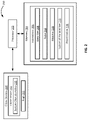
- FIG. 2 is a block diagram of another example of a system for implementing bug prioritization determination according to some aspects of the present disclosure.
- FIG. 3 is a flow chart of a process for bug prioritization determination for software on multiple systems according to some aspects of the present disclosure.
- Bug prioritization often relies on users opening error cases for a software application.
- a software engineer then manually searches the software application for bugs to link the open error case to a particular bug.
- searching for bugs requires the software engineer to have knowledge about the error and generate a search query that can generate a match for the bug.
- a bug may impact more users than have opened error cases.
- Software engineers may additionally use customer counts to determine the bug prioritization.
- customers can have varying numbers of installs on devices. For example, two customers may have fifteen installs of a first software application and a third customer may have thousands of installs of a second software application.
- the system can receive data files describing system characteristics, such as diagnostic information, from multiple client devices. Each data file can correspond to one of the multiple client devices. The system can compare each data file to predefined rules to identify one or more matches between the data file and the rules. A match can correspond to a match for an error message, or any other predefined characteristic of the client device. The system can filter the one or more matches to generate a subset of the one or more matches. The subset of matches can include matches of the one or more matches that are associated with metadata tags corresponding to bugs in the client devices.
- the system can then aggregate the subset of matches for the client devices to determine a number of the client devices that are associated with each bug.
- the system can determine a prioritization for addressing the bugs based on the number of the client devices associated with each bug. This bug prioritization determination can allow the system to accurately prioritize bugs that affect a greater number of client devices without excessive time and computational efforts from a software engineer or developer.
- One particular example can involve a system receiving a data file of diagnostic information from four client devices.
- the system can compare each data file to predefined rules and determine each data file includes one match to a rule.
- the system can then filter the matches for rules that correspond to a bug occurring in the client devices into a subset of matches.
- the system can determine the match for three of the four client devices corresponds to a bug.
- the match that does not correspond to a bug can be discarded.
- the system can aggregate the matches for the three client devices and determine that two of the client devices include a first bug and the third client devices includes a second bug. Therefore, the system can determine the first bug to have a higher prioritization than the second bug.
- the client devices 104 a - c can be associated with one or more entities.
- client devices 104 a - b can be associated with a first entity and client device 104 c can be associated with a second entity.
- client devices 104 a - b can be associated with customers of the first entity and client device 104 c can be associated with a customer of the second entity.
- Each of the client devices 104 a - c can execute software.
- System characteristics 106 a - c that each describe system diagnostic information, such as central processing unit (CPU) usage, disk space, and the like, for the corresponding client device of the client devices 104 a -c can be determined over a predefined length of time.
- CPU central processing unit
- the client devices 104 a - c may collect system diagnostic information over a twenty-four hour period. Then, the system characteristics 106 a - c can be compiled into data files 108 a - c (e.g., sosreports) and transmitted by the client devices 104 a - c to the server 110 .
- data files 108 a - c e.g., sosreports
- the server 110 can receive the data files 108 a - c from each client device and compare each of the data files 108 a - c to rules 124 a - b in a rules database 122 of the database 120 .
- the rules 124 a - b may be files, such as Python files, that specify criteria for a particular characteristic.
- a rule may include an indicator that, when present in the data files 108 a - c , corresponds to a particular error code.
- a data file matching the criteria of a rule can indicate that the client device associated with the data file includes or experiences the particular characteristic.
- Each of the data files 108 a - c can be compared to the rules 124 a - b separately from each other.
- the server 110 can identify matches 130 between each of the data files 108 a - c and the rules 124 a - b .
- the server 110 can store the matches 130 in the database 120 .
- Matches identified for each of the client device 104 a - c may be stored separately from each other in the matches 130 .
- the rules 124 a - b may include metadata tags 126 a - b that specify characteristics of the rules 124 a - b .
- metadata tag 126 a can be associated with rule 124 a and metadata tag 126 b can be associated with rule 124 b .
- Rules that correspond to a bug in software executing on a client device can include a bug indicator in the metadata tag for the rule.
- the server 110 can filter the matches 130 to generate a subset of matches 132 .
- a subset of matches may be generated with respect to each of the client devices 104 a - c .
- Each match in the subset of matches can be associated with a metadata tag that includes a bug indicator.
- only matches associated with bugs may be included in the subset of matches 130 .
- any of the matches 130 involving rule 124 a can be included in the subset of matches 132 and any of the matches 130 associated with rule 124 b can be excluded from the subset of matches 132 .
- the server 110 can then aggregate the subset of matches 132 for the client devices 104 a - c to determine a number of the client devices 104 a - c associated with each bug.
- the server 110 may perform statistical analysis on the subset of matches 132 to determine the number of the client devices 104 a - c associated with each bug.
- the server 110 may determine client device and bug associations 117 .
- the client device and bug associations 117 may indicate client device 104 a is associated with the bug indicated by bug indicator 128 .
- the server 110 can determine a prioritization 119 for addressing the bugs based on the client device and bug associations 117 determined from the subset of matches 132 . For example, a bug associated with a higher number of client devices may be assigned a higher prioritization in the prioritization 119 than a bug associated with a fewer number of client devices. As one particular example, client devices 104 a - b can be associated with a first bug and client device 104 c can be associated with a second bug. These associations can be indicated in the client device and bug associations 117 . As a result, the server 110 can assign the first bug a higher priority in the prioritization 119 than the second bug.
- error cases may be open for various client devices. These error cases may be opened by users of the client devices 104 a - c and may be stored in an error case database 140 .
- An error case can indicate an issue that occurred during execution of software on a client device. Error cases may be used by software developers to determine an order for addressing bugs. For example, a bug associated with a higher number of error cases may be determined to have a higher priority than a bug associated with a lower number of error cases. However, for an accurate prioritization to be determined, the error cases should be accurately associated with bugs. To do this, the server 110 can determine an open error case associated with a client device is not associated with a bug.
- the server 110 can receive a request 152 for the number of client devices associated with each bug.
- a software developer 101 may generate the request 152 at the developer device 150 .
- the server 110 can then output the client device and bug associations 117 indicating the number of client devices associated with each bug to the developer device 150 . Additionally, the server 110 can output the prioritization 119 to the developer device 150 .
- the software developer 101 can determine which bugs impact a greater number of client devices and thus are to be addressed first.
- FIG. 1 is illustrative and non-limiting. Other examples may include more components, fewer components, different components, or a different arrangement of the components shown in FIG. 1 .
- the system 100 includes three client devices and one database in the example of FIG. 1 , the system 100 may include a larger number of client devices and databases in other examples.
- Other examples may include a separate database for each of the rules database, match database, and error case database.
- FIG. 2 is a block diagram of another example of a system 200 for implementing bug prioritization determination according to some aspects of the present disclosure.
- the system 200 includes a processor 202 .
- the processor 202 may be part of a server, such as the server 110 in FIG. 1 .
- the processor 202 is communicatively coupled with a memory 204 .
- the processor 202 can include one processor or multiple processors.
- Non-limiting examples of the processor 202 include a Field-Programmable Gate Array (FPGA), an application-specific integrated circuit (ASIC), a microprocessor, etc.
- the processor 202 can execute instructions 206 stored in the memory 204 to perform operations.
- the instructions 206 can include processor-specific instructions generated by a compiler or an interpreter from code written in any suitable computer-programming language, such as C, C++, C#, etc.
- the memory 204 can include one memory or multiple memories. Non-limiting examples of the memory 204 can include electrically erasable and programmable read-only memory (EEPROM), flash memory, or any other type of non-volatile memory. At least some of the memory 204 includes a non-transitory computer-readable medium from which the processor 202 can read the instructions 206 .
- the non-transitory computer-readable medium can include electronic, optical, magnetic, or other storage devices capable of providing the processor 202 with computer-readable instructions or other program code. Examples of the non-transitory computer-readable medium can include magnetic disks, memory chips, ROM, random-access memory (RAM), an ASIC, optical storage, or any other medium from which a computer processor can read the instructions 206 .
- the processor 202 can execute the instructions 206 to perform operations.
- the processor 202 can receive a plurality of data files 208 that each describe system characteristics 210 for a client device 212 of a plurality of client devices 214 .
- the processor 202 can compare each data file of the plurality of data files 208 to a plurality of rules 216 to identify one or more matches 218 between the data file and the plurality of rules 216 .
- the processor 202 can filter the one or more matches 218 to generate a subset of the one or more matches 220 that are associated with metadata tags corresponding to one or more bugs 222 in the plurality of client devices 214 .
- the processor 202 can aggregate the subset of the one or more matches 220 for the plurality of client devices 214 to determine a number of the plurality of client devices associated with each bug of the one or more bugs 222 .
- the processor 202 can determine a prioritization 226 for addressing the one or more bugs 222 based on the number of the plurality of client devices associated with each bug of the one or more bugs 222 . This may result in a more accurate and efficient prioritization for addressing bugs. Additionally, the prioritization may be determined in a reduced amount of time.
- the processor 202 can receive a plurality of data files 208 .
- Each data file of the plurality of data files 208 can describe system characteristics 210 for a client device 212 of a plurality of client devices 214 .
- the system characteristics 210 can include system diagnostic information for the client device 212 over a predefined period of time, such as twenty-four hours.
- the processor 202 can compare each data file of the plurality of data files 208 to a plurality of rules 216 to identify one or more matches 218 between the data file and the plurality of rules 216 .
- Each rule can specify a pattern in a data file that corresponds to a particular outcome, such as an error message, at a client device.
- the processor 202 can aggregate the subset of the one or more matches 220 for the plurality of client devices 214 to determine a number of the plurality of client devices associated with each bug of the one or more bugs 222 .
- the processor 202 may perform statistical analysis to determine the number of the client devices associated with each bug of the one or more bugs 222 .
- the processor 202 can determine a prioritization 226 for addressing the one or more bugs 222 based on the number of the plurality of client devices associated with each bug of the one or more bugs 222 .
- a bug associated with a higher number of the plurality of client devices 214 may be assigned a higher priority than a bug associated with a fewer number of the plurality of client devices 214 .
- a software developer may then receive the prioritization 226 and address the one or more bugs 222 accordingly.
Landscapes
- Engineering & Computer Science (AREA)
- Theoretical Computer Science (AREA)
- General Engineering & Computer Science (AREA)
- Physics & Mathematics (AREA)
- General Physics & Mathematics (AREA)
- Quality & Reliability (AREA)
- Computer Hardware Design (AREA)
- Software Systems (AREA)
- Computer Vision & Pattern Recognition (AREA)
- Life Sciences & Earth Sciences (AREA)
- Bioinformatics & Cheminformatics (AREA)
- Bioinformatics & Computational Biology (AREA)
- Evolutionary Biology (AREA)
- Probability & Statistics with Applications (AREA)
- Stored Programmes (AREA)
Abstract
A prioritization for bugs in software on multiple systems can be determined. For example, a computing system can receive data files that each describe system characteristics for a client device of multiple client devices. The computing system can compare each data file to a plurality of rules to identify one or more matches between the data file and the plurality of rules. The computing system can filter the matches to generate a subset of the one or more matches that are associated with metadata tags corresponding to bugs in the multiple client devices. The computing system can aggregate the subset of the one or more matches for the multiple client devices to determine a number of the multiple client devices associated with each bug. The computing system can determine a prioritization for addressing the bugs based on the number of the multiple client devices associated with each bug.
Description
The present disclosure relates generally to software development. More specifically, but not by way of limitation, this disclosure relates to prioritizing software bug mitigation for software on multiple systems.
Software bugs are errors or flaws in software applications that produce undesired or unexpected results. To identify these bugs, software developers or engineers may analyze error cases generated by users. A greater number of error cases associated with a bug can indicate more users are affected by the bug. Once identified, the software developers or engineers can attempt to fix the bugs, but fixing the bugs may be time-intensive. Thus, bugs can be prioritized based on their perceived impact to users.
Bug prioritization often relies on users opening error cases for a software application. A software engineer then manually searches the software application for bugs to link the open error case to a particular bug. However, searching for bugs requires the software engineer to have knowledge about the error and generate a search query that can generate a match for the bug. Additionally, a bug may impact more users than have opened error cases. Thus, prioritizing bugs based on error cases may be inaccurate and inefficient. Software engineers may additionally use customer counts to determine the bug prioritization. However, customers can have varying numbers of installs on devices. For example, two customers may have fifteen installs of a first software application and a third customer may have thousands of installs of a second software application. Prioritizing a bug in the first software application because it affects two customers instead of a bug in the second software application would benefit fewer users than prioritizing the bug in the second software application. Because of these reasons, bug prioritization is often time-intensive, inefficient, and inaccurate.
Some examples of the present disclosure can overcome one or more of the abovementioned problems by providing a system that determines a prioritization for addressing bugs at a device-level and without relying on users to open error cases. The system can receive data files describing system characteristics, such as diagnostic information, from multiple client devices. Each data file can correspond to one of the multiple client devices. The system can compare each data file to predefined rules to identify one or more matches between the data file and the rules. A match can correspond to a match for an error message, or any other predefined characteristic of the client device. The system can filter the one or more matches to generate a subset of the one or more matches. The subset of matches can include matches of the one or more matches that are associated with metadata tags corresponding to bugs in the client devices. Therefore, only matches that correspond to a bug are included in the subset of matches. The system can then aggregate the subset of matches for the client devices to determine a number of the client devices that are associated with each bug. The system can determine a prioritization for addressing the bugs based on the number of the client devices associated with each bug. This bug prioritization determination can allow the system to accurately prioritize bugs that affect a greater number of client devices without excessive time and computational efforts from a software engineer or developer.
One particular example can involve a system receiving a data file of diagnostic information from four client devices. The system can compare each data file to predefined rules and determine each data file includes one match to a rule. The system can then filter the matches for rules that correspond to a bug occurring in the client devices into a subset of matches. The system can determine the match for three of the four client devices corresponds to a bug. The match that does not correspond to a bug can be discarded. Then, the system can aggregate the matches for the three client devices and determine that two of the client devices include a first bug and the third client devices includes a second bug. Therefore, the system can determine the first bug to have a higher prioritization than the second bug.
These illustrative examples are given to introduce the reader to the general subject matter discussed here and are not intended to limit the scope of the disclosed concepts. The following sections describe various additional features and examples with reference to the drawings in which like numerals indicate like elements but, like the illustrative examples, should not be used to limit the present disclosure.
In some examples, the client devices 104 a-c can be associated with one or more entities. For example, client devices 104 a-b can be associated with a first entity and client device 104 c can be associated with a second entity. For example, client devices 104 a-b can be associated with customers of the first entity and client device 104 c can be associated with a customer of the second entity. Each of the client devices 104 a-c can execute software. System characteristics 106 a-c that each describe system diagnostic information, such as central processing unit (CPU) usage, disk space, and the like, for the corresponding client device of the client devices 104 a-c can be determined over a predefined length of time. For example, the client devices 104 a-c may collect system diagnostic information over a twenty-four hour period. Then, the system characteristics 106 a-c can be compiled into data files 108 a-c (e.g., sosreports) and transmitted by the client devices 104 a-c to the server 110.
The server 110 can receive the data files 108 a-c from each client device and compare each of the data files 108 a-c to rules 124 a-b in a rules database 122 of the database 120. The rules 124 a-b may be files, such as Python files, that specify criteria for a particular characteristic. For example, a rule may include an indicator that, when present in the data files 108 a-c, corresponds to a particular error code. A data file matching the criteria of a rule can indicate that the client device associated with the data file includes or experiences the particular characteristic. Each of the data files 108 a-c can be compared to the rules 124 a-b separately from each other.
The server 110 can identify matches 130 between each of the data files 108 a-c and the rules 124 a-b. The server 110 can store the matches 130 in the database 120. Matches identified for each of the client device 104 a-c may be stored separately from each other in the matches 130. The rules 124 a-b may include metadata tags 126 a-b that specify characteristics of the rules 124 a-b. For example, metadata tag 126 a can be associated with rule 124 a and metadata tag 126 b can be associated with rule 124 b. Rules that correspond to a bug in software executing on a client device can include a bug indicator in the metadata tag for the rule. For example, metadata tag 126 a can include a bug indicator 128 that specifies a bug associated with rule 124 a. Thus, a data file that matches rule 124 a can be understood to be associated with a client device that includes the bug indicated by the bug indicator 128. As one particular example, the server 110 can compare data file 108 a for client device 104 a with the rules 124 a-b of the rules database 122. The server 110 can determine the data file 108 a matches the rule 124 a. Therefore, it can be understood that the bug associated with the bug indicator 128 is present in the client device 104 a.
The server 110 can filter the matches 130 to generate a subset of matches 132. A subset of matches may be generated with respect to each of the client devices 104 a-c. Each match in the subset of matches can be associated with a metadata tag that includes a bug indicator. Thus, only matches associated with bugs may be included in the subset of matches 130. For example, any of the matches 130 involving rule 124 a can be included in the subset of matches 132 and any of the matches 130 associated with rule 124 b can be excluded from the subset of matches 132.
In some examples, the server 110 can then aggregate the subset of matches 132 for the client devices 104 a-c to determine a number of the client devices 104 a-c associated with each bug. The server 110 may perform statistical analysis on the subset of matches 132 to determine the number of the client devices 104 a-c associated with each bug. As a result, the server 110 may determine client device and bug associations 117. For example, the client device and bug associations 117 may indicate client device 104 a is associated with the bug indicated by bug indicator 128.
The server 110 can determine a prioritization 119 for addressing the bugs based on the client device and bug associations 117 determined from the subset of matches 132. For example, a bug associated with a higher number of client devices may be assigned a higher prioritization in the prioritization 119 than a bug associated with a fewer number of client devices. As one particular example, client devices 104 a-b can be associated with a first bug and client device 104 c can be associated with a second bug. These associations can be indicated in the client device and bug associations 117. As a result, the server 110 can assign the first bug a higher priority in the prioritization 119 than the second bug.
In some examples, error cases may be open for various client devices. These error cases may be opened by users of the client devices 104 a-c and may be stored in an error case database 140. An error case can indicate an issue that occurred during execution of software on a client device. Error cases may be used by software developers to determine an order for addressing bugs. For example, a bug associated with a higher number of error cases may be determined to have a higher priority than a bug associated with a lower number of error cases. However, for an accurate prioritization to be determined, the error cases should be accurately associated with bugs. To do this, the server 110 can determine an open error case associated with a client device is not associated with a bug. For example, the server 110 can determine an open error case for client device 104 a is not associated with a bug. Based on aggregating the subset of matches 132, the server 110 can determine the bug is present in the client device 104 a. As a result, the server 110 can associate the open error case for the client device 104 a with the bug. This may reduce manual computation needed by a software developer to analyze an error case and determine which bug is occurring for the client device.
A number of open error cases may not reflect the number of client devices impacted by a bug. For example, an error case may be opened for client device 104 a and not for client device 104 b, even if both client devices 104 a-b include the bug. Thus, the number of open error cases cannot be relied upon for determining the prioritization 119. For example, the error case database 140 may indicate a first bug is associated with a number of cases that is less than a number of cases for a second bug. The server 110 can then determine, based on the subset of matches 132, that a greater number of client devices include the first bug than the second bug. In response, the server 110 can assign a higher priority to the first bug than the second bug. As one particular example, the server 110 can determine, based on the error case database 140, that the first bug is associated with zero open error cases and the second bug is associated with one open error case for client device 104 c. However, the server 110 can determine, from the subset of matches 132, that two client devices, client devices 104 a-b, include the first bug and one client device, client device 104 c, includes the second bug. In response, the server 110 can assign a higher priority to the first bug than the second bug.
The number of open error cases may reflect the number of client devices impacted by a bug. For example, the error case database 140 may indicate the first bug is associated with a number of cases that is less than a number of cases for the second bug. The server 110 can then determine, based on the subset of matches 132, that a fewer number of client devices include the first bug than the second bug. In response, the server 110 can assign a higher priority to the second bug than the first bug. As one particular example, the server 110 can determine, based on the error case database 140, that the first bug is associated with zero open error cases and the second bug is associated with one open error case for client device 104 c. The server 110 can also determine, from the subset of matches 132, that zero client devices include the first bug and one client device, client device 104 c, includes the second bug. In response, the server 110 can assign a higher priority to the second bug than the first bug.
The server 110 can receive a request 152 for the number of client devices associated with each bug. A software developer 101 may generate the request 152 at the developer device 150. The server 110 can then output the client device and bug associations 117 indicating the number of client devices associated with each bug to the developer device 150. Additionally, the server 110 can output the prioritization 119 to the developer device 150. As a result, the software developer 101 can determine which bugs impact a greater number of client devices and thus are to be addressed first.
In this example, the processor 202 is communicatively coupled with a memory 204. The processor 202 can include one processor or multiple processors. Non-limiting examples of the processor 202 include a Field-Programmable Gate Array (FPGA), an application-specific integrated circuit (ASIC), a microprocessor, etc. The processor 202 can execute instructions 206 stored in the memory 204 to perform operations. The instructions 206 can include processor-specific instructions generated by a compiler or an interpreter from code written in any suitable computer-programming language, such as C, C++, C#, etc.
The memory 204 can include one memory or multiple memories. Non-limiting examples of the memory 204 can include electrically erasable and programmable read-only memory (EEPROM), flash memory, or any other type of non-volatile memory. At least some of the memory 204 includes a non-transitory computer-readable medium from which the processor 202 can read the instructions 206. The non-transitory computer-readable medium can include electronic, optical, magnetic, or other storage devices capable of providing the processor 202 with computer-readable instructions or other program code. Examples of the non-transitory computer-readable medium can include magnetic disks, memory chips, ROM, random-access memory (RAM), an ASIC, optical storage, or any other medium from which a computer processor can read the instructions 206.
In some examples, the processor 202 can execute the instructions 206 to perform operations. For example, the processor 202 can receive a plurality of data files 208 that each describe system characteristics 210 for a client device 212 of a plurality of client devices 214. The processor 202 can compare each data file of the plurality of data files 208 to a plurality of rules 216 to identify one or more matches 218 between the data file and the plurality of rules 216. The processor 202 can filter the one or more matches 218 to generate a subset of the one or more matches 220 that are associated with metadata tags corresponding to one or more bugs 222 in the plurality of client devices 214. The processor 202 can aggregate the subset of the one or more matches 220 for the plurality of client devices 214 to determine a number of the plurality of client devices associated with each bug of the one or more bugs 222. The processor 202 can determine a prioritization 226 for addressing the one or more bugs 222 based on the number of the plurality of client devices associated with each bug of the one or more bugs 222. This may result in a more accurate and efficient prioritization for addressing bugs. Additionally, the prioritization may be determined in a reduced amount of time.
The processor 202 can implement some or all of the steps shown in FIG. 3 . Other examples can include more steps, fewer steps, different steps, or a different order of the steps than is shown in FIG. 3 . The steps of FIG. 3 are discussed below with reference to the components discussed above in relation to FIG. 2 .
In block 302, the processor 202 can receive a plurality of data files 208. Each data file of the plurality of data files 208 can describe system characteristics 210 for a client device 212 of a plurality of client devices 214. For example, the system characteristics 210 can include system diagnostic information for the client device 212 over a predefined period of time, such as twenty-four hours.
In block 304, the processor 202 can compare each data file of the plurality of data files 208 to a plurality of rules 216 to identify one or more matches 218 between the data file and the plurality of rules 216. Each rule can specify a pattern in a data file that corresponds to a particular outcome, such as an error message, at a client device.
In block 306, the processor 202 can filter the one or more matches 218 to generate a subset of the one or more matches 220 that are associated with metadata tags corresponding to one or more bugs 222 in the plurality of client devices 214. Thus, matches that indicate a client device includes a bug of the one or more bugs 222 can be included in the subset of the one or more matches 220.
In block 308, the processor 202 can aggregate the subset of the one or more matches 220 for the plurality of client devices 214 to determine a number of the plurality of client devices associated with each bug of the one or more bugs 222. The processor 202 may perform statistical analysis to determine the number of the client devices associated with each bug of the one or more bugs 222.
In block 310, the processor 202 can determine a prioritization 226 for addressing the one or more bugs 222 based on the number of the plurality of client devices associated with each bug of the one or more bugs 222. A bug associated with a higher number of the plurality of client devices 214 may be assigned a higher priority than a bug associated with a fewer number of the plurality of client devices 214. A software developer may then receive the prioritization 226 and address the one or more bugs 222 accordingly.
The foregoing description of certain examples, including illustrated examples, has been presented only for the purpose of illustration and description and is not intended to be exhaustive or to limit the disclosure to the precise forms disclosed. Numerous modifications, adaptations, and uses thereof will be apparent to those skilled in the art without departing from the scope of the disclosure. For instance, any examples described herein can be combined with any other examples to yield further examples.
Claims (20)
1. A system comprising:
a processor; and
a memory including instructions that are executable by the processor for causing the processor to:
receive a plurality of data files, wherein each data file of the plurality of data files describes system characteristics for a client device of a plurality of client devices;
compare each data file of the plurality of data files to a plurality of rules to identify one or more matches between the data file and the plurality of rules;
filter the one or more matches to generate a subset of the one or more matches that are associated with one or more rules of the plurality of rules having metadata tags indicating one or more bugs in the plurality of client devices;
determine a bug of the one or more bugs is present in the client device based on the subset of the one or more matches;
aggregate the subset of the one or more matches for the plurality of client devices to determine a number of the plurality of client devices associated with each bug of the one or more bugs; and
determine a prioritization for addressing the one or more bugs based on the number of the plurality of client devices associated with each bug of the one or more bugs.
2. The system of claim 1 , wherein the memory further includes instructions that are executable by the processor for causing the processor to:
determine an open error case associated with the client device of the plurality of client devices is not associated with the bug of the one or more bugs;
and
associate the open error case for the client device with the bug.
3. The system of claim 1 , wherein the memory further includes instructions that are executable by the processor for causing the processor to:
determine a first bug of the one or more bugs is associated with fewer open error cases than a second bug of the one or more bugs for the plurality of client devices;
determine a greater number of the plurality of client devices include the first bug than the second bug based on the subset of the one or more matches; and
in response to determining the greater number of the plurality of client devices include the first bug, assign a higher priority to the first bug than the second bug.
4. The system of claim 1 , wherein the memory further includes instructions that are executable by the processor for causing the processor to:
determine a first bug of the one or more bugs is associated with fewer open error cases than a second bug of the one or more bugs for the plurality of client devices;
determine a fewer number of the plurality of client devices include the first bug than the second bug based on the subset of the one or more matches; and
in response to determining the fewer number of the plurality of client devices include the first bug, assign a higher priority to the second bug than the first bug.
5. The system of claim 1 , wherein the memory further includes instructions that are executable by the processor for causing the processor to:
receive a request for the number of the plurality of client devices associated with each bug of the one or more bugs; and
output the number of the plurality of client devices associated with each bug of the one or more bugs and the prioritization for addressing the one or more bugs.
6. The system of claim 1 , wherein the memory includes instructions that are executable by the processor for causing the processor to determine the number of the plurality of client devices associated with each bug of the one or more bugs by performing statistical analysis on the subset of the one or more matches.
7. The system of claim 1 , wherein the system characteristics comprise system diagnostic information for the client device over a predefined length of time.
8. A computer-implemented method comprising:
receiving a plurality of data files, wherein each data file of the plurality of data files describes system characteristics for a client device of a plurality of client devices;
comparing each data file of the plurality of data files to a plurality of rules to identify one or more matches between the data file and the plurality of rules;
filtering the one or more matches to generate a subset of the one or more matches that are associated with one or more rules of the plurality of rules having metadata tags indicating one or more bugs in the plurality of client devices;
determining a bug of the one or more bugs is present in the client device based on the subset of the one or more matches;
aggregating the subset of the one or more matches for the plurality of client devices to determine a number of the plurality of client devices associated with each bug of the one or more bugs; and
determining a prioritization for addressing the one or more bugs based on the number of the plurality of client devices associated with each bug of the one or more bugs.
9. The computer-implemented method of claim 8 , further comprising:
determining an open error case associated with the client device of the plurality of client devices is not associated with the bug of the one or more bugs;
and associating the open error case for the client device with the bug.
10. The computer-implemented method of claim 8 , further comprising:
determining a first bug of the one or more bugs is associated with fewer open error cases than a second bug of the one or more bugs for the plurality of client devices;
determining a greater number of the plurality of client devices include the first bug than the second bug based on the subset of the one or more matches; and
in response to determining the greater number of the plurality of client devices include the first bug, assigning a higher priority to the first bug than the second bug.
11. The computer-implemented method of claim 8 , further comprising:
determining a first bug of the one or more bugs is associated with fewer open error cases than a second bug of the one or more bugs for the plurality of client devices;
determining a fewer number of the plurality of client devices include the first bug than the second bug based on the subset of the one or more matches; and
in response to determining the fewer number of the plurality of client devices include the first bug, assigning a higher priority to the second bug than the first bug.
12. The computer-implemented method of claim 8 , further comprising:
receiving a request for the number of the plurality of client devices associated with each bug of the one or more bugs; and
outputting the number of the plurality of client devices associated with each bug of the one or more bugs and the prioritization for addressing the one or more bugs.
13. The computer-implemented method of claim 8 , wherein determining the number of the plurality of client devices associated with each bug of the one or more bugs comprises performing statistical analysis on the subset of the one or more matches.
14. The computer-implemented method of claim 8 , wherein the system characteristics comprise system diagnostic information for the client device over a predefined length of time.
15. A non-transitory computer-readable medium comprising program code that is executable by a processor for causing the processor to:
receive a plurality of data files, wherein each data file of the plurality of data files describes system characteristics for a client device of a plurality of client devices;
compare each data file of the plurality of data files to a plurality of rules to identify one or more matches between the data file and the plurality of rules;
filter the one or more matches to generate a subset of the one or more matches that are associated with one or more rules of the plurality of rules having metadata tags indicating one or more bugs in the plurality of client devices;
determine a bug of the one or more bugs is present in the client device based on the subset of the one or more matches;
aggregate the subset of the one or more matches for the plurality of client devices to determine a number of the plurality of client devices associated with each bug of the one or more bugs; and
determine a prioritization for addressing the one or more bugs based on the number of the plurality of client devices associated with each bug of the one or more bugs.
16. The non-transitory computer-readable medium of claim 15 , further comprising program code that is executable by a processor for causing the processor to:
determine an open error case associated with the client device of the plurality of client devices is not associated with the bug of the one or more bugs;
and
associate the open error case for the client device with the bug.
17. The non-transitory computer-readable medium of claim 15 , further comprising program code that is executable by a processor for causing the processor to:
determine a first bug of the one or more bugs is associated with fewer open error cases than a second bug of the one or more bugs for the plurality of client devices;
determine a greater number of the plurality of client devices include the first bug than the second bug based on the subset of the one or more matches; and
in response to determining the greater number of the plurality of client devices include the first bug, assign a higher priority to the first bug than the second bug.
18. The non-transitory computer-readable medium of claim 15 , further comprising program code that is executable by a processor for causing the processor to:
determine a first bug of the one or more bugs is associated with fewer open error cases than a second bug of the one or more bugs for the plurality of client devices;
determine a fewer number of the plurality of client devices include the first bug than the second bug based on the subset of the one or more matches; and
in response to determining the fewer number of the plurality of client devices include the first bug, assign a higher priority to the second bug than the first bug.
19. The non-transitory computer-readable medium of claim 15 , further comprising program code that is executable by a processor for causing the processor to:
receive a request for the number of the plurality of client devices associated with each bug of the one or more bugs; and
output the number of the plurality of client devices associated with each bug of the one or more bugs and the prioritization for addressing the one or more bugs.
20. The non-transitory computer-readable medium of claim 15 , further comprising program code that is executable by a processor for causing the processor to determine the number of the plurality of client devices associated with each bug of the one or more bugs by performing statistical analysis on the subset of the one or more matches.
Priority Applications (1)
| Application Number | Priority Date | Filing Date | Title |
|---|---|---|---|
| US17/165,437 US11461219B2 (en) | 2021-02-02 | 2021-02-02 | Prioritizing software bug mitigation for software on multiple systems |
Applications Claiming Priority (1)
| Application Number | Priority Date | Filing Date | Title |
|---|---|---|---|
| US17/165,437 US11461219B2 (en) | 2021-02-02 | 2021-02-02 | Prioritizing software bug mitigation for software on multiple systems |
Publications (2)
| Publication Number | Publication Date |
|---|---|
| US20220245050A1 US20220245050A1 (en) | 2022-08-04 |
| US11461219B2 true US11461219B2 (en) | 2022-10-04 |
Family
ID=82612449
Family Applications (1)
| Application Number | Title | Priority Date | Filing Date |
|---|---|---|---|
| US17/165,437 Active US11461219B2 (en) | 2021-02-02 | 2021-02-02 | Prioritizing software bug mitigation for software on multiple systems |
Country Status (1)
| Country | Link |
|---|---|
| US (1) | US11461219B2 (en) |
Citations (20)
| Publication number | Priority date | Publication date | Assignee | Title |
|---|---|---|---|---|
| US5319645A (en) * | 1990-08-07 | 1994-06-07 | Bull Hn Information Systems Italia S.P.A. | Method for debugging and testing the correctness of programs |
| US5630047A (en) * | 1995-09-12 | 1997-05-13 | Lucent Technologies Inc. | Method for software error recovery using consistent global checkpoints |
| US6742141B1 (en) * | 1999-05-10 | 2004-05-25 | Handsfree Networks, Inc. | System for automated problem detection, diagnosis, and resolution in a software driven system |
| US7430670B1 (en) * | 1999-07-29 | 2008-09-30 | Intertrust Technologies Corp. | Software self-defense systems and methods |
| US7779390B1 (en) * | 2000-04-21 | 2010-08-17 | Oracle America, Inc. | Thread-safe remote debugger |
| US7877642B2 (en) * | 2008-10-22 | 2011-01-25 | International Business Machines Corporation | Automatic software fault diagnosis by exploiting application signatures |
| US7996723B2 (en) | 2009-12-22 | 2011-08-09 | Xerox Corporation | Continuous, automated discovery of bugs in released software |
| US8473919B2 (en) * | 2008-01-31 | 2013-06-25 | Ca, Inc. | System and method for repeating program flow for debugging and testing |
| US8910120B2 (en) * | 2010-03-05 | 2014-12-09 | Microsoft Corporation | Software debugging recommendations |
| US20150363197A1 (en) | 2014-06-13 | 2015-12-17 | The Charles Stark Draper Laboratory Inc. | Systems And Methods For Software Analytics |
| US9223679B1 (en) * | 2014-02-25 | 2015-12-29 | Emc Corporation | Lightweight, non-intrusive, and flexible apparatus to obtain system and process state |
| US10108526B2 (en) * | 2012-11-27 | 2018-10-23 | Purdue Research Foundation | Bug localization using version history |
| CN109918100A (en) | 2019-01-25 | 2019-06-21 | 扬州大学 | A repair recommendation method based on repair mode for version defects |
| US10346287B1 (en) * | 2018-06-06 | 2019-07-09 | The United States Of America, As Represented By The Secretary Of The Navy | Detection of degenerate software forms in object oriented code |
| US10467132B1 (en) | 2017-05-16 | 2019-11-05 | Intuit, Inc. | Variability system and analytics for continuous reliability in cloud-based workflows |
| US10528454B1 (en) | 2018-10-23 | 2020-01-07 | Fmr Llc | Intelligent automation of computer software testing log aggregation, analysis, and error remediation |
| US10740216B1 (en) * | 2017-06-26 | 2020-08-11 | Amazon Technologies, Inc. | Automatic bug classification using machine learning |
| US10949338B1 (en) * | 2019-02-07 | 2021-03-16 | Architecture Technology Corporation | Automated software bug discovery and assessment |
| US11194564B1 (en) * | 2019-04-29 | 2021-12-07 | Splunk Inc. | Maintaining compatibility in a multi-component application |
| US11263229B1 (en) * | 2019-10-18 | 2022-03-01 | Splunk Inc. | Efficient detection of alert states within unstructured event data based on evaluation of structured data set |
-
2021
- 2021-02-02 US US17/165,437 patent/US11461219B2/en active Active
Patent Citations (20)
| Publication number | Priority date | Publication date | Assignee | Title |
|---|---|---|---|---|
| US5319645A (en) * | 1990-08-07 | 1994-06-07 | Bull Hn Information Systems Italia S.P.A. | Method for debugging and testing the correctness of programs |
| US5630047A (en) * | 1995-09-12 | 1997-05-13 | Lucent Technologies Inc. | Method for software error recovery using consistent global checkpoints |
| US6742141B1 (en) * | 1999-05-10 | 2004-05-25 | Handsfree Networks, Inc. | System for automated problem detection, diagnosis, and resolution in a software driven system |
| US7430670B1 (en) * | 1999-07-29 | 2008-09-30 | Intertrust Technologies Corp. | Software self-defense systems and methods |
| US7779390B1 (en) * | 2000-04-21 | 2010-08-17 | Oracle America, Inc. | Thread-safe remote debugger |
| US8473919B2 (en) * | 2008-01-31 | 2013-06-25 | Ca, Inc. | System and method for repeating program flow for debugging and testing |
| US7877642B2 (en) * | 2008-10-22 | 2011-01-25 | International Business Machines Corporation | Automatic software fault diagnosis by exploiting application signatures |
| US7996723B2 (en) | 2009-12-22 | 2011-08-09 | Xerox Corporation | Continuous, automated discovery of bugs in released software |
| US8910120B2 (en) * | 2010-03-05 | 2014-12-09 | Microsoft Corporation | Software debugging recommendations |
| US10108526B2 (en) * | 2012-11-27 | 2018-10-23 | Purdue Research Foundation | Bug localization using version history |
| US9223679B1 (en) * | 2014-02-25 | 2015-12-29 | Emc Corporation | Lightweight, non-intrusive, and flexible apparatus to obtain system and process state |
| US20150363197A1 (en) | 2014-06-13 | 2015-12-17 | The Charles Stark Draper Laboratory Inc. | Systems And Methods For Software Analytics |
| US10467132B1 (en) | 2017-05-16 | 2019-11-05 | Intuit, Inc. | Variability system and analytics for continuous reliability in cloud-based workflows |
| US10740216B1 (en) * | 2017-06-26 | 2020-08-11 | Amazon Technologies, Inc. | Automatic bug classification using machine learning |
| US10346287B1 (en) * | 2018-06-06 | 2019-07-09 | The United States Of America, As Represented By The Secretary Of The Navy | Detection of degenerate software forms in object oriented code |
| US10528454B1 (en) | 2018-10-23 | 2020-01-07 | Fmr Llc | Intelligent automation of computer software testing log aggregation, analysis, and error remediation |
| CN109918100A (en) | 2019-01-25 | 2019-06-21 | 扬州大学 | A repair recommendation method based on repair mode for version defects |
| US10949338B1 (en) * | 2019-02-07 | 2021-03-16 | Architecture Technology Corporation | Automated software bug discovery and assessment |
| US11194564B1 (en) * | 2019-04-29 | 2021-12-07 | Splunk Inc. | Maintaining compatibility in a multi-component application |
| US11263229B1 (en) * | 2019-10-18 | 2022-03-01 | Splunk Inc. | Efficient detection of alert states within unstructured event data based on evaluation of structured data set |
Non-Patent Citations (8)
Also Published As
| Publication number | Publication date |
|---|---|
| US20220245050A1 (en) | 2022-08-04 |
Similar Documents
| Publication | Publication Date | Title |
|---|---|---|
| US20250021884A1 (en) | Machine learning service | |
| CN112889042B (en) | Identification and application of hyperparameters in machine learning | |
| CN113626241B (en) | Abnormality processing method, device, equipment and storage medium for application program | |
| US10678678B1 (en) | Ordered test execution based on test coverage | |
| US11422917B2 (en) | Deriving software application dependency trees for white-box testing | |
| US10216622B2 (en) | Diagnostic analysis and symptom matching | |
| US10705810B2 (en) | Automatic code generation | |
| CN109783346B (en) | Keyword-driven automatic testing method and device and terminal equipment | |
| US20230132033A1 (en) | Automatically generating, revising, and/or executing troubleshooting guide(s) | |
| US20250328791A1 (en) | Constructing a statistical model and evaluating model performance | |
| CN110674360B (en) | Tracing method and system for data | |
| US12430446B1 (en) | Software composition analysis (SCA) to identify AI-generated code that is copied code from third-party libraries | |
| US20180373527A1 (en) | Weighting static analysis alerts | |
| CN111045916A (en) | Automated software defect verification | |
| US11222282B2 (en) | Sourcing a new machine-learning project by reusing artifacts from reference machine learning projects | |
| US20250190575A1 (en) | Assessing sbom accuracy and completeness | |
| US12189695B2 (en) | Random sampling from a search engine | |
| US9064042B2 (en) | Instrumenting computer program code by merging template and target code methods | |
| US11461219B2 (en) | Prioritizing software bug mitigation for software on multiple systems | |
| CN114186605A (en) | Minority sample processing method, device, equipment and storage medium | |
| US11461414B2 (en) | Automatically building a searchable database of software features for software projects | |
| CN119252010A (en) | An automatic early warning method and system for remote sensing monitoring of geological disasters | |
| US11288166B2 (en) | Determining a recommended software-stack for a target software item | |
| US20220229766A1 (en) | Development of applications using telemetry data and performance testing | |
| CN112732681A (en) | Data platform migration method and system |
Legal Events
| Date | Code | Title | Description |
|---|---|---|---|
| AS | Assignment |
Owner name: RED HAT, INC., NORTH CAROLINA Free format text: ASSIGNMENT OF ASSIGNORS INTEREST;ASSIGNORS:HUGHES, SHANNON;HAMRICK, BRIAN MICHAEL;REEL/FRAME:055996/0047 Effective date: 20210126 |
|
| FEPP | Fee payment procedure |
Free format text: ENTITY STATUS SET TO UNDISCOUNTED (ORIGINAL EVENT CODE: BIG.); ENTITY STATUS OF PATENT OWNER: LARGE ENTITY |
|
| STCF | Information on status: patent grant |
Free format text: PATENTED CASE |