US11382973B2 - Adjuvant composition and use thereof - Google Patents
Adjuvant composition and use thereof Download PDFInfo
- Publication number
- US11382973B2 US11382973B2 US16/305,630 US201716305630A US11382973B2 US 11382973 B2 US11382973 B2 US 11382973B2 US 201716305630 A US201716305630 A US 201716305630A US 11382973 B2 US11382973 B2 US 11382973B2
- Authority
- US
- United States
- Prior art keywords
- granzyme
- cells
- antigen
- immunogenic substance
- composition
- Prior art date
- Legal status (The legal status is an assumption and is not a legal conclusion. Google has not performed a legal analysis and makes no representation as to the accuracy of the status listed.)
- Active, expires
Links
Images



Classifications
-
- C—CHEMISTRY; METALLURGY
- C07—ORGANIC CHEMISTRY
- C07K—PEPTIDES
- C07K14/00—Peptides having more than 20 amino acids; Gastrins; Somatostatins; Melanotropins; Derivatives thereof
- C07K14/435—Peptides having more than 20 amino acids; Gastrins; Somatostatins; Melanotropins; Derivatives thereof from animals; from humans
- C07K14/46—Peptides having more than 20 amino acids; Gastrins; Somatostatins; Melanotropins; Derivatives thereof from animals; from humans from vertebrates
- C07K14/47—Peptides having more than 20 amino acids; Gastrins; Somatostatins; Melanotropins; Derivatives thereof from animals; from humans from vertebrates from mammals
- C07K14/4701—Peptides having more than 20 amino acids; Gastrins; Somatostatins; Melanotropins; Derivatives thereof from animals; from humans from vertebrates from mammals not used
- C07K14/4748—Tumour specific antigens; Tumour rejection antigen precursors [TRAP], e.g. MAGE
-
- A—HUMAN NECESSITIES
- A61—MEDICAL OR VETERINARY SCIENCE; HYGIENE
- A61K—PREPARATIONS FOR MEDICAL, DENTAL OR TOILETRY PURPOSES
- A61K39/00—Medicinal preparations containing antigens or antibodies
- A61K39/0005—Vertebrate antigens
- A61K39/0011—Cancer antigens
-
- A—HUMAN NECESSITIES
- A61—MEDICAL OR VETERINARY SCIENCE; HYGIENE
- A61K—PREPARATIONS FOR MEDICAL, DENTAL OR TOILETRY PURPOSES
- A61K39/00—Medicinal preparations containing antigens or antibodies
- A61K39/39—Medicinal preparations containing antigens or antibodies characterised by the immunostimulating additives, e.g. chemical adjuvants
-
- A—HUMAN NECESSITIES
- A61—MEDICAL OR VETERINARY SCIENCE; HYGIENE
- A61K—PREPARATIONS FOR MEDICAL, DENTAL OR TOILETRY PURPOSES
- A61K40/00—Cellular immunotherapy
- A61K40/10—Cellular immunotherapy characterised by the cell type used
-
- A—HUMAN NECESSITIES
- A61—MEDICAL OR VETERINARY SCIENCE; HYGIENE
- A61K—PREPARATIONS FOR MEDICAL, DENTAL OR TOILETRY PURPOSES
- A61K40/00—Cellular immunotherapy
- A61K40/40—Cellular immunotherapy characterised by antigens that are targeted or presented by cells of the immune system
- A61K40/41—Vertebrate antigens
- A61K40/42—Cancer antigens
-
- A—HUMAN NECESSITIES
- A61—MEDICAL OR VETERINARY SCIENCE; HYGIENE
- A61P—SPECIFIC THERAPEUTIC ACTIVITY OF CHEMICAL COMPOUNDS OR MEDICINAL PREPARATIONS
- A61P35/00—Antineoplastic agents
-
- A—HUMAN NECESSITIES
- A61—MEDICAL OR VETERINARY SCIENCE; HYGIENE
- A61P—SPECIFIC THERAPEUTIC ACTIVITY OF CHEMICAL COMPOUNDS OR MEDICINAL PREPARATIONS
- A61P37/00—Drugs for immunological or allergic disorders
- A61P37/02—Immunomodulators
- A61P37/04—Immunostimulants
-
- A—HUMAN NECESSITIES
- A61—MEDICAL OR VETERINARY SCIENCE; HYGIENE
- A61P—SPECIFIC THERAPEUTIC ACTIVITY OF CHEMICAL COMPOUNDS OR MEDICINAL PREPARATIONS
- A61P43/00—Drugs for specific purposes, not provided for in groups A61P1/00-A61P41/00
-
- C—CHEMISTRY; METALLURGY
- C12—BIOCHEMISTRY; BEER; SPIRITS; WINE; VINEGAR; MICROBIOLOGY; ENZYMOLOGY; MUTATION OR GENETIC ENGINEERING
- C12N—MICROORGANISMS OR ENZYMES; COMPOSITIONS THEREOF; PROPAGATING, PRESERVING, OR MAINTAINING MICROORGANISMS; MUTATION OR GENETIC ENGINEERING; CULTURE MEDIA
- C12N15/00—Mutation or genetic engineering; DNA or RNA concerning genetic engineering, vectors, e.g. plasmids, or their isolation, preparation or purification; Use of hosts therefor
- C12N15/09—Recombinant DNA-technology
- C12N15/63—Introduction of foreign genetic material using vectors; Vectors; Use of hosts therefor; Regulation of expression
- C12N15/79—Vectors or expression systems specially adapted for eukaryotic hosts
- C12N15/85—Vectors or expression systems specially adapted for eukaryotic hosts for animal cells
-
- C—CHEMISTRY; METALLURGY
- C12—BIOCHEMISTRY; BEER; SPIRITS; WINE; VINEGAR; MICROBIOLOGY; ENZYMOLOGY; MUTATION OR GENETIC ENGINEERING
- C12N—MICROORGANISMS OR ENZYMES; COMPOSITIONS THEREOF; PROPAGATING, PRESERVING, OR MAINTAINING MICROORGANISMS; MUTATION OR GENETIC ENGINEERING; CULTURE MEDIA
- C12N9/00—Enzymes; Proenzymes; Compositions thereof; Processes for preparing, activating, inhibiting, separating or purifying enzymes
- C12N9/14—Hydrolases (3)
- C12N9/48—Hydrolases (3) acting on peptide bonds (3.4)
- C12N9/50—Proteinases, e.g. Endopeptidases (3.4.21-3.4.25)
- C12N9/64—Proteinases, e.g. Endopeptidases (3.4.21-3.4.25) derived from animal tissue
-
- C—CHEMISTRY; METALLURGY
- C12—BIOCHEMISTRY; BEER; SPIRITS; WINE; VINEGAR; MICROBIOLOGY; ENZYMOLOGY; MUTATION OR GENETIC ENGINEERING
- C12N—MICROORGANISMS OR ENZYMES; COMPOSITIONS THEREOF; PROPAGATING, PRESERVING, OR MAINTAINING MICROORGANISMS; MUTATION OR GENETIC ENGINEERING; CULTURE MEDIA
- C12N9/00—Enzymes; Proenzymes; Compositions thereof; Processes for preparing, activating, inhibiting, separating or purifying enzymes
- C12N9/14—Hydrolases (3)
- C12N9/48—Hydrolases (3) acting on peptide bonds (3.4)
- C12N9/50—Proteinases, e.g. Endopeptidases (3.4.21-3.4.25)
- C12N9/64—Proteinases, e.g. Endopeptidases (3.4.21-3.4.25) derived from animal tissue
- C12N9/6421—Proteinases, e.g. Endopeptidases (3.4.21-3.4.25) derived from animal tissue from mammals
- C12N9/6424—Serine endopeptidases (3.4.21)
- C12N9/6467—Granzymes, e.g. granzyme A (3.4.21.78); granzyme B (3.4.21.79)
-
- C—CHEMISTRY; METALLURGY
- C12—BIOCHEMISTRY; BEER; SPIRITS; WINE; VINEGAR; MICROBIOLOGY; ENZYMOLOGY; MUTATION OR GENETIC ENGINEERING
- C12Y—ENZYMES
- C12Y304/00—Hydrolases acting on peptide bonds, i.e. peptidases (3.4)
- C12Y304/21—Serine endopeptidases (3.4.21)
- C12Y304/21078—Granzyme A (3.4.21.78)
-
- A—HUMAN NECESSITIES
- A61—MEDICAL OR VETERINARY SCIENCE; HYGIENE
- A61K—PREPARATIONS FOR MEDICAL, DENTAL OR TOILETRY PURPOSES
- A61K39/00—Medicinal preparations containing antigens or antibodies
- A61K2039/555—Medicinal preparations containing antigens or antibodies characterised by a specific combination antigen/adjuvant
- A61K2039/55505—Inorganic adjuvants
-
- A—HUMAN NECESSITIES
- A61—MEDICAL OR VETERINARY SCIENCE; HYGIENE
- A61K—PREPARATIONS FOR MEDICAL, DENTAL OR TOILETRY PURPOSES
- A61K39/00—Medicinal preparations containing antigens or antibodies
- A61K2039/555—Medicinal preparations containing antigens or antibodies characterised by a specific combination antigen/adjuvant
- A61K2039/55511—Organic adjuvants
- A61K2039/55516—Proteins; Peptides
-
- A—HUMAN NECESSITIES
- A61—MEDICAL OR VETERINARY SCIENCE; HYGIENE
- A61K—PREPARATIONS FOR MEDICAL, DENTAL OR TOILETRY PURPOSES
- A61K39/00—Medicinal preparations containing antigens or antibodies
- A61K2039/555—Medicinal preparations containing antigens or antibodies characterised by a specific combination antigen/adjuvant
- A61K2039/55511—Organic adjuvants
- A61K2039/55572—Lipopolysaccharides; Lipid A; Monophosphoryl lipid A
-
- A—HUMAN NECESSITIES
- A61—MEDICAL OR VETERINARY SCIENCE; HYGIENE
- A61K—PREPARATIONS FOR MEDICAL, DENTAL OR TOILETRY PURPOSES
- A61K39/00—Medicinal preparations containing antigens or antibodies
- A61K2039/58—Medicinal preparations containing antigens or antibodies raising an immune response against a target which is not the antigen used for immunisation
- A61K2039/585—Medicinal preparations containing antigens or antibodies raising an immune response against a target which is not the antigen used for immunisation wherein the target is cancer
-
- A—HUMAN NECESSITIES
- A61—MEDICAL OR VETERINARY SCIENCE; HYGIENE
- A61K—PREPARATIONS FOR MEDICAL, DENTAL OR TOILETRY PURPOSES
- A61K2239/00—Indexing codes associated with cellular immunotherapy of group A61K40/00
- A61K2239/31—Indexing codes associated with cellular immunotherapy of group A61K40/00 characterized by the route of administration
-
- A—HUMAN NECESSITIES
- A61—MEDICAL OR VETERINARY SCIENCE; HYGIENE
- A61K—PREPARATIONS FOR MEDICAL, DENTAL OR TOILETRY PURPOSES
- A61K2239/00—Indexing codes associated with cellular immunotherapy of group A61K40/00
- A61K2239/38—Indexing codes associated with cellular immunotherapy of group A61K40/00 characterised by the dose, timing or administration schedule
-
- A—HUMAN NECESSITIES
- A61—MEDICAL OR VETERINARY SCIENCE; HYGIENE
- A61K—PREPARATIONS FOR MEDICAL, DENTAL OR TOILETRY PURPOSES
- A61K2239/00—Indexing codes associated with cellular immunotherapy of group A61K40/00
- A61K2239/46—Indexing codes associated with cellular immunotherapy of group A61K40/00 characterised by the cancer treated
- A61K2239/57—Skin; melanoma
-
- C—CHEMISTRY; METALLURGY
- C07—ORGANIC CHEMISTRY
- C07K—PEPTIDES
- C07K2319/00—Fusion polypeptide
- C07K2319/40—Fusion polypeptide containing a tag for immunodetection, or an epitope for immunisation
Definitions
- the present invention relates to an adjuvant that can cause immune activation, particularly T cell immune activation.
- the present invention particularly relates to an adjuvant that can cause antigen-specific immune activation, particularly T cell immune activation.
- the adjuvant is a word that is derived from “adjuvare”, a Latin word meaning assistance, and refers to a substance that modifies the endogenous immunogenicity of antigens upon vaccination.
- Non-Patent Literature 1 Aluminum salts (alum) such as aluminum chloride, aluminum hydroxide, and aluminum phosphate have been employed as the adjuvant and incomplete Freund's adjuvant (IFA) has been used for cancer vaccine, but the effect of these adjuvants is still not enough for inducing antigen-specific immune activation. Moreover, the mechanism of actions of these adjuvants is unclear and the problem of side effect has begun to be pointed out (Non-Patent Literature 1).
- alum aluminum salts
- IFA incomplete Freund's adjuvant
- Granzyme A is a protein having the serine protease activity and was found from cytotoxic T lymphocytes (Non Patent Literature 2). The induction of apoptosis has been reported to be a function of Granzyme A (Non Patent Literature 3).
- the present invention provides an adjuvant that can cause immune activation, particularly T cell immune activation.
- the present invention particularly provides an adjuvant that can cause antigen-specific immune activation, particularly T cell immune activation.
- the present invention provides an adjuvant that can cause immune activation, particularly T cell immune activation.
- the present invention particularly provides an adjuvant that can cause antigen-specific immune activation, particularly T cell immune activation.
- the present inventors have revealed that Granzyme A activates immunity independently of the serine protease activity.
- the present inventors have also revealed that antigen-specific immune activation occurs in this immune activation.
- the present inventors have further revealed that Granzyme A causes antigen-specific T cell induction, maturation of dendritic cells (for example, maturation of CD8-positive dendritic cells and/or CD8-negative dendritic cells), and the production of interferon ⁇ .
- the present invention is an invention based on such findings.
- the present invention provides the following inventions.
- An adjuvant composition comprising Granzyme A or a protein having an amino acid sequence having an 80% or more homology with Granzyme A.
- a composition for use in activating antigen-specific immunity comprising an effective amount as an adjuvant of Granzyme A or a protein having an 80% or more amino acid homology with Granzyme A, and an immunogenic substance.
- composition for use in activating antigen-specific immunity according to the aforementioned (6), wherein the effective amount as an adjuvant of Granzyme A or protein having an 80% or more amino acid homology with Granzyme A is comprised in the form of a conjugate with the immunogenic substance.
- composition for use in activating antigen-specific immunity according to the aforementioned (6) or (7), wherein the immunogenic substance is a polypeptide and the effective amount as an adjuvant of Granzyme A or a protein having an 80% or more amino acid homology with Granzyme A is comprised in the form of a fusion protein with the immunogenic substance.
- composition for use in activating antigen-specific immunity according to any one of the aforementioned (6) to (8), wherein the immunogenic substance is a tumor antigen.
- composition for use in activating antigen-specific immunity according to any one of the aforementioned (6) to (9), for use as a vaccine.
- composition for use in activating immunity comprising a vector comprising a nucleic acid encoding Granzyme A or a protein having an 80% or more amino acid homology with Granzyme A.
- compositions for use in activating immunity to the peptidic immunogenic substance wherein the combination according to the aforementioned (12) is comprised in one vector, or in two or more vectors wherein the nucleic acids are comprised separately.
- composition for use in activating antigen-specific immunity comprising the cell according to the aforementioned (14) or (16) as an active ingredient.
- composition for use in activating antigen-specific immunity comprising the combination according to the aforementioned (18).
- FIG. 1 illustrates that cells expressing an antigen and Granzyme A induce antigen-specific T cells.
- the antigen is ovalbumin.
- Granzyme A may be abbreviated to grmA, and this is the same in the following figures.
- FIG. 2 illustrates that the antigen-specific T cell induction is caused more strongly by Granzyme A than by other Granzymes (see FIG. 2A ).
- FIG. 2 also illustrates that the serine protease activity of the Granzyme is hardly involved in the antigen-specific T cell induction by Granzyme A (see FIG. 2B ).
- S184A gzmA in the figure is a mutant in which the serine protease activity of Granzyme A is substantially lost.
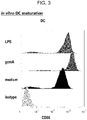
- FIG. 3 illustrates that Granzyme A has an effect that matures dendritic cells as strong as or stronger than lipopolysaccharide (hereinafter, also referred to as the “LPS”) does.
- DC in the figure means dendritic cells.
- CD86 in the figure is a marker for matured dendritic cells.
- FIG. 4 illustrates that Granzyme A matures CD 8 positive dendritic cells and CD 8 negative dendritic cells as strong as or stronger than lipopolysaccharide (hereinafter, also referred to as the “LPS”) does.
- LPS lipopolysaccharide
- FIG. 5 illustrates that administration of an antigen and Granzyme A to mice induces antigen-specific T cells (see FIG. 5A ).
- FIG. 5 also illustrates that administration of an antigen and Granzyme A to mice results in the production of interferon 7 (see FIG. 5B ).
- pep in the figure means OVA.
- FIG. 6 illustrates that Granzyme A can suppress a cancer in an antigen-specific manner in mice.
- FIG. 7 illustrates that the amount of production of antigen-specific IgG2 antibody is increased in the mice to which an antigen and Granzyme A have been administered while the amount of production of antigen-specific IgG1 antibody is increased in the mice to which an antigen and aluminum hydroxide (Alum) have been administered.
- Alum aluminum hydroxide
- the “adjuvant composition” means a composition to be used as adjuvant.
- the adjuvant composition when the adjuvant composition is administered in combination with an immunogenic substance simultaneously or separately, the adjuvant composition can activate immunity to the immunogenic substance.
- the adjuvant composition may be referred to as the immune activation agent, the immunoenhancer, or the composition for use in activating immunity.
- the adjuvant composition may be used for various purposes, such as for use in inducing antigen-specific T cells, in particular, for use in inducing antigen-specific CD8 single positive cells, and for use in maturing dendritic cells (for example, CD8-positive dendritic cells and CD8-negative dendritic cells).
- CD8 single positive cells means T cells that are positive for CD8 and negative for CD4 and examples thereof include cytotoxic T lymphocytes (CTL).
- the “immunogenic substance” means a substance having immunogenicity in general.
- the immunogenic substance include substances that serve as an exogenous antigen in the subject to which the substance is administered (for example, toxoids such as bacterial toxoids, viruses, virus-like particles (VLPs), protein complexes, proteins, polypeptides, liposome, antigen-presenting cells, cells presenting an antigen peptide of interest, and immune-stimulating complexes and fragments thereof) and substances that serve as an endogenous antigen in the subject to which the substance is administered (for example, tumor antigens such as MART-1/Melan-A, Mage-1, Mage-3, gp100, tyrosinase, CEA, PSA, CA-125, erb-2, Muc-1, Muc-2, TAG-72, AES, FBP, C-lectin, NY-ESO-1, galectin-4/NY-00-27, Pec60, HER-2/erbB-2/
- nucleic acid means a biopolymer in which nucleotides are linked.
- examples of the nucleic acid include deoxyribonucleic acid (DNA) and ribonucleic acid (RNA).
- the “animal” means an animal having an immune system, in particular, acquired immunity and examples thereof include vertebrates, for example, birds or mammals, for example, mammals, for example, primates, in particular, human.
- the term animal is used in the meaning including human as described above and animals excluding human are described as nonhuman animals.
- administering A and B in combination or similar expressions mean that, as long as A and B are administered in combination, A and B may be administered in mixture or A and B may be administered in separate preparations simultaneously or sequentially.
- Granzyme A is a serine protease produced by cytotoxic T lymphocytes (CTL) and natural killer cells (NK cells) and also referred to as cytotoxic T-lymphocyte-associated serine esterase 3 (CTLA3), cytotoxic T lymphocyte and natural killer cell-specific trypsin-like serine protease, or HANUKAH factor serine protease (HFSP).
- CTL cytotoxic T lymphocytes
- NK cells natural killer cells
- HFSP HANUKAH factor serine protease
- human Granzyme A include a protein encoded by mRNA deposited under NM_006144.3.
- the protein (having the amino acid sequence set forth in SEQ ID NO: 2) encoded by mRNA deposited under NM_006144.3 is produced as Granzyme A precursor having a 26 amino acids of signal peptide at the N-terminus and amino acids at positions 29 to 254 in SEQ ID NO: 2 serve as a matured Granzyme A.
- the amino acid sequence of the matured human Granzyme A may be, for example, that set forth in SEQ ID NO: 3.
- Granzyme A has been shown to activate antigen-specific immunity. Consequently, according to the present invention, an immune activation agent or a composition for use in activating immunity including Granzyme A is provided.
- the immune activation was antigen-specific. Consequently, according to the present invention, an antigen-specific immune activation agent or a composition for use in activating antigen-specific immunity including Granzyme A is provided.
- the immune activation agent or the composition for use in activating immunity according to the present invention may be administered to a subject in combination with an immunogenic substance as an antigen or a composition including the substance. Consequently, in a certain embodiment, the immune activation agent or the composition for use in activating immunity according to the present invention may be administered to a subject in combination with an immunogenic substance as an antigen or a composition including the substance.
- Granzyme A induced antigen-specific T cells.
- Granzyme A also induced antigen-specific T cells.
- Granzyme A further caused the maturation of dendritic cells.
- Granzyme A matured CD8-positive dendritic cells and CD8-negative dendritic cells.
- these antigen-specific T cell induction, antigen-specific CD8 single positive cell induction, maturation of dendritic cells, maturation of CD8-positive dendritic cells, and maturation of CD8-negative dendritic cells were induced in vivo.
- an antigen-specific T cell inducer and a composition for use in inducing antigen-specific T cells, including Granzyme A; a composition for use in inducing antigen-specific CD8 single positive cells, including Granzyme A; a composition for use in maturing dendritic cells, including Granzyme A; and a composition for use in maturing CD8-positive dendritic cells and/or maturing CD8-negative dendritic cells, including Granzyme A can be provided and these may be administered, for example, to the living body. Any of these inducer and compositions may be administered to a subject in combination with an immunogenic substance as an antigen or a composition including the substance.
- the aforementioned antigen-specific T cell inducer composition for use in inducing antigen-specific T cells including Granzyme A; composition for use in inducing antigen-specific T cells including Granzyme A; composition for use in maturing dendritic cells, including Granzyme A; and composition for use in maturing CD8-positive dendritic cells and/or maturing CD8-negative dendritic cells including Granzyme A may be an inducer or composition administered to a subject in combination with an immunogenic substance as an antigen or a composition including the substance.
- the serine protease activity was not necessary for the adjuvant effect of Granzyme A. Consequently, in a certain embodiment, Granzyme A whose serine protease activity is lower than a wild type, for example, Granzyme A whose serine protease activity is substantially lost and Granzyme A whose serine protease activity is completely lost may be used instead of Granzyme A.
- Examples of Granzyme A whose serine protease activity is lower than a wild type include Granzyme A in which serine corresponding to an amino acid at position 184 in the amino acid sequence set forth in SEQ ID NO: 3 is substituted with another amino acid (for example, alanine) and such Granzyme A may be used in the present invention.
- Granzyme A whose serine protease activity is lower than a wild type is considered to have an advantage of allowing the reduction of side effects due to the serine protease activity.
- Granzyme A in which serine corresponding to an amino acid at position 184 in the amino acid sequence set forth in SEQ ID NO: 3 is substituted with alanine has substantially no serine protease activity and can preferably be used in the present invention.
- Granzyme A that serves as an active ingredient for the adjuvant effect can be used in the form of cell preparation to be supplied by cells expressing Granzyme A or cells that have incorporated Granzyme A.
- the cells expressing Granzyme A or the cells that have incorporated Granzyme A may be either syngeneic or allogeneic, but, from the viewpoint of allowing to supply Granzyme A without having rejection in the body of the subject to which the cells are administered, the cells are preferably syngeneic.
- Granzyme A cells expressing Granzyme A or cells that have incorporated Granzyme A may be used instead of Granzyme A.
- an immune activation agent or a composition for use in activating immunity including cells expressing Granzyme A or cells that have incorporated Granzyme A is provided.
- an antigen-specific immune activation agent or a composition for use in activating antigen-specific immunity including cells expressing Granzyme A or cells that have incorporated Granzyme A is provided.
- an antigen-specific T cell inducer and a composition for use in inducing antigen-specific T cells, including cells expressing Granzyme A or cells that have incorporated Granzyme A; a composition for use in inducing antigen-specific T cells, including cells expressing Granzyme A or cells that have incorporated Granzyme A; a composition for use in maturing dendritic cells, including cells expressing Granzyme A or cells that have incorporated Granzyme A; a composition for use in maturing CD8-positive dendritic cells and/or maturing CD8-negative dendritic cells, including cells expressing Granzyme A or cells that have incorporated Granzyme A can be provided and these may be administered, for example, to the living body.
- the immunogenic substance may be incorporated by the cells with Granzyme A or may be expressed by the cells.
- Granzyme A may be administered to the subject in combination with an immunogenic substance as an antigen or a composition including the substance or cells having the substance.
- the immune activation agent or the composition for use in activating immunity according to the present invention may be a composition administered to a subject in combination with an immunogenic substance as an antigen or a composition including the substance.
- the immunogenic substance may be administered together with or in separate of the cells.
- the immunogenic substance may be administered in the form of being in the cells or on the cell membrane.
- a protein having an amino acid sequence having an 80% or more, preferably 85% or more, more preferably 90% or more, or further preferably 95% or more sequence homology with the amino acid sequence set forth in SEQ ID NO: 3 (which may be, for example, Granzyme A having an amino acid sequence having an 80% or more, preferably 85% or more, more preferably 90% or more, or further preferably 95% or more sequence homology with the amino acid sequence set forth in SEQ ID NO: 3) may be used instead of Granzyme A.
- the sequence homology may be determined by, for example, the FASTA program described in Pearson and Lipman, PNAS, 85: 2444-2448, 1988 with default parameters.
- a composition for use in activating antigen-specific immunity comprising an immunogenic substance and an effective amount as an adjuvant of Granzyme A or Granzyme A whose serine protease activity is lower than that of a wild type or a protein having an 80% or more amino acid homology therewith is provided.
- Administration of the aforementioned composition according the present invention to the living body may activate immune specific for the immunogenic substance.
- a conjugate of an immunogenic substance and Granzyme A or Granzyme A whose serine protease activity is lower than that of a wild type or a protein having an 80% or more amino acid homology therewith is provided.
- the immunogenic substance and Granzyme A or Granzyme A whose serine protease activity is lower than that of a wild type or protein having an 80% or more amino acid homology therewith may be linked to an immunogenic substance via a linker.
- Such a conjugate is acceptable, unless it inhibits the adjuvant ability of Granzyme A, and may intramolecularly or intermolecularly interact to exhibit the effect as a composition for use in activating antigen-specific immunity.
- the composition for use in activating antigen-specific immunity according to the present invention may comprise an effective amount as an adjuvant of Granzyme A or Granzyme A whose serine protease activity is lower than that of a wild type or protein having an 80% or more amino acid homology therewith in the form of a conjugate with the immunogenic substance.
- the immunogenic substance may conjugate with Granzyme A or Granzyme A whose serine protease activity is lower than a wild type or protein having an 80% or more amino acid homology therewith via a linker.
- the immunogenic substance is a polypeptide and a fusion protein of an effective amount as an adjuvant of Granzyme A or Granzyme A whose serine protease activity is lower than that of a wild type or protein having an 80% or more amino acid homology therewith and the immunogenic substance is provided.
- the immunogenic substance may be conjugated with Granzyme A or Granzyme A whose serine protease activity is lower than that of a wild type or protein having an 80% or more amino acid homology therewith via a linker.
- Such a conjugate may intramolecularly or intermolecularly interact to exhibit the effect as a composition for antigen-specific immune activation unless it inhibits the adjuvant ability of Granzyme A.
- nucleic acid encoding the fusion protein according to the present invention is provided.
- the immunogenic substance in the composition for antigen-specific immune activation according to the present invention is a polypeptide and the adjuvant-effective amount of Granzyme A or Granzyme A whose serine protease activity is lower than that of a wild type or protein having an 80% or more amino acid homology therewith may be comprised in the form of a fusion protein with the immunogenic substance.
- the immunogenic substance is a polypeptide, then it is advantageous in that Granzyme A may be supplied as a fusion peptide. In this case, the fusion may be formed with a peptidic linker.
- Granzyme A and the immunogenic substance may be administered simultaneously or sequentially, in the state in which they are expressed in cells together or separately (the immunogenic substance may be a membrane protein and in such a case, presented on the cell surface or VLP) or taken up by cells.
- the cells may have Granzyme A and the immunogenic substance as a conjugate as described above or may have Granzyme A and a peptidic immunogenic substance as a fusion protein as described above.
- “cells have X” means that the cells may include X or may display X on the cell surface.
- animal cells may be self cells or non-self cells to the subject to which the cells to be administered and the non-self cells may be, for example, allogenic animal cells.
- the kind of the cells is not particularly limited, but may be, for example, somatic cells, dendritic cells, hemocytes, lymphocytes, splenocytes, or the like.
- Methods for expressing a protein such as the Granzyme in cells are well-known to those skilled in the art and examples of the methods that can be used include use of a virus vector, use of an expression plasmid vector, introduction of mRNA, and the like.
- cells may be made take the immunogenic substance up by using splenocytes as cells and incubating the cells under hyperosmotic conditions in the presence of the immunogenic substance and then inducing apoptosis under hypo-osmotic conditions (see, for example, Iyoda et al., J. Exp. Med., 195 (10): 1289-1302).
- the immunogenic substance may be a tumor antigen.
- all adjuvant compositions and compositions for antigen-specific immune activation according to the present invention may be administered to vertebrates, for example, birds or mammals, for example, mammals, for example, primates, in particular, human.
- composition for antigen-specific immune activation according to the present invention may be used as vaccine.
- the composition for antigen-specific immune activation according to the present invention may be used as vaccine such as cancer vaccine and vaccine against infection for the purpose of treatment or prevention.
- vaccine such as cancer vaccine and vaccine against infection for the purpose of treatment or prevention.
- the composition for antigen-specific immune activation according to the present invention is administered to a subject in need thereof, for example, a subject having cancer or infection or a subject diagnosed to have cancer or infection.
- the composition for antigen-specific immune activation according to the present invention is administered to a subject in need thereof, a subject suspected to have cancer or infection or a subject diagnosed to be suspected to have cancer or infection, a subject for which the prevention of recurrence of cancer is desirable or a subject diagnosed to be one for which the prevention of recurrence of cancer is desirable, or a subject desired to be prevented from having infection or a subject diagnosed to be prevented from having infection is desirable.
- a composition for antigen-specific immune activation comprising Granzyme A or Granzyme A whose serine protease activity is lower than that of a wild type or a protein having an 80% or more amino acid homology therewith for use as a vaccine, for example, for use as a vaccine such as a cancer vaccine or a vaccine against an infection
- the immunogenic substance may be a tumor antigen and the tumor antigen may be included in the immunogenic composition in a variety of forms including the form presented on cells or the form presented on VLP.
- the immunogenic substance is preferably a vaccine used for the prevention of infection.
- a combination in particular, an unnatural combination
- a nucleic acid encoding Granzyme A or Granzyme A whose serine protease activity is lower than that of a wild type or a protein having an 80% or more amino acid homology therewith and a nucleic acid encoding a peptidic immunogenic substance is provided.
- the nucleic acid encoding Granzyme A or Granzyme A whose serine protease activity is lower than that of a wild type or protein having an 80% or more amino acid homology therewith and the nucleic acid encoding the peptidic immunogenic substance may be provided on the same nucleic acid or may be provided as separate nucleic acids.
- the nucleic acid encoding Granzyme A or Granzyme A whose serine protease activity is lower than that of a wild type or protein having an 80% or more amino acid homology therewith and the nucleic acid encoding the peptidic immunogenic substance may be provided on the same vector or may be supplied on separate vectors. And when provided on the same vector, the nucleic acids may be linked in frame with or without a linker to be expressed as a fusion protein. And, for example, the nucleic acids are operably linked to the promoter that can drive the expression in the cells and can be incorporated in an expression vector(s) to enable the expression of the proteins from the nucleic acids in the cells. In the present invention, such expression vectors may also be provided.
- nucleic acid encoding Granzyme A or Granzyme A whose serine protease activity is lower than that of a wild type or protein having an 80% or more amino acid homology therewith and the nucleic acid encoding the peptidic immunogenic substance are provided on different expression vectors, the combination of the expression vectors is provided in the present invention.
- animal cells including one or more vectors in which a combination of the nucleic acid encoding Granzyme A or Granzyme A whose serine protease activity is lower than that of a wild type or protein having an 80% or more amino acid homology therewith and the nucleic acid encoding the peptidic immunogenic substance is expressably incorporated are presented. These cells may be syngeneic or allogeneic to a subject to which the cells are administered.
- animal cells comprising a combination of an antigen peptide and Granzyme A or Granzyme A whose serine protease activity is lower than that of a wild type or a protein having an 80% or more amino acid homology therewith are provided.
- a composition for antigen-specific immune activation comprising animal cells comprising a combination of an antigen peptide and Granzyme A or Granzyme A whose serine protease activity is lower than that of a wild type or a protein having an 80% or more amino acid homology therewith is provided.
- the immunogenic substance may be administered in cells in which the substance is taken up.
- Granzyme A may be supplied in the same cells, or may be supplied in different cells, or may be supplied as a peptide and administered in combination with cells that have taken the immunogenic substance up.
- a composition for use in activating immunity for an antigen peptide which is administered in combination with antigen peptide uptake splenocytes and comprises Granzyme A or Granzyme A whose serine protease activity is lower than that of a wild type or a protein having an 80% or more amino acid homology therewith is provided.
- a method for activating antigen-specific immunity in a subject activating immunity by antigen-specific T cells (for example, CD8SP cells) and/or maturing dendritic cells, comprising administering to a subject Granzyme A or Granzyme A whose serine protease activity is lower than that of a wild type or a protein having an 80% or more amino acid homology therewith and the immunogenic substance as an antigen in combination is provided.
- antigen-specific T cells for example, CD8SP cells
- maturing dendritic cells comprising administering to a subject Granzyme A or Granzyme A whose serine protease activity is lower than that of a wild type or a protein having an 80% or more amino acid homology therewith and the immunogenic substance as an antigen in combination.
- use of Granzyme A in the production of an immune activation agent or a composition for use in activating immunity is provided.
- use of Granzyme A in the production of an antigen-specific immune activation agent or a composition for use in antigen-specific immune activation is provided.
- use of Granzyme A in the production of an antigen-specific T cell inducer a composition for use in inducing antigen-specific T cells, a composition for use in inducing antigen-specific T cells, a composition for use in maturating dendritic cells, a composition for use in maturing CD8-positive dendritic cells and/or maturing CD8-negative dendritic cells is provided.
- composition according to the present invention may include an excipient.
- the composition according to the present invention may be administered by parenteral administration (for example, intraperitoneal administration, intravenous administration, subcutaneous administration, intratumoral administration, or the like).
- parenteral administration for example, intraperitoneal administration, intravenous administration, subcutaneous administration, intratumoral administration, or the like.
- the composition may be prepared to be suitable for such parenteral administration.
- composition according to the present invention may include an adjuvant other than Granzyme A.
- adjuvant include, but are not limited to, aluminum hydroxide, Freund's adjuvant, and the like. Even when an adjuvant other than Granzyme A is included, the effect that induces antigen-specific T cells and/or matures dendritic cells may be provided by Granzyme A.
- Proteins and peptides such as Granzyme A and the peptidic immunogenic substance may be prepared by a method well known to those skilled in the art.
- a protein such as Granzyme A synthesized in cells by expressably introducing a nucleic acid encoding the protein such as Granzyme A into insect cells, mammal cells, or the like, may be used.
- Expressably inducing a protein into cells may be achieved by a method such as introducing mRNA encoding the protein into the cells or introducing a vector expressing the protein into the cells.
- a protein such as Granzyme A may also be synthesized, for example, by using a cell-free protein synthesis system.
- the expression vector that can express a protein in selected host cells.
- the expression vector may be an episomal vector or may be a vector that is integrated in the host cell genome when introduced in the cells.
- vectors such as plasmid and virus vectors may be used.
- Such an expression vector may be designed and prepared by a method well known to those skilled in the art.
- the target protein desired to be expressed is usually operably linked to a promoter.
- the promoter a promoter that can express a protein in host cells may be used as appropriate.
- the expression vector may be introduced into the cells by a method well known to those skilled in the art.
- Granzyme A causes specific immunity to ovalbumin (hereinafter, referred to as “OVA”).
- mRNA (Accession number: NM_205152) encoding OVA and mRNA (Accession number: NM_006144.3) encoding Granzyme A are introduced into NIH3T3 cells by electroporation and intravenously administered to pathogen-free C57BL/6 mice from a tail vein.
- the spleen was extracted from mice 7 days after the administration and filtered using a cell strainer and erythrocytes were hemolyzed and washed with the ACK lysing buffer to obtain spleen-derived mononuclear cells.
- the obtained spleen-derived mononuclear cells were reacted with the tetramer of OVA257-264 peptide (OVA-tet, a product made by MBL Co., Ltd., product number: TS-5001-1C) and FITC-labeled anti-CD8 antibody (a product made by BioLegend, Inc., manufacturing number: 100706).
- OVA-tet a product made by MBL Co., Ltd., product number: TS-5001-1C
- FITC-labeled anti-CD8 antibody a product made by BioLegend, Inc., manufacturing number: 100706
- OVA-specific immune activity and in particular, CD8-positive cells were induced in the NIH3T3 cells in which Granzyme A was introduced.
- mRNA of OVA was introduced alone into NIH3T3 cells and the cells were intravenously administered to mice at a tail vein as described above.
- the relative value of the number of CD8-positive cells when mRNA of Granzyme A, Granzyme B (Accession number: NM_013542), Granzyme K (Accession number: NM_008196), or Granzyme M (Accession number: NM_008504) was introduced in addition to mRNA of OVA, relative to the number of CD8-positive cells obtained from the mice 7 days later, which is defined as 1, were compared. The result was as illustrated in FIG. 2 .
- Granzyme A induced OVA-specific T cells, but OVA-specific T cell induction was confirmed in neither Granzyme K nor M.
- Granzyme B a weak OVA-specific T cell induction was confirmed.
- the serine protease activity was shown to be unnecessary in the immune activation activity by Granzyme A. Based on this, it is considered that side effect due to the serine protease activity can be reduced by using a mutant in which the enzyme activity of Granzyme A is inactivated, for example, when Granzyme A-introduced cells are introduced into the living body.
- Granzyme A can induce antigen-specific immune activation.
- Granzyme A induced antigen-specific T cell activation. From this, it was revealed that Granzyme A was useful as adjuvant.
- Granzyme A is considered to be expressed intracellularly in NIH3T3 cells in this Example. Since Granzyme A is not secreted from NIH3T3 cells, Granzyme A was suggested to exhibit the adjuvant effect by being released as contents of the cells, which were disrupted by immune cells in the murine body.
- the protein of Granzyme A was synthesized according to a manufacturer manual using an insect cells (sf9 cells)-baculovirus expression system.
- Murine bone marrow cells were obtained from peripheral blood of pathogen-free C57BL/6 mice. Specifically, bone marrow cells were collected from murine thighbone and neck bone and 200 ng/ml murine FLT3L (PeproTech, Inc. 250-31L) was added to induce dendritic cells in culture.
- murine FLT3L PeproTech, Inc. 250-31L
- the synthesized Granzyme A (concentration: 1000 ng/mL) was added to a culture system of CD11-positive dendritic cells induced in culture and the cells were collected and washed 24 hours later.
- the CD86 expression intensity was examined for the maturation of dendritic cells with a flow cytometry using the anti-CD86 antibody (a product by BD Biosciences, product number: 553690) and Streptavidin-PE (ebioscience, product number 12-4317-87).
- 100 ng/ml LPS (a product made by Invivogen, product number: tlrl-eklps) was added to the culture system of CD11-positive monocytes instead of Granzyme A.
- Negative controls were prepared with neither Granzyme A nor LPS and with an isotype antibody instead of the anti-CD86 antibody. The result was as illustrated in FIG. 3 .
- Granzyme A protein had the effect that matures bone marrow-derived dendritic cells in an in vivo system. Next, the effect of Granzyme A in vivo was confirmed.
- both of CD8-positive dendritic cells and CD8-negative dendritic cells were confirmed in the mice that received Granzyme A as in the mice that received LPS. From this, it was found that Granzyme A has the effect that matures dendritic cells in vivo as LPS does.
- Example 1 the cells that expressed both Granzyme A and the antigen were administered to the living body.
- Granzyme A was administered to the living body as a protein.
- mice were immunized with the OVA antigen and examined on the presence or absence of antigen-specific T cells according to a method described in Fujii S. et al., Journal of Experimental Medicine, 198 (2): 267-279, 2003. Specifically, splenocytes were collected from the ascitic fluid from pathogen-free C57BL/6 mice. The obtained splenocytes were incubated at 37° C.
- OVA antigen uptake splenocytes were administered to mice with 20 ⁇ g of Granzyme A synthesized by a cell-free protein synthesis system and the spleen was collected to obtain spleen-derived mononuclear cells.
- mice that received 20 ⁇ g LPS and the OVA antigen uptake splenocytes were used as a positive control and mice received the buffer only were used as a negative control. The result was as described in FIG. 5 .
- the OVA-specific T cell induction was confirmed in the group received the OVA antigen uptake splenocytes and Granzyme A (the right panel in FIG. 5A ). In contrast, the OVA-specific T cell induction was not confirmed in the group that received the OVA antigen uptake splenocytes and LPS (the middle panel in FIG. 5A ).
- the isolated mononuclear cells were cultured in the absence or presence of the OVA peptide (at a concentration of 1 ⁇ M) for 6 hours and the change in the amount of production of interferon ⁇ before and after the culture (T cell response) was examined. Interferon ⁇ was measured by intracellular staining. The result was as illustrated in FIG. 5 .
- Granzyme A can be utilized as the adjuvant that can induce the antigen-specific immune response.
- the suppressing effect of the induced immune response on cancer cells was examined.
- OVA antigen uptake splenocytes were prepared in the same way as that in Example 3. To mice, 2 ⁇ 10 7 OVA antigen uptake splenocytes were intravenously administered with 20 ⁇ g of Granzyme A and 1 ⁇ 10 5 MO4 cells were subcutaneously administered 7 days later. The proliferative effect of the MO4 cells in the body was examined. The MO4 cells are known as cells derived from the murine melanoma cell line B16 that forcibly expressed OVA. As a control, the mice to which only the MO4 cells were administered were used. The result was as illustrated in FIG. 6 .
- Example 4 100 ⁇ l of OVA suspension (100 ⁇ g of OVA protein) and 20 ⁇ g of Granzyme A were intraperitoneally administered to mice.
- OVA suspension 100 ⁇ l of OVA suspension (100 ⁇ g of OVA protein) and 20 ⁇ g of Granzyme A were intraperitoneally administered to mice.
- a system in which aluminum hydroxide (Alum) in an amount same as the OVA suspension was used as adjuvant instead of Granzyme A and a system in which only OVA antigen uptake splenocytes were administered were used.
- peripheral blood was collected from the mice.
- the amounts of IgG1 antibody and IgG2 antibody in the collected peripheral blood were measured using a conventional method respectively. The result was as illustrated in FIG. 7 .
Landscapes
- Health & Medical Sciences (AREA)
- Life Sciences & Earth Sciences (AREA)
- Chemical & Material Sciences (AREA)
- General Health & Medical Sciences (AREA)
- Organic Chemistry (AREA)
- Engineering & Computer Science (AREA)
- Genetics & Genomics (AREA)
- Bioinformatics & Cheminformatics (AREA)
- Animal Behavior & Ethology (AREA)
- Public Health (AREA)
- Veterinary Medicine (AREA)
- Immunology (AREA)
- Medicinal Chemistry (AREA)
- Zoology (AREA)
- Wood Science & Technology (AREA)
- Biomedical Technology (AREA)
- Pharmacology & Pharmacy (AREA)
- Epidemiology (AREA)
- General Chemical & Material Sciences (AREA)
- Chemical Kinetics & Catalysis (AREA)
- Microbiology (AREA)
- General Engineering & Computer Science (AREA)
- Biochemistry (AREA)
- Biotechnology (AREA)
- Molecular Biology (AREA)
- Nuclear Medicine, Radiotherapy & Molecular Imaging (AREA)
- Mycology (AREA)
- Biophysics (AREA)
- Physics & Mathematics (AREA)
- Plant Pathology (AREA)
- Toxicology (AREA)
- Gastroenterology & Hepatology (AREA)
- Proteomics, Peptides & Aminoacids (AREA)
- Medicines Containing Antibodies Or Antigens For Use As Internal Diagnostic Agents (AREA)
- Enzymes And Modification Thereof (AREA)
- Oncology (AREA)
- Micro-Organisms Or Cultivation Processes Thereof (AREA)
- Medicinal Preparation (AREA)
- Medicines Containing Material From Animals Or Micro-Organisms (AREA)
- Peptides Or Proteins (AREA)
Abstract
Description
- Non Patent Literature 1: Gherardi et al., Brain, 124: 1821-1831, 2001
- Non Patent Literature 2: Gershenfeld et al, Science, 232 (4752): 854-858, 1996
- Non Patent Literature 3: Martinvalet et al, Cell, 133 (4): 681-692, 2008
Claims (9)
Applications Claiming Priority (4)
| Application Number | Priority Date | Filing Date | Title |
|---|---|---|---|
| JP2016-111021 | 2016-06-02 | ||
| JPJP2016-111021 | 2016-06-02 | ||
| JP2016111021 | 2016-06-02 | ||
| PCT/JP2017/020576 WO2017209274A1 (en) | 2016-06-02 | 2017-06-02 | Adjuvant composition and use thereof |
Publications (2)
| Publication Number | Publication Date |
|---|---|
| US20190328870A1 US20190328870A1 (en) | 2019-10-31 |
| US11382973B2 true US11382973B2 (en) | 2022-07-12 |
Family
ID=60477570
Family Applications (1)
| Application Number | Title | Priority Date | Filing Date |
|---|---|---|---|
| US16/305,630 Active 2037-10-04 US11382973B2 (en) | 2016-06-02 | 2017-06-02 | Adjuvant composition and use thereof |
Country Status (4)
| Country | Link |
|---|---|
| US (1) | US11382973B2 (en) |
| EP (1) | EP3466444B1 (en) |
| JP (1) | JP7068702B2 (en) |
| WO (1) | WO2017209274A1 (en) |
Families Citing this family (1)
| Publication number | Priority date | Publication date | Assignee | Title |
|---|---|---|---|---|
| WO2017209274A1 (en) * | 2016-06-02 | 2017-12-07 | 国立研究開発法人理化学研究所 | Adjuvant composition and use thereof |
Citations (8)
| Publication number | Priority date | Publication date | Assignee | Title |
|---|---|---|---|---|
| US6232456B1 (en) * | 1997-10-06 | 2001-05-15 | Abbott Laboratories | Serine protease reagents and methods useful for detecting and treating diseases of the prostate |
| US20030086919A1 (en) | 2001-07-17 | 2003-05-08 | Rosenblum Michael G. | Therapeutic agents comprising pro-apoptotic proteins |
| US7691569B2 (en) * | 2002-04-24 | 2010-04-06 | Xdx, Inc. | Methods and compositions for diagnosing and monitoring transplant rejection |
| US20100316723A1 (en) * | 2007-10-25 | 2010-12-16 | Revalesio Corporation | Compositions and methods for treating inflammation |
| US9096840B2 (en) * | 2012-10-04 | 2015-08-04 | Research Development Foundation | Serine protease molecules and therapies |
| US9290757B2 (en) * | 2006-07-05 | 2016-03-22 | Catalyst Biosciences, Inc. | Protease screening methods and proteases identified thereby |
| US9799807B2 (en) * | 2012-07-09 | 2017-10-24 | Nichia Corporation | Light emitting device |
| CA3023491A1 (en) * | 2016-06-02 | 2017-12-07 | Riken | Adjuvant composition and use thereof |
-
2017
- 2017-06-02 WO PCT/JP2017/020576 patent/WO2017209274A1/en not_active Ceased
- 2017-06-02 EP EP17806824.3A patent/EP3466444B1/en active Active
- 2017-06-02 JP JP2018521012A patent/JP7068702B2/en active Active
- 2017-06-02 US US16/305,630 patent/US11382973B2/en active Active
Patent Citations (27)
| Publication number | Priority date | Publication date | Assignee | Title |
|---|---|---|---|---|
| US20040241646A1 (en) * | 1997-10-06 | 2004-12-02 | Maurice Cohen | Novel serine protease reagents and methods useful for detecting and treating diseases of the prostate |
| US6232456B1 (en) * | 1997-10-06 | 2001-05-15 | Abbott Laboratories | Serine protease reagents and methods useful for detecting and treating diseases of the prostate |
| US20030086919A1 (en) | 2001-07-17 | 2003-05-08 | Rosenblum Michael G. | Therapeutic agents comprising pro-apoptotic proteins |
| JP2004535202A (en) | 2001-07-17 | 2004-11-25 | リサーチ ディベロップメント ファンデーション | Therapeutic agents containing pro-apoptotic proteins |
| US7101977B2 (en) * | 2001-07-17 | 2006-09-05 | Research Development Foundation | Therapeutic agents comprising pro-apoptotic proteins |
| US7371723B2 (en) * | 2001-07-17 | 2008-05-13 | Research Development Foundation | Therapeutic agents comprising pro-apoptotic proteins |
| US7759091B2 (en) * | 2001-07-17 | 2010-07-20 | Research Development Foundation | Therapeutic agents comprising pro-apoptotic proteins |
| US8043831B2 (en) * | 2001-07-17 | 2011-10-25 | Research Development Foundation | Therapeutic agents comprising pro-apoptotic proteins |
| US20120252097A1 (en) * | 2001-07-17 | 2012-10-04 | Rosenblum Michael G | Therapeutic Agents Comprising Pro-Apoptotic Proteins |
| US8530225B2 (en) * | 2001-07-17 | 2013-09-10 | Research Development Foundation | Therapeutic agents comprising pro-apoptotic proteins |
| US7691569B2 (en) * | 2002-04-24 | 2010-04-06 | Xdx, Inc. | Methods and compositions for diagnosing and monitoring transplant rejection |
| US9290757B2 (en) * | 2006-07-05 | 2016-03-22 | Catalyst Biosciences, Inc. | Protease screening methods and proteases identified thereby |
| US10125359B2 (en) * | 2007-10-25 | 2018-11-13 | Revalesio Corporation | Compositions and methods for treating inflammation |
| US20100316723A1 (en) * | 2007-10-25 | 2010-12-16 | Revalesio Corporation | Compositions and methods for treating inflammation |
| US9799807B2 (en) * | 2012-07-09 | 2017-10-24 | Nichia Corporation | Light emitting device |
| US20200010821A1 (en) * | 2012-10-04 | 2020-01-09 | Research Development Foundation | Serine protease molecules and therapies |
| US10920211B2 (en) * | 2012-10-04 | 2021-02-16 | Research Development Foundation | Serine protease molecules and therapies |
| US20200308565A1 (en) * | 2012-10-04 | 2020-10-01 | Research Development Foundation | Serine protease molecules and therapies |
| US9951325B2 (en) * | 2012-10-04 | 2018-04-24 | Research Development Foundation | Serine protease molecules and therapies |
| US9096840B2 (en) * | 2012-10-04 | 2015-08-04 | Research Development Foundation | Serine protease molecules and therapies |
| US10323239B2 (en) * | 2012-10-04 | 2019-06-18 | Research Development Foundation | Serine protease molecules and therapies |
| US20190256837A1 (en) * | 2012-10-04 | 2019-08-22 | Research Development Foundation | Serine protease molecules and therapies |
| US10738295B2 (en) * | 2012-10-04 | 2020-08-11 | Research Development Foundation | Serine protease molecules and therapies |
| EP3466444A1 (en) * | 2016-06-02 | 2019-04-10 | Riken | Adjuvant composition and use thereof |
| US20190328870A1 (en) * | 2016-06-02 | 2019-10-31 | Riken | Adjuvant composition and use thereof |
| WO2017209274A1 (en) * | 2016-06-02 | 2017-12-07 | 国立研究開発法人理化学研究所 | Adjuvant composition and use thereof |
| CA3023491A1 (en) * | 2016-06-02 | 2017-12-07 | Riken | Adjuvant composition and use thereof |
Non-Patent Citations (36)
| Title |
|---|
| Andoh et al., "Granzyme A and proteinase-activated receptor 2 are involved in the induction of itch-associated responses to mosquito allergy in mice," 6th International Workshop for the Study of Itch, Sep. 4-6, Brest, France, pp. 47:638 (2011) (2 pages). |
| Beresford et al., Immunity, May 1999, 10:585-594 (Year: 1999). * |
| Bixler et al, Synthetic Vaccines, 1987, 1:39-71 (Year: 1987). * |
| Blythe et al., Protein Science. 2005, 14:246-248 (Year: 2005). * |
| Bowie et al, Science, 1990, 247:1306-1310 (Year: 1990). * |
| Bukczynski et al., "Costimulatory ligand 4-1 BBL (CD137L) as an efficient adjuvant for human antiviral cytotoxic T cell responses," Proc. Natl. Acad. Sci. U.S.A. 101(5):1291-1296 (2004). |
| Burgess et al, JCB, 1990, 111:2129-2138 (Year: 1990). * |
| Communication pursuant to Article 94(3) EPC dated Jul. 21, 2020 for European Application No. 17806824.3, Shinichiro et al., "Adjuvant Composition and Use Thereof," filed Jun. 2, 2017 (3 pages). |
| Ebnet et al., EMBO Journal, 1995, 14/17:4230-4239 (Year: 1995). * |
| Extended European Search report, dated Nov. 11, 2019 for European Patent Application No. 17806824.3, Fujii et al., "Adjuvant Composition and Use Thereof," filed Jun. 2, 2017 (6 pages). |
| Gershenfeld et al., "Cloning of a cDNA for a T cell-specific serine protease from a cytotoxic T lymphocyte," Science 232(4752):854-858 (1986). |
| Gherardi et al., "Macrophagic myofasciitis lesions assess long-term persistence of vaccine-derived aluminium hydroxide in muscle," Brain 124(Pt 9):1821-1831 (2001). |
| Greenspan et al, Nature Biotechnology, 1999, 17:936-937 (Year: 1999). * |
| Grodzovski et al., "IL-2-granzyme A chimeric protein overcomes multidrug resistance (MDR) through a caspase 3-independent apoptotic pathway," Int. J. Cancer 128(8):1966-1980 (2011). |
| Hayes et al., "Induction of target cell DNA release by the cytotoxic T lymphocyte granule protease granzyme A," J. Exp. Med. 170(3):933-946 (1989). |
| Houghten et al., Vaccine 86 1986,pp. 21-25 (Year: 1990). * |
| International Search Report dated Jul. 18, 2017 for International Patent Application No. PCT/JP2017/020576, Fujii et al., "Adjuvant Composition and Use Thereof," filed Jun. 2, 2017 (6 pages). |
| Kumar et al PNAS, USA, Feb. 1991, 87:1337-1341 (Year: 1991). * |
| Kummer et al., "Localization and identification of granzymes A and B-expressing cells in normal human lymphoid tissue and peripheral blood," Clin. Exp. Immunol. 100:164-172 (1995). |
| Lazar et al., Molecular and Cellular Biology, 1988, 8:1247-1252 (Year: 1988). * |
| Liu et al., "Neuroprotective Actions of PIKE-L by Inhibition of SET Proteolytic Degradation by Asparagine Endopeptidase (AEP)," available in PMC Feb. 10, 2010, published in final edited form as: Mol Cell. 29(6):665-678 (2008) (25 pages). |
| Liu et al., Molecular Cell, Mar. 28, 2008, 29:665-678 (Year: 2008). * |
| Martina et al., "Imaging of lytic granule exocytosis in CD8+ cytotoxic T lymphocytes reveals a modified form of full fusion," Cell. Immunol. 271(2):267-279 (2011). |
| Martinvalet et al., "Granzyme A cleaves a mitochondrial complex I protein to initiate caspase-independent cell death," Cell 133(4):681 -692 (2008). |
| Masson et al, FEBS Letters. Nov. 1986, 208/1:84-88 (Year: 1986). * |
| Mullbacher et al., PNAS, USA, Jun. 1996, 93:5783-5787 (Year: 1996). * |
| Nosoh et al., Protein Stability and Stabilization through Protein Engineering, 1991, p. 197 (Year: 1991). * |
| Office Action dated Jan. 10, 2022, for European Patent Application No. 17806824.3, Fujii et al., "Adjuvant Composition and Use Thereof," filed Jun. 2, 2017 (3 pages). |
| Office Action dated May 18, 2021, for Japanese Patent Application No. 2018-521012, Shinichiro et al., "Adjuvant Composition and Use Thereof," filed Jun. 2, 2017 (with English language translation) (10 pages). |
| Office Action dated May 7, 2021 for European Patent Application No. 17806824.3, Fujii et al., "Adjuvant Composition and Use Thereof," filed Jun. 2, 2017 (4 pages). |
| Powell et al., "Examination of influenza specific T cell responses after influenza virus challenge in individuals vaccinated with MVA-NP+M1 vaccine," PLoS One 8(5):e62778 (2013) (7 pages). |
| Shresta et al., Immunity, May 1999, 10:595-605 (Year: 1999). * |
| Spencer et al., "Granzyme A produced by γ9δ2 T cells induces human macrophages to inhibit growth of an intracellular pathogen," PLoS Pathog. 9(1):e 1003119, 1-8 (2013). |
| Thomas E. Creighton, Protein Structure: A Practical Approach, 1989, pp. 184-186 (Year: 1989). * |
| Thomas E. Creighton. Proteins:Structures and Molecular Properties, 1984, pp. 314-315 (Year: 1984). * |
| Yang et al., "Identification and annotation of bovine granzyme genes reveals a novel granzyme encoded within the trypsin-like locus," Immunogenetics 70(9):585-597 (2018). |
Also Published As
| Publication number | Publication date |
|---|---|
| EP3466444A4 (en) | 2019-12-11 |
| JP7068702B2 (en) | 2022-05-17 |
| CA3023491A1 (en) | 2017-12-07 |
| WO2017209274A1 (en) | 2017-12-07 |
| EP3466444B1 (en) | 2025-07-23 |
| EP3466444A1 (en) | 2019-04-10 |
| JPWO2017209274A1 (en) | 2019-03-28 |
| US20190328870A1 (en) | 2019-10-31 |
Similar Documents
| Publication | Publication Date | Title |
|---|---|---|
| US7446185B2 (en) | Her2/neu target antigen and use of same to stimulate an immune response | |
| US20200165302A1 (en) | Modified vsv-g and vaccines thereof | |
| US11077177B2 (en) | Universal cancer vaccine | |
| JP4723722B2 (en) | Use of MHC class II ligands as vaccine adjuvants and use of LAG-3 in cancer therapy | |
| CA2263503C (en) | Melanoma cell lines expressing shared immunodominant melanoma antigens and methods of using same | |
| JP2018537999A (en) | Dendritic cell composition | |
| US11648306B2 (en) | Non-integrative listeria-based vaccine and method for inducing antitumor immune response | |
| JP2017509652A (en) | Medicament for use in a method of inducing or prolonging a cellular cytotoxic immune response | |
| EP3838915A1 (en) | Tumor immunotherapy composition based on antigen-presenting cells activated by attenuated listeria monocytogenes, preparation method therefor and application thereof | |
| US20220331417A1 (en) | Modified vesicular stomatitis virus glycoprotein and uses thereof for the treatment of brain tumors | |
| JP2019013229A (en) | CyaA-based chimeric proteins containing heterologous polypeptides and their use in inducing immune responses | |
| Kramer et al. | Functionalisation of virus‐like particles enhances antitumour immune responses | |
| EP2608802B1 (en) | Immunotherapeutic method for treating prostate cancer | |
| WO2019101110A1 (en) | Use of trichosanthin for sensitizing and/or activating dendritic cells | |
| EP3466444B1 (en) | Adjuvant composition and use thereof | |
| CA3023491C (en) | Adjuvant composition and use thereof | |
| CN115975056A (en) | Construction of CAR-T cells targeting TSHR using natural protein TSH as antigen binding site | |
| Miller et al. | From breast cancer immunobiology to her-2 DNA vaccine and autoimmune sequelae | |
| KR20190082195A (en) | Optimized synthetic consensus immunogen composition targeting follicle stimulating hormone receptor (FSHR) | |
| WO2024222886A1 (en) | Mrna tumor vaccines for mica/b target | |
| WO2016168110A2 (en) | Targeted cytosolic delivery of antigenic compounds | |
| NZ622335B2 (en) | Yeast-muc1 immunotherapeutic compositions and uses thereof |
Legal Events
| Date | Code | Title | Description |
|---|---|---|---|
| FEPP | Fee payment procedure |
Free format text: ENTITY STATUS SET TO UNDISCOUNTED (ORIGINAL EVENT CODE: BIG.); ENTITY STATUS OF PATENT OWNER: LARGE ENTITY |
|
| AS | Assignment |
Owner name: RIKEN, JAPAN Free format text: ASSIGNMENT OF ASSIGNORS INTEREST;ASSIGNORS:FUJII, SHINICHIRO;SHIMIZU, KANAKO;REEL/FRAME:047688/0196 Effective date: 20181010 |
|
| STPP | Information on status: patent application and granting procedure in general |
Free format text: APPLICATION DISPATCHED FROM PREEXAM, NOT YET DOCKETED |
|
| STPP | Information on status: patent application and granting procedure in general |
Free format text: NON FINAL ACTION MAILED |
|
| STPP | Information on status: patent application and granting procedure in general |
Free format text: RESPONSE TO NON-FINAL OFFICE ACTION ENTERED AND FORWARDED TO EXAMINER |
|
| STPP | Information on status: patent application and granting procedure in general |
Free format text: NON FINAL ACTION MAILED |
|
| STPP | Information on status: patent application and granting procedure in general |
Free format text: RESPONSE TO NON-FINAL OFFICE ACTION ENTERED AND FORWARDED TO EXAMINER |
|
| STPP | Information on status: patent application and granting procedure in general |
Free format text: NOTICE OF ALLOWANCE MAILED -- APPLICATION RECEIVED IN OFFICE OF PUBLICATIONS |
|
| STPP | Information on status: patent application and granting procedure in general |
Free format text: DOCKETED NEW CASE - READY FOR EXAMINATION |
|
| STPP | Information on status: patent application and granting procedure in general |
Free format text: NOTICE OF ALLOWANCE MAILED -- APPLICATION RECEIVED IN OFFICE OF PUBLICATIONS |
|
| STCF | Information on status: patent grant |
Free format text: PATENTED CASE |
|
| MAFP | Maintenance fee payment |
Free format text: PAYMENT OF MAINTENANCE FEE, 4TH YEAR, LARGE ENTITY (ORIGINAL EVENT CODE: M1551); ENTITY STATUS OF PATENT OWNER: LARGE ENTITY Year of fee payment: 4 |