US11369645B2 - Hafnia alvei impact on regulation of appetite and metabolic syndrome aspects - Google Patents
Hafnia alvei impact on regulation of appetite and metabolic syndrome aspects Download PDFInfo
- Publication number
- US11369645B2 US11369645B2 US16/902,732 US202016902732A US11369645B2 US 11369645 B2 US11369645 B2 US 11369645B2 US 202016902732 A US202016902732 A US 202016902732A US 11369645 B2 US11369645 B2 US 11369645B2
- Authority
- US
- United States
- Prior art keywords
- clpb
- subject
- mice
- msh
- protein
- Prior art date
- Legal status (The legal status is an assumption and is not a legal conclusion. Google has not performed a legal analysis and makes no representation as to the accuracy of the status listed.)
- Active
Links
Images




Classifications
-
- A—HUMAN NECESSITIES
- A61—MEDICAL OR VETERINARY SCIENCE; HYGIENE
- A61K—PREPARATIONS FOR MEDICAL, DENTAL OR TOILETRY PURPOSES
- A61K35/00—Medicinal preparations containing materials or reaction products thereof with undetermined constitution
- A61K35/66—Microorganisms or materials therefrom
- A61K35/74—Bacteria
- A61K35/741—Probiotics
-
- A—HUMAN NECESSITIES
- A61—MEDICAL OR VETERINARY SCIENCE; HYGIENE
- A61P—SPECIFIC THERAPEUTIC ACTIVITY OF CHEMICAL COMPOUNDS OR MEDICINAL PREPARATIONS
- A61P3/00—Drugs for disorders of the metabolism
- A61P3/04—Anorexiants; Antiobesity agents
-
- A—HUMAN NECESSITIES
- A61—MEDICAL OR VETERINARY SCIENCE; HYGIENE
- A61P—SPECIFIC THERAPEUTIC ACTIVITY OF CHEMICAL COMPOUNDS OR MEDICINAL PREPARATIONS
- A61P3/00—Drugs for disorders of the metabolism
- A61P3/06—Antihyperlipidemics
-
- A—HUMAN NECESSITIES
- A61—MEDICAL OR VETERINARY SCIENCE; HYGIENE
- A61P—SPECIFIC THERAPEUTIC ACTIVITY OF CHEMICAL COMPOUNDS OR MEDICINAL PREPARATIONS
- A61P3/00—Drugs for disorders of the metabolism
- A61P3/08—Drugs for disorders of the metabolism for glucose homeostasis
- A61P3/10—Drugs for disorders of the metabolism for glucose homeostasis for hyperglycaemia, e.g. antidiabetics
-
- A—HUMAN NECESSITIES
- A23—FOODS OR FOODSTUFFS; TREATMENT THEREOF, NOT COVERED BY OTHER CLASSES
- A23L—FOODS, FOODSTUFFS OR NON-ALCOHOLIC BEVERAGES, NOT OTHERWISE PROVIDED FOR; PREPARATION OR TREATMENT THEREOF
- A23L33/00—Modifying nutritive qualities of foods; Dietetic products; Preparation or treatment thereof
- A23L33/10—Modifying nutritive qualities of foods; Dietetic products; Preparation or treatment thereof using additives
- A23L33/135—Bacteria or derivatives thereof, e.g. probiotics
-
- A—HUMAN NECESSITIES
- A23—FOODS OR FOODSTUFFS; TREATMENT THEREOF, NOT COVERED BY OTHER CLASSES
- A23V—INDEXING SCHEME RELATING TO FOODS, FOODSTUFFS OR NON-ALCOHOLIC BEVERAGES AND LACTIC OR PROPIONIC ACID BACTERIA USED IN FOODSTUFFS OR FOOD PREPARATION
- A23V2002/00—Food compositions, function of food ingredients or processes for food or foodstuffs
-
- A—HUMAN NECESSITIES
- A61—MEDICAL OR VETERINARY SCIENCE; HYGIENE
- A61K—PREPARATIONS FOR MEDICAL, DENTAL OR TOILETRY PURPOSES
- A61K35/00—Medicinal preparations containing materials or reaction products thereof with undetermined constitution
- A61K2035/11—Medicinal preparations comprising living procariotic cells
- A61K2035/115—Probiotics
Definitions
- the present invention relates to method of preventing, treating or attenuating obesity-related manifestations in a human or non-human mammal subject in need thereof, said method comprising orally administering to the subject a composition comprising an effective amount of Hafnia alvei probiotics; wherein said obesity-related parameters are selected from the group of hyperphagia, increased fat mass on lean mass ratio, increased waist circumference, postprandial hyperglycemia, fasting hyperglycemia and hypercholesterolemia.
- Eating disorders increased all over the world among both men and women over the last 50 years. There is evidence to suggest that in particular individuals in the western world are at the highest risk of developing them and the degree of westernization increases the risk. With recent advances, the scientists understand more and more the central processes of appetite. It is known that interactions between motivational, homeostatic and self-regulatory control processes are involved in eating behavior, which is a key component in eating disorders.
- Recent science discovered a further regulator, the human microbiome.
- Advances of high-throughput DNA sequencing technologies allowed to explore the human microbiome and thus to make a major step towards the understanding of the molecular relationships between the host and its microbiota.
- This “second genome”, the microbiome has been described in a catalogue of more than 4-5 million, non-redundant microbial putative genes and 1 to 2,000 prevalent bacterial species. Each individual has at least 160 shared species and a number of well-balanced host-microbial molecular relationships that defines groups of individuals.
- gut microbiota for example has been associated with host metabolic phenotypes including obesity and diabetes as well as some neuropsychiatric disorders suggesting that gut bacteria may influence brain controlled functions and behavior.
- the inventors discovered, using proteomics, that the ClpB chaperon protein of commensal gut bacteria E. coli K12 is a conformational mimetic of ⁇ -melanocyte-stimulating hormone ( ⁇ -MSH), a neuropeptide involved in the regulation of energy metabolism and emotion.
- ⁇ -MSH ⁇ -melanocyte-stimulating hormone
- the invention further relates to a composition comprising probiotics expressing or surexpressing ClpB protein for use in the treatment or prevention of obesity.
- the inventors further show that the oral administration of Hafnia alvei not only induces weight loss but surprisingly also reduces the fat mass percentage and the hip circumference.
- H. alvei reduces hyperphagia as well as biochemical factors associated to the metabolic syndrome such as elevated glycemia and cholesterol levels.
- the present invention relates to a method of preventing, treating or attenuating obesity-related manifestations in a human or non-human mammal subject in need thereof, said method comprising orally administering to the subject a composition comprising an effective amount Hafnia alvei probiotics; wherein said obesity-related parameters are selected from the group of hyperphagia, increased fat mass on lean mass ratio, increased waist circumference, postprandial hyperglycemia, fasting hyperglycemia and hypercholesterolemia.
- the subject in need may be obese, or a healthy subject that is overweight.
- the subject has at least one of the following:
- Hafnia alvei probiotics are administered at a dose between 1000 million and 10000 million UFC.day-1.
- Hafnia alvei probiotic may be administered to the subject in the form of a pharmaceutical composition or a companion composition to be administered simultaneously or sequentially with a pharmaceutical composition in a method of treatment of a metabolic syndrome condition selected from the group of hyperglycemia, hypercholesterolemia or hepatic disfunction.
- Hafnia alvei probiotic may be administered to the subject in the form of a nutraceutical or food complement composition.
- a subject is diagnosed as suffering from metabolic syndrome if she/he presents central obesity plus any two of following factors: raised fasting plasma glucose, raised triglycerides, reduced HDL cholesterol, and hypertension.
- Orlistat (Xenical®, Alli®) is currently the only available form of prescribed obesity medication which acts on the gastrointestinal system and acts by inhibiting pancreatic lipase and thus reducing fat absorption in the gut which is eliminated in bowel movements.
- Orlistat Nevertheless, the administration of Orlistat has unpleasant side effects including liquid stools, an urgency to go to the toilet, and anal leakage. Furthermore, Orlistat blocks the availability of fat-soluble vitamins such as vitamins A, D, E, and K (Hollywood A. et al. J Obes. 2011: 806896).
- compositions comprising the ClpB protein or probiotics expressing the ClpB protein have further direct therapeutic or health enhancing effects.
- the invention relates to a composition, namely a pharmaceutical composition for use as a medicament against glucose metabolism related disorders.
- the invention further relates to the composition of the invention for use as a companion composition to be administered simultaneously or sequentially with a pharmaceutical composition in a method of treatment of a metabolic syndrome, namely glucose metabolism-related disorder.
- the pharmaceutical composition in such method may comprise any one of the known hypoglycemic pharmaceutical agents known in the art.
- the pharmaceutical composition comprises a compound selected from insulin, metformin, rosiglitazone, pioglitazone, glipizide, glibenclamide, glimepiride, gliclazide, glycopyramide, gluiquidone, repaglinide, nateglinide, miglitol, acarbose, voglibose, exenatide, liraglutide, lixisenatide, semaglutide, vidagliptin, sitagliptin, saxigliptin, linagliptin, dapaglifozin, canaglifozin or empaglifozin.
- the invention relates to a nutraceutical composition for use in a non-therapeutic method for improving the well-being of a subject.
- the non-therapeutic method is for improving the glycemic profile of a non-diabetic subject.
- the subject is non-obese and non-diabetic.
- the subject is a healthy.
- the subject is a healthy subject in a prediabetic state.
- the composition of the invention is for use in the prevention and/or the treatment of hyperglycemia or hyperglycemia-related diseases.
- disorders related to hyperglycemia comprise but are not limited to obesity, metabolic syndrome, type II diabetes, glucose intolerance, insulin resistance, pre-diabetes, type I diabetes or gestational diabetes.
- composition of the invention is for use in the prevention and/or the type II diabetes.
- the composition of the invention is for use as companion composition in a method for preventing, treating and/or limiting the diabetic complications in a subject in need thereof.
- Diabetic complications comprise headache, fatigue, microvascular and macrovascular complications such as blurry vision, slow healing, skin rashes and itchy skin.
- the composition of the invention is for use as companion composition in a method for preventing, treating and/or limiting the chances of developing metabolic syndrome.
- the composition of the invention is for use as companion composition in a method for preventing, treating and/or limiting the glucose intolerance.
- the composition of the invention is for use as companion composition in a method for preventing, reducing the glycated hemoglobin (HbA 1C ) levels the to normal levels, preferably lower than 53 mmol/mol, even more preferably lower than 42 mmol/mol.
- HbA 1C glycated hemoglobin
- the invention further relates to a non-therapeutic method for improving the glucose metabolism of a subject; said method comprising the feeding of the subject with an effective dose of a composition, preferably a nutraceutical composition according to the invention.
- the improving of the glucose metabolism comprises:
- HbA 1C glycated hemoglobin
- the invention further relates to a composition, namely a pharmaceutical composition for use as a medicament for preventing and/or treating lipid metabolism related disorders.
- the invention further relates to the composition of H. alvei for use as a companion composition to be administered simultaneously or sequentially with a pharmaceutical composition in a method of prevention and/or treatment of lipid metabolism-related disorders.
- the pharmaceutical composition in such method may comprise any one of the known lipid-lowering or anti-hypercholesterolemic pharmaceutical agents known in the art.
- the pharmaceutical composition comprises a compound selected from HMG-CoA reductase inhibitors (statins), fibrates, nicotinic acid, cholestyramine, omega-3 fatty acids, phytosterols or phytostanols.
- the statins are selected from atorvastatin, fluvastatin, lovastatin, pitavastatin, pravastatin, rosuvastatin, and simvastatin.
- the invention relates to the nutraceutical composition of the invention for use in a non-therapeutic method for improving the well-being of a subject.
- the non-therapeutic method is for improving the lipidic profile of a non-diabetic subject.
- the subject is non-obese and non-diabetic.
- the subject is a healthy.
- the subject is a healthy subject in a pre-hyperlipidemic or pre-hypercholesterolemic state.
- the pharmaceutical or nutraceutical composition of the invention is for use in a therapeutic or non-therapeutic method for maintaining or improving the cardiovascular condition of a subject in need thereof.
- the subject is a healthy subject.
- the subject is suffering from a cardiovascular disorder.
- the subject has already suffered from a cardiovascular disorder such as for example a heart-attack or a thrombosis.
- the experimental data further showed a decrease in the cholesterol plasmatic concentration.
- the composition is for use in the prevention and/or the treatment of hypercholesterolemia.
- composition of the invention is for use in the prevention and/or the treatment of hyperlipidemia.
- the composition is for use in the prevention and/or the treatment of cardiovascular diseases.
- the composition is for use in the prevention and/or the treatment of atherosclerosis.
- the composition is for use in the prevention and/or the treatment of coronary heart disease.
- the composition of the invention is for use as companion composition in a method for preventing, treating and/or limiting the atherosclerotic plaques in a subject in need thereof.
- the composition of the invention is for use as companion composition in a method for preventing, treating and/or limiting the chances of a heart-attack in a subject in need thereof.
- the composition of the invention is for use as companion composition in a method for preventing, treating and/or limiting the chances of a stroke in a subject in need thereof.
- the composition of the invention is for use as companion composition in a method for treating and/or limiting the lipedema in a subject in need thereof.
- Lymphatic vessels not only play a physiological role in maintenance of homeostasis and the immune response together with blood vessels, but also participate in the development of pathological states such as inflammation and cancer metastasis
- the composition of the invention is for use as companion composition in a method for treating and/or limiting the liquid retention induced by radiotherapy or chemotherapy treatment in a subject suffering from cancer.
- the composition of the invention is for use as companion composition in a method for treating and/or limiting the liquid retention induced by an inflammatory condition in a subject in need thereof.
- the composition of the invention is for use as companion composition in a method for treating and/or limiting the chronic inflammatory condition in a subject in need thereof.
- a subject is a subject suffering from metabolic syndrome, preferably suffering from type I or type II diabetes.
- the invention further relates to a non-therapeutic method for improving the lipid metabolism of a healthy subject; said method comprising the feeding of the subject with an effective dose of a composition, preferably a nutraceutical composition according to the invention.
- the improving of the lipid metabolism comprises:
- the invention may further concern therapeutic or non non-therapeutic method for improving the hepatic functions of a subject; said method comprising the feeding of the subject with an effective dose of a composition, preferably a nutraceutical composition according to the invention.
- the improving of the hepatic functions comprises:
- the composition of the invention is for use as companion composition in a method for preventing, reducing the hepatic enzyme levels the to normal levels.
- Hepatic enzymes are selected from a list comprising aspartate aminotransferase (AST or SGOT), alanine aminotransferase (known as transaminases), alkaline phosphatase (AP) and gamma-glutamyl transferase (GGT).
- the composition of the invention is for use as companion composition in a method for preventing, treating and/or limiting the chances of developing hepatic dysfunctions.
- the invention may concern the prevention, treatment or attenuation of any of the aforementioned conditions or metabolic parameters namely glycemic, lipidemic/cholesterol or hepatic parameters.
- the ClpB chaperon protein of commensal gut bacteria E. coli K12 is a conformational mimetic of ⁇ -melanocyte-stimulating hormone ( ⁇ -MSH), a neuropeptide involved in the regulation of energy metabolism and emotion and that the presence of ClpB expressing bacteria results in dysregulated appetite.
- ⁇ -MSH ⁇ -melanocyte-stimulating hormone
- the present invention refers to a composition comprising at least one antibiotic directed against at least one ClpB expressing bacterium for use in the treatment or prevention of eating disorders.
- ClpB expressing bacterium refers to bacteria expressing the chaperone protein ClpB.
- the “protein disaggregation chaperone”, “chaperone protein ClpB”, “ClpB protein” or “ClpB” also known as heat shock protein F84.1 is a member of the Hsp100/ClpB family of hexameric AAA+-ATPases. This family comprises bacterial, fungal, and plant Hsp100 ATPases, ClpB being the bacterial representative. As a part of a stress-induced multi-chaperone system, it is involved in the recovery of the cell from heat-induced damage, in cooperation with the Hsp70 system (DnaK, DnaJ and GrpE) in protein disaggregation, a crucial process for cell survival under stress conditions.
- Hsp70 system DnaK, DnaJ and GrpE
- ClpB has been described as an essential factor for acquired thermotolerance and for the virulence and infectivity of several Gram-negative and Gram-positive pathogenic bacteria, such as Staphylococcus aureus, Francisella turalensis, Listeria monocytogenes, Yersinia enterocolitica , and Salmonella thyphimurium.
- the chaperone protein ClpB also known as heat shock protein F84.1 or htpM and is a protein of 857 amino acids.
- the chaperone protein ClpB comprises or consists of the amino acid sequence of the chaperone protein ClpB from E. coli K12 with SEQ ID NO: 1 (NCBI Reference Number: NP_417083.1, as available on Nov. 6, 2013 and/or UniProtKB/Swiss-Prot Number: P63284, as available on Nov. 6, 2013).
- the amino acid sequence of chaperone protein ClpB comprises or consists of an amino acid sequence 80 to 100% identical to the amino acid sequence of SEQ ID NO: 1.
- the amino acid sequence is 90 to 100% identical, more preferably 95 to 100%, most preferably 95, 96, 97, 98, 99 or 100% identical to the amino acid sequence of SEQ ID NO: 1.
- a ClpB expressing bacterium refers to a bacterium expressing or overexpressing the chaperone protein ClpB as defined above or a polypeptide comprising or consisting of an amino acid sequence 80 to 100% identical to the amino acid sequence of SEQ ID NO: 1, more preferably 95 to 100%, most preferably 95, 96, 97, 98, 99 or 100% identical to the amino acid sequence of SEQ ID NO: 1.
- polypeptide having an amino acid sequence at least, for example, 95% “identical” to a query amino acid sequence of the present invention it is intended that the amino acid sequence of the subject polypeptide is identical to the query sequence except that the subject polypeptide sequence may include up to five amino acid alterations per each 100 amino acids of the query amino acid sequence.
- up to 5% (5 of 100) of the amino acid residues in the subject sequence may be inserted, deleted, or substituted with another amino acid.
- the percentage of identity is calculated using a global alignment (i.e. the two sequences are compared over their entire length).
- Methods for comparing the identity of two or more sequences are well known in the art.
- the «needle» program which uses the Needleman-Wunsch global alignment algorithm (Needleman and Wunsch, 1970 J. Mol. Biol. 48:443-453) to find the optimum alignment (including gaps) of two sequences when considering their entire length, may for example be used.
- the needle program is, for example, available on the ebi.ac.uk world wide web site.
- the percentage of identity in accordance with the invention is preferably calculated using the EMBOSS: needle (global) program with a “Gap Open” parameter equal to 10.0, a “Gap Extend” parameter equal to 0.5, and a Blosum62 matrix.
- Proteins consisting of an amino acid sequence “at least 80%, 85%, 90%, 95%, 96%, 97%, 98% or 99% identical” to a reference sequence may comprise mutations such as deletions, insertions and/or substitutions compared to the reference sequence. In case of substitutions, the protein consisting of an amino acid sequence at least 80%, 85%, 90%, 95%, 96%, 97%, 98% or 99% identical to a reference sequence may correspond to a homologous sequence derived from another species than the reference sequence.
- Amino acid substitutions may be conservative or non-conservative.
- substitutions are conservative substitutions, in which one amino acid is substituted for another amino acid with similar structural and/or chemical properties.
- the substitution preferably corresponds to a conservative substitution as indicated in the table below.
- ClpB expressing bacteria are well-known from the skilled person and may be identified by any conventional technique such as by bacterial stress-induction or genetic engineering.
- the bacterial strain in particular the probiotic bacterial strain, is a gram-negative strain.
- the bacterial strain in particular the probiotic bacterial strain, is a non-pathogenic gram-negative strain.
- the ClpB expressing bacterium is selected from the group constituted of the genus Staphylococcus aureus, Francisella turalensis, Listeria monocytogenes, Yersinia enterocolitica, Salmonella thyphimurium, Escherichia Coli, Enterobacteriaceae, Shigella sonnei, Shigella flexneri, Shigella dysenteriae, Shigella boydii, Citrobacter youngae, Salmonella bongori and Salmonella enterica.
- the ClpB expressing bacterium is selected from the group constituted of the taxa Staphylococcus aureus, Francisella turalensis, Listeria monocytogenes, Yersinia enterocolitica, Salmonella thyphimurium, Escherichia Coli, Enterobacteriaceae, Citrobacter youngae, Salmonella bongori and Salmonella enterica.
- the bacterial strain in particular the probiotic bacterial strain, is a member of the family of Enterobacteriaceae.
- the bacterial strain is a non-pathogenic member of the family of Enterobacteriaceae.
- the ClpB expressing bacterium is selected from the group constituted of the genera Escherichia Coli, Citrobacter youngae, Proteus, Klebsiella, Hafnia, Providencia and Enterobacter.
- the ClpB expressing bacterium is selected from the group constituted of the genera Escherichia, Proteus and Hafnia.
- the bacterial strain in particular the probiotic bacterial strain
- E. coli strains for use according to the teachings of present invention include non-pathogenic E. coli strains which exert probiotic activity.
- Example of probiotic E. coli strain is the probiotic Escherichia coli strain BU-230-98, ATCC Deposit No. 202226 (DSM 12799), which is an isolate of the known, commercially available, probiotic Escherichia coli strain M-17.
- Example of a non-pathogenic E. coli strain is E. coli Nissle 1917.
- An example of E. coli strain which was not known as probiotic is the laboratory E. coli strain K12.
- the bacterial strain is a Hafnia alvei strain, such as the Hafnia alvei strain AF036 commercialized by Bioprox Company. In other embodiments, the bacterial strain is a Hafnia alvei strain, such as the Hafnia alvei strain AF036 or HA commercialized by Bioprox Company or HA4597 by Biodis company.
- a combination of bacterial strains expressing or overexpressing the ClpB protein or variant thereof is used.
- the ClpB protein comprises two nucleotide binding domains (ATP1 and ATP2) and two oligomerization domains (NBD1 and NBD2).
- the N-terminal domain might function as a substrate-discriminating domain, recruiting aggregated proteins to the ClpB hexamer and/or stabilizing bound proteins.
- the NBD2 domain is responsible for oligomerization, whereas the NBD1 domain stabilizes the hexamer probably in an ATP-dependent manner.
- the movement of the coiled-coil domain is essential for ClpB ability to rescue proteins from an aggregated state, probably by pulling apart large aggregated proteins, which are bound between the coiled-coils motifs of adjacent ClpB subunits in the functional hexamer.
- ⁇ -MSH ⁇ -melanocyte-stimulating hormone
- ⁇ -MSH also known as “ ⁇ -Melanocyte-stimulating hormone”, “alpha-MSH”, “ ⁇ -MSH”, alpha-melanotropin, alpha-melanocortin, or alpha-intermedin, is a naturally occurring endogenous peptide hormone of the melanocortin family, with a tridecapeptide structure.
- the amino acid sequence of ⁇ -MSH preferably comprises or consists of the amino acid sequence SYSMEHFRWGKPV (SEQ ID NO: 3) (Gen Pept Sequence ID, PRF: 223274, as available on Dec. 2, 2013).
- alpha-melanocyte-stimulating hormone that differ in their acetyl status
- desacetyl alpha MSH which lacks an acetyl group
- mono-acetyl alpha MSH in which the amino group of the Ser-1 of SEQ ID NO: 3 is acetylated
- di-acetyl alpha MSH in which both amino and hydroxy groups of the Ser-1 of SEQ ID NO: 3 are acetylated.
- ⁇ -MSH as used herein refers in particular to the mono-acetylated ⁇ -MSH.
- M4R melanocortin receptors type 4
- “Mimetic” refers to a protein that imitates another protein. This imitation is possible since the protein shares certain characteristics with the protein it mimetics.
- a “conformational mimetic” refers to a protein, that shares at least in part the same conformation as another protein.
- ClpB protein shares a discontinuous sequence homology between amino acids 542 to 548 from SEQ ID NO: 1 with ⁇ -MSH, of amino acid sequence ‘RWTGIPV’ (referenced under SEQ ID NO: 2). Without being bound by theory, this conformation of ClpB allows stimulating the production of antibodies directed against both ClpB and ⁇ -MSH.
- “conformational mimetic” herein preferably refers to the capability to stimulate antibody production against ClpB as well as auto antibodies against ⁇ -MSH.
- treating or preventing means reversing, alleviating, inhibiting the progress of the disorder to which such term applies, or one or more symptoms of such disorder or condition.
- treating or preventing correspond to attenuating or reducing the value of a biochemical parameter such as fasting glycemia, total cholesterol, or LDL-cholesterol.
- attenuating refers to reducing the biochemical parameter value by at least 1%; at least 2% or at least 5% compared to said value prior to the initiation of the administration according to the present invention.
- attenuating refers to reducing the waist-to-hip ratio by at least 1%; at least 2% or at least 5% compared to said value prior to the initiation of the administration according to the present invention.
- Preventing refers to measures taken to prevent the disorder to which such term applies from occurrence or, in early stages of a disorder. Preventing further refers to the inhibition of further development of a disorder to which such term applies.
- Treatment or prevention of eating disorders preferably refers herein to the reduction of the amount or concentration of ClpB expressing bacteria in the subject to be treated.
- a “subject” denotes a human or non-human mammal, such as a rodent (rat, mouse, rabbit), a primate (chimpanzee), a feline (cat), or a canine (dog).
- the subject is human.
- the subject according to the invention may be in particular a male or a female.
- the subject is an adult (for example, a human subject above the age of 18). In another embodiment, the subject is a child (for example, a human subject below the age of 18). In some embodiments, the subject may be a “patient”, i.e. a subject who/which is awaiting the receipt of, or is receiving medical care or was/is/will be the object of a medical procedure according to the methods of the present invention, or is monitored for the development of a disease.
- a patient i.e. a subject who/which is awaiting the receipt of, or is receiving medical care or was/is/will be the object of a medical procedure according to the methods of the present invention, or is monitored for the development of a disease.
- the subject has a body mass index of between 18.5 and 30.
- subject is obese and has a BMI superior to 30.
- the subject is moderately obese.
- a “moderately obese” subject refers to a subject having a BMI of between 30 and 35.
- the subject according to the invention is older than 13.
- the subject is a female.
- ED psychiatric illnesses defined by criteria from the Diagnostic and Statistical Manual of Mental Disorders 5th Edition (DSM-5) and earlier editions (DSM-4, etc).
- DSM-5 Diagnostic and Statistical Manual of Mental Disorders 5th Edition
- DSM-4 earlier editions
- BED binge eating disorder
- a person to be diagnosed as having anorexia nervosa a person must display: persistent restriction of energy intake leading to significantly low body weight (in context of what is minimally expected for age, sex, developmental trajectory, and physical health), either an intense fear of gaining weight or of becoming fat, or persistent behavior that interferes with weight gain (even though significantly low weight), disturbance in the way one's body weight or shape is experienced, undue influence of body shape and weight on self-evaluation, or persistent lack of recognition of the seriousness of the current low body weight.
- An episode of binge eating is characterized by both of the following: eating, in a discrete period of time (e.g. within any 2-hour period), an amount of food that is definitely larger than most people would eat during a similar period of time and under similar circumstances and a sense of lack of control over eating during the episode (e.g. a feeling that one cannot stop eating or control what or how much one is eating), recurrent inappropriate compensatory behavior in order to prevent weight gain, such as self-induced vomiting, misuse of laxatives, diuretics, or other medications, fasting, or excessive exercise.
- the binge eating and inappropriate compensatory behaviors both occur, on average, at least once a week for three months. Self-evaluation is unduly influenced by body shape and weight.
- An episode of binge eating is characterized by both of the following: eating, in a discrete period of time (e.g. within any 2-hour period), an amount of food that is definitely larger than most people would eat during a similar period of time and under similar circumstances, a sense of lack of control over eating during the episode (e.g. a feeling that one cannot stop eating or control what or how much one is eating).
- the binge eating episodes are associated with three or more of the following:
- Binge eating occurs, on average, at least once a week for three months.
- Other types of eating disorders include Other Specified Feeding or Eating Disorder (OSFED).
- OSFED Specified Feeding or Eating Disorder
- OSFED a person must present with a feeding or eating behaviors that cause clinically significant distress and impairment in areas of functioning, but do not meet the full criteria for any of the other feeding and eating disorders.
- a diagnosis might then be allocated that specifies a specific reason why the presentation does not meet the specifics of another disorder (e.g. bulimia nervosa-low frequency).
- appetite is meant the desire to eat food, felt as hunger. Appetite exists in all higher life-forms, and serves to regulate adequate energy intake to maintain metabolic needs. It is regulated by a close interplay between the digestive tract, energy storage such as in adipose tissue and liver and the brain. Appetite is assessed in a subject by measuring the amount of food ingested and by assessing the subject's desire to eat.
- “Dysregulation of appetite” refers to an abnormal appetite which includes increased appetite overeating, binge eating disorder and hyperphagia.
- BMI body mass index
- “Bulimia” or “Bulimia nervosa” is an eating disorder characterized by binge eating and purging, or consuming a large amount of food in a short amount of time followed by an attempt to rid oneself of the food consumed (purging), typically by vomiting, taking a laxative or diuretic, and/or excessive exercise. Some subjects may tend to alternate between bulimia nervosa and anorexia nervosa. Subject suffering from bulimia may be characterized by a normal BMI range, usually inferior to 25.
- Binge eating disorder refers to an eating disorder characterized by binge eating consisting of eating, in a discrete period of time (e.g. within any 2-hour period), an amount of food that is larger than most people would eat in a similar period of time under similar circumstances, and is accompanied by a feeling of loss of control.
- the binge eating occurs, on average, at least twice a week for 6 months. Contrary to bulimia the binge eating is not associated with the recurrent use of inappropriate compensatory behavior. Subjects suffering from BED are seriously concerned about the binge eating.
- Subjects with binge eating disorder act impulsively and feel a lack of control over their eating.
- subject suffering from binge eating disorder have problems coping with stress, anxiety, anger, sadness, boredom and worry.
- subjects suffering of BED are preferably obese and have a BMI superior to 30.
- “Overeating” is the consumption of excess food in relation to the energy that an organism expends (or expels via excretion), leading to weight gaining. Overeating can sometimes be a symptom of binge eating disorder or bulimia. Compulsive over eaters depend on food to comfort themselves when they are stressed, suffering bouts of depression, and have feelings of helplessness.
- Hyperphagia also known as “polyphagia” refers to excessive hunger (compulsive) or increased appetite.
- hyperphagia may be caused by disorders such as Diabetes, Kleine-Levin Syndrome, the genetic disorders Prader-Willi Syndrome and Bardet Biedl Syndrome.
- “Wasting disease” refers to the process by which a debilitating disease causes muscle and fat tissue to “waste” away. Wasting can be caused by an extremely low energy intake (e.g., caused by famine), nutrient losses due to infection, or a combination of low intake and high loss.
- Chronic obstructive lung disease a chronic obstructive lung disease associated with loss of weight and/or muscle atrophy and/or fatigue, weakness, and significant loss of appetite which may be caused by cancer, AIDS, chronic obstructive lung disease, multiple sclerosis, congestive heart failure, tuberculosis, familial amyloid polyneuropathy, mercury poisoning (acrodynia) and hormonal deficiency.
- Cachexia or wasting, as it may also be called, is seen with several diseases, such as AIDS, cancer, post hip fracture, chronic heart failure, chronic lung disease such as chronic obstructive lung disease (COLD) and/or chronic obstructive pulmonary disease (COPD), liver cirrhosis, renal failure, and autoimmune diseases such as rheumatoid arthritis and systemic lupus, sepsis and severe infection. Furthermore, wasting is also seen in aging.
- COLD chronic obstructive lung disease
- COPD chronic obstructive pulmonary disease
- cachexia is caused by cancer.
- Cachexia is found as the terminal state of many different clinical conditions or in chronic diseases such as cancer, infections, AIDS, congestive heart failure, rheumatoid arthritis, tuberculosis, post-hip fracture, cystic fibrosis and Crohn's disease. It can also occur in elderly people who do not have any obvious symptoms of disease.
- “Increased appetite” refers to an appetite wherein a subject has a higher food intake than the body requires. This may or may not result in weight gain.
- Normal appetite thus refers to a subject having a food intake that corresponds to the amount of food the body requires.
- “Decreased appetite” and/or “reduced appetite” refers an appetite wherein a subject has a lower food intake than the body requires. This may or may not result in weight loss.
- Food intake can be measured using a multitude of techniques including self-reporting using e.g. diaries or questionnaires, measurements of calorie-intake from a buffet meal, using weighing of food prior to ingestion, or weighing and analysis of paired quantities of food.
- the food intake may be measured on a meal basis, a daily basis, a weekly basis or a monthly basis.
- composition is for decreasing weight gain in the subject.
- composition may be used, for example, to decrease appetite, wherein the increased appetite is due to binge eating disorder or overeating (hyperphagia).
- the treatment results in at least 1% decrease in food intake, such as a decrease of 2%, more preferably 3% or 5% or 7%, and even more preferred 10% below average food intake prior to initiation of treatment.
- the treatment leads to decrease in calorie intake irrespective of changes in food intake, since amount of food ingested may not be directly related to the ingested calorie intake, as the various food items such as fat, carbohydrates and proteins contain different amounts of calories per amount food.
- the treatment results in a at least 1% decrease in calorie intake, such as a decrease of 2%, more preferably 3%, or 5% or 7%, and even more preferred a decrease of 10% in calorie intake below average calorie intake prior to initiation of treatment.
- a subject in need thereof is a subject suffering from an eating disorder, as herein defined, in particular selected from the group consisting of anorexia nervosa (AN), bulimia nervosa (BN), binge eating disorder (BED), hyperphagia, wasting diseases such as cachexia, and more particularly from anorexia nervosa (AN), bulimia nervosa (BN) and binge eating disorder (BED).
- anorexia nervosa AN
- BN bulimia nervosa
- BED binge eating disorder
- composition comprising at least one antibiotic directed against at least one ClpB expressing bacterium for the manufacture of a medicament intended for the treatment or prevention of eating disorders, as herein defined.
- disregulated appetite is associated with the presence of ClpB protein and/or anti-ClpB antibodies and increased plasma levels of anti- ⁇ -MSH-reactive antibodies, preferably anti-ClpB IgG and/or IgM and anti- ⁇ -MSH-reactive IgG and/or IgM.
- composition used in the context of the invention is a pharmaceutical composition.
- compositions used in the context of the invention are preferably designed to be appropriate for the selected mode or route of administration, and pharmaceutically acceptable diluents, carriers, and/or excipients such as dispersing agents, buffers, surfactants, preservatives, solubilizing agents, isotonicity agents, stabilizing agents, and the like are used as appropriate.
- Such compositions can be designed in accordance with conventional techniques as disclosed, for example, in Remington, The Science and Practice of Pharmacy, 19th Edition, Gennaro, Ed., Mack Publishing Co., Easton, Pa. 1995.
- Suitable carriers for pharmaceutical compositions include any material which, when combined with the antibiotic of the invention retains the molecule's activity and is non-reactive with the subject's immune system.
- compositions according to the invention may be administered orally in the form of a suitable pharmaceutical unit dosage form.
- the pharmaceutical compositions of the invention may be prepared in many forms that include tablets, hard or soft gelatin capsules, aqueous solutions, suspensions, and liposomes and other slow-release formulations, such as shaped polymeric gels.
- Suitable dosage forms include, but are not limited to, oral, rectal, sublingual, mucosal, nasal, and other dosage forms for systemic delivery of active ingredients.
- compositions of the invention may be administered by any method known in the art, including, without limitation, transdermal (passive via patch, gel, cream, ointment or iontophoretic); intravenous (bolus, infusion); subcutaneous (infusion, depot); transmucosal (buccal and sublingual, e.g., orodispersible tablets, wafers, film, and effervescent formulations; conjunctival (eyedrops); rectal (suppository, enema)); or intradermal (bolus, infusion, depot).
- Oral liquid pharmaceutical compositions may be in the form of, for example, aqueous or oily suspensions, solutions, emulsions, syrups or elixirs, or may be presented as a dry product for constitution with water or other suitable vehicle before use.
- Such liquid pharmaceutical compositions may contain conventional additives such as suspending agents, emulsifying agents, non-aqueous vehicles (which may include edible oils), or preservatives.
- compositions of the invention may also contain excipient such as flavorings, colorings, anti-microbial agents, or preservatives.
- the administration regimen may be for instance for a period of at least 2, 3, 4, 5, 6, 7, 8, 9, 10, 15, 20, 25, 30, 35, 40, 45, 50, 55, 60, 65, 70, 75, 80, 85, 90, 95, 100 days.
- the dose range depends on the composition to be administered and is defined above.
- dosages for any one subject depend on many factors, including the patient's size, body surface area, age, the particular compound to be administered, sex, time and route of administration, general health, and other drugs being administered concurrently.
- an effective amount or a therapeutically effective amount is at least the minimal dose, but less than a toxic dose, of an active agent which is necessary to impart therapeutic benefit or benefit to a subject.
- an amount for treating eating disorders for example, is an amount that induces, ameliorates, or otherwise causes an improvement in the state of the subject, as the regulation of food intake.
- said non-therapeutic method is a cosmetic method.
- the invention also relates to a composition comprising probiotics not expressing ClpB protein for use in the treatment or prevention of an eating disorder.
- the eating disorder is selected from the group consisting of anorexia nervosa (AN), bulimia nervosa (BN), binge eating disorder (BED), hyperphagia, wasting diseases such as cachexia, and more particularly from anorexia nervosa (AN), bulimia nervosa (BN) and binge eating disorder (BED).
- AN anorexia nervosa
- BN bulimia nervosa
- BED binge eating disorder
- hyperphagia hyperphagia
- wasting diseases such as cachexia
- AN anorexia nervosa
- BN bulimia nervosa
- BED binge eating disorder
- probiotic is meant a food additive comprising an effective amount of a microorganism, intended to be introduced in the diet.
- probiotics are live microorganisms which, when administered in adequate amounts confer a benefit to the host health (WHO, 2001).
- probiotic bacterial strain denotes a bacterial strain that has a beneficial effect on the health and well-being of the host.
- the bacterium introduced in the diet is a bacterium expressing or not expressing ClpB protein.
- the latter being a bacterium normally expressing the ClpB protein in which the expression of the protein would have been deleted.
- the probiotic strain expresses or overexpresses the ClpB protein.
- the probiotic strain expresses or overexpresses the ClpB protein is Hafnia alvei.
- ClpB expressing bacteria are well-known from the skilled person and may be identified by any conventional technique.
- biological sample means a substance of biological origin.
- biological samples include, but are not limited to blood, plasma, serum or saliva.
- a biological sample according to the present invention is a blood, serum and/or plasma sample, in particular plasma sample.
- the biological sample according to the invention may be obtained from the subject by any appropriate means of sampling known from the skilled person.
- the invention further relates to a composition comprising probiotics overexpressing ClpB protein for use in the treatment or prevention of obesity.
- “Obesity” refers herein to a medical condition wherein the subject preferably has a BMI superior to 30.
- overexpressing is meant the artificial expression of a protein due to expression of a gene in increased quantity, here the increased expression of the gene encoding for ClpB protein.
- the bacterial strain, in particular probiotic bacterial strain, of the present invention is a bacterium which constitutively expresses the ClpB protein or variant thereof.
- the ClpB protein or variant thereof is overexpressed in the bacterium.
- a protein expression is “upregulated” or a protein is “over-expressed” when it is expressed or produced in an amount or yield that is higher than a given base-line yield that occurs in nature at standard conditions.
- Over-expression of a protein can be achieved, for example, by altering any one or more of: (a) the growth or living conditions of the host cells; (b) the polynucleotide encoding the protein; (c) the promoter used to control expression of the polynucleotide and its copy number in the cell; and (d) the host cells themselves.
- the bacterium is subjected to stress conditions so that the expression of the ClpB protein or variant thereof is up regulated in the bacterium.
- Stress may be selected from the group consisting of an exposure to heat, temperature changes, mechanical stress, or long term storage, low moisture storage and/or freeze drying or spray drying.
- the ClpB protein or variant thereof is overexpressed in the bacterium.
- a protein expression is “upregulated” or a protein is “over-expressed” when it is expressed or produced in an amount or yield that is higher than a given base-line yield that occurs in nature at standard conditions.
- Over-expression of a protein can be achieved, for example, by altering any one or more of: (a) the growth or living conditions of the host cells; (b) the polynucleotide encoding the protein; (c) the promoter used to control expression of the polynucleotide and its copy number in the cell; and (d) the host cells themselves.
- the bacterium was subjected to stress conditions so that the expression of the ClpB protein or variant thereof is up regulated in the bacterium.
- Stress may be selected from the group consisting of an exposure to heat, temperature changes, mechanical stress, or long term storage, low moisture storage and/or freeze drying or spray drying.
- a bacteria overexpressing ClpB protein can be prepared by methods known to the skilled person. This can for example be done by bacterial transformation with vectors expressing ClpB DNA.
- the bacterial strain, in particular the probiotic bacterial strain, of the present invention is a bacterium which has been genetically engineered for expressing the ClpB protein or variant thereof.
- the bacterial strain was transformed with a nucleic acid encoding for the ClpB protein or variant thereof.
- transformation means the introduction of a “foreign” (i.e. extrinsic or extracellular) gene, DNA or RNA sequence to a host cell, so that the host cell will express the introduced gene or sequence to produce a desired substance, typically a protein or enzyme coded by the introduced gene or sequence.
- a host cell that receives and expresses introduced DNA or RNA has been “transformed”.
- the nucleic acid may remain extra-chromosomal upon transformation of a parental microorganism or may be adapted for integration into the genome of the microorganism. Accordingly, the nucleic acid may include additional nucleotide sequences adapted to assist integration (for example, a region which allows for homologous recombination and targeted integration into the host genome) or stable expression and replication of an extrachromosomal construct (for example, origin of replication, promoter and other regulatory sequences).
- the nucleic acid is nucleic acid construct or vector.
- the nucleic acid construct or vector is an expression construct or vector, however other constructs and vectors, such as those used for cloning are encompassed by the invention.
- the expression construct or vector is a plasmid.
- the expression construct/vector further comprises a promoter, as herein before described.
- the promoter allows for constitutive expression of the genes under its control.
- inducible promoters may also be employed.
- an expression construct/vector of the present invention may contain any number of regulatory elements in addition to the promoter as well as additional genes suitable for expression of the ClpB protein or variant thereof if desired. Methods for transforming bacterial cell with extracellular nucleic acids are well known in the art.
- the ClpB overexpressing bacterium is selecting from bacteria known as probiotic or commensal non-pathogenic bacteria in humans, e.g. non-pathogenic Escherichia coli.
- H. alvei is administered at least once, preferably at least twice a day.
- the bacterial strain of the invention is lyophilized, then preferably resuspended before being administered.
- the bacterial strain, in particular the probiotic bacterial strain, of the present invention is administered to the subject by ingestion (i.e. oral route).
- the bacterial strain in particular the ClpB expressing or overexpressing strain is formulated in a pharmaceutical or nutraceutical formulation.
- the bacterial strain, in particular the probiotic bacterial strain, of the present invention is encapsulated in order to be protected against the stomach. Accordingly, in some embodiments the bacterial strain, in particular the probiotic bacterial strain, of the present invention is formulated in compositions in an encapsulated form so as significantly to improve their survival time. In such a case, the presence of a capsule may in particular delay or prevent the degradation of the microorganism in the gastrointestinal tract. It will be appreciated that the compositions of the present embodiments can be encapsulated into an enterically-coated, time-released capsule or tablet.
- the enteric coating allows the capsule/tablet to remain intact (i.e., undissolved) as it passes through the gastrointestinal tract, until such time as it reaches the small intestine.
- Methods of encapsulating live bacterial cells are well known in the art (see, e.g., U.S. patents to General Mills Inc. such as U.S. Pat. No. 6,723,358).
- micro-encapsulation with alginate and Hi-MaizeTM starch followed by freeze-drying has been proved successful in prolonging shelf-life of bacterial cells in dairy products [see, e.g., Kailasapathy K. (2002) Curr Issues Intest Microbiol 3(2), 39-48].
- agents for enteric coatings are preferably methacrylic acid-alkyl acrylate copolymers, such as Eudragit® polymers. Poly(meth)acrylates have proven particularly suitable as coating materials.
- EUDRAGIT® is the trade name for copolymers derived from esters of acrylic and methacrylic acid, whose properties are determined by functional groups.
- the individual EUDRAGIT® grades differ in their proportion of neutral, alkaline or acid groups and thus in terms of physicochemical properties.
- the skillful use and combination of different EUDRAGIT® polymers offers ideal solutions for controlled drug release in various pharmaceutical and technical applications.
- EUDRAGIT® provides functional films for sustained-release tablet and pellet coatings. The polymers are described in international pharmacopeias such as Ph.Eur., USP/NF, DMF and JPE.
- EUDRAGIT® polymers can provide the following possibilities for controlled drug release: gastrointestinal tract targeting (gastroresistance, release in the colon), protective coatings (taste and odor masking, protection against moisture) and delayed drug release (sustained-release formulations).
- EUDRAGIT® polymers are available in a wide range of different concentrations and physical forms, including aqueous solutions, aqueous dispersion, organic solutions, and solid substances.
- the pharmaceutical properties of EUDRAGIT® polymers are determined by the chemical properties of their functional groups. A distinction is made between:
- EUDRAGIT® L Metal acid copolymer
- S Metal acid copolymer
- FS and E basic butylated methacrylate copolymer
- EUDRAGIT® RL and RS ammonio methacrylate copolymers
- EUDRAGIT® NE polymers with neutral groups enable controlled time release of the active by pH-independent swelling.
- Enteric EUDRAGIT® coatings provide protection against drug release in the stomach and enable controlled release in the intestine.
- the dominant criterion for release is the pH-dependent dissolution of the coating, which takes place in a certain section of the intestine (pH 5 to over 7) rather than in the stomach (pH 1-5).
- anionic EUDRAGIT® grades containing carboxyl groups can be mixed with each other. This makes it possible to finely adjust the dissolution pH, and thus to define the drug release site in the intestine.
- EUDRAGIT® L and S grades are suitable for enteric coatings.
- EUDRAGIT® FS 30 D (aqueous dispersion of an anionic copolymer based on methyl acrylate, methyl methacrylate and methacrylic acid) is specifically used for controlled release in the colon.
- the bacterial strain, in particular the probiotic bacterial strain, of the present invention is administered to the subject in the form of a pharmaceutical, nutraceutical or food composition.
- a pharmaceutical, nutraceutical or food composition comprising an amount of the bacterial strain, in particular the probiotic bacterial strain, of the present invention.
- the food composition that comprises the bacterial strain, in particular the probiotic bacterial strain, of the present invention is selected from complete food compositions, food supplements, nutraceutical compositions, and the like.
- the composition of the present invention may be used as a food ingredient and/or feed ingredient.
- formulations can be in the form of a solution or as a solid, depending on the use and/or the mode of application and/or the mode of administration.
- the bacterial strain, in particular the probiotic bacterial strain, of the present invention is typically added at any time during the production process of the composition, e.g. they may be added to a food base at the beginning of the production process or they may be added to the final food product.
- composition that comprises the bacterial strain, in particular the probiotic bacterial strain, of the present invention may be solid, semi-solid or liquid. It may be in the form of a medicament, a food product or food supplement, e.g. in the form of tablets, gels, powders, capsules, drinks, bars, etc.
- the composition may be in the form of a powder packed in a sachet which can be dissolved in water, fruit juice, milk or another beverage.
- “Pharmaceutical composition” refers to a composition comprising an active principle in association with a pharmaceutically acceptable vehicle or excipient.
- a pharmaceutical composition is for therapeutic use, and relates to health. Especially, a pharmaceutical composition may be indicated for treating or preventing obesity.
- the term “treating a disease” refers to reducing or alleviating at least one adverse effect, disorder or symptom related to obesity.
- the expression “Preventing a disease” or “Inhibiting the development of a disease” refers to preventing or avoiding the occurrence of obesity and associated adverse effects, disorders or symptoms.
- the term “food ingredient” or “feed ingredient” includes a formulation which is or can be added to functional foods or foodstuffs as a nutritional supplement.
- nutritional food or “nutraceutical” or “functional” food, is meant a foodstuff which contains ingredients having beneficial effects for health or capable of improving physiological functions.
- food supplement is meant a foodstuff having the purpose of completing normal food diet.
- a food supplement is a concentrated source of nutrients or other substances having a nutritional or physiological effect, when they are taken alone or as a combination in small amounts.
- “functional food” summarizes foodstuff and corresponding products lately developed to which importance is attributed not only due to them being valuable as to nutrition and taste but due to particular ingredient substances.
- the middle- or long-term maintenance and promotion of health are of importance.
- non-therapeutic uses are preferred.
- the terms “nutraceuticals”, “foodsceuticals”, “food complements” and “designer foods”, which also represent embodiments of the invention, are used as synonyms, partly, however, also in a differentiated way.
- the preventive aspect and the promotion of health as well as the food character of the products are, however, best made clear by the term functional food.
- the drink is a functional drink or a therapeutic drink, a thirst-quencher or an ordinary drink.
- the composition of the present invention can be used as an ingredient to soft drinks, a fruit juice or a beverage comprising whey protein, health teas, cocoa drinks, milk drinks and lactic acid bacteria drinks, yoghurt and drinking yoghurt, cheese, ice cream, water ices and desserts, confectionery, biscuits cakes and cake mixes, snack foods, balanced foods and drinks, fruit fillings, care glaze, chocolate bakery filling, cheese cake flavored filling, fruit flavored cake filling, cake and doughnut icing, instant bakery filling creams, fillings for cookies, ready-to-use bakery filling, reduced calorie filling, adult nutritional beverage, acidified soy/juice beverage, aseptic/retorted chocolate drink, bar mixes, beverage powders, calcium fortified soy/plain and chocolate milk, calcium fortified coffee beverage.
- the composition can further be used as an ingredient in food products such as American cheese sauce, anti-caking agent for grated & shredded cheese, chip dip, cream cheese, dry blended whip topping fat free sour cream, freeze/thaw dairy whipping cream, freeze/thaw stable whipped topping, low fat and light natural cheddar cheese, low fat Swiss style yoghurt, aerated frozen desserts, hard pack ice cream, label friendly, improved economics & indulgence of hard pack ice cream, low fat ice cream: soft serve, barbecue sauce, cheese dip sauce, cottage cheese dressing, dry mix Alfredo sauce, mix cheese sauce, dry mix tomato sauce and others.
- food products such as American cheese sauce, anti-caking agent for grated & shredded cheese, chip dip, cream cheese, dry blended whip topping fat free sour cream, freeze/thaw dairy whipping cream, freeze/thaw stable whipped topping, low fat and light natural cheddar cheese, low fat Swiss style yoghurt, aerated frozen desserts, hard pack ice cream, label friendly, improved economics &
- the composition that comprises the bacterial strain, in particular the probiotic bacterial strain, of the present invention is used with yoghurt production, such as fermented yoghurt drink, yoghurt, drinking yoghurt, cheese, fermented cream, milk based desserts and others.
- yoghurt production such as fermented yoghurt drink, yoghurt, drinking yoghurt, cheese, fermented cream, milk based desserts and others.
- the composition can be further used as an ingredient in one or more of cheese applications, meat applications, or applications comprising protective cultures.
- the food composition that comprises the bacterial strain, in particular the probiotic bacterial strain, of the present invention is suitable for preparing meal replacement product.
- the term “meal replacement product” includes any nutritional product containing protein, carbohydrate, lipid, vitamins and minerals, the combination of which is then suitable as a sole or primary nutrition source for a meal.
- the meal replacement product comprises at least one carbohydrate source, at least one lipid source and/or at least one protein source.
- protein source any suitable dietary protein may be used, for example animal proteins (such as milk proteins, meat proteins and egg proteins); vegetable proteins (such as soy protein, wheat protein, rice protein, and pea protein); mixtures of free amino acids; or combinations thereof.
- Milk proteins such as casein and whey, and soy proteins are particularly preferred.
- the proteins may be intact or hydrolyzed or a mixture of intact and hydrolyzed proteins. It may be desirable to supply partially hydrolyzed proteins (degree of hydrolysis between 2 and 20%), for example for animals believed to be at risk of developing cows' milk allergy.
- partially hydrolyzed proteins degree of hydrolysis between 2 and 20%
- the hydrolysis process may be carried out as desired and as is known in the art.
- a whey protein hydrolysate may be prepared by enzymatically hydrolyzing the whey fraction in one or more steps. If the whey fraction used as the starting material is substantially lactose free, it is found that the protein suffers much less lysine blockage during the hydrolysis process.
- the composition includes a fat source
- the fat source preferably provides 5% to 40% of the energy of the composition; for example 20% to 30% of the energy.
- a suitable fat profile may be obtained using a blend of canola oil, corn oil and high-oleic acid sunflower oil.
- the source of carbohydrates preferably provides 40% to 80% of the energy of the composition. Any suitable carbohydrate may be used, for example sucrose, lactose, glucose, fructose, corn syrup solids, maltodextrins, and mixtures thereof. Typically, substituting one daily meal by an energy restricted diet with a meal replacement contributes to the maintenance of weight after weight loss.
- the food composition that comprises the bacterial strain, in particular the probiotic bacterial strain, of the present invention typically comprises carriers or vehicles.
- Carrriers or vehicles mean materials suitable for administration and include any such material known in the art such as, for example, any liquid, gel, solvent, liquid diluent, solubilizer, or the like, which is non-toxic and which does not interact with any components, in particular with the bacterial strain, of the composition in a deleterious manner.
- nutritionally acceptable carriers include, for example, water, salt solutions, alcohol, silicone, waxes, petroleum jelly, vegetable oils, polyethylene glycols, propylene glycol, liposomes, sugars, gelatin, lactose, amylose, magnesium stearate, talc, surfactants, silicic acid, viscous paraffin, perfume oil, fatty acid monoglycerides and diglycerides, petroethral fatty acid esters, hydroxymethyl-cellulose, polyvinylpyrrolidone, and the like.
- the food composition that comprises the bacterial strain, in particular the probiotic bacterial strain, of the present invention comprises an amount of dietary fibers.
- Dietary fiber passes through the small intestine undigested by enzymes and functions as a natural bulking agent and laxative. Dietary fiber may be soluble or insoluble and in general a blend of the two types is preferred. Suitable sources of dietary fiber include soy, pea, oat, pectin, guar gum, gum Arabic, fructooligosaccharides, galacto-oligosaccharides, sialyl-lactose and oligosaccharides derived from animal milks. In some embodiments, the dietary fiber is selected among mannans.
- Mannans such as glucomannans and galactomannans
- guar gum such as glucomannans and galactomannans
- the glucomannans are generally comprised of (1-4)- ⁇ -linked glucose and mannose units
- the galactomannans are generally comprised of a (1-4)- ⁇ -mannan backbone substituted with single units of (1-6)- ⁇ -galactose.
- Many endospermic legumes, such as guar and locust bean contain galactomannans in the endosperm during seed development.
- Glucomannans have also been found as a minor component of cereal grains.
- the food composition that comprises the bacterial strain, in particular the probiotic bacterial strain, of the present invention contains minerals and micronutrients such as trace elements and vitamins in accordance with the recommendations of Government bodies such as the USRDA.
- the composition may contain per daily dose one or more of the following micronutrients in the ranges given: 300 to 500 mg calcium, 50 to 100 mg magnesium, 150 to 250 mg phosphorus, 5 to 20 mg iron, 1 to 7 mg zinc, 0.1 to 0.3 mg copper, 50 to 200 ⁇ g iodine, 5 to 15 ⁇ g selenium, 1000 to 3000 ⁇ g beta carotene, 10 to 80 mg Vitamin C, 1 to 2 mg Vitamin B1, 0.5 to 1.5 mg Vitamin B6, 0.5 to 2 mg Vitamin B2, 5 to 18 mg niacin, 0.5 to 2.0 ⁇ g Vitamin B12, 100 to 800 ⁇ g folic acid, 30 to 70 ⁇ g biotin, 1 to 5 ⁇ g Vitamin D, 3 to 10 ⁇ g Vitamin E.
- the composition that comprises the bacterial strain, in particular the probiotic bacterial strain, of the present invention contains emulsifiers.
- emulsifiers typically include diacetyl tartaric acid esters of mono- and
- the food composition that comprises the probiotic bacterial strain of the present invention contains at least one prebiotic.
- “Prebiotic” means food substances intended to promote the growth of the probiotic bacterial strain of the present invention in the intestines.
- the prebiotic may be selected from the group consisting of oligosaccharides and optionally contains fructose, galactose, mannose, soy and/or inulin; and/or dietary fibers.
- the composition that comprises the bacterial strain, in particular the probiotic bacterial strain, of the present invention contains protective hydrocolloids (such as gums, proteins, modified starches), binders, film forming agents, encapsulating agents/materials, wall/shell materials, matrix compounds, coatings, emulsifiers, surface active agents, solubilizing agents (oils, fats, waxes, lecithins etc.), adsorbents, carriers, fillers, co-compounds, dispersing agents, wetting agents, processing aids (solvents), flowing agents, taste masking agents, weighting agents, jellifying agents, gel forming agents, antioxidants and antimicrobials.
- protective hydrocolloids such as gums, proteins, modified starches
- binders film forming agents
- encapsulating agents/materials, wall/shell materials such as binders, film forming agents, encapsulating agents/materials, wall/shell materials, matrix compounds, coatings, emulsifiers, surface active agents, solub
- composition may also contain conventional pharmaceutical additives and adjuvants, excipients and diluents, including, but not limited to, water, gelatin of any origin, vegetable gums, ligninsulfonate, talc, sugars, starch, gum arabic, vegetable oils, polyalkylene glycols, flavoring agents, preservatives, stabilizers, emulsifying agents, buffers, lubricants, colorants, wetting agents, fillers, and the like. In all cases, such further components will be selected having regard to their suitability for the intended recipient.
- conventional pharmaceutical additives and adjuvants, excipients and diluents including, but not limited to, water, gelatin of any origin, vegetable gums, ligninsulfonate, talc, sugars, starch, gum arabic, vegetable oils, polyalkylene glycols, flavoring agents, preservatives, stabilizers, emulsifying agents, buffers, lubricants, colorants, wetting agents, fillers,
- SEQ ID NO: 1 shows the amino acid sequence of the chaperon protein ClpB from E. coli K12 referenced under NCBI Reference Number NP_417083.1 and referenced under Uni-Prot entry P63284.
- SEQ ID NO: 2 shows amino acids 542 to 548 of the amino acid sequence of the chaperon protein ClpB from E. coli K12 of SEQ ID NO: 1.
- SEQ ID NO: 3 shows the amino acid sequence of ⁇ -MSH from Homo sapiens referenced under Gen Pept Sequence ID, PRF: 223274.
- SEQ ID NO: 4 shows the nucleic acid sequence of the nucleotide primers ClpB.
- SEQ ID NO: 5 shows the nucleic acid sequence of the nucleotide primers ClpB.
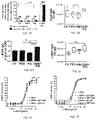
- FIGS. 1A-E Proteomic identification of molecular mimicry between E. coli K12 proteins and ⁇ -MSH.
- FIGS. 2A-K ClpB immunization in mice.
- ClpB-immunized mice (ClpB+Adj) were compared with mice receiving adjuvant (Adj), PBS or controls (Ctr).
- the cAMP assay was performed with IgG depleted from anti- ⁇ -MSH IgG.
- FIG. 3A-J E. coli supplementation in mice.
- mice Effects of intragastric daily gavage (days 1-21) in mice with either E. coli K12 wild-type (WT), ClpBdeficient ( ⁇ ClpB) E. coli K12 or LB medium on body weight (a), food intake (b), meal size (c) and meal number (d).
- WT E. coli K12 wild-type
- ⁇ ClpB ClpBdeficient E. coli K12 or LB medium on body weight (a), food intake (b), meal size (c) and meal number (d).
- ANOVA Two-way repeated measurements analysis of variance
- P 0.3, Bonferroni post test day 2, **Po0.01 control (Ctr) vs E. coli WT.
- ANOVA days 1-2, P 0.0006, Tukey's post tests ***Po0.001, *P00.05 , E. coli WT vs aCtr and bLB.
- Kruskal-Wallis (K-W) test third week P 0.0001, Dunn's post tests, ***Po0.001, **Po0.01 , E.
- FIG. 4A-F Anti-ClpB antibodies in ED patients.
- FIG. 5 Plasma concentrations of bacterial ClpB protein in patients with eating disorders and healthy controls (Ctr).
- ANOVA p 0.01, Tukey's post-tests * p ⁇ 0.05.
- ANOVA p 0.005, Tukey's post-test **p ⁇ 0.01.
- ANOVA p 0.05, Student's t-test *p ⁇ 0.05.
- FIG. 14 Fat content in obese ob/ob mice measured by EchoMRI after 2 weeks of intragastric gavage with E. coli K12 , E. coli Niessle 1917 , E. coli Niessle 1917 lyophilized (lyo), all in Mueller-Hilton (MH) medium, or with MH medium only, as a control (Ctr). Student's t-test **p ⁇ 0.01. Mean ⁇ SEM.
- C Lean-to-fat mass ratios.
- FIGS. 18A-C High fat diet validation.
- FIG. 19 Reduction in body weight gain from D0 in high fat diet (HFD)-induced obese mice after 14 days of intragastric gavage with E. coli K12 (K12 ⁇ -ClpB) or Hafnia alvei AF036 ( H. alvei ), all in Mueller-Hilton (MH) medium, or with MH medium only, as a control (Ctrl).
- HFD high fat diet
- MH Mueller-Hilton
- FIGS. 20A-B Fat and lean mass gain from D0 in high fat diet (HFD)-induced obese mice after 14 days of intragastric gavage with E. coli K12 (K12 ⁇ -ClpB) or Hafnia alvei AF036 ( H. alvei ), all in Mueller-Hilton (MH) medium, or with MH medium only, as a control (Ctrl).
- HFD high fat diet
- H. alvei Hafnia alvei AF036
- MH Mueller-Hilton
- FIG. 22 Experimental protocol of the study of examples 7-10.
- FIGS. 23A-C Effects of H. alvei and orlistat on body weight in high-fat-diet (HFD)-fed ob/ob mice as compared to standard diet (SDiet).
- A Body weight dynamics, vertical dashed line defines beginning of H. alvei or orlistat treatments
- B Body weight gain dynamics.
- C Body weight gain during treatment as an area under curve (AUC).
- A,B Two-way RM ANOVA, p ⁇ 0.0001, Bonferroni's posttests, HFD vs. HFD+Orlistat, *** p ⁇ 0.001, ** p ⁇ 0.01, * p ⁇ 0.05;
- FIGS. 24A-C Effects of H. alvei and orlistat on body composition in high-fat-diet (HFD)-fed ob/ob mice as compared to standard diet (SDiet). Percentage of fat (A) and lean (B) mass, as well as lean/fat mass ratio (C) at the end of the treatment.
- FIGS. 25A-C Effects of H. alvei and orlistat on food intake in high-fat-diet (HFD)-fed ob/ob mice as compared to standard diet (SDiet).
- A Dynamics of daily food intake.
- B Dynamics of cumulative food intake/mouse.
- C Mean cumulative food intake/mouse.
- A Two-way RM ANOVA, p ⁇ 0.0001, Bonferroni's posttests, HFD vs. HFD+Orlistat. *** p ⁇ 0.001, * p ⁇ 0.05 days 8, 9, 14 and 19. HFD+ H. alvei vs. HFD+Orlistat. *** p ⁇ 0.001, * p ⁇ 0.05 days 5 and 6.
- FIGS. 26A-E Effects of H. alvei HA4597TM and orlistat on glycemia and obesity-related metabolic parameters in high-fat-diet (HFD)-fed ob/ob mice as compared to standard diet (SDiet).
- A Plasma glucose levels in ad libitum feeding conditions.
- B OGTT after overnight fasting.
- D total cholesterol, and
- E alanine aminotransferase (ALAT) in ad libitum feeding conditions.
- A ANOVA p ⁇ 0.05, Tukey's posttest vs. SDiet * p ⁇ 0.05. Student's t-test #p ⁇ 0.05.
- ClpB chaperon protein of commensal gut bacteria E. coli K12 is a conformational mimetic of ⁇ -melanocyte-stimulating hormone ( ⁇ -MSH), a neuropeptide involved in the regulation of energy metabolism and emotion. They also reveal a molecular link between ClpB expressing gut bacteria and the regulation of motivated behavior and emotion via production of ClpB protein and anti-ClpB antibodies crossreactive with ⁇ -MSH. They further support the involvement of ClpB-expressing microorganisms in increased ClpB protein and ClpB antibody production and establishment of abnormal feeding behavior and emotion.
- ⁇ -MSH ⁇ -melanocyte-stimulating hormone
- E. coli K12 The bacterial strain used in this study was E. coli K12, provided by UMR 6270 CNRS Laboratory in Rouen University, France. E. coli K12 was grown in 250 ml Luria Bertani (LB) broth (MP Biomedicals, Illkirch, France) at 37° C. for 24 h. Protein extraction was performed as described by Marti et al. (PLoS ONE 2011, e26030). In brief, bacteria were harvested by centrifugation at 4000 g for 30 min at 4° C. and the resulting pellet was resuspended in extraction buffer (300 mM NaCl and 20 mM Tris-HCl, pH 8).
- the suspension was disrupted by sonication (3 ⁇ 3 min, pulse ON 1 s, OFF 1 s at 21% of amplitude) and centrifuged at 10 000 g for 10 min at 4° C.
- the supernatant was recovered and ultracentrifuged at 4° C. for 45 min at 60 000 g to further separate proteins into cytoplasmic (supernatant) and envelope (pellet) fractions. Protein concentrations were measured using 2-D Quant Kit (GE Healthcare, Piscataway, N.J., USA).
- the protein sample was added to the strips through a loading cup placed at 1.5 cm from the cathode.
- Isoelectro focusing was performed with the Ettan IPGphor 3 System (GE Healthcare, Orsay, France) in four steps (31 500 Vh): 500 V for 1 h, 1000 V gradient, 10 000 V gradient and 10 000 V for 2 h.
- the second dimension that is, a SDS-PAGE, (10% polyacrylamide gel, 20 cm ⁇ 18-cm ⁇ 1 mm) was performed on an Ettan Daltsix vertical electrophoresis system (GE Healthcare) with 12 mA per gel. After SDS-PAGE, the 2D gel was fixed for 2 h in 2% (vol:vol) orthophosphoric acid and in 50% (vol:vol) methanol at room temperature.
- E. coli cytoplasmic proteins were transferred onto Hybond-ECL PVDF membrane (GE Healthcare) via a dry transfer method (Trans Blot Cell, Bio-Rad, USA) and a constant current of 0.8 mA.cm ⁇ 2 of the membrane size for 2 h.
- membranes were blocked with 5% (wt:vol) milk (Regilait, France) in phosphate-buffered saline (PBS; 10 mmol ⁇ l ⁇ 1 Tris, pH 8, and 150 mM ⁇ l ⁇ 1 NaCl) plus 0.05% (vol:vol) Tween 20. After washes, membranes were incubated overnight at 4° C.
- PBS phosphate-buffered saline
- the protein spots of interest were excised from CBB G-250-stained 2D gels using the Ettan Spot Picker (GE Healthcare), and automated in-gel digestion of proteins was performed on the Ettan Digester (GE Healthcare). Protein extracts were then resuspended in 10 ⁇ l of 5% (vol:vol) acetonitrile/0.1% (vol:vol) formic acid and then analyzed with a nano-LC1200 system coupled to a 6340 Ion Trap mass spectrometer equipped with a nanospray source and an HPLC-chip cube interface (Agilent Technologies, Courtaboeuf, France).
- peptides were enriched and desalted on a 40-nl RPC18 trap column and separated on a Zorbax (30-nm pore size, 5- ⁇ m particle size) C18 column (43 mm long ⁇ 75 ⁇ m inner diameter; Agilent Technologies).
- a 9-min linear gradient (3-80% acetonitrile in 0.1% formic acid) at a flow rate of 400 nl ⁇ min ⁇ 1 was used, and the eluent was analyzed with an Ion Trap mass spectrometer.
- MS/MS peak lists were extracted and compared with the protein databases by using the MASCOT Daemon version 2.2.2 (Matrix Science) search engine.
- NCBI National Center for Biotechnology Information
- Protein hits were automatically validated if they satisfied one of the following criteria: identification with at least two top-ranking peptides (bold and red) each with a MASCOT score of 454 (Po0.01), or at least two top-ranking peptides each with a MASCOT score of 447 (Po0.05).
- To evaluate false-positive rates all the initial database searches were performed using the ‘decoy’ option of MASCOT. Results were considered relevant if the false-positive rate never exceeded 1%.
- mice All experimental protocols were conducted according to US National Institutes of Health guidelines and EU directives, and animal experiments were approved by the Institutional Ethical Committees.
- Mice were fed ad libitum with standard pelleted rodent chow (RM1 diet, SDS, UK) with drinking water always available and were manipulated daily by gentle holding and measuring body weight. During acclimatization, mice were distributed between four cages to obtain the similar mean body weight per mouse per cage.
- mice were placed individually into the BioDAQ mouse cages (Research Diets, Inc., New Brunswick, N.J., USA) each equipped with an automatic feeding monitor. Food (Serlab, Montataire France) and drinking water were available ad libitum and body weight was measured daily.
- mice received PBS only (i.p.). Feeding data was continuously monitored and analyzed using the BioDAQ data viewer 2.3.07 (Research Diets). For the meal pattern analysis, the inter-meal interval was set at 300 s. After the feeding study, mice were placed in individual mouse-holding cages with food and water available ad libitum, and were analyzed for locomotor activity and anxiety in 0-maze (Med Associate, Inc., St Albans, Vt., USA) tests performed during 2 consecutive days. Two hours after the 0-maze test, mice were killed by decapitation in a guillotine and trunk blood was collected into EDTA-containing tubes. Plasma was separated by centrifugation at 3500 r.p.m. (1.4 g) for 10 min at 4° C. and stored at ⁇ 80° C. before assay.
- 0-maze Med Associate, Inc., St Albans, Vt., USA
- mice were analyzed for locomotor activity using a Versamax Animal Activity Monitor (AccuScan Instruments, Inc., Columbus, Ohio, USA).
- a Versamax Animal Activity Monitor Acceles, Inc., Columbus, Ohio, USA.
- All mice were tested for their anxiety in an elevated O-maze.
- the elevated-O-maze is a variation of more commonly used elevated plusmaze pharmacologically validated for anxiety testing in rodents.
- the advantage of the O-maze is that it lacks the ambiguous central square of the traditional plus-maze.
- the O-maze consisted of a circular infrared platform (outer diameter 120 cm) elevated 80 cm above the floor, featuring two open and two closed segments made of gray plastic.
- the closed segments were enclosed by walls extending 20 cm above the surface of the maze and covered with a black infrared plexiglas lid.
- Each test started by placing the mouse into one of the two closed segments. The test lasted 5 min and was recorded using a video camera placed above the O-maze and the EthoVision video tracking software (Noldus IT, Wageningen, The Netherlands). Measurements of distance and time spent in the open and closed segments were analyzed. Between each mouse tests, the O-maze was cleaned with 30% ethanol.
- Plasma levels of auto-Abs reacting with ClpB, ⁇ -MSH and adrenocorticotropic hormone were measured using enzyme-linked immunosorbent assay according to a published protocol (Fetissov S O., Methods Biol Mol 2011).
- ClpB protein (Delphi Genetics)
- ⁇ -MSH or adrenocorticotropic hormone peptides (Bachem AG) were coated onto 96-well Maxisorp plates (Nunc, Rochester, N.Y., USA) using 100 ⁇ l and a concentration of 2 ⁇ g ⁇ ml ⁇ 1 in 100 mM NaHCO3 buffer, pH 9.6, for 72 h at 4° C.
- Plates were washed (5 min for three times) in PBS with 0.05% Tween 200, pH 7.4, and then incubated overnight at 4° C. with 100 ⁇ l of mouse plasma diluted 1:200 in PBS to determine free auto-Ab levels or diluted 1:200 in dissociative 3M NaCl and 1.5M glycine buffer, pH 8.9, to determine total auto-Ab levels.
- the plates were washed (three times) and incubated with 100 ⁇ l of alkaline phosphatase (AP)-conjugated goat antimouse IgG (1:2000) or anti-mouse IgM (1:1000), all obtained from Jackson ImmunoResearch Laboratories, Inc. (West Grove, Pa., USA).
- AP alkaline phosphatase
- IgG purification and affinity assay were performed according to a published protocol (Legrand et al., Protoc Exch 2014, doi:10.1038/protex2014.004). Extraction of plasma globulins was done by plasma acidification and separation on C18 SEP column (Phoenix Pharmaceuticals, Burlingame, Calif., USA), then 500 ⁇ l of mouse plasma was mixed with 500 ⁇ l of buffer A (1% trifluoroacetic acid in water). The column was activated in 1 ml of buffer B (60% acetonitrile in 1% trifluoroacetic acid) by 3 min centrifugation with 700 r.p.m. and rinsed three times with 3 ml of buffer A.
- Diluted plasma (1:1 in buffer A) was added to the column and the effluent (1 ml) was saved (frozen at ⁇ 20° C.) for further purification of IgG.
- Total IgG were purified from the effluents of mouse plasma samples using the Melon Gel Kit (Thermo Fisher Scientific, Rockford, Ill., USA).
- Plasma effluents diluted 1:4 in kit's purification buffer was added on washed melon gel deposited in a column. Column was spun 1 min at 6000 r.p.m., and the IgG containing effluent was saved and frozen at ⁇ 20° C. before lyophilization.
- Lyophilized IgG were reconstituted in the HBS-EP buffer (GE Healthcare, Piscataway, N.J., USA).
- HBS-EP buffer GE Healthcare, Piscataway, N.J., USA.
- IgG purified from eight mice of the ClpB and of the adjuvant control group were combined, respectively, into two pools that were divided in two parts.
- One part was used directly in cAMP assay and the other was further purified using affinity chromatography for ⁇ -MSH (Bachem AG) coated on activated UltraLink beads (Pierce, Rockford, Ill., USA).
- the ⁇ -MSH IgGdepleted IgG effluents were saved, lyophilized and diluted in PBS.
- Affinity kinetics of mouse IgG for ClpB and ⁇ -MSH was determined by a biospecific interaction analysis based on the surface plasmon resonance phenomenon on a BIAcore 1000 instrument (GE Healthcare).
- ⁇ -MSH (Bachem AG) or ClpB protein (Delphi Genetics) were diluted to 0.5 mg ⁇ ml ⁇ 1 in 10 mM sodium acetate buffer, pH 5.0 (GE Healthcare), and were covalently coupled on the sensor chips CM5 (GE Healthcare) by using the amine coupling kit (GE Healthcare). All measures were performed on the same ⁇ -MSH or ClpB-coated chips.
- Stable cell line of human embryonic kidney-293 cells expressing human MC4R was generated using a lentiviral transduction technology and purchased from Amsbio (Oxon, UK). High expression of MC4R mRNA in transfected cells was validated by reverse transcription PCR in Amsbio and in our laboratory. The presence of the transgene in cells before each experiment was verified by the visualization at a fluorescence microscope of the green fluorescent protein, which gene was inserted in the same with MC4R lentivector but under a different promoter.
- the ⁇ -MSH peptide (Bachem AG) was diluted in the induction buffer: PBS, 500 ⁇ M IBMX, 100 ⁇ M RO 20-1724 (Sigma), 20 mM MgCl2 to the final concentrations of 2, 1, 750, 500, 250, 100, 75, 50 and 10 nM corresponding to the ⁇ -MSH doses of 0.6, 3, 4.5, 6, 15, 30, 45, 60 and 120 ⁇ mol, respectively, and also included one blank sample.
- the cells were cultured in 250 ml tissue culture flasks (BD-Falcon, Beckton-Dickinson, Bedford, Mass., USA) in Dulbecco's modified Eagle medium 4.5 g ⁇ l ⁇ 1 glucose (Eurobio, Courtaboeuf, France) supplemented with (2 mM L-glutamine, 10% fetal calf serum, 0.1 mM nonessential amino acids and 1% penicillin-streptavidin) in humidified cell culture incubator at 37° C., 5% CO2 for 8-10 days.
- tissue culture flasks BD-Falcon, Beckton-Dickinson, Bedford, Mass., USA
- Dulbecco's modified Eagle medium 4.5 g ⁇ l ⁇ 1 glucose (Eurobio, Courtaboeuf, France) supplemented with (2 mM L-glutamine, 10% fetal calf serum, 0.1 mM nonessential amino acids and 1% penicillin-streptavidin
- cultured MC4R human embryonic kidney-293 cells were treated with 0.25% trypsin-EDTA (Sigma-Aldrich) and cell pellets were resuspended in PBS to obtain 5000 cells per well (10 ⁇ l) in a nontreated bioluminescence white 96-microwell plate (Nunc, Roskilde, Denmark).
- the cAMP production was measured using the bioluminescent assay cAMP-Glo Max Assay kit (Promega, Madison, Wis., USA) according to the manufacturer's instructions.
- the cells were incubated for 15 min at room temperature with different concentrations of ⁇ -MSH peptide alone or ⁇ -MSH together with mouse IgG pools from ClpB-immunized or adjuvant control groups, and which were added to the cells just before ⁇ -MSH.
- Serial dilutions of cAMP standard (provided by the kit) were assayed on the same microplate.
- cAMP detection solution was added to each well, then the cells were homogenized by agitation and centrifuged 2 min at 1000 r.p.m. and then incubated for 20 min at 23° C.
- the ClpB mutant strain was generated in the Bernd Bukau's Laboratory (ZMBH, Heidelberg University, Heidelberg, Germany) and was kindly provided together with the corresponding wildtype (WT) E. coli bacteria by Dr Axel Mogk.
- mice were placed individually into the BioDAQ cages (Research Diets) and intragastrically gavaged daily before the onset of dark phase for 21 days with 0.5 ml of LB medium with or without bacteria. During the last day of gavage, mice feces were collected and frozen. After gavage, mice were killed by decapitation and trunk blood was collected into EDTA-containing tubes. Plasma was separated by centrifugation at 3500 r.p.m. (1.4 g) for 10 min at 4° C. and stored at ⁇ 80° C. before assay. Plasma levels of anti-ClpB and anti- ⁇ -MSH IgG and IgM were assayed as described above.
- DNA was extracted from the cultures of the WT and ClpB mutant strains, and was also purified from mice feces using the QIAampR DNA Stool Mini Kit (Qiagen, France). Bacteria were dissolved in water and boiled at 100° C. during 5 min, after 1 min of centrifugation at 11 000 r.p.m., the supernatant containing the DNA was stored at ⁇ 20° C.
- NCBI primer design tool http://www.ncbi.nlm.nih.gov/tools/primer-blast/
- we designed the following nucleotide primers that amplify 180-base pair DNA region coding for the ClpB protein fragment containing one identified ⁇ -MSH-like epitope ( FIG.
- PCR was performed in a thermocycler with MicroAmp tubes (Eppendorf, Hamlaub, Germany). The reaction was carried out in a 50- ⁇ l volume containing 25 ⁇ l of Go Taq Green Master Mix 2 ⁇ (Promega), 1 ⁇ l (20 ⁇ mol) of each primer, 21 ⁇ l of bi-distilled water and 1 ⁇ l of bacterial DNA. PCR conditions were as follows: 3 min at 94° C. followed by 35 cycles at 94° C. for 30 s, 60° C. for 30 s and 72° C. for 1.5 min. PCR products were visualized on a 1% agarose gel (Sigma), with the expected size of 180 base pair and the specificity validated using ClpB mutant strain.
- Plasma concentrations of bacterial ClpB were measured using enzyme-linked immunosorbent assay (ELISA) according to the following protocol.
- ELISA enzyme-linked immunosorbent assay
- Rabbit polyclonal anti-ClpB IgG customly generated by Delphi Genetics (Gosselies, Belgium) were coated on to 96-well Maxisorp plates (Nunc, Rochester, N.Y.) using 100 ⁇ l and a concentration of 2 ⁇ g/ml in 100 mM NaHCO3 buffer, pH 9.6 for 24 h at 4° C. Plates were washed (5 min ⁇ 3) in phosphate-buffered saline (PBS) with 0.05% Tween 200, pH 7.4.
- PBS phosphate-buffered saline
- the recombinant ClpB protein customly generated by Delphi Genetics, as a standard, was serially diluted to 5, 10, 25, 50, 70, 100 and 150 ⁇ M in the sample buffer (PBS, sodium azide 0.02%, pH 7.4) and added to the wells in duplicates.
- the plasma samples from patients with eating disorders and healthy controls (1:25 in sample buffer) were added to the remaining wells in duplicates and the ClpB standards and plasma samples were incubated 2 h at room temperature (RT). Plates were washed (5 min ⁇ 3) in PBS with 0.05% Tween 200, pH 7.4.
- Mouse monoclonal anti-ClpB IgG (1:500 in sample buffer), customly generated by Delphi Genetics and pre-screened for having no cross-reactivity with ⁇ -MSH, were added to the wells and incubated 90 min at room temperature. Plates were washed (5 min ⁇ 3) in PBS with 0.05% Tween 200, pH 7.4. Goat anti-mouse IgG conjugated with alkaline phosphatase (1:2000 in sample buffer) from Jackson ImmunoResearch Laboratories, Inc. (West Grove, Pa.) were added to the wells and incubated for 90 min at RT.
- Protein spots 1, 2, 3 and 4 displaying the strongest ⁇ -MSH-like staining, were identified as isoforms of the heat-shock protein named ClpB, a 857-a.a. protein, 857 amino acid protein disaggregation chaperone or ClpB, MW 95526 (molecular weight: 95526 Da, accession number: NP_417083.1, SEQ ID NO: 1).
- Less intensely stained ⁇ -MSH-like spots 5-8 were isoforms of the 548-a.a.
- E. coli protein chaperonin GroEL (molecular weight: 57293 Da; accession number: YP_001732912.1).
- An alternative strategy of E. coli protein separation was also used, using an OFFGEL fractionator followed by one-dimensional gel electrophoresis and western blot with anti- ⁇ -MSH IgG preadsorbed or not with ⁇ -MSH (data not shown).
- One band was specifically recognized by anti- ⁇ -MSH IgG and was found to contain the ClpB protein (with the highest MASCOT score of 1065). Based on these results, ClpB was selected as a target protein for further validation of its molecular mimicry with ⁇ -MSH.
- mice were immunized with the recombinant bacterial ClpB protein. Mice that received ClpB together with adjuvant or adjuvant alone displayed lower body weight for a few days after injections ( FIG. 2 a ). However, 4 weeks later, ClpB-immunized mice had higher body weight (+5%) vs controls ( FIG. 2 a ). The mean daily food intake, as measured during the last 10 days of the experiment, was also higher (+13%) in ClpB-immunized mice as compared with other groups ( FIG. 2 b ). The increase in food intake was owing to increased meal size ( FIG.
- mice received i.p. injection of ⁇ -MSH. The following 24 h food intake and body weight were not affected in ClpB-immunized mice ( FIG. 2 e ), indicating that they were not sensitive to the anorexigenic effect of administered ⁇ -MSH that was present in nonimmunized mice.
- mice After the feeding experiments, locomotor activity and anxiety related behavior in mice were studied in the open field and O-maze tests. The total locomotor activity and the time spent in the open vs border areas did not significantly differ between the study groups (data not shown). However, in the closed arms of the O-maze, the ClpB-immunized mice moved a shorter distance as compared with controls (data not shown) and spent less time as compared with all other groups (data not shown), indicating decreased anxiety. To confirm the efficiency of immunization, plasma levels of anti-ClpB IgG were assayed and their affinity measured. In ClpB immunized mice, a strong increase in anti-ClpB IgG levels ( FIG. 2 f ) with lower affinities ( FIG.
- E. coli may induce immunogenic response against the ClpB protein, resulting in production of anti-ClpB auto-Abs crossreactive with ⁇ -MSH
- WT and ⁇ ClpB strains of E. coli K12 were given daily to mice by intragastric gavage during 3 weeks. Another group of mice was gavaged with the bacterial culture medium only, and the control group did not receive any treatment. The first days of gavage were accompanied by a decrease in body weight and food intake in mice receiving WT E. coli , which then gradually returned to control levels ( FIGS. 3 a and b ). Again, during the last week of gavage, feeding pattern was affected in mice receiving E. coli WT showing a decrease in meal size but increase in meal number ( FIGS.
- mice receiving ⁇ ClpB E. coli did not significantly differ from controls in either body weight gain, food intake or feeding pattern at any time point. These data support specific involvement of bacterial ClpB in the host acute decrease of food intake as well as in the chronic regulation of feeding pattern following E. coli infection. Expectedly, ClpB DNA was more abundant in feces of mice receiving E. coli WT, although its low level was detected in some control mice ( FIG. 3 e ). After 3 weeks of gavage, plasma levels of both anti-ClpB IgM and IgG were elevated in mice that received E. coli WT as compared with controls and ⁇ ClpB E. coli groups ( FIGS. 3 f and g ).
- E. coli -gavaged mice showed increased production of both anti- ⁇ -MSH-reactive IgM and IgG with increased affinities associated with decreased meal size and body weight.
- ClpB IgG levels correlated positively with the core psychopathological traits such as body dissatisfaction and drive for thinness (Table 1). Moreover, in AN and BED patients, EDI-2 subscale scores correlated with ClpB IgM in the opposite way, being negative in AN but positive in BED (Table 1). However, in BED patients, ClpB IgM correlated negatively with age, suggesting that the highest anti-ClpB IgM levels were associated with the acute form of the disease.
- ClpB protein was detected in plasma samples of all study subjects ranging from 10 ⁇ M to 180 ⁇ M with a mean level of about 30 ⁇ M in healthy controls.
- Mean plasma levels of ClpB were significantly elevated in all groups of patients with eating disorders, including AN, BN and BED (see FIG. 5 ).
- the results reveal a molecular link between ClpB expressing gut bacteria and the regulation of motivated behavior and emotion via production of ClpB protein and anti-ClpB antibodies crossreactive with ⁇ -MSH. It shows that specific alterations of gut microbiota may lead to behavioral and emotional abnormalities as observed in ED patients.
- the findings of increased levels of ClpB protein and anti-ClpB IgG crossreactive with ⁇ -MSH in ED patients and correlations of anti-ClpB antibodies with patient's psychopathological traits support the involvement of ClpB-expressing microorganisms in increased ClpB antibody production and establishment of abnormal feeding behavior and emotion.
- This example demonstrates the effect of ClpB-expressing bacteria on obese ob/ob mice.
- mice Genetically obese ob/ob mice were acclimated to the animal facility for 1 week and maintained as described above. Mice were intragastrically gavaged with (i) 10 8 E. coli K12 bacteria (expressing ClpB); (ii) 10 8 E. coli K12 bacteria deficient for ClpB; both in Mueller-Hilton (MH) medium or with (iii) MH medium only, as a control.
- the ClpB mutant strain was generated in the Bernd Bukau's Laboratory (ZMBH, Heidelberg University, Heidelberg, Germany) and was kindly provided together with the corresponding wildtype (WT) E. coli bacteria by Dr. Axel Mogk. Mice were placed individually into the BioDAQ cages (Research Diets) and intragastrically gavaged daily for 21 days as indicated.
- the inventors showed that gavage with E. coli K12 WT bacteria induced a 56% reduction in weight gain ( FIGS. 6 and 7 ), a reduced fat mass/lean mass ratio ( FIGS. 8 and 9 ) and a reduction of 20% of the total food intake ( FIGS. 10 and 11 ), which was not observed with E. coli K12 bacteria deficient for ClpB.
- This example demonstrates the effect of other strains of bacteria expressing ClpB on obese ob/ob mice.
- mice Genetically obese ob/ob mice were acclimated to the animal facility for 1 week and maintained as described above. Mice were intragastrically gavaged with (i) 10 8 E. coli K12 bacteria (expressing ClpB); (ii) 10 8 E. coli Niessle 1917 bacteria (expressing ClpB) (iii) 10 8 E. coli Niessle 1917 bacteria (expressing ClpB) in lyophilized form; all in Mueller-Hilton (MH) medium or with (iv) MH medium only, as a control. Mice were intragastrically gavaged daily for 14 days as indicated.
- MH Mueller-Hilton
- the inventors showed that gavage with any strain of E. coli ClpB-expressing bacteria induced a reduction in weight gain ( FIGS. 12 and 13 ) and a reduction in fat content ( FIG. 14 ).
- This example demonstrates the effect of ClpB-expressing Hafnia alvei on obese ob/ob mice.
- mice Genetically obese ob/ob mice were acclimated to the animal facility for 1 week and maintained as described above. Mice were intragastrically gavaged with (i) 10 8 Hafnia alvei AF036 bacteria (expressing ClpB); (ii) 10 8 E. coli K12 bacteria deficient for ClpB; (iii) 10 8 E. coli Niessle 1917 bacteria (expressing ClpB); all in Mueller-Hilton (MH) medium or with (iv) MH medium only, as a control.
- MH Mueller-Hilton
- the inventors show that treatment with Hafnia alvei induced a significant decrease in body weight gain as compared to obese controls ( FIG. 15 ). Moreover, the decrease in body weight gain was associated with a decrease of cumulative food intake ( FIG. 16 ), and with a decrease of both fat and lean masses, without alteration of the lean/fat mass ratio ( FIG. 17 ).
- mice One-month-old male C57Bl6 mice (Janvier Laboratories) were induced with high fat/high carbs diet for 2 weeks. Mice were then intragastrically gavaged with (i) 10 8 Hafnia alvei AF036 bacteria (expressing ClpB); (ii) 10 8 E. coli K12 bacteria deficient for ClpB; both in Mueller-Hilton (MH) medium or with (iii) MH medium only, as a control. Mice were placed individually into the BioDAQ cages (Research Diets) and intragastrically gavaged daily for 21 days as indicated.
- FIG. 18A mean body weight
- FIG. 18B fat mass
- FIG. 18C lean mass
- the inventors showed that gavage with any strain of Hafnia alvei ClpB-expressing bacteria induced a reduction in weight gain ( FIG. 19 ) and a reduction in fat content ( FIG. 20 ).
- HSL Hormone-sensitive lipase
- PKA cyclic AMP dependent protein kinase
- An increase of the expression of the phosphorylated form of HSL protein (pHSL) means thus activation of lipolysis.
- Expression of pHSL was measured by western blot.
- the inventors showed that gavage with E. coli Niessle 1917 and Hafnia alvei bacteria increased pHSL expression ( FIG. 21 ) as compared to control and gavage with E. coli K12 bacteria. Therefore, E. coli Niessle 1917 and Hafnia alvei bacteria activate the mechanism of lipolysis.
- HFD high-FD
- SD standard diet
- the animals underwent a 5-day “induction” to both diets, followed by 1 week of daily handling protocol, where they were sham-treated (oral gavage of 200 ⁇ L of NaCl 0.9%, using rounded-end cannulas, Socorex, Ecublens, Switzerland) twice a day (approximatively 10:00 a.m. and 17:00 p.m.) from D ⁇ 7 to D0 ( FIG. 1 ).
- This procedure has been found to reduce stress-related effects on the body weight in chronic studies.
- body weight, as well as food intake were measured daily, before the morning gavage (at approximatively 9:30 a.m.).
- alvei HA4597TM provided by Biodis (Noyant, France) for TargEDys SA (1.4 ⁇ 1010 CFU/day in NaCl 0.9%); (ii) orlistat 80 mg/kg/day in NaCl 0.9% (Tocris BioScience, Bristol, UK); or (iii) NaCl 0.9% as a vehicle.
- the standard diet (SDiet)-fed controls received the same 5 mUkg volume of NaCl 0.9% by intragastric gavage ( FIG. 22 ).
- HFD-fed mice presented a significant increase of body weight as compared to SDiet-fed mice (44.7 ⁇ 0.4 g vs. 39.5 ⁇ 0.9 g at D ⁇ 7, p ⁇ 0.001), which persisted during the sham-treatment period of the DIO induction.
- the total daily food intake and the cumulative caloric intake were increased in HFD-fed vs. SDiet-fed mice during the sham-treatment period.
- an increase of fat mass and percentage of body fat was found in HFD-fed mice.
- HFD-fed mice In spite of a small increase of the lean mass, its body percentage was lower in HFD-fed vs. SDiet-fed mice.
- the changes of body composition led to an overall decrease of lean/fat mass ratio in the HFD group. No significant changes of the body composition were observed in the SDiet group during sham treatment.
- mice received 30% glucose solution (2 g/kg) via intragastric gavage. Blood samples (one drop from tail tip) were taken every 15 min during 2 h, for glucose assay, using a glucometer (FreeStylePapillon Vision, Abbott Diabetes Care, Oxon, UK).
- mice which didn't undergo the fasting procedure were anesthetized right after body composition measurements on D38 by intraperitoneal injection of ketamine/xylazine solution (80:10 mg/kg).
- Terminal blood samples (approximately 0.5 mL) were taken by a puncture of abdominal aorta in tubes coated with lithium heparin, which were stored at 4° C., until biochemical measurements of obesity-related metabolic markers using IDEXX Catalyst® One technology (Catalyst® Chem 17 CLIP+Catalyst® TRIG, IDEXX, Laboratories, Inc., Westbrook, Me., USA).
- Results expressed as mean ⁇ standard error of means (SEM), were analyzed, using GraphPad Prism 5.02 (GraphPad Software Inc., San Diego, Calif., USA), with a p-value ⁇ 0.05 considered as statistically significant.
- Longitudinal group differences were compared by the two-way repeated measurement (RM) analysis of variance (ANOVA) with Bonferroni's posttests. Individual differences were analyzed, using Student's t-test or Mann-Whitney's test according to normality evaluated by the D'Agostino-Pearson's test.
- HFD-fed control mice displayed increased body weight gain as compared to SDiet-fed mice ( FIG. 23A-C ).
- Supplementation of H. alvei in HFD mice resulted in a decreased body weight gain vs. untreated HFD group, as compared by the area under curve ( FIG. 3C ), reaching a difference of 15.3% at the end of the treatment ( FIG. 23B ).
- the body weight gain of the H. alvei -treated group was 58.1% lower as compared to the difference between HFD and SDiet groups, although such decrease did not reach significance by ANOVA ( FIG. 23B ).
- the orlistat-treated group showed a significant decrease in body weight gain as compared to both the HFD control and H. alvei groups, reaching to the level of the SDiet-fed group ( FIG. 23A-C ).
- HFD increased percentage of fat mass and decreased percentage of lean mass, resulting in lower lean/fat mass ratio vs. SDiet-fed mice ( FIG. 24A-C ).
- H. alvei treatment alleviated the increase of adiposity and loss of lean mass associated with HFD ( FIG. 24A ,B). These changes led to a significant improvement of the lean/fat mass ratio in mice treated with H. alvei ( FIG. 24C ).
- Orlistat-treated HFD mice displayed similar improvements of body composition to the mice treated with H. alvei ( FIG. 24A-C ).
- H. alvei HA4597TM-treated HFD-fed mice displayed similar daily food intake to SDiet-fed mice ( FIG. 25A ). Cumulative food intake was also reduced in H. alvei HA4597TM-treated mice as compared to HFD controls ( FIG. 25B ,C). In the end of H. alvei HA4597TM treatment, at D38, the cumulative food intake was lower by 26.7 g vs. the HFD controls ( FIG. 25C ). Orlistat-treated mice displayed hyperphagia throughout the treatment ( FIG. 25A ), resulting in an increased cumulative food intake ( FIG. 25B ,C).
- mice received 30% glucose solution (2 g/kg) via intragastric gavage. Blood samples (one drop from tail tip) were taken every 15 min during 2 h, for glucose assay, using a glucometer (FreeStylePapillon Vision, Abbott Diabetes Care, Oxon, UK).
- mice which didn't undergo the fasting procedure were anesthetized right after body composition measurements on D38 by intraperitoneal injection of ketamine/xylazine solution (80:10 mg/kg).
- Terminal blood samples (approximately 0.5 mL) were taken by a puncture of abdominal aorta in tubes coated with lithium heparin, which were stored at 4° C., until biochemical measurements of obesity-related metabolic markers using IDEXX Catalyst® One technology (Catalyst® Chem 17 CLIP+Catalyst® TRIG, IDEXX, Laboratories, Inc., Westbrook, Me., USA).
- Ad libitum HFD-fed H. alvei -treated mice displayed a significant decrease, by about 1.5-fold, of the basal glucose plasma levels as compared to both the SDiet and HFD-fed controls ( FIG. 26A ).
- the OGTT test after an overnight fasting showed elevated levels of fasting glycemia in HFD-fed control mice (Student's t-test p ⁇ 0.05) and in orlistat-treated mice as compared to SDiet-fed controls ( FIG. 26B ).
- After the oral glucose load a 15 min peak of glucose was observed in all groups, without significant difference.
- a return to the baseline was delayed in the orlistat-treated mice as compared to both SDiet-fed and H. alvei HA4597TM-treated mice ( FIG. 26B ).
- Triglycerides plasma level increased, although not significantly, in HDF-fed mice as compared to SDiet, and no significant effect of H. alvei on plasma triglycerides was observed ( FIG. 26C ).
- HFD+Orlistat mice triglycerides plasma level increased significantly ( FIG. 26C ).
- Total cholesterol plasma level increased significantly in HFD-mice as compared to control HFD-mice, and this increase was prevented in H. alvei -treated HFD-mice ( FIG. 26D ).
- Orlistat reduced total cholesterol even more than H. alvei ( FIG. 26D ).
- LAT alanine aminotransferase
- alvei -induced moderate but sustained reduction of body mass gain through decreased food intake, along with beneficial metabolic effects, may represent a safer and more-efficient strategy for long-term body weight management.
- the present example shows that a daily provision of the H. alvei strain in genetically obese and hyperphagic ob/ob mice with HFD-exacerbated obesity decreased body weight gain, improved body composition, decreased food intake, and ameliorated several metabolic parameters, including plasma glucose and total cholesterol levels.
Landscapes
- Health & Medical Sciences (AREA)
- Life Sciences & Earth Sciences (AREA)
- Diabetes (AREA)
- Chemical & Material Sciences (AREA)
- Medicinal Chemistry (AREA)
- Veterinary Medicine (AREA)
- Public Health (AREA)
- General Health & Medical Sciences (AREA)
- Animal Behavior & Ethology (AREA)
- Pharmacology & Pharmacy (AREA)
- Engineering & Computer Science (AREA)
- Obesity (AREA)
- Nuclear Medicine, Radiotherapy & Molecular Imaging (AREA)
- Organic Chemistry (AREA)
- General Chemical & Material Sciences (AREA)
- Chemical Kinetics & Catalysis (AREA)
- Hematology (AREA)
- Bioinformatics & Cheminformatics (AREA)
- Mycology (AREA)
- Microbiology (AREA)
- Emergency Medicine (AREA)
- Endocrinology (AREA)
- Molecular Biology (AREA)
- Epidemiology (AREA)
- Child & Adolescent Psychology (AREA)
- Nutrition Science (AREA)
- Food Science & Technology (AREA)
- Polymers & Plastics (AREA)
- Pharmaceuticals Containing Other Organic And Inorganic Compounds (AREA)
- Medicines That Contain Protein Lipid Enzymes And Other Medicines (AREA)
Abstract
Description
-
- at least 180 or at least 200 mg/dL of total cholesterol and/or at least 100 or at least 130 mg/dL of LDL cholesterol,
- at least 80 or at least 100 mg/dL of glucose at a fasting state.
- at least 80 or at least 90 waist-to-hip ratio (waist circumference).
-
- lowering the cholesterol plasma concentration,
- lowering the very-low-density lipoproteins (VLDL) particles plasma concentration,
- raising the high-density lipoprotein (HDL) particles plasma concentration,
- lowering the VLDL particles plasma concentration while maintaining or raising the HDL particles plasma concentration,
- improving the lipid absorption,
- improving the lymphatic drainage, and
- limiting the liquid retention.
-
- lowering the fatigue,
- improving the overall metabolism,
- improving the response to insulin,
- lowering the transaminases plasmatic concentration,
- lowering the alkaline phosphatase plasmatic concentration
- improving the biliary duct flow, and
- decreasing abdominal discomfort,
| Conservative | Type of |
| substitutions | Amino Acid |
| Ala, Val, Leu, Ile, Met, | Amino acids with aliphatic hydrophobic |
| Pro, Phe, Trp | side chains |
| Ser, Tyr, Asn, Gln, Cys | Amino acids with uncharged but polar |
| side chains | |
| Asp, Glu | Amino acids with acidic side chains |
| Lys, Arg, His | Amino acids with basic side chains |
| Gly | Neutral side chain |
-
- eating much more rapidly than normal;
- eating until feeling uncomfortably full;
- eating large amounts of food when not feeling physically hungry;
- eating alone because of feeling embarrassed by how much one is eating;
- feeling disgusted with oneself, depressed or very guilty afterward.
-
- Atypical anorexia nervosa: all criteria are met, except despite significant weight loss, the individual's weight is within or above the normal range;
- Binge eating disorder (of low frequency and/or limited duration): all of the criteria for BED are met, except at a lower frequency and/or for less than three months;
- Bulimia nervosa (of low frequency and/or limited duration): all of the criteria for bulimia nervosa are met, except that the binge eating and inappropriate compensatory behavior occurs at a lower frequency and/or for less than three months;
- Purging disorder: recurrent purging behavior to influence weight or shape in the absence of binge eating;
- Night eating syndrome: recurrent episodes of night eating, eating after awakening from sleep, or by excessive food consumption after the evening meal. The behavior is not better explained by environmental influences or social norms. The behavior causes significant distress/impairment. The behavior is not better explained by another mental health disorder (e.g. BED); Unspecified Feeding or Eating Disorder (UFED). According to the DSM-5 criteria this category applies to where behaviors cause clinically significant distress/impairment of functioning, but do not meet the full criteria of any of the Feeding or Eating Disorder criteria. This category may be used by clinicians where a clinician chooses not to specify why criteria are not met, including presentations where there may be insufficient information to make a more specific diagnosis (e.g. in emergency room settings). In the context of the present invention, an eating disorder can thus refer to the above mentioned list of disorders.
- In one embodiment, the eating disorder is selected from the group consisting of anorexia nervosa (AN), bulimia nervosa (BN), binge eating disorder (BED), overeating, hyperphagia, wasting diseases such as cachexia
| TABLE 1 |
| Significant correlations between plasma levels of anti-ClpB IgG |
| and IgM and psychological traits in eating disorder patients and |
| controls (Contr.) assayed by the Eating Disorder Inventory-2. |
| ClpB | Maturity fears | Impulse regulation | Social insecurity | |
| IgG | r = −0.31 * | r = −0.26 * | r = −0.26 * | |
| (Contr.) | ||||
| ClpB | Body dissatisfaction | Drive for thinness | Perfectionism | |
| IgG (AN) | r = 0.4 * | r = 0.35 * | r = 0.38 * | |
| ClpB | Ineffectiveness | Interpersonal distrust | Social insecurity | Anhedonia |
| IqM (AN) | r = −0.42 * | r = −0.58 ** | r = −0.52 ** | r = −0.35 * |
| ClpB | Bulimia | Perfectionism | Age | |
| IgM | r = 0.53 * | r = 0.6 * | r = −0.74 ** | |
| (BED) | ||||
| All Spearman's r * p < 0.05, ** p < 0.01, except Pearson's r * p < 0.05 for perfectionism. (n = 65 Contr., n = 27 AN, and n = 14 BED). | ||||
Plasma Concentrations of Bacterial ClpB Protein
-
- statistically significant changes in Cholesterol from visit v1 to visit v5 at week 12 (pWil=0.011) that were present in the H. alvei treated group and not in the placebo group,
- statistically significant changes in LDL-cholesterol from visit v1 to visit v5 at week 12 (pWil=0.039) that were present in the H. alvei treated group and not in the placebo group.
Claims (8)
Priority Applications (1)
| Application Number | Priority Date | Filing Date | Title |
|---|---|---|---|
| US16/902,732 US11369645B2 (en) | 2013-12-05 | 2020-06-16 | Hafnia alvei impact on regulation of appetite and metabolic syndrome aspects |
Applications Claiming Priority (13)
| Application Number | Priority Date | Filing Date | Title |
|---|---|---|---|
| EP13306673 | 2013-12-05 | ||
| EP13306673 | 2013-12-05 | ||
| EP14306552 | 2014-10-02 | ||
| EP14306552.2 | 2014-10-02 | ||
| EP14306552 | 2014-10-02 | ||
| PCT/EP2014/076611 WO2015082633A1 (en) | 2013-12-05 | 2014-12-04 | Bacterial influence on regulation of appetite via clpb protein mimicry of alpha-msh |
| WOPCT/IB2015/001126 | 2015-06-05 | ||
| PCT/IB2015/001126 WO2016059455A1 (en) | 2014-10-02 | 2015-06-05 | Pharmaceutical and food compositions for inducing satiation and prolonging satiety in subjects in need thereof |
| IBPCT/IB2015/001126 | 2015-06-05 | ||
| PCT/IB2016/051923 WO2016193829A1 (en) | 2015-06-05 | 2016-04-05 | Pharmaceutical and food compositions for inducing satiation and prolonging satiety in subjects in need thereof. |
| PCT/EP2017/058116 WO2017174658A1 (en) | 2014-10-02 | 2017-04-05 | Hafnia alvei based pharmaceutical and food compositions for inducing satiation and prolonging satiety |
| US16/032,604 US10729770B2 (en) | 2013-12-05 | 2018-07-11 | Bacterial influence on regulation of appetite via ClpB protein mimicry of alpha-MSH |
| US16/902,732 US11369645B2 (en) | 2013-12-05 | 2020-06-16 | Hafnia alvei impact on regulation of appetite and metabolic syndrome aspects |
Related Parent Applications (6)
| Application Number | Title | Priority Date | Filing Date |
|---|---|---|---|
| US15/579,459 Continuation-In-Part US10682389B2 (en) | 2015-06-05 | 2016-04-05 | Pharmaceutical and food compositions for inducing satiation and prolonging satiety in subjects in need thereof |
| PCT/IB2016/051923 Continuation-In-Part WO2016193829A1 (en) | 2013-12-05 | 2016-04-05 | Pharmaceutical and food compositions for inducing satiation and prolonging satiety in subjects in need thereof. |
| US16/091,678 Continuation-In-Part US10888592B2 (en) | 2014-10-02 | 2017-04-05 | Hafnia alvei based pharmaceutical and food compositions for inducing satiation and prolonging satiety |
| PCT/EP2017/058116 Continuation-In-Part WO2017174658A1 (en) | 2013-12-05 | 2017-04-05 | Hafnia alvei based pharmaceutical and food compositions for inducing satiation and prolonging satiety |
| US16/032,604 Continuation-In-Part US10729770B2 (en) | 2013-12-05 | 2018-07-11 | Bacterial influence on regulation of appetite via ClpB protein mimicry of alpha-MSH |
| US16/902,732 Continuation-In-Part US11369645B2 (en) | 2013-12-05 | 2020-06-16 | Hafnia alvei impact on regulation of appetite and metabolic syndrome aspects |
Related Child Applications (2)
| Application Number | Title | Priority Date | Filing Date |
|---|---|---|---|
| US16/032,604 Continuation-In-Part US10729770B2 (en) | 2013-12-05 | 2018-07-11 | Bacterial influence on regulation of appetite via ClpB protein mimicry of alpha-MSH |
| US16/902,732 Continuation-In-Part US11369645B2 (en) | 2013-12-05 | 2020-06-16 | Hafnia alvei impact on regulation of appetite and metabolic syndrome aspects |
Publications (2)
| Publication Number | Publication Date |
|---|---|
| US20210008125A1 US20210008125A1 (en) | 2021-01-14 |
| US11369645B2 true US11369645B2 (en) | 2022-06-28 |
Family
ID=82101446
Family Applications (1)
| Application Number | Title | Priority Date | Filing Date |
|---|---|---|---|
| US16/902,732 Active US11369645B2 (en) | 2013-12-05 | 2020-06-16 | Hafnia alvei impact on regulation of appetite and metabolic syndrome aspects |
Country Status (1)
| Country | Link |
|---|---|
| US (1) | US11369645B2 (en) |
-
2020
- 2020-06-16 US US16/902,732 patent/US11369645B2/en active Active
Non-Patent Citations (2)
| Title |
|---|
| Legrand et al. "Commensal Hafnia alvei strain reduces food intake and fat mass in obese mice—a new potential probiotic for appetite and body weight management", International Journal of Obesity, 2020-01. |
| Lucas et al. "Hafnia alvei HA4597 Strain Reduces Food Intake and Body Weight Gain and Improves Body Composition, Glucose, and Lipid Metabolism in a Mouse Model of Hyperphagic Obesity" Microorganisms, 2020, 8:35. |
Also Published As
| Publication number | Publication date |
|---|---|
| US20210008125A1 (en) | 2021-01-14 |
Similar Documents
| Publication | Publication Date | Title |
|---|---|---|
| US11389489B2 (en) | Pharmaceutical and food compositions for inducing satiation and prolonging satiety in subjects in need thereof | |
| US10682389B2 (en) | Pharmaceutical and food compositions for inducing satiation and prolonging satiety in subjects in need thereof | |
| EP3076985B1 (en) | Composition comprising probiotics overexpressing clpb protein for use in the treatment of obesity | |
| JP2018503597A5 (en) | ||
| US10729770B2 (en) | Bacterial influence on regulation of appetite via ClpB protein mimicry of alpha-MSH | |
| AU2017247612B2 (en) | Hafnia alvei based pharmaceutical and food compositions for inducing satiation and prolonging satiety | |
| US20210008125A1 (en) | Hafnia alvei impact on regulation of appetite and metabolic syndrome aspects | |
| Class et al. | Patent application title: PHARMACEUTICAL AND FOOD COMPOSITIONS FOR INDUCING SATIATION AND PROLONGING SATIETY IN SUBJECTS IN NEED THEREOF | |
| CA3020050C (en) | Hafnia alvei based pharmaceutical and food compositions for inducing satiation and prolonging satiety | |
| JP2020015757A (en) | Pharmaceutical and food compositions for inducing satiety and prolonging satiety in a subject in need thereof | |
| HK40004392A (en) | Hafnia alvei based pharmaceutical and food compositions for inducing satiation and prolonging satiety | |
| HK40004392B (en) | Hafnia alvei based pharmaceutical and food compositions for inducing satiation and prolonging satiety | |
| HK1252744B (en) | Food compositions for inducing satiation and prolonging satiety in subjects in need thereof | |
| HK1229225B (en) | Composition comprising probiotics overexpressing clpb protein for use in the treatment of obesity | |
| HK1229225A1 (en) | Composition comprising probiotics overexpressing clpb protein for use in the treatment of obesity | |
| Marinkovic et al. | Number of submitted manuscript: JSCR-08-6962R2 |
Legal Events
| Date | Code | Title | Description |
|---|---|---|---|
| FEPP | Fee payment procedure |
Free format text: ENTITY STATUS SET TO UNDISCOUNTED (ORIGINAL EVENT CODE: BIG.); ENTITY STATUS OF PATENT OWNER: LARGE ENTITY |
|
| STPP | Information on status: patent application and granting procedure in general |
Free format text: APPLICATION DISPATCHED FROM PREEXAM, NOT YET DOCKETED |
|
| AS | Assignment |
Owner name: UNIVERSITE DE ROUEN, FRANCE Free format text: ASSIGNMENT OF ASSIGNORS INTEREST;ASSIGNORS:FETISSOV, SERGUEI;DECHELOTTE, PIERRE;BRETON, JONATHAN;AND OTHERS;SIGNING DATES FROM 20200812 TO 20201020;REEL/FRAME:054603/0197 Owner name: CENTRE HOSPITALIER UNIVERSITAIRE DE ROUEN, FRANCE Free format text: ASSIGNMENT OF ASSIGNORS INTEREST;ASSIGNORS:FETISSOV, SERGUEI;DECHELOTTE, PIERRE;BRETON, JONATHAN;AND OTHERS;SIGNING DATES FROM 20200812 TO 20201020;REEL/FRAME:054603/0197 Owner name: TARGEDYS, FRANCE Free format text: ASSIGNMENT OF ASSIGNORS INTEREST;ASSIGNORS:FETISSOV, SERGUEI;DECHELOTTE, PIERRE;BRETON, JONATHAN;AND OTHERS;SIGNING DATES FROM 20200812 TO 20201020;REEL/FRAME:054603/0197 Owner name: INSTITUT NATIONAL DE LA SANTE ET DE LA RECHERCHE MEDICALE (INSERM), FRANCE Free format text: ASSIGNMENT OF ASSIGNORS INTEREST;ASSIGNORS:FETISSOV, SERGUEI;DECHELOTTE, PIERRE;BRETON, JONATHAN;AND OTHERS;SIGNING DATES FROM 20200812 TO 20201020;REEL/FRAME:054603/0197 |
|
| STPP | Information on status: patent application and granting procedure in general |
Free format text: DOCKETED NEW CASE - READY FOR EXAMINATION |
|
| STPP | Information on status: patent application and granting procedure in general |
Free format text: NON FINAL ACTION MAILED |
|
| STPP | Information on status: patent application and granting procedure in general |
Free format text: RESPONSE TO NON-FINAL OFFICE ACTION ENTERED AND FORWARDED TO EXAMINER |
|
| STPP | Information on status: patent application and granting procedure in general |
Free format text: NOTICE OF ALLOWANCE MAILED -- APPLICATION RECEIVED IN OFFICE OF PUBLICATIONS |
|
| STPP | Information on status: patent application and granting procedure in general |
Free format text: AWAITING TC RESP., ISSUE FEE NOT PAID |
|
| STPP | Information on status: patent application and granting procedure in general |
Free format text: NOTICE OF ALLOWANCE MAILED -- APPLICATION RECEIVED IN OFFICE OF PUBLICATIONS |
|
| STPP | Information on status: patent application and granting procedure in general |
Free format text: PUBLICATIONS -- ISSUE FEE PAYMENT VERIFIED |
|
| STCF | Information on status: patent grant |
Free format text: PATENTED CASE |
|
| MAFP | Maintenance fee payment |
Free format text: PAYMENT OF MAINTENANCE FEE, 4TH YEAR, LARGE ENTITY (ORIGINAL EVENT CODE: M1551); ENTITY STATUS OF PATENT OWNER: LARGE ENTITY Year of fee payment: 4 |