US11213594B2 - Poly(histidine)-based micelles for complexation and delivery of proteins and nucleic acids - Google Patents
Poly(histidine)-based micelles for complexation and delivery of proteins and nucleic acids Download PDFInfo
- Publication number
- US11213594B2 US11213594B2 US16/097,187 US201716097187A US11213594B2 US 11213594 B2 US11213594 B2 US 11213594B2 US 201716097187 A US201716097187 A US 201716097187A US 11213594 B2 US11213594 B2 US 11213594B2
- Authority
- US
- United States
- Prior art keywords
- poly
- block
- histidine
- gene editing
- composition
- Prior art date
- Legal status (The legal status is an assumption and is not a legal conclusion. Google has not performed a legal analysis and makes no representation as to the accuracy of the status listed.)
- Expired - Fee Related
Links
Images




Classifications
-
- A—HUMAN NECESSITIES
- A61—MEDICAL OR VETERINARY SCIENCE; HYGIENE
- A61K—PREPARATIONS FOR MEDICAL, DENTAL OR TOILETRY PURPOSES
- A61K47/00—Medicinal preparations characterised by the non-active ingredients used, e.g. carriers or inert additives; Targeting or modifying agents chemically bound to the active ingredient
- A61K47/50—Medicinal preparations characterised by the non-active ingredients used, e.g. carriers or inert additives; Targeting or modifying agents chemically bound to the active ingredient the non-active ingredient being chemically bound to the active ingredient, e.g. polymer-drug conjugates
-
- A—HUMAN NECESSITIES
- A61—MEDICAL OR VETERINARY SCIENCE; HYGIENE
- A61K—PREPARATIONS FOR MEDICAL, DENTAL OR TOILETRY PURPOSES
- A61K48/00—Medicinal preparations containing genetic material which is inserted into cells of the living body to treat genetic diseases; Gene therapy
- A61K48/0008—Medicinal preparations containing genetic material which is inserted into cells of the living body to treat genetic diseases; Gene therapy characterised by an aspect of the 'non-active' part of the composition delivered, e.g. wherein such 'non-active' part is not delivered simultaneously with the 'active' part of the composition
- A61K48/0016—Medicinal preparations containing genetic material which is inserted into cells of the living body to treat genetic diseases; Gene therapy characterised by an aspect of the 'non-active' part of the composition delivered, e.g. wherein such 'non-active' part is not delivered simultaneously with the 'active' part of the composition wherein the nucleic acid is delivered as a 'naked' nucleic acid, i.e. not combined with an entity such as a cationic lipid
-
- C—CHEMISTRY; METALLURGY
- C12—BIOCHEMISTRY; BEER; SPIRITS; WINE; VINEGAR; MICROBIOLOGY; ENZYMOLOGY; MUTATION OR GENETIC ENGINEERING
- C12N—MICROORGANISMS OR ENZYMES; COMPOSITIONS THEREOF; PROPAGATING, PRESERVING, OR MAINTAINING MICROORGANISMS; MUTATION OR GENETIC ENGINEERING; CULTURE MEDIA
- C12N15/00—Mutation or genetic engineering; DNA or RNA concerning genetic engineering, vectors, e.g. plasmids, or their isolation, preparation or purification; Use of hosts therefor
- C12N15/09—Recombinant DNA-technology
- C12N15/87—Introduction of foreign genetic material using processes not otherwise provided for, e.g. co-transformation
- C12N15/88—Introduction of foreign genetic material using processes not otherwise provided for, e.g. co-transformation using microencapsulation, e.g. using amphiphile liposome vesicle
-
- A—HUMAN NECESSITIES
- A61—MEDICAL OR VETERINARY SCIENCE; HYGIENE
- A61K—PREPARATIONS FOR MEDICAL, DENTAL OR TOILETRY PURPOSES
- A61K2300/00—Mixtures or combinations of active ingredients, wherein at least one active ingredient is fully defined in groups A61K31/00 - A61K41/00
-
- A—HUMAN NECESSITIES
- A61—MEDICAL OR VETERINARY SCIENCE; HYGIENE
- A61K—PREPARATIONS FOR MEDICAL, DENTAL OR TOILETRY PURPOSES
- A61K31/00—Medicinal preparations containing organic active ingredients
- A61K31/70—Carbohydrates; Sugars; Derivatives thereof
- A61K31/7088—Compounds having three or more nucleosides or nucleotides
- A61K31/7105—Natural ribonucleic acids, i.e. containing only riboses attached to adenine, guanine, cytosine or uracil and having 3'-5' phosphodiester links
-
- A—HUMAN NECESSITIES
- A61—MEDICAL OR VETERINARY SCIENCE; HYGIENE
- A61K—PREPARATIONS FOR MEDICAL, DENTAL OR TOILETRY PURPOSES
- A61K31/00—Medicinal preparations containing organic active ingredients
- A61K31/70—Carbohydrates; Sugars; Derivatives thereof
- A61K31/7088—Compounds having three or more nucleosides or nucleotides
- A61K31/711—Natural deoxyribonucleic acids, i.e. containing only 2'-deoxyriboses attached to adenine, guanine, cytosine or thymine and having 3'-5' phosphodiester links
-
- A—HUMAN NECESSITIES
- A61—MEDICAL OR VETERINARY SCIENCE; HYGIENE
- A61K—PREPARATIONS FOR MEDICAL, DENTAL OR TOILETRY PURPOSES
- A61K47/00—Medicinal preparations characterised by the non-active ingredients used, e.g. carriers or inert additives; Targeting or modifying agents chemically bound to the active ingredient
- A61K47/30—Macromolecular organic or inorganic compounds, e.g. inorganic polyphosphates
- A61K47/34—Macromolecular compounds obtained otherwise than by reactions only involving carbon-to-carbon unsaturated bonds, e.g. polyesters, polyamino acids, polysiloxanes, polyphosphazines, copolymers of polyalkylene glycol or poloxamers
-
- A—HUMAN NECESSITIES
- A61—MEDICAL OR VETERINARY SCIENCE; HYGIENE
- A61K—PREPARATIONS FOR MEDICAL, DENTAL OR TOILETRY PURPOSES
- A61K47/00—Medicinal preparations characterised by the non-active ingredients used, e.g. carriers or inert additives; Targeting or modifying agents chemically bound to the active ingredient
- A61K47/50—Medicinal preparations characterised by the non-active ingredients used, e.g. carriers or inert additives; Targeting or modifying agents chemically bound to the active ingredient the non-active ingredient being chemically bound to the active ingredient, e.g. polymer-drug conjugates
- A61K47/69—Medicinal preparations characterised by the non-active ingredients used, e.g. carriers or inert additives; Targeting or modifying agents chemically bound to the active ingredient the non-active ingredient being chemically bound to the active ingredient, e.g. polymer-drug conjugates the conjugate being characterised by physical or galenical forms, e.g. emulsion, particle, inclusion complex, stent or kit
- A61K47/6905—Medicinal preparations characterised by the non-active ingredients used, e.g. carriers or inert additives; Targeting or modifying agents chemically bound to the active ingredient the non-active ingredient being chemically bound to the active ingredient, e.g. polymer-drug conjugates the conjugate being characterised by physical or galenical forms, e.g. emulsion, particle, inclusion complex, stent or kit the form being a colloid or an emulsion
- A61K47/6907—Medicinal preparations characterised by the non-active ingredients used, e.g. carriers or inert additives; Targeting or modifying agents chemically bound to the active ingredient the non-active ingredient being chemically bound to the active ingredient, e.g. polymer-drug conjugates the conjugate being characterised by physical or galenical forms, e.g. emulsion, particle, inclusion complex, stent or kit the form being a colloid or an emulsion the form being a microemulsion, nanoemulsion or micelle
-
- A—HUMAN NECESSITIES
- A61—MEDICAL OR VETERINARY SCIENCE; HYGIENE
- A61K—PREPARATIONS FOR MEDICAL, DENTAL OR TOILETRY PURPOSES
- A61K48/00—Medicinal preparations containing genetic material which is inserted into cells of the living body to treat genetic diseases; Gene therapy
- A61K48/005—Medicinal preparations containing genetic material which is inserted into cells of the living body to treat genetic diseases; Gene therapy characterised by an aspect of the 'active' part of the composition delivered, i.e. the nucleic acid delivered
- A61K48/0066—Manipulation of the nucleic acid to modify its expression pattern, e.g. enhance its duration of expression, achieved by the presence of particular introns in the delivered nucleic acid
-
- A—HUMAN NECESSITIES
- A61—MEDICAL OR VETERINARY SCIENCE; HYGIENE
- A61K—PREPARATIONS FOR MEDICAL, DENTAL OR TOILETRY PURPOSES
- A61K9/00—Medicinal preparations characterised by special physical form
- A61K9/10—Dispersions; Emulsions
- A61K9/107—Emulsions ; Emulsion preconcentrates; Micelles
-
- C—CHEMISTRY; METALLURGY
- C12—BIOCHEMISTRY; BEER; SPIRITS; WINE; VINEGAR; MICROBIOLOGY; ENZYMOLOGY; MUTATION OR GENETIC ENGINEERING
- C12N—MICROORGANISMS OR ENZYMES; COMPOSITIONS THEREOF; PROPAGATING, PRESERVING, OR MAINTAINING MICROORGANISMS; MUTATION OR GENETIC ENGINEERING; CULTURE MEDIA
- C12N15/00—Mutation or genetic engineering; DNA or RNA concerning genetic engineering, vectors, e.g. plasmids, or their isolation, preparation or purification; Use of hosts therefor
- C12N15/09—Recombinant DNA-technology
- C12N15/87—Introduction of foreign genetic material using processes not otherwise provided for, e.g. co-transformation
- C12N15/90—Stable introduction of foreign DNA into chromosome
-
- A—HUMAN NECESSITIES
- A61—MEDICAL OR VETERINARY SCIENCE; HYGIENE
- A61K—PREPARATIONS FOR MEDICAL, DENTAL OR TOILETRY PURPOSES
- A61K38/00—Medicinal preparations containing peptides
-
- C—CHEMISTRY; METALLURGY
- C12—BIOCHEMISTRY; BEER; SPIRITS; WINE; VINEGAR; MICROBIOLOGY; ENZYMOLOGY; MUTATION OR GENETIC ENGINEERING
- C12N—MICROORGANISMS OR ENZYMES; COMPOSITIONS THEREOF; PROPAGATING, PRESERVING, OR MAINTAINING MICROORGANISMS; MUTATION OR GENETIC ENGINEERING; CULTURE MEDIA
- C12N15/00—Mutation or genetic engineering; DNA or RNA concerning genetic engineering, vectors, e.g. plasmids, or their isolation, preparation or purification; Use of hosts therefor
- C12N15/09—Recombinant DNA-technology
- C12N15/63—Introduction of foreign genetic material using vectors; Vectors; Use of hosts therefor; Regulation of expression
- C12N15/79—Vectors or expression systems specially adapted for eukaryotic hosts
- C12N15/85—Vectors or expression systems specially adapted for eukaryotic hosts for animal cells
- C12N15/86—Viral vectors
Definitions
- the present invention is directed to compositions and methods for delivery of proteins and nucleic acids, for use in, for example, targeted gene modification.
- the disclosure provides a composition for delivering at least one gene editing molecule to a cell, the composition comprising: a micelle assembled from a plurality of triblock copolymers, wherein each triblock copolymer having at least one hydrophobic block, at least one hydrophilic block, and at least one poly(L-histidine) block, wherein: the at least one poly(L-histidine) block complexes with the at least one gene editing molecule; and the at least one poly(L-histidine) block is capable of a pH dependent release of the at least one gene editing molecule.
- the at least one gene editing molecule comprises one or more of a protein or a nucleic acid encoding for a protein.
- the at least one gene editing molecule comprises a protein and the protein is selected from the group comprising a transposase, a nuclease, and an integrase.
- the at least one gene editing molecule comprises one or more of a protein or a nucleic acid encoding for a protein, wherein the protein is selected from the group comprising a transposase, a nuclease, and an integrase.
- the nuclease or the protein having nuclease activity is selected from the group comprising: a CRISPR associated protein 9 (Cas9); a type IIS restriction enzyme; a transcription activator-like effector nuclease (TALEN); and a zinc finger nuclease (ZFN).
- Cas9 CRISPR associated protein 9
- TALEN transcription activator-like effector nuclease
- ZFN zinc finger nuclease
- the gene editing molecule comprises a DNA-binding domain and a nuclease.
- the DNA-binding domain comprises a guide RNA.
- the DNA-binding domain comprises a DNA-binding domain of a TALEN.
- the DNA-binding domain comprises a DNA-binding domain of a zinc-finger nuclease.
- the CRISPR associated protein 9 is an inactivated Cas9 (dCas9). In certain embodiments, the CRISPR associated protein 9 (Cas9) is truncated or short Cas9. In certain embodiments, the CRISPR associated protein 9 (Cas9) is a short and inactivated Cas9 (dSaCas9). In certain embodiments, the dSaCas9 comprises the amino acid sequence of
- the type IIS restriction enzyme comprises one or more of AciI, Mn1I, AlwI, BbvI, BccI, BceAI, BsmAI, BsmFI, BspCNI, BsrI, BtsCI, HgaI, HphI, HpyAV, MbolI, My1I, PleI, SfaNI, AcuI, BciVI, BfuAI, BmgBI, BmrI, BpmI, BpuEI, BsaI, BseRI, BsgI, BsmI, BspMI, BsrBI, BsrBI, BsrDI, BtgZI, BtsI, EarI, EciI, MmeI, NmeAIII, BbvCI, Bpu10I, BspQI, SapI, BaeI, BsaXI, CspCI, BfiI, MboII,
- the DNA binding domain or the nuclease comprises a sequence isolated or derived from a Ralstonia TALEN or from a Xanthomonas TALEN. In certain embodiments, the DNA binding domain or the nuclease comprises a recombinant TALEN sequence derived from a Ralstonia TALEN, a Xanthomonas TALEN or a combination thereof.
- the at least one gene editing molecule comprises one or more transposable element(s).
- the one or more transposable element(s) comprise a circular DNA.
- the one or more transposable element(s) comprise a plasmid vector or a minicircle DNA vector.
- the at least one gene editing molecule comprises one or more transposable element(s).
- the one or more transposable element(s) comprise a linear DNA.
- the linear recombinant and non-naturally occurring DNA sequence encoding a transposon may be produced in vitro.
- Linear recombinant and non-naturally occurring DNA sequences of the disclosure may be a product of a restriction digest of a circular DNA.
- the circular DNA is a plasmid vector or a minicircle DNA vector.
- Linear recombinant and non-naturally occurring DNA sequences of the disclosure may be a product of a polymerase chain reaction (PCR).
- PCR polymerase chain reaction
- Linear recombinant and non-naturally occurring DNA sequences of the disclosure may be a double-stranded DoggyboneTM DNA sequence.
- DoggyboneTM DNA sequences of the disclosure may be produced by an enzymatic process that solely encodes an antigen expression cassette, comprising antigen, promoter, poly-A tail and telomeric ends.
- the at least one gene editing molecule comprises one or more transposable element(s).
- the one or more transposable element(s) comprise a piggyBac transposon, a Sleeping Beauty transposon or a LINE-1 (L1) transposon.
- the at least one gene editing molecule comprises one or more transposable element(s)
- the at least one gene editing molecule comprises further comprises one or more transposase(s).
- the transposase is a Super piggyBac (sPBo) transposase.
- the Super piggyBac (PB) transposase enzyme may comprise or consist of an amino acid sequence at least 75% identical to:
- the at least one gene editing molecule comprises one or more transposable element(s)
- the at least one gene editing molecule comprises further comprises one or more transposase(s).
- the transposon is a Sleeping Beauty transposon
- the transposase is a Sleeping Beauty 100X (SB100X) transposase.
- the Sleeping Beauty transposase enzyme comprises an amino acid sequence at least 75% identical to:
- the Sleeping Beauty transposase is a hyperactive Sleeping Beauty SB100X transposase
- the Sleeping Beauty transposase enzyme comprises an amino acid sequence at least 75% identical to:
- the disclosure provides a pharmaceutical composition for delivering at least one gene editing molecule to a cell, the composition comprising: a micelle assembled from a plurality of triblock copolymers, wherein each triblock copolymer having at least one hydrophobic block, at least one hydrophilic block, and at least one poly (L-histidine) block, wherein: the at least one poly (L-histidine) block complexes with the at least one gene editing molecule; and the at least one poly (L-histidine) block is capable of a pH dependent release of the at least one gene editing molecule.
- kits comprising: a pharmaceutical composition for delivering at least one gene editing molecule to a cell, the composition comprising: a micelle assembled from a plurality of triblock copolymers, wherein each triblock copolymer having at least one hydrophobic block, at least one hydrophilic block, and at least one poly (L-histidine) block, wherein: the at least one poly (L-histidine) block complexes with the at least one gene editing molecule; and the at least one poly (L-histidine) block is capable of a pH dependent release of the at least one gene editing molecule; and an implement for administering the pharmaceutical composition.
- the pharmaceutical composition is administered systemically or locally.
- the pharmaceutical composition is administered intravenously, via inhalation, topically, per rectum, per the vagina, transdermally, subcutaneously, intraperitoneally, intrathecally, intramuscularly or orally.
- kits comprising: a pharmaceutical composition for delivering at least one gene editing molecule to a cell, the composition comprising: a micelle assembled from a plurality of triblock copolymers, wherein each triblock copolymer having at least one hydrophobic block, at least one hydrophilic block, and at least one poly (L-histidine) block, wherein: the at least one poly (L-histidine) block complexes with the at least one gene editing molecule; and the at least one poly (L-histidine) block is capable of a pH dependent release of the at least one gene editing molecule; and an implement for administering the pharmaceutical composition intravenously, via inhalation, topically, per rectum, per the vagina, transdermally, subcutaneously, intraperitoneally, intrathecally, intramuscularly or orally.
- compositions of the disclosure comprising a micelle structure comprising a triblock copolymer capable of complexing with at least one protein or nucleic acid, wherein the triblock copolymer comprises a hydrophilic block a hydrophobic block, and a poly(L-histidine) block.
- the hydrophilic block comprises poly(ethylene oxide) (PEO).
- the hydrophilic block comprises at least one aliphatic polyester.
- the hydrophilic block comprises a poly(lactic acid), a poly(glycolic acid) (PGA), a poly(lactic-co-glycolic acid) (PLGA), a poly( ⁇ -caprolactone) (PCL), a poly(3-hydroxybutyrate) (PHB) or any combination thereof.
- the hydrophilic block comprises a poly(lactic acid) having an average length of 25 units.
- compositions of the disclosure comprise a micelle structure comprising a triblock copolymer capable of complexing with at least one protein or nucleic acid, wherein the triblock copolymer comprises a hydrophilic block a hydrophobic block, and a poly(L-histidine) block.
- the hydrophobic block comprises a poly(ester), a poly(anhydride), a poly(peptide), an artificial poly(nucleic acid) or any combination thereof.
- compositions of the disclosure comprising a micelle structure comprising a triblock copolymer capable of complexing with at least one protein or nucleic acid, wherein the triblock copolymer comprises a hydrophilic block a hydrophobic block, and a poly(L-histidine) block.
- the poly(L-histidine) block enables pH-dependent release of the at least one protein or nucleic acid.
- Exemplary poly(L-histidine) copolymers include, but are not limited to, non-degradable and degradable diblocks.
- Exemplary degradable poly(L-histidine) copolymers include, but are not limited to, PEO(5000)-b-PCL(16300) (“P2350-EOCL”); PEO(2000)-b-PMCL(11900) (“OCL”); PEO(2000)-b-PMCL(8300) (“OMCL”); PEO(1100)-b-PTMC(5100) (“OTMC”); and PEO(2000)-b-PTMC/PCL(11200) (“OTCL”).
- the compositions comprise a micelle structure comprising a copolymer comprising PEO-b-PLA-b PHIS.
- the PEO block may comprise at least 1 monomer, 5 monomers, 10 monomers, 100 monomers, 500 monomers, 1000 monomers, 2500 monomers, 5000 monomers, 10000 monomers, 15000 monomers or any number of monomers in between.
- the PLA block may comprise at least 1 monomer, 5 monomers, 10 monomers, 100 monomers, 500 monomers, 1000 monomers, 2500 monomers, 5000 monomers, 10000 monomers, 15000 monomers or any number of monomers in between.
- the PHIS block may comprise at least 1 monomer, 5 monomers, 10 monomers, 100 monomers, 500 monomers, 1000 monomers, 2500 monomers, 5000 monomers, 10000 monomers, 15000 monomers or any number of monomers in between.
- compositions of the disclosure comprising a micelle structure comprising a copolymer comprising PEO-b-PLA-b PHIS.
- the molar ratio of polymer to cargo is 20:1, 15:1, 10:1, 5:1, or 2:1.
- the cargo is at least one gene editing molecule of the disclosure.
- FIG. 1A is a table depicting PLA polymerization times, micelle formation techniques, and mean diameter sizes of nanoparticles in the diblock copolymer micelle model of Example 1. As shown, using the particular test combination of PLA polymerization for 6 hours (25 PLA units) and sonication of the copolymers in phosphate-buffered saline (PBS), the mean diameter of the resulting micelles was 247 nm.
- PBS phosphate-buffered saline
- FIG. 1B is a graph depicting the size distribution for the PEO-b-PLA micelles generated using the same test combination (i.e., 6 hours PLA polymerization and sonication in PBS) shown in FIG. 1A and Example 1.
- FIG. 1C is a graph showing the ⁇ -potential distribution of the PEO-b-PLA micelles generated using the same test combination (i.e., 6 hours PLA polymerization and sonication in PBS) shown in FIGS. 1A-B and Example 1. As demonstrated, the ⁇ -potential of the tested PEO-b-PLA micelle is about ⁇ 12.20 mV.
- FIG. 2 is a graph depicting the absorbance of light at a wavelength of 560 nm by the micelles with different concentrations of the DIL dye in solution.
- the graph may be used to quantify how much DIL dye can be bound to the hydrophobic portion of the micelles. Specifically, it was found that 1 mg of the PEO-b-PLA micelles was able to load around 4 ⁇ M of the DIL dye.
- FIG. 3A is a table depicting PHIS polymerization times, micelle formation techniques, and mean diameter sizes of the resulting nanoparticles of the diblock copolymer micelle model of Example 1.
- TFR thin film rehydration
- DCM dichloromethane
- FIG. 3B is graph showing the size distribution (around 248 nm in diameter) for the PEO-b-PLA-b-PHA micelles generated using the same preparation parameters (i.e., 6 hours PLA polymerization, 48 hours PHIS polymerization, and THS in DCM).
- FIG. 3C is a graph of the ⁇ -potential distribution of the PEO-b-PLA-b-PHIS micelles generated using the same preparation parameters (i.e., 6 hours PLA polymerization, 48 hours PHIS polymerization, and THS in DCM). As demonstrated, the ⁇ -potential of the tested PEO-b-PLA-b-PHIS micelle is about ⁇ 18 mV.
- FIG. 4 is a table depicting the variation in properties of the PEO-b-PLA-b-PHIS micelles in different pHs was tested. As shown, the micelles were the smallest at a pH of around 7, with a mean diameter size of around 316 nm. When the pH was substantially raised or lowered, the mean diameter size increases. At the lower pH, such increase is likely due to the micelle swelling based on poly(histidine) chains gaining positive charges and growing.
- FIG. 5 is a photograph of a gel electrophoresis depicting DNA+mRNA encapsulation and release from PEO-PLA-PHIS particles.
- 1% agarose gel electrophoresis was used to demonstrate the encapsulation of DNA and mRNA into PEO-PLA-PHIS particles (well 1).
- Exposure of particles to acidic pH of 4.6 causes protonation of PHIS and disruption of particle conformation to result in plasmid release as observed in the DNA band from well 2 in the gel image. Plasmid release can be also triggered by surfactant exposure from the loading dye containing SDS as can be seen in the well 3.
- the DNA band from release was compared to the band resulting from running DNA alone in the gel (well 4).
- FIG. 6A is a graph of the average diameter of PEO-b-PLA-b-PHIS micelles complexed with BSA as a function of pH as discussed in Example 1.
- FIG. 6B is a graph of the amount of released BSA as a function of pH as discussed in Example 1.
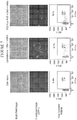
- FIG. 7 is a series of photographs and FACS plots showing the transfection efficiency results from Example 1.
- HepG2 cells were seeded overnight in 24-well plates at 50,000 cells/well. Cell were exposed to different formulations in Opti-MEM Media (DNA alone, Lipofectamine+DNA+mRNA and PEO-PLA-PHIS+DNA+mRNA) at a final concentration of 500 ng of DNA per well. At 48 hours post-incubation, cells were analyzed for GFP expression by microscopy and flow cytometry to determine the transfection efficiency for each condition.
- FIG. 8 is a graph depicting piggyBac delivery via polymeric micelles. Evaluation of complexation of PEO-b-PLA-b-PHIS micelles with an pEF-GFP DNA vector (GFP), GFP-piggyBac transposon (GFP-Transposon), which was delivered with a second micelle that was complexed with piggyBac transposase mRNA or a DNA vector containing luciferase on a sleeping beauty transposon as well as the sleeping beauty transposase. Micelles were purified on a GPC column and a second fraction was detected as micelles containing DNA. Molar ratio of polymer to DNA cargo was 20:1.
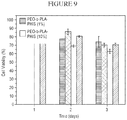
- FIG. 9 is a graph depicting piggyBac delivery via polymeric micelles. Evaluation of in vitro toxicity of PEO-b-PLA-b-PHIS micelles at different concentrations. Micelle toxicity in HepG2 cells was evaluated by an MTT assay. Empty micelles were incubated with cells over 3 days at the typical transfection concentration of DNA (1%) and at 10 ⁇ the typical concentrations (i.e. 10%).
- FIG. 10 is a graph depicting piggyBac delivery via polymeric micelles. Evaluation of transfection efficiency in HepG2 cells. HepG2 cells were incubated with plasmid or micelle formulation containing plasmid for 3 days. Flow cytometer was to detect transfected cells.
- nucleases may be used to generate DNA double strand breaks (DSBs) in precise genomic locations, and cellular repair machinery then exploited to silence or replace nucleotides and/or genes.
- DSBs DNA double strand breaks
- Targeted editing of nucleic acid sequences is a highly promising approach for the study of gene function and also has the potential to provide new therapies for human genetic diseases.
- Current gene editing tools include, for example, various enzymes, such as endonucleases, and mobile genetic elements, such as transposons.
- the these tools provide the potential, for example, to remove, replace, or add nucleotide bases to native DNA in order to correct or induce a point mutation, as well as to change a nucleotide base in order to correct or induce a frame shift mutation. Further, such tools may enable removing, inserting or modifying pieces of DNA containing a plurality of codons as part of one or more gene(s).
- viral-based gene delivery has limitations including toxicity, aggregation of the protein and/or nucleic acid, payload size limits, and difficulties with large-scale production, including costs and time.
- AAV adenovirus
- non-viral vectors For example, wild-type AAV has attracted considerable interest from gene therapy researchers due to a number of features, such as the virus's apparent lack of pathogenicity. It can also infect non-dividing cells and has the ability to stably integrate into the host cell genome at a specific site (designated AAVS 1) in the human chromosome 19. The feature makes it somewhat more predictable than retroviruses, which present the threat of a random insertion and of mutagenesis, which is sometimes followed by development of a cancer.
- AAV-based gene therapy vectors form episomal concatemers in the host cell nucleus.
- AAV DNA is lost through cell division, since the episomal DNA is not replicated along with the host cell DNA Random integration of AAV DNA into the host genome is detectable but occurs at very low frequency. AAVs also present very low immunogenicity, seemingly restricted to generation of neutralizing antibodies, while they induce no clearly defined cytotoxic response. These features, along with the ability to infect quiescent cells, demonstrate that AAVs are dominant over adenoviruses as vectors for human gene therapy.
- viral vectors including AAVs
- the use of viral vectors is also associated with some disadvantages, in particular the limited size of viral genomes. For example, the AAV genome is only 4.8 kilobase (kb), and therefore is unable to be used for single-vehicle delivery of the multitude of gene editing tools of the various embodiments.
- viruses to deliver gene editing tools may include targeting only dividing cells, random insertion into the host genome, risk of replication, and possible host immune reaction, as well as limitations on payload size imposed by the viral capsid.
- non-viral vectors are typically easy to manufacture, less likely to produce immune reactions, and do not produce replication reactions compared to viral vectors; existing methods are generally ineffective for in vivo introduction of genetic material into cells and have resulted in relatively low gene expression.
- existing non-viral systems have been recently explored for delivery of gene editing tools in the form of proteins and/or nucleic acids to cells.
- Such system may be broadly classified as: “nanocapsules” in which a slurry of free DNA/RNA/protein is wrapped with polymer peptide; “bioconjugates” (e.g., lipids, synthetic macromolecules, etc.) that target the nucleic acid, including via binding to specific proteins expressed by target cells to enable cellular internalization; and “lipid-based vehicles” (e.g., liposomes, lipid-based nanoparticles, etc.) modified with cationic amphiphilic polymers to self-assemble with the nucleic acids based on charge.
- bioconjugates e.g., lipids, synthetic macromolecules, etc.
- lipid-based vehicles e.g., liposomes, lipid-based nanoparticles, etc.
- the structure in a nanocapsule system, is highly unstable and may leak its contents into the vasculature after intravenous administration. As such, the capability to achieve intracellular delivery and release of a sufficient quantity of material components necessary for effective gene editing is unlikely.
- a bioconjugate system the use of a vector of sufficient size will expose the protein or nucleic acid directly to nucleases in the blood stream/cytosol and can cause fragmentation and destruction of the payload.
- the charged delivery systems In lipid-based vehicles, the charged delivery systems have demonstrated poor loading capacity and difficult release of encapsulated payload.
- Polymeric micelles have been extensively studied for their potential applications in the drug delivery field.
- Polymeric micelles are formed by amphiphilic block copolymers, which can self-assemble into nano-sized core/shell structures in an aqueous environment via hydrophobic or ion pair interactions between polymer segments.
- Such micelles generally are able to solubilize the insoluble drugs, avoid non-selective uptake by the reticuloendothelial system (RES), and utilize the enhanced permeability and retention (EPR) effect for passive targeting. In this manner, a drug's solubility and pharmacokinetic profiles may be significantly improved through the use of micelles.
- RES reticuloendothelial system
- EPR enhanced permeability and retention
- Polymeric micelles used for drug delivery have in some cases shown capabilities in attenuating nonspecific toxicities and enhancing drug delivery to desired sites resulting in improved therapeutic efficacy.
- Synthetic amphiphilic copolymers may be beneficial tools for drug delivery because they are highly versatile in terms of composition and architecture.
- micelles may be customized, for example, by modifying the hydrophilic block using functional groups.
- Such functional group may include, for example, targeting ligands, such as monoclonal antibody, or intracellular drug delivery moieties, such as cell-penetrating peptides (CPPs), etc.
- nanoparticles have been reported to accumulate preferably in certain regions due to passive and/or active targeting, their inefficient drug release can be another barrier that may significantly lower drug's efficacy.
- surface PEO chains may inhibit the cellular uptake of long circulating nanoparticles following intracellular events. Therefore, quicker and more controllable payload release remains a target for nanoparticle systems such as micelles.
- nucleic acids such as mRNA and/or large DNA plasmids
- subject and “patient” are used interchangeably herein to refer to human patients, whereas the term “subject” may also refer to any animal. It should be understood that in various embodiments, the subject may be a mammal, a non-human animal, a canine and/or a vertebrate.
- monomeric units is used herein to mean a unit of polymer molecule containing the same or similar number of atoms as one of the monomers.
- Monomeric units as used in this specification, may be of a single type (homogeneous) or a variety of types (heterogeneous).
- polymer is used according to its ordinary meaning of a macromolecule comprising connected monomeric molecules.
- amphiphilic is used herein to mean a substance containing both polar (water-soluble) and hydrophobic (water-insoluble) groups.
- an effective amount is used herein to refer to an amount of a compound, material, or composition effective to achieve a particular biological result such as, but not limited to, biological results disclosed, described, or exemplified herein. Such results may include, but are not limited to, the effective reduction of symptoms associated with any of the disease states mentioned herein, as determined by any means suitable in the art.
- the effective amount of an agent e.g., a nuclease, an integrase, a transposase, a recombinase, a hybrid protein, a fusion protein, a protein dimer, a complex of a protein (or protein dimer) and a polynucleotide, or a polynucleotide, may vary depending on various factors as, for example, on the desired biological response, the specific allele, genome, target site, cell, or tissue being targeted, and the agent being used.
- an agent e.g., a nuclease, an integrase, a transposase, a recombinase, a hybrid protein, a fusion protein, a protein dimer, a complex of a protein (or protein dimer) and a polynucleotide, or a polynucleotide
- membrane is used herein to mean a spatially distinct collection of molecules that defines a two-dimensional surface in three-dimensional space, and thus separates one space from another in at least a local sense.
- active agent is used herein to refer to any a protein, peptide, sugar, saccharide, nucleoside, inorganic compound, lipid, nucleic acid, small synthetic chemical compound, or organic compound that appreciably alters or affects the biological system to which it is introduced.
- vehicle is used herein to refer to agents with no inherent therapeutic benefit but when combined with an active agent for the purposes of delivery into a cell result in modification of the active agent's properties, including but not limited to its mechanism or mode of in vivo delivery, its concentration, bioavailability, absorption, distribution and elimination for the benefit of improving product efficacy and safety, as well as patient convenience and compliance.
- carrier is used herein to describe a delivery vehicle that is used to incorporate a pharmaceutically active agent for the purposes of drug delivery.
- homopolymer is used herein to refer to a polymer derived from one monomeric species of polymer.
- copolymer is used herein to refer to a polymer derived from two (or more) monomeric species of polymer, as opposed to a homopolymer where only one monomer is used. Since a copolymer consists of at least two types of constituent units (also structural units), copolymers may be classified based on how these units are arranged along the chain.
- block copolymers is used herein to refer to a copolymer that includes two or more homopolymer subunits linked by covalent bonds in which the union of the homopolymer subunits may require an intermediate non-repeating subunit, known as a junction block.
- Block copolymers with two or three distinct blocks are referred to herein as “diblock copolymers” and “triblock copolymers,” respectively.
- loading capacity is used herein to refer to the weight of a particular compound within a carrier divided by the total weight of carrier.
- complexation efficiency and “loading efficiency” are interchangeably used herein to refer to the weight a particular compound that is complexed with and/or incorporated within a carrier suspension divided by the weight of the original compound in solution prior to forming a complex (expressed as a %).
- nucleic acid and “nucleic acid molecule” are used interchangeably herein to refer to a compound with a nucleobase and an acidic moiety, e.g., a nucleoside, a nucleotide, or a polymer of nucleotides.
- polymeric nucleic acids e.g., nucleic acid molecules comprising three or more nucleotides are linear molecules, in which adjacent nucleotides are linked to each other via a phosphodiester or a phosphorothioate linkage.
- nucleic acid refers to individual nucleic acid residues (e.g. nucleotides and/or nucleosides).
- nucleic acid refers to an oligonucleotide chain comprising three or more individual nucleotide residues.
- oligonucleotide and polynucleotide can be used interchangeably to refer to a polymer of nucleotides (e.g., a string of at least three nucleotides).
- nucleic acid encompasses RNA as well as single and/or double-stranded DNA
- Nucleic acids may be naturally occurring, for example, in the context of a genome, a transcript, an mRNA, tRNA, rRNA, siRNA, snRNA, a plasmid, cosmid, chromosome, chromatid, or other naturally occurring nucleic acid molecule.
- a nucleic acid molecule may be a non-naturally occurring molecule, e.g., a recombinant DNA or RNA, an artificial chromosome, an engineered genome, or fragment thereof, or a synthetic DNA, RNA, DNA/RNA hybrid, or including non-naturally occurring nucleotides or nucleosides.
- the terms “nucleic acid,” “DNA,” “RNA,” and/or similar terms include nucleic acid analogs, e.g., analogs having other than a phosphodiester backbone including a phosphorothioate linkage. Nucleic acids can be purified from natural sources, produced using recombinant expression systems and optionally purified, chemically synthesized, etc.
- nucleic acids can comprise nucleoside analogs such as analogs having chemically modified bases or sugars, and backbone modifications.
- a nucleic acid sequence is presented in the 5′ to 3′ direction unless otherwise indicated.
- a nucleic acid is or comprises natural nucleosides (e.g.
- nucleoside analogs e.g., 2-aminoadenosine, 2-thiothymidine, inosine, pyrrolo-pyrimidine, 3-methyl adenosine, 5-methylcytidine, 2-aminoadenosine, C5-bromouridine, C5-fluorouridine, C5-iodouridine, C5-propyny 1-uridine, C5-propyny 1-cytidine, C5-methy lcytidine, 2-aminoadenosine, 7-deazaadenosine, 7-deazaguanosine, 8-oxoadenosine, 8-oxoguanosine, 0(6)-methylguanine, and 2-thioc
- nuclease is used interchangeably herein to refer to an enzyme that forms a complex with (e.g., binds or associates with) one or more nucleic acid to provide a target for cleavage, or indirect guide to another site for cleavage.
- treatment refers to a clinical intervention aimed to reverse, alleviate, delay the onset of, or inhibit the progress of a disease or disorder, or one or more symptoms thereof, as described herein.
- treatment refers to a clinical intervention aimed to reverse, alleviate, delay the onset of, or inhibit the progress of a disease or disorder, or one or more symptoms thereof, as described herein.
- treatment may be administered after one or more symptoms have developed and/or after a disease has been diagnosed. In other embodiments, treatment may be administered in the absence of symptoms, e.g., to prevent or delay onset of a symptom or inhibit onset or progression of a disease.
- treatment may be administered to a susceptible individual prior to the onset of symptoms (e.g., in light of a history of symptoms and/or in light of genetic or other susceptibility factors). Treatment may also be continued after symptoms have resolved, for example, to prevent or delay their recurrence.
- micellar systems with triggered release mechanisms may be developed that enable the delivery drugs or other treatment agents in response to specific stimuli.
- pH-sensitive polymeric micelles may be useful therapeutic agents since changes in pH occur in a variety of cellular processes and locations. For example, once the micelle enters cells via endocytosis where pH can drop as low as 5.5-6.0 in endosomes and 4.5-5.0 in lysosomes.
- Poly(histidine) i.e., poly(L-histidine)
- poly(L-histidine) is a pH-sensitive polymer due to the imidazole ring providing an electron lone pair on the unsaturated nitrogen. That is, poly(histidine) has amphoteric properties through protonation-deprotonation.
- the various embodiments enable intracellular delivery of gene editing tools by complexing with poly(histidine)-based micelles.
- the various embodiments provide triblock copolymers made of a hydrophilic block, a hydrophobic block, and a charged block.
- the hydrophilic block may be poly(ethylene oxide) (PEO)
- the charged block may be poly(L-histidine).
- An example tri-block copolymer that may be used in various embodiments is a PEO-b-PLA-b-PHIS, with variable numbers of repeating units in each block varying by design.
- the gene editing tools may be various molecules that are recognized as capable of modifying, repairing, adding and/or silencing genes in various cells.
- DSBs double-strand breaks
- Structural damage to DNA may occur randomly and unpredictably in the genome due to any of a number of intracellular factors (e.g., nucleases, reactive oxygen species, etc.) as well as external forces (e.g., ionizing radiation, ultraviolet (UV) radiation, etc.).
- DSBs double-strand breaks
- Genetic modification tools may therefore be composed of programmable, sequence-specific DNA-binding modules associated with a nonspecific DNA nuclease, introducing DSBs into the genome.
- CRISPR mostly found in bacteria, are loci containing short direct repeats, and are part of the acquired prokaryotic immune system, conferring resistance to exogenous sequences such as plasmids and phages.
- RNA-guided endonucleases are programmable genetic engineering tools that are adapted from the CRISPR/CRISPR-associated protein 9 (Cas9) system, which is a component of prokaryotic innate immunity.
- Diblock copolymers that may be used as intermediates for making triblock copolymers of the embodiment micelles may have hydrophilic biocompatible poly(ethylene oxide) (PEO), which is chemically synonymous with PEG, coupled to various hydrophobic aliphatic poly(anhydrides), poly(nucleic acids), poly(esters), poly(ortho esters), poly(peptides), poly(phosphazenes) and poly(saccharides), including but not limited by poly(lactide) (PLA), poly(glycolide) (PLGA), poly(lactic-co-glycolic acid) (PLGA), poly( ⁇ -caprolactone) (PCL), and poly (trimethylene carbonate) (PTMC).
- PEO poly(ethylene oxide)
- Polymeric micelles comprised of 100% PEGylated surfaces possess improved in vitro chemical stability, augmented in vivo bioavailability, and prolonged blood circulatory half-lives.
- aliphatic polyesters constituting the polymeric micelle's membrane portions, are degraded by hydrolysis of their ester linkages in physiological conditions such as in the human body. Because of their biodegradable nature, aliphatic polyesters have received a great deal of attention for use as implantable biomaterials in drug delivery devices, bioresorbable sutures, adhesion barriers, and as scaffolds for injury repair via tissue engineering.
- molecules required for gene editing may be delivered to cells using one or more micelle formed from self-assembled triblock copolymers containing poly(histidine).
- gene editing refers to the insertion, deletion or replacement of nucleic acids in genomic DNA so as to add, disrupt or modify the function of the product that is encoded by a gene.
- a cutting enzyme e.g., a nuclease or recombinase
- insertion tools e.g. DNA template vectors, transposable elements (transposons or retrotransposons) must be delivered to the cell in addition to the cutting enzyme (e.g. a nuclease, recombinase, integrase or transposase).
- the cutting enzyme e.g. a nuclease, recombinase, integrase or transposase.
- insertion tools for a recombinase may include a DNA vector.
- Other gene editing systems require the delivery of an integrase along with an insertion vector, a transposase along with a transposon/retrotransposon, etc.
- an example recombinase that may be used as a cutting enzyme is the CRE recombinase.
- example integrases that may be used in insertion tools include viral based enzymes taken from any of a number of viruses including, but not limited to, AAV, gamma retrovirus, and lentivirus.
- Example transposons/retrotransposons that may be used in insertion tools include, but are not limited to, the piggyBac transposon, Sleeping Beauty transposon, and the L1 retrotransposon.
- nucleases that may be used as cutting enzymes include, but are not limited to, Cas9, transcription activator-like effector nucleases (TALENs) and zinc finger nucleases.
- the gene editing systems described herein may be complexed with nanoparticles that are poly(histidine)-based micelles.
- poly(histidine)-containing triblock copolymers may assemble into a micelle with positively charged poly(histidine) units on the surface, thereby enabling complexing with the negatively-charged gene editing molecule(s).
- Using these nanoparticles to bind and release proteins and/or nucleic acids in a pH-dependent manner may provide an efficient and selective mechanism to perform a desired gene modification.
- this micelle-based delivery system provides substantial flexibility with respect to the charged materials, as well as a large payload capacity, and targeted release of the nanoparticle payload.
- site-specific cleavage of the double stranded DNA may be enabled by delivery of a nuclease using the poly(histidine)-based micelles.
- the various embodiments enable intracellular delivery of gene editing tools by complexing with poly(histidine)-based micelles.
- the various embodiments provide triblock copolymers made of a hydrophilic block, a hydrophobic block, and a charged block.
- the hydrophilic block may be poly(ethylene oxide) (PEO)
- the charged block may be poly(L-histidine).
- An example tri-block copolymer that may be used in various embodiments is a PEO-b-PLA-b-PHIS, with variable numbers of repeating units in each block varying by design.
- the hydrophobic blocks aggregate to form a core, leaving the hydrophilic blocks and poly(histidine) blocks on the ends to form one or more surrounding layer.
- poly(histidine)-based micelles may be formed at a pH higher than the pKa of poly(histidine) (e.g., pH of about 7).
- the amine groups of the poly(histidine) block may be protonated, imparting a positive charge and enabling the poly(histidine) block to complex with negatively charged molecules (e.g., proteins and nucleic acids).
- negatively charged molecules e.g., proteins and nucleic acids.
- the pH is dropped substantially, such as a pH of around 3-4, the bound protein and/or nucleic acid may be released due to protonation of the poly(histidine).
- poly(histidine)-based micelles may exploit the controllable pH-dependent release of the payload molecules to target particular cells and/or pathways.
- Additional applications of the embodiment micelles may include conjugating molecules to the hydrophilic block in order to target particular cell types.
- Apoliprotein E or N-Acetylgalactosamine (GalNAc) may be conjugated to a PEO block for specific targeting of the micelles to hepatocytes.
- the particular methods of creating the block copolymers used in the various embodiments, as well as the techniques of forming the micelles, may be varied based on the composition.
- these methods and techniques may be optimized to achieve the most desirable block and nanoparticle properties.
- the polymerization times may be altered to change the molecular weight of a block, and therefore the overall nanoparticle size, as described in further detail in the examples below.
- the hydrophobic block of the triblock copolymers used to form the micelles may be a polyester, a polyanhydride, a polypeptide, or an artificial polynucleic acid.
- the hydrophobic block may be an aliphatic polyester, including, but not limited to, poly(lactic acid), poly(glycolic acid) (PGA), poly(lactic-co-glycolic acid) (PLGA), poly( ⁇ -caprolactone) (PCL), and/or poly(3-hydroxybutyrate) (PHB).
- Various embodiments may be DNA-based systems that are complexed with the poly(histidine)-based micelles.
- an expression vector that expresses a nuclease or other protein may be complexed with poly(histidine)-based micelles.
- the expression vector may be, for example, a plasmid constructed to contain DNA encoding nuclease as well as a promoter region. Once inside the target cell, the DNA encoding the nuclease may be transcribed and translated to create the enzyme.
- Various embodiment systems may also be designed to integrate DNA into the genome of a target cell using a transposon provided on a vector, such as an artificially constructed plasmid.
- Applications of such systems may include introducing (i.e., “knocking in”) a new gene to perform a particular function through the inserted DNA, or inactivating (i.e., “knocking out”) a mutated gene that is functioning improperly through interruption in the target DNA.
- the DNA may be transposon that is directly transposed between vectors and chromosomes via a “cut and paste” mechanism.
- the transposon may be a retrotransposon, e.g., a DNA that is first transcribed into an RNA intermediate, followed by reverse transcription into the DNA that is transposed.
- the poly(histidine)-based micelles may complex with a vector that includes the transposon, as well as a transposase that catalyzes the integration of the transposon into specific sites in the target genome.
- the transposase that is used is specific to the particular transposon that is selected, each of which may have particular properties are desirable for use in various embodiments.
- One example transposon is the piggyBac transposon, which is transposed into a target genome by the piggyBac transposase.
- the piggyBac transposase recognizes transposon-specific inverted terminal repeat sequences (ITRs) on the ends of the transposon, and moves the contents between the ITRs into TTAA chromosomal sites.
- ITRs inverted terminal repeat sequences
- the piggyBac transposon system has no payload limit for the genes of interest that can be included between the ITRs.
- Another example transposon system is the sleeping beauty transposon, which is transposed into the target genome by the sleeping beauty transposase that recognizes ITRs, and moves the contents between the ITRs into TA chromosomal sites.
- SB transposon-mediated gene transfer, or gene transfer using any of a number of similar transposons may be used for long-term expression of a therapeutic gene.
- poly(histidine)-based micelles may complex with the transposase in its native protein for, as mRNA that is transcribed into protein in the target cell, or as an expression vector containing DNA to express the transposase protein.
- genes encoding the transposase may be provided in the same vector as the transposon itself, or on a different vector.
- Various embodiments may further enable complexing a nuclease and a transposon system in a poly(histidine)-based micelles for delivery to a target cell.
- Such micelle systems may be used for example, to replace a mutated gene that causes disease with a healthy copy of the gene that is inserted at a specific site dictated by the activity of the nuclease.
- a transposon may be created that includes one or more gene to be inserted, which is surrounded by the ITRs for recognition by the transposase.
- the transposon and ITRs may be provided on a vector that contains homology arms on each end of the ITRs.
- the transposon system when delivered with the nuclease, may serve the function of the DNA repair template used in HDR. That is, following the creation of one or more DSB by the nuclease, the transposon may be inserted into the target DNA based on the homology arms. In some embodiments, the transposon insertion may occur between the two ends generated by a DSB. In other embodiments, the transposon may be inserted between one arm of a first DSB and the other arm at a second DSB in the target DNA (i.e., replacing the sequence between two DSBs).
- each complexing system may include common characteristics in order to be effective.
- nucleic acids may be complexed with poly(histidine)-based micelles with at least 40% efficiency. Such minimum efficiency ensures delivery of enough active molecule to achieve efficient DNA cleavage and/or other modification, and that the product can be reproducibly generated at a low cost.
- the poly(histidine)-based micelles may be designed to be stable, yet to provide facile release of the complexed payload once the micelle has been taken up intracellularly, thereby avoiding endosomal retrafficking and ensuring release of the nucleic acids.
- the vector i.e., transposon
- the vector i.e., transposon
- the gene editing tools provided in the poly(histidine)-based micelles described herein may be beneficial for a number of in vivo applications.
- the embodiment materials may be delivered to various cell types in order to cut or to repair gene defects.
- Such cells include, but are not limited to, hepatocytes, hepatic endothelial cells, immune cells, neurons, etc.
- the embodiment poly(histidine)-based micelles may also be delivered to various cell types in order to silence defective genes that cause diseases (for example, delivery to retinal cells to silence mutations underlying Leber's Congenital Amaurosis).
- Various methods may be used to generate the poly(histidine)-based micelles and/or complexation of micelles and proteins and/or nucleic acids described herein.
- conventional preparation techniques such as thin-film rehydration, direct-hydration, and electro-formation may be used to form polymeric micelles that complex with nucleic acids and/or proteins with gene editing functions into various degradable and non-degradable micelles.
- model proteins and model nucleic acids may be created using conventional techniques.
- BSA bovine serum albumin
- DNA plasmids may be used as model nucleic acids for poly(histidine)-based micelles, such as plasmid DNA encoding the mammalian expression vector for expression of green fluorescent protein (GFP) using the elongation factor I alpha (EF la) promoter) (i.e., pEF-GFP DNA).
- GFP green fluorescent protein
- EF la elongation factor I alpha
- pEF-GFP DNA e.e., pEF-GFP DNA
- the pEF-GFP DNA is about 5000 base-pairs, and has a molecular weight of about 3283 kDa.
- the hydrophobic blocks may aggregate to form a core, leaving the hydrophilic blocks and poly(histidine) blocks on the ends to form one or more surrounding layer.
- poly(histidine)-containing triblock copolymers are used to form micelles that complex with negatively charged particles, including nucleic acids and some proteins.
- PEO-b-PLA-b-PHIS micelles were prepared by a thin-film rehydration method.
- Suspensions of polymeric micelles were diluted with Opti-MEM Media® (Invitrogen) to different concentrations, varying the final numbers of amino groups in solution. Equal volume solutions containing protein or DNA where then added to the micelles.
- DNA the primary parameters that were varied included the initial ratios of free amines to phosphates (NIP) in suspension, which ranged from 5:1 to 40:1. Protein- or DNA-complexed micelles were then formed by gentle pipetting and allowed to equilibrate for 30 min at RT.
- micro-BSA assay for protein concentrations
- fluorescence standard curve for flurophore-conjugated protein
- ICP-MS was utilized (to determine the amount of platinum-bound DNA in solution).
- a first copolymer micelle model micelles were created using the diblock copolymer PEO-b-PLA.
- Various time durations for polymerizing the PLA block were tested in combination with different techniques for forming the micelles (i.e., “test combinations”).
- the of PLA polymerization times, micelle formation techniques, and mean diameter sizes of the resulting nanoparticles are shown in FIG. 1A .
- the mean diameter of the resulting micelles was 247 nm.
- FIG. 1B is graph showing the size distribution for the PEO-b-PLA micelles generated using the same test combination (i.e., 6 hours PLA polymerization and sonication in PBS).
- FIG. 1C is a graph showing the ⁇ -potential distribution of the PEO-b-PLA micelles generated using the same test combination (i.e., 6 hours PLA polymerization and sonication in PBS). As demonstrated, the ⁇ -potential of the tested PEO-b-PLA micelle is about ⁇ 12.20 mV.
- the block copolymer micelles in the various embodiments may also encapsulate water-insoluble molecules in the hydrophobic block. This capability was shown by encapsulating a lipophilic carbocyanine fluorescent dye (DIL dye) in the hydrophobic portion (i.e., PLA) of the PEO-b-PLA micelles described with respect to FIGS. 1B and 1C (i.e., prepared by 6 hours PLA polymerization and sonication in PBS).
- FIG. 2 is a graph showing the absorbance of light at a wavelength of 560 nm by the micelles with different concentrations of the DIL dye in solution. In particular, the graph may be used to quantify how much DIL dye can be bound to the hydrophobic portion of the micelles. Specifically, it was found that 1 mg of the PEO-b-PLA micelles was able to load around 4 ⁇ M of the DIL dye.
- DIL dye lipophilic carbocyanine fluorescent dye
- creating a triblock copolymer for use in micelle formation involves attaching a poly(histidine) block to a diblock copolymer that has a hydrophobic and a hydrophilic block.
- the poly(histidine) block may be attached to the hydrophobic block, such that the resulting polymer contains the hydrophobic block in between a hydrophilic block and the poly(histidine) block.
- poly(histidine)-based micelles were created using the triblock copolymer PEO-b-PLA-b-PHIS.
- creating the PEO-b-PLA portion of the copolymers involved PLA polymerization for 6 hours, and sonicating the diblock copolymers in PBS.
- Various time durations for creating the poly(histidine) block and adding it to the PEO-b-PLA copolymer were used in combination with different techniques for forming the triblock copolymer micelles.
- the PHIS polymerization times, micelle formation techniques, and mean diameter sizes of the resulting nanoparticles are shown in FIG. 3A .
- FIG. 3B is graph showing the size distribution (around 248 nm in diameter) for the PEO-b-PLA-b-PHA micelles generated using the same preparation parameters (i.e., 6 hours PLA polymerization, 48 hours PHIS polymerization, and THS in DCM).
- TFR thin film rehydration
- 3C is a graph of the ⁇ -potential distribution of the PEO-b-PLA-b-PHIS micelles generated using the same preparation parameters (i.e., 6 hours PLA polymerization, 48 hours PHIS polymerization, and THS in DCM). As demonstrated, the ⁇ -potential of the tested PEO-b-PLA-b-PHIS micelle is about ⁇ 18 mV.
- FIG. 4 is a chart showing the variation in properties of the PEO-b-PLA-b-PHIS micelles in different pHs was tested. As shown, the micelles were the smallest at a pH of around 7, with a mean diameter size of around 316 nm. When the pH was substantially raised or lowered, the mean diameter size increases. At the lower pH, such increase is likely due to the micelle swelling based on poly(histidine) chains gaining positive charges and growing.
- bovine serum albumin BSA was added to a solution with PEO-b-PLA-b-PHIS micelles at a low pH (i.e., lower than 6.6). In this manner, the BSA may complex with positively charged PHIS blocks, thereby creating neutrally charged nanoparticle-protein complexes.
- the complexation efficiency was around 50%. Without wishing to be bound by a particular theory, it is believe that the micelle core was formed by the hydrophobic PLA blocks. It is also believed that the BSA complexed with the poly(histidine) created a “shell” layer on the surface of the PLA core, while the PEO created a dispersed second “shell” layer around the BSA/poly(histidine) layer.
- a model plasmid DNA encoding the mammalian DNA vector for expression of green fluorescent protein (GFP) using the elongation factor 1 alpha (EF1a) promoter) i.e., pEF-GFP DNA
- EF1a elongation factor 1 alpha
- pEF-GFP DNA was added to a solution with PEO-b-PLA-b-PHIS micelles at a low pH (i.e., lower than 6.6).
- the pEF-GFP DNA may complex with positively charged PHIS blocks, thereby creating neutrally charged nanoparticle-DNA complexes.
- the micelle cores were formed by the hydrophobic PLA blocks. It is also believed that the BSA or pEF-GFP complexed with the poly(histidine) created a “shell” layer on the surface of the PLA core, while the PEO created a dispersed second “shell” layer around the BSA/poly(histidine) or pEF-GFP DNA/poly(histidine) layer.
- FIG. 5 demonstrates DNA+mRNA encapsulation and release from PEO-PLA-PHIS particles.
- 1% agarose gel electrophoresis was used to demonstrate the encapsulation of DNA and mRNA into PEO-PLA-PHIS particles (well 1).
- Exposure of particles to acidic pH of 4.6 causes protonation of PHIS and disruption of particle conformation to result in plasmid release as observed in the DNA band from well 2 in the gel image. Plasmid release can be also triggered by surfactant exposure from the loading dye containing SDS as can be seen in the well 3.
- the DNA band from release was compared to the band resulting from running DNA alone in the gel (well 4).
- FIG. 6A is a graph of the average diameter of PEO-b-PLA-b-PHIS micelles complexed with BSA as a function of pH
- FIG. 6B is a graph of the amount of released BSA as a function of pH.
- the nanoparticles are smallest at a pH of around 7 (around 400 nm).
- the pH is raised above 7 (e.g., up to around 10)
- the overall micelle size also increases, and BSA remains complexed with the micelle.
- the pH is lowered below 7 (e.g., to about 3-4)
- the overall micelle size also increases (e.g., swells), but at a pH of about 3-4, BSA is released from the micelles.
- HepG2 cells were seeded overnight into a 24-well plate at a confluence of 50,000 cells per well. Bare DNA and the different formulations containing DNA were added to the cells to achieve a final concentration of DNA of 5 ⁇ g per well.
- the formulations used were: Lipofectamine (a traditional method in the market used to transfect cells in vitro), PEO-PLA-PHIS particles, and PEO-PLL-PHIS particles. After 2 days of co-incubation, the cells were detached from the surface by trypsin, diluted with PBS and analyzed by flow cytometry. Analysis in flow cytometry was done to measure GFP fluorescence of transfected cells in a cell population of 10,000 cells per sample. Each condition was measured for 5 biological repetitions.
- FIG. 7 demonstrates transfection efficiency.
- HepG2 cells were seeded overnight in 24-well plates at 50,000 cells/well. Cell were exposed to different formulations in Opti-MEM Media (DNA alone, Lipofectamine+DNA+mRNA and PEO-PLA-PHIS+DNA+mRNA) at a final concentration of 500 ng of DNA per well. At 48 hours post-incubation, cells were analyzed for GFP expression by microscopy and flow cytometry to determine the transfection efficiency for each condition.
- degradable polymers include, but are not limited to: PEO(5000)-b-PCL(16300) (“P2350-EOCL”); PEO(2000)-b-PMCL(11900) (“OCL”); PEO(2000)-b-PMCL(8300) (“OMCL”); PEO(1100)-b-PTMC(5100) (“OTMC”); and PEO(2000)-b-PTMC/PCL(11200) (“OTCL”).
- the various embodiments include a micelle structure containing a triblock copolymer capable of complexing with at least one protein or nucleic acid, the triblock copolymer including a hydrophilic block including poly(ethylene oxide), a hydrophobic block, and a poly(L-histidine) block, wherein the poly(L-histidine) block enables pH-dependent release of the at least one protein or nucleic acid.
- the hydrophobic block is selected from the group including poly(esters), poly(anhydrides), poly(peptides), and artificial poly(nucleic acids).
- the hydrophobic block includes at least one aliphatic polyester selected from the group of including poly(lactic acid), poly(glycolic acid) (PGA), poly(lactic-co-glycolic acid) (PLGA), poly( ⁇ -caprolactone) (PCL), and poly(3-hydroxybutyrate) (PHB).
- the hydrophobic block includes poly(lactic acid) having an average length of 25 units.
- compositions for delivering at least one gene editing molecule to a cell including, a micelle assembled from a plurality of triblock copolymers in which each triblock copolymer having at least one hydrophobic block, at least one hydrophilic block, and at least one poly(L-histidine) block in which the at least one poly(L-histidine) block complexes with the at least one gene editing molecule, and the at least one poly(L-histidine) block is capable of a pH dependent release of the at least one gene editing molecule.
- the at least one gene editing molecule may include one or more protein or nucleic acid encoding for a protein in which the protein is selected from a group that includes transposases, nucleases, and integrases.
- the protein may be a nuclease selected from a group that includes CRISPR associated protein 9 (Cas9), transcription activator-like effector nucleases and zinc finger nucleases.
- the at least one gene editing molecule may include one or more transposable elements.
- the one or more transposable elements may include, but are not limited to, a piggyBac transposon, a Sleeping Beauty transposon, or a LINE-1 (L1) retrotransposon.
- the at least one gene editing molecule may further include one or more transposase.
- kits including a pharmaceutical composition for delivering at least one gene editing molecule to a cell.
- the composition may include a micelle assembled from a plurality of triblock copolymers in which each triblock copolymer having at least one hydrophobic block, at least one hydrophilic block, and at least one poly(L-histidine) block in which the at least one poly(L-histidine) block complexes with the at least one gene editing molecule, and the at least one poly(L-histidine) block is capable of a pH dependent release of the at least one gene editing molecule, and an implement for administering the pharmaceutical composition intravenously, via inhalation, topically, per rectum, per the vagina, transdermally, subcutaneously, intraperitoneally, intrathecally, intramuscularly, or orally.
Landscapes
- Health & Medical Sciences (AREA)
- Life Sciences & Earth Sciences (AREA)
- Chemical & Material Sciences (AREA)
- General Health & Medical Sciences (AREA)
- Genetics & Genomics (AREA)
- Engineering & Computer Science (AREA)
- Epidemiology (AREA)
- Animal Behavior & Ethology (AREA)
- Public Health (AREA)
- Veterinary Medicine (AREA)
- Medicinal Chemistry (AREA)
- Pharmacology & Pharmacy (AREA)
- Molecular Biology (AREA)
- Bioinformatics & Cheminformatics (AREA)
- Biochemistry (AREA)
- Biotechnology (AREA)
- General Engineering & Computer Science (AREA)
- Organic Chemistry (AREA)
- Zoology (AREA)
- Wood Science & Technology (AREA)
- Biomedical Technology (AREA)
- Dispersion Chemistry (AREA)
- Microbiology (AREA)
- Plant Pathology (AREA)
- Biophysics (AREA)
- Physics & Mathematics (AREA)
- Nanotechnology (AREA)
- Proteomics, Peptides & Aminoacids (AREA)
- Inorganic Chemistry (AREA)
- Mycology (AREA)
- Medicines That Contain Protein Lipid Enzymes And Other Medicines (AREA)
- Pharmaceuticals Containing Other Organic And Inorganic Compounds (AREA)
- Medicinal Preparation (AREA)
- Enzymes And Modification Thereof (AREA)
Abstract
Description
| (SEQ ID NO: 1) |
| 1 | mkrnyilgl A igitsvgygi idyetrdvid agvrlfkean vennegrrsk rgarrlkrrr | |
| 61 | rhriqrvkkl lfdynlltdh selsginpye arvkglsqkl seeefsaall hlakrrgvhn | |
| 121 | vneveedtgn elstkeqisr nskaleekyv aelqlerlkk dgevrgsinr fktsdyvkea | |
| 181 | kqllkvqkay hqldqsfidt yidlletrrt yyegpgegsp fgwkdikewy emlmghctyf | |
| 241 | peelrsvkya ynadlynaln dlnnlvitrd enekleyyek fqiienvfkq kkkptlkqia | |
| 301 | keilvneedi kgyrvtstgk peftnlkvyh dikditarke iienaelldq iakiltiyqs | |
| 361 | sediqeeltn lnseltqeei eqisnlkgyt gthnlslkai nlildelwht ndnqiaifnr | |
| 421 | lklvpkkvdl sqqkeipttl vddfilspvv krsfiqsikv inaiikkygl pndiiielar | |
| 481 | eknskdaqkm inemqkrnrq tnerieeiir ttgkenakyl iekiklhdmq egkclyslea | |
| 541 | ipledllnnp fnyevdhiip rsvsfdnsfn nkvlvkqee A skkgnrtpfq ylsssdskis | |
| 601 | yetfkkhiln lakgkgrisk tkkeylleer dinrfsvqkd finrnlvdtr yatrglmnll | |
| 661 | rsyfrvnnld vkvksinggf tsflrrkwkf kkernkgykh haedaliian adfifkewkk | |
| 721 | ldkakkvmen qmfeekqaes mpeieteqey keifitphqi khikdfkdyk yshrvdkkpn | |
| 781 | relindtlys trkddkgntl ivnnlnglyd kdndklkkli nkspekllmy hhdpqtyqkl | |
| 841 | klimeqygde knplykyyee tgnyltkysk kdngpvikki kyygnklnah lditddypns | |
| 901 | rnkvvklslk pyrfdvyldn gvykfvtvkn ldvikkenyy evnskcyeea kklkkisnqa | |
| 961 | efiasfynnd likingelyr vigvnndlln rievnmidit yreylenmnd krppriikti | |
| 1021 | asktqsikky stdilgnlye vkskkhpqii kkg. |
| (SEQ ID NO: 2) |
| MGSSLDDEHILSALLQSDDELVGEDSDSEVSDHVSEDDVQSDTEEAFIDE |
| VHEVQPTSSGSEILDEQNVIEQPGSSLASNRILTLPQRTIRGKNKHCWST |
| SKSTRRSRVSALNIVRSQRGPTRMCRNIYDPLLCFKLFFTDEIISEIVKW |
| TNAEISLKRRESMTSATFRDTNEDEIYAFFGILVMTAVRKDNHMSTDDLF |
| DRSLSMVYVSVMSRDREDFLIRCLRMDDKSIRPTLRENDVFTPVRKIWDL |
| FIHQCIQNYTPGAHLTIDEQLLGFRGRCPFRVYIPNKPSKYGIKILMMCD |
| SGTKYMINGMPYLGRGTQTNGVPLGEYYVKELSKPVHGSCRNITCDNWFT |
| SIPLAKNLLQEPYKLTIVGTVRSNKREIPEVLKNSRSRPVGTSMFCFDGP |
| LTLVSYKPKPAKMVYLLSSCDEDASINESTGKPQMVMYYNQTKGGVDTLD |
| QMCSVMTCSRKTNRWPMALLYGMINIACINSFIIYSHNVSSKGEKVQSRK |
| KFMRNLYMSLTSSFMRKRLEAPTLKRYLRDNISNILPKEVPGTSDDSTEE |
| PVMKKRTYCTYCPSKIRRKANASCKKCKKVICREHNIDMCQSCF. |
| (SEQ ID NO: 3) |
| MGKSKEISQDLRKKIVDLHKSGSSLGAISKRLKVPRSSVQTIVRKYKHHG |
| TTQPSYRSGRRRYLSPRDERTLVRKVQINPRTTAKDLVKMLEETGTKVSI |
| STVKRVLYRHNLKGRSARKKPLLQNRHKKARLRFATAHGDKDRTFWRNVL |
| WSDETKIELFGHNDHRYVWRKKGEACKPKNTIPTVKHGGGSIMLWGCFAA |
| GGTGALHKIDGIMRKENYVDILKQHLKTSVRKLKLGRKWVFQMDNDPKHT |
| SKVVAKWLKDNKVKVLEWPSQSPDLNPIENLWAELKKRVRARRPTNLTQL |
| HQLCQEEWAKIHPTYCGKLVEGYPKRLTQVKQFKGNATKY. |
| (SEQ ID NO: 4) |
| MGKSKEISQDLRKRIVDLHKSGSSLGAISKRLAVPRSSVQTIVRKYKHHGT |
| TQPSYRSGRRRYLSPRDERTLVRKVQINPRTTAKDLVKMLEETGTKVSIST |
| VKRVLYRHNLKGHSARKKPLLQNRHKKARLRFATAHGDKDRTFWRNVLWSD |
| ETKIELFGHNDHRYVWRKKGEACKPKNTIPTVKHGGGSIMLWGCFAAGGTG |
| ALHKIDGIMDAVQYVDILKQHLKTSVRKLKLGRKWVFQHDNDPKHTSKVVA |
| KWLKDNKVKVLEWPSQSPDLNPIENLWAELKKRVRARRPTNLTQLHQLCQE |
| EWAKIHPNYCGKLVEGYPKRLTQVKQFKGNATKY. |
Claims (12)
Priority Applications (1)
| Application Number | Priority Date | Filing Date | Title |
|---|---|---|---|
| US16/097,187 US11213594B2 (en) | 2016-04-29 | 2017-04-28 | Poly(histidine)-based micelles for complexation and delivery of proteins and nucleic acids |
Applications Claiming Priority (5)
| Application Number | Priority Date | Filing Date | Title |
|---|---|---|---|
| US201662329892P | 2016-04-29 | 2016-04-29 | |
| US201662330784P | 2016-05-02 | 2016-05-02 | |
| US201662330775P | 2016-05-02 | 2016-05-02 | |
| US16/097,187 US11213594B2 (en) | 2016-04-29 | 2017-04-28 | Poly(histidine)-based micelles for complexation and delivery of proteins and nucleic acids |
| PCT/US2017/030271 WO2017190091A1 (en) | 2016-04-29 | 2017-04-28 | Poly(histidine)-based micelles for complexation and delivery of proteins and nucleic acids |
Publications (2)
| Publication Number | Publication Date |
|---|---|
| US20190255191A1 US20190255191A1 (en) | 2019-08-22 |
| US11213594B2 true US11213594B2 (en) | 2022-01-04 |
Family
ID=58701870
Family Applications (1)
| Application Number | Title | Priority Date | Filing Date |
|---|---|---|---|
| US16/097,187 Expired - Fee Related US11213594B2 (en) | 2016-04-29 | 2017-04-28 | Poly(histidine)-based micelles for complexation and delivery of proteins and nucleic acids |
Country Status (4)
| Country | Link |
|---|---|
| US (1) | US11213594B2 (en) |
| EP (1) | EP3449004B1 (en) |
| ES (1) | ES2865481T3 (en) |
| WO (1) | WO2017190091A1 (en) |
Families Citing this family (19)
| Publication number | Priority date | Publication date | Assignee | Title |
|---|---|---|---|---|
| US10456452B2 (en) | 2015-07-02 | 2019-10-29 | Poseida Therapeutics, Inc. | Compositions and methods for improved encapsulation of functional proteins in polymeric vesicles |
| US20190119636A1 (en) | 2017-10-23 | 2019-04-25 | Poseida Therapeutics, Inc. | Modified stem cell memory t cells, methods of making and methods of using same |
| ES3051391T3 (en) | 2016-10-06 | 2025-12-29 | Poseida Therapeutics Inc | Inducible caspases and methods for use |
| US10329543B2 (en) | 2017-10-23 | 2019-06-25 | Poseida Therapeutics, Inc. | Modified stem cell memory T cells, methods of making and methods of using same |
| WO2019126589A1 (en) * | 2017-12-20 | 2019-06-27 | Poseida Therapeutics, Inc. | Micelles for complexation and delivery of proteins and nucleic acids |
| CA3124103A1 (en) | 2018-12-20 | 2020-06-25 | Poseida Therapeutics, Inc. | Nanotransposon compositions and methods of use |
| US20220372105A1 (en) | 2019-09-05 | 2022-11-24 | Poseida Therapeutics, Inc. | Allogeneic cell compositions and methods of use |
| AU2020407235A1 (en) | 2019-12-20 | 2022-07-07 | Poseida Therapeutics, Inc. | Anti-MUC1 compositions and methods of use |
| WO2021183795A1 (en) | 2020-03-11 | 2021-09-16 | Poseida Therapeutics, Inc. | Chimeric stimulatory receptors and methods of use in t cell activation and differentiation |
| EP4298205A1 (en) | 2021-02-23 | 2024-01-03 | Poseida Therapeutics, Inc. | Genetically modified induced pluripotent stem cells and methods of use thereof |
| WO2023044035A1 (en) * | 2021-09-16 | 2023-03-23 | University Of Connecticut | Cationic polymeric nanoparticles and their uses in treating diseases |
| EP4413141A1 (en) | 2021-10-04 | 2024-08-14 | Poseida Therapeutics, Inc. | Transposon compositions and methods of use thereof |
| EP4482967A1 (en) | 2022-02-23 | 2025-01-01 | Poseida Therapeutics, Inc. | Genetically modified cells and methods of use thereof |
| EP4568940A2 (en) * | 2022-08-11 | 2025-06-18 | Poseida Therapeutics, Inc. | Sulfur-containing compounds and compositions thereof for delivery of nucleic acids |
| KR20250166122A (en) | 2023-02-21 | 2025-11-27 | 포세이다 테라퓨틱스, 인크. | Compositions and methods for genome editing |
| EP4669746A1 (en) | 2023-02-21 | 2025-12-31 | Poseida Therapeutics, Inc. | COMPOSITIONS AND METHODS FOR GENOMEDITATION |
| CN121335979A (en) | 2023-05-17 | 2026-01-13 | 波西达治疗公司 | Compositions targeting HBG1 and HBG2 and their methods of use |
| WO2025096980A1 (en) | 2023-11-02 | 2025-05-08 | Poseida Therapeutics, Inc. | Compositions targeting klkb1 and methods of use thereof |
| WO2026080393A1 (en) | 2024-10-07 | 2026-04-16 | Poseida Therapeutics, Inc. | Compositions and methods for use in car cell therapies |
Citations (52)
| Publication number | Priority date | Publication date | Assignee | Title |
|---|---|---|---|---|
| US5227170A (en) | 1989-06-22 | 1993-07-13 | Vestar, Inc. | Encapsulation process |
| US5256422A (en) | 1991-03-28 | 1993-10-26 | Micro Vesicular Systems, Inc. | Lipid vesicle containing water-in-oil emulsions |
| US5595756A (en) | 1993-12-22 | 1997-01-21 | Inex Pharmaceuticals Corporation | Liposomal compositions for enhanced retention of bioactive agents |
| US5612310A (en) | 1993-05-24 | 1997-03-18 | Duke University | Methods for improving therapeutic effectiveness of agents for the treatment of solid tumors and other disorders |
| US5833974A (en) | 1996-04-17 | 1998-11-10 | Teicher; Beverly A. | Method of enhancing the effective life of oxygen-delivery agents |
| WO2000002580A2 (en) | 1998-07-10 | 2000-01-20 | Duke University Medical Center | Therapies using hemoproteins |
| US6133316A (en) | 1996-11-26 | 2000-10-17 | Nycomed Imaging As | Use of nitric oxide inhibitors for treating side effects of particulate drugs |
| WO2001080890A2 (en) | 2000-04-26 | 2001-11-01 | Queen's University At Kingston | Formulations and methods of using nitric oxide mimetics against a malignant cell phenotype |
| WO2001089579A2 (en) | 2000-05-19 | 2001-11-29 | Regents Of The University Of Minnesota | Composition for delivery of compounds to cells |
| US6376525B1 (en) | 2000-09-15 | 2002-04-23 | Qingzhong Kong | Method and composition for treating cancer using cellular organelle crystallizing agents |
| US20030114366A1 (en) | 1999-01-11 | 2003-06-19 | Francis J. Martin | Microfabricated particles and method for treating solid tumors |
| WO2003059363A1 (en) | 2002-01-11 | 2003-07-24 | Sangart, Inc. | Methods and compositions for oxygen transport comprising a high oyzgen affinity |
| US20030180365A1 (en) | 2000-06-29 | 2003-09-25 | Wolfgang Barnikol | Preparation containing an oxygen carrier for regeneration of the skin in the case of oxygen deficiency |
| US6835394B1 (en) | 1999-12-14 | 2004-12-28 | The Trustees Of The University Of Pennsylvania | Polymersomes and related encapsulating membranes |
| US20040265835A1 (en) | 2003-06-30 | 2004-12-30 | Lemaster David M. | Method of sorting vesicle-entrapped, coupled nucleic acid-protein displays |
| US20050019265A1 (en) | 2003-07-25 | 2005-01-27 | Hammer Daniel A. | Polymersomes incorporating highly emissive probes |
| US20050129747A1 (en) | 2002-03-20 | 2005-06-16 | Wolfgang Barnikol | Use of one or more natural or modified oxygen carriers, devoid of plasma and cellular membrane constiuents, for externally treating open, in particular chronic wounds |
| US20050287145A1 (en) | 1998-11-12 | 2005-12-29 | Stewart Michael W | Compositions and methods for producing vascular occlusion |
| US20050287189A1 (en) | 2001-09-12 | 2005-12-29 | Antoine Noujaim | Compositions and methods for producing vascular occlusion using a solid-phase platelet binding agent |
| US20060249456A1 (en) | 2005-04-15 | 2006-11-09 | Ippei Fukutomi | Method of removing carbon monoxide from an oxygen carrier and apparatus for removing carbon monoxide |
| US20080102128A1 (en) | 2006-07-28 | 2008-05-01 | Flamel Technologies, Inc. | Modified-release microparticles based on amphiphilic copolymer and on active principles(s) and pharmaceutical formulations comprising them |
| US20080181939A1 (en) | 1999-12-14 | 2008-07-31 | Trustees Of The University Of Pennsylvania | Polymersomes and related encapsulating membranes |
| US7417118B2 (en) | 2003-04-08 | 2008-08-26 | Nipro Corporation | Pharmaceutical composition containing artificial oxygen carrier |
| WO2009002274A1 (en) | 2007-06-28 | 2008-12-31 | Agency For Science, Technology And Research | Cationic peptide for delivering an agent into a cell |
| WO2009126705A2 (en) | 2008-04-10 | 2009-10-15 | Virginia Commonwealth University | Induction of tumor hypoxia for cancer therapy |
| US20100203149A1 (en) | 2004-09-10 | 2010-08-12 | University Of Wyoming | Nanoparticles for Cytoplasmic Drug Delivery to Cancer Cells |
| US20100255112A1 (en) | 2006-11-14 | 2010-10-07 | The Trustees Of The University Of Pennsylvania | Efficient Nuclear Delivery of Antisense Oligonucleotides or siRNA In Vitro and In Vivo by Nano-Transforming Polymersomes |
| WO2010118077A1 (en) | 2009-04-07 | 2010-10-14 | Dow Agrosciences Llc | Nanoparticle mediated delivery of sequence specific nucleases |
| US20100331819A1 (en) | 2009-06-24 | 2010-12-30 | Abbott Cardiovascular Systems Inc. | Drug Delivery System and Method of Treatment of Vascular Diseases Using Photodynamic Therapy |
| US20110023142A1 (en) | 2009-07-24 | 2011-01-27 | Ostertag Eric M | Genetically Modified Rat Models for Cytokine-Cytokine Signaling Pathways |
| US20110059157A1 (en) | 2009-09-10 | 2011-03-10 | Vibhudutta Awasthi | Anionic lipids and lipid nano-structures and methods of producing and using same |
| US7998458B2 (en) | 2005-01-04 | 2011-08-16 | Gp Medical, Inc. | Nanoparticles for protein drug delivery |
| WO2011106376A2 (en) | 2010-02-23 | 2011-09-01 | The General Hospital Corporation | Use of microvesicles in the treatment of medical conditions |
| US20110223217A1 (en) | 2008-11-25 | 2011-09-15 | Ecole Polytechnique Federale De Lausanne (Epfl) | Block copolymers and uses thereof |
| US20110223128A1 (en) | 2010-03-10 | 2011-09-15 | Northwestern University | Regulation of microvasculature occlusion |
| WO2011133635A2 (en) | 2010-04-20 | 2011-10-27 | Vindico NanoBio Technology Inc. | Biodegradable nanoparticles as novel hemoglobin-based oxygen carriers and methods of using the same |
| US20120114618A1 (en) | 2009-03-26 | 2012-05-10 | The Regents Of The University Of California | Mesenchymal Stem Cells Producing Inhibitory RNA for Disease Modification |
| WO2012094679A2 (en) | 2011-01-07 | 2012-07-12 | Vindico NanoBio Technology Inc. | Compositions and methods for delivery of high-affinity oxygen binding agents to tumors |
| WO2012149470A1 (en) | 2011-04-27 | 2012-11-01 | Amyris, Inc. | Methods for genomic modification |
| US20130202712A1 (en) | 2010-03-02 | 2013-08-08 | Vindico Nanobio Technology, Inc. | Compositions And Methods For Treating Or Preventing Immuno-Inflammatory Disease |
| WO2014021408A1 (en) | 2012-08-01 | 2014-02-06 | アステラス製薬株式会社 | Method for treating cancer by anticancer agent co-administration |
| WO2014093635A1 (en) | 2012-12-12 | 2014-06-19 | The Broad Institute, Inc. | Engineering and optimization of improved systems, methods and enzyme compositions for sequence manipulation |
| WO2014093622A2 (en) | 2012-12-12 | 2014-06-19 | The Broad Institute, Inc. | Delivery, engineering and optimization of systems, methods and compositions for sequence manipulation and therapeutic applications |
| US20140315985A1 (en) | 2013-03-14 | 2014-10-23 | Caribou Biosciences, Inc. | Compositions and methods of nucleic acid-targeting nucleic acids |
| US20140363496A1 (en) | 2011-01-07 | 2014-12-11 | Vindico NanoBio Technology Inc. | Compositions and Methods for Inducing Nanoparticle-mediated Microvascular Embolization of Tumors |
| WO2015089462A1 (en) | 2013-12-12 | 2015-06-18 | The Broad Institute Inc. | Delivery, use and therapeutic applications of the crispr-cas systems and compositions for genome editing |
| US20150232881A1 (en) | 2013-11-07 | 2015-08-20 | Editas Medicine, Inc. | CRISPR-RELATED METHODS AND COMPOSITIONS WITH GOVERNING gRNAS |
| WO2015191693A2 (en) | 2014-06-10 | 2015-12-17 | Massachusetts Institute Of Technology | Method for gene editing |
| WO2016022805A1 (en) | 2014-08-08 | 2016-02-11 | Vindico NanoBio Technology Inc. | Compositions and methods for inducing nanoparticle-mediated microvascular embolization of tumors |
| WO2016090111A1 (en) | 2014-12-05 | 2016-06-09 | Vindico NanoBio Technology Inc. | Compositions and methods for inducing nanoparticle-mediated microvascular embolization of tumors |
| WO2017004509A1 (en) | 2015-07-02 | 2017-01-05 | Ghoroghchian P Peter | Compositions and methods for delivery of gene editing tools using polymeric vesicles |
| US10456452B2 (en) | 2015-07-02 | 2019-10-29 | Poseida Therapeutics, Inc. | Compositions and methods for improved encapsulation of functional proteins in polymeric vesicles |
-
2017
- 2017-04-28 US US16/097,187 patent/US11213594B2/en not_active Expired - Fee Related
- 2017-04-28 WO PCT/US2017/030271 patent/WO2017190091A1/en not_active Ceased
- 2017-04-28 EP EP17723202.2A patent/EP3449004B1/en active Active
- 2017-04-28 ES ES17723202T patent/ES2865481T3/en active Active
Patent Citations (70)
| Publication number | Priority date | Publication date | Assignee | Title |
|---|---|---|---|---|
| US5227170A (en) | 1989-06-22 | 1993-07-13 | Vestar, Inc. | Encapsulation process |
| US5256422A (en) | 1991-03-28 | 1993-10-26 | Micro Vesicular Systems, Inc. | Lipid vesicle containing water-in-oil emulsions |
| US5612310A (en) | 1993-05-24 | 1997-03-18 | Duke University | Methods for improving therapeutic effectiveness of agents for the treatment of solid tumors and other disorders |
| US5595756A (en) | 1993-12-22 | 1997-01-21 | Inex Pharmaceuticals Corporation | Liposomal compositions for enhanced retention of bioactive agents |
| US5833974A (en) | 1996-04-17 | 1998-11-10 | Teicher; Beverly A. | Method of enhancing the effective life of oxygen-delivery agents |
| US6133316A (en) | 1996-11-26 | 2000-10-17 | Nycomed Imaging As | Use of nitric oxide inhibitors for treating side effects of particulate drugs |
| WO2000002580A2 (en) | 1998-07-10 | 2000-01-20 | Duke University Medical Center | Therapies using hemoproteins |
| US20050287145A1 (en) | 1998-11-12 | 2005-12-29 | Stewart Michael W | Compositions and methods for producing vascular occlusion |
| US20030114366A1 (en) | 1999-01-11 | 2003-06-19 | Francis J. Martin | Microfabricated particles and method for treating solid tumors |
| US20080181939A1 (en) | 1999-12-14 | 2008-07-31 | Trustees Of The University Of Pennsylvania | Polymersomes and related encapsulating membranes |
| US7867512B2 (en) | 1999-12-14 | 2011-01-11 | The Trustees Of The University Of Pennsylvania | Cross-linked polymersomes and related encapsulating membranes |
| US6835394B1 (en) | 1999-12-14 | 2004-12-28 | The Trustees Of The University Of Pennsylvania | Polymersomes and related encapsulating membranes |
| US7217427B2 (en) | 1999-12-14 | 2007-05-15 | The Trustees Of The University Of Pennsylvania | Polymersomes and related encapsulating membranes |
| WO2001080890A2 (en) | 2000-04-26 | 2001-11-01 | Queen's University At Kingston | Formulations and methods of using nitric oxide mimetics against a malignant cell phenotype |
| WO2001089579A2 (en) | 2000-05-19 | 2001-11-29 | Regents Of The University Of Minnesota | Composition for delivery of compounds to cells |
| US20030180365A1 (en) | 2000-06-29 | 2003-09-25 | Wolfgang Barnikol | Preparation containing an oxygen carrier for regeneration of the skin in the case of oxygen deficiency |
| US6376525B1 (en) | 2000-09-15 | 2002-04-23 | Qingzhong Kong | Method and composition for treating cancer using cellular organelle crystallizing agents |
| US20050287189A1 (en) | 2001-09-12 | 2005-12-29 | Antoine Noujaim | Compositions and methods for producing vascular occlusion using a solid-phase platelet binding agent |
| WO2003059363A1 (en) | 2002-01-11 | 2003-07-24 | Sangart, Inc. | Methods and compositions for oxygen transport comprising a high oyzgen affinity |
| US20030162693A1 (en) | 2002-01-11 | 2003-08-28 | Winslow Robert M. | Methods and compositions for oxygen transport comprising a high oxygen affinity modified hemoglobin |
| US20050129747A1 (en) | 2002-03-20 | 2005-06-16 | Wolfgang Barnikol | Use of one or more natural or modified oxygen carriers, devoid of plasma and cellular membrane constiuents, for externally treating open, in particular chronic wounds |
| US7417118B2 (en) | 2003-04-08 | 2008-08-26 | Nipro Corporation | Pharmaceutical composition containing artificial oxygen carrier |
| US20040265835A1 (en) | 2003-06-30 | 2004-12-30 | Lemaster David M. | Method of sorting vesicle-entrapped, coupled nucleic acid-protein displays |
| US20050019265A1 (en) | 2003-07-25 | 2005-01-27 | Hammer Daniel A. | Polymersomes incorporating highly emissive probes |
| US20100203149A1 (en) | 2004-09-10 | 2010-08-12 | University Of Wyoming | Nanoparticles for Cytoplasmic Drug Delivery to Cancer Cells |
| US7998458B2 (en) | 2005-01-04 | 2011-08-16 | Gp Medical, Inc. | Nanoparticles for protein drug delivery |
| US20060249456A1 (en) | 2005-04-15 | 2006-11-09 | Ippei Fukutomi | Method of removing carbon monoxide from an oxygen carrier and apparatus for removing carbon monoxide |
| US20080102128A1 (en) | 2006-07-28 | 2008-05-01 | Flamel Technologies, Inc. | Modified-release microparticles based on amphiphilic copolymer and on active principles(s) and pharmaceutical formulations comprising them |
| US20100255112A1 (en) | 2006-11-14 | 2010-10-07 | The Trustees Of The University Of Pennsylvania | Efficient Nuclear Delivery of Antisense Oligonucleotides or siRNA In Vitro and In Vivo by Nano-Transforming Polymersomes |
| WO2009002274A1 (en) | 2007-06-28 | 2008-12-31 | Agency For Science, Technology And Research | Cationic peptide for delivering an agent into a cell |
| WO2009126705A2 (en) | 2008-04-10 | 2009-10-15 | Virginia Commonwealth University | Induction of tumor hypoxia for cancer therapy |
| US20110223217A1 (en) | 2008-11-25 | 2011-09-15 | Ecole Polytechnique Federale De Lausanne (Epfl) | Block copolymers and uses thereof |
| US20120114618A1 (en) | 2009-03-26 | 2012-05-10 | The Regents Of The University Of California | Mesenchymal Stem Cells Producing Inhibitory RNA for Disease Modification |
| US20100311168A1 (en) | 2009-04-07 | 2010-12-09 | Dow Agrosciences Llc | Nanoparticle mediated delivery of sequence specific nucleases |
| WO2010118077A1 (en) | 2009-04-07 | 2010-10-14 | Dow Agrosciences Llc | Nanoparticle mediated delivery of sequence specific nucleases |
| US20100331819A1 (en) | 2009-06-24 | 2010-12-30 | Abbott Cardiovascular Systems Inc. | Drug Delivery System and Method of Treatment of Vascular Diseases Using Photodynamic Therapy |
| US20110023142A1 (en) | 2009-07-24 | 2011-01-27 | Ostertag Eric M | Genetically Modified Rat Models for Cytokine-Cytokine Signaling Pathways |
| US20110059157A1 (en) | 2009-09-10 | 2011-03-10 | Vibhudutta Awasthi | Anionic lipids and lipid nano-structures and methods of producing and using same |
| US20130202559A1 (en) | 2010-02-23 | 2013-08-08 | The General Hospital Corporation D/B/A Massachusetts General Hospital | Use of Microvesicles in the Treatment of Medical Conditions |
| WO2011106376A2 (en) | 2010-02-23 | 2011-09-01 | The General Hospital Corporation | Use of microvesicles in the treatment of medical conditions |
| US20130202712A1 (en) | 2010-03-02 | 2013-08-08 | Vindico Nanobio Technology, Inc. | Compositions And Methods For Treating Or Preventing Immuno-Inflammatory Disease |
| US20110223128A1 (en) | 2010-03-10 | 2011-09-15 | Northwestern University | Regulation of microvasculature occlusion |
| US8808748B2 (en) | 2010-04-20 | 2014-08-19 | Vindico NanoBio Technology Inc. | Biodegradable nanoparticles as novel hemoglobin-based oxygen carriers and methods of using the same |
| US20170105929A1 (en) | 2010-04-20 | 2017-04-20 | Vindico Nanobiotechnology Llc | Biodegradable nanoparticles as novel hemoglobin-based oxygen carriers and methods of using the same |
| US9533027B2 (en) | 2010-04-20 | 2017-01-03 | Vindico Nanobiotechnology, Llc | Biodegradable nanoparticles as novel hemoglobin-based oxygen carriers and methods of using the same |
| US9421247B2 (en) | 2010-04-20 | 2016-08-23 | Vindico NanoBio Technology Inc. | Biodegradable nanoparticles as novel hemoglobin-based oxygen carriers and methods of using the same |
| WO2011133635A2 (en) | 2010-04-20 | 2011-10-27 | Vindico NanoBio Technology Inc. | Biodegradable nanoparticles as novel hemoglobin-based oxygen carriers and methods of using the same |
| US20130177641A1 (en) | 2011-01-07 | 2013-07-11 | Vindico NanoBio Technology Inc. | Compositions and methods for delivery of high-affinity oxygen binding agents to tumors |
| WO2012094679A2 (en) | 2011-01-07 | 2012-07-12 | Vindico NanoBio Technology Inc. | Compositions and methods for delivery of high-affinity oxygen binding agents to tumors |
| US20170361126A1 (en) | 2011-01-07 | 2017-12-21 | Vindico Nanobiotechnology, Llc | Compositions and Methods for Inducing Nanoparticle Mediated Microvascular Embolization of Tumors |
| US20200338361A1 (en) | 2011-01-07 | 2020-10-29 | Poseida Therapeutics, Inc. | Compositions and methods for inducing nanoparticle-mediated microvascular embolization for tumors |
| US20140255477A1 (en) | 2011-01-07 | 2014-09-11 | Vindico NanoBio Technology Inc. | Compositions and Methods for Delivery of High-Affinity Oxygen Binding Agents to Tumors |
| US20200001110A1 (en) | 2011-01-07 | 2020-01-02 | Poseida Therapeutics, Inc. | Compositions and methods for inducing nanoparticle-mediated microvascular embolization for tumors |
| US20140363496A1 (en) | 2011-01-07 | 2014-12-11 | Vindico NanoBio Technology Inc. | Compositions and Methods for Inducing Nanoparticle-mediated Microvascular Embolization of Tumors |
| WO2012149470A1 (en) | 2011-04-27 | 2012-11-01 | Amyris, Inc. | Methods for genomic modification |
| WO2014021408A1 (en) | 2012-08-01 | 2014-02-06 | アステラス製薬株式会社 | Method for treating cancer by anticancer agent co-administration |
| WO2014093622A2 (en) | 2012-12-12 | 2014-06-19 | The Broad Institute, Inc. | Delivery, engineering and optimization of systems, methods and compositions for sequence manipulation and therapeutic applications |
| WO2014093635A1 (en) | 2012-12-12 | 2014-06-19 | The Broad Institute, Inc. | Engineering and optimization of improved systems, methods and enzyme compositions for sequence manipulation |
| US20140315985A1 (en) | 2013-03-14 | 2014-10-23 | Caribou Biosciences, Inc. | Compositions and methods of nucleic acid-targeting nucleic acids |
| US20150232881A1 (en) | 2013-11-07 | 2015-08-20 | Editas Medicine, Inc. | CRISPR-RELATED METHODS AND COMPOSITIONS WITH GOVERNING gRNAS |
| WO2015089462A1 (en) | 2013-12-12 | 2015-06-18 | The Broad Institute Inc. | Delivery, use and therapeutic applications of the crispr-cas systems and compositions for genome editing |
| WO2015191693A2 (en) | 2014-06-10 | 2015-12-17 | Massachusetts Institute Of Technology | Method for gene editing |
| WO2016022805A1 (en) | 2014-08-08 | 2016-02-11 | Vindico NanoBio Technology Inc. | Compositions and methods for inducing nanoparticle-mediated microvascular embolization of tumors |
| WO2016090111A1 (en) | 2014-12-05 | 2016-06-09 | Vindico NanoBio Technology Inc. | Compositions and methods for inducing nanoparticle-mediated microvascular embolization of tumors |
| US20170360706A1 (en) | 2014-12-05 | 2017-12-21 | Vindico Nanobiotechnology, Llc | Compositions and methods for inducing nanoparticle-mediated microvascular embolization of tumors |
| US20200138716A1 (en) | 2014-12-05 | 2020-05-07 | Poseida Therapeutics, Inc. | Compositions and methods for inducing nanoparticle-mediated microvascular embolization of tumors |
| US20170000743A1 (en) | 2015-07-02 | 2017-01-05 | Vindico NanoBio Technology Inc. | Compositions and Methods for Delivery of Gene Editing Tools Using Polymeric Vesicles |
| WO2017004509A1 (en) | 2015-07-02 | 2017-01-05 | Ghoroghchian P Peter | Compositions and methods for delivery of gene editing tools using polymeric vesicles |
| US10456452B2 (en) | 2015-07-02 | 2019-10-29 | Poseida Therapeutics, Inc. | Compositions and methods for improved encapsulation of functional proteins in polymeric vesicles |
| US20200009231A1 (en) | 2015-07-02 | 2020-01-09 | Poseida Therapeutics, Inc. | Compositions and methods for improved encapsulation of functional proteins in polymeric vesicles |
Non-Patent Citations (397)
Also Published As
| Publication number | Publication date |
|---|---|
| US20190255191A1 (en) | 2019-08-22 |
| EP3449004B1 (en) | 2021-02-24 |
| WO2017190091A1 (en) | 2017-11-02 |
| EP3449004A1 (en) | 2019-03-06 |
| ES2865481T3 (en) | 2021-10-15 |
Similar Documents
| Publication | Publication Date | Title |
|---|---|---|
| US11213594B2 (en) | Poly(histidine)-based micelles for complexation and delivery of proteins and nucleic acids | |
| AU2016288237B2 (en) | Compositions and methods for delivery of gene editing tools using polymeric vesicles | |
| Givens et al. | Nanoparticle-based delivery of CRISPR/Cas9 genome-editing therapeutics | |
| Tan et al. | Block polymer micelles enable CRISPR/Cas9 ribonucleoprotein delivery: physicochemical properties affect packaging mechanisms and gene editing efficiency | |
| Uchida et al. | Design concepts of polyplex micelles for in vivo therapeutic delivery of plasmid DNA and messenger RNA | |
| Sunshine et al. | Poly (β-amino ester)-nanoparticle mediated transfection of retinal pigment epithelial cells in vitro and in vivo | |
| WO2019126589A1 (en) | Micelles for complexation and delivery of proteins and nucleic acids | |
| Yu et al. | Biomaterial‐based gene therapy | |
| Sharma et al. | Effects of the incorporation of a hydrophobic middle block into a PEG− Polycation diblock copolymer on the physicochemical and cell interaction properties of the polymer− DNA complexes | |
| KR101460204B1 (en) | Controlled release gene delivery compositions prepared by solubilization of hydrophilic nucleic acids in organic solvent followed by their encapsulation into hydrophobic nano- and micro-particles and method thereof | |
| Lee et al. | Prolonged gene silencing by siRNA/chitosan-g-deoxycholic acid polyplexes loaded within biodegradable polymer nanoparticles | |
| Ma et al. | Bioinspired spatiotemporal management toward RNA therapies | |
| Yang et al. | Multivalent peptide-functionalized bioreducible polymers for cellular delivery of various RNAs | |
| Kim et al. | Noncovalent stabilization of vesicular polyion complexes with chemically modified/single-stranded oligonucleotides and peg-b-guanidinylated polypeptides for intracavity encapsulation of effector enzymes aimed at cooperative gene knockdown | |
| Khurana et al. | siRNA delivery using nanocarriers-an efficient tool for gene silencing | |
| Geinguenaud et al. | Vectorization of nucleic acids for therapeutic approach: tutorial review | |
| Skandalis et al. | Complexation of DNA with QPDMAEMA-b-PLMA-b-POEGMA cationic triblock terpolymer micelles | |
| Eksi et al. | Nanodelivery in gene therapy: unlocking the potential for precision medicine | |
| Jiang et al. | Complexation of Linear DNA and Poly (styrenesulfonate) with Cationic Copolymer Micelles: Effect of Polyanion Flexibility | |
| Zou et al. | Nanocarrier‐delivered small interfering RNA for chemoresistant ovarian cancer therapy | |
| Swami et al. | Diseases originate and terminate by genes: unraveling nonviral gene delivery | |
| WO2015179492A1 (en) | Shape-controlled nucleic acid nanoparticles for in vivo delivery of nucleic acid therapeutics | |
| HK40005711B (en) | Poly(histidine)-based micelles for complexation and delivery of proteins and nucleic acids | |
| Kumar et al. | Engineering biomaterials for nucleic acid-based therapies | |
| Stoleru et al. | Nucleic acids–based bionanomaterials for drug and gene therapy |
Legal Events
| Date | Code | Title | Description |
|---|---|---|---|
| FEPP | Fee payment procedure |
Free format text: ENTITY STATUS SET TO UNDISCOUNTED (ORIGINAL EVENT CODE: BIG.); ENTITY STATUS OF PATENT OWNER: SMALL ENTITY |
|
| FEPP | Fee payment procedure |
Free format text: ENTITY STATUS SET TO SMALL (ORIGINAL EVENT CODE: SMAL); ENTITY STATUS OF PATENT OWNER: SMALL ENTITY |
|
| AS | Assignment |
Owner name: POSEIDA THERAPEUTICS, INC., CALIFORNIA Free format text: ASSIGNMENT OF ASSIGNORS INTEREST;ASSIGNORS:GHOROGHCHIAN, PAIMAN PETER;URIBE, GABRIELA ROMERO;OSTERTAG, ERIC;SIGNING DATES FROM 20181102 TO 20181129;REEL/FRAME:047706/0946 |
|
| STPP | Information on status: patent application and granting procedure in general |
Free format text: APPLICATION DISPATCHED FROM PREEXAM, NOT YET DOCKETED |
|
| STPP | Information on status: patent application and granting procedure in general |
Free format text: DOCKETED NEW CASE - READY FOR EXAMINATION |
|
| STPP | Information on status: patent application and granting procedure in general |
Free format text: NON FINAL ACTION MAILED |
|
| STPP | Information on status: patent application and granting procedure in general |
Free format text: RESPONSE TO NON-FINAL OFFICE ACTION ENTERED AND FORWARDED TO EXAMINER |
|
| STPP | Information on status: patent application and granting procedure in general |
Free format text: FINAL REJECTION MAILED |
|
| STPP | Information on status: patent application and granting procedure in general |
Free format text: NON FINAL ACTION MAILED |
|
| STPP | Information on status: patent application and granting procedure in general |
Free format text: RESPONSE TO NON-FINAL OFFICE ACTION ENTERED AND FORWARDED TO EXAMINER |
|
| STPP | Information on status: patent application and granting procedure in general |
Free format text: NOTICE OF ALLOWANCE MAILED -- APPLICATION RECEIVED IN OFFICE OF PUBLICATIONS |
|
| STPP | Information on status: patent application and granting procedure in general |
Free format text: PUBLICATIONS -- ISSUE FEE PAYMENT VERIFIED |
|
| STCF | Information on status: patent grant |
Free format text: PATENTED CASE |
|
| FEPP | Fee payment procedure |
Free format text: ENTITY STATUS SET TO UNDISCOUNTED (ORIGINAL EVENT CODE: BIG.); ENTITY STATUS OF PATENT OWNER: LARGE ENTITY |
|
| FEPP | Fee payment procedure |
Free format text: MAINTENANCE FEE REMINDER MAILED (ORIGINAL EVENT CODE: REM.); ENTITY STATUS OF PATENT OWNER: LARGE ENTITY |
|
| LAPS | Lapse for failure to pay maintenance fees |
Free format text: PATENT EXPIRED FOR FAILURE TO PAY MAINTENANCE FEES (ORIGINAL EVENT CODE: EXP.); ENTITY STATUS OF PATENT OWNER: LARGE ENTITY |
|
| STCH | Information on status: patent discontinuation |
Free format text: PATENT EXPIRED DUE TO NONPAYMENT OF MAINTENANCE FEES UNDER 37 CFR 1.362 |
|
| FP | Lapsed due to failure to pay maintenance fee |
Effective date: 20260104 |