US11080730B2 - Webcast systems and methods with audience sentiment feedback and analysis - Google Patents
Webcast systems and methods with audience sentiment feedback and analysis Download PDFInfo
- Publication number
- US11080730B2 US11080730B2 US15/057,159 US201615057159A US11080730B2 US 11080730 B2 US11080730 B2 US 11080730B2 US 201615057159 A US201615057159 A US 201615057159A US 11080730 B2 US11080730 B2 US 11080730B2
- Authority
- US
- United States
- Prior art keywords
- sentiment
- audience
- event
- inputs
- time period
- Prior art date
- Legal status (The legal status is an assumption and is not a legal conclusion. Google has not performed a legal analysis and makes no representation as to the accuracy of the status listed.)
- Active, expires
Links
Images




Classifications
-
- G—PHYSICS
- G06—COMPUTING OR CALCULATING; COUNTING
- G06Q—INFORMATION AND COMMUNICATION TECHNOLOGY [ICT] SPECIALLY ADAPTED FOR ADMINISTRATIVE, COMMERCIAL, FINANCIAL, MANAGERIAL OR SUPERVISORY PURPOSES; SYSTEMS OR METHODS SPECIALLY ADAPTED FOR ADMINISTRATIVE, COMMERCIAL, FINANCIAL, MANAGERIAL OR SUPERVISORY PURPOSES, NOT OTHERWISE PROVIDED FOR
- G06Q30/00—Commerce
- G06Q30/02—Marketing; Price estimation or determination; Fundraising
- G06Q30/0201—Market modelling; Market analysis; Collecting market data
- G06Q30/0203—Market surveys; Market polls
-
- G—PHYSICS
- G06—COMPUTING OR CALCULATING; COUNTING
- G06Q—INFORMATION AND COMMUNICATION TECHNOLOGY [ICT] SPECIALLY ADAPTED FOR ADMINISTRATIVE, COMMERCIAL, FINANCIAL, MANAGERIAL OR SUPERVISORY PURPOSES; SYSTEMS OR METHODS SPECIALLY ADAPTED FOR ADMINISTRATIVE, COMMERCIAL, FINANCIAL, MANAGERIAL OR SUPERVISORY PURPOSES, NOT OTHERWISE PROVIDED FOR
- G06Q10/00—Administration; Management
- G06Q10/06—Resources, workflows, human or project management; Enterprise or organisation planning; Enterprise or organisation modelling
- G06Q10/063—Operations research, analysis or management
-
- G—PHYSICS
- G06—COMPUTING OR CALCULATING; COUNTING
- G06Q—INFORMATION AND COMMUNICATION TECHNOLOGY [ICT] SPECIALLY ADAPTED FOR ADMINISTRATIVE, COMMERCIAL, FINANCIAL, MANAGERIAL OR SUPERVISORY PURPOSES; SYSTEMS OR METHODS SPECIALLY ADAPTED FOR ADMINISTRATIVE, COMMERCIAL, FINANCIAL, MANAGERIAL OR SUPERVISORY PURPOSES, NOT OTHERWISE PROVIDED FOR
- G06Q30/00—Commerce
- G06Q30/02—Marketing; Price estimation or determination; Fundraising
Definitions
- the technology herein relates to audience feedback systems and methods. More particularly, the technology herein relates to webcasting systems that provide audience sentiment feedback and analysis.
- the Internet provides a dynamic way to distribute content to a diverse audience of users.
- a streaming distribution of such content is often referred to as “webcasting” where a particular piece of content (e.g., audio, video, etc) is distributed to many different consuming computing devices.
- Receiving feedback from an audience in response to “pushed” content is problematic in that companies have historically had a difficult time measuring audience reaction and feedback to the topic(s) being discussed in the webcast, both in real-time and after the fact.
- One technique is to track user attendance (audience totals) over time, or in a single snapshot. This may be useful, but may also yield false-positives because of concurrent event schedules, schedule conflicts, or technical issues of participating users that have nothing to do with the host-server.
- Another technique is to interpret sentiment from text-based questions, identifying items like emoticons, tone of language, or sarcasm.
- these types of techniques while evolving, are relatively unreliable in providing relevant and accurate sentiment analysis in an automated fashion. Accordingly, manual techniques are used to process the provided input. Such a manual process may have different problems (e.g., speed and/or human errors).
- Another possible technique is to use polls and surveys of the audience. Such prompting can yield useful data.
- the results may depend on the question being asked (e.g., the same general question being asked in different ways) and/or a spectrum of presented answers. Even with such information, the results may only represent a snapshot of audience response to that question at a particular time. Further, to perform repeated surveys asking similar questions throughout an event can be cumbersome for moderators and annoying to participants.
- Certain example embodiments provide a rating-system that allows participants in an audience of a webcasted event to express their opinions (e.g., sentiment) in single time-slices.
- the provided opinion feedback from the audience is combined with back-end computer processing to interpret and/or normalize the responses.
- a rating-system may offer live and after-the-fact reporting that shows the sentiment of an audience throughout an event.
- a system may give clients a real-time and post-event measure of audience sentiment throughout streaming of a media event.
- media events include various presentations that are provided by an organization or individual.
- media events may include a shareholder meeting event, an analyst day event, a product release conference, a press event, and the like.
- Such a system may provide so-called “Enterprise Webcasting” that may be used for meetings, town-halls, IR (investor relations) updates, and analyst presentations that are provided as webcasted content over a network such as the Internet.
- all event participants begin at a neutral opinion-state.
- a participant clicks on a thumbs-up/thumbs-down button e.g., to register a degree (1 ⁇ , 2 ⁇ , etc) of their opinion-state
- a vote is sent to the sentiment analysis system.
- Certain example embodiments may add a time-correction to allot for the time that a user needs to click these buttons.
- the vote, degree of the vote, number of prior votes from a internet protocol (IP) address, and number of votes from the overall audience within a time slice are synthesized, and a graph and live-total for sentiment are adjusted accordingly.
- IP internet protocol
- a computer based algorithm normalizes and/or standardizes audience sentiment votes and adjusts graphs and metrics according to changes in audience sentiment. This is a dynamic process (both within each time slice, and in time slices that are strung-together) and constantly updated throughout a webcasted event.
- the opinion states e.g., a sentiment value
- audience participants are returned to neutral until another participant (or the same one) presses a thumbs-up/thumbs-down button again, at which point the above process repeats.
- clients can log into an event console and view live sentiment metrics (e.g., how high is audience participation in providing sentiment feedback) related to the current sentiment percentage and total vote activity as of that point in the event.
- live sentiment metrics e.g., how high is audience participation in providing sentiment feedback
- the sentiment in an event is a metric that can evolve and change as the event unfolds.
- clients can log into an event console and view event-wide sentiment metrics, along with a graph.
- the graph is also overlaid with a video player to allow clients to access and view specific clips in the context of the changes in sentiment.
- Certain examples give the audience a chance to let their voice be heard (via sentiment feedback systems) and incentivize audience participants to engage in the webcast (e.g., more than a one-way presentation).
- Presenters may be provided with valuable real-time (or event-time—while the event is being webcasted) insights because they are invested in the audience's feedback—such as shareholder meetings, analyst presentations, employee meetings, etc.
- Certain users e.g., those authorized to do so
- event organizers may adjust messaging, during an event, so as to enhance the messaging of the event (or future events).
- Clients can drill down to specific points in a webcast and see/hear the clips where sentiment moved upward or downward. This can allow a granular extraction of sentiment-to-messaging.
- a method of tracking sentiment of an audience of a webcasted event is provided.
- Media content is transmitted to a client (e.g., a user and/or a computing device of the user) and sentiment input (from a member of the audience) is received from the client.
- Multiple sentiment expressions provided by members of the audience for the webcasted event are aggregated. Based on the aggregated expressions a sentiment value is calculated.
- a sentiment value is a range (e.g., 50 to 60 on a scale of 1 to 100).
- the scale may be a range between ⁇ 100% and 100% with 0 as a “neutral” state. Other types of scales (e.g., linear or non-linear) may also be used.
- the resulting calculated sentiment value is then output via the sentiment analysis computing system.
- a non-transitory computer readable medium is provided.
- a first plurality of participant sentiments within a time slice is obtained.
- the obtained participant sentiment inputs are validated.
- a sentiment value is calculated based on a plurality of sentiment votes for the time slice. For the calculation, the votes are normalized against each other within the time slice and normalized against other votes for the same client identifier that are outside the time slice.
- a graphical display is then output based on the calculation.
- a sentiment analysis system where sentiment inputs are received from an audience of a webcasted event and stored to a storage medium.
- a time slice is determined and from among the stored inputs a plurality of valid inputs is obtained.
- Each of the validated inputs is adjusted based on overall sentiment participation within the determined time slice and other sentiment inputs of the same client outside the time slice.
- a sentiment value is calculated and a sentiment analysis presentation is output based on the sentiment value.
- a graphical presentation of audience sentiment is output with a webcasted stream of an event.
- a graphical time slice indictor indicates at least one of a plurality of time slices of the event on the graphical presentation and is synchronized with the currently displayed part of the webcast stream.
- FIG. 1 illustrates streaming of a media event with example sentiment analysis according to certain example embodiments
- FIG. 2 is a flow chart showing an example process for analyzing provided sentiment information of an event
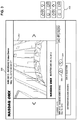
- FIG. 3 is an example display of a webcasted event that includes sentiment analysis input controls
- FIG. 4 is an example graphical display of sentiment provided by users during an event
- FIG. 5 is an example display of a webcasted event and sentiment analysis results
- FIG. 6 is a flow chart of an example process for initializing a webcasted event with sentiment feedback
- FIG. 7 is a flow chart of an example process for receiving user provided sentiment
- FIG. 8A is a flow chart of an example process for providing sentiment analysis results based on provided audience sentiment according to certain example embodiments
- FIG. 8B is a flow chart of an example process for providing sentiment analysis results based on provided audience sentiment according to certain example embodiments
- FIG. 9 is a flow chart of a user providing sentiment feedback from a webcasted event
- FIG. 10 is a block diagram of an exemplary computing system according to certain example embodiments.
- FIG. 11 is a block diagram of an example computing system for providing a graphical representation of sentiment for a webcasted event.
- a rating-system interface combined with a back-end client interface, and a computer system that is configured or programmed to interpret and normalize responses are provided.
- the system is configured to measure audience sentiment of a webcasted event in real-time (or substantially real-time—e.g., within seconds or minutes) or event-time (at a time during the initial webcast of the event) and provide outputs of the measured sentiment.
- Such outputs may be in the form of live graphs or reports (e.g., delivered via email) that include metrics highlighting sentiment throughout a webcasted event.
- buttons virtual or physical
- the buttons may include thumbs up/down, happy/sad faces, other types of user input options for audience members to express their sentiment while watching the event (e.g., a live event).
- the buttons would allow up to X (e.g., greater than 0) number of clicks at one time to reflect varying degrees of sentiment—such as 2 ⁇ up, 2 ⁇ down, etc.
- a back-end computer system to the sentiment analysis system provides administrators or other types of users with a back-end display that may showcase data collected during the event. Such displays may be restricted to certain types of users. For example, typical audience members of an event may not have access to such a display while other users do have access (e.g., users associated with the organization or person hosting the webcasted event).
- a back-end computer system may provide different types of displays depending on when the user logs in. For example, when the event associated with the sentiment analysis is live, the user can view the sentiment activity in real-time through a series of displays and processing analytics (e.g., statistics). However, once an event has concluded, the client can view completed charts, along with a media player overlay that provides a video or audio clip that corresponds to a specific time slice indicated on a sentiment graph.
- processing analytics e.g., statistics
- Sentiment graphs, charts, metrics, etc can be provided through the back-end display and/or embedded into outbound email reports (e.g., generated after or during an event).
- the data available for output depends on when the client is viewing the information.
- metrics may include the current sentiment percent (0-100, positive and negative sentiments, etc), up/down trends (that may auto-refresh or update automatically), total clicks, and/or a total number of users that are voting.
- the data may include the above metrics along with the percentage of the audience that voted and the largest number of votes in a single time-slice (that may be dependent on an active time-slice filter).
- a video of the event may be overlaid to allow a client—when they see sentiment trending upward or downward in their graph—to select a specific time-slice and replay just that specific audio and/or visual clip from the webcast.
- routines that provide sentiment analysis on a computer system may: 1) check incoming votes for a unique IP address; 2) compare votes to the percent of total audience voting (assuming non-voters are neutral); 3) check how many times an IP address voted in the event (this may be weighted); and 4) synthesize with other votes for calculation purposes.
- Special routines may be included to avoid radical swings in votes based on variable click-totals and varying click-velocity.
- click-states are managed such that each vote lasts for a limited number of seconds (e.g., 15), when the time is up, the participant's vote-state is reset to neutral.
- FIG. 1 illustrates streaming of a media event with example sentiment analysis according to certain example embodiments.
- person 102 is giving a presentation that is recorded by camera 104 .
- This video/audio recording is then transmitted to computing system 108 , which encodes the recording in a format that is suitable for transmission over computer network 106 .
- Some audience members may be connected to computer network 106 . However, other audience members may access the webcast of the event via Internet 110 .
- Different types of computer devices may be used to access the stream of the webcasted event. Users may access via mobile device 112 , a desktop computer system 114 , and/or display 118 (e.g., a television). Such devices may provide an interface (explained in greater detail below) for audience members to provide sentiment feedback for the webcasted event.
- an event may be webcasted to one computing device, but sentiment analysis may be provided from another device—one that is not receiving the webcasted event.
- an event may be webcast to a display device 118 (e.g., a television).
- users with other devices e.g., mobile devices such as smart phones, laptops, tablets, etc
- the feedback provided by these users may then be synchronized with the event that is being webcasted to the display.
- multiple users may view a streamed event on one display, but provide their own individualized sentiment feedback for the event through a personal computing device (mobile phone, tablet, laptop, etc).
- sentiment feedback When sentiment feedback is provided by users via their respective devices (e.g., 112 , 114 , and 118 ) it is transmitted back over the Internet 110 and computer network 106 to computer system 108 .
- the sentiment feedback is then analyzed by specialized algorithms (described in greater detail herein) implemented on the computer system 108 . While the example in FIG. 1 shows computer system 108 both transmitting the streamed event to the computing devices and receiving sentiment feedback, other implementations are contemplated where these tasks may be split between different computing systems.
- the data stream from the webcasted event may be accessed via the Internet 110 by wired (e.g., Ethernet—802.3x), wireless connections (e.g., 802.11x, cellular, etc), and/or a combination thereof.
- wired e.g., Ethernet—802.3x
- wireless connections e.g., 802.11x, cellular, etc
- mobile device 112 may be connected to the Internet via a wireless connection and desktop computer 114 may be connected via a wire connection.
- Responsive sentiment feedback may be then be transmitted over the respective wired and/or wireless connections.
- the transmission of the webcast may be a recording (e.g., not live).
- the recorded webcast may be synchronized with a sentiment information display that reflects the sentiment of the audience that previously viewed the live webcasting of the event.
- FIG. 2 is a flow chart showing an example process for analyzing provided sentiment information of an event.
- step 202 by default, all event participants that are viewing a webcasted event begin at a neutral opinion-state.
- step 204 the customer (e.g., member of the audience) reacts to watching and/or listening to the webcasted event.
- the customer presses or triggers a button that corresponds to their reaction.
- the button may be either a thumbs up button 210 (corresponding to positive sentiment) or a thumbs down button 208 (corresponding to negative sentiment).
- a result of the audience member pressing a button is then transmitted to a sentiment engine computer system for further storage and/or analysis.
- the sentiment engine 1) validates that the IP address of an incoming sentiment vote is unique (for a given time slice) and stores and/or determines the content of the vote; 2) validates a level associated with the incoming sentiment vote (e.g., ⁇ 2, ⁇ 1, 1, or 2); and 3) weighs the sentiment vote against other sentiment votes from the unique IP address.
- a level associated with the incoming sentiment vote e.g., ⁇ 2, ⁇ 1, 1, or 2
- 3) weighs the sentiment vote against other sentiment votes from the unique IP address.
- other types of unique identifiers may be used to associate a sentiment vote with an audience member or organization.
- the vote may be associated with a username, MAC address, or other type of identifier that identities the user (or computing device) that is submitting the vote.
- the incoming vote is also associated with a certain time delay factor (e.g., 1, 5, or 15 seconds).
- a certain time delay factor e.g., 1, 5, or 15 seconds.
- example sentiment analysis systems may adjust the time that a sentiment vote is received because of a natural delay in the amount of time it may take a user to have a reaction to content in the webcast (e.g., a CEO discussing that layoffs will occur or that bonuses will be doubled this year).
- a delay factor e.g., variable
- the delay factor may be implemented in various ways. For example, each user may be assigned their own individual delay factor. In another example, the delay factor may be programmatically updated using heuristics or the like.
- a universal delay factor is set for all sentiment votes.
- a sentiment vote that has a timestamp of 8:45:15 (or other time based value) and a delay factor of 15 seconds may be associated with time value 8:45:00.
- the delay factor may be varied based on the latency and/or bandwidth of participants. For example, a user on high latency connection may have a larger delay factor (e.g., a satellite connection) than a user on faster connection (e.g., watching the webcast over a corporate network).
- the system then registers the received vote as a positive vote (step 214 ) or a negative vote (step 216 ) depending on the earlier provided thumbs up thumbs down.
- the individual votes are recorded and aggregate totals are calculated and/or recorded.
- the received vote(s) are averaged into other received votes (e.g., to determine an overall sentiment value).
- step 222 the processor loops for 15 seconds (from receiving the initial vote—e.g., step 206 ) before resetting the audience participant state and returning to step 202 where the state is again set to neutral.
- the 15 second value may act to create “time-slices” of an event that is being webcast. It will be appreciated that time values other than 15 seconds may be used. For example 5 second, 1 minute, or 5 minutes. Indeed, in certain example embodiments and administrator of a sentiment analysis system may dynamically (or initially) set the time value based on institutional needs.
- FIG. 3 is an example display of a webcasted event that includes sentiment analysis input controls.
- Screen 300 is a display screen of a computing device that is displayed to an audience member of a webcasted event (“Nasdaq OMX Investor Day”). The webcasted event is visually shown in window 302 of the screen 300 . As the event progress and the screen is updated, an audience member may activate button 304 (thumb down) and/or 306 (thumb up) in order to provide their sentiment at a particular time of the event. As explained herein, this sentiment indication is transmitted to a system for further analysis.
- Graphical indicators 308 are alternative user interface elements that may be provided to screen 300 to allow users to provide feedback of a webcasted event. For example, happy/sad faces, up/down arrows, or up/down pointing arrows may be used.
- the button when a user presses a button multiple times within time frame (e.g., that may be associated with the time slice value described herein), the button may indicate how many times the user has activated the button. This numerical indication may inform the user of the “degree” of their vote for a given time frame.
- graphical elements may be included in the screen 300 .
- previous sentiment votes, total sentiment votes for a given time slice, the calculated sentiment indicator, a moving average of the sentiment value, and the like may be displayed to the user. This information may be transmitted from the sentiment analysis system to the computing device of an audience member.
- FIG. 4 is an example graphical display of sentiment provided by users during an event.
- the graphical display 400 includes a sentiment over time graph 402 of the webcasted event.
- each of the vertical lines may correspond to a given time slice (e.g., 15 or 30 seconds, or 1 minute).
- the graph may be updated in real-time as new sentiment votes are received from audience members.
- the graph may also include different types of moving averages or other calculated values. For example, a moving average (e.g., 5 minutes) of the sentiment values may be displayed. In certain examples, a moving average of voter participation may also be displayed.
- the display 400 may also include a display summary 404 .
- the total number of clicks (total votes received), the total number of users voting, overall audience participation (e.g., those who have voted at least once), the average sentiment of the audience to the current point in the webcast (e.g., between 100% (positive) and ⁇ 100% (negative)), and/or the highest number of votes in a single time slice may be displayed. It will be appreciated that other types of information may be displayed to users for their consumption.
- FIG. 5 is an example display of a webcasted event and sentiment analysis results.
- Graphical display 500 includes a graph 502 that may be similar to the graph in FIG. 4 .
- the webcasted event 506 is displayed (in a video application) over the graph 502 and is a replay (not live) version of the event.
- the segment of the recorded webcasted event that is displayed in 506 is synchronized with a highlighted segment 504 of graph 502 . Accordingly, a user may jump to different portions of a webcasted event and the corresponding sentiment associated with that portion may be highlighted on the graph.
- a user may click or navigate to a particular portion of the graph and have the video of the webcasted event automatically updated to the portion of the event that corresponds to the selected portion of the graph.
- users may be able to determine what portions of an event achieved negative or positive reaction.
- FIG. 6 is a flow chart of an example process for initializing a webcasted event with sentiment feedback.
- a computer system accepts client registration requests for an event that is to be webcasted (or is being webcasted).
- the registration process may include entry of a user name and password combination or the like.
- the registration process may be integrated into receiving sentiment feedback by simply storing the MAC or IP address of the device associated with the audience member.
- the accepted registration information is then stored in a database of the sentiment analysis system.
- step 606 the event that is the subject of the webcast is captured (e.g., via a video camera and/or audio recorder) and recorded.
- step 608 the captured signal is processed by a computing system and the received data stream is encoded in a format that is suitable for a webcasting (e.g., one that is suitable for transmission over the Internet).
- step 610 the encoded stream is webcasted to users that have registered with the system.
- multiple encodings may be performed so as to provide multiple webcast streams to different types of audience members.
- audience members that receive a webcast over a wireless connection e.g., 3G
- audience members with a faster connection e.g., wired
- transmitting content over the Internet can sometimes result in poor network performance.
- Viewing a streaming video of an event under such conditions can result in poor performance and/or quality of the video.
- the video player on the client that is receiving the video will “buffer” so that the overall quality of the video is the same (or nearly so) for the duration of the webcast.
- the video quality may be decreased to maintain a constant presentation of the event.
- the delay factor mentioned herein may also take into account the buffering of the webcast on the client's device. For example, if buffering occurs on multiple occasions, the delay factor may gradually increase over the course of the webcasted event. Thus, the delay factor may be different for different audience members depending on how much (if at all) the webcast is buffered on their computing device. In certain example embodiments, a user may be assigned an initial delay factor that is based on their connection speed.
- FIG. 7 is a flow chart of an example process for receiving user provided sentiment at a sentiment analysis system. While viewing the webcasted event an audience member provides sentiment input that is transmitted and received by the sentiment analysis system in step 702 . Subsequently, in step 704 , the received sentiment input is stored in a database. In step 706 , the severity of the sentiment input is stored (if provided by the user). In step 708 , a timestamp is also stored in the database and associated with the stored sentiment information. In certain instances, a timestamp is when the data is inserted into a database, in other examples the timestamp is initially provided by the client in correspondence with the provided sentiment input.
- the timestamp value may be a time associated with the run time of the event (e.g., since the start of the event), an absolute time (e.g., date & time), or some other incrementing value that may be associated with time (e.g., number of seconds since the sentiment analysis system started running).
- a recorded timestamp is used for de-duplicating inputs (e.g., if a user votes more than once in the current time slice).
- the received sentiment information is linked to the client information from which the sentiment was received.
- client information may be the IP address from which the sentiment information was received, or may be a user or client identifier.
- a client may be a computing device (e.g., mobile phone, tablet, etc) that is associated with an identifier (e.g., MAC or IP address) or may be an audience member (e.g., username).
- a time delay value may also be stored for each received sentiment vote. Such a time delay value may then be used to “adjust” the timestamp associated with the given sentiment vote so as to more accurately reflect the user's sentiment of the webcasted event.
- a time slice value may also be stored with the received sentiment vote. Specifically, an event may be divided into multiple time slices where the receiving sentiment is associated with one of those time slices (e.g., because it falls within the time slice).
- FIG. 8A is a flow chart of an example process for providing sentiment analysis results based on provided audience sentiment.
- a time slice of the event is determined.
- the time slices may be the same length throughout the webcast (e.g., each is 15 seconds).
- the time slices may correspond to particular topics or subjects that are being discussed opposed to a set length of time.
- a time slice value may be linked to presentation of that subject (e.g., the difference between switching to a slide of the slide show to switching from the same slide to the next slide of the slideshow).
- one time slice may be 2 minutes and another may be 15 seconds.
- a user may change the time slice value.
- sentiment analysis may be performed with a time slice value of 15 seconds and another with 30 seconds. Such variations in the time slice values may affect the final sentiment results for the time slices.
- sentiment input that is determined to be within the time slice is validated.
- Validation of sentiment input may include verifying that only one sentiment input from a given client is included within the determined time slice.
- Various techniques for selecting “one” input may be employed. For example, when there is more than one input, one of the multiple inputs may be selected at random (or pseudo randomly). Alternatively, the first (in time) sentiment input may be used.
- the sentiment inputs within the time slice may be combined. For example, all of the sentiment inputs may be averaged (e.g., one positive and one negative would be zero or two positive votes would be one positive) or the votes may be added to each other (e.g., two single positive sentiment inputs become one 2 ⁇ intensity sentiment vote).
- the number of sentiment inputs per client that may be used within a time slice may be dynamically changed by a user of the sentiment analysis system (e.g., an administrator). For example, an administrator may set the system so that two sentiment votes per time slice per client may be used in the overall sentiment analysis.
- a user of the sentiment analysis system e.g., an administrator
- an administrator may set the system so that two sentiment votes per time slice per client may be used in the overall sentiment analysis.
- each sentiment input within the time slice is weighted against other sentiment inputs from different clients.
- the number of sentiment votes within a time slice is also weighted against the total number of audience members. Accordingly, for example, if one positive sentiment vote is received for a time slice when there are 100 audience members, the resulting sentiment value (on a scale of 0 to 100, with 50 being neutral) may be in the low 50s. As noted above, other scales are possible (e.g., with 0 being neutral).
- a sentiment range is calculated.
- the range of sentiment may be inversely proportional to the percentage of the audience that voted (e.g., more votes leads to a narrower sentiment range) and/or based on the variation in votes (e.g., if there are 25 negative sentiment votes and 25 positive sentiment votes, the sentiment range may be very large).
- the degree of an audience members vote may also be a factor in the sentiment value for a time slice.
- the sentiment input for each client is weighted against other sentiment input for that same client that is outside of the time slice. For example, clients with more sentiment votes may be weighted less than those who are voting for the first time. In other examples, clients who vote more may be weighted more (e.g., because they may be paying more attention or are presumed to be more engaged).
- the comparison, weighting, or adjustment of sentiment votes may be based on sentiment input provided from an earlier time of the webcasted event. Additionally, or alternatively, a comparison may include sentiment that has been provided “after” the sentiment input for the current time slice. In other words, sentiment analysis may be performed in “real-time” as the event is being webcasted or may be performed after the event is over. In the former case, only previously provided sentiment may affect the calculation of sentiment of the current time slice. In the later case, all of a client's sentiment (whether before or after the current time slice) may form the basis for determination of the sentiment of the current time slice.
- the resulting comparison or weighting may be affected by whether the sentiment analysis is performed in real-time with the event (e.g., is based only on previously provided sentiment) or is performed after the fact. Accordingly, the final resulting sentiment value or range of sentiment may be affected based on when (real-time or after the fact) the sentiment analysis is performed.
- the sentiment value for the time slice is determined and/or calculated. This determination and/or calculation may include combining the two weighted sentiment values for each of the clients and then taking an average for the combined weighted sentiment values to determine a sentiment value (or range) for the time slice that was determined in step 802 .
- a result of the weighting may be multiple weighted sentiment values that may then be averaged to determine a range and or individual value.
- the weighting may be a normalization where the raw sentiment votes are normalized (e.g., based on the above factors). The resulting normalized votes may then be aggregated and/or averaged. Accordingly, the raw sentiment votes/input may be adjusted to obtain a resulting calculated range or sentiment value.
- the sentiment results are output.
- the type of output that is performed may vary according to user preferences.
- the result may be part of a report that is emailed to certain individuals.
- the output is part of an overall graphical display that is provided in real-time while the event is webcasted (e.g., as shown in FIG. 4 ).
- the determined sentiment result is simply output (e.g., stored) to a database.
- steps 808 and 806 may be switched (or optional) according to certain example embodiments.
- each of the sentiment votes may be weighted (per step 808 ) and then the result of that weighting may be used for the weighting in step 806 .
- the weighting steps may be removed or adjusted where the raw sentiment input is averaged and/or aggregated.
- FIG. 8B is a flow chart of an example process for providing sentiment analysis results based on provided audience sentiment according to certain example embodiments.
- media is transmitted to an audience.
- the transmission is performed via webcasting over the Internet.
- This information includes, for example, an audience member's negative or positive reaction to a portion of a webcasted event.
- the received electronic sentiment is aggregated in step 854 .
- an audience member's negative sentiment is aggregated with two other members who had positive sentiment reactions.
- the aggregation may include one or more techniques described herein.
- the received sentiment input may be adjusted based on the number of sentiment inputs over a given time period, the size of the audience during a period time, or by how many times an audience member has provided sentiment.
- an optional step 856 of weighting the received input may also be performed.
- step 858 a sentiment value is calculated for a time period based on the aggregated sentiment inputs.
- the calculated sentiment value is then output in step 860 .
- FIG. 9 is a flow chart of a user providing sentiment feedback for a webcasted event. This example process may be implemented and/or carried out on a client computing device (mobile phone, tablet, laptop, etc) where, in step 902 , the data stream of the webcasted event is received on the device and displayed to the user.
- client computing device mobile phone, tablet, laptop, etc
- the user provides sentiment input in response to viewing and/or listening to the streamed webcasted event.
- a user may also select or indicate an “intensity” of their sentiment.
- votes with a higher intensity may count more towards the final sentiment determination for a particular time slice (e.g., 1.5 ⁇ more, 2 ⁇ more, etc).
- users may set the intensity of their sentiment by hitting/activating a button twice (e.g., double clicking), selecting another button (e.g., a 2 ⁇ intensity button), adjust a slider or dial, or via other user interface techniques.
- the streamed webcast may be received on one computing device (e.g., television, desktop computer) and sentiment input transmitted through another computing device (e.g., a tablet computer).
- one computing device e.g., television, desktop computer
- sentiment input transmitted through another computing device e.g., a tablet computer.
- multiple users may share a display, but each may provide their own sentiment for the event (by their respective individual computing devices).
- the user provided sentiment is transmitted to a server in step 906 for further sentiment analysis.
- sentiment presentation results are received and output along with the real-time webcasted stream in step 910 .
- users may view real-time sentiment of a webcasted event.
- a client may also display where their individual sentiment is with respect to the “total” sentiment.
- the real-time sentiment display may only be provided to certain users and/or clients. For example, managers or other senior level positions within a company may view sentiment in real-time (e.g., as the event it still be webcasted)
- FIG. 10 is a block diagram of an example computing system according to certain example embodiments.
- a processing system 1000 includes a central processing unit or CPU 1002 , a system bus 1004 that communicates with RAM 1006 , and storage 1008 .
- the storage 1008 can be magnetic, flash based (e.g., for a mobile client device), solid state, or other storage technology.
- the system bus 1004 communicates with user input adapter 1010 (e.g., a PS/2, USB interface, or the like) that allows users in input commands to processing system 1000 via a user input device 1012 (e.g., a keyboard, mouse, touch panel, or the like).
- the results of the processing may be displayed to a user on a display 1016 (e.g., an LCD) via display interface 1014 (e.g., a video card or the like).
- a display 1016 e.g., an LCD
- display interface 1014 e.g., a video card or the like.
- the processing system 1000 may also include a network interface 1018 (e.g., a transceiver) to facilitate wired (e.g., Ethernet—802.3x) and/or wireless communication (WiFi/802.11x protocols, cellular technology, and the like) with external systems 1022 and/or databases 1020 .
- External systems 1022 may include other processing systems, systems that provide third party services, etc.
- external systems 1022 may be client devices or server systems.
- the processing system 1000 may implement functionality of a client device or resource (e.g., where users receive a webcasted event and/or provide sentiment input) as described herein, thus the external system 1022 may be a sentiment analysis system or a webcasting system in communication with a client device.
- the processing system 1000 may implement a sentiment analysis system and the external systems may include client devices.
- External systems 1022 may also include network attached storage (NAS) to hold large amounts of data (e.g., thousands or millions of electronic documents, previously recorded webcasts, etc).
- External systems along with the internal storage and memory, may form a storage system for storing and maintaining information (e.g., documents, presentations, webcasts, etc).
- Such a system may communicate with user and other computing resources (e.g., a client device, server, etc.) to provide webcasts, sentiment results, etc.
- the database 1020 may include relational, object orientated, or other types of databases for storing information (e.g., sentiment input).
- a CPU may include multiple CPU “cores.”
- the display 1016 may be paired with a touch panel to create a touch screen display device.
- the various elements shown in connection with FIG. 10 and/or FIG. 11 may be included into one cohesive physical structure (e.g., such as a tablet device).
- the display, user input, and processing system may be included in the same housing or structure.
- FIG. 11 is a block diagram of an example computing system for providing a graphical representation of sentiment for a webcasted event.
- a computer device 1100 includes a processing system 1102 and a transceiver 1104 (e.g., wireless or wired communications).
- the transceiver 1104 is configured to communicate with a webcast server 1106 to request and/or receive a webcasted stream.
- the webcasted stream is a previously recorded stream with already provided sentiment information.
- the provided webcast stream is a live stream.
- the transceiver also communicates with a sentiment analysis tracking system 1108 .
- the sentiment analysis tracking system 1108 may provide real-time or delayed sentiment information in accordance with the provided webcast stream.
- the webcast server 1106 and the sentiment analysis tracking system 1108 are provided in the same computing system. In other examples, these systems are separate (or even operated by separate entities).
- the processing system 1102 may include various modules or units.
- Graphical presentation generator 1112 provides a generated user interface to display 1110 .
- the interface may include a display of sentiment information in an understandable format for a viewing user. For example, a graph or the like may be constructed based on the received sentiment data.
- the sentiment analysis tracking system provides the graphical display that is then subsequently output by the graphical presentation generator 1112 .
- the displayed graphical indication of the sentiment data may be divided into a plurality of time slices or pieces of data that are individually (or collectively) viewable by a user. Accordingly, for example, the received sentiment information from the multiple users that provided feedback is individually (or collectively) display amongst each of the time slices.
- a webcast streaming unit 1116 may also output the received webcast to display 1110 .
- the webcast streaming unit decodes and/or translates the received webcast information into a display format suitable for output to the display 1110 .
- the output webcast streaming unit thus provides the webcast to the display so that the webcast and graphical interface of the sentiment information are viewable at the same time by a user. For example, by overlaying the webcast stream over a portion of an output graph.
- a time slice indicator provider 1114 is programmed to interface with the graphical presentation generator 1112 and provides an indicator to the display.
- the indicator graphically may show a user which portion of the graphical interface (e.g., a graph) is currently selected or of interest to the user. For example, the portion may be indicated by being highlighted or having the color changed.
- a synchronizer 1118 is configured to synchronize a currently displayed portion of the webcast stream with the indicated time slice. Accordingly, a user may select a portion of a graph with a low sentiment value and automatically have the displayed webcast stream moved to that time of the webcast. This may allow a user to see what caused such a negative or positive audience reaction. Correspondingly, a user may adjust the displayed portion of the webcast and have a portion of a graph automatically highlighted that corresponds with selected time of the webcast.
- a client is a computing system (e.g., a laptop, tablet, smart phone, desktop computer, or the like).
- a client may be a user that has a user account (e.g., associated with the user's email address or other unique login ID).
- sentiment tracking may be with respect to a specific device and/or with respect to a specific user (e.g., regardless of the device the user is using). For example, a user may start out viewing a webcast from a desktop PC and submit sentiment results, but later switch to viewing on a tablet device.
- the client that the sentiment system tracks is related to the user (rather than the device) the user's preferences and prior sentiment history will “transfer” over when the user switches to a new device (e.g., because the system is not tracking the individual device).
- the “client” may be a computer. In such cases, when the user switches over to another device, a new sentiment history and values may be assigned and used.
- a streaming media player is provided on a computer system with buttons that appear within the interface if a sentiment application is enabled for an event.
- existing streaming media player computer applications may be upgraded or modified to provide sentiment feedback capability.
- a specialized media player is provided with integrated sentiment feedback capabilities for webcast viewing users.
- the sentiment analytics capability may be provided separately from the webcasting capability.
- a sentiment analysis organization may provide additional value to webcasting companies. While some of the examples herein relate to the provision of video over a webcast, the techniques herein may also be applied to audio only situations (e.g., conference calls and the like).
- datagram protocols e.g., UDP
- UDP datagram protocols
- This may be a relatively simple approach, but may lack functionality to guarantee delivery of the webcasted event to the user (e.g., because of network interruption or the like).
- the overall application (rather than the transporting mechanism) may be responsible for ensuring delivery of the webcast to the user.
- RTSP Real-time Streaming Protocol
- RTCP Real-time Transport Control Protocol
- the techniques herein may carry out the webcasting of an event via multicasting (e.g., IP multicasting) and/or unicasting.
- multicasting e.g., IP multicasting
- a company may use multicast on their internal network to provide a webcasted event to their employees.
- a description of a process may be a description of an apparatus for performing the process.
- the apparatus that performs the process can include, e.g., a processor and those input devices and output devices that are appropriate to perform the process.
- data may be (i) delivered from RAM to a processor via a computer bus; (ii) carried over a wireless transmission medium; (iii) formatted and/or transmitted according to numerous formats, standards or protocols, such as Ethernet (or IEEE 802.3x), SAP, ATP, Bluetooth, and TCP/IP, TDMA, CDMA, 3G, etc.; and/or (iv) encrypted to ensure privacy or prevent fraud in any of a variety of ways well known in the art.
- Ethernet or IEEE 802.3x
- SAP SAP
- ATP ATP
- Bluetooth Bluetooth
- TCP/IP Transmission Control Protocol
- TDMA Time Division Multiple Access
- CDMA Code Division Multiple Access
- 3G Code Division Multiple Access
Landscapes
- Business, Economics & Management (AREA)
- Engineering & Computer Science (AREA)
- Strategic Management (AREA)
- Development Economics (AREA)
- Accounting & Taxation (AREA)
- Finance (AREA)
- Entrepreneurship & Innovation (AREA)
- Economics (AREA)
- Physics & Mathematics (AREA)
- Game Theory and Decision Science (AREA)
- General Business, Economics & Management (AREA)
- General Physics & Mathematics (AREA)
- Theoretical Computer Science (AREA)
- Marketing (AREA)
- Human Resources & Organizations (AREA)
- Data Mining & Analysis (AREA)
- Educational Administration (AREA)
- Quality & Reliability (AREA)
- Tourism & Hospitality (AREA)
- Operations Research (AREA)
- Information Retrieval, Db Structures And Fs Structures Therefor (AREA)
- Information Transfer Between Computers (AREA)
Abstract
Description
Claims (19)
Priority Applications (4)
| Application Number | Priority Date | Filing Date | Title |
|---|---|---|---|
| US15/057,159 US11080730B2 (en) | 2013-05-07 | 2016-03-01 | Webcast systems and methods with audience sentiment feedback and analysis |
| US17/352,835 US11966935B2 (en) | 2013-05-07 | 2021-06-21 | Webcast systems and methods with audience sentiment feedback and analysis |
| US18/624,937 US20240249302A1 (en) | 2013-05-07 | 2024-04-02 | Webcast systems and methods with audience sentiment feedback and analysis |
| US18/624,924 US20250104105A1 (en) | 2013-05-07 | 2024-04-02 | Webcast systems and methods with audience sentiment feedback and analysis |
Applications Claiming Priority (2)
| Application Number | Priority Date | Filing Date | Title |
|---|---|---|---|
| US13/889,168 US9305303B2 (en) | 2013-05-07 | 2013-05-07 | Webcast systems and methods with audience sentiment feedback and analysis |
| US15/057,159 US11080730B2 (en) | 2013-05-07 | 2016-03-01 | Webcast systems and methods with audience sentiment feedback and analysis |
Related Parent Applications (1)
| Application Number | Title | Priority Date | Filing Date |
|---|---|---|---|
| US13/889,168 Continuation US9305303B2 (en) | 2013-05-07 | 2013-05-07 | Webcast systems and methods with audience sentiment feedback and analysis |
Related Child Applications (1)
| Application Number | Title | Priority Date | Filing Date |
|---|---|---|---|
| US17/352,835 Continuation US11966935B2 (en) | 2013-05-07 | 2021-06-21 | Webcast systems and methods with audience sentiment feedback and analysis |
Publications (2)
| Publication Number | Publication Date |
|---|---|
| US20160180361A1 US20160180361A1 (en) | 2016-06-23 |
| US11080730B2 true US11080730B2 (en) | 2021-08-03 |
Family
ID=51865473
Family Applications (5)
| Application Number | Title | Priority Date | Filing Date |
|---|---|---|---|
| US13/889,168 Active 2034-01-26 US9305303B2 (en) | 2013-05-07 | 2013-05-07 | Webcast systems and methods with audience sentiment feedback and analysis |
| US15/057,159 Active 2035-12-28 US11080730B2 (en) | 2013-05-07 | 2016-03-01 | Webcast systems and methods with audience sentiment feedback and analysis |
| US17/352,835 Active 2034-04-19 US11966935B2 (en) | 2013-05-07 | 2021-06-21 | Webcast systems and methods with audience sentiment feedback and analysis |
| US18/624,937 Pending US20240249302A1 (en) | 2013-05-07 | 2024-04-02 | Webcast systems and methods with audience sentiment feedback and analysis |
| US18/624,924 Abandoned US20250104105A1 (en) | 2013-05-07 | 2024-04-02 | Webcast systems and methods with audience sentiment feedback and analysis |
Family Applications Before (1)
| Application Number | Title | Priority Date | Filing Date |
|---|---|---|---|
| US13/889,168 Active 2034-01-26 US9305303B2 (en) | 2013-05-07 | 2013-05-07 | Webcast systems and methods with audience sentiment feedback and analysis |
Family Applications After (3)
| Application Number | Title | Priority Date | Filing Date |
|---|---|---|---|
| US17/352,835 Active 2034-04-19 US11966935B2 (en) | 2013-05-07 | 2021-06-21 | Webcast systems and methods with audience sentiment feedback and analysis |
| US18/624,937 Pending US20240249302A1 (en) | 2013-05-07 | 2024-04-02 | Webcast systems and methods with audience sentiment feedback and analysis |
| US18/624,924 Abandoned US20250104105A1 (en) | 2013-05-07 | 2024-04-02 | Webcast systems and methods with audience sentiment feedback and analysis |
Country Status (4)
| Country | Link |
|---|---|
| US (5) | US9305303B2 (en) |
| AU (1) | AU2014263246B2 (en) |
| CA (1) | CA2911811A1 (en) |
| WO (1) | WO2014182218A1 (en) |
Cited By (1)
| Publication number | Priority date | Publication date | Assignee | Title |
|---|---|---|---|---|
| US20230169272A1 (en) * | 2021-11-30 | 2023-06-01 | International Business Machines Corporation | Communication framework for automated content generation and adaptive delivery |
Families Citing this family (50)
| Publication number | Priority date | Publication date | Assignee | Title |
|---|---|---|---|---|
| US9305303B2 (en) | 2013-05-07 | 2016-04-05 | Nasdaq, Inc. | Webcast systems and methods with audience sentiment feedback and analysis |
| US20150032509A1 (en) * | 2013-07-29 | 2015-01-29 | SR Solutions, Inc. | Gathering user information based on user interactions |
| US20150051951A1 (en) * | 2013-08-14 | 2015-02-19 | Surveymonkey Inc. | Systems and methods for analyzing online surveys and survey creators |
| US10817159B2 (en) | 2014-03-26 | 2020-10-27 | Unanimous A. I., Inc. | Non-linear probabilistic wagering for amplified collective intelligence |
| US11269502B2 (en) | 2014-03-26 | 2022-03-08 | Unanimous A. I., Inc. | Interactive behavioral polling and machine learning for amplification of group intelligence |
| US10416666B2 (en) | 2014-03-26 | 2019-09-17 | Unanimous A. I., Inc. | Methods and systems for collaborative control of a remote vehicle |
| US10712929B2 (en) | 2014-03-26 | 2020-07-14 | Unanimous A. I., Inc. | Adaptive confidence calibration for real-time swarm intelligence systems |
| US12079459B2 (en) * | 2014-03-26 | 2024-09-03 | Unanimous A. I., Inc. | Hyper-swarm method and system for collaborative forecasting |
| US10817158B2 (en) * | 2014-03-26 | 2020-10-27 | Unanimous A. I., Inc. | Method and system for a parallel distributed hyper-swarm for amplifying human intelligence |
| US12099936B2 (en) | 2014-03-26 | 2024-09-24 | Unanimous A. I., Inc. | Systems and methods for curating an optimized population of networked forecasting participants from a baseline population |
| US10110664B2 (en) | 2014-03-26 | 2018-10-23 | Unanimous A. I., Inc. | Dynamic systems for optimization of real-time collaborative intelligence |
| US11151460B2 (en) | 2014-03-26 | 2021-10-19 | Unanimous A. I., Inc. | Adaptive population optimization for amplifying the intelligence of crowds and swarms |
| US12001667B2 (en) | 2014-03-26 | 2024-06-04 | Unanimous A. I., Inc. | Real-time collaborative slider-swarm with deadbands for amplified collective intelligence |
| US10551999B2 (en) | 2014-03-26 | 2020-02-04 | Unanimous A.I., Inc. | Multi-phase multi-group selection methods for real-time collaborative intelligence systems |
| US11941239B2 (en) | 2014-03-26 | 2024-03-26 | Unanimous A.I., Inc. | System and method for enhanced collaborative forecasting |
| US10277645B2 (en) | 2014-03-26 | 2019-04-30 | Unanimous A. I., Inc. | Suggestion and background modes for real-time collaborative intelligence systems |
| US10122775B2 (en) * | 2014-03-26 | 2018-11-06 | Unanimous A.I., Inc. | Systems and methods for assessment and optimization of real-time collaborative intelligence systems |
| US10133460B2 (en) | 2014-03-26 | 2018-11-20 | Unanimous A.I., Inc. | Systems and methods for collaborative synchronous image selection |
| US10310802B2 (en) | 2014-03-26 | 2019-06-04 | Unanimous A. I., Inc. | System and method for moderating real-time closed-loop collaborative decisions on mobile devices |
| US10222961B2 (en) | 2014-03-26 | 2019-03-05 | Unanimous A. I., Inc. | Methods for analyzing decisions made by real-time collective intelligence systems |
| US10353551B2 (en) | 2014-03-26 | 2019-07-16 | Unanimous A. I., Inc. | Methods and systems for modifying user influence during a collaborative session of real-time collective intelligence system |
| US9959028B2 (en) | 2014-03-26 | 2018-05-01 | Unanimous A. I., Inc. | Methods and systems for real-time closed-loop collaborative intelligence |
| US9940006B2 (en) | 2014-03-26 | 2018-04-10 | Unanimous A. I., Inc. | Intuitive interfaces for real-time collaborative intelligence |
| US9648061B2 (en) * | 2014-08-08 | 2017-05-09 | International Business Machines Corporation | Sentiment analysis in a video conference |
| US9646198B2 (en) * | 2014-08-08 | 2017-05-09 | International Business Machines Corporation | Sentiment analysis in a video conference |
| US10652127B2 (en) * | 2014-10-03 | 2020-05-12 | The Nielsen Company (Us), Llc | Fusing online media monitoring data with secondary online data feeds to generate ratings data for online media exposure |
| US10331638B1 (en) * | 2015-06-11 | 2019-06-25 | Iqvia Inc. | System and method for real time data management |
| US10990989B2 (en) * | 2015-08-20 | 2021-04-27 | Pandora Media, Llc | Increasing the likelihood of receiving feedback for content items |
| CN105120306A (en) * | 2015-08-28 | 2015-12-02 | 广州酷狗计算机科技有限公司 | Microphone use duration control method and device |
| WO2017120570A1 (en) * | 2016-01-08 | 2017-07-13 | Nasdaq, Inc. | Systems and methods for calendar synchronization with enterprise web applications |
| US11449368B2 (en) | 2016-01-08 | 2022-09-20 | Nasdaq, Inc. | Systems and methods for calendar synchronization with enterprise web applications |
| US10691749B2 (en) | 2016-06-10 | 2020-06-23 | Understory, LLC | Data processing system for managing activities linked to multimedia content |
| US11257171B2 (en) | 2016-06-10 | 2022-02-22 | Understory, LLC | Data processing system for managing activities linked to multimedia content |
| US10102593B2 (en) | 2016-06-10 | 2018-10-16 | Understory, LLC | Data processing system for managing activities linked to multimedia content when the multimedia content is changed |
| US20170358035A1 (en) | 2016-06-10 | 2017-12-14 | Understory, LLC | Data processing system for managing activities linked to multimedia content |
| US10558691B2 (en) | 2016-08-22 | 2020-02-11 | International Business Machines Corporation | Sentiment normalization based on current authors personality insight data points |
| US10387467B2 (en) | 2016-08-22 | 2019-08-20 | International Business Machines Corporation | Time-based sentiment normalization based on authors personality insight data points |
| US11080723B2 (en) * | 2017-03-07 | 2021-08-03 | International Business Machines Corporation | Real time event audience sentiment analysis utilizing biometric data |
| US10063600B1 (en) | 2017-06-19 | 2018-08-28 | Spotify Ab | Distributed control of media content item during webcast |
| US10475055B2 (en) * | 2018-02-13 | 2019-11-12 | Capital One Services, Llc | Automated business reviews based on patron sentiment |
| JP7148883B2 (en) * | 2018-08-31 | 2022-10-06 | 大日本印刷株式会社 | Image provision system |
| CN110807942B (en) * | 2019-09-24 | 2021-11-02 | 上海汽车工业(集团)总公司 | Track update method and update system of intelligent driving vehicle |
| EP3893176A1 (en) * | 2020-04-09 | 2021-10-13 | Nokia Technologies Oy | Virtual meeting |
| US12003814B2 (en) * | 2021-04-22 | 2024-06-04 | STE Capital, LLC | System for audience sentiment feedback and analysis |
| US11556718B2 (en) * | 2021-05-01 | 2023-01-17 | International Business Machines Corporation | Altering messaging using sentiment analysis |
| CN113744445B (en) * | 2021-09-06 | 2024-01-05 | 北京雷石天地电子技术有限公司 | A competition voting method, device, computer equipment and storage medium |
| WO2023183595A1 (en) * | 2022-03-25 | 2023-09-28 | Vurple, Inc. | Systems and methods of providing a real-time and interactive engagement data classification for a multimedia content |
| US12190294B2 (en) | 2023-03-04 | 2025-01-07 | Unanimous A. I., Inc. | Methods and systems for hyperchat and hypervideo conversations across networked human populations with collective intelligence amplification |
| US11949638B1 (en) | 2023-03-04 | 2024-04-02 | Unanimous A. I., Inc. | Methods and systems for hyperchat conversations among large networked populations with collective intelligence amplification |
| US12231383B2 (en) | 2023-03-04 | 2025-02-18 | Unanimous A. I., Inc. | Methods and systems for enabling collective superintelligence |
Citations (17)
| Publication number | Priority date | Publication date | Assignee | Title |
|---|---|---|---|---|
| EP1308907A1 (en) | 2001-10-31 | 2003-05-07 | Accenture Global Services GmbH | Survey of information about a vote |
| US6947966B1 (en) | 2000-10-13 | 2005-09-20 | Road Runner Holdco Llc | System and method for influencing dynamic community shared elements of audio, video, and text programming via a polling system |
| US20080086742A1 (en) | 2006-10-09 | 2008-04-10 | Verizon Services Corp. | Systems And Methods For Real-Time Interactive Television Polling |
| US20080126197A1 (en) * | 2006-06-30 | 2008-05-29 | Kent Allen Savage | System and method for network-based talent contest |
| US7403910B1 (en) | 2000-04-28 | 2008-07-22 | Netflix, Inc. | Approach for estimating user ratings of items |
| US7617127B2 (en) | 2000-04-28 | 2009-11-10 | Netflix, Inc. | Approach for estimating user ratings of items |
| WO2011015878A2 (en) | 2009-08-06 | 2011-02-10 | Tel-Tales Limited | Response assessment |
| GB2474074A (en) | 2009-10-05 | 2011-04-06 | Your View Ltd | Electronic voting |
| US20110275046A1 (en) | 2010-05-07 | 2011-11-10 | Andrew Grenville | Method and system for evaluating content |
| US8079046B2 (en) | 1999-12-21 | 2011-12-13 | Tivo Inc. | Intelligent system and methods of recommending media content items based on user preferences |
| US20120072939A1 (en) * | 2010-09-22 | 2012-03-22 | General Instrument Corporation | System and Method for Measuring Audience Reaction to Media Content |
| US20130018957A1 (en) * | 2011-07-14 | 2013-01-17 | Parnaby Tracey J | System and Method for Facilitating Management of Structured Sentiment Content |
| US20130204664A1 (en) * | 2012-02-07 | 2013-08-08 | Yeast, LLC | System and method for evaluating and optimizing media content |
| US20130232516A1 (en) * | 2012-03-01 | 2013-09-05 | David S. PAULL | Method And Apparatus for Collection and Analysis of Real-Time Audience Feedback |
| US20140282650A1 (en) * | 2013-03-14 | 2014-09-18 | Nbcuniversal Media, Llc | Interactive broadcast system and method |
| US20140337097A1 (en) | 2013-05-07 | 2014-11-13 | The Nasdaq Omx Group, Inc. | Webcast systems and methods with audience sentiment feedback and analysis |
| US9129008B1 (en) * | 2008-11-10 | 2015-09-08 | Google Inc. | Sentiment-based classification of media content |
Family Cites Families (1)
| Publication number | Priority date | Publication date | Assignee | Title |
|---|---|---|---|---|
| US9536269B2 (en) * | 2011-01-19 | 2017-01-03 | 24/7 Customer, Inc. | Method and apparatus for analyzing and applying data related to customer interactions with social media |
-
2013
- 2013-05-07 US US13/889,168 patent/US9305303B2/en active Active
-
2014
- 2014-04-25 WO PCT/SE2014/050506 patent/WO2014182218A1/en not_active Ceased
- 2014-04-25 AU AU2014263246A patent/AU2014263246B2/en not_active Ceased
- 2014-04-25 CA CA2911811A patent/CA2911811A1/en active Pending
-
2016
- 2016-03-01 US US15/057,159 patent/US11080730B2/en active Active
-
2021
- 2021-06-21 US US17/352,835 patent/US11966935B2/en active Active
-
2024
- 2024-04-02 US US18/624,937 patent/US20240249302A1/en active Pending
- 2024-04-02 US US18/624,924 patent/US20250104105A1/en not_active Abandoned
Patent Citations (17)
| Publication number | Priority date | Publication date | Assignee | Title |
|---|---|---|---|---|
| US8079046B2 (en) | 1999-12-21 | 2011-12-13 | Tivo Inc. | Intelligent system and methods of recommending media content items based on user preferences |
| US7403910B1 (en) | 2000-04-28 | 2008-07-22 | Netflix, Inc. | Approach for estimating user ratings of items |
| US7617127B2 (en) | 2000-04-28 | 2009-11-10 | Netflix, Inc. | Approach for estimating user ratings of items |
| US6947966B1 (en) | 2000-10-13 | 2005-09-20 | Road Runner Holdco Llc | System and method for influencing dynamic community shared elements of audio, video, and text programming via a polling system |
| EP1308907A1 (en) | 2001-10-31 | 2003-05-07 | Accenture Global Services GmbH | Survey of information about a vote |
| US20080126197A1 (en) * | 2006-06-30 | 2008-05-29 | Kent Allen Savage | System and method for network-based talent contest |
| US20080086742A1 (en) | 2006-10-09 | 2008-04-10 | Verizon Services Corp. | Systems And Methods For Real-Time Interactive Television Polling |
| US9129008B1 (en) * | 2008-11-10 | 2015-09-08 | Google Inc. | Sentiment-based classification of media content |
| WO2011015878A2 (en) | 2009-08-06 | 2011-02-10 | Tel-Tales Limited | Response assessment |
| GB2474074A (en) | 2009-10-05 | 2011-04-06 | Your View Ltd | Electronic voting |
| US20110275046A1 (en) | 2010-05-07 | 2011-11-10 | Andrew Grenville | Method and system for evaluating content |
| US20120072939A1 (en) * | 2010-09-22 | 2012-03-22 | General Instrument Corporation | System and Method for Measuring Audience Reaction to Media Content |
| US20130018957A1 (en) * | 2011-07-14 | 2013-01-17 | Parnaby Tracey J | System and Method for Facilitating Management of Structured Sentiment Content |
| US20130204664A1 (en) * | 2012-02-07 | 2013-08-08 | Yeast, LLC | System and method for evaluating and optimizing media content |
| US20130232516A1 (en) * | 2012-03-01 | 2013-09-05 | David S. PAULL | Method And Apparatus for Collection and Analysis of Real-Time Audience Feedback |
| US20140282650A1 (en) * | 2013-03-14 | 2014-09-18 | Nbcuniversal Media, Llc | Interactive broadcast system and method |
| US20140337097A1 (en) | 2013-05-07 | 2014-11-13 | The Nasdaq Omx Group, Inc. | Webcast systems and methods with audience sentiment feedback and analysis |
Non-Patent Citations (2)
| Title |
|---|
| International Search Report issued in Application No. PCT/SE2014/050506 dated Sep. 1, 2014. |
| Written Opinion issued in Application No. PCT/SE2014/050506 dated Sep. 1, 2014. |
Cited By (1)
| Publication number | Priority date | Publication date | Assignee | Title |
|---|---|---|---|---|
| US20230169272A1 (en) * | 2021-11-30 | 2023-06-01 | International Business Machines Corporation | Communication framework for automated content generation and adaptive delivery |
Also Published As
| Publication number | Publication date |
|---|---|
| US20210312484A1 (en) | 2021-10-07 |
| WO2014182218A1 (en) | 2014-11-13 |
| US11966935B2 (en) | 2024-04-23 |
| CA2911811A1 (en) | 2014-11-13 |
| US20250104105A1 (en) | 2025-03-27 |
| US20160180361A1 (en) | 2016-06-23 |
| AU2014263246A1 (en) | 2015-12-10 |
| AU2014263246B2 (en) | 2017-05-04 |
| US9305303B2 (en) | 2016-04-05 |
| US20240249302A1 (en) | 2024-07-25 |
| US20140337097A1 (en) | 2014-11-13 |
Similar Documents
| Publication | Publication Date | Title |
|---|---|---|
| US11966935B2 (en) | Webcast systems and methods with audience sentiment feedback and analysis | |
| US10698906B2 (en) | Electronic data generation methods | |
| US8468581B2 (en) | Method and system for the confidential recording, management and distribution of meetings by means of multiple electronic devices with remote storage | |
| US20210328822A1 (en) | Method and apparatus for providing data produced in a conference | |
| US9654521B2 (en) | Analysis of multi-modal parallel communication timeboxes in electronic meeting for automated opportunity qualification and response | |
| US10205694B2 (en) | Dynamic inclusion thresholds for social network conversations | |
| CA3132592A1 (en) | Systems and methods for improved meeting engagement | |
| US20150049162A1 (en) | Panoramic Meeting Room Video Conferencing With Automatic Directionless Heuristic Point Of Interest Activity Detection And Management | |
| CN110597774A (en) | File sharing method, system, device, computing equipment and terminal equipment | |
| US12069036B2 (en) | Encrypted shared state for electronic conferencing | |
| US10009394B2 (en) | Techniques to broadcast live event data in real-time | |
| CN114868107A (en) | Dynamically controlled aspect ratio for a communication session video stream | |
| US20230291592A1 (en) | Verifying media stream quality for multiparty video conferences | |
| US9887791B2 (en) | System and method for participants to perceivably modify a performance | |
| US20240298072A1 (en) | Live Stream Event Management Systems and Methods | |
| US20150079959A1 (en) | Smart Microphone | |
| US20160134713A1 (en) | System and method for tracking and illustrating user activity in a network environment | |
| WO2024144936A1 (en) | Controlled transitions between batch configurations of devices based on communication session attendee roles | |
| US20140129614A1 (en) | Integrating web analytics products with web conferencing products for better reporting of user interaction and data tracking | |
| CN114170356B (en) | Online route performance method and device, electronic equipment and storage medium | |
| Obando | Multidimensional Characterization of Quality of Employment in Ecuador: A Methodological Approach | |
| Ghose et al. | Network Stability and Social Contagion on the Mobile Internet | |
| Higgins | A Case Study of a Participatory Evaluation: The Auntie Stella Project |
Legal Events
| Date | Code | Title | Description |
|---|---|---|---|
| STPP | Information on status: patent application and granting procedure in general |
Free format text: DOCKETED NEW CASE - READY FOR EXAMINATION |
|
| STPP | Information on status: patent application and granting procedure in general |
Free format text: NON FINAL ACTION MAILED |
|
| AS | Assignment |
Owner name: THE NASDAQ OMX GROUP, INC., NEW YORK Free format text: ASSIGNMENT OF ASSIGNORS INTEREST;ASSIGNOR:FARLIE, MATTHEW B.;REEL/FRAME:049873/0079 Effective date: 20130426 Owner name: NASDAQ, INC., NEW YORK Free format text: CHANGE OF NAME;ASSIGNOR:THE NASDAQ OMX GROUP, INC.;REEL/FRAME:049881/0397 Effective date: 20150908 |
|
| STPP | Information on status: patent application and granting procedure in general |
Free format text: RESPONSE TO NON-FINAL OFFICE ACTION ENTERED AND FORWARDED TO EXAMINER |
|
| STPP | Information on status: patent application and granting procedure in general |
Free format text: FINAL REJECTION MAILED |
|
| STPP | Information on status: patent application and granting procedure in general |
Free format text: ADVISORY ACTION MAILED |
|
| STPP | Information on status: patent application and granting procedure in general |
Free format text: DOCKETED NEW CASE - READY FOR EXAMINATION |
|
| STPP | Information on status: patent application and granting procedure in general |
Free format text: NON FINAL ACTION MAILED |
|
| STPP | Information on status: patent application and granting procedure in general |
Free format text: RESPONSE TO NON-FINAL OFFICE ACTION ENTERED AND FORWARDED TO EXAMINER |
|
| STPP | Information on status: patent application and granting procedure in general |
Free format text: RESPONSE AFTER FINAL ACTION FORWARDED TO EXAMINER |
|
| STPP | Information on status: patent application and granting procedure in general |
Free format text: NOTICE OF ALLOWANCE MAILED -- APPLICATION RECEIVED IN OFFICE OF PUBLICATIONS |
|
| STPP | Information on status: patent application and granting procedure in general |
Free format text: PUBLICATIONS -- ISSUE FEE PAYMENT VERIFIED |
|
| STCF | Information on status: patent grant |
Free format text: PATENTED CASE |
|
| MAFP | Maintenance fee payment |
Free format text: PAYMENT OF MAINTENANCE FEE, 4TH YEAR, LARGE ENTITY (ORIGINAL EVENT CODE: M1551); ENTITY STATUS OF PATENT OWNER: LARGE ENTITY Year of fee payment: 4 |