US11021457B2 - Class of isoindolone-imide ring-1,3-dione-2-ene compounds, composition and use thereof - Google Patents
Class of isoindolone-imide ring-1,3-dione-2-ene compounds, composition and use thereof Download PDFInfo
- Publication number
- US11021457B2 US11021457B2 US16/614,493 US201816614493A US11021457B2 US 11021457 B2 US11021457 B2 US 11021457B2 US 201816614493 A US201816614493 A US 201816614493A US 11021457 B2 US11021457 B2 US 11021457B2
- Authority
- US
- United States
- Prior art keywords
- unsubstituted
- substituted
- alkyl
- aryl
- group
- Prior art date
- Legal status (The legal status is an assumption and is not a legal conclusion. Google has not performed a legal analysis and makes no representation as to the accuracy of the status listed.)
- Active, expires
Links
- 0 CC[Ar].[1*]C1(N2*C3=C([6*])C([7*])=C([8*])C([9*])=C3B2)CCC(=O)N([10*])C1=O.[2*]C(CC(C)(C)C)=C1C(=O)[3H]C([3*])[W]C1=O Chemical compound CC[Ar].[1*]C1(N2*C3=C([6*])C([7*])=C([8*])C([9*])=C3B2)CCC(=O)N([10*])C1=O.[2*]C(CC(C)(C)C)=C1C(=O)[3H]C([3*])[W]C1=O 0.000 description 44
- CRSOQBOWXPBRES-UHFFFAOYSA-N CC(C)(C)C Chemical compound CC(C)(C)C CRSOQBOWXPBRES-UHFFFAOYSA-N 0.000 description 12
- ZNTSVCOHIRFREE-GDNBJRDFSA-N CN1C(=O)/C(=C\NC2=C3CN(C4CCC(=O)NC4=O)C(=O)C3=CC=C2)C(=O)C2=C1C=C(C(F)(F)F)C=C2 Chemical compound CN1C(=O)/C(=C\NC2=C3CN(C4CCC(=O)NC4=O)C(=O)C3=CC=C2)C(=O)C2=C1C=C(C(F)(F)F)C=C2 ZNTSVCOHIRFREE-GDNBJRDFSA-N 0.000 description 5
- YGARXKFWAILDBS-CPNJWEJPSA-N CC1C(=O)/C(=C/NC2=C3CN(C4CCC(=O)NC4=O)C(=O)C3=CC=C2)C(=O)CC1C1=CC=CC=C1 Chemical compound CC1C(=O)/C(=C/NC2=C3CN(C4CCC(=O)NC4=O)C(=O)C3=CC=C2)C(=O)CC1C1=CC=CC=C1 YGARXKFWAILDBS-CPNJWEJPSA-N 0.000 description 4
- IALCJTBAZKCNKY-UHFFFAOYSA-N O=C1CCC(N2CC3=C(NC=C4C(=O)CN(C5=CC=CC=C5)CC4=O)C=CC=C3C2=O)C(=O)N1 Chemical compound O=C1CCC(N2CC3=C(NC=C4C(=O)CN(C5=CC=CC=C5)CC4=O)C=CC=C3C2=O)C(=O)N1 IALCJTBAZKCNKY-UHFFFAOYSA-N 0.000 description 4
- PVHODPDKIVYOQM-QLYXXIJNSA-N O=C1CCC(N2CC3=C(NCCN4CCN(CCNC=C5C(=O)CC(C6=CC=CC=C6)CC5=O)CC4)C=CC=C3C2=O)C(=O)N1 Chemical compound O=C1CCC(N2CC3=C(NCCN4CCN(CCNC=C5C(=O)CC(C6=CC=CC=C6)CC5=O)CC4)C=CC=C3C2=O)C(=O)N1 PVHODPDKIVYOQM-QLYXXIJNSA-N 0.000 description 4
- XMDPELIGWKQBHI-LBQOLGSKSA-N CC(C)[C@H](NC=C1C(=O)CC(C2=CC=CC=C2)CC1=O)C(=O)N[C@@H](CCCNC(N)=O)C(=O)NC1=C2CN(C3CCC(=O)NC3=O)C(=O)C2=CC=C1 Chemical compound CC(C)[C@H](NC=C1C(=O)CC(C2=CC=CC=C2)CC1=O)C(=O)N[C@@H](CCCNC(N)=O)C(=O)NC1=C2CN(C3CCC(=O)NC3=O)C(=O)C2=CC=C1 XMDPELIGWKQBHI-LBQOLGSKSA-N 0.000 description 3
- UNTKYOVWPRIMRU-UCQKPKSFSA-N CC(NC1=C2C(=O)N(C3CCC(=O)NC3=O)C(=O)C2=CC=C1)=C1C(=O)CC(C2=CC=CC=C2)CC1=O Chemical compound CC(NC1=C2C(=O)N(C3CCC(=O)NC3=O)C(=O)C2=CC=C1)=C1C(=O)CC(C2=CC=CC=C2)CC1=O UNTKYOVWPRIMRU-UCQKPKSFSA-N 0.000 description 3
- CPKHDSAEGWVGOW-QGOAFFKASA-N CC1(C#N)C(=O)/C(=C/NC2=C3CN(C4CCC(=O)NC4=O)C(=O)C3=CC=C2)C(=O)CC1C1=CC=CC=C1 Chemical compound CC1(C#N)C(=O)/C(=C/NC2=C3CN(C4CCC(=O)NC4=O)C(=O)C3=CC=C2)C(=O)CC1C1=CC=CC=C1 CPKHDSAEGWVGOW-QGOAFFKASA-N 0.000 description 3
- NQFKLEGTXGYTTG-PDGQHHTCSA-N CC1=CC(Br)=C(C2CC(=O)C(=CNC3=C4CN(C5CCC(=O)NC5=O)C(=O)C4=CC=C3)C(=O)C2)C=C1 Chemical compound CC1=CC(Br)=C(C2CC(=O)C(=CNC3=C4CN(C5CCC(=O)NC5=O)C(=O)C4=CC=C3)C(=O)C2)C=C1 NQFKLEGTXGYTTG-PDGQHHTCSA-N 0.000 description 3
- GXGHWKKPIXKOMK-ULJHMMPZSA-N CC1=CC(C(=O)NC2=C3CN(C4CCC(=O)NC4=O)C(=O)C3=CC=C2)=CC=C1NC=C1C(=O)CC(C2=CC=CC=C2)CC1=O Chemical compound CC1=CC(C(=O)NC2=C3CN(C4CCC(=O)NC4=O)C(=O)C3=CC=C2)=CC=C1NC=C1C(=O)CC(C2=CC=CC=C2)CC1=O GXGHWKKPIXKOMK-ULJHMMPZSA-N 0.000 description 3
- VGPBDBMSWXCRGW-UYRXBGFRSA-N CC1=CC=CC=C1C1CC(=O)C(=CNC2=C3CN(C4CCC(=O)NC4=O)C(=O)C3=CC=C2)C(=O)C1 Chemical compound CC1=CC=CC=C1C1CC(=O)C(=CNC2=C3CN(C4CCC(=O)NC4=O)C(=O)C3=CC=C2)C(=O)C1 VGPBDBMSWXCRGW-UYRXBGFRSA-N 0.000 description 3
- BZGGIIOHGKVCKF-UHFFFAOYSA-N CCOC(=O)C1C(=O)C(=CNC2=C3C(=O)N(C4CCC(=O)NC4=O)C(=O)C3=CC=C2)C(=O)CC1C1=CC=CC2=C1C=CN2 Chemical compound CCOC(=O)C1C(=O)C(=CNC2=C3C(=O)N(C4CCC(=O)NC4=O)C(=O)C3=CC=C2)C(=O)CC1C1=CC=CC2=C1C=CN2 BZGGIIOHGKVCKF-UHFFFAOYSA-N 0.000 description 3
- BYCZNBKPHCQSBC-UHFFFAOYSA-N CCOC(=O)C1C(=O)C(=CNC2=C3CN(C4CCC(=O)NC4=O)C(=O)C3=CC=C2)C(=O)CC1C1=CC=CC2=C1C=CN2 Chemical compound CCOC(=O)C1C(=O)C(=CNC2=C3CN(C4CCC(=O)NC4=O)C(=O)C3=CC=C2)C(=O)CC1C1=CC=CC2=C1C=CN2 BYCZNBKPHCQSBC-UHFFFAOYSA-N 0.000 description 3
- LCUURJOZDJVKHA-UVTDQMKNSA-N CCOC(=O)C1CC(=O)C(=CNC2=C3CN(C4CCC(=O)NC4=O)C(=O)C3=CC=C2)C(=O)C1 Chemical compound CCOC(=O)C1CC(=O)C(=CNC2=C3CN(C4CCC(=O)NC4=O)C(=O)C3=CC=C2)C(=O)C1 LCUURJOZDJVKHA-UVTDQMKNSA-N 0.000 description 3
- AYFYZTGHNOZCTP-UYRXBGFRSA-N CN(C)C1=CC=C(Br)C(C2CC(=O)C(=CNC3=C4CN(C5CCC(=O)NC5=O)C(=O)C4=CC=C3)C(=O)C2)=C1 Chemical compound CN(C)C1=CC=C(Br)C(C2CC(=O)C(=CNC3=C4CN(C5CCC(=O)NC5=O)C(=O)C4=CC=C3)C(=O)C2)=C1 AYFYZTGHNOZCTP-UYRXBGFRSA-N 0.000 description 3
- KCTVOBXSXFQXHK-UYRXBGFRSA-N COC(=O)C1=CC=C(C2CC(=O)C(=CNC3=C4CN(C5CCC(=O)NC5=O)C(=O)C4=CC=C3)C(=O)C2)C=C1 Chemical compound COC(=O)C1=CC=C(C2CC(=O)C(=CNC3=C4CN(C5CCC(=O)NC5=O)C(=O)C4=CC=C3)C(=O)C2)C=C1 KCTVOBXSXFQXHK-UYRXBGFRSA-N 0.000 description 3
- SSSARTDQWZSOLR-WJDWOHSUSA-N COC1=C(F)C(F)=C(C2CC(=O)C(=CNC3=C4CN(C5CCC(=O)NC5=O)C(=O)C4=CC=C3)C(=O)C2)C=C1 Chemical compound COC1=C(F)C(F)=C(C2CC(=O)C(=CNC3=C4CN(C5CCC(=O)NC5=O)C(=O)C4=CC=C3)C(=O)C2)C=C1 SSSARTDQWZSOLR-WJDWOHSUSA-N 0.000 description 3
- MAWKZONJCKAJPM-UYRXBGFRSA-N COC1=CC=C(C2CC(=O)C(=CNC3=C4CN(C5CCC(=O)NC5=O)C(=O)C4=CC=C3)C(=O)C2)C(OC)=C1 Chemical compound COC1=CC=C(C2CC(=O)C(=CNC3=C4CN(C5CCC(=O)NC5=O)C(=O)C4=CC=C3)C(=O)C2)C(OC)=C1 MAWKZONJCKAJPM-UYRXBGFRSA-N 0.000 description 3
- HAJJECVHWIQUFH-UYRXBGFRSA-N COC1=CC=C(C2CC(=O)C(=CNC3=C4CN(C5CCC(=O)NC5=O)C(=O)C4=CC=C3)C(=O)C2)C=C1 Chemical compound COC1=CC=C(C2CC(=O)C(=CNC3=C4CN(C5CCC(=O)NC5=O)C(=O)C4=CC=C3)C(=O)C2)C=C1 HAJJECVHWIQUFH-UYRXBGFRSA-N 0.000 description 3
- ZDRMNZSYUWWUCV-XLNRJJMWSA-N COCCOCCOC1=CC=CC=C1C1CC(=O)C(=CNC2=C3CN(C4CCC(=O)NC4=O)C(=O)C3=CC=C2)C(=O)C1 Chemical compound COCCOCCOC1=CC=CC=C1C1CC(=O)C(=CNC2=C3CN(C4CCC(=O)NC4=O)C(=O)C3=CC=C2)C(=O)C1 ZDRMNZSYUWWUCV-XLNRJJMWSA-N 0.000 description 3
- JZFQFBVLTSPNRS-YJGYASCHSA-N C[C@@H](CC(=O)NC1=C2CN(C3CCC(=O)NC3=O)C(=O)C2=CC=C1)NC=C1C(=O)CC(C2=CC=CC=C2)CC1=O Chemical compound C[C@@H](CC(=O)NC1=C2CN(C3CCC(=O)NC3=O)C(=O)C2=CC=C1)NC=C1C(=O)CC(C2=CC=CC=C2)CC1=O JZFQFBVLTSPNRS-YJGYASCHSA-N 0.000 description 3
- GDPPBWBLRHDVRJ-CLCOLTQESA-N NC1=C2CN(C3CCC(=O)N(C(=O)N4CCN(CCNC=C5C(=O)CC(C6=CC=CC=C6)CC5=O)CC4)C3=O)C(=O)C2=CC=C1 Chemical compound NC1=C2CN(C3CCC(=O)N(C(=O)N4CCN(CCNC=C5C(=O)CC(C6=CC=CC=C6)CC5=O)CC4)C3=O)C(=O)C2=CC=C1 GDPPBWBLRHDVRJ-CLCOLTQESA-N 0.000 description 3
- LPCMTZRKBQHEOE-BORXOZNFSA-N O=C(/C=C\CN1CCN(CCNC=C2C(=O)CC(C3=CC=CC=C3)CC2=O)CC1)NC1=C2CN(C3CCC(=O)NC3=O)C(=O)C2=CC=C1 Chemical compound O=C(/C=C\CN1CCN(CCNC=C2C(=O)CC(C3=CC=CC=C3)CC2=O)CC1)NC1=C2CN(C3CCC(=O)NC3=O)C(=O)C2=CC=C1 LPCMTZRKBQHEOE-BORXOZNFSA-N 0.000 description 3
- GAMOWWZNLAFPGR-QYQHSDTDSA-N O=C1CC(C2=CC=CC=C2)CC(=O)C1=CNCCN1CCN(CCOC(=O)N2C(=O)CCC(N3C(=O)C4=CC=CC=C4C3=O)C2=O)CC1 Chemical compound O=C1CC(C2=CC=CC=C2)CC(=O)C1=CNCCN1CCN(CCOC(=O)N2C(=O)CCC(N3C(=O)C4=CC=CC=C4C3=O)C2=O)CC1 GAMOWWZNLAFPGR-QYQHSDTDSA-N 0.000 description 3
- AGIDKZGOXRWMDJ-WMMMYUQOSA-N O=C1CCC(N2C(=O)C3=CC=CC(NC(=O)C4=CC=C(CN5CCN(CCNC=C6C(=O)CC(C7=CC=CC=C7)CC6=O)CC5)C=C4)=C3C2=O)C(=O)N1 Chemical compound O=C1CCC(N2C(=O)C3=CC=CC(NC(=O)C4=CC=C(CN5CCN(CCNC=C6C(=O)CC(C7=CC=CC=C7)CC6=O)CC5)C=C4)=C3C2=O)C(=O)N1 AGIDKZGOXRWMDJ-WMMMYUQOSA-N 0.000 description 3
- JQODLBGXYCZAIA-AQTBWJFISA-N O=C1CCC(N2C(=O)C3=CC=CC(NC(=O)C4=CN=C(NC=C5C(=O)CC(C6=CC=CC=C6)CC5=O)S4)=C3C2=O)C(=O)N1 Chemical compound O=C1CCC(N2C(=O)C3=CC=CC(NC(=O)C4=CN=C(NC=C5C(=O)CC(C6=CC=CC=C6)CC5=O)S4)=C3C2=O)C(=O)N1 JQODLBGXYCZAIA-AQTBWJFISA-N 0.000 description 3
- JBDXDYVLZJKDBY-VYIQYICTSA-N O=C1CCC(N2C(=O)C3=CC=CC(NC(=O)CCC(=O)OCCN4CCN(CCNC=C5C(=O)CC(C6=CC=CC=C6)CC5=O)CC4)=C3C2=O)C(=O)N1 Chemical compound O=C1CCC(N2C(=O)C3=CC=CC(NC(=O)CCC(=O)OCCN4CCN(CCNC=C5C(=O)CC(C6=CC=CC=C6)CC5=O)CC4)=C3C2=O)C(=O)N1 JBDXDYVLZJKDBY-VYIQYICTSA-N 0.000 description 3
- CHZAFPSIXCDXMH-CLCOLTQESA-N O=C1CCC(N2C(=O)C3=CC=CC(NC(=O)CN4CCN(CCNC=C5C(=O)CC(C6=CC=CC=C6)CC5=O)CC4)=C3C2=O)C(=O)N1 Chemical compound O=C1CCC(N2C(=O)C3=CC=CC(NC(=O)CN4CCN(CCNC=C5C(=O)CC(C6=CC=CC=C6)CC5=O)CC4)=C3C2=O)C(=O)N1 CHZAFPSIXCDXMH-CLCOLTQESA-N 0.000 description 3
- VAQXGPMCSVQGAE-DAFNUICNSA-N O=C1CCC(N2C(=O)C3=CC=CC(NC(=O)OCCN4CCN(CCNC=C5C(=O)CC(C6=CC=CC=C6)CC5=O)CC4)=C3C2=O)C(=O)N1 Chemical compound O=C1CCC(N2C(=O)C3=CC=CC(NC(=O)OCCN4CCN(CCNC=C5C(=O)CC(C6=CC=CC=C6)CC5=O)CC4)=C3C2=O)C(=O)N1 VAQXGPMCSVQGAE-DAFNUICNSA-N 0.000 description 3
- WOKFTUBIKLZENN-NULLBWFHSA-N O=C1CCC(N2C(=O)C3=CC=CC(NC(=O)OCOC(=O)/C=C/C(=O)N4CCN(CCNC=C5C(=O)CC(C6=CC=CC=C6)CC5=O)CC4)=C3C2=O)C(=O)N1 Chemical compound O=C1CCC(N2C(=O)C3=CC=CC(NC(=O)OCOC(=O)/C=C/C(=O)N4CCN(CCNC=C5C(=O)CC(C6=CC=CC=C6)CC5=O)CC4)=C3C2=O)C(=O)N1 WOKFTUBIKLZENN-NULLBWFHSA-N 0.000 description 3
- ZABKIJHLOARMRH-UVTDQMKNSA-N O=C1CCC(N2C(=O)C3=CC=CC(NC=C4C(=O)CC(C5=C(Br)C=CC6=C5C(Cl)=CN6)CC4=O)=C3C2=O)C(=O)N1 Chemical compound O=C1CCC(N2C(=O)C3=CC=CC(NC=C4C(=O)CC(C5=C(Br)C=CC6=C5C(Cl)=CN6)CC4=O)=C3C2=O)C(=O)N1 ZABKIJHLOARMRH-UVTDQMKNSA-N 0.000 description 3
- GVUQTJVHAJDILM-PTNGSMBKSA-N O=C1CCC(N2C(=O)C3=CC=CC(NC=C4C(=O)CC(C5=CC=CC(Cl)=C5Cl)CC4=O)=C3C2=O)C(=O)N1 Chemical compound O=C1CCC(N2C(=O)C3=CC=CC(NC=C4C(=O)CC(C5=CC=CC(Cl)=C5Cl)CC4=O)=C3C2=O)C(=O)N1 GVUQTJVHAJDILM-PTNGSMBKSA-N 0.000 description 3
- KYTNIZLWCDMNFC-WJDWOHSUSA-N O=C1CCC(N2C(=O)C3=CC=CC(NC=C4C(=O)CC(C5=CC=CC6=C5C(Cl)=CN6)CC4=O)=C3C2=O)C(=O)N1 Chemical compound O=C1CCC(N2C(=O)C3=CC=CC(NC=C4C(=O)CC(C5=CC=CC6=C5C(Cl)=CN6)CC4=O)=C3C2=O)C(=O)N1 KYTNIZLWCDMNFC-WJDWOHSUSA-N 0.000 description 3
- TUCSYLYMBDZFNN-AQTBWJFISA-N O=C1CCC(N2C(=O)C3=CC=CC(NC=C4C(=O)CC(C5=CC=CC6=C5C=CN6)CC4=O)=C3C2=O)C(=O)N1 Chemical compound O=C1CCC(N2C(=O)C3=CC=CC(NC=C4C(=O)CC(C5=CC=CC6=C5C=CN6)CC4=O)=C3C2=O)C(=O)N1 TUCSYLYMBDZFNN-AQTBWJFISA-N 0.000 description 3
- PORYTJJOBCQCEL-LGMDPLHJSA-N O=C1CCC(N2C(=O)C3=CC=CC(NC=C4C(=O)CC(C5=CC=CC=C5)CC4=O)=C3C2=O)C(=O)N1 Chemical compound O=C1CCC(N2C(=O)C3=CC=CC(NC=C4C(=O)CC(C5=CC=CC=C5)CC4=O)=C3C2=O)C(=O)N1 PORYTJJOBCQCEL-LGMDPLHJSA-N 0.000 description 3
- DTCBVKXBKQHHQP-NMWGTECJSA-N O=C1CCC(N2C(=O)C3=CC=CC(NS(=O)(=O)N4CCN(CCNC=C5C(=O)CC(C6=CC=CC=C6)CC5=O)CC4)=C3C2=O)C(=O)N1 Chemical compound O=C1CCC(N2C(=O)C3=CC=CC(NS(=O)(=O)N4CCN(CCNC=C5C(=O)CC(C6=CC=CC=C6)CC5=O)CC4)=C3C2=O)C(=O)N1 DTCBVKXBKQHHQP-NMWGTECJSA-N 0.000 description 3
- MQCHYOPYZKFHSO-VYIQYICTSA-N O=C1CCC(N2C(=O)C3=CC=CC(OC(=O)OCCOCCN4CCN(CCNC=C5C(=O)CC(C6=CC=CC=C6)CC5=O)CC4)=C3C2=O)C(=O)N1 Chemical compound O=C1CCC(N2C(=O)C3=CC=CC(OC(=O)OCCOCCN4CCN(CCNC=C5C(=O)CC(C6=CC=CC=C6)CC5=O)CC4)=C3C2=O)C(=O)N1 MQCHYOPYZKFHSO-VYIQYICTSA-N 0.000 description 3
- CFOWUIOELRAJSH-QVTSOHHYSA-N O=C1CCC(N2C(=O)C3=CC=CC(OCCOCCOCCOCCN4CCN(CCNC=C5C(=O)CC(C6=CC=CC=C6)CC5=O)CC4)=C3C2=O)C(=O)N1 Chemical compound O=C1CCC(N2C(=O)C3=CC=CC(OCCOCCOCCOCCN4CCN(CCNC=C5C(=O)CC(C6=CC=CC=C6)CC5=O)CC4)=C3C2=O)C(=O)N1 CFOWUIOELRAJSH-QVTSOHHYSA-N 0.000 description 3
- BRLNMNFAZDVGMX-DAFNUICNSA-N O=C1CCC(N2C(=O)C3=C\C=C/C(OCCN4CCN(CCNC=C5C(=O)CC(C6=CC=CC=C6)CC5=O)CC4)=C\3C2=O)C(=O)N1 Chemical compound O=C1CCC(N2C(=O)C3=C\C=C/C(OCCN4CCN(CCNC=C5C(=O)CC(C6=CC=CC=C6)CC5=O)CC4)=C\3C2=O)C(=O)N1 BRLNMNFAZDVGMX-DAFNUICNSA-N 0.000 description 3
- XFZWRFGRKBKDKG-FOWTUZBSSA-N O=C1CCC(N2CC3=C(N/C=C4\C(=O)CC(C5=CC=CC=C5)NC4=O)C=CC=C3C2=O)C(=O)N1 Chemical compound O=C1CCC(N2CC3=C(N/C=C4\C(=O)CC(C5=CC=CC=C5)NC4=O)C=CC=C3C2=O)C(=O)N1 XFZWRFGRKBKDKG-FOWTUZBSSA-N 0.000 description 3
- SCQBSHBAQHEIQK-ZROIWOOFSA-N O=C1CCC(N2CC3=C(N/C=C4\C(=O)NC5=C(C=CC(C(F)(F)F)=C5)C4=O)C=CC=C3C2=O)C(=O)N1 Chemical compound O=C1CCC(N2CC3=C(N/C=C4\C(=O)NC5=C(C=CC(C(F)(F)F)=C5)C4=O)C=CC=C3C2=O)C(=O)N1 SCQBSHBAQHEIQK-ZROIWOOFSA-N 0.000 description 3
- ROYWMOIYCNIMIB-PDGQHHTCSA-N O=C1CCC(N2CC3=C(N/C=C4\C(=O)NC5=C(C=CC6=C5C=CC=C6)C4=O)C=CC=C3C2=O)C(=O)N1 Chemical compound O=C1CCC(N2CC3=C(N/C=C4\C(=O)NC5=C(C=CC6=C5C=CC=C6)C4=O)C=CC=C3C2=O)C(=O)N1 ROYWMOIYCNIMIB-PDGQHHTCSA-N 0.000 description 3
- NCWVMPJOLCEUEX-JWGURIENSA-N O=C1CCC(N2CC3=C(NC(=O)C4=CC=C(NC=C5C(=O)CC(C6=CC=CC=C6)CC5=O)N=C4)C=CC=C3C2=O)C(=O)N1 Chemical compound O=C1CCC(N2CC3=C(NC(=O)C4=CC=C(NC=C5C(=O)CC(C6=CC=CC=C6)CC5=O)N=C4)C=CC=C3C2=O)C(=O)N1 NCWVMPJOLCEUEX-JWGURIENSA-N 0.000 description 3
- KRUSPAMFHPFUTH-ULJHMMPZSA-N O=C1CCC(N2CC3=C(NC(=O)C4=CC=CC(NC=C5C(=O)CC(C6=CC=CC=C6)CC5=O)=C4)C=CC=C3C2=O)C(=O)N1 Chemical compound O=C1CCC(N2CC3=C(NC(=O)C4=CC=CC(NC=C5C(=O)CC(C6=CC=CC=C6)CC5=O)=C4)C=CC=C3C2=O)C(=O)N1 KRUSPAMFHPFUTH-ULJHMMPZSA-N 0.000 description 3
- FKJLZSPHASNVCS-UYRXBGFRSA-N O=C1CCC(N2CC3=C(NC(=O)C4=CN=C(NC=C5C(=O)CC(C6=CC=CC=C6)CC5=O)S4)C=CC=C3C2=O)C(=O)N1 Chemical compound O=C1CCC(N2CC3=C(NC(=O)C4=CN=C(NC=C5C(=O)CC(C6=CC=CC=C6)CC5=O)S4)C=CC=C3C2=O)C(=O)N1 FKJLZSPHASNVCS-UYRXBGFRSA-N 0.000 description 3
- VLDYWCITAPMMJC-PGMHBOJBSA-N O=C1CCC(N2CC3=C(NC(=O)CCCNC=C4C(=O)CC(C5=CC=CC=C5)CC4=O)C=CC=C3C2=O)C(=O)N1 Chemical compound O=C1CCC(N2CC3=C(NC(=O)CCCNC=C4C(=O)CC(C5=CC=CC=C5)CC4=O)C=CC=C3C2=O)C(=O)N1 VLDYWCITAPMMJC-PGMHBOJBSA-N 0.000 description 3
- PSQFZFIGEYQUJL-HKWRFOASSA-N O=C1CCC(N2CC3=C(NC(=O)CCNC=C4C(=O)CC(C5=CC=CC=C5)CC4=O)C=CC=C3C2=O)C(=O)N1 Chemical compound O=C1CCC(N2CC3=C(NC(=O)CCNC=C4C(=O)CC(C5=CC=CC=C5)CC4=O)C=CC=C3C2=O)C(=O)N1 PSQFZFIGEYQUJL-HKWRFOASSA-N 0.000 description 3
- URFPPXATLFPNBA-PLRJNAJWSA-N O=C1CCC(N2CC3=C(NC(=O)CN4CCN(CCNC=C5C(=O)CC(C6=CC=CC=C6)CC5=O)CC4)C=CC=C3C2=O)C(=O)N1 Chemical compound O=C1CCC(N2CC3=C(NC(=O)CN4CCN(CCNC=C5C(=O)CC(C6=CC=CC=C6)CC5=O)CC4)C=CC=C3C2=O)C(=O)N1 URFPPXATLFPNBA-PLRJNAJWSA-N 0.000 description 3
- BQFGPQQBBUBQRU-UYRXBGFRSA-N O=C1CCC(N2CC3=C(NC(=O)CNC=C4C(=O)CC(C5=CC=CC=C5)CC4=O)C=CC=C3C2=O)C(=O)N1 Chemical compound O=C1CCC(N2CC3=C(NC(=O)CNC=C4C(=O)CC(C5=CC=CC=C5)CC4=O)C=CC=C3C2=O)C(=O)N1 BQFGPQQBBUBQRU-UYRXBGFRSA-N 0.000 description 3
- YZGXROPEUJUSLL-MXNGAVTRSA-N O=C1CCC(N2CC3=C(NC(=O)NC4=CC=CC=C4OC(=O)CCC(=O)OCCN4CCN(CCNC=C5C(=O)CC(C6=CC=CC=C6)CC5=O)CC4)C=CC=C3C2=O)C(=O)N1 Chemical compound O=C1CCC(N2CC3=C(NC(=O)NC4=CC=CC=C4OC(=O)CCC(=O)OCCN4CCN(CCNC=C5C(=O)CC(C6=CC=CC=C6)CC5=O)CC4)C=CC=C3C2=O)C(=O)N1 YZGXROPEUJUSLL-MXNGAVTRSA-N 0.000 description 3
- WXUKLUVXEJNCDQ-STZFKDTASA-N O=C1CCC(N2CC3=C(NC(=O)OCC4=CN=C(NC=C5C(=O)CC(C6=CC=CC=C6)CC5=O)S4)C=CC=C3C2=O)C(=O)N1 Chemical compound O=C1CCC(N2CC3=C(NC(=O)OCC4=CN=C(NC=C5C(=O)CC(C6=CC=CC=C6)CC5=O)S4)C=CC=C3C2=O)C(=O)N1 WXUKLUVXEJNCDQ-STZFKDTASA-N 0.000 description 3
- XXVRRUVBQYFYHT-QLYXXIJNSA-N O=C1CCC(N2CC3=C(NC(=O)OCCN4CCN(CCNC=C5C(=O)CC(C6=CC=CC=C6)CC5=O)CC4)C=CC=C3C2=O)C(=O)N1 Chemical compound O=C1CCC(N2CC3=C(NC(=O)OCCN4CCN(CCNC=C5C(=O)CC(C6=CC=CC=C6)CC5=O)CC4)C=CC=C3C2=O)C(=O)N1 XXVRRUVBQYFYHT-QLYXXIJNSA-N 0.000 description 3
- UOMUKQYUPFAUPS-HKWRFOASSA-N O=C1CCC(N2CC3=C(NC(=O)OCCNC=C4C(=O)CC(C5=CC=CC=C5)CC4=O)C=CC=C3C2=O)C(=O)N1 Chemical compound O=C1CCC(N2CC3=C(NC(=O)OCCNC=C4C(=O)CC(C5=CC=CC=C5)CC4=O)C=CC=C3C2=O)C(=O)N1 UOMUKQYUPFAUPS-HKWRFOASSA-N 0.000 description 3
- KYWYVQRQCMEPCP-NFFVHWSESA-N O=C1CCC(N2CC3=C(NC(=O)OCCOCCN4CCN(CCNC=C5C(=O)CC(C6=CC=CC=C6)CC5=O)CC4)C=CC=C3C2=O)C(=O)N1 Chemical compound O=C1CCC(N2CC3=C(NC(=O)OCCOCCN4CCN(CCNC=C5C(=O)CC(C6=CC=CC=C6)CC5=O)CC4)C=CC=C3C2=O)C(=O)N1 KYWYVQRQCMEPCP-NFFVHWSESA-N 0.000 description 3
- WPMKPTMSXZWIKH-XFSIEYDFSA-N O=C1CCC(N2CC3=C(NC(=O)OCOC(=O)/C=C/C(=O)N4CCN(CCNC=C5C(=O)CC(C6=CC=CC=C6)CC5=O)CC4)C=CC=C3C2=O)C(=O)N1 Chemical compound O=C1CCC(N2CC3=C(NC(=O)OCOC(=O)/C=C/C(=O)N4CCN(CCNC=C5C(=O)CC(C6=CC=CC=C6)CC5=O)CC4)C=CC=C3C2=O)C(=O)N1 WPMKPTMSXZWIKH-XFSIEYDFSA-N 0.000 description 3
- FZUZDTBQBLPUKG-FLWNBWAVSA-N O=C1CCC(N2CC3=C(NC(C4=CC=CC=C4)=C4C(=O)CC(C5=CC=CC=C5)CC4=O)C=CC=C3C2=O)C(=O)N1 Chemical compound O=C1CCC(N2CC3=C(NC(C4=CC=CC=C4)=C4C(=O)CC(C5=CC=CC=C5)CC4=O)C=CC=C3C2=O)C(=O)N1 FZUZDTBQBLPUKG-FLWNBWAVSA-N 0.000 description 3
- VNBGSVZNZJQZBS-QQTULTPQSA-N O=C1CCC(N2CC3=C(NC(CO)=C4C(=O)CC(C5=CC=CC=C5)CC4=O)C=CC=C3C2=O)C(=O)N1 Chemical compound O=C1CCC(N2CC3=C(NC(CO)=C4C(=O)CC(C5=CC=CC=C5)CC4=O)C=CC=C3C2=O)C(=O)N1 VNBGSVZNZJQZBS-QQTULTPQSA-N 0.000 description 3
- PTSUBVMAEQLTED-GXZXSNFWSA-N O=C1CCC(N2CC3=C(NC=C4C(=O)CC(/C=C/C5=CC=CC=C5)CC4=O)C=CC=C3C2=O)C(=O)N1 Chemical compound O=C1CCC(N2CC3=C(NC=C4C(=O)CC(/C=C/C5=CC=CC=C5)CC4=O)C=CC=C3C2=O)C(=O)N1 PTSUBVMAEQLTED-GXZXSNFWSA-N 0.000 description 3
- WGLHBSMCSHGKHK-PDGQHHTCSA-N O=C1CCC(N2CC3=C(NC=C4C(=O)CC(C(=O)NC5=CC=C(Cl)C=C5)CC4=O)C=CC=C3C2=O)C(=O)N1 Chemical compound O=C1CCC(N2CC3=C(NC=C4C(=O)CC(C(=O)NC5=CC=C(Cl)C=C5)CC4=O)C=CC=C3C2=O)C(=O)N1 WGLHBSMCSHGKHK-PDGQHHTCSA-N 0.000 description 3
- DZGMNGOEPZJYIY-BOPFTXTBSA-N O=C1CCC(N2CC3=C(NC=C4C(=O)CC(C5=C(Br)C=C(F)C=C5)CC4=O)C=CC=C3C2=O)C(=O)N1 Chemical compound O=C1CCC(N2CC3=C(NC=C4C(=O)CC(C5=C(Br)C=C(F)C=C5)CC4=O)C=CC=C3C2=O)C(=O)N1 DZGMNGOEPZJYIY-BOPFTXTBSA-N 0.000 description 3
- HQZHVIGKTCSDPL-PDGQHHTCSA-N O=C1CCC(N2CC3=C(NC=C4C(=O)CC(C5=C(Br)C=C6C=CNC6=C5)CC4=O)C=CC=C3C2=O)C(=O)N1 Chemical compound O=C1CCC(N2CC3=C(NC=C4C(=O)CC(C5=C(Br)C=C6C=CNC6=C5)CC4=O)C=CC=C3C2=O)C(=O)N1 HQZHVIGKTCSDPL-PDGQHHTCSA-N 0.000 description 3
- KONMBNWCIIVQCY-UVTDQMKNSA-N O=C1CCC(N2CC3=C(NC=C4C(=O)CC(C5=C(Br)C=CC(F)=C5Cl)CC4=O)C=CC=C3C2=O)C(=O)N1 Chemical compound O=C1CCC(N2CC3=C(NC=C4C(=O)CC(C5=C(Br)C=CC(F)=C5Cl)CC4=O)C=CC=C3C2=O)C(=O)N1 KONMBNWCIIVQCY-UVTDQMKNSA-N 0.000 description 3
- BRTKDBGSDBYPJB-BOPFTXTBSA-N O=C1CCC(N2CC3=C(NC=C4C(=O)CC(C5=C(Br)C=CC(O)=C5)CC4=O)C=CC=C3C2=O)C(=O)N1 Chemical compound O=C1CCC(N2CC3=C(NC=C4C(=O)CC(C5=C(Br)C=CC(O)=C5)CC4=O)C=CC=C3C2=O)C(=O)N1 BRTKDBGSDBYPJB-BOPFTXTBSA-N 0.000 description 3
- RPUNTUAUUOPFHK-GDNBJRDFSA-N O=C1CCC(N2CC3=C(NC=C4C(=O)CC(C5=C(Br)C=CC6=C5C(C(F)(F)F)=CN6)CC4=O)C=CC=C3C2=O)C(=O)N1 Chemical compound O=C1CCC(N2CC3=C(NC=C4C(=O)CC(C5=C(Br)C=CC6=C5C(C(F)(F)F)=CN6)CC4=O)C=CC=C3C2=O)C(=O)N1 RPUNTUAUUOPFHK-GDNBJRDFSA-N 0.000 description 3
- CNTANVAWCJELNH-GDNBJRDFSA-N O=C1CCC(N2CC3=C(NC=C4C(=O)CC(C5=C(Br)C=CC6=C5C(Cl)=CN6)CC4=O)C=CC=C3C2=O)C(=O)N1 Chemical compound O=C1CCC(N2CC3=C(NC=C4C(=O)CC(C5=C(Br)C=CC6=C5C(Cl)=CN6)CC4=O)C=CC=C3C2=O)C(=O)N1 CNTANVAWCJELNH-GDNBJRDFSA-N 0.000 description 3
- HFBAXYPDTXAQRK-ATVHPVEESA-N O=C1CCC(N2CC3=C(NC=C4C(=O)CC(C5=C(Br)C=CC=C5)CC4=O)C=CC=C3C2=O)C(=O)N1 Chemical compound O=C1CCC(N2CC3=C(NC=C4C(=O)CC(C5=C(Br)C=CC=C5)CC4=O)C=CC=C3C2=O)C(=O)N1 HFBAXYPDTXAQRK-ATVHPVEESA-N 0.000 description 3
- GDBBBKXQBYNMTN-LCYFTJDESA-N O=C1CCC(N2CC3=C(NC=C4C(=O)CC(C5=C(Cl)C(Cl)=CC(Cl)=C5F)CC4=O)C=CC=C3C2=O)C(=O)N1 Chemical compound O=C1CCC(N2CC3=C(NC=C4C(=O)CC(C5=C(Cl)C(Cl)=CC(Cl)=C5F)CC4=O)C=CC=C3C2=O)C(=O)N1 GDBBBKXQBYNMTN-LCYFTJDESA-N 0.000 description 3
- UGJIEIBXQWSBBL-UVTDQMKNSA-N O=C1CCC(N2CC3=C(NC=C4C(=O)CC(C5=C(Cl)C(Cl)=CC=C5C(F)(F)F)CC4=O)C=CC=C3C2=O)C(=O)N1 Chemical compound O=C1CCC(N2CC3=C(NC=C4C(=O)CC(C5=C(Cl)C(Cl)=CC=C5C(F)(F)F)CC4=O)C=CC=C3C2=O)C(=O)N1 UGJIEIBXQWSBBL-UVTDQMKNSA-N 0.000 description 3
- LJZFTVAYLGFUGX-PDGQHHTCSA-N O=C1CCC(N2CC3=C(NC=C4C(=O)CC(C5=C(Cl)C=C6C=CNC6=C5)CC4=O)C=CC=C3C2=O)C(=O)N1 Chemical compound O=C1CCC(N2CC3=C(NC=C4C(=O)CC(C5=C(Cl)C=C6C=CNC6=C5)CC4=O)C=CC=C3C2=O)C(=O)N1 LJZFTVAYLGFUGX-PDGQHHTCSA-N 0.000 description 3
- JWFRZPWGDHPXEA-BOPFTXTBSA-N O=C1CCC(N2CC3=C(NC=C4C(=O)CC(C5=C(Cl)C=CC(C(F)(F)F)=C5)CC4=O)C=CC=C3C2=O)C(=O)N1 Chemical compound O=C1CCC(N2CC3=C(NC=C4C(=O)CC(C5=C(Cl)C=CC(C(F)(F)F)=C5)CC4=O)C=CC=C3C2=O)C(=O)N1 JWFRZPWGDHPXEA-BOPFTXTBSA-N 0.000 description 3
- NCDTXGFMEXPARR-ATVHPVEESA-N O=C1CCC(N2CC3=C(NC=C4C(=O)CC(C5=C(Cl)C=CC6=C5C=CN6)CC4=O)C=CC=C3C2=O)C(=O)N1 Chemical compound O=C1CCC(N2CC3=C(NC=C4C(=O)CC(C5=C(Cl)C=CC6=C5C=CN6)CC4=O)C=CC=C3C2=O)C(=O)N1 NCDTXGFMEXPARR-ATVHPVEESA-N 0.000 description 3
- WXRBXAQPQPGHEJ-PTNGSMBKSA-N O=C1CCC(N2CC3=C(NC=C4C(=O)CC(C5=C(Cl)C=CC=C5F)CC4=O)C=CC=C3C2=O)C(=O)N1 Chemical compound O=C1CCC(N2CC3=C(NC=C4C(=O)CC(C5=C(Cl)C=CC=C5F)CC4=O)C=CC=C3C2=O)C(=O)N1 WXRBXAQPQPGHEJ-PTNGSMBKSA-N 0.000 description 3
- SJQPJPWDWRZNTR-UVTDQMKNSA-N O=C1CCC(N2CC3=C(NC=C4C(=O)CC(C5=C(F)C(Cl)=CC=C5C(F)(F)F)CC4=O)C=CC=C3C2=O)C(=O)N1 Chemical compound O=C1CCC(N2CC3=C(NC=C4C(=O)CC(C5=C(F)C(Cl)=CC=C5C(F)(F)F)CC4=O)C=CC=C3C2=O)C(=O)N1 SJQPJPWDWRZNTR-UVTDQMKNSA-N 0.000 description 3
- MUMQYDKLKDNNSA-ATVHPVEESA-N O=C1CCC(N2CC3=C(NC=C4C(=O)CC(C5=C(F)C=CC=C5)CC4=O)C=CC=C3C2=O)C(=O)N1 Chemical compound O=C1CCC(N2CC3=C(NC=C4C(=O)CC(C5=C(F)C=CC=C5)CC4=O)C=CC=C3C2=O)C(=O)N1 MUMQYDKLKDNNSA-ATVHPVEESA-N 0.000 description 3
- JMVKUKZTWMTZHL-UQQQWYQISA-N O=C1CCC(N2CC3=C(NC=C4C(=O)CC(C5=C6C=CC=CC6=CC6=C5C=CC=C6)CC4=O)C=CC=C3C2=O)C(=O)N1 Chemical compound O=C1CCC(N2CC3=C(NC=C4C(=O)CC(C5=C6C=CC=CC6=CC6=C5C=CC=C6)CC4=O)C=CC=C3C2=O)C(=O)N1 JMVKUKZTWMTZHL-UQQQWYQISA-N 0.000 description 3
- KIMZHDYDUIPRTH-UYRXBGFRSA-N O=C1CCC(N2CC3=C(NC=C4C(=O)CC(C5=C6C=CNC6=CC=C5)CC4=O)C=CC=C3C2=O)C(=O)N1 Chemical compound O=C1CCC(N2CC3=C(NC=C4C(=O)CC(C5=C6C=CNC6=CC=C5)CC4=O)C=CC=C3C2=O)C(=O)N1 KIMZHDYDUIPRTH-UYRXBGFRSA-N 0.000 description 3
- AXUDRJNZWOBQMF-PDGQHHTCSA-N O=C1CCC(N2CC3=C(NC=C4C(=O)CC(C5=CC=C(C(F)(F)F)C=C5)CC4=O)C=CC=C3C2=O)C(=O)N1 Chemical compound O=C1CCC(N2CC3=C(NC=C4C(=O)CC(C5=CC=C(C(F)(F)F)C=C5)CC4=O)C=CC=C3C2=O)C(=O)N1 AXUDRJNZWOBQMF-PDGQHHTCSA-N 0.000 description 3
- XIKURGUVKMGULZ-KQWNVCNZSA-N O=C1CCC(N2CC3=C(NC=C4C(=O)CC(C5=CC=C(C6=CC=NC=C6)C=C5)CC4=O)C=CC=C3C2=O)C(=O)N1 Chemical compound O=C1CCC(N2CC3=C(NC=C4C(=O)CC(C5=CC=C(C6=CC=NC=C6)C=C5)CC4=O)C=CC=C3C2=O)C(=O)N1 XIKURGUVKMGULZ-KQWNVCNZSA-N 0.000 description 3
- PHXGALUNHIXNMQ-BOPFTXTBSA-N O=C1CCC(N2CC3=C(NC=C4C(=O)CC(C5=CC=C(Cl)C=C5F)CC4=O)C=CC=C3C2=O)C(=O)N1 Chemical compound O=C1CCC(N2CC3=C(NC=C4C(=O)CC(C5=CC=C(Cl)C=C5F)CC4=O)C=CC=C3C2=O)C(=O)N1 PHXGALUNHIXNMQ-BOPFTXTBSA-N 0.000 description 3
- FLOTYIGXEQTSTO-PDGQHHTCSA-N O=C1CCC(N2CC3=C(NC=C4C(=O)CC(C5=CC=C(F)C=C5)CC4=O)C=CC=C3C2=O)C(=O)N1 Chemical compound O=C1CCC(N2CC3=C(NC=C4C(=O)CC(C5=CC=C(F)C=C5)CC4=O)C=CC=C3C2=O)C(=O)N1 FLOTYIGXEQTSTO-PDGQHHTCSA-N 0.000 description 3
- LOQNFXBTRNRHIS-PDGQHHTCSA-N O=C1CCC(N2CC3=C(NC=C4C(=O)CC(C5=CC=C(O)C=C5)CC4=O)C=CC=C3C2=O)C(=O)N1 Chemical compound O=C1CCC(N2CC3=C(NC=C4C(=O)CC(C5=CC=C(O)C=C5)CC4=O)C=CC=C3C2=O)C(=O)N1 LOQNFXBTRNRHIS-PDGQHHTCSA-N 0.000 description 3
- GFFKMPGEQBZZQC-PDGQHHTCSA-N O=C1CCC(N2CC3=C(NC=C4C(=O)CC(C5=CC=C(OC(F)(F)F)C=C5)CC4=O)C=CC=C3C2=O)C(=O)N1 Chemical compound O=C1CCC(N2CC3=C(NC=C4C(=O)CC(C5=CC=C(OC(F)(F)F)C=C5)CC4=O)C=CC=C3C2=O)C(=O)N1 GFFKMPGEQBZZQC-PDGQHHTCSA-N 0.000 description 3
- FDAZUGGYHOJDOO-WJDWOHSUSA-N O=C1CCC(N2CC3=C(NC=C4C(=O)CC(C5=CC=CC(Cl)=C5Cl)CC4=O)C=CC=C3C2=O)C(=O)N1 Chemical compound O=C1CCC(N2CC3=C(NC=C4C(=O)CC(C5=CC=CC(Cl)=C5Cl)CC4=O)C=CC=C3C2=O)C(=O)N1 FDAZUGGYHOJDOO-WJDWOHSUSA-N 0.000 description 3
- NQAUCDNKSUQSOS-WJDWOHSUSA-N O=C1CCC(N2CC3=C(NC=C4C(=O)CC(C5=CC=CC(Cl)=C5F)CC4=O)C=CC=C3C2=O)C(=O)N1 Chemical compound O=C1CCC(N2CC3=C(NC=C4C(=O)CC(C5=CC=CC(Cl)=C5F)CC4=O)C=CC=C3C2=O)C(=O)N1 NQAUCDNKSUQSOS-WJDWOHSUSA-N 0.000 description 3
- JOWLJXRYRCHLQP-JCMHNJIXSA-N O=C1CCC(N2CC3=C(NC=C4C(=O)CC(C5=CC=CC6=C5C=CC=C6)CC4=O)C=CC=C3C2=O)C(=O)N1 Chemical compound O=C1CCC(N2CC3=C(NC=C4C(=O)CC(C5=CC=CC6=C5C=CC=C6)CC4=O)C=CC=C3C2=O)C(=O)N1 JOWLJXRYRCHLQP-JCMHNJIXSA-N 0.000 description 3
- HGHHOBRSJFQVEG-UYRXBGFRSA-N O=C1CCC(N2CC3=C(NC=C4C(=O)CC(C5=CC=CC6=C5C=CS6)CC4=O)C=CC=C3C2=O)C(=O)N1 Chemical compound O=C1CCC(N2CC3=C(NC=C4C(=O)CC(C5=CC=CC6=C5C=CS6)CC4=O)C=CC=C3C2=O)C(=O)N1 HGHHOBRSJFQVEG-UYRXBGFRSA-N 0.000 description 3
- LLNDBZKRESNLBV-WQRHYEAKSA-N O=C1CCC(N2CC3=C(NC=C4C(=O)CC(C5=CC=CC6=C5C=NN6)CC4=O)C=CC=C3C2=O)C(=O)N1 Chemical compound O=C1CCC(N2CC3=C(NC=C4C(=O)CC(C5=CC=CC6=C5C=NN6)CC4=O)C=CC=C3C2=O)C(=O)N1 LLNDBZKRESNLBV-WQRHYEAKSA-N 0.000 description 3
- QCJWAXMOLBQJDQ-UHFFFAOYSA-N O=C1CCC(N2CC3=C(NC=C4C(=O)CC(C5=CC=CC=C5)C(F)C4=O)C=CC=C3C2=O)C(=O)N1 Chemical compound O=C1CCC(N2CC3=C(NC=C4C(=O)CC(C5=CC=CC=C5)C(F)C4=O)C=CC=C3C2=O)C(=O)N1 QCJWAXMOLBQJDQ-UHFFFAOYSA-N 0.000 description 3
- ACENAXRTSCGLNW-ATVHPVEESA-N O=C1CCC(N2CC3=C(NC=C4C(=O)CC(C5=CC=CC=C5C(F)(F)F)CC4=O)C=CC=C3C2=O)C(=O)N1 Chemical compound O=C1CCC(N2CC3=C(NC=C4C(=O)CC(C5=CC=CC=C5C(F)(F)F)CC4=O)C=CC=C3C2=O)C(=O)N1 ACENAXRTSCGLNW-ATVHPVEESA-N 0.000 description 3
- YHAMSEVDYLXSOI-BWAHOGKJSA-N O=C1CCC(N2CC3=C(NC=C4C(=O)CC(C5=CC=CC=C5CC5=CC=CC=C5)CC4=O)C=CC=C3C2=O)C(=O)N1 Chemical compound O=C1CCC(N2CC3=C(NC=C4C(=O)CC(C5=CC=CC=C5CC5=CC=CC=C5)CC4=O)C=CC=C3C2=O)C(=O)N1 YHAMSEVDYLXSOI-BWAHOGKJSA-N 0.000 description 3
- MUBMWAZPIOBDPL-PGMHBOJBSA-N O=C1CCC(N2CC3=C(NC=C4C(=O)CC(C5=CC=CC=C5N5CCOCC5)CC4=O)C=CC=C3C2=O)C(=O)N1 Chemical compound O=C1CCC(N2CC3=C(NC=C4C(=O)CC(C5=CC=CC=C5N5CCOCC5)CC4=O)C=CC=C3C2=O)C(=O)N1 MUBMWAZPIOBDPL-PGMHBOJBSA-N 0.000 description 3
- BYVNOYLXLVWMEL-PTNGSMBKSA-N O=C1CCC(N2CC3=C(NC=C4C(=O)CC(C5=CC=CS5)CC4=O)C=CC=C3C2=O)C(=O)N1 Chemical compound O=C1CCC(N2CC3=C(NC=C4C(=O)CC(C5=CC=CS5)CC4=O)C=CC=C3C2=O)C(=O)N1 BYVNOYLXLVWMEL-PTNGSMBKSA-N 0.000 description 3
- VHNASTVCLNMFRN-ZHZULCJRSA-N O=C1CCC(N2CC3=C(NC=C4C(=O)CC(C5=CC=NC6=C5C=CC=C6)CC4=O)C=CC=C3C2=O)C(=O)N1 Chemical compound O=C1CCC(N2CC3=C(NC=C4C(=O)CC(C5=CC=NC6=C5C=CC=C6)CC4=O)C=CC=C3C2=O)C(=O)N1 VHNASTVCLNMFRN-ZHZULCJRSA-N 0.000 description 3
- MJGRXQSPOMUKAZ-ATVHPVEESA-N O=C1CCC(N2CC3=C(NC=C4C(=O)CC(C5=CNC6=C5C(Cl)=CC=C6)CC4=O)C=CC=C3C2=O)C(=O)N1 Chemical compound O=C1CCC(N2CC3=C(NC=C4C(=O)CC(C5=CNC6=C5C(Cl)=CC=C6)CC4=O)C=CC=C3C2=O)C(=O)N1 MJGRXQSPOMUKAZ-ATVHPVEESA-N 0.000 description 3
- RFXFQXRWDGAMBV-ATVHPVEESA-N O=C1CCC(N2CC3=C(NC=C4C(=O)CC(C5=CNC6=C5C(F)=CC=C6)CC4=O)C=CC=C3C2=O)C(=O)N1 Chemical compound O=C1CCC(N2CC3=C(NC=C4C(=O)CC(C5=CNC6=C5C(F)=CC=C6)CC4=O)C=CC=C3C2=O)C(=O)N1 RFXFQXRWDGAMBV-ATVHPVEESA-N 0.000 description 3
- FWSUCQRGMVXBPC-UYRXBGFRSA-N O=C1CCC(N2CC3=C(NC=C4C(=O)CC(C5=CNC6=C5C=CC=C6)CC4=O)C=CC=C3C2=O)C(=O)N1 Chemical compound O=C1CCC(N2CC3=C(NC=C4C(=O)CC(C5=CNC6=C5C=CC=C6)CC4=O)C=CC=C3C2=O)C(=O)N1 FWSUCQRGMVXBPC-UYRXBGFRSA-N 0.000 description 3
- PVSUFTOWIPEQMD-PDGQHHTCSA-N O=C1CCC(N2CC3=C(NC=C4C(=O)CC(C5=CSC6=C5C=CC=C6)CC4=O)C=CC=C3C2=O)C(=O)N1 Chemical compound O=C1CCC(N2CC3=C(NC=C4C(=O)CC(C5=CSC6=C5C=CC=C6)CC4=O)C=CC=C3C2=O)C(=O)N1 PVSUFTOWIPEQMD-PDGQHHTCSA-N 0.000 description 3
- QLLHCXYIUYJRJG-YBEGLDIGSA-N O=C1CCC(N2CC3=C(NC=C4C(=O)CC(C5=NC=NC6=C5C=CS6)CC4=O)C=CC=C3C2=O)C(=O)N1 Chemical compound O=C1CCC(N2CC3=C(NC=C4C(=O)CC(C5=NC=NC6=C5C=CS6)CC4=O)C=CC=C3C2=O)C(=O)N1 QLLHCXYIUYJRJG-YBEGLDIGSA-N 0.000 description 3
- KKMFYEGSBKKZSY-UYRXBGFRSA-N O=C1CCC(N2CC3=C(NC=C4C(=O)CC(COC5=CC=CC=C5)CC4=O)C=CC=C3C2=O)C(=O)N1 Chemical compound O=C1CCC(N2CC3=C(NC=C4C(=O)CC(COC5=CC=CC=C5)CC4=O)C=CC=C3C2=O)C(=O)N1 KKMFYEGSBKKZSY-UYRXBGFRSA-N 0.000 description 3
- KPKUAPWVZRGJFO-UHFFFAOYSA-N O=C1CCC(N2CC3=C(NC=C4C(=O)CCCC4=O)C=CC=C3C2=O)C(=O)N1 Chemical compound O=C1CCC(N2CC3=C(NC=C4C(=O)CCCC4=O)C=CC=C3C2=O)C(=O)N1 KPKUAPWVZRGJFO-UHFFFAOYSA-N 0.000 description 3
- ILDGOABBJZZQJZ-MXNGAVTRSA-N O=C1CCC(N2CC3=C(NCCOCCOCCOCCN4CCN(CCNC=C5C(=O)CC(C6=CC=CC=C6)CC5=O)CC4)C=CC=C3C2=O)C(=O)N1 Chemical compound O=C1CCC(N2CC3=C(NCCOCCOCCOCCN4CCN(CCNC=C5C(=O)CC(C6=CC=CC=C6)CC5=O)CC4)C=CC=C3C2=O)C(=O)N1 ILDGOABBJZZQJZ-MXNGAVTRSA-N 0.000 description 3
- BHHKISUYVYYZOG-CLCOLTQESA-N O=C1CCC(N2CC3=C(NS(=O)(=O)N4CCN(CCNC=C5C(=O)CC(C6=CC=CC=C6)CC5=O)CC4)C=CC=C3C2=O)C(=O)N1 Chemical compound O=C1CCC(N2CC3=C(NS(=O)(=O)N4CCN(CCNC=C5C(=O)CC(C6=CC=CC=C6)CC5=O)CC4)C=CC=C3C2=O)C(=O)N1 BHHKISUYVYYZOG-CLCOLTQESA-N 0.000 description 3
- HTLFVKHTWXXQBD-NTKFWRKTSA-N C=C1/C(=C/CC(C)(C)C)C(=O)CC(C2=CC=CC=C2)C1C.C=C1/C(=C/CC(C)(C)C)C(=O)CC(C2=CC=CC=C2)N1C.C=C1CC(/C=C/C2=CC=CC=C2)CC(=O)/C1=C\CC(C)(C)C.C=C1CN(C2=CC=CC=C2)CC(=O)/C1=C\CC(C)(C)C.C=C1NC(C2=CC=CC=C2)CC(=O)/C1=C\CC(C)(C)C.CC(C)(C)C/C=C1\C(=O)CC(CC2=CC=CC=C2)C1=O.CC(C)(C)C/C=C1\C(=O)CCC(C2=CC=CC=C2)CC1=O.CC(C)(C)OC=C1C(=O)CC(C2=CC=CC=C2)CC1=O.CC(C)(C)SC=C1C(=O)CC(C2=CC=CC=C2)CC1=O Chemical compound C=C1/C(=C/CC(C)(C)C)C(=O)CC(C2=CC=CC=C2)C1C.C=C1/C(=C/CC(C)(C)C)C(=O)CC(C2=CC=CC=C2)N1C.C=C1CC(/C=C/C2=CC=CC=C2)CC(=O)/C1=C\CC(C)(C)C.C=C1CN(C2=CC=CC=C2)CC(=O)/C1=C\CC(C)(C)C.C=C1NC(C2=CC=CC=C2)CC(=O)/C1=C\CC(C)(C)C.CC(C)(C)C/C=C1\C(=O)CC(CC2=CC=CC=C2)C1=O.CC(C)(C)C/C=C1\C(=O)CCC(C2=CC=CC=C2)CC1=O.CC(C)(C)OC=C1C(=O)CC(C2=CC=CC=C2)CC1=O.CC(C)(C)SC=C1C(=O)CC(C2=CC=CC=C2)CC1=O HTLFVKHTWXXQBD-NTKFWRKTSA-N 0.000 description 2
- XNLVZFBEWNHYIQ-PNSHQJHWSA-N C=C1C2=CC=C(C)C=C2NC(=O)/C1=C\NC(C)(C)C.C=C1CC(C2CCCCC2)CC(=O)/C1=C\CC(C)(C)C.C=C1CCCC(=O)/C1=C\CC(C)(C)C.CC(C)(C)C/C=C1\C(=O)NC2=C\C=C(C3=CC=CC=C3)/C=C\2C1=O.CC(C)(C)CC=C1C(=O)CC(C(=O)NC2=CC=C(Cl)C=C2)CC1=O.CC(C)(C)NC=C1C(=O)CC(C2=CC=C(Br)S2)CC1=O.CC(C)(C)NC=C1C(=O)CC(C2=NC=NC3=C2C=CS3)CC1=O.CCOC(=O)C1CC(=O)C(=CCC(C)(C)C)C(=O)C1 Chemical compound C=C1C2=CC=C(C)C=C2NC(=O)/C1=C\NC(C)(C)C.C=C1CC(C2CCCCC2)CC(=O)/C1=C\CC(C)(C)C.C=C1CCCC(=O)/C1=C\CC(C)(C)C.CC(C)(C)C/C=C1\C(=O)NC2=C\C=C(C3=CC=CC=C3)/C=C\2C1=O.CC(C)(C)CC=C1C(=O)CC(C(=O)NC2=CC=C(Cl)C=C2)CC1=O.CC(C)(C)NC=C1C(=O)CC(C2=CC=C(Br)S2)CC1=O.CC(C)(C)NC=C1C(=O)CC(C2=NC=NC3=C2C=CS3)CC1=O.CCOC(=O)C1CC(=O)C(=CCC(C)(C)C)C(=O)C1 XNLVZFBEWNHYIQ-PNSHQJHWSA-N 0.000 description 2
- OKLGNPHTDACZSP-HJHJZPBPSA-N C=C1CC(C2=CC=C(C3=CC=NC=C3)C=C2)CC(=O)/C1=C\CC(C)(C)C.C=C1CC(C2=CC=CN2CC(C)C)CC(=O)/C1=C\CC(C)(C)C.C=C1CC(C2=NC=CS2)CC(=O)/C1=C\CC(C)(C)C.C=C1NC(C2=CC=CC=C2)NC(=O)/C1=C\CC(C)(C)C.C=C1OC(C2=CC=CC=C2)CC(=O)/C1=C\CC(C)(C)C.CC(C)(C)C/C=C1\C(=O)CC(C2=CC=NC3=C2C=CC=C3)OC1=O.CC(C)(C)CC=C1C(=O)CC(COC2=CC=CC=C2)CC1=O.CCCNC(=O)C1CC(=O)C(=CCC(C)(C)C)C(=O)C1.COCCOCCOC1=CC=CC=C1C1CC(=O)C(=CCC(C)(C)C)C(=O)C1 Chemical compound C=C1CC(C2=CC=C(C3=CC=NC=C3)C=C2)CC(=O)/C1=C\CC(C)(C)C.C=C1CC(C2=CC=CN2CC(C)C)CC(=O)/C1=C\CC(C)(C)C.C=C1CC(C2=NC=CS2)CC(=O)/C1=C\CC(C)(C)C.C=C1NC(C2=CC=CC=C2)NC(=O)/C1=C\CC(C)(C)C.C=C1OC(C2=CC=CC=C2)CC(=O)/C1=C\CC(C)(C)C.CC(C)(C)C/C=C1\C(=O)CC(C2=CC=NC3=C2C=CC=C3)OC1=O.CC(C)(C)CC=C1C(=O)CC(COC2=CC=CC=C2)CC1=O.CCCNC(=O)C1CC(=O)C(=CCC(C)(C)C)C(=O)C1.COCCOCCOC1=CC=CC=C1C1CC(=O)C(=CCC(C)(C)C)C(=O)C1 OKLGNPHTDACZSP-HJHJZPBPSA-N 0.000 description 2
- ZIMPGTIWXULEQT-UHFFFAOYSA-N C=C1CCC(N2C(=O)C3=CC=CC(F)=C3C2=O)C(=O)N1C(C)(C)C.C=C1CCC(N2C(=O)C3=CC=CC(OC(C)(C)C)=C3C2=O)C(=O)N1.C=C1CCC(N2CC3=C(OC(C)(C)C)C=CC=C3C2=O)C(=O)N1.CC(C)(C)N1C(=O)CCC(N2C(=O)C3=CC=CC=C3C2=O)C1=O Chemical compound C=C1CCC(N2C(=O)C3=CC=CC(F)=C3C2=O)C(=O)N1C(C)(C)C.C=C1CCC(N2C(=O)C3=CC=CC(OC(C)(C)C)=C3C2=O)C(=O)N1.C=C1CCC(N2CC3=C(OC(C)(C)C)C=CC=C3C2=O)C(=O)N1.CC(C)(C)N1C(=O)CCC(N2C(=O)C3=CC=CC=C3C2=O)C1=O ZIMPGTIWXULEQT-UHFFFAOYSA-N 0.000 description 2
- QJXZPJOHMLQWLR-UHFFFAOYSA-N CC(=O)CC1=CC=CC=C1C(C)(C)C.CC(C)(C)C1=C(Br)C=C2C=CCC2=C1.CC(C)(C)C1=C(Br)C=CC(O)=C1.CC(C)(C)C1=C(Cl)C=C2C=CCC2=C1.CC(C)(C)C1=C(Cl)C=CC2=C1C=CN2.CC(C)(C)C1=CC=C(Cl)C=C1F.CC(C)(C)C1=CC=CC2=C1C=CS2.CC(C)(C)C1=CC=CC=C1N1CCCCC1.CC(C)(C)C1=CNC2=C1C(Cl)=CC=C2.CC(C)(C)C1=CNC2=C1C(F)=CC=C2.CC(C)(C)C1=CSC2=C1C=CC=C2.CC(C)(C)C1=NNC2=C1C=CC=C2.CC1=C(F)C(C(C)(C)C)=C(Cl)C(Cl)=C1.CC1=C(F)C(C(C)(C)C)=CC=C1.CC1=CC(C(C)(C)C)=C(Cl)C=C1.CC1=CC=CC(Cl)=C1C(C)(C)C.COC1=C(F)C(F)=C(C(C)(C)C)C=C1 Chemical compound CC(=O)CC1=CC=CC=C1C(C)(C)C.CC(C)(C)C1=C(Br)C=C2C=CCC2=C1.CC(C)(C)C1=C(Br)C=CC(O)=C1.CC(C)(C)C1=C(Cl)C=C2C=CCC2=C1.CC(C)(C)C1=C(Cl)C=CC2=C1C=CN2.CC(C)(C)C1=CC=C(Cl)C=C1F.CC(C)(C)C1=CC=CC2=C1C=CS2.CC(C)(C)C1=CC=CC=C1N1CCCCC1.CC(C)(C)C1=CNC2=C1C(Cl)=CC=C2.CC(C)(C)C1=CNC2=C1C(F)=CC=C2.CC(C)(C)C1=CSC2=C1C=CC=C2.CC(C)(C)C1=NNC2=C1C=CC=C2.CC1=C(F)C(C(C)(C)C)=C(Cl)C(Cl)=C1.CC1=C(F)C(C(C)(C)C)=CC=C1.CC1=CC(C(C)(C)C)=C(Cl)C=C1.CC1=CC=CC(Cl)=C1C(C)(C)C.COC1=C(F)C(F)=C(C(C)(C)C)C=C1 QJXZPJOHMLQWLR-UHFFFAOYSA-N 0.000 description 2
- FXZMNZFGHBMUKO-STZFKDTASA-N CC(=O)CC1=CC=CC=C1C1CC(=O)C(=CNC2=C3CN(C4CCC(=O)NC4=O)C(=O)C3=CC=C2)C(=O)C1 Chemical compound CC(=O)CC1=CC=CC=C1C1CC(=O)C(=CNC2=C3CN(C4CCC(=O)NC4=O)C(=O)C3=CC=C2)C(=O)C1 FXZMNZFGHBMUKO-STZFKDTASA-N 0.000 description 2
- FAVZNNUGTCUCRV-DMNPIWIWSA-N CC(C)(C)/C=C/C1=CC=CC=C1.CC(C)(C)C1=C(Cl)C=CC=C1C(F)(F)F.CC(C)(C)C1=C2C=CC=CC2=CC2=C1C=CC=C2.CC(C)(C)C1=CC(Cl)=CC=C1Cl.CC(C)(C)C1=CC=CC2=C1C(Cl)=CN2.CC(C)(C)C1=CC=CC2=C1C=CC=C2.CC(C)(C)C1=CC=CC2=C1C=CN2.CC(C)(C)C1=CC=NC2=C1C=CC=C2.CC(C)(C)C1=CNC2=C1C=CC=C2.CC(C)(C)CC1=CC=CC=C1.CC(C)(C)COC1=CC=CC=C1.CC(C)(C)OC1=CC=CC=C1.CC(C)(C)SC1=CC=CC=C1.CC1=C(C(C)(C)C)C2=C(C=C1)NC=C2Cl.CC1=CNC2=C1C(C(C)(C)C)=C(C)C=C2.CC1=CNC2=C1C(C(C)(C)C)=CC=C2.COCCOCCOC1=CC=CC=C1C(C)(C)C Chemical compound CC(C)(C)/C=C/C1=CC=CC=C1.CC(C)(C)C1=C(Cl)C=CC=C1C(F)(F)F.CC(C)(C)C1=C2C=CC=CC2=CC2=C1C=CC=C2.CC(C)(C)C1=CC(Cl)=CC=C1Cl.CC(C)(C)C1=CC=CC2=C1C(Cl)=CN2.CC(C)(C)C1=CC=CC2=C1C=CC=C2.CC(C)(C)C1=CC=CC2=C1C=CN2.CC(C)(C)C1=CC=NC2=C1C=CC=C2.CC(C)(C)C1=CNC2=C1C=CC=C2.CC(C)(C)CC1=CC=CC=C1.CC(C)(C)COC1=CC=CC=C1.CC(C)(C)OC1=CC=CC=C1.CC(C)(C)SC1=CC=CC=C1.CC1=C(C(C)(C)C)C2=C(C=C1)NC=C2Cl.CC1=CNC2=C1C(C(C)(C)C)=C(C)C=C2.CC1=CNC2=C1C(C(C)(C)C)=CC=C2.COCCOCCOC1=CC=CC=C1C(C)(C)C FAVZNNUGTCUCRV-DMNPIWIWSA-N 0.000 description 2
- FDIWGZOGYQRRMD-UHFFFAOYSA-N CC(C)(C)C(=O)NC1=CC=C(Cl)C=C1.CC(C)(C)C1=C(Cl)C=CC=C1Cl.CC(C)(C)C1=CC=C(Br)S1.CC(C)(C)C1=CC=CC(Cl)=C1Cl.CC(C)(C)C1=CC=CN=C1Br.CC(C)(C)C1=CC=CS1.CC(C)(C)C1=CSC(C2=CC=CC=C2)=C1.CC(C)(C)C1=NC=CS1.CC(C)(C)C1=NC=NC2=C1C=CS2.CC(C)CN1C=CC=C1C(C)(C)C.CC1=C(C(C)(C)C)C(Cl)=CC=C1.CC1=CC=C(C)C(C(C)(C)C)=C1.CC1=CC=C(Cl)C(Cl)=C1C(C)(C)C.CC1=CC=C(Cl)C(F)=C1C(C)(C)C.CCCNC(=O)C(C)(C)C.CN(C1=CC=CC=C1)C(C)(C)C.COC1=C(C)C=C(C(C)(C)C)C(C)=C1 Chemical compound CC(C)(C)C(=O)NC1=CC=C(Cl)C=C1.CC(C)(C)C1=C(Cl)C=CC=C1Cl.CC(C)(C)C1=CC=C(Br)S1.CC(C)(C)C1=CC=CC(Cl)=C1Cl.CC(C)(C)C1=CC=CN=C1Br.CC(C)(C)C1=CC=CS1.CC(C)(C)C1=CSC(C2=CC=CC=C2)=C1.CC(C)(C)C1=NC=CS1.CC(C)(C)C1=NC=NC2=C1C=CS2.CC(C)CN1C=CC=C1C(C)(C)C.CC1=C(C(C)(C)C)C(Cl)=CC=C1.CC1=CC=C(C)C(C(C)(C)C)=C1.CC1=CC=C(Cl)C(Cl)=C1C(C)(C)C.CC1=CC=C(Cl)C(F)=C1C(C)(C)C.CCCNC(=O)C(C)(C)C.CN(C1=CC=CC=C1)C(C)(C)C.COC1=C(C)C=C(C(C)(C)C)C(C)=C1 FDIWGZOGYQRRMD-UHFFFAOYSA-N 0.000 description 2
- OLFABXWPDVRKBV-UHFFFAOYSA-N CC(C)(C)C1=C(CC2=CC=CC=C2)C=CC=C1.CC(C)(C)C1=CC=C(C(F)(F)F)C=C1.CC(C)(C)C1=CC=C(C2=CC=NC=C2)C=C1.CC(C)(C)C1=CC=C(F)C=C1.CC(C)(C)C1=CC=C(O)C=C1.CC(C)(C)C1=CC=C(OC(F)(F)F)C=C1.CC(C)(C)C1=CC=CC=C1.CC1=C(C(C)(C)C)C(Cl)=CC=C1F.CC1=C(C(C)(C)C)C=C(N(C)C)C=C1.CC1=C(C(C)(C)C)C=CC(F)=C1.CC1=C(C(C)(C)C)C=CC=C1.CC1=C(C(C)(C)C)C=CC=C1.CC1=C(C(C)(C)C)C=CC=C1.CC1=C(C(C)(C)C)C=CC=C1.CC1=C(C(C)(C)C)C=CC=C1F.CC1=CC(C)=C(C(C)(C)C)C=C1.COC(=O)C1=CC=C(C(C)(C)C)C=C1.COC1=CC(C)=C(C(C)(C)C)C=C1.COC1=CC=C(C(C)(C)C)C=C1 Chemical compound CC(C)(C)C1=C(CC2=CC=CC=C2)C=CC=C1.CC(C)(C)C1=CC=C(C(F)(F)F)C=C1.CC(C)(C)C1=CC=C(C2=CC=NC=C2)C=C1.CC(C)(C)C1=CC=C(F)C=C1.CC(C)(C)C1=CC=C(O)C=C1.CC(C)(C)C1=CC=C(OC(F)(F)F)C=C1.CC(C)(C)C1=CC=CC=C1.CC1=C(C(C)(C)C)C(Cl)=CC=C1F.CC1=C(C(C)(C)C)C=C(N(C)C)C=C1.CC1=C(C(C)(C)C)C=CC(F)=C1.CC1=C(C(C)(C)C)C=CC=C1.CC1=C(C(C)(C)C)C=CC=C1.CC1=C(C(C)(C)C)C=CC=C1.CC1=C(C(C)(C)C)C=CC=C1.CC1=C(C(C)(C)C)C=CC=C1F.CC1=CC(C)=C(C(C)(C)C)C=C1.COC(=O)C1=CC=C(C(C)(C)C)C=C1.COC1=CC(C)=C(C(C)(C)C)C=C1.COC1=CC=C(C(C)(C)C)C=C1 OLFABXWPDVRKBV-UHFFFAOYSA-N 0.000 description 2
- ZMIHOZFJHVJSJU-WQBVGAKHSA-N CC(C)(C)CC(C1=CC=CC=C1)=C1C(=O)CC(C2=CC=CC=C2)CC1=O.CC(C)(C)CC(CO)=C1C(=O)CC(C2=CC=CC=C2)CC1=O.CC(C)(C)CC=C1C(=O)CC(C2=C(Cl)C(Cl)=CC=C2)CC1=O.CC(C)(C)CC=C1C(=O)CC(C2=CC=C(O)C=C2)CC1=O.CC(C)(C)CC=C1C(=O)CC(C2=CNC3=C2C(F)=CC=C3)CC1=O.CC(CC(C)(C)C)=C1C(=O)CC(C2=CC=CC=C2)CC1=O.CC1=C(C2CC(=O)C(=CCC(C)(C)C)C(=O)C2)C=CC=C1.CN(C)C1=CC(C2CC(=O)C(=CCC(C)(C)C)C(=O)C2)=C(Br)C=C1.COC1=CC(OC)=C(C2CC(=O)C(=CCC(C)(C)C)C(=O)C2)C=C1 Chemical compound CC(C)(C)CC(C1=CC=CC=C1)=C1C(=O)CC(C2=CC=CC=C2)CC1=O.CC(C)(C)CC(CO)=C1C(=O)CC(C2=CC=CC=C2)CC1=O.CC(C)(C)CC=C1C(=O)CC(C2=C(Cl)C(Cl)=CC=C2)CC1=O.CC(C)(C)CC=C1C(=O)CC(C2=CC=C(O)C=C2)CC1=O.CC(C)(C)CC=C1C(=O)CC(C2=CNC3=C2C(F)=CC=C3)CC1=O.CC(CC(C)(C)C)=C1C(=O)CC(C2=CC=CC=C2)CC1=O.CC1=C(C2CC(=O)C(=CCC(C)(C)C)C(=O)C2)C=CC=C1.CN(C)C1=CC(C2CC(=O)C(=CCC(C)(C)C)C(=O)C2)=C(Br)C=C1.COC1=CC(OC)=C(C2CC(=O)C(=CCC(C)(C)C)C(=O)C2)C=C1 ZMIHOZFJHVJSJU-WQBVGAKHSA-N 0.000 description 2
- WOBPXQIUOBSJRA-IWPZNRJESA-N CC(C)(C)CC=C1C(=O)CC(C2=C(Br)C=C(F)C=C2)CC1=O.CC(C)(C)CC=C1C(=O)CC(C2=C(Br)C=CC3=C2C(Cl)=CN3)CC1=O.CC(C)(C)CC=C1C(=O)CC(C2=C3C=CC=CC3=CC3=C2C=CC=C3)CC1=O.CC(C)(C)CC=C1C(=O)CC(C2=CC=C(F)C=C2)CC1=O.CC(C)(C)CC=C1C(=O)CC(C2=CC=CC3=C2C(Cl)=CN3)CC1=O.CC(C)(C)CC=C1C(=O)CC(C2=CC=CC3=C2C=CN3)CC1=O.CC(C)(C)CC=C1C(=O)CC(C2=CC=CC3=C2C=CS3)CC1=O.CC(C)(C)CC=C1C(=O)CC(C2=CC=CC=C2)C(F)C1=O.CC1=CNC2=C1C(C1CC(=O)C(=CCC(C)(C)C)C(=O)C1)=C(Br)C=C2.CC1=CNC2=C1C(C1CC(=O)C(=CCC(C)(C)C)C(=O)C1)=CC=C2 Chemical compound CC(C)(C)CC=C1C(=O)CC(C2=C(Br)C=C(F)C=C2)CC1=O.CC(C)(C)CC=C1C(=O)CC(C2=C(Br)C=CC3=C2C(Cl)=CN3)CC1=O.CC(C)(C)CC=C1C(=O)CC(C2=C3C=CC=CC3=CC3=C2C=CC=C3)CC1=O.CC(C)(C)CC=C1C(=O)CC(C2=CC=C(F)C=C2)CC1=O.CC(C)(C)CC=C1C(=O)CC(C2=CC=CC3=C2C(Cl)=CN3)CC1=O.CC(C)(C)CC=C1C(=O)CC(C2=CC=CC3=C2C=CN3)CC1=O.CC(C)(C)CC=C1C(=O)CC(C2=CC=CC3=C2C=CS3)CC1=O.CC(C)(C)CC=C1C(=O)CC(C2=CC=CC=C2)C(F)C1=O.CC1=CNC2=C1C(C1CC(=O)C(=CCC(C)(C)C)C(=O)C1)=C(Br)C=C2.CC1=CNC2=C1C(C1CC(=O)C(=CCC(C)(C)C)C(=O)C1)=CC=C2 WOBPXQIUOBSJRA-IWPZNRJESA-N 0.000 description 2
- YUQNTHJKSUDMSW-GCBZUDCQSA-N CC(C)(C)CC=C1C(=O)CC(C2=C(Br)C=CC=C2)CC1=O.CC(C)(C)CC=C1C(=O)CC(C2=C(C(F)(F)F)C=CC=C2)CC1=O.CC(C)(C)CC=C1C(=O)CC(C2=C(F)C=CC=C2)CC1=O.CC(C)(C)CC=C1C(=O)CC(C2=CC=C(C(F)(F)F)C=C2)CC1=O.CC(C)(C)CC=C1C(=O)CC(C2=CC=C(OC(F)(F)F)C=C2)CC1=O.CC(C)(C)CC=C1C(=O)CC(C2=CC=CC=C2)CC1=O.CC1=CC(Br)=C(C2CC(=O)C(=CCC(C)(C)C)C(=O)C2)C=C1.CC1C(=O)C(=CCC(C)(C)C)C(=O)CC1C1=C(Br)C=CC=C1.CC1C(=O)C(=CCC(C)(C)C)C(=O)CC1C1=CC=CC2=C1C=CN2 Chemical compound CC(C)(C)CC=C1C(=O)CC(C2=C(Br)C=CC=C2)CC1=O.CC(C)(C)CC=C1C(=O)CC(C2=C(C(F)(F)F)C=CC=C2)CC1=O.CC(C)(C)CC=C1C(=O)CC(C2=C(F)C=CC=C2)CC1=O.CC(C)(C)CC=C1C(=O)CC(C2=CC=C(C(F)(F)F)C=C2)CC1=O.CC(C)(C)CC=C1C(=O)CC(C2=CC=C(OC(F)(F)F)C=C2)CC1=O.CC(C)(C)CC=C1C(=O)CC(C2=CC=CC=C2)CC1=O.CC1=CC(Br)=C(C2CC(=O)C(=CCC(C)(C)C)C(=O)C2)C=C1.CC1C(=O)C(=CCC(C)(C)C)C(=O)CC1C1=C(Br)C=CC=C1.CC1C(=O)C(=CCC(C)(C)C)C(=O)CC1C1=CC=CC2=C1C=CN2 YUQNTHJKSUDMSW-GCBZUDCQSA-N 0.000 description 2
- LAUNVPVEWIMAIB-UQMNXODTSA-N CC(C)(C)CC=C1C(=O)CC(C2=C(CC3=CC=CC=C3)C=CC=C2)CC1=O.CC(C)(C)CC=C1C(=O)CC(C2=C(F)C(F)=CC=C2Cl)CC1=O.CC(C)(C)CC=C1C(=O)CC(C2=CC=CC3=C2C=CC=C3)CC1=O.CC(C)(C)CC=C1C(=O)CC(C2=CC=CS2)CC1=O.CC(C)(C)CC=C1C(=O)CC(C2=CNC3=C2C=CC=C3)CC1=O.CC(C)(C)CC=C1C(=O)CC(C2=CSC(C3=CC=CC=C3)=C2)CC1=O.CC(C)(C)CC=C1C(=O)CC(C2=CSC3=C2C=CC=C3)CC1=O.CC(C)(C)CC=C1C(=O)CC(C2=NNC3=C2C=CC=C3)CC1=O.COC(=O)C1=CC=C(C2CC(=O)C(=CCC(C)(C)C)C(=O)C2)C=C1.COC1=CC=C(C2CC(=O)C(=CCC(C)(C)C)C(=O)C2)C=C1 Chemical compound CC(C)(C)CC=C1C(=O)CC(C2=C(CC3=CC=CC=C3)C=CC=C2)CC1=O.CC(C)(C)CC=C1C(=O)CC(C2=C(F)C(F)=CC=C2Cl)CC1=O.CC(C)(C)CC=C1C(=O)CC(C2=CC=CC3=C2C=CC=C3)CC1=O.CC(C)(C)CC=C1C(=O)CC(C2=CC=CS2)CC1=O.CC(C)(C)CC=C1C(=O)CC(C2=CNC3=C2C=CC=C3)CC1=O.CC(C)(C)CC=C1C(=O)CC(C2=CSC(C3=CC=CC=C3)=C2)CC1=O.CC(C)(C)CC=C1C(=O)CC(C2=CSC3=C2C=CC=C3)CC1=O.CC(C)(C)CC=C1C(=O)CC(C2=NNC3=C2C=CC=C3)CC1=O.COC(=O)C1=CC=C(C2CC(=O)C(=CCC(C)(C)C)C(=O)C2)C=C1.COC1=CC=C(C2CC(=O)C(=CCC(C)(C)C)C(=O)C2)C=C1 LAUNVPVEWIMAIB-UQMNXODTSA-N 0.000 description 2
- HPYJQQHBDADMAB-MDVFONAFSA-N CC(C)(CC(=O)OCCN1CCN(CCNC=C2C(=O)CC(C3=CC=CC=C3)CC2=O)CC1)C1=CC=CC=C1OC(=O)NC1=C2CN(C3CCC(=O)NC3=O)C(=O)C2=CC=C1 Chemical compound CC(C)(CC(=O)OCCN1CCN(CCNC=C2C(=O)CC(C3=CC=CC=C3)CC2=O)CC1)C1=CC=CC=C1OC(=O)NC1=C2CN(C3CCC(=O)NC3=O)C(=O)C2=CC=C1 HPYJQQHBDADMAB-MDVFONAFSA-N 0.000 description 2
- XNKCZIGZYWERTG-UYRXBGFRSA-N CC(C)CN1C=CC=C1C1CC(=O)C(=CNC2=C3CN(C4CCC(=O)NC4=O)C(=O)C3=CC=C2)C(=O)C1 Chemical compound CC(C)CN1C=CC=C1C1CC(=O)C(=CNC2=C3CN(C4CCC(=O)NC4=O)C(=O)C3=CC=C2)C(=O)C1 XNKCZIGZYWERTG-UYRXBGFRSA-N 0.000 description 2
- GAKQLFJYRRVGDV-GZXXAQGXSA-N CC(C)[C@H](CC(=O)CN1CCN(CCNC=C2C(=O)CC(C3=CC=CC=C3)CC2=O)CC1)C(=O)N[C@@H](CCCNC(N)=O)C(=O)NC1=C2CN(C3CCC(=O)NC3=O)C(=O)C2=CC=C1 Chemical compound CC(C)[C@H](CC(=O)CN1CCN(CCNC=C2C(=O)CC(C3=CC=CC=C3)CC2=O)CC1)C(=O)N[C@@H](CCCNC(N)=O)C(=O)NC1=C2CN(C3CCC(=O)NC3=O)C(=O)C2=CC=C1 GAKQLFJYRRVGDV-GZXXAQGXSA-N 0.000 description 2
- ZSAANCBEQVSOLD-ULDRRJSHSA-N CC(C)[C@H](NC(=O)CCC(=O)OCCN1CCN(CCNC=C2C(=O)CC(C3=CC=CC=C3)CC2=O)CC1)C(=O)N[C@@H](CCCNC(N)=O)C(=O)NC1=CC=C(COC(=O)NC2=C3CN(C4CCC(=O)NC4=O)C(=O)C3=CC=C2)C=C1 Chemical compound CC(C)[C@H](NC(=O)CCC(=O)OCCN1CCN(CCNC=C2C(=O)CC(C3=CC=CC=C3)CC2=O)CC1)C(=O)N[C@@H](CCCNC(N)=O)C(=O)NC1=CC=C(COC(=O)NC2=C3CN(C4CCC(=O)NC4=O)C(=O)C3=CC=C2)C=C1 ZSAANCBEQVSOLD-ULDRRJSHSA-N 0.000 description 2
- PVWXAHWWSPUPBH-YSJPEAQMSA-N CC(C)[C@H](NC(=O)CN1CCN(CCNC=C2C(=O)CC(C3=CC=CC=C3)CC2=O)CC1)C(=O)N[C@@H](CCCNC(N)=O)C(=O)NC1=CC=C(COC(=O)NC2=C3CN(C4CCC(=O)NC4=O)C(=O)C3=CC=C2)C=C1 Chemical compound CC(C)[C@H](NC(=O)CN1CCN(CCNC=C2C(=O)CC(C3=CC=CC=C3)CC2=O)CC1)C(=O)N[C@@H](CCCNC(N)=O)C(=O)NC1=CC=C(COC(=O)NC2=C3CN(C4CCC(=O)NC4=O)C(=O)C3=CC=C2)C=C1 PVWXAHWWSPUPBH-YSJPEAQMSA-N 0.000 description 2
- KMQZFZYLSWAEJM-MYYYXRDXSA-N CC(NC1=C2CN(C3CCC(=O)NC3=O)C(=O)C2=CC=C1)=C1C(=O)CC(C2=CC=CC=C2)CC1=O Chemical compound CC(NC1=C2CN(C3CCC(=O)NC3=O)C(=O)C2=CC=C1)=C1C(=O)CC(C2=CC=CC=C2)CC1=O KMQZFZYLSWAEJM-MYYYXRDXSA-N 0.000 description 2
- WOXUKXZDVOKJRE-UHFFFAOYSA-N CC1=C(C(C)(C)C)C2=C(C)C(C)=C(C)C(C)=C2N1.CC1=C(C)C(C)=C(C(=O)NC(C)(C)C)C(C)=C1C.CC1=C(C)C(C)=C(C(=O)OC(C)(C)C)C(C)=C1C.CC1=C(C)C(C)=C(CC(C)(C)C)C(C)=C1C.CC1=C(C)C(C)=C(CCC(C)(C)C)C(C)=C1C.CC1=C(C)C(C)=C2C(C)=C(C(C)(C)C)NC2=C1C.CC1=C(C)C2=C(C)C(C)=C(C)C(C(C)(C)C)=C2N1.CC1=CN(C)C2=C(C(C)(C)C)C(C)=C(C)C(C)=C12.CC1=CN(C)C2=C(C)C(C(C)(C)C)=C(C)C(C)=C12.CC1=CN(C)C2=C(C)C(C)=C(C(C)(C)C)C(C)=C12.CC1=CNC2=C(C)C(C)=C(C)C(C(C)(C)C)=C12 Chemical compound CC1=C(C(C)(C)C)C2=C(C)C(C)=C(C)C(C)=C2N1.CC1=C(C)C(C)=C(C(=O)NC(C)(C)C)C(C)=C1C.CC1=C(C)C(C)=C(C(=O)OC(C)(C)C)C(C)=C1C.CC1=C(C)C(C)=C(CC(C)(C)C)C(C)=C1C.CC1=C(C)C(C)=C(CCC(C)(C)C)C(C)=C1C.CC1=C(C)C(C)=C2C(C)=C(C(C)(C)C)NC2=C1C.CC1=C(C)C2=C(C)C(C)=C(C)C(C(C)(C)C)=C2N1.CC1=CN(C)C2=C(C(C)(C)C)C(C)=C(C)C(C)=C12.CC1=CN(C)C2=C(C)C(C(C)(C)C)=C(C)C(C)=C12.CC1=CN(C)C2=C(C)C(C)=C(C(C)(C)C)C(C)=C12.CC1=CNC2=C(C)C(C)=C(C)C(C(C)(C)C)=C12 WOXUKXZDVOKJRE-UHFFFAOYSA-N 0.000 description 2
- OFGRGPWLAKSJIW-UHFFFAOYSA-N CC1=C(C)C(C(C)(C)C)=C2C(=C1C)N=CN2C.CC1=C(C)C(C(C)(C)C)=C2N=CN(C)C2=C1C.CC1=C(C)C2=C(C(C)(C)C)C(C)=C(C)C(C)=C2S1.CC1=C2N=CN(C)C2=C(C)C(C(C)(C)C)=C1C.CC1=C2N=CN(C)C2=C(C)C(C)=C1C(C)(C)C.CC1=NC2=C(C)C(C(C)(C)C)=C(C)C(C)=C2N1.CC1=NC2=C(C)C(C)=C(C(C)(C)C)C(C)=C2S1.CC1=NC2=C(C)C(C)=C(C)C(C(C)(C)C)=C2S1 Chemical compound CC1=C(C)C(C(C)(C)C)=C2C(=C1C)N=CN2C.CC1=C(C)C(C(C)(C)C)=C2N=CN(C)C2=C1C.CC1=C(C)C2=C(C(C)(C)C)C(C)=C(C)C(C)=C2S1.CC1=C2N=CN(C)C2=C(C)C(C(C)(C)C)=C1C.CC1=C2N=CN(C)C2=C(C)C(C)=C1C(C)(C)C.CC1=NC2=C(C)C(C(C)(C)C)=C(C)C(C)=C2N1.CC1=NC2=C(C)C(C)=C(C(C)(C)C)C(C)=C2S1.CC1=NC2=C(C)C(C)=C(C)C(C(C)(C)C)=C2S1 OFGRGPWLAKSJIW-UHFFFAOYSA-N 0.000 description 2
- NUOIYJIKTRDPRA-UHFFFAOYSA-N CC1=C(C)C(C)=C(C(C)(C)C)S1.CC1=C(C)N(C(C)(C)C)C(C)=C1C.CC1=C(C)N(C)C(C(C)(C)C)=N1.CC1=NC(C(C)(C)C)=C(C)S1.CC1=NC(C)=C(C(C)(C)C)N1C.CC1=NC(C)=C(C(C)(C)C)S1 Chemical compound CC1=C(C)C(C)=C(C(C)(C)C)S1.CC1=C(C)N(C(C)(C)C)C(C)=C1C.CC1=C(C)N(C)C(C(C)(C)C)=N1.CC1=NC(C(C)(C)C)=C(C)S1.CC1=NC(C)=C(C(C)(C)C)N1C.CC1=NC(C)=C(C(C)(C)C)S1 NUOIYJIKTRDPRA-UHFFFAOYSA-N 0.000 description 2
- GXUGNZONBIFNGQ-UHFFFAOYSA-N CC1=C(C)C(C)=C2C(=C1C)C(C(C)(C)C)=NN2C.CC1=C(C)C(C)=C2C(=C1C)N=C(C(C)(C)C)N2C.CC1=C(C)C(C)=C2NC(C(C)(C)C)=NC2=C1C.CC1=NC2=C(C(C)(C)C)C(C)=C(C)C(C)=C2N1.CC1=NC2=C(C(C)(C)C)C(C)=C(C)C(C)=C2N1C.CC1=NC2=C(C)C(C(C)(C)C)=C(C)C(C)=C2N1C.CC1=NC2=C(C)C(C)=C(C(C)(C)C)C(C)=C2N1C.CC1=NC2=C(C)C(C)=C(C)C(C(C)(C)C)=C2N1C Chemical compound CC1=C(C)C(C)=C2C(=C1C)C(C(C)(C)C)=NN2C.CC1=C(C)C(C)=C2C(=C1C)N=C(C(C)(C)C)N2C.CC1=C(C)C(C)=C2NC(C(C)(C)C)=NC2=C1C.CC1=NC2=C(C(C)(C)C)C(C)=C(C)C(C)=C2N1.CC1=NC2=C(C(C)(C)C)C(C)=C(C)C(C)=C2N1C.CC1=NC2=C(C)C(C(C)(C)C)=C(C)C(C)=C2N1C.CC1=NC2=C(C)C(C)=C(C(C)(C)C)C(C)=C2N1C.CC1=NC2=C(C)C(C)=C(C)C(C(C)(C)C)=C2N1C GXUGNZONBIFNGQ-UHFFFAOYSA-N 0.000 description 2
- ZBDWKZRIAWZANW-QJOMJCCJSA-N CC1=C(Cl)C(C2CC(=O)C(=CNCCN3CCN(CC(=O)NC4=C5CN(C6CCC(=O)NC6=O)C(=O)C5=CC=C4)CC3)C(=O)C2)=C(Cl)C=C1 Chemical compound CC1=C(Cl)C(C2CC(=O)C(=CNCCN3CCN(CC(=O)NC4=C5CN(C6CCC(=O)NC6=O)C(=O)C5=CC=C4)CC3)C(=O)C2)=C(Cl)C=C1 ZBDWKZRIAWZANW-QJOMJCCJSA-N 0.000 description 2
- OFWBRTYUQSGXPX-PDGQHHTCSA-N CC1=CC=C(F)C(C2CC(=O)C(=CNC3=C4CN(C5CCC(=O)NC5=O)C(=O)C4=CC=C3)C(=O)C2)=C1 Chemical compound CC1=CC=C(F)C(C2CC(=O)C(=CNC3=C4CN(C5CCC(=O)NC5=O)C(=O)C4=CC=C3)C(=O)C2)=C1 OFWBRTYUQSGXPX-PDGQHHTCSA-N 0.000 description 2
- NOVAIXKYFYNSEE-UYRXBGFRSA-N CC1C(=O)C(=CNC2=C3CN(C4CCC(=O)NC4=O)C(=O)C3=CC=C2)C(=O)C(C)C1C1CCCCC1 Chemical compound CC1C(=O)C(=CNC2=C3CN(C4CCC(=O)NC4=O)C(=O)C3=CC=C2)C(=O)C(C)C1C1CCCCC1 NOVAIXKYFYNSEE-UYRXBGFRSA-N 0.000 description 2
- AHRUWSPDLSELNR-PTNGSMBKSA-N CCCNC(=O)C1CC(=O)C(=CNC2=C3CN(C4CCC(=O)NC4=O)C(=O)C3=CC=C2)C(=O)C1 Chemical compound CCCNC(=O)C1CC(=O)C(=CNC2=C3CN(C4CCC(=O)NC4=O)C(=O)C3=CC=C2)C(=O)C1 AHRUWSPDLSELNR-PTNGSMBKSA-N 0.000 description 2
- AWCSVDWVAOYGIW-UHFFFAOYSA-N CN1C(=O)C(=CNC2=C3CN(C4CCC(=O)NC4=O)C(=O)C3=CC=C2)C(=O)CC1C1=CC=CC=C1 Chemical compound CN1C(=O)C(=CNC2=C3CN(C4CCC(=O)NC4=O)C(=O)C3=CC=C2)C(=O)CC1C1=CC=CC=C1 AWCSVDWVAOYGIW-UHFFFAOYSA-N 0.000 description 2
- USFZMHCRNYIHBT-PDGQHHTCSA-N COC1=C(C)C=C(C2CC(=O)C(=CNC3=C4CN(C5CCC(=O)NC5=O)C(=O)C4=CC=C3)C(=O)C2)C(Br)=C1 Chemical compound COC1=C(C)C=C(C2CC(=O)C(=CNC3=C4CN(C5CCC(=O)NC5=O)C(=O)C4=CC=C3)C(=O)C2)C(Br)=C1 USFZMHCRNYIHBT-PDGQHHTCSA-N 0.000 description 2
- WPMKPTMSXZWIKH-BXOKVLLISA-N O=C(/C=C/C(OCOC(Nc1c(CN(C(CCC(N2)=O)C2=O)C2=O)c2ccc1)=O)=O)N1CCN(CCNC=C(C(CC(C2)c3ccccc3)=O)C2=O)CC1 Chemical compound O=C(/C=C/C(OCOC(Nc1c(CN(C(CCC(N2)=O)C2=O)C2=O)c2ccc1)=O)=O)N1CCN(CCNC=C(C(CC(C2)c3ccccc3)=O)C2=O)CC1 WPMKPTMSXZWIKH-BXOKVLLISA-N 0.000 description 2
- PHXGALUNHIXNMQ-UHFFFAOYSA-N O=C(c1c(C2)c(NC=C(C(CC(C3)c(c(F)c4)ccc4Cl)=O)C3=O)ccc1)N2C(CCC(N1)=O)C1=O Chemical compound O=C(c1c(C2)c(NC=C(C(CC(C3)c(c(F)c4)ccc4Cl)=O)C3=O)ccc1)N2C(CCC(N1)=O)C1=O PHXGALUNHIXNMQ-UHFFFAOYSA-N 0.000 description 2
- YHAMSEVDYLXSOI-UHFFFAOYSA-N O=C(c1c(C2)c(NC=C(C(CC(C3)c4c(Cc5ccccc5)cccc4)=O)C3=O)ccc1)N2C(CCC(N1)=O)C1=O Chemical compound O=C(c1c(C2)c(NC=C(C(CC(C3)c4c(Cc5ccccc5)cccc4)=O)C3=O)ccc1)N2C(CCC(N1)=O)C1=O YHAMSEVDYLXSOI-UHFFFAOYSA-N 0.000 description 2
- WXRBXAQPQPGHEJ-UHFFFAOYSA-N O=C(c1cccc(NC=C(C(CC(C2)c(c(F)ccc3)c3Cl)=O)C2=O)c1C1)N1C(CCC(N1)=O)C1=O Chemical compound O=C(c1cccc(NC=C(C(CC(C2)c(c(F)ccc3)c3Cl)=O)C2=O)c1C1)N1C(CCC(N1)=O)C1=O WXRBXAQPQPGHEJ-UHFFFAOYSA-N 0.000 description 2
- FEFBWFJPVAKBRS-QOMWVZHYSA-N O=C1CC(C2=CC=CC=C2)CC(=O)C1=CNCCN1CCC(C(=O)N2C(=O)CCC(N3C(=O)C4=CC=CC=C4C3=O)C2=O)CC1 Chemical compound O=C1CC(C2=CC=CC=C2)CC(=O)C1=CNCCN1CCC(C(=O)N2C(=O)CCC(N3C(=O)C4=CC=CC=C4C3=O)C2=O)CC1 FEFBWFJPVAKBRS-QOMWVZHYSA-N 0.000 description 2
- ITKXNOOBDPHPKM-UYRXBGFRSA-N O=C1CCC(N2C(=O)C3=CC=C(NC=C4C(=O)CC(C5=CC=CC=C5)CC4=O)C=C3C2=O)C(=O)N1 Chemical compound O=C1CCC(N2C(=O)C3=CC=C(NC=C4C(=O)CC(C5=CC=CC=C5)CC4=O)C=C3C2=O)C(=O)N1 ITKXNOOBDPHPKM-UYRXBGFRSA-N 0.000 description 2
- CCYVLEMOFBYFSF-AQTBWJFISA-N O=C1CCC(N2C(=O)C3=CC=CC(NC(=O)CNC=C4C(=O)CC(C5=CC=CC=C5)CC4=O)=C3C2=O)C(=O)N1 Chemical compound O=C1CCC(N2C(=O)C3=CC=CC(NC(=O)CNC=C4C(=O)CC(C5=CC=CC=C5)CC4=O)=C3C2=O)C(=O)N1 CCYVLEMOFBYFSF-AQTBWJFISA-N 0.000 description 2
- XPBIILGCZBUJBO-AQTBWJFISA-N O=C1CCC(N2C(=O)C3=CC=CC(NC(=O)COC=C4C(=O)CC(C5=CC=CC=C5)CC4=O)=C3C2=O)C(=O)N1 Chemical compound O=C1CCC(N2C(=O)C3=CC=CC(NC(=O)COC=C4C(=O)CC(C5=CC=CC=C5)CC4=O)=C3C2=O)C(=O)N1 XPBIILGCZBUJBO-AQTBWJFISA-N 0.000 description 2
- LTPMFCBPKLZRSE-AQTBWJFISA-N O=C1CCC(N2C(=O)C3=CC=CC(NC(=O)CSC=C4C(=O)CC(C5=CC=CC=C5)CC4=O)=C3C2=O)C(=O)N1 Chemical compound O=C1CCC(N2C(=O)C3=CC=CC(NC(=O)CSC=C4C(=O)CC(C5=CC=CC=C5)CC4=O)=C3C2=O)C(=O)N1 LTPMFCBPKLZRSE-AQTBWJFISA-N 0.000 description 2
- STCLZHHNELCQHH-JWGURIENSA-N O=C1CCC(N2C(=O)C3=CC=CC(NC(=O)OCC4=CC=C(NC=C5C(=O)CC(C6=CC=CC=C6)CC5=O)N=C4)=C3C2=O)C(=O)N1 Chemical compound O=C1CCC(N2C(=O)C3=CC=CC(NC(=O)OCC4=CC=C(NC=C5C(=O)CC(C6=CC=CC=C6)CC5=O)N=C4)=C3C2=O)C(=O)N1 STCLZHHNELCQHH-JWGURIENSA-N 0.000 description 2
- YKYFCRCLXCJSGT-PDDAPORNSA-N O=C1CCC(N2C(=O)C3=CC=CC(NC(=O)[C@@H]4C[C@H](O)CN4CCCC=C4C(=O)CC(C5=CC=CC=C5)CC4=O)=C3C2=O)C(=O)N1 Chemical compound O=C1CCC(N2C(=O)C3=CC=CC(NC(=O)[C@@H]4C[C@H](O)CN4CCCC=C4C(=O)CC(C5=CC=CC=C5)CC4=O)=C3C2=O)C(=O)N1 YKYFCRCLXCJSGT-PDDAPORNSA-N 0.000 description 2
- SREJBTNYYRSCOJ-CLCOLTQESA-N O=C1CCC(N2C(=O)C3=CC=CC(OCC(=O)N4CCN(CCNC=C5C(=O)CC(C6=CC=CC=C6)CC5=O)CC4)=C3C2=O)C(=O)N1 Chemical compound O=C1CCC(N2C(=O)C3=CC=CC(OCC(=O)N4CCN(CCNC=C5C(=O)CC(C6=CC=CC=C6)CC5=O)CC4)=C3C2=O)C(=O)N1 SREJBTNYYRSCOJ-CLCOLTQESA-N 0.000 description 2
- AMRJNGBLGNCIHQ-FOWTUZBSSA-N O=C1CCC(N2CC3=C(N/C=C4\C(=O)CC(C5=CC=CC=C5)OC4=O)C=CC=C3C2=O)C(=O)N1 Chemical compound O=C1CCC(N2CC3=C(N/C=C4\C(=O)CC(C5=CC=CC=C5)OC4=O)C=CC=C3C2=O)C(=O)N1 AMRJNGBLGNCIHQ-FOWTUZBSSA-N 0.000 description 2
- BMUZWUMVFDMZBP-QGOAFFKASA-N O=C1CCC(N2CC3=C(N/C=C4\C(=O)CC(CC5=CC=CC=C5)C4=O)C=CC=C3C2=O)C(=O)N1 Chemical compound O=C1CCC(N2CC3=C(N/C=C4\C(=O)CC(CC5=CC=CC=C5)C4=O)C=CC=C3C2=O)C(=O)N1 BMUZWUMVFDMZBP-QGOAFFKASA-N 0.000 description 2
- HGQGQVKZUHTRSH-XMHGGMMESA-N O=C1CCC(N2CC3=C(N/C=C4\C(=O)CCC(C5=CC=CC=C5)CC4=O)C=CC=C3C2=O)C(=O)N1 Chemical compound O=C1CCC(N2CC3=C(N/C=C4\C(=O)CCC(C5=CC=CC=C5)CC4=O)C=CC=C3C2=O)C(=O)N1 HGQGQVKZUHTRSH-XMHGGMMESA-N 0.000 description 2
- PKTLXGWGDRTLRY-QJOMJCCJSA-N O=C1CCC(N2CC3=C(NC(=O)C4=C(NC=C5C(=O)CC(C6=CC=CC=C6)CC5=O)C=CC=C4)C=CC=C3C2=O)C(=O)N1 Chemical compound O=C1CCC(N2CC3=C(NC(=O)C4=C(NC=C5C(=O)CC(C6=CC=CC=C6)CC5=O)C=CC=C4)C=CC=C3C2=O)C(=O)N1 PKTLXGWGDRTLRY-QJOMJCCJSA-N 0.000 description 2
- OKHTVFPXQURYDH-SXBRIOAWSA-N O=C1CCC(N2CC3=C(NC(=O)C4=CC=C(CN5CCN(CCNC=C6C(=O)CC(C7=CC=CC=C7)CC6=O)CC5)C=C4)C=CC=C3C2=O)C(=O)N1 Chemical compound O=C1CCC(N2CC3=C(NC(=O)C4=CC=C(CN5CCN(CCNC=C6C(=O)CC(C7=CC=CC=C7)CC6=O)CC5)C=C4)C=CC=C3C2=O)C(=O)N1 OKHTVFPXQURYDH-SXBRIOAWSA-N 0.000 description 2
- UBMZATAHZPQJCM-ULJHMMPZSA-N O=C1CCC(N2CC3=C(NC(=O)C4=CC=C(NC=C5C(=O)CC(C6=CC=CC=C6)CC5=O)C=C4)C=CC=C3C2=O)C(=O)N1 Chemical compound O=C1CCC(N2CC3=C(NC(=O)C4=CC=C(NC=C5C(=O)CC(C6=CC=CC=C6)CC5=O)C=C4)C=CC=C3C2=O)C(=O)N1 UBMZATAHZPQJCM-ULJHMMPZSA-N 0.000 description 2
- CQYRQGAPBPQKGS-PLRJNAJWSA-N O=C1CCC(N2CC3=C(NC(=O)C4CCN(CCNC=C5C(=O)CC(C6=CC=CC=C6)CC5=O)CC4)C=CC=C3C2=O)C(=O)N1 Chemical compound O=C1CCC(N2CC3=C(NC(=O)C4CCN(CCNC=C5C(=O)CC(C6=CC=CC=C6)CC5=O)CC4)C=CC=C3C2=O)C(=O)N1 CQYRQGAPBPQKGS-PLRJNAJWSA-N 0.000 description 2
- XFDFMGKSVJLKBD-QLYXXIJNSA-N O=C1CCC(N2CC3=C(NC(=O)CCC(=O)N4CCN(CCNC=C5C(=O)CC(C6=CC=CC=C6)CC5=O)CC4)C=CC=C3C2=O)C(=O)N1 Chemical compound O=C1CCC(N2CC3=C(NC(=O)CCC(=O)N4CCN(CCNC=C5C(=O)CC(C6=CC=CC=C6)CC5=O)CC4)C=CC=C3C2=O)C(=O)N1 XFDFMGKSVJLKBD-QLYXXIJNSA-N 0.000 description 2
- ZKXXFQIWZUEQOF-KRUMMXJUSA-N O=C1CCC(N2CC3=C(NC(=O)CCC(=O)OCCN4CCN(CCNC=C5C(=O)CC(C6=CC=CC=C6)CC5=O)CC4)C=CC=C3C2=O)C(=O)C1 Chemical compound O=C1CCC(N2CC3=C(NC(=O)CCC(=O)OCCN4CCN(CCNC=C5C(=O)CC(C6=CC=CC=C6)CC5=O)CC4)C=CC=C3C2=O)C(=O)C1 ZKXXFQIWZUEQOF-KRUMMXJUSA-N 0.000 description 2
- MSXMTZFOZIMYKZ-KSEXSDGBSA-N O=C1CCC(N2CC3=C(NC(=O)CCCCCC=C4C(=O)CC(C5=CC=CC=C5)CC4=O)C=CC=C3C2=O)C(=O)N1 Chemical compound O=C1CCC(N2CC3=C(NC(=O)CCCCCC=C4C(=O)CC(C5=CC=CC=C5)CC4=O)C=CC=C3C2=O)C(=O)N1 MSXMTZFOZIMYKZ-KSEXSDGBSA-N 0.000 description 2
- PKTRPLSDUADOLT-MOHJPFBDSA-N O=C1CCC(N2CC3=C(NC(=O)CN4CCN(CCNC=C5C(=O)CC(C6=CC=CC=C6Br)CC5=O)CC4)C=CC=C3C2=O)C(=O)N1 Chemical compound O=C1CCC(N2CC3=C(NC(=O)CN4CCN(CCNC=C5C(=O)CC(C6=CC=CC=C6Br)CC5=O)CC4)C=CC=C3C2=O)C(=O)N1 PKTRPLSDUADOLT-MOHJPFBDSA-N 0.000 description 2
- YGYKKVFZUXWYJB-AFPJDJCSSA-N O=C1CCC(N2CC3=C(NC(=O)COCCCC=C4C(=O)CC(C5=CC=CC=C5)CC4=O)C=CC=C3C2=O)C(=O)N1 Chemical compound O=C1CCC(N2CC3=C(NC(=O)COCCCC=C4C(=O)CC(C5=CC=CC=C5)CC4=O)C=CC=C3C2=O)C(=O)N1 YGYKKVFZUXWYJB-AFPJDJCSSA-N 0.000 description 2
- HHRCLRLHPAURSU-HKWRFOASSA-N O=C1CCC(N2CC3=C(NC(=O)NCCNC=C4C(=O)CC(C5=CC=CC=C5)CC4=O)C=CC=C3C2=O)C(=O)N1 Chemical compound O=C1CCC(N2CC3=C(NC(=O)NCCNC=C4C(=O)CC(C5=CC=CC=C5)CC4=O)C=CC=C3C2=O)C(=O)N1 HHRCLRLHPAURSU-HKWRFOASSA-N 0.000 description 2
- NPWCKCDKMOIBDR-KQWNVCNZSA-N O=C1CCC(N2CC3=C(NC(=O)OCC4=CC=C(NC=C5C(=O)CC(C6=CC=CC=C6)CC5=O)N=C4)C=CC=C3C2=O)C(=O)N1 Chemical compound O=C1CCC(N2CC3=C(NC(=O)OCC4=CC=C(NC=C5C(=O)CC(C6=CC=CC=C6)CC5=O)N=C4)C=CC=C3C2=O)C(=O)N1 NPWCKCDKMOIBDR-KQWNVCNZSA-N 0.000 description 2
- ZCQQLINGRWVBOG-YYEQGNIJSA-N O=C1CCC(N2CC3=C(NC(=O)[C@@H]4C[C@H](O)CN4CCCC=C4C(=O)CC(C5=CC=CC=C5)CC4=O)C=CC=C3C2=O)C(=O)N1 Chemical compound O=C1CCC(N2CC3=C(NC(=O)[C@@H]4C[C@H](O)CN4CCCC=C4C(=O)CC(C5=CC=CC=C5)CC4=O)C=CC=C3C2=O)C(=O)N1 ZCQQLINGRWVBOG-YYEQGNIJSA-N 0.000 description 2
- GWOLIOFSGYSUCC-BOPFTXTBSA-N O=C1CCC(N2CC3=C(NC=C4C(=O)CC(C5=CC=CC6=C5C(C(F)(F)F)=CN6)CC4=O)C=CC=C3C2=O)C(=O)N1 Chemical compound O=C1CCC(N2CC3=C(NC=C4C(=O)CC(C5=CC=CC6=C5C(C(F)(F)F)=CN6)CC4=O)C=CC=C3C2=O)C(=O)N1 GWOLIOFSGYSUCC-BOPFTXTBSA-N 0.000 description 2
- HYGRNQPKDZBZMO-AQTBWJFISA-N O=C1CCC(N2CC3=C(NC=C4C(=O)CC(C5=CC=CC=C5)CC4=O)C=CC=C3C2=O)C(=O)N1 Chemical compound O=C1CCC(N2CC3=C(NC=C4C(=O)CC(C5=CC=CC=C5)CC4=O)C=CC=C3C2=O)C(=O)N1 HYGRNQPKDZBZMO-AQTBWJFISA-N 0.000 description 2
- FEVRDCCTMBYSJC-UVTDQMKNSA-N O=C1CCC(N2CC3=C(NC=C4C(=O)CC(C5=NC=CS5)CC4=O)C=CC=C3C2=O)C(=O)N1 Chemical compound O=C1CCC(N2CC3=C(NC=C4C(=O)CC(C5=NC=CS5)CC4=O)C=CC=C3C2=O)C(=O)N1 FEVRDCCTMBYSJC-UVTDQMKNSA-N 0.000 description 2
- RVTDHFMMNIGHGS-PTNGSMBKSA-N O=C1CCC(N2CC3=C(NC=C4C(=O)NC(C5=CC=CC=C5)NC4=O)C=CC=C3C2=O)C(=O)N1 Chemical compound O=C1CCC(N2CC3=C(NC=C4C(=O)NC(C5=CC=CC=C5)NC4=O)C=CC=C3C2=O)C(=O)N1 RVTDHFMMNIGHGS-PTNGSMBKSA-N 0.000 description 2
- DGRZIIRRKHGAPL-MOSHPQCFSA-N O=C1CCC(N2CC3=CC(NC=C4C(=O)CC(C5=CC=CC=C5)CC4=O)=CC=C3C2=O)C(=O)N1 Chemical compound O=C1CCC(N2CC3=CC(NC=C4C(=O)CC(C5=CC=CC=C5)CC4=O)=CC=C3C2=O)C(=O)N1 DGRZIIRRKHGAPL-MOSHPQCFSA-N 0.000 description 2
- FRNLJHXOTOZHKD-MOSHPQCFSA-N O=C1CCC(N2CC3=CC=C(NC=C4C(=O)CC(C5=CC=CC=C5)CC4=O)C=C3C2=O)C(=O)N1 Chemical compound O=C1CCC(N2CC3=CC=C(NC=C4C(=O)CC(C5=CC=CC=C5)CC4=O)C=C3C2=O)C(=O)N1 FRNLJHXOTOZHKD-MOSHPQCFSA-N 0.000 description 2
- NDUKYPPQNJFEAP-ZRDRDAQISA-N C.C.CC1=C(C)C(C)=C(/C=C/C(C)(C)C)C(C)=C1C.CC1=C(C)C(C)=C(C(C)(C)C)C(C)=C1C.CC1=C(C)C(C)=C(NC(=O)C(C)(C)C)C(C)=C1C.CC1=C(C)C(C)=C(NC(C)(C)C)C(C)=C1C.CC1=C(C)C(C)=C(OC(C)(C)C)C(C)=C1C.CC1=C(C)C(C)=C(SC(C)(C)C)C(C)=C1C.CC1=C(C)C2=C(C(C)(C)C)C(C)=C(C)C(C)=C2N1.CC1=C(C)C2=C(C)C(C(C)(C)C)=C(C)C(C)=C2N1.CC1=NC(C(C)(C)C)=C(C)C(C)=C1C.CC1=NC(C)=C(C(C)(C)C)C(C)=C1C.CC1=NC(C)=C(C)C(C(C)(C)C)=C1C Chemical compound C.C.CC1=C(C)C(C)=C(/C=C/C(C)(C)C)C(C)=C1C.CC1=C(C)C(C)=C(C(C)(C)C)C(C)=C1C.CC1=C(C)C(C)=C(NC(=O)C(C)(C)C)C(C)=C1C.CC1=C(C)C(C)=C(NC(C)(C)C)C(C)=C1C.CC1=C(C)C(C)=C(OC(C)(C)C)C(C)=C1C.CC1=C(C)C(C)=C(SC(C)(C)C)C(C)=C1C.CC1=C(C)C2=C(C(C)(C)C)C(C)=C(C)C(C)=C2N1.CC1=C(C)C2=C(C)C(C(C)(C)C)=C(C)C(C)=C2N1.CC1=NC(C(C)(C)C)=C(C)C(C)=C1C.CC1=NC(C)=C(C(C)(C)C)C(C)=C1C.CC1=NC(C)=C(C)C(C(C)(C)C)=C1C NDUKYPPQNJFEAP-ZRDRDAQISA-N 0.000 description 1
- YUKPOMBVTUAPIX-FRKODHNJSA-N C.CC1=C(C)C(C)=C(/C=C/C(C)(C)C)C(C)=C1C.CC1=C(C)C(C)=C(C(C)(C)C)C(C)=C1C.CC1=C(C)C(C)=C(NC(=O)C(C)(C)C)C(C)=C1C.CC1=C(C)C(C)=C(NC(C)(C)C)C(C)=C1C.CC1=C(C)C(C)=C(OC(C)(C)C)C(C)=C1C.CC1=C(C)C(C)=C(SC(C)(C)C)C(C)=C1C.CC1=C(C)C2=C(C(C)(C)C)C(C)=C(C)C(C)=C2N1.CC1=C(C)C2=C(C)C(C(C)(C)C)=C(C)C(C)=C2N1.CC1=NC(C(C)(C)C)=C(C)C(C)=C1C.CC1=NC(C)=C(C(C)(C)C)C(C)=C1C.CC1=NC(C)=C(C)C(C(C)(C)C)=C1C Chemical compound C.CC1=C(C)C(C)=C(/C=C/C(C)(C)C)C(C)=C1C.CC1=C(C)C(C)=C(C(C)(C)C)C(C)=C1C.CC1=C(C)C(C)=C(NC(=O)C(C)(C)C)C(C)=C1C.CC1=C(C)C(C)=C(NC(C)(C)C)C(C)=C1C.CC1=C(C)C(C)=C(OC(C)(C)C)C(C)=C1C.CC1=C(C)C(C)=C(SC(C)(C)C)C(C)=C1C.CC1=C(C)C2=C(C(C)(C)C)C(C)=C(C)C(C)=C2N1.CC1=C(C)C2=C(C)C(C(C)(C)C)=C(C)C(C)=C2N1.CC1=NC(C(C)(C)C)=C(C)C(C)=C1C.CC1=NC(C)=C(C(C)(C)C)C(C)=C1C.CC1=NC(C)=C(C)C(C(C)(C)C)=C1C YUKPOMBVTUAPIX-FRKODHNJSA-N 0.000 description 1
- CGIWMPNZLIWLNG-MCZLFMOPSA-N C=C1CC(C2=C(F)C(F)=C(OC)C=C2)CC(=O)/C1=C\CC(C)(C)C.CC(C)(C)CC=C1C(=O)CC(C2=C(Cl)C(Cl)=CC(Cl)=C2F)CC1=O.CC(C)(C)CC=C1C(=O)CC(C2=C(Cl)C=CC3=C2C=CN3)CC1=O.CC(C)(C)NC=C1C(=O)CC(C2=C(Br)C=C3C=CCC3=C2)CC1=O.CC(C)(C)NC=C1C(=O)CC(C2=C(Br)C=CC(O)=C2)CC1=O.CC(C)(C)NC=C1C(=O)CC(C2=C(Cl)C=C3C=CCC3=C2)CC1=O.CC(C)(C)NC=C1C(=O)CC(C2=CNC3=C2C(Cl)=CC=C3)CC1=O.CC1=CC=CC(Cl)=C1C1CC(=O)C(=CCC(C)(C)C)C(=O)C1 Chemical compound C=C1CC(C2=C(F)C(F)=C(OC)C=C2)CC(=O)/C1=C\CC(C)(C)C.CC(C)(C)CC=C1C(=O)CC(C2=C(Cl)C(Cl)=CC(Cl)=C2F)CC1=O.CC(C)(C)CC=C1C(=O)CC(C2=C(Cl)C=CC3=C2C=CN3)CC1=O.CC(C)(C)NC=C1C(=O)CC(C2=C(Br)C=C3C=CCC3=C2)CC1=O.CC(C)(C)NC=C1C(=O)CC(C2=C(Br)C=CC(O)=C2)CC1=O.CC(C)(C)NC=C1C(=O)CC(C2=C(Cl)C=C3C=CCC3=C2)CC1=O.CC(C)(C)NC=C1C(=O)CC(C2=CNC3=C2C(Cl)=CC=C3)CC1=O.CC1=CC=CC(Cl)=C1C1CC(=O)C(=CCC(C)(C)C)C(=O)C1 CGIWMPNZLIWLNG-MCZLFMOPSA-N 0.000 description 1
- BMIJBIDSRPRJMN-DCXBDMLBSA-N C=C1CC(C2=C(F)C(F)=C(OC)C=C2)CC(=O)/C1=C\CC(C)(C)C.CC(C)(C)CC=C1C(=O)CC(C2=C(Cl)C=CC3=C2C=CN3)CC1=O.CC(C)(C)CC=C1C(=O)CC(C2=CC=CC(Cl)=C2F)CC1=O.CC(C)(C)NC=C1C(=O)CC(C2=C(Br)C=C3C=CCC3=C2)CC1=O.CC(C)(C)NC=C1C(=O)CC(C2=C(Br)C=CC(O)=C2)CC1=O.CC(C)(C)NC=C1C(=O)CC(C2=C(Cl)C=C3C=CCC3=C2)CC1=O.CC(C)(C)NC=C1C(=O)CC(C2=CNC3=C2C(Cl)=CC=C3)CC1=O.CC1=CC=CC(Cl)=C1C1CC(=O)C(=CCC(C)(C)C)C(=O)C1 Chemical compound C=C1CC(C2=C(F)C(F)=C(OC)C=C2)CC(=O)/C1=C\CC(C)(C)C.CC(C)(C)CC=C1C(=O)CC(C2=C(Cl)C=CC3=C2C=CN3)CC1=O.CC(C)(C)CC=C1C(=O)CC(C2=CC=CC(Cl)=C2F)CC1=O.CC(C)(C)NC=C1C(=O)CC(C2=C(Br)C=C3C=CCC3=C2)CC1=O.CC(C)(C)NC=C1C(=O)CC(C2=C(Br)C=CC(O)=C2)CC1=O.CC(C)(C)NC=C1C(=O)CC(C2=C(Cl)C=C3C=CCC3=C2)CC1=O.CC(C)(C)NC=C1C(=O)CC(C2=CNC3=C2C(Cl)=CC=C3)CC1=O.CC1=CC=CC(Cl)=C1C1CC(=O)C(=CCC(C)(C)C)C(=O)C1 BMIJBIDSRPRJMN-DCXBDMLBSA-N 0.000 description 1
- MGLSKECEBGPDNB-UHFFFAOYSA-N C=C1CCC(N2C(=O)C3=CC=C(CC(C)(C)C)C=C3C2=O)C(=O)N1.C=C1CCC(N2C(=O)C3=CC=C(NC(C)(C)C)C=C3C2=O)C(=O)N1.C=C1CCC(N2C(=O)C3=CC=CC(N)=C3C2=O)C(=O)N1C(C)(C)C.C=C1CCC(N2C(=O)C3=CC=CC(NC(C)(C)C)=C3C2=O)C(=O)N1.C=C1CCC(N2CC3=C(N)C=CC=C3C2=O)C(=O)N1C(C)(C)C.C=C1CCC(N2CC3=C(NC(C)(C)C)C=CC=C3C2=O)C(=O)N1.C=C1CCC(N2CC3=CC(NC(C)(C)C)=CC=C3C2=O)C(=O)N1.C=C1CCC(N2CC3=CC=C(CC(C)(C)C)C=C3C2=O)C(=O)N1 Chemical compound C=C1CCC(N2C(=O)C3=CC=C(CC(C)(C)C)C=C3C2=O)C(=O)N1.C=C1CCC(N2C(=O)C3=CC=C(NC(C)(C)C)C=C3C2=O)C(=O)N1.C=C1CCC(N2C(=O)C3=CC=CC(N)=C3C2=O)C(=O)N1C(C)(C)C.C=C1CCC(N2C(=O)C3=CC=CC(NC(C)(C)C)=C3C2=O)C(=O)N1.C=C1CCC(N2CC3=C(N)C=CC=C3C2=O)C(=O)N1C(C)(C)C.C=C1CCC(N2CC3=C(NC(C)(C)C)C=CC=C3C2=O)C(=O)N1.C=C1CCC(N2CC3=CC(NC(C)(C)C)=CC=C3C2=O)C(=O)N1.C=C1CCC(N2CC3=CC=C(CC(C)(C)C)C=C3C2=O)C(=O)N1 MGLSKECEBGPDNB-UHFFFAOYSA-N 0.000 description 1
- XYLFKDTWNWPPFG-UHFFFAOYSA-N C=C1CCC(N2C(=O)C3=CC=C(CC(C)(C)C)C=C3C2=O)C(=O)N1.C=C1CCC(N2C(=O)C3=CC=C(NC(C)(C)C)C=C3C2=O)C(=O)N1.C=C1CCC(N2C(=O)C3=CC=CC(N)=C3C2=O)C(=O)N1C(C)(C)C.C=C1CCC(N2C(=O)C3=CC=CC(NC(C)(C)C)=C3C2=O)C(=O)N1.C=C1CCC(N2CC3=C(NC(C)(C)C)C=CC=C3C2=O)C(=O)N1.C=C1CCC(N2CC3=CC(NC(C)(C)C)=CC=C3C2=O)C(=O)N1.C=C1CCC(N2CC3=CC=C(CC(C)(C)C)C=C3C2=O)C(=O)N1.CC(C)(C)N1C(=O)CCC(N2CC3=C(N)C=CC=C3C2=O)C1=O Chemical compound C=C1CCC(N2C(=O)C3=CC=C(CC(C)(C)C)C=C3C2=O)C(=O)N1.C=C1CCC(N2C(=O)C3=CC=C(NC(C)(C)C)C=C3C2=O)C(=O)N1.C=C1CCC(N2C(=O)C3=CC=CC(N)=C3C2=O)C(=O)N1C(C)(C)C.C=C1CCC(N2C(=O)C3=CC=CC(NC(C)(C)C)=C3C2=O)C(=O)N1.C=C1CCC(N2CC3=C(NC(C)(C)C)C=CC=C3C2=O)C(=O)N1.C=C1CCC(N2CC3=CC(NC(C)(C)C)=CC=C3C2=O)C(=O)N1.C=C1CCC(N2CC3=CC=C(CC(C)(C)C)C=C3C2=O)C(=O)N1.CC(C)(C)N1C(=O)CCC(N2CC3=C(N)C=CC=C3C2=O)C1=O XYLFKDTWNWPPFG-UHFFFAOYSA-N 0.000 description 1
- MNJOYVZZUOTVIF-SQRVJWAMSA-N C=C1CCC(N2CC3=C(NC(C)=C4C(=O)CC(C5=CC=CC=C5)CC4=O)C=CC=C3C2=O)C(=O)N1.CC(=O)C1C(=O)CC(C2=CC=CC=C2)CC1=O.CC(=O)Cl.O=C1CC(=O)CC(C2=CC=CC=C2)C1 Chemical compound C=C1CCC(N2CC3=C(NC(C)=C4C(=O)CC(C5=CC=CC=C5)CC4=O)C=CC=C3C2=O)C(=O)N1.CC(=O)C1C(=O)CC(C2=CC=CC=C2)CC1=O.CC(=O)Cl.O=C1CC(=O)CC(C2=CC=CC=C2)C1 MNJOYVZZUOTVIF-SQRVJWAMSA-N 0.000 description 1
- GTOBGLIFJHUUJL-NFGOXDESSA-N CC(=O)CC1=CC=CC=C1C1CC(=O)C(=CCC(C)(C)C)C(=O)C1.CC(C)(C)CC=C1C(=O)CC(C2=C(Cl)C(Cl)=CC(Cl)=C2F)CC1=O.CC(C)(C)CC=C1C(=O)CC(C2=CC=CC=C2N2CCCCC2)CC1=O.CC(C)(C)CC=C1C(=O)CC(CC2=CC=CC=C2)CC1=O.CC(C)(C)CC=C1C(=O)CC(NC(=O)C2=CC=CC=C2)CC1=O.CC1=CC=C(NC(=O)C2CC(=O)C(=CCC(C)(C)C)C(=O)C2)C=C1 Chemical compound CC(=O)CC1=CC=CC=C1C1CC(=O)C(=CCC(C)(C)C)C(=O)C1.CC(C)(C)CC=C1C(=O)CC(C2=C(Cl)C(Cl)=CC(Cl)=C2F)CC1=O.CC(C)(C)CC=C1C(=O)CC(C2=CC=CC=C2N2CCCCC2)CC1=O.CC(C)(C)CC=C1C(=O)CC(CC2=CC=CC=C2)CC1=O.CC(C)(C)CC=C1C(=O)CC(NC(=O)C2=CC=CC=C2)CC1=O.CC1=CC=C(NC(=O)C2CC(=O)C(=CCC(C)(C)C)C(=O)C2)C=C1 GTOBGLIFJHUUJL-NFGOXDESSA-N 0.000 description 1
- ZKKQZJXTYVFBMX-MTUURBKFSA-N CC(=O)CC1=CC=CC=C1C1CC(=O)C(=CCC(C)(C)C)C(=O)C1.CC(C)(C)CC=C1C(=O)CC(C2=CC=CC=C2N2CCCCC2)CC1=O.CC(C)(C)CC=C1C(=O)CC(CC2=CC=CC=C2)CC1=O.CC(C)(C)CC=C1C(=O)CC(NC(=O)C2=CC=CC=C2)CC1=O.CC1=CC=C(NC(=O)C2CC(=O)C(=CCC(C)(C)C)C(=O)C2)C=C1 Chemical compound CC(=O)CC1=CC=CC=C1C1CC(=O)C(=CCC(C)(C)C)C(=O)C1.CC(C)(C)CC=C1C(=O)CC(C2=CC=CC=C2N2CCCCC2)CC1=O.CC(C)(C)CC=C1C(=O)CC(CC2=CC=CC=C2)CC1=O.CC(C)(C)CC=C1C(=O)CC(NC(=O)C2=CC=CC=C2)CC1=O.CC1=CC=C(NC(=O)C2CC(=O)C(=CCC(C)(C)C)C(=O)C2)C=C1 ZKKQZJXTYVFBMX-MTUURBKFSA-N 0.000 description 1
- HYLHQGCKSNLLFU-ALDKTEAASA-N CC(=O)COC1=C2C(=O)N(C3CCC(=O)NC3=O)C(=O)C2=CC=C1.CN(C)C=C1C(=O)CC(C2=CC=CC=C2)CC1=O.O=C(CO)OCC1=CC=CC=C1.O=C(O)COC1=C2C(=O)N(C3CCC(=O)NC3=O)C(=O)C2=CC=C1.O=C1CCC(N2C(=O)C3=CC=CC(O)=C3C2=O)C(=O)N1.O=C1CCC(N2C(=O)C3=CC=CC(OCC(=O)N4CCN(CCNC=C5C(=O)CC(C6=CC=CC=C6)CC5=O)CC4)=C3C2=O)C(=O)N1.[N-]=[N+]=NCCN1CCN(C(=O)COC2=C3C(=O)N(C4CCC(=O)NC4=O)C(=O)C3=CC=C2)CC1.[N-]=[N+]=NCCN1CCNCC1 Chemical compound CC(=O)COC1=C2C(=O)N(C3CCC(=O)NC3=O)C(=O)C2=CC=C1.CN(C)C=C1C(=O)CC(C2=CC=CC=C2)CC1=O.O=C(CO)OCC1=CC=CC=C1.O=C(O)COC1=C2C(=O)N(C3CCC(=O)NC3=O)C(=O)C2=CC=C1.O=C1CCC(N2C(=O)C3=CC=CC(O)=C3C2=O)C(=O)N1.O=C1CCC(N2C(=O)C3=CC=CC(OCC(=O)N4CCN(CCNC=C5C(=O)CC(C6=CC=CC=C6)CC5=O)CC4)=C3C2=O)C(=O)N1.[N-]=[N+]=NCCN1CCN(C(=O)COC2=C3C(=O)N(C4CCC(=O)NC4=O)C(=O)C3=CC=C2)CC1.[N-]=[N+]=NCCN1CCNCC1 HYLHQGCKSNLLFU-ALDKTEAASA-N 0.000 description 1
- VBTFONIHEHSEFK-UYRXBGFRSA-N CC(=O)NC1=CC=CC=C1C1CC(=O)C(=CNC2=C3CN(C4CCC(=O)NC4=O)C(=O)C3=CC=C2)C(=O)C1 Chemical compound CC(=O)NC1=CC=CC=C1C1CC(=O)C(=CNC2=C3CN(C4CCC(=O)NC4=O)C(=O)C3=CC=C2)C(=O)C1 VBTFONIHEHSEFK-UYRXBGFRSA-N 0.000 description 1
- QWFPVZYHZUHGCP-MGBFBDGPSA-N CC(C)(C)CC=C1C(=O)CC(C2=C(Cl)C=CC(C(F)(F)F)=C2)CC1=O.CC(C)(C)CC=C1C(=O)CC(C2=CC=CC(Cl)=C2F)CC1=O.CC1=CC(Cl)=CC=C1C1CC(=O)C(=CCC(C)(C)C)C(=O)C1.CC1=CC=C(Cl)C(Cl)=C1C1CC(=O)C(=CCC(C)(C)C)C(=O)C1.CC1=CC=C(Cl)C(F)=C1C1CC(=O)C(=CCC(C)(C)C)C(=O)C1.CC1=CC=C(F)C(C2CC(=O)C(=CCC(C)(C)C)C(=O)C2)=C1.CN1C(=O)/C(=C\NC(C)(C)C)C(=O)CC1C1=CC=CC=C1.COC1=C(C)C=C(C2CC(=O)C(=CNC(C)(C)C)C(=O)C2)C(C)=C1 Chemical compound CC(C)(C)CC=C1C(=O)CC(C2=C(Cl)C=CC(C(F)(F)F)=C2)CC1=O.CC(C)(C)CC=C1C(=O)CC(C2=CC=CC(Cl)=C2F)CC1=O.CC1=CC(Cl)=CC=C1C1CC(=O)C(=CCC(C)(C)C)C(=O)C1.CC1=CC=C(Cl)C(Cl)=C1C1CC(=O)C(=CCC(C)(C)C)C(=O)C1.CC1=CC=C(Cl)C(F)=C1C1CC(=O)C(=CCC(C)(C)C)C(=O)C1.CC1=CC=C(F)C(C2CC(=O)C(=CCC(C)(C)C)C(=O)C2)=C1.CN1C(=O)/C(=C\NC(C)(C)C)C(=O)CC1C1=CC=CC=C1.COC1=C(C)C=C(C2CC(=O)C(=CNC(C)(C)C)C(=O)C2)C(C)=C1 QWFPVZYHZUHGCP-MGBFBDGPSA-N 0.000 description 1
- RYZSPRUCYQEXCU-DSXJRAJCSA-N CC(C)(C)CC=C1C(=O)CC(C2=C(Cl)C=CC(C(F)(F)F)=C2)CC1=O.CC1=CC(Cl)=CC=C1C1CC(=O)C(=CCC(C)(C)C)C(=O)C1.CC1=CC=C(C)C(C2CC(=O)C(=CCC(C)(C)C)C(=O)C2)=C1.CC1=CC=C(Cl)C(Cl)=C1C1CC(=O)C(=CCC(C)(C)C)C(=O)C1.CC1=CC=C(Cl)C(F)=C1C1CC(=O)C(=CCC(C)(C)C)C(=O)C1.CN(C1=CC=CC=C1)C1CC(=O)C(=CCC(C)(C)C)C(=O)C1.CN1C(=O)/C(=C\NC(C)(C)C)C(=O)CC1C1=CC=CC=C1.COC1=C(C)C=C(C2CC(=O)C(=CNC(C)(C)C)C(=O)C2)C(C)=C1 Chemical compound CC(C)(C)CC=C1C(=O)CC(C2=C(Cl)C=CC(C(F)(F)F)=C2)CC1=O.CC1=CC(Cl)=CC=C1C1CC(=O)C(=CCC(C)(C)C)C(=O)C1.CC1=CC=C(C)C(C2CC(=O)C(=CCC(C)(C)C)C(=O)C2)=C1.CC1=CC=C(Cl)C(Cl)=C1C1CC(=O)C(=CCC(C)(C)C)C(=O)C1.CC1=CC=C(Cl)C(F)=C1C1CC(=O)C(=CCC(C)(C)C)C(=O)C1.CN(C1=CC=CC=C1)C1CC(=O)C(=CCC(C)(C)C)C(=O)C1.CN1C(=O)/C(=C\NC(C)(C)C)C(=O)CC1C1=CC=CC=C1.COC1=C(C)C=C(C2CC(=O)C(=CNC(C)(C)C)C(=O)C2)C(C)=C1 RYZSPRUCYQEXCU-DSXJRAJCSA-N 0.000 description 1
- XKZYCLSZKCGRTR-TZRGMIDDSA-N CC(C)(C)CC=C1C(=O)CC(OC2=CC=CC=C2)CC1=O.CC(C)(C)CC=C1C(=O)CC(SC2=CC=CC=C2)CC1=O.CC(C)(C)N/C=C1/C(=O)CC(C2=CC=CC=C2)C(C)(C)C1=O.CC(C)(C)N/C=C1/C(=O)NC2=C(C=CC3=CC=CC=C32)C1=O.CC1=CC=C(Cl)C=C1C1CC(=O)C(=CNC(C)(C)C)C(=O)C1.CC1=CC=CC(Cl)=C1C1CC(=O)C(=CNC(C)(C)C)C(=O)C1.CC1=CC=CC(Cl)=C1C1CC(=O)C(=CNC(C)(C)C)C(=O)C1.CC1=NC=CC=C1C1CC(=O)C(=CNC(C)(C)C)C(=O)C1 Chemical compound CC(C)(C)CC=C1C(=O)CC(OC2=CC=CC=C2)CC1=O.CC(C)(C)CC=C1C(=O)CC(SC2=CC=CC=C2)CC1=O.CC(C)(C)N/C=C1/C(=O)CC(C2=CC=CC=C2)C(C)(C)C1=O.CC(C)(C)N/C=C1/C(=O)NC2=C(C=CC3=CC=CC=C32)C1=O.CC1=CC=C(Cl)C=C1C1CC(=O)C(=CNC(C)(C)C)C(=O)C1.CC1=CC=CC(Cl)=C1C1CC(=O)C(=CNC(C)(C)C)C(=O)C1.CC1=CC=CC(Cl)=C1C1CC(=O)C(=CNC(C)(C)C)C(=O)C1.CC1=NC=CC=C1C1CC(=O)C(=CNC(C)(C)C)C(=O)C1 XKZYCLSZKCGRTR-TZRGMIDDSA-N 0.000 description 1
- MVUWEJJRMOOORJ-DYPCUADKSA-N CC(C)(C)CC=C1C(=O)CC(OC2=CC=CC=C2)CC1=O.CC(C)(C)CC=C1C(=O)CC(SC2=CC=CC=C2)CC1=O.CC(C)(C)N/C=C1/C(=O)CC(C2=CC=CC=C2)C(C)(C)C1=O.CC(C)(C)N/C=C1/C(=O)NC2=C(C=CC3=CC=CC=C32)C1=O.CC1=CC=C(Cl)C=C1C1CC(=O)C(=CNC(C)(C)C)C(=O)C1.CC1=CC=CC(Cl)=C1C1CC(=O)C(=CNC(C)(C)C)C(=O)C1.CC1=CC=CC(Cl)=C1C1CC(=O)C(=CNC(C)(C)C)C(=O)C1.CC1=NC=CC=C1C1CC(=O)C(=CNC(C)(C)C)C(=O)C1.CN(C1=CC=CC=C1)C1CC(=O)C(=CCC(C)(C)C)C(=O)C1 Chemical compound CC(C)(C)CC=C1C(=O)CC(OC2=CC=CC=C2)CC1=O.CC(C)(C)CC=C1C(=O)CC(SC2=CC=CC=C2)CC1=O.CC(C)(C)N/C=C1/C(=O)CC(C2=CC=CC=C2)C(C)(C)C1=O.CC(C)(C)N/C=C1/C(=O)NC2=C(C=CC3=CC=CC=C32)C1=O.CC1=CC=C(Cl)C=C1C1CC(=O)C(=CNC(C)(C)C)C(=O)C1.CC1=CC=CC(Cl)=C1C1CC(=O)C(=CNC(C)(C)C)C(=O)C1.CC1=CC=CC(Cl)=C1C1CC(=O)C(=CNC(C)(C)C)C(=O)C1.CC1=NC=CC=C1C1CC(=O)C(=CNC(C)(C)C)C(=O)C1.CN(C1=CC=CC=C1)C1CC(=O)C(=CCC(C)(C)C)C(=O)C1 MVUWEJJRMOOORJ-DYPCUADKSA-N 0.000 description 1
- XALQCRXRYCRCIP-WDGPOBMRSA-N CC(C)(C)OC(=O)NCC(=O)NC1=C2CN(C3CCC(=O)NC3=O)C(=O)C2=CC=C1.CN(C)C=C1C(=O)CC(C2=CC=CC=C2)CC1=O.NC1=C2CN(C3CCC(=O)NC3=O)C(=O)C2=CC=C1.O=C1CCC(N2CC3=C(NC(=O)CNC=C4C(=O)CC(C5=CC=CC=C5)CC4=O)C=CC=C3C2=O)C(=O)N1 Chemical compound CC(C)(C)OC(=O)NCC(=O)NC1=C2CN(C3CCC(=O)NC3=O)C(=O)C2=CC=C1.CN(C)C=C1C(=O)CC(C2=CC=CC=C2)CC1=O.NC1=C2CN(C3CCC(=O)NC3=O)C(=O)C2=CC=C1.O=C1CCC(N2CC3=C(NC(=O)CNC=C4C(=O)CC(C5=CC=CC=C5)CC4=O)C=CC=C3C2=O)C(=O)N1 XALQCRXRYCRCIP-WDGPOBMRSA-N 0.000 description 1
- ZMGDAQLAPVKQLD-MDVFONAFSA-N CC(C)(CC(=O)OCCN1CCN(CCNC=C2C(=O)CC(C3=CC=CC=C3)CC2=O)CC1)C1=CC=CC=C1NC(=O)NC1=C2CN(C3CCC(=O)NC3=O)C(=O)C2=CC=C1 Chemical compound CC(C)(CC(=O)OCCN1CCN(CCNC=C2C(=O)CC(C3=CC=CC=C3)CC2=O)CC1)C1=CC=CC=C1NC(=O)NC1=C2CN(C3CCC(=O)NC3=O)C(=O)C2=CC=C1 ZMGDAQLAPVKQLD-MDVFONAFSA-N 0.000 description 1
- SPPWGCYEYAMHDT-UHFFFAOYSA-N CC(C)C1=CC=C(C(C)C)C=C1 Chemical compound CC(C)C1=CC=C(C(C)C)C=C1 SPPWGCYEYAMHDT-UHFFFAOYSA-N 0.000 description 1
- DNIOFGQPEGHMLA-SFQUDFHCSA-N CC(C)CN1C=CC=C1C1CC(=O)/C(=C\NC2=C3CN(C4CCC(=O)NC4=O)C(=O)C3=CC=C2)C(=O)O1 Chemical compound CC(C)CN1C=CC=C1C1CC(=O)/C(=C\NC2=C3CN(C4CCC(=O)NC4=O)C(=O)C3=CC=C2)C(=O)O1 DNIOFGQPEGHMLA-SFQUDFHCSA-N 0.000 description 1
- UXRQKRLQAFTIGC-WVJXSJSUSA-N CC(C)[C@@H](C(N[C@@H](CCCNC(N)=O)C(Nc1c(CN(C(CCC(N2)=O)C2=O)C2=O)c2ccc1)=O)=O)NC(CN1CCN(CCNC=C(C(CC(C2)c3ccccc3)=O)C2=O)CC1)=O Chemical compound CC(C)[C@@H](C(N[C@@H](CCCNC(N)=O)C(Nc1c(CN(C(CCC(N2)=O)C2=O)C2=O)c2ccc1)=O)=O)NC(CN1CCN(CCNC=C(C(CC(C2)c3ccccc3)=O)C2=O)CC1)=O UXRQKRLQAFTIGC-WVJXSJSUSA-N 0.000 description 1
- JGYCHQZWKSUNJO-IIKWSDBPSA-N CC(C)[C@H](CC(=O)CN1CCN(CCNC=C2C(=O)CC(C3=CC=CC=C3)CC2=O)CC1)C(=O)N[C@@H](CCCNC(N)=O)C(=O)CC1=CC=C(COC(=O)NC2=C3CN(C4CCC(=O)NC4=O)C(=O)C3=CC=C2)C=C1 Chemical compound CC(C)[C@H](CC(=O)CN1CCN(CCNC=C2C(=O)CC(C3=CC=CC=C3)CC2=O)CC1)C(=O)N[C@@H](CCCNC(N)=O)C(=O)CC1=CC=C(COC(=O)NC2=C3CN(C4CCC(=O)NC4=O)C(=O)C3=CC=C2)C=C1 JGYCHQZWKSUNJO-IIKWSDBPSA-N 0.000 description 1
- CWLZMDUEAZHGKC-ILZWKZQQSA-N CC(C)[C@H](NC(=O)CCC(=O)OCCN1CCN(CCNC=C2C(=O)CC(C3=CC=CC=C3)CC2=O)CC1)C(=O)N[C@@H](CCCNC(N)=O)C(=O)NC1=CC=C(COC(=O)NC2=C3CN(C4CCC(=O)CC4=O)C(=O)C3=CC=C2)C=C1 Chemical compound CC(C)[C@H](NC(=O)CCC(=O)OCCN1CCN(CCNC=C2C(=O)CC(C3=CC=CC=C3)CC2=O)CC1)C(=O)N[C@@H](CCCNC(N)=O)C(=O)NC1=CC=C(COC(=O)NC2=C3CN(C4CCC(=O)CC4=O)C(=O)C3=CC=C2)C=C1 CWLZMDUEAZHGKC-ILZWKZQQSA-N 0.000 description 1
- UXRQKRLQAFTIGC-VTXCCIQCSA-N CC(C)[C@H](NC(=O)CN1CCN(CCNC=C2C(=O)CC(C3=CC=CC=C3)CC2=O)CC1)C(=O)N[C@@H](CCCNC(N)=O)C(=O)NC1=C2CN(C3CCC(=O)NC3=O)C(=O)C2=CC=C1 Chemical compound CC(C)[C@H](NC(=O)CN1CCN(CCNC=C2C(=O)CC(C3=CC=CC=C3)CC2=O)CC1)C(=O)N[C@@H](CCCNC(N)=O)C(=O)NC1=C2CN(C3CCC(=O)NC3=O)C(=O)C2=CC=C1 UXRQKRLQAFTIGC-VTXCCIQCSA-N 0.000 description 1
- QDJDBBWHXBNVCS-CYVLTUHYSA-N CCC(=O)/C(=C/NC1=C2CN(C3CCC(=O)NC3=O)C(=O)C2=CC=C1)C(=O)CCC1=CC=CC=C1 Chemical compound CCC(=O)/C(=C/NC1=C2CN(C3CCC(=O)NC3=O)C(=O)C2=CC=C1)C(=O)CCC1=CC=CC=C1 QDJDBBWHXBNVCS-CYVLTUHYSA-N 0.000 description 1
- PICAPHVIRKQSEQ-VLXHHWTLSA-N CCCN1CCN(C(=O)N2C(=O)CCC(N3C(=O)C4=CC=CC=C4C3=O)C2=O)CC1.CN(C)C=C1C(=O)CC(C2=CC=CC=C2)CC1=O.O=C(Cl)N1CCN(C(=O)OCC2=CC=CC=C2)CC1.O=C(OCC1=CC=CC=C1)N1CCN(C(=O)N2C(=O)CCC(N3C(=O)C4=CC=CC=C4C3=O)C2=O)CC1.O=C1CC(C2=CC=CC=C2)CC(=O)C1=CNCCN1CCN(C(=O)N2C(=O)CCC(N3C(=O)C4=CC=CC=C4C3=O)C2=O)CC1.O=C1CCC(N2C(=O)C3=CC=CC=C3C2=O)C(=O)N1 Chemical compound CCCN1CCN(C(=O)N2C(=O)CCC(N3C(=O)C4=CC=CC=C4C3=O)C2=O)CC1.CN(C)C=C1C(=O)CC(C2=CC=CC=C2)CC1=O.O=C(Cl)N1CCN(C(=O)OCC2=CC=CC=C2)CC1.O=C(OCC1=CC=CC=C1)N1CCN(C(=O)N2C(=O)CCC(N3C(=O)C4=CC=CC=C4C3=O)C2=O)CC1.O=C1CC(C2=CC=CC=C2)CC(=O)C1=CNCCN1CCN(C(=O)N2C(=O)CCC(N3C(=O)C4=CC=CC=C4C3=O)C2=O)CC1.O=C1CCC(N2C(=O)C3=CC=CC=C3C2=O)C(=O)N1 PICAPHVIRKQSEQ-VLXHHWTLSA-N 0.000 description 1
- JNFASCRMVZGVKE-KAMYIIQDSA-N CCCNC(=O)C1CC(=O)C(=CNC2=C3C(=O)N(C4CCC(=O)NC4=O)C(=O)C3=CC=C2)C(=O)C1 Chemical compound CCCNC(=O)C1CC(=O)C(=CNC2=C3C(=O)N(C4CCC(=O)NC4=O)C(=O)C3=CC=C2)C(=O)C1 JNFASCRMVZGVKE-KAMYIIQDSA-N 0.000 description 1
- JNFASCRMVZGVKE-UHFFFAOYSA-N CCCNC(C(CC(C1=CNc(cccc2C(N3C(CCC(N4)=O)C4=O)=O)c2C3=O)=O)CC1=O)=O Chemical compound CCCNC(C(CC(C1=CNc(cccc2C(N3C(CCC(N4)=O)C4=O)=O)c2C3=O)=O)CC1=O)=O JNFASCRMVZGVKE-UHFFFAOYSA-N 0.000 description 1
- RIHVNYOZQLQIMR-QTVNNTRDSA-N CCCNC1=C2CN(C3CCC(=O)NC3=O)C(=O)C2=CC=C1.CN(C)C=C1C(=O)CC(C2=CC=CC=C2)CC1=O.NC1=C2CN(C3CCC(=O)NC3=O)C(=O)C2=CC=C1.O=C1CCC(N2CC3=C(NCCNC=C4C(=O)CC(C5=CC=CC=C5)CC4=O)C=CC=C3C2=O)C(=O)N1.O=CCNC(=O)OCC1=CC=CC=C1 Chemical compound CCCNC1=C2CN(C3CCC(=O)NC3=O)C(=O)C2=CC=C1.CN(C)C=C1C(=O)CC(C2=CC=CC=C2)CC1=O.NC1=C2CN(C3CCC(=O)NC3=O)C(=O)C2=CC=C1.O=C1CCC(N2CC3=C(NCCNC=C4C(=O)CC(C5=CC=CC=C5)CC4=O)C=CC=C3C2=O)C(=O)N1.O=CCNC(=O)OCC1=CC=CC=C1 RIHVNYOZQLQIMR-QTVNNTRDSA-N 0.000 description 1
- OVWQTCNDWKFSKP-ILLVPBFUSA-N CN(C)C=C1C(=O)CC(C2=CC=CC=C2)CC1=O.COC1=CC=C(C(=O)NC2=C3CN(C4CCC(=O)NC4=O)C(=O)C3=CC=C2)C=C1.COC1=CC=C(C(=O)O)C=C1.NC1=C2CN(C3CCC(=O)NC3=O)C(=O)C2=CC=C1.O=C1CCC(N2CC3=C(NC(=O)C4=CC=C(CN5CCN(CCNC=C6C(=O)CC(C7=CC=CC=C7)CC6=O)CC5)C=C4)C=CC=C3C2=O)C(=O)N1.[N-]=[N+]=NCCN1CCN(CC2=CC=C(C(=O)NC3=C4CN(C5CCC(=O)NC5=O)C(=O)C4=CC=C3)C=C2)CC1.[N-]=[N+]=NCCN1CCNCC1 Chemical compound CN(C)C=C1C(=O)CC(C2=CC=CC=C2)CC1=O.COC1=CC=C(C(=O)NC2=C3CN(C4CCC(=O)NC4=O)C(=O)C3=CC=C2)C=C1.COC1=CC=C(C(=O)O)C=C1.NC1=C2CN(C3CCC(=O)NC3=O)C(=O)C2=CC=C1.O=C1CCC(N2CC3=C(NC(=O)C4=CC=C(CN5CCN(CCNC=C6C(=O)CC(C7=CC=CC=C7)CC6=O)CC5)C=C4)C=CC=C3C2=O)C(=O)N1.[N-]=[N+]=NCCN1CCN(CC2=CC=C(C(=O)NC3=C4CN(C5CCC(=O)NC5=O)C(=O)C4=CC=C3)C=C2)CC1.[N-]=[N+]=NCCN1CCNCC1 OVWQTCNDWKFSKP-ILLVPBFUSA-N 0.000 description 1
- YEZMSXZOXMVVHI-AZCAKMLDSA-N CN(C)C=C1C(=O)CC(C2=CC=CC=C2)CC1=O.NC1=NC=CC=C1C(=O)NC1=C2CN(C3CCC(=O)NC3=O)C(=O)C2=CC=C1.NC1=NC=CC=C1C(=O)O.O=C1CCC(N2CC3=C(NC(=O)C4=CC=CN=C4CC=C4C(=O)CC(C5=CC=CC=C5)CC4=O)C=CC=C3C2=O)C(=O)N1 Chemical compound CN(C)C=C1C(=O)CC(C2=CC=CC=C2)CC1=O.NC1=NC=CC=C1C(=O)NC1=C2CN(C3CCC(=O)NC3=O)C(=O)C2=CC=C1.NC1=NC=CC=C1C(=O)O.O=C1CCC(N2CC3=C(NC(=O)C4=CC=CN=C4CC=C4C(=O)CC(C5=CC=CC=C5)CC4=O)C=CC=C3C2=O)C(=O)N1 YEZMSXZOXMVVHI-AZCAKMLDSA-N 0.000 description 1
- XSBKVLKDLAVRJZ-IBQIFKITSA-N CN(C)C=C1C(=O)CC(C2=CC=CC=C2)CC1=O.O=C1CCC(=O)O1.O=C1CCC(N2CC3=C(NC(=O)CCC(=O)N4CCN(CCNC=C5C(=O)CC(C6=CC=CC=C6)CC5=O)CC4)C=CC=C3C2=O)C(=O)N1.[N-]=[N+]=NCCN1CCN(C(=O)CCC(=O)NC2=C3CN(C4CCC(=O)NC4=O)C(=O)C3=CC=C2)CC1.[N-]=[N+]=NCCN1CCN(C(=O)CCC(=O)O)CC1.[N-]=[N+]=NCCN1CCNCC1 Chemical compound CN(C)C=C1C(=O)CC(C2=CC=CC=C2)CC1=O.O=C1CCC(=O)O1.O=C1CCC(N2CC3=C(NC(=O)CCC(=O)N4CCN(CCNC=C5C(=O)CC(C6=CC=CC=C6)CC5=O)CC4)C=CC=C3C2=O)C(=O)N1.[N-]=[N+]=NCCN1CCN(C(=O)CCC(=O)NC2=C3CN(C4CCC(=O)NC4=O)C(=O)C3=CC=C2)CC1.[N-]=[N+]=NCCN1CCN(C(=O)CCC(=O)O)CC1.[N-]=[N+]=NCCN1CCNCC1 XSBKVLKDLAVRJZ-IBQIFKITSA-N 0.000 description 1
- BSGGMXKZRRNWQJ-UUQJKBTFSA-N CN(C)C=C1C(=O)CC(C2=CC=CC=C2)CC1=O.O=C1CCC(N2C(=O)C3=CC=CC(F)=C3C2=O)C(=O)N1.O=C1CCC(N2C(=O)C3=CC=CC(NCCN4CCN(CCNC=C5C(=O)CC(C6=CC=CC=C6)CC5=O)CC4)=C3C2=O)C(=O)N1.[N-]=[N+]=NCCN1CCN(CCN)CC1.[N-]=[N+]=NCCN1CCN(CCNC2=C3C(=O)N(C4CCC(=O)NC4=O)C(=O)C3=CC=C2)CC1 Chemical compound CN(C)C=C1C(=O)CC(C2=CC=CC=C2)CC1=O.O=C1CCC(N2C(=O)C3=CC=CC(F)=C3C2=O)C(=O)N1.O=C1CCC(N2C(=O)C3=CC=CC(NCCN4CCN(CCNC=C5C(=O)CC(C6=CC=CC=C6)CC5=O)CC4)=C3C2=O)C(=O)N1.[N-]=[N+]=NCCN1CCN(CCN)CC1.[N-]=[N+]=NCCN1CCN(CCNC2=C3C(=O)N(C4CCC(=O)NC4=O)C(=O)C3=CC=C2)CC1 BSGGMXKZRRNWQJ-UUQJKBTFSA-N 0.000 description 1
- GBSDKUIXOFHKBG-LMAFNLKMSA-N CN(C)C=C1C(=O)CC(C2=CC=CC=C2)CC1=O.O=C1CCC(N2CC3=C(NC(=O)CCCNC=C4C(=O)CC(C5=CC=CC=C5)CC4=O)C=CC=C3C2=O)C(=O)N1.[N-]=[N+]=NCCCC(=O)NC1=C2CN(C3CCC(=O)NC3=O)C(=O)C2=CC=C1.[N-]=[N+]=NCCN Chemical compound CN(C)C=C1C(=O)CC(C2=CC=CC=C2)CC1=O.O=C1CCC(N2CC3=C(NC(=O)CCCNC=C4C(=O)CC(C5=CC=CC=C5)CC4=O)C=CC=C3C2=O)C(=O)N1.[N-]=[N+]=NCCCC(=O)NC1=C2CN(C3CCC(=O)NC3=O)C(=O)C2=CC=C1.[N-]=[N+]=NCCN GBSDKUIXOFHKBG-LMAFNLKMSA-N 0.000 description 1
- KCTVOBXSXFQXHK-UHFFFAOYSA-N COC(c1ccc(C(CC(C2=CNc3c(CN(C(CCC(N4)=O)C4=O)C4=O)c4ccc3)=O)CC2=O)cc1)=O Chemical compound COC(c1ccc(C(CC(C2=CNc3c(CN(C(CCC(N4)=O)C4=O)C4=O)c4ccc3)=O)CC2=O)cc1)=O KCTVOBXSXFQXHK-UHFFFAOYSA-N 0.000 description 1
- JYYBEFUOCDPDHE-ATVHPVEESA-N COC1=C(OC)C=C(C2CC(=O)C(=CNC3=C4CN(C5CCC(=O)NC5=O)C(=O)C4=CC=C3)C(=O)C2)C(Br)=C1 Chemical compound COC1=C(OC)C=C(C2CC(=O)C(=CNC3=C4CN(C5CCC(=O)NC5=O)C(=O)C4=CC=C3)C(=O)C2)C(Br)=C1 JYYBEFUOCDPDHE-ATVHPVEESA-N 0.000 description 1
- VGPBDBMSWXCRGW-UHFFFAOYSA-N Cc1c(C(CC(C2=CNc3cccc4c3CN(C(CCC(N3)=O)C3=O)C4=O)=O)CC2=O)cccc1 Chemical compound Cc1c(C(CC(C2=CNc3cccc4c3CN(C(CCC(N3)=O)C3=O)C4=O)=O)CC2=O)cccc1 VGPBDBMSWXCRGW-UHFFFAOYSA-N 0.000 description 1
- SQYKWFAPLFSGNM-RSGTUZHMSA-N NC1=C2CN(C3CCC(=O)NC3=O)C(=O)C2=CC=C1.NC1=CC=C(C(=O)NC2=C3CN(C4CCC(=O)NC4=O)C(=O)C3=CC=C2)C=C1.O=C(O)C1=CC=C([N+](=O)[O-])C=C1.O=C1CCC(N2CC3=C(NC(=O)C4=CC=C(CC=C5C(=O)CC(C6=CC=CC=C6)CC5=O)C=C4)C=CC=C3C2=O)C(=O)N1.O=C1CCC(N2CC3=C(NC(=O)C4=CC=C([N+](=O)[O-])C=C4)C=CC=C3C2=O)C(=O)N1 Chemical compound NC1=C2CN(C3CCC(=O)NC3=O)C(=O)C2=CC=C1.NC1=CC=C(C(=O)NC2=C3CN(C4CCC(=O)NC4=O)C(=O)C3=CC=C2)C=C1.O=C(O)C1=CC=C([N+](=O)[O-])C=C1.O=C1CCC(N2CC3=C(NC(=O)C4=CC=C(CC=C5C(=O)CC(C6=CC=CC=C6)CC5=O)C=C4)C=CC=C3C2=O)C(=O)N1.O=C1CCC(N2CC3=C(NC(=O)C4=CC=C([N+](=O)[O-])C=C4)C=CC=C3C2=O)C(=O)N1 SQYKWFAPLFSGNM-RSGTUZHMSA-N 0.000 description 1
- YZGXROPEUJUSLL-UHFFFAOYSA-N O=C(CCC(Oc(cccc1)c1NC(Nc1cccc2c1CN(C(CCC(N1)=O)C1=O)C2=O)=O)=O)OCCN1CCN(CCNC=C(C(CC(C2)c3ccccc3)=O)C2=O)CC1 Chemical compound O=C(CCC(Oc(cccc1)c1NC(Nc1cccc2c1CN(C(CCC(N1)=O)C1=O)C2=O)=O)=O)OCCN1CCN(CCNC=C(C(CC(C2)c3ccccc3)=O)C2=O)CC1 YZGXROPEUJUSLL-UHFFFAOYSA-N 0.000 description 1
- ZQLMDWRJJWGEHU-UHFFFAOYSA-N O=C(CCCCNC=C(C(CC(C1)c2ccccc2)=O)C1=O)Nc1cccc2c1CN(C(CCC(N1)=O)C1=O)C2=O Chemical compound O=C(CCCCNC=C(C(CC(C1)c2ccccc2)=O)C1=O)Nc1cccc2c1CN(C(CCC(N1)=O)C1=O)C2=O ZQLMDWRJJWGEHU-UHFFFAOYSA-N 0.000 description 1
- HGGZAOLXAFIDFT-UHFFFAOYSA-N O=C(CN1CCN(CCNC=C(C(CC(C2)c3ccccc3Br)=O)C2=O)CC1)Nc1cccc(C(N2C(CCC(N3)=O)C3=O)=O)c1C2=O Chemical compound O=C(CN1CCN(CCNC=C(C(CC(C2)c3ccccc3Br)=O)C2=O)CC1)Nc1cccc(C(N2C(CCC(N3)=O)C3=O)=O)c1C2=O HGGZAOLXAFIDFT-UHFFFAOYSA-N 0.000 description 1
- PKTRPLSDUADOLT-UHFFFAOYSA-N O=C(CN1CCN(CCNC=C(C(CC(C2)c3ccccc3Br)=O)C2=O)CC1)Nc1cccc2c1CN(C(CCC(N1)=O)C1=O)C2=O Chemical compound O=C(CN1CCN(CCNC=C(C(CC(C2)c3ccccc3Br)=O)C2=O)CC1)Nc1cccc2c1CN(C(CCC(N1)=O)C1=O)C2=O PKTRPLSDUADOLT-UHFFFAOYSA-N 0.000 description 1
- STCLZHHNELCQHH-UHFFFAOYSA-N O=C(Nc(cccc1C(N2C(CCC(N3)=O)C3=O)=O)c1C2=O)OCc(cc1)cnc1NC=C(C(CC(C1)c2ccccc2)=O)C1=O Chemical compound O=C(Nc(cccc1C(N2C(CCC(N3)=O)C3=O)=O)c1C2=O)OCc(cc1)cnc1NC=C(C(CC(C1)c2ccccc2)=O)C1=O STCLZHHNELCQHH-UHFFFAOYSA-N 0.000 description 1
- VAQXGPMCSVQGAE-UHFFFAOYSA-N O=C(Nc1cccc(C(N2C(CCC(N3)=O)C3=O)=O)c1C2=O)OCCN1CCN(CCNC=C(C(CC(C2)c3ccccc3)=O)C2=O)CC1 Chemical compound O=C(Nc1cccc(C(N2C(CCC(N3)=O)C3=O)=O)c1C2=O)OCCN1CCN(CCNC=C(C(CC(C2)c3ccccc3)=O)C2=O)CC1 VAQXGPMCSVQGAE-UHFFFAOYSA-N 0.000 description 1
- UOMUKQYUPFAUPS-UHFFFAOYSA-N O=C(Nc1cccc2c1CN(C(CCC(N1)=O)C1=O)C2=O)OCCNC=C(C(CC(C1)c2ccccc2)=O)C1=O Chemical compound O=C(Nc1cccc2c1CN(C(CCC(N1)=O)C1=O)C2=O)OCCNC=C(C(CC(C1)c2ccccc2)=O)C1=O UOMUKQYUPFAUPS-UHFFFAOYSA-N 0.000 description 1
- UBMZATAHZPQJCM-UHFFFAOYSA-N O=C(c(cc1)ccc1NC=C(C(CC(C1)c2ccccc2)=O)C1=O)Nc1cccc2c1CN(C(CCC(N1)=O)C1=O)C2=O Chemical compound O=C(c(cc1)ccc1NC=C(C(CC(C1)c2ccccc2)=O)C1=O)Nc1cccc2c1CN(C(CCC(N1)=O)C1=O)C2=O UBMZATAHZPQJCM-UHFFFAOYSA-N 0.000 description 1
- BQAHIPIYRMDRHC-UHFFFAOYSA-N O=C(c(cc1)cnc1C(NC=C(C(CC(C1)c2ccccc2)=O)C1=O)=O)Nc1cccc(C(N2C(CCC(N3)=O)C3=O)=O)c1C2=O Chemical compound O=C(c(cc1)cnc1C(NC=C(C(CC(C1)c2ccccc2)=O)C1=O)=O)Nc1cccc(C(N2C(CCC(N3)=O)C3=O)=O)c1C2=O BQAHIPIYRMDRHC-UHFFFAOYSA-N 0.000 description 1
- KONMBNWCIIVQCY-UHFFFAOYSA-N O=C(c1c(C2)c(NC=C(C(CC(C3)c(c(Cl)c(cc4)F)c4Br)=O)C3=O)ccc1)N2C(CCC(N1)=O)C1=O Chemical compound O=C(c1c(C2)c(NC=C(C(CC(C3)c(c(Cl)c(cc4)F)c4Br)=O)C3=O)ccc1)N2C(CCC(N1)=O)C1=O KONMBNWCIIVQCY-UHFFFAOYSA-N 0.000 description 1
- KIMZHDYDUIPRTH-UHFFFAOYSA-N O=C(c1c(C2)c(NC=C(C(CC(C3)c4c(cc[nH]5)c5ccc4)=O)C3=O)ccc1)N2C(CCC(N1)=O)C1=O Chemical compound O=C(c1c(C2)c(NC=C(C(CC(C3)c4c(cc[nH]5)c5ccc4)=O)C3=O)ccc1)N2C(CCC(N1)=O)C1=O KIMZHDYDUIPRTH-UHFFFAOYSA-N 0.000 description 1
- QLLHCXYIUYJRJG-UHFFFAOYSA-N O=C(c1c(C2)c(NC=C(C(CC(C3)c4c(cc[s]5)c5ncn4)=O)C3=O)ccc1)N2C(CCC(N1)=O)C1=O Chemical compound O=C(c1c(C2)c(NC=C(C(CC(C3)c4c(cc[s]5)c5ncn4)=O)C3=O)ccc1)N2C(CCC(N1)=O)C1=O QLLHCXYIUYJRJG-UHFFFAOYSA-N 0.000 description 1
- ZZDTYYNFSSYXAC-UHFFFAOYSA-N O=C(c1c(C2)c(NCCNC=C(C(CC(C3)c4ccccc4)=O)C3=O)ccc1)N2C(CCC(N1)=O)C1=O Chemical compound O=C(c1c(C2)c(NCCNC=C(C(CC(C3)c4ccccc4)=O)C3=O)ccc1)N2C(CCC(N1)=O)C1=O ZZDTYYNFSSYXAC-UHFFFAOYSA-N 0.000 description 1
- JKUUPCSMFPCQAU-UHFFFAOYSA-N O=C(c1c2c(NCCOCCOCCOCCN3CCN(CCNC=C(C(CC(C4)c5ccccc5)=O)C4=O)CC3)ccc1)N(C(CCC(N1)=O)C1=O)C2=O Chemical compound O=C(c1c2c(NCCOCCOCCOCCN3CCN(CCNC=C(C(CC(C4)c5ccccc5)=O)C4=O)CC3)ccc1)N(C(CCC(N1)=O)C1=O)C2=O JKUUPCSMFPCQAU-UHFFFAOYSA-N 0.000 description 1
- BRLNMNFAZDVGMX-UHFFFAOYSA-N O=C(c1c2c(OCCN3CCN(CCNC=C(C(CC(C4)c5ccccc5)=O)C4=O)CC3)ccc1)N(C(CCC(N1)=O)C1=O)C2=O Chemical compound O=C(c1c2c(OCCN3CCN(CCNC=C(C(CC(C4)c5ccccc5)=O)C4=O)CC3)ccc1)N(C(CCC(N1)=O)C1=O)C2=O BRLNMNFAZDVGMX-UHFFFAOYSA-N 0.000 description 1
- KYTNIZLWCDMNFC-UHFFFAOYSA-N O=C(c1cccc(NC=C(C(CC(C2)c3c(c(Cl)c[nH]4)c4ccc3)=O)C2=O)c11)N(C(CCC(N2)=O)C2=O)C1=O Chemical compound O=C(c1cccc(NC=C(C(CC(C2)c3c(c(Cl)c[nH]4)c4ccc3)=O)C2=O)c11)N(C(CCC(N2)=O)C2=O)C1=O KYTNIZLWCDMNFC-UHFFFAOYSA-N 0.000 description 1
- HFBAXYPDTXAQRK-UHFFFAOYSA-N O=C(c1cccc(NC=C(C(CC(C2)c3ccccc3Br)=O)C2=O)c1C1)N1C(CCC(N1)=O)C1=O Chemical compound O=C(c1cccc(NC=C(C(CC(C2)c3ccccc3Br)=O)C2=O)c1C1)N1C(CCC(N1)=O)C1=O HFBAXYPDTXAQRK-UHFFFAOYSA-N 0.000 description 1
- PKTLXGWGDRTLRY-UHFFFAOYSA-N O=C(c1ccccc1NC=C(C(CC(C1)c2ccccc2)=O)C1=O)Nc1cccc2c1CN(C(CCC(N1)=O)C1=O)C2=O Chemical compound O=C(c1ccccc1NC=C(C(CC(C1)c2ccccc2)=O)C1=O)Nc1cccc2c1CN(C(CCC(N1)=O)C1=O)C2=O PKTLXGWGDRTLRY-UHFFFAOYSA-N 0.000 description 1
- JEKBYZSMVUSHQP-UHFFFAOYSA-N O=C(c1cccnc1NC=C(C(CC(C1)c2ccccc2)=O)C1=O)Nc1cccc2c1CN(C(CCC(N1)=O)C1=O)C2=O Chemical compound O=C(c1cccnc1NC=C(C(CC(C1)c2ccccc2)=O)C1=O)Nc1cccc2c1CN(C(CCC(N1)=O)C1=O)C2=O JEKBYZSMVUSHQP-UHFFFAOYSA-N 0.000 description 1
- FKJLZSPHASNVCS-UHFFFAOYSA-N O=C(c1cnc(NC=C(C(CC(C2)c3ccccc3)=O)C2=O)[s]1)Nc1cccc2c1CN(C(CCC(N1)=O)C1=O)C2=O Chemical compound O=C(c1cnc(NC=C(C(CC(C2)c3ccccc3)=O)C2=O)[s]1)Nc1cccc2c1CN(C(CCC(N1)=O)C1=O)C2=O FKJLZSPHASNVCS-UHFFFAOYSA-N 0.000 description 1
- VDGDSWLRZVGYIX-PPDIBHTLSA-N O=C1CC(C2=CC=CC=C2)CC(=O)C1=CCCCN1CCC(C(=O)N2C(=O)CCC(N3C(=O)C4=CC=CC=C4C3=O)C2=O)CC1 Chemical compound O=C1CC(C2=CC=CC=C2)CC(=O)C1=CCCCN1CCC(C(=O)N2C(=O)CCC(N3C(=O)C4=CC=CC=C4C3=O)C2=O)CC1 VDGDSWLRZVGYIX-PPDIBHTLSA-N 0.000 description 1
- WZVPHFAOJOZSIG-ZRGSRPPYSA-N O=C1CC(C2=CC=CC=C2)CC(=O)C1=CCCCN1CCN(C(=O)N2C(=O)CCC(N3C(=O)C4=CC=CC=C4C3=O)C2=O)CC1 Chemical compound O=C1CC(C2=CC=CC=C2)CC(=O)C1=CCCCN1CCN(C(=O)N2C(=O)CCC(N3C(=O)C4=CC=CC=C4C3=O)C2=O)CC1 WZVPHFAOJOZSIG-ZRGSRPPYSA-N 0.000 description 1
- BHSSVMOLKALQBZ-DDCXCOFVSA-N O=C1CC(C2=CC=CC=C2)CC(=O)C1=CNC1=C2CN(C3CCC(O)=NC3=O)C(=O)C2=CC=C1.O=C1CCC(N2CC3=C(/N=C/C4=C(O)CC(C5=CC=CC=C5)CC4=O)C=CC=C3C2=O)C(=O)N1.O=C1CCC(N2CC3=C(/N=C/C4C(=O)CC(C5=CC=CC=C5)CC4=O)C=CC=C3C2=O)C(=O)N1.O=C1CCC(N2CC3=C(CC=C/C3=N/C=C3C(=O)CC(C4=CC=CC=C4)CC3=O)C2=O)C(=O)N1.O=C1CCC(N2CC3=C(N/C=C4/C(=O)CC(C5=CC=CC=C5)C=C4O)C=CC=C3C2=O)C(=O)N1.O=C1CCC(N2CC3=C(NC=C4C(=O)CC(C5=CC=CC=C5)CC4=O)C=CC=C3C2=O)C(=O)N1.O=C1CCC(N2CC3=C(NC=C4C(=O)CC(C5=CC=CC=C5)CC4=O)C=CC=C3C2=O)C(O)=N1.O=C1CCC(N2CC3=C(NC=C4C(O)=CC(C5=CC=CC=C5)C=C4O)C=CC=C3C2=O)C(=O)N1 Chemical compound O=C1CC(C2=CC=CC=C2)CC(=O)C1=CNC1=C2CN(C3CCC(O)=NC3=O)C(=O)C2=CC=C1.O=C1CCC(N2CC3=C(/N=C/C4=C(O)CC(C5=CC=CC=C5)CC4=O)C=CC=C3C2=O)C(=O)N1.O=C1CCC(N2CC3=C(/N=C/C4C(=O)CC(C5=CC=CC=C5)CC4=O)C=CC=C3C2=O)C(=O)N1.O=C1CCC(N2CC3=C(CC=C/C3=N/C=C3C(=O)CC(C4=CC=CC=C4)CC3=O)C2=O)C(=O)N1.O=C1CCC(N2CC3=C(N/C=C4/C(=O)CC(C5=CC=CC=C5)C=C4O)C=CC=C3C2=O)C(=O)N1.O=C1CCC(N2CC3=C(NC=C4C(=O)CC(C5=CC=CC=C5)CC4=O)C=CC=C3C2=O)C(=O)N1.O=C1CCC(N2CC3=C(NC=C4C(=O)CC(C5=CC=CC=C5)CC4=O)C=CC=C3C2=O)C(O)=N1.O=C1CCC(N2CC3=C(NC=C4C(O)=CC(C5=CC=CC=C5)C=C4O)C=CC=C3C2=O)C(=O)N1 BHSSVMOLKALQBZ-DDCXCOFVSA-N 0.000 description 1
- YCAQBCXAVKTPLD-QQTULTPQSA-N O=C1CC(C2=CC=CC=C2)CC(=O)C1=CNCCN1CCN(C(=O)N2C(=O)CCC(N3C(=O)C4=CC=CC=C4C3=O)C2=O)CC1 Chemical compound O=C1CC(C2=CC=CC=C2)CC(=O)C1=CNCCN1CCN(C(=O)N2C(=O)CCC(N3C(=O)C4=CC=CC=C4C3=O)C2=O)CC1 YCAQBCXAVKTPLD-QQTULTPQSA-N 0.000 description 1
- SQLOKLQOWQTBSC-NTCAYCPXSA-N O=C1CCC(N2C(=O)C3=CC=CC(N/C=C4\C(=O)CC(C5=CC=CC=C5)OC4=O)=C3C2=O)C(=O)N1 Chemical compound O=C1CCC(N2C(=O)C3=CC=CC(N/C=C4\C(=O)CC(C5=CC=CC=C5)OC4=O)=C3C2=O)C(=O)N1 SQLOKLQOWQTBSC-NTCAYCPXSA-N 0.000 description 1
- BQAHIPIYRMDRHC-PGMHBOJBSA-N O=C1CCC(N2C(=O)C3=CC=CC(NC(=O)C4=CN=C(C(=O)NC=C5C(=O)CC(C6=CC=CC=C6)CC5=O)C=C4)=C3C2=O)C(=O)N1 Chemical compound O=C1CCC(N2C(=O)C3=CC=CC(NC(=O)C4=CN=C(C(=O)NC=C5C(=O)CC(C6=CC=CC=C6)CC5=O)C=C4)=C3C2=O)C(=O)N1 BQAHIPIYRMDRHC-PGMHBOJBSA-N 0.000 description 1
- DLXZZQBOATVJJZ-SILNSSARSA-N O=C1CCC(N2C(=O)C3=CC=CC(NC(=O)CN4CCN(CCNC=C5C(=O)CC(C6=C(Cl)C=CC(C(F)(F)F)=C6Cl)CC5=O)CC4)=C3C2=O)C(=O)N1 Chemical compound O=C1CCC(N2C(=O)C3=CC=CC(NC(=O)CN4CCN(CCNC=C5C(=O)CC(C6=C(Cl)C=CC(C(F)(F)F)=C6Cl)CC5=O)CC4)=C3C2=O)C(=O)N1 DLXZZQBOATVJJZ-SILNSSARSA-N 0.000 description 1
- HGGZAOLXAFIDFT-NKFKGCMQSA-N O=C1CCC(N2C(=O)C3=CC=CC(NC(=O)CN4CCN(CCNC=C5C(=O)CC(C6=CC=CC=C6Br)CC5=O)CC4)=C3C2=O)C(=O)N1 Chemical compound O=C1CCC(N2C(=O)C3=CC=CC(NC(=O)CN4CCN(CCNC=C5C(=O)CC(C6=CC=CC=C6Br)CC5=O)CC4)=C3C2=O)C(=O)N1 HGGZAOLXAFIDFT-NKFKGCMQSA-N 0.000 description 1
- HSHRTEZIMWMTJR-ULJHMMPZSA-N O=C1CCC(N2C(=O)C3=CC=CC(NC(=O)OCC4=CC=C(NC=C5C(=O)CC(C6=CC=CC=C6)CC5=O)N=C4)=C3C2=O)C(=O)C1 Chemical compound O=C1CCC(N2C(=O)C3=CC=CC(NC(=O)OCC4=CC=C(NC=C5C(=O)CC(C6=CC=CC=C6)CC5=O)N=C4)=C3C2=O)C(=O)C1 HSHRTEZIMWMTJR-ULJHMMPZSA-N 0.000 description 1
- IFPVRTVYQWPNSG-BCSGMDHLSA-N O=C1CCC(N2C(=O)C3=CC=CC(NC(=O)[C@@H]4C[C@H](O)CN4CCNC=C4C(=O)CC(C5=CC=CC=C5)CC4=O)=C3C2=O)C(=O)N1 Chemical compound O=C1CCC(N2C(=O)C3=CC=CC(NC(=O)[C@@H]4C[C@H](O)CN4CCNC=C4C(=O)CC(C5=CC=CC=C5)CC4=O)=C3C2=O)C(=O)N1 IFPVRTVYQWPNSG-BCSGMDHLSA-N 0.000 description 1
- CWYGHSHQUSTGTJ-WJDWOHSUSA-N O=C1CCC(N2C(=O)C3=CC=CC(NC=C4C(=O)CC(C5=CC=CC6=C5C(C(F)(F)F)=CN6)CC4=O)=C3C2=O)C(=O)N1 Chemical compound O=C1CCC(N2C(=O)C3=CC=CC(NC=C4C(=O)CC(C5=CC=CC6=C5C(C(F)(F)F)=CN6)CC4=O)=C3C2=O)C(=O)N1 CWYGHSHQUSTGTJ-WJDWOHSUSA-N 0.000 description 1
- DGBJOZXKQSMQMY-RAXLEYEMSA-N O=C1CCC(N2C(=O)C3=CC=CC(NC=C4C(=O)CC(C5=NC=CS5)CC4=O)=C3C2=O)C(=O)N1 Chemical compound O=C1CCC(N2C(=O)C3=CC=CC(NC=C4C(=O)CC(C5=NC=CS5)CC4=O)=C3C2=O)C(=O)N1 DGBJOZXKQSMQMY-RAXLEYEMSA-N 0.000 description 1
- PEKSHULFTXPGHA-KAMYIIQDSA-N O=C1CCC(N2C(=O)C3=CC=CC(NC=C4C(=O)NC(C5=CC=CC=C5)NC4=O)=C3C2=O)C(=O)N1 Chemical compound O=C1CCC(N2C(=O)C3=CC=CC(NC=C4C(=O)NC(C5=CC=CC=C5)NC4=O)=C3C2=O)C(=O)N1 PEKSHULFTXPGHA-KAMYIIQDSA-N 0.000 description 1
- YXQVYNUGHWBKGO-DAFNUICNSA-N O=C1CCC(N2C(=O)C3=CC=CC(NCCN4CCN(CCNC=C5C(=O)CC(C6=CC=CC=C6)CC5=O)CC4)=C3C2=O)C(=O)N1 Chemical compound O=C1CCC(N2C(=O)C3=CC=CC(NCCN4CCN(CCNC=C5C(=O)CC(C6=CC=CC=C6)CC5=O)CC4)=C3C2=O)C(=O)N1 YXQVYNUGHWBKGO-DAFNUICNSA-N 0.000 description 1
- BCGJTBBFVLBFDN-CYVLTUHYSA-N O=C1CCC(N2C(=O)C3=CC=CC(NCCNC=C4C(=O)CC(C5=CC=CC=C5)CC4=O)=C3C2=O)C(=O)N1 Chemical compound O=C1CCC(N2C(=O)C3=CC=CC(NCCNC=C4C(=O)CC(C5=CC=CC=C5)CC4=O)=C3C2=O)C(=O)N1 BCGJTBBFVLBFDN-CYVLTUHYSA-N 0.000 description 1
- BLMNSHUGNPZYQN-MDVFONAFSA-N O=C1CCC(N2C(=O)C3=CC=CC(NCCOCCOCCOCCN4CCN(CCNC=C5C(=O)CC(C6=CC=CC=C6)CC5=O)CC4)=C3C2=O)C(=O)C1 Chemical compound O=C1CCC(N2C(=O)C3=CC=CC(NCCOCCOCCOCCN4CCN(CCNC=C5C(=O)CC(C6=CC=CC=C6)CC5=O)CC4)=C3C2=O)C(=O)C1 BLMNSHUGNPZYQN-MDVFONAFSA-N 0.000 description 1
- JKUUPCSMFPCQAU-QVTSOHHYSA-N O=C1CCC(N2C(=O)C3=CC=CC(NCCOCCOCCOCCN4CCN(CCNC=C5C(=O)CC(C6=CC=CC=C6)CC5=O)CC4)=C3C2=O)C(=O)N1 Chemical compound O=C1CCC(N2C(=O)C3=CC=CC(NCCOCCOCCOCCN4CCN(CCNC=C5C(=O)CC(C6=CC=CC=C6)CC5=O)CC4)=C3C2=O)C(=O)N1 JKUUPCSMFPCQAU-QVTSOHHYSA-N 0.000 description 1
- ZFAJUIVZXKYXBB-STZFKDTASA-N O=C1CCC(N2C(=O)C3=C\C(NC=C4C(=O)CC(C5=CC=CC=C5)CC4=O)=C/C=C\3C2=O)C(=O)C1 Chemical compound O=C1CCC(N2C(=O)C3=C\C(NC=C4C(=O)CC(C5=CC=CC=C5)CC4=O)=C/C=C\3C2=O)C(=O)C1 ZFAJUIVZXKYXBB-STZFKDTASA-N 0.000 description 1
- CWJQYUFVNXYLLS-KSEXSDGBSA-N O=C1CCC(N2CC3=C(NC(=O)C4=C(CC=C5C(=O)CC(C6=CC=CC=C6)CC5=O)N=CC=C4)C=CC=C3C2=O)C(=O)N1 Chemical compound O=C1CCC(N2CC3=C(NC(=O)C4=C(CC=C5C(=O)CC(C6=CC=CC=C6)CC5=O)N=CC=C4)C=CC=C3C2=O)C(=O)N1 CWJQYUFVNXYLLS-KSEXSDGBSA-N 0.000 description 1
- DYYZKVYSQIWOTC-BWAHOGKJSA-N O=C1CCC(N2CC3=C(NC(=O)C4=C(NC=C5C(=O)CC(C6=CC=CC=C6)CC5=O)C=CC=C4)C=CC=C3C2=O)C(=O)C1 Chemical compound O=C1CCC(N2CC3=C(NC(=O)C4=C(NC=C5C(=O)CC(C6=CC=CC=C6)CC5=O)C=CC=C4)C=CC=C3C2=O)C(=O)C1 DYYZKVYSQIWOTC-BWAHOGKJSA-N 0.000 description 1
- JEKBYZSMVUSHQP-JWGURIENSA-N O=C1CCC(N2CC3=C(NC(=O)C4=C(NC=C5C(=O)CC(C6=CC=CC=C6)CC5=O)N=CC=C4)C=CC=C3C2=O)C(=O)N1 Chemical compound O=C1CCC(N2CC3=C(NC(=O)C4=C(NC=C5C(=O)CC(C6=CC=CC=C6)CC5=O)N=CC=C4)C=CC=C3C2=O)C(=O)N1 JEKBYZSMVUSHQP-JWGURIENSA-N 0.000 description 1
- KNKYXWBBOYEUFD-JWGURIENSA-N O=C1CCC(N2CC3=C(NC(=O)C4=CN=C(C(=O)NC=C5C(=O)CC(C6=CC=CC=C6)CC5=O)C=C4)C=CC=C3C2=O)C(=O)N1 Chemical compound O=C1CCC(N2CC3=C(NC(=O)C4=CN=C(C(=O)NC=C5C(=O)CC(C6=CC=CC=C6)CC5=O)C=C4)C=CC=C3C2=O)C(=O)N1 KNKYXWBBOYEUFD-JWGURIENSA-N 0.000 description 1
- DHBJFJQPFJODMZ-KQWNVCNZSA-N O=C1CCC(N2CC3=C(NC(=O)C4=CN=CC(NC=C5C(=O)CC(C6=CC=CC=C6)CC5=O)=C4)C=CC=C3C2=O)C(=O)N1 Chemical compound O=C1CCC(N2CC3=C(NC(=O)C4=CN=CC(NC=C5C(=O)CC(C6=CC=CC=C6)CC5=O)=C4)C=CC=C3C2=O)C(=O)N1 DHBJFJQPFJODMZ-KQWNVCNZSA-N 0.000 description 1
- RKSGXSUIBONNAM-WMDMUMDLSA-N O=C1CCC(N2CC3=C(NC(=O)C4CCN(CCCC=C5C(=O)CC(C6=CC=CC=C6)CC5=O)CC4)C=CC=C3C2=O)C(=O)N1 Chemical compound O=C1CCC(N2CC3=C(NC(=O)C4CCN(CCCC=C5C(=O)CC(C6=CC=CC=C6)CC5=O)CC4)C=CC=C3C2=O)C(=O)N1 RKSGXSUIBONNAM-WMDMUMDLSA-N 0.000 description 1
- VXLAFQDHYKROHO-NFFVHWSESA-N O=C1CCC(N2CC3=C(NC(=O)CCC(=O)OCCN4CCN(CCNC=C5C(=O)CC(C6=CC=CC=C6)CC5=O)CC4)C=CC=C3C2=O)C(=O)N1 Chemical compound O=C1CCC(N2CC3=C(NC(=O)CCC(=O)OCCN4CCN(CCNC=C5C(=O)CC(C6=CC=CC=C6)CC5=O)CC4)C=CC=C3C2=O)C(=O)N1 VXLAFQDHYKROHO-NFFVHWSESA-N 0.000 description 1
- ZQLMDWRJJWGEHU-XLNRJJMWSA-N O=C1CCC(N2CC3=C(NC(=O)CCCCNC=C4C(=O)CC(C5=CC=CC=C5)CC4=O)C=CC=C3C2=O)C(=O)N1 Chemical compound O=C1CCC(N2CC3=C(NC(=O)CCCCNC=C4C(=O)CC(C5=CC=CC=C5)CC4=O)C=CC=C3C2=O)C(=O)N1 ZQLMDWRJJWGEHU-XLNRJJMWSA-N 0.000 description 1
- GSANERHRXBCQFZ-ZHZULCJRSA-N O=C1CCC(N2CC3=C(NC(=O)COC=C4C(=O)CC(C5=CC=CC=C5)CC4=O)C=CC=C3C2=O)C(=O)N1 Chemical compound O=C1CCC(N2CC3=C(NC(=O)COC=C4C(=O)CC(C5=CC=CC=C5)CC4=O)C=CC=C3C2=O)C(=O)N1 GSANERHRXBCQFZ-ZHZULCJRSA-N 0.000 description 1
- GDSWWHDDYNWDHU-QNGOZBTKSA-N O=C1CCC(N2CC3=C(NC(=O)COCCNC=C4C(=O)CC(C5=CC=CC=C5)CC4=O)C=CC=C3C2=O)C(=O)N1 Chemical compound O=C1CCC(N2CC3=C(NC(=O)COCCNC=C4C(=O)CC(C5=CC=CC=C5)CC4=O)C=CC=C3C2=O)C(=O)N1 GDSWWHDDYNWDHU-QNGOZBTKSA-N 0.000 description 1
- LXHGMDRKPLTJAH-ZHZULCJRSA-N O=C1CCC(N2CC3=C(NC(=O)CSC=C4C(=O)CC(C5=CC=CC=C5)CC4=O)C=CC=C3C2=O)C(=O)N1 Chemical compound O=C1CCC(N2CC3=C(NC(=O)CSC=C4C(=O)CC(C5=CC=CC=C5)CC4=O)C=CC=C3C2=O)C(=O)N1 LXHGMDRKPLTJAH-ZHZULCJRSA-N 0.000 description 1
- HUOONFSRFRFCES-KULFSUQXSA-N O=C1CCC(N2CC3=C(NC(=O)OCC4=CC=C(/N=C/C5C(=O)CC(C6=CC=CC=C6)CC5=O)N=C4)C=CC=C3C2=O)C(=O)C1 Chemical compound O=C1CCC(N2CC3=C(NC(=O)OCC4=CC=C(/N=C/C5C(=O)CC(C6=CC=CC=C6)CC5=O)N=C4)C=CC=C3C2=O)C(=O)C1 HUOONFSRFRFCES-KULFSUQXSA-N 0.000 description 1
- RQYCDBGTXQUMKG-BZBNNRNISA-N O=C1CCC(N2CC3=C(NC(=O)[C@@H]4C[C@H](O)CN4CCNC=C4C(=O)CC(C5=CC=CC=C5)CC4=O)C=CC=C3C2=O)C(=O)N1 Chemical compound O=C1CCC(N2CC3=C(NC(=O)[C@@H]4C[C@H](O)CN4CCNC=C4C(=O)CC(C5=CC=CC=C5)CC4=O)C=CC=C3C2=O)C(=O)N1 RQYCDBGTXQUMKG-BZBNNRNISA-N 0.000 description 1
- SSWHCQNZQQNZHM-ZSVZTZMJSA-N O=C1CCC(N2CC3=C(NC(=O)[C@H](CCCCC=C4C(=O)CC(C5=CC=CC=C5)CC4=O)NC=C4C(=O)CC(C5=CC=CC=C5)CC4=O)C=CC=C3C2=O)C(=O)N1 Chemical compound O=C1CCC(N2CC3=C(NC(=O)[C@H](CCCCC=C4C(=O)CC(C5=CC=CC=C5)CC4=O)NC=C4C(=O)CC(C5=CC=CC=C5)CC4=O)C=CC=C3C2=O)C(=O)N1 SSWHCQNZQQNZHM-ZSVZTZMJSA-N 0.000 description 1
- XFVHUDYJIBLCLY-BMXBRTATSA-M O=C1CCC(N2CC3=C(NC(=O)[C@H](CCCCC=C4C(=O)CC(C5=CC=CC=C5)CC4=O)NC=C4C(=O)CC(C5=CC=CC=C5)CC4=O)C=CC=C3C2=O)C(=O)N1.[SH-] Chemical compound O=C1CCC(N2CC3=C(NC(=O)[C@H](CCCCC=C4C(=O)CC(C5=CC=CC=C5)CC4=O)NC=C4C(=O)CC(C5=CC=CC=C5)CC4=O)C=CC=C3C2=O)C(=O)N1.[SH-] XFVHUDYJIBLCLY-BMXBRTATSA-M 0.000 description 1
- QDWUPRFFLAPBHS-IIHMOPPUSA-N O=C1CCC(N2CC3=C(NC(=O)[C@H](CCCNC=C4C(=O)CC(C5=CC=CC=C5)CC4=O)NC=C4C(=O)CC(C5=CC=CC=C5)CC4=O)C=CC=C3C2=O)C(=O)N1 Chemical compound O=C1CCC(N2CC3=C(NC(=O)[C@H](CCCNC=C4C(=O)CC(C5=CC=CC=C5)CC4=O)NC=C4C(=O)CC(C5=CC=CC=C5)CC4=O)C=CC=C3C2=O)C(=O)N1 QDWUPRFFLAPBHS-IIHMOPPUSA-N 0.000 description 1
- BBSVVTLPUCHISW-BOPFTXTBSA-N O=C1CCC(N2CC3=C(NC=C4C(=O)CC(C5=CC(C(F)(F)F)=CC=C5F)CC4=O)C=CC=C3C2=O)C(=O)N1 Chemical compound O=C1CCC(N2CC3=C(NC=C4C(=O)CC(C5=CC(C(F)(F)F)=CC=C5F)CC4=O)C=CC=C3C2=O)C(=O)N1 BBSVVTLPUCHISW-BOPFTXTBSA-N 0.000 description 1
- XFZWRFGRKBKDKG-UHFFFAOYSA-N O=C1CCC(N2CC3=C(NC=C4C(=O)CC(C5=CC=CC=C5)NC4=O)C=CC=C3C2=O)C(=O)N1 Chemical compound O=C1CCC(N2CC3=C(NC=C4C(=O)CC(C5=CC=CC=C5)NC4=O)C=CC=C3C2=O)C(=O)N1 XFZWRFGRKBKDKG-UHFFFAOYSA-N 0.000 description 1
- FGYTYLDVJSTMFV-AQTBWJFISA-N O=C1CCC(N2CC3=C(NC=C4C(=O)CC(C5CCCCC5)CC4=O)C=CC=C3C2=O)C(=O)N1 Chemical compound O=C1CCC(N2CC3=C(NC=C4C(=O)CC(C5CCCCC5)CC4=O)C=CC=C3C2=O)C(=O)N1 FGYTYLDVJSTMFV-AQTBWJFISA-N 0.000 description 1
- BMUZWUMVFDMZBP-UHFFFAOYSA-N O=C1CCC(N2CC3=C(NC=C4C(=O)CC(CC5=CC=CC=C5)C4=O)C=CC=C3C2=O)C(=O)N1 Chemical compound O=C1CCC(N2CC3=C(NC=C4C(=O)CC(CC5=CC=CC=C5)C4=O)C=CC=C3C2=O)C(=O)N1 BMUZWUMVFDMZBP-UHFFFAOYSA-N 0.000 description 1
- HGQGQVKZUHTRSH-UHFFFAOYSA-N O=C1CCC(N2CC3=C(NC=C4C(=O)CCC(C5=CC=CC=C5)CC4=O)C=CC=C3C2=O)C(=O)N1 Chemical compound O=C1CCC(N2CC3=C(NC=C4C(=O)CCC(C5=CC=CC=C5)CC4=O)C=CC=C3C2=O)C(=O)N1 HGQGQVKZUHTRSH-UHFFFAOYSA-N 0.000 description 1
- ZZDTYYNFSSYXAC-HKWRFOASSA-N O=C1CCC(N2CC3=C(NCCNC=C4C(=O)CC(C5=CC=CC=C5)CC4=O)C=CC=C3C2=O)C(=O)N1 Chemical compound O=C1CCC(N2CC3=C(NCCNC=C4C(=O)CC(C5=CC=CC=C5)CC4=O)C=CC=C3C2=O)C(=O)N1 ZZDTYYNFSSYXAC-HKWRFOASSA-N 0.000 description 1
- GSIRBKMNEKXEOM-UKWGHVSLSA-N O=C1CCC(N2CC3=CC=C(CC=C4C(=O)CC(C5=CC=CC=C5)CC4=O)C=C3C2=O)C(=O)N1 Chemical compound O=C1CCC(N2CC3=CC=C(CC=C4C(=O)CC(C5=CC=CC=C5)CC4=O)C=C3C2=O)C(=O)N1 GSIRBKMNEKXEOM-UKWGHVSLSA-N 0.000 description 1
- IZQZSEVZKXBCIC-HMAPJEAMSA-N O=C1CCC(N2CC3=C\C(NC=C4C(=O)CC(C5=CC=CC=C5)CC4=O)=C/C=C\3C2=O)C(=O)C1 Chemical compound O=C1CCC(N2CC3=C\C(NC=C4C(=O)CC(C5=CC=CC=C5)CC4=O)=C/C=C\3C2=O)C(=O)C1 IZQZSEVZKXBCIC-HMAPJEAMSA-N 0.000 description 1
- VNBGSVZNZJQZBS-UHFFFAOYSA-N OCC(Nc1cccc2c1CN(C(CCC(N1)=O)C1=O)C2=O)=C(C(CC(C1)c2ccccc2)=O)C1=O Chemical compound OCC(Nc1cccc2c1CN(C(CCC(N1)=O)C1=O)C2=O)=C(C(CC(C1)c2ccccc2)=O)C1=O VNBGSVZNZJQZBS-UHFFFAOYSA-N 0.000 description 1
- RQYCDBGTXQUMKG-SUBRAJJCSA-N O[C@@H](C1)CN(CCNC=C(C(CC(C2)c3ccccc3)=O)C2=O)[C@@H]1C(Nc1cccc2c1CN(C(CCC(N1)=O)C1=O)C2=O)=O Chemical compound O[C@@H](C1)CN(CCNC=C(C(CC(C2)c3ccccc3)=O)C2=O)[C@@H]1C(Nc1cccc2c1CN(C(CCC(N1)=O)C1=O)C2=O)=O RQYCDBGTXQUMKG-SUBRAJJCSA-N 0.000 description 1
Images


Classifications
-
- C—CHEMISTRY; METALLURGY
- C07—ORGANIC CHEMISTRY
- C07D—HETEROCYCLIC COMPOUNDS
- C07D401/00—Heterocyclic compounds containing two or more hetero rings, having nitrogen atoms as the only ring hetero atoms, at least one ring being a six-membered ring with only one nitrogen atom
- C07D401/02—Heterocyclic compounds containing two or more hetero rings, having nitrogen atoms as the only ring hetero atoms, at least one ring being a six-membered ring with only one nitrogen atom containing two hetero rings
- C07D401/04—Heterocyclic compounds containing two or more hetero rings, having nitrogen atoms as the only ring hetero atoms, at least one ring being a six-membered ring with only one nitrogen atom containing two hetero rings directly linked by a ring-member-to-ring-member bond
-
- A—HUMAN NECESSITIES
- A61—MEDICAL OR VETERINARY SCIENCE; HYGIENE
- A61K—PREPARATIONS FOR MEDICAL, DENTAL OR TOILETRY PURPOSES
- A61K31/00—Medicinal preparations containing organic active ingredients
- A61K31/33—Heterocyclic compounds
- A61K31/395—Heterocyclic compounds having nitrogen as a ring hetero atom, e.g. guanethidine or rifamycins
- A61K31/435—Heterocyclic compounds having nitrogen as a ring hetero atom, e.g. guanethidine or rifamycins having six-membered rings with one nitrogen as the only ring hetero atom
- A61K31/44—Non condensed pyridines; Hydrogenated derivatives thereof
- A61K31/4412—Non condensed pyridines; Hydrogenated derivatives thereof having oxo groups directly attached to the heterocyclic ring
-
- A—HUMAN NECESSITIES
- A61—MEDICAL OR VETERINARY SCIENCE; HYGIENE
- A61K—PREPARATIONS FOR MEDICAL, DENTAL OR TOILETRY PURPOSES
- A61K31/00—Medicinal preparations containing organic active ingredients
- A61K31/33—Heterocyclic compounds
- A61K31/395—Heterocyclic compounds having nitrogen as a ring hetero atom, e.g. guanethidine or rifamycins
- A61K31/435—Heterocyclic compounds having nitrogen as a ring hetero atom, e.g. guanethidine or rifamycins having six-membered rings with one nitrogen as the only ring hetero atom
- A61K31/44—Non condensed pyridines; Hydrogenated derivatives thereof
- A61K31/4427—Non condensed pyridines; Hydrogenated derivatives thereof containing further heterocyclic ring systems
- A61K31/444—Non condensed pyridines; Hydrogenated derivatives thereof containing further heterocyclic ring systems containing a six-membered ring with nitrogen as a ring heteroatom, e.g. amrinone
-
- A—HUMAN NECESSITIES
- A61—MEDICAL OR VETERINARY SCIENCE; HYGIENE
- A61K—PREPARATIONS FOR MEDICAL, DENTAL OR TOILETRY PURPOSES
- A61K31/00—Medicinal preparations containing organic active ingredients
- A61K31/33—Heterocyclic compounds
- A61K31/395—Heterocyclic compounds having nitrogen as a ring hetero atom, e.g. guanethidine or rifamycins
- A61K31/435—Heterocyclic compounds having nitrogen as a ring hetero atom, e.g. guanethidine or rifamycins having six-membered rings with one nitrogen as the only ring hetero atom
- A61K31/44—Non condensed pyridines; Hydrogenated derivatives thereof
- A61K31/445—Non condensed piperidines, e.g. piperocaine
- A61K31/4523—Non condensed piperidines, e.g. piperocaine containing further heterocyclic ring systems
- A61K31/454—Non condensed piperidines, e.g. piperocaine containing further heterocyclic ring systems containing a five-membered ring with nitrogen as a ring hetero atom, e.g. pimozide, domperidone
-
- A—HUMAN NECESSITIES
- A61—MEDICAL OR VETERINARY SCIENCE; HYGIENE
- A61K—PREPARATIONS FOR MEDICAL, DENTAL OR TOILETRY PURPOSES
- A61K31/00—Medicinal preparations containing organic active ingredients
- A61K31/33—Heterocyclic compounds
- A61K31/395—Heterocyclic compounds having nitrogen as a ring hetero atom, e.g. guanethidine or rifamycins
- A61K31/435—Heterocyclic compounds having nitrogen as a ring hetero atom, e.g. guanethidine or rifamycins having six-membered rings with one nitrogen as the only ring hetero atom
- A61K31/47—Quinolines; Isoquinolines
- A61K31/4709—Non-condensed quinolines and containing further heterocyclic rings
-
- A—HUMAN NECESSITIES
- A61—MEDICAL OR VETERINARY SCIENCE; HYGIENE
- A61K—PREPARATIONS FOR MEDICAL, DENTAL OR TOILETRY PURPOSES
- A61K31/00—Medicinal preparations containing organic active ingredients
- A61K31/33—Heterocyclic compounds
- A61K31/395—Heterocyclic compounds having nitrogen as a ring hetero atom, e.g. guanethidine or rifamycins
- A61K31/435—Heterocyclic compounds having nitrogen as a ring hetero atom, e.g. guanethidine or rifamycins having six-membered rings with one nitrogen as the only ring hetero atom
- A61K31/47—Quinolines; Isoquinolines
- A61K31/475—Quinolines; Isoquinolines having an indole ring, e.g. yohimbine, reserpine, strychnine, vinblastine
-
- A—HUMAN NECESSITIES
- A61—MEDICAL OR VETERINARY SCIENCE; HYGIENE
- A61K—PREPARATIONS FOR MEDICAL, DENTAL OR TOILETRY PURPOSES
- A61K31/00—Medicinal preparations containing organic active ingredients
- A61K31/33—Heterocyclic compounds
- A61K31/395—Heterocyclic compounds having nitrogen as a ring hetero atom, e.g. guanethidine or rifamycins
- A61K31/495—Heterocyclic compounds having nitrogen as a ring hetero atom, e.g. guanethidine or rifamycins having six-membered rings with two or more nitrogen atoms as the only ring heteroatoms, e.g. piperazine or tetrazines
- A61K31/496—Non-condensed piperazines containing further heterocyclic rings, e.g. rifampin, thiothixene or sparfloxacin
-
- A—HUMAN NECESSITIES
- A61—MEDICAL OR VETERINARY SCIENCE; HYGIENE
- A61K—PREPARATIONS FOR MEDICAL, DENTAL OR TOILETRY PURPOSES
- A61K31/00—Medicinal preparations containing organic active ingredients
- A61K31/33—Heterocyclic compounds
- A61K31/395—Heterocyclic compounds having nitrogen as a ring hetero atom, e.g. guanethidine or rifamycins
- A61K31/495—Heterocyclic compounds having nitrogen as a ring hetero atom, e.g. guanethidine or rifamycins having six-membered rings with two or more nitrogen atoms as the only ring heteroatoms, e.g. piperazine or tetrazines
- A61K31/505—Pyrimidines; Hydrogenated pyrimidines, e.g. trimethoprim
- A61K31/513—Pyrimidines; Hydrogenated pyrimidines, e.g. trimethoprim having oxo groups directly attached to the heterocyclic ring, e.g. cytosine
- A61K31/515—Barbituric acids; Derivatives thereof, e.g. sodium pentobarbital
-
- A—HUMAN NECESSITIES
- A61—MEDICAL OR VETERINARY SCIENCE; HYGIENE
- A61K—PREPARATIONS FOR MEDICAL, DENTAL OR TOILETRY PURPOSES
- A61K31/00—Medicinal preparations containing organic active ingredients
- A61K31/33—Heterocyclic compounds
- A61K31/395—Heterocyclic compounds having nitrogen as a ring hetero atom, e.g. guanethidine or rifamycins
- A61K31/495—Heterocyclic compounds having nitrogen as a ring hetero atom, e.g. guanethidine or rifamycins having six-membered rings with two or more nitrogen atoms as the only ring heteroatoms, e.g. piperazine or tetrazines
- A61K31/505—Pyrimidines; Hydrogenated pyrimidines, e.g. trimethoprim
- A61K31/519—Pyrimidines; Hydrogenated pyrimidines, e.g. trimethoprim ortho- or peri-condensed with heterocyclic rings
-
- A—HUMAN NECESSITIES
- A61—MEDICAL OR VETERINARY SCIENCE; HYGIENE
- A61K—PREPARATIONS FOR MEDICAL, DENTAL OR TOILETRY PURPOSES
- A61K31/00—Medicinal preparations containing organic active ingredients
- A61K31/33—Heterocyclic compounds
- A61K31/395—Heterocyclic compounds having nitrogen as a ring hetero atom, e.g. guanethidine or rifamycins
- A61K31/535—Heterocyclic compounds having nitrogen as a ring hetero atom, e.g. guanethidine or rifamycins having six-membered rings with at least one nitrogen and one oxygen as the ring hetero atoms, e.g. 1,2-oxazines
- A61K31/5375—1,4-Oxazines, e.g. morpholine
- A61K31/5377—1,4-Oxazines, e.g. morpholine not condensed and containing further heterocyclic rings, e.g. timolol
-
- A—HUMAN NECESSITIES
- A61—MEDICAL OR VETERINARY SCIENCE; HYGIENE
- A61P—SPECIFIC THERAPEUTIC ACTIVITY OF CHEMICAL COMPOUNDS OR MEDICINAL PREPARATIONS
- A61P11/00—Drugs for disorders of the respiratory system
- A61P11/06—Antiasthmatics
-
- A—HUMAN NECESSITIES
- A61—MEDICAL OR VETERINARY SCIENCE; HYGIENE
- A61P—SPECIFIC THERAPEUTIC ACTIVITY OF CHEMICAL COMPOUNDS OR MEDICINAL PREPARATIONS
- A61P13/00—Drugs for disorders of the urinary system
- A61P13/12—Drugs for disorders of the urinary system of the kidneys
-
- A—HUMAN NECESSITIES
- A61—MEDICAL OR VETERINARY SCIENCE; HYGIENE
- A61P—SPECIFIC THERAPEUTIC ACTIVITY OF CHEMICAL COMPOUNDS OR MEDICINAL PREPARATIONS
- A61P19/00—Drugs for skeletal disorders
- A61P19/08—Drugs for skeletal disorders for bone diseases, e.g. rachitism, Paget's disease
-
- A—HUMAN NECESSITIES
- A61—MEDICAL OR VETERINARY SCIENCE; HYGIENE
- A61P—SPECIFIC THERAPEUTIC ACTIVITY OF CHEMICAL COMPOUNDS OR MEDICINAL PREPARATIONS
- A61P25/00—Drugs for disorders of the nervous system
-
- A—HUMAN NECESSITIES
- A61—MEDICAL OR VETERINARY SCIENCE; HYGIENE
- A61P—SPECIFIC THERAPEUTIC ACTIVITY OF CHEMICAL COMPOUNDS OR MEDICINAL PREPARATIONS
- A61P31/00—Antiinfectives, i.e. antibiotics, antiseptics, chemotherapeutics
-
- A—HUMAN NECESSITIES
- A61—MEDICAL OR VETERINARY SCIENCE; HYGIENE
- A61P—SPECIFIC THERAPEUTIC ACTIVITY OF CHEMICAL COMPOUNDS OR MEDICINAL PREPARATIONS
- A61P35/00—Antineoplastic agents
-
- A—HUMAN NECESSITIES
- A61—MEDICAL OR VETERINARY SCIENCE; HYGIENE
- A61P—SPECIFIC THERAPEUTIC ACTIVITY OF CHEMICAL COMPOUNDS OR MEDICINAL PREPARATIONS
- A61P35/00—Antineoplastic agents
- A61P35/02—Antineoplastic agents specific for leukemia
-
- A—HUMAN NECESSITIES
- A61—MEDICAL OR VETERINARY SCIENCE; HYGIENE
- A61P—SPECIFIC THERAPEUTIC ACTIVITY OF CHEMICAL COMPOUNDS OR MEDICINAL PREPARATIONS
- A61P37/00—Drugs for immunological or allergic disorders
-
- A—HUMAN NECESSITIES
- A61—MEDICAL OR VETERINARY SCIENCE; HYGIENE
- A61P—SPECIFIC THERAPEUTIC ACTIVITY OF CHEMICAL COMPOUNDS OR MEDICINAL PREPARATIONS
- A61P9/00—Drugs for disorders of the cardiovascular system
-
- A—HUMAN NECESSITIES
- A61—MEDICAL OR VETERINARY SCIENCE; HYGIENE
- A61P—SPECIFIC THERAPEUTIC ACTIVITY OF CHEMICAL COMPOUNDS OR MEDICINAL PREPARATIONS
- A61P9/00—Drugs for disorders of the cardiovascular system
- A61P9/10—Drugs for disorders of the cardiovascular system for treating ischaemic or atherosclerotic diseases, e.g. antianginal drugs, coronary vasodilators, drugs for myocardial infarction, retinopathy, cerebrovascula insufficiency, renal arteriosclerosis
-
- A—HUMAN NECESSITIES
- A61—MEDICAL OR VETERINARY SCIENCE; HYGIENE
- A61P—SPECIFIC THERAPEUTIC ACTIVITY OF CHEMICAL COMPOUNDS OR MEDICINAL PREPARATIONS
- A61P9/00—Drugs for disorders of the cardiovascular system
- A61P9/12—Antihypertensives
-
- C—CHEMISTRY; METALLURGY
- C07—ORGANIC CHEMISTRY
- C07D—HETEROCYCLIC COMPOUNDS
- C07D401/00—Heterocyclic compounds containing two or more hetero rings, having nitrogen atoms as the only ring hetero atoms, at least one ring being a six-membered ring with only one nitrogen atom
- C07D401/14—Heterocyclic compounds containing two or more hetero rings, having nitrogen atoms as the only ring hetero atoms, at least one ring being a six-membered ring with only one nitrogen atom containing three or more hetero rings
-
- C—CHEMISTRY; METALLURGY
- C07—ORGANIC CHEMISTRY
- C07D—HETEROCYCLIC COMPOUNDS
- C07D405/00—Heterocyclic compounds containing both one or more hetero rings having oxygen atoms as the only ring hetero atoms, and one or more rings having nitrogen as the only ring hetero atom
- C07D405/14—Heterocyclic compounds containing both one or more hetero rings having oxygen atoms as the only ring hetero atoms, and one or more rings having nitrogen as the only ring hetero atom containing three or more hetero rings
-
- C—CHEMISTRY; METALLURGY
- C07—ORGANIC CHEMISTRY
- C07D—HETEROCYCLIC COMPOUNDS
- C07D409/00—Heterocyclic compounds containing two or more hetero rings, at least one ring having sulfur atoms as the only ring hetero atoms
- C07D409/14—Heterocyclic compounds containing two or more hetero rings, at least one ring having sulfur atoms as the only ring hetero atoms containing three or more hetero rings
-
- C—CHEMISTRY; METALLURGY
- C07—ORGANIC CHEMISTRY
- C07D—HETEROCYCLIC COMPOUNDS
- C07D417/00—Heterocyclic compounds containing two or more hetero rings, at least one ring having nitrogen and sulfur atoms as the only ring hetero atoms, not provided for by group C07D415/00
- C07D417/14—Heterocyclic compounds containing two or more hetero rings, at least one ring having nitrogen and sulfur atoms as the only ring hetero atoms, not provided for by group C07D415/00 containing three or more hetero rings
-
- C—CHEMISTRY; METALLURGY
- C07—ORGANIC CHEMISTRY
- C07D—HETEROCYCLIC COMPOUNDS
- C07D487/00—Heterocyclic compounds containing nitrogen atoms as the only ring hetero atoms in the condensed system, not provided for by groups C07D451/00 - C07D477/00
- C07D487/02—Heterocyclic compounds containing nitrogen atoms as the only ring hetero atoms in the condensed system, not provided for by groups C07D451/00 - C07D477/00 in which the condensed system contains two hetero rings
- C07D487/04—Ortho-condensed systems
-
- C—CHEMISTRY; METALLURGY
- C07—ORGANIC CHEMISTRY
- C07D—HETEROCYCLIC COMPOUNDS
- C07D495/00—Heterocyclic compounds containing in the condensed system at least one hetero ring having sulfur atoms as the only ring hetero atoms
- C07D495/02—Heterocyclic compounds containing in the condensed system at least one hetero ring having sulfur atoms as the only ring hetero atoms in which the condensed system contains two hetero rings
- C07D495/04—Ortho-condensed systems
Definitions
- the present invention relates to the field of biomedicine, and in particular to an autophagy modulator, particularly a mammalian ATG8 homolog modulator, and a preparation method, a pharmaceutical composition and use thereof.
- Autophagy is a cellular degradative pathway whereby dysfunctional proteins or organelles are transported to lysosome and then digested and degraded. It is a universal and conservative process amongst yeast, plants and mammals.
- the diseases associated with autophagy include liver cancer, lung cancer, pancreatic cancer, breast cancer, cervical cancer, endometrial cancer, colorectal cancer, gastric cancer, lung cancer, nasopharyngeal carcinoma, ovarian cancer, prostate cancer, leukemia, lymphoma, myeloma, and the other relevant diseases include cardiovascular diseases, autoimmune diseases, neurodegenerative diseases, hypertension, bone tissue cell and bone diseases, Crohn's disease, acute kidney injury, cerebral ischemia, retinal disease, bronchial asthma, Vici syndrome, amyotrophic lateral sclerosis and various infectious diseases.
- Lenalidomide as an immunomodulator, has been approved for use in multiple myeloma, myelodysplastic syndrome and mantle cell lymphoma. Indications for clinical studies also include non-Hodgkin's lymphoma, large B lymphoma, follicular lymphoma, T-cell lymphoma, mucosa-associated lymphoid tumors, plasma cell myeloma, chronic lymphocytic leukemia (CLL), acute myelogenous leukemia (AML), non-small cell lung cancer, liver cancer, renal cancer, ovarian cancer, squamous cell carcinoma, spongioblastoma, thyroid tumor, POEMS syndrome, neurofibomatosis-1, prostatic cancer, carcinoma of urinary bladder, systemic lupus erythematosus, anemia, HIV-1 infection, autism, primary cutaneous amyloidosis, Crohn's disease, and pain syndrome-1 and the like.
- the present invention provides an autophagy modulator, particularly a mammalian ATG8 homolog modulator, and a preparation method, a pharmaceutical composition and use thereof.
- the present invention provides a compound of General Formula (I) below or a pharmaceutically acceptable salt thereof: Ar-L(-X) p (I)
- Ar is an isoindolinone-imide group represented by Formula (II):
- a and B are C ⁇ O, and the other is C ⁇ O or CH 2 ;
- R 1 is selected from hydrogen, deuterium, halo, and C1-C4 alkyl
- R 6 , R 7 , R 8 and R 9 is a divalent group selected from O, S, SO 2 , and NH, which is attached to L or directly to X, and the remaining three of R 6 , R 7 , R 8 and R 9 are each independently selected from the group consisting of hydrogen, deuterium, halo, C1-C4 alkyl, unsubstituted or substituted phenyl, and unsubstituted or substituted 5-10 membered heteroaryl; and R 10 is hydrogen; or
- R 6 , R 7 , R 8 and R 9 are each independently selected from the group consisting of hydrogen, deuterium, halo, C1-C4 alkyl, unsubstituted or substituted phenyl, unsubstituted or substituted 5-10 membered heteroaryl, and NR b1 R b′ , in which R b1 and R b′ are each independently selected from the group consisting of hydrogen, C1-C4 alkyl, unsubstituted or substituted phenyl, and unsubstituted or substituted 5-10 membered heteroaryl; and R 10 is absent, and the nitrogen attached to R 10 is directly attached to L or X;
- L is absent, or is a divalent, trivalent or tetravalent linking group, where when L is absent or is a divalent linking group, p is 1; when L is a trivalent linking group, p is 2; when L is a tetravalent linking group, p is 3; and when p is 2 or 3, the 2 or 3 Xs linked to L are the same or different; and
- X is a group represented by General Formula (III):
- R 2 is selected from hydrogen, deuterium, halo, C1-C6 alkyl, unsubstituted or substituted phenyl, and unsubstituted or substituted 5-10 membered heteroaryl;
- W and T are each independently absent, —C(R a1 )(R a1′ )—, —C(R a1 )(R a1′ ) C(R a2 )(R a2′ ))—, —O—, —S— or —NR a3 —, where R a1 , R a1′ , R a2 , R a2′ and R a3 are each independently selected from the group consisting of hydrogen, deuterium, hydroxyl, amino, halo, CN, CO 2 R a4′ , CONR a5 R a5′ , C1-C6 alkyl, C1-C10 heteroalkyl, C2-C4 alkenyl, C2-C4 alkynyl, unsubstituted or substituted —CONH—(C6-C10) aryl, unsubstituted or substituted —CH ⁇ CH—(C6-C10) aryl, unsubsti
- Z is selected from N, O or CR d , in which R d is hydrogen, deuterium, halo, C1-C4 alkyl or C6-C12 aryl; and when Z is O, R 3 is absent;
- R 3 is selected from the group consisting of hydrogen, deuterium, hydroxyl, amino, halo, CN, CO 2 R e1′ , CONR e2 R e2′ , C1-C6 alkyl, C1-C10 heteroalkyl, C2-C4 alkenyl, C2-C4 alkynyl, —O(C6-C10) aryl, unsubstituted or substituted —S(C6-C10) aryl, unsubstituted or substituted —NH(C6-C10) aryl, unsubstituted or substituted —NHC( ⁇ O)(C6-C10) aryl, unsubstituted or substituted —CONH—(C6-C10) aryl, unsubstituted or substituted —CH ⁇ CH—(C6-C10) aryl, unsubstituted or substituted C6-10 aryl, unsubstituted or substituted 5-10 membered heteroaryl
- Q is absent, O, N(R f ), S or SO 2 , where R f is selected from hydrogen or C1-C4 alkyl,
- unsubstituted or substituted indicates that the group is unsubstituted or substituted with one or more substituents selected from hydroxyl, amino, cyano, nitro, carboxyl, halo, C1-C6 alkyl, C1-C6 haloalkyl and C1-C6 hydroxyalkyl;
- Ar is a group represented by General Formula (IIa):
- B is C ⁇ O or CH 2 ;
- R 1 is selected from hydrogen, deuterium, halo, and C1-C4 alkyl
- R 10 is H, and Y 1 is NH or O, and is attached to L or directly to X; or
- R 10 is absent, and the N attached to R 10 is directly attached to L or X; and Y 1 is H, NH 2 or halo; or
- Ar is selected from the groups of:
- X is selected from the groups represented by General Formulas (IIIa) and (IIIb):
- R 2 is selected from hydrogen, deuterium, halo, C1-C4 alkyl, and unsubstituted or substituted phenyl;
- Q is absent, or selected from NH, or O;
- W is selected from CR g1 R g1′ , O, and NR g2 , in which R g1 , R g1′ and R g2 are each independently hydrogen, C1-C6 alkyl, CO 2 R g3 or CONR g4 R g4′ ; where R g3 , R g4 and R g4′ are each independently hydrogen or C1-C6 alkyl;
- R 3 is selected from the group consisting of unsubstituted or substituted —CONH—(C6-C10) aryl, —CO 2 —(C6-C10) aryl, unsubstituted or substituted —CH ⁇ CH—(C6-C10) aryl, unsubstituted or substituted C6-C10 aryl, unsubstituted or substituted 5-10 membered heteroaryl, unsubstituted or substituted C3-C10 cycloalkyl, unsubstituted or substituted 3-10 membered heterocycloalkyl, unsubstituted or substituted 3-7 membered heterocycloalkenyl, unsubstituted or substituted C1-C6 alkyl-C6-C10 aryl, unsubstituted or substituted —O(C6-C10) aryl, unsubstituted or substituted —S(C6-C10) aryl, unsubstituted or substitute
- Z is selected from CR e3 and N, in which R e3 is selected from hydrogen, C1-C6 alkyl, C1-C10 heteroalkyl, C2-C4 alkenyl, C2-C4 alkynyl, and unsubstituted or substituted C6-C10 aryl; and
- the ring C is unsubstituted or substituted C6-C10 aryl, or unsubstituted or substituted 5-10 membered heteroaryl;
- unsubstituted or substituted indicates that the group is unsubstituted or substituted with one or more substituents selected from hydroxyl, amino, cyano, nitro, carboxyl, halo, C1-C6 alkyl, C1-C6 haloalkyl, and C1-C6 hydroxyl alkyl, and
- R 3 is selected from the following groups:
- X 1 is hydrogen, halo or CF 3 ;
- X 2 is hydrogen, halo or CF 3 ;
- R c1 , R c2 , R c3 , R c4 , R c5 and R c6 are each independently selected from the group consisting of hydrogen, deuterium, hydroxyl, halo, cyano, nitro, formyl, CO 2 R h , CONR h1 R h1′ , NR h2 R h2′ , C1-C4 alkyl, C1-C10 heteroalkyl, C2-C4 alkenyl, C2-C4 alkynyl, unsubstituted or substituted C6-C10 aryl, unsubstituted or substituted 5-10 membered heteroaryl, unsubstituted or substituted C3-C10 cycloalkyl, unsubstituted or substituted 3-10 membered heterocycloalkyl, unsubstituted or substituted 3-7 membered heterocycloalkenyl, unsubstituted or substituted C6-C10 aryl
- R c1 and R c2 , or R c2 and R c3 , or R c3 and R c4 , or R c5 and R c6 form, together with the ring atoms in the ring to which they are attached, unsubstituted or substituted C6-10 aryl, or unsubstituted or substituted 5-10 membered heteroaryl,
- unsubstituted or substituted indicates that the group is unsubstituted or substituted with one or more substituents selected from hydroxyl, amino, cyano, nitro, carboxyl, halo, C1-C6 alkyl, C1-C6 haloalkyl and C1-C6hydroxyl alkyl; or
- R 3 is selected from the groups of:
- X is selected from the groups of:
- L is absent or is a divalent group represented by General Formula (IV) or a trivalent group represented by General Formula (V):
- J and M are each independently absent, NR i , O, S, SO 2 , C( ⁇ O) or C( ⁇ S), in which R i is hydrogen, C1-C4 alkyl or C6-C10 aryl;
- K is absent, C1-C10 alkylene, C3-C10 cycloalkylene, C1-C6 heteroalkylene, C2-C6 alkenylene, C2-C6 alkynylene, unsubstituted or substituted C6-C10 arylene, unsubstituted or substituted 5-10 membered heteroarylene, unsubstituted or substituted C3-C8 cycloalkylene, unsubstituted or substituted 3-10 membered non-aromatic heterocyclylene, peptidylene consisting of 2 to 8 identical or different amino acids, or any combination of two, three, or four identical or different groups thereof; and
- K 1 is a trivalent group, selected from the group consisting of C1-C10 alkyl, C3-C10 cycloalkyl, C1-C6 heteroalkyl, C2-C6 alkenyl, C2-C6 alkynyl, unsubstituted or substituted C6-C10 aryl, unsubstituted or substituted 5-10 membered heteroaryl, unsubstituted or substituted C3-C8 cycloalkyl, unsubstituted or substituted 3-10 membered non-aromatic heterocyclyl, peptidyl consisting of 2 to 8 identical or different amino acids, and any combination of two, three, or four identical or different groups thereof;
- unsubstituted or substituted indicates that the group is unsubstituted or substituted with one or more substituents selected from hydroxyl, amino, cyano, nitro, carboxyl, halo, C1-C6 alkyl, C1-C6 haloalkyl, and C1-C6 hydroxyalkyl.
- the divalent and trivalent groups represented by General Formulas (IV) and (V) are selected from the following groups or any combinations of identical or different groups thereof:
- n are each independently 0, 1, 2, 3, 4 or 5;
- X b , X c , X h and X i are each independently absent, O, S or NH;
- R 22 , R 23 , R 24 , R 25 , R 26 , R 27 , R 29 , R 32 , R 33 and R 34 are each independently absent, C1-C10 alkylene, C3-C10 cycloalkylene, C1-C6 heteroalkylene, C2-C6 alkenylene, C2-C6 alkynylene, unsubstituted or substituted C6-C10 arylene, unsubstituted or substituted 5-10 membered heteroarylene, unsubstituted or substituted C3-C8 cycloalkylene, unsubstituted or substituted 3-10 membered non-aromatic heterocyclylene, or any combination of two, three, or four identical or different groups thereof;
- R 30 and R 31 are each independently H, C1-C10 alkyl, C3-C10 cycloalkyl, C1-C6 heteroalkyl, C2-C6 alkenyl, C2-C6 alkynyl, unsubstituted or substituted C6-C10 aryl, unsubstituted or substituted 5-10 membered heteroaryl, unsubstituted or substituted C3-C8 cycloalkyl, unsubstituted or substituted 3-10 membered non-aromatic heterocyclyl, or any combination of two, three, or four identical or different groups thereof;
- Ar 1 and Ar 2 are each independently unsubstituted or substituted C6-C10 arylene, or unsubstituted or substituted 5-10 membered heteroarylene;
- rings D and E are each independently unsubstituted or substituted 3-10 membered nitrogen-containing heterocyclic ring
- unsubstituted or substituted indicates that the group is unsubstituted or substituted with one or more substituents selected from hydroxyl, amino, cyano, nitro, carboxyl, halo, C1-C6 alkyl, C1-C6 haloalkyl or C1-C6hydroxylalkyl.
- divalent and trivalent groups represented by General Formulas IV and V are selected from the groups of:
- the compound of General Formula (I) is selected from the compounds of General Formulas (VI), (VII), (VIII), (IX), (X) and (XI):
- Y 2 is H, NH 2 or halo
- Y 3 is NH or O.
- the compound of General Formula (I) is selected from:
- the present invention also provides a pharmaceutical composition
- a pharmaceutical composition comprising the compound or a pharmaceutically acceptable salt thereof of the present invention, and optionally a pharmaceutically acceptable excipient.
- the present invention also provides the use of the compound or a pharmaceutically acceptable salt thereof of the present invention in the preparation of an autophagy modulator, particularly a mammalian ATG8 homolog modulator, for preventing or treating a disease associated with autophagy.
- an autophagy modulator particularly a mammalian ATG8 homolog modulator
- the present invention also provides a method for modulating autophagy, comprising administering, to a subject in need thereof, the compound or a pharmaceutically acceptable salt thereof according to the present invention, or the pharmaceutical composition according to the present invention.
- the present invention also provides a method for modulating a mammalian ATG8 homolog, comprising administering, to a subject in need thereof, the compound or a pharmaceutically acceptable salt thereof according to the present invention, or the pharmaceutical composition according to the present invention.
- the present invention also provides a method for preventing or treating a disease associated with autophagy, comprising administering, to a subject in need thereof, the compound or a pharmaceutically acceptable salt thereof according to the present invention, or the pharmaceutical composition according to the present invention.
- the diseases associated with autophagy are selected from the group consisting of tumors, cancers, cardiovascular diseases, autoimmune diseases, neurodegenerative diseases, hypertension, bone tissue cell and bone diseases, Crohn's disease, acute kidney injury, cerebral ischemia, retinal disease, bronchial asthma, Vici syndrome, amyotrophic lateral sclerosis and infectious diseases
- the cancers are selected from the group consisting of liver cancer, lung cancer, pancreatic cancer, breast cancer, cervical cancer, endometrial cancer, colorectal cancer, gastric cancer, lung cancer, nasopharyngeal carcinoma, ovarian cancer, prostate cancer, leukemia, lymphoma, myeloma, and preferably lymphoma, multiple myeloma, leukemia, lung cancer, breast cancer and pancreatic cancer.
- FIG. 1 shows the body weight vs time of each group of mice in the in-vivo pharmacodynamic test in Example 25 of the present invention
- FIG. 2 shows the changes in body weight vs time of each group of mice in the in-vivo pharmacodynamic test in Example 25 of the present invention
- FIG. 3 shows the tumor volume vs time of each group of mice in the in-vivo pharmacodynamic test in Example 25 of the present invention.
- FIG. 4 shows the changes in tumor volume vs time of each group of mice in the in-vivo pharmacodynamic test in Example 25 of the present invention.
- alkyl refers to the “alkyl” and the “alkyl” moiety of “hydroxyl alkyl”, “haloalkyl”, “aryl alkyl”, “alkyl aryl”, “alkoxy” and the like.
- “Pharmaceutical composition” means a composition suitable for administration to a patient.
- the composition may contain a single compound of the present invention, a mixture of the compounds of the present invention, a salt, a solvate, a prodrug, an isomer or a tautomer of the compound of the present invention, or the compound of the present invention in combination with one or more pharmaceutically acceptable carriers or excipients.
- the “subjects” include humans and non-human animals.
- the pharmaceutical composition may be in various forms such as tablets, capsules, powders, syrups, solutions, suspensions, aerosols, and the like, and may be present in a suitable solid or liquid carrier or diluent and in a sterilized container suitable for injection or infusion.
- compositions of the present invention can be prepared according to conventional preparation methods in the pharmaceutical field.
- the formulation of the preparation comprises, in a unit dosage, 0.05-200 mg of the compound of General Formula (I), and preferably 0.1-100 mg of the compound of General Formula (I).
- the compound and pharmaceutical composition of the present invention can be used clinically in mammals, including humans and animals, and can be given through the routes of administration including oral, intranasal, transdermal, transpulmonary, or gastrointestinal tract administration, and most preferably oral administration.
- the most preferred daily dose is 0.01-200 mg/kg body weight in a single dose, or 0.01-100 mg/kg body weight in divided doses. Regardless of the route of administration, the optimal dosage for an individual depends on the particular treatment. Generally, the most suitable dose is found by starting with a small dose, and then gradually increasing the dose.
- Halo refers to fluoro, chloro, bromo, or iodo.
- Alkyl refers to an aliphatic saturated hydrocarbon group, and is preferably a linear or branched alkyl group having 1 to 10 carbon atoms, preferably a linear or branched alkyl group having 1 to 6 carbon atoms, and more preferably a linear or branched alkyl group having 1 to 4 carbon atoms. “Branched” means that one or more alkyl groups having 1 to 4 carbon atoms such as methyl, ethyl or propyl is/are attached to a linear alkyl group. Preferred alkyl groups include, but are not limited to, methyl, ethyl, n-propyl, isopropyl, n-butyl, isobutyl, t-butyl groups and the like.
- Haloalkyl refers to an alkyl group as defined above, where one or more hydrogen atoms in the alkyl group are substituted with halo as defined above.
- Heteroalkyl means an alkyl group as defined above, where one or more carbon atoms in the alkyl group are replaced by groups independently selected from —O—, —S—, —(S ⁇ O)—, —(O ⁇ S ⁇ O)—, —N(H) and —N—.
- Preferably heteroalkyl groups include, but are not limited to, —O— alkyl, —S— alkyl, —(S ⁇ O)— alkyl, —(O ⁇ S ⁇ O)— alkyl, —N(H) alkyl, —N(alkyl) 2 , and the like.
- Alkenyl means an aliphatic hydrocarbon group containing at least one carbon-carbon double bond, which may be linear or branched and comprises 2 to 10 carbon atoms, preferably 2 to 6 carbon atoms, and more preferably 2 to 4 carbon atoms in a linear or branched chain. “Branched” means that one or more lower alkyl groups is/are attached to a linear alkenyl chain. Preferably alkenyl groups include, but are not limited to, ethenyl, propenyl, n-butenyl, 3-methylbut-2-enyl, n-pentenyl, octenyl, and decenyl, and the like.
- Alkynyl refers to an aliphatic hydrocarbon group containing at least one carbon-carbon triple bond, which may be linear or branched and contains 2 to 10 carbon atoms, preferably 2 to 6 carbon atoms, and more preferably 2 to 4 carbon atoms in the chain. “Branched” means that one or more alkyl groups having 2 to 4 carbon atoms is/are attached to a linear alkynyl group.
- alkynyl groups include, but are not limited to, ethynyl, propynyl, 2-butynyl, and 3-methyl butynyl.
- alkenylene refers to a difunctional group obtained by removing a hydrogen atom from the above-defined alkenyl group.
- alkenylene groups include, but are not limited to, —CH ⁇ CH—, —C(CH 3 ) ⁇ CH—, —CH ⁇ CHCH 2 —, and the like.
- Aryl refers to a carbocyclic aromatic monocyclic or polycyclic ring system having 6 to 14 carbon atoms, and preferably 6 to 10 carbon atoms in the ring.
- the aryl may be optionally substituted with one or more identical or different “substituents” as defined herein.
- Preferably aryl groups include, but are not limited to, phenyl and naphthyl.
- the “monocyclic aryl” means phenyl.
- “Arylene” refers to a divalent functional group obtained by removing a hydrogen atom from the above-defined aryl group.
- Heteroaryl refers to an aromatic monocyclic or polycyclic ring system having 5 to 14 ring atoms and preferably 5 to 10 ring atoms in the ring, where one or more ring atoms are elements other than carbon, such as nitrogen, oxygen, or sulfur, used alone or in combination. Preferably heteroaryl groups contain 5 to 6 ring atoms. “Heteroaryl” may be optionally substituted with one or more substituents as defined herein which may be the same or different. The prefix aza, oxa or thia before the root name heteroaryl means containing at least one nitrogen, oxygen or sulfur atom independently acting as a ring atom.
- heteroaryl also includes a heteroaryl as defined above, which is fused to an aryl as defined above.
- heteroaryl groups include, but are not limited to, pyridyl, pyrazinyl, furyl, thienyl, pyrimidinyl, pyridone (including N-substituted pyridone), isoxazolyl, isothiazolyl, oxazolyl, oxadiazolyl, thiazolyl, thiadiazolyl, pyrazolyl, furazanyl, pyrrolyl, triazolyl, 1,2,4-thiadiazolyl, pyridazinyl, quinoxalinyl, phthalazinyl, hydroxyindolyl, imidazo[1,2-a]pyridyl, imidazo[2,1-b]thiazo
- heteroaryl also refers to partially saturated heteroaryl groups, such as tetrahydroisoquinolyl, tetrahydroquinolinyl and the like.
- monocyclic heteroaryl refers to a monocyclic form of a heterocycle as described above, and includes 4- to 7-membered monocyclic heteroaryl groups having from 1 to 4 ring heteroatoms independently selected from N, O and S and oxides thereof. The point of attachment to the parent moiety is any available ring carbon atom or ring heteroatom.
- monocyclic heteroaryl groups include, but are not limited to, pyridyl, pyrazinyl, furyl, thienyl, pyrimidinyl, pyridazinyl, pyridonyl, thiazolyl, isothiazolyl, oxazolyl, oxadiazolyl, isoxazolyl, pyrazolyl, furazanyl, pyrrolyl, pyrazolyl, triazolyl, thiadiazolyl (e.g. 1,2,4-thiadiazolyl), imidazolyl, triazinyl (e.g. 1,2,4-triazinyl) and oxides thereof
- Cycloalkyl refers to a non-aromatic monocyclic or polycyclic ring system containing from 3 to 10 carbon atoms, and preferably from 3 to 6 carbon atoms.
- the cycloalkyl may be optionally substituted with one or more substituents as described in the present invention which are the same or different.
- Monocyclic cycloalkyl refers to a monocyclic form of the cycloalkyl described in the present invention.
- Preferably monocyclic cycloalkyl groups include, but are not limited to, cyclopropyl, cyclopentyl, cyclohexyl, cycloheptyl and the like.
- polycyclic cycloalkyl groups include, but are not limited to, [1.1.1]-bicyclopentyl, 1-decanoyl, norbornyl, adamantyl and the like.
- Cycloalkenyl refers to a non-aromatic monocyclic or polycyclic ring system having from 3 to 10 carbon atoms and containing at least one cyclic carbon-carbon double bond. Preferably cycloalkenyl rings contain from 3 to 7 ring atoms. The cycloalkenyl may be optionally substituted with one or more substituents as described in the present invention, which may be the same or different.
- the term “monocyclic cycloalkenyl” refers to a monocyclic form of the cycloalkenyl as described in the present invention and includes non-aromatic 3- to 7-membered monocyclic cycloalkenyl groups containing one or more carbon-carbon double bonds.
- monocyclic cycloalkenyl groups include, but are not limited to, cyclopropenyl, cyclobutenyl, cyclopentenyl, cyclohexenyl, cycloheptane-1,3-dienyl, and the like.
- polycyclic cycloalkenyl groups include, but are not limited to, norbornenyl.
- Heterocycloalkyl refers to a non-aromatic saturated monocyclic or polycyclic ring system containing from 3 to 10 ring atoms and preferably from 5 to 10 ring atoms, where one or more atoms in the ring system are elements other than carbon, such as nitrogen, oxygen or sulfur, alone or a combination thereof. No adjacent oxygen and/or sulfur atoms are present in the ring system.
- Preferably heterocyclyl groups contain from 5 to 6 ring atoms.
- the heterocyclyl may be optionally substituted with one or more substituents as described in the present invention, which are the same or different.
- heterocyclyl also includes a group in which two available hydrogen atoms on the same carbon atom of the ring system are replaced by a single group ⁇ O (e.g., carbonyl), which may be referred to as “oxo” in the present invention.
- monocyclic heterocycloalkyl refers to a monocyclic form of the heterocycloalkyl group described in the present invention, including 4 to 7 membered monocyclic heterocycloalkyl groups having from 1 to 4 ring heteroatoms independently selected from N, N-oxide, O, S, S-oxide, S(O) and S(O) 2 .
- monocyclic heterocycloalkyl groups include, but are not limited to, piperidinyl, oxetanyl, pyrrolyl, piperazinyl, morpholinyl, thiomorpholinyl, thiazolidinyl, 1,4-dioxanyl, tetrahydrofuryl, tetrahydrothiophenyl, a lactam group (such as pyrrolidinonyl), a lactone group and oxides thereof.
- Heterocycloalkenyl refers to a non-aromatic monocyclic or polycyclic ring system containing from 3 to 10 ring atoms and preferably from 3 to 7 ring atoms, where one or more atoms in the ring system are elements other than carbon, for example, nitrogen, oxygen or sulfur, alone or a combination thereof; and containing at least one carbon-carbon double bond or carbon-nitrogen double bond. No adjacent oxygen and/or sulfur atoms are present in the ring system.
- Preferably heterocycloalkenyl groups contain from 5 to 6 ring atoms.
- heterocycloalkenyl means containing at least one nitrogen, oxygen or sulfur atom independently acting as a ring atom.
- the heterocycloalkenyl may be optionally substituted with one or more substituents as described in the present invention, which are the same or different.
- the nitrogen or sulfur atom in the heterocycloalkenyl group can be optionally oxidized into the corresponding N-oxide, S-oxide or S,S-dioxide.
- heterocycloalkenyl groups include, but are not limited to, 1,2,3,4-tetrahydropyridyl, 1,2-dihydropyridyl, 1,4-dihydropyridyl, 1,2,3,6-tetrahydropyridyl, 1,4,5,6-tetrahydropyrimidinyl, 2-pyrrolinyl, 3-pyrrolinyl, 2-imidazolinyl, 2-pyrazolinyl, dihydroimidazolyl, dihydroxazolyl, dihydroxadiazolyl, dihydrothiazolyl, 3,4-dihydro-2H-pyranyl, dihydrofuranyl, fluorodihydrofuranyl and the like.
- Heterocycloalkenyl may also be a substituted ring system where two available hydrogen atoms on the same carbon atom are replaced by a single group ⁇ O (e.g., carbonyl).
- the term “monocyclic heterocycloalkenyl” refers to a monocyclic form of the heterocycloalkenyl group as described in the present invention, including 4- to 7-membered monocyclic heterocycloalkenyl groups having from 1 to 4 ring heteroatoms independently selected from N,N-dioxide, O, S, S-oxide, S(O), and S(O) 2 .
- monocyclic heterocycloalkenyl groups include, but are not limited to, 1,2,3,4-tetrahydropyridyl, 1,2-dihydropyridyl, 1,4-dihydropyridyl, 1,2,3,6-tetrahydropyridyl, 1,4,5,6-tetrahydropyrimidinyl, 2-pyrrolinyl, 3-pyrrolinyl, 2-imidazolinyl, 2-pyrazolinyl, dihydroimidazolyl, dihydroxazolyl, dihydroxadiazolyl, dihydrothiazolyl, 3,4-dihydro-2H-pyranyl, dihydrofuranyl, fluorodihydrofuranyl, dihydrothiophenyl, dihydrothiopyranyl and oxides thereof.
- Arylalkyl refers to an aryl-alkyl- group in which the aryl and alkyl are as defined above. Unless otherwise stated, the alkyl group in the definition “arylalkyl” (or “-alkyl-aryl”) refers to a linear or branched lower alkyl group. Preferably, the arylalkyl includes a lower alkyl group. Preferably arylalkyl groups include, but are not limited to, benzyl, 2-phenethyl and naphthylmethyl. The group is attached to the parent moiety via the alkyl group.
- arylalkyl (or “-alkyl-aryl”), to indicate the point of attachment to the parent moiety.
- heteroaryl alkyl “cycloalkyl alkyl”, “cycloalkenyl alkyl”, “heterocycloalkyl alkyl”, “heterocycloalkenyl alkyl” and the like refer to the heteroaryl, cycloalkenyl, heterocycloalkyl, heterocycloalkenyl and the like as described in the present invention, which are attached to the parent moiety via the alkyl group.
- Heteroaralkyl refers to a heteroaryl-alkyl- group in which the heteroaryl and alkyl are as described above.
- the heteroaralkyl contains a lower alkyl group.
- aralkyl groups include, but are not limited to, pyridylmethyl and quinolin-3-ylmethyl. The group is attached to the parent moiety via the alkyl group.
- “Hydroxyalkyl” refers to a HO-alkyl- group in which the alkyl group is as defined above. Preferably, the hydroxyalkyl contains a lower alkyl group. Preferably hydroxylalkyl groups include, but are not limited to, hydroxymethyl and 2-hydroxyethyl. “Alkoxy” refers to an alkyl-O— group in which the alkyl is as defined above. Preferably alkoxy groups include, but are not limited to, methoxy, ethoxy, n-propoxy, isopropoxy and n-butoxy. The group is attached to the parent moiety via oxygen. “Alkoxyalkyl” refers to a group derived from an alkoxy group and an alkyl group as defined in the present invention. The group is attached to the parent moiety via the alkyl group.
- any of the foregoing functional groups mentioned in the present invention may be unsubstituted or substituted with the substituents described in the present invention.
- substituted or substitution means that one or more hydrogen atoms on a given atom is/are replaced by a group selected from specified groups, provided that the normal valence of the given atom is not exceeded and that the substitution results in a stable compound.
- the combination of the substituents and/or variables is permissible only when the combination results in a stable compound.
- “Stable compound” or “stable structure” means a compound having stability sufficient to be separated from the reaction mixture to a useful purity and prepared into an effective therapeutic agent.
- unsubstituted or substituted means that a particular group is unsubstituted or substituted with one or more substituents.
- substitutions on groups such as cycloalkylalkyl, heterocycloalkylalkyl, arylalkyl, heteroarylalkyl, and aryl fused cycloalkylalkyl include substitutions on any of the ring moieties and/or alkyl moieties of the groups.
- a tautomer refers to a compound produced by the transfer of a proton from one atom to another atom in a molecule.
- the tautomer also refers to two or more isomeric forms in equilibrium that trend to convert from one isomeric form to another.
- One of ordinary skill in the art will recognize the possibility of all tautomeric ring atom arrangements. All such isomeric forms of these compounds are expressly embraced in the disclosure of the present invention.
- the compound of the present invention includes all tautomers thereof, such as keto-enol tautomers.
- tautomers thereof such as keto-enol tautomers.
- a stereoisomer refers to an isomer of a compound having the same molecular formula and having the same joining order, but different spatial arrangement of atoms in the molecule.
- Stereoisomerism includes cis-trans isomerism, conformational isomerism, enantiomerism and diastereomerism, etc.
- the cis-trans isomerism is caused by the inability of two carbon atoms connected by a double bond to rotate relatively freely around a sigma bond, and generally refers to the cis-trans isomerism of a double bond of an olefin and also a C ⁇ N double bond, a N ⁇ N double bond, and a cyclic compound.
- Enantiomers refer to stereoisomers that are mirror images of each other.
- Diastereomers refer to stereoisomers in which the molecule has two or more chiral centers and the molecules are in a non-mirror relationship. Unless otherwise indicated, the specification is intended to include individual stereoisomers and mixtures thereof.
- the compound of the present invention includes all isomers thereof, such as diastereomers and cis/trans (Z/E) isomers.
- the compound of the present invention can form a metal chelate with one or more metal ions, including, but not limited to, copper, iron, magnesium, calcium, zinc, nickel, and platinum.
- the compound of the present invention includes all metal chelates.
- pharmaceutically acceptable salt refers to a substance that is suitable for use in humans and/or animals without undue adverse side effects (e.g., toxicity, irritation, and allergies), i.e., having a reasonable benefit/risk ratio.
- Pharmaceutically acceptable salts include inorganic and organic salts that can be obtained during the final separation and purification of the compound of the present invention, or by reaction of the free acid or base functional group with a suitable base or acid.
- Acids suitable for salt formation include, but are not limited to, inorganic acids such as hydrochloric acid, phosphoric acid or sulfuric acid, or organic acids such as citric acid, ascorbic acid, tartaric acid, lactic acid, maleic acid, malonic acid, fumaric acid, glycolic acid, succinic acid, propionic acid, acetic acid or methanesulfonic acid.
- Bases suitable for salt formation include, but are not limited to, inorganic bases such as sodium carbonate, sodium hydroxide, potassium carbonate, potassium hydroxide, lithium hydroxide, calcium acetate, calcium chloride or magnesium chloride, and organic bases such as aminoethanol.
- an effective amount means that the amount of the compound of present invention contained in the administered composition is sufficient to modulate (e.g., inhibit or activate) a mammalian ATG8 homolog.
- the compound of the present invention can be prepared by various similar known methods in the art, and the following reaction schemes are an alternative to the preparation of the compound of the present invention. Those skilled in the art will readily appreciate that these compounds can be prepared using known variations of the conditions and procedures in the following preparative methods.
- the starting reactants used in the present invention are commercially available unless otherwise stated.
- the compound of the present invention can be synthesized using one of the following general synthesis methods:
- NMR Nuclear magnetic resonance
- TAA triethylamine
- MS mass spectrometry
- DMF dimethylformamide
- DMF-DMA N,N-dimethylformamide dimethylacetal
- DIPEA diisopropyl ethylamine
- NMP N-methylpyrrolidone
- Lenalidomide benzyl formate (Cbz); sodium sulfate (Na 2 SO 4 ); tert-butyl formate (Boc); 2-(7-azabenzotriazol-1-yl)-N,N,N′,N′-tetramethyluronium hexafluorophosphate (HATU)
- LCMS Liquid chromatography-mass spectrometry
- TLC thin layer chromatography
- the liquid chromatograph-mass spectrometer is an Agilent 6120B single quadrupole liquid chromatograph-mass spectrometer. Gradient of solvent system: 2 to 98% B over 1.5 min, flow rate 1.2 mL/min; eluent A: water/0.1% TFA, eluent B: ACN/0.1% TFA. Column: Kinetex C18 2.6 ⁇ m 2.1 ⁇ 50 mm (Phenomenex), column temperature: 50° C. LC/MS UPLC system (column: Acquity C18 BEH 1.7 ⁇ m, 2.1 ⁇ 50 mm at 50° C.; eluent A: water+0.1% formic acid; eluent B: ACN. Gradient: 2 to 98% B over 1.4 min, flow rate 1.0 mL/min. HPLC: method group: 10 to 95%; run time: 10 min.
- Nuclear magnetic resonance (NMR) spectra (such as hydrogen spectrum ( 1 H), carbon spectrum ( 13 C), phosphorus spectrum ( 31 P) and fluorine spectrum ( 19 F)) are recorded on Bruker AMX-400, Gemini-300 or AMX-600 NMR Spectrometer, in a deuterated solvent such as deuterated chloroform, deuterated methanol, deuterated water or deuterated dimethyl sulfoxide, with the deuterated solvent peaks as a reference.
- a deuterated solvent such as deuterated chloroform, deuterated methanol, deuterated water or deuterated dimethyl sulfoxide
- the chemical shift ⁇ is in ppm
- the coupling constant (J or J) is in Hertz (Hz)
- the coupling and split peaks in the NMR spectrum are expressed as: broad singlet (brs), singlet (s), doublet (d), doublet of doublets (dd), triplet (t), quartet (q) and multiplet (m).
- Step 1 5-phenyl-1,3-cyclohexandione (30.0 g, 159.4 mmol) was dissolved in chloroform (100 mL). N, N-dimethylformamide dimethyl acetal (DMFDMA, 20 mL) was added slowly at room temperature and stirred for 1 hr, until TLC showed the reaction was complete. The reaction solution was poured into iced water, the chloroform phase was separated, and the aqueous phase was extracted with dichloromethane. The combined organic phase was washed with water and brine, dried (Na 2 SO 4 ), and concentrated. The crude product was separated by column chromatography to afford the target intermediate 1-1 (30.4 g, yield 78.4%).
- DMFDMA N, N-dimethylformamide dimethyl acetal
- Step 2 Lenalidomide (910 mg, 3.5 mmol) and the intermediate 1-1 (1.10 g, 4.5 mmol) were dissolved in a mixture of ethanol (20 mL)/dichloromethane (15 mL). The reaction solution was heated and refluxed for 1 hr, until TLC showed the reaction was complete. The reaction solution was filtered while hot, and the solid was washed with ethanol (10 mL ⁇ 3), dried under suction, beaten in methanol (20 mL), and stirred for 2 hrs. After filtering, the crude product was dissolved in dichloromethane (20 mL), beaten for 1 hr, filtered, and dried to obtain the target compound 1 (1.42 g, yield 89%).
- Example 2 Synthesis of Compounds 2-41, 110-121, 124, 126-128, 130-132, and 134-156
- Step 1 N-Boc-glycine (405 mg, 2.31 mmol) was dissolved in dry DMF (10 ml). HATU (1.10 g, 2.9 mmol) and DIPEA (516 mg, 4 mmol) were added at room temperature, and stirred for 20 min. Then lenalidomide (500 mg, 1.93 mmol) was added and stirred for another 2 hrs until TLC showed the raw materials were completely reacted. The reaction solution was poured into water, and extracted with EtOAc. The organic phase was washed with water and brine, dried, and concentrated. The crude product was separated by column chromatography to afford the intermediate 42-1 (511 mg, 64%).
- Step 2 The intermediate 42-1 (500 mg, 1.2 mmol) was dissolved in dichloromethane (DCM, 10 ml). Trifluoroacetic acid (TFA, 10 ml) was added and the reaction was stirred at room temperature for 1 hr, until TLC showed the reaction was complete. The TFA was distilled off under reduced pressure, and the crude product was dissolved in ethanol (30 ml). After dissolution, an appropriate amount of N,N-diisopropylethylamine (DIPEA) was added to adjust the pH to be basic. Then, the intermediate 1-1 (365 mg, 1.5 mmol) was added, and stirred at room temperature for 1 hr, until TLC showed that the reaction was almost complete. The reaction solution was poured into iced water, and a solid was precipitated out and filtered with suction. The filter cake was washed 3 times with ethanol and then 3 times with water, and dried to give the compound 42 (150 mg, 24.3%).
- DIPEA N,N-d
- Step 1 The synthesis method was the same as that in Step 1 of Example 3.
- Step 2 The intermediate 50-1 (500 mg, 1.22 mmol) was dissolved in ethanol (20 ml)/water (10 ml). Saturated ammonium chloride (3 mL) and reduced iron powder (560 mg, 10 mmol) were added and refluxed at 80° C. for 1 hr, until TLC showed the reaction was complete. The reaction solution was filtered through diatomaceous earth under sunction while hot. The filter cake was washed with EtOAc. The organic phase was separated, and the aqueous phase was extracted with EtOAc. The combined organic phase was washed with water and brine, dried, and concentrated. The crude product was separated by column chromatography to afford the intermediate 50-2 (200 mg, 43%).
- Step 3 This step was the same as Step 2 in Example 1.
- Step 1 5-phenyl-1,3-cyclohexandione (10 g, 53.1 mmol), DIPEA (7.11 g, 55 mmol) and 4-dimethylaminopyridine (2.0 g, 16.4 mmol) were dissolved in 1,2-dichloroethane (140 ml). Acetyl chloride (4.32 g, 55 mmol) was slowly added dropwise at RT, and then reacted at 60° C. for 2 hrs, until TLC showed the reaction was complete. The reaction solution was poured into iced water, the organic layer was separated, and the aqueous phase was extracted with dichloromethane. The organic phase was washed with water and brine, dried, and concentrated. The crude product was separated by column chromatography to afford the intermediate 73-1 (7.31 g, yield 60%).
- Step 2 The intermediate 73-1 (360 mg, 1.56 mmol) and lenalidomide (200 mg, 0.77 mmol) were dissolved in ethanol/chloroform (10 mL/10 mL), and reacted for 2 hrs under reflux by heating, until TLC showed the reaction was complete. The reaction solution was dried by rotation. The crude product was separated by column chromatography on silica gel to give the compound 73 (90 mg, 25%).
- Step 1 Triphosgene (1.14 g, 3.84 mmol) was dissolved in dichloromethane (20 ml). After cooling to ⁇ 10° C., 2-azidoethylamine (1.0 g, 11.61 mmol) was slowly added dropwise, and stirred at ⁇ 10° C. for half an hour. Then, TEA (2.34 g, 23 mmol) was added and reacted for an additional 1 hr. The reaction solution was slowly added dropwise to a solution of lenalidomide (2.0 g, 7.7 mmol) in N,N-dimethylacetamide (20 ml), and then reacted at 65° C. for 1 hr.
- Step 2 The intermediate 77-1 (2.0 g, 5.38 mmol) was dissolved in ethanol (50 ml), and then 10% Pd/C (200 mg) was added, and stirred for 1 hr while hydrogen was introduced at RT, until TLC showed the reaction was complete. The Pd/C was filtered off. Then, the intermediate 1-1 (423 mg, 1.74 mmol) was added, and stirred for another 1 hr at room temperature. A solid was precipitated out, which was filtered under suction, washed 3 times with ethanol and dried to give the compound 77 (533 mg, 68%).
- Step 1 2-aminonicotinic acid (5.00 g, 36.2 mmol) was slowly added to thionyl chloride (50 mL). After stirring at 80° C. for 2 hrs, the thionyl chloride was directly removed under reduced pressure. At RT, The acyl chloride crude product was added in portions to a solution of lenalidomide (2.00 g, 7.72 mmol) and DIPEA (3.8 mL) in N,N-dimethylacetamide (20 mL), and the reaction solution was stirred at room temperature for 2 hrs. The reaction solution was poured into iced water, and extracted with ethyl acetate. The organic phase was washed with water and brine, dried, and concentrated. The crude product was separated by column chromatography to afford the intermediate 67-1 (620 mg, 21%).
- Step 2 The intermediate 67-1 (200 mg, 0.526 mmol), the intermediate 1-1 (300 mg, 1.23 mmol) and acetic acid (60 mg, 1 mmol) were dissolved in methanol (20 mL)/dichloromethane (20 ml). The reaction solution was heated to 45° C. and reacted overnight. A solid was precipitated out, washed with ethanol and then with dichloromethane, and dried to obtain the compound 67 (32 mg, 10%).
- Step 1 1-(2-azidoethyl)piperazine (0.93 g, 6.0 mmol) was dissolved in tetrahydrofuran (20 mL), succinic anhydride (0.5 g, 5.0 mmol) was added and stirred for 3 hrs at room temperature until the raw materials were detected to disappear by TLC. The reaction solution was concentrated to obtain the intermediate 91-1 (1.46 g, crude) which was directly used in the next step.
- Step 2 The intermediate 91-1 (1.46 g, crude), DIPEA (1.6 mL, 10.0 mmol), and lenalidomide (1.00 g, 3.86 mmol) were dissolved in dry DMF (20 mL), and then HATU (2.8 g, 7.5 mmol) was added and stirred overnight at RT. The reaction solution was poured into iced water, and extracted with EtOAc. The organic phase was washed with water and brine, dried and concentrated. The crude product was separated by column chromatography to afford the intermediate 91-2 (615 mg, 32%).
- Step 3 The synthesis method was the same as that in Step 2 of Example 10.
- Step 1 4-formyl benzoic acid (1.50 g, 10.0 mmol), DIPEA (3.87 g, 30.0 mmol), and lenalidomide (2.10 g, 8.1 mmol) were dissolved in dry DMF (20 mL), and then HATU (5.70 g, 15.0 mmol) was added and stirred overnight at RT. The reaction solution was poured into iced water, and extracted with ethyl acetate. The organic phase was washed with water and brine, dried and concentrated. The crude product was separated by column chromatography to afford the intermediate 92-1 (613 mg, 20%).
- Step 2 The intermediate 92-1 (400 mg, 1.02 mmol) 1-(2-azidoethyl)piperazine (174 mg, 1.13 mmol), and acetic acid (90 mg, 1.5 mmol) were dissolved in dichloromethane (50 mL)/methanol (10 mL), and stirred at room temperature for half an hour. Sodium cyanoborohydride (126 mg, 2.04 mmol) was added, and continuously stirred overnight at room temperature. The reaction solution was poured into iced water, and extracted with dichloromethane. The organic phase was washed with water and brine, dried and concentrated. The crude product was separated by column chromatography to afford the intermediate 92-2 (140 mg, 26%).
- Step 3 The synthesis method was same as that in Step 2 of Example 12.
- Step 1 Thalidomide (2.58 g, 10 mmol) was dissolved in anhydrous DMF (100 mL), and sodium-hydrogen (60%, 440 mg, 11 mmol) was slowly added portionwise in an iced water bath and then stirred for 30 min at room temperature.
- the raw material 101-1 (3.67 g, 13 mmol) was added, and the reaction solution was stirred at room temperature overnight.
- the reaction solution was poured into iced water, and extracted with ethyl acetate. The organic phase was washed with water and brine, dried and concentrated.
- the crude product was separated by column chromatography to afford the intermediate 101-2 (807 mg, 16%).
- Step 2 101-2 (807 mg, 1.6 mmol) was dissolved in methanol (35 ml), 10% Pd/C (80 mg) was added, and stirred for 24 hrs at room temperature under a hydrogen atmosphere (0.2 MPa), until TLC showed the reaction was complete. Pd/C was removed by filtration, and N-Cbz-aminoacetaldehyde (710 mg, 3.6 mmol) and acetic acid (120 mg, 2.0 mmol) were added to the filtrate. After stirring at room temperature for 10 min, sodium cyanoborohydride (302 mg, 4.8 mmol) was added, and stirred at room temperature for 2 hrs. The reaction solution was poured into iced water, and extracted with EtOAc. The organic phase was washed with water and brine, dried, and concentrated. The crude product was separated by column chromatography to afford the intermediate 95-3 (271 mg, 31%).
- Step 3 The synthesis method was the same as that in Step 2 of Example 12.
- Step 1 The raw materials 105-1 (4.414 g, 16.10 mmol), triphenylphosphine (6.33 g, 24.13 mmol) and benzyl hydroxyacetate (2.51 mL, 17.7 mmol) were dissolved in anhydrous tetrahydrofuran (180 mL), and diisopropyl azodicarboxylate (3.49 mL, 17.7 mmol) was slowly added at 0° C. After stirring for 5 min, the reaction solution was slowly warmed to room temperature and stirred overnight. The reaction solution was poured into iced water, and extracted with dichloromethane. The organic phase was washed with water and brine, dried, and concentrated. The crude product was separated by column chromatography to afford the intermediate 105-2 (4.1 g, 60%).
- Step 2 The intermediate 105-2 (4.1 g, 9.71 mmol) was dissolved in 5:2 ethyl acetate/dichloromethane (200 mL). 10% Pd/C (460 mg) was added, and the reaction solution was stirred for 3 hrs under a hydrogen atmosphere, until TLC showed the reaction was complete. Methanol (200 mL) was added, and heated to reflux to dissolve the product. Pd/C was removed by filtration, and the filtrate was washed with hot methanol. The organic phase was concentrated to give the intermediate 105-3 (3.23 g, 100%).
- Step 3 The intermediate 105-3 (1.0 g, 3.0 mmol), 1-(2-azidoethyl)piperazine (620 mg, 4.0 mmol), and DIPEA (1.03 g, 8.0 mmol) were dissolved in anhydrous DMF (25 mL). HATU (1.9 g, 5.0 mmol) was added at RT, and the reaction solution was stirred overnight. The reaction solution was poured into iced water, and extracted with EtOAc. The organic phase was washed with water and brine, dried, and concentrated. The crude product was separated by column chromatography to afford the intermediate 105-4 (720 mg, 51%).
- Step 4 The synthesis method was the same as that in the Step 2 of Example 10.
- Step 1 Lenalidomide (780 mg, 3.0 mmol), N-Cbz-aminoacetaldehyde (770 mg, 4 mmol) were dissolved in anhydrous DMF (25 mL), heated to 80° C., stirred for 6 hrs, and then cooled to RT. Sodium borohydride (190 mg, 5 mmol) was added portionwise, and then stirred for 30 min. The reaction solution was poured into iced water, and extracted with ethyl acetate. The organic phase was washed water and then with brine, dried, and concentrated. The crude product was separated by column chromatography to afford the intermediate 108-2 (360 mg, 27%).
- Step 2 The synthesis method was the same as that in Step 2 of Example 10.
- Step 1 The raw material 109-1 (830 mg, 3 mmol), the raw material 109-2 (1.0 g, 5 mmol), and DIPEA (775 mg, 6 mmol) were dissolved in anhydrous NMP (20 ml), heated to 90° C. and reacted overnight. The reaction solution was poured into iced water, and extracted with EtOAc. The organic phase was washed with water and then with brine, dried and concentrated. The crude product was separated by column chromatography to afford the intermediate 109-3 (340 mg, 25%)
- Step 2 The synthesis method was the same as that in Step 2 of Example 10.
- Example 23 Molecular Level Experiments of Targeting LC3B of Example Compounds 1-67, 71-94, and 100-158 or their Salts
- the LC3B protein was successfully expressed and purified, and a preliminary screening and verification platform was established using fluorescence polarization experiments to determine the activity of purchased and synthesized small compound libraries.
- the recombinant protein GST-LC3B (final concentration 180 nM) (SEQ ID NO: 1) and N-terminal FITC-labeled peptide (SEQ ID NO: 2, final concentration 18 nM) were placed in the FP buffer (50 mM HEPES pH 7.5, 0.1 mg/ml BSA and 1 mM DTT), to which a compound serially diluted with the FP buffer was added. Then the mixture was incubated at 25° C. in the dark.
- the fluorescence polarization value PerkinElmer Envision, emission wavelength 480 nm; absorption wavelength 535 nm
- the test results are shown in Table 11.
- the inhibitory activity data of the example compounds for LC3B is summarized (where 1 mM ⁇ IC 50 >100 ⁇ M, the compound is considered to be less active (+) for LC3B; where 15 ⁇ M ⁇ IC 50 ⁇ 100 ⁇ M, the compound is considered to be moderately active for LC3B (+ +); where 3 ⁇ M ⁇ IC 50 ⁇ 15 ⁇ M, the compound is considered to be highly active for LC3B (+++); and where IC 50 ⁇ 3 ⁇ M, the compound is considered to be highly active for LC3B (++++)).
- Example 24 Inhibition of Compounds 1-68, 71-94, and 100-158 or Salts Thereof on Proliferation of Tumor Cells
- the inhibitory effects of the compounds 1-68, 71-94, and 100-158 on proliferation of lymphoma, multiple myeloma, leukemia, lung cancer, breast cancer, pancreatic cancer and other tumor cells were investigated.
- the corresponding complete medium was used, and culture was carried out in an incubator at 37° C. with 5% CO 2 .
- the cells were counted, and inoculated into a 96-well plate at 2000-10000 cells/100 ⁇ l per well according to the cell volume and growth rate.
- the suspended cells were treated immediately, and the adherent cells were treated after adherence.
- Example 25 Pharmacodynamic Study of Compound 1 in a Mouse Model of Multiple Myeloma Xenograft Tumor
- the test animals were female CB17 SCID mice.
- Human RPMI8226 cells were cultured in RPMI1640 medium containing 10% heat-inactivated fetal bovine serum and 1% penicillin-streptomycin double antibody in an incubator with 5% CO 2 at 37° C. When the cells were in an exponential growth phase, the cells were harvested, counted, and subcutaneously inoculated into the right dorsal portion of each mouse. The mice were grouped and administered when the average tumor volume reached about 150 mm 3 . Grouping method: the animals were weighed and measured for the tumor volume before administration, and grouped by block design according to the tumor volume. The dosage regimen is shown in Table 13.
- the diameter of the tumor was measured by a vernier caliper.
- TGI Inhibition rate on tumor weight
- the compound 1 at a dosage of 17.7 mg/kg (1/3 of the molar dose of lenalidomide) has a tumor inhibition effect comparable to that of lenalidomide at a dosage of 30 mg/kg.
- the anti-tumor effect is significantly higher than lenalidomide.
- the compound 1 when used in combination with dexamethasone, the compound 1 also shows a stronger tumor inhibition effect than lenalidomide. Therefore, the compound 1 has significant in-vivo anti-tumor efficacy in human multiple myeloma RPMI8226 cell xenograft tumor model, and is more potent than the commercially available drug lenalidomide.
- RTBW body weight
Landscapes
- Chemical & Material Sciences (AREA)
- Organic Chemistry (AREA)
- Health & Medical Sciences (AREA)
- Veterinary Medicine (AREA)
- Medicinal Chemistry (AREA)
- Pharmacology & Pharmacy (AREA)
- Life Sciences & Earth Sciences (AREA)
- Animal Behavior & Ethology (AREA)
- General Health & Medical Sciences (AREA)
- Public Health (AREA)
- Nuclear Medicine, Radiotherapy & Molecular Imaging (AREA)
- Chemical Kinetics & Catalysis (AREA)
- General Chemical & Material Sciences (AREA)
- Engineering & Computer Science (AREA)
- Bioinformatics & Cheminformatics (AREA)
- Epidemiology (AREA)
- Cardiology (AREA)
- Heart & Thoracic Surgery (AREA)
- Urology & Nephrology (AREA)
- Physical Education & Sports Medicine (AREA)
- Oncology (AREA)
- Pulmonology (AREA)
- Hematology (AREA)
- Vascular Medicine (AREA)
- Orthopedic Medicine & Surgery (AREA)
- Rheumatology (AREA)
- Immunology (AREA)
- Biomedical Technology (AREA)
- Neurology (AREA)
- Neurosurgery (AREA)
- Communicable Diseases (AREA)
- Pharmaceuticals Containing Other Organic And Inorganic Compounds (AREA)
- Plural Heterocyclic Compounds (AREA)
Abstract

Description
Ar-L(-X)p (I)


represents the point of attachment.


and H,

represents the point of attachment.


represents the point of attachment.


and to the fragment X at the end


| Compound |
 |
1 |
 |
2 |
 |
3 |
 |
4 |
 |
5 |
 |
6 |
 |
7 |
 |
8 |
 |
9 |
 |
10 |
 |
11 |
 |
12 |
 |
13 |
 |
14 |
 |
15 |
 |
16 |
 |
17 |
 |
18 |
 |
19 |
 |
20 |
 |
21 |
 |
22 |
 |
23 |
 |
24 |
 |
25 |
 |
26 |
 |
27 |
 |
28 |
 |
29 |
 |
30 |
 |
31 |
 |
32 |
 |
33 |
 |
34 |
 |
35 |
 |
36 |
 |
37 |
 |
38 |
 |
39 |
 |
40 |
 |
41 |
 |
42 |
 |
43 |
 |
44 |
 |
45 |
 |
46 |
 |
47 |
 |
48 |
 |
49 |
 |
50 |
 |
51 |
 |
52 |
 |
53 |
 |
54 |
 |
55 |
 |
56 |
 |
57 |
 |
58 |
 |
59 |
 |
60 |
 |
61 |
 |
62 |
 |
63 |
 |
64 |
 |
65 |
 |
66 |
 |
67 |
 |
71 |
 |
72 |
 |
73 |
 |
74 |
 |
75 |
 |
76 |
 |
77 |
 |
78 |
 |
79 |
 |
80 |
 |
81 |
 |
82 |
 |
83 |
 |
84 |
 |
85 |
 |
86 |
 |
87 |
 |
88 |
 |
89 |
 |
90 |
 |
91 |
 |
92 |
 |
93 |
 |
94 |
 |
100 |
 |
101 |
 |
102 |
 |
103 |
 |
104 |
 |
105 |
 |
106 |
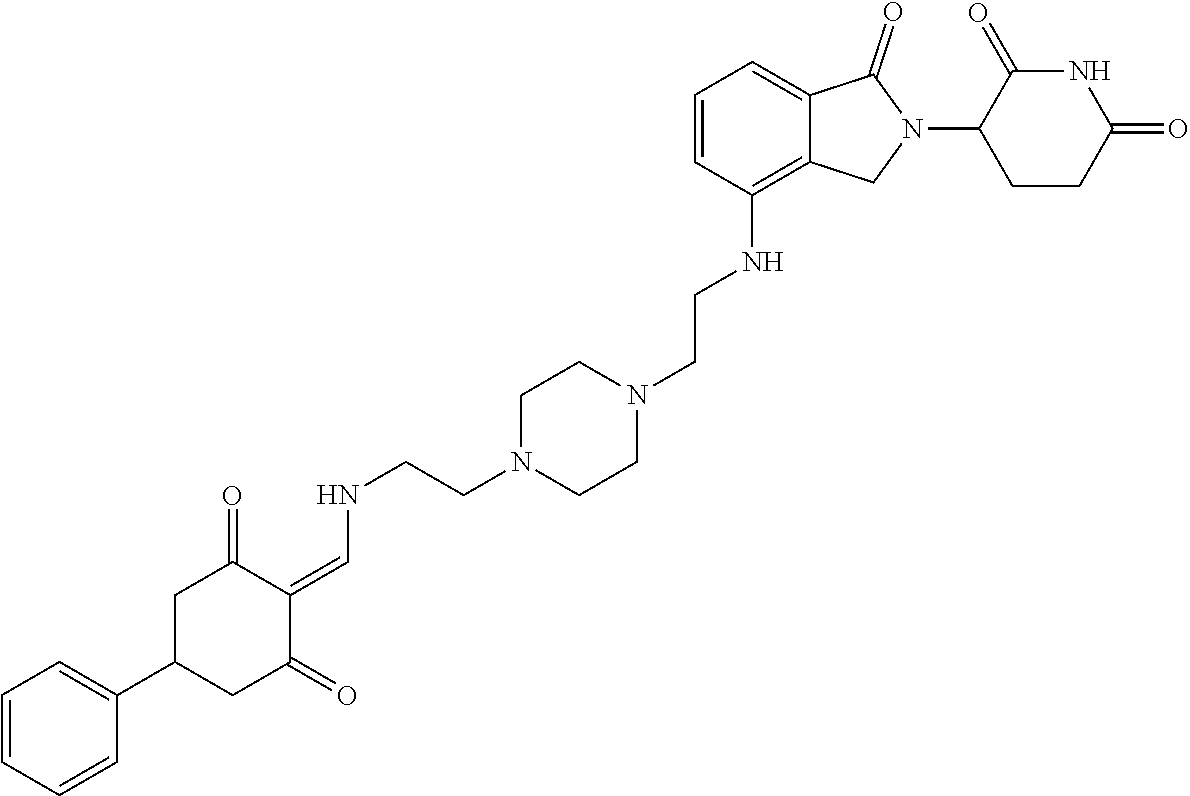 |
107 |
 |
108 |
 |
109 |
 |
110 |
 |
111 |
 |
112 |
 |
113 |
 |
114 |
 |
115 |
 |
116 |
 |
117 |
 |
118 |
 |
119 |
 |
120 |
 |
121 |
 |
122 |
 |
123 |
 |
124 |
 |
125 |
 |
126 |
 |
127 |
 |
128 |
 |
129 |
 |
130 |
 |
131 |
 |
132 |
 |
133 |
 |
134 |
 |
135 |
 |
136 |
 |
137 |
 |
138 |
 |
139 |
 |
140 |
 |
141 |
 |
142 |
 |
143 |
 |
144 |
 |
145 |
 |
146 |
 |
147 |
 |
148 |
 |
149 |
 |
150 |
 |
151 |
 |
152 |
 |
153 |
 |
154 |
 |
155 |
 |
156 |
 |
157 |
 |
158 |

is p-phenylene.


- Bioorganic & Medicinal Chemistry Letters, 24(16), 3764-3771, 2014;
- Chemistry—A European Journal, 20(9), 2445-2448, 2014;
- Bioorganic & Medicinal Chemistry, 20(2), 1029-1045, 2012;
- Journal of Organic Chemistry, 82(5), 2630-2640, 2017;
- Tetrahedron Letters, 49 (2008), 4725-4727; Journal of Organic Chemistry, 78(9), 4563-4567, 2013;
- Heterocycles, 28(2), 1015-35, 1989; Journal of Medicinal Chemistry, 57(10), 3924-3938, 2014;
- Journal of Organic Chemistry, 66(24), 8000-8009, 2001; and Tetrahedron Letters, 56(45), 6287-6289, 2015;
- The Journal of Immunology, pp. 380-386, 1999; J. Org. Chem., vol. 53, pp. 1167-1170, 1988;
- Progress in Medicinal Chemistry, vol. 22, pp. 166-242 (1985); J. Med. Chem., pp. 2858-2865 (1997);
- Chem. Pharm. Bull., 46(7), pp. 1165-1168 (1998);
- Bioorganic &
Medicinal Chem. Letters 9, pp. 1625-1630 (1999); - J. Med. Chem., pp. 3044-3045 (1996);
- Journal of Medicinal Chemistry, vol. 39, No. 17, pp. 3238-3240 (1996);
- Bioorganic & Medicinal Chemistry Letters 8, pp. 2669-2674 (1998);
- Bioorganic &
Medicinal Chemistry Letters 7, pp. 1071-1076 (1998); - Immunopharmacology 35, pp. 203-212 (1997).

| TABLE 1 | ||
| Com- | ||
| pound | Structure | 1HNMR, MS (m/z) |
| 2 |
 |
1H NMR (400 MHz, DMSO-d6) δ 13.42 (s, 1H), 11.18 (s, 1H), 8.74 (d, J = 13.6 Hz, 1H), 8.24 (s, 1H), 7.91 (s, 1H), 7.73 (s, 1H), 7.30 (d, J = 42.2 Hz, 5H), 5.18 (s, 1H), 3.46 (s, 1H), 2.89 (s, 3H), 2.68 (d, J = 19.2 Hz, 4H), 2.10 (s, 1H). MS: 472.1 (M + 1) |
| 3 |
 |
1H NMR (400 MHz, DMSO_d6) δ: 12.91 (d, J = 13.2 Hz, 1H), 7.91-7.93 (m, 1H), 7.56-7.63 (m, 2H), 7.33 (t, J = 2.4 Hz, 1H), 7.27 (d, J = 8.4 Hz, 1H), 7.03 (t, J = 8.0 Hz, 1H), 6.88 (d, J = 8.0 Hz, 1H), 6.56 (s, 1H), 5.17 (dd, J = 14.0, 5.2 Hz, 1H), 4.64-4.45 (m, 2H), 3.77-3.85 (m, 1H), 2.60-2.94 (m, 7H), 1.97-1.99 (m, 1H). MS: 497.3 (M + 1) |
| 4 |
 |
1H NMR (400 MHz, DMSO_d6) δ 12.91 (d, J = 16.0 Hz, 1H), 11.01 (s, 1H), 8.61 (d, J = 12.8 Hz, 1H), 7.92 (dd, J1 = 6.8 Hz, J2 = 1.6 Hz, 1H), 7.61- 7.65 (m, 2H), 7.11-7.33 (m, 4H), 5.16 (J = 12.8, 4.8 Hz, 1H), 4.64-4.45 (m, 2H), 3.55-3.62 (m, 1H), 2.72-2.93 (m, 3H), 2.50-2.61 (m, 3H), 2.41-2.45 (m, 1H), 2.27-2.29 (m, 3H), 1.97-2.00 (m, 1H). MS: 472.1 (M + 1) |
| 5 |
 |
1H NMR (400 MHz, DMSO_d6) δ 13.40 (d, J = 13.2 Hz, 1H), 11.14-11.18 (m, 2H), 8.74 (d, J = 13.2 Hz, 1H), 8.22 (d, J = 8.8 Hz, 1H), 7.89 (t, J = 8.0 Hz, 1H), 7.70 (d, J = 7.2 Hz, 1H), 7.26- 7.34 (m, 2H), 7.01 (t, J = 8.0 Hz, 2H), 6.87 (d, J = 6.8 Hz, 1H), 6.57-6.58 (m, 1H), 5.19-5.14 (m, 3H), 3.80-3.86 (m, 1H), 2.73-3.07 (m, 5H), 2.50-2.63 (m, 2H), 2.05-2.09 (m, 1H). MS: 511.1 (M + 1) |
| 6 |
 |
MS: 540.3 (M + 1) |
| 7 |
 |
MS: 526.3 (M + 1) |
| 8 |
 |
MS: 458.2 (M + 1) |
| 9 |
 |
MS: 472.3 (M + 1) |
| 10 |
 |
MS: 458.3 (M + 1) |
| 11 |
 |
MS: 588.2 (M + 1) |
| 12 |
 |
MS: 545.3 (M + 1) |
| 13 |
 |
MS: 623.1 (M + 1) |
| 14 |
 |
MS: 609.2 (M + 1). |
| 15 |
 |
MS: 565.3 (M + 1) |
| 16 |
 |
MS: 643.2 (M + 1) |
| 17 |
 |
MS: 554.3 (M + 1) |
| 18 |
 |
MS: 536.3 (M + 1) |
| 19 |
 |
MS: 476.3 (M + 1) |
| 20 |
 |
MS: 550.3 (M + 1) |
| 21 |
 |
MS: 526.3 (M + 1) |
| 22 |
 |
MS: 542.3 (M + 1) |
| 23 |
 |
.MS: 526.3 (M + 1) |
| 24 |
 |
MS: 476.3 (M + 1) |
| 25 |
 |
MS: 569.4 (M + 1) |
| 26 |
 |
MS: 583.3 (M + 1) |
| 27 |
 |
MS: 514.3 (M + 1) |
| 28 |
 |
MS: 476.3 (M + 1) |
| 29 |
 |
MS: 508.3 (M + 1) |
| 30 |
 |
MS: 558.4 (M + 1) |
| 31 |
 |
MS: 579.4 (M + 1) |
| 32 |
 |
MS: 488.5 (M + 1) |
| 33 |
 |
MS: 516.4 (M + 1) |
| 34 |
 |
MS: 474.3 (M + 1) |
| 35 |
 |
MS: 548.4 (M + 1) |
| 36 |
 |
MS: 464.2 (M + 1) |
| 37 |
 |
MS: 514.3 (M + 1) |
| 38 |
 |
MS: 497.3 (M + 1) |
| 39 |
 |
MS: 498.3 (M + 1). |
| 40 |
 |
MS: 518.3 (M + 1). |
| 41 |
 |
MS: 515.4 (M + 1). |
| 110 |
 |
MS: 576.4 (M + 1). |
| 111 |
 |
MS: 465.3 (M + 1). |
| 112 |
 |
MS: 460.3 (M + 1). |
| 113 |
 |
MS: 508.4 (M + 1). |
| 114 |
 |
MS: 467.4 (M + 1). |
| 115 |
 |
MS: 460.3 (M + 1). |
| 116 |
 |
MS: 503.4 (M + 1). |
| 117 |
 |
MS: 535.3 (M + 1). |
| 118 |
 |
MS: 488.3 (M + 1). |
| 119 |
 |
MS: 459.3 (M + 1). |
| 120 |
 |
MS: 484.3 (M + 1). |
| 121 |
 |
MS: 458.3 (M + 1). |
| 124 |
 |
MS: 472.3 (M + 1). |
| 126 |
 |
MS: 459.4 (M + 1). |
| 127 |
 |
MS: 472.3 (M + 1). |
| 128 |
 |
MS: 474.3 (M + 1). |
| 130 |
 |
MS: 516.3 (M + 1). |
| 131 |
 |
MS: 464.3 (M + 1). |
| 132 |
 |
MS: 382.3 (M + 1). |
| 134 |
 |
MS: 454.4 (M + 1). |
| 135 |
 |
MS: 535.3 (M + 1). |
| 136 |
 |
MS: 513.3 (M + 1). |
| 137 |
 |
MS: 499.2 (M + 1). |
| 138 |
 |
MS: 481.3 (M + 1). |
| 139 |
 |
MS: 497.3 (M + 1). |
| 140 |
 |
MS: 544.3 (M + 1). |
| 141 |
 |
MS: 594.2 (M + 1). |
| 142 |
 |
MS: 578.3 (M + 1). |
| 143 |
 |
MS: 596.3 (M + 1). |
| 144 |
 |
MS: 560.3 (M + 1). |
| 145 |
 |
MS: 510.3 (M + 1). |
| 146 |
 |
MS: 510.3 (M + 1). |
| 147 |
 |
.MS: 510.3 (M + 1). |
| 148 |
 |
MS: 552.2 (M + 1). |
| 149 |
 |
MS: 575.2 (M + 1). |
| 150 |
 |
MS: 531.3 (M + 1). |
| 151 |
 |
.MS: 531.3 (M + 1). |
| 152 |
 |
MS: 531.3 (M + 1). |
| 153 |
 |
MS: 524.3 (M + 1). |
| 154 |
 |
MS: 578.2 (M + 1). |
| 155 |
 |
MS: 543.4 (M + 1). |
| 156 |
 |
MS: 515.4 (M + 1). |

| TABLE 2 | ||
| Com- | ||
| pound | Structure | 1HNMR, MS (m/z) |
| 43 |
 |
1H NMR (400 MHz, DMSO-d6) δ 11.40- 11.24 (m, 1H), 11.01 (s, 1H), 10.98-10.86 (m, 1H), 10.29 (d, J = 11.9 Hz, 1H), 8.25 (d, J = 14.1 Hz, 1H), 8.12 (d, J = 14.6 Hz, 1H), 7.79 (dd, J = 16.2, 7.6 Hz, 1H), 7.61- 7.46 (m, 2H), 7.29 (d, J = 5.2 Hz, 8H), 7.20 (s, 2H), 5.14 (d, J = 11.6 Hz, 1H), 4.66-4.49 (m, 1H), 4.48-4.28 (m, 2H), 3.51 (d, J = 5.8 Hz, 2H), 3.29-2.51 (m, 12H), 2.41-2.31 (m, 1H), 1.95 (t, J = 35.7 Hz, 3H), 1.73-1.52 (m, 2H). MS: 770.8 (M + 1) |
| 44 |
 |
1H NMR (400 MHz, DMSO-d6) δ 11.30- 10.92 (m, 2H), 10.01 (d, J = 4.0 Hz, 1H), 8.21-8.07 (m, 1H), 7.75-7.65 (m, 1H), 7.51 (dd, J = 12.1, 7.6 Hz, 2H), 7.37- 7.11 (m, 5H), 5.12 (d, J = 11.9 Hz, 1H), 4.31 (d, J = 3.8 Hz, 3H), 3.30-3.16 (m, 1H), 2.89 (d, J = 12.9 Hz, 1H), 2.75 (d, J = 5.8 Hz, 5H), 2.46-2.25 (m, 3H), 2.00 (s, 1H), 1.34 (d, J = 6.7 Hz, 3H). MS: 543.2 (M + 1). |
| 45 |
 |
1H NMR (400 MHz, DMSO-d6) δ 11.11- 10.98 (m, 2H), 10.05 (s, 1H), 8.15 (d, J = 14.4 Hz, 1H), 7.70 (d, J = 7.5 Hz, 1H), 7.55-7.45 (m, 2H), 7.34-7.14 (m, 4H), 7.19 (s, 1H), 5.13 (dd, J = 13.1, 5.2 Hz, 1H), 4.32 (dd, J = 36.8, 17.3 Hz, 2H), 3.75 (d, J = 6.0 Hz, 2H), 3.31-3.21 (m, 2H), 2.97-2.84 (m, 1H), 2.79-2.52 (m, 5H), 2.46-2.32 (m, 32H), 2.03-1.95 (m, 1H). MS: 529.2 (M + 1). |
| 46 |
 |
1H NMR (400 MHz, DMSO-d6) δ 11.03- 10.87 (m, 2H), 9.81 (s, 1H), 8.15 (d, J = 14.5 Hz, 1H), 7.81 (dd, J = 7.0, 1.5 Hz, 1H), 7.58-7.43 (m, 2H), 7.40-7.15 (m, 5H), 5.14 (dd, J = 13.3, 5.0 Hz, 1H), 4.37 (q, J = 17.6 Hz, 2H), 3.51 (d, J = 6.0 Hz, 2H), 3.38-3.25 (m, 2H), 3.01-2.38 (m, 9H), 2.14-1.94 (m, 1H), 1.62 (d, J = 3.0 Hz, 4H). MS: 557.3 (M + 1). |
| 47 |
 |
1H NMR (400 MHz, DMSO-d6) δ 11.08- 10.89 (m, 2H), 9.86 (s, 1H), 8.14 (d, J = 14.6 Hz, 1H), 7.85 (dd, J = 7.0, 1.0 Hz, 1H), 7.50 (d, J = 6.9 Hz, 2H), 7.38-7.16 (m, 5H), 5.15 (dd, J = 13.3, 5.1 Hz, 1H), 4.38 (q, J = 17.5 Hz, 2H), 3.55-3.17 (m, 3H), 3.01-2.84 (m, 1H), 2.61 (d, J = 17.5 Hz, 3H), 2.49-2.30 (m, 3H), 2.13- 1.83 (m, 3H), 1.34-1.17 (m, 2H). MS: 543.3 (M + 1). |
| 48 |
 |
1H NMR (400 MHz, DMSO-d6) δ 11.00 (d, J = 12.8 Hz, 2H), 9.72 (s, 1H), 8.17 (d, J = 14.5 Hz, 1H), 7.73 (dd, J = 7.6, 0.9 Hz, 1H), 7.60-7.44 (m, 2H), 7.30-7.20 (m, 5H), 5.12 (dd, J = 13.1, 5.1 Hz, 1H), 4.38 (q, J = 18.0 Hz, 2H), 4.14 (s, 2H), 3.71 (d, J = 2.1 Hz, 4H), 3.29-3.21 (m, 1H), 2.88-2.29 (m, 6H), 2.06-1.95 (m, 1H). MS: 559.2 (M + 1). |
| 49 |
 |
1H NMR (400 MHz, DMSO-d6) δ 11.93 (s, 1H), 11.49 (s, 1H), 10-58-10.50 (m, 1H), 8.45 (d, J = 7.2 Hz, 1H), 8.18 (d, J = 6.4 Hz, 1H), 7.59 (t, J = 7.9 Hz, 1H), 7.49 (dd, J = 7.9, 1.2 Hz, 1H), 7.35-7.16 (m, 5H), 5.01 (t, J = 6.0 Hz, 1H), 4.21 (d, J = 5.2 Hz, 2H), 3.39-3.22 (m, 1H), 2.73-2.41 (m, 6H), 2.17-1.98 (m, 2H). MS: 529.4 (M + 1). |
| 54 |
 |
MS: 627.4 (M + 1). |
| 55 |
 |
MS: 641.4 (M + 1). |
| 56 |
 |
MS: 713.5 (M + 1). |
| 57 |
 |
MS: 727.4 (M + 1). |
| 59 |
 |
MS: 714.5 (M + 1). |
| 60 |
 |
MS: 883.6 (M + 1). |
| 61 |
 |
MS: 612.4 (M + 1). |
| 64 |
 |
MS: 628.4 (M + 1). |
| 65 |
 |
MS: 614.4 (M + 1). |
| 93 |
 |
MS: 653.5 (M + 1). |
| 122 |
 |
MS: 530.3 (M + 1). |
| 123 |
 |
MS: 546.3 (M + 1). |
| 157 |
 |
1H NMR (400 MHz, CDCl3) δ 11.19 (s, 1H), 9.18 (s, 1H), 8.46 (s, 1H), 8.21 (d, J = 14.2 Hz, 1H), 7.72 (dd, J = 10.2, 7.9 Hz, 2H), 7.58 (d, J = 8.0 Hz, 1H), 7.50 (t, J = 7.8 Hz, 1H), 7.32 (t, J = 7.5 Hz, 1H), 7.24 (s, 1H), 7.12 (t, J = 7.6 Hz, 1H), 5.22 (dd, J = 13.2, 5.1 Hz, 1H), 4.44 (s, 2H), 3.83 (t, J = 11.7 Hz, 1H), 3.54 (d, J = 5.9 Hz, 2H), 3.49 (s, 1H), 3.21 (s, 2H), 2.96-2.54 (m, 15H), 2.44-2.32 (m, 1H), 2.25 (s, 1H). MS: 705.1 (M + 1). |
| 158 |
 |
MS: 763.4 (M + 1). |

| TABLE 3 | ||
| Compound | Structure | 1HNMR, MS (m/z) |
| 51 |
 |
1H NMR (400 MHz, DMSO-d6) δ 13.14 (d, J = 13.0 Hz, 1H), 10.98 (s, 1H), 10.36 (s, 1H), 8.70 (d, J = 13.0 Hz, 1H), 7.89 (dd, J = 37.8, 8.4 Hz, 3H), 7.74-7.51 (m, 3H), 7.41-7.15 (m, 5H), 5.13 (dd, J = 13.3, 5.0 Hz, 1H), 4.50-4.34 (m, 2H), 3.49-3.37 (m, 1H), 3.03-2.76 (m, 3H), 2.76-2.51 (m, 3H), 2.45-2.28 (m, 4H), 2.02-1.93 (m, 1H). MS: 591.3 (M + 1). |
| 52 |
 |
1H NMR (400 MHz, DMSO-d6) δ 13.49 (d, J = 13.6 Hz, 1H), 10.99 (s, 1H), 10.69 (s, 1H), 8.55 (d, J = 13.8 Hz, 1H), 7.96-7.53 (m, 6H), 7.48-7.15 (m, 6H), 5.23-5.07 (m, 1H), 4.60-4.37 (m, 2H), 3.47-3.33 (m, 1H), 2.79 (s, 3H), 2.65-2.51 (m, 3H), 2.44-2.33 (m, 1H), 2.10-1.93 (m, 1H). MS: 577.2 (M + 1). |
| 53 |
 |
1H NMR (400 MHz, DMSO-d6) δ 12.87-12.81 (m, 1H), 10.98 (s, 1H), 10.49 (s, 1H), 8.65 (d, J = 13.2 Hz, 1H), 8.11 (s, 1H), 7.84-7.53 (m, 6H), 7.41-7.23 (m, 5H), 5.14 (dd, J = 13.3, 5.0 Hz, 1H), 4.42 (t, J = 10.8 Hz, 2H), 3.48-3.36 (m, 1H), 2.87-2.53 (m, 6H), 2.39 (d, J = 12.9 Hz, 1H), 2.05-1.91 (m, 1H). MS: 577.2 (M + 1). |
| 58 |
 |
MS: 606.4 (M + 1). |
| 62 |
 |
MS: 584.3 (M + 1). |
| 63 |
 |
MS: 598.3 (M + 1). |
| 66 |
 |
1H NMR (400 MHz, DMSO-d6) δ 12.51 (d, J = 4.0 Hz, 1H), 10.99 (d, J = 5.2 Hz, 1H), 10.47 (d, J = 1.4 Hz, 1H), 9.13 (d, J = 3.6 Hz, 1H), 8.99 (d, J = 3.0 Hz, 1H), 8.37 (d, J = 5.4 Hz, 1H), 7.75 (d, J = 1.8 Hz, 2H), 7.60 (d, J = 4.5 Hz, 2H), 7.45-7.07 (m, 5H), 5.16 (d, J = 7.2 Hz, 1H), 4.44 (d, J = 10.1 Hz, 2H), 3.40 (s, 2H), 3.07-2.78 (m, 4H), 2.67 (d, J = 10.8 Hz, 2H), 1.99 (d, J = 3.4 Hz, 1H). MS: 578.2 (M + 1). |

| TABLE 4 | ||
| Compound | Structure | 1HNMR, MS (m/z) |
| 74 |
 |
1H NMR (400 MHz, DMSO_d6): δ 11.90 (s, 1H), 10.99 (s, 1H), 7.75-7.64 (m, 3H), 7.34-7.32 (m, 4H), 7.24-7.21 (m, 1H), 5.33 (t, J = 6.4 Hz, 1H), 5.14 (dd, J = 12.8, 4.2 Hz, 1H), 4.50-4.34 (m, 4H), 3.36-3.34 (m, 1H), 2.93-2.83 (m, 3H), 2.69-2.54 (m, 3H), 2.45-2.38 (m, 1H). MS: 488.2 (M + 1). |
| 75 |
 |
1H NMR (400 MHz, DMSO_d6): 14.52 (s, 1H), 11.02 (s, 1H), 7.47 (d, J = 8.0 Hz, 1H), 7.17-7.34 (m, 11H), 6.72 (d, J = 8.0 Hz, 1H), 5.12 (dd, J = 13.2, 4.2 Hz, 1H), 4.57-4.37 (m, 2H), 3.50-3.42 (m, 1H), 2.95-2.46 (m, 6H), 2.46-2.38 (m, 1H), 2.01-1.98 (m, 1H). MS: 534.2 (M + 1). |
| 76 |
 |
1H NMR (400 MHz, DMSO-d6) δ 12.64 (s, 1H), 11.97 (s, 1H), 7.64 (t, J = 7.8 Hz, 1H), 7.36-7.12 (m, 7H), 5.05 (t, J = 5.9 Hz, 1H), 3.44-3.37 (m, 1H), 2.74-2.47 (m, 9H), 2.49 (s, 3H), 2.16-1.97 (m, 2H). MS: 486.3 (M + 1). |

| TABLE 5 | ||
| Com- | ||
| pound | Structure | 1HNMR, MS (m/z) |
| 71 |
 |
MS: 663.2 (M + 1). |
| 72 |
 |
MS: 649.3 (M + 1). |
| 78 |
 |
1H NMR (400 MHz, DMSO_d6): δ 11.00 (br, 2H), 9.68 (s, 1H), 8.13 (d, J = 14.0 Hz, 1H), 7.70-7.20 (m, 8H), 5.12 (br, 1H), 4.40-3.75 (m, 6H), 3.27-3.21 (m, 2H), 2.95-2.55 (m, 3H), 2.38-2.27 (m, 2H), 1.97 (br, 2H). MS: 545.1 (M + 1). |
| 79 |
 |
1H NMR (400 MHz, DMSO-d6) δ 11.00 (s, 2H), 9.58 (s, 1H), 8.11 (d, J = 14.9 Hz, 1H), 7.74 (s, 1H), 7.54-7.12 (m, 6H), 5.74 (s, 1H), 5.12 (s, 1H), 4.53-4.09 (m, 4H), 3.56 (s, 2H), 2.89 (s, 1H), 2.48 (s, 16H), 2.31 (s, 2H), 2.01 (s, 1H). MS: 657.3 (M + 1). |
| 80 |
 |
MS: 671.5 (M + 1) |
| 81 |
 |
MS: 848.5 (M + 1). |
| 82 |
 |
MS: 608.3 (M + 1). |
| 83 |
 |
MS: 622.4 (M + 1). |
| 84 |
 |
MS: 614.3 (M + 1) |
| 85 |
 |
MS: 741.5 (M + 1). |
| 86 |
 |
MS: 755.4 (M + 1). |
| 87 |
 |
MS: 701.5 (M + 1). |
| 88 |
 |
MS: 833.5 (M + 1). |
| 89 |
 |
MS: 1118.7 (M + 1). |
| 90 |
 |
MS: 1032.6 (M + 1). |


| TABLE 6 | ||
| Compound | Structure | MS (m/z) |
| 94 |
 |
MS: 717.4 (M + 1) |

| TABLE 7 | ||
| Compound | Structure | MS (m/z) |
| 100 |
 |
MS: 613.5 (M + 1) |
| 102 |
 |
MS: 611.4 (M + 1) |
| 103 |
 |
MS: 656.4 (M + 1) |

| TABLE 8 | ||
| compound | Structure | MS (m/z) |
| 104 |
 |
MS: 716.4 (M + 1) |
| 106 |
 |
MS: 628.4 (M + 1) |

| TABLE 9 | ||
| Compound | Structure | MS (m/z) |
| 107 |
 |
MS: 613.5 (M + 1) |
| 133 |
 |
MS: 745.5 (M + 1) |

| TABLE 10 | ||
| Compound | Structure | MS (m/z) |
| 125 |
 |
MS: 760.5 (M + 1) |
| TABLE 11 | |||
| IC50 | |||
| Compound | (μM) | ||
| 1 | +++ | ||
| 2 | +++ | ||
| 3 | ++++ | ||
| 4 | +++ | ||
| 5 | ++++ | ||
| 6 | ++++ | ||
| 7 | ++++ | ||
| 8 | +++ | ||
| 9 | +++ | ||
| 10 | +++ | ||
| 11 | ++++ | ||
| 12 | ++++ | ||
| 13 | ++++ | ||
| 14 | ++++ | ||
| 15 | ++++ | ||
| 16 | ++++ | ||
| 17 | ++++ | ||
| 18 | ++++ | ||
| 19 | ++++ | ||
| 20 | ++++ | ||
| 21 | ++++ | ||
| 22 | +++ | ||
| 23 | +++ | ||
| 24 | +++ | ||
| 25 | ++++ | ||
| 26 | ++++ | ||
| 27 | +++ | ||
| 28 | +++ | ||
| 29 | +++ | ||
| 30 | +++ | ||
| 31 | +++ | ||
| 32 | +++ | ||
| 33 | +++ | ||
| 34 | +++ | ||
| 35 | +++ | ||
| 36 | +++ | ||
| 37 | +++ | ||
| 38 | ++++ | ||
| 39 | ++++ | ||
| 40 | +++ | ||
| 41 | ++++ | ||
| 42 | + | ||
| 43 | + | ||
| 44 | + | ||
| 45 | + | ||
| 46 | + | ||
| 47 | + | ||
| 48 | + | ||
| 49 | + | ||
| 50 | ++ | ||
| 51 | ++ | ||
| 52 | ++ | ||
| 53 | ++ | ||
| 54 | +++ | ||
| 55 | +++ | ||
| 56 | +++ | ||
| 57 | +++ | ||
| 58 | ++ | ||
| 59 | + | ||
| 60 | ++ | ||
| 61 | +++ | ||
| 62 | +++ | ||
| 63 | +++ | ||
| 64 | ++ | ||
| 65 | ++ | ||
| 66 | ++ | ||
| 67 | +++ | ||
| 71 | +++ | ||
| 72 | ++ | ||
| 73 | +++ | ||
| 74 | ++ | ||
| 75 | + | ||
| 76 | + | ||
| 77 | ++ | ||
| 78 | ++ | ||
| 79 | ++ | ||
| 80 | ++ | ||
| 81 | ++ | ||
| 82 | +++ | ||
| 83 | +++ | ||
| 84 | +++ | ||
| 85 | ++ | ||
| 86 | ++ | ||
| 87 | ++ | ||
| 88 | ++ | ||
| 89 | ++ | ||
| 90 | ++ | ||
| 91 | ++ | ||
| 92 | ++ | ||
| 93 | ++ | ||
| 94 | ++ | ||
| 100 | ++ | ||
| 101 | ++ | ||
| 102 | ++ | ||
| 103 | ++ | ||
| 104 | ++ | ||
| 105 | ++ | ||
| 106 | ++ | ||
| 107 | ++ | ||
| 108 | +++ | ||
| 109 | ++ | ||
| 110 | ++ | ||
| 111 | ++ | ||
| 112 | ++ | ||
| 113 | +++ | ||
| 114 | + | ||
| 115 | ++ | ||
| 116 | ++ | ||
| 117 | ++ | ||
| 118 | ++ | ||
| 119 | ++ | ||
| 120 | ++ | ||
| 121 | ++ | ||
| 122 | + | ||
| 123 | + | ||
| 124 | ++ | ||
| 125 | ++ | ||
| 126 | +++ | ||
| 127 | +++ | ||
| 128 | + | ||
| 129 | ++ | ||
| 130 | ++ | ||
| 131 | ++ | ||
| 132 | + | ||
| 133 | ++ | ||
| 134 | ++ | ||
| 135 | +++ | ||
| 136 | +++ | ||
| 137 | +++ | ||
| 138 | +++ | ||
| 139 | +++ | ||
| 140 | ++++ | ||
| 141 | ++++ | ||
| 142 | ++++ | ||
| 143 | ++++ | ||
| 144 | ++++ | ||
| 145 | ++++ | ||
| 146 | ++++ | ||
| 147 | ++++ | ||
| 148 | ++++ | ||
| 149 | ++++ | ||
| 150 | ++++ | ||
| 151 | ++++ | ||
| 152 | ++++ | ||
| 153 | ++++ | ||
| 154 | ++++ | ||
| 155 | ++++ | ||
| 156 | ++++ | ||
| 157 | ++++ | ||
| 158 | ++++ | ||
| TABLE 12 |
| Inhibitory activity of compounds 1-67, 71-94, and 100-158 or salts |
| thereof against proliferation of tumor cells |
| SU- | RPMI- | MDA- | ||||
| Compound | DHL6 | 8226 | K562 | A549 | MB-453 | BxPC-3 |
| 1 | +++ | +++ | +++ | +++ | ++ | ++ |
| 2 | +++ | ++ | +++ | ++ | + | + |
| 3 | +++ | + | + | + | ++ | + |
| 4 | + | +++ | ++ | + | + | + |
| 5 | + | + | + | +++ | +++ | + |
| 6 | + | + | + | + | + | + |
| 7 | +++ | ++ | ++ | ++ | ++ | + |
| 8 | + | ++ | ++ | ++ | + | ++ |
| 9 | + | ++ | ++ | ++ | + | ++ |
| 10 | + | ++ | ++ | + | + | ++ |
| 11 | + | + | +++ | + | + | + |
| 12 | + | + | + | + | + | + |
| 13 | ++ | + | + | +++ | +++ | ++ |
| 14 | ++ | + | + | +++ | +++ | + |
| 15 | ++ | +++ | + | + | + | ++ |
| 16 | + | +++ | + | + | + | + |
| 17 | + | +++ | + | ++ | + | + |
| 18 | ++ | + | ++ | + | + | + |
| 19 | + | ++ | ++ | + | ++ | ++ |
| 20 | ++ | + | ++ | ++ | + | + |
| 21 | + | + | ++ | ++ | + | + |
| 22 | + | + | + | + | ++ | ++ |
| 23 | +++ | +++ | ++ | +++ | ++ | ++ |
| 24 | +++ | + | + | ++ | ++ | ++ |
| 25 | + | + | + | + | + | + |
| 26 | + | + | + | + | + | + |
| 27 | +++ | +++ | +++ | +++ | +++ | + |
| 28 | +++ | +++ | +++ | +++ | +++ | ++ |
| 29 | ++ | +++ | +++ | +++ | +++ | ++ |
| 30 | +++ | +++ | +++ | +++ | +++ | + |
| 31 | +++ | +++ | +++ | +++ | +++ | + |
| 32 | +++ | +++ | +++ | +++ | ++ | + |
| 33 | +++ | +++ | +++ | +++ | +++ | + |
| 34 | +++ | ++ | ++ | + | +++ | + |
| 35 | +++ | +++ | +++ | +++ | ++ | ++ |
| 36 | +++ | + | + | + | ++ | + |
| 37 | +++ | + | + | + | +++ | + |
| 38 | +++ | +++ | +++ | +++ | +++ | ++ |
| 39 | ++ | + | +++ | + | +++ | ++ |
| 40 | + | + | +++ | +++ | + | ++ |
| 41 | + | + | +++ | +++ | + | + |
| 42 | + | ++ | ++ | ++ | + | + |
| 43 | + | +++ | +++ | +++ | + | + |
| 44 | +++ | +++ | +++ | +++ | + | + |
| 45 | + | + | + | + | + | + |
| 46 | + | ++ | ++ | +++ | +++ | + |
| 47 | +++ | + | + | + | +++ | ++ |
| 48 | +++ | +++ | +++ | +++ | +++ | + |
| 49 | ++ | ++ | ++ | ++ | + | |
| 50 | +++ | ++ | + | + | + | + |
| 51 | + | +++ | + | + | + | + |
| 52 | + | +++ | +++ | ++ | ++ | + |
| 53 | +++ | +++ | +++ | +++ | ++ | + |
| 54 | +++ | ++ | +++ | +++ | ++ | + |
| 55 | +++ | ++ | + | +++ | ++ | + |
| 56 | +++ | + | + | +++ | +++ | + |
| 57 | +++ | + | + | + | + | + |
| 58 | ++ | + | + | + | + | + |
| 59 | +++ | +++ | +++ | +++ | + | ++ |
| 60 | ++ | +++ | + | + | ++ | |
| 61 | ++ | + | + | + | +++ | + |
| 62 | ++ | +++ | + | ++ | +++ | ++ |
| 63 | ++ | ++ | +++ | + | + | + |
| 64 | +++ | ++ | +++ | +++ | + | |
| 65 | +++ | +++ | +++ | +++ | +++ | + |
| 66 | +++ | + | +++ | +++ | ++ | + |
| 67 | +++ | +++ | +++ | +++ | ++ | + |
| 71 | +++ | +++ | +++ | +++ | +++ | + |
| 72 | +++ | + | +++ | + | + | + |
| 73 | +++ | + | +++ | +++ | +++ | + |
| 74 | + | + | + | + | + | + |
| 75 | +++ | +++ | +++ | +++ | +++ | + |
| 76 | +++ | +++ | +++ | +++ | ++ | |
| 77 | + | + | +++ | +++ | +++ | + |
| 78 | + | + | +++ | +++ | +++ | + |
| 79 | + | +++ | + | + | ++ | ++ |
| 80 | + | +++ | +++ | +++ | ++ | + |
| 81 | +++ | + | +++ | +++ | ++ | + |
| 82 | +++ | + | + | +++ | ++ | + |
| 83 | + | + | + | + | ++ | + |
| 84 | +++ | +++ | +++ | + | +++ | + |
| 85 | + | +++ | ++ | ++ | + | + |
| 86 | + | + | +++ | +++ | +++ | ++ |
| 87 | +++ | +++ | ++ | ++ | +++ | + |
| 88 | ++ | +++ | ++ | ++ | +++ | + |
| 89 | ++ | ++ | ++ | ++ | +++ | + |
| 90 | +++ | ++ | +++ | ++ | ++ | ++ |
| 91 | ++ | ++ | ++ | ++ | ++ | + |
| 92 | +++ | +++ | + | + | ++ | + |
| 93 | +++ | +++ | ++ | ++ | ++ | + |
| 94 | +++ | +++ | +++ | +++ | +++ | + |
| 100 | ++ | + | +++ | +++ | ++ | ++ |
| 101 | ++ | +++ | +++ | +++ | ++ | + |
| 102 | ++ | +++ | +++ | +++ | +++ | + |
| 103 | +++ | + | + | +++ | +++ | + |
| 104 | +++ | +++ | +++ | +++ | +++ | ++ |
| 105 | + | + | + | +++ | ++ | ++ |
| 106 | + | + | + | +++ | ++ | ++ |
| 107 | + | +++ | +++ | +++ | ++ | + |
| 108 | + | +++ | +++ | ++ | ++ | + |
| 109 | + | +++ | ++ | ++ | + | ++ |
| 110 | + | ++ | ++ | ++ | + | ++ |
| 111 | +++ | +++ | +++ | + | +++ | + |
| 112 | + | ++ | ++ | + | ++ | ++ |
| 113 | + | +++ | ++ | + | +++ | + |
| 114 | ++ | + | ++ | ++ | + | + |
| 115 | ++ | + | ++ | ++ | +++ | + |
| 116 | + | ++ | ++ | ++ | ++ | ++ |
| 117 | + | +++ | ++ | + | + | + |
| 118 | + | + | ++ | + | + | + |
| 119 | ++ | ++ | ++ | + | ++ | ++ |
| 120 | ++ | ++ | ++ | + | ++ | + |
| 121 | +++ | +++ | ++ | + | ++ | + |
| 122 | +++ | + | + | + | +++ | + |
| 123 | +++ | +++ | +++ | +++ | +++ | + |
| 124 | + | + | + | + | +++ | ++ |
| 125 | +++ | +++ | + | + | +++ | ++ |
| 126 | + | +++ | + | + | + | ++ |
| 127 | +++ | + | + | + | + | + |
| 128 | +++ | +++ | +++ | +++ | +++ | + |
| 129 | +++ | ++ | + | +++ | + | + |
| 130 | +++ | ++ | ++ | +++ | +++ | + |
| 131 | + | +++ | ++ | +++ | + | |
| 132 | +++ | +++ | ++ | + | + | ++ |
| 133 | + | + | ++ | + | + | ++ |
| 134 | + | + | + | + | +++ | ++ |
| 135 | +++ | ++ | ++ | +++ | +++ | + |
| 136 | + | +++ | ++ | +++ | + | |
| 137 | +++ | +++ | ++ | + | + | ++ |
| 138 | +++ | ++ | ++ | +++ | +++ | + |
| 139 | +++ | +++ | +++ | + | +++ | + |
| 140 | +++ | +++ | +++ | +++ | ++ | ++ |
| 141 | +++ | ++ | ++ | +++ | +++ | + |
| 142 | +++ | +++ | +++ | + | +++ | + |
| 143 | +++ | ++ | ++ | +++ | +++ | + |
| 144 | +++ | +++ | +++ | + | +++ | + |
| 145 | +++ | ++ | ++ | +++ | +++ | + |
| 146 | +++ | +++ | +++ | + | +++ | + |
| 147 | +++ | +++ | +++ | +++ | ++ | ++ |
| 148 | +++ | ++ | ++ | +++ | +++ | + |
| 149 | +++ | +++ | +++ | + | +++ | + |
| 150 | +++ | ++ | ++ | +++ | +++ | + |
| 151 | +++ | +++ | +++ | + | +++ | + |
| 152 | +++ | +++ | +++ | +++ | ++ | ++ |
| 153 | +++ | ++ | ++ | +++ | +++ | + |
| 154 | +++ | +++ | +++ | + | +++ | + |
| 155 | +++ | ++ | ++ | +++ | +++ | + |
| 156 | +++ | +++ | +++ | + | +++ | + |
| 157 | +++ | +++ | +++ | +++ | ++ | ++ |
| 158 | +++ | ++ | ++ | +++ | +++ | + |
| TABLE 13 |
| Experimental animal grouping and dosage regimen for in-vivo |
| pharmacodynamic test |
| Number | Dosage | Route of | Administration | ||
| Group | of mice | (mg/kg) | | frequency | |
| 1 | Control group | 8 | — | p.o | QD × 21 |
| 2 | Lenalidomide | 8 | 30 | p.o | QD × 21 |
| 3 | Lenalidomide | 8 | 30 | p.o | QD × 21 |
| Dexamethasone | 1.0 | i.p | QD × 21 | ||
| 4 | |
8 | 17.7 | p.o | QD × 21 |
| 5 | |
8 | 53 | p.o | QD × 21 |
| 6 | |
8 | 53 | p.o | QD × 21 |
| Dexamethasone | 1.0 | i.p | QD × 21 | ||
| p.o: oral administration | |||||
| i.p: intraperitoneal injection | |||||
| TABLE 14 |
| Body weight of tumor-bearing mice in each group ( |
| Average | |||
| RCBW* | |||
| Average body weight (g) | (%)/end |
| Number | Start of the | End of the | of the | ||
| of | treatment | treatment | treatment | ||
| | animals | Day | 1 | |
|
| Control group | 8 | 20.84 ± 0.41 | 22.96 ± 0.64 | 10.11 |
| p.o. | ||||
| Lenalidomide | 8 | 21.02 ± 0.23 | 21.90 ± 0.30 | 4.18 |
| 30 mg/kg p.o. | ||||
| Lenalidomide | 8 | 21.23 ± 0.34 | 20.08 ± 0.25 | −5.33 |
| 30 mg/kg p.o + | ||||
| |
||||
| 1 mg/ | ||||
| Compound | ||||
| 1 | 8 | 21.60 ± 0.36 | 22.49 ± 0.39 | 4.13 |
| 17.7 mg/ | ||||
| Compound | ||||
| 1 | 8 | 21.15 ± 0.36 | 22.25 ± 0.31 | 5.27 |
| 53 mg/ | ||||
| Compound | ||||
| 1 | 8 | 21.41 ± 0.32 | 20.46 ± 0.31 | −4.46 |
| 53 mg/kg p.o + | ||||
| |
||||
| 1 mg/kg i.p | ||||
| p.o: oral administration | ||||
| i.p: intraperitoneal injection | ||||
| Note: | ||||
| *The relative change in body weight (RCBW) reflects the animal's body weight affected by the drug. The time of the first administration is defined as the first day, and the RCBW (%) is calculated based on the weight on the first day of grouping and administration. Calculation formula: RCBW (%) = ((weight on some day of administration − weight on the first day of administration)/weight on the first day of administration) × 100% | ||||
| TABLE 15 |
| Effect of lest compound on tumor volume of RPMI8226 |
| tumor-bearing mice |
| Average volume (mm3) |
| Number | Start of the | End of the | |||
| of | treatment | treatment | #T/C | ||
| | animals | Day | 1 | |
% |
| Control group | 8 | 143.32 ± 15.02 | 1867.95 ± 278.66 | — |
| Lenalidomide | 8 | 140.44 ± 15.82 | 927.82 ± 164.85 | 49.67 |
| 30 mg/kg | ||||
| Lenalidomide | 8 | 141.35 ± 15.02 | 233.72 ± 47.47 | 12.51 |
| 30 mg/kg + | ||||
| |
||||
| 1 mg/ | ||||
| Compound | ||||
| 1 | 8 | 141.27 ± 14.61 | 881.71 ± 175.49 | 47.20 |
| 17.7 mg/ | ||||
| Compound | ||||
| 1 | 8 | 142.38 ± 15.41 | 674.46 ± 137.82 | 36.11 |
| 53 mg/ | ||||
| Compound | ||||
| 1 | 8 | 141.54 ± 14.27 | 179.24 ± 48.35 | 9.60 |
| 53 mg/kg + | ||||
| |
||||
| 1 mg/kg | ||||
| Note: | ||||
| #T/C % = TRTV/CRTV * 100% (TRTV: RTV of the treatment group: CRTV: RTV of the negative control group, RTV = Vt/V1, where V1 is the tumor volume meansured at the time of grouping and administration (i.e. day 1), and Vt is the tumor volume at each measurement. | ||||
Claims (9)
Ar-L(-X)p (I)


Applications Claiming Priority (3)
| Application Number | Priority Date | Filing Date | Title |
|---|---|---|---|
| CN201710365494.7 | 2017-05-22 | ||
| CN201710365494.7A CN108929307A (en) | 2017-05-22 | 2017-05-22 | A kind of isoindolone-imide ring -1,3- diketone -2- ene compound, its composition and purposes |
| PCT/CN2018/087241 WO2018214796A1 (en) | 2017-05-22 | 2018-05-17 | A class of isoindolone-imide ring-1,3-dione-2-ene compounds, composition and use thereof |
Publications (2)
| Publication Number | Publication Date |
|---|---|
| US20200071291A1 US20200071291A1 (en) | 2020-03-05 |
| US11021457B2 true US11021457B2 (en) | 2021-06-01 |
Family
ID=64395308
Family Applications (1)
| Application Number | Title | Priority Date | Filing Date |
|---|---|---|---|
| US16/614,493 Active 2038-07-01 US11021457B2 (en) | 2017-05-22 | 2018-05-17 | Class of isoindolone-imide ring-1,3-dione-2-ene compounds, composition and use thereof |
Country Status (5)
| Country | Link |
|---|---|
| US (1) | US11021457B2 (en) |
| CN (2) | CN108929307A (en) |
| AU (1) | AU2018274028B2 (en) |
| CA (1) | CA3063804A1 (en) |
| WO (1) | WO2018214796A1 (en) |
Cited By (1)
| Publication number | Priority date | Publication date | Assignee | Title |
|---|---|---|---|---|
| US12454519B2 (en) | 2020-09-23 | 2025-10-28 | St. Jude Children's Research Hospital, Inc. | Substituted N-(2-(2,6-dioxopiperidin-3-yl)-1,3-dioxoisoindolin-5-yl)arylsulfonamide analogs as modulators of cereblon protein |
Families Citing this family (8)
| Publication number | Priority date | Publication date | Assignee | Title |
|---|---|---|---|---|
| FI3784663T3 (en) | 2018-04-23 | 2023-10-06 | Celgene Corp | Substituted 4-aminoisoindoline-1,3-dione compounds and their use for treating lymphoma |
| MX2021014345A (en) * | 2019-05-24 | 2022-01-06 | Biotheryx Inc | Compounds targeting proteins and pharmaceutical compositions thereof, and their therapeutic applications. |
| JP2024504932A (en) | 2021-01-13 | 2024-02-02 | モンテ ローザ セラピューティクス, インコーポレイテッド | isoindolinone compound |
| CN117285524A (en) * | 2022-06-24 | 2023-12-26 | 中国科学院上海药物研究所 | A class of substituted 4-aminoisoindoline compounds, their preparation methods, pharmaceutical compositions and applications |
| CN115385859B (en) * | 2022-08-22 | 2024-03-08 | 西安交通大学 | A protein degradation agent capable of self-assembly in cells and its preparation method and application |
| CN115340591B (en) * | 2022-08-22 | 2025-04-25 | 西安交通大学 | A VH032-based intracellular self-assembly protein degrader and its preparation method and application |
| CN115286687B (en) * | 2022-08-22 | 2025-04-25 | 西安交通大学 | An intracellular self-assembly degradation agent based on bioorthogonal reaction and its preparation method and application |
| CN115403561B (en) * | 2022-08-22 | 2024-03-08 | 西安交通大学 | An intracellular self-assembled protein degrader based on thalidomide analogues and its preparation method and application |
Citations (3)
| Publication number | Priority date | Publication date | Assignee | Title |
|---|---|---|---|---|
| CN102822165A (en) | 2010-02-11 | 2012-12-12 | 细胞基因公司 | Arylmethoxy isoindoline derivatives and compositions comprising and methods of using the same |
| CN103396397A (en) | 2013-08-14 | 2013-11-20 | 中国人民解放军军事医学科学院毒物药物研究所 | Lenalidomide derivatives and their use as medicines |
| CN105566290A (en) | 2014-10-30 | 2016-05-11 | 康朴生物医药技术(上海)有限公司 | Isoindoline derivatives, their intermediates, preparation methods, pharmaceutical compositions and applications |
Family Cites Families (1)
| Publication number | Priority date | Publication date | Assignee | Title |
|---|---|---|---|---|
| AU2016349781A1 (en) * | 2015-11-02 | 2018-05-10 | Yale University | Proteolysis targeting chimera compounds and methods of preparing and using same |
-
2017
- 2017-05-22 CN CN201710365494.7A patent/CN108929307A/en not_active Withdrawn
-
2018
- 2018-05-17 AU AU2018274028A patent/AU2018274028B2/en active Active
- 2018-05-17 US US16/614,493 patent/US11021457B2/en active Active
- 2018-05-17 CA CA3063804A patent/CA3063804A1/en active Pending
- 2018-05-17 WO PCT/CN2018/087241 patent/WO2018214796A1/en not_active Ceased
- 2018-05-17 CN CN201880033821.1A patent/CN110914253B/en active Active
Patent Citations (3)
| Publication number | Priority date | Publication date | Assignee | Title |
|---|---|---|---|---|
| CN102822165A (en) | 2010-02-11 | 2012-12-12 | 细胞基因公司 | Arylmethoxy isoindoline derivatives and compositions comprising and methods of using the same |
| CN103396397A (en) | 2013-08-14 | 2013-11-20 | 中国人民解放军军事医学科学院毒物药物研究所 | Lenalidomide derivatives and their use as medicines |
| CN105566290A (en) | 2014-10-30 | 2016-05-11 | 康朴生物医药技术(上海)有限公司 | Isoindoline derivatives, their intermediates, preparation methods, pharmaceutical compositions and applications |
Cited By (2)
| Publication number | Priority date | Publication date | Assignee | Title |
|---|---|---|---|---|
| US12454519B2 (en) | 2020-09-23 | 2025-10-28 | St. Jude Children's Research Hospital, Inc. | Substituted N-(2-(2,6-dioxopiperidin-3-yl)-1,3-dioxoisoindolin-5-yl)arylsulfonamide analogs as modulators of cereblon protein |
| US12454518B2 (en) | 2020-09-23 | 2025-10-28 | St. Jude Children's Research Hospital, Inc. | Substituted N-(2-(2,6-dioxopiperidin-3-yl)-1,3-dioxoisoindolin-5-yl)arylsulfonamide analogs as modulators of cereblon protein |
Also Published As
| Publication number | Publication date |
|---|---|
| CN108929307A (en) | 2018-12-04 |
| US20200071291A1 (en) | 2020-03-05 |
| AU2018274028A1 (en) | 2019-12-12 |
| AU2018274028B2 (en) | 2022-04-21 |
| CA3063804A1 (en) | 2019-12-09 |
| CN110914253A (en) | 2020-03-24 |
| WO2018214796A1 (en) | 2018-11-29 |
| CN110914253B (en) | 2022-12-16 |
Similar Documents
| Publication | Publication Date | Title |
|---|---|---|
| US20200071291A1 (en) | A class of isoindolone-imide ring-1,3-dione-2-ene compounds, composition and use thereof | |
| US20250312352A1 (en) | Glp-1r modulating compounds | |
| JP5700837B2 (en) | Pyrazolopyridine derivatives as NADPH oxidase inhibitors | |
| US20250376473A1 (en) | Prmts inhibitor and use thereof | |
| US10590113B2 (en) | 6-hydroxy-4-oxo-1,4-dihydropyrimidine-5-carboxamides as APJ agonists | |
| US10745384B2 (en) | Indazole derivatives as αv integrin antagonists | |
| US12234220B2 (en) | Immunomodulatory compounds | |
| US20180161329A1 (en) | Pyrido[3,4-d]pyrimidine derivative and pharmaceutically acceptable salt thereof | |
| JP2022521825A (en) | Methods for use as androgen receptor modulators and proteolysis-inducing chimeric ligands | |
| US9951061B2 (en) | CaMKII inhibitors and uses thereof | |
| CN108137507A (en) | Proteolysis conditioning agent and relevant application method based on MDM2 | |
| US10682358B2 (en) | Substituted 2, 3-dihydro-1H-inden-1-one retinoic acid-related orphan nuclear receptor antagonists for treating multiple sclerosis | |
| US11325908B2 (en) | CaMKII inhibitors and uses thereof | |
| US20190388421A1 (en) | Novel compounds and pharmaceutical compositions thereof for the treatment of fibrosis | |
| US20240409528A1 (en) | Binders of cereblon and methods of use thereof | |
| US20250145586A1 (en) | Kinase inhibitors for the treatment of central and peripheral nervous system disorders | |
| US20200377510A1 (en) | Derivatives of piperlongumine and uses thereof | |
| JP2024523020A (en) | Compounds for use as CDK kinase inhibitors and their applications | |
| US20240239772A1 (en) | Protease inhibitors and methods of use | |
| CA3223869A1 (en) | Compositions for the treatment of hypertension and/or fibrosis |
Legal Events
| Date | Code | Title | Description |
|---|---|---|---|
| AS | Assignment |
Owner name: WIGEN BIOMEDICINE TECHNOLOGY (SHANGHAI) CO., LTD., CHINA Free format text: ASSIGNMENT OF ASSIGNORS INTEREST;ASSIGNORS:YAO, ZHIYI;LUO, CHENG;XIE, YULI;AND OTHERS;REEL/FRAME:051044/0685 Effective date: 20191101 |
|
| FEPP | Fee payment procedure |
Free format text: ENTITY STATUS SET TO UNDISCOUNTED (ORIGINAL EVENT CODE: BIG.); ENTITY STATUS OF PATENT OWNER: SMALL ENTITY |
|
| FEPP | Fee payment procedure |
Free format text: ENTITY STATUS SET TO SMALL (ORIGINAL EVENT CODE: SMAL); ENTITY STATUS OF PATENT OWNER: SMALL ENTITY |
|
| STPP | Information on status: patent application and granting procedure in general |
Free format text: DOCKETED NEW CASE - READY FOR EXAMINATION |
|
| STPP | Information on status: patent application and granting procedure in general |
Free format text: NOTICE OF ALLOWANCE MAILED -- APPLICATION RECEIVED IN OFFICE OF PUBLICATIONS |
|
| STPP | Information on status: patent application and granting procedure in general |
Free format text: PUBLICATIONS -- ISSUE FEE PAYMENT RECEIVED |
|
| STPP | Information on status: patent application and granting procedure in general |
Free format text: PUBLICATIONS -- ISSUE FEE PAYMENT VERIFIED |
|
| STCF | Information on status: patent grant |
Free format text: PATENTED CASE |
|
| MAFP | Maintenance fee payment |
Free format text: PAYMENT OF MAINTENANCE FEE, 4TH YR, SMALL ENTITY (ORIGINAL EVENT CODE: M2551); ENTITY STATUS OF PATENT OWNER: SMALL ENTITY Year of fee payment: 4 |