US10952970B2 - Use of vitelline protein B as a microencapsulating additive - Google Patents
Use of vitelline protein B as a microencapsulating additive Download PDFInfo
- Publication number
- US10952970B2 US10952970B2 US15/416,459 US201715416459A US10952970B2 US 10952970 B2 US10952970 B2 US 10952970B2 US 201715416459 A US201715416459 A US 201715416459A US 10952970 B2 US10952970 B2 US 10952970B2
- Authority
- US
- United States
- Prior art keywords
- agents
- protein
- poly
- agent
- vitelline
- Prior art date
- Legal status (The legal status is an assumption and is not a legal conclusion. Google has not performed a legal analysis and makes no representation as to the accuracy of the status listed.)
- Expired - Lifetime, expires
Links
Images


Classifications
-
- A—HUMAN NECESSITIES
- A61—MEDICAL OR VETERINARY SCIENCE; HYGIENE
- A61K—PREPARATIONS FOR MEDICAL, DENTAL OR TOILETRY PURPOSES
- A61K9/00—Medicinal preparations characterised by special physical form
- A61K9/48—Preparations in capsules, e.g. of gelatin, of chocolate
- A61K9/50—Microcapsules having a gas, liquid or semi-solid filling; Solid microparticles or pellets surrounded by a distinct coating layer, e.g. coated microspheres, coated drug crystals
- A61K9/5005—Wall or coating material
- A61K9/5021—Organic macromolecular compounds
- A61K9/5052—Proteins, e.g. albumin
-
- A—HUMAN NECESSITIES
- A61—MEDICAL OR VETERINARY SCIENCE; HYGIENE
- A61K—PREPARATIONS FOR MEDICAL, DENTAL OR TOILETRY PURPOSES
- A61K2300/00—Mixtures or combinations of active ingredients, wherein at least one active ingredient is fully defined in groups A61K31/00 - A61K41/00
-
- A—HUMAN NECESSITIES
- A61—MEDICAL OR VETERINARY SCIENCE; HYGIENE
- A61K—PREPARATIONS FOR MEDICAL, DENTAL OR TOILETRY PURPOSES
- A61K38/00—Medicinal preparations containing peptides
- A61K38/16—Peptides having more than 20 amino acids; Gastrins; Somatostatins; Melanotropins; Derivatives thereof
- A61K38/17—Peptides having more than 20 amino acids; Gastrins; Somatostatins; Melanotropins; Derivatives thereof from animals; from humans
-
- A—HUMAN NECESSITIES
- A61—MEDICAL OR VETERINARY SCIENCE; HYGIENE
- A61K—PREPARATIONS FOR MEDICAL, DENTAL OR TOILETRY PURPOSES
- A61K38/00—Medicinal preparations containing peptides
- A61K38/16—Peptides having more than 20 amino acids; Gastrins; Somatostatins; Melanotropins; Derivatives thereof
- A61K38/17—Peptides having more than 20 amino acids; Gastrins; Somatostatins; Melanotropins; Derivatives thereof from animals; from humans
- A61K38/19—Cytokines; Lymphokines; Interferons
- A61K38/21—Interferons [IFN]
-
- A—HUMAN NECESSITIES
- A61—MEDICAL OR VETERINARY SCIENCE; HYGIENE
- A61K—PREPARATIONS FOR MEDICAL, DENTAL OR TOILETRY PURPOSES
- A61K39/00—Medicinal preparations containing antigens or antibodies
- A61K39/0003—Invertebrate antigens
-
- A—HUMAN NECESSITIES
- A61—MEDICAL OR VETERINARY SCIENCE; HYGIENE
- A61K—PREPARATIONS FOR MEDICAL, DENTAL OR TOILETRY PURPOSES
- A61K39/00—Medicinal preparations containing antigens or antibodies
- A61K39/02—Bacterial antigens
- A61K39/08—Clostridium, e.g. Clostridium tetani
-
- A—HUMAN NECESSITIES
- A61—MEDICAL OR VETERINARY SCIENCE; HYGIENE
- A61K—PREPARATIONS FOR MEDICAL, DENTAL OR TOILETRY PURPOSES
- A61K9/00—Medicinal preparations characterised by special physical form
- A61K9/0012—Galenical forms characterised by the site of application
- A61K9/0019—Injectable compositions; Intramuscular, intravenous, arterial, subcutaneous administration; Compositions to be administered through the skin in an invasive manner
-
- A—HUMAN NECESSITIES
- A61—MEDICAL OR VETERINARY SCIENCE; HYGIENE
- A61K—PREPARATIONS FOR MEDICAL, DENTAL OR TOILETRY PURPOSES
- A61K9/00—Medicinal preparations characterised by special physical form
- A61K9/14—Particulate form, e.g. powders, Processes for size reducing of pure drugs or the resulting products, Pure drug nanoparticles
- A61K9/16—Agglomerates; Granulates; Microbeadlets ; Microspheres; Pellets; Solid products obtained by spray drying, spray freeze drying, spray congealing,(multiple) emulsion solvent evaporation or extraction
- A61K9/1605—Excipients; Inactive ingredients
- A61K9/1629—Organic macromolecular compounds
- A61K9/1652—Polysaccharides, e.g. alginate, cellulose derivatives; Cyclodextrin
-
- A—HUMAN NECESSITIES
- A61—MEDICAL OR VETERINARY SCIENCE; HYGIENE
- A61K—PREPARATIONS FOR MEDICAL, DENTAL OR TOILETRY PURPOSES
- A61K9/00—Medicinal preparations characterised by special physical form
- A61K9/14—Particulate form, e.g. powders, Processes for size reducing of pure drugs or the resulting products, Pure drug nanoparticles
- A61K9/16—Agglomerates; Granulates; Microbeadlets ; Microspheres; Pellets; Solid products obtained by spray drying, spray freeze drying, spray congealing,(multiple) emulsion solvent evaporation or extraction
- A61K9/1605—Excipients; Inactive ingredients
- A61K9/1629—Organic macromolecular compounds
- A61K9/1658—Proteins, e.g. albumin, gelatin
-
- A—HUMAN NECESSITIES
- A61—MEDICAL OR VETERINARY SCIENCE; HYGIENE
- A61K—PREPARATIONS FOR MEDICAL, DENTAL OR TOILETRY PURPOSES
- A61K9/00—Medicinal preparations characterised by special physical form
- A61K9/48—Preparations in capsules, e.g. of gelatin, of chocolate
- A61K9/50—Microcapsules having a gas, liquid or semi-solid filling; Solid microparticles or pellets surrounded by a distinct coating layer, e.g. coated microspheres, coated drug crystals
- A61K9/5005—Wall or coating material
- A61K9/5021—Organic macromolecular compounds
- A61K9/5036—Polysaccharides, e.g. gums, alginate; Cyclodextrin
-
- A—HUMAN NECESSITIES
- A61—MEDICAL OR VETERINARY SCIENCE; HYGIENE
- A61K—PREPARATIONS FOR MEDICAL, DENTAL OR TOILETRY PURPOSES
- A61K9/00—Medicinal preparations characterised by special physical form
- A61K9/48—Preparations in capsules, e.g. of gelatin, of chocolate
- A61K9/50—Microcapsules having a gas, liquid or semi-solid filling; Solid microparticles or pellets surrounded by a distinct coating layer, e.g. coated microspheres, coated drug crystals
- A61K9/5089—Processes
-
- A—HUMAN NECESSITIES
- A61—MEDICAL OR VETERINARY SCIENCE; HYGIENE
- A61P—SPECIFIC THERAPEUTIC ACTIVITY OF CHEMICAL COMPOUNDS OR MEDICINAL PREPARATIONS
- A61P31/00—Antiinfectives, i.e. antibiotics, antiseptics, chemotherapeutics
-
- A—HUMAN NECESSITIES
- A61—MEDICAL OR VETERINARY SCIENCE; HYGIENE
- A61P—SPECIFIC THERAPEUTIC ACTIVITY OF CHEMICAL COMPOUNDS OR MEDICINAL PREPARATIONS
- A61P31/00—Antiinfectives, i.e. antibiotics, antiseptics, chemotherapeutics
- A61P31/04—Antibacterial agents
-
- A—HUMAN NECESSITIES
- A61—MEDICAL OR VETERINARY SCIENCE; HYGIENE
- A61P—SPECIFIC THERAPEUTIC ACTIVITY OF CHEMICAL COMPOUNDS OR MEDICINAL PREPARATIONS
- A61P31/00—Antiinfectives, i.e. antibiotics, antiseptics, chemotherapeutics
- A61P31/10—Antimycotics
-
- A—HUMAN NECESSITIES
- A61—MEDICAL OR VETERINARY SCIENCE; HYGIENE
- A61P—SPECIFIC THERAPEUTIC ACTIVITY OF CHEMICAL COMPOUNDS OR MEDICINAL PREPARATIONS
- A61P31/00—Antiinfectives, i.e. antibiotics, antiseptics, chemotherapeutics
- A61P31/12—Antivirals
-
- A—HUMAN NECESSITIES
- A61—MEDICAL OR VETERINARY SCIENCE; HYGIENE
- A61P—SPECIFIC THERAPEUTIC ACTIVITY OF CHEMICAL COMPOUNDS OR MEDICINAL PREPARATIONS
- A61P37/00—Drugs for immunological or allergic disorders
- A61P37/02—Immunomodulators
- A61P37/04—Immunostimulants
-
- A—HUMAN NECESSITIES
- A61—MEDICAL OR VETERINARY SCIENCE; HYGIENE
- A61K—PREPARATIONS FOR MEDICAL, DENTAL OR TOILETRY PURPOSES
- A61K39/00—Medicinal preparations containing antigens or antibodies
- A61K2039/54—Medicinal preparations containing antigens or antibodies characterised by the route of administration
- A61K2039/541—Mucosal route
- A61K2039/542—Mucosal route oral/gastrointestinal
-
- A—HUMAN NECESSITIES
- A61—MEDICAL OR VETERINARY SCIENCE; HYGIENE
- A61K—PREPARATIONS FOR MEDICAL, DENTAL OR TOILETRY PURPOSES
- A61K39/00—Medicinal preparations containing antigens or antibodies
- A61K2039/57—Medicinal preparations containing antigens or antibodies characterised by the type of response, e.g. Th1, Th2
- A61K2039/575—Medicinal preparations containing antigens or antibodies characterised by the type of response, e.g. Th1, Th2 humoral response
-
- A—HUMAN NECESSITIES
- A61—MEDICAL OR VETERINARY SCIENCE; HYGIENE
- A61K—PREPARATIONS FOR MEDICAL, DENTAL OR TOILETRY PURPOSES
- A61K39/00—Medicinal preparations containing antigens or antibodies
- A61K2039/60—Medicinal preparations containing antigens or antibodies characteristics by the carrier linked to the antigen
- A61K2039/6031—Proteins
-
- Y—GENERAL TAGGING OF NEW TECHNOLOGICAL DEVELOPMENTS; GENERAL TAGGING OF CROSS-SECTIONAL TECHNOLOGIES SPANNING OVER SEVERAL SECTIONS OF THE IPC; TECHNICAL SUBJECTS COVERED BY FORMER USPC CROSS-REFERENCE ART COLLECTIONS [XRACs] AND DIGESTS
- Y02—TECHNOLOGIES OR APPLICATIONS FOR MITIGATION OR ADAPTATION AGAINST CLIMATE CHANGE
- Y02A—TECHNOLOGIES FOR ADAPTATION TO CLIMATE CHANGE
- Y02A50/00—TECHNOLOGIES FOR ADAPTATION TO CLIMATE CHANGE in human health protection, e.g. against extreme weather
- Y02A50/30—Against vector-borne diseases, e.g. mosquito-borne, fly-borne, tick-borne or waterborne diseases whose impact is exacerbated by climate change
-
- Y02A50/403—
-
- Y02A50/478—
-
- Y02A50/489—
Definitions
- NCC-1-02038 National Aeronautics and Space Administration
- contract #0300125 from the US Geological Survey, Department of the Interior, National Park Service
- contract# DAMD17-95-C-5048 from the U.S. Army Medical Research and Materiel Command.
- the invention relates to compositions and methods for extended release encapsulation using additives, and more particularly, to vitelline proteins as microencapsulation additives and uses thereof.
- the present application includes a Sequence Listing which has been submitted in ASCII format via EFS-Web and is hereby incorporated by reference in its entirety. Said ASCII copy, created on Sep. 2, 2016, is named TAMU1006_seq_listing.txt and is 30,834 bytes in size.
- Encapsulation of pharmaceuticals and other compounds is of continuing interest, both in industry and in academia. Encapsulation may be used to modify the time-release properties of a material, to alter the solubility of a material and/or to provide other desirable property modifications. Polymers, biopolymers and peptides have been explored for their suitability as microencapsulation agents.
- Microcapsules include, generally, a core material (liquid or solid) encased in a specialized coating. Microencapsulation technology has found widespread use in the pharmaceutical area, for example, coating of drugs to extend or delay their release or target their release to a specific area of the digestive tract. Other interesting applications include encapsulation of ink in carbonless carbon paper, encapsulation of perfumes in ‘scratch and sniff’ types of promotionals and encapsulation of living pancreatic cells to treat diabetes. In the case of living cells, the pore size of the microcapsule is selected to prevent the passage of host antibodies while allowing the free exchange of insulin and glucagon. Microcapsules have also found application in the food, cleaning, adhesives, fertilizers and aerospace industries to name a few.
- compositions and methods of the present invention include, generally, an encapsulation additive comprising between about 0.1 to about 30 percent isolated and purified vitelline protein B.
- the present inventors recognized that a key aspect of trematode infection and survival is the avoidance of host immune responses. Studies as to the causes for evasion of host immune surveillance led to the isolation and characterization of proteins from trematode eggshells.
- the encapsulation additive of the present invention may include the vitelline protein B from a Trematode sp.
- the additive is generally non-antigenic, is resistant to acid and base pH or both and may allow for the slow release of an active agent to between about 1 hour to about to about 8 hours, between about 1 hour to about 2 weeks, and between about 1 hour to about 6 months.
- the one or more active agents may include a pharmaceutical agent, an enzyme, a cytokine, a growth promoting agent, an antibody, an antigen, a vaccine, a cell, a live-attenuated pathogen, a heat-killed pathogen, a virus, a bacteria, a fungi, a peptide, a carbohydrate, a nucleic acid, a lipid, mixtures and combinations thereof.
- the vitelline protein B may be formed into a capsule when combined by coacervation, added into an oil-and-water emulsion, liposomes, spray freezing, spray drying, as a component of an alginate microcapsule or combinations thereof.
- active agents include: protein, peptide, carbohydrate, polysaccharide, glycoprotein, lipid, hormone, growth factor, cytokine, interferon, receptor, antigen, allergen, antibody, substrate, metabolite, cofactor, inhibitor, drug, pharmaceutical, nutrient, toxin, poison, explosive, pesticide, chemical warfare agent, biowarfare agent, biohazardous agent, infectious agent, prion, radioisotope, vitamin, heterocyclic aromatic compound, carcinogen, mutagen, narcotic, amphetamine, barbiturate, hallucinogen, waste product, contaminant, heavy metal, virus, bacterium, Salmonella, Streptococcus, Brucella, Legionella, E.
- coli Giardia, Cryptosporidium, Rickettsia , spore, mold, yeast, algae, amoebae, dinoflagellate, unicellular organism, pathogen, cell, combinations and mixtures thereof, that is encapsulated in a mixed release polymer comprising between about 0.1 to about 26, about 0.1 to about 30, or even about 0.1 to about 90 weight percent isolated and purified recombinant vitelline protein B.
- Yet another embodiment of the present invention may be a mixed release pharmaceutical formulation with one or more active agents microencapsulated in a mixed release polymer and between about 0.1 to 26 percent isolated and purified vitelline protein B.
- a polymer selected from the group consisting of cellulose, ethylcellulose, methylcellulose, propylcellulose, methoxypropylcellulose, cellulose nitrate, poly(vinyl alcohol), poly(vinyl chloride), polystyrene, polyethylene, polypropylene, poly(ethylene-co-vinyl acetate), poly(hydroxybutyric acid), poly(hydroxyvalerianic acid-co-hydroxybutyric acid), poly(lactic acid), poly(glycolic acid), poly(lactic acid-co-glycolic acid), poly(epsilon (-caprolactones), poly(epsilon(-caprolactone-co-DL-lactic acid), poly(maleic anhydride), polyamides, gelatin, chitosan, collagen, poly(hydroxyalkyl
- active agents may include a pharmaceutical agent, an enzyme, a cytokine, a growth promoting agent, an antibody, an antigen, a vaccine, a cell, a live-attenuated pathogen, a heat-killed pathogen, a virus, a bacteria, a fungi, a peptide, a carbohydrate, a nucleic acid, a lipid, mixtures and combinations thereof.
- the present invention may also include a method of encapsulation that includes the steps of mixing one or more active agents with one or more cross-linkable monomers and a vitelline protein B, wherein the vitelline protein B modifies the release profile of the one or more active agents.
- the method of making an extended release formulation may include the steps of mixing one or more active agents with alginate and vitelline protein B, wherein the vitelline protein B modifies the release profile of one or more of the active agents.
- the one or more active agents are released for between about 1 hour to about 8 hours, between about 1 hour to about 2 weeks, and between about 1 hour to about 6 month and the vitelline protein B comprises a Trematode sp.
- Yet another embodiment of the present invention is a mixed release pharmaceutical formulation in which one or more one or more pharmaceutical agents is encapsulated in a mixed release polymer comprising between about 0.1 to 26 weight percent isolated and purified vitelline protein B.
- pharmaceutical agents include: steroids, respiratory agents, sympathomimetics, local anesthetics, antimicrobial agents, antiviral agents, antifungal agents, antihelminthic agents, insecticides, antihypertensive agents, antihypertensive diuretics, cardiotonics, coronary vasodilators, vasoconstrictors, ⁇ -blockers, antiarrhythmic agents, calcium antagonists, anti-convulsants, agents for dizziness, tranquilizers, antipsychotics, muscle relaxants, drugs for Parkinson's disease, respiratory agents, hormones, non-steroidal hormones, antihormones, vitamins, antitumor agents, miotics, herb medicines, antimuscarinic, interfereons, immunokines, cytokines, muscarinic choline
- the polymer may be a biocompatible and/or biodegradable polymer selected from: poly(ethylene glycol), poly(ethylene oxide), poly(vinyl alcohol), poly(vinylpyrrolidone), poly(ethyloxazoline), poly(ethylene oxide)-co-poly(propylene oxide) block copolymers, polysaccharides, carbohydrates, proteins and combinations thereof.
- a mixed release pharmaceutical formulation using the vpB additive of the present invention may include one or more active agents selected from protein, peptide, carbohydrate, polysaccharide, glycoprotein, lipid, hormone, growth factor, cytokine, interferon, receptor, antigen, allergen, antibody, substrate, metabolite, cofactor, inhibitor, drug, pharmaceutical, nutrient, toxin, poison, explosive, pesticide, chemical warfare agent, biowarfare agent, biohazardous agent, infectious agent, prion, radioisotope, vitamin, heterocyclic aromatic compound, carcinogen, mutagen, narcotic, amphetamine, barbiturate, hallucinogen, waste product, contaminant, heavy metal, virus, bacterium, Salmonella, Streptococcus, Brucella, Legionella, E.
- active agents selected from protein, peptide, carbohydrate, polysaccharide, glycoprotein, lipid, hormone, growth factor, cytokine, interferon, receptor, antigen, allergen, antibody, substrate
- vitelline protein B coli, Giardia, Cryptosporidium, Rickettsia , spore, mold, yeast, algae, amoebae, dinoflagellate, unicellular organism, pathogen, cell, combinations and mixtures thereof, that is encapsulated in a mixed release polymer and between about 0.1 to 26 weight percent isolated and purified vitelline protein B.
- antigens are encapsulated in a mixed release with between about 0.1 to 26 weight percent isolated and purified vitelline protein B.
- the antigen may be selected from: protein, peptide, carbohydrate, polysaccharide, glycoprotein, lipid, hormone, growth factor, cytokine, interferon, receptor, antigen, allergen, antibody, substrate, metabolite, cofactor, inhibitor, drug, pharmaceutical, nutrient, toxin, poison, explosive, pesticide, chemical warfare agent, biowarfare agent, biohazardous agent, infectious agent, prion, radioisotope, vitamin, heterocyclic aromatic compound, carcinogen, mutagen, narcotic, amphetamine, barbiturate, hallucinogen, waste product, contaminant, heavy metal, virus, bacterium, Salmonella, Streptococcus, Brucella, Legionella, E.
- Yet another embodiment of the present invention is an adhesive having between about 1 to about 90 percent isolated and purified vitelline protein B.
- vpB additive and methods disclosed herein may be used for the micro and nano-encapsulation of a number of active agents, e.g., peptides, proteins, aptamers, oligonucleotides, carbohydrates, lipids, glycolipids, glycoproteins, anti-obesity drugs, nutraceuticals, corticosteroids, elastase inhibitors, analgesics, anti-fungals, antibiotics, antibodies, antigens, oncology therapies, anti-emetics, analgesics, cardiovascular agents, anti-inflammatory agents, antigens, antihelmintics, anti-arrhythmic agents, antibiotics, antibodies, anticoagulants, antidepressants, antidiabetic agents, antiepileptics, antihistamines, antihypertensive agents, antimuscarinic agents, antimycobacterial agents, antineoplastic agents, immunosuppressants, antithyroid agents, antiviral agents, anxiolytics, sedatives, astringents
- agents may be used and/or delivered in combination with the present invention, including, organic or inorganic molecules (small or large), second messengers, nucleic acids (natural, non-natural and derivatives thereof), amino acids (natural, non-natural and derivatives thereof), carbohydrates (monomeric or oligomeric), lipids, cells, cell fragments, glycoproteins, nutrients, vitamins, etc.
- the vpB and related proteins of the present invention may also be used in a method of treating an animal, the method in which the mixed release formulation of the present invention is administered to a mammal.
- the vpB protein may also be used as a bent core mesogen piezoelectric component.
- FIG. 1 is a map that summarizes the divergence of amino acid sequence between vpB family members: hatched lines indicate areas of highly divergent amino acid sequence;
- FIG. 2 is a graph that shows the release of a small molecule, [3H] glycine, encapsulated using the additive of the present invention
- FIG. 3 is a graph that shows the antibody titer of mice treated via subcutaneous injection of encapsulated tetanus toxoid;
- FIG. 4 is a graph that shows the antibody titer of mice treated via subcutaneous injection with botulinum toxin encapsulated using the present invention and delivered as a depot;
- FIG. 5 is a graph that shows the immune response to doses of botulinum neurotoxin A, fragment C trapped in the composite capsule was dose dependent;
- FIG. 6 is a graph that shows the antibody response of six mice injected subcutaneously with encapsulated TT (tetanus toxoid) composite capsules;
- FIG. 7 is a graph that shows cellular immune response as measured by tritium uptake for the same groups as FIG. 6 at 21 weeks;
- FIG. 8 is a graph that shows the results obtained from Red deer vaccination studies
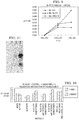
- FIG. 9 is a graph that shows the kinetics of humoral immunity with subcutaneous vaccination of the present invention.
- FIG. 10 is a graph of serum antibody levels in Brucella melitensis immunized mice.
- FIG. 11 shows the fluorescence profile of green fluorescent protein released over a one week period as determined through SDS polyacrylamide gel electrophoresis and fluorescence analysis.
- Lane 1 illustrates green fluorescent protein (gfp) released from an alginate capsule type 1 in 3 hours, lane 2, 24 hours and lane 3, 7 days.
- additive as used herein is used to describe vpB protein, variants thereof, and proteins and peptides that have a similar protein composition to produce encapsulants that affect the release of an agent trapped in or about the additive, e.g., when the additive is mixed with a polymeric or other composition to form a micro or nanocapsule.
- the Vitelline protein B is a member of a family of proteins with variable sequences, however, the amino acid composition is fixed.
- the Vitelline protein B may be closed and/or isolated by purification from, e.g., Fasciola hepatica .
- the Vitelline protein B may be made synthetically, by recombinant methods and combinations thereof.
- immediate release is used to describe a release profile to effect delivery of an active as soon as possible, that is, as soon as practically made available to an animal, whether in active form, as a precursor and/or as a metabolite. Immediate release may also be defined functionally as the release of over 80 to 90 percent (%) of the active ingredient within about 60, 90, 100 or 120 minutes or less.
- Extended release and “delayed release” as used herein is used to define a release profile to effect delivery of an active over an extended period of time, defined herein as being between about 60 minutes and about 2, 4, 6 or even 8 hours. Extended release may also be defined functionally as the release of over 80 to 90 percent (%) of the active ingredient after about 60 minutes and about 2, 4, 6 or even 8 hours. Extended release as used herein may also be defined as making the active ingredient available to the patient or subject regardless of uptake, as some actives may never be absorbed by the animal.
- Various extended release dosage forms may be designed readily by one of skill in art as disclosed herein to achieve delivery to both the small and large intestines, to only the small intestine, or to only the large intestine, depending upon the choice of coating materials and/or coating thickness.
- “Extended release” and “delayed release” formulations may be prepared and delivered using the Vitelline protein B or variants thereof to control the release of an agent.
- the Vitelline protein B protein may act alone or in combination with other compounds that delay release of an active, e.g., a coating, a capsule or mixture with controlled, delayed or extended release polymers. Any coatings should be applied to a sufficient thickness such that the entire coating does not dissolve in the gastrointestinal fluids at pH below about 5, but does dissolve at pH about 5 and above. It is expected that any anionic polymer exhibiting a pH-dependent solubility profile can be used as an enteric coating in the practice of the present invention to achieve delivery to the lower gastrointestinal tract.
- Polymers and compatible mixtures thereof may be used to provide the coating for the delayed or the extended release of active ingredients, and some of their properties, include, but are not limited to: shellac, also called purified lac, a refined product obtained from the resinous secretion of an insect. This coating dissolves in media of pH>7.
- enveloped pharmaceutical means a capsule, a suppository, a gel cap, a softgel, a lozenge, a sachet or even a fast dissolving wafer.
- carrier is used to describe a substance, whether biodegradable or not, that is physiologically acceptable for human or animal use and may be pharmacologically active or inactive.
- the vpB additive of the present invention may be used in conjunction with a wide variety of dosage forms, e.g., solution, suspension, cream, ointment, lotion, capsule, caplet, softgel, gelcap, suppository, enema, elixir, syrup, emulsion, film, granule, gum, insert, jelly, foam, paste, pastille, pellet, spray, troche, lozenge, disk, magma, poultice, or wafer and the like.
- dosage forms e.g., solution, suspension, cream, ointment, lotion, capsule, caplet, softgel, gelcap, suppository, enema, elixir, syrup, emulsion, film, granule, gum, insert, jelly, foam, paste, pastille, pellet, spray, troche, lozenge, disk, magma, poultice, or wafer and the like.
- vpB additive of the present invention may be used to delivery active pharmaceutical agents.
- pharmaceutically and/or “pharmacologically acceptable” refer to molecular entities and/or compositions that do not produce an adverse, allergic and/or other untoward reaction when administered to an animal, as appropriate.
- One distinct advantage of vpB is that it does not generally cause an adverse, allergic and/or other untoward reaction when administered to an animal.
- the term “therapeutically effective dosage” is used to describe the amount that reduces the amount of symptoms of the condition in the infected subject by at least about 20%, more preferably by at least about 40%, even more preferably by at least about 60%, and still more preferably by at least about 80% relative to untreated subjects. Often, for pediatric doses the amount will be half or less of the adult dose.
- the efficacy of a compound may be evaluated in an animal model system that may be predictive of efficacy in treating the disease in humans. Bioactive compounds are administered at a therapeutically effective dosage sufficient to treat a condition associated with a condition in a subject.
- amount refers to a quantity or to a concentration as appropriate to the context.
- amount of an active agent or drug that constitutes a pharmaceutically or therapeutically effective amount varies according to factors such as the potency of the particular drug, the route of administration of the formulation, and the mechanical system used to administer the formulation as will be known to the skilled artisan.
- a pharmaceutically or therapeutically effective amount is that dosage of active agents that when released is sufficient to effect treatment, when administered to a mammal in need of such treatment.
- the therapeutically effective amount will vary depending upon the subject and disease condition being treated, the weight and age of the subject, the severity of the disease condition, the manner of administration and the like, which can readily be determined by one of ordinary skill in the art.
- the amount of active agent and the need and amount of carriers and/or excipients are disclosed, simply by way of example, by Remington's Pharmaceutical Sciences, 19th edition, 1995, Ed. Gennaro, relevant portions incorporated herein by reference.
- treatment means any treatment of a disease in a mammal, including: (i) preventing the disease, that is, causing the clinical symptoms of the disease not to develop; (ii) inhibiting the disease, that is, arresting the development of clinical symptoms; and/or (iii) relieving the disease, that is, causing the regression of clinical symptoms.
- the additive of the present invention may be used in conjunction with one or more carriers.
- carrier and “pharmaceutically acceptable carrier” include any and all solvents, dispersion media, coatings, antibacterial and antifungal agents, isotonic and absorption delaying agents and the like. The use of such media and agents for pharmaceutically active substances is well known in the art. Except insofar as any conventional media or agent is incompatible with the active ingredient, its use in the therapeutic compositions is contemplated. Supplementary active ingredients can also be incorporated into the compositions.
- active ingredient(s),” “pharmaceutical ingredient(s),” “active agents” and “bioactive agent” are defined as drugs and/or pharmaceutically active ingredients.
- the present invention may be used to encapsulate, attach, bind or otherwise be used to affect the storage, stability, longevity and/or release of any of the following drugs as the pharmaceutically active agent in a composition.
- Analgesic anti-inflammatory agents such as, acetaminophen, aspirin, salicylic acid, methyl salicylate, choline salicylate, glycol salicylate, 1-menthol, camphor, mefenamic acid, fluphenamic acid, indomethacin, diclofenac, alclofenac, ibuprofen, ketoprofen, naproxene, pranoprofen, fenoprofen, sulindac, fenbufen, clidanac, flurbiprofen, indoprofen, protizidic acid, fentiazac, tolmetin, tiaprofenic acid, bendazac, bufexamac, piroxicam, phenylbutazone, oxyphenbutazone, clofezone, pentazocine, mepirizole and the like.
- Analgesic anti-inflammatory agents such as, acetaminophen, aspirin, sal
- Drugs having an action on the central nervous system for example sedatives, hypnotics, antianxiety agents, analgesics and anesthetics, such as, chloral, buprenorphine, naloxone, haloperidol, fluphenazine, pentobarbital, phenobarbital, secobarbital, amobarbital, cydobarbital, codeine, lidocaine, tetracaine, dyclonine, dibucaine, cocaine, procaine, mepivacaine, bupivacaine, etidocaine, prilocaine, benzocaine, fentanyl, nicotine and the like.
- Local anesthetics such as, benzocaine, procaine, dibucaine, lidocaine and the like.
- Antihistaminics or antiallergic agents such as, diphenhydramine, dimenhydrinate, perphenazine, triprolidine, pyrilamine, chlorcyclizine, promethazine, carbinoxamine, tripelennamine, brompheniramine, hydroxyzine, cyclizine, meclizine, clorprenaline, terfenadine, chlorpheniramine and the like.
- Anti-allergenics such as, antazoline, methapyrilene, chlorpheniramine, pyrilamine, pheniramine and the like. Decongestants such as, phenylephrine, ephedrine, naphazoline, tetrahydrozoline and the like.
- Antipyretics such as, aspirin, salicylamide, non-steroidal anti-inflammatory agents and the like.
- Antimigrane agents such as, dihydroergotamine, pizotyline and the like.
- Acetonide anti-inflammatory agents such as hydrocortisone, cortisone, dexamethasone, fluocinolone, triamcinolone, medrysone, prednisolone, flurandrenolide, prednisone, halcinonide, methylprednisolone, fludrocortisone, corticosterone, paramethasone, betamethasone, ibuprophen, naproxen, fenoprofen, fenbufen, flurbiprofen, indoprofen, ketoprofen, suprofen, indomethacin, piroxicam, aspirin, salicylic acid, diflunisal, methyl salicylate, phenylbutazone, sulinda
- Steroids such as, androgenic steroids, such as, testosterone, methyltestosterone, fluoxymesterone, estrogens such as, conjugated estrogens, esterified estrogens, estropipate, 17- ⁇ estradiol, 17- ⁇ estradiol valerate, equilin, mestranol, estrone, estriol, 17 ⁇ ethinyl estradiol, diethylstilbestrol, progestational agents, such as, progesterone, 19-norprogesterone, norethindrone, norethindrone acetate, melengestrol, chlormadinone, ethisterone, medroxyprogesterone acetate, hydroxyprogesterone caproate, ethynodiol diacetate, norethynodrel, 17- ⁇ hydroxyprogesterone, dydrogesterone, dimethisterone, ethinylestrenol, norgestrel, dem
- Respiratory agents such as, theophilline and ⁇ 2-adrenergic agonists, such as, albuterol, terbutaline, metaproterenol, ritodrine, carbuterol, fenoterol, quinterenol, rimiterol, solmefamol, soterenol, tetroquinol and the like.
- Sympathomimetics such as, dopamine, norepinephrine, phenylpropanolamine, phenylephrine, pseudoephedrine, amphetamine, propylhexedrine, arecoline and the like.
- Antimicrobial agents including antibacterial agents, antifungal agents, antimycotic agents and antiviral agents; tetracyclines such as, oxytetracycline, penicillins, such as, ampicillin, cephalosporins such as, cefalotin, aminoglycosides, such as, kanamycin, macrolides such as, erythromycin, chloramphenicol, iodides, nitrochanoin, nystatin, amphotericin, fradiomycin, sulfonamides, purrolnitrin, clotrimazole, miconazole chloramphenicol, sulfacetamide, sulfamethazine, sulfadiazine, sulfamerazine, sulfamethizole and sulfisoxazole; antivirals, including idoxuridine; clarithromycin; and other anti-infectives including nitrofurazone and the like.
- Antihypertensive agents such as, clonidine, ⁇ -methyldopa, reserpine, syrosingopine, rescinnamine, cinnarizine, hydrazine, prazosin and the like.
- Antihypertensive diuretics such as, chlorothiazide, hydrochlorothrazide, bendoflumethazide, trichlormethiazide, furosemide, tripamide, methylclothiazide, penfluzide, hydrothiazide, spironolactone, metolazone and the like. Cardiotonics such as, digitalis, ubidecarenone, dopamine and the like.
- Coronary vasodilators such as, organic nitrates such as, nitroglycerine, isosorbitol dinitrate, erythritol tetranitrate, and pentaerythritol tetranitrate, dipyridamole, dilazep, trapidil, trimetazidine and the like.
- Vasoconstrictors such as, dihydroergotamine, dihydroergotoxine and the like.
- ⁇ -blockers or antiarrhythmic agents such as, timolol pindolol, propranolol and the like.
- Humoral agents such as, the prostaglandins, natural and synthetic, for example PGE1, PGE2 ⁇ , and PGF2 ⁇ , and the PGE1 analog misoprostol.
- Antispasmodics such as, atropine, methantheline, papaverine, cinnamedrine, methscopolamine and the like.
- Calcium antagonists and other circulatory organ agents such as, aptopril, diltiazem, nifedipine, nicardipine, verapamil, bencyclane, ifenprodil tartarate, molsidomine, clonidine, prazosin and the like.
- Anti-convulsants such as, nitrazepam, meprobamate, phenytoin and the like.
- Agents for dizziness such as, isoprenaline, betahistine, scopolamine and the like.
- Tranquilizers such as, reserprine, chlorpromazine, and antianxiety benzodiazepines such as, alprazolam, chlordiazepoxide, clorazeptate, halazepam, oxazepam, prazepam, clonazepam, flurazepam, triazolam, lorazepam, diazepam and the like.
- Antipsychotics such as, phenothiazines including thiopropazate, chlorpromazine, triflupromazine, mesoridazine, piperracetazine, thioridazine, acetophenazine, fluphenazine, perphenazine, trifluoperazine, and other major tranqulizers such as, chlorprathixene, thiothixene, haloperidol, bromperidol, loxapine, and molindone, as well as, those agents used at lower doses in the treatment of nausea, vomiting and the like.
- phenothiazines including thiopropazate, chlorpromazine, triflupromazine, mesoridazine, piperracetazine, thioridazine, acetophenazine, fluphenazine, perphenazine, trifluoperazine, and other major tranqulizers such as, chlorprathixene, thio
- Vitamins such as, vitamins A, B, C, D, E and K and derivatives thereof, calciferols, mecobalamin and the like for dermatologically use.
- Enzymes such as, lysozyme, urokinaze and the like.
- Herb medicines or crude extracts such as, Aloe vera and the like.
- Cholinergic agonists such as, choline, acetylcholine, methacholine, carbachol, bethanechol, pilocarpine, muscarine, arecoline and the like.
- Antimuscarinic or muscarinic cholinergic blocking agents such as, atropine, scopolamine, homatropine, methscopolamine, homatropine methylbromide, methantheline, cyclopentolate, tropicamide, propantheline, anisotropine, dicyclomine, eucatropine and the like.
- Mydriatics such as, atropine, cyclopentolate, homatropine, scopolamine, tropicamide, eucatropine, hydroxyamphetamine and the like.
- Psychic energizers such as 3-(2-aminopropy)indole, 3-(2-aminobutyl)indole and the like.
- Antidepressant drugs such as, isocarboxazid, phenelzine, tranylcypromine, imipramine, amitriptyline, trimipramine, doxepin, desipramine, nortriptyline, protriptyline, amoxapine, maprotiline, trazodone and the like.
- Anti-diabetics such as, insulin, and anticancer drugs such as, tamoxifen, methotrexate and the like.
- Anorectic drugs such as, dextroamphetamine, methamphetamine, phenylpropanolamine, fenfluramine, diethylpropion, mazindol, phentermine and the like.
- Anti-malarials such as, the 4-aminoquinolines, alphaaminoquinolines, chloroquine, pyrimethamine and the like.
- Anti-ulcerative agents such as, misoprostol, omeprazole, enprostil and the like.
- Antiulcer agents such as, allantoin, aldioxa, alcloxa, N-methylscopolamine methylsuflate and the like.
- Antidiabetics such as insulin and the like.
- one or more antigens such as, whole-organism, natural, attenuated, heat-killed, chemically-inactivated, synthetic, peptides and even T cell epitopes peptides and the like.
- antigens names include, but not limited to, GADE, DAGE, MAGE, etc.
- the drugs mentioned above may be used in combination as required. Moreover, the above drugs may be used either in the free form or, if capable of forming salts, in the form of a salt with a suitable acid or base. If the drugs have a carboxyl group, their esters may be employed. Acids may be an organic acid, for example, methanesulfonic acid, lactic acid, tartaric acid, fumaric acid, maleic acid, acetic acid, or an inorganic acid, for example, hydrochloric acid, hydrobromic acid, phosphoric acid or sulfuric acid.
- the base may be an organic base, for example, ammonia, triethylamine, or an inorganic base, for example, sodium hydroxide or potassium hydroxide.
- the esters mentioned above may be alkyl esters, aryl esters, aralkyl esters and the like.
- the present invention may be implanted into materials that include sutures, tubes, sheets, adhesion prevention devices, wound healing products, tissue healing agents and other tissue or cell growth promoters that further enhance the effectiveness of tissue regeneration.
- a voltage or current may be applied directly to the present invention at the repair, implant, transplant or reconstruction site.
- Polymers or other molecules with piezoelectric or electrically conducting properties may also be incorporated into the present invention.
- electroactive polymers include piezoelectric (e.g., polyvinylidene fluoride) and electrically conducting materials (e.g., polypyrrole (PP), and polythiophene). Since piezoelectric materials depend on small mechanical deformations to produce transient surface charges, the level and duration of focused stimulation cannot be controlled.
- electrically conducting polymers readily permit external control over both the level and duration of stimulation.
- strategies designed to enhance the regeneration of a responsive cell might employ electrically conducting polymers.
- the present invention may be incorporated not only with molecules containing active species but also with one or more detectable agents or molecules that allows for the diagnosis, monitoring, and/or prophylactic measures.
- suitable detectable agents include dyes, labels, metals, detection devices, and electronic chips.
- the extended release microencapsulated active agents may be formed into compositions suitable for injectable use with the Vitelline protein B additive to encapsulate the active followed by dispersion in, e.g., sterile aqueous solutions and/or dispersions; formulations including sesame oil, peanut oil and/or aqueous propylene glycol; and/or sterile powders for the extemporaneous preparation of sterile injectable solutions and/or dispersions.
- the form must be sterile and/or must be fluid to the extent that easy syringability exists. It must be stable under the conditions of manufacture and/or storage and/or must be preserved against the contaminating action of microorganisms, such as bacteria and/or fungi.
- Solutions of the active compounds as free base and/or pharmacologically acceptable salts may be prepared in water suitably mixed with a surfactant, such as hydroxypropylcellulose. Dispersions may also be prepared in glycerol, liquid polyethylene glycols, and/or mixtures thereof and/or in oils. Under ordinary conditions of storage and/or use, these preparations contain a preservative to prevent the growth of microorganisms.
- Sterile injectable solutions are prepared by incorporating the active compounds in the required amount in the appropriate solvent with various of the other ingredients enumerated above, as required, followed by filtered sterilization.
- dispersions are prepared by incorporating the various sterilized active ingredients into a sterile vehicle that contains the basic dispersion medium and/or the required other ingredients from those enumerated above.
- the preferred methods of preparation are vacuum-drying and/or freeze-drying techniques that yield a powder of the active ingredient plus any additional desired ingredient from a previously sterile-filtered solution thereof.
- DMSO dimethyl sulfoxide
- solutions Upon formulation, solutions will be administered in a manner compatible with the dosage formulation and/or in such amount as is therapeutically effective.
- the formulations are easily administered in a variety of dosage forms, such as the type of injectable solutions described above, but drug release capsules and/or the like may also be employed.
- the solution should be suitably buffered if necessary and/or the liquid diluent first rendered isotonic with sufficient saline and/or glucose.
- aqueous solutions are especially suitable for intravenous, intramuscular, subcutaneous and/or intraperitoneal administration.
- sterile aqueous media that may be employed will be known to those of skill in the art in light of the present disclosure.
- one dosage could be dissolved in 1 ml of isotonic NaCl solution and/or either added to 1000 ml of hypodermoclysis fluid and/or injected at the proposed site of infusion, (see for example, “Remington's Pharmaceutical Sciences” 15th Edition, pages 1035-1038 and/or 1570-1580). Some variation in dosage will necessarily occur depending on the condition of the subject being treated. The person responsible for administration will, in any event, determine the appropriate dose for the individual subject.
- other pharmaceutically acceptable forms include, e.g., tablets and/or other solids for oral administration; liposomal formulations; time release capsules; and/or any other form currently used, including cremes.
- Nasal solutions are usually aqueous solutions designed to be administered to the nasal passages in drops and/or sprays. Nasal solutions are prepared so that they are similar in many respects to nasal secretions, so that normal ciliary action is maintained. Thus, the aqueous nasal solutions usually are isotonic and/or slightly buffered to maintain a pH of 5.5 to 6.5.
- antimicrobial preservatives similar to those used in ophthalmic preparations, and/or appropriate drug stabilizers, if required, may be included in the formulation.
- vaginal suppositories and/or suppositories.
- a rectal suppository may also be used.
- Suppositories are solid dosage forms of various weights and/or shapes, usually medicated, for insertion into the rectum, vagina and/or the urethra. After insertion, suppositories soften, melt and/or dissolve in the cavity fluids.
- traditional binders and/or carriers may include, for example, polyalkylene glycols and/or triglycerides; such suppositories may be formed from mixtures containing the active ingredient in the range of 0.5% to 10%, preferably 1%-2%.
- Oral formulations include such normally employed excipients as, for example, pharmaceutical grades of mannitol, lactose, starch, magnesium stearate, sodium saccharine, cellulose, magnesium carbonate and/or the like. These compositions take the form of solutions, suspensions, tablets, pills, capsules, sustained release formulations and/or powders.
- oral pharmaceutical compositions will comprise an inert diluent and/or assimilable edible carrier, and/or they may be enclosed in hard and/or soft shell gelatin capsule, and/or they may be compressed into tablets, and/or they may be incorporated directly with the food of the diet.
- the active compounds may be incorporated with excipients and/or used in the form of ingestible tablets, buccal tables, troches, capsules, elixirs, suspensions, syrups, wafers, and/or the like.
- Such compositions and/or preparations should contain at least 0.1% of active compound.
- the percentage of the compositions and/or preparations may, of course, be varied and/or may conveniently be between about 2 to about 75% of the weight of the unit, and/or preferably between 25-60%.
- the amount of active compounds in such therapeutically useful compositions is such that a suitable dosage will be obtained.
- the tablets, troches, pills, capsules and/or the like may also contain the following: a binder, as gum tragacanth, acacia, cornstarch, and/or gelatin; excipients, such as dicalcium phosphate; a disintegrating agent, such as corn starch, potato starch, alginic acid and/or the like; a lubricant, such as magnesium stearate; and/or a sweetening agent, such as sucrose, lactose and/or saccharin may be added and/or a flavoring agent, such as peppermint, oil of wintergreen, and/or cherry flavoring.
- a binder as gum tragacanth, acacia, cornstarch, and/or gelatin
- excipients such as dicalcium phosphate
- a disintegrating agent such as corn starch, potato starch, alginic acid and/or the like
- a lubricant such as magnesium stearate
- a sweetening agent such as
- the mixed release pharmaceutical formulations disclosed herein may be administered, e.g., parenterally, intraperitoneally, intraspinally, intravenously, intramuscularly, intravaginally, subcutaneously, or intracerebrally.
- Dispersions may be prepared in glycerol, liquid polyethylene glycols, and mixtures thereof and in oils. Under ordinary conditions of storage and use, these preparations may contain a preservative to prevent the growth of microorganisms.
- the proper fluidity may be maintained, for example, by the use of a coating such as lecithin, by the maintenance of the required particle size in the case of dispersion and by the use of surfactants.
- Prevention of the action of microorganisms may be achieved by various antibacterial and antifungal agents, for example, parabens, chlorobutanol, phenol, ascorbic acid, thimerosal and the like.
- isotonic agents for example, sugars, sodium chloride, or polyalcohols such as mannitol and sorbitol, in the composition.
- Prolonged absorption of the injectable compositions may be brought about by including in the composition an agent that delays absorption, for example, aluminum monostearate or gelatin.
- the bioactive may be orally administered, for example, with an inert diluent or an assimilable edible carrier.
- the therapeutic compound and other ingredients may also be enclosed in a hard or soft shell gelatin capsule, compressed into tablets, or incorporated directly into the subject's diet.
- the therapeutic compound may be incorporated with excipients and used in the form of ingestible tablets, buccal tablets, troches, capsules, elixirs, suspensions, syrups, wafers and the like.
- the percentage of the therapeutic compound in the compositions and preparations may, of course, be varied as will be known to the skilled artisan.
- the amount of the therapeutic compound in such therapeutically useful compositions is such that a suitable dosage will be obtained.
- Dosage unit form refers to physically discrete units suited as unitary dosages for the subjects to be treated; each unit containing a predetermined quantity of therapeutic compound calculated to produce the desired therapeutic effect in association with the required pharmaceutical carrier.
- the specification for the dosage unit forms of the invention are dictated by and directly dependent on (i) the unique characteristics of the therapeutic compound and the particular therapeutic effect to be achieved; and/or (ii) the limitations inherent in the art of compounding such a therapeutic compound for the treatment of a selected condition in a subject.
- Vitteline protein B is one of three proteins used by parasitic worms to produce an encapsulant to protect the developing embryo.
- the protein eggshell is formed predominantly of vpB through the use of protein precursors which become crosslinked during the maturation process through the use of dihydroxphenylalanine residues.
- Vitteline protein A (VpA) and Vitteline protein C (vpC), found in small quantities in the eggshell, are believed to be involved in deposition and spreading of vpB.
- VpA Vitteline protein A
- vpC Vitteline protein C
- As an immature, uncured protein, vpB demonstrates adhesive properties; as a fully cured protein it serves as a novel sealant which is resistant to acids, bases, heat, light, dessication, and proteolysis.
- the shell material is biocompatible and non-antigenic. It has been found that vpB's resistance to proteolysis makes it an ideal additive for microcapsules and micro- and nanoparticles, extending particle life when introduced into an animal.
- the vpB protein may also be used as a protein adhesive in aqueous environments.
- Vitelline protein B is a member of a family of proteins with variable sequences, however, the amino acid composition is fixed.
- the present inventors cloned and sequenced two members of the vpB gene family and find their amino acid sequence to vary only within the central 33% of the gene sequence.
- the sequence varies, the amino acid composition of the two vpBs (vpB1 and vpB2) is very similar; furthermore their amino acid composition is nearly identical to that of the eggshell itself.
- the amino terminal (N) ends of the proteins approximately 1 ⁇ 3
- the carboxy terminal (C) ends of the proteins (1 ⁇ 3) are identical when comparing the two amino acid sequences.
- the central one third of the two proteins diverge significantly at the amino acid level (35%). This shuffling of amino acids still preserves the amino acid composition and the functionality of these materials.
- Table 1 summarizes the conservation of the amino acid composition of two VpB proteins.
- composition rather than the sequence of these proteins is responsible for the properties of 1) resistance to proteolysis and 2) adhesiveness.
- catecholic groups are widespread in nature and perform diverse functions.
- the polymers consist of short peptides whose function is to sequester ferric iron from the environment (Raymond and Carrano 1979, Ong et al 1979).
- the catecholic polymers are proteins modified by the presence of dihydroxyphenylalanine (DOPA) residues whose function is underwater sealant and adhesive (Waite et al 1985, Waite 1986).
- DOPA dihydroxyphenylalanine
- Faciola hepatica is a digenetic trematode which encapsulates its eggs in a proteinaceous shell.
- the shells are a prototypical microencapsulating system that protects Fasciola eggs from the host natural defenses while allowing uptake of essential nutrients and release of metabolic products.
- the long-term stability of this natural composite material results from crosslinks formed by quinone tanning or sclerotization of specialized eggshell proteins in which tyrosine residues have been post-translationally modified to 3,4-dihydroxyphenylalanine (DOPA).
- DOPA 3,4-dihydroxyphenylalanine
- the present inventors purified and characterized the three major protein components of the shell, vitelline proteins A, B and C (vpA, vpB, and vpC).
- cDNAs encoding two variants of the major eggshell component have been sequenced and expressed as recombinant protein.
- the proteins encoded consist of highly degenerate repeats of a hexapeptide enriched in glycine and containing clusters of basic amino acid residues as well as clusters of acidic residues.
- vitelline proteins natural encapsulating agents
- (3) The cross-linking agent is already integrated into the protein and need be only oxidized, either spontaneously or with easily separable reagents, to initiate curing.
- the vitelline proteins are poorly antigenic.
- the present inventors have studied the mechanism by which the worm microencapsulates in order to mimic that process in vitro.
- the worm carries out the process of microencapsulation by applying a film of eggshell precursor protein to the surface of a lipoprotein layer or interface formed in the lumen of Mehlis' gland, the site of eggshell assembly.
- a catechol oxidase activity oxidizes the DOPA residues of the eggshell precursor to DOPAquinone.
- the highly reactive DOPAquinone is postulated to spontaneously form a number of types of chemical cross-links although in this system lysine or histidine appear to be the primary nucleophiles participating in cross-linking.
- coacervation methods based on gelatin microcapsulation (simple coacervation) or gelatin/acacia microencapsulation (complex coacervation) may be used. Either approach eliminates the need to first encapsulate the core material in a liposome prior to encapsulation with vitelline protein.
- vitelline proteins vpA, vpB, and vpC may be contacted with an agent to be microencapsulated under conditions suitable for microencapsulation.
- the agent can be a peptide, protein, nucleic acid, pharmaceutical, or other organic chemical compound.
- the nucleic acid and protein sequence of vpB can be found at the NCBI database, Accession No. M93024.
- the vitelline proteins may be modified by enzymatic or chemical post-translational modification. One example of such a modification is the hydroxylation of one or more tyrosine residues.
- fragments of the vitelline proteins can be used in place of, or in combination with the full length naturally occurring proteins.
- DOPA is at least one of the major substrates for oxidation and protein crosslinking.
- DOPA-containing protein precursors of the shell were subsequently purified and characterized.
- the three major DOPA-containing proteins of the worm are rich in glycine and DOPA and compose three major size classes of 70 kDa, 31 kDa and 17 kDa.
- Each protein also has a distinctive amino acid composition with the 70 kDa protein rich in ASX and ARG, the 31 kDa protein rich in LYS and ASX the 17 kDa protein rich in HIS.
- the 31 kDa protein (vitelline protein B, vpB) has been purified and characterized in detail (Waite and Rice-Ficht 1987; Waite and Rice-Ficht 1992, appendix 3; and Rice-Ficht and Waite 1992, appendix 2).
- the electrophoretic microheterogeneity is attributed to i) varying degrees of post-translational modification (TYR to DOPA) and ii) the presence of mRNAs varying in primary sequence (Waite and Rice-Ficht 1992, appendix 3).
- Fractionation of the purified protein was achieved through C-8 reversed phase HPLC; and the fractions across the vpB peak were subjected to amino acid analysis. All amino acids were constant across the peak with the exception of tyrosine and DOPA.
- DOPA residues were high on the leading edge of the peak and declined with increasing acetonitrile concentration; the converse was true of tyrosine residues suggesting a precursor-product relationship.
- N-terminal sequence analysis of protein fractions across the peak indicates that all proteins share the same N-terminus. This data taken alone might indicate that the heterogeneity was due solely to post-translational modification. However, extensive sequencing of tryptic peptides has shown the presence of peptides unique to the vpB1 mRNA and to the vpB2 mRNA.
- Both vpB1 and vpB2 contain the N-terminal peptide sequence defined through vpB peptide analysis. Southern hybridization was carried out on duplicate filters using either the vpB1 gene as probe or an oligonucleotide which represents the N-terminus of all vpB proteins (data not shown). There appear to be 6-7 structural genes for this family of proteins while the N-terminal sequence is associated with only one copy. However, the data derived from sequencing vpB1 and vpB2 indicates that at least two different transcripts carry this N-terminal sequence.
- vpC 17 kDa eggshell protein
- Apparent molecular weights range from 16,000 to 18,500 while pIs under denaturing conditions indicate the presence of only two species of 6.89 and 6.99.
- a single amino terminal peptide sequence is detectable and has been employed as a tool for gene isolation using degenerate oligomers.
- the amino acid composition of vpC is remarkable in that DOPA (20%), histidine (20%), and glycine (41-42%) comprise 80% of the amino acid residues in all variants of the family.
- the bulk of the molecule is composed of a (GLY-X)n repeat motif in which X is SER, DOPA or HIS.
- X is SER, DOPA or HIS.
- the only feature which this protein shares with the 31 kDa protein is the presence of DOPA residues.
- the four or more variants observed in the vpC family do not arise as a result allelic differences between individuals since a survey of six morphologically different worms indicates the presence of all vpC variants in each individual (Waite and Rice-Ficht 1989).
- antisera specific for the 31 kDa protein Through the use of antisera specific for the 31 kDa protein and through in situ hybridization it has been possible to study the localization of expression of the major DOPA protein.
- the use of a rabbit antisera raised against the purified vpB in tissue localization studies has indicated a high level of the protein within vitelline cells localized to the vitelline glands at the worm periphery (Rice-Ficht 1992); reactivity of antisera corresponds to the vitelline globules of mature vitelline cells (Rice-Ficht and Waite, 1992; appendix 2) and is evident before vitelline cells pass into the vitelline reservoir for delivery to Mehlis' gland, the site of shell assembly.
- the 31 kDa protein is synthesized and stored in vitelline granules of vitelline cells still residing in the vitelline gland follicle.
- the polyphenolic shell precursors (Smyth 1954; Waite and Rice-Ficht 1989) and polyphenol oxidase (Smyth 1954) are transported to the ootype and packed away in vitelline cell globules.
- vitelline cells congregate in the ootype along with one fertilized ovum, Mehlis' gland forms a lipoprotein membrane (Clegg 1965) around the vitelline cell/egg mass which is followed by release of globular material from the vitelline cells through regulated secretion.
- catechol oxidase becomes activated and oxidation and crosslinking ensues.
- Dopa residues are abundant in newly formed shells and shells of the proximal uterus. As the shells pass through the uterus, Dopa residues are consumed in the crosslinking reactions (as ascertained through DOPA-specific staining; Waite and Rice-Ficht 1989) and the shells are completely ‘cured’ prior to extrusion.
- VpB is the major shell component by weight and is present in molar quantities approximately 30 times that of vpA or vpC.
- VpC has substantial homology with any published protein sequence; vpC shows strong homology with the his-rich domain of high molecular weight kininogen I whose function is to bind to negatively charged surfaces and accelerate binding of other blood clotting factors to that surface (Kitamura et al 1983). Based on this homology, it is postulated that vpC is the first of the shell proteins to associate with the lipoprotein layer, facilitating binding and dispersion of vpB and vpA during shell formation.
- the 70 kDa protein (vitelline protein A, vpA) is the last of the three major DOPA containing protein precursors of the eggshell remaining to be characterized.
- Preliminary amino acid analysis has indicated a high ASN/ASP (21%), GLY (11%) and ARG (8%) content with 4% DOPA residues and a substantial amount of unmodified tyrosine.
- One of the future goals of the project is to compare in vitro modification of the vpA, vpB and vpC with various polyphenol oxidases in order to probe the factors governing modification of individual tyrosine residues. Further characterization will include analysis for microheterogeneity and limited peptide sequencing.
- F. hepatica from freshly condemned bovine livers will be obtained from the slaughterhouse in Sealy, Tex. and transported to the laboratory on dry ice. Extraction of soluble enzyme activity from the vitellaria is complicated by at least three factors, a) vitellaria interdigitate with the digestive diverticulum hence any extraction is likely to contain enzyme with some contaminating proteases, b) like zymogens, the catecholoxidases of insects, frog skin and mussels (Waite 1985) are stockpiled in latent form prior to secretion, and c) the catecholoxidases implicated in quinone-tanning reportedly have odd solubility requirements and commonly become co-crosslinked to their substrates.
- enzyme extractions will be done using buffers with a broad spectrum of protease inhibitors, e.g., 1 M phenylmethylsulfonylfluoride, 10 mM N-ethylmaleimide, 25 mM ethylenediaminetetraacetic acid (EDTA).
- protease inhibitors e.g. 1 M phenylmethylsulfonylfluoride, 10 mM N-ethylmaleimide, 25 mM ethylenediaminetetraacetic acid (EDTA).
- EDTA ethylenediaminetetraacetic acid
- a physical characterization of the enzyme will include molecular weight determination by gel filtration using the appropriate range of standards, subunit molecular weight determination by SDS PAGE, and prosthetic metal determination by atomic absorption spectroscopy. All polyphenoloxidases known to date are copper proteins. Amino acid composition will be performed following protein hydrolysis according to Tsugita, et al, (1987). The N-terminus of purified subunits will be sequenced by Edman gas phase methodology (Ozols 1986).
- An alternate approach will be an enzyme isolation from newly formed eggshells, purified from the Fasciola uterus; complete digestion of the shells with highly purified enzymes specific for DOPA residues (from the marine organism Alteromonas , see below in cross-link analysis) may release the catecholoxidase. Since the enzyme is known to be active even in completely cured eggshells this approach may yield some positive results.
- Enzyme-substrate kinetics will be a particular focus of these studies. A comparison of the Michaelis-Menten behavior of the vitelline and eggshell enzyme activities with various synthetic mono- and diphenols and O 2 will be performed.
- DOPA-containing peptides derived from protease digests of vitelline proteins B and C will be employed as substrate. Effect of inhibitors, pH, and temperature will be determined using the best substrate (highest Vmax/Km) and heat denatured-controls. Use of intact proteins as substrates is impractical due to the insolubility of these without borate at physiological pH (Waite and Rice-Ficht 1987).
- the total amount of active enzyme per mg eggshell protein can be estimated according to Segel (1976). Recall that catecholoxidase activity persists in eggshells even after release of the egg from the host (Smyth and Clegg 1959). The major assumption will be that the specific activity of the enzyme is not drastically altered once it becomes part of the eggshell. Total protein in the eggshell will be quantitated by amino acid analysis following hydrolysis. A corroborative estimate of the amount of catecholoxidase in eggshells (based on the mol % Cu detected in purified catecholoxidase) could be attempted by doing atomic absorption measurements on hydrolyzed eggshells. Here the assumption would be that all eggshell Cu is from the catecholoxidase.
- An alternate approach to enzyme purification by conventional methods will be an affinity purification scheme; this approach would utilize antibody directed against recombinant catechol oxidase coupled to cyanogen bromide activated sepharose beads. This approach is dependent upon isolating the gene first and producing recombinant protein from that gene (objective IIIB).
- Affinity purification using substrate covalently attached to beads i.e. a methyl catechol
- cDNAs were isolated from lambda gt10 and lambda gt11 F. hepatica libraries using hybridization and a degenerate oligonucleotide probe.
- the N-terminal sequence of vpC was employed to produce a 29-mer using inosine substitution at the most degenerate positions in order to limit the number of oligonucleotides in the mix (Ohtsuka et al 1985).
- the probe was employed using tetramethylammonium chloride salts, a method which provides a base composition-independent hybridization (Wood et al 1985).
- the hybridization can be controlled as a function of probe length only, enhancing results when screening a complex library with a pool of oligonucleotide probes.
- a number of cDNAs of 500-600 base pairs in length have been isolated and sequence is being determined. Sequencing is proceeding through application of asymmetric polymerase chain reaction (Gyllensten and Erlich 1988) directly from the selected lambda library clones. Primers flanking cDNA insertion sites in the vector are employed to amplify the DNA; following a brief extraction procedure to remove primers and nucleoside triphosphates the PCR product is subjected to sequencing with standard dideoxy chain termination methods and T7 polymerase (Sanger and Coulson 1975). This method which circumvents subcloning and other low-efficiency, time consuming procedures is being employed to examine the clones.
- Lambda gt11 libraries produce proteins as a fusion with the 116 kDa b-galactosidase gene which may easily interfere with proper folding and activity of the cloned enzyme.
- Early attempts to carry out plaque assays with Arnow's reagent (Arnow 1937) and 4-methyl catechol were unsuccessful due to the solubility and instability of the chromophore produced.
- a modification of this protocol (Rzepecki and Waite 1989) producing a more intense color reaction was also employed without success.
- An alternate approach using an antibody (polyclonal) directed against the Mytilis edulis catechol oxidase will be used to identify cloned trematode enzyme in an expression library.
- Example 12 Selection of cDNAs Encoding Proteins Specific to Mehlis' Gland from a Mehlis' Gland Specific Expression Library
- the Mehlis' gland constitutes the biochemical “black box” of eggshell formation; among the functions attributed to the gland are i) initial entrapment of 30 vitelline cells and one ovum in a lipid bilayer (Wharton 1983), ii) signaling the release of vitelline globules from the vitelline cells and iii) activation of the catechol oxidase enzyme.
- a selection process will be carried out to identify proteins manufactured only in Mehlis' gland.
- Mehlis' gland-specific cDNA library will be carried out through the standard techniques first applied to the manufacture of T cell-specific cDNA libraries via “subtraction hybridization” (Hedrick et al 1984). For this procedure flash frozen worms will be partially thawed and the Mehlis' gland area from 50 worms excised and pooled; the anterior portion or “head” of the worms will also be pooled. The anterior portions are assumed to contain the standard housekeeping genes found in all cell types and will be used to remove unwanted RNA from the Mehlis' gland preparation prior to cDNA synthesis.
- RNA will be extracted from the tissues as described (Rice-Ficht and Waite 1992) and a first strand cDNA synthesized using the Mehlis' gland RNA as template.
- the cDNA will be hybridized to a 100-fold excess of head RNA and applied to hydroxyapatite.
- the cDNA not retained by the column should be single-stranded and unique to Mehlis' gland; a second cDNA strand will be synthesized and the cDNA introduced into lambda gt11 and lambda gt10 for amplification.
- deletion enrichment Lamar and Palmer 1984
- a plus/minus screening for standard cDNA libraries Tedder et al 1988; Zurita et al 1987).
- cDNAs of interest will be located using antibody prepared against excised Mehlis' gland or through a plus/minus hybridization technique (Tedder et al 1988). The later relies on screening duplicate plaque lifts from a cDNA library with a radiolabeled cDNA representing first the tissue of interest (i.e. Mehlis' gland) and secondly a tissue containing background genes (i.e. the worm ‘head’). Plaques screening positive with the gland probe and negative with the head probe would be candidates for further study.
- Mehlis' gland specific nature of candidate sequences will be determined through i) in situ hybridization of the cloned segment to worm sections to verify its presence in Mehlis' gland, ii) production of recombinant protein against which polyclonal and monoclonal antibody would be raised for tissue localization studies or iii) sequencing of the cDNA through polymerase chain reaction to perform a preliminary search of the gene bank.
- monoclonal antibody A limited success with the production of monoclonal antibody against the shell precursor proteins prompted a multifaceted approach to gene isolation. Additionally, monoclonal antibody is often a poor reagent for clone selection from expression libraries due to the fact that only a single epitope is recognized by the antibody. The major utility of monoclonal antibody will be in tissue localization of proteins and fine structure mapping at the EM level.
- Cryosections of adult worms will be employed to minimize changes which might occur with fixation. Both vitelline cells and eggshells within the worm will be examined in cryosection although additional analysis of shells carefully purified from contents in the absence of metal chelating agents will be performed.
- the electron probe microanalysis technique is preferred initially over more precise physical methods because it requires less material and should serve well for initial survey purposes.
- Tissue culture techniques in trematodes have been largely unsuccessful in the study of eggshell formation. Although many aspects of worm metabolism are apparently preserved under standard culture conditions shell deposition becomes markedly aberrant after only minutes to hours in culture (Clegg 1965; Smyth and Clegg 1959); free vitelline cells and free globules of shell precursor material rapidly appear in the proximal uterus during culture, a phenomenon which is not observed in worms immediately after removal from the host. Although egglaying by trematodes continues for hours to days after introduction into culture, the process relies on preformed RNA and protein since RNA production for shell precursor ceases with introduction to culture (Reis et al 1989).
- the present inventors conducted culture of trematodes in fertilized chicken eggs as recently reported by Fried (1989) for other genuses of flatworm and found that egglaying proceeds in an apparently normal fashion (i.e. a lack of vitelline cells or free vitelline globules in the uterus) for extended periods of time (tested up to ten days). Analysis of culture worms for the presence of mRNA complementary to shell precursor protein genes is underway. Since F. hepatica is auxotrophic for a remarkable number of compounds including purines, pyrimidines, sterols, fatty acids, and a number of amino acids (Kurelec 1972) we anticipate the ability to successfully label macromolecules even in amniotic fluid of the avian egg. Successful isotopic labeling of shell precursor proteins will enable a range of analyses concerning shell crosslinking and shell architecture to be performed.
- involucrin mol. wt. 100 kDa
- involucrin mol. wt. 100 kDa
- glutamine Eckert and Green 1986
- An iso-peptide bond is formed from peptidyl-glutamine and -lysine.
- Green and co-workers opted for an approach that discarded the physical problems associated with crosslinking (such as insolubility and intractability). This was done by overwhelming the natural amine donor peptidyl lysine with 14C glycine ethylester.
- the 14C glycine ethyl ester modified protein could be i) visualized on gels, ii) isolated by HPLC and iii) digested into a family of radioactive and nonradioactive peptides. These of course can be easily purified and sequenced. In the case of involucrin, the results obtained were most interesting and totally unexpected. Of the 39 or so consensus repeats in intact involucrin, glutamines in only two of the repeats were consistently labeled (Simon and Green, 1988).
- VpB and vpC are more degenerate in terms of repeats but they can be analogously treated with mushroom tyrosinase at pH 8.0 (phosphate buffered saline) to form messy cross-linked aggregates of high molecular weight (Waite and Rice-Ficht, 1987). Lysines are implicated in the cross-linking by two lines of evidence including i) lysine levels decrease with DOPA as the course of the oxidation proceeds, and ii) vpB is less trypsin-labile following oxidation (Waite and Rice-Ficht 1987; unpublished observation).
- Enzyme is homogeneous by SDS Page and has a specific activity of 2040 units (Rzepecki and Waite 1989).
- the second enzyme may come from the vitellaria of Fasciola hepatica.
- F. hepatica may be labeled with radioactive isotopes corresponding to putative nucleophiles in the shell crosslinking process (cysteine, histidine and lysine) as well as with labeled tyrosine and the shell protein precursors purified.
- radioactive isotopes corresponding to putative nucleophiles in the shell crosslinking process (cysteine, histidine and lysine) as well as with labeled tyrosine and the shell protein precursors purified.
- Each of the proteins will be hydrolyzed under reducing conditions as previously described for standard amino acid analysis of DOPA proteins (Waite and Rice-Ficht 1987) or reduced to amino acids enzymatically (Rice and Green 1977). New peaks on the HPLC profile will be compared with standards eluting at those positions in order to identify new species produced by crosslinking.
- Worms will be labeled with radioisotopes to facilitate analysis of small quantities of protein in the following studies.
- the label of choice will be determined by the protein which is to be analyzed.
- VpB is void of cysteine residues although methionine would be suitable for labeling;
- vpC is deficient in both sulfur containing amino acids and would be suitably labeled with glycine or arginine.
- worms After labeling in vitro, worms will be isolated and newly-formed eggs of the distal uterus will be carefully extruded.
- the newly formed eggs would contain minimal native crosslinks as yet since they remain fully positive by staining with Arnow's reagent and yet this is the earliest stage in which one might expect to find the vitelline proteins in their ultimate relative positions in the shell.
- These immature shells may be: exposed to reversible crosslinking reagents, shell protein precursors extracted (that are not as yet trapped within the matrix), and the crosslinked species identified with a monospecific antibody. The identity may be confirmed following dissolution of the crosslink and SDS PAGE analysis.
- cross-linking reagent Any choice of cross-linking reagent must be made with solubility in mind and the ease of introduction of the cross-linker into the immature shell structure; to a degree this is empirical and a number of reagents may have to be tested.
- An ideal cross-linking reagent for these studies considering the composition of the proteins to be crosslinked is the thiol cleavable bifunctional reagent DSP [dithiobis(succinimidyl propionate)]. Since no cysteines are present in vpB or vpC and the naturally occurring crosslinks are not labile to reducing agents, the artificially induced crosslinks will be distinguishable from the natural.
- recombinant protein representing vpA, vpB and vpC will be produced in E. coli .
- the E. coli host does not carry enzymes to catalyze the oxidation of tyrosine and the products will be unmodified.
- the vector of choice for production of protein is the pGEX vector which employs the glutathione-S-transferase gene of Schistosoma as a purification tool (Smith and Johnson 1988).
- the recombinant protein will be produced as a fusion with the GST and affinity purified on glutathione-agarose beads.
- a proteolytic cleavage site has been introduced between the GST and the foreign protein permitting release with either factor X or thrombin. This permits a single step purification of any of the vitelline proteins followed by the release of the proteins from the GST carrier.
- the non-fused protein can then be employed in the studies outlined below.
- Capsules composed of vpB ranging from 5 to 200 microns in size were produced through coacervation technology as follows: 200 ⁇ l of phosphate buffered saline solution, pH 7.2, containing 2 mg recombinant vpB and 2 mg recombinant proline-rich protein from F. hepatica was vortexed; 240 ⁇ l of 2-isopropanol (coacervating agent) was added dropwise while vortexing. As mixing continued, 60 ⁇ l of sodium sulfate solution (30% by weight sodium sulfate in dH 2 O) was added dropwise. Fixation was achieved by addition of 54 ⁇ l of formaldehyde solution (37% in dH 2 O) while mixing for 10 minutes.
- Example 24 Protein Microspheres Produced Through Oil in Water Emulsion Technology
- Protein microspheres were produced using the following formulation: Microspheres were produced as a composite between bovine serum albumin (Fraction V, Sigma Chemicals) and recombinant vpB. 100 ml of olive oil is stirred for 30 minutes in a 400 ml beaker using a Caframo ultra high torque stirrer at a speed at 1200 rpm (300-1800 rpm) specific for the size of capsule to be produced.
- Fraction V bovine serum albumin
- vpB recombinant vpB
- Glycine a capping agent for aldehyde groups
- phosphate buffered saline phosphate buffered saline
- Microspheres were then collected through centrifugation (10 minutes, 2400 rpm, Beckman TH-4 centrifuge) and the microspheres washed in ether (twice in 20 ml diethyl ether) to remove residual oil. Size is determined by oil viscosity, stirring speed and surface properties of the encapsulant.
- Example 26 VpB/Albumin Protein Microsphere Utility as a Vaccine Delivery Vehicle for Extended or Controlled Release of Tetanus Toxoid Fragment
- Microcarriers produced through the same emulsion formulation as described for glycine entrapment were utilized in the following studies. Groups of six mice were treated via subcutaneous injection of encapsulated tetanus toxoid (TT; 10 micrograms per dose) manufactured with oil in water emulsion technology (above). Composite capsules contained the following: 74% albumin: 26% vpB. A second group of capsules were bovine serum albumin loaded with TT (99.99% bovine serum albumin; 10 micrograms TT) and composite (vpB/albumin) loaded with TT (10 micrograms/dose).
- TT encapsulated tetanus toxoid
- Composite capsules contained the following: 74% albumin: 26% vpB.
- a second group of capsules were bovine serum albumin loaded with TT (99.99% bovine serum albumin; 10 micrograms TT) and composite (vpB/albumin) loaded with TT (10 micrograms/dose).
- the vpB microencapsulating additive was also used to entrap tetanus toxoid for the above studies. Capsules were introduced subcutaneously as a depot and serum antibody titers monitored for a period of weeks using enzyme linked immunosorbent assay_ELISA ( FIG. 3 ). Use of 26% vpB in the composite capsule formulation resulted in an extended period of elevated serum antibody response to tetanus toxoid, at week 11 a level more than 10 fold that of TT loaded albumin capsules was observed.
- Example 27 VpB/Albumin Protein Microsphere Utility as a Vaccine Delivery Vehicle for Botulinum Toxin Fragment. Microcarriers Produced Through the Same Emulsion Formulation as Described for Glycine Entrapment
- FIG. 4 is a graph that shows the results of botulinum toxin encapsulated using the present invention and delivered as a depot. Serum antibody titers for mice determined over a period of 17 weeks are shown. Groups of 6 mice were analyzed. Results are from pooled sera.
- the hallmark of the composite capsule is the slow erosion and the extended release profile (group 4C) when delivered as a subcutaneous depot.
- Botulinum neurotoxin A (recombinant fragment C) was delivered as a subcutaneous depot in: free form (5C, 2 micrograms per dose), and encapsulated in protein (1C-4C).
- 4C is a 10 micron composite capsule with 3% vpB; 97% bovine serum albumin; 2 micrograms Bot toxin). Serum antibody response with this capsule formulation is retained at 17 weeks. This is superior to the delivery of the toxin in a free form which directs a high serum antibody response at 5 weeks that diminishes sharply at 7 weeks.
- Example 28 Dose Dependence of the Serum Antibody Response to Encapsulated Botulinum Toxin Fragment C
- FIG. 5 is a graph that shows the immune response to doses of botulinum neurotoxin A, fragment C trapped in the composite capsule described above, were dose dependent.
- the batches of capsules are identified by dose referring to the mg dose of capsule.
- the capsule doses in milligrams contain the following doses of bot tox: 0.2 mg-0.2 micrograms of toxin; 0.6 mg-0.6 micrograms of toxin; 2.0 mg-2.0 micrograms of toxin. Individual animals received 2 micrograms per dose. Results indicate that vpB albumin composite capsules carrying a 2.0 mg dose of capsule induce serum antibody titers at substantially extended times when compared to lower doses of botulinum neurotoxin A, fragment C.
- Example 29 Emulsion Capsules Used to Entrap Tetanous Toxoid and Deliver Vaccine Through a Combination of Subcutaneous/Oral Routes to Mice
- FIG. 6 is a graph that shows the antibody response of six mice injected subcutaneously with encapsulated TT composite capsules. Capsules were produced through emulsion technology described above entrapping tetanus toxoid (TT, 100 micrograms per dose).
- mice Groups of six mice were injected subcutaneously with encapsulated TT composite capsules (tetanous toxoid 10 micrograms per milligram of formulation/bovine serum albumin 95%/recombinant vpB 5%, G1), albumin/TT (bovine serum albumin 99.99%, tetanus toxoid 10 micrograms per milligram of formulation G2), empty composite capsule (bovine serum albumin 95%/recombinant vpB 5%, G3), tetanus toxoid unencapsulated, 100 micrograms (G4) and saline (G5).
- TT composite capsules tetanous toxoid 10 micrograms per milligram of formulation/bovine serum albumin 95%/recombinant vpB 5%, G1
- albumin/TT bovine serum albumin 99.99%
- Dosing was performed as follows: Groups 1-3 received: 10 mg of specified capsule formulation (containing TT 100 micrograms) delivered subcutaneously at time 0. Mice were boosted orally at weeks 3 and 6 with 10 mg of specified formulation in 250 microliters of corn oil and buffer (1:1). Group 4 received 100 micrograms of unencapsulated TT at time 0 and was boosted at 3 and 6 weeks orally with 100 micrograms TT in 250 microliters of corn oil: buffer (1:1). Group 5 received no treatment Sera were pooled for analysis and serum antibody measured through ELISA using tetanus toxoid as antigen. Secondary antibody detected IgG.
- Results indicate that the composite formulation which contains vpB at a level of 5% and tetanus toxoid as antigen results in an extended presentation of antigen to the immune system and a higher serum antibody level (3 fold) at extended times when compared with a control empty composite capsule (G3).
- FIG. 7 is a graph that shows cellular immune response as measured by tritium uptake for the same groups as FIG. 6 at 21 weeks. Splenocyte blastogenesis from the same mice at the conclusion of the studies indicated that a strong cell mediated response had also been obtained when utilizing vpB as an additive (group 1).
- Vitelline B protein (4 mg) can be dissolved in 150 ml of Phosphate Buffered Saline (PBS-10 mM phosphate, 120 mM NaCl, pH 7.4) or 150 ml of 5 M Guanidinium HCl. This solution can be combined with an equal volume of 30% hydrogen peroxide (25 ml of each). The solution can be placed between the surfaces to be adhered to one another, and placed in a 45° C. oven overnight in order to cure.
- Phosphate Buffered Saline PBS-10 mM phosphate, 120 mM NaCl, pH 7.4
- This solution can be combined with an equal volume of 30% hydrogen peroxide (25 ml of each).
- the solution can be placed between the surfaces to be adhered to one another, and placed in a 45° C. oven overnight in order to cure.
- oxidants can also be used including chemicals, enzymes, such as mushroom tyrosinase, and buffers with extreme pH to convert tyrosine in the vpB recombinant protein to DOPA and DOPA quinone and impart sticky properties to the protein.
- a denaturant is optional, and others such as urea can be used in place of guanidinium hydrochloride.
- General methods for making proteins adhesives are taught Hwang, D. S., Yoo, H. J., Moon, W. K., and Cha, H. J. (2004) Applied and Environ. Micro. 70, 3352-3359, relevant portions incorporated herein by reference.
- Example 31 Alginate-vpB Composite Capsules for Vaccination with Live Brucella abortus
- Capsule design 1 Bacteria 1 ⁇ 10 4 -1 ⁇ 10 10 were suspended in 2 ml phosphate buffered saline and mixed with 10 ml of a 1.5% alginate solution in a 60 ml syringe. The syringe was attached to the inflow port of an Encapsulator device (Inotech, Inc.) and delivered dropwise through a nozzle of defined aperture (50-700 microns) into a CaCl 2 bath (10 mM CaCl 2 , 225 ml). Beads thus formed were incubated with stirring for 5 minutes.
- Encapsulator device Inotech, Inc.
- CaCl 2 was withdrawn and a solution of either 0.05% poly-L-lysine or 0.05% poly-L-lysine in CaCl 2 was added along with 0.0625-1 mg of vpB protein. This solution was stirred for 10 minutes and withdrawn. The capsules were then washed once for 1 minute with 100 ml MOPS buffer, then once for 5 minutes with 150 ml MOPS buffer. The MOPS buffer was withdrawn and 100 ml of a 0.03% solution of alginate was added to the beads and stirred for 5 minutes. Alginate was again withdrawn and the capsules washed with 100 ml MOPS buffer for 1 minute, drained and washed with an additional 150 ml MOPS buffer for 5 minutes. Capsules were collected and stored in MOPS buffer at 4° C.
- Capsule design 2 Alternatively, the vpB protein, at the same concentrations indicated in capsule 1, was included with the alginate and bacteria along with the contents of the syringe and dropped into the CaCl 2 solution. In this embodiment the vpB was not included in the ‘shell’, but as component of the core. Both applications were tested in mice.
- FIG. 8 is a graph that shows the results obtained from red deer vaccination studies conducted with capsule design 1 only using the following approach: Groups of 4 red deer were vaccinated orally or subcutaneously with alginate or alginate composite capsules containing entrapped live Brucella abortus vaccine. Animals were bled prior to commencement of the study for baseline serum titers. Animals were vaccinated on day 1 and boosted with the same dose and formulation at 4 weeks. Animals were challenged with the vaccine strain on week 7 and sacrificed at week 14.
- the vaccination groups are as follows: empty composite capsules (subcutaneous), unencapsulated vaccine strain S19 (injected), alginate encapsulated vaccine strain (injected), composite encapsulated vaccine strain (injected), encapsulated vaccine strain (oral), composite encapsulated vaccine strain (oral). Each animal received a dose of 7 ⁇ 10 9 -1 ⁇ 10 10 organisms per dose. The results of this study are indicated below.
- Serum IgG titers of red deer at week 11 indicate that encapsulated forms of delivery out perform the unencapsulated vaccine with respect to maintenance of serum antibody titer.
- the titer of animals vaccinated with composite capsules was lower than that of alginate alone while the orally dosed animals showed higher titers with composite capsules that those encapsulated with alginate alone.
- FIG. 9 is a graph that shows the kinetics of the induction of humoral immunity as a result of subcutaneous vaccination.
- the alginate encapsulated vaccine is producing a steep increase in titer at 4 and 7 weeks.
- the composite alginate/vpB encapsulated vaccine is rising at a slower rate providing a lower level, longer term release of the vaccine. Therefore, longer term release was made possible by the inclusion of the vpB protein additive of the present invention, possibly due to its slow decomposition enhancing the performance of capsules in extended release.
- Example 32 Alginate-vpB Composite Capsules for Vaccination with Live Brucella melitensis in Mice
- capsule design 1 and 2 used capsule design 1 and 2 in the delivery of an attenuated Brucella melitensis strain to mice. All animals except group 1 received an innoculum of 1 ⁇ 10 5 organisms through intraperitoneal injection at the initiation of the study. Serum antibody titers have been monitored weekly over a three week period following vaccination. The groups as summarized in Table 2. The results are shown in FIG. 10 . Improved antibody titers against the live vaccine strain are seen with the use of capsule formulation #2, in which vpB is included with the alginate core and with the vaccine strain. It is predicted that vpB containing formulation will experience extended serum antibody titers and enhanced protection over other methods. Alginate capsules, which do not contain any vpB additive, failed to produce antibody titers as elevated as those of vpB containing alginate capsules.
- Example 33 Alginate-vpB Capsules for Controlled Release of an Active Protein, Interferon Tau
- Capsule design 1 was used as follows. Interferon tau (from Dr. Fuller Baser, Dept. Animal Science, TAMU) 1 ml (10 8 units) was suspended in 1 ml MOPS buffer and mixed with 5 ml of a 1.5% alginate solution in a 60 ml syringe. The syringe was attached to the inflow port of an Encapsulator device (Inotech, Inc.) and delivered dropwise through a nozzle of defined aperture (50-700 microns) into a 10 mM CaCl 2 bath (225 ml). Beads thus formed were incubated with stirring for 5 minutes.
- Interferon tau from Dr. Fuller Baser, Dept. Animal Science, TAMU
- CaCl 2 was withdrawn and a solution of either 0.05% poly-L-lysine or 0.05% poly-L-lysine in CaCl 2 was added in combination with 0.0625-1 mg of vpB protein. This solution was stirred for 10 minutes and withdrawn. The capsules were then washed once for 1 minute with 100 ml MOPS buffer, then once for 5 minutes with 150 ml MOPS buffer. The MOPS buffer was withdrawn and 100 ml of a 0.03% solution of alginate was added to the beads and stirred for 5 minutes. Alginate was again withdrawn and the capsules washed with 100 ml MOPS buffer for 1 minute, drained and washed with an additional 150 ml MOPS buffer for 5 minutes. Capsules were collected and stored in MOPS buffer at 4° C.
- Encapsulated interferon tau was delivered to mice as a treatment regimen for virally induced neurodegenerative disease.
- Capsules of 400 microns in diameter containing a dose of 2 ⁇ 10 6 units were delivered through intraperitoneal injection.
- mice were infected with 5 ⁇ 10 4 pfu BeAn strain of Theiler's virus or mock infected with PBS.
- the mice were assigned to one of the following groups (10 mice per group) described in Table 3 below.
- the dose IFN will be 10 5 units i.p. which has been shown to be effective in the treatment of TVID as summarized in Table 3.
- mice have been weighed and evaluated for clinical signs of disease at weekly intervals. Mice treated with encapsulated INFt shown clinical improvement comparable to that of mice receiving daily intraperitoneal doses. The delivery of a dose of encapsulated INFt serves to reduce the treatment regimen from once daily to once every 2 weeks.
- FIG. 11 shows the fluorescence profile of the gfp released over a one week period as determined through SDS polyacrylamide gel electrophoresis and fluorescence analysis.
- Lane 1 illustrates gfp released from an alginate capsule type 1 in 3 hours, lane 2, 24 hours and lane 3, 7 days. Release in a 24 hour period is approximately 5-6% of the total encapsulated protein.
- the gfp protein is the approximate molecular weight of interferon tau and illustrates the predicted release profile of a similar protein from this type of capsule.
- compositions and/or methods disclosed and claimed herein can be made and executed without undue experimentation in light of the present disclosure. While the compositions and methods of this invention have been described in terms of preferred embodiments, it will be apparent to those of skill in the art that variations may be applied to the compositions and/or methods and in the steps or in the sequence of steps of the method described herein without departing from the concept, spirit and scope of the invention. More specifically, it will be apparent that certain agents which are both chemically and physiologically related may be substituted for the agents described herein while the same or similar results would be achieved. All such similar substitutes and modifications apparent to those skilled in the art are deemed to be within the spirit, scope and concept of the invention as defined by the appended claims.
Landscapes
- Health & Medical Sciences (AREA)
- Life Sciences & Earth Sciences (AREA)
- General Health & Medical Sciences (AREA)
- Veterinary Medicine (AREA)
- Public Health (AREA)
- Animal Behavior & Ethology (AREA)
- Chemical & Material Sciences (AREA)
- Medicinal Chemistry (AREA)
- Pharmacology & Pharmacy (AREA)
- Bioinformatics & Cheminformatics (AREA)
- Engineering & Computer Science (AREA)
- Epidemiology (AREA)
- Immunology (AREA)
- Gastroenterology & Hepatology (AREA)
- Nuclear Medicine, Radiotherapy & Molecular Imaging (AREA)
- General Chemical & Material Sciences (AREA)
- Chemical Kinetics & Catalysis (AREA)
- Proteomics, Peptides & Aminoacids (AREA)
- Organic Chemistry (AREA)
- Zoology (AREA)
- Communicable Diseases (AREA)
- Oncology (AREA)
- Microbiology (AREA)
- Mycology (AREA)
- Dermatology (AREA)
- Virology (AREA)
- Medicines Containing Antibodies Or Antigens For Use As Internal Diagnostic Agents (AREA)
- Medicinal Preparation (AREA)
- Medicines That Contain Protein Lipid Enzymes And Other Medicines (AREA)
Abstract
Description
| AMINO | Purified vpB | VpB1 | VpB2 | ||
| ACID | PROTEIN | cDNA* | cDNA* | ||
| ASX | 140 + 4.3 | 158.1 | 134.0 | ||
| THR | 18 + 3.1 | 15.8 | 15.8 | ||
| SER | 52 + 4.8 | 55.3 | 51.4 | ||
| GLX | 83 + 3.7 | 83.0 | 75.1 | ||
| |
16 + 0.9 | 11.9 | 11.9 | ||
| GLY | 165 + 4.6 | 150.2 | 154.2 | ||
| ALA | 69 + 2.4 | 71.1 | 71.1 | ||
| CYS/2 | 0 | 0 | 0 | ||
| |
9 + 2.1 | 7.9 | 4.0 | ||
| MET | 23 + 4.2 | 23.7 | 23.7 | ||
| |
5 + 1.0 | 4.0 | 0 | ||
| LEU | 38 + 1.4 | 35.6 | 35.6 | ||
| DOPA | 106 + 9.8 | ||||
| |
21 + 5.0 | 134.4 | 138.3 | ||
| PHE | 38 + 3.1 | 35.6 | 35.6 | ||
| HIS | 45 + 3.7 | 33.3 | 55.3 | ||
| LYS | 120 + 6.5 | 114.6 | 126.5 | ||
| ARG | 60 + 3.2 | 63.2 | 67.2 | ||
| |
0 | 0 | 0 | ||
| *values represent mature vpB exclusive of signal sequence. | |||||
| TABLE 2 |
| Intraperitoneal Injection of Brucella melitensis in mice |
| Number of | ||||
| Organisms | animals per | |||
| INOCULUM | Group # | Dose | per dose | |
| MOPS buffer | ||||
| 1 | 0.1 |
105 | 10 | |
| |
2 | 0.1 |
105 | 10 |
| Alginate/ |
3 | 0.1 |
105 | 10 |
| mellitensis(2*) | ||||
| Alginate/ |
4 | 0.1 |
105 | 10 |
| |
||||
| Brucella | ||||
| melitensis(1*) | ||||
| Alginate/ |
5 | 0.1 |
105 | 10 |
| |
||||
| Brucella | ||||
| melitensis(3*) | ||||
| |
6 | 0.1 |
105 | 10 |
| melitensis | ||||
| unencapsulated | ||||
| TABLE 3 |
| Results from Study Groups |
| Route of | ||||
| Group | Infection | Treatment | Treatment | Timing of Treatment |
| A | + | IFN-τ | i.p | Daily |
| B | + | IFN-τ | oral | Daily |
| C | + | Saline | i.p | Daily |
| D | + | IFN-τ | i.p. | Twice weekly |
| E | + | IFN-τ | oral | Twice weekly |
| F | + | Saline | i.p. | Twice weekly |
| G | + | Saline | oral | Twice weekly |
| H | − | IFN-τ | i.p. | Daily |
| I | − | IFN-τ | oral | Daily |
| J | + | Encapsulated | i.p. | Once biweekly |
| IFNt | ||||
- 1. Arnow, L. E. (1937) J. Biol. Chem. 118, 531-537.
- 2. Bahukudumbi, P., Carson, K. H., Rice-Ficht, A. C., and Andrews, M. J. (2004) On the diameter and size distributions of bovine serum albumin (BSA)-based microspheres. J. Microencapsulation (in press).
- 3. Bouligand, Y. and Girard-Guille, M.-M. (1985) in Biology of Invertebrate and Lower Invertebrate Collagens. Bairati, A. & Garrone, R., eds., Plenum Press, New York p. 115-134.
- 4. Bordier, C. (1981) J. Biol. Chem. 256, 1604-1607.
- 5. Clegg, J. A. (1965) Annals N.Y. Acad. Sci. 118, 969-986.
- 6. Degrand, C. (1985) Annal. Chim. 75, 1-18.
- 7. Dohmoto, N. and Miyachi, S. (1991) Intern. Mar. Biotechnol. Conf, P18 (abstract).
- 8. Duckworth, H., & Coleman, J. E. (1970) J. Biol. Chem. 245, 1613-1623.
- 9. Eckert, R. L. and Green, H. (1986) Cell 46, 583-589.
- 10. Fried, B. (1989)
Parasitology Today 5, 3-4. - 11. Gyllensten, U. B. and Erlich, H. A. (1988) Proc. Natl. Acad. Sci. U.S.A. 85, 7652-7656.
- 12. Hall, T. A. (1979) J. of Microscopy 117, 145-163.
- 13. Hedrick, S. M., Cohen, D. I., Nielsen, E. A. and Davis, M. M. (1984) Nature 308, 149-153.
- 14. Hwang, D. S., Yoo, H. J., Moon, W. K., and Cha, H. J. (2004) Applied and Environ. Micro. 70, 3352-3359.
- 15. Jaegfeldt, H., Kuwana, T. and Johansson, G. (1983) JACS 105, 1805-1814.
- 16. Jones, S. M., Mu, D., Wemmer, D., Smith, A. J., Kaur, S., Maltby, D., Burlingame, A. M. and Klimman, J. P. (1990) Science 248, 981-987.
- 17. Kurelec, B. (1972) Compo Biochem. Physiol. 43B, 769-780.
- 18. Lamar, E. E. and Palmer, E. (1984) Cell 37, 171-177.
- 19. Lau, A. N. K. and Miller, L. L. (1983) JACS 105, 5271-5277.
- 20. Mansour, T. E. (1958) Biochim. Biophys. Acta 30, 492-500.
- 21. Nellaiappan, K. and Ramalingam, K. (1980) Molec. Biochem. Parasitol. 2, 109-112.
- 22. Ohtsuka, E., Matsuki, 5., Ikehara, M., Takahashi, Y. and MatsubarA, K. (1985) J. Biol. Chem. 260, 2605-2608.
- 23. Ong, S. A., Peterson, T. and Neilands, J. B. (1979) J.B.C. 254, 1860-1865.
- 24. Ozols, J. (1986) J. Biol. Chem. 261, 3965-3979.
- 25. Packman, L. C. and Perham, R. N. (1982)
Biochemistry 21, 5171-5175. - 26. Pecoraro, V. L., Weitl, F. L. and Raymond, K. N. (1981) JACS 103, 5133-5140.
- 27. Pizzi, A. (1985) Polym. Mat. Sci. Eng. 52, 251-255.
- 28. Raymond, K. N. and Carrano, C. J. (1979) Acc. Chem. Res. 12, 173-190.
- 29. Reis, M. G., Kuhns, J., Blanton, R. and Davis, A. H. (1989) Mol. Biochem. Parasit. 32, 113-120.
- 30. Rice, R. H. and Green, H. (1977)
Vrll 11, 417-422. - 31. Rice-Ficht, A. C., Dusek, K. A., Kochevar, G. J. and Waite, J. H. (1992) II. Eggshell Precursor Proteins of Fasciola hepatica: Structure and Expression of Vitelline Protein B. Molecular and Biochemical Parasitology, 54, 143-152.
- 32. Rice-Ficht, A. C. (1992) Composition and Design of Fasciola hepatica Eggshells. In “Results and Problems in Cell Differentiation: Structure, Cellular Synthesis and Assembly of Biopolymers”. (S. T. Case, ed.) Springer-Verlag, Heidelberg,
Chapter 4, pp. 75-95. - 33. Richards, A. G. (1978) in Biochemistry of Insects. Rockstein R., Ed., Academic Press, Inc. New York. p. 205-232.
- 34. Roth, R. A. and Pierce, S. B. (1987) Biochemistry 26, 4179-4182.
- 35. Rzepecki, L. and Waite, J. H. (1989) Anal. Biochem. 179, 375-381.
- 36. Sanchez-Ferrer, A., Vilalba, J., Garcia-Carmona, F. (1989) Phytochemistry 28, 1321-1325.
- 37. Sanger, F. and Coulson, A. R. (1975) J. Mol. Biol. 94, 441-448.
- 38. Schaefer, J., Kramer, K. J., Garbow, J. R., Jacob, G. S. Stejskal, E. 0.,
- 39. Hopkins, T. L. and Speirs, R. D. (1987) Science 235, 1200-1204.
- 40. Seed, J. L. and Bennett, J. L. (1980) Exp. Parasitol. 49, 430-441.
- 41. Seed, J. L., Boff, M. and Bennett, J. L. (1978) J. Parasitol. 64, 283-289.
- 42. Segel, I. (1976) Biochemical Calculations. Wiley, New York, p. 111-116.
- 43. Shaw, M. K. and Erasmus, D. A. (1984) Experimental Parasit. 58, 163-181.
- 44. Simon, M., and Green, H. (1988) J. Biol. Chem. 263, 18093-18098.
- 45. Smith, R. B. and Johnson, K. S. (1988) Gene 67, 31.
- 46. Smyth, J. D. (1954) Quart. J. Micros Sci. 95, 139-152.
- 47. Smyth, J. D. and Clegg, J. (1959) Exp. Parasitol. 8, 286-323.
- 48. Tedder, T. F., Strueli, M., Schlossman, S. F. and Saito, H. (1988) Proc. Natl. Acad. Sci. U.S.A. 85, 208-212.
- 49. Thangaraj, T., Vinayaka, A. and Nelaiappan, K. (1986) J. Helminthology 60, 234-238.
- 50. Tsugita, A., Uchida, T., Mewes, H. W. and Ataka, T. (1987) J. Biochem. 102, 1593-1597.
- 51. Waite, J. H. and Tanzer, M. L. (1980) Science 212, 1038-1040.
- 52. Waite, J. H. (1985) J. Mar. Biol. Assoc. UK 65, 359-371.
- 53. Waite, J. H., Housley, T. J. and Tanzer, M. L. (1985) Biochem. 24, 5010-5015.
- 54. Waite, J. H. (1986) J. Compo Physiol. B. 156, 491-496.
- 55. Waite, J. H. and Rice-Ficht, A. C. (1987) Biochemistry 26, 7819-7825.
- 56. Waite, J. H. and Rice-Ficht. A. C. (1989) Biochemistry 28, 6104-6110.
- 57. Waite, J. H. and Rice-Ficht, A. C. (1990) Appendix I. (prepared for submission to Molecular and Biochemistry Parasitology)
- 58. Waite, J. H. and Rice-Ficht, A. C. (1992) I. Eggshell Precursor Proteins of Fasciola hepatica: Microheterogeneity in Vitelline Protein B. Molecular and Biochemical Parasitology, 54, 129-142.
- 59. Wang, et al. (1986) Molec. Biochem. Parasitol. 18, 69-72.
- 60. Wharton, D. A. (1983) Parasitology 86, 85-97.
- 61. Wood, W. I., Gitschier, J., Laskey, L. A. and Lawn, R. M. (1985) Proc. Natl. Acad. Sci. U.S.A. 82, 1585-1588.
- 62. Young, R. A. and Davis, R. W. (1983) Proc. Natl. Acad. Sci. U.S.A. 80, 1194-1198.
- 63. Zurita, M., Bieber, D., Ringold, G. and Mansour, T. E. (1987) Proc. Natl. Acad. Sci. USA 84, 2340-2344.
Claims (15)
Priority Applications (1)
| Application Number | Priority Date | Filing Date | Title |
|---|---|---|---|
| US15/416,459 US10952970B2 (en) | 2003-12-18 | 2017-01-26 | Use of vitelline protein B as a microencapsulating additive |
Applications Claiming Priority (4)
| Application Number | Priority Date | Filing Date | Title |
|---|---|---|---|
| US53072103P | 2003-12-18 | 2003-12-18 | |
| US11/015,734 US20050260258A1 (en) | 2003-12-18 | 2004-12-17 | Use of vitelline protein B as a microencapsulating additive |
| US13/407,427 US9555073B2 (en) | 2003-12-18 | 2012-02-28 | Use of vitelline protein B as a microencapsulating additive |
| US15/416,459 US10952970B2 (en) | 2003-12-18 | 2017-01-26 | Use of vitelline protein B as a microencapsulating additive |
Related Parent Applications (1)
| Application Number | Title | Priority Date | Filing Date |
|---|---|---|---|
| US13/407,427 Division US9555073B2 (en) | 2003-12-18 | 2012-02-28 | Use of vitelline protein B as a microencapsulating additive |
Publications (2)
| Publication Number | Publication Date |
|---|---|
| US20170135958A1 US20170135958A1 (en) | 2017-05-18 |
| US10952970B2 true US10952970B2 (en) | 2021-03-23 |
Family
ID=35375419
Family Applications (3)
| Application Number | Title | Priority Date | Filing Date |
|---|---|---|---|
| US11/015,734 Abandoned US20050260258A1 (en) | 2003-12-18 | 2004-12-17 | Use of vitelline protein B as a microencapsulating additive |
| US13/407,427 Expired - Lifetime US9555073B2 (en) | 2003-12-18 | 2012-02-28 | Use of vitelline protein B as a microencapsulating additive |
| US15/416,459 Expired - Lifetime US10952970B2 (en) | 2003-12-18 | 2017-01-26 | Use of vitelline protein B as a microencapsulating additive |
Family Applications Before (2)
| Application Number | Title | Priority Date | Filing Date |
|---|---|---|---|
| US11/015,734 Abandoned US20050260258A1 (en) | 2003-12-18 | 2004-12-17 | Use of vitelline protein B as a microencapsulating additive |
| US13/407,427 Expired - Lifetime US9555073B2 (en) | 2003-12-18 | 2012-02-28 | Use of vitelline protein B as a microencapsulating additive |
Country Status (1)
| Country | Link |
|---|---|
| US (3) | US20050260258A1 (en) |
Families Citing this family (10)
| Publication number | Priority date | Publication date | Assignee | Title |
|---|---|---|---|---|
| US20050260258A1 (en) | 2003-12-18 | 2005-11-24 | The Texas A&M University System | Use of vitelline protein B as a microencapsulating additive |
| US9248176B2 (en) * | 2010-10-07 | 2016-02-02 | The Texas A&M University System | Controlled release vaccines and methods for treating Brucella diseases and disorders |
| GB201115660D0 (en) * | 2011-09-09 | 2011-10-26 | Celesscence Internat Ltd | An aqueous formulation for dispensing as a spray polymeric microcapsules containing at least one active ingredient |
| CN106831429A (en) * | 2017-02-06 | 2017-06-13 | 常州工程职业技术学院 | A kind of method that maleic anhydride waste residue prepares diethyl phthalate |
| US12459965B2 (en) | 2017-10-09 | 2025-11-04 | Compass Pathfinder Limited | Preparation of psilocybin, different polymorphic forms, intermediates, formulations and their use |
| GB2571696B (en) | 2017-10-09 | 2020-05-27 | Compass Pathways Ltd | Large scale method for the preparation of Psilocybin and formulations of Psilocybin so produced |
| US11717566B2 (en) | 2017-10-20 | 2023-08-08 | The Texas A&M University System | Brucella canis vaccine for dogs |
| JP2022529781A (en) | 2019-04-17 | 2022-06-24 | コンパス パスファインダー リミテッド | Treatment of depression and various other disorders with psilocybin |
| CN110961056A (en) * | 2019-11-18 | 2020-04-07 | 湖北中烟工业有限责任公司 | Water-carrying capsule capable of giving out brittle sound and containing hydrophilic silicon dioxide and preparation method thereof |
| WO2021252777A1 (en) * | 2020-06-10 | 2021-12-16 | The Texas A&M University System | Microencapsulated oral sterne vaccine |
Citations (13)
| Publication number | Priority date | Publication date | Assignee | Title |
|---|---|---|---|---|
| US4340588A (en) | 1980-03-28 | 1982-07-20 | Research Corporation | Brucellosis vaccine for cattle containing mycolate esters of trehalose |
| US5700909A (en) | 1993-07-30 | 1997-12-23 | The Regents Of The University Of California | Prosaposin and cytokine-derived peptides |
| US5879712A (en) | 1995-06-07 | 1999-03-09 | Sri International | Method for producing drug-loaded microparticles and an ICAM-1 dosage form so produced |
| US20020053544A1 (en) | 1999-03-11 | 2002-05-09 | Huang Robert Y.M. | Novel composite membrane |
| US20030087954A1 (en) | 1997-01-07 | 2003-05-08 | Sonus Pharmaceuticals, Inc. | Method of treating bladder carcinoma using a Taxane/Tocopherol formulation |
| US20040028647A1 (en) | 2000-08-09 | 2004-02-12 | Jean-Francois Zagury | Vaccines against cytokines and growth factors derived from malignant tumours |
| US20040086517A1 (en) * | 2001-05-11 | 2004-05-06 | Tenhuisen Kevor S. | Method of modulating the immune system in an animal to an antigen |
| US6746635B2 (en) | 2001-08-08 | 2004-06-08 | Brown University Research Foundation | Methods for micronization of hydrophobic drugs |
| US20040180056A1 (en) * | 2000-07-10 | 2004-09-16 | Orme Ian M | Mid-life vaccine and methods for boosting anti-mycobacterial immunity |
| US20050260258A1 (en) | 2003-12-18 | 2005-11-24 | The Texas A&M University System | Use of vitelline protein B as a microencapsulating additive |
| US20060018918A1 (en) | 2000-12-27 | 2006-01-26 | Board Of Regents, The University Of Texas System | Production of stabilized conformational isomers of disease associated proteins |
| US7179614B2 (en) | 2000-09-14 | 2007-02-20 | Mount Sinai School Of Medicine | Screening methods to identify compounds that modulate type I phosphodiesterase (PDE) activity |
| US20100184950A1 (en) | 2006-10-23 | 2010-07-22 | The Brigham And Women's Hospital, Inc. | Protease resistant mutants of stromal cell derived factor-1 in the repair of tissue damage |
-
2004
- 2004-12-17 US US11/015,734 patent/US20050260258A1/en not_active Abandoned
-
2012
- 2012-02-28 US US13/407,427 patent/US9555073B2/en not_active Expired - Lifetime
-
2017
- 2017-01-26 US US15/416,459 patent/US10952970B2/en not_active Expired - Lifetime
Patent Citations (14)
| Publication number | Priority date | Publication date | Assignee | Title |
|---|---|---|---|---|
| US4340588A (en) | 1980-03-28 | 1982-07-20 | Research Corporation | Brucellosis vaccine for cattle containing mycolate esters of trehalose |
| US5700909A (en) | 1993-07-30 | 1997-12-23 | The Regents Of The University Of California | Prosaposin and cytokine-derived peptides |
| US5879712A (en) | 1995-06-07 | 1999-03-09 | Sri International | Method for producing drug-loaded microparticles and an ICAM-1 dosage form so produced |
| US20030087954A1 (en) | 1997-01-07 | 2003-05-08 | Sonus Pharmaceuticals, Inc. | Method of treating bladder carcinoma using a Taxane/Tocopherol formulation |
| US20020053544A1 (en) | 1999-03-11 | 2002-05-09 | Huang Robert Y.M. | Novel composite membrane |
| US20040180056A1 (en) * | 2000-07-10 | 2004-09-16 | Orme Ian M | Mid-life vaccine and methods for boosting anti-mycobacterial immunity |
| US20040028647A1 (en) | 2000-08-09 | 2004-02-12 | Jean-Francois Zagury | Vaccines against cytokines and growth factors derived from malignant tumours |
| US7179614B2 (en) | 2000-09-14 | 2007-02-20 | Mount Sinai School Of Medicine | Screening methods to identify compounds that modulate type I phosphodiesterase (PDE) activity |
| US20060018918A1 (en) | 2000-12-27 | 2006-01-26 | Board Of Regents, The University Of Texas System | Production of stabilized conformational isomers of disease associated proteins |
| US20040086517A1 (en) * | 2001-05-11 | 2004-05-06 | Tenhuisen Kevor S. | Method of modulating the immune system in an animal to an antigen |
| US6746635B2 (en) | 2001-08-08 | 2004-06-08 | Brown University Research Foundation | Methods for micronization of hydrophobic drugs |
| US20050260258A1 (en) | 2003-12-18 | 2005-11-24 | The Texas A&M University System | Use of vitelline protein B as a microencapsulating additive |
| US9555073B2 (en) | 2003-12-18 | 2017-01-31 | The Texas A&M University System | Use of vitelline protein B as a microencapsulating additive |
| US20100184950A1 (en) | 2006-10-23 | 2010-07-22 | The Brigham And Women's Hospital, Inc. | Protease resistant mutants of stromal cell derived factor-1 in the repair of tissue damage |
Non-Patent Citations (24)
| Title |
|---|
| Answer.Com "Additive" (2007, updated) http:/www.answers.com/topic/additive?cat=health, p. 1. |
| Arenas-Gamboa, et al., "Immunization with a Single dose of a Microencapsulated Brucella melitensis Mutant Enhances Protection against Wild-Type Challenge." Infection and Immunity, Jun. 2008, pp. 2448-2455. |
| Arnow, L. Earle, "Colorimetric Determination of the Components of 3,4-Dihydroxyphenylalanine-Tyrosine Mixtures." Laboratory of Physiological Chemistry, University of Minnesoty, Minnepolis, Jan. 14, 1937, pp. 531-537. |
| Bahukudumbi, et al., "On the Diameter and Size Distributions of Bovine Serum Albumin (BSA)-based Microspheres." J. Microencapsul. vol. 21, No. 7, pp. 787-803. |
| Bordier, Clement, "Phase Separation of Integral Membrane Proteins in Triton X-114 Solution." The Journal of Biological Chemistry, Feb. 25, 1981, vol. 256, No. 4, pp. 1604-1607. |
| Duckworth, et al., "Physicochemical and Kinetic Properties of Mushroom Tyrosinase." The Journal of Biological Chemistry, Apr. 10, 1970, vol. 245, No. 7, pp. 1613-1625. |
| Ficht, et al. Progress Report, "Synthesis of Stable Microcapsules from Trematode Eggshell Component." 1990, pp. 1-5. |
| File List, Published by: American Society for Microbiology (2009). |
| Giletto, Anthony, "Biodegradable Bioadherent Microcapsules for Orally Administered Sustained Release Vaccines." May 1997, Annual-Phase II (Apr. 29, 1996-Apr. 28, 1997), Report AD No. ADB226038. |
| Gyllensten, et al., "Generation of Single-Stranded DNA by the Polymerase Chain Reaction and its Application to Direct Sequencing of the HLA-DQA Locus." Proc. Natl. Acad. Sci., Oct. 1988, vol. 85, pp. 7652-7656. |
| Hitchens et al. ("Orally Administered Bioadherent Sustained Release Microencapsulated Vaccines" (1996) pp. 1-35. (Note: this is a "clear" copy of this reference though it has been cited in the IDS). * |
| Hitchens, et al., "Orally Administered Bioadherent Sustained Release Microencaptulated Vaccines." (Defense Technical Information Center (1996) Accession No. ADB216077. |
| Hwang, et al., "Expression of Functional Recombinant Mussel Adhesive Protein Mgfp-5 in Escherichia coli." Applied and Environ. Micro. (Jun. 2004), vol. 70, pp. 3352-3359. |
| Liu, et al. "Chemistry of periodate-mediated cross-linking of 3,4-dihydroylphenylalanine-containing molecules to proteins." J. Am. Chem. Soc., vol. 128, No. 47, pp. 15228-15235, published on Web Oct. 27, 2006. |
| Migneault, et al., "Glutaraldehyde: behavior in aqueous solution, reaction with Proteins, and Application to Enzyme Crosslinking." Biotechniques, vol. 37, No. 5, pp. 790-802, Nov. 2004. |
| Morozova, et al., "Rapd Variation in Two Tremode Species (Fascila hepatica and Dicrocoelium dendriticum) from a Single Cattle Population," Russian Journal of Genetics, 2002, vol. 38, No. 8, pp. 977-83. |
| Qurrat-Ul-Ain, et al., "Alginate-based Oral Drug Delivery System for Tuberculosis: Pharmacokinetics and Therapeutic Effects." Journal of Antimicrobial Chemotherapy, 2003, vol. 51, pp. 931-938. |
| Rebelatto, et al., "Induction of systemic and mucosal immune response in cattle by intranasal administration of pig serum albumin in alginate microparticles." Veterinary Immunology and Immunopathology, 2001, vol. 83 pp. 93-105. |
| Rice-Ficht, et al., "Eggshell precursor proteins of Fasciola hepatica, I. Microheterogeneity in vitelline protein B." Molecular and Biochemical Parasitology, 1992, vol. 54, pp. 129-142. |
| Tang, et al., "Molecular Cloning and Characterization of Vitelline Precursor Protein B1 from Clonorchis Sinesis." J. Parasitol, vol. 91, No. 6, pp. 1374-1378, 2005. |
| Waite, et al., "Eggshell precursor proteins of Fasciola hepatica. II: Microheterogeneity in vitelline protein B." Molecular and Biochemical Parasitology, 1992, vol. 54, pp. 143-152. |
| Waite, J. H., "A Histidine-Rich Protein from the Vitellaria of the Liver Fluke Fasciola hepatica." Biochemstry, 1989, vol. 28, pp. 6104-6110. |
| Waite, J. H., "Presclerotized Eggshell Protein from the Liver Fluke Fasciola hepatica." Biochemstry, 1987, vol. 26, pp. 1819-7825. |
| Wikipedia (2011, updated) "Vaccine Efficacy" en.wikipedia.org/wiki/Vaccine_efficacy, p. 1. |
Also Published As
| Publication number | Publication date |
|---|---|
| US9555073B2 (en) | 2017-01-31 |
| US20050260258A1 (en) | 2005-11-24 |
| US20170135958A1 (en) | 2017-05-18 |
| US20120156287A1 (en) | 2012-06-21 |
Similar Documents
| Publication | Publication Date | Title |
|---|---|---|
| US9555073B2 (en) | Use of vitelline protein B as a microencapsulating additive | |
| TW577758B (en) | Intra-articular preparation for the treatment of arthropathy | |
| KR100501966B1 (en) | Oral delayed immediate release formulation and method of preparation therefor | |
| EP0912898B1 (en) | Immunological process for detecting antibodies directed towards tissue transglutaminase (ttg), use of ttg for diagnostic purposes and therapy control, and oral pharmaceutical agent containing ttg | |
| EP0457834B1 (en) | Sustained release dosage form | |
| WO2004043448A1 (en) | Pharmaceutical pellets comprising tamsulosin | |
| JPH05500961A (en) | protein microsphere composition | |
| JPS62255435A (en) | Stable protein and stabilization of protein | |
| US5698515A (en) | Insulin-containing polymer composition for oral administration | |
| US8987340B2 (en) | Sublimable sustained release delivery system and method of making same | |
| CA1084413A (en) | Vaccine containing slow release antigen | |
| PL187544B1 (en) | Tolerance producing fragments of natural allergens | |
| RU2117488C1 (en) | Solid insulin-containing drug | |
| JPH10505356A (en) | Compositions and methods for administration to humans, peptides capable of down-regulating an antigen-specific immune response | |
| Liao et al. | Release characteristics of microspheres prepared by co-spray drying Actinobacillus pleuropneumoniae antigens and aqueous ethyl-cellulose dispersion | |
| EP2507266B1 (en) | TREATMENT OF IgE-MEDIATED DISEASE | |
| CA1266235A (en) | Tablet composition for drug combinations | |
| JP2001520647A (en) | Use of cartilage oligomeric matrix protein for the treatment of rheumatoid arthritis | |
| EP0918543B1 (en) | Polymer composition for oral administration of peptides and proteins | |
| Ethica et al. | Biocompatibility of Orally Delivered Microencapsulated Fibrinolytic Proteases from Bacillus tequilensis for Biomedical Application | |
| Brown | Necator americanus: characterisation of secreted proteinases and vaccine development | |
| JP2025521625A (en) | Methods and compositions for CAS immune tolerance induction supporting CRISPR-CAS in vivo gene editing | |
| CA3241068A1 (en) | Lipase formulations and methods thereof | |
| Wallis et al. | Rattlesnake vaccine to prevent envenomation toxicity in dogs | |
| WO2007077452A2 (en) | Use of epoxidised compounds |
Legal Events
| Date | Code | Title | Description |
|---|---|---|---|
| AS | Assignment |
Owner name: THE REGENTS OF THE UNIVERSITY OF CALIFORNIA, CALIF Free format text: ASSIGNMENT OF ASSIGNORS INTEREST;ASSIGNOR:WAITE, JOHN HERBERT;REEL/FRAME:041094/0238 Effective date: 20141203 Owner name: THE TEXAS A&M UNIVERSITY SYSTEM, TEXAS Free format text: ASSIGNMENT OF ASSIGNORS INTEREST;ASSIGNORS:FICHT, ALLISON;CARSON, KENNETH;SHEFFIELD, CYNTHIA;SIGNING DATES FROM 20150203 TO 20151021;REEL/FRAME:041094/0185 Owner name: THE REGENTS OF THE UNIVERSITY OF CALIFORNIA, CALIFORNIA Free format text: ASSIGNMENT OF ASSIGNORS INTEREST;ASSIGNOR:WAITE, JOHN HERBERT;REEL/FRAME:041094/0238 Effective date: 20141203 |
|
| STPP | Information on status: patent application and granting procedure in general |
Free format text: NON FINAL ACTION MAILED |
|
| STPP | Information on status: patent application and granting procedure in general |
Free format text: RESPONSE TO NON-FINAL OFFICE ACTION ENTERED AND FORWARDED TO EXAMINER |
|
| STPP | Information on status: patent application and granting procedure in general |
Free format text: NON FINAL ACTION MAILED |
|
| STPP | Information on status: patent application and granting procedure in general |
Free format text: RESPONSE TO NON-FINAL OFFICE ACTION ENTERED AND FORWARDED TO EXAMINER |
|
| STCB | Information on status: application discontinuation |
Free format text: ABANDONMENT FOR FAILURE TO CORRECT DRAWINGS/OATH/NONPUB REQUEST |
|
| STPP | Information on status: patent application and granting procedure in general |
Free format text: PUBLICATIONS -- ISSUE FEE PAYMENT VERIFIED |
|
| AS | Assignment |
Owner name: THE UNIVERSITY OF DELAWARE, DELAWARE Free format text: ASSIGNMENT OF ASSIGNORS INTEREST;ASSIGNOR:THE REGENTS OF THE UNIVERSITY OF CALIFORNIA;REEL/FRAME:055410/0189 Effective date: 20210202 |
|
| STCF | Information on status: patent grant |
Free format text: PATENTED CASE |
|
| MAFP | Maintenance fee payment |
Free format text: PAYMENT OF MAINTENANCE FEE, 4TH YR, SMALL ENTITY (ORIGINAL EVENT CODE: M2551); ENTITY STATUS OF PATENT OWNER: SMALL ENTITY Year of fee payment: 4 |