US10933033B2 - Composition for preventing or reducing nephrotoxicity and use thereof - Google Patents

Composition for preventing or reducing nephrotoxicity and use thereof Download PDF

Info

Publication number
US10933033B2
US10933033B2 US16/282,203 US201916282203A US10933033B2 US 10933033 B2 US10933033 B2 US 10933033B2 US 201916282203 A US201916282203 A US 201916282203A US 10933033 B2 US10933033 B2 US 10933033B2
Authority
US
United States
Prior art keywords
composition
cells
iii
formulae
subject
Prior art date
Legal status (The legal status is an assumption and is not a legal conclusion. Google has not performed a legal analysis and makes no representation as to the accuracy of the status listed.)
Active, expires
Application number
US16/282,203
Other versions
US20190254989A1 (en
Inventor
Jungyeob Ham
Young Tae Park
Taejung Kim
Young Seok Kim
Pilju CHOI
Kyusun KIM
SeonJun CHOI
BongGeun SONG
Kisung KANG
Buyng Su HWANG
Dahae LEE
Jihoon SONG
Current Assignee (The listed assignees may be inaccurate. Google has not performed a legal analysis and makes no representation or warranty as to the accuracy of the list.)
Korea Institute of Science and Technology KIST
Original Assignee
Korea Institute of Science and Technology KIST
Priority date (The priority date is an assumption and is not a legal conclusion. Google has not performed a legal analysis and makes no representation as to the accuracy of the date listed.)
Filing date
Publication date
Application filed by Korea Institute of Science and Technology KIST filed Critical Korea Institute of Science and Technology KIST
Assigned to KOREA INSTITUTE OF SCIENCE AND TECHNOLOGY reassignment KOREA INSTITUTE OF SCIENCE AND TECHNOLOGY ASSIGNMENT OF ASSIGNORS INTEREST (SEE DOCUMENT FOR DETAILS). Assignors: CHOI, PILJU, CHOI, SEONJUN, HAM, JUNGYEOB, HWANG, BUYNG SU, KANG, KISUNG, KIM, KYUSUN, KIM, TAEJUNG, KIM, YOUNG SEOK, LEE, DAHAE, PARK, YOUNG TAE, SONG, BONGGEUN, SONG, JIHOON
Publication of US20190254989A1 publication Critical patent/US20190254989A1/en
Application granted granted Critical
Publication of US10933033B2 publication Critical patent/US10933033B2/en
Active legal-status Critical Current
Adjusted expiration legal-status Critical

Links

Images

Classifications

    • AHUMAN NECESSITIES
    • A61MEDICAL OR VETERINARY SCIENCE; HYGIENE
    • A61KPREPARATIONS FOR MEDICAL, DENTAL OR TOILETRY PURPOSES
    • A61K31/00Medicinal preparations containing organic active ingredients
    • A61K31/045Hydroxy compounds, e.g. alcohols; Salts thereof, e.g. alcoholates
    • AHUMAN NECESSITIES
    • A61MEDICAL OR VETERINARY SCIENCE; HYGIENE
    • A61KPREPARATIONS FOR MEDICAL, DENTAL OR TOILETRY PURPOSES
    • A61K31/00Medicinal preparations containing organic active ingredients
    • A61K31/045Hydroxy compounds, e.g. alcohols; Salts thereof, e.g. alcoholates
    • A61K31/05Phenols
    • AHUMAN NECESSITIES
    • A61MEDICAL OR VETERINARY SCIENCE; HYGIENE
    • A61KPREPARATIONS FOR MEDICAL, DENTAL OR TOILETRY PURPOSES
    • A61K31/00Medicinal preparations containing organic active ingredients
    • A61K31/075Ethers or acetals
    • A61K31/085Ethers or acetals having an ether linkage to aromatic ring nuclear carbon
    • A61K31/09Ethers or acetals having an ether linkage to aromatic ring nuclear carbon having two or more such linkages
    • AHUMAN NECESSITIES
    • A61MEDICAL OR VETERINARY SCIENCE; HYGIENE
    • A61KPREPARATIONS FOR MEDICAL, DENTAL OR TOILETRY PURPOSES
    • A61K31/00Medicinal preparations containing organic active ingredients
    • A61K31/12Ketones
    • A61K31/122Ketones having the oxygen directly attached to a ring, e.g. quinones, vitamin K1, anthralin
    • AHUMAN NECESSITIES
    • A61MEDICAL OR VETERINARY SCIENCE; HYGIENE
    • A61KPREPARATIONS FOR MEDICAL, DENTAL OR TOILETRY PURPOSES
    • A61K33/00Medicinal preparations containing inorganic active ingredients
    • A61K33/24Heavy metals; Compounds thereof
    • A61K33/243Platinum; Compounds thereof
    • AHUMAN NECESSITIES
    • A61MEDICAL OR VETERINARY SCIENCE; HYGIENE
    • A61KPREPARATIONS FOR MEDICAL, DENTAL OR TOILETRY PURPOSES
    • A61K36/00Medicinal preparations of undetermined constitution containing material from algae, lichens, fungi or plants, or derivatives thereof, e.g. traditional herbal medicines
    • A61K36/06Fungi, e.g. yeasts
    • A61K36/062Ascomycota
    • AHUMAN NECESSITIES
    • A61MEDICAL OR VETERINARY SCIENCE; HYGIENE
    • A61KPREPARATIONS FOR MEDICAL, DENTAL OR TOILETRY PURPOSES
    • A61K45/00Medicinal preparations containing active ingredients not provided for in groups A61K31/00 - A61K41/00
    • A61K45/06Mixtures of active ingredients without chemical characterisation, e.g. antiphlogistics and cardiaca
    • AHUMAN NECESSITIES
    • A61MEDICAL OR VETERINARY SCIENCE; HYGIENE
    • A61PSPECIFIC THERAPEUTIC ACTIVITY OF CHEMICAL COMPOUNDS OR MEDICINAL PREPARATIONS
    • A61P13/00Drugs for disorders of the urinary system
    • A61P13/12Drugs for disorders of the urinary system of the kidneys
    • AHUMAN NECESSITIES
    • A61MEDICAL OR VETERINARY SCIENCE; HYGIENE
    • A61KPREPARATIONS FOR MEDICAL, DENTAL OR TOILETRY PURPOSES
    • A61K2236/00Isolation or extraction methods of medicinal preparations of undetermined constitution containing material from algae, lichens, fungi or plants, or derivatives thereof, e.g. traditional herbal medicine
    • A61K2236/30Extraction of the material
    • A61K2236/33Extraction of the material involving extraction with hydrophilic solvents, e.g. lower alcohols, esters or ketones

Definitions

  • One or more embodiments relate to a composition for preventing or reducing nephrotoxicity and use thereof.
  • the kidneys are excretory organs of vertebrates that filter out waste from blood to be excreted as urine.
  • the kidneys are important organs which maintain body homeostasis through waste excretion, and acid/base and electrolyte metabolism.
  • the kidneys filter about 180 L per day, and are thus known as filters in the body.
  • the kidneys may be a target of toxins which are highly likely to accumulate therein by being carried thereto in the blood.
  • the kidneys may be in contact with the waste and likely become a target of toxins.
  • nephrotoxins that cause nephrotoxicity.
  • Chemical substances known to cause nephrotoxicity are non-steroidal anti-inflammatory analgesic agents such as phenacetin, aspirin, and indomethacin; anticancer agents such as puromycin, daunomycin, cyclophosphamide, penicillamine, adriamycin, and cisplatin; immunosuppressants; aminoglycoside antibiotics such as amikacin, gentamycin, kanamycin, neomycin, sisomycin, streptomycin, and tobramycin; cephalosporin antibiotics; carbapenem antibiotics such as imipenem and melopenem; heavy metals such as cadmium, lead, mercury, and chromium, and inorganic and organic heavy metal compounds; compounds such as chloroform, D-serine, sulfonamide, 2-bromoethylene, and hydrobromide; or fungal toxins such as okaratoxin and cit
  • cis-diammine dichloroplatinum II (cisplatin) is being widely used clinically as an anticancer agent for testicular cancer, ovarian cancer, head and neck cancer, bladder cancer, and non-small-cell lung cancer.
  • cisplatin cis-diammine dichloroplatinum II
  • Hypoxylon fuscum belongs to the phylum Ascomycota, the class Sordariomycetes, the order Xylaria, the family Xylaria, and the genus Hypoxylon , and its fruiting body has a semicircular or irregularly distorted semicircular shape with a width of about 4 mm to about 5 mm.
  • the chemical structures of hypoxylonol C and hypoxylonol F isolated from Hypoxylon fuscum were first reported in 2012, (Miyuki Fukai et al., Journal of Natural Products , Vol. 75, p.
  • One or more embodiments include a composition for preventing or reducing nephrotoxicity in a subject, the composition including any stereoisomers of the group consisting of compounds represented by Formulae I, II, and III, or solvates, hydrates, mixtures, or physiologically acceptable salts thereof:
  • R 1 , R 2 , R 3 , R 4 , R 5 , R 6 , R 7 , R 8 , R 9 , R 10 , R 11 , and R 12 are each independently H or (C 1 -C 6 )-alkyl.
  • One or more embodiments include a composition for preventing or reducing apoptosis of kidney cells in a subject, the composition including any stereoisomers selected from the group of compounds represented by Formulae I, II, and III, or solvates, hydrates, mixtures, or physiologically acceptable salts thereof.
  • One or more embodiments include a method of preventing or reducing damage of kidney cells in a subject, the method including contacting the kidney cells with any of the above-described compositions.
  • FIG. 1 is a schematic illustration of preparation processes of a Hypoxylon truncatum extract and fractions thereof;
  • FIG. 2 is a chromatogram showing results of high-performance liquid chromatography (HPLC) analysis of an ethanol extract of Hypoxylon truncatum;
  • FIGS. 3A and 3B illustrate a graph and images, respectively, showing effects of hypoxylonol F and cisplatin on cell morphology and apoptosis in LLC-PK1 cells;
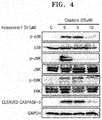
  • FIG. 4 illustrates Western blotting images showing effects of cisplatin and hypoxylonol F on protein expression in LLC-PK1 cells.
  • FIG. 5 illustrates graphs showing effects of cisplatin and hypoxylonol F on protein expression in LLC-PK1 cells.
  • compositions for preventing or reducing nephrotoxicity in a subject including any stereoisomers of the group consisting of compounds represented by Formulae I, II, and III, or solvates, hydrates, mixtures, or pharmaceutically acceptable salts thereof:
  • R 1 , R 2 , R 3 , R 4 , R 5 , R 6 , R 7 , R 8 , R 9 , R 10 , R 11 , and R 12 are each independently H or (C 1 -C 6 )-alkyl.
  • R 1 and R 5 may each independently be H or (C 1 -C 6 )-alkyl
  • R 2 , R 3 , R 4 , R 5 , R 6 , R 7 , R 8 , R 9 , R 10 , R 11 , and R 12 may be H.
  • the (C 1 -C 6 )-alkyl may be (C 1 -C 5 )-alkyl, (C 1 -C 4 )-alkyl, or (C 1 -C 3 )-alkyl.
  • R 1 and R 5 may each independently be H, methyl, or ethyl.
  • the compounds of Formula I, II, and III may be in a weight ratio of about 1.0:0.20 to 0.60:0.50 to 1.00, for example, in a weight ratio of about 1.0:0.32 to 0.52:0.65 to 0.85, or about 1.0:about 0.42:about 0.75.
  • the composition may include any stereoisomer of the compound of Formula I, II, or III, a salt thereof, and a solvate thereof.
  • the compound of Formula I, II, or III may be in S stereochemical configuration or substantially S stereochemical configuration, or in R stereochemical configuration or substantially R stereochemical configuration, or in a mixture of an S isomer and an R isomer in any ratio.
  • the composition may include any possible enantiomers and diastereoisomers and mixtures of two or more stereoisomers, for example, mixtures of enantiomers and/or diastereoisomers at any ratio.
  • the compound according to one or more embodiments which may be present as an enantiomer, may be in an enantiomerically pure form, either as the left-handed enantiomer or the right-handed enantiomer, or may exist as a mixture of the two enantiomers in any ratio, including racemates.
  • the compound which may be present in a mixed form of two or more stereoisomers may be pure or substantially pure individual stereoisomers.
  • the individual stereoisomers may be prepared by a common method, for example, by chromatography or crystallization, by separation of a mixture of stereoisomers, by using a stereochemically homogeneous starting material in synthesis, or by stereoselective synthesis.
  • derivatization may be performed before the separation of stereoisomers.
  • the separation of the mixture of stereoisomers may be performed at the stage when the compound of Formula I, II, or III was formed, or at the reaction stage involving a starting material or an intermediate material during synthesis.
  • the composition may include any tautomers of the compound of Formula I, II, or III, salts thereof, and solvates thereof.
  • the composition according to one or more embodiments may include a pharmaceutically or toxicologically acceptable salt, i.e., a non-toxic salt, and in particular, a pharmaceutically acceptable salt thereof.
  • the composition may include any solvates of any stereoisomers of the group consisting of the compounds represented by Formula I, II, and III, or for example, hydrates or adducts with alcohol such as (C 1 -C 4 )-alkanol, active metabolites of the compound of Formula I, and pro-drugs and derivatives of the compound of Formula I, II, or III, for example, esters or amides of carboxylic acids, which may be converted into a compound that is pharmaceutically active in vivo, though not pharmaceutically active in vitro.
  • alcohol such as (C 1 -C 4 )-alkanol
  • composition may further include a carrier or diluent which is pharmaceutically acceptable.
  • the carrier or diluent may be an excipient, a disintegrant, a binder, a lubricant, or a combination thereof.
  • the excipient may be microcrystalline cellulose, lactose, low-substituted hydroxycellulose, or a combination thereof.
  • the disintegrant may be sodium starch glycolate, calcium monohydrogen phosphate anhydrous, or a combination thereof.
  • the binder may be polyvinylpyrrolidone, low-substituted hydroxypropylcellulose, hydroxypropylcellulose, or a combination thereof.
  • the lubricant may be magnesium stearate, silicon dioxide, talc, or a combination thereof.
  • the composition may be formulated into an oral or parenteral formulation.
  • the oral formulation may include granules, powders, liquids, tablets, capsules, dry syrups, or combinations thereof.
  • the parenteral formulation may be an injectable formulation.
  • an administration dosage of the composition may vary depends on various factors such as the degree of progression of obesity, the time of onset of a disease, age, health conditions, complications, or the like of a subject to be administered.
  • the administration dosage of the composition may be about 1 ⁇ g/kg/day to about 200 mg/kg/day, or about 50 ⁇ g/kg/day to 50 mg/kg/day, based on any stereoisomers selected from the group consisting of the compounds represented by Formulae I, II, and III, or solvates, hydrates, mixtures, or pharmaceutically acceptable salts thereof.
  • the nephrotoxicity may be caused by nephrotoxic material.
  • the nephrotoxic material may block the mitogen-activated protein kinase (MAPK) signaling pathway.
  • the nephrotoxic material may increase phosphorylation of p38, extracellular signal-regulated kinase (ERK), and c-Jun N-terminal kinase (JNK).
  • the nephrotoxic material may increase the level of expression of cleaved caspase-3.
  • the nephrotoxic material may increase apoptosis of kidney cells.
  • the kidney cells may be proximal tubule cells.
  • the nephrotoxic material may be selected from the group consisting of a platinum-based anticancer agent, gentamicin, an iodinated contrast agent, foscarnet mannitol, amphotericin B, acetoaminophen, and chloroform.
  • the platinum-based anticancer agent may be cis-diaminodichloroplatinum II (cisplatin), carboplatin, oxaliplatin, or nedaplatin.
  • the composition according to one or more embodiments may reduce apoptosis of kidney cells.
  • the kidney cells may be proximal tubule cells.
  • the nephrotoxicity may cause renal failure such as acute renal failure. Accordingly, the composition according to one or more embodiments may be used to prevent or treat a disease caused by nephrotoxicity.
  • composition according to one or more embodiments may further include a material which may cause nephrotoxicity. Details of this material may be the same as described above in connection with the nephrotoxic material.
  • the material which may cause nephrotoxicity may be included as a therapeutic agent, or an imaging agent, but may exhibit nephrotoxicity as a side effect.
  • composition according to one or more embodiments may further include an additional therapeutic agent, in addition to the nephrotoxic material.
  • composition according to one or more embodiments may be administered before, at the same time as, or after administration of the nephrotoxic material as a therapeutic agent to the subject.
  • composition according to one or more embodiments may include a Hypoxylon sp. mushroom extract including any stereoisomers of the group consisting of the compounds represented by Formulae I, II, and III, mixtures thereof, or pharmaceutically acceptable salts thereof.
  • Hypoxylon sp. mushroom may be, for example, Hypoxylon truncatum, Hypoxylon fuscum, Hypoxylon fragiforme , or Hypoxylon tinctor.
  • the extract may be obtained by extraction using a method including contacting the Hypoxylon sp. mushroom with water, an organic solvent, or a mixture thereof.
  • the contacting may be performed at about 10° C. to reflux temperature.
  • the temperature may be room temperature, about 15° C. to reflux temperature, about 25° C. to reflux temperature, about 40° C. to reflux temperature, about 50° C. to reflux temperature, or about 25° C. to about 70° C.
  • the organic solvent may be an aqueous or non-aqueous organic solvent.
  • the organic solvent may be a (C 1 -C 6 )-alcohol, R 13 —COO—R 14 (wherein R 13 and R 14 may each independently be a (C 1 -C 6 )-alkyl), a (C 4 -C 12 )-alkane, acetone, ethyl methyl ketone, acetonitrile, carbon tetrachloride (CCl 4 ), chloroform (CHCl 3 ), dichloromethane (CH 2 Cl 2 ), or a mixture thereof.
  • the (C 1 -C 6 )-alcohol may be a (C 1 -C 3 )-alcohol.
  • the alcohol may be methanol, ethanol, isopropanol, or butanol.
  • R 13 and R 14 may each independently be a (C 1 -C 3 )-alkyl, a (C 1 -C 2 )-alkyl, or methyl.
  • the R 13 —COO—R 14 may be ethyl acetate.
  • the (C 4 -C 12 )-alkane may be hexane.
  • the organic solvent may be acetone, ethyl methyl ketone, methanol, ethanol, carbon tetrachloride, chloroform, dichloromethane, or a mixed solvent of methanol and dichloromethane.
  • the contacting time may differ depending on an amount of the sample and a type of the solvent to be used, and may be, for example, about 6 hours to about 48 hours, or about 12 hours to about 24 hours.
  • the obtained extract may be distilled under reduced pressure to remove the organic solvent, thereby obtaining, for example, a Hypoxylon truncatum extract.
  • a temperature of the distillation under reduced pressure may differ depending on a type of the solvent to be used, and may be, for example, about 10° C. to about 40° C., or about 20° C. to about 30° C.
  • the Hypoxylon truncatum extract may be a fraction extract obtained by fractionation based on differences in polarities of solvents.
  • the solvent used in fractionation may be one or more selected from the group consisting of a (C 4 -C 12 )-alkane solvent (for example, hexane), ethyl acetate, butanol, and distilled water.
  • the solvent may be hexane or ethyl acetate.
  • Hypoxylon truncatum may be contacted with ethanol to obtain an ethanol layer.
  • the ethanol layer may then be subjected to distillation under reduced pressure to obtain an ethanol extract.
  • This ethanol extract may be dissolved in water, and then be contacted with hexane to obtain a hexane layer.
  • This hexane layer may be subjected to distillation under reduced pressure to obtain a hexane fraction.
  • a water layer remaining after the distillation to obtain the hexane fraction may be contacted with ethyl acetate to obtain an ethyl acetate layer.
  • the ethyl acetate layer may then be subjected to distillation under reduced pressure to obtain an ethyl acetate fraction.
  • a water layer remaining after the distillation to obtain the ethyl acetate fraction may be contacted with butanol to obtain a butanol layer.
  • the butanol layer may then be subjected to distillation under reduced pressure to obtain a butanol fraction.
  • the remaining water layer may be subjected to distillation under reduced pressure to obtain a water fraction.
  • the methanol extract, the hexane fraction, the ethyl acetate fraction, the butanol fraction, and the water fraction may be obtained.
  • the extract fractions may be isolated and purified by chromatography.
  • the chromatography may be, for example, reverse phase preparative high-performance liquid chromatography (Prep-HPLC).
  • the reverse phase Prep HPLC may be performed by installing a reverse phase preparative column (Phenomenex Luna C18(2) column having a particle size of 10 ⁇ m and a column size of 250 mm ⁇ 21.20 mm) in a liquid chromatography system (available from Gilson Companion), injecting a solution of the sample dissolved in an initial eluent, and the flowing an eluent as a mixture of methanol and water in a ratio of 50:50 to 100:0 for 60 minutes to 90 minutes.
  • a reverse phase preparative column Phenomenex Luna C18(2) column having a particle size of 10 ⁇ m and a column size of 250 mm ⁇ 21.20 mm
  • a liquid chromatography system available from Gilson Companion
  • compositions for preventing or reducing apoptosis of kidney cells in a subject including any stereoisomers selected from the group consisting of compounds represented by Formulae I, II, and III, a solvate thereof, a hydrate thereof, or a mixture thereof, or a pharmaceutically acceptable salt thereof:
  • R 1 , R 2 , R 3 , R 4 , R 5 , R 6 , R 7 , R 8 , R 9 , R 10 , R 11 , and R 12 are each independently H or (C 1 -C 6 )-alkyl.
  • a method of preventing or reducing kidney cell damage in a subject or ex vivo including contacting the composition according to any of the above-described embodiments with kidney cells.
  • the method may be performed in vitro, ex vivo, or in vivo.
  • the contacting may include administering the composition to the subject.
  • the contacting may be incubating the composition together with kidney cells in a medium.
  • the medium may be a liquid or a solid.
  • the medium may a medium capable of growing or maintaining the kidney cells.
  • the kidney cells may be proximal tubule cells.
  • the method may further include administering a nephrotoxic material to the subject or the medium.
  • a nephrotoxic material may be the same as described above.
  • the nephrotoxic material may be selected from the group consisting of a platinum-based anticancer agent, gentamicin, an iodinated contrast agent, foscarnet, mannitol, amphotericin B, acetoaminophen, and chloroform.
  • the administering of the composition may be performed before, during, or after the administering of the nephrotoxic material.
  • the kidney cell damage may be apoptosis of kidney cells.
  • the administration dosage of the composition may be an effective amount for prevention or reduction of kidney cell damage.
  • the effective amount may be about 1 ⁇ g/kg/day to about 200 mg/kg/day, or about 50 ⁇ g/kg/day to about 50 mg/kg/day, based on any stereoisomers selected from the group consisting of the compounds represented by Formulae I, II, and III, or solvates, hydrates, mixtures, or pharmaceutically acceptable salts thereof.
  • the administration route may be an oral or parenteral route.
  • the administration may be intramuscular, intraperitoneal, or intravenous administration.
  • the subject may be a mammal.
  • the mammal may be a human, a cow, a horse, a pig, a cat, a goat, or a dog.
  • Hypoxylon truncatum used in this example was a wild type collected in the area of Sogeum River, Yeongok-myeon, Gangneung-si, Gangwon-do, Republic of Korea, and extracted with organic solvents.
  • FIG. 1 is a schematic illustration of a preparation process of a Hypoxylon truncatum extract and fractions thereof. A detailed extraction process is as follows.
  • FIG. 2 is a chromatogram as a result of HPLC analysis of the ethanol extract of Hypoxylon truncatum .
  • the HPLC analysis was performed using Nexera X2 (available from Shimadzu, Japan) and a EVO C18 column (available from Phenomenex) with a particle size of 1.7 ⁇ m and a column size of 100 mm ⁇ 2.1 mm under conditions in which an eluent of acetonitrile at a gradient of 10% at an initial stage to 100% in water was flowed at a flow rate of 0.3 mL/min for 25 minutes.
  • hypoxylonol-C Three compounds, including hypoxylonol-C, were separated from the Hypoxylon truncatum crude extract prepared as above.
  • the ethyl acetate fraction was eluted from a reverse phase Prep-HPLC system (available from Phenomenex, Luna C18(2) column with a particle size of 10 ⁇ m and a column size of 250 mm ⁇ 21.20 mm) while methanol as an eluent at a gradient of 50% at an initial stage to 100% in water was flowed at a flow rate of about 8 mL/min for about 60 minutes to about 90 minutes.
  • a chromatogram as represented in FIG. 2 was obtained in which three peaks were detected at a UV wavelength of 230 nm.
  • the three peaks in the chromatogram was identified to be 158 mg of hypoxylonol C, 67 mg of hypoxylonol F, and 119 mg of BNT (1,1′-binaphthalene-4,4′,5,5′-tetrol).
  • LLC-PK1 (ATCC CL-101TM) kidney cells, using a method disclosed in an article (Yokozawa et al., J. Pharm. Pharmacol., 51, p. 1325-1331, 1999).
  • LLC-PK1 cells were cultured in a Dulbecco's modified Eagle's medium (DMEM) (available from Cellgro, Manassas, Va., USA) in which 10% of fetal bovine serum (FBS), 100 units/mL of penicillin G, and 100 ⁇ g/mL of streptomycin were added, in an incubator (95% air and 5% CO 2 ) maintained at about 37° C.
  • DMEM Dulbecco's modified Eagle's medium
  • FBS fetal bovine serum
  • penicillin G 100 ⁇ g/mL of streptomycin were purchased from Gibco BRL Life Technologies Inc.
  • the cultured LLC-PK1 cells were dispensed in a 96-well plate at a density of 1 ⁇ 10 4 cells in 100 ⁇ L of the same DMEM medium per each well and then stabilized for about 22 hours.
  • Table 1 represents effects of Hypoxylon truncatum extract, hypoxylonol C, hypoxylonol F, and BNT in cisplatin-treated kidney endothelial cells (LLC-PK1 cells).
  • LLC-PK1 cells cisplatin-treated kidney endothelial cells
  • the Hypoxylon truncatum extract and the individual active components thereof were found to suppress cell damage caused by the treatment of cisplatin.
  • hypoxylon truncatum extract hypoxylonol C, hypoxylonol F, and BNT were found to significantly increase cell viability that had been reduced with the treatment of cisplatin at a final concentration of 25 ⁇ M, in a concentration-dependent manner.
  • hypoxylonol F increased the cell viability to about 90% or greater at a concentration of 10 ⁇ M
  • hypoxylonol C increased the cell viability to about 85% or greater at the same concentration.
  • the cultured LLC-PK1 cells in DMEM were dispensed in a 6-well plate at a density of 4 ⁇ 10 5 cells in 3 mL of the same DMEM medium per each well and then incubated under the same conditions for 24 hours to stabilize the cells.
  • hypoxylonol F was added to 2.7 mL of the same DMEM medium at concentrations of 5 ⁇ M and 10 ⁇ M, and then incubated further for about 2 hours, 0.3 mL of the same DMEM medium in which 250 ⁇ M of cisplatin was previously dissolved was added thereto.
  • the cells were collected using trypsin, washed once with phosphate-buffered saline (PBS), resuspended in 100 ⁇ L of annexin-binding buffer (100 mM HEPES, 140 mM NaCl, 25 mM CaCl 2 , pH 7.4) to reach a cell number of about 5 ⁇ 10 5 to about 5 ⁇ 10 6 cells/mL, and then mixed with 5 ⁇ L of Annexin V Alexa Fluor 488 and left in the dark at room temperature for about 20 minutes to fix and stain the cells. The resulting cell suspension was centrifuged to discard the supernatant and collect precipitated cell pellets. The precipitated cell pellets were resuspended in 100 ⁇ L of annexin-binding buffer to obtain a resuspension.
  • annexin-binding buffer 100 mM HEPES, 140 mM NaCl, 25 mM CaCl 2 , pH 7.4
  • PI propidium iodide
  • annexin V-negative/PI-negative live cells
  • annexin V-positive/PI-negative early apoptotic cells
  • annexin V-positive/PI-positive late apoptotic or necrotic cells
  • total apoptotic cells were expressed as a ratio of annexin V-positive cells to PI-negative or PI-positive cells.
  • FIGS. 3A and 3B are a graph and images, respectively, showing effects of hypoxylonol F and cisplatin on cell shape and apoptosis in LLC-PK1 cells.
  • FIG. 3B in the control groups, most of the cells were found to have a normal nucleus having a round shape and intact cell membrane, with blue fluorescence.
  • cells with condensed chromatin, a condensed nucleus and a damaged cell membrane, i.e., apoptotic cells exhibited green fluorescence, due to being stained with PI.
  • hypoxylonol F treatment groups at concentrations of 5 ⁇ M and 10 ⁇ M, the number of green-fluorescent cells, i.e., apoptotic cells, was reduced.
  • apoptosis of the LLC-PK1 cells caused by cisplatin, was significantly reduced.
  • Table 2 shows apoptosis percentages in the hypoxylonol F treatment groups, based on FIG. 3A .
  • the cultured LLC-PK1 cells in DMEM were dispensed in a 6-well plate at a density of 4 ⁇ 10 5 cells in 3 mL of the same DMEM medium per each well and then incubated under the same conditions for 24 hours to stabilize the cells.
  • hypoxylonol F was added to 2.7 mL of the same medium at concentrations of 5 ⁇ M and 10 ⁇ M, and then incubated further for about 2 hours, 0.3 mL of the same medium in which 250 ⁇ M of cisplatin was previously dissolved was added thereto.
  • a radioimmunoprecipitation assay (available from Cell Signaling, MA, USA) containing 1 mM phenylmethylsulfonyl fluoride was added thereto and left at about 4° C. for about 2 hours.
  • the resulting reaction product was centrifuged at about 12,000 rpm for about 20 minutes to remove cell debris and collect only a supernatant. The supernatant was dried to obtain a soluble fraction of a cell lysate.
  • soluble fraction from cell lysate, proteins were quantified using a BCA protein assay kit (available from Thermo Scientific, Rockford, USA). 20 ⁇ g of the soluble fraction per well was subjected to sodium dodecyl sulfate-polyacrylamide gel electrophoresis (SDS-PAGE) to isolate denatured proteins. The isolated proteins were transferred to a polyvinylidene difluoride membrane (PVDF) membrane (available from Merck Millipore, Germany).
  • PVDF polyvinylidene difluoride membrane
  • the membrane was incubated in a 5%-skim milk at room temperature for about 2 hours to block non-specific binding sites, and then washed three times, each for about 10 minutes with a Tris Buffered Saline with Tween 20 (TBST) buffer (containing 20 nM tris-HCl, 150 mM NaCl, and 0.05% Tween-20, pH 7.5).
  • TST Tris Buffered Saline with Tween 20
  • FIGS. 4 and 5 are Western blotting images and graphs, respectively, showing effects of cisplatin and hypoxylonol F on protein expression in the LLC-PK1 cells.
  • a composition for preventing or reducing nephrotoxicity in a subject may efficiently prevent or reduce nephrotoxicity in the subject.
  • a composition for preventing or reducing apoptosis of kidney cells in a subject may efficiently prevent or reduce apoptosis of kidney cells in the subject.
  • a method of preventing or reducing kidney cell damage in a subject or ex vivo may efficiently prevent or reduce kidney cell damage in the subject or ex vivo.

Landscapes

  • Health & Medical Sciences (AREA)
  • Life Sciences & Earth Sciences (AREA)
  • Chemical & Material Sciences (AREA)
  • Veterinary Medicine (AREA)
  • Public Health (AREA)
  • Medicinal Chemistry (AREA)
  • General Health & Medical Sciences (AREA)
  • Animal Behavior & Ethology (AREA)
  • Pharmacology & Pharmacy (AREA)
  • Epidemiology (AREA)
  • Engineering & Computer Science (AREA)
  • Natural Medicines & Medicinal Plants (AREA)
  • Bioinformatics & Cheminformatics (AREA)
  • Nuclear Medicine, Radiotherapy & Molecular Imaging (AREA)
  • General Chemical & Material Sciences (AREA)
  • Chemical Kinetics & Catalysis (AREA)
  • Urology & Nephrology (AREA)
  • Mycology (AREA)
  • Organic Chemistry (AREA)
  • Medical Informatics (AREA)
  • Botany (AREA)
  • Biotechnology (AREA)
  • Microbiology (AREA)
  • Alternative & Traditional Medicine (AREA)
  • Inorganic Chemistry (AREA)
  • Pharmaceuticals Containing Other Organic And Inorganic Compounds (AREA)

Abstract

A composition for preventing or reducing nephrotoxicity, and use thereof are provided, the composition including a Hypoxylon truncatum extract or an active component thereof.

Description

CROSS-REFERENCE TO RELATED APPLICATION
This application claims the benefit of Korean Patent Application No. 10-2018-0021205, filed on Feb. 22, 2018, in the Korean Intellectual Property Office, the disclosure of which is incorporated herein in its entirety by reference.
BACKGROUND 1. Field
One or more embodiments relate to a composition for preventing or reducing nephrotoxicity and use thereof.
2. Description of the Related Art
The kidneys are excretory organs of vertebrates that filter out waste from blood to be excreted as urine. The kidneys are important organs which maintain body homeostasis through waste excretion, and acid/base and electrolyte metabolism. The kidneys filter about 180 L per day, and are thus known as filters in the body. However, for this reason, the kidneys may be a target of toxins which are highly likely to accumulate therein by being carried thereto in the blood. In addition, due to temporary storage of waste in the kidneys during the urine generation process, the kidneys may be in contact with the waste and likely become a target of toxins.
There are various nephrotoxins that cause nephrotoxicity. Chemical substances known to cause nephrotoxicity are non-steroidal anti-inflammatory analgesic agents such as phenacetin, aspirin, and indomethacin; anticancer agents such as puromycin, daunomycin, cyclophosphamide, penicillamine, adriamycin, and cisplatin; immunosuppressants; aminoglycoside antibiotics such as amikacin, gentamycin, kanamycin, neomycin, sisomycin, streptomycin, and tobramycin; cephalosporin antibiotics; carbapenem antibiotics such as imipenem and melopenem; heavy metals such as cadmium, lead, mercury, and chromium, and inorganic and organic heavy metal compounds; compounds such as chloroform, D-serine, sulfonamide, 2-bromoethylene, and hydrobromide; or fungal toxins such as okaratoxin and citrinin. However, most of these compounds are chemical substances or medicines, and the exact mechanisms by which they cause nephrotoxicity are as yet mostly unknown.
Currently, cis-diammine dichloroplatinum II (cisplatin) is being widely used clinically as an anticancer agent for testicular cancer, ovarian cancer, head and neck cancer, bladder cancer, and non-small-cell lung cancer. However, as it accumulates intensively in the kidneys and damages the kidneys, leading to serious toxic side effects, use of cisplatin has been limited.
A number of synthetic formulations for the prevention or treatment of diseases caused by such nephrotoxicity have also been developed. However, due to potential safety issues such as side effects that result when such synthetic formulations are applied to the human body for a long time, the importance of formulations originating from natural substances is emerging.
Hypoxylon fuscum belongs to the phylum Ascomycota, the class Sordariomycetes, the order Xylaria, the family Xylaria, and the genus Hypoxylon, and its fruiting body has a semicircular or irregularly distorted semicircular shape with a width of about 4 mm to about 5 mm. The chemical structures of hypoxylonol C and hypoxylonol F isolated from Hypoxylon fuscum were first reported in 2012, (Miyuki Fukai et al., Journal of Natural Products, Vol. 75, p. 22-25, 2012), and, more recently, physiological activities such as the anti-angiogenic effect of hypoxylonol C were also reported by the same researchers (Miyuki Fukai et al., Journal of Natural Products, Vol. 77, p. 1065-1068, 2014).
In this regard, there is a need to find new uses of Hypoxylon truncatum extracts and active components thereof.
SUMMARY
One or more embodiments include a composition for preventing or reducing nephrotoxicity in a subject, the composition including any stereoisomers of the group consisting of compounds represented by Formulae I, II, and III, or solvates, hydrates, mixtures, or physiologically acceptable salts thereof:
Figure US10933033-20210302-C00001
wherein, in Formulae I, II, and III, R1, R2, R3, R4, R5, R6, R7, R8, R9, R10, R11, and R12 are each independently H or (C1-C6)-alkyl.
One or more embodiments include a composition for preventing or reducing apoptosis of kidney cells in a subject, the composition including any stereoisomers selected from the group of compounds represented by Formulae I, II, and III, or solvates, hydrates, mixtures, or physiologically acceptable salts thereof.
One or more embodiments include a method of preventing or reducing damage of kidney cells in a subject, the method including contacting the kidney cells with any of the above-described compositions.
Additional aspects will be set forth in part in the description which follows and, in part, will be apparent from the description, or may be learned by practice of the presented embodiments.
BRIEF DESCRIPTION OF THE DRAWINGS
These and/or other aspects will become apparent and more readily appreciated from the following description of the embodiments, taken in conjunction with the accompanying drawings in which:
FIG. 1 is a schematic illustration of preparation processes of a Hypoxylon truncatum extract and fractions thereof;
FIG. 2 is a chromatogram showing results of high-performance liquid chromatography (HPLC) analysis of an ethanol extract of Hypoxylon truncatum;
FIGS. 3A and 3B illustrate a graph and images, respectively, showing effects of hypoxylonol F and cisplatin on cell morphology and apoptosis in LLC-PK1 cells;
FIG. 4 illustrates Western blotting images showing effects of cisplatin and hypoxylonol F on protein expression in LLC-PK1 cells; and
FIG. 5 illustrates graphs showing effects of cisplatin and hypoxylonol F on protein expression in LLC-PK1 cells.
DETAILED DESCRIPTION
Reference will now be made in detail to embodiments, examples of which are illustrated in the accompanying drawings, wherein like reference numerals refer to like elements throughout. In this regard, the present embodiments may have different forms and should not be construed as being limited to the descriptions set forth herein. Accordingly, the embodiments are merely described below, by referring to the figures, to explain aspects of the present description. As used herein, the term “and/or” includes any and all combinations of one or more of the associated listed items. Expressions such as “at least one of,” when preceding a list of elements, modify the entire list of elements and do not modify the individual elements of the list.
According to an aspect of the disclosure, there is provided a composition for preventing or reducing nephrotoxicity in a subject, the composition including any stereoisomers of the group consisting of compounds represented by Formulae I, II, and III, or solvates, hydrates, mixtures, or pharmaceutically acceptable salts thereof:
Figure US10933033-20210302-C00002
In Formulae I, II, and III, R1, R2, R3, R4, R5, R6, R7, R8, R9, R10, R11, and R12 are each independently H or (C1-C6)-alkyl.
In the composition according to one or more embodiments, R1 and R5 may each independently be H or (C1-C6)-alkyl, and R2, R3, R4, R5, R6, R7, R8, R9, R10, R11, and R12 may be H. For example, the (C1-C6)-alkyl may be (C1-C5)-alkyl, (C1-C4)-alkyl, or (C1-C3)-alkyl.
In the composition according to one or more embodiments, R1 and R5 may each independently be H, methyl, or ethyl.
In the composition according to one or more embodiments, the compounds of Formula I, II, and III may be in a weight ratio of about 1.0:0.20 to 0.60:0.50 to 1.00, for example, in a weight ratio of about 1.0:0.32 to 0.52:0.65 to 0.85, or about 1.0:about 0.42:about 0.75.
In one or more embodiments, the composition may include any stereoisomer of the compound of Formula I, II, or III, a salt thereof, and a solvate thereof. With respect to each chiral center, independently of any other chiral centers, the compound of Formula I, II, or III may be in S stereochemical configuration or substantially S stereochemical configuration, or in R stereochemical configuration or substantially R stereochemical configuration, or in a mixture of an S isomer and an R isomer in any ratio. In one or more embodiments, the composition may include any possible enantiomers and diastereoisomers and mixtures of two or more stereoisomers, for example, mixtures of enantiomers and/or diastereoisomers at any ratio. Accordingly, the compound according to one or more embodiments, which may be present as an enantiomer, may be in an enantiomerically pure form, either as the left-handed enantiomer or the right-handed enantiomer, or may exist as a mixture of the two enantiomers in any ratio, including racemates. In one or more embodiments, the compound which may be present in a mixed form of two or more stereoisomers may be pure or substantially pure individual stereoisomers. The individual stereoisomers may be prepared by a common method, for example, by chromatography or crystallization, by separation of a mixture of stereoisomers, by using a stereochemically homogeneous starting material in synthesis, or by stereoselective synthesis. Optionally, before the separation of stereoisomers, derivatization may be performed. The separation of the mixture of stereoisomers may be performed at the stage when the compound of Formula I, II, or III was formed, or at the reaction stage involving a starting material or an intermediate material during synthesis. In one or more embodiments, the composition may include any tautomers of the compound of Formula I, II, or III, salts thereof, and solvates thereof.
When the compound of Formula I, II, or III includes one or more acidic and/or basic groups, i.e., salt-forming groups, the composition according to one or more embodiments may include a pharmaceutically or toxicologically acceptable salt, i.e., a non-toxic salt, and in particular, a pharmaceutically acceptable salt thereof.
In one or more embodiments, the composition may include any solvates of any stereoisomers of the group consisting of the compounds represented by Formula I, II, and III, or for example, hydrates or adducts with alcohol such as (C1-C4)-alkanol, active metabolites of the compound of Formula I, and pro-drugs and derivatives of the compound of Formula I, II, or III, for example, esters or amides of carboxylic acids, which may be converted into a compound that is pharmaceutically active in vivo, though not pharmaceutically active in vitro.
The composition may further include a carrier or diluent which is pharmaceutically acceptable.
The carrier or diluent may be an excipient, a disintegrant, a binder, a lubricant, or a combination thereof. The excipient may be microcrystalline cellulose, lactose, low-substituted hydroxycellulose, or a combination thereof. The disintegrant may be sodium starch glycolate, calcium monohydrogen phosphate anhydrous, or a combination thereof. The binder may be polyvinylpyrrolidone, low-substituted hydroxypropylcellulose, hydroxypropylcellulose, or a combination thereof. The lubricant may be magnesium stearate, silicon dioxide, talc, or a combination thereof.
The composition may be formulated into an oral or parenteral formulation. The oral formulation may include granules, powders, liquids, tablets, capsules, dry syrups, or combinations thereof. The parenteral formulation may be an injectable formulation.
An administration dosage of the composition may vary depends on various factors such as the degree of progression of obesity, the time of onset of a disease, age, health conditions, complications, or the like of a subject to be administered. In one or more embodiments, the administration dosage of the composition may be about 1 μg/kg/day to about 200 mg/kg/day, or about 50 μg/kg/day to 50 mg/kg/day, based on any stereoisomers selected from the group consisting of the compounds represented by Formulae I, II, and III, or solvates, hydrates, mixtures, or pharmaceutically acceptable salts thereof.
The nephrotoxicity may be caused by nephrotoxic material. The nephrotoxic material may block the mitogen-activated protein kinase (MAPK) signaling pathway. The nephrotoxic material may increase phosphorylation of p38, extracellular signal-regulated kinase (ERK), and c-Jun N-terminal kinase (JNK). The nephrotoxic material may increase the level of expression of cleaved caspase-3. The nephrotoxic material may increase apoptosis of kidney cells. The kidney cells may be proximal tubule cells. The nephrotoxic material may be selected from the group consisting of a platinum-based anticancer agent, gentamicin, an iodinated contrast agent, foscarnet mannitol, amphotericin B, acetoaminophen, and chloroform. The platinum-based anticancer agent may be cis-diaminodichloroplatinum II (cisplatin), carboplatin, oxaliplatin, or nedaplatin.
The composition according to one or more embodiments may reduce apoptosis of kidney cells. The kidney cells may be proximal tubule cells.
The nephrotoxicity may cause renal failure such as acute renal failure. Accordingly, the composition according to one or more embodiments may be used to prevent or treat a disease caused by nephrotoxicity.
The composition according to one or more embodiments may further include a material which may cause nephrotoxicity. Details of this material may be the same as described above in connection with the nephrotoxic material. The material which may cause nephrotoxicity may be included as a therapeutic agent, or an imaging agent, but may exhibit nephrotoxicity as a side effect.
The composition according to one or more embodiments may further include an additional therapeutic agent, in addition to the nephrotoxic material.
The composition according to one or more embodiments may be administered before, at the same time as, or after administration of the nephrotoxic material as a therapeutic agent to the subject.
The composition according to one or more embodiments may include a Hypoxylon sp. mushroom extract including any stereoisomers of the group consisting of the compounds represented by Formulae I, II, and III, mixtures thereof, or pharmaceutically acceptable salts thereof.
Hypoxylon sp. mushroom may be, for example, Hypoxylon truncatum, Hypoxylon fuscum, Hypoxylon fragiforme, or Hypoxylon tinctor.
The extract may be obtained by extraction using a method including contacting the Hypoxylon sp. mushroom with water, an organic solvent, or a mixture thereof. The contacting may be performed at about 10° C. to reflux temperature. The temperature may be room temperature, about 15° C. to reflux temperature, about 25° C. to reflux temperature, about 40° C. to reflux temperature, about 50° C. to reflux temperature, or about 25° C. to about 70° C.
The organic solvent may be an aqueous or non-aqueous organic solvent. The organic solvent may be a (C1-C6)-alcohol, R13—COO—R14 (wherein R13 and R14 may each independently be a (C1-C6)-alkyl), a (C4-C12)-alkane, acetone, ethyl methyl ketone, acetonitrile, carbon tetrachloride (CCl4), chloroform (CHCl3), dichloromethane (CH2Cl2), or a mixture thereof. The (C1-C6)-alcohol may be a (C1-C3)-alcohol. The alcohol may be methanol, ethanol, isopropanol, or butanol. In the R13—COO—R14, R13 and R14 may each independently be a (C1-C3)-alkyl, a (C1-C2)-alkyl, or methyl. The R13—COO—R14 may be ethyl acetate. The (C4-C12)-alkane may be hexane. The organic solvent may be acetone, ethyl methyl ketone, methanol, ethanol, carbon tetrachloride, chloroform, dichloromethane, or a mixed solvent of methanol and dichloromethane.
The contacting time may differ depending on an amount of the sample and a type of the solvent to be used, and may be, for example, about 6 hours to about 48 hours, or about 12 hours to about 24 hours.
The obtained extract may be distilled under reduced pressure to remove the organic solvent, thereby obtaining, for example, a Hypoxylon truncatum extract. A temperature of the distillation under reduced pressure may differ depending on a type of the solvent to be used, and may be, for example, about 10° C. to about 40° C., or about 20° C. to about 30° C.
Further, the Hypoxylon truncatum extract may be a fraction extract obtained by fractionation based on differences in polarities of solvents. The solvent used in fractionation may be one or more selected from the group consisting of a (C4-C12)-alkane solvent (for example, hexane), ethyl acetate, butanol, and distilled water. For example, the solvent may be hexane or ethyl acetate.
In one or more embodiments, Hypoxylon truncatum may be contacted with ethanol to obtain an ethanol layer. The ethanol layer may then be subjected to distillation under reduced pressure to obtain an ethanol extract. This ethanol extract may be dissolved in water, and then be contacted with hexane to obtain a hexane layer. This hexane layer may be subjected to distillation under reduced pressure to obtain a hexane fraction. A water layer remaining after the distillation to obtain the hexane fraction may be contacted with ethyl acetate to obtain an ethyl acetate layer. The ethyl acetate layer may then be subjected to distillation under reduced pressure to obtain an ethyl acetate fraction. A water layer remaining after the distillation to obtain the ethyl acetate fraction may be contacted with butanol to obtain a butanol layer. The butanol layer may then be subjected to distillation under reduced pressure to obtain a butanol fraction. Finally, the remaining water layer may be subjected to distillation under reduced pressure to obtain a water fraction. As a result, the methanol extract, the hexane fraction, the ethyl acetate fraction, the butanol fraction, and the water fraction may be obtained.
The extract fractions may be isolated and purified by chromatography. The chromatography may be, for example, reverse phase preparative high-performance liquid chromatography (Prep-HPLC).
Isolation conditions of the reverse phase Prep-HPLC may differ depending on the amount of the sample and a size of the column to be used. The reverse phase Prep HPLC may be performed by installing a reverse phase preparative column (Phenomenex Luna C18(2) column having a particle size of 10 μm and a column size of 250 mm×21.20 mm) in a liquid chromatography system (available from Gilson Companion), injecting a solution of the sample dissolved in an initial eluent, and the flowing an eluent as a mixture of methanol and water in a ratio of 50:50 to 100:0 for 60 minutes to 90 minutes.
According to another aspect of the disclosure, there is provided a composition for preventing or reducing apoptosis of kidney cells in a subject, the composition including any stereoisomers selected from the group consisting of compounds represented by Formulae I, II, and III, a solvate thereof, a hydrate thereof, or a mixture thereof, or a pharmaceutically acceptable salt thereof:
Figure US10933033-20210302-C00003
In Formulae I, II, and III, R1, R2, R3, R4, R5, R6, R7, R8, R9, R10, R11, and R12 are each independently H or (C1-C6)-alkyl.
According to another aspect of the disclosure, there is provided a method of preventing or reducing kidney cell damage in a subject or ex vivo, the method including contacting the composition according to any of the above-described embodiments with kidney cells.
The method may be performed in vitro, ex vivo, or in vivo.
The contacting may include administering the composition to the subject.
The contacting may be incubating the composition together with kidney cells in a medium. The medium may be a liquid or a solid. The medium may a medium capable of growing or maintaining the kidney cells. The kidney cells may be proximal tubule cells.
The method may further include administering a nephrotoxic material to the subject or the medium. Details of the nephrotoxic material may be the same as described above. The nephrotoxic material may be selected from the group consisting of a platinum-based anticancer agent, gentamicin, an iodinated contrast agent, foscarnet, mannitol, amphotericin B, acetoaminophen, and chloroform.
The administering of the composition may be performed before, during, or after the administering of the nephrotoxic material. The kidney cell damage may be apoptosis of kidney cells.
The administration dosage of the composition may be an effective amount for prevention or reduction of kidney cell damage. The effective amount may be about 1 μg/kg/day to about 200 mg/kg/day, or about 50 μg/kg/day to about 50 mg/kg/day, based on any stereoisomers selected from the group consisting of the compounds represented by Formulae I, II, and III, or solvates, hydrates, mixtures, or pharmaceutically acceptable salts thereof.
The administration route may be an oral or parenteral route. The administration may be intramuscular, intraperitoneal, or intravenous administration.
The subject may be a mammal. The mammal may be a human, a cow, a horse, a pig, a cat, a goat, or a dog.
One or more embodiments of the disclosure will now be described in detail with reference to the following examples. However, these examples are only for illustrative purposes and are not intended to limit the scope of the one or more embodiments of the disclosure.
EXAMPLE 1 Preparation of Hypoxylon truncatum Extract and Fractions Thereof
Hypoxylon truncatum used in this example was a wild type collected in the area of Sogeum River, Yeongok-myeon, Gangneung-si, Gangwon-do, Republic of Korea, and extracted with organic solvents.
FIG. 1 is a schematic illustration of a preparation process of a Hypoxylon truncatum extract and fractions thereof. A detailed extraction process is as follows.
1. Preparation of Ethanol Extract
The whole body of Hypoxylon truncatum was grinded in a mixer (Model no. NFM-8860, available from NUC, Republic of Korea), and 50 g of the grinded product was put in 500 mL of 100%-ethanol and left at room temperature for 24 hours. This process was repeated twice. The solution was filtered through a filter paper, and the resulting filtrate was distilled under reduced pressure to thereby obtain 6.3 g of a crude extract (hereinafter, referred to as ‘ethanol extract.’)
FIG. 2 is a chromatogram as a result of HPLC analysis of the ethanol extract of Hypoxylon truncatum. The HPLC analysis was performed using Nexera X2 (available from Shimadzu, Japan) and a EVO C18 column (available from Phenomenex) with a particle size of 1.7 μm and a column size of 100 mm×2.1 mm under conditions in which an eluent of acetonitrile at a gradient of 10% at an initial stage to 100% in water was flowed at a flow rate of 0.3 mL/min for 25 minutes.
2. Separation of Hypoxylonol C, Hypoxylonol F, and BNT
Three compounds, including hypoxylonol-C, were separated from the Hypoxylon truncatum crude extract prepared as above.
In particular, 5 g of the crude extract was dissolved in 250 mL of water and then mixed with 250 mL of hexane. The resulting mixture was left at room temperature for about 24 hours to separate a supernatant, which was then distilled under reduced pressure. These processes were repeated three times to thereby separate a hexane fraction. The remaining water layer was mixed with 250 mL of ethyl acetate and then left at room temperature for about 24 hours to separate a supernatant, which was then distilled under reduced pressure. These processes were repeated three times to thereby separate an ethyl acetate fraction. The remaining water layer was mixed with 250 mL of butanol and then left at room temperature for about 24 hours to separate a supernatant, which was then distilled under reduced pressure. These processes were repeated three times to thereby separate a butanol fraction and a water fraction.
The ethyl acetate fraction was eluted from a reverse phase Prep-HPLC system (available from Phenomenex, Luna C18(2) column with a particle size of 10 μm and a column size of 250 mm×21.20 mm) while methanol as an eluent at a gradient of 50% at an initial stage to 100% in water was flowed at a flow rate of about 8 mL/min for about 60 minutes to about 90 minutes. As a result, a chromatogram as represented in FIG. 2 was obtained in which three peaks were detected at a UV wavelength of 230 nm. Fractions corresponding to the three peaks were eluted from the column in a reverse phase semi-Prep-HPLC (available from Phenomenex, a Gemini 6 Phenyl column having a particle size of 5 μm and a column size of 250 mm×10 mm) while an acetonitrile gradient from 50% at initial state to 100% in water was flowed as an eluent at a flow rate of about 4 mL/min for about 60 minutes to about 90 minutes. As a result, the three peaks in the chromatogram was identified to be 158 mg of hypoxylonol C, 67 mg of hypoxylonol F, and 119 mg of BNT (1,1′-binaphthalene-4,4′,5,5′-tetrol).
Structures of the compounds were identified using nuclear magnetic resonance spectrometry (NMR) and mass spectroscopy. 1H-NMR and 13C-NMR spectra of the compounds were obtained using a Bruker AVACE III 400-MHz spectrometer (available from Bruker, Germany) to identify their structure. Chemical formulae and 1H-NMR and 13C-NMR data of the isolated compounds are as follows.
Figure US10933033-20210302-C00004
Formula IV Compound: Hypoxylonol C
1H-NMR (400 MHz, Acetone-d6) δ12.6 (s, 1H, OH-9), 8.61 (s, 1H, OH-4), 7.54 (t, 1H, H-11), 7.48 (dd, 1H, H-12), 7.28 (d, 1H, H-6), 6.84 (dd, 1H, H-10), 6.68 (d, 1H, H-5), 5.59 (dd, 1H, H-1), 5.48 (m, 1H, H-3), 5.14 (brd, 1H, OH-3), 4.28 (s, 1H, OH-1), 4.11 (dd, 1H, H-6b), 3.38 (dd, 1H, H-7), 2.47 (dt, 1H, H-2), 2.31 (dd, 1H, H-7), 2.14 (ddd, 1H, H-2)
13C-NMR (100 MHz, Acetone-d6) δ 205.9 (C-8), 163.5 (C-9), 155.7 (C-4), 144.1 (C-12d), 139.5 (C-12a), 138.1 (C-12c), 137.6 (C-12b), 137.4 (C-11), 136.4 (C-6a), 123.5 (C-6), 120.6 (C-3a), 118.9 (C-12), 117.0 (C-10), 115.6 (C-8a), 114.4 (C-5), 65.4 (C-3), 65.7 (C-1), 59.7 (C-6b), 43.6 (C-7), 42.3 (C-2)
ESI-MS m/z 335.0 [M-H].
Formula V Compound: Hypoxylonol F
1H-NMR (400 MHz, Acetone-d6) δ12.6 (s, 1H, OH-9), 7.52 (t, 1H, H-11), 7.48 (dd, 1H, H-12), 7.29 (d, 1H, H-6), 6.82 (dd, 1H, H-10), 6.69 (d, 1H, H-5), 5.38 (d, 1H, H-1), 5.36 (d, 1H, H-3), 4.09 (dddd, 1H, H-6b), 3.39 (dd, 1H, H-7), 2.47 (dt, 1H, H-2), 2.34 (dd, 1H, H-7), 2.24 (dt, 1H, H-2)
13C-NMR (100 MHz, Acetone-d6) δ 206.3 (C-8), 163.6 (C-9), 155.7 (C-4), 144.3 (C-12d), 139.5 (C-12a), 139.1 (C-12c), 137.5 (C-12b), 137.2 (C-11), 136.7 (C-6a), 123.8 (C-6), 121.0 (C-3a), 120.9 (C-12), 117.0 (C-10), 115.8 (C-8a), 114.7 (C-5), 67.0 (C-3), 65.2 (C-1), 50.2 (C-6b), 43.8 (C-7), 43.3 (C-2)
ESI-MS m/z 335.0 [M-H].
Formula VI Compound: BNT, 1,1′-binaphthalene-4,4′,5,5′-tetrol
1H-NMR (400 MHz, acetone-d6) δ11.04 (brd, 4H, OH-4, 5), 7.16 (d, 2H, H-7), 7.07 (t, 2H, H-2), 6.83 (d, 2H, H-3), 6.72 (dd, 2H, H-6), 6.59 (d, 2H, H-8)
13C-NMR (100 MHz, acetone-d6) δ 154.4 (C-5), 153.7 (C-4), 135.7 (C-8a), 129.3 (C-1), 128.8 (C-7), 126.9 (C-2), 117.4 (C-8), 114.5 (C-4a), 108.5 (C-6), 108.1 (C-3) ESI-MS m/z 317.1 [M-H].
EXAMPLE 2 Determination of Physiological Activities of Hypoxylon truncatum Extract and Active Compounds Thereof
1. Evaluation of Protective Effect of Hypoxylon truncatum Extract and Active Components Thereof Against Nephrotoxicity
(1) Protective Effect of Cisplatin against Nephrotoxicity
A protective effect of cisplatin against nephrotoxicity was evaluated with LLC-PK1 (ATCC CL-101™) kidney cells, using a method disclosed in an article (Yokozawa et al., J. Pharm. Pharmacol., 51, p. 1325-1331, 1999).
First, LLC-PK1 cells were cultured in a Dulbecco's modified Eagle's medium (DMEM) (available from Cellgro, Manassas, Va., USA) in which 10% of fetal bovine serum (FBS), 100 units/mL of penicillin G, and 100 μg/mL of streptomycin were added, in an incubator (95% air and 5% CO2) maintained at about 37° C. The used FBS, penicillin G, and streptomycin were purchased from Gibco BRL Life Technologies Inc. The cultured LLC-PK1 cells were dispensed in a 96-well plate at a density of 1×10⁴ cells in 100 μL of the same DMEM medium per each well and then stabilized for about 22 hours.
Next, after the stabilized sample was added to 90 μL of the same DMEM medium at a predetermined concentration and incubated further for about 2 hours, 10 μL of a medium in which 250 μM cisplatin was previously dissolved was added thereto and incubated for about 24 hours, and 10 μL of a CCK-8 reagent (available from Dojindo Laboratories, Japan) was added to each well and then incubated at about 37° C. After 1 hour, absorbance at a detection wavelength of 450 nm was measured using a BIO-TEK microplate reader (available from Winooski, Vt., USA) to thereby measure cell viability.
Table 1 represents effects of Hypoxylon truncatum extract, hypoxylonol C, hypoxylonol F, and BNT in cisplatin-treated kidney endothelial cells (LLC-PK1 cells). When treated with cisplatin at a final concentration of 25 μM, the number of LLC-PK1 cells was reduced to about 50% or less of that in a non-cisplatin treatment group. The Hypoxylon truncatum extract and the individual active components thereof were found to suppress cell damage caused by the treatment of cisplatin. The Hypoxylon truncatum extract, hypoxylonol C, hypoxylonol F, and BNT were found to significantly increase cell viability that had been reduced with the treatment of cisplatin at a final concentration of 25 μM, in a concentration-dependent manner. In particular, hypoxylonol F increased the cell viability to about 90% or greater at a concentration of 10 μM, and hypoxylonol C increased the cell viability to about 85% or greater at the same concentration.
TABLE 1
Compound Concentration (μg/mL) Cell viability (%)
Hypoxylon truncatum extract 0 59.0
(Ethanol extract) 5 60.3
10 63.8
25 64.3
50 73.1
100 74.8
Hypoxylonol C 0 60.9
5 76.9
10 86.6
25 89.3
50 89.5
100 92.5
Hypoxylonol F 0 60.9
5 86.4
10 90.9
25 92.2
50 92.3
100 94.4
BNT 0 60.9
5 63.3
10 65.1
25 65.4
50 71.5
100 75.1
(2) Image-Based Cell Analysis
The cultured LLC-PK1 cells in DMEM were dispensed in a 6-well plate at a density of 4×10⁵ cells in 3 mL of the same DMEM medium per each well and then incubated under the same conditions for 24 hours to stabilize the cells. Next, after hypoxylonol F was added to 2.7 mL of the same DMEM medium at concentrations of 5 μM and 10 μM, and then incubated further for about 2 hours, 0.3 mL of the same DMEM medium in which 250 μM of cisplatin was previously dissolved was added thereto.
After incubation under the same conditions for about 24 hours, the cells were collected using trypsin, washed once with phosphate-buffered saline (PBS), resuspended in 100 μL of annexin-binding buffer (100 mM HEPES, 140 mM NaCl, 25 mM CaCl2, pH 7.4) to reach a cell number of about 5×10⁵ to about 5×10⁶ cells/mL, and then mixed with 5 μL of Annexin V Alexa Fluor 488 and left in the dark at room temperature for about 20 minutes to fix and stain the cells. The resulting cell suspension was centrifuged to discard the supernatant and collect precipitated cell pellets. The precipitated cell pellets were resuspended in 100 μL of annexin-binding buffer to obtain a resuspension.
Next, 1 μL of propidium iodide (PI) was added to the resuspension, mixed thoroughly, and then left in the dark at room temperature for about 1 minute to about 5 minutes to fix and stain the cells. The stained cells were analyzed using a Tali Image-based cytometer and TaliPCApp (version 1.0) software.
Cells were divided into live cells (annexin V-negative/PI-negative), early apoptotic cells (annexin V-positive/PI-negative), and late apoptotic or necrotic cells (annexin V-positive/PI-positive), and total apoptotic cells were expressed as a ratio of annexin V-positive cells to PI-negative or PI-positive cells.
FIGS. 3A and 3B are a graph and images, respectively, showing effects of hypoxylonol F and cisplatin on cell shape and apoptosis in LLC-PK1 cells. As shown in FIG. 3B, in the control groups, most of the cells were found to have a normal nucleus having a round shape and intact cell membrane, with blue fluorescence. When treated with 25 μM of cisplatin, cells with condensed chromatin, a condensed nucleus and a damaged cell membrane, i.e., apoptotic cells, exhibited green fluorescence, due to being stained with PI. However, in the hypoxylonol F treatment groups at concentrations of 5 μM and 10 μM, the number of green-fluorescent cells, i.e., apoptotic cells, was reduced. Referring to FIG. 3A, in the samples, i.e., the hypoxylonol F treatment groups, apoptosis of the LLC-PK1 cells, caused by cisplatin, was significantly reduced. Table 2 shows apoptosis percentages in the hypoxylonol F treatment groups, based on FIG. 3A.
TABLE 2
Compound Concentration (μM) Apoptosis (%)
Hypoxylonol F 0 33.3
5 26.3
10 6.6
(3) Protein Detection Test
The cultured LLC-PK1 cells in DMEM were dispensed in a 6-well plate at a density of 4×10⁵ cells in 3 mL of the same DMEM medium per each well and then incubated under the same conditions for 24 hours to stabilize the cells. Next, after hypoxylonol F was added to 2.7 mL of the same medium at concentrations of 5 μM and 10 μM, and then incubated further for about 2 hours, 0.3 mL of the same medium in which 250 μM of cisplatin was previously dissolved was added thereto.
After incubation under the same conditions for about 24 hours, the cells were collected, and washed once with PBS, a radioimmunoprecipitation assay (RIPA) buffer (available from Cell Signaling, MA, USA) containing 1 mM phenylmethylsulfonyl fluoride was added thereto and left at about 4° C. for about 2 hours. The resulting reaction product was centrifuged at about 12,000 rpm for about 20 minutes to remove cell debris and collect only a supernatant. The supernatant was dried to obtain a soluble fraction of a cell lysate.
Using the soluble fraction from cell lysate, proteins were quantified using a BCA protein assay kit (available from Thermo Scientific, Rockford, USA). 20 μg of the soluble fraction per well was subjected to sodium dodecyl sulfate-polyacrylamide gel electrophoresis (SDS-PAGE) to isolate denatured proteins. The isolated proteins were transferred to a polyvinylidene difluoride membrane (PVDF) membrane (available from Merck Millipore, Germany). To prevent non-specific binding of antibodies to this membrane, the membrane was incubated in a 5%-skim milk at room temperature for about 2 hours to block non-specific binding sites, and then washed three times, each for about 10 minutes with a Tris Buffered Saline with Tween 20 (TBST) buffer (containing 20 nM tris-HCl, 150 mM NaCl, and 0.05% Tween-20, pH 7.5). Next, to measure the levels of expression of P-P38, P38, P-JNK, JNK, P-ERK, ERK, intracellular cleaved caspase-3, and GAPDH, rabbit primary antibodies (available from Cell Signaling, Danvers, USA) binding to each protein were diluted in a ratio of 1:1,000, allowed to react with the membrane at room temperature for about 1 hour, and washed three times, each for about 10 minutes with the TBST buffer. Next, goat anti-rabbit IgG secondary antibodies (available from Calbiochem, La Jolla, Calif., USA) were diluted in a ratio of 1:2,000 and allowed to react with the membrane at room temperature for about 2 hours. Then, the proteins were identified using an ECL detection kit (available from GE healthcare). The results are shown in FIGS. 4 and 5. FIGS. 4 and 5 are Western blotting images and graphs, respectively, showing effects of cisplatin and hypoxylonol F on protein expression in the LLC-PK1 cells.
As described above, according to the one or more embodiments, a composition for preventing or reducing nephrotoxicity in a subject may efficiently prevent or reduce nephrotoxicity in the subject. A composition for preventing or reducing apoptosis of kidney cells in a subject may efficiently prevent or reduce apoptosis of kidney cells in the subject. A method of preventing or reducing kidney cell damage in a subject or ex vivo may efficiently prevent or reduce kidney cell damage in the subject or ex vivo.
It should be understood that embodiments described herein should be considered in a descriptive sense only and not for purposes of limitation. Descriptions of features or aspects within each embodiment should typically be considered as available for other similar features or aspects in other embodiments.
While one or more embodiments have been described with reference to the figures, it will be understood by those of ordinary skill in the art that various changes in form and details may be made therein without departing from the spirit and scope of the disclosure as defined by the following claims.

Claims (17)

What is claimed is:
1. A method of treating or reducing kidney cell damage in a subject or ex vivo, the method comprising contacting a composition with kidney cells,
wherein the composition comprises any stereoisomers of the group consisting of compounds represented by Formulae I, II, and III, or solvates, hydrates, mixtures, or pharmaceutically acceptable salts thereof:
Figure US10933033-20210302-C00005
wherein, in Formulae I, II, and III, R1, R2, R3, R4, R5, R6, R7, R8, R9, R10, R11, and R12 are each independently H or (C1-C6)-alkyl.
2. The method of claim 1, wherein the contacting comprises administering the composition to the subject.
3. The method of claim 1, wherein the kidney cells are proximal tubule cells.
4. The method of claim 2, further comprising administering a nephrotoxic compound to the subject.
5. The method of claim 4, wherein the nephrotoxic compound is selected from the group consisting of a platinum-based anticancer agent, gentamicin, an iodinated contrast agent, foscarnet, mannitol, amphotericin B, acetoaminophen, and chloroform.
6. The method of claim 4, wherein the administering of the composition is performed before, during, or after the administering of the nephrotoxic compound.
7. The method of claim 1, wherein the kidney cell damage is apoptosis of kidney cells.
8. A method for treating or reducing nephrotoxicity in a subject, the method comprising contacting a composition with kidney cells,
wherein the composition comprises any stereoisomers of the group consisting of compounds represented by Formulae I, II, and III, or solvates, hydrates, mixtures, or pharmaceutically acceptable salts thereof:
Figure US10933033-20210302-C00006
wherein, in Formulae I, II, and III, R1, R2, R3, R4, R5, R6, R7, R8, R9, R10, R11, and R12 are each independently H or (C1-C6)-alkyl.
9. The method of claim 8, wherein R1 and R3 are each independently H or (C1-C6)-alkyl, and R2, R3, R4, R6, R7, R8, R9, R10, R11, and R12 are each H.
10. The method of claim 9, wherein R1 and R3 are each independently H, methyl, or ethyl.
11. The method of claim 8, wherein the compounds represented by Formulae I, II, and III are present in the composition in a weight ratio of 1.0:0.20 to 0.60:0.50 to 1.00.
12. The method of claim 8, wherein the composition further comprises a pharmaceutically acceptable carrier or diluent.
13. The method of claim 8, wherein the nephrotoxicity is caused by a nephrotoxic compound.
14. The method of claim 13, wherein the nephrotoxic compound is selected from the group consisting of a platinum-based anticancer agent, gentamicin, an iodinated contrast agent, foscarnet, mannitol, amphotericin B, acetoaminophen, and chloroform.
15. The method of claim 14, wherein the platinum-based anticancer agent is cis-diaminodichloroplatinum II (cisplatin), carboplatin, oxaliplatin, or nedaplatin.
16. The method of claim 8, wherein the composition reduces apoptosis of kidney cells.
17. The method of claim 8, wherein the nephrotoxicity is acute renal failure.
US16/282,203 2018-02-22 2019-02-21 Composition for preventing or reducing nephrotoxicity and use thereof Active 2039-02-24 US10933033B2 (en)

Applications Claiming Priority (2)

Application Number Priority Date Filing Date Title
KR1020180021205A KR102015984B1 (en) 2018-02-22 2018-02-22 Composition for preventing or reducing renal toxicity and use thereof
KR10-2018-0021205 2018-02-22

Publications (2)

Publication Number Publication Date
US20190254989A1 US20190254989A1 (en) 2019-08-22
US10933033B2 true US10933033B2 (en) 2021-03-02

Family

ID=67617429

Family Applications (1)

Application Number Title Priority Date Filing Date
US16/282,203 Active 2039-02-24 US10933033B2 (en) 2018-02-22 2019-02-21 Composition for preventing or reducing nephrotoxicity and use thereof

Country Status (2)

Country Link
US (1) US10933033B2 (en)
KR (1) KR102015984B1 (en)

Citations (1)

* Cited by examiner, † Cited by third party
Publication number Priority date Publication date Assignee Title
US20180280456A1 (en) * 2017-03-27 2018-10-04 Korea Institute Of Science And Technology Composition for stimulating insulin secretion from cells and use thereof

Patent Citations (1)

* Cited by examiner, † Cited by third party
Publication number Priority date Publication date Assignee Title
US20180280456A1 (en) * 2017-03-27 2018-10-04 Korea Institute Of Science And Technology Composition for stimulating insulin secretion from cells and use thereof

Non-Patent Citations (4)

* Cited by examiner, † Cited by third party
Title
Fukai et al., "Antiangiogenic Activity of Hypoxylonol C", Journal of Natural Products, 2014, vol. 77, pp. 1065-1068.
Fukai et al., "Hypoxylonols C-F, Benzo[j]fluoranthenes from Hypoxylon truncatum, Journal of Natural Products", 2012, vol. 75, pp. 22-25.
U.S. Appl. No. 15/935,634, filed Mar. 2018, Ham; Jungyeob. *
Yokozawa et al., "Effects of Green Tea Tannin on Cisplatin-induced Nephropathy in LLC-PK1 Cells and Rats", J. Pharm. Pharmacol., 1999, vol. 51, pp. 1325-1331.

Also Published As

Publication number Publication date
KR102015984B1 (en) 2019-08-29
US20190254989A1 (en) 2019-08-22

Similar Documents

Publication Publication Date Title
JP2022105149A (en) Use of chloroquine and clemizole compounds for treatment of inflammatory and cancerous conditions
JP2004537561A (en) Use of stilbene compounds in the manufacture of a medicament for the prevention and treatment of diabetes or a retrovirus-related disease
CN110372689B (en) R9And R10Linked hydrophilic berberine type derivatives and their use in the preparation of medicaments
CN105055510B (en) Anti-hyperuricemia effective part of perilla leaf and its preparation method and application
JP2019501976A (en) Dicafe oil spermidine derivative glycoside and use thereof
US12122756B2 (en) Biflavone compound against I-type herpes simplex virus, and preparation method therefor and use thereof
US10933033B2 (en) Composition for preventing or reducing nephrotoxicity and use thereof
CN108853068B (en) Farnesyl phenol compound grifolin, and pharmaceutical composition and application thereof
US10653732B2 (en) Composition for stimulating insulin secretion from cells and use thereof
CN111808153B (en) A kind of monoterpene glycoside compound and its application in the preparation of anti-inflammatory drugs
US8227512B2 (en) Pharmaceutical composition containing daurinol for the prevention and treatment of cancers
CN105646619B (en) One kind two caffeoyl spermidines cyclisation derivative and application thereof
KR100957203B1 (en) Stereocaulone Alpinum Extract with Inhibitory Activity of Protein Tyrosine Dephosphatase 1 ′ and Usnic Acid Derivatives
US20100227851A1 (en) Method of preventing and/or treating a neurodegenerative disease by administering an extract of Lycoris chejuensis and/or a compound isolated therefrom
US8501741B2 (en) Optically active compound of prulifloxacin for treating infection and preparation method thereof
US20180079780A1 (en) Novel peptide compound, production method therefor, and use thereof
TWI833874B (en) Preventive or therapeutic drugs for neurodegenerative diseases
CN113461702A (en) Acylphenol oligomer, preparation method and application thereof
KR102103549B1 (en) Composition for stimulating insulin secretion from a cell comprising Hypoxylon truncatum extract and use thereof
CN107586284A (en) A kind of purposes of 2 arylbenzofuran analog derivative in gout medicine is prepared
KR20210094997A (en) Pharmaceuticals or health functional foods for treating or preventing non-alcoholic fatty acid liver disease comprising novel compounds isolated from Cervus nippon
CN111166733A (en) Resveratrol-fatty acid coupling compound and medical application thereof
CN113620952B (en) Isoquinoline alkaloid compound and preparation and application thereof
US20250360100A1 (en) Anti-cancer derivatives of ovatodiolide and use thereof
US11312687B2 (en) 7H-azulene [1,2,3-i,j] isoquinolin-7-one compound, single crystal and use thereof

Legal Events

Date Code Title Description
FEPP Fee payment procedure

Free format text: ENTITY STATUS SET TO UNDISCOUNTED (ORIGINAL EVENT CODE: BIG.); ENTITY STATUS OF PATENT OWNER: SMALL ENTITY

AS Assignment

Owner name: KOREA INSTITUTE OF SCIENCE AND TECHNOLOGY, KOREA,

Free format text: ASSIGNMENT OF ASSIGNORS INTEREST;ASSIGNORS:HAM, JUNGYEOB;PARK, YOUNG TAE;KIM, TAEJUNG;AND OTHERS;REEL/FRAME:048418/0061

Effective date: 20190219

Owner name: KOREA INSTITUTE OF SCIENCE AND TECHNOLOGY, KOREA, REPUBLIC OF

Free format text: ASSIGNMENT OF ASSIGNORS INTEREST;ASSIGNORS:HAM, JUNGYEOB;PARK, YOUNG TAE;KIM, TAEJUNG;AND OTHERS;REEL/FRAME:048418/0061

Effective date: 20190219

FEPP Fee payment procedure

Free format text: ENTITY STATUS SET TO SMALL (ORIGINAL EVENT CODE: SMAL); ENTITY STATUS OF PATENT OWNER: SMALL ENTITY

STPP Information on status: patent application and granting procedure in general

Free format text: NON FINAL ACTION MAILED

STPP Information on status: patent application and granting procedure in general

Free format text: RESPONSE TO NON-FINAL OFFICE ACTION ENTERED AND FORWARDED TO EXAMINER

STPP Information on status: patent application and granting procedure in general

Free format text: FINAL REJECTION MAILED

STPP Information on status: patent application and granting procedure in general

Free format text: RESPONSE AFTER FINAL ACTION FORWARDED TO EXAMINER

STPP Information on status: patent application and granting procedure in general

Free format text: NOTICE OF ALLOWANCE MAILED -- APPLICATION RECEIVED IN OFFICE OF PUBLICATIONS

STCF Information on status: patent grant

Free format text: PATENTED CASE

MAFP Maintenance fee payment

Free format text: PAYMENT OF MAINTENANCE FEE, 4TH YR, SMALL ENTITY (ORIGINAL EVENT CODE: M2551); ENTITY STATUS OF PATENT OWNER: SMALL ENTITY

Year of fee payment: 4