US10868832B2 - Systems and methods for enforcing dynamic network security policies - Google Patents
Systems and methods for enforcing dynamic network security policies Download PDFInfo
- Publication number
- US10868832B2 US10868832B2 US15/465,636 US201715465636A US10868832B2 US 10868832 B2 US10868832 B2 US 10868832B2 US 201715465636 A US201715465636 A US 201715465636A US 10868832 B2 US10868832 B2 US 10868832B2
- Authority
- US
- United States
- Prior art keywords
- network
- computing device
- endpoint computing
- segment
- protection system
- Prior art date
- Legal status (The legal status is an assumption and is not a legal conclusion. Google has not performed a legal analysis and makes no representation as to the accuracy of the status listed.)
- Active, expires
Links
Images




Classifications
-
- H—ELECTRICITY
- H04—ELECTRIC COMMUNICATION TECHNIQUE
- H04L—TRANSMISSION OF DIGITAL INFORMATION, e.g. TELEGRAPHIC COMMUNICATION
- H04L63/00—Network architectures or network communication protocols for network security
- H04L63/20—Network architectures or network communication protocols for network security for managing network security; network security policies in general
-
- H—ELECTRICITY
- H04—ELECTRIC COMMUNICATION TECHNIQUE
- H04L—TRANSMISSION OF DIGITAL INFORMATION, e.g. TELEGRAPHIC COMMUNICATION
- H04L63/00—Network architectures or network communication protocols for network security
- H04L63/10—Network architectures or network communication protocols for network security for controlling access to devices or network resources
- H04L63/104—Grouping of entities
-
- G—PHYSICS
- G06—COMPUTING OR CALCULATING; COUNTING
- G06F—ELECTRIC DIGITAL DATA PROCESSING
- G06F21/00—Security arrangements for protecting computers, components thereof, programs or data against unauthorised activity
- G06F21/50—Monitoring users, programs or devices to maintain the integrity of platforms, e.g. of processors, firmware or operating systems
- G06F21/55—Detecting local intrusion or implementing counter-measures
- G06F21/552—Detecting local intrusion or implementing counter-measures involving long-term monitoring or reporting
-
- G—PHYSICS
- G06—COMPUTING OR CALCULATING; COUNTING
- G06F—ELECTRIC DIGITAL DATA PROCESSING
- G06F21/00—Security arrangements for protecting computers, components thereof, programs or data against unauthorised activity
- G06F21/50—Monitoring users, programs or devices to maintain the integrity of platforms, e.g. of processors, firmware or operating systems
- G06F21/55—Detecting local intrusion or implementing counter-measures
- G06F21/554—Detecting local intrusion or implementing counter-measures involving event detection and direct action
-
- H—ELECTRICITY
- H04—ELECTRIC COMMUNICATION TECHNIQUE
- H04L—TRANSMISSION OF DIGITAL INFORMATION, e.g. TELEGRAPHIC COMMUNICATION
- H04L63/00—Network architectures or network communication protocols for network security
- H04L63/10—Network architectures or network communication protocols for network security for controlling access to devices or network resources
- H04L63/101—Access control lists [ACL]
-
- H—ELECTRICITY
- H04—ELECTRIC COMMUNICATION TECHNIQUE
- H04L—TRANSMISSION OF DIGITAL INFORMATION, e.g. TELEGRAPHIC COMMUNICATION
- H04L63/00—Network architectures or network communication protocols for network security
- H04L63/14—Network architectures or network communication protocols for network security for detecting or protecting against malicious traffic
- H04L63/1408—Network architectures or network communication protocols for network security for detecting or protecting against malicious traffic by monitoring network traffic
- H04L63/1416—Event detection, e.g. attack signature detection
-
- H—ELECTRICITY
- H04—ELECTRIC COMMUNICATION TECHNIQUE
- H04L—TRANSMISSION OF DIGITAL INFORMATION, e.g. TELEGRAPHIC COMMUNICATION
- H04L63/00—Network architectures or network communication protocols for network security
- H04L63/14—Network architectures or network communication protocols for network security for detecting or protecting against malicious traffic
- H04L63/1408—Network architectures or network communication protocols for network security for detecting or protecting against malicious traffic by monitoring network traffic
- H04L63/1425—Traffic logging, e.g. anomaly detection
Definitions
- Network computing systems particularly for organizations or enterprises, often require strict network security to prevent malicious attacks from spreading within a network.
- a single computing device infected with malware and connected to a trusted network may create security vulnerabilities for other devices on the same network.
- network managers and various software may be used to provide oversight of security for a network or network segment. These managers may monitor activity on the network and enforce security policies through control of network traffic to and from endpoint devices.
- security policies may not account for sudden changes in endpoint device configurations or the appearance of unexpected traffic.
- individual endpoint devices on a network may have their own specific security requirements or policies that may be incompatible with the network manager's security policies.
- different network segments within an organization may require different policies, and endpoint devices may not comply with each of these different policies.
- a financial department's network may have more stringent policies than a customer service department's network. An employee's endpoint device that moves from the customer service network to the financial network may suddenly be non-compliant with the new network segment's policies.
- the instant disclosure therefore, identifies and addresses a need for systems and methods for enforcing dynamic network security policies.
- a computer-implemented method for enforcing dynamic network security policies may include (i) monitoring, by a network traffic protection system, network packets transmitted on a network segment, (ii) detecting, by the network traffic protection system, a suspicious transmission of at least one network packet associated with an endpoint computing device connected to the network segment, (iii) modifying, based on the suspicious transmission of the network packet, at least one network security policy for the network segment, and (iv) enforcing, by the network traffic protection system, the modified network security policy for all endpoint computing devices connected to the network segment.
- the endpoint computing device may include a computing device running software capable of pairing with the network traffic protection system while connected to the network segment.
- detecting the suspicious transmission of the network packet may include intercepting the network packet. In these examples, detecting the suspicious transmission of the network packet may also include determining, based on an expected network traffic profile of the endpoint computing device, that the transmission of the network packet is suspicious.
- modifying the network security policy for the network segment may include blocking the endpoint computing device and/or restricting network traffic. Additionally or alternatively, modifying the network security policy may include adding the endpoint computing device to a blacklist of devices and/or preventing the suspicious transmission of the network packet from completing.
- enforcing the modified network security policy may include pushing the modified network security policy to the endpoint computing devices connected to the network segment and/or ensuring network traffic follows the modified network security policy. Additionally or alternatively, enforcing the modified network security policy may include restricting a non-compliant endpoint computing device connected to the network segment.
- the computer-implemented method may further include sending the modified network security policy to a related network traffic protection system that monitors a related network segment.
- the related network segment may include a second network segment within a cluster of network segments containing the network segment.
- the computer-implemented method may further include identifying at least one software application related to the suspicious transmission of the network packet, requesting additional information about the software application from the endpoint computing device, and performing a security action based on the additional information.
- the security action may include detecting user tampering of the endpoint computing device, detecting an anomaly in installation of the software application, determining the software application may be malicious, requesting a log of user activity for the software application, and/or restricting the endpoint computing device.
- a system for implementing the above-described method may include (i) a monitoring module, stored in memory, that monitors, by a network traffic protection system, network packets transmitted on a network segment, (ii) a detection module, stored in memory, that detects, by the network traffic protection system, a suspicious transmission of at least one network packet associated with an endpoint computing device connected to the network segment, (iii) a modification module, stored in memory, that modifies, based on the suspicious transmission of the network packet, at least one network security policy for the network segment, and (iv) an enforcement module, stored in memory, that enforces, by the network traffic protection system, the modified network security policy for all endpoint computing devices connected to the network segment.
- the system may include at least one processor that executes the monitoring module, the detection module, the modification module, and the enforcement module.
- a computer-readable medium may include one or more computer-executable instructions that, when executed by at least one processor of a computing device, may cause the computing device to (i) monitor, by a network traffic protection system, network packets transmitted on a network segment, (ii) detect, by the network traffic protection system, a suspicious transmission of at least one network packet associated with an endpoint computing device connected to the network segment, (iii) modify, based on the suspicious transmission of the network packet, at least one network security policy for the network segment, and (iv) enforce, by the network traffic protection system, the modified network security policy for all endpoint computing devices connected to the network segment.
- an additional computer-implemented method for enforcing dynamic network security policies may include (i) detecting, by a network security agent, an attempt by an endpoint computing device to connect to a network, (ii) attempting, by the network security agent, to pair with a network traffic protection system managing the network, (iii) receiving, based on the attempt to pair with the network traffic protection system, a set of network security policies for the network, (iv) modifying an original set of security policies for the endpoint computing device to comply with the received set of network security policies for the network, and (v) completing the attempt to connect to the network.
- the additional computer-implemented method may further include offloading a security function to the paired network traffic protection system.
- attempting to pair with the network traffic protection system may include performing a mutual authentication process between the network security agent and the network traffic protection system.
- the set of network security policies may include a user-specific policy for a user of the endpoint computing device and/or a network-specific policy for the network. Additionally or alternatively, the set of network security policies may include a default policy for the endpoint computing device.
- modifying the original set of security policies may include replacing the original set of security policies with the received set of network security policies and/or adding the received set of network security policies to the original set of security policies. Additionally or alternatively, modifying the original set of security policies may include revising a portion of the original set of security policies to comply with the received set of network security policies.
- the additional computer-implemented method may further include receiving, from the network traffic protection system, at least one location attribute of the network.
- the location attribute of the network may include a physical location of the network and/or a type of network.
- the additional computer-implemented method may also include calculating, based on the location attribute of the network and the attempt to pair with the network traffic protection system, a trustworthiness of the network and modifying, based on the calculated trustworthiness of the network, at least one security policy for the endpoint computing device.
- the additional computer-implemented method may further include detecting, by the network security agent, a disconnect from the network. In these embodiments, the additional computer-implemented method may include reapplying the original set of security policies for the endpoint computing device.
- an additional system for enforcing dynamic network security policies may include a network computing device configured to (i) monitor, by a network traffic protection system, network packets transmitted on a network segment, (ii) detect, by the network traffic protection system, a suspicious transmission of at least one network packet associated with an endpoint computing device connected to the network segment, (iii) modify, based on the suspicious transmission of the network packet, at least one network security policy for the network segment, and (iv) enforce, by the network traffic protection system, the modified network security policy for all endpoint computing devices connected to the network segment.
- the endpoint computing device may be configured to (i) detect, by a network security agent, an attempt by the endpoint computing device to connect to the network segment, (ii) attempt, by the network security agent, to pair with the network traffic protection system managing the network segment, (iii) receive, based on the attempt to pair with the network traffic protection system, a set of network security policies for the network segment, (iv) modify an original set of security policies for the endpoint computing device to comply with the received set of network security policies for the network segment, and (v) complete the attempt to connect to the network segment.
- FIG. 1 is a block diagram of an example system for enforcing dynamic network security policies.
- FIG. 2 is a block diagram of an additional example system for enforcing dynamic network security policies.
- FIG. 3 is a flow diagram of an example method for enforcing dynamic network security policies.
- FIG. 4 is a block diagram of an example propagation of a modified network security policy in an example cluster of network segments.
- FIG. 5 is a block diagram of an example security action performed in response to detecting an example software application on an example endpoint computing device.
- FIG. 6 is a block diagram of an example pairing between an example endpoint computing device and an example network.
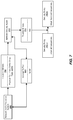
- FIG. 7 is a block diagram of an example network trustworthiness calculated based on an example location attribute.
- FIG. 8 is a flow diagram of an additional example method for enforcing dynamic network security policies.
- FIG. 9 is a block diagram of an example computing system capable of implementing one or more of the embodiments described and/or illustrated herein.
- FIG. 10 is a block diagram of an example computing network capable of implementing one or more of the embodiments described and/or illustrated herein.
- the present disclosure is generally directed to systems and methods for enforcing dynamic network security policies.
- the systems and methods described herein may enable dynamic adjustment of security policies in a network. For example, by comparing network traffic to an expected traffic profile for an endpoint device, the disclosed systems and methods may determine if traffic is suspicious for a specific device and enable detection of software compliance issues for the device. By pushing security policies to endpoint devices and blocking network traffic of non-compliant devices, the systems and methods described herein may then ensure network security for other devices on the same network.
- the disclosed systems and methods may propagate security policies across segments or clusters in a hierarchical structure.
- the systems and methods described herein may pair a network traffic protection system and an endpoint device, enabling the endpoint device to offload some network security responsibilities to the trusted network traffic protection system.
- the disclosed systems and methods may also enable the endpoint device to dynamically adjust local security policies based on the network or the type of network to which it connects.
- systems and methods described herein may improve the functioning of a computing device by enforcing compliance with network security policies when a device is connected to a network and ensuring the safety of network traffic.
- These systems and methods may also improve the fields of network security and endpoint security by mutually authenticating network managers and endpoint devices.
- these systems and methods may provide real-time, dynamic network security that automatically responds to network threats.
- FIGS. 1 and 2 detailed descriptions of example systems for enforcing dynamic network security policies. Detailed descriptions of corresponding computer-implemented methods will also be provided in connection with FIG. 3 . Detailed descriptions of an example propagation of a modified network security policy in an example cluster of network segments will be provided in connection with FIG. 4 . Detailed descriptions of an example security action performed in response to detecting an example software application on an example endpoint computing device will also be provided in connection with FIG. 5 . In addition, detailed descriptions of an example pairing between an example endpoint computing device and an example network will be provided in connection with FIG. 6 . Furthermore, detailed descriptions of an example network trustworthiness calculated based on an example location attribute will be provided in connection with FIG. 7 .
- FIG. 8 Detailed descriptions of additional corresponding computer-implemented methods will be provided in connection with FIG. 8 .
- FIGS. 9 and 10 detailed descriptions of an example computing system and network architecture capable of implementing one or more of the embodiments described herein will be provided in connection with FIGS. 9 and 10 , respectively.
- FIG. 1 is a block diagram of example system 100 for enforcing dynamic network security policies.
- security policy generally refers to a set of rules or constraints for managing the security of a computing device or system.
- network security policy generally refers to a security policy directed to the access or conduct of computing devices on a computer network.
- example system 100 may include one or more modules 102 for performing one or more tasks.
- modules 102 may include a monitoring module 104 that monitors, by a network traffic protection system, network packets transmitted on a network segment.
- network traffic protection system and “network manager” as used herein, generally refer to a device or software used in traffic classification, bandwidth management, and policy enforcement, which may include methods to delay or prioritize network packets and/or traffic to ensure compliance with a desired network policy.
- network packet generally refers to a unit of data that may be transmitted over a network.
- network segment as used herein, generally refers to a portion of a network that may be separated from other segments or the remaining network by physical or logical means.
- Modules 102 in FIG. 1 may additionally include a detection module 106 that detects, by the network traffic protection system, a suspicious transmission of at least one network packet associated with an endpoint computing device connected to the network segment.
- Modules 102 may also include a modification module 108 that modifies, based on the suspicious transmission of the network packet, at least one network security policy for the network segment.
- Modules 102 may further include an enforcement module 110 that enforces, by the network traffic protection system, the modified network security policy for all endpoint computing devices connected to the network segment.
- one or more of modules 102 in FIG. 1 may represent portions of a single module or application or multiple modules or applications.
- one or more of modules 1002 in FIG. 1 may represent one or more software applications or programs that, when executed by a computing device, may cause the computing device to perform one or more tasks.
- one or more of modules 102 may represent modules stored and configured to run on one or more computing devices, such as the devices illustrated in FIG. 2 (e.g., network computing device 202 ).
- One or more of modules 102 in FIG. 1 may also represent all or portions of one or more special-purpose computers configured to perform one or more tasks.
- a separate network manager device e.g., network traffic protection system 208 in FIG. 2
- a network e.g., network segment 204 in FIG. 2 and/or network 602 in FIG. 6 .
- example system 100 may also include one or more memory devices, such as memory 140 .
- Memory 140 generally represents any type or form of volatile or non-volatile storage device or medium capable of storing data and/or computer-readable instructions.
- memory 140 may store, load, and/or maintain one or more of modules 102 .
- Examples of memory 140 include, without limitation, Random Access Memory (RAM), Read Only Memory (ROM), flash memory, Hard Disk Drives (HDDs), Solid-State Drives (SSDs), optical disk drives, caches, variations or combinations of one or more of the same, and/or any other suitable storage memory.
- example system 100 may also include one or more physical processors, such as physical processor 130 .
- Physical processor 130 generally represents any type or form of hardware-implemented processing unit capable of interpreting and/or executing computer-readable instructions.
- physical processor 130 may access and/or modify one or more of modules 102 stored in memory 140 . Additionally or alternatively, physical processor 130 may execute one or more of modules 102 to facilitate enforcing dynamic network security policies.
- Examples of physical processor 130 include, without limitation, microprocessors, microcontrollers, Central Processing Units (CPUs), Field-Programmable Gate Arrays (FPGAs) that implement softcore processors, Application-Specific Integrated Circuits (ASICs), portions of one or more of the same, variations or combinations of one or more of the same, and/or any other suitable physical processor.
- CPUs Central Processing Units
- FPGAs Field-Programmable Gate Arrays
- ASICs Application-Specific Integrated Circuits
- example system 100 may also include one or more databases, such as database 120 .
- database 120 may be configured to store a network security policy 122 , which may include one or more rules for securing a network and/or a network segment.
- Database 120 may represent portions of a single database or computing device or a plurality of databases or computing devices.
- database 120 may represent a portion of network computing device 202 in FIG. 2 .
- database 120 in FIG. 1 may represent one or more physically separate devices capable of being accessed by a computing device, such as network computing device 202 , endpoint computing device 206 ( 1 ), and/or endpoint computing device 206 ( 2 ) in FIG. 2 .
- database 120 may reside on network segment 204 and be accessed by network computing device 202 .
- database 120 may be external storage, such as cloud storage, that may be accessed by network managers like network computing device 202 through network segment 204 or another network connection.
- Example system 100 in FIG. 1 may be implemented in a variety of ways.
- all or a portion of example system 100 may represent portions of example system 200 in FIG. 2 .
- system 200 may include an endpoint computing device 206 ( 1 ) and an endpoint computing device 206 ( 2 ) in communication with a network computing device 202 via a network segment 204 .
- all or a portion of the functionality of modules 102 may be performed by network computing device 202 , network traffic protection system 208 , and/or any other suitable computing system.
- modules 102 from FIG. 1 may, when executed by at least one processor of network computing device 202 , enable network computing device 202 to secure endpoint devices on a network.
- monitoring module 104 may monitor, by a network traffic protection system 208 , network packets transmitted on network segment 204 .
- Detection module 106 may detect, by network traffic protection system 208 , a suspicious transmission of a network packet 212 associated with endpoint computing device 206 ( 1 ) connected to network segment 204 .
- Modification module 108 may modify, based on the suspicious transmission of network packet 212 , network security policy 122 for network segment 204 .
- Enforcement module 110 may enforce a modified network security policy 216 for all endpoint computing devices connected to network segment 204 .
- network computing device 202 may have network manager software, such as network traffic protection system 208 , installed.
- Network computing device 202 may use network traffic protection system 208 to monitor network traffic for endpoint computing devices 206 ( 1 ) and 206 ( 2 ), which are paired with network traffic protection system 208 using a network security agent 210 ( 1 ) and a network security agent 210 ( 2 ), respectively.
- network security agent generally refers to software that helps manage or control network security for a specific device.
- Network computing device 202 in FIG. 2 may then detect network packet 212 , transmitted by endpoint computing device 206 ( 1 ), and determine network packet 212 is suspicious. Next, network computing device 202 may modify network security policy 122 to become modified network security policy 216 in response to detecting suspicious network packet 212 . Finally, network computing device 202 may enforce modified network security policy 216 by pushing modified network security policy 216 to endpoint computing devices 206 ( 1 ) and 206 ( 2 ).
- Network computing device 202 in FIG. 2 generally represents any type or form of computing device capable of managing a computer network.
- network computing device 202 may represent an inline network device running network traffic protection system software. Additional examples of network computing device 202 include, without limitation, modems, routers, network bridges, network gateways, switches, network hubs, traffic shaping devices, and/or other devices that provide network traffic monitoring and/or network security services.
- network computing device 202 may include and/or represent a plurality of devices that work and/or operate in conjunction with one another.
- Endpoint computing devices 206 ( 1 ) and 206 ( 2 ) generally represent any type or form of computing device capable of reading computer-executable instructions.
- endpoint computing devices 206 ( 1 ) and 206 ( 2 ) may represent endpoint devices running network security agent software.
- Additional examples of endpoint computing devices 206 ( 1 ) and 206 ( 2 ) include, without limitation, laptops, tablets, desktops, servers, cellular phones, Personal Digital Assistants (PDAs), multimedia players, embedded systems, wearable devices (e.g., smart watches, smart glasses, etc.), gaming consoles, combinations of one or more of the same, and/or any other suitable computing device.
- Network segment 204 in FIG. 2 and network 602 in FIG. 6 generally represent any medium or architecture capable of facilitating communication or data transfer.
- network segment 204 and/or network 602 may facilitate communication between network computing device 202 and endpoint computing devices 206 ( 1 ) and 206 ( 2 ).
- network segment 204 and/or network 602 may facilitate communication or data transfer using wireless and/or wired connections.
- Examples of network segment 204 and/or network 602 include, without limitation, an intranet, a Wide Area Network (WAN), a Local Area Network (LAN), a Personal Area Network (PAN), the Internet, Power Line Communications (PLC), a cellular network (e.g., a Global System for Mobile Communications (GSM) network), portions of one or more of the same, variations or combinations of one or more of the same, and/or any other suitable network.
- WAN Wide Area Network
- LAN Local Area Network
- PAN Personal Area Network
- PLC Power Line Communications
- GSM Global System for Mobile Communications
- FIG. 3 is a flow diagram of an example computer-implemented method 300 for enforcing dynamic network security policies.
- the steps shown in FIG. 3 may be performed by any suitable computer-executable code and/or computing system, including system 100 in FIG. 1 , system 200 in FIG. 2 , and/or variations or combinations of one or more of the same.
- each of the steps shown in FIG. 3 may represent an algorithm whose structure includes and/or is represented by multiple sub-steps, examples of which will be provided in greater detail below.
- one or more of the systems described herein may monitor, by a network traffic protection system, network packets transmitted on a network segment.
- monitoring module 104 may, as part of network computing device 202 in FIG. 2 , monitor, by network traffic protection system 208 , network packets transmitted on network segment 204 .
- Monitoring module 104 may monitor network packets in a variety of ways.
- network computing device 202 may represent an inline network device that runs network traffic protection system 208 as part of network segment 204 .
- network computing device 202 may manage some or all of the security functions for network segment 204 .
- network computing device 202 may be a separate device connected to network segment 204 via a wired or wireless connection that remotely monitors network packets, such as client 1010 running system 100 in FIG. 10 .
- network traffic protection system 208 may represent a distinct hardware device, rather than software running on network computing device 202 , that specifically intercepts and/or manages network traffic.
- one or more of the systems described herein may detect, by the network traffic protection system, a suspicious transmission of at least one network packet associated with an endpoint computing device connected to the network segment.
- detection module 106 may, as part of network computing device 202 in FIG. 2 , detect, by network traffic protection system 208 , a suspicious transmission of a network packet 212 associated with an endpoint computing device 206 ( 1 ) connected to network segment 204 .
- Detection module 106 may detect the suspicious transmission of network packet 212 in a variety of ways.
- endpoint computing device 206 ( 1 ) may run software capable of pairing with network traffic protection system 208 (e.g., network security agent 210 ( 1 )) while connected to network segment 204 .
- the term “pair,” as used herein, generally refers to a process of bonding two or more devices such that the devices may communicate.
- network traffic protection system 208 may require all endpoint devices to pair with network computing device 202 upon connecting to network segment 204 so that network computing device 202 may manage network security for the endpoint devices. Devices that do not pair with network computing device 202 through network traffic protection system 208 may be blocked or otherwise restricted.
- FIG. 8 is a flow diagram of an additional example computer-implemented method 800 for enforcing dynamic network security policies.
- the steps shown in FIG. 8 may be performed by any suitable computer-executable code and/or computing system, including system 100 in FIG. 1 , system 200 in FIG. 2 , and/or variations or combinations of one or more of the same.
- each of the steps shown in FIG. 8 may represent an algorithm whose structure includes and/or is represented by multiple sub-steps, examples of which will be provided in greater detail below.
- one or more of the systems described herein may detect, by a network security agent, an attempt by an endpoint computing device to connect to a network.
- the systems described herein may attempt, by the network security agent, to pair with a network traffic protection system managing the network.
- the systems described herein may receive, based on the attempt to pair with the network traffic protection system, a set of network security policies for the network.
- the systems described herein may then modify an original set of security policies for the endpoint computing device to comply with the received set of network security policies for the network.
- the systems described herein may finally complete the attempt to connect to the network.
- an endpoint computing device 206 may detect, by a network security agent 210 , an attempt by endpoint computing device 206 to connect to a network 602 .
- network 602 may represent a network or a network segment, such as network segment 204 in FIG. 2 .
- Endpoint computing device 206 may then attempt, by network security agent 210 , to pair with network traffic protection system 208 managing network 602 (e.g., attempt to pair 604 ).
- Endpoint computing device 206 may also receive, based on attempt to pair 604 , a set of network security policies 606 for network 602 .
- endpoint computing device 206 may modify an original set of security policies 608 for endpoint computing device 206 to comply with set of network security policies 606 .
- endpoint computing device 206 may complete the attempt to connect to network 602 .
- attempt to pair 604 may include performing a mutual authentication process between network security agent 210 and network traffic protection system 208 .
- the term “mutual authentication,” as used herein, generally refers to a process in which two or more devices and/or computing systems authenticate or identify themselves to each other.
- a network security agent and a network traffic protection system may mutually authenticate an endpoint computing device and a network computing device, respectively.
- set of network security policies 606 may include a user-specific policy for a user of endpoint computing device 206 , a network-specific policy for network 602 , and/or a default policy for endpoint computing device 206 .
- network traffic protection system 208 may obtain the user-specific policy from a central database of user policies and/or another trusted network traffic protection system.
- the network-specific policy may depend on the type of network or the type of information transmitted over network 602 .
- the network-specific policy may be received from network traffic protection system 208 as a policy specific to network 602 or may be selected by network security agent 210 for network 602 .
- network 602 may not be able to pair with endpoint computing device 206 and/or may not run a network traffic protection system.
- endpoint computing device 206 may use the default policy for endpoint computing device 206 , such as original set of security policies 608 , while connected to network 602 .
- the default policy may include a stricter policy for unverified or unsecure networks.
- endpoint computing device 206 may retain a default policy that includes more security control than a network-specific policy.
- endpoint computing device 206 may modify original set of security policies 608 by replacing original set of security policies 608 with set of network security policies 606 . Additionally or alternatively, endpoint computing device 206 may add set of network security policies 606 to original set of security policies 608 . In other examples, endpoint computing device 206 may revise a portion of original set of security policies 608 to comply with set of network security policies 606 .
- network 602 may be a financial network that enforces security policies with more restrictions than original set of security policies 608 . Endpoint computing device 206 may then modify original set of security policies 608 to increase security to match the restrictions of set of network security policies 606 for network 602 .
- endpoint computing device 206 may offload a security function 610 to network traffic protection system 208 as a result of the pairing.
- security function generally refers to an action taken to enforce or implement a security policy.
- endpoint computing device 206 may enable network traffic protection system 208 to determine how and when to block traffic for financial websites, based on set of network security policies 606 .
- network security agent 210 may determine that network 602 is a trusted network based on pairing with network traffic protection system 208 and, consequently, may trust network traffic protection system 208 to provide network security for endpoint computing device 206 , thereby relinquishing control of security function 610 .
- endpoint computing device 206 may receive, from network traffic protection system 208 , one or more location attributes of network 602 prior to completing the attempt to connect to network 602 .
- the location attribute of network 602 may include a physical location of network 602 and/or a type of network. Additionally, endpoint computing device 206 may then calculate, based on the location attribute of network 602 and attempt to pair 604 , a trustworthiness of network 602 . Next, endpoint computing device 206 may modify, based on the calculated trustworthiness of network 602 , one or more security policies for endpoint computing device 206 , such as policies in set of network security policies 606 and/or original set of security policies 608 .
- network security agent 210 may receive a location attribute 702 with a physical location (e.g., “Columbus Coffee Shop”) and a type of network (e.g., “public”) from network traffic protection system 208 .
- network security agent 210 may use location attribute 702 and attempt to pair 604 (e.g., “failed”) to determine that a trustworthiness 704 of network 602 is low.
- Network security agent 210 may then modify a security policy 706 ( 1 ), which allows all transactions by endpoint computing device 206 on network 602 , to a security policy 706 ( 2 ), which specifically blocks financial transactions on network 602 .
- location attribute 702 may include information about whether network 602 is a trusted network.
- a public, coffee shop network may be considered an untrusted network.
- failed attempt to pair 604 may also indicate an untrustworthy network.
- the ability to pair with network traffic protection system 208 may increase calculated trustworthiness 704 .
- Security policy 706 ( 2 ) may be more restrictive for an untrusted network and/or more lenient for a trusted network.
- endpoint computing devices may create and/or receive network security policies during an initial connection to a network, such as network 602 or network segment 204 .
- detection module 106 may detect the suspicious transmission of network packet 212 by intercepting network packet 212 and determining, based on an expected network traffic profile 214 of endpoint computing device 206 ( 1 ), that the transmission of network packet 212 is suspicious.
- Expected network traffic profile 214 may be calculated in a variety of ways.
- network traffic protection system 208 may use historical data on traffic associated with endpoint computing device 206 ( 1 ) to calculate a standard behavior of endpoint computing device 206 ( 1 ).
- network security agent 210 ( 1 ) may track traffic for endpoint computing device 206 ( 1 ) and send expected network traffic profile 214 to network traffic protection system 208 .
- network traffic protection system 208 may request and receive expected network traffic profile 214 from a central database of traffic profiles. For example, network traffic protection system 208 may query a company database of expectations and/or compliance requirements for all employee endpoint devices. In further embodiments, expected network traffic profile 214 for endpoint computing device 206 ( 1 ) may be based on similar endpoint devices, such as endpoint computing device 206 ( 2 ), that are known to be compliant.
- one or more of the systems described herein may modify, based on the suspicious transmission of the network packet, at least one network security policy for the network segment.
- modification module 108 may, as part of network computing device 202 in FIG. 2 , modify, based on the suspicious transmission of network packet 212 , a network security policy 122 for network segment 204 .
- Modification module 108 may modify network security policy 122 in a variety of ways. In some examples, modification module 108 may modify network security policy 122 for network segment 204 by creating modified network security policy 216 to block endpoint computing device 206 ( 1 ) and/or restrict network traffic. In these examples, the pairing between network traffic protection system 208 and endpoint computing device 206 ( 1 ) may terminate due to the suspicious transmission of network packet 212 . Additionally or alternatively, modification module 108 may add endpoint computing device 206 ( 1 ) to a blacklist of devices. In these examples, the blacklist of devices may be used by multiple network computing devices to prevent suspicious transmission of network packets by endpoint computing device 206 ( 1 ) on multiple network segments. In further examples, modification module 108 may prevent the suspicious transmission of network packet 212 from completing in real-time after intercepting network packet 212 for analysis. In these examples, network traffic protection system 208 may review all network traffic before allowing it to proceed.
- one or more of the systems described herein may enforce, by the network traffic protection system, the modified network security policy for all endpoint computing devices connected to the network segment.
- enforcement module 110 may, as part of network computing device 202 in FIG. 2 , enforce, by network traffic protection system 208 , a modified network security policy 216 for all endpoint computing devices connected to network segment 204 .
- Enforcement module 110 may enforce modified network security policy 216 in a variety of ways.
- enforcement module 110 may enforce modified network security policy 216 by pushing modified network security policy 216 to endpoint computing devices 206 ( 1 ) and/or 206 ( 2 ).
- the term “push,” as used herein, generally refers to a method of transmitting content or data in which the sender initiates the process.
- enforcement module 110 may send an updated blacklist of endpoint computing devices to endpoint computing devices 206 ( 1 ) and/or 206 ( 2 ). Additionally or alternatively, enforcement module 110 may ensure network traffic follows modified network security policy 216 and/or restrict a non-compliant endpoint computing device, such as endpoint computing device 206 ( 1 ).
- endpoint computing device 206 ( 1 ) may not accept modified network security policy 216 , and enforcement module 110 may subsequently restrict traffic from endpoint computing device 206 ( 1 ).
- network traffic protection system 208 may continue to monitor network traffic and network packets for network segment 204 based on modified network security policy 216 .
- the systems described herein may further include sending modified network security policy 216 to a related network traffic protection system that monitors a related network segment.
- modified network security policy 216 may include a blacklist of endpoint devices determined to be threats, and network traffic protection system 208 may send the blacklist to other network traffic protection systems that may improve security by blocking the endpoint devices.
- the related network segment may include a second network segment within a cluster of network segments containing network segment 204 .
- the systems described herein may propagate real-time changes to network security policy 122 by enforcing modified network security policy 216 for a cluster of network segments.
- a network traffic protection system 208 ( 1 ) on a network segment 204 ( 1 ) may send modified network security policy 216 to another network traffic protection system 208 ( 2 ) on network segment 204 ( 1 ) and a network traffic protection system 208 ( 3 ) on a related network segment 204 ( 2 ) within a cluster 402 ( 1 ).
- network traffic protection systems on a second cluster 402 ( 2 ) e.g., a network traffic protection system 208 ( 4 ) and a network traffic protection system 208 ( 5 )
- cluster 402 ( 1 ) may represent network segments for a financial department within a company network while cluster 402 ( 2 ) may represent network segments for a customer service department.
- Modified network security policy 216 may include increase security for financial transactions, which may apply to network segments in cluster 402 ( 1 ) but not cluster 402 ( 2 ) (e.g., a network segment 204 ( 3 ) and a network segment 204 ( 4 )).
- network traffic protection system 208 ( 1 ) may only send modified network security policy 216 to network traffic protection systems for which modified network security policy 216 applies.
- clusters may represent networks for different organizations, and network traffic protection system 208 ( 1 ) may only be able to communicate with other network traffic protection systems in the same organization.
- modified network security policy 216 may propagate across network segments based on a hierarchy of clusters.
- the systems described herein may further include identifying one or more software applications related to the suspicious transmission of network packet 212 , requesting additional information about the software application from endpoint computing device 206 , and performing a security action based on the additional information.
- the term “software application,” as used herein, generally refers to a software program designed to perform specific functions or tasks and capable of being installed, deployed, executed, and/or otherwise implemented on an endpoint device. Notably, a software application may be able to request and/or transmit data over a network connection.
- the security action may include detecting user tampering of endpoint computing device 206 , detecting an anomaly in installation of the software application, determining the software application may be malicious, requesting a log of user activity for the software application, and/or restricting endpoint computing device 206 , such as blocking network traffic on network segment 204 .
- the suspicious transmission of network packet 212 may indicate incorrect installation of the software application and/or non-compliance caused by user tampering.
- endpoint computing device 206 may include a software application 502 , which may send network packet 212 .
- Network traffic protection system 208 on network computing device 202 may then intercept network packet 212 and request additional information 504 about software application 502 from network security agent 210 on endpoint computing device 206 .
- Network traffic protection system 208 may then perform a security action 506 based on additional information 504 . For example, network traffic protection system 208 may determine that additional information 504 suggests software application 502 was incorrectly installed and perform security action 506 to request a new installation of software application 502 .
- network traffic protection system 208 may determine that software application 502 is a potential security threat and, subsequently, perform security action 506 to block endpoint computing device 206 from transmitting network packets from software application 502 .
- network security agent 210 may send additional information 504 that includes a log of user actions suggesting user tampering of software application 502 .
- Security action 506 may then include alerting an administrator about the actions of the user to request future compliance.
- the administrator may be a supervisor of the user and may require alerts about non-compliant actions by the user.
- network traffic protection system 208 may determine, based on network traffic of software applications on endpoint computing device 206 , that expected network traffic for software application 502 is missing. In this example, network traffic protection system 208 may compare network traffic to expected network traffic profile 214 of FIG. 2 to detect non-compliance for software application 502 on endpoint computing device 206 . By requesting additional information 504 and identifying a software application associated with each network packet of endpoint computing device 206 , network traffic protection system 208 may then identify one or more software applications for which network traffic is missing or suspicious and perform the appropriate security action to remediate the suspicious traffic. For example, an employee endpoint computing device may be required by a company to run certain software applications, and missing network traffic may indicate missing or incorrect configurations of software applications.
- the systems described herein may further include detecting, by network security agent 210 , a disconnect from network 602 and reapplying original set of security policies 608 for endpoint computing device 206 .
- endpoint computing device 206 may revert to previous security policies after disconnecting from network 602 and/or accepting a new set of network security policies when transferring to a new network or network segment.
- endpoint computing device 206 may disconnect from network segment 204 ( 1 ) in FIG. 4 and connect to network segment 204 ( 3 ) when moving from financial cluster 402 ( 1 ) to customer service cluster 402 ( 2 ) in the organization.
- endpoint computing device 206 may then accept the security policies of customer service cluster 402 ( 2 ) and relinquish the security policies of financial cluster 402 ( 1 ), which no longer apply.
- the systems described herein may generally include one or more endpoint computing devices that are configured to detect, by network security agents running on the endpoint computing devices, attempts by the endpoint computing devices to connect to a network or network segment.
- an endpoint computing device that attempts to connect to a network segment may then attempt, by the network security agent running on the endpoint computing device, to pair with a network traffic protection system managing the network segment and may receive, based on the attempt to pair with the network traffic protection system, a set of network security policies for the network segment.
- the endpoint computing device may modify an original set of security policies for the endpoint computing device to comply with the received set of network security policies for the network segment. If the network security agent is able to pair and comply with the network traffic protection system, the endpoint computing device may be enabled to complete the attempt to connect to the network segment. Multiple endpoint computing devices may pair with the same network traffic protection system while connected to the network segment.
- a network computing device may run the network traffic protection system and may be configured to monitor, by the network traffic protection system, network packets transmitted on the network segment.
- the network computing device may detect, by the network traffic protection system, a suspicious transmission of one or more network packets associated with the above endpoint computing device connected to the network segment and modify one or more network security policies for the network segment based on the suspicious transmission.
- the network computing device may then enforce the modified network security policy for all endpoint computing devices connected to the network segment to ensure compliance with the modified network security policy.
- the network computing device may also send, via the network traffic protection system, the modified network security policy to other network traffic protection systems on the same network segment or a related network segment within a cluster to ensure compliance throughout a cluster of network segments.
- the network computing device may request additional information about a software application that may generate the suspicious network packet from the endpoint computing device and use the additional information to perform a security action on the endpoint computing device.
- the network traffic protection system may manage traffic on the network segment and dynamically adjust network security policies based on detecting potentially malicious traffic due to connected endpoint devices.
- the disclosed systems and methods may, by enforcing network security policies for endpoint devices, improve both endpoint and network security. Specifically, the disclosed systems and methods may pair network security agents running on endpoint computing devices with network traffic protection systems running on network computing devices to ensure network traffic compliance for a network or network segment.
- the systems and methods described herein may enable an endpoint computing device to offload some network security functions from its network security agent to the network traffic protection system. For example, if a public coffee shop network runs trusted network traffic protection system software with which the network security agent can mutually authenticate, the endpoint computing device may be more likely to trust the network than another network that does not run a network traffic protection system.
- the disclosed systems and methods may then free resources on an endpoint computing device, after the device leaves the network, to streamline performance.
- the systems and methods described herein may also enable a network computing device to monitor network traffic for endpoint computing devices and detect anomalous traffic. For example, if the network traffic protection system running on the network computing device detects that an endpoint computing device is compromised with suspicious network traffic, it may update a network policy to block that endpoint computing device and enforce the updated policy on other endpoint computing devices connected to the network segment, such that the other endpoint computing devices receive timely updates to security information on the network segment.
- the disclosed systems and methods may also specifically request additional information about a software that may be compromised, based on the suspicious network traffic, from the network security agent on the compromised endpoint computing device. In this example, the disclosed systems and methods may detect software compliance issues without requiring configuration information or registry access for the compromised endpoint computing device.
- systems and methods described herein may create and propagate a hierarchy of network security policies based on network types for different network segments and clusters.
- the disclosed systems and methods may send security policy updates from one network traffic protection system on a financial network segment to another network traffic protection system on another financial network segment but not to network segments of other, unrelated departments within the organization.
- the disclosed systems and methods may provide more dynamic adjustment of security policies for an endpoint computing device as it switches from one network to another. Furthermore, by pushing changes to security policies from a network traffic protection system to endpoint computing devices in real-time, the disclosed systems and methods may improve the timeliness of enforcing security updates for a network. Thus, the systems and methods described herein may improve the provisioning of network security policies to endpoint devices without administrative intervention.
- FIG. 9 is a block diagram of an example computing system 910 capable of implementing one or more of the embodiments described and/or illustrated herein.
- computing system 910 may perform and/or be a means for performing, either alone or in combination with other elements, one or more of the steps described herein (such as one or more of the steps illustrated in FIG. 3 and/or FIG. 8 ).
- All or a portion of computing system 910 may also perform and/or be a means for performing any other steps, methods, or processes described and/or illustrated herein.
- Computing system 910 broadly represents any single or multi-processor computing device or system capable of executing computer-readable instructions. Examples of computing system 910 include, without limitation, workstations, laptops, client-side terminals, servers, distributed computing systems, handheld devices, or any other computing system or device. In its most basic configuration, computing system 910 may include at least one processor 914 and a system memory 916 .
- Processor 914 generally represents any type or form of physical processing unit (e.g., a hardware-implemented central processing unit) capable of processing data or interpreting and executing instructions.
- processor 914 may receive instructions from a software application or module. These instructions may cause processor 914 to perform the functions of one or more of the example embodiments described and/or illustrated herein.
- System memory 916 generally represents any type or form of volatile or non-volatile storage device or medium capable of storing data and/or other computer-readable instructions. Examples of system memory 916 include, without limitation, Random Access Memory (RAM), Read Only Memory (ROM), flash memory, or any other suitable memory device. Although not required, in certain embodiments computing system 910 may include both a volatile memory unit (such as, for example, system memory 916 ) and a non-volatile storage device (such as, for example, primary storage device 932 , as described in detail below). In one example, one or more of modules 102 from FIG. 1 may be loaded into system memory 916 .
- RAM Random Access Memory
- ROM Read Only Memory
- flash memory or any other suitable memory device.
- computing system 910 may include both a volatile memory unit (such as, for example, system memory 916 ) and a non-volatile storage device (such as, for example, primary storage device 932 , as described in detail below). In one example, one or more of modules 102 from FIG. 1 may
- system memory 916 may store and/or load an operating system 924 for execution by processor 914 .
- operating system 924 may include and/or represent software that manages computer hardware and software resources and/or provides common services to computer programs and/or applications on computing system 910 .
- Examples of operating system 624 include, without limitation, LINUX, JUNOS, MICROSOFT WINDOWS, WINDOWS MOBILE, MAC OS, APPLE'S IOS, UNIX, GOOGLE CHROME OS, GOOGLE'S ANDROID, SOLARIS, variations of one or more of the same, and/or any other suitable operating system.
- example computing system 910 may also include one or more components or elements in addition to processor 914 and system memory 916 .
- computing system 910 may include a memory controller 918 , an Input/Output (I/O) controller 920 , and a communication interface 922 , each of which may be interconnected via a communication infrastructure 912 .
- Communication infrastructure 912 generally represents any type or form of infrastructure capable of facilitating communication between one or more components of a computing device. Examples of communication infrastructure 912 include, without limitation, a communication bus (such as an Industry Standard Architecture (ISA), Peripheral Component Interconnect (PCI), PCI Express (PCIe), or similar bus) and a network.
- ISA Industry Standard Architecture
- PCI Peripheral Component Interconnect
- PCIe PCI Express
- Memory controller 918 generally represents any type or form of device capable of handling memory or data or controlling communication between one or more components of computing system 910 .
- memory controller 918 may control communication between processor 914 , system memory 916 , and I/O controller 920 via communication infrastructure 912 .
- I/O controller 920 generally represents any type or form of module capable of coordinating and/or controlling the input and output functions of a computing device.
- I/O controller 920 may control or facilitate transfer of data between one or more elements of computing system 910 , such as processor 914 , system memory 916 , communication interface 922 , display adapter 926 , input interface 930 , and storage interface 934 .
- computing system 910 may also include at least one display device 924 coupled to I/O controller 920 via a display adapter 926 .
- Display device 924 generally represents any type or form of device capable of visually displaying information forwarded by display adapter 926 .
- display adapter 926 generally represents any type or form of device configured to forward graphics, text, and other data from communication infrastructure 912 (or from a frame buffer, as known in the art) for display on display device 924 .
- example computing system 910 may also include at least one input device 928 coupled to I/O controller 920 via an input interface 930 .
- Input device 928 generally represents any type or form of input device capable of providing input, either computer or human generated, to example computing system 910 .
- Examples of input device 928 include, without limitation, a keyboard, a pointing device, a speech recognition device, variations or combinations of one or more of the same, and/or any other input device.
- example computing system 910 may include additional I/O devices.
- example computing system 910 may include I/O device 936 .
- I/O device 936 may include and/or represent a user interface that facilitates human interaction with computing system 910 .
- Examples of I/O device 936 include, without limitation, a computer mouse, a keyboard, a monitor, a printer, a modem, a camera, a scanner, a microphone, a touchscreen device, variations or combinations of one or more of the same, and/or any other I/O device.
- Communication interface 922 broadly represents any type or form of communication device or adapter capable of facilitating communication between example computing system 910 and one or more additional devices.
- communication interface 922 may facilitate communication between computing system 910 and a private or public network including additional computing systems.
- Examples of communication interface 922 include, without limitation, a wired network interface (such as a network interface card), a wireless network interface (such as a wireless network interface card), a modem, and any other suitable interface.
- communication interface 922 may provide a direct connection to a remote server via a direct link to a network, such as the Internet.
- Communication interface 922 may also indirectly provide such a connection through, for example, a local area network (such as an Ethernet network), a personal area network, a telephone or cable network, a cellular telephone connection, a satellite data connection, or any other suitable connection.
- communication interface 922 may also represent a host adapter configured to facilitate communication between computing system 910 and one or more additional network or storage devices via an external bus or communications channel.
- host adapters include, without limitation, Small Computer System Interface (SCSI) host adapters, Universal Serial Bus (USB) host adapters, Institute of Electrical and Electronics Engineers (IEEE) 1394 host adapters, Advanced Technology Attachment (ATA), Parallel ATA (PATA), Serial ATA (SATA), and External SATA (eSATA) host adapters, Fibre Channel interface adapters, Ethernet adapters, or the like.
- Communication interface 922 may also allow computing system 910 to engage in distributed or remote computing. For example, communication interface 922 may receive instructions from a remote device or send instructions to a remote device for execution.
- system memory 916 may store and/or load a network communication program 938 for execution by processor 914 .
- network communication program 938 may include and/or represent software that enables computing system 910 to establish a network connection 942 with another computing system (not illustrated in FIG. 9 ) and/or communicate with the other computing system by way of communication interface 922 .
- network communication program 938 may direct the flow of outgoing traffic that is sent to the other computing system via network connection 942 .
- network communication program 938 may direct the processing of incoming traffic that is received from the other computing system via network connection 942 in connection with processor 914 .
- network communication program 938 may alternatively be stored and/or loaded in communication interface 922 .
- network communication program 938 may include and/or represent at least a portion of software and/or firmware that is executed by a processor and/or Application-Specific Integrated Circuit (ASIC) incorporated in communication interface 922 .
- ASIC Application-Specific Integrated Circuit
- example computing system 910 may also include a primary storage device 932 and a backup storage device 933 coupled to communication infrastructure 912 via a storage interface 934 .
- Storage devices 932 and 933 generally represent any type or form of storage device or medium capable of storing data and/or other computer-readable instructions.
- storage devices 932 and 933 may be a magnetic disk drive (e.g., a so-called hard drive), a solid state drive, a floppy disk drive, a magnetic tape drive, an optical disk drive, a flash drive, or the like.
- Storage interface 934 generally represents any type or form of interface or device for transferring data between storage devices 932 and 933 and other components of computing system 910 .
- database 120 from FIG. 1 may be stored and/or loaded in primary storage device 932 .
- storage devices 932 and 933 may be configured to read from and/or write to a removable storage unit configured to store computer software, data, or other computer-readable information.
- suitable removable storage units include, without limitation, a floppy disk, a magnetic tape, an optical disk, a flash memory device, or the like.
- Storage devices 932 and 933 may also include other similar structures or devices for allowing computer software, data, or other computer-readable instructions to be loaded into computing system 910 .
- storage devices 932 and 933 may be configured to read and write software, data, or other computer-readable information.
- Storage devices 932 and 933 may also be a part of computing system 910 or may be a separate device accessed through other interface systems.
- computing system 910 may be connected to many other devices or subsystems. Conversely, all of the components and devices illustrated in FIG. 9 need not be present to practice the embodiments described and/or illustrated herein.
- the devices and subsystems referenced above may also be interconnected in different ways from that shown in FIG. 9 .
- Computing system 910 may also employ any number of software, firmware, and/or hardware configurations.
- one or more of the example embodiments disclosed herein may be encoded as a computer program (also referred to as computer software, software applications, computer-readable instructions, or computer control logic) on a computer-readable medium.
- the term “computer-readable medium,” as used herein, generally refers to any form of device, carrier, or medium capable of storing or carrying computer-readable instructions.
- Examples of computer-readable media include, without limitation, transmission-type media, such as carrier waves, and non-transitory-type media, such as magnetic-storage media (e.g., hard disk drives, tape drives, and floppy disks), optical-storage media (e.g., Compact Disks (CDs), Digital Video Disks (DVDs), and BLU-RAY disks), electronic-storage media (e.g., solid-state drives and flash media), and other distribution systems.
- transmission-type media such as carrier waves
- non-transitory-type media such as magnetic-storage media (e.g., hard disk drives, tape drives, and floppy disks), optical-storage media (e.g., Compact Disks (CDs), Digital Video Disks (DVDs), and BLU-RAY disks), electronic-storage media (e.g., solid-state drives and flash media), and other distribution systems.
- transmission-type media such as carrier waves
- non-transitory-type media such as magnetic-stor
- the computer-readable medium containing the computer program may be loaded into computing system 910 . All or a portion of the computer program stored on the computer-readable medium may then be stored in system memory 916 and/or various portions of storage devices 932 and 933 .
- a computer program loaded into computing system 910 may cause processor 914 to perform and/or be a means for performing the functions of one or more of the example embodiments described and/or illustrated herein. Additionally or alternatively, one or more of the example embodiments described and/or illustrated herein may be implemented in firmware and/or hardware.
- computing system 910 may be configured as an ASIC adapted to implement one or more of the example embodiments disclosed herein.
- FIG. 10 is a block diagram of an example network architecture 1000 in which client systems 1010 , 1020 , and 1030 and servers 1040 and 1045 may be coupled to a network 1050 .
- network architecture 1000 may perform and/or be a means for performing, either alone or in combination with other elements, one or more of the steps disclosed herein (such as one or more of the steps illustrated in FIG. 3 and/or FIG. 8 ). All or a portion of network architecture 1000 may also be used to perform and/or be a means for performing other steps and features set forth in the instant disclosure.
- Client systems 1010 , 1020 , and 1030 generally represent any type or form of computing device or system, such as example computing system 910 in FIG. 9 .
- servers 1040 and 1045 generally represent computing devices or systems, such as application servers or database servers, configured to provide various database services and/or run certain software applications.
- Network 1050 generally represents any telecommunication or computer network including, for example, an intranet, a WAN, a LAN, a PAN, or the Internet.
- client systems 1010 , 1020 , and/or 1030 and/or servers 1040 and/or 1045 may include all or a portion of system 100 from FIG. 1 .
- one or more storage devices 1060 ( 1 )-(N) may be directly attached to server 1040 .
- one or more storage devices 1070 ( 1 )-(N) may be directly attached to server 1045 .
- Storage devices 1060 ( 1 )-(N) and storage devices 1070 ( 1 )-(N) generally represent any type or form of storage device or medium capable of storing data and/or other computer-readable instructions.
- storage devices 1060 ( 1 )-(N) and storage devices 1070 ( 1 )-(N) may represent Network-Attached Storage (NAS) devices configured to communicate with servers 1040 and 1045 using various protocols, such as Network File System (NFS), Server Message Block (SMB), or Common Internet File System (CIFS).
- NAS Network-Attached Storage
- NFS Network File System
- SMB Server Message Block
- CIFS Common Internet File System
- SAN fabric 1080 generally represents any type or form of computer network or architecture capable of facilitating communication between a plurality of storage devices.
- SAN fabric 1080 may facilitate communication between servers 1040 and 1045 and a plurality of storage devices 1090 ( 1 )-(N) and/or an intelligent storage array 1095 .
- SAN fabric 1080 may also facilitate, via network 1050 and servers 1040 and 1045 , communication between client systems 1010 , 1020 , and 1030 and storage devices 1090 ( 1 )-(N) and/or intelligent storage array 1095 in such a manner that devices 1090 ( 1 )-(N) and array 1095 appear as locally attached devices to client systems 1010 , 1020 , and 1030 .
- storage devices 1060 ( 1 )-(N) and storage devices 1070 ( 1 )-(N) storage devices 1090 ( 1 )-(N) and intelligent storage array 1095 generally represent any type or form of storage device or medium capable of storing data and/or other computer-readable instructions.
- a communication interface such as communication interface 1022 in FIG. 10
- Client systems 1010 , 1020 , and 1030 may be able to access information on server 1040 or 1045 using, for example, a web browser or other client software.
- client software may allow client systems 1010 , 1020 , and 1030 to access data hosted by server 1040 , server 1045 , storage devices 1060 ( 1 )-(N), storage devices 1070 ( 1 )-(N), storage devices 1090 ( 1 )-(N), or intelligent storage array 1095 .
- FIG. 10 depicts the use of a network (such as the Internet) for exchanging data, the embodiments described and/or illustrated herein are not limited to the Internet or any particular network-based environment.
- all or a portion of one or more of the example embodiments disclosed herein may be encoded as a computer program and loaded onto and executed by server 1040 , server 1045 , storage devices 1060 ( 1 )-(N), storage devices 1070 ( 1 )-(N), storage devices 1090 ( 1 )-(N), intelligent storage array 1095 , or any combination thereof. All or a portion of one or more of the example embodiments disclosed herein may also be encoded as a computer program, stored in server 1040 , run by server 1045 , and distributed to client systems 1010 , 1020 , and 1030 over network 1050 .
- computing system 910 and/or one or more components of network architecture 1000 may perform and/or be a means for performing, either alone or in combination with other elements, one or more steps of an example method for enforcing dynamic network security policies.
- example system 100 in FIG. 1 may represent portions of a cloud-computing or network-based environment.
- Cloud-computing environments may provide various services and applications via the Internet. These cloud-based services (e.g., software as a service, platform as a service, infrastructure as a service, etc.) may be accessible through a web browser or other remote interface.
- Various functions described herein may be provided through a remote desktop environment or any other cloud-based computing environment.
- example system 100 in FIG. 1 may facilitate multi-tenancy within a cloud-based computing environment.
- the software modules described herein may configure a computing system (e.g., a server) to facilitate multi-tenancy for one or more of the functions described herein.
- a computing system e.g., a server
- one or more of the software modules described herein may program a server to enable two or more clients (e.g., customers) to share an application that is running on the server.
- clients e.g., customers
- a server programmed in this manner may share an application, operating system, processing system, and/or storage system among multiple customers (i.e., tenants).
- tenants i.e., customers
- One or more of the modules described herein may also partition data and/or configuration information of a multi-tenant application for each customer such that one customer cannot access data and/or configuration information of another customer.
- example system 100 in FIG. 1 may be implemented within a virtual environment.
- the modules and/or data described herein may reside and/or execute within a virtual machine.
- the term “virtual machine” generally refers to any operating system environment that is abstracted from computing hardware by a virtual machine manager (e.g., a hypervisor). Additionally or alternatively, the modules and/or data described herein may reside and/or execute within a virtualization layer.
- the term “virtualization layer” generally refers to any data layer and/or application layer that overlays and/or is abstracted from an operating system environment.
- a virtualization layer may be managed by a software virtualization solution (e.g., a file system filter) that presents the virtualization layer as though it were part of an underlying base operating system.
- a software virtualization solution may redirect calls that are initially directed to locations within a base file system and/or registry to locations within a virtualization layer.
- example system 100 in FIG. 1 may represent portions of a mobile computing environment.
- Mobile computing environments may be implemented by a wide range of mobile computing devices, including mobile phones, tablet computers, e-book readers, personal digital assistants, wearable computing devices (e.g., computing devices with a head-mounted display, smartwatches, etc.), and the like.
- mobile computing environments may have one or more distinct features, including, for example, reliance on battery power, presenting only one foreground application at any given time, remote management features, touchscreen features, location and movement data (e.g., provided by Global Positioning Systems, gyroscopes, accelerometers, etc.), restricted platforms that restrict modifications to system-level configurations and/or that limit the ability of third-party software to inspect the behavior of other applications, controls to restrict the installation of applications (e.g., to only originate from approved application stores), etc.
- Various functions described herein may be provided for a mobile computing environment and/or may interact with a mobile computing environment.
- example system 100 in FIG. 1 may represent portions of, interact with, consume data produced by, and/or produce data consumed by one or more systems for information management.
- information management may refer to the protection, organization, and/or storage of data.
- systems for information management may include, without limitation, storage systems, backup systems, archival systems, replication systems, high availability systems, data search systems, virtualization systems, and the like.
- example system 100 in FIG. 1 may represent portions of, produce data protected by, and/or communicate with one or more systems for information security.
- information security may refer to the control of access to protected data.
- systems for information security may include, without limitation, systems providing managed security services, data loss prevention systems, identity authentication systems, access control systems, encryption systems, policy compliance systems, intrusion detection and prevention systems, electronic discovery systems, and the like.
- example system 100 in FIG. 1 may represent portions of, communicate with, and/or receive protection from one or more systems for endpoint security.
- endpoint security may refer to the protection of endpoint systems from unauthorized and/or illegitimate use, access, and/or control.
- systems for endpoint protection may include, without limitation, anti-malware systems, user authentication systems, encryption systems, privacy systems, spam-filtering services, and the like.
- one or more of the modules described herein may transform data, physical devices, and/or representations of physical devices from one form to another.
- one or more of the modules recited herein may receive a network packet to be transformed, transform the network packet, output a result of the transformation to a storage or output device, use the result of the transformation to identify suspicious network traffic, and store the result of the transformation in a server or database.
- one or more of the modules recited herein may transform a processor, volatile memory, non-volatile memory, and/or any other portion of a physical computing device from one form to another by executing on the computing device, storing data on the computing device, and/or otherwise interacting with the computing device.
Landscapes
- Engineering & Computer Science (AREA)
- Computer Security & Cryptography (AREA)
- Computer Hardware Design (AREA)
- General Engineering & Computer Science (AREA)
- Software Systems (AREA)
- Theoretical Computer Science (AREA)
- Computing Systems (AREA)
- Computer Networks & Wireless Communication (AREA)
- Signal Processing (AREA)
- Physics & Mathematics (AREA)
- General Physics & Mathematics (AREA)
- Data Exchanges In Wide-Area Networks (AREA)
Abstract
Description
Claims (20)
Priority Applications (6)
| Application Number | Priority Date | Filing Date | Title |
|---|---|---|---|
| US15/465,636 US10868832B2 (en) | 2017-03-22 | 2017-03-22 | Systems and methods for enforcing dynamic network security policies |
| CN202210391895.0A CN114697129B (en) | 2017-03-22 | 2018-03-19 | System and method for enforcing dynamic network security policies |
| EP18716433.0A EP3603005B1 (en) | 2017-03-22 | 2018-03-19 | Systems and methods for enforcing dynamic network security policies |
| CN201880014919.2A CN110521179B (en) | 2017-03-22 | 2018-03-19 | System and method for enforcing dynamic network security policies |
| PCT/US2018/023194 WO2018175352A1 (en) | 2017-03-22 | 2018-03-19 | Systems and methods for enforcing dynamic network security policies |
| JP2019548990A JP2020514903A (en) | 2017-03-22 | 2018-03-19 | System and method for enforcing dynamic network security policy |
Applications Claiming Priority (1)
| Application Number | Priority Date | Filing Date | Title |
|---|---|---|---|
| US15/465,636 US10868832B2 (en) | 2017-03-22 | 2017-03-22 | Systems and methods for enforcing dynamic network security policies |
Publications (2)
| Publication Number | Publication Date |
|---|---|
| US20180278648A1 US20180278648A1 (en) | 2018-09-27 |
| US10868832B2 true US10868832B2 (en) | 2020-12-15 |
Family
ID=61911704
Family Applications (1)
| Application Number | Title | Priority Date | Filing Date |
|---|---|---|---|
| US15/465,636 Active 2038-04-18 US10868832B2 (en) | 2017-03-22 | 2017-03-22 | Systems and methods for enforcing dynamic network security policies |
Country Status (5)
| Country | Link |
|---|---|
| US (1) | US10868832B2 (en) |
| EP (1) | EP3603005B1 (en) |
| JP (1) | JP2020514903A (en) |
| CN (2) | CN114697129B (en) |
| WO (1) | WO2018175352A1 (en) |
Cited By (3)
| Publication number | Priority date | Publication date | Assignee | Title |
|---|---|---|---|---|
| US20220201013A1 (en) * | 2020-12-18 | 2022-06-23 | The Boeing Company | Systems and methods for real-time network traffic analysis |
| US12526284B2 (en) * | 2023-06-12 | 2026-01-13 | Varonis Systems, Inc. | Method and system for automated permissions management |
| US12556538B2 (en) * | 2023-03-20 | 2026-02-17 | Microsoft Technology Licensing, Llc | Lateral movement firewall |
Families Citing this family (21)
| Publication number | Priority date | Publication date | Assignee | Title |
|---|---|---|---|---|
| US10868832B2 (en) | 2017-03-22 | 2020-12-15 | Ca, Inc. | Systems and methods for enforcing dynamic network security policies |
| FR3079380A1 (en) * | 2018-03-26 | 2019-09-27 | Orange | SECURITY MANAGEMENT OF A LOCAL COMMUNICATION NETWORK INCLUDING AT LEAST ONE COMMUNICABLE OBJECT. |
| US11070632B2 (en) * | 2018-10-17 | 2021-07-20 | Servicenow, Inc. | Identifying computing devices in a managed network that are involved in blockchain-based mining |
| US10972508B1 (en) * | 2018-11-30 | 2021-04-06 | Juniper Networks, Inc. | Generating a network security policy based on behavior detected after identification of malicious behavior |
| US11159510B2 (en) | 2018-12-05 | 2021-10-26 | Bank Of America Corporation | Utilizing federated user identifiers to enable secure information sharing |
| US11176230B2 (en) | 2018-12-05 | 2021-11-16 | Bank Of America Corporation | Processing authentication requests to secured information systems based on user behavior profiles |
| US11048793B2 (en) | 2018-12-05 | 2021-06-29 | Bank Of America Corporation | Dynamically generating activity prompts to build and refine machine learning authentication models |
| US11113370B2 (en) | 2018-12-05 | 2021-09-07 | Bank Of America Corporation | Processing authentication requests to secured information systems using machine-learned user-account behavior profiles |
| US11120109B2 (en) | 2018-12-05 | 2021-09-14 | Bank Of America Corporation | Processing authentication requests to secured information systems based on machine-learned event profiles |
| US11036838B2 (en) | 2018-12-05 | 2021-06-15 | Bank Of America Corporation | Processing authentication requests to secured information systems using machine-learned user-account behavior profiles |
| US20200341597A1 (en) * | 2019-04-25 | 2020-10-29 | Liqid Inc. | Policy-Based Dynamic Compute Unit Adjustments |
| CN111132206A (en) * | 2019-12-30 | 2020-05-08 | 深圳市高德信通信股份有限公司 | Wireless network system connected with wireless network equipment |
| US11533337B2 (en) * | 2020-05-05 | 2022-12-20 | Salesforce.Com, Inc. | MULP: a multi-layer approach to ACL pruning |
| US11442776B2 (en) | 2020-12-11 | 2022-09-13 | Liqid Inc. | Execution job compute unit composition in computing clusters |
| US20220269792A1 (en) * | 2021-02-24 | 2022-08-25 | Supreeth Hosur Nagesh Rao | Implementing a multi-dimensional unified security and privacy policy with summarized access graphs |
| US11374838B1 (en) * | 2021-03-29 | 2022-06-28 | Mellanox Technologies, Ltd. | Using a data processing unit (DPU) as a pre-processor for graphics processing unit (GPU) based machine learning |
| CN113411303B (en) * | 2021-05-12 | 2022-06-03 | 桂林电子科技大学 | Evaluation index system construction method based on hierarchical clustering and analytic hierarchy process |
| US12149548B2 (en) | 2021-10-29 | 2024-11-19 | Cisco Technology, Inc. | SASE based method of preventing exhausting attack in wireless mesh networks |
| CN114679333B (en) * | 2022-04-19 | 2024-06-04 | 深圳市永达电子信息股份有限公司 | Dual security decision method based on function and network and computer readable storage medium |
| US12526323B2 (en) * | 2023-03-14 | 2026-01-13 | Salesforce, Inc. | Self healing network security policy management |
| US20260006050A1 (en) * | 2024-06-28 | 2026-01-01 | F5, Inc. | Methods and devices for enhancing security protection for a network service device |
Citations (18)
| Publication number | Priority date | Publication date | Assignee | Title |
|---|---|---|---|---|
| US6484203B1 (en) | 1998-11-09 | 2002-11-19 | Sri International, Inc. | Hierarchical event monitoring and analysis |
| US20060130141A1 (en) | 2004-12-15 | 2006-06-15 | Microsoft Corporation | System and method of efficiently identifying and removing active malware from a computer |
| US20060193300A1 (en) * | 2004-09-16 | 2006-08-31 | Airtight Networks, Inc. (F/K/A Wibhu Technologies, Inc.) | Method and apparatus for monitoring multiple network segments in local area networks for compliance with wireless security policy |
| US20090177675A1 (en) * | 2008-01-07 | 2009-07-09 | Global Dataguard, Inc. | Systems and Methods of Identity and Access Management |
| US20120137367A1 (en) | 2009-11-06 | 2012-05-31 | Cataphora, Inc. | Continuous anomaly detection based on behavior modeling and heterogeneous information analysis |
| US8627438B1 (en) * | 2011-09-08 | 2014-01-07 | Amazon Technologies, Inc. | Passwordless strong authentication using trusted devices |
| US20140053265A1 (en) * | 2012-05-23 | 2014-02-20 | Observable Networks, Inc. | System and method for continuous device profiling |
| US8789174B1 (en) | 2010-04-13 | 2014-07-22 | Symantec Corporation | Method and apparatus for examining network traffic and automatically detecting anomalous activity to secure a computer |
| US20140283004A1 (en) | 2013-03-12 | 2014-09-18 | Centripetal Networks, Inc. | Filtering network data transfers |
| US20150188949A1 (en) * | 2013-12-31 | 2015-07-02 | Lookout, Inc. | Cloud-based network security |
| US20150372980A1 (en) | 2014-06-24 | 2015-12-24 | Fireeye, Inc. | Intrusion prevention and remedy system |
| US20150381660A1 (en) * | 2014-06-30 | 2015-12-31 | International Business Machines Corporation | Dynamically Generating a Packet Inspection Policy for a Policy Enforcement Point in a Centralized Management Environment |
| US20160191549A1 (en) | 2014-10-09 | 2016-06-30 | Glimmerglass Networks, Inc. | Rich metadata-based network security monitoring and analysis |
| US20160261482A1 (en) | 2015-03-04 | 2016-09-08 | Fisher-Rosemount Systems, Inc. | Anomaly detection in industrial communications networks |
| US20160269442A1 (en) | 2015-03-13 | 2016-09-15 | Varmour Networks, Inc. | Methods and systems for improving analytics in distributed networks |
| US20160344620A1 (en) * | 2014-04-29 | 2016-11-24 | Hewlett Packard Enterprise Development Lp | Efficient routing in software defined networks |
| US20180048704A1 (en) * | 2016-08-11 | 2018-02-15 | Symantec Corporation | Network Device Clusters |
| US20180278648A1 (en) | 2017-03-22 | 2018-09-27 | Symantec Corporation | Systems and methods for enforcing dynamic network security policies |
Family Cites Families (17)
| Publication number | Priority date | Publication date | Assignee | Title |
|---|---|---|---|---|
| JP2004152251A (en) * | 2002-09-04 | 2004-05-27 | Hitachi Ltd | Method for updating information related to security, client, server, and management terminal |
| US7603716B2 (en) * | 2004-02-13 | 2009-10-13 | Microsoft Corporation | Distributed network security service |
| JP2006019824A (en) * | 2004-06-30 | 2006-01-19 | Kddi Corp | Secure communication system, management device, and communication terminal |
| CN100342692C (en) * | 2005-09-02 | 2007-10-10 | 杭州华三通信技术有限公司 | Invasion detecting device and invasion detecting system |
| JP4767683B2 (en) * | 2005-12-22 | 2011-09-07 | 富士通株式会社 | Relay device, unauthorized access prevention device, and access control program |
| JP4437797B2 (en) * | 2006-03-17 | 2010-03-24 | 日本電気株式会社 | System and method for preventing unauthorized connection to network and program thereof |
| CN101505302A (en) * | 2009-02-26 | 2009-08-12 | 中国联合网络通信集团有限公司 | Dynamic regulating method and system for security policy |
| US8806638B1 (en) * | 2010-12-10 | 2014-08-12 | Symantec Corporation | Systems and methods for protecting networks from infected computing devices |
| US8793790B2 (en) * | 2011-10-11 | 2014-07-29 | Honeywell International Inc. | System and method for insider threat detection |
| CN102316122B (en) * | 2011-10-21 | 2014-12-17 | 福建伊时代信息科技股份有限公司 | Method for managing intranet security based on cooperative mode |
| US9154479B1 (en) * | 2012-09-14 | 2015-10-06 | Amazon Technologies, Inc. | Secure proxy |
| WO2016014178A1 (en) * | 2014-07-21 | 2016-01-28 | Heilig David | Identifying malware-infected network devices through traffic monitoring |
| US9621579B2 (en) * | 2014-11-21 | 2017-04-11 | Symantec Corporation | Systems and methods for protecting against unauthorized network intrusions |
| US9961105B2 (en) * | 2014-12-31 | 2018-05-01 | Symantec Corporation | Systems and methods for monitoring virtual networks |
| US9667656B2 (en) * | 2015-03-30 | 2017-05-30 | Amazon Technologies, Inc. | Networking flow logs for multi-tenant environments |
| US20170063927A1 (en) * | 2015-08-28 | 2017-03-02 | Microsoft Technology Licensing, Llc | User-Aware Datacenter Security Policies |
| GB2551972B (en) * | 2016-06-29 | 2019-09-18 | Sophos Ltd | Endpoint malware detection using an event graph |
-
2017
- 2017-03-22 US US15/465,636 patent/US10868832B2/en active Active
-
2018
- 2018-03-19 WO PCT/US2018/023194 patent/WO2018175352A1/en not_active Ceased
- 2018-03-19 CN CN202210391895.0A patent/CN114697129B/en active Active
- 2018-03-19 CN CN201880014919.2A patent/CN110521179B/en active Active
- 2018-03-19 EP EP18716433.0A patent/EP3603005B1/en active Active
- 2018-03-19 JP JP2019548990A patent/JP2020514903A/en active Pending
Patent Citations (19)
| Publication number | Priority date | Publication date | Assignee | Title |
|---|---|---|---|---|
| US6484203B1 (en) | 1998-11-09 | 2002-11-19 | Sri International, Inc. | Hierarchical event monitoring and analysis |
| US20060193300A1 (en) * | 2004-09-16 | 2006-08-31 | Airtight Networks, Inc. (F/K/A Wibhu Technologies, Inc.) | Method and apparatus for monitoring multiple network segments in local area networks for compliance with wireless security policy |
| US20060130141A1 (en) | 2004-12-15 | 2006-06-15 | Microsoft Corporation | System and method of efficiently identifying and removing active malware from a computer |
| US20090177675A1 (en) * | 2008-01-07 | 2009-07-09 | Global Dataguard, Inc. | Systems and Methods of Identity and Access Management |
| US20120137367A1 (en) | 2009-11-06 | 2012-05-31 | Cataphora, Inc. | Continuous anomaly detection based on behavior modeling and heterogeneous information analysis |
| US8789174B1 (en) | 2010-04-13 | 2014-07-22 | Symantec Corporation | Method and apparatus for examining network traffic and automatically detecting anomalous activity to secure a computer |
| US8627438B1 (en) * | 2011-09-08 | 2014-01-07 | Amazon Technologies, Inc. | Passwordless strong authentication using trusted devices |
| US20140053265A1 (en) * | 2012-05-23 | 2014-02-20 | Observable Networks, Inc. | System and method for continuous device profiling |
| US20140283004A1 (en) | 2013-03-12 | 2014-09-18 | Centripetal Networks, Inc. | Filtering network data transfers |
| US20150188949A1 (en) * | 2013-12-31 | 2015-07-02 | Lookout, Inc. | Cloud-based network security |
| US20160344620A1 (en) * | 2014-04-29 | 2016-11-24 | Hewlett Packard Enterprise Development Lp | Efficient routing in software defined networks |
| US20150372980A1 (en) | 2014-06-24 | 2015-12-24 | Fireeye, Inc. | Intrusion prevention and remedy system |
| US20150381660A1 (en) * | 2014-06-30 | 2015-12-31 | International Business Machines Corporation | Dynamically Generating a Packet Inspection Policy for a Policy Enforcement Point in a Centralized Management Environment |
| US20160191549A1 (en) | 2014-10-09 | 2016-06-30 | Glimmerglass Networks, Inc. | Rich metadata-based network security monitoring and analysis |
| US20160261482A1 (en) | 2015-03-04 | 2016-09-08 | Fisher-Rosemount Systems, Inc. | Anomaly detection in industrial communications networks |
| US20160269442A1 (en) | 2015-03-13 | 2016-09-15 | Varmour Networks, Inc. | Methods and systems for improving analytics in distributed networks |
| US20180048704A1 (en) * | 2016-08-11 | 2018-02-15 | Symantec Corporation | Network Device Clusters |
| US20180278648A1 (en) | 2017-03-22 | 2018-09-27 | Symantec Corporation | Systems and methods for enforcing dynamic network security policies |
| CN110521179A (en) | 2017-03-22 | 2019-11-29 | 赛门铁克公司 | System and method for enforcing dynamic network security policies |
Non-Patent Citations (8)
| Title |
|---|
| International Preliminary Report on Patentability received for PCT Application Serial No. PCT/US2018/023194 dated Oct. 3, 2019, 12 pages. |
| International Search Report and Written Opinion received for PCT Application Serial No. PCT/US2018/023194 dated Jul. 24, 2018, 15 pages. |
| Li et al., "Managing Data Encrypting Applications", U.S. Appl. No. 15,446/956, filed Mar. 1, 2017, 54 pages. |
| Li et al., "Systems and Methods for Network Protection of Endpoint Devices", U.S. Appl. No. 15/467,221, filed Mar. 23, 2017, 63 pages. |
| Roundy et al., "Systems and Methods for Dynamically Validating Remote Requests Within Enterprise Networks", U.S. Appl. No. 15/044,708, filed Feb. 16, 2016, 75 pages. |
| Symantec Endpoint Protection; https://en.wikipedia.org/wiki/Symantec_Endpoint_Protection, as accessed Mar. 20, 2017; Wikipedia. |
| TECH97369; More about Location Awareness in Symantec Endpoint Protection (SEP); Mar. 20, 2017; http://www.symantec.com/docs/TECH97369. |
| TECH98211; Best Practices for Symantec Endpoint Protection Location Awareness; Nov. 20, 2014; http://www.symantec.com/docs/TECH98211. |
Cited By (4)
| Publication number | Priority date | Publication date | Assignee | Title |
|---|---|---|---|---|
| US20220201013A1 (en) * | 2020-12-18 | 2022-06-23 | The Boeing Company | Systems and methods for real-time network traffic analysis |
| US11949695B2 (en) * | 2020-12-18 | 2024-04-02 | The Boeing Company | Systems and methods for real-time network traffic analysis |
| US12556538B2 (en) * | 2023-03-20 | 2026-02-17 | Microsoft Technology Licensing, Llc | Lateral movement firewall |
| US12526284B2 (en) * | 2023-06-12 | 2026-01-13 | Varonis Systems, Inc. | Method and system for automated permissions management |
Also Published As
| Publication number | Publication date |
|---|---|
| WO2018175352A1 (en) | 2018-09-27 |
| CN110521179A (en) | 2019-11-29 |
| US20180278648A1 (en) | 2018-09-27 |
| EP3603005A1 (en) | 2020-02-05 |
| CN114697129A (en) | 2022-07-01 |
| CN114697129B (en) | 2024-03-29 |
| JP2020514903A (en) | 2020-05-21 |
| CN110521179B (en) | 2022-06-03 |
| EP3603005B1 (en) | 2023-11-01 |
Similar Documents
| Publication | Publication Date | Title |
|---|---|---|
| EP3603005B1 (en) | Systems and methods for enforcing dynamic network security policies | |
| JP6689992B2 (en) | System and method for modifying file backup in response to detecting potential ransomware | |
| US10348755B1 (en) | Systems and methods for detecting network security deficiencies on endpoint devices | |
| US11223636B1 (en) | Systems and methods for password breach monitoring and notification | |
| US10277625B1 (en) | Systems and methods for securing computing systems on private networks | |
| US11176276B1 (en) | Systems and methods for managing endpoint security states using passive data integrity attestations | |
| US11361100B1 (en) | Systems and methods for detecting potentially malicious content in decentralized machine-learning model updates | |
| US11438378B1 (en) | Systems and methods for protecting against password attacks by concealing the use of honeywords in password files | |
| US10547531B2 (en) | Systems and methods for enforcing data loss prevention policies | |
| US10819748B2 (en) | Systems and methods for enforcing data loss prevention policies on endpoint devices | |
| US10462672B1 (en) | Systems and methods for managing wireless-network deauthentication attacks | |
| US11012452B1 (en) | Systems and methods for establishing restricted interfaces for database applications | |
| US10367744B1 (en) | Systems and methods for network traffic routing to reduce service congestion at a server | |
| US10769267B1 (en) | Systems and methods for controlling access to credentials | |
| US10944781B1 (en) | Systems and methods for identifying malicious domain names from a passive domain name system server log | |
| US10706167B1 (en) | Systems and methods for enforcing privacy in cloud security | |
| US20190392180A1 (en) | Systems and methods for controlling access to a peripheral device | |
| WO2019195051A1 (en) | Systems and methods for utilizing an information trail to enforce data loss prevention policies on potentially malicious file activity | |
| US10284556B1 (en) | Systems and methods for verifying authentication requests using internet protocol addresses | |
| US11068611B1 (en) | Systems and methods for preventing data loss from data containers | |
| US10169584B1 (en) | Systems and methods for identifying non-malicious files on computing devices within organizations | |
| US10498701B2 (en) | Systems and methods for dynamically varying web application firewall security processes based on cache hit results | |
| US11366903B1 (en) | Systems and methods to mitigate stalkerware by rendering it useless | |
| US11005867B1 (en) | Systems and methods for tuning application network behavior | |
| US9560028B1 (en) | Systems and methods for filtering interprocess communications |
Legal Events
| Date | Code | Title | Description |
|---|---|---|---|
| AS | Assignment |
Owner name: SYMANTEC CORPORATION, CALIFORNIA Free format text: ASSIGNMENT OF ASSIGNORS INTEREST;ASSIGNORS:LI, QING;CHEN, JOSEPH;UMLAND, TORREY;AND OTHERS;SIGNING DATES FROM 20170317 TO 20170318;REEL/FRAME:041671/0215 |
|
| STPP | Information on status: patent application and granting procedure in general |
Free format text: DOCKETED NEW CASE - READY FOR EXAMINATION |
|
| STPP | Information on status: patent application and granting procedure in general |
Free format text: NON FINAL ACTION MAILED |
|
| STPP | Information on status: patent application and granting procedure in general |
Free format text: NON FINAL ACTION MAILED |
|
| STPP | Information on status: patent application and granting procedure in general |
Free format text: RESPONSE TO NON-FINAL OFFICE ACTION ENTERED AND FORWARDED TO EXAMINER |
|
| AS | Assignment |
Owner name: CA, INC., CALIFORNIA Free format text: ASSIGNMENT OF ASSIGNORS INTEREST;ASSIGNOR:SYMANTEC CORPORATION;REEL/FRAME:051144/0918 Effective date: 20191104 |
|
| STPP | Information on status: patent application and granting procedure in general |
Free format text: FINAL REJECTION MAILED |
|
| STPP | Information on status: patent application and granting procedure in general |
Free format text: NON FINAL ACTION COUNTED, NOT YET MAILED |
|
| STPP | Information on status: patent application and granting procedure in general |
Free format text: NOTICE OF ALLOWANCE MAILED -- APPLICATION RECEIVED IN OFFICE OF PUBLICATIONS |
|
| STPP | Information on status: patent application and granting procedure in general |
Free format text: PUBLICATIONS -- ISSUE FEE PAYMENT RECEIVED |
|
| STCF | Information on status: patent grant |
Free format text: PATENTED CASE |
|
| MAFP | Maintenance fee payment |
Free format text: PAYMENT OF MAINTENANCE FEE, 4TH YEAR, LARGE ENTITY (ORIGINAL EVENT CODE: M1551); ENTITY STATUS OF PATENT OWNER: LARGE ENTITY Year of fee payment: 4 |