US10857178B2 - Cerium oxide nanoparticles for treatment and prevention of Alzheimer's disease, Parkinson's disease, and disorders associated with free radical production and/or mitochondrial dysfunction - Google Patents
Cerium oxide nanoparticles for treatment and prevention of Alzheimer's disease, Parkinson's disease, and disorders associated with free radical production and/or mitochondrial dysfunction Download PDFInfo
- Publication number
- US10857178B2 US10857178B2 US12/252,905 US25290508A US10857178B2 US 10857178 B2 US10857178 B2 US 10857178B2 US 25290508 A US25290508 A US 25290508A US 10857178 B2 US10857178 B2 US 10857178B2
- Authority
- US
- United States
- Prior art keywords
- disease
- ceonp
- mitochondrial
- cerium oxide
- oxide nanoparticles
- Prior art date
- Legal status (The legal status is an assumption and is not a legal conclusion. Google has not performed a legal analysis and makes no representation as to the accuracy of the status listed.)
- Active, expires
Links
Images




Classifications
-
- A—HUMAN NECESSITIES
- A61—MEDICAL OR VETERINARY SCIENCE; HYGIENE
- A61K—PREPARATIONS FOR MEDICAL, DENTAL OR TOILETRY PURPOSES
- A61K33/00—Medicinal preparations containing inorganic active ingredients
- A61K33/24—Heavy metals; Compounds thereof
-
- A—HUMAN NECESSITIES
- A61—MEDICAL OR VETERINARY SCIENCE; HYGIENE
- A61K—PREPARATIONS FOR MEDICAL, DENTAL OR TOILETRY PURPOSES
- A61K9/00—Medicinal preparations characterised by special physical form
- A61K9/14—Particulate form, e.g. powders, Processes for size reducing of pure drugs or the resulting products, Pure drug nanoparticles
-
- A—HUMAN NECESSITIES
- A61—MEDICAL OR VETERINARY SCIENCE; HYGIENE
- A61K—PREPARATIONS FOR MEDICAL, DENTAL OR TOILETRY PURPOSES
- A61K33/00—Medicinal preparations containing inorganic active ingredients
- A61K33/24—Heavy metals; Compounds thereof
- A61K33/244—Lanthanides; Compounds thereof
-
- A—HUMAN NECESSITIES
- A61—MEDICAL OR VETERINARY SCIENCE; HYGIENE
- A61P—SPECIFIC THERAPEUTIC ACTIVITY OF CHEMICAL COMPOUNDS OR MEDICINAL PREPARATIONS
- A61P25/00—Drugs for disorders of the nervous system
- A61P25/28—Drugs for disorders of the nervous system for treating neurodegenerative disorders of the central nervous system, e.g. nootropic agents, cognition enhancers, drugs for treating Alzheimer's disease or other forms of dementia
Definitions
- the present invention relates to the field of medicine and treatment of medically relevant diseases, disorders, and complications of aging. More specifically, the invention relates to the use of nanoparticles to treat subjects suffering from various diseases, disorders, and complications due to aging.
- Cerium oxide nanoparticles decrease oxidative stress, reduce free radical production, and extend cell and organism longevity. See, e.g., International Patent Application Publication No. WO 2007/002662; Rzigalinski, B. A., K. Meehan, R. M. Davis, Y. Xu, W. C. Miles, and C. A. Cohen, Radical Nanomedicine, Nanomedicine 1, 399-412, 2006 (“Rzigalinski I (2006)”); Rzigalinski, B., I. Danelisen, E.
- AD Alzheimer's Disease
- AD Alzheimer Disease
- cholinergic and glutamatergic deficits are limited to treatment of cholinergic and glutamatergic deficits and aimed at maintaining existing cognitive function and hopefully slowing the decline in neuronal function and neuronal death associated with AD.
- treatment is only minimally effective at best. See, e.g., Swaab, D F, E J G Dubelaar, E J A Scherder, E J W van Someren, and R W H Verwer, Therapeutic strategies for Alzheimer Disease, Alz. Dis. Assoc. Disord., 17, S114-S112, 2003.
- AD amyloid beta
- a ⁇ amyloid beta
- a ⁇ (1-42) has been shown to generate free radicals and induce free radical-mediated damage to cellular macromolecules. See, e.g., Butterfield, D A, M Perluigi, & R Sultana, Oxidative stress in Alzheimer's Disease brain: new insights from redox proteomics, Eur. J.
- D609 leads to protection of subsequently isolated gerbil brain mitochondria subjected to in vitro oxidative stress induced by amyloid beta-peptide and other oxidative stressors: relevance to Alzheimer's disease and other oxidative-stress related neurodegenerative disorders, Free Rad. Biol.
- Parkinson's Disease is a devastating neurodegenerative disorder that presently affects 1% of Americans over the age of 50.
- PD Parkinson's Disease
- the disease is characterized by muscle rigidity, tremor, bradykinesia progressing to akinesia, and is caused by progressive loss of dopaminergic neurons in the substantia nigra.
- PD is primarily a disease of an aging population and with a rapidly increasing aging population, the burden of PD will reach even broader proportions in the near future.
- pharmacotherapy for PD is limited to treatment with levodopa or synthetic dopamine agonists, in the hope of stimulating remaining dopaminergic neurons.
- Pahwa R. Understanding Parkinson's disease an update on current diagnostic and treatment strategies, J. Am. Med. Dir. Assoc., 7, 4-10, 2006.
- PD is associated with two basic diagnostic pathologies, loss of neurons in the substantia nigra resulting in movement disorders and appearance of intracellular Lewy bodies, containing aggregated forms of the protein ⁇ -synuclein. Although several forms of early onset PD are reported to be genetic (Reynolds A, C Lauri, R Lee Mosely, & HE Gendelman, Oxidative stress and the pathogenesis of neurodegenerative disorders, Int. Rev. Neurobiol., 82, 297-325, 2007) most cases of PD are of idiopathic origin.
- Cerium oxide nanoparticles can be used to treat or prevent neurodegenerative diseases, including for example Alzheimer's Disease, Parkinson's Disease, Huntington's Disease, AIDS-related dementia, ALS, progressive supranuclear palsy, and encephalitis, as well as mitochondrial diseases and diseases associated with mitochondrial damage.
- the methods, compositions, and particles according to the invention include CeONP having an average size of about 2 nm to about 100 nm that can be administered in an amount sufficient to block production of hydroxyl or superoxide radicals, block free radical production by A ⁇ (1-42) , block A ⁇ (1-42) -induced neuronal death, block A ⁇ (1-42) -induced [Ca 2+ ] i dysfunction in neurons, block A ⁇ (1-42) -induced lipid peroxidation, decrease loss of dopaminergic neurotransmission, or reduce mitochondrial dysfunction in a cell.
- CeONP can also be effective in preventing or treating conditions resulting from toxic exposure to compounds that induce mitochondrial dysfunction, including for example rotenone, cyanide, carbon monoxide, polychlorinated biphenyls (PCBs) and other mitochondrial toxins.
- the invention encompasses use of cerium oxide nanoparticles as described herein for treating or preventing neurodegenerative diseases or an underlying cause of neurodegenerative disease in cells, such as the causes described herein.
- Use of cerium oxide particles to make a pharmaceutical composition for treating or preventing neurodegenerative diseases or an underlying cause of neurodegenerative disease is also included.
- the present invention includes methods of treating or preventing a neurodegenerative disease comprising administering cerium oxide nanoparticles having an average particle diameter size of about 2 nm to about 100 nm in an amount sufficient to block production of hydroxyl or superoxide radicals, block free radical production by A ⁇ (1-42) , block A ⁇ (1-42) -induced neuronal death, block A ⁇ (1-42) -induced [Ca 2+ ] i dysfunction in neurons, or block A ⁇ (1-42) -induced lipid peroxidation in a cell.
- Methods of the invention include treating or preventing neurodegenerative diseases characterized by oxidative stress and free radical production.
- the present invention further includes methods for preventing or treating Alzheimer's Disease, Parkinson's Disease, Huntington's Disease, AIDS-related dementia, ALS, progressive supranuclear palsy, or encephalitis.
- Methods according to the invention include any method described herein, including in vivo, in vitro, and ex vivo methods of treating or preventing neurodegenerative diseases by administering cerium oxide nanoparticles having an average particle diameter size ranging from about 2 nm to about 100 nm, from about 20 nm to about 50 nm, or about 10 nm to about 20 nm.
- Methods of the invention further include methods of treating or preventing a neurodegenerative disease comprising administering cerium oxide nanoparticles having an average particle diameter size of about 2 nm to about 100 nm in an amount sufficient to decrease loss of dopaminergic neurotransmission, to deter or prevent dopaminergic neuronal loss, or to protect dopaminergic neurons in a cell.
- the methods according to the invention can also be used to treat or prevent Parkinson's Disease and/or restore, increase, or prevent to the decrease of motor function of a subject.
- Methods of treating or preventing mitochondrial diseases or effects of mitochondrial toxins are also included in the invention, which comprise administering cerium oxide nanoparticles having an average particle diameter size of about 2 nm to about 100 nm in an amount sufficient to reduce mitochondrial dysfunction in a cell.
- Treating or preventing effects of mitochondrial toxins resulting from exposure of a cell to rotenone, cyanide, carbon monoxide, or polychlorinated biphenyls (PCBs) are also included within the scope of the inventive methods.
- Mitochondrial dysfunction including mitochondrial failure resulting from inhibition of mitochondrial Complex I, can be treated or prevented by using methods of the invention described herein.
- the present invention further includes methods of treating or preventing mitochondrial dysfunction, wherein the mitochondrial dysfunction is caused by a decrease in mitochondrial membrane potential (MMP) and wherein the amount of cerium oxide nanoparticles is sufficient to increase MMP, deter or prevent a decrease in MMP, or preserve MMP in a cell.
- MMP mitochondrial membrane potential
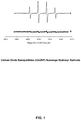
- FIG. 1 shows an EPR tracing showing the effect of the presence of cerium oxide nanoparticles on quenching hydroxyl radical production.
- FIG. 2 shows an EPR tracing showing the effect of the presence of cerium oxide nanoparticles on quenching superoxide radical production.
- FIG. 3 shows an EPR tracing showing that cerium oxide nanoparticles block A ⁇ (1-42) -induced free radical formation.
- FIG. 4 is a bar graph that shows cerium oxide nanoparticles decrease A ⁇ (1-42) -induced neuronal death.
- FIGS. 5A, 5B, and 5C show light micrographs of cortical neuronal cultures, untreated, treated with 10 ⁇ M A ⁇ (1-42) , and treated with 10 nM cerium oxide nanoparticles (average size 10-20 nm) and exposed to A ⁇ (1-42) .
- FIG. 6 is a bar graph that demonstrates that cerium oxide nanoparticles reduce A ⁇ -induced elevation of basal intracellular free calcium in neurons.
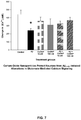
- FIG. 7 is a bar graph that shows that cerium oxide nanoparticles protect neurons from A ⁇ (1-42) -induced alterations in glutamate-mediated calcium signaling.
- FIG. 8 is a bar graph that shows that cerium oxide nanoparticles inhibit A ⁇ (1-42) -induced lipid peroxidation.
- FIGS. 9A and 9B are bar graphs that show that cerium oxide nanoparticles extend the lifespan of male and female Drosophila after exposure to high dose (10 mM) paraquat.
- FIGS. 10A and 10B are line graphs that show that cerium oxide nanoparticles protect female and male Drosophila from low dose (1 mM) paraquat and extend post-paraquat lifespan.
- FIGS. 11A and 11B are bar graphs that show that cerium oxide nanoparticles preserve motor function in paraquat-challenged female and male Drosophila.
- FIGS. 12A and 12B are bar graphs that show that cerium oxide nanoparticles preserve the climbing motor function of paraquat-challenged female and male Drosophila.
- FIG. 13 is an electron micrograph that shows CeONP localized in mitochondria of mixed organotypic neuronal cultures.
- FIG. 14 is a bar graph that shows that cerium oxide nanoparticles protect mixed organotypic brain cell cultures from cell injury induced by rotenone.
- FIG. 15 is a bar graph that shows that cerium oxide nanoparticles preserve mitochondrial membrane potential after rotenone challenge.
- cerium oxide nanoparticles available from Nanophase Technologies Corporation (Romeoville, Ill.). Synthesis of these particles has been described in the following patents: U.S. Pat. Nos. 6,669,823, 5,460,701, 5,514,349, 5,874,684; Japanese Patents JP2980987 and JP3383608; European Patent EP0711217B1; German Patent DE69426886; French Patent FR94922757; Great Britain Patent GB94922757; and Australian Patent AU068582882, the disclosures of which are hereby incorporated by reference in their entirety. Advantages of using these CeONP are further described in the inventors' prior work, e.g., WO 2007/002662, the disclosure of which is hereby incorporated by reference in its entirety.
- CeONP having an average particle size ranging from about 2 nm to about 100 nm in diameter may be used for preventing or treating neurodegenerative diseases, mitochondrial diseases, and effects of mitochondrial toxins.
- the inventors have found, more particularly, that CeONP ranging from about 2 nm to about 50 nm are preferable. CeONP ranging from about 10 nm to about 20 nm may be even more preferable.
- any specific size or size range within these general sizes can be provided, the size being selected by the practitioner based on situation-specific parameters.
- the present invention provides methods of treating individuals suffering from, or suspected of suffering from neurodegenerative diseases, as well as methods of preventing such diseases.
- the invention also provides methods of treating or preventing injury resulting or caused by exposure to toxic substances.
- the methods include in vitro, in vivo, and/or ex vivo methods of treating or preventing neurodegenerative diseases.
- Administering CeONP according to the invention can comprise any act that provides cerium oxide nanoparticles to a subject (e.g., individual, animal, patient, etc.) in a way that the particles can function for their intended purpose.
- a dosing of about 0.01 ng to about 1 g such as about 0.05 ng, 0.1 ng, 0.5 ng, 1 ng, 10 ng, 50 ng, 100 ng, 500 ng, 1 ug, 5 ug, 10 ug, 50 ug, 100 ug, 500 ug, or 1 g per administration or per kg body mass per administration should be effective in providing the desired therapeutic or prophylactic result.
- any dose in this range may be used to prevent or treat neurodegenerative diseases.
- Cerium Oxide Nanoparticles block hydroxyl radical production in vitro.
- EPR electron paramagnetic resonance spectroscopy
- Hydroxyl radicals were generated by adding 250 ⁇ l of 0.2 M H 2 O 2 to a solution containing 0.025M DMPO (spin trap) and 1.7 mM FeSO 4 in 0.17M potassium phosphate buffer, pH 7.4. Radical production was detected with a Bruker ER 200D ESR spectrometer, at 37° C.
- Cerium oxide nanoparticles block superoxide radical production in vitro.
- the ability of CeONP to block superoxide radical production in vitro was also examined, as is shown in FIG. 2 .
- Superoxide radicals were generated by irradiating a solution of riboflavin (0.53 mM) and DMPO (0.1 M) in potassium phosphate buffer (0.17M) pH 7.4, with a UV lamp for 10 min.
- Trace (a) shows the superoxide generated by EPR measurement of the spectrum of the DMPO/O2-adduct.
- trace (b) 0.5 mg of 7 nm ceria NP was added, which reduced superoxide production.
- Cerium oxide nanoparticles block free radical production by A ⁇ (1-42) . It has been shown that the toxic or disease producing fragment of A ⁇ , A ⁇ (1-42) , produces free radicals (Butterfield (2007); Kanski, J, S Varadarajan, M Aksenova, & D A Butterfield, Role of glycine-33 and methionine-35 in Alzhemier's amyloid ⁇ -peptide 1-42-associated oxidative stress and neurotoxicity, Biochim. Biophys. Acta., 1586, 190-198, 2001; and Varadarajan, S, J Kanski, M Aksenova, C. Lauderbeck, and D. A.
- a ⁇ 1-42 (1 mg/ml) was incubated at 37° C. in chelexed phosphate buffered saline containing PBN as a spin trap, in an EPR flat cell. Incubation periods were varied from 4-16 days. Cohen, C. A., et al. (2006), CeO2 Nanoparticles Extend Lifespan and Protect Drosophila Melanogaster from Paraquat-Induced Oxidative Stress, Free. Rad. Biol. & Med., 123, the disclosure of which is incorporated by reference herein in its entirety. Flat cells were examined by EPR at 12-24 hr intervals, for production of free radicals. As shown in FIG.
- a ⁇ 1-42 produced a characteristic “fingerprint” free radical spectra beginning on day 4 and persisting through day 16 (trace B).
- CeONP 0.5 mg
- FIG. 3 trace C
- Cerium oxide nanoparticles reduce A ⁇ (1-42) toxicity in pure neuronal cultures. It is well known that A ⁇ 1-42 is toxic to neurons in culture. Pure neuronal cultures were prepared from the cortices of embryonic rats using established procedures (Weber, J. T., Rzigalinski, B. A., Willoughby, K. A., Moore, S. F., & Ellis, E. F.
- CeONP solutions for delivery were prepared by 2 min probe sonication of concentrated stocks and all serial dilutions. On day 10 in vitro, neurons were exposed to vehicle (saline) or A ⁇ 1-42 (10 ⁇ M) and cell death was assessed by propidium iodide staining 48 hrs later. Propidium iodide is normally excluded from uninjured cells, but enters cells with damaged or disrupted membranes, staining the nucleus a brilliant orange. As shown in FIG. 4 , CeONP inhibited A ⁇ 1-42 -induced cell death 42-53%, depending on the dose. FIGS.
- FIG. 5A, 5B, and 5C show light micrographs of pure neuronal cultures treated with saline or CeONP, followed by challenge with 10 ⁇ M A ⁇ (1-42) .
- FIG. 5A shows healthy 12 day old neuronal cultures. Note distinct cells bodies and tightly cabled axonal processes.
- FIG. 5B shows neurons treated with A ⁇ (1-42) on day 10 in vitro. Note the disintegrating cell bodies and fragmented axons.
- FIG. 5C shows neurons treated with CeONP, followed by A ⁇ (1-42) , demonstrating preservation of healthy, normal, neurons.
- Cerium oxide nanoparticles block A ⁇ (1-42) -induced calcium dysregulation in neurons.
- Intracellular free calcium ([Ca 2+ ] i ) is an important signaling process in neurons and other cells. In unstimulated cells, [Ca 2+ ] i is generally maintained at a low level (50-100 nM). During a signaling event such as muscle contraction or neurotransmission in the brain, [Ca 2+ ] i is elevated as a signal is propagated. In order to effectively transmit and propagate signaling information, [Ca 2+ ] i must be maintained at a normal basal level. As neurons and other cells are injured and go on to die, failure of ionic gradients such as [Ca 2+ ] i occur, and basal [Ca 2+ ] i becomes elevated, often prior to cell death.
- control and CeONP-treated neurons had similar basal [Ca 2+ ] i levels, while A ⁇ (1-42) significantly increased basal (unstimulated) [Ca 2+ ] i in neurons, which was reduced to normal levels by pretreatment with 10 and 100 nM cerium oxide nanoparticles (i.e. pretreatment with CeONP protected against the A ⁇ (1-42) -induced elevation in basal [Ca 2+ ] i ).
- FIG. 7 shows the average glutamate-stimulated change in [Ca 2+ ] i produced by 100 ⁇ M glutamate, 427 ⁇ 71 nM in controls. Pure cultures of rat embryonic cortical neurons were treated with cerium oxide nanoparticles (avg size 10-20 nm) on day 6 in vitro. On day 10, cultures were treated with 10 ⁇ M A ⁇ (1-42) .
- Intracellular free calcium was measured with Fura-2 microspectrophotometery as described in FIG. 6 .
- Glutamate 100 ⁇ M
- a ⁇ (1-42) decreased the glutamate-stimulated change in [Ca 2+ ] i , which was blocked by CeONP.
- CeONP treated neurons had similar levels of glutamate-stimulated [Ca 2+ ] i elevation (bars 3 and 4).
- Neurons treated with A ⁇ (1-42) showed a significantly decreased response to glutamate, 230 ⁇ 42 (2 nd bar), demonstrating that A ⁇ (1-42) decreases glutamate signaling in neurons.
- a ⁇ (1-42) had no effect on glutamate signaling, which was maintained within the normal range (bars 5 and 6).
- Cerium oxide nanoparticles decrease A ⁇ (1-42) -induced lipid peroxidation in neurons.
- AD and A ⁇ (1-42) are also associated with formation of free radical damage products to cellular macromolecules, particularly lipids. (Markesbery, W. R. & Lovell, M. A., Damage to lipids, proteins, DNA, and RNA in mild cognitive impairment, Arch. Neurol., 64, 954-966, 2007.)
- Lipid peroxidation products were normalized to the amount of protein in each cell culture well, using a modified Lowry protein assay.
- a ⁇ (1-42) treatment increased lipid peroxidation, which was inhibited by CeONP treatment.
- the levels of LPO in controls treated with saline or CeONP alone are shown in the first three bars of FIG. 8 .
- a ⁇ (1-42) treatment dramatically increased LPO in controls as shown.
- the A ⁇ (1-42) -induced increase in LPO was blocked by CeONP administration, as shown in the last 2 bars of FIG. 8 .
- FIGS. 9A-B , 10 A-B, 11 A-B, and 12 A-B show the results.
- Drosophila paraquat induces a dose dependent motor dysfunction and death, in part, by destruction of dopaminergic neurons through superoxide generation.
- male and female Drosophila of the Oregon R strain were cultured as previously described. Rzigalinski I (2006); and Cohen (2006), the disclosures of which are incorporated by reference herein in their entirety.
- Cerium oxide nanoparticles protect Drosophila from paraquat.
- CeONP protected against paraquat toxicity, decreasing mortality and increasing lifespan in treated flies.
- CeONP protected against paraquat toxicity in male flies, at a higher dose than that utilized in females.
- a paraquat dose of 10 mM is a high, lethal dose for flies at age 30 (mid-life). Therefore, we also examined a lower dose of paraquat, 1 mM, as shown in FIGS. 10A and 10B .
- One hundred female and one hundred male Drosophila were treated with CeONP delivered in the fly food, as described above.
- the mortality curve for female flies exposed to 1 mM paraquat on day 30 is shown in FIG. 10A , black solid line. Flies died steadily after paraquat exposure (time zero on the graph) with all flies in the cohort of 100 dying by 44 days post-paraquat.
- CeONP treated flies showed increased survival post-paraquat, with CeONP treated groups surviving 52-56 days post-paraquat. Similar results were observed in male flies exposed to 1 mM paraquat on day 30, as shown in FIG. 10B . Taken together, these results demonstrate that CeONP increase survival and decrease mortality rate in male and female flies exposed to paraquat, a Drosophila model for Parkinson's disease.
- Cerium oxide nanoparticles protect Drosophila from paraquat-induced motor dysfunction.
- One of the hallmarks of PD is motor dysfunction, induced by loss of dopaminergic neurotransmission. Paraquat exposure in Drosophila also induces dopaminergic neuronal loss. Meulener (2005); and Cicchetti (2005).
- Drosophila model detailed above, we assessed the effects of CeONP on motor dysfunction in response to paraquat challenge. Motor function was assessed in drosophila by examining a) total vertical activity and b) ability to ascend the vial to an 8 cm height, using a Trikinetics activity monitor.
- an empty vial containing 10 flies was placed vertically in the monitor, which has 3 levels at which upward movement of flies can be measured, 3, 6 and 8 cm. Movement of a fly past a given level is registered as the fly crosses a beam of light.
- the monitor assesses the number of times a fly crosses the light path at each respective height in the vial. The total number of beam crosses at all heights is then divided by the number of flies in the measurement group, giving a measure of activity/fly. Activity was monitored for 15 minutes per vial, for all flies within the group. All activity measurements were made at least 2 hrs after first exposure to light for the day, and 2 hrs prior to the lights turning off, to assure that measurement was not affected by diurnal activity changes.
- FIG. 11A The effect of CeONP on total activity of paraquat-treated female flies is shown in FIG. 11A .
- Activity was first measured just prior to paraquat exposure (at 30 days of age) (first set of bars).
- middle aged CeONP fed flies had higher levels of activity than middle aged control flies, consistent with previous work demonstrating that CeONP preserve motor function in aging flies.
- Twenty-four hours (24 hrs) post paraquat (second group of bars) flies treated with paraquat alone exhibited a substantial decline in total activity. However the decline in activity post-paraquat was significantly less in CeONP fed flies.
- the effects persisted through 7 days post paraquat (last group of bars). Similar results were observed in male Drosophila, shown in FIG. 11B .
- FIG. 12A shows the ability of female flies to ascend to 8 cm at 30 days of age, prior to paraquat exposure.
- CeONP treated females showed enhanced ability to ascend to the 8 cm height, as compared to controls. Twenty-four hours (24 hrs) post paraquat, control flies were unable to ascend to 8 cm. This decline in function persisted through 7 days post-paraquat in all surviving flies. However surviving CeONP treated flies retained some ability to ascend to this level, which persisted in flies surviving 7 days post paraquat. Similar results were observed for male flies ( FIG.
- Cerium oxide nanoparticles localize, in part, to mitochondria.
- Previous work has shown that CeONP readily enter cells and tissues and localize to cytoplasmic areas. See, e.g., WO 2007/002662; Rzigalinski I (2006); Rzigalinski II (2006); Rzigalinski 2005; and Singh 2007.
- CeONP also localize, in part, to mitochondria, as shown in FIG. 13 . Their role within the mitochondria has not been identified.
- rotenone inhibits mitochondrial energy production through inhibition of Complex 1, and disrupts oxidative phosphorylation and the flow of electrons through the electron transport chain. This decreases ATP production and disrupts mitochondrial membrane potential (MMP).
- Cerium oxide nanoparticles protect cells from death associated with inhibition of mitochondrial Complex I with rotenone.
- CeONP 10 nM
- saline On day 10 in vitro, cultures were exposed to the mitochondrial Complex I inhibitor, rotenone (1 ⁇ M), for 24 hrs, and cell death was determined by propidium iodide uptake according to a published methodology. See, e.g., Ahmed (2002); and Ahmed, S. M., Rzigalinski, B. A., Willoughby, K. A., Sitterding, H. A., & Ellis, E. F (2000), Stretch-induced injury alters mitochondrial membrane potential and cellular ATP in cultured astrocytes and neurons, J. Neurochem., 74, 1951-1960, the disclosures of which are hereby incorporated by reference in their entirety.
- CeONP treatment significantly reduced cell injury induced by rotenone.
- CeONP significantly reduced propidium iodide uptake after rotenone exposure, suggesting that CeONP protects cells from damage associated with inhibition of mitochondrial Complex I.
- the organotypic cultures examined contained an astrocyte monolayer growing on the bottom of the culture well, with a layer of neurons attached to the top of the astrocytes.
- propidium iodide uptake does not differentiate between astrocytes and neurons, it appeared that the primary cell type taking up propidium iodide at 24 hrs post-rotenone were neurons, due to the increased propidium iodide staining observed in the cells above the confluent astrocyte monolayer.
- this neuronal layer appeared to be largely viable, without propidium iodide uptake.
- MMP mitochondrial membrane potential
- CeONP can be used as an effective treatment of mitochondrial diseases and diseases associated with mitochondrial damage. CeONP can also be effective in treating conditions involving toxic exposures to compounds that induce mitochondrial dysfunction, such as rotenone, cyanide, carbon monoxide, polychlorinated biphenyls (PCBs) and other mitochondrial toxins.
Landscapes
- Health & Medical Sciences (AREA)
- Medicinal Chemistry (AREA)
- Engineering & Computer Science (AREA)
- Bioinformatics & Cheminformatics (AREA)
- Veterinary Medicine (AREA)
- Public Health (AREA)
- General Health & Medical Sciences (AREA)
- Animal Behavior & Ethology (AREA)
- Chemical & Material Sciences (AREA)
- Life Sciences & Earth Sciences (AREA)
- Pharmacology & Pharmacy (AREA)
- Neurology (AREA)
- Neurosurgery (AREA)
- Biomedical Technology (AREA)
- Epidemiology (AREA)
- Nuclear Medicine, Radiotherapy & Molecular Imaging (AREA)
- Organic Chemistry (AREA)
- General Chemical & Material Sciences (AREA)
- Chemical Kinetics & Catalysis (AREA)
- Psychiatry (AREA)
- Hospice & Palliative Care (AREA)
- Inorganic Chemistry (AREA)
- Pharmaceuticals Containing Other Organic And Inorganic Compounds (AREA)
Abstract
Description
Claims (6)
Priority Applications (1)
| Application Number | Priority Date | Filing Date | Title |
|---|---|---|---|
| US12/252,905 US10857178B2 (en) | 2005-06-27 | 2008-10-16 | Cerium oxide nanoparticles for treatment and prevention of Alzheimer's disease, Parkinson's disease, and disorders associated with free radical production and/or mitochondrial dysfunction |
Applications Claiming Priority (6)
| Application Number | Priority Date | Filing Date | Title |
|---|---|---|---|
| US69393005P | 2005-06-27 | 2005-06-27 | |
| PCT/US2006/024963 WO2007002662A2 (en) | 2005-06-27 | 2006-06-27 | Anti-inflammatory, radioprotective, and longevity enhancing capabilities of cerium oxide nanoparticles |
| US98034507P | 2007-10-16 | 2007-10-16 | |
| US98035407P | 2007-10-16 | 2007-10-16 | |
| US99326007A | 2007-12-20 | 2007-12-20 | |
| US12/252,905 US10857178B2 (en) | 2005-06-27 | 2008-10-16 | Cerium oxide nanoparticles for treatment and prevention of Alzheimer's disease, Parkinson's disease, and disorders associated with free radical production and/or mitochondrial dysfunction |
Related Parent Applications (2)
| Application Number | Title | Priority Date | Filing Date |
|---|---|---|---|
| US11/993,260 Continuation-In-Part US20100166821A1 (en) | 2005-06-27 | 2006-06-27 | Anti-Inflammatory, Radioprotective, and Longevity Enhancing Capabilities of Cerium Oxide Nanoparticles |
| PCT/US2006/024963 Continuation-In-Part WO2007002662A2 (en) | 2005-06-27 | 2006-06-27 | Anti-inflammatory, radioprotective, and longevity enhancing capabilities of cerium oxide nanoparticles |
Publications (2)
| Publication Number | Publication Date |
|---|---|
| US20090092671A1 US20090092671A1 (en) | 2009-04-09 |
| US10857178B2 true US10857178B2 (en) | 2020-12-08 |
Family
ID=40523449
Family Applications (1)
| Application Number | Title | Priority Date | Filing Date |
|---|---|---|---|
| US12/252,905 Active 2029-01-06 US10857178B2 (en) | 2005-06-27 | 2008-10-16 | Cerium oxide nanoparticles for treatment and prevention of Alzheimer's disease, Parkinson's disease, and disorders associated with free radical production and/or mitochondrial dysfunction |
Country Status (1)
| Country | Link |
|---|---|
| US (1) | US10857178B2 (en) |
Families Citing this family (6)
| Publication number | Priority date | Publication date | Assignee | Title |
|---|---|---|---|---|
| US9649337B2 (en) | 2005-06-27 | 2017-05-16 | Edward Via Virginia College Of Osteopathic Medicine | Cerium oxide nanoparticles for the treatment and prevention of stroke and cardiovascular disease |
| US20100098768A1 (en) * | 2008-10-16 | 2010-04-22 | Clarkson University | Method of neuroprotection from oxidant injury using metal oxide nanoparticles |
| DK201000969A (en) * | 2010-10-25 | 2012-04-26 | Entomopharm Aps | Insect-based ex vivo model for testing blood-brainbarrier penetration and method for exposinginsect brain to nanoparticles |
| US11116792B1 (en) | 2010-12-22 | 2021-09-14 | Biocurity Holdings, Inc. | Cerium oxide nanoparticle formulation for use in skin radioprotection and associated methods |
| WO2015058037A1 (en) * | 2013-10-17 | 2015-04-23 | Cerion, Llc | Malic acid stabilized nanoceria particles |
| US11389536B2 (en) | 2015-07-17 | 2022-07-19 | BioCurity Pharmaceuticals Inc. | Treatment of cancer with a combination of radiation, cerium oxide nanoparticles, and a chemotherapeutic agent |
Citations (4)
| Publication number | Priority date | Publication date | Assignee | Title |
|---|---|---|---|---|
| US20030231992A1 (en) | 2002-06-17 | 2003-12-18 | Sarkas Harry W. | Process for preparing nanostructured materials of controlled surface chemistry |
| US20060246152A1 (en) | 2005-04-29 | 2006-11-02 | Mcginnis James F | Inhibition of reactive oxygen species and protection of mammalian cells |
| US7534453B1 (en) * | 2002-09-05 | 2009-05-19 | University Of Central Florida Research Foundation, Inc. | Cerium oxide nanoparticles and use in enhancing cell survivability |
| US20100166821A1 (en) * | 2005-06-27 | 2010-07-01 | Edward Via Virginia College Of Osteopathic Medicin | Anti-Inflammatory, Radioprotective, and Longevity Enhancing Capabilities of Cerium Oxide Nanoparticles |
-
2008
- 2008-10-16 US US12/252,905 patent/US10857178B2/en active Active
Patent Citations (5)
| Publication number | Priority date | Publication date | Assignee | Title |
|---|---|---|---|---|
| US20030231992A1 (en) | 2002-06-17 | 2003-12-18 | Sarkas Harry W. | Process for preparing nanostructured materials of controlled surface chemistry |
| US7534453B1 (en) * | 2002-09-05 | 2009-05-19 | University Of Central Florida Research Foundation, Inc. | Cerium oxide nanoparticles and use in enhancing cell survivability |
| US20060246152A1 (en) | 2005-04-29 | 2006-11-02 | Mcginnis James F | Inhibition of reactive oxygen species and protection of mammalian cells |
| US7347987B2 (en) * | 2005-04-29 | 2008-03-25 | University Of Central Florida Research Foundation, Inc. | Inhibition of reactive oxygen species and protection of mammalian cells |
| US20100166821A1 (en) * | 2005-06-27 | 2010-07-01 | Edward Via Virginia College Of Osteopathic Medicin | Anti-Inflammatory, Radioprotective, and Longevity Enhancing Capabilities of Cerium Oxide Nanoparticles |
Non-Patent Citations (20)
| Title |
|---|
| Callaghan P.G. et al., "Deleterious effects of microglia activated by in vitro trauma are blocked by engineered oxide nanoparticles," Society for Neuroscience Abstract Viewer and Itinerary Planner, vol. 2003, 2003, Abstract No. 11.7, 33rd Annual Meeting of the Society of Neuroscience, New Orleans, LA, Nov. 8-12, 2003. |
| Chinopoulos et al., Mitochondria deficient in complex I activity are depolarized by hydrogen peroxide in nerve terminals: relevance to Parkinson's disease, Journal of Neurochemistry (2001), vol. 76, pp. 302-306. * |
| Clark A. et al., "Engineered oxide nanoparticles increase neuronal lifespan in culture and act as free radical scavengers", Society for Neuroscience Abstract Viewer and Itinerary Planner, vol. 2003, 2003, Abstract No. 878.2, 33rd Annual Meeting of the Society of Neuroscience, New Orleans, LA, Nov. 8-12, 2003. |
| Cook et al., "Neuronal damage induced by polychlorinated biphenyls is partially reversed by cerium oxide nanoparticles", Annual Meeting of the Society of Neuroscience, XX, XX, vol. 2003, Jan. 1, 2003, Abstract No. 669.13. |
| Dacey, Dopamine-Accumulating Retinal Neurons Revealed by in Vitro fluorescence Display a Unique Morphology, Science (1988), vol. 240, pp. 1196-1198. * |
| European Extended Search Report; European patent application 06785640.1-2123. |
| Fry, R. et al. "Engineered oxide nanoparticles protect against neuronal damage associated with in vitro trauma", Society for Neuroscience Abstract Viewer and Itinerary Planner, vol. 2003, 2003, Abstract No. 552.9, 33rd Annual Meeting of the Society of Neuroscience, New Orleans, LA, Nov. 8-12, 2003. |
| Mazibuko et al., Journal of Pharmaceutical Sciences (2015), vol. 104, pp. 1213-1229. * |
| Patil, Electronic Theses and Disertation (2006), Paper 1094, pp. 1-111. * |
| PCT Search Report and Written Opinion; PCT/US2006/024963. |
| Rzigalinski et al., Experimental Biology (2003): Meeting Abstracts, 377.24, p. A606. * |
| Rzigalinski, B.A. et al., "Cerium oxide nanoparticles increase the lifespan of cultured brain cells and protect against free radical and mechanical trauma", (Abstract #377.24, 2003 Experimental Biology meeting abstracts (online). |
| Rzigalinski, B.A., "Nanoparticles and cell longevity", Technology in Cancer Research & Treatment, vol. 4, No. 6, Dec. 2005, pp. 651-659. |
| Schubert D. et al., "Cerium and yttrium oxide nanoparticles are neuroprotective", Biochemical and Biophysical Research Communications, vol. 342, No. 1, Mar. 31, 2006, pp. 86-91. |
| Singh et al., Ann. N. Y. Acad. Sci. (2007), vol. 1122, pp. 219-230. * |
| Smeyne et al., PNAS (2007), vol. 104, No. 6, pp. 1997-1982. * |
| STN online, file CAPLUS, Acc. No. 1999:461445, Doc. No. 131:155866 (Wang et al., Protective effect of cerium on mitochondria wheat under salinity stress, Zongguo Xitu Xuebao (1999), vol. 17, No. 2, pp. 187-190), Abstract. * |
| Strawn E.T. et al.., "Cerium oxide nanoparticles increase lifespan and protect against free radical medicated toxicity", FASEB Journal, vol. 20, No. 5, Part 2, Mar. 2006, p. A1356. |
| Szilagyi G. eta al., "Visualization of mitochondrial membrane potential and reactive oxygen species via double staining", Neuroscience Letters, Limerick, IE, vol. 399, No. 3, May 22, 2006, pp. 206-209. |
| U.S. Appl. No. 11/993,260, filed Jun. 27, 2006. |
Also Published As
| Publication number | Publication date |
|---|---|
| US20090092671A1 (en) | 2009-04-09 |
Similar Documents
| Publication | Publication Date | Title |
|---|---|---|
| Liang et al. | Mitochondrial oxidative stress and epilepsy in SOD2 deficient mice: attenuation by a lipophilic metalloporphyrin | |
| Zhang et al. | Neuroprotection by pyrroloquinoline quinone (PQQ) in reversible middle cerebral artery occlusion in the adult rat | |
| Gupta et al. | Neuroprotective role of melatonin in oxidative stress vulnerable brain | |
| Olney et al. | MK-801 prevents hypobaric-ischemic neuronal degeneration in infant rat brain | |
| Bhandari et al. | Neuropsychopharmacotherapeutic efficacy of curcumin in experimental paradigm of autism spectrum disorders | |
| Paula-Lima et al. | Activation of GABAA receptors by taurine and muscimol blocks the neurotoxicity of β-amyloid in rat hippocampal and cortical neurons | |
| Muñoz et al. | Parkinson’s Disease: The Mitochondria‐Iron Link | |
| Anaeigoudari et al. | Inducible nitric oxide inhibitor aminoguanidine, ameliorates deleterious effects of lipopolysaccharide on memory and long term potentiation in rat | |
| US20240115533A1 (en) | Use of n-acetylcysteine to treat cns disorders | |
| Ali et al. | N-acetyl-L-cysteine ameliorates mitochondrial dysfunction in ischemia/reperfusion injury via attenuating Drp-1 mediated mitochondrial autophagy | |
| Wagner et al. | Comparative study of quercetin and its two glycoside derivatives quercitrin and rutin against methylmercury (MeHg)-induced ROS production in rat brain slices | |
| Kaur et al. | Ceftriaxone attenuates glutamate-mediated neuro-inflammation and restores BDNF in MPTP model of Parkinson’s disease in rats | |
| US20090092671A1 (en) | Cerium Oxide Nanoparticles for Treatment and Prevention of Alzheimer's Disease, Parkinson's Disease, and Disorders Associated with Free Radical Production and/or Mitochondrial Dysfunction | |
| Stolero et al. | The dialog between neurons and microglia in Alzheimer's disease: The neurotransmitters view | |
| Nieoczym et al. | Anticonvulsant activity of pterostilbene in zebrafish and mouse acute seizure tests | |
| Park et al. | Exercise attenuates maternal separation-induced mood disorder-like behaviors by enhancing mitochondrial functions and neuroplasticity in the dorsal raphe | |
| Massari et al. | In vitro 6-hydroxydopamine-induced toxicity in striatal, cerebrocortical and hippocampal slices is attenuated by atorvastatin and MK-801 | |
| Bywood et al. | Mitochondrial complex inhibitors preferentially damage substantia nigra dopamine neurons in rat brain slices | |
| Coradini et al. | Free and nanoencapsulated curcumin prevents scopolamine-induced cognitive impairment in adult zebrafish | |
| Yan et al. | Effects of manganese on microglia M1/M2 polarization and SIRT1‐mediated transcription of STAT3‐dependent genes in mouse | |
| Khadrawy et al. | Assessment of the neuroprotective effect of green synthesized iron oxide nanoparticles capped with curcumin against a rat model of Parkinson’s disease | |
| WO2009052295A2 (en) | Cerium oxide nanoparticles for treatment and prevention of alzheimer's disease, parkinson's disease, and disorders associated with free radical production and/or mitochondrial dysfunction | |
| Seneff et al. | Is autism a PIN1 deficiency syndrome? A proposed etiological role for glyphosate | |
| Genovese et al. | Beneficial effects of FeTSPP, a peroxynitrite decomposition catalyst, in a mouse model of spinal cord injury | |
| Binienda et al. | Assessment of 3-nitropropionic acid-evoked peripheral neuropathy in rats: neuroprotective effects of acetyl-l-carnitine and resveratrol |
Legal Events
| Date | Code | Title | Description |
|---|---|---|---|
| AS | Assignment |
Owner name: NATIONAL INSTITUTES OF HEALTH (NIH), U.S. DEPT. OF HEALTH AND HUMAN SERVICES (DHHS), U.S. GOVERNMENT, MARYLAND Free format text: CONFIRMATORY LICENSE;ASSIGNOR:VIRGINIA COLLEGE OF OSTEOPATHIC MEDICINE;REEL/FRAME:027883/0093 Effective date: 20120310 Owner name: NATIONAL INSTITUTES OF HEALTH (NIH), U.S. DEPT. OF Free format text: CONFIRMATORY LICENSE;ASSIGNOR:VIRGINIA COLLEGE OF OSTEOPATHIC MEDICINE;REEL/FRAME:027883/0093 Effective date: 20120310 |
|
| AS | Assignment |
Owner name: NATIONAL INSTITUTES OF HEALTH (NIH), U.S. DEPT. OF HEALTH AND HUMAN SERVICES (DHHS), U.S. GOVERNMENT, MARYLAND Free format text: CONFIRMATORY LICENSE;ASSIGNOR:VIRGINIA COLLEGE OF OSTEOPATHIC MEDICINE;REEL/FRAME:027932/0009 Effective date: 20120310 Owner name: NATIONAL INSTITUTES OF HEALTH (NIH), U.S. DEPT. OF Free format text: CONFIRMATORY LICENSE;ASSIGNOR:VIRGINIA COLLEGE OF OSTEOPATHIC MEDICINE;REEL/FRAME:027932/0009 Effective date: 20120310 |
|
| STCV | Information on status: appeal procedure |
Free format text: ON APPEAL -- AWAITING DECISION BY THE BOARD OF APPEALS |
|
| STCV | Information on status: appeal procedure |
Free format text: BOARD OF APPEALS DECISION RENDERED |
|
| STPP | Information on status: patent application and granting procedure in general |
Free format text: DOCKETED NEW CASE - READY FOR EXAMINATION |
|
| STPP | Information on status: patent application and granting procedure in general |
Free format text: NOTICE OF ALLOWANCE MAILED -- APPLICATION RECEIVED IN OFFICE OF PUBLICATIONS |
|
| STPP | Information on status: patent application and granting procedure in general |
Free format text: PUBLICATIONS -- ISSUE FEE PAYMENT VERIFIED |
|
| STCF | Information on status: patent grant |
Free format text: PATENTED CASE |
|
| AS | Assignment |
Owner name: EDWARD VIA VIRGINIA COLLEGE OF OSTEOPATHIC MEDICINE, VIRGINIA Free format text: ASSIGNMENT OF ASSIGNORS INTEREST;ASSIGNORS:RZIGALINSKI, BEVERLY A.;SINGH, NEERAJ;COHEN, COURTNEY A.;SIGNING DATES FROM 20201118 TO 20201123;REEL/FRAME:054485/0494 |
|
| MAFP | Maintenance fee payment |
Free format text: PAYMENT OF MAINTENANCE FEE, 4TH YR, SMALL ENTITY (ORIGINAL EVENT CODE: M2551); ENTITY STATUS OF PATENT OWNER: SMALL ENTITY Year of fee payment: 4 |