US10842179B2 - Agents and mechanisms for treating hypercholesterolemia - Google Patents
Agents and mechanisms for treating hypercholesterolemia Download PDFInfo
- Publication number
- US10842179B2 US10842179B2 US15/330,830 US201615330830A US10842179B2 US 10842179 B2 US10842179 B2 US 10842179B2 US 201615330830 A US201615330830 A US 201615330830A US 10842179 B2 US10842179 B2 US 10842179B2
- Authority
- US
- United States
- Prior art keywords
- paz
- fraction
- cholesterol
- expression
- cetp
- Prior art date
- Legal status (The legal status is an assumption and is not a legal conclusion. Google has not performed a legal analysis and makes no representation as to the accuracy of the status listed.)
- Active, expires
Links
- 208000035150 Hypercholesterolemia Diseases 0.000 title abstract description 27
- 230000007246 mechanism Effects 0.000 title description 14
- HVYWMOMLDIMFJA-DPAQBDIFSA-N cholesterol Chemical compound C1C=C2C[C@@H](O)CC[C@]2(C)[C@@H]2[C@@H]1[C@@H]1CC[C@H]([C@H](C)CCCC(C)C)[C@@]1(C)CC2 HVYWMOMLDIMFJA-DPAQBDIFSA-N 0.000 claims abstract description 169
- 108090000623 proteins and genes Proteins 0.000 claims abstract description 65
- 230000014509 gene expression Effects 0.000 claims abstract description 52
- 238000000034 method Methods 0.000 claims abstract description 51
- 230000008604 lipoprotein metabolism Effects 0.000 claims abstract description 19
- 108091005487 SCARB1 Proteins 0.000 claims abstract description 8
- 102000055510 ATP Binding Cassette Transporter 1 Human genes 0.000 claims abstract description 4
- 108700005241 ATP Binding Cassette Transporter 1 Proteins 0.000 claims abstract description 4
- 101000880514 Homo sapiens Cholesteryl ester transfer protein Proteins 0.000 claims abstract description 4
- KEWSCDNULKOKTG-UHFFFAOYSA-N 4-cyano-4-ethylsulfanylcarbothioylsulfanylpentanoic acid Chemical compound CCSC(=S)SC(C)(C#N)CCC(O)=O KEWSCDNULKOKTG-UHFFFAOYSA-N 0.000 claims abstract 3
- 101150092476 ABCA1 gene Proteins 0.000 claims abstract 3
- 102100037637 Cholesteryl ester transfer protein Human genes 0.000 claims abstract 3
- 235000012000 cholesterol Nutrition 0.000 claims description 51
- 239000007788 liquid Substances 0.000 claims description 15
- 239000000706 filtrate Substances 0.000 claims description 10
- 241000195493 Cryptophyta Species 0.000 claims description 6
- 239000013505 freshwater Substances 0.000 claims description 5
- 238000004587 chromatography analysis Methods 0.000 claims description 4
- 235000013373 food additive Nutrition 0.000 claims description 4
- 239000002778 food additive Substances 0.000 claims description 4
- 239000002417 nutraceutical Substances 0.000 claims description 4
- 235000021436 nutraceutical agent Nutrition 0.000 claims description 4
- 238000004255 ion exchange chromatography Methods 0.000 claims 3
- 125000000129 anionic group Chemical group 0.000 claims 2
- 125000002091 cationic group Chemical group 0.000 claims 2
- 238000013375 chromatographic separation Methods 0.000 claims 1
- 238000005342 ion exchange Methods 0.000 claims 1
- 239000000203 mixture Substances 0.000 abstract description 36
- 102000004895 Lipoproteins Human genes 0.000 abstract description 18
- 108090001030 Lipoproteins Proteins 0.000 abstract description 18
- 230000001105 regulatory effect Effects 0.000 abstract description 17
- 238000000855 fermentation Methods 0.000 abstract description 16
- 230000004151 fermentation Effects 0.000 abstract description 16
- 230000000813 microbial effect Effects 0.000 abstract description 11
- 102100037118 Scavenger receptor class B member 1 Human genes 0.000 abstract description 5
- 230000002222 downregulating effect Effects 0.000 abstract description 5
- 241000124008 Mammalia Species 0.000 abstract description 3
- -1 ApoA1 Proteins 0.000 abstract description 2
- 230000002939 deleterious effect Effects 0.000 abstract description 2
- 230000000694 effects Effects 0.000 description 75
- XLYOFNOQVPJJNP-UHFFFAOYSA-N water Substances O XLYOFNOQVPJJNP-UHFFFAOYSA-N 0.000 description 58
- 235000009200 high fat diet Nutrition 0.000 description 55
- 108010010234 HDL Lipoproteins Proteins 0.000 description 53
- 241000699800 Cricetinae Species 0.000 description 52
- 102000015779 HDL Lipoproteins Human genes 0.000 description 52
- 229910001868 water Inorganic materials 0.000 description 51
- 108010061846 Cholesterol Ester Transfer Proteins Proteins 0.000 description 48
- 102000012336 Cholesterol Ester Transfer Proteins Human genes 0.000 description 47
- 108090000895 Hydroxymethylglutaryl CoA Reductases Proteins 0.000 description 30
- 102000004286 Hydroxymethylglutaryl CoA Reductases Human genes 0.000 description 30
- 239000000654 additive Substances 0.000 description 28
- 238000003556 assay Methods 0.000 description 25
- 241001465754 Metazoa Species 0.000 description 24
- 230000001225 therapeutic effect Effects 0.000 description 21
- 238000001727 in vivo Methods 0.000 description 20
- 102000003867 Phospholipid Transfer Proteins Human genes 0.000 description 19
- 108090000216 Phospholipid Transfer Proteins Proteins 0.000 description 19
- 108010007622 LDL Lipoproteins Proteins 0.000 description 18
- 102000007330 LDL Lipoproteins Human genes 0.000 description 18
- 150000001875 compounds Chemical class 0.000 description 18
- 150000002632 lipids Chemical class 0.000 description 17
- 210000004027 cell Anatomy 0.000 description 16
- 210000004185 liver Anatomy 0.000 description 16
- 238000011282 treatment Methods 0.000 description 16
- 239000002245 particle Substances 0.000 description 14
- 239000000047 product Substances 0.000 description 14
- 230000009286 beneficial effect Effects 0.000 description 13
- 230000004060 metabolic process Effects 0.000 description 13
- 102000004190 Enzymes Human genes 0.000 description 11
- 108090000790 Enzymes Proteins 0.000 description 11
- 230000033228 biological regulation Effects 0.000 description 11
- 230000007423 decrease Effects 0.000 description 11
- 102000004169 proteins and genes Human genes 0.000 description 11
- 238000011529 RT qPCR Methods 0.000 description 10
- 235000018102 proteins Nutrition 0.000 description 10
- 229940121710 HMGCoA reductase inhibitor Drugs 0.000 description 9
- 238000004519 manufacturing process Methods 0.000 description 9
- 210000002966 serum Anatomy 0.000 description 9
- 238000002474 experimental method Methods 0.000 description 8
- 239000000284 extract Substances 0.000 description 8
- 239000003112 inhibitor Substances 0.000 description 8
- 239000007787 solid Substances 0.000 description 8
- 239000000243 solution Substances 0.000 description 8
- 108010023302 HDL Cholesterol Proteins 0.000 description 7
- 240000004808 Saccharomyces cerevisiae Species 0.000 description 7
- 235000014680 Saccharomyces cerevisiae Nutrition 0.000 description 7
- 210000001519 tissue Anatomy 0.000 description 7
- 241000282414 Homo sapiens Species 0.000 description 6
- 108010080283 Pre-beta High-Density Lipoproteins Proteins 0.000 description 6
- 230000009471 action Effects 0.000 description 6
- 210000004369 blood Anatomy 0.000 description 6
- 239000008280 blood Substances 0.000 description 6
- 235000005911 diet Nutrition 0.000 description 6
- 230000037213 diet Effects 0.000 description 6
- 238000010790 dilution Methods 0.000 description 6
- 239000012895 dilution Substances 0.000 description 6
- 230000006870 function Effects 0.000 description 6
- 239000002471 hydroxymethylglutaryl coenzyme A reductase inhibitor Substances 0.000 description 6
- 238000000338 in vitro Methods 0.000 description 6
- 238000012545 processing Methods 0.000 description 6
- 230000002441 reversible effect Effects 0.000 description 6
- 239000000126 substance Substances 0.000 description 6
- 238000013518 transcription Methods 0.000 description 6
- 230000035897 transcription Effects 0.000 description 6
- UFTFJSFQGQCHQW-UHFFFAOYSA-N triformin Chemical compound O=COCC(OC=O)COC=O UFTFJSFQGQCHQW-UHFFFAOYSA-N 0.000 description 6
- 102100033715 Apolipoprotein A-I Human genes 0.000 description 5
- 241000282412 Homo Species 0.000 description 5
- 101000733802 Homo sapiens Apolipoprotein A-I Proteins 0.000 description 5
- 108010011964 Phosphatidylcholine-sterol O-acyltransferase Proteins 0.000 description 5
- 102000014190 Phosphatidylcholine-sterol O-acyltransferase Human genes 0.000 description 5
- 230000008859 change Effects 0.000 description 5
- 230000003247 decreasing effect Effects 0.000 description 5
- 239000003085 diluting agent Substances 0.000 description 5
- 238000003306 harvesting Methods 0.000 description 5
- 239000002609 medium Substances 0.000 description 5
- 230000037361 pathway Effects 0.000 description 5
- 230000008569 process Effects 0.000 description 5
- 239000013589 supplement Substances 0.000 description 5
- 238000012360 testing method Methods 0.000 description 5
- 108091032973 (ribonucleotides)n+m Proteins 0.000 description 4
- 108010001831 LDL receptors Proteins 0.000 description 4
- 102000000853 LDL receptors Human genes 0.000 description 4
- TUZYXOIXSAXUGO-UHFFFAOYSA-N Pravastatin Natural products C1=CC(C)C(CCC(O)CC(O)CC(O)=O)C2C(OC(=O)C(C)CC)CC(O)C=C21 TUZYXOIXSAXUGO-UHFFFAOYSA-N 0.000 description 4
- XJLXINKUBYWONI-DQQFMEOOSA-N [[(2r,3r,4r,5r)-5-(6-aminopurin-9-yl)-3-hydroxy-4-phosphonooxyoxolan-2-yl]methoxy-hydroxyphosphoryl] [(2s,3r,4s,5s)-5-(3-carbamoylpyridin-1-ium-1-yl)-3,4-dihydroxyoxolan-2-yl]methyl phosphate Chemical compound NC(=O)C1=CC=C[N+]([C@@H]2[C@H]([C@@H](O)[C@H](COP([O-])(=O)OP(O)(=O)OC[C@@H]3[C@H]([C@@H](OP(O)(O)=O)[C@@H](O3)N3C4=NC=NC(N)=C4N=C3)O)O2)O)=C1 XJLXINKUBYWONI-DQQFMEOOSA-N 0.000 description 4
- 238000005349 anion exchange Methods 0.000 description 4
- 238000013459 approach Methods 0.000 description 4
- 230000001580 bacterial effect Effects 0.000 description 4
- 238000006243 chemical reaction Methods 0.000 description 4
- 239000003795 chemical substances by application Substances 0.000 description 4
- 238000000605 extraction Methods 0.000 description 4
- 235000013305 food Nutrition 0.000 description 4
- 239000007943 implant Substances 0.000 description 4
- 239000000463 material Substances 0.000 description 4
- 244000005700 microbiome Species 0.000 description 4
- TUZYXOIXSAXUGO-PZAWKZKUSA-N pravastatin Chemical compound C1=C[C@H](C)[C@H](CC[C@@H](O)C[C@@H](O)CC(O)=O)[C@H]2[C@@H](OC(=O)[C@@H](C)CC)C[C@H](O)C=C21 TUZYXOIXSAXUGO-PZAWKZKUSA-N 0.000 description 4
- 229960002965 pravastatin Drugs 0.000 description 4
- 230000002829 reductive effect Effects 0.000 description 4
- 238000011160 research Methods 0.000 description 4
- 239000000523 sample Substances 0.000 description 4
- 238000012546 transfer Methods 0.000 description 4
- 150000003626 triacylglycerols Chemical class 0.000 description 4
- 239000003981 vehicle Substances 0.000 description 4
- 201000001320 Atherosclerosis Diseases 0.000 description 3
- LFQSCWFLJHTTHZ-UHFFFAOYSA-N Ethanol Chemical compound CCO LFQSCWFLJHTTHZ-UHFFFAOYSA-N 0.000 description 3
- PEDCQBHIVMGVHV-UHFFFAOYSA-N Glycerine Chemical compound OCC(O)CO PEDCQBHIVMGVHV-UHFFFAOYSA-N 0.000 description 3
- DNIAPMSPPWPWGF-UHFFFAOYSA-N Propylene glycol Chemical compound CC(O)CO DNIAPMSPPWPWGF-UHFFFAOYSA-N 0.000 description 3
- 102000009822 Sterol Regulatory Element Binding Proteins Human genes 0.000 description 3
- 108010020396 Sterol Regulatory Element Binding Proteins Proteins 0.000 description 3
- 108010062497 VLDL Lipoproteins Proteins 0.000 description 3
- 238000002835 absorbance Methods 0.000 description 3
- 239000002671 adjuvant Substances 0.000 description 3
- 238000004458 analytical method Methods 0.000 description 3
- 210000001367 artery Anatomy 0.000 description 3
- 238000003149 assay kit Methods 0.000 description 3
- 230000004071 biological effect Effects 0.000 description 3
- 230000037396 body weight Effects 0.000 description 3
- 239000002299 complementary DNA Substances 0.000 description 3
- 235000015872 dietary supplement Nutrition 0.000 description 3
- 201000010099 disease Diseases 0.000 description 3
- 208000037265 diseases, disorders, signs and symptoms Diseases 0.000 description 3
- 239000006185 dispersion Substances 0.000 description 3
- 238000001952 enzyme assay Methods 0.000 description 3
- 235000019197 fats Nutrition 0.000 description 3
- 238000005194 fractionation Methods 0.000 description 3
- 208000019622 heart disease Diseases 0.000 description 3
- 230000006872 improvement Effects 0.000 description 3
- 230000007774 longterm Effects 0.000 description 3
- 230000010534 mechanism of action Effects 0.000 description 3
- 229930027945 nicotinamide-adenine dinucleotide Natural products 0.000 description 3
- 230000002093 peripheral effect Effects 0.000 description 3
- 102000005962 receptors Human genes 0.000 description 3
- 108020003175 receptors Proteins 0.000 description 3
- 230000009467 reduction Effects 0.000 description 3
- 230000004141 reverse cholesterol transport Effects 0.000 description 3
- 239000002904 solvent Substances 0.000 description 3
- 241000894007 species Species 0.000 description 3
- 230000032258 transport Effects 0.000 description 3
- 230000003827 upregulation Effects 0.000 description 3
- 102100022594 ATP-binding cassette sub-family G member 1 Human genes 0.000 description 2
- 208000024172 Cardiovascular disease Diseases 0.000 description 2
- 108010078791 Carrier Proteins Proteins 0.000 description 2
- 108010004103 Chylomicrons Proteins 0.000 description 2
- 206010014476 Elevated cholesterol Diseases 0.000 description 2
- ZDXPYRJPNDTMRX-VKHMYHEASA-N L-glutamine Chemical compound OC(=O)[C@@H](N)CCC(N)=O ZDXPYRJPNDTMRX-VKHMYHEASA-N 0.000 description 2
- 229930182816 L-glutamine Natural products 0.000 description 2
- 238000008214 LDL Cholesterol Methods 0.000 description 2
- 108010013563 Lipoprotein Lipase Proteins 0.000 description 2
- 102100022119 Lipoprotein lipase Human genes 0.000 description 2
- 108010090314 Member 1 Subfamily G ATP Binding Cassette Transporter Proteins 0.000 description 2
- 102000004316 Oxidoreductases Human genes 0.000 description 2
- 108090000854 Oxidoreductases Proteins 0.000 description 2
- ISWSIDIOOBJBQZ-UHFFFAOYSA-N Phenol Chemical compound OC1=CC=CC=C1 ISWSIDIOOBJBQZ-UHFFFAOYSA-N 0.000 description 2
- 102100033616 Phospholipid-transporting ATPase ABCA1 Human genes 0.000 description 2
- 101710205202 Phospholipid-transporting ATPase ABCA1 Proteins 0.000 description 2
- FAPWRFPIFSIZLT-UHFFFAOYSA-M Sodium chloride Chemical compound [Na+].[Cl-] FAPWRFPIFSIZLT-UHFFFAOYSA-M 0.000 description 2
- 238000010521 absorption reaction Methods 0.000 description 2
- 239000004480 active ingredient Substances 0.000 description 2
- 230000002411 adverse Effects 0.000 description 2
- 239000006286 aqueous extract Substances 0.000 description 2
- 239000012131 assay buffer Substances 0.000 description 2
- 230000015572 biosynthetic process Effects 0.000 description 2
- 239000000969 carrier Substances 0.000 description 2
- 230000015556 catabolic process Effects 0.000 description 2
- 238000004113 cell culture Methods 0.000 description 2
- 238000012512 characterization method Methods 0.000 description 2
- 239000003153 chemical reaction reagent Substances 0.000 description 2
- OSASVXMJTNOKOY-UHFFFAOYSA-N chlorobutanol Chemical compound CC(C)(O)C(Cl)(Cl)Cl OSASVXMJTNOKOY-UHFFFAOYSA-N 0.000 description 2
- 239000003240 coconut oil Substances 0.000 description 2
- 235000019864 coconut oil Nutrition 0.000 description 2
- 239000000470 constituent Substances 0.000 description 2
- VFLDPWHFBUODDF-FCXRPNKRSA-N curcumin Chemical compound C1=C(O)C(OC)=CC(\C=C\C(=O)CC(=O)\C=C\C=2C=C(OC)C(O)=CC=2)=C1 VFLDPWHFBUODDF-FCXRPNKRSA-N 0.000 description 2
- 238000013461 design Methods 0.000 description 2
- 238000011161 development Methods 0.000 description 2
- 235000018823 dietary intake Nutrition 0.000 description 2
- 239000002552 dosage form Substances 0.000 description 2
- 230000003828 downregulation Effects 0.000 description 2
- 229940079593 drug Drugs 0.000 description 2
- 239000003814 drug Substances 0.000 description 2
- 239000003937 drug carrier Substances 0.000 description 2
- 238000007877 drug screening Methods 0.000 description 2
- 238000011156 evaluation Methods 0.000 description 2
- 238000001914 filtration Methods 0.000 description 2
- 239000012530 fluid Substances 0.000 description 2
- 238000009472 formulation Methods 0.000 description 2
- 210000001035 gastrointestinal tract Anatomy 0.000 description 2
- 239000001963 growth medium Substances 0.000 description 2
- 238000001802 infusion Methods 0.000 description 2
- 239000004615 ingredient Substances 0.000 description 2
- 230000002401 inhibitory effect Effects 0.000 description 2
- 230000005764 inhibitory process Effects 0.000 description 2
- 210000000936 intestine Anatomy 0.000 description 2
- 150000002500 ions Chemical class 0.000 description 2
- 235000004213 low-fat Nutrition 0.000 description 2
- 210000002540 macrophage Anatomy 0.000 description 2
- 239000011777 magnesium Substances 0.000 description 2
- 108020004999 messenger RNA Proteins 0.000 description 2
- 238000001471 micro-filtration Methods 0.000 description 2
- 210000003205 muscle Anatomy 0.000 description 2
- 235000015097 nutrients Nutrition 0.000 description 2
- 239000013641 positive control Substances 0.000 description 2
- 230000003389 potentiating effect Effects 0.000 description 2
- 230000002265 prevention Effects 0.000 description 2
- 238000000746 purification Methods 0.000 description 2
- 238000001223 reverse osmosis Methods 0.000 description 2
- 238000003757 reverse transcription PCR Methods 0.000 description 2
- 150000003839 salts Chemical class 0.000 description 2
- 238000012216 screening Methods 0.000 description 2
- 239000003549 soybean oil Substances 0.000 description 2
- 235000012424 soybean oil Nutrition 0.000 description 2
- 238000012799 strong cation exchange Methods 0.000 description 2
- 239000000758 substrate Substances 0.000 description 2
- 208000024891 symptom Diseases 0.000 description 2
- 238000003786 synthesis reaction Methods 0.000 description 2
- 238000002560 therapeutic procedure Methods 0.000 description 2
- 230000007306 turnover Effects 0.000 description 2
- CABVTRNMFUVUDM-VRHQGPGLSA-N (3S)-3-hydroxy-3-methylglutaryl-CoA Chemical compound O[C@@H]1[C@H](OP(O)(O)=O)[C@@H](COP(O)(=O)OP(O)(=O)OCC(C)(C)[C@@H](O)C(=O)NCCC(=O)NCCSC(=O)C[C@@](O)(CC(O)=O)C)O[C@H]1N1C2=NC=NC(N)=C2N=C1 CABVTRNMFUVUDM-VRHQGPGLSA-N 0.000 description 1
- IIZPXYDJLKNOIY-JXPKJXOSSA-N 1-palmitoyl-2-arachidonoyl-sn-glycero-3-phosphocholine Chemical compound CCCCCCCCCCCCCCCC(=O)OC[C@H](COP([O-])(=O)OCC[N+](C)(C)C)OC(=O)CCC\C=C/C\C=C/C\C=C/C\C=C/CCCCC IIZPXYDJLKNOIY-JXPKJXOSSA-N 0.000 description 1
- FWMNVWWHGCHHJJ-SKKKGAJSSA-N 4-amino-1-[(2r)-6-amino-2-[[(2r)-2-[[(2r)-2-[[(2r)-2-amino-3-phenylpropanoyl]amino]-3-phenylpropanoyl]amino]-4-methylpentanoyl]amino]hexanoyl]piperidine-4-carboxylic acid Chemical compound C([C@H](C(=O)N[C@H](CC(C)C)C(=O)N[C@H](CCCCN)C(=O)N1CCC(N)(CC1)C(O)=O)NC(=O)[C@H](N)CC=1C=CC=CC=1)C1=CC=CC=C1 FWMNVWWHGCHHJJ-SKKKGAJSSA-N 0.000 description 1
- HIQIXEFWDLTDED-UHFFFAOYSA-N 4-hydroxy-1-piperidin-4-ylpyrrolidin-2-one Chemical compound O=C1CC(O)CN1C1CCNCC1 HIQIXEFWDLTDED-UHFFFAOYSA-N 0.000 description 1
- 206010002383 Angina Pectoris Diseases 0.000 description 1
- 108010059886 Apolipoprotein A-I Proteins 0.000 description 1
- 102000005666 Apolipoprotein A-I Human genes 0.000 description 1
- 108010071619 Apolipoproteins Proteins 0.000 description 1
- 102000007592 Apolipoproteins Human genes 0.000 description 1
- 102000018616 Apolipoproteins B Human genes 0.000 description 1
- 108010027006 Apolipoproteins B Proteins 0.000 description 1
- 208000037260 Atherosclerotic Plaque Diseases 0.000 description 1
- 101150069040 CETP gene Proteins 0.000 description 1
- 101100168093 Caenorhabditis elegans cogc-2 gene Proteins 0.000 description 1
- 101710132601 Capsid protein Proteins 0.000 description 1
- 206010008479 Chest Pain Diseases 0.000 description 1
- 108010004942 Chylomicron Remnants Proteins 0.000 description 1
- 102100034032 Cytohesin-3 Human genes 0.000 description 1
- 101710160297 Cytohesin-3 Proteins 0.000 description 1
- 239000006144 Dulbecco’s modified Eagle's medium Substances 0.000 description 1
- 241000196324 Embryophyta Species 0.000 description 1
- 108010041308 Endothelial Growth Factors Proteins 0.000 description 1
- 102100031375 Endothelial lipase Human genes 0.000 description 1
- 101710087274 Endothelial lipase Proteins 0.000 description 1
- 108010010803 Gelatin Proteins 0.000 description 1
- HTTJABKRGRZYRN-UHFFFAOYSA-N Heparin Chemical compound OC1C(NC(=O)C)C(O)OC(COS(O)(=O)=O)C1OC1C(OS(O)(=O)=O)C(O)C(OC2C(C(OS(O)(=O)=O)C(OC3C(C(O)C(O)C(O3)C(O)=O)OS(O)(=O)=O)C(CO)O2)NS(O)(=O)=O)C(C(O)=O)O1 HTTJABKRGRZYRN-UHFFFAOYSA-N 0.000 description 1
- 102000019267 Hepatic lipases Human genes 0.000 description 1
- 108050006747 Hepatic lipases Proteins 0.000 description 1
- 101000740659 Homo sapiens Scavenger receptor class B member 1 Proteins 0.000 description 1
- 206010061218 Inflammation Diseases 0.000 description 1
- FYYHWMGAXLPEAU-UHFFFAOYSA-N Magnesium Chemical compound [Mg] FYYHWMGAXLPEAU-UHFFFAOYSA-N 0.000 description 1
- 108010052285 Membrane Proteins Proteins 0.000 description 1
- 101100221487 Mus musculus Cog2 gene Proteins 0.000 description 1
- 208000021642 Muscular disease Diseases 0.000 description 1
- 201000009623 Myopathy Diseases 0.000 description 1
- 241000283973 Oryctolagus cuniculus Species 0.000 description 1
- 235000019483 Peanut oil Nutrition 0.000 description 1
- 239000002202 Polyethylene glycol Substances 0.000 description 1
- 238000002123 RNA extraction Methods 0.000 description 1
- 238000011530 RNeasy Mini Kit Methods 0.000 description 1
- 108091027981 Response element Proteins 0.000 description 1
- QNVSXXGDAPORNA-UHFFFAOYSA-N Resveratrol Natural products OC1=CC=CC(C=CC=2C=C(O)C(O)=CC=2)=C1 QNVSXXGDAPORNA-UHFFFAOYSA-N 0.000 description 1
- 206010039020 Rhabdomyolysis Diseases 0.000 description 1
- 238000010818 SYBR green PCR Master Mix Methods 0.000 description 1
- 229930182558 Sterol Natural products 0.000 description 1
- 235000019486 Sunflower oil Nutrition 0.000 description 1
- 208000007536 Thrombosis Diseases 0.000 description 1
- LUKBXSAWLPMMSZ-OWOJBTEDSA-N Trans-resveratrol Chemical compound C1=CC(O)=CC=C1\C=C\C1=CC(O)=CC(O)=C1 LUKBXSAWLPMMSZ-OWOJBTEDSA-N 0.000 description 1
- 244000077923 Vaccinium vitis idaea Species 0.000 description 1
- 235000017606 Vaccinium vitis idaea Nutrition 0.000 description 1
- 229930003316 Vitamin D Natural products 0.000 description 1
- QYSXJUFSXHHAJI-XFEUOLMDSA-N Vitamin D3 Natural products C1(/[C@@H]2CC[C@@H]([C@]2(CCC1)C)[C@H](C)CCCC(C)C)=C/C=C1\C[C@@H](O)CCC1=C QYSXJUFSXHHAJI-XFEUOLMDSA-N 0.000 description 1
- 230000002159 abnormal effect Effects 0.000 description 1
- 235000003650 acai Nutrition 0.000 description 1
- 239000002253 acid Substances 0.000 description 1
- 230000000996 additive effect Effects 0.000 description 1
- 210000000577 adipose tissue Anatomy 0.000 description 1
- 230000004075 alteration Effects 0.000 description 1
- 125000003277 amino group Chemical group 0.000 description 1
- 238000010171 animal model Methods 0.000 description 1
- 239000003242 anti bacterial agent Substances 0.000 description 1
- 230000000844 anti-bacterial effect Effects 0.000 description 1
- 230000003466 anti-cipated effect Effects 0.000 description 1
- 230000000845 anti-microbial effect Effects 0.000 description 1
- 239000003429 antifungal agent Substances 0.000 description 1
- 229940121375 antifungal agent Drugs 0.000 description 1
- 239000003963 antioxidant agent Substances 0.000 description 1
- 235000006708 antioxidants Nutrition 0.000 description 1
- 239000007864 aqueous solution Substances 0.000 description 1
- 230000036523 atherogenesis Effects 0.000 description 1
- FQCKMBLVYCEXJB-MNSAWQCASA-L atorvastatin calcium Chemical compound [Ca+2].C=1C=CC=CC=1C1=C(C=2C=CC(F)=CC=2)N(CC[C@@H](O)C[C@@H](O)CC([O-])=O)C(C(C)C)=C1C(=O)NC1=CC=CC=C1.C=1C=CC=CC=1C1=C(C=2C=CC(F)=CC=2)N(CC[C@@H](O)C[C@@H](O)CC([O-])=O)C(C(C)C)=C1C(=O)NC1=CC=CC=C1 FQCKMBLVYCEXJB-MNSAWQCASA-L 0.000 description 1
- 230000003416 augmentation Effects 0.000 description 1
- 230000003190 augmentative effect Effects 0.000 description 1
- 230000008901 benefit Effects 0.000 description 1
- 210000000941 bile Anatomy 0.000 description 1
- 239000003613 bile acid Substances 0.000 description 1
- 230000008827 biological function Effects 0.000 description 1
- 230000036770 blood supply Effects 0.000 description 1
- 210000004556 brain Anatomy 0.000 description 1
- 239000000872 buffer Substances 0.000 description 1
- 239000002775 capsule Substances 0.000 description 1
- 125000003178 carboxy group Chemical group [H]OC(*)=O 0.000 description 1
- 210000000170 cell membrane Anatomy 0.000 description 1
- 230000001413 cellular effect Effects 0.000 description 1
- 230000004700 cellular uptake Effects 0.000 description 1
- 238000005119 centrifugation Methods 0.000 description 1
- 239000002738 chelating agent Substances 0.000 description 1
- 229960004926 chlorobutanol Drugs 0.000 description 1
- 239000003354 cholesterol ester transfer protein inhibitor Substances 0.000 description 1
- 229940125881 cholesteryl ester transfer protein inhibitor Drugs 0.000 description 1
- 238000011210 chromatographic step Methods 0.000 description 1
- 239000011248 coating agent Substances 0.000 description 1
- 238000000576 coating method Methods 0.000 description 1
- 230000000052 comparative effect Effects 0.000 description 1
- 239000012141 concentrate Substances 0.000 description 1
- 235000005687 corn oil Nutrition 0.000 description 1
- 239000002285 corn oil Substances 0.000 description 1
- 210000004351 coronary vessel Anatomy 0.000 description 1
- 230000002596 correlated effect Effects 0.000 description 1
- 235000012343 cottonseed oil Nutrition 0.000 description 1
- 239000002385 cottonseed oil Substances 0.000 description 1
- 229940066901 crestor Drugs 0.000 description 1
- 239000012531 culture fluid Substances 0.000 description 1
- 235000012754 curcumin Nutrition 0.000 description 1
- 229940109262 curcumin Drugs 0.000 description 1
- 239000004148 curcumin Substances 0.000 description 1
- 235000013365 dairy product Nutrition 0.000 description 1
- 230000034994 death Effects 0.000 description 1
- 238000002242 deionisation method Methods 0.000 description 1
- 239000008367 deionised water Substances 0.000 description 1
- 229910021641 deionized water Inorganic materials 0.000 description 1
- 230000000994 depressogenic effect Effects 0.000 description 1
- 238000001514 detection method Methods 0.000 description 1
- 206010012601 diabetes mellitus Diseases 0.000 description 1
- 238000000502 dialysis Methods 0.000 description 1
- 235000013367 dietary fats Nutrition 0.000 description 1
- 235000014113 dietary fatty acids Nutrition 0.000 description 1
- VFLDPWHFBUODDF-UHFFFAOYSA-N diferuloylmethane Natural products C1=C(O)C(OC)=CC(C=CC(=O)CC(=O)C=CC=2C=C(OC)C(O)=CC=2)=C1 VFLDPWHFBUODDF-UHFFFAOYSA-N 0.000 description 1
- UGMCXQCYOVCMTB-UHFFFAOYSA-K dihydroxy(stearato)aluminium Chemical compound CCCCCCCCCCCCCCCCCC(=O)O[Al](O)O UGMCXQCYOVCMTB-UHFFFAOYSA-K 0.000 description 1
- 238000004821 distillation Methods 0.000 description 1
- 231100000673 dose–response relationship Toxicity 0.000 description 1
- 230000002526 effect on cardiovascular system Effects 0.000 description 1
- 235000013601 eggs Nutrition 0.000 description 1
- 230000008030 elimination Effects 0.000 description 1
- 238000003379 elimination reaction Methods 0.000 description 1
- 239000000839 emulsion Substances 0.000 description 1
- 238000005516 engineering process Methods 0.000 description 1
- 230000002255 enzymatic effect Effects 0.000 description 1
- 210000002919 epithelial cell Anatomy 0.000 description 1
- 150000002148 esters Chemical class 0.000 description 1
- 229940011871 estrogen Drugs 0.000 description 1
- 239000000262 estrogen Substances 0.000 description 1
- BEFDCLMNVWHSGT-UHFFFAOYSA-N ethenylcyclopentane Chemical compound C=CC1CCCC1 BEFDCLMNVWHSGT-UHFFFAOYSA-N 0.000 description 1
- 238000001704 evaporation Methods 0.000 description 1
- 230000008020 evaporation Effects 0.000 description 1
- 230000005284 excitation Effects 0.000 description 1
- 229930195729 fatty acid Natural products 0.000 description 1
- 239000000194 fatty acid Substances 0.000 description 1
- 150000004665 fatty acids Chemical class 0.000 description 1
- 239000000945 filler Substances 0.000 description 1
- 239000006260 foam Substances 0.000 description 1
- 238000004108 freeze drying Methods 0.000 description 1
- 230000005714 functional activity Effects 0.000 description 1
- 230000002538 fungal effect Effects 0.000 description 1
- 229920000159 gelatin Polymers 0.000 description 1
- 239000008273 gelatin Substances 0.000 description 1
- 235000019322 gelatine Nutrition 0.000 description 1
- 235000011852 gelatine desserts Nutrition 0.000 description 1
- 230000002068 genetic effect Effects 0.000 description 1
- 230000004034 genetic regulation Effects 0.000 description 1
- 239000011521 glass Substances 0.000 description 1
- 102000006602 glyceraldehyde-3-phosphate dehydrogenase Human genes 0.000 description 1
- 108020004445 glyceraldehyde-3-phosphate dehydrogenase Proteins 0.000 description 1
- 230000012010 growth Effects 0.000 description 1
- 230000005802 health problem Effects 0.000 description 1
- 210000002064 heart cell Anatomy 0.000 description 1
- 229910001385 heavy metal Inorganic materials 0.000 description 1
- 229960002897 heparin Drugs 0.000 description 1
- 229920000669 heparin Polymers 0.000 description 1
- 238000013537 high throughput screening Methods 0.000 description 1
- 239000005556 hormone Substances 0.000 description 1
- 229940088597 hormone Drugs 0.000 description 1
- 238000000099 in vitro assay Methods 0.000 description 1
- 230000036512 infertility Effects 0.000 description 1
- 230000004054 inflammatory process Effects 0.000 description 1
- 239000007972 injectable composition Substances 0.000 description 1
- 238000002347 injection Methods 0.000 description 1
- 239000007924 injection Substances 0.000 description 1
- 238000001361 intraarterial administration Methods 0.000 description 1
- 238000007918 intramuscular administration Methods 0.000 description 1
- 238000007913 intrathecal administration Methods 0.000 description 1
- 238000001990 intravenous administration Methods 0.000 description 1
- 229930013032 isoflavonoid Natural products 0.000 description 1
- 150000003817 isoflavonoid derivatives Chemical class 0.000 description 1
- 235000012891 isoflavonoids Nutrition 0.000 description 1
- 238000002955 isolation Methods 0.000 description 1
- 239000007951 isotonicity adjuster Substances 0.000 description 1
- 210000003734 kidney Anatomy 0.000 description 1
- 238000003367 kinetic assay Methods 0.000 description 1
- 239000000787 lecithin Substances 0.000 description 1
- 229940067606 lecithin Drugs 0.000 description 1
- 235000010445 lecithin Nutrition 0.000 description 1
- 230000000670 limiting effect Effects 0.000 description 1
- 229940002661 lipitor Drugs 0.000 description 1
- 230000004130 lipolysis Effects 0.000 description 1
- 239000002502 liposome Substances 0.000 description 1
- 210000005229 liver cell Anatomy 0.000 description 1
- 238000010841 mRNA extraction Methods 0.000 description 1
- 229910052749 magnesium Inorganic materials 0.000 description 1
- 238000012423 maintenance Methods 0.000 description 1
- 238000005259 measurement Methods 0.000 description 1
- 235000013372 meat Nutrition 0.000 description 1
- 239000012528 membrane Substances 0.000 description 1
- 230000003340 mental effect Effects 0.000 description 1
- 230000037353 metabolic pathway Effects 0.000 description 1
- 239000002207 metabolite Substances 0.000 description 1
- 244000005706 microflora Species 0.000 description 1
- 239000004005 microsphere Substances 0.000 description 1
- 238000012986 modification Methods 0.000 description 1
- 230000004048 modification Effects 0.000 description 1
- 238000009343 monoculture Methods 0.000 description 1
- 208000010125 myocardial infarction Diseases 0.000 description 1
- 239000002687 nonaqueous vehicle Substances 0.000 description 1
- 231100000252 nontoxic Toxicity 0.000 description 1
- 230000003000 nontoxic effect Effects 0.000 description 1
- 239000004006 olive oil Substances 0.000 description 1
- 235000008390 olive oil Nutrition 0.000 description 1
- 229940012843 omega-3 fatty acid Drugs 0.000 description 1
- 235000020660 omega-3 fatty acid Nutrition 0.000 description 1
- 239000006014 omega-3 oil Substances 0.000 description 1
- 238000001543 one-way ANOVA Methods 0.000 description 1
- 210000000056 organ Anatomy 0.000 description 1
- 230000008506 pathogenesis Effects 0.000 description 1
- 239000000312 peanut oil Substances 0.000 description 1
- 239000008194 pharmaceutical composition Substances 0.000 description 1
- 230000000144 pharmacologic effect Effects 0.000 description 1
- 229960003742 phenol Drugs 0.000 description 1
- 150000003904 phospholipids Chemical class 0.000 description 1
- 230000000704 physical effect Effects 0.000 description 1
- 238000007747 plating Methods 0.000 description 1
- 229920001223 polyethylene glycol Polymers 0.000 description 1
- 229920000642 polymer Polymers 0.000 description 1
- 238000003752 polymerase chain reaction Methods 0.000 description 1
- 229920005862 polyol Polymers 0.000 description 1
- 150000003077 polyols Chemical class 0.000 description 1
- 239000000843 powder Substances 0.000 description 1
- 235000013406 prebiotics Nutrition 0.000 description 1
- 238000001556 precipitation Methods 0.000 description 1
- 239000002243 precursor Substances 0.000 description 1
- 238000002360 preparation method Methods 0.000 description 1
- 239000003755 preservative agent Substances 0.000 description 1
- 230000002035 prolonged effect Effects 0.000 description 1
- 230000000069 prophylactic effect Effects 0.000 description 1
- 238000011321 prophylaxis Methods 0.000 description 1
- 235000004252 protein component Nutrition 0.000 description 1
- 238000004451 qualitative analysis Methods 0.000 description 1
- 239000011541 reaction mixture Substances 0.000 description 1
- 238000011084 recovery Methods 0.000 description 1
- 238000004064 recycling Methods 0.000 description 1
- 229920005989 resin Polymers 0.000 description 1
- 239000011347 resin Substances 0.000 description 1
- 235000021283 resveratrol Nutrition 0.000 description 1
- 229940016667 resveratrol Drugs 0.000 description 1
- LALFOYNTGMUKGG-BGRFNVSISA-L rosuvastatin calcium Chemical compound [Ca+2].CC(C)C1=NC(N(C)S(C)(=O)=O)=NC(C=2C=CC(F)=CC=2)=C1\C=C\[C@@H](O)C[C@@H](O)CC([O-])=O.CC(C)C1=NC(N(C)S(C)(=O)=O)=NC(C=2C=CC(F)=CC=2)=C1\C=C\[C@@H](O)C[C@@H](O)CC([O-])=O LALFOYNTGMUKGG-BGRFNVSISA-L 0.000 description 1
- 235000003441 saturated fatty acids Nutrition 0.000 description 1
- 150000004671 saturated fatty acids Chemical class 0.000 description 1
- 108091005484 scavenger receptor class B Proteins 0.000 description 1
- 230000028327 secretion Effects 0.000 description 1
- 239000008159 sesame oil Substances 0.000 description 1
- 235000011803 sesame oil Nutrition 0.000 description 1
- 239000011780 sodium chloride Substances 0.000 description 1
- 229940075582 sorbic acid Drugs 0.000 description 1
- 235000010199 sorbic acid Nutrition 0.000 description 1
- 239000004334 sorbic acid Substances 0.000 description 1
- 238000001228 spectrum Methods 0.000 description 1
- 150000003432 sterols Chemical class 0.000 description 1
- 235000003702 sterols Nutrition 0.000 description 1
- 238000007920 subcutaneous administration Methods 0.000 description 1
- 235000000346 sugar Nutrition 0.000 description 1
- 150000008163 sugars Chemical class 0.000 description 1
- 239000002600 sunflower oil Substances 0.000 description 1
- 239000004094 surface-active agent Substances 0.000 description 1
- 230000004083 survival effect Effects 0.000 description 1
- 239000000725 suspension Substances 0.000 description 1
- 230000002195 synergetic effect Effects 0.000 description 1
- 238000011285 therapeutic regimen Methods 0.000 description 1
- 230000002103 transcriptional effect Effects 0.000 description 1
- 230000002792 vascular Effects 0.000 description 1
- 235000015112 vegetable and seed oil Nutrition 0.000 description 1
- 239000008158 vegetable oil Substances 0.000 description 1
- 235000019166 vitamin D Nutrition 0.000 description 1
- 239000011710 vitamin D Substances 0.000 description 1
- 150000003710 vitamin D derivatives Chemical class 0.000 description 1
- 229940046008 vitamin d Drugs 0.000 description 1
- 239000002699 waste material Substances 0.000 description 1
- 230000004580 weight loss Effects 0.000 description 1
- 238000001262 western blot Methods 0.000 description 1
Images




Classifications
-
- A—HUMAN NECESSITIES
- A23—FOODS OR FOODSTUFFS; TREATMENT THEREOF, NOT COVERED BY OTHER CLASSES
- A23L—FOODS, FOODSTUFFS OR NON-ALCOHOLIC BEVERAGES, NOT OTHERWISE PROVIDED FOR; PREPARATION OR TREATMENT THEREOF
- A23L33/00—Modifying nutritive qualities of foods; Dietetic products; Preparation or treatment thereof
- A23L33/30—Dietetic or nutritional methods, e.g. for losing weight
-
- A—HUMAN NECESSITIES
- A23—FOODS OR FOODSTUFFS; TREATMENT THEREOF, NOT COVERED BY OTHER CLASSES
- A23L—FOODS, FOODSTUFFS OR NON-ALCOHOLIC BEVERAGES, NOT OTHERWISE PROVIDED FOR; PREPARATION OR TREATMENT THEREOF
- A23L33/00—Modifying nutritive qualities of foods; Dietetic products; Preparation or treatment thereof
- A23L33/10—Modifying nutritive qualities of foods; Dietetic products; Preparation or treatment thereof using additives
-
- A—HUMAN NECESSITIES
- A23—FOODS OR FOODSTUFFS; TREATMENT THEREOF, NOT COVERED BY OTHER CLASSES
- A23L—FOODS, FOODSTUFFS OR NON-ALCOHOLIC BEVERAGES, NOT OTHERWISE PROVIDED FOR; PREPARATION OR TREATMENT THEREOF
- A23L33/00—Modifying nutritive qualities of foods; Dietetic products; Preparation or treatment thereof
- A23L33/10—Modifying nutritive qualities of foods; Dietetic products; Preparation or treatment thereof using additives
- A23L33/17—Amino acids, peptides or proteins
-
- A—HUMAN NECESSITIES
- A61—MEDICAL OR VETERINARY SCIENCE; HYGIENE
- A61K—PREPARATIONS FOR MEDICAL, DENTAL OR TOILETRY PURPOSES
- A61K36/00—Medicinal preparations of undetermined constitution containing material from algae, lichens, fungi or plants, or derivatives thereof, e.g. traditional herbal medicines
- A61K36/02—Algae
-
- A—HUMAN NECESSITIES
- A61—MEDICAL OR VETERINARY SCIENCE; HYGIENE
- A61K—PREPARATIONS FOR MEDICAL, DENTAL OR TOILETRY PURPOSES
- A61K9/00—Medicinal preparations characterised by special physical form
- A61K9/0012—Galenical forms characterised by the site of application
- A61K9/0053—Mouth and digestive tract, i.e. intraoral and peroral administration
-
- A—HUMAN NECESSITIES
- A61—MEDICAL OR VETERINARY SCIENCE; HYGIENE
- A61P—SPECIFIC THERAPEUTIC ACTIVITY OF CHEMICAL COMPOUNDS OR MEDICINAL PREPARATIONS
- A61P3/00—Drugs for disorders of the metabolism
- A61P3/06—Antihyperlipidemics
-
- A—HUMAN NECESSITIES
- A61—MEDICAL OR VETERINARY SCIENCE; HYGIENE
- A61P—SPECIFIC THERAPEUTIC ACTIVITY OF CHEMICAL COMPOUNDS OR MEDICINAL PREPARATIONS
- A61P9/00—Drugs for disorders of the cardiovascular system
- A61P9/10—Drugs for disorders of the cardiovascular system for treating ischaemic or atherosclerotic diseases, e.g. antianginal drugs, coronary vasodilators, drugs for myocardial infarction, retinopathy, cerebrovascula insufficiency, renal arteriosclerosis
-
- A—HUMAN NECESSITIES
- A23—FOODS OR FOODSTUFFS; TREATMENT THEREOF, NOT COVERED BY OTHER CLASSES
- A23V—INDEXING SCHEME RELATING TO FOODS, FOODSTUFFS OR NON-ALCOHOLIC BEVERAGES AND LACTIC OR PROPIONIC ACID BACTERIA USED IN FOODSTUFFS OR FOOD PREPARATION
- A23V2002/00—Food compositions, function of food ingredients or processes for food or foodstuffs
-
- A—HUMAN NECESSITIES
- A23—FOODS OR FOODSTUFFS; TREATMENT THEREOF, NOT COVERED BY OTHER CLASSES
- A23V—INDEXING SCHEME RELATING TO FOODS, FOODSTUFFS OR NON-ALCOHOLIC BEVERAGES AND LACTIC OR PROPIONIC ACID BACTERIA USED IN FOODSTUFFS OR FOOD PREPARATION
- A23V2200/00—Function of food ingredients
- A23V2200/30—Foods, ingredients or supplements having a functional effect on health
- A23V2200/3262—Foods, ingredients or supplements having a functional effect on health having an effect on blood cholesterol
-
- A—HUMAN NECESSITIES
- A23—FOODS OR FOODSTUFFS; TREATMENT THEREOF, NOT COVERED BY OTHER CLASSES
- A23V—INDEXING SCHEME RELATING TO FOODS, FOODSTUFFS OR NON-ALCOHOLIC BEVERAGES AND LACTIC OR PROPIONIC ACID BACTERIA USED IN FOODSTUFFS OR FOOD PREPARATION
- A23V2250/00—Food ingredients
- A23V2250/20—Natural extracts
- A23V2250/202—Algae extracts
Definitions
- the present invention relates to extractions from algae.
- the present invention relates to cholesterol-lowering extractions from algae and extractions that have the ability to favorably shift the HDL/LDL profile in mammals.
- Cholesterol is a waxy, fat-like substance made in the liver and found in certain foods, such as food from animals, like dairy products, eggs, and meat.
- the body needs some cholesterol in order to function properly: cell membranes, need cholesterol in order to produce hormones, such as estrogen and vitamin D, and the bile acids that help to digest fat and excrete certain waste products.
- hormones such as estrogen and vitamin D
- bile acids that help to digest fat and excrete certain waste products.
- health problems such as heart disease can develop.
- Lipoprotein metabolism has a key role in atherogenesis, which is the buildup of atherosclerotic plaque.
- Lipoprotein metabolism is a complex and interconnected group of processes that involve the receptors for lipoproteins, a family of core proteins (called apolipoproteins) around which lipids assemble to form lipoproteins, as well as the transport of lipids, particularly cholesterol and triglycerides, and their exchange between different lipoprotein classes in the blood.
- the intestine absorbs dietary fat and packages it into chylomicrons (large triglyceride-rich lipoproteins), which are transported to peripheral tissues through the blood.
- lipoprotein lipase breaks down chylomicrons, and fatty acids enter these tissues.
- the chylomicron remnants are subsequently taken up by the liver.
- the liver loads lipids onto ApoB and secretes very-low-density lipoproteins (VLDLs), which undergo lipolysis by lipoprotein lipase to form low-density lipoproteins (LDLs).
- VLDLs very-low-density lipoproteins
- LDLs low-density lipoproteins
- LDLs are then taken up by the liver through binding to the LDL receptor (LDLR), as well as through other pathways.
- LDLR LDL receptor
- HDLs high-density lipoproteins
- nascent HDLs promote the efflux of cholesterol from tissues, including from macrophages, through the actions of ABCA1.
- Mature HDLs also promote this efflux but through the actions of ABCG1. (In macrophages, the nuclear receptor LXR up-regulates the production of both ABCA1 and ABCG1.
- the free (unesterified) cholesterol in nascent HDLs is esterified to cholesteryl esters by the enzyme lecithin cholesterol acyltransferase (LCAT), creating mature HDLs.
- LCAT lecithin cholesterol acyltransferase
- the cholesterol in HDLs is returned to the liver both directly, through uptake by the receptor SR-BI, and indirectly, by transfer to LDLs and VLDLs through the cholesteryl ester transfer protein (CETP).
- CETP cholesteryl ester transfer protein
- the lipid content of HDLs is altered by the enzymes hepatic lipase and endothelial lipase and by the transfer proteins CETP and phospholipid transfer protein (PLTP), affecting HDL catabolism.
- LDLs can cause buildup of plaque on the walls of arteries, and their presence in large amounts indicates a risk for heart disease.
- HDLs in contrast, aid the body in eliminating LDLs and thus reduce heart disease.
- a low level of HDL also puts your body at risk for cardiovascular diseases, as the natural mechanism of eliminating LDL is reduced.
- Various factors can affect the amount of LDLs and HDLs that are present, such as diet, weight, exercise, age, gender, diabetes, heredity, and other medical conditions.
- Statins are most commonly used to treat individuals with high cholesterol.
- Statins are inhibitors of the enzyme hydroxymethylglutaryl-coenzymeA reductase (HMG-CoA Reductase).
- HMG-CoA Reductase hydroxymethylglutaryl-coenzymeA reductase
- statins decrease cholesterol synthesis, and activate sterol regulatory element binding proteins (SREBPs).
- SREBP bind with sterol response elements (SREs). This up-regulates LDL-R gene transcription, providing an increased expression of LDL-receptors in the hepatocellular membrane and an increased cellular uptake of LDL molecules.
- SREBP sterol regulatory element binding proteins
- SREs sterol response elements
- the present invention provides for a method of treating hypercholesterolemia in a patient, by administering an effective amount of a microbial fermentation product, and regulating genes involved in lipoprotein metabolism.
- the present invention provides for a method of regulating cholesterol levels in a patient by administering an effective amount of a composition chosen from the group consisting of PAZ, specific components isolated from PAZ, chemically synthesized analogues of the components of PAZ, and regulating genes involved in lipoprotein metabolism.
- the present invention also provides for a method of treating high cholesterol levels in a patient by administering an effective amount of a microbial fermentation product, up-regulating the expression of at least one of the genes that encode ABCA1, ApoA1, and SR-B1, and down-regulating the gene that encodes CETP.
- the present invention further provides for a method of preventing the onset of high cholesterol by administering an effective amount of a composition chosen from the group consisting of PAZ, specific components isolated from PAZ, chemically synthesized analogues of the components of PAZ, regulating genes involved in lipoprotein metabolism, and preventing the onset of high cholesterol.
- a composition chosen from the group consisting of PAZ, specific components isolated from PAZ, chemically synthesized analogues of the components of PAZ, regulating genes involved in lipoprotein metabolism, and preventing the onset of high cholesterol.
- FIG. 1 is a flow chart outlining animal studies performed in an in vivo preventative experimental model in hamsters in which a high fat diet was used to produce elevated cholesterol levels and the effect of PAZ and fractions derived therefrom based on differential chemical properties were evaluated for their ability to alter cholesterol metabolism;
- FIG. 2 is a graph of the average dietary intake of high fat food in grams for hamsters provided with water and hamsters provided with water containing PAZ or fractions isolated therefrom (see FIG. 1 for legend);
- FIG. 3 is a graph of average body weight (grams) over the course of the study (weeks) for hamsters provided with water and hamsters provided with water containing PAZ or fractions isolated therefrom (see FIG. 1 for legend);
- FIG. 4 is a graph of average fluid intake (mL) over the course of the study for hamsters provided with water and hamsters provided with water containing PAZ or fractions isolated therefrom (see FIG. 1 for legend);
- FIG. 5 is a graph of the effects of PAZ and fractions isolated therefrom compared to water without any additives on total cholesterol levels (mg/dL) of hamsters fed a high fat diet;
- FIG. 6 is a graph of the effects of PAZ and fractions isolated therefrom compared to water without any additives on HDL-cholesterol levels (mg/dL) of hamsters fed a high fat diet;
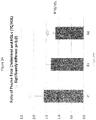
- FIG. 7 is a graph of the effects of PAZ and fractions isolated therefrom compared to water without any additives on the ratio of total and HDL cholesterol levels of hamsters fed a high fat diet;
- FIG. 8 is a graph of the effects of PAZ and fractions isolated therefrom compared to water without any additives on non-HDL (LDL) cholesterol levels (mg/dL) of hamsters fed a high fat diet;
- LDL non-HDL
- FIG. 9 is a graph of the effects of PAZ and fractions isolated therefrom compared to water without any additives on plasma triglyceride levels (mg/dL) of hamsters fed a high fat diet;
- FIG. 10 is a graph of the effects of PAZ and fractions isolated therefrom compared to water without any additives on the lipoprotein profile of hamsters fed a high fat diet;
- FIG. 11 is a graphical representation of the shift in lipoprotein composition for hamsters fed a high fat diet plus PAZ and fractions isolated therefrom compared to hamsters fed a high fat diet plus water without any additives;
- FIG. 12 is a graphical representation of the shift in lipoprotein composition for hamsters fed a high fat diet plus the PF3 fraction of PAZ compared to hamsters fed a high fat diet plus water without any additives;
- FIG. 13 is a graphical representation of the results obtained for assays of CETP activity in blood serum to which either water or undiluted PF4 were added;
- FIG. 14 is a graphical representation of the results obtained for assays of PLTP activity in blood serum to which either water or undiluted PF4 were added;
- FIG. 15 is a graphical representation of the results obtained for assays of CETP activity in blood serum to which either water or PF3 (at a 1:10 dilution) were added;
- FIG. 16 is a graphical representation of the results obtained for assays of PLTP activity in blood serum to which either water or PF3 (at a 1:10 dilution) were added;
- FIG. 17 is a graphical representation of a kinetic assay comparing the effect on HMGCoA Reductase activity of a statin (pravastatin) vs. fraction PF4 derived from PAZ;
- FIG. 18 is a depiction of the role of various proteins and lipoproteins in cholesterol transport
- FIG. 19 is a graphical representation of the results obtained in quantitative real time PCR (qPCR) experiments to determine the relative levels of expression of genes that encode key proteins involved in the regulation of cholesterol and HDL metabolism in the liver of hamsters (4 week preventative model) fed either a high fat diet plus complete PAZ (PP), a high fat diet plus one fraction that was isolated from PAZ by a series of chromatographic steps (identified as PF4), or a high fat diet plus water (PW) as compared to the control group on a regular (low fat) diet and water (CW);
- qPCR quantitative real time PCR
- FIG. 20 is a different graphical representation of the results obtained in quantitative real time PCR experiments to determine the relative levels of expression of genes that encode key proteins involved in the regulation of cholesterol and HDL metabolism in the liver of hamsters (4 week preventative model) fed either a high fat diet plus complete PAZ (PP) or fraction PF4 as compared to the control group that was maintained on a high fat diet and water without any additives (PW);
- PP complete PAZ
- PW additives
- FIG. 21 graphical representation of the results obtained in quantitative real time PCR experiments to determine the relative levels of expression of the gene encoding CETP in the human HEPG2 cell line cultured in medium containing a small aliquot of two different lots of complete PAZ as compared to control cells cultured without any additives;
- FIG. 22 is a graphical representation of the results obtained in quantitative real time PCR experiments to determine the relative levels of expression of the gene encoding CETP in the human HEPG2 cell line cultured in medium containing various dilutions of complete PAZ as compared to control cells cultured without any additives;
- FIG. 23 is a graph of the effect of PAZ and fraction PF3 derived therefrom compared to water without any additives on the total cholesterol levels (mg/dL), the HDL-cholesterol levels (mg/dL) and the triglyceride levels (TG) (mg/dL) of hamsters in an in vivo therapeutic experimental model in which hamsters were first fed a high-fat diet for 4 weeks to induce hypercholesterolemia, and then treated for an additional 21 days with the high fat diet plus complete PAZ (Group 1, G1) or Fraction PF3 (Group 2, G2) derived therefrom;
- FIG. 24 is a graph of the effect of PAZ and fraction PF3 derived therefrom compared to water without any additives on the ratio of plasma total cholesterol to HDL-cholesterol levels of hamsters in an in vivo therapeutic experimental model in which hamsters were first fed a high-fat diet for 4 weeks to induce hypercholesterolemia, and then treated for an additional 21 days with the high fat diet plus complete PAZ (Group 1, G1) or Fraction PF3 (Group 2, G2) derived therefrom;
- FIG. 25 is a graph of the effect of PAZ and fraction PF3 derived therefrom compared to water without any additives on the expression, using qPCR, of genes encoding the APOA1 and CETP proteins in the liver of hamsters in an in vivo therapeutic experimental model in which hamsters were first fed a high-fat diet for 4 weeks to induce hypercholesterolemia, and then treated for an additional 21 days with the high fat diet plus either complete PAZ (Grp1), Fraction PF3 (Grp2) derived therefrom or water without any additives (W, control);
- FIG. 26 is a graph of the effect of PAZ fractions PF3, PF4, as well as PF4 following various treatments compared to water without any additives on the expression, using qPCR, of genes encoding the APOA1 and CETP proteins in the liver of hamsters in an in vivo therapeutic experimental model in which hamsters were first fed a high-fat diet for 4 weeks to induce hypercholesterolemia, and then treated for an additional 7 days with the high fat diet plus the specified PF3, PF4 fractions, fraction PF4 following the specified treatments or water without any additives;
- FIG. 27 is a flow chart outlining animal studies performed in an in vivo therapeutic experimental model in hamsters in which a high fat diet was used to produce elevated cholesterol levels and the effect of PAZ fraction PF4 was evaluated for its ability to alter cholesterol metabolism;
- FIG. 28 is a graph of the effects of PAZ fraction PF4 compared to water without any additives on plasma total cholesterol levels (mg/dL) at different time points in hamsters fed a high-fat diet for 4 weeks to induce hypercholesterolemia, and then treated for an additional 21 days with the high fat diet plus either PAZ fraction PF4 or water (control) without any additives;
- FIG. 29 is a graph of the effects of PAZ fraction PF4 on plasma HDLc levels (mg/dL) at different time points in hamsters fed a high-fat diet for 4 weeks to induce hypercholesterolemia, and then treated for an additional 21 days with the high fat diet plus either PAZ fraction PF4 or water (control) without any additives;
- FIG. 30 is a graph of the effects of PAZ fraction PF4 on plasma triglyceride levels (mg/dL) at different time points in hamsters fed a high-fat diet for 4 weeks to induce hypercholesterolemia, and then treated for an additional 21 days with the high fat diet plus either PAZ fraction PF4 or water (control) without any additives;
- FIG. 31 is a graph comparing the change of various plasma lipid parameters (TC, total cholesterol; HDL; TG, triglycerides; non-HDL) at different time points in hamsters fed a high-fat diet for 4 weeks to induce hypercholesterolemia, and then treated for an additional 21 days with the high fat diet plus either PAZ fraction PF4 or water (control) without any additives;
- TC total cholesterol
- HDL high-fat diet
- TG triglycerides
- non-HDL non-HDL
- FIG. 32 is a graph of the effect of PAZ fraction PF4 compared to water without any additives on the expression, using qPCR, of genes encoding the APOA1 and CETP proteins in the liver of hamsters in an in vivo therapeutic experimental model in which hamsters were first fed a high-fat diet for 4 weeks to induce hypercholesterolemia, and then treated for an additional 21 days with the high fat diet plus either PAZ fraction PF4 or water (control) without any additives. Groups of hamsters were evaluated at different time points during the 21 day treatment period (3 days, 7 days, 10 days, 14 days and 21 days); and
- FIG. 33 is a table summarizing the results of different studies of the effects of PAZ fraction PF4 on various plasma lipid parameters.
- PF4 lot 1/30 and PF4n lot 3/30 represent the results obtained in a preventative experimental model in which hamsters were fed a high fat diet plus the PF4 fraction of different PAZ lots (the representative water control results are found in column PW1).
- T21/PF4 lot 3 represents results obtained from a therapeutic experimental model in which hamsters were fed a high-fat diet for 4 weeks to induce hypercholesterolemia, and then treated for an additional 21 days with the high fat diet plus either PAZ fraction PF4 or water (PW2) without any additives.
- the present invention provides generally for a method of treating an individual (i.e. a human patient or animal) having high or abnormal cholesterol levels, i.e. hypercholesterolemia, through the use of a complex microbial fermentation product. More specifically, the present invention provides for mechanisms of action whereby certain components of the complex microbial fermentation product influence the cholesterol metabolism pathway and regulate genes involved in lipoprotein metabolism.
- ProAlgaZymeTM (also referred to as PAZ) is a novel fermentation product of a freshwater algae ecosystem that has been used as a dietary supplement for over 3 decades. PAZ was first marketed in the U.S. as LebenszeitTM, meaning “Lifetime” in German, in the 1980's by Ponce de Leon Medical Development Corp., in reference to the legendary fountain of youth. The product became what is known today as ProAlgaZyme® (PAZ) in 2003. The infusion is an aqueous fermentation product of a proprietary blend of freshwater organisms discovered over 30 years ago within a natural source, and has since been cultivated under controlled conditions.
- a deposit of a culture resulting in ProAlgaZyme aqueous extract or PAZ of the present invention has been placed in the American Type Culture Collection, of Manassas, Va., as Deposit # PTA-5863.
- ProAlgaZyme oral liquid dietary supplement, a consumable filtrate of the fermentation process typically has less than 100 ppm total dissolved solids consisting of approximately 90% salts (free of heavy metals at a detection limit of ⁇ 0.1 ppm) and a unique blend of organic constituents.
- PAZ has also previously been referred to as a phyto-percolate.
- PAZ components can be isolated from the ProAlgaZyme algal fermentation medium described below or they can be produced by any appropriate method known in the art. Suitable methods for producing the PAZ and derivatives include, for example, recombinantly or naturally expressing the protein(s) using a microorganism, synthetically producing a derivative (i.e., chemical (cell-free) synthesis), or by extracting the derivative or active compounds from the culture media or cellular contents of one or more of the species present in ATCC Deposit #PTA-5863. When the PAZ and its derivatives are produced using a microorganism, any suitable naturally occurring or recombinant microorganism can be used. The PAZ and its derivatives are produced using naturally-occurring species present in ATCC Deposit #PTA-5863, or a recombinant variant thereof.
- a method of making the inventive PAZ is also disclosed.
- the PAZ is prepared by first cultivating a mixture of aquatic organisms found within ATCC Deposit # PTA-5863 that is augmented by a specific nutrient blend forming a fortified algal and bacterial culture. Added to this fortified culture is purified fresh water that has been purified by reverse osmosis, distillation, deionization or other means. The culture is incubated with said purified fresh water and nutrient blend for a predetermined time forming an extract that is biologically active in nature. The extract is decanted from the fortified algal and bacterial culture and processed.
- Suitable methods of processing the extract include filtration, centrifugation, lyophilization, dialysis, purification, evaporation, concentration, dilution, formulation and other methods.
- the processing of the decanted extract in one particular method is by micro-filtration where the micro-filtration removes particles larger than about 0.22 ⁇ m.
- PAZ source cultures are made of about 100-200 ml or about 0.1 to about 500 g or more fresh weight of dense algal, moss, fungal, and bacterial cells found within ATCC Deposit # PTA-5863 in about 2.5 gal (about 10 liters) of deionized filtered water.
- the cultures are grown under fluorescent or full-spectrum lights in an approximate 12:12 hour light/dark cycle at between about 15° C. and 37° C., particularly about 25° C.
- the cultures are grown in clear glass drum-shaped fishbowl-type containers having an approximate volume of 2.5 gal (about 10 liters) with semi-transparent lids that allow ambient gas exchange.
- Cultures are fed liquid extract of live active yeast, or Baker's yeast, Saccharomyces cerevisiae , which has been prepared from 1.0 g dry active yeast added to 50 ml warm sterile deionized water, at between about 37° C. and about 43° C. The yeast mixture is stirred and allowed to incubate at room temperature for about 10-30 minutes, or until it slightly foams. Each culture is fed approximately 1 ml of the prepared yeast mixture about one or more times between the times the culture is refilled and harvested, as defined below. It is contemplated within the scope of the invention that other yeast cultures and methods can be used.
- culture conditions, materials and methods known in the art can be used if they support the production of PAZ, its components, active compounds and derivatives, including multi-species culture or monoculture, batch, semi-continuous, continuous or other culture systems, bioreactors, photoreactors or other fermentation technology, or through the use of other appropriate sources, substrates or carriers.
- the culture fluid or PAZ can be harvested periodically by drawing off the top portion of fluid from each culture. This process is referred to as “harvest” and the resulting liquid is referred to as “PAZ”, “ProAlgaZyme” or “aqueous extract” and can be subjected to further processing.
- PAZ ProAlgaZyme
- aqueous extract aqueous extract
- the majority of the algal cells forming the culture remain in the bottom of the culture container substantially undisturbed while PAZ is decanted from each culture.
- Various materials and methods known in the art can be used to harvest and batch the decanted PAZ after harvest, before or after filtration or further processing. After harvesting, PAZ is then filtered and consumed as desired. It has been found to have biological activity and be safe for consumption.
- the liquid volume of the growth container can then be returned to original volume using reverse-osmosis purified or deionized, filtered water at approximately room temperature (about 25° C.). It is contemplated that other methods or systems of harvest, extraction, processing, purification or compound isolation can be used for production of the PAZ and its derivatives if appropriate, including the absence of processing. It is further contemplated that PAZ can be bottled, concentrated, diluted, dried, or formulated with other ingredients, for example, or otherwise treated or employed.
- the treatment can be restricted to one or more substances isolated and characterized in PAZ, that is (are) chemically synthesized and is (are) administered in the absence or inactive components.
- “Therapeutically effective amount”, as used herein, refers to an amount of the composition of the present invention that will alleviate symptoms of a disease state or medical condition, preferably high LDL or total cholesterol levels and low HDL cholesterol levels. Further dosing regimens can be found in the examples below.
- PAZ is administered as a liquid oral supplement, but the dosing of synthetic compounds that are identified to be responsible for the observed activities is likely to be in the form of capsules that are administered orally with concentration(s) in the range of mg or ⁇ g daily. For example, about 1 or more ounces per day in generally non-symptomatic subjects can be administered and about 3 or more ounces per day in diseased subjects can be administered. Further dosing regimens can be found in the examples below.
- the present invention provides for a method of treating hypercholesterolemia in a patient, by administering an effective amount of a microbial fermentation product, and regulating genes involved in lipoprotein metabolism.
- a microbial fermentation product i.e. PAZ
- PAZ microbial fermentation product
- one or more of the genes involved in lipoprotein metabolism and/or cholesterol can be either up- or down-regulated. This method is described in more detail below.
- the present invention provides for a method of regulating cholesterol levels in a patient by administering an effective amount of a composition chosen from the group consisting of PAZ, specific components isolated from PAZ, and chemically synthesized analogues of the components of PAZ, and regulating genes involved in lipoprotein metabolism.
- a composition chosen from the group consisting of PAZ, specific components isolated from PAZ, and chemically synthesized analogues of the components of PAZ, and regulating genes involved in lipoprotein metabolism.
- the composition is in the form of a liquid oral supplement, however other forms described herein can also be used.
- the composition can also be in the form of a nutraceutical, and can further be a food additive.
- administration of the composition is daily, however other administration profiles can be used as described herein.
- TC total cholesterol
- HDL high LDL and total cholesterol
- TC levels can be lowered, LDL levels can be lowered and HDL levels can be raised by administering PAZ.
- the up-regulation and down-regulation of these genes can be confirmed by performing an assay, such as by taking a plasma or blood sample from the patient and analyzing for TC, HDL, and LDL, or by using a commonly available method.
- the present invention also provides for a method of treating high cholesterol levels in a patient by administering an effective amount of the microbial fermentation product, up-regulating the expression of at least one of the genes that encode ABCA1, ApoA1, and SRB1, and/or down-regulating the gene that encodes CETP.
- the microbial fermentation product is a composition chosen from the group consisting of PAZ, specific components isolated from PAZ, and chemically synthesized analogues of the components of PAZ as described above.
- the microbial fermentation product can be a liquid oral supplement, and other dosage forms and administration profiles can be used with this method as described herein.
- An assay can be performed to confirm that the up-regulating and down-regulating steps have been performed as previously described above.
- the present invention further provides for a method of preventing the onset of high cholesterol by administering an effective amount of a composition chosen from the group consisting of PAZ, specific components isolated from PAZ, and chemically synthesized analogues of the components of PAZ, regulating genes involved in lipoprotein metabolism, and preventing the onset of high cholesterol.
- a composition chosen from the group consisting of PAZ, specific components isolated from PAZ, and chemically synthesized analogues of the components of PAZ, regulating genes involved in lipoprotein metabolism, and preventing the onset of high cholesterol.
- This is a prophylactic method in which individuals who are at risk for developing high cholesterol can take measures to protect themselves. Once an individual is confirmed to be at risk of developing high cholesterol, they can begin to take the composition.
- the composition can be administered daily.
- the composition can be in the form of a liquid oral supplement, a nutraceutical, or food additive. Any other dosage form or administration regimen can be used.
- PAZ and PF4 have been tested for direct effects on the functional activity of the proteins CETP and HMGCoA reductase, and found to have no effect. This data further supports the mechanism being at the transcriptional level (see Example 2).
- PAZ total plasma cholesterol
- LDL LDL
- PAZ also significantly increases HDL, which produces an improved TC/HDL ratio.
- the change in plasma cholesterol is also accompanied by a shift in lipoprotein particles.
- PAZ preparations or compounds derived therefrom
- PAZ can be administered daily, or according to a dosing regimen deemed appropriate by a physician.
- This treatment can be provided as a therapeutic regimen to a patient who has been diagnosed with unhealthy cholesterol levels in order to bring their cholesterol to more desirable levels.
- the treatment can be provided as a preventative regimen to a patient who has a propensity to develop high total and LDL cholesterol levels and low HDL cholesterol levels due to a variety of factors, and in this instance PAZ can be administered as a prophylactic treatment.
- PAZ can also be administered as a nutraceutical or a food additive in various drinks or other food substances.
- the PAZ, fractions derived therefrom, or compounds synthesized that are equivalent or analogues of the active components of PAZ, which are the subjects of the present invention are administered and dosed in accordance with good medical practice, taking into account the clinical condition of the individual patient, the site and method of administration, scheduling of administration, patient age, sex, body weight and other factors known to medical practitioners.
- the pharmaceutically “effective amount” for purposes herein is thus determined by such considerations as are known in the art. The amount must be effective to achieve improvement including but not limited to improved survival rate or more rapid recovery, or improvement or elimination of symptoms and other indicators as are selected as appropriate measures by those skilled in the art.
- the compounds of the present invention can be administered in various ways. It should be noted that it can be administered as the compound and can be administered alone or as an active ingredient in combination with pharmaceutically acceptable carriers, diluents, adjuvants and vehicles.
- the compounds can be administered orally, subcutaneously or parenterally including intravenous, intraarterial, intramuscular, intraperitoneally, intratonsillar, and intranasal administration as well as intrathecal and infusion techniques. Implants of the compounds are also useful.
- the patient being treated is a warm-blooded animal and, in particular, mammals including man.
- the pharmaceutically acceptable carriers, diluents, adjuvants and vehicles as well as implant carriers generally refer to inert, non-toxic solid or liquid fillers, diluents or encapsulating material not reacting with the active ingredients of the invention.
- the doses can be single doses or multiple doses over a period of several days.
- the treatment generally has a length proportional to the length of the disease process and drug effectiveness and the patient species being treated.
- the pharmaceutical formulations suitable for injection include sterile aqueous solutions or dispersions and sterile powders for reconstitution into sterile injectable solutions or dispersions.
- the carrier can be a solvent or dispersing medium containing, for example, water, ethanol, polyol (for example, glycerol, propylene glycol, liquid polyethylene glycol, and the like), suitable mixtures thereof, and vegetable oils.
- Proper fluidity can be maintained, for example, by the use of a coating such as lecithin, by the maintenance of the required particle size in the case of dispersion and by the use of surfactants.
- Nonaqueous vehicles such as cottonseed oil, sesame oil, olive oil, soybean oil, corn oil, sunflower oil, or peanut oil and esters, such as isopropyl myristate, can also be used as solvent systems for compound compositions.
- various additives which enhance the stability, sterility, and isotonicity of the compositions including antimicrobial preservatives, antioxidants, chelating agents, and buffers, can be added.
- antibacterial and antifungal agents for example, parabens, chlorobutanol, phenol, sorbic acid, and the like.
- isotonic agents for example, sugars, sodium chloride, and the like.
- Prolonged absorption of the injectable pharmaceutical form can be brought about by the use of agents delaying absorption, for example, aluminum monostearate and gelatin. According to the present invention, however, any vehicle, diluent, or additive used would have to be compatible with the compounds.
- Sterile injectable solutions can be prepared by incorporating the compounds utilized in practicing the present invention in the required amount of the appropriate solvent with various of the other ingredients, as desired.
- a pharmacological formulation of the present invention can be administered to the patient in an injectable formulation containing any compatible carrier, such as various vehicle, adjuvants, additives, and diluents; or the compounds utilized in the present invention can be administered parenterally to the patient in the form of slow-release subcutaneous implants or targeted delivery systems such as monoclonal antibodies, vectored delivery, iontophoretic, polymer matrices, liposomes, and microspheres. Examples of delivery systems useful in the present invention include: U.S. Pat. Nos.
- the specific aim of this experiment was to employ chromatographic techniques separate the complete PAZ culture filtrate into fractions based on the chemical and physical properties of its components in order to (a) determine if the biological activity required the complete complex mixture or was due to one or a few of its components, (b) evaluate the biological activity of each of the PF fractions derived by this process in both in vitro (cell culture) and in vivo (hamster) experimental model systems.
- Triglyceride GPO Liquid Reagent set (T7531—for plasma TG)
- HDL/Cholesterol Mg/Dex H7507—for plasma HDL by Magnesium precipitation
- ProAlgaZymeTM was separated into subfractions.
- F2 strong anion exchange to capture molecules containing carboxyl groups and other negatively charged functionalities, as well as negatively charged ions
- F3 strong cation exchange to capture molecules containing amino groups and other positively charged functionalities, as well as positively charged ions
- F4 The liquid that flows through (does not bind) to any of the series of resins employed (weak anion exchange, strong anion exchange column, strong cation exchange, and C-18 column). This “flow though” fraction is called PF4, contains relatively few molecules, which should include polar but uncharged organic molecules, as well as molecules of low polarity that were not captured by column 4 and was also evaluated for biological function.
- the Study Design is shown in FIG. 1 :
- HF High Fat Diet (30% calories from fat; primarily coconut oil containing saturated fatty acids+1% soybean oil)
- the control animals were fed regular hamster diet.
- P refers to high fat diet (30% calories from coconut oil)
- p value statistical significance with respect to PW.
- p ⁇ 0.05 implies that the mean value of the parameter (e.g. TC) between the two groups being compared are statistically different. The lower the p value, the higher the statistical significance.
- PAZ provides a statistically significant decrease in total plasma cholesterol (TC) and non-HDL (LDL) over the 28 day preventative study. PAZ provides a statistically significant increase in HDL, leading to a marked improvement in the TC/HDL ratio. Change in plasma cholesterol is accompanied with a shift in lipoprotein particles. Results are shown in FIGS. 2-12 .
- FIG. 2 average diet intake generally decreased over four weeks.
- FIG. 3 average body weight increased over four weeks.
- FIG. 4 shows that average water intake decreased over four weeks.
- FIG. 5 shows that mean TC was significantly lower for PF3 fed animals than for animals given water (PW).
- FIG. 6 shows that mean HDL cholesterol was significantly higher for PP, PF3, and PF4 as compared to the water fed group (PW).
- FIG. 7 shows that mean TC/HDL ratio was significantly lower for PF3 and PF4 as compared to PW.
- FIG. 8 shows that mean LDL cholesterol was significantly reduced for PP, PF3, and PF4 as compared to PW.
- FIG. 9 shows that reduction in triglyceride levels did not reach statistical significance.
- FIG. 9 shows that reduction in triglyceride levels did not reach statistical significance.
- FIG. 10 shows the lipoprotein profile of each group, and each PAZ composition produced a shift in the profile.
- FIG. 11 shows that there was a shift in lipoprotein composition from lower to higher density particles between hamsters fed water (PW) and those fed complete ProAlgaZymeTM (PP).
- FIG. 12 shows that there was a shift in lipoprotein composition from lower to higher density particles in water versus PF3 fed hamsters.
- the aims of the experiments described in Example 2 were (a) to test the activity of PAZ and its fractions to for their ability to alter the function of key proteins involved cholesterol metabolism and, if such a mechanism (which is for example the case for statins) was identified, (b) to employ such assay(s) to facilitate further fractionation of the PAZ extract and ultimate characterization of active component(s).
- This example details the qualitative analysis of the effects PAZ filtrates PF4 and PF3 have on the enzyme activity of cholesterol metabolizing enzymes Cholesteryl ester transfer protein (CETP), Phospholipid transfer protein (PLTP) and HMG-CoA Reductase (HMGR).
- CETP Cholesteryl ester transfer protein
- PLTP Phospholipid transfer protein
- HMGR HMG-CoA Reductase
- CETP Inhibitor Drug Screening Kit (Catalog #K602-100) and PLTP Inhibitor Drug Screening Kit (Catalog #K602-100) were obtained from BioVision Research Products (Mountain View, Calif.). The enzyme assays were carried out according to the manufacturer's instructions. Briefly, 160 ⁇ l of deionized (DI) water, PF4 (undiluted) or PF3 (diluted 1:10 in DI water) was dispensed into wells of a black 96-well microtiter plate. Varying volumes of control rabbit serum (source of CETP and PLTP) were then added to the wells. Some wells did not receive serum and served as background fluorescence (blank) controls.
- DI deionized
- PF4 undiluted
- PF3 diluted 1:10 in DI water
- a Master Mix consisting of 1 part Acceptor Molecule solution, 1 part Donor Molecule solution and 2 parts 10 ⁇ Assay Buffer per well was prepared and scaled up to the number of wells used in each assay. Forty ⁇ l of Master Mix was added to each well, the plate sealed and incubated at 37° C. in a humidified chamber for 45 minutes. The fluorescence intensity of each well was measured using a Labsystems Fluoroskan Ascent FL fluorometer with a 485 nm excitation and 527 nm emission filter pair. Each condition was performed in duplicate with the averages reported (standard deviation error bars are applied to each average).
- HMG-CoA Reductase (HMGR) Assay Kit was obtained from Sigma-Aldrich (St. Louis, Mo.). The enzyme assay was carried out according to the manufacturer's instructions. Briefly, 1.5 ml microfuge tubes had the following reagents added to them in this order: lx Assay buffer, inhibitor (either the supplied Pravastatin inhibitor, PF4 (15 ⁇ l) or PF3 (15 ⁇ l of a 1:10 dilution) to the inhibitor control and test samples), NADPH, HMG-CoA Substrate Solution, and HMGR. One tube did not have HMGR added and was used as the blank. The positive control sample contained HMGR but no inhibitor. All reactions were carried out in 1 ml volumes.
- Tubes were briefly vortexed after addition of HMGR to mix prior to transferring reaction solutions to UV-Visible cuvettes.
- Absorbance readings at 340 nm were taken every 15 seconds for 5-7 minutes in a Shimadzu UV-1601 UV-Visible spectrophotometer. The absorbance readings at 340 nm will decrease in samples with enzymatic activity (e.g. positive control sample) due to the decrease in NADPH concentration.
- HMGR enzyme activity produces an appreciable downward (negative) slope ( FIG. 17 , solid pink trend line).
- HMGR activity in the presence of the inhibitor pravastatin was significantly reduced ( FIG. 17 , compare the solid pink trend line (HMGR) with the solid orange trend line (HMGR+pravastatin)).
- a decrease in HMGR activity was not detected when PF4 was present in the assay ( FIG. 17 , compare solid pink trend line (HMGR) with the solid light blue trend line (HMGR+PF4)).
- PF3 was observed to have an inhibitory-like effect on HMGR activity in this assay ( FIG. 17 , compare the solid pink trend line (HMGR) with the purple trend line (HMGR+PF3)).
- PAZ fraction PF4 did not appear to have any effect on the activity of either CETP or PLTP using these assay kits.
- PAZ fraction PF3 (diluted 1:10) did appear to have an effect on the activity of CETP and PLTP. However, the effect is contrary to what was expected based on the mechanism of action of these two enzymes and the report of the cholesterol lowering potential of PF3 in an in vivo hypercholesterolemia model. Caution with the interpretation of this data, especially for PF3, is thus warranted.
- PF3 was diluted 10-fold in DI water in these assays, there is still a significant amount of salt present compared to DI water alone or PF4.
- ApoA1 constitutes 70% of the protein component of HDL particles and is present in nearly all HDL particles. Many researches believe that the best way to raise HDL-cholesterol levels is to produce more ApoA1, which is the precursor of new HDL cholesterol. For this reason the up-regulation of endogenous apoA-1 protein expression is considered one of the most promising approaches to the development of new therapies targeted to HDL cholesterol.
- the aims of the experiments described in Examples 3 and 4 were (a) to evaluate PAZ and its fractions to for their ability to alter the expression of genes encoding key proteins involved cholesterol metabolism and, if such a mechanism was identified, (b) to employ such assay(s) to facilitate further fractionation of the PAZ extract and ultimate characterization of active component(s).
- One specific aim was to explain the more beneficial plasma lipid profile (lower TC, higher HDL) effected by feeding complete PAZ (PP) and fraction 4 of PAZ (PF4) to hamsters at the same time as a high fat diet (i.e. preventative model). Evaluation was therefore performed of the levels of expression of the genes involved in HDL metabolism of ApoA1, ABCA1, SR-B1, and CETP in tissues collected from hamster livers that were harvested after 4 weeks of the preventative protocol employed in Example 1. Another specific aim was to evaluate the effect of PAZ and its fractions on HDL gene regulation in vitro employing either HepG2 and HUVEC cell systems (data not shown). In this example, data is shown from five animals/groups with three replicates per animal.
- FIG. 13 illustrates major components of the reverse cholesterol transport pathway and other sites of HDL action on the pathogenesis of atherosclerosis factors.
- ApoA1 is involved in the production of nascent HDL particles.
- ABCA1 transports lipids from peripheral tissues to nascent HDL to form larger HDL particles.
- Large HDL particles are removed via SR-B1 receptor on the liver into bile, clearance from plasma occurs and Apo1 is recycled.
- CETP transfers lipids from HDL to non-HDL (LDL-like) particles. Decreasing this transfer is beneficial.
- Hep-G2 cells were cultured in DMEM (+10% FBS, +5% PenStrep, +5% L-glutamine), while HUVEC cells were cultured in Medium 199 (+25 mg Endothelial Growth Factor, +50 mg Heparin, +20% FBS, +5% PenStrep, +5% L-glutamine). 3 ⁇ 10 5 cells were plated in a 6-well plate. Twenty-four hours after plating, the cells were treated (control, Paz 1:100, Paz 1-20, Paz 1-10, New Fraction-4 1:100, New Fraction-4 1:20, New Fraction-4 1-10, Old Fraction-4 1:100, Old Fraction-4 1:20, Old Fraction-4 1:10). Cells were treated for 16 h after which total RNA was isolated using the Qiagen RNeasy Mini Kit and Qiagen QIAshredder, following the protocol provided by the manufacturer.
- cholesteryl ester transfer protein (CETP): forward primer sequence ACCTTCTCGCCCACACTGCT (SEQ ID NO: 1), reverse primer sequence TGAAGCCCCAGGTCTCCAGC (SEQ ID NO: 2); 2) Homo sapiens ATP-Binding cassette, sub family A (ABCA1): forward primer sequence AAGACCCTGGCTTCGGGACC (SEQ ID NO: 3), reverse primer sequence ATGGTCTGGGGAACTGGGGC (SEQ ID NO: 4); 3) Homo sapiens scavenger receptor class B, member 1 (SR-B1): forward primer sequence AAGAACGTGCGCATCGACCC (SEQ ID NO: 5), reverse primer sequence TCATGAAGGCACGTTCGCCG (SEQ ID NO: 6); 4) APOA1: forward primer sequence CATTTCTGGCAGCAAGATGA (SEQ ID NO: 7), reverse primer sequence GCCTTCAAACTGGGACACAT (SEQ ID NO: 8).
- CETP Homo sapiens cholesteryl ester transfer protein
- apo A-I (SEQ ID NO: 15) F: 5′-ACC-GTTCAG-GAT-GAA-AAC-TGT-AG-3′ (SEQ ID NO: 16) R: 5′-GTGACT-CAG-GAG-TTC-TGG-GAT-AAC-3′ 4.
- SR-B1 (SEQ ID NO:: 17) F: 5′-AAG-CCT-GCA-GGT-CTA-TGA-AGC-3′ (SEQ ID NO: 18) R: 5′-AGA-AAC-CTT-CAT-TGG-GTG-GGT-A-3′ HUMANS CETP (SEQ ID NO: 19) F: ACCTTCTCGCCCACACTGCT (SEQ ID NO: 20) R: TGAAGCCCCAGGTCTCCAGC Sequence (5′ ⁇ 3′) ABCA1 (SEQ ID NO: 21) F: AAGACCCTGGCTTCGGGACC (SEQ ID NO: 22) R: ATGGTCTGGGGAACTGGGGC Sequence (5′ ⁇ 3′) SRB1 (SEQ ID NO: 23) F: AAGAACGTGCGCATCGACCC (SEQ ID NO: 24) R: TCATGAAGGCACGTTCGCCG APO-A1 (SEQ ID NO: 25) F: CATTTCTGGCAGCAAGATGA (SEQ ID
- FIG. 19 shows a graph of the relative levels of transcription of the specified genes in animals fed a high fat diet plus complete PAZ (PP) or fraction 4 (PF4) or water (PW) as compared to the control group on a regular (low fat) diet and water (CW).
- the animals fed a high fat diet and water showed an increase in CETP expression, which explains higher plasma LDLc and TC compared to CW and PP/PF4 groups. They also showed a decrease in expression of ApoA1, which correlates with reduced production of HDLc. They also showed a decrease in SR-B1 expression, which correlates with depressed clearance of cholesterol via the reverse cholesterol transport pathway.
- FIG. 20 shows a graph of the relative levels of transcription of the specified genes in animals fed a high fat diet plus complete PAZ (PP) or fraction 4 (PF4) as compared to the control group on high fat diet and water (PW).
- PP complete PAZ
- PF4 fraction 4
- the ABCA1 and CETP expression levels in PP and PF4 were similar.
- ApoA1 expression was highly elevated in PP as compared to PF4, which correlates with a much greater production of nascent HDL particles. This can be verified by Western blot and HDL particle size/density.
- the SR-B1 expression level is higher in the PF4 group, which correlates with an increase in clearance. This correlates with the significant decrease in TC.
- FIG. 21 illustrates that various production lots of PAZ have potent activity in the reduction of CETP expression in HEPG2 cells.
- FIG. 22 presents the results of a dose-response study in which increasing dilutions of PAZ in culture medium correlated with increased repression of CETP expression.
- the therapeutic hamster experimental model was employed in which the animals (three groups of 8 animals each) were first administered a high fat diet for 28 days, and then co-administered a high fat diet plus PAZ or fractions derived therefrom for an additional 21 days prior to sacrifice. The results obtained are presented in FIGS. 23-25 .
- FIG. 23 presents the effects of PAZ or fraction 3 derived therefrom on the levels of total cholesterol (TC), HDL, and triglycerides in the plasma of hamsters treated with this protocol.
- FIG. 24 illustrates the reduction in the ratio of cholesterol to HDL affected by therapeutic treatment of hamsters with Fraction 3 of PAZ.
- FIG. 25 illustrates the significant elevation of the expression of the gene encoding ApoA1 in the livers of animals subjected to therapeutic treatment of PAZ for hypercholesterolemia.
- FIG. 26 presents the results of these studies. Surprisingly, neither PF4 nor derivatives thereof produced significant enhancement of ApoA1 expression. However, consistent with results obtained in longer therapeutic and preventative studies, fraction PF3 significantly enhanced the expression of ApoA1 in a short-term therapeutic experimental model, suggesting the potential of components in PF3 to directly activate the expression of this gene. Although these data show that the beneficial changes in gene expression observed for PF3, beneficial changes in gene expression were not observed for PF4 in this short-term therapeutic study. However, given the reproducible beneficial changes in gene expression obtained in longer therapeutic and preventative studies, these data support a more complex, possibly indirect mechanism for genetic regulation by PAZ components in fraction PF4.
- FIG. 27 shows the study design that includes plasma lipid analysis and liver mRNA expression.
- PF4 is Fraction 4 derived from PAZ using the chromatographic method described in Example 1. The results obtained are presented in FIGS. 27-32 .
- FIG. 28 shows plasma total cholesterol
- FIG. 29 shows plasma HDL-c
- FIG. 30 shows plasma triglycerides at different time points.
- FIG. 31 shows the change in plasma lipid parameters (TC, HDL, TG) on treatment with PF4 at different time points.
- FIG. 32 shows gene regulation of ApoA1 and CETP at different time points.
- FIG. 33 is a comparison of the results obtained in multiple studies of the effects of PAZ fraction PF4 on lipoprotein metabolism parameters in an in vivo experimental model.
- This time study used the therapeutic approach (4 weeks on HF diet, followed by treatment with PF4).
- PF4 (lot 3) here at day 21 shows a lipid profile very similar to PF4 (lot 1) after 28 days on a prevention approach (4 weeks of simultaneous HF and PF4 intervention).
- Both ApoA1 and CETP expression increased at day 21 in the therapeutic time study (PF4/lot 3).
- ApoA1 increased while CETP decreased using PF4/lot 1 in Example 4 (see FIG. 20 ). It is possible that the difference in CETP expression that was observed among these studies reflects effects of long-term HF feeding without any agent counteracting its effect in the therapeutic model system.
Landscapes
- Health & Medical Sciences (AREA)
- Life Sciences & Earth Sciences (AREA)
- Engineering & Computer Science (AREA)
- Chemical & Material Sciences (AREA)
- Mycology (AREA)
- Nutrition Science (AREA)
- Food Science & Technology (AREA)
- Polymers & Plastics (AREA)
- Medicinal Chemistry (AREA)
- Pharmacology & Pharmacy (AREA)
- Animal Behavior & Ethology (AREA)
- General Health & Medical Sciences (AREA)
- Public Health (AREA)
- Veterinary Medicine (AREA)
- Bioinformatics & Cheminformatics (AREA)
- Epidemiology (AREA)
- Biotechnology (AREA)
- Natural Medicines & Medicinal Plants (AREA)
- Proteomics, Peptides & Aminoacids (AREA)
- General Chemical & Material Sciences (AREA)
- Nuclear Medicine, Radiotherapy & Molecular Imaging (AREA)
- Chemical Kinetics & Catalysis (AREA)
- Organic Chemistry (AREA)
- Alternative & Traditional Medicine (AREA)
- Microbiology (AREA)
- Medical Informatics (AREA)
- Botany (AREA)
- Physiology (AREA)
- Diabetes (AREA)
- Vascular Medicine (AREA)
- Urology & Nephrology (AREA)
- Cardiology (AREA)
- Obesity (AREA)
- Hematology (AREA)
- Heart & Thoracic Surgery (AREA)
- Pharmaceuticals Containing Other Organic And Inorganic Compounds (AREA)
- Medicines Containing Material From Animals Or Micro-Organisms (AREA)
- Medicines Containing Plant Substances (AREA)
- Coloring Foods And Improving Nutritive Qualities (AREA)
Abstract
Description
| |
|
| 1. ABCA1 | |
| (SEQ ID NO: 11) | |
| F:5′-ATAGCAGGCTCCAACCCTGAC-3′ | |
| (SEQ ID NO: 12) | |
| R:5′-GGTACTGAAGCATGTTTCGATGTT-3′ | |
| 2. CETP | |
| (SEQ ID NO: 13) | |
| F: F: 5′-AAGGGTGTCGTGGTCAGTTCT--3′ | |
| (SEQ ID NO: 14) | |
| R: F: 5′-ACTGATGATCTCGGGGTTGAT--3′ | |
| 3. apo A-I | |
| (SEQ ID NO: 15) | |
| F: 5′-ACC-GTTCAG-GAT-GAA-AAC-TGT-AG-3′ | |
| (SEQ ID NO: 16) | |
| R: 5′-GTGACT-CAG-GAG-TTC-TGG-GAT-AAC-3′ | |
| 4. SR-B1 | |
| (SEQ ID NO:: 17) | |
| F: 5′-AAG-CCT-GCA-GGT-CTA-TGA-AGC-3′ | |
| (SEQ ID NO: 18) | |
| R: 5′-AGA-AAC-CTT-CAT-TGG-GTG-GGT-A-3′ | |
| HUMANS | |
| CETP | |
| (SEQ ID NO: 19) | |
| F: ACCTTCTCGCCCACACTGCT | |
| (SEQ ID NO: 20) | |
| R: TGAAGCCCCAGGTCTCCAGC | |
| Sequence (5′→3′) | |
| ABCA1 | |
| (SEQ ID NO: 21) | |
| F: AAGACCCTGGCTTCGGGACC | |
| (SEQ ID NO: 22) | |
| R: ATGGTCTGGGGAACTGGGGC | |
| Sequence (5′→3′) | |
| SRB1 | |
| (SEQ ID NO: 23) | |
| F: AAGAACGTGCGCATCGACCC | |
| (SEQ ID NO: 24) | |
| R: TCATGAAGGCACGTTCGCCG | |
| APO-A1 | |
| (SEQ ID NO: 25) | |
| F: CATTTCTGGCAGCAAGATGA | |
| (SEQ ID NO: 26) | |
| R: GCCTTCAAACTGGGACACAT |
Claims (9)
Priority Applications (1)
| Application Number | Priority Date | Filing Date | Title |
|---|---|---|---|
| US15/330,830 US10842179B2 (en) | 2010-02-22 | 2016-11-07 | Agents and mechanisms for treating hypercholesterolemia |
Applications Claiming Priority (5)
| Application Number | Priority Date | Filing Date | Title |
|---|---|---|---|
| US30659110P | 2010-02-22 | 2010-02-22 | |
| US31183810P | 2010-03-09 | 2010-03-09 | |
| PCT/US2011/025713 WO2011103569A1 (en) | 2010-02-22 | 2011-02-22 | Agents and mechanisms for treating hypercholesterolemia |
| US201213580471A | 2012-08-22 | 2012-08-22 | |
| US15/330,830 US10842179B2 (en) | 2010-02-22 | 2016-11-07 | Agents and mechanisms for treating hypercholesterolemia |
Related Parent Applications (2)
| Application Number | Title | Priority Date | Filing Date |
|---|---|---|---|
| US13/580,471 Division US9486005B2 (en) | 2010-02-22 | 2011-02-22 | Agents and mechanisms for treating hypercholesterolemia |
| PCT/US2011/025713 Division WO2011103569A1 (en) | 2010-02-22 | 2011-02-22 | Agents and mechanisms for treating hypercholesterolemia |
Publications (2)
| Publication Number | Publication Date |
|---|---|
| US20170135391A1 US20170135391A1 (en) | 2017-05-18 |
| US10842179B2 true US10842179B2 (en) | 2020-11-24 |
Family
ID=44483356
Family Applications (2)
| Application Number | Title | Priority Date | Filing Date |
|---|---|---|---|
| US13/580,471 Active US9486005B2 (en) | 2010-02-22 | 2011-02-22 | Agents and mechanisms for treating hypercholesterolemia |
| US15/330,830 Active 2032-02-22 US10842179B2 (en) | 2010-02-22 | 2016-11-07 | Agents and mechanisms for treating hypercholesterolemia |
Family Applications Before (1)
| Application Number | Title | Priority Date | Filing Date |
|---|---|---|---|
| US13/580,471 Active US9486005B2 (en) | 2010-02-22 | 2011-02-22 | Agents and mechanisms for treating hypercholesterolemia |
Country Status (6)
| Country | Link |
|---|---|
| US (2) | US9486005B2 (en) |
| EP (1) | EP2538951B1 (en) |
| JP (1) | JP2013520444A (en) |
| CA (1) | CA2827401A1 (en) |
| MX (1) | MX2012009678A (en) |
| WO (1) | WO2011103569A1 (en) |
Families Citing this family (6)
| Publication number | Priority date | Publication date | Assignee | Title |
|---|---|---|---|---|
| US10166270B2 (en) | 2004-04-23 | 2019-01-01 | Zivo Bioscience, Inc. | Composition and method for affecting cytokines and NF-κB |
| CA2827401A1 (en) | 2010-02-22 | 2011-08-25 | Health Enhancement Products, Inc. | Agents and mechanisms for treating hypercholesterolemia |
| WO2014201372A1 (en) | 2013-06-13 | 2014-12-18 | Health Enhancement Products, Inc. | Compounds and methods for affecting cytokines |
| ES2972377T3 (en) | 2015-02-16 | 2024-06-12 | Zivo Bioscience Inc | Anti-inflammatory and immunomodulatory compositions comprising Klebsormidium and uses thereof |
| US11806375B2 (en) | 2016-02-16 | 2023-11-07 | Zivo Bioscience, Inc. | Nutritional support for animals via administration of an algal derived supplement |
| TWI740101B (en) * | 2019-02-12 | 2021-09-21 | 大江生醫股份有限公司 | Use of the reducing cholesterol probiotic strain |
Citations (63)
| Publication number | Priority date | Publication date | Assignee | Title |
|---|---|---|---|---|
| US4012504A (en) | 1972-05-12 | 1977-03-15 | Velvet Chemical Co. | Iodine mineral oil solution for preventing bovine mastitis |
| US4303409A (en) | 1979-04-24 | 1981-12-01 | Shionogi & Co., Ltd. | Method, composition and test strip for colorimetric analysis of ascorbic acid |
| US4439196A (en) | 1982-03-18 | 1984-03-27 | Merck & Co., Inc. | Osmotic drug delivery system |
| US4447224A (en) | 1982-09-20 | 1984-05-08 | Infusaid Corporation | Variable flow implantable infusion apparatus |
| US4447233A (en) | 1981-04-10 | 1984-05-08 | Parker-Hannifin Corporation | Medication infusion pump |
| US4471055A (en) | 1982-03-26 | 1984-09-11 | Minnesota Mining And Manufacturing Company | Process and kit for determining concentrations of aldehydes |
| US4475196A (en) | 1981-03-06 | 1984-10-02 | Zor Clair G | Instrument for locating faults in aircraft passenger reading light and attendant call control system |
| US4486194A (en) | 1983-06-08 | 1984-12-04 | James Ferrara | Therapeutic device for administering medicaments through the skin |
| US4487603A (en) | 1982-11-26 | 1984-12-11 | Cordis Corporation | Implantable microinfusion pump system |
| US4822612A (en) | 1985-07-16 | 1989-04-18 | Chlorella Industry Co., Ltd. | Anticancer agent |
| US4925678A (en) | 1987-04-01 | 1990-05-15 | Ranney David F | Endothelial envelopment drug carriers |
| US4959217A (en) | 1986-05-22 | 1990-09-25 | Syntex (U.S.A.) Inc. | Delayed/sustained release of macromolecules |
| US5167616A (en) | 1989-12-14 | 1992-12-01 | Alza Corporation | Iontophoretic delivery method |
| US5169383A (en) | 1988-10-03 | 1992-12-08 | Alza Corporation | Control membrane for electrotransport drug delivery |
| US5225182A (en) | 1991-10-31 | 1993-07-06 | Sharma Yash P | Vectored drug delivery system using a cephaloplastin linking agent and a methed of using the system |
| JPH0940523A (en) | 1995-07-28 | 1997-02-10 | Ichimaru Pharcos Co Ltd | Chlorella water extract-containing fibroblast growth promoter |
| US5726063A (en) | 1993-05-06 | 1998-03-10 | Oxis Isle Of Man, Limited | Method of colorimetric analysis of malonic dialdehyde and 4-hydroxy-2-enaldehydes as indexes of lipid peroxidation, kits for carrying out said method, substituted indoles for use in said method and their preparation |
| US5767095A (en) | 1993-04-30 | 1998-06-16 | Winget; Rodner R. | Anti-inflammatory compositions containing monogalactosyl dieicosapentaenoyl glycerol and methods relating thereto |
| US6235495B1 (en) | 1999-11-12 | 2001-05-22 | Oxis International, Inc. | Methods for the quantitation of oxidized glutathione |
| US20020009479A1 (en) | 1999-09-27 | 2002-01-24 | Algal, Ltd | Vegetarian foodstuff containing entrapped viable algae |
| US6374874B1 (en) | 2001-06-22 | 2002-04-23 | Robert W. Payne | Sand bag loading system |
| EP1230927A1 (en) | 2001-02-12 | 2002-08-14 | Allegrini S.p.a. | Phyto-derivative disinfectant solution for veterinary use in the endo-mammary anti-mastitis treatment of milk-producing animals |
| US20020119164A1 (en) | 2000-08-18 | 2002-08-29 | Shoji Uchiyama | Use of agaricus blazei murill to prevent or treat skin and other disorders |
| US6461607B1 (en) | 1998-08-24 | 2002-10-08 | Ganeden Biotech, Inc. | Probiotic, lactic acid-producing bacteria and uses thereof |
| US20030015587A1 (en) | 1999-06-07 | 2003-01-23 | Metrologic Instruments, Inc. | Planar laser illumination and imaging (PLIIM) systems |
| WO2003028749A1 (en) | 2001-09-27 | 2003-04-10 | Nonogawa Shoji Ltd. | Matrix metalloprotease inhibitor |
| US6551596B2 (en) | 2000-08-10 | 2003-04-22 | Ocean Nutrition Canada Limited | Fractions of Chlorella extract containing polysaccharide having immunomodulating properties |
| US6673908B1 (en) | 1999-02-22 | 2004-01-06 | Nuvelo, Inc. | Tumor necrosis factor receptor 2 |
| US6733751B2 (en) | 1999-08-26 | 2004-05-11 | Ganeden Biotech, Inc. | Use of Emu Oil and its various fractions as a carrier for antifungal, antibacterial, and antiviral medications & preparations |
| US20050114920A1 (en) | 2002-11-06 | 2005-05-26 | Vidadi Yusibov | Expression of foreign sequences in plants using transactivation system |
| US20050229585A1 (en) | 2001-03-03 | 2005-10-20 | Webster John R | Gas turbine engine exhaust nozzle |
| US20050260695A1 (en) | 2003-09-23 | 2005-11-24 | Genprime, Inc. | Methods, compositions, devices, and kits for detecting mastitis |
| WO2005112987A2 (en) | 2004-04-23 | 2005-12-01 | Health Enhancement Products, Inc. | Method of preparation and use of fibrinolytic enzymes in the treatment of disease |
| CA2485449A1 (en) | 2004-10-08 | 2006-04-08 | Biotec Pharmacon Asa | Method for preventing mucositis during cancer therapy |
| US7025965B1 (en) | 2003-02-12 | 2006-04-11 | Pharma Chemie, Inc. | Method of use and dosage composition of bluegreen algae extract for inflammation in animals |
| US20060101803A1 (en) | 2004-11-12 | 2006-05-18 | White Edward V | Reduced noise jet engine |
| WO2006055217A1 (en) | 2004-11-12 | 2006-05-26 | The Boeing Company | Shape changing structure in a jet engine nacelle nozzle and corresponding jet engine and operating method |
| US7125846B2 (en) | 2001-11-09 | 2006-10-24 | Novo Nordisk Healthcare A/G | Pharmaceutical composition comprising factor VII polypeptides and factor V polypeptides |
| WO2006113925A2 (en) | 2005-04-20 | 2006-10-26 | Health Enhancement Products, Inc. | Composition and use of phyto-percolate for treatment of disease |
| US20070010480A1 (en) | 2003-05-28 | 2007-01-11 | Nutrinova Nutrition Specialties & Food Ingredients Gmbh | Dietary food items for a weight control or weight loss diet |
| WO2007065024A2 (en) | 2005-12-02 | 2007-06-07 | Health Enhancement Products, Inc. | Composition and use of phyto-percolate for treatment of disease |
| US20070207231A1 (en) | 2004-04-23 | 2007-09-06 | Tiffany Thomas | Composition and use of phyto-percolate for treatment of disease |
| EP1878877A2 (en) | 2006-07-15 | 2008-01-16 | Rolls-Royce plc | Shape memory material actuator |
| US20080089843A1 (en) | 2006-05-25 | 2008-04-17 | Reddy's Laboratories, Inc. | Use of biomarkers of inflammation as indicators of drug efficacy |
| US20080119571A1 (en) | 2006-06-07 | 2008-05-22 | Reddy Us Therapeutics, Inc. | Compositions and methods to enhance reverse cholesterol transport |
| US20080272615A1 (en) | 2004-11-05 | 2008-11-06 | General Motors Corporation | Airflow control devices based on active materials |
| US20080272232A1 (en) | 2006-06-20 | 2008-11-06 | Administrator of the National Aeronautics and and Space Administration | Jet Engine Exhaust Nozzle Flow Effector |
| US20090036372A1 (en) | 2005-09-21 | 2009-02-05 | Tiffany Thomas | Composition and use of phyto-percolate for treatment of disease |
| US20100028488A1 (en) | 2006-09-28 | 2010-02-04 | Lo Y Martin | Algal biomeal-based palatability enhancer and method of use and manufacture therefor |
| WO2011016973A2 (en) | 2009-08-06 | 2011-02-10 | The Boeing Company | High stiffness shape memory alloy actuated aerostructure |
| WO2011060427A2 (en) | 2009-11-16 | 2011-05-19 | Health Enhancement Products, Inc. | Composition and methods for affecting cytokines and nf-kb |
| US20110124544A1 (en) | 2008-08-08 | 2011-05-26 | The Dial Corporation | Consumer products comprising algae derived ingredients |
| US20110143012A1 (en) | 2009-12-11 | 2011-06-16 | Rettenmaier Albert C | Methods of algae harvesting utilizing a filtering substance and uses therefor |
| WO2011103569A1 (en) | 2010-02-22 | 2011-08-25 | Health Enhancement Products, Inc. | Agents and mechanisms for treating hypercholesterolemia |
| CN102225127A (en) | 2011-06-21 | 2011-10-26 | 北京九草堂药物研究院有限公司 | Traditional Chinese medicine composite for treating mastitis of dairy cattle |
| US20110307976A1 (en) | 2010-06-14 | 2011-12-15 | Heinz Ploechinger | Construction material made of algae, method for cultivating algae, and algae cultivation plant |
| US20130251698A1 (en) | 2010-10-04 | 2013-09-26 | Health Enhancement Products, Inc. | Composition and method for affecting cytokines and nf-kb |
| JP2014006051A (en) | 2012-06-21 | 2014-01-16 | Univ Of Tsukuba | Remover for radio isotope and removal method |
| WO2014201372A1 (en) | 2013-06-13 | 2014-12-18 | Health Enhancement Products, Inc. | Compounds and methods for affecting cytokines |
| US20150157688A1 (en) | 2004-04-23 | 2015-06-11 | Zivo Bioscience, Inc. | Composition and method for affecting cytokines and nf-kb |
| WO2016133922A1 (en) | 2015-02-16 | 2016-08-25 | Zivo Bioscience, Inc. | Methods of modulating immune and inflammatory responses via administration of an algal biomass |
| WO2017142906A1 (en) | 2016-02-16 | 2017-08-24 | Zivo Bioscience, Inc. | Nutritional support for animals via administration of an algal derived supplement |
| US20180255820A1 (en) | 2017-03-07 | 2018-09-13 | Zivo Bioscience, Inc. | Dietary supplements, food ingredients and foods comprising high-protein algal biomass |
Family Cites Families (1)
| Publication number | Priority date | Publication date | Assignee | Title |
|---|---|---|---|---|
| JP2009242267A (en) * | 2008-03-29 | 2009-10-22 | Hokkaido Wine Co Ltd | Ppar activator |
-
2011
- 2011-02-22 CA CA2827401A patent/CA2827401A1/en not_active Abandoned
- 2011-02-22 JP JP2012554091A patent/JP2013520444A/en active Pending
- 2011-02-22 WO PCT/US2011/025713 patent/WO2011103569A1/en not_active Ceased
- 2011-02-22 EP EP11745434.8A patent/EP2538951B1/en active Active
- 2011-02-22 US US13/580,471 patent/US9486005B2/en active Active
- 2011-02-22 MX MX2012009678A patent/MX2012009678A/en not_active Application Discontinuation
-
2016
- 2016-11-07 US US15/330,830 patent/US10842179B2/en active Active
Patent Citations (87)
| Publication number | Priority date | Publication date | Assignee | Title |
|---|---|---|---|---|
| US4012504A (en) | 1972-05-12 | 1977-03-15 | Velvet Chemical Co. | Iodine mineral oil solution for preventing bovine mastitis |
| US4303409A (en) | 1979-04-24 | 1981-12-01 | Shionogi & Co., Ltd. | Method, composition and test strip for colorimetric analysis of ascorbic acid |
| US4475196A (en) | 1981-03-06 | 1984-10-02 | Zor Clair G | Instrument for locating faults in aircraft passenger reading light and attendant call control system |
| US4447233A (en) | 1981-04-10 | 1984-05-08 | Parker-Hannifin Corporation | Medication infusion pump |
| US4439196A (en) | 1982-03-18 | 1984-03-27 | Merck & Co., Inc. | Osmotic drug delivery system |
| US4471055A (en) | 1982-03-26 | 1984-09-11 | Minnesota Mining And Manufacturing Company | Process and kit for determining concentrations of aldehydes |
| US4447224A (en) | 1982-09-20 | 1984-05-08 | Infusaid Corporation | Variable flow implantable infusion apparatus |
| US4487603A (en) | 1982-11-26 | 1984-12-11 | Cordis Corporation | Implantable microinfusion pump system |
| US4486194A (en) | 1983-06-08 | 1984-12-04 | James Ferrara | Therapeutic device for administering medicaments through the skin |
| US4822612A (en) | 1985-07-16 | 1989-04-18 | Chlorella Industry Co., Ltd. | Anticancer agent |
| US4959217A (en) | 1986-05-22 | 1990-09-25 | Syntex (U.S.A.) Inc. | Delayed/sustained release of macromolecules |
| US4925678A (en) | 1987-04-01 | 1990-05-15 | Ranney David F | Endothelial envelopment drug carriers |
| US5169383A (en) | 1988-10-03 | 1992-12-08 | Alza Corporation | Control membrane for electrotransport drug delivery |
| US5167616A (en) | 1989-12-14 | 1992-12-01 | Alza Corporation | Iontophoretic delivery method |
| US5225182A (en) | 1991-10-31 | 1993-07-06 | Sharma Yash P | Vectored drug delivery system using a cephaloplastin linking agent and a methed of using the system |
| US5767095A (en) | 1993-04-30 | 1998-06-16 | Winget; Rodner R. | Anti-inflammatory compositions containing monogalactosyl dieicosapentaenoyl glycerol and methods relating thereto |
| US5726063A (en) | 1993-05-06 | 1998-03-10 | Oxis Isle Of Man, Limited | Method of colorimetric analysis of malonic dialdehyde and 4-hydroxy-2-enaldehydes as indexes of lipid peroxidation, kits for carrying out said method, substituted indoles for use in said method and their preparation |
| JPH0940523A (en) | 1995-07-28 | 1997-02-10 | Ichimaru Pharcos Co Ltd | Chlorella water extract-containing fibroblast growth promoter |
| US6461607B1 (en) | 1998-08-24 | 2002-10-08 | Ganeden Biotech, Inc. | Probiotic, lactic acid-producing bacteria and uses thereof |
| US6673908B1 (en) | 1999-02-22 | 2004-01-06 | Nuvelo, Inc. | Tumor necrosis factor receptor 2 |
| US20030015587A1 (en) | 1999-06-07 | 2003-01-23 | Metrologic Instruments, Inc. | Planar laser illumination and imaging (PLIIM) systems |
| US6733751B2 (en) | 1999-08-26 | 2004-05-11 | Ganeden Biotech, Inc. | Use of Emu Oil and its various fractions as a carrier for antifungal, antibacterial, and antiviral medications & preparations |
| US20020009479A1 (en) | 1999-09-27 | 2002-01-24 | Algal, Ltd | Vegetarian foodstuff containing entrapped viable algae |
| US6235495B1 (en) | 1999-11-12 | 2001-05-22 | Oxis International, Inc. | Methods for the quantitation of oxidized glutathione |
| US6551596B2 (en) | 2000-08-10 | 2003-04-22 | Ocean Nutrition Canada Limited | Fractions of Chlorella extract containing polysaccharide having immunomodulating properties |
| US20030152587A1 (en) | 2000-08-10 | 2003-08-14 | Kralovec Jaroslav A. | Methods for making and using a Chlorella extract having immunomodulating properties |
| US20020119164A1 (en) | 2000-08-18 | 2002-08-29 | Shoji Uchiyama | Use of agaricus blazei murill to prevent or treat skin and other disorders |
| EP1230927A1 (en) | 2001-02-12 | 2002-08-14 | Allegrini S.p.a. | Phyto-derivative disinfectant solution for veterinary use in the endo-mammary anti-mastitis treatment of milk-producing animals |
| US20050229585A1 (en) | 2001-03-03 | 2005-10-20 | Webster John R | Gas turbine engine exhaust nozzle |
| US6374874B1 (en) | 2001-06-22 | 2002-04-23 | Robert W. Payne | Sand bag loading system |
| WO2003028749A1 (en) | 2001-09-27 | 2003-04-10 | Nonogawa Shoji Ltd. | Matrix metalloprotease inhibitor |
| US7125846B2 (en) | 2001-11-09 | 2006-10-24 | Novo Nordisk Healthcare A/G | Pharmaceutical composition comprising factor VII polypeptides and factor V polypeptides |
| US20050114920A1 (en) | 2002-11-06 | 2005-05-26 | Vidadi Yusibov | Expression of foreign sequences in plants using transactivation system |
| US7025965B1 (en) | 2003-02-12 | 2006-04-11 | Pharma Chemie, Inc. | Method of use and dosage composition of bluegreen algae extract for inflammation in animals |
| US20070010480A1 (en) | 2003-05-28 | 2007-01-11 | Nutrinova Nutrition Specialties & Food Ingredients Gmbh | Dietary food items for a weight control or weight loss diet |
| US20050260695A1 (en) | 2003-09-23 | 2005-11-24 | Genprime, Inc. | Methods, compositions, devices, and kits for detecting mastitis |
| US20070207231A1 (en) | 2004-04-23 | 2007-09-06 | Tiffany Thomas | Composition and use of phyto-percolate for treatment of disease |
| WO2005112987A2 (en) | 2004-04-23 | 2005-12-01 | Health Enhancement Products, Inc. | Method of preparation and use of fibrinolytic enzymes in the treatment of disease |
| US7807622B2 (en) | 2004-04-23 | 2010-10-05 | Health Enhancement Products, Inc. | Composition and use of phyto-percolate for treatment of disease |
| US20110081319A1 (en) | 2004-04-23 | 2011-04-07 | Tiffany Thomas | Composition and use of phyto-percolate for treatment of disease |
| US10166270B2 (en) | 2004-04-23 | 2019-01-01 | Zivo Bioscience, Inc. | Composition and method for affecting cytokines and NF-κB |
| CA2564466A1 (en) | 2004-04-23 | 2005-12-01 | Health Enhancement Products, Inc. | Method of preparation and use of fibrinolytic enzymes in the treatment of disease |
| US20170360883A9 (en) | 2004-04-23 | 2017-12-21 | Zivo Bioscience, Inc. | Composition and method for affecting cytokines and nf-kb |
| US20090117216A9 (en) | 2004-04-23 | 2009-05-07 | Tiffany Thomas | Composition and use of phyto-percolate for treatment of disease |
| US20150157688A1 (en) | 2004-04-23 | 2015-06-11 | Zivo Bioscience, Inc. | Composition and method for affecting cytokines and nf-kb |
| US20080031863A1 (en) * | 2004-04-23 | 2008-02-07 | Health Enhancement Products, Inc. | Method of Preparation and Use of Fibrinolytic Enzymes in the Treatment of Disease |
| US8791060B2 (en) | 2004-04-23 | 2014-07-29 | Health Enhancement Products, Inc. | Composition and use of phyto-percolate for treatment of disease |
| CA2485449A1 (en) | 2004-10-08 | 2006-04-08 | Biotec Pharmacon Asa | Method for preventing mucositis during cancer therapy |
| US20080272615A1 (en) | 2004-11-05 | 2008-11-06 | General Motors Corporation | Airflow control devices based on active materials |
| US20060101803A1 (en) | 2004-11-12 | 2006-05-18 | White Edward V | Reduced noise jet engine |
| WO2006055217A1 (en) | 2004-11-12 | 2006-05-26 | The Boeing Company | Shape changing structure in a jet engine nacelle nozzle and corresponding jet engine and operating method |
| EP1928247A2 (en) | 2005-04-20 | 2008-06-11 | Health Enhancement Products, Inc. | Composition and use of phyto-percolate for treatment of disease |
| WO2006113925A2 (en) | 2005-04-20 | 2006-10-26 | Health Enhancement Products, Inc. | Composition and use of phyto-percolate for treatment of disease |
| US20090036372A1 (en) | 2005-09-21 | 2009-02-05 | Tiffany Thomas | Composition and use of phyto-percolate for treatment of disease |
| US8586053B2 (en) | 2005-09-21 | 2013-11-19 | Health Enhancement Products, Inc. | Composition and use of phyto-percolate for treatment of disease |
| JP2009518312A (en) | 2005-12-02 | 2009-05-07 | ヘルス エンハンスメント プロダクツ インク | Compositions and uses of plant exudates for treating diseases |
| WO2007065024A2 (en) | 2005-12-02 | 2007-06-07 | Health Enhancement Products, Inc. | Composition and use of phyto-percolate for treatment of disease |
| US20080089843A1 (en) | 2006-05-25 | 2008-04-17 | Reddy's Laboratories, Inc. | Use of biomarkers of inflammation as indicators of drug efficacy |
| US20080119571A1 (en) | 2006-06-07 | 2008-05-22 | Reddy Us Therapeutics, Inc. | Compositions and methods to enhance reverse cholesterol transport |
| US20080272232A1 (en) | 2006-06-20 | 2008-11-06 | Administrator of the National Aeronautics and and Space Administration | Jet Engine Exhaust Nozzle Flow Effector |
| EP1878877A2 (en) | 2006-07-15 | 2008-01-16 | Rolls-Royce plc | Shape memory material actuator |
| US20100028488A1 (en) | 2006-09-28 | 2010-02-04 | Lo Y Martin | Algal biomeal-based palatability enhancer and method of use and manufacture therefor |
| US20110124544A1 (en) | 2008-08-08 | 2011-05-26 | The Dial Corporation | Consumer products comprising algae derived ingredients |
| WO2011016973A2 (en) | 2009-08-06 | 2011-02-10 | The Boeing Company | High stiffness shape memory alloy actuated aerostructure |
| US20110117122A1 (en) | 2009-11-16 | 2011-05-19 | Tiffany Thomas | COMPOSITION AND METHOD FOR AFFECTING CYTOKINES AND NF-kB |
| WO2011060427A2 (en) | 2009-11-16 | 2011-05-19 | Health Enhancement Products, Inc. | Composition and methods for affecting cytokines and nf-kb |
| EP2501390A2 (en) | 2009-11-16 | 2012-09-26 | Health Enhancement Products, Inc. | Composition and methods for affecting cytokines and nf-kb |
| US20110143012A1 (en) | 2009-12-11 | 2011-06-16 | Rettenmaier Albert C | Methods of algae harvesting utilizing a filtering substance and uses therefor |
| EP2538951A1 (en) | 2010-02-22 | 2013-01-02 | Health Enhancement Products Inc. | Agents and mechanisms for treating hypercholesterolemia |
| US9486005B2 (en) | 2010-02-22 | 2016-11-08 | Smiti Vaid Gupta | Agents and mechanisms for treating hypercholesterolemia |
| US20120328598A1 (en) | 2010-02-22 | 2012-12-27 | Smiti Vaid Gupta | Agents and mechanisms for treating hypercholesterolemia |
| WO2011103569A1 (en) | 2010-02-22 | 2011-08-25 | Health Enhancement Products, Inc. | Agents and mechanisms for treating hypercholesterolemia |
| CA2827401A1 (en) | 2010-02-22 | 2011-08-25 | Health Enhancement Products, Inc. | Agents and mechanisms for treating hypercholesterolemia |
| US20110307976A1 (en) | 2010-06-14 | 2011-12-15 | Heinz Ploechinger | Construction material made of algae, method for cultivating algae, and algae cultivation plant |
| US20130251698A1 (en) | 2010-10-04 | 2013-09-26 | Health Enhancement Products, Inc. | Composition and method for affecting cytokines and nf-kb |
| CN102225127A (en) | 2011-06-21 | 2011-10-26 | 北京九草堂药物研究院有限公司 | Traditional Chinese medicine composite for treating mastitis of dairy cattle |
| JP2014006051A (en) | 2012-06-21 | 2014-01-16 | Univ Of Tsukuba | Remover for radio isotope and removal method |
| WO2014201372A1 (en) | 2013-06-13 | 2014-12-18 | Health Enhancement Products, Inc. | Compounds and methods for affecting cytokines |
| US20160120970A1 (en) | 2013-06-13 | 2016-05-05 | Zivo Biosciences, Inc. | Compounds and methods for affecting cytokines |
| US10232028B2 (en) | 2013-06-13 | 2019-03-19 | Zivo Bioscience, Inc. | Compounds and methods for affecting cytokines |
| WO2016133922A1 (en) | 2015-02-16 | 2016-08-25 | Zivo Bioscience, Inc. | Methods of modulating immune and inflammatory responses via administration of an algal biomass |
| US20180021392A1 (en) | 2015-02-16 | 2018-01-25 | Zivo Bioscience, Inc. | Methods of modulating immune and inflammatory responses via administration of an algal biomass |
| HK1248545A1 (en) | 2015-02-16 | 2018-10-19 | Zivo Bioscience, Inc. | Anti-inflammatory and immunomodulatory compositions comprising klebsormidium and uses thereof |
| WO2017142906A1 (en) | 2016-02-16 | 2017-08-24 | Zivo Bioscience, Inc. | Nutritional support for animals via administration of an algal derived supplement |
| EP3416501A1 (en) | 2016-02-16 | 2018-12-26 | Zivo Bioscience, Inc. | Nutritional support for animals via administration of an algal derived supplement |
| US20180255820A1 (en) | 2017-03-07 | 2018-09-13 | Zivo Bioscience, Inc. | Dietary supplements, food ingredients and foods comprising high-protein algal biomass |
| WO2018165205A1 (en) | 2017-03-07 | 2018-09-13 | Zivo Bioscience, Inc. | Dietary supplements, food ingredients and foods comprising high-protein algal biomass |
Non-Patent Citations (118)
| Title |
|---|
| "BioSuperfood-Algae/Spirulina for People," Optimum Choices, pp. 1-23, http://www.optimumchoices.com/spirulina.htm., (Apr. 14, 2010). |
| "Research Indicates ProAlgaZyme May Decrease Risk of Stroke or Heart Attack," SupplementalQuality.com, pp. 10, 11, (Jan. 20, 2004). |
| "Spirulina," MedlinePlus, U.S. National Library of Medicine and the National Institutes of Health, http://www.nlm.nih.gov/medlineplus/druginfo/natural/patient-spirulina.html., (Apr. 14, 2010). |
| "BioSuperfood—Algae/Spirulina for People," Optimum Choices, pp. 1-23, http://www.optimumchoices.com/spirulina.htm., (Apr. 14, 2010). |
| Amaro et al., "Antimicrobial Activities of Microalgae: An Invited Review," Science Against Microbial Pathogens: Communicating Current Research and Technological Advances (Ed. Mendez-Vilas, A.), Formatex Research Center, Spain, ISBN-13: 978-84-939843-1-1, pp. 1272-1280, (2011). |
| Australia: Examination Report dated Apr. 11, 2014 in AU2013204257. |
| Australia: Examination Report dated Aug. 30, 2011 in AU2006320264. |
| Australia: Examination Report dated Sep. 7, 2012 in AU2006320264. |
| Bhadury et al., "Exploitation of Marine Algae: Biogenic Compounds for Potential Antifouling Applications," Planta, (E-pub), vol. 219, No. 4, pp. 561-578, (Jun. 24, 2004). |
| Brewer et al., "Arteriosclerosis, Thrombosis, and Vascular Biology: Regulation of Plasma High-Density Lipoprotein Levels by the ABCA1 Transporter and the Emerging Role of High-Density Lipoprotein in the Treatment of Cardiovascular Disease," American Heart Association, vol. 24(24), pp. 1755-1760, (Aug. 19, 2004). |
| Canadian: Examination Report dated Apr. 2, 2014 in CA2631773. |
| Canadian: Examination Report dated Aug. 15, 2016 in CA2780144. |
| Canadian: Examination Report dated Feb. 26, 2015 in CA2631773. |
| Canadian: Examination Report dated Mar. 28, 2017 in CA2780144. |
| Canadian: Examination Report dated Mar. 31, 2016 in CA2631773. |
| Canadian: Examination Report dated May 16, 2017 in CA2631773. |
| Canadian: Examination Report dated May 24, 2013 in CA2631773. |
| Canadian; Examination Report dated Jun. 27, 2018 in CA2631773. |
| Canadian; Examination Report dated Mar. 29, 2018 in CA2827401. |
| EPO: Examination Report dated Mar. 22, 2012 in EP2006320264. |
| EPO: Examination Report dated Mar. 31, 2016 in EP2010830908. |
| EPO: Examination Report dated Oct. 13, 2009 in EP2006320264. |
| EPO: Extended Search Report dated Jun. 2, 2014 in EP20100830908. |
| EPO: Extended Search Report/Written Opinion dated Nov. 2, 2017 in EP20111745434. |
| EPO: Office Action dated Feb. 23, 2010 in EP2006838974. |
| EPO: Supplemental Search Report-Written Opinion dated Sep. 24, 2009 in EP2006758513. |
| EPO; Examination Report dated Feb. 22, 2019 in Application No. EP11745434. |
| EPO; Examination Report dated Mar. 22, 2012 in EP2006758513. |
| EPO; Examination Report dated Nov. 20, 2009 in EP2006758513. |
| EPO; Extended Search Report dated Aug. 10, 2018 in EP16752918.9. |
| EPO; Supplementary Search Report dated Aug. 28, 2018 in EP16752918.9. |
| FDA, "Data Standards Manual: Route of Administration," www.fda.gov/Drugs/DevelopmentApprovalProcess/FormsSubmissionRequirements.gov, (Revised Jan. 11, 2006). |
| Fujita, "NF-KB: Regulation and Genetic Engineering of Signal Transduction of Inflammation," Journal of Clinical and Experimental Medicine, vol. 190(10), pp. 913-916, (1999). |
| Gupta et al., "ProAlgaZyme and its Sub-Fractions Increase Plasma HDL-Cholesterol Via Up Regulation of ApoA1, ABCA1 and SRB1 and Inhibition of CETP in Hypercholesterolemic Hamsters," Journal of Nutrition and Food Science, WSU, (Jun. 2012). |
| Japan: Examination Report dated Aug. 7, 2012 in JP200854345. |
| Japan: Examination Report dated Nov. 11, 2014 in JP2012539974. |
| Kim et al., "Purification and Characterization of a Fibrinolytic Enzyme Produced from Bacillus sp.strain CK 11-4 Screened from Chungkook-Jang," Environ. Microbiology, vol. 62, No. 7, pp. 2482-2488, (Jul. 1996). |
| Kim, Young-Gon, and Moon-Seog Jun, "A Design of User Authentication System Using QR Code Identifying Method," Computer Sciences and Convergence Information Technology (ICCIT), 6th International Conference on IEEE, (Nov. 29-Dec. 1, 2011). |
| Li et al., "Inactivation of Nuclear Factor kB by Soy Isoflavone Genistein Contributes to Increased Apoptosis Induced by Chemotherapeutic Agents in Human Cancer Cells," Cancer Research, vol. 65(15), pp. 6934-6942, (2005). |
| Mudimu et al., "Biotechnological Screening of Microalgal and Cyanobacterial Strains for Biogas Production and Antibacterial and Antifungal Effects," Metabolites, vol. 4, No. 2, pp. 373-393, (May 15, 2014). |
| Noda et al., "A Water-Soluble Antitumor Glycoprotein from Chlorella Vulgaris," Faculty of Pharmaceutical Sciences, Kyushu University, (Oct. 1996) Abstract Only. |
| Oben et al., "Lipids in Health and Disease: The Effects of ProAlgaZyme Novel Algae Infusion of Metabolic Syndrome and Markers of Cardiovascular Health," BioMed Central, pp. 1-9, (Sep. 5, 2007). |
| Oben et al., "The Effects of ProAlgaZyme Novel Algae Infusions on Metabolic Syndrome and Markers of Cardiovascular Health," Lipids in Health and Disease, vol. 6, pp. 1-9, (2007). |
| Okada et al., "Inflammatory Bowel Disease and Cytokine," Journal of Clinical and Experimental Medicine, pp. 265-268, (Oct. 2004). |
| PCT: International Preliminary Report on Patentability dated Oct. 23, 2007 for International Patent Application No. PCT/US2006/015302. |
| PCT: International Preliminary Report on Patentability dated Oct. 25, 2006 for International Patent Application No. PCT/US2005/013375. |
| PCT: International Search Report dated Aug. 4, 2016 in PCT/US2016018105. |
| PCT: International Search Report dated Feb. 23, 2012 for International Application No. PCT/US2011/44786. |
| PCT: International Search Report dated Jun. 21, 2011 in PCT/US2011025713. |
| PCT: International Search Report dated May 25, 2017 in PCT/US2017017906. |
| PCT: International Search Report dated Oct. 17, 2007 for International Application No. PCT/US2006/046320. |
| PCT: International Search Report dated Sep. 24, 2014 in PCT/US2014042331. |
| PCT: IPRP dated Aug. 22, 2017 in PCT/US2016018105. |
| PCT: IPRP dated Aug. 28, 2012 in PCT/US2011025713. |
| PCT: IPRP dated Dec. 15, 2015 in PCT/US2014042331. |
| PCT: IPRP dated Jan. 29, 2013 for International Application No. PCT/US2011/44786. |
| PCT: IPRP dated May 22, 2012 in PCT/US2010056862. |
| PCT: Search Report and Written Opinion dated Jul. 29, 2011 in PCT/US2010056862. |
| PCT: Written Opinion dated Aug. 4, 2016 in PCT/US2016018105. |
| PCT: Written Opinion dated Feb. 23, 2012 for International Application No. PCT/US2011/44786. |
| PCT: Written Opinion dated Jun. 21, 2011 in PCT/US2011025713. |
| PCT: Written Opinion dated May 25, 2017 in PCT/US2017017906. |
| PCT: Written Opinion dated Sep. 24, 2014 in PCT/US2014042331. |
| PCT: Written Opinion of the International Searching Authority dated Dec. 6, 2005 for International Patent Application No. PCT/US2005/013375. |
| PCT: Written Opinion of the International Searching Authority dated Mar. 22, 2007 for International Patent Application No. PCT/US2006/015302. |
| PCT; International Preliminary Report on Patentability dated Aug. 21, 2018 in PCT/US2017/017906. |
| PCT; International Search Report dated Jun. 28, 2018 in International Application No. PCT/2018/021215. |
| PCT; Written Opinion dated Jun. 28, 2018 in International Application No. PCT/US2018/021215. |
| Press Release entitled, "Western Glory Hole Inc. Enters Definitive Agreement with Health Enhancement Products In," Business Wire, (Oct. 30, 2003). |
| Sarkar et al., "Using Chemopreventive Agents to Enhance the Efficacy of Cancer Therapy," Cancer Research, vol. 66(7), pp. 3347-3350, (Apr. 1, 2006). |
| Solomon, Alina, et al. "Midlife serum cholesterol and increased risk of Alzheimer's and vascular dementia three decades later." Dementia and geriatric cognitive disorders 28.1 (2009): 75. (Year: 2009). * |
| USPTO; Advisory Action dated Aug. 7, 2015 in U.S. Appl. No. 13/580,471. |
| USPTO; Advisory Action dated Feb. 26, 2014 in U.S. Appl. No. 12/897,574. |
| USPTO; Advisory Action dated Mar. 6, 2009 in U.S. Appl. No. 11/606,676. |
| USPTO; Examiner Interview Summary Record dated Apr. 12, 2010 in U.S. Appl. No. 11/606,676. |
| USPTO; Final Office Action dated Apr. 10, 2019 in U.S. Appl. No. 15/550,749. |
| USPTO; Final Office Action dated Apr. 2, 2015 in U.S. Appl. No. 13/580,471. |
| USPTO; Final Office Action dated Jun. 5, 2018 in U.S. Appl. No. 14/898,091. |
| USPTO; Final Office Action dated May 1, 2017 in U.S. Appl. No. 14/898,091. |
| USPTO; Final Office Action dated May 21, 2012 in U.S. Appl. No. 12/947,684. |
| USPTO; Final Office Action dated May 29, 2009 in U.S. Appl. No. 11/606,676. |
| USPTO; Final Office Action dated Nov. 13, 2013 in U.S. Appl. No. 12/897,574. |
| USPTO; Final Office Action dated Nov. 14, 2008 in U.S. Appl. No. 11/606,676. |
| USPTO; Final Office Action dated Nov. 3, 2008 in U.S. Appl. No. 11/587,266. |
| USPTO; Final Office Action dated Oct. 23, 2012 in U.S. Appl. No. 12/067,735. |
| USPTO; Final Office Action dated Oct. 9, 2013 in U.S. Appl. No. 12/947,684. |
| USPTO; Non-Final Office Action dated Feb. 4, 2008 in U.S. Appl. No. 11/587,266. |
| USPTO; Non-Final Office Action dated Jun. 24, 2013 in U.S. Appl. No. 12/897,574. |
| USPTO; Non-Final Office Action dated Mar. 11, 2019 in U.S. Appl. No. 16/273,794. |
| USPTO; Non-Final Office Action dated Sep. 17, 2018 in U.S. Appl. No. 15/550,749. |
| USPTO; Notice of Allowance dated Apr. 8, 2014 in U.S. Appl. No. 12/897,574. |
| USPTO; Notice of Allowance dated Aug. 15, 2013 in U.S. Appl. No. 12/067,735. |
| USPTO; Notice of Allowance dated Jan. 12, 2018 in U.S. Appl. No. 14/558,516. |
| USPTO; Notice of Allowance dated Jun. 20, 2016 in U.S. Appl. No. 13/580,471. |
| USPTO; Notice of Allowance dated May 13, 2013 in U.S. Appl. No. 12/067,735. |
| USPTO; Notice of Allowance dated May 27, 2010 in U.S. Appl. No. 11/606,676. |
| USPTO; Notice of Allowance dated Oct. 29, 2018 in U.S. Appl. No. 14/898,091. |
| USPTO; Office Action dated Aug. 26, 2014 in U.S. Appl. No. 13/580,471. |
| USPTO; Office Action dated Dec. 20, 2012 in U.S. Appl. No. 12/947,684. |
| USPTO; Office Action dated Dec. 8, 2015 in U.S. Appl. No. 13/580,471. |
| USPTO; Office Action dated Feb. 4, 2008 in U.S. Appl. No. 11/606,676. |
| USPTO; Office Action dated Jun. 1, 2017 in U.S. Appl. No. 14/558,516. |
| USPTO; Office Action dated Jun. 19, 2014 in U.S. Appl. No. 13/397,360. |
| USPTO; Office Action dated Jun. 2, 2014 in U.S. Appl. No. 13/841,739. |
| USPTO; Office Action dated Jun. 28, 2016 in U.S. Appl. No. 14/898,091. |
| USPTO; Office Action dated Mar. 13, 2012 in U.S. Appl. No. 12/067,735. |
| USPTO; Office action dated Oct. 22, 2012 in U.S. Appl. No. 12/067,735. |
| USPTO; Office Action dated Oct. 3, 2016 in U.S. Appl. No. 14/898,091. |
| USPTO; Office Action dated Oct. 8, 2009 in U.S. Appl. No. 11/606,676. |
| USPTO; Office Action dated Sep. 9, 2011 in U.S. Appl. No. 12/947,684. |
| USPTO; Requirement for Restriction dated Jul. 20, 2011 in U.S. Appl. No. 12/067,735. |
| USPTO; Requirement for Restriction dated Oct. 19, 2010 in U.S. Appl. No. 12/067,735. |
| USPTO; Restriction Requirement dated Apr. 20, 2018 in U.S. Appl. No. 15/550,749. |
| USPTO; Restriction Requirement dated Aug. 6, 2018 in U.S. Appl. No. 15/330,830. |
| USPTO; Restriction Requirement dated Dec. 18, 2012 in U.S. Appl. No. 13/397,360. |
| USPTO; Restriction Requirement dated Dec. 23, 2016 in U.S. Appl. No. 14/558,516. |
| USPTO; Restriction Requirement dated Mar. 4, 2014 in U.S. Appl. No. 13/580,471. |
| www.michaelkiriac.com, (Jan. 1, 2003). |
Also Published As
| Publication number | Publication date |
|---|---|
| US20120328598A1 (en) | 2012-12-27 |
| EP2538951B1 (en) | 2020-04-22 |
| MX2012009678A (en) | 2013-06-03 |
| CA2827401A1 (en) | 2011-08-25 |
| EP2538951A4 (en) | 2017-11-29 |
| EP2538951A1 (en) | 2013-01-02 |
| JP2013520444A (en) | 2013-06-06 |
| US9486005B2 (en) | 2016-11-08 |
| WO2011103569A1 (en) | 2011-08-25 |
| US20170135391A1 (en) | 2017-05-18 |
Similar Documents
| Publication | Publication Date | Title |
|---|---|---|
| US20170135391A1 (en) | Agents and Mechanisms for Treating Hypercholesterolemia | |
| Ranaweera et al. | Anti-obesity effect of sulforaphane in broccoli leaf extract on 3T3-L1 adipocytes and ob/ob mice | |
| Guo et al. | Exogenous supplement of N-acetylneuraminic acid ameliorates atherosclerosis in apolipoprotein E-deficient mice | |
| Gil-Ramírez et al. | Modulation of cholesterol-related gene expression by ergosterol and ergosterol-enriched extracts obtained from Agaricus bisporus | |
| Borel et al. | Human fasting plasma concentrations of vitamin E and carotenoids, and their association with genetic variants in apo C-III, cholesteryl ester transfer protein, hepatic lipase, intestinal fatty acid binding protein and microsomal triacylglycerol transfer protein | |
| Ogawa et al. | Beneficial effect of xanthoangelol, a chalcone compound from angelica keiskei, on lipid metabolism in stroke‐prone spontaneously hypertensive rats | |
| Zheng et al. | Lycium barbarum glycopetide prolong lifespan and alleviate Parkinson’s disease in Caenorhabditis elegans | |
| He et al. | Role of plant stanol derivatives in the modulation of cholesterol metabolism and liver gene expression in mice | |
| Al-Naqeep et al. | Effects of thymoquinone rich fraction and thymoquinone on plasma lipoprotein levels and hepatic low density lipoprotein receptor and 3-hydroxy-3-methylglutaryl coenzyme A reductase genes expression | |
| Elhafiz et al. | Imbalanced insulin substrate-1 and insulin substrate-2 signaling trigger hepatic steatosis in vitamin D deficient rats: 8-methoxypsoralen, a vitamin D receptor ligand with a promising anti-steatotic action | |
| Ge et al. | Persimmon tannin promoted macrophage reverse cholesterol transport through inhibiting ERK1/2 and activating PPARγ both in vitro and in vivo | |
| Yang et al. | Effects of long-term supplementation of blue-green algae on lipid metabolism in C57BL/6J mice | |
| S. Jain et al. | Current drug targets for antihyperlipidemic therapy | |
| Nakano et al. | The suppression of the differentiation of adipocytes with Mallotus furetianus is regulated through the posttranslational modifications of C/EBPβ | |
| Zhang et al. | Indispensable role of lipoprotein bound-ApoE in adipogenesis and endocytosis induced by postprandial TRL | |
| Li et al. | Rice protein regulates HDL metabolism-related gene expression and enzyme activity in adult rats | |
| TWI592164B (en) | The pure tormentic acid from suspension cells of eriobotrya japonica displays antihyperglycemic and (or) decreased fatty liver use | |
| Lee et al. | Platycodi radix beverage ameliorates postprandial lipemia response through lipid clearance of triglyceride-rich lipoprotein: A randomized controlled study in healthy subjects with a high-fat load | |
| Garcimartín et al. | Effects of silicon inclusion in restructured meat-enriched diet on lipoprotein profile and composition in aged wistar rats | |
| KR102057923B1 (en) | the herb extraction composite with the function of anti-hyperlipidemia | |
| Hossain et al. | Effect of dietary glucosylceramide from sea cucumber on plasma and liver lipids in cholesterol-fed mice | |
| Zhang et al. | Multi-omics reveals EGCG’s anti-calcification effects associated with gut microbiota and metabolite remodeling | |
| US9757393B2 (en) | Derivatives of ergostatrien-3-β-ol from antrodia camphorata and antiglycemic, antihyperlipidemic and decreasing hepatic fat use thereof | |
| Machaba | Evaluation of the in vivo anti-hyperlipidemic activity of the triterpene from the stem bark of Protorhus longifolia (Benrh.) Engl. | |
| CN110585219A (en) | Application of sea cucumber phospholipid in preparation of medicine for preventing and treating diabetes and depression complicated with diabetes |
Legal Events
| Date | Code | Title | Description |
|---|---|---|---|
| STPP | Information on status: patent application and granting procedure in general |
Free format text: RESPONSE TO NON-FINAL OFFICE ACTION ENTERED AND FORWARDED TO EXAMINER |
|
| STPP | Information on status: patent application and granting procedure in general |
Free format text: NON FINAL ACTION MAILED |
|
| AS | Assignment |
Owner name: HEALTH ENHANCEMENTS PRODUCTS, INC., MICHIGAN Free format text: ASSIGNMENT OF ASSIGNORS INTEREST;ASSIGNORS:SARKAR, FAZLUL H.;GEAMANU, ANDREEA;DAHL, ANDREW A.;SIGNING DATES FROM 20170308 TO 20170313;REEL/FRAME:049304/0206 Owner name: HEALTH ENHANCEMENT PRODUCTS, INC., ARIZONA Free format text: ASSIGNMENT OF ASSIGNORS INTEREST;ASSIGNOR:GUPTA, SMITI;REEL/FRAME:049304/0038 Effective date: 20100414 |
|
| AS | Assignment |
Owner name: ZIVO BIOSCIENCE, INC., MICHIGAN Free format text: CHANGE OF NAME;ASSIGNOR:HEALTH ENHANCEMENT PRODUCTS, INC.;REEL/FRAME:049320/0141 Effective date: 20141014 |
|
| STPP | Information on status: patent application and granting procedure in general |
Free format text: RESPONSE TO NON-FINAL OFFICE ACTION ENTERED AND FORWARDED TO EXAMINER |
|
| STPP | Information on status: patent application and granting procedure in general |
Free format text: FINAL REJECTION MAILED |
|
| STPP | Information on status: patent application and granting procedure in general |
Free format text: NOTICE OF ALLOWANCE MAILED -- APPLICATION RECEIVED IN OFFICE OF PUBLICATIONS |
|
| STPP | Information on status: patent application and granting procedure in general |
Free format text: PUBLICATIONS -- ISSUE FEE PAYMENT VERIFIED |
|
| STCF | Information on status: patent grant |
Free format text: PATENTED CASE |
|
| MAFP | Maintenance fee payment |
Free format text: PAYMENT OF MAINTENANCE FEE, 4TH YR, SMALL ENTITY (ORIGINAL EVENT CODE: M2551); ENTITY STATUS OF PATENT OWNER: SMALL ENTITY Year of fee payment: 4 |