US10835622B2 - Mode of inducing renal transplant rejection on animals and its manufacturing approach - Google Patents

Mode of inducing renal transplant rejection on animals and its manufacturing approach Download PDF

Info

Publication number
US10835622B2
US10835622B2 US15/671,919 US201715671919A US10835622B2 US 10835622 B2 US10835622 B2 US 10835622B2 US 201715671919 A US201715671919 A US 201715671919A US 10835622 B2 US10835622 B2 US 10835622B2
Authority
US
United States
Prior art keywords
renal
animal subject
cells
activated
lymphocyte
Prior art date
Legal status (The legal status is an assumption and is not a legal conclusion. Google has not performed a legal analysis and makes no representation as to the accuracy of the status listed.)
Active, expires
Application number
US15/671,919
Other versions
US20180326096A1 (en
Inventor
Der-Cheng Tarng
Nien-Jung Chen
Shuo-chun Weng
Current Assignee (The listed assignees may be inaccurate. Google has not performed a legal analysis and makes no representation or warranty as to the accuracy of the list.)
Taichung Veterans General Hospital
Taipei Veterans General Hospital
National Yang Ming Chiao Tung University NYCU
Original Assignee
Taichung Veterans General Hospital
Taipei Veterans General Hospital
National Yang Ming Chiao Tung University NYCU
Priority date (The priority date is an assumption and is not a legal conclusion. Google has not performed a legal analysis and makes no representation as to the accuracy of the date listed.)
Filing date
Publication date
Application filed by Taichung Veterans General Hospital, Taipei Veterans General Hospital, National Yang Ming Chiao Tung University NYCU filed Critical Taichung Veterans General Hospital
Assigned to TAICHUNG VETERANS GENERAL HOSPITAL, TAIPEI VETERANS GENERAL HOSPITAL, NATIONAL YANG-MING UNIVERSITY reassignment TAICHUNG VETERANS GENERAL HOSPITAL ASSIGNMENT OF ASSIGNORS INTEREST (SEE DOCUMENT FOR DETAILS). Assignors: CHEN, NIEN-JUNG, TARNG, DER-CHENG, WENG, SHUO-CHUN
Publication of US20180326096A1 publication Critical patent/US20180326096A1/en
Application granted granted Critical
Publication of US10835622B2 publication Critical patent/US10835622B2/en
Assigned to NATIONAL YANG MING CHIAO TUNG UNIVERSITY reassignment NATIONAL YANG MING CHIAO TUNG UNIVERSITY MERGER AND CHANGE OF NAME (SEE DOCUMENT FOR DETAILS). Assignors: NATIONAL YANG MING CHIAO TUNG UNIVERSITY, NATIONAL YANG-MING UNIVERSITY
Active legal-status Critical Current
Adjusted expiration legal-status Critical

Links

Images

Classifications

    • AHUMAN NECESSITIES
    • A61MEDICAL OR VETERINARY SCIENCE; HYGIENE
    • A61KPREPARATIONS FOR MEDICAL, DENTAL OR TOILETRY PURPOSES
    • A61K49/00Preparations for testing in vivo
    • A61K49/0004Screening or testing of compounds for diagnosis of disorders, assessment of conditions, e.g. renal clearance, gastric emptying, testing for diabetes, allergy, rheuma, pancreas functions
    • A61K49/0008Screening agents using (non-human) animal models or transgenic animal models or chimeric hosts, e.g. Alzheimer disease animal model, transgenic model for heart failure
    • AHUMAN NECESSITIES
    • A01AGRICULTURE; FORESTRY; ANIMAL HUSBANDRY; HUNTING; TRAPPING; FISHING
    • A01KANIMAL HUSBANDRY; AVICULTURE; APICULTURE; PISCICULTURE; FISHING; REARING OR BREEDING ANIMALS, NOT OTHERWISE PROVIDED FOR; NEW BREEDS OF ANIMALS
    • A01K67/00Rearing or breeding animals, not otherwise provided for; New or modified breeds of animals
    • A01K67/027New or modified breeds of vertebrates
    • A01K67/0271Chimeric vertebrates, e.g. comprising exogenous cells
    • AHUMAN NECESSITIES
    • A61MEDICAL OR VETERINARY SCIENCE; HYGIENE
    • A61KPREPARATIONS FOR MEDICAL, DENTAL OR TOILETRY PURPOSES
    • A61K40/00Cellular immunotherapy
    • A61K40/10Cellular immunotherapy characterised by the cell type used
    • A61K40/11T-cells, e.g. tumour infiltrating lymphocytes [TIL] or regulatory T [Treg] cells; Lymphokine-activated killer [LAK] cells
    • AHUMAN NECESSITIES
    • A61MEDICAL OR VETERINARY SCIENCE; HYGIENE
    • A61KPREPARATIONS FOR MEDICAL, DENTAL OR TOILETRY PURPOSES
    • A61K40/00Cellular immunotherapy
    • A61K40/10Cellular immunotherapy characterised by the cell type used
    • A61K40/19Dendritic cells
    • AHUMAN NECESSITIES
    • A61MEDICAL OR VETERINARY SCIENCE; HYGIENE
    • A61KPREPARATIONS FOR MEDICAL, DENTAL OR TOILETRY PURPOSES
    • A61K40/00Cellular immunotherapy
    • A61K40/20Cellular immunotherapy characterised by the effect or the function of the cells
    • A61K40/22Immunosuppressive or immunotolerising
    • AHUMAN NECESSITIES
    • A61MEDICAL OR VETERINARY SCIENCE; HYGIENE
    • A61KPREPARATIONS FOR MEDICAL, DENTAL OR TOILETRY PURPOSES
    • A61K40/00Cellular immunotherapy
    • A61K40/20Cellular immunotherapy characterised by the effect or the function of the cells
    • A61K40/24Antigen-presenting cells [APC]
    • AHUMAN NECESSITIES
    • A61MEDICAL OR VETERINARY SCIENCE; HYGIENE
    • A61KPREPARATIONS FOR MEDICAL, DENTAL OR TOILETRY PURPOSES
    • A61K40/00Cellular immunotherapy
    • A61K40/40Cellular immunotherapy characterised by antigens that are targeted or presented by cells of the immune system
    • A61K40/41Vertebrate antigens
    • A61K40/418Antigens related to induction of tolerance to non-self
    • CCHEMISTRY; METALLURGY
    • C12BIOCHEMISTRY; BEER; SPIRITS; WINE; VINEGAR; MICROBIOLOGY; ENZYMOLOGY; MUTATION OR GENETIC ENGINEERING
    • C12NMICROORGANISMS OR ENZYMES; COMPOSITIONS THEREOF; PROPAGATING, PRESERVING, OR MAINTAINING MICROORGANISMS; MUTATION OR GENETIC ENGINEERING; CULTURE MEDIA
    • C12N5/00Undifferentiated human, animal or plant cells, e.g. cell lines; Tissues; Cultivation or maintenance thereof; Culture media therefor
    • C12N5/06Animal cells or tissues; Human cells or tissues
    • C12N5/0602Vertebrate cells
    • C12N5/0634Cells from the blood or the immune system
    • C12N5/0636T lymphocytes
    • CCHEMISTRY; METALLURGY
    • C12BIOCHEMISTRY; BEER; SPIRITS; WINE; VINEGAR; MICROBIOLOGY; ENZYMOLOGY; MUTATION OR GENETIC ENGINEERING
    • C12NMICROORGANISMS OR ENZYMES; COMPOSITIONS THEREOF; PROPAGATING, PRESERVING, OR MAINTAINING MICROORGANISMS; MUTATION OR GENETIC ENGINEERING; CULTURE MEDIA
    • C12N5/00Undifferentiated human, animal or plant cells, e.g. cell lines; Tissues; Cultivation or maintenance thereof; Culture media therefor
    • C12N5/06Animal cells or tissues; Human cells or tissues
    • C12N5/0602Vertebrate cells
    • C12N5/0634Cells from the blood or the immune system
    • C12N5/0636T lymphocytes
    • C12N5/0637Immunosuppressive T lymphocytes, e.g. regulatory T cells or Treg
    • CCHEMISTRY; METALLURGY
    • C12BIOCHEMISTRY; BEER; SPIRITS; WINE; VINEGAR; MICROBIOLOGY; ENZYMOLOGY; MUTATION OR GENETIC ENGINEERING
    • C12NMICROORGANISMS OR ENZYMES; COMPOSITIONS THEREOF; PROPAGATING, PRESERVING, OR MAINTAINING MICROORGANISMS; MUTATION OR GENETIC ENGINEERING; CULTURE MEDIA
    • C12N5/00Undifferentiated human, animal or plant cells, e.g. cell lines; Tissues; Cultivation or maintenance thereof; Culture media therefor
    • C12N5/06Animal cells or tissues; Human cells or tissues
    • C12N5/0602Vertebrate cells
    • C12N5/0634Cells from the blood or the immune system
    • C12N5/0636T lymphocytes
    • C12N5/0638Cytotoxic T lymphocytes [CTL] or lymphokine activated killer cells [LAK]
    • AHUMAN NECESSITIES
    • A01AGRICULTURE; FORESTRY; ANIMAL HUSBANDRY; HUNTING; TRAPPING; FISHING
    • A01KANIMAL HUSBANDRY; AVICULTURE; APICULTURE; PISCICULTURE; FISHING; REARING OR BREEDING ANIMALS, NOT OTHERWISE PROVIDED FOR; NEW BREEDS OF ANIMALS
    • A01K2207/00Modified animals
    • A01K2207/12Animals modified by administration of exogenous cells
    • AHUMAN NECESSITIES
    • A01AGRICULTURE; FORESTRY; ANIMAL HUSBANDRY; HUNTING; TRAPPING; FISHING
    • A01KANIMAL HUSBANDRY; AVICULTURE; APICULTURE; PISCICULTURE; FISHING; REARING OR BREEDING ANIMALS, NOT OTHERWISE PROVIDED FOR; NEW BREEDS OF ANIMALS
    • A01K2227/00Animals characterised by species
    • A01K2227/10Mammal
    • A01K2227/105Murine
    • AHUMAN NECESSITIES
    • A01AGRICULTURE; FORESTRY; ANIMAL HUSBANDRY; HUNTING; TRAPPING; FISHING
    • A01KANIMAL HUSBANDRY; AVICULTURE; APICULTURE; PISCICULTURE; FISHING; REARING OR BREEDING ANIMALS, NOT OTHERWISE PROVIDED FOR; NEW BREEDS OF ANIMALS
    • A01K2267/00Animals characterised by purpose
    • A01K2267/03Animal model, e.g. for test or diseases
    • A01K2267/0306Animal model for genetic diseases
    • A01K2267/0325Animal model for autoimmune diseases
    • AHUMAN NECESSITIES
    • A61MEDICAL OR VETERINARY SCIENCE; HYGIENE
    • A61KPREPARATIONS FOR MEDICAL, DENTAL OR TOILETRY PURPOSES
    • A61K2239/00Indexing codes associated with cellular immunotherapy of group A61K40/00
    • A61K2239/38Indexing codes associated with cellular immunotherapy of group A61K40/00 characterised by the dose, timing or administration schedule
    • CCHEMISTRY; METALLURGY
    • C12BIOCHEMISTRY; BEER; SPIRITS; WINE; VINEGAR; MICROBIOLOGY; ENZYMOLOGY; MUTATION OR GENETIC ENGINEERING
    • C12NMICROORGANISMS OR ENZYMES; COMPOSITIONS THEREOF; PROPAGATING, PRESERVING, OR MAINTAINING MICROORGANISMS; MUTATION OR GENETIC ENGINEERING; CULTURE MEDIA
    • C12N2502/00Coculture with; Conditioned medium produced by
    • C12N2502/11Coculture with; Conditioned medium produced by blood or immune system cells
    • C12N2502/1114T cells
    • CCHEMISTRY; METALLURGY
    • C12BIOCHEMISTRY; BEER; SPIRITS; WINE; VINEGAR; MICROBIOLOGY; ENZYMOLOGY; MUTATION OR GENETIC ENGINEERING
    • C12NMICROORGANISMS OR ENZYMES; COMPOSITIONS THEREOF; PROPAGATING, PRESERVING, OR MAINTAINING MICROORGANISMS; MUTATION OR GENETIC ENGINEERING; CULTURE MEDIA
    • C12N2502/00Coculture with; Conditioned medium produced by
    • C12N2502/11Coculture with; Conditioned medium produced by blood or immune system cells
    • C12N2502/1121Dendritic cells

Definitions

  • the present invention is related to a simplified model on kidney rejection in animals and a method of creating the animal model, which comprises: isolating dendritic cells from male mice; isolating T cells from female mice; activating these dendritic cells in vitro; administrating these activated T cells (the activated T cells have a function of Y chromosome memory on the rodent cells in order to attack) into the renal cortex, to let the activated T cells attack the renal cortex of the male mice, in order to induce the renal transplant rejection effectively.
  • Kidney transplantation is the best treatment for renal failure, but the risk of kidney transplantation is very high.
  • the body's human immune system would take the foreign kidney as an invader and thus attack the transplanted kidney just like rejection. Therefore, the foreign kidney would lose its function and then result in necrosis.
  • kidney transplantation is not too complicated; however, how to control recipient's own immune system is the bottleneck process.
  • the anti-rejection drugs are needed for suppressing the natural immune system function during the kidney transplantation. Nevertheless, the patients still have acute and chronic renal transplant rejection after administration of traditional immunosuppressive agents.
  • the most important part before developing an immunosuppressive agent is to develop a simple and stable renal transplant rejection animal model for testing new drugs.
  • the traditional method of renal transplant rejection in animal model is to implant organs between different mouse species which needs vascular anastomosis.
  • this method is likely to cause intraoperative or postoperative bleeding after vascular anastomosis.
  • the survival rate was low because the transplanted organ would be easily wrapped by mesentery and lose its function.
  • the renal transplantation in the previous literature is co-culturing the renal tubular epithelial cell lines with allogeneic lymphocytes in a cell model, but this model has high variability and cannot be applied to organisms.
  • the present invention is related to a simple animal transplant rejection model after injecting activated female T cells into the renal cortex of the male mouse.
  • the isolated T cells can be used for specific immunization has been revealed by US 20160003856, but the T cell line of US 20160003856 is administered to an in vitro skin model rather than in a living animal (such as mouse).
  • the usage of skin allergy testing is different from the animal model of organ transplant rejection.
  • the present invention is related to a simple animal organ transplant rejection model comprising a method: isolating dendritic cells from male mice; isolating T cells from female mice; activating these T cells by dendritic cells in vitro; administrating these activated T cells (the activated T cells have a function of Y chromosome memory on the rodent cells in order to attack target organs) into the renal cortex, to let the activated female T cells attack the renal cortex of the male mice.
  • the above method is used in order to induce rejection in renal transplantation effectively.
  • the present invention provide a method for preparing an animal model simulating the transplant immune rejection reaction, which includes: (a) Providing a dendritic cell, wherein the dendritic cell is obtained from a first animal subject; (b) Providing a lymphocyte, wherein the lymphocyte is selected from a second animal subject; (c) Co-culturing the dendritic cell and the lymphocyte in vitro to form an activated T lymphocyte; (d) Creating an implant position in renal cortex of an third animal subject; and (e) Transplanting the activated T lymphocyte into the implant position in renal cortex of an third animal subject.
  • the first subject, the second subject, and the third subject are the same species, and the activated T lymphocyte would attack the renal cortex after transplanting the implant position in renal cortex of the third animal subject.
  • the animal model of transplant rejection would be induced in the third animal subject.
  • the first animal subject, the second animal subject, and the third animal subject are mice.
  • the first animal subject is a male mouse and the second animal subject is a female mouse.
  • the implant position is a tunnel or a pouch.
  • the T lymphocyte belongs to a CD4 + or CD8 + entity.
  • the dendritic cell is obtained from the thigh bone marrow of the first animal subject.
  • the dendritic cell is obtained from the lymph node of the second animal subject.
  • the depth of the tunnel or the pouch is 0.5 cm.
  • the age of the mouse is 6-10 weeks old.
  • the present invention provides an animal model of inducing the transplant rejection and immune reaction which activated T lymphocytes are injected into the renal cortex of the third animal subject.
  • FIG. 1 shows the picture of dendritic cells from the bone marrow of male mouse and T lymphocytes of female mouse.
  • FIG. 2 shows the flow chart of in vitro culture and production of activated T lymphocytes.
  • FIG. 3 shows the flow chart of transplantation of in vitro cultured activated T lymphocytes into the renal cortex.
  • FIG. 4 shows the administration of in vitro activated T lymphocytes in the renal cortex of male mouse (at the needle insertion, the section marked with (B) box), which T lymphocytes attack the renal tissue of the male mouse.
  • FIG. 4 also indicates that the prior art is usually administered under the renal capsules (the section marked with (A) box).
  • FIG. 5 shows the results of hematoxylin and eosin stain on tissue slices
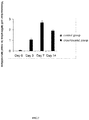
  • FIG. 6 shows the severity of tubulitis.
  • FIG. 7 shows the severity of renal interstitial mononuclear leukocyte infiltration.
  • Example 1 Creating and Culturing an Activated T Lymphocyte Platform In Vitro
  • the dendritic cells of the male mouse C57BL/6 were rushed out of the bone marrow (as shown in FIG. 1 ), and the dendritic cells were cultured in 6 ml Roswell Park Memorial Institute (RPMI) medium and granulocyte-macrophage colony-stimulating factor (GM-CSF) (20 ng/mL) for 9 days, and dendritic cells were stimulated with 100 ng/ml lipopolysaccharide (LPS) on the 9th day for about 24 hours; The lymph nodes of the mouse C57BL/6 were found out, and the T lymphocytes were obtained (as shown in FIG. 1 ). CD4 + and CD8 + T cells were selected from these T lymphocytes by microbeads. Then, the dendritic cells and selected CD4 + and CD8 + T cells were co-cultured for 13 days to obtained the activated T lymphocytes (with Y chromosome memory) in vitro ( FIG. 2 ).
  • RPMI Roswell Park Memorial
  • FIG. 3 The surgical process for the manufacture of tunnels or pouches in renal cortex was shown in FIG. 3 .
  • the bilateral costal and hypochondriac region of the 6-10 weeks old mice were used for surgery.
  • the hair was removed and sterilized.
  • a needle No. 31 was used to make a 0.2 cm incision, and we injected the mouse kidney cortex along the long diameter to make a 0.5 cm depth tunnel or pouch to facilitate subsequent administration of activated T cells in vivo.
  • FIG. 5 showed the results of the hematoxylin and eosin (H & E) stain after the mouse kidney was sliced.
  • the phosphate buffer solution (PBS) was injected into the tunnel or pouch of the renal cortex in the control group.
  • 1 ⁇ 10 6 activated T cells were injected into the tunnel or pouch of the renal cortex in the experimental group.
  • the kidney slices from the sacrificed mouse in the control group and in the experimental group were stained. The slices were observed under a 400-fold optical microscope with a scale of 50 ⁇ m.
  • FIG. 6 and Table 1 showed the severity of mononuclear cell infiltration of renal tubules which is a sign of inflammatory cell infiltration for transplant rejection.
  • Banff classification Banff tubulitis classification was according to the degree of severity of kidney rejection. The tubulitis classification criteria were as follows: score 0 represented there was no mononuclear cells in tubular infiltration; score 1 represented 1-4 inflammatory cell infiltration in a renal tubular cross-section containing at least 10 renal tubular epithelial cells; score 2 represented 5-10 inflammatory cell infiltration in a single tubular cross-section; score 3 represented there were more than 10 inflammatory cells in a single tubular cross-section, or at least two of the renal tubular basement membranes were damaged, or 2-3 points in severity of interstitial inflammation, or the severity of the renal tubular inflammation was more than 2 points in other location of kidney sections.
  • the control group was the mouse injected with phosphate buffer solution (PBS) in the renal cortical tunnels or pouches; the experimental group was the mouse injected with 1 ⁇ 10 6 activated T cells in the renal cortical tunnels or pouches, and then those animals were sacrificed in due date (day 0, 3, 7, 14), the kidney tissue slices were stained with hematoxylin and eosin (H&E) for observation of the mononuclear cell infiltration and classified as 0-3 level according to the Banff classification guideline.
  • PBS phosphate buffer solution
  • H&E hematoxylin and eosin
  • FIG. 7 and Table 2 showed the severity of mononuclear cell infiltration in renal interstitium, which is also a sign of inflammatory cell infiltration for transplant rejection.
  • Banff classification Banff classification for interstitial inflammation was according to the degree of severity of transplant rejection. The classification criteria were as follows: score 0 represented no or trivial mononuclear cells in tubular interstitium within ⁇ 10% unscarred area; score 1 represented mononuclear cell infiltration in 10-25% renal interstitium; score 2 represented mononuclear cell infiltration in 25-50% renal interstitium; score 3 represented mononuclear cell infiltration in >50% renal interstitium.
  • the control group was the mouse injected with phosphate buffer solution (PBS) in the renal cortical tunnels or pouches; the experimental group was the mouse injected with 1 ⁇ 10 6 activated T cells in the renal cortical tunnels or pouches, and then those mice were sacrificed in due date (day 0, 3, 7, 14), the kidney tissue slices were stained with hematoxylin and eosin (H&E) for observation of the mononuclear cell infiltration and classified as 0-3 level according to the Banff classification guideline.
  • PBS phosphate buffer solution
  • H&E hematoxylin and eosin
  • the present invention provides a novel animal model simulating the transplant rejection successfully.

Landscapes

  • Health & Medical Sciences (AREA)
  • Life Sciences & Earth Sciences (AREA)
  • Engineering & Computer Science (AREA)
  • Biomedical Technology (AREA)
  • General Health & Medical Sciences (AREA)
  • Zoology (AREA)
  • Immunology (AREA)
  • Animal Behavior & Ethology (AREA)
  • Biotechnology (AREA)
  • Chemical & Material Sciences (AREA)
  • Bioinformatics & Cheminformatics (AREA)
  • Genetics & Genomics (AREA)
  • Organic Chemistry (AREA)
  • Wood Science & Technology (AREA)
  • Epidemiology (AREA)
  • Public Health (AREA)
  • Veterinary Medicine (AREA)
  • Cell Biology (AREA)
  • Hematology (AREA)
  • Biochemistry (AREA)
  • General Engineering & Computer Science (AREA)
  • Microbiology (AREA)
  • Environmental Sciences (AREA)
  • Endocrinology (AREA)
  • Gastroenterology & Hepatology (AREA)
  • Pathology (AREA)
  • Rheumatology (AREA)
  • Toxicology (AREA)
  • Urology & Nephrology (AREA)
  • Animal Husbandry (AREA)
  • Biodiversity & Conservation Biology (AREA)
  • Diabetes (AREA)
  • Micro-Organisms Or Cultivation Processes Thereof (AREA)
  • Materials For Medical Uses (AREA)
  • Medicines Containing Material From Animals Or Micro-Organisms (AREA)

Abstract

The invention is a simplified model on kidney rejection in animals and its setting approach. The method involves isolating dendritic cells from male mice and isolating T cells from female mice and then using the naive T cells in vitro to culture concurrently with male dendritic cells. Those activated T cells from female origin were injected into renal cortex in male mice for the purpose of attacking renal cortex. The animal model simulates the renal transplant rejection method to enable effective induction of renal transplant immune reaction.

Description

CROSS-REFERENCE TO RELATED APPLICATIONS
This application claims priority to Taiwan Application Serial No. 106115825, filed in May 12, 2017, the content of which is hereby incorporated by reference in its entirety.
FIELD OF THE INVENTION
The present invention is related to a simplified model on kidney rejection in animals and a method of creating the animal model, which comprises: isolating dendritic cells from male mice; isolating T cells from female mice; activating these dendritic cells in vitro; administrating these activated T cells (the activated T cells have a function of Y chromosome memory on the rodent cells in order to attack) into the renal cortex, to let the activated T cells attack the renal cortex of the male mice, in order to induce the renal transplant rejection effectively.
BACKGROUND OF THE INVENTION
Kidney transplantation is the best treatment for renal failure, but the risk of kidney transplantation is very high. When a solid organ was transplanted into a body, the body's human immune system would take the foreign kidney as an invader and thus attack the transplanted kidney just like rejection. Therefore, the foreign kidney would lose its function and then result in necrosis. As far as the surgery and therapy are concerned, kidney transplantation is not too complicated; however, how to control recipient's own immune system is the bottleneck process. Thus, the anti-rejection drugs are needed for suppressing the natural immune system function during the kidney transplantation. Nevertheless, the patients still have acute and chronic renal transplant rejection after administration of traditional immunosuppressive agents. The most important part before developing an immunosuppressive agent is to develop a simple and stable renal transplant rejection animal model for testing new drugs.
The traditional method of renal transplant rejection in animal model is to implant organs between different mouse species which needs vascular anastomosis. However, this method is likely to cause intraoperative or postoperative bleeding after vascular anastomosis. The survival rate was low because the transplanted organ would be easily wrapped by mesentery and lose its function.
In addition, the renal transplantation in the previous literature is co-culturing the renal tubular epithelial cell lines with allogeneic lymphocytes in a cell model, but this model has high variability and cannot be applied to organisms.
Therefore, it is important to establish a rejection model that could be applied to the organism and does not require the complicated vascular anastomosis. It is necessary to combine the renal transplant rejection model and the cell model to establish a highly stable model to replace the existing vascular anastomosis.
The present invention is related to a simple animal transplant rejection model after injecting activated female T cells into the renal cortex of the male mouse. Although the isolated T cells can be used for specific immunization has been revealed by US 20160003856, but the T cell line of US 20160003856 is administered to an in vitro skin model rather than in a living animal (such as mouse). Besides, the usage of skin allergy testing is different from the animal model of organ transplant rejection.
Therefore, it is necessary and urgent to improve the traditional kidney transplant procedure which is time-consuming with high animal mortality and lack of reproducibility and stability. In addition, developing new immunosuppressive agents or immunomodulators can prevent renal transplant rejection through effectively revealing the underlying mechanism.
SUMMARY OF THE INVENTION
The present invention is related to a simple animal organ transplant rejection model comprising a method: isolating dendritic cells from male mice; isolating T cells from female mice; activating these T cells by dendritic cells in vitro; administrating these activated T cells (the activated T cells have a function of Y chromosome memory on the rodent cells in order to attack target organs) into the renal cortex, to let the activated female T cells attack the renal cortex of the male mice. The above method is used in order to induce rejection in renal transplantation effectively.
The present invention provide a method for preparing an animal model simulating the transplant immune rejection reaction, which includes: (a) Providing a dendritic cell, wherein the dendritic cell is obtained from a first animal subject; (b) Providing a lymphocyte, wherein the lymphocyte is selected from a second animal subject; (c) Co-culturing the dendritic cell and the lymphocyte in vitro to form an activated T lymphocyte; (d) Creating an implant position in renal cortex of an third animal subject; and (e) Transplanting the activated T lymphocyte into the implant position in renal cortex of an third animal subject. Wherein the first subject, the second subject, and the third subject are the same species, and the activated T lymphocyte would attack the renal cortex after transplanting the implant position in renal cortex of the third animal subject. Thus the animal model of transplant rejection would be induced in the third animal subject.
In one embodiment of the present invention, wherein the first animal subject, the second animal subject, and the third animal subject are mice.
In one embodiment of the present invention, wherein the gender of the first animal subject and the second animal subject are different.
In one embodiment of the present invention, wherein the first animal subject is a male mouse and the second animal subject is a female mouse.
In one embodiment of the present invention, wherein the implant position is a tunnel or a pouch.
In one embodiment of the present invention, wherein the T lymphocyte belongs to a CD4+ or CD8+ entity.
In one embodiment of the present invention, wherein the dendritic cell is obtained from the thigh bone marrow of the first animal subject.
In one embodiment of the present invention, wherein the dendritic cell is obtained from the lymph node of the second animal subject.
In one embodiment of the present invention, wherein the depth of the tunnel or the pouch is 0.5 cm.
In one embodiment of the present invention, wherein the age of the mouse is 6-10 weeks old.
The present invention provides an animal model of inducing the transplant rejection and immune reaction which activated T lymphocytes are injected into the renal cortex of the third animal subject.
BRIEF DESCRIPTION OF THE DRAWINGS
FIG. 1 shows the picture of dendritic cells from the bone marrow of male mouse and T lymphocytes of female mouse.
FIG. 2 shows the flow chart of in vitro culture and production of activated T lymphocytes.
FIG. 3 shows the flow chart of transplantation of in vitro cultured activated T lymphocytes into the renal cortex.
FIG. 4 shows the administration of in vitro activated T lymphocytes in the renal cortex of male mouse (at the needle insertion, the section marked with (B) box), which T lymphocytes attack the renal tissue of the male mouse. In addition, FIG. 4 also indicates that the prior art is usually administered under the renal capsules (the section marked with (A) box).
FIG. 5 shows the results of hematoxylin and eosin stain on tissue slices
FIG. 6 shows the severity of tubulitis.
FIG. 7 shows the severity of renal interstitial mononuclear leukocyte infiltration.
DETAILED DESCRIPTION OF THE INVENTION Example 1: Creating and Culturing an Activated T Lymphocyte Platform In Vitro
Culturing Activated T-Lymphocytes In Vitro
The dendritic cells of the male mouse C57BL/6 were rushed out of the bone marrow (as shown in FIG. 1), and the dendritic cells were cultured in 6 ml Roswell Park Memorial Institute (RPMI) medium and granulocyte-macrophage colony-stimulating factor (GM-CSF) (20 ng/mL) for 9 days, and dendritic cells were stimulated with 100 ng/ml lipopolysaccharide (LPS) on the 9th day for about 24 hours; The lymph nodes of the mouse C57BL/6 were found out, and the T lymphocytes were obtained (as shown in FIG. 1). CD4+ and CD8+ T cells were selected from these T lymphocytes by microbeads. Then, the dendritic cells and selected CD4+ and CD8+ T cells were co-cultured for 13 days to obtained the activated T lymphocytes (with Y chromosome memory) in vitro (FIG. 2).
Example 2: Transplantation of Cultured T Lymphocytes In Vitro
In order to facilitate the subsequent administration of activated T lymphocytes, we created a tunnel or pouch of the renal cortex in another C57BL/6 male mouse. The surgical process for the manufacture of tunnels or pouches in renal cortex was shown in FIG. 3. The bilateral costal and hypochondriac region of the 6-10 weeks old mice were used for surgery. First, the hair was removed and sterilized. Then we created an opening near the kidney and squeezed out the kidneys with a sterile glove. Next, a needle No. 31 was used to make a 0.2 cm incision, and we injected the mouse kidney cortex along the long diameter to make a 0.5 cm depth tunnel or pouch to facilitate subsequent administration of activated T cells in vivo. 1×10⁶ to 3×10⁶ activated mouse T lymphocytes were counted in a cell counter, and these cells were injected into the tunnel or pouch made in above-mentioned renal cortex of another male mouse. The opening was closed by a superglue to prevent cell loss from the opening, and then we re-confirmed whether it would be lost from the opening. Finally, we sutured the epidermis and muscle layer of the opening (as shown in FIG. 4).
Example 3: Quantification Results from Tissue Slices
FIG. 5 showed the results of the hematoxylin and eosin (H & E) stain after the mouse kidney was sliced. The phosphate buffer solution (PBS) was injected into the tunnel or pouch of the renal cortex in the control group. 1×10⁶ activated T cells were injected into the tunnel or pouch of the renal cortex in the experimental group. From 0 to 14th day after injection, the kidney slices from the sacrificed mouse in the control group and in the experimental group were stained. The slices were observed under a 400-fold optical microscope with a scale of 50 μm. The arrows indicated that the renal tubules were not only structurally damaged by severe mononuclear infiltration, but also was found having renal tubular dilatation, renal tubular destruction, and extensive interstitial inflammatory cell infiltration. The results showed continuously pathological change in renal tissue both in control group and experimental group on day 0-day 14. There was no difference in the severity of renal tissue destruction between the experimental group and the control group on day 0 (after PBS or in vitro activated T cells). On day 3 after administration, compared with the control group, the renal tubular structure was significantly dilated, and the renal tubular structure was slightly damaged and renal interstitial inflammatory cell infiltration increased in the experimental group; on day 7 after administration, compared with the control group, the renal tubule was mildly dilated, but extensive destruction of renal tubular structure and renal interstitial inflammatory cells infiltration were found to be significant in experimental group; on day 14 days after administration, compared with the control group, renal tubular dilatation of the experimental group has been reduced, and renal tubular destruction and renal interstitial inflammatory cell infiltration has been slowed down in the experimental group.
Example 4: Mononuclear Cell Infiltration of Renal Tubules
FIG. 6 and Table 1 showed the severity of mononuclear cell infiltration of renal tubules which is a sign of inflammatory cell infiltration for transplant rejection. Banff classification: Banff tubulitis classification was according to the degree of severity of kidney rejection. The tubulitis classification criteria were as follows: score 0 represented there was no mononuclear cells in tubular infiltration; score 1 represented 1-4 inflammatory cell infiltration in a renal tubular cross-section containing at least 10 renal tubular epithelial cells; score 2 represented 5-10 inflammatory cell infiltration in a single tubular cross-section; score 3 represented there were more than 10 inflammatory cells in a single tubular cross-section, or at least two of the renal tubular basement membranes were damaged, or 2-3 points in severity of interstitial inflammation, or the severity of the renal tubular inflammation was more than 2 points in other location of kidney sections. The control group was the mouse injected with phosphate buffer solution (PBS) in the renal cortical tunnels or pouches; the experimental group was the mouse injected with 1×10⁶ activated T cells in the renal cortical tunnels or pouches, and then those animals were sacrificed in due date ( day 0, 3, 7, 14), the kidney tissue slices were stained with hematoxylin and eosin (H&E) for observation of the mononuclear cell infiltration and classified as 0-3 level according to the Banff classification guideline.
The results showed that the score in the control group were 0 which represented that there was no renal tubular inflammation in different days without the appearance of activated T cells. While the score in the experimental group on the first 3 days was 1.5±0.5, which represented that the destruction of the host kidney tissue has a certain extent on the third day after transplantation of activated T cell; the score of the mice in the experimental group on day 7 was 2.6±0.2, which represented the transplantation of activated T cells had the highest destructive function on the host kidney on day 7; the score in the experimental group on day 14 was 1.7±0.2 which indicated that the destruction of the organ has been lightened. The reason of declining in scores on day 14 was due to the self-repair capacity by mouse immune cells.
TABLE 1
Banff tubulitis classification
Mean SEM
Control group (PBS)
Day 0 .0 .0
Day 3 .0 .0
Day 7 .0 .0
Day 14 .0 .0
Experimental group (Wild type)
Day 0 0 0
Day 3 1.5 0.5
Day 7 2.6 0.2
Day 14 1.7 0.2
SEM: standard error of the mean
Example 5: Mononuclear Cell Infiltration in Renal Interstitium
FIG. 7 and Table 2 showed the severity of mononuclear cell infiltration in renal interstitium, which is also a sign of inflammatory cell infiltration for transplant rejection. Banff classification: Banff classification for interstitial inflammation was according to the degree of severity of transplant rejection. The classification criteria were as follows: score 0 represented no or trivial mononuclear cells in tubular interstitium within <10% unscarred area; score 1 represented mononuclear cell infiltration in 10-25% renal interstitium; score 2 represented mononuclear cell infiltration in 25-50% renal interstitium; score 3 represented mononuclear cell infiltration in >50% renal interstitium. The control group was the mouse injected with phosphate buffer solution (PBS) in the renal cortical tunnels or pouches; the experimental group was the mouse injected with 1×10⁶ activated T cells in the renal cortical tunnels or pouches, and then those mice were sacrificed in due date ( day 0, 3, 7, 14), the kidney tissue slices were stained with hematoxylin and eosin (H&E) for observation of the mononuclear cell infiltration and classified as 0-3 level according to the Banff classification guideline.
The results showed that the score in the control group were 0 which represented that there was no inflammatory cell in renal interstitium in different days without the appearance of activated T cells. While the score in the experimental group on the first 3 days was 1.1±0.1 which represented that the destruction of the host kidney tissue was 10-25% on day 3 after transplantation of activated T cell; the score of the mice in the experimental group on day 7 was 2.7±0.2 which represented the transplantation of activatited T cells had reached the highest destruction on the host kidney on day 7; the score in the experimental group on day 14 were 1.9±0.1 which represented the destruction of activated T cells on the organ has been lightened. The reason of declining in scores on day 14 was due to the self-repair capacity by mouse immune cells.
TABLE 2
Banff classification for interstitial
mononuclear leukocyte infiltration
Mean SEM
Control group (PBS)
Day 0 .0 .0
Day 3 .0 .0
Day 7 .0 .0
Day 14 .0 .0
Experimental group (Wild type)
Day 0 0.1 0.1
Day 3 1.1 0.1
Day 7 2.7 0.2
Day 14 1.9 0.1
There are problems of time consuming with high animal mortality and insufficient reproducibility during the manufacturing the animal model simulating the transplant rejection reaction. To resolve above mentioned problems, the present invention provides a novel animal model simulating the transplant rejection successfully.

Claims (10)

What is claimed is:
1. A method for preparing an animal model simulating a transplant rejection, which includes:
(a) providing a dendritic cell, wherein the dendritic cell is obtained from a first animal subject;
(b) providing a lymphocyte, wherein the lymphocyte is selected from a second animal subject;
(c) co-culturing the dendritic cell and lymphocyte in vitro to form an activated T lymphocyte;
(d) creating an implant position in renal cortex of a third animal subject; and
(e) transplanting the activated T lymphocyte into the implant position in the renal cortex of the third animal subject;
wherein the first subject, the second subject, and the third subject are same species, and the activated T lymphocyte would attack the renal cortex after being transplanted into the implant position in the renal cortex of the third animal subject, thus a transplant rejection model in animals would be induced in the third animal subject.
2. The method of claim 1, wherein the first animal subject, the second animal subject, and the third animal subject are mice.
3. The method of claim 1, wherein the gender of the first animal subject and the second animal subject are different.
4. The method of claim 3, wherein the first animal subject is a male mouse and the second animal subject is a female mouse.
5. The method of claim 1, wherein the implant position is a tunnel or a pouch.
6. The method of claim 1, wherein the lymphocyte is a CD4+ entity or a CD8+ entity.
7. The method of claim 1, wherein the dendritic cell is obtained from a thigh bone marrow of the first animal subject.
8. The method of claim 1, wherein the dendritic cell is obtained from a lymph node of the first animal subject.
9. The method of claim 5, wherein a depth of the tunnel or a pouch is 0.5 cm.
10. The method of claim 2, wherein an age of the mouse is 6-10 weeks old.
US15/671,919 2017-05-12 2017-08-08 Mode of inducing renal transplant rejection on animals and its manufacturing approach Active 2038-12-15 US10835622B2 (en)

Applications Claiming Priority (3)

Application Number Priority Date Filing Date Title
TW106115825A 2017-05-12
TW106115825A TWI648402B (en) 2017-05-12 2017-05-12 Mode of inducing renal transplant immune rejection on animals and its manufacturing approach
TW106115825 2017-05-12

Publications (2)

Publication Number Publication Date
US20180326096A1 US20180326096A1 (en) 2018-11-15
US10835622B2 true US10835622B2 (en) 2020-11-17

Family

ID=64096320

Family Applications (1)

Application Number Title Priority Date Filing Date
US15/671,919 Active 2038-12-15 US10835622B2 (en) 2017-05-12 2017-08-08 Mode of inducing renal transplant rejection on animals and its manufacturing approach

Country Status (2)

Country Link
US (1) US10835622B2 (en)
TW (1) TWI648402B (en)

Citations (1)

* Cited by examiner, † Cited by third party
Publication number Priority date Publication date Assignee Title
US20160003856A1 (en) 2013-02-27 2016-01-07 Alcyomics Ltd Skin model

Patent Citations (1)

* Cited by examiner, † Cited by third party
Publication number Priority date Publication date Assignee Title
US20160003856A1 (en) 2013-02-27 2016-01-07 Alcyomics Ltd Skin model

Also Published As

Publication number Publication date
TWI648402B (en) 2019-01-21
TW201900869A (en) 2019-01-01
US20180326096A1 (en) 2018-11-15

Similar Documents

Publication Publication Date Title
Kitahara et al. Heterotopic transplantation of a decellularized and recellularized whole porcine heart
He et al. Comparison of methods for whole-organ decellularization in tissue engineering of bioartificial organs
Peloso et al. The human pancreas as a source of protolerogenic extracellular matrix scaffold for a new-generation bioartificial endocrine pancreas
Majno et al. Cells, tissues, and disease: principles of general pathology
CN101940801B (en) Methods and compositions for enhancing vascular access
Libby et al. The pathogenesis of coronary arteriosclerosis (“chronic rejection”) in transplanted hearts
CN106687152B (en) human liver scaffold
JP2019217328A (en) Tissue engineering of lung
Golde The stem cell
CN105727250A (en) Pharmaceutical composition comprising stem cells treated with NOD2 agonist or culture thereof for prevention and treatment of immune disorders and inflammatory diseases
RU2160112C1 (en) Method for producing cellular transplant from fetus tissues
KR102597594B1 (en) A composition for bio transplanting of organoid
Nowocin et al. Biocompatibility and potential of decellularized porcine small intestine to support cellular attachment and growth
Ansari et al. Development and characterization of a porcine liver scaffold
El Masri et al. Current state of clinical trials on xenograft
Sehic et al. Mesenchymal stem cells establish a pro-regenerative immune milieu after decellularized rat uterus tissue transplantation
Melgar-Lesmes et al. Implantation of healthy matrix-embedded endothelial cells rescues dysfunctional endothelium and ischaemic tissue in liver engraftment
CN110476891B (en) Construction method and application of synovial sarcoma xenograft mouse model
CN109511649B (en) A normothermic mechanical perfusion system that can expand the source of donor liver
US10835622B2 (en) Mode of inducing renal transplant rejection on animals and its manufacturing approach
US20240002791A1 (en) Thymic constructs and uses thereof
Zamora et al. Seeding of arteriovenous prostheses with homologous endothelium: a preliminary report
WO2004045666A1 (en) Method of organ regeneration
Lee et al. Evaluation of Immunosuppressive Therapy Use for Tracheal Transplantation with Trachea‐Mimetic Bellows Scaffolds in a Rabbit Model
Mutsaers et al. Future directions in mesothelial transplantation research

Legal Events

Date Code Title Description
AS Assignment

Owner name: TAIPEI VETERANS GENERAL HOSPITAL, TAIWAN

Free format text: ASSIGNMENT OF ASSIGNORS INTEREST;ASSIGNORS:TARNG, DER-CHENG;CHEN, NIEN-JUNG;WENG, SHUO-CHUN;SIGNING DATES FROM 20170801 TO 20170804;REEL/FRAME:043240/0701

Owner name: TAICHUNG VETERANS GENERAL HOSPITAL, TAIWAN

Free format text: ASSIGNMENT OF ASSIGNORS INTEREST;ASSIGNORS:TARNG, DER-CHENG;CHEN, NIEN-JUNG;WENG, SHUO-CHUN;SIGNING DATES FROM 20170801 TO 20170804;REEL/FRAME:043240/0701

Owner name: NATIONAL YANG-MING UNIVERSITY, TAIWAN

Free format text: ASSIGNMENT OF ASSIGNORS INTEREST;ASSIGNORS:TARNG, DER-CHENG;CHEN, NIEN-JUNG;WENG, SHUO-CHUN;SIGNING DATES FROM 20170801 TO 20170804;REEL/FRAME:043240/0701

STPP Information on status: patent application and granting procedure in general

Free format text: DOCKETED NEW CASE - READY FOR EXAMINATION

STPP Information on status: patent application and granting procedure in general

Free format text: NON FINAL ACTION MAILED

STPP Information on status: patent application and granting procedure in general

Free format text: RESPONSE TO NON-FINAL OFFICE ACTION ENTERED AND FORWARDED TO EXAMINER

STPP Information on status: patent application and granting procedure in general

Free format text: NON FINAL ACTION MAILED

STPP Information on status: patent application and granting procedure in general

Free format text: NOTICE OF ALLOWANCE MAILED -- APPLICATION RECEIVED IN OFFICE OF PUBLICATIONS

STPP Information on status: patent application and granting procedure in general

Free format text: PUBLICATIONS -- ISSUE FEE PAYMENT VERIFIED

STCF Information on status: patent grant

Free format text: PATENTED CASE

AS Assignment

Owner name: NATIONAL YANG MING CHIAO TUNG UNIVERSITY, TAIWAN

Free format text: MERGER AND CHANGE OF NAME;ASSIGNORS:NATIONAL YANG-MING UNIVERSITY;NATIONAL YANG MING CHIAO TUNG UNIVERSITY;REEL/FRAME:059008/0161

Effective date: 20210201

MAFP Maintenance fee payment

Free format text: PAYMENT OF MAINTENANCE FEE, 4TH YEAR, LARGE ENTITY (ORIGINAL EVENT CODE: M1551); ENTITY STATUS OF PATENT OWNER: LARGE ENTITY

Year of fee payment: 4