US10829542B2 - Methods for affecting Salmonella infections - Google Patents
Methods for affecting Salmonella infections Download PDFInfo
- Publication number
- US10829542B2 US10829542B2 US16/470,663 US201716470663A US10829542B2 US 10829542 B2 US10829542 B2 US 10829542B2 US 201716470663 A US201716470663 A US 201716470663A US 10829542 B2 US10829542 B2 US 10829542B2
- Authority
- US
- United States
- Prior art keywords
- secretory
- iga
- composition
- igm
- sciga
- Prior art date
- Legal status (The legal status is an assumption and is not a legal conclusion. Google has not performed a legal analysis and makes no representation as to the accuracy of the status listed.)
- Expired - Fee Related
Links
Images



Classifications
-
- C—CHEMISTRY; METALLURGY
- C07—ORGANIC CHEMISTRY
- C07K—PEPTIDES
- C07K16/00—Immunoglobulins [IGs], e.g. monoclonal or polyclonal antibodies
- C07K16/06—Immunoglobulins [IGs], e.g. monoclonal or polyclonal antibodies from serum
-
- A—HUMAN NECESSITIES
- A61—MEDICAL OR VETERINARY SCIENCE; HYGIENE
- A61K—PREPARATIONS FOR MEDICAL, DENTAL OR TOILETRY PURPOSES
- A61K39/00—Medicinal preparations containing antigens or antibodies
- A61K39/395—Antibodies; Immunoglobulins; Immune serum, e.g. antilymphocytic serum
- A61K39/39516—Antibodies; Immunoglobulins; Immune serum, e.g. antilymphocytic serum from serum, plasma
-
- A—HUMAN NECESSITIES
- A61—MEDICAL OR VETERINARY SCIENCE; HYGIENE
- A61K—PREPARATIONS FOR MEDICAL, DENTAL OR TOILETRY PURPOSES
- A61K39/00—Medicinal preparations containing antigens or antibodies
- A61K2039/505—Medicinal preparations containing antigens or antibodies comprising antibodies
-
- A—HUMAN NECESSITIES
- A61—MEDICAL OR VETERINARY SCIENCE; HYGIENE
- A61K—PREPARATIONS FOR MEDICAL, DENTAL OR TOILETRY PURPOSES
- A61K39/00—Medicinal preparations containing antigens or antibodies
- A61K2039/54—Medicinal preparations containing antigens or antibodies characterised by the route of administration
- A61K2039/541—Mucosal route
-
- C—CHEMISTRY; METALLURGY
- C07—ORGANIC CHEMISTRY
- C07K—PEPTIDES
- C07K2317/00—Immunoglobulins specific features
- C07K2317/30—Immunoglobulins specific features characterized by aspects of specificity or valency
-
- Y—GENERAL TAGGING OF NEW TECHNOLOGICAL DEVELOPMENTS; GENERAL TAGGING OF CROSS-SECTIONAL TECHNOLOGIES SPANNING OVER SEVERAL SECTIONS OF THE IPC; TECHNICAL SUBJECTS COVERED BY FORMER USPC CROSS-REFERENCE ART COLLECTIONS [XRACs] AND DIGESTS
- Y02—TECHNOLOGIES OR APPLICATIONS FOR MITIGATION OR ADAPTATION AGAINST CLIMATE CHANGE
- Y02A—TECHNOLOGIES FOR ADAPTATION TO CLIMATE CHANGE
- Y02A50/00—TECHNOLOGIES FOR ADAPTATION TO CLIMATE CHANGE in human health protection, e.g. against extreme weather
- Y02A50/30—Against vector-borne diseases, e.g. mosquito-borne, fly-borne, tick-borne or waterborne diseases whose impact is exacerbated by climate change
Definitions
- the invention relates to methods promoting the agglutination of Salmonella bacteria in the gut of subjects, thereby providing immune exclusion and limiting bacterial entry, therefore reducing mucosal and systemic infection.
- SIgM serving as a surrogate of SIgA in IgA-deficient individuals appears to act via a similar protective mechanism (Brandtzaeg (2009) Scand. J. Immunol. 70:505-515).
- One aspect of the present invention is a method for promoting agglutination of Salmonella bacteria in the gut of a subject, comprising administering a composition comprising secretory IgA (SCIgA) and/or secretory IgM (SCIgM) to the gut of the subject, wherein the composition is not milk or derived from milk.
- Another aspect of the invention is the use of a composition comprising SCIgA and/or SCIgM for promoting agglutination of Salmonella bacteria in the gut of a subject, wherein the composition is not milk or derived from milk.
- compositions comprising SCIgA and/or SCIgM for use in the treatment or prevention of Salmonella infection in a subject, wherein the composition is administered to the gut of the subject and promotes agglutination of Salmonella bacteria, wherein the composition is not milk or derived from milk.
- the composition is administered orally to the subject.
- the agglutination of the bacteria leads to their immune exclusion.
- the entry of the bacteria into Peyer's patches (PPs) and their diffusion into mesenteric lymph nodes (MLNs) are inhibited.
- the composition reduces mucosal infection. More preferably, the composition reduces local inflammation. Even more preferably, the composition reduces the systemic dissemination of the Salmonella bacteria.
- the Salmonella bacteria are Salmonella enterica subsps, e.g. Salmonella typhi.
- the composition preferably comprises IgA and/or IgM with binding specificity for Salmonella bacteria, preferably for Salmonella enterica subsps, even more preferably for Salmonella typhi.
- the IgA and/or IgM is prepared from plasma, preferably from human plasma. More preferably, the IgA and/or IgM is combined in vitro with secretory component (SC). More preferably the SC is human secretory component. Even more preferably the SC is recombinant SC, expressed in a mammalian cell line.
- SC secretory component
- At least 10% of the protein in the composition is SCIgA, more preferably at least 15%, 18%, 20%, or 25%, even more preferably at least 30%, 40% or 50% of the protein in the composition is SCIgA.
- Preferably at least 10% of the protein in the composition is SCIgM, more preferably at least 15%, 18%, 20% or 25%, even more preferably at least 30%, 40% or 50% of the protein in the composition is SCIgM.
- At least 10% of the protein in the composition is SCIgA and at least 10% of the protein in the composition is SCIgM, more preferably at least 15% is SCIgA and at least 15% is SCIgM, even more preferably at least 20% is SCIgA and at least 20% is SCIgM.
- the IgA and/or IgM may be enriched for Abs with specificity for Salmonella.
- the IgA and/or IgM may alternatively be monoclonal or a mixture of two or more monoclonal Abs, with specificity for Salmonella bacteria, preferably with specificity for Salmonella enterica subsps.
- the IgA or IgM is co-expressed with J chain in a cell line, preferably in a mammalian cell line.
- SC may be co-expressed in the same cell line, or expressed separately and combined with the J chain-comprising dimeric/polymeric IgA/IgM in vitro.
- Salmonella enterica species comprise as many as 2500 serovars; they comprise 8 subspecies. Around 2000 serotypes induce nontyphoidal disease, including food poisoning. Typhoid fever is caused by Salmonella serotypes which are adapted to humans or higher primates. While presently self-contained in developed countries, typhoid fever has a devastating effect in India, in some African countries and generally countries with a poor health care system, lack of clean drinking water and poor hygienic conditions. The risk of death is about 10-30% in infected patients without treatment. Based on WHO fact sheet No. 139, the onset of disease symptoms occurs 6-72 hours after ingestion of Salmonella , and illness lasts for up to 7 days.
- antibiotics such as streptomycin, ampicillin and chloramphenicol are no longer used as first line therapy since the emergence of multi-drug resistant typhoid.
- Antibiotics like ciprofloxacin, ceftriaxone or azithromycin are used, but in general, resistance to antibiotics is an increasing problem, and alternative approaches will be required for the treatment of Salmonella infections, in particular of multi-drug resistant Salmonella infections, such as multi-drug resistant typhoid.
- the invention provides a method to promote agglutination of Salmonella bacteria in the gut of subjects, by administering a composition comprising SCIgA and/or SCIgM to the gut of the subject, e.g. by oral administration, wherein the composition is not milk or derived from milk.
- a composition comprising SCIgA and/or SCIgM
- the composition is not milk or derived from milk.
- the remaining free Salmonella bacteria are reduced by the composition by at least 10%, more preferably by at least 20%, 25%, 30%, 35%, 40%, 45%, 50%, even more preferably by at least 60%, 70%, 75%, most preferably by at least 80%.
- the entry of the Salmonella bacteria into PPs and the diffusion into MLNs is inhibited by the composition.
- the number of colony-forming units (cfu's), i.e. the bacterial count, per mg PP is reduced by administration of the composition by at least 2 fold, more preferably by at least 2.5 fold, 3 fold, even more preferably by at least 4 fold.
- the composition also reduces mucosal infection. Dissemination of Salmonella is inhibited after administration, preferably oral administration, of the immunoglobulin composition. Bacterial counts in mucosal tissues are preferably reduced by at least 2 fold, more preferably by at least 3 fold, 4 fold, or even 5 fold, even more preferably by at least 6 fold, 7 fold, 8 fold, most preferably by at least 9 fold, when observed 48 hours after administration of the immunoglobulin composition.
- Bacterial counts in mucosal tissues (PPs and MLNs) and/or the spleen is preferably reduced by at least 2 fold, more preferably by at least 3 fold, 4 fold, or even 5 fold, even more preferably by at least 6 fold, 7 fold, 8 fold, most preferably by at least 9 fold, when observed 6 days after administration of the immunoglobulin composition.
- Another aspect of the invention is the prophylactic effect of administration, preferably oral administration, of the immunoglobulin composition.
- prophylactic administration of the immunoglobulin composition e.g. 8 hours or 24 hours prior to the infection, leads to a reduction of bacterial counts in PPs, or MLNs, or spleen, or liver, by at least 2 fold, more preferably by at least 3 fold, 4 fold, or even 5 fold, even more preferably by at least 6 fold, 7 fold, 8 fold, most preferably by at least 9 fold, when observed 6 days post infection, as compared to without administration of the immunoglobulin composition.
- administration, preferably oral administration, of the immunoglobulin composition prior to infection reduces weight loss caused by the infection by at least 20%, more preferably by at least 30%, 40%, or 50%, even more preferably by at least 60%, most preferably by at least 70%.
- the frequency of neutrophils observed in PPs is reduced by administration, preferably oral administration, of the immunoglobulin composition by at least 10%, 20%, more preferably by at least 25%, 30%, 40%, even more preferably by at least 50%, most preferably by at least 60%.
- the frequency of macrophages observed in PPs is reduced by administration, preferably oral administration, of the immunoglobulin composition by at least 10%, 20%, more preferably by at least 25%, 30%, 40%, even more preferably by at least 50%, most preferably by at least 60%.
- the secretion of pro-inflammatory cytokines e.g. TNF-alpha or IL-6, is reduced by at least 2 fold, more preferably by at least 2.5 fold, even more preferably by at least 3 fold 6 days after administration, preferably oral administration of the immunoglobulin composition.
- Another aspect of the invention is the therapeutic effect of the immunoglobulin composition.
- therapeutic administration of the immunoglobulin composition e.g. one hour after the infection, leads to a reduction of bacterial counts in PPs, or MLNs, or spleen, or liver, by at least 2 fold, more preferably by at least 3 fold, 4 fold, or even 5 fold, even more preferably by at least 6 fold, 7 fold, 8 fold, most preferably by at least 9 fold or even at least 10 fold, when observed 6 days post infection, as compared to without administration of the immunoglobulin composition.
- therapeutic administration, preferably oral administration, of the immunoglobulin composition reduces weight loss caused by the infection by at least 20%, more preferably by at least 30%, 40%, or 50%, even more preferably by at least 60%, most preferably by at least 70%.
- the IgA and/or IgM is prepared from plasma, as described in detail, for example, in WO 2013/132053.
- the immunoglobulin composition preferably used in the present invention can be prepared as described in detail in WO 2013/132052.
- plasma derived preparations comprising IgA and/or IgM are combined in vitro with SC, without requiring prior purification of the dimeric/polymeric J chain containing IgA/IgM.
- Such material is referred to as secretory-like IgA or secretory-like IgM, or abbreviated as SCIgA or SCIgM.
- secretory-like IgA or secretory-like IgM or abbreviated as SCIgA or SCIgM.
- this material behaves very similarly to in vivo produced secretory IgA (usually abbreviated SIgA) and in vivo produced secretory IgM (usually abbreviated SIgM).
- secretory component refers to a protein that specifically binds to J chain-containing immunoglobulin, and is related to or derivable from or identical to an extracellular portion of the polymeric immunoglobulin receptor (pIgR), preferably a mammalian pIgR, more preferably a primate pIgR, most preferably a human pIgR.
- pIgR polymeric immunoglobulin receptor
- SC comprised in the composition may be recombinant SC, preferably SC produced in a mammalian cell line.
- SC in its traditional, narrow meaning is the extracellular portion of the pIgR, which usually gets associated during secretion with dimeric or polymeric IgA or pentameric IgM comprising a J chain.
- J chain-containing IgA/IgM binds to the polymeric immunoglobulin receptor at the basolateral surface of epithelial cells and is taken up into the cell by endocytosis. This receptor complex then transits through the cellular compartments before being transported to the luminal surface of the epithelial cells.
- the transcytosed IgA/IgM-pIgR complex is then released through proteolysis, and part of the pIgR, referred to as the natural SC, stays associated with the J chain-containing IgA/IgM, releasing SIgA/SIgM.
- the natural SC part of the pIgR, referred to as the natural SC.
- reverse transcytosis of SIgA i.e. from the luminal surface to the basolateral surface, can also take place.
- Human pIgR is cloned and sequenced, its sequence is available as SwissProt entry P01833, and shown in Seq ID NO: 1.
- Human pIgR is a glycoprotein with 764 amino acid residues, containing a signal peptide (residues 1 to 18), an extracellular part (residues 19 to 638), a transmembrane region (residues 639 to 661), and a cytoplasmic region (residues 662 to 764).
- Residues 19 to 603 are thought to associate with J chain-containing IgA as described above, and this part of this glycoprotein is usually referred to as the SC (referred to as “natural SC” herein).
- SC used in the immunoglobulin composition used in the present invention can comprise any extracellular pIgR sequence that is capable of associating with J chain-containing IgA.
- SC may comprise extracellular domains of pIgR from mammalian sources, e.g. from primates, cattle, horses, cats, dogs, rabbits, guinea pigs, rats or mice, or variants thereof.
- Functional hybrids of the extracellular domains from several mammalian species or variants thereof are also contemplated for use in the invention, e.g. prepared by fusing the immunoglobulin-like domains from different species into a SC-like protein.
- a functional SC may also be formed by fusing a selection of immunoglobulin-like domains normally present, e.g. rabbit SC is functional being composed of only domains 1, 4 and 5.
- the human SC or functional variants thereof is used.
- the SC used in the immunoglobulin composition used in the invention preferably comprises residues 19 to 603 of SEQ ID NO: 1 or functional variants thereof.
- Functional variants may include deletions, insertions, and/or substitutions, preferably substitutions are conservative substitutions, e.g. a basic amino acid residue is substituted for another basic amino acid, a hydrophobic amino acid is substituted for another hydrophobic amino acid, etc.
- the variant SC is at least 50% identical in sequence to residues 19 to 603 of SEQ ID NO: 1, preferably at least 55%, 60%, 65%, 70%, 75%, 80%, more preferably at least 85% or even 90%, even more preferably at least 92%, 94%, 95%, 97%, 98%, or even 99% identical to residues 19 to 603 of SEQ ID NO: 1.
- the SC comprises the extracellular portion of the pIgR, more preferably the extracellular portion of the human pIgR, most preferably the SC comprises or even consists of residues 19 to 603 of SEQ ID NO: 1.
- the skilled person is well aware how to produce the SC by recombinant techniques.
- An example of expression of human SC in CHO cells has been described by Phalipon et al (Phalipon et al., (2002) Immunity 17:107-115), but the invention is not limited to SC produced by this system.
- the desired cDNA sequence can be produced synthetically or cloned via RT-PCR, using RNA isolated from cells or tissue expressing pIgR as template. The cDNA can then be inserted into a mammalian expression vector such as pcDNA3—many alternative expression vectors are available.
- the recombinant expression vector will then be introduced into a suitable host cell line, such as CHO, COS-1 or COS-7, HEK293, or BHK. Other cell lines are available and can also be used. Methods for introducing such vectors into a cell line include lipofection, electroporation and other techniques well known to the skilled person. Usually cells harboring the expression vector and expressing the protein of interest are then selected and cloned. Viral expression systems can also be used, for example, vaccinia virus can be used to express proteins at high levels in mammalian cells, baculovirus expression systems can be used to express proteins at high levels in insect cells. Yeast or bacterial expression systems can also be envisaged, and such expression systems are known to the skilled person. Likewise, plant expression systems can also be envisaged, and such systems are known to the skilled person.
- SC or variant thereof used in the composition of the invention may also comprise a tag, such as a hexa-Histidine tag, which can aid in the purification of the resulting protein. If such a tag is attached via a cleavable linker, the tag may be cleaved off prior to use in the invention.
- SC may be produced as a fusion protein. Again, a cleavable linker may be used so that the fusion partner may be cleaved off the SC prior to use in the invention.
- Recombinant SC may be purified to high purity with a suitable method, for example size-exclusion and/or ion exchange chromatography.
- a suitable method for example size-exclusion and/or ion exchange chromatography.
- the final preparation of recombinant SC will be essentially free of contaminants, particularly host cell proteins.
- SC can also specifically associate with J chain containing immunoglobulin in unpurified form, thus purification prior to association with the J chain-containing immunoglobulin is not essential.
- the SC may also be obtained from a natural source, preferably from milk, saliva or mucus.
- a natural source preferably from milk, saliva or mucus.
- the SC is of human origin, but SC from other species can also be used in the invention.
- the molar ratio between SC and J chain containing IgA dimers/polymers or IgM pentamers in the composition of step (a) ranges between 1:10 and 10:1, preferably between 1:5 and 5:1, more preferably between 1:2 and 2:1.
- the molar ratio between SC and J chain within the composition of step (a) is between 1:10 and 10:1, preferably between 1:5 and 5:1, more preferably between 1:2 and 2:1.
- the amount of SC used in step (b) may be at least 1 part (by weight) of SC to 50 parts (by weight) of protein in the composition of step (a), preferably at least 1 part to 40, 30, 20, 15, 10, most preferably at least 1 part of SC to 5 parts of protein in the composition of step (a).
- the IgA and/or IgM may be monoclonal anti- Salmonella Abs.
- a single monoclonal Ab or a mixture of one or more monoclonal Abs may be used. It may be a mixture comprising monoclonal Abs specific for different Salmonella species.
- the monoclonal IgA and/or IgM is then co-expressed with J chain, in a cell, preferably a mammalian cell. Following expression, the resulting J chain containing IgA and/or IgM is then combined in vitro with SC as described for plasma-derived IgA and/or IgM above.
- SCIgA and/or SCIgM can also be produced by co-expressing IgA or IgM, J chain and SC in the same cell (see, for example, U.S. Pat. No. 6,300,104 B1).
- Administration is preferably orally.
- a dose of 0.1 g to 10 g preferably a dose of 0.2 g to 5 g, more preferably a dose of 0.5 g to 2 g, even more preferably a dose of 1 g is administered.
- the dose is administered four times per day, more preferably three times per day, even more preferably twice per day, most preferably once per day, as long as symptoms of the infection are present, preferably a dose of 1 g once per day could be used.
- a dose of 1 to 100 mg/kg bodyweight could be administered, preferably 1 to 50 mg/kg, even more preferably 5 to 20 mg/kg, most preferably 10 to 15 mg/kg.
- the immunoglobulin composition is administered during the acute phase of the disease, for example for as long as the patient shows disease symptoms such as fever, diarrhea, abdominal pain, headaches, and/or as long as bacteria can be found in blood and/or stool.
- Another aspect of the invention is the use of the immunoglobulin composition as described above as treatment in addition to standard antibiotic treatment.
- the immunoglobulin is administered as described above to assist the antibiotics in eliminating the Salmonella bacteria from the patient.
- the immunoglobulin composition is administered using the same dosage as outlined above during the acute phase of the infection while the patient is receiving antibiotic therapy.
- the immunoglobulin composition is administered during the first two days, more preferably during the first three days, even more preferably during the first four days, most preferably during the first five days of infection, in addition to standard antibiotic therapy.
- the invention also provides a method to prevent Salmonella infection by administration of the immunoglobulin composition as described above.
- a dose of 0.1 g to 10 g preferably a dose of 0.2 g to 5 g, more preferably a dose of 0.5 g to 2 g, even more preferably a dose of 1 g is administered.
- the dose is administered twice per day, more preferably once per day, preferably a dose of 1 g once per day could be used.
- the dose can be adjusted, depending on the risk of exposure to Salmonella and the likely bacterial load to be encountered.
- Another aspect of the invention is the use of the immunoglobulin composition as described above for the prevention of Salmonella infection.
- Yet a further aspect of the invention is the immunoglobulin composition as described above for the use of prevention of Salmonella infection.
- the doses that can be used prophylactically are as outlined above.
- the immunoglobulin composition is formulated as a liquid, for example a syrup.
- a liquid comprising 1 to 20% immunoglobulin, preferably 2 to 20% immunoglobulin, more preferably 2 to 15% immunoglobulin, even more preferably 5 to 10% immunoglobulin. Most preferably, it comprises 5% or 10% immunoglobulin.
- the liquid preferably also comprises a stabilizer, such as an amino acid (e.g. proline, glycine, histidine, arginine), a saccharide, or a sugar alcohol, or a protein such as albumin; other stabilizers that can be used are well known to the skilled person.
- the liquid may additionally comprise agents that enhance the taste, such as flavouring. The skilled person will be well aware of how to select suitable excipients and taste-enhancing agents.
- the immunoglobulin composition may be administered in form of a capsule, preferably an acid-resistant capsule that releases its content in the gut of the subject.
- a capsule preferably an acid-resistant capsule that releases its content in the gut of the subject.
- the skilled person will be well aware of how to prepare such dosage forms.
- the immunoglobulin composition may be administered in form of a gel or a powder.
- FIG. 1 Plasma-derived Ab formulations interact with St. Binding of equimolar concentrations of (A) plasma-derived Abs or (B) recombinant SC or SCIgA/M to coated S. enterica serovar Typhimurium (St) as determined by ELISA. Data are the compilation of four independent experiments performed in duplicates, and are depicted as means+/ ⁇ standard deviation.
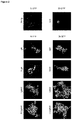
- FIG. 2 Association of plasma-derived Ab formulations with St promotes agglutination.
- Bacteria constitutively expressing green fluorescent protein (GFP) are shown. Images are representative of one observed field obtained from 5-10 observations from three independent slides.
- GFP green fluorescent protein
- FIG. 3 Quantification of the agglutination property of IgAM, SCIgAM, IgG Abs or SC. 2 ⁇ 10 7 St alone or in combination with decreasing amounts of protein formulations were observed by laser scanning confocal microscopy. Using the Imaris 8 software, parameters including the number of free fluorescent bacteria, the number of aggregates, and the estimated number of bacteria per aggregate were evaluated on 10 different fields from one experiment repeated 5 times. Numbers are means+/ ⁇ standard deviation. Statistical analyses were performed by comparison with the “No Ab” experimental group.
- FIG. 4 Reduction of St entry into PPs by Ab preparations following delivery in a ligated intestinal loop. 2 ⁇ 10 6 St were administered alone or in the presence of IgA/M, SCIgA/M, SC, IgG, SIgA, SIgM, and SIgASal4 as a positive control into an ligated intestinal loop containing a PP. At 1.5 hour, PPs were collected, lysed and bacterial counts were determined by plating. Data are presented as fold decrease with respect to the “No Ab” experimental group. Data are depicted as means+/ ⁇ standard deviation.
- FIG. 5 Limitation of St dissemination in the presence of Ab formulations after oral administration. Mice were orally administered 2 ⁇ 10 7 St alone or in association with preparations IgA/M, SCIgA/M or IgG.
- A Bacterial counts in mucosal tissues (PPs, MLNs) were determined by plating of tissue lysates 48 hours post-delivery of St or immune complexes prepared in the presence of 1 mg Abs.
- B Similar experiment as in (A), using immune complexes made of 2 ⁇ 10 7 St and decreasing amounts of Abs, with bacterial counts assessed in PPs, MLNs and the spleen at day 6 post-administration. Experiments were performed twice, with 3 mice per group, and the compilation of the two experimental sets is depicted. Data are depicted as means+/ ⁇ standard deviation. Statistical analyses were performed by comparison with the “No Ab” experimental group.
- FIG. 6 Reduced markers of inflammation after oral delivery of St in the presence of Ab formulations.
- A Frequency of neutrophils and macrophages in PPs determined 6 days post-administration of 2 ⁇ 10 7 St alone or in association with 1 mg of IgA/M or SCIgA/M preparations.
- B Pro-inflammatory cytokine secretion measured in cell culture suspensions of PPs from the same experimental groups as in (A). Experiments were performed twice, with 3 mice per group, and the compilation of the two experimental sets is depicted. Data are depicted as means+/ ⁇ standard deviation. Statistical analyses were performed by comparison with the “No Ab” experimental group.
- FIG. 7 Location and stability of Ab formulation in the GI tract.
- A In vitro digestion patterns observed at three time points of IgA/M, SCIgA/M and IgG incubated with intestinal washes, as assayed by immunodetection of the respective heavy chain under reducing conditions. The position of the intact alpha, mu and gamma chains is indicated by an arrowhead.
- B SCIgA/M, IgA/M and IgG incubated for 6 hours in a ligated intestinal loop were recovered as described in Materials and Methods, and analyzed as under (A).
- FIG. 8 Prophylactic administration of SCIgA/M preparation limits St entry and reduces symptoms.
- A Bacterial counts measured 6 days post-infection with 2 ⁇ 10 7 St in Peyer's patch (PP), mesenteric lymph node (MLN), spleen and liver from mice orally administered various formulations of Abs 24 and 8 hours prior to oral infection. Statistical significance were obtained by comparing experimental groups with the “no Ab” condition.
- B Weight loss and disease score (see Materials and Methods) determined at day 6 post-infection as a function of the Ab formulation administered prophylactically.
- C SIgAC5 prevents St-induced destruction of the intestinal barrier.
- Histologic examination H&E staining
- Typical examples of results of histological analysis of more than 10 samples are shown.
- FIG. 9 Prophylactic administration of SCIgA/M preparation promotes mouse survival.
- Depicted curves were produced from individual mouse analyzed for weight loss (A) and disease scores (B). Sacrifice (depicted by a ⁇ ) of mice having lost ⁇ 20% of their initial weight was done to comply with the Veterinary Office's permit to conduct animal experiments.
- C Survival curves resulting from the compilation of all mice in either the St alone group (open circles) or the prophylactic (SCIgA/M, St) group (grey circles).
- FIG. 10 Therapeutic administration of SCIgA/M limits St entry and reduces symptoms.
- A Bacterial counts measured 6 days post-infection with 2 ⁇ 10 7 St in PP, MLN, spleen and liver from mice orally administered SCIgA/M 1 hour after oral infection.
- B Weight loss and disease scores (see Materials and Methods) determined at day 6 post-infection of mice treated therapeutically with SCIgA/M as in (A).
- FIG. 11 Therapeutic administration of SCIgA/M preparation promotes mouse survival.
- Depicted curves were produced from individual mouse analyzed for weight loss (A) and disease scores (B). Sacrifice (depicted by a ⁇ ) of mice having lost ⁇ 20% of their initial weight was done to comply with the Veterinary Office's permit to conduct animal experiments.
- C Survival curves resulting from the compilation of all mice in either the St alone group (open circles) or the therapeutic (St, SCIgA/M) group (grey circles).
- IgPro10 Human plasma-derived IgG preparations (IgPro10, Privigen) were prepared as reported (Cramer et al. Vox Sang 2009; 96:219-25). Preparations containing IgA and IgM were obtained from an ion-exchange chromatographic side fraction used in the large-scale manufacture of IgG from human plasma. The elution fraction containing IgA and IgM was concentrated and re-buffered to 50 g/l protein in PBS by tangential-flow filtration (TFF; Pellicon XL Biomax 30, Merck Millipore).
- TMF tangential-flow filtration
- the resulting IgA/M solution which contained IgA and IgM in a 2:1 mass ratio, was further processed to: (i) SCIgA/M, by combining in vitro IgA/M with recombinant human SC (Phalipon et al., Immunity 2002; 17:107-15); (ii) polymeric IgA (pIgA) at >50% (by mass), through removal of IgM from IgA/M by affinity chromatography specific for human IgM (CaptureSelect® IgM, BAC B.V., Naarden, Netherlands); (iii) IgM, through removal of IgA from IgA/M by affinity chromatography specific for human IgA (CaptureSelect® IgA).
- the secretory counterpart of pIgA and IgM was prepared by combination with recombinant human SC (Phalipon et al., Immunity 2002; 17:107-15).
- Mouse monoclonal secretory IgASal4 (SIgASal4) specific for S. enterica Typhimurium surface carbohydrates was prepared as described previously (Michetti P et al Infect Immun 1992; 60:1786-92). Ab preparations were labeled with Cyanin 5 (Cy5) fluorescent dye (Innova Biosciences Ltd) according to the manufacturer's protocol.
- Bacteria used were the virulent strain SL1344 of S. enterica serovar Typhimurium (abbreviated St; Hoiseth S K, Stocker B A. Nature 1981; 291:238-9). Bacteria from frozen stock were grown on Luria-Bertani (LB) agar plates containing 90 ⁇ g/ml streptomycin (Sigma-Aldrich) for 24 hours at 37° C. Colonies were amplified in 3 ml of LB liquid broth supplemented with 90 ⁇ g/ml streptomycin for 16 hours at 37° C., with shaking. 25-fold dilution of the overnight culture was pursued for 1.5 hour at 37° C. to yield bacteria in the exponential phase.
- LB Luria-Bertani
- Bound proteins were detected by incubation with biotinylated goat anti-human kappa chain (Pierce, 1/1000 dilution) or rabbit anti-human SC (Rindisbacher et al. J Biol Chem 1995; 270:14220-8; 1/500 dilution), followed by Extravidin-HRP (Sigma, 1/4000 dilution) or goat anti-rabbit-HRP (Sigma, 1/4000 dilution).
- 2 ⁇ 10 6 St or St-GFP were mixed with 100 ⁇ g of SIgASal4 or human plasma-derived pIgA, SIgA, IgM, SIgM, IgA/M, SCIgA/M or IgG, or with 20 ⁇ g of SC in 100 ⁇ l PBS.
- 2 ⁇ 10 7 bacteria were mixed with 200 ⁇ g, 1 mg or 5 mg of human plasma-derived IgAM or SCIgA/M in 150 ⁇ l PBS. The mixtures were incubated for 1 hour at room temperature on a rotating wheel, and subsequently used as such.
- Immune complexes formed by St-GFP and plasma-derived Abs were laid onto glass slides (Thermo Scientific), mounted with anti-fading Vectashield reagent (Vector Laboratories), and visualized immediately using a Leica SP5 confocal microscope equipped with a 63 ⁇ objective. Images were processed with Imaris 8 software. To evaluate agglutination efficiency, the number of free St-GFP, the number of bacteria aggregates and their estimated size were determined on 10 different fields, in 5 independent experiments.
- mice Four week-old female Balb/c mice were obtained from Charles River Laboratories (L'Arbresle, France) and used at the age of 7-8 weeks. They were housed in the animal facility of the Lausanne University State Hospital under standard conditions. All experiments were approved by the State Veterinary Office.
- Intestinal ligated loops were performed according to the procedure of Rey et al. (Rey et al. J Immunol 2004; 172:3026-33) with minor modifications: 100 ⁇ l of a solution containing 2 ⁇ 10 6 St in a free form or as immune complexes were delivered into the lumen of an intestinal ligated loop containing a PP. Mice were sacrificed 1.5 hour later, the PP was removed from the intestinal tissue, and incubated 30 min in DMEM containing 2% FCS and 100 ⁇ g/ml gentamycin to kill extracellular bacteria. A PP upstream of the ligated loop was collected to serve as noninfected control. The bacterial load was determined as described (Pigny et al. J Infect Dis 2016; 214:438-46).
- Intestinal segments containing a PP were immediately fixed in 500 ⁇ l of PBS-4% paraformaldehyde (Fluka) for 2 hours at 4° C., and further processed as described (Kadaoui K A, Corthésy B. J Immunol 2007; 179:7751-7), with minor modifications: Bacteria were detected upon incubation in PBS-5% FCS-0.1% saponin with biotinylated IgASal4 (1/50), followed by Cy5-labeled streptavidin (1/500; Amersham Biosciences). After washing, cell nuclei were stained with DAPI. Laser scanning confocal microscopy images were obtained using a Leica SP5 in multi-track mode. Raw images were analyzed and processed with Imaris 8 software. All the images presented in the paper are representative of at least 4 sections were obtained from 3D reconstructions generated from the same sections.
- intestinal washes were prepared form BALB/c mice (4-6 weeks old) as described (Crottet and Corthésy (1998) J. Immunol. 161:5445-5453). 300 ng of SCIgA/M, IgA/M and IgG were mixed with 2.5 ⁇ l of intestinal washes in a final volume of 20 ⁇ l of PBS and incubated for the indicated times at 37° C. Addition of 2.5 ⁇ l of CompleteTM protease inhibitor (Roche Applied Science) stopped the reaction and the degradation products were stored at ⁇ 20° C.
- CompleteTM protease inhibitor Roche Applied Science
- Detection of the reduced form of the heavy chain of each Ab mixture was performed by immunoblotting using goat anti-human alpha chain (1/1000; Cappel), followed by HRP-labeled rabbit anti-goat Ab (1/4000; Sigma-Aldrich) or biotinylated anti-human mu chain (1/1000; KPL) or biotinylated anti-human gamma chain (1/1000; Sigma-Aldrich) sera, followed by Extravidin-HRP (1/4000; Sigma-Aldrich).
- mice were orally infected with 2 ⁇ 10 7 St alone or complexed with plasma-derived Abs using a round tip stainless steel needle. Infected BALB/c were sacrificed 6 days post-infection and bacterial loads in PPs, MLNs and spleen were determined as described (Pigny et al. J Infect Dis 2016; 214:438-46).
- mice were orally infected with 2 ⁇ 10 7 (prophylactic and therapeutic settings) or 2 ⁇ 10 6 (survival in therapeutic setting) St using a round tip stainless steel needle (Pigny et al. (2016) J. Infect. Dis. 214:438-446). Mice infected with the lowest dose exhibited the expected reduced bacterial load in all tissues tested, and died at the latest on day 11 as compared to days 6-7 with a 2 ⁇ 10 7 dose.
- 10 mg of polyreactive SCIgA/M, IgA/M or IgG were orally administered 24 hours and 8 hours prior to bacteria infection.
- 10 mg of SCIgA/M were orally administered 1 hour or 8 hours post-infection.
- mice Six days post-infection, mice were sacrificed, 4-6 PPs were collected per mouse and processed to cell suspensions (Mikulic et al. Cell Mol Immunol 2016). Cells (1.5 ⁇ 10 6 ) were labeled with anti-CD16/32 mAbs, followed by anti-CD45, -CD3, -CD19, -CD11b, -CD11c, -Ly-6C, -Ly-6G, -F4/80 and DAPI.
- the agglutination capacity was quantitated by counting free (i.e. not contained in aggregates) St-GFP as compared to immune complexes prepared at different Ab/SC to bacteria ratios (5, 1, 0.2 or 0.04 ⁇ g Ab and 1 or 0.2 ⁇ g SC per 2 ⁇ 10 4 bacteria). About 200 free St-GFP were counted by observation field in the absence of Abs ( FIG. 3 ). A small number of huge bacterial aggregates, containing more than 100 bacteria, were observed when immune complexes were prepared with IgA/M or SCIgA/M at a ratio of 5 or 1 ⁇ g Ab per 2 ⁇ 10 4 bacteria, resulting in only 20% of free St-GFP as compared to the control condition.
- mice post-infection revealed that SCIgA/M protected mice better than IgA/M, especially with respect to dissemination beyond PPs.
- Increasing the ratio of Ab to 5 ⁇ g per 2 ⁇ 10 4 bacteria did not improve the performance of SCIgA/M, which displayed the same protective effect when the bacterial load was measured in PPs, MLNs and the spleen ( FIG. 5B ).
- IgA/M turned out to be effective in reducing the bacterial load in PPs only. Despite a loss in statistical significance, bringing down the amount of SCIgA/M to 0.2 ⁇ g in the immune complex still allowed to lower bacterial dissemination.
- SIgA has been demonstrated to dampen inflammatory processes in the GI tract (Mikulic J. et al (2016) Cell Mol Immunol, Mantis N et al (2011) Mucosal Immunol. 4:603-611), which is considered beneficial for the host by preventing tissue destruction in pathological situations.
- relevant markers include an increase in frequencies of neutrophils and macrophages, as well as elevated production of TNF- ⁇ and IL-6 ( FIGS. 6A and B; compare uninfected with “No Ab” experimental conditions).
- SCIgA/M-based immune complexes were administered, a reduction in both phagocyte recruitment and pro-inflammatory cytokine production were measured in PPs at day 6 ( FIGS.
- Example 5 Polyreactive (SC)Ig/AM are Stable in the Gut Rnvironment
- SIgA/M is anchored to the epithelium through strong interaction with mucus (data not shown).
- the stability in the intestinal environment of the same set of Abs was examined by testing their susceptibility to degradation by mouse intestinal washes (See Materials and Methods). After 2 hours of incubation in intestinal washes, immunoblots performed in reducing conditions indicated the presence of intact alpha chain (62 kDa) and some degradation products ( FIG. 7A ). After overnight incubation, more intact alpha chain signals were recovered for SCIgA/M preparations as compared to IgA/M, consistent with the protective role ensured by SC (Crottet and Corthésy (1998) J. Immunol.
- Physiological symptoms of infection including weight loss and disease score were best reduced upon SCIgA/M administration ( FIG. 8B ).
- IgA/M showed some efficacy, as reflected by a significantly weaker disease score in comparison with untreated-infected mice.
- prophylactic treatment with IgG yielded no sign of improvement of the health status of the animals at day 6 after infection ( FIG. 8B ).
- St infection and its associated inflammatory response are known to damage the intestinal epithelium, leading to additional alteration of the gut function. Consistent with its capacity to limit infection, prophylactic administration of SCIgA/M, and to a lesser extent IgA/M, contributed to largely maintain the architecture of the intestinal tissue post-infection. As depicted in FIG. 8C , histological analysis of intestinal tissue showed preserved integrity of the epithelium, with only limited shortening of the villi. In comparison, untreated-infected or IgG treated-infected mice exhibited important tissue damages with destruction of the intestinal villus structure ( FIG. 8C ).
- prophylactic passive administration of the SCIgA/M preparation has the ability to protect mice from subsequent oral infection by lethal doses of St via multiple modes of action including reduction of the bacterial load in tissues, maintenance of the epithelium architecture, and delay of disease progression or complete healing.
- Example 8 Protection Against Salmonella Infection is Best Mediated by Therapeutic Oral Administration of SCIgA/M
- mice post-infection The protective efficacy of a single dose of SCIgA/M observed 6 days post-infection led us to hypothesize that therapeutic application of these polyreactive Abs may have a positive effect on the survival of mice post-infection.
Landscapes
- Health & Medical Sciences (AREA)
- Chemical & Material Sciences (AREA)
- Medicinal Chemistry (AREA)
- Life Sciences & Earth Sciences (AREA)
- Organic Chemistry (AREA)
- Immunology (AREA)
- General Health & Medical Sciences (AREA)
- Proteomics, Peptides & Aminoacids (AREA)
- Genetics & Genomics (AREA)
- Molecular Biology (AREA)
- Biophysics (AREA)
- Biochemistry (AREA)
- Microbiology (AREA)
- Bioinformatics & Cheminformatics (AREA)
- Engineering & Computer Science (AREA)
- Mycology (AREA)
- Pharmacology & Pharmacy (AREA)
- Epidemiology (AREA)
- Animal Behavior & Ethology (AREA)
- Public Health (AREA)
- Veterinary Medicine (AREA)
- Medicines Containing Antibodies Or Antigens For Use As Internal Diagnostic Agents (AREA)
- Medicines Containing Material From Animals Or Micro-Organisms (AREA)
Abstract
Description
Claims (18)
Applications Claiming Priority (4)
| Application Number | Priority Date | Filing Date | Title |
|---|---|---|---|
| EP16205456 | 2016-12-20 | ||
| EP16205456 | 2016-12-20 | ||
| EP16205456.3 | 2016-12-20 | ||
| PCT/EP2017/083693 WO2018115048A1 (en) | 2016-12-20 | 2017-12-20 | Methods for affecting salmonella infections |
Publications (2)
| Publication Number | Publication Date |
|---|---|
| US20190345229A1 US20190345229A1 (en) | 2019-11-14 |
| US10829542B2 true US10829542B2 (en) | 2020-11-10 |
Family
ID=57609722
Family Applications (1)
| Application Number | Title | Priority Date | Filing Date |
|---|---|---|---|
| US16/470,663 Expired - Fee Related US10829542B2 (en) | 2016-12-20 | 2017-12-20 | Methods for affecting Salmonella infections |
Country Status (4)
| Country | Link |
|---|---|
| US (1) | US10829542B2 (en) |
| EP (1) | EP3558362A1 (en) |
| AU (1) | AU2017381803A1 (en) |
| WO (1) | WO2018115048A1 (en) |
Citations (2)
| Publication number | Priority date | Publication date | Assignee | Title |
|---|---|---|---|---|
| WO2013132053A1 (en) | 2012-03-09 | 2013-09-12 | Csl Behring Ag | Process for enriching iga |
| WO2013132052A1 (en) | 2012-03-09 | 2013-09-12 | Csl Behring Ag | Compositions comprising secretory - like immunoglobulins |
Family Cites Families (2)
| Publication number | Priority date | Publication date | Assignee | Title |
|---|---|---|---|---|
| US6300104B1 (en) | 1997-06-19 | 2001-10-09 | The Regents Of The University Of California | Secretory immunoglobulin produced by single cells and methods for making and using same |
| US8021645B2 (en) * | 2006-12-13 | 2011-09-20 | Simon Michael R | Synthesis of human secretory IgA and IgM and the formation of a medicament therefrom |
-
2017
- 2017-12-20 US US16/470,663 patent/US10829542B2/en not_active Expired - Fee Related
- 2017-12-20 AU AU2017381803A patent/AU2017381803A1/en not_active Abandoned
- 2017-12-20 WO PCT/EP2017/083693 patent/WO2018115048A1/en not_active Ceased
- 2017-12-20 EP EP17829964.0A patent/EP3558362A1/en not_active Ceased
Patent Citations (2)
| Publication number | Priority date | Publication date | Assignee | Title |
|---|---|---|---|---|
| WO2013132053A1 (en) | 2012-03-09 | 2013-09-12 | Csl Behring Ag | Process for enriching iga |
| WO2013132052A1 (en) | 2012-03-09 | 2013-09-12 | Csl Behring Ag | Compositions comprising secretory - like immunoglobulins |
Non-Patent Citations (29)
| Title |
|---|
| Acred et al., "Guidelines for the welfare of animals in rodent protection tests", Laboratory Animals, vol. 28, 1994, pp. 13-18. |
| Brandtzaeg, "Mucosal Immunity: Induction, Dissemination, and Effector Functions", Scandinavian Journal of Immunology, vol. 70, 2009, pp. 505-515. |
| Chairatana et al., "Defensins, lectins, mucins, and secretory immunoglobulin A: microbe-binding biomolecules that contribute to mucosal immunity in the human gut", Critical Reviews in Biochemistry and Molecular Biology, vol. 52, No. 1, 2017 (Published online Nov. 13, 2016), pp. 45-56 (13 pages). |
| CORTHESY BLAISE; SPERTINI FRANCOIS: "Secretory immunoglobulin A: From mucosal protection to vaccine development", BIOLOGICAL CHEMISTRY, WALTER DE GRUYTER GMBH & CO., BERLIN, DE, vol. 380, no. 11, 1 November 1999 (1999-11-01), BERLIN, DE, pages 1251 - 1262, XP009107514, ISSN: 1431-6730, DOI: 10.1515/BC.1999.160 |
| Corthésy et al., "Secretory Immunoglobulin A: from Mucosal Protection to Vaccine Development", Biol. Chem., vol. 380, Nov. 1999, pp. 1251-1262, XP009107514. |
| Corthésy, "Role of secretory IgA in infection and maintenance of homeostasis", Autoimmunity Reviews, vol. 12, 2013 (Available online Nov. 29, 2012), pp. 661-665. |
| Cramer et al., "Stability over 36 months of a new liquid 10% polyclonal immunoglobulin product (IgPro 10, Privigen©) stabilized with L-proline", Vox Sanguinis, vol. 96, 2009 (published online Jan. 7, 2009), pp. 219-225. |
| Crottet et al., "Secretory Component Delays the Conversion of Secretory IgA into Antigen-Binding Competent F(ab′)2: A Possible Implication for Mucosal Defense", J. Immunol, vol. 161, 1998, pp. 5445-5453 (10 pages total). |
| Dolowschiak et al., "IFN-γ Hinders Recovery from Mucosal Inflammation during Antibiotic Therapy for Salmonella Gut Infection", Cell Host & Microbe, vol. 20, Aug. 10, 2016, pp. 238-249 (13 toatal pages). |
| Hoiseth et al., "Aromatic-dependent Salmonella typhimurium are non-virulent and effective as live vaccines", Nature, vol. 291, May 21, 1981, pp. 238-239. |
| International Prelimanary Report on Patentability and Written Opinion of the International Searching Authority, dated Jul. 4, 2019, for International Application No. PCT/EP2017/083693. |
| Kadaoui et al., "Secretory IgA Mediates Bacterial Translocation to Dendritic Cells in Mouse Peyer's Patches with Restriction to Mucosal Compartment", J. Immunol, vol. 179, 2007, pp. 7751-7757 (8 pages total). |
| Levinson et al., "Rapid Effects of a Protective O-Polysaccharide-Specific Monoclonal IgA on Vibrio cholerae Agglutination, Motility, and Surface Morphology", Infection and Immunity, vol. 83, No. 4, Apr. 2015, pp. 1674-1683. |
| Liang et al., "Identification of Chromosomal Errors in Human Preimplantation Embryos with Oligonucleotide DNA Microarray", PLOS ONE, vol. 8, Issue 4, e61838, Apr. 2013, pp. 1-11. |
| Longet et al., "Human Plasma—derived Polymeric IgA and IgM Antibodies Associate with Secretory Component to Yield Biologically Active Secretory-like Antibodies", The Journal of Biological Chemistry, vol. 289, No. 31, Aug. 1, 2014, pp. 21617-21626 (11 pages total). |
| Longet et al., "Reconstituted Human Polyclonal Plasma-derived Secretory-like IgM and IgA Maintain the Barrier Function of Epithelial Cells Infected with an Enteropathogen", The Journal of Biological Chemistry, vol. 289, No. 31, Aug. 1, 2014, pp. 21617-21626 (11 pages total). |
| Longet., S, et al. Journal of Biological Chemistry, vol. 288, No. 6, pp. 4085-4094, Feb. 2013. * |
| Mantis et al., "Secretory IgA's complex roles in immunity and mucosal homeostasis in the gut", Immunology, vol. 4, No. 6, Nov. 2011, pp. 603-611. |
| Mathias et al., "Agglutinating Secretory IgA Preserves Intestinal Epithelial Cell Integrity during Apical Infection by Shigella flexneri", Infection and Immunity, vol. 81, No. 8, Aug. 2013, pp. 3027-3034. |
| Michetti et al., "Monoclonal Secretory Immunoglobulin A Protects Mice against Oral Challenge with the Invasive Pathogen Salmonella typhimurium", Infection and Immunity, vol. 60, No. 5, May 1992, pp. 1786-1792. |
| Mikulic et al., "Secretory IgA in complex with Lactobacillus rhamnosus potentiates mucosal dendritic cell-mediated Treg cell differentiation via TLR regulatory proteins, RALDH2 and secretion of IL-10 and TGF-β", Cellular & Molecular Immunology, vol. 14, 2017, pp. 546-556. |
| Phalipon et al., "Secretory Component: A New Role in Secretory IgA-Mediated Immune Exclusion In Vivo", Immunity, vol. 17, Jul. 2002, pp. 107-115. |
| Pigny et al., "Intranasal Vaccination With Salmonella-Derived Serodominant Secreted Effector Protein B Associated With Gas-Filled Microbubbles Partially Protects Against Gut Infection in Mice", JID, vol. 214, Aug. 1, 2016 (published online Apr. 27, 2016), pp. 438-446. |
| Pulickal et al., "Kinetics of the Natural, Humoral Immune Response to Salmonella enterica Serovar Typhi in Kathmandu, Nepal", Clinical and Vaccine Immunology, vol. 16, No. 10, Oct. 2009, pp. 1413-1419. |
| Rey et al., "Targeting of Secretory IgA to Peyer's Patch Dendritic and T Cells after Transport by Intestinal M Cells", J. Immunol, vol. 172, 2004, pp. 3026-3033 (9 pages total). |
| Rindisbacher et al., "Production of Human Secretory Component with Dimeric IgA Binding Capacity Using Viral Expression Systems", The JournaL of Biological Chemistry, vol. 270, No. 23, Issue of Jun. 9, 1995, pp. 14220-14228. |
| Strugnell et al., "The role of secretory antibodies in infection immunity", Nature Reviews Microbiology, vol. 8, Sep. 2010 (published online Aug. 9, 2010), pp. 656-667. |
| Virdi et al., "Recombinant IgA production for mucosal passive immunization, advancing beyond the hurdles", Cell. Mol. Life Sci., vol. 73, 2016 (Published online Oct. 28, 2015), pp. 535-545. |
| World Health Organization, "Salmonella (non-typhoidal)", Fact Sheet 139, Feb. 20, 2018, pp. 1-5. |
Also Published As
| Publication number | Publication date |
|---|---|
| WO2018115048A1 (en) | 2018-06-28 |
| EP3558362A1 (en) | 2019-10-30 |
| US20190345229A1 (en) | 2019-11-14 |
| AU2017381803A1 (en) | 2019-06-20 |
Similar Documents
| Publication | Publication Date | Title |
|---|---|---|
| ES2951408T3 (en) | Methods and compositions for immune protection against extraintestinal pathogenic E. coli | |
| US10233234B2 (en) | Binding moieties for biofilm remediation | |
| Bioley et al. | Plasma-derived polyreactive secretory-like IgA and IgM opsonizing Salmonella enterica Typhimurium reduces invasion and gut tissue inflammation through agglutination | |
| JP2019089801A (en) | S. Antibodies to S. aureus Surface Determinants | |
| KR20090019007A (en) | Use of alpha-toxin to treat and prevent Staphylococcus infection | |
| KR20120138769A (en) | Antibody against serotype b lipopolysaccharide of pseudomonas aeruginosa | |
| WO2017192594A1 (en) | Binding moieties for biofilm remediation | |
| WO2016154491A1 (en) | Binding moieties for biofilm remediation | |
| ES2811527T3 (en) | Pharmaceutical compositions containing a mutated leukocidin E | |
| Shaughnessy et al. | An optimized Factor H-Fc fusion protein against multidrug-resistant Neisseria gonorrhoeae | |
| Fabisiak et al. | Anti-inflammatory and antibacterial effects of human cathelicidin active fragment KR-12 in the mouse models of colitis: a novel potential therapy of inflammatory bowel diseases | |
| JP2002513398A (en) | Fibronectin binding protein compositions and methods of use | |
| EP2636683A1 (en) | Treatment of mucositis with Immunoglobulin | |
| US10829542B2 (en) | Methods for affecting Salmonella infections | |
| JP2020506882A (en) | Treatment of inflammatory disorders | |
| US20220362368A1 (en) | Staphylococcus peptides and methods of use | |
| US20180186897A1 (en) | Novel vaccines in prevention and treatment of malaria | |
| KR20110124060A (en) | Vaccine composition containing NTA as active ingredient | |
| JPS60501360A (en) | Synthetic product of thermostable enterotoxin polypeptide derived from Escherichia coli and its multimer | |
| CN107106672B (en) | Monoclonal antibodies against muramyl peptides for the prevention and treatment of immune-mediated diseases | |
| US11278609B2 (en) | Polypeptides derived from Enterococcus and their use for vaccination and the generation of therapeutic antibodies | |
| CA2995873C (en) | Methods and compositions for immune protection against extra-intestinal pathogenic e. coli | |
| HK40101369A (en) | Methods and compositions for immune protection against extra-intestinal pathogenic e. coli | |
| WO2020256110A1 (en) | Tight junction formation inducer |
Legal Events
| Date | Code | Title | Description |
|---|---|---|---|
| FEPP | Fee payment procedure |
Free format text: ENTITY STATUS SET TO UNDISCOUNTED (ORIGINAL EVENT CODE: BIG.); ENTITY STATUS OF PATENT OWNER: LARGE ENTITY |
|
| STPP | Information on status: patent application and granting procedure in general |
Free format text: RESPONSE TO NON-FINAL OFFICE ACTION ENTERED AND FORWARDED TO EXAMINER |
|
| STPP | Information on status: patent application and granting procedure in general |
Free format text: FINAL REJECTION MAILED |
|
| STPP | Information on status: patent application and granting procedure in general |
Free format text: ADVISORY ACTION MAILED |
|
| STPP | Information on status: patent application and granting procedure in general |
Free format text: NOTICE OF ALLOWANCE MAILED -- APPLICATION RECEIVED IN OFFICE OF PUBLICATIONS |
|
| AS | Assignment |
Owner name: CSL BEHRING AG, SWITZERLAND Free format text: ASSIGNMENT OF ASSIGNORS INTEREST;ASSIGNORS:BIOLEY, GILLES;VONARBURG, CEDRIC PIERRE;SIGNING DATES FROM 20190604 TO 20191119;REEL/FRAME:053232/0827 Owner name: CENTRE HOSPITALIER UNIVERSITAIRE VAUDOIS, SWITZERLAND Free format text: ASSIGNMENT OF ASSIGNORS INTEREST;ASSIGNORS:BIOLEY, GILLES;VONARBURG, CEDRIC PIERRE;SIGNING DATES FROM 20190604 TO 20191119;REEL/FRAME:053232/0827 Owner name: CENTRE HOSPITALIER UNIVERSITAIRE VAUDOIS, SWITZERLAND Free format text: EMPLOYMENT AGREEMENT;ASSIGNOR:CORTHESY, BLAISE;REEL/FRAME:054376/0781 Effective date: 20030623 |
|
| AS | Assignment |
Owner name: CENTRE HOSPITALIER UNIVERSITAIRE VAUDOIS, SWITZERLAND Free format text: ASSIGNMENT OF ASSIGNORS INTEREST;ASSIGNOR:CORTHESY, BLAISE;REEL/FRAME:053338/0818 Effective date: 20030623 |
|
| STPP | Information on status: patent application and granting procedure in general |
Free format text: PUBLICATIONS -- ISSUE FEE PAYMENT VERIFIED |
|
| STCF | Information on status: patent grant |
Free format text: PATENTED CASE |
|
| LAPS | Lapse for failure to pay maintenance fees |
Free format text: PATENT EXPIRED FOR FAILURE TO PAY MAINTENANCE FEES (ORIGINAL EVENT CODE: EXP.); ENTITY STATUS OF PATENT OWNER: LARGE ENTITY |
|
| STCH | Information on status: patent discontinuation |
Free format text: PATENT EXPIRED DUE TO NONPAYMENT OF MAINTENANCE FEES UNDER 37 CFR 1.362 |
|
| FP | Lapsed due to failure to pay maintenance fee |
Effective date: 20241110 |