US10772851B2 - Treatment and prevention of fungal infections - Google Patents
Treatment and prevention of fungal infections Download PDFInfo
- Publication number
- US10772851B2 US10772851B2 US15/886,469 US201815886469A US10772851B2 US 10772851 B2 US10772851 B2 US 10772851B2 US 201815886469 A US201815886469 A US 201815886469A US 10772851 B2 US10772851 B2 US 10772851B2
- Authority
- US
- United States
- Prior art keywords
- fungus
- glucan
- compound
- chosen
- dabco
- Prior art date
- Legal status (The legal status is an assumption and is not a legal conclusion. Google has not performed a legal analysis and makes no representation as to the accuracy of the status listed.)
- Active, expires
Links
- 0 CC(C)C#CC1=CC=C(C#CC(C)C)C=C1.CC(C)C#CC1=CC=C(C(C)C)C=C1.[1*]C.[1*]C.[1*]C.[1*]C Chemical compound CC(C)C#CC1=CC=C(C#CC(C)C)C=C1.CC(C)C#CC1=CC=C(C(C)C)C=C1.[1*]C.[1*]C.[1*]C.[1*]C 0.000 description 32
- RBMYWEGRYIPJEQ-UHFFFAOYSA-N [H]C1=CC=C(C#CC2=C(OCCCN(C)(C)C)C=C(C#CC3=CC=CC=C3)C(OCCCN(C)(C)C)=C2)C=C1 Chemical compound [H]C1=CC=C(C#CC2=C(OCCCN(C)(C)C)C=C(C#CC3=CC=CC=C3)C(OCCCN(C)(C)C)=C2)C=C1 RBMYWEGRYIPJEQ-UHFFFAOYSA-N 0.000 description 8
- OFBXMSVJMXZOMZ-UHFFFAOYSA-N CCOOCC1=CC=C(C#CC2=CC(OCCCN(C)(C)C)=C(C#CC3=CC=C(C(=O)OCC)C=C3)C=C2OCCCN(C)(C)C)C=C1 Chemical compound CCOOCC1=CC=C(C#CC2=CC(OCCCN(C)(C)C)=C(C#CC3=CC=C(C(=O)OCC)C=C3)C=C2OCCCN(C)(C)C)C=C1 OFBXMSVJMXZOMZ-UHFFFAOYSA-N 0.000 description 5
- OVJGYUVBHOVELE-UHFFFAOYSA-N CC(C)C#CC(C)C Chemical compound CC(C)C#CC(C)C OVJGYUVBHOVELE-UHFFFAOYSA-N 0.000 description 4
- SPPWGCYEYAMHDT-UHFFFAOYSA-N CC(C)C1=CC=C(C(C)C)C=C1 Chemical compound CC(C)C1=CC=C(C(C)C)C=C1 SPPWGCYEYAMHDT-UHFFFAOYSA-N 0.000 description 4
- UWNADWZGEHDQAB-UHFFFAOYSA-N CC(C)CCC(C)C Chemical compound CC(C)CCC(C)C UWNADWZGEHDQAB-UHFFFAOYSA-N 0.000 description 3
- YWRQTVWOJHJTRV-UHFFFAOYSA-N CC(C)CCCCCC[N+]1=CN(C)C=C1.CC(C)OCCC[N+](C)(C)C.CC(C)OCCC[N+]12CC[N+](C)(CC1)CC2.CC(C)OCCC[N+]1=CN(C)C=C1.CC(C)OCC[N+](C)(C)C.CC(C)OCC[N+]12CC[N+](C)(CC1)CC2 Chemical compound CC(C)CCCCCC[N+]1=CN(C)C=C1.CC(C)OCCC[N+](C)(C)C.CC(C)OCCC[N+]12CC[N+](C)(CC1)CC2.CC(C)OCCC[N+]1=CN(C)C=C1.CC(C)OCC[N+](C)(C)C.CC(C)OCC[N+]12CC[N+](C)(CC1)CC2 YWRQTVWOJHJTRV-UHFFFAOYSA-N 0.000 description 3
- MNVLFGUHGTUEPF-UHFFFAOYSA-N CCOC(=O)C1=CC=C(C#CC2=C(OCCCN(C)(C)C)C=C(C#CC3=CC=C(CC)C=C3)C(OCCCN(C)(C)C)=C2)C=C1.O=C=O Chemical compound CCOC(=O)C1=CC=C(C#CC2=C(OCCCN(C)(C)C)C=C(C#CC3=CC=C(CC)C=C3)C(OCCCN(C)(C)C)=C2)C=C1.O=C=O MNVLFGUHGTUEPF-UHFFFAOYSA-N 0.000 description 3
- BITOSPPPHXKOGA-UHFFFAOYSA-N CC[O+](CN(C)C)C1=CC=C(C#CC2=CC=C(C#CC3=CC=C(OCC[N+](C)(C)C)C=C3)C=C2)C=C1 Chemical compound CC[O+](CN(C)C)C1=CC=C(C#CC2=CC=C(C#CC3=CC=C(OCC[N+](C)(C)C)C=C3)C=C2)C=C1 BITOSPPPHXKOGA-UHFFFAOYSA-N 0.000 description 3
- UYLAFVATLKWHIN-UHFFFAOYSA-N C.C.C.CC(C)CCC(C)C Chemical compound C.C.C.CC(C)CCC(C)C UYLAFVATLKWHIN-UHFFFAOYSA-N 0.000 description 2
- XADCPLIJTGXEDR-UHFFFAOYSA-N C.C.CC(C)CCC(C)C Chemical compound C.C.CC(C)CCC(C)C XADCPLIJTGXEDR-UHFFFAOYSA-N 0.000 description 2
- BCWSYGLMYHAGHQ-UHFFFAOYSA-N C.CCN(C)CCOC1=CC=C(C#CC2=CC=C(C#CC3=CC=C(CCOCN(C)C)C=C3)S2)C=C1 Chemical compound C.CCN(C)CCOC1=CC=C(C#CC2=CC=C(C#CC3=CC=C(CCOCN(C)C)C=C3)S2)C=C1 BCWSYGLMYHAGHQ-UHFFFAOYSA-N 0.000 description 2
- PWHNTMYDONYQPH-UHFFFAOYSA-O CC(C)C#CC1=CC=C(C#CC2=CC(OCCCC[NH+](C)C)=C(C(C)C)C=C2OCCC[N+](C)(C)C)S1 Chemical compound CC(C)C#CC1=CC=C(C#CC2=CC(OCCCC[NH+](C)C)=C(C(C)C)C=C2OCCC[N+](C)(C)C)S1 PWHNTMYDONYQPH-UHFFFAOYSA-O 0.000 description 2
- SBDDWGKDKXBIAP-UHFFFAOYSA-N CC(C)C#CC1=CC=C(C#CC2=CC(OCCC[N+]3=CN(C)C=C3)=C(C(C)C)C=C2OCCC[N+]2=CN(C)C=C2)C=C1 Chemical compound CC(C)C#CC1=CC=C(C#CC2=CC(OCCC[N+]3=CN(C)C=C3)=C(C(C)C)C=C2OCCC[N+]2=CN(C)C=C2)C=C1 SBDDWGKDKXBIAP-UHFFFAOYSA-N 0.000 description 2
- XIASEONGVZGIDJ-UHFFFAOYSA-N CC(C)C1=CC(CCCCCC[N+]2=CN(C)C=C2)=C(C(C)C)S1.[Br-] Chemical compound CC(C)C1=CC(CCCCCC[N+]2=CN(C)C=C2)=C(C(C)C)S1.[Br-] XIASEONGVZGIDJ-UHFFFAOYSA-N 0.000 description 2
- RAGWRQLMFSIFGN-UHFFFAOYSA-N CC(C)[N+]12CC[N+](C)(CC1)CC2.CN1C=C[N+](C)=C1 Chemical compound CC(C)[N+]12CC[N+](C)(CC1)CC2.CN1C=C[N+](C)=C1 RAGWRQLMFSIFGN-UHFFFAOYSA-N 0.000 description 2
- WNPFCTWCLTWRQX-UHFFFAOYSA-N CCCCCC[N+]12CC[N+](C(C)C)(CC1)CC2.CN1C=C[N+](C)=C1 Chemical compound CCCCCC[N+]12CC[N+](C(C)C)(CC1)CC2.CN1C=C[N+](C)=C1 WNPFCTWCLTWRQX-UHFFFAOYSA-N 0.000 description 2
- WABPMTPPGXXTBK-UHFFFAOYSA-N C#CC#CC#CC#CN12CCN(CCCOC3=CC=C(C#CC4=CC=C(C#CC5=CC=C(OCCCN67CCN(C)(CC6)CC7)C=C5)C=C4)C=C3)(CC1)CC2.[HH].[HH].[HH].[HH].[HH].[HH] Chemical compound C#CC#CC#CC#CN12CCN(CCCOC3=CC=C(C#CC4=CC=C(C#CC5=CC=C(OCCCN67CCN(C)(CC6)CC7)C=C5)C=C4)C=C3)(CC1)CC2.[HH].[HH].[HH].[HH].[HH].[HH] WABPMTPPGXXTBK-UHFFFAOYSA-N 0.000 description 1
- QTDAJEYCCYVVDT-UHFFFAOYSA-N C.C.C.C.CCOC(=O)C1=CC=C(C#CC2=C(OCCCN(C)(C)C)C=C(C#CC3=CC=C(CC)C=C3)C(OCCCN(C)(C)C)=C2)C=C1.O=C=O.[H]C1=CC=C(C#CC2=C(OCCCN(C)(C)C)C=C(C#CC3=CC=CC=C3)C(OCCCN(C)(C)C)=C2)C=C1.[H]C1=CC=C(C#CC2=C(OCCCN(C)(C)C)C=C(C#CC3=CC=CC=C3)C(OCCCN(C)(C)C)=C2)C=C1.[H]C1=CC=C(C#CC2=C(OCCCN(C)(C)C)C=C(C#CC3=CC=CC=C3)C(OCCCN(C)(C)C)=C2)C=C1 Chemical compound C.C.C.C.CCOC(=O)C1=CC=C(C#CC2=C(OCCCN(C)(C)C)C=C(C#CC3=CC=C(CC)C=C3)C(OCCCN(C)(C)C)=C2)C=C1.O=C=O.[H]C1=CC=C(C#CC2=C(OCCCN(C)(C)C)C=C(C#CC3=CC=CC=C3)C(OCCCN(C)(C)C)=C2)C=C1.[H]C1=CC=C(C#CC2=C(OCCCN(C)(C)C)C=C(C#CC3=CC=CC=C3)C(OCCCN(C)(C)C)=C2)C=C1.[H]C1=CC=C(C#CC2=C(OCCCN(C)(C)C)C=C(C#CC3=CC=CC=C3)C(OCCCN(C)(C)C)=C2)C=C1 QTDAJEYCCYVVDT-UHFFFAOYSA-N 0.000 description 1
- ARCAXACDYRYLQM-UHFFFAOYSA-N C.C.CC#CC1=CC=C(C#CC2=CC(OCCN34CCN(CCCCCC)(CC3)CC4)=C(C)C=C2OCCN23CCN(CCCCCC)(CC2)CC3)C=C1.CCCCCCN12CCN(CCCOC3=CC=C(C#CC4=CC=C(C#CC5=CC=C(OCCCN67CCN(CCCCCC)(CC6)CC7)C=C5)C=C4)C=C3)(CC1)CC2 Chemical compound C.C.CC#CC1=CC=C(C#CC2=CC(OCCN34CCN(CCCCCC)(CC3)CC4)=C(C)C=C2OCCN23CCN(CCCCCC)(CC2)CC3)C=C1.CCCCCCN12CCN(CCCOC3=CC=C(C#CC4=CC=C(C#CC5=CC=C(OCCCN67CCN(CCCCCC)(CC6)CC7)C=C5)C=C4)C=C3)(CC1)CC2 ARCAXACDYRYLQM-UHFFFAOYSA-N 0.000 description 1
- NRKXBFRCMYLROW-UHFFFAOYSA-N C.C.CC(C)C1=CC=C(C(C)C)C=C1 Chemical compound C.C.CC(C)C1=CC=C(C(C)C)C=C1 NRKXBFRCMYLROW-UHFFFAOYSA-N 0.000 description 1
- FGCKYVXNGQVEGX-UHFFFAOYSA-N C.C.CCN(C)CCOC1=CC=C(C#CC2=CC=C(C#CC3=CC=C(CCOCN(C)C)C=C3)C=C2)C=C1.CCOC(=O)C1=CC=C(C#CC2=C(OCCCN(C)(C)C)C=C(C#CC3=CC=C(CC)C=C3)C(OCCCN(C)(C)C)=C2)C=C1.CCOC(=O)C1=CC=C(C#CC2=C(OCCCN(C)(C)C)C=C(C#CC3=CC=C(CC)C=C3)C(OCCCN(C)(C)C)=C2)C=C1.O=C=O.O=C=O Chemical compound C.C.CCN(C)CCOC1=CC=C(C#CC2=CC=C(C#CC3=CC=C(CCOCN(C)C)C=C3)C=C2)C=C1.CCOC(=O)C1=CC=C(C#CC2=C(OCCCN(C)(C)C)C=C(C#CC3=CC=C(CC)C=C3)C(OCCCN(C)(C)C)=C2)C=C1.CCOC(=O)C1=CC=C(C#CC2=C(OCCCN(C)(C)C)C=C(C#CC3=CC=C(CC)C=C3)C(OCCCN(C)(C)C)=C2)C=C1.O=C=O.O=C=O FGCKYVXNGQVEGX-UHFFFAOYSA-N 0.000 description 1
- GWYJELKOKYJCDN-UHFFFAOYSA-M C.C=C.CC(C)C.CC(C)C.CC(C)C1=CC(CCCCCC[N+]2=CN(C)C=C2)=C(C(C)C)S1.CCCCCCN12CCN(CCOC3=CC(C(C)C)=C(OCCN45CCN(CCCCCC)(CC4)CC5)C=C3C#CC3=CC=C(C#CC(C)C)C=C3)(CC1)CC2.CN1C=C[N+](CCCOC2=CC=C(OCCC[N+]3=CN(C)C=C3)C=C2)=C1.[Br-] Chemical compound C.C=C.CC(C)C.CC(C)C.CC(C)C1=CC(CCCCCC[N+]2=CN(C)C=C2)=C(C(C)C)S1.CCCCCCN12CCN(CCOC3=CC(C(C)C)=C(OCCN45CCN(CCCCCC)(CC4)CC5)C=C3C#CC3=CC=C(C#CC(C)C)C=C3)(CC1)CC2.CN1C=C[N+](CCCOC2=CC=C(OCCC[N+]3=CN(C)C=C3)C=C2)=C1.[Br-] GWYJELKOKYJCDN-UHFFFAOYSA-M 0.000 description 1
- FAWPPYVWVPRKIS-UHFFFAOYSA-N C.CC(C)C#CC(C)C Chemical compound C.CC(C)C#CC(C)C FAWPPYVWVPRKIS-UHFFFAOYSA-N 0.000 description 1
- OCGGZQBTGDMZPE-UHFFFAOYSA-N C.CC(C)[N+]12CC[N+](C)(CC1)CC2.CN1C=C[N+](C)=C1 Chemical compound C.CC(C)[N+]12CC[N+](C)(CC1)CC2.CN1C=C[N+](C)=C1 OCGGZQBTGDMZPE-UHFFFAOYSA-N 0.000 description 1
- ZLAUAGKGFNHAAR-UHFFFAOYSA-N C.CCN(C)CCOC1=CC=C(C#CC2=CC=C(C#CC3=CC=C(CCOCN(C)C)C=C3)C=C2)C=C1 Chemical compound C.CCN(C)CCOC1=CC=C(C#CC2=CC=C(C#CC3=CC=C(CCOCN(C)C)C=C3)C=C2)C=C1 ZLAUAGKGFNHAAR-UHFFFAOYSA-N 0.000 description 1
- GSAKGMYCTZSHFH-UHFFFAOYSA-N CC#CC#CN12CCN(C(CC)OC3=CC=C(C#CC4=CC=C(C#CC5=CC=C(OCCCN67CCN(C)(CC6)CC7)C=C5)C=C4)C=C3)(CC1)CC2.[HH].[HH].[HH].[HH].[HH] Chemical compound CC#CC#CN12CCN(C(CC)OC3=CC=C(C#CC4=CC=C(C#CC5=CC=C(OCCCN67CCN(C)(CC6)CC7)C=C5)C=C4)C=C3)(CC1)CC2.[HH].[HH].[HH].[HH].[HH] GSAKGMYCTZSHFH-UHFFFAOYSA-N 0.000 description 1
- KBWWKWFUWLAVPS-UHFFFAOYSA-N CC#CC1=CC(OCCC[N+]2=CN(C)C=C2)=C(C)C=C1OCCCN1=CN(C)C=[C+]1 Chemical compound CC#CC1=CC(OCCC[N+]2=CN(C)C=C2)=C(C)C=C1OCCCN1=CN(C)C=[C+]1 KBWWKWFUWLAVPS-UHFFFAOYSA-N 0.000 description 1
- JKWCMVIRGBCRNX-UHFFFAOYSA-N CC#CC1=CC=C(C#CC2=CC(OCCCCN(C)C)=C(C)C=C2OCCC[N+](C)(C)C)S1 Chemical compound CC#CC1=CC=C(C#CC2=CC(OCCCCN(C)C)=C(C)C=C2OCCC[N+](C)(C)C)S1 JKWCMVIRGBCRNX-UHFFFAOYSA-N 0.000 description 1
- PUULWWIORRWHRY-UHFFFAOYSA-N CC#CC1=CC=C(C#CC2=CC(OCCN34CCN(CCCCCC)(CC3)CC4)=C(C)C=C2OCCN23CCN(CCCCCC)(CC2)CC3)C=C1 Chemical compound CC#CC1=CC=C(C#CC2=CC(OCCN34CCN(CCCCCC)(CC3)CC4)=C(C)C=C2OCCN23CCN(CCCCCC)(CC2)CC3)C=C1 PUULWWIORRWHRY-UHFFFAOYSA-N 0.000 description 1
- GWMZIEYZHUUUDB-UHFFFAOYSA-N CC(C)C#CC1=CC(OCCC[N+]2=CN(C)C=C2)=C(C(C)C)C=C1OCCC[N+]1=CN(C)C=C1 Chemical compound CC(C)C#CC1=CC(OCCC[N+]2=CN(C)C=C2)=C(C(C)C)C=C1OCCC[N+]1=CN(C)C=C1 GWMZIEYZHUUUDB-UHFFFAOYSA-N 0.000 description 1
- JYVWCSQNNXXGKO-UHFFFAOYSA-O CC(C)C#CC1=CC=C(C#CC2=CC(OCCC[N+]3=CN(C)C=C3)=C(C(C)C)C=C2OCCC[N+]2=CN(C)C=C2)C=C1.CCN(C)CCCOC1=CC(C(C)C)=C(OCCCC[NH+](C)C)C=C1C#CC1=CC=C(C#CC(C)C)S1 Chemical compound CC(C)C#CC1=CC=C(C#CC2=CC(OCCC[N+]3=CN(C)C=C3)=C(C(C)C)C=C2OCCC[N+]2=CN(C)C=C2)C=C1.CCN(C)CCCOC1=CC(C(C)C)=C(OCCCC[NH+](C)C)C=C1C#CC1=CC=C(C#CC(C)C)S1 JYVWCSQNNXXGKO-UHFFFAOYSA-O 0.000 description 1
- WGOKDZITZZEZJW-UHFFFAOYSA-N CC(C)C=C1=CC(OCCC[N+]2=CN(C)C=C2)=C(C(C)C)C=C1OCCC[N+]1=CN(C)C=C1 Chemical compound CC(C)C=C1=CC(OCCC[N+]2=CN(C)C=C2)=C(C(C)C)C=C1OCCC[N+]1=CN(C)C=C1 WGOKDZITZZEZJW-UHFFFAOYSA-N 0.000 description 1
- FIXBBKPGNIDGSF-UHFFFAOYSA-N CC1=CC(CCCCCC[N+]2=CN(C)C=C2)=C(C)S1.[Br-] Chemical compound CC1=CC(CCCCCC[N+]2=CN(C)C=C2)=C(C)S1.[Br-] FIXBBKPGNIDGSF-UHFFFAOYSA-N 0.000 description 1
- CIQAXZKZHCCZLJ-UHFFFAOYSA-N CCCCCCN12CCN(CCCOC3=CC=C(C#CC4=CC=C(C#CC5=CC=C(OCCCN67CCN(CCCCCC)(CC6)CC7)C=C5)C=C4)C=C3)(CC1)CC2 Chemical compound CCCCCCN12CCN(CCCOC3=CC=C(C#CC4=CC=C(C#CC5=CC=C(OCCCN67CCN(CCCCCC)(CC6)CC7)C=C5)C=C4)C=C3)(CC1)CC2 CIQAXZKZHCCZLJ-UHFFFAOYSA-N 0.000 description 1
- PECFOXUNYUKHRQ-UHFFFAOYSA-N CCCCCCN12CCN(CCOC3=CC(C(C)C)=C(OCCN45CCN(CCCCCC)(CC4)CC5)C=C3C#CC3=CC=C(C#CC(C)C)C=C3)(CC1)CC2 Chemical compound CCCCCCN12CCN(CCOC3=CC(C(C)C)=C(OCCN45CCN(CCCCCC)(CC4)CC5)C=C3C#CC3=CC=C(C#CC(C)C)C=C3)(CC1)CC2 PECFOXUNYUKHRQ-UHFFFAOYSA-N 0.000 description 1
- DEZUCCIAZLGUPD-UHFFFAOYSA-N CCCCCCN12CC[N+](CCCOC3=CC=C(C#CC4=CC=C(C#CC5=CC=C(OC(CC)[N+]67CC[N+](CCCCCC)(CC6)CC7)C=C5)C=C4)C=C3)(CC1)CC2 Chemical compound CCCCCCN12CC[N+](CCCOC3=CC=C(C#CC4=CC=C(C#CC5=CC=C(OC(CC)[N+]67CC[N+](CCCCCC)(CC6)CC7)C=C5)C=C4)C=C3)(CC1)CC2 DEZUCCIAZLGUPD-UHFFFAOYSA-N 0.000 description 1
- DQXCGJZHWWSONQ-UHFFFAOYSA-N CCCCCC[N+]12CC[N+](CCOC3=CC(C(C)C)=C(OCC[N+]45CC[N+](CCCCCC)(CC4)CC5)C=C3C#CC3=CC=C(C#CC(C)C)C=C3)(CC1)CC2 Chemical compound CCCCCC[N+]12CC[N+](CCOC3=CC(C(C)C)=C(OCC[N+]45CC[N+](CCCCCC)(CC4)CC5)C=C3C#CC3=CC=C(C#CC(C)C)C=C3)(CC1)CC2 DQXCGJZHWWSONQ-UHFFFAOYSA-N 0.000 description 1
- YAXIVQBBVOTCJE-UHFFFAOYSA-N CCN(C)CCCOC1=CC=C(C#CC2=CC=C(C#CC3=CC=C(CCCOCN(C)C)C=C3)S2)C=C1 Chemical compound CCN(C)CCCOC1=CC=C(C#CC2=CC=C(C#CC3=CC=C(CCCOCN(C)C)C=C3)S2)C=C1 YAXIVQBBVOTCJE-UHFFFAOYSA-N 0.000 description 1
- SDSOHWVCOZXFJP-UHFFFAOYSA-N CCN(C)CCOC1=CC=C(C#CC2=CC=C(C#CC3=CC=C(C)C=C3)S2)C=C1 Chemical compound CCN(C)CCOC1=CC=C(C#CC2=CC=C(C#CC3=CC=C(C)C=C3)S2)C=C1 SDSOHWVCOZXFJP-UHFFFAOYSA-N 0.000 description 1
- HWZOOFXFPVSTRZ-UHFFFAOYSA-N CCN(C)CCOC1=CC=C(C#CC2=CC=C(C#CC3=CC=C(CCOCNC)C=C3)C=C2)C=C1 Chemical compound CCN(C)CCOC1=CC=C(C#CC2=CC=C(C#CC3=CC=C(CCOCNC)C=C3)C=C2)C=C1 HWZOOFXFPVSTRZ-UHFFFAOYSA-N 0.000 description 1
- AQBDBXNXPNOAMU-UHFFFAOYSA-N CCN(C)CCOC1=CC=C(C#CC2=CC=C(C#CC3=CC=C(CCOCNC)C=C3)S2)C=C1 Chemical compound CCN(C)CCOC1=CC=C(C#CC2=CC=C(C#CC3=CC=C(CCOCNC)C=C3)S2)C=C1 AQBDBXNXPNOAMU-UHFFFAOYSA-N 0.000 description 1
- QIZIAGVRLSDCAH-UHFFFAOYSA-N CCOOCC1=CC=C(C#CC2=CC(OCCC[N+](C)(C)C)=C(C#CC3=CC=C(C(=O)OCC)C=C3)C=C2OCCC[N+](C)(C)C)C=C1 Chemical compound CCOOCC1=CC=C(C#CC2=CC(OCCC[N+](C)(C)C)=C(C#CC3=CC=C(C(=O)OCC)C=C3)C=C2OCCC[N+](C)(C)C)C=C1 QIZIAGVRLSDCAH-UHFFFAOYSA-N 0.000 description 1
- YJMDIACEYUACCP-UHFFFAOYSA-N CN(C)CCC(O)C1=CC=C(C#CC2=CC=C(C#CC3=CC=C(OCCC[N+](C)(C)C)C=C3)S2)C=C1 Chemical compound CN(C)CCC(O)C1=CC=C(C#CC2=CC=C(C#CC3=CC=C(OCCC[N+](C)(C)C)C=C3)S2)C=C1 YJMDIACEYUACCP-UHFFFAOYSA-N 0.000 description 1
- AOFOORGWSJPWQM-UHFFFAOYSA-N CN(C)CCOC1=CC=C(C#CC2=CC=C(C#CC3=CC=C(CCOCN(C)C)C=C3)C=C2)C=C1 Chemical compound CN(C)CCOC1=CC=C(C#CC2=CC=C(C#CC3=CC=C(CCOCN(C)C)C=C3)C=C2)C=C1 AOFOORGWSJPWQM-UHFFFAOYSA-N 0.000 description 1
- OLDNTVREFMBNSE-UHFFFAOYSA-N [H]C1=CC=C(C#CC2=C(OCCC[N+](C)(C)C)C=C(C#CC3=CC=CC=C3)C(OCCC[N+](C)(C)C)=C2)C=C1 Chemical compound [H]C1=CC=C(C#CC2=C(OCCC[N+](C)(C)C)C=C(C#CC3=CC=CC=C3)C(OCCC[N+](C)(C)C)=C2)C=C1 OLDNTVREFMBNSE-UHFFFAOYSA-N 0.000 description 1
Images


Classifications
-
- A—HUMAN NECESSITIES
- A61—MEDICAL OR VETERINARY SCIENCE; HYGIENE
- A61K—PREPARATIONS FOR MEDICAL, DENTAL OR TOILETRY PURPOSES
- A61K31/00—Medicinal preparations containing organic active ingredients
- A61K31/13—Amines
- A61K31/14—Quaternary ammonium compounds, e.g. edrophonium, choline
-
- A—HUMAN NECESSITIES
- A61—MEDICAL OR VETERINARY SCIENCE; HYGIENE
- A61K—PREPARATIONS FOR MEDICAL, DENTAL OR TOILETRY PURPOSES
- A61K31/00—Medicinal preparations containing organic active ingredients
- A61K31/74—Synthetic polymeric materials
- A61K31/745—Polymers of hydrocarbons
- A61K31/75—Polymers of hydrocarbons of ethene
-
- A—HUMAN NECESSITIES
- A61—MEDICAL OR VETERINARY SCIENCE; HYGIENE
- A61K—PREPARATIONS FOR MEDICAL, DENTAL OR TOILETRY PURPOSES
- A61K31/00—Medicinal preparations containing organic active ingredients
- A61K31/74—Synthetic polymeric materials
- A61K31/795—Polymers containing sulfur
-
- A—HUMAN NECESSITIES
- A61—MEDICAL OR VETERINARY SCIENCE; HYGIENE
- A61P—SPECIFIC THERAPEUTIC ACTIVITY OF CHEMICAL COMPOUNDS OR MEDICINAL PREPARATIONS
- A61P31/00—Antiinfectives, i.e. antibiotics, antiseptics, chemotherapeutics
- A61P31/10—Antimycotics
Definitions
- Bloodstream infections affect a huge patient population in the United States, with more than 250,000 cases reported each year. Patients with indwelling medical devices, such as central venous catheters (CVCs), are most at risk for these infections. Frequently, various microorganisms from the skin of the patient, or respective healthcare professional, can gain access through the catheter wound as a result of non-sterile conditions. Of these resulting bloodstream infections, Candida species account for 9% of all bloodstream infections and are associated with ⁇ 40% mortality rate. The most commonly isolated fungal pathogen from bloodstream infections is Candida albicans , but the prevalence of other species, such as C. parapsdosis, C. glabrata , and C. tropicalis , is increasing.
- Candida spp. pathogens possess an outer cell wall that is an important determinant of pathogenicity.
- the cell wall is primarily composed of carbohydrates and structurally is separated into two layers.
- the outer layer is composed mostly of N-linked glycans and mannoproteins and the inner layer is composed of, ⁇ -glucan and chitin.
- the complexity of the cell wall contributes to various pathogenic factors including adherence of the fungus and establishment of cross-talk with the host known as “glycan code.”
- Cell wall components are also found in the extracellular matrix secreted by Candida spp. biofilms, which can contaminate the synthetic material surfaces of indwelling medical devices.
- Candida spp. biofilm production of polysaccharides, such as ⁇ -glucan contributes to the decreased susceptibility of biofilms to antifungal drugs by sequestering antifungal drugs.
- a method of treating a fungal infection includes contacting a fungus including a ⁇ -glucan that is at least partially masked from immune system detection with a therapeutically effective amount of a compound that at least partially unmasks the ⁇ -glucan to increase immunogenicity of the fungus.
- a method of treating a fungal infection includes contacting a fungus including a ⁇ -glucan that is at least partially masked from immune system surveillance with a therapeutically effective amount of a compound that at least partially unmasks the ⁇ -glucan to increase immunogenicity of the fungus, wherein the compound includes a unit having the structure:
- variable A 1 is chosen from a bond
- variable A 2 is chosen from a bond
- variable R 1 is chosen from —H and C 1 , wherein the compound includes at least one C 1 , at each occurrence, C 1 is independently chosen from -L-D and —O-L-D, at each occurrence, L is independently (C 1 -C 10 )hydrocarbylene, at each occurrence, D is independently chosen from —N((C 1 -C 5 )alkyl) 3 and a (C 1 -C 10 )alkyl-substituted cationic nitrogen-containing (C 1 -C 5 )heterocycle, and n is about 1 to about 100,000.
- an antifungal compound includes a unit having the structure:
- variable A 2 is chosen from a bond
- variable A 2 is chosen from a bond
- the variable R 1 is chosen from —H and C 1 , wherein the compound includes at least one C 1 , at each occurrence, C 1 is independently chosen from -L-D and —O-L-D, at each occurrence, L is independently (C 1 -C 10 )hydrocarbylene, at each occurrence, D is independently chosen from —N((C 1 -C 5 )alkyl) 3 and a (C 1 -C 10 )alkyl-substituted cationic nitrogen-containing (C 1 -C 5 )heterocycle, and n is about 1 to about 100,000, and wherein contact between a therapeutically effective amount of the compound and a fungus including ⁇ -glucan that is at least partially masked from immune system detection is effective to at least partially unmask the ⁇ -glucan thereby increasing immunogenicity of the fungus.
- FIG. 1A is a plot of the C. albicans yeast viability as a function of light exposure duration and antimicrobial concentration on a logarithmic scale for EO-OPE-DABCO (A) at 1 ⁇ g/ml (dashed lines) or 10 ⁇ g/ml (solid lines), in accordance with various embodiments.
- FIG. 1B is a plot of the C. albicans yeast viability as a function of light exposure duration and antimicrobial concentration on a logarithmic scale for PPE-DABCO (B) at 1 ⁇ g/ml (dashed lines) or 10 ⁇ g/ml (solid lines), in accordance with various embodiments.
- FIGS. 4A-4F are plots of the susceptibility of various C. albicans clinical isolates to 10 ⁇ g/mL EO-OPE-DABCO in the dark, in accordance with various embodiments.
- Lab strain SC5314 is shown for reference in all cases.
- Strains prefixed “TRL” are recent clinical isolates obtained as described herein.
- FIG. 5 is a plot of the viability of C. albicans, C. glabrata , and C. parapsilosis in the presence of 10 ⁇ g/mL EO-OPE-DABCO in the dark, in accordance with various embodiments.
- FIGS. 6A (transmitted light image) and 6 B (reflected light image) are confocal microscopy images illustrating the presence of PPE-DABCO on the cell wall of C. albicans yeast cells using 405 nm excitation to generate fluorescence of bound PPE-DABCO, in accordance with various embodiments.
- FIG. 7 is a plot of absolute B-glucan exposure of C. albicans following various treatments, in accordance with various embodiments. ⁇ -glucan exposure estimated from median fluorescence signal of AF 647.
- FIGS. 8A-8B are plots of the strength of interactions of C. albicans yeast cells with HEK-293 cells, in accordance with various embodiments.
- FIG. 9A is a plot of the yeast cell interaction with HEK 293 cells in the light but with no compound (negative control).
- FIG. 9B is a plot of the upper left quadrant from FIG. 9A .
- FIG. 9C is a plot of the upper right quadrant from FIG. 9A .
- FIG. 9D is a plot of the yeast cell interaction with HEK 293 cells in the light and with heat-treated yeast (positive control).
- FIG. 9E is a plot of the upper left quadrant from FIG. 9D .
- FIG. 9F is a plot of the upper right quadrant from FIG. 9D .
- FIG. 9G is a plot of the yeast cell interaction with HEK 293 cells in the dark in the presence of PPE-DABCO.
- FIG. 9H is a plot of the upper left quadrant from FIG. 9G .
- FIG. 9I is a plot of the upper right quadrant from FIG. 9G .
- FIG. 9J is a plot of the yeast cell interaction with HEK 293 cells in the light in the presence of PPE-DABCO.
- FIG. 9K is a plot of the upper left quadrant from FIG. 9J .
- FIG. 9L is a plot of the upper right quadrant from FIG. 9J .
- FIGS. 10A and 10B are confocal microscopy image illustrating various C. albicans yeast cells associating with HEK 293 cells.
- values expressed in a range format should be interpreted in a flexible manner to include not only the numerical values explicitly recited as the limits of the range, but also to include all the individual numerical values or sub-ranges encompassed within that range as if each numerical value and sub-range is explicitly recited.
- a range of “about 0.1% to about 5%” or “about 0.1% to 5%” should be interpreted to include not just about 0.1% to about 5%, but also the individual values (e.g., 1%, 2%, 3%, and 4%) and the sub-ranges (e.g., 0.1% to 0.5%, 1.1% to 2.2%, 3.3% to 4.4%) within the indicated range.
- the acts can be carried out in any order without departing from the principles of the invention, except when a temporal or operational sequence is explicitly recited. Furthermore, specified acts can be carried out concurrently unless explicit claim language recites that they be carried out separately. For example, a claimed act of doing X and a claimed act of doing Y can be conducted simultaneously within a single operation, and the resulting process will fall within the literal scope of the claimed process.
- substantially refers to a majority of, or mostly, as in at least about 50%, 60%, 70%, 80%, 90%, 95%, 96%, 97%, 98%, 99%, 99.5%, 99.9%, 99.99%, or at least about 99.999% or more, or 100%.
- organic group refers to any carbon-containing functional group. Examples can include an oxygen-containing group such as an alkoxy group, aryloxy group, aralkyloxy group, oxo(carbonyl) group; a carboxyl group including a carboxylic acid, carboxylate, and a carboxylate ester; a sulfur-containing group such as an alkyl and aryl sulfide group; and other heteroatom-containing groups.
- Non-limiting examples of organic groups include OR, OOR, OC(O)N(R) 2 , CN, CF 3 , OCF 3 , R, C(O), methylenedioxy, ethylenedioxy, N(R) 2 , SR, SOR, SO 2 R, SO 2 N(R) 2 , SO 3 R, C(O)R, C(O)C(O)R, C(O)CH 2 C(O)R, C(S)R, C(O)OR, OC(O)R, C(O)N(R) 2 , OC(O)N(R) 2 , C(S)N(R) 2 , (CH 2 ) 0-2 N(R)C(O)R, (CH 2 ) 0-2 N(R)N(R) 2 , N(R)N(R)C(O)R, N(R)N(R)C(O)OR, N(R)N(R)CON(R) 2 , N(R)SO 2 R
- substituted refers to the state in which one or more hydrogen atoms contained therein are replaced by one or more non-hydrogen atoms.
- functional group or “substituent” as used herein refers to a group that can be or is substituted onto a molecule or onto an organic group.
- substituents or functional groups include, but are not limited to, a halogen (e.g., F, Cl, Br, and I); an oxygen atom in groups such as hydroxy groups, alkoxy groups, aryloxy groups, aralkyloxy groups, oxo(carbonyl) groups, carboxyl groups including carboxylic acids, carboxylates, and carboxylate esters; a sulfur atom in groups such as thiol groups, alkyl and aryl sulfide groups, sulfoxide groups, sulfone groups, sulfonyl groups, and sulfonamide groups; a nitrogen atom in groups such as amines, hydroxyamines, nitriles, nitro groups, N-oxides, hydrazides, azides, and enamines; and other heteroatoms in various other groups.
- a halogen e.g., F, Cl, Br, and I
- an oxygen atom in groups such as hydroxy groups, al
- Non-limiting examples of substituents that can be bonded to a substituted carbon (or other) atom include F, Cl, Br, I, OR, OC(O)N(R) 2 , CN, NO, NO 2 , ONO 2 , azido, CF 3 , OCF 3 , R, O, (oxo), S (thiono), C(O), S(O), methylenedioxy, ethylenedioxy, N(R) 2 , SR, SOR, SO 2 R, SO 2 N(R) 2 , SO 3 R, C(O)R, C(O)C(O)R, C(O)CH 2 C(O)R, C(S)R, C(O)OR, OC(O)R, C(O)N(R) 2 , OC(O)N(R) 2 , C(S)N(R) 2 , (CH 2 ) 0-2 N(R)C(O)R, (CH 2 )N(R)N(R) 2
- alkyl refers to straight chain and branched alkyl groups and cycloalkyl groups having from 1 to 40 carbon atoms, 1 to about 20 carbon atoms, 1 to 12 carbons or, in some embodiments, from 1 to 8 carbon atoms.
- straight chain alkyl groups include those with from 1 to 8 carbon atoms such as methyl, ethyl, n-propyl, n-butyl, n-pentyl, n-hexyl, n-heptyl, and n-octyl groups.
- branched alkyl groups include, but are not limited to, isopropyl, iso-butyl, sec-butyl, t-butyl, neopentyl, isopentyl, and 2,2-dimethylpropyl groups.
- alkyl encompasses n-alkyl, isoalkyl, and anteisoalkyl groups as well as other branched chain forms of alkyl.
- Representative substituted alkyl groups can be substituted one or more times with any of the groups listed herein, for example, amino, hydroxy, cyano, carboxy, nitro, thio, alkoxy, and halogen groups.
- alkenyl refers to straight and branched chain and cyclic alkyl groups as defined herein, except that at least one double bond exists between two carbon atoms.
- alkenyl groups have from 2 to 40 carbon atoms, or 2 to about 20 carbon atoms, or 2 to 12 carbon atoms or, in some embodiments, from 2 to 8 carbon atoms.
- Examples include, but are not limited to vinyl, —CH ⁇ CH(CH 3 ), —CH ⁇ C(CH 3 ) 2 , —C(CH 3 ) ⁇ CH 2 , —C(CH 3 ) ⁇ CH(CH 3 ), —C(CH 2 CH 3 ) ⁇ CH 2 , cyclohexenyl, cyclopentenyl, cyclohexadienyl, butadienyl, pentadienyl, and hexadienyl among others.
- aryl refers to cyclic aromatic hydrocarbon groups that do not contain heteroatoms in the ring.
- aryl groups include, but are not limited to, phenyl, azulenyl, heptalenyl, biphenyl, indacenyl, fluorenyl, phenanthrenyl, triphenylenyl, pyrenyl, naphthacenyl, chrysenyl, biphenylenyl, anthracenyl, and naphthyl groups.
- aryl groups contain about 6 to about 14 carbons in the ring portions of the groups.
- Aryl groups can be unsubstituted or substituted, as defined herein.
- Representative substituted aryl groups can be mono-substituted or substituted more than once, such as, but not limited to, a phenyl group substituted at any one or more of 2-, 3-, 4-, 5-, or 6-positions of the phenyl ring, or a naphthyl group substituted at any one or more of 2- to 8-positions thereof.
- heterocyclyl refers to aromatic and non-aromatic ring compounds containing three or more ring members, of which one or more is a heteroatom such as, but not limited to, N, O, and S.
- heteroaryl refers to aromatic ring compounds containing 5 or more ring members, of which, one or more is a heteroatom such as, but not limited to, N, O, and S; for instance, heteroaryl rings can have 5 to about 8-12 ring members.
- a heteroaryl group is a variety of a heterocyclyl group that possesses an aromatic electronic structure.
- amine refers to primary, secondary, and tertiary amines having, e.g., the formula N(group) 3 wherein each group can independently be H or non-H, such as alkyl, aryl, and the like.
- Amines include but are not limited to R—NH 2 , for example, alkylamines, arylamines, alkylarylamines; RAH wherein each R is independently selected, such as dialkylamines, diarylamines, aralkylamines, heterocyclylamines and the like; and R 3 N wherein each R is independently selected, such as trialkylamines, dialkylarylamines, alkyldiarylamines, triarylamines, and the like.
- the term “amine” also includes ammonium ions as used herein.
- amino group refers to a substituent of the form —NH 2 , —NHR, —NR 2 , —NR 3 + , wherein each R is independently selected, and protonated forms of each, except for —NR 3 + , which cannot be protonated. Accordingly, any compound substituted with an amino group can be viewed as an amine.
- An “amino group” within the meaning herein can be a primary, secondary, tertiary, or quaternary amino group.
- alkylamino includes a monoalkylamino, dialkylamino, and trialkylamino group.
- halo means, unless otherwise stated, a fluorine, chlorine, bromine, or iodine atom.
- hydrocarbon or “hydrocarbyl” as used herein refers to a molecule or functional group, respectively, that includes carbon and hydrogen atoms.
- the term can also refer to a molecule or functional group that normally includes both carbon and hydrogen atoms but wherein all the hydrogen atoms are substituted with other functional groups.
- hydrocarbyl refers to a functional group derived from a straight chain, branched, or cyclic hydrocarbon, and can be alkyl, alkenyl, alkynyl, aryl, cycloalkyl, acyl, or any combination thereof. Hydrocarbyl groups can be shown as (C a -C b )hydrocarbyl, wherein a and b are integers and mean having any of a to b number of carbon atoms.
- (C 1 -C 4 )hydrocarbyl means the hydrocarbyl group can be methyl (C 1 ), ethyl (C 2 ), propyl (C 3 ), or butyl (C 4 ), and (C 0 -C b )hydrocarbyl means in certain embodiments there is no hydrocarbyl group.
- M n number-average molecular weight
- weight-average molecular weight refers to M w , which is equal to ⁇ M i 2 n i / ⁇ M i n i , where n i is the number of molecules of molecular weight M i .
- the weight-average molecular weight can be determined using light scattering, small angle neutron scattering, X-ray scattering, and sedimentation velocity.
- oligomer refers to a molecule having an intermediate relative molecular mass, the structure of which essentially includes a small plurality of units derived, actually or conceptually, from molecules of lower relative molecular mass.
- a molecule having an intermediate relative mass can be a molecule that has properties that vary with the removal of one or a few of the units. The variation in the properties that results from the removal of the one of more units can be a significant variation.
- solvent refers to a liquid that can dissolve a solid, liquid, or gas.
- solvents are silicones, organic compounds, water, alcohols, ionic liquids, and supercritical fluids.
- variable in the structure can be “a bond”
- the variable can represent a direct bond between the two groups shown as linked to that variable, such as a single bond.
- polymer refers to a molecule having at least one repeating unit and can include copolymers.
- salts having a positively charged counterion can include any suitable positively charged counterion.
- the counterion can be ammonium(NH 4 + ), or an alkali metal such as sodium (Na + ), potassium (K + ), or lithium (Li + ).
- the counterion can have a positive charge greater than +1, which can in some embodiments complex to multiple ionized groups, such as Zn 2+ , Al 3+ , or alkaline earth metals such as Ca 2+ or Mg 2+ .
- salts having a negatively charged counterion can include any suitable negatively charged counterion.
- the counterion can be a halide, such as fluoride, chloride, iodide, or bromide.
- the counterion can be nitrate, hydrogen sulfate, dihydrogen phosphate, bicarbonate, nitrite, perchlorate, iodate, chlorate, bromate, chlorite, hypochlorite, hypobromite, cyanide, amide, cyanate, hydroxide, permanganate.
- the counterion can be a conjugate base of any carboxylic acid, such as acetate or formate.
- a counterion can have a negative charge greater than ⁇ 1, which can in some embodiments complex to multiple ionized groups, such as oxide, sulfide, nitride, arsenate, phosphate, arsenite, hydrogen phosphate, sulfate, thiosulfate, sulfite, carbonate, chromate, dichromate, peroxide, or oxalate.
- ionized groups such as oxide, sulfide, nitride, arsenate, phosphate, arsenite, hydrogen phosphate, sulfate, thiosulfate, sulfite, carbonate, chromate, dichromate, peroxide, or oxalate.
- the polymers described herein can terminate in any suitable way.
- the polymers can terminate with an end group that is independently chosen from a suitable polymerization initiator, —H, —OH, a substituted or unsubstituted (C 1 -C 20 )hydrocarbyl (e.g., (C 1 -C 10 )alkyl or (C 6 -C 20 )aryl) interrupted with 0, 1, 2, or 3 groups independently chosen from —O—, substituted or unsubstituted —NH—, and —S—, a poly(substituted or unsubstituted C 20 )hydrocarbyloxy), and a poly(substituted or unsubstituted (C 1 -C 20 )hydrocarbylamino).
- a suitable polymerization initiator e.g., —OH, a substituted or unsubstituted (C 1 -C 20 )hydrocarbyl (e.g., (C 1
- Candida cell walls are built on a scaffold of ⁇ -(1,3;1,6)-glucan fibrils.
- ⁇ -glucan is highly immunogenic due to its recognition by Dectin-1 and beta2 integrins, leading to phagocytosis and inflammatory activation of innate immunocytes.
- C. albicans efficiently masks glucan from innate immune surveillance, which helps it to evade host defense.
- Conditions that can unmask glucan can increase Dectin-1 dependent responses (i.e., phagocytosis) to Candida yeasts by leukocytes.
- the compounds described herein can therapeutically lead to glucan unmasking via chemical species that will increase immunogenicity of Candida species pathogens and provoke stronger innate immune response to fungal infection.
- the methods described herein can induce glucan unmasking via ROS-mediated cell wall damage using phenylene ethynylene (PE) antimicrobials using small molecule drug compounds. Achieving therapeutic glucan unmasking can have clinical applications in care of all types of wounds and in preventing and/or treating microbial contamination of medical devices of many types.
- PE phenylene ethynylene
- the methods described herein can treat Candidiasis and other fungal infections by changing the immunogenicity of the cell wall surface in Candida species.
- the cell wall can be an excellent target for therapeutic intervention in Candidiasis and other fungal infections because it has no human counterpart, so interventions impacting its synthesis, remodeling or repair are less likely to be confounded by off-target side effects. Also, relieving immune evasion via therapeutic glucan unmasking can bring existing host defense mechanisms maximally to bear on the eradication of the pathogen.
- the methods described herein when used in combination with existing antimycotic drugs can increase the effectiveness and useful lifetime of first line azole and echinocandin drugs in the face of intrinsic and acquired resistance.
- Therapeutic glucan unmasking can be important in the treatment of fungal infectious disease due to the potential breadth of its application to many common fungal pathogens. For example, emerging non- albicans Candida species pathogens, Aspergillus and Histoplasma species all engage in glucan masking. Moreover, ⁇ -glucan is ubiquitous in the cell walls of fungi, so it is a target of very broad significance to mycoses. In various embodiments, the methods described herein can be used to treat infections due to organisms that engage in glucan masking.
- the methods described herein provide therapeutic glucan unmasking in Candida species using light-activated antimicrobial agents.
- Phenylethynylenes are antimicrobial agents with a high singlet oxygen yield upon light exposure.
- a polycationic PE PPE-DABCO
- Other PE compounds can also be used to induce glucan exposure for the purpose of increasing the immunogenicity of the pathogen surface and elevating the host's immune response to the pathogen.
- PE compounds that include a thiophene moiety can induce glucan exposure.
- the method can increase the immunogenicity of any fungal pathogen that contains ⁇ -glucan in its cell wall, which is a common feature in fungal pathogens.
- Some major human fungal pathogen genera that can be susceptible to therapeutic glucan unmasking can include Candida, Histoplasma , and Aspergillus .
- PE-based glucan unmasking methods can have particular application to external medical settings such as wound care.
- the methods described herein can be used to treat topical infections, for prevention or treatment of wound infections, for treatment applied to wound dressings, for treatments applied to treat or modify surfaces of medical devices that can become microbially or fungally contaminated, and to prevent or treat medical device infection.
- the methods described herein provide a general technique of using small molecule drug compounds to induce therapeutic glucan unmasking in C. albicans .
- Fungal enzymes synthesize and remodel cell wall structure, maintaining glucan masking. These enzymes are potential drug targets to induce therapeutic glucan unmasking.
- Drug design and/or drug screening approaches can be used to identify small molecule compounds that induce glucan unmasking in fungal pathogens such as C. albicans yeast.
- a method of treating a fungal infection includes contacting a fungus including a ⁇ -glucan that is at least partially masked from immune system detection with a therapeutically effective amount of a compound that at least partially unmasks the ⁇ -glucan to increase immunogenicity of the fungus.
- the method can include contacting the fungus with one or more compounds.
- the compound can be any suitable compound that can be used to carry out the method as described herein, and can be any compound described herein.
- the compound is a polycationic conjugated aromatic system.
- the contacting between the fungus and the compound can be any suitable contacting.
- the contacting can be contacting between the fungus and a solution including the compound.
- the contacting can be contacting between a fungus in a catheter and a solution including the compound that has been injected into the catheter.
- the contacting can be contacting between the fungus and the surface of a substrate including the compound.
- the therapeutically effective amount of the compound can be any suitable concentration, such as a concentration of about 0.001 mg/L to about 1000 g/L, or about 0.001 g/L to about 100 g/L, or about 0.001 mg/L or less, or less than, equal to, or greater than about 0.01 mg/L, 0.1 mg/L, 1 mg/L, 0.01 g/L, 0.1 g/L, 1 g/L, 10 g/L, 100 g/L, or about 1000 g/L, or more.
- the ⁇ -glucan can be any suitable ⁇ -glucan, and can include ⁇ -(1,3)-glucan, ⁇ -(1,6)-glucan, ⁇ -(1,3;1,6)-glucan, or a combination thereof.
- the ⁇ -glucan can include ⁇ -(1,3;1,6)-glucan, such as ⁇ -(1,3;1,6)-fibrils, such as in fungal cell walls.
- the fungus can be any one or more fungi.
- the fungus can be a Candida species fungus, an Aspergillus species fungus, a Histoplasma species fungus, a Blastomyces species fungus, a Coccidioides species fungus, a Cryptococcus species fungus, a Fusarium species fungus, a Sporothrix species fungus, a Rhizopus species fungus, a Mucor species fungus, a Rhizomucor species fungus, a Cunninghamella species fungus, a Absidia species fungus, a Saksenaea species fungus, a Apophysomyces species fungus, a Paracoccidioides species fungus, a Trichophyton species fungus, a Microsporum species fungus, a Epidermophyton species fungus, or a Malassezia species fungus.
- the fungus can be Candida albicans, Candida glabrata, Candida parapsilosis , or a combination thereof.
- the fungus can include a biofilm (e.g., the fungus can be part of a biofilm).
- the fungus can be in or on an indwelling medical device (e.g., an implanted or inserted medical device, such as a medical implant or a catheter).
- the fungus can be in or on a catheter.
- the fungus can be in or on any medical device material.
- the fungus can be in or on any human tissue as a commensal or pathogenic organism.
- the compound can include a unit having the structure:
- variable A 1 can be chosen from a bond
- variable A 2 can be chosen from a bond
- the variable R 1 can be chosen from —H and C 1 .
- the compound can include at least one C 1 (e.g., at least one cationic group, or at least two cationic groups).
- C 1 can be independently chosen from -L-D and —O-L-D.
- L can be independently (C 1 -C 10 )hydrocarbylene.
- D can be independently chosen from N((C 1 -C 5 )alkyl) 3 and a (C 1 -C 10 )alkyl-substituted cationic nitrogen-containing (C 1 -C 5 )heterocycle.
- the variable n can be about 1 to about 100,000, about 1 to about 20, about 1 to about 10, or about 1, or less than, equal to, or greater than about 2, 3, 4, 5, 6, 7, 8, 9, 10, 11, 12, 13, 14, 15, 16, 17, 18, 19, or about 20 or more.
- the compound can have the structure:
- variable R 2 can be chosen from a bond
- variable R 3 can be chosen from a bond
- variable T can be independently chosen from —H, C(O)—O—(C 1 -C 10 )alkyl, -phenyl, and —R 1 .
- the variable L can be independently chosen from methylene, ethylene, propylene, butylene, pentylene, and heptylene.
- the variable A 1 can be chosen from a bond,
- variable D can e independently chosen from —N(CH 3 ) 3 ,
- variable D can be independently chosen from —N(CH 3 ) 3 ,
- variable C 1 can be chosen from:
- variable T can be independently chosen from —H, C(O)—O-ethyl, -phenyl, and —R 1 .
- the compound can be:
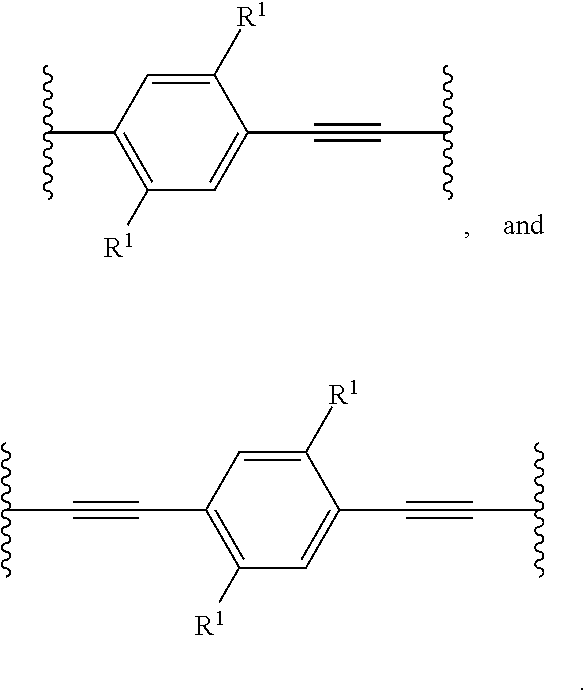
- the compound can be a polymer (e.g., a polymer or copolymer) including the repeating unit:
- the compound can be a polymer (e.g., a homopolymer or copolymer) including the repeating unit:
- the compound can be a polymer (e.g., a homopolymer or copolymer) including the repeating group:
- the compound can be a polymer (e.g., a homopolymer or copolymer) including the repeating group:
- the compound can be a polymer (e.g., a homopolymer or copolymer) including the repeating group:
- the compound can be:
- the compound can be:
- the compound can be:
- the compound can be:
- the compound can be:
- the compound can be:
- the compound can be:
- the compound can be:
- the compound can be:
- the compound can be:
- the method described herein can prevent or reduce a fungal infection on a substrate.
- the method can include treating the substrate with a therapeutically effective amount of a compound so that contact between the treated surface and a fungus including ⁇ -glucan that is at least partially masked from immune system detection is effective to at least partially unmask the ⁇ -glucan thereby increasing immunogenicity of the fungus and preventing or reducing fungal infection on the substrate from the fungus.
- the substrate can be substantially free of the fungus, or the substrate can include the fungus.
- the compound can be any suitable compound, such as any compound described herein.
- the method can include filling or coating a medical device, such as a catheter, with a solution including the compound.
- the method of preventing or reducing a fungal infection on or in a device can be any device, such as a medical device, such as a catheter.
- the method can include treating the device with a therapeutically effective amount of a compound so that contact between the compound and a fungus including ⁇ -glucan that is at least partially masked from immune system detection is effective to at least partially unmask the ⁇ -glucan thereby increasing immunogenicity of the fungus and preventing or reducing fungal infection on or in the device from the fungus.
- the compound can be any suitable compound, such as any compound described herein.
- the method can include filling or coating a medical device, such as a catheter, with a solution including the compound.
- any one of the compounds described herein is an antifungal compound.
- Contact between a fungus including a ⁇ -glucan that is at least partially masked from immune system detection and a therapeutically effective amount of the antifungal compound can at least partially unmasks the ⁇ -glucan to increase immunogenicity of the fungus.
- the compound can be any suitable compound that can be used to perform the methods described herein.
- the compound can be any suitable compound described herein.
- a device e.g., a medical device
- a substrate that includes one or more of the compounds, wherein the device experiences less or no fungal infections, as compared to a device or substrate free of the one or more compounds.
- the antifungal compound can include a unit having the structure:
- variable A 1 can be chosen from a bond
- variable A 2 can be chosen from a bond
- the variable R 1 can be chosen from —H and C 1 .
- the compound can include at least one C 1 .
- C 1 can be independently chosen from -L-D and —O-L-D.
- L can be independently (C 1 -C 10 )hydrocarbylene.
- D can be independently chosen from —N((C 1 -C 5 )alkyl) 3 and a (C 1 -C 10 )alkyl-substituted cationic nitrogen-containing (C 1 -C 5 )heterocycle.
- the variable n can be about 1 to about 100,000. Contact between the compound and a fungus including ⁇ -glucan that is at least partially masked from immune system detection is effective to at least partially unmask the ⁇ -glucan thereby increasing immunogenicity of the fungus.
- the compound can have the structure:
- variable R 2 can be chosen from a bond
- variable R 3 can be chosen from a bond
- T can be independently chosen from —H, C(O)—O—(C 1 -C 10 )alkyl, -phenyl, and —R 1 .
- the compound can be or include any of the compounds shown in Table 1.
- phenylene ethynylene (PE) compounds against Candida species.
- a subset of conjugated polyelectrolytes, phenylene ethynylenes have shown promising biocidal activity against Gram-positive and -negative bacterial pathogens, as well as the environmental yeast, Saccharomyces cerevisiae .
- the chemical structure of these compounds renders them capable of inducing broad-spectrum cell damage.
- the phenylene ethynylenes studied include compounds with alternating phenyl and acetylenic groups with appended cationic groups (Scheme 1).
- ROS reactive oxygen species
- the oligomeric and polymeric molecular size of PE compounds can play a role in their mechanisms of killing. Additionally, the antimicrobial activity of these compounds can dependent on various factors that include molecular conformation, size, functional groups, and, the membrane composition of the target pathogen. After treatment with the compounds, the viability of Candida spp. was monitored using flow cytometry.
- Candida albicans ATCC, # MYA-2876
- C. parapsilosis ATCC, #22019
- C. glabrata ATCC, #2001
- Said stock was transferred to 5 mL filtered yeast extract-peptone-dextrose (YPD) medium (Becton Dickinson), and grown for 16 h at 30° C., with a shaking speed of 300 RPM. These growth conditions yielded yeast at the mid exponential phase.
- Biocidal experiments were carried out in either translucent or opaque 1.5 mL microcentrifuge tubes, at cell concentrations of 5 ⁇ 10 6 /mL.
- EO-OPE-DABCO and PPE-DABCO stocks were prepared in sterile deionized water (18.2 M ⁇ cm at 25° C.), and contained 0.47% dimethyl sulfoxide (by volume) to improve solubility and minimize aggregate formation.
- Negative controls contained equal amounts of dimethyl sulfoxide.
- C. albicans yeast cells were treated in a similar manner to that of the previously described biocidal experiments.
- OPE-DABCO exposure in UVA light was limited to just 10 min.
- a thermal positive control was also implemented, which entailed heating samples to 100° C. for 30 min.
- samples were blocked with 1% (w/v) bovine serum albumin (BSA) for 30 min at room temperature.
- BSA bovine serum albumin
- Negative controls contained 10 ⁇ g/mL isotype-matched murine IgG in place of anti ⁇ -glucan IgG.
- a secondary antibody with Alexa Fluor 647 dye was then added (1 ug/ml in PBS+1% BSA), along with 5 ⁇ M SYTO 9 were simultaneously added and allowed to stain cells for 30 minutes at 25° C. prior to analysis by flow cytometry. Data shown is an aggregation of two independent replicate experiments.
- HEK-293 cells (ATCC, # CRL-1573) were cultured in DMEM supplemented with 10% CS, 1% Penicillin/Streptomycin, 2 mM L-glutamine, and 1 mM sodium pyruvate at 37° C., 5% CO 2 . Cells were then plated in 6 well plate at 1 ⁇ 10 5 cell per well. mApple-human Dectin1A-C-10 (addgene, #54883) was transfected into cells by following standard protocols using Fugene 6 (Promega, # E2691). Cell cultures were used for further experimentation at 24 h post-transfection with growth in normal medium, as described above.
- C. albicans yeast cells were subjected to the same treatment conditions as in the aforementioned ⁇ -glucan exposure study, before being spun down and washed in PBS. Following the last wash step the C. albicans were stained with 7.5 ⁇ M of SYTO 9 (Invitrogen, # S-34854) and 7.5 ⁇ M of CypHer5E NHS-ester (GE Healthcare, # PA15401) for one hour at 25° C. After staining the C. albicans were added to live, Dectin-1A-C-10 transfected HEK-293 cells for one hour. Next ice cold PBS was used to lift the HEK-293 cells off of the plate. Either controls with C.
- albicans or HEK-293 alone or the above samples with a mixture of C. albicans and HEK-293 cells were analyzed using an LSR Fortessa flow cytometer (Becton Dickinson) and FlowJo software (FlowJo, Ashland, Oreg.). At least 10,000 side scatter (SSC)-positive events are evaluated in each trial. CypHer 5, SYTO 9, and mApple fluorescence was observed at emission wavelengths of 660 nm (670/14), 525 nm (505 LP, 530/30), and 578 nm (582/15), respectively. Data shown is an aggregation of two independent replicate experiments.
- Phenylene ethynylenes are unique in that their mechanism of action differs, depending on the presence of light; in particular, light intensity, emission wavelength, and duration.
- duration of light exposure was the primary variable being studied.
- Light intensity was kept constant using a photoreactor with 14 interchangeable lamps. Lamps were chosen to have an emission wavelength overlapping the excitation spectrum of the phenylene ethynylene being used.
- FIG. 1A illustrates the biocidal activity of the two concentrations of EO-OPE-DABCO: 1 and 10 ⁇ g/mL.
- a 1 ⁇ g/mL concentration of EO-OPE-DABCO killed 34% of C. albicans yeast cells; however, killing drastically increased with just minimal light exposure, as 2 log cell death was observed after just 8 min.
- Increasing the concentration to 10 ug/mL greatly improved the dark killing capacity of the EO-OPE-DABCO, resulting in 97% cell death.
- 10 ⁇ g/mL EO-OPE-DABCO exhibited a profound biocidal effect, exceeding 3 log reduction after just 4 min in UVA light.
- FIG. 1B illustrates the viability of C. albicans following exposure to PPE-DABCO. It is quite evident that, unlike EO-OPE-DABCO, its PPE-DABCO counterpart is non-toxic in the absence of light; even at a relatively high concentration of 10 ⁇ g/mL, little-to-no cell death was observed even after 8 min of exposure to 420 nm light, A 2 log reduction of C. albicans viability was observed after 48 min of light exposure. After 52 min of continuous light exposure, 10 ⁇ g/mL PPE-DABCO was able to kill 99% of all C. albicans yeast cells. In summary, dark killing of the EO-OPE-DABCO is concentration-dependent, while the light activity is not. Conversely, the PPE-DABCO's dark killing was not dependent on concentration, since it failed to elicit membrane damage in that case. Biocidal activity of PPE-DABCO is predicated on light exposure.
- PPE-DABCO is limited in its ability to fully penetrate the cell wall and much of the compound is sequestered on ⁇ -glucan in the cell wall. Given the limited radius of destruction of singlet oxygen and the density of organic material in the cell wall capable of quenching singlet oxygen, this association may be limiting the depth of cell wall permeation of PPE-DABCO and its capacity to directly perturb the yeast's plasma membrane, relative to EO-OPE-DABCO. The oligomer, on the other hand, appears far less likely to interact with ⁇ -glucan, which can allow it to permeate the fungal cell wall more readily and better access the yeast's plasma membrane.
- C. albicans clinical isolates were surveyed for their susceptibility to 10 ⁇ g/mL EO-OPE-DABCO in the dark.
- the cells were stained with SYTO 9 and TO-PRO-3 before the introduction of EO-OPE-DABCO.
- the susceptibility of clinical isolates was gauged relative to that of C. albicans SC5314, as shown in FIGS. 4A-4F .
- FIG. 5 shows similar degrees of biocidal activity against C. albicans and C. parapsilosis , but less activity against C. glabrata , with about 50% surviving through 15 minutes' exposure. This result is consistent with the fact that C. albicans and C. parapsilosis share a closer phylogenetic relationship than is found between C. albicans and C. glabrata.
- ⁇ -glucan is highly immunogenic upon recognition by the innate immunoreceptors Dectin-1 or Mac-1.
- innate immunoreceptors Dectin-1 or Mac-1 Several prominent genera of fungal pathogens, including Candida , are known to employ an innate immune evasive strategy of masking glucan to restrict its exposure on the cell wall surface.
- PE antimicrobials bound to cell wall constituents and exposed to light can generate singlet oxygen, leading to local cell wall damage, unmasking ⁇ -glucan and increasing immunogenicity.
- Using an anti- ⁇ -(1,3)-glucan primary antibody in tandem with a secondary fluorescently-labeled antibody allowed for the comparison of glucan exposure following treatment conditions: PE in the dark, PE in the light, and a 60 min light negative control.
- FIG. 7 After illumination, PPE-DABCO treated cell walls do show evidence of significant glucan unmasking ( FIG. 7 ).
- ⁇ -glucan exposure estimated from median fluorescence signal of AF 647. The exposure duration of all samples in FIG. 7 was 60 min, with the exception of OPE-DABCO exposure in the light, for which the exposure duration was limited to 10 min. PPE-DABCO-induced glucan unmasking is evident under illumination conditions that are not biocidal for C. albicans . These results suggested that glucan masking in Candida cell walls are sensitive to cationic stress, and, to a far greater degree, 1 O 2 and other ROS.
- a flow cytometric assay of yeast cell binding to and internalization by HEK-293 transfectants was used. Yeasts were labeled with the pH-sensitive dye CypHer 5, which increases dramatically in emission intensity after internalization within acidic phagosomal compartments. The Cypher 5 signal was used to measure binding and internalization of yeast. Flow cytometry data were gated on HEK-293 cell-containing events for analysis, as defined by high side scatter signal, which was significantly larger than free yeast. Yeast bound to HEK-293 cells registered a low Cypher 5 signal. If yeasts were internalized, the CypHer 5 signal was much higher.
- the percent of HEK-293 cells with yeast bound was determined by the percent of SSC-gated events having low or high CypHer 5 signal. The extent of phagocytosis was assessed by the median CypHer 5 fluorescence intensity within these populations.
- albicans yeast cells bind avidly to HEK-293 cells, and this binding is independent of excitation of PPE-DABCO or Dectin-1 expression by the HEK-293.
- PPE-DABCO binding of PPE-DABCO to Candida cell walls alters their surface properties in ways that promote Dectin-1 independent adhesion to human cells, perhaps through electrostatic and/or hydrophobic mechanisms.
- the extent of interaction between the yeast cell and the HEK-293 cell is not dependent on the degree of incurred cell membrane damage, as C. albicans killed with light-activated PPE-DABCO were no more likely to bind HEK-293 cells. Despite their ability to bind HEK-293 cells, internalization of PPE-DABCO treated C.
- albicans yeasts required Dectin-1 expression and excitation of PPE-DABCO prior to binding. These data indicate that the glucan unmasking caused by light-activation of PPE-DABCO on C. albicans cell walls can result in the biological outcome of increased Dectin-1 dependent phagocytosis.
- C. albicans Despite their intrinsic resistance to cationic and oxidative stresses, C. albicans was highly susceptible to EO-OPE-DABCO, and to a lesser extent, PPE-DABCO. Biocidal activity of these compounds against C. albicans utilizes a dual mechanism combining light-independent cationic stress and light-dependent oxidative stress. Unlike other broad-spectrum antimicrobials, PEs exhibit low levels of in vitro toxicity against mammalian cells, making them interesting candidates in numerous clinical applications.
- C. parapsilosis was found to be just as susceptible to EO-OPE-DABCO in the dark as C. albicans
- C. glabrata displayed an inherent resistance.
- Candida spp. experience cationic stress as they interact with innate immune defenses.
- cationic antimicrobial peptides such as Histatnin-5
- Histatnin-5 are deployed in host defense against Candida spp. and are thought to work by disrupting fungal plasma membrane integrity (REF).
- C. glabrata is noted for its resistance to killing by cationic antimicrobial peptides relative to C. albicans and other Candida spp. pathogens.
- C. glabrata is noted for its resistance to killing by cationic antimicrobial peptides relative to C. albicans and other Candida spp. pathogens.
- C. glabrata is noted for its resistance to killing by cationic antimicrobial peptides relative to C. albicans and other Candida spp
- albicans yeast cells display a modest stress response in the presence of heavy metal cations, activating 48 genes as a coping mechanism. Conversely, the cationic stress response in C. glabrata is more extensive, with over 100 genes being activated under similar circumstances. Cationic stresses imparted by heavy metals differs slightly from that of PEs; however, both are able to denature native protein conformation, and therefore may activate similar genes as part of a cationic stress response among Candida yeast cells.
- EO-OPE-DABCO's decreased ability to kill C. glabrata resembles the results of a previous study, in which a 10 ⁇ g/mL concentration of the compound failed to kill 99% of S. cerevisiae yeast, even after an hour in the light. Although S.
- C. glabrata is also known to have robust antioxidative defenses that allow it to survive in the phagosome, and may impact its ability to resist oxidative killing by cationic phenylene ethynylenes.
- FIGS. 3A-3D It was found that PPE-DABCO strongly associates with soluble ⁇ -(1,3)-glucan ( FIGS. 3A-3D ), which is important for structural support of the cell wall of C. albicans .
- the PPE-DABCO/glucan interaction can, without being bound by theory, directly cause more global disruption to the cell wall, and it is likely that the targeting of polymeric phenylene ethynylenes to cell wall polysaccharides places them in an ideal position reactive oxygen-mediated damage to cell wall components after photoactivation.
- PPE-DABCO displays immunostimulatory attributes, particularly in the light. This polymer was found to unmask the mannoprotein layer of C. albicans yeast cells in such a way that ⁇ -(1,3)-glucan could more easily be recognized and bound by pattern recognition receptor Dectin-1. PPE-DABCO binds to yeast cell walls ( FIGS. 6A-6B ). The chemical basis of this binding can relate to direct interactions between PPE-DABCO and ⁇ (1,3)-glucan, as discussed herein. Additionally, PPE-DABCO may interact electrostatically with anionic moieties in the outer cell wall. Ultrastructural studies have described the presence of evenly-dispersed anionic sites on the C. albicans yeast surface. Also, C.
- albicans N-linked mannans contain abundant oligomannose side chains attached via anionic phosphodiester linkages that could provide sites of electrostatic binding for polycations like PPE-DABCO.
- PPE-DABCO would be ideally positioned in the outer cell wall to damage mannoproteins that are thought to provide glucan masking.
- the results described herein suggest that merely the binding of PPE-DABCO to C. albicans increases adherence of yeast to HEK-293 cells in a receptor-independent fashion, suggesting that PPE-DABCO alters cell wall surface characteristics in ways that impact interaction with host cells non-specifically ( FIG. 8A ).
- FIGS. 9A-9L show interactions between C. albicans yeast cells and PPE-DABCO, as well as both positive and negative control experiments.
- the upper left quadrant in FIGS. 9A, 9D, 9G, and 9J encompass events that are SSC+ and mApple ⁇ , and represent all Hek 293 cells that were not successfully transfected, and therefore do not express Dectin-1.
- the upper right quadrants in FIGS. 9A, 9D, 9G, and 9J encompass events that are SSC+ and mApple+, and represent all Hek 293 cells that were successfully transfected, and therefore do express Dectin-1.
- Embodiment 1 provides a method of treating a fungal infection, the method comprising: contacting a fungus comprising a ⁇ -glucan that is at least partially masked from immune system detection with a therapeutically effective amount of a compound that at least partially unmasks the ⁇ -glucan to increase immunogenicity of the fungus.
- Embodiment 2 provides the method of Embodiment 1, wherein the ⁇ -glucan comprises ⁇ -(1,3;1,6)-glucan.
- Embodiment 3 provides the method of any one of Embodiments 1-2, wherein the fungus is a Candida species fungus, an Aspergillus species fungus, or a Histoplasma species fungus.
- Embodiment 4 provides the method of any one of Embodiments 1-3, wherein the fungus is Candida albicans, Candida glabrata, Candida parapsilosis , or a combination thereof.
- Embodiment 5 provides the method of any one of Embodiments 1-4, wherein the fungus comprises a biofilm.
- Embodiment 6 provides the method of any one of Embodiments 1-5, wherein the fungus is in or on an indwelling medical device.
- Embodiment 7 provides the method of any one of Embodiments 1-6, wherein the fungus is in or on a catheter.
- Embodiment 8 provides the method of any one of Embodiments 1-7, wherein the compound is a polycationic conjugated aromatic system.
- Embodiment 9 provides the method of any one of Embodiments 1-8, wherein the compound comprises a unit having the structure:
- a 1 is chosen from a bond.
- a 2 is chosen from a bond
- R 1 is chosen from —H and C 1 , wherein the compound comprises at least one C 1 ,
- C 1 is independently chosen from -L-D and —O-L-D,
- L is independently (C 1 -C 10 )hydrocarbylene
- D is independently chosen from —N((C 1 -C 5 )alkyl) 3 and a (C 1 -C 10 )alkyl-substituted cationic nitrogen-containing (C 1 -C 5 )heterocycle, and
- n is about 1 to about 100,000.
- Embodiment 10 provides the method of Embodiment 9, wherein the compound has the structure:
- R 2 is chosen from a bond
- R 3 is chosen from a bond
- T is independently chosen from —H, C(O)—O—(C 1 -C 10 )alkyl, -phenyl, and —R 1 .
- Embodiment 11 provides the method of any one of Embodiments 9-10, wherein at each occurrence, L is independently chosen from methylene, ethylene, propylene, butylene, pentylene, and heptylene.
- Embodiment 12 provides the method of any one of Embodiments 9-11, wherein the variable A 1 is chosen from a bond,
- Embodiment 13 provides the method of any one of Embodiments 9-12, wherein at each occurrence, D is independently chosen from —N(CH 3 ) 3 ,
- Embodiment 14 provides the method of any one of Embodiments 9-13, wherein at each occurrence, D is independently chosen from —N(CH 3 ) 3 ,
- Embodiment 15 provides the method of any one of Embodiments 9-14, wherein C 1 is chosen from:
- Embodiment 16 provides the method of any one of Embodiments 9-15, wherein at each occurrence, T is independently chosen from —H, C(O)—O-ethyl, -phenyl, and —R 1 .
- Embodiment 17 provides the method of any one of Embodiments 1-16, wherein the compound is:
- Embodiment 18 provides the method of any one of Embodiments 1-17, wherein the compound is a polymer comprising the repeating unit:
- Embodiment 19 provides the method of Embodiment 18, wherein the polymer is a homopolymer.
- Embodiment 20 provides the method of any one of Embodiments 1-19, wherein the compound is a polymer comprising the repeating unit:
- Embodiment 21 provides the method of Embodiment 20, wherein the polymer is a homopolymer.
- Embodiment 22 provides the method of any one of Embodiments 1-21, wherein the compound is a polymer comprising the repeating group:
- Embodiment 23 provides the method of Embodiment 22, wherein the polymer is a homopolymer.
- Embodiment 24 provides the method of any one of Embodiments 1-23, wherein compound is a polymer comprising the repeating group:
- Embodiment 25 provides the method of Embodiment 24, wherein the polymer is a homopolymer.
- Embodiment 26 provides the method of any one of Embodiments 1-25, wherein the compound is:
- Embodiment 27 provides the method of any one of Embodiments 1-26, wherein the compound is:
- Embodiment 28 provides the method of any one of Embodiments 1-27, wherein the compound is:
- Embodiment 29 provides the method of any one of Embodiments 1-28, wherein the compound is:
- Embodiment 30 provides the method of any one of Embodiments 1-29, wherein the compound is:
- Embodiment 31 provides the method of any one of Embodiments 1-30, wherein the compound is:
- Embodiment 32 provides the method of any one of Embodiments 1-31, wherein the compound is:
- Embodiment 33 provides the method of any one of Embodiments 1-32, wherein the compound is:
- Embodiment 34 provides e method of any one of Embodiments 1-33, wherein the compound is:
- Embodiment 35 provides the method of any one of Embodiments 1-34, wherein the compound is:
- Embodiment 36 provides a method of treating a fungal infection, the method comprising:
- a fungus comprising a ⁇ -glucan that is at least partially masked from immune system surveillance with a therapeutically effective amount of a compound that at least partially unmasks the ⁇ -glucan to increase immunogenicity of the fungus, wherein the compound comprises a unit having the structure:
- a 1 is chosen from a bond
- a 2 is chosen from a bond
- R 1 is chosen from —H and C 1 , wherein the compound comprises at least one C 1 ,
- C 1 is independently chosen from -L-D and —O-L-D,
- L is independently (C 1 -C 10 )hydrocarbylene
- D is independently chosen from —N((C 1 -C 5 )alkyl) 3 and a (C 1 -C 10 )alkyl-substituted cationic nitrogen-containing (C 1 -C 5 )heterocycle, and
- n is about 1 to about 100,000.
- Embodiment 37 provides a method of preventing or reducing a fungal infection on a substrate, the method comprising:
- Embodiment 38 provides a method of preventing or reducing a fungal infection on or in a device, the method comprising:
- Embodiment 39 provides an antifungal compound comprising a unit having the structure:
- a 1 is chosen from a bond
- a 2 is chosen from a bond.
- R 1 is chosen from —H and C 1 , wherein the compound comprises at least one C 1 ,
- C 1 is independently chosen from -L-D and —O-L-D,
- L is independently (C 1 -C 10 )hydrocarbylene
- D is independently chosen from —N((C 1 -C 5 )alkyl) 3 and a (C 1 -C 10 )alkyl-substituted cationic nitrogen-containing (C 1 -C 5 )heterocycle, and
- n is about 1 to about 100,000
- contact between a therapeutically effective amount of the compound and a fungus comprising ⁇ -glucan that is at least partially masked from immune system detection is effective to at least partially unmask the ⁇ -glucan thereby increasing immunogenicity of the fungus.
- Embodiment 40 provides the method of Embodiment 39, wherein the compound has the structure:
- R 2 is chosen from a bond
- R 3 is chosen from a bond
- T is independently chosen from —H, C(O)—O—(C 1 -C 10 )alkyl, -phenyl, and —R 1 .
- Embodiment 41 provides the method or compound of any one or any combination of Embodiments 1-40 optionally configured such that all elements or options recited are available to use or select from.
Landscapes
- Health & Medical Sciences (AREA)
- Life Sciences & Earth Sciences (AREA)
- Veterinary Medicine (AREA)
- Chemical & Material Sciences (AREA)
- Public Health (AREA)
- Medicinal Chemistry (AREA)
- General Health & Medical Sciences (AREA)
- Animal Behavior & Ethology (AREA)
- Pharmacology & Pharmacy (AREA)
- Epidemiology (AREA)
- Chemical Kinetics & Catalysis (AREA)
- Organic Chemistry (AREA)
- Nuclear Medicine, Radiotherapy & Molecular Imaging (AREA)
- General Chemical & Material Sciences (AREA)
- Oncology (AREA)
- Communicable Diseases (AREA)
- Pharmaceuticals Containing Other Organic And Inorganic Compounds (AREA)
Abstract
Description

The variable A1 is chosen from a bond,

The variable A2 is chosen from a bond,

The variable R1 is chosen from —H and C1, wherein the compound includes at least one C1, at each occurrence, C1 is independently chosen from -L-D and —O-L-D, at each occurrence, L is independently (C1-C10)hydrocarbylene, at each occurrence, D is independently chosen from —N((C1-C5)alkyl)3 and a (C1-C10)alkyl-substituted cationic nitrogen-containing (C1-C5)heterocycle, and n is about 1 to about 100,000.

The variable A2 is chosen from a bond,

The variable A2 is chosen from a bond,

The variable R1 is chosen from —H and C1, wherein the compound includes at least one C1, at each occurrence, C1 is independently chosen from -L-D and —O-L-D, at each occurrence, L is independently (C1-C10)hydrocarbylene, at each occurrence, D is independently chosen from —N((C1-C5)alkyl)3 and a (C1-C10)alkyl-substituted cationic nitrogen-containing (C1-C5)heterocycle, and n is about 1 to about 100,000, and wherein contact between a therapeutically effective amount of the compound and a fungus including β-glucan that is at least partially masked from immune system detection is effective to at least partially unmask the β-glucan thereby increasing immunogenicity of the fungus.

The variable A1 can be chosen from a bond,

The variable A2 can be chosen from a bond,

The variable R1 can be chosen from —H and C1. The compound can include at least one C1 (e.g., at least one cationic group, or at least two cationic groups). At each occurrence, C1 can be independently chosen from -L-D and —O-L-D. At each occurrence, L can be independently (C1-C10)hydrocarbylene. At each occurrence, D can be independently chosen from N((C1-C5)alkyl)3 and a (C1-C10)alkyl-substituted cationic nitrogen-containing (C1-C5)heterocycle. The variable n can be about 1 to about 100,000, about 1 to about 20, about 1 to about 10, or about 1, or less than, equal to, or greater than about 2, 3, 4, 5, 6, 7, 8, 9, 10, 11, 12, 13, 14, 15, 16, 17, 18, 19, or about 20 or more.

The variable R2 can be chosen from a bond and

The variable R3 can be chosen from a bond and

At each occurrence, the variable T can be independently chosen from —H, C(O)—O—(C1-C10)alkyl, -phenyl, and —R1.
The variable L can be independently chosen from methylene, ethylene, propylene, butylene, pentylene, and heptylene.
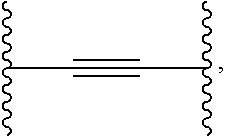
The variable A1 can be chosen from a bond,
At each occurrence, the variable D can e independently chosen from —N(CH3)3,

At each occurrence, the variable D can be independently chosen from —N(CH3)3,

The variable C1 can be chosen from:

At each occurrence, the variable T can be independently chosen from —H, C(O)—O-ethyl, -phenyl, and —R1.


Method of Preventing or Reducing a Fungal Injection on a Substrate.

The variable A1 can be chosen from a bond,

The variable A2 can be chosen from a bond,

The variable R1 can be chosen from —H and C1. The compound can include at least one C1. At each occurrence, C1 can be independently chosen from -L-D and —O-L-D. At each occurrence, L can be independently (C1-C10)hydrocarbylene. At each occurrence, D can be independently chosen from —N((C1-C5)alkyl)3 and a (C1-C10)alkyl-substituted cationic nitrogen-containing (C1-C5)heterocycle. The variable n can be about 1 to about 100,000. Contact between the compound and a fungus including β-glucan that is at least partially masked from immune system detection is effective to at least partially unmask the β-glucan thereby increasing immunogenicity of the fungus.

The variable R2 can be chosen from a bond and

The variable R3 can be chosen from a bond and

At each occurrence, T can be independently chosen from —H, C(O)—O—(C1-C10)alkyl, -phenyl, and —R1.
| TABLE 1 |
| Antifungal compounds. |
| EO-OPE- 1(DABCO) |
 |
| PPE-DABCO |
 |
| P3HT- imidazolium |
 |
| PIM-4 |
 |
| PIM-2 |
 |
| PPE-Th |
 |
| S-OPE-1(H) |
 |
| S-OPE-2(H) |
 |
| S-OPE-3(H) |
 |
| S-OPE-1(COOEt) |
 |
| S-OPE-2(COOEt) |
 |
| S-OPE-3(COOEt) |
 |
| EO-OPE-1(C3) |
 |
| EO-OPE-1(C2) |
 |
| EO-OPE-1(Th) |
 |
| EO-OPE- 1(Th, C2) |
 |


and



Claims (18)


Priority Applications (1)
| Application Number | Priority Date | Filing Date | Title |
|---|---|---|---|
| US15/886,469 US10772851B2 (en) | 2017-02-03 | 2018-02-01 | Treatment and prevention of fungal infections |
Applications Claiming Priority (2)
| Application Number | Priority Date | Filing Date | Title |
|---|---|---|---|
| US201762454355P | 2017-02-03 | 2017-02-03 | |
| US15/886,469 US10772851B2 (en) | 2017-02-03 | 2018-02-01 | Treatment and prevention of fungal infections |
Publications (2)
| Publication Number | Publication Date |
|---|---|
| US20180221309A1 US20180221309A1 (en) | 2018-08-09 |
| US10772851B2 true US10772851B2 (en) | 2020-09-15 |
Family
ID=63038897
Family Applications (1)
| Application Number | Title | Priority Date | Filing Date |
|---|---|---|---|
| US15/886,469 Active 2038-03-28 US10772851B2 (en) | 2017-02-03 | 2018-02-01 | Treatment and prevention of fungal infections |
Country Status (1)
| Country | Link |
|---|---|
| US (1) | US10772851B2 (en) |
Cited By (1)
| Publication number | Priority date | Publication date | Assignee | Title |
|---|---|---|---|---|
| US12163953B2 (en) | 2014-03-14 | 2024-12-10 | Stc.Unm | P-phenylene ethynylene compounds as bioactive and detection agents |
Families Citing this family (2)
| Publication number | Priority date | Publication date | Assignee | Title |
|---|---|---|---|---|
| WO2012009484A2 (en) | 2010-07-13 | 2012-01-19 | Stc.Unm | Structure, synthesis, and applications for poly (phenylene) ethynylenes (ppes) |
| US11541105B2 (en) | 2018-06-01 | 2023-01-03 | The Research Foundation For The State University Of New York | Compositions and methods for disrupting biofilm formation and maintenance |
Citations (33)
| Publication number | Priority date | Publication date | Assignee | Title |
|---|---|---|---|---|
| US4251386A (en) | 1977-07-27 | 1981-02-17 | Fuji Photo Film Co., Ltd. | Method for preparing microcapsules |
| US5449809A (en) | 1992-08-11 | 1995-09-12 | Basf Aktiengesellschaft | Acetylene derivatives and crop protection agents containing them |
| US5489400A (en) | 1993-04-22 | 1996-02-06 | Industrial Technology Research Institute | Molecular complex of conductive polymer and polyelectrolyte; and a process of producing same |
| JP3198365B2 (en) | 1993-05-14 | 2001-08-13 | 隆一 山本 | Linear poly (phenylene-ethynylene-biphenylene-ethynylene) polymer |
| US20020177828A1 (en) | 1998-12-08 | 2002-11-28 | Batich Christopher D. | Absorbent materials with covalently-bonded, nonleachable, polymeric antimicrobial surfaces, and methods for preparation |
| US20030134959A1 (en) | 2001-11-30 | 2003-07-17 | Hancock Lawrence F. | Luminescent polymer particles |
| US20030168756A1 (en) | 2002-03-08 | 2003-09-11 | Balkus Kenneth J. | Electrospinning of polymer and mesoporous composite fibers |
| US20030178607A1 (en) | 1998-05-05 | 2003-09-25 | Massachusetts Institute Of Technology | Emissive polymers and devices incorporating these polymers |
| US6743640B2 (en) | 2000-05-08 | 2004-06-01 | Qtl Biosystems Llc | Fluorescent polymer-QTL approach to biosensing |
| US6841669B2 (en) | 2000-05-31 | 2005-01-11 | Consiglio Nazionale Delle Ricerche | Functionalized thiophene oligomers and their use as fluorescent markers |
| US20050059168A1 (en) | 2003-09-17 | 2005-03-17 | The Regents Of The University Of California | Conformationally flexible cationic conjugated polymers |
| US20050148254A1 (en) | 2003-12-30 | 2005-07-07 | Liangde Lu | Light-activated biocidal polyelectrolytes |
| US20060175193A1 (en) | 2002-05-13 | 2006-08-10 | Olle Inganas | Polyelectrolyte complex(e.g.zwitterionic polythiophenes) with a receptor (e.g.polynucleotide, antibody etc.) for biosensor applications |
| US7122383B2 (en) | 2001-03-16 | 2006-10-17 | Qtl Biosystems, Llc | Fluorescent polymer superquenching-based bioassays |
| US20070065049A1 (en) | 2005-09-21 | 2007-03-22 | Springs Industries, Inc. | Display package for blanket or the like |
| US20070215841A1 (en) | 2004-05-14 | 2007-09-20 | Sonydeutschland Gmbh | Composite Materials Comprising Carbon Nanotubes and Metal Carbonates |
| US20080090021A1 (en) | 2005-01-28 | 2008-04-17 | The Goverment of the United States of America, as represented by the Secretary of the Navy | Magnetically directed self-assembly of molecular electronic junctions |
| WO2008143731A2 (en) | 2007-03-01 | 2008-11-27 | University Of Florida Research Foundation, Inc. | Surface grafted conjugated polymers |
| WO2009158606A2 (en) | 2008-06-27 | 2009-12-30 | Stc.Unm | Structure, synthesis, and applications for oligo phenylene ethynylenes |
| US20100035948A1 (en) | 2006-10-06 | 2010-02-11 | Naresh Kumar | Furanone compounds and lactam analogues thereof |
| WO2010044743A1 (en) | 2008-10-17 | 2010-04-22 | Biochromix Pharma Ab | Novel thiophene compounds for use in theraphy |
| WO2010054304A2 (en) | 2008-11-10 | 2010-05-14 | University Of Florida Research Foundation, Inc. | Conjugated polyelectrolyte capsules: light-activated antimicrobials |
| US20100285081A1 (en) | 2007-11-12 | 2010-11-11 | Massachusetts Institute Of Technology | Bactericidal Nanofibers, and Methods of Use Thereof |
| US20110076648A1 (en) | 2009-09-25 | 2011-03-31 | RL Leaders, LLC | Simulation system |
| WO2011044580A2 (en) | 2009-10-09 | 2011-04-14 | Stc. Unm | Materials incorporating antimicrobial polymers |
| WO2012009472A2 (en) | 2010-07-13 | 2012-01-19 | Stc.Unm | Structure, synthesis, and applications for oligo phenylene ethynylenes (opes) |
| WO2012079085A2 (en) | 2010-12-11 | 2012-06-14 | Stc.Unm | Structure, synthesis, and applications for conjugated polyampholytes |
| WO2013020096A2 (en) | 2011-08-03 | 2013-02-07 | Stc.Unm | Antimicrobial materials and methods |
| WO2013055417A2 (en) | 2011-07-08 | 2013-04-18 | Stc.Unm | Thiophene based oligomers as light activated biocides |
| US20150115362A1 (en) | 2013-10-30 | 2015-04-30 | Himax Technologies Limited | Lateral Diffused Metal Oxide Semiconductor |
| US20150132184A1 (en) | 2013-11-08 | 2015-05-14 | David G. Whitten | Charged singlet-oxygen sensitizers and oppositely-charged surfactants |
| WO2015138965A1 (en) | 2014-03-14 | 2015-09-17 | Whitten David G | P-phenylene ethynylene compounds as bioactive and detection agents |
| WO2016115362A1 (en) | 2015-01-14 | 2016-07-21 | Whitten David G | Conjugated polyelectrolytes and methods of using the same |
-
2018
- 2018-02-01 US US15/886,469 patent/US10772851B2/en active Active
Patent Citations (71)
| Publication number | Priority date | Publication date | Assignee | Title |
|---|---|---|---|---|
| US4251386A (en) | 1977-07-27 | 1981-02-17 | Fuji Photo Film Co., Ltd. | Method for preparing microcapsules |
| US5449809A (en) | 1992-08-11 | 1995-09-12 | Basf Aktiengesellschaft | Acetylene derivatives and crop protection agents containing them |
| US5489400A (en) | 1993-04-22 | 1996-02-06 | Industrial Technology Research Institute | Molecular complex of conductive polymer and polyelectrolyte; and a process of producing same |
| JP3198365B2 (en) | 1993-05-14 | 2001-08-13 | 隆一 山本 | Linear poly (phenylene-ethynylene-biphenylene-ethynylene) polymer |
| US20060120923A1 (en) | 1998-05-05 | 2006-06-08 | Swager Timothy M | Emissive polymers and devices incorporating these polymers |
| US20030178607A1 (en) | 1998-05-05 | 2003-09-25 | Massachusetts Institute Of Technology | Emissive polymers and devices incorporating these polymers |
| US20020177828A1 (en) | 1998-12-08 | 2002-11-28 | Batich Christopher D. | Absorbent materials with covalently-bonded, nonleachable, polymeric antimicrobial surfaces, and methods for preparation |
| US6743640B2 (en) | 2000-05-08 | 2004-06-01 | Qtl Biosystems Llc | Fluorescent polymer-QTL approach to biosensing |
| US20040241768A1 (en) | 2000-05-08 | 2004-12-02 | Whitten David G. | Fluorescent polymer-QTL approach to biosensing |
| US6841669B2 (en) | 2000-05-31 | 2005-01-11 | Consiglio Nazionale Delle Ricerche | Functionalized thiophene oligomers and their use as fluorescent markers |
| US7122383B2 (en) | 2001-03-16 | 2006-10-17 | Qtl Biosystems, Llc | Fluorescent polymer superquenching-based bioassays |
| US20030134959A1 (en) | 2001-11-30 | 2003-07-17 | Hancock Lawrence F. | Luminescent polymer particles |
| US20030168756A1 (en) | 2002-03-08 | 2003-09-11 | Balkus Kenneth J. | Electrospinning of polymer and mesoporous composite fibers |
| US20060175193A1 (en) | 2002-05-13 | 2006-08-10 | Olle Inganas | Polyelectrolyte complex(e.g.zwitterionic polythiophenes) with a receptor (e.g.polynucleotide, antibody etc.) for biosensor applications |
| US20050059168A1 (en) | 2003-09-17 | 2005-03-17 | The Regents Of The University Of California | Conformationally flexible cationic conjugated polymers |
| US20050148254A1 (en) | 2003-12-30 | 2005-07-07 | Liangde Lu | Light-activated biocidal polyelectrolytes |
| WO2005065323A2 (en) | 2003-12-30 | 2005-07-21 | Qtl Biosystems Llc | Light-activated biocidal polyelectrolytes |
| US20070215841A1 (en) | 2004-05-14 | 2007-09-20 | Sonydeutschland Gmbh | Composite Materials Comprising Carbon Nanotubes and Metal Carbonates |
| US20080090021A1 (en) | 2005-01-28 | 2008-04-17 | The Goverment of the United States of America, as represented by the Secretary of the Navy | Magnetically directed self-assembly of molecular electronic junctions |
| US20070065049A1 (en) | 2005-09-21 | 2007-03-22 | Springs Industries, Inc. | Display package for blanket or the like |
| US20100035948A1 (en) | 2006-10-06 | 2010-02-11 | Naresh Kumar | Furanone compounds and lactam analogues thereof |
| WO2008143731A2 (en) | 2007-03-01 | 2008-11-27 | University Of Florida Research Foundation, Inc. | Surface grafted conjugated polymers |
| US20110159605A1 (en) | 2007-03-01 | 2011-06-30 | University Of Florida Research Foundation, Inc. | Surface Grafted Conjugated Polymers |
| US8455265B2 (en) | 2007-03-01 | 2013-06-04 | Stc.Unm | Surface grafted conjugated polymers |
| US20100285081A1 (en) | 2007-11-12 | 2010-11-11 | Massachusetts Institute Of Technology | Bactericidal Nanofibers, and Methods of Use Thereof |
| US20110223058A1 (en) | 2008-06-27 | 2011-09-15 | Stc.Unm | Structure, Synthesis, and Applications for Oligo Phenylene Ethynylenes |
| WO2009158606A2 (en) | 2008-06-27 | 2009-12-30 | Stc.Unm | Structure, synthesis, and applications for oligo phenylene ethynylenes |
| US8753570B2 (en) | 2008-06-27 | 2014-06-17 | Stc.Unm | Structure, synthesis, and applications for oligo phenylene ethynylenes |
| WO2009158606A9 (en) | 2008-06-27 | 2010-10-21 | Stc.Unm | Structure, synthesis, and applications for oligo phenylene ethynylenes |
| WO2010044743A1 (en) | 2008-10-17 | 2010-04-22 | Biochromix Pharma Ab | Novel thiophene compounds for use in theraphy |
| WO2010054304A2 (en) | 2008-11-10 | 2010-05-14 | University Of Florida Research Foundation, Inc. | Conjugated polyelectrolyte capsules: light-activated antimicrobials |
| US20110293470A1 (en) | 2008-11-10 | 2011-12-01 | University Of Florida Research Foundation Inc. | Conjugated polyelectrolyte capsules: light activated antimicrobials |
| US9005540B2 (en) | 2008-11-10 | 2015-04-14 | University Of Florida Research Foundation, Inc. | Conjugated polyelectrolyte capsules: light activated antimicrobials |
| US20140086795A1 (en) | 2008-11-10 | 2014-03-27 | Stc.Unm | Conjugated polyelectrolyte capsules: light activated antimicrobials |
| US8618009B2 (en) * | 2008-11-10 | 2013-12-31 | Stc.Unm | Conjugated polyelectrolyte capsules: light activated antimicrobials |
| US20110076648A1 (en) | 2009-09-25 | 2011-03-31 | RL Leaders, LLC | Simulation system |
| WO2011044580A3 (en) | 2009-10-09 | 2011-08-18 | Stc. Unm | Materials incorporating antimicrobial polymers |
| WO2011044580A2 (en) | 2009-10-09 | 2011-04-14 | Stc. Unm | Materials incorporating antimicrobial polymers |
| US20120271023A1 (en) | 2009-10-09 | 2012-10-25 | Stc.Unm | Materials incorporating antimicrobial polymers |
| US8598053B2 (en) | 2009-10-09 | 2013-12-03 | Stc.Unm | Materials incorporating antimicrobial polymers |
| WO2012009484A2 (en) | 2010-07-13 | 2012-01-19 | Stc.Unm | Structure, synthesis, and applications for poly (phenylene) ethynylenes (ppes) |
| US10174042B2 (en) | 2010-07-13 | 2019-01-08 | Stc.Unm | Structure, synthesis, and applications for poly (phenylene) ethynylenes (PPEs) |
| US20130210828A1 (en) | 2010-07-13 | 2013-08-15 | David G. Whitten | STRUCTURE, SYNTHESIS, AND APPLICATIONS FOR POLY (PHENYLENE) ETHYNYLENES (PPEs) |
| US20130273800A1 (en) | 2010-07-13 | 2013-10-17 | Office Of Technology Licensing | STRUCTURE, SYNTHESIS, AND APPLICATIONS FOR OLIGO PHENYLENE ETHYNYLENES (OPEs) |
| US20190116797A1 (en) | 2010-07-13 | 2019-04-25 | University Of Florida Research Foundation, Inc. | STRUCTURE, SYNTHESIS, AND APPLICATIONS FOR POLY(PHENYLENE ETHYNYLENES) (PPEs) |
| US20170057970A1 (en) | 2010-07-13 | 2017-03-02 | David G. Whitten | STRUCTURE, SYNTHESIS, AND APPLICATIONS FOR POLY (PHENYLENE) ETHYNYLENES (PPEs) |
| WO2012009472A2 (en) | 2010-07-13 | 2012-01-19 | Stc.Unm | Structure, synthesis, and applications for oligo phenylene ethynylenes (opes) |
| US9527806B2 (en) | 2010-07-13 | 2016-12-27 | Stc.Unm | Structure, synthesis, and applications for poly (phenylene) ethynylenes (PPEs) |
| US10092000B2 (en) | 2010-07-13 | 2018-10-09 | Stc.Unm | Structure, synthesis, and applications for oligo phenylene ethynylenes (OPEs) |
| WO2012079085A2 (en) | 2010-12-11 | 2012-06-14 | Stc.Unm | Structure, synthesis, and applications for conjugated polyampholytes |
| US20130330386A1 (en) | 2010-12-11 | 2013-12-12 | David G. Whitten | Structure, synthesis, and applications for conjugated polyampholytes |
| US20140341776A1 (en) | 2011-07-08 | 2014-11-20 | Stc.Unm | Thiophene based oligomers as light activated biocides |
| WO2013055417A2 (en) | 2011-07-08 | 2013-04-18 | Stc.Unm | Thiophene based oligomers as light activated biocides |
| WO2013055417A3 (en) | 2011-07-08 | 2013-08-01 | Stc.Unm | Thiophene based oligomers as light activated biocides |
| US9125415B2 (en) | 2011-07-08 | 2015-09-08 | Stc, Unm | Thiophene based oligomers as light activated biocides |
| US20170164614A1 (en) | 2011-08-03 | 2017-06-15 | University Of Florida Research Foundation, Inc. | Antimicrobial materials and methods |
| US10058099B2 (en) | 2011-08-03 | 2018-08-28 | Stc.Unm | Antimicrobial materials and methods |
| WO2013020096A3 (en) | 2011-08-03 | 2013-05-02 | Stc.Unm | Antimicrobial materials and methods |
| WO2013020096A2 (en) | 2011-08-03 | 2013-02-07 | Stc.Unm | Antimicrobial materials and methods |
| US9549549B2 (en) | 2011-08-03 | 2017-01-24 | Stc.Unm | Antimicrobial materials and methods |
| US20140242148A1 (en) | 2011-08-03 | 2014-08-28 | University Of Florida Research Foundation, Inc. | Antimicrobial materials and methods |
| US20150115362A1 (en) | 2013-10-30 | 2015-04-30 | Himax Technologies Limited | Lateral Diffused Metal Oxide Semiconductor |
| US9968698B2 (en) | 2013-11-08 | 2018-05-15 | Stc. Unm | Charged singlet-oxygen sensitizers and oppositely-charged surfactants |
| US20150132184A1 (en) | 2013-11-08 | 2015-05-14 | David G. Whitten | Charged singlet-oxygen sensitizers and oppositely-charged surfactants |
| US20170023554A1 (en) | 2014-03-14 | 2017-01-26 | David G. Whitten | P-phenylene ethynylene compounds as bioactive and detection agents |
| WO2015138965A1 (en) | 2014-03-14 | 2015-09-17 | Whitten David G | P-phenylene ethynylene compounds as bioactive and detection agents |
| WO2016115362A1 (en) | 2015-01-14 | 2016-07-21 | Whitten David G | Conjugated polyelectrolytes and methods of using the same |
| US9750250B2 (en) | 2015-01-14 | 2017-09-05 | Stc.Unm | Conjugated polyelectrolytes and methods of using the same |
| US20180020663A1 (en) | 2015-01-14 | 2018-01-25 | University Of Florida Research Foundation, Inc. | Conjugated polyelectrolytes and methods of using the same |
| CA2973982C (en) | 2015-01-14 | 2018-04-03 | David G. Whitten | Conjugated polyelectrolytes and methods of using the same |
| US20160222150A1 (en) | 2015-01-14 | 2016-08-04 | David G. Whitten | Conjugated polyelectrolytes and methods of using the same |
Non-Patent Citations (325)
Cited By (1)
| Publication number | Priority date | Publication date | Assignee | Title |
|---|---|---|---|---|
| US12163953B2 (en) | 2014-03-14 | 2024-12-10 | Stc.Unm | P-phenylene ethynylene compounds as bioactive and detection agents |
Also Published As
| Publication number | Publication date |
|---|---|
| US20180221309A1 (en) | 2018-08-09 |
Similar Documents
| Publication | Publication Date | Title |
|---|---|---|
| Wang et al. | Phospholipid-mimetic aggregation-induced emission luminogens for specific elimination of gram-positive and gram-negative bacteria | |
| Peters et al. | Efficacy of ethanol against Candida albicans and Staphylococcus aureus polymicrobial biofilms | |
| Huang et al. | Selective imaging and inactivation of bacteria over mammalian cells by imidazolium-substituted polythiophene | |
| De Melo et al. | Photodynamic inactivation of biofilm: taking a lightly colored approach to stubborn infection | |
| Guo et al. | Organic polymer nanoparticles with primary ammonium salt as potent antibacterial nanomaterials | |
| Van Acker et al. | Molecular mechanisms of antimicrobial tolerance and resistance in bacterial and fungal biofilms | |
| Schaefer et al. | Rational design of an antifungal polyacrylamide library with reduced host-cell toxicity | |
| Powell et al. | A nanoscale characterization of the interaction of a novel alginate oligomer with the cell surface and motility of Pseudomonas aeruginosa | |
| US10638759B2 (en) | Conjugated polyelectrolytes and methods of using the same | |
| US20180221309A1 (en) | Treatment and prevention of fungal infections | |
| Tian et al. | Conjugated polymers act synergistically with antibiotics to combat bacterial drug resistance | |
| Pappas et al. | Antifungal properties of cationic phenylene ethynylenes and their impact on β-glucan exposure | |
| Zhou et al. | Near-infrared light-triggered synergistic phototherapy for antimicrobial therapy | |
| Coad et al. | Surface coatings with covalently attached caspofungin are effective in eliminating fungal pathogens | |
| Petrillo et al. | Candida biofilm eye infection: main aspects and advance in novel agents as potential source of treatment | |
| Blackman et al. | Addressing a future pandemic: how can non-biological complex drugs prepare us for antimicrobial resistance threats? | |
| Liu et al. | Breaching bacterial biofilm barriers: Efficient combinatorial theranostics for multidrug-resistant bacterial biofilms with a novel penetration-enhanced AIEgen probe | |
| Schaefer et al. | Mimicking charged host-defense peptides to tune the antifungal activity and biocompatibility of amphiphilic polymers | |
| Qiao et al. | Gallium-based nanoplatform for combating multidrug-resistant Pseudomonas aeruginosa and postoperative inflammation in endophthalmitis secondary to cataract surgery | |
| Tang et al. | Nanoparticle-based photodynamic inhibition of Candida albicans biofilms with interfering quorum sensing | |
| Fang et al. | Protein transduction system based on tryptophan-zipper against intracellular infections via inhibiting ferroptosis of macrophages | |
| Ozketen et al. | Selenophene-modified boron dipyrromethene-based photosensitizers exhibit photodynamic inhibition on a broad range of bacteria | |
| Yan et al. | Antimicrobial zeolitic imidazolate frameworks with dual mechanisms of action | |
| Purbowati et al. | Antibacterial and antibiofilm effect of silver and gold nanoparticles in Uropathogenic Escherichia coli | |
| Shaban et al. | Anti-virulence and anti-efflux pump activity of synthetic defensins and histatin in Candida auris |
Legal Events
| Date | Code | Title | Description |
|---|---|---|---|
| FEPP | Fee payment procedure |
Free format text: ENTITY STATUS SET TO UNDISCOUNTED (ORIGINAL EVENT CODE: BIG.); ENTITY STATUS OF PATENT OWNER: SMALL ENTITY |
|
| FEPP | Fee payment procedure |
Free format text: ENTITY STATUS SET TO SMALL (ORIGINAL EVENT CODE: SMAL); ENTITY STATUS OF PATENT OWNER: SMALL ENTITY |
|
| STPP | Information on status: patent application and granting procedure in general |
Free format text: NON FINAL ACTION MAILED |
|
| STPP | Information on status: patent application and granting procedure in general |
Free format text: RESPONSE TO NON-FINAL OFFICE ACTION ENTERED AND FORWARDED TO EXAMINER |
|
| STPP | Information on status: patent application and granting procedure in general |
Free format text: FINAL REJECTION MAILED |
|
| STPP | Information on status: patent application and granting procedure in general |
Free format text: DOCKETED NEW CASE - READY FOR EXAMINATION |
|
| STPP | Information on status: patent application and granting procedure in general |
Free format text: PUBLICATIONS -- ISSUE FEE PAYMENT VERIFIED |
|
| STCF | Information on status: patent grant |
Free format text: PATENTED CASE |
|
| AS | Assignment |
Owner name: UNIVERSITY OF FLORIDA RESEARCH FOUNDATION, FLORIDA Free format text: ASSIGNMENT OF ASSIGNORS INTEREST;ASSIGNOR:SCHANZE, KIRK S.;REEL/FRAME:060353/0152 Effective date: 20220303 |
|
| MAFP | Maintenance fee payment |
Free format text: PAYMENT OF MAINTENANCE FEE, 4TH YR, SMALL ENTITY (ORIGINAL EVENT CODE: M2551); ENTITY STATUS OF PATENT OWNER: SMALL ENTITY Year of fee payment: 4 |