US10752906B2 - Precise microbiota engineering at the cellular level - Google Patents
Precise microbiota engineering at the cellular level Download PDFInfo
- Publication number
- US10752906B2 US10752906B2 US15/034,682 US201415034682A US10752906B2 US 10752906 B2 US10752906 B2 US 10752906B2 US 201415034682 A US201415034682 A US 201415034682A US 10752906 B2 US10752906 B2 US 10752906B2
- Authority
- US
- United States
- Prior art keywords
- nucleic acid
- cas9
- acid sequence
- cells
- gut
- Prior art date
- Legal status (The legal status is an assumption and is not a legal conclusion. Google has not performed a legal analysis and makes no representation as to the accuracy of the status listed.)
- Active, expires
Links
Images



Classifications
-
- C—CHEMISTRY; METALLURGY
- C12—BIOCHEMISTRY; BEER; SPIRITS; WINE; VINEGAR; MICROBIOLOGY; ENZYMOLOGY; MUTATION OR GENETIC ENGINEERING
- C12N—MICROORGANISMS OR ENZYMES; COMPOSITIONS THEREOF; PROPAGATING, PRESERVING, OR MAINTAINING MICROORGANISMS; MUTATION OR GENETIC ENGINEERING; CULTURE MEDIA
- C12N15/00—Mutation or genetic engineering; DNA or RNA concerning genetic engineering, vectors, e.g. plasmids, or their isolation, preparation or purification; Use of hosts therefor
- C12N15/09—Recombinant DNA-technology
- C12N15/63—Introduction of foreign genetic material using vectors; Vectors; Use of hosts therefor; Regulation of expression
- C12N15/70—Vectors or expression systems specially adapted for E. coli
-
- C—CHEMISTRY; METALLURGY
- C12—BIOCHEMISTRY; BEER; SPIRITS; WINE; VINEGAR; MICROBIOLOGY; ENZYMOLOGY; MUTATION OR GENETIC ENGINEERING
- C12N—MICROORGANISMS OR ENZYMES; COMPOSITIONS THEREOF; PROPAGATING, PRESERVING, OR MAINTAINING MICROORGANISMS; MUTATION OR GENETIC ENGINEERING; CULTURE MEDIA
- C12N1/00—Microorganisms; Compositions thereof; Processes of propagating, maintaining or preserving microorganisms or compositions thereof; Processes of preparing or isolating a composition containing a microorganism; Culture media therefor
- C12N1/20—Bacteria; Culture media therefor
-
- A—HUMAN NECESSITIES
- A61—MEDICAL OR VETERINARY SCIENCE; HYGIENE
- A61K—PREPARATIONS FOR MEDICAL, DENTAL OR TOILETRY PURPOSES
- A61K35/00—Medicinal preparations containing materials or reaction products thereof with undetermined constitution
- A61K35/66—Microorganisms or materials therefrom
- A61K35/74—Bacteria
-
- C—CHEMISTRY; METALLURGY
- C12—BIOCHEMISTRY; BEER; SPIRITS; WINE; VINEGAR; MICROBIOLOGY; ENZYMOLOGY; MUTATION OR GENETIC ENGINEERING
- C12N—MICROORGANISMS OR ENZYMES; COMPOSITIONS THEREOF; PROPAGATING, PRESERVING, OR MAINTAINING MICROORGANISMS; MUTATION OR GENETIC ENGINEERING; CULTURE MEDIA
- C12N1/00—Microorganisms; Compositions thereof; Processes of propagating, maintaining or preserving microorganisms or compositions thereof; Processes of preparing or isolating a composition containing a microorganism; Culture media therefor
- C12N1/38—Chemical stimulation of growth or activity by addition of chemical compounds which are not essential growth factors; Stimulation of growth by removal of a chemical compound
-
- C—CHEMISTRY; METALLURGY
- C12—BIOCHEMISTRY; BEER; SPIRITS; WINE; VINEGAR; MICROBIOLOGY; ENZYMOLOGY; MUTATION OR GENETIC ENGINEERING
- C12N—MICROORGANISMS OR ENZYMES; COMPOSITIONS THEREOF; PROPAGATING, PRESERVING, OR MAINTAINING MICROORGANISMS; MUTATION OR GENETIC ENGINEERING; CULTURE MEDIA
- C12N15/00—Mutation or genetic engineering; DNA or RNA concerning genetic engineering, vectors, e.g. plasmids, or their isolation, preparation or purification; Use of hosts therefor
- C12N15/09—Recombinant DNA-technology
- C12N15/11—DNA or RNA fragments; Modified forms thereof; Non-coding nucleic acids having a biological activity
- C12N15/113—Non-coding nucleic acids modulating the expression of genes, e.g. antisense oligonucleotides; Antisense DNA or RNA; Triplex- forming oligonucleotides; Catalytic nucleic acids, e.g. ribozymes; Nucleic acids used in co-suppression or gene silencing
- C12N15/1131—Non-coding nucleic acids modulating the expression of genes, e.g. antisense oligonucleotides; Antisense DNA or RNA; Triplex- forming oligonucleotides; Catalytic nucleic acids, e.g. ribozymes; Nucleic acids used in co-suppression or gene silencing against viruses
-
- C—CHEMISTRY; METALLURGY
- C12—BIOCHEMISTRY; BEER; SPIRITS; WINE; VINEGAR; MICROBIOLOGY; ENZYMOLOGY; MUTATION OR GENETIC ENGINEERING
- C12N—MICROORGANISMS OR ENZYMES; COMPOSITIONS THEREOF; PROPAGATING, PRESERVING, OR MAINTAINING MICROORGANISMS; MUTATION OR GENETIC ENGINEERING; CULTURE MEDIA
- C12N15/00—Mutation or genetic engineering; DNA or RNA concerning genetic engineering, vectors, e.g. plasmids, or their isolation, preparation or purification; Use of hosts therefor
- C12N15/09—Recombinant DNA-technology
- C12N15/87—Introduction of foreign genetic material using processes not otherwise provided for, e.g. co-transformation
- C12N15/90—Stable introduction of foreign DNA into chromosome
- C12N15/902—Stable introduction of foreign DNA into chromosome using homologous recombination
-
- C—CHEMISTRY; METALLURGY
- C12—BIOCHEMISTRY; BEER; SPIRITS; WINE; VINEGAR; MICROBIOLOGY; ENZYMOLOGY; MUTATION OR GENETIC ENGINEERING
- C12N—MICROORGANISMS OR ENZYMES; COMPOSITIONS THEREOF; PROPAGATING, PRESERVING, OR MAINTAINING MICROORGANISMS; MUTATION OR GENETIC ENGINEERING; CULTURE MEDIA
- C12N2310/00—Structure or type of the nucleic acid
- C12N2310/10—Type of nucleic acid
-
- C—CHEMISTRY; METALLURGY
- C12—BIOCHEMISTRY; BEER; SPIRITS; WINE; VINEGAR; MICROBIOLOGY; ENZYMOLOGY; MUTATION OR GENETIC ENGINEERING
- C12N—MICROORGANISMS OR ENZYMES; COMPOSITIONS THEREOF; PROPAGATING, PRESERVING, OR MAINTAINING MICROORGANISMS; MUTATION OR GENETIC ENGINEERING; CULTURE MEDIA
- C12N2310/00—Structure or type of the nucleic acid
- C12N2310/10—Type of nucleic acid
- C12N2310/20—Type of nucleic acid involving clustered regularly interspaced short palindromic repeats [CRISPR]
-
- C—CHEMISTRY; METALLURGY
- C12—BIOCHEMISTRY; BEER; SPIRITS; WINE; VINEGAR; MICROBIOLOGY; ENZYMOLOGY; MUTATION OR GENETIC ENGINEERING
- C12N—MICROORGANISMS OR ENZYMES; COMPOSITIONS THEREOF; PROPAGATING, PRESERVING, OR MAINTAINING MICROORGANISMS; MUTATION OR GENETIC ENGINEERING; CULTURE MEDIA
- C12N2800/00—Nucleic acids vectors
- C12N2800/80—Vectors containing sites for inducing double-stranded breaks, e.g. meganuclease restriction sites
Definitions
- the microbial communities living within our bodies help us resist acute infection, regulate our immune responses, and play important roles in our nutrition and metabolism. Unlike our own cells, our microbial passengers can be genetically modified or replaced without risking cancer or immune rejection. Despite these advantages, very few tools capable of making precise or lasting changes to our internal ecosystems are available. Reliable methods of controlling the composition of these communities could open the door to a new medicinal paradigm focused on immunizing microbes against pathogenesis and harnessing them as living therapeutics.
- humankind is more microbial than human.
- Our bodies are comprised of ⁇ 10 13 human cells and ⁇ 10 14 microbes (Ley et al. Cell 2006 February; 124(4):837-848; Qin et al. Nature 2010 March; 464(7285):59-65).
- the composition of these microbial communities collectively termed the microbiota, has a commensurately dramatic impact on human health and disease (Lawley et al. Immunology 2013 January; 138(1):1-11; Lozupone et al. Nature 2012 September; 489(7415):220-230. Healthy and diverse microbial communities prevent pathogens from invading our bodies by competing for space and nutrients (Leatham et al. Infect.
- the composition of the microbiota is an equally strong determinant of chronic disorders, from H. pylori -induced gastric disease (Marshall et al. Lancet 1984 June; 1(8390):1311-1315; Salama et al. Nat. Rev. Microbiol. 2013 June; 11(6):385-399) to obesity (Turnbaugh et al.
- transplanting the microbiota of a healthy donor cannot restore these losses (Manichanh et al. Genome Res. 2010 October; 20(10):1411-1419) as transplanted communities typically revert to that of the recipient (McNulty et al. Sci Transl Med 2011 October; 3(106):106ra106; Nieuwdorp Gastroenterology 2013 April; 144(4):e20-21) except when the latter is effectively eliminated (Van Nood, Supra).
- ingesting beneficial probiotic species is analogous to scattering apple seeds in the woods, as introduced species are normally eliminated from the gut due to colonization resistance by existing species that already occupy all available ecological niches (McNulty, Supra; Lee et al. Nature 2013 September; 501(7467):426-429; Maltby et al. PLoS ONE 2013; 8(1):e53957).
- Phages and mobile genetic parasites might be similarly harnessed to engineer populations of bacteria. Phage predation is both highly specific to individual species and of great ecological importance (Abedon, ST. Bacteriophage ecology: population growth, evolution, and impact of bacterial viruses. Cambridge: Cambridge University Press; 2008), with a long history of therapeutic use against pathogenic bacteria in Eastern Europe (Abedon Bacteriophage 2011; 1(2):66-85) and a low bar for FDA approval (Brussow Virology 2012 December; 434(2):138-142). Similarly, mobile genetic elements are known to readily spread through the microbiota (Stecher et al. Proc. Natl. Acad. Sci. U.S.A.
- RNA-guided Cas9 nuclease can be used to fulfill these needs.
- CRISPR RNA crRNA fused to a normally trans-encoded tracrRNA (“trans-activating CRISPR RNA”) is sufficient to direct Cas9 protein to sequence-specifically cleave target DNA sequences matching the crRNA.
- trans-activating CRISPR RNA is sufficient to direct Cas9 protein to sequence-specifically cleave target DNA sequences matching the crRNA.
- gRNA homologous to a target site results in Cas9 recruitment and degradation of the target DNA. See H. Deveau et al. Journal of Bacteriology 190:1390 (February, 2008).
- the effector component of type II CRISPR systems provide bacteria with acquired immunity in nature (Deltcheva et al. Nature 2011 March; 471(7340):602-607).
- Cas9 has been developed into a revolutionary tool to engineer (Mali et al. Science 2013 February; 339(6121):823-826; Cong et al. Science 2013 February; 339(6121):819-823. Jinek et al. Science 2012 August; 337(6096):816-821) and regulate (Mali et al. Nat. Biotechnol. 2013 September; 31(9):833-838; Gilbert et al. Cell 2013 July; 154(2):442-451; Esvelt et al. Nat.
- a method of producing a stably immunized cell e.g., a microbial cell, e.g., a bacterial cell
- the method comprises the steps of introducing into the bacterial cell a foreign nucleic acid sequence encoding a plurality of ribonucleic acid sequences, wherein one or more of the plurality of ribonucleic acid sequences is complementary to an exogenous phage nucleic acid sequence, and one or more of the plurality of ribonucleic acid sequences is complementary to an exogenous virulence nucleic acid sequence, wherein the bacterial cell expresses the foreign nucleic acid sequence encoding a plurality of ribonucleic acid sequences, and wherein at least one of the plurality of ribonucleic acid sequences binds to a complementary exogenous phage nucleic acid sequence or an exogenous virulence nucleic acid sequence, and an RNA guided enzyme interacts with
- a method of producing a stably immunized cell e.g., a microbial cell, e.g., a bacterial cell
- the method comprises the steps of introducing into the bacterial cell a foreign nucleic acid sequence encoding a plurality of ribonucleic acid sequences, wherein one or more of the plurality of ribonucleic acid sequences is complementary to an exogenous phage nucleic acid sequence, or one or more of the plurality of ribonucleic acid sequences is complementary to an exogenous virulence nucleic acid sequence, wherein the bacterial cell expresses the foreign nucleic acid sequence encoding a plurality of ribonucleic acid sequences, and wherein at least one of the plurality of ribonucleic acid sequences binds to a complementary exogenous phage nucleic acid sequence or an exogenous virulence nucleic acid sequence, and an RNA guided enzyme interacts with
- the method includes the step of introducing into the bacterial cell a second foreign nucleic acid encoding an RNA guided enzyme that interacts with one or more of the plurality of ribonucleic acid sequences and cleaves exogenous nucleic acid sequences in a site specific manner.
- the RNA guided enzyme is exogenous or orthogonal Cas9.
- at least five of the plurality of ribonucleic acid sequences bind to complementary exogenous phage nucleic acid sequences (e.g., conserved sequences) and/or at least five of the plurality of ribonucleic acid sequences bind to complementary exogenous virulence nucleic acid sequences.
- one or more of the plurality of ribonucleic acid sequences is complementary to an exogenous nucleic acid sequence encoding a product that is toxic to the bacterial cell or to a host of the bacterial cell.
- the foreign nucleic acid sequence is provided as a mobile genetic element.
- the foreign nucleic acid sequence introduced into the bacterial cell by a method selected from the group consisting of bacterial conjugation, infection, transfection and transformation.
- the bacterial cell is non-pathogenic to a host.
- one, two or a plurality of foreign nucleic acid sequences are integrated into the genome of the bacterial cell using homologous recombination.
- the plurality of ribonucleic acid sequences is selected from the group consisting of pre-crRNA, crRNA, tracrRNA, guide RNA, and any combinations thereof.
- a stably immunized cell e.g., a microbial (e.g., bacterial) cell
- the cell includes a foreign nucleic acid sequence encoding a plurality of ribonucleic acid sequences, wherein one or more of the plurality of ribonucleic acid sequences is complementary to an exogenous phage nucleic acid sequence and one or more of the plurality of ribonucleic acid sequences is complementary to an exogenous virulence nucleic acid sequence, and an RNA guided enzyme that interacts with one or more of the plurality of ribonucleic acid sequences to cleave the exogenous phage nucleic acid sequence or the exogenous virulence nucleic acid sequence in a site specific manner.
- a stably immunized cell e.g., a microbial (e.g., bacterial) cell
- the cell includes a foreign nucleic acid sequence encoding a plurality of ribonucleic acid sequences, wherein one or more of the plurality of ribonucleic acid sequences is complementary to an exogenous phage nucleic acid sequence or one or more of the plurality of ribonucleic acid sequences is complementary to an exogenous virulence nucleic acid sequence, and an RNA guided enzyme that interacts with one or more of the plurality of ribonucleic acid sequences to cleave the exogenous phage nucleic acid sequence or the exogenous virulence nucleic acid sequence in a site specific manner.
- the RNA guided enzyme is endogenous Cas9 or orthogonal Cas9.
- at least ten of the plurality of ribonucleic acid sequences bind to complementary exogenous phage nucleic acid sequences (e.g., conserved sequences) and/or at least ten of the plurality of ribonucleic acid sequences bind to complementary exogenous virulence nucleic acid sequences.
- the bacterial cell is non-pathogenic to a host.
- one, two or a plurality of foreign nucleic acid sequences are integrated into the genome of the bacterial cell using homologous recombination.
- the plurality of ribonucleic acid sequences is selected from the group consisting of pre-crRNA, crRNA, tracrRNA, guide RNA, and any combinations thereof.
- a method of altering a microbe population in an ecological environment includes the steps of depleting one or more target microbe species from the ecological environment using a pathogen, contacting the ecological environment with at least one immune microbe engineered to have immunity against the pathogen, and allowing the at least one immune microbe to colonize the ecological environment in place of the depleted target microbe species.
- the ecological environment is an individual and/or a gut.
- the pathogen is a bacteriophage.
- the immune microbe has Cas9-mediated immunity.
- a method of genetically modifying a bacterial chromosome includes the steps of providing a recipient bacterium expressing crRNA sequences or gRNA sequences at a genomic site for insertion, wherein the genomic site for insertion is flanked by a recombination site on either side, providing a donor bacterium (plasmid) expressing a nucleic acid sequence encoding Cas9, a nucleic acid sequence having homology to the genomic site for insertion, and a foreign nucleic acid sequence, conjugating the plasmid into the recipient bacterium, allowing Cas9 to cleave the recipient cell chromosome at the genomic site for insertion, and allowing the cell to use homologous repair with the plasmid as a template to modify the target chromosome to include the foreign nucleic acid sequence.
- the recombination site is a chi site.
- a method of delivering a mobile genetic element to a population of recipient microbes includes the steps of providing a large population of donor microbes comprising mobile genetic elements encoding Cas9, contacting a population of recipient microbes with the population of donor microbes so as to mimic “bloom” conditions (Stecher et al. Proc. Natl. Acad. Sci. U.S.A. 2012 January; 109(4):1269-1274) in which most recipient microbes will contact at least one donor microbe, and conjugating the mobile genetic elements into the population of recipient microbes.
- At least 60%, at least 65%, at least 70%, at least 75%, at least 80%, at least 85%, at least 90%, at least 91%, at least 92%, at least 93%, at least 94%, at least 95%, at least 96%, at least 97%, at least 98%, at least 99% or more of the recipient microbes receive at least one mobile genetic element.
- FIG. 1 schematically depicts cassettes providing bacterial cells with Cas9 immunity against phages and pathogenic genes.
- FIG. 2 schematically depicts methods to sculpt the cellular and genetic composition of the gut microbiota.
- FIGS. 3A-3B graphically depict Cas9-mediated phage immunity Providing a strain with immunity and then adding phages allows it to dominate its cultures over a susceptible strain (top) without affecting other species ( Vibrio , bottom).
- FIG. 4 depicts a bacterial plate showing that a conjugative plasmid encoding a Cas9 immunity cassette mixed with cells containing a targeted gene can eliminate the gene from the population as the conjugative plasmid spreads.
- the targeted gene encoding yellow fluorescent protein is eliminated from cells that acquire the Cas9 plasmid. (right side of plate).
- FIG. 5 schematically depicts a strategy for making a Cas9 cassette that copies itself into the genome.
- Cas9 mediates cuts between chromosomal repair hotspots in a target bacterial genome in order to integrate a Cas9 immunity cassette into the bacterial genome.
- FIG. 6 schematically depicts that Cas9 immunity cassettes delivered to Shiga toxin-producing E. coli (STEC) strains such as EDL933 can render them harmless by cleaving the toxin-encoding genes, while depleting native bacteria using phages and replacing them with protective strains such as EcN that have been immunized against those phages with Cas9 can prevent the growth of STEC strains.
- SEEC Shiga toxin-producing E. coli
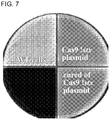
- FIG. 7 depicts a bacterial plate showing that cured cells transformed with stx vector yielded no colonies because the !stx immunity cassette copied itself into the genome, showing the success of the strategy set forth in FIG. 6 .
- Normal cells were readily transformed with a plasmid containing a targeted gene (top left).
- Cells with a Cas9-encoding plasmid targeting that gene could not be transformed with the plasmid (top right).
- the cells were cured of the plasmid, they still could not be transformed due to a copy of Cas9 that remained in the genome (bottom right).
- FIG. 8 schematically depicts stably colonized strains having improved in situ therapeutic effects over equivalent bacterial strains that do not stably colonize.
- the subject disclosure provides precise methods of altering the cellular and genetic composition of the microbiota of an ecological environment, e.g., in an individual. Such methods are useful, e.g., for the treatment of enteric disease.
- embodiments of the present disclosure are directed to methods of precisely replacing targeted bacterial strains with a related strain.
- a mixture of phages can be used to deplete target species within a complex ecological environment.
- the replacement strain can be engineered using the RNA-guided Cas9 nuclease to be immune to one or more or all the phages specific for that strain.
- the engineered strain is then released into the ecological environment, where it will colonize the vacant ecological niche.
- RNA-guided Cas9 nuclease are delivered to target cells in such a way that they are copied into the genome. Cells with the targeted genes will either die or lose the genes. This novel method provides the stable modification of non-pathogenic organisms to prevent them from becoming pathogenic.
- a conjugative plasmid with a selectable marker, Cas9, and the following insert (Homology to insertion location in target recipient cell genome)(homology flanking target DNA cassette)(recombinogenic chi site or equivalent for cell encoding target DNA cassette)(target sequence for Cas9 cutting)(selectable or screenable marker)(target sequence for Cas9 cutting)(recombinogenic chi site or equivalent for cell encoding target DNA cassette)(homology flanking target DNA cassette)(homology to insertion location in target recipient cell genome).
- Cells are engineered with target DNA cassette to express crRNA/sgRNA targeting the Cas9 target sequence.
- the plasmid is conjugated into a cell bearing a target DNA cassette.
- the Cas9 cuts plasmid at target sequences.
- the cell uses homology-directed repair with the chromosomal homology to fix double-strand break, thereby copying the target DNA cassette into the plasmid.
- Recipient cells are engineered to express crRNA/sgRNA the genomic site for insertion (in certain aspects, this site is flanked by recombinogenic chi sites if a bacterium).
- the plasmid is conjugated into a recipient cell.
- Cas9 cuts recipient cell chromosome at site for insertion.
- the cell uses homology-directed repair to fix double-strand break using the homology on the plasmid as a template, thereby copying the target DNA cassette into the chromosome.
- An identical procedure can be used to copy a cassette from the chromosome into a mobile element. This allows a conjugative plasmid delivered into a host cell to be cut and repaired using the cassette from the host cell as a template, thereby acquiring a copy of the cassette, then conjugated into a recipient cell.
- the cassette may be copied into the genome of the recipient cell using the above method.
- Embodiments of the present disclosure are based on the use of DNA binding proteins to cleave nucleic acid sequences (e.g., exogenous DNA, endogenous DNA (e.g., genomic DNA) and the like) in an RNA-dependent manner.
- DNA binding proteins are readily known to those of skill in the art to bind to DNA for various purposes.
- DNA binding proteins may be naturally occurring.
- DNA binding proteins included within the scope of the present disclosure include those which may be guided by RNA, referred to herein as guide RNA. According to this aspect, the guide RNA and the RNA guided DNA binding protein form a co-localization complex at the DNA.
- DNA binding proteins having nuclease activity are known to those of skill in the art, and include naturally occurring DNA binding proteins having nuclease activity, such as Cas9 proteins present, for example, in Type II CRISPR systems.
- Cas9 proteins and Type II CRISPR systems are well documented in the art. See Makarova et al. Microbiology 2011 June; 9:467-477 including all supplementary information hereby incorporated by reference in its entirety.
- Embodiments of the present disclosure are based on the use of foreign DNA, nuclease enzymes such as DNA binding proteins and guide RNAs to co-localize to DNA and digest or cut the DNA with insertion of the foreign DNA, such as by homologous recombination.
- DNA binding proteins are readily known to those of skill in the art to bind to DNA for various purposes. Such DNA binding proteins may be naturally occurring.
- DNA binding proteins included within the scope of the present disclosure include those which may be guided by RNA, referred to herein as guide RNA. According to this aspect, the guide RNA and the RNA guided DNA binding protein form a co-localization complex at the DNA.
- DNA binding proteins having nuclease activity are known to those of skill in the art, and include naturally occurring DNA binding proteins having nuclease activity, such as Cas9 proteins present, for example, in Type II CRISPR systems.
- Cas9 proteins and Type II CRISPR systems are well documented in the art. See Makarova et al. Microbiology 2011 June; 9:467-477 including all supplementary information hereby incorporated by reference in its entirety.
- Exemplary DNA binding proteins having nuclease activity function to nick or cut double stranded DNA. Such nuclease activity may result from the DNA binding protein having one or more polypeptide sequences exhibiting nuclease activity. Such exemplary DNA binding proteins may have two separate nuclease domains with each domain responsible for cutting or nicking a particular strand of the double stranded DNA.
- Exemplary polypeptide sequences having nuclease activity known to those of skill in the art include the McrA-HNH nuclease related domain and the RuvC-like nuclease domain. Accordingly, exemplary DNA binding proteins are those that in nature contain one or more of the McrA-HNH nuclease related domain and the RuvC-like nuclease domain.
- An exemplary DNA binding protein is an RNA guided DNA binding protein of a Type II CRISPR System.
- An exemplary DNA binding protein is a Cas9 protein.
- Cas9 In S. pyogenes , Cas9 generates a blunt-ended double-stranded break 3 bp upstream of the protospacer-adjacent motif (PAM) via a process mediated by two catalytic domains in the protein: an HNH domain that cleaves the complementary strand of the DNA and a RuvC-like domain that cleaves the non-complementary strand.
- PAM protospacer-adjacent motif
- the Cas9 protein may be referred by one of skill in the art in the literature as Csn1.
- the S. pyogenes Cas9 protein sequence that is the subject of experiments described herein is shown below. See Deltcheva et al. Nature 471:602-607 (2011) hereby incorporated by reference in its entirety.
- the CRISPR-Cas systems of bacteria and archaea confer acquired immunity by incorporating fragments of viral or plasmid DNA into CRISPR loci and utilizing the transcribed crRNAs to guide nucleases to degrade homologous sequences (Bhaya et al. Annual review of genetics 45:273-297 (2011); Wiedenheft et al. Nature 482:331-338 (2012)).
- a ternary complex of Cas9 nuclease with crRNA and tracrRNA binds to and cleaves dsDNA protospacer sequences that match the crRNA spacer and also contain a short protospacer-adjacent motif (PAM) (Gasiunas et al. Proc. Natl. Acad. Sci. U.S.A. 109:E2579-2586 (2012); Jinek et al. Science 337:816-821 (2012)).
- PAM protospacer-adjacent motif
- Fusing the crRNA and tracrRNA produces a single guide RNA (sgRNA) that is sufficient to target Cas9 (Jinek, Supra).
- the RNA guided DNA binding protein includes homologs and orthologs of Cas9 which retain the ability of the protein to bind to the DNA, be guided by the RNA and cut the DNA.
- the Cas9 protein includes the sequence as set forth for naturally occurring Cas9 from S. pyogenes and protein sequences having at least 30%, 40%, 50%, 60%, 70%, 80%, 90%, 95%, 98% or 99% homology thereto and being a DNA binding protein, such as an RNA guided DNA binding protein.
- an engineered Cas9-gRNA system which enables RNA-guided genome cutting in a site specific manner, if desired, and modification of the genome by insertion of exogenous donor nucleic acids.
- the guide RNAs are complementary to target sites or target loci on the DNA.
- the guide RNAs can be crRNA-tracrRNA chimeras.
- the Cas9 binds at or near target genomic DNA.
- the one or more guide RNAs bind at or near target genomic DNA.
- the Cas9 cuts the target genomic DNA and exogenous donor DNA is inserted into the DNA at the cut site.
- methods are directed to the use of a guide RNA with a Cas9 protein and an exogenous donor nucleic acid to multiplex insertions of exogenous donor nucleic acids into DNA within a cell expressing Cas9 by cycling the insertion of nucleic acid encoding the RNA and exogenous donor nucleic acid, expressing the RNA, co-localizing the RNA, Cas9 and DNA in a manner to cut the DNA, and insertion of the exogenous donor nucleic acid.
- the method steps can be cycled in any desired number to result in any desired number of DNA modifications.
- Methods of the present disclosure are accordingly directed to editing target genes using the Cas9 proteins and guide RNAs described herein to provide multiplex genetic and epigenetic engineering of cells.
- DNA binding proteins or systems in general for the multiplex insertion of exogenous donor nucleic acids into the DNA, such as genomic DNA, of a cell, such as a bacterial cell.
- exogenous donor nucleic acids such as genomic DNA
- a cell such as a bacterial cell.
- organs include, but is not limited to, a human, a non-human primate, a cow, a horse, a sheep, a goat, a pig, a dog, a cat, a rabbit, a mouse, a rat, a gerbil, a frog, a toad, a fish (e.g., D. rerio ) a roundworm (e.g., C. elegans ) and any transgenic species thereof.
- the term “organism” further includes, but is not limited to, a yeast (e.g., S. cerevisiae ) cell, a yeast tetrad, a yeast colony, a bacterium, a bacterial colony, a virion, virosome, virus-like particle and/or cultures thereof, and the like.
- microbiota refers to the collective colonization of a subject by a vast number of microbes.
- the word microbiota represents an ensemble of microorganisms that resides in a previously established environment. Human beings have clusters of bacteria in different parts of the body, such as in the surface or deep layers of skin (skin microbiota), the mouth (oral microbiota), the vagina (vaginal microbiota), and so on. See Nature (2012) 492, entire issue, for a review of the human microbiota.
- gut microbiota or “gut flora” refers to the microbe population living in the digestive tract. It contains tens of trillions of microorganisms, including at least 1000 different species of known bacteria with more than 3 million genes (150 times more than human genes). Microbiota can, in total, weigh up to 2 kg. One third of the human gut microbiota is common to most people, while two thirds are specific to each one of us.
- microorganism and “microbe” refer to tiny organisms. Most microorganisms and microbes are unicellular, although some multicellular organisms are microscopic, while some unicellular protists and bacteria (e.g., T. namibiensis ) called are visible to the naked eye. Microorganisms and microbes include, but are not limited to, bacteria, fungi, archaea and protists, microscopic plants, and animals (e.g., plankton, the planarian, the amoeba) and the like.
- Bacteria include, but are not limited to, gram positive bacteria, gram negative bacteria, acid-fast bacteria and the like.
- gram positive bacteria include, but are not limited to, Actinomedurae, Actinomyces israelii, Bacillus anthracis, Bacillus cereus, Clostridium botulinum, Clostridium difficile, Clostridium perfringens, Clostridium tetani, Corynebacterium, Enterococcus faecalis, Listeria monocytogenes, Nocardia, Propionibacterium acnes, Staphylococcus aureus, Staphylococcus epiderm, Streptococcus mutans, Streptococcus pneumoniae and the like.
- gram negative bacteria include, but are not limited to, Afipia felis, Bacteroides, Bartonella bacilliformis, Bortadella pertussis, Borrelia burgdorferi, Borrelia recurrentis, Brucella, Calymmatobacterium granulomatis, Campylobacter, Escherichia coli, Francisella tularensis, Gardnerella vaginalis, Haemophilius aegyptius, Haemophilius ducreyi, Haemophilius influenziae, Heliobacter pylori, Legionella pneumophila, Leptospira interrogans, Neisseria meningitidia, Porphyromonas gingivalis, Providencia sturti, Pseudomonas aeruginosa, Salmonella enteridis, Salmonella typhi, Serratia marcescens, Shigella boydi
- acid-fast bacteria include, but are not limited to, Myobacterium avium, Myobacterium leprae, Myobacterium tuberculosis and the like.
- bacteria not falling into the other three categories include, but are not limited to, Bartonella henseiae, Chlamydia psittaci, Chlamydia trachomatis, Coxiella burnetii, Mycoplasma pneumoniae, Rickettsia akari, Rickettsia prowazekii, Rickettsia rickettsii, Rickettsia tsutsugamushi, Rickettsia typhi, Ureaplasma urealyticum, Diplococcus pneumoniae, Ehrlichia chafensis, Enterococcus faecium, Meningococci and the like.
- phages and their genetic material are provided.
- one or more ribonucleic acid sequences is complementary to an exogenous phage nucleic acid sequence, e.g., a conserved nucleic acid sequence, is provided.
- phage and “bacteriophage” are used interchangeably. Phage can be distinguished from each another based on their genetic composition and/or their virion morphology.
- phage have double stranded DNA genomes, including phage of the corticoviridae, lipothrixviridae, plasmaviridae, myrovridae, siphoviridae, sulfolobus shibate, podoviridae, tectiviridae and fuselloviridae families.
- Other phage have single stranded DNA genomes, including phage of the microviridae and inoviridae families.
- phage have RNA genomes, including phage of the leviviridae and Cystoviridae families.
- Exemplary bacteriophage include, but are not limited to, Wphi, Mu, T1, T2, T3, T4, T5, T6, T7, P1, P2, P4, P22, fd, phi6, phi29, phiC31, phi80, phiX174, SP01, M13, MS2, PM2, SSV-1, L5, PRD1, Qbeta, lambda, UC-1, HK97, HK022 and the like.
- conserved nucleic acid sequence refers to a string of nucleotides in DNA or RNA that is similar across multiple species, strains and/or individuals. A known set of conserved sequences can be represented by a consensus sequence.
- a first nucleic acid sequence is conserved with respect to a second nucleic acid sequence if the two sequences share greater than 50%, greater than 55%, greater than 60%, greater than 65%, greater than 70%, greater than 75%, greater than 80%, greater than 85%, greater than 90%, greater than 91%, greater than 92%, greater than 93%, greater than 94%, greater than 95%, greater than 96%, greater than 97%, greater than 98%, or greater than 99% sequence identity.
- one or more ribonucleic acid sequences that is complementary to an exogenous virulence nucleic acid sequence is provided, e.g., a nucleic acid sequence that encodes a virulence factor.
- a “virulence factor” refers to a molecule expressed and/or secreted by a pathogen (e.g., bacteria, viruses, fungi and/or protozoa). Virulence factors can mediate, e.g., 1) colonization of a niche in the host, 2) evasion of the host's immune response, 3) inhibition of the host's immune response, 4) entry into and exit out of cells, and/or 5) obtaining nutrition from the host.
- Virulence factors can cause disease in a host by converting non-pathogenic bacteria into pathogenic bacteria.
- virulence factors are often encoded on mobile genetic elements, such as phages, and can easily be spread through horizontal gene transfer. Some bacteria, such as E. coli O157:H7, gain the majority of their virulence from mobile genetic elements.
- mobile genetic element refers to a type of DNA that can relocate within a genome, including, but not limited to, transposons (e.g., retrotransposons, DNA transposons, insertion sequences and the like), plasmids, phage elements (e.g., Mu), group II introns and the like.
- transposons e.g., retrotransposons, DNA transposons, insertion sequences and the like
- plasmids e.g., Mu
- group II introns and the like e.g., Mu
- a database of mobile genetic elements suitable for use with the methods and compositions described herein can be found at the Worldwide Web Site aclme.ul.ac.be, incorporated herein by reference in its entirety for all purposes. See also, Miller, W. J.; Capy, P., eds. (2004), Mobile genetic elements: protocols and genomic applications, Humana Press, ISBN 1-58829-007-7, and Shapiro, J. A., ed. (1983), Mobile genetic elements,
- vectors such as, for example, expression vectors, containing a foreign nucleic acid sequence encoding a plurality of ribonucleic acid sequences.
- vector refers to a nucleic acid sequence capable of transporting another nucleic acid to which it has been linked.
- plasmid refers to a circular double stranded DNA loop into which additional DNA segments can be ligated.
- viral vector Another type of vector is a viral vector, wherein additional DNA segments can be ligated into the viral genome.
- a vector of the invention can be a single-copy or multi-copy vector, including, but not limited to, a BAC (bacterial artificial chromosome), a fosmid, a cosmid, a plasmid, a suicide plasmid, a shuttle vector, a P1 vector, an episome, YAC (yeast artificial chromosome), a bacteriophage or viral genome, or any other suitable vector.
- the host cells can be any cells, including prokaryotic or eukaryotic cells, in which the vector is able to replicate.
- Certain vectors are capable of autonomous replication in a host cell into which they are introduced (e.g., bacterial vectors having a bacterial origin of replication and episomal mammalian vectors).
- vectors e.g., non-episomal mammalian vectors
- Other vectors are integrated into the genome of a host cell upon introduction into the host cell, and thereby are replicated along with the host genome.
- certain vectors are capable of directing the expression of genes to which they are operatively linked.
- Such vectors are referred to herein as “expression vectors.”
- expression vectors of utility in recombinant DNA techniques are often in the form of plasmids.
- plasmid and vector can be used interchangeably.
- the invention is intended to include such other forms of expression vectors, such as viral vectors (e.g., replication defective retroviruses, adenoviruses and adeno-associated viruses), which serve equivalent functions.
- an exogenous nucleic acid described herein is expressed in bacterial cells using a bacterial expression vector such as, e.g., a fosmid.
- a fosmid is a cloning vector that is based on the bacterial F-plasmid.
- the host bacteria will typically only contain one fosmid molecule, although an inducible high-copy ori can be included such that a higher copy number can be obtained (e.g., pCC1FOSTM, pCC2FOSTM).
- Fosmid libraries are particularly useful for constructing stable libraries from complex genomes. Fosmids and fosmid library production kits are commercially available (EPICENTRE® Biotechnologies, Madison, Wis.).
- the recombinant expression vectors comprise a nucleic acid sequence (e.g., a foreign nucleic acid sequence encoding a plurality of ribonucleic acid sequences) in a form suitable for expression of the nucleic acid sequence in a host cell, which means that the recombinant expression vectors include one or more regulatory sequences, selected on the basis of the host cells to be used for expression, which is operatively linked to the nucleic acid sequence to be expressed.
- a nucleic acid sequence e.g., a foreign nucleic acid sequence encoding a plurality of ribonucleic acid sequences
- operably linked is intended to mean that the foreign nucleic acid sequence encoding a plurality of ribonucleic acid sequences described herein is linked to the regulatory sequence(s) in a manner which allows for expression of the nucleic acid sequence.
- regulatory sequence is intended to include promoters, enhancers and other expression control elements (e.g., polyadenylation signals). Such regulatory sequences are described, for example, in Goeddel; Gene Expression Technology: Methods in Enzymology 185, Academic Press, San Diego, Calif. (1990). It will be appreciated by those skilled in the art that the design of the expression vector can depend on such factors as the choice of the host cell to be transformed, the level of expression of protein desired, and the like.
- host cell and “recombinant host cell” are used interchangeably herein. It is understood that such terms refer not only to the particular subject cell but to the progeny or potential progeny of such a cell. Because certain modifications may occur in succeeding generations due to either mutation or environmental influences, such progeny may not, in fact, be identical to the parent cell, but are still included within the scope of the term as used herein.
- Cells according to the present disclosure include any cell into which foreign nucleic acids can be introduced and expressed as described herein. It is to be understood that the basic concepts of the present disclosure described herein are not limited by cell type.
- Cells according to the present disclosure include eukaryotic cells, prokaryotic cells, animal cells, plant cells, insect cells, fungal cells, archaeal cells, eubacterial cells and the like.
- Cells include eukaryotic cells such as yeast cells, plant cells, and animal cells. Particular cells include mammalian cells. Other suitable cells are known to those skilled in the art.
- Target nucleic acids include any nucleic acid sequence to which a co-localization complex as described herein can be useful to nick or cut.
- Target nucleic acids include genes.
- DNA such as double stranded DNA
- a co-localization complex can bind to or otherwise co-localize with the DNA at or adjacent or near the target nucleic acid and in a manner in which the co-localization complex may have a desired effect on the target nucleic acid.
- target nucleic acids can include endogenous (or naturally occurring) nucleic acids and exogenous (or foreign) nucleic acids.
- DNA includes genomic DNA, mitochondrial DNA, viral DNA or exogenous DNA.
- materials and methods useful in the practice of the present disclosure include those described in Di Carlo, et al., Nucleic Acids Research, 2013, vol. 41, No.
- Foreign nucleic acids may be introduced into a cell using any method known to those skilled in the art for such introduction. Such methods include transfection, transduction, infection (e.g., viral transduction), injection, microinjection, gene gun, nucleofection, nanoparticle bombardment, transformation, conjugation, by application of the nucleic acid in a gel, oil, or cream, by electroporation, using lipid-based transfection reagents, or by any other suitable transfection method.
- transformation and “transfection” are intended to refer to a variety of art-recognized techniques for introducing foreign nucleic acid into a host cell, including calcium phosphate or calcium chloride co-precipitation, DEAE-dextran-mediated transfection, lipofection (e.g., using commercially available reagents such as, for example, LIPOFECTIN® (Invitrogen Corp., San Diego, Calif.), LIPOFECTAMINE® (Invitrogen), FUGENE® (Roche Applied Science, Basel, Switzerland), JETPEITM (Polyplus-transfection Inc., New York, N.Y.), EFFECTENE® (Qiagen, Valencia, Calif.), DREAMFECTTM (OZ Biosciences, France) and the like), or electroporation (e.g., in vivo electroporation).
- LIPOFECTIN® Invitrogen Corp., San Diego, Calif.
- LIPOFECTAMINE® Invitrogen
- FUGENE® Roche
- Suitable methods for transforming or transfecting host cells can be found in Sambrook, et al. ( Molecular Cloning: A Laboratory Manual. 2nd, ed., Cold Spring harbor Laboratory, Cold Spring Harbor Laboratory Press, Cold Spring Harbor, N.Y., 1989), and other laboratory manuals.
- compositions suitable for administration typically comprise the nucleic acid molecule or protein and a pharmaceutically acceptable carrier.
- pharmaceutically acceptable carrier is intended to include any and all solvents, dispersion media, coatings, antibacterial and antifungal agents, isotonic and absorption delaying agents, and the like, compatible with pharmaceutical administration.
- the use of such media and agents for pharmaceutically active substances is well known in the art. Except insofar as any conventional media or agent is incompatible with the active compound, use thereof in the compositions is contemplated. Supplementary active compounds can also be incorporated into the compositions.
- a pharmaceutical composition is formulated to be compatible with its intended route of administration.
- routes of administration include parenteral, e.g., intravenous, intradermal, subcutaneous, oral (e.g., inhalation), transdermal (topical), transmucosal, and rectal administration.
- Solutions or suspensions used for parenteral, intradermal, or subcutaneous application can include the following components: a sterile diluent such as water for injection, saline solution, fixed oils, polyethylene glycols, glycerin, propylene glycol or other synthetic solvents; antibacterial agents such as benzyl alcohol or methyl parabens; antioxidants such as ascorbic acid or sodium bisulfite; chelating agents such as ethylenediaminetetraacetic acid; buffers such as acetates, citrates or phosphates and agents for the adjustment of tonicity such as sodium chloride or dextrose. pH can be adjusted with acids or bases, such as hydrochloric acid or sodium hydroxide.
- the parenteral preparation can be enclosed in ampoules, disposable syringes or multiple dose vials made of glass or plastic.
- compositions suitable for injectable use include sterile aqueous solutions (where water soluble) or dispersions and sterile powders for the extemporaneous preparation of sterile injectable solutions or dispersion.
- suitable carriers include physiological saline, bacteriostatic water, CREMOPHOR ELTM (BASF, Parsippany, N.J.) or phosphate buffered saline (PBS).
- the composition must be sterile and should be fluid to the extent that easy syringability exists. It must be stable under the conditions of manufacture and storage and must be preserved against the contaminating action of microorganisms such as bacteria and fungi.
- the carrier can be a solvent or dispersion medium containing, for example, water, ethanol, polyol (for example, glycerol, propylene glycol, and liquid polyethylene glycol, and the like), and suitable mixtures thereof.
- the proper fluidity can be maintained, for example, by the use of a coating such as lecithin, by the maintenance of the required particle size in the case of dispersion and by the use of surfactants.
- Prevention of the action of microorganisms can be achieved by various antibacterial and antifungal agents, for example, parabens, chlorobutanol, phenol, ascorbic acid, thimerosal, and the like.
- isotonic agents for example, sugars, polyalcohols such as mannitol, sorbitol, sodium chloride in the composition.
- Prolonged absorption of the injectable compositions can be brought about by including in the composition an agent which delays absorption, for example, aluminum monostearate and gelatin.
- Sterile injectable solutions can be prepared by incorporating the candidate or test compound(s) in the required amount in an appropriate solvent with one or a combination of ingredients enumerated above, as required, followed by filtered sterilization.
- dispersions are prepared by incorporating the active compound into a sterile vehicle which contains a basic dispersion medium and the required other ingredients from those enumerated above.
- the preferred methods of preparation are vacuum drying and freeze-drying which yields a powder of the active ingredient plus any additional desired ingredient from a previously sterile-filtered solution thereof.
- Oral compositions generally include an inert diluent or an edible carrier. They can be enclosed in gelatin capsules or compressed into tablets. For the purpose of oral therapeutic administration, the active compound can be incorporated with excipients and used in the form of tablets, troches, or capsules. Oral compositions can also be prepared using a fluid carrier for use as a mouthwash, wherein the compound in the fluid carrier is applied orally and swished and expectorated or swallowed. Pharmaceutically compatible binding agents, and/or adjuvant materials can be included as part of the composition.
- the tablets, pills, capsules, troches and the like can contain any of the following ingredients, or compounds of a similar nature: A binder such as microcrystalline cellulose, gum tragacanth or gelatin; an excipient such as starch or lactose, a disintegrating agent such as alginic, acid, Primogel, or corn starch; a lubricant such as magnesium stearate or Sterotes; a glidant: such as colloidal silicon dioxide; a sweetening agent such as sucrose or saccharin; or a flavoring agent such as peppermint, methyl salicylate, or orange flavoring.
- a binder such as microcrystalline cellulose, gum tragacanth or gelatin
- an excipient such as starch or lactose, a disintegrating agent such as alginic, acid, Primogel, or corn starch
- a lubricant such as magnesium stearate or Sterotes
- a glidant such as colloidal silicon dioxide
- a cell e.g., a bacterial cell
- a nucleic acid sequence is prepared with carriers that will protect the cell (e.g., bacterial cell) or nucleic acid sequence against rapid elimination from the body, such as a controlled release formulation, including implants and microencapsulated delivery systems.
- a controlled release formulation including implants and microencapsulated delivery systems.
- Biodegradable, biocompatible polymers can be used, such as ethylene vinyl acetate, polyanhydrides, polyglycolic acid, collagen, polyorthoesters, and polylactic acid. Methods for preparation of such formulations will be apparent to those skilled in the art. The materials can also be obtained commercially from Alza Corporation and Nova Pharmaceuticals, Inc.
- Liposomal suspensions (including liposomes targeted to infected cells with monoclonal antibodies to viral antigens) can also be used as pharmaceutically acceptable carriers. These may be prepared according to methods known to those skilled in the art, for example, as described in U.S. Pat. No. 4,522,811.
- Nasal compositions generally include nasal sprays and inhalants.
- Nasal sprays and inhalants can contain one or more active components and excipients such as preservatives, viscosity modifiers, emulsifiers, buffering agents and the like.
- Nasal sprays may be applied to the nasal cavity for local and/or systemic use.
- Nasal sprays may be dispensed by a non-pressurized dispenser suitable for delivery of a metered dose of the active component.
- Nasal inhalants are intended for delivery to the lungs by oral inhalation for local and/or systemic use.
- Nasal inhalants may be dispensed by a closed container system for delivery of a metered dose of one or more active components.
- nasal inhalants are used with an aerosol. This is accomplished by preparing an aqueous aerosol, liposomal preparation or solid particles containing the compound.
- a non-aqueous (e.g., fluorocarbon propellant) suspension could be used.
- Sonic nebulizers may be used to minimize exposing the agent to shear, which can result in degradation of the compound.
- an aqueous aerosol is made by formulating an aqueous solution or suspension of the agent together with conventional pharmaceutically acceptable carriers and stabilizers.
- the carriers and stabilizers vary with the requirements of the particular compound, but typically include nonionic surfactants (Tweens, Pluronics, or polyethylene glycol), innocuous proteins like serum albumin, sorbitan esters, oleic acid, lecithin, amino acids such as glycine, buffers, salts, sugars or sugar alcohols.
- Aerosols generally are prepared from isotonic solutions.
- Systemic administration can also be by transmucosal or transdermal means.
- penetrants appropriate to the barrier to be permeated are used in the formulation.
- penetrants are generally known in the art, and include, for example, for transmucosal administration, detergents, bile salts, and fusidic acid derivatives.
- Transmucosal administration can be accomplished through the use of nasal sprays or suppositories.
- the active compounds are formulated into ointments, salves, gels, or creams as generally known in the art.
- the cell e.g., a bacterial cell
- a nucleic acid sequence can also be prepared in the form of suppositories (e.g., with conventional suppository bases such as cocoa butter and other glycerides) or retention enemas for rectal delivery.
- suppositories e.g., with conventional suppository bases such as cocoa butter and other glycerides
- retention enemas for rectal delivery.
- Dosage unit form refers to physically discrete units suited as unitary dosages for the subject to be treated; each unit containing a predetermined quantity of active compound calculated to produce the desired therapeutic effect in association with the required pharmaceutical carrier.
- the specification for the dosage unit forms of the invention are dictated by and directly dependent on the unique characteristics of the active compound and the particular therapeutic effect to be achieved, and the limitations inherent in the art of compounding such an active compound for the treatment of individuals.
- Toxicity and therapeutic efficacy of candidate or test compound(s) can be determined by standard pharmaceutical procedures in cell cultures or experimental animals, e.g., for determining the LD50 (the dose lethal to 50% of the population) and the ED50 (the dose therapeutically effective in 50% of the population).
- the dose ratio between toxic and therapeutic effects is the therapeutic index and it can be expressed as the ratio LD50/ED50.
- Compounds which exhibit large therapeutic indices are preferred. While compounds that exhibit toxic side effects may be used, care should be taken to design a delivery system that targets such compounds to the site of affected tissue in order to minimize potential damage to uninfected cells and, thereby, reduce side effects.
- Data obtained from cell culture assays and/or animal studies can be used in formulating a range of dosage for use in humans.
- the dosage typically will lie within a range of circulating concentrations that include the ED50 with little or no toxicity.
- the dosage may vary within this range depending upon the dosage form employed and the route of administration utilized.
- the therapeutically effective dose can be estimated initially from cell culture assays.
- a dose may be formulated in animal models to achieve a circulating plasma concentration range that includes the IC50 (i.e., the concentration of the test compound which achieves a half-maximal inhibition of symptoms) as determined in cell culture.
- IC50 i.e., the concentration of the test compound which achieves a half-maximal inhibition of symptoms
- levels in plasma may be measured, for example, by high performance liquid chromatography.
- a method for treatment of infection by a microorganism includes the step of administering a therapeutically effective amount of an agent (e.g., one or more candidate or test compounds) which modulates (e.g., kills and/or inhibits the growth of), one or more microorganisms to a subject.
- an agent e.g., one or more candidate or test compounds
- a therapeutically effective amount of agent ranges from about 0.001 to 30 mg/kg body weight, from about 0.01 to 25 mg/kg body weight, from about 0.1 to 20 mg/kg body weight, or from about 1 to 10 mg/kg, 2 to 9 mg/kg, 3 to 8 mg/kg, 4 to 7 mg/kg, or 5 to 6 mg/kg body weight.
- treatment of a subject with a therapeutically effective amount of an inhibitor can include a single treatment or, in certain exemplary embodiments, can include a series of treatments. It will also be appreciated that the effective dosage of inhibitor used for treatment may increase or decrease over the course of a particular treatment. Changes in dosage may result from the results of diagnostic assays as described herein.
- the pharmaceutical compositions can be included in a container, pack, or dispenser together with instructions for administration.
- Cas9 cassettes on mobile elements that spread from cell to cell can decrease the incidence of Cas9-targeted genes in native bacteria. Rather than just using Cas9 to kill pathogens as previously suggested (Bikard et al. Cell Host Microbe 2012 August; 12(2):177-186), natives can be permanently immunized using a novel method described herein that copies Cas9 immunity cassettes into the bacterial chromosome. Recipients are optionally engineered to express other genes placed in the cassette.
- Cas9-mediated immunization is evolutionarily stable. Targeting many sequences within a gene removes the possibility of mutational escape by eliminating the benefit conferred by single or even multiple mutations, while mixing spacers targeting phages with spacers targeting pathogenic genes prevents cells from keeping one immunity while discarding the other.
- the Cas9-based methods described herein can be used to alter the composition of the microbiota within animal models.
- E. coli strains already resident in the murine gut are stabilized with an engineered phage-immune strain that gains a competitive advantage in the presence of phages ( FIG. 2 , left).
- the most advantageous methods of spreading mobile genetic elements encoding Cas9 immunity through resident bacteria are determined ( FIG. 2 , right).
- the techniques described above are used to alter the mouse microbiota to better resist infection by pathogenic bacteria encoding Shiga toxins. Whether stably colonized bacteria can secrete consistent and therapeutically useful levels of effector molecules in a mouse can be assayed for various effectors.
- mice are used to prevent copraphagic sharing of gut microbes. Mice are randomly allocated into experimental groups and the results are evaluated blindly (Muhlhausler et al. PLoS Biol. 2013; 11(2):e1001481) with the assistance of the animal facility staff. Because all experiments involve altering microbial fitness, sometimes in ways that can be transmitted to other cells, appropriate microbiological safety precautions are taken.
- the fraction of cells that can be replaced is measured, whether replacement is stable over time is determined, and whether periodic phage supplementation is needed to maintain the introduced strain is determined.
- phages are added to the drinking water of C57/BL6 mice and the mice are orally dosed with a fluorescently labeled E. coli strain that was engineered to be immune to these phages using Cas9.
- the relative abundance of fluorescent cells are measured over time by plating fecal samples each day on MacConkey lactose plates, which select for the growth all E. coli cells (Macconkey A. J Hyg (Lond) 1905 July; 5(3):333-379).
- a second experimental group receives additional doses of phage each week, while control groups do not receive phages.
- mice This experiment is run on two sets of mice.
- the first group is be “standardized” by treatment with streptomycin to preferentially eliminate facultative anaerobes such as E. coli and its competitors (Myhal et al. Eur. J. Clin. Microbiol. 1982 June; 1(3):186-192, then colonized with strep-resistant strains that are susceptible to the phages described herein.
- the second group of mice harbors native mouse E. coli strains. Without intending to be bound by scientific theory, it is expected that slightly lower rates of replacement in these mice occurs due to a handful of native strains that will not be susceptible to any of the phages. If replacement falls by half or more for this set, individual colonies are tested for phage susceptibility and new phages are added to the cocktail to improve depletion.
- Phage-susceptible bacteria sometimes resist infection if they are in stationary or “persister” phase. Without intending to be bound by scientific theory, it is hypothesized that delivering phages with a nutrient source will induce cells to enter exponential phase and become vulnerable to phages. To test this hypothesis, experimental mice are given drinking water with phages and 2% gluconate and arabinose, two sugars that are preferentially utilized by E. coli strains but poorly absorbed by animals (Krog-Mikkelsen et al. Am. J. Clin. Nutr. 2011 August; 94(2):472-478). These sugars may be altered to those preferred by a targeted bacterial population.
- Resident cells might resist phage depletion due to physical isolation within crypts, mucus, or lesions. Because most such pockets should open and close, it is anticipated that increased replacement levels in mice receiving repeated phage doses are observed.
- the GI tracts of the mice are dissected at the end of the experiment and tissue imaging is performed to identify the locations of fluorescent cells. Exemplary replacement rates include 20%, 50% and 80%.
- this strategy has been determined to be effective in vitro.
- the most effective protocol for replacing resident E. coli strains in mice is determined with engineered phage-immune equivalents by optimizing phage dosing and nutrient availability while quantifying the number of labeled phage-immune cells. Due to the ease of conferring resistance to any phage whose genome sequence is known by targeting Cas9 to cleave sites in the phage genome, the method may be extended to any bacterial population with identified phages.
- Conjugation in the gut is most efficient when the concentration of host bacteria is high (Stecher et al. Proc. Natl. Acad. Sci. U.S.A. 2012 January; 109(4):1269-1274) and at least some of the cells are particularly effective as donors (Dionisio et al. Genetics 2002 December; 162(4):1525-1532). Without intending to be bound by scientific theory, it is hypothesized that orally delivering large numbers of highly efficient donor cells will enable transfer of conjugative plasmids encoding Cas9-based immunization to most targeted na ⁇ ve cells within the microbiota.
- Conjugative plasmids encoding Cas9 immunity cassettes have been constructed. When conjugated into a recipient cell encoding a targeted gene, these immunity plasmids eliminated that gene with near-perfect reliability ( FIG. 4 ). To ensure that cells are still immunized even if they subsequently lose the plasmid, a way was devised to make the Cas9 cassette efficiently copy itself into a highly conserved site on the E. coli chromosome. It does this by repeatedly cutting sites between repair hotspots (Cheng et al. J. Mol. Biol. 1984 December; 180(2):371-377) with Cas9 until homology-directed repair enzymes use the homologous sequences flanking the cassette copy it in place of the target sequence ( FIG. 5 ).
- Bacterial “Blooms” Causing Efficient Conjugation can be Replicated In Vivo
- Donor bacteria and native E. coli are distinguished from one another by using a lacZ ⁇ galK ⁇ donor strain that was constructed which forms white instead of red colonies on MacConkey lactose+galactose plates. Counting fluorescent versus non-fluorescent red cells will quantify the fraction of E. coli that have acquired a plasmid.
- mice are provided with drinking water containing 10 9 donor bacteria/mL.
- Experimental groups 1 and 2 receive donors with copying and non-copying plasmids, while the control group receives donor cells without conjugative plasmids. Fecal samples from these mice are plated daily for ten weeks. At the end of the experiment, mice are sacrificed and subjected to tissue imaging to identify the physical locations of plasmid-containing cells.
- Example III is independent of Example II.
- an optional combined approach uses phages to drive the spread of Cas9-containing mobile elements. This approach is tested by inserting spacers conferring phage immunity into the conjugative plasmids and supplementing the diet with phages to eliminate cells that have not yet acquired them.
- temperate phages that integrate into host cell genomes represent alternative delivery vehicles.
- Over 30% of E. coli contain at least one P2-like prophage (Odegrip et al. J. Bacteriol. 2006 February; 188(4):1643-1647), indicating that it is a highly successful vehicle for invading the genomes of enterobacteria.
- Native cell acquisition rates of 20% is considered a qualified success, 50% is considered a moderate success, and 80% is considered an outstanding success.
- the most effective protocol for stably incorporating Cas9 immunity cassettes into resident bacteria is determined using mobile genetic elements as delivery vehicles.
- Cas9 immunity cassettes delivered to Shiga toxin-producing E. coli (STEC) strains such as EDL933 can render them harmless by cleaving the toxin-encoding genes ( FIG. 6 ).
- Phage-immune EcN strains suitable for colonizing mice have been constructed. Streptomycin-treated mice colonized with EcN are known to resist subsequent colonization by STEC, indicating that methods presented herein are viable (Leatham et al. Infect. Immun. 2009 July; 77(7):2876-2886; Maltby et al. PLoS ONE 2013; 8(1):e53957).
- plasmids carrying a Cas9 immunity cassette targeting both stx1 and stx2 that also copies itself into the genome were constructed.
- the streptomycin-treated mouse is an excellent small animal model of STEC colonization (Mohawk et al. J. Biomed. Biotechnol. 2011; 2011:258185; Law et al. Cold Spring Harb Perspect Med 2013 March; 3(3):a00997775,76).
- E. coli strains can be ensured to be the dominant facultative anaerobes in these mice—as is the case in humans (Tenaillon et al. Nat. Rev. Microbiol. 2010 March; 8(3):207-217)—by colonizing them with strep-resistant mutants of their own native E. coli strains. Relative abundance using strains is quantified with different resistance markers (Maltby et al. PLoS ONE 2013; 8(1):e53957; Miranda et al. Infect. Immun. 2004 March; 72(3): 1666-1676).
- mice are colonized with phage-immune EcN according to the protocol determined in Example II and challenge them with O157:H7 STEC one week later.
- mice are given EDL933 in their drinking water followed by phages and then phage-immune EcN the next day.
- mice exposed to high levels of EDL933 exhibit stx-dependent weight loss and occasionally renal failure and death, an outcome analogous to the hemolytic-uremic syndrome observed in some human STEC patients (Mohawk et al. Microb. Pathog. 2010 April; 48(3-4):131-142).
- Cas9 mobile elements targeting stx are a viable treatment for STEC toxicity.
- mice are given drinking water containing a conjugative plasmid targeting stx1 and stx2 1 or 3 days after intragastric EDL933 delivery.
- a second experimental group uses phage-immune EcN as the donor strain for the mobile element and administer phages before mobile element introduction, thereby combining the advantages of cellular and gene-level therapy.
- Control groups receive Cas9 immunity cassettes that do not target the toxin-encoding genes. Fecal samples are plated daily and mice evaluated for weight gain and mortality over 2 weeks.
- mice may block EDL933 colonization. If EDL933 colonization fails in all mice, animals may first be colonized with human E. coli isolates rendered resistant to streptomycin, which may prove more susceptible to invasion.
- EcN is known to block EDL933 colonization more efficiently when combined with another strain with different nutrient requirements (Maltby et al. PLoS ONE 2013; 8(1):e53957). Therefore, a second experimental group colonized with phage-immune EcN and the related commensal strain HS is tested.
- At least one of the lytic phages in the starting cocktail can lyse many STEC strains (Goodridge et al. Appl. Environ. Microbiol. 2003 September; 69(9):5364-5371), which is likely to be beneficial to the mice unless it causes prophage induction and stx production, in which case those phages are omitted from the cocktail.
- Prophylaxis or treatment is considered effective if STEC levels are prevented from rising in streptomycin-treated mice or weight loss and mortality rates by are reduced by >50% in conventional mice. Success leads to follow-up experiments against other strains of STEC, such as the 0104:H4 strain responsible for the outbreak in Germany in 2011 (Rasko et al. N. Engl. J. Med. 2011 August; 365(8):709-717), as well as strains of Salmonella (Deriu et al. Cell Host Microbe 2013 July; 14(1):26-37).
- Effector molecules produced in situ by transiently delivered bacteria are more therapeutically effective than much higher doses (>1,000-fold) of the purified effector (Vandenbroucke et al. Gastroenterology 2004 August; 127(2):502-513), likely due to the close proximity of the bacteria and responsive cells in the epithelium. Meanwhile, germ-free mice mono-colonized by protective bacteria are much more resistant to colitis than conventional mice fed the same strain (Hudcovic et al. Folia Microbiol. (Praha) 2007; 52(6):618-626).
- stably colonized bacteria can be used to directly test hypotheses concerning the roles of various effectors in host functions.
- therapeutically, in situ secretion of one or many effectors could treat metabolic, immune, or other enteric disorders with fewer systemic side effects (Vandenbroucke et al. Mucosal Immunol 2010 January; 3(1):49-56).
- Example II the methods developed in Example II can be used to stably replace native bacteria with a protective strain such as EcN, which could be further engineered to secrete therapeutic effectors.
- native bacteria could be modified to secrete effectors using the methods of Example III.
- the methods and compositions described herein could lead to treatments for inflammatory disorders linked to the gut microbiota, including inflammatory bowel disease (IBD) (Kamada et al. Nat. Immunol. 2013 July; 14(7):685-690; Horwitz B. Inflamm. Bowel Dis. 2007 April; 13(4):490-500; Abraham et al. N. Engl. J. Med. 2009 November; 361(21):2066-2078; Manichanh et al. Nat Rev Gastroenterol Hepatol 2012 October; 9(10):599-608; DuPont et al. Nat Rev Gastroenterol Hepatol 2011 September; 8(9):523-531; Nell et al. Nat. Rev. Microbiol.
- IBD inflammatory bowel disease
- Priority effector targets include the IL-23R pathway (Abraham et al. Annu. Rev. Med. 2009; 60:97-110; Ahern et al.
- Candidates include, but are not limited to, various interleukins (MacDonald et al. Inflamm. Bowel Dis. 2012 November; 18(11):2180-2189), TGF- ⁇ (Babyatsky et al. Gastroenterology 1996 April; 110(4):975-984; Gorelik et al. Nat. Rev. Immunol 2002 January; 2(1):46-53; Boirivant et al. Gastroenterology 2006 December; 131(6):1786-1798), annexin A1 (Babbin et al. J. Immunol 2008 October; 181(7):5035-5044) and mimics (Kamaly et al. Proc. Natl. Acad. Sci. U.S.A.
- EcN is reportedly as effective as mesalazine for maintaining remission of ulcerative colitis (Kruis et al. Gut 2004 November; 53(11):1617-1623; Rembacken et al. Lancet 1999 August; 354(9179):635-639). It exhibits anti-inflammatory properties (Behnsen et al. Cold Spring Harb Perspect Med 2013 March; 3(3):a010074) mediated through TLR-2/4-dependent signaling (Grabig et al. Infect. Immun. 2006 July; 74(7):4075-4082) and antagonizes adherent/invasive E. coli (Martinez-Medina et al. Inflamm. Bowel Dis.
- Mobile elements carrying an effector cassette or no cassette are used to modify resident E. coli strains within BALB/c mice according to the methods of Example III.
- a third group receives daily doses of MG1655 E. coli engineered with the expression cassette. All three groups receive water with 5% DSS from day 5 to day 13, while control mice receive water with no DSS. Mice are weighed daily until they are sacrificed and histologically scored for inflammation (Whittem et al. J Vis Exp 2010; (35)). Effector levels in each tissue section are quantitated and the fraction of effector-producing E. coli is measured by ELISA.
- mice are much lower in mice than in humans (Tenaillon et al. Nat. Rev. Microbiol. 2010 March; 8(3):207-217), therapeutic efficacy in mice may be correspondingly lower. While promising for eventual use in patients, it may lead to false negative results in the methods described herein. To account for this, equivalent experiments are carried out using streptomycin-treated mice. While streptomycin treatment can cause inflammatory complications by altering the microbiota, the higher levels of E. coli in these mice may be necessary to observe positive effects.
- the experiment is considered a moderate success if stably colonized bacteria are therapeutically effective as measured by histological scores and weight gain, is considered a success if stably colonized EcN or effector-secreting native strains are superior to transiently delivered E. coli , and is considered a complete success if these results are observed in conventional mice.
- RNA-guided Cas9 nuclease with phages and horizontal gene transfer to precisely alter the cellular and genetic composition of microbial ecosystems are described herein. These methods are effective in simple laboratory cultures. These methods can be used to treat Shiga toxin-producing E. coli infections and can be used in mouse models of colitis. Success will lay the foundation for a new therapeutic paradigm based on precisely altering the cellular and genetic composition of the microbiota for the in situ treatment of disease. Of the many possible avenues to explore, the more promising include, but are not limited to: developing similar methods of modifying species such as Clostridia (Atarashi et al.
Landscapes
- Health & Medical Sciences (AREA)
- Life Sciences & Earth Sciences (AREA)
- Engineering & Computer Science (AREA)
- Genetics & Genomics (AREA)
- Chemical & Material Sciences (AREA)
- Bioinformatics & Cheminformatics (AREA)
- Organic Chemistry (AREA)
- Biotechnology (AREA)
- Wood Science & Technology (AREA)
- Zoology (AREA)
- Biomedical Technology (AREA)
- General Engineering & Computer Science (AREA)
- General Health & Medical Sciences (AREA)
- Microbiology (AREA)
- Molecular Biology (AREA)
- Biochemistry (AREA)
- Virology (AREA)
- Medicinal Chemistry (AREA)
- Plant Pathology (AREA)
- Physics & Mathematics (AREA)
- Biophysics (AREA)
- Tropical Medicine & Parasitology (AREA)
- Mycology (AREA)
- General Chemical & Material Sciences (AREA)
- Pharmacology & Pharmacy (AREA)
- Epidemiology (AREA)
- Animal Behavior & Ethology (AREA)
- Public Health (AREA)
- Veterinary Medicine (AREA)
- Micro-Organisms Or Cultivation Processes Thereof (AREA)
- Medicines Containing Material From Animals Or Micro-Organisms (AREA)
Abstract
Description
| (SEQ ID NO: 1) |
| MDKKYSIGLDIGTNSVGWAVITDEYKVPSKKFKVLGNTDRHSIKKNLIG |
| ALLFDSGETAEATRLKRTARRRYTRRKNRICYLQEIFSNEMAKVDDSFF |
| HRLEESFLVEEDKKHERHPIFGNIVDEVAYHEKYPTIYHLRKKLVDSTD |
| KADLRLIYLALAHMIKFRGHFLIEGDLNPDNSDVDKLFIQLVQTYNQLF |
| EENPINASGVDAKAILSARLSKSRRLENLIAQLPGEKKNGLFGNLIALS |
| LGLTPNFKSNFDLAEDAKLQLSKDTYDDDLDNLLAQIGDQYADLFLAAK |
| NLSDAILLSDILRVNTEITKAPLSASMIKRYDEHHQDLTLLKALVRQQL |
| PEKYKEIFFDQSKNGYAGYIDGGASQEEFYKFIKPILEKMDGTEELLVK |
| LNREDLLRKQRTFDNGSIPHQIHLGELHAILRRQEDFYPFLKDNREKIE |
| KILTFRIPYYVGPLARGNSRFAWMTRKSEETITPWNFEEVVDKGASAQS |
| FIERMTNFDKNLPNEKVLPKHSLLYEYFTVYNELTKVKYVTEGMRKPAF |
| LSGEQKKAIVDLLFKTNRKVTVKQLKEDYFKKIECFDSVEISGVEDRFN |
| ASLGTYHDLLKIIKDKDFLDNEENEDILEDIVLTLTLFEDREMIEERLK |
| TYAHLFDDKVMKQLKRRRYTGWGRLSRKLINGIRDKQSGKTILDFLKSD |
| GFANRNFMQLIHDDSLTFKEDIQKAQVSGQGDSLHEHIANLAGSPAIKK |
| GILQTVKVVDELVKVMGRHKPENIVIEMARENQTTQKGQKNSRERMKRI |
| EEGIKELGSQILKEHPVENTQLQNEKLYLYYLQNGRDMYVDQELDINRL |
| SDYDVDHIVPQSFLKDDSIDNKVLTRSDKNRGKSDNVPSEEVVKKMKNY |
| WRQLLNAKLITQRKFDNLTKAERGGLSELDKAGFIKRQLVETRQITKHV |
| AQILDSRMNTKYDENDKLIREVKVITLKSKLVSDFRKDFQFYKVREINN |
| YHHAHDAYLNAVVGTALIKKYPKLESEFVYGDYKVYDVRKMIAKSEQEI |
| GKATAKYFFYSNIMNFFKTEITLANGEIRKRPLIETNGETGEIVWDKGR |
| DFATVRKVLSMPQVNIVKKTEVQTGGFSKESILPKRNSDKLIARKKDWD |
| PKKYGGFDSPTVAYSVLVVAKVEKGKSKKLKSVKELLGITIMERSSFEK |
| NPIDFLEAKGYKEVKKDLIIKLPKYSLFELENGRKRMLASAGELQKGNE |
| LALPSKYVNFLYLASHYEKLKGSPEDNEQKQLFVEQHKHYLDEIIEQIS |
| EFSKRVILADANLDKVLSAYNKHRDKPIREQAENIIHLFTLTNLGAPAA |
| FKYFDTTIDRKRYTSTKEVLDATLIHQSITGLYETRIDLSQLGGD |
Claims (15)
Priority Applications (1)
| Application Number | Priority Date | Filing Date | Title |
|---|---|---|---|
| US15/034,682 US10752906B2 (en) | 2013-11-05 | 2014-11-05 | Precise microbiota engineering at the cellular level |
Applications Claiming Priority (3)
| Application Number | Priority Date | Filing Date | Title |
|---|---|---|---|
| US201361900002P | 2013-11-05 | 2013-11-05 | |
| PCT/US2014/063994 WO2015069682A2 (en) | 2013-11-05 | 2014-11-05 | Precise microbiota engineering at the cellular level |
| US15/034,682 US10752906B2 (en) | 2013-11-05 | 2014-11-05 | Precise microbiota engineering at the cellular level |
Publications (2)
| Publication Number | Publication Date |
|---|---|
| US20160348120A1 US20160348120A1 (en) | 2016-12-01 |
| US10752906B2 true US10752906B2 (en) | 2020-08-25 |
Family
ID=53042306
Family Applications (1)
| Application Number | Title | Priority Date | Filing Date |
|---|---|---|---|
| US15/034,682 Active 2035-02-21 US10752906B2 (en) | 2013-11-05 | 2014-11-05 | Precise microbiota engineering at the cellular level |
Country Status (2)
| Country | Link |
|---|---|
| US (1) | US10752906B2 (en) |
| WO (1) | WO2015069682A2 (en) |
Families Citing this family (73)
| Publication number | Priority date | Publication date | Assignee | Title |
|---|---|---|---|---|
| US9585920B2 (en) | 2011-02-04 | 2017-03-07 | Katherine Rose Kovarik | Method and system for treating cancer cachexia |
| US9457077B2 (en) | 2009-11-18 | 2016-10-04 | Katherine Rose Kovarik | Method and system for targeting the microbiome to promote health and treat allergic and inflammatory diseases |
| US11951140B2 (en) | 2011-02-04 | 2024-04-09 | Seed Health, Inc. | Modulation of an individual's gut microbiome to address osteoporosis and bone disease |
| US10314865B2 (en) | 2011-02-04 | 2019-06-11 | Katherine Rose Kovarik | Method and system for treating cancer and other age-related diseases by extending the healthspan of a human |
| US9730967B2 (en) | 2011-02-04 | 2017-08-15 | Katherine Rose Kovarik | Method and system for treating cancer cachexia |
| US10940169B2 (en) | 2015-11-30 | 2021-03-09 | Joseph E. Kovarik | Method for reducing the likelihood of developing cancer in an individual human being |
| US12533312B2 (en) | 2011-02-04 | 2026-01-27 | Seed Health, Inc. | Method and system for preventing sore throat in humans |
| US11951139B2 (en) | 2015-11-30 | 2024-04-09 | Seed Health, Inc. | Method and system for reducing the likelihood of osteoporosis |
| US12279989B2 (en) | 2011-02-04 | 2025-04-22 | Seed Health, Inc. | Method and system for increasing beneficial bacteria and decreasing pathogenic bacteria in the oral cavity |
| US12257272B2 (en) | 2015-12-24 | 2025-03-25 | Seed Health, Inc. | Method and system for reducing the likelihood of developing depression in an individual |
| US11844720B2 (en) | 2011-02-04 | 2023-12-19 | Seed Health, Inc. | Method and system to reduce the likelihood of dental caries and halitosis |
| US11998479B2 (en) | 2011-02-04 | 2024-06-04 | Seed Health, Inc. | Method and system for addressing adverse effects on the oral microbiome and restoring gingival health caused by sodium lauryl sulphate exposure |
| US10323236B2 (en) | 2011-07-22 | 2019-06-18 | President And Fellows Of Harvard College | Evaluation and improvement of nuclease cleavage specificity |
| US9163284B2 (en) | 2013-08-09 | 2015-10-20 | President And Fellows Of Harvard College | Methods for identifying a target site of a Cas9 nuclease |
| US9359599B2 (en) | 2013-08-22 | 2016-06-07 | President And Fellows Of Harvard College | Engineered transcription activator-like effector (TALE) domains and uses thereof |
| US9526784B2 (en) | 2013-09-06 | 2016-12-27 | President And Fellows Of Harvard College | Delivery system for functional nucleases |
| US9322037B2 (en) | 2013-09-06 | 2016-04-26 | President And Fellows Of Harvard College | Cas9-FokI fusion proteins and uses thereof |
| US9228207B2 (en) | 2013-09-06 | 2016-01-05 | President And Fellows Of Harvard College | Switchable gRNAs comprising aptamers |
| US20150165054A1 (en) | 2013-12-12 | 2015-06-18 | President And Fellows Of Harvard College | Methods for correcting caspase-9 point mutations |
| US12005085B2 (en) | 2013-12-20 | 2024-06-11 | Seed Health, Inc. | Probiotic method and composition for maintaining a healthy vaginal microbiome |
| US11026982B2 (en) | 2015-11-30 | 2021-06-08 | Joseph E. Kovarik | Method for reducing the likelihood of developing bladder or colorectal cancer in an individual human being |
| US12329783B2 (en) | 2013-12-20 | 2025-06-17 | Seed Health, Inc. | Method and system to improve the health of a person's skin microbiome |
| US12246043B2 (en) | 2013-12-20 | 2025-03-11 | Seed Health, Inc. | Topical application to treat acne vulgaris |
| US11826388B2 (en) | 2013-12-20 | 2023-11-28 | Seed Health, Inc. | Topical application of Lactobacillus crispatus to ameliorate barrier damage and inflammation |
| US11213552B2 (en) | 2015-11-30 | 2022-01-04 | Joseph E. Kovarik | Method for treating an individual suffering from a chronic infectious disease and cancer |
| US11642382B2 (en) | 2013-12-20 | 2023-05-09 | Seed Health, Inc. | Method for treating an individual suffering from bladder cancer |
| US11998574B2 (en) | 2013-12-20 | 2024-06-04 | Seed Health, Inc. | Method and system for modulating an individual's skin microbiome |
| US11672835B2 (en) | 2013-12-20 | 2023-06-13 | Seed Health, Inc. | Method for treating individuals having cancer and who are receiving cancer immunotherapy |
| US11969445B2 (en) | 2013-12-20 | 2024-04-30 | Seed Health, Inc. | Probiotic composition and method for controlling excess weight, obesity, NAFLD and NASH |
| US11529379B2 (en) | 2013-12-20 | 2022-12-20 | Seed Health, Inc. | Method and system for reducing the likelihood of developing colorectal cancer in an individual human being |
| US11980643B2 (en) | 2013-12-20 | 2024-05-14 | Seed Health, Inc. | Method and system to modify an individual's gut-brain axis to provide neurocognitive protection |
| US11833177B2 (en) | 2013-12-20 | 2023-12-05 | Seed Health, Inc. | Probiotic to enhance an individual's skin microbiome |
| US11839632B2 (en) | 2013-12-20 | 2023-12-12 | Seed Health, Inc. | Topical application of CRISPR-modified bacteria to treat acne vulgaris |
| EP3690044B1 (en) | 2014-02-11 | 2024-01-10 | The Regents of the University of Colorado, a body corporate | Crispr enabled multiplexed genome engineering |
| US10077453B2 (en) | 2014-07-30 | 2018-09-18 | President And Fellows Of Harvard College | CAS9 proteins including ligand-dependent inteins |
| EP3711488A1 (en) | 2015-05-06 | 2020-09-23 | Snipr Technologies Limited | Altering microbial populations & modifying microbiota |
| IL310721B2 (en) | 2015-10-23 | 2025-11-01 | Harvard College | Nucleobase editors and their uses |
| US12239706B2 (en) | 2015-11-30 | 2025-03-04 | Seed Health, Inc. | Method and system for protecting monarch butterflies from pesticides |
| GB201609811D0 (en) | 2016-06-05 | 2016-07-20 | Snipr Technologies Ltd | Methods, cells, systems, arrays, RNA and kits |
| AU2017280353B2 (en) | 2016-06-24 | 2021-11-11 | Inscripta, Inc. | Methods for generating barcoded combinatorial libraries |
| CN110214183A (en) | 2016-08-03 | 2019-09-06 | 哈佛大学的校长及成员们 | Adenosine nucleobase editing machine and application thereof |
| WO2018031683A1 (en) | 2016-08-09 | 2018-02-15 | President And Fellows Of Harvard College | Programmable cas9-recombinase fusion proteins and uses thereof |
| US11542509B2 (en) | 2016-08-24 | 2023-01-03 | President And Fellows Of Harvard College | Incorporation of unnatural amino acids into proteins using base editing |
| KR102622411B1 (en) | 2016-10-14 | 2024-01-10 | 프레지던트 앤드 펠로우즈 오브 하바드 칼리지 | AAV delivery of nucleobase editor |
| WO2018119359A1 (en) | 2016-12-23 | 2018-06-28 | President And Fellows Of Harvard College | Editing of ccr5 receptor gene to protect against hiv infection |
| EP3592853A1 (en) | 2017-03-09 | 2020-01-15 | President and Fellows of Harvard College | Suppression of pain by gene editing |
| US12390514B2 (en) | 2017-03-09 | 2025-08-19 | President And Fellows Of Harvard College | Cancer vaccine |
| US11542496B2 (en) | 2017-03-10 | 2023-01-03 | President And Fellows Of Harvard College | Cytosine to guanine base editor |
| KR20240116572A (en) | 2017-03-23 | 2024-07-29 | 프레지던트 앤드 펠로우즈 오브 하바드 칼리지 | Nucleobase editors comprising nucleic acid programmable dna binding proteins |
| US11560566B2 (en) | 2017-05-12 | 2023-01-24 | President And Fellows Of Harvard College | Aptazyme-embedded guide RNAs for use with CRISPR-Cas9 in genome editing and transcriptional activation |
| US10011849B1 (en) | 2017-06-23 | 2018-07-03 | Inscripta, Inc. | Nucleic acid-guided nucleases |
| US9982279B1 (en) | 2017-06-23 | 2018-05-29 | Inscripta, Inc. | Nucleic acid-guided nucleases |
| CN111801345A (en) | 2017-07-28 | 2020-10-20 | 哈佛大学的校长及成员们 | Methods and compositions for evolutionary base editors using phage-assisted sequential evolution (PACE) |
| EP3676376B1 (en) | 2017-08-30 | 2025-01-15 | President and Fellows of Harvard College | High efficiency base editors comprising gam |
| KR20250107288A (en) | 2017-10-16 | 2025-07-11 | 더 브로드 인스티튜트, 인코퍼레이티드 | Uses of adenosine base editors |
| NZ765414A (en) * | 2017-11-21 | 2026-03-27 | Univ California | Endonuclease sexing and sterilization in insects |
| AU2018379996A1 (en) | 2017-12-05 | 2020-06-25 | BioPlx, Inc. | Methods and compositions to prevent microbial infection |
| US12406749B2 (en) | 2017-12-15 | 2025-09-02 | The Broad Institute, Inc. | Systems and methods for predicting repair outcomes in genetic engineering |
| US10760075B2 (en) | 2018-04-30 | 2020-09-01 | Snipr Biome Aps | Treating and preventing microbial infections |
| US12157760B2 (en) | 2018-05-23 | 2024-12-03 | The Broad Institute, Inc. | Base editors and uses thereof |
| US12522807B2 (en) | 2018-07-09 | 2026-01-13 | The Broad Institute, Inc. | RNA programmable epigenetic RNA modifiers and uses thereof |
| EP3821021A4 (en) * | 2018-07-11 | 2021-09-15 | Société de commercialisation des produits de la recherche appliquée SOCPRA Sciences Santé et Humaines s.e.c. | Bacterial conjugative system and therapeutic uses thereof |
| WO2020055547A2 (en) | 2018-08-18 | 2020-03-19 | Seed Health, Inc. | Methods and compositions for honey bee health |
| US11851663B2 (en) | 2018-10-14 | 2023-12-26 | Snipr Biome Aps | Single-vector type I vectors |
| WO2020092453A1 (en) | 2018-10-29 | 2020-05-07 | The Broad Institute, Inc. | Nucleobase editors comprising geocas9 and uses thereof |
| US12351837B2 (en) | 2019-01-23 | 2025-07-08 | The Broad Institute, Inc. | Supernegatively charged proteins and uses thereof |
| WO2020176564A1 (en) | 2019-02-26 | 2020-09-03 | The Regents Of The University Of Colorado, A Body Corporate | Method and composition for treating gastrointestinal inflammatory disorders |
| WO2020191233A1 (en) | 2019-03-19 | 2020-09-24 | The Broad Institute, Inc. | Methods and compositions for editing nucleotide sequences |
| US12473543B2 (en) | 2019-04-17 | 2025-11-18 | The Broad Institute, Inc. | Adenine base editors with reduced off-target effects |
| JP2022548735A (en) * | 2019-09-18 | 2022-11-21 | アンシリア, インコーポレイテッド | Compositions and methods for microbiome modulation |
| US12435330B2 (en) | 2019-10-10 | 2025-10-07 | The Broad Institute, Inc. | Methods and compositions for prime editing RNA |
| IL297761A (en) | 2020-05-08 | 2022-12-01 | Broad Inst Inc | Methods and compositions for simultaneous editing of both strands of a target double-stranded nucleotide sequence |
| GB202209518D0 (en) | 2022-06-29 | 2022-08-10 | Snipr Biome Aps | Treating & preventing E coli infections |
Citations (2)
| Publication number | Priority date | Publication date | Assignee | Title |
|---|---|---|---|---|
| US20130288251A1 (en) | 2010-10-20 | 2013-10-31 | Dupont Nutrition Biosciences Aps | Lactococcus crispr-cas sequences |
| US20140068797A1 (en) * | 2012-05-25 | 2014-03-06 | University Of Vienna | Methods and compositions for rna-directed target dna modification and for rna-directed modulation of transcription |
-
2014
- 2014-11-05 US US15/034,682 patent/US10752906B2/en active Active
- 2014-11-05 WO PCT/US2014/063994 patent/WO2015069682A2/en not_active Ceased
Patent Citations (2)
| Publication number | Priority date | Publication date | Assignee | Title |
|---|---|---|---|---|
| US20130288251A1 (en) | 2010-10-20 | 2013-10-31 | Dupont Nutrition Biosciences Aps | Lactococcus crispr-cas sequences |
| US20140068797A1 (en) * | 2012-05-25 | 2014-03-06 | University Of Vienna | Methods and compositions for rna-directed target dna modification and for rna-directed modulation of transcription |
Non-Patent Citations (8)
| Title |
|---|
| Charpentier et al., Biotechnology: Rewriting a Genome, Nature 495, pp. 50-52, Abstract, Figure 1, Mar. 2013. |
| Esvelt 2014 (Concerning RNA-guided gene drives for the alteration of wild populations; eLife 2014; 3:e03401. DOI: 10.7554/eLIfe.03401) (Year: 2014). * |
| Esvelt et al. 2013 (Genome-scale engineering for systems and synthetic biology; Molecular Systems Biology 9:641: 1-17) (Year: 2013). * |
| Esvelt et al., Orthogonal Cas9 Proteins for RNA-Guided Gene Regulation and Editing, Nat Methods, 10(11), pp. 1-18, Sep. 2013. |
| International Search Report issued in corresponding International Application No. PCT/US 14/63994, dated Apr. 23, 2015. |
| Jinek et al. 2012 (A programmable dual RNA-guided DNA endonuclease in adaptive bacterial immunity; Science 337(6096): 816-821) (Year: 2012). * |
| Jinek et al., A Programmable Dual-RNA-Guided DNA Endonuclease in Adaptive Bacterial Immunity, Science, vol. 337, No. 6096, pp. 816-821, Aug. 17, 2012. |
| Stern et al. Genome Research, 22:1985-1994 (Year: 2012). * |
Also Published As
| Publication number | Publication date |
|---|---|
| WO2015069682A3 (en) | 2015-07-02 |
| WO2015069682A2 (en) | 2015-05-14 |
| US20160348120A1 (en) | 2016-12-01 |
Similar Documents
| Publication | Publication Date | Title |
|---|---|---|
| US10752906B2 (en) | Precise microbiota engineering at the cellular level | |
| Bober et al. | Synthetic biology approaches to engineer probiotics and members of the human microbiota for biomedical applications | |
| Massip et al. | Deciphering the interplay between the genotoxic and probiotic activities of Escherichia coli Nissle 1917 | |
| EP3122870B1 (en) | Methods and genetic systems for cell engineering | |
| Reid et al. | Microbiota restoration: natural and supplemented recovery of human microbial communities | |
| Malo et al. | Intestinal alkaline phosphatase promotes gut bacterial growth by reducing the concentration of luminal nucleotide triphosphates | |
| Ballal et al. | Host lysozyme-mediated lysis of Lactococcus lactis facilitates delivery of colitis-attenuating superoxide dismutase to inflamed colons | |
| Mallick et al. | A novel murine infection model for Shiga toxin–producing Escherichia coli | |
| Nawrocki et al. | Ethanolamine is a valuable nutrient source that impacts Clostridium difficile pathogenesis | |
| Sheil et al. | Role of interleukin (IL-10) in probiotic-mediated immune modulation: an assessment in wild-type and IL-10 knock-out mice | |
| US10828350B1 (en) | Topical and orally administered protease inhibitors and bacterial vectors for the treatment of disorders and methods of treatment | |
| EP4076482B1 (en) | Compositions for modulating gut microflora populations, enhancing drug potency and treating cancer | |
| JP2021505197A (en) | Methods and compositions to prevent microbial infections | |
| US20210095273A1 (en) | Modulation of microbiota compositions using targeted nucleases | |
| Xu et al. | The role of egg yolk in modulating the virulence of Salmonella enterica serovar Enteritidis | |
| Yaung et al. | Recent progress in engineering human-associated microbiomes | |
| Wang et al. | Functional characterization of Edwardsiella tarda twin-arginine translocation system and its potential use as biological containment in live attenuated vaccine of marine fish | |
| McLendon et al. | Identification of LpxL, a late acyltransferase of Francisella tularensis | |
| US20240016855A1 (en) | Targeted-antibacterial-plasmids combining conjugation and crispr/cas systems and uses thereof | |
| Nair et al. | Spermidine facilitates the adhesion and subsequent invasion of Salmonella Typhimurium into epithelial cells via the regulation of surface adhesive structures and the SPI-1 | |
| Pandey et al. | Bacterial metabolic fitness during pathogenesis | |
| Beneduzi | Immunological Mechanisms, Cellular Processes, and Hindgut Interactions in the Development of Liver Abscesses in Cattle: A Molecular and Cellular Analysis | |
| Rolhion et al. | Specific targeting of intestinal Prevotella copri by a Listeria monocytogenes bacteriocin | |
| Yee | MECHANISMS OF STAPHYLOCOCCUS AUREUS PERSISTENCE AND ERADICATION OF CHRONIC STAPHYLOCOCCAL INFECTIONS | |
| Blainey et al. | Vaginal Lactobacillus fatty acid response mechanisms reveal a metabolite-targeted strategy for bacterial vaginosis treatment |
Legal Events
| Date | Code | Title | Description |
|---|---|---|---|
| AS | Assignment |
Owner name: PRESIDENT AND FELLOWS OF HARVARD COLLEGE, MASSACHUSETTS Free format text: ASSIGNMENT OF ASSIGNORS INTEREST;ASSIGNORS:ESVELT, KEVIN M.;YAUNG, STEPHANIE;SIGNING DATES FROM 20161018 TO 20161019;REEL/FRAME:040246/0536 Owner name: PRESIDENT AND FELLOWS OF HARVARD COLLEGE, MASSACHUSETTS Free format text: ASSIGNMENT OF ASSIGNORS INTEREST;ASSIGNORS:ESVELT, KEVIN M.;YAUNG, STEPHANIE;SIGNING DATES FROM 20161018 TO 20161019;REEL/FRAME:040246/0515 Owner name: PRESIDENT AND FELLOWS OF HARVARD COLLEGE, MASSACHU Free format text: ASSIGNMENT OF ASSIGNORS INTEREST;ASSIGNORS:ESVELT, KEVIN M.;YAUNG, STEPHANIE;SIGNING DATES FROM 20161018 TO 20161019;REEL/FRAME:040246/0536 Owner name: PRESIDENT AND FELLOWS OF HARVARD COLLEGE, MASSACHU Free format text: ASSIGNMENT OF ASSIGNORS INTEREST;ASSIGNORS:ESVELT, KEVIN M.;YAUNG, STEPHANIE;SIGNING DATES FROM 20161018 TO 20161019;REEL/FRAME:040246/0515 |
|
| STPP | Information on status: patent application and granting procedure in general |
Free format text: DOCKETED NEW CASE - READY FOR EXAMINATION |
|
| STPP | Information on status: patent application and granting procedure in general |
Free format text: NON FINAL ACTION MAILED |
|
| STPP | Information on status: patent application and granting procedure in general |
Free format text: RESPONSE TO NON-FINAL OFFICE ACTION ENTERED AND FORWARDED TO EXAMINER |
|
| STPP | Information on status: patent application and granting procedure in general |
Free format text: NOTICE OF ALLOWANCE MAILED -- APPLICATION RECEIVED IN OFFICE OF PUBLICATIONS |
|
| STPP | Information on status: patent application and granting procedure in general |
Free format text: NOTICE OF ALLOWANCE MAILED -- APPLICATION RECEIVED IN OFFICE OF PUBLICATIONS |
|
| STPP | Information on status: patent application and granting procedure in general |
Free format text: PUBLICATIONS -- ISSUE FEE PAYMENT VERIFIED |
|
| STCF | Information on status: patent grant |
Free format text: PATENTED CASE |
|
| MAFP | Maintenance fee payment |
Free format text: PAYMENT OF MAINTENANCE FEE, 4TH YR, SMALL ENTITY (ORIGINAL EVENT CODE: M2551); ENTITY STATUS OF PATENT OWNER: SMALL ENTITY Year of fee payment: 4 |
|
| AS | Assignment |
Owner name: U.S. DEPARTMENT OF ENERGY, DISTRICT OF COLUMBIA Free format text: CONFIRMATORY LICENSE;ASSIGNOR:HARVARD UNIVERSITY;REEL/FRAME:068958/0742 Effective date: 20160525 |