US10695360B2 - Adiponectin secretion enhancer - Google Patents
Adiponectin secretion enhancer Download PDFInfo
- Publication number
- US10695360B2 US10695360B2 US15/898,016 US201815898016A US10695360B2 US 10695360 B2 US10695360 B2 US 10695360B2 US 201815898016 A US201815898016 A US 201815898016A US 10695360 B2 US10695360 B2 US 10695360B2
- Authority
- US
- United States
- Prior art keywords
- nmn
- adiponectin
- secretion
- accordance
- acid
- Prior art date
- Legal status (The legal status is an assumption and is not a legal conclusion. Google has not performed a legal analysis and makes no representation as to the accuracy of the status listed.)
- Active
Links
- DAYLJWODMCOQEW-RQTHISMESA-N NC(=O)C1=C[N+]([C@@H]2O[C@H](COP(=O)([O-])O)C(O)[C@H]2O)=CC=C1 Chemical compound NC(=O)C1=C[N+]([C@@H]2O[C@H](COP(=O)([O-])O)C(O)[C@H]2O)=CC=C1 DAYLJWODMCOQEW-RQTHISMESA-N 0.000 description 1
Images



Classifications
-
- A—HUMAN NECESSITIES
- A61—MEDICAL OR VETERINARY SCIENCE; HYGIENE
- A61K—PREPARATIONS FOR MEDICAL, DENTAL OR TOILETRY PURPOSES
- A61K31/00—Medicinal preparations containing organic active ingredients
- A61K31/70—Carbohydrates; Sugars; Derivatives thereof
- A61K31/7042—Compounds having saccharide radicals and heterocyclic rings
- A61K31/7052—Compounds having saccharide radicals and heterocyclic rings having nitrogen as a ring hetero atom, e.g. nucleosides, nucleotides
- A61K31/706—Compounds having saccharide radicals and heterocyclic rings having nitrogen as a ring hetero atom, e.g. nucleosides, nucleotides containing six-membered rings with nitrogen as a ring hetero atom
-
- A—HUMAN NECESSITIES
- A23—FOODS OR FOODSTUFFS; TREATMENT THEREOF, NOT COVERED BY OTHER CLASSES
- A23K—FODDER
- A23K20/00—Accessory food factors for animal feeding-stuffs
- A23K20/10—Organic substances
- A23K20/153—Nucleic acids; Hydrolysis products or derivatives thereof
-
- A—HUMAN NECESSITIES
- A23—FOODS OR FOODSTUFFS; TREATMENT THEREOF, NOT COVERED BY OTHER CLASSES
- A23L—FOODS, FOODSTUFFS OR NON-ALCOHOLIC BEVERAGES, NOT OTHERWISE PROVIDED FOR; PREPARATION OR TREATMENT THEREOF
- A23L33/00—Modifying nutritive qualities of foods; Dietetic products; Preparation or treatment thereof
- A23L33/10—Modifying nutritive qualities of foods; Dietetic products; Preparation or treatment thereof using additives
- A23L33/13—Nucleic acids or derivatives thereof
-
- A—HUMAN NECESSITIES
- A23—FOODS OR FOODSTUFFS; TREATMENT THEREOF, NOT COVERED BY OTHER CLASSES
- A23L—FOODS, FOODSTUFFS OR NON-ALCOHOLIC BEVERAGES, NOT OTHERWISE PROVIDED FOR; PREPARATION OR TREATMENT THEREOF
- A23L33/00—Modifying nutritive qualities of foods; Dietetic products; Preparation or treatment thereof
- A23L33/20—Reducing nutritive value; Dietetic products with reduced nutritive value
-
- A—HUMAN NECESSITIES
- A61—MEDICAL OR VETERINARY SCIENCE; HYGIENE
- A61K—PREPARATIONS FOR MEDICAL, DENTAL OR TOILETRY PURPOSES
- A61K2300/00—Mixtures or combinations of active ingredients, wherein at least one active ingredient is fully defined in groups A61K31/00 - A61K41/00
-
- A—HUMAN NECESSITIES
- A61—MEDICAL OR VETERINARY SCIENCE; HYGIENE
- A61K—PREPARATIONS FOR MEDICAL, DENTAL OR TOILETRY PURPOSES
- A61K31/00—Medicinal preparations containing organic active ingredients
- A61K31/12—Ketones
- A61K31/122—Ketones having the oxygen directly attached to a ring, e.g. quinones, vitamin K1, anthralin
-
- A—HUMAN NECESSITIES
- A61—MEDICAL OR VETERINARY SCIENCE; HYGIENE
- A61K—PREPARATIONS FOR MEDICAL, DENTAL OR TOILETRY PURPOSES
- A61K31/00—Medicinal preparations containing organic active ingredients
- A61K31/16—Amides, e.g. hydroxamic acids
- A61K31/165—Amides, e.g. hydroxamic acids having aromatic rings, e.g. colchicine, atenolol, progabide
-
- A—HUMAN NECESSITIES
- A61—MEDICAL OR VETERINARY SCIENCE; HYGIENE
- A61K—PREPARATIONS FOR MEDICAL, DENTAL OR TOILETRY PURPOSES
- A61K31/00—Medicinal preparations containing organic active ingredients
- A61K31/185—Acids; Anhydrides, halides or salts thereof, e.g. sulfur acids, imidic, hydrazonic or hydroximic acids
-
- A—HUMAN NECESSITIES
- A61—MEDICAL OR VETERINARY SCIENCE; HYGIENE
- A61K—PREPARATIONS FOR MEDICAL, DENTAL OR TOILETRY PURPOSES
- A61K31/00—Medicinal preparations containing organic active ingredients
- A61K31/185—Acids; Anhydrides, halides or salts thereof, e.g. sulfur acids, imidic, hydrazonic or hydroximic acids
- A61K31/19—Carboxylic acids, e.g. valproic acid
- A61K31/195—Carboxylic acids, e.g. valproic acid having an amino group
- A61K31/197—Carboxylic acids, e.g. valproic acid having an amino group the amino and the carboxyl groups being attached to the same acyclic carbon chain, e.g. gamma-aminobutyric acid [GABA], beta-alanine, epsilon-aminocaproic acid or pantothenic acid
-
- A—HUMAN NECESSITIES
- A61—MEDICAL OR VETERINARY SCIENCE; HYGIENE
- A61K—PREPARATIONS FOR MEDICAL, DENTAL OR TOILETRY PURPOSES
- A61K31/00—Medicinal preparations containing organic active ingredients
- A61K31/185—Acids; Anhydrides, halides or salts thereof, e.g. sulfur acids, imidic, hydrazonic or hydroximic acids
- A61K31/19—Carboxylic acids, e.g. valproic acid
- A61K31/195—Carboxylic acids, e.g. valproic acid having an amino group
- A61K31/197—Carboxylic acids, e.g. valproic acid having an amino group the amino and the carboxyl groups being attached to the same acyclic carbon chain, e.g. gamma-aminobutyric acid [GABA], beta-alanine, epsilon-aminocaproic acid or pantothenic acid
- A61K31/198—Alpha-amino acids, e.g. alanine or edetic acid [EDTA]
-
- A—HUMAN NECESSITIES
- A61—MEDICAL OR VETERINARY SCIENCE; HYGIENE
- A61K—PREPARATIONS FOR MEDICAL, DENTAL OR TOILETRY PURPOSES
- A61K31/00—Medicinal preparations containing organic active ingredients
- A61K31/185—Acids; Anhydrides, halides or salts thereof, e.g. sulfur acids, imidic, hydrazonic or hydroximic acids
- A61K31/205—Amine addition salts of organic acids; Inner quaternary ammonium salts, e.g. betaine, carnitine
-
- A—HUMAN NECESSITIES
- A61—MEDICAL OR VETERINARY SCIENCE; HYGIENE
- A61K—PREPARATIONS FOR MEDICAL, DENTAL OR TOILETRY PURPOSES
- A61K31/00—Medicinal preparations containing organic active ingredients
- A61K31/70—Carbohydrates; Sugars; Derivatives thereof
- A61K31/7004—Monosaccharides having only carbon, hydrogen and oxygen atoms
-
- A—HUMAN NECESSITIES
- A61—MEDICAL OR VETERINARY SCIENCE; HYGIENE
- A61K—PREPARATIONS FOR MEDICAL, DENTAL OR TOILETRY PURPOSES
- A61K31/00—Medicinal preparations containing organic active ingredients
- A61K31/70—Carbohydrates; Sugars; Derivatives thereof
- A61K31/7012—Compounds having a free or esterified carboxyl group attached, directly or through a carbon chain, to a carbon atom of the saccharide radical, e.g. glucuronic acid, neuraminic acid
-
- A—HUMAN NECESSITIES
- A61—MEDICAL OR VETERINARY SCIENCE; HYGIENE
- A61K—PREPARATIONS FOR MEDICAL, DENTAL OR TOILETRY PURPOSES
- A61K31/00—Medicinal preparations containing organic active ingredients
- A61K31/70—Carbohydrates; Sugars; Derivatives thereof
- A61K31/702—Oligosaccharides, i.e. having three to five saccharide radicals attached to each other by glycosidic linkages
-
- A—HUMAN NECESSITIES
- A61—MEDICAL OR VETERINARY SCIENCE; HYGIENE
- A61K—PREPARATIONS FOR MEDICAL, DENTAL OR TOILETRY PURPOSES
- A61K36/00—Medicinal preparations of undetermined constitution containing material from algae, lichens, fungi or plants, or derivatives thereof, e.g. traditional herbal medicines
- A61K36/18—Magnoliophyta (angiosperms)
- A61K36/185—Magnoliopsida (dicotyledons)
-
- A—HUMAN NECESSITIES
- A61—MEDICAL OR VETERINARY SCIENCE; HYGIENE
- A61K—PREPARATIONS FOR MEDICAL, DENTAL OR TOILETRY PURPOSES
- A61K36/00—Medicinal preparations of undetermined constitution containing material from algae, lichens, fungi or plants, or derivatives thereof, e.g. traditional herbal medicines
- A61K36/18—Magnoliophyta (angiosperms)
- A61K36/185—Magnoliopsida (dicotyledons)
- A61K36/38—Clusiaceae, Hypericaceae or Guttiferae (Hypericum or Mangosteen family), e.g. common St. Johnswort
-
- A—HUMAN NECESSITIES
- A61—MEDICAL OR VETERINARY SCIENCE; HYGIENE
- A61K—PREPARATIONS FOR MEDICAL, DENTAL OR TOILETRY PURPOSES
- A61K36/00—Medicinal preparations of undetermined constitution containing material from algae, lichens, fungi or plants, or derivatives thereof, e.g. traditional herbal medicines
- A61K36/18—Magnoliophyta (angiosperms)
- A61K36/185—Magnoliopsida (dicotyledons)
- A61K36/577—Malvaceae (Mallow family)
- A61K36/5777—Theobroma, e.g. cocao or cocoa
-
- A—HUMAN NECESSITIES
- A61—MEDICAL OR VETERINARY SCIENCE; HYGIENE
- A61K—PREPARATIONS FOR MEDICAL, DENTAL OR TOILETRY PURPOSES
- A61K36/00—Medicinal preparations of undetermined constitution containing material from algae, lichens, fungi or plants, or derivatives thereof, e.g. traditional herbal medicines
- A61K36/18—Magnoliophyta (angiosperms)
- A61K36/185—Magnoliopsida (dicotyledons)
- A61K36/77—Sapindaceae (Soapberry family), e.g. lychee or soapberry
-
- A—HUMAN NECESSITIES
- A61—MEDICAL OR VETERINARY SCIENCE; HYGIENE
- A61K—PREPARATIONS FOR MEDICAL, DENTAL OR TOILETRY PURPOSES
- A61K36/00—Medicinal preparations of undetermined constitution containing material from algae, lichens, fungi or plants, or derivatives thereof, e.g. traditional herbal medicines
- A61K36/18—Magnoliophyta (angiosperms)
- A61K36/185—Magnoliopsida (dicotyledons)
- A61K36/81—Solanaceae (Potato family), e.g. tobacco, nightshade, tomato, belladonna, capsicum or jimsonweed
-
- A—HUMAN NECESSITIES
- A61—MEDICAL OR VETERINARY SCIENCE; HYGIENE
- A61K—PREPARATIONS FOR MEDICAL, DENTAL OR TOILETRY PURPOSES
- A61K36/00—Medicinal preparations of undetermined constitution containing material from algae, lichens, fungi or plants, or derivatives thereof, e.g. traditional herbal medicines
- A61K36/18—Magnoliophyta (angiosperms)
- A61K36/88—Liliopsida (monocotyledons)
- A61K36/906—Zingiberaceae (Ginger family)
- A61K36/9068—Zingiber, e.g. garden ginger
-
- A—HUMAN NECESSITIES
- A61—MEDICAL OR VETERINARY SCIENCE; HYGIENE
- A61K—PREPARATIONS FOR MEDICAL, DENTAL OR TOILETRY PURPOSES
- A61K38/00—Medicinal preparations containing peptides
- A61K38/04—Peptides having up to 20 amino acids in a fully defined sequence; Derivatives thereof
- A61K38/06—Tripeptides
- A61K38/063—Glutathione
-
- A—HUMAN NECESSITIES
- A61—MEDICAL OR VETERINARY SCIENCE; HYGIENE
- A61K—PREPARATIONS FOR MEDICAL, DENTAL OR TOILETRY PURPOSES
- A61K45/00—Medicinal preparations containing active ingredients not provided for in groups A61K31/00 - A61K41/00
- A61K45/06—Mixtures of active ingredients without chemical characterisation, e.g. antiphlogistics and cardiaca
-
- A—HUMAN NECESSITIES
- A61—MEDICAL OR VETERINARY SCIENCE; HYGIENE
- A61K—PREPARATIONS FOR MEDICAL, DENTAL OR TOILETRY PURPOSES
- A61K9/00—Medicinal preparations characterised by special physical form
- A61K9/0012—Galenical forms characterised by the site of application
- A61K9/0053—Mouth and digestive tract, i.e. intraoral and peroral administration
- A61K9/0056—Mouth soluble or dispersible forms; Suckable, eatable, chewable coherent forms; Forms rapidly disintegrating in the mouth; Lozenges; Lollipops; Bite capsules; Baked products; Baits or other oral forms for animals
-
- A—HUMAN NECESSITIES
- A61—MEDICAL OR VETERINARY SCIENCE; HYGIENE
- A61K—PREPARATIONS FOR MEDICAL, DENTAL OR TOILETRY PURPOSES
- A61K9/00—Medicinal preparations characterised by special physical form
- A61K9/0087—Galenical forms not covered by A61K9/02 - A61K9/7023
- A61K9/0095—Drinks; Beverages; Syrups; Compositions for reconstitution thereof, e.g. powders or tablets to be dispersed in a glass of water; Veterinary drenches
-
- A—HUMAN NECESSITIES
- A61—MEDICAL OR VETERINARY SCIENCE; HYGIENE
- A61P—SPECIFIC THERAPEUTIC ACTIVITY OF CHEMICAL COMPOUNDS OR MEDICINAL PREPARATIONS
- A61P3/00—Drugs for disorders of the metabolism
- A61P3/04—Anorexiants; Antiobesity agents
-
- A—HUMAN NECESSITIES
- A61—MEDICAL OR VETERINARY SCIENCE; HYGIENE
- A61P—SPECIFIC THERAPEUTIC ACTIVITY OF CHEMICAL COMPOUNDS OR MEDICINAL PREPARATIONS
- A61P3/00—Drugs for disorders of the metabolism
- A61P3/08—Drugs for disorders of the metabolism for glucose homeostasis
- A61P3/10—Drugs for disorders of the metabolism for glucose homeostasis for hyperglycaemia, e.g. antidiabetics
-
- A—HUMAN NECESSITIES
- A23—FOODS OR FOODSTUFFS; TREATMENT THEREOF, NOT COVERED BY OTHER CLASSES
- A23V—INDEXING SCHEME RELATING TO FOODS, FOODSTUFFS OR NON-ALCOHOLIC BEVERAGES AND LACTIC OR PROPIONIC ACID BACTERIA USED IN FOODSTUFFS OR FOOD PREPARATION
- A23V2002/00—Food compositions, function of food ingredients or processes for food or foodstuffs
-
- A—HUMAN NECESSITIES
- A61—MEDICAL OR VETERINARY SCIENCE; HYGIENE
- A61K—PREPARATIONS FOR MEDICAL, DENTAL OR TOILETRY PURPOSES
- A61K8/00—Cosmetics or similar toiletry preparations
- A61K8/18—Cosmetics or similar toiletry preparations characterised by the composition
- A61K8/30—Cosmetics or similar toiletry preparations characterised by the composition containing organic compounds
- A61K8/67—Vitamins
- A61K8/673—Vitamin B group
- A61K8/675—Vitamin B3 or vitamin B3 active, e.g. nicotinamide, nicotinic acid, nicotinyl aldehyde
Definitions
- the present disclosure relates to a material capable of enhancing secretion of adiponectin from adipocytes, and an adiponectin secretion enhancer comprising the material as an active ingredient thereof.
- Adiponectin is a type of protein secreted from adipocytes. Normal adipocytes secrete adiponectin and are sensitive to insulin. In obese patients adipocytes can accumulate adipose and become hypertrophied, which results in the decreased secretion of adiponectin. Decreased adiponectin secretion leads to the increased secretion of TNF- ⁇ and resistin, which can cause insulin resistance. This leads to diseases such as metabolic syndrome, diabetes, hypertension, hyperlipidemia, obesity, or arteriosclerosis. Therefore, increases in adiponectin secretion from adipocytes can prevent and ameliorate diseases, such as metabolic syndrome, diabetes, hypertension, hyperlipidemia, obesity or arteriosclerosis.
- adiponectin secretion from adipocytes has yet to be explained.
- Qiang, et al. (Molecular and Cellular Biology, 2007, 27 4698-4707) recites that activities of Ero1-L ⁇ , an endoplasmic reticulum oxidoreductase, and modulators of peroxisome proliferator-activated receptor ⁇ (PPAR ⁇ ), and SIRT1, an NAD-dependent deacetylation enzyme, control the secretion of adiponectin in 3T3-L1 adipocytes.
- PPAR ⁇ peroxisome proliferator-activated receptor ⁇
- SIRT1 an NAD-dependent deacetylation enzyme
- Nicotinamide mononucleotide is an intermediate metabolite from synthesis of the coenzyme NAD + .
- NMN has been reported to have an ameliorative effect on secretory ability of insulin in aged mice, a dramatic enhancement of insulin sensitivity and secretion in high fat diet and aging induced type 2 diabetes in mice (U.S. Pat. No. 7,737,158), and a remarkable enhancement of mitochondrial function in aged muscle.
- administration of NMN is useful in improving and preventing the symptoms of various age-related diseases, such as obesity, increased serum lipid levels, decreased insulin sensitivity, memory decline, and deterioration of optical function, such as macular degeneration (WO 2014/146044).
- An object of the present disclosure is to provide a material that can be ingested safely and is capable of increasing the secretion of adiponectin.
- the present inventors have demonstrated that ⁇ -NMN enhances secretion of adiponectin.
- the present teachings provide an adiponectin secretion enhancer, dietary supplement and feed.
- the present teachings also provide a method for enhancing secretion of adiponectin from adipocytes and a method for treating a disease related to insulin resistance as indicated below.
- An adiponectin secretion enhancer comprising ⁇ -NMN, a pharmaceutically acceptable salt thereof, or a solvate thereof.
- a method of enhancing adiponectin secretion comprising administrating an effective amount of ⁇ -NMN, a pharmaceutically acceptable salt thereof, or a solvate thereof as an active ingredient to an animal.
- a method for treating a disease related to insulin resistance comprising administering an effective amount of ⁇ -NMN, a pharmaceutically acceptable salt thereof, or a solvate thereof as an active ingredient to an animal affected with the disease to improve adiponectin secretion ability of adipocytes.
- the adiponectin secretion enhancer of the present teachings comprises ⁇ -NMN, which is inherently present in the body, as an active ingredient thereof, and is able to enhance secretion of adiponectin from adipocytes and increase the secretion thereof.
- the secretion enhancer can further comprise a solvate.
- the secretion enhancer can further comprise a pharmaceutically acceptable excipient.
- ⁇ -NMN is inherently present in the body and enhances secretion of adiponectin from adipocytes and increases the secretion thereof. Consequently, the secretion enhancer according to the present teachings can be ingested safely without causing adverse side-effects and is effective for preventing and treating diseases including insulin-resistance related diseases caused by decreased secretion of adiponectin.
- a method for enhancing adiponectin secretion can enhance the secretion of adiponectin, thereby improving insulin sensitivity and secretion.
- the method for treating a disease related to insulin resistance can effectively treat and improve symptoms or conditions of an animal including a human affected with the disease without causing adverse side-effects by increasing the secretion of adiponectin from the adipocytes.
- FIG. 1 is a graph indicating the results of measuring adiponectin levels in the serum of rats in groups orally administered ⁇ -NMN in Example 1.
- FIG. 2 is a graph indicating the results of measuring adiponectin levels in the serum of rats in groups orally administered ⁇ -NMN in Example 2.
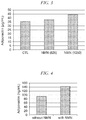
- FIG. 3 is a graph indicating the results of measuring adiponectin levels in the serum of mice in groups intraperitoneally administered ⁇ -NMN in Example 3.
- FIG. 4 is a graph indicating the results of measuring the amounts of adiponectin secreted from adipocytes differentiated from mouse fibroblast 3T3-L1 cells stimulated with ⁇ -NMN in Example 4.
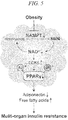
- FIG. 5 is a schematic diagram indicating the relationship between an NAMPT-mediated metabolic pathway and acquisition of insulin resistance.
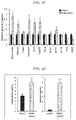
- FIG. 6 including FIGS. 6A-6J depicts graphs indicating various results obtained by administering ⁇ -NMN to ANKO mice in Example 5.
- FIG. 6A indicates a schematic diagram of the NAD + biosynthesis pathway in humans.
- FIG. 6C indicates the results of having carried out an insulin tolerance test (ITT) in Example 5.
- ITT insulin tolerance test
- the left graph in FIG. 6C indicates the results for changes in glucose concentration over time (insulin tolerance curve), while the graph on the right side of FIG. 6C indicates the results for the area under the curve (AUC) of glucose concentration.
- FIG. 6D shows the results for measuring plasma insulin concentrations for NMN-treated ANKO mice, NMN-untreated ANKO mice and control mice in Example 5.
- FIG. 6E shows the results of measuring plasma free fatty acid (FFA) concentrations for NMN-treated ANKO mice, NMN-untreated ANKO mice and control mice in Example 5.
- FFA plasma free fatty acid
- FIG. 6F shows the results of determining the phosphorylation rate of PPAR ⁇ (Ser273) in each group ([phosphorylated PPAR ⁇ (Ser273)]/[PPAR ⁇ (Ser273)] in Example 5.
- FIG. 6G shows the results of determining the phosphorylation rate of CDK5 ([phosphorylated CDK5]/[CDK5]) in Example 5.
- FIG. 6H shows the results of determining the acetylation rate of nuclear protein lysine ([acetylated lysine]/[Lamin B1]) in Example 5.
- FIG. 6I shows the results of expression levels of each gene targeted by obesity-associated.
- PPAR ⁇ Ser273
- visceral adipose tissue respectively sampled from NMN-treated ANKO mice and NMN-untreated ANKO mice.
- FIG. 6J indicates the results of measuring plasma adiponectin concentrations and plasma adipsia concentrations in NMN-treated. ANKO mice and NMN-untreated ANKO mice.
- a secretion enhancer of the present teachings may also be a pharmaceutically acceptable salt of ⁇ -NMN.
- the pharmaceutically acceptable salt may be a salt of an inorganic acid or salt of an organic acid having a basic site in the manner of an amine.
- an acid salt can comprise acetic acid, benzenesulfonic acid, benzoic acid, camphorsulfonic acid, citric acid, ethenesulfonic acid, fumaric acid, gluconic acid, glutamic acid, hydrobromic acid, hydrochloric acid, isethionic acid, lactic acid, maleic acid, malic acid, mandelic acid, methanesulfonic acid, mucic acid, nitric acid, pamoic acid, pantothenic acid, phosphoric acid, succinic acid, sulfuric acid, tartaric acid and p-toluenesulfonic acid.
- the pharmaceutically acceptable salt of ⁇ -NMN can be an alkaline salt, or organic salt having an acidic site in the manner of carboxylic acid.
- a salt can include a base derived from an alkaline metal salt or an alkaline earth metal salt, such as sodium hydroxide, potassium hydroxide, calcium hydroxide, aluminum hydroxide, lithium hydroxide, magnesium hydroxide, zinc hydroxide, ammonia, trimethylammonia, triethylammonia, ethylenediamine, lysine, arginine, ornithine, choline, N,N′-dibenzylethylenediamine, chloroprocaine, procaine, diethanolamine, N-benzylphenethylamine, diethylamine, piperazine, or tris(hydroxymethyl)aminomethane or tetramethylammonium hydroxide.
- a secretion enhancer of the present teachings can comprise free ⁇ -NMN, a pharmaceutically acceptable salt of ⁇ -NMN, or a solvate thereof.
- a secretion enhancer of the present teachings can further comprise at least one additional active ingredient.
- the at least one additional active ingredient can comprise adipocyte differentiation promoting substances, fat accumulation inhibitory substances, lipolysis promoting substances or fat metabolism improving substances.
- the additional active ingredient can comprise taurine, glutathione, carnitine, creatine, coenzyme Q, glucuronic acid, glucuronolactone, capsicum extract, ginger extract, cacao extract, guarana extract, garcinia extract, theanine, ⁇ -aminobutyric acid, capsaicin, capsiate, various organic acids, flavonoids, polyphenols, catechins, xanthine derivatives, or indigestible oligosaccharides such as fructooligosaccharides and polyvinylpyrrolidone.
- the secretion enhancer can further comprise a nontoxic pharmaceutical carrier or excipient.
- the secretion enhancer can be administered as an oral dosage form or a parenteral dosage form.
- the oral dosage form can comprise a solid preparation or liquid preparation.
- the solid preparation can be a tablet, a granule, a powder, a capsule, or a soft capsule.
- a liquid preparation can be a solution, a suspension, an emulsion, or a freeze-dried preparation.
- a parenteral dosage form can be an injection preparation, a suppository, an inhalant, or a percutaneously absorbed preparation.
- the secretion enhancer of the present teachings can be administered to an animal.
- the animal can be a mammal.
- the animal can be a human, livestock, an experimental animal, or a pet.
- the mammal can be a cow, a pig, a horse, a sheep, a goat, a donkey, a monkey, a dog, a cat, a rabbit, a mouse, a rat, or a guinea pig.
- the mammal can be a human.
- a daily adult dosage as the amount of ⁇ -NMN can be 0.1 mg to 10 g, 0.5 mg to 7 g, 10 mg to 5 g or 100 mg to 2 g.
- the daily dose can be administered in a single dose.
- the daily adult dosage can be divided among multiple administrations.
- a method of enhancing adiponectin secretion can comprise administrating an effective amount of ⁇ -NMN or a pharmaceutically acceptable salt thereof to an animal in need thereof.
- the animal can be a human.
- a method for treating a disease related to insulin resistance can comprise administrating an effective amount of a secretion enhancer to an animal in need thereof.
- the secretion enhancer can be a ⁇ -NMN.
- the animal can be a mammal. In various configurations, the mammal can be a human.
- a method of treating an insulin related disease can comprise the administration of the effective amount of ⁇ -NMNs to an animal in need thereof.
- an insulin resistance related disease can be metabolic syndrome, diabetes, hyperlipidemia, fatty liver disease, hypertension, obesity or arteriosclerosis.
- the fatty liver disease can be alcoholic fatty liver disease and non-alcoholic fatty liver disease.
- a method of preventing insulin resistance can comprise administration of an effective amount of a secretion enhancer to healthy animals.
- an animal feed can comprise a secretion enhancer of the present teachings.
- the animal feed can be a powder, a granule, a particle, a tablet, a capsule, soft capsule or a paste.
- the animal feed can be eaten directly or mixed into the animal diet or drinking water.
- a dietary supplement can comprise a secretion enhancer of the present teachings.
- the dietary supplement can be a powder, a granule, a particle, a tablet, a capsule, soft capsule or a paste.
- the dietary supplement can be taken as a supplement.
- the dietary supplement can be mixed into an animal feed, a food, or a beverage.
- a powdered dietary supplement can be dissolved in a beverage.
- the beverage can be water, alcohol, fruit juice, milk, or a carbonated beverage.
- the adiponectin secretion enhancer of the present teachings (“the secretion enhancer” or “the enhancer”) comprises NMN (chemical formula: C 11 H 15 N 2 O 8 P) and enhances secretion of adiponectin from adipocytes and increases the secretion thereof. Consequently, it is preferable as an active ingredient of an orally administered composition or externally applied composition for preventing or treating diseases caused by decreased secretion of adiponectin, such as but without limitation metabolic syndrome, diabetes, hyperlipidemia, fatty liver, hypertension, obesity or arteriosclerosis.
- an adiponectin secretion enhancer of the present teachings can comprise ⁇ -NMN.
- ⁇ -NMN is inherently present in the body and enhances secretion of adiponectin from adipocytes and increases the secretion thereof. Consequently, the secretion enhancer according to the teachings can be ingested safely without causing adverse side-effects and is effective for preventing and treating diseases including insulin-resistance related diseases caused by decreased secretion of adiponectin.
- NMN has two types of optical isomers consisting of ⁇ - and ⁇ -forms
- the NMN serving as an active ingredient of the secretion enhancer of the present teachings is ⁇ -NMN (CAS NO. 1094-61-7).
- the structure of ⁇ -NMN is indicated below.
- the ⁇ -NMN used as an active ingredient may be prepared by any method.
- purified ⁇ -NMN that is artificially synthesized by a chemical synthesis method, an enzymatic method or a fermentation method can be used as an active ingredient.
- ⁇ -NMN is a component that is present throughout the body
- ⁇ -NMN prepared by extraction or purification from a natural raw material such as an animal, plant or microorganism can be used.
- commercially available purified ⁇ -NMN may also be used.
- ⁇ -NMN can be produced by reacting nicotinamide and L-ribose tetraacetate followed by phosphorylating the resulting NMN.
- ⁇ -NMN can be produced from nicotinamide and 5′-phosphoribosyl-1′-pyrophosphate (PRPP) using nicotinamide phosphoribosyl transferase (NAMPT).
- PRPP 5′-phosphoribosyl-1′-pyrophosphate
- NAMPT nicotinamide phosphoribosyl transferase
- NAMPT nicotinamide phosphoribosyl transferase
- NAMPT nicotinamide phosphoribosyl transferase
- the secretion enhancer of the present teachings may also be a pharmaceutically acceptable salt of ⁇ -NMN.
- the pharmaceutically acceptable salt may be a salt of an inorganic acid or salt of an organic acid having a basic site in the manner of an amine.
- acids comprising such acid salts include acetic acid, benzenesulfonic acid, benzoic acid, camphorsulfonic acid, citric acid, ethenesulfonic acid, fumaric acid, gluconic acid, glutamic acid, hydrobromic acid, hydrochloric acid, isethionic acid, lactic acid, maleic acid, malic acid, mandelic acid, methanesulfonic acid, mucic acid, nitric acid, pamoic acid, pantothenic acid, phosphoric acid, succinic acid, sulfuric acid, tartaric acid and p-toluenesulfonic acid.
- the pharmaceutically acceptable salt of ⁇ -NMN may be an alkaline salt or organic salt having an acidic site in the manner of carboxylic acid.
- bases comprising such acid salts include alkaline metal salts and alkaline earth metal salts derived from bases such as sodium hydroxide, potassium hydroxide, calcium hydroxide, aluminum hydroxide, lithium hydroxide, magnesium hydroxide, zinc hydroxide, ammonia, trimethylammonia, triethylammonia, ethylenediamine, lysine, arginine, ornithine, choline, N,N′-dibenzylethylenediamine, chloroprocaine, procaine, diethanolamine, N-benzylphenethylamine, diethylamine, piperazine, tris(hydroxymethyl)aminomethane or tetramethylammonium hydroxide.
- the active ingredient of the secretion enhancer of the present teachings can comprise free ⁇ -NMN, a solvate or a pharmaceutically acceptable salt of ⁇ -NMN.
- solvents that form the solvate include water and ethanol.
- a secretion enhancer of the present teachings may also contain another active ingredient in addition to ⁇ -NMN.
- the other active ingredients There are no particular limitations on the other active ingredients provided they do not impair the effect of ⁇ -NMN of increasing the adiponectin secretion.
- examples of other ingredients include known adipocyte differentiation promoting substances, fat accumulation inhibitory substances, lipolysis promoting substances, and fat metabolism improving substances.
- these other ingredients include taurine, glutathione, carnitine, creatine, coenzyme Q, glucuronic acid, glucuronolactone, capsicum extract, ginger extract, cacao extract, guarana extract, garcinia extract, theanine, ⁇ -aminobutyric acid, capsaicin, capsiate, various organic acids, flavonoids, polyphenols, catechins, xanthine derivatives, and indigestible oligosaccharides such as fructooligosaccharides and polyvinylpyrrolidone.
- a secretion enhancer of the present teachings can comprise only the active ingredient or may contain other components.
- the enhancer can be formulated in various drug forms using routine pharmaceutical means by combining the active ingredient with a nontoxic pharmaceutical carrier or excipient.
- drug forms of the enhancer used in oral dosage forms include solid preparations such as tablets, granules, powders, capsules or soft capsules, liquid preparations such as solutions, suspensions or emulsions, and freeze-dried preparations.
- parenteral dosage forms include injection preparations as well as suppositories, inhalants and percutaneously absorbed preparations.
- nontoxic pharmaceutical carriers used in formulation include sugars such as glucose, lactose, sucrose, fructose or reduced maltose, carbohydrates such as starch, hydroxyethyl starch, dextrin, ⁇ -cyclodextrin, crystalline cellulose or hydroxypropyl cellulose, sugar-alcohols such as mannitol, erythritol, sorbitol or xylitol, esters such as fatty acid glycerides or polyoxyethylene sorbitan fatty acid esters, polyethylene glycol, ethylene glycol, amino acids, albumin, casein, silicon dioxide, water and physiological saline.
- sugars such as glucose, lactose, sucrose, fructose or reduced maltose
- carbohydrates such as starch, hydroxyethyl starch, dextrin, ⁇ -cyclodextrin, crystalline cellulose or hydroxypropyl cellulose
- sugar-alcohols such as mannitol,
- additives such as stabilizers, lubricants, humectants, emulsifiers, suspending agents, binders, disintegration agents, solvents, solubilizing agents, buffers, isotonic agents, antiseptics, correctives or colorants.
- the carriers can be suitably added as necessary for formulation of the enhancer.
- the secretion enhancer of the present teachings can be administered to a human or another animal.
- Non-limiting examples of other animals include mammals such as cows, pigs, horses, sheep, goats, donkeys, monkeys, dogs, cats, rabbits, mice, rats or guinea pigs.
- the enhancer can be administered to or ingested by a human, livestock, experimental animal or pet, and is preferably administered to or ingested by a human.
- the dosage or ingested amount of the secretion enhancer of the present teachings can be suitably selected or determined according to species, age (such as monthly age), body weight, symptoms or severity of disease of a human or animal to be administered the enhancer as well as the administration schedule or type of the formulation.
- the daily adult dosage as the amount of ⁇ -NMN can be 0.1 mg to 10 g, 0.5 mg to 7 g, 10 mg to 5 g or 100 mg to 2 g.
- the daily dose can be administered in a single dose or divided among multiple administrations.
- ⁇ -NMN is considered to have a high degree of safety since it is a biological component that is also contained in foods. Therefore, the secretion enhancer of the present teachings can also be used as an active ingredient of a dietary supplement ingested in order to increase the secretion of adiponectin.
- Dietary supplements are soft foods that provide nutritional support for the purpose of maintaining or improving health, and include foods for specified health uses, functional nutritional foods and health foods.
- a dietary supplement containing the enhancer is expected to demonstrate superior therapeutic and ameliorative action against diseases related to the insulin resistance such as metabolic syndrome, diabetes, hyperlipidemia, fatty liver (alcoholic fatty liver and non-alcoholic fatty liver), hypertension, obesity or arteriosclerosis.
- the secretion enhancer of the present teachings can also be used in an animal feed in order to increase the secretion of adiponectin.
- Administration of this feed to livestock, pets or experimental animals and the like increases the amount of adiponectin secreted from adipocytes of the animal ingesting the enhancer, and as a result of subsequently enhancing insulin sensitivity in the animal, can be expected to demonstrate prevention or amelioration of diseases such as metabolic syndrome, diabetes, hypertension, hyperlipidemia, fatty liver (alcoholic fatty liver and non-alcoholic fatty liver), obesity or arteriosclerosis.
- the method for enhancing adiponectin secretion comprises administrating an effective amount of ⁇ -NMN, a pharmaceutically acceptable salt thereof, or a solvate thereof (to also be referred to as “ ⁇ -NMNs”) or the aforementioned secretion enhancer of the invention to animals including humans.
- the method can enhance the secretion of adiponectin and thereby improve insulin sensitivity and secretion.
- This method can increase the adiponectin secretion ability of adipocytes by 20% or more, preferably 50% or more, more preferably 70% or more, further more preferably 80% or more, most preferably 100% or more than prior to the administration.
- a method for treating a disease related to insulin resistance can comprise administrating an effective amount of ⁇ -NMNs, or the aforementioned secretion enhancer of the present teachings to animals including humans affected with the insulin resistance.
- the method can effectively treat and improve symptoms or conditions of the animals affected with the disease by increasing the secretion of adiponectin from the adipocytes without causing adverse side-effects.
- the method can increase the adiponectin secretion ability of adipocytes by 20% or more, preferably 50% or more, more preferably 70% or more, further more preferably 80% or more, most preferably 100% or more than before the administration.
- These methods of the present teachings can be expected to treat or improve the symptoms or conditions of the animals including humans affected with the insulin resistance related disease by improving the adiponectin secretion ability of adipocytes thereof.
- the methods can improve the adiponectin secretion ability of adipocytes by the administration of the effective amount of ⁇ -NMNs as an active ingredient, or the aforementioned secretion enhancer of the present teachings to an animal affected with the insulin resistance, thereby treating or improving the insulin resistance related disease.
- the insulin resistance related diseases include metabolic syndrome, diabetes, hyperlipidemia, fatty liver (alcoholic fatty liver and non-alcoholic fatty liver), hypertension, obesity or arteriosclerosis.
- the methods of the present teachings can prevent animals without insulin resistance from developing these diseases by the administration of the effective amount ⁇ -NMNs as an active ingredient, or the aforementioned secretion enhancer.
- the dietary supplement or feed according to the present teachings can be produced by forming an edible form such as a powder, granule, particle, tablet, capsule, soft capsule or paste using commonly used means following addition of a suitable excipient or the like to ⁇ -NMN.
- the dietary supplement of the present teachings may be ingested as is, or may be ingested after having been mixed with various foods and beverages.
- a powdered dietary supplement can be ingested in a state in which it has been dissolved or dispersed in a beverage such as water, alcohol, fruit juice, milk or carbonated beverage.
- the feed of the present teachings may also be made to be ingested by an animal directly or may be made to be ingested in a state in which it has been mixed with other solid feed or drinking water.
- the dietary supplement and feed of the present teachings can contain other food materials or various additives.
- food materials include vitamins, sugars, proteins, lipids, dietary fiber and fruit juices.
- Specific examples include members of the vitamin B group such as vitamin B1 derivatives, vitamin B2, vitamin B6, vitamin B12, vitamin B13, biotin, pantothenic acid, nicotinic acid or folic acid, tat-soluble vitamins such as vitamin E, vitamin D or derivatives thereof, vitamin K1, vitamin K2 or ⁇ -carotene, minerals such as calcium, potassium, iron or zinc, yeast, L-carnitine, creatine, ⁇ -lipoic acid, glutathione, glucuronic acid, taurine, collagen, soy isoflavones, lecithin, peptides, amino acids, ⁇ -aminobutyric acid, diacylglycerol, DHA, EPA, capsaicin, chondroitin sulfate, agaric mushroom extract, carrot extract, garlic extract,
- CD(SD) rats, C57BL/6N mice and C57BL/6J mice used in the following experiments were kept in an SPF environment throughout the entire experimental period.
- a solution prepared by dissolving ⁇ -NMN (Oriental Yeast Co., Ltd.) in water for injection (Otsuka Pharmaceutical Co., Ltd.) or PBS (phosphate-buffered saline) was orally administered by gavage using a metal gastric tube (Fuchigami Kikai Co., Ltd.) attached to a polypropylene disposable syringe (Terumo Corp.).
- a solution prepared by dissolving ⁇ -NMN (Oriental Yeast Co., Ltd.) in PBS (phosphate-buffered saline) was administered intraperitoneally in accordance with the method of Dr. Sinclair (Gomes, et al., Cell, 2013, Vol. 155, p. 1624-1638) and the method of Dr. Imai (Yoshino, et al., Cell Metabolism, 2011, Vol. 14, p. 528-536).
- Anti-mouse adiponectin polyclonal antibody (Oriental Yeast Co., Ltd.) was adjusted to 10 ⁇ g/mL with PBS for use as primary antibody solution.
- anti-mouse adiponectin polyclonal antibody (Oriental Yeast Co., Ltd.) was biotinylated and adjusted to 2 ⁇ g/mL for use as secondary antibody solution.
- Mouse adiponectin (Oriental Yeast Co., Ltd.) was adjusted to 45.2 ng/mL with specimen diluent for use as standard.
- the 45.2 ng/mL standard was serially diluted two-fold with specimen diluent to prepare 22.6 ng/mL, 11.3 ng/mL, 5.65 ng/mL, 2.83 ng/mL, 1.41 ng/mL, 0.71 ng/mL and 0.35 ng/mL standard solutions. Furthermore, the specimen diluent was used for the 0 ng/mL standard solution. In addition, the specimens were prepared by serially diluting two-fold with the specimen diluent to a dilution factor of 808-fold in the case of rat serum or 6161-fold in the case of mouse serum.
- washing solution PBS containing 0.05% Tureen 20
- mice adiponectin polyclonal antibody used in ELISA cross-reacts with rat adiponectin
- levels of rat adiponectin were measured as mouse adiponectin by using standard mouse adiponectin.
- PBS with or without ⁇ -NMN was orally administered to CD rats (4 weeks old, males and females) for 28 days.
- Rat serum adiponectin levels were measured on day 28 from the start of administration. The results are shown in FIG. 1 .
- CTL CTL
- NMN(250) and “NMN(1000)” refer to ⁇ -NMN doses of 0 mg/kg/day, 250 mg/kg/day and 1000 mg/kg/day, respectively, ⁇ -NMN increased serum adiponectin levels dose-dependently regardless of the gender of the rats.
- mice serum adiponectin levels were measured on day 4 from the start of administration. The results of the measurement are shown in FIG. 2 .
- CTL Click-on-NMN doses of 0 mg/kg/day, 125 mg/kg/day and 625 mg/kg/day, respectively.
- ⁇ -NMN increased serum adiponectin levels dose-dependently.
- mice serum adiponectin levels were measured on day 4 from the start of administration. The results are shown in FIG. 3 .
- CTL Click-NMN doses of 0 mg/kg/day, 625 mg/kg/day and 1250 mg/kg/day, respectively.
- NMN(625) refers to ⁇ -NMN doses of 0 mg/kg/day, 625 mg/kg/day and 1250 mg/kg/day, respectively.
- 3T3-L1 cells were differentiated into adipocytes and then the cells were stimulated with ⁇ -NMN to measure the secreted amount of adiponectin.
- the 3T3-L1 cells were differentiated into adipocytes in the manner described below.
- 3T3-L1 cells were seeded in a 24-well plate at 5 ⁇ 10 4 cells/well followed by culturing for 2 to 3 days in culture medium (DMEM containing 10% fetal bovine serum (FBS)) at 37° C. in 5% CO 2 .
- culture medium DMEM containing 10% fetal bovine serum (FBS)
- FBS fetal bovine serum
- the culture medium was replaced with a first differentiation-inducing medium (containing 10 ⁇ M dexamethasone, 5 ⁇ M 3-isobutyl-1-methylxanthine (IBMX) and 10 ⁇ g/mL of insulin) followed by culturing for 2 days at 37° C. in 5% CO 2 .
- IBMX 3-isobutyl-1-methylxanthine
- the medium was replaced with the second differentiation-inducing medium (containing 10 ⁇ g/mL of insulin) followed by culturing for 2 days at 37° C. in 5% CO 2 . Subsequently, the medium was twice replaced with culture medium every 2 to 3 days to differentiate the 3T3-L1 cells into mature adipocytes.
- the second differentiation-inducing medium containing 10 ⁇ g/mL of insulin
- 3T3-L1 adipocytes were cultured in the presence (“NMN addition”) or absence (“NMN non-addition”) of ⁇ -NMN for 7 days.
- the amount of adiponectin secreted into the culture supernatant was measured.
- the results of measurement of adiponectin levels in the culture supernatant are shown in. FIG. 4 .
- adiponectin levels were higher in adipocytes cultured with ⁇ -NMN than in adipocytes cultured without ⁇ -NMN, and secretion of adiponectin was enhanced by stimulation with ⁇ -NMN.
- mice adipocyte-specifically deficient in NAMPT (adipose tissue-specific NAMPT knockout mice, to be referred to as “ANKO mice”), which is the rate-limiting enzyme in NAD + biosynthesis and is known to decrease in the adipose tissue of obese and aged rodents and humans.
- NAMPT adipose tissue-specific NAMPT knockout mice
- the ANKO mice exhibited severe insulin resistance in adipose tissue, liver and skeletal muscle (data not shown), and demonstrated adipose tissue dysfunction represented by an increase in plasma free fatty acid concentrations and decrease in the plasma concentration of adiponectin, which is the major insulin-sensitive adipokine (data not shown).
- ANKO mice also exhibited increased phosphorylation of cyclin-dependent kinase 5 (CKD5) and peroxisome proliferator-activated receptor-gamma (PPAR ⁇ ) (serine at amino acid position 273), and expression of the target gene of phosphorylated PPAR ⁇ associated with obesity in adipose tissue was decreased (data not shown).
- CKD5 cyclin-dependent kinase 5
- PPAR ⁇ peroxisome proliferator-activated receptor-gamma
- FIG. 5 is a schematic diagram indicating the relationship between the NAMPT-mediated metabolic pathway and acquisition of insulin resistance.
- NAMPT When expression levels of NAMPT decrease due to obesity, production of NMN from nicotinamide decreases and NAD + levels decrease. Due to this decrease in NAD levels, CDK5 activity increases and phosphorylation of PPAR ⁇ increases. As a result, the amount of adiponectin secreted from adipocytes decreases and the amount of free fatty acid increases, thereby resulting in insulin resistance in multiple organs.
- mice treated mice with NMN, a key NAD+ intermediate and the product of the NAMPT reaction ( FIG. 6A ).
- NA represents nicotinic acid
- NaMN represents nicotinic acid mononucleotide
- NIC represents nicotinamide
- NR represents nicotinamide riboside
- Tip represents tryptophan
- NAPRT represents nicotinate phosphoribosyl transferase.
- NMN is a product of an enzyme reaction mediated by NAMPT and is converted directly to NAD+. Nicotinic acid is a precursor in the NAPRT-dependent NAD+ biosynthesis pathway.
- ANKO mice were generated by using adiponectin-Cre transgenic mice and floxed-Nampt mice as previously described (Noon et al., 2015). Mice were maintained on a standard chow diet (LabDiet 5053; LabDiet) ad libitum. For RSG rescue experiments, ANKO mice received a chow containing RSG (#71740; Cayman Chemical) at the approximate dose of 20 mg/kg body Weight/day soon after weaning for up to 7 weeks.
- NMN #44500900; Oriental Yeast
- NA #172309; Sigma-Aldrich
- NMN-ANKO indicates the results for NMN-treated ANKO mice
- ANKO indicates the results for NMN-untreated ANKO mice of the same age as the NMN-treated ANKO mice
- flox/flox indicates the results for the control mice (female Nampt-floxed (flox/flox) mice). All values in the graphs represent the mean ⁇ SE.
- NAD+ levels were measured with an HPLC (high-performance liquid chromatography) system using a Supelco LC-18-T column (#58970-U, Sigma-Aldrich Corp.) (Yoon, et al., Cell Metabolism, 2015, Vol. 21, p. 706-717).
- HPLC high-performance liquid chromatography
- ITT insulin tolerance test
- the left graph in FIG. 6C indicates the results for changes in glucose concentration over time (insulin tolerance curve), while the graph on the right side of FIG. 6C indicates the results for the area under the curve (AUC) of glucose concentration.
- the results of determining the phosphorylation rate of PPAR ⁇ (Ser273) in each group are shown in FIG. 6F
- the results of determining the phosphorylation rate of CDK5 are shown in FIG. 6G
- the results of determining the acetylation rate of nuclear protein lysine are shown in FIG. 6H .
- NMN administration significantly increased adipose tissue NAD+ concentrations in ANKO mice ( FIG. 6B ).
- NMN administration improved insulin sensitivity in ANKO mice compared to the age-matched untreated ANKO mice ( FIG. 6C ).
- the insulin responses in NMN-treated ANKO mice were similar to those in the age-matched control mice, suggesting that NMN administration normalized the insulin resistance phenotype.
- NMN administration also normalized plasma insulin and FFA concentrations in ANKO mice ( FIG. 6D and FIG. 6E ).
- NMN administration decreased phosphorylation of PPAR ⁇ (Ser273) and CDK5 in VAT ( FIG. 6F and FIG. 6G ).
- NMN-treated ANKO mice reduced global nuclear lysine acetylation ( FIG. 6H ), indicating that NMN administration could increase activity of nuclear NAD+-dependent protein deacetylases such as SIRT1.
- Adipose tissue gene expression and plasma concentrations of adiponectin and adipsin were restored by NMN administration ( FIG. 6I and FIG. 6J ).
- NAPRT nicotinic acid phosphoribosyltransferase
- NAD + biosynthesis pathway mediated by NAMPT in adipose tissue was indicated to be important for controlling metabolic function in adipose tissue and throughout the body, and systemic metabolic disorders associated with obesity, and particularly multi-organ insulin resistance, were indicated to be able to be treated and prevented as a result of promoting secretion of adiponectin by administering ⁇ -NMN.
Landscapes
- Health & Medical Sciences (AREA)
- Life Sciences & Earth Sciences (AREA)
- Chemical & Material Sciences (AREA)
- Natural Medicines & Medicinal Plants (AREA)
- Veterinary Medicine (AREA)
- Animal Behavior & Ethology (AREA)
- General Health & Medical Sciences (AREA)
- Public Health (AREA)
- Medicinal Chemistry (AREA)
- Pharmacology & Pharmacy (AREA)
- Epidemiology (AREA)
- Engineering & Computer Science (AREA)
- Mycology (AREA)
- Botany (AREA)
- Microbiology (AREA)
- Medical Informatics (AREA)
- Alternative & Traditional Medicine (AREA)
- Biotechnology (AREA)
- Molecular Biology (AREA)
- Diabetes (AREA)
- Polymers & Plastics (AREA)
- Bioinformatics & Cheminformatics (AREA)
- Food Science & Technology (AREA)
- Nutrition Science (AREA)
- Organic Chemistry (AREA)
- Hematology (AREA)
- General Chemical & Material Sciences (AREA)
- Chemical Kinetics & Catalysis (AREA)
- Nuclear Medicine, Radiotherapy & Molecular Imaging (AREA)
- Obesity (AREA)
- Biochemistry (AREA)
- Zoology (AREA)
- Emergency Medicine (AREA)
- Endocrinology (AREA)
- Proteomics, Peptides & Aminoacids (AREA)
- Animal Husbandry (AREA)
- Immunology (AREA)
- Gastroenterology & Hepatology (AREA)
- Child & Adolescent Psychology (AREA)
- Physiology (AREA)
Abstract
Description

| TABLE 1 | |||
| Group | β- |
||
| 1 | 0 mg/kg/day | ||
| 2 | 250 mg/kg/ |
||
| 3 | 1000 mg/kg/day | ||
| 4 | 0 mg/kg/ |
||
| 5 | 250 mg/kg/ |
||
| 6 | 1000 mg/kg/day | ||
| TABLE 2 | |||
| Group | β- |
||
| 1 | 0 mg/kg/day | ||
| 2 | 125 mg/kg/ |
||
| 3 | 625 mg/kg/day | ||
| TABLE 3 | |||
| Group | β- |
||
| 1 | 0 mg/kg/day | ||
| 2 | 625 mg/kg/ |
||
| 3 | 1250 mg/kg/day | ||
Claims (12)
Applications Claiming Priority (2)
| Application Number | Priority Date | Filing Date | Title |
|---|---|---|---|
| JP2017-027373 | 2017-02-16 | ||
| JP2017027373A JP6920071B2 (en) | 2017-02-16 | 2017-02-16 | Adiponectin secretion improver |
Publications (2)
| Publication Number | Publication Date |
|---|---|
| US20180228824A1 US20180228824A1 (en) | 2018-08-16 |
| US10695360B2 true US10695360B2 (en) | 2020-06-30 |
Family
ID=63105796
Family Applications (1)
| Application Number | Title | Priority Date | Filing Date |
|---|---|---|---|
| US15/898,016 Active US10695360B2 (en) | 2017-02-16 | 2018-02-15 | Adiponectin secretion enhancer |
Country Status (2)
| Country | Link |
|---|---|
| US (1) | US10695360B2 (en) |
| JP (1) | JP6920071B2 (en) |
Cited By (2)
| Publication number | Priority date | Publication date | Assignee | Title |
|---|---|---|---|---|
| US11219632B2 (en) * | 2017-02-08 | 2022-01-11 | Oriental Yeast Co., Ltd. | Skin pigmentation inhibitor |
| US11571438B1 (en) | 2022-05-23 | 2023-02-07 | Sasan Akhavan | Nutraceutical compositions to up-regulate SIRT1 and methods of use |
Families Citing this family (17)
| Publication number | Priority date | Publication date | Assignee | Title |
|---|---|---|---|---|
| KR102354784B1 (en) | 2015-08-05 | 2022-01-25 | 메트로 인터내셔널 바이오테크 엘엘씨 | Nicotinamide mononucleotide derivatives and uses thereof |
| GB2542881B (en) | 2015-10-02 | 2020-01-01 | Carr Andrew | Crystal forms of ß-nicotinamide mononucleotide |
| EP3558312A4 (en) | 2016-12-21 | 2021-01-13 | Newsouth Innovations Pty Limited | VASCULAR DENSITY IMPROVEMENT PROCESSES |
| US11180521B2 (en) | 2018-01-30 | 2021-11-23 | Metro International Biotech, Llc | Nicotinamide riboside analogs, pharmaceutical compositions, and uses thereof |
| US10618927B1 (en) | 2019-03-22 | 2020-04-14 | Metro International Biotech, Llc | Compositions and methods for modulation of nicotinamide adenine dinucleotide |
| US11939348B2 (en) | 2019-03-22 | 2024-03-26 | Metro International Biotech, Llc | Compositions comprising a phosphorus derivative of nicotinamide riboside and methods for modulation of nicotinamide adenine dinucleotide |
| CN110237118A (en) * | 2019-06-06 | 2019-09-17 | 泓博元生命科技(深圳)有限公司 | The composition of niacinamide-containing mononucleotide is in the application of anti-aging drug/health care product |
| KR102874965B1 (en) | 2019-12-19 | 2025-10-22 | 주식회사 엘지에너지솔루션 | Apparatus, method and computer program for updating current pattern for quick charge |
| CN115279209A (en) * | 2020-03-16 | 2022-11-01 | 田中惠 | Coenzyme Q production promoter and coenzyme Q production promoting method |
| WO2022026612A1 (en) * | 2020-07-30 | 2022-02-03 | Hernandez Vazquez Moises | Nutritional supplements for repairing muscle and defending against deterioration from human aging |
| BR112023024712A2 (en) | 2021-05-27 | 2024-02-15 | Metro Int Biotech Llc | CRYSTALLINE SOLIDS OF NICOTINE ACID MONONUCLEOTIDE AND ESTERS THEREOF AND METHODS OF MANUFACTURING AND USE |
| JP2023059330A (en) * | 2021-10-15 | 2023-04-27 | エリジオンサイエンス株式会社 | Composition |
| JP7195498B1 (en) * | 2022-03-25 | 2022-12-26 | エリジオンサイエンス株式会社 | Pharmaceutical composition |
| JP7236668B1 (en) | 2022-03-25 | 2023-03-10 | 万里 坂井 | Pharmaceutical composition |
| JPWO2024181369A1 (en) * | 2023-02-27 | 2024-09-06 | ||
| JP2024151469A (en) * | 2023-04-12 | 2024-10-25 | 長崎県公立大学法人 | Foods that increase body temperature by promoting energy consumption |
| EP4710775A1 (en) | 2023-05-12 | 2026-03-18 | Meiji Holdings Co., Ltd. | Composition for promoting child development |
Citations (3)
| Publication number | Priority date | Publication date | Assignee | Title |
|---|---|---|---|---|
| WO2005065667A2 (en) | 2003-12-29 | 2005-07-21 | President And Fellows Of Harvard College | Compositions for treating or preventing obesity and insulin resistance disorders |
| US7737158B2 (en) | 2005-10-11 | 2010-06-15 | Washington University | Processes for regulating blood glucose in a mammal |
| WO2014146044A1 (en) | 2013-03-15 | 2014-09-18 | Washington University | Administration of nicotinamide mononucleotide in the treatment of disease |
-
2017
- 2017-02-16 JP JP2017027373A patent/JP6920071B2/en active Active
-
2018
- 2018-02-15 US US15/898,016 patent/US10695360B2/en active Active
Patent Citations (4)
| Publication number | Priority date | Publication date | Assignee | Title |
|---|---|---|---|---|
| WO2005065667A2 (en) | 2003-12-29 | 2005-07-21 | President And Fellows Of Harvard College | Compositions for treating or preventing obesity and insulin resistance disorders |
| JP2007527418A (en) | 2003-12-29 | 2007-09-27 | プレジデント・アンド・フェロウズ・オブ・ハーバード・カレッジ | Composition for treating or preventing obesity and insulin resistance disorders |
| US7737158B2 (en) | 2005-10-11 | 2010-06-15 | Washington University | Processes for regulating blood glucose in a mammal |
| WO2014146044A1 (en) | 2013-03-15 | 2014-09-18 | Washington University | Administration of nicotinamide mononucleotide in the treatment of disease |
Non-Patent Citations (5)
| Title |
|---|
| Gomes, A.P., et al., Declining NAD+ Induces a Pseudohypoxic State Disrupting Nuclear-Mitochondrial Communication during Aging, Cell, 2013, 155, 1624-1638. |
| Mills, K.F., Long-Term Administration of Nicotinamide Mononucleotide Mitigates Age-Associated Physiological Decline in Mice, Cell Metabolism, 2016, 24, 795-806. |
| Qiang, L. et al., Adiponectin Secretion Is Regulated by SIRT1 and the Endoplasmic Reticulum Oxidoreductase Ero1-Lalpha Molecular and Cellular Biology, 2007, 27(13), 4698-4707. |
| Stromsdorfer , K. L., et al., NAMPT-Mediated NAD+ Biosynthesis in Adipocytes Regulates Adipose Tissue Function and Multi-organ Insulin Sensitivity in Mice Cell Reports, 2016, 16, 1-10. |
| Yoshino, J., et al., Nicotinamide Mononucleotide, a Key NAD+ Intermediate, Treats the Pathophysiology of Diet- and Age-Induced Diabetes in Mice Cell Metabolism, 2011, 14, 528-536. |
Cited By (2)
| Publication number | Priority date | Publication date | Assignee | Title |
|---|---|---|---|---|
| US11219632B2 (en) * | 2017-02-08 | 2022-01-11 | Oriental Yeast Co., Ltd. | Skin pigmentation inhibitor |
| US11571438B1 (en) | 2022-05-23 | 2023-02-07 | Sasan Akhavan | Nutraceutical compositions to up-regulate SIRT1 and methods of use |
Also Published As
| Publication number | Publication date |
|---|---|
| JP2018131418A (en) | 2018-08-23 |
| US20180228824A1 (en) | 2018-08-16 |
| JP6920071B2 (en) | 2021-08-18 |
Similar Documents
| Publication | Publication Date | Title |
|---|---|---|
| US20180228824A1 (en) | Adiponectin secretion enhancer | |
| KR102852384B1 (en) | Anti-aging agents and anti-aging methods | |
| AU2020273559B2 (en) | Compositions and methods to treat or prevent metabolic fatigue using at the compound oleuropein or a metabolite thereof | |
| US9844531B2 (en) | Methods of maintaining and improving muscle function | |
| JP6641240B2 (en) | Activator of natural killer cells | |
| JP2018534278A (en) | Compositions and methods using polyphenols for skeletal muscle health | |
| US20230330040A1 (en) | Immunological effects of metabolites | |
| US8946283B2 (en) | Composition for preventing or treating obesity, dyslipidemia, fatty liver or diabetes containing indole-3-carbinol derivative as active ingredient | |
| US20090239944A1 (en) | Novel Use of Organic Compounds | |
| KR102709472B1 (en) | Composition for preventing, improving or treating obesity comprising wasabi leaf extract as an active ingredient | |
| US10426769B2 (en) | Pharmaceutical composition for preventing and treating obesity or liver diseases, containg TLR7 agonist | |
| KR102445708B1 (en) | Composition for reducing body fat comprising Bifidobacterium lactis IDCC 4301 | |
| US20090203773A1 (en) | Compounds for the Treatment of Non-Autoimmune Type 2 Diabetes Mellitus and/or Syndrome X | |
| JP7582854B2 (en) | Parkinson's disease-like symptom relief | |
| KR20210109887A (en) | Preparation method of gynostemma pentaphyllum leaves for increasing saponin contents and composition for anti-obesity | |
| KR20250168792A (en) | Composition for preventing or treating muscle disease containing probiotic metabolites as active ingredients | |
| WO2011016366A1 (en) | Cholesterol ester transfer protein inhibitor | |
| KR20250169118A (en) | Composition for preventing or treating muscle disease containing probiotic metabolites as active ingredients | |
| JP2025526605A (en) | Methylated phloretin analogs as SGLT2 inhibitors | |
| JP2023147757A (en) | anti-influenza virus agent | |
| KR20260018260A (en) | Composition for preventing or treating diseases related to sarcopenia comprising stem cell derived vesicles | |
| US20170281650A1 (en) | Use of dihydrocholesterol | |
| JP2020083769A (en) | AMPK activator | |
| WO2015105094A1 (en) | Agent for treating diabetes |
Legal Events
| Date | Code | Title | Description |
|---|---|---|---|
| FEPP | Fee payment procedure |
Free format text: ENTITY STATUS SET TO UNDISCOUNTED (ORIGINAL EVENT CODE: BIG.); ENTITY STATUS OF PATENT OWNER: LARGE ENTITY |
|
| AS | Assignment |
Owner name: WASHINGTON UNIVERSITY, MISSOURI Free format text: ASSIGNMENT OF ASSIGNORS INTEREST;ASSIGNOR:YOSHINO, JUN;REEL/FRAME:045519/0185 Effective date: 20180226 Owner name: ORIENTAL YEAST CO., LTD., JAPAN Free format text: ASSIGNMENT OF ASSIGNORS INTEREST;ASSIGNORS:YASUDA, HISATAKA;ARAI, HIDEO;ENOMOTO, TETSURO;REEL/FRAME:045519/0567 Effective date: 20180403 |
|
| AS | Assignment |
Owner name: NATIONAL INSTITUTES OF HEALTH (NIH), U.S. DEPT. OF HEALTH AND HUMAN SERVICES (DHHS), U.S. GOVERNMENT, MARYLAND Free format text: CONFIRMATORY LICENSE;ASSIGNOR:WASHINGTON UNIVERSITY;REEL/FRAME:046313/0294 Effective date: 20180604 Owner name: NATIONAL INSTITUTES OF HEALTH (NIH), U.S. DEPT. OF Free format text: CONFIRMATORY LICENSE;ASSIGNOR:WASHINGTON UNIVERSITY;REEL/FRAME:046313/0294 Effective date: 20180604 |
|
| STPP | Information on status: patent application and granting procedure in general |
Free format text: RESPONSE TO NON-FINAL OFFICE ACTION ENTERED AND FORWARDED TO EXAMINER |
|
| STPP | Information on status: patent application and granting procedure in general |
Free format text: NON FINAL ACTION MAILED |
|
| STPP | Information on status: patent application and granting procedure in general |
Free format text: RESPONSE TO NON-FINAL OFFICE ACTION ENTERED AND FORWARDED TO EXAMINER |
|
| STPP | Information on status: patent application and granting procedure in general |
Free format text: EX PARTE QUAYLE ACTION MAILED |
|
| STPP | Information on status: patent application and granting procedure in general |
Free format text: RESPONSE TO EX PARTE QUAYLE ACTION ENTERED AND FORWARDED TO EXAMINER |
|
| STPP | Information on status: patent application and granting procedure in general |
Free format text: NOTICE OF ALLOWANCE MAILED -- APPLICATION RECEIVED IN OFFICE OF PUBLICATIONS |
|
| STPP | Information on status: patent application and granting procedure in general |
Free format text: PUBLICATIONS -- ISSUE FEE PAYMENT RECEIVED |
|
| STCF | Information on status: patent grant |
Free format text: PATENTED CASE |
|
| MAFP | Maintenance fee payment |
Free format text: PAYMENT OF MAINTENANCE FEE, 4TH YEAR, LARGE ENTITY (ORIGINAL EVENT CODE: M1551); ENTITY STATUS OF PATENT OWNER: LARGE ENTITY Year of fee payment: 4 |