US10653708B2 - Uses of ether phospholipids in treating diseases - Google Patents
Uses of ether phospholipids in treating diseases Download PDFInfo
- Publication number
- US10653708B2 US10653708B2 US15/625,151 US201715625151A US10653708B2 US 10653708 B2 US10653708 B2 US 10653708B2 US 201715625151 A US201715625151 A US 201715625151A US 10653708 B2 US10653708 B2 US 10653708B2
- Authority
- US
- United States
- Prior art keywords
- diseases
- plasmalogens
- ether phospholipids
- disease
- patients
- Prior art date
- Legal status (The legal status is an assumption and is not a legal conclusion. Google has not performed a legal analysis and makes no representation as to the accuracy of the status listed.)
- Expired - Fee Related
Links
- 0 [1*]C=CC(O)C(COP(=O)(O)OC)OC([2*])=O.[1*]CCC(O)C(COP(=O)(O)OC)OC([2*])=O Chemical compound [1*]C=CC(O)C(COP(=O)(O)OC)OC([2*])=O.[1*]CCC(O)C(COP(=O)(O)OC)OC([2*])=O 0.000 description 1
Images




Classifications
-
- A—HUMAN NECESSITIES
- A61—MEDICAL OR VETERINARY SCIENCE; HYGIENE
- A61K—PREPARATIONS FOR MEDICAL, DENTAL OR TOILETRY PURPOSES
- A61K31/00—Medicinal preparations containing organic active ingredients
- A61K31/66—Phosphorus compounds
- A61K31/661—Phosphorus acids or esters thereof not having P—C bonds, e.g. fosfosal, dichlorvos, malathion or mevinphos
-
- A—HUMAN NECESSITIES
- A61—MEDICAL OR VETERINARY SCIENCE; HYGIENE
- A61K—PREPARATIONS FOR MEDICAL, DENTAL OR TOILETRY PURPOSES
- A61K35/00—Medicinal preparations containing materials or reaction products thereof with undetermined constitution
- A61K35/56—Materials from animals other than mammals
- A61K35/57—Birds; Materials from birds, e.g. eggs, feathers, egg white, egg yolk or endothelium corneum gigeriae galli
-
- A—HUMAN NECESSITIES
- A61—MEDICAL OR VETERINARY SCIENCE; HYGIENE
- A61K—PREPARATIONS FOR MEDICAL, DENTAL OR TOILETRY PURPOSES
- A61K35/00—Medicinal preparations containing materials or reaction products thereof with undetermined constitution
- A61K35/56—Materials from animals other than mammals
- A61K35/618—Molluscs, e.g. fresh-water molluscs, oysters, clams, squids, octopus, cuttlefish, snails or slugs
-
- C—CHEMISTRY; METALLURGY
- C12—BIOCHEMISTRY; BEER; SPIRITS; WINE; VINEGAR; MICROBIOLOGY; ENZYMOLOGY; MUTATION OR GENETIC ENGINEERING
- C12P—FERMENTATION OR ENZYME-USING PROCESSES TO SYNTHESISE A DESIRED CHEMICAL COMPOUND OR COMPOSITION OR TO SEPARATE OPTICAL ISOMERS FROM A RACEMIC MIXTURE
- C12P7/00—Preparation of oxygen-containing organic compounds
- C12P7/64—Fats; Fatty oils; Ester-type waxes; Higher fatty acids, i.e. having at least seven carbon atoms in an unbroken chain bound to a carboxyl group; Oxidised oils or fats
- C12P7/6436—Fatty acid esters
- C12P7/6445—Glycerides
- C12P7/6481—Phosphoglycerides
-
- C—CHEMISTRY; METALLURGY
- C12—BIOCHEMISTRY; BEER; SPIRITS; WINE; VINEGAR; MICROBIOLOGY; ENZYMOLOGY; MUTATION OR GENETIC ENGINEERING
- C12Y—ENZYMES
- C12Y301/00—Hydrolases acting on ester bonds (3.1)
- C12Y301/01—Carboxylic ester hydrolases (3.1.1)
- C12Y301/01032—Phospholipase A1 (3.1.1.32)
Definitions
- the present invention relates to uses of ether phospholipids in treating and preventing various diseases, including, but not limited to, neurodegenerative or brain diseases; metabolic diseases or syndromes; infectious diseases; diseases related to inflammation; heart diseases, and immune disorder.
- the ether phospholipids are derived from extracting bivalves, which provides superior efficacies in treating and preventing the diseases.
- Lipids refer to substances that have a long fatty acid chain or a similar hydrocarbon chain in a molecule and are present in a living body or derived from a living thing.
- the lipids may be classified into storage lipids and structural lipids in membranes.
- Storage lipids comprise C, H and O, and are generally soluble in organic solvent such as acetone.
- Triacylglycerol that is a storage lipid is present in a fat tissue of an animal body as energy storage.
- structural lipids in membranes such as phospholipids comprise a hydrophobic part (fatty acid part) and a hydrophilic part (phosphoric acid and base part) to exhibit amphipathic property.
- structural lipids are structural components of a biomembrane.
- Structural lipids in membranes may be roughly classified into the following categories:
- the above (2) phosphosphingolipids and (3) glycosphingolipids are collectively called as sphingolipids.
- Glycerophospholipids is a collective term for phospholipids having a glycerol in their backbone, examples of which include phosphatidylcholine, phosphatidylethanolamine, phosphatidylserine, etc. Many of those glycerophospholipids are bound to a non-polar part (fatty acid part) at the sn-1 position of glycerol backbone by an ester bond (acyl bond), and some are bound at the sn-1 position by a vinyl ether bond (alkenyl bond) or an ether bond (alkyl bond). The former ones bound by a vinyl ether bond are also called as plasmalogens. Glycerophospholipids having a vinyl ether bond and those having an ether bond are collectively called as ether phospholipids.
- phospholipids are integral structural components of a biomembrane
- approximately 18% of phospholipids of a mammalian biomembrane are plasmalogens that are vinyl ether phospholipids.
- many of plasmalogens are found in brain tissues, cardiac muscles, skeleton muscles, white blood cells and sperms.
- Many of plasmalogens are bound to polyunsaturated fatty acids such as eicosapentaenoic acid (EPA), docosahexaenoic acids (DHA), arachidonic acids (ARA), and the like at the sn-2 position of glycerol backbone.
- EPA eicosapentaenoic acid
- DHA docosahexaenoic acids
- ARA arachidonic acids
- ether phospholipids having an alkyl bond are present although in a small amount.
- phosphatidylcholine and phosphatidylethanolamine having an alkyl bond are present in a rat's brain hippocampus.
- ingested phospholipids having an ether bond are transformed into plasmalogens in vivo.
- Non-patent Document 1 plasmalogens-type glycerophospholipids have an effect of brain neurogenesis.
- Patent Document 2 plasmalogens-type glycerophospholipids inhibit an increase of glia cells that is considered to be one of the causes triggering a central nervous system inflammation, thereby effective for decreasing central nervous system inflammation, and that they are particularly effective for preventing and treating neurodegenerative disease such as Alzheimer's disease.
- Patent Documents 1-7 It is reported, as shown in, for example, Patent Documents 1-7, that such plasmalogens-type glycerophospholipids may be obtained from a bird tissue such as chicken skin and chicken breast, in an easy manner on a massive scale.
- Patent Document 8 reports a method for producing ether phospholipids or plasmalogens-type glycerophospholipids from bivalve tissues, and demonstrates that the bivalve extracts produced by such a method are bound to a larger amount of eicosapentaenoic acid (EPA) and docosahexaenoic acid (DHA) at the sn-2 position of glycerol backbone compared to the conventional plasmalogens-type glycerophospholipids derived from chicken tissues.
- EPA eicosapentaenoic acid
- DHA docosahexaenoic acid
- the present invention relates to uses of ether phospholipids in treating and preventing various diseases.
- the present invention provides methods of treating and preventing neurodegenerative or brain diseases; metabolic diseases or syndromes; infectious diseases; diseases related to inflammation; heart diseases, and immune disorders, comprising administering to a subject in need thereof a therapeutically effective amount of ether phospholipids or a composition containing ether phospholipids.
- the neurodegenerative or brain diseases include, but are not limited to, Alzheimer's disease, cognitive impairment, brain fatigue, chronic fatigue syndrome, Parkinson disease, depression, anxiety disorder, insomnia and schizophrenia.
- the metabolic diseases or syndromes include, but are not limited to, diabetes and obesity.
- the infectious diseases include, but are not limited to, viral diseases, bacterial diseases and prion diseases.
- the diseases related to inflammation include, but are not limited to, autoinflammatory diseases, collagen diseases and vasculitis.
- the heart diseases include, but are not limited to, ischemic heart disease, endocarditis, myocarditis, and pericarditis.
- the immune disorders include, but are not limited to, allergic diseases, autoimmune diseases, immunodeficiency diseases and cancer.
- ether phospholipids can be used for treating diseases including Alzheimer's disease, cognitive impairment, brain fatigue, chronic fatigue syndrome, Parkinson disease, depression, anxiety disorder, insomnia, and obesity. These diseases may be mild, moderate or severe. Alzheimer's disease may include mild Alzheimer's disease, moderate Alzheimer's disease and severe Alzheimer's disease.
- the ether phospholipids may be derived from extracting a bird tissue or a bivalve tissue.
- the ether phospholipids are derived from extracting a bivalve tissue, which provides superior efficacies in treating and preventing diseases.
- FIG. 1 depicts mean plasmalogen concentrations in erythrocyte membrane and plasma of normal persons and patients with MCI, mild AD, moderate AD, severe AD, Parkinson's disease, metabolic syndrome and ischemic heart diseases.
- FIG. 2 a depicts the mean changes in MMSE-J after receiving plasmalogens extracted from scallop or placebo for the patients after 24-week treatment.
- FIG. 2 b depicts the mean changes in WMS-R measured 30 minutes after receiving plasmalogens extracted from scallop or placebo for the patients after 24-week treatment.
- FIG. 3 a depicts the mean changes in WMS-R measured immediately after receiving plasmalogens extracted from scallop or placebo for the patients having mild AD after 24-week treatment.
- FIG. 3 b depicts the mean changes in WMS-R measured 30 minutes after receiving plasmalogens extracted from scallop or placebo for the patients having mild AD after 24-week treatment.
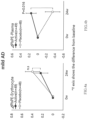
- FIG. 4 a depicts the mean changes of plasmalogens (PlsPE) concentration in erythrocyte membrane after receiving plasmalogens extracted from scallop or placebo for the patients with mild AD after 24-week treatment.
- PlsPE plasmalogens
- FIG. 4 b depicts the mean changes of plasmalogens (PlsPE) concentration in plasma after receiving plasmalogens extracted from scallop or placebo for the patients with mild AD after 24-week treatment.
- PlsPE plasmalogens
- FIG. 5 a depicts the mean changes in MMSE score without the baseline effect for the patients with moderate AD and severe AD after 12-week treatment.
- FIG. 5 b depicts the time course changes in MMSE score with the baseline effect for the patients with moderate AD and severe AD during 12-week treatment.
- FIG. 6 a depicts the time course mean changes in MMSE score without the baseline effect for the patients with moderate AD and severe AD respectively during 12-week treatment.
- FIG. 6 b depicts the time course mean changes in MMSE score with the baseline effect for the patients with moderate AD and severe AD respectively during 12-week treatment.
- FIG. 7 depicts the mean MMSE changes for the patients with moderate AD and severe AD after three-month oral administration of plasmalogens extracted from scallop.
- FIG. 8 a depicts the mean MMSE changes for the patients with moderate AD after three-month oral administration of plasmalogens extracted from scallop.
- FIG. 8 b depicts the mean MMSE changes for all the patients with severe AD after three-month oral administration of plasmalogens extracted from scallop.
- FIG. 9 depicts the evaluation of five mental functions (i.e., memory, orientation, attention, executive function, and feelings) of the patients with moderate AD and severe AD after three-month oral administration of plasmalogens extracted from scallop.
- five mental functions i.e., memory, orientation, attention, executive function, and feelings
- FIG. 10 depicts the evaluation of five mental functions (i.e., memory, orientation, attention, executive function, and feelings) of the patients with moderate AD after three-month oral administration of plasmalogens extracted from scallop.
- five mental functions i.e., memory, orientation, attention, executive function, and feelings
- FIG. 11 depicts the evaluation of five mental functions (i.e., memory, orientation, attention, executive function, and feelings) of the patients with severe AD after three-month oral administration of plasmalogens extracted from scallop.
- five mental functions i.e., memory, orientation, attention, executive function, and feelings
- FIG. 12 a depicts the mean changes of plasmalogens concentration without the baseline effect in erythrocyte membrane of the patients with moderate AD and severe AD after 12-week treatment.
- FIG. 12 b depicts the mean changes of plasmalogens concentration with the baseline effect in erythrocyte membrane of the patients with moderate AD and severe AD after 12-week treatment.
- FIG. 13 a depicts the mean changes of plasmalogens concentration without the baseline effect in plasma of the patients with moderate AD and severe AD after 12-week treatment.
- FIG. 13 b depicts the mean changes of plasmalogens concentration with the baseline effect in plasma of the patients with moderate AD and severe AD after 12-week treatment.
- the terms “about,” “up to,” “generally,” “substantially” and the like are intended to mean that slight deviations from absolute are included within the scope of the term so modified. In one embodiment, the terms “about” means a variability of 10% from the reference given, unless otherwise specified.
- a “patient” or “subject” is a mammal, e.g., a human or a veterinary patient or subject, e.g., mouse, rat, guinea pig, dog, cat, horse, cow, pig, or non-human primate, such as a monkey, chimpanzee, baboon or gorilla.
- treating or “treatment” is meant to encompass administering to a subject a compound or composition of the present invention for the purposes of amelioration or elimination of one or more symptoms of a disease or disorder, including palliative care.
- preventing or “prevention” is meant to encompass administering to a subject a compound or composition of the present invention for the purposes of protecting patients or subjects from getting incidence or effects of diseases.
- a therapeutically effective amount of a compound when used for the treatment of a condition is an amount that at least slows the progression of the condition.
- Ether phospholipids in the present invention refer to glycerophospholipids that have a vinyl ether bond (alkenyl bond) or an ether bond (alkyl bond) at the 1 st position of the glycerol backbone (sn-1).
- General formulas of ether phospholipids are described as the following Formula (1) and/or (2).
- a compound represented by Formula (1) is alkenyl phospholipid (plasmalogens), while a compound represented by Formula (2) is alkyl phospholipid. It is known that ingested ether phospholipids having an ether bond (alkyl bond) are transformed into plasmalogens in vivo. In the present application, the terms “ether phospholipids” and “plasmalogens” may be used exchangeably.
- R 1 represents an aliphatic hydrocarbon group, preferably an aliphatic hydrocarbon group having 14 to 18 carbon numbers,
- R 2 represents an aliphatic hydrocarbon group, which is usually bound to a fatty acid, preferably a polyunsaturated fatty acid, such as eicosapentaenoic acid (EPA), docosahexaenoic acid (DHA), arachidonic acid (ARA), and the like, and more preferably the total amount of these three kinds of fatty acids accounts for 50% or higher of the total fatty acids, and
- EPA eicosapentaenoic acid
- DHA docosahexaenoic acid
- ARA arachidonic acid
- X represents a polar group, preferably ethanolamine, choline, serine, inositol, etc., and more preferably the total amount of ethanolamine and choline account for 90% or higher of the total phospholipids.
- ether phospholipids present in a mammal contain mainly ethanolamine plasmalogens in which X in the above formulas is ethanolamine and choline plasmalogens in which X is choline.
- Ingested glycerophospholipids having an ether bond (alkyl bond) are absorbed in the original form to be used in each tissue, or are transformed inside a body into alkenyl bond-type phospholipids (plasmalogens).
- the ether phospholipids may be derived from extracting a bird tissue or a bivalve tissue.
- the bird tissue includes, but is not limited to, chicken skin and chicken breast.
- the ether phospholipids are derived from extracting a bivalve tissue.
- the bivalve includes, but is not limited to, a clam, a corbicula , a giant clam, a scallop, and an oyster.
- the bivalve tissue may be an internal organ, a gonad, and muscle.
- the ether phospholipids derived from extracting a bivalve tissue can be obtained through any extraction method.
- ether phospholipids may be extracted and purified by a method described in WO2016/092878, comprising:
- step (B) a step of reacting the total lipids obtained by the step (A) with phospholipase A1 to hydrolyze diacyl phospholipids mixed therein, followed by solvent partition to get a purified ether phospholipids.
- non-polar organic solvent examples include, but are not limited to, saturated fatty hydrocarbons, and preferably are selected from straight-chain saturated hydrocarbons. More preferably, the non-polar organic solvent is hexane.
- branched alcohol examples include, but are not limited to, secondary and tertiary alcohols, and preferably are selected from secondary alcohols. More preferably, the branched alcohol is isopropanol.
- the ratio of the volume of a non-polar organic solvent and the volume of a branched alcohol in the mixture is 3:2.
- PLA1 phospholipase A1
- PLA1 specifically hydrolyzes an acyl bond at the sn-1 of diacyl-type phospholipids. Therefore, PLA1 does not act on an ether bond at the sn-1 of ether phospholipids.
- diacyl-glycerophospholipids are decomposed into free fatty acids and lyso phospholipids. Free fatty acids and lyso phospholipids may be removed by water based on their nature of being relatively water-soluble.
- the PLA1 used is not particularly limited to its derivation, as long as it can attain the above effect.
- the exemplary PLA1 may be the one derived from Aspergillus orizae .
- Such PLA1 may be purchased from Mitsubishi Kagaku Foods Corporation.
- the amount of the PLA1 used may be selected as deemed fit, depending on the amount of the total glycerophospholipids.
- the amount of the PLA1 used per 1 g of the total glycerophospholipids is preferably about 0.15-0.45 g, more preferably about 0.2-0.3 g.
- the enzymatic hydrolysis reaction by PLA1 may be performed in a buffer.
- a buffer may be selected as deemed fit depending on the PLA1 used.
- 0.1M citric acid-HCl buffer pH 4.5
- the total glycerophospholipids may be dissolved by adding the buffer, and subsequently PLA1 may be added.
- the volume of the buffer used per 1 g of the total glycerophospholipids is preferably about 1-30 mL, more preferably about 5-15 mL.
- the reaction conditions of the enzymatic hydrolysis can be selected as deemed fit.
- the reaction is run preferably at the temperature of about 30-70° C., more preferably at about 45-55° C., and most preferably at about 50° C. Stirring is preferably provided during the reaction.
- the reaction time is preferably about 1-5 hours, and more preferably about 1-2 hours.
- the pH is preferably at about 3.5-5.5, and more preferably at about 4-5.
- the enzymatic hydrolysis reaction by PLA1 may be stopped by cooling.
- deactivation treatment of PLA1 may be performed subsequent to the hydrolysis reaction.
- the deactivation treatment may be performed by increasing the temperature to around 70° C.
- a resulting liquid from the hydrolysis process may be obtained wherein diacyl phospholipids are decomposed.
- hexane-isopropanol mixture (3:2) that is diluted by 5-10 times.
- the resulting mixture is placed into a separating funnel. Water in an amount of 2 ⁇ 3 of the volume of the resulting mixture is then added. Hexane layer (the upper layer) is separated and dried to a resulting solid. By doing so, a lipid decomposed product (free fatty acid and lyso phospholipid), enzyme protein, and enzyme buffer may be removed by water.
- the resulting solid in order to further remove remained neutral fat, the resulting solid is treated with acetone. After mixing, the resulting mixture was kept in an ice bath for 30 mines, and then centrifuged to collect precipitates to obtain purified bivalve-derived ether phospholipids.
- Ether phospholipids are useful in treating and preventing various diseases, including, but not limited to, neurodegenerative or brain diseases; metabolic diseases or syndromes; infectious diseases; diseases related to inflammation; heart diseases, and immune disorders.
- the neurodegenerative or brain diseases include, but are not limited to, Alzheimer's disease, cognitive impairment, brain fatigue, chronic fatigue syndrome, Parkinson disease, depression, anxiety disorder, insomnia and schizophrenia.
- the metabolic diseases or syndromes include, but are not limited to, diabetes and obesity.
- the infectious diseases include, but are not limited to, viral diseases, bacterial diseases and prion diseases.
- the diseases related to inflammation include, but are not limited to, autoinflammatory diseases, collagen diseases and vasculitis.
- the heart diseases include, but are not limited to, ischemic heart disease, endocarditis, myocarditis, and pericarditis.
- the immune disorders include, but are not limited to, allergic diseases, autoimmune diseases, immunodeficiency diseases and cancer.
- Brain fatigue refers to disruption or collapse of relationship among neocortex, limbic system and diencephalon. It also means relationship failure between left brain and right brain. In other words, intercellular or intertissual relationship is the most important, although abnormality in each cell or each tissue matters.
- Chronic fatigue syndrome is a medical condition characterized by long-term fatigue and other symptoms that limit a person's ability to carry out ordinary daily activities. Quality of life of persons with CFS can be compromised. Biological, genetic, infectious, and psychological mechanisms have been proposed, but the cause is not fully understood. CFS is understood that it is not due to ongoing exertion or other medical conditions, and cannot be relieved by rest. Diagnosis is based on a person's signs and symptoms.
- Anxiety disorders are a group of mental disorders characterized by feelings of anxiety and fear. These feelings may cause physical symptoms, such as a fast heart rate and shakiness.
- anxiety disorders including generalized anxiety disorder, specific phobia, social anxiety disorder, separation anxiety disorder, agoraphobia, panic disorder, and selective mutism. The disorder differs by what results in the symptoms. Patients often have more than one anxiety disorder.
- Ether phospholipids are preferably useful in treating and preventing Alzheimer's disease, cognitive impairment, brain fatigue, chronic fatigue syndrome, Parkinson disease, depression, anxiety disorder, insomnia, and obesity. These diseases may be mild, moderate or severe. Alzheimer's disease includes mild Alzheimer's disease, moderate Alzheimer's disease and severe Alzheimer's disease.
- Ether phospholipids derived from bivalve tissues are bound to a larger amount of eicosapentaenoic acid (EPA) and docosahexaenoic acid (DHA) at the sn-2 position of glycerol backbone compared to the conventional plasmalogens-type glycerophospholipids derived from chicken tissues.
- EPA eicosapentaenoic acid
- DHA docosahexaenoic acid
- Such structures enable ether phospholipids derived from bivalve tissues to be significantly effective for treating and preventing various diseases, including, but not limited to, neurodegenerative or brain diseases comprising Alzheimer's disease, cognitive impairment, brain fatigue, chronic fatigue syndrome, Parkinson disease, depression, anxiety disorder, insomnia and schizophrenia; metabolic diseases and syndromes such as diabetes and obesity; infectious diseases comprising viral diseases, bacterial diseases and prion diseases; diseases related to inflammation comprising autoinflammatory diseases, collagen diseases and vasculitis; heart diseases comprising ischemic heart disease, endocarditis, myocarditis, and pericarditis, and immune disorders comprising allergic diseases, autoimmune diseases, immunodeficiency diseases and cancer.
- neurodegenerative or brain diseases comprising Alzheimer's disease, cognitive impairment, brain fatigue, chronic fatigue syndrome, Parkinson disease, depression, anxiety disorder, insomnia and schizophrenia
- metabolic diseases and syndromes such as diabetes and obesity
- infectious diseases comprising viral diseases, bacterial diseases and prion diseases
- diseases related to inflammation comprising autoinflammatory diseases, collagen diseases and vasculitis
- heart diseases compris
- ether phospholipids derived from bivalve tissues are useful in treating and preventing Alzheimer's disease, cognitive impairment, brain fatigue, chronic fatigue syndrome, Parkinson disease, depression, anxiety disorder, insomnia, and obesity.
- Alzheimer's disease includes mild Alzheimer's disease, moderate Alzheimer's disease and severe Alzheimer's disease.
- the present invention provides methods of treating and preventing neurodegenerative or brain diseases comprising Alzheimer's disease, cognitive impairment, brain fatigue, chronic fatigue syndrome, Parkinson disease, depression, anxiety disorder, insomnia and schizophrenia; metabolic diseases or syndrome such as diabetes and obesity; infectious diseases such as viral diseases, bacterial diseases and prion diseases; diseases related to inflammation comprising autoinflammatory diseases, collagen diseases and vasculitis; heat diseases comprising ischemic heart disease, endocarditis, myocarditis, and pericarditis, and immune disorders comprising allergic diseases, autoimmune diseases, immunodeficiency diseases and cancer, comprising administering to a subject in need thereof a therapeutically effective amount of ether phospholipids or a composition containing ether phospholipids.
- the present invention provides methods of treating and preventing Alzheimer's disease, cognitive impairment, brain fatigue, chronic fatigue syndrome, Parkinson disease, depression, anxiety disorder, insomnia, and obesity, comprising administering to a subject in need thereof a therapeutically effective amount of ether phospholipids or a composition containing ether phospholipids.
- the ether phospholipids for treatment of such diseases may be derived from extracting a bird tissue or a bivalve tissue.
- the ether phospholipids are derived from extracting a bivalve tissue, which provides superior efficacies in treating and preventing diseases.
- the ether phospholipids are useful in treating diseases selected from the group consisting of Alzheimer's disease, cognitive impairment, brain fatigue, chronic fatigue syndrome, Parkinson disease, depression, anxiety disorder, insomnia, or obesity.
- Ether phospholipids may be contained in a composition including, but not limited to, a beverage, a food, and a pharmaceutical composition.
- the exemplary form of beverage and food products includes a sweet (such as frozen dessert, jelly, cake, candy, chewing gum, juice, syrup, etc.), bread, dairy product such as milk, yogurt, etc., and other various products.
- Pharmaceutical compositions useful herein contain ether phospholipids in a pharmaceutically acceptable carrier optionally with other pharmaceutically inert or inactive ingredients.
- compositions containing the ether phospholipids may be formulated neat or with one or more carriers for administration.
- the type and amount of the carrier(s) are determined by chosen route of administration and type of composition, and may be readily selected by one of skill in the art.
- the carriers may be in dry or liquid form and must be physiologically compatible and/or pharmaceutically acceptable.
- Examples of carriers include, without limitation, wetting agents, dispersion assistants, adjuvants, antioxidants, binders, buffers, coatings, coloring agents, compression aids, diluents, disintegrants, emulsifiers, emollients, encapsulating materials, fillers, flavoring agents, glidants, granulating agents, lubricants, metal chelators, osmo-regulators, pH adjustors, preservatives, solubilizers, sorbents, stabilizers, sweeteners, surfactants, suspending agents, syrups, thickening agents, or viscosity regulators.
- Pharmaceutically acceptable liquid carriers may include, e.g., DMSO, saline, buffered saline, hydroxypropylcyclodextrin, and mixtures thereof.
- solid carriers include excipients (lactose, sucrose, dextrin, starch, etc.), disintegrant (starch, calcium carbonate, carboxymethylcellulose calcium, carboxymethylcellulose sodium, starch, corn starch, alginate sodium, etc.), binder (starch, gum arabic, gelatin, carboxymethylcellulose, polyvinylpyrrolidone, hydroxypropylcellulose, etc.) or lubricant (talc, magnesium stearate, sodium stearate, polyethyleneglycol 6000, etc.) and the like.
- the ether phospholipids may be administered by any route, taking into consideration the specific condition for which it has been selected.
- the ether phospholipids can be administered as beverage or food products.
- such products may be formulated as tablets (including sugar-coated tablet, and film-coated tablet), powders, pills, capsules, or a liquid.
- the ether phospholipids can be administered as pharmaceutical compositions.
- Such compositions may be formulated for intravenous administration, subcutaneous administration, oral administration, rectal administration, parenteral, intravitreal administration, intramuscular administration, intranasal administration, dermal administration, topical administration, or sublingual administration.
- compositions are formulated as tablets (including sugar-coated tablet, and film-coated tablet), powders, pills, capsules (including hard or soft gelatin capsules), a liquid, a suppository, a solution, a gel, an emulsion, or an ointment.
- coating may be provided by a publicly known measure for the purposes of taste masking, enteric function or long-acting function.
- Liquid compositions are typically sterile solutions or suspensions. When liquid carriers are utilized for parenteral administration, they are desirably sterile liquids. Liquid carriers are typically utilized in preparing solutions, suspensions, emulsions, syrups and elixirs.
- the ether phospholipids are dissolved a liquid carrier.
- the ether phospholipids are suspended in a liquid carrier.
- the ether phospholipids may alternatively be formulated in a solid carrier.
- the composition may be compacted into a unit dose form, i.e., tablet or caplet.
- the composition may be added to unit dose form, i.e., a capsule.
- the composition may be formulated for administration as a powder.
- the solid carrier may perform a variety of functions, i.e., may perform the functions of two or more of the excipients described below.
- solid carrier may also act as a flavoring agent, lubricant, solubilizer, suspending agent, filler, glidant, compression aid, binder, disintegrant, or encapsulating material.
- compositions may also be sub-divided to contain appropriate quantities of the ether phospholipids.
- the unit dosage can be packaged compositions, e.g., packaged powders, vials, ampoules, prefilled syringes or sachets containing liquids.
- the amount or dosage of the ether phospholipids to achieve a therapeutic effect will depend on the age, weight, sex, physical condition, and morphology of the patient; formulation of the composition, route of delivery and frequency of administration. It is also contemplated that the amount or dosage of the ether phospholipids may be administered in unit dosage form and that one skilled in the art would adjust the unit dosage form accordingly to reflect the relative level of activity. The decision as to the particular amount or dosage to be employed (and the number of times to be administered per day) is within the discretion of the ordinarily-skilled physician, and may be varied by titration of the amount or dosage to the particular circumstances to produce the desired therapeutic effect.
- the therapeutically effective amount is about 0.01 mg/kg to about 10 mg/kg body weight, preferably about 0.2 mg/kg to about 10 mg/kg body weight per day. In another embodiment, the therapeutically effective amount is less than about 5 g/kg, about 500 mg/kg, about 400 mg/kg, about 300 mg/kg, about 200 mg/kg, about 100 mg/kg, about 50 mg/kg, about 25 mg/kg, about 10 mg/kg, about 1 mg/kg, about 0.5 mg/kg, about 0.2 mg/kg, about 0.1 mg/kg, about 100 ⁇ g/kg, about 75 ⁇ g/kg, about 50 ⁇ g/kg, about 25 ⁇ g/kg, about 10 ⁇ g/kg, or about 1 ⁇ g/kg.
- the amount may be about 0.25 mg to about 1,000 mg per dosage, preferably 0.5 mg to about 20 mg per dosage, and more preferably about 0.5 mg to about 1 mg per dosage.
- the therapeutically effective amount of the ether phospholipids can be determined by the attending physician and depends on the condition treated; the route of delivery; the age, weight, and severity of the patient's symptoms; and response pattern of the patient.
- the therapeutically effective amounts of the ether phospholipids may be provided on regular schedule, i.e., daily, weekly, monthly, or yearly basis or on an irregular schedule with varying administration days, weeks, months, etc.
- the therapeutically effective amounts to be administered may vary.
- the therapeutically effective amount for the first dose is higher than the therapeutically effective amount for one or more of the subsequent doses.
- the therapeutically effective amount for the first dose is lower than the therapeutically effective amount for one or more of the subsequent doses.
- Equivalent dosages may be administered over various time periods including, but not limited to, about every 2 hours, about every 6 hours, about every 8 hours, about every 12 hours, about every 24 hours, about every 36 hours, about every 48 hours, about every 72 hours, about every week, about every two weeks, about every three weeks, about every month, and about every two months.
- the number and frequency of dosages corresponding to a completed course of therapy will be determined according to the judgment of a health-care practitioner.
- a beverage and food product contains the ether phospholipids preferably in the amount of approximately 0.01-80 mass %, more preferably in the amount of approximately 0.05-20 mass %.
- MMSE Mini Mental State Examination
- MMSE is a set of questions developed by Folstein in 1975 in the United States for diagnosing dementia. The test comprises 11 questions and the perfect score is 30-point, covering faculty of orientation, memory skill, calculation ability, language ability, ability on pictorial figure, and the like. 24-point or higher score indicates a normal cognition. Below this, scores can indicate severe (less than 10-point) and moderate (less than 20-point) cognitive impairment.
- MMSE-J is the Japanese version of MMSE.
- WMS-R Wechsler Memory Scale-Revised
- GDS Geriatric Depression Scale
- MCI Mild Cognitive Impairment
- AD Mild Alzheimer's diseases
- Moderate AD The patient who has 11 ⁇ MMSE ⁇ 20
- Severe AD The patient who has MMSE ⁇ 10
- Metabolic diseases or syndromes The patient with diabetes, high blood pressure, and/or brain fatigue.
- Plasmalogens in their erythrocyte membrane and plasma was measured.
- the results of the mean plasmalogens concentration in the normal elderly and the patients were shown in FIG. 1 .
- the plasmalogens concentration of normal elderly is expressed as 100% and those of patients with various diseases are expressed as the ratio of normal elderly.
- FIG. 1 demonstrates that the patients with MCI, mild AD, moderate AD, severe AD, Parkinson's disease, metabolic syndrome and ischemic heart diseases have lower plasmalogens concentration in erythrocyte membrane and plasma, and in particular, in plasma, comparing to the normal persons. The more severe the disease is, the lower the plasmalogens concentration is.
- MMSE-J and WMS-R (30 min) (measured 30 minutes after receiving plasmalogens extracted from scallop or placebo) after 24-week treatment for all the patients were shown in FIG. 2 a and FIG. 2 b , respectively.
- MMSE-J score improved more in the active group compared to the placebo group, but the difference between the two groups did not reach significance.
- WMS-R score improved in both groups, but the difference between the two groups was not significant.
- Plasmalogens The mean changes of plasmalogens (PlsPE) concentration in erythrocyte membrane and plasma of the patients with mild AD after 24-week treatment were shown in FIG. 4 a and FIG. 4 b , respectively. Plasmalogens in plasma was significantly decreased for the placebo group while it was increased for the active group at the end point, and the significant difference between these two groups was observed (p is 0.016).
- the mean changes in MMSE score without the baseline effect after 12-week treatment for all the patients with moderate AD and severe AD were shown in FIG. 5 a .
- the time course mean changes in MMSE score with the baseline effect during 12-week treatment for all the patients with moderate AD and severe AD were shown FIG. 5 b .
- the time course mean changes in MMSE score without and with the baseline effect during 12-week treatment for the patients with moderate AD and severe AD were shown in FIG. 6 a and FIG. 6 b , respectively.
- the mean MMSE changes for the total 75 patients, 58 patients with moderate AD and 17 patients with severe AD after three-month oral administration of plasmalogens extracted from scallop were shown FIG. 7 , FIG. 8 a and FIG. 8 b , respectively.
- the total 17 patients with severe AD 28% of them showed improvement. The results indicate that the treatment significantly improved the patients with moderate AD.
- FIG. 12 a , FIG. 12 b , FIG. 13 a and FIG. 13 b The mean changes of plasmalogens concentration without and with the baseline effect in erythrocyte membrane and plasma of the patients with moderate AD and severe AD after 12-week treatment were shown in FIG. 12 a , FIG. 12 b , FIG. 13 a and FIG. 13 b , respectively.
- the concentration of plasmalogens in erythrocyte membrane and plasma of the patients was significantly increased at the end point.
- the mean AIS scores were measured again after the two-week treatment.
- the AIS score exhibited a significant decrease from 11.5 ⁇ 3.7 to 6.4 ⁇ 3.4 (P ⁇ 0.0001).
- Significant improvement was also seen in 9 patients who are on sleeping pills for a long time.
- the Profile of Mood States is a relatively new psychological rating scale used to assess transient, distinct mood states.
- the POMS measures six different dimensions of mood swings over a period of time. These include: Tension or Anxiety, Anger or Hostility, Vigor or Activity, Fatigue or Inertia, Depression or Dejection, and Confusion or Bewilderment.
- a five-point scale ranging from “not at all” to “extremely” is administered by experimenters to patients to assess their mood states.
- Plasmalogens were given (0.5 mg/day) to 15 volunteers with mild depression and anxiety disorder (2 males, 13 females, aged 50.4 ⁇ 11.8) for 3 months. No clinically significant side effects were observed. POMS score was used to assess depression and anxiety disorder.
- T-A Tension or Anxiety
- D Depression
- F Fatigue
- plasmalogens are effective for mild depression and anxiety disorder.
- the body mass index (BMI) or Quetelet index is a value derived from the mass (weight) and height of an individual.
- the BMI is defined as the body mass divided by the square of the body height, and is universally expressed in units of kg/m, resulting from mass in kilograms and height in meters.
- Plasmalogens were given (0.5 mg/day) to 6 overweight volunteers with body mass index (BMI) exceeding 25 (2 males, 4 females, aged 53.0 ⁇ 7.4) for 3 months and their weight changes were assessed. No clinically significant side effects were observed.
- BMI body mass index
Landscapes
- Health & Medical Sciences (AREA)
- Chemical & Material Sciences (AREA)
- Life Sciences & Earth Sciences (AREA)
- General Health & Medical Sciences (AREA)
- Organic Chemistry (AREA)
- Zoology (AREA)
- Medicinal Chemistry (AREA)
- Pharmacology & Pharmacy (AREA)
- Epidemiology (AREA)
- Animal Behavior & Ethology (AREA)
- Public Health (AREA)
- Veterinary Medicine (AREA)
- Engineering & Computer Science (AREA)
- Wood Science & Technology (AREA)
- Bioinformatics & Cheminformatics (AREA)
- General Engineering & Computer Science (AREA)
- Genetics & Genomics (AREA)
- Biochemistry (AREA)
- Oil, Petroleum & Natural Gas (AREA)
- Marine Sciences & Fisheries (AREA)
- Biotechnology (AREA)
- Chemical Kinetics & Catalysis (AREA)
- General Chemical & Material Sciences (AREA)
- Microbiology (AREA)
- Medicines Containing Material From Animals Or Micro-Organisms (AREA)
- Nutrition Science (AREA)
- Physiology (AREA)
Abstract
Description
-
- (1) Glycerophospholipids: examples include phosphatidylcholine (lecithin), phosphatidylethanolamine, etc.;
- (2) Phosphosphingolipids: examples include sphingomyelin, ceramide ciliatine, etc.;
- (3) Glycosphingolipids: examples include cerebroside, sulfatide, ganglioside, etc.; and
- (4) Glycoglycerolipids: examples include galactosyldiacylglycerol existing in a microorganism or higher plant.
-
Patent Document 1 WO2011/083827 -
Patent Document 2 WO2012/039472 - Patent Document 3 WO2008/091015
-
Patent Document 4 WO2008/146942 -
Patent Document 5 WO2009/154309 - Patent Document 6 Japan Patent No. 5,062,873
- Patent Document 7 Japan Patent No. 5,185,539
-
Patent Document 8 WO2016/092878
- Non-patent
Document 1 Ifuku et al., Journal of Neuroinflammation, 9:197 (2012)

Claims (8)
Priority Applications (1)
| Application Number | Priority Date | Filing Date | Title |
|---|---|---|---|
| US15/625,151 US10653708B2 (en) | 2017-06-16 | 2017-06-16 | Uses of ether phospholipids in treating diseases |
Applications Claiming Priority (1)
| Application Number | Priority Date | Filing Date | Title |
|---|---|---|---|
| US15/625,151 US10653708B2 (en) | 2017-06-16 | 2017-06-16 | Uses of ether phospholipids in treating diseases |
Publications (2)
| Publication Number | Publication Date |
|---|---|
| US20180360854A1 US20180360854A1 (en) | 2018-12-20 |
| US10653708B2 true US10653708B2 (en) | 2020-05-19 |
Family
ID=64655960
Family Applications (1)
| Application Number | Title | Priority Date | Filing Date |
|---|---|---|---|
| US15/625,151 Expired - Fee Related US10653708B2 (en) | 2017-06-16 | 2017-06-16 | Uses of ether phospholipids in treating diseases |
Country Status (1)
| Country | Link |
|---|---|
| US (1) | US10653708B2 (en) |
Families Citing this family (3)
| Publication number | Priority date | Publication date | Assignee | Title |
|---|---|---|---|---|
| JP2022045380A (en) * | 2020-09-09 | 2022-03-22 | 株式会社 レオロジー機能食品研究所 | Concentration maintaining and enhancing composition |
| CN112250706B (en) * | 2020-09-28 | 2023-01-24 | 浙江工商大学 | Method for extracting and purifying phospholipid from clams |
| JP2024511419A (en) * | 2021-03-24 | 2024-03-13 | インスメッド インコーポレイテッド | Combination therapy to treat nontuberculous mycobacterial lung disease |
Citations (21)
| Publication number | Priority date | Publication date | Assignee | Title |
|---|---|---|---|---|
| JP2006124488A (en) | 2004-10-28 | 2006-05-18 | Asahi Kasei Chemicals Corp | Aqueous dispersion of highly unsaturated fatty acid-containing phospholipids |
| JP2007262024A (en) * | 2006-03-29 | 2007-10-11 | Tohoku Univ | Method for extracting plasmalogen-containing lipid, plasmalogen-containing lipid, and functional food and drink |
| WO2008091015A1 (en) | 2007-01-26 | 2008-07-31 | Umeda Jimusho Ltd. | Process for producing sphingomyelin and plasmalogen-form glycerophospholipid |
| WO2008146942A1 (en) | 2007-05-28 | 2008-12-04 | Umeda Jimusho Ltd. | Method for production of phospholipid-containing functional material, and method for production of plasmalogen-type glycerophospholipid |
| JP2009227765A (en) | 2008-03-21 | 2009-10-08 | Adeka Corp | Manufacturing method of plasmalogen containing lipid |
| JP2009538366A (en) | 2006-05-24 | 2009-11-05 | インダストリアル リサーチ リミテッド | Extraction of highly unsaturated lipids with liquid dimethyl ether |
| JP2009263518A (en) | 2008-04-25 | 2009-11-12 | Mitsumaru Kagaku Kk | Method for extracting plasmalogen-containing lipid and separating it |
| WO2009154309A1 (en) | 2008-06-20 | 2009-12-23 | 有限会社梅田事務所 | Method for production of highly pure phospholipid, and highly pure sphingomyelin and plasmalogen-type glycerophospholipid produced by the method |
| US20100055277A1 (en) | 2007-02-21 | 2010-03-04 | Yoshitaka Nadachi | Process for producing functional material, the functional material and continuous heating apparatus for obtaining the same |
| WO2010047404A1 (en) | 2008-10-24 | 2010-04-29 | 有限会社梅田事務所 | Method for producing functional dried material having room temperature storage stability or ground product thereof and extraction fraction of the material or the ground product, and use of the material, the ground product or the extraction fraction |
| WO2011083827A1 (en) | 2010-01-06 | 2011-07-14 | 株式会社レオロジー機能食品研究所 | Cerebral nerve cell neogenesis agent |
| WO2012039472A1 (en) | 2010-09-24 | 2012-03-29 | 医療法人社団ブックス | Drug against central nervous system inflammation |
| JP5062873B2 (en) | 2005-02-24 | 2012-10-31 | 有限会社梅田事務所 | Complex lipid fraction, human-type sphingomyelin and plasmalogen isolated therefrom, and functional food materials, pharmaceutical materials and cosmetic materials containing them |
| JP2013053110A (en) | 2011-09-05 | 2013-03-21 | Teikyo Univ | Oral administration preparation |
| JP2013053109A (en) | 2011-09-05 | 2013-03-21 | Teikyo Univ | Agent for increasing phospholipid-bound dha |
| US20130281404A1 (en) | 2010-09-30 | 2013-10-24 | Meiji Co., Ltd. | Composition containing 2-acyl-lysophosphatidylserine and method for producing the same |
| JP5489439B2 (en) | 2008-09-11 | 2014-05-14 | 丸大食品株式会社 | Method for producing plasmalogen-type phospholipid and sphingolipid |
| US9169280B2 (en) * | 2011-11-17 | 2015-10-27 | Phenomenome Discoveries Inc. | Methods for the synthesis of plasmalogens and plasmalogen derivatives, and therapeutic uses thereof |
| JP6025568B2 (en) | 2010-12-28 | 2016-11-16 | 株式会社藤野ブレインリサーチ | Test method to determine dementia by blood sample |
| WO2016181491A1 (en) | 2015-05-12 | 2016-11-17 | 武彦 藤野 | Method for producing ether phospholipids |
| EP3241884A1 (en) | 2014-12-08 | 2017-11-08 | Takehiko Fujino | Ether phospholipid and method for producing same |
-
2017
- 2017-06-16 US US15/625,151 patent/US10653708B2/en not_active Expired - Fee Related
Patent Citations (35)
| Publication number | Priority date | Publication date | Assignee | Title |
|---|---|---|---|---|
| JP2006124488A (en) | 2004-10-28 | 2006-05-18 | Asahi Kasei Chemicals Corp | Aqueous dispersion of highly unsaturated fatty acid-containing phospholipids |
| JP5062873B2 (en) | 2005-02-24 | 2012-10-31 | 有限会社梅田事務所 | Complex lipid fraction, human-type sphingomyelin and plasmalogen isolated therefrom, and functional food materials, pharmaceutical materials and cosmetic materials containing them |
| JP2007262024A (en) * | 2006-03-29 | 2007-10-11 | Tohoku Univ | Method for extracting plasmalogen-containing lipid, plasmalogen-containing lipid, and functional food and drink |
| US20100160659A1 (en) | 2006-05-24 | 2010-06-24 | Owen John Catchpole | Extraction of highly unsaturated lipids with liquid dimethyl ether |
| JP2009538366A (en) | 2006-05-24 | 2009-11-05 | インダストリアル リサーチ リミテッド | Extraction of highly unsaturated lipids with liquid dimethyl ether |
| JP2008179588A (en) | 2007-01-26 | 2008-08-07 | Umeda Jimusho:Kk | Method for producing sphingomyelin and plasmalogen-type glycerophospholipid |
| JP5185539B2 (en) | 2007-01-26 | 2013-04-17 | 有限会社梅田事務所 | Method for producing sphingomyelin and plasmalogen-type glycerophospholipid |
| US20100029966A1 (en) | 2007-01-26 | 2010-02-04 | Takehiko Fujino | Process for producing sphingomyelin and plasmalogen-form glycerophospholipid |
| WO2008091015A1 (en) | 2007-01-26 | 2008-07-31 | Umeda Jimusho Ltd. | Process for producing sphingomyelin and plasmalogen-form glycerophospholipid |
| US20100055277A1 (en) | 2007-02-21 | 2010-03-04 | Yoshitaka Nadachi | Process for producing functional material, the functional material and continuous heating apparatus for obtaining the same |
| JP5357005B2 (en) | 2007-02-21 | 2013-12-04 | 有限会社梅田事務所 | Functional material manufacturing method, functional material and continuous heat treatment apparatus for obtaining the same |
| JP5774816B2 (en) | 2007-05-28 | 2015-09-09 | 有限会社梅田事務所 | Method for producing phospholipid-containing functional material and method for producing plasmalogen-type glycerophospholipid |
| WO2008146942A1 (en) | 2007-05-28 | 2008-12-04 | Umeda Jimusho Ltd. | Method for production of phospholipid-containing functional material, and method for production of plasmalogen-type glycerophospholipid |
| JP2009227765A (en) | 2008-03-21 | 2009-10-08 | Adeka Corp | Manufacturing method of plasmalogen containing lipid |
| JP2009263518A (en) | 2008-04-25 | 2009-11-12 | Mitsumaru Kagaku Kk | Method for extracting plasmalogen-containing lipid and separating it |
| US20110160471A1 (en) | 2008-06-20 | 2011-06-30 | Umeda Jimusho Ltd. | Method for production of highly pure phospholipid, and highly pure sphingomyelin and plasmalogen-type glycerophospholipid produced by the method |
| EP2308954A1 (en) | 2008-06-20 | 2011-04-13 | Umeda Jimusho Ltd. | Method for production of highly pure phospholipid, and highly pure sphingomyelin and plasmalogen-type glycerophospholipid produced by the method |
| WO2009154309A1 (en) | 2008-06-20 | 2009-12-23 | 有限会社梅田事務所 | Method for production of highly pure phospholipid, and highly pure sphingomyelin and plasmalogen-type glycerophospholipid produced by the method |
| JP5430566B2 (en) | 2008-06-20 | 2014-03-05 | 有限会社梅田事務所 | Method for producing high purity phospholipid and high purity sphingomyelin and plasmalogen glycerophospholipid obtained by the method |
| JP5489439B2 (en) | 2008-09-11 | 2014-05-14 | 丸大食品株式会社 | Method for producing plasmalogen-type phospholipid and sphingolipid |
| WO2010047404A1 (en) | 2008-10-24 | 2010-04-29 | 有限会社梅田事務所 | Method for producing functional dried material having room temperature storage stability or ground product thereof and extraction fraction of the material or the ground product, and use of the material, the ground product or the extraction fraction |
| WO2011083827A1 (en) | 2010-01-06 | 2011-07-14 | 株式会社レオロジー機能食品研究所 | Cerebral nerve cell neogenesis agent |
| US20120283223A1 (en) | 2010-01-06 | 2012-11-08 | Masataka Ifuku | Cerebral nerve cell neogenesis agent |
| EP2522353A1 (en) | 2010-01-06 | 2012-11-14 | Marudai Food Co., Ltd. | Cerebral nerve cell neogenesis agent |
| JP6016363B2 (en) | 2010-01-06 | 2016-10-26 | 丸大食品株式会社 | Cranial nerve cell neoplasia |
| WO2012039472A1 (en) | 2010-09-24 | 2012-03-29 | 医療法人社団ブックス | Drug against central nervous system inflammation |
| US20130172293A1 (en) | 2010-09-24 | 2013-07-04 | Fujino Brain Research Co.,Ltd. | Drug against central nervous system inflammation |
| JP5847086B2 (en) | 2010-09-24 | 2016-01-20 | 株式会社藤野ブレインリサーチ | Anti-central nervous system inflammatory agent |
| US20130281404A1 (en) | 2010-09-30 | 2013-10-24 | Meiji Co., Ltd. | Composition containing 2-acyl-lysophosphatidylserine and method for producing the same |
| JP6025568B2 (en) | 2010-12-28 | 2016-11-16 | 株式会社藤野ブレインリサーチ | Test method to determine dementia by blood sample |
| JP2013053109A (en) | 2011-09-05 | 2013-03-21 | Teikyo Univ | Agent for increasing phospholipid-bound dha |
| JP2013053110A (en) | 2011-09-05 | 2013-03-21 | Teikyo Univ | Oral administration preparation |
| US9169280B2 (en) * | 2011-11-17 | 2015-10-27 | Phenomenome Discoveries Inc. | Methods for the synthesis of plasmalogens and plasmalogen derivatives, and therapeutic uses thereof |
| EP3241884A1 (en) | 2014-12-08 | 2017-11-08 | Takehiko Fujino | Ether phospholipid and method for producing same |
| WO2016181491A1 (en) | 2015-05-12 | 2016-11-17 | 武彦 藤野 | Method for producing ether phospholipids |
Non-Patent Citations (41)
| Title |
|---|
| "Anxiety disorders." Mayo Foundation for Medical Education and Research (MFMER). Accessed Jan. 7, 2019. 5 pages. https://www.mayoclinic.org/diseases-conditions/anxiety/symptoms-causes/syc-20350961 (Year: 2019). * |
| American Brain Tumor Association (ABTA) http://www.abta.org/brain-tumor-information/types-of-tumors/glioma.html?print=t. Accessed Mar. 9, 2016. 3 pages. (Year: 2016). * |
| Amiri-Kordestani et al. JNCI J Natl Cancer Inst. vol. 104, Issue 8. (2012): 2 pages. (Year: 2012). * |
| Boselli, E. et al., Characterization of Phospholipid Molecular Species in the Edible Parts of Bony Fish and Shellfish, Journal of Agricultural and Food Chemistry, Feb. 2012, pp. 3234-3245, vol. 60, No. 12. |
| Chebotareva, M.A. et al., Limit of change in unsaturation index of fatty acid composition of phospholipids at adaptation of molluscs to biogenic and abiogenic environmental factors, Journal of Evolutionary Biochemistry and Physiology, Oct. 2011, pp. 448-453, vol. 47, No. 5. |
| Chelomin, V.P. et al., Alterations of microsomal lipid synthesis in gill cells of bivalve mollusc Mizuhopecten yessoensis in response to cadmium accumulation, Comparative Biochemistry and Physiology, Part C: Pharmacology, Toxicology & Endocrinology, (1991) pp. 1-5, vol. 99C, No. 1-2. |
| Chelomin, V.P. et al., Lipid composition and some aspects of aminophospholipid organization in erythrocyte membrane of the marine bivalve mollusc Scapharca broughtoni, Comparative Biochemistry and Physiology, Part B: Biochemistry & Molecular Biology, (1981) pp. 599-604, vol. 69B, No. 3. |
| Clark, Michelle. Pharmacology: VIII. Design and optimization of dosage regimen. Baltimore: Lipincott Williams & Wilkins, 2012. p. 23. (Year: 2012). * |
| Extended European Search Report and Written Opinion for EP Application No. 15891816.9, dated Nov. 28, 2018. |
| Fujino et al., Effects of Plasmalogen on Patients with Mild Cognitive Impairment: A Randomized, Placebo-Controlled Trial in Japan, Journal of Alzheimer's Disease and Parkinsonism, Jan. 2018, pp. 1-5, vol. 8. |
| Fujino et al., Efficacy and Blood Plasmalogen Changes by Oral Administration of Plasmalogen in Patients with Mild Alzheimer's Disease and Mild Cognitive Impairment: A Multicenter, Randomized, Double-blind, Placebo-controlled Trial, EBioMedicine, Feb. 2017, pp. 199-205, 17. |
| Grand, F.L. et al., Altered membrane lipid composition and functional parameters of circulating cells in cockles (Cerastoderma edule) affected by disseminated neoplasia, Chemistry and Physics of Lipids, Jan. 2013, pp. 9-20, vol. 167-168. |
| Grand, F.L. et al., Disseminated Neoplasia in the Soft-Shell Clam Mya arenaria: Membrane Lipid Composition and Functional Parameters of Circulating Cells, Lipids, Aug. 2014, pp. 807-818, vol. 49, No. 8. |
| Grand, F.L. et al., Membrane phospholipid composition of hemocytes in the Pacific oyster Crassostrea gigas and the Manila clam Ruditapes philippinarum, Comparative Biochemistry and Physiology, Part A: Molecular & Integrative Physiology, Apr. 2011, pp. 383-391, vol. 159A, No. 4. |
| Hanus, L.O. et al., Plasmalogens, fatty acids and alkyl glyceryl ethers of marine and freshwater clams and mussels, Food Chemistry, Sep. 2009, pp. 491-498, vol. 116, No. 2. |
| Hara and Radin, "Lipid Extraction of Tissues with a Low-Toxicity Solvent", Analytical Biochemistry, vol. 90, No. 1, Oct. 1978, pp. 420-426. |
| Higashi, S. et al., Role of phospholipids in the aerobic endogenous metabolism of freshwater mussel spermatozoa, Journal of Cellular Physiology, Aug. 1968, pp. 55-63, vol. 72, No. 1. |
| Hossain et al., Plasmalogens Rescue Neuronal Cell Death through an Activation of AKT and ERK Survival Signaling, PLOS ONE, Dec. 2013, pp. 1-14, vol. 8, Issue 12, e83508. |
| Ifuku et al., Anti-inflammatory /anti-amyloidogenic effects of plasmalogens in lipopolysaccharide-induced neuroinfflammation in adult mice, Journal of Neuroinflammation, Aug. 2012, pp. 1-13, 9:197. |
| International Search Report for Application No. PCT/JP2015/063617 dated Jun. 30, 2015. |
| International Search Report for Application No. PCT/JP2015/063740, dated Jul. 7, 2015. |
| Joh, Y.G. et al., Studies on the lipids of abalone (11) The aldehyde composition of plasmalogen from abalone and some marine molluscs, Bulletin of the Korean Fisheries Society, (1979) pp. 181-189, vol. 12, No. 3. |
| Johnson et al. (Relationships between drug activity and NCI preclinical in vitro and in vivo models and early clinical trials; British Journal of Cancer; (2001) 84 (10), 1424-1431) (Year: 2001). * |
| Katafuchi et al., Effects of Plasmalogens on Systemic Lipopolysaccharide-induced Glial Activation and β-amyloid Accumulation in Adult Mice, Ann. N. Y. Acad. Sci., Jul. 2012, pp. 85-92, 1262. |
| Kraffe, E. et al., Cis-4, 7, 10, trans-13-22:4 fatty acid distribution in phospholipids of pectinid species Aequipecten opercularis and Pecten maximus, Lipids, May 2006, pp. 491-497, vol. 41, No. 5. |
| Kraffe, E. et al., Fatty acids of serine, ethanolamine, and choline plasmalogens in some marine bivalves, Lipids, Jan. 2004, pp. 59-66, vol. 39, No. 1. |
| Kreps, E. et al., Phospholipids in the nervous system of molluscs, Journal of Neurochemistry, Apr. 1968, pp. 285-291, vol. 15, No. 4. |
| Mawatari et al., Dietary plasmalogen increases erythrocyte membrane plasmalogen in rats, Lipids in Health and Disease, Nov. 2012, pp. 1-7, 11:161. |
| Mawatari et al., Separation of intact Plasmalogens and all other phospholipids by a single run of high-performance liquid chromatography, Anal. Biochem., May 2007, pp. 54-59, 370. |
| Mawatari et al., Simultaneous Preparation of Purified Plasmalogens and Sphingomyelin in Human Erythrocytes with Phospholipases A1 from Aspergillus orizae; Biosci. Biotechnol. Biochem, Dec. 2009, pp. 2621-2625, 73(12). |
| Meneses, P. et al., High resolution 31P NMR of extracted phospholipids, Journal of Lipid Research, May 1988, pp. 679-689, vol. 29, No. 5. |
| Misra, S. et al., Naturally occurring etherlinked phosphatidylcholine activates phosphatidylinositol 3-kinase and stimulates cell growth, Journal of Cellular Biochemistry, May 1994, pp. 146-153, vol. 55, No. 1. |
| Nevenzel, J.C. et al., Plasmalogens in the gill lipids of aquatic animals, Comparative Biochemistry and Physiology, Part B: Biochemistry & Molecular Biology, (1985) pp. 293-297, vol. 82B, No. 2. |
| Oma et al., Changes in Phospholipid Composition of Erythrocyte Membrane in Alzheimer's Disease, Dement Geriatr Cogn Disord Extra, Aug. 2012; pp. 298-303, 2. |
| Patel et al. ("Schizophrenia: Overview and Treatment Options." Pharmacy and Therapeutics (Sep. 2014); vol. 39 No. 9: pp. 638-645). (Year: 2014). * |
| Rodrigues et al. ("Pharmacological interventions for daytime sleepiness and sleep disorders in Parkinson's disease: Systematic review and meta-analysis." Parkinsonism and Related Disorders (2016); 27:25-34). (Year: 2016). * |
| Supplementary European Search Report and Written Opinion for EP Application No. 15867632, dated May 7, 2018. |
| UMIN Clinical Trials Registry. "Safety and efficacy of scallop-plasmalogen on patients with primary insomnia:double-blind crossover trial with Polysomnography." Unique ID: UMIN000021337; Receipt No. R000024339. Mar. 4, 2016. (Year: 2016). * |
| Voskoglou-Nomikos et al. (Clinical Predictive Value of the in Vitro Cell Line, Human Xenograft, and Mouse Allograft Preclinical Cancer Models; Clinical Cancer Research; vol. 9: 4227-4239; Sep. 15, 2003). (Year: 2003). * |
| Yamashita et al., "Preparation of Marine Plasmalogen and Selective Identification of Molecular Species by LC-MS/MS", Journal of Oleo Science, Apr. 9, 2014, vol. 63, No. 5, pp. 423-430. |
| Yasuda, S., Studies on the Lipids of Japanese Littleneck, Tapes japonica Deshayes. II. Composition of phospholipids, Yukagaku, (1967) pp. 596-600, vol. 16, No. 11. |
Also Published As
| Publication number | Publication date |
|---|---|
| US20180360854A1 (en) | 2018-12-20 |
Similar Documents
| Publication | Publication Date | Title |
|---|---|---|
| US11066432B2 (en) | Ether phospholipids and method for producing the same | |
| KR102830519B1 (en) | Krill oil composition rich in LPC-DHA and LPC-EPA | |
| US20060142390A1 (en) | Treatment for severe melancholic depression | |
| EP2214683B9 (en) | Unit dosage for brain health | |
| US20200108040A1 (en) | Agent for improving brain function and agent for preventing or treating cognitive impairment | |
| KR101961974B1 (en) | Agent for improving quality of sleep | |
| EP2139466A2 (en) | Magnesium compositions and uses thereof | |
| JP2005502680A (en) | Treatment of dementia and memory impairment with anticonvulsants and acetylcholinesterase inhibitors | |
| CA3097744A1 (en) | Stabilized polyunsaturated compounds and uses thereof | |
| JP2018021067A (en) | How to reduce the risk of pathological effects of traumatic brain injury | |
| US20180360854A1 (en) | Uses of ether phospholipids in treating diseases | |
| CN103402524B (en) | Combination agents for improving cognitive function | |
| JPS6284028A (en) | Lipid mixture for membrane fuidization | |
| JP7633238B2 (en) | Nicotinamide adenine dinucleotide (NAD) concentration increaser | |
| JP2018511558A (en) | Medium chain fatty acids and their triglycerides for the treatment of anxiety | |
| US9730901B2 (en) | Agent, pharmaceutical composition, and method for treating the ethyl alcohol and/or narcotic dependence | |
| WO2008013215A1 (en) | Sleep-inducing oral preparation, and oral preparation for amelioration of stress-induced insomnia | |
| US20220249420A1 (en) | Monounsaturated fatty acid composition and use for treating fatty liver disease | |
| WO2005044176A2 (en) | Compositions containing phosphatidic acid, methods of use thereof, methods of manufacture thereof, and articles of manufacture containing same | |
| WO2022268049A1 (en) | Administration of baiba to increase benefit of losing weight of intermittent fasting | |
| US20240041908A1 (en) | Immunomodulatory oligosaccharides for the treatment of autism spectrum disorder | |
| JP2024526939A (en) | Methods for inhibiting the progression of oxidative retinal disease | |
| WO2025162745A1 (en) | Treatment of gm1 gangliosidosis | |
| WO2026013261A1 (en) | Nizubaglustat for use in the treatment of lysosomal storage disorders | |
| CN120475966A (en) | D10-Docosahexaenoic acid or its ester pharmaceutical composition |
Legal Events
| Date | Code | Title | Description |
|---|---|---|---|
| AS | Assignment |
Owner name: INSTITUTE OF RHEOLOGICAL FUNCTIONS OF FOOD, JAPAN Free format text: ASSIGNMENT OF ASSIGNORS INTEREST;ASSIGNORS:FUJINO, TAKEHIKO;MAWATARI, SHIRO;SIGNING DATES FROM 20170614 TO 20170615;REEL/FRAME:042749/0682 |
|
| STPP | Information on status: patent application and granting procedure in general |
Free format text: DOCKETED NEW CASE - READY FOR EXAMINATION |
|
| STPP | Information on status: patent application and granting procedure in general |
Free format text: NON FINAL ACTION MAILED |
|
| STPP | Information on status: patent application and granting procedure in general |
Free format text: RESPONSE TO NON-FINAL OFFICE ACTION ENTERED AND FORWARDED TO EXAMINER |
|
| STPP | Information on status: patent application and granting procedure in general |
Free format text: NOTICE OF ALLOWANCE MAILED -- APPLICATION RECEIVED IN OFFICE OF PUBLICATIONS |
|
| ZAAA | Notice of allowance and fees due |
Free format text: ORIGINAL CODE: NOA |
|
| ZAAB | Notice of allowance mailed |
Free format text: ORIGINAL CODE: MN/=. |
|
| STPP | Information on status: patent application and granting procedure in general |
Free format text: PUBLICATIONS -- ISSUE FEE PAYMENT VERIFIED |
|
| STCF | Information on status: patent grant |
Free format text: PATENTED CASE |
|
| FEPP | Fee payment procedure |
Free format text: MAINTENANCE FEE REMINDER MAILED (ORIGINAL EVENT CODE: REM.); ENTITY STATUS OF PATENT OWNER: SMALL ENTITY |
|
| LAPS | Lapse for failure to pay maintenance fees |
Free format text: PATENT EXPIRED FOR FAILURE TO PAY MAINTENANCE FEES (ORIGINAL EVENT CODE: EXP.); ENTITY STATUS OF PATENT OWNER: SMALL ENTITY |
|
| STCH | Information on status: patent discontinuation |
Free format text: PATENT EXPIRED DUE TO NONPAYMENT OF MAINTENANCE FEES UNDER 37 CFR 1.362 |
|
| FP | Lapsed due to failure to pay maintenance fee |
Effective date: 20240519 |