US10639613B2 - Ligand-containing conjugated microporous polymer and use thereof - Google Patents
Ligand-containing conjugated microporous polymer and use thereof Download PDFInfo
- Publication number
- US10639613B2 US10639613B2 US16/059,007 US201816059007A US10639613B2 US 10639613 B2 US10639613 B2 US 10639613B2 US 201816059007 A US201816059007 A US 201816059007A US 10639613 B2 US10639613 B2 US 10639613B2
- Authority
- US
- United States
- Prior art keywords
- ligand
- microporous polymer
- conjugated microporous
- compound
- uranium
- Prior art date
- Legal status (The legal status is an assumption and is not a legal conclusion. Google has not performed a legal analysis and makes no representation as to the accuracy of the status listed.)
- Expired - Fee Related, expires
Links
- 0 *N([2*])C(=O)C(C)C(=O)N([3*])[4*].*N([2*])C(C)=O.*OP(C)(=O)O[2*].C.[1*]P(C)(=O)CC(=O)N([2*])[3*].[1*]P([2*])(C)=O Chemical compound *N([2*])C(=O)C(C)C(=O)N([3*])[4*].*N([2*])C(C)=O.*OP(C)(=O)O[2*].C.[1*]P(C)(=O)CC(=O)N([2*])[3*].[1*]P([2*])(C)=O 0.000 description 6
- ITBLCURYTBJQBV-XBZWJGDZSA-N B.BrC1=CC(Br)=CC(Br)=C1.C.CC1(C)OB(B2OC(C)(C)C(C)(C)O2)OC1(C)C.CC1(C)OB(C2=CC(B3OC(C)(C)C(C)(C)O3)=CC(B3OC(C)(C)C(C)(C)O3)=C2)OC1(C)C.[2H][3H] Chemical compound B.BrC1=CC(Br)=CC(Br)=C1.C.CC1(C)OB(B2OC(C)(C)C(C)(C)O2)OC1(C)C.CC1(C)OB(C2=CC(B3OC(C)(C)C(C)(C)O3)=CC(B3OC(C)(C)C(C)(C)O3)=C2)OC1(C)C.[2H][3H] ITBLCURYTBJQBV-XBZWJGDZSA-N 0.000 description 1
- DOESQCMOKYOVBH-UHFFFAOYSA-N B.BrC1=CC=C(Br)C=C1.BrC1=CC=C(C2=C3C=CC4=N3C35N6C2=CC=C6/C(C2=CC=C(Br)C=C2)=C2/C=CC(=N23)/C(C2=CC=C(Br)C=C2)=C2/C=C/C(=C/4C3=CC=C(Br)C=C3)N25)C=C1.C.C.CC1=CC=C(C2=C3C=CC4/C5=C6/C=C/C7=C(\C8=CC=C(C=C8)C8=CC=C(C=C8)C8=CC=C(C=C8)C8=C9C=CC%10=N9C9%11N%12C8=CC=C%12/C(=C8/C=CC(=N89)/C(C8=CC=C(C)C=C8)=C8/C=C/C(=C/%10C9=CC=C(C)C=C9)N8%11)C8=CC=C(C=C8)C8=CC=C(C=C8)C8=CC=C(C=C8)C8=C9C=C/C%10=C(\C%11=CC=C(C)C=C%11)C%11=N%12/C(=C(/C%13=CC=C(C)C=C%13)C%13=CC=C%14/C(=C%15/C=CC8=N%15C%12(N%14%13)N9%10)C8=CC=C(C=C8)C8=CC=C(C=C8)C8=CC=C(C=C8)/C8=C9\C=C/C%10=C(\C%12=CC=C(C=C%12)C%12=CC=C(C=C%12)C%12=CC=C5C=C%12)C5=N%12C(=C(C%13=CC=C(C)C=C%13)C%13=CC=C%14/C(C%15=CC=C(C)C=C%15)=C%15/C=CC8=N%15C%12(N%13%14)N%109)C=C5)C=C%11)C5=N8/C(=C(/C9=CC=C(C)C=C9)C9=CC=C2N9C8(N76)N34)C=C5)C=C1 Chemical compound B.BrC1=CC=C(Br)C=C1.BrC1=CC=C(C2=C3C=CC4=N3C35N6C2=CC=C6/C(C2=CC=C(Br)C=C2)=C2/C=CC(=N23)/C(C2=CC=C(Br)C=C2)=C2/C=C/C(=C/4C3=CC=C(Br)C=C3)N25)C=C1.C.C.CC1=CC=C(C2=C3C=CC4/C5=C6/C=C/C7=C(\C8=CC=C(C=C8)C8=CC=C(C=C8)C8=CC=C(C=C8)C8=C9C=CC%10=N9C9%11N%12C8=CC=C%12/C(=C8/C=CC(=N89)/C(C8=CC=C(C)C=C8)=C8/C=C/C(=C/%10C9=CC=C(C)C=C9)N8%11)C8=CC=C(C=C8)C8=CC=C(C=C8)C8=CC=C(C=C8)C8=C9C=C/C%10=C(\C%11=CC=C(C)C=C%11)C%11=N%12/C(=C(/C%13=CC=C(C)C=C%13)C%13=CC=C%14/C(=C%15/C=CC8=N%15C%12(N%14%13)N9%10)C8=CC=C(C=C8)C8=CC=C(C=C8)C8=CC=C(C=C8)/C8=C9\C=C/C%10=C(\C%12=CC=C(C=C%12)C%12=CC=C(C=C%12)C%12=CC=C5C=C%12)C5=N%12C(=C(C%13=CC=C(C)C=C%13)C%13=CC=C%14/C(C%15=CC=C(C)C=C%15)=C%15/C=CC8=N%15C%12(N%13%14)N%109)C=C5)C=C%11)C5=N8/C(=C(/C9=CC=C(C)C=C9)C9=CC=C2N9C8(N76)N34)C=C5)C=C1 DOESQCMOKYOVBH-UHFFFAOYSA-N 0.000 description 1
- RHUGFIXYQJTBNH-HCZDEZHTSA-M B.C.C1=CC=C(P(C2=CC=CC=C2)C2=CC=CC=C2)C=C1.C1=CC=C(P(C2=CC=CC=C2)C2=CC=CC=C2)C=C1.C1=CC=C(P(C2=CC=CC=C2)C2=CC=CC=C2)C=C1.C1=CC=C(P(C2=CC=CC=C2)C2=CC=CC=C2)C=C1.CC1(C)OB(C2=CC(B3OC(C)(C)C(C)(C)O3)=CC(B3OC(C)(C)C(C)(C)O3)=C2)OC1(C)C.CCOP(=O)(CCCC1(CCCP(=O)(OCC)OCC)C2=C(C=CC(Br)=C2)C2=C1C=C(Br)C=C2)OCC.CCOP(=O)(CCCC1(CCCP(=O)(OCC)OCC)C2=C3C=CC(=C2)C2=CC(C)=CC(=C2)C2=CC4=C(C=C2)C2=C(C=C(C=C2)C2=CC(C)=CC(=C2)C2=CC5=C(C=C2)C2=C(C=C(C=C2)C2=CC(C)=CC(=C2)C2=CC6=C(C=C2)C2=C(C=C(C=C2)C2=CC(C)=CC(=C2)C2=C/C7=C(/C=C/2)C2=C(C=C(C=C2)C2=CC(C)=CC(=C2)C2=CC8=C(C=C2)C2=C(C=C(C=C2)C2=CC(=CC(C)=C2)C2=CC1=C3C=C2)C8(CCCP(=O)(OCC)OCC)CCCP(=O)(OCC)OCC)C7(CCCP(=O)(OCC)OCC)CCCP(=O)(OCC)OCC)C6(CCCP(=O)(OCC)OCC)CCCP(=O)(OCC)OCC)C5(CCCP(=O)(OCC)OCC)CCCP(=O)(OCC)OCC)C4(CCCP(=O)(OCC)OCC)CCCP(=O)(OCC)OCC)OCC.FF.O=COO[Na].[2H][3H].[NaH].[Pd] Chemical compound B.C.C1=CC=C(P(C2=CC=CC=C2)C2=CC=CC=C2)C=C1.C1=CC=C(P(C2=CC=CC=C2)C2=CC=CC=C2)C=C1.C1=CC=C(P(C2=CC=CC=C2)C2=CC=CC=C2)C=C1.C1=CC=C(P(C2=CC=CC=C2)C2=CC=CC=C2)C=C1.CC1(C)OB(C2=CC(B3OC(C)(C)C(C)(C)O3)=CC(B3OC(C)(C)C(C)(C)O3)=C2)OC1(C)C.CCOP(=O)(CCCC1(CCCP(=O)(OCC)OCC)C2=C(C=CC(Br)=C2)C2=C1C=C(Br)C=C2)OCC.CCOP(=O)(CCCC1(CCCP(=O)(OCC)OCC)C2=C3C=CC(=C2)C2=CC(C)=CC(=C2)C2=CC4=C(C=C2)C2=C(C=C(C=C2)C2=CC(C)=CC(=C2)C2=CC5=C(C=C2)C2=C(C=C(C=C2)C2=CC(C)=CC(=C2)C2=CC6=C(C=C2)C2=C(C=C(C=C2)C2=CC(C)=CC(=C2)C2=C/C7=C(/C=C/2)C2=C(C=C(C=C2)C2=CC(C)=CC(=C2)C2=CC8=C(C=C2)C2=C(C=C(C=C2)C2=CC(=CC(C)=C2)C2=CC1=C3C=C2)C8(CCCP(=O)(OCC)OCC)CCCP(=O)(OCC)OCC)C7(CCCP(=O)(OCC)OCC)CCCP(=O)(OCC)OCC)C6(CCCP(=O)(OCC)OCC)CCCP(=O)(OCC)OCC)C5(CCCP(=O)(OCC)OCC)CCCP(=O)(OCC)OCC)C4(CCCP(=O)(OCC)OCC)CCCP(=O)(OCC)OCC)OCC.FF.O=COO[Na].[2H][3H].[NaH].[Pd] RHUGFIXYQJTBNH-HCZDEZHTSA-M 0.000 description 1
- VNZMQVPTEVOEBC-UHFFFAOYSA-N BrC1=CC2=C(C=C1)C1=C(C=C(Br)C=C1)C2.BrCCCC1(CCCBr)C2=C(C=CC(Br)=C2)C2=C1C=C(Br)C=C2.CCOP(=O)(CCCC1(CCCP(=O)(OCC)OCC)C2=C(C=CC(Br)=C2)C2=C1C=C(Br)C=C2)OCC.F.FF Chemical compound BrC1=CC2=C(C=C1)C1=C(C=C(Br)C=C1)C2.BrCCCC1(CCCBr)C2=C(C=CC(Br)=C2)C2=C1C=C(Br)C=C2.CCOP(=O)(CCCC1(CCCP(=O)(OCC)OCC)C2=C(C=CC(Br)=C2)C2=C1C=C(Br)C=C2)OCC.F.FF VNZMQVPTEVOEBC-UHFFFAOYSA-N 0.000 description 1
- DIQKXOIFLDEOKS-UHFFFAOYSA-N BrC1=CC2=C(C=C1)C1=C(C=C(Br)C=C1)C2.C#CC1=CC(C#C)=CC(C#C)=C1.C=CCC1(CC=C)C2=C(C=CC(Br)=C2)C2=C1C=C(Br)C=C2.C=CCC1(CC=C)C2=CC3=CC=C2C2=CC=C(C#CC4=CC(=CC(C)=C4)C#CC4=CC5=C(C=C4)C4=C(C=C(C#CC6=CC(C)=CC(=C6)C#CC6=CC=C7C8=CC=C(C#CC9=CC(=CC(C)=C9)C#CC9=CC%10=C(C=C9)C9=C(C=C(C#CC%11=CC(=CC(C)=C%11)C#CC%11=C/C=C%12\C%13=CC=C(C#CC%14=CC(C)=CC(=C%14)C#CC%14=CC%15=C(C=C%14)C%14=C(C=C(C#CC%16=CC(=CC(C)=C%16)C#C3)C=C%14)C%15(CC=C)CC=C)C=C%13C(CC=C)(CC=C)\C%12=C\%11)C=C9)C%10(CC=C)CC=C)C=C8C(CC=C)(CC=C)C7=C6)C=C4)C5(CC=C)CC=C)C=C21.CCN=[N+]=[N-].CC[PH](=O)CC.[F-3].[F-3] Chemical compound BrC1=CC2=C(C=C1)C1=C(C=C(Br)C=C1)C2.C#CC1=CC(C#C)=CC(C#C)=C1.C=CCC1(CC=C)C2=C(C=CC(Br)=C2)C2=C1C=C(Br)C=C2.C=CCC1(CC=C)C2=CC3=CC=C2C2=CC=C(C#CC4=CC(=CC(C)=C4)C#CC4=CC5=C(C=C4)C4=C(C=C(C#CC6=CC(C)=CC(=C6)C#CC6=CC=C7C8=CC=C(C#CC9=CC(=CC(C)=C9)C#CC9=CC%10=C(C=C9)C9=C(C=C(C#CC%11=CC(=CC(C)=C%11)C#CC%11=C/C=C%12\C%13=CC=C(C#CC%14=CC(C)=CC(=C%14)C#CC%14=CC%15=C(C=C%14)C%14=C(C=C(C#CC%16=CC(=CC(C)=C%16)C#C3)C=C%14)C%15(CC=C)CC=C)C=C%13C(CC=C)(CC=C)\C%12=C\%11)C=C9)C%10(CC=C)CC=C)C=C8C(CC=C)(CC=C)C7=C6)C=C4)C5(CC=C)CC=C)C=C21.CCN=[N+]=[N-].CC[PH](=O)CC.[F-3].[F-3] DIQKXOIFLDEOKS-UHFFFAOYSA-N 0.000 description 1
- RXJIGAMQGUZZCW-UHFFFAOYSA-N CC1=CC=C(C2=C3C=CC4/C5=C6/C=C/C7=C(\C8=CC=C(C(CCl)=C8)C8=C(CCl)C=C(C=C8)C8=CC=C(C=C8)C8=C9C=CC%10=N9C9%11N%12C8=CC=C%12/C(=C8/C=CC(=N89)/C(C8=CC=C(C)C=C8)=C8/C=C/C(=C/%10C9=CC=C(C)C=C9)N8%11)C8=CC=C(C=C8)C8=CC=C(C=C8CCl)C8=CC=C(C=C8CCl)C8=C9C=C/C%10=C(\C%11=CC=C(C)C=C%11)C%11=N%12/C(=C(/C%13=CC=C(C)C=C%13)C%13=CC=C%14/C(=C%15/C=CC8=N%15C%12(N%14%13)N9%10)C8=CC(CCl)=C(C=C8)C8=CC=C(C9=CC=C(C=C9)/C9=C%10\C=C/C%12=C(\C%13=CC=C(C(CCl)=C%13)C%13=C(CCl)C=C(C=C%13)C%13=CC=C5C=C%13)C5=N%13C(=C(C%14=CC=C(C)C=C%14)C%14=CC=C%15/C(C%16=CC=C(C)C=C%16)=C%16/C=CC9=N%16C%13(N%14%15)N%12%10)C=C5)C(CCl)=C8)C=C%11)C5=N8/C(=C(/C9=CC=C(C)C=C9)C9=CC=C2N9C8(N76)N34)C=C5)C=C1.CCOCC.CCOCC.CCOCC.CCOCC.CCOP(=O)(CC1=CC2=CC=C1C1=CC=C(C=C1)/C1=C3\C=CC4=N3C35N6C(=CC=C16)C(=C1C=CC(=N13)/C(C1=CC=C(C)C=C1)=C1/C=C/C(=C/4C3=CC=C(C)C=C3)N15)C1=CC=C(C=C1)C1=CC(COP=O)=C(C=C1)C1=CC=C(C=C1CP(=O)(OCC)OCC)/C1=C3\C=C/C4=C(\C5=CC=C(C=C5)C5=CC(CCl)=C(C=C5)C5=CC=C(C=C5COP=O)/C5=C6\C=C/C7=C(\C8=CC(COP=O)=C(C=C8)C8=CC=C(C=C8)C8=CC=C(C=C8COP=O)/C8=C9\C=CC%10=N9C9%11N%12C8=CC=C%12/C(C8=CC=C(C)C=C8)=C8/C=CC(=N89)/C(C8=CC=C(C)C=C8)=C8/C=CC(=C%10C9=CC=C2C(CCl)=C9)N8%11)C2=N8/C(=C(/C9=CC=C(C)C=C9)C9=CC=C%10C(C%11=CC=C(C)C=C%11)=C%11C=CC5=N%11C8(N%109)N67)C=C2)C2C=CC5=C(C6=CC=C(C)C=C6)C6=CC=C7/C(C8=CC=C(C)C=C8)=C8/C=CC1=N8C(N67)(N34)N52)OCC Chemical compound CC1=CC=C(C2=C3C=CC4/C5=C6/C=C/C7=C(\C8=CC=C(C(CCl)=C8)C8=C(CCl)C=C(C=C8)C8=CC=C(C=C8)C8=C9C=CC%10=N9C9%11N%12C8=CC=C%12/C(=C8/C=CC(=N89)/C(C8=CC=C(C)C=C8)=C8/C=C/C(=C/%10C9=CC=C(C)C=C9)N8%11)C8=CC=C(C=C8)C8=CC=C(C=C8CCl)C8=CC=C(C=C8CCl)C8=C9C=C/C%10=C(\C%11=CC=C(C)C=C%11)C%11=N%12/C(=C(/C%13=CC=C(C)C=C%13)C%13=CC=C%14/C(=C%15/C=CC8=N%15C%12(N%14%13)N9%10)C8=CC(CCl)=C(C=C8)C8=CC=C(C9=CC=C(C=C9)/C9=C%10\C=C/C%12=C(\C%13=CC=C(C(CCl)=C%13)C%13=C(CCl)C=C(C=C%13)C%13=CC=C5C=C%13)C5=N%13C(=C(C%14=CC=C(C)C=C%14)C%14=CC=C%15/C(C%16=CC=C(C)C=C%16)=C%16/C=CC9=N%16C%13(N%14%15)N%12%10)C=C5)C(CCl)=C8)C=C%11)C5=N8/C(=C(/C9=CC=C(C)C=C9)C9=CC=C2N9C8(N76)N34)C=C5)C=C1.CCOCC.CCOCC.CCOCC.CCOCC.CCOP(=O)(CC1=CC2=CC=C1C1=CC=C(C=C1)/C1=C3\C=CC4=N3C35N6C(=CC=C16)C(=C1C=CC(=N13)/C(C1=CC=C(C)C=C1)=C1/C=C/C(=C/4C3=CC=C(C)C=C3)N15)C1=CC=C(C=C1)C1=CC(COP=O)=C(C=C1)C1=CC=C(C=C1CP(=O)(OCC)OCC)/C1=C3\C=C/C4=C(\C5=CC=C(C=C5)C5=CC(CCl)=C(C=C5)C5=CC=C(C=C5COP=O)/C5=C6\C=C/C7=C(\C8=CC(COP=O)=C(C=C8)C8=CC=C(C=C8)C8=CC=C(C=C8COP=O)/C8=C9\C=CC%10=N9C9%11N%12C8=CC=C%12/C(C8=CC=C(C)C=C8)=C8/C=CC(=N89)/C(C8=CC=C(C)C=C8)=C8/C=CC(=C%10C9=CC=C2C(CCl)=C9)N8%11)C2=N8/C(=C(/C9=CC=C(C)C=C9)C9=CC=C%10C(C%11=CC=C(C)C=C%11)=C%11C=CC5=N%11C8(N%109)N67)C=C2)C2C=CC5=C(C6=CC=C(C)C=C6)C6=CC=C7/C(C8=CC=C(C)C=C8)=C8/C=CC1=N8C(N67)(N34)N52)OCC RXJIGAMQGUZZCW-UHFFFAOYSA-N 0.000 description 1
- RWPNITANAXHFRQ-UHFFFAOYSA-N CC1=CC=C(C2=C3C=CC4/C5=C6/C=C/C7=C(\C8=CC=C(C(CP(=O)(O)O)=C8)C8=C(CO(O)P=O)C=C(C=C8)C8=CC=C(C=C8)C8=C9C=CC%10=N9C9%11N%12C8=CC=C%12/C(=C8/C=CC(=N89)/C(C8=CC=C(C)C=C8)=C8/C=C/C(=C/%10C9=CC=C(C)C=C9)N8%11)C8=CC=C(C=C8)C8=CC=C(C=C8CP(=O)(O)O)C8=CC=C(C=C8CCl)C8=C9C=C/C%10=C(\C%11=CC=C(C)C=C%11)C%11=N%12/C(=C(/C%13=CC=C(C)C=C%13)C%13=CC=C%14/C(=C%15/C=CC8=N%15C%12(N%14%13)N9%10)C8=CC=C(C9=CC=C(C=C9)C9=C(CO(O)P=O)C=C(C=C9)/C9=C%10\C=C/C%12=C(\C%13=CC=C(C(CO(O)P=O)=C%13)C%13=C(CCl)C=C(C=C%13)C%13=CC=C5C=C%13)C5=N%13C(=C(C%14=CC=C(C)C=C%14)C%14=CC=C%15/C(C%16=CC=C(C)C=C%16)=C%16/C=CC9=N%16C%13(N%14%15)N%12%10)C=C5)C(CO(O)P=O)=C8)C=C%11)C5=N8/C(=C(/C9=CC=C(C)C=C9)C9=CC=C2N9C8(N76)N34)C=C5)C=C1 Chemical compound CC1=CC=C(C2=C3C=CC4/C5=C6/C=C/C7=C(\C8=CC=C(C(CP(=O)(O)O)=C8)C8=C(CO(O)P=O)C=C(C=C8)C8=CC=C(C=C8)C8=C9C=CC%10=N9C9%11N%12C8=CC=C%12/C(=C8/C=CC(=N89)/C(C8=CC=C(C)C=C8)=C8/C=C/C(=C/%10C9=CC=C(C)C=C9)N8%11)C8=CC=C(C=C8)C8=CC=C(C=C8CP(=O)(O)O)C8=CC=C(C=C8CCl)C8=C9C=C/C%10=C(\C%11=CC=C(C)C=C%11)C%11=N%12/C(=C(/C%13=CC=C(C)C=C%13)C%13=CC=C%14/C(=C%15/C=CC8=N%15C%12(N%14%13)N9%10)C8=CC=C(C9=CC=C(C=C9)C9=C(CO(O)P=O)C=C(C=C9)/C9=C%10\C=C/C%12=C(\C%13=CC=C(C(CO(O)P=O)=C%13)C%13=C(CCl)C=C(C=C%13)C%13=CC=C5C=C%13)C5=N%13C(=C(C%14=CC=C(C)C=C%14)C%14=CC=C%15/C(C%16=CC=C(C)C=C%16)=C%16/C=CC9=N%16C%13(N%14%15)N%12%10)C=C5)C(CO(O)P=O)=C8)C=C%11)C5=N8/C(=C(/C9=CC=C(C)C=C9)C9=CC=C2N9C8(N76)N34)C=C5)C=C1 RWPNITANAXHFRQ-UHFFFAOYSA-N 0.000 description 1
- OMVFLTPPGABCFE-ZTQQXNGESA-N CCCCC1(CCCC)C2=CC3=CC=C2C2=CC=C(C#CC4=CC(=CC(C)=C4)C#CC4=CC5=C(C=C4)C4=C(C=C(C#CC6=CC(C)=CC(=C6)C#CC6=CC=C7C8=CC=C(C#CC9=CC(C)=CC(=C9)C#CC9=CC%10=C(C=C9)C9=C(C=C(C#CC%11=CC(=CC(C)=C%11)C#CC%11=CC=C%12C(=C%11)C(CCCP(=O)(CCC)CCC)(CCCP(=O)(CCC)CCC)/C%11=C/C(=C/C=C/%12%11)C#CC%11=CC(C)=CC(=C%11)C#CC%11=CC%12=C(C=C%11)C%11=C(C=C(C#CC%13=CC(C)=CC(=C%13)C#C3)C=C%11)C%12(C/C=C\P(=O)(CCC)CCC)C/C=C/P(=O)(CCC)CCC)C=C9)C%10(CCCC)CCCC)C=C8C(CCCP(=O)(CCC)CCC)(CCCP(=O)(CCC)CCC)C7=C6)C=C4)C5(CCCP(=O)(CCC)CCC)CCCP(=O)(CCC)CCC)C=C21 Chemical compound CCCCC1(CCCC)C2=CC3=CC=C2C2=CC=C(C#CC4=CC(=CC(C)=C4)C#CC4=CC5=C(C=C4)C4=C(C=C(C#CC6=CC(C)=CC(=C6)C#CC6=CC=C7C8=CC=C(C#CC9=CC(C)=CC(=C9)C#CC9=CC%10=C(C=C9)C9=C(C=C(C#CC%11=CC(=CC(C)=C%11)C#CC%11=CC=C%12C(=C%11)C(CCCP(=O)(CCC)CCC)(CCCP(=O)(CCC)CCC)/C%11=C/C(=C/C=C/%12%11)C#CC%11=CC(C)=CC(=C%11)C#CC%11=CC%12=C(C=C%11)C%11=C(C=C(C#CC%13=CC(C)=CC(=C%13)C#C3)C=C%11)C%12(C/C=C\P(=O)(CCC)CCC)C/C=C/P(=O)(CCC)CCC)C=C9)C%10(CCCC)CCCC)C=C8C(CCCP(=O)(CCC)CCC)(CCCP(=O)(CCC)CCC)C7=C6)C=C4)C5(CCCP(=O)(CCC)CCC)CCCP(=O)(CCC)CCC)C=C21 OMVFLTPPGABCFE-ZTQQXNGESA-N 0.000 description 1
- VWOOZRBDRXSVOU-UHFFFAOYSA-N CCOP(=O)(CCCC1(CCCP(=O)(OCC)OCC)C2=C(C=CC(C)=C2)C2=C1C=C(Br)C=C2)OCC Chemical compound CCOP(=O)(CCCC1(CCCP(=O)(OCC)OCC)C2=C(C=CC(C)=C2)C2=C1C=C(Br)C=C2)OCC VWOOZRBDRXSVOU-UHFFFAOYSA-N 0.000 description 1
- UGHDZRXYFDUKCC-UHFFFAOYSA-N CCP(=O)(CC)CCCC1(CCCP(=O)(CC)CC)C2=C(C=CC(Br)=C2)C2=C1C=C(Br)C=C2 Chemical compound CCP(=O)(CC)CCCC1(CCCP(=O)(CC)CC)C2=C(C=CC(Br)=C2)C2=C1C=C(Br)C=C2 UGHDZRXYFDUKCC-UHFFFAOYSA-N 0.000 description 1
- NSCPECYLNDSNPL-UHFFFAOYSA-N CCP(=O)(CC)CCCC1(CCCP(=O)(CC)CC)C2=C(C=CC(C)=C2)C2=C1C=C(Br)C=C2 Chemical compound CCP(=O)(CC)CCCC1(CCCP(=O)(CC)CC)C2=C(C=CC(C)=C2)C2=C1C=C(Br)C=C2 NSCPECYLNDSNPL-UHFFFAOYSA-N 0.000 description 1
- GXXPZLPHLAKYLM-UHFFFAOYSA-N CC[PH](=O)CC Chemical compound CC[PH](=O)CC GXXPZLPHLAKYLM-UHFFFAOYSA-N 0.000 description 1
Images



Classifications
-
- B—PERFORMING OPERATIONS; TRANSPORTING
- B01—PHYSICAL OR CHEMICAL PROCESSES OR APPARATUS IN GENERAL
- B01J—CHEMICAL OR PHYSICAL PROCESSES, e.g. CATALYSIS OR COLLOID CHEMISTRY; THEIR RELEVANT APPARATUS
- B01J20/00—Solid sorbent compositions or filter aid compositions; Sorbents for chromatography; Processes for preparing, regenerating or reactivating thereof
- B01J20/22—Solid sorbent compositions or filter aid compositions; Sorbents for chromatography; Processes for preparing, regenerating or reactivating thereof comprising organic material
- B01J20/26—Synthetic macromolecular compounds
- B01J20/265—Synthetic macromolecular compounds modified or post-treated polymers
-
- B—PERFORMING OPERATIONS; TRANSPORTING
- B01—PHYSICAL OR CHEMICAL PROCESSES OR APPARATUS IN GENERAL
- B01J—CHEMICAL OR PHYSICAL PROCESSES, e.g. CATALYSIS OR COLLOID CHEMISTRY; THEIR RELEVANT APPARATUS
- B01J20/00—Solid sorbent compositions or filter aid compositions; Sorbents for chromatography; Processes for preparing, regenerating or reactivating thereof
- B01J20/30—Processes for preparing, regenerating, or reactivating
- B01J20/3085—Chemical treatments not covered by groups B01J20/3007 - B01J20/3078
-
- C—CHEMISTRY; METALLURGY
- C08—ORGANIC MACROMOLECULAR COMPOUNDS; THEIR PREPARATION OR CHEMICAL WORKING-UP; COMPOSITIONS BASED THEREON
- C08G—MACROMOLECULAR COMPOUNDS OBTAINED OTHERWISE THAN BY REACTIONS ONLY INVOLVING UNSATURATED CARBON-TO-CARBON BONDS
- C08G61/00—Macromolecular compounds obtained by reactions forming a carbon-to-carbon link in the main chain of the macromolecule
- C08G61/02—Macromolecular compounds containing only carbon atoms in the main chain of the macromolecule, e.g. polyxylylenes
-
- C—CHEMISTRY; METALLURGY
- C08—ORGANIC MACROMOLECULAR COMPOUNDS; THEIR PREPARATION OR CHEMICAL WORKING-UP; COMPOSITIONS BASED THEREON
- C08G—MACROMOLECULAR COMPOUNDS OBTAINED OTHERWISE THAN BY REACTIONS ONLY INVOLVING UNSATURATED CARBON-TO-CARBON BONDS
- C08G61/00—Macromolecular compounds obtained by reactions forming a carbon-to-carbon link in the main chain of the macromolecule
- C08G61/12—Macromolecular compounds containing atoms other than carbon in the main chain of the macromolecule
- C08G61/122—Macromolecular compounds containing atoms other than carbon in the main chain of the macromolecule derived from five- or six-membered heterocyclic compounds, other than imides
- C08G61/123—Macromolecular compounds containing atoms other than carbon in the main chain of the macromolecule derived from five- or six-membered heterocyclic compounds, other than imides derived from five-membered heterocyclic compounds
- C08G61/124—Macromolecular compounds containing atoms other than carbon in the main chain of the macromolecule derived from five- or six-membered heterocyclic compounds, other than imides derived from five-membered heterocyclic compounds with a five-membered ring containing one nitrogen atom in the ring
-
- C—CHEMISTRY; METALLURGY
- C08—ORGANIC MACROMOLECULAR COMPOUNDS; THEIR PREPARATION OR CHEMICAL WORKING-UP; COMPOSITIONS BASED THEREON
- C08G—MACROMOLECULAR COMPOUNDS OBTAINED OTHERWISE THAN BY REACTIONS ONLY INVOLVING UNSATURATED CARBON-TO-CARBON BONDS
- C08G83/00—Macromolecular compounds not provided for in groups C08G2/00 - C08G81/00
- C08G83/008—Supramolecular polymers
-
- G—PHYSICS
- G21—NUCLEAR PHYSICS; NUCLEAR ENGINEERING
- G21F—PROTECTION AGAINST X-RADIATION, GAMMA RADIATION, CORPUSCULAR RADIATION OR PARTICLE BOMBARDMENT; TREATING RADIOACTIVELY CONTAMINATED MATERIAL; DECONTAMINATION ARRANGEMENTS THEREFOR
- G21F9/00—Treating radioactively contaminated material; Decontamination arrangements therefor
- G21F9/04—Treating liquids
- G21F9/06—Processing
- G21F9/12—Processing by absorption; by adsorption; by ion-exchange
-
- C—CHEMISTRY; METALLURGY
- C08—ORGANIC MACROMOLECULAR COMPOUNDS; THEIR PREPARATION OR CHEMICAL WORKING-UP; COMPOSITIONS BASED THEREON
- C08G—MACROMOLECULAR COMPOUNDS OBTAINED OTHERWISE THAN BY REACTIONS ONLY INVOLVING UNSATURATED CARBON-TO-CARBON BONDS
- C08G2261/00—Macromolecular compounds obtained by reactions forming a carbon-to-carbon link in the main chain of the macromolecule
- C08G2261/10—Definition of the polymer structure
- C08G2261/12—Copolymers
-
- C—CHEMISTRY; METALLURGY
- C08—ORGANIC MACROMOLECULAR COMPOUNDS; THEIR PREPARATION OR CHEMICAL WORKING-UP; COMPOSITIONS BASED THEREON
- C08G—MACROMOLECULAR COMPOUNDS OBTAINED OTHERWISE THAN BY REACTIONS ONLY INVOLVING UNSATURATED CARBON-TO-CARBON BONDS
- C08G2261/00—Macromolecular compounds obtained by reactions forming a carbon-to-carbon link in the main chain of the macromolecule
- C08G2261/10—Definition of the polymer structure
- C08G2261/13—Morphological aspects
- C08G2261/132—Morphological aspects branched or hyperbranched
-
- C—CHEMISTRY; METALLURGY
- C08—ORGANIC MACROMOLECULAR COMPOUNDS; THEIR PREPARATION OR CHEMICAL WORKING-UP; COMPOSITIONS BASED THEREON
- C08G—MACROMOLECULAR COMPOUNDS OBTAINED OTHERWISE THAN BY REACTIONS ONLY INVOLVING UNSATURATED CARBON-TO-CARBON BONDS
- C08G2261/00—Macromolecular compounds obtained by reactions forming a carbon-to-carbon link in the main chain of the macromolecule
- C08G2261/10—Definition of the polymer structure
- C08G2261/14—Side-groups
- C08G2261/143—Side-chains containing nitrogen
- C08G2261/1432—Side-chains containing nitrogen containing amide groups
-
- C—CHEMISTRY; METALLURGY
- C08—ORGANIC MACROMOLECULAR COMPOUNDS; THEIR PREPARATION OR CHEMICAL WORKING-UP; COMPOSITIONS BASED THEREON
- C08G—MACROMOLECULAR COMPOUNDS OBTAINED OTHERWISE THAN BY REACTIONS ONLY INVOLVING UNSATURATED CARBON-TO-CARBON BONDS
- C08G2261/00—Macromolecular compounds obtained by reactions forming a carbon-to-carbon link in the main chain of the macromolecule
- C08G2261/10—Definition of the polymer structure
- C08G2261/14—Side-groups
- C08G2261/147—Side-chains with other heteroatoms in the side-chain
-
- C—CHEMISTRY; METALLURGY
- C08—ORGANIC MACROMOLECULAR COMPOUNDS; THEIR PREPARATION OR CHEMICAL WORKING-UP; COMPOSITIONS BASED THEREON
- C08G—MACROMOLECULAR COMPOUNDS OBTAINED OTHERWISE THAN BY REACTIONS ONLY INVOLVING UNSATURATED CARBON-TO-CARBON BONDS
- C08G2261/00—Macromolecular compounds obtained by reactions forming a carbon-to-carbon link in the main chain of the macromolecule
- C08G2261/10—Definition of the polymer structure
- C08G2261/14—Side-groups
- C08G2261/152—Side-groups comprising metal complexes
-
- C—CHEMISTRY; METALLURGY
- C08—ORGANIC MACROMOLECULAR COMPOUNDS; THEIR PREPARATION OR CHEMICAL WORKING-UP; COMPOSITIONS BASED THEREON
- C08G—MACROMOLECULAR COMPOUNDS OBTAINED OTHERWISE THAN BY REACTIONS ONLY INVOLVING UNSATURATED CARBON-TO-CARBON BONDS
- C08G2261/00—Macromolecular compounds obtained by reactions forming a carbon-to-carbon link in the main chain of the macromolecule
- C08G2261/10—Definition of the polymer structure
- C08G2261/18—Definition of the polymer structure conjugated
-
- C—CHEMISTRY; METALLURGY
- C08—ORGANIC MACROMOLECULAR COMPOUNDS; THEIR PREPARATION OR CHEMICAL WORKING-UP; COMPOSITIONS BASED THEREON
- C08G—MACROMOLECULAR COMPOUNDS OBTAINED OTHERWISE THAN BY REACTIONS ONLY INVOLVING UNSATURATED CARBON-TO-CARBON BONDS
- C08G2261/00—Macromolecular compounds obtained by reactions forming a carbon-to-carbon link in the main chain of the macromolecule
- C08G2261/30—Monomer units or repeat units incorporating structural elements in the main chain
- C08G2261/31—Monomer units or repeat units incorporating structural elements in the main chain incorporating aromatic structural elements in the main chain
- C08G2261/312—Non-condensed aromatic systems, e.g. benzene
-
- C—CHEMISTRY; METALLURGY
- C08—ORGANIC MACROMOLECULAR COMPOUNDS; THEIR PREPARATION OR CHEMICAL WORKING-UP; COMPOSITIONS BASED THEREON
- C08G—MACROMOLECULAR COMPOUNDS OBTAINED OTHERWISE THAN BY REACTIONS ONLY INVOLVING UNSATURATED CARBON-TO-CARBON BONDS
- C08G2261/00—Macromolecular compounds obtained by reactions forming a carbon-to-carbon link in the main chain of the macromolecule
- C08G2261/30—Monomer units or repeat units incorporating structural elements in the main chain
- C08G2261/31—Monomer units or repeat units incorporating structural elements in the main chain incorporating aromatic structural elements in the main chain
- C08G2261/314—Condensed aromatic systems, e.g. perylene, anthracene or pyrene
- C08G2261/3142—Condensed aromatic systems, e.g. perylene, anthracene or pyrene fluorene-based, e.g. fluorene, indenofluorene, or spirobifluorene
-
- C—CHEMISTRY; METALLURGY
- C08—ORGANIC MACROMOLECULAR COMPOUNDS; THEIR PREPARATION OR CHEMICAL WORKING-UP; COMPOSITIONS BASED THEREON
- C08G—MACROMOLECULAR COMPOUNDS OBTAINED OTHERWISE THAN BY REACTIONS ONLY INVOLVING UNSATURATED CARBON-TO-CARBON BONDS
- C08G2261/00—Macromolecular compounds obtained by reactions forming a carbon-to-carbon link in the main chain of the macromolecule
- C08G2261/30—Monomer units or repeat units incorporating structural elements in the main chain
- C08G2261/33—Monomer units or repeat units incorporating structural elements in the main chain incorporating non-aromatic structural elements in the main chain
- C08G2261/332—Monomer units or repeat units incorporating structural elements in the main chain incorporating non-aromatic structural elements in the main chain containing only carbon atoms
- C08G2261/3328—Monomer units or repeat units incorporating structural elements in the main chain incorporating non-aromatic structural elements in the main chain containing only carbon atoms alkyne-based
-
- C—CHEMISTRY; METALLURGY
- C08—ORGANIC MACROMOLECULAR COMPOUNDS; THEIR PREPARATION OR CHEMICAL WORKING-UP; COMPOSITIONS BASED THEREON
- C08G—MACROMOLECULAR COMPOUNDS OBTAINED OTHERWISE THAN BY REACTIONS ONLY INVOLVING UNSATURATED CARBON-TO-CARBON BONDS
- C08G2261/00—Macromolecular compounds obtained by reactions forming a carbon-to-carbon link in the main chain of the macromolecule
- C08G2261/30—Monomer units or repeat units incorporating structural elements in the main chain
- C08G2261/34—Monomer units or repeat units incorporating structural elements in the main chain incorporating partially-aromatic structural elements in the main chain
- C08G2261/342—Monomer units or repeat units incorporating structural elements in the main chain incorporating partially-aromatic structural elements in the main chain containing only carbon atoms
- C08G2261/3422—Monomer units or repeat units incorporating structural elements in the main chain incorporating partially-aromatic structural elements in the main chain containing only carbon atoms conjugated, e.g. PPV-type
-
- C—CHEMISTRY; METALLURGY
- C08—ORGANIC MACROMOLECULAR COMPOUNDS; THEIR PREPARATION OR CHEMICAL WORKING-UP; COMPOSITIONS BASED THEREON
- C08G—MACROMOLECULAR COMPOUNDS OBTAINED OTHERWISE THAN BY REACTIONS ONLY INVOLVING UNSATURATED CARBON-TO-CARBON BONDS
- C08G2261/00—Macromolecular compounds obtained by reactions forming a carbon-to-carbon link in the main chain of the macromolecule
- C08G2261/30—Monomer units or repeat units incorporating structural elements in the main chain
- C08G2261/37—Metal complexes
-
- C—CHEMISTRY; METALLURGY
- C08—ORGANIC MACROMOLECULAR COMPOUNDS; THEIR PREPARATION OR CHEMICAL WORKING-UP; COMPOSITIONS BASED THEREON
- C08J—WORKING-UP; GENERAL PROCESSES OF COMPOUNDING; AFTER-TREATMENT NOT COVERED BY SUBCLASSES C08B, C08C, C08F, C08G or C08H
- C08J2205/00—Foams characterised by their properties
- C08J2205/04—Foams characterised by their properties characterised by the foam pores
- C08J2205/044—Micropores, i.e. average diameter being between 0,1 micrometer and 0,1 millimeter
-
- C—CHEMISTRY; METALLURGY
- C08—ORGANIC MACROMOLECULAR COMPOUNDS; THEIR PREPARATION OR CHEMICAL WORKING-UP; COMPOSITIONS BASED THEREON
- C08J—WORKING-UP; GENERAL PROCESSES OF COMPOUNDING; AFTER-TREATMENT NOT COVERED BY SUBCLASSES C08B, C08C, C08F, C08G or C08H
- C08J2300/00—Characterised by the use of unspecified polymers
- C08J2300/10—Polymers characterised by the presence of specified groups, e.g. terminal or pendant functional groups
-
- C—CHEMISTRY; METALLURGY
- C08—ORGANIC MACROMOLECULAR COMPOUNDS; THEIR PREPARATION OR CHEMICAL WORKING-UP; COMPOSITIONS BASED THEREON
- C08J—WORKING-UP; GENERAL PROCESSES OF COMPOUNDING; AFTER-TREATMENT NOT COVERED BY SUBCLASSES C08B, C08C, C08F, C08G or C08H
- C08J2365/00—Characterised by the use of macromolecular compounds obtained by reactions forming a carbon-to-carbon link in the main chain; Derivatives of such polymers
-
- C—CHEMISTRY; METALLURGY
- C08—ORGANIC MACROMOLECULAR COMPOUNDS; THEIR PREPARATION OR CHEMICAL WORKING-UP; COMPOSITIONS BASED THEREON
- C08J—WORKING-UP; GENERAL PROCESSES OF COMPOUNDING; AFTER-TREATMENT NOT COVERED BY SUBCLASSES C08B, C08C, C08F, C08G or C08H
- C08J9/00—Working-up of macromolecular substances to porous or cellular articles or materials; After-treatment thereof
- C08J9/28—Working-up of macromolecular substances to porous or cellular articles or materials; After-treatment thereof by elimination of a liquid phase from a macromolecular composition or article, e.g. drying of coagulum
Definitions
- the present invention relates to the technical field of environmental protection, and more particularly to a ligand-containing conjugated microporous polymer and use thereof.
- Uranium is an important raw material for nuclear power generation. Spent fuel contains a high concentration of uranium. Recycling uranium from highly radioactive waste for reuse is an important guarantee for the sustainable development of nuclear energy. However, the high acidity and strong radiation are the main difficulties and challenges in extracting uranium from spent fuel.
- the method for post-treatment of spent fuel mainly includes liquid-liquid extraction, including the Purex process in which a mixed extracting agent of CMPO and TBP is used, and the CTH process in which a mixed extracting agent of HDEHP and TBP is used.
- the liquid-liquid extraction has the disadvantages such as too many operation procedures, production of a large amount of organic solvent waste liquid during the treatment process, and secondary pollution caused by the degradation of the extracting agent.
- the solid-phase adsorption has attracted more and more attention because of the simple operation, the recyclability of the adsorbent, and other advantages.
- a functionalized ligand is attached to a backbone material.
- Conjugated microporous polymers are a class of microporous organic polymer materials constructed with a fully conjugated molecular chain and having a three-dimensional network structure. Due to the advantages such as large specific surface area and designability of the structures, the conjugated microporous polymer is suitable to be used as an adsorbent. Also, the conjugation property imparts a high radiation resistance to the material. It has been reported in literatures that a conjugated microporous polymer functionalized with acetylcysteine is used for uranium adsorption, in which the adsorption capacity for uranium is as high as 165 mg/g, and an excellent selectivity for uranium is exhibited.
- the adsorption for uranium can only be achieved for the material under a weakly acidic condition, when the pH is less than 3, the adsorption efficiency drops significantly. Therefore, the development of a new solid adsorbent with high acid and radiation resistances is of critical importance for the extraction of uranium from spent fuel.
- an object of the present invention is to provide a ligand-containing conjugated microporous polymer and use thereof.
- the ligand-containing conjugated microporous polymer of the invention can adsorb the radioactive element uranium in strongly acidic and strong-radiation environments.
- the present invention provides a ligand-containing conjugated microporous polymer, which is obtained by covalent coupling of a conjugated microporous polymer and a uranium complexing ligand.
- the conjugated microporous polymer comprises an aromatic ring and/or a heterocyclic ring, and the uranium complexing ligand is selected from a compound with a group containing phosphorus, a compound with a group containing nitrogen, and a compound with a group containing sulfur and any combination thereof.
- a polymer containing an aromatic ring structure has a good radiation resistance due to the presence of a ⁇ bond on the benzene ring that allows the radiant energy received by individual electrons to be allocated to all the electrons on the ⁇ bond, thereby reducing the chain breakage of the C—C bond due to excitation.
- the fully conjugated structure of the conjugated microporous polymer as a backbone can greatly dissipate the radiant energy, and effectively protect the ligand from decomposition or degeneration caused by irradiation.
- the designability of the polymer structure provides a variety of routes and methods for modifying the uranium ligands, and facilitates the modification of one or more uranium complexing ligands on the backbone.
- the uranium complexing ligand needs to have a high chemical stability and be able to effectively complex uranium in the presence of a strong acid.
- the uranium complexing ligand of the invention can be used in the presence of a strong acid and covalently attached to a polymer backbone through monomer attachment or post-modification, for adsorbing uranium in strongly acidic and strong-radiation environments.
- the conjugated microporous polymer is obtained by copolymerization of a first monomer and a second monomer.
- the first monomer and the second monomer are independently selected from benzene, a benzene derivative, fluorene, a fluorene derivative, porphyrin, a porphyrin derivative, pyridine, a pyridine derivative, thiophene, and a thiophene derivative.
- the first monomer and the second monomer are a binary, ternary, or tetranary compound comprising an aromatic ring and/or a heterocyclic ring, and the conjugated microporous polymer can be formed only by the copolymerization of the first monomer and the second monomer.
- the group containing phosphorus is selected from a phosphonic acid group, a phosphate ester group, a phosphonooxy group and any combination thereof.
- the group containing nitrogen is an amido group and/or a propanediamido group.
- the uranium complexing ligand comprises one or more of the following groups:
- R 1 , R 2 , R 3 and R 4 are independently selected from alkyl, hydrogen, phenyl and a heterocyclic group.
- the compound with a group containing phosphorus has a structure of
- a compound with a group containing nitrogen has a structure of
- R is CH 2 CH 3 , CH 2 CH 2 CH 3 or phenyl.
- the ligand-containing conjugated microporous polymer is synthesized by the step of:
- the uranium complexing ligand compound is phosphonic acid, a phosphate ester, a phosphonooxy compound, an amide, or a propanediamide compound.
- the ligand-containing conjugated microporous polymer is synthesized by the step of:
- the uranium complexing ligand compound is phosphonic acid, a phosphate ester, a phosphonooxy compound, an amide, or a propanediamide compound.
- the ligand-containing conjugated microporous polymer is synthesized by the steps of:
- the ligand-containing conjugated microporous polymer is synthesized by the step of:
- the ligand-containing conjugated microporous polymer is synthesized by the step of:
- the ligand-containing conjugated microporous polymer is synthesized by the step of:
- the invention provides use of the ligand-containing conjugated microporous polymer as a uranium adsorbent.
- the adsorbent is used in strongly acidic and strong-radiation environments.
- the concentration of the strong acid is 4-6 mol/L, and the radiation intensity is 200-1,000 KGy.
- the strong acid is nitric acid, and the radiation is generated with ⁇ ray.
- the adsorbent is used at 25-45° C. to adsorb or separate uranium.
- a uranium complexing ligand with high chemical stability is incorporated.
- uranium can be effectively extracted from a high concentration of nitric acid solution into an organic layer by liquid-liquid extraction.
- the conjugated structure can greatly dissipate the radiant energy and effectively protect the ligand from degradation or degeneration caused by irradiation.
- the invention has the following advantages.
- a conjugated microporous polymer is used as a backbone, and the adsorption and separation of uranium in strongly acidic and strong-radiation environments is realized by using the characteristic of the conjugated microporous polymer that it can effectively dissipate the radiant energy, in combination with a functionalized ligand (a uranium complexing ligand).
- FIG. 1 shows a Solid-State NMR (SSNMR) spectrum of a ligand-containing conjugated microporous polymer according to embodiment 1 of the invention
- FIG. 2 shows an IR spectrum and an X-ray photoelectron spectrum of the ligand-containing conjugated microporous polymer according to embodiment 1 of the invention
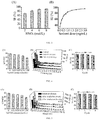
- FIG. 3 shows the effect of different conditions on the adsorption efficiency of the adsorbent according to embodiment 2 of the invention
- FIG. 4 illustrates the effect of different salt concentrations on the adsorption capacity of the adsorbent according to embodiment 2 of the invention; the K d value of CMP-EP for U (VI) and competing metal ions before irradiation, after irradiation of 500 kGy in 6 M HNO 3 and after irradiation of 1,000 kGy in 6 M HNO 3 ; The reusability of CMP-EP.
- FIG. 5 illustrates the effect of different salt concentrations on the adsorption capacity of the adsorbent according to embodiment 2 of the invention; the K d value of CMP-EP for U (VI) and competing metal ions before irradiation, after irradiation of 500 kGy in air and after irradiation of 500 kGy in 6 M HNO 3 ; The reusability of CMP-EP.
- FIG. 6 shows Solid-State NMR spectra and the adsorption capacities of the adsorbent before irradiation, after irradiation of 500 kGy in 6 M HNO 3 and after irradiation of 1,000 kGy in 6 M HNO 3 according to embodiment 3.
- FIG. 7 shows Solid-State NMR spectra and the adsorption capacities of the adsorbent before irradiation, after irradiation of 500 kGy in air and after irradiation of 500 kGy in 6 M HNO 3 according to embodiment 3.
- F-1 (250 mg) was dispersed in triethyl phosphite (3 ml), and refluxed at 170° C. for 4 hrs under nitrogen atmosphere. Excessive triethyl phosphite was evaporated under reduced pressure, and the resulting solid was purified by chromatography on silica gel (4% EtOH/CH 2 Cl 2 ) to obtain the monomer F2.
- CMP-EP ligand-containing conjugated microporous polymer
- FIG. 1(A) is a 13 C Solid-State NMR spectrum of CMP-EP
- FIG. 1(B) is a 31 P Solid-State NMR spectrum of CMP-EP.
- FIG. 2(A) is an IR spectrum of CMP-EP
- FIG. 2(B) is an X-ray photoelectron spectrum of CMP-EP.
- a C—C stretching vibration peak occurs at 2940 cm ⁇ 1 ; and stretching vibration peaks corresponding to a phosphorus-oxygen double bond and a phosphorus-oxygen single bond in the phosphate ester group occur respectively at 1250 cm ⁇ 1 and 1030 cm ⁇ 1 .
- FIG. 2(B) besides the peaks attributing to O 1s and C 1s, a peak corresponding to P 2p is additionally observed at 133.2 eV.
- CMP-EP (1 mg) prepared in embodiment 1 was weighed and dispersed in uranyl solutions with various concentrations of nitric acid.
- the adsorbent was removed by filtration after adsorption equilibrium was reached at 25° C.
- the uranium content in the solution was detected by ICP-MS, and the adsorption efficiency was calculated.
- Various weights of CMP-EP were weighed and dispersed in a uranyl solution containing 6 M HNO 3 .
- the adsorbent was removed by filtration after adsorption equilibrium was reached.
- the uranium content in the solution was detected. The results are shown in FIG. 3 .
- FIG. 3(A) illustrates the effect of nitric acid concentration on the adsorption efficiency
- FIG. 3(A) illustrates the effect of nitric acid concentration on the adsorption efficiency
- FIG. 3(B) illustrates the effect of the amount of the adsorbent CMP-EP on the adsorption efficiency.
- FIG. 3 shows that the conjugated microporous polymer modified with a phosphate ester prepared in the invention has an excellent adsorption performance in the acidity range of spent fuel (4-6M HNO 3 ), with the adsorption efficiency reaching about 90%. With the increase of the amount of the adsorbent used, the adsorption efficiency is increased accordingly.
- FIGS. 4(A), 5(A) illustrate the effect of different salt concentrations on the adsorption capacity of the adsorbent. The results show that the metal salt does not affect the adsorption performance of the adsorbent, and the concentration of the metal salt has little effect on the adsorption performance of the adsorbent.
- a mixed ion solution containing the elements U, Zr, Sr, La, Co, Na, Nd, Sm, Cs, Ce, Cr, Zn, Gd, Ba, and Ni (in which the concentration of each ion was about 100 ppm) was formulated by simulating the acidity environment of and the ion species in spent fuel.
- FIG. 4(B) shows the partition coefficients K d of CMP-EP for various ions.
- the results show that the partition coefficient of CMP-EP for uranium is as high as 2375 mL/g, which is much larger than the partition coefficients for other metal ions, and this suggests that CMP-EP can selectively separate and adsorb uranium in a strongly acidic solution with various ions.
- CMP-EP (20 mg) was weighed and dispersed in a uranyl solution containing nitric acid (where in the mixed solution, the concentration of the adsorbent was 1 mg/mL, the concentration of uranyl was 0.04 mmol/L, and the concentration of nitric acid was 6 mol/L). After adsorption equilibrium was reached, the mixed solution was centrifuged (at 4000 rpm for 20 min) to separate the CMP-EP after adsorption. The supernatant was diluted and detected for the adsorption efficiency by ICP-MS.
- the adsorbent was washed with water three times, added with an eluant (20 mL) (5% NaOH solution or 1 mol/L Na 2 CO 3 solution), and stirred overnight. The sample was separated by centrifugation, washed to neutrality with water, and then a uranyl solution was added to for a second adsorption. The above process was repeated 4 times. The result is shown in FIG. 4(C) .
- the recyclability test shows that CMP-EP can effectively maintain the high adsorption efficiency of the adsorbent for uranium after being eluted with a alkaline eluant, and this confirms that the material has excellent recycling performance.
- CMP-EP prepared in embodiment 1 was irradiated by ⁇ ray of 500 KGy in air. Also, CMP-EP prepared in embodiment 1 was dispersed in a 6 M nitric acid solution and irradiated by ⁇ ray of 500 KGy and 1,000 KGy. After irradiation, the radiation resistance of CMP-EP was investigated by solid-state NMR and adsorption experiment as follows. The irradiated CMP-EP was added to a uranyl solution, and the adsorbent was removed by filtration after adsorption equilibrium was reached at 25° C. The adsorption capacity was determined. The results are shown in FIGS. 6-7 . FIGS.
- FIGS. 6(A), 7(A) show 13 C Solid-State NMR spectra of CMP-EP before and after irradiation
- FIGS. 6(B), 7(B) show 31 P Solid-State NMR spectra of CMP-EP before and after irradiation
- FIGS. 6(C),7(C) shows the adsorption capacities of CMP-EP before and after irradiation. It can be found, by comparison of the Solid-State NMR spectra, the adsorption capacities and the selectivity (FIGS. 4 (B), 5 (B),) of the material before and after irradiation, that CMP-EP has excellent radiation resistance, and the adsorption performance does not change significantly after ⁇ ray irradiation of 1,000 KGy.
- a conjugated microporous polymer CMP-N was obtained by Suzuki coupling polymerization with an amide as a ligand.
- TDB (1 eq) prepared in embodiment 1 and F3 (1.5 eq) were dissolved in DMF (50 ml). Nitrogen was bubbled therethrough for 30 min, and 1 M Na 2 CO 3 solution (5 ml) and tetrakis(triphenylphosphine)palladium (Pd(PPh 3 ) 4 , 3% based on the mole number of the monomer) were added. Under nitrogen atmosphere, the mixture was reacted at 90° C. for 24 hrs with stirring, and then at 120° C. for 72 hrs with stirring.
- a conjugated microporous polymer CMP-CP containing a phosphonic acid ligand was synthesized by post-modification.
- a reaction route was shown as below.
- 2,2′-bipyridine (1 eq), bis(1,5-cyclooctadiene)nickel [Ni(COD) 2 , 1 eq], and 1,5-cyclooctadiene (COD, 1 eq) were dissolved in a mixed solvent of anhydrous THF and 1,4-dioxane, and then TDB and F3 were added. The resulting solution was stirred overnight at room temperature under nitrogen atmosphere. After reaction, a 6 M HCl solution was added dropwise to the solution in an ice bath and stirring is performed for 6 hrs. The precipitate was collected by filtration, washed sequentially with chloroform, THF, methanol, and water, and dried under vacuum to obtain CMP-C.
- CMP-C (200 mg), paraformaldehyde (0.5 g), hydrochloric acid (37%, 10 ml), phosphonic acid (85%, 2 ml), and acetic acid (3 ml) were sequentially added to an ampoule, sealed, and reacted at 90° C. for three days. After reaction, the precipitate was collected by filtration, washed three times with water and methanol, and then dried under vacuum to obtain CMP-CC1.
- CMP-CC1 (200 mg) was weighed and dispersed in triethyl phosphite (10 ml). The resulting suspension was refluxed for 24 hrs under nitrogen atmosphere. After reaction, the resulting mixture was cooled to room temperature. The precipitate was collected, washed three times with THF, methanol, and water, and then dried under vacuum, to obtain CMP-CEP.
- CMP-CEP 200 mg was weighed and dispersed in water (100 g) and concentrated hydrochloric acid (20 ml). The resulting suspension was refluxed for two days under nitrogen atmosphere. The precipitate was collected, washed to neutrality with water, then washed three times with methanol, and dried under vacuum to obtain CMP-CP.
- a conjugated microporous polymer CMP-P containing a phosphonooxy compound as a ligand was synthesized.
- a specific reaction route was shown as below.
- a conjugated polymer backbone was synthesized firstly, and then a phosphonooxy compound ligand was attached by post-modification.
- 2,7-dibromofluorene (1 eq) and tetrabutylammonium bromide (2 eq) were added to a mixed solution of DMSO (15 ml), 50% (w/w) NaOH (15 ml) and allyl bromide (10 eq) that was degassed with argon, and the resulting solution was stirred for two hours at room temperature under argon atmosphere. After reaction, tert-butyl methyl ether (125 ml) and deionized water (50 ml) were added, and stirred for 15 min.
- 1,3,5-trialkynylbenzene (1 eq), F-3 (1.5 eq), CuI (10% based on the mole number of F-3) and tetrakis(triphenylphosphine)palladium (5% based on the mole number of F-3) were placed to a two-neck flask, and then DMF (10 ml) and triethyl amine (10 ml) were added. The resulting solution was stirred at 90° C. for 24 hrs under nitrogen atmosphere. After reaction, the reaction solution was cooled to room temperature. The precipitate was collected and washed three times with chloroform, methanol and acetone, rinsed with methanol in a Soxhlet extractor for three days, and then dried under vacuum to give CMP-V.
Landscapes
- Chemical & Material Sciences (AREA)
- Chemical Kinetics & Catalysis (AREA)
- Organic Chemistry (AREA)
- Health & Medical Sciences (AREA)
- Medicinal Chemistry (AREA)
- Polymers & Plastics (AREA)
- Analytical Chemistry (AREA)
- Physics & Mathematics (AREA)
- Engineering & Computer Science (AREA)
- General Engineering & Computer Science (AREA)
- High Energy & Nuclear Physics (AREA)
- Solid-Sorbent Or Filter-Aiding Compositions (AREA)
- Addition Polymer Or Copolymer, Post-Treatments, Or Chemical Modifications (AREA)
- Polymers With Sulfur, Phosphorus Or Metals In The Main Chain (AREA)
Abstract
Description


P(OCH3)3, or


Claims (11)


Applications Claiming Priority (4)
| Application Number | Priority Date | Filing Date | Title |
|---|---|---|---|
| CN201710621505.3A CN107459657B (en) | 2017-07-27 | 2017-07-27 | Conjugated microporous polymer containing ligand and application thereof |
| CN201710621505.3 | 2017-07-27 | ||
| CN201710621505 | 2017-07-27 | ||
| PCT/CN2017/099378 WO2019019247A1 (en) | 2017-07-27 | 2017-08-29 | Ligand-containing conjugated microporous polymer and application thereof |
Related Parent Applications (1)
| Application Number | Title | Priority Date | Filing Date |
|---|---|---|---|
| PCT/CN2017/099378 Continuation-In-Part WO2019019247A1 (en) | 2017-07-27 | 2017-08-29 | Ligand-containing conjugated microporous polymer and application thereof |
Publications (2)
| Publication Number | Publication Date |
|---|---|
| US20190030513A1 US20190030513A1 (en) | 2019-01-31 |
| US10639613B2 true US10639613B2 (en) | 2020-05-05 |
Family
ID=60547562
Family Applications (1)
| Application Number | Title | Priority Date | Filing Date |
|---|---|---|---|
| US16/059,007 Expired - Fee Related US10639613B2 (en) | 2017-07-27 | 2018-08-08 | Ligand-containing conjugated microporous polymer and use thereof |
Country Status (3)
| Country | Link |
|---|---|
| US (1) | US10639613B2 (en) |
| CN (1) | CN107459657B (en) |
| WO (1) | WO2019019247A1 (en) |
Families Citing this family (11)
| Publication number | Priority date | Publication date | Assignee | Title |
|---|---|---|---|---|
| CN108384530B (en) * | 2018-01-31 | 2020-06-16 | 宁波激智科技股份有限公司 | Quantum dot-coated carbazolyl conjugated microporous polymer microsphere and preparation method thereof, quantum dot film and application thereof |
| CN109134872B (en) * | 2018-07-04 | 2021-06-11 | 东华大学 | Metal coordination heteroatom-containing organic microporous material and preparation and application thereof |
| CN109096456B (en) * | 2018-08-20 | 2020-11-10 | 吉林师范大学 | A kind of porphyrin group-containing conjugated microporous polymer and preparation method thereof |
| CN109908873B (en) * | 2018-12-19 | 2021-12-28 | 兰州大学 | Material for adsorbing uranium from alkaline nuclear waste liquid and preparation method thereof |
| CN112403446B (en) * | 2020-10-28 | 2021-12-14 | 北京石墨烯技术研究院有限公司 | Conjugated microporous polymer and preparation method and application thereof |
| CN114272900B (en) * | 2021-11-26 | 2023-08-15 | 杭州景业智能科技股份有限公司 | Solid phase extractant, preparation method and application thereof |
| CN114618450B (en) * | 2022-05-13 | 2022-08-02 | 北京石墨烯技术研究院有限公司 | Conjugated microporous polymer composite material, preparation method thereof and adsorbent |
| CN115197464B (en) * | 2022-07-15 | 2023-05-05 | 东华理工大学 | Polyamic acid aerogel rich in phosphorus oxide groups as well as preparation and application thereof |
| CN117718081A (en) * | 2023-11-20 | 2024-03-19 | 南京大学 | A kind of tetravalent uranium photocatalyst and its synthesis method |
| WO2026023656A1 (en) * | 2024-07-24 | 2026-01-29 | 国立大学法人東海国立大学機構 | Polymer electrolyte membrane based on polymer formed from monomer having functional group via spacer structure at high density |
| CN119662625B (en) * | 2024-12-10 | 2025-10-28 | 中国科学院生态环境研究中心 | Conjugated microporous polymer-chlorella complex, preparation method thereof and application thereof in treatment of organic pollutants in sewage |
Citations (5)
| Publication number | Priority date | Publication date | Assignee | Title |
|---|---|---|---|---|
| US3146213A (en) * | 1959-03-23 | 1964-08-25 | Dow Chemical Co | Composition for use in solvent extraction process for the recovery of uranium and rare earth metals from aqueous solutions |
| US4220726A (en) * | 1976-07-25 | 1980-09-02 | Yeda Research & Development Co. Ltd. | Impregnated resins for extraction of metals and processes of production and use thereof |
| CN104525161A (en) | 2015-01-21 | 2015-04-22 | 东华理工大学 | Polyamide amino-functionalized magnetic polymer microsphere adsorbent and method for preparing and treating uranium-containing wastewater |
| CN105688844A (en) | 2016-02-22 | 2016-06-22 | 东华理工大学 | Mesoporous chelate resin containing phosphorus-oxygen functional groups and method for separating and enriching uranium |
| CN106864124A (en) | 2017-03-07 | 2017-06-20 | 陈硕 | A kind of opaquing fluid |
Family Cites Families (5)
| Publication number | Priority date | Publication date | Assignee | Title |
|---|---|---|---|---|
| GB2451865A (en) * | 2007-08-15 | 2009-02-18 | Univ Liverpool | Microporous polymers from alkynyl monomers |
| CN102887991B (en) * | 2012-09-28 | 2015-05-20 | 华中科技大学 | Organic microporous polymer and preparation method and application thereof |
| CN106824124B (en) * | 2016-11-28 | 2018-07-24 | 东华理工大学 | A kind of nitrogen-containing porous polymer chelating resin and method for preparing and treating uranium-containing wastewater |
| CN106898492B (en) * | 2017-01-16 | 2018-07-06 | 华南师范大学 | A kind of preparation method and applications for being conjugated microporous polymer film |
| CN107151313B (en) * | 2017-06-08 | 2019-03-26 | 吉林师范大学 | A kind of organic microporous polymer of nitrogenous conjugation, preparation method and application |
-
2017
- 2017-07-27 CN CN201710621505.3A patent/CN107459657B/en not_active Expired - Fee Related
- 2017-08-29 WO PCT/CN2017/099378 patent/WO2019019247A1/en not_active Ceased
-
2018
- 2018-08-08 US US16/059,007 patent/US10639613B2/en not_active Expired - Fee Related
Patent Citations (5)
| Publication number | Priority date | Publication date | Assignee | Title |
|---|---|---|---|---|
| US3146213A (en) * | 1959-03-23 | 1964-08-25 | Dow Chemical Co | Composition for use in solvent extraction process for the recovery of uranium and rare earth metals from aqueous solutions |
| US4220726A (en) * | 1976-07-25 | 1980-09-02 | Yeda Research & Development Co. Ltd. | Impregnated resins for extraction of metals and processes of production and use thereof |
| CN104525161A (en) | 2015-01-21 | 2015-04-22 | 东华理工大学 | Polyamide amino-functionalized magnetic polymer microsphere adsorbent and method for preparing and treating uranium-containing wastewater |
| CN105688844A (en) | 2016-02-22 | 2016-06-22 | 东华理工大学 | Mesoporous chelate resin containing phosphorus-oxygen functional groups and method for separating and enriching uranium |
| CN106864124A (en) | 2017-03-07 | 2017-06-20 | 陈硕 | A kind of opaquing fluid |
Non-Patent Citations (4)
| Title |
|---|
| Baiyan Li et al., Functionalized Porous Aromatic Framework for Efficient Uranium Adsorption from Aqueous Solutions, ACS Appl. Mater. Interfaces 2017, 9, 12511-12517. |
| Chandra et al. Journal of Polymer Science Part a Polymer Chemistry, vol. 27, 3237-3250 (Year: 1989). * |
| Xiaoli Han et al., Acetylcysteine-functionalized microporous conjugated polymers for potential separation of uranium from radioactive effluents, J. Mater. Chem. A, 2017, 5, 5123-5128. |
| Yi Peng et al., Synthesis and Application of Conjugated Microporous Polymers and Their Composite Materials, Chemistry (Huaxue Tongbao), 2016, vol. 79, No. 8, pp. 699-713. |
Also Published As
| Publication number | Publication date |
|---|---|
| US20190030513A1 (en) | 2019-01-31 |
| CN107459657B (en) | 2020-08-11 |
| WO2019019247A1 (en) | 2019-01-31 |
| CN107459657A (en) | 2017-12-12 |
Similar Documents
| Publication | Publication Date | Title |
|---|---|---|
| US20190030513A1 (en) | Ligand-containing conjugated microporous polymer and use thereof | |
| Mei et al. | β‐Ketoenamine and Benzoxazole‐Linked Covalent Organic Frameworks Tailored with Phosphorylation for Efficient Uranium Removal from Contaminated Water Systems | |
| KR101809926B1 (en) | Molded article for hydrocarbon adsorption | |
| CN101967209B (en) | N-acetylethylenediamine chelate resin and preparation method thereof | |
| CN104262398B (en) | A kind of phosphorus-nitrogen containing flame retardant containing activity double key and preparation method thereof and application | |
| CN102827369A (en) | Synthetic method of phosphorus-nitrogen intumescent flame retardant | |
| CN105688844B (en) | A kind of mesoporous chelating resin of functional group containing phosphorus oxygen and separation and the method for enriched uranium | |
| CN114524948A (en) | 3D supramolecular material with various coordination configurations and preparation method and application thereof | |
| JP2013510223A (en) | Polymers for optoelectronic devices | |
| CN110467747B (en) | Metal ion flame retardant complex with Schiff base structure and preparation method | |
| CN115636834A (en) | Vinyl molecular cage monomer and preparation method thereof | |
| US10315185B2 (en) | Polyfunctional sorbent materials | |
| CN109762203B (en) | Bio-based phosphorus-nitrogen flame-retardant additive and flame-retardant epoxy resin prepared from same | |
| JP6508700B2 (en) | Polymer having fused polycyclic aromatic skeleton and light emitting device and electrode using the same | |
| CN107001513B (en) | Vinyl monomer with diethylene glycol (DEG) amide acid type ligand | |
| CN111187296B (en) | Nickel ion flame retardant complex with Schiff base structure | |
| EP2882794A1 (en) | Glycidyl 4-functionalized-1,2,3-triazole polymer derivatives and method for synthesis of the same | |
| CN107698765A (en) | A kind of Nitrogen-and Phosphorus-containing silicon fire retardant and preparation method thereof | |
| US9217062B2 (en) | C-substituted, 1H-azoles for amphoteric, solvent-less proton conductivity | |
| CN103275124A (en) | Alkyl phosphine oxide silane coupling agent and preparation method | |
| CN117836300A (en) | Smart covalent organic frameworks and methods for inducing switchable antibacterial activity using carbon dioxide adsorption | |
| CN109134933B (en) | Organic silicon area selection multiple addition fullerene, preparation method and antibacterial application thereof | |
| CN113136023A (en) | Preparation method of porous aromatic skeleton containing hydroxymethyl, and functional material and application thereof | |
| CN104475064B (en) | For sorbing material and its preparation method of the complicated negatively charged ion of heavy metal | |
| JPWO2006009123A1 (en) | Polycarbosilane and method for producing the same |
Legal Events
| Date | Code | Title | Description |
|---|---|---|---|
| AS | Assignment |
Owner name: SOOCHOW UNIVERSITY, CHINA Free format text: ASSIGNMENT OF ASSIGNORS INTEREST;ASSIGNORS:HUA, DAOBEN;XU, MEIYUN;HAN, XIAOLI;REEL/FRAME:046590/0786 Effective date: 20180806 |
|
| FEPP | Fee payment procedure |
Free format text: ENTITY STATUS SET TO UNDISCOUNTED (ORIGINAL EVENT CODE: BIG.); ENTITY STATUS OF PATENT OWNER: SMALL ENTITY |
|
| FEPP | Fee payment procedure |
Free format text: ENTITY STATUS SET TO SMALL (ORIGINAL EVENT CODE: SMAL); ENTITY STATUS OF PATENT OWNER: SMALL ENTITY |
|
| STPP | Information on status: patent application and granting procedure in general |
Free format text: DOCKETED NEW CASE - READY FOR EXAMINATION |
|
| STPP | Information on status: patent application and granting procedure in general |
Free format text: NON FINAL ACTION MAILED |
|
| STCF | Information on status: patent grant |
Free format text: PATENTED CASE |
|
| FEPP | Fee payment procedure |
Free format text: PETITION RELATED TO MAINTENANCE FEES GRANTED (ORIGINAL EVENT CODE: PTGR); ENTITY STATUS OF PATENT OWNER: SMALL ENTITY |
|
| FEPP | Fee payment procedure |
Free format text: MAINTENANCE FEE REMINDER MAILED (ORIGINAL EVENT CODE: REM.); ENTITY STATUS OF PATENT OWNER: SMALL ENTITY |
|
| LAPS | Lapse for failure to pay maintenance fees |
Free format text: PATENT EXPIRED FOR FAILURE TO PAY MAINTENANCE FEES (ORIGINAL EVENT CODE: EXP.); ENTITY STATUS OF PATENT OWNER: SMALL ENTITY |
|
| STCH | Information on status: patent discontinuation |
Free format text: PATENT EXPIRED DUE TO NONPAYMENT OF MAINTENANCE FEES UNDER 37 CFR 1.362 |
|
| FP | Lapsed due to failure to pay maintenance fee |
Effective date: 20240505 |