US10622099B2 - Systems and methods for supporting hospital discharge decision making - Google Patents
Systems and methods for supporting hospital discharge decision making Download PDFInfo
- Publication number
- US10622099B2 US10622099B2 US14/888,620 US201414888620A US10622099B2 US 10622099 B2 US10622099 B2 US 10622099B2 US 201414888620 A US201414888620 A US 201414888620A US 10622099 B2 US10622099 B2 US 10622099B2
- Authority
- US
- United States
- Prior art keywords
- patient
- model
- data
- hospital
- variables
- Prior art date
- Legal status (The legal status is an assumption and is not a legal conclusion. Google has not performed a legal analysis and makes no representation as to the accuracy of the status listed.)
- Active, expires
Links
Images




Classifications
-
- G—PHYSICS
- G16—INFORMATION AND COMMUNICATION TECHNOLOGY [ICT] SPECIALLY ADAPTED FOR SPECIFIC APPLICATION FIELDS
- G16H—HEALTHCARE INFORMATICS, i.e. INFORMATION AND COMMUNICATION TECHNOLOGY [ICT] SPECIALLY ADAPTED FOR THE HANDLING OR PROCESSING OF MEDICAL OR HEALTHCARE DATA
- G16H10/00—ICT specially adapted for the handling or processing of patient-related medical or healthcare data
- G16H10/60—ICT specially adapted for the handling or processing of patient-related medical or healthcare data for patient-specific data, e.g. for electronic patient records
-
- G—PHYSICS
- G06—COMPUTING OR CALCULATING; COUNTING
- G06Q—INFORMATION AND COMMUNICATION TECHNOLOGY [ICT] SPECIALLY ADAPTED FOR ADMINISTRATIVE, COMMERCIAL, FINANCIAL, MANAGERIAL OR SUPERVISORY PURPOSES; SYSTEMS OR METHODS SPECIALLY ADAPTED FOR ADMINISTRATIVE, COMMERCIAL, FINANCIAL, MANAGERIAL OR SUPERVISORY PURPOSES, NOT OTHERWISE PROVIDED FOR
- G06Q10/00—Administration; Management
- G06Q10/10—Office automation; Time management
- G06Q10/103—Workflow collaboration or project management
-
- G—PHYSICS
- G06—COMPUTING OR CALCULATING; COUNTING
- G06Q—INFORMATION AND COMMUNICATION TECHNOLOGY [ICT] SPECIALLY ADAPTED FOR ADMINISTRATIVE, COMMERCIAL, FINANCIAL, MANAGERIAL OR SUPERVISORY PURPOSES; SYSTEMS OR METHODS SPECIALLY ADAPTED FOR ADMINISTRATIVE, COMMERCIAL, FINANCIAL, MANAGERIAL OR SUPERVISORY PURPOSES, NOT OTHERWISE PROVIDED FOR
- G06Q50/00—Information and communication technology [ICT] specially adapted for implementation of business processes of specific business sectors, e.g. utilities or tourism
- G06Q50/10—Services
- G06Q50/22—Social work or social welfare, e.g. community support activities or counselling services
-
- G06Q50/24—
-
- G—PHYSICS
- G16—INFORMATION AND COMMUNICATION TECHNOLOGY [ICT] SPECIALLY ADAPTED FOR SPECIFIC APPLICATION FIELDS
- G16H—HEALTHCARE INFORMATICS, i.e. INFORMATION AND COMMUNICATION TECHNOLOGY [ICT] SPECIALLY ADAPTED FOR THE HANDLING OR PROCESSING OF MEDICAL OR HEALTHCARE DATA
- G16H15/00—ICT specially adapted for medical reports, e.g. generation or transmission thereof
-
- G—PHYSICS
- G16—INFORMATION AND COMMUNICATION TECHNOLOGY [ICT] SPECIALLY ADAPTED FOR SPECIFIC APPLICATION FIELDS
- G16H—HEALTHCARE INFORMATICS, i.e. INFORMATION AND COMMUNICATION TECHNOLOGY [ICT] SPECIALLY ADAPTED FOR THE HANDLING OR PROCESSING OF MEDICAL OR HEALTHCARE DATA
- G16H40/00—ICT specially adapted for the management or administration of healthcare resources or facilities; ICT specially adapted for the management or operation of medical equipment or devices
- G16H40/20—ICT specially adapted for the management or administration of healthcare resources or facilities; ICT specially adapted for the management or operation of medical equipment or devices for the management or administration of healthcare resources or facilities, e.g. managing hospital staff or surgery rooms
-
- G—PHYSICS
- G16—INFORMATION AND COMMUNICATION TECHNOLOGY [ICT] SPECIALLY ADAPTED FOR SPECIFIC APPLICATION FIELDS
- G16H—HEALTHCARE INFORMATICS, i.e. INFORMATION AND COMMUNICATION TECHNOLOGY [ICT] SPECIALLY ADAPTED FOR THE HANDLING OR PROCESSING OF MEDICAL OR HEALTHCARE DATA
- G16H50/00—ICT specially adapted for medical diagnosis, medical simulation or medical data mining; ICT specially adapted for detecting, monitoring or modelling epidemics or pandemics
- G16H50/20—ICT specially adapted for medical diagnosis, medical simulation or medical data mining; ICT specially adapted for detecting, monitoring or modelling epidemics or pandemics for computer-aided diagnosis, e.g. based on medical expert systems
-
- G—PHYSICS
- G16—INFORMATION AND COMMUNICATION TECHNOLOGY [ICT] SPECIALLY ADAPTED FOR SPECIFIC APPLICATION FIELDS
- G16H—HEALTHCARE INFORMATICS, i.e. INFORMATION AND COMMUNICATION TECHNOLOGY [ICT] SPECIALLY ADAPTED FOR THE HANDLING OR PROCESSING OF MEDICAL OR HEALTHCARE DATA
- G16H50/00—ICT specially adapted for medical diagnosis, medical simulation or medical data mining; ICT specially adapted for detecting, monitoring or modelling epidemics or pandemics
- G16H50/30—ICT specially adapted for medical diagnosis, medical simulation or medical data mining; ICT specially adapted for detecting, monitoring or modelling epidemics or pandemics for calculating health indices; for individual health risk assessment
-
- G—PHYSICS
- G16—INFORMATION AND COMMUNICATION TECHNOLOGY [ICT] SPECIALLY ADAPTED FOR SPECIFIC APPLICATION FIELDS
- G16H—HEALTHCARE INFORMATICS, i.e. INFORMATION AND COMMUNICATION TECHNOLOGY [ICT] SPECIALLY ADAPTED FOR THE HANDLING OR PROCESSING OF MEDICAL OR HEALTHCARE DATA
- G16H50/00—ICT specially adapted for medical diagnosis, medical simulation or medical data mining; ICT specially adapted for detecting, monitoring or modelling epidemics or pandemics
- G16H50/50—ICT specially adapted for medical diagnosis, medical simulation or medical data mining; ICT specially adapted for detecting, monitoring or modelling epidemics or pandemics for simulation or modelling of medical disorders
Definitions
- GDP gross domestic product
- OECD Organization for Economic Cooperation and Development
- CHEP Children's Health Insurance Program
- the length of a patient's hospital stay is a fundamental factor in the increasingly important and complex interplay between the quality of healthcare delivery and medical costs.
- the inpatient environment bolsters the intensity of care and longer hospital stays have been associated with a lower incidence of adverse outcomes leading to readmissions (Heggestad 2002).
- Heggestad 2002 the hospital is also an exceptionally expensive care delivery environment.
- the objective of decreasing medical costs, or at least reducing their outsized rate of increase, would be well served by reducing LOS. If the average LOS could be reduced by just 5 percent, the savings would exceed $64 billion.
- lower LOS may lead to higher hospital readmission rates, which is a focus of concern of Medicare.
- Surgical patient readmissions can be triggered by postoperative complications (e.g. surgical wound infections), aggravation of comorbidities (e.g. diabetes or heart disease), poor transitions of care from the in-patient to out-patient setting, or low quality post-discharge healthcare.
- postoperative complications e.g. surgical wound infections
- aggravation of comorbidities e.g. diabetes or heart disease
- poor transitions of care from the in-patient to out-patient setting or low quality post-discharge healthcare.
- One approach that could reduce readmissions would be to increase LOS; however, significantly increasing LOS would jeopardize the financial viability of a hospital because of capitated payments by Medicare and insurance companies. Regardless of whether a patient stays in a hospital for two days or two months, the hospital gets paid the same amount for the care with capitation contract insurance. Hence, the challenge is to decrease LOS without simultaneously increasing readmission rates.
- FIG. 1 is a flow diagram of an embodiment of a method for assisting a physician with a hospital discharge decision.
- FIGS. 2A-2C comprise a flow diagram of an embodiment of a method for constructing a hospital discharge decision support model.
- FIG. 3 is a flow diagram of an embodiment of a method for assisting a physician with a hospital discharge decision using the discharge support model described in relation to FIG. 2A-2C .
- FIG. 4 is a graph that plots an estimated daily readmission probability for a patient under consideration.
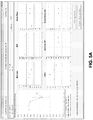
- FIGS. 5A-5C are example information treatment decision screens of a graphical user interface (GUI) that can be presented to a physician, the figures respectively illustrating “do not discharge patient,” “physician judgment,” and “discharge patient” recommendations.
- GUI graphical user interface
- FIG. 6 is an example default treatment decision screen of the GUI that illustrates a positive discharge recommendation.
- FIG. 7 is a block diagram of an embodiment of a computing device configured to assist a physician with a hospital discharge decision.
- the systems and methods identify the probability of a patient under consideration being readmitted to the hospital within a predetermined period of time (e.g., 30 days) if the patient were discharged on that day. The probability is determined using a discrete choice model that has been calibrated with historical patient data that has been collected from a large population of previous patients.
- the model is able to determine this probability because the outcomes for the previous patients (i.e., whether or not the patient was readmitted) are known.
- the systems and methods take into account not only vital patient data that is measured during the hospital stay such as heart rate, temperature, etc., but also other patient data that are statistically-significant predictors of readmission, such as lab results, administered medicines, and demographics.
- the probability of readmission is periodically recalculated (e.g., daily). Because the probability can change as new patient data is collected, the physician can be provided with an indication of the likelihood that the patient will be readmitted if the patient were discharged as to each particular day of the hospital stay, which is based upon the most up-to-date information that is available. In some embodiments, the most statistically-significant patient data can be presented to the physician along with the probability information to further assist the physician with the discharge decision.
- LOS hospital length of stay
- EMR electronic medical record
- the current practice is that a patient remains in the hospital unless a physician with authority to discharge the patient completes “discharge orders.” Prior to deciding whether to discharge the patient, a physician will examine the patient, review EMRs for the patient, and perhaps consult with one or more colleagues. Criteria applied to making a discharge decision are derived from the physician's recall of his or her medical education and own previous practice and, perhaps, discussions with colleagues. This evidence base is extremely limited by comparison to the information that could be derived from the EMRs of the hospital's patient population. A large teaching hospital, for example, will serve on the order of 20,000 to 40,000 patients per year.
- a discrete choice model that has been calibrated with a large sample of data from patient EMRs can form the foundation for a hospital discharge decision support model that uses data collected from an individual patient under consideration over the course of his or her stay in a hospital to generate patient-specific, day-specific probabilities of readmission.
- the discharge decision support model can present the physician with the estimated daily readmission probabilities (with error bounds) and dynamically-selected patient variables in a user-friendly format to assist the physician with his or her decision.
- FIG. 1 is a flow diagram that provides an overview of an example method for assisting a physician with a hospital discharge decision using a hospital discharge decision support model.
- patient data of a large population of former hospital patients is accessed.
- the patient data can, for example, be obtained from EMRs.
- the patient data can include many different pieces of information relating not only to vital patient data that is measured during the hospital stay but also other patient data that may also be predictive of readmission, such as, lab results, administered medicines, and demographics.
- the population may all share a common medical condition.
- the former patients each may have been hospitalized because of a cardiac issue or because of a gastrointestinal issue.
- the model can be specifically configured to estimate the probability of readmission for a specific type of patient.
- the patients need not share a medical condition.
- the system can be used to estimate the probability of readmission for substantially any hospital patient.
- a set of variables is constructed that is based on the accessed patient data and will be used in the probability of readmission estimation. As discussed below, these variables represent the core pieces of information that are most predictive of whether or not a patient will be readmitted to the hospital within a predetermined period of time (e.g., 30 days). In some cases, a variable can be the same as a piece of patient data. In other cases, the variable can be derived from patient data.
- parameter estimates that will be used to calibrate the discharge decision support model are determined.
- the parameter estimates comprise the coefficients that are applied to the patient variables and account for their relative statistical significance in predicting whether or not the patient will be readmitted.
- the parameter estimates can be determined using an iterative process in which the least statistically significant variables (and associated parameter estimates) are removed from the model.
- the probability of readmission for a patient under consideration i.e., a current patient staying at the hospital
- the discharge decision support model as indicated in block 16 .
- This estimation is performed using the parameter estimates determined in block 14 and the patient under consideration's own patient variables, which are of the same nature as the aforementioned patient variables.
- a probability e.g., in the form of a number between 0 and 1
- a probability can be obtained that provides an indication of the probability that the patient will be readmitted within the predetermined period of time if the patient is discharged on that day.
- information can be provided to the physician in charge of making the discharge decision that can assist him or her with that decision, as indicated in block 18 .
- this information can take a variety of forms.
- the readmission probability on each day of the patient's hospital stay is plotted in a graph so that the physician can track the progression of this probability, whether it has decreased, increased, or stayed the same.
- a confidence interval can also be displayed along with the probability estimates to give the physician an indication of the error bounds.
- a target probability can be displayed in the graph so that the physician can compare the current day's estimate and/or confidence interval with the target probability.
- the patient data e.g., clinical data
- most predictive on that day of whether or not the patient will be readmitted within the predetermined time period can also be presented to the physician to further assist him or her with the discharge decision.
- the patient under consideration's data can at some point (e.g., after discharge) be added to the collection of patient data referred to in relation to block 10 .
- the database upon which the probability estimations are determined can be continually updated with new information, if desired.
- patient data of a large population of former patients is accessed.
- the patient data can, for example, be obtained from EMRs.
- all patients can be assigned a unique patient identification number that links their data across different subsets of data.
- a patient's stay defines the time stamping used in the data sets. For instance, the patient's first day can be identified as day 0-1, day two can be identified as day 1-2, etc. Therefore, each new piece of data to be recorded can be tagged with a time stamp that identifies when the data was obtained.
- the patient data can include many different pieces of information.
- the patient data includes one or more of diet data, imaging data, lab data, medicine data, nurse data, patient-specific data, transfusion data, and vital data.
- the diet data can include a time stamp for when a diet order is made and whether the patient is on a nothing per orem (NPO), clear liquids, full liquids, or solids diet.
- the imaging data can include the type of any imaging requested as defined by the imaging codes used internally by the hospital. This information is also time stamped by the day of the patient's stay.
- the lab data can include the results of any lab test, such as albumin, bilirubin, blood urea nitrogen (BUN), creatinine, hematocrit (HCT), platelet count, prothrombin time (PT), partial thromboplastin time (PTT), sodium, and white blood cell (WBC) count.
- the medicine data can include a time-stamped order for any drug that was prescribed for the patient during their stay and its drug category (an internal hospital code).
- the medicine data can include the manner in which the medicine was administered (e.g., by mouth, intravenously).
- the nurse data can include the fall risk score, Katz total score, and stool count output that a nurse recorded along with a time stamp.
- the patient-specific data includes the data that does not vary during the course of the patient's stay as well information relating to the length of stay and whether or not the patient was readmitted in the predetermined time period.
- the patient-specific data can include the following coded information:
- HOSPITAL_NM hospital name
- TYPE_ADMIT_HOSPITAL_DESC type of hospital admission
- PROCEDURE_CPT_DESC description of the procedure
- DAYS_TO_READMIT days to readmit if readmitted following service
- PATIENT_DEATH_DT date of patient's death if deceased
- DIABETES_FLAG indicator for diabetes
- HYPERTENSION_FLAG indicator for hypertension
- CHD indicator for congenital heart defect
- ALCOHOL_FREQ frequency of alcohol use
- ALCOHOL_USE binary indication for alcohol use
- ALCOHOL_AMT amount of alcohol use
- TOBACCO_USE binary indication for tobacco use
- TRACT the census tract in which the patient lives
- DISTANCE the distance to hospital for the patient
- the transfusion data can include a time-stamped order for a transfusion during the patient's stay that identifies when the transfusion was ordered.
- the vital data can include data related to body mass index (BMI), diastolic blood pressure (BP), functional status, heart rate (HR), oxygen saturation, pain score, respiration rate, systolic BP, and body temperature, as well as a time stamp for when each was recorded.
- patient data upon which the probability estimation can be based there are many different types of patient data upon which the probability estimation can be based. Not all of these types of data are useful in all situations. For example, certain types of data will be less indicative of the likelihood of readmission for certain types of patients. In view of this, the particular types of patient data that are to be used in the probability estimations can be identified, as indicated in block 32 . In some embodiments, these types of data can be identified with the assistance of an experienced physician who can identify, e.g., from a list of the types of patient data, which patient data can be prioritized for the estimation.
- the upper and lower bounds and the normal ranges for the patient data can be identified (as applicable), as indicated in blocks 34 and 36 , respectively.
- the upper and lower bounds can denote the maximum and minimum temperatures possible for a living human being (e.g., 115° F. and 75° F.) and the normal range can be the range of temperatures of a healthy human being (e.g., 97° F. to 100° F.).
- the upper and lower bounds can be used to discard outlier (e.g., erroneous) data and, as described below, to normalize all of the patient data.
- the normal ranges can be used to construct patient variables that will be used in the probability estimations.
- the bounds and the normal ranges can be identified with the assistance of an experienced physician.
- the intervals for the probability estimations i.e., the time intervals upon which the probability of the patient being readmitted will be estimated, can also be identified. In some embodiments, this is a user-selectable aspect of the system.
- the intervals can be a whole fraction of a 24 hour period (e.g., 8 hr. intervals).
- the patient data can be filtered to obtain the core patient data upon which the probability determinations will be based, as indicated in block 40 .
- This filtering can include removal of particular types of patient data as well as removal of outlier data that is likely erroneous and could skew the results.
- the core patient data can be normalized using the upper and lower bounds, as indicated in block 42 .
- the various types of data each have the same scale and therefore each can be considered in making the probability estimation.
- the data is normalized so that each piece of data is a number between 0 and 1.
- each piece of patient data can be ranked relative to the other pieces of data in relation to their perceived usefulness in making a discharge decision. Again, an experienced physician can be consulted to assist with this process. As is discussed below, establishing the hierarchal order assists in the elimination of patient variables from the model.
- a set of patient variables that will be used in the probability estimation can be constructed based upon the normalized core patient data.
- some of the variables can be the same as individual pieces of patient data.
- Other variables are pieces of data that are derived from the patient data.
- a variable can be an interaction of two or more pieces of patient data, such as the interaction of the patient's body temperature and heart rate.
- a variable can be a time-constructed variable that relates a piece of patient data with time, such as the number of days that a patient's body temperature has been in the normal range or the minimum and/or maximum value that was observed over a particular number of days.
- colinearity can be identified by performing linear correlations and constructing a correlation matrix.
- a correlation tolerance can be established above which a collinear variable is to be eliminated.
- the correlation tolerance can be 0.9.
- Example models include a probit model, a logit model, a support vector machine (SVM) with alternative kernel specifications (such as Gaussian, polynomial, hyperbolic tangent), a neural network model with one or more hidden layers, a Bayesian Markov chain Monte Carlo (MCMC) model, a method of moments model, a simulated method of moments model, an expectation maximization (EM) algorithm, and a linear probability model.
- SVM support vector machine
- MCMC Bayesian Markov chain Monte Carlo
- EM expectation maximization
- probability of readmission within the predetermined time is estimated for each of the former patients.
- parameter estimates are generated that are the coefficients that are applied to the patient variables (i.e., the variables are multiplied by the parameter estimates) in the model to account for the relative statistical significance of the variables in predicting whether or not the patient will be readmitted.
- the accuracy of model, as applied using the current parameter estimates is evaluated, as indicated in block 54 .
- the model can be evaluated, within the sample and out of the sample, using a model fit estimate, such as log-likelihood, C-statistic, receiver operator curve (ROC), Brier score, F-score (for skewed data), precision, or sensitivity.
- a model fit estimate such as log-likelihood, C-statistic, receiver operator curve (ROC), Brier score, F-score (for skewed data), precision, or sensitivity.
- the statistical significance of each patient variable in predicting readmission can be determined. In some embodiments, this can be accomplished by using a t-test. Once the statistical significance of the variables is known, in some embodiments the least significant variable can be eliminated (block 58 ) and the accuracy of the model can be re-evaluated (block 60 ). This accuracy can be compared to the results determined in relation to block 54 . For example, if the log-likelihood test was used, a likelihood ratio test can be performed. Referring to decision block 62 of FIG. 2C , if through such comparison the model is determined to predict readmission with an acceptable level of tolerance, the eliminated variable is not needed in the probability estimation. In such a case, flow returns to block 56 of FIG.
- the core patient variables and the final parameter estimates have been determined so as to create a discharge decision support model that can be applied to new patient data.
- the number of patient variables can, in some embodiments, be reduced through the above-described process to approximately 100-200 core patient variables.
- the model can then be stored, as indicated in block 66 , for later use.
- core patient data is collected for a patient under consideration in association with his or her hospital stay.
- the data that is collected is the same type of data as the core patient data that was used to build the discharge decision support model described above.
- a set of core patient variables is constructed, as indicated in block 82 . These variables are the same core patient variables that were used to build the discharge decision support model.
- the mathematical probability of readmission for the patient under consideration can be estimated using the discharge decision support model and the patient's own patient variables, as indicated in block 84 .
- a probability estimate results that estimates the probability of the patient under consideration to be readmitted within the predetermined time period if he or she were discharged on the current day.
- a confidence interval can be determined for the probability estimate.
- the confidence interval is a user setting that can be selected by an appropriate person, such as the hospital administrator.
- the confidence interval can be 80%.
- the marginal effect of each piece of patient data can also be determined, as indicated in block 88 . This provides an indication as to which data being collected is most useful in making the discharge decision.
- the marginal effect is calculated by taking the derivative of the estimated model with respect to each variable.
- the probability estimates for each day of the patient's hospital stay are plotted in a graph so that the physician can track the progression of this probability.
- FIG. 4 shows an example of such a graph.
- the x axis of the graph identifies the hospital stay days and the y axis of the graph identifies the probability estimate.
- the probability estimate changed each day of the hospital stay as the patient data changed. The probability estimates are shown in FIG.
- the graph of FIG. 4 also includes a line for the target probability of readmission.
- this target is approximately 0.19, which translates to a 19% probability that the patient will be readmitted to the hospital within the predetermined time period (e.g., 30 days).
- the target probability of readmission is above the confidence interval. This is the case for day 12 in the example of FIG. 4 .
- the physician can also be provided with patient data that is most predictive of whether or not the patient will be readmitted.
- patient data that is most predictive of whether or not the patient will be readmitted.
- graphs can be provided for each of several pieces of clinical data that plot the relevant values over the course of the various days of the hospital stay. FIGS. 5A-5C illustrate examples of this.
- graphs are provided for various clinical data that may further assist the physician in making a discharge decision. For example, in FIG.
- FIG. 5A on the fifth day of a patient's hospital stay, graphs are provided for each of bilirubin, body mass index, heart rate, white blood cell count, diastolic blood pressure, and respiratory rate. These pieces of patient data have been presented because, as of that day, they are most statistically significant as to whether or not the patient will be readmitted in the predetermined time period.
- FIG. 5B on the tenth day of the patient's hospital stay, creatinine, diastolic blood pressure, oxygen saturation, body mass index, heart rate, and body temperature are the pieces of patient data that are presented to the physician for consideration.
- FIG. 5C on the eleventh day of the patient's hospital stay, creatinine, diastolic blood pressure, oxygen saturation, body mass index, heart rate, and respiratory rate are the pieces of patient data that are presented to the physician for consideration.
- the discharge recommendation changed over time.
- the probability estimate was above the target probability of readmission. Therefore, a “Do Not Discharge Patient” recommendation was provided.
- the target probability of readmission was between the probability estimate and upper end of the confidence interval. Therefore, a “Physician Judgment” recommendation was provided.
- the target probability of readmission was above the confidence interval. Therefore, a “Discharge Patient” recommendation was provided.
- flow at this point depends upon whether or not the patient has been discharged (block 92 ). If not, flow returns to block 80 , new patient data is collected for the patient under consideration and a new probability estimate is made for the next period (e.g., day). In this manner, the estimated probability is dynamically updated each period so as to be based on the most up-to-date information available as to the patient's current condition. Flow continues in this manner until the patient is discharged. As indicated in block 94 , the patient under consideration's patient variables can be added to the discharge decision support model to update it with new data. In this manner, the model can evolve over time to reflect the ways in which readmission rates change over time.
- EMR data was obtained for 3,202 patients who underwent complex gastrointestinal surgery at a large southeastern hospital between the dates of January 2007 and December 2009, stayed in the hospital for at least three days, and had a complete clinical profile of medical history, vital sign reports, and laboratory test results during their hospital stay. Additional data was obtained from the EMR on the medications administered, any diagnostic imaging that was conducted, the patient's diet status, and whether or not blood transfusions were provided. The patient's home address was also linked to their census tract to retrieve additional census tract level information (e.g., housing value and education level).
- census tract level information e.g., housing value and education level
- the information was abstracted from the clinical data warehouse, it was de-identified using the “safe harbor” method as defined by the HIPAA Privacy Rule Section 164.514(B)(2).
- the de-identified data was stored on a secure password-protected server.
- Clinical data was recorded in real time during the patient's stay in the hospital. Therefore, the date and time was obtained for each of the observations.
- a virtual patient chart was constructed for each patient that divided each day into eight-hour intervals. All of the variables were then assigned to one of the eight hour intervals based on the date and time that observation was recorded. In cases in which more than one observation was recorded in a particular time interval, the average value was assigned to the time interval.
- the virtual patient charts were used in the estimation of the discrete choice model and in the experimental software.
- the primary outcome that was the focus of the discrete choice model was the probability of readmission within 30 days of being discharged from the hospital (the Medicare criterion).
- the variables constructed comprised the average values during a patient's stay, the duration of time spent in, out, and within the normal range of values expected for a particular observation, counts of medications, images and transfusions, as well as a full set of interaction terms between the laboratory test and vital sign variables.
- the patient chart data was used to construct a data set that contained the current value of each patient's relevant variables over the course of their stay. This resulted in a data set comprising 48,889 unique patient-day observations that corresponded to the observed value of each patient's data for each day during the hospital stay. This data set was then used to impute the predicted probability of readmission for the patient if they were discharged from the hospital on that day using the probit estimates from the estimation algorithm discussed earlier. In addition to predicted probabilities, 80% confidence intervals were constructed using the estimated parameter distributions. An 80% confidence interval was selected because it captures a 10% one-sided error on the decision criterion to discharge a patient on a given day.
- FIG. 4 An illustration of the estimated readmission probabilities is presented in FIG. 4 for a sample patient used in the experiment.
- the kinks in the solid piecewise linear graph show the point estimates of the readmission probabilities (vertical axis) if the patient were to be discharged on any one of several days during the hospital stay (horizontal axis).
- the dashed piecewise linear graphs show the upper and lower bounds on the 80% confidence interval for the readmission probabilities.
- the horizontal (solid) line shows the target readmission probability for all patients with the same diagnosis code as the patient in this chart.
- the predicted readmission probabilities and confidence intervals provide primary inputs for the experiment software.
- 3202 patients were selected from the sample of 3,202 patients used in the regression model.
- the 3,202 patients were partitioned into low, medium, and high readmission risk patients. The partitioning was based on the historically observed readmission rates for the procedures being conducted. A “low risk” patient had a procedure with a historically observed readmission rate less than 10%, a “medium risk” patient was between 10% and 20%, and a “high risk” patient was greater than 20%. These risks are not patient-specific but associated with the complexity of the surgery and the procedure-specific potential for infection and other complications. Based on this partition, 10 patient charts were selected from each of the three tiers to be used in the experiment.
- FIG. 4 provides an example of a chart with these properties.
- the targeted readmission rates represent a uniform 10% reduction in readmission rates and are based on the 10% target stated by the Center for Medicare and Medicaid Services in 2010.
- the discharge decision support software used the estimated readmission probabilities and confidence intervals to make recommendations to a physician on a daily basis. In the case that the point estimate of the probability of readmission (piecewise linear graph in FIG. 4 ) is above the targeted readmission rate (horizontal line in FIG. 4 ) the software recommended that the patient not be discharged.
- the software makes a “physician judgment” recommendation; in essence, it makes no recommendation and leaves the decision up to the discretion of the physician (but provides additional information on the readmission probability and in six dynamically-selected clinical variable charts, as explained below). Lastly, if the upper bound of the 80% confidence interval lies below the targeted readmission rate the software recommends that the patient be discharged from the hospital.
- the decision support software's recommendations would be: (a) “do not discharge” on days 1-5; (b) “physician judgment” on days 6-10; and (c) “discharge” beginning on day 11. This patient was actually discharged on day 12.
- a physician will receive on day t only the recommendation for that day and the part of the time series of probabilities and clinical variables from day 1 through day t. Further examples are presented in FIGS. 5 and 6 .
- the software dynamically displayed six charts of selected patient data that the regression model indicates are significant for the health status of the patient on that day of the hospital stay.
- the marginal effect that each specific observation within the patient's virtual chart has on the readmission probability at a specific point in time may be computationally intractable for a software system that requires continuous daily updating. Therefore, a quasi-marginal effect of each variable was estimated by increasing the value of each type of laboratory test and vital sign variable observed for a patient by 1%, holding the other lab and vital data variables constant. This procedure yielded an estimated change in the daily probability of readmission if the variable should change slightly at that point in time.
- the six activated panels contain a temporal plot of the patient data as well as upper and lower bounds on the normal range of values for each dynamically-selected clinical variable (as in FIGS. 5 and 6 ).
- FIG. 7 is a block diagram of an example architecture for a computing device 100 that can be used to execute software configured to assist a physician with a discharge decision.
- the computing device 100 generally comprises a processing device 102 , memory 104 , a user interface 106 , and one or more input/output devices 108 , each of which is connected to a system bus 110 .
- the processing device 102 can comprise a central computing processor (CPU) that is capable of executing instructions stored within the memory 104 .
- the memory 104 is a non-transitory computer-readable medium that can include any one or a combination of volatile memory elements (e.g., a random access memory (RAM)) and nonvolatile memory elements (e.g., hard disk, flash memory, etc.).
- the user interface 106 comprises the components with which a user (e.g., physician) interacts with the computing device 100 , such as a keyboard, mouse, and display.
- the I/O devices comprise the components adapted to facilitate communication with other devices.
- Stored within memory 104 are various programs that include algorithms (logic), including an operating system 112 and a hospital discharge decision support system or model 114 .
- the operating system 112 governs general operation of the computing device 100 while the hospital discharge decision support system/model 114 is configured to assist physicians with discharge decisions using the methods described in the foregoing disclosure.
- the system/model 114 can comprise a discrete choice model that is configured to estimate the mathematical probability of a patient being readmitted to a hospital after being discharged.
- the memory 104 can store patient data 118 , which can include the real-time data continually collected for one or more patients who are staying at a hospital.
Landscapes
- Engineering & Computer Science (AREA)
- Health & Medical Sciences (AREA)
- Medical Informatics (AREA)
- Public Health (AREA)
- Business, Economics & Management (AREA)
- General Health & Medical Sciences (AREA)
- Primary Health Care (AREA)
- Epidemiology (AREA)
- Biomedical Technology (AREA)
- Strategic Management (AREA)
- General Business, Economics & Management (AREA)
- Human Resources & Organizations (AREA)
- Data Mining & Analysis (AREA)
- Entrepreneurship & Innovation (AREA)
- Pathology (AREA)
- Databases & Information Systems (AREA)
- Tourism & Hospitality (AREA)
- Economics (AREA)
- Marketing (AREA)
- Physics & Mathematics (AREA)
- General Physics & Mathematics (AREA)
- Theoretical Computer Science (AREA)
- Operations Research (AREA)
- Quality & Reliability (AREA)
- Measuring And Recording Apparatus For Diagnosis (AREA)
- Child & Adolescent Psychology (AREA)
- Medical Treatment And Welfare Office Work (AREA)
Abstract
Description
Claims (20)
Priority Applications (1)
| Application Number | Priority Date | Filing Date | Title |
|---|---|---|---|
| US14/888,620 US10622099B2 (en) | 2013-05-03 | 2014-05-02 | Systems and methods for supporting hospital discharge decision making |
Applications Claiming Priority (3)
| Application Number | Priority Date | Filing Date | Title |
|---|---|---|---|
| US201361819130P | 2013-05-03 | 2013-05-03 | |
| PCT/US2014/036609 WO2014179712A1 (en) | 2013-05-03 | 2014-05-02 | Systems and methods for supporting hospital discharge decision making |
| US14/888,620 US10622099B2 (en) | 2013-05-03 | 2014-05-02 | Systems and methods for supporting hospital discharge decision making |
Publications (2)
| Publication Number | Publication Date |
|---|---|
| US20160085931A1 US20160085931A1 (en) | 2016-03-24 |
| US10622099B2 true US10622099B2 (en) | 2020-04-14 |
Family
ID=51843981
Family Applications (1)
| Application Number | Title | Priority Date | Filing Date |
|---|---|---|---|
| US14/888,620 Active 2037-02-09 US10622099B2 (en) | 2013-05-03 | 2014-05-02 | Systems and methods for supporting hospital discharge decision making |
Country Status (4)
| Country | Link |
|---|---|
| US (1) | US10622099B2 (en) |
| AU (1) | AU2014259708A1 (en) |
| CA (1) | CA2908609A1 (en) |
| WO (1) | WO2014179712A1 (en) |
Cited By (2)
| Publication number | Priority date | Publication date | Assignee | Title |
|---|---|---|---|---|
| US20220068488A1 (en) * | 2018-11-29 | 2022-03-03 | Jacques-Henri VEYRON | Data processing system and method for determining the risk of a transfer of an individual to the emergency department |
| US11830586B2 (en) | 2020-12-08 | 2023-11-28 | Kyndryl, Inc. | Enhancement of patient outcome forecasting |
Families Citing this family (9)
| Publication number | Priority date | Publication date | Assignee | Title |
|---|---|---|---|---|
| US20180004904A1 (en) * | 2014-10-24 | 2018-01-04 | Qualdocs Medical, Llc | Systems and methods for clinical decision support and documentation |
| JP6367092B2 (en) * | 2014-11-18 | 2018-08-01 | 富士フイルム株式会社 | Information collecting device, operating method and operating program for information collecting device, and information collecting system |
| US20170255750A1 (en) * | 2016-03-04 | 2017-09-07 | Koninklijke Philips N.V. | System and method for recommending a discharge moment |
| US20190065684A1 (en) * | 2017-08-24 | 2019-02-28 | Fitmylife Health Analytics Inc. | Computer program products, methods, and systems for assisting a user to achieve a health-related goal |
| US10901980B2 (en) * | 2018-10-30 | 2021-01-26 | International Business Machines Corporation | Health care clinical data controlled data set generator |
| US20210082575A1 (en) * | 2019-09-18 | 2021-03-18 | Cerner Innovation, Inc. | Computerized decision support tool for post-acute care patients |
| CN113425271B (en) * | 2021-05-20 | 2024-02-06 | 上海小芃科技有限公司 | Daytime operation discharge judgment method, device, equipment and storage medium |
| US20230105348A1 (en) * | 2021-09-27 | 2023-04-06 | Siemens Healthcare Gmbh | System for adaptive hospital discharge |
| CN119541858B (en) * | 2024-11-13 | 2025-09-23 | 重庆医科大学 | A method and system for predicting the risk of unplanned readmission |
Citations (17)
| Publication number | Priority date | Publication date | Assignee | Title |
|---|---|---|---|---|
| US20040214011A1 (en) | 2003-04-22 | 2004-10-28 | Shih-Chang Chang | Fabrication method and substrate structure of polysilicon thin-film transistor |
| US20110295622A1 (en) * | 2001-11-02 | 2011-12-01 | Siemens Medical Solutions Usa, Inc. | Healthcare Information Technology System for Predicting or Preventing Readmissions |
| US20110295613A1 (en) | 2010-05-28 | 2011-12-01 | Martin Coyne | Inpatient utilization management system and method |
| US20110313788A1 (en) | 2010-06-17 | 2011-12-22 | Cerner Innovation, Inc. | Readmission risk assesment |
| US20120004925A1 (en) * | 2010-06-30 | 2012-01-05 | Microsoft Corporation | Health care policy development and execution |
| US8095380B2 (en) | 2004-11-16 | 2012-01-10 | Health Dialog Services Corporation | Systems and methods for predicting healthcare related financial risk |
| WO2012104803A1 (en) | 2011-02-04 | 2012-08-09 | Koninklijke Philips Electronics N.V. | Clinical decision support system for predictive discharge planning |
| US20120271612A1 (en) | 2011-04-20 | 2012-10-25 | Barsoum Wael K | Predictive modeling |
| US20120296671A1 (en) * | 2010-02-05 | 2012-11-22 | Koninklijke Philips Electronics N.V. | Guideline-based patient discharge planning |
| WO2012176104A1 (en) | 2011-06-24 | 2012-12-27 | Koninklijke Philips Electronics N.V. | Discharge readiness index |
| WO2013022760A1 (en) * | 2011-08-05 | 2013-02-14 | Alere San Diego, Inc. | Methods and compositions for monitoring heart failure |
| US8392216B2 (en) | 2004-07-16 | 2013-03-05 | Picis, Inc. | Association of data entries with patient records, customized hospital discharge instructions, and charting by exception for a computerized medical record system |
| US20130085773A1 (en) | 2011-09-30 | 2013-04-04 | Univfy Inc. | Method for generating healthcare-related validated prediction models from multiple sources |
| US20130096942A1 (en) * | 2011-10-14 | 2013-04-18 | The Trustees Of The University Of Pennsylvania | Discharge Decision Support System for Post Acute Care Referral |
| US20130132117A1 (en) | 2011-11-17 | 2013-05-23 | The Cleveland Clinic Foundation | Graphical tool for managing a longitudinal patient episode |
| WO2013084105A1 (en) | 2011-12-09 | 2013-06-13 | Koninklijke Philips Electronics N.V. | Clinical decision support system for quality evaluation and improvement of discharge planning |
| US20130191158A1 (en) * | 2012-01-20 | 2013-07-25 | Treo Solutions, LLC | Patient readmission prediction tool |
-
2014
- 2014-05-02 US US14/888,620 patent/US10622099B2/en active Active
- 2014-05-02 CA CA2908609A patent/CA2908609A1/en not_active Abandoned
- 2014-05-02 WO PCT/US2014/036609 patent/WO2014179712A1/en not_active Ceased
- 2014-05-02 AU AU2014259708A patent/AU2014259708A1/en not_active Abandoned
Patent Citations (19)
| Publication number | Priority date | Publication date | Assignee | Title |
|---|---|---|---|---|
| US20110295622A1 (en) * | 2001-11-02 | 2011-12-01 | Siemens Medical Solutions Usa, Inc. | Healthcare Information Technology System for Predicting or Preventing Readmissions |
| US20040214011A1 (en) | 2003-04-22 | 2004-10-28 | Shih-Chang Chang | Fabrication method and substrate structure of polysilicon thin-film transistor |
| US8392216B2 (en) | 2004-07-16 | 2013-03-05 | Picis, Inc. | Association of data entries with patient records, customized hospital discharge instructions, and charting by exception for a computerized medical record system |
| US8095380B2 (en) | 2004-11-16 | 2012-01-10 | Health Dialog Services Corporation | Systems and methods for predicting healthcare related financial risk |
| US20120296671A1 (en) * | 2010-02-05 | 2012-11-22 | Koninklijke Philips Electronics N.V. | Guideline-based patient discharge planning |
| US20110295613A1 (en) | 2010-05-28 | 2011-12-01 | Martin Coyne | Inpatient utilization management system and method |
| US20110313788A1 (en) | 2010-06-17 | 2011-12-22 | Cerner Innovation, Inc. | Readmission risk assesment |
| US8751257B2 (en) * | 2010-06-17 | 2014-06-10 | Cerner Innovation, Inc. | Readmission risk assessment |
| US20120004925A1 (en) * | 2010-06-30 | 2012-01-05 | Microsoft Corporation | Health care policy development and execution |
| WO2012104803A1 (en) | 2011-02-04 | 2012-08-09 | Koninklijke Philips Electronics N.V. | Clinical decision support system for predictive discharge planning |
| US20120271612A1 (en) | 2011-04-20 | 2012-10-25 | Barsoum Wael K | Predictive modeling |
| WO2012176104A1 (en) | 2011-06-24 | 2012-12-27 | Koninklijke Philips Electronics N.V. | Discharge readiness index |
| WO2013022760A1 (en) * | 2011-08-05 | 2013-02-14 | Alere San Diego, Inc. | Methods and compositions for monitoring heart failure |
| US20130085773A1 (en) | 2011-09-30 | 2013-04-04 | Univfy Inc. | Method for generating healthcare-related validated prediction models from multiple sources |
| US9934361B2 (en) * | 2011-09-30 | 2018-04-03 | Univfy Inc. | Method for generating healthcare-related validated prediction models from multiple sources |
| US20130096942A1 (en) * | 2011-10-14 | 2013-04-18 | The Trustees Of The University Of Pennsylvania | Discharge Decision Support System for Post Acute Care Referral |
| US20130132117A1 (en) | 2011-11-17 | 2013-05-23 | The Cleveland Clinic Foundation | Graphical tool for managing a longitudinal patient episode |
| WO2013084105A1 (en) | 2011-12-09 | 2013-06-13 | Koninklijke Philips Electronics N.V. | Clinical decision support system for quality evaluation and improvement of discharge planning |
| US20130191158A1 (en) * | 2012-01-20 | 2013-07-25 | Treo Solutions, LLC | Patient readmission prediction tool |
Non-Patent Citations (46)
| Title |
|---|
| Agency for Healthcare Research and Quality, U.S. Department of Health and Human Services, "HCUP Nationwide Inpatient Sample". http://hcupnet.ahrq.gov/HCUPnet.jsp Downloaded Dec. 14, 2012. |
| Amarasignham, R., Moore, B.J., Tabak, Y.P., Drazner, M.H., Clark, C.A., Zhang, S., Reed, W.G., Swanson, T.S., Ma, Y. and E.A. Halm. 2010. "An Automated Model to Identify Heart Failure Patients at Risk for 30-Day Readmission or Death Using Electronic Medical Record Data," Medical Care 48(11): 981-988. |
| Anderson, D., Golden B., Jang, W. and E. Wasil. 2012. "The Impact of Hospital Utilization of Patient Readmission Rate," Health Care Management Science 15(1): 29-36. |
| Anderson, D., Golden, B., Jank, W., Price, C. and E. Wasil. 2011. "Examining the Discharge Practices of Surgeons at a Large Medical Center," Health Care Management Science 14(4): 338-47. |
| Anderson, Gerard F., and Earl P. Steinberg. 1985. "Predicting Hospital Readmissions in the Medicare Population," Inquiry 22(3): 251-258. |
| Andriole DA, Jeffe DB, Schechtman KB. Is surgical workforce diversity increasing? J Am Coll Surg. Mar. 2007;204(3):469-477. |
| Axon RN, Williams MV. Hospital readmission as an accountability measure. Jama. Feb. 2, 2011;305(5):504-505. |
| Bowles, K.H., Foust, J.B. and M.D. Naylor. 2003. "Hospital Discharge Referral Decision Making: A Multidisciplinary Perspective," Applied Nursing Research 16(3): 134-43. |
| Bright, T.J., Wong, A., Dhurjati, R., Bristow, E., Bastian, L., Coeytaux, R.R., Samsa, G., Hasselblad, V., Williams, J.W., Musty, M.D., Wing, L., Kendrick, A.S., Sanders, G.D. and D. Lobach. 2012. "Effect of Clinical Decision-Support Systems," Annals of Internal Medicine 157(1): 29-44. |
| Caminiti, C., Meschi, T., Braglia, L., Diodati, F., Iezzi, E., Marcomini, B., Nouvenne, A., Palermo, E., Prati, B., Schianchi, T. and L. Borgis. 2013. "Reducing Unnecessary Hospital Days to Improve Quality of Care Through Physician Accountability: A Cluster Randomised Trial," BMC Health Services Research 13:14. |
| Center on Budget and Policy Priorities, 2013. "Policy Basics: Where Do Our Federal Tax Dollars Go?" Revised Apr. 12, 2013. http://www.cbpp.org/cms/?fa=view&id=1258. |
| Cox, J.C., et al., Higher quality and lower cost from improving hospital discharge decision making. J. Econ. Behav. Organ. (2015), http://dx.doi.org/10.1016/j.jebo.2015.03.017. |
| Cox, J.C., et al., Incentivizing cost-effective reductions in hospital readmission rates. J. Econ. Behav. Organ. (2015), http://dx.doi.org/10.1016/j.jebo.2015.03.014. |
| Demir, E. 2012. "A Decision Support Tool for Predicting Patients at Risk of Readmission: A Comparison of Classification Trees, Logistic Regression, Generalized Additive Models, and Multivariate Adaptive Regression Spline," Working Paper, University of Hertfordshire Business School. |
| Demir, et al., "Emergency Readmission Criterion: A Technique for Determining the Emeergency Readmission Time Window", IEEE Transactions on INformation Technology in Biomedicine, vol. 12, No. 5, Sep. 2008, pp. 644-649. |
| Escobar, et al., "Early Detection of Impending Physiologic Deterioration Among Patients Who Are Not in Intensive Care: Development of Predictive Models Using Data From an Automated Electronic Medical Record", Journal of Hospital Medicine, Journal of Hospital Medicine, vol. 000, No. 000, 2012, pp. 1-8. |
| Fuchs, V.R. and Millstein, A. 2011. "The $640 Billion Question-Why Does Cost-Effective Care Diffuse So Slowly?" New England Journal of Medicine, 2011, 364, 1985-1987. |
| Fuchs, V.R. and Millstein, A. 2011. "The $640 Billion Question—Why Does Cost-Effective Care Diffuse So Slowly?" New England Journal of Medicine, 2011, 364, 1985-1987. |
| Graumlich, J.F., Novotny, N.L., Nace, G.S. and J.C. Aldag. 2009a. "Patient and Physician Perceptions After Software-Assisted Hospital Discharge: Cluster Randomized Trial," Journal of Hospital Medicine 4(6): 356-363. |
| Graumlich, J.F., Novotny, N.L., Nace, G.S., Kaushal, H., Ibrahim-Ali, W., Theivanayagam, S., Scheibel, L.W. and J.C. Aldag. 2009b. "Patient Readmission, Emergency Visits, and Adverse Events After Software-Assisted Discharge From Hospital: Cluster Randomized Trial," Journal of Hospital Medicine 4(7): E11-E19. |
| Heggestad, Torhild. 2002. "Do Hospital Length of Stay and Staffing Ratio Affect Elderly Patients' Risk of Readmission? A Nation-Wide Study of Norwegian Hospitals," Health Services Research 37(3): 647-665. |
| Hernandez AF, Curtis LH. Minding the gap between efforts to reduce readmissions and disparities. Jama Feb. 16, 2011;305(7):715-716. |
| Horvitz E. From data to predictions and decisions: enabling evidence?based healthcare. Series on Data Analytics, Computing Community Consortium; Sep. 18, 2010. |
| Hunt, D.L., Haynes, R.B., Hanna, S.E., and K. Smith. 1998. "Effects of Computer-Based Clinical Decision Support Systems on Physician Performance and Patient Outcomes," Journal of the American Medical Association 280(15): 1339-1348. |
| Hwang, S.W., Li, J., Gupta, R., Chien, V. And R.E. Martin. 2003. "What Happens to Patients Who Leave Hospital Against Medical Advice?," Canadian Medical Association Journal 168: 417-420. |
| Institute of Medicine, National Academy of Sciences, Best Care at Lower Cost: The Path to Continuously Learning Health Care in America. Washington, DC: The National Academies Press, 2012. |
| International Search Report for PCT/US2014/036609 dated Sep. 29, 2014. |
| Jencks SF, Williams MV, Coleman EA. Rehospitalizations among patients in the Medicare fee-for-service program. N Engl J Med. Apr. 2, 2009;360(14):1418-1428. |
| Kaiser Health News, Oct. 2, 2012, "Medicare Revises Hospitals' Readmissions Penalties". http://www.kaiserhealthnews.org/Stories/2012/October/03/medicare-revises-hospitals-readmissions-penalties.aspx. |
| Kassin, et al., "Risk Factors for 30-Day Hospital Readmission Among General Surgery Patients", American College of Surgeons, ISSN 10-72-7515/12, 2012, pp. 322-330. |
| Lee, Eva K., Fan Yuan, Daniel A. Hirsh, Michael D. Mallory, and Harold K. Simmon. 2012. "A Clinical Decision Tool for Predicting Patient Care Characteristics: Patients returning within 72 Hours in the Emergency Department," AMIA Annual Symposium Proceedings: 495-504. |
| Leeds, Ira, Sadiraj, Vjollca, Cox, James C., Schnier, Kurt E. and Sweeney, John F. 2013. "Assessing Clinical Discharge Data Preferences among Practicing Surgeons," Journal of Surgical Research, in press. |
| Mechanic R, Tompkins C. Lessons learned preparing for Medicare bundled payments. N Engl J Med. Nov. 15, 2012;367(20):1873-1875. |
| Mulley AG, Wennberg JE. Reducing unwarranted variation in clinical practice by supporting clinicians and patients in decision-making. In: Gigerenzer G, Muir JA, eds. Better Doctors, Better Patients, Better Decisions. Cambridge, MA: MIT Press; 2011:45-52. |
| Nabagiez, John P., Masood A. Shariff, Muhammad A. Khan, William J. Molloy, and Joseph T. McGinn. 2013. "Physician assistant home visit program to reduce hospital Readmissions." Journal of Thoracic and Cardiovascular Surgery 145(1): 225-233. |
| Novotny, "Clinical Prediction Model of Medical Inpatients at Risk of Early Readmission: Development and Validation", UMI Microform 3327513, 2008, University of Illinois at Chicago, pp. 1-252. |
| Office of Information Products and Data Analytics, Centers for Medicare and Medicaid Services, "National Medicare Readmission Findings: Recent Data and Trends," 2012. http://www.academyhealth.org/files/2012/sunday/brennan.pdf. |
| Office of Legislative Counsel. Compilation of the Patient Protection and Affordable Care Act.: U.S. House of Representatives, United States of America; 2010. |
| Organization for Economic Cooperation and Development, "OECD Health Data 2012: How Does the United States Compare". http://www.oecd.org/unitedstates/BriefingNoteUSA2012.pdf Downloaded Dec. 14, 2012. |
| Post AR, Harrison JH, Jr. PROTEMPA: a method for specifying and identifying temporal sequences in retrospective data for patient selection. Journal of the American Medical Informatics Association : JAMIA. Sep.-Oct. 2007;14(5):674-683. |
| Roth, A.E., Sönmez, T. and M.U. Ünver. 2004. "Kidney Exchange," Quarterly Journal of Economics 119(2), 457-488. |
| Roth, A.E., Sönmez, T. and M.U. Ünver. 2007. "Efficient Kidney Exchange: Coincidence of Wants in Markets with Compatibility-Based Preferences," American Economic Review 97(3), 828-51. |
| Shea, S.; R. V. Sideli; W. DuMouchel; G. Pulver; R. R. Arons and P. D. Clayton. 1995. "Computer-Generated Informational Messages Directed to Physicians: Effect on Length of Hospital Stay," Journal of the American Medical Informatics Association 2(1), 58-64. |
| Sittig DF, Singh H. Electronic health records and national patient-safety goals. N Engl J Med. Nov 8 2012;367(19):1854-1860. |
| Smith RSW. The chasm between evidence and practice: extent, causes, and remedies. In: Gigerenzer G, Muir JA, eds. Better Doctors, Better Patients, Better Decisions. Cambridge, MA: MIT Press; 2011:265-280. |
| Tanenbaum SJ. Knowing and acting in medical practice. In: Lindemann J, ed. Meaning and Medicine: A reader in the philosophy of health care. New York, NY: Routledge; 1999. |
Cited By (2)
| Publication number | Priority date | Publication date | Assignee | Title |
|---|---|---|---|---|
| US20220068488A1 (en) * | 2018-11-29 | 2022-03-03 | Jacques-Henri VEYRON | Data processing system and method for determining the risk of a transfer of an individual to the emergency department |
| US11830586B2 (en) | 2020-12-08 | 2023-11-28 | Kyndryl, Inc. | Enhancement of patient outcome forecasting |
Also Published As
| Publication number | Publication date |
|---|---|
| AU2014259708A1 (en) | 2015-10-29 |
| CA2908609A1 (en) | 2014-11-06 |
| US20160085931A1 (en) | 2016-03-24 |
| WO2014179712A1 (en) | 2014-11-06 |
Similar Documents
| Publication | Publication Date | Title |
|---|---|---|
| US10622099B2 (en) | Systems and methods for supporting hospital discharge decision making | |
| US10468131B2 (en) | Remotely-executed medical diagnosis and therapy including emergency automation | |
| US11386986B2 (en) | System and method for identifying complex patients, forecasting outcomes and planning for post discharge care | |
| CN110753971B (en) | Systems and methods for dynamically monitoring patient condition and predicting adverse events | |
| US9734290B2 (en) | System and method for evidence based differential analysis and incentives based healthcare policy | |
| Fiore et al. | A point-of-care clinical trial comparing insulin administered using a sliding scale versus a weight-based regimen | |
| US8504391B2 (en) | Person centric infection risk stratification | |
| US20180137247A1 (en) | Preventive and predictive health platform | |
| AU2005307823B2 (en) | Systems and methods for predicting healthcare related risk events and financial risk | |
| US20160042135A1 (en) | Decision support system and method of positive outcome driven clinical workflow optimization | |
| US20160092641A1 (en) | Facilitating clinically informed financial decisions that improve healthcare performance | |
| US20120109683A1 (en) | Method and system for outcome based referral using healthcare data of patient and physician populations | |
| US9773094B1 (en) | Methods and systems for pharmacy modeling | |
| US11244029B1 (en) | Healthcare management system and method | |
| US20160378942A1 (en) | System and method to estimate reduction of lifetime healthcare costs based on body mass index | |
| Golmohammadi et al. | Prediction modeling and pattern recognition for patient readmission | |
| CN112005315B (en) | Systems and methods for determining patient hospitalization risk and treating patients | |
| US20220375617A1 (en) | Computerized decision support tool for preventing falls in post-acute care patients | |
| US20170091410A1 (en) | Predicting personalized risk of preventable healthcare events | |
| Bayerstadler et al. | A predictive modeling approach to increasing the economic effectiveness of disease management programs | |
| US20200035360A1 (en) | Predictive modeling for health services | |
| Anderson et al. | When is an ounce of prevention worth a pound of cure? Identifying high-risk candidates for case management | |
| US20150332182A1 (en) | Method for measuring risks and opportunities during patient care | |
| US20170109492A1 (en) | Predicting risk for preventable patient healthcare events | |
| Ward | Machine Learning Analytics for Data-Driven Decision Support in Healthcare |
Legal Events
| Date | Code | Title | Description |
|---|---|---|---|
| AS | Assignment |
Owner name: GEORGIA STATE UNIVERSITY RESEARCH FOUNDATION, INC., GEORGIA Free format text: ASSIGNMENT OF ASSIGNORS INTEREST;ASSIGNORS:COX, JAMES C.;SADIRAJ, VJOLLCA;SCHNIER, KURT E.;SIGNING DATES FROM 20130702 TO 20130703;REEL/FRAME:037346/0352 Owner name: GEORGIA STATE UNIVERSITY RESEARCH FOUNDATION, INC. Free format text: ASSIGNMENT OF ASSIGNORS INTEREST;ASSIGNORS:COX, JAMES C.;SADIRAJ, VJOLLCA;SCHNIER, KURT E.;SIGNING DATES FROM 20130702 TO 20130703;REEL/FRAME:037346/0352 Owner name: EMORY UNIVERSITY, GEORGIA Free format text: ASSIGNMENT OF ASSIGNORS INTEREST;ASSIGNOR:SWEENEY, JOHN F.;REEL/FRAME:037346/0332 Effective date: 20130709 |
|
| AS | Assignment |
Owner name: NATIONAL INSTITUTES OF HEALTH (NIH), U.S. DEPT. OF HEALTH AND HUMAN SERVICES (DHHS), U.S. GOVERNMENT, MARYLAND Free format text: CONFIRMATORY LICENSE;ASSIGNOR:GEORGIA STATE UNIVERSITY;REEL/FRAME:039024/0452 Effective date: 20160203 Owner name: NATIONAL INSTITUTES OF HEALTH (NIH), U.S. DEPT. OF Free format text: CONFIRMATORY LICENSE;ASSIGNOR:GEORGIA STATE UNIVERSITY;REEL/FRAME:039024/0452 Effective date: 20160203 |
|
| STPP | Information on status: patent application and granting procedure in general |
Free format text: NON FINAL ACTION MAILED |
|
| STPP | Information on status: patent application and granting procedure in general |
Free format text: RESPONSE TO NON-FINAL OFFICE ACTION ENTERED AND FORWARDED TO EXAMINER |
|
| STPP | Information on status: patent application and granting procedure in general |
Free format text: NOTICE OF ALLOWANCE MAILED -- APPLICATION RECEIVED IN OFFICE OF PUBLICATIONS |
|
| STCF | Information on status: patent grant |
Free format text: PATENTED CASE |
|
| MAFP | Maintenance fee payment |
Free format text: PAYMENT OF MAINTENANCE FEE, 4TH YR, SMALL ENTITY (ORIGINAL EVENT CODE: M2551); ENTITY STATUS OF PATENT OWNER: SMALL ENTITY Year of fee payment: 4 |